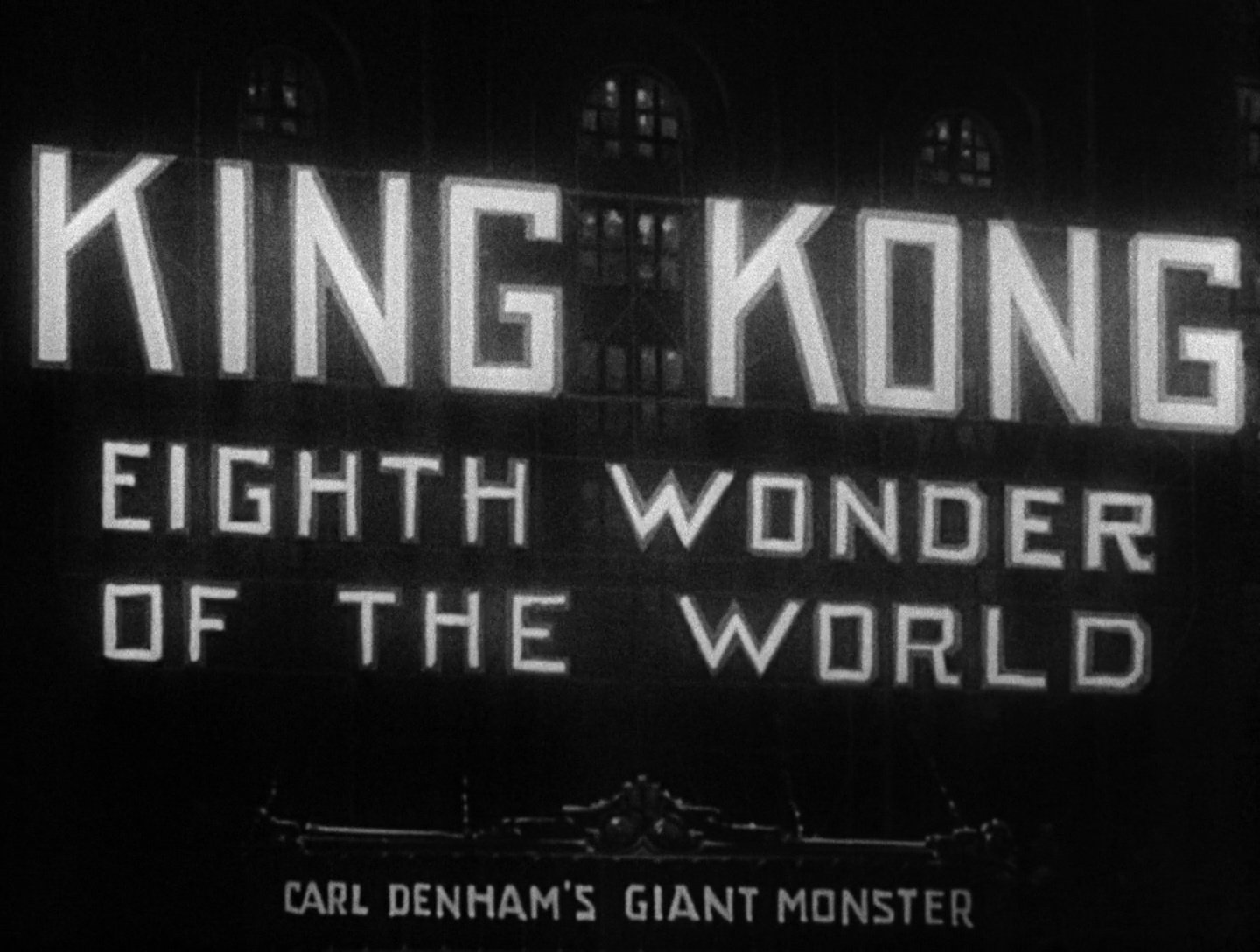
King Kong (1933): The original stop-motion movie star
1933 • Merian C. Cooper & Ernest B. Schoedsack • 1.37:1 • Jump to Gallery ↓
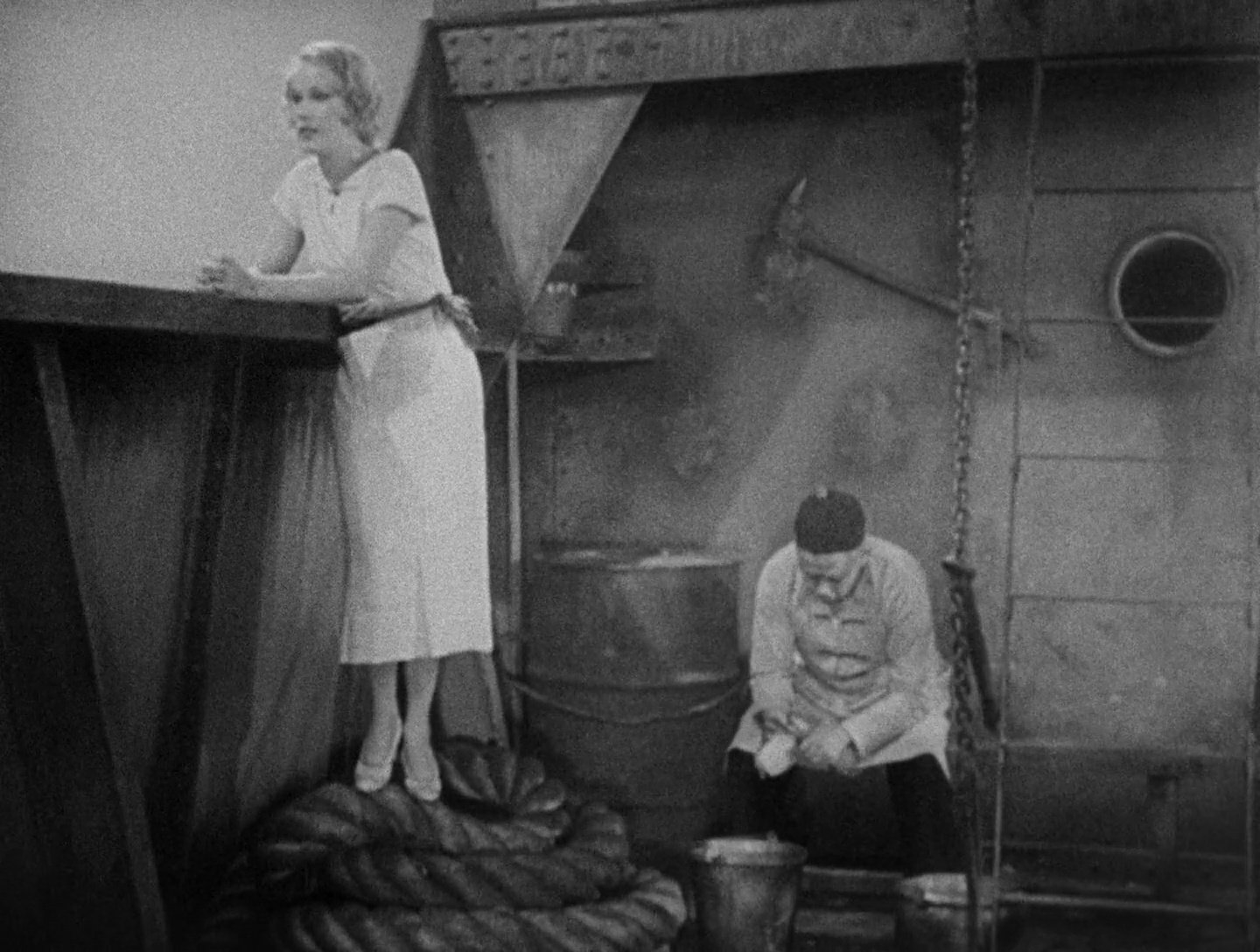
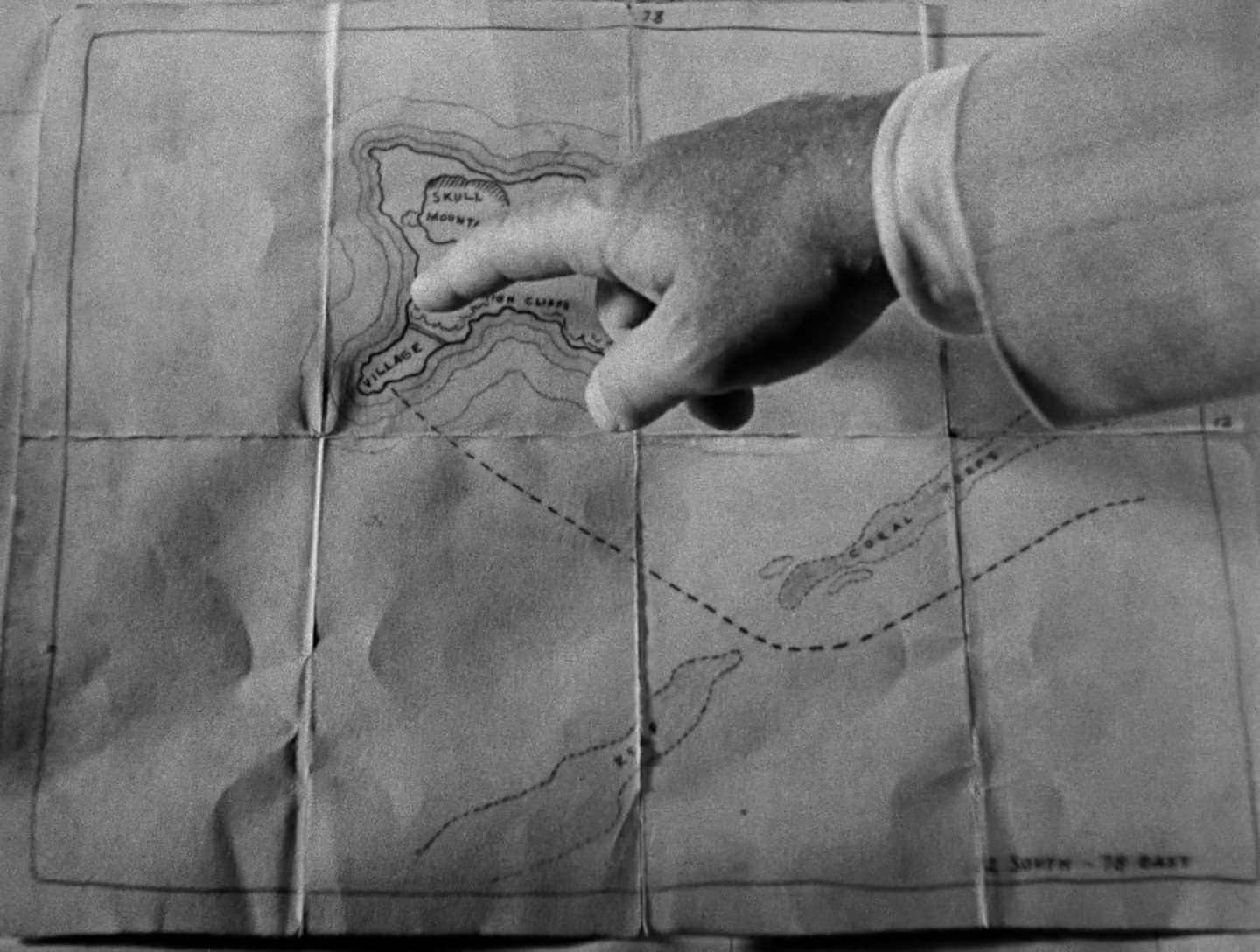
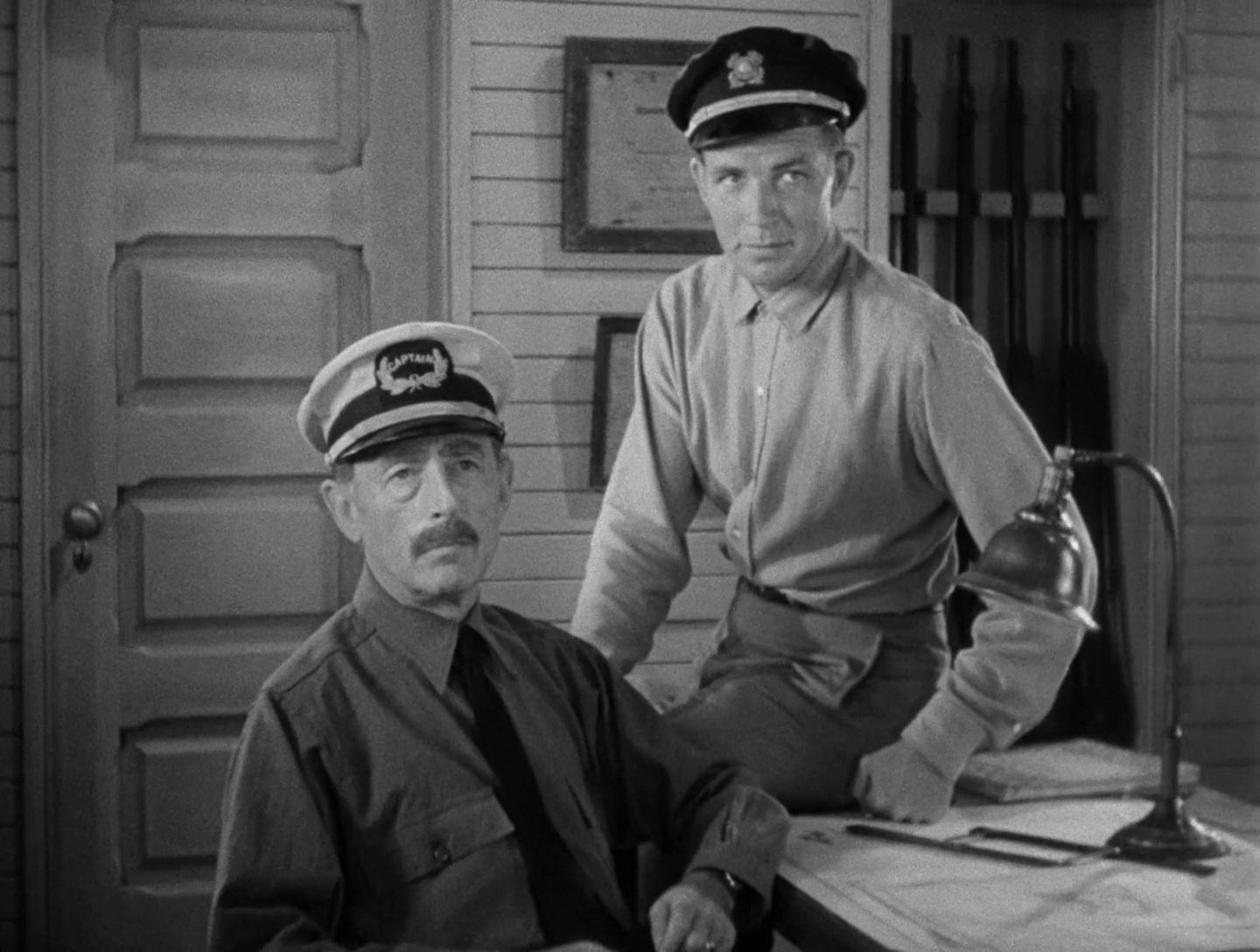
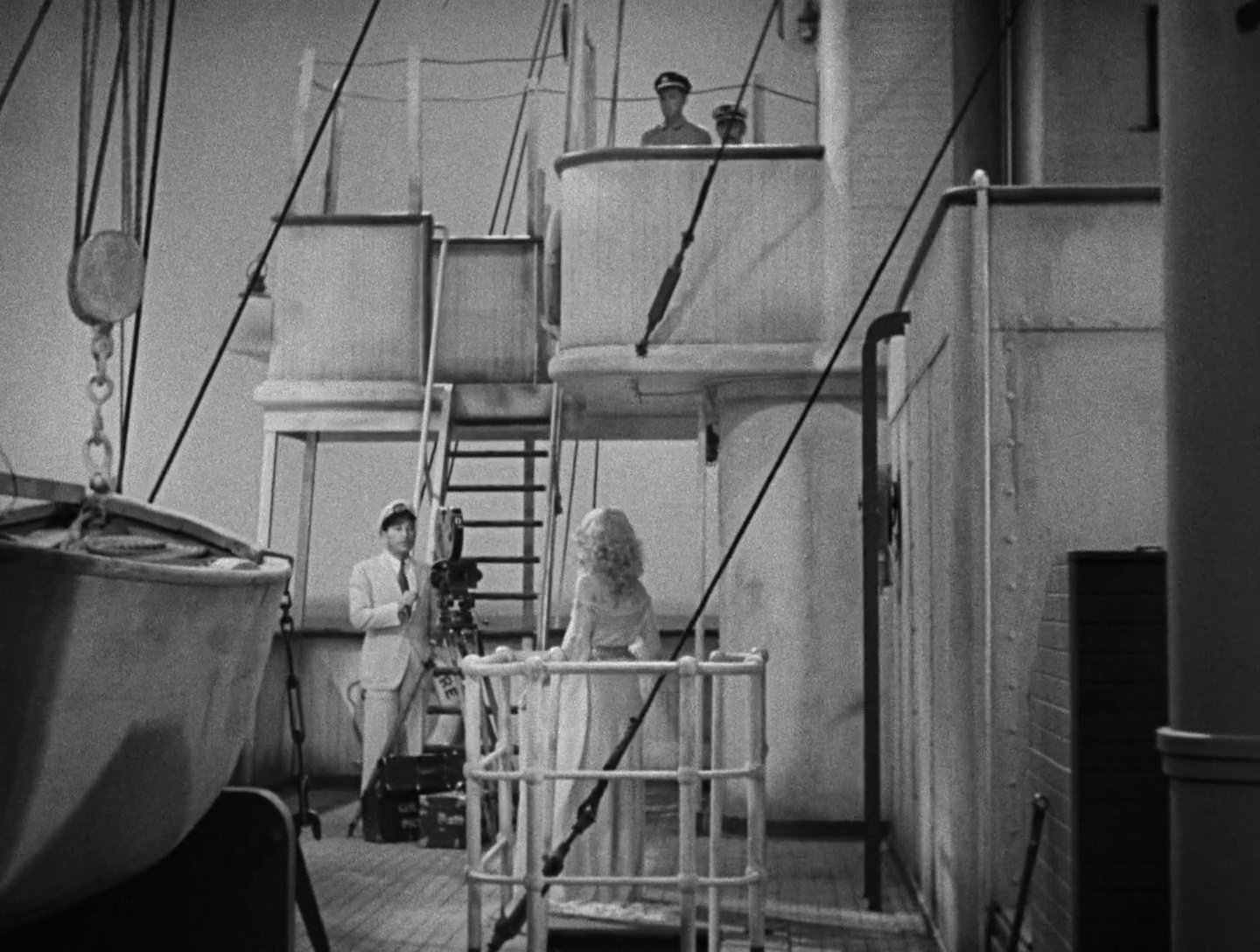
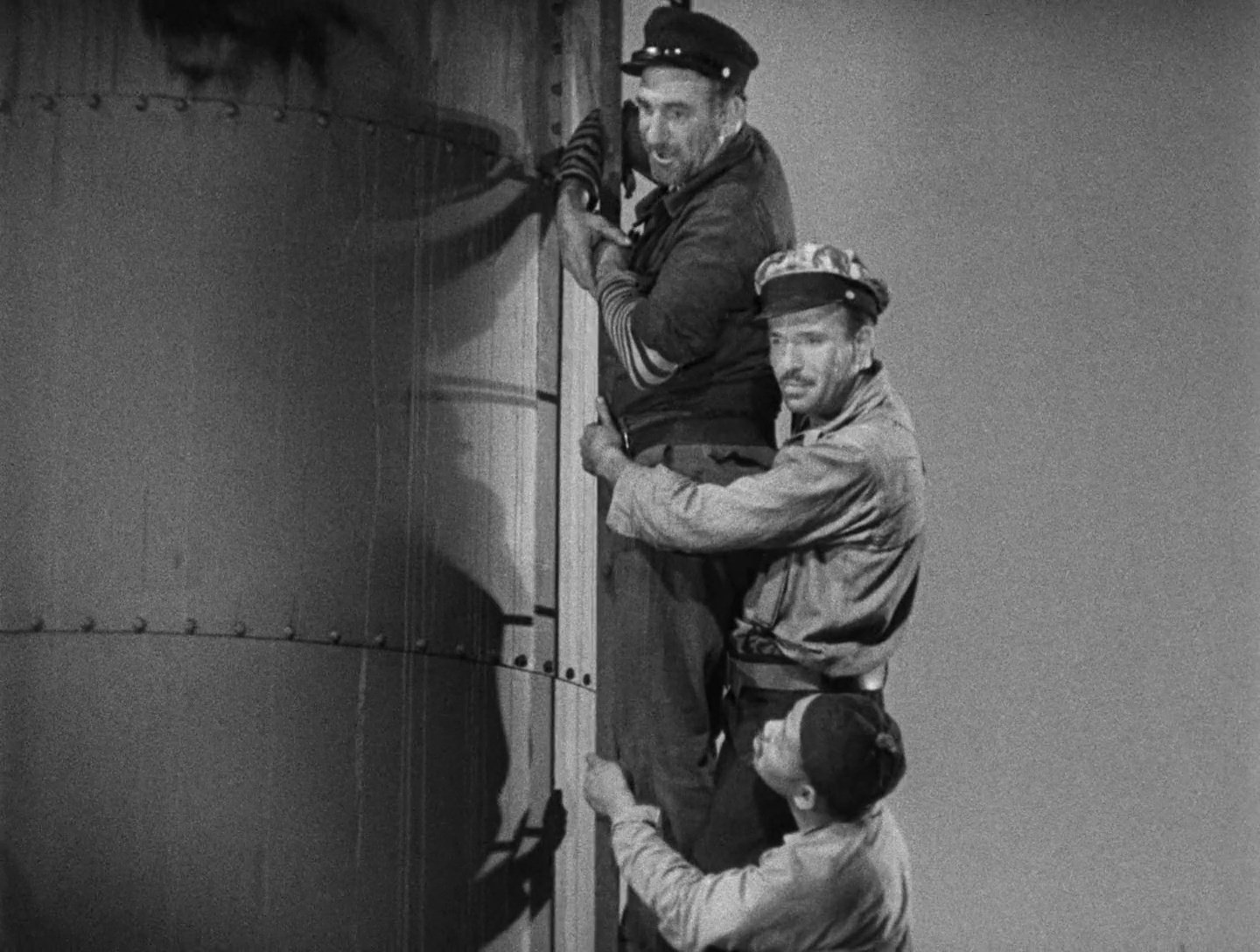
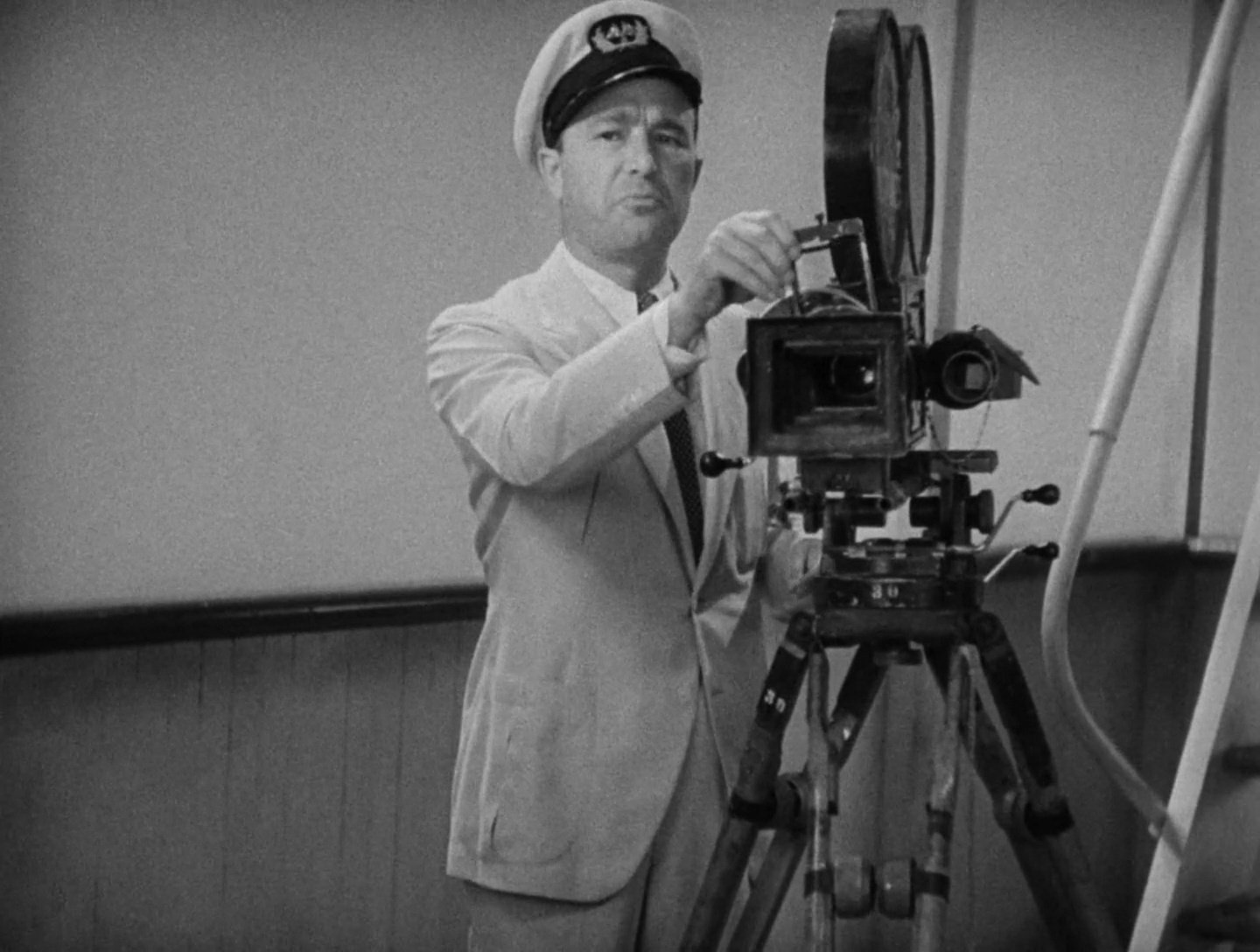
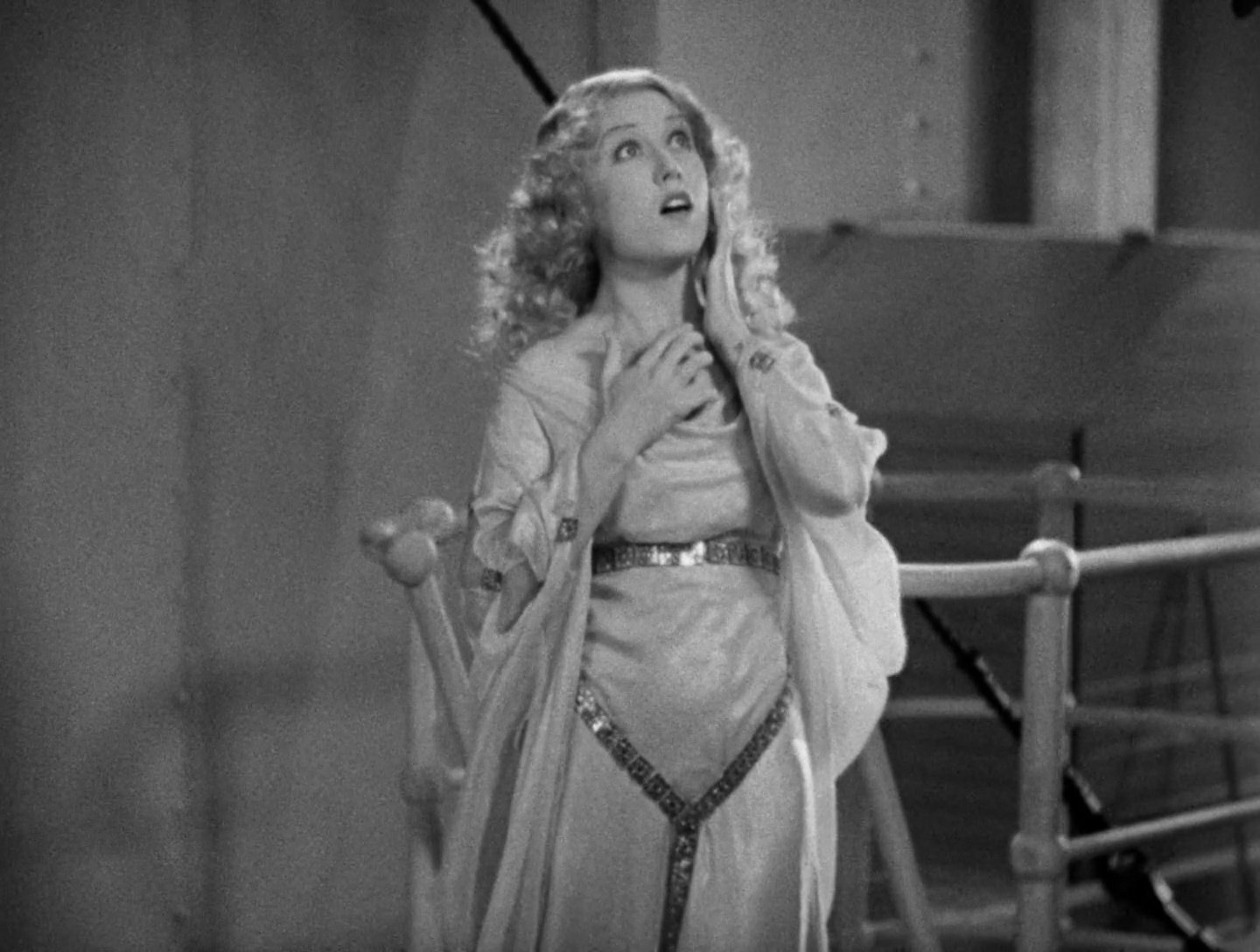
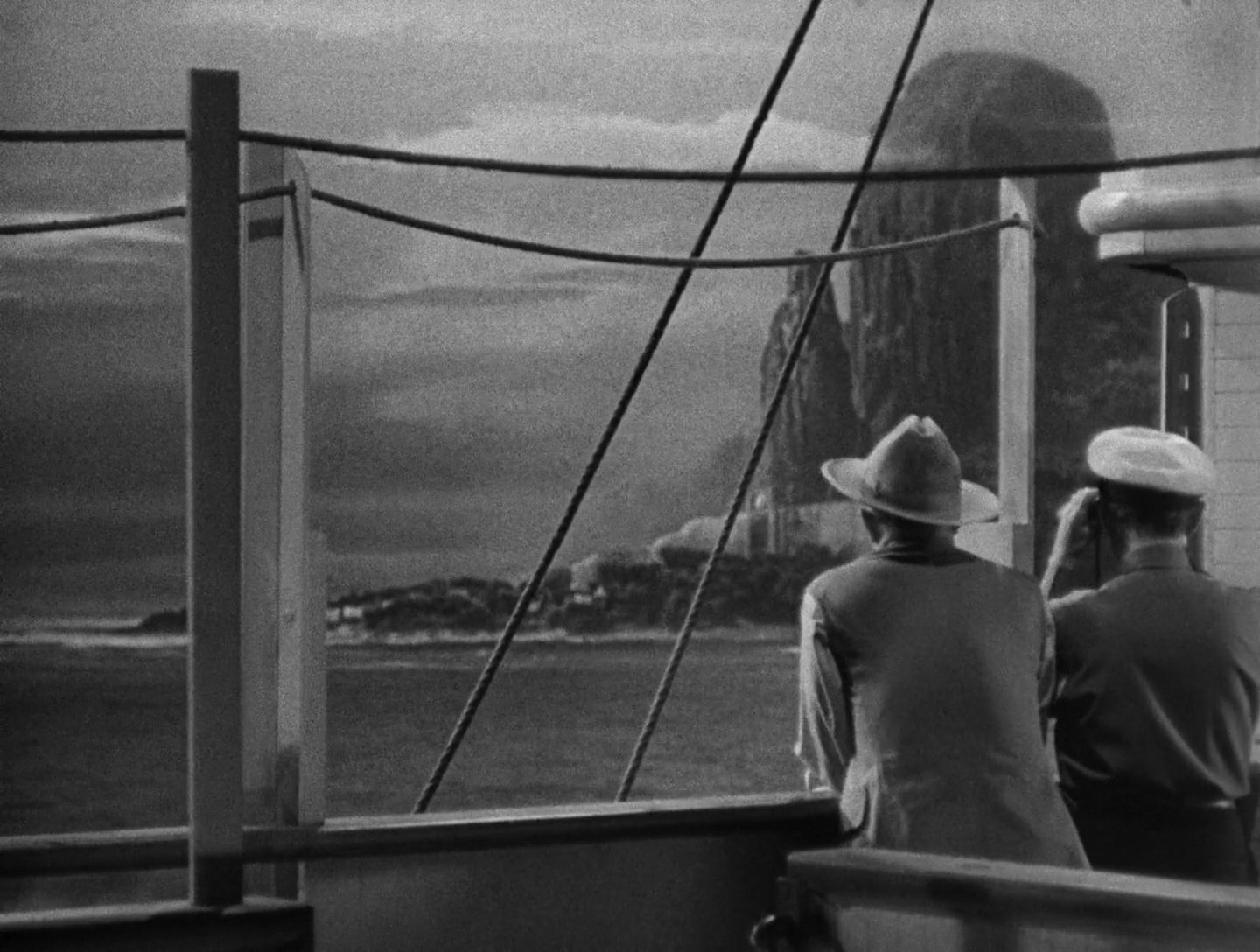
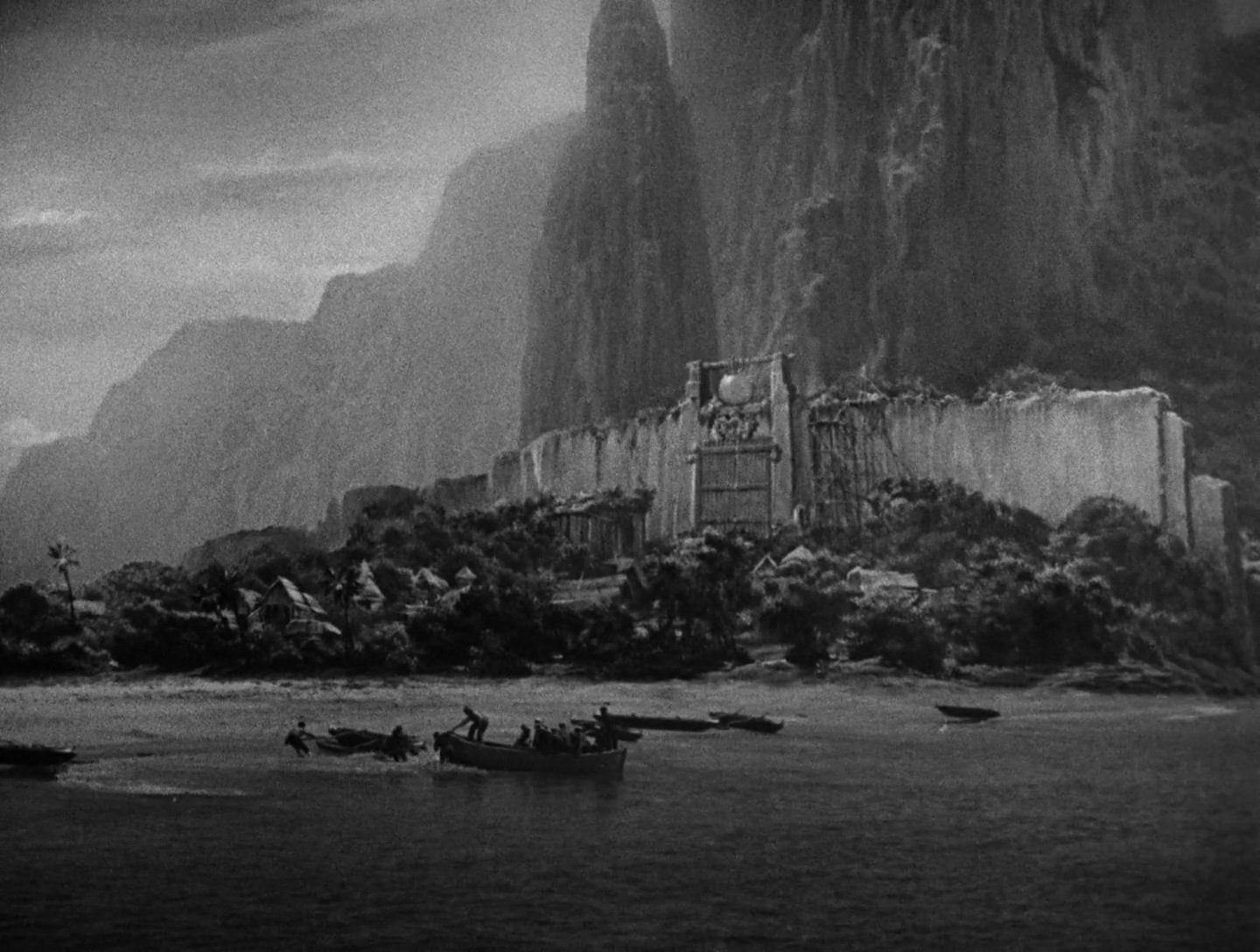
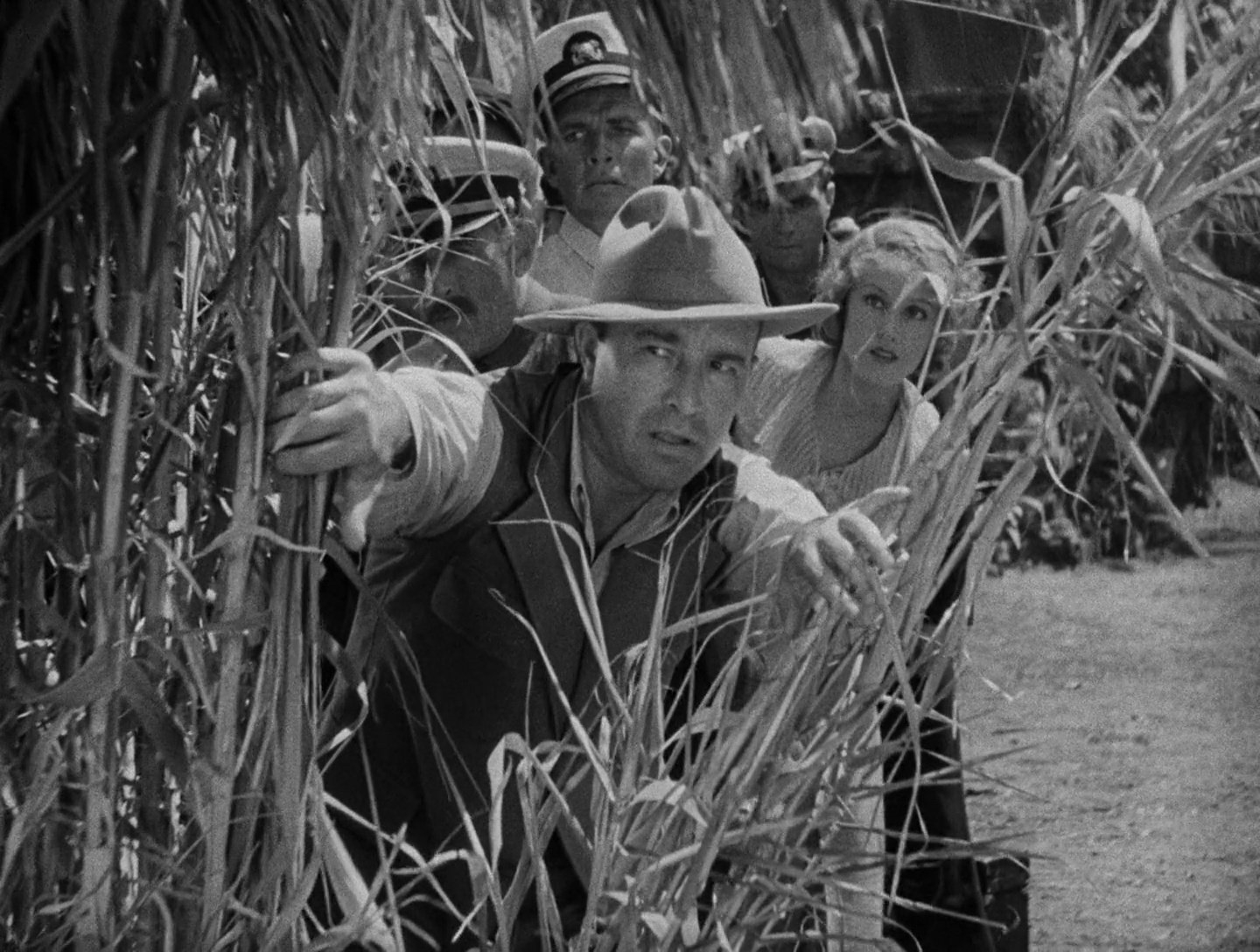
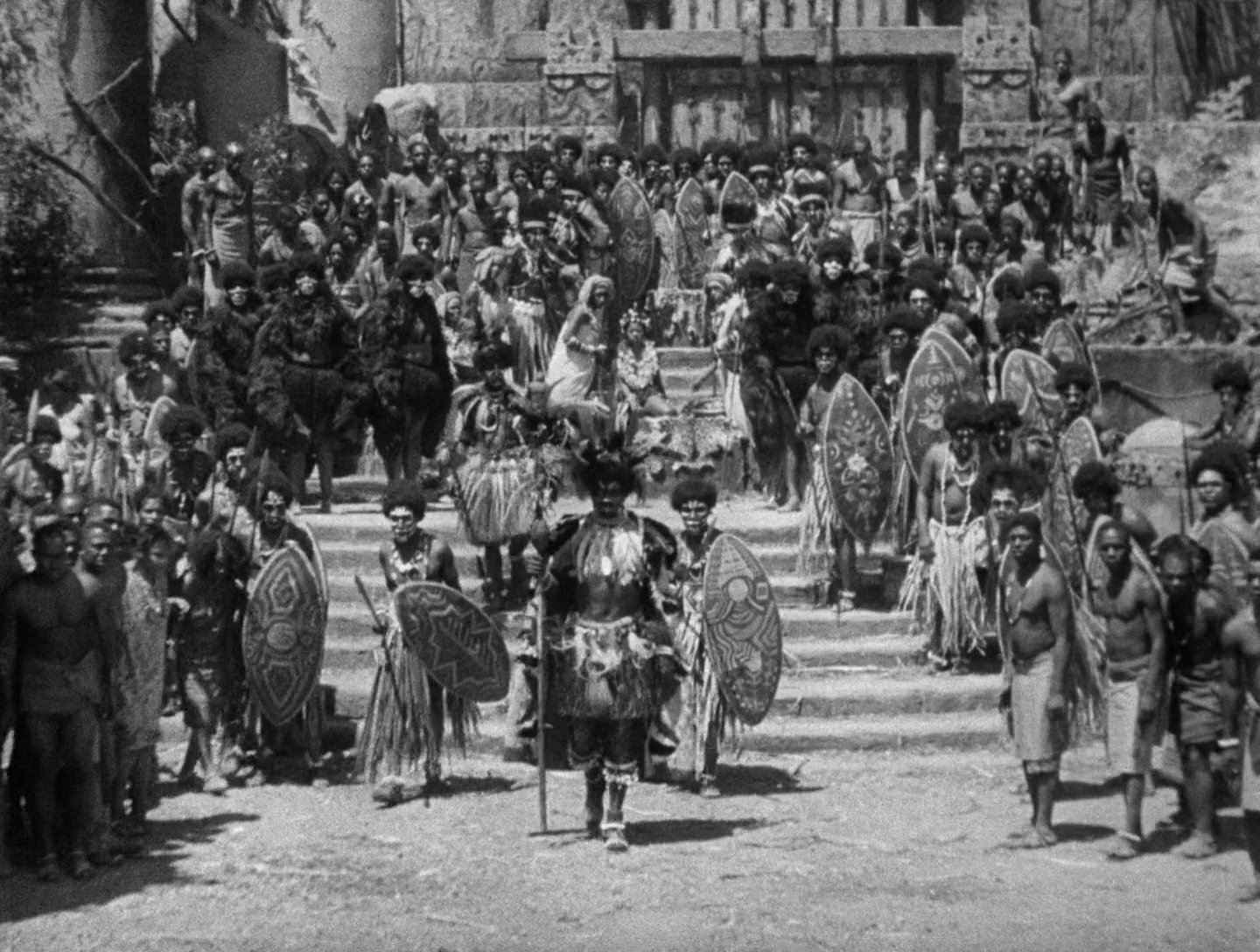
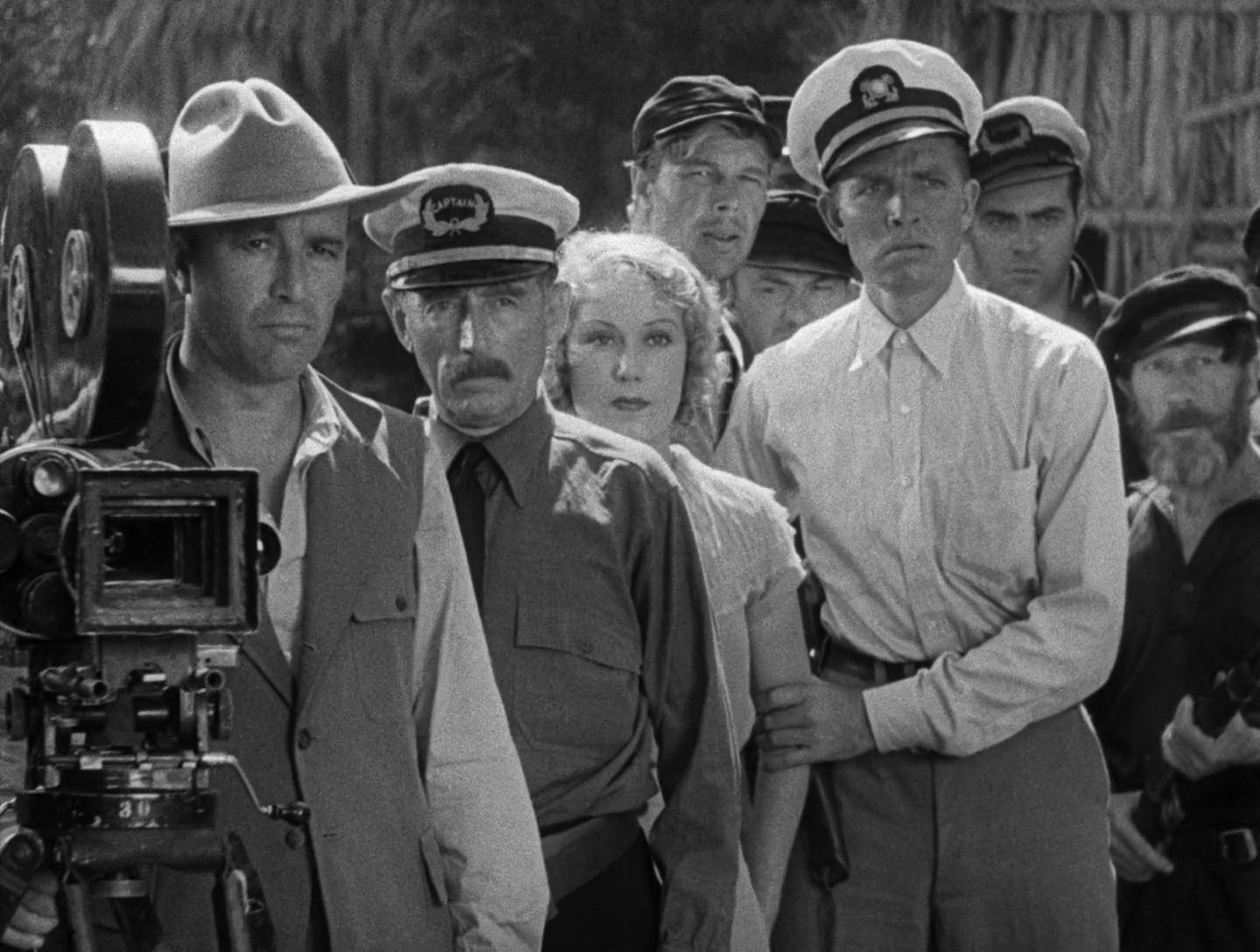
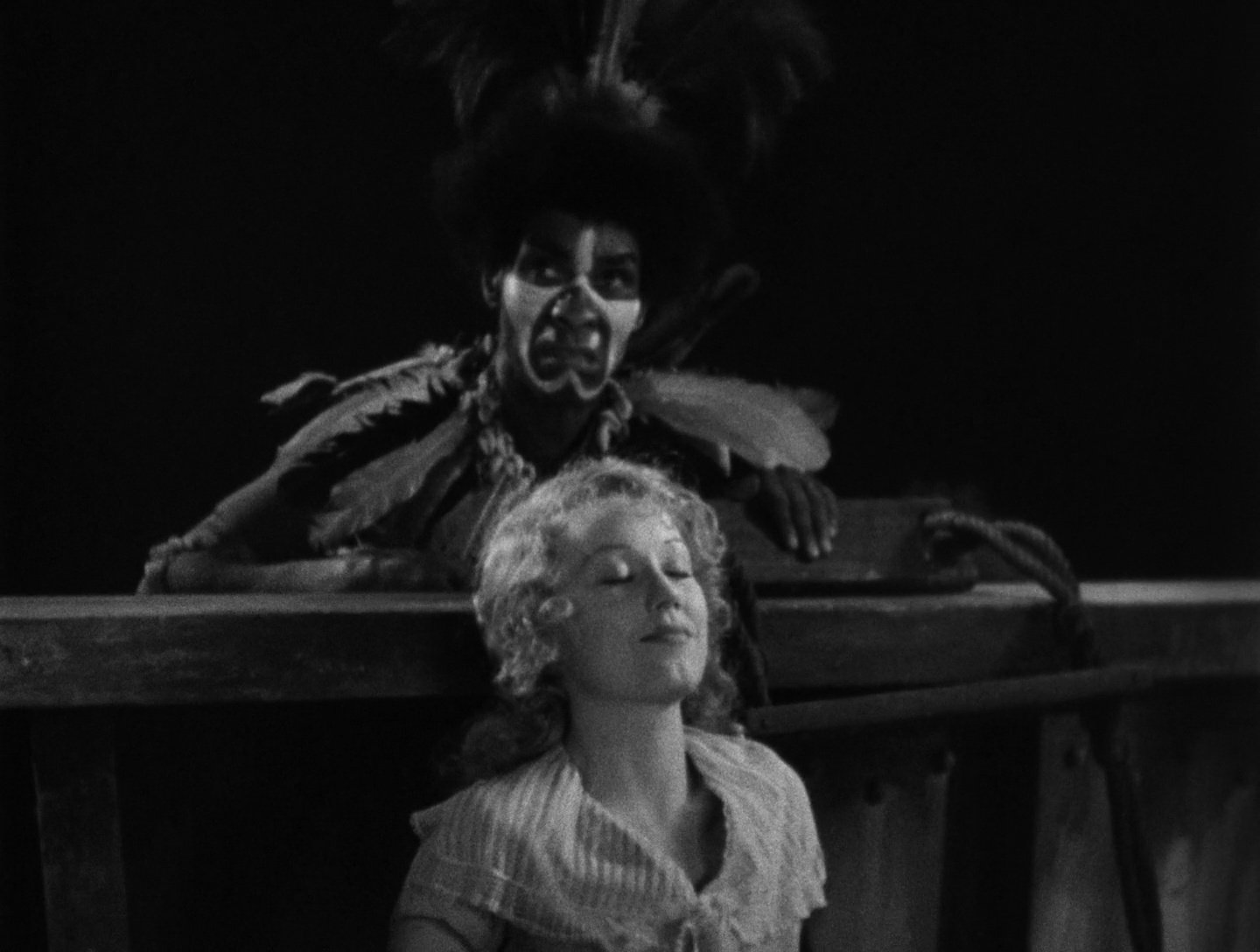
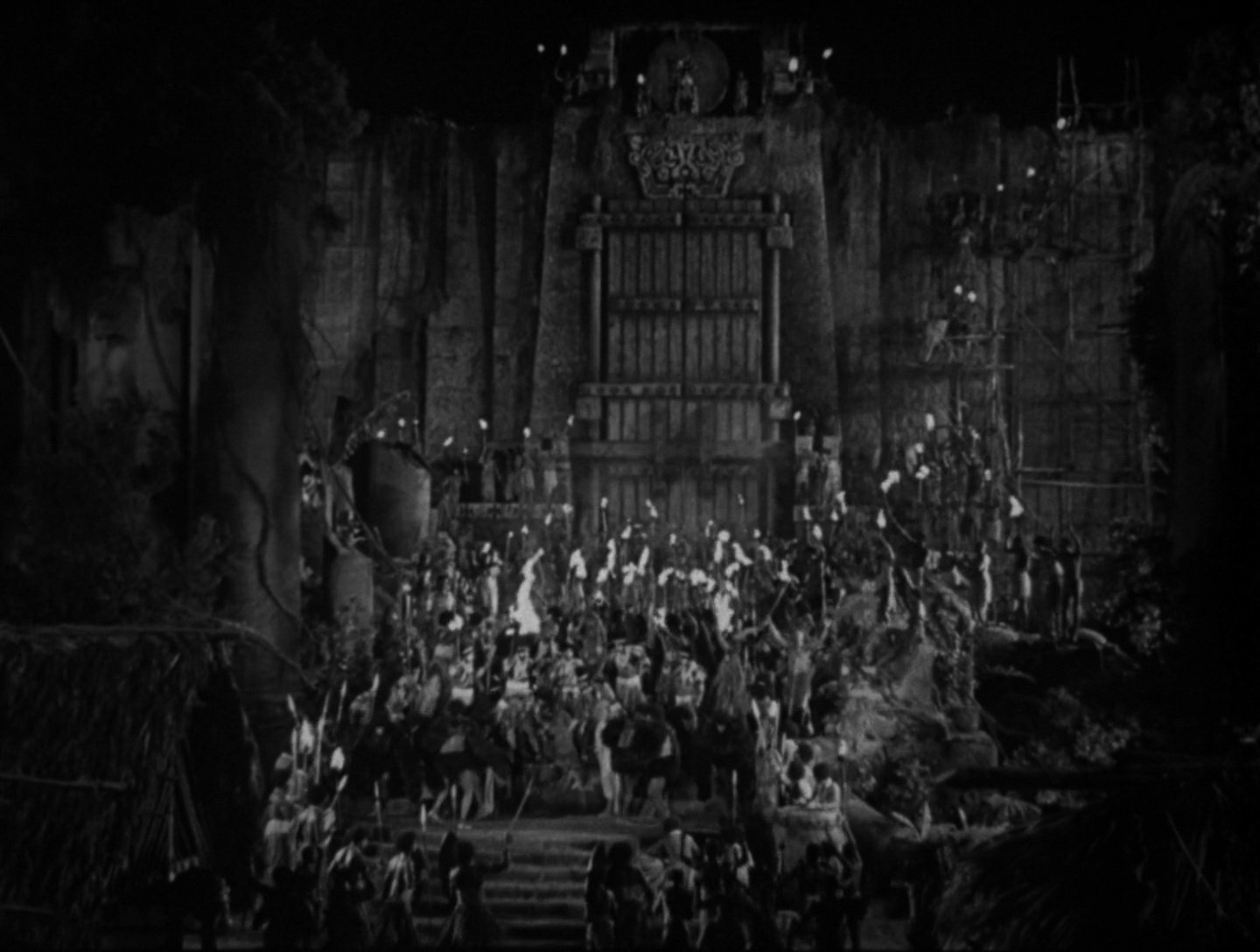
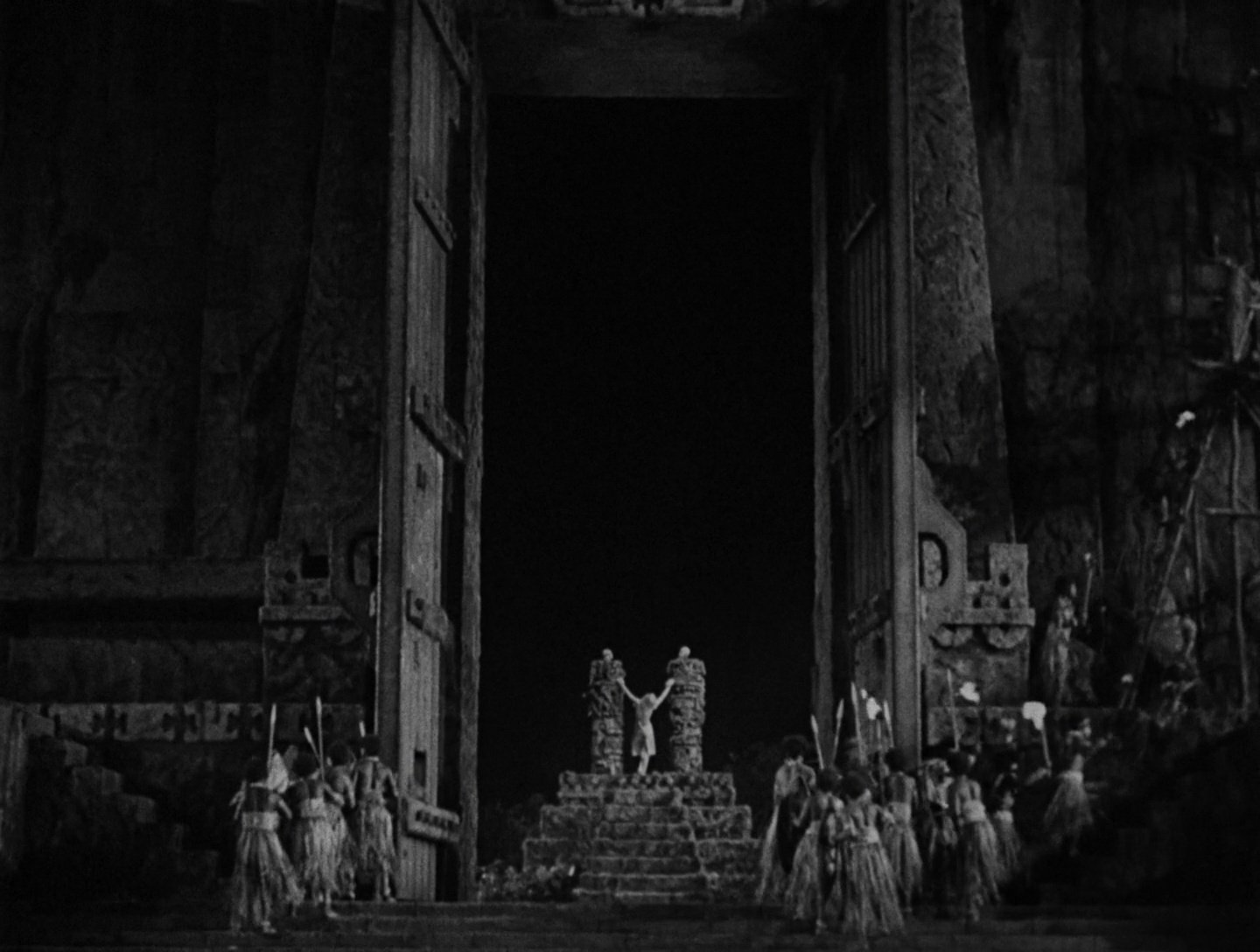
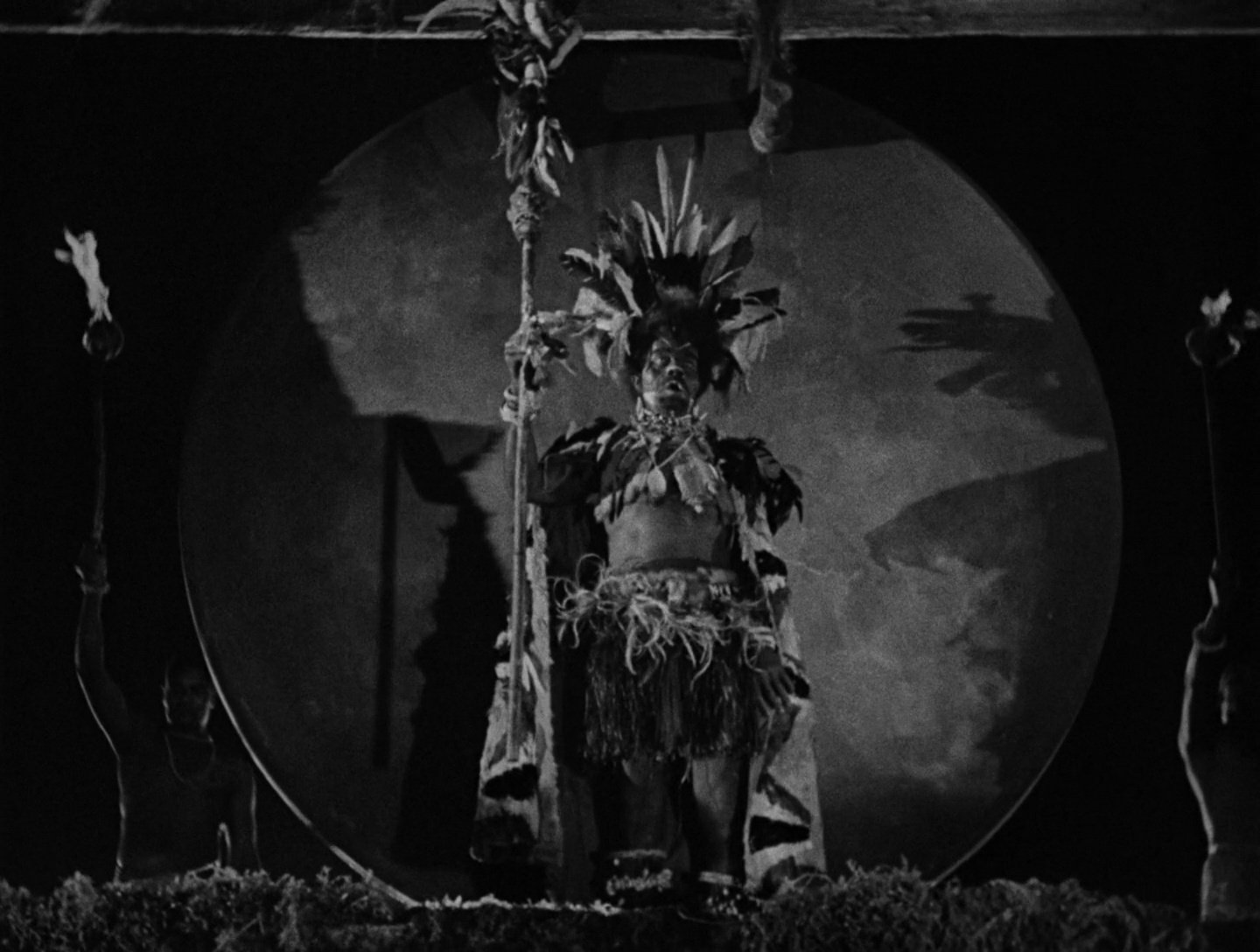
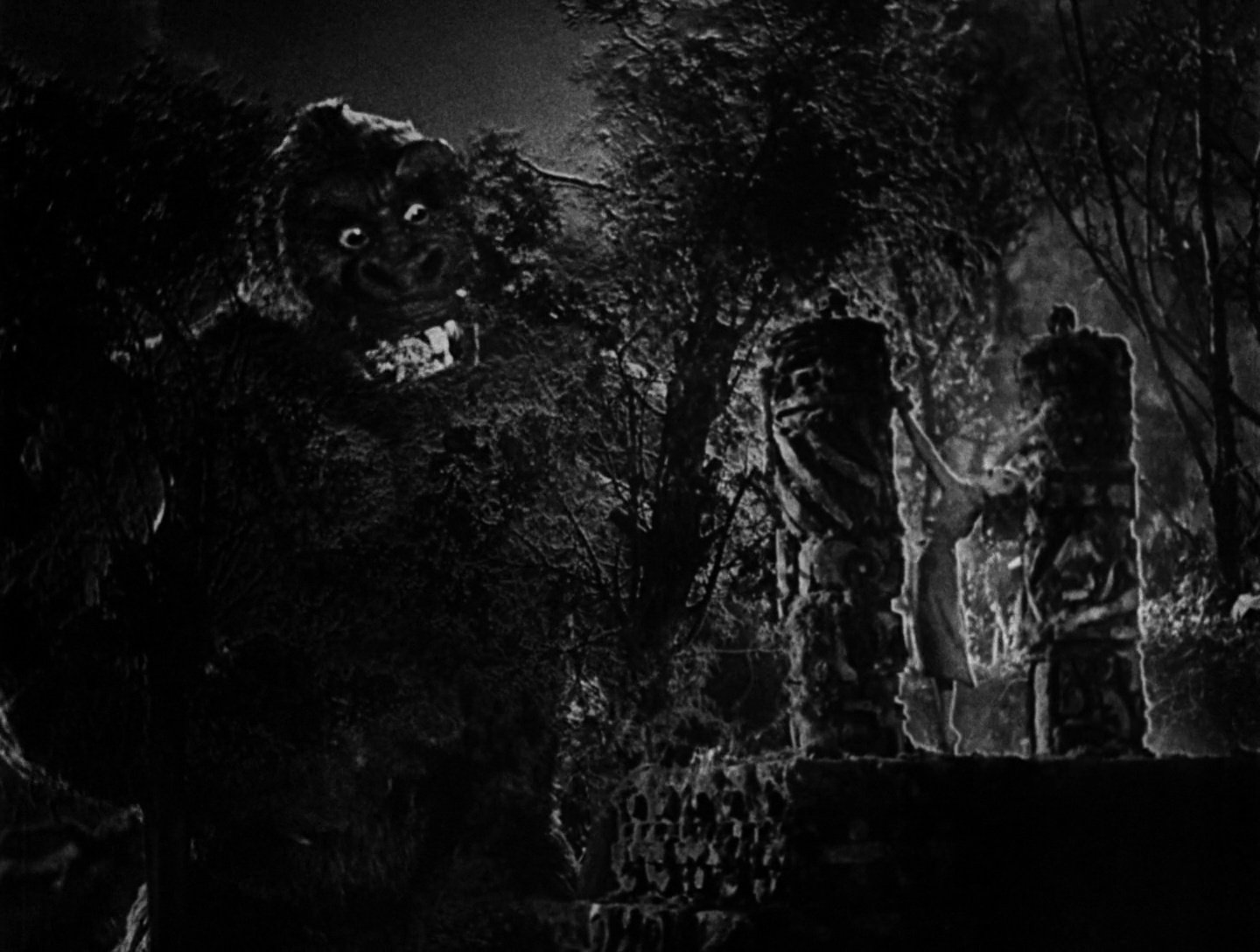
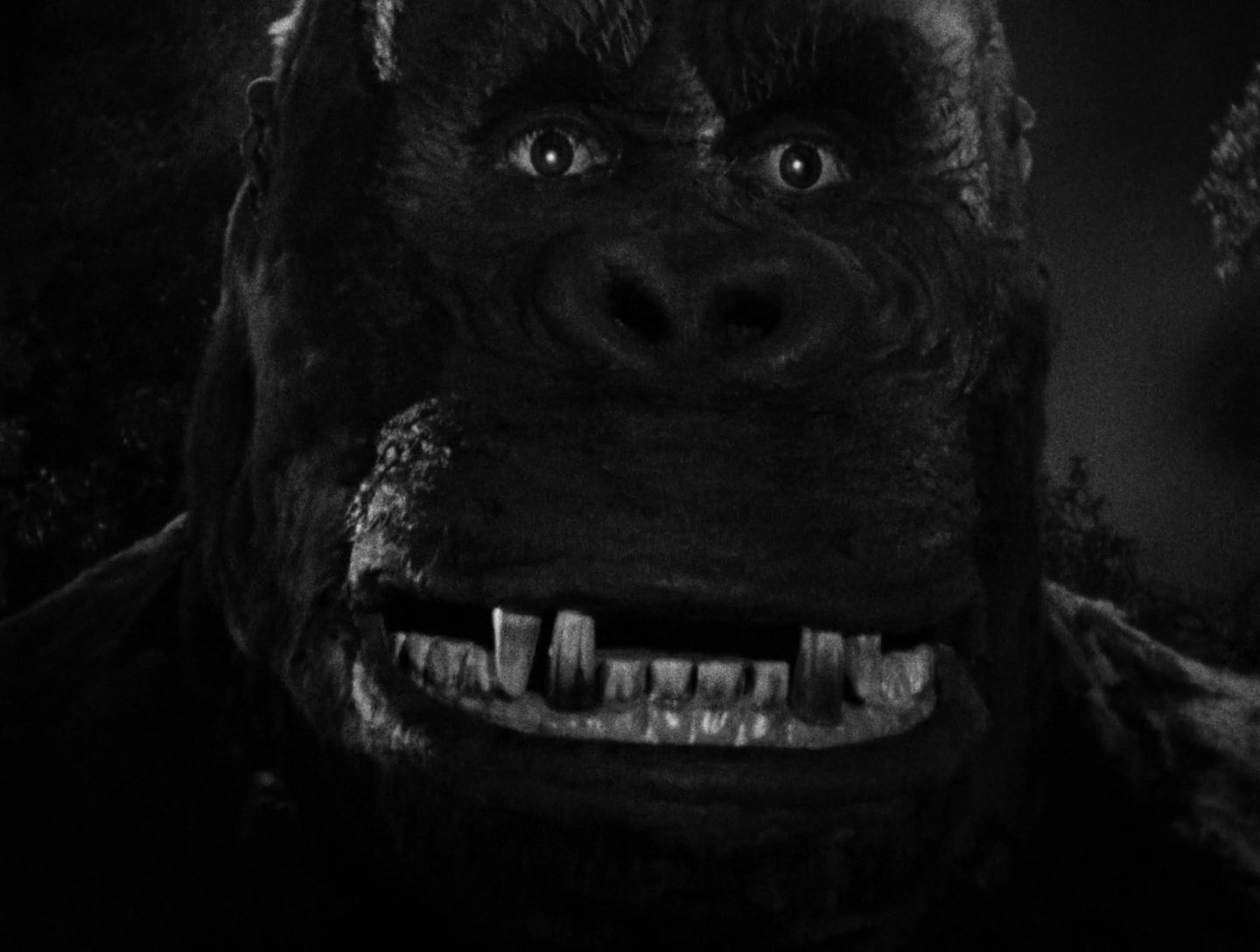
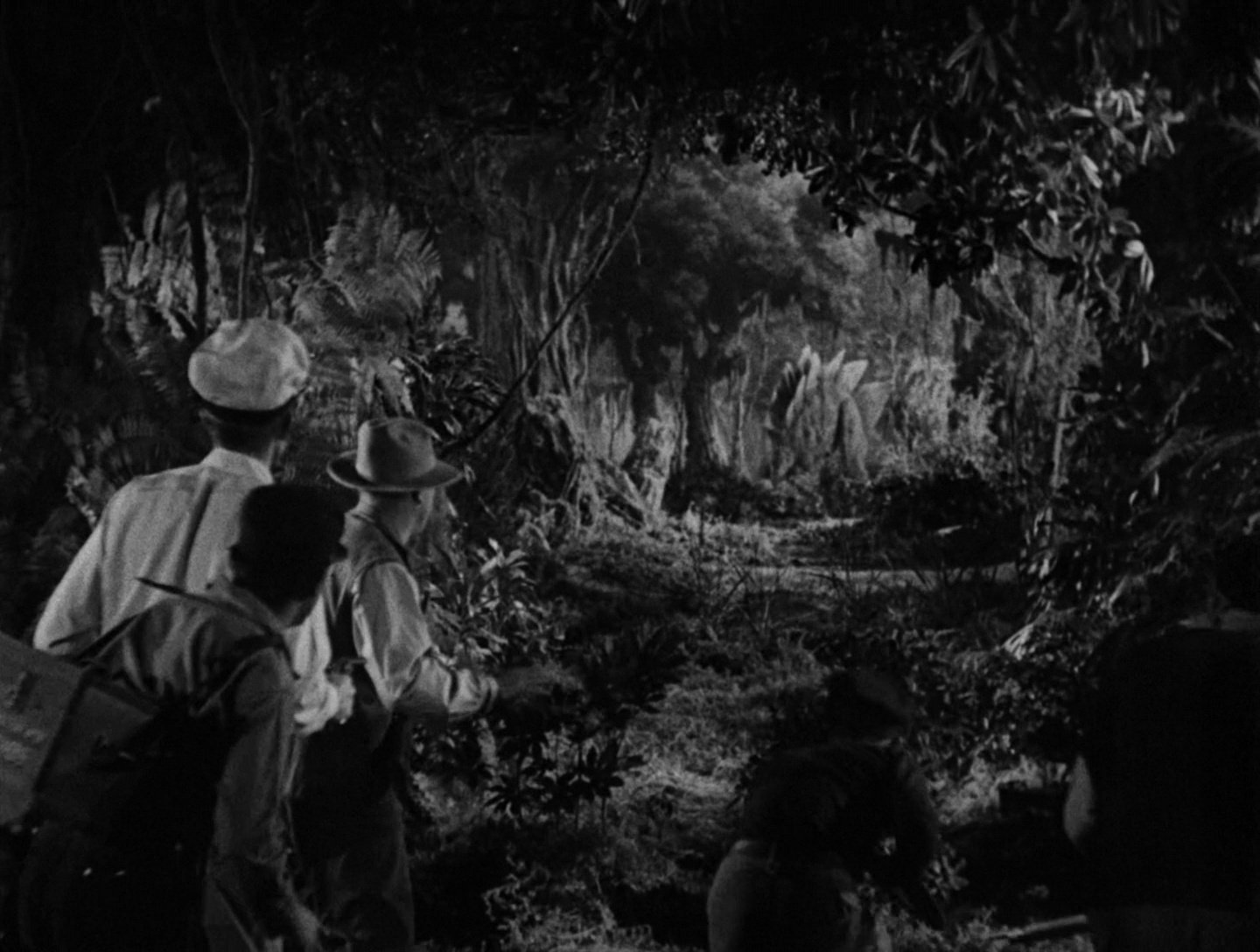
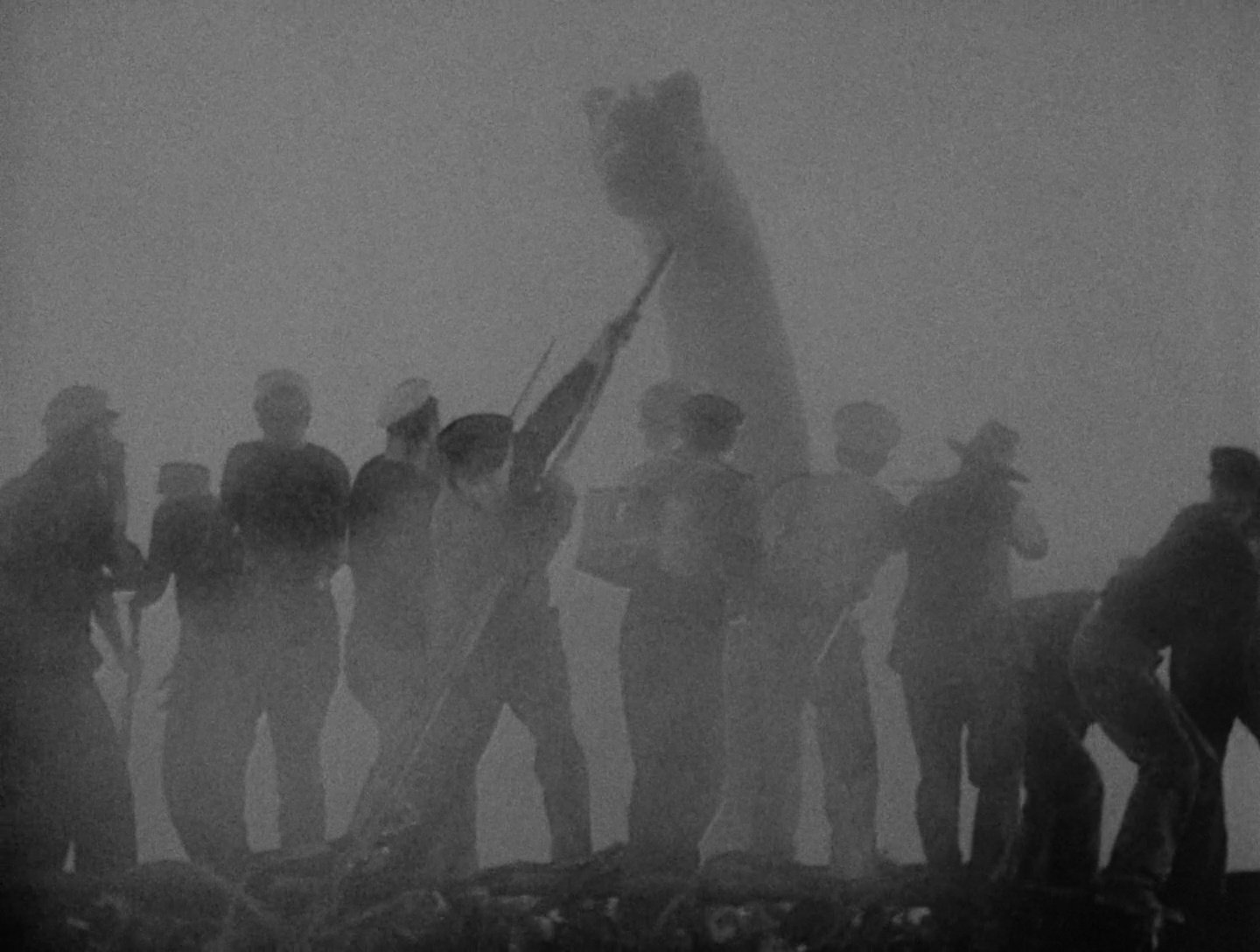
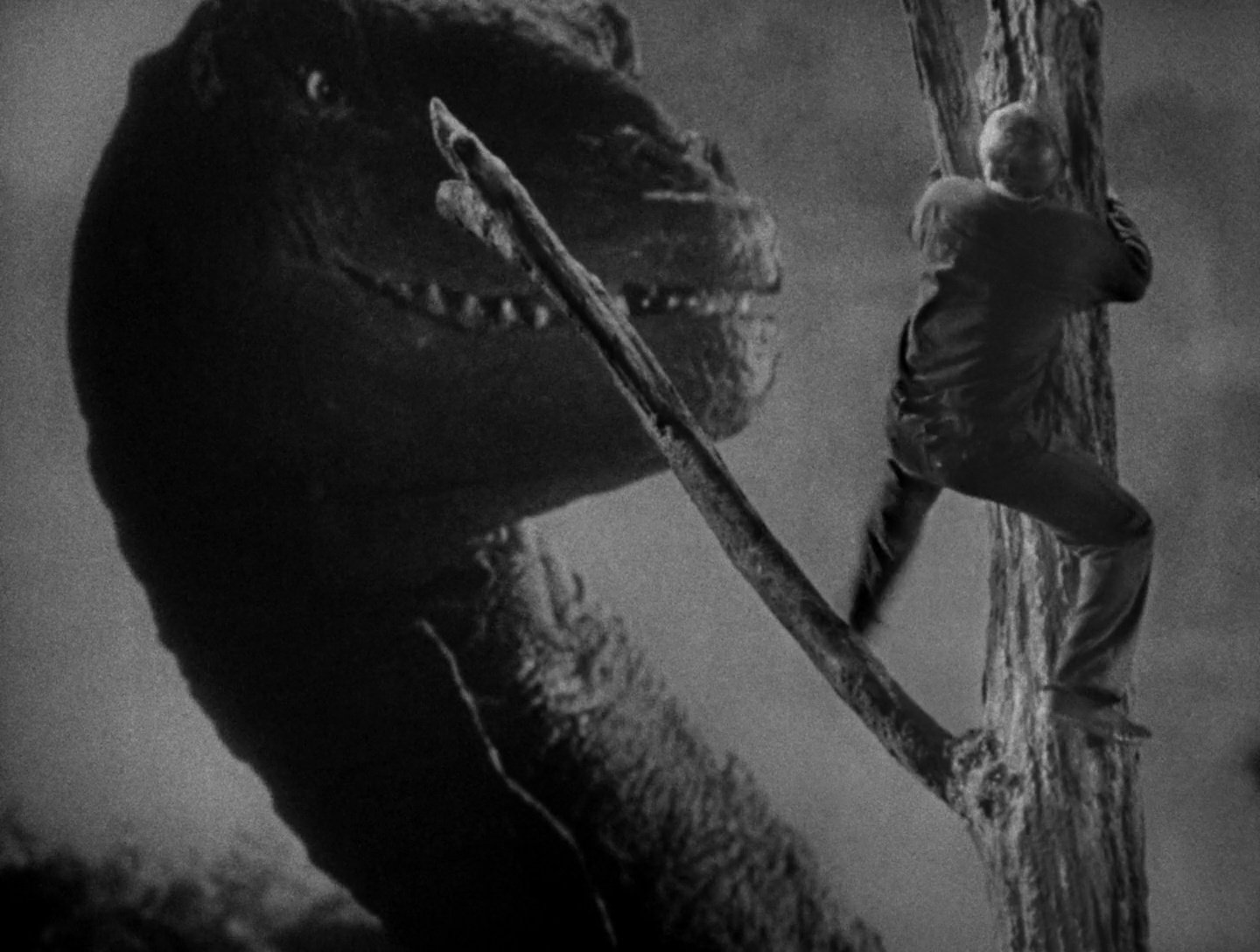
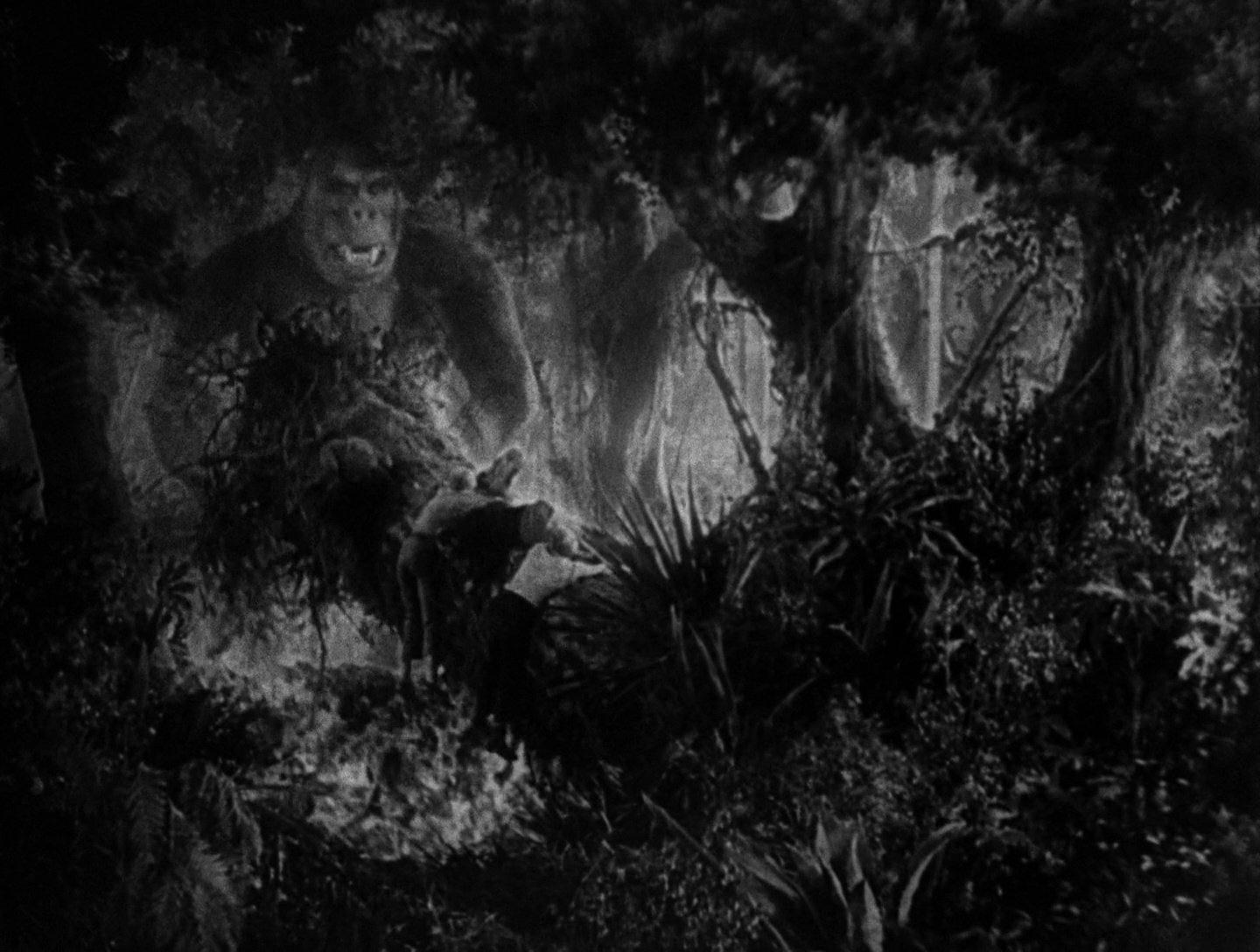
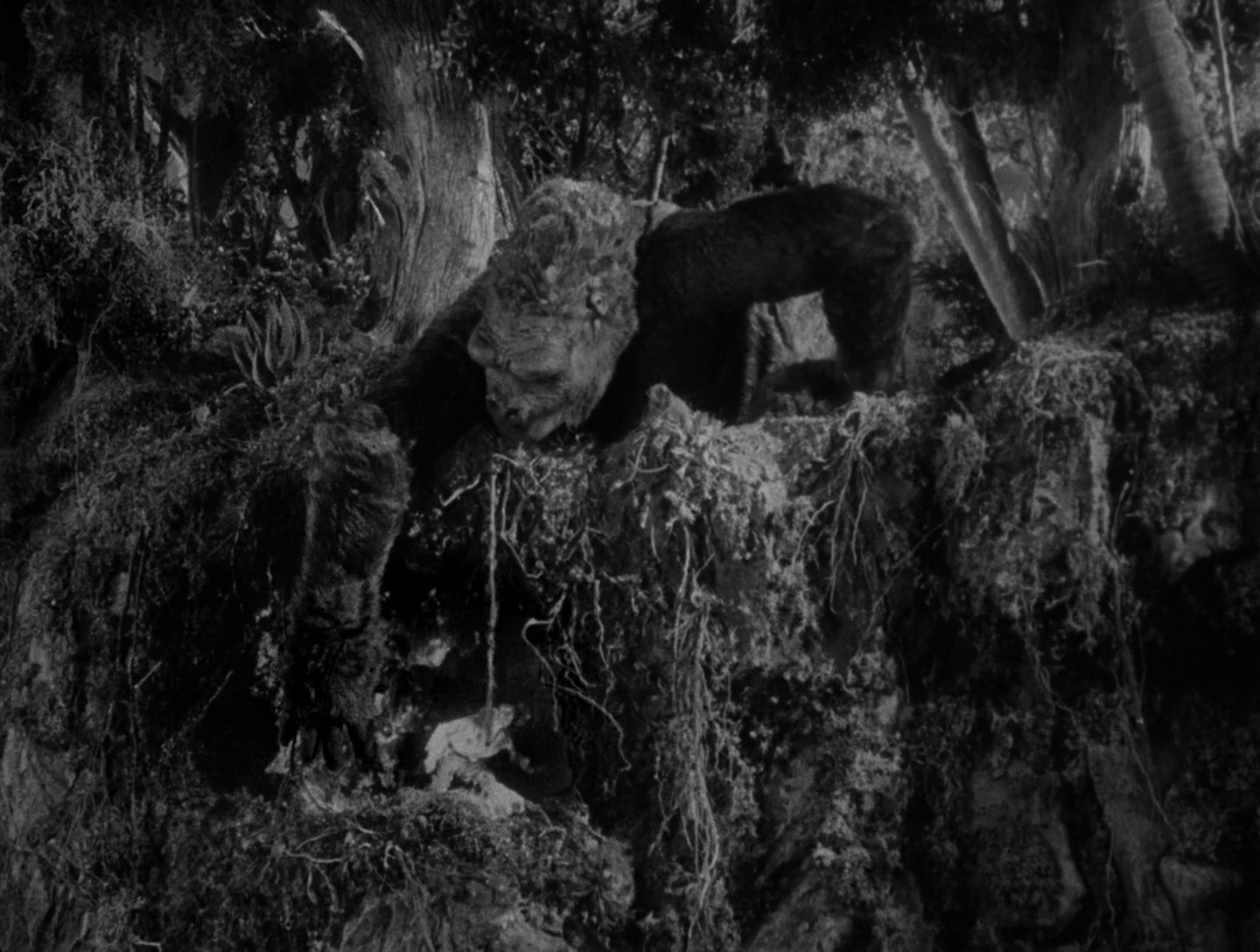
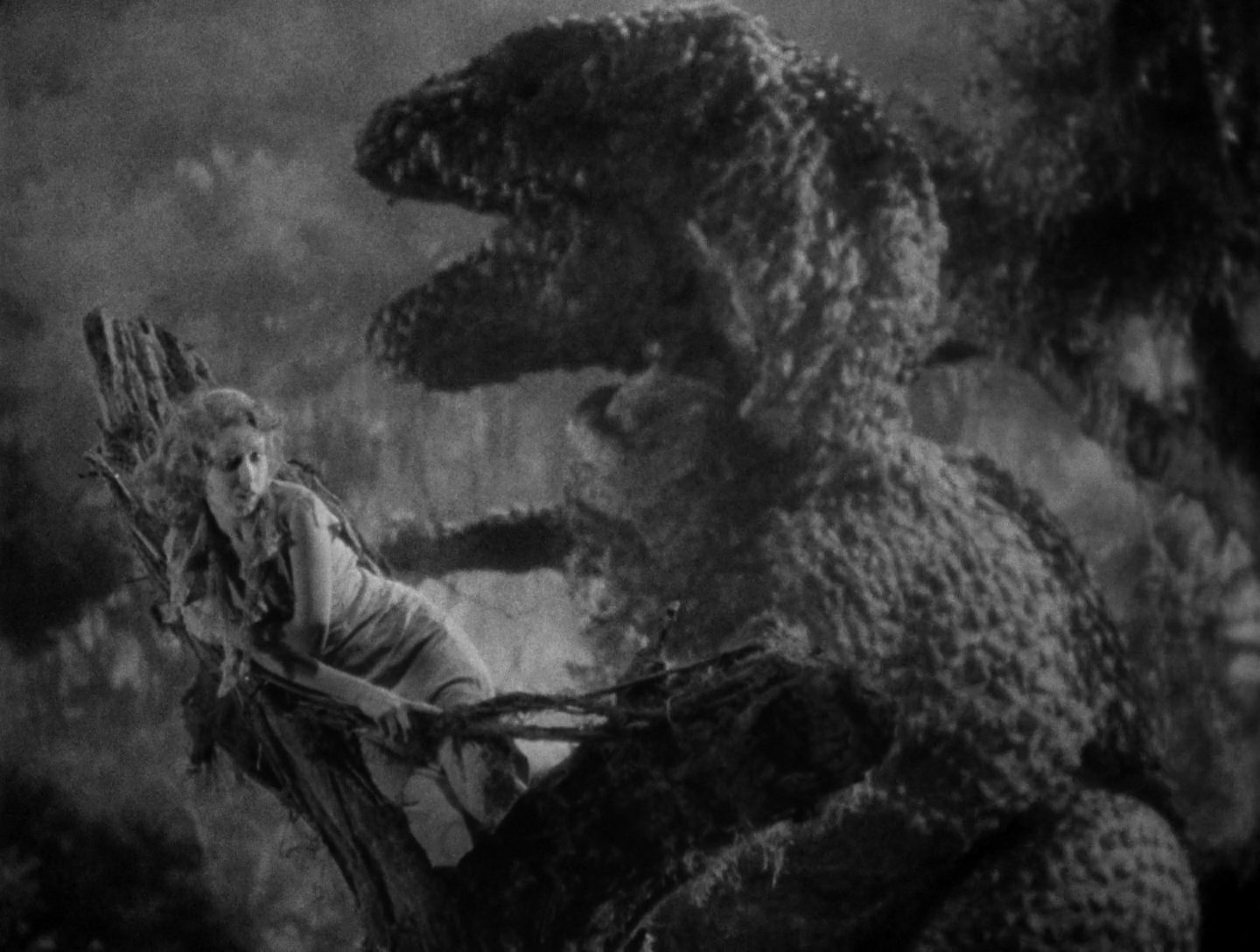
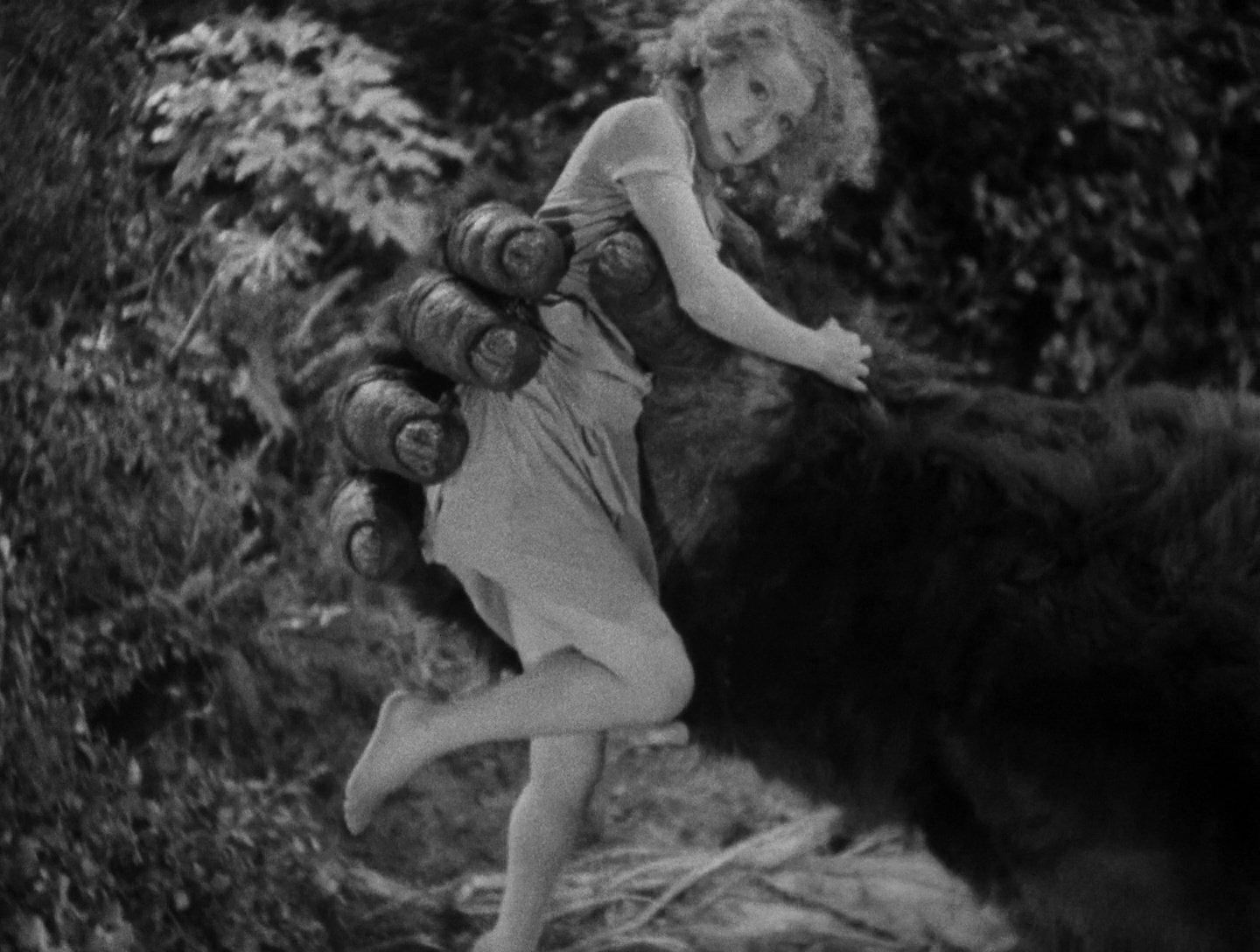
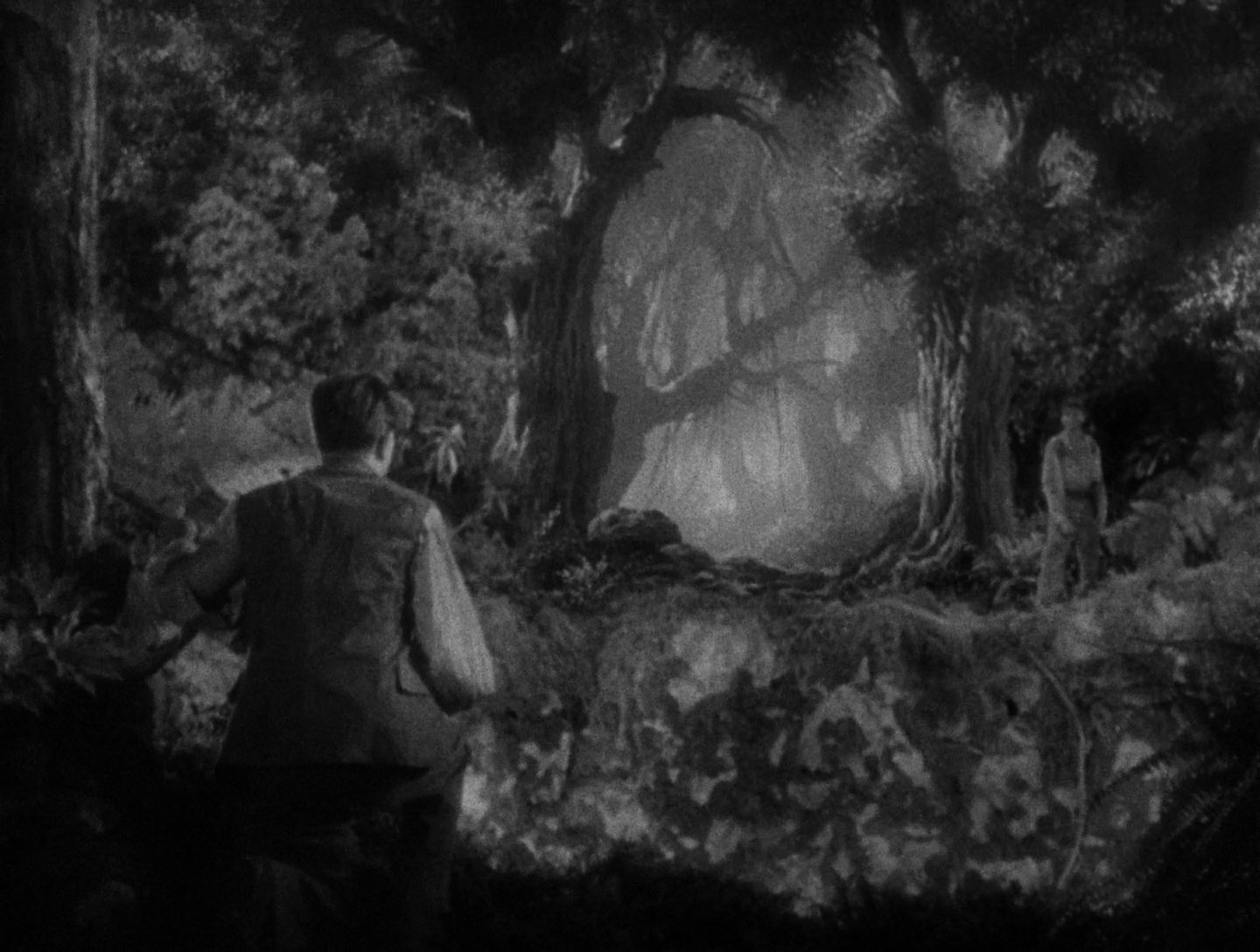
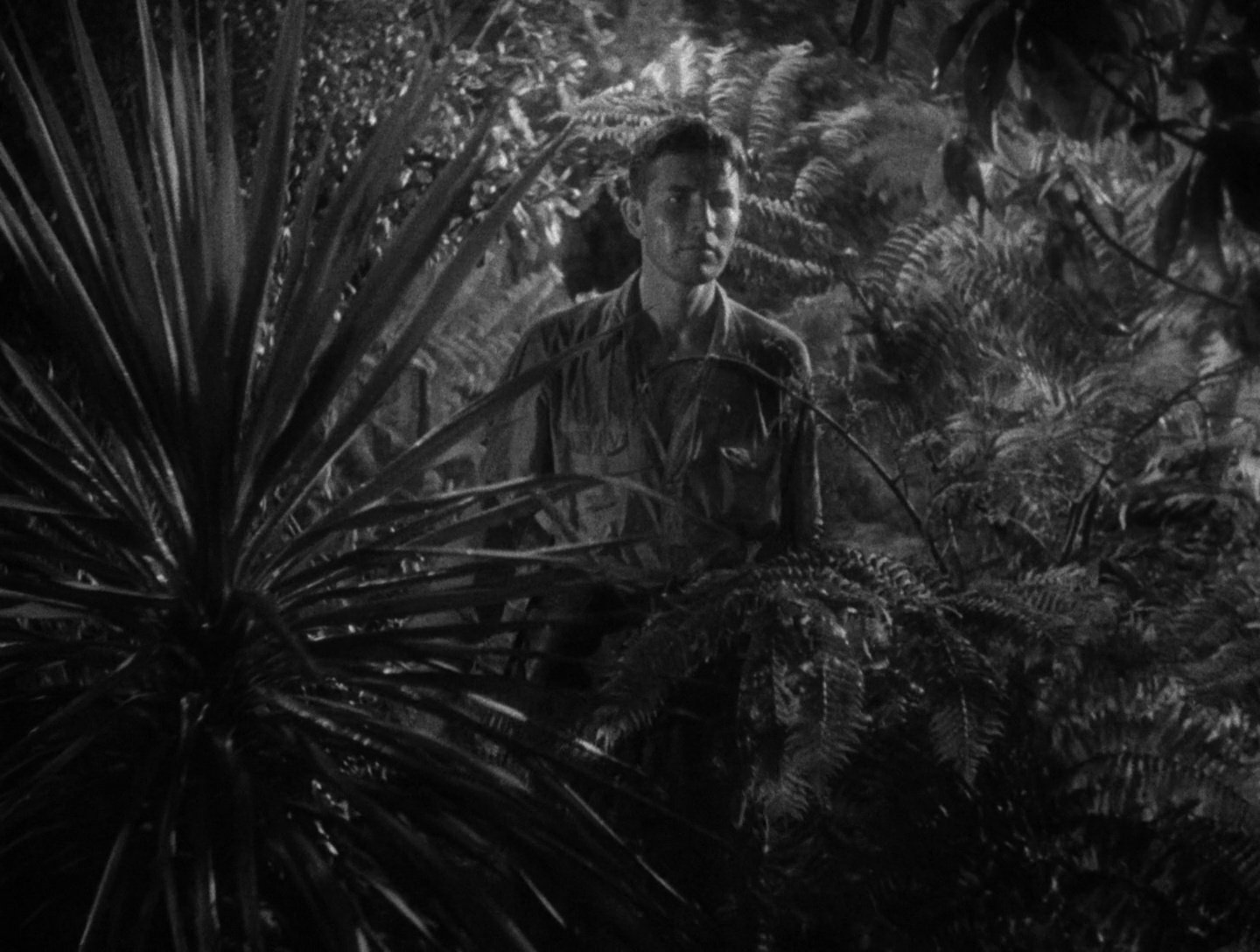
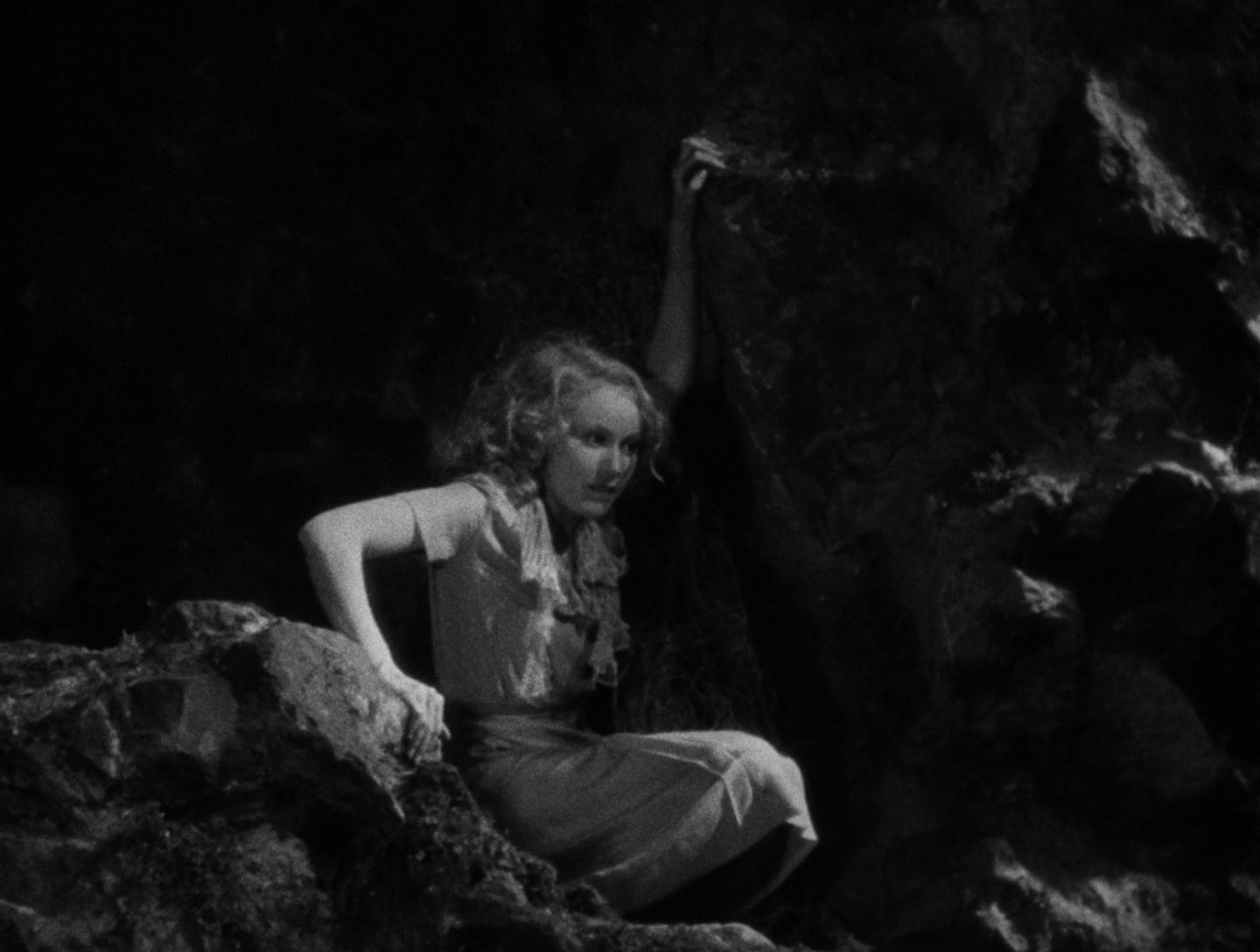
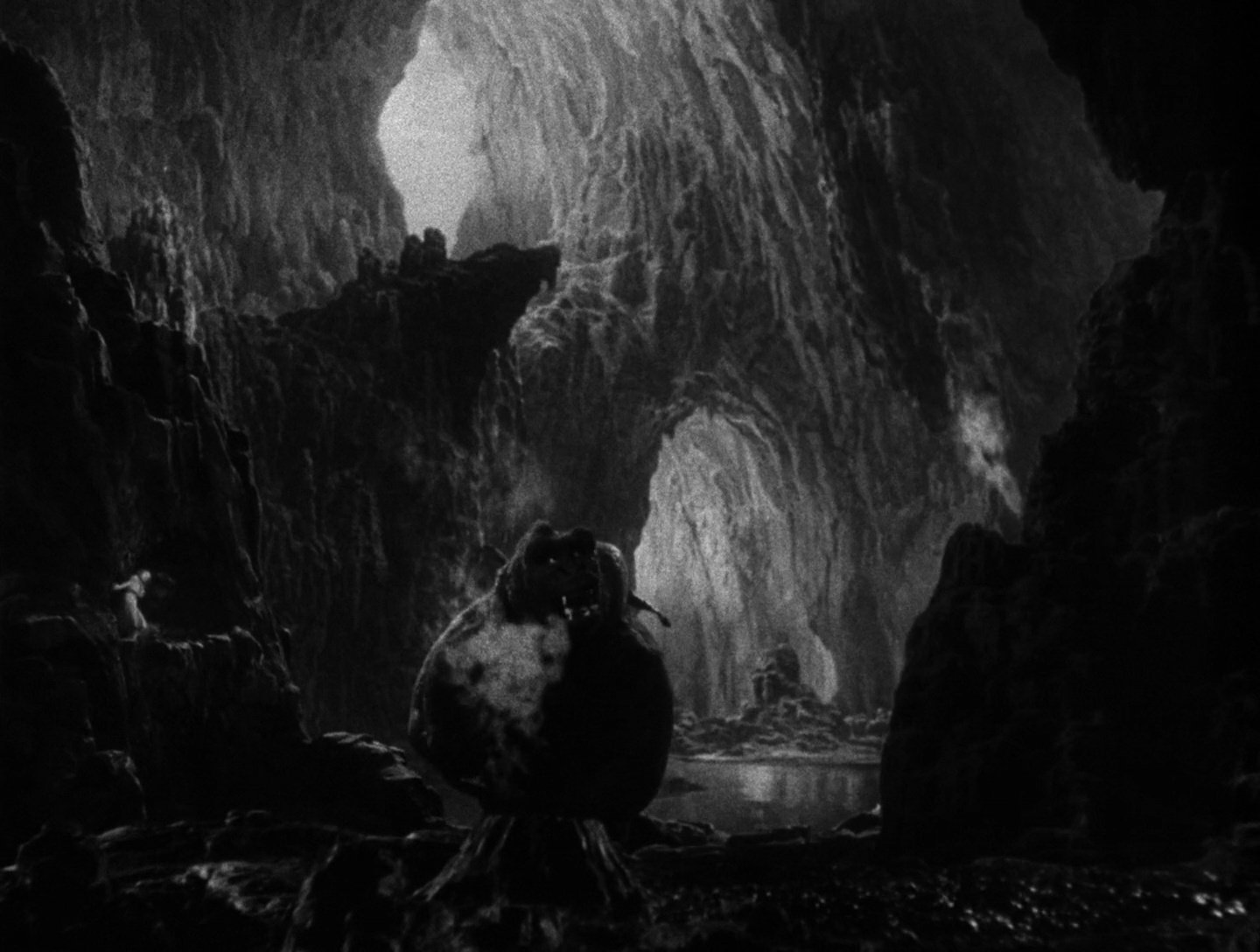
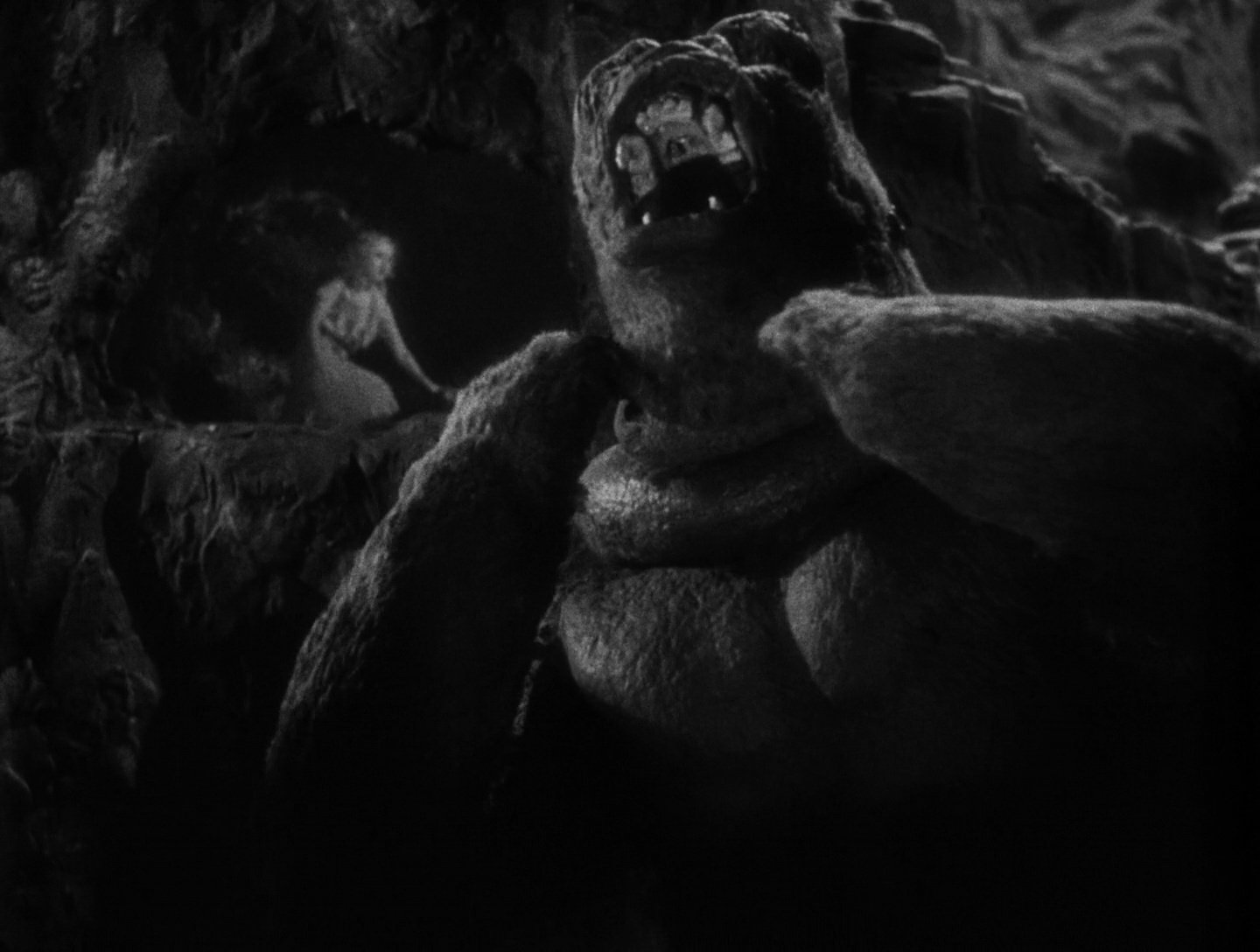
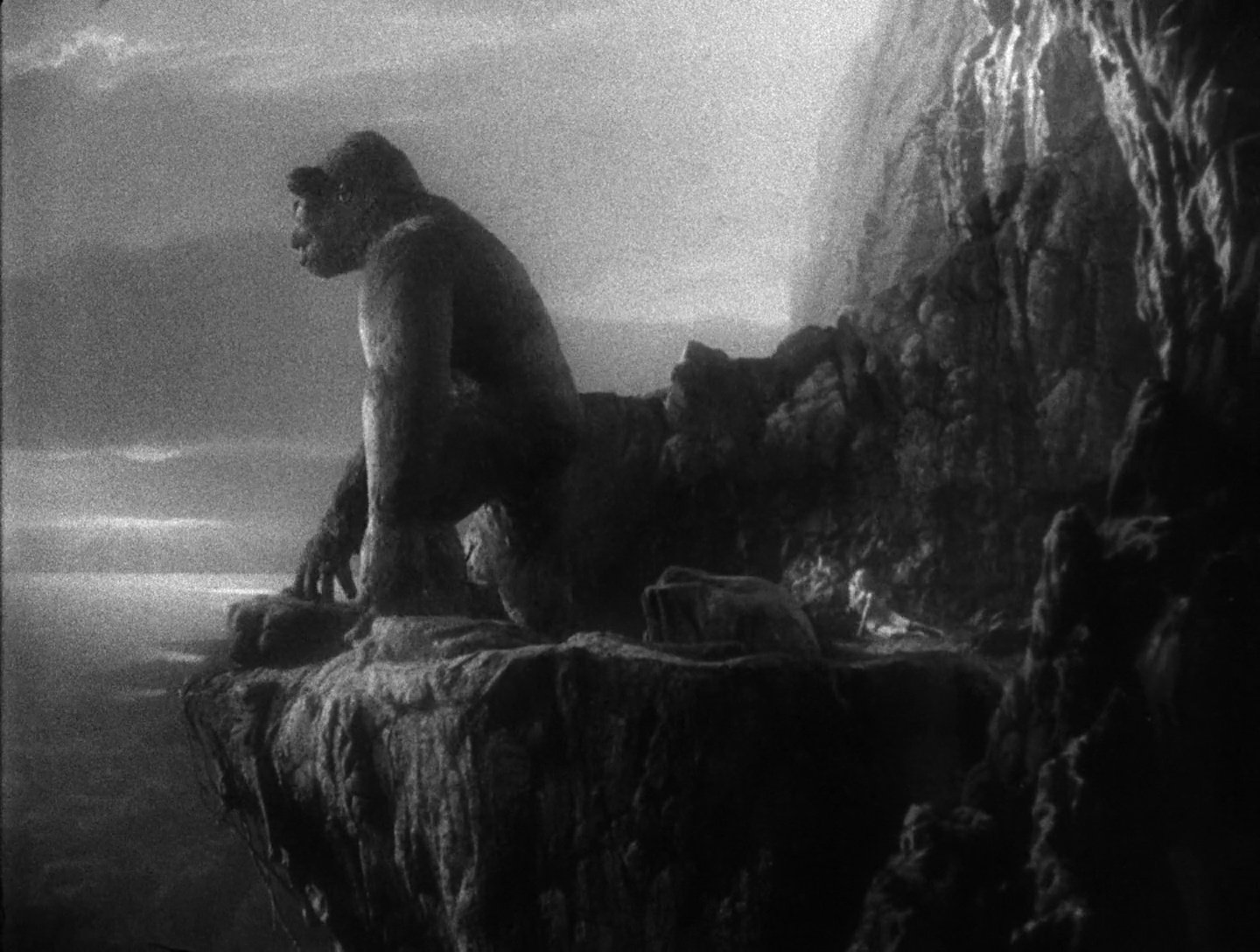
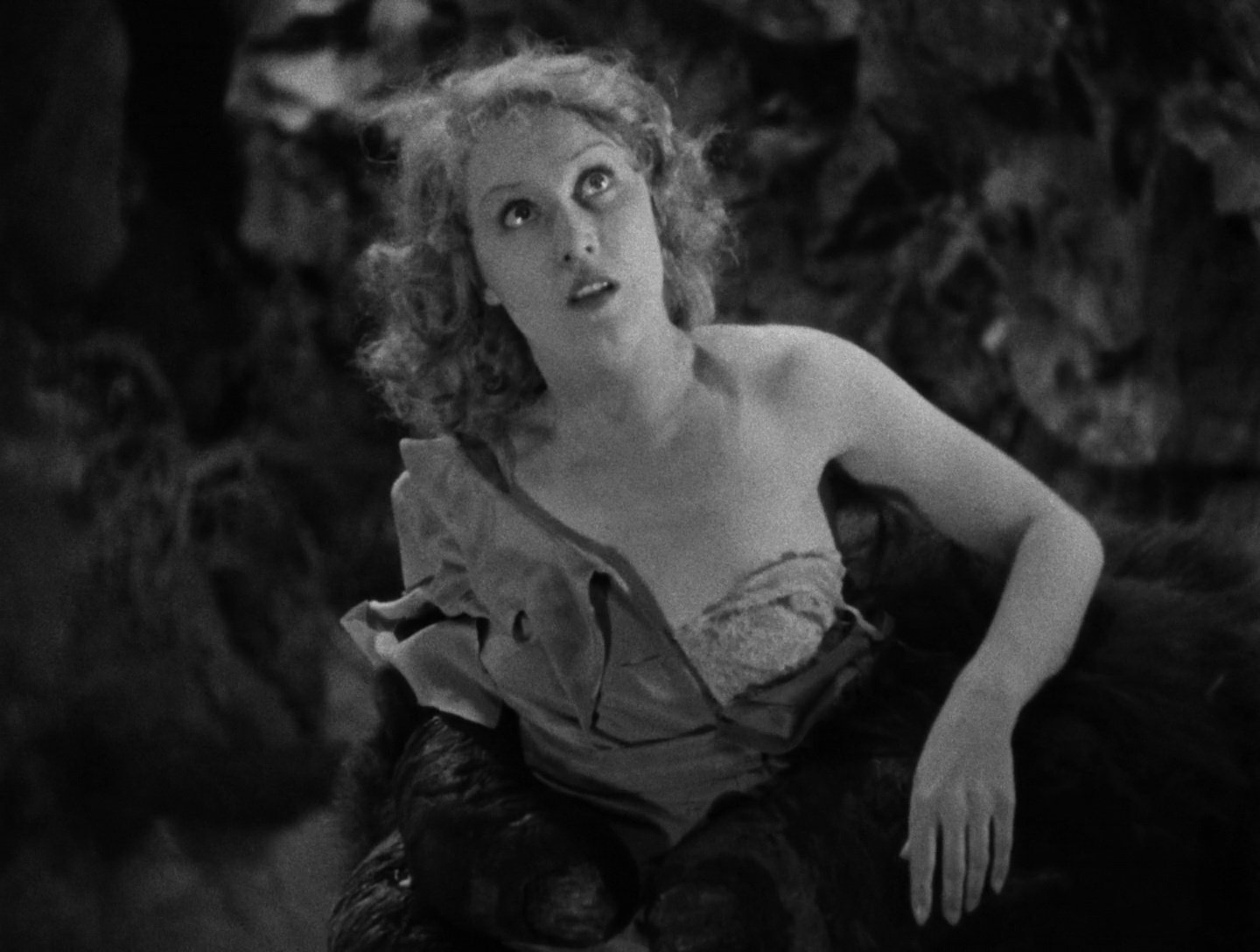
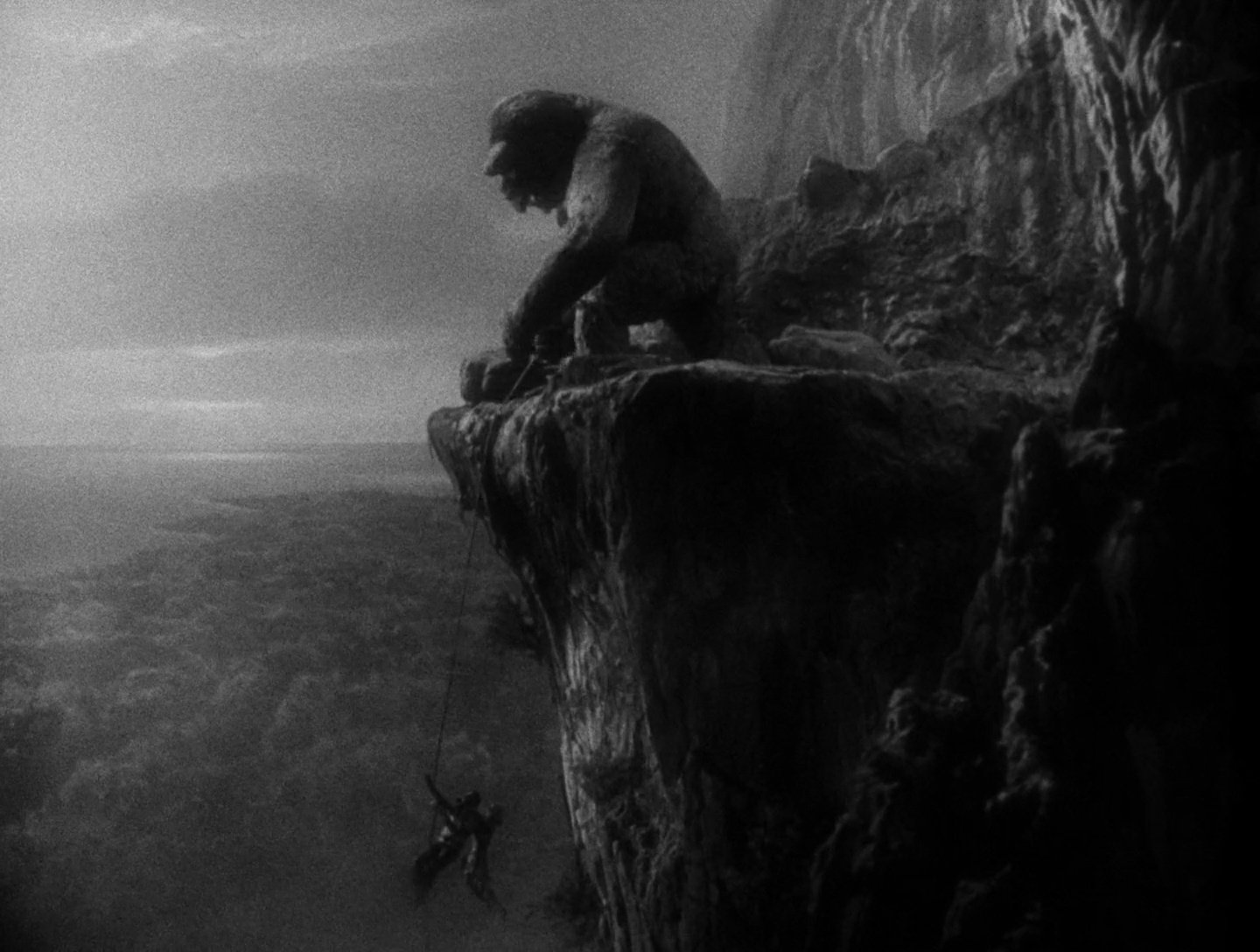
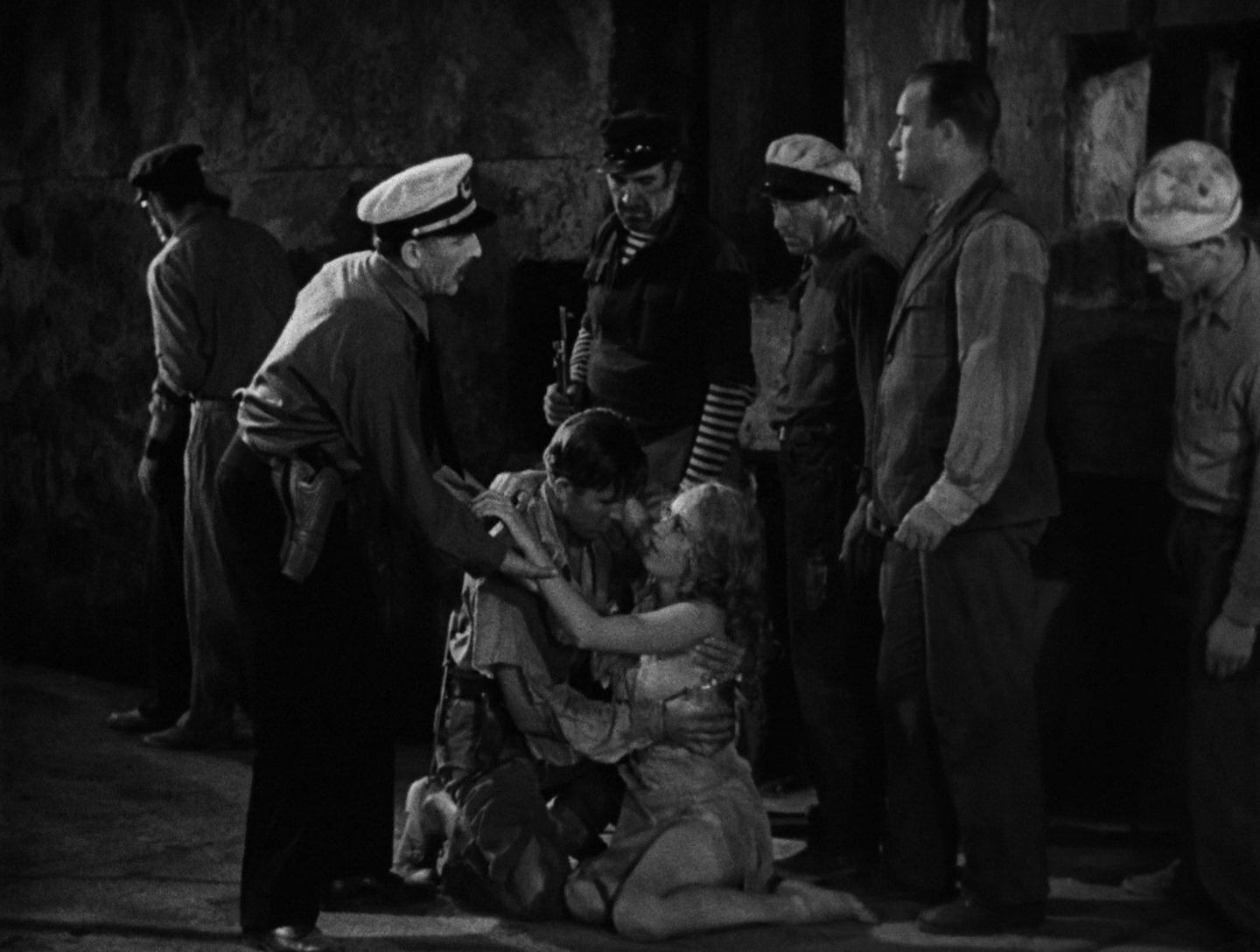
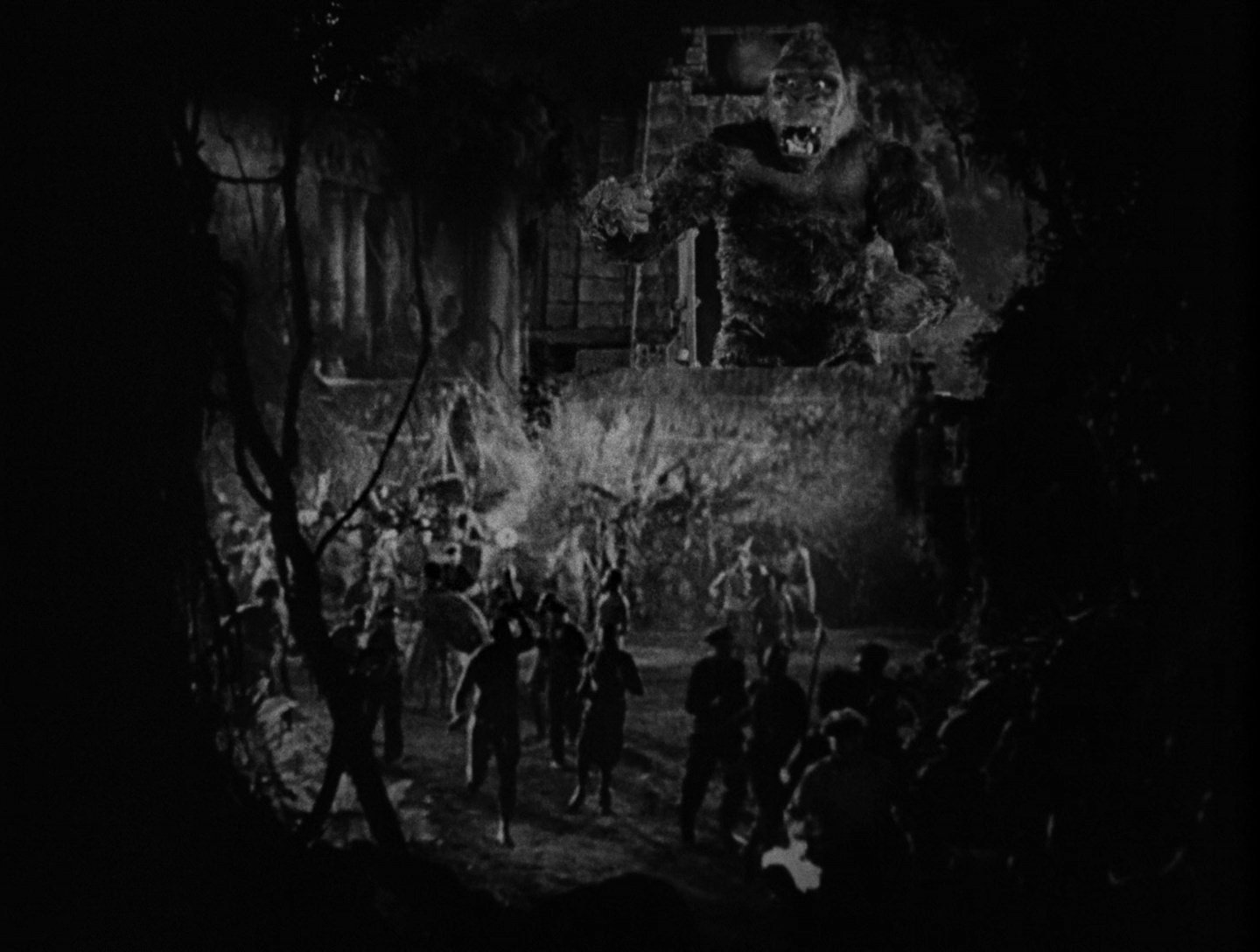
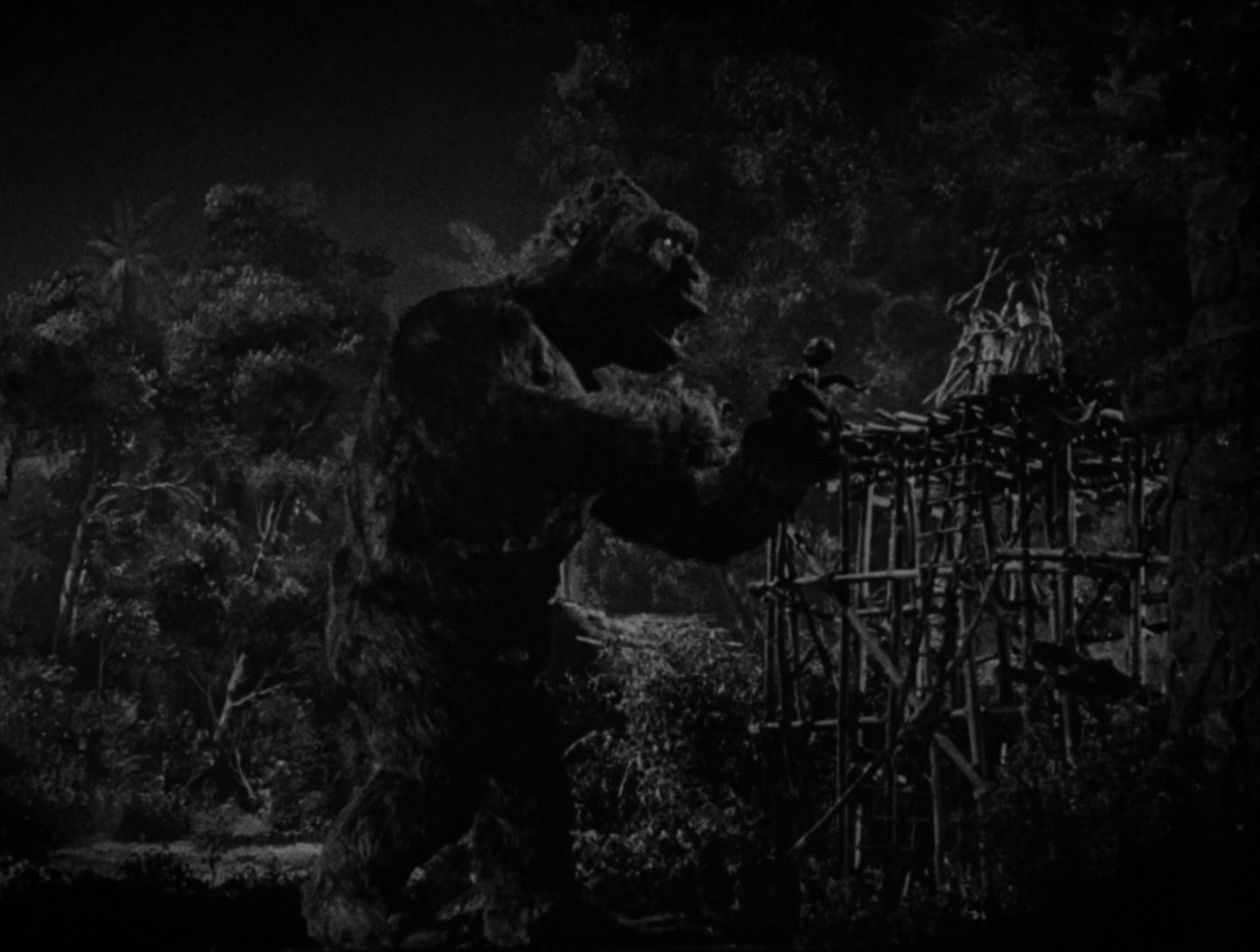
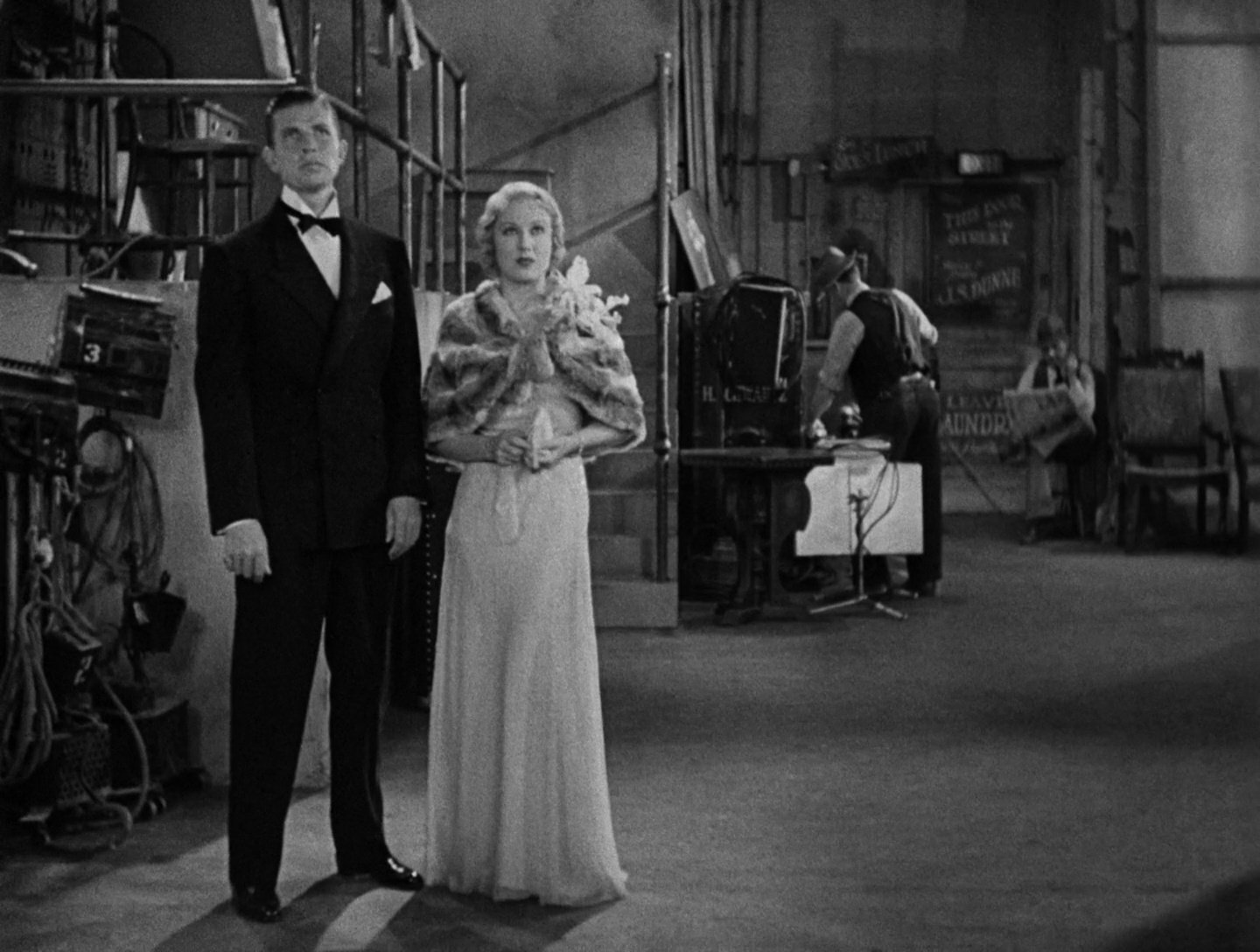
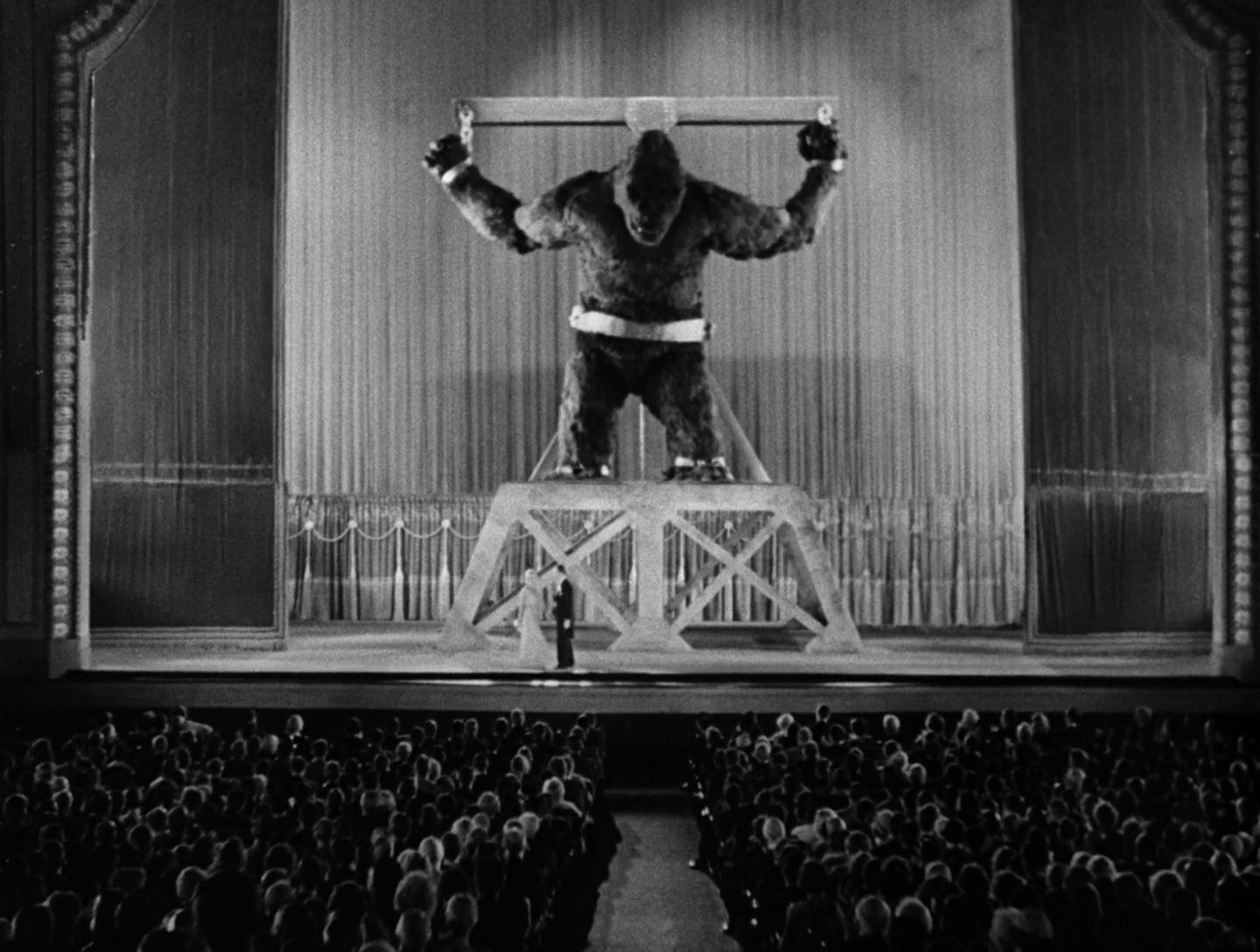
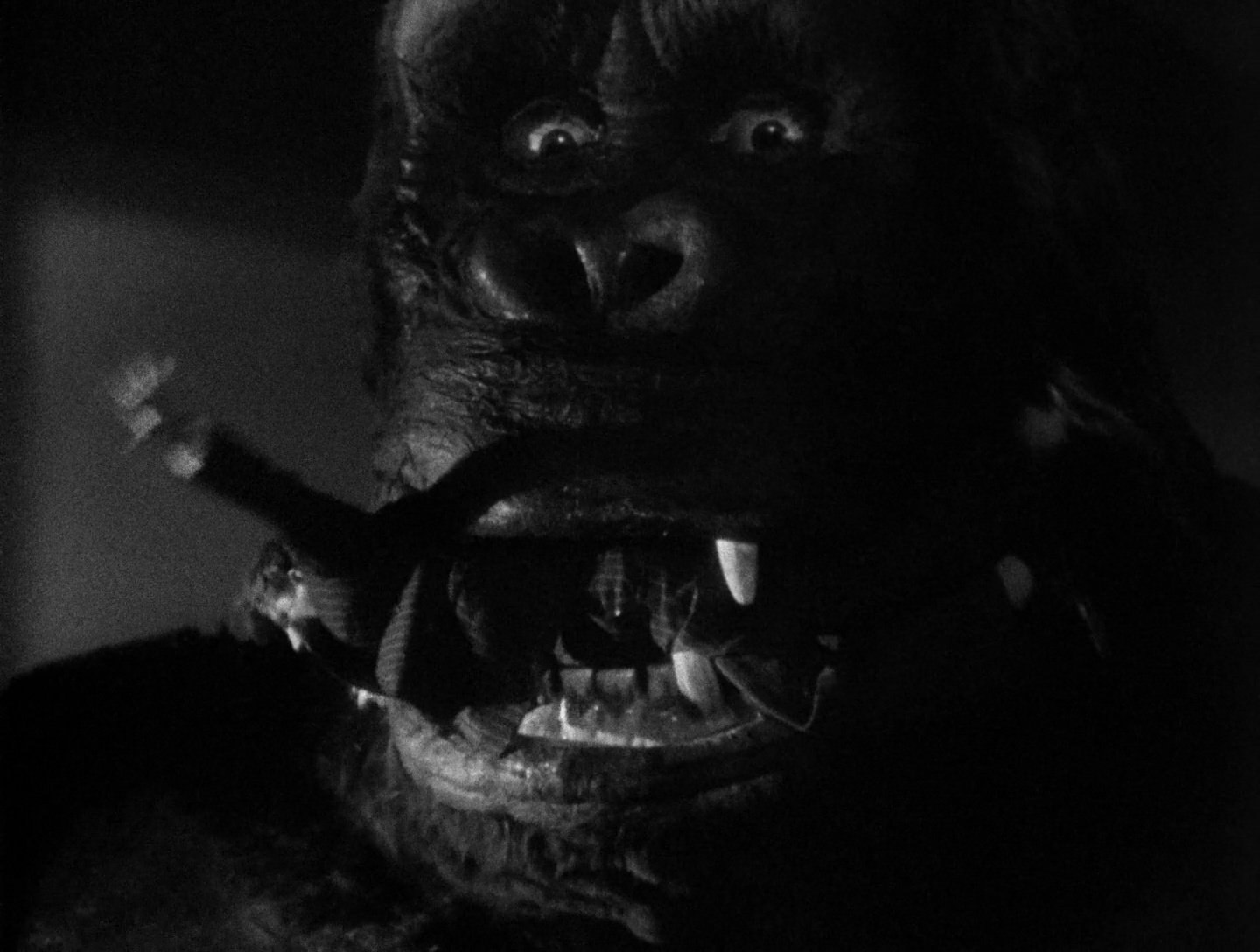
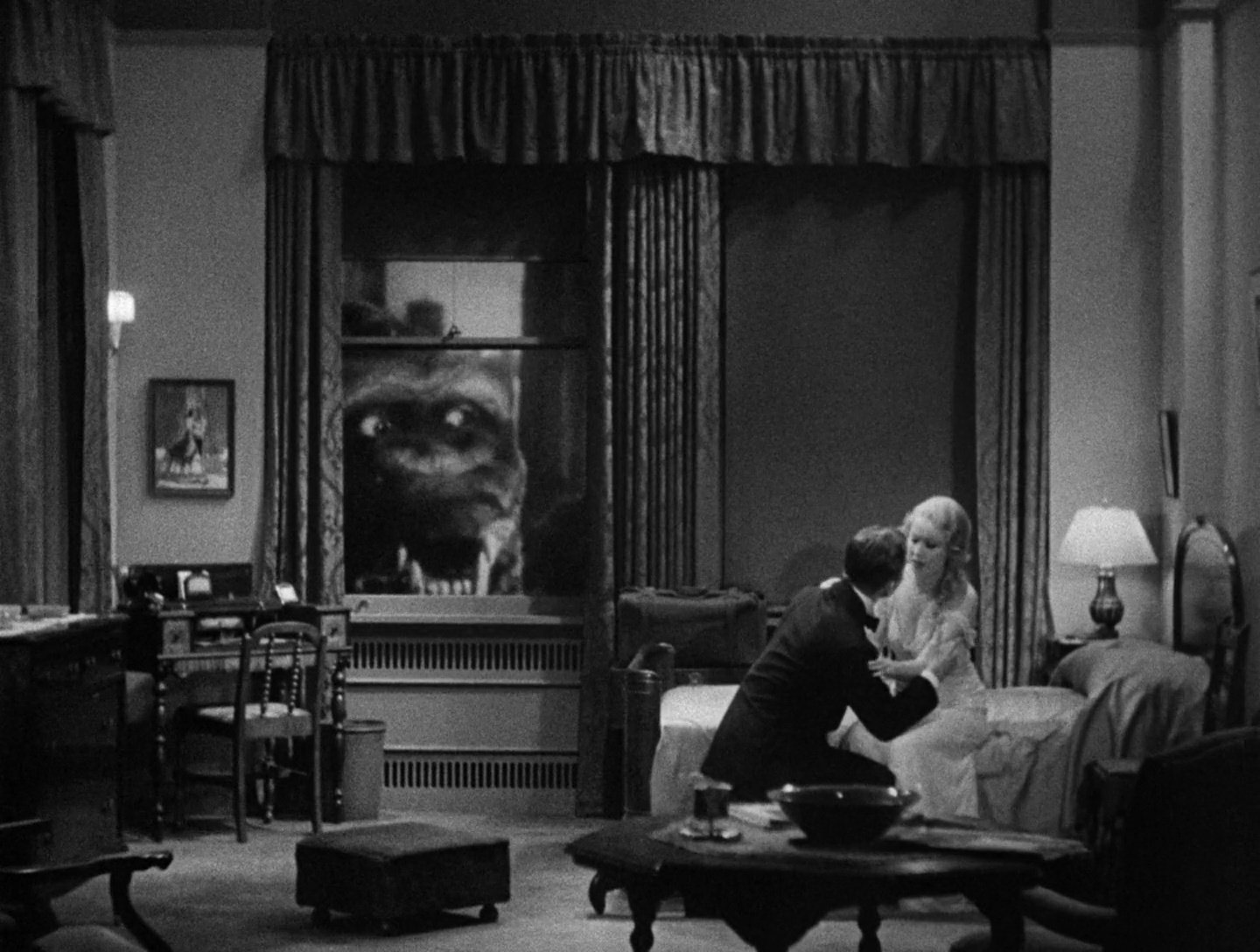
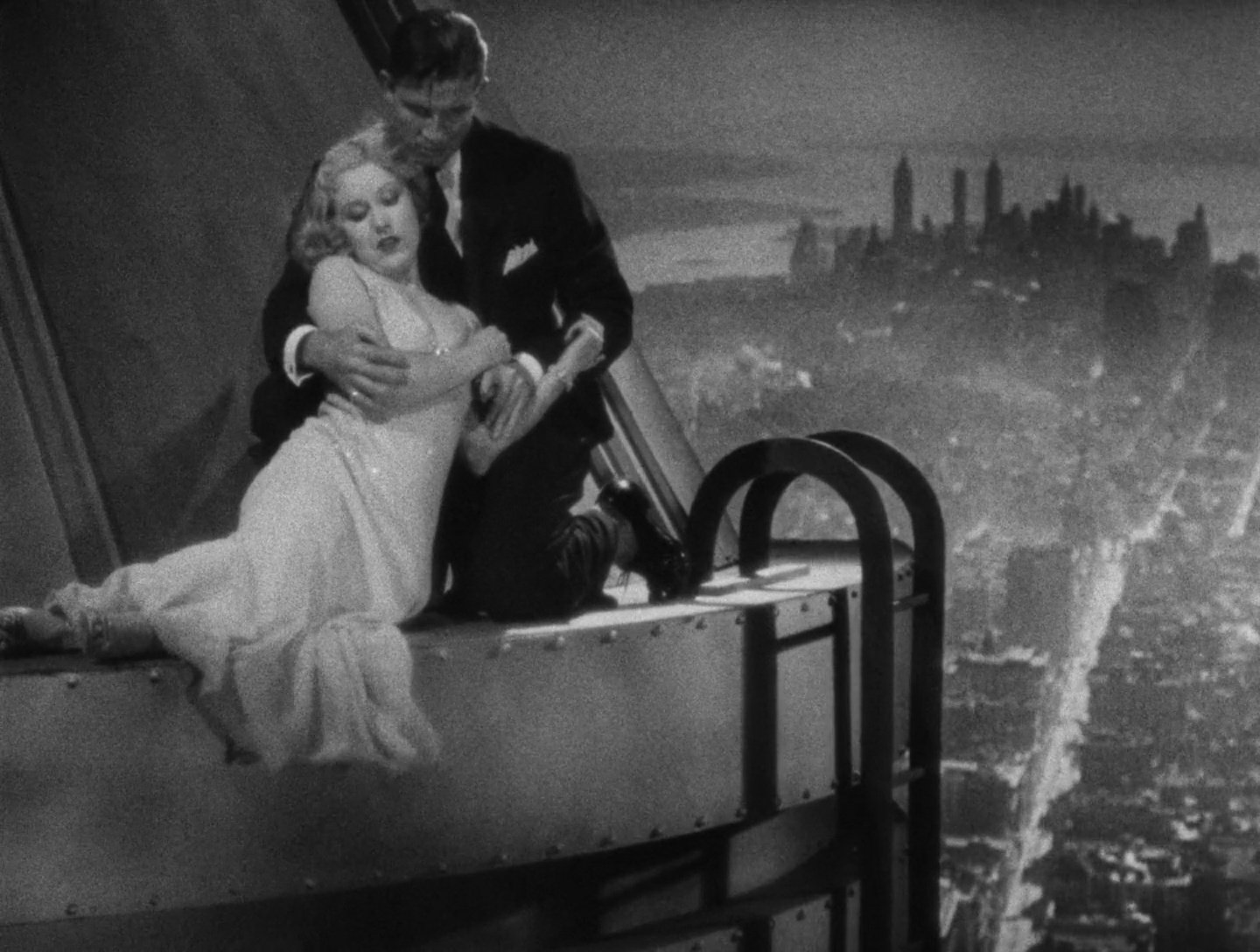
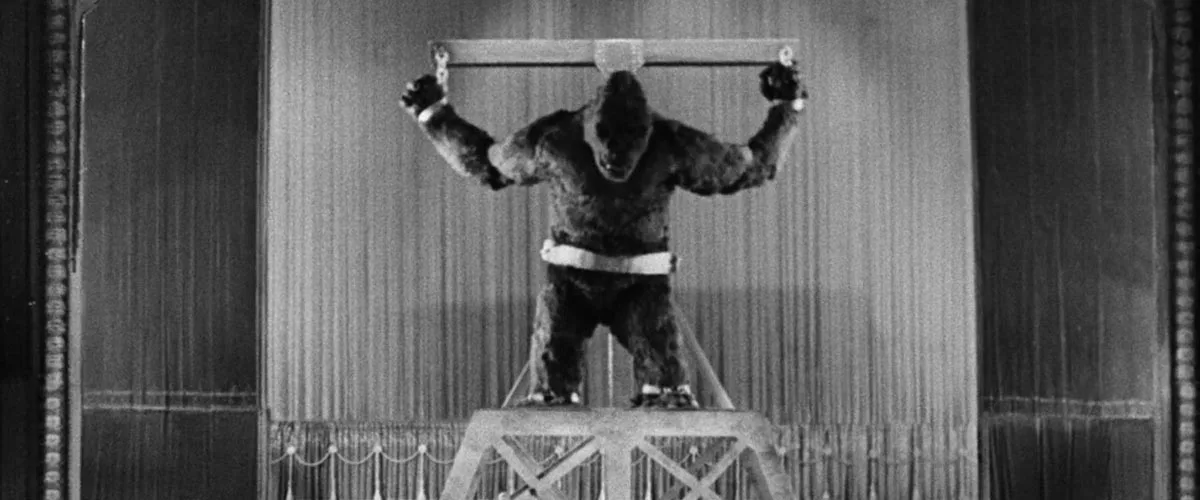
Widely regarded as one of the most influential films in the history of visual effects and monster cinema, King Kong was directed by Merian C. Cooper and Ernest B. Schoedsack. The story follows a film crew who travel to the mysterious Skull Island to shoot an exotic adventure film. During the expedition, they discover a hidden civilisation that worships a gigantic ape known as Kong. After Kong abducts the film’s leading actress, the crew ventures into the island’s jungle to rescue her.
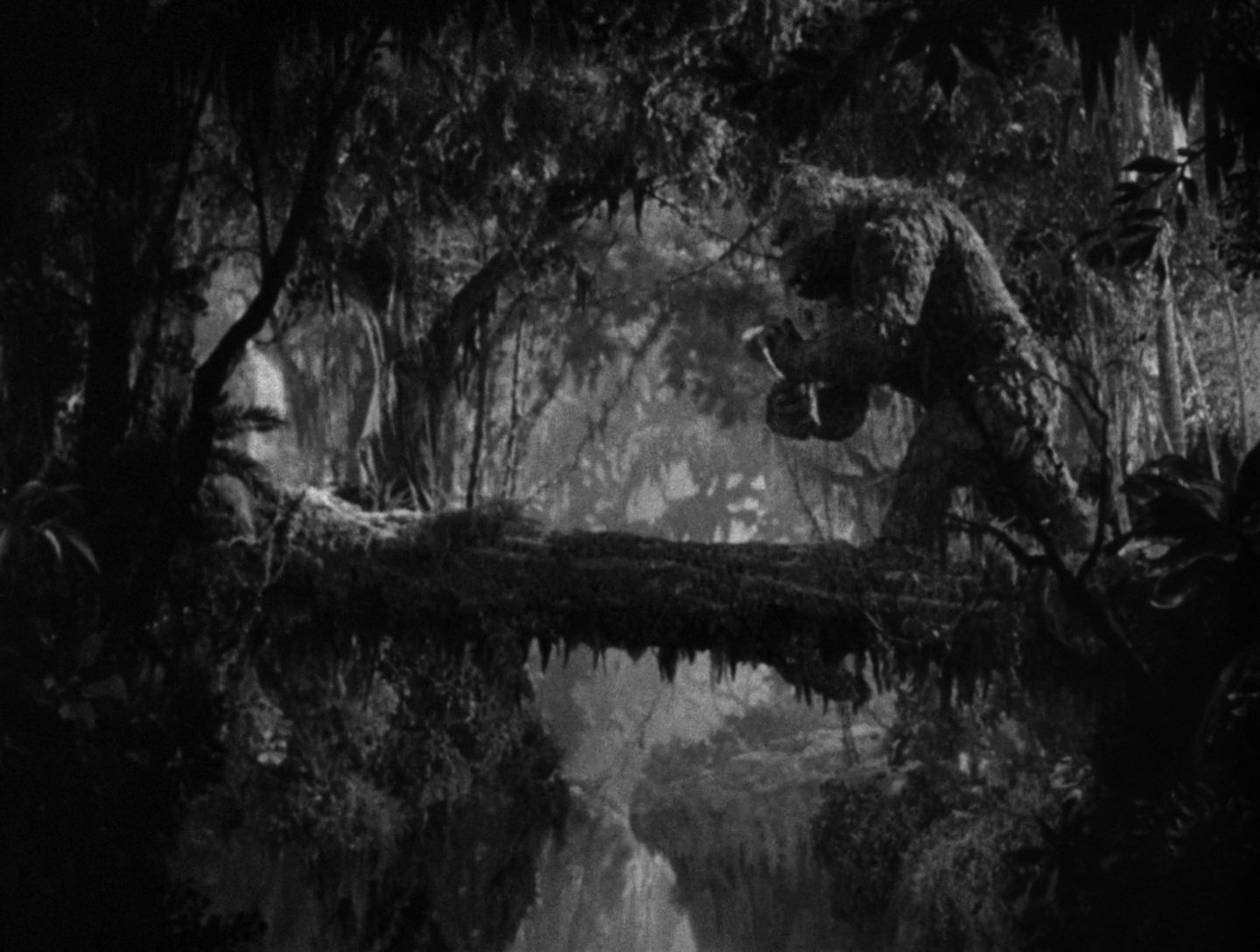
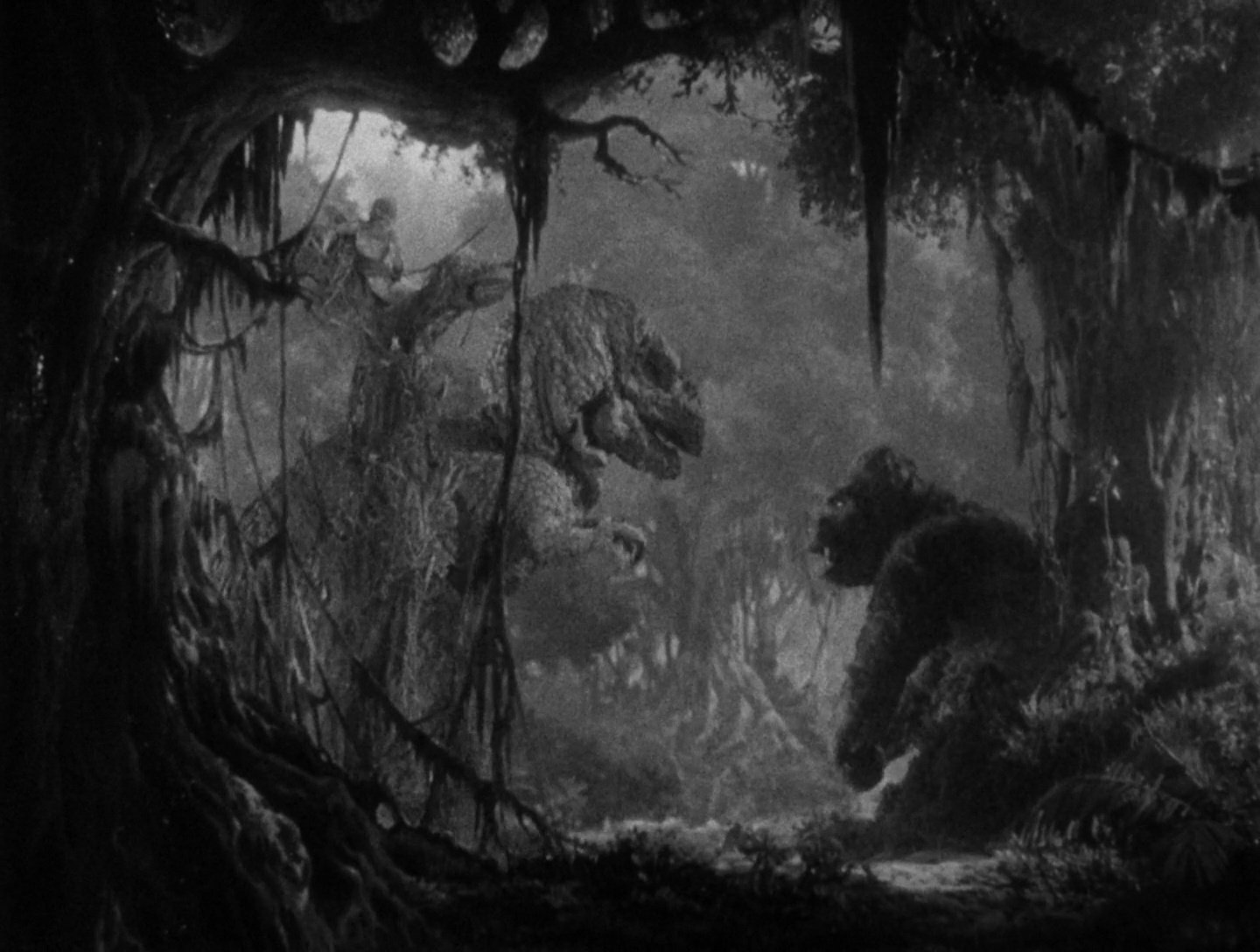
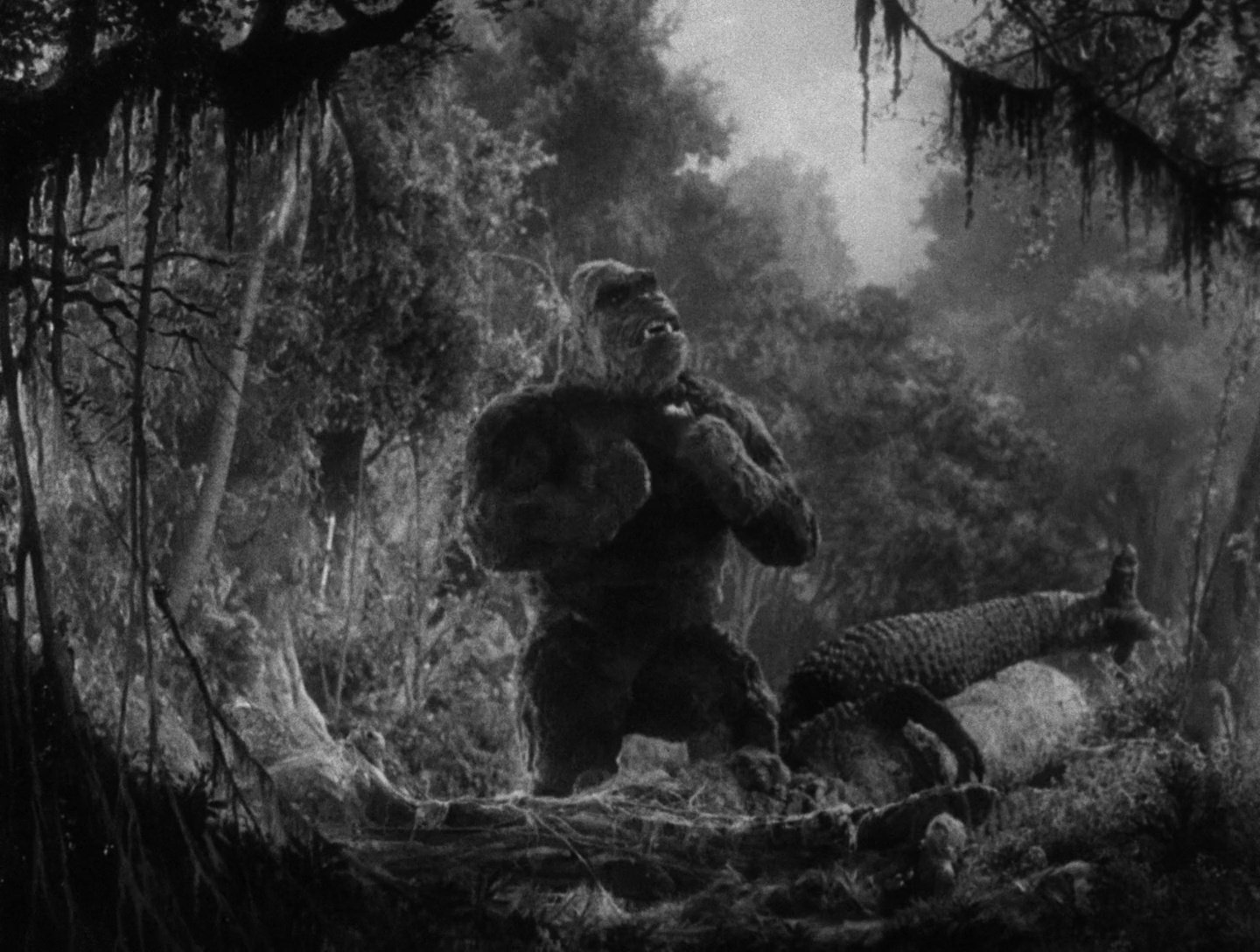
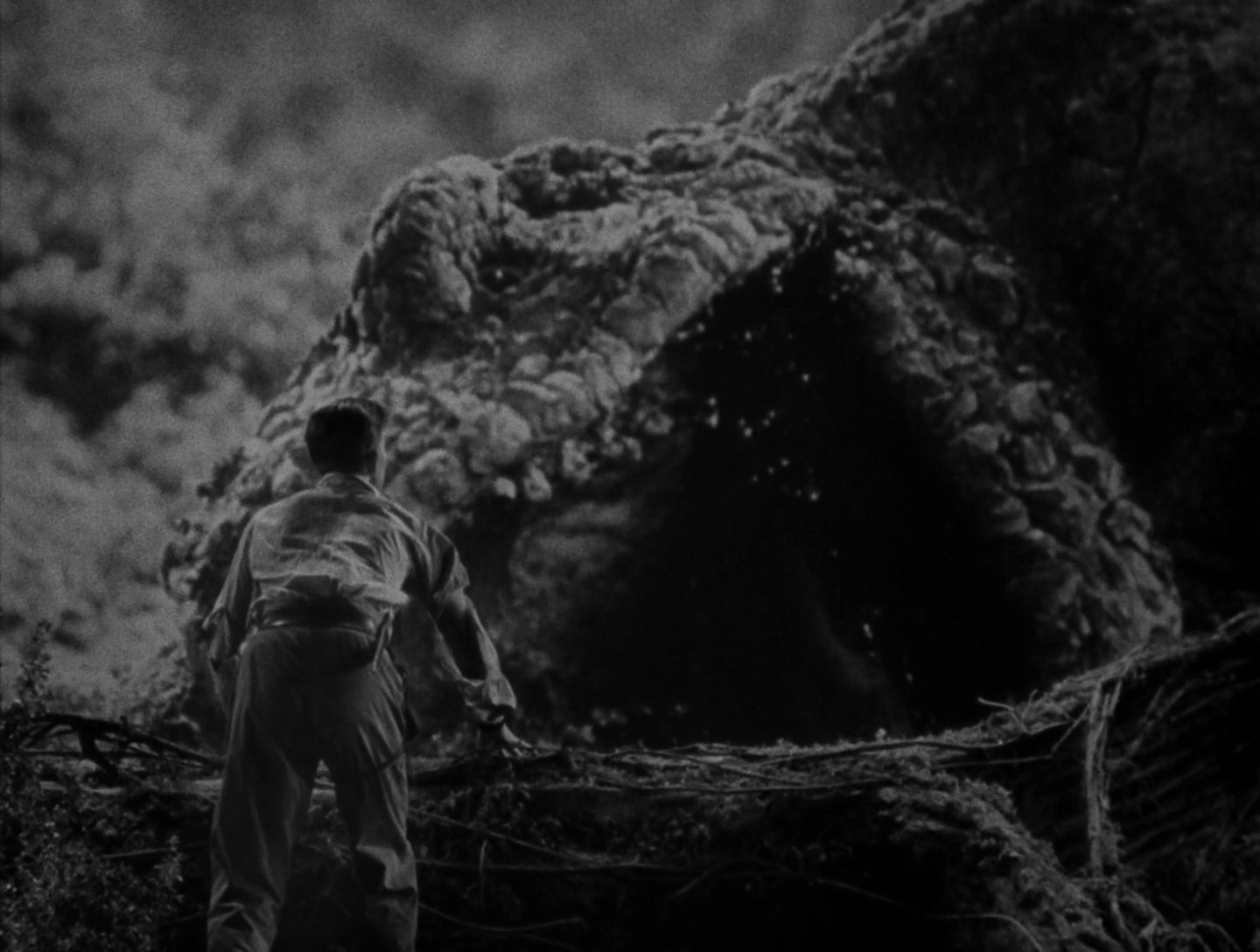
Cooper conceived the film as a large-scale adventure spectacle combining elements of lost-world exploration, giant monster cinema and groundbreaking special effects. For an early 1930s production, the technical ambition was considerable. The filmmakers employed various techniques, such as miniature sets, rear projection, optical compositing, and stop-motion animation, to bring the island and its creatures to life.
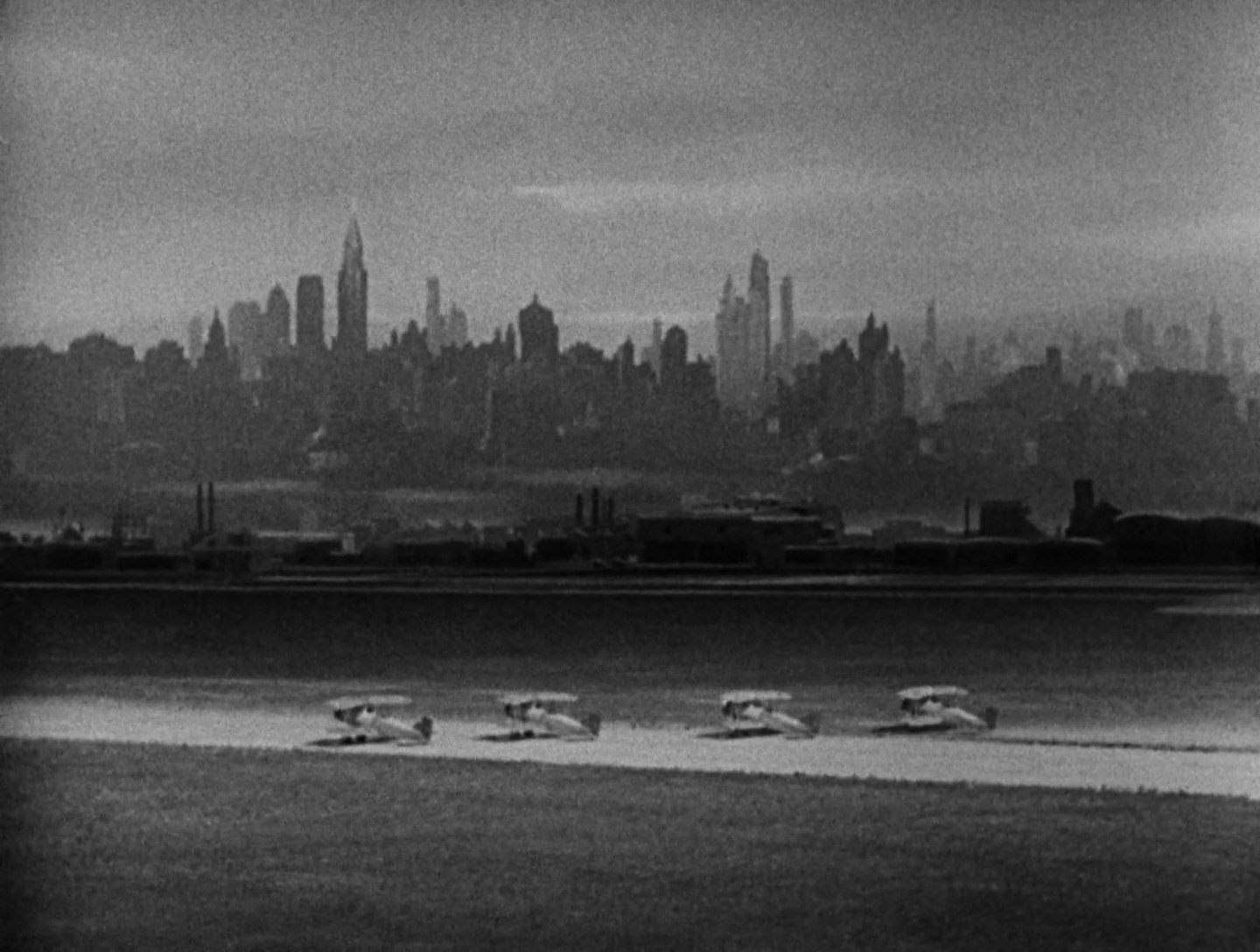
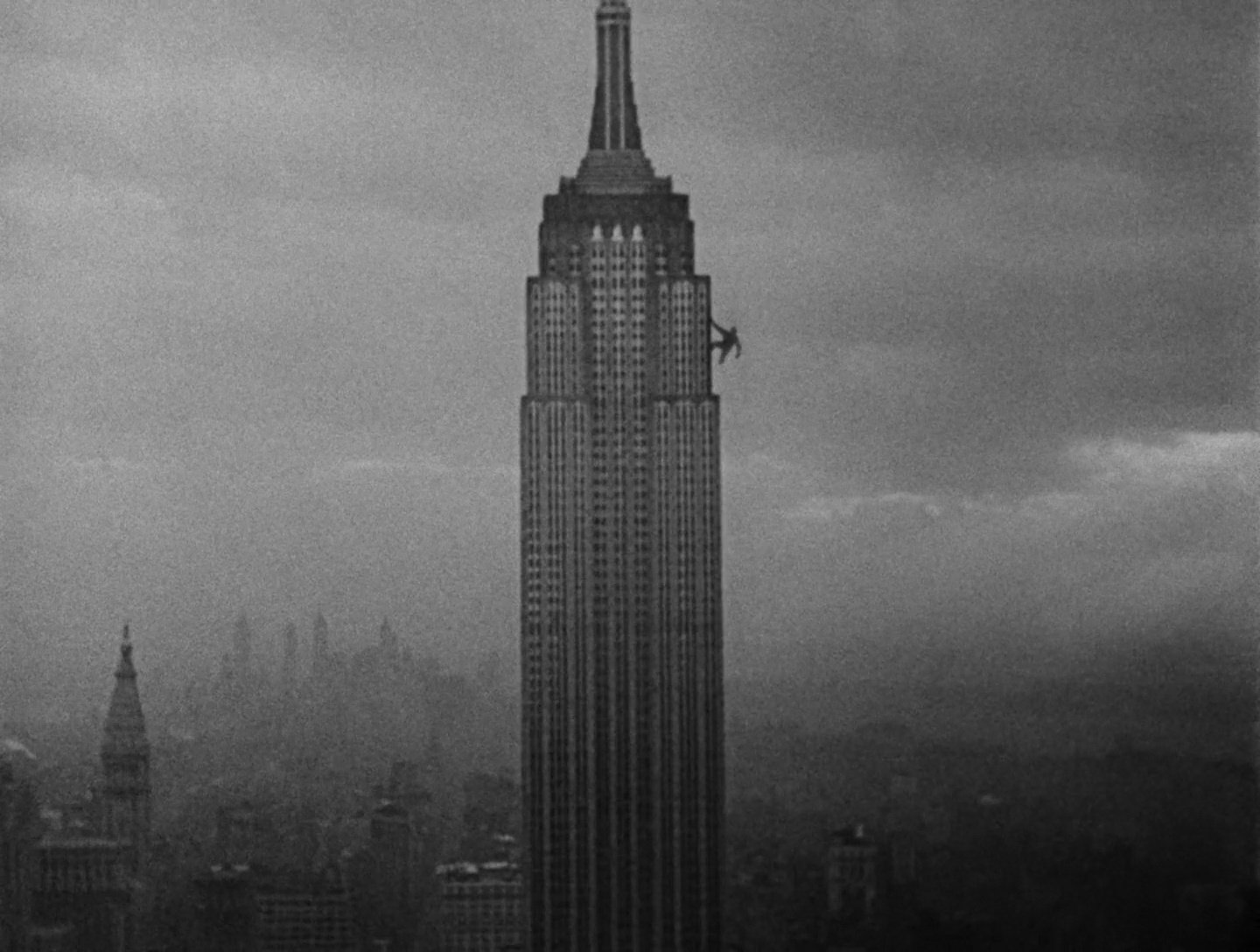
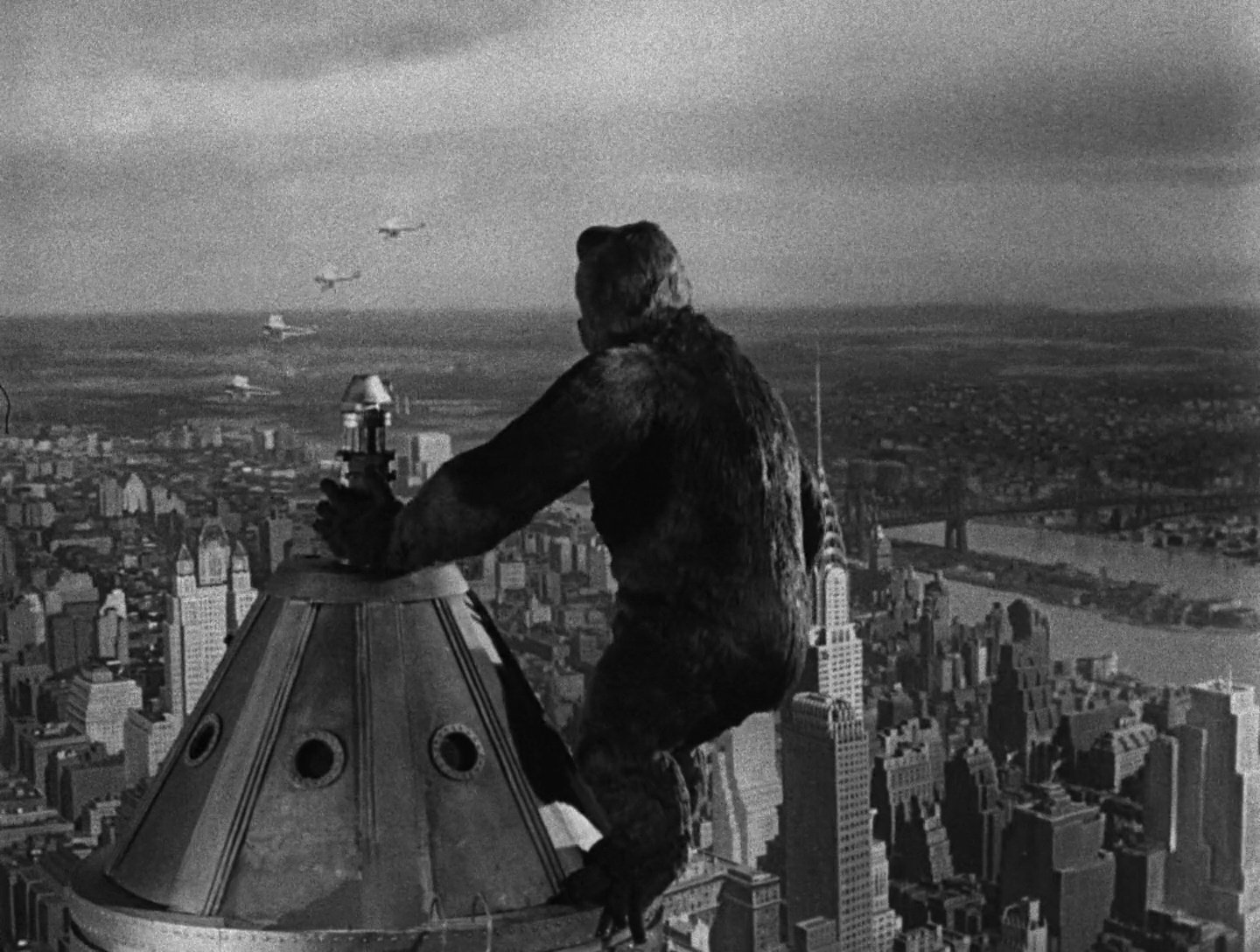
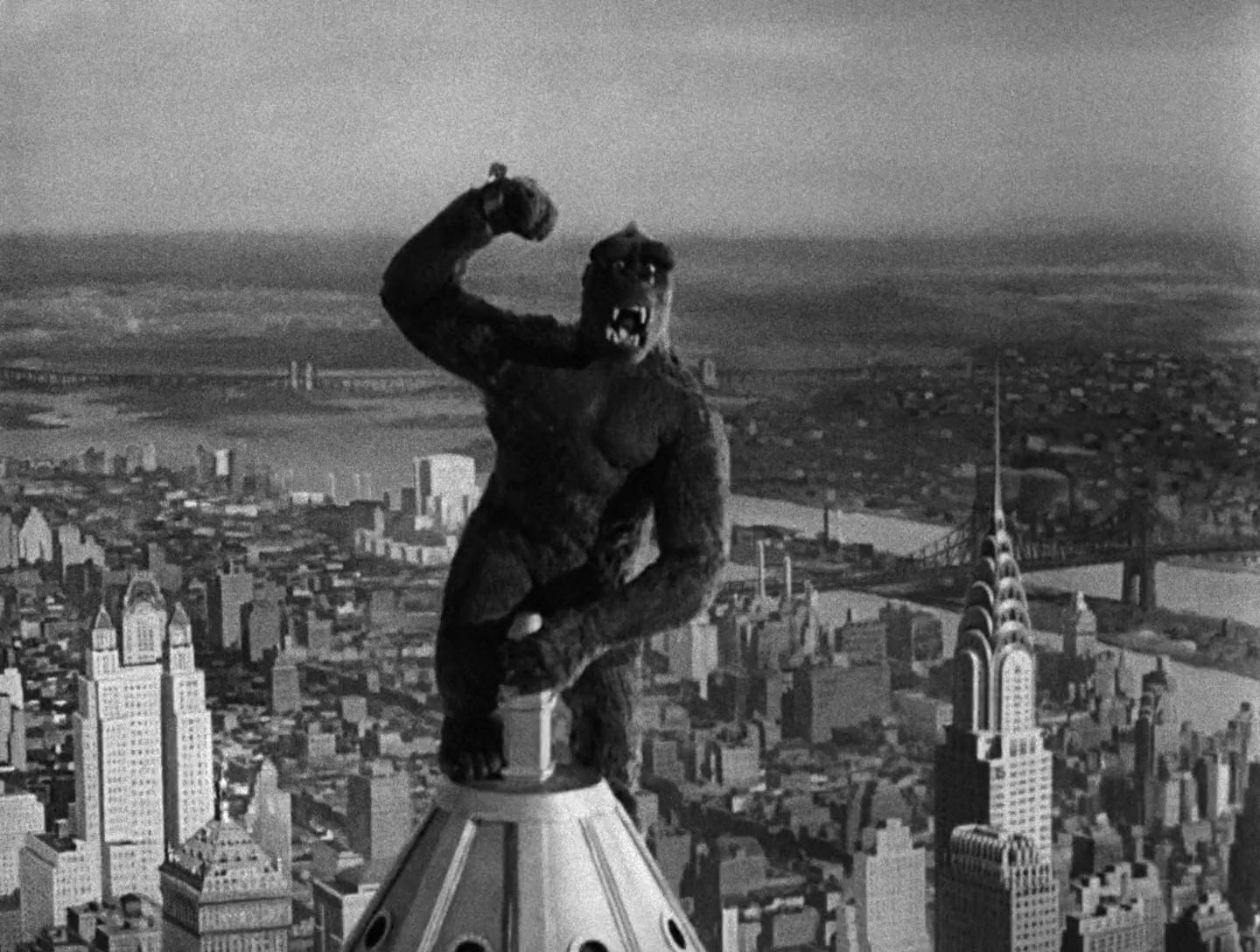
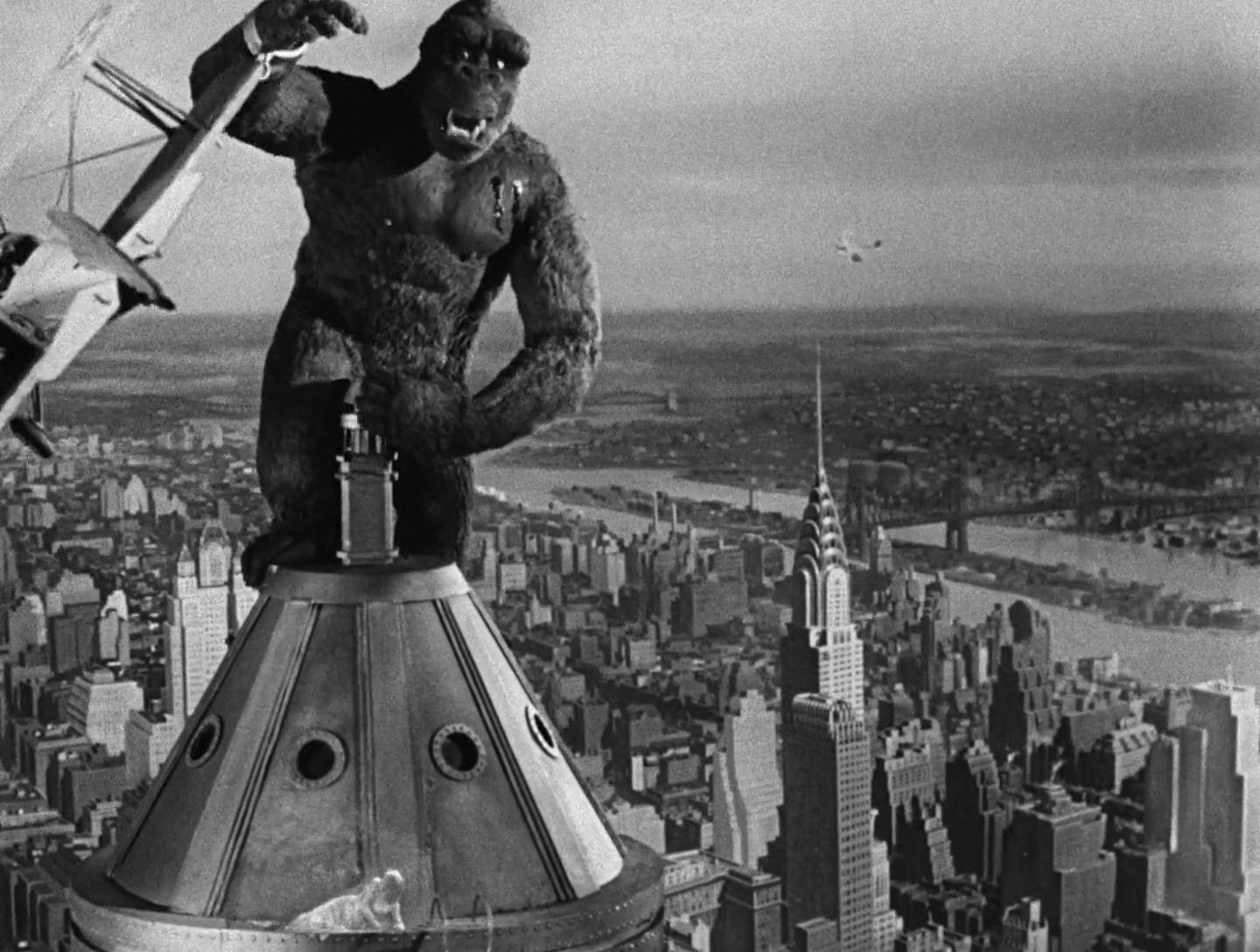
Supervised by Willis H. O’Brien, the stop-motion animation of the creatures became one of the film’s defining achievements. Large sections of Skull Island were constructed as elaborate miniature jungle environments, visually evoking the ‘lost world’ adventure tradition popular in early 20th-century fiction. But the film is best remembered for its climax, with Kong’s confrontation with attacking aeroplanes atop the Empire State Building, which remains one of the most recognisable images in cinema history.
Technical Specs:
- The Story: A film crew travels to a mysterious island, where they discover a colossal ape. They capture the creature and bring it to New York City, but it breaks free and wreaks havoc.
- Actors: Robert Armstrong, Fay Wray, Bruce Cabot, Frank Reicher, Victor Wong, James Flavin.
- Directors: Merian C. Cooper, Ernest B. Schoedsack
- Year: 1933
- Cinematographers: Eddie Linden, Vernon Walker, J.O. Taylor, and Kenneth Peach
- Origin: American Cinema
- Aspect Ratio: 1.37:1
- Genre: Action & Adventure / Monster Movies