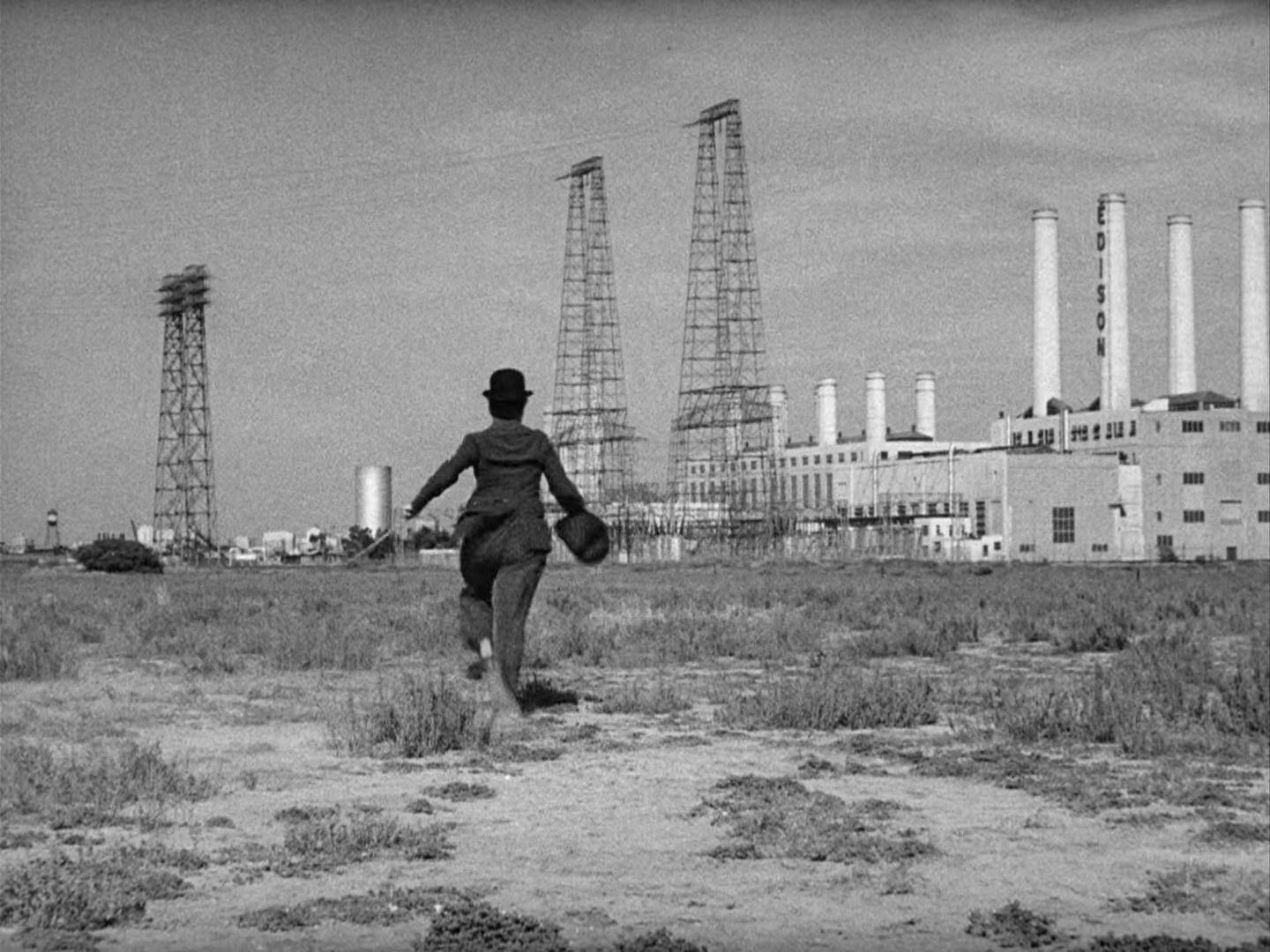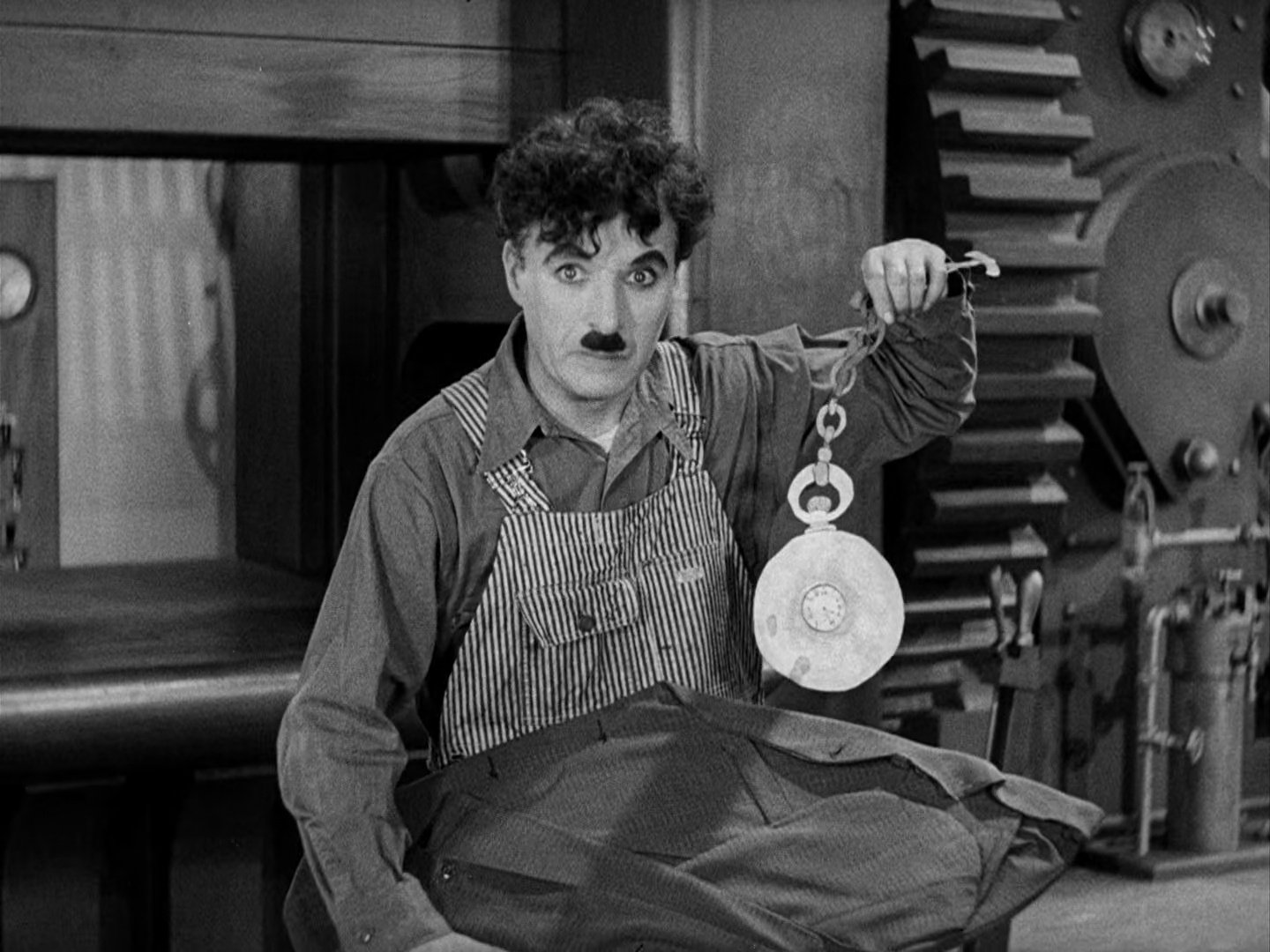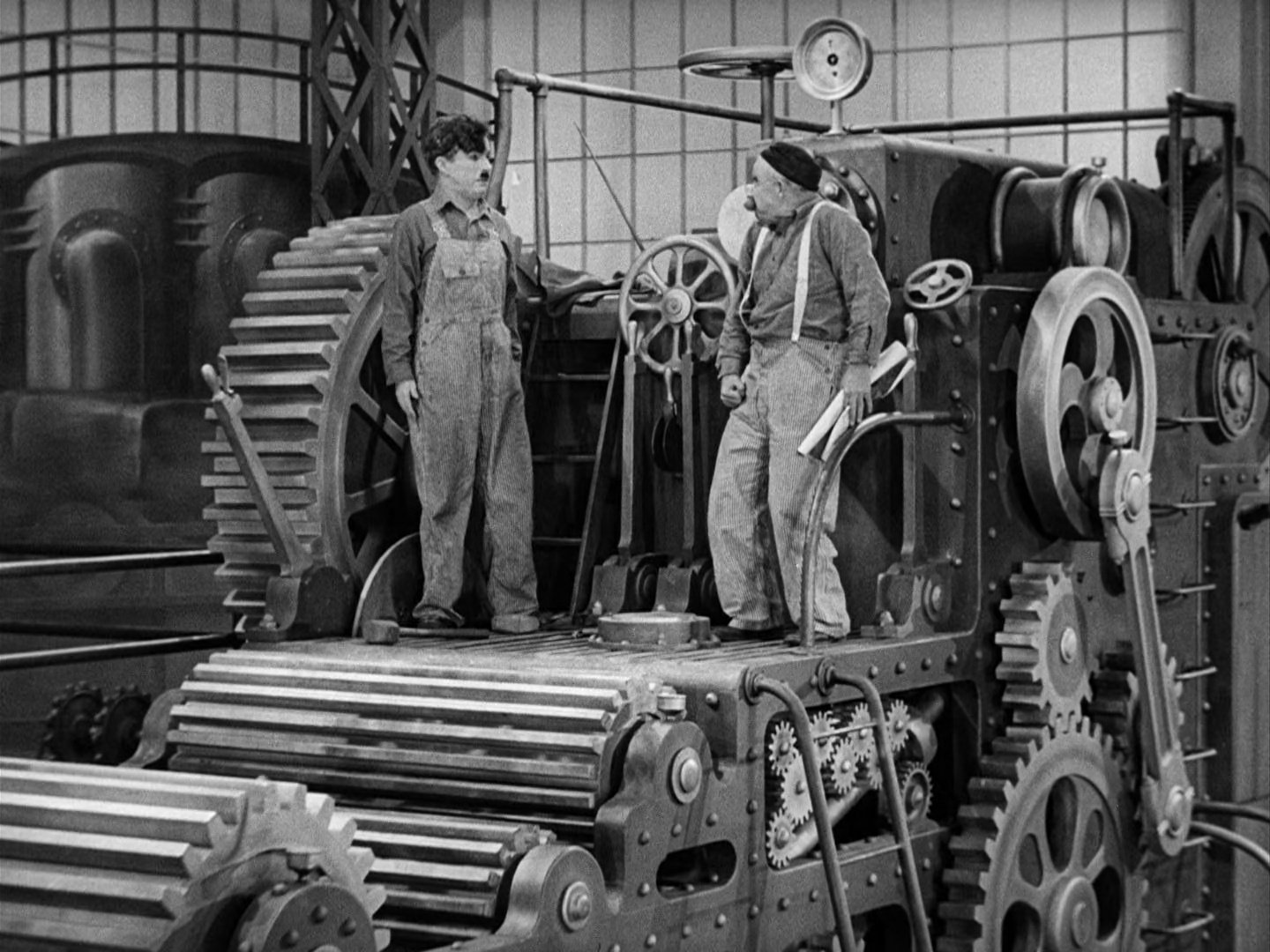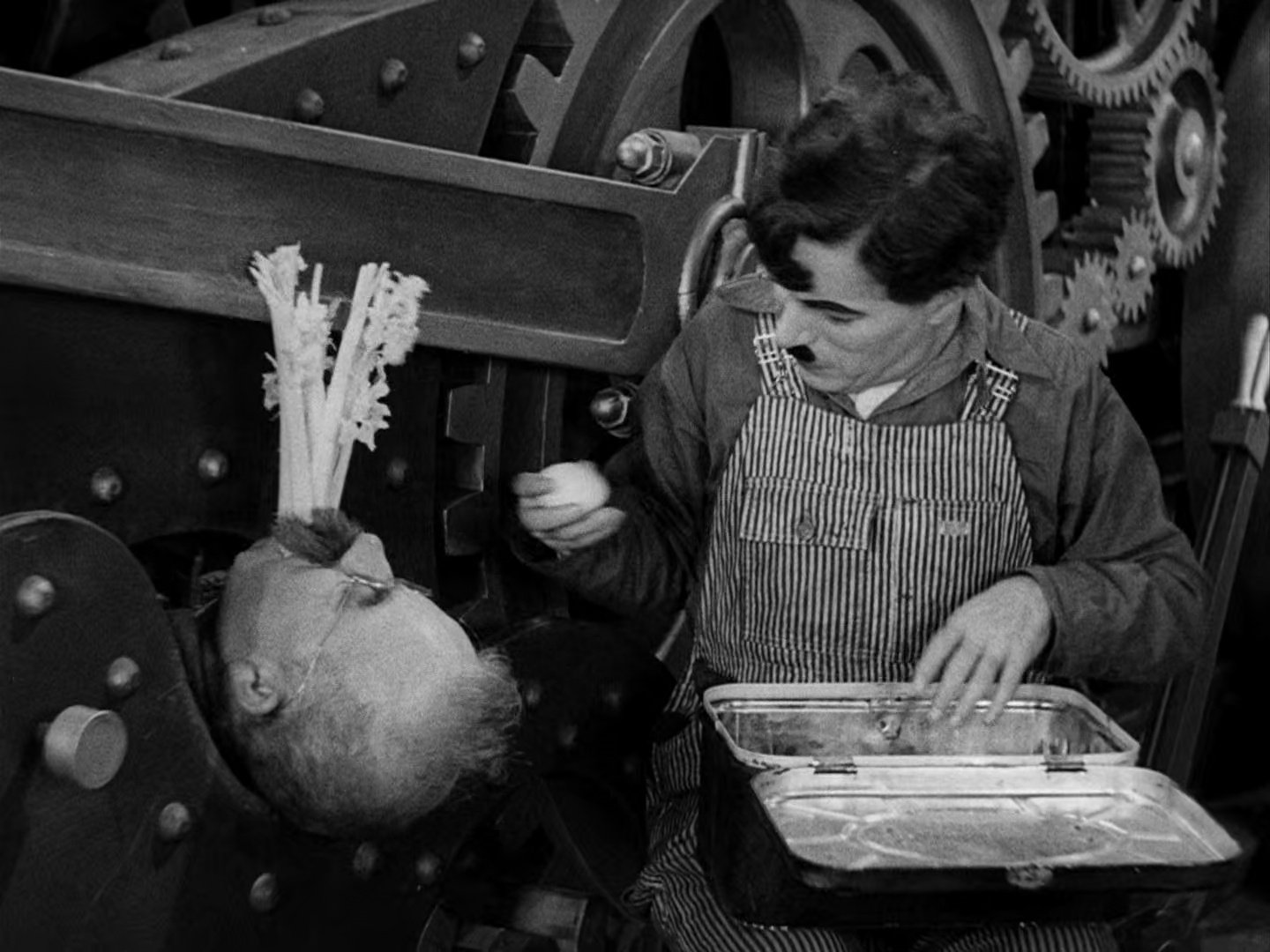
Modern Times (1936): The Mechanical Ballet
1936 • Charlie Chaplin • 1.37:1 • Jump to Gallery ↓
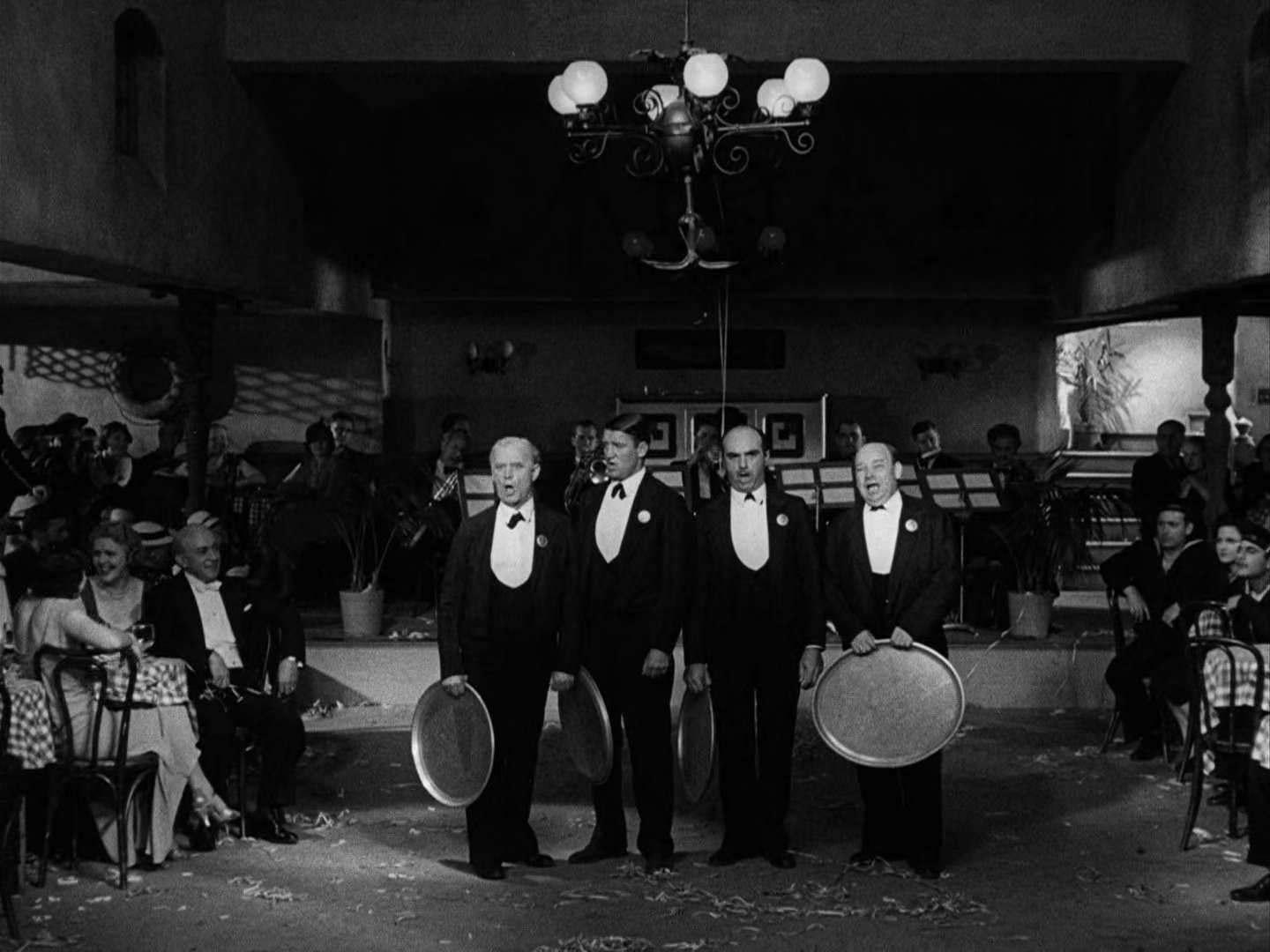
Released nearly a decade after synchronized sound became standard, Charlie Chaplin’s Modern Times is nevertheless a silent movie. Chaplin resisted full dialogue cinema despite the industry’s conversion to “talkies.” So, Modern Times is technically a sound film, but dialogue is largely absent or mediated through machines.
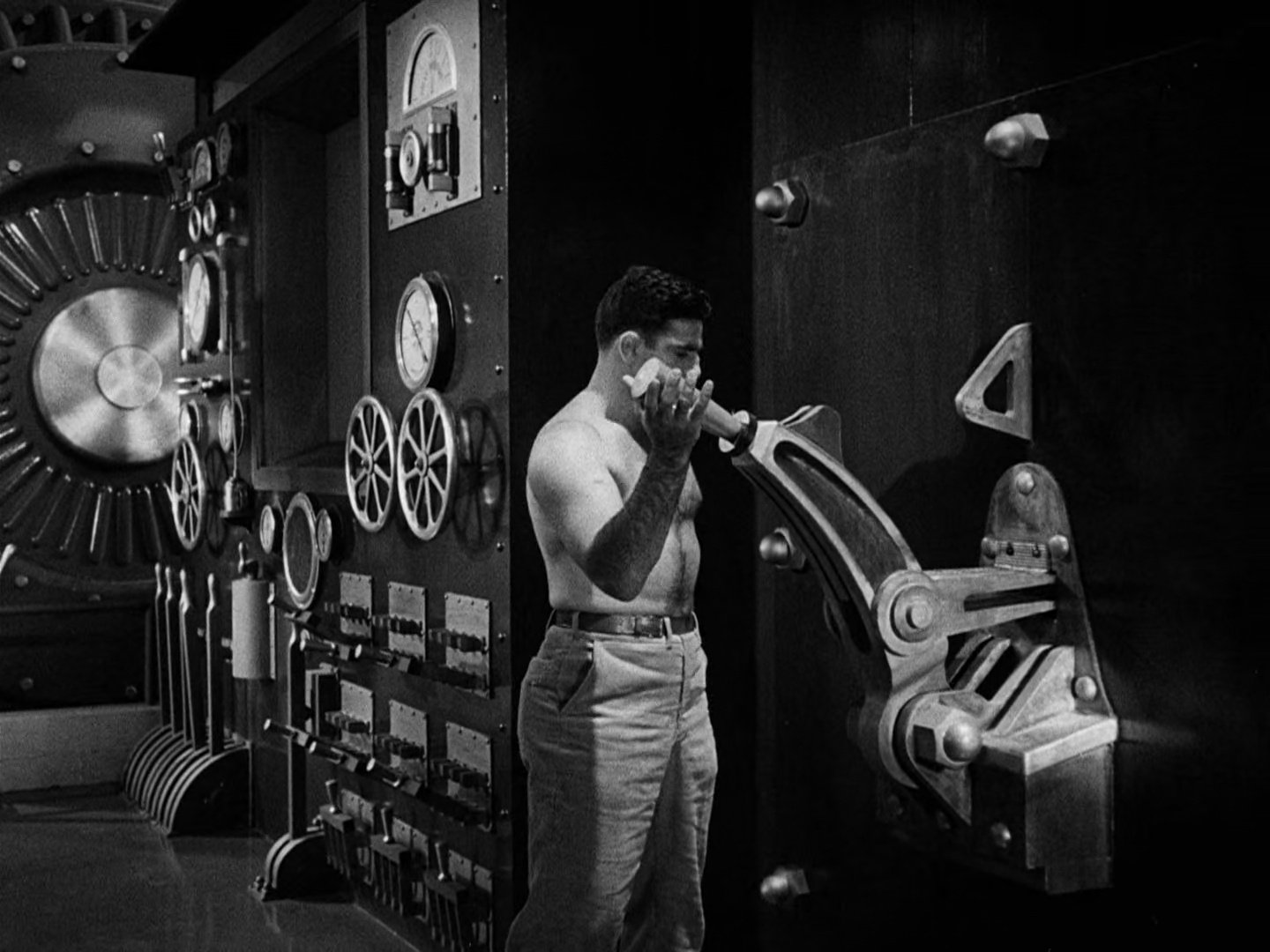
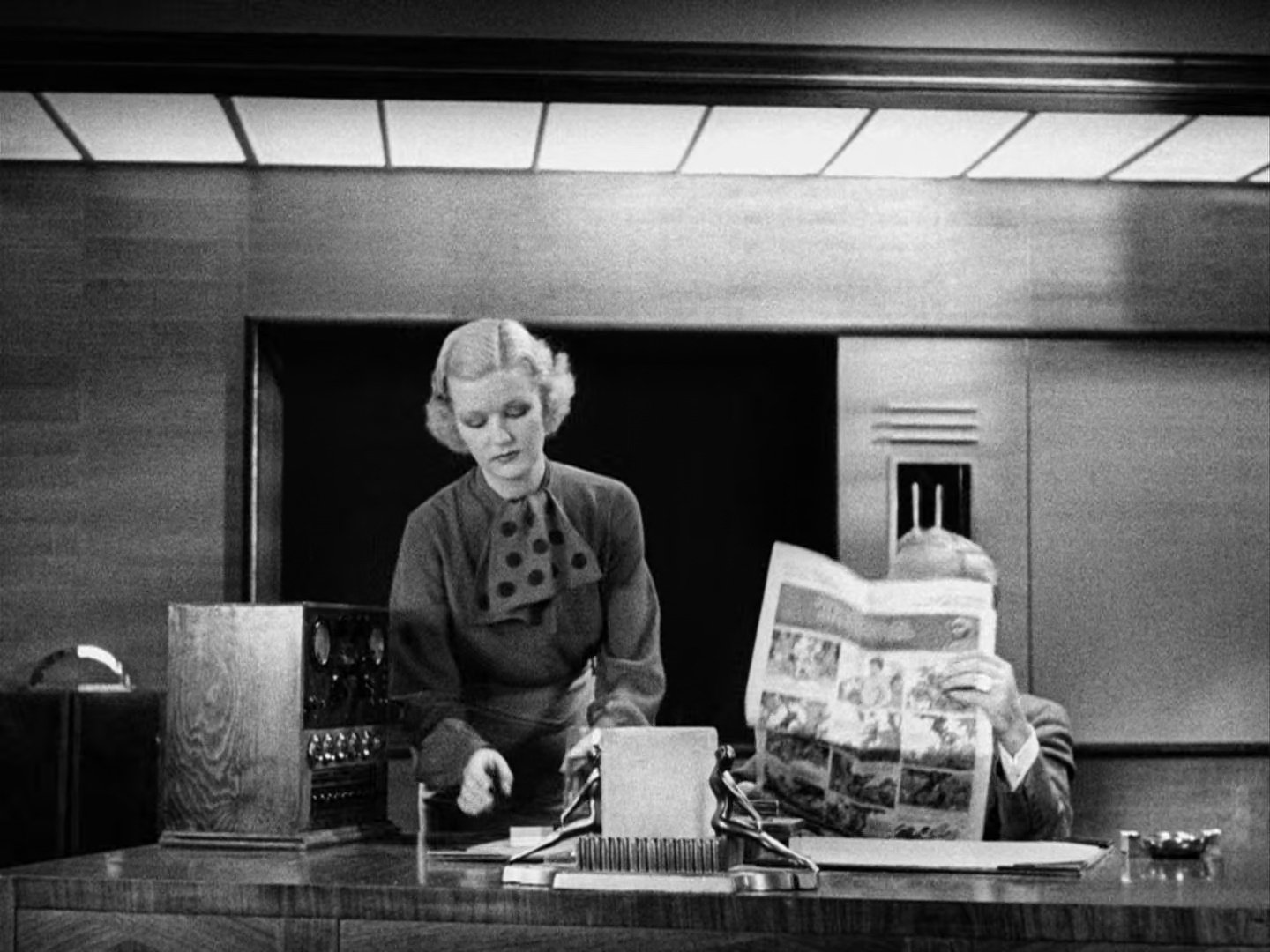
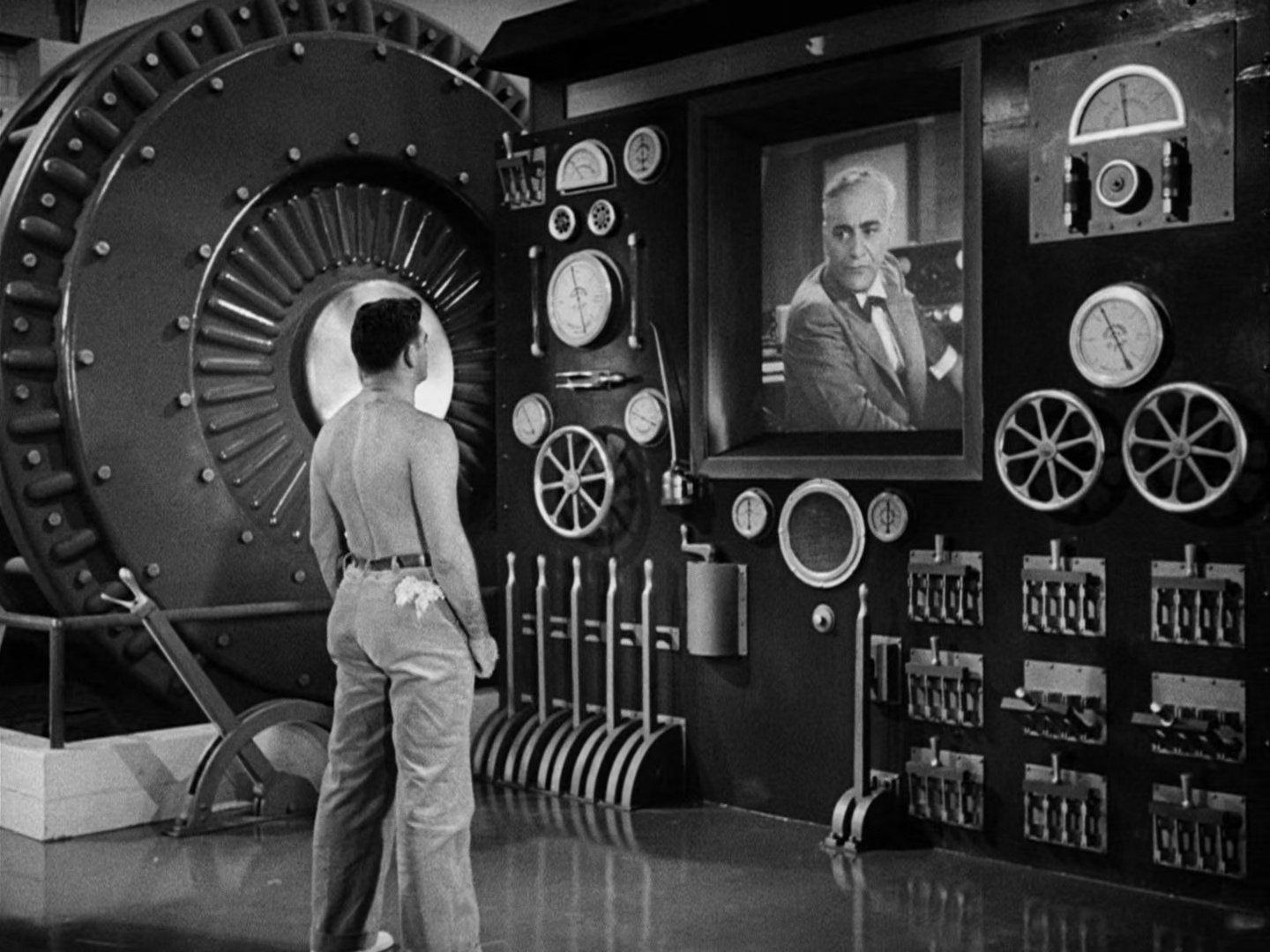
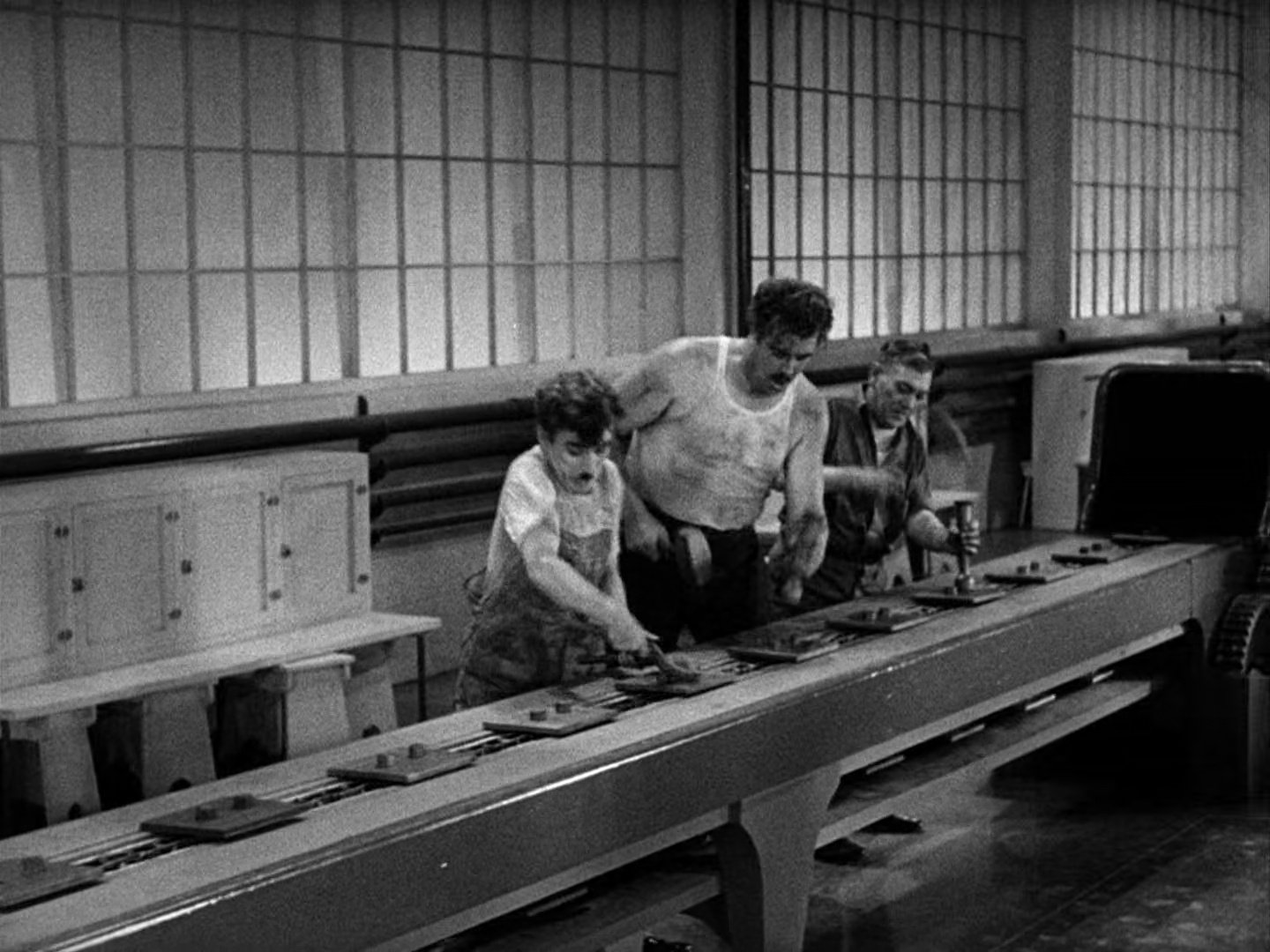
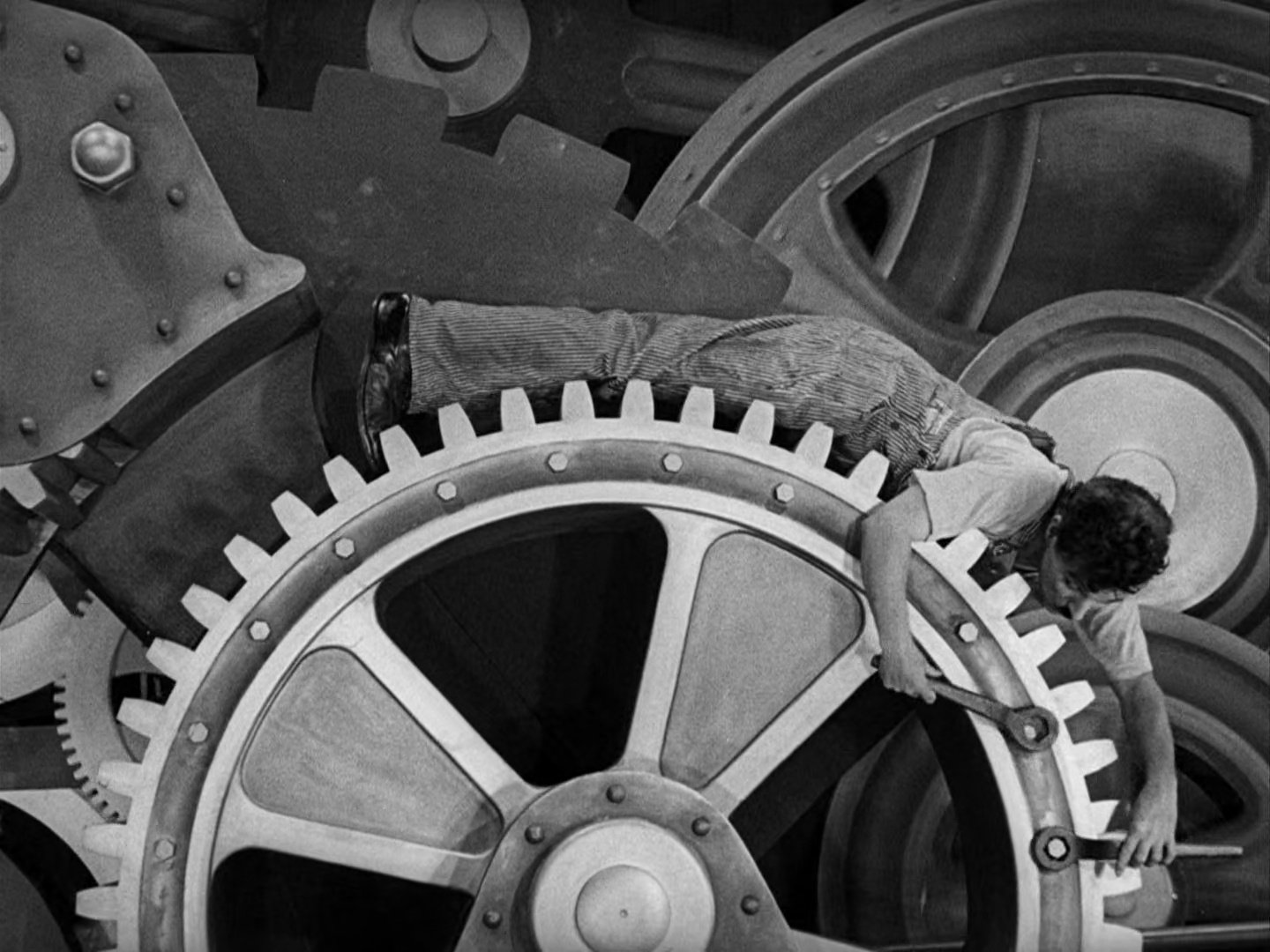
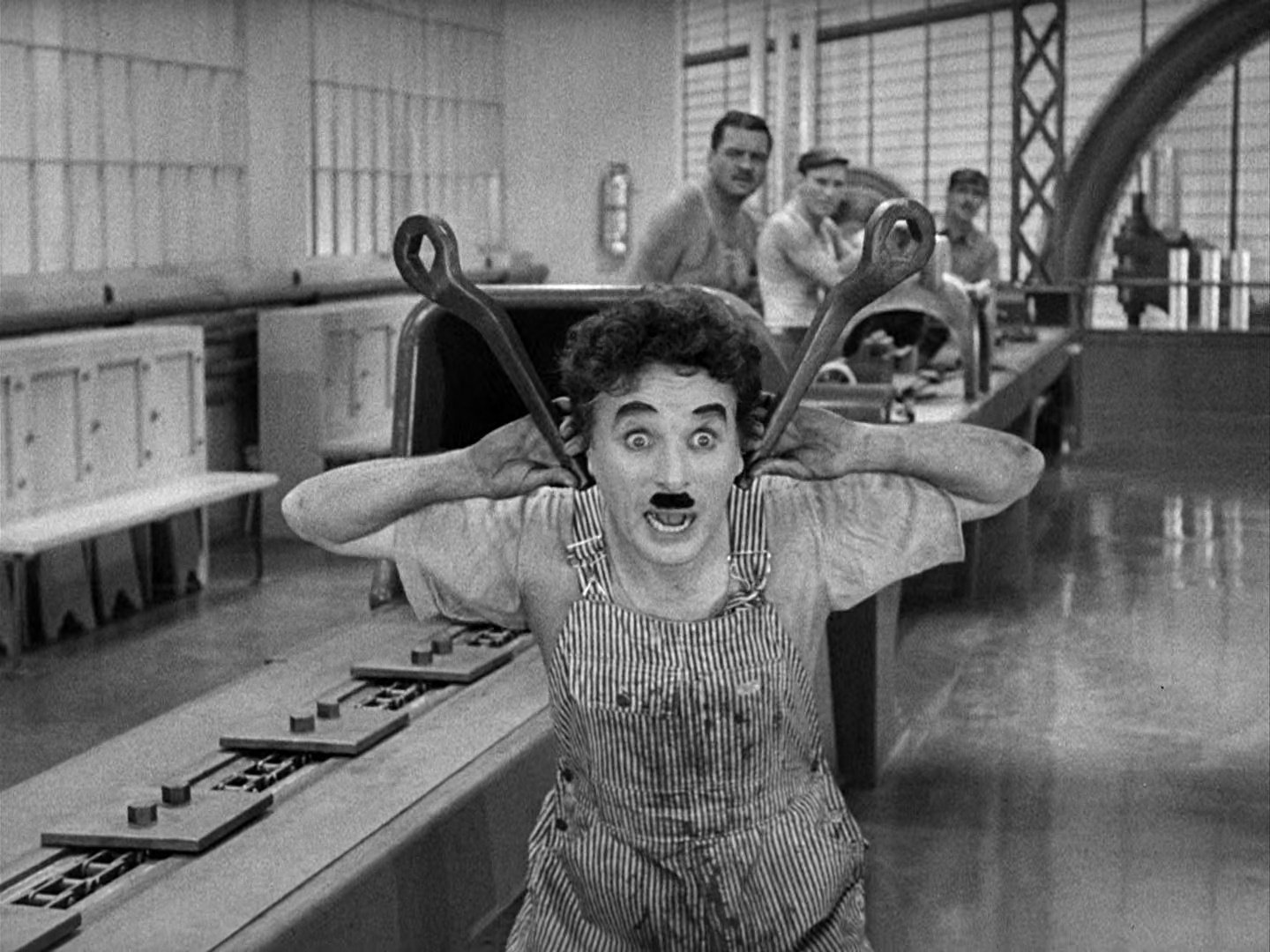
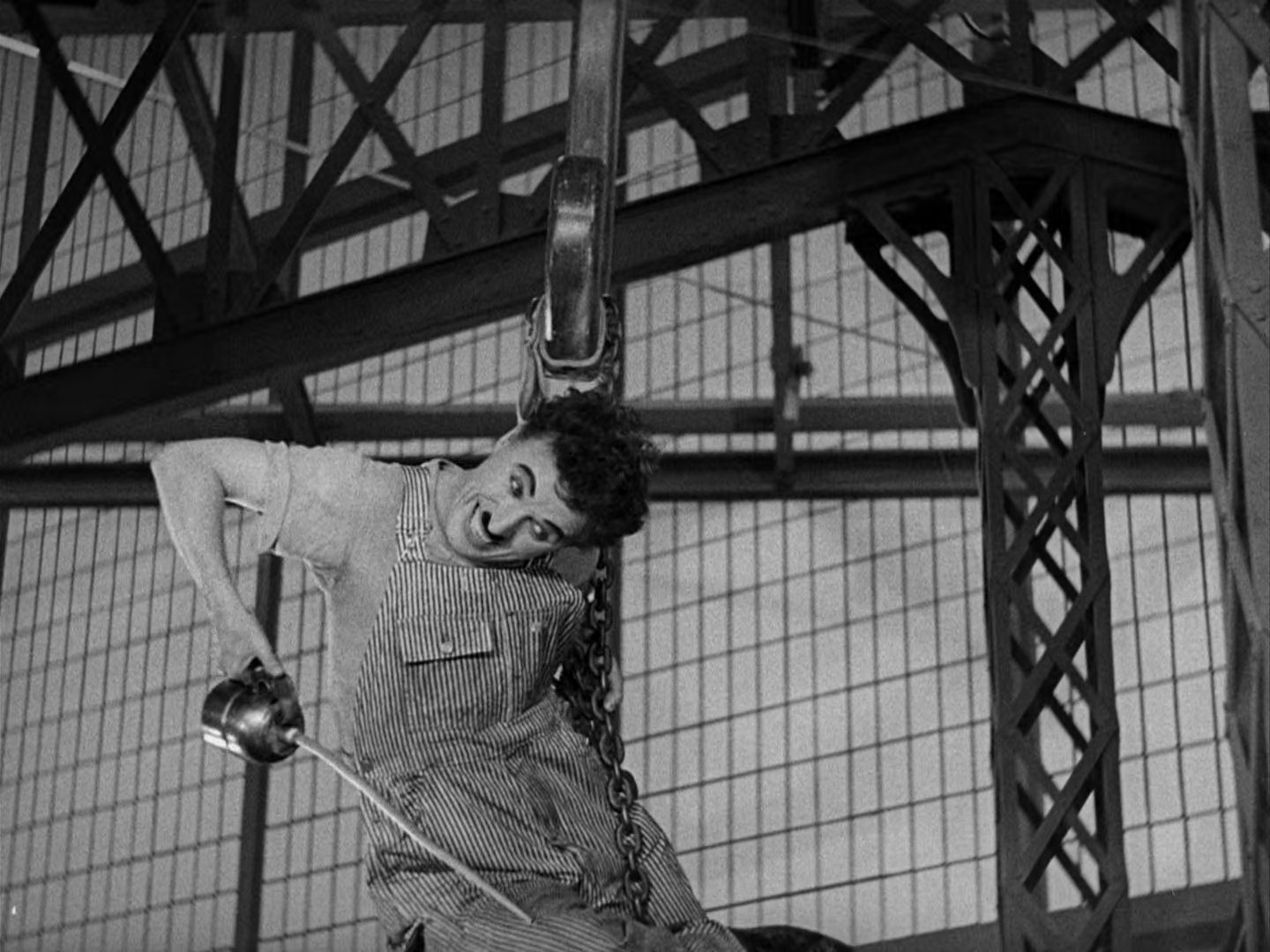
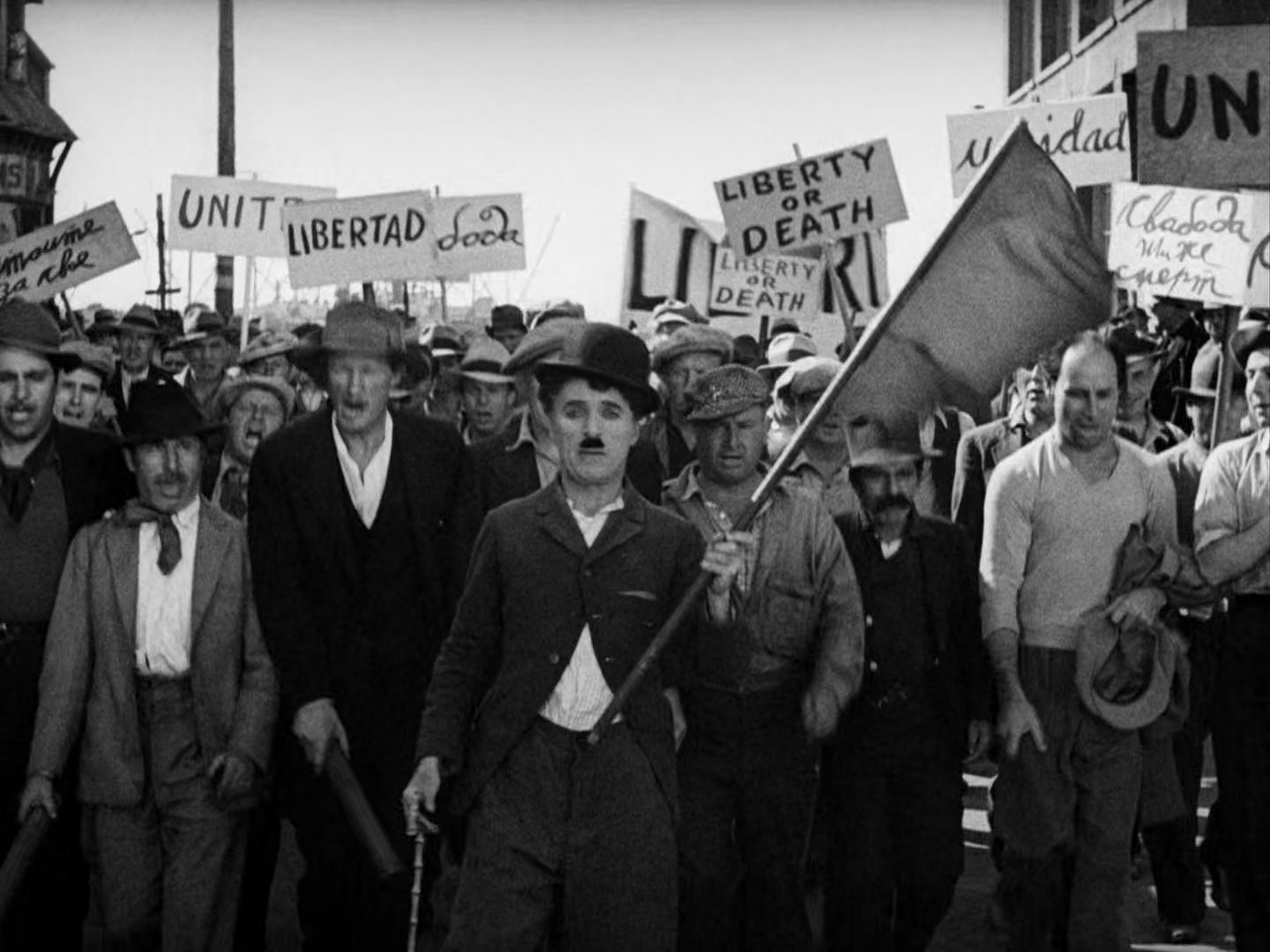
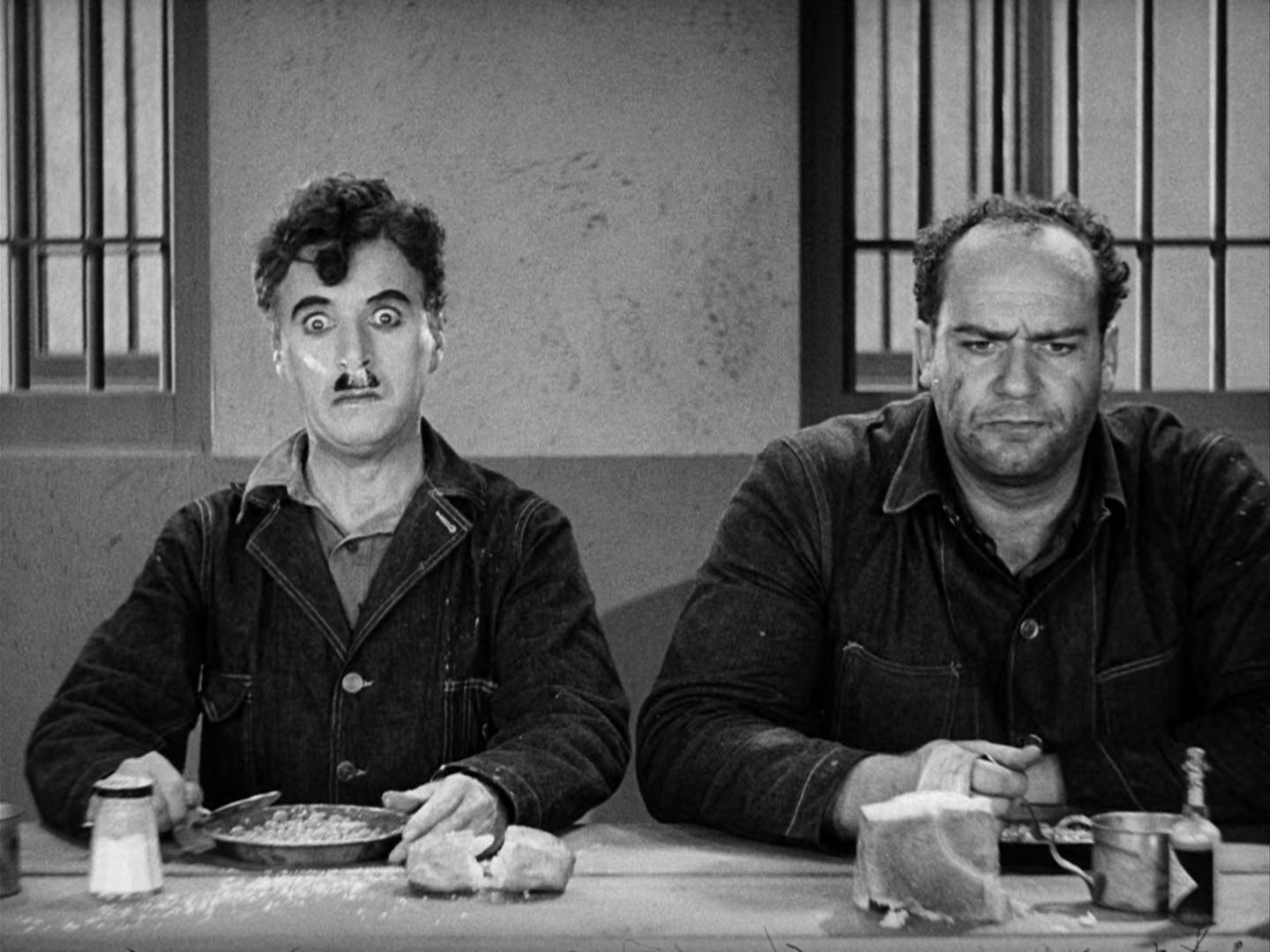
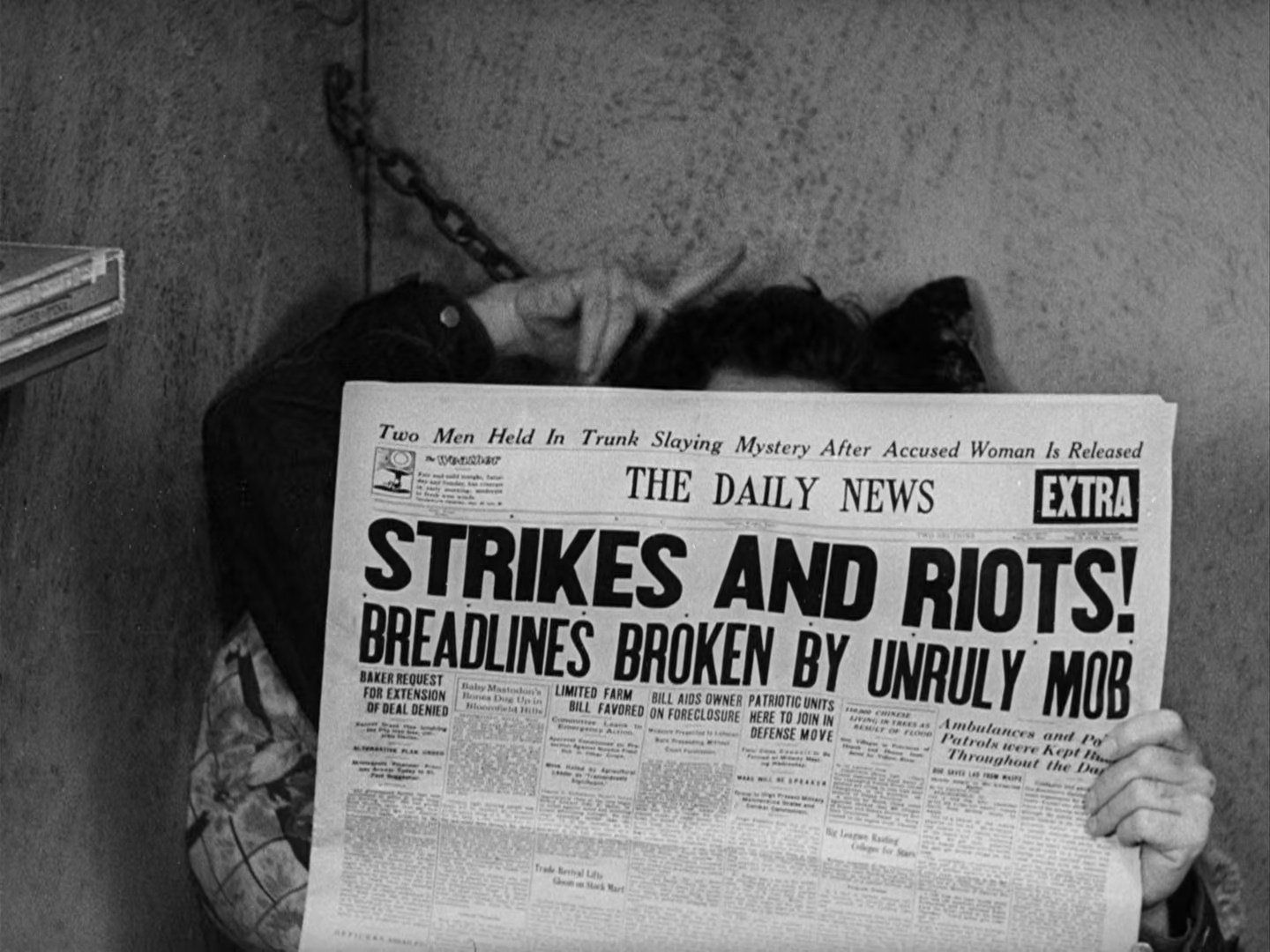
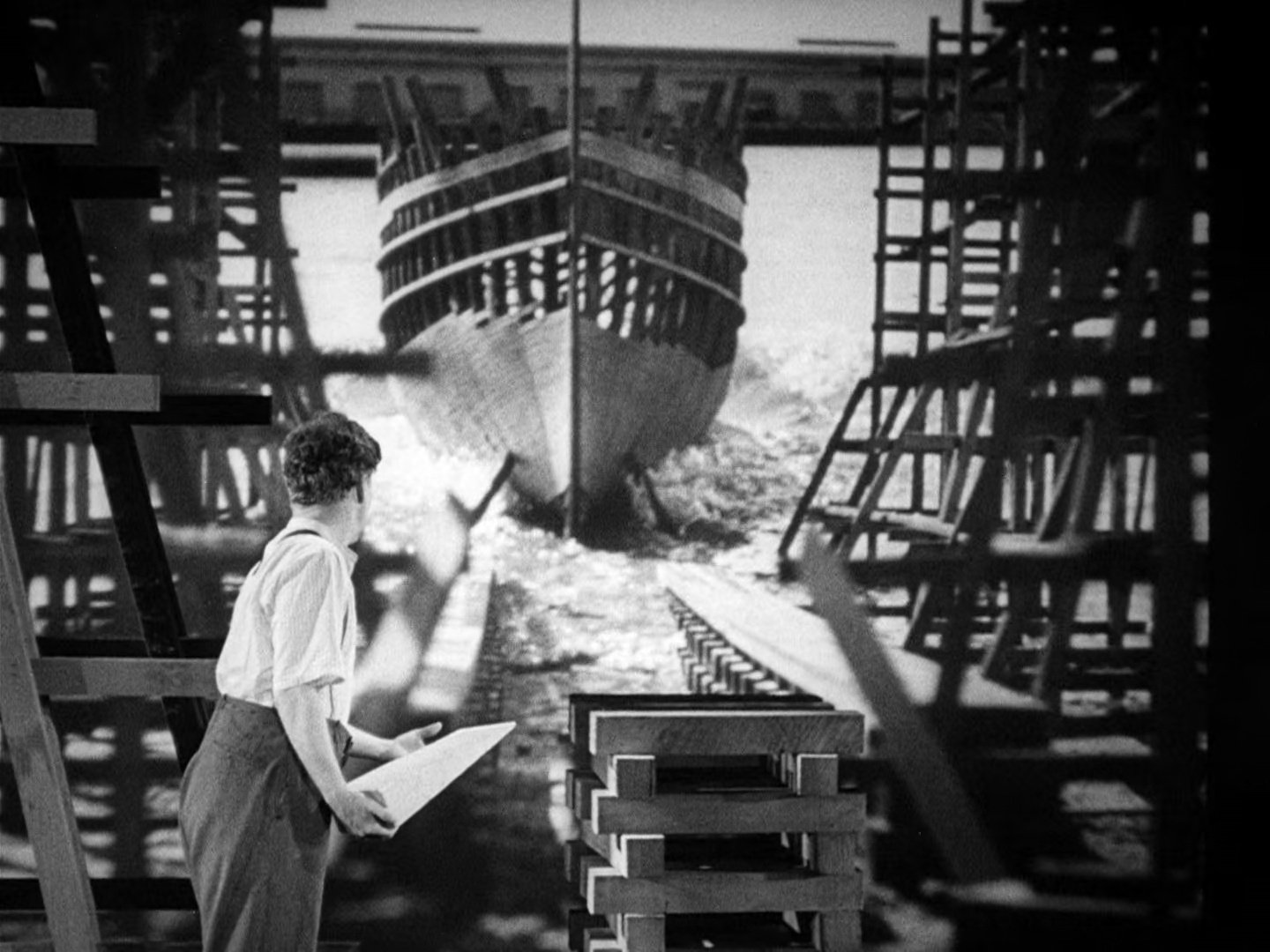
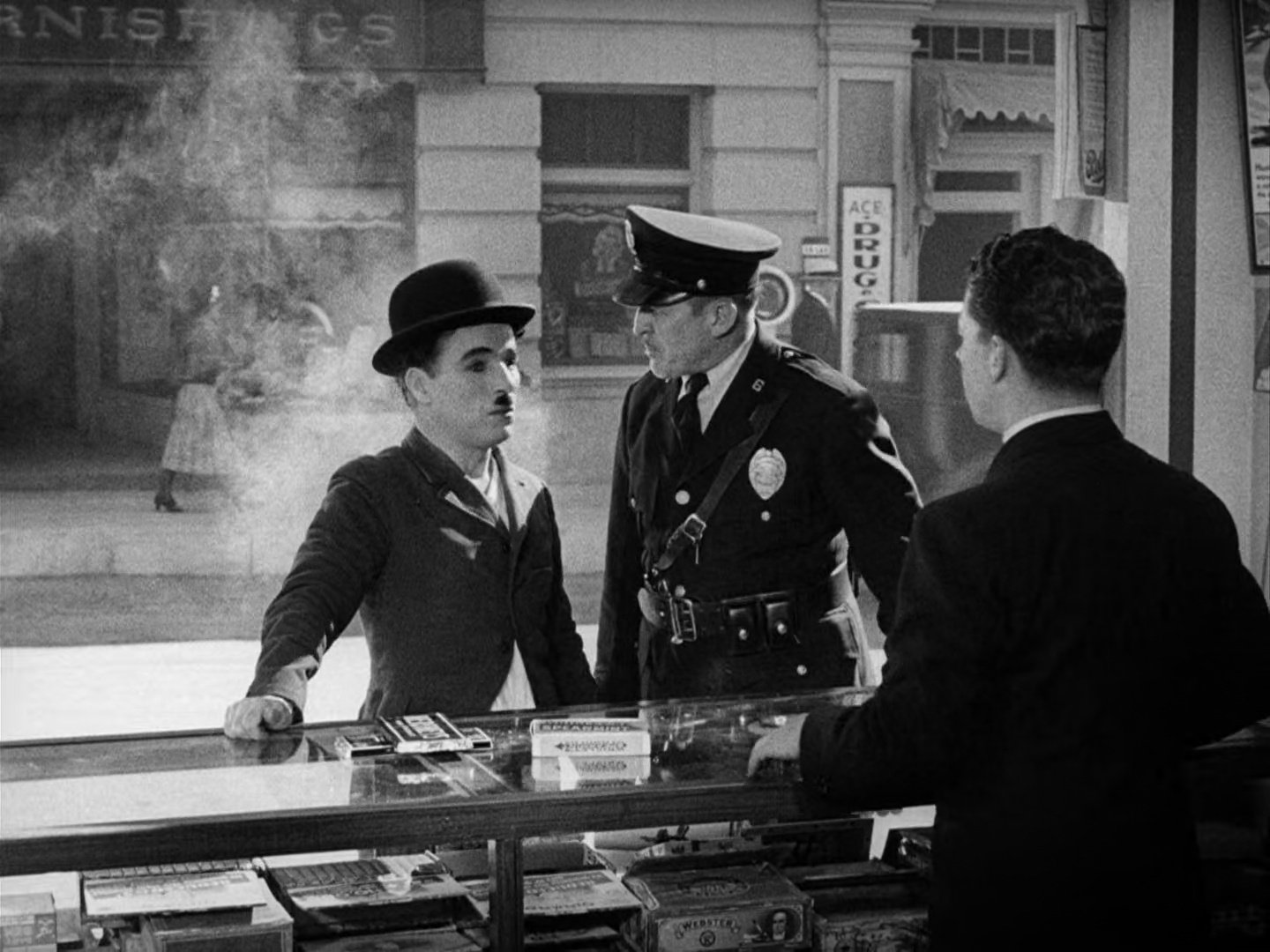
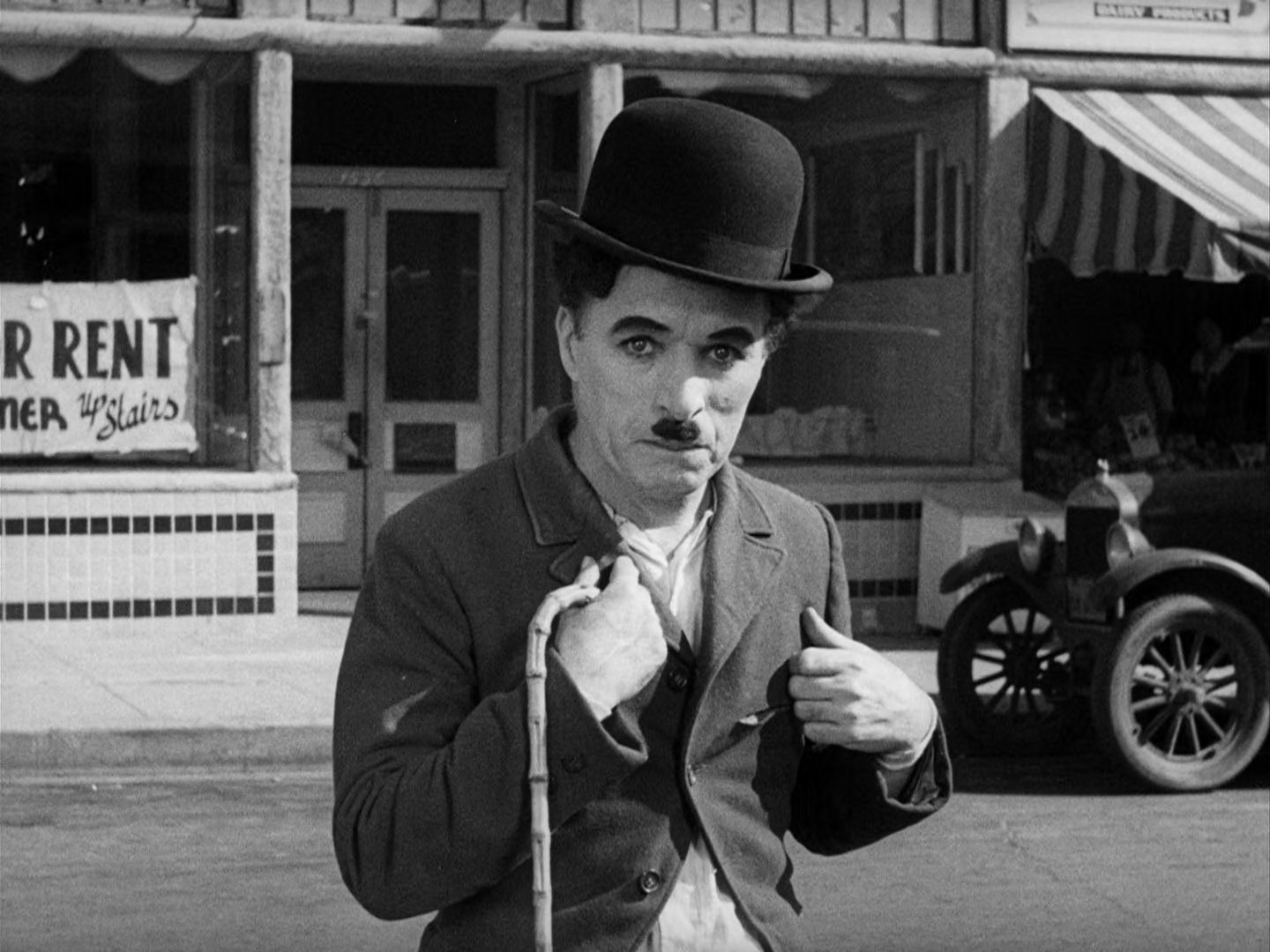
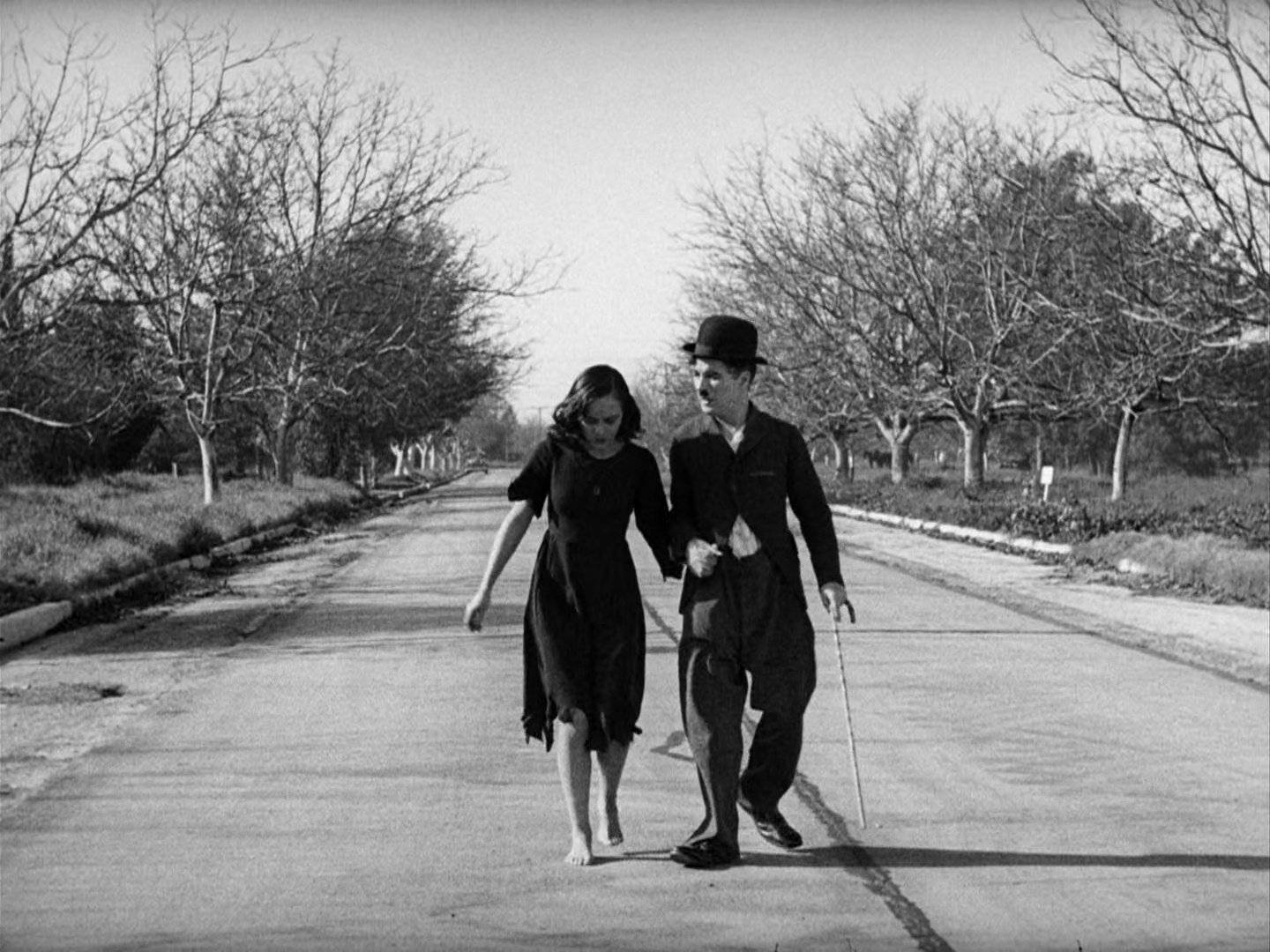
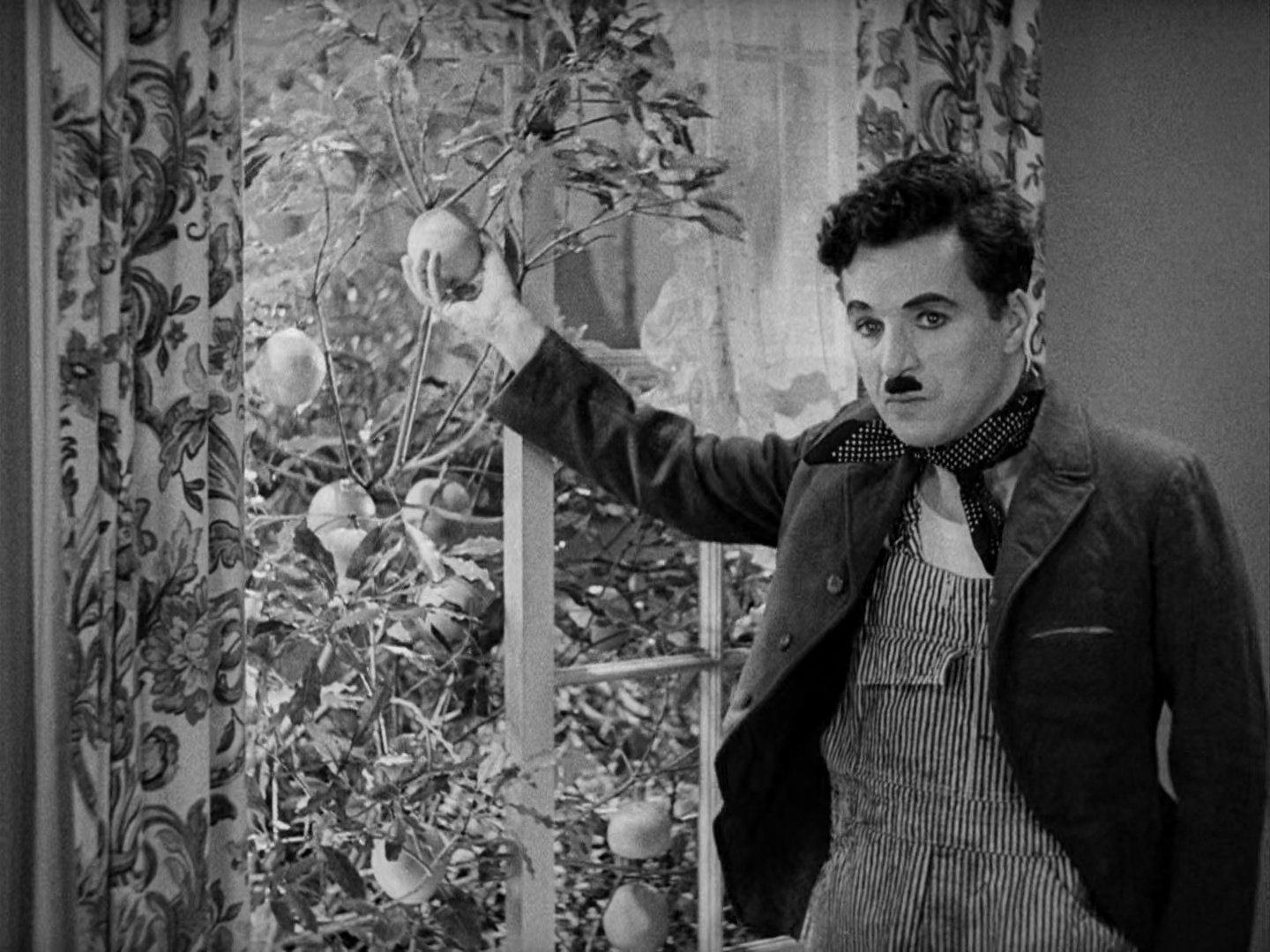
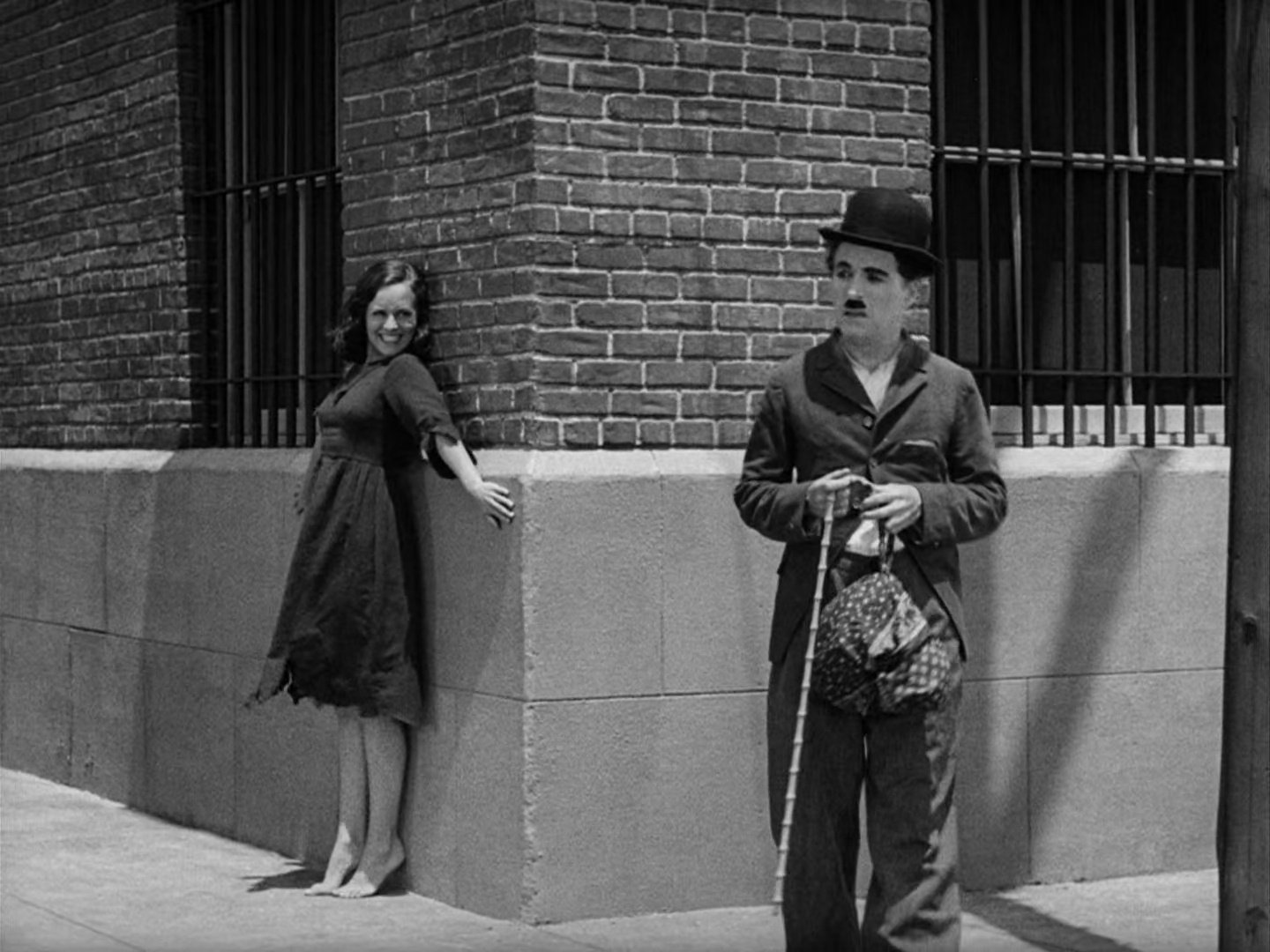
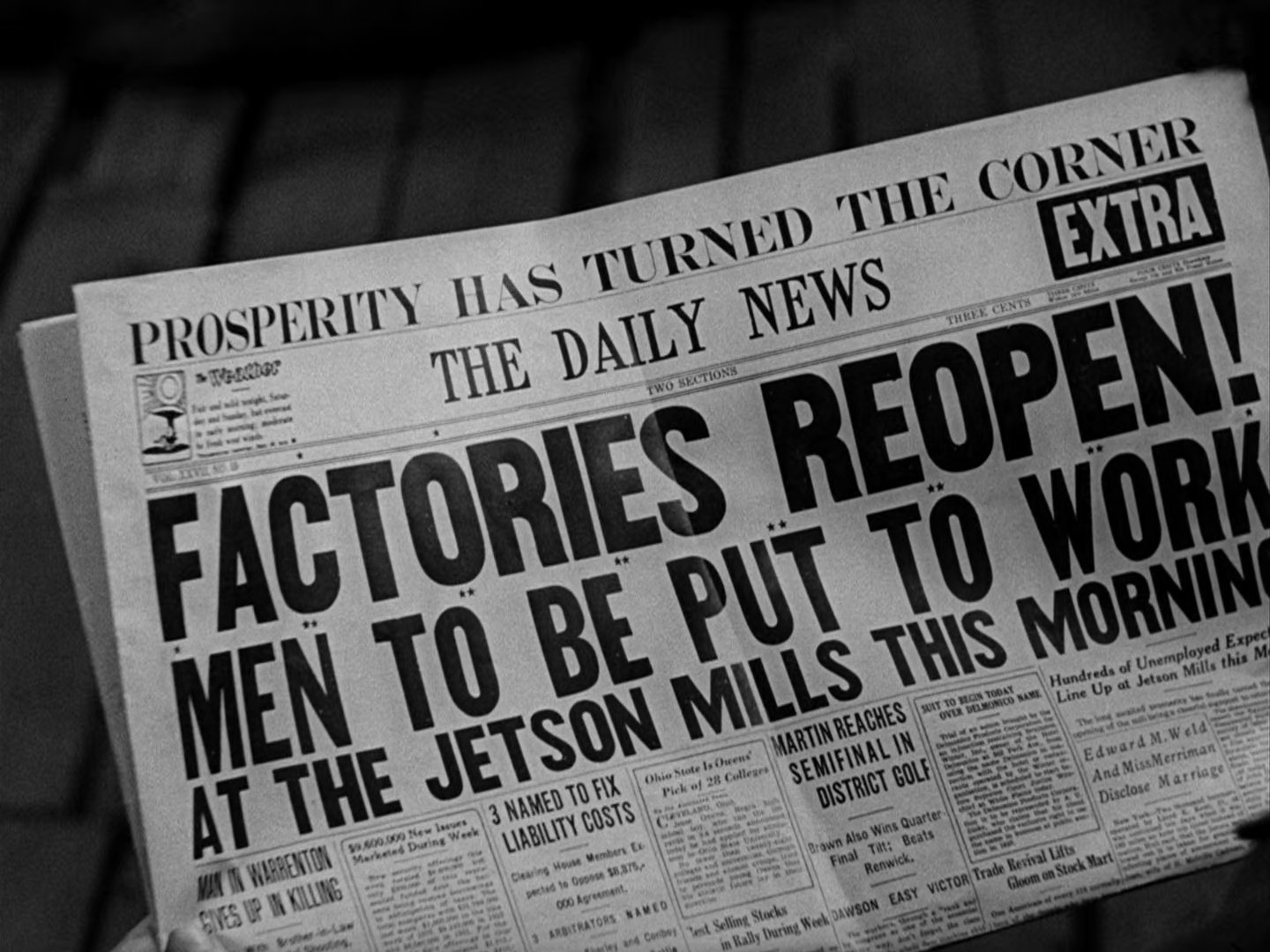
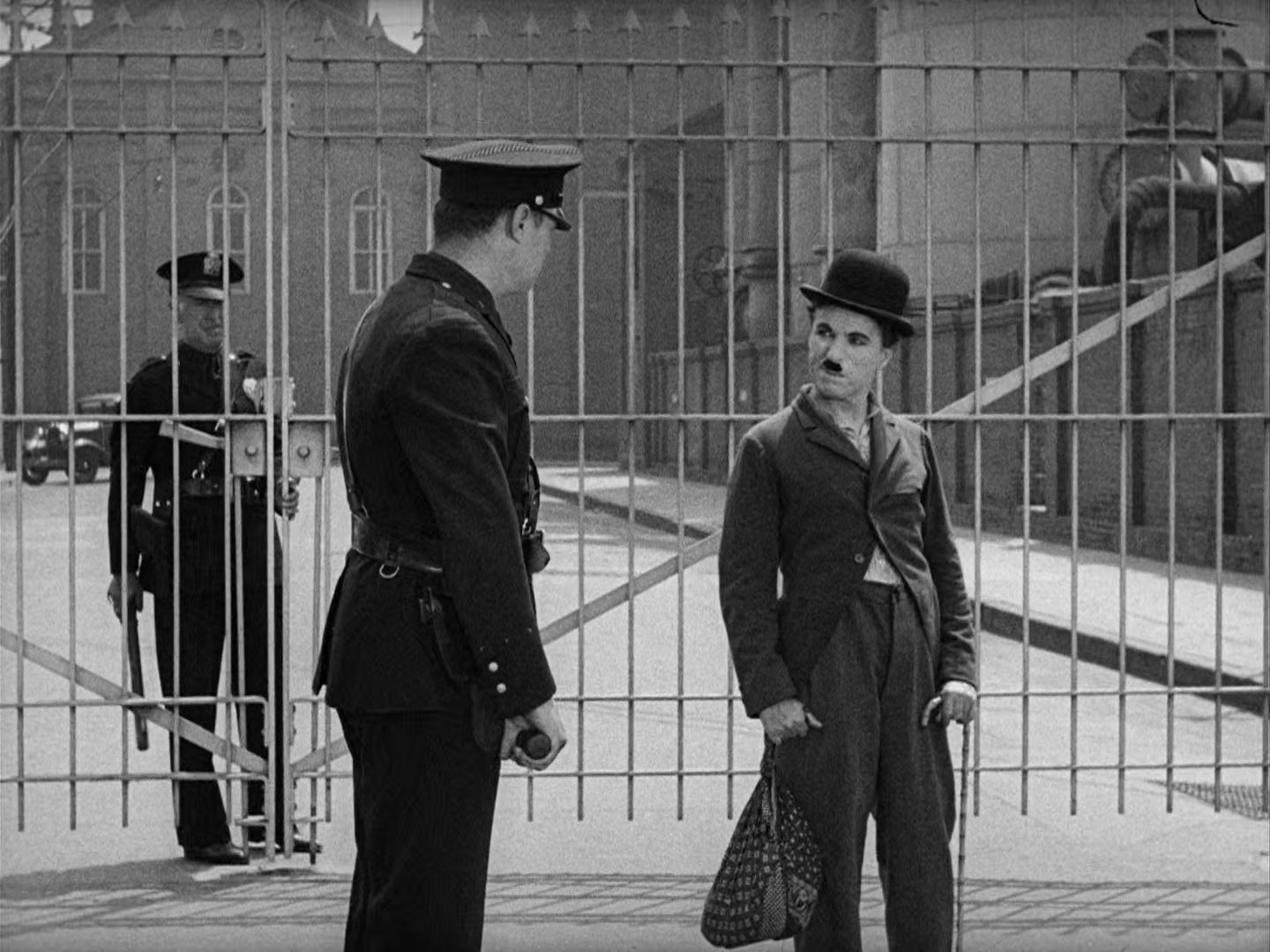
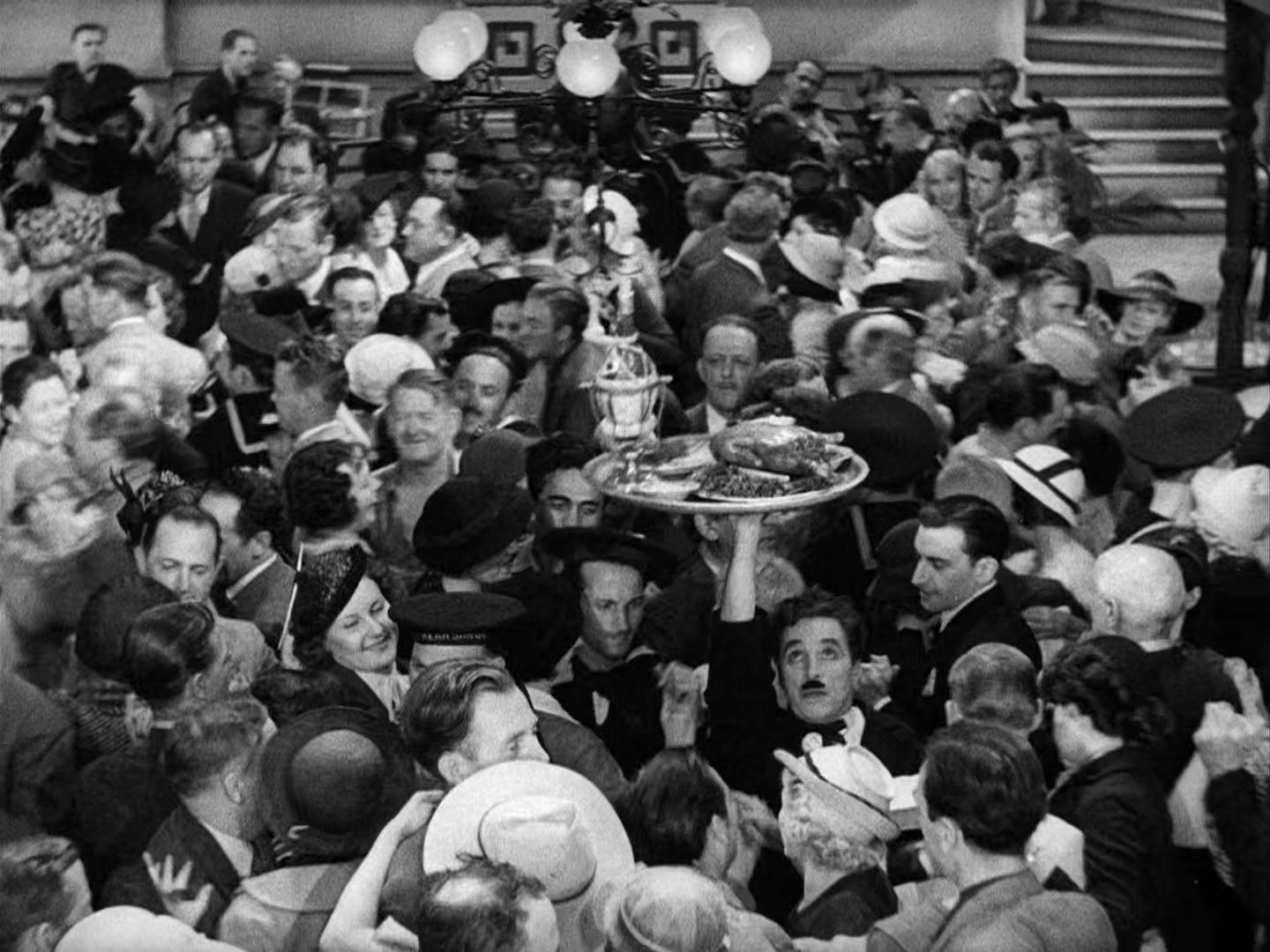
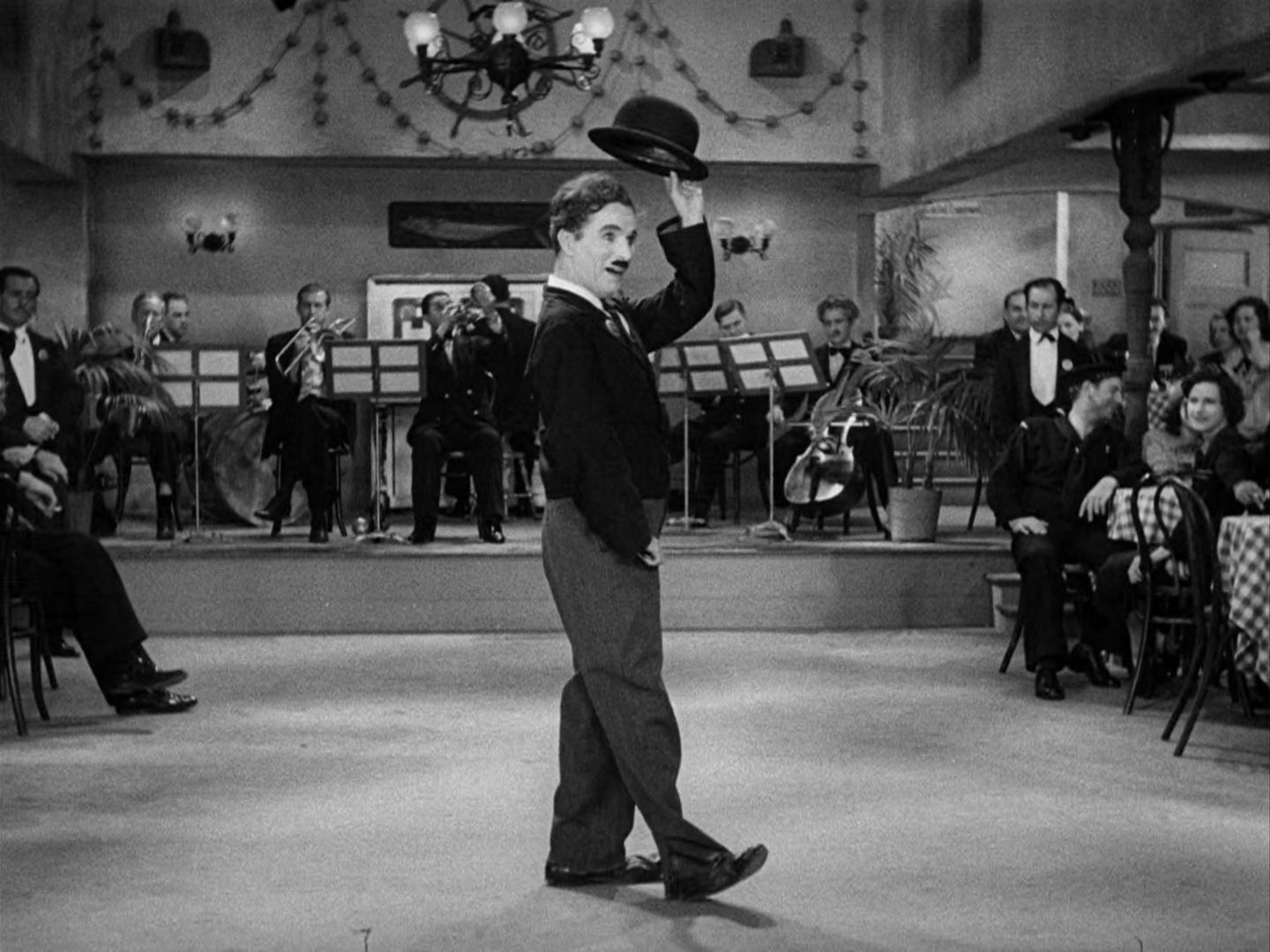
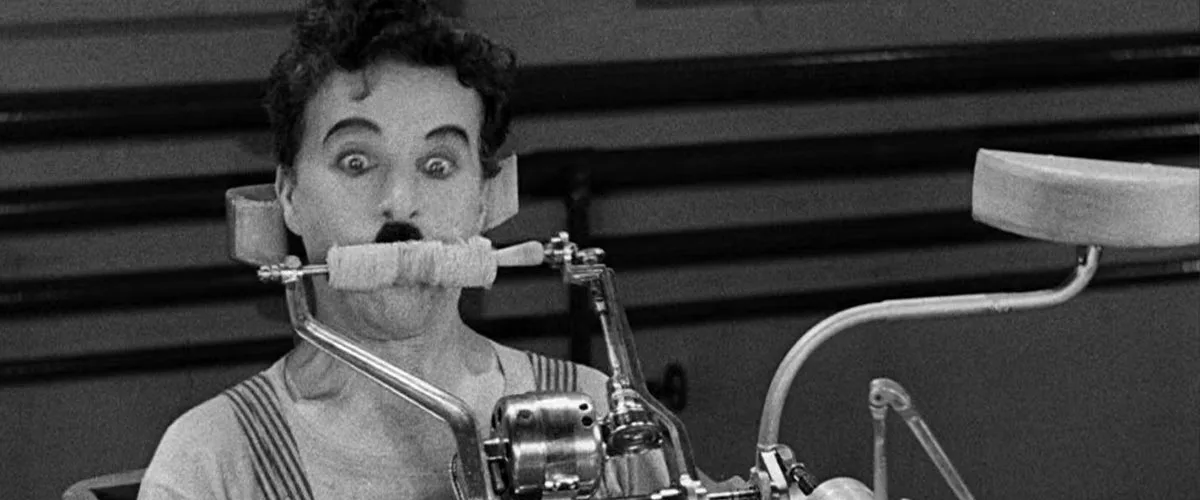
Produced during the Great Depression, with mass unemployment and industrial mechanization shaping the social climate, the last appearance of Chaplin’s Tramp character in a feature film takes us on a factory assembly line that functions as mechanical ballet with repetitive motion, rhythmic editing, and physical comedy integrated into industrial imagery.
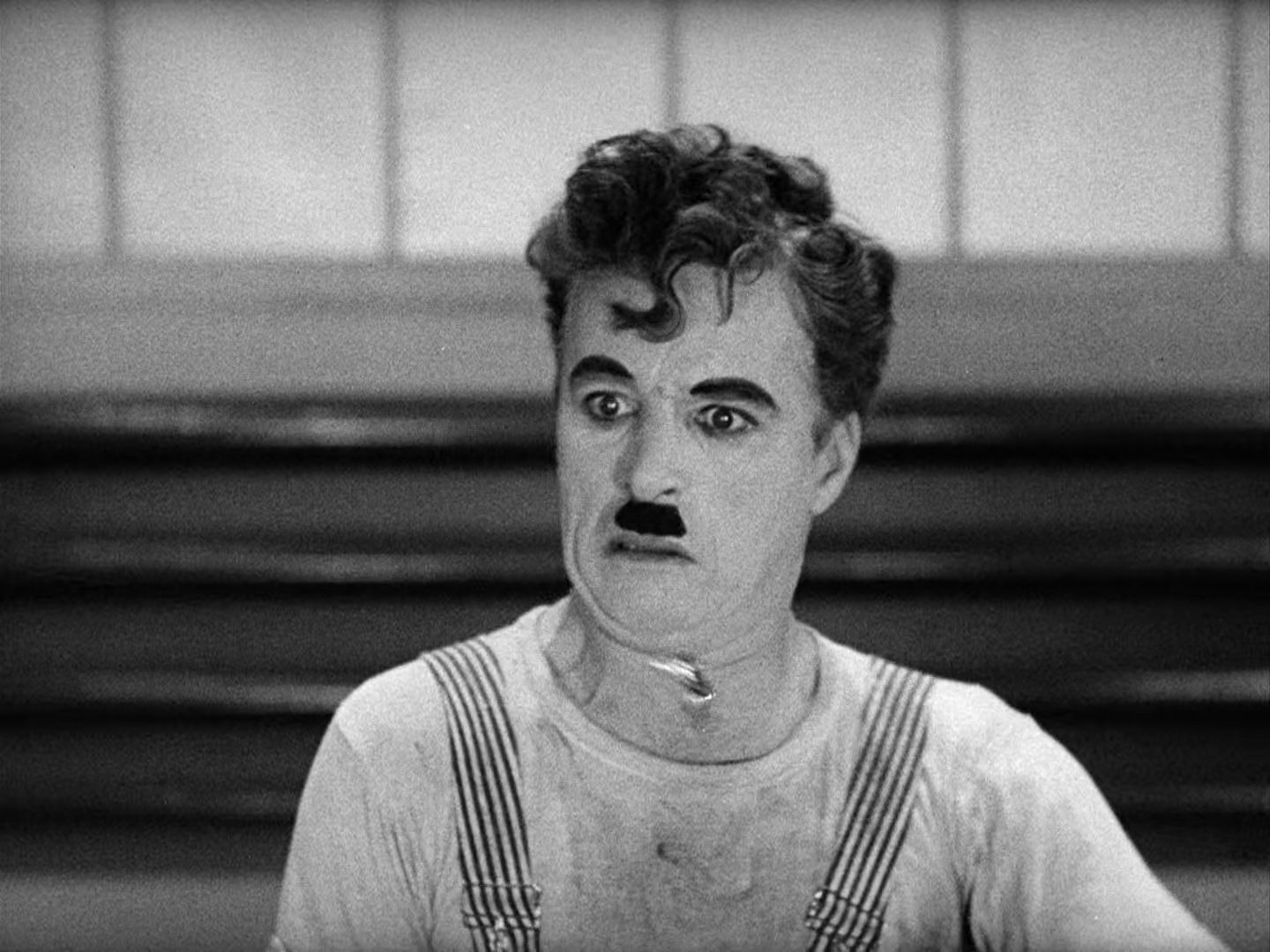
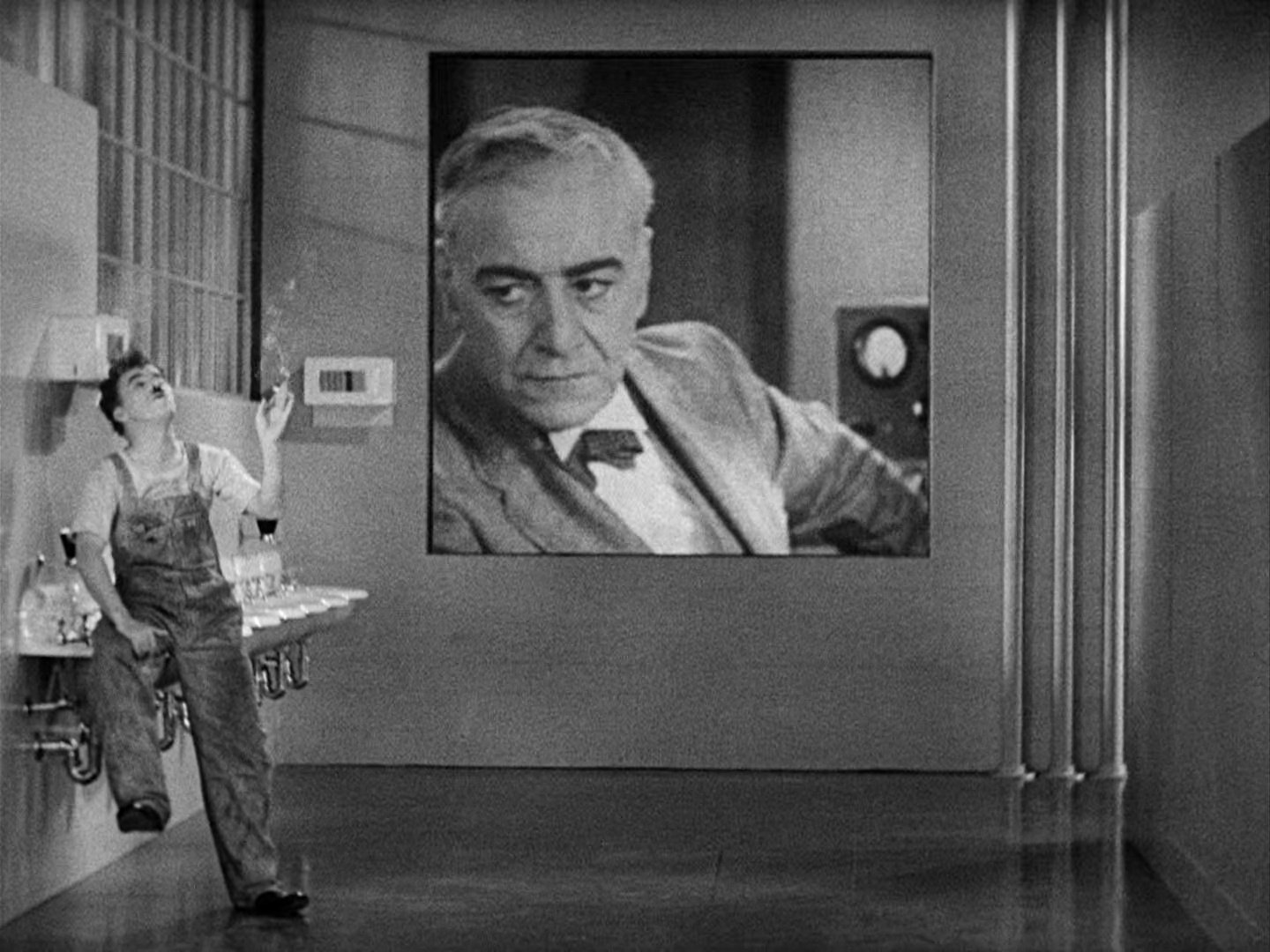
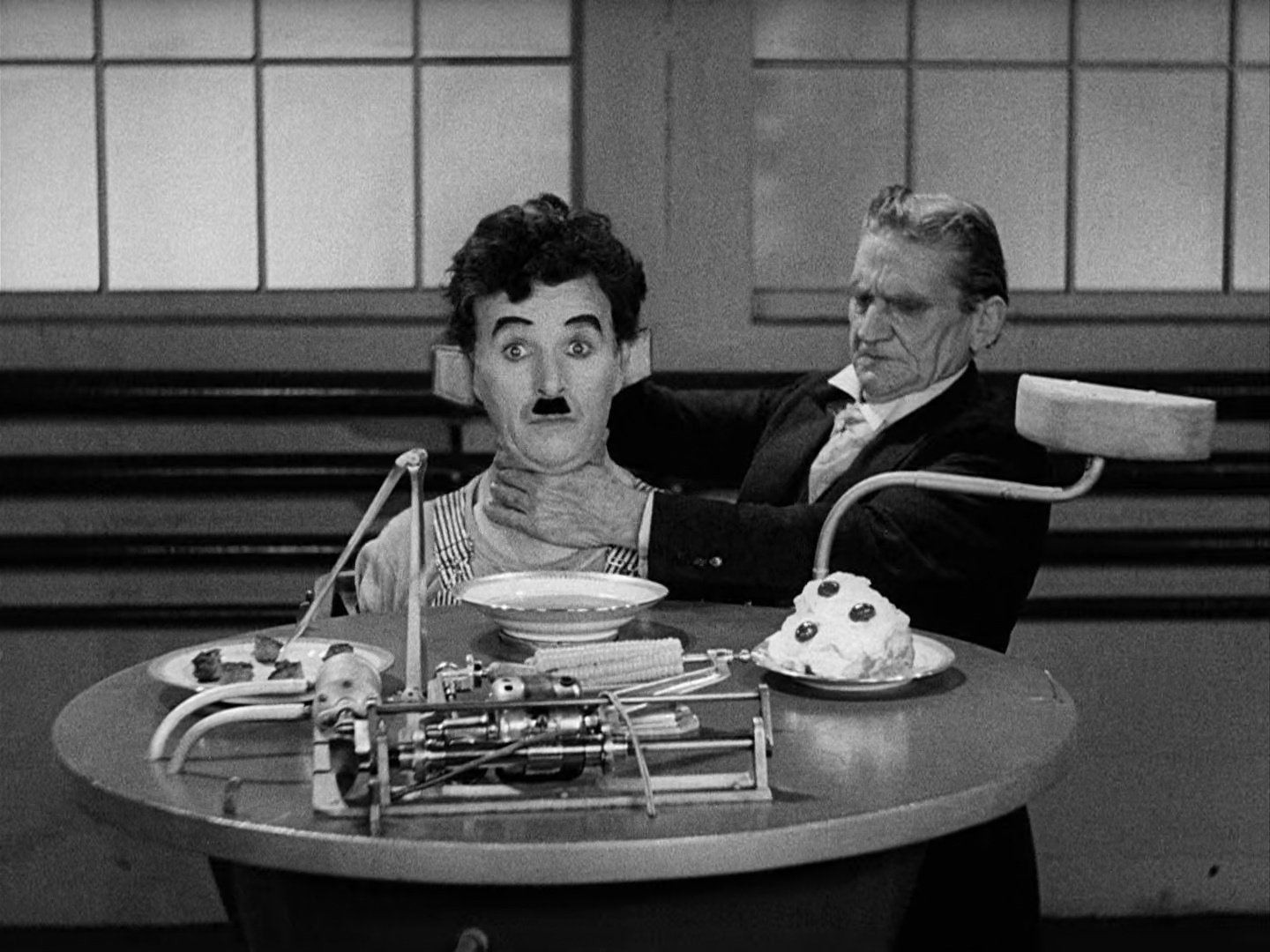
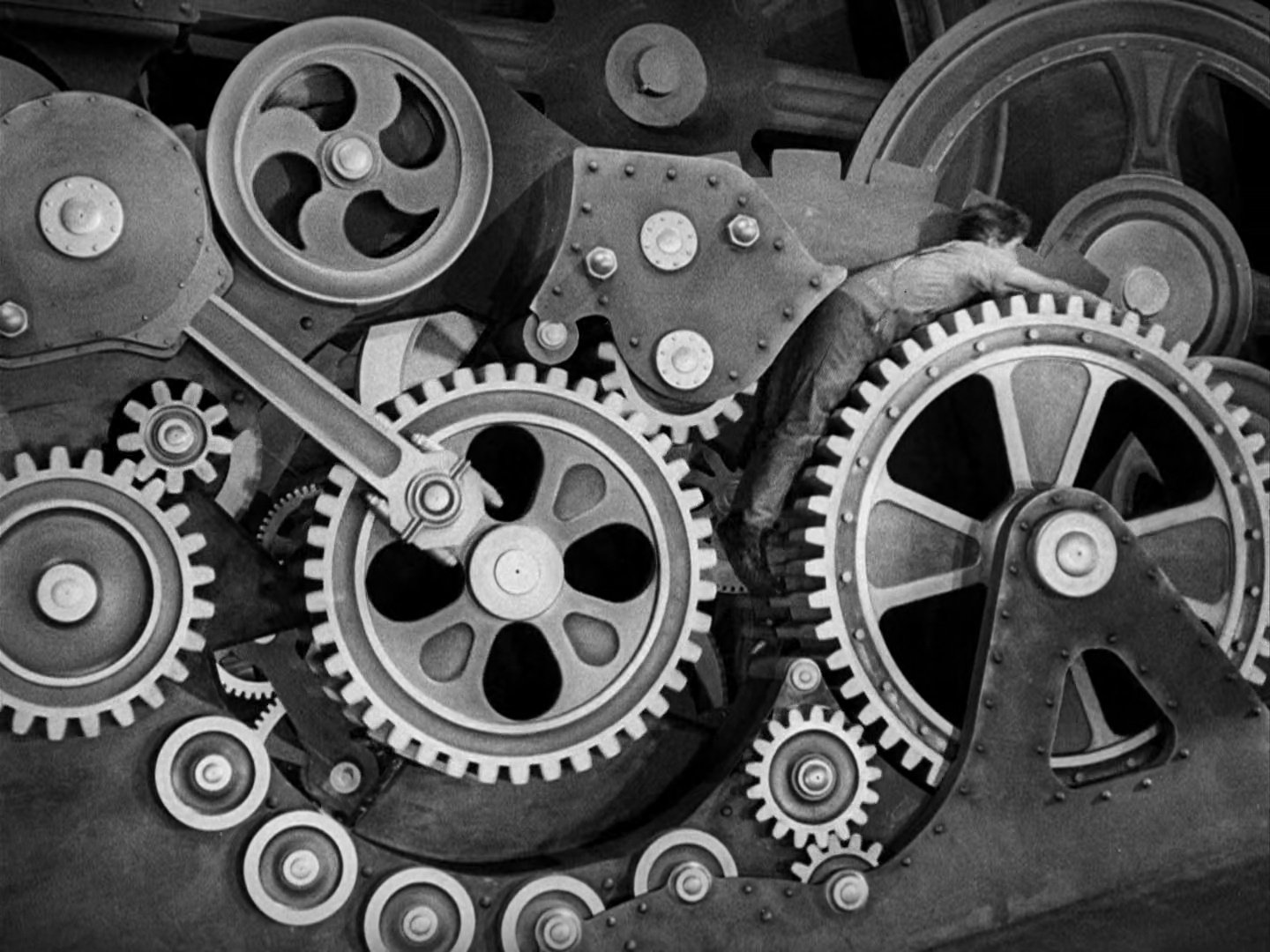
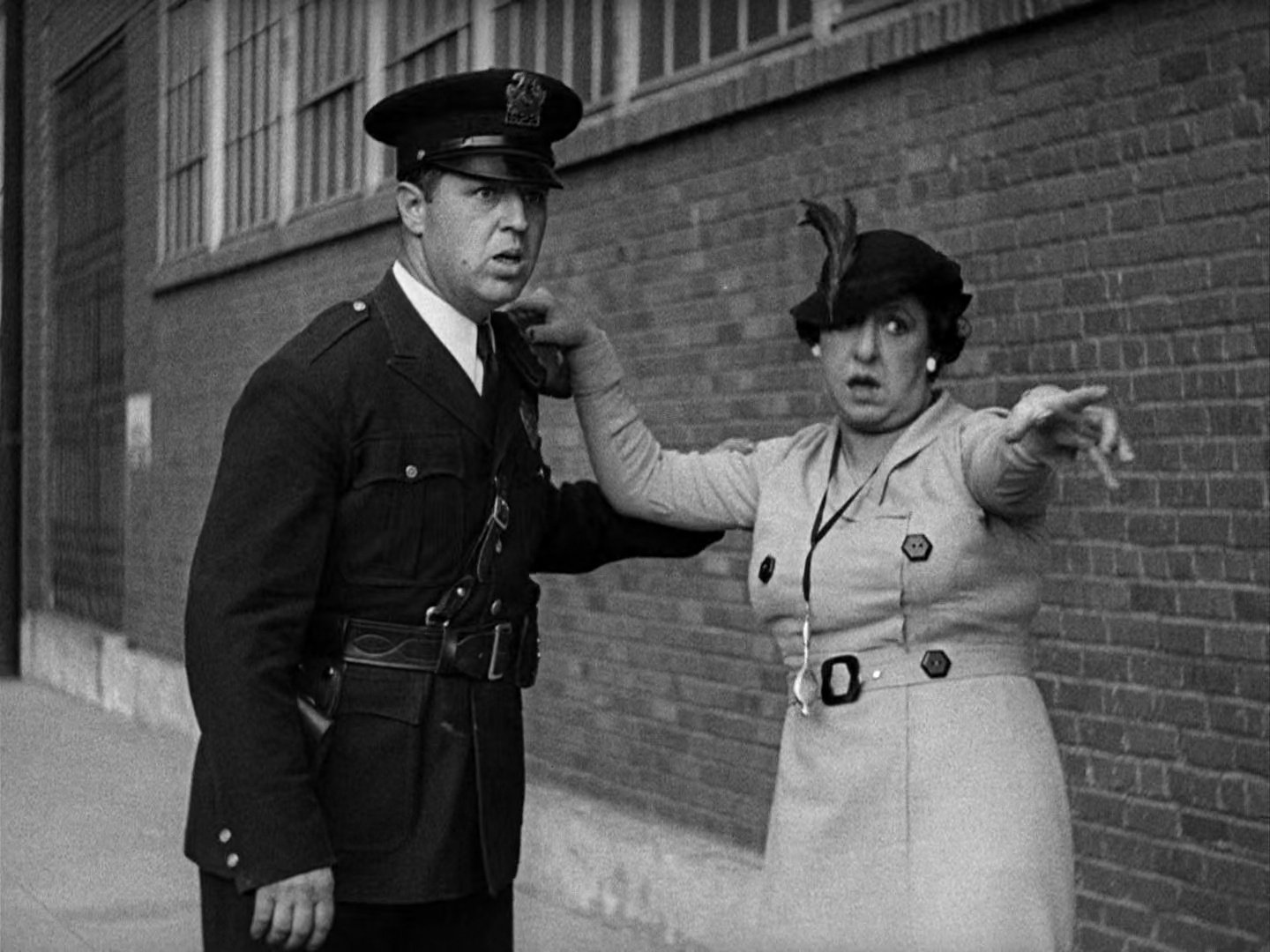
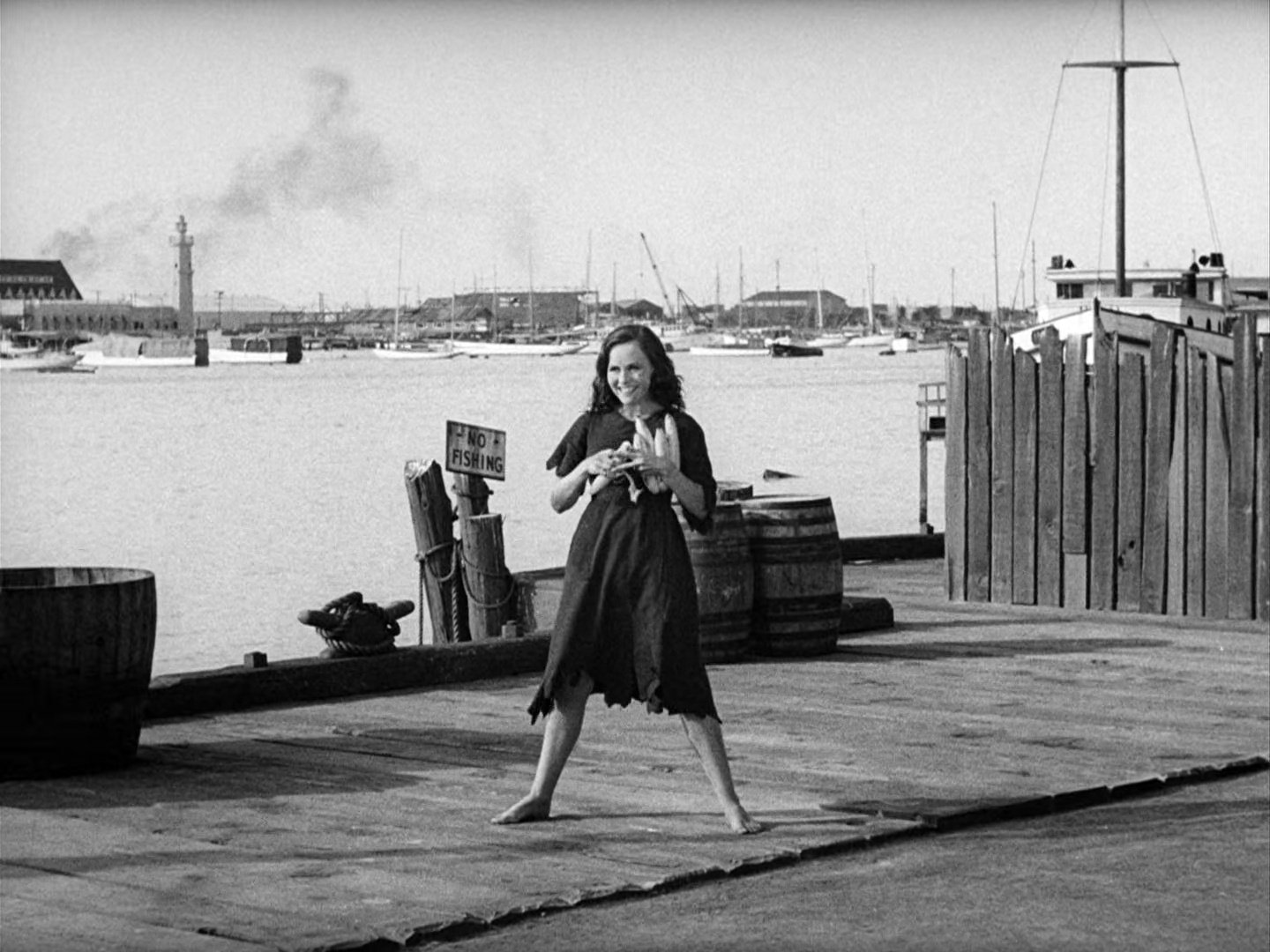
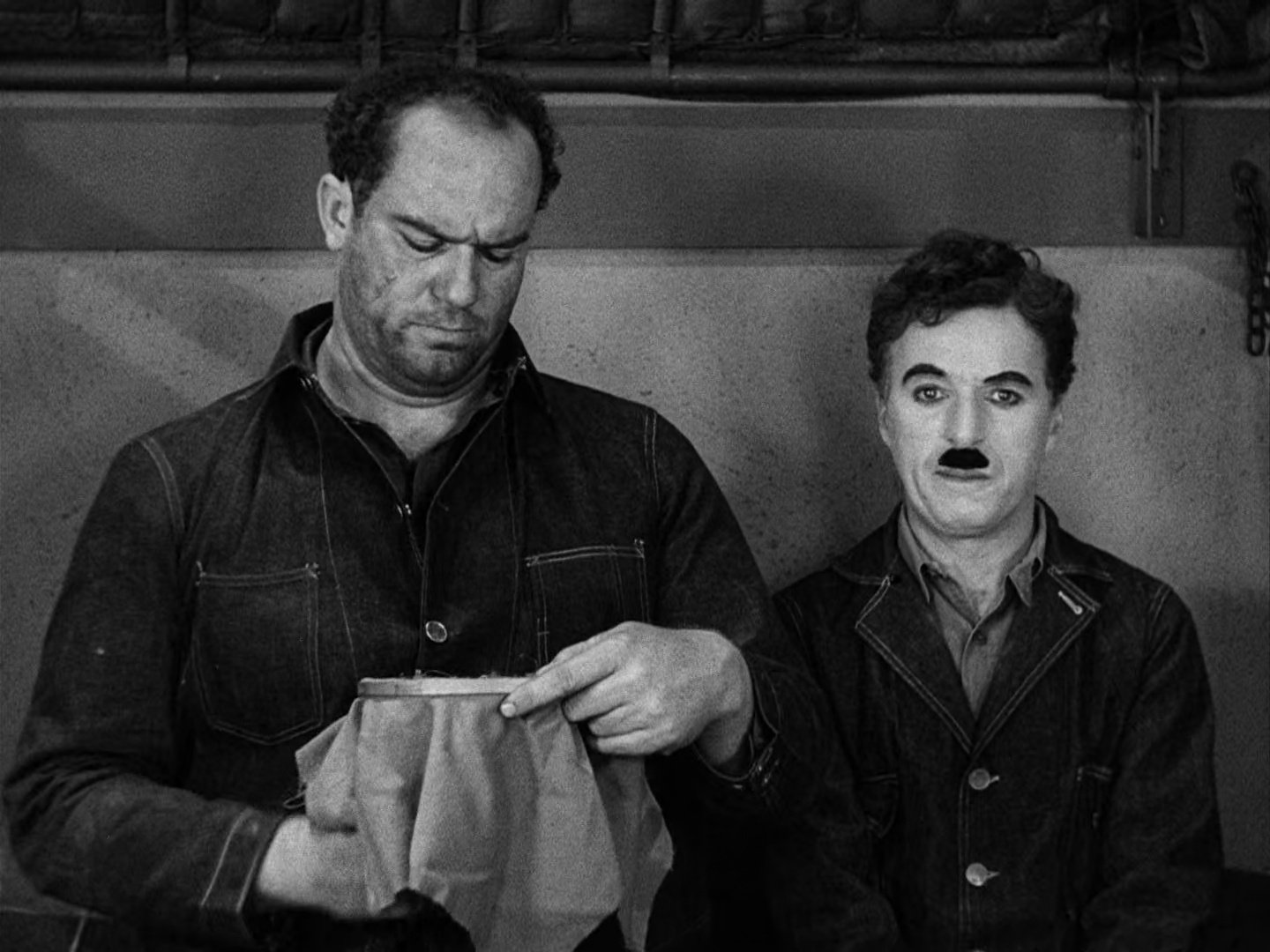
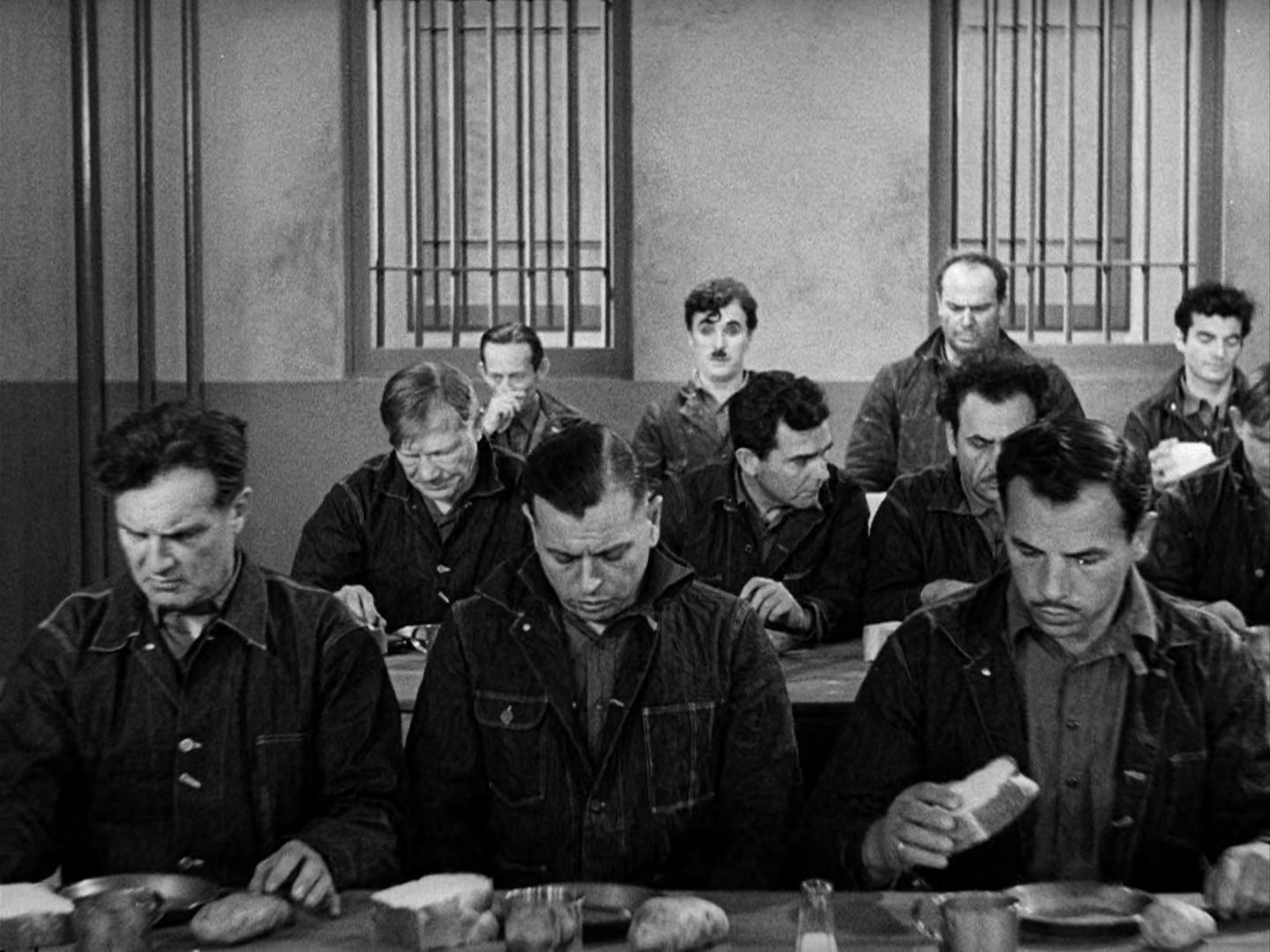
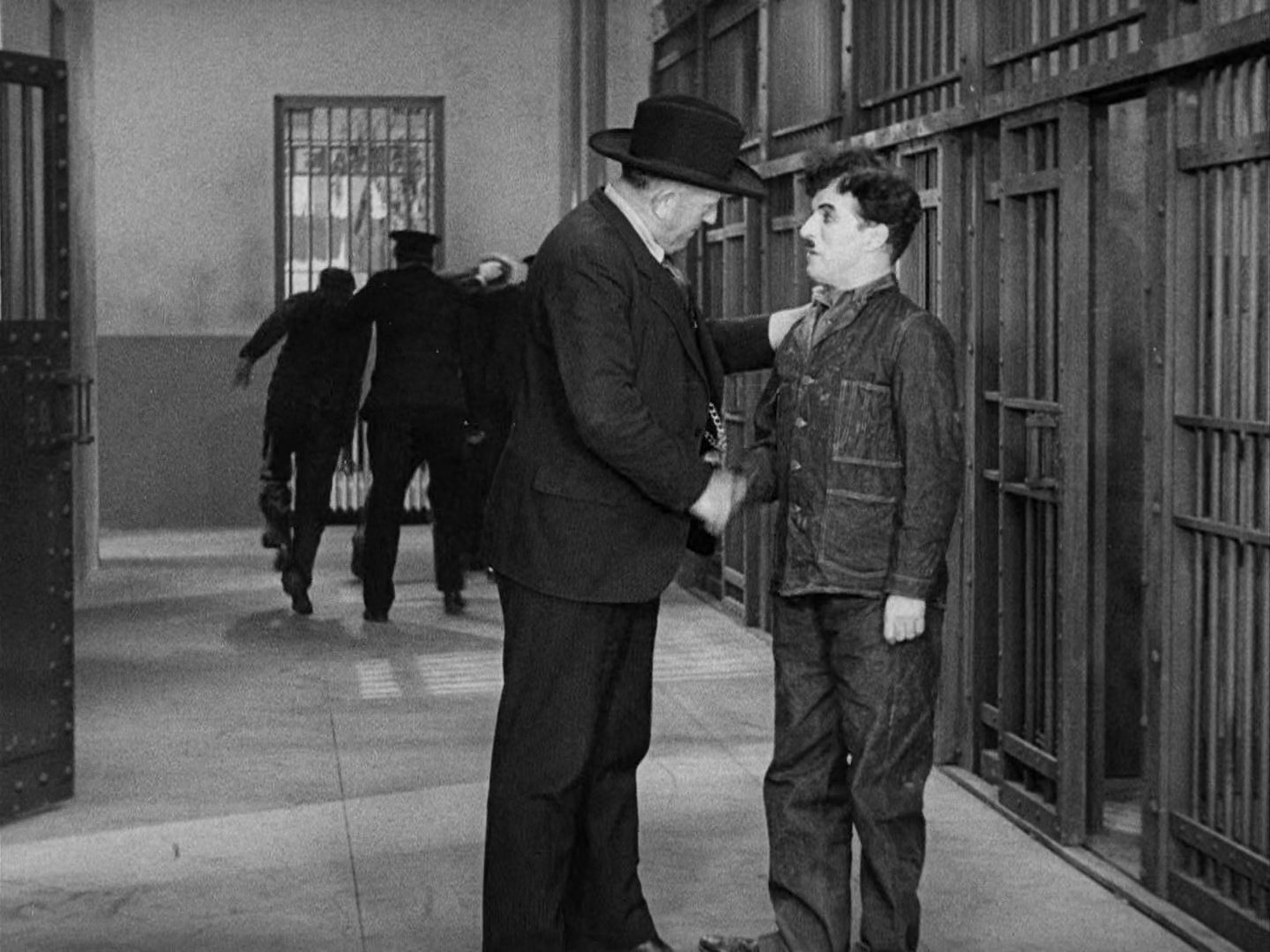
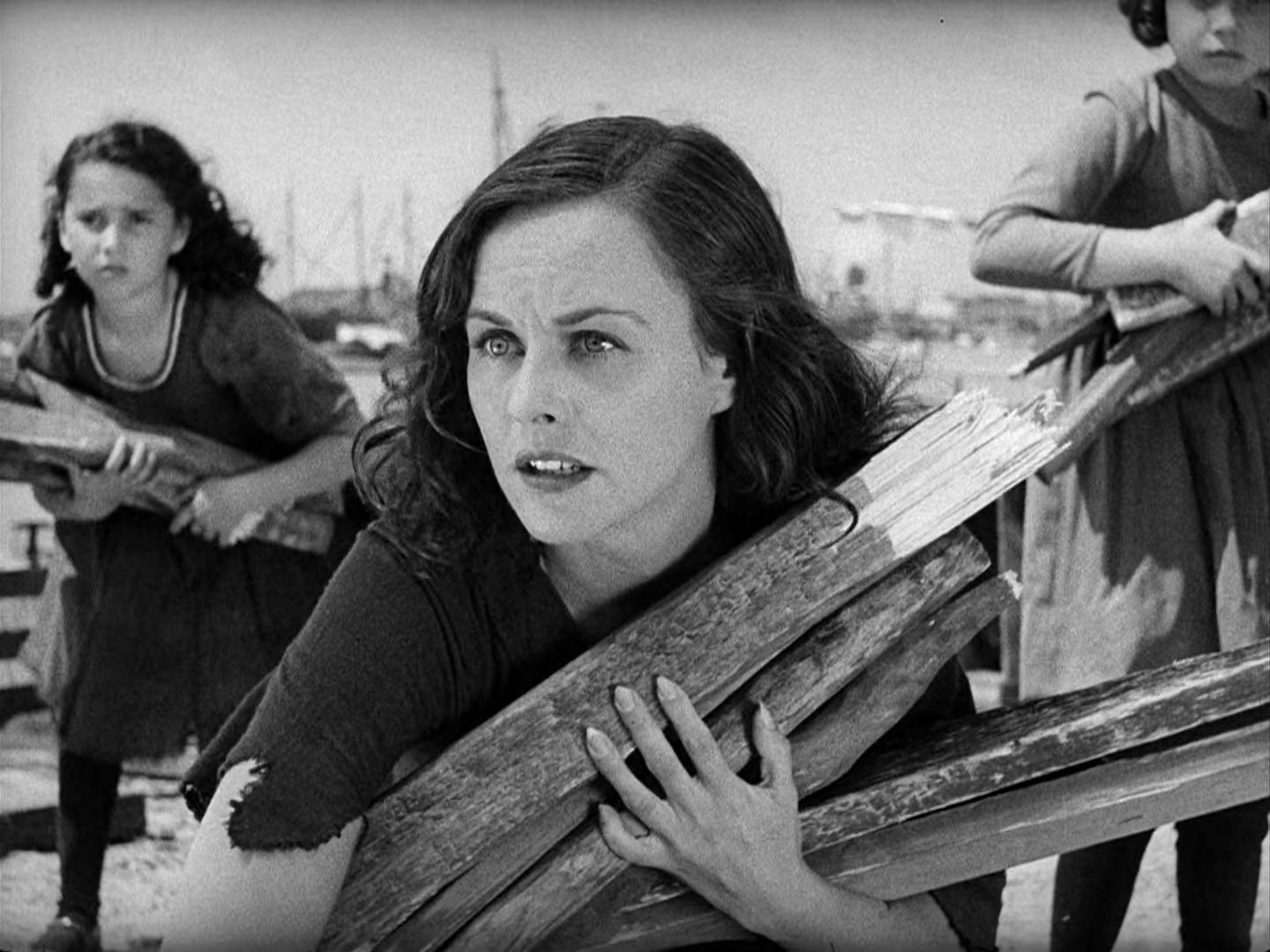
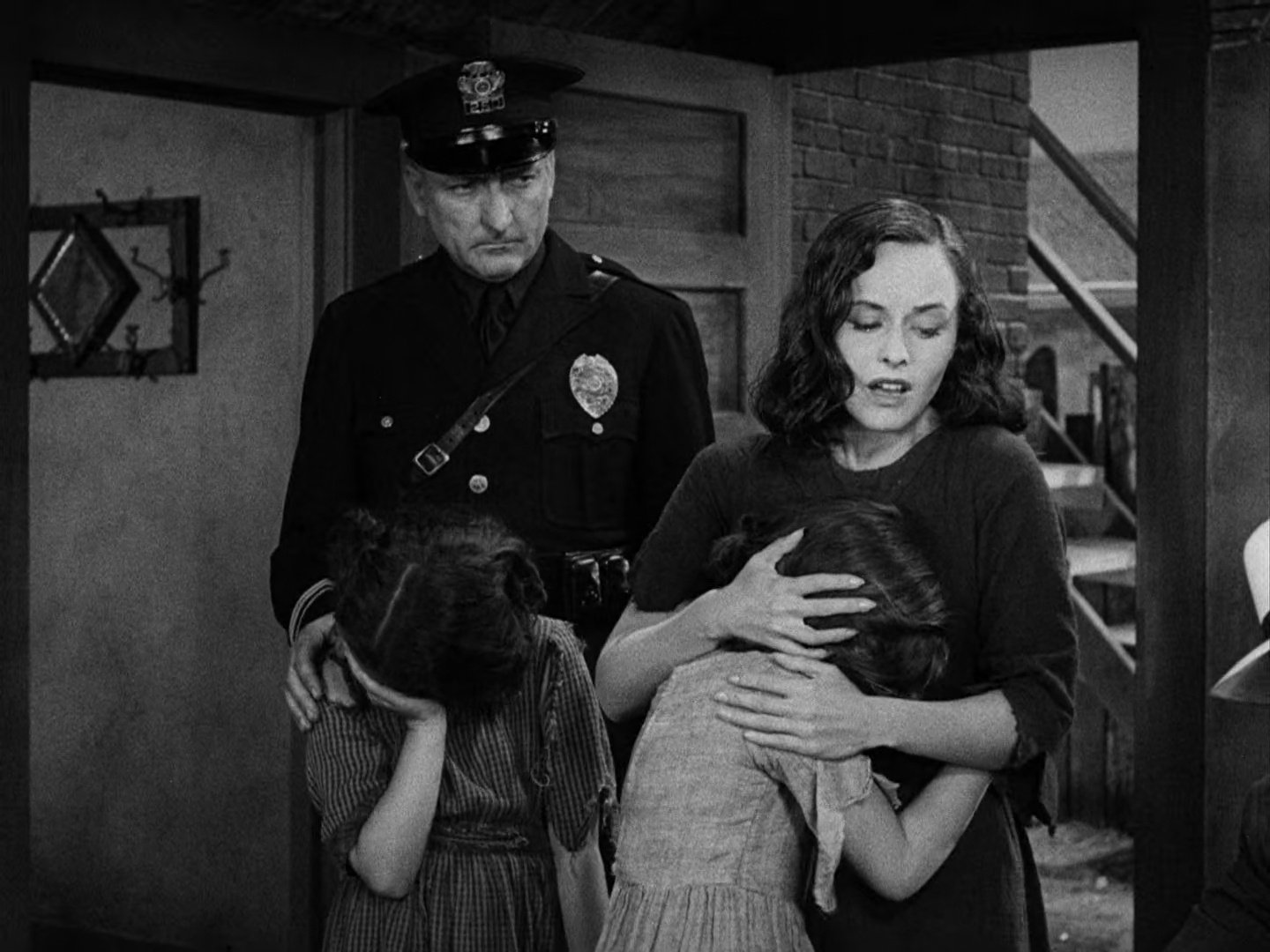
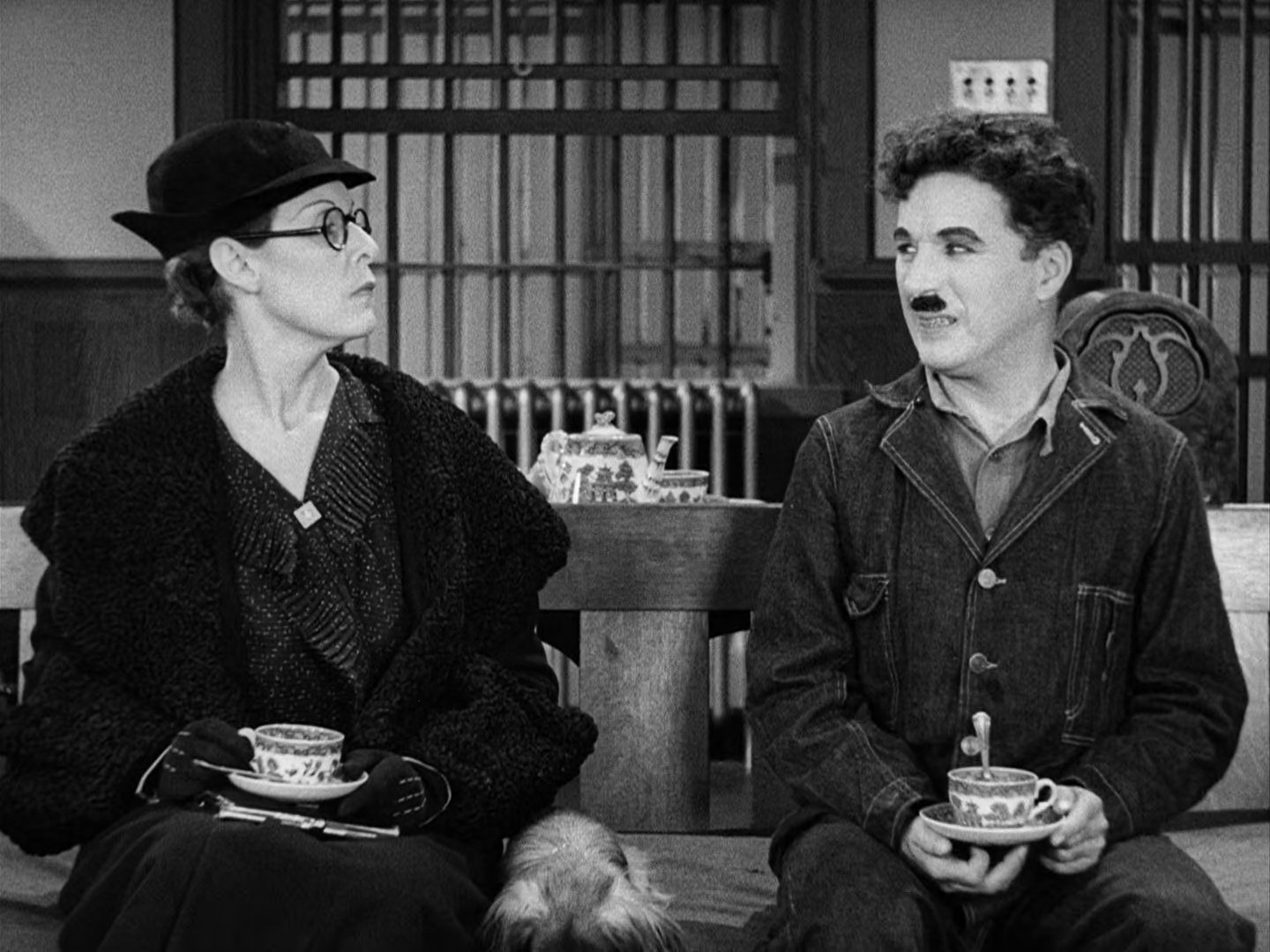
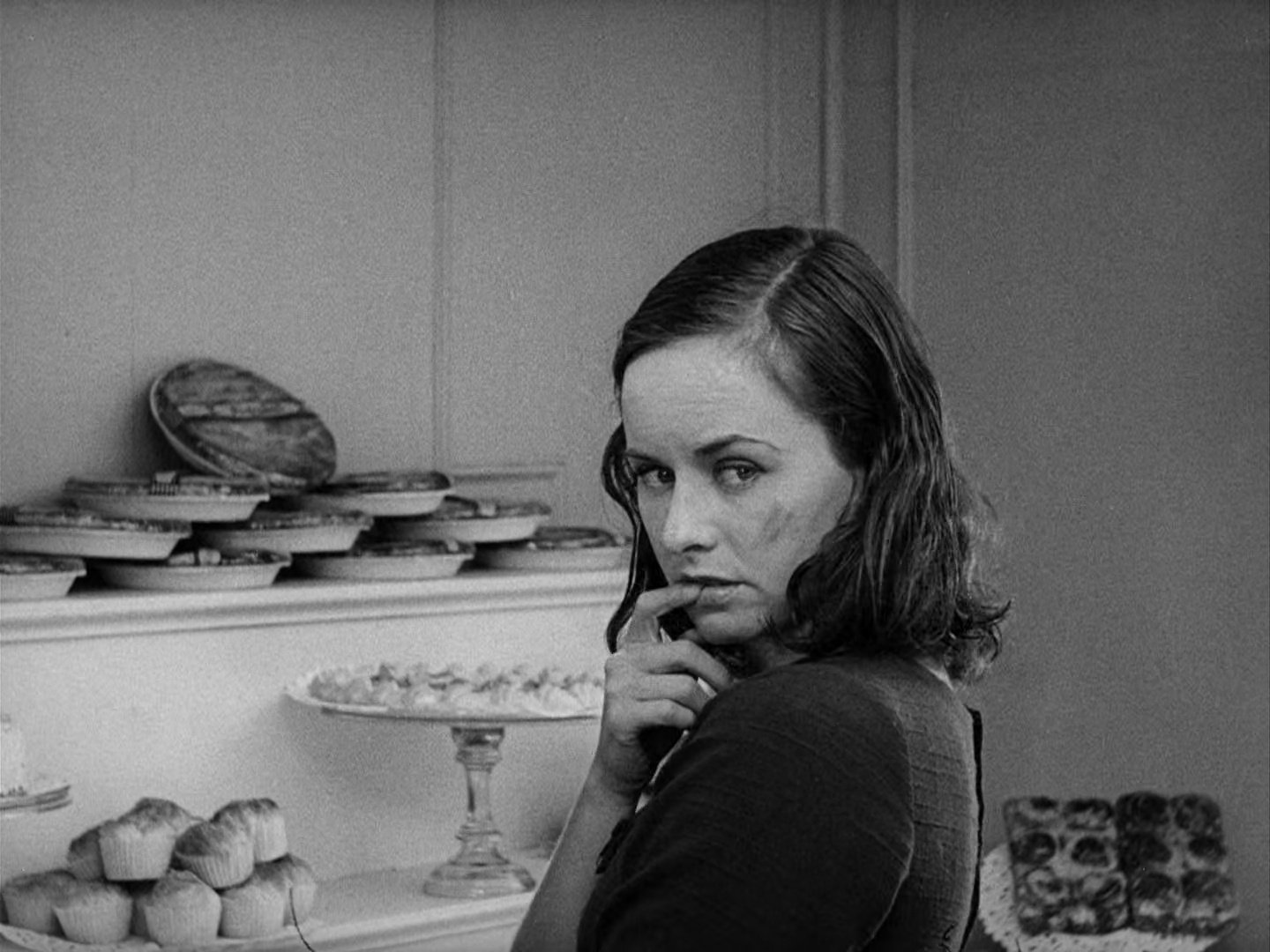
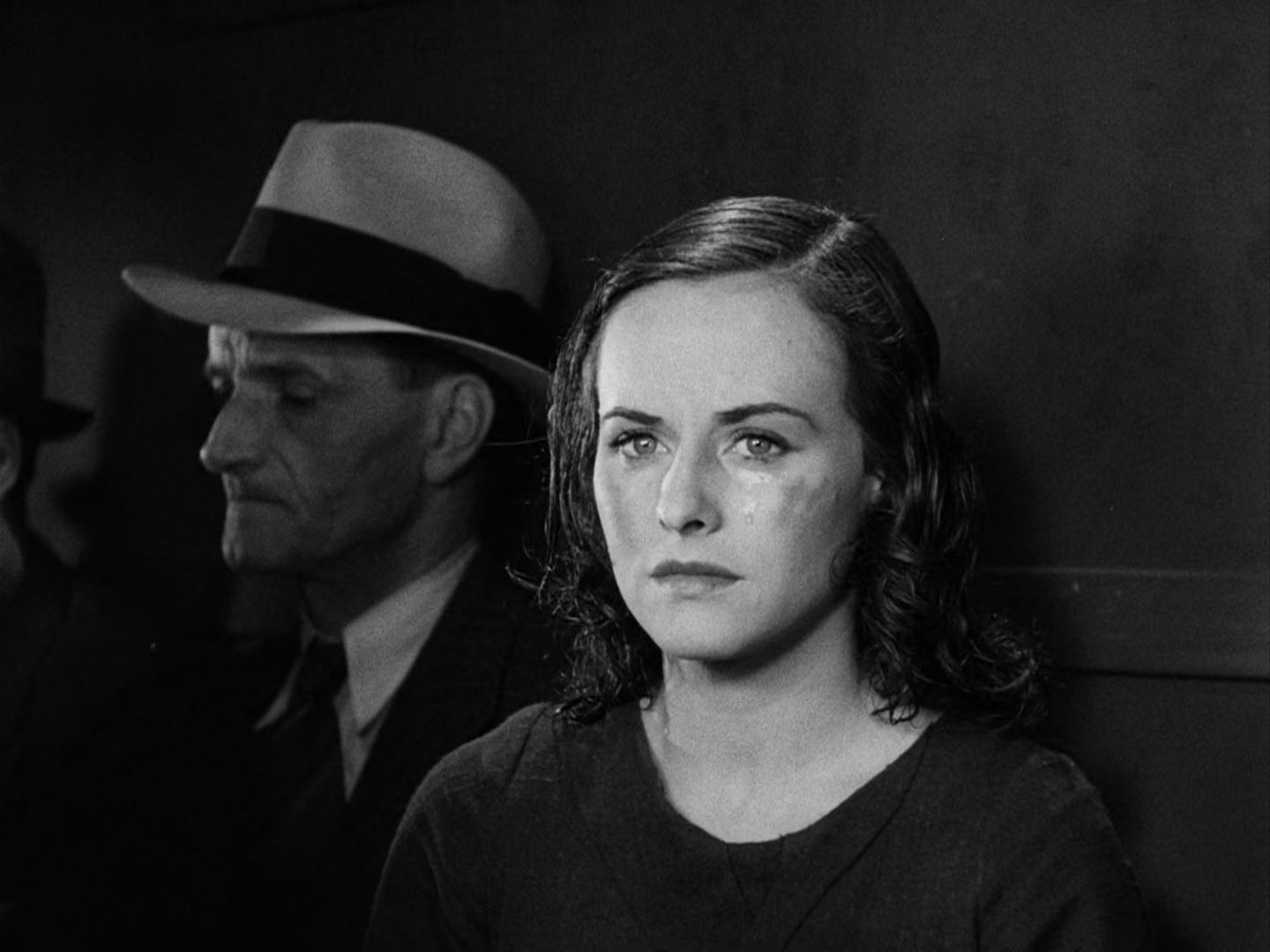
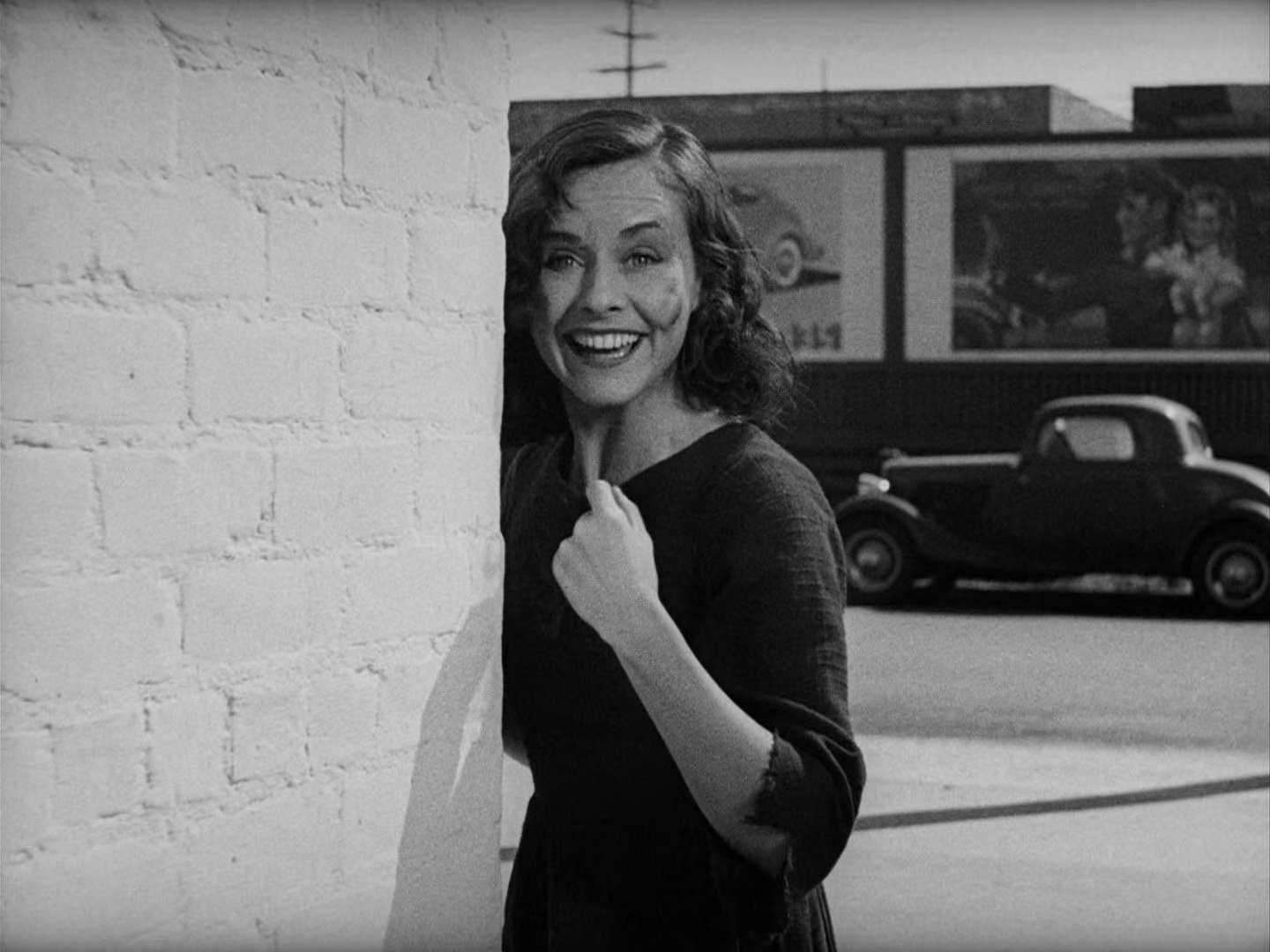
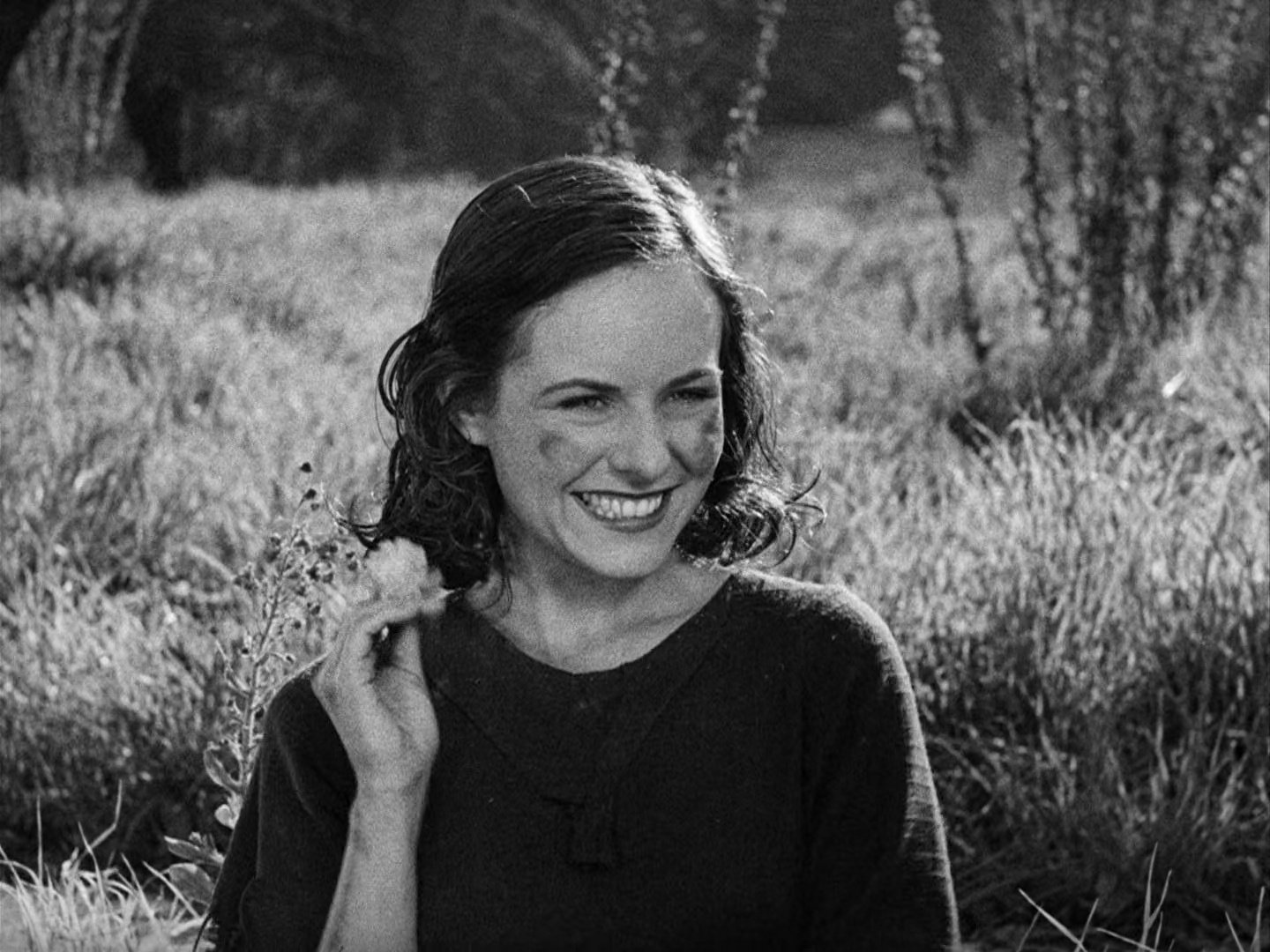
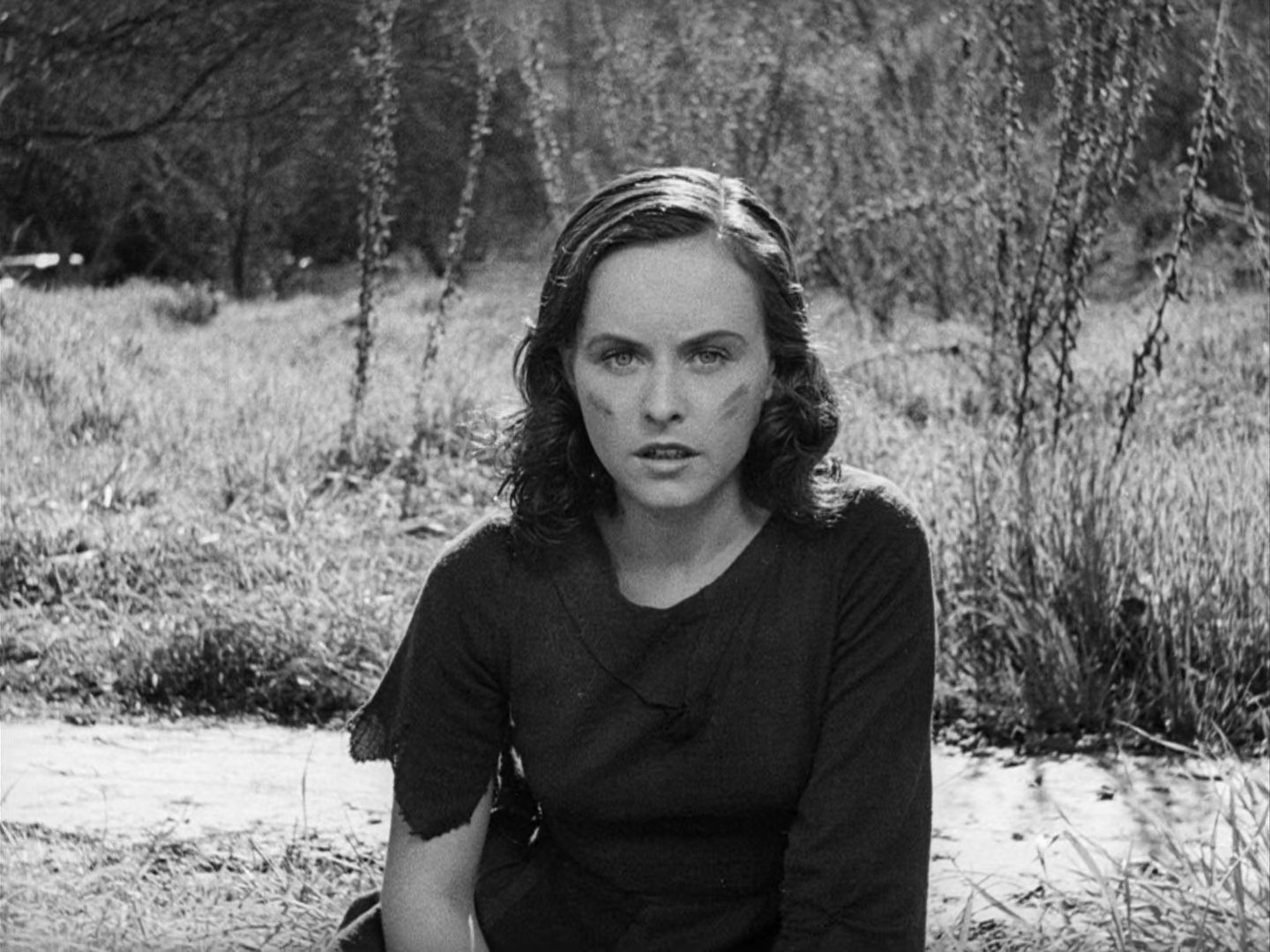
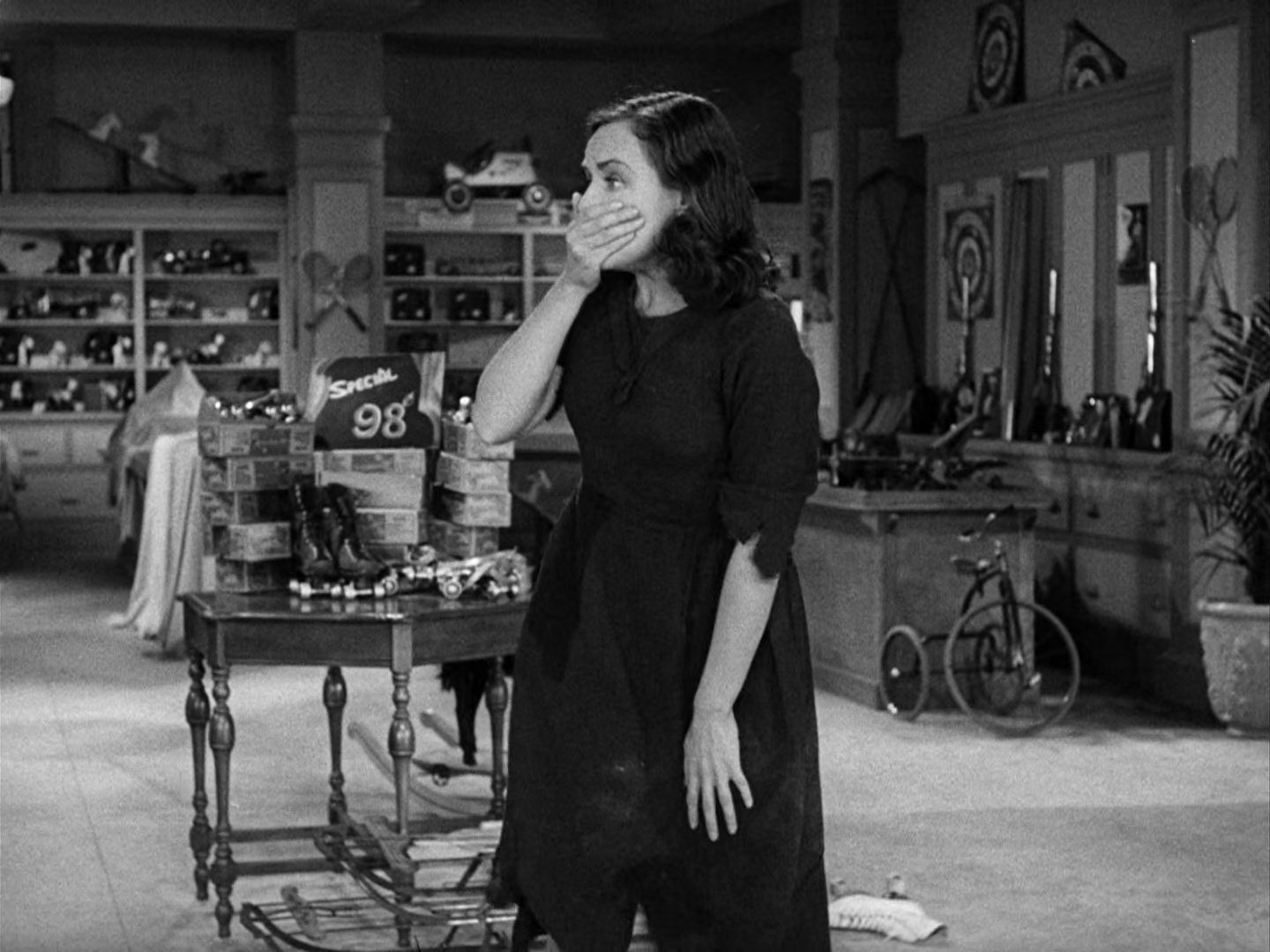
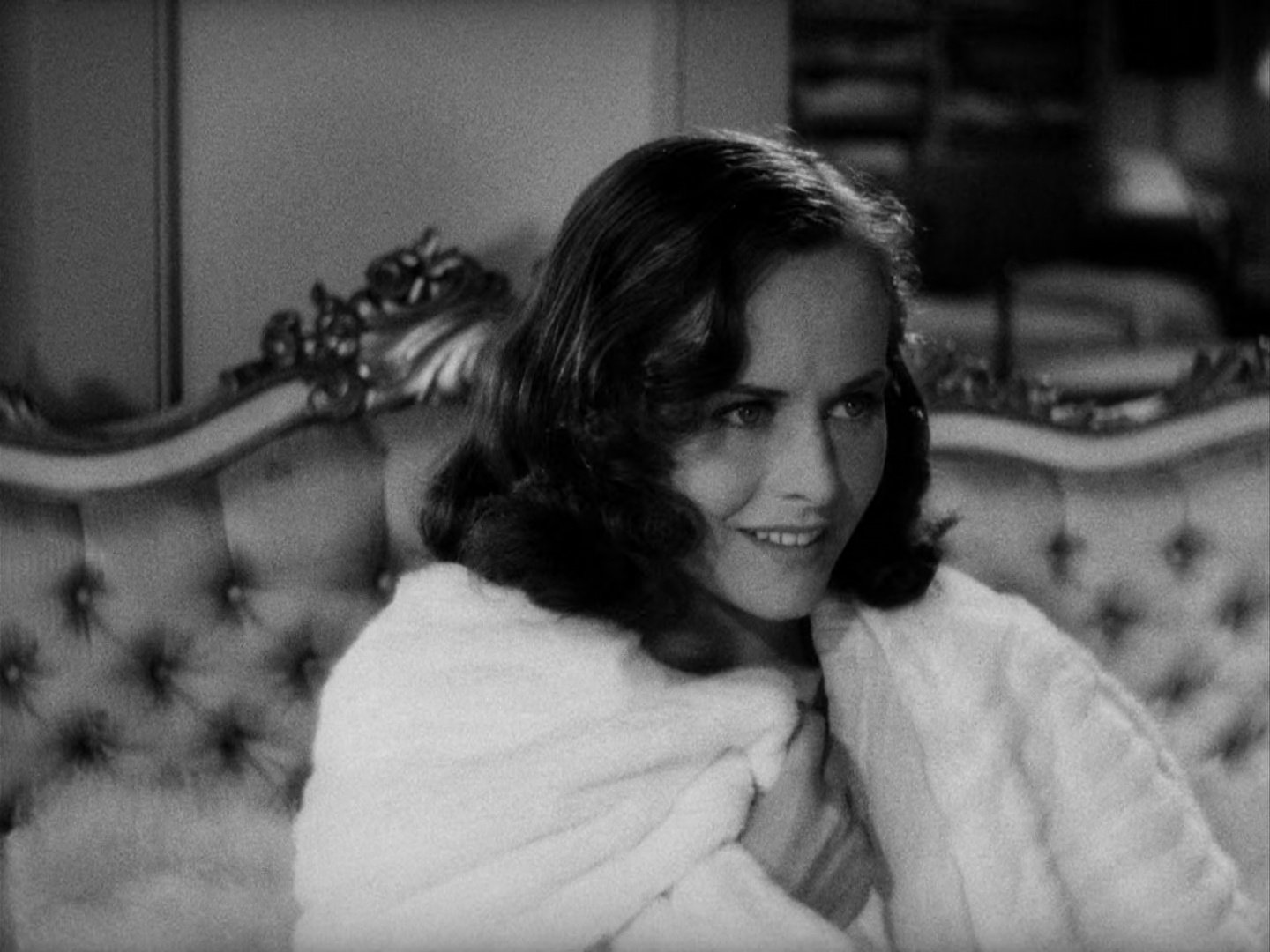
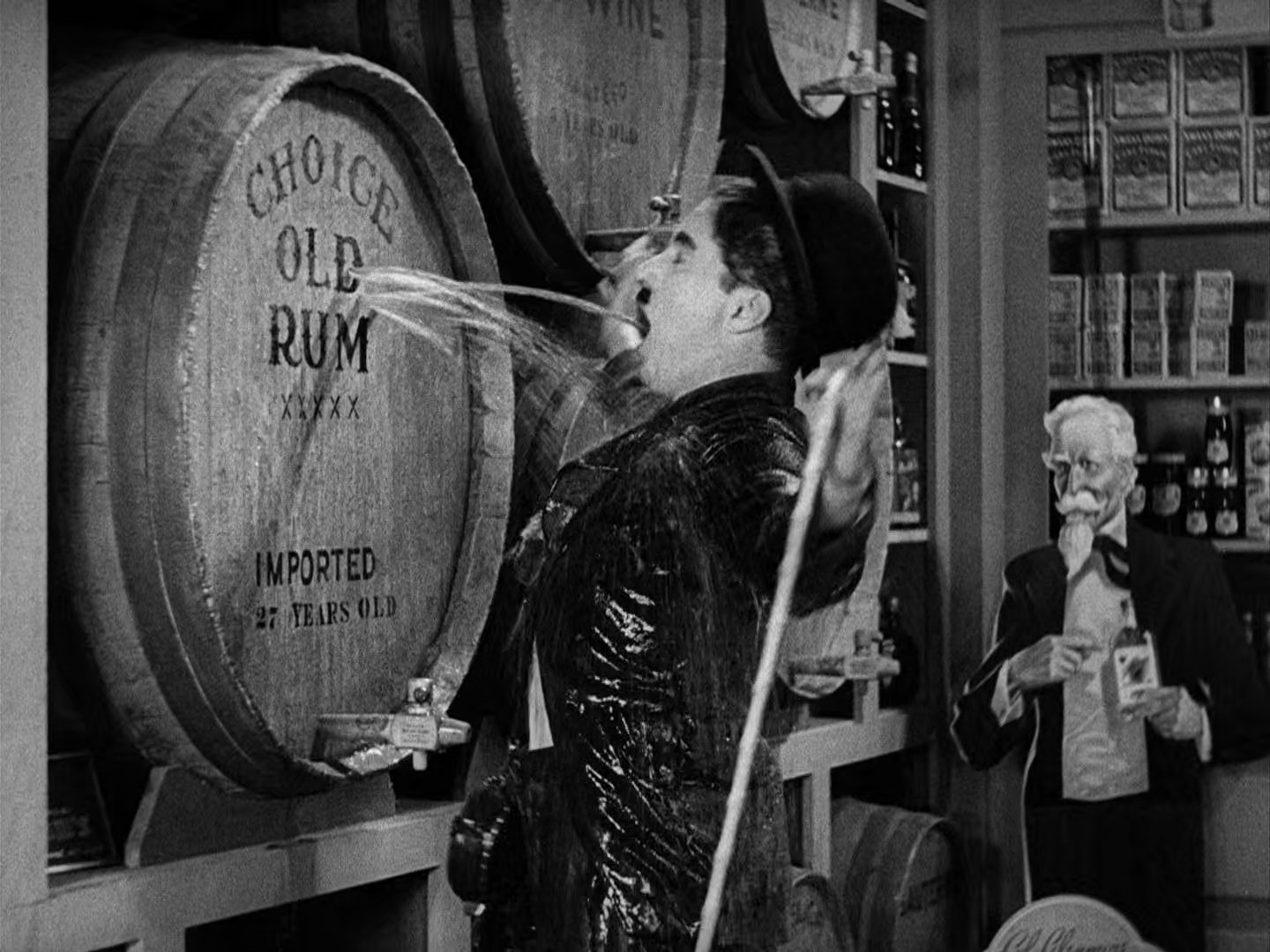
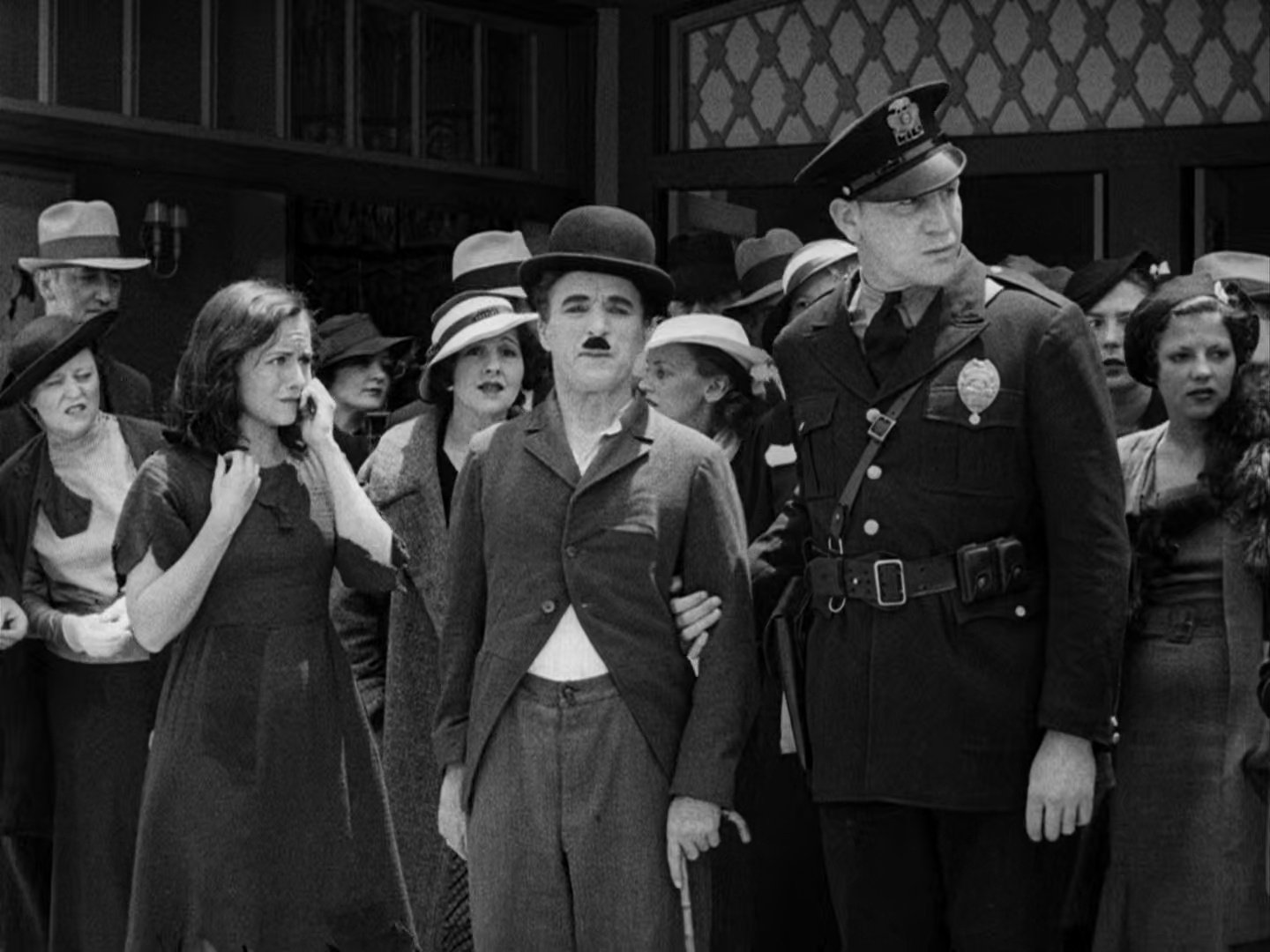
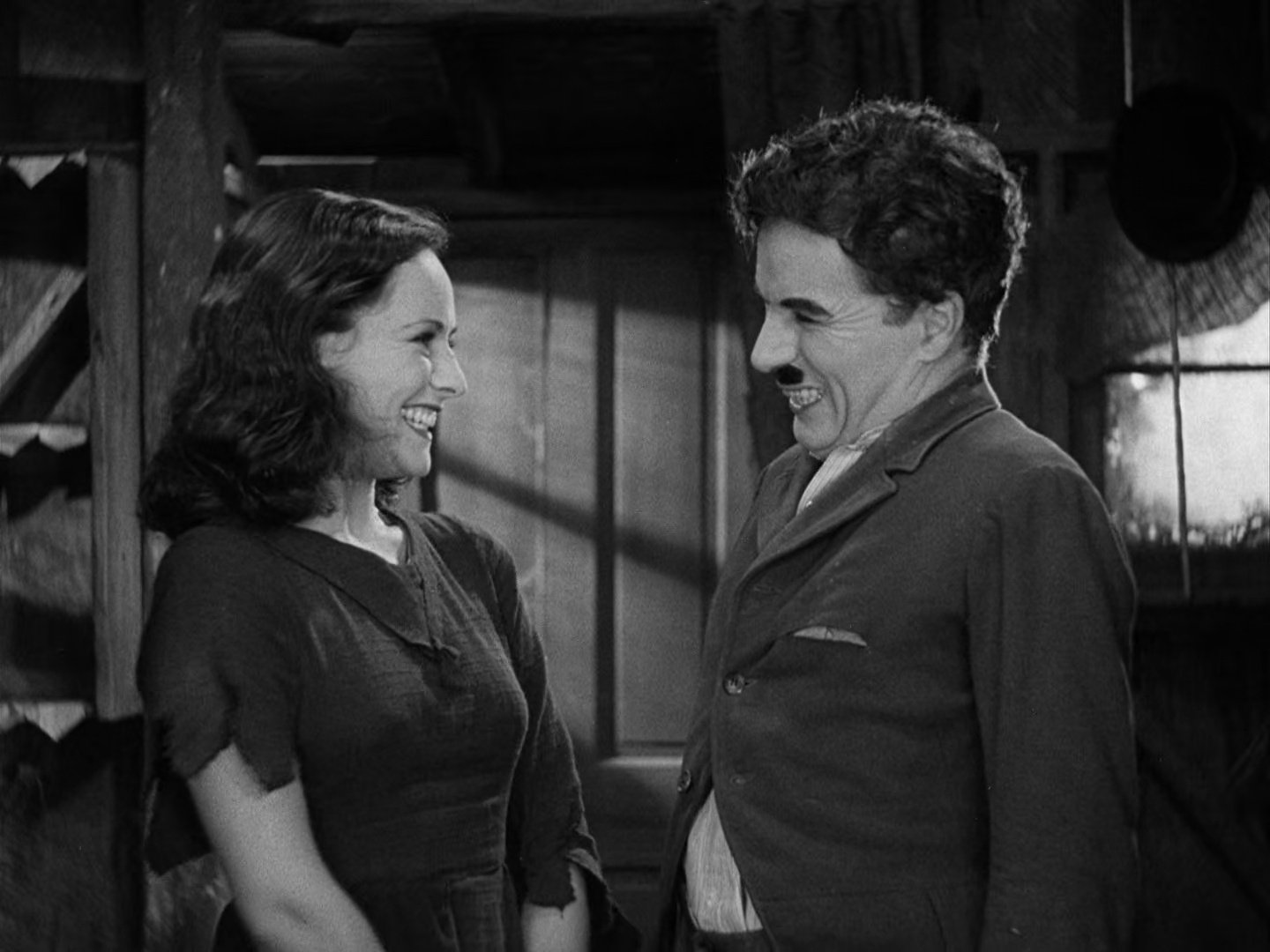
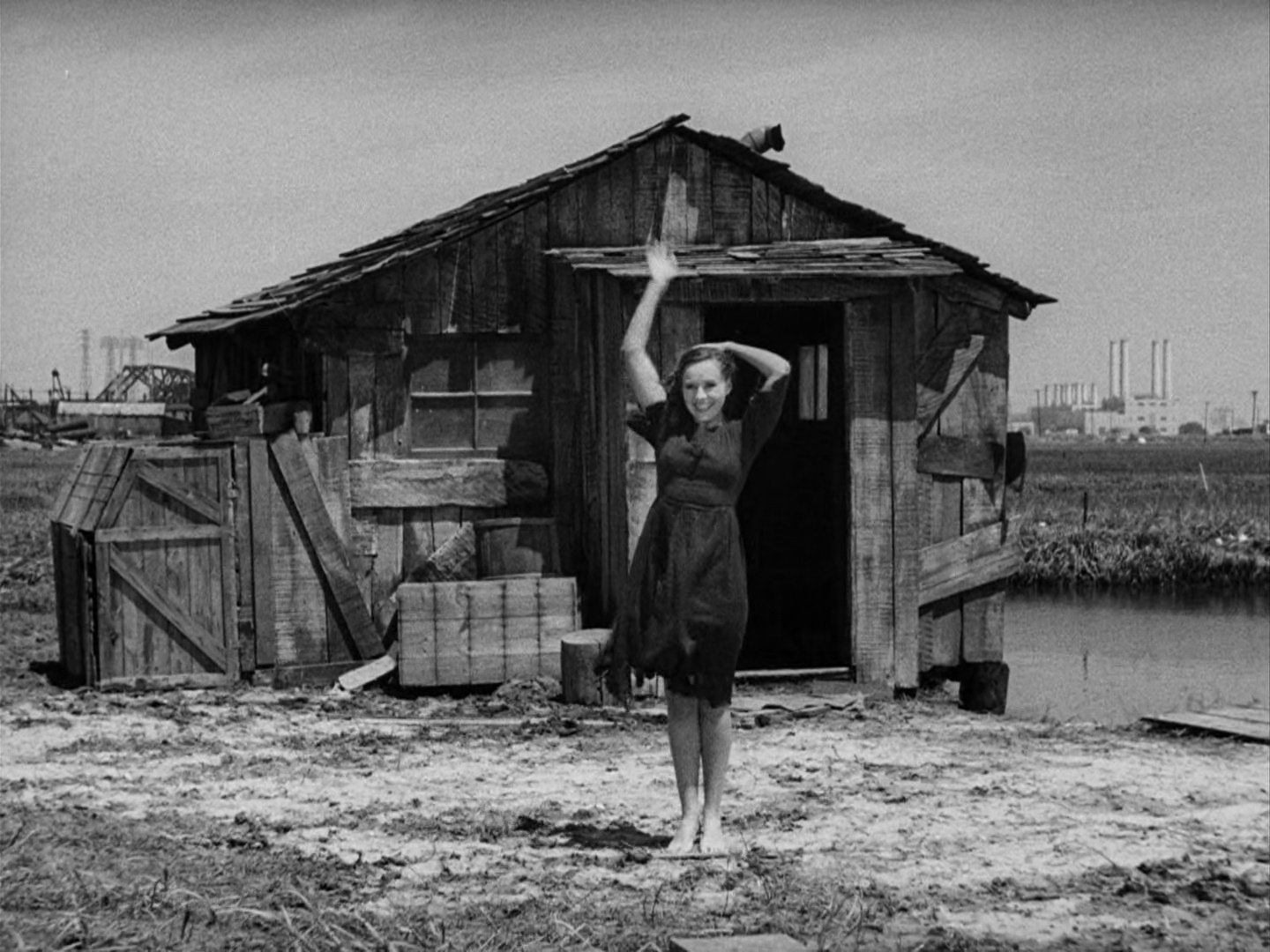
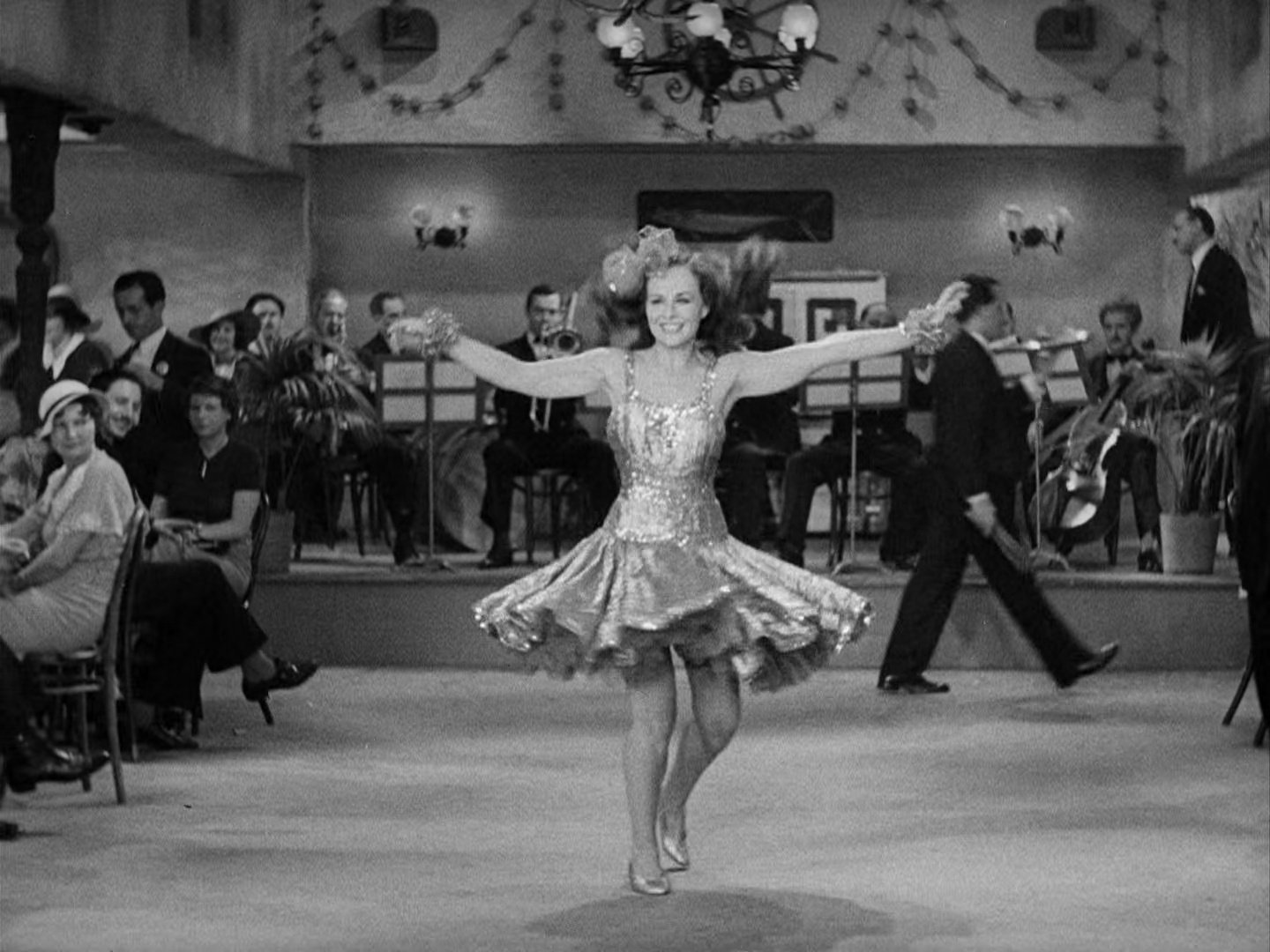
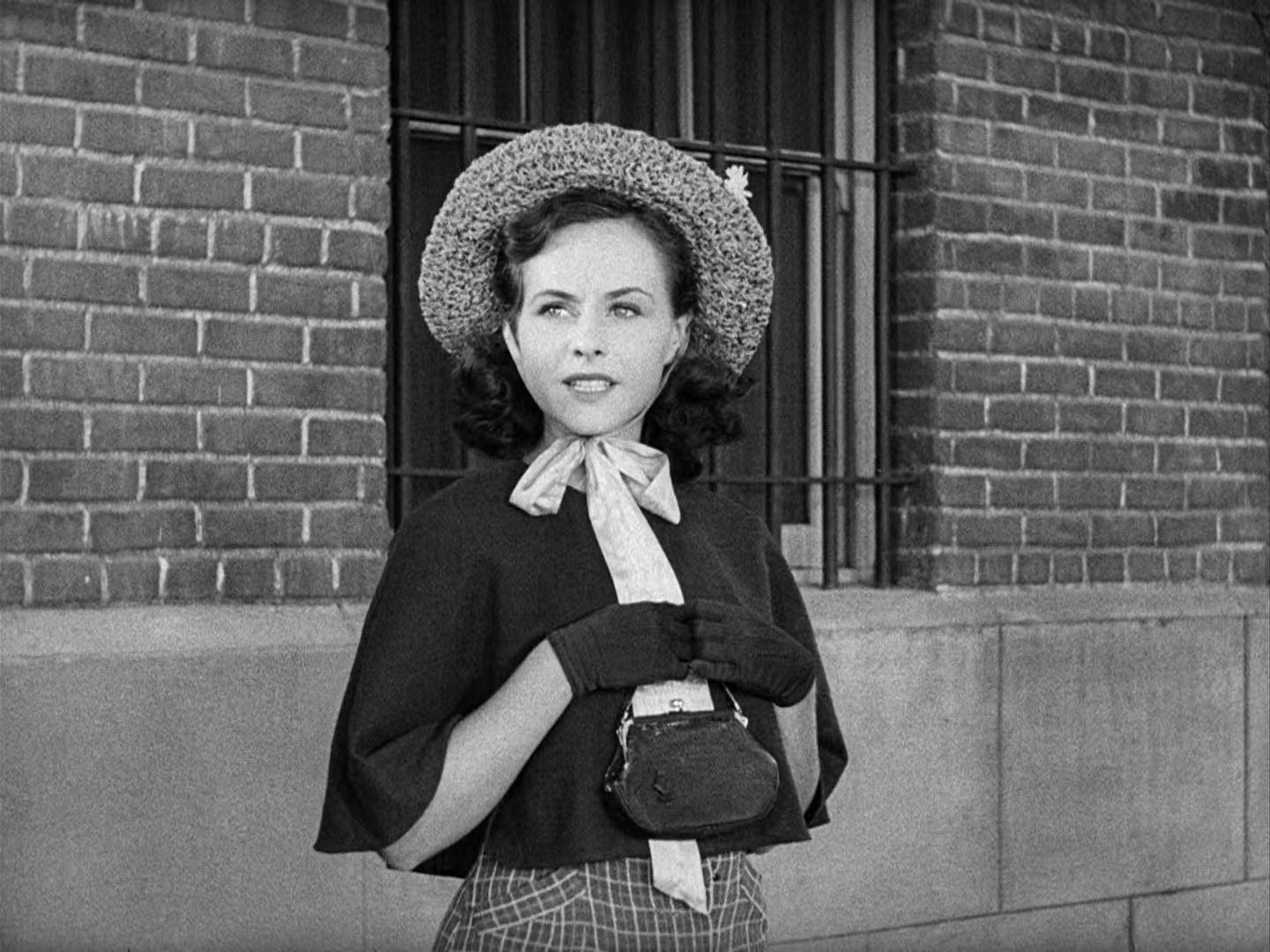
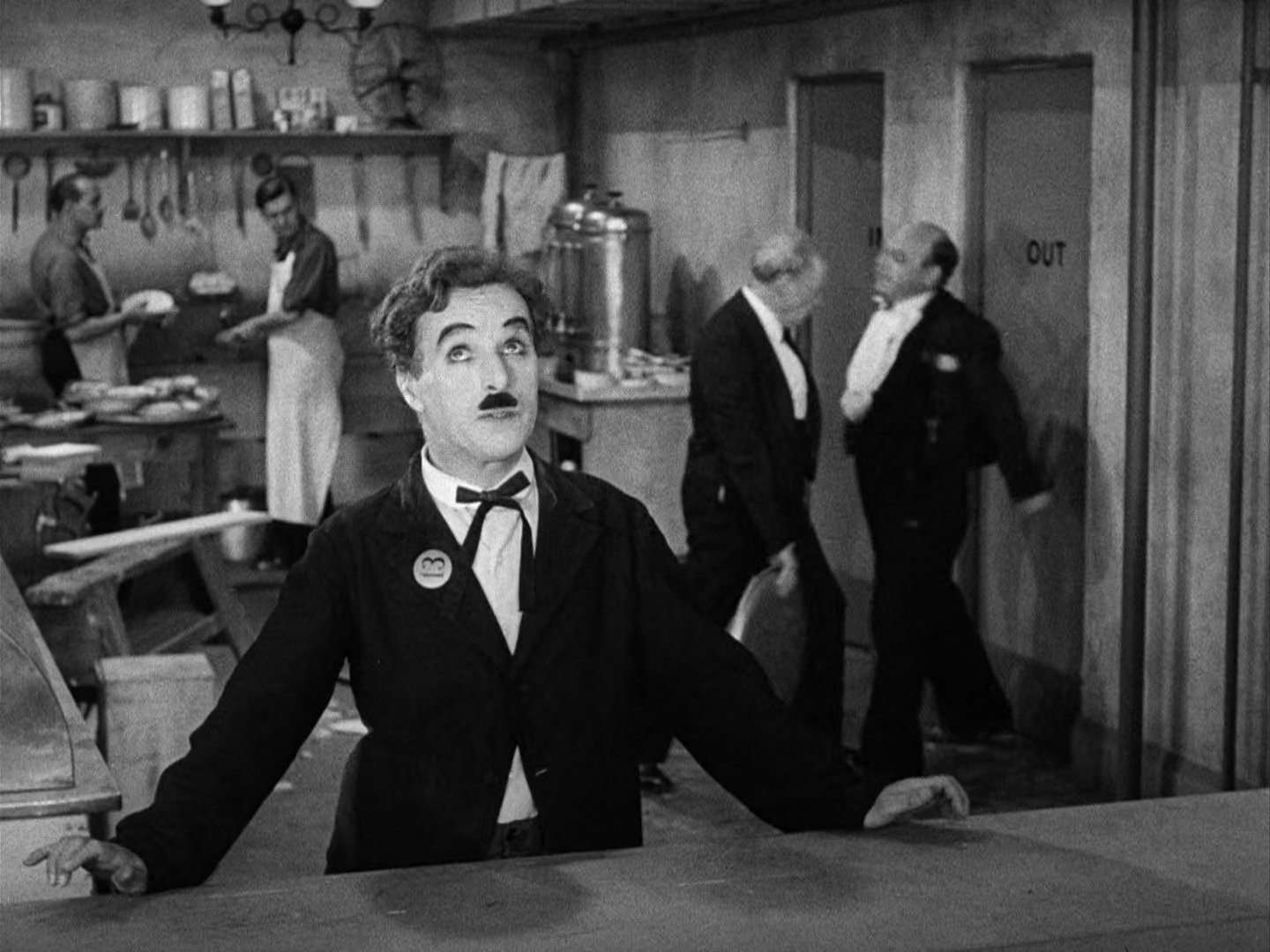
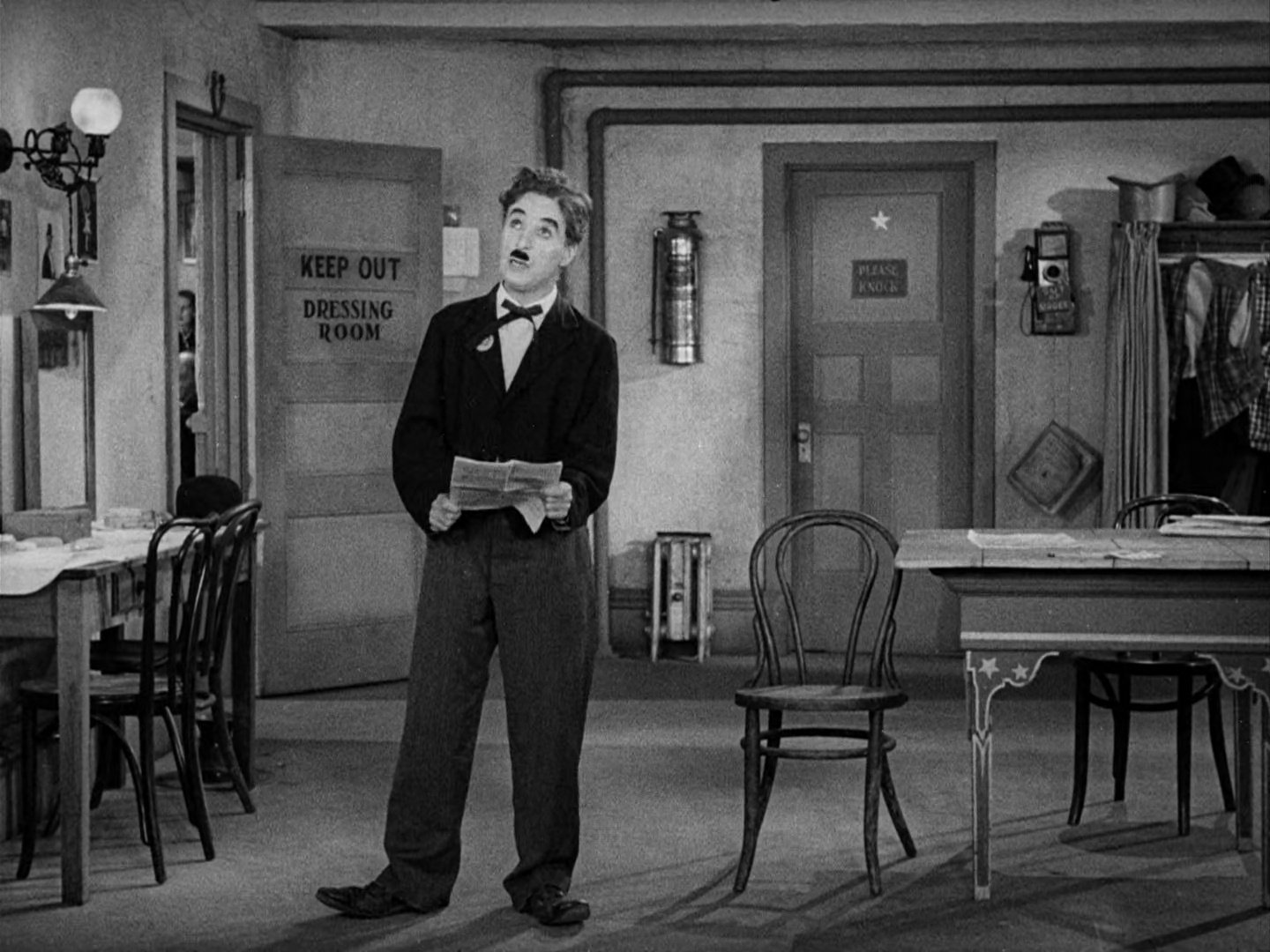
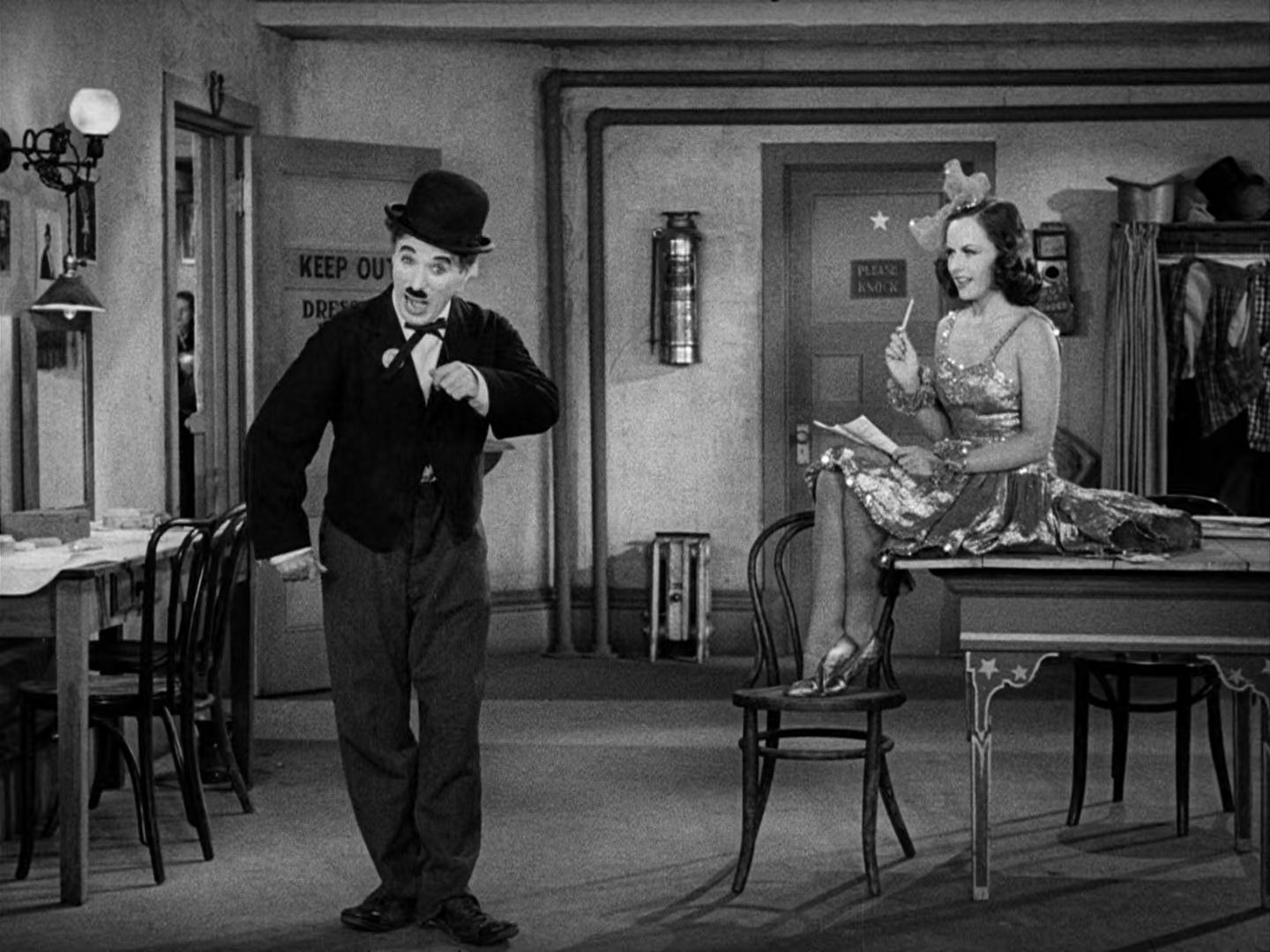
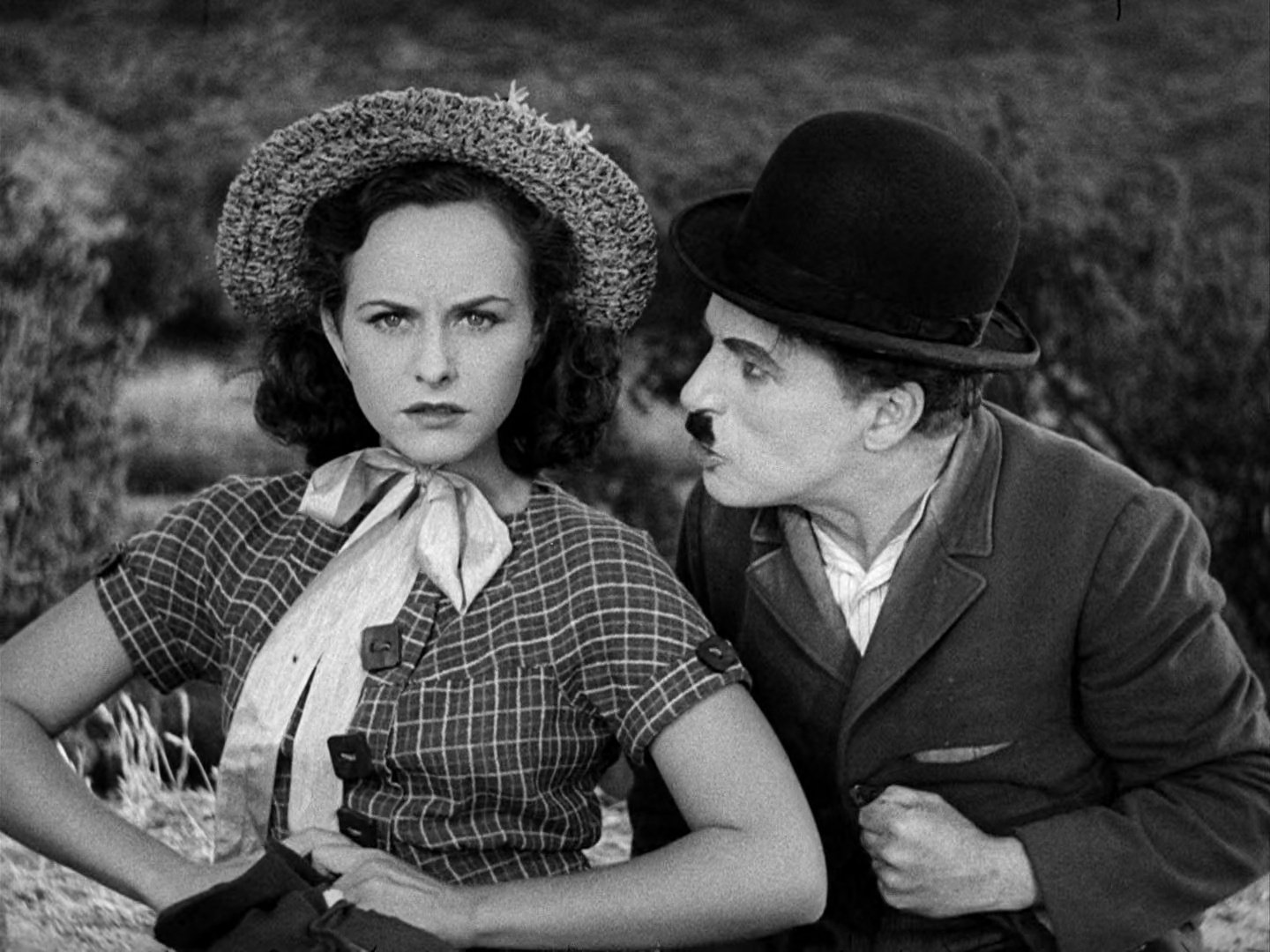
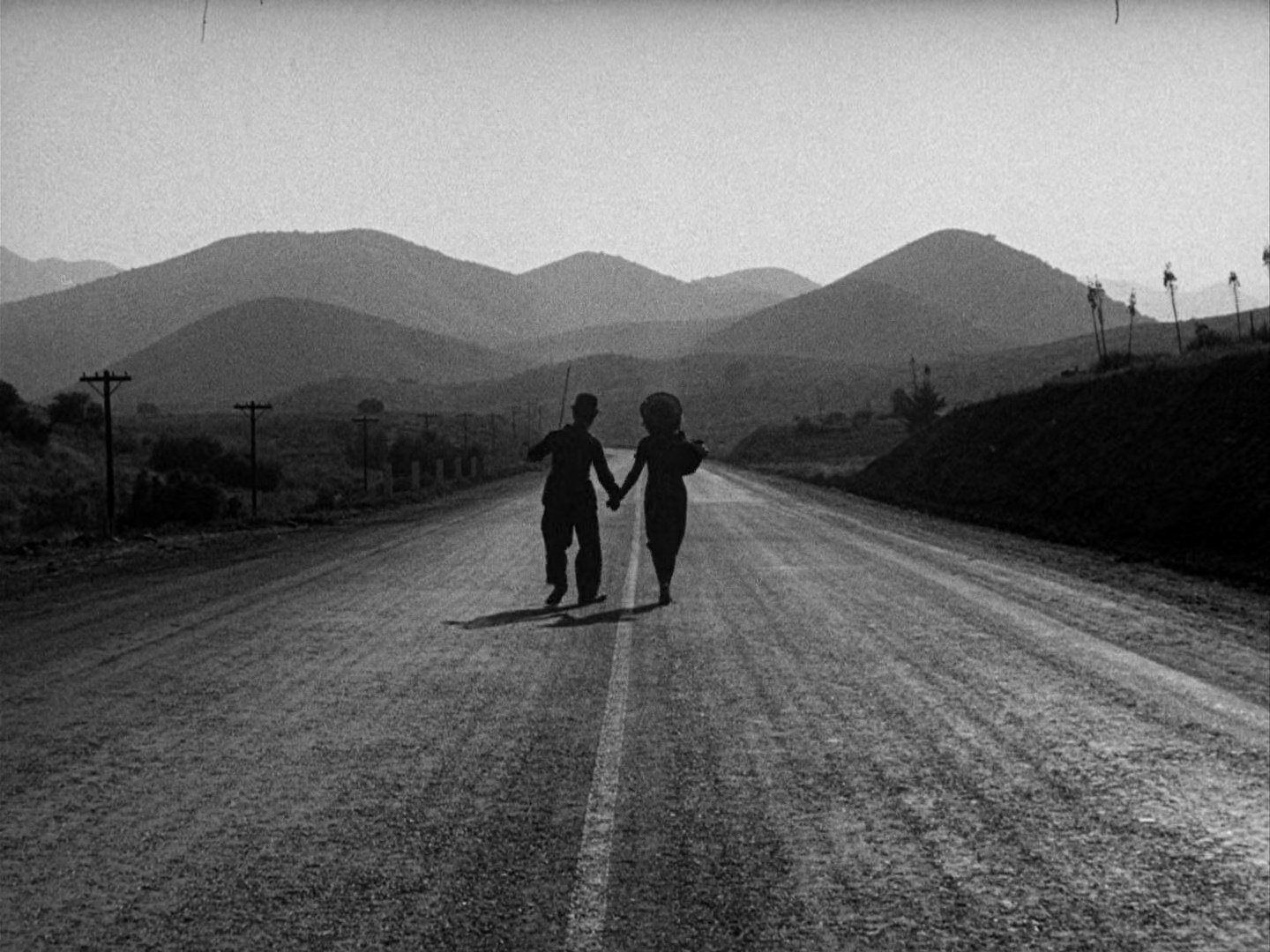
Charlie Chaplin prefered use of pantomime instead of verbal humor made for a visually expressive film that makes its satire overtly explicit. The Tramp literally becomes part of the machinery before being chewed out on the streets, facing police, factory bosses, and bureaucrats before falling in love with the Gamine, Paulette Goddard’s stare and smile being as expressive as any other metaphor in the film. It’s a visually expressive journey about the struggle to maintain human dignity in an increasingly automated world.
Technical Specs:
- The Story: A factory worker struggles to survive in an industrialized world of relentless machinery, unemployment, and social upheaval, finding brief moments of joy and freedom alongside a young orphaned woman.
- Actors: Charlie Chaplin, Paulette Goddard, Henry Bergman, Stanley Sandford, Chester Conklin.
- Director: Charlie Chaplin
- Year: 1936
- Cinematographer: Roland Totheroh & Ira H. Morgan
- Origin: American Cinema
- Aspect Ratio: 1.37:1
- Genre: Comedy & Satire / Romance