The Third Man (1949): The crooked Vienna
1949 • Carol Reed • 1.37:1 • Jump to Gallery ↓
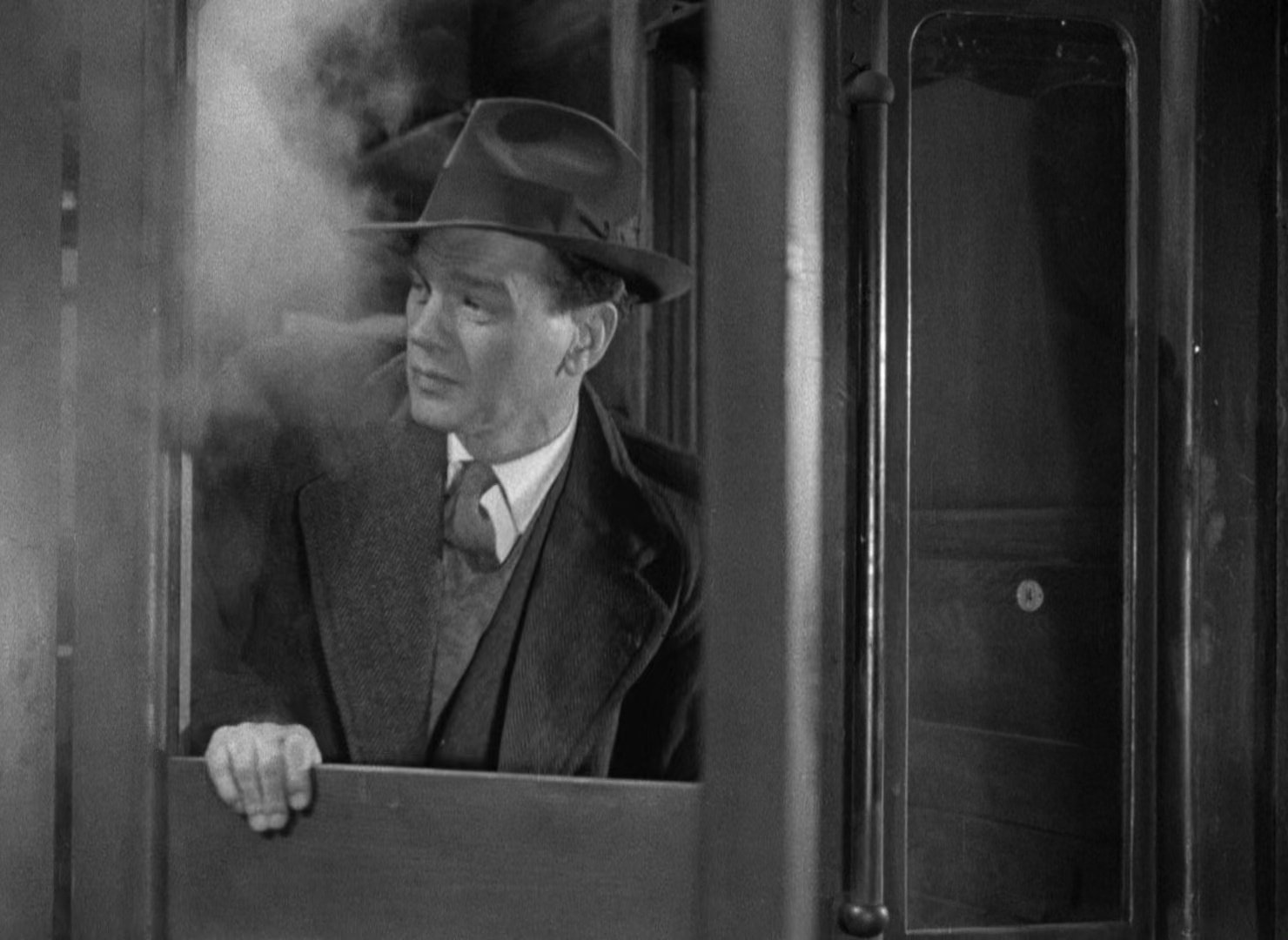
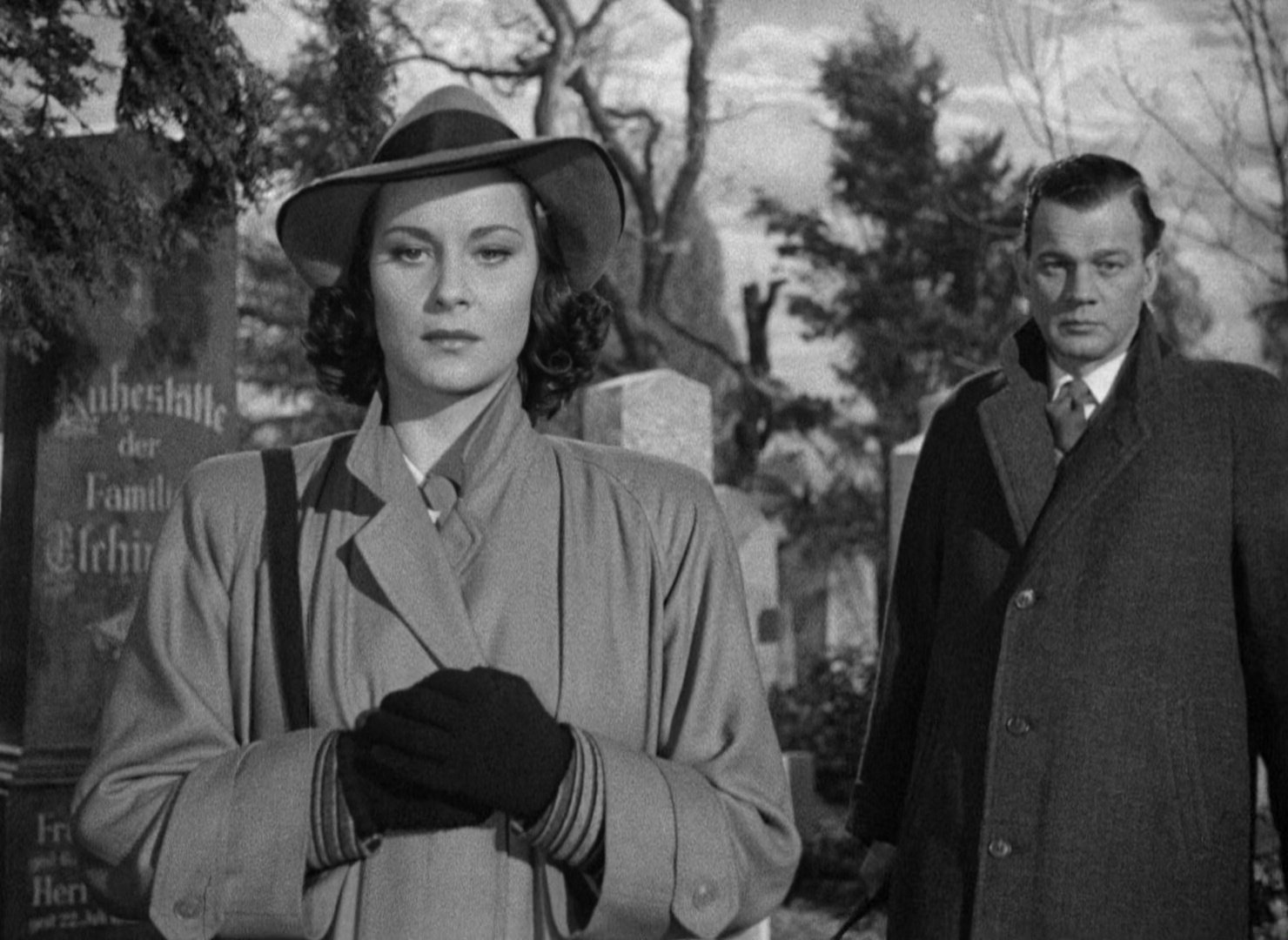
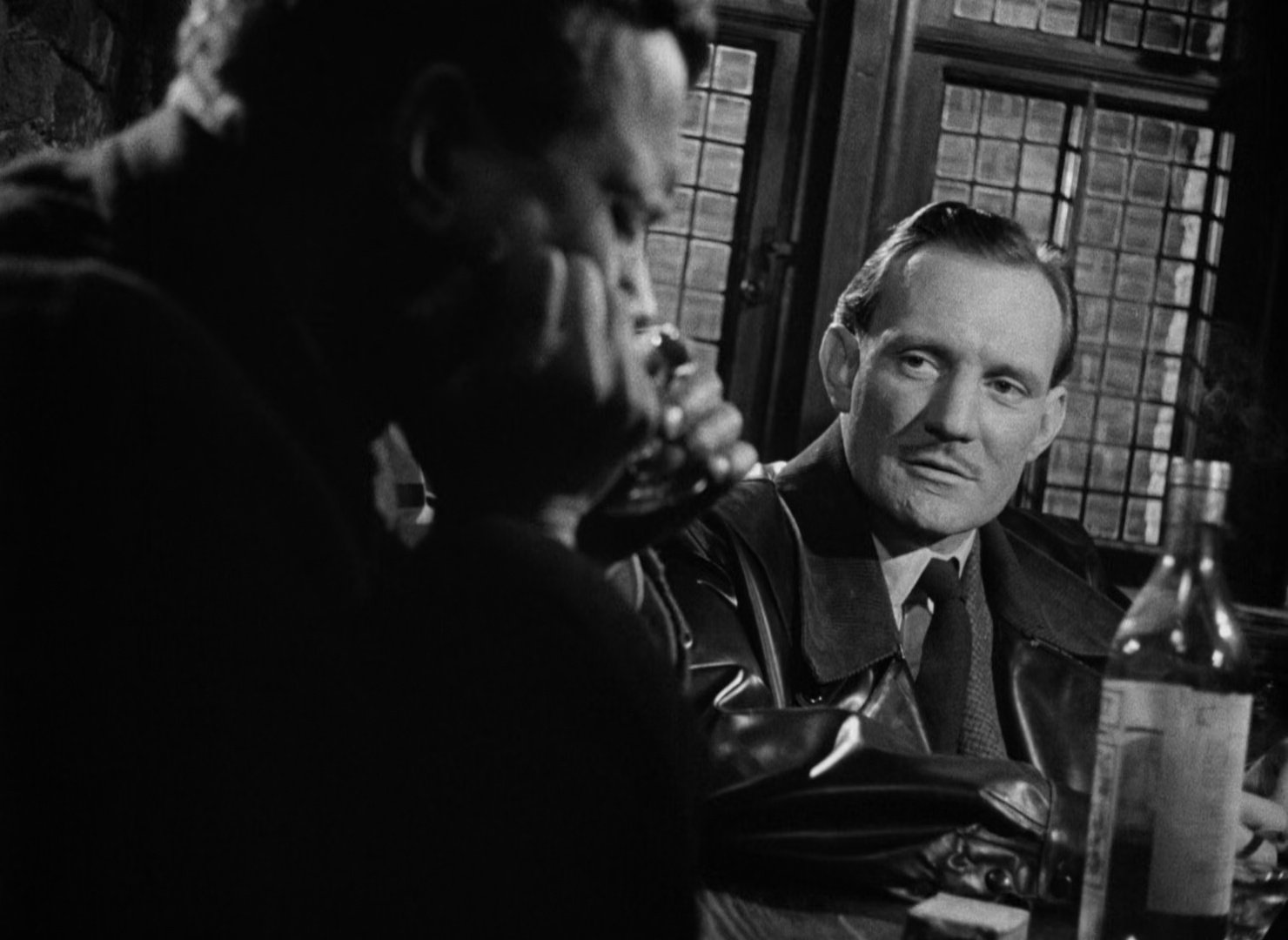
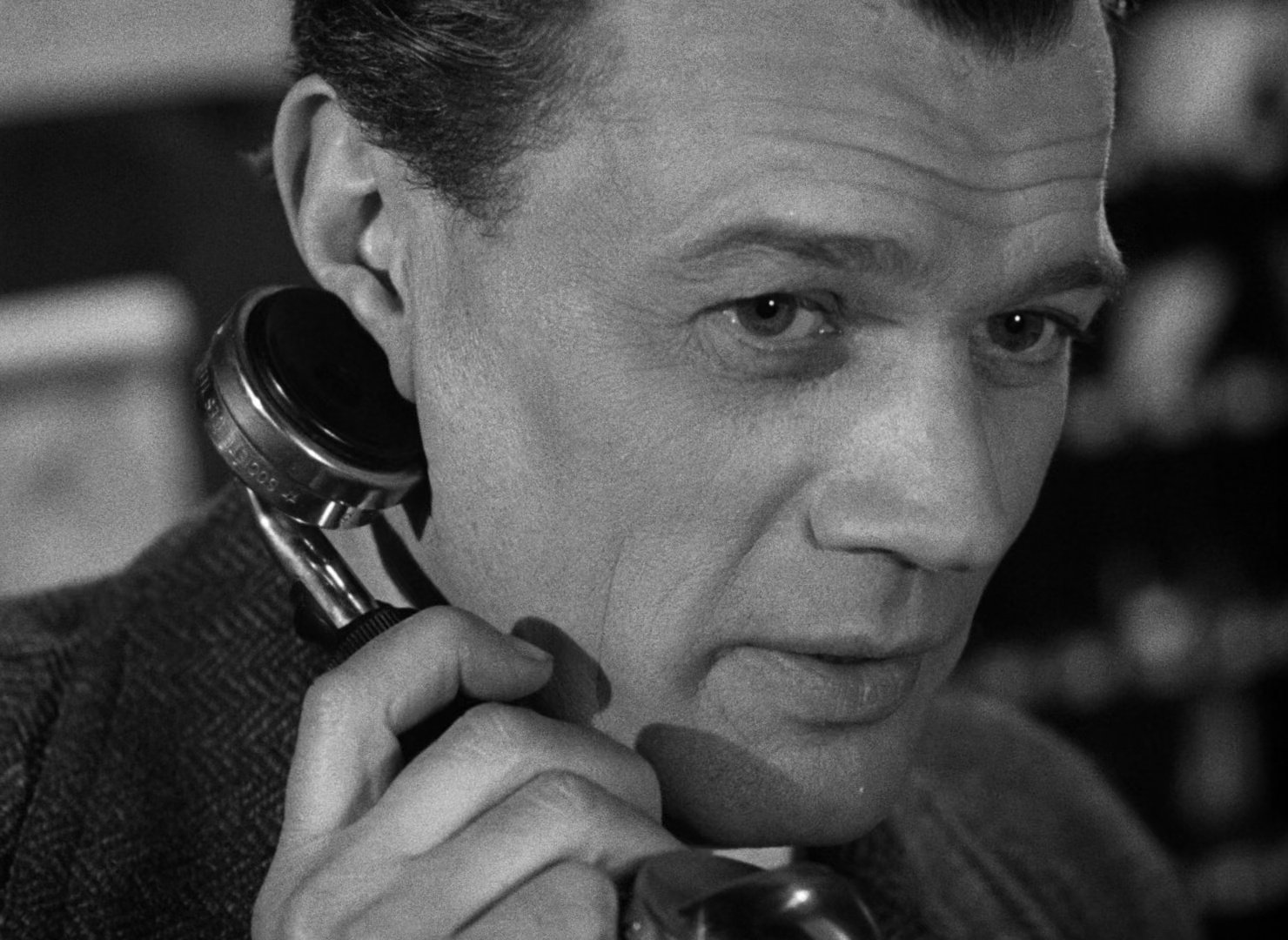
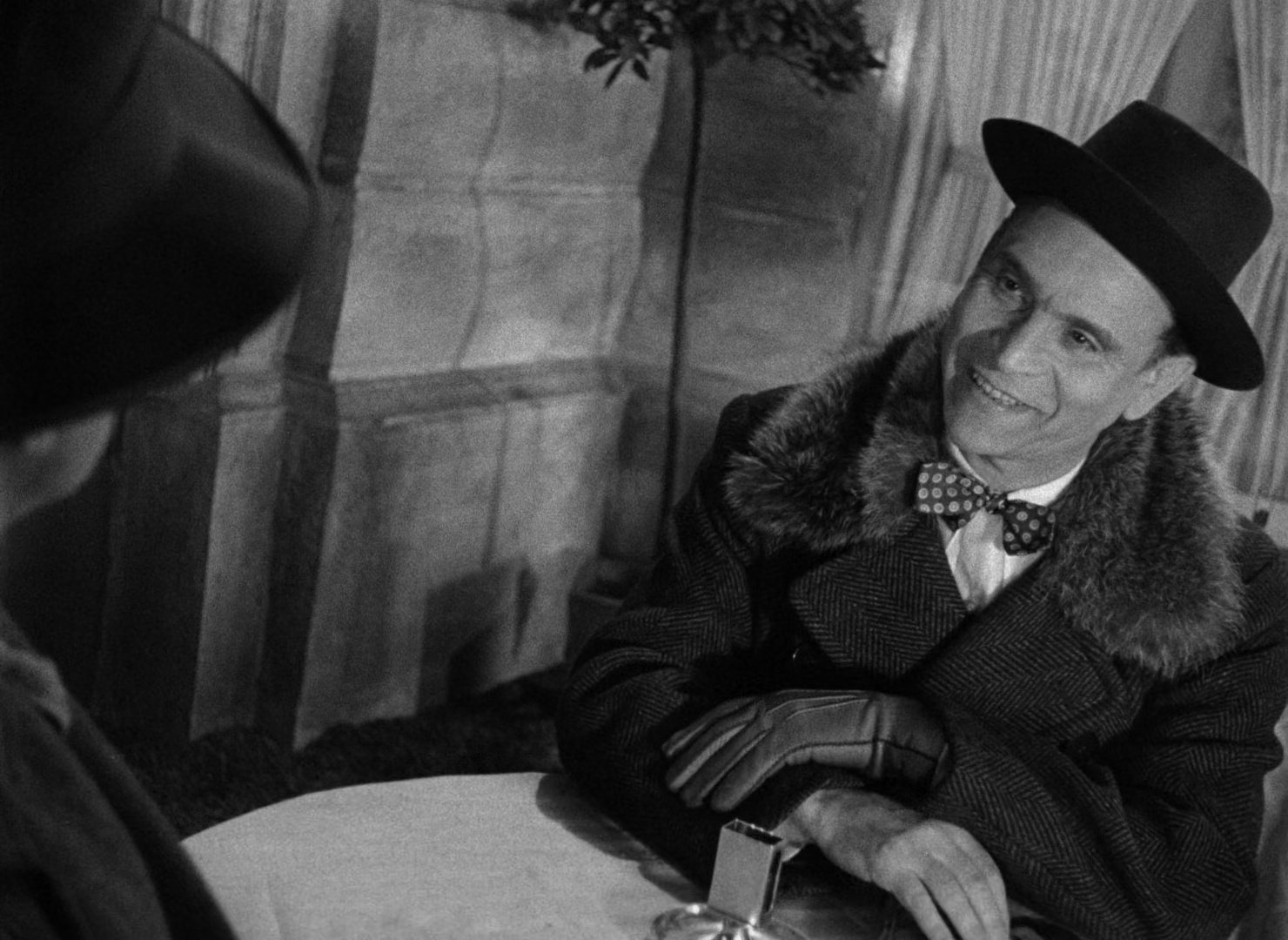
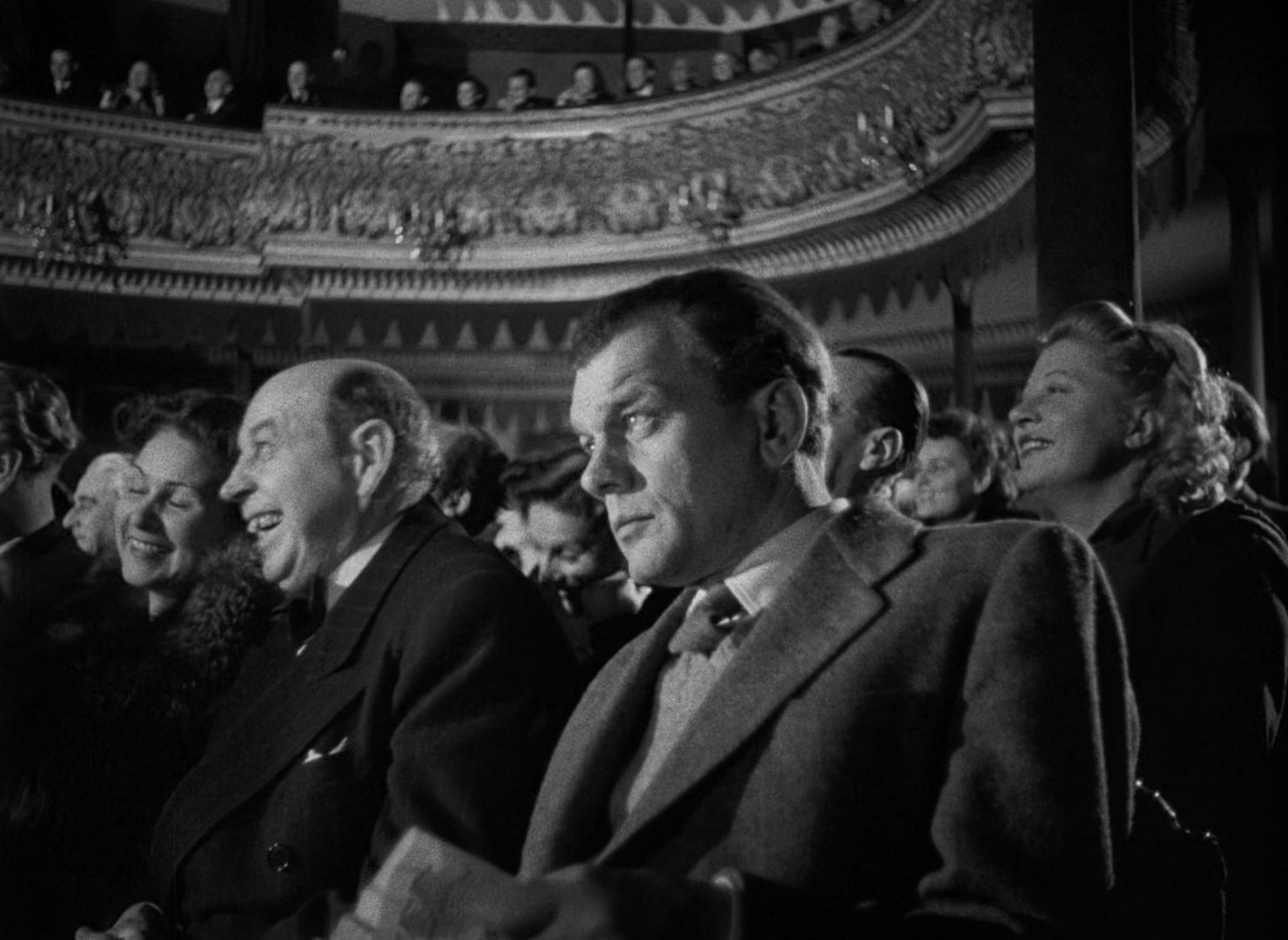
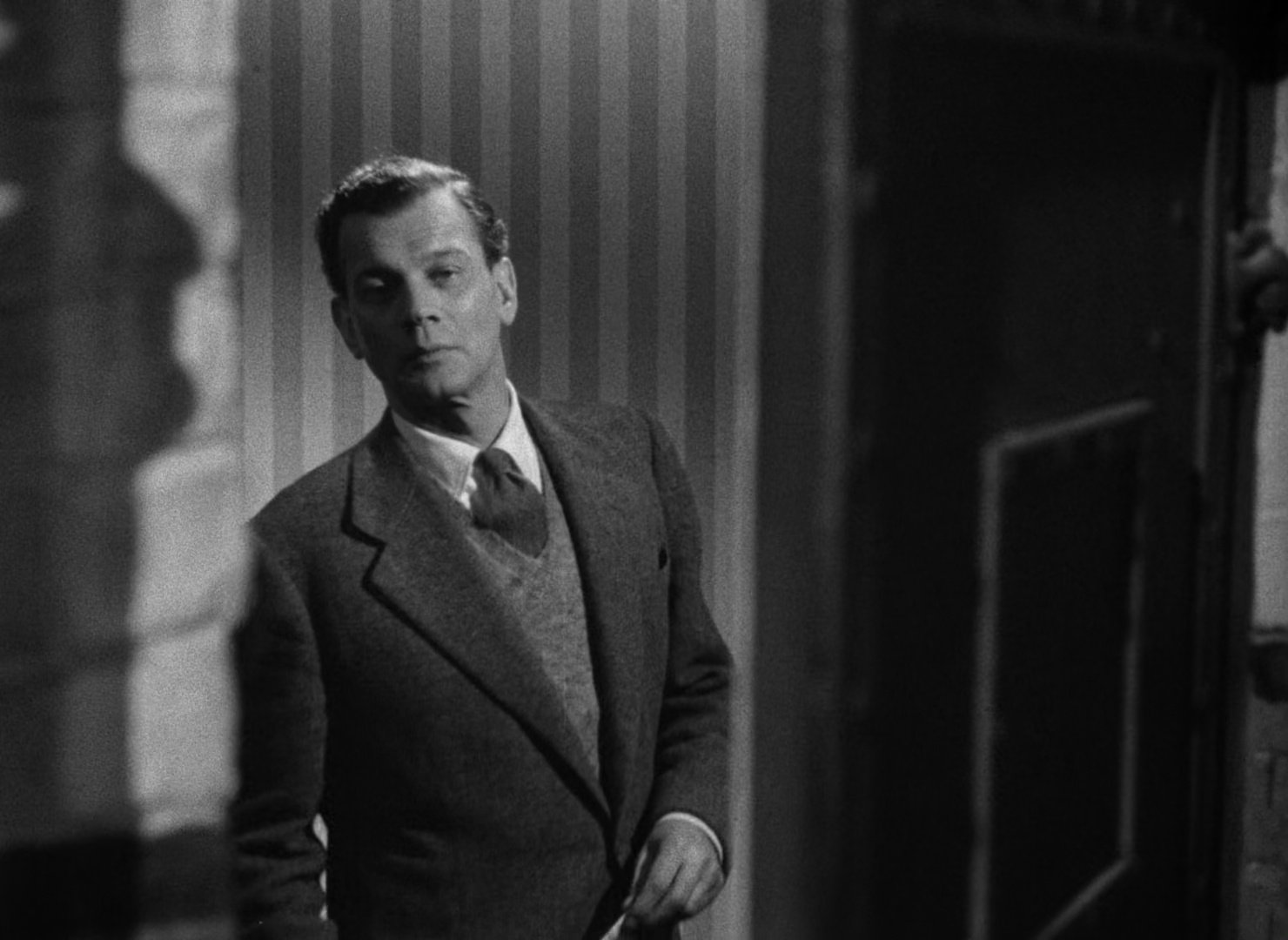
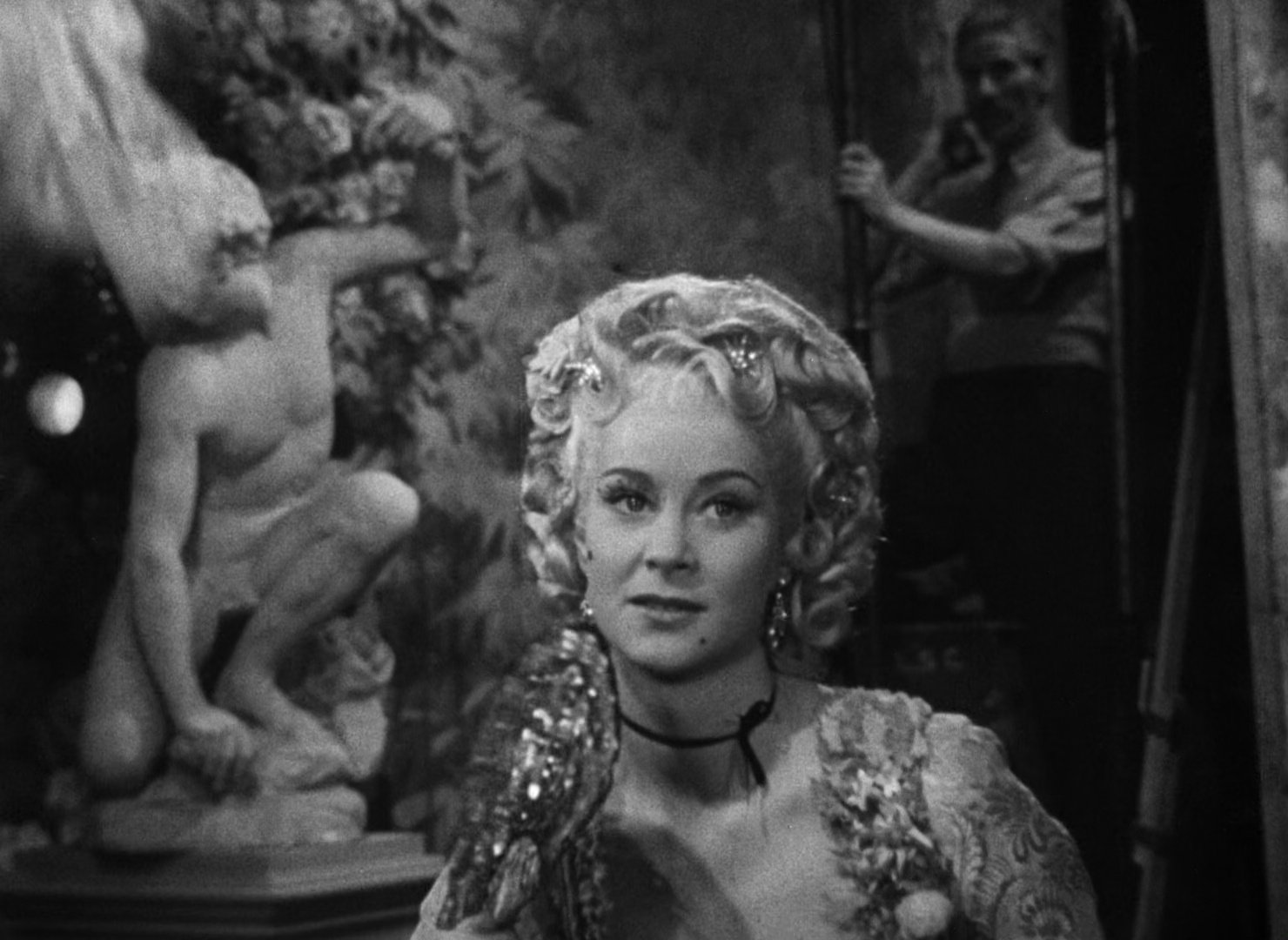
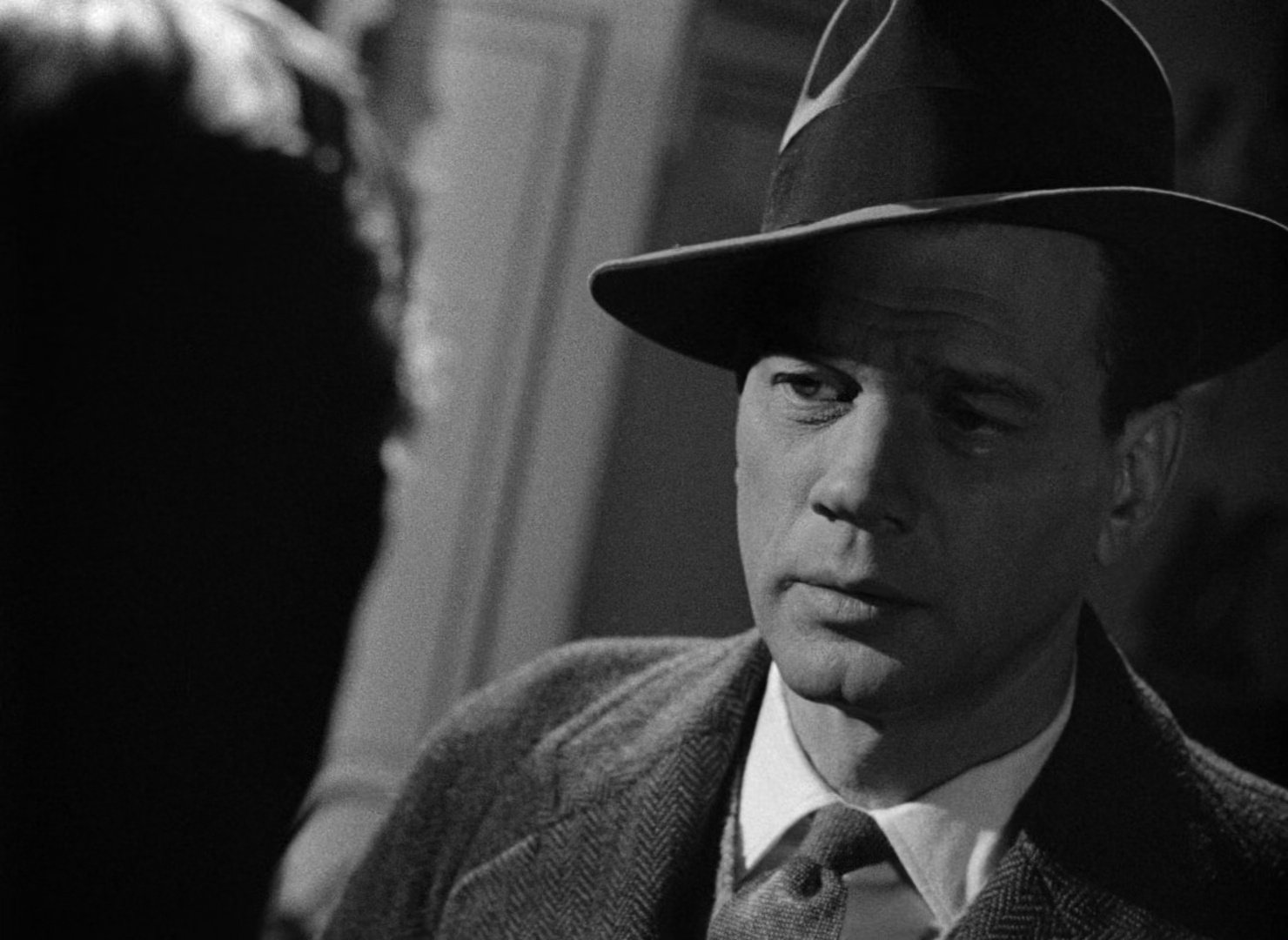
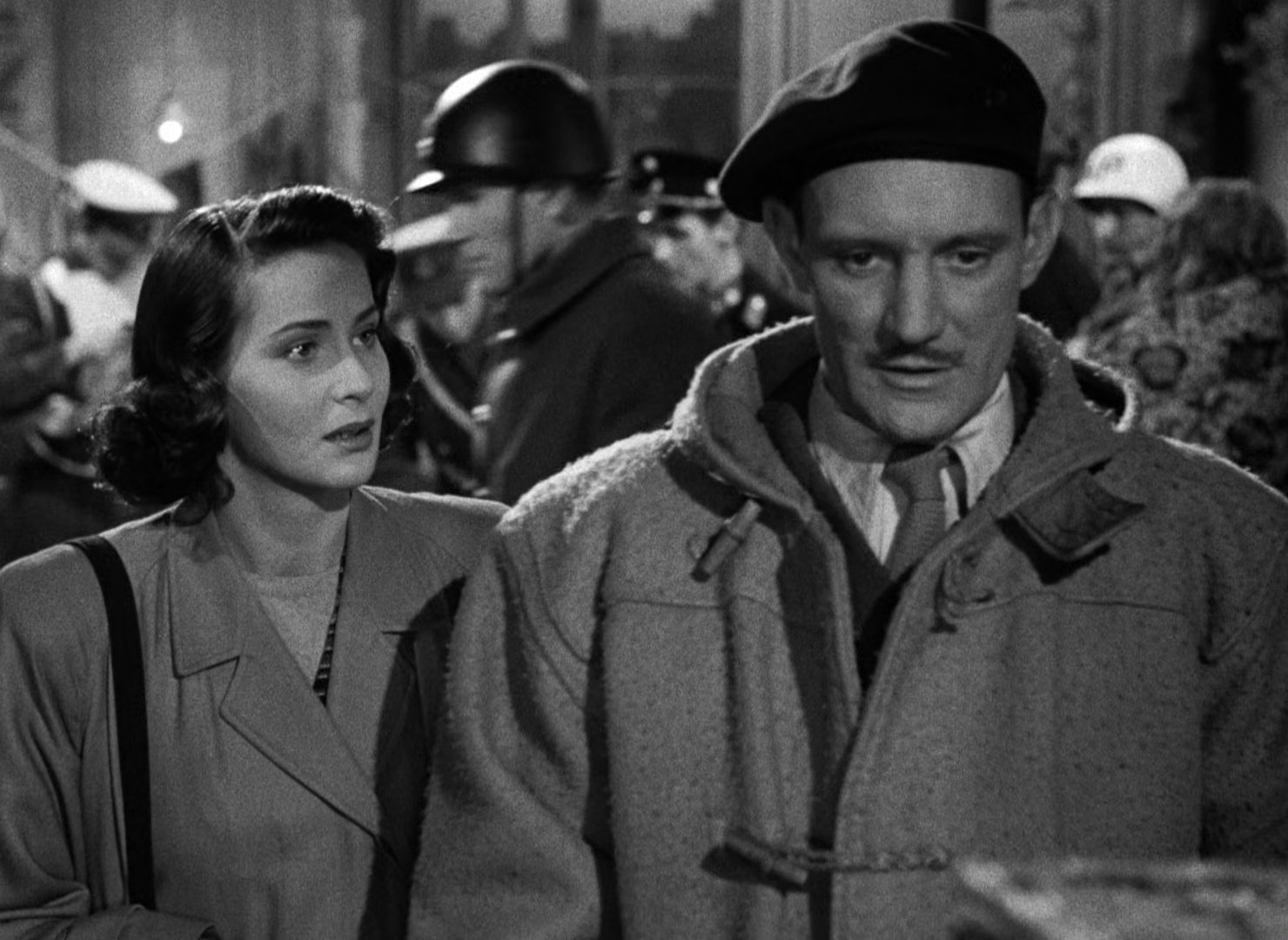
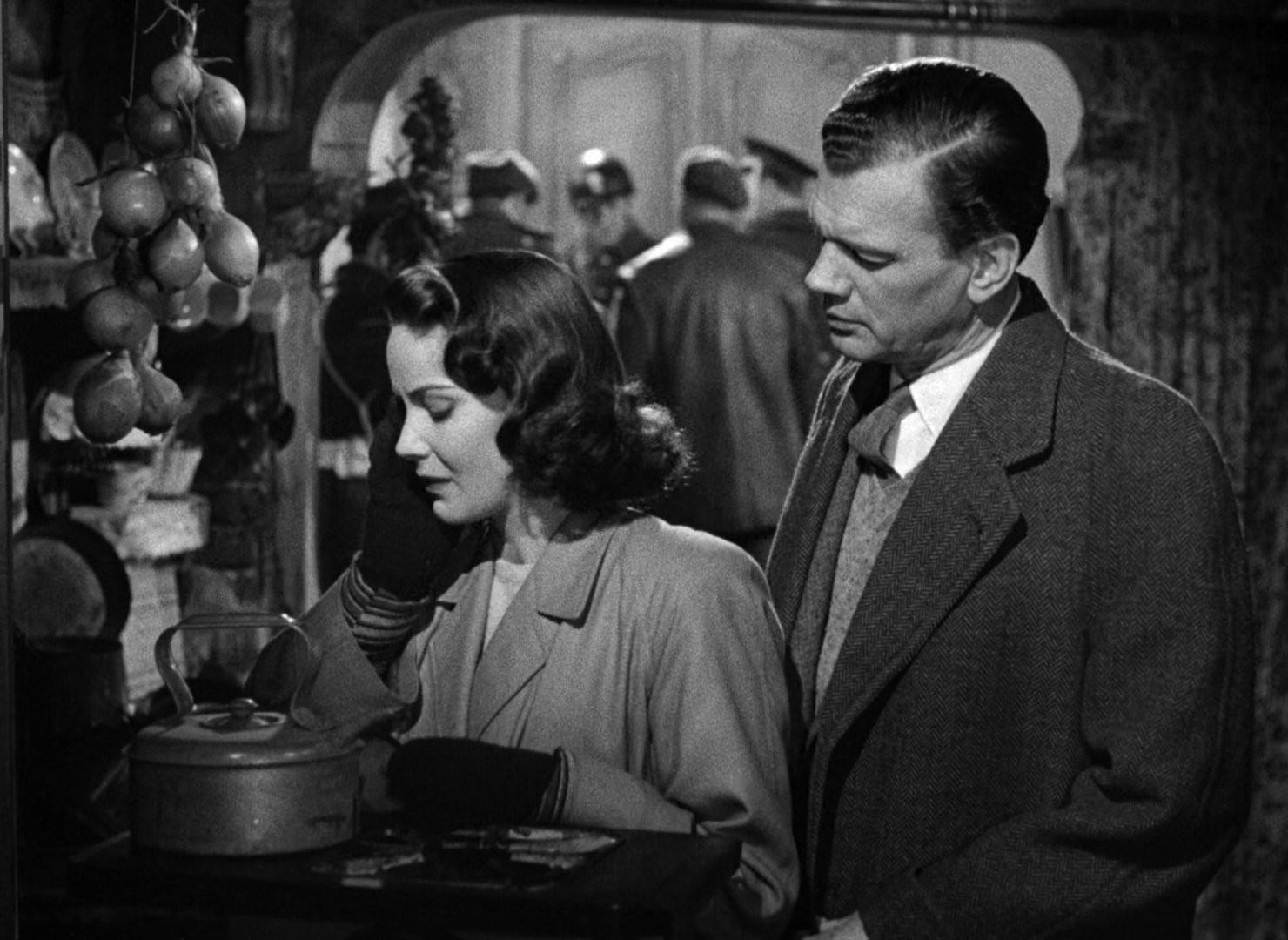
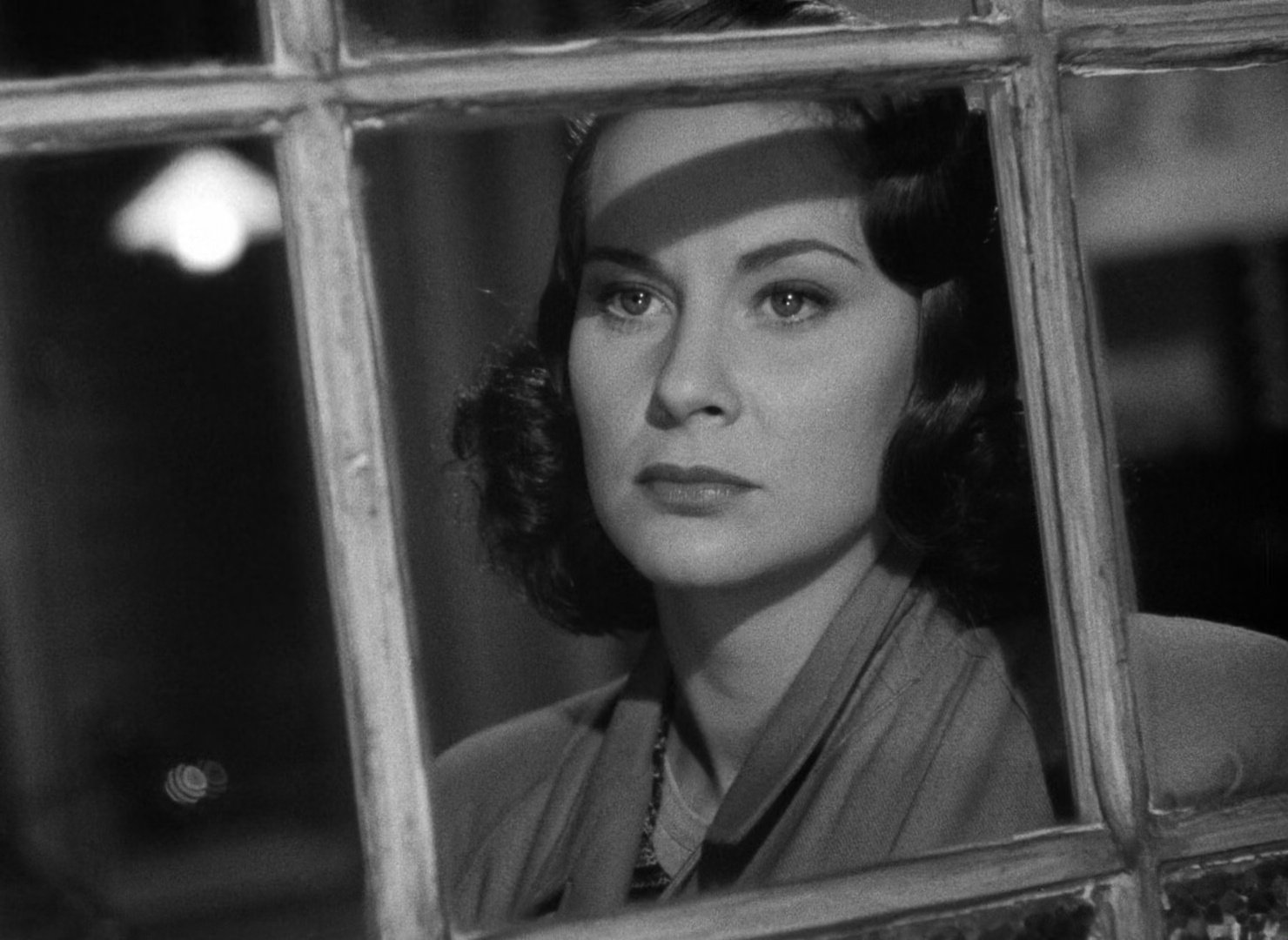
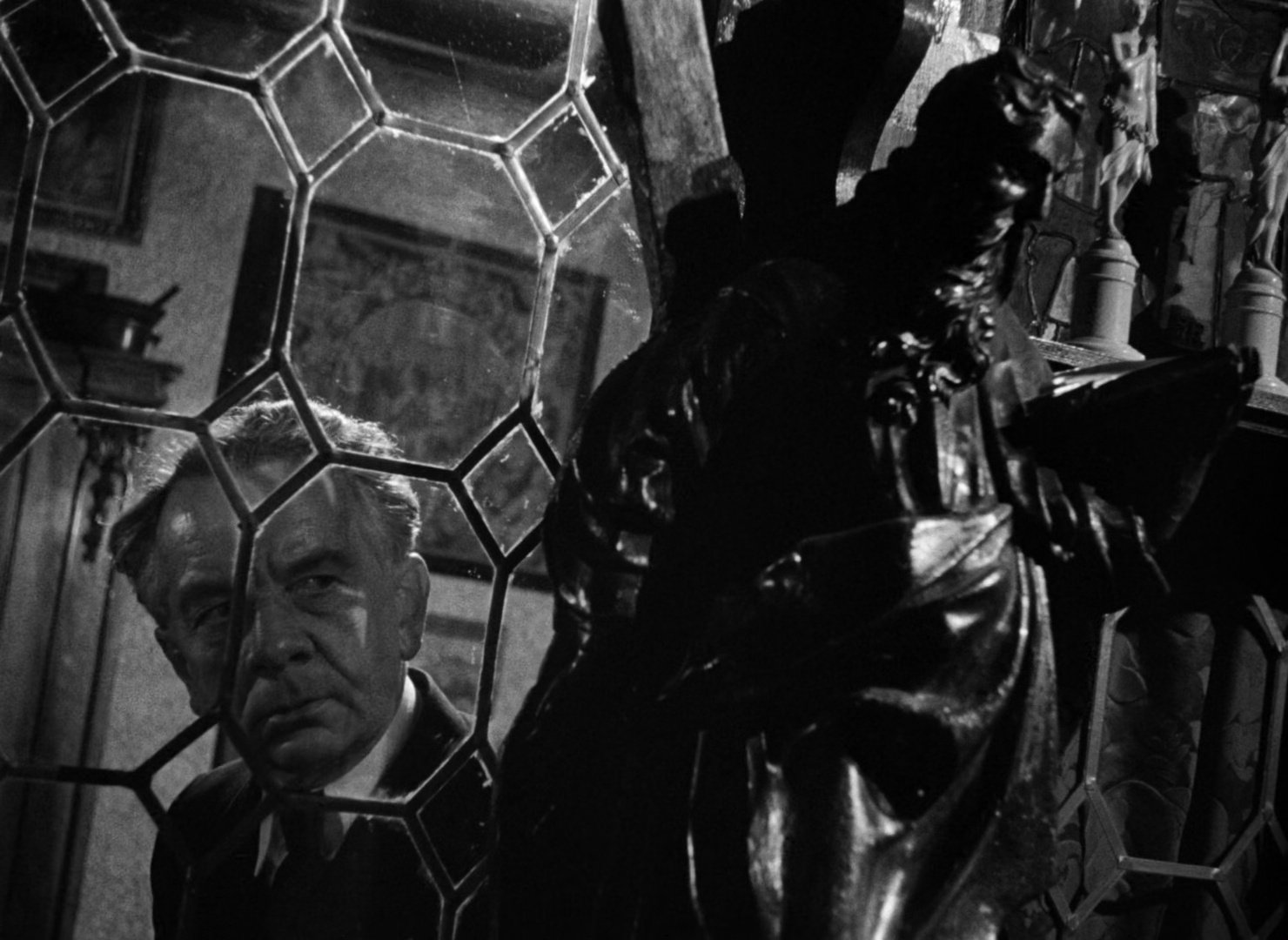
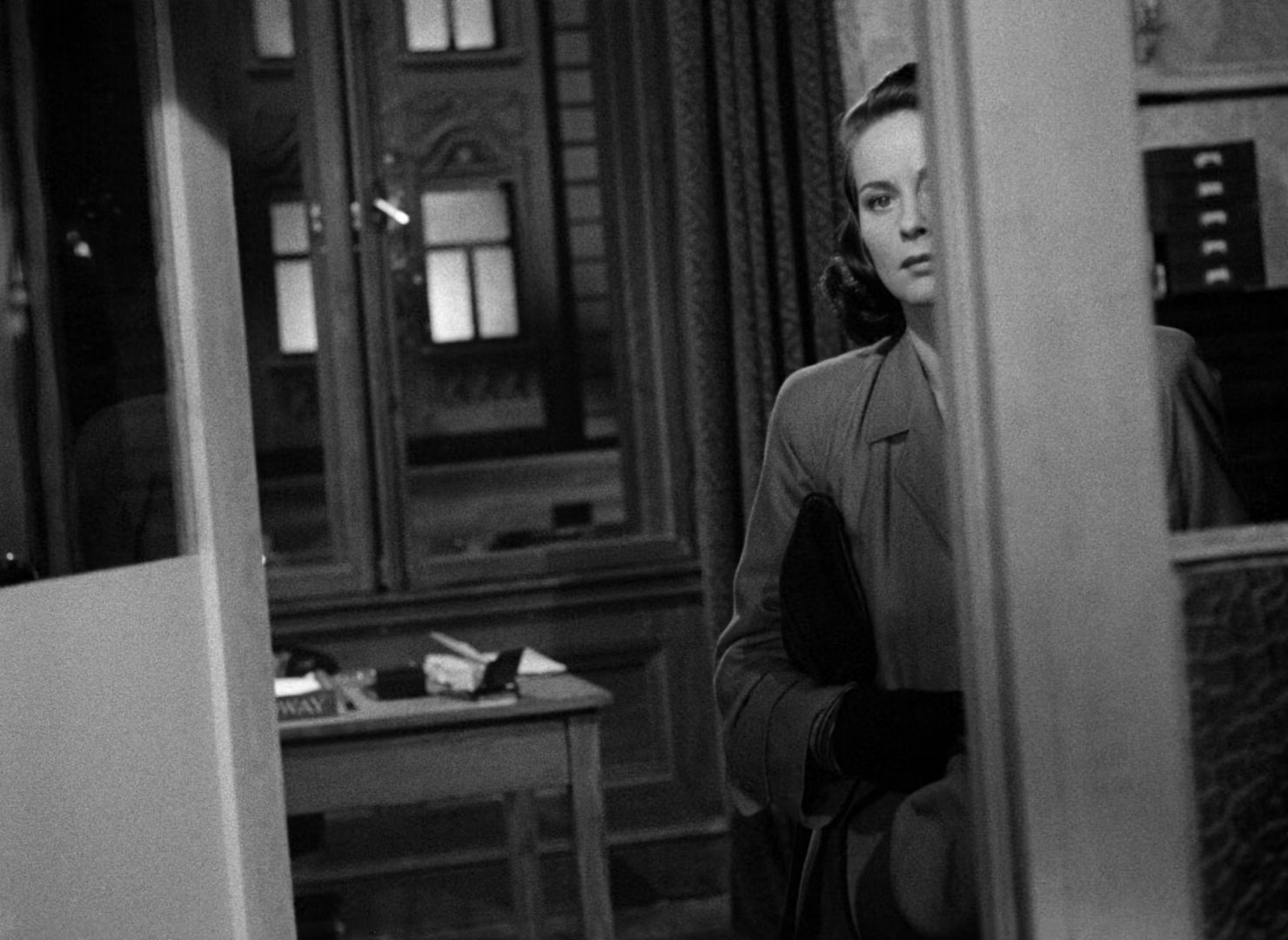
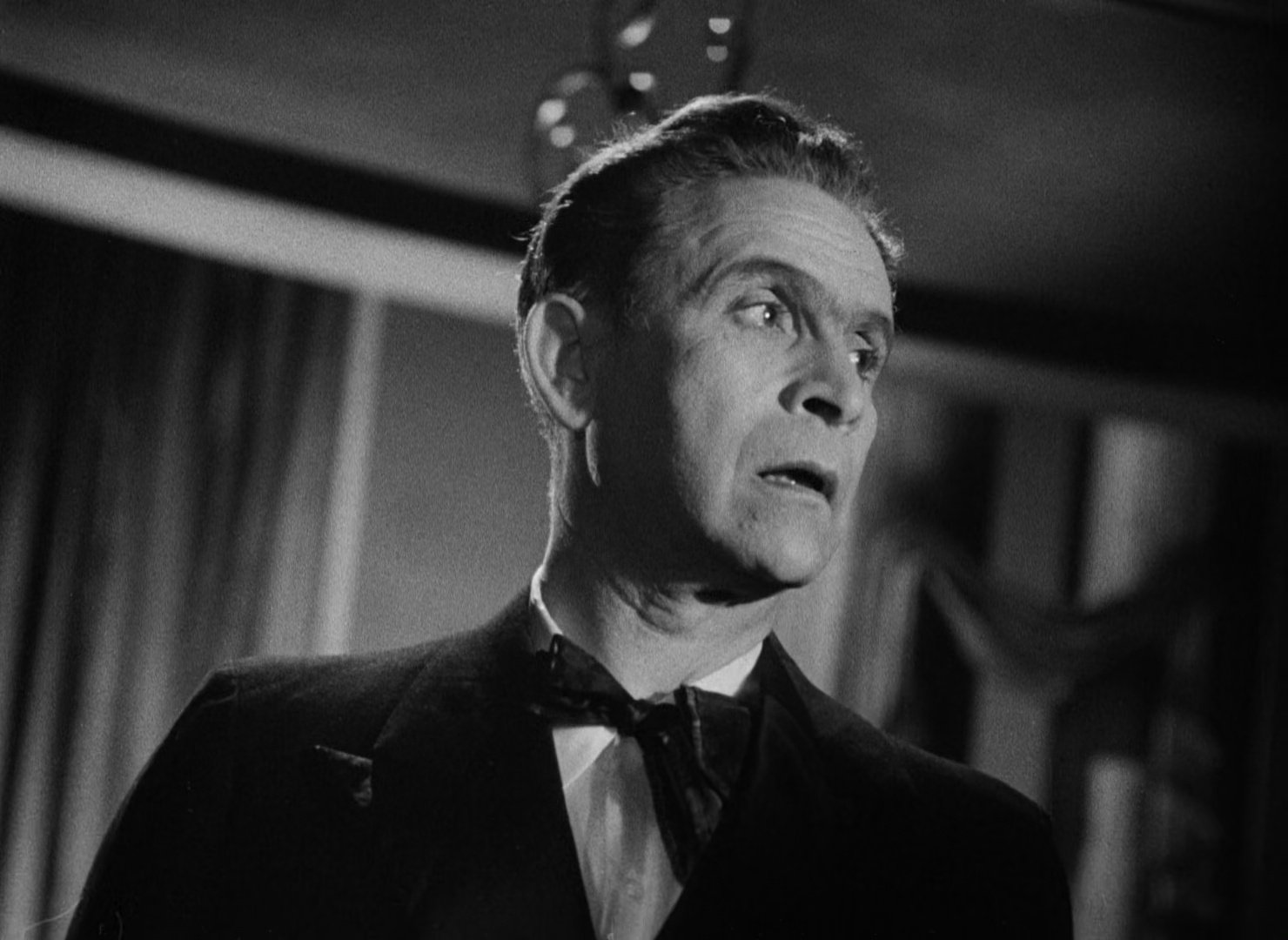
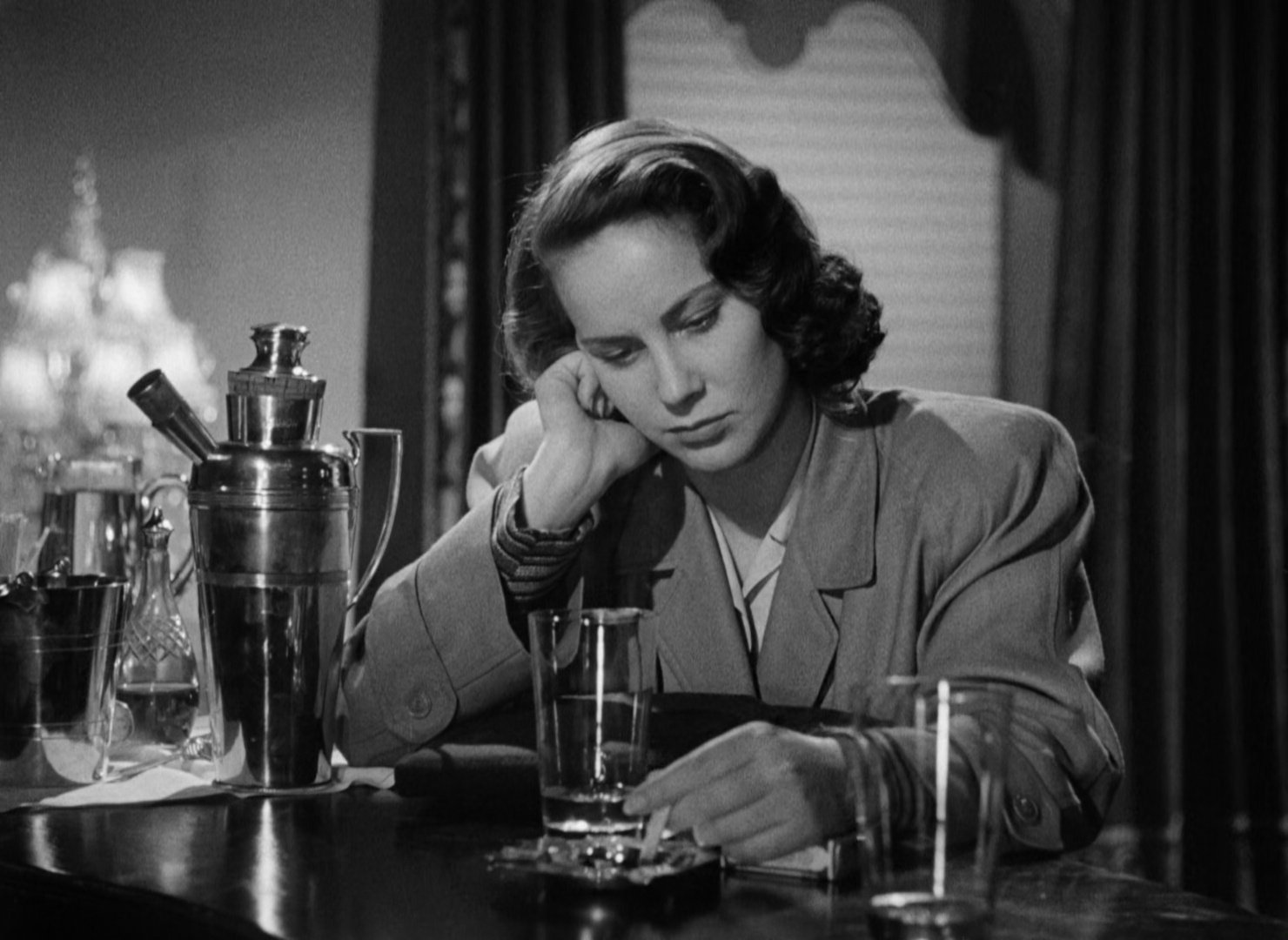
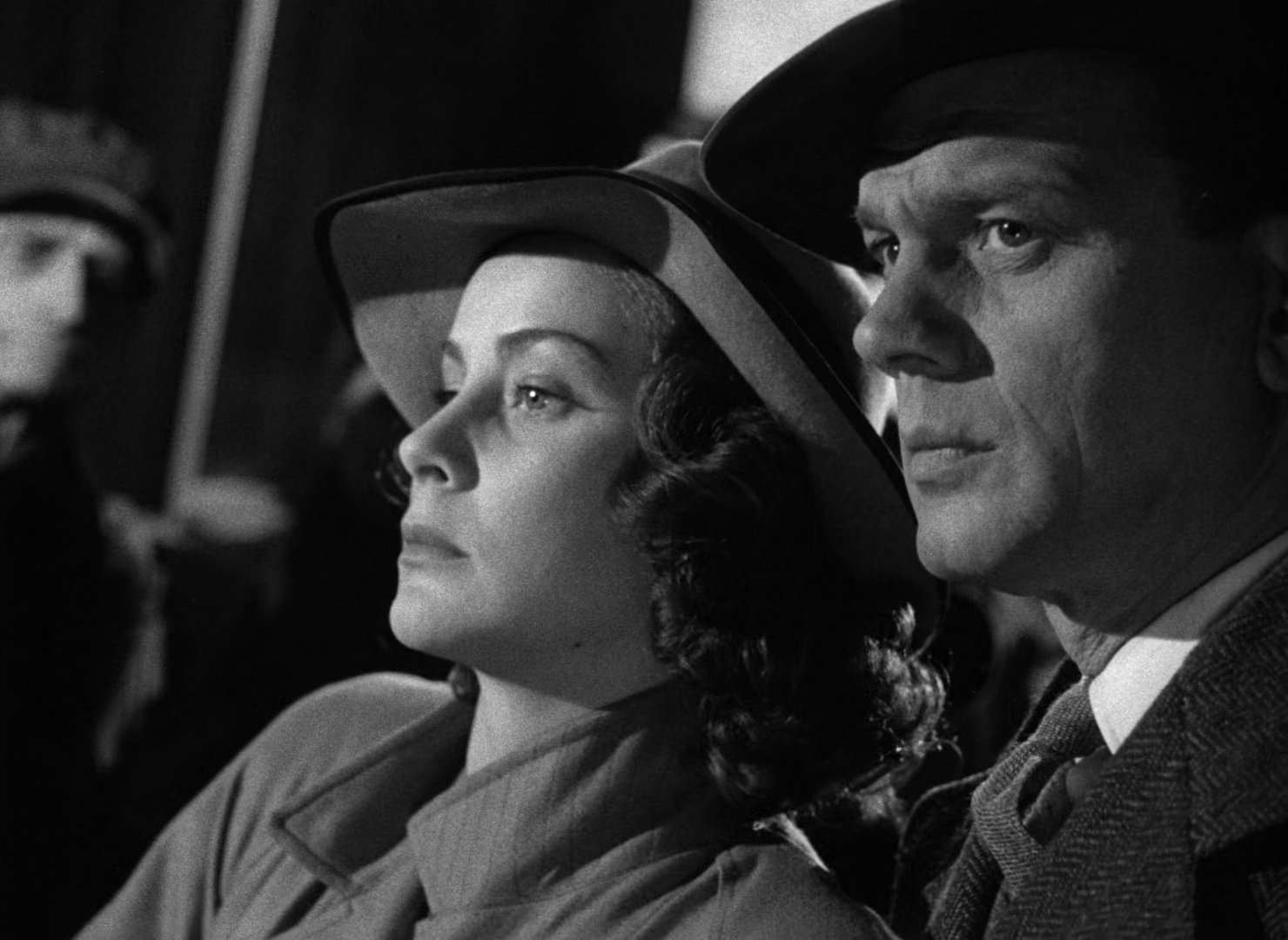
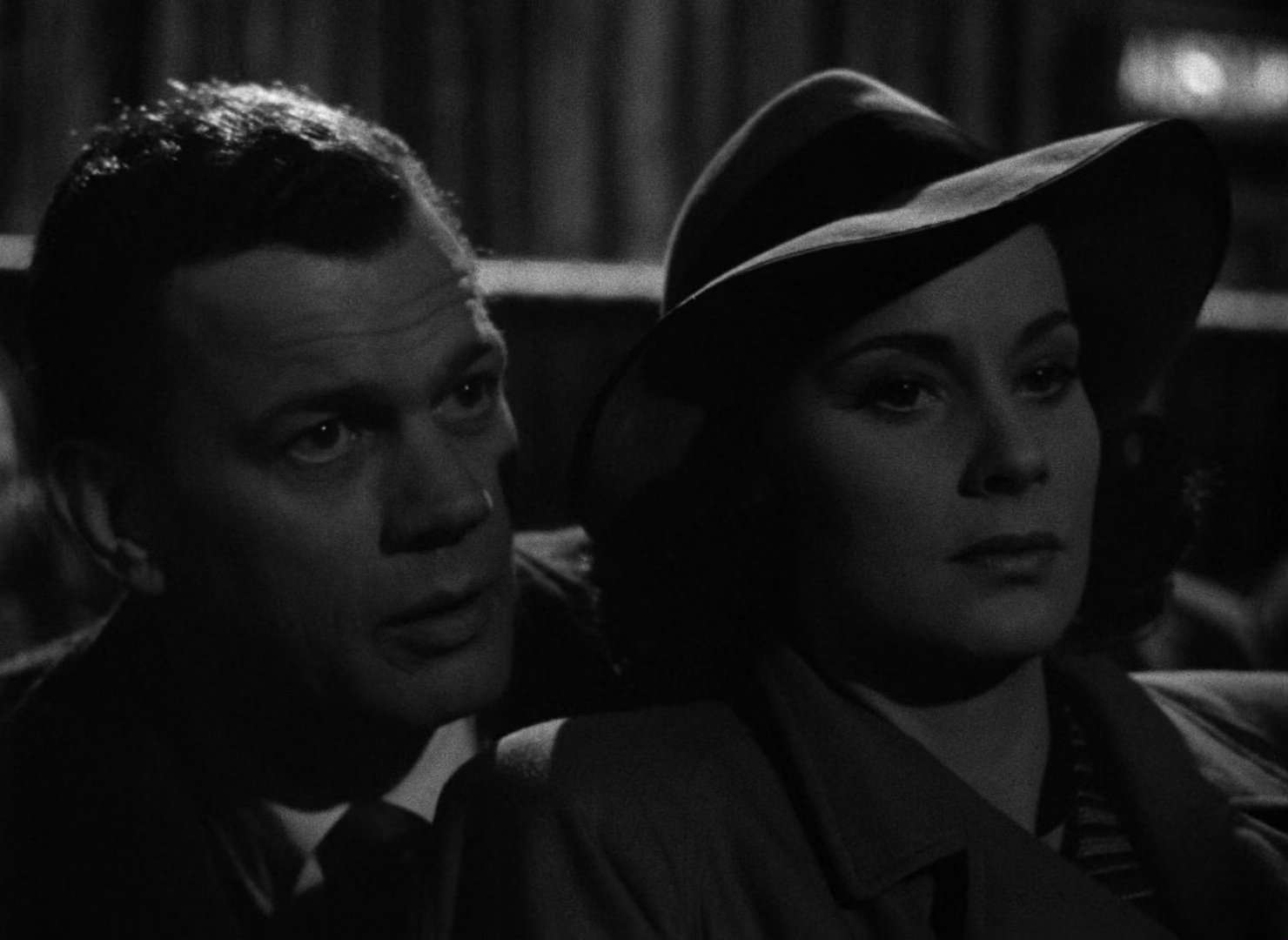
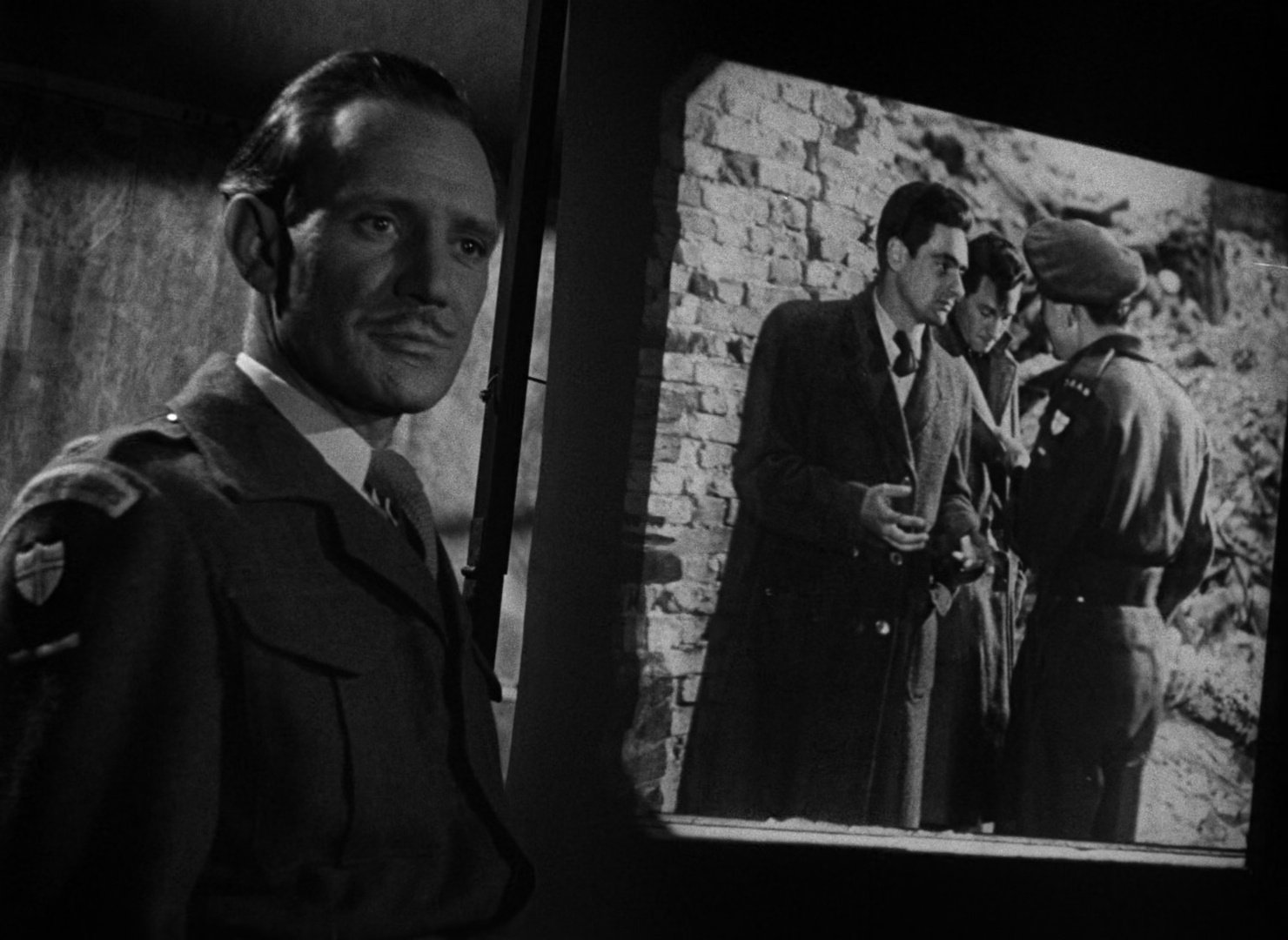
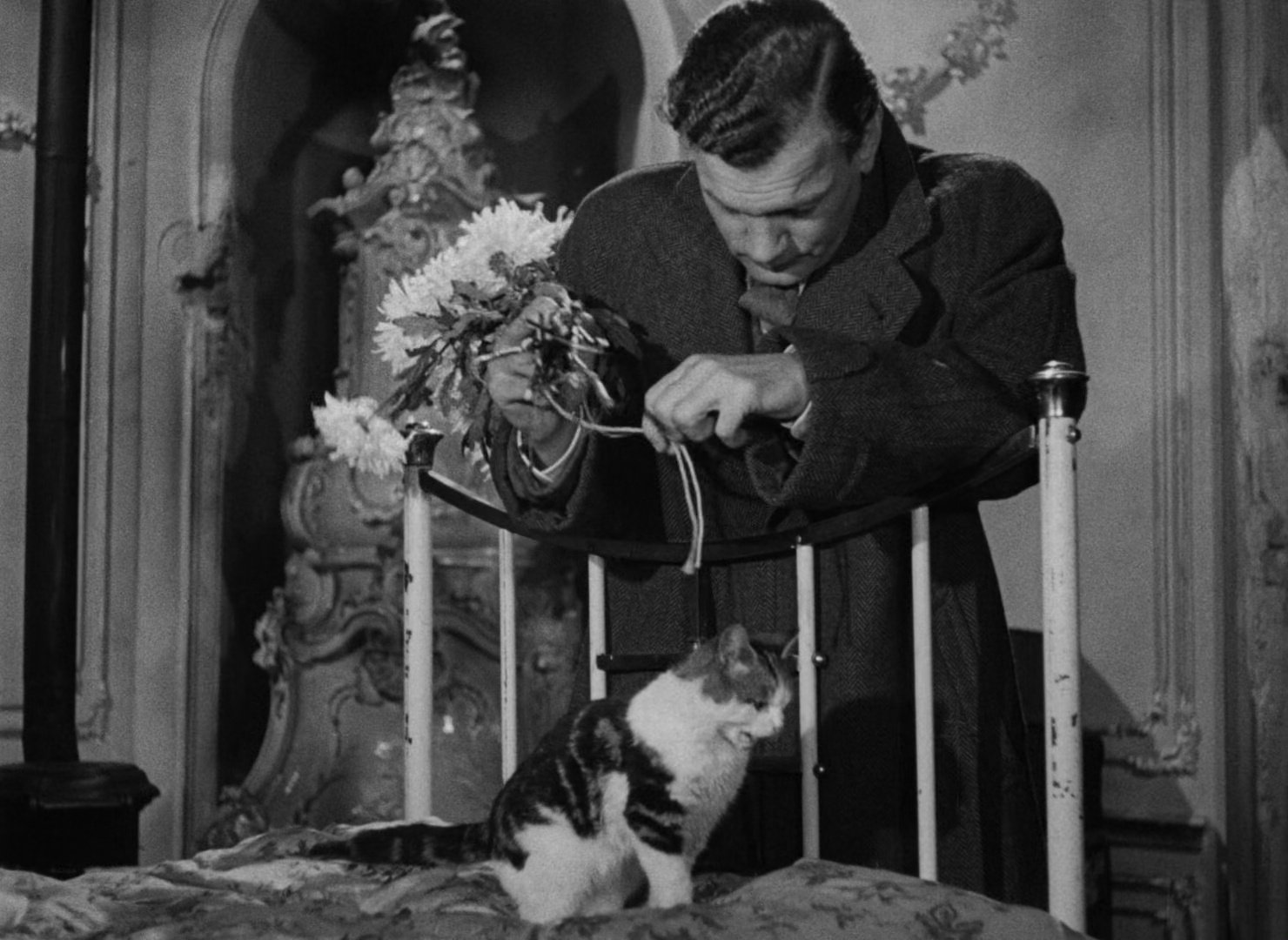
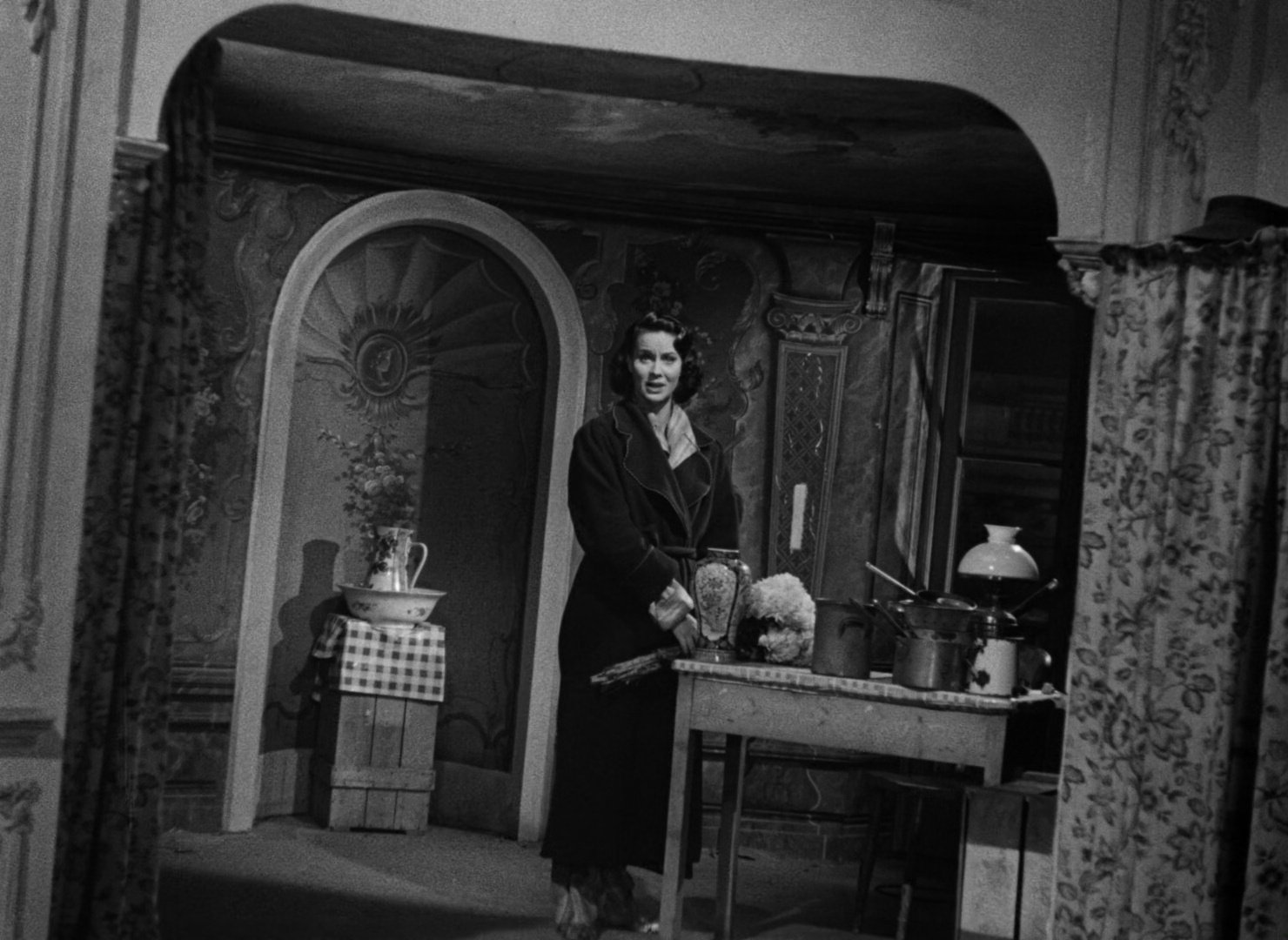
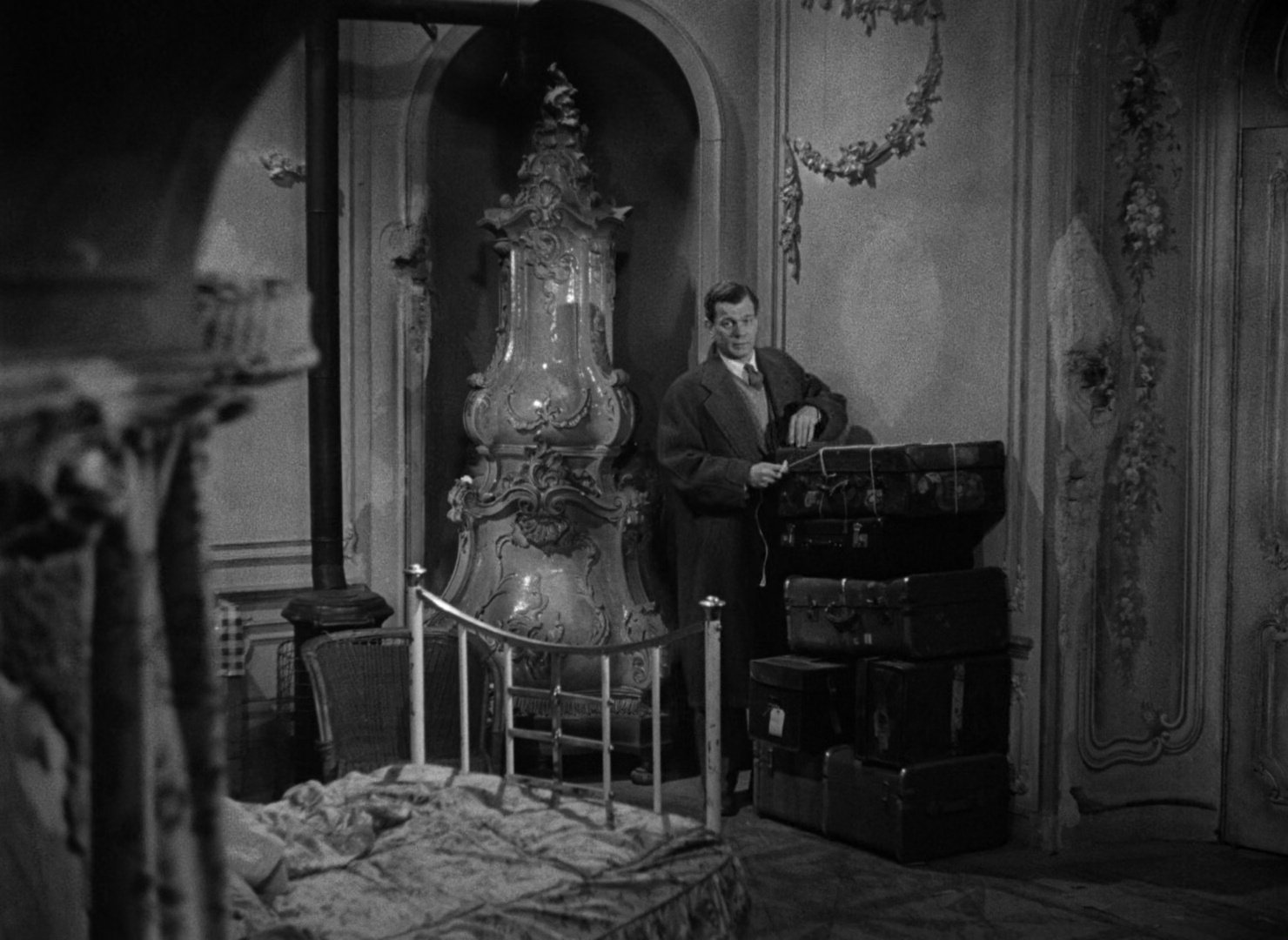
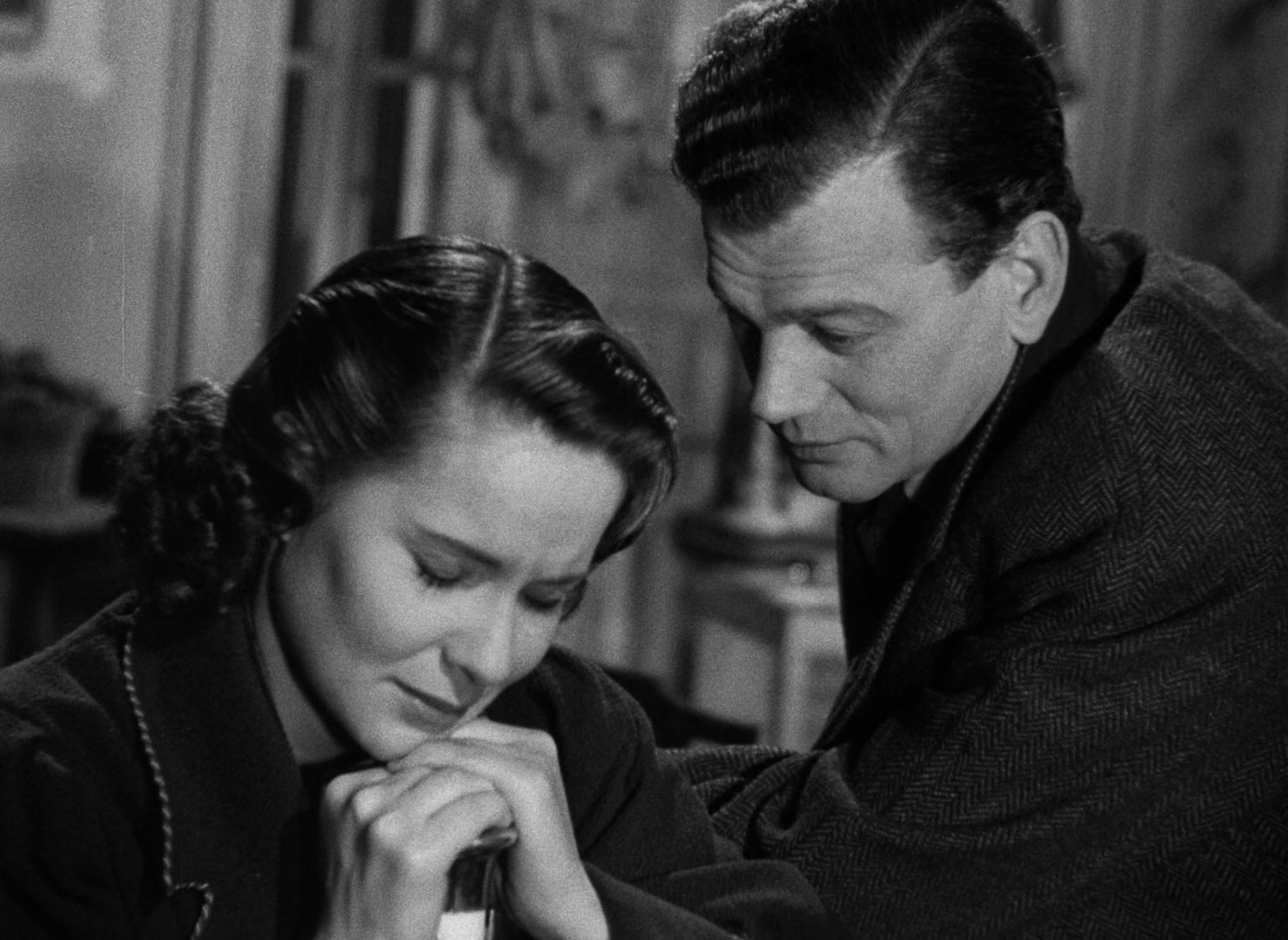
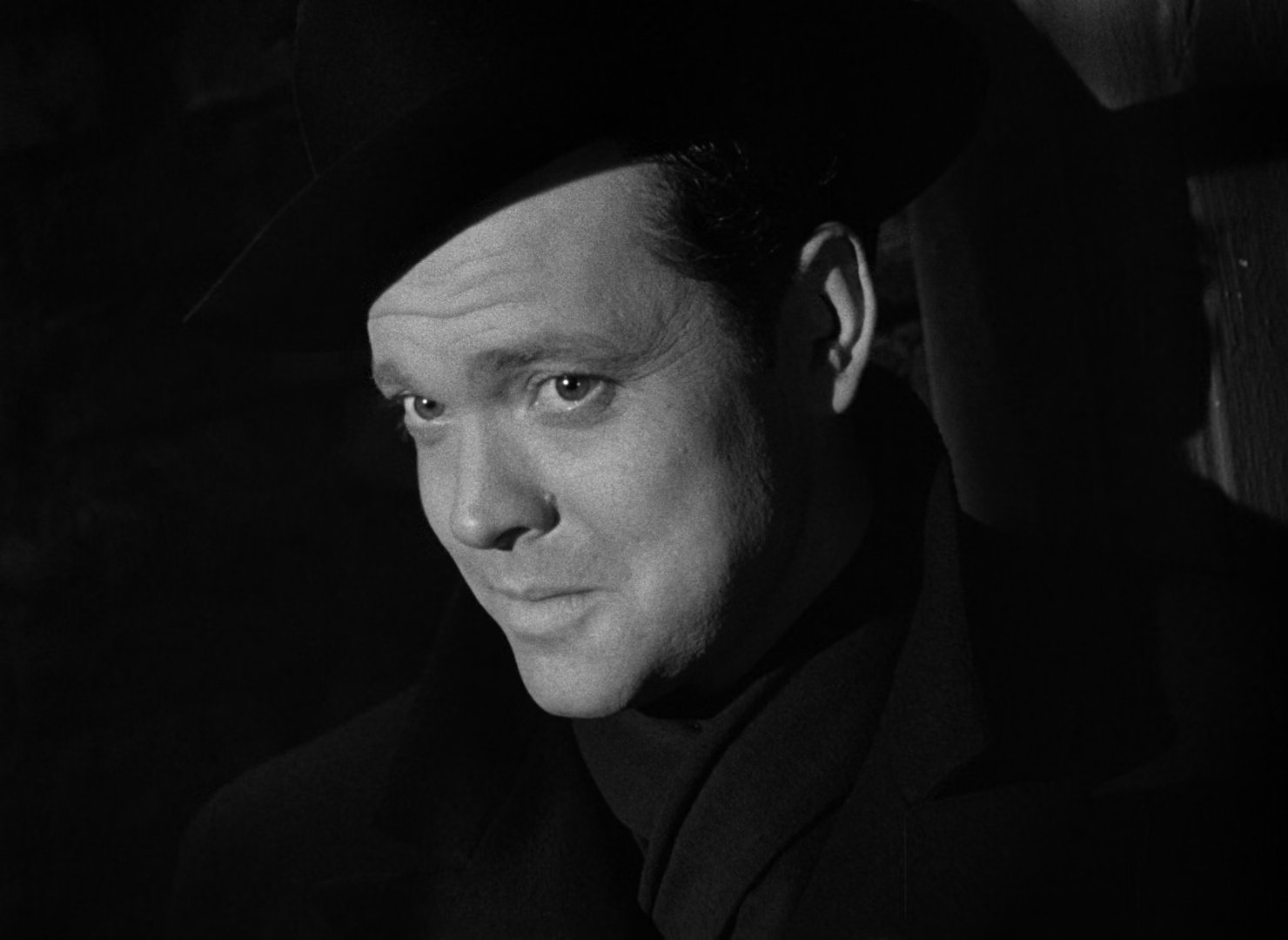
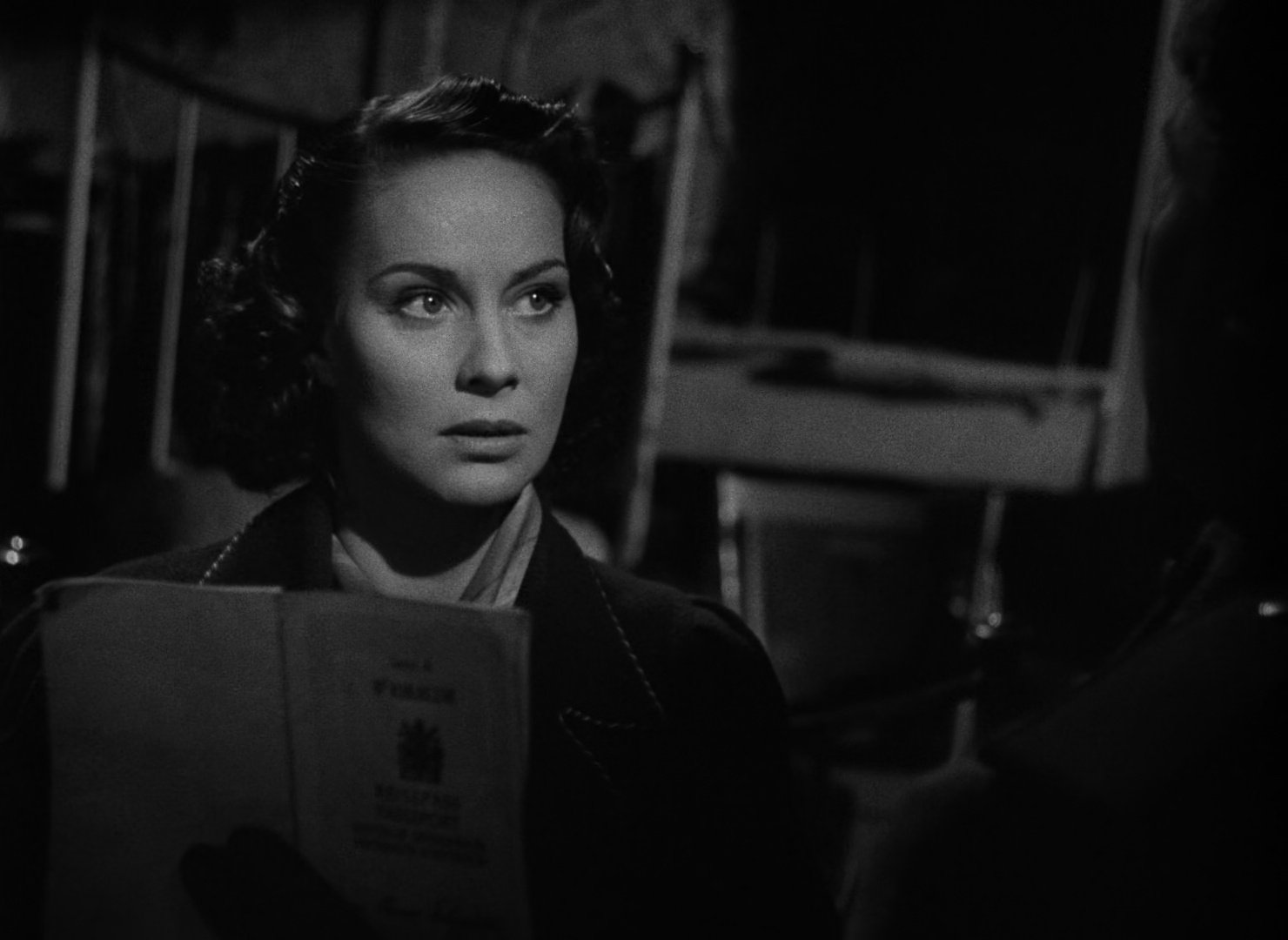
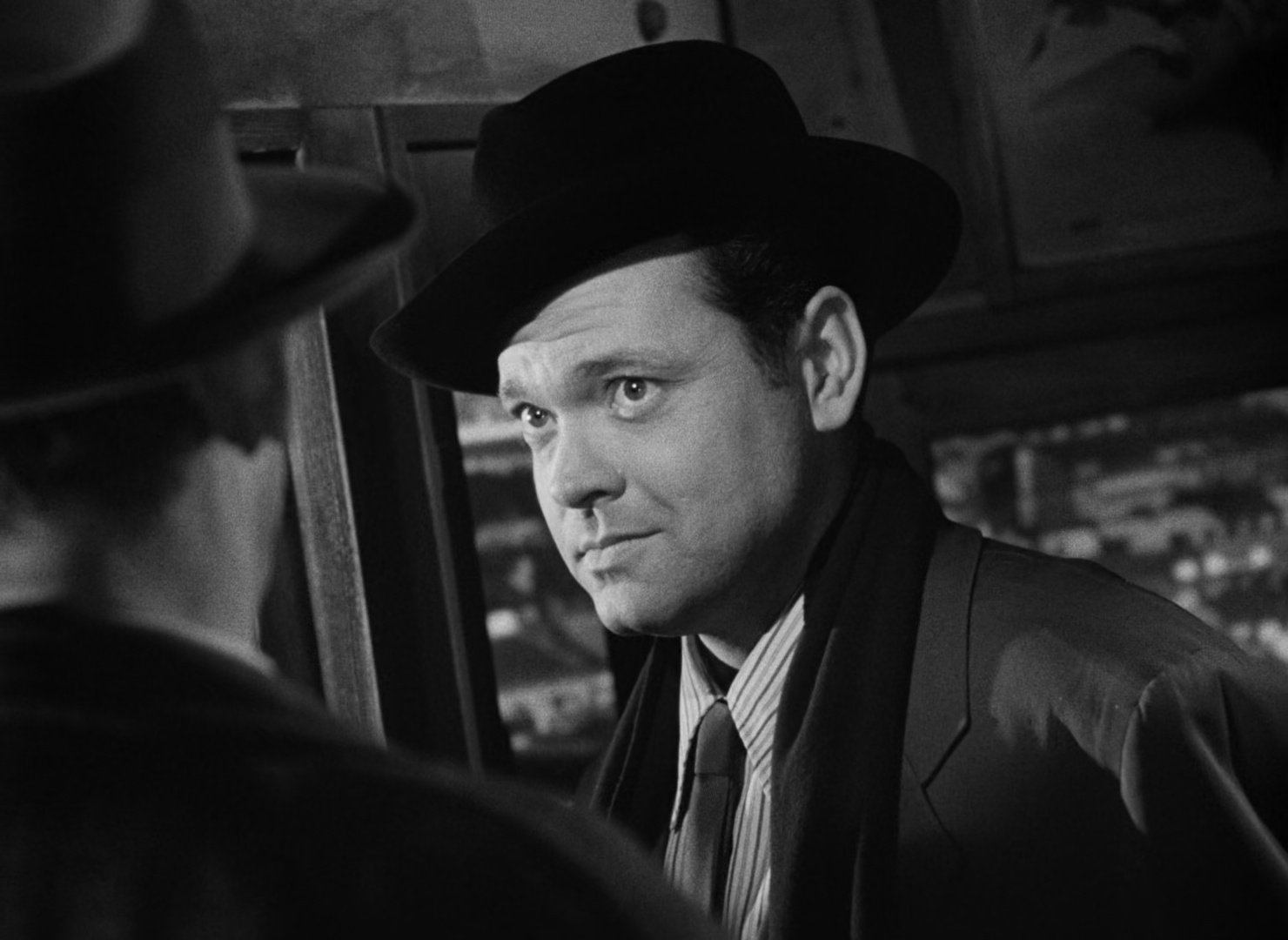
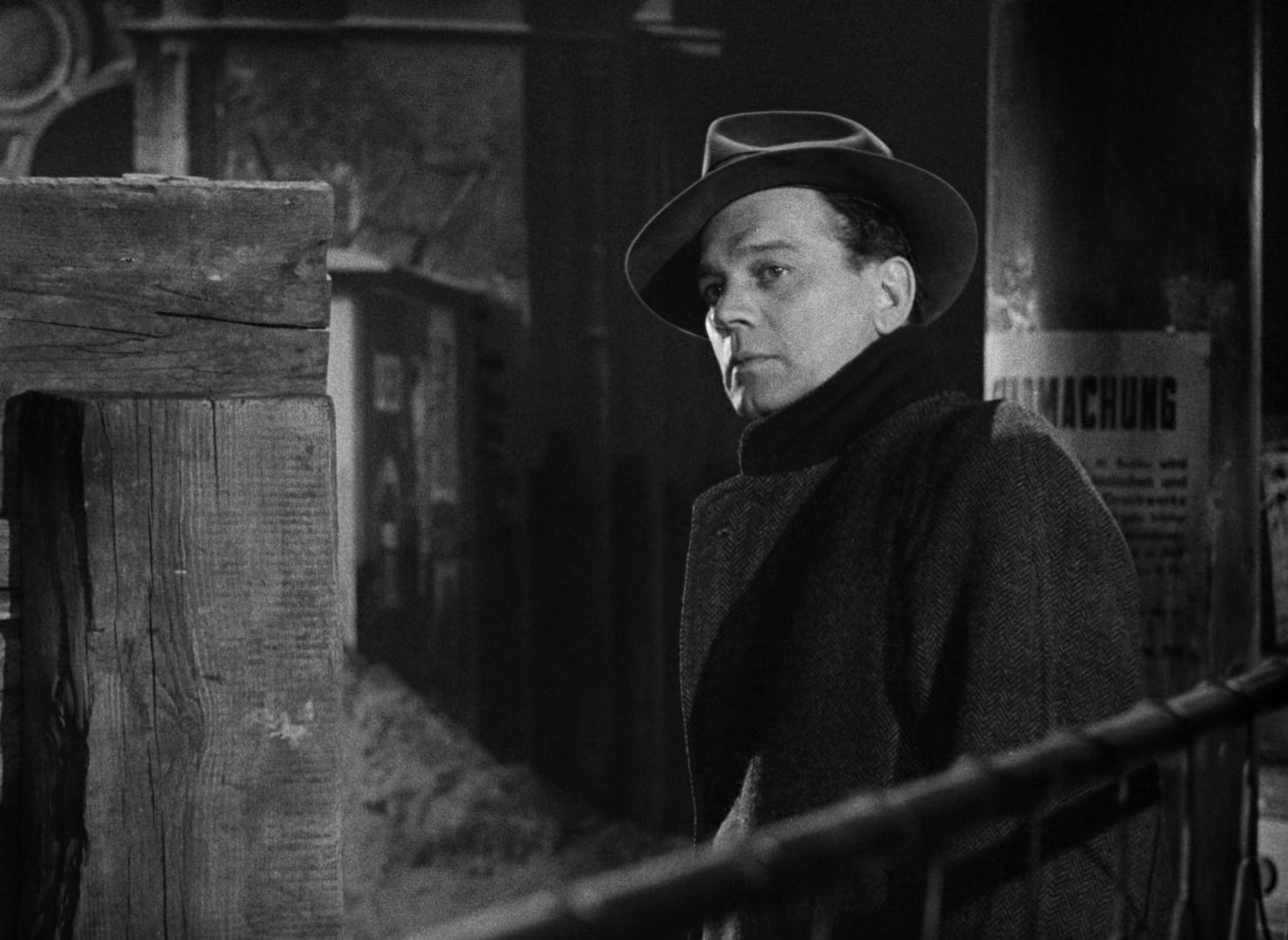
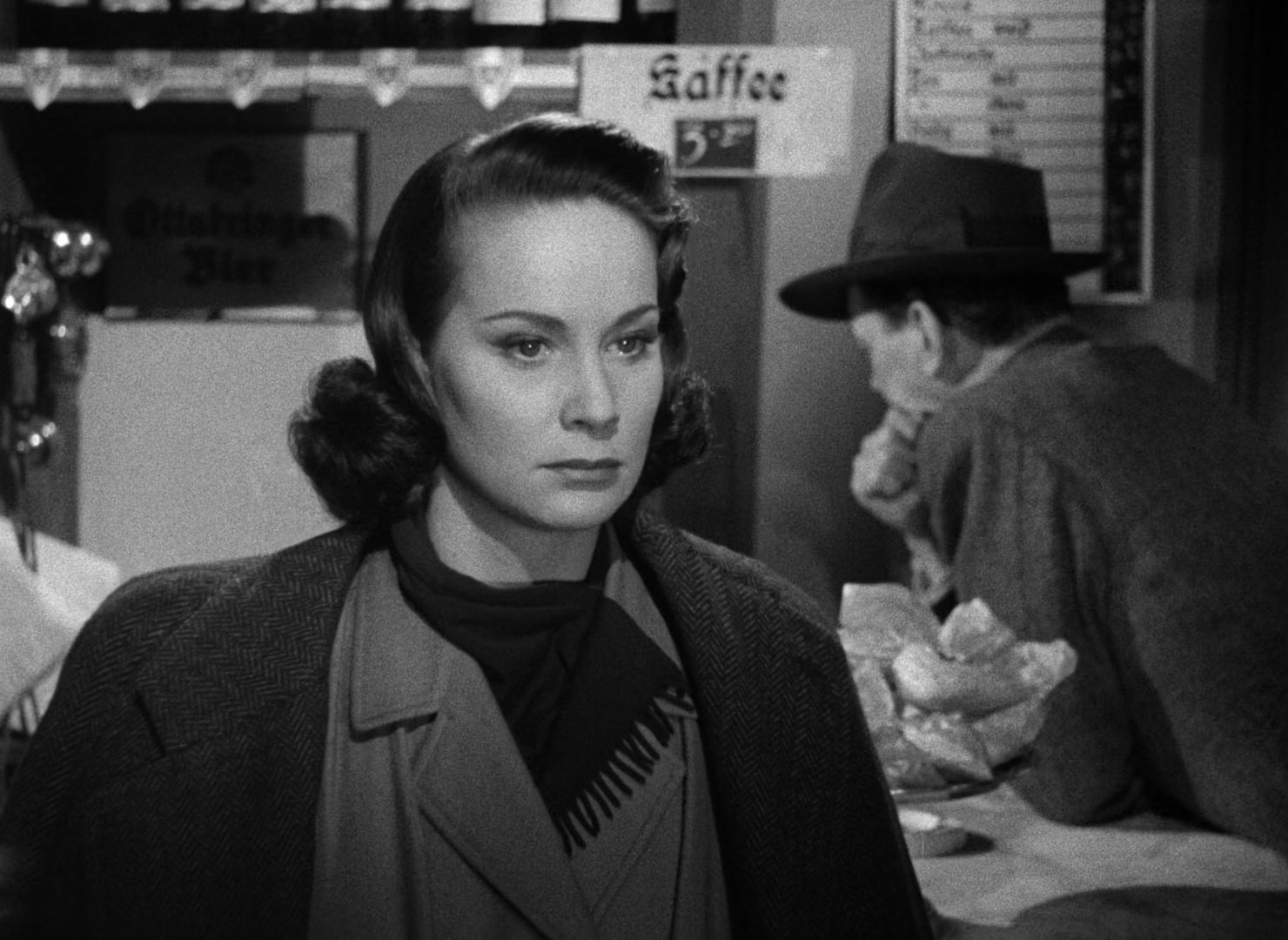
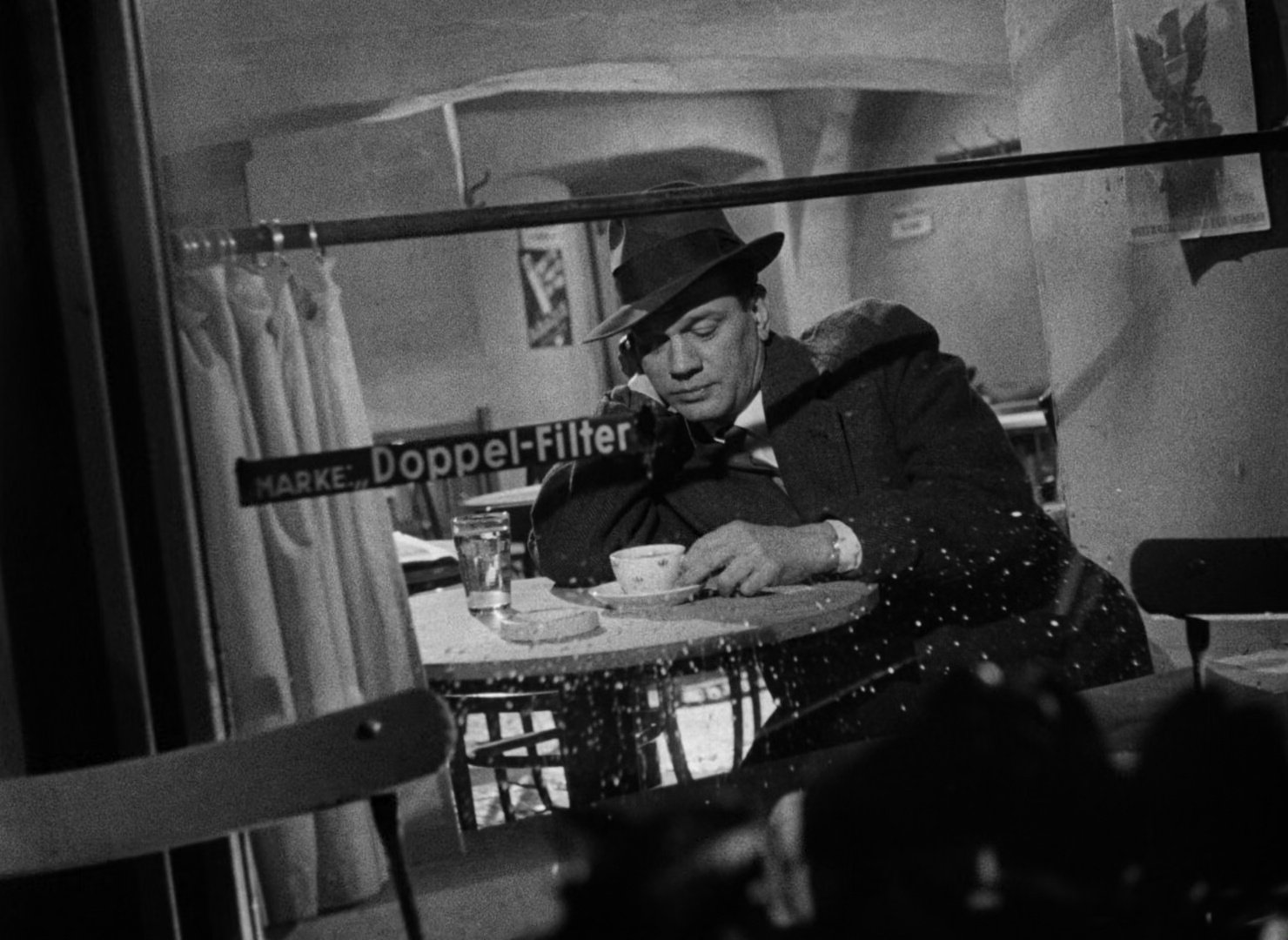
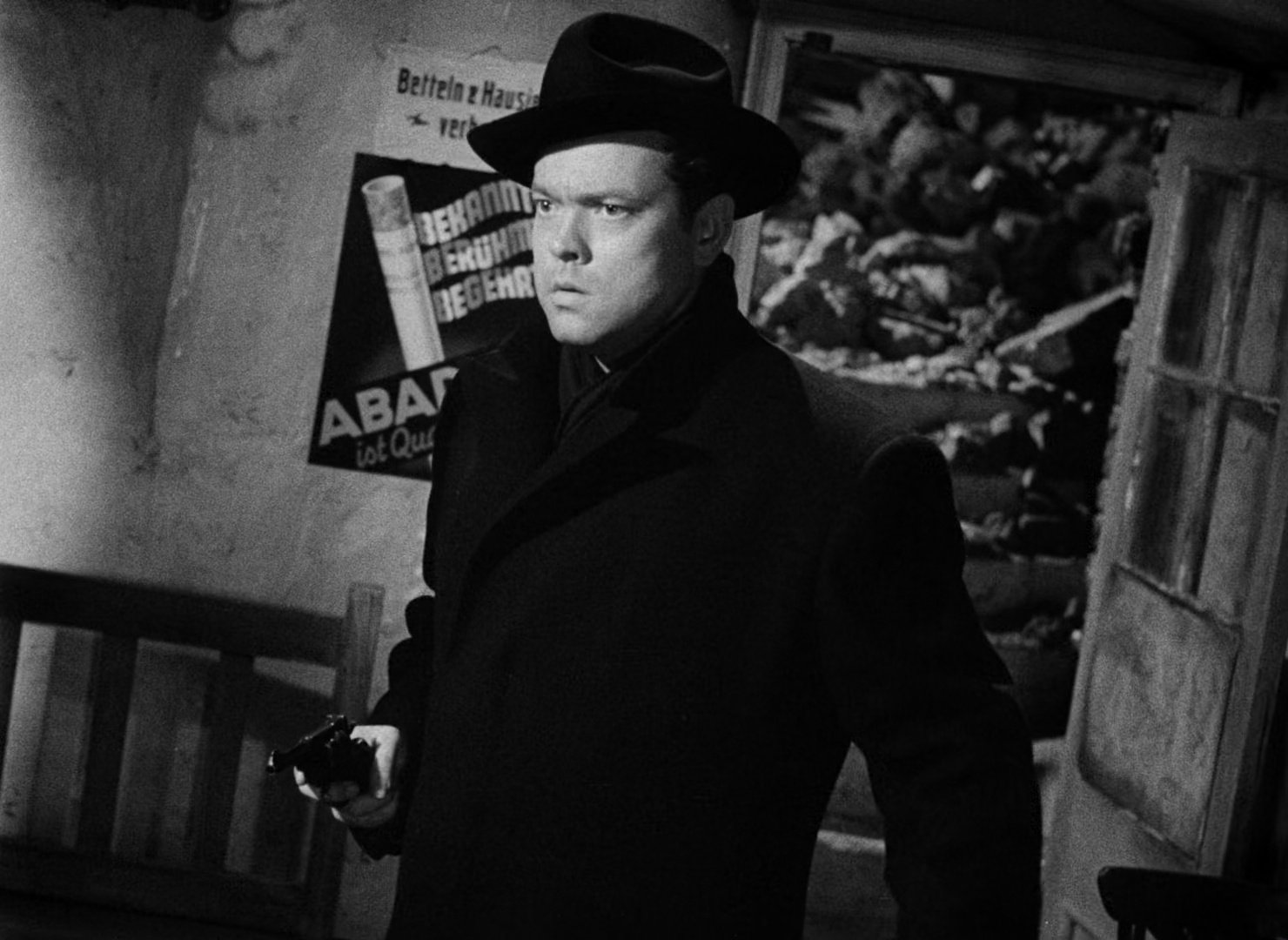
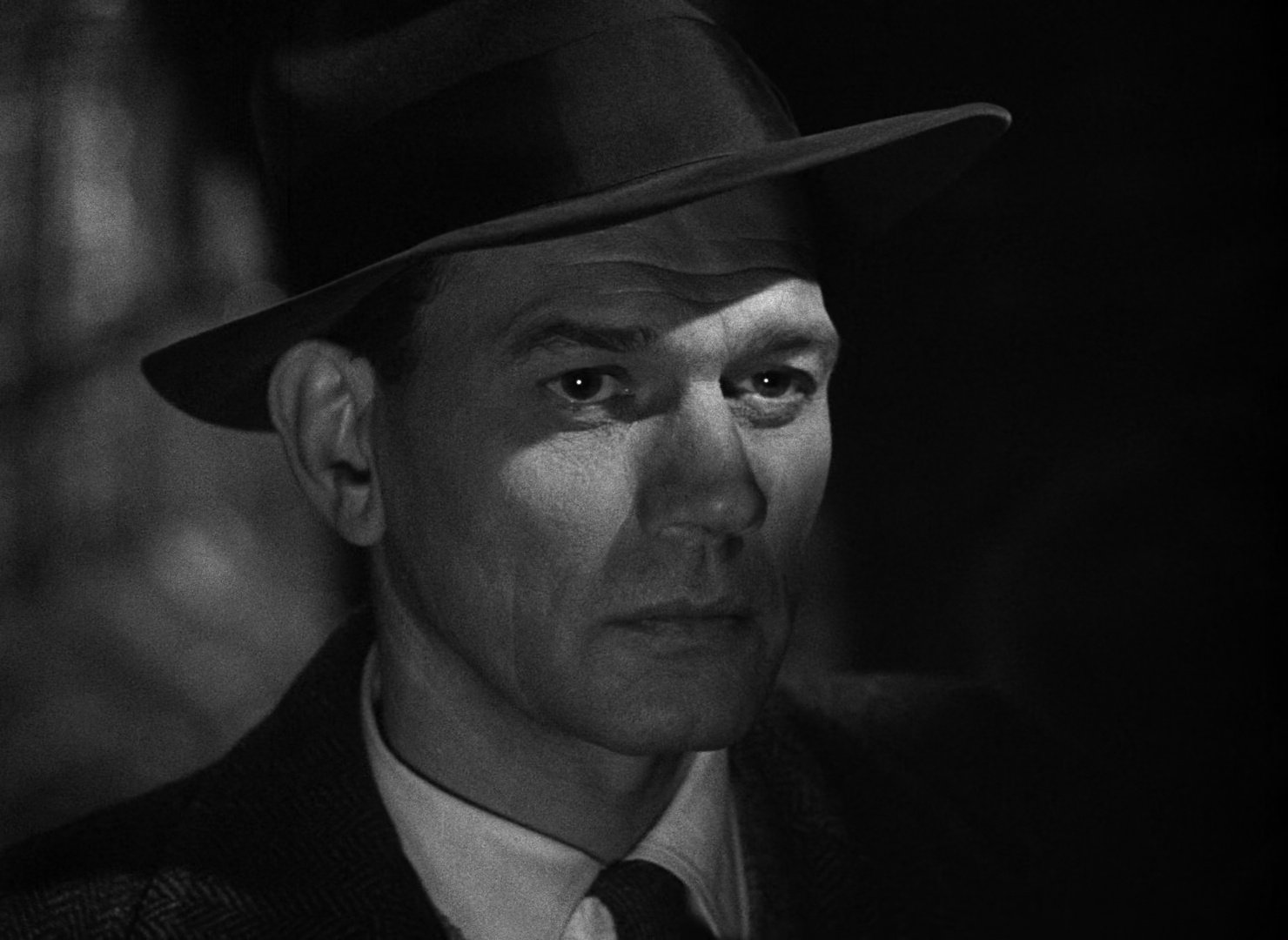
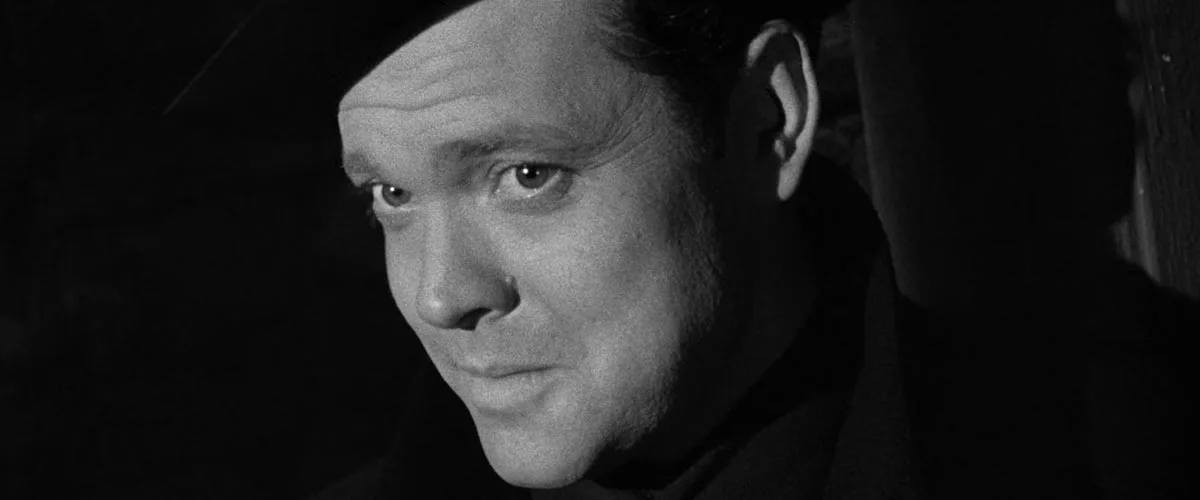
Directed by Carol Reed, The Third Man is renowned for Robert Krasker’s stark chiaroscuro lighting and Orson Welles’ magnetic performance. The story follows an American writer who arrives in post-war Vienna to meet a friend, only to discover that he has died in suspicious circumstances and that he may not be dead, or innocent, as was initially reported.
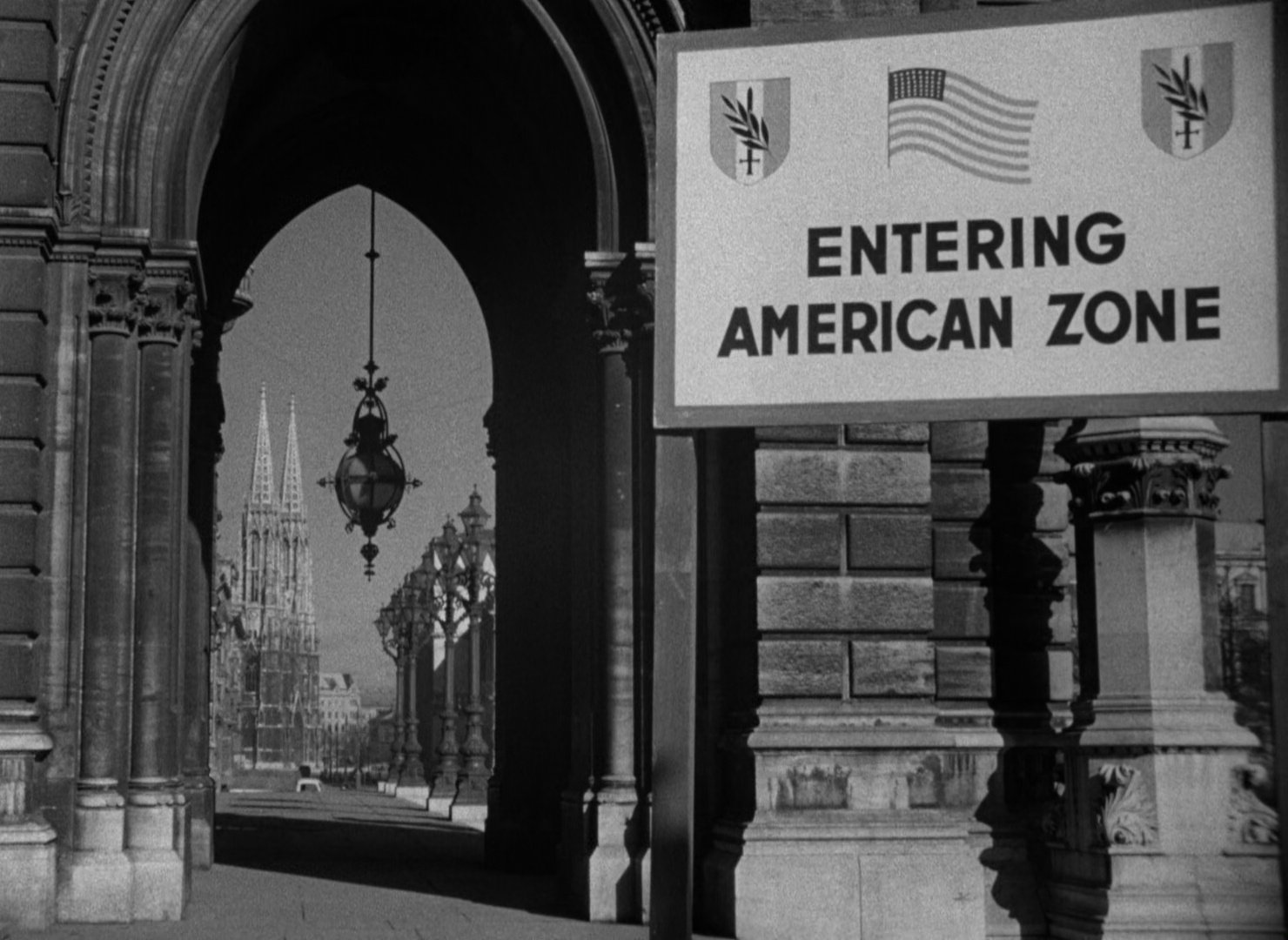
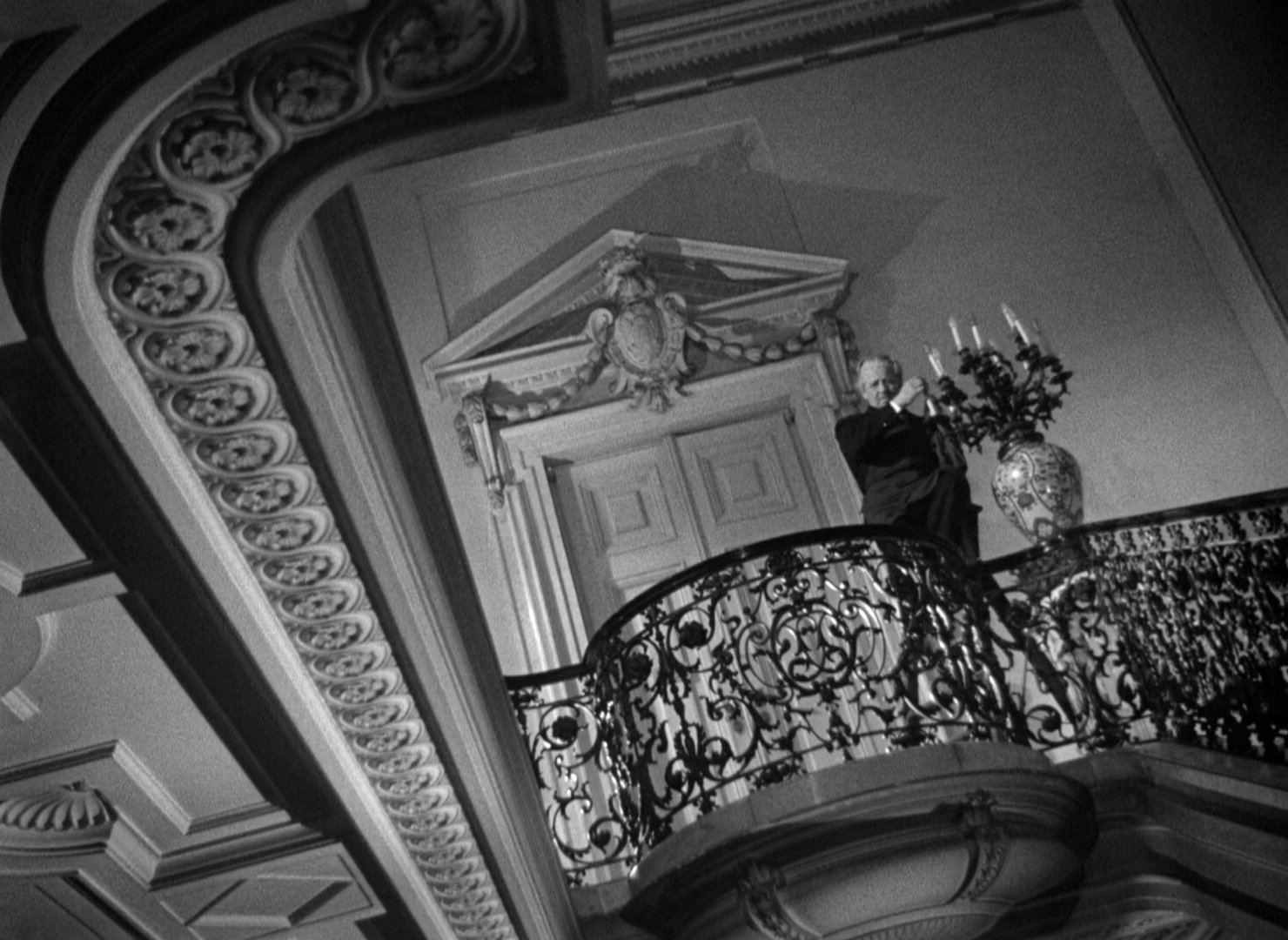
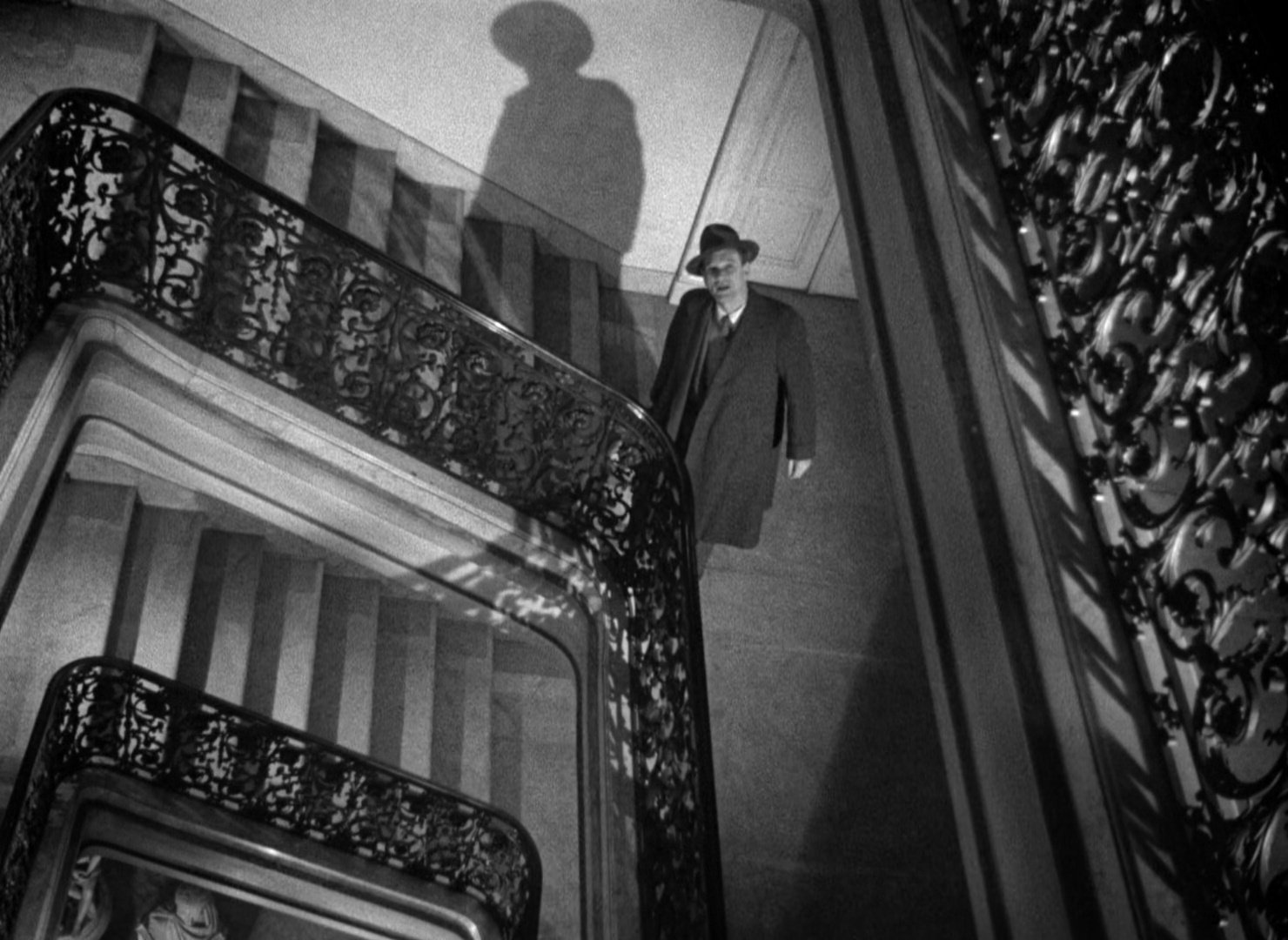
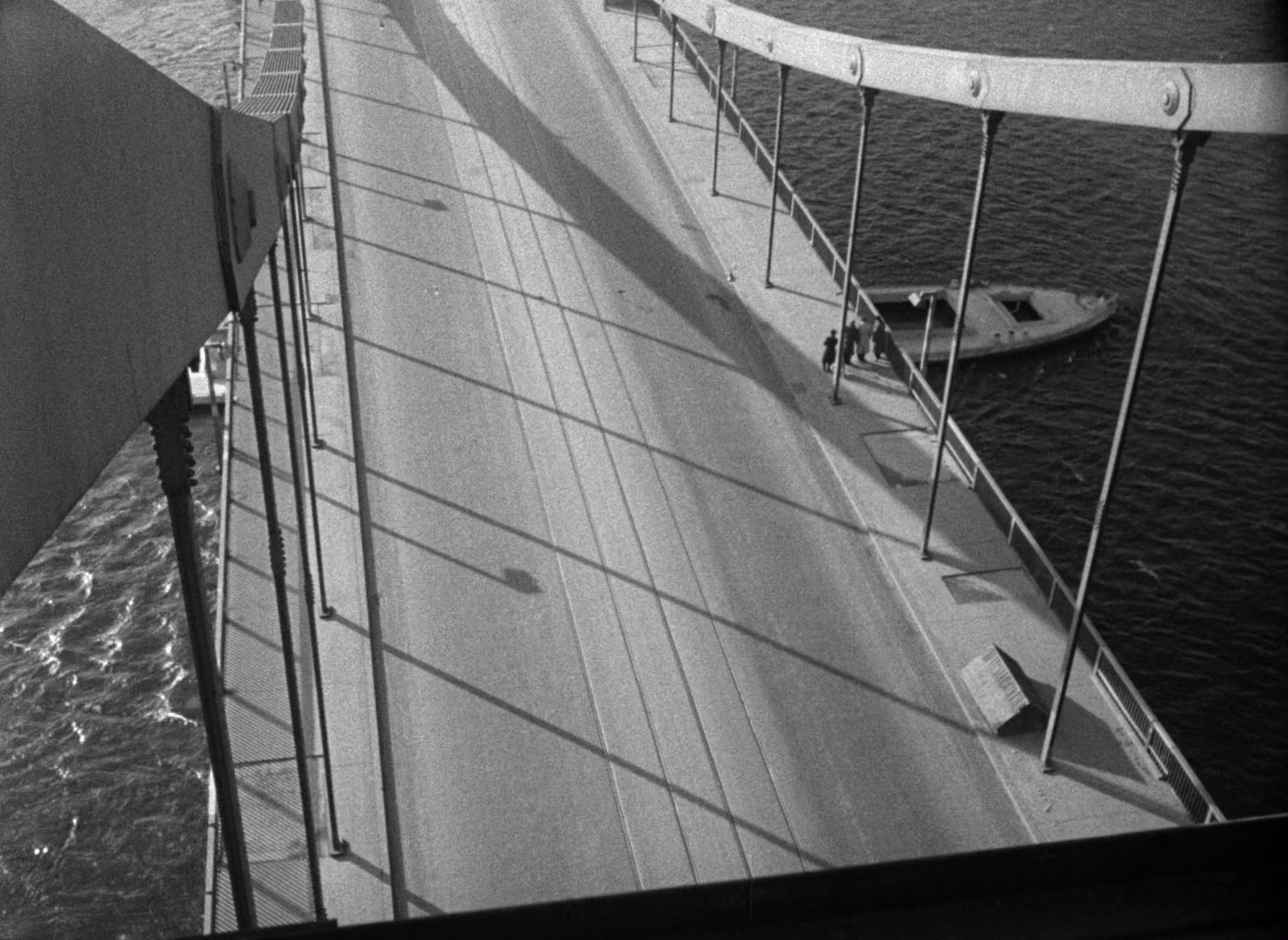
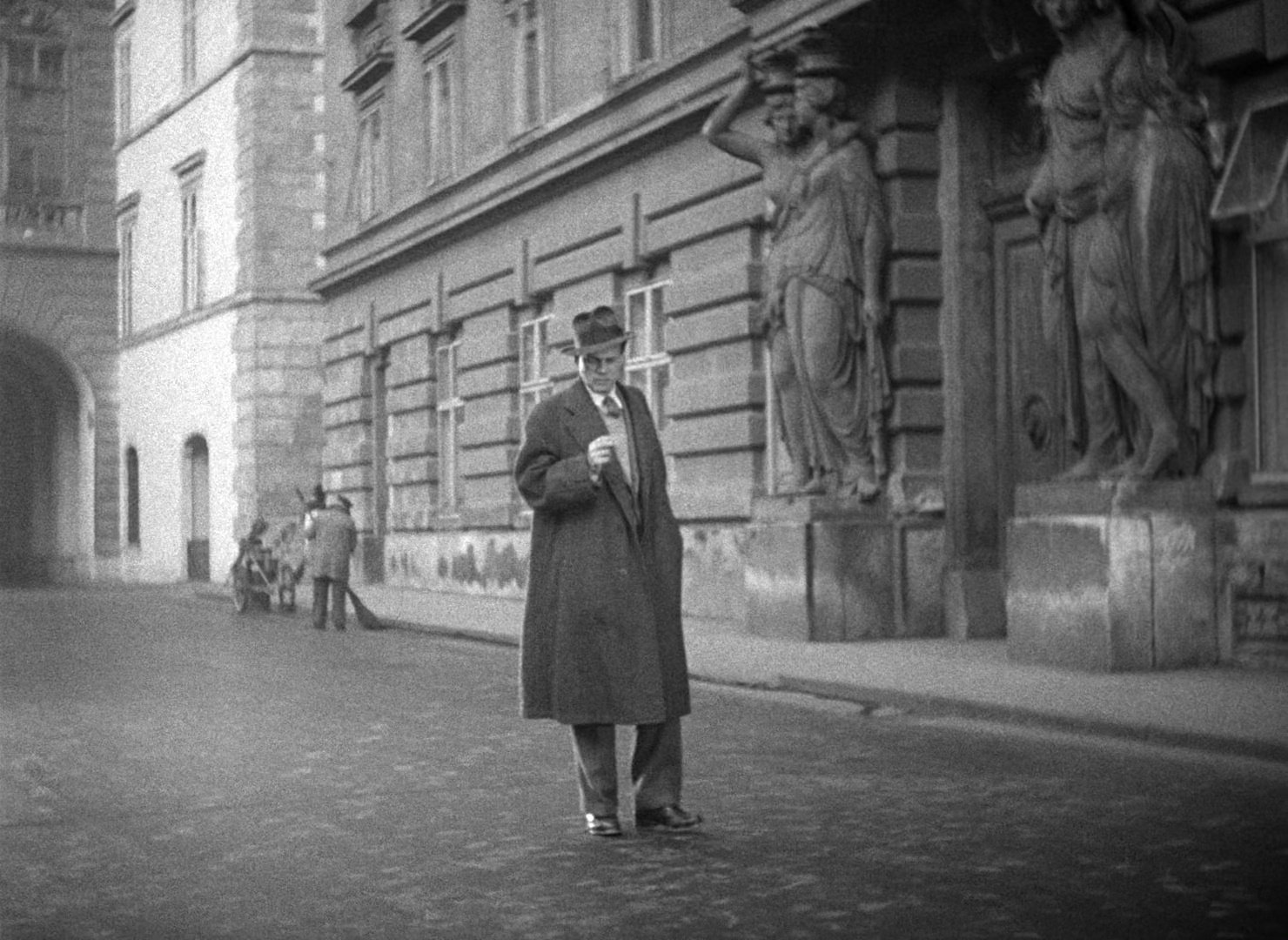
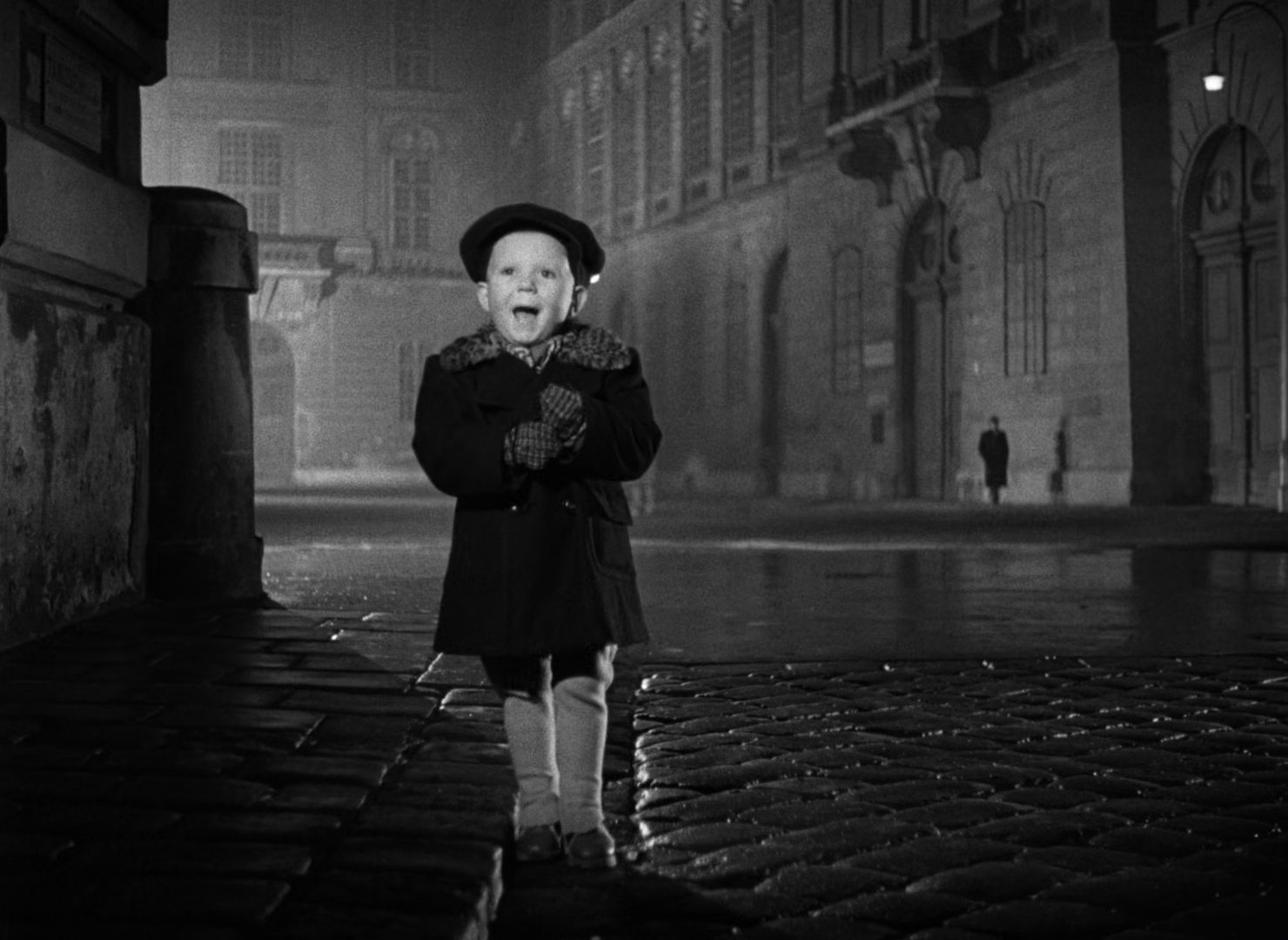
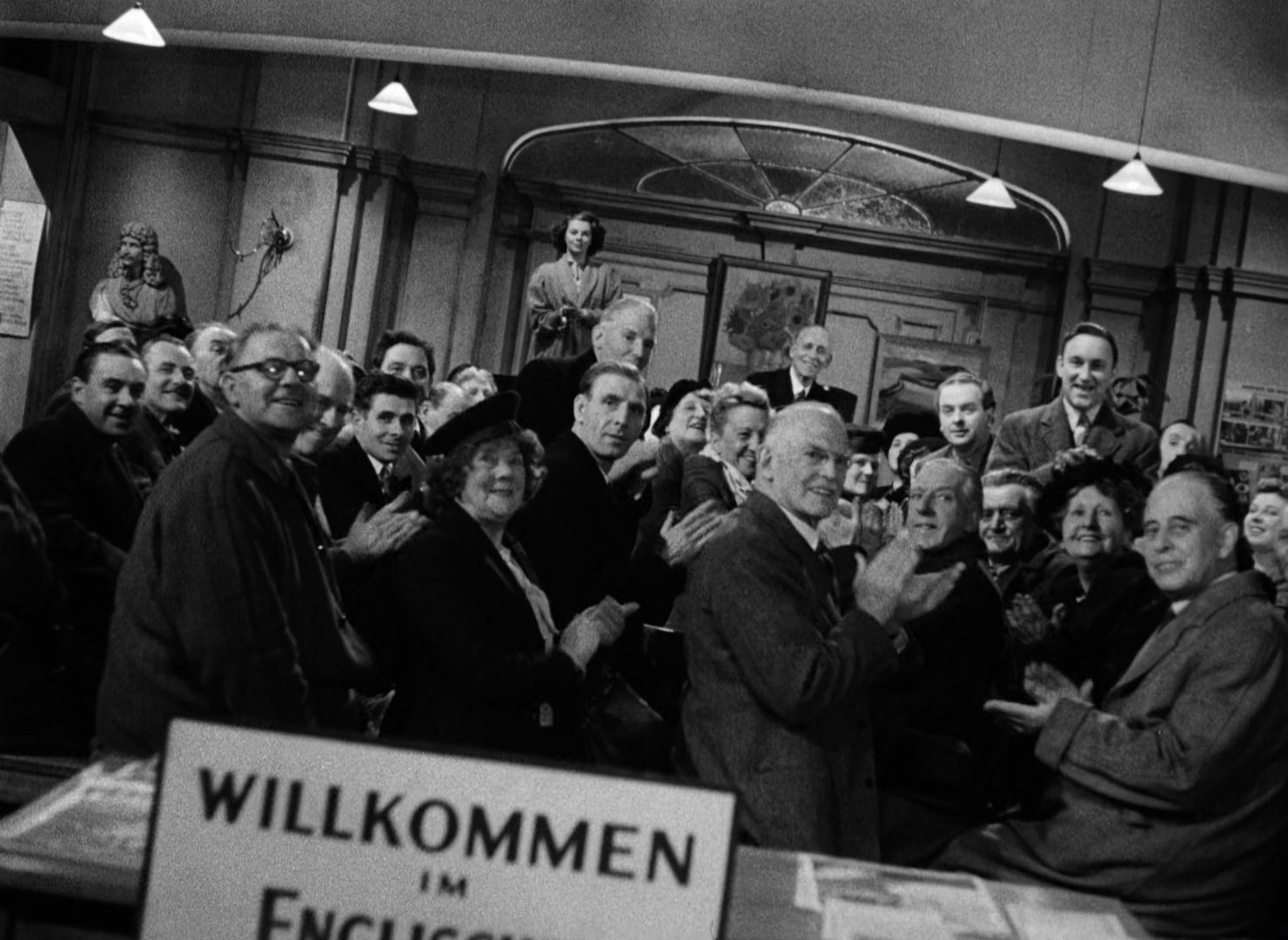
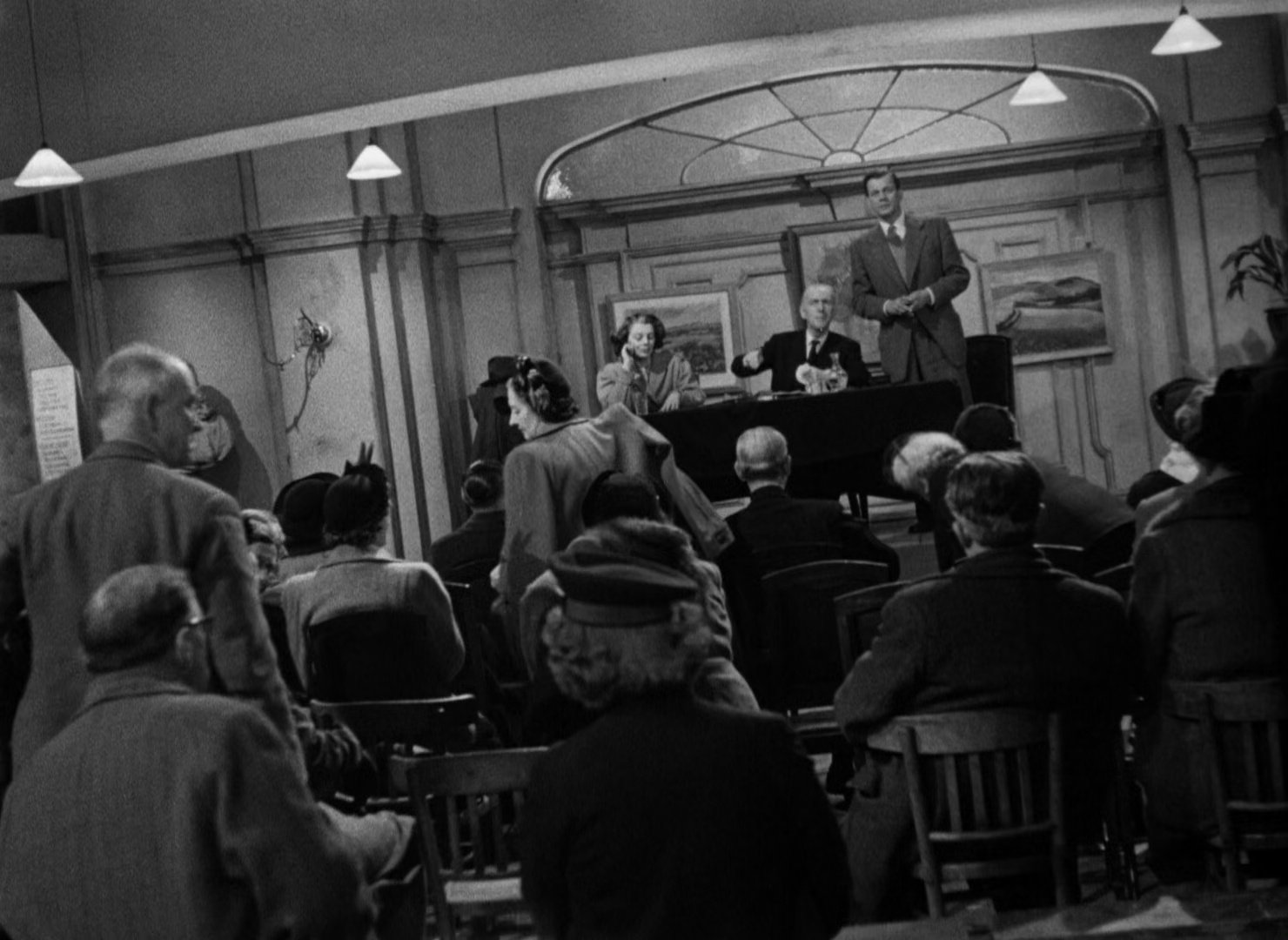
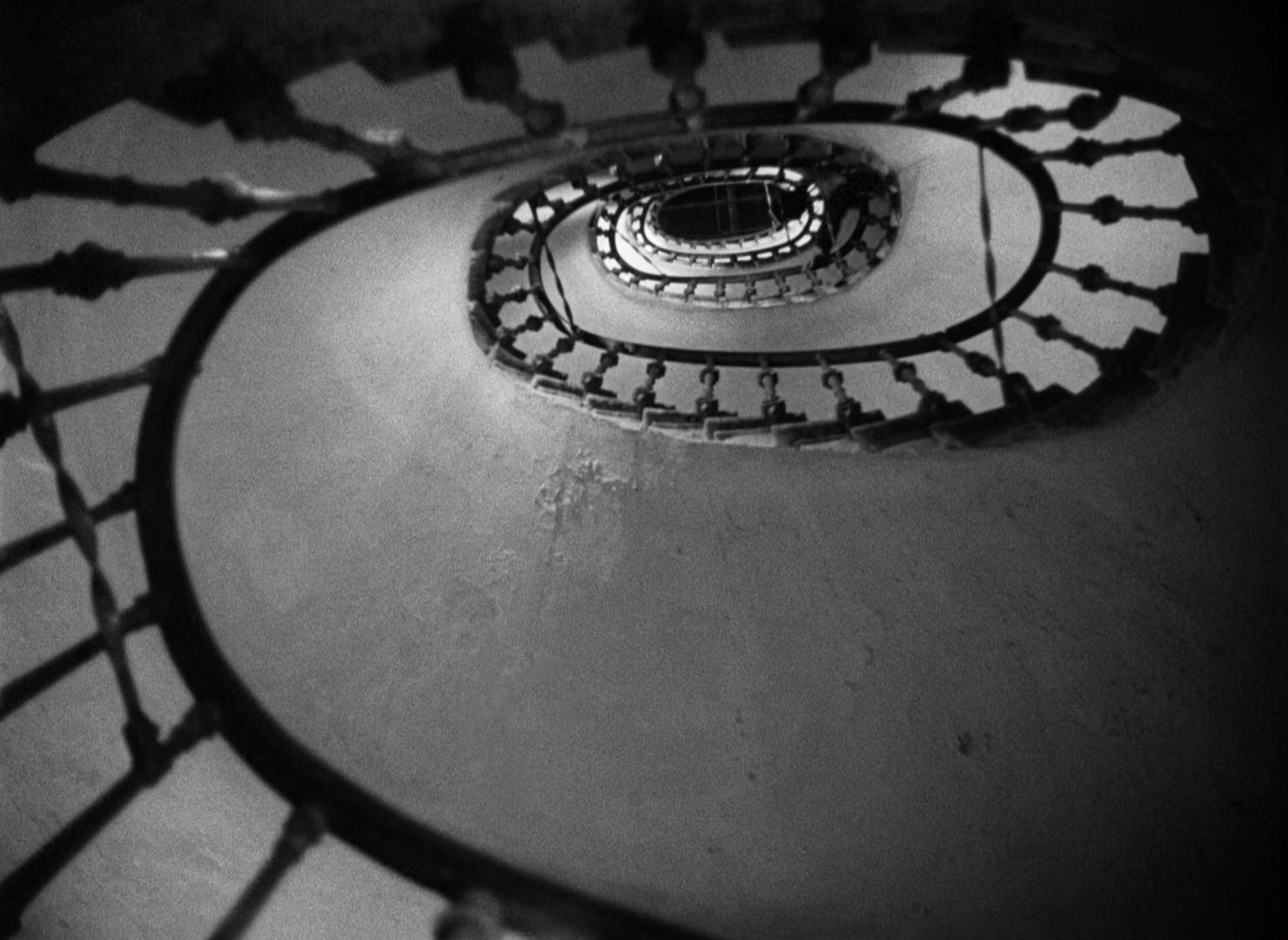
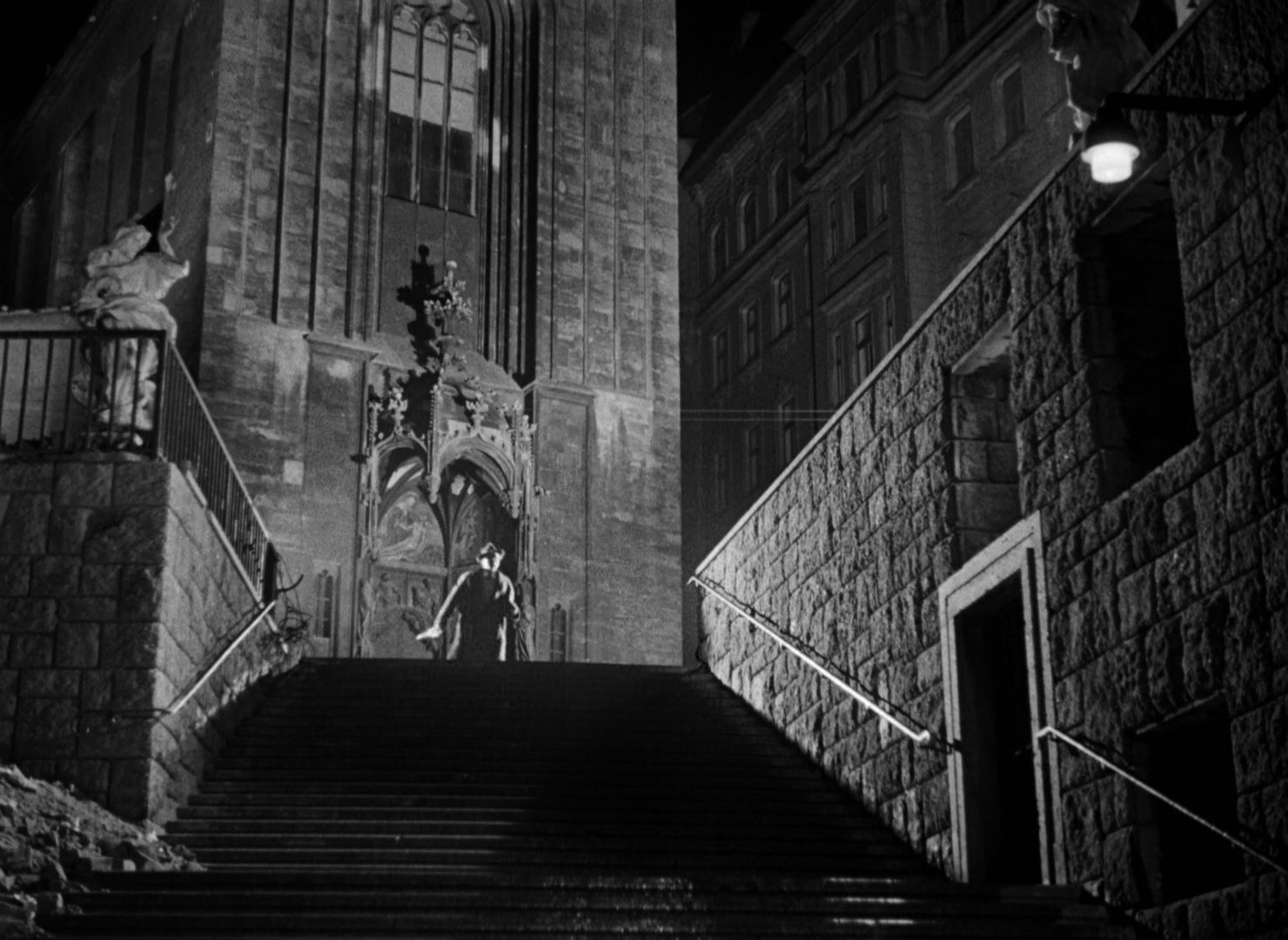
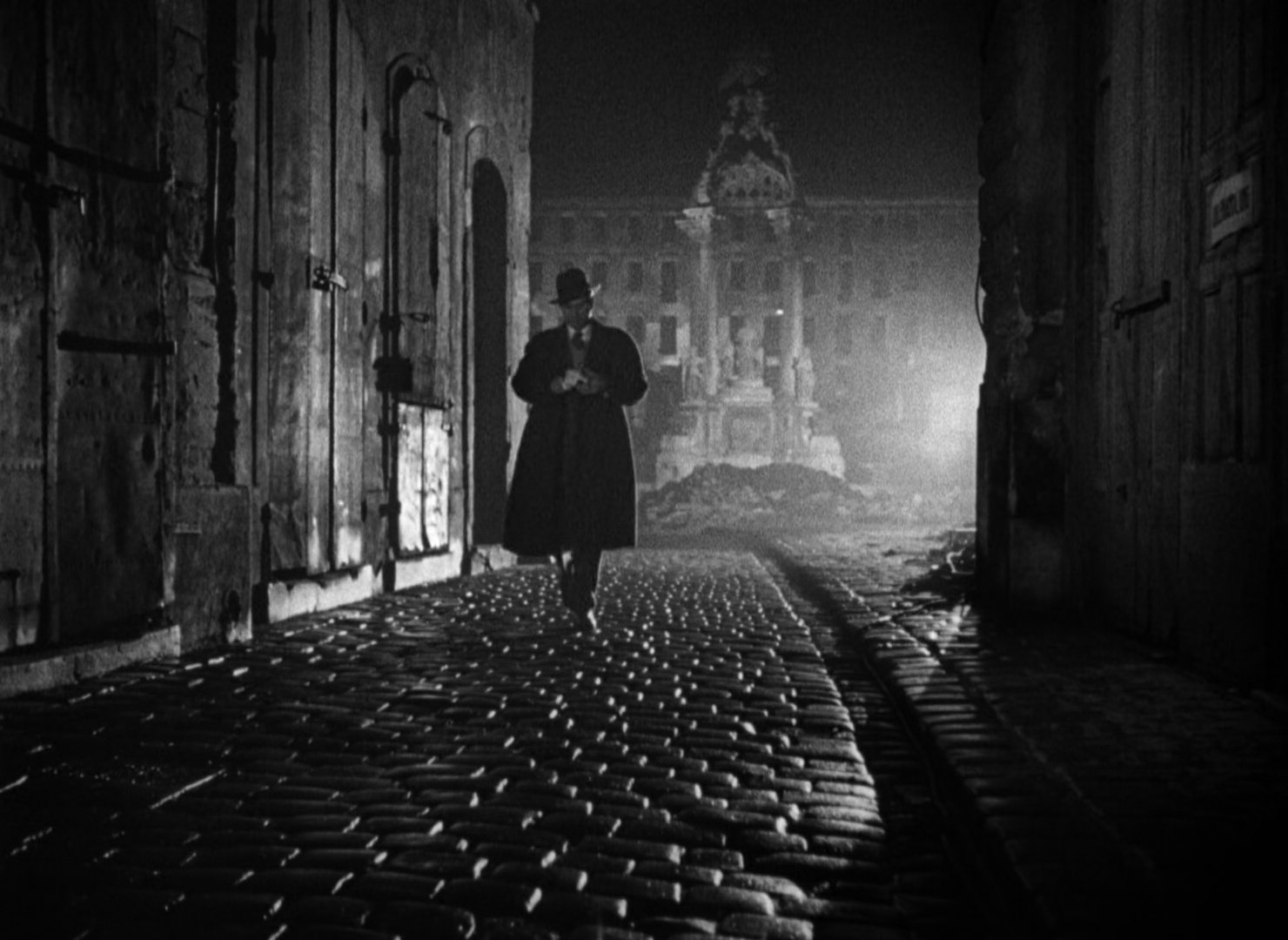
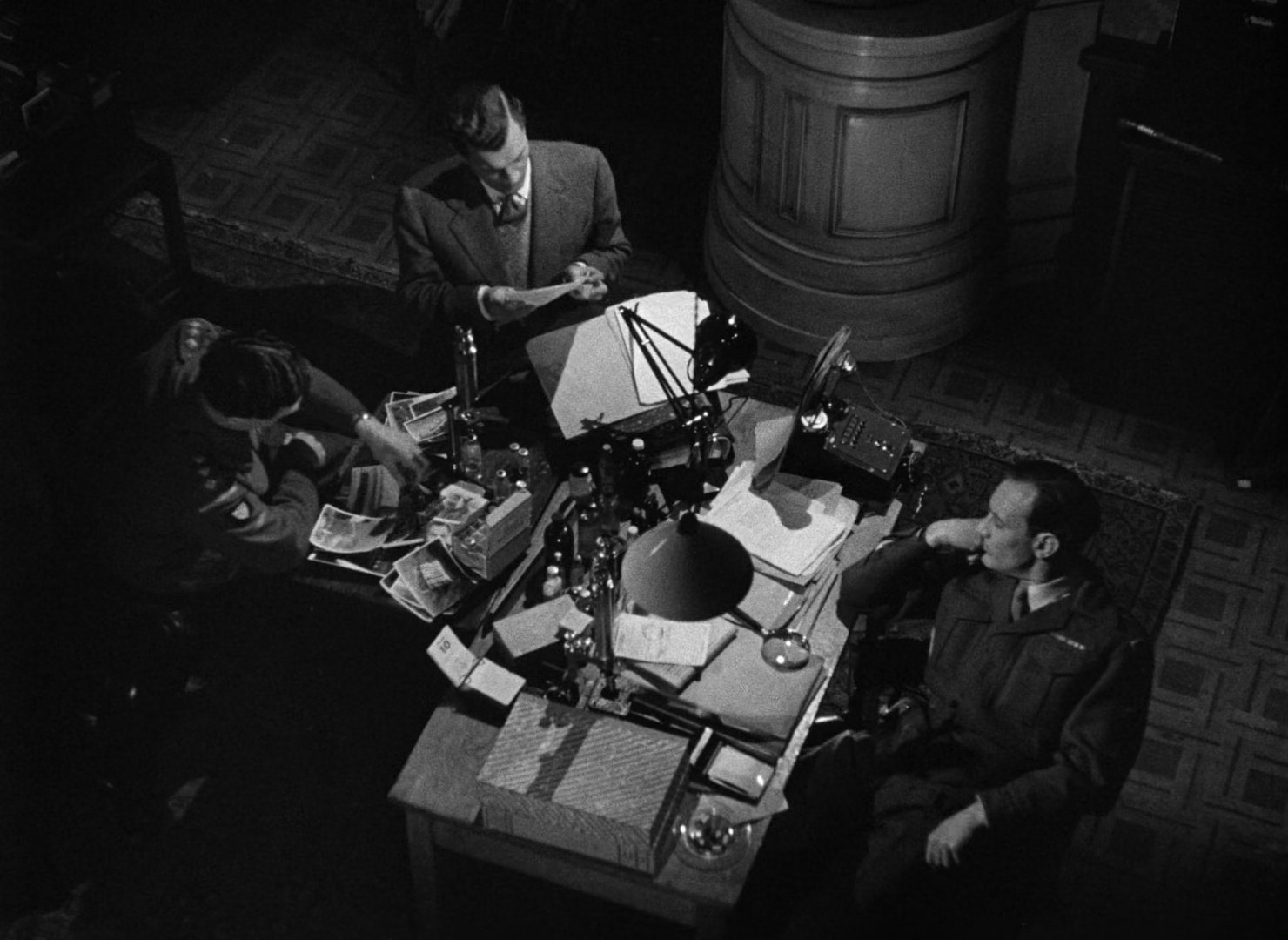
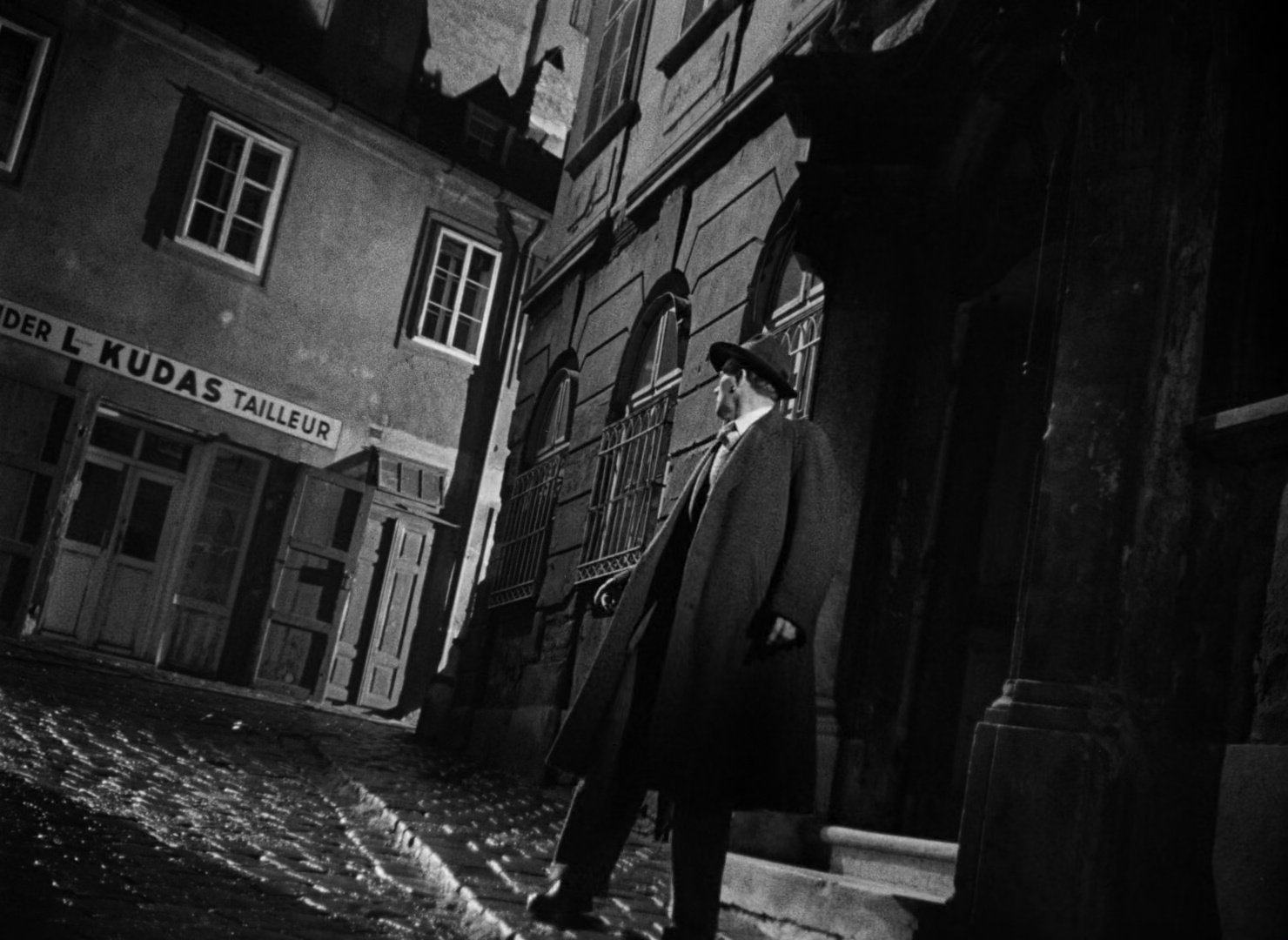
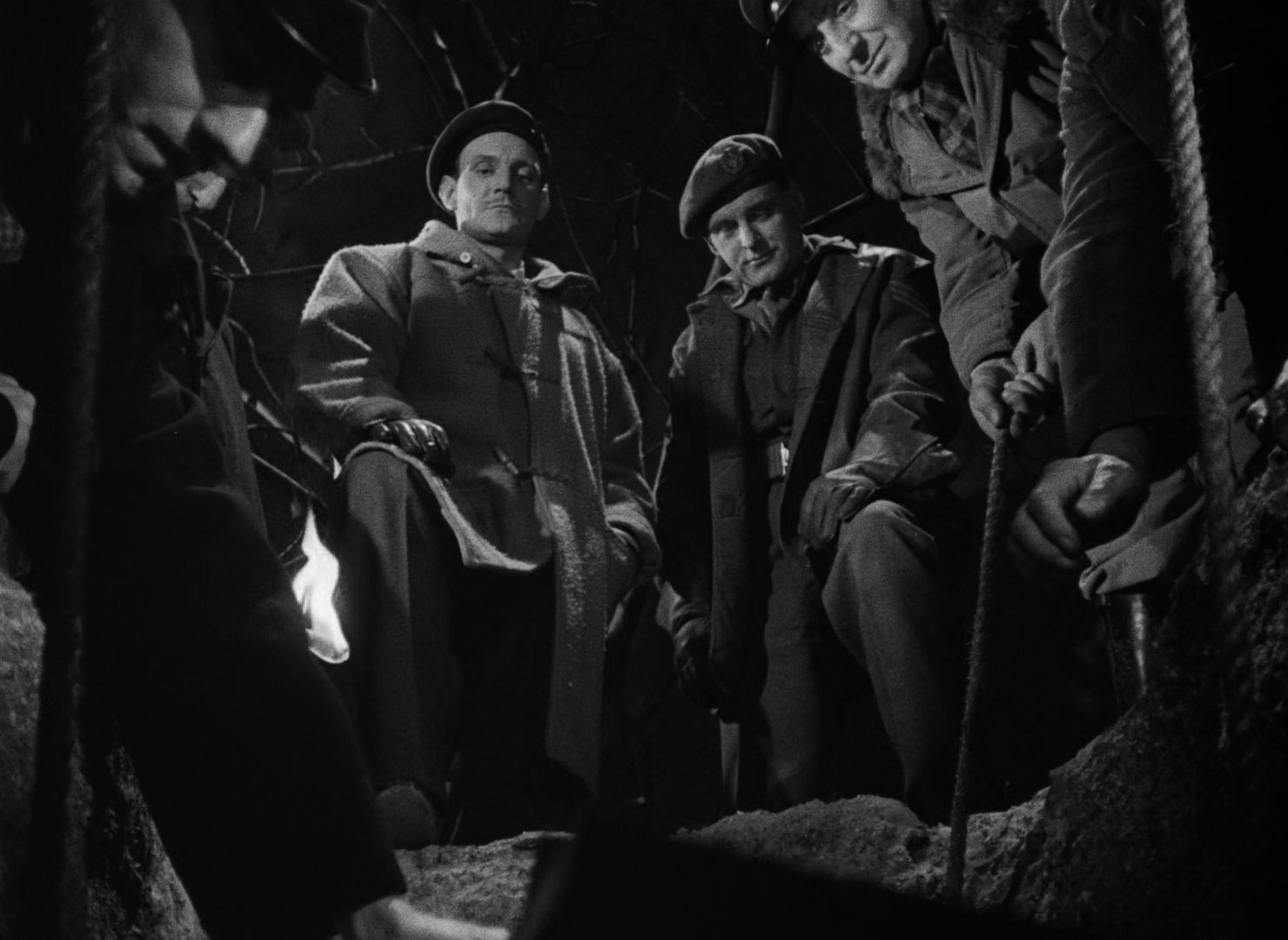
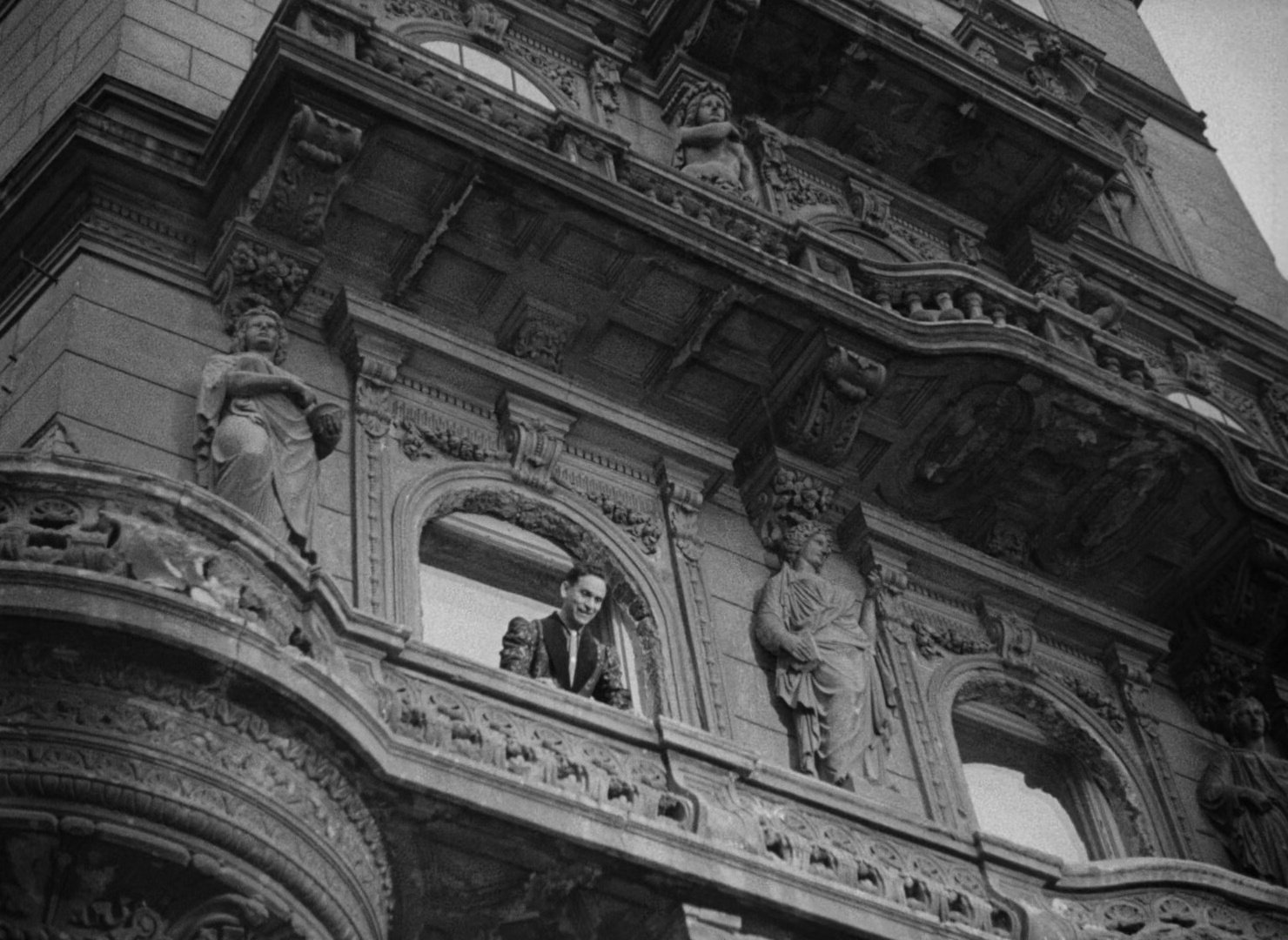
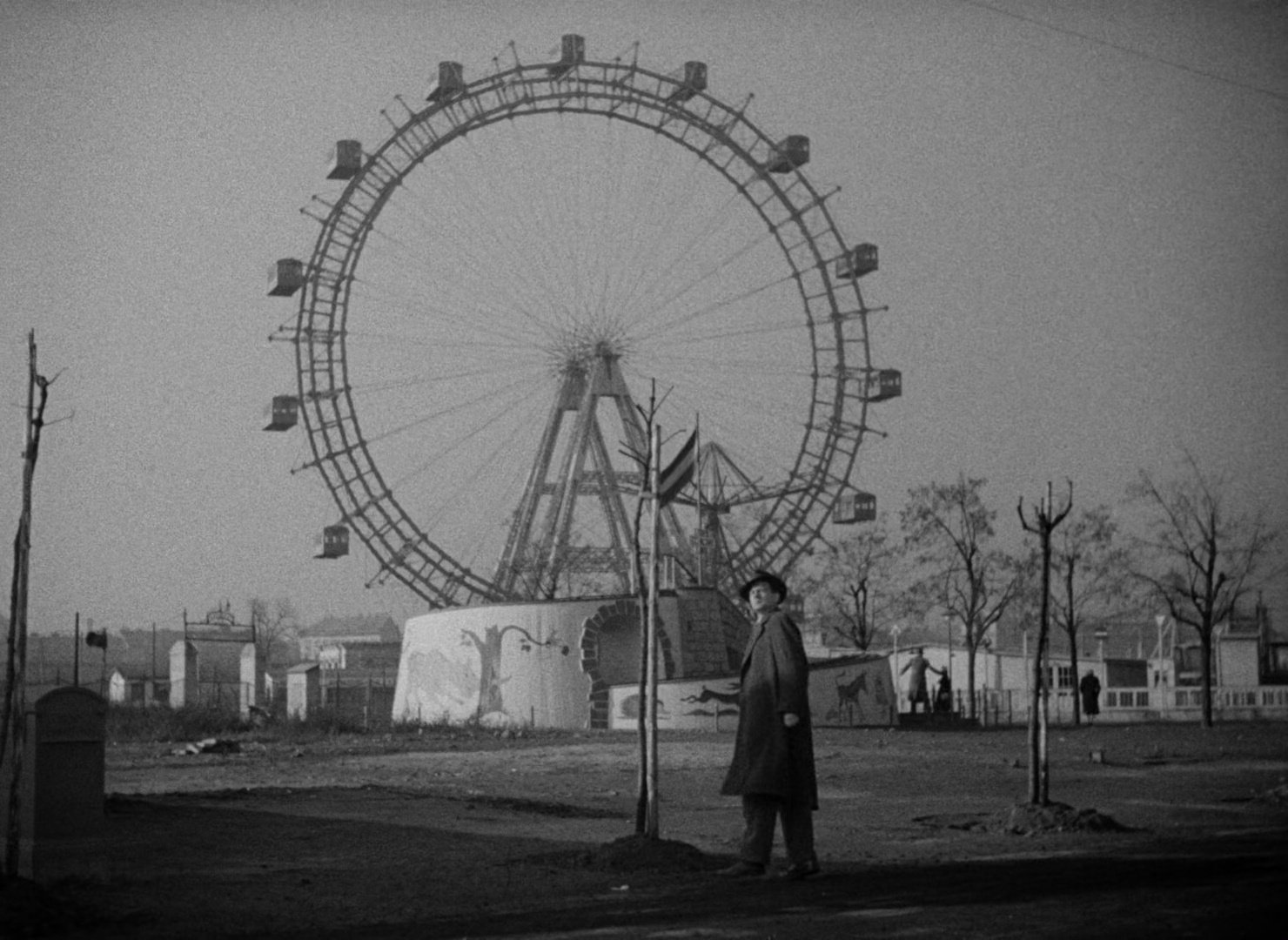
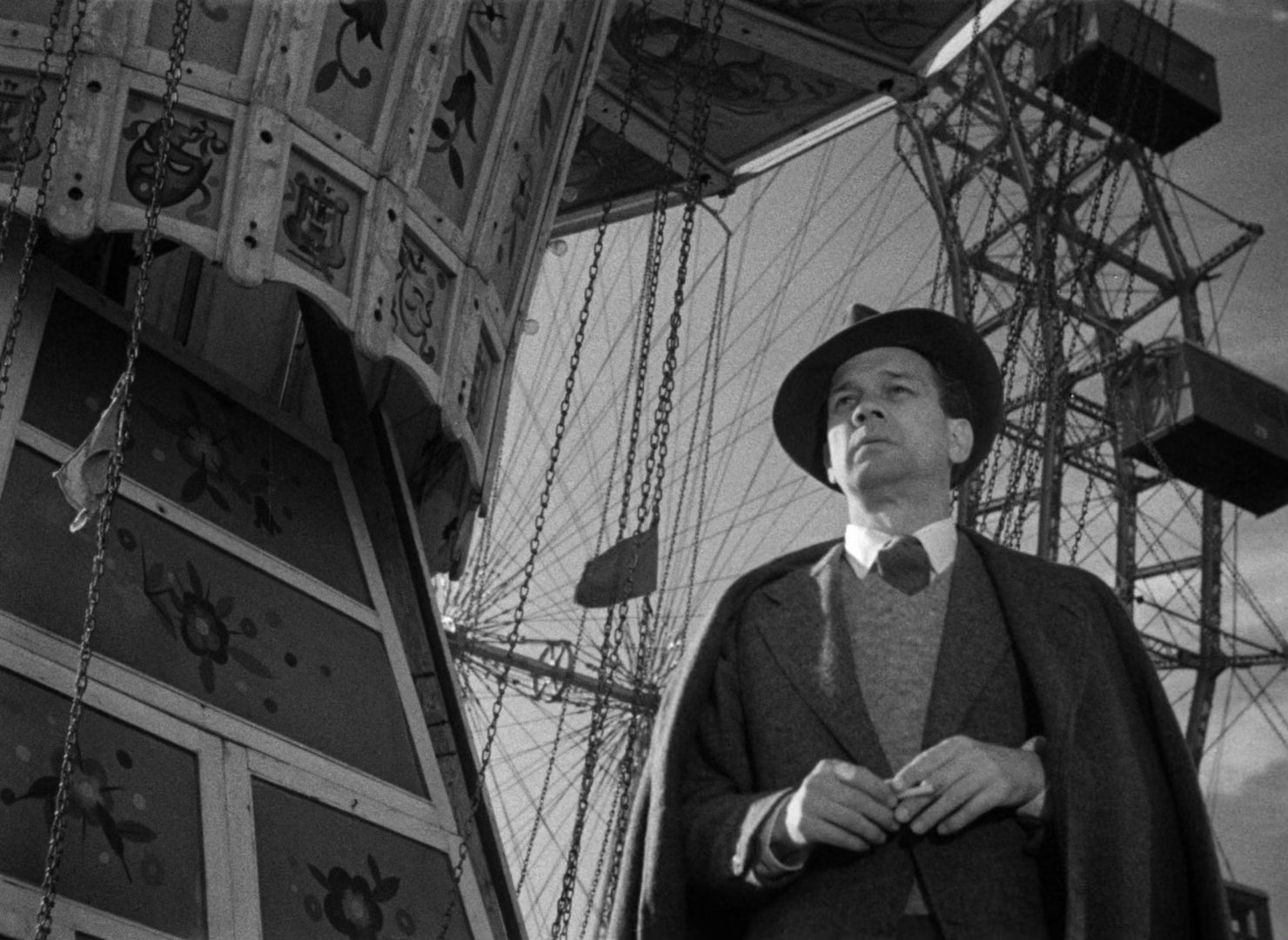
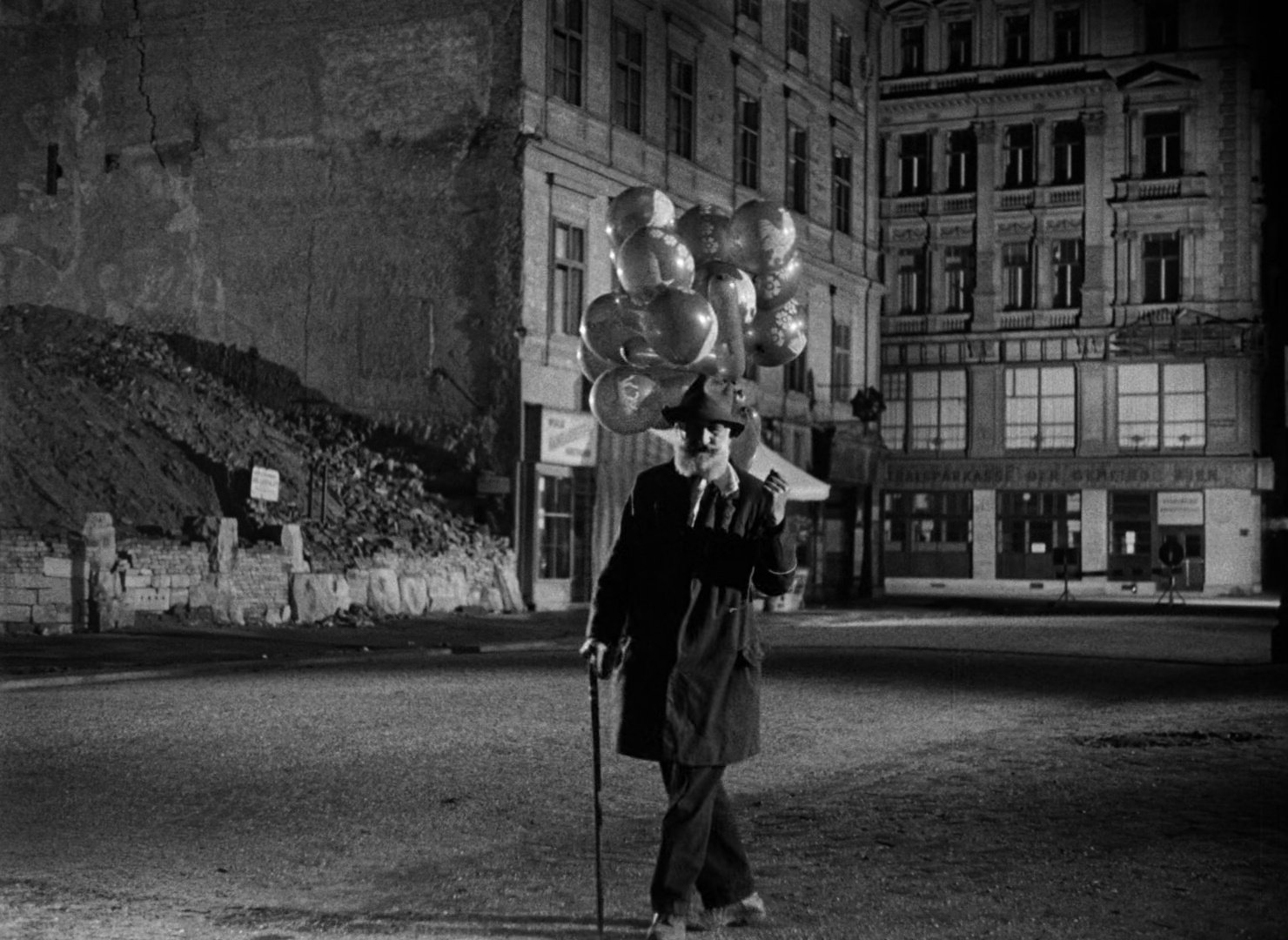
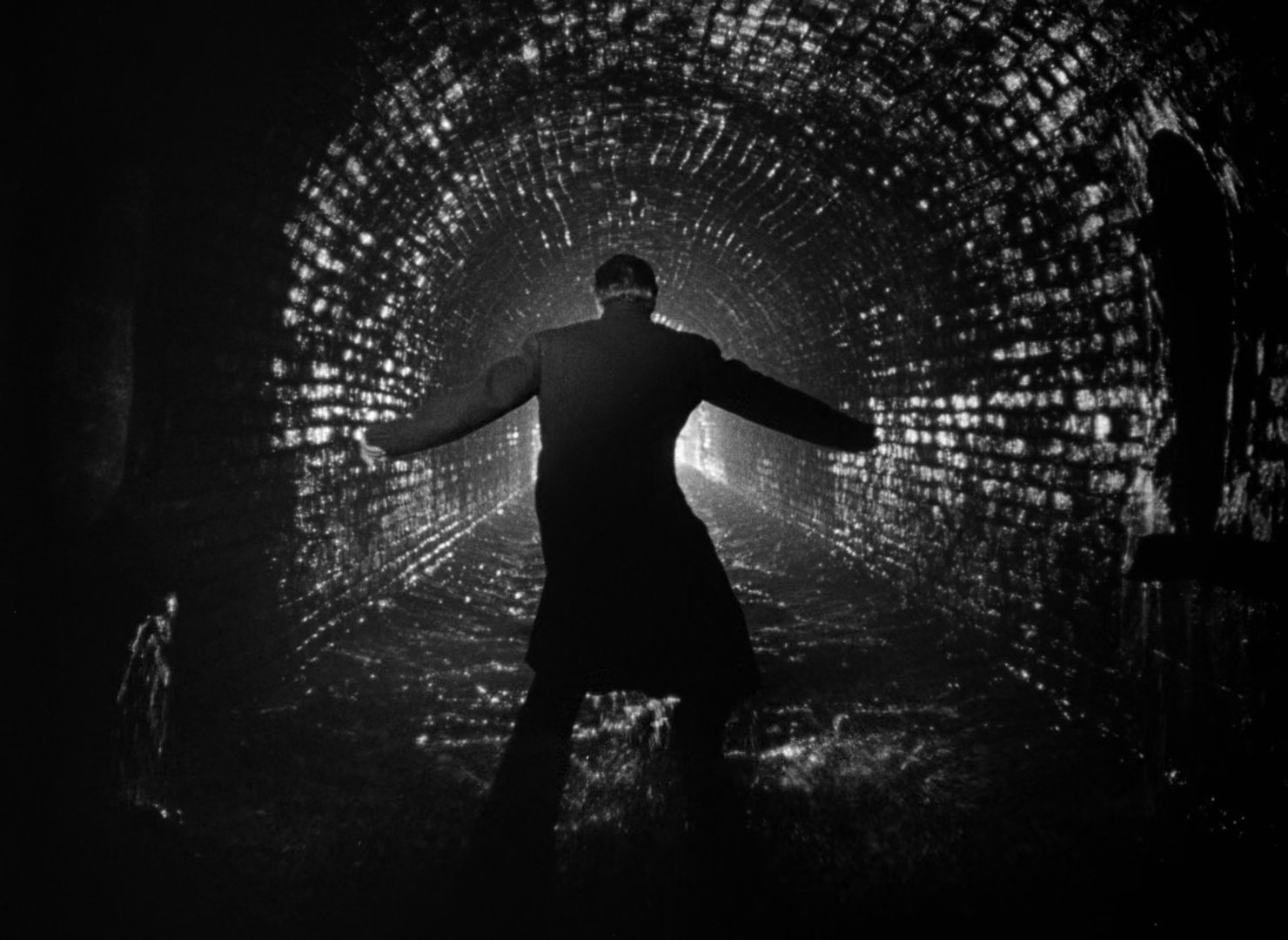
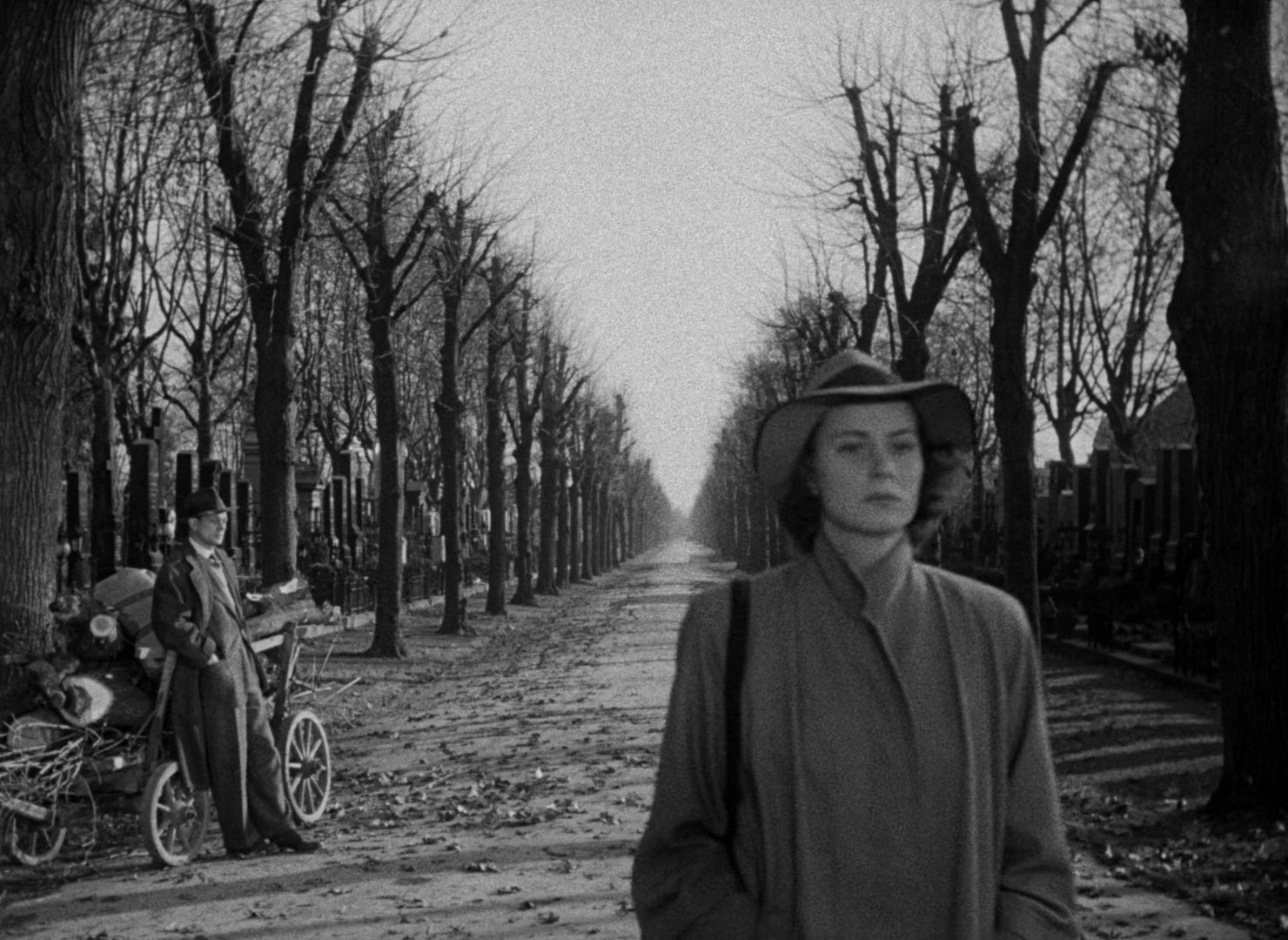
Unlike the claustrophobic studio sets of much American noir, the film makes extensive use of real European locations, grounding its expressionism in the tangible ruins of the era. Its visual identity emerges through pronounced canted angles that distort architectural lines, combined with hard light sources that cast elongated shadows across bombed-out streets. This distortion feels as though it is part of the environment rather than something imposed upon it.
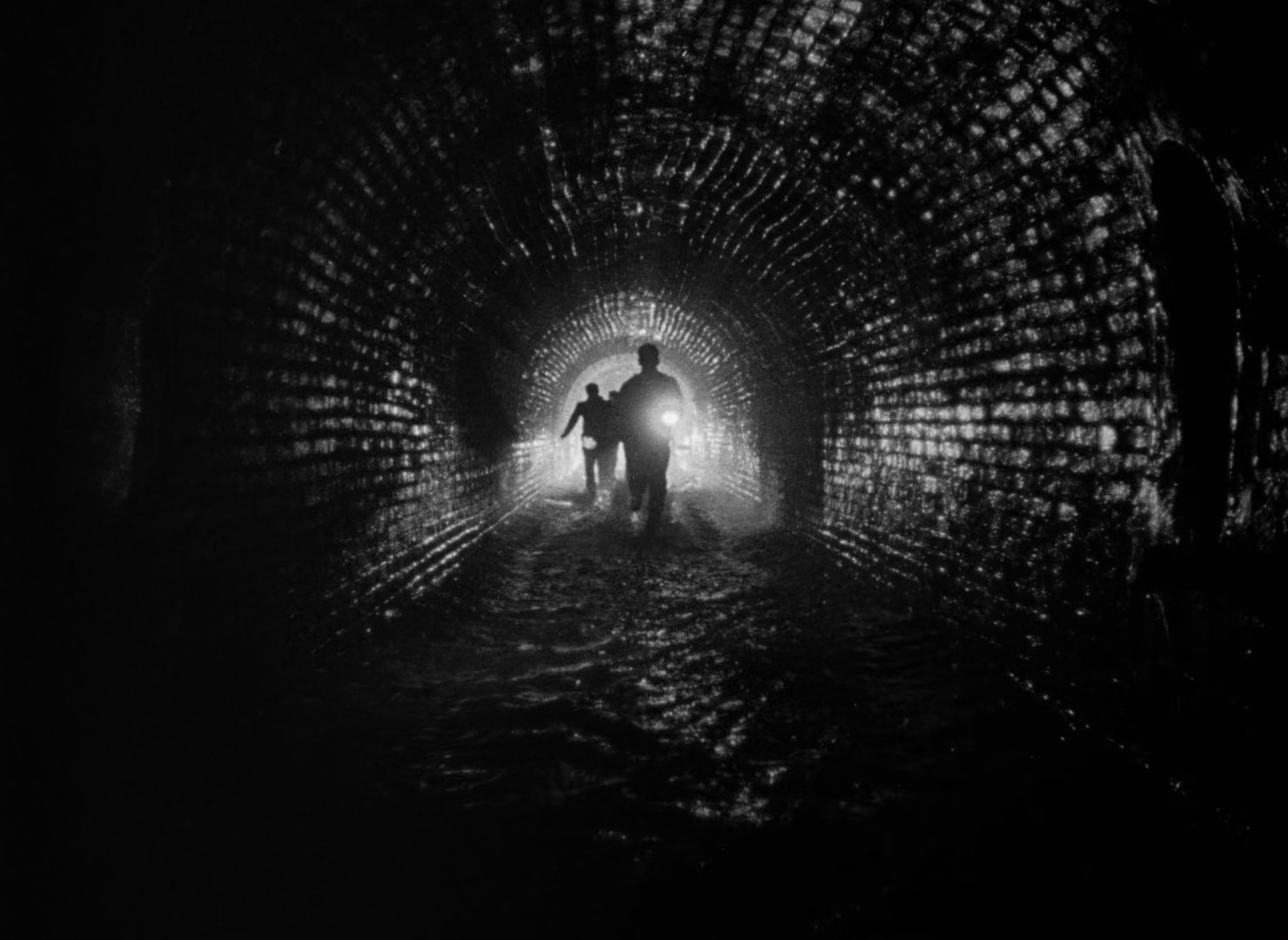
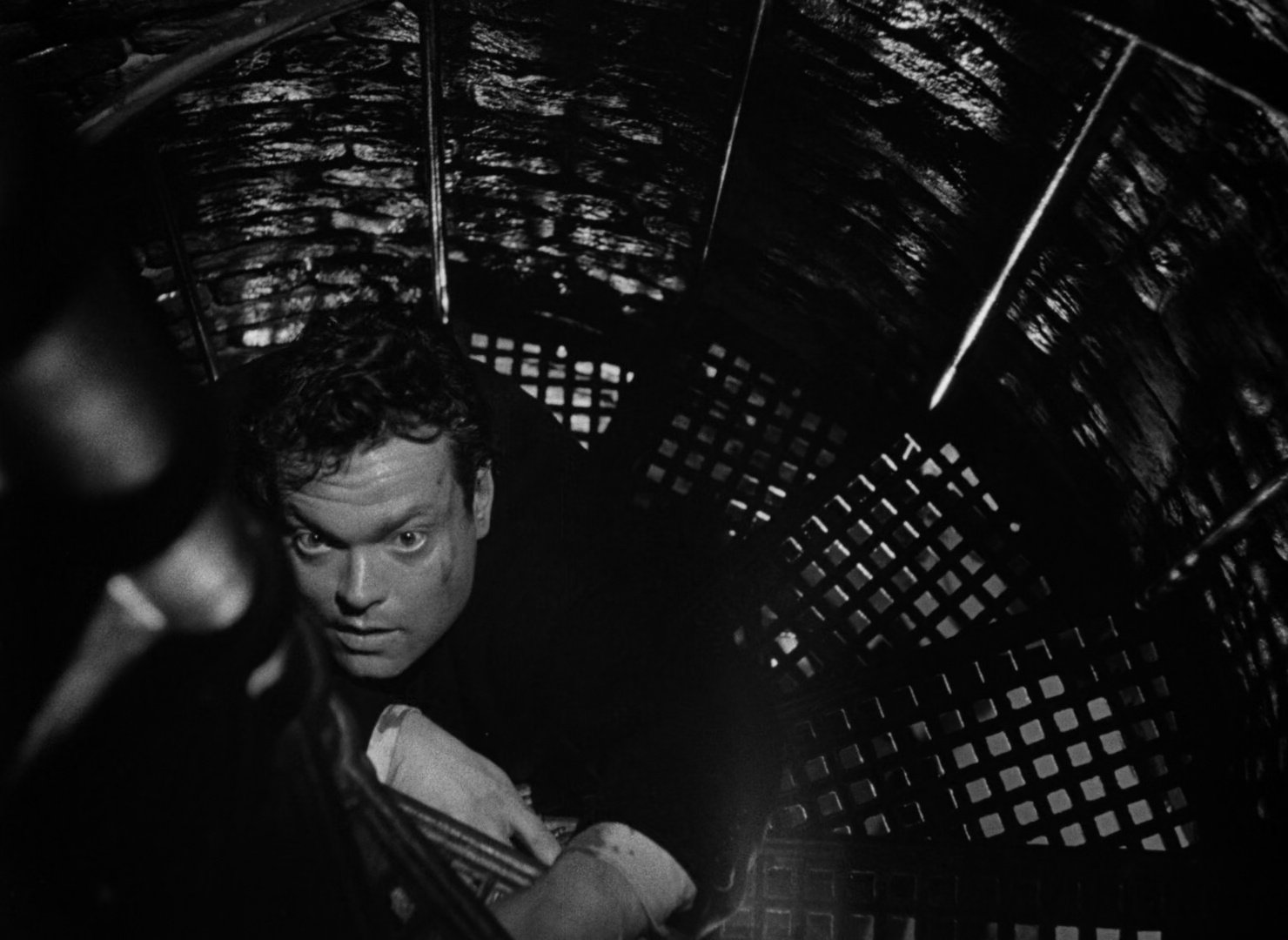
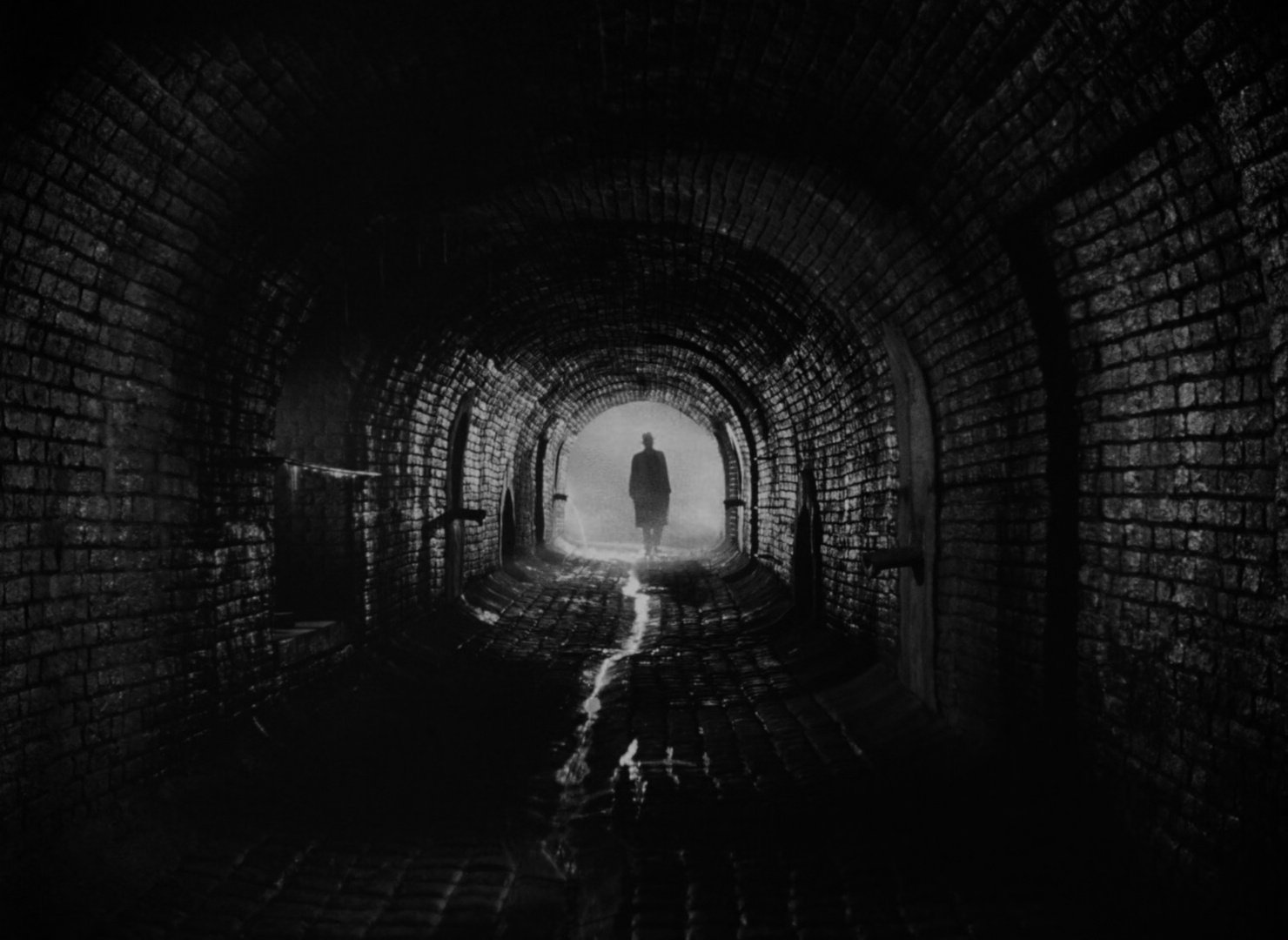
Vienna is rendered as fractured geometry rather than a neutral backdrop. Within this unstable landscape, Harry Lime is able to vanish as easily as he appears, slipping into darkness and alleyways until the inevitable confrontation in the sewers. The famous climax beneath the city transforms urban infrastructure into a labyrinth, bringing the film to a close with a space that reflects its themes of corruption, duplicity, and post-war disorientation.
Technical Specs:
- The Story: In postwar Vienna, an American writer arrives to visit an old friend only to discover he has died under suspicious circumstances, leading him into a shadowy world of black-market dealings and moral ambiguity.
- Actors: Joseph Cotten, Alida Valli, Orson Welles, Trevor Howard, Bernard Lee.
- Director: Carol Reed
- Year: 1949
- Cinematographer: Robert Krasker
- Origin: British Cinema
- Aspect Ratio: 1.37:1
- Genre: Film Noir / Crime & Mystery