A Taxi Driver (2017): Driving through the Gwangju Uprising

2017 • Jang Hoon • 2.35:1 • Jump to Gallery ↓
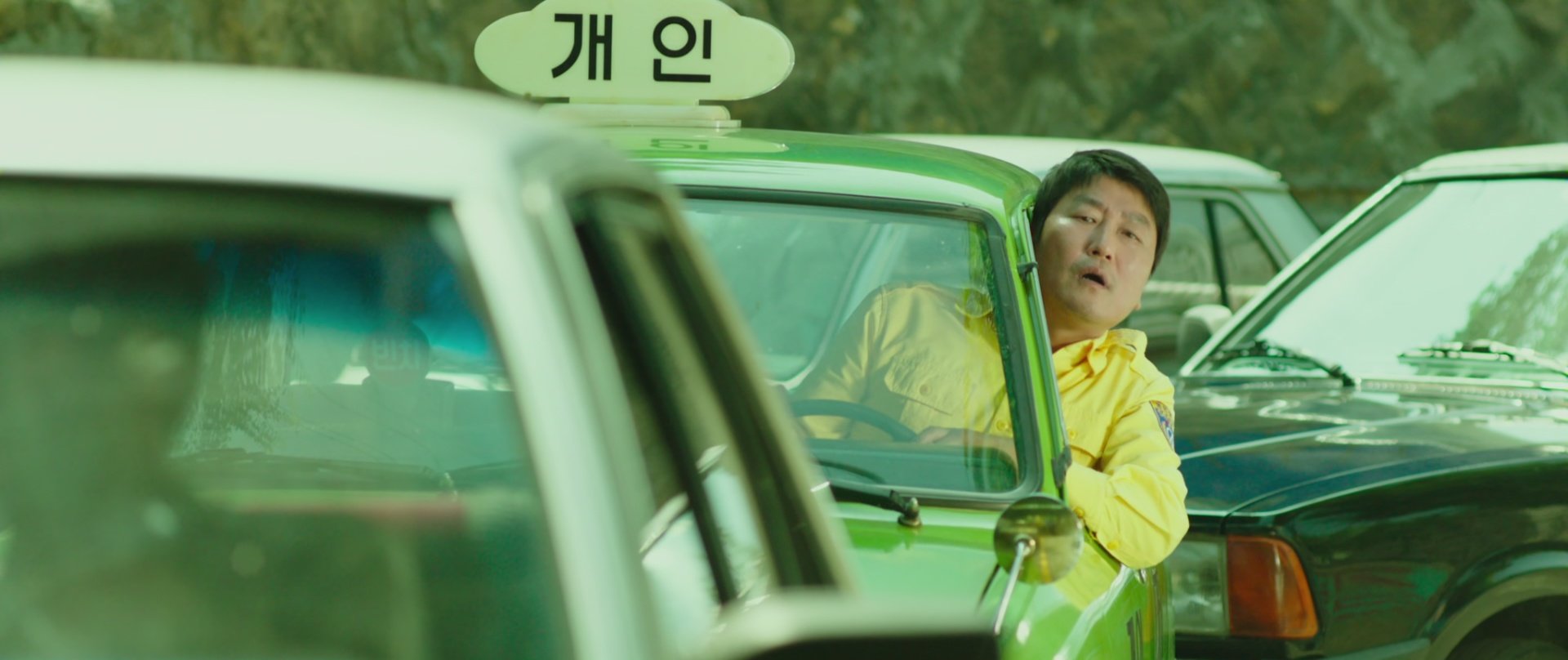
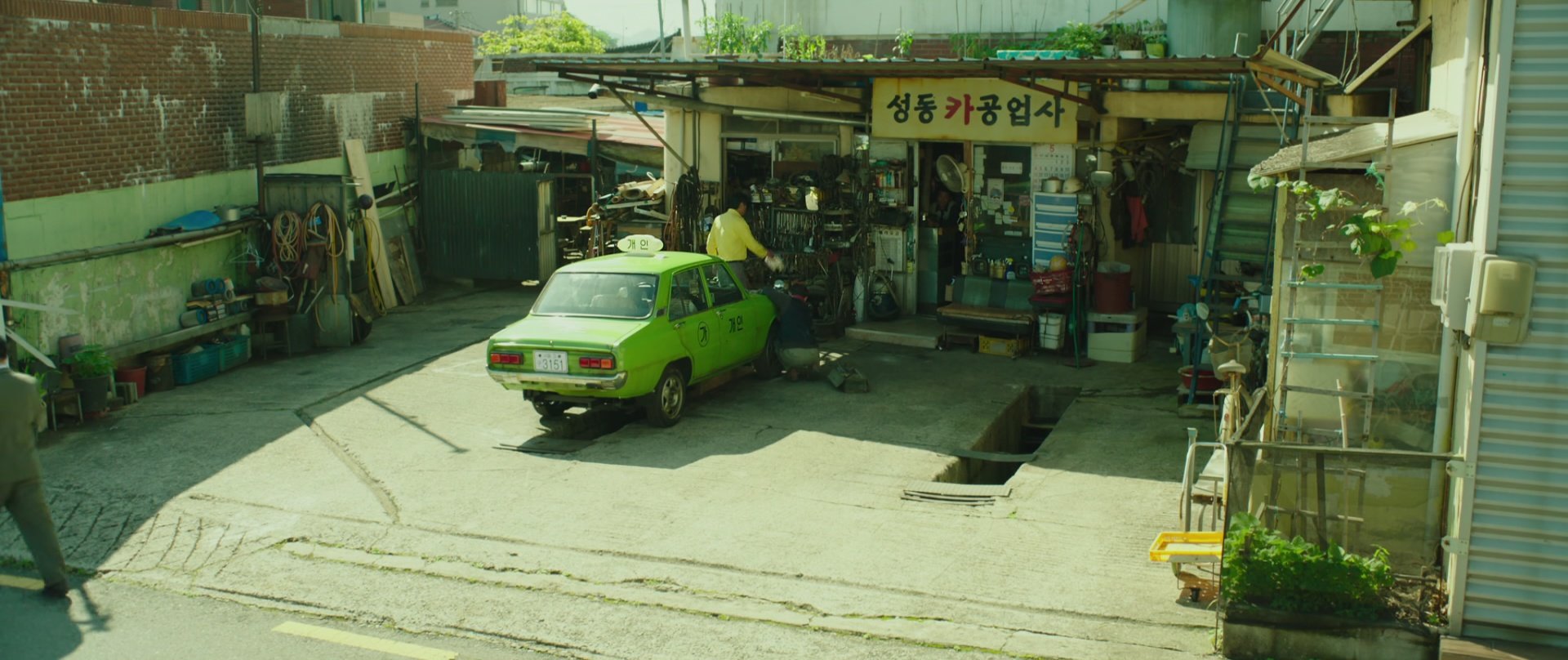
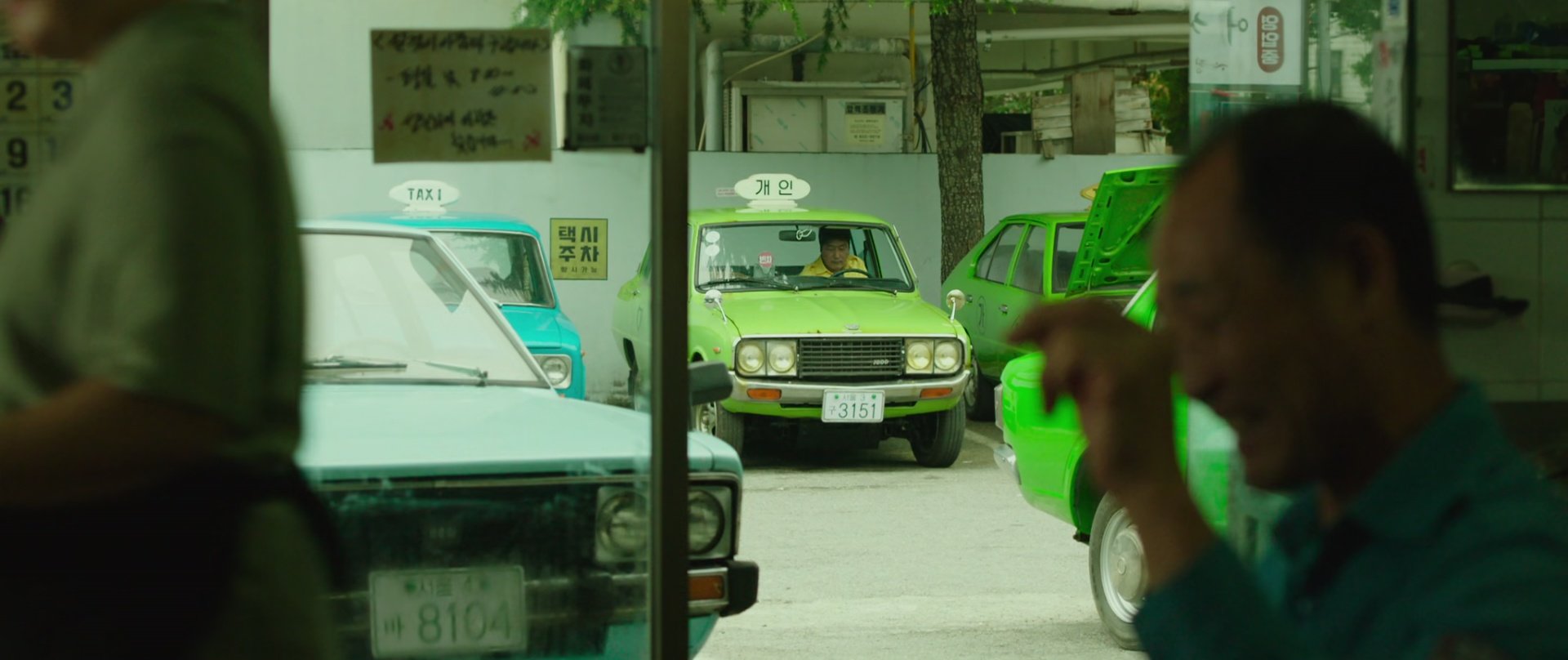
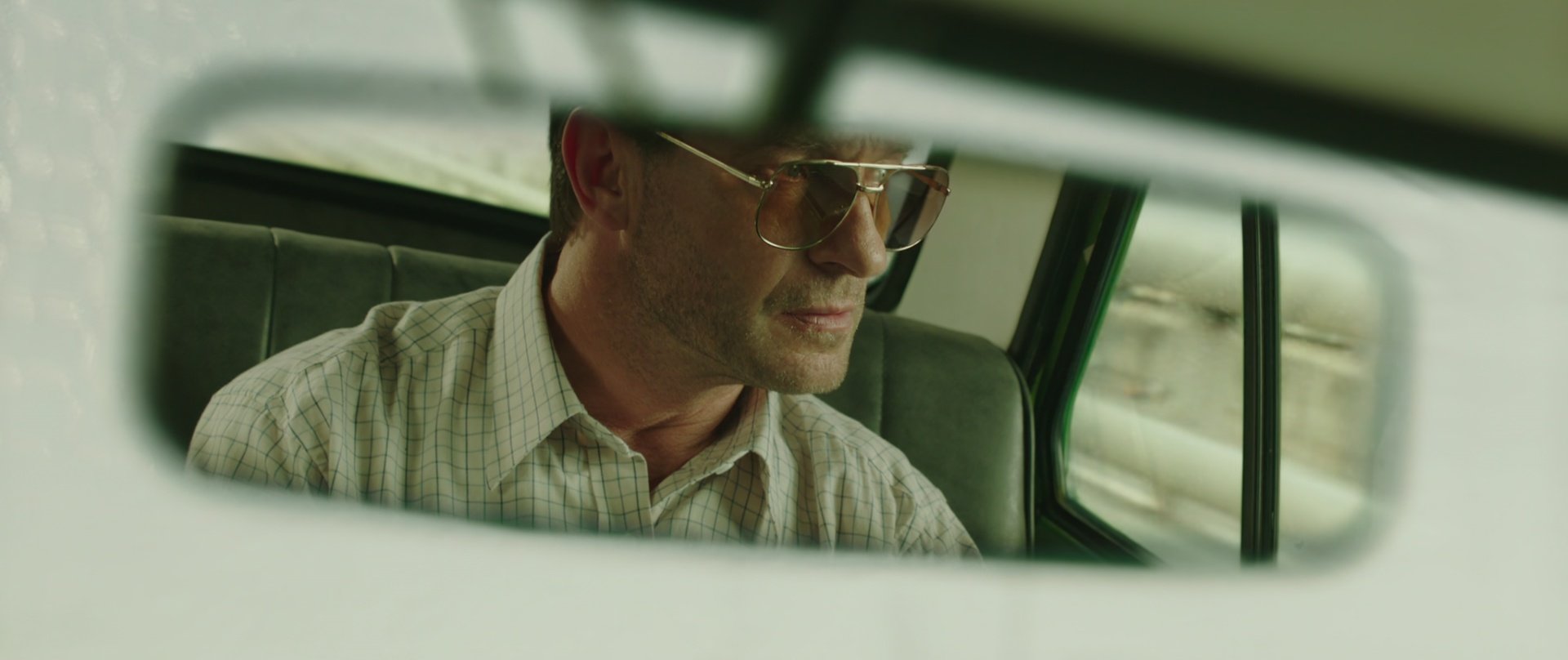
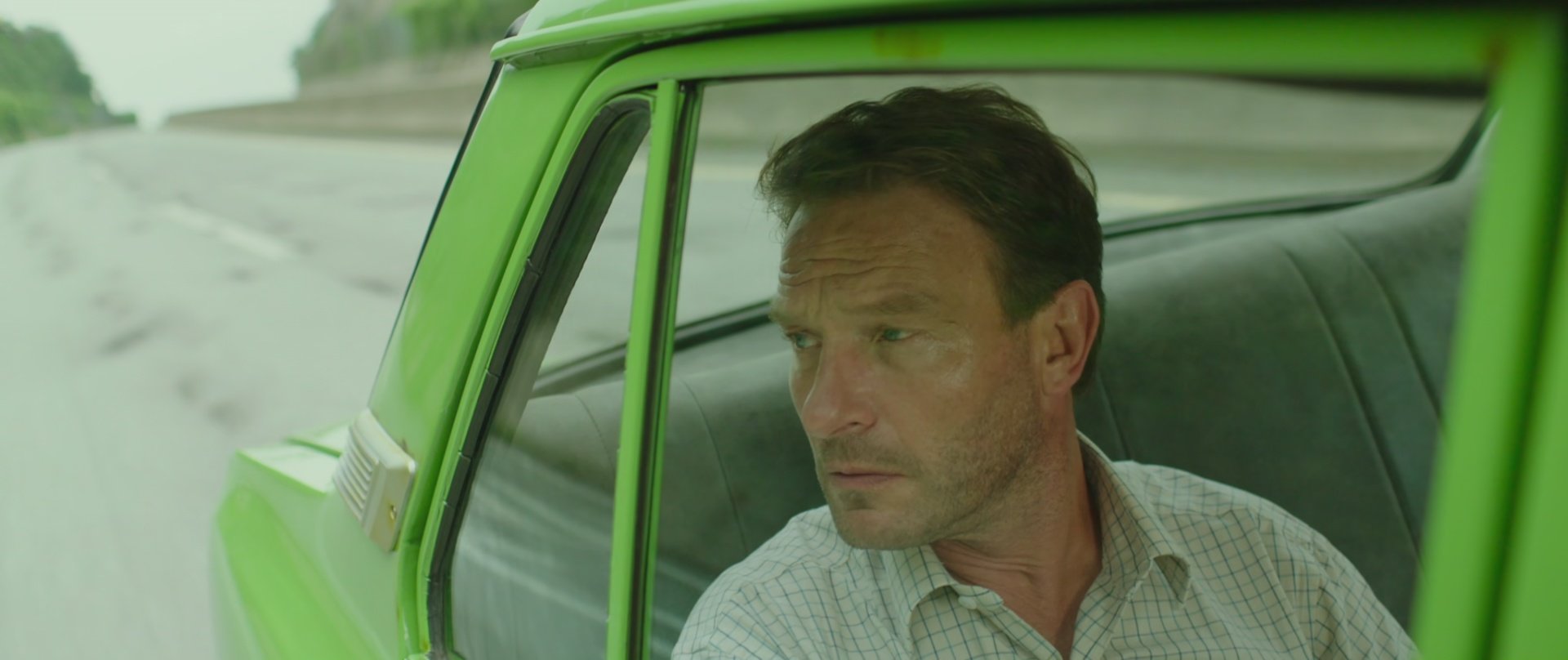
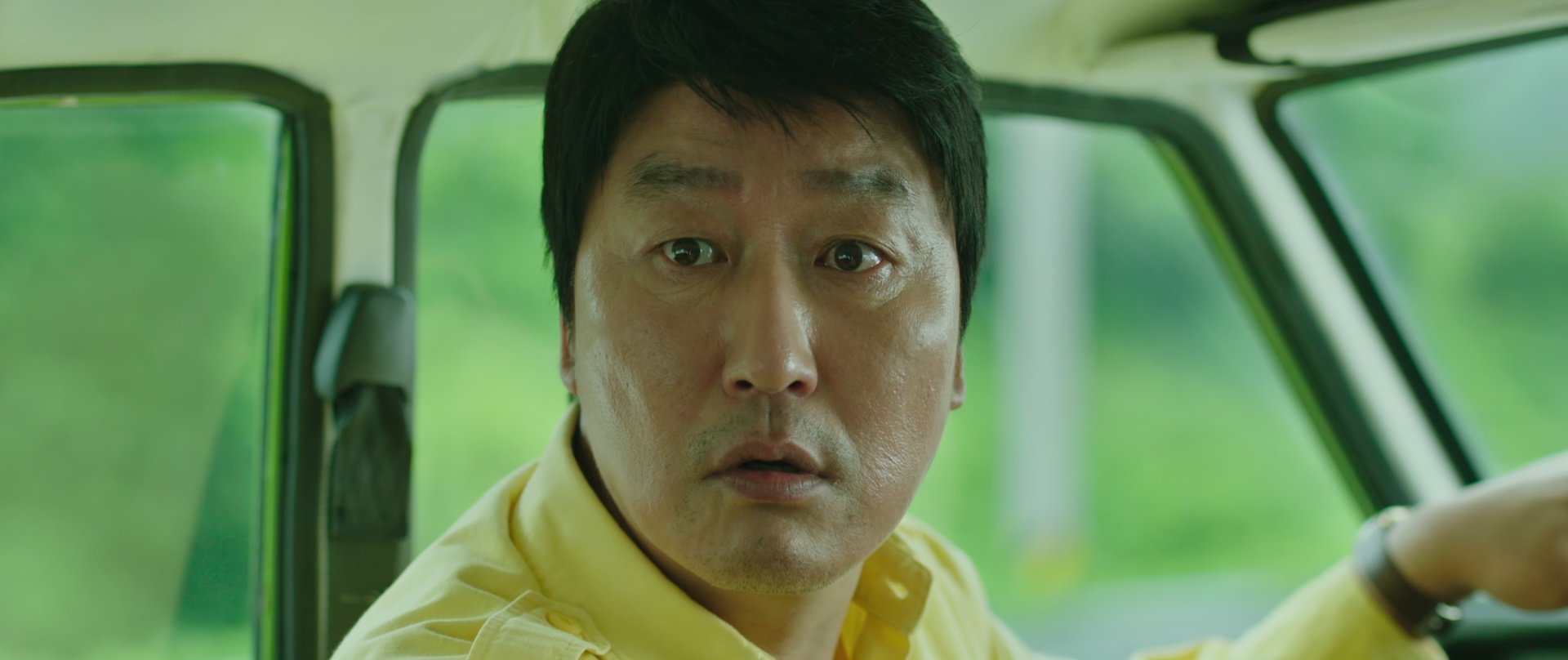
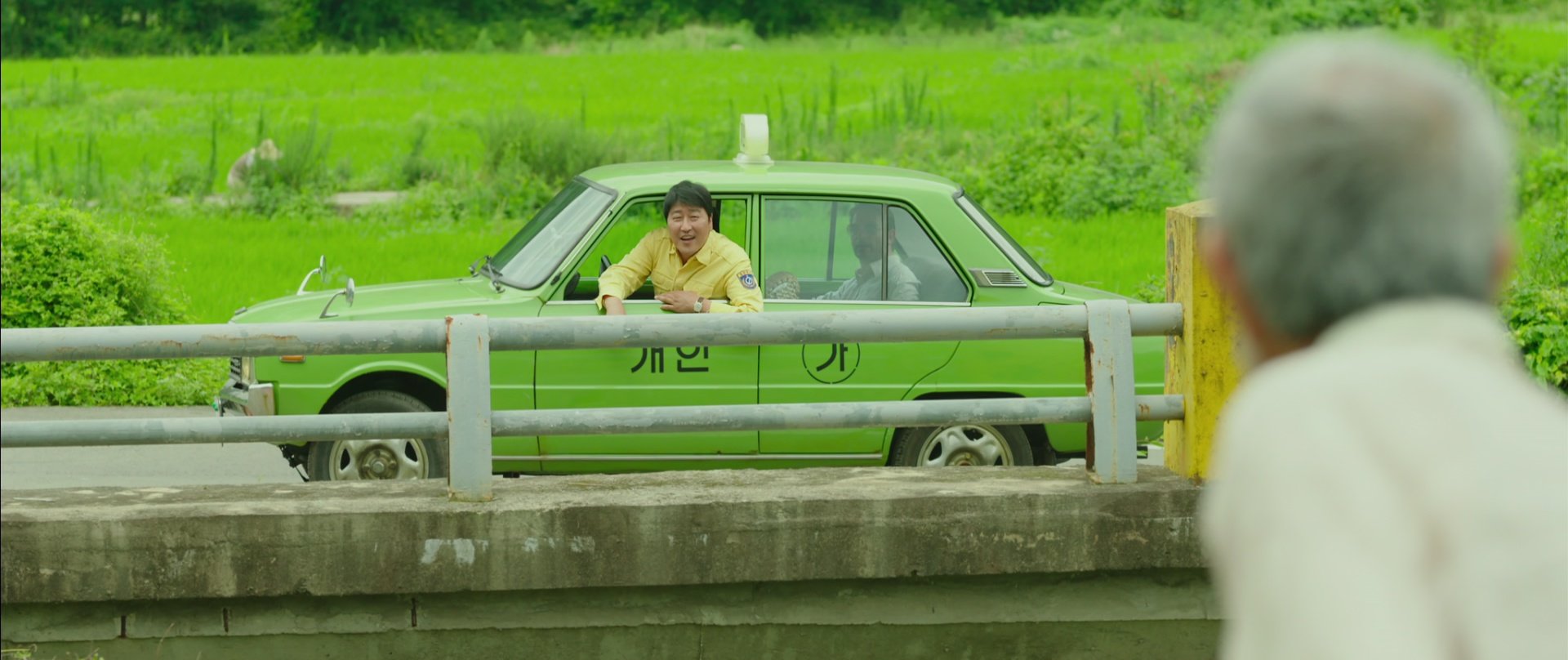
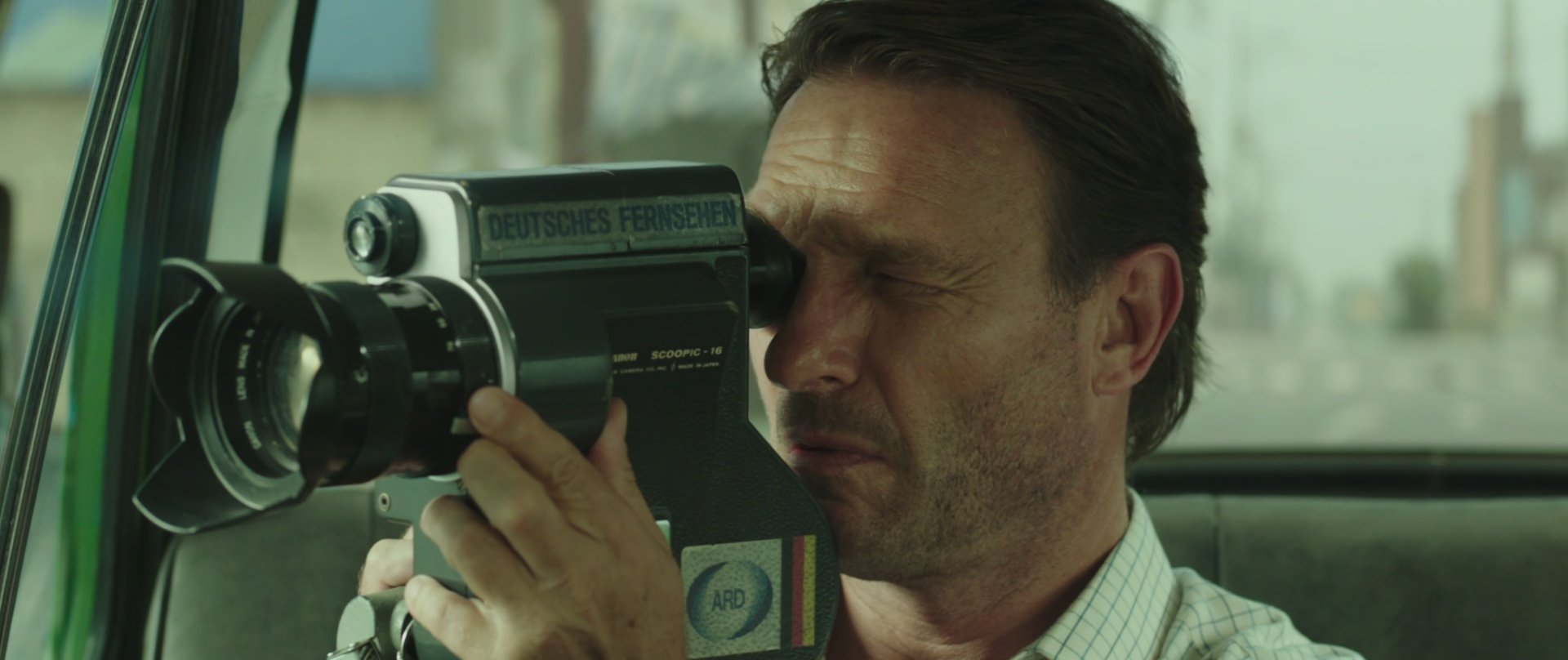
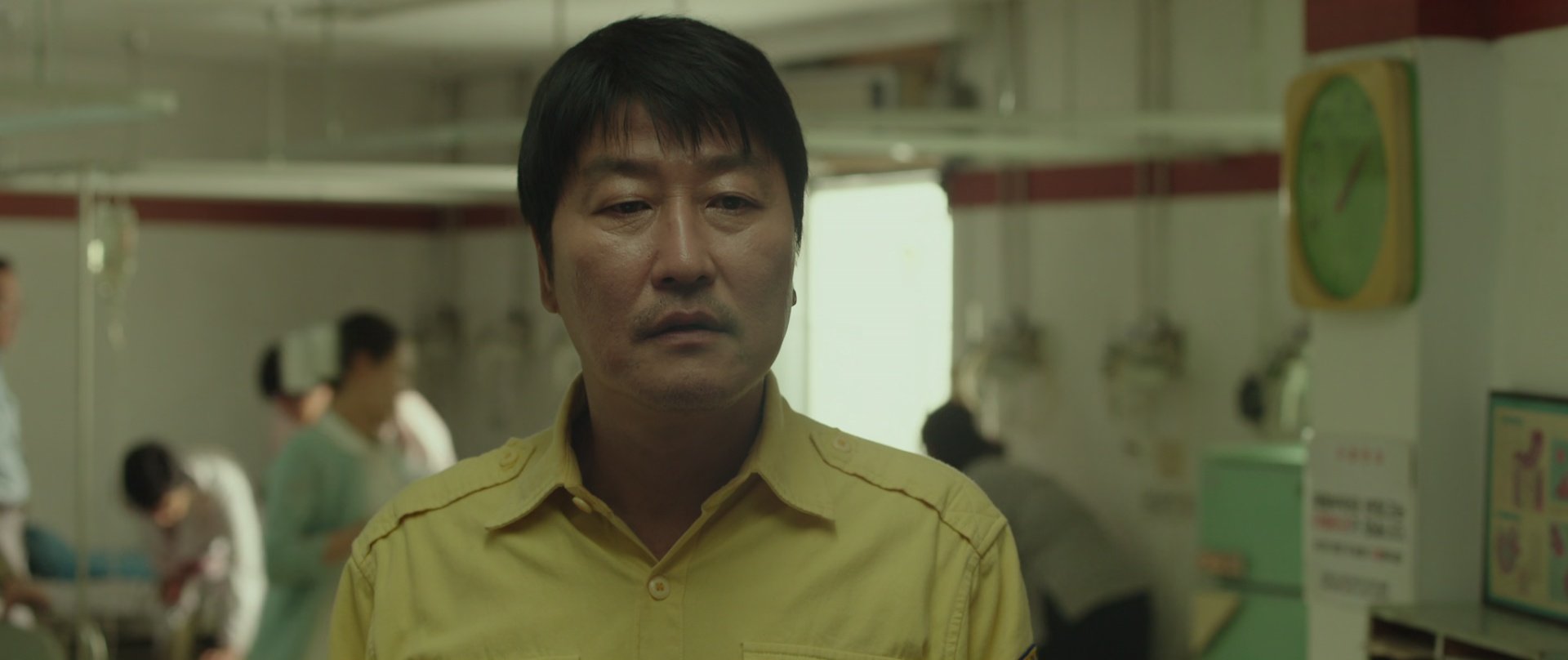
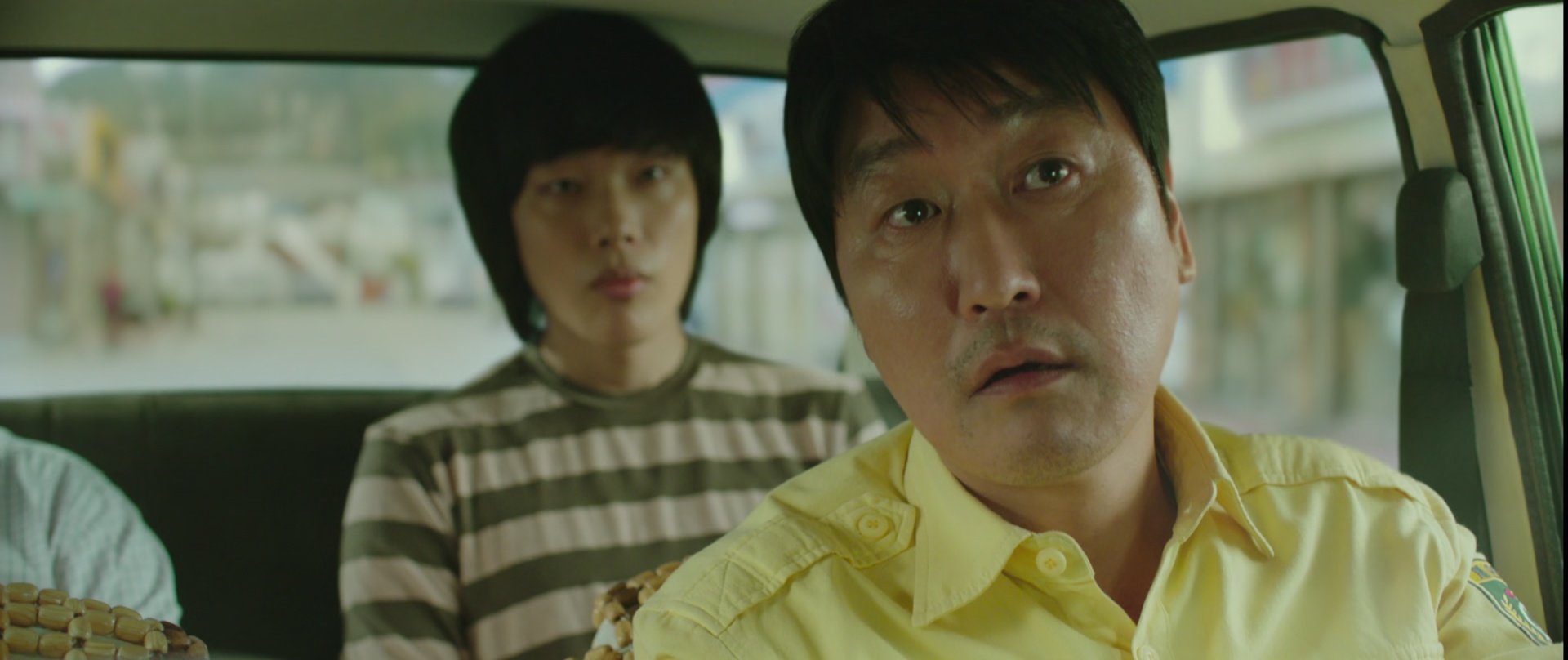
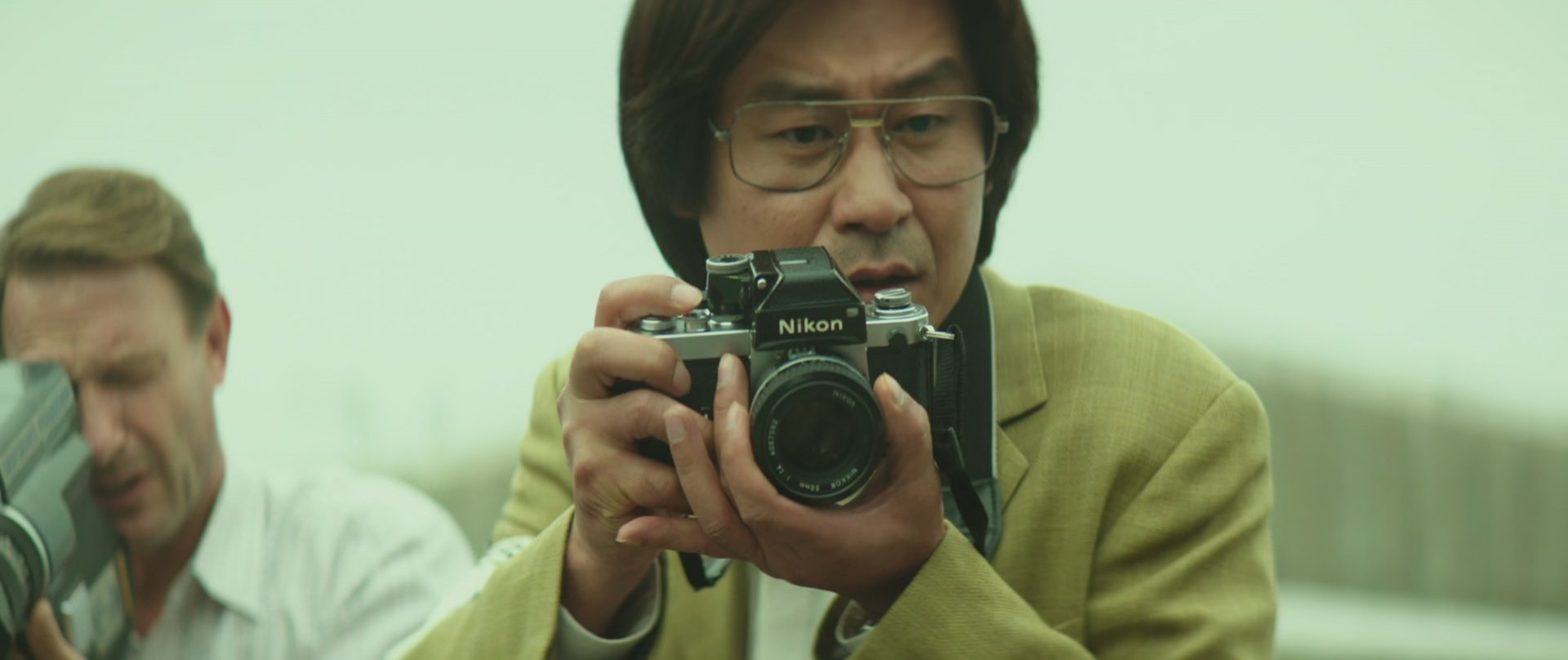
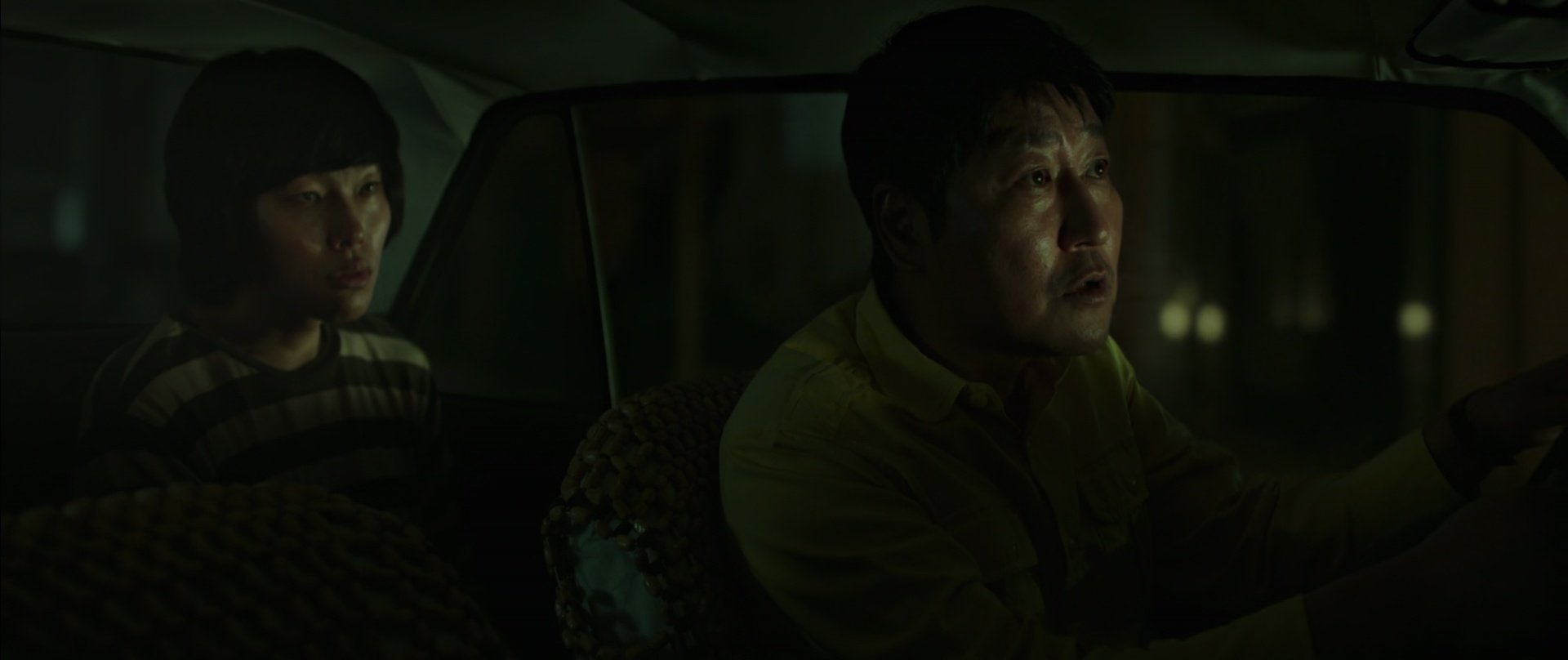
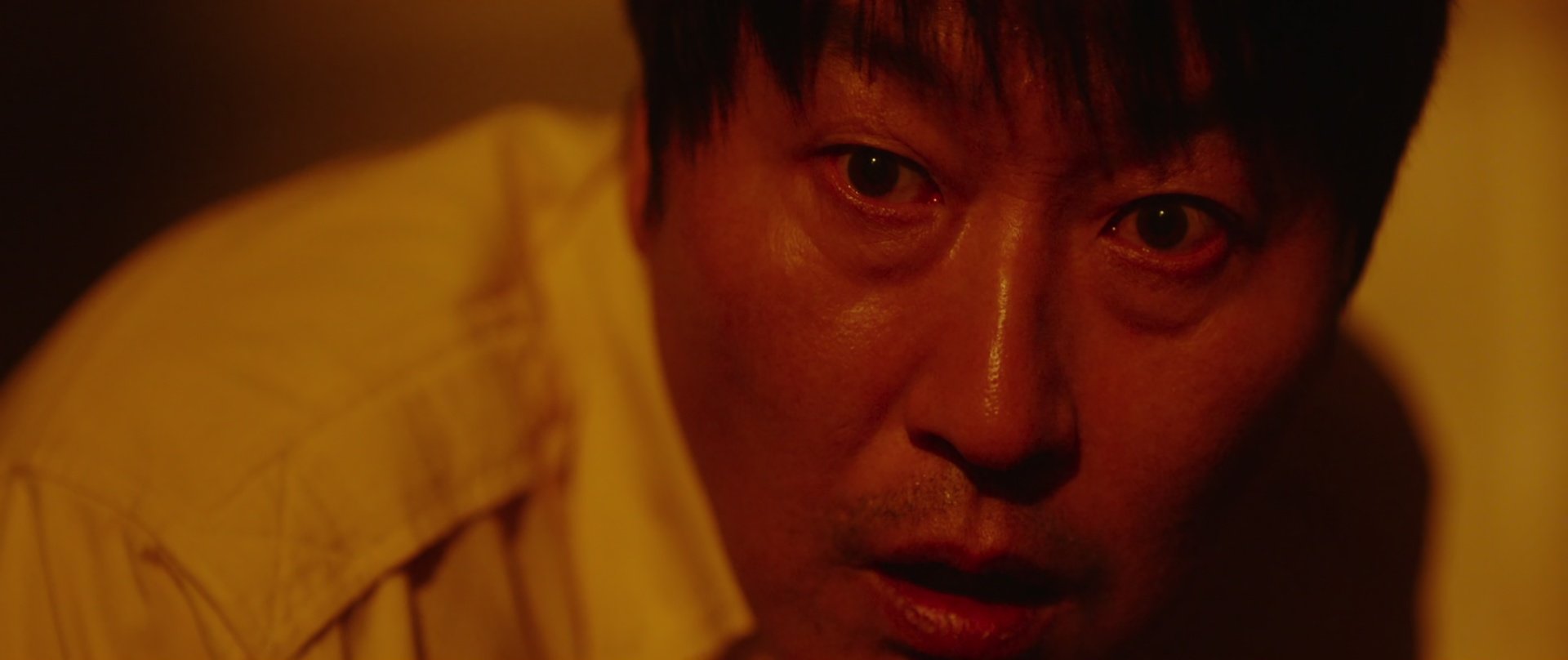
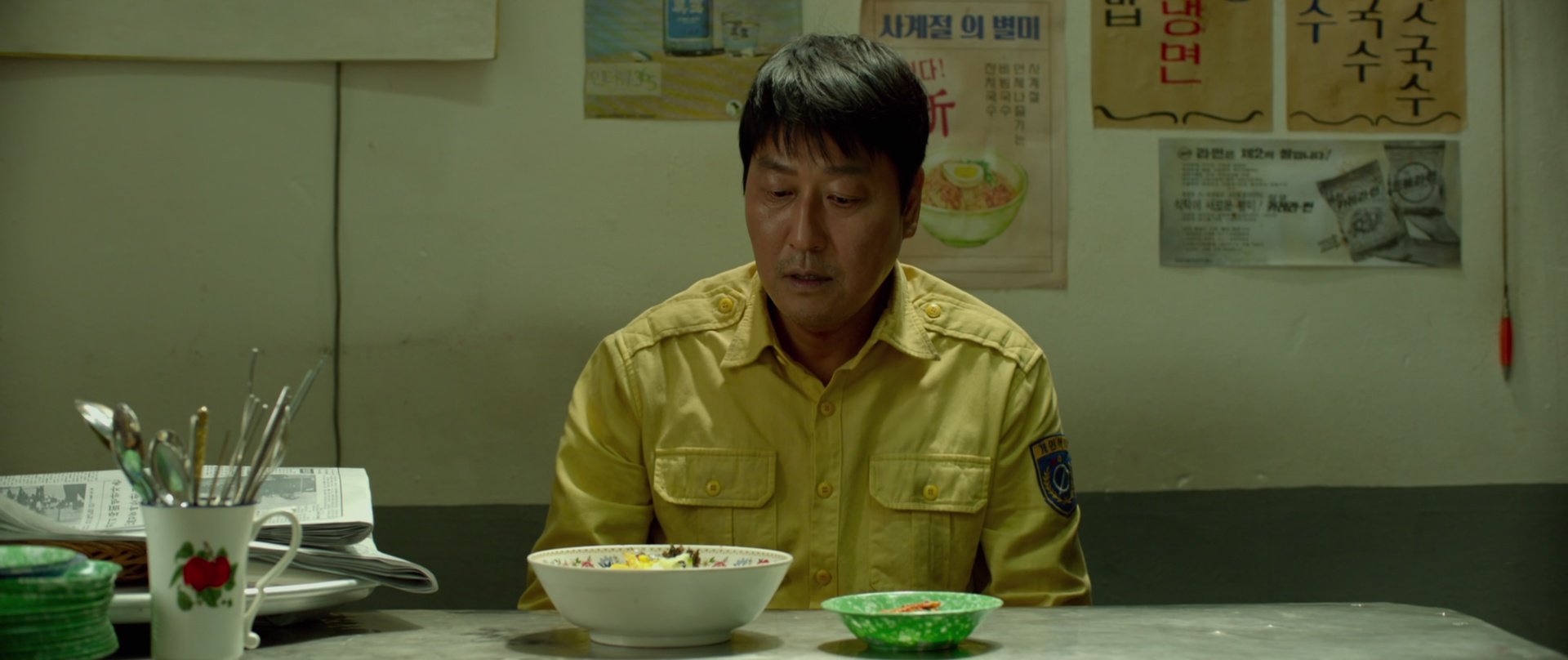
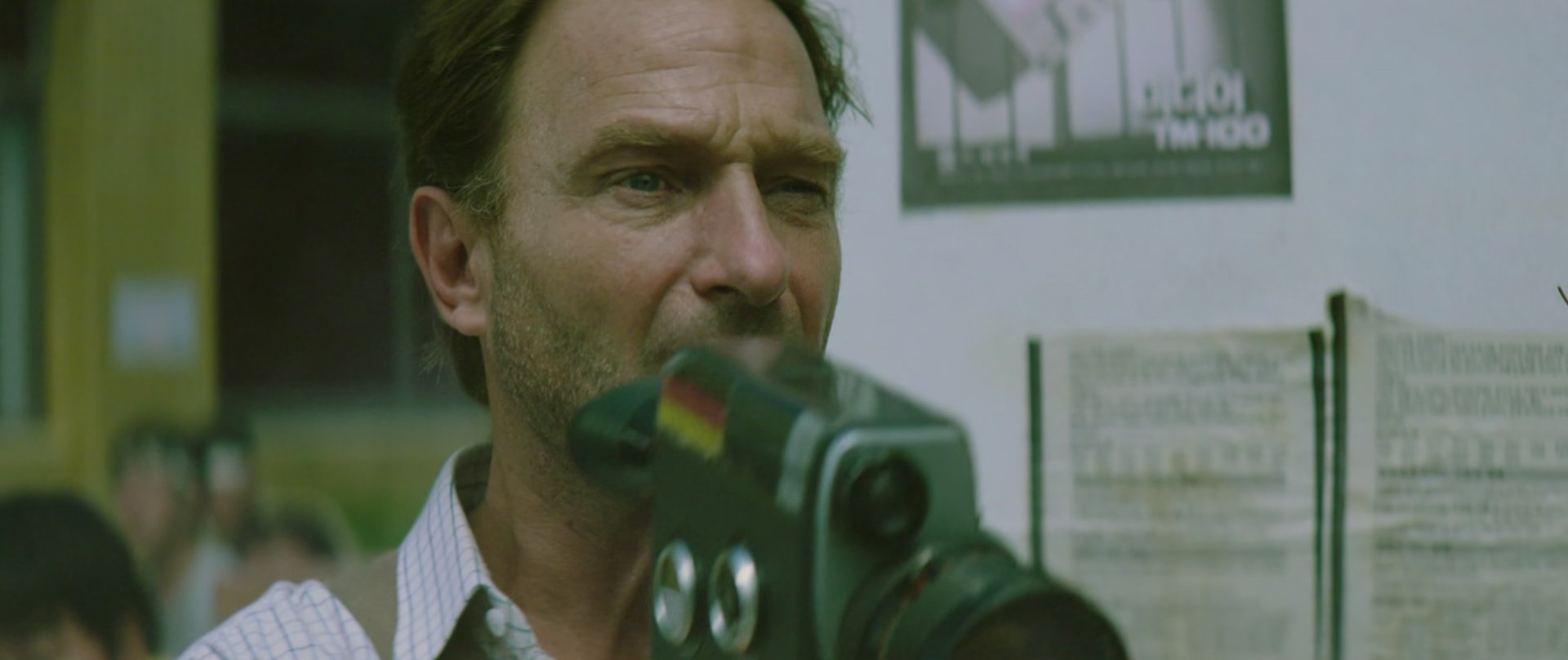
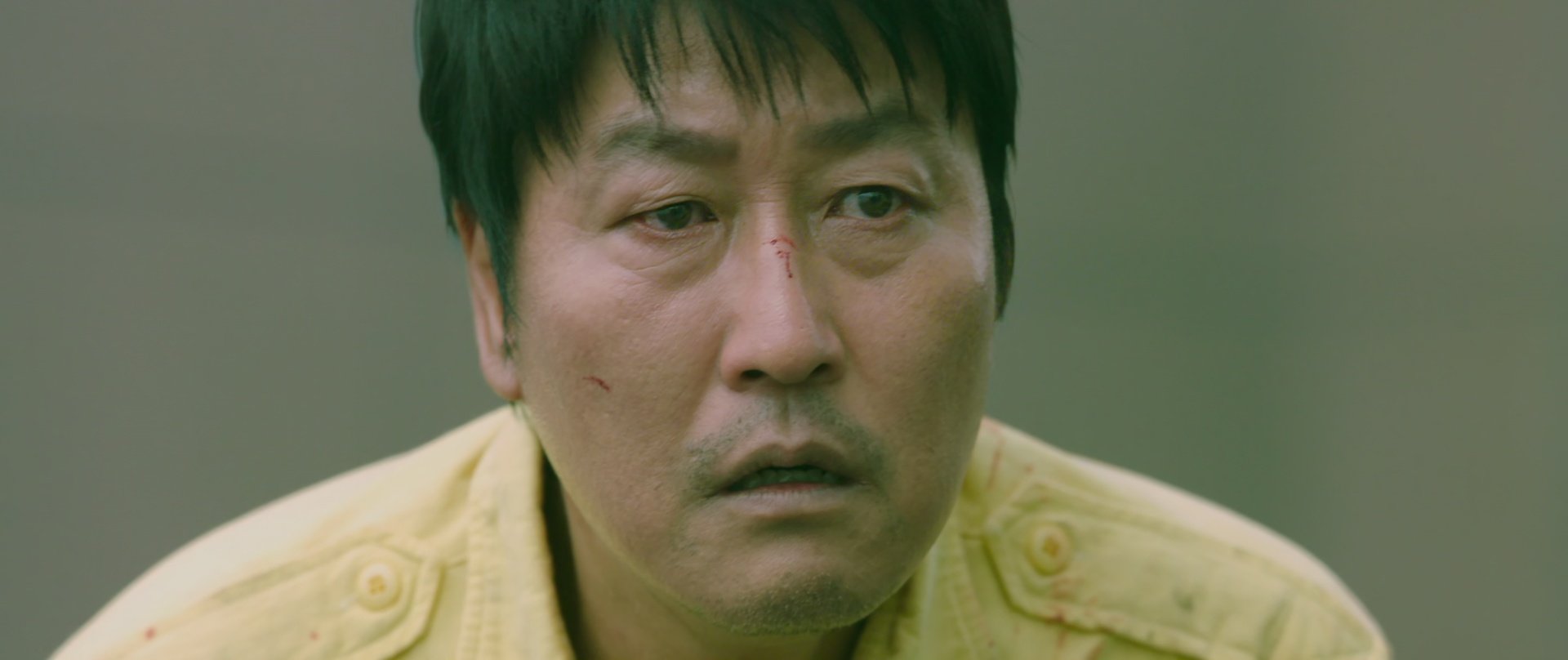
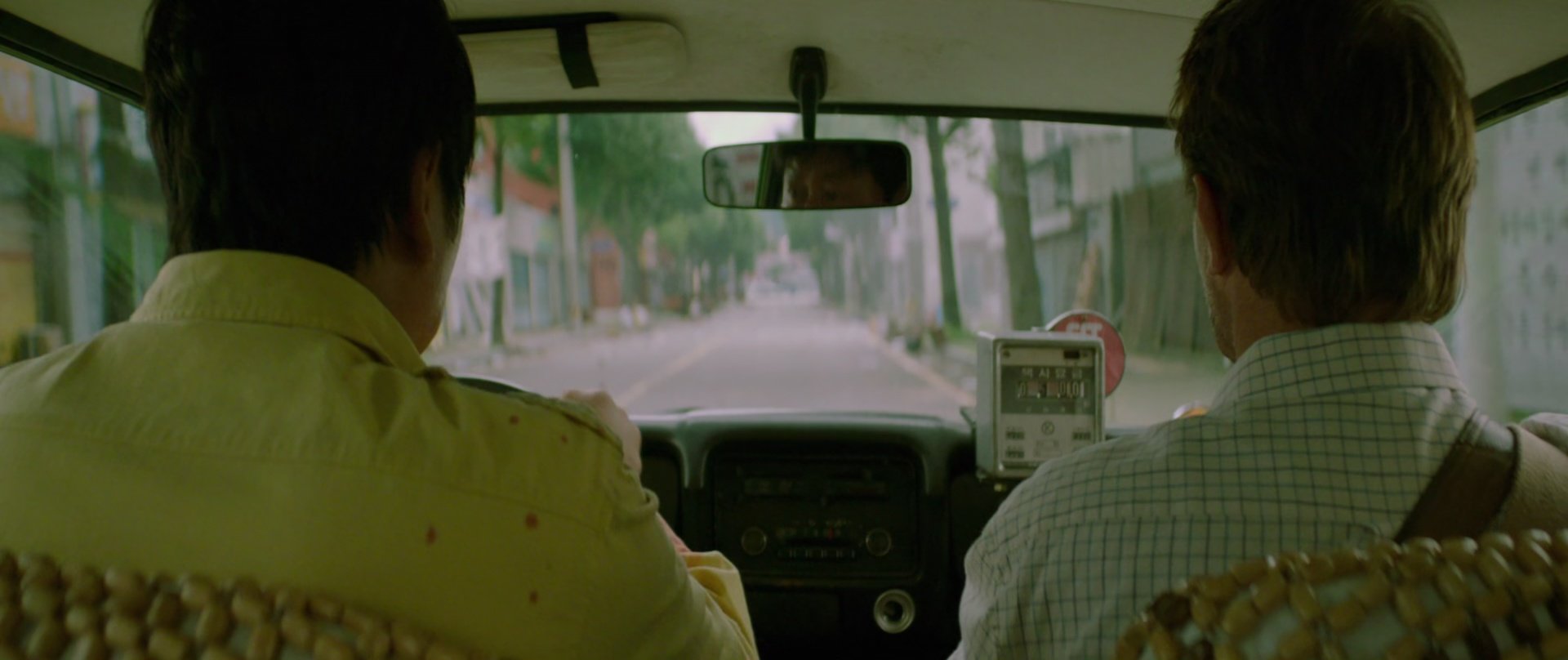
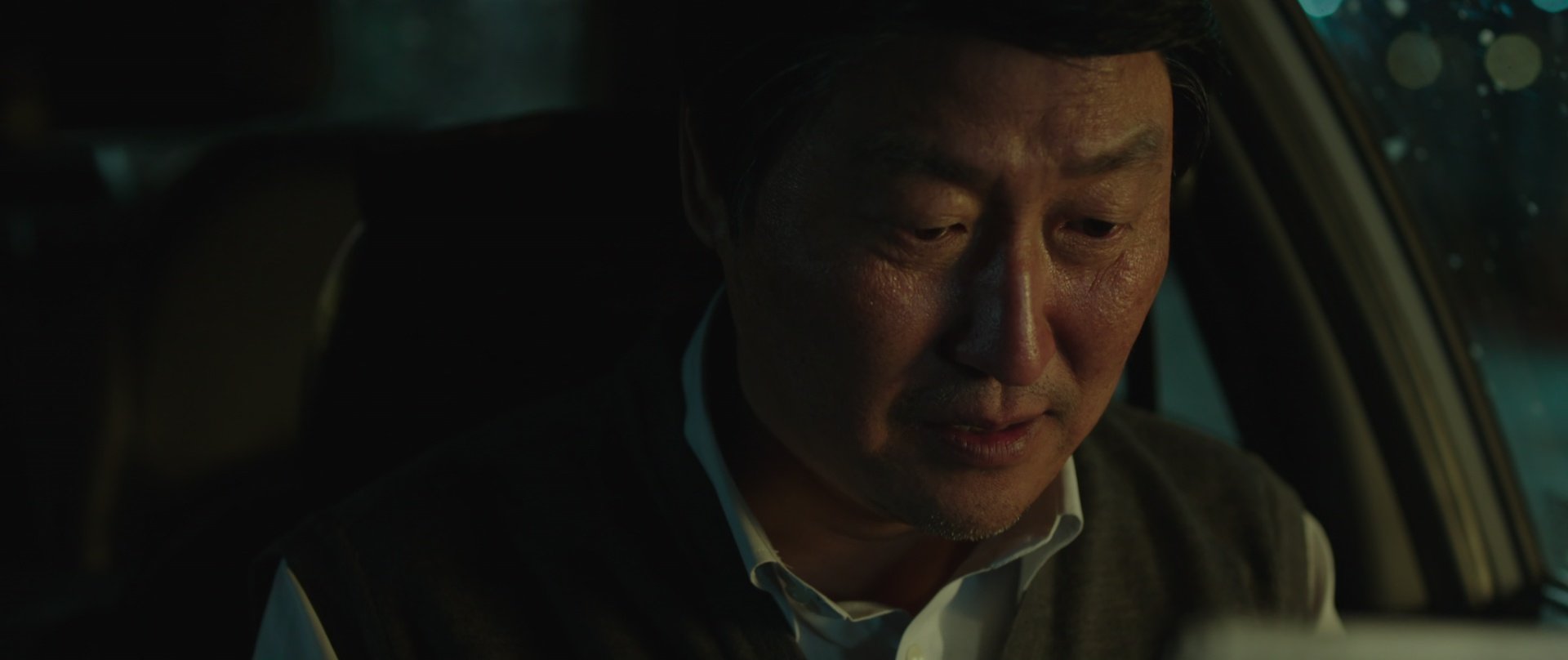
Jang Hoon‘s political thriller A Taxi Driver follows a Seoul taxi driver who unwittingly becomes involved in a dangerous mission when he agrees to drive a foreign journalist to Gwangju during a period of political unrest. As events unfold, the driver is confronted with the reality of violent state repression, gradually shifting from indifference to active involvement.
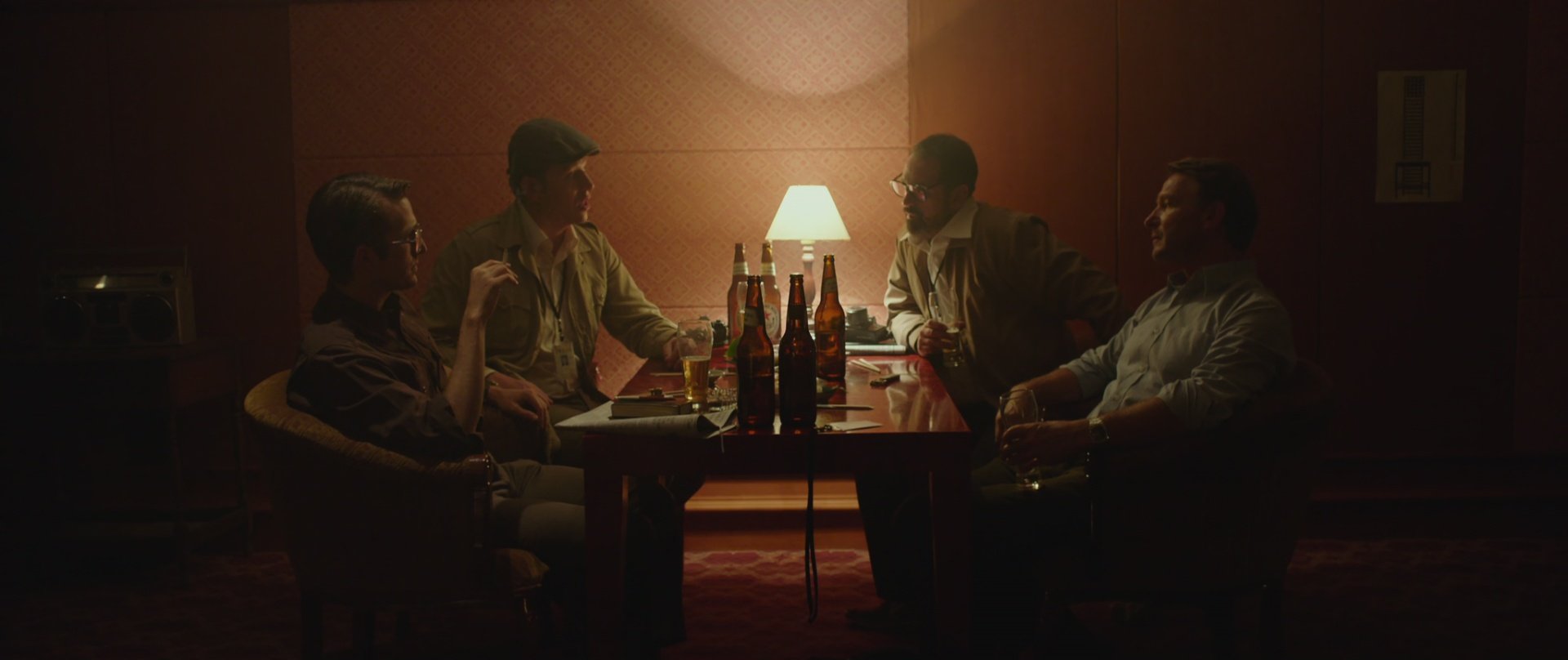
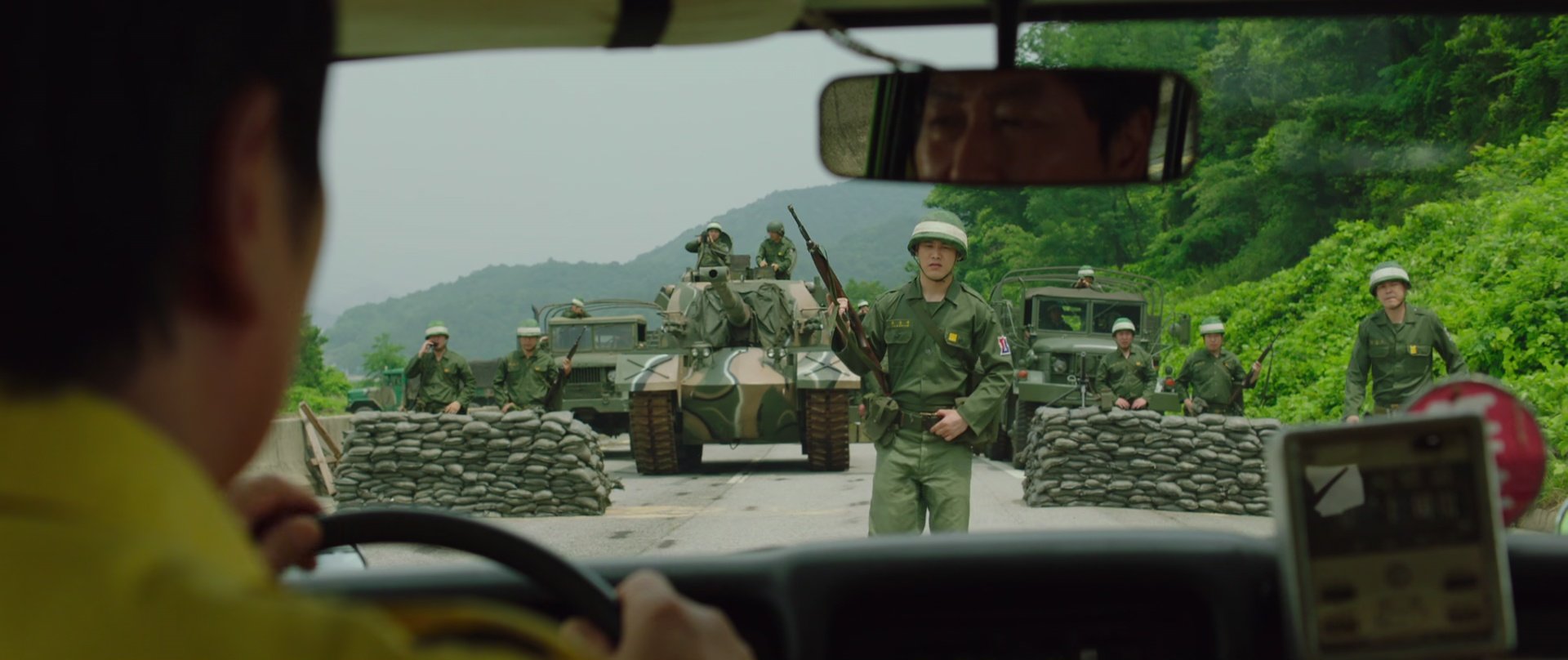
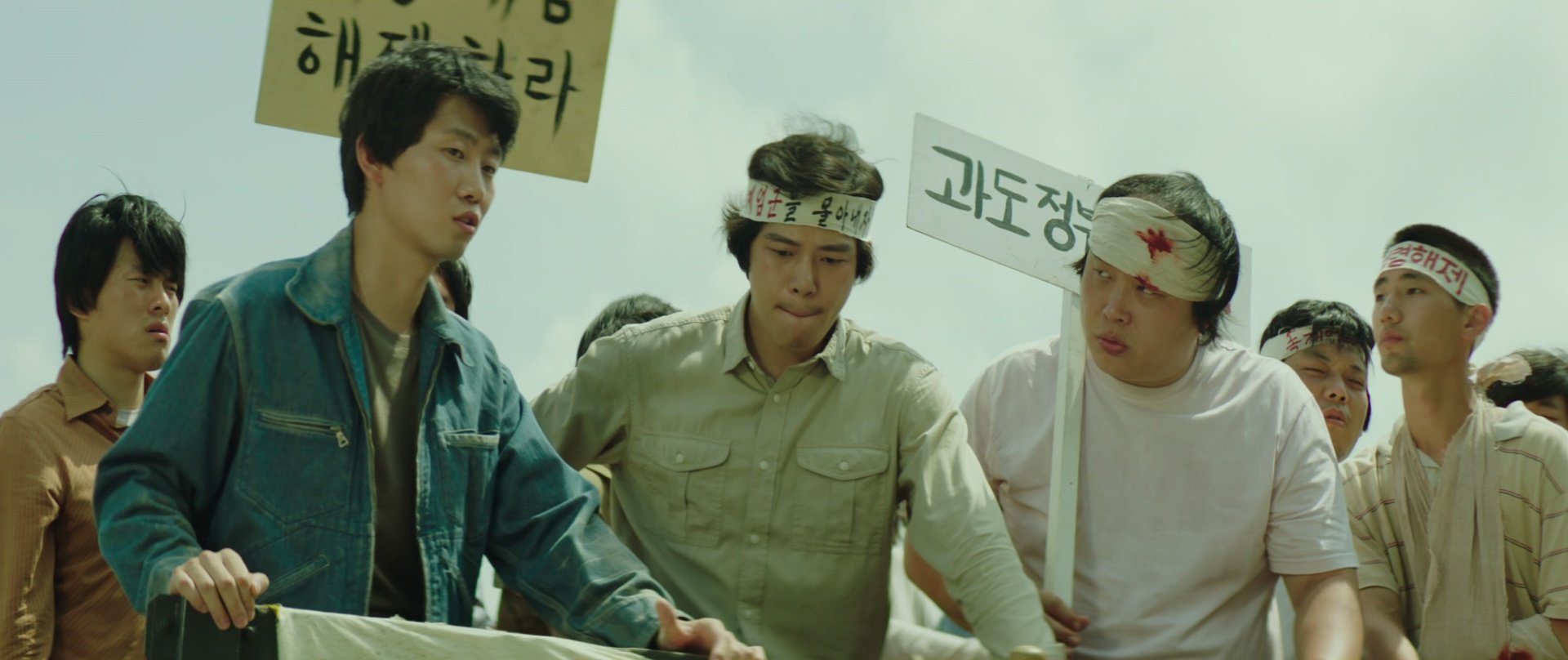
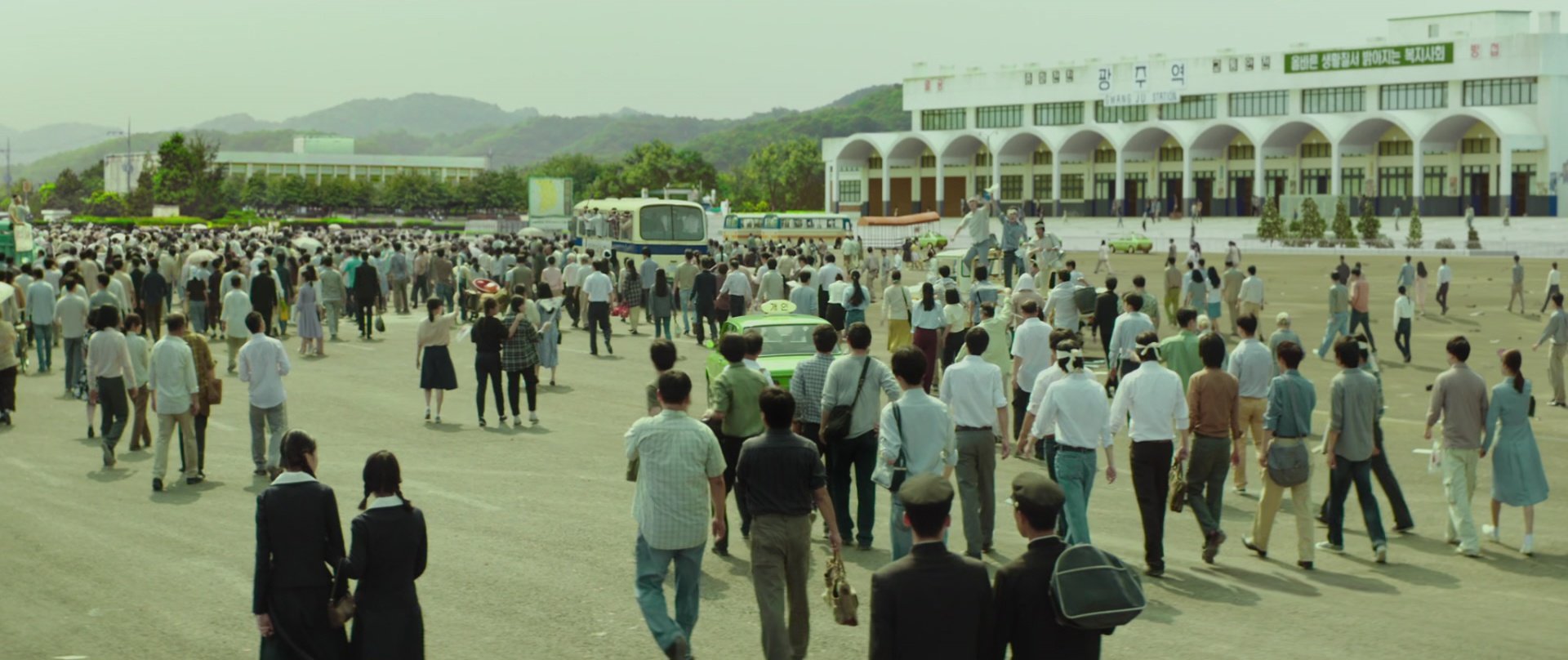
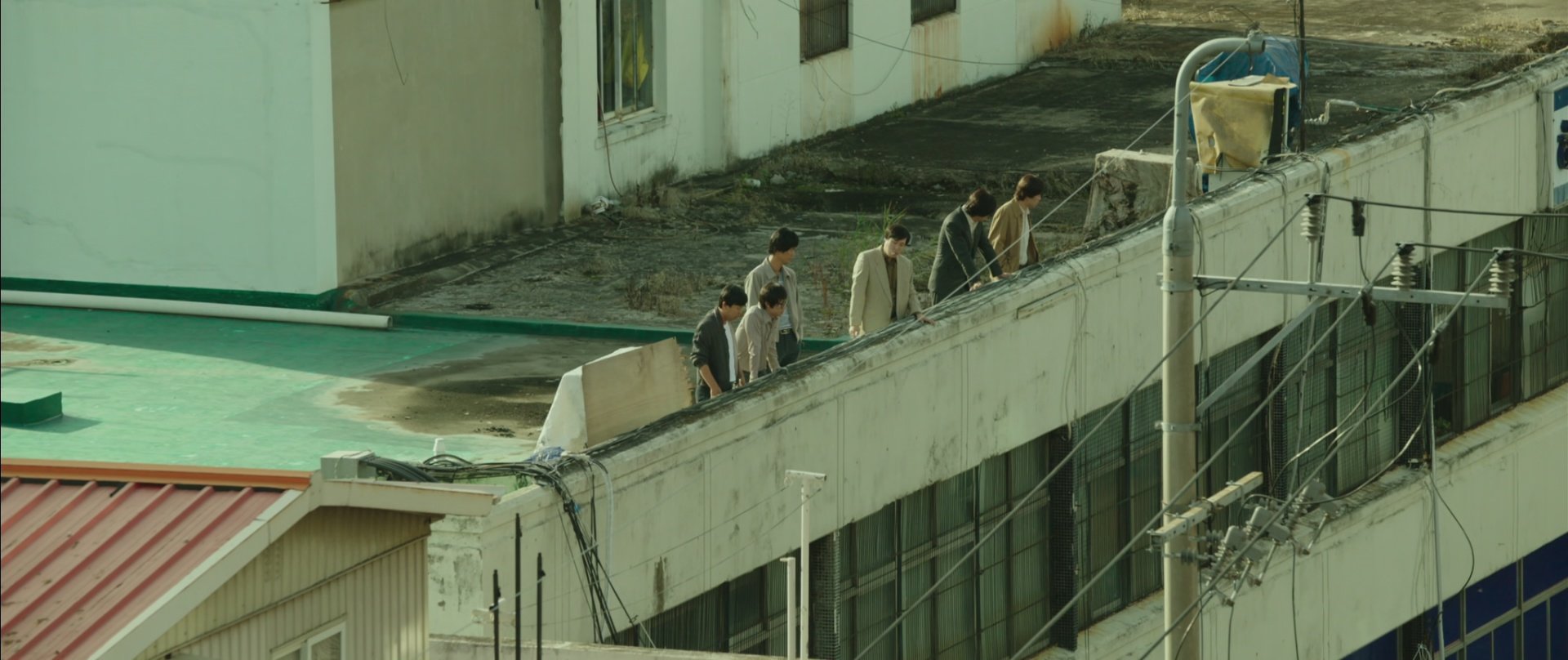
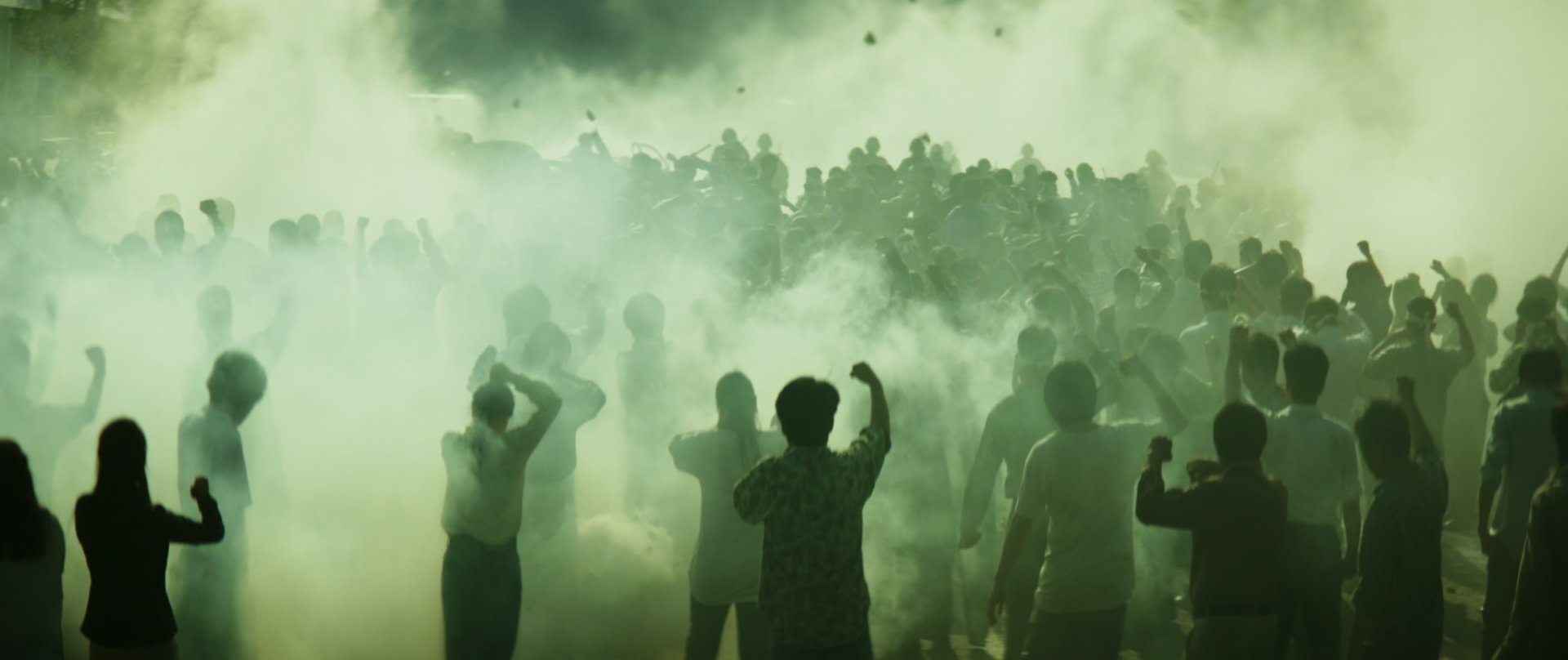
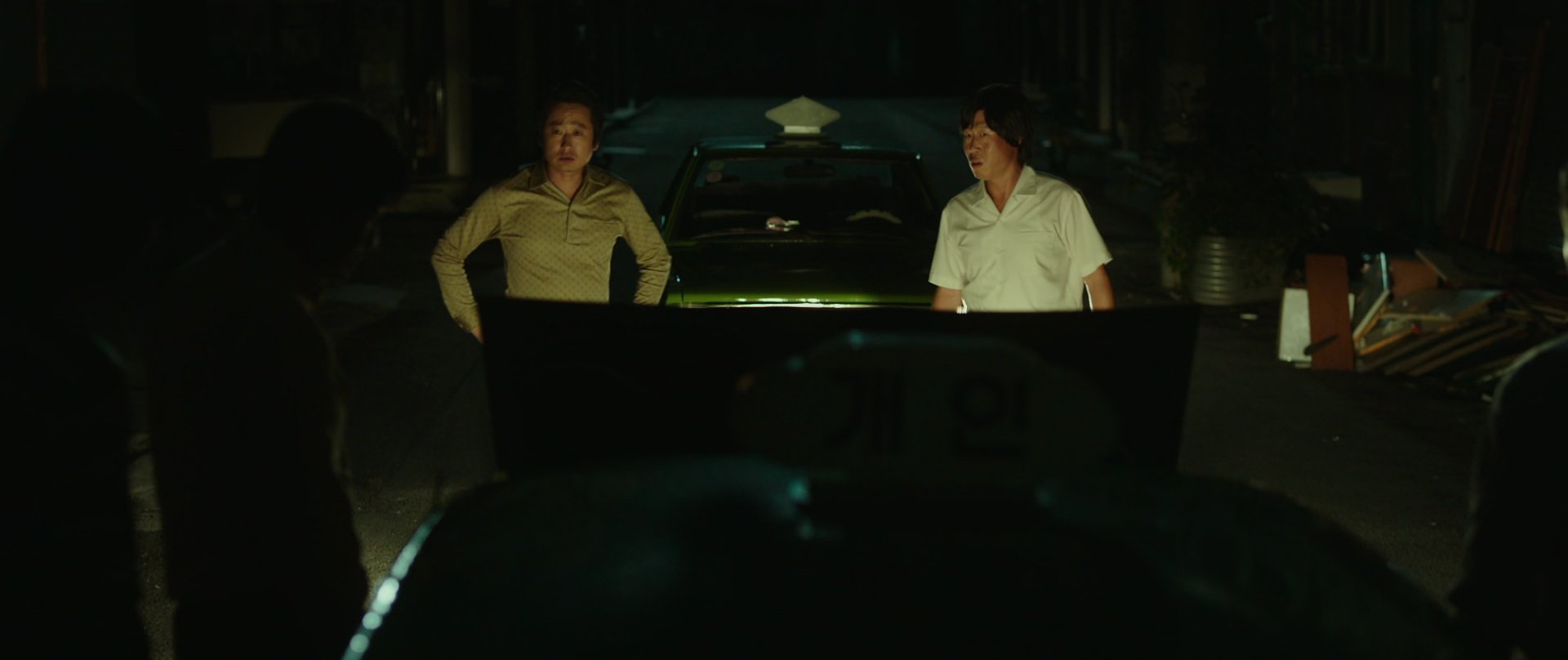
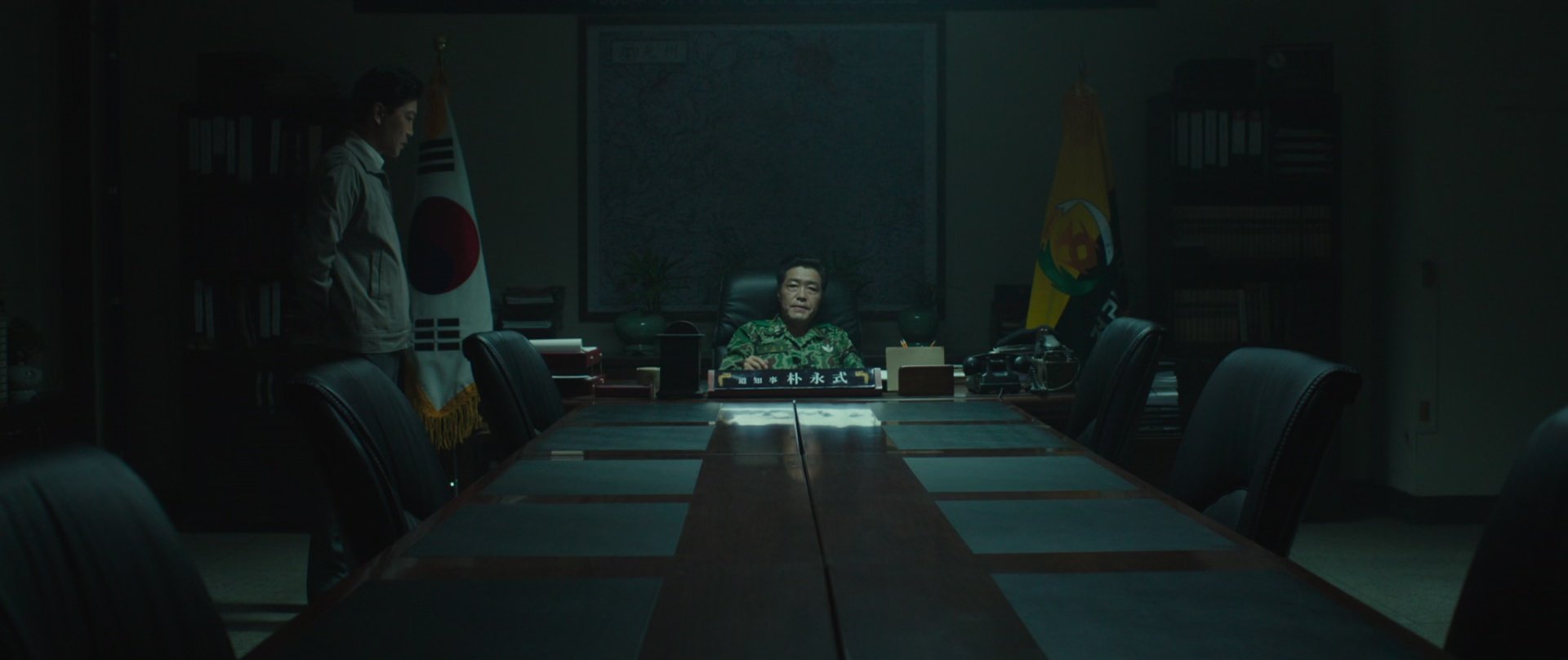
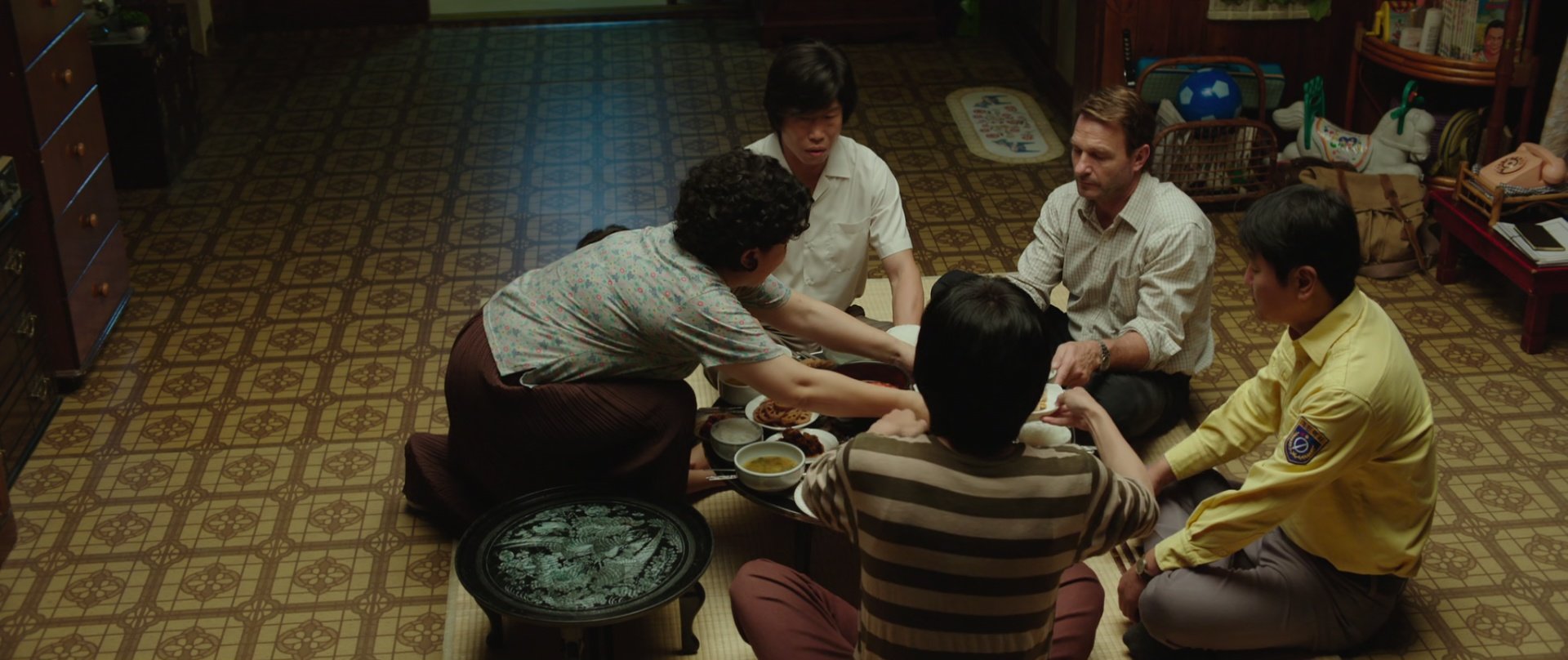
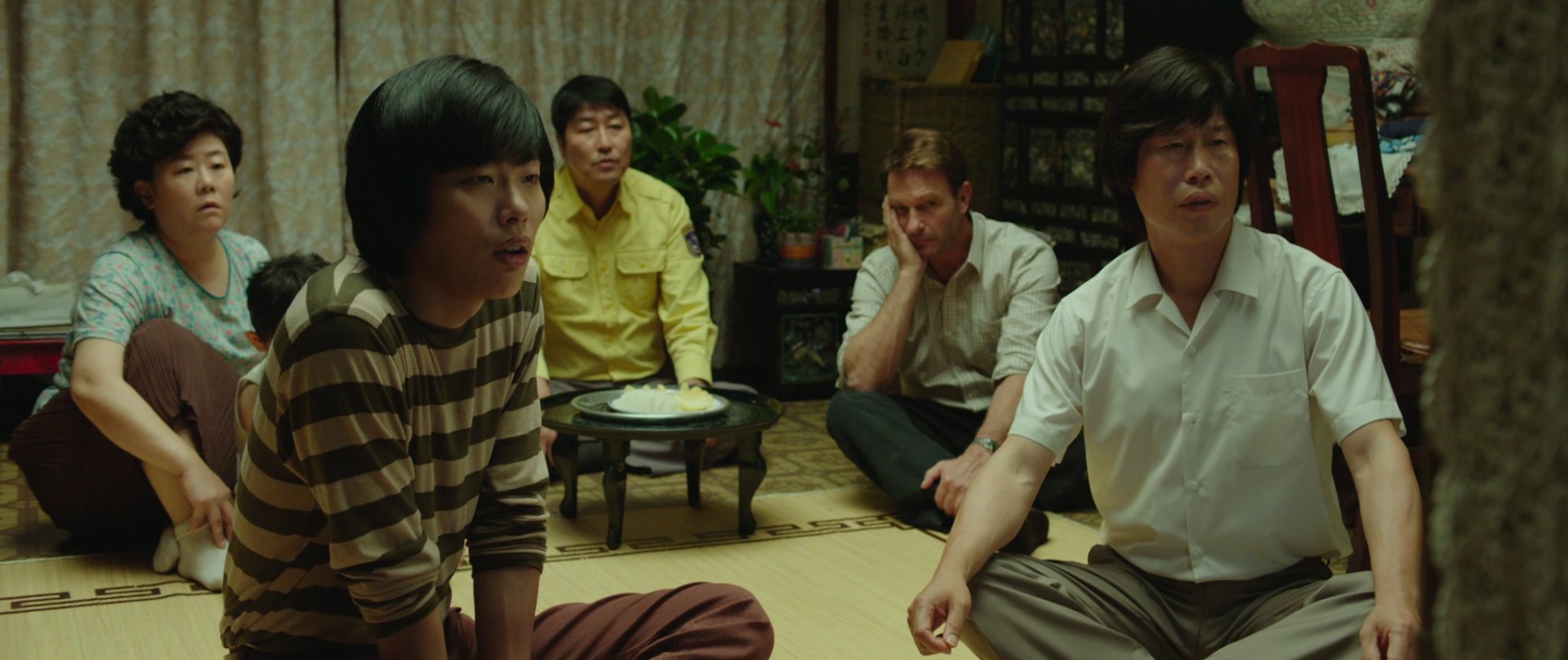
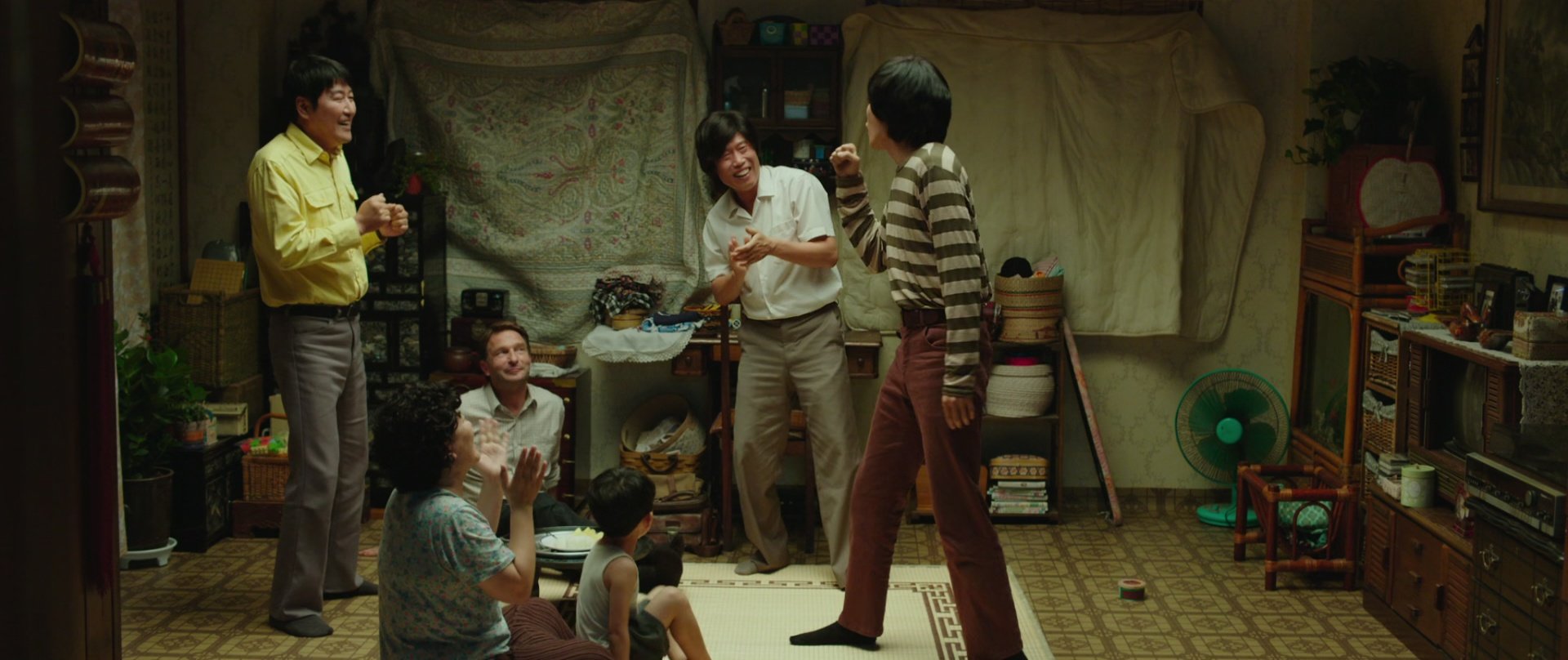
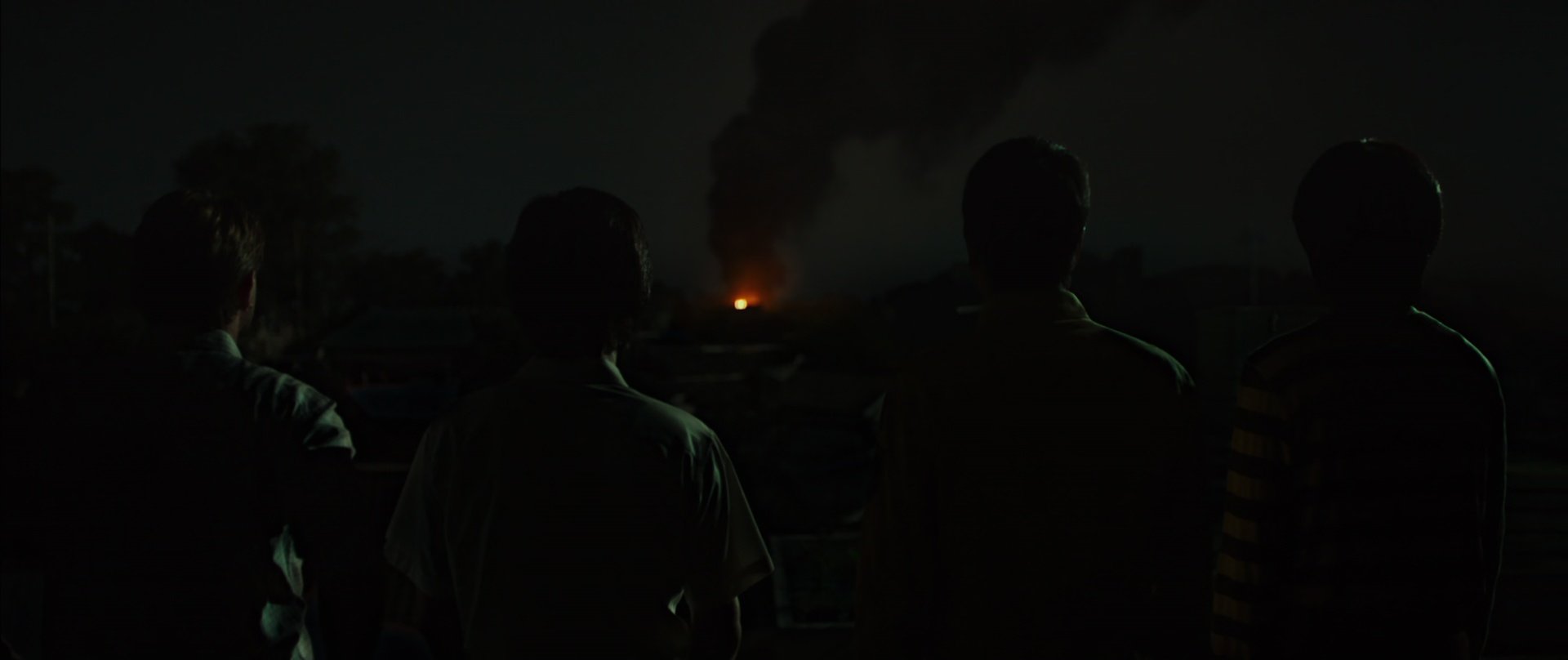
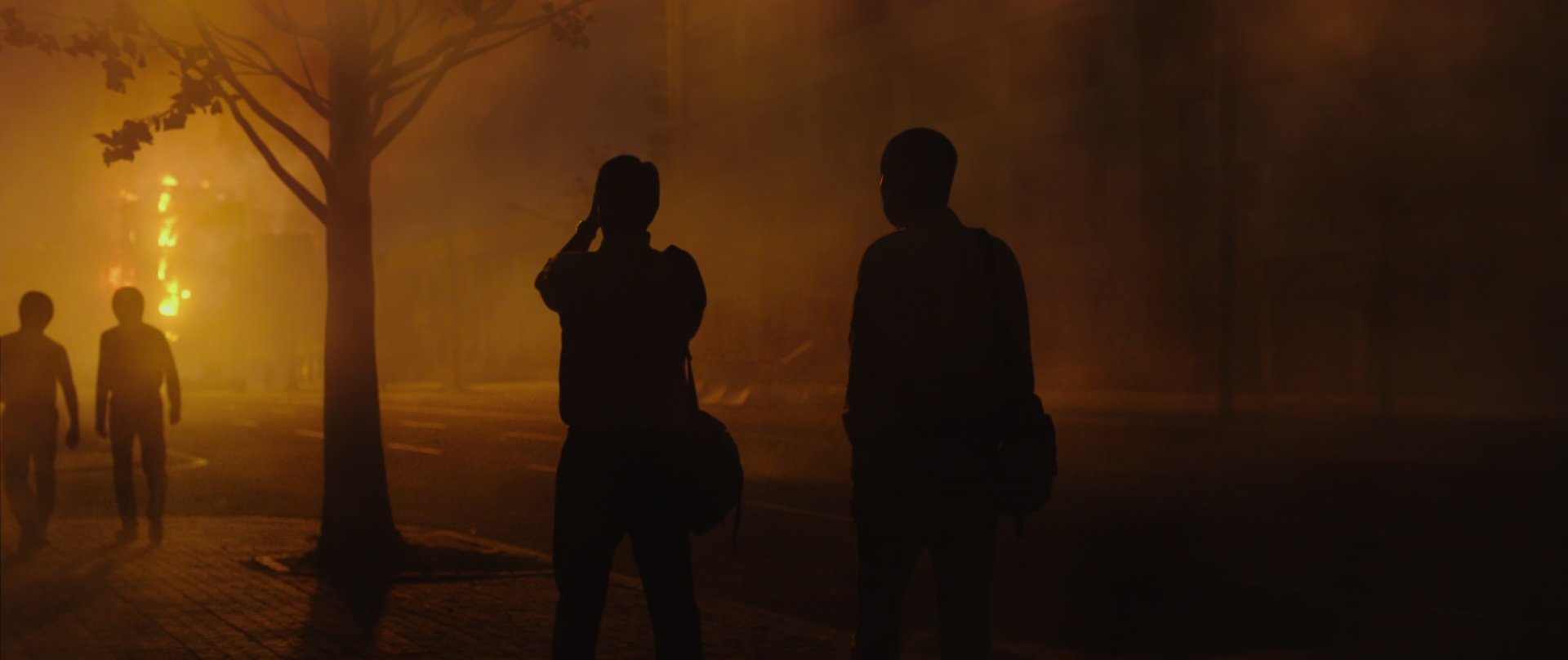
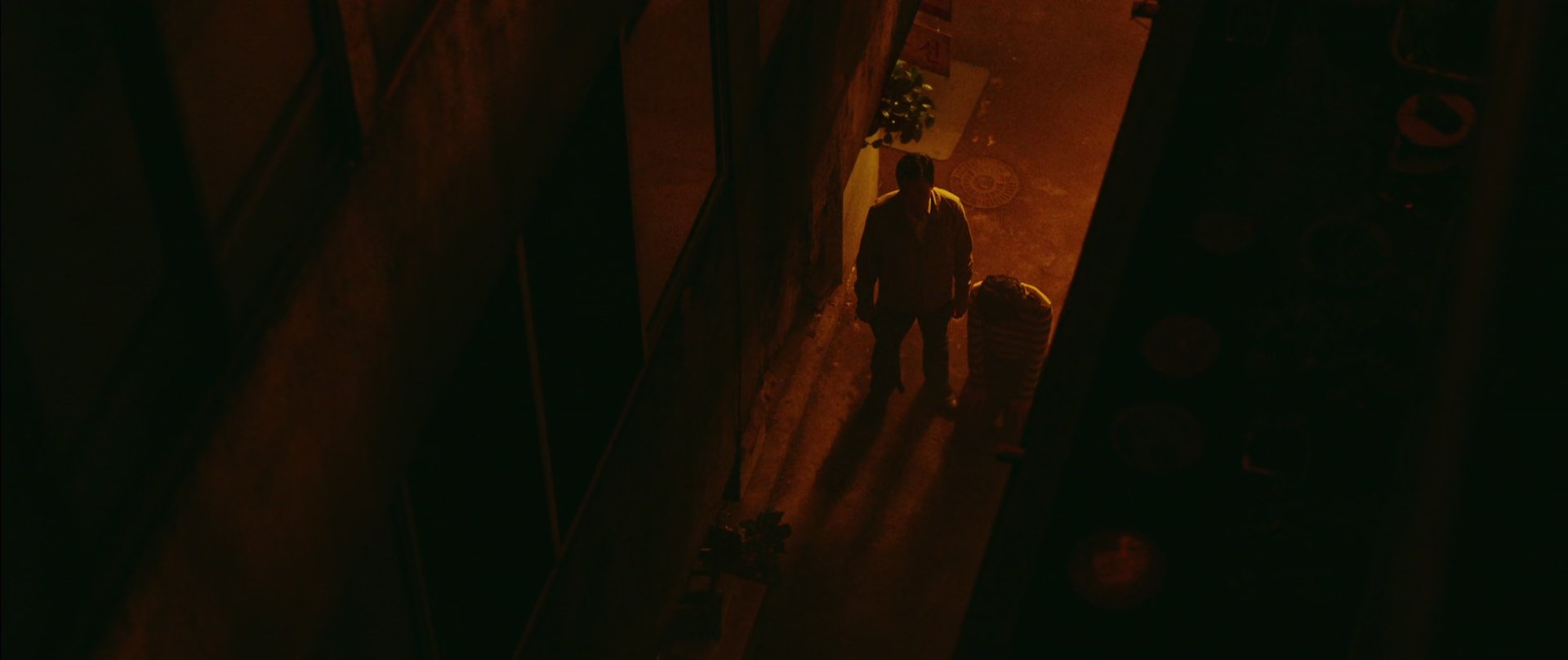
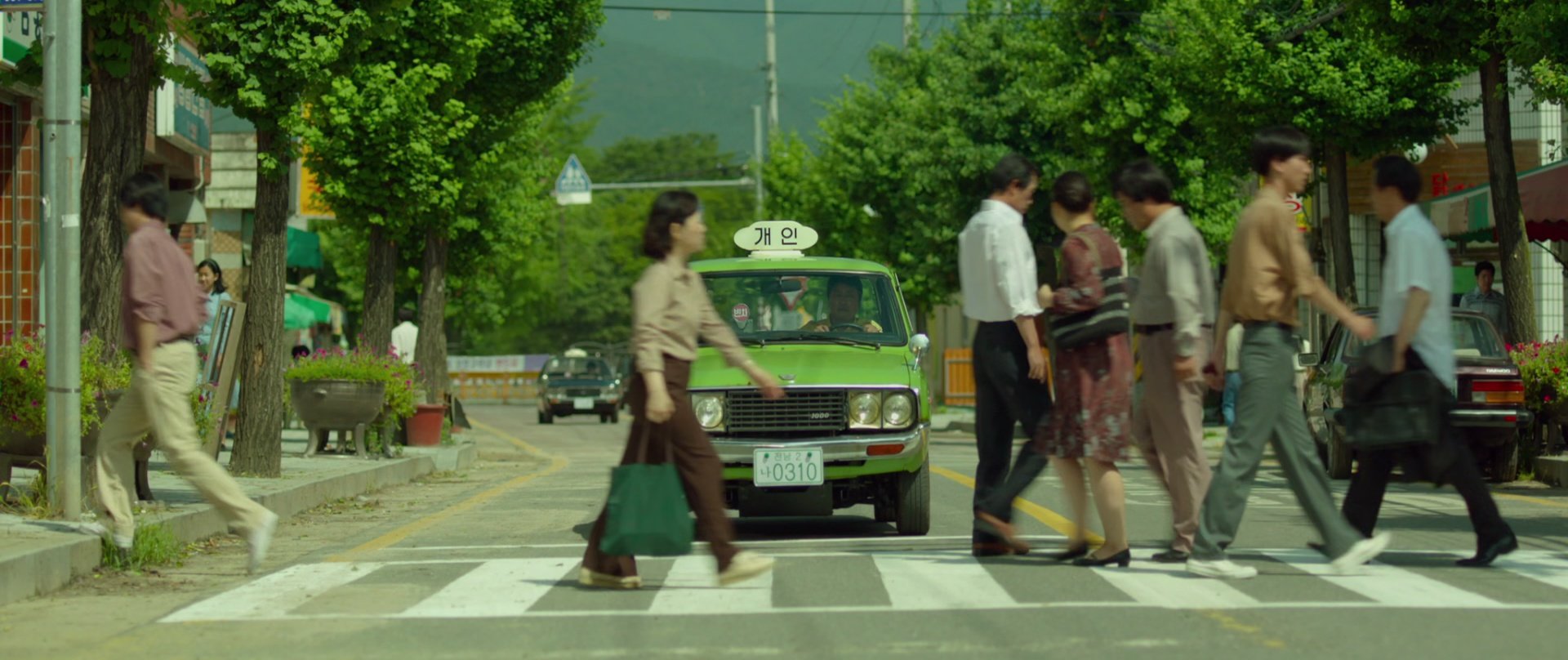
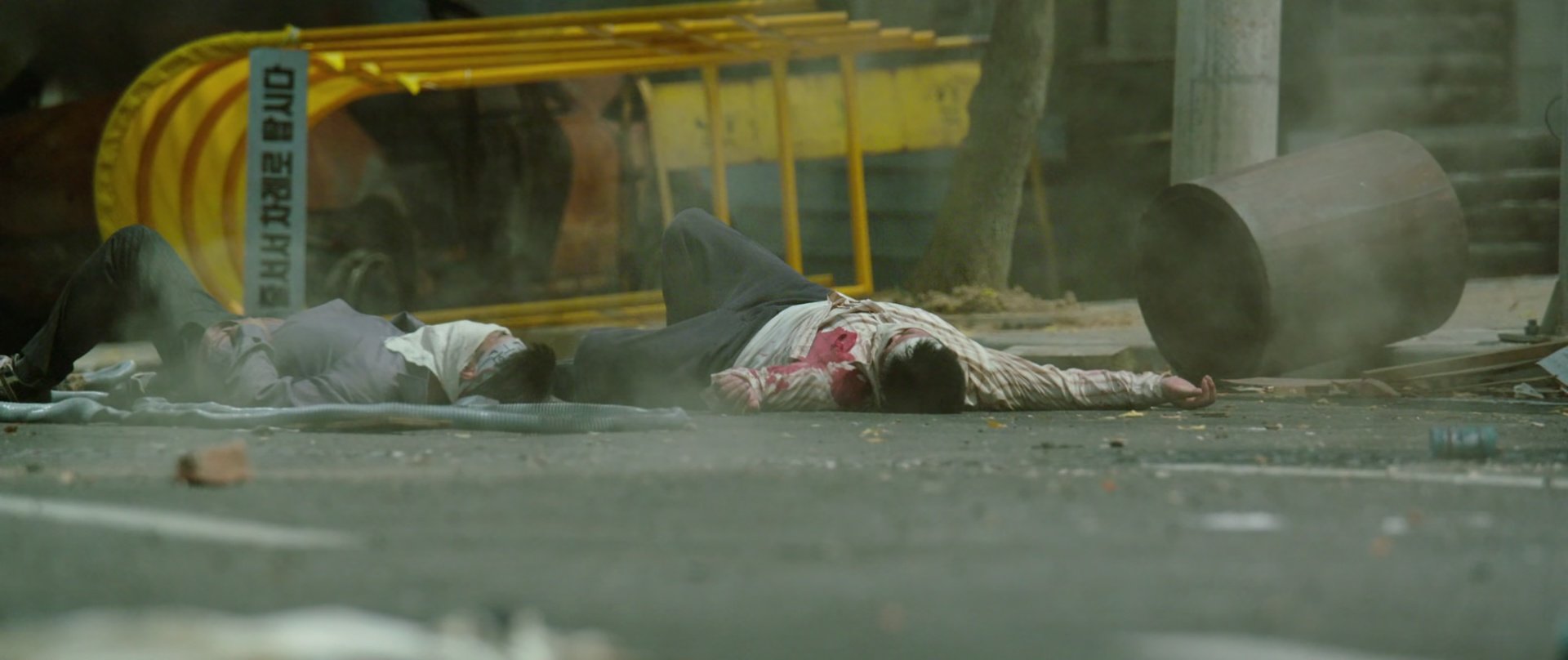
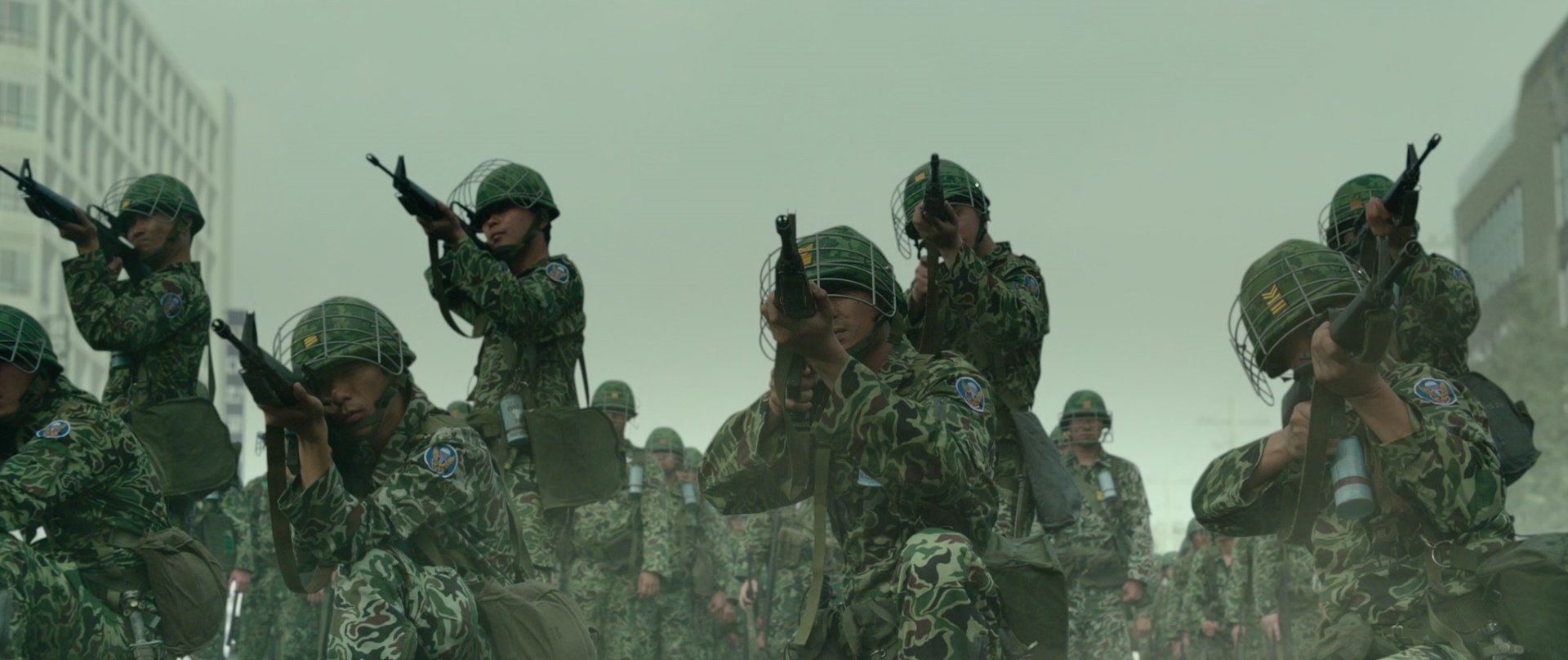
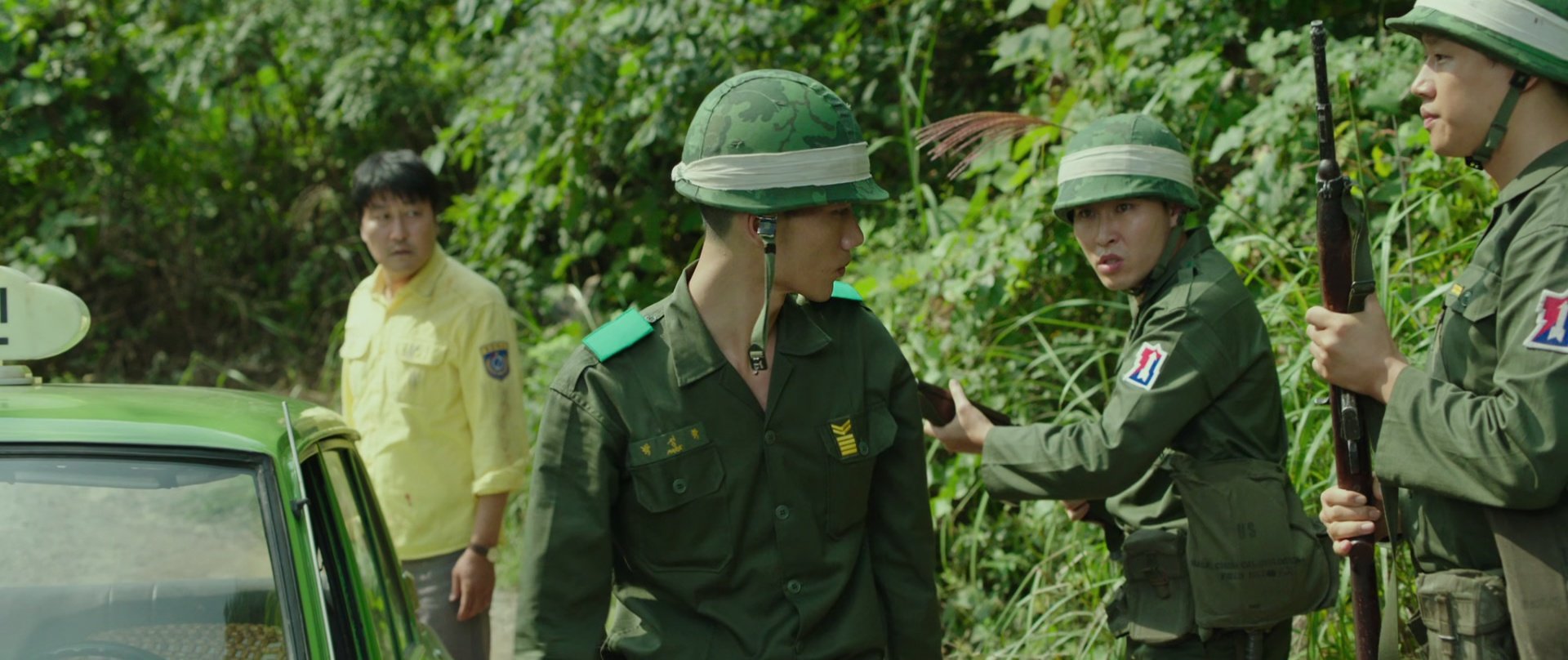
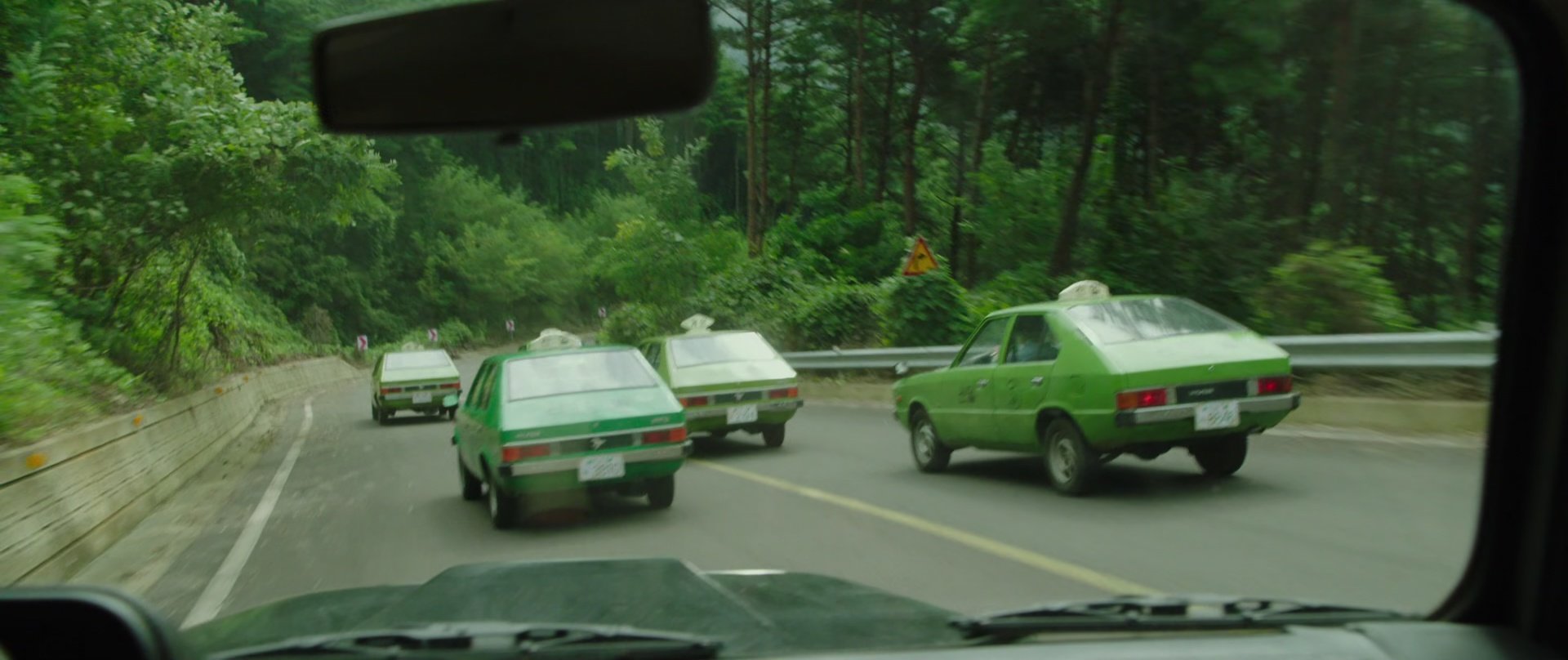
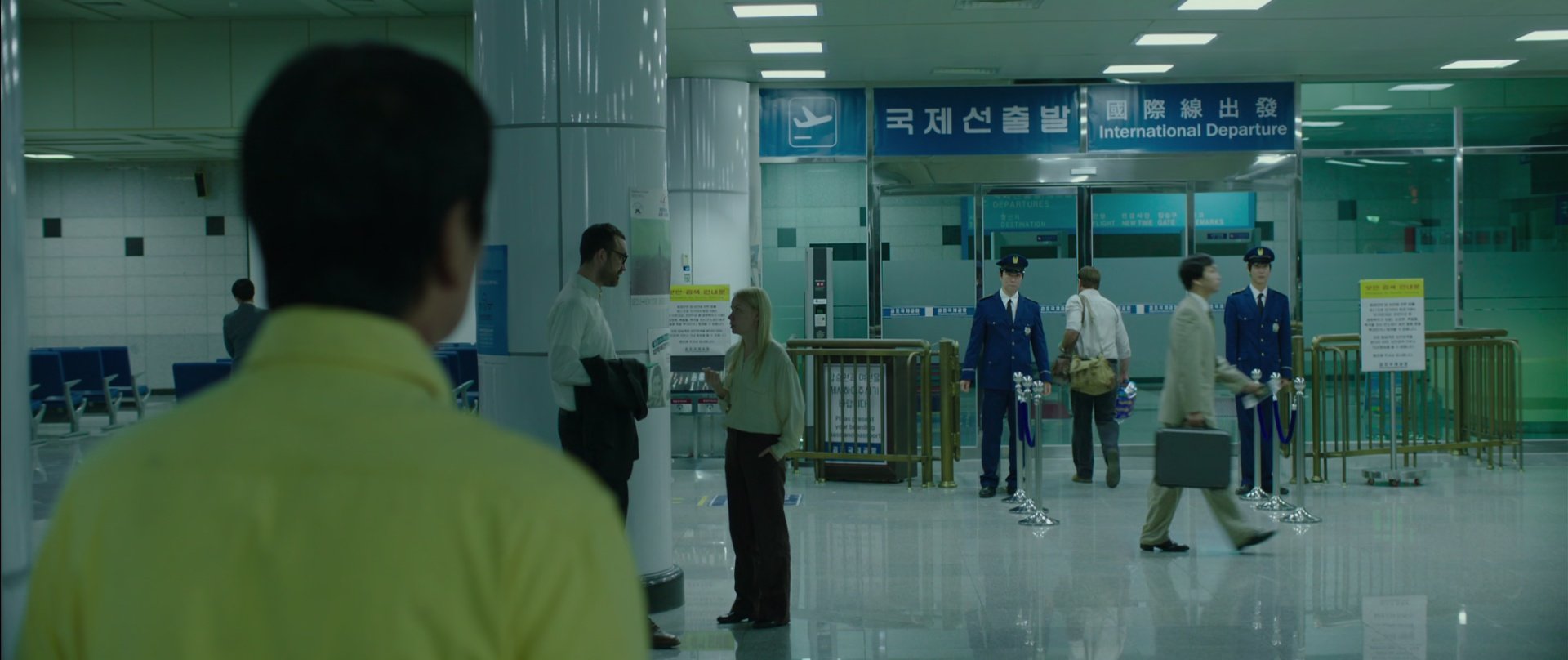
Based on real events surrounding the Gwangju Uprising, the film uses the taxi driver as a viewpoint character through whom the audience, like the protagonist, gradually discovers the truth after entering the city unaware. It exposes the violence hidden beneath an apparently peaceful exterior, demonstrating how power silences opposition by controlling the flow of information. As conflict escalates, the film traces how ordinary life devolves into chaos, with natural daylight giving way to shadow and smoke.
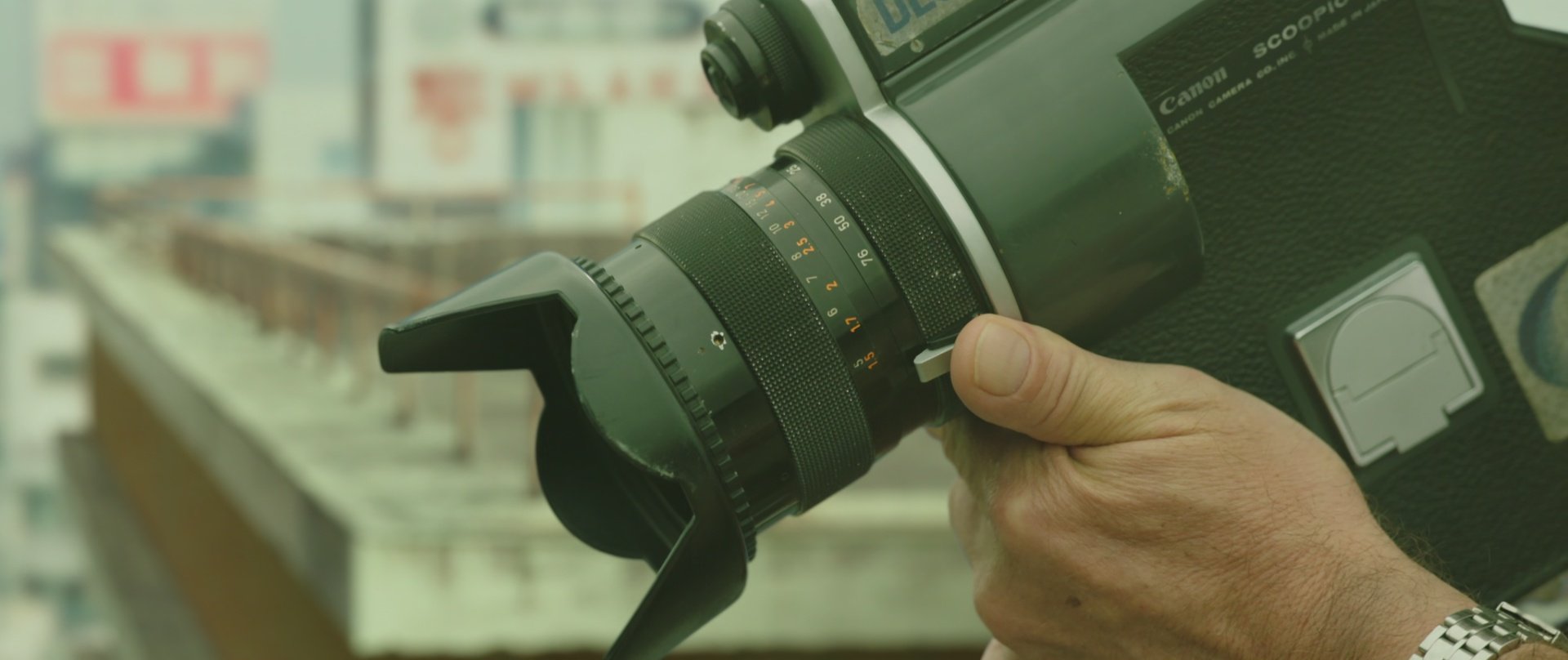
Focusing on the roles of witnessing and transmitting truth, A Taxi Driver is a great example of South Korean cinema confronting the country’s troubled past. It is concerned not only with depicting government oppression but also with revealing how such realities can persist while remaining unseen or ignored by the majority.
Technical Specs:
- The Story: In 1980, a Seoul taxi driver unwittingly becomes involved in a historic uprising when he agrees to drive a German journalist to the city of Gwangju, only to find himself a witness to government brutality and the courage of ordinary citizens. Read my review of A Taxi Driver.
- Actors: Song Kang-ho, Thomas Kretschmann, Yoo Hae-jin, Ryu Jun-yeol, Park Hyuk-kwon, Choi Gwi-hwa.
- Director: Jang Hoon
- Year: 2017
- Cinematographer: Go Nak-seon
- Origin: Korean Cinema
- Aspect Ratio: 2.35:1
- Genre: Drama / Based on a True Story