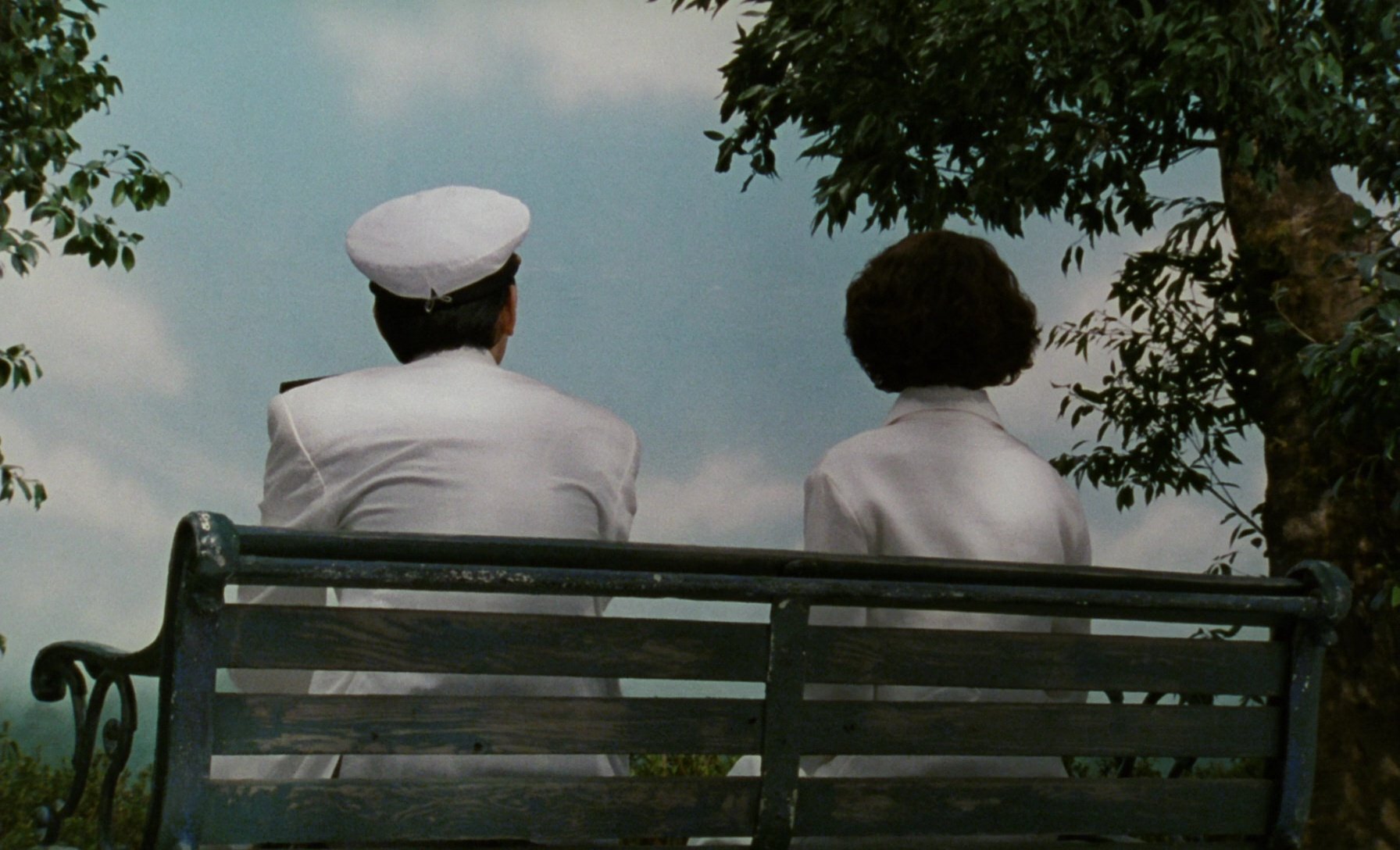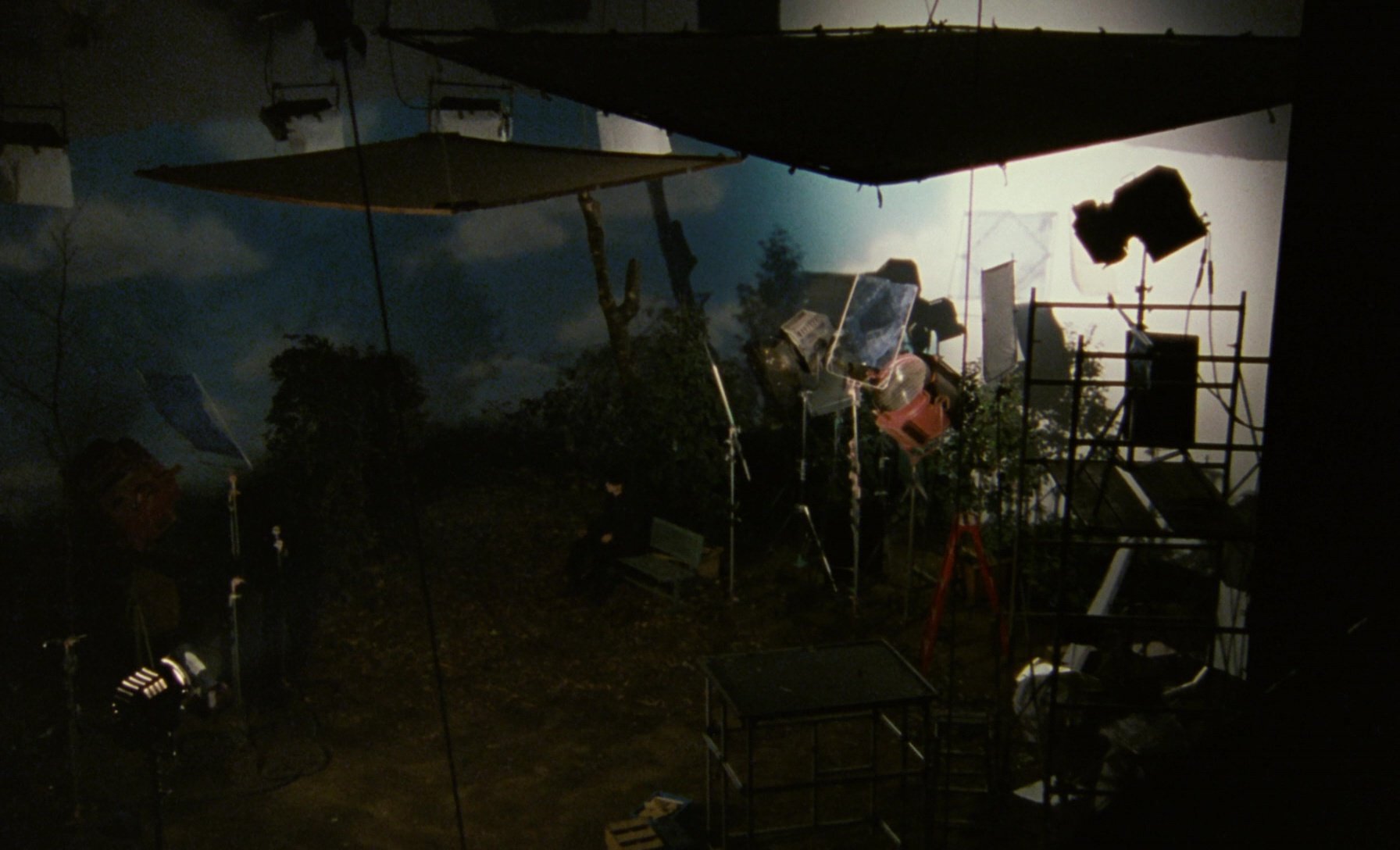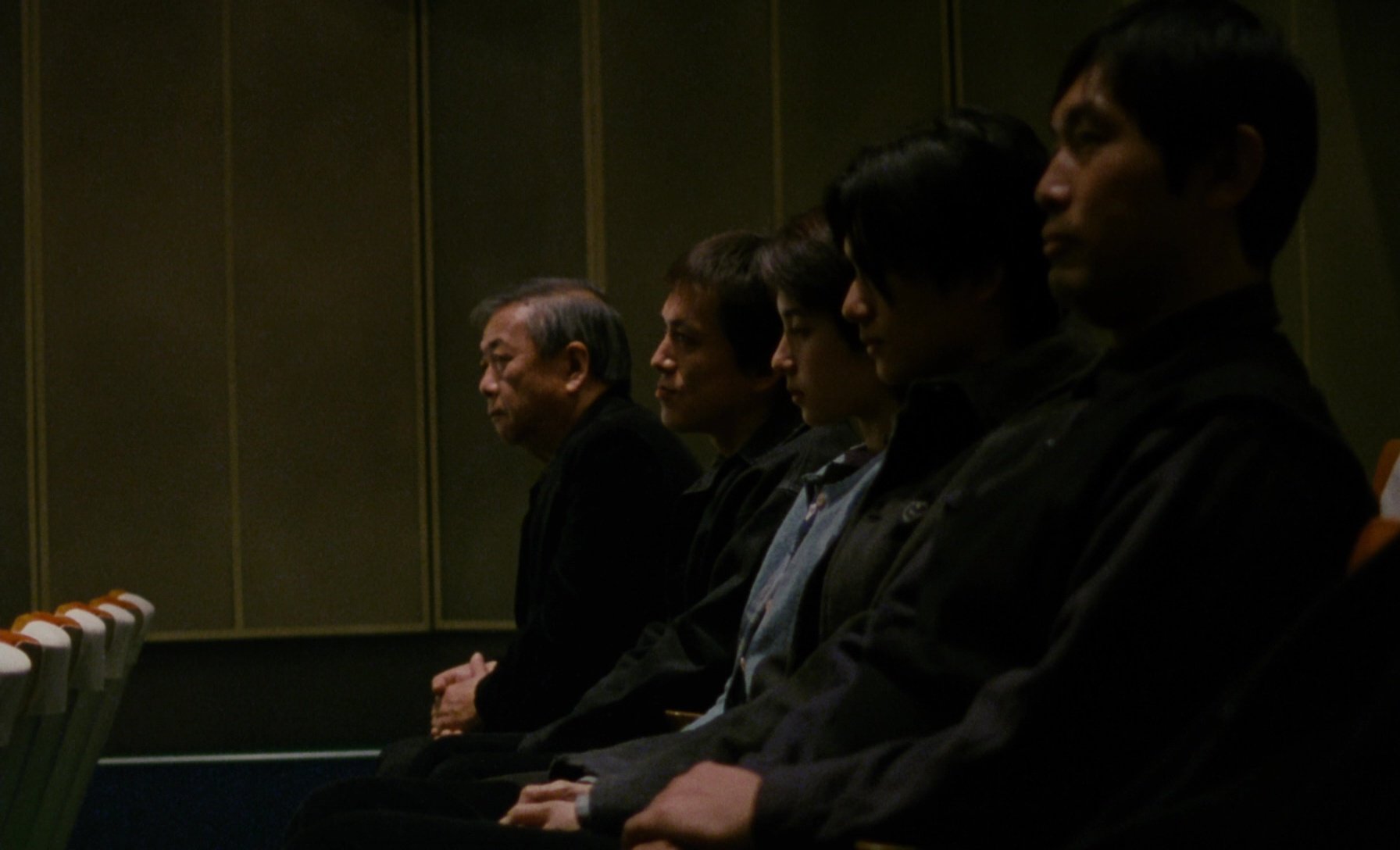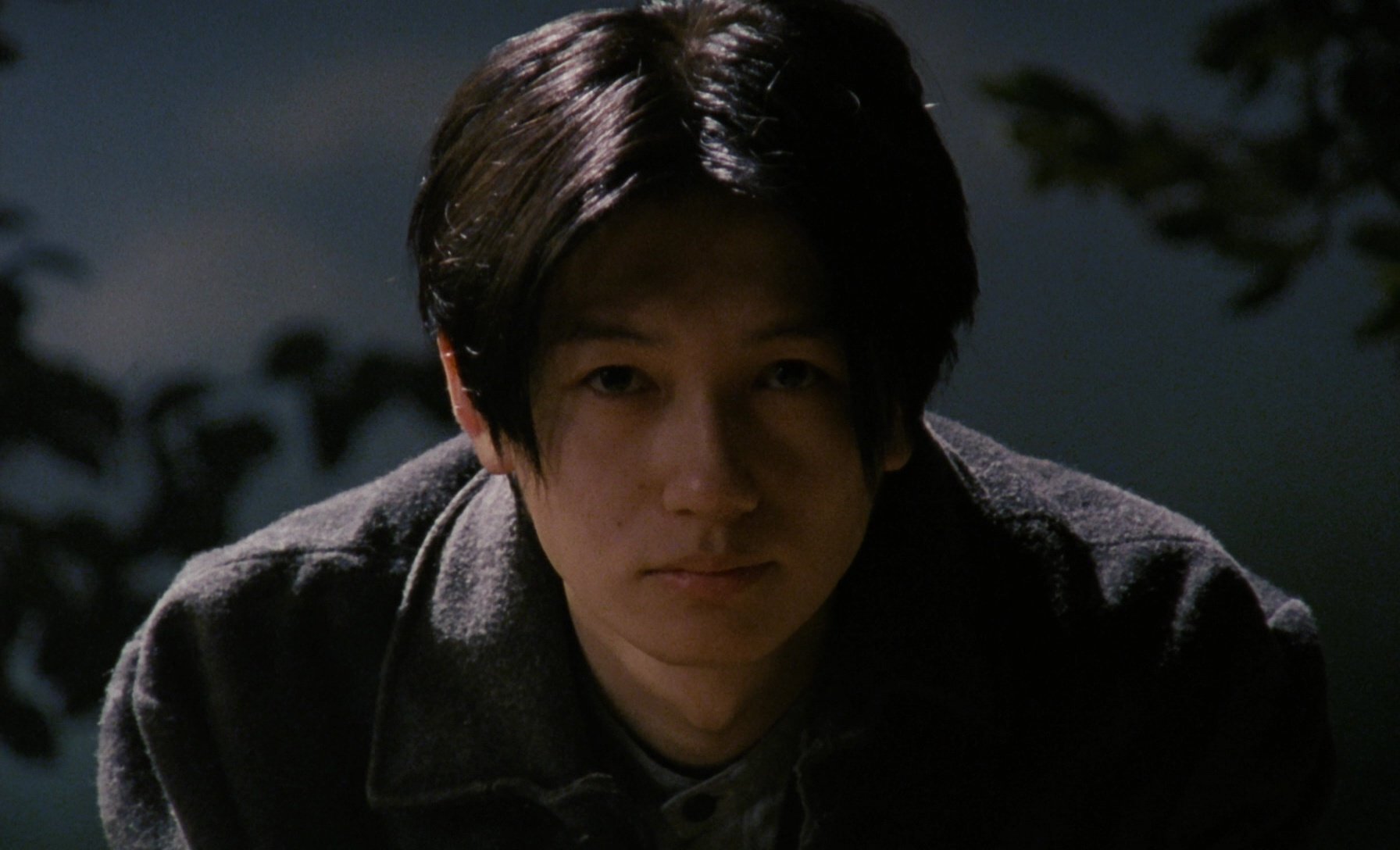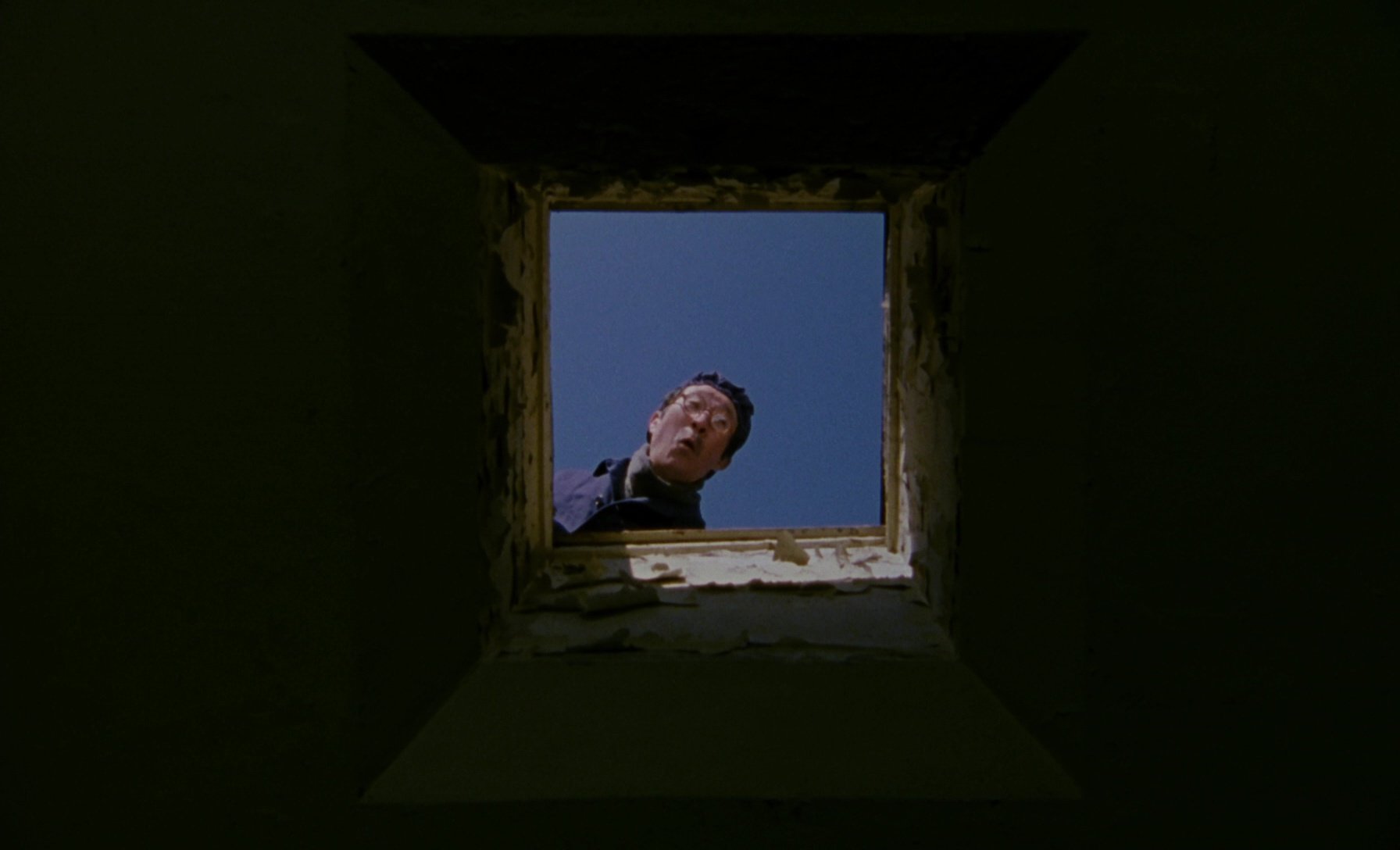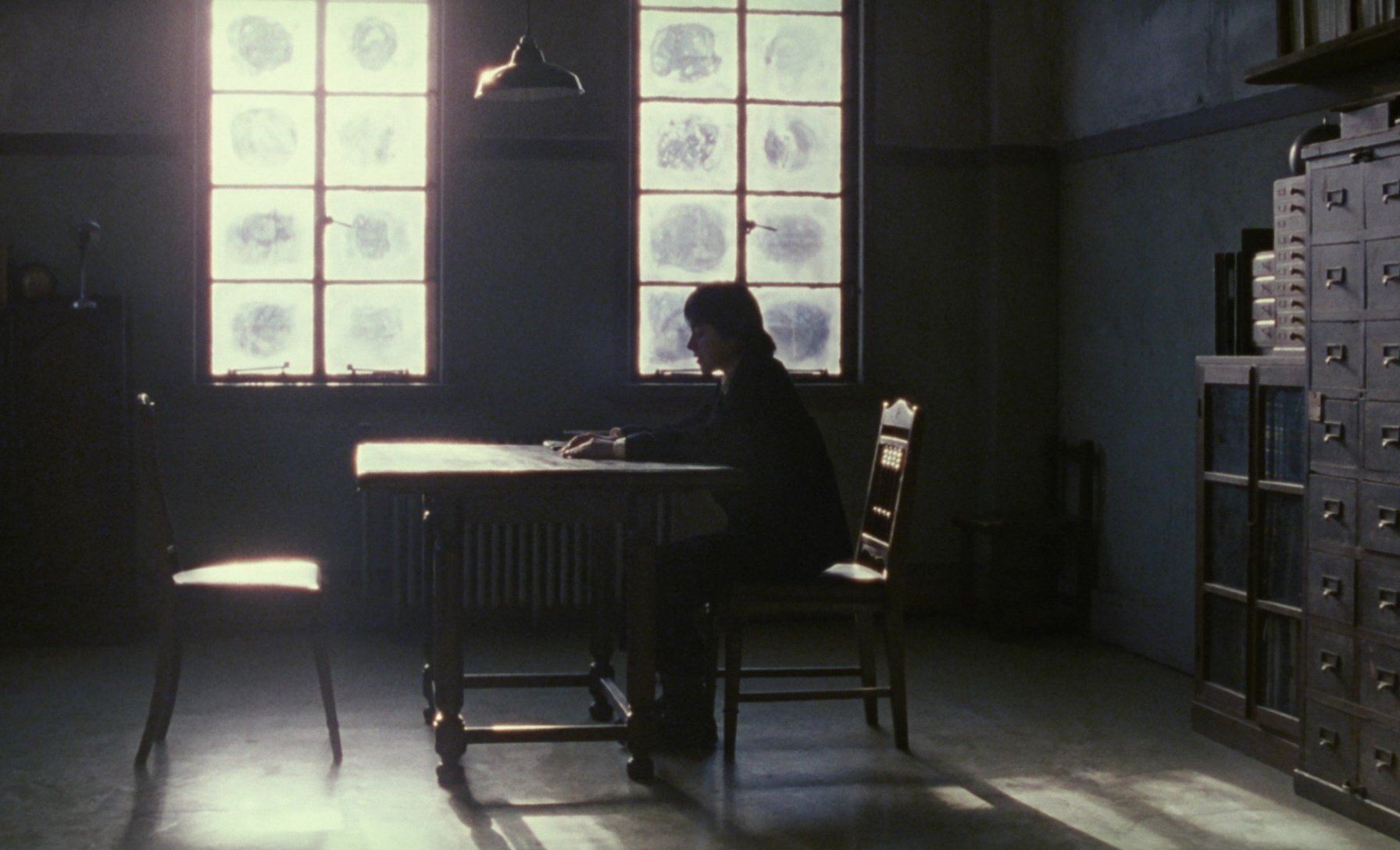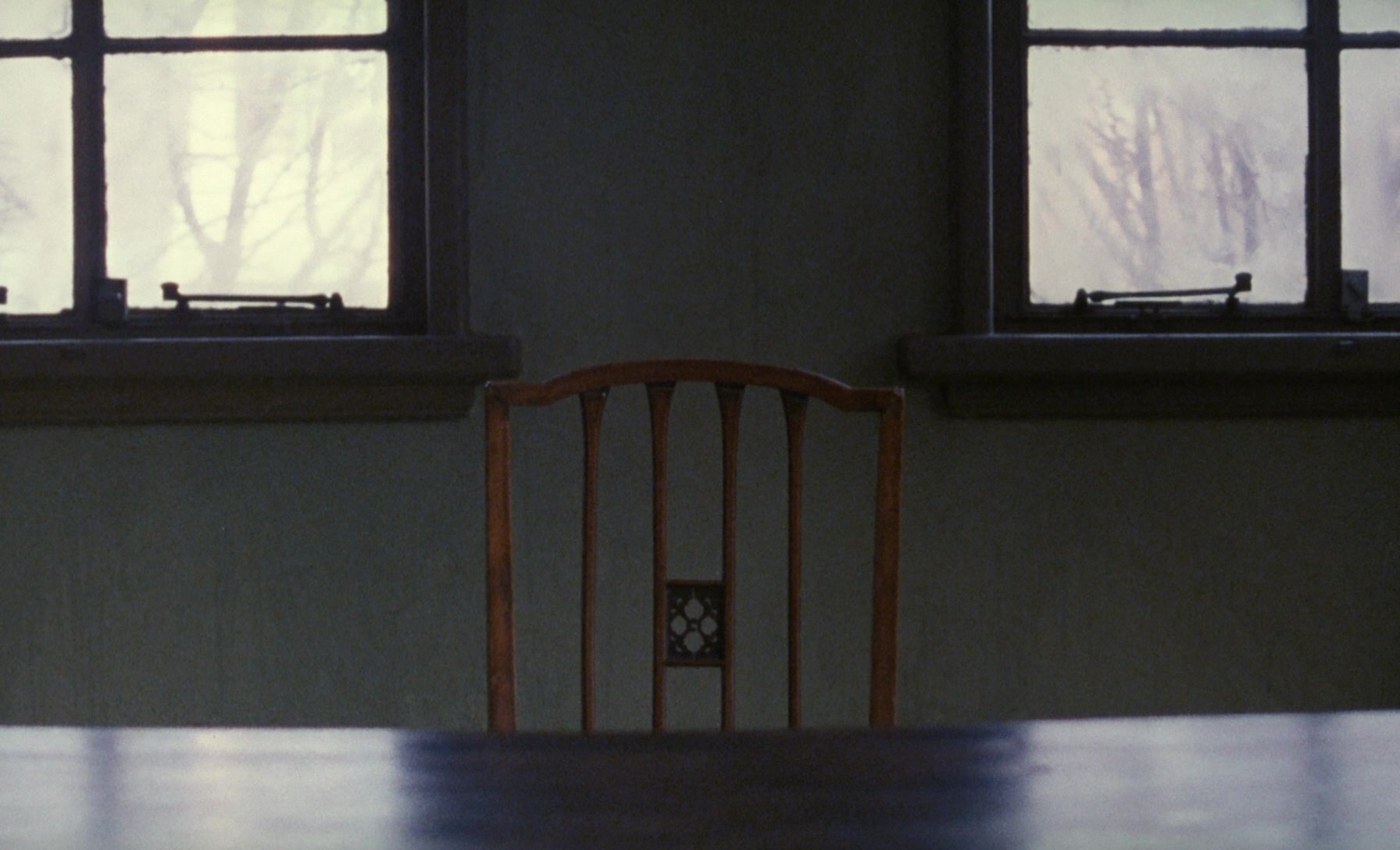
After Life (1998): Filming the perfect memory
1998 • Hirokazu Kore-eda • 1.66:1 • Jump to Gallery ↓
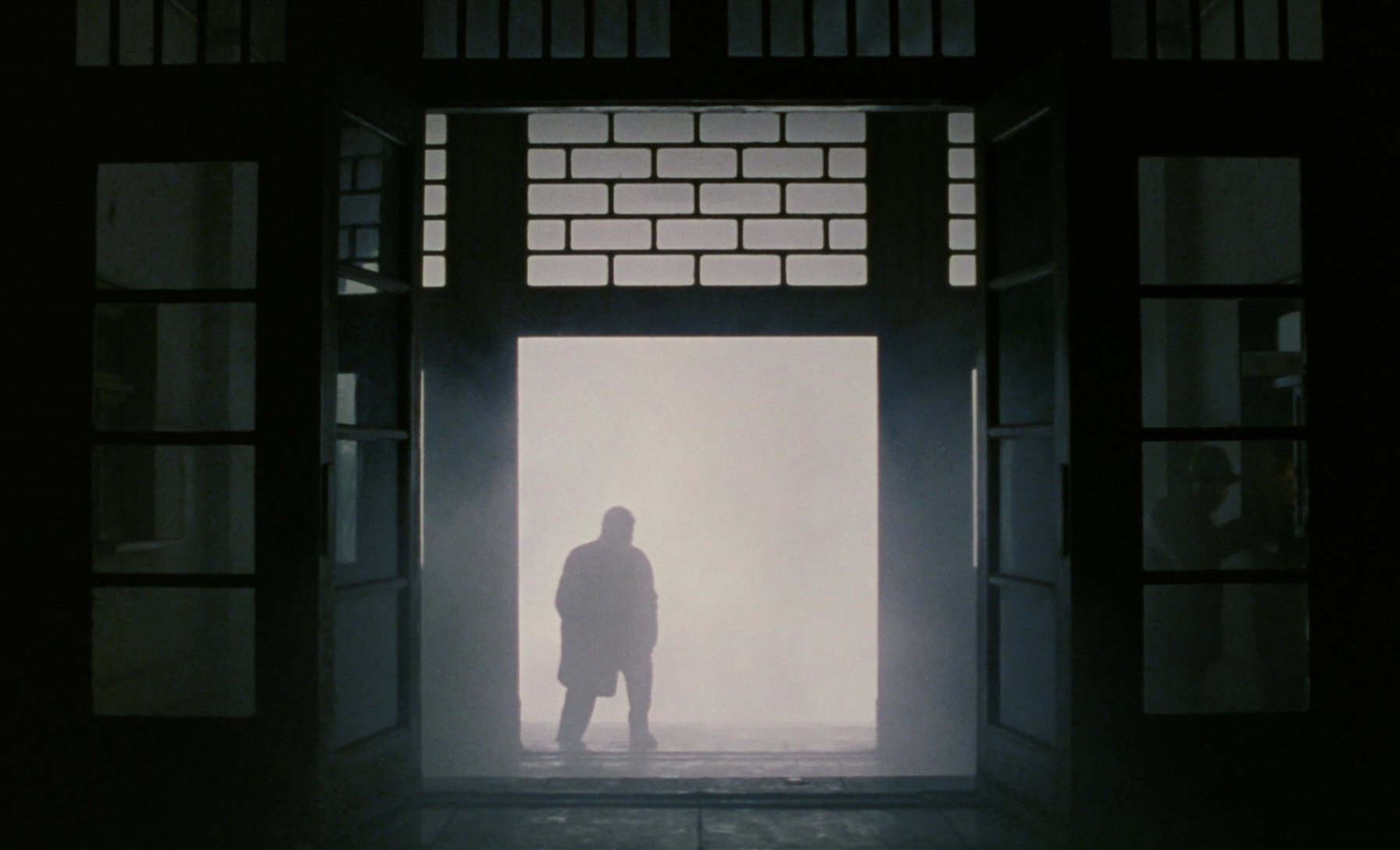
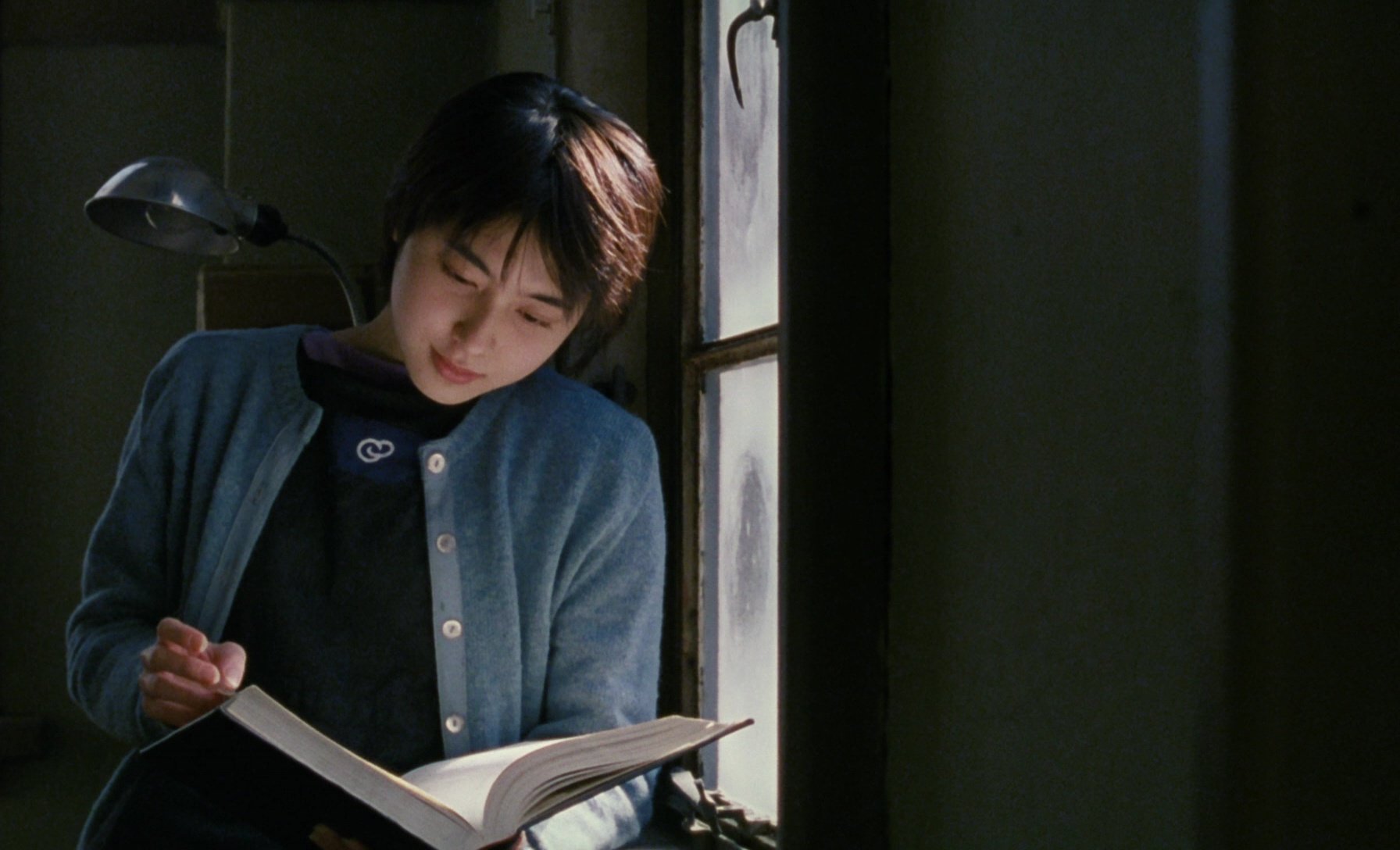
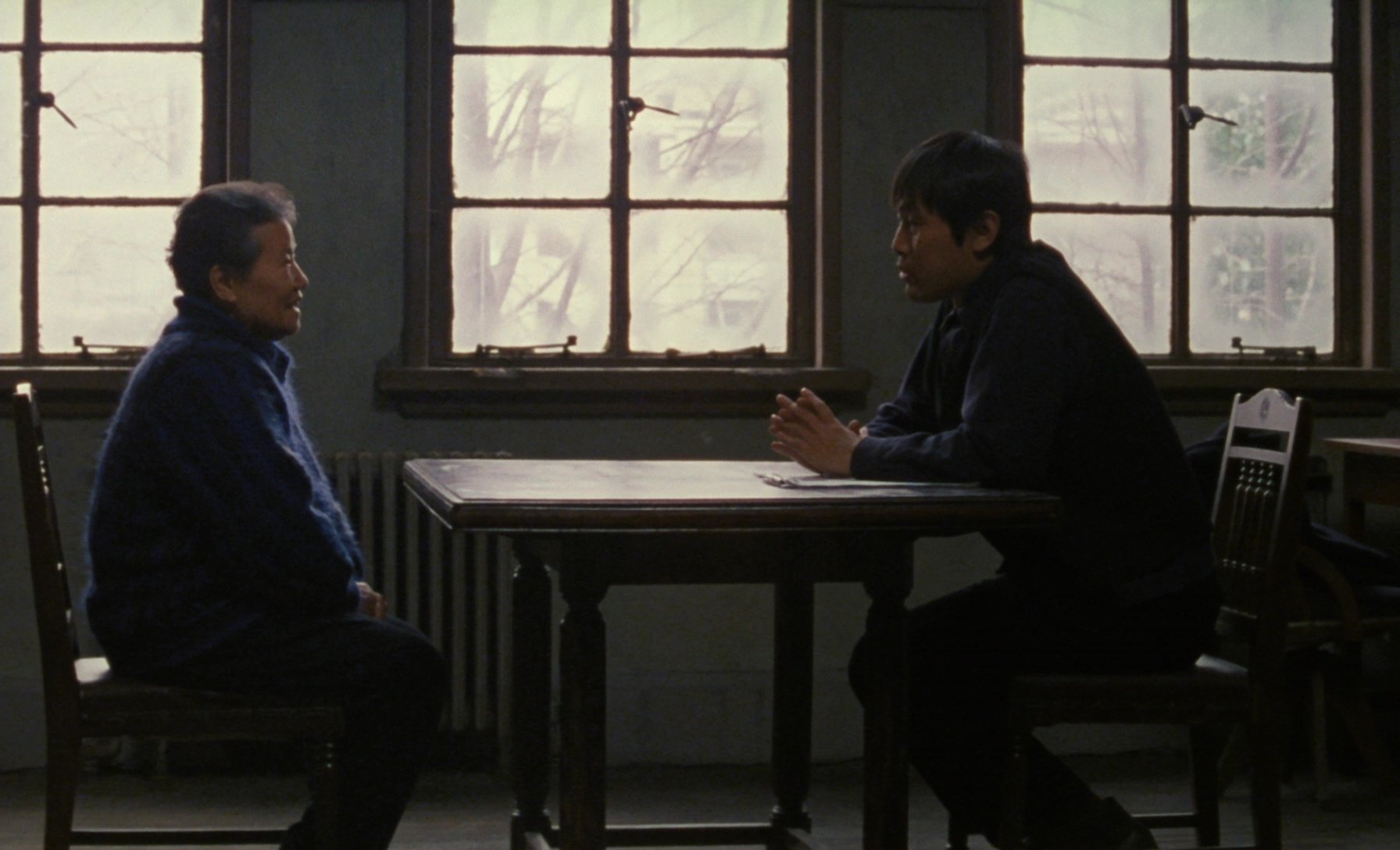
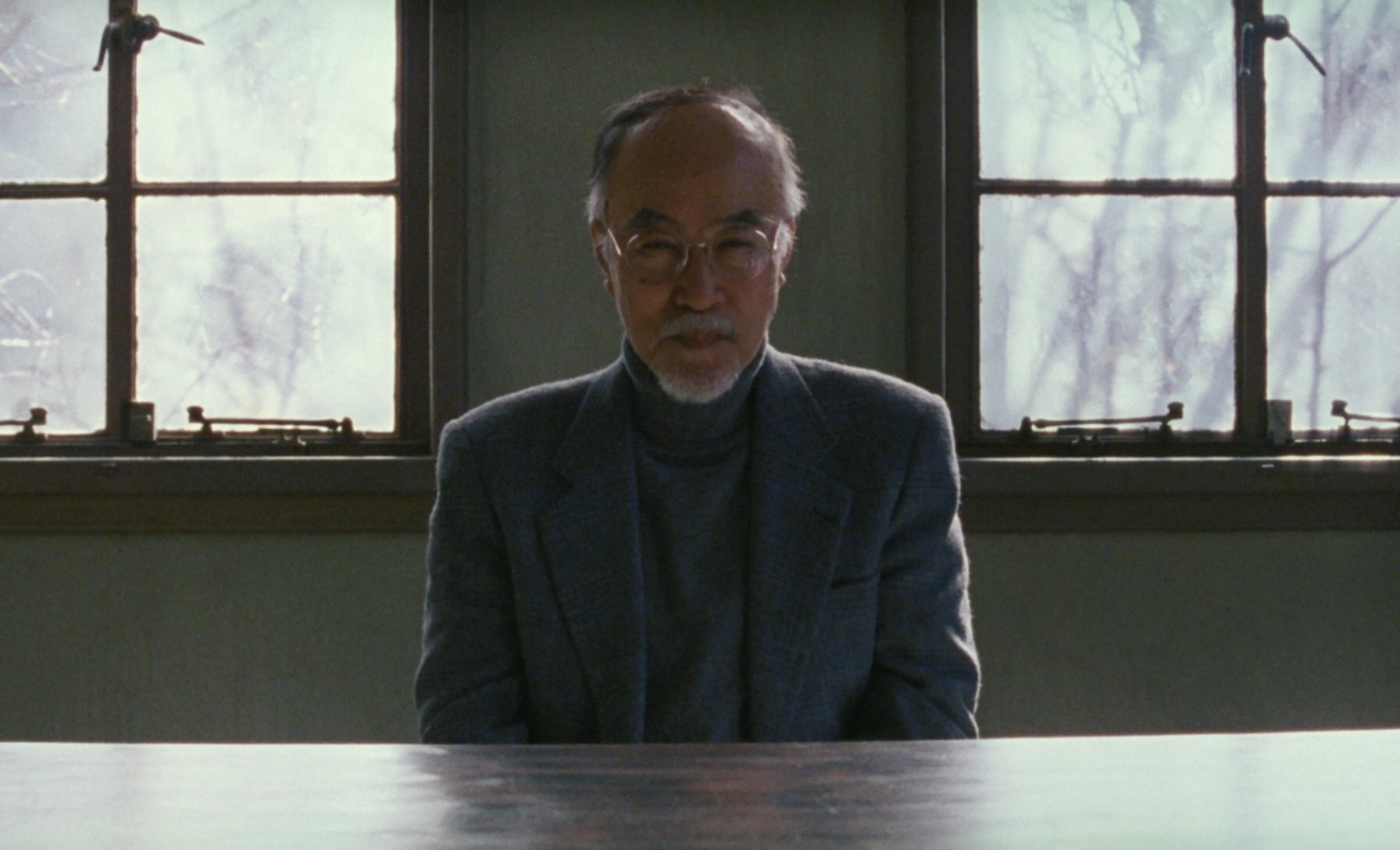
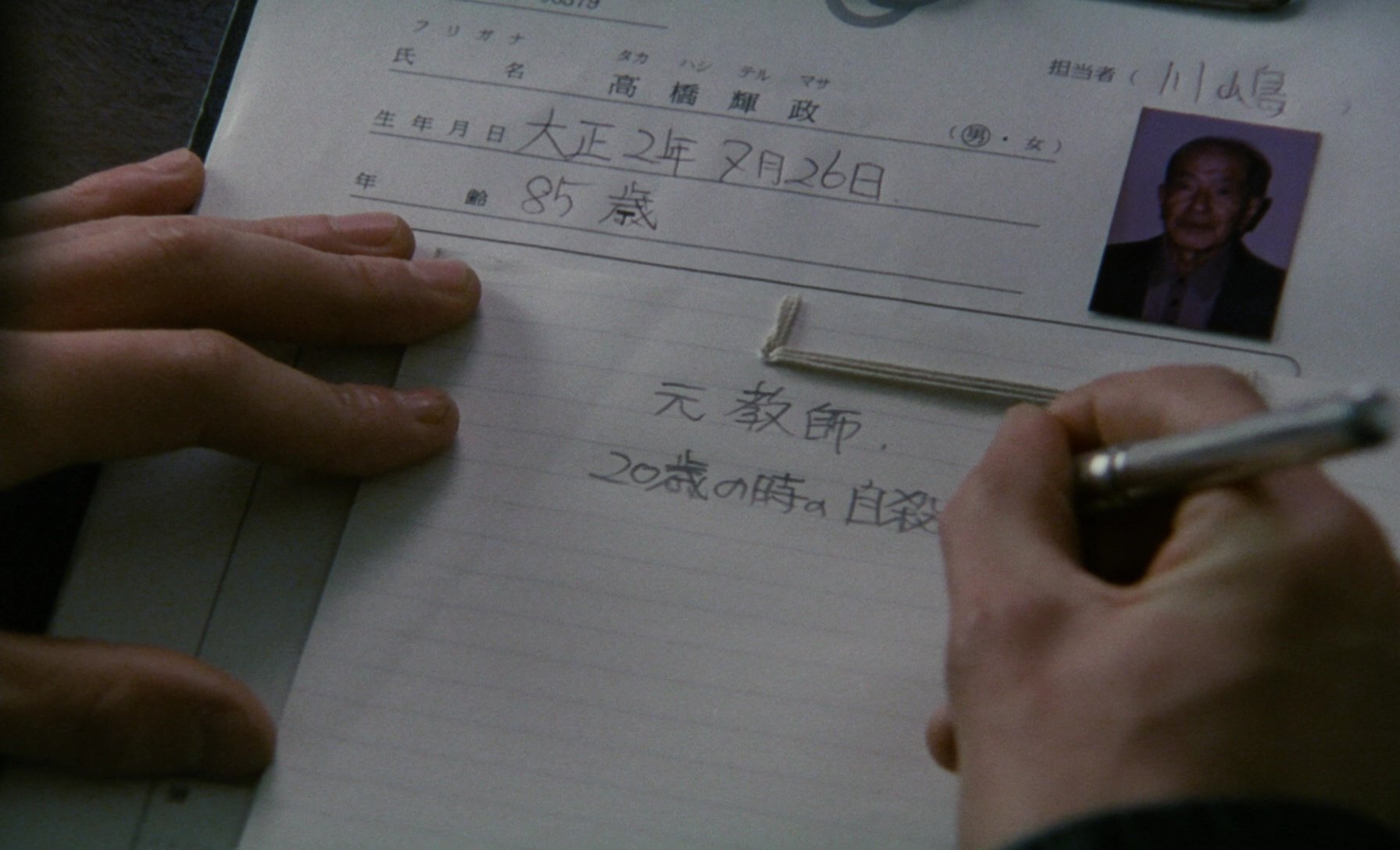
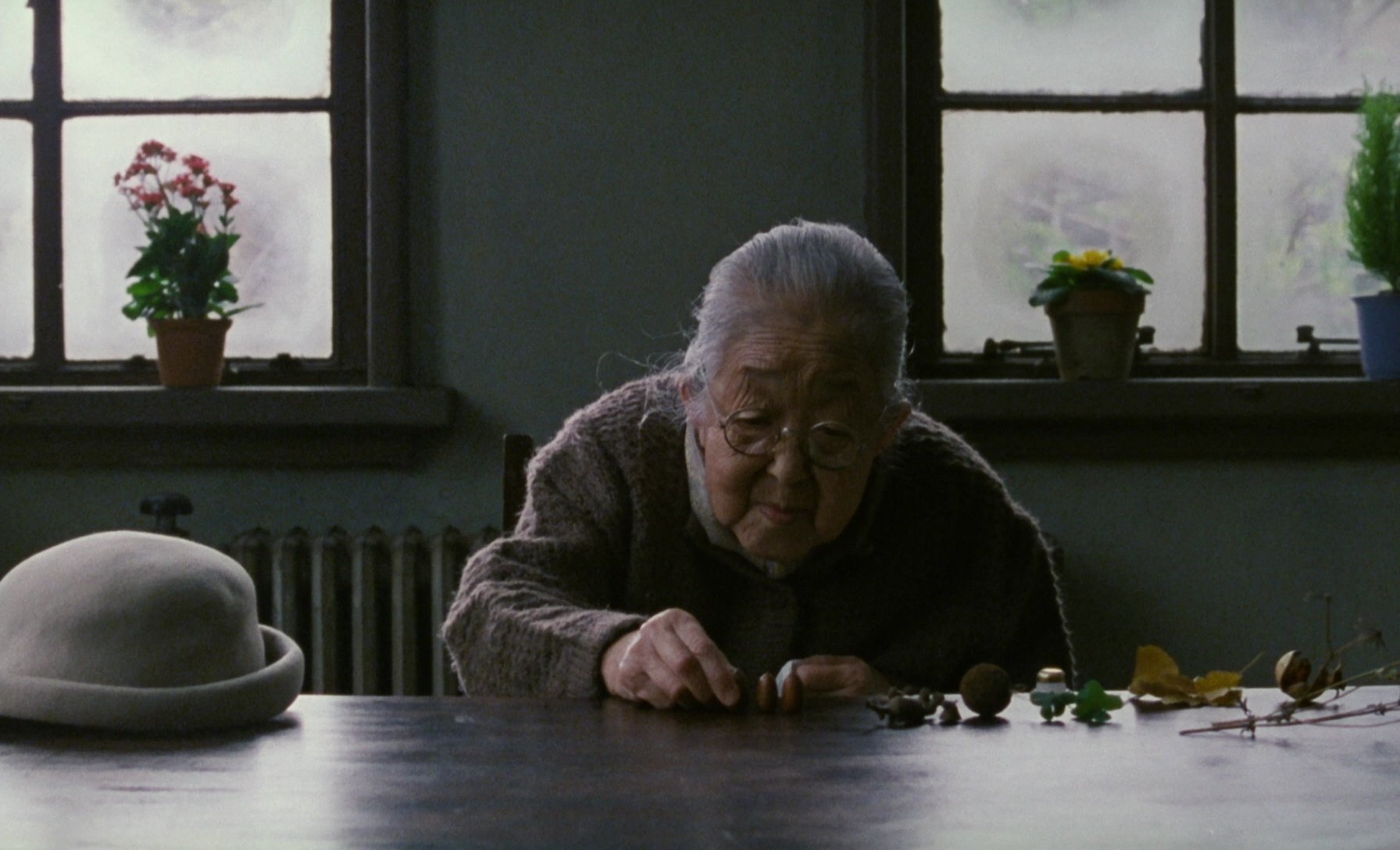
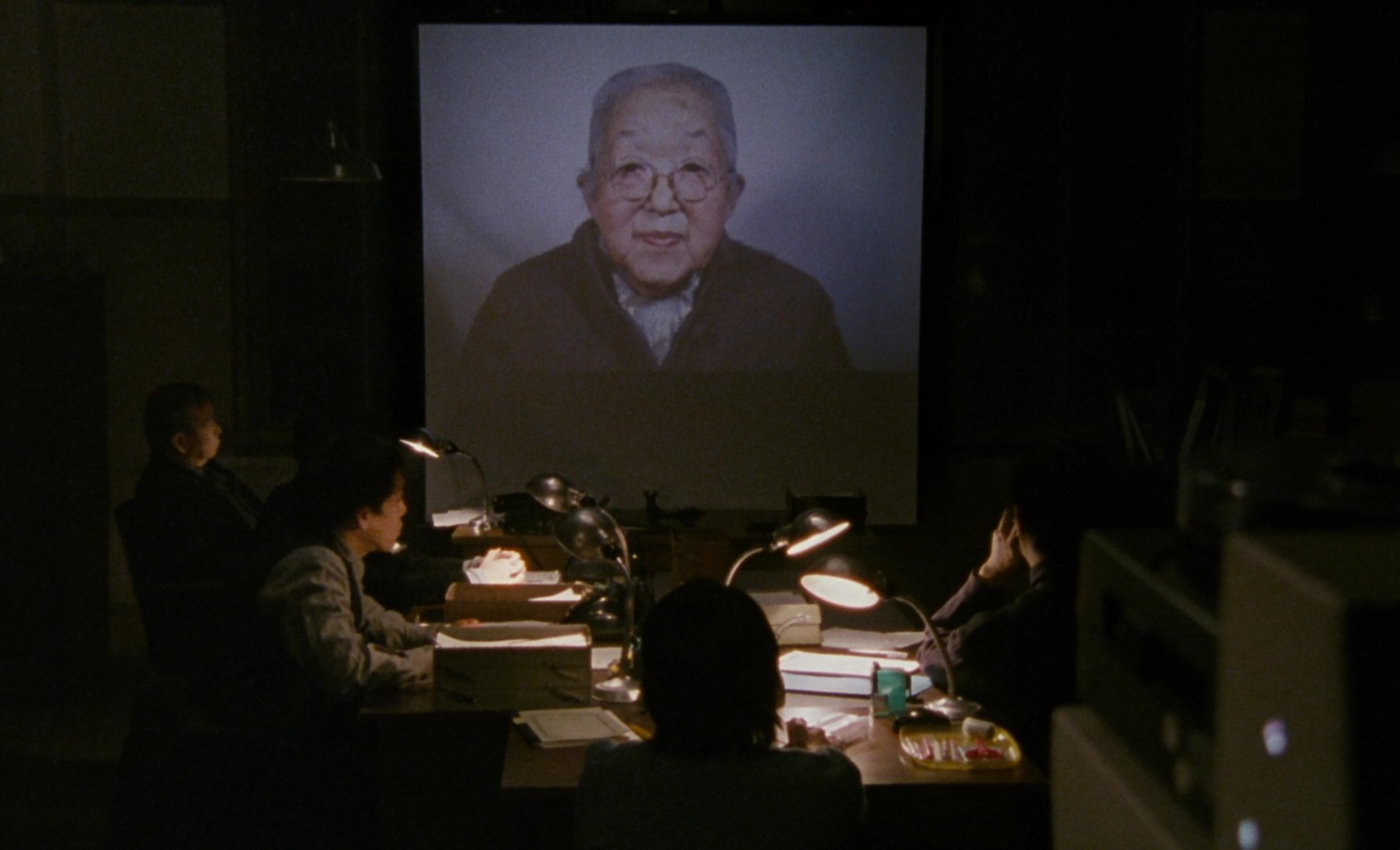
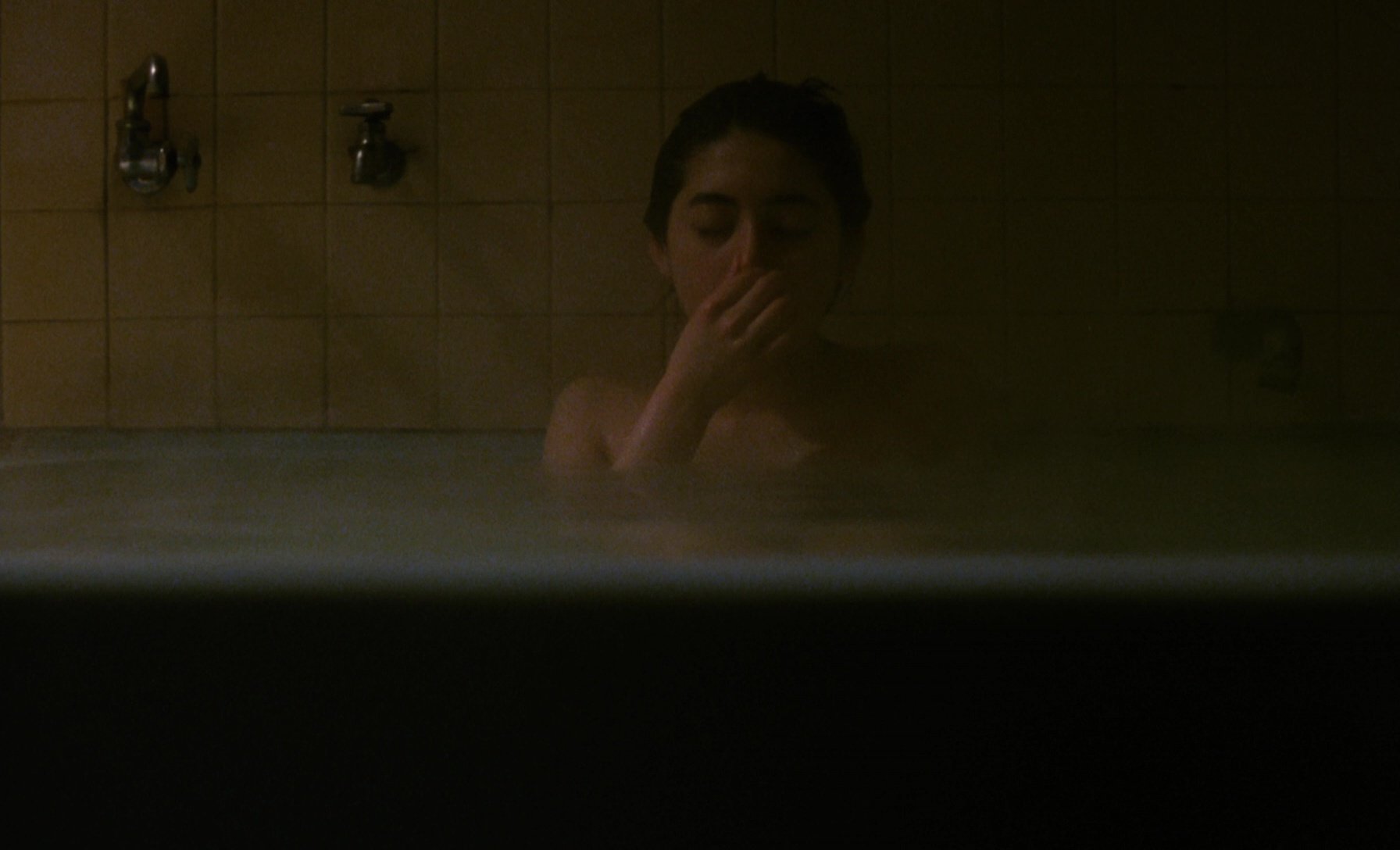
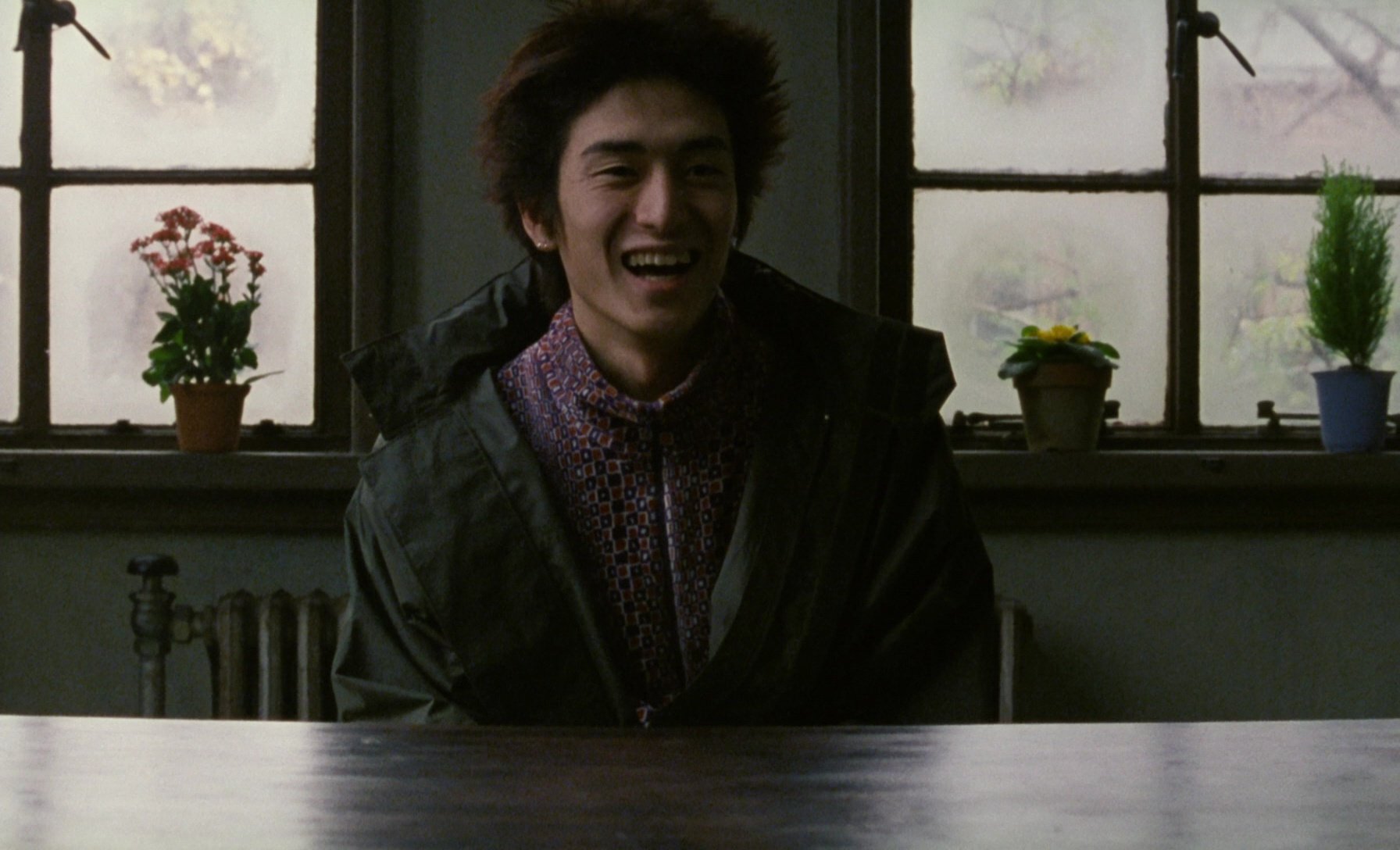
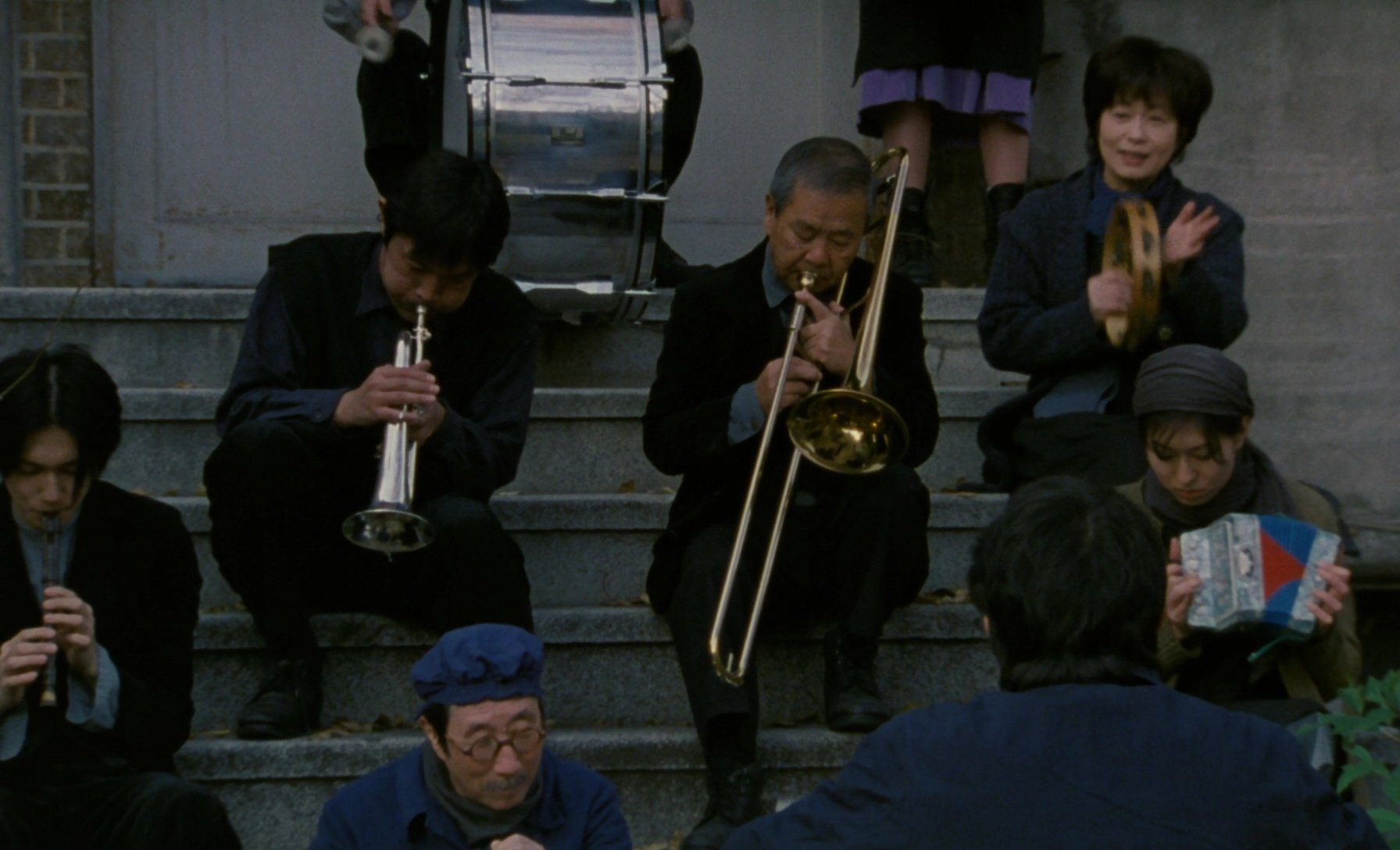
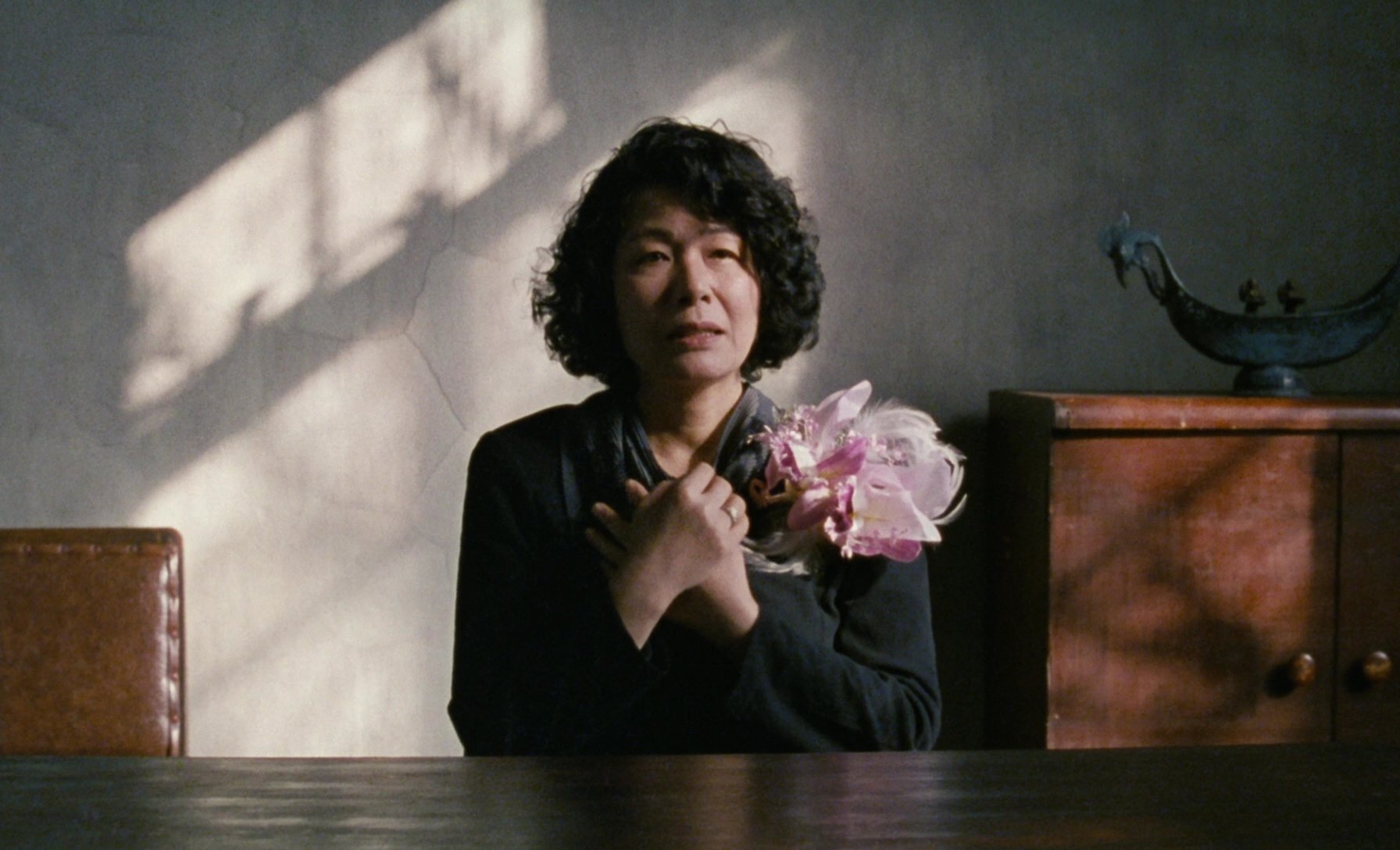
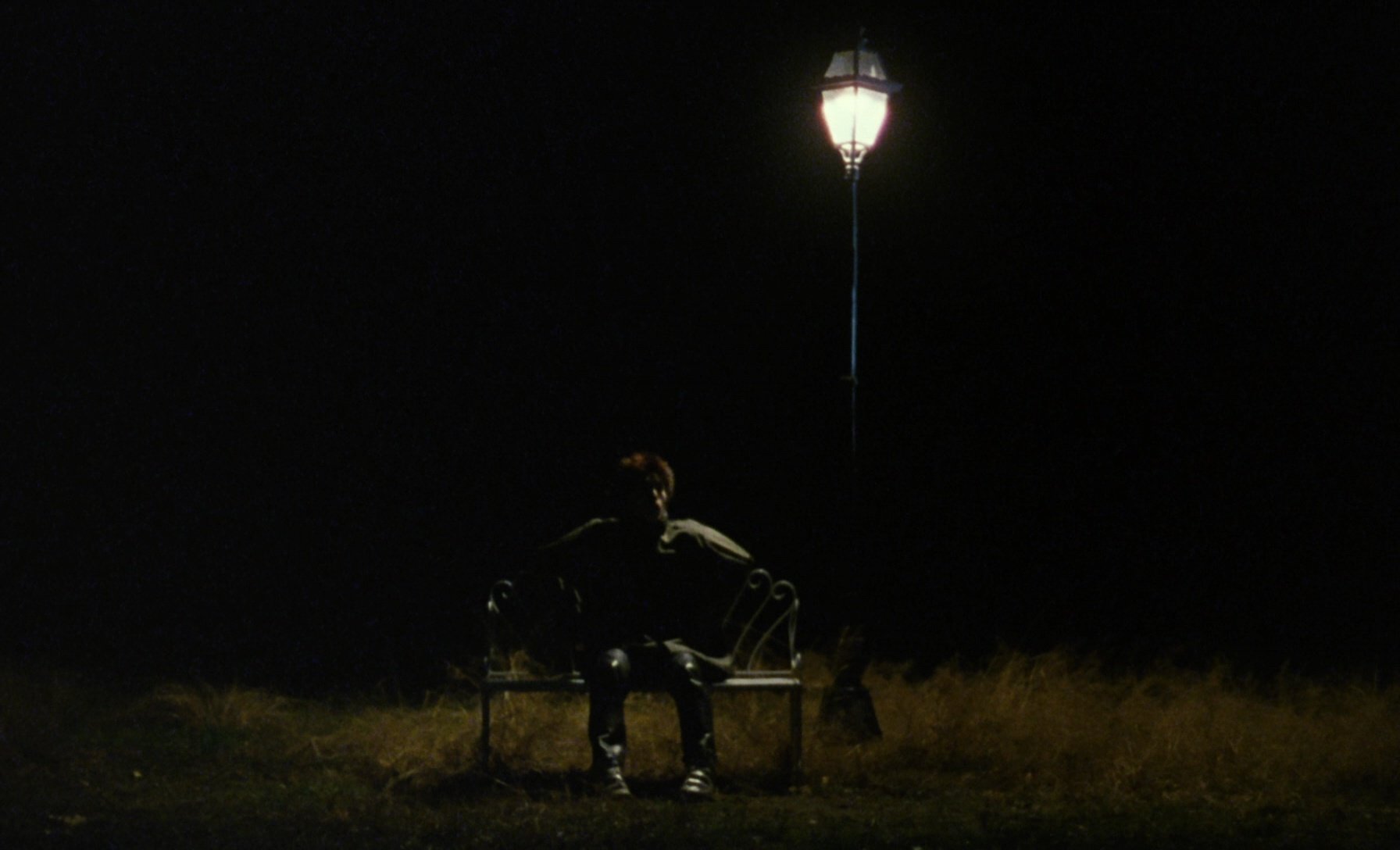
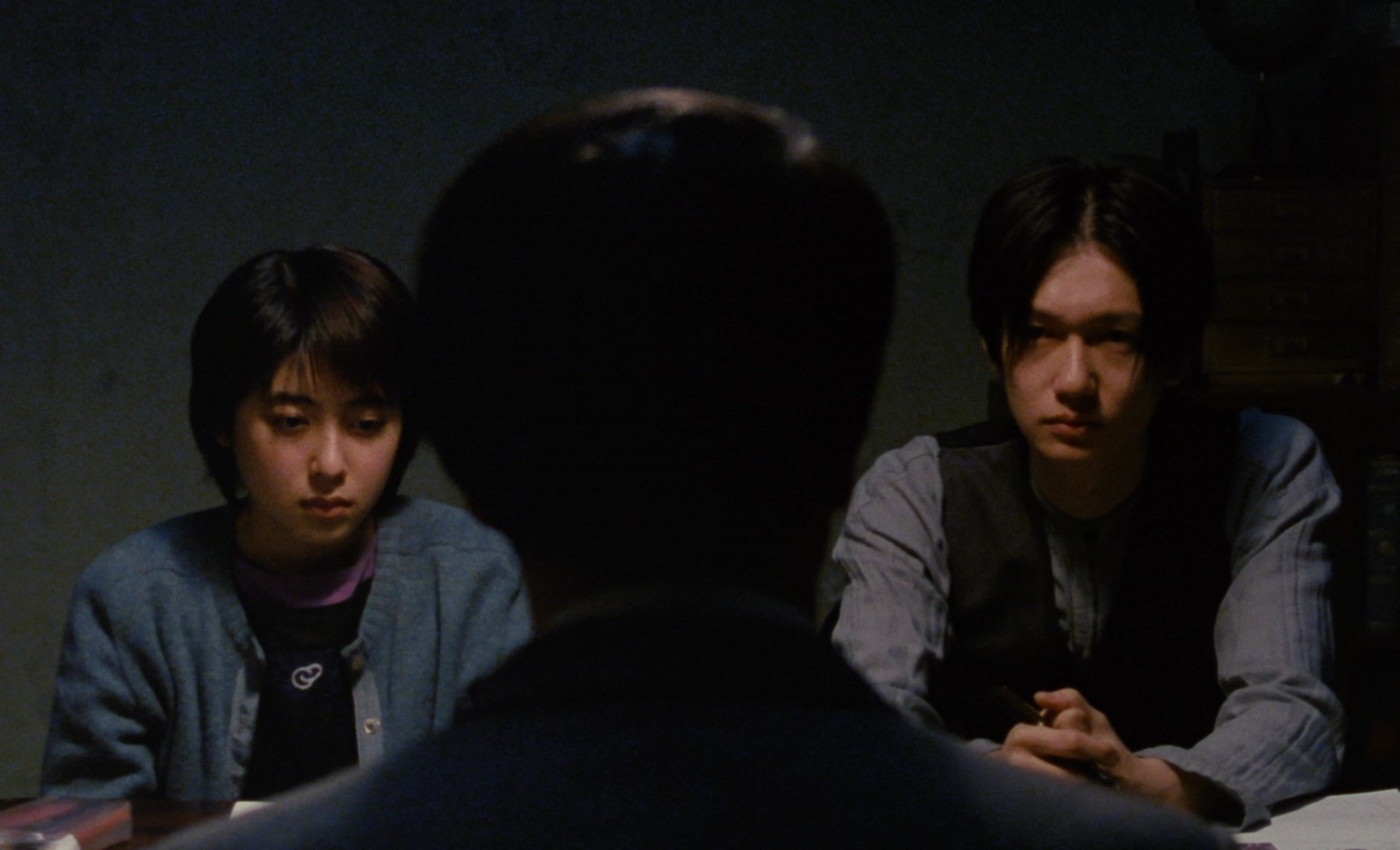
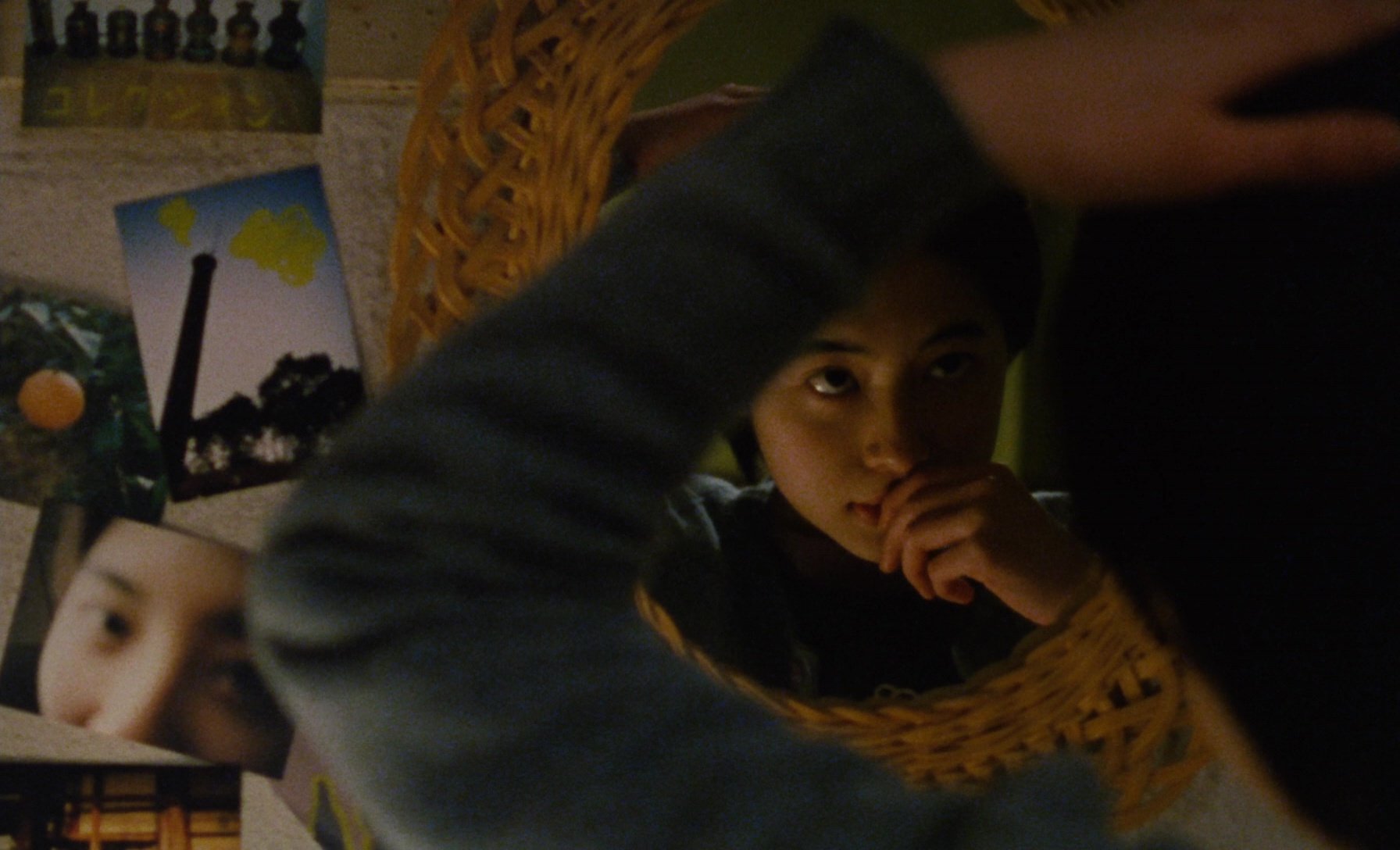
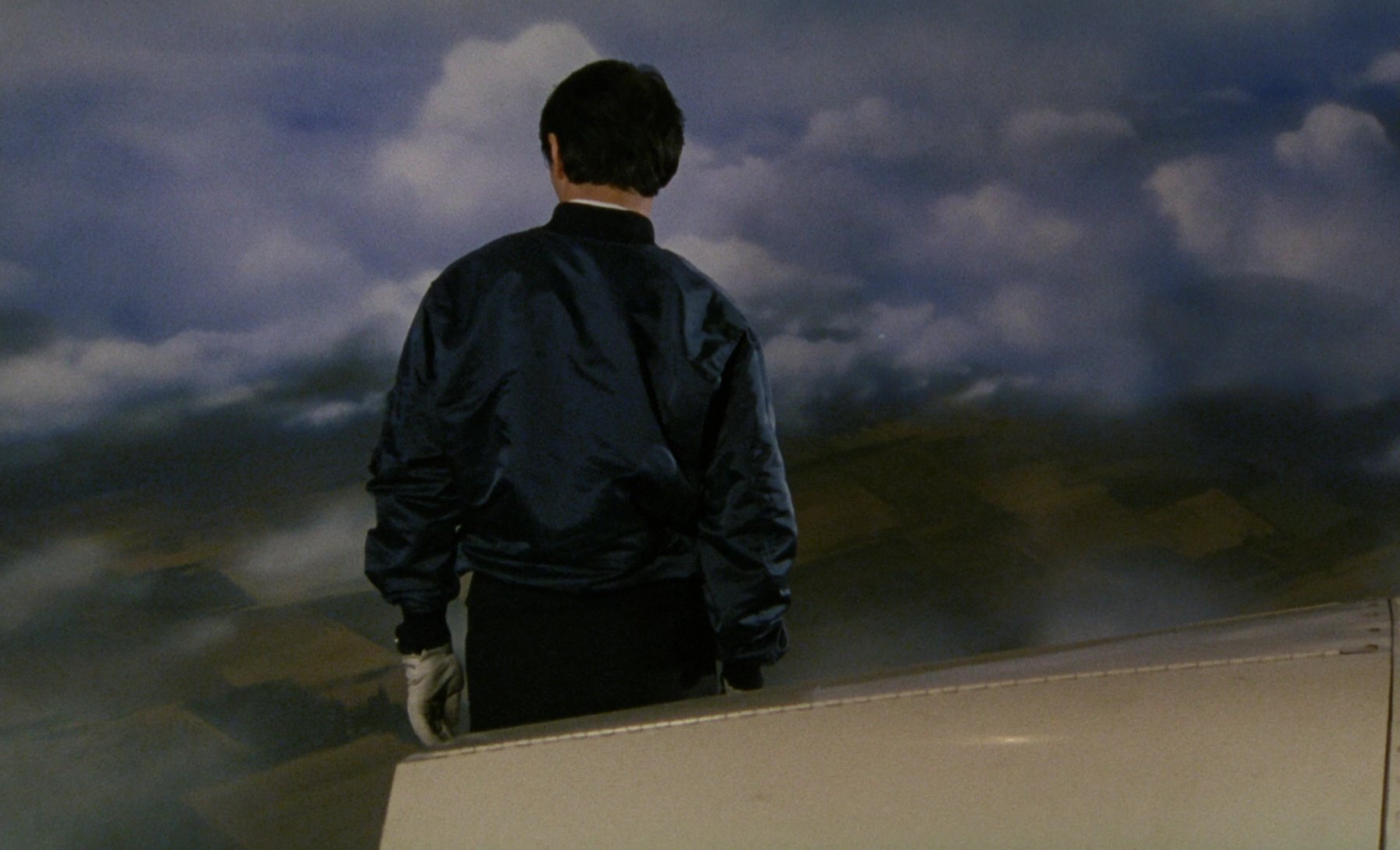
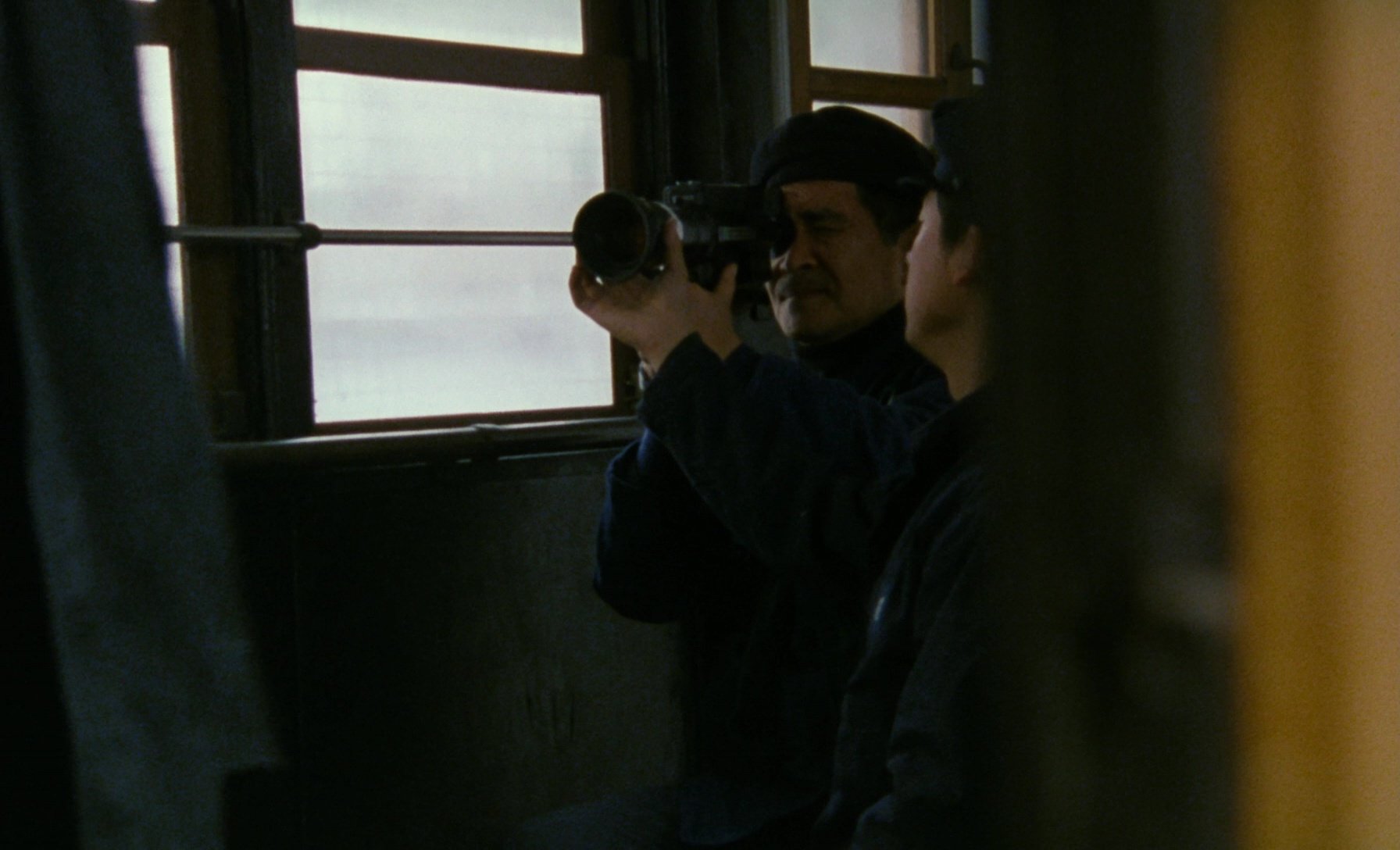
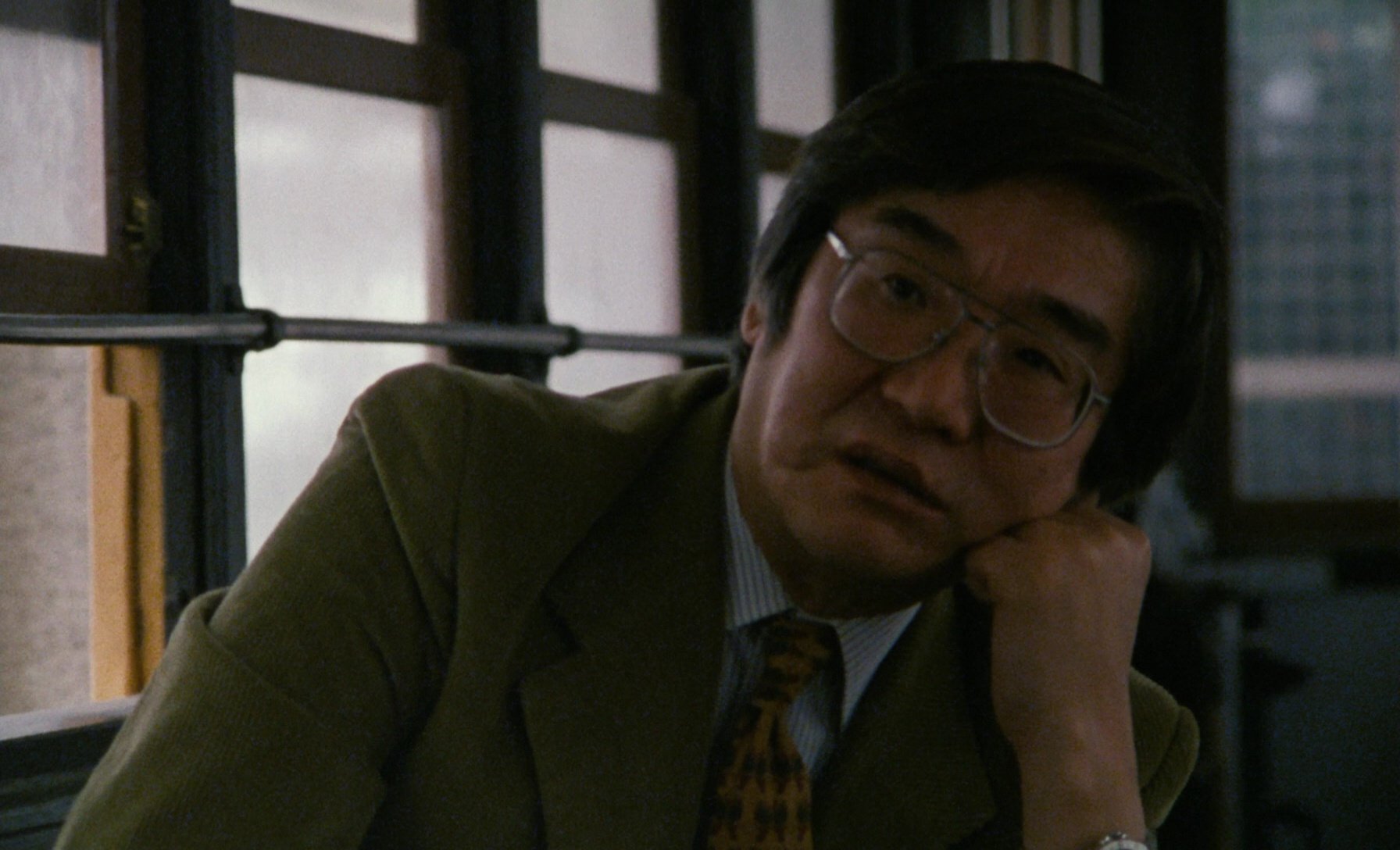
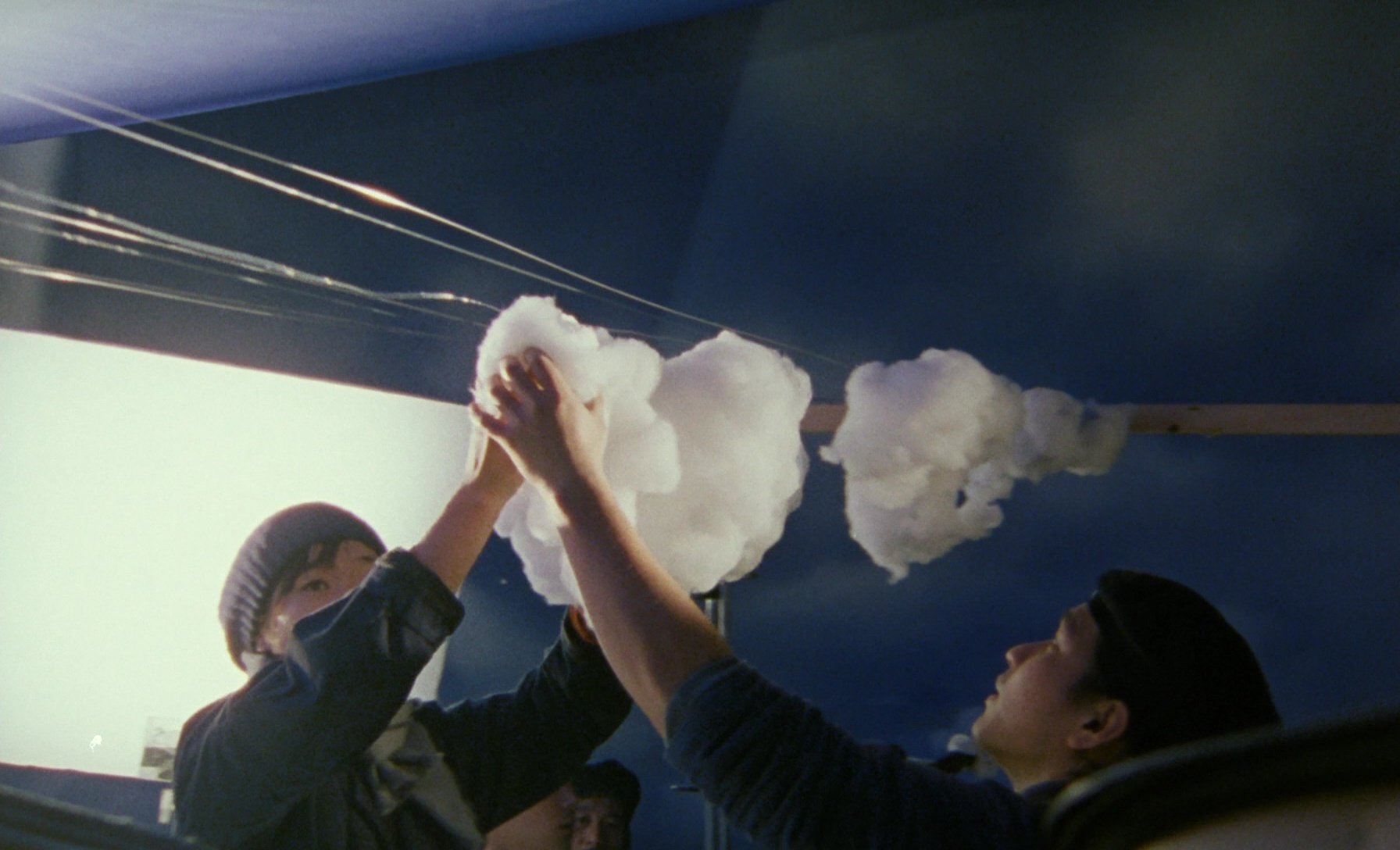
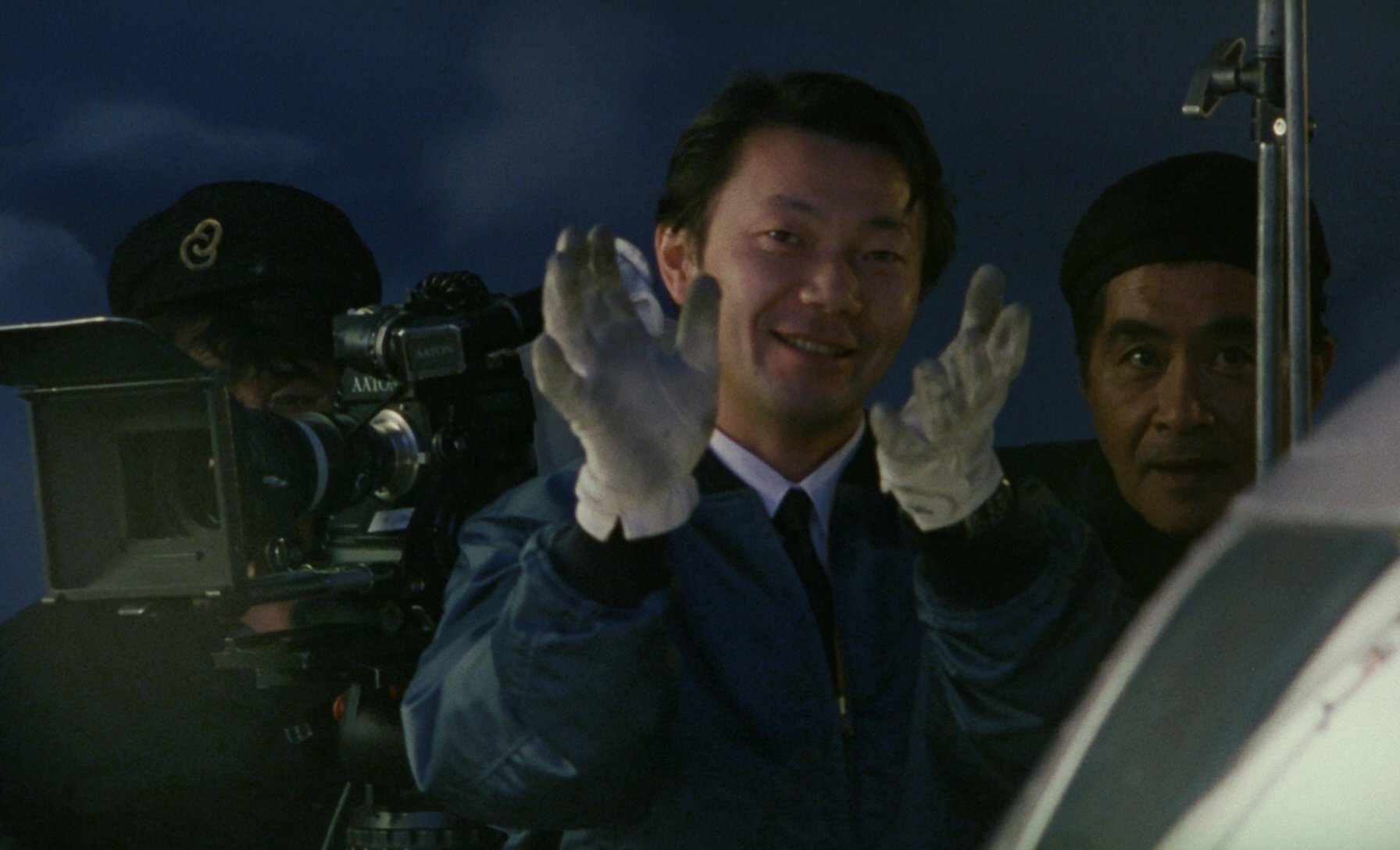
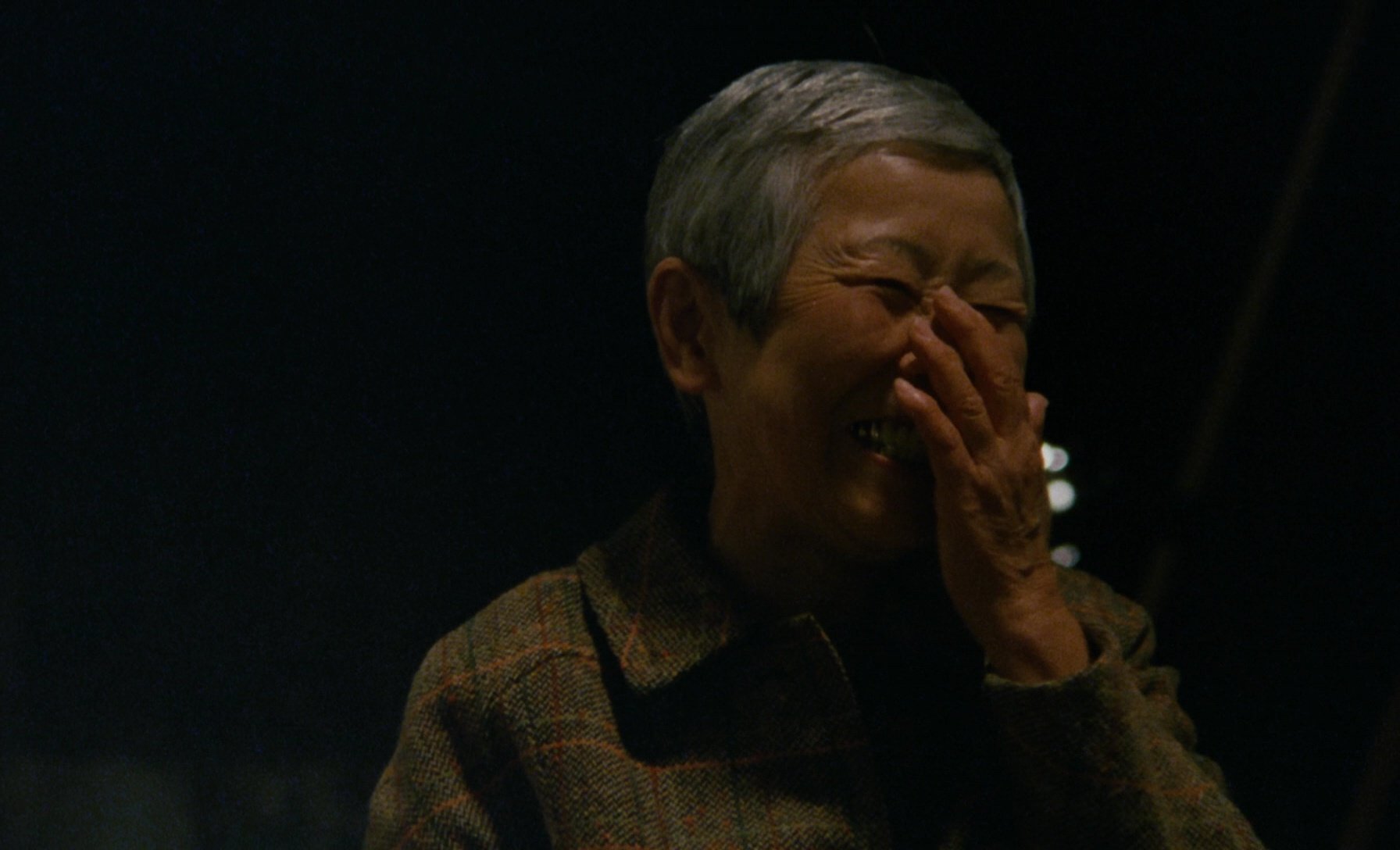
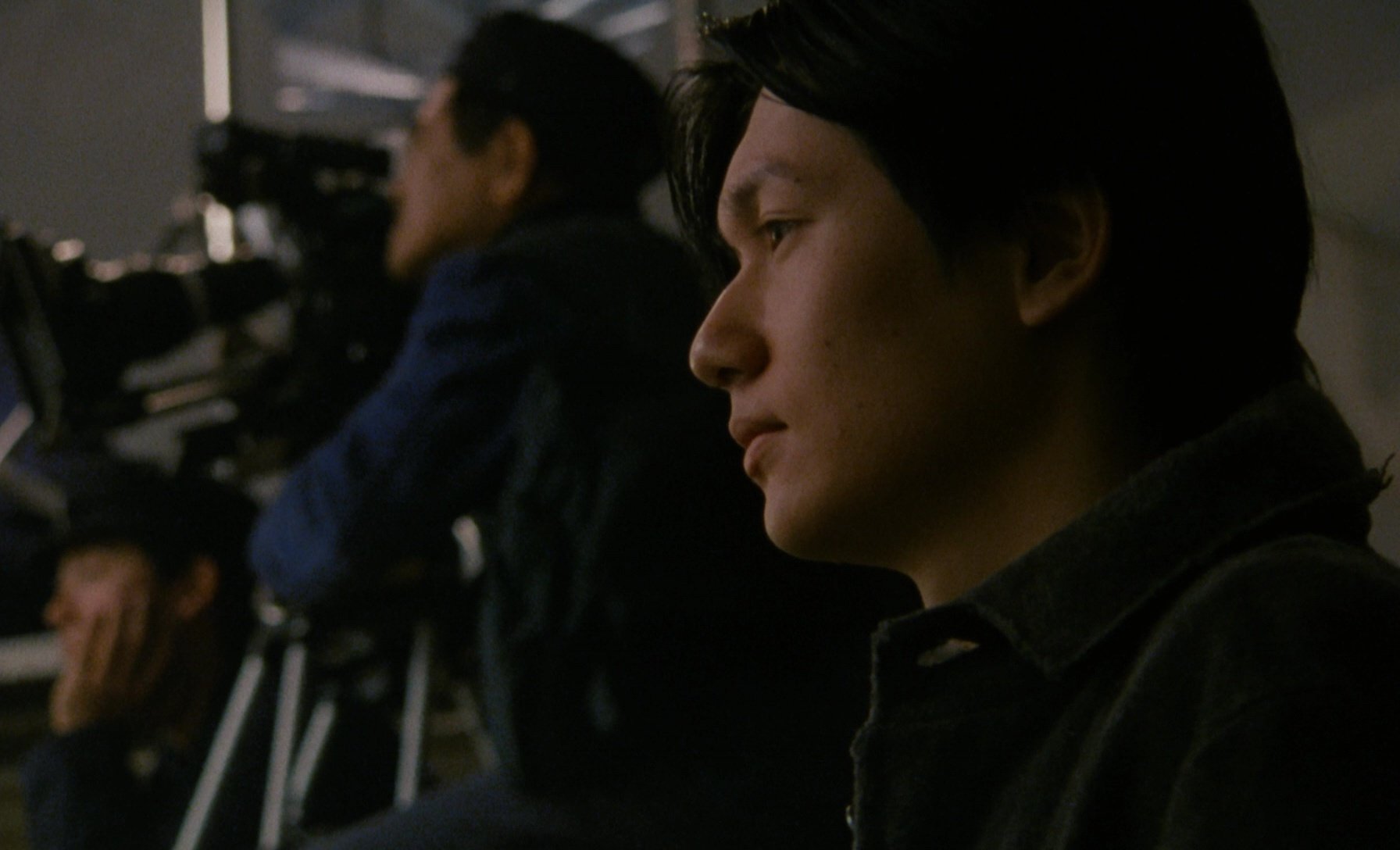
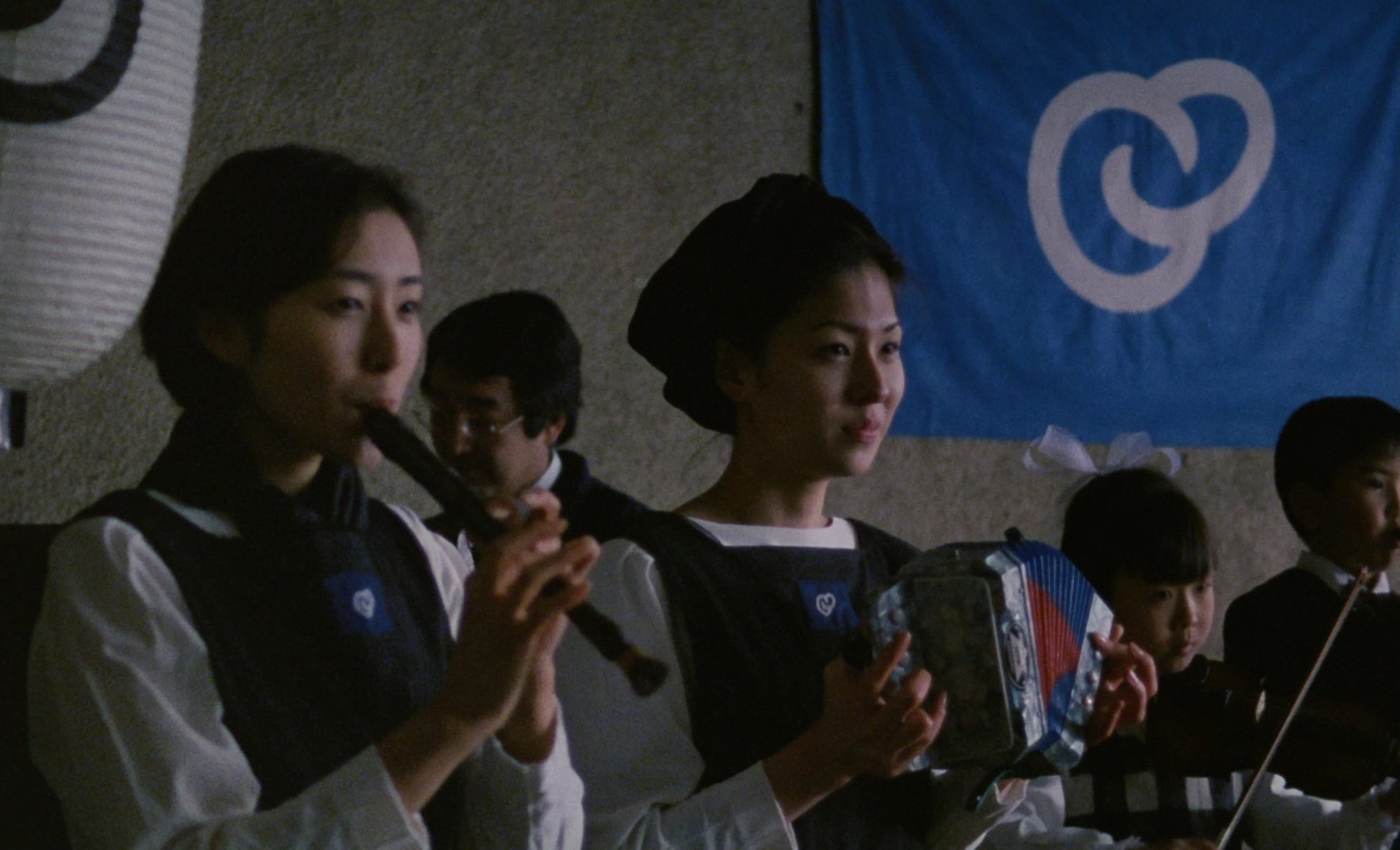
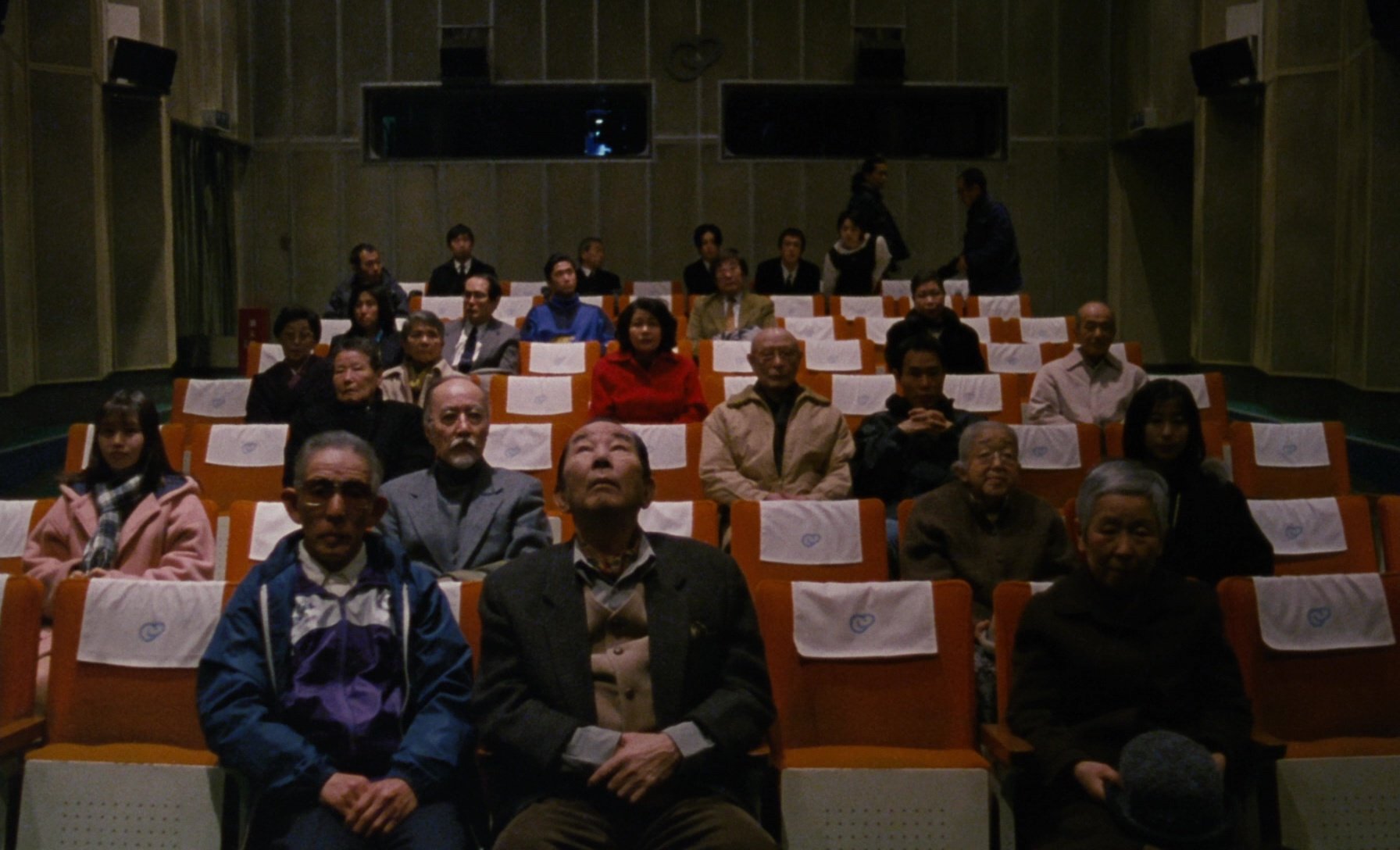
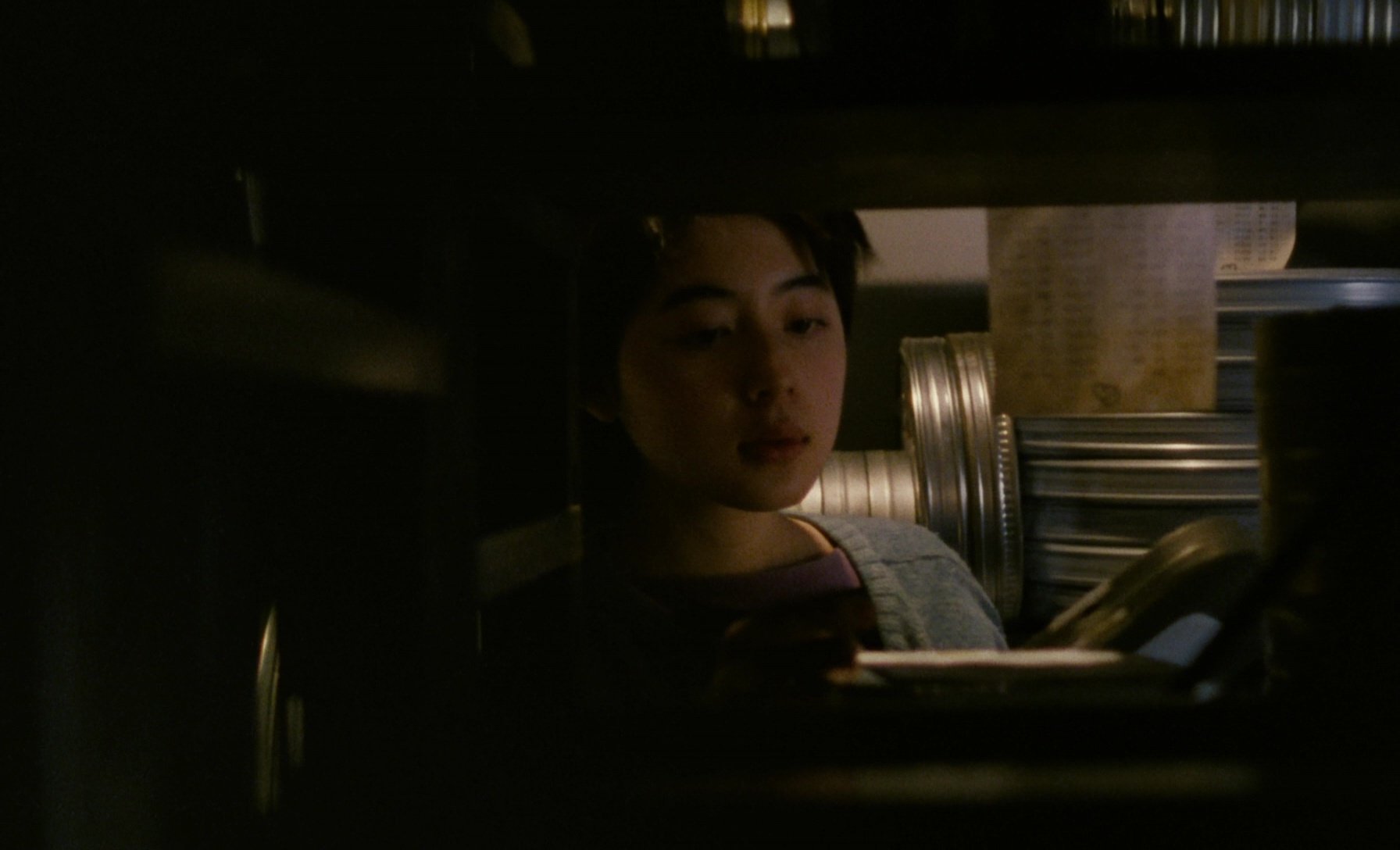
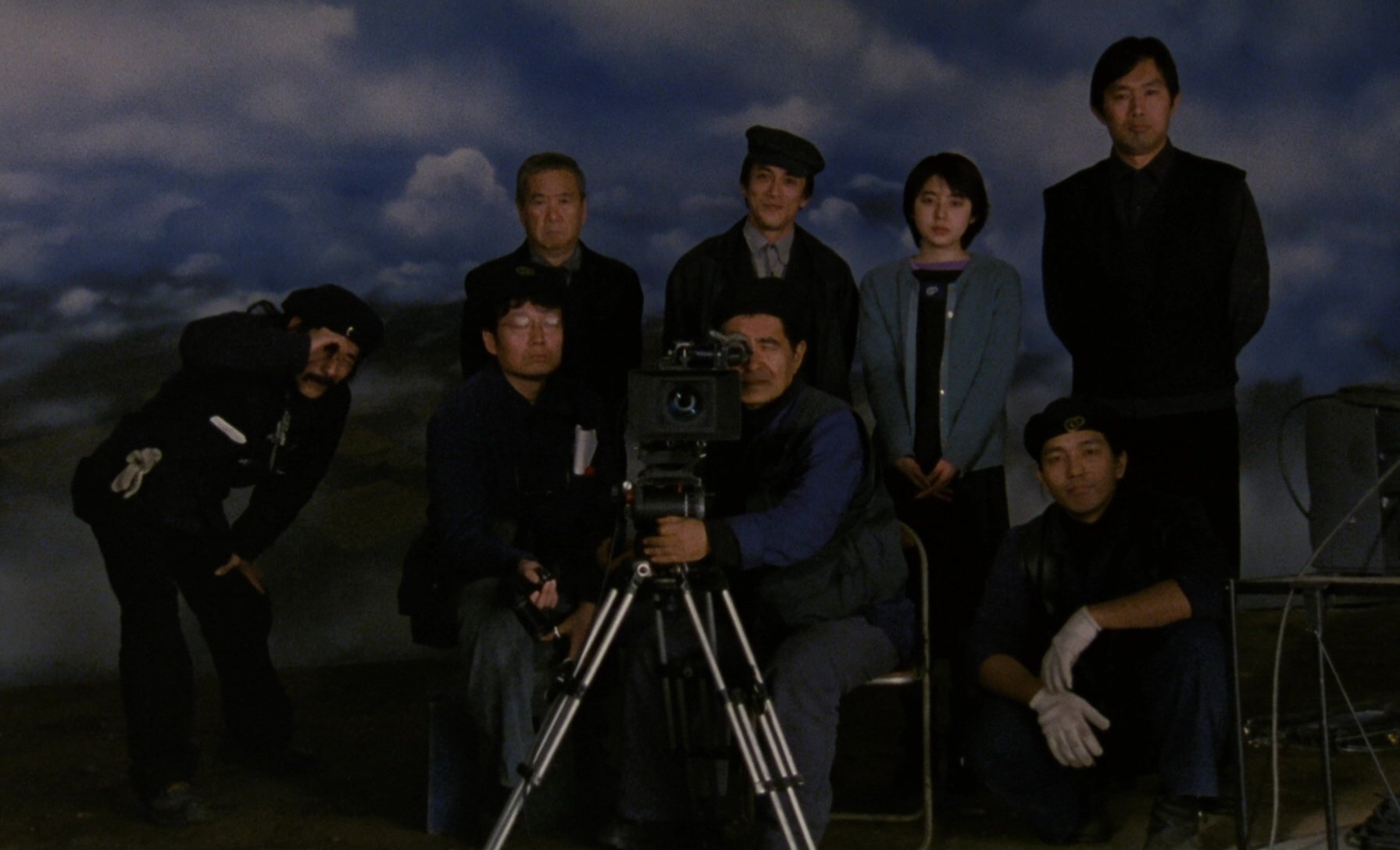
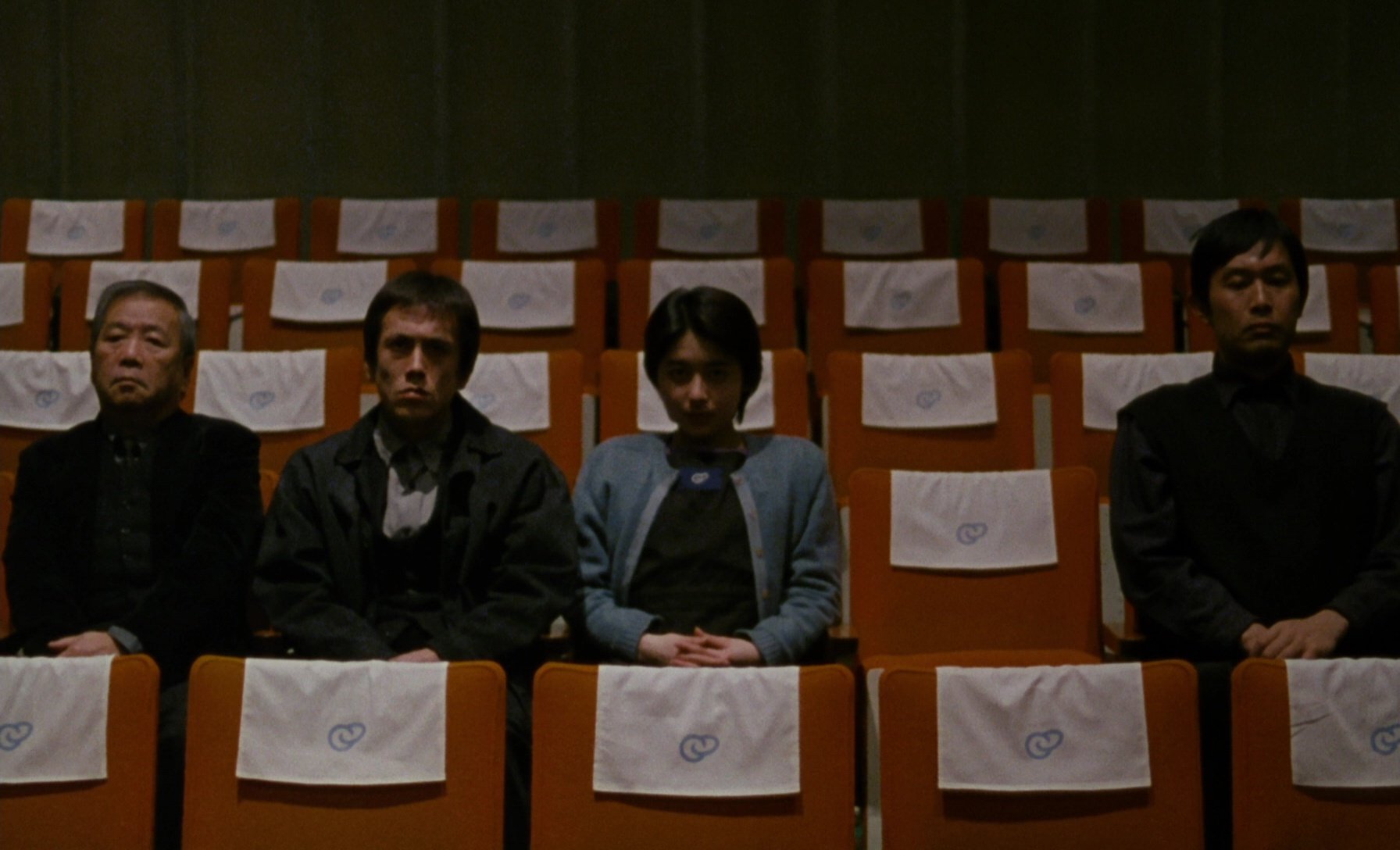
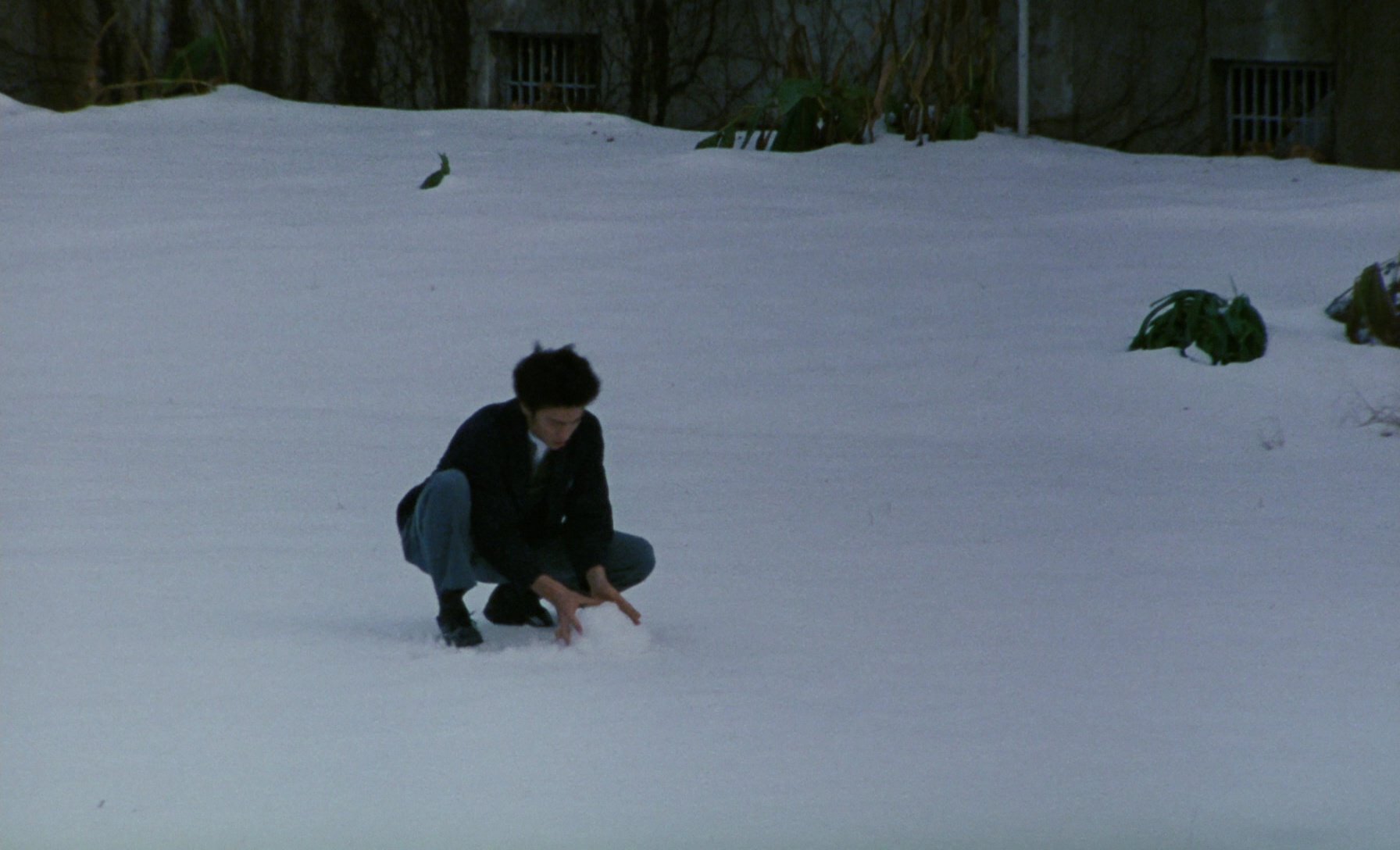
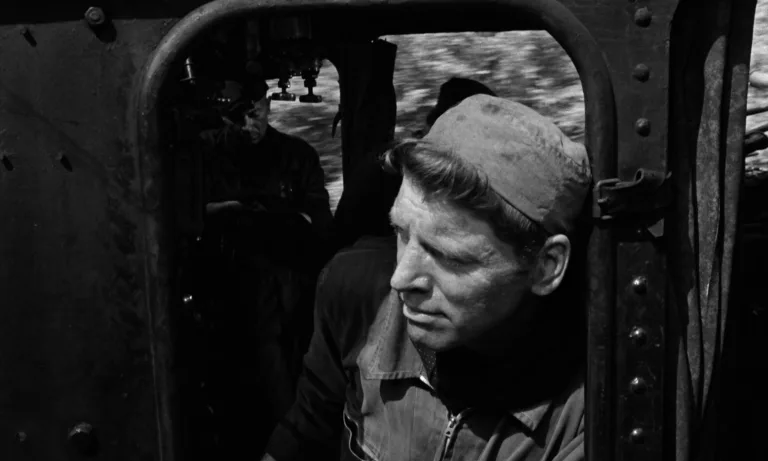
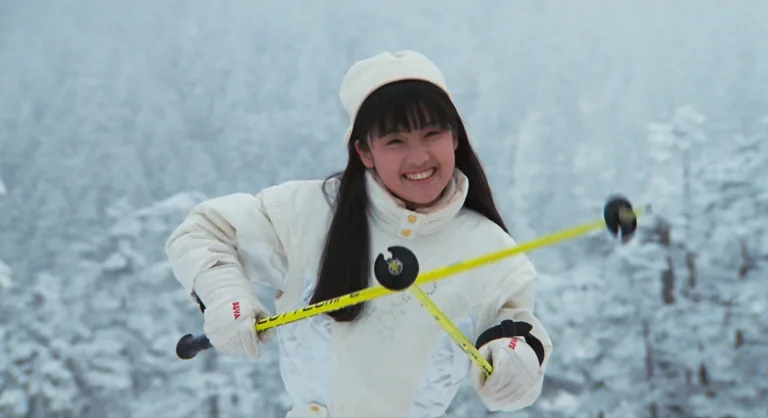
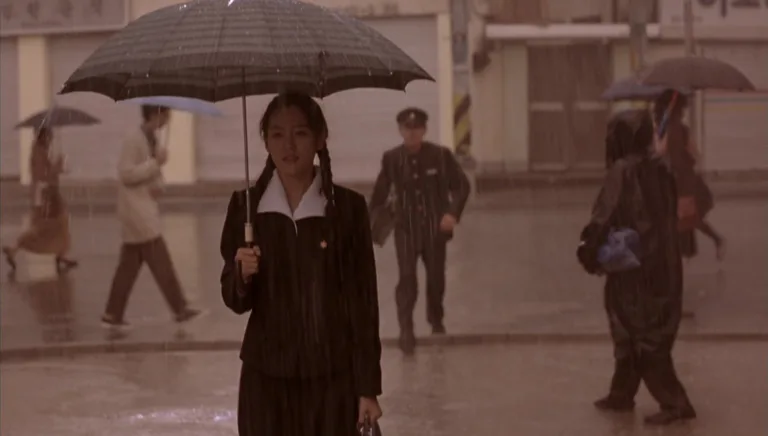
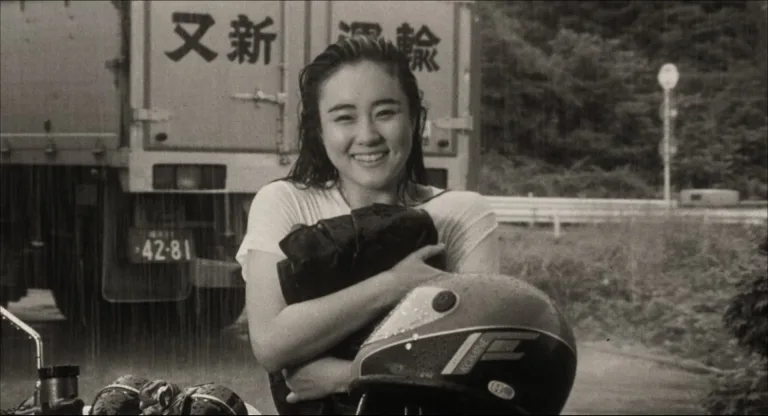
Hirokazu Kore-eda’s After Life follows a group of recently deceased individuals who arrive at a transitional institution where they must choose a single memory to carry with them into eternity. Counsellors interview the residents and recreate their chosen memories on film. As they reflect on their lives, they confront regret, attachment, and personal meaning.
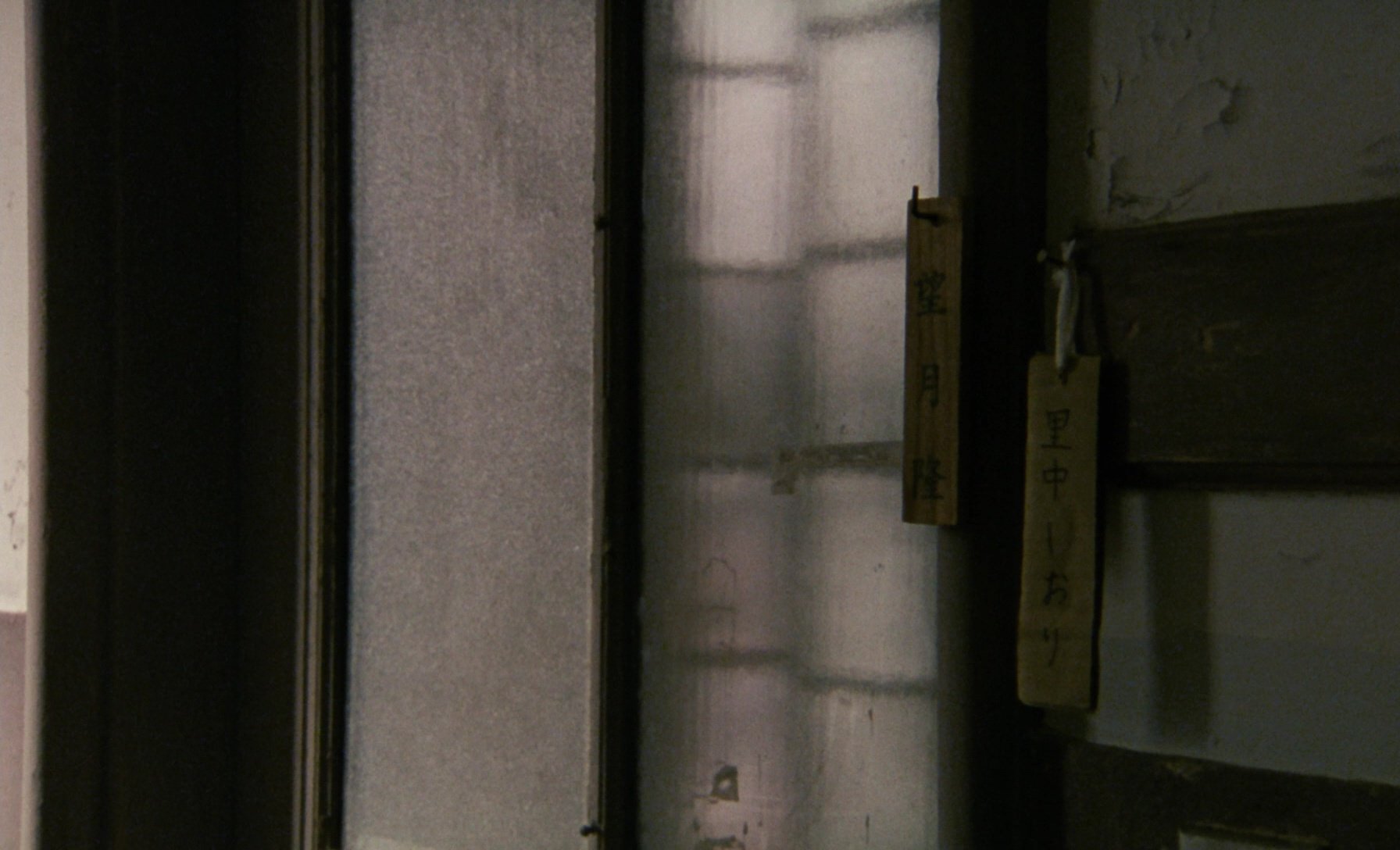
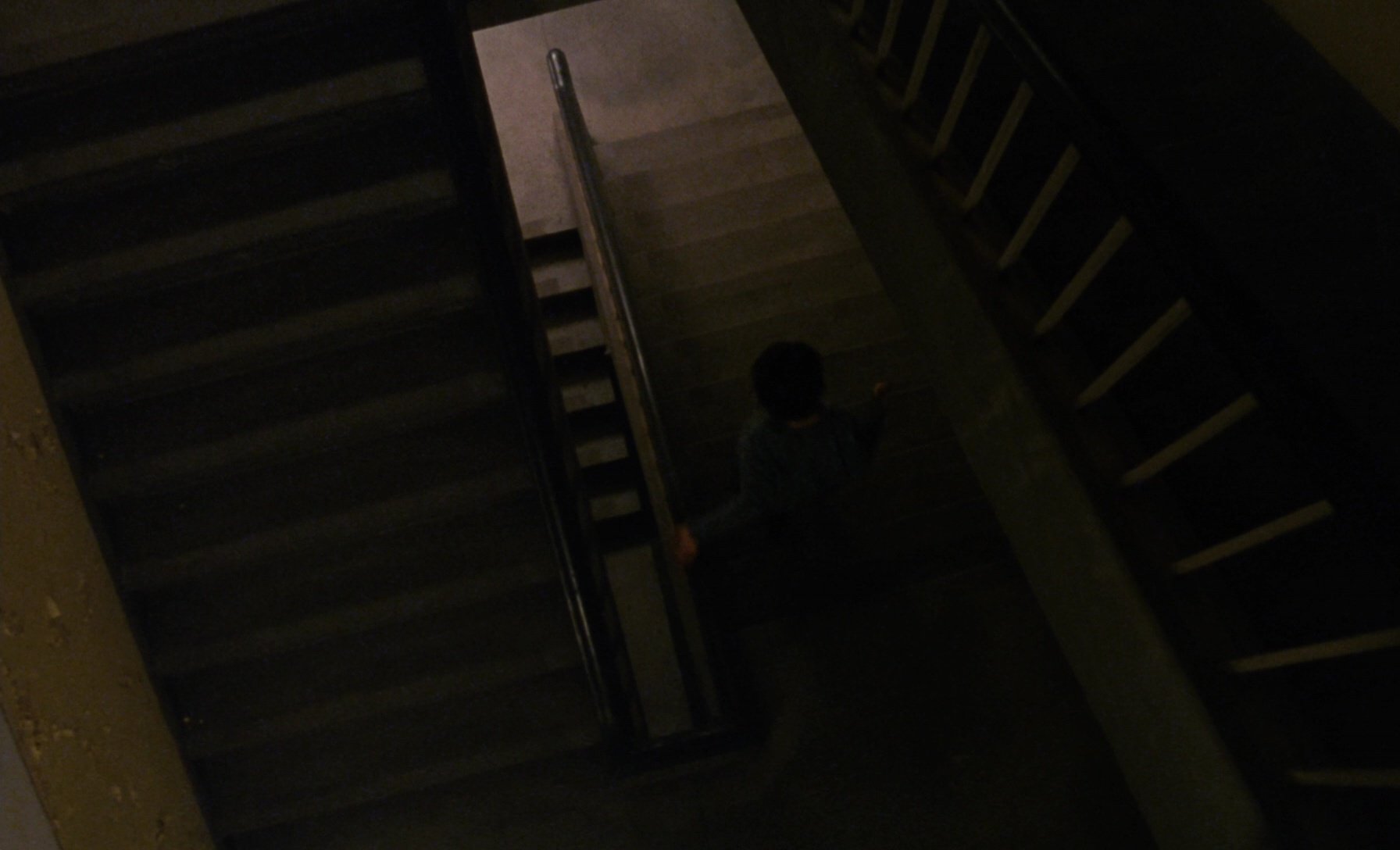
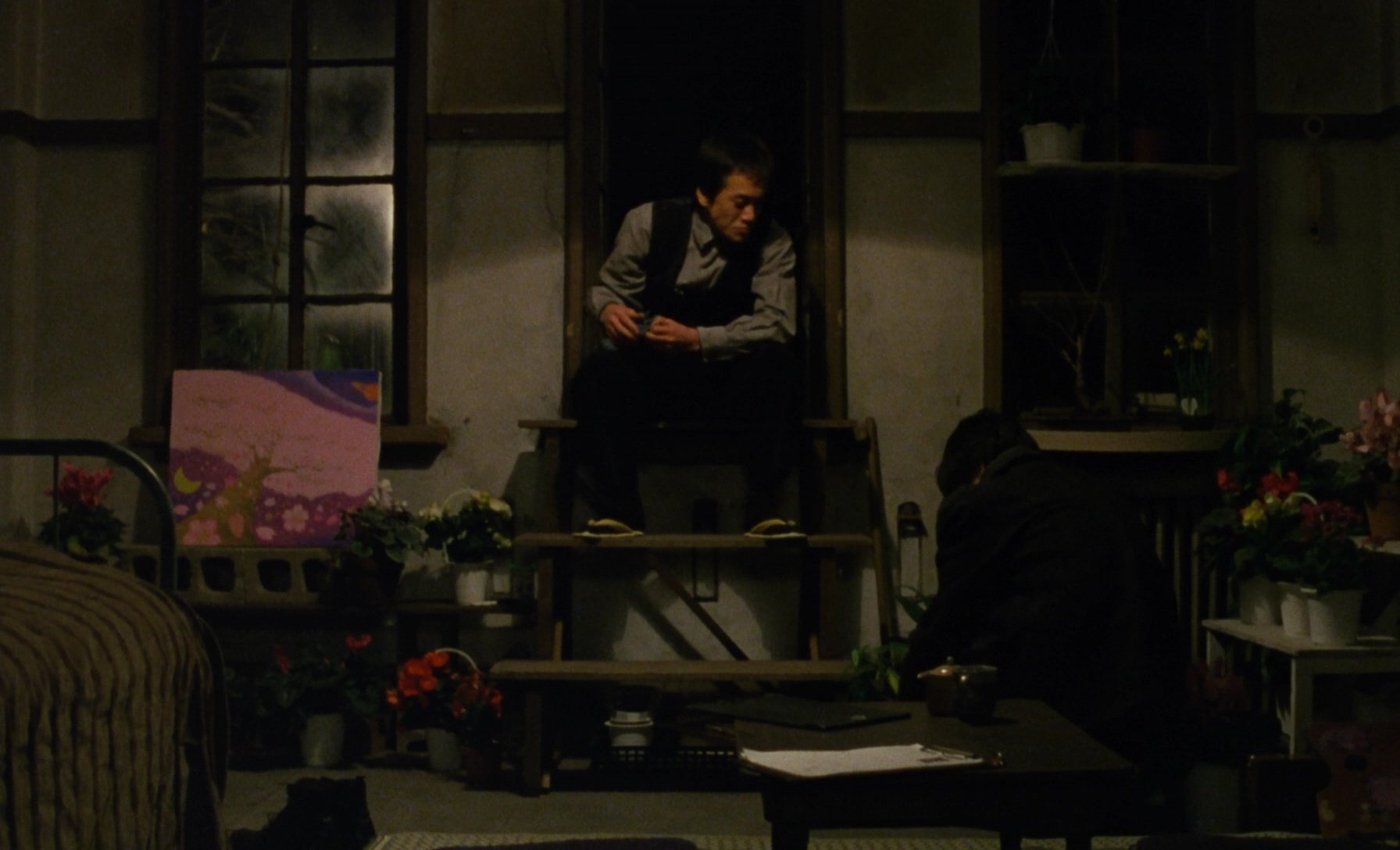
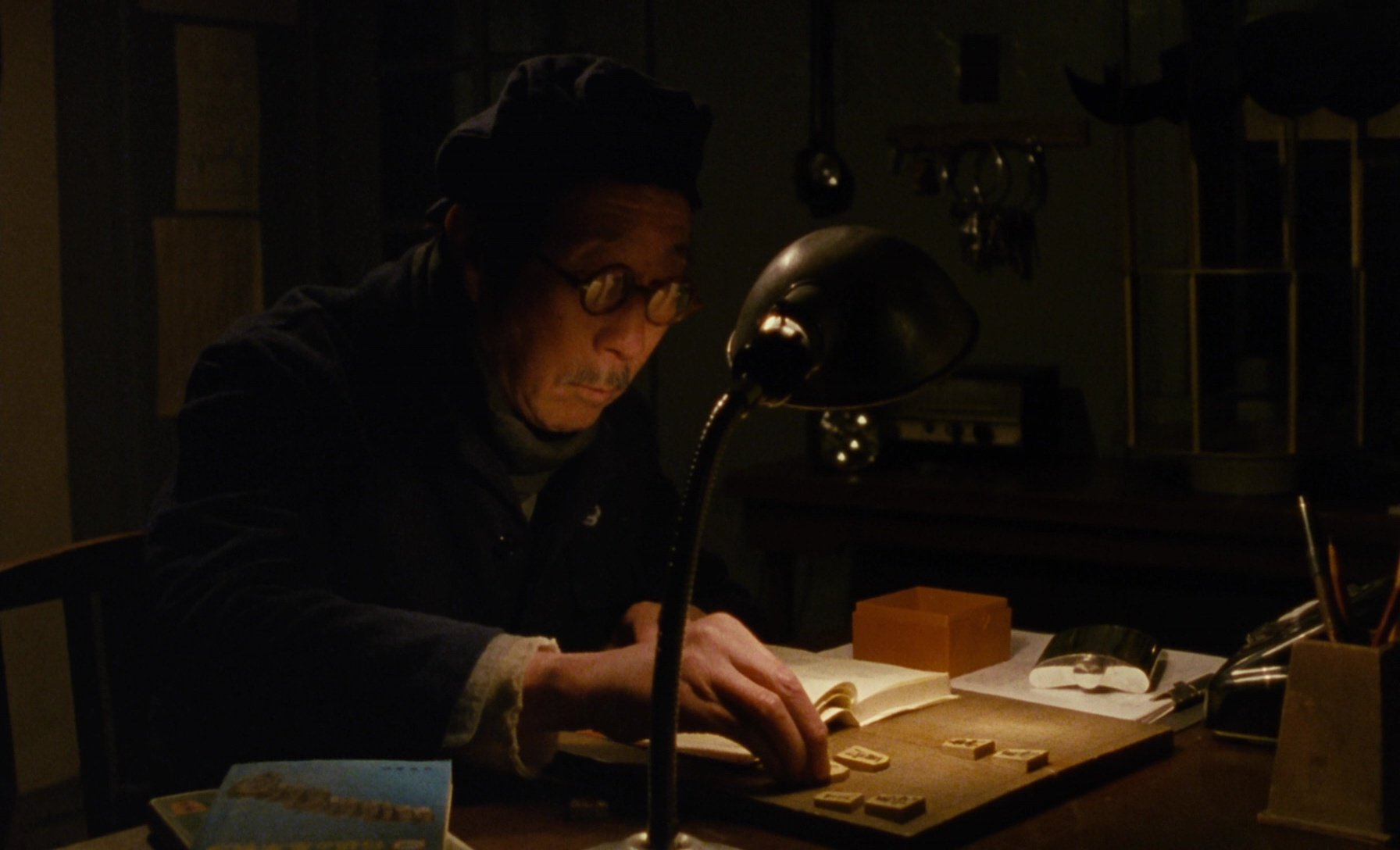
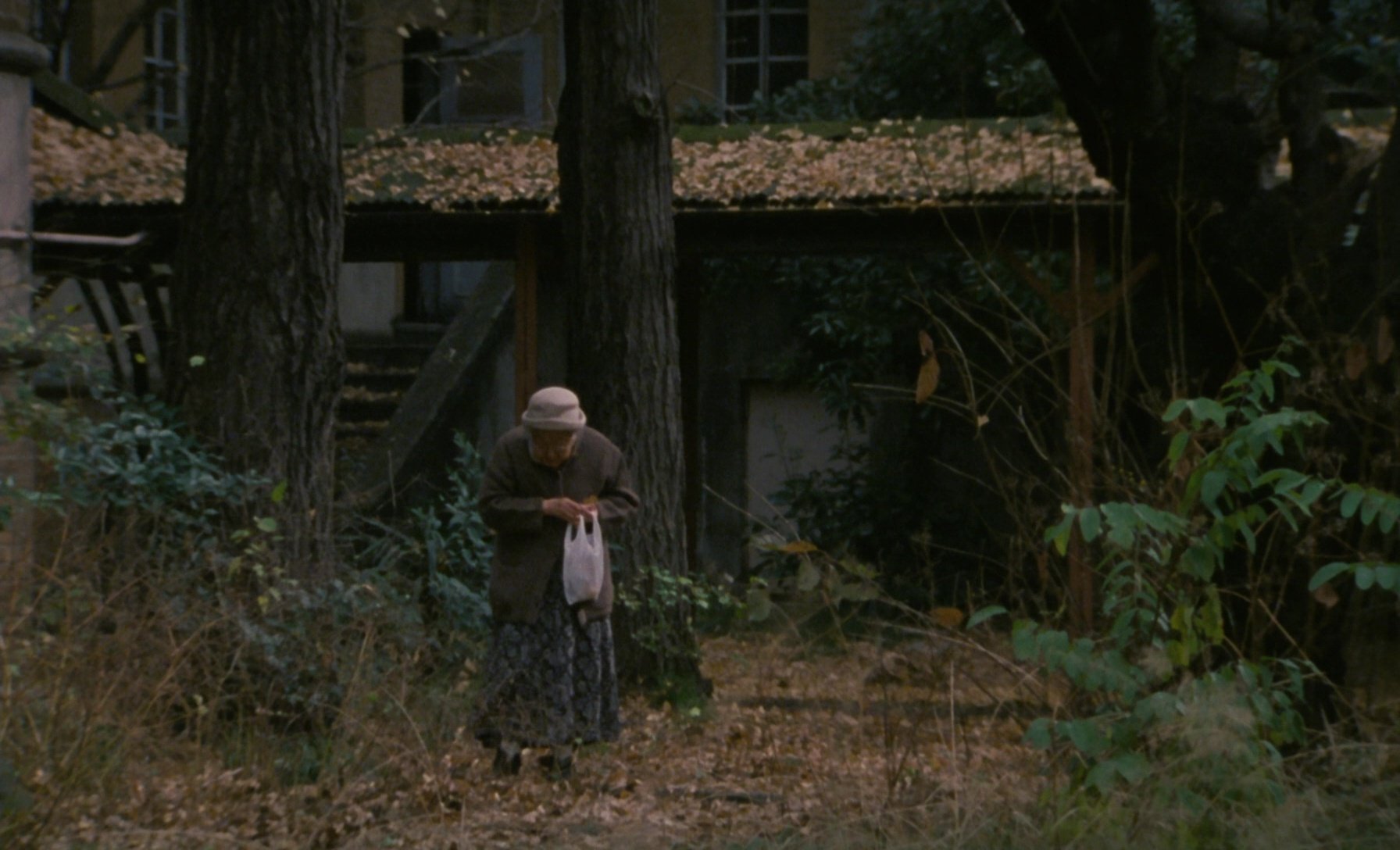
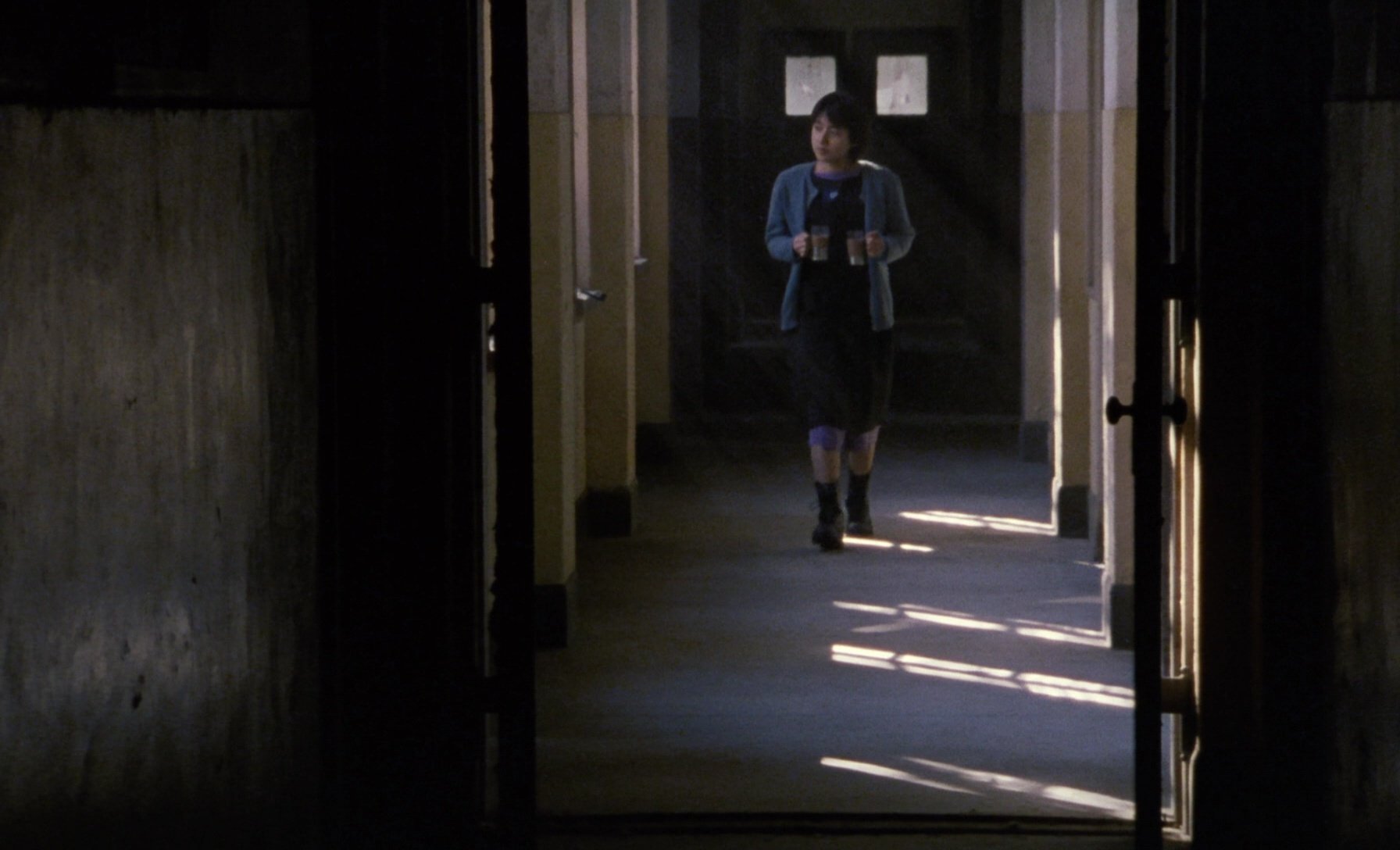
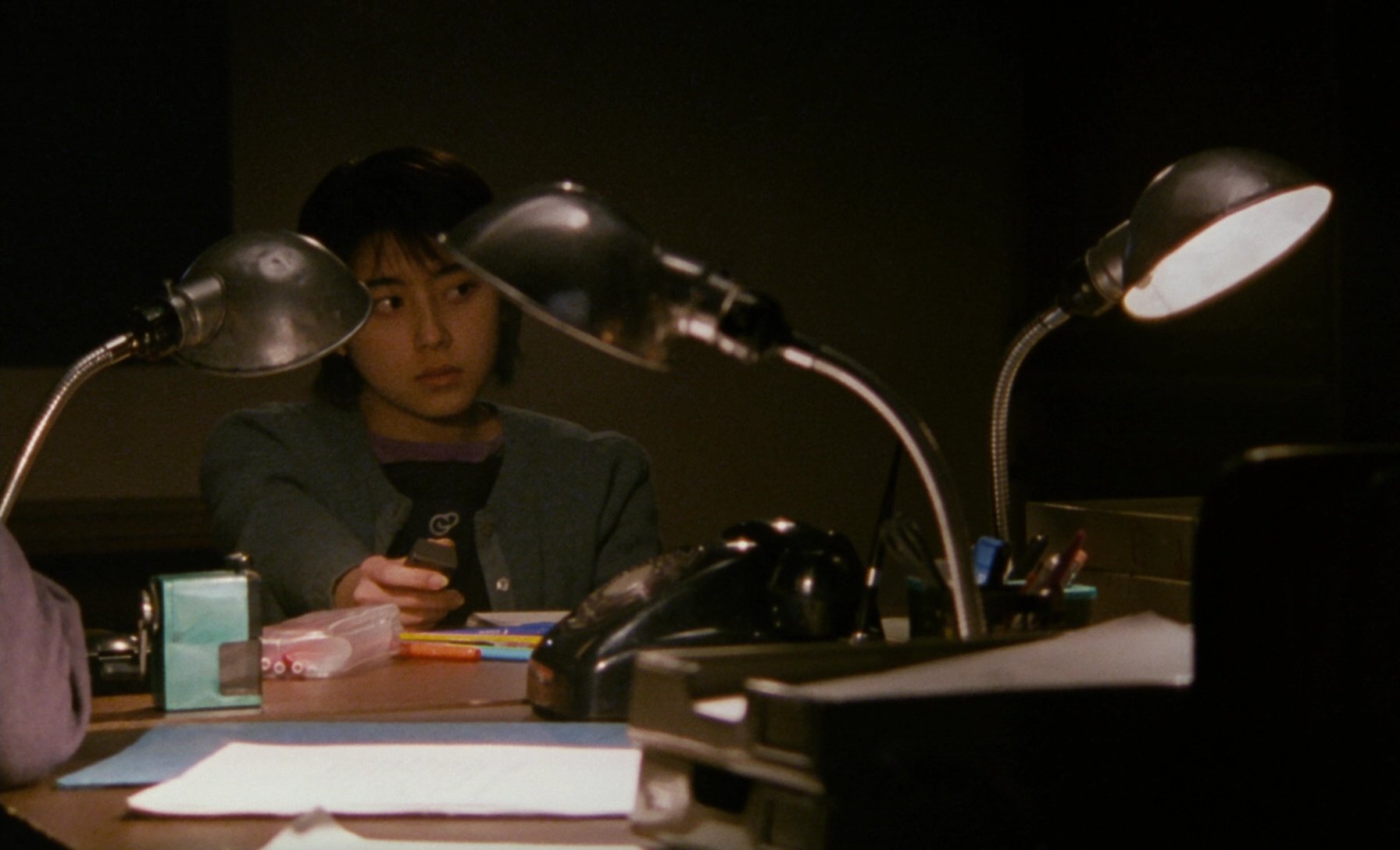
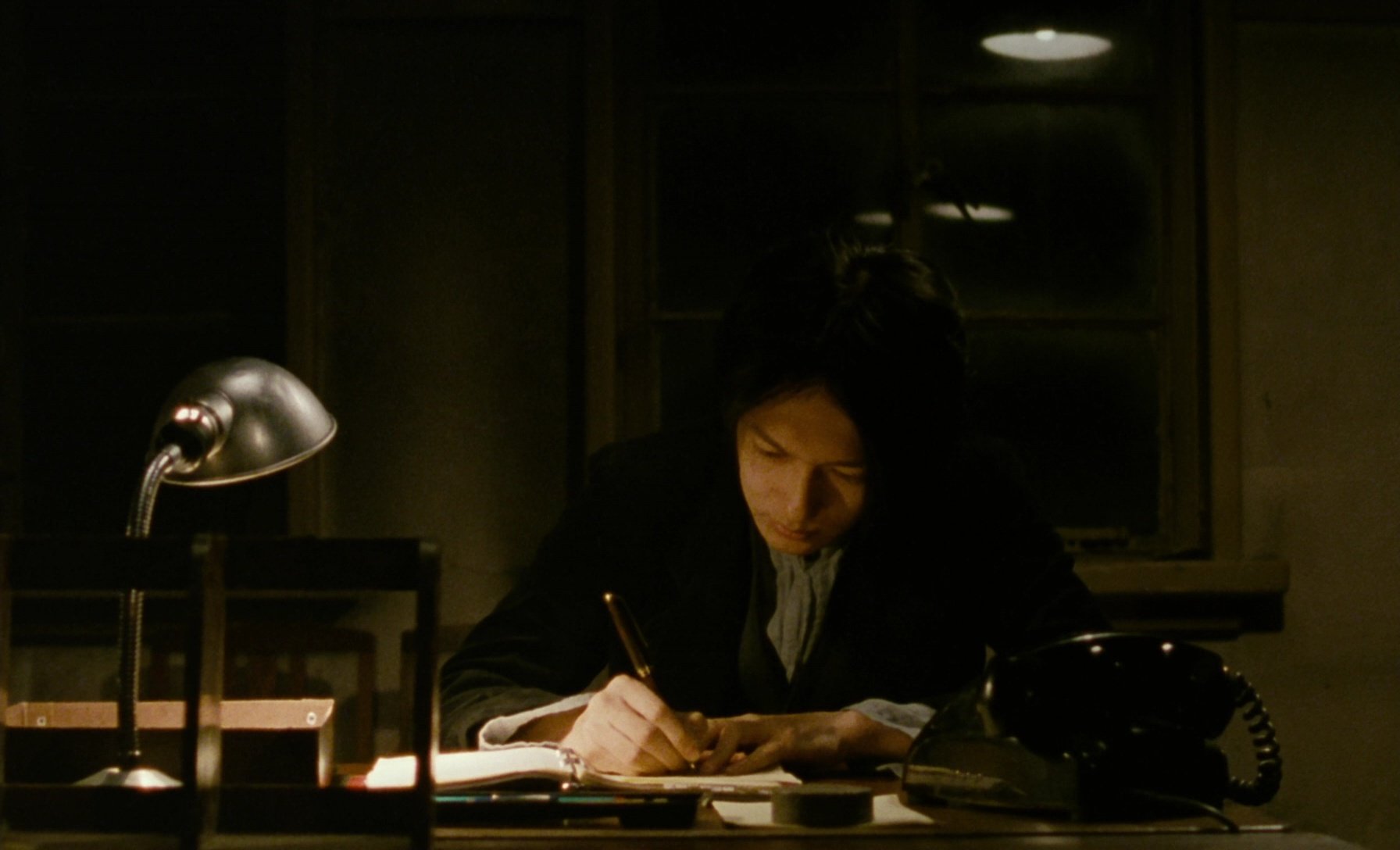
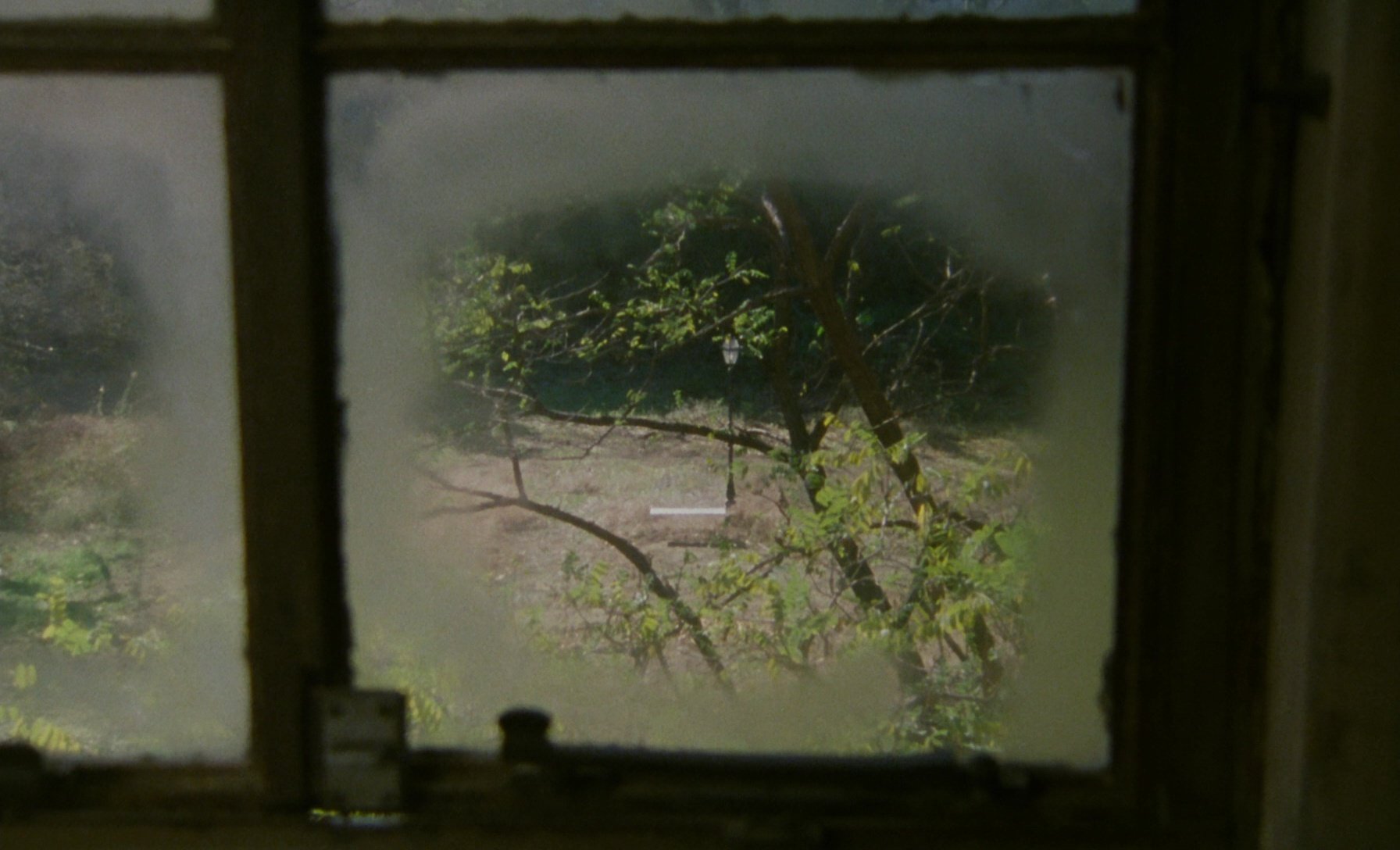
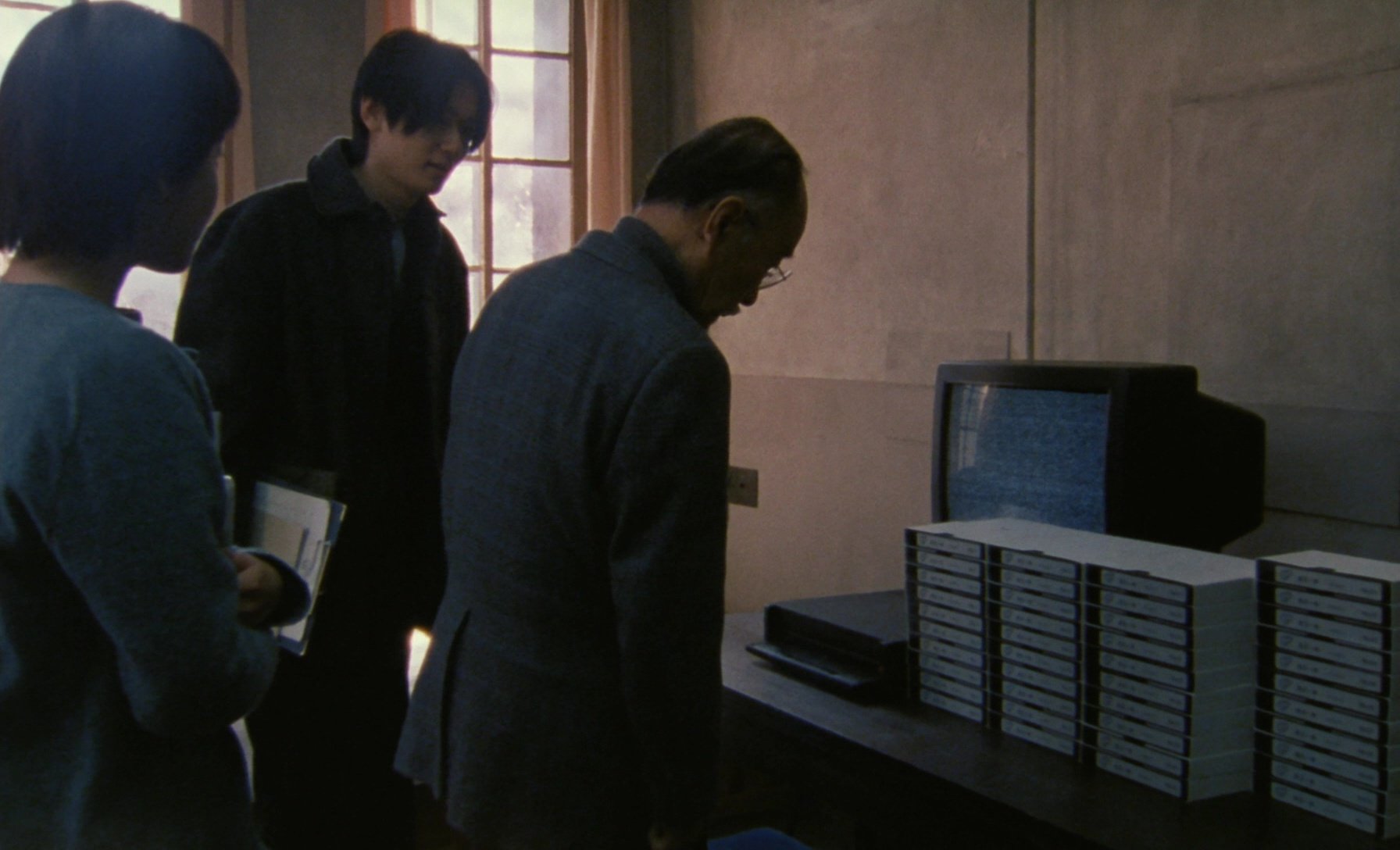
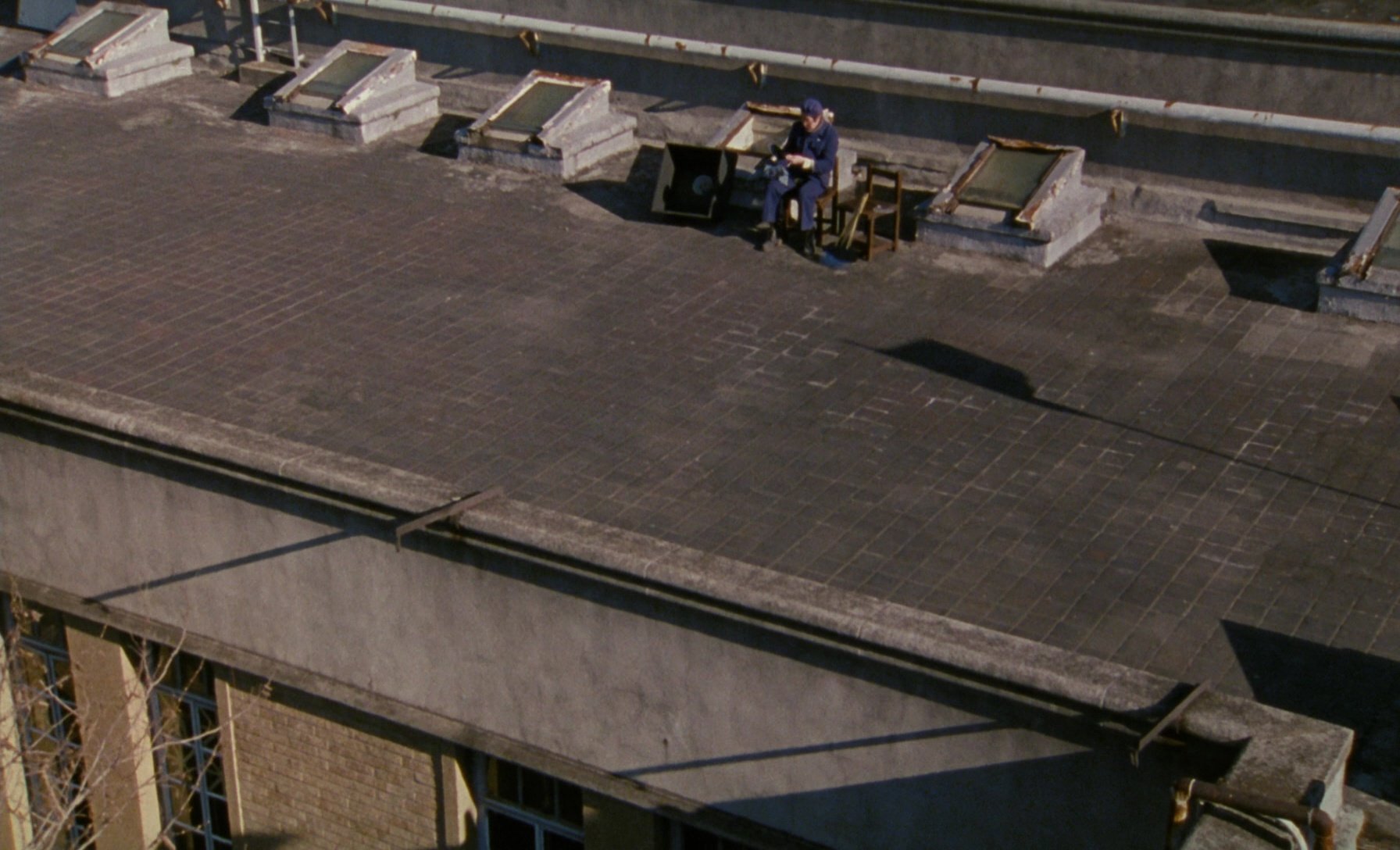
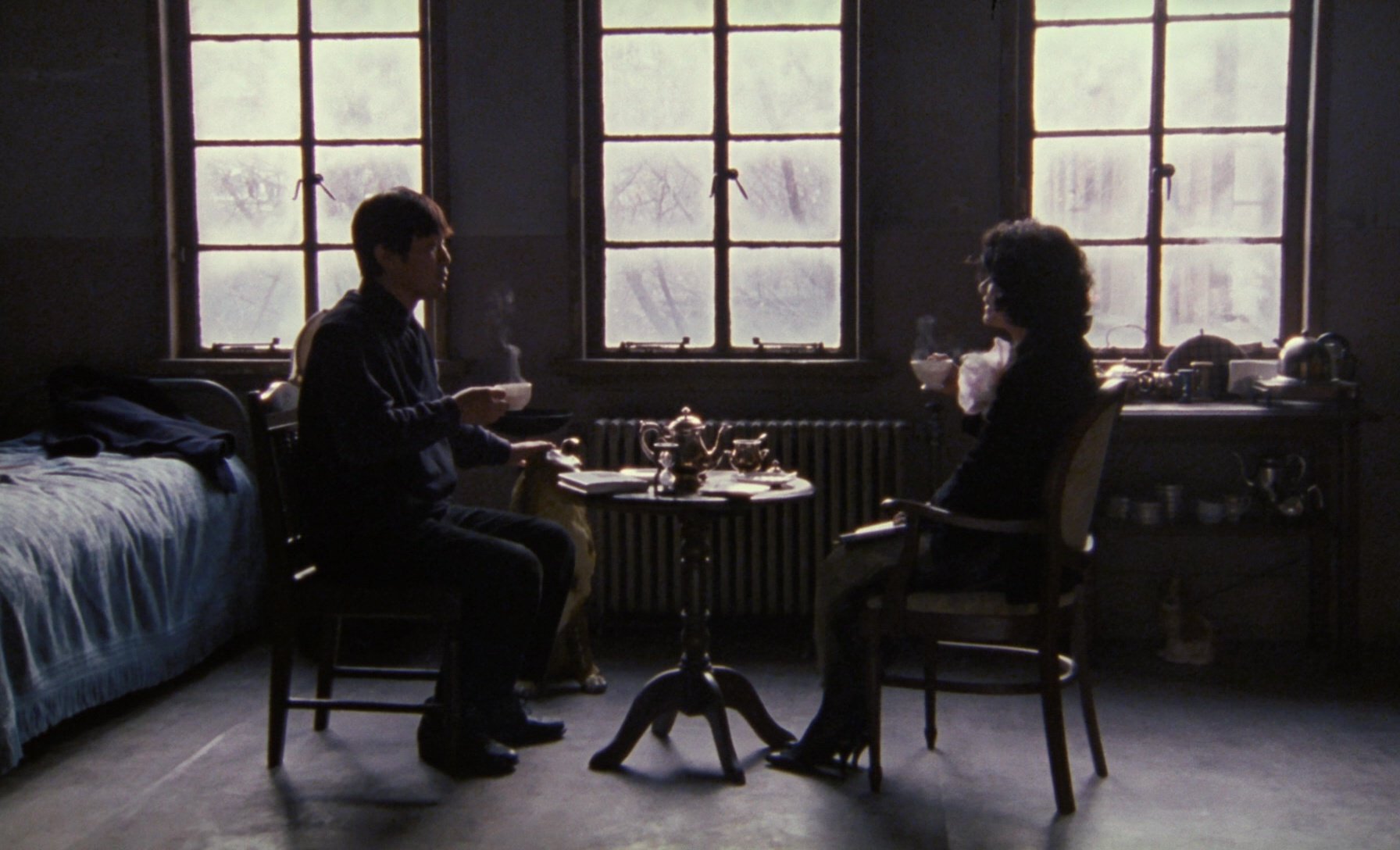
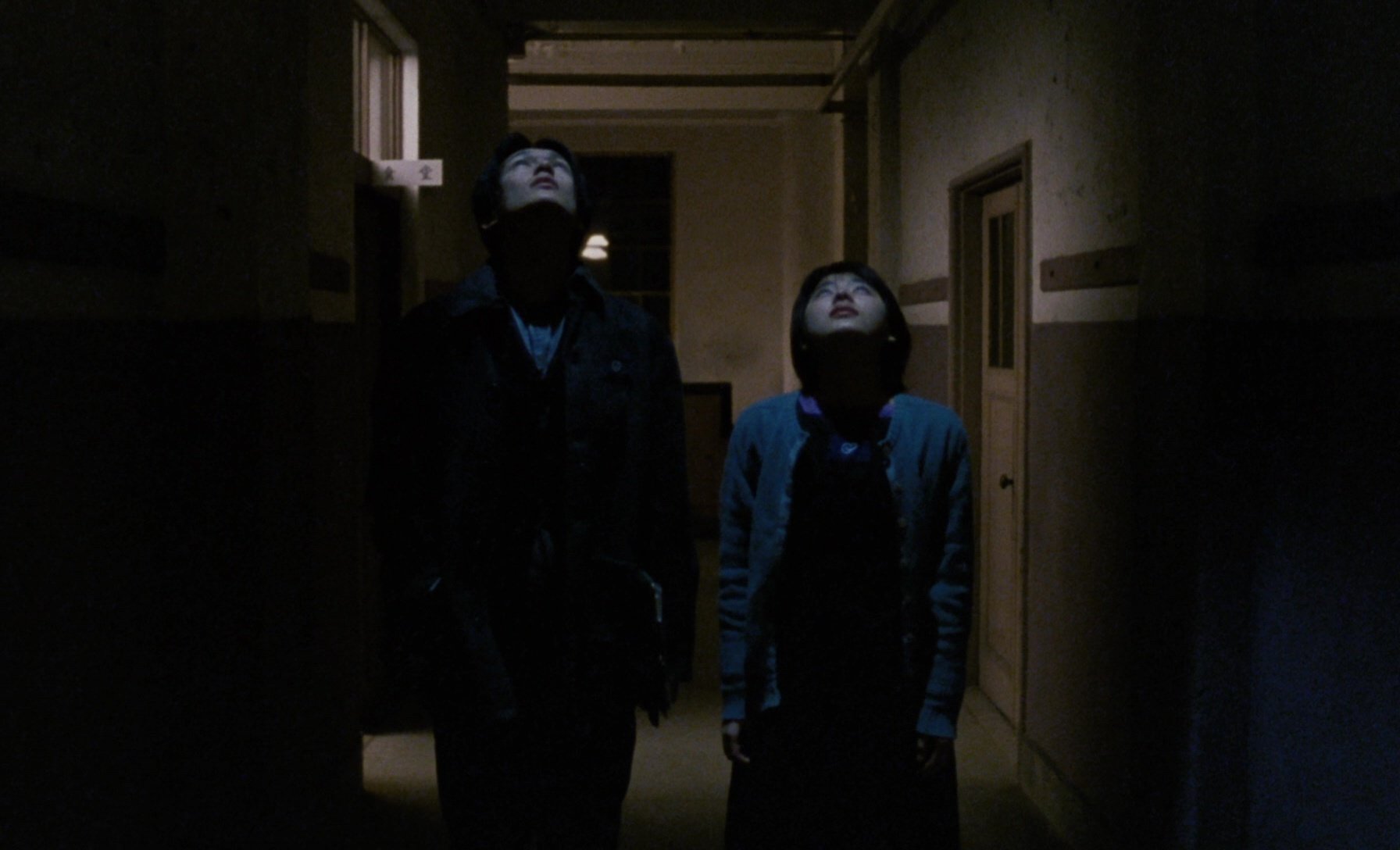
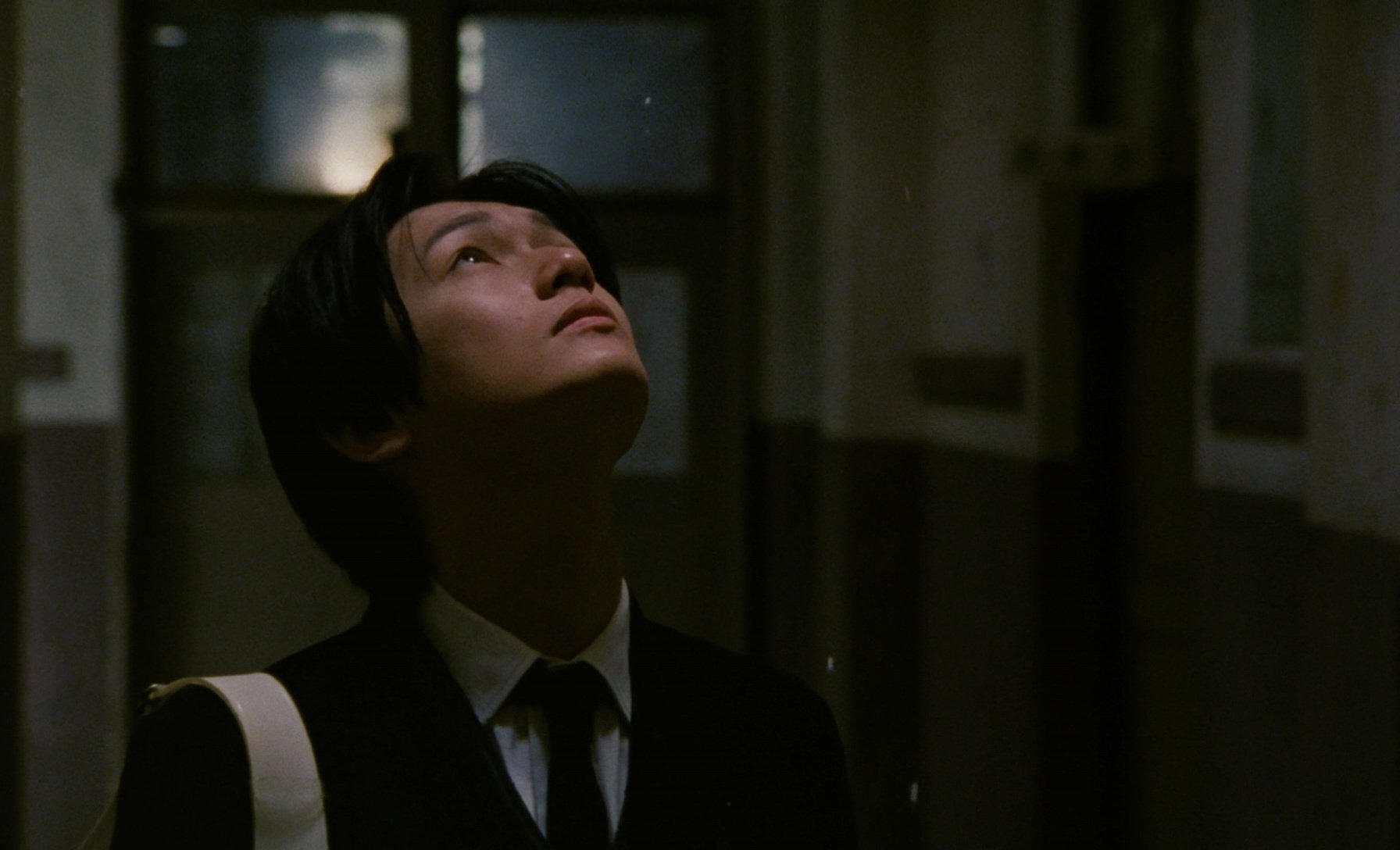
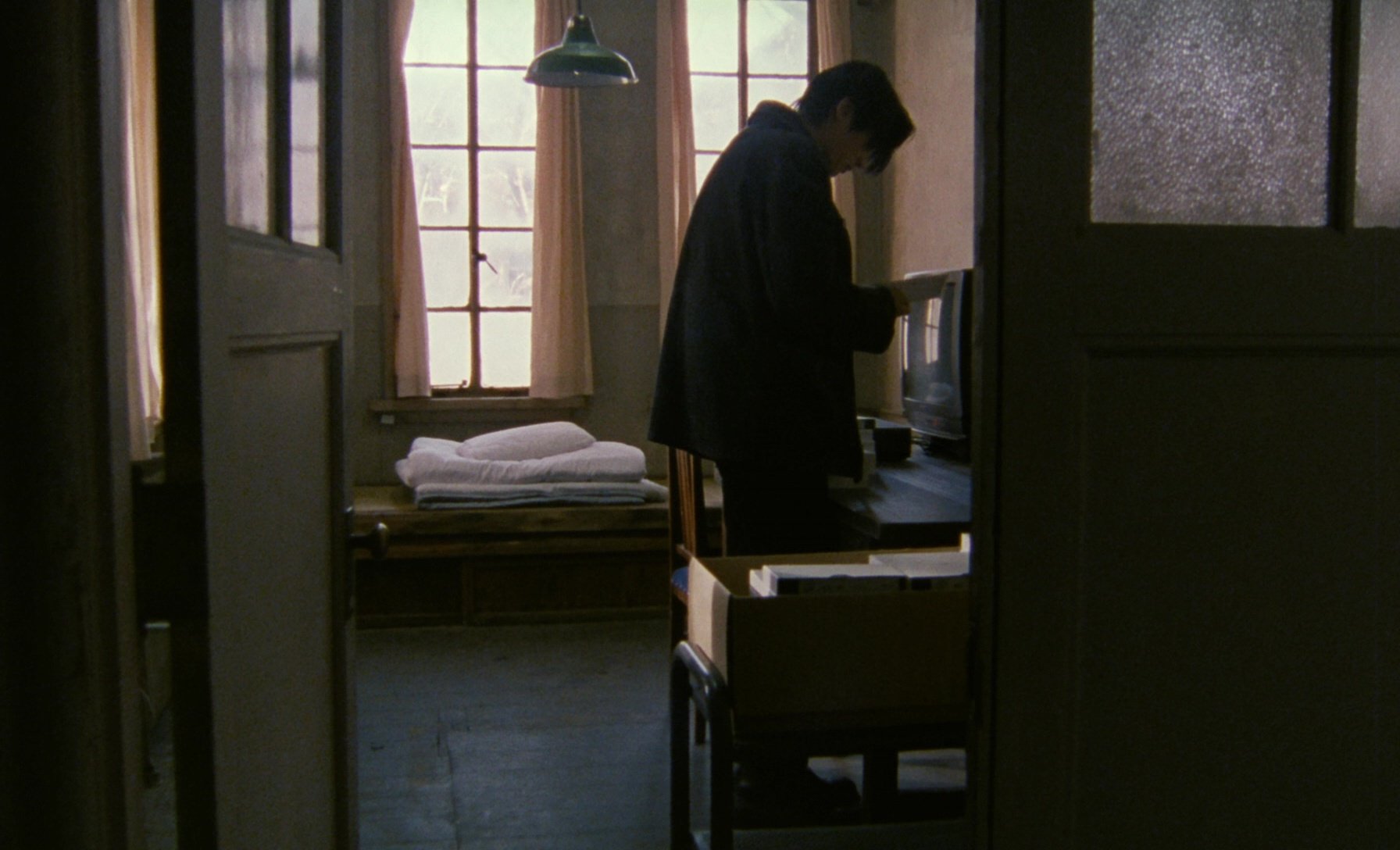
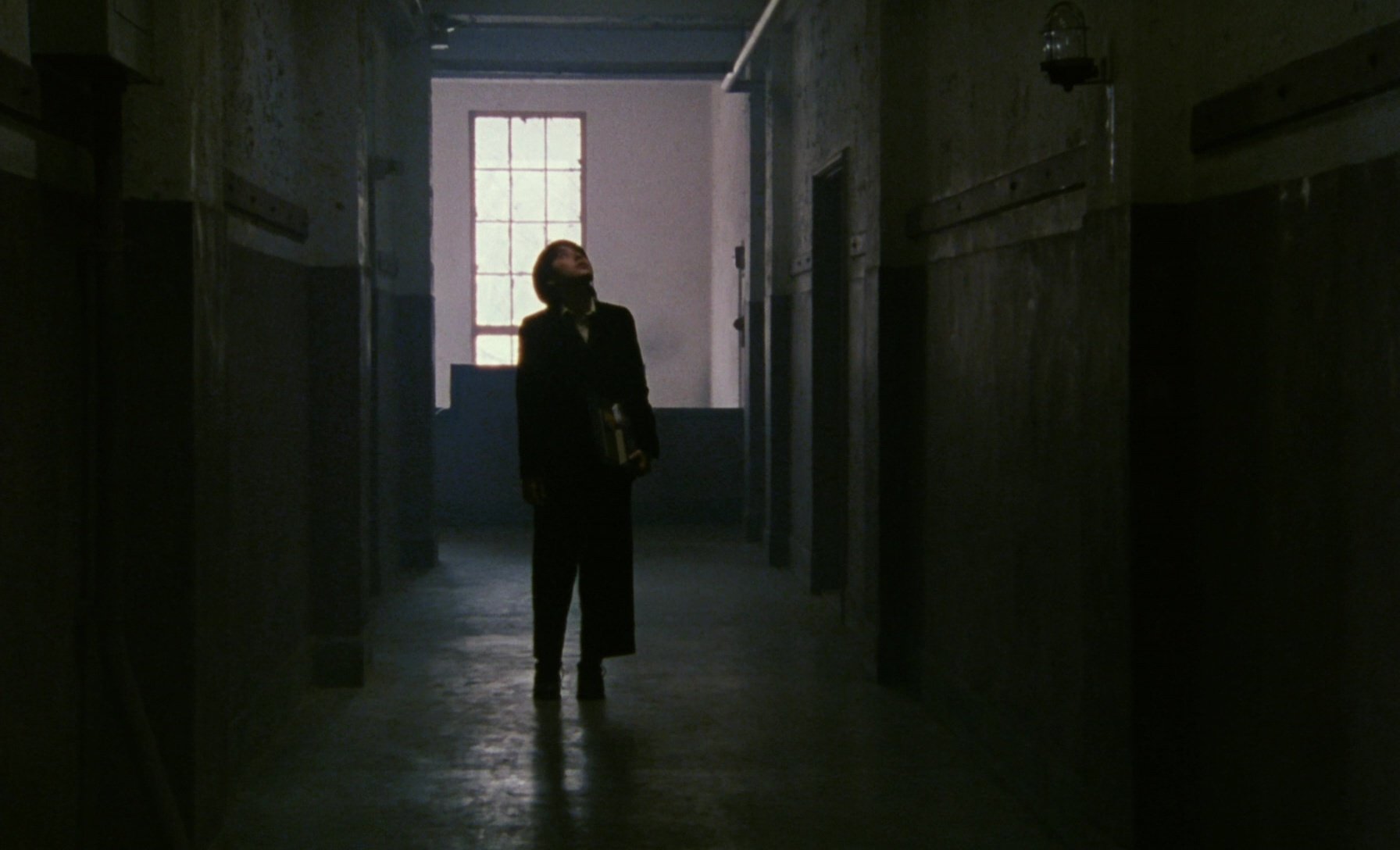
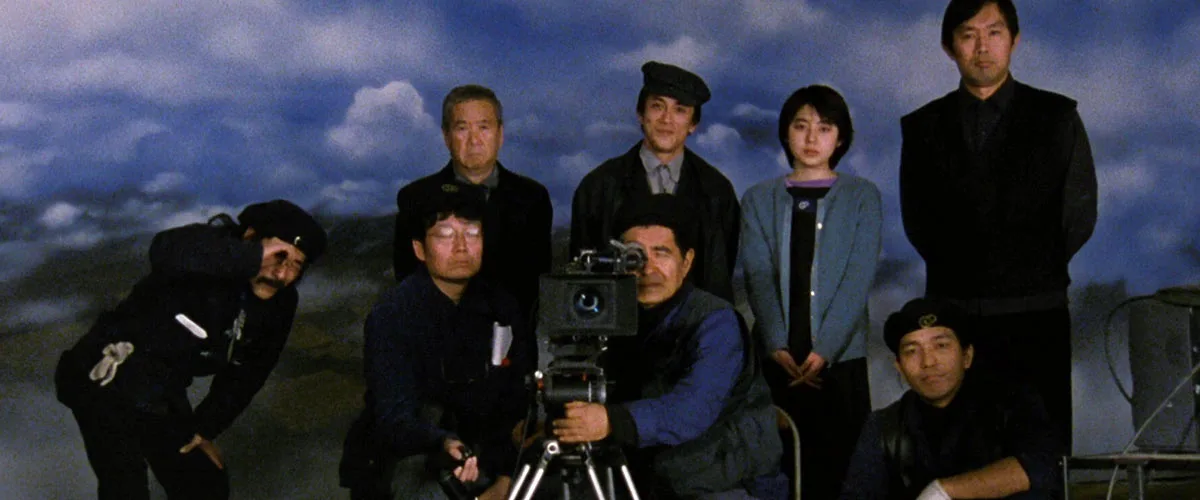
Blending fantasy with quiet realism, the film establishes its supernatural premise by grounding it in everyday settings rather than spectacle. Offices, corridors, and modest studio spaces create an atmosphere closer to administrative routine than metaphysical grandeur, grounding the story in human interaction and reflection. The process of selecting and reconstructing memories becomes an emotional exploration and a cinematic act.
As one of Kore-eda’s defining early works, After Life explores memory, identity, and the relationship between lived experience and representation. Its minimalist style, observational pacing, and focus on ordinary emotions are less about dramatic revelation and more about the quiet accumulation of personal truth.
Technical Specs:
- The Story: Newly deceased people arrive at a modest way station where they’re asked to choose one memory from their lives to recreate and carry with them for eternity, guided by staff who quietly struggle with their own unresolved pasts.
- Actors: Arata Iura, Erika Oda, Susumu Terajima, Takashi Naito, Kyōko Kagawa.
- Director: Hirokazu Kore-eda
- Year: 1998
- Cinematographers: Yutaka Yamazaki & Masayoshi Sukita
- Origin: Japanese Cinema
- Aspect Ratio: 1.66:1
- Genre: Drama