Casablanca (1942): Love, War, and Moral Choice
1942 • Michael Curtiz • 1.37:1 • Jump to Gallery ↓
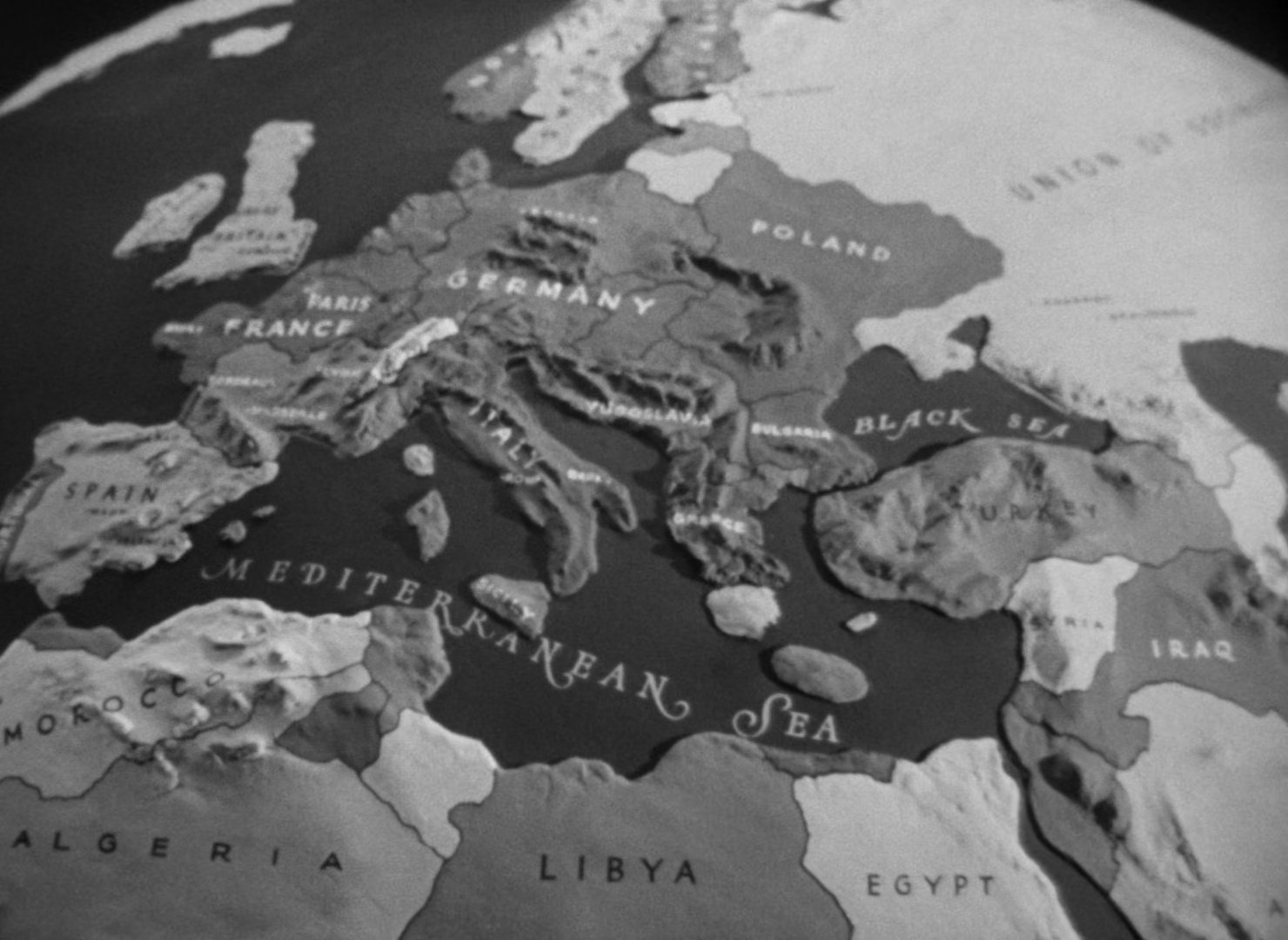
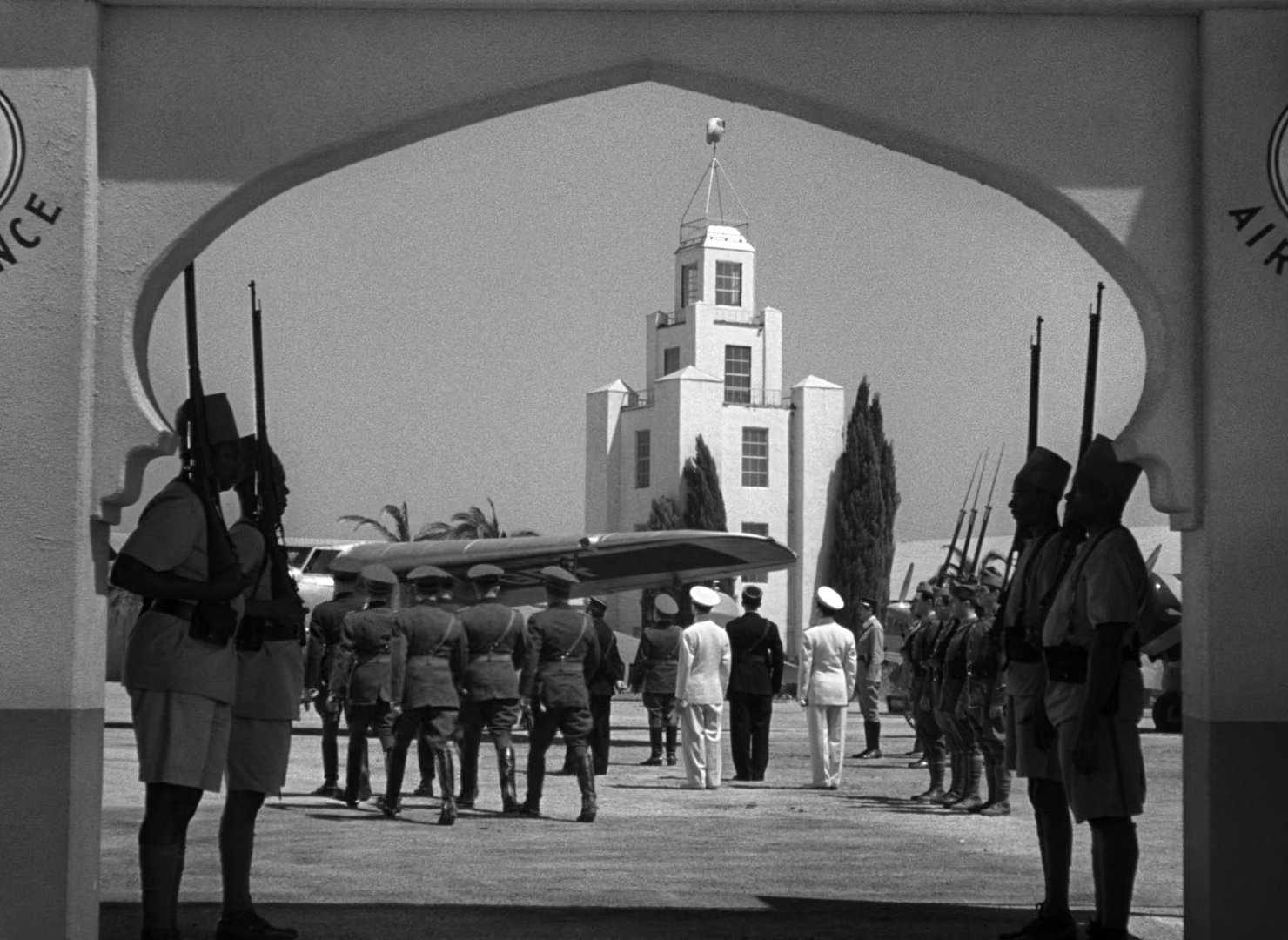
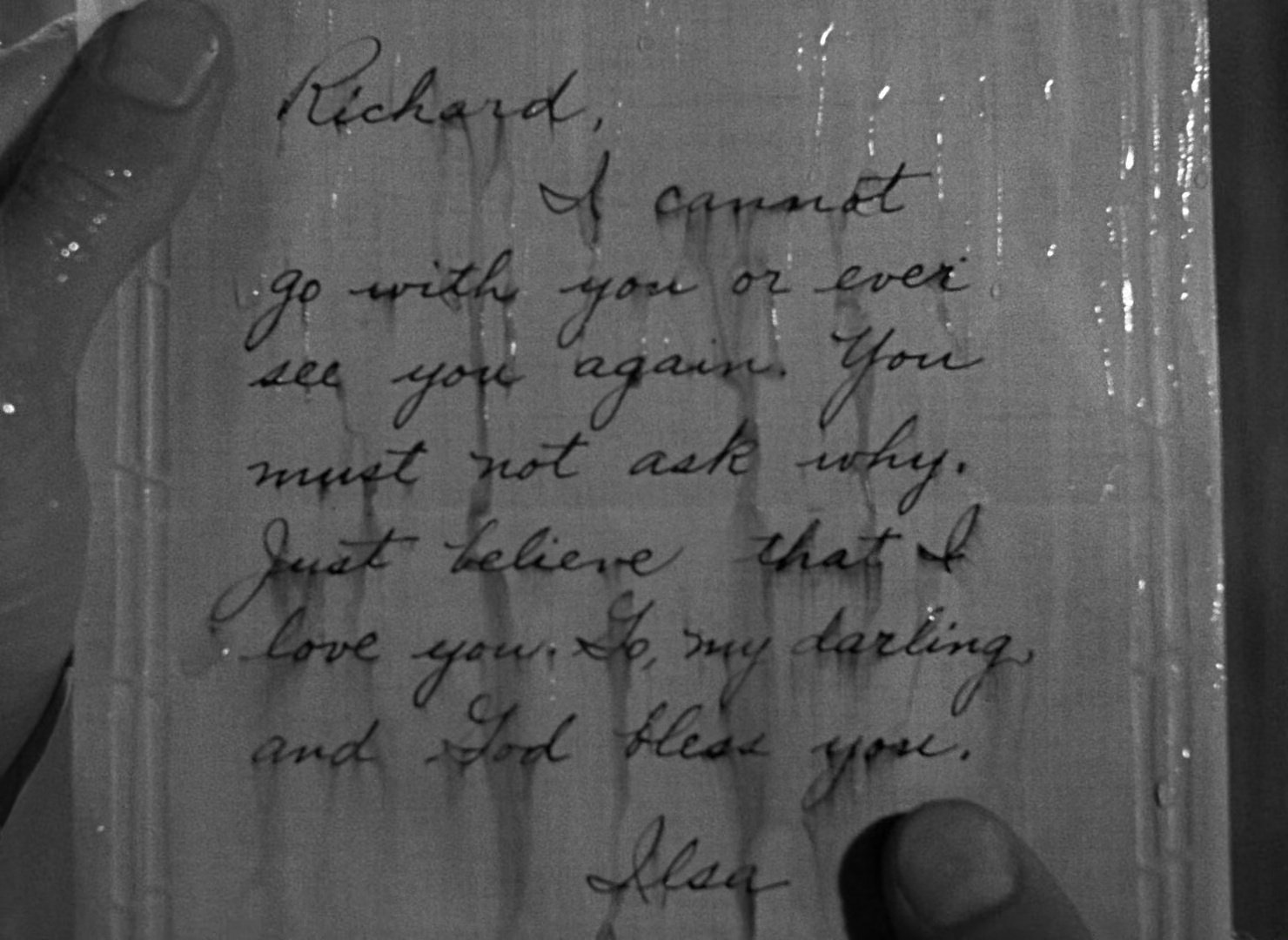
Produced during World War II and directed by Michael Curtiz, Casablanca is set in Vichy-controlled Morocco. The story follows an American expatriate running a nightclub frequented by refugees seeking to leave Europe. His detached existence is thrown into disarray when a former lover arrives with her husband, a resistance leader in need of an escape route. As political pressure intensifies, he must choose between personal desire and broader moral responsibility.
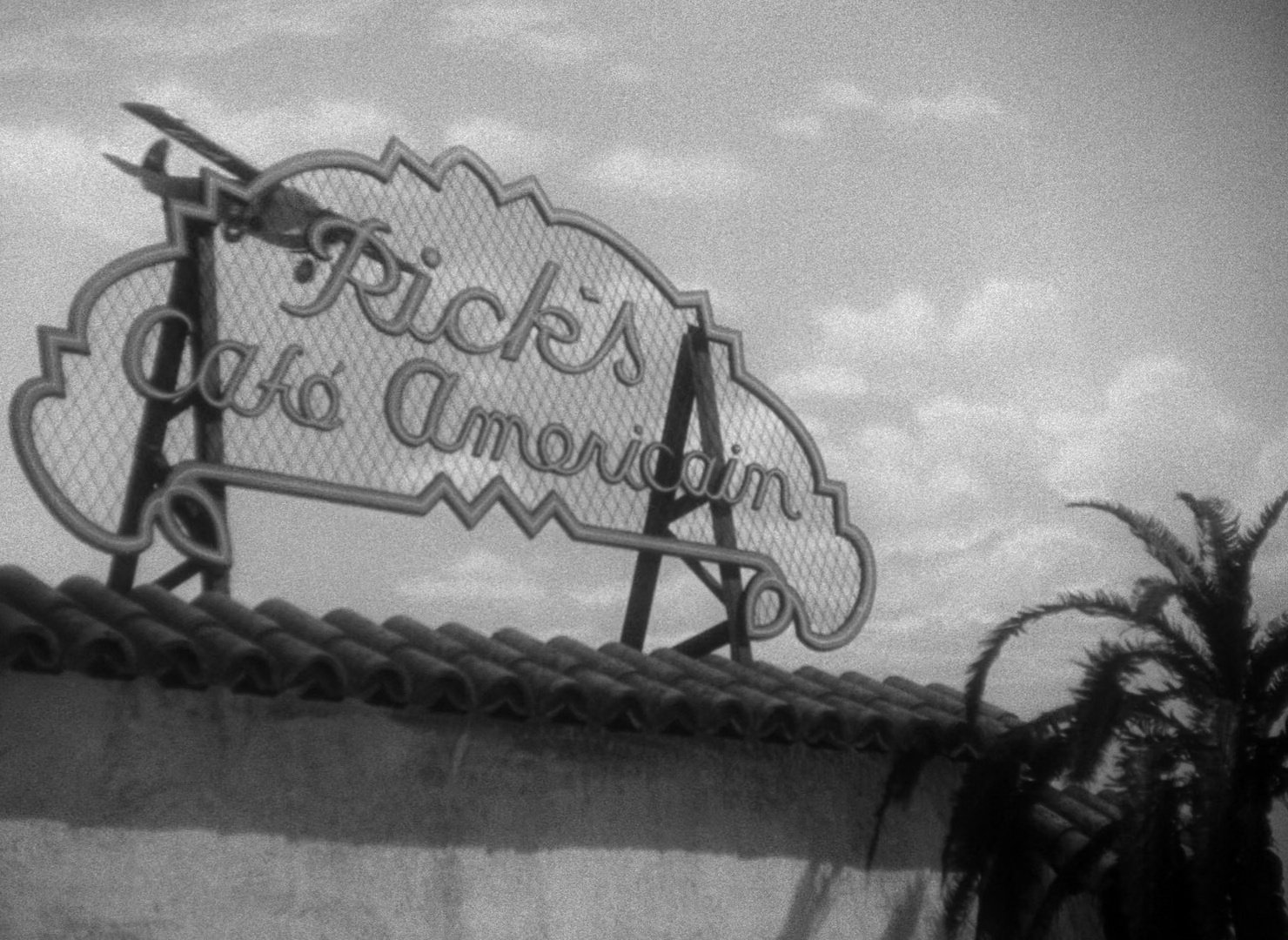
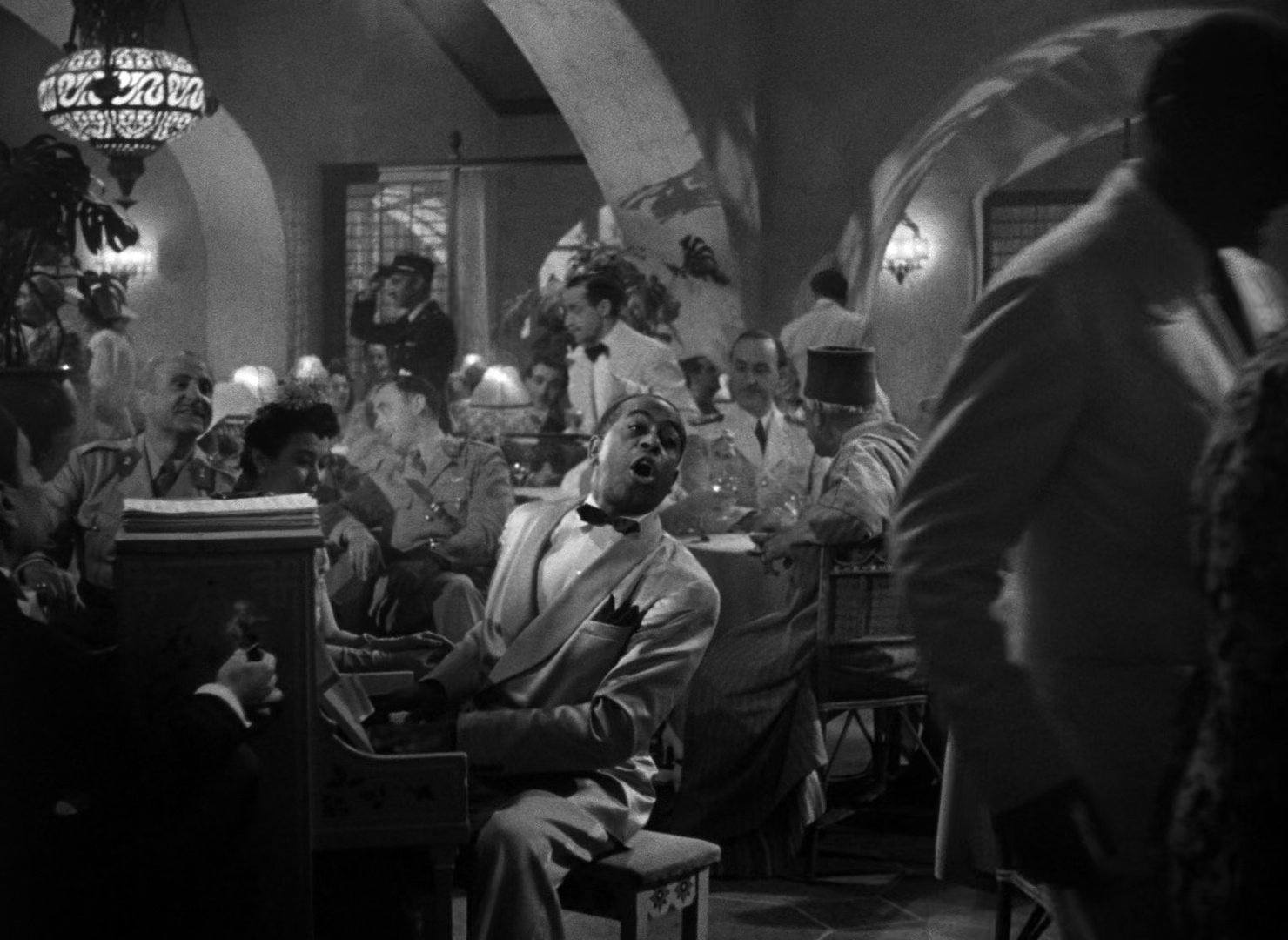
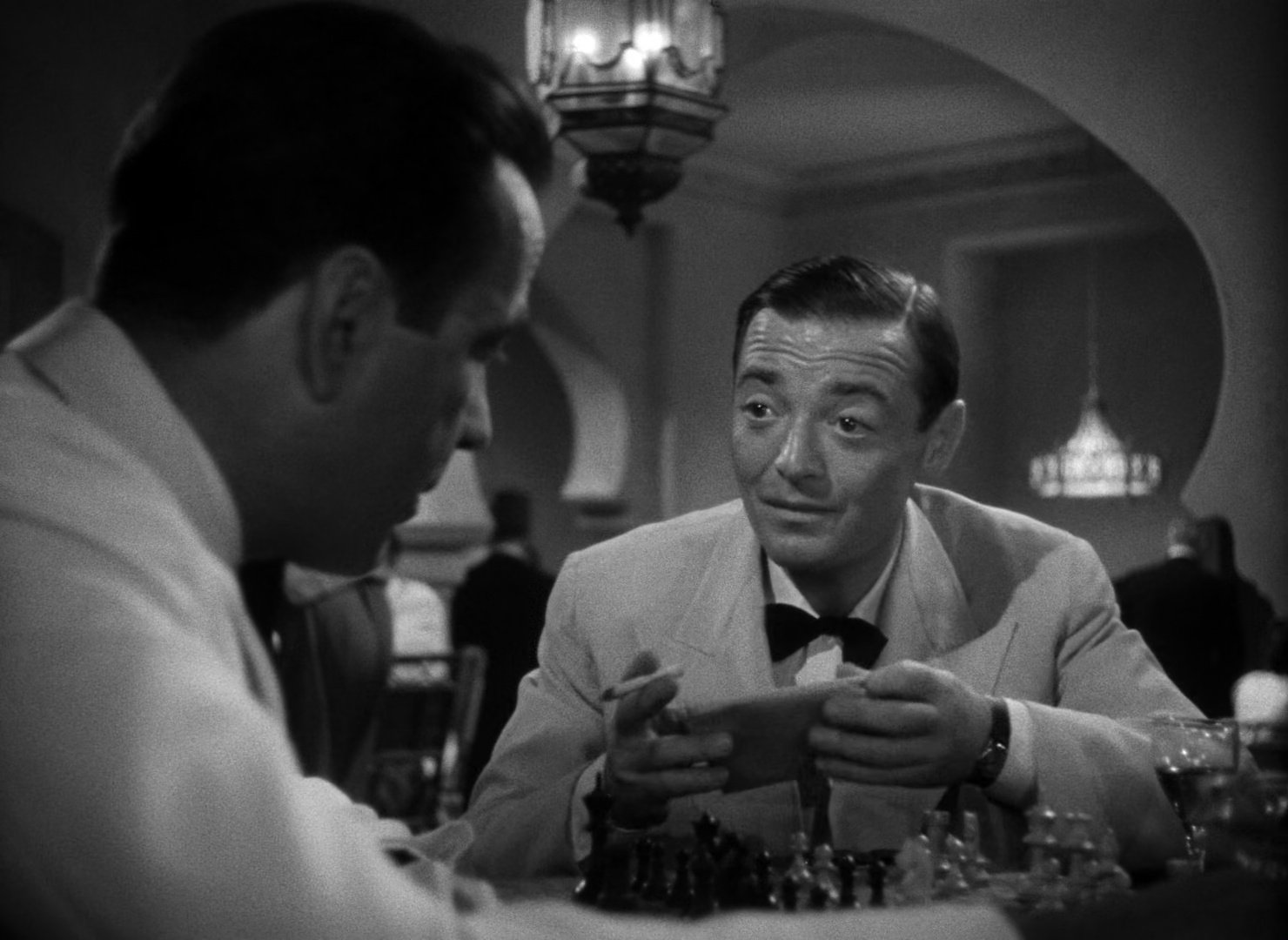
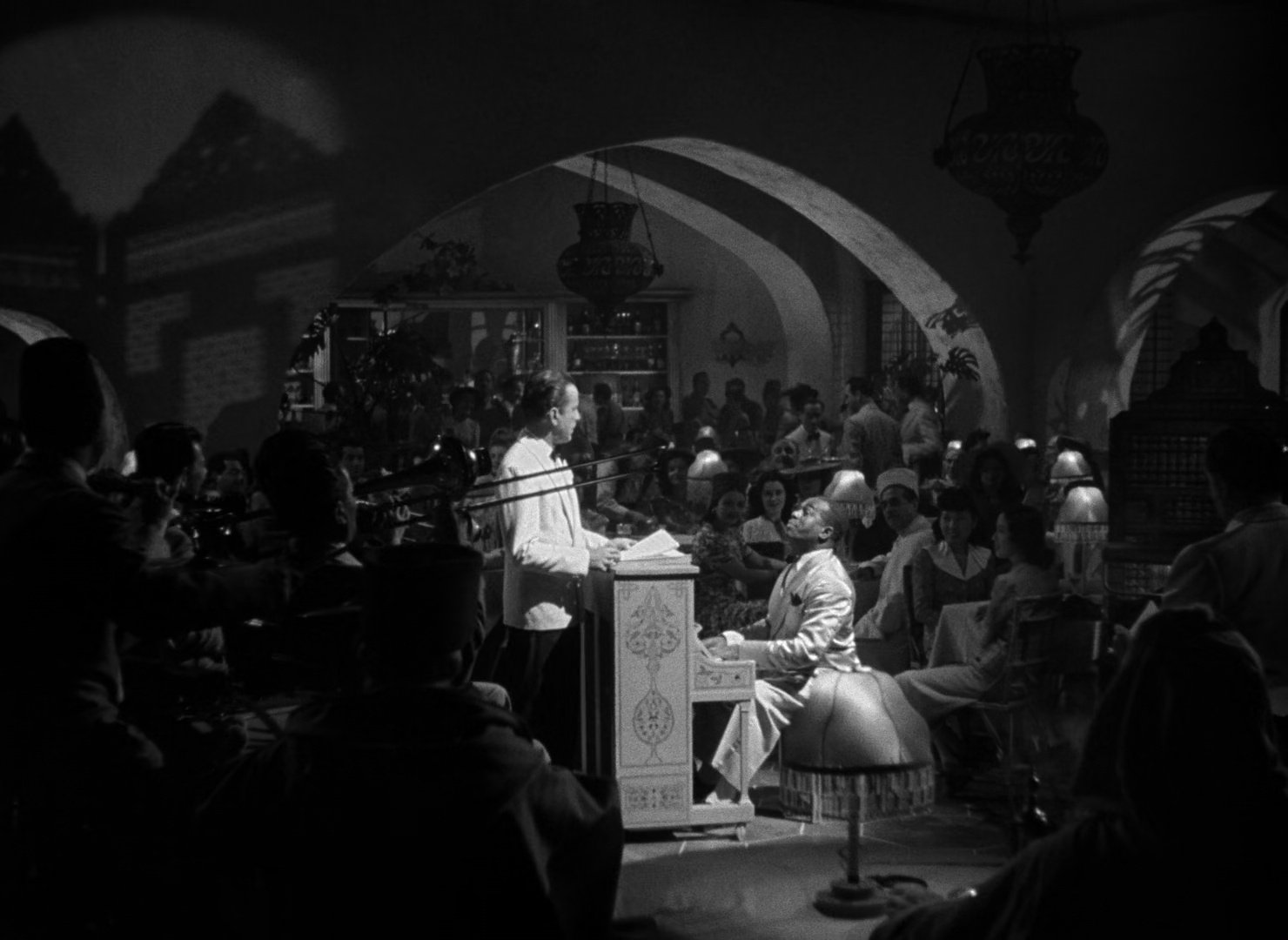
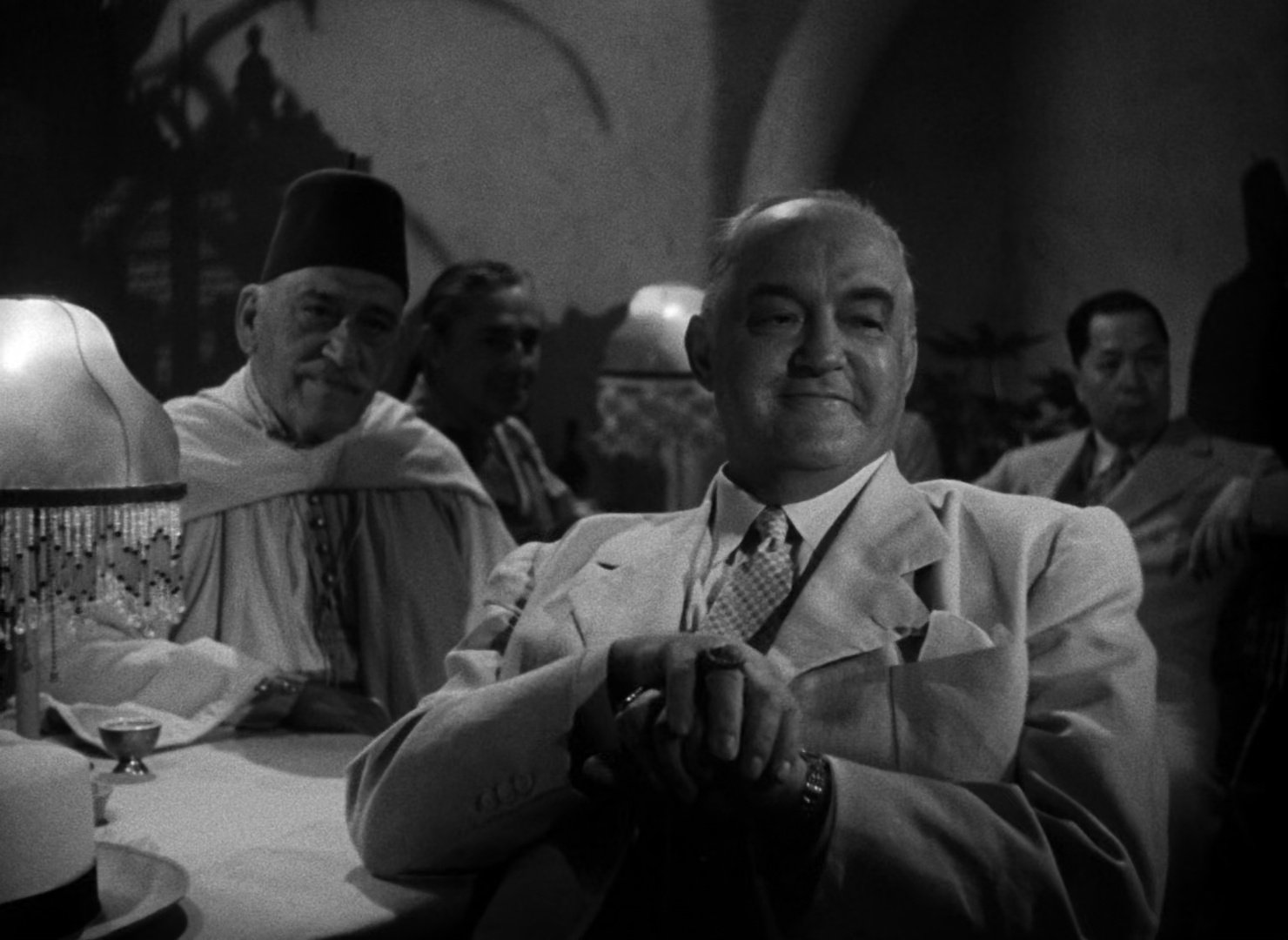
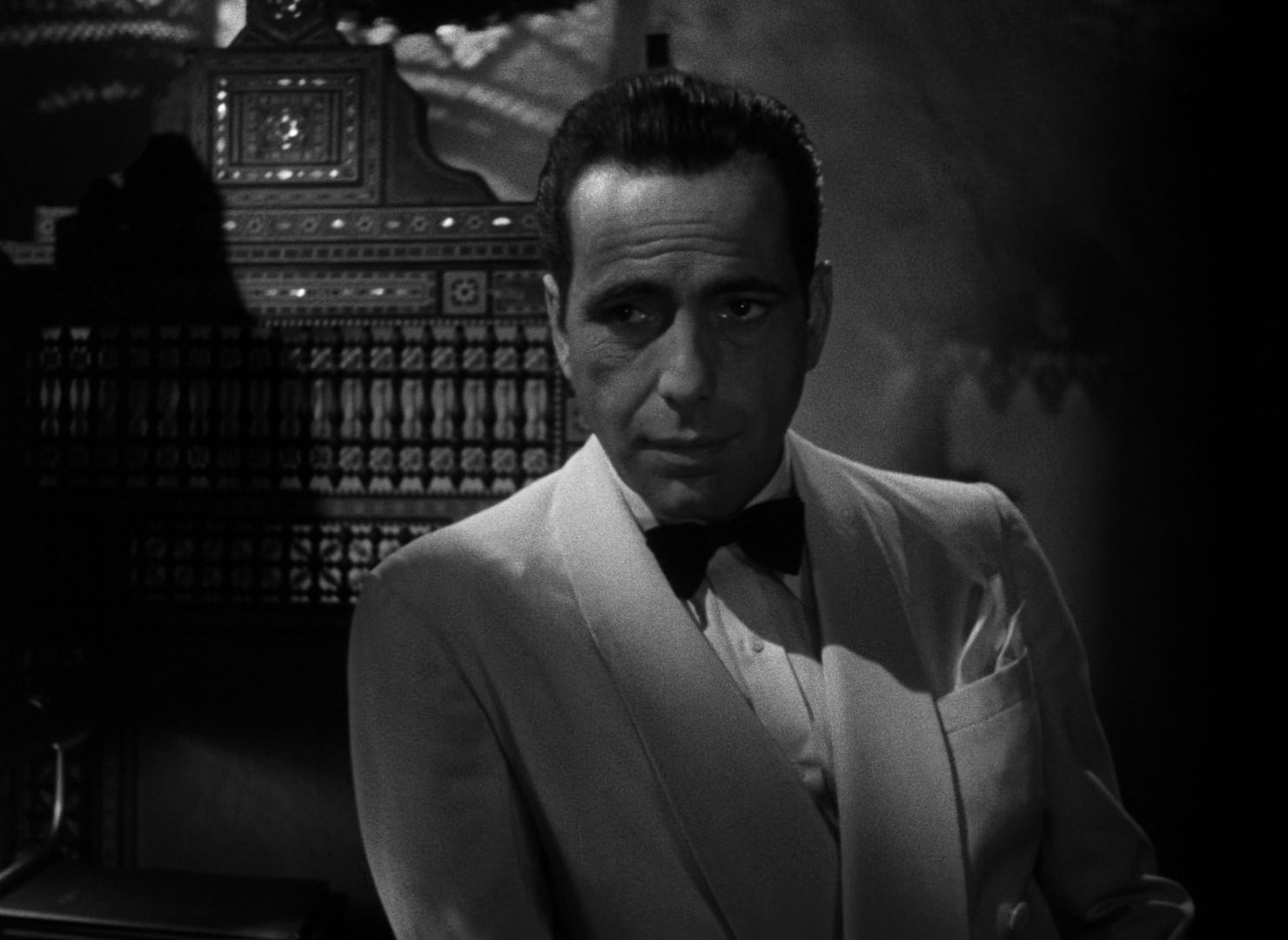
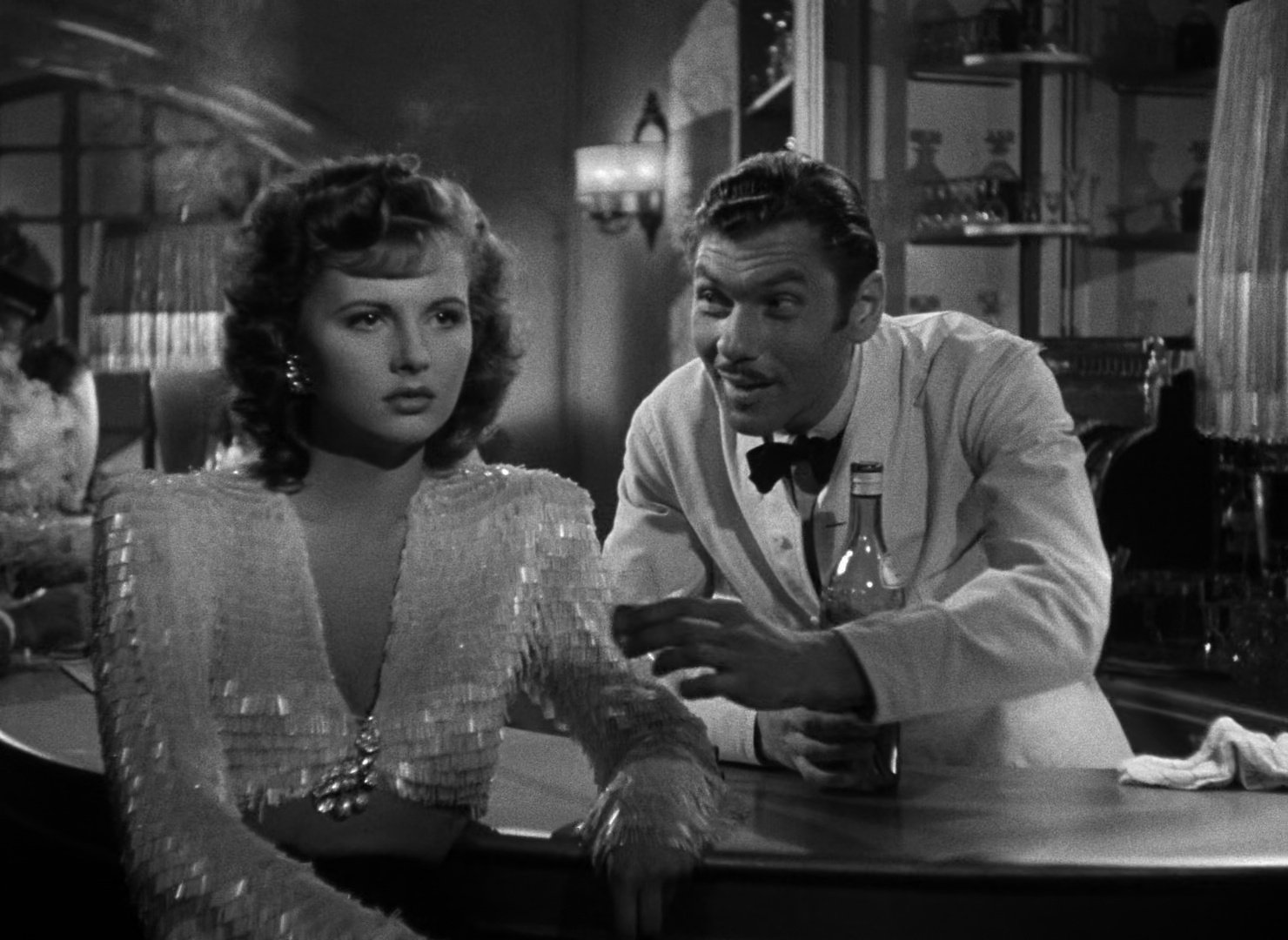
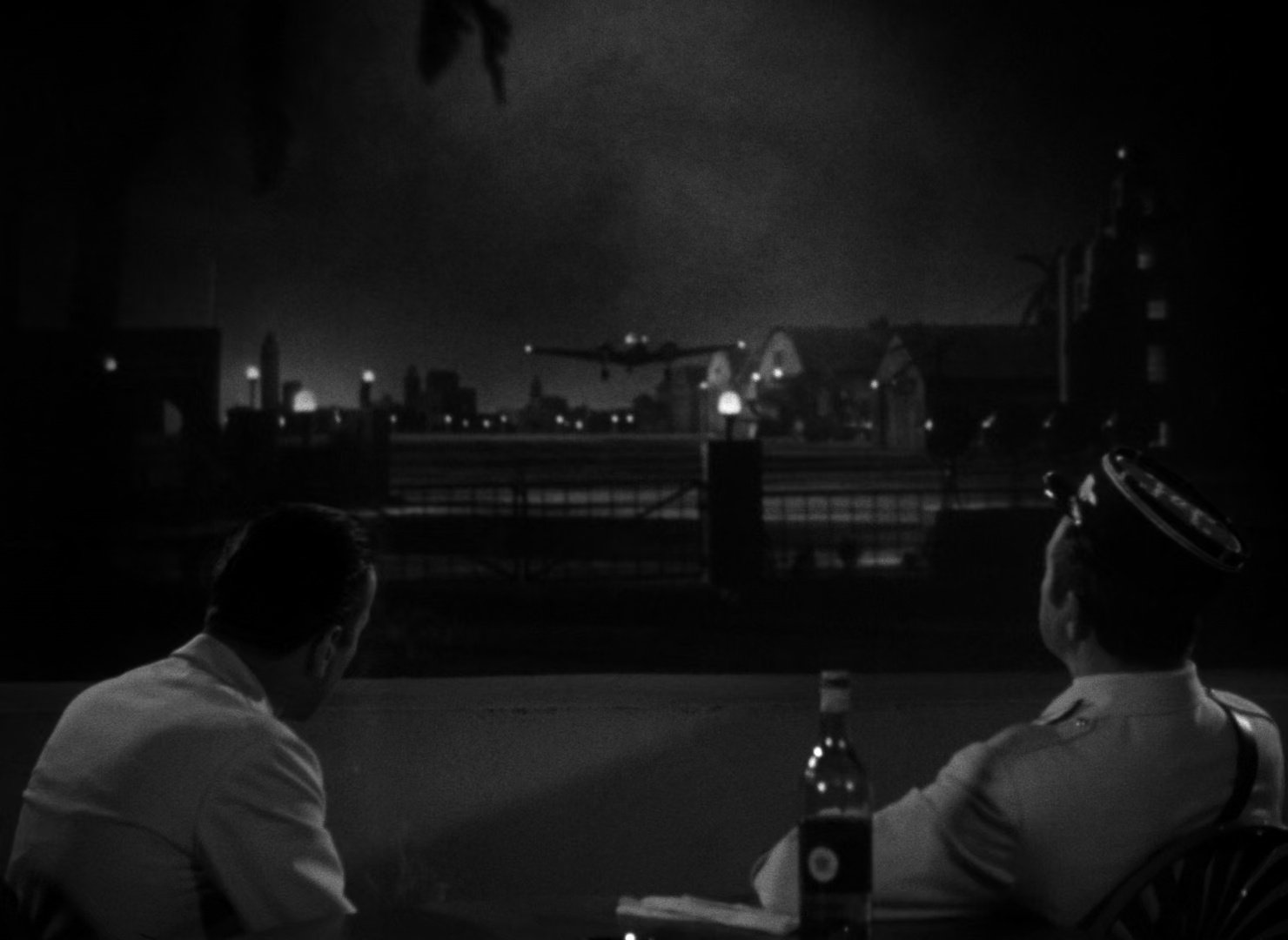
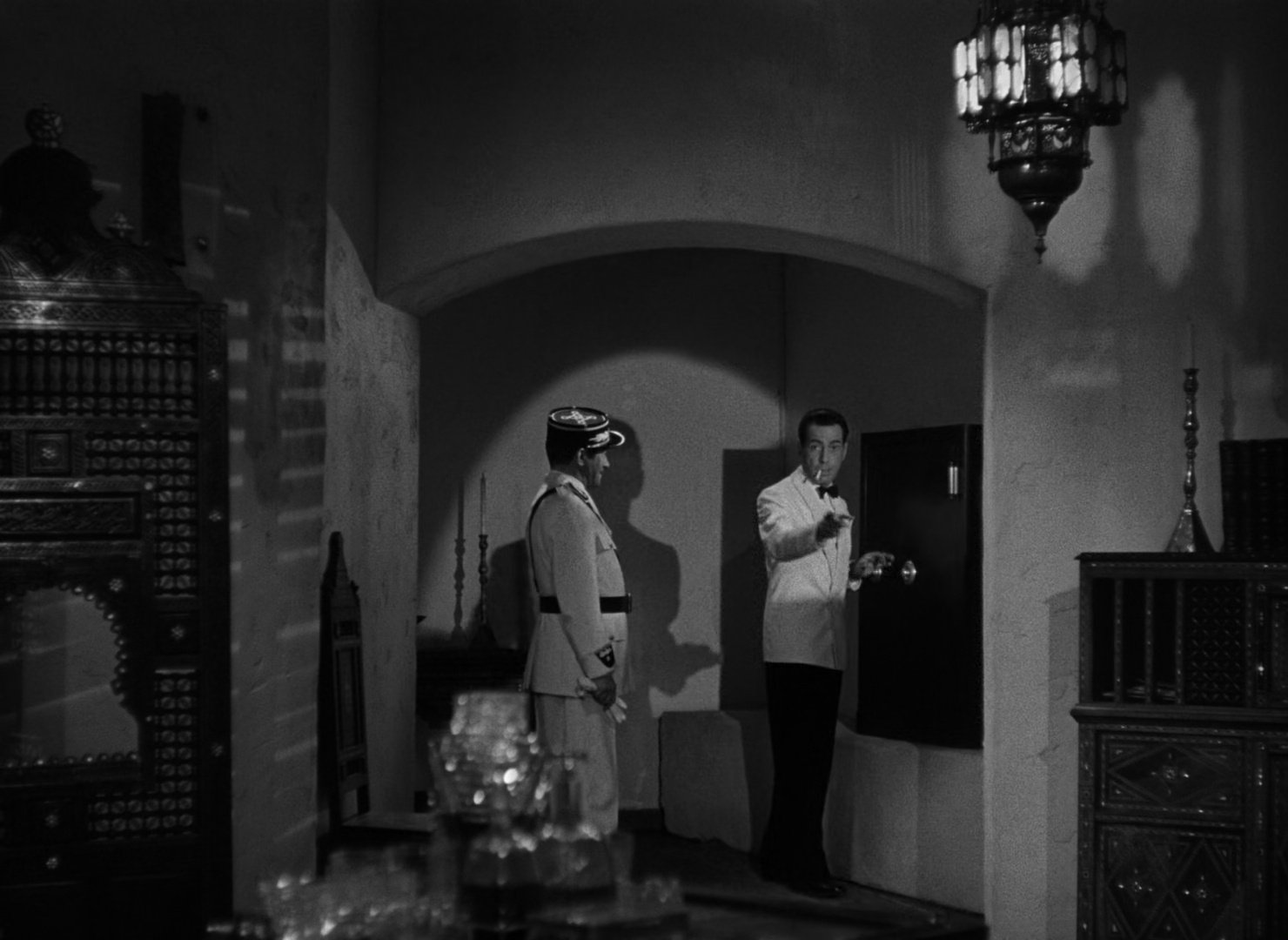
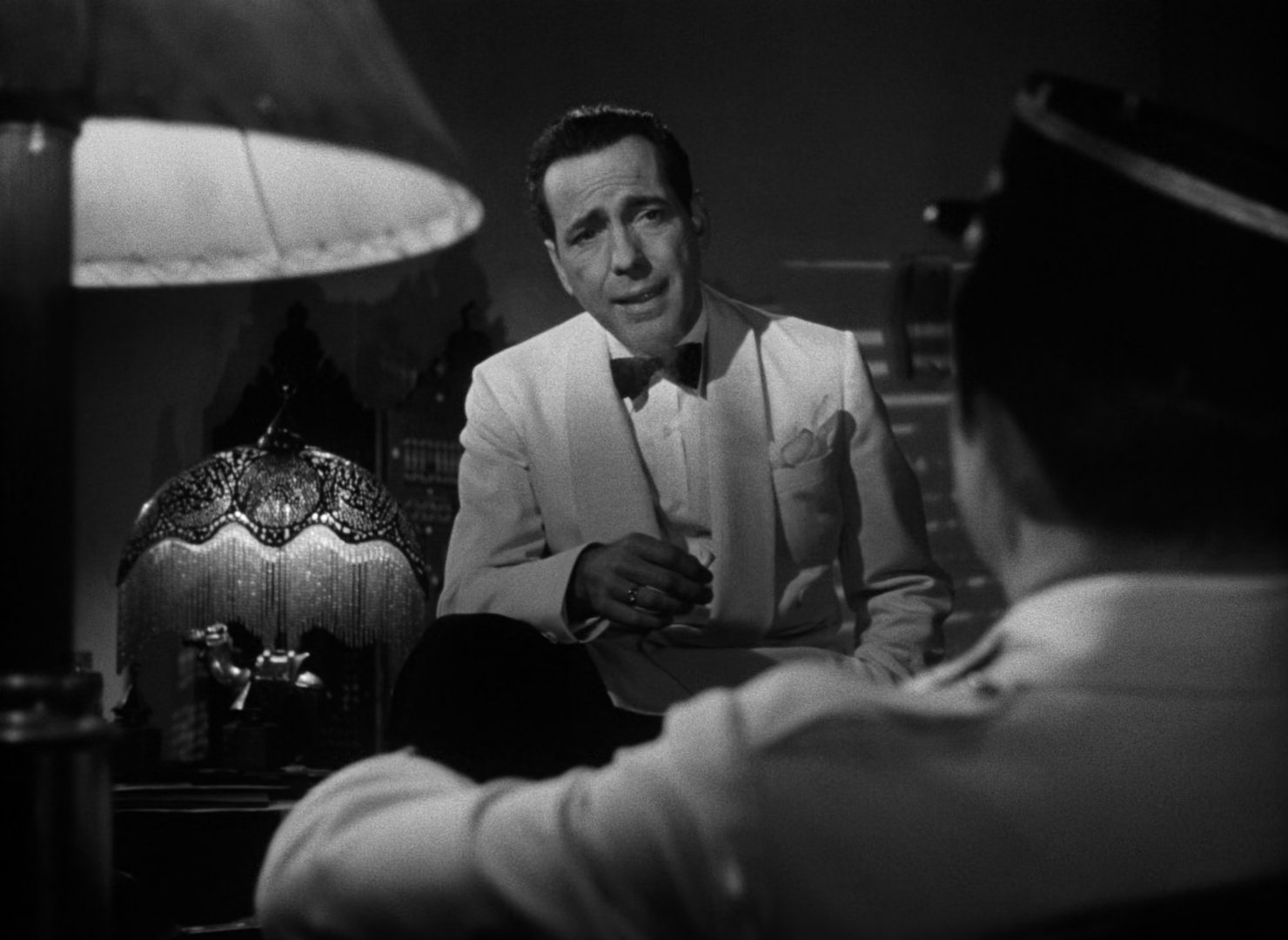
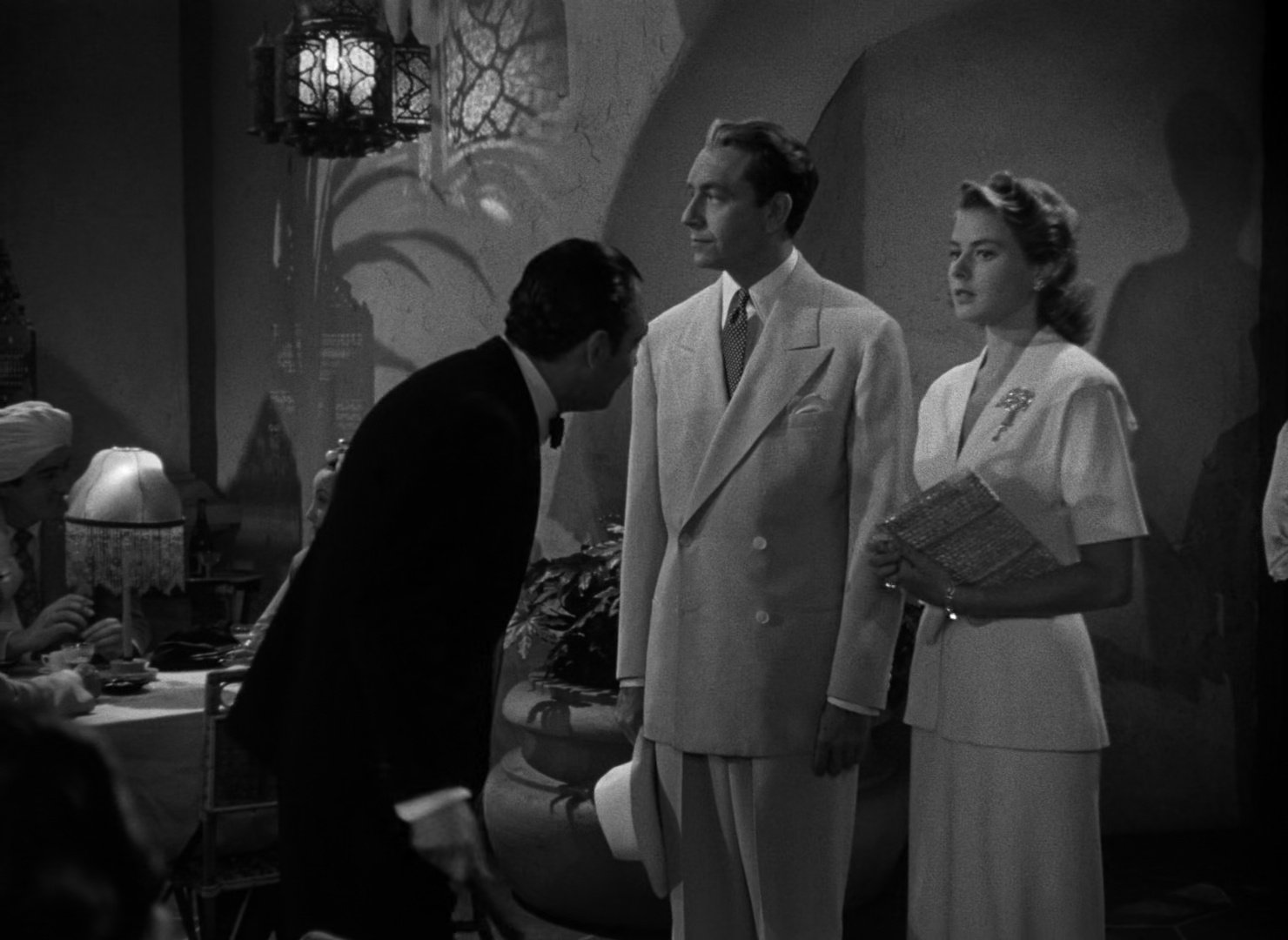
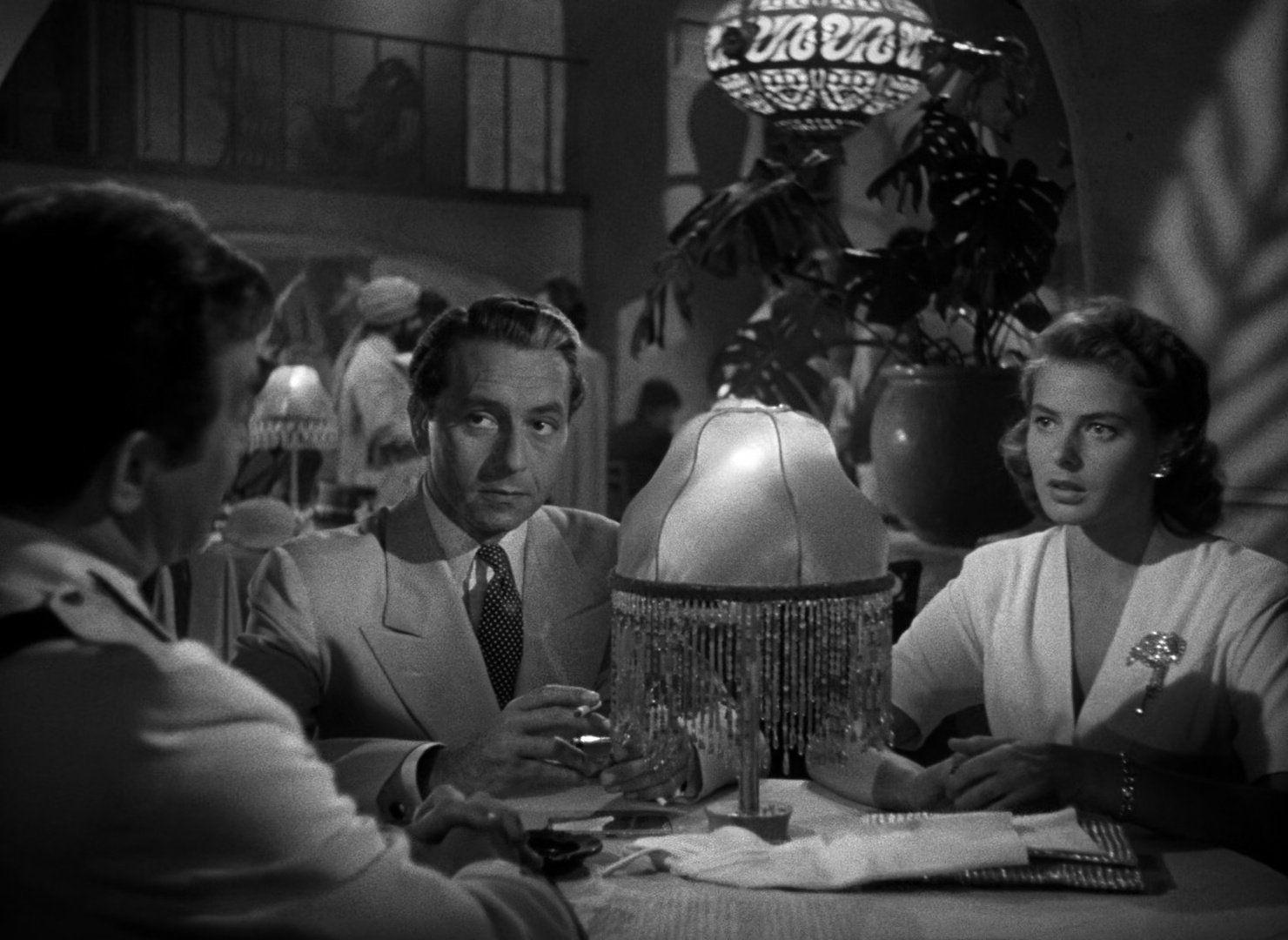
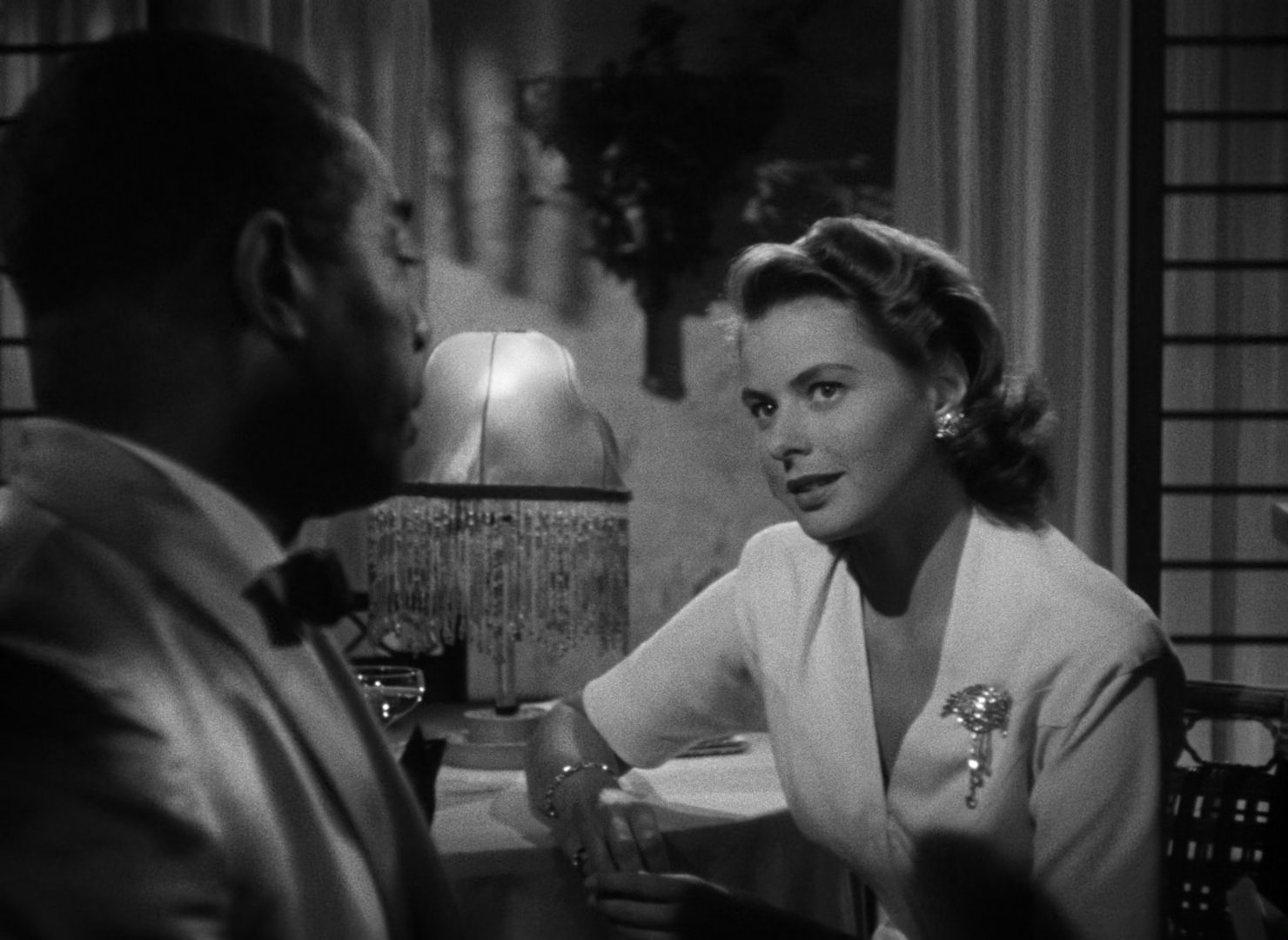
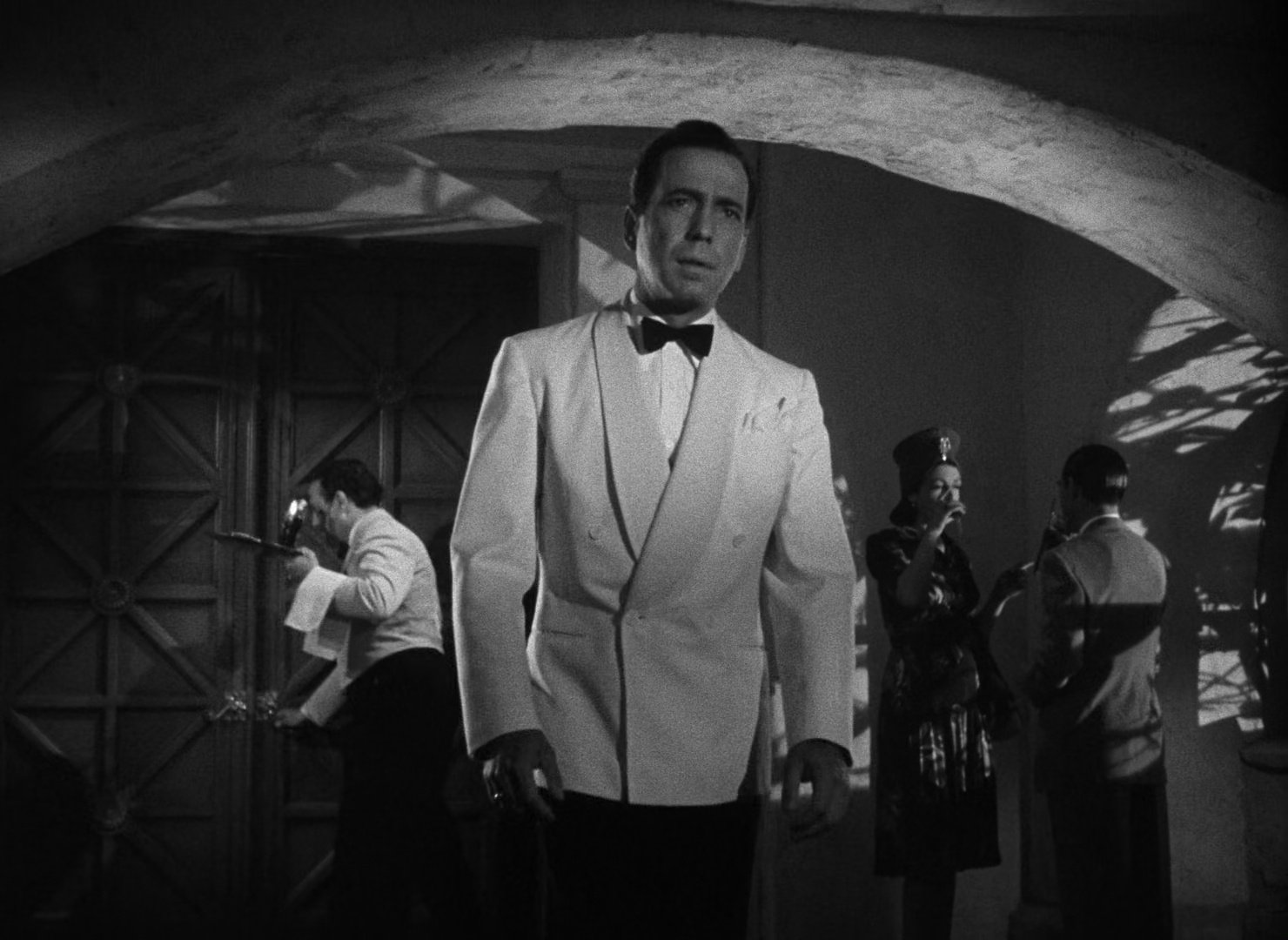
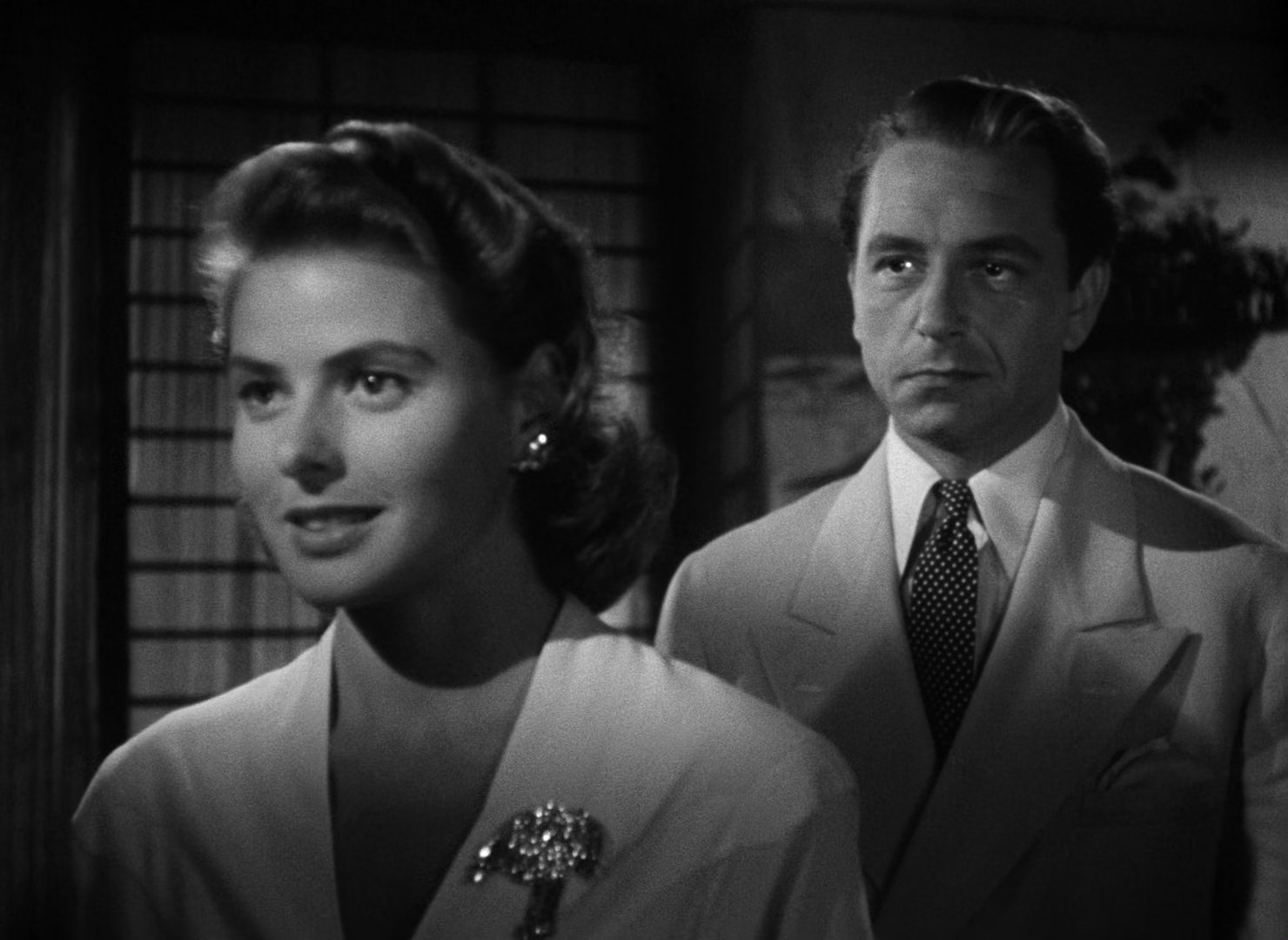
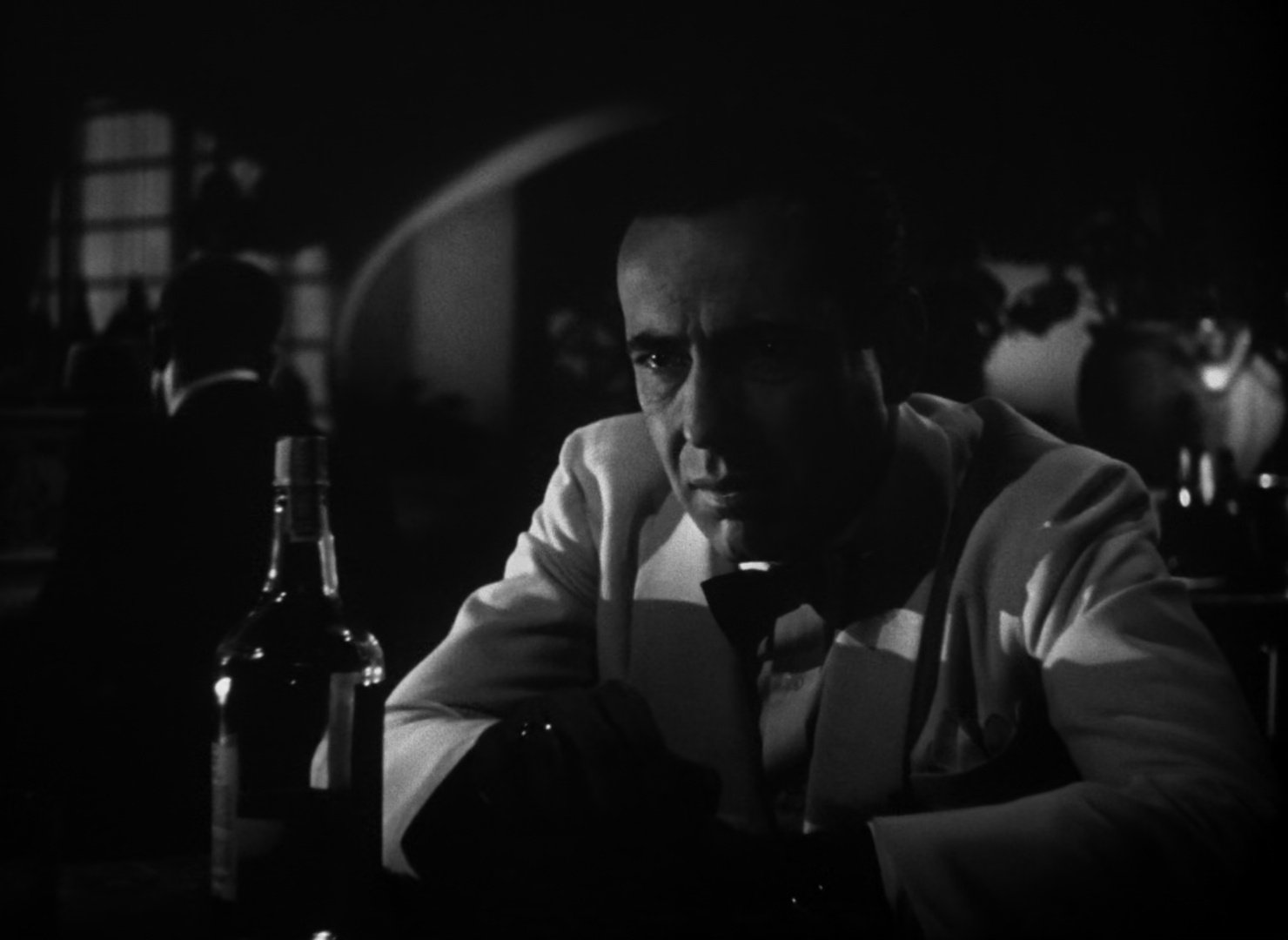
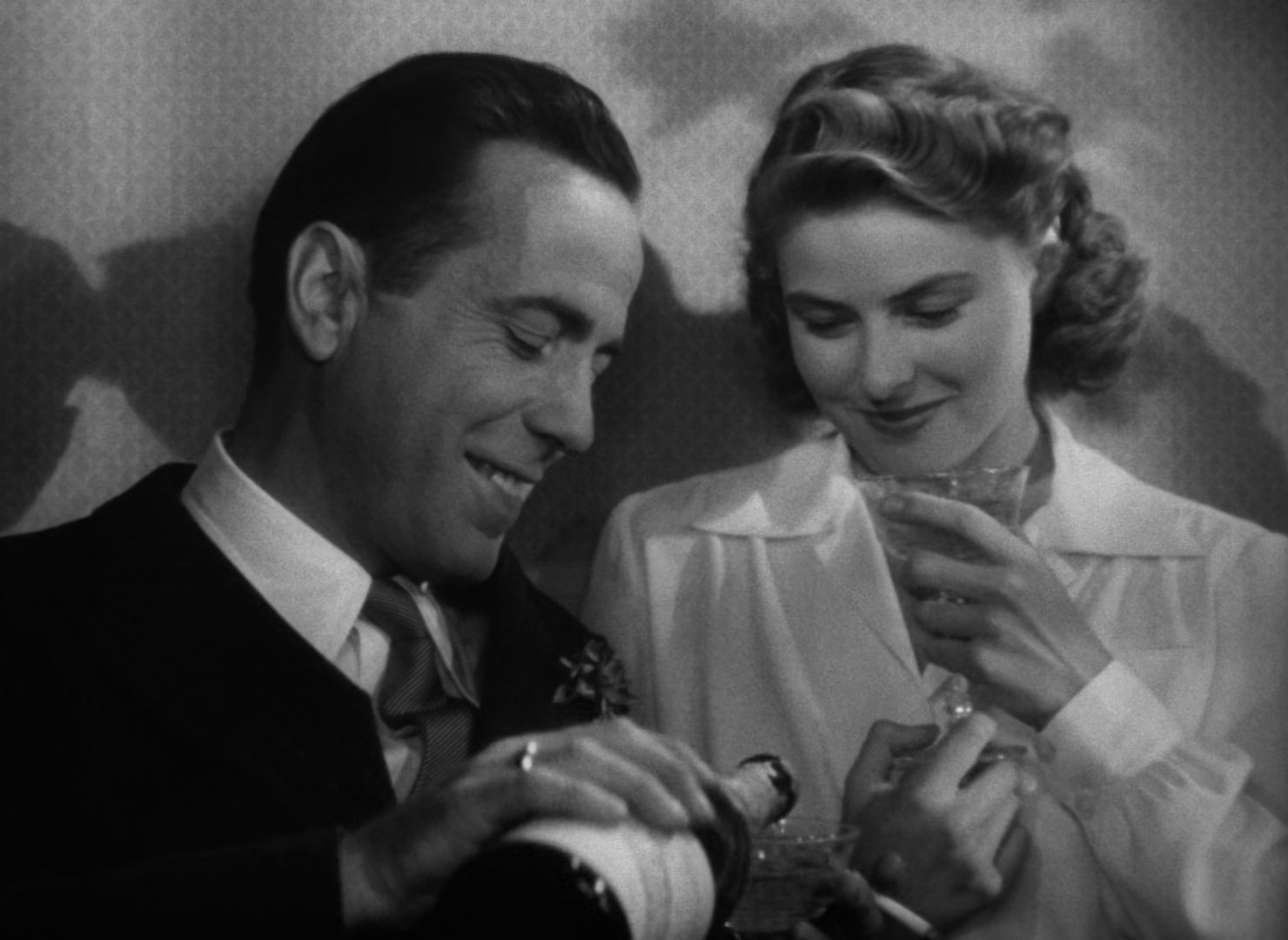
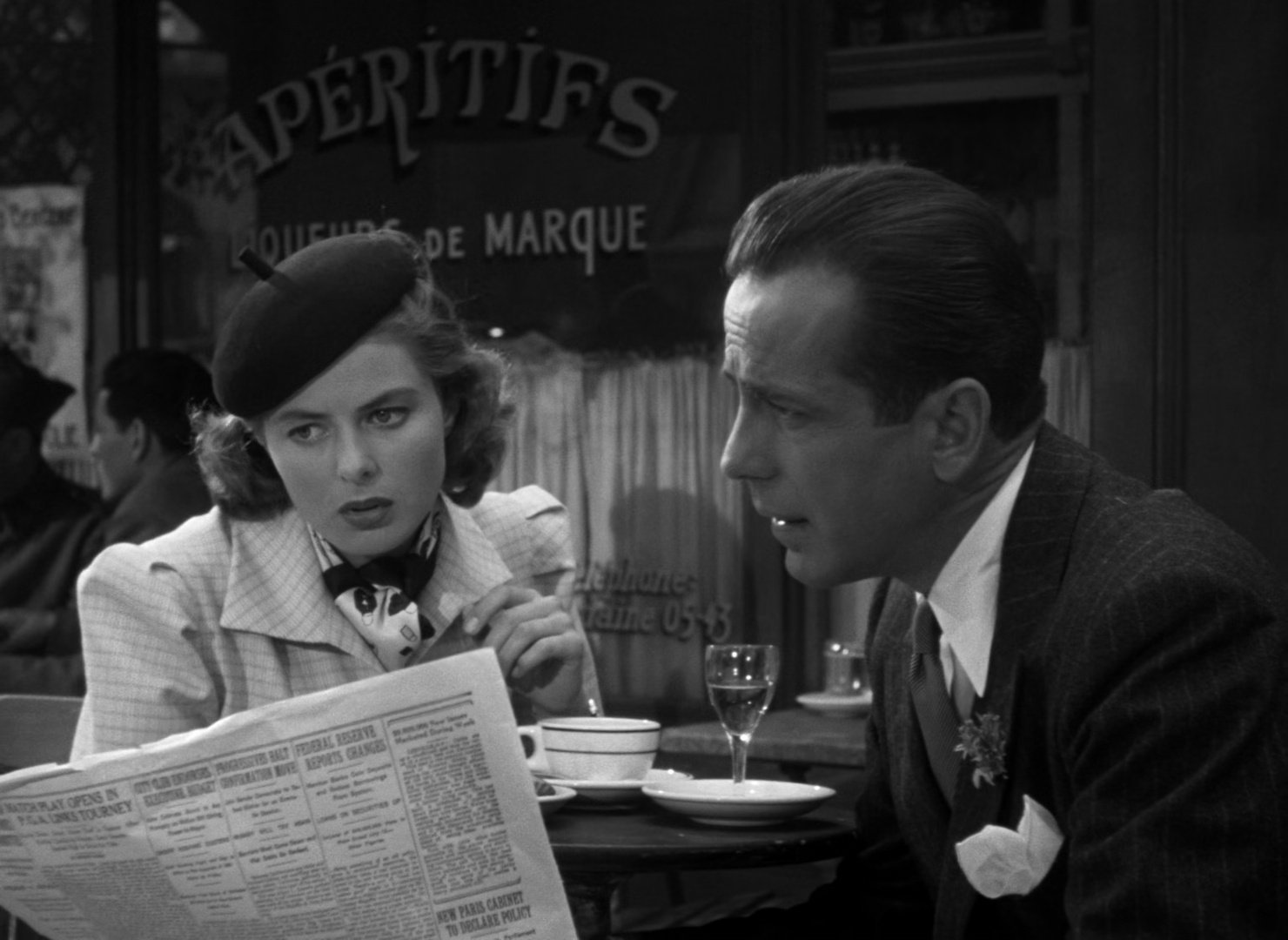
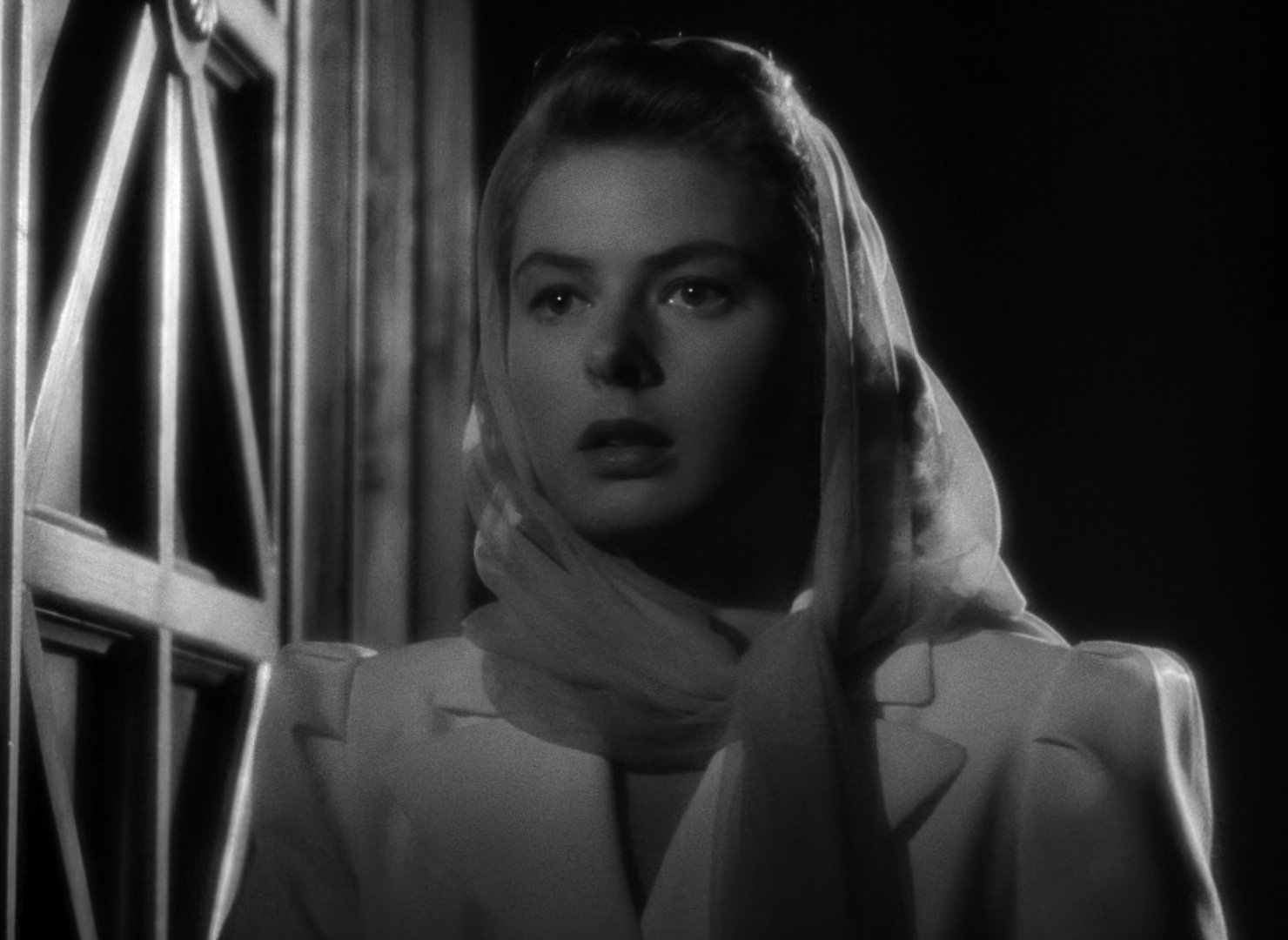
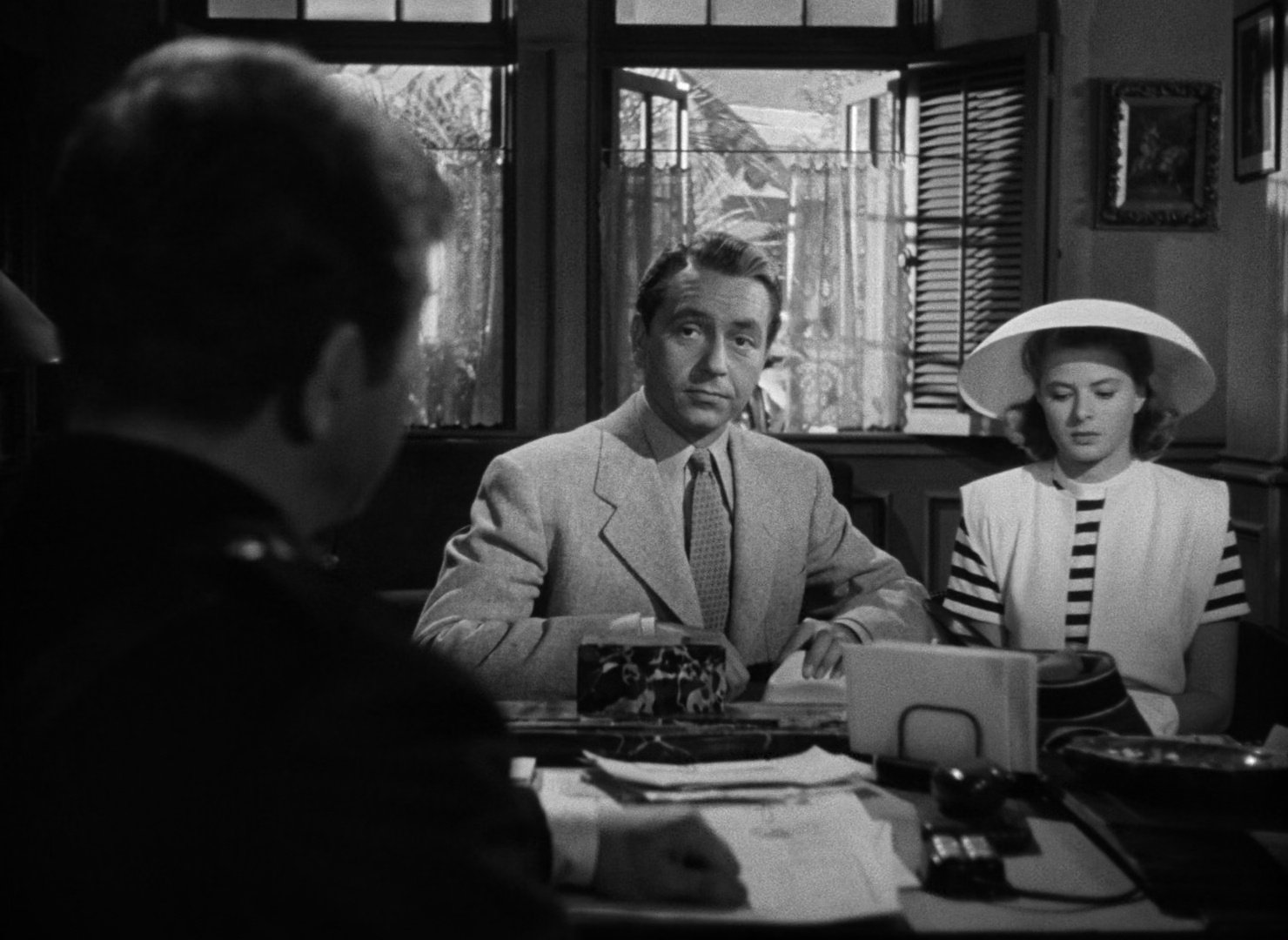
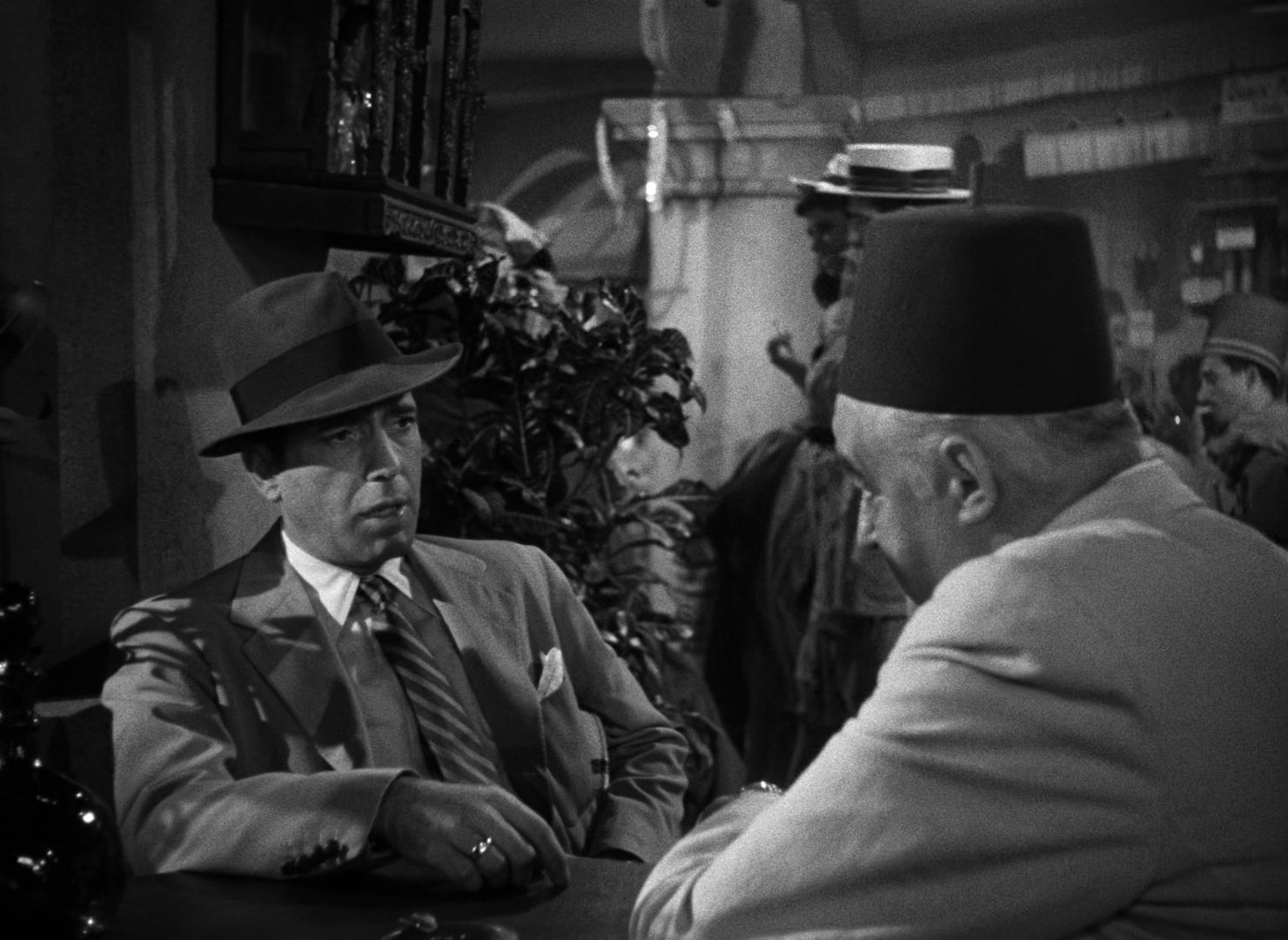
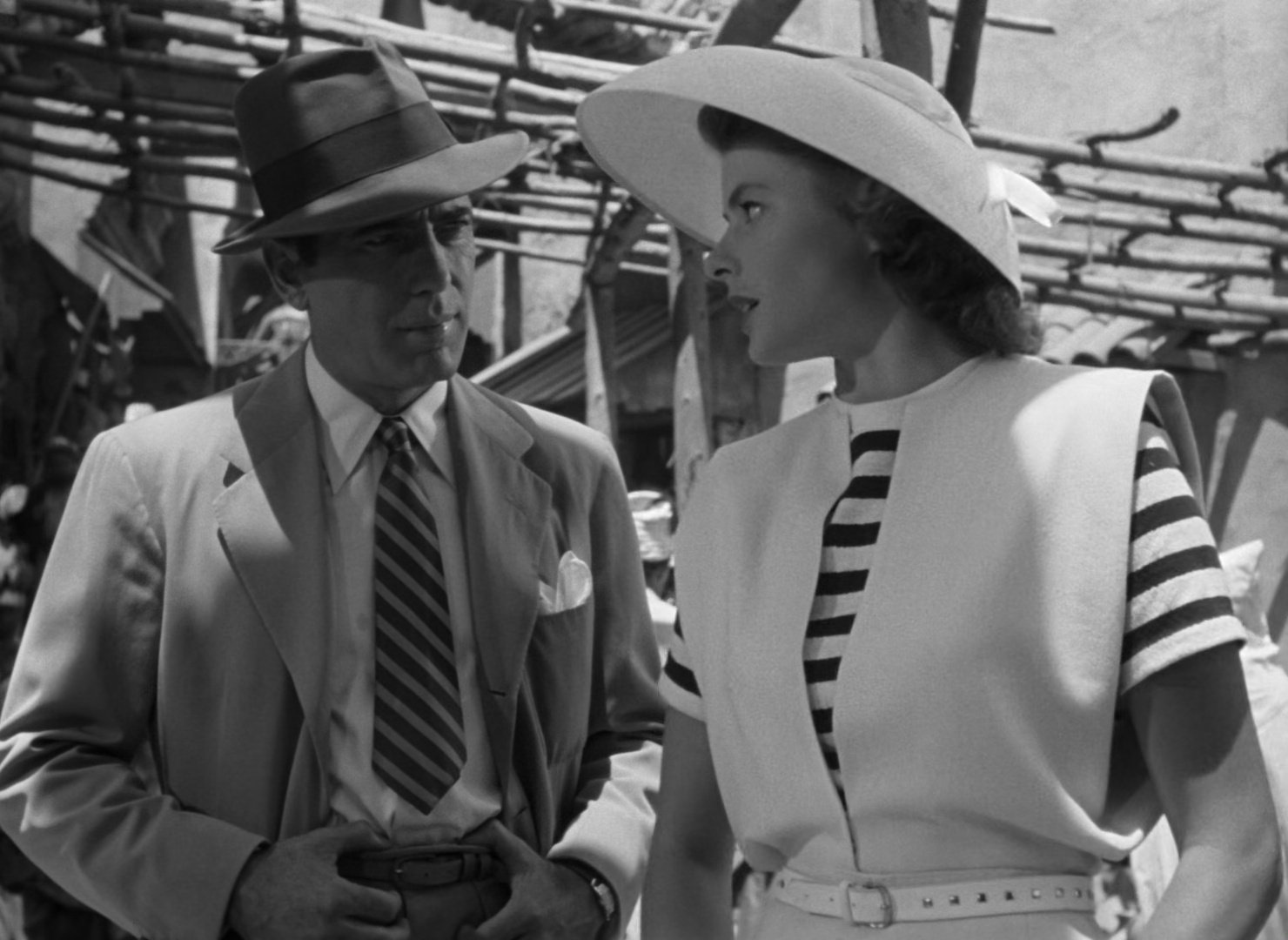
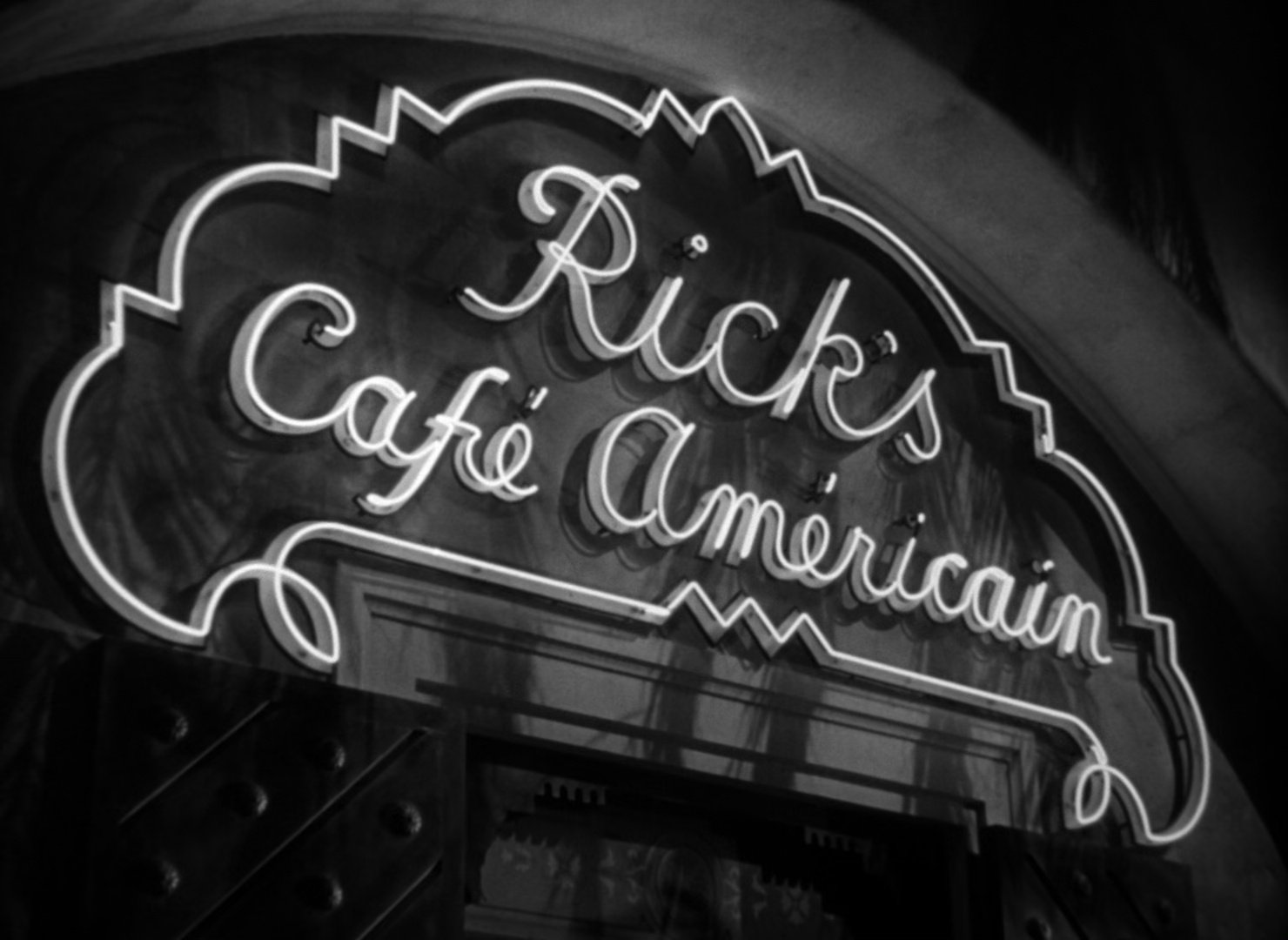
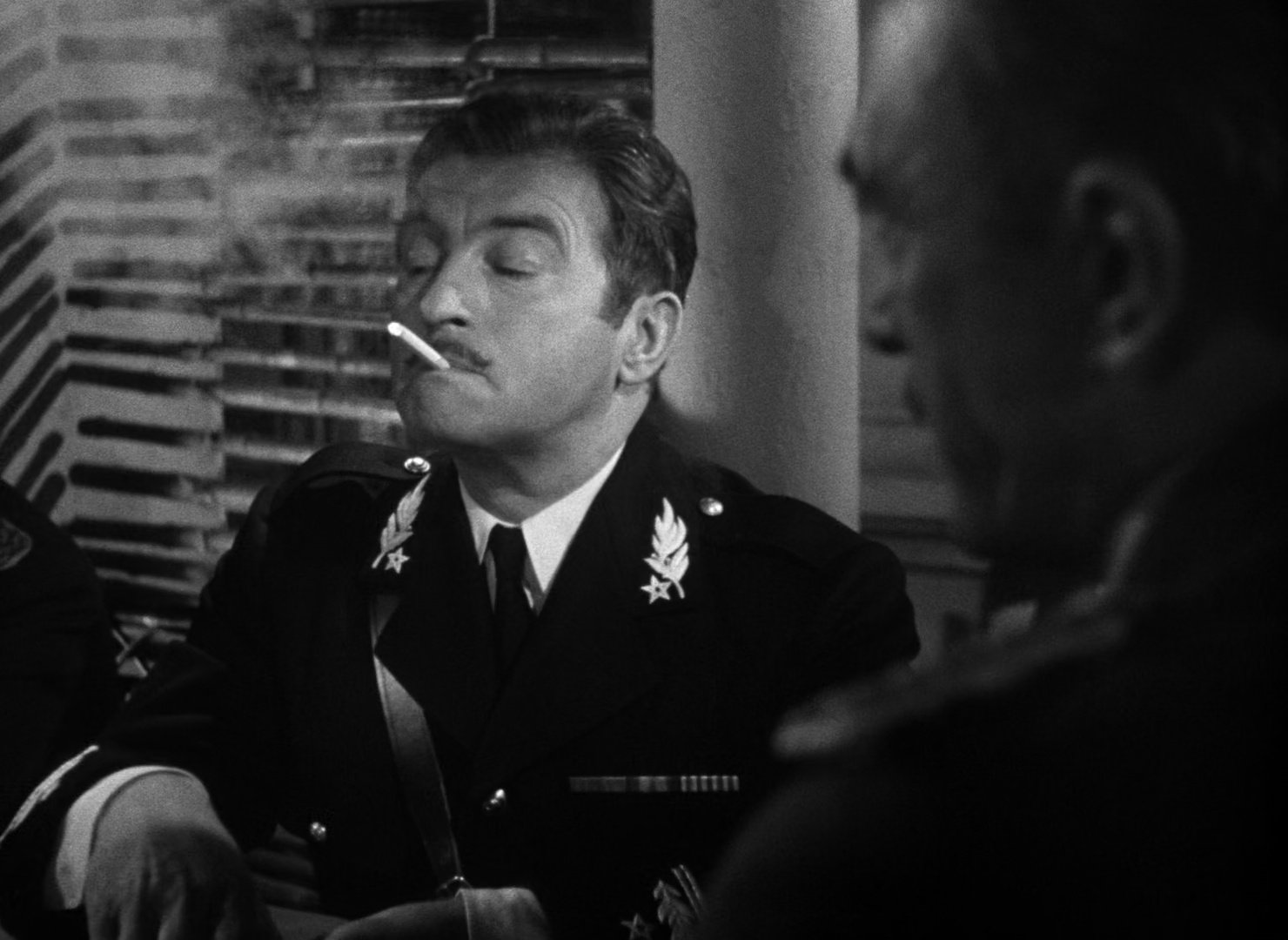
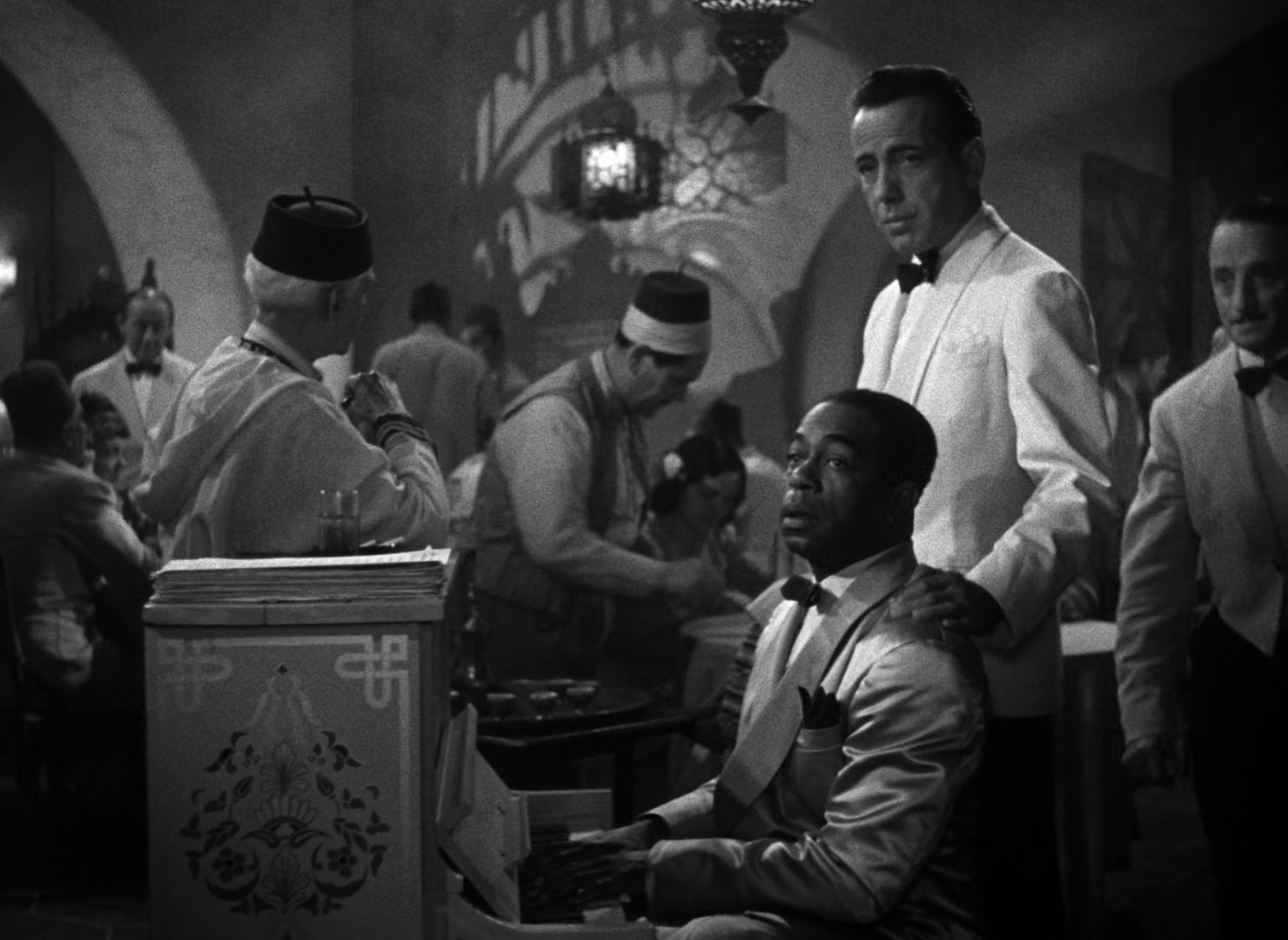
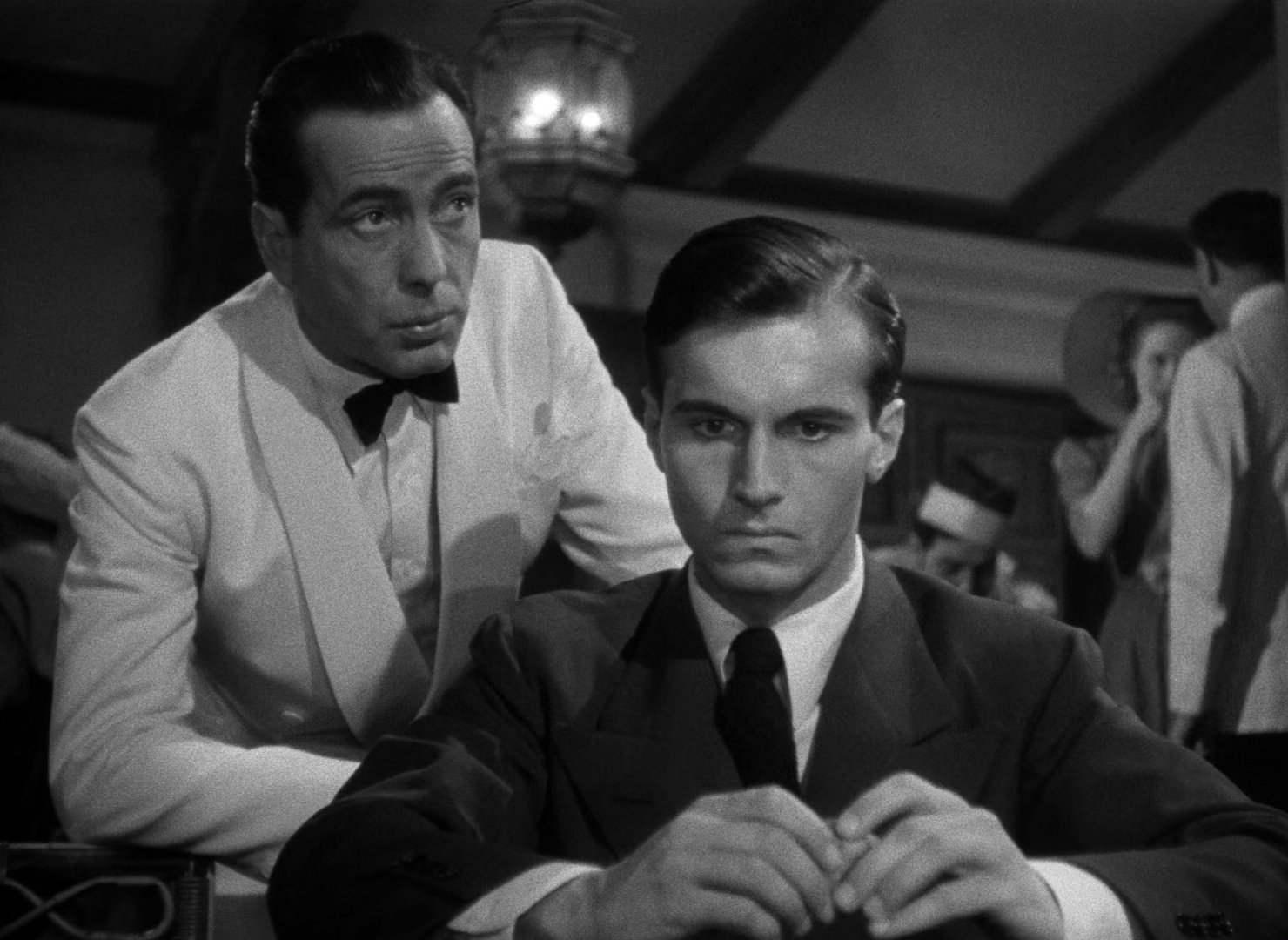
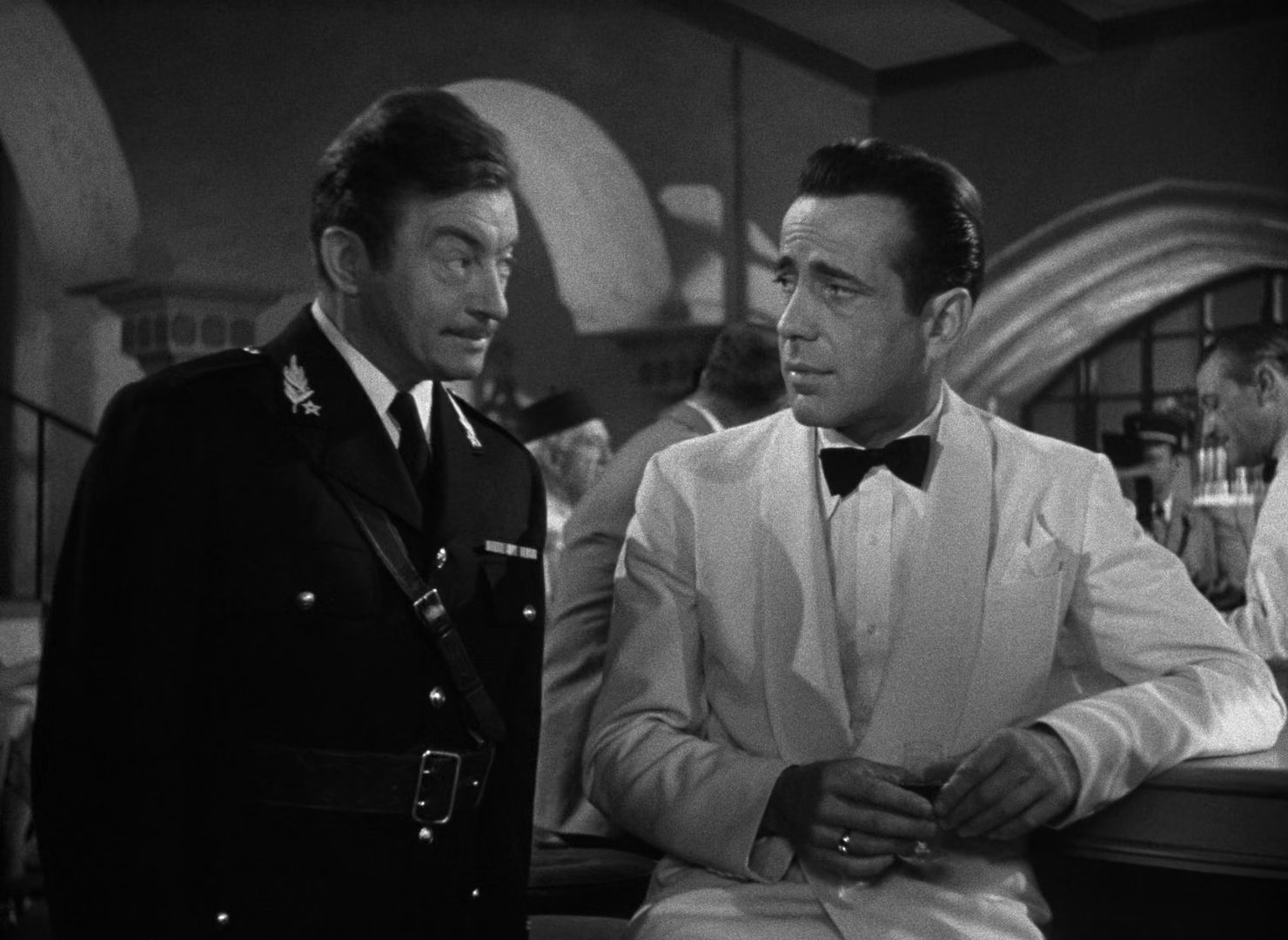
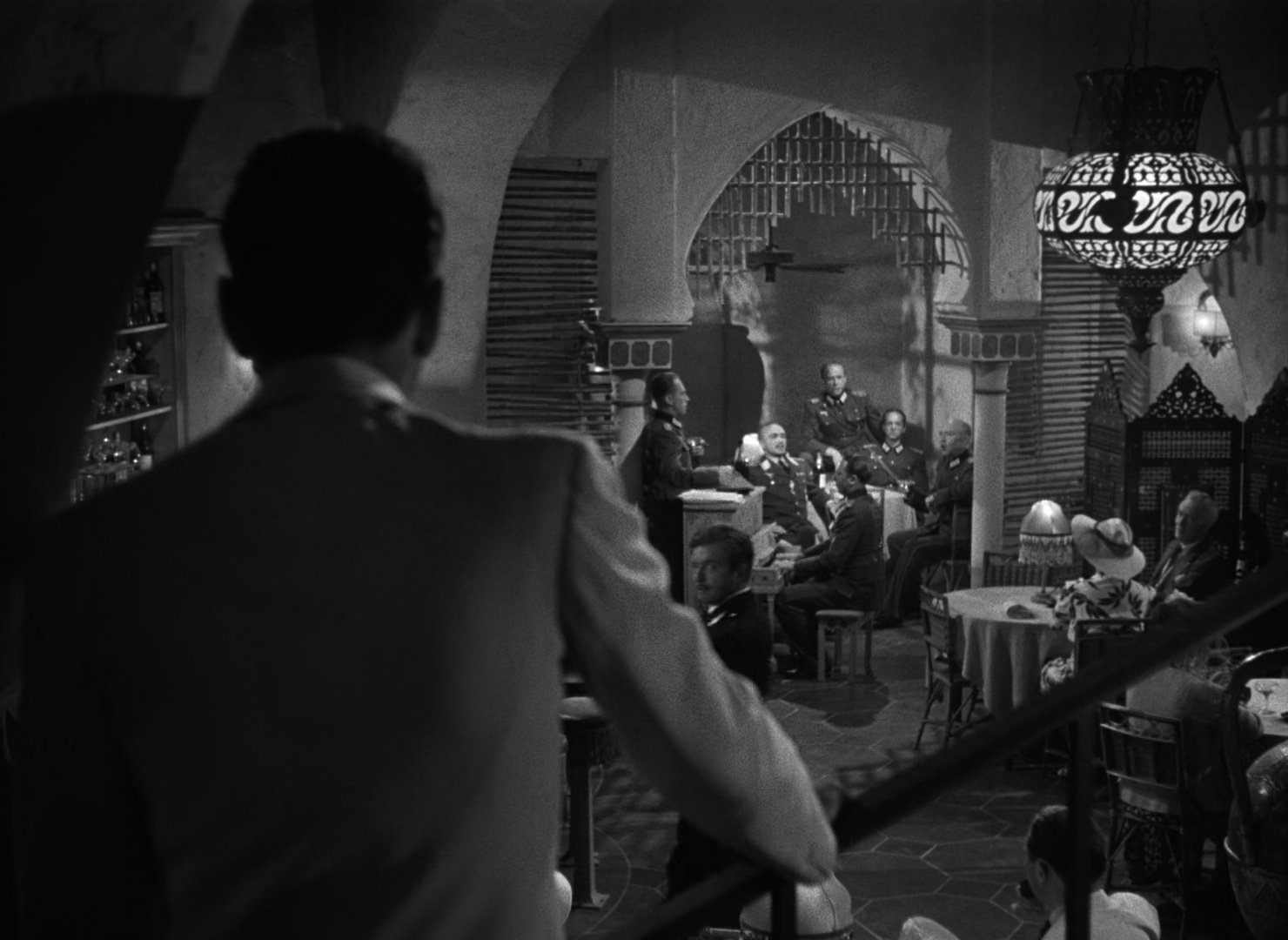
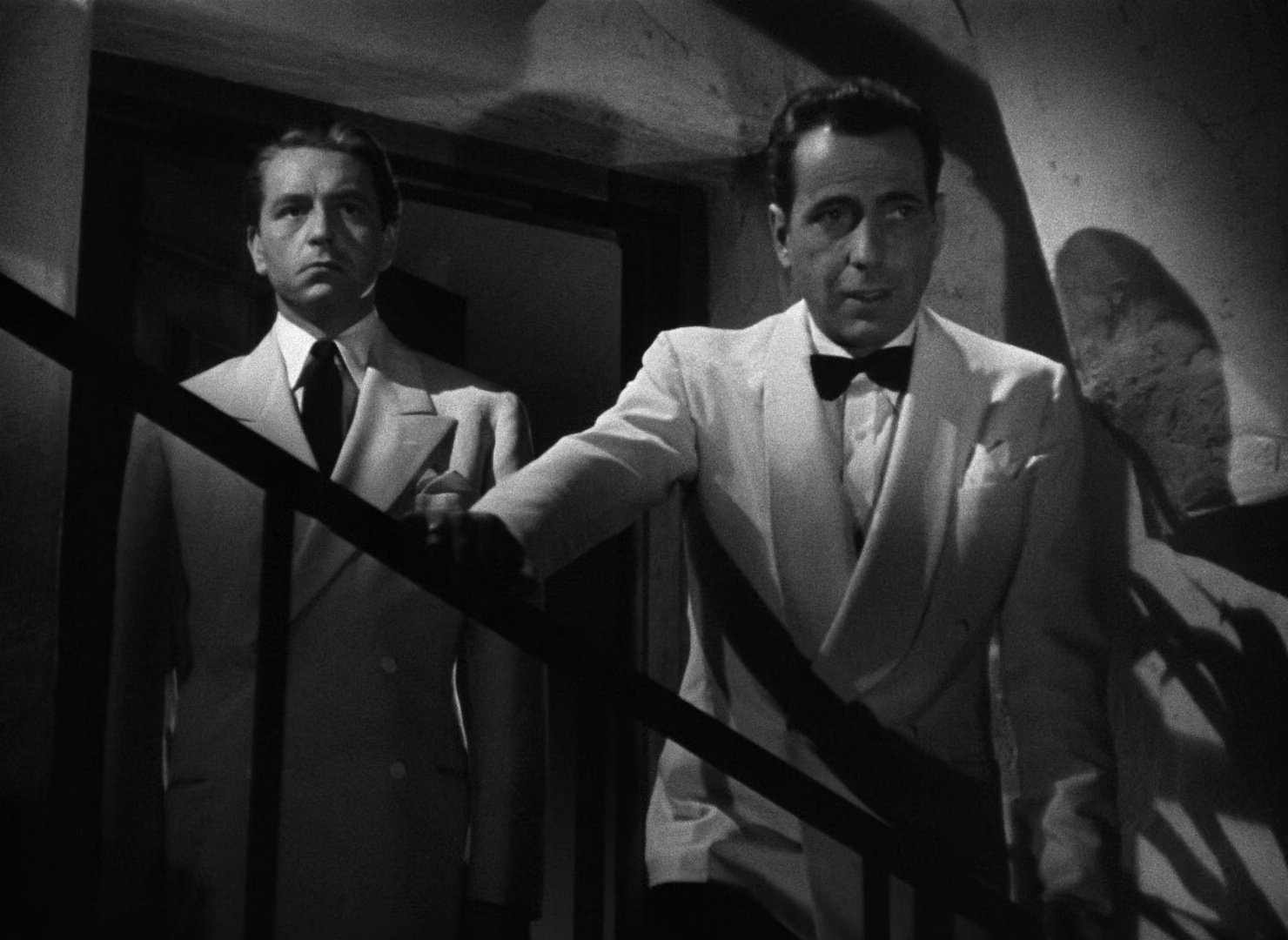
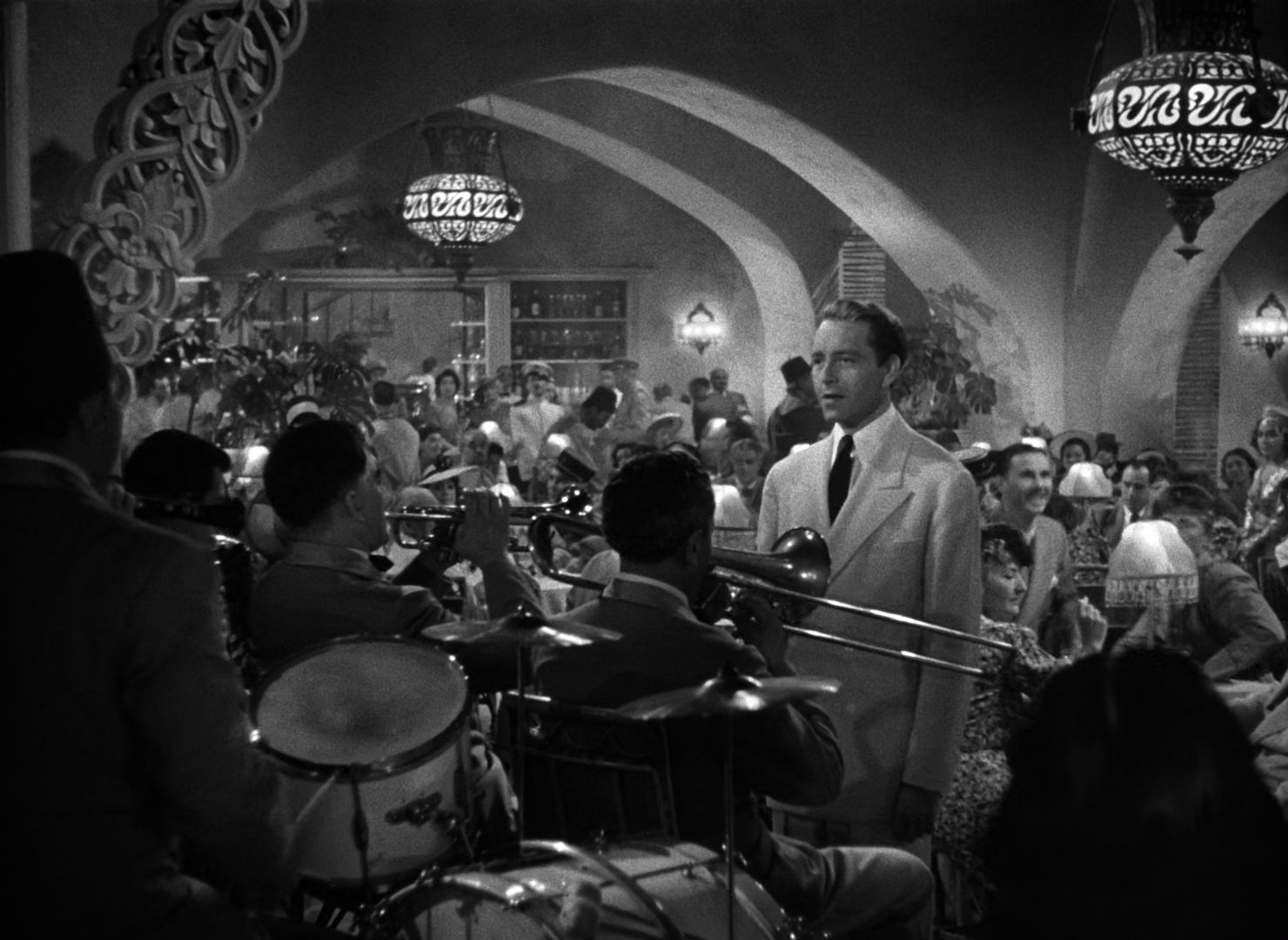
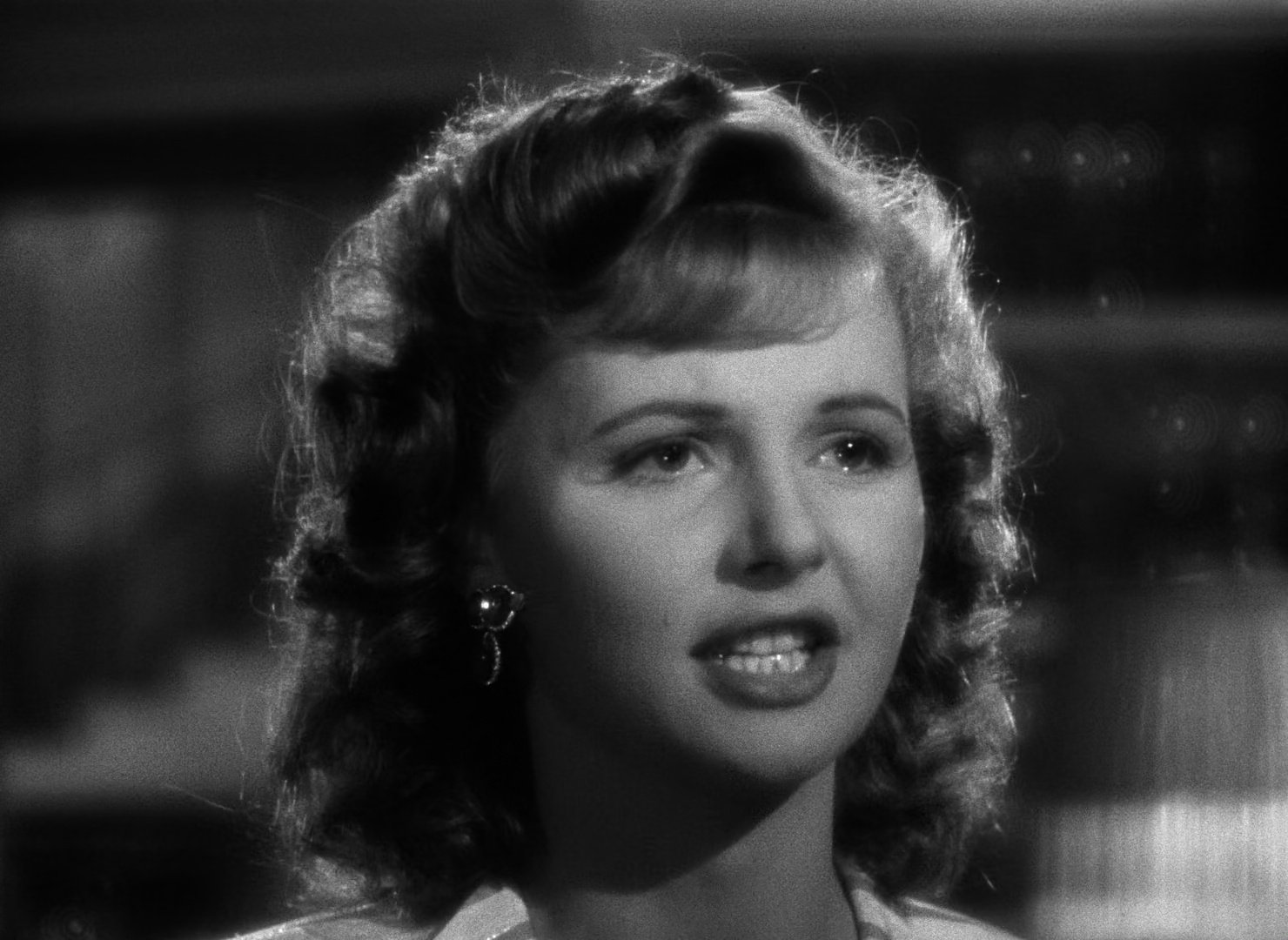
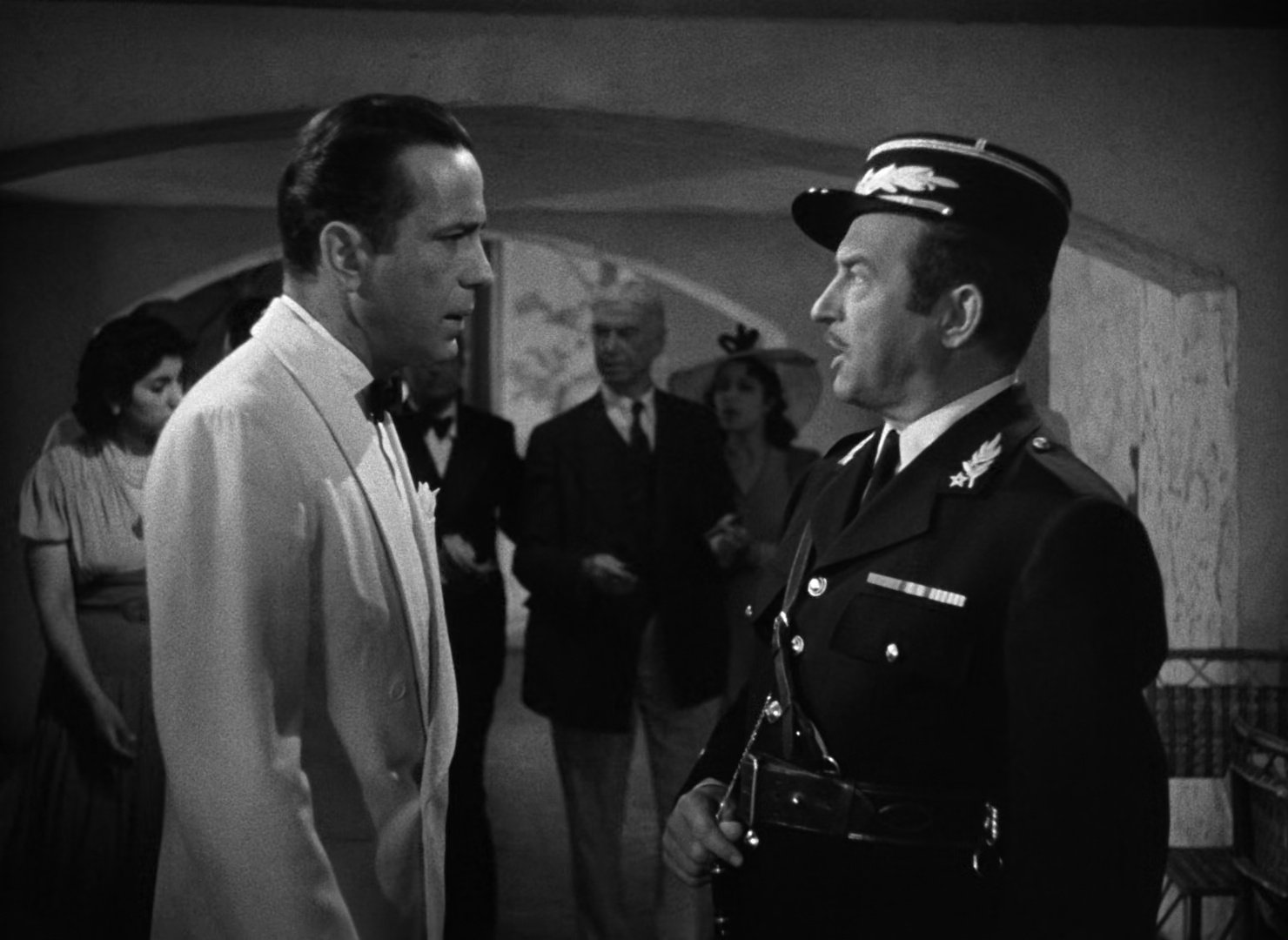
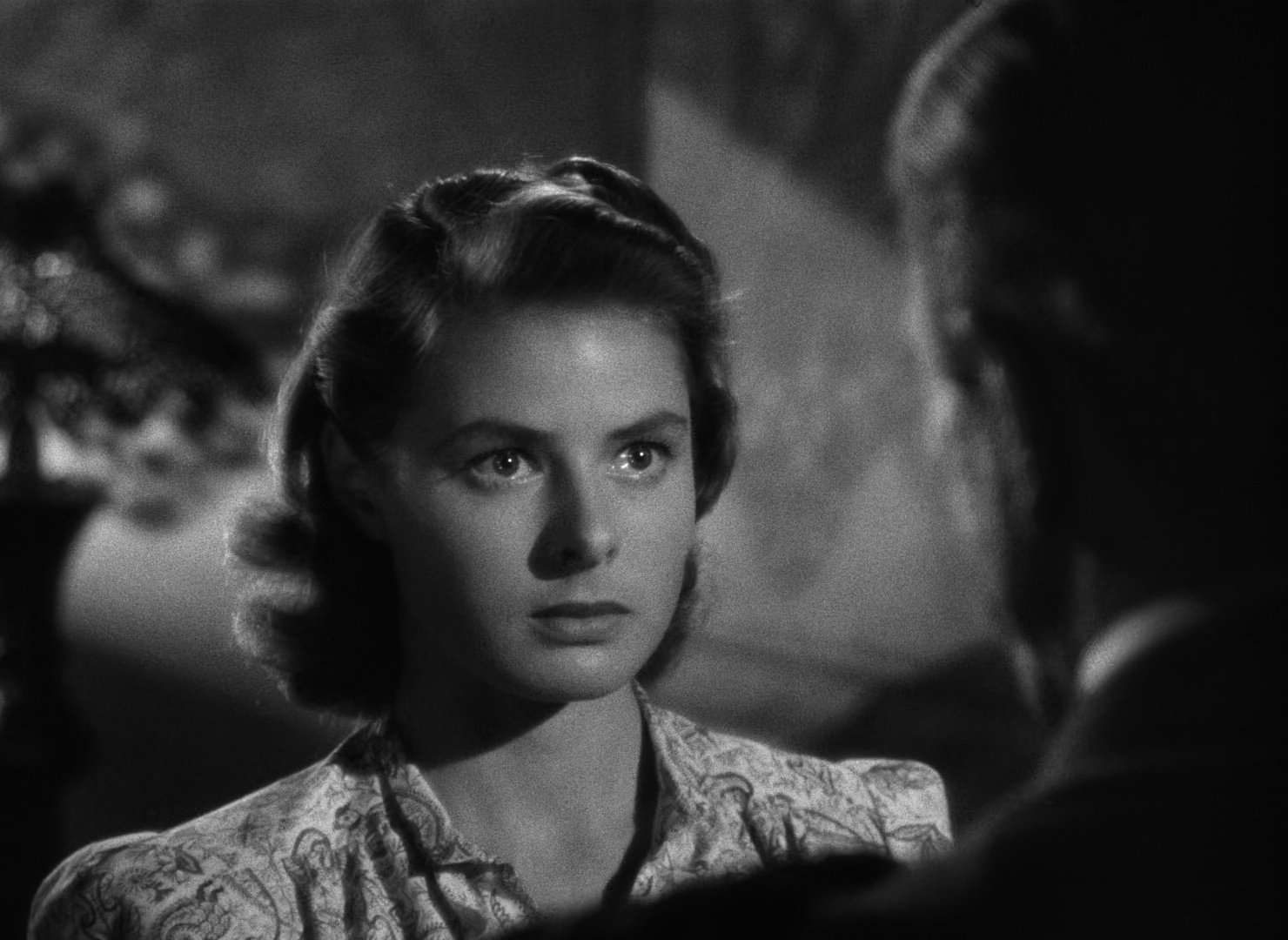
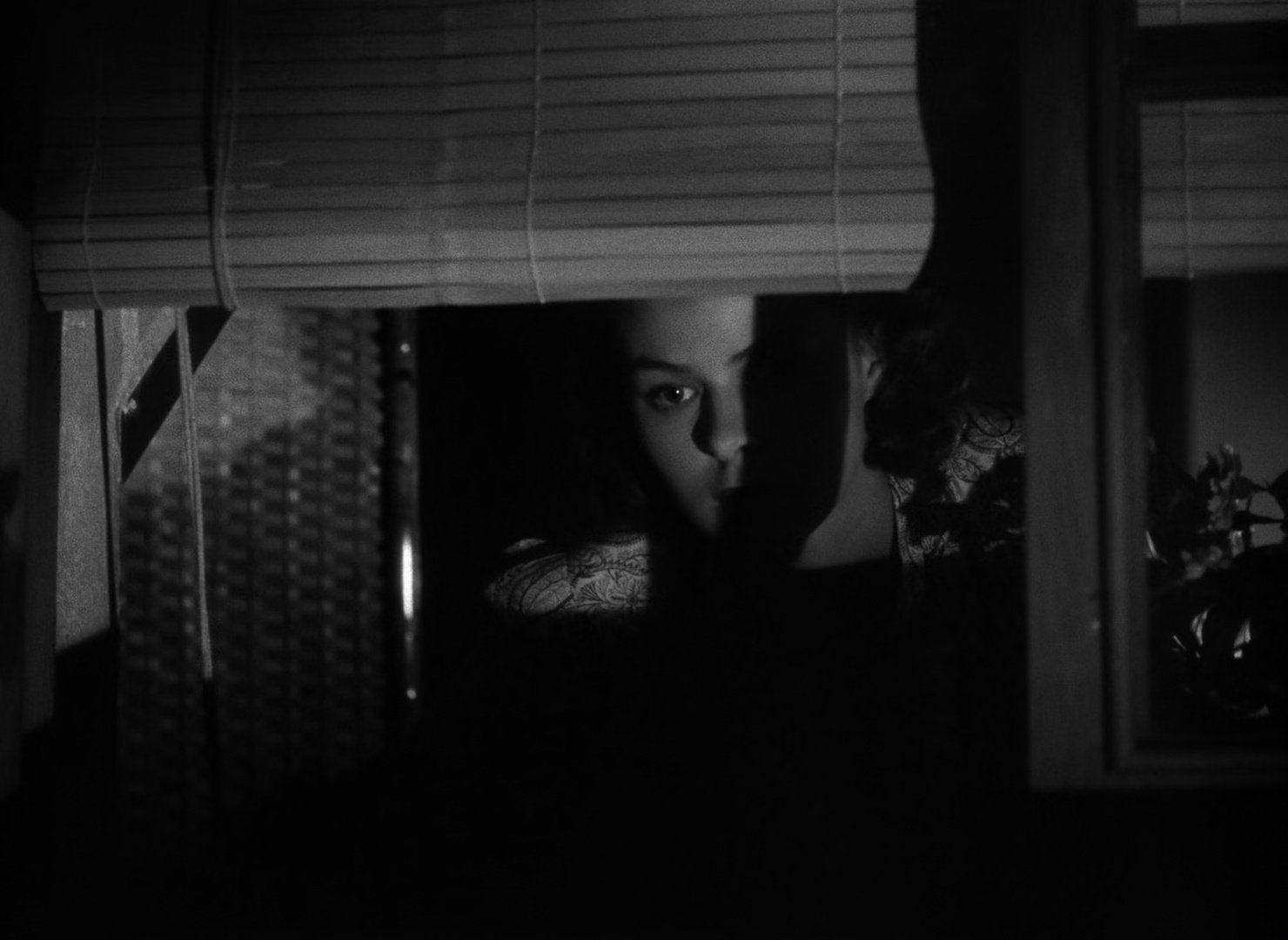
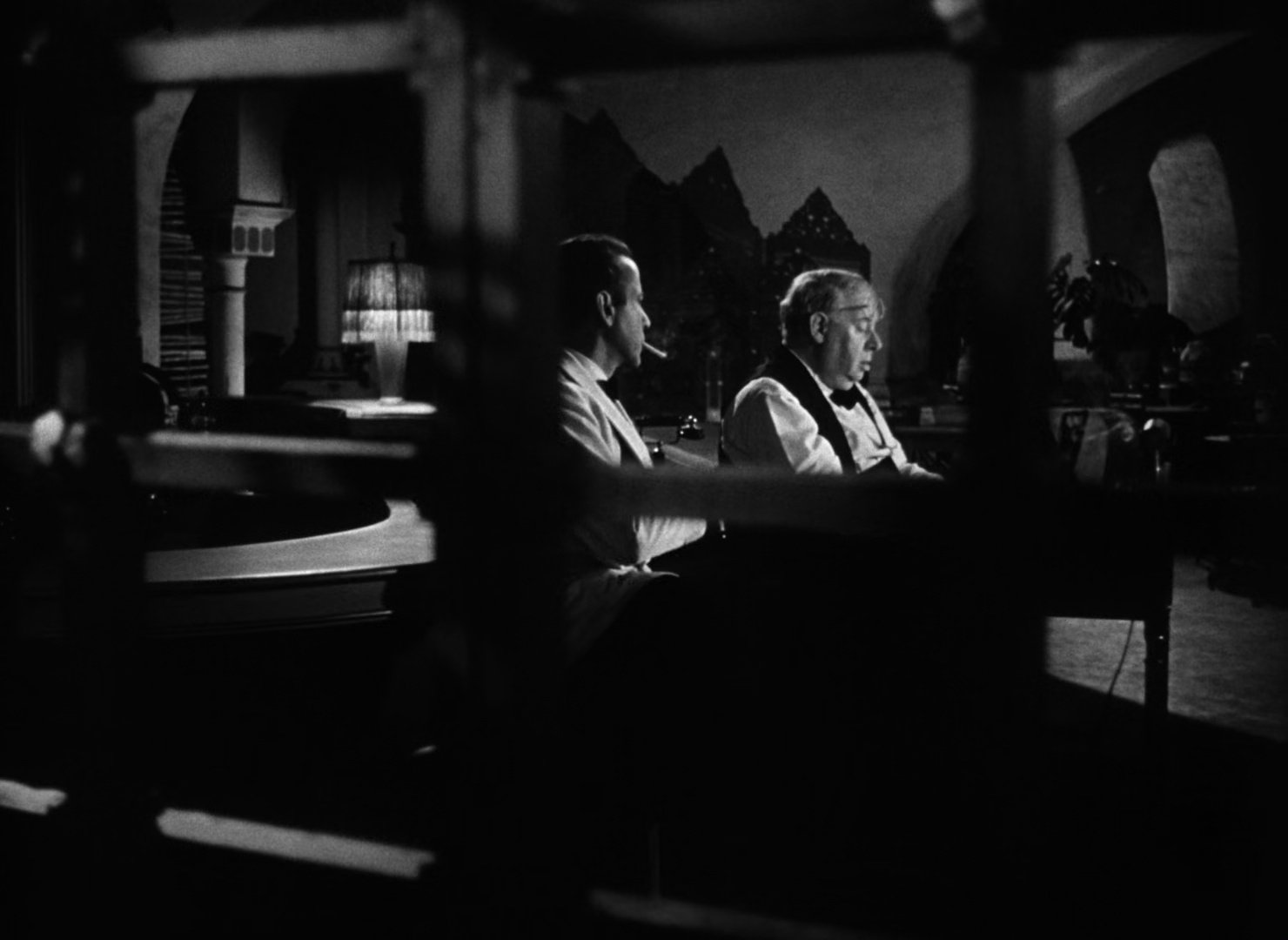
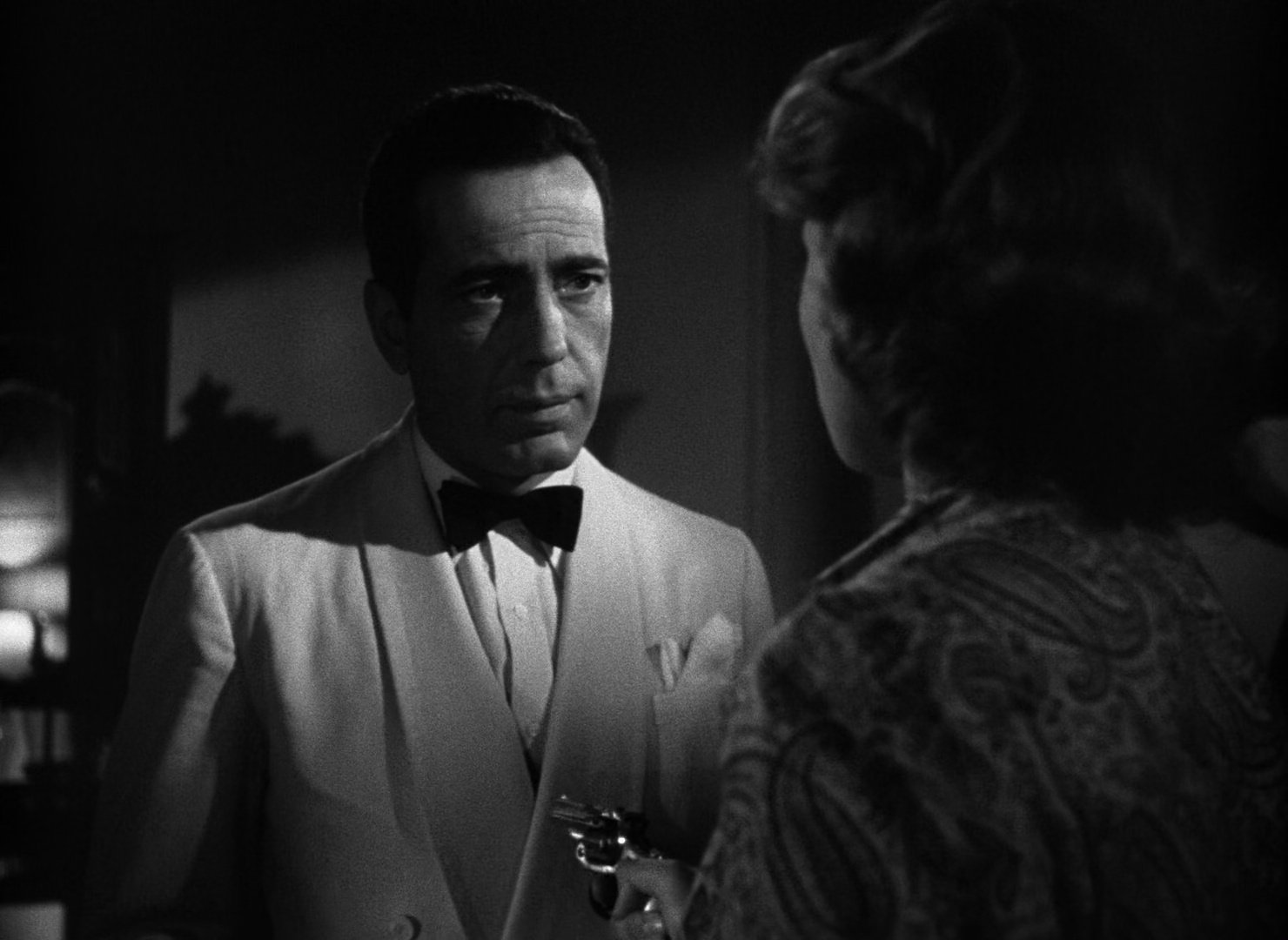
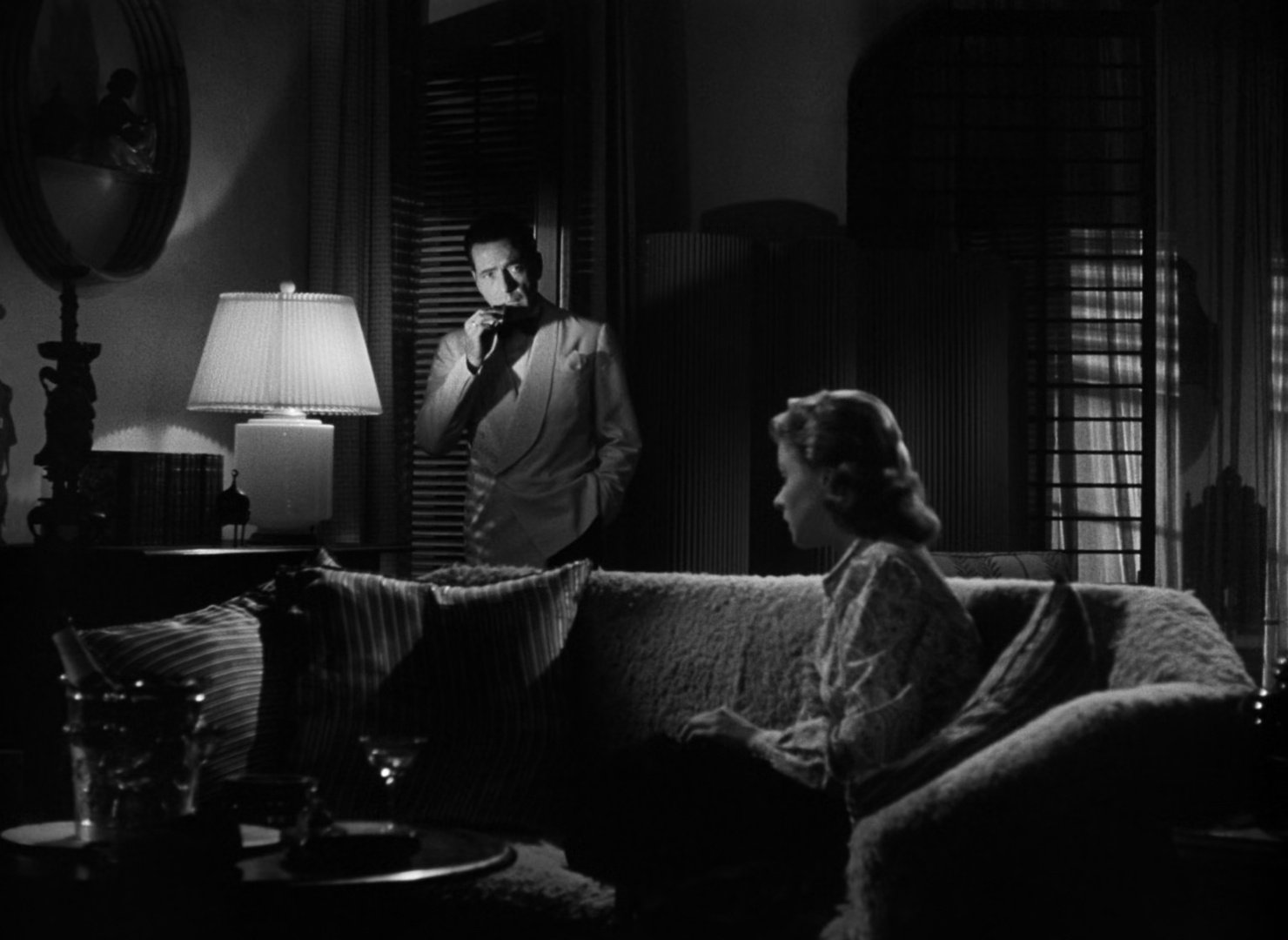
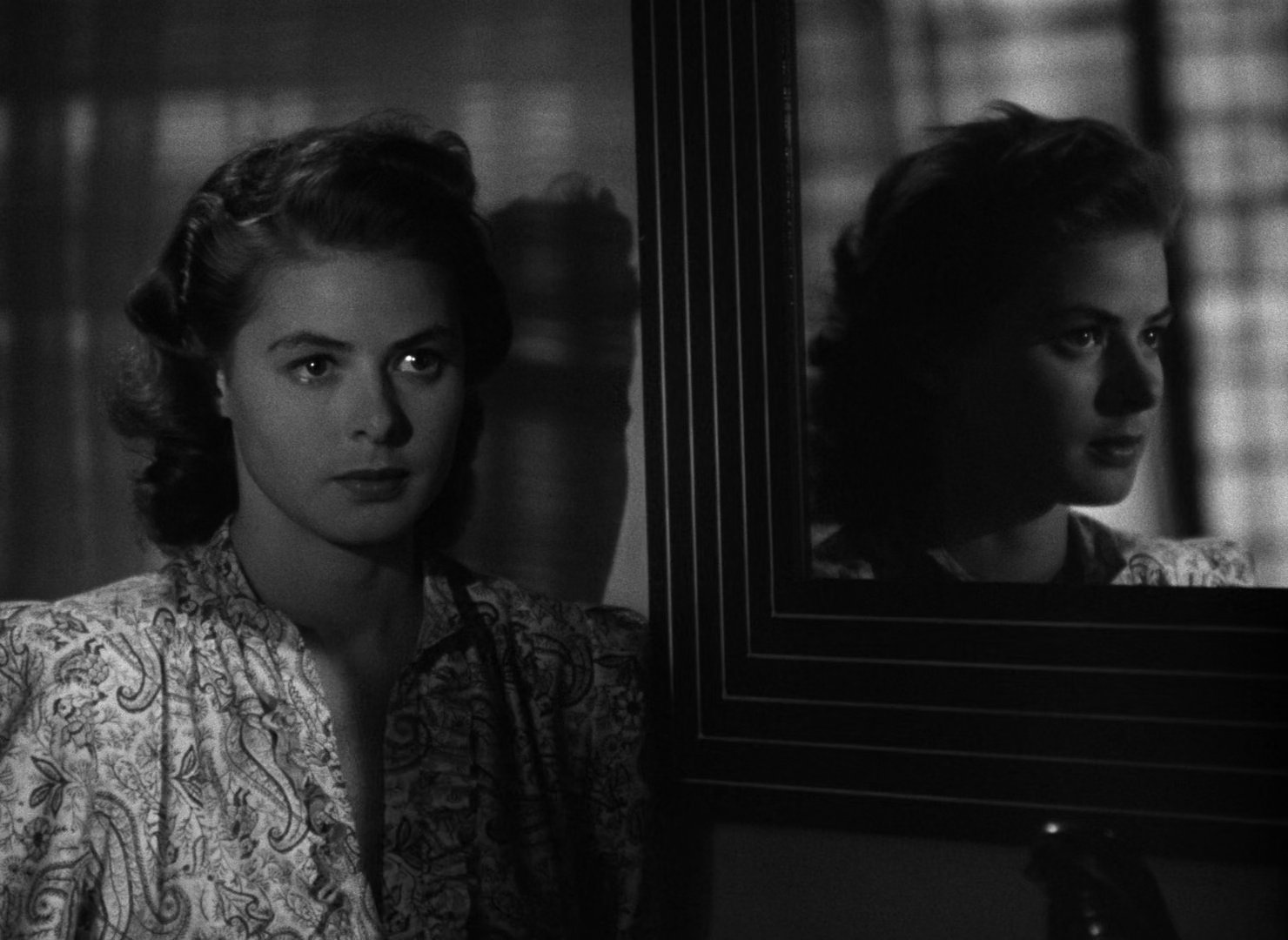
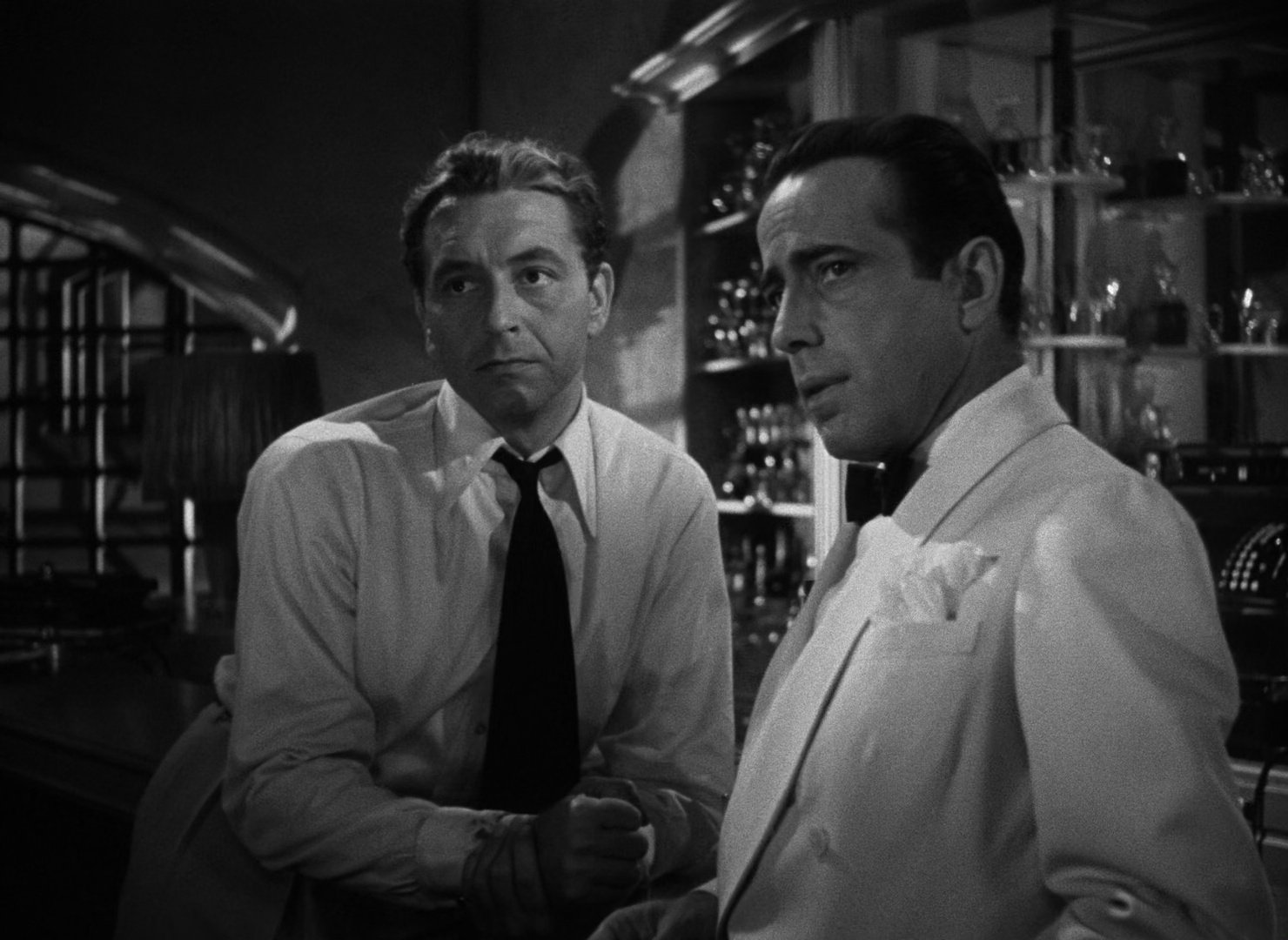
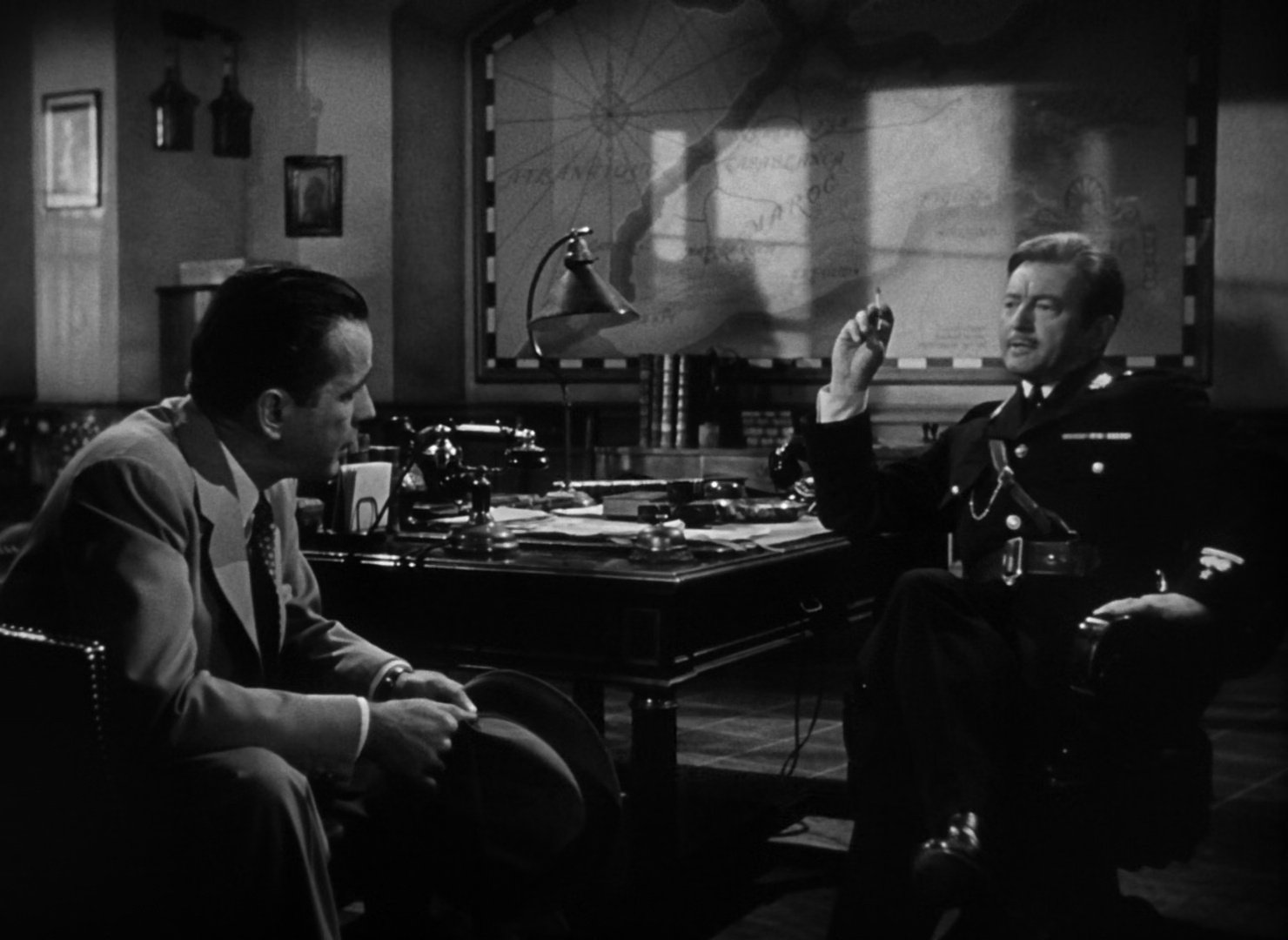
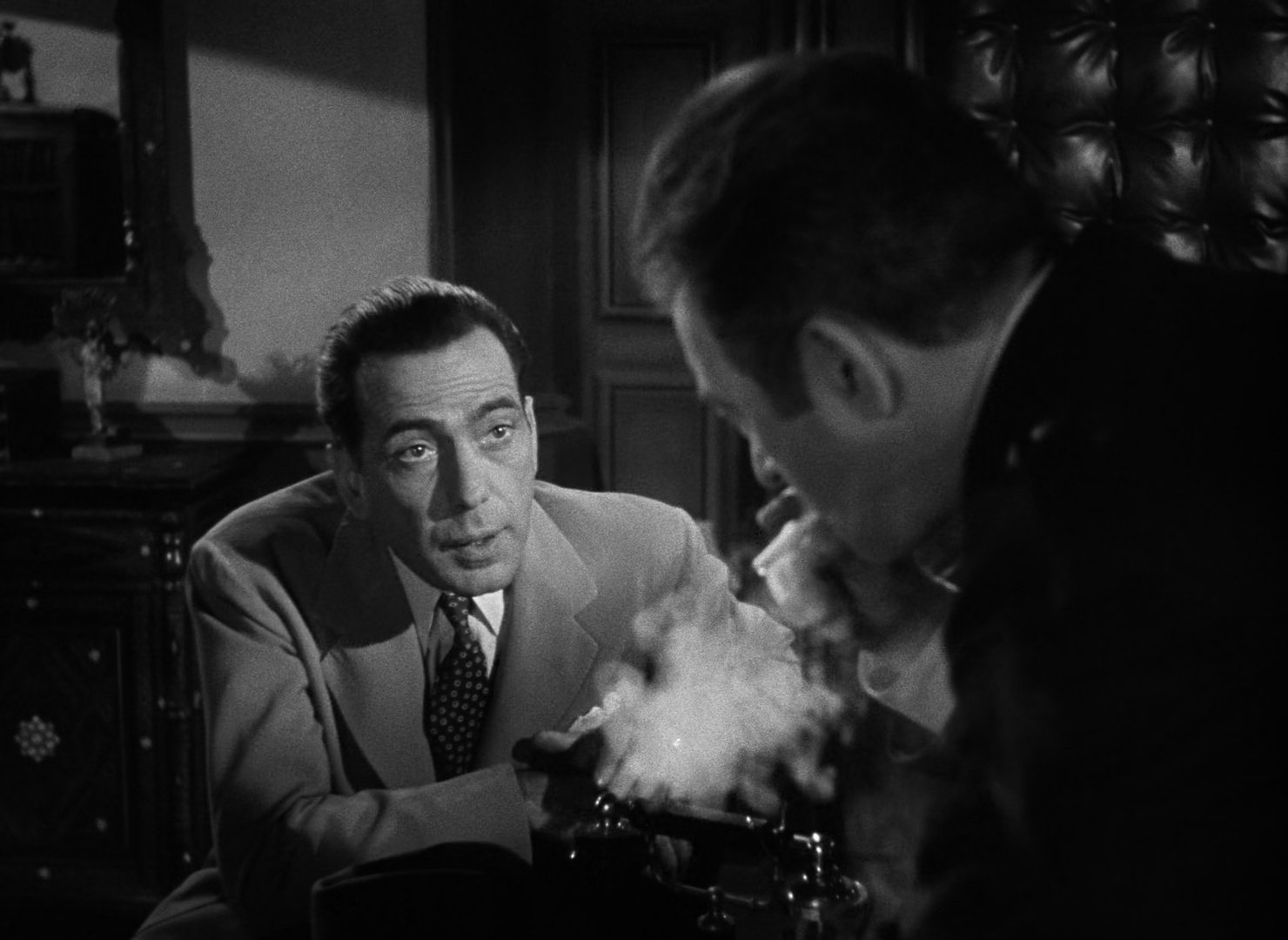
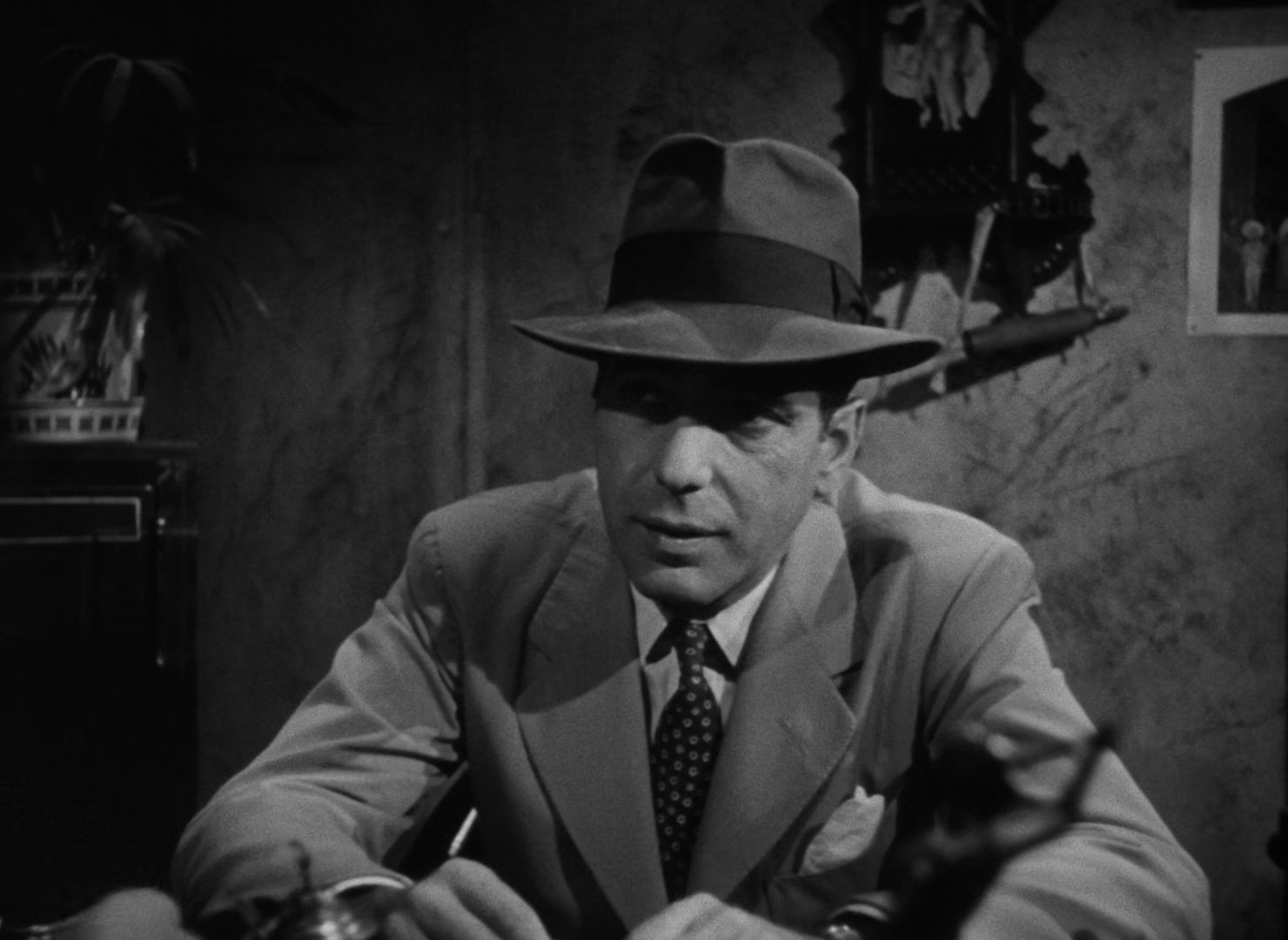
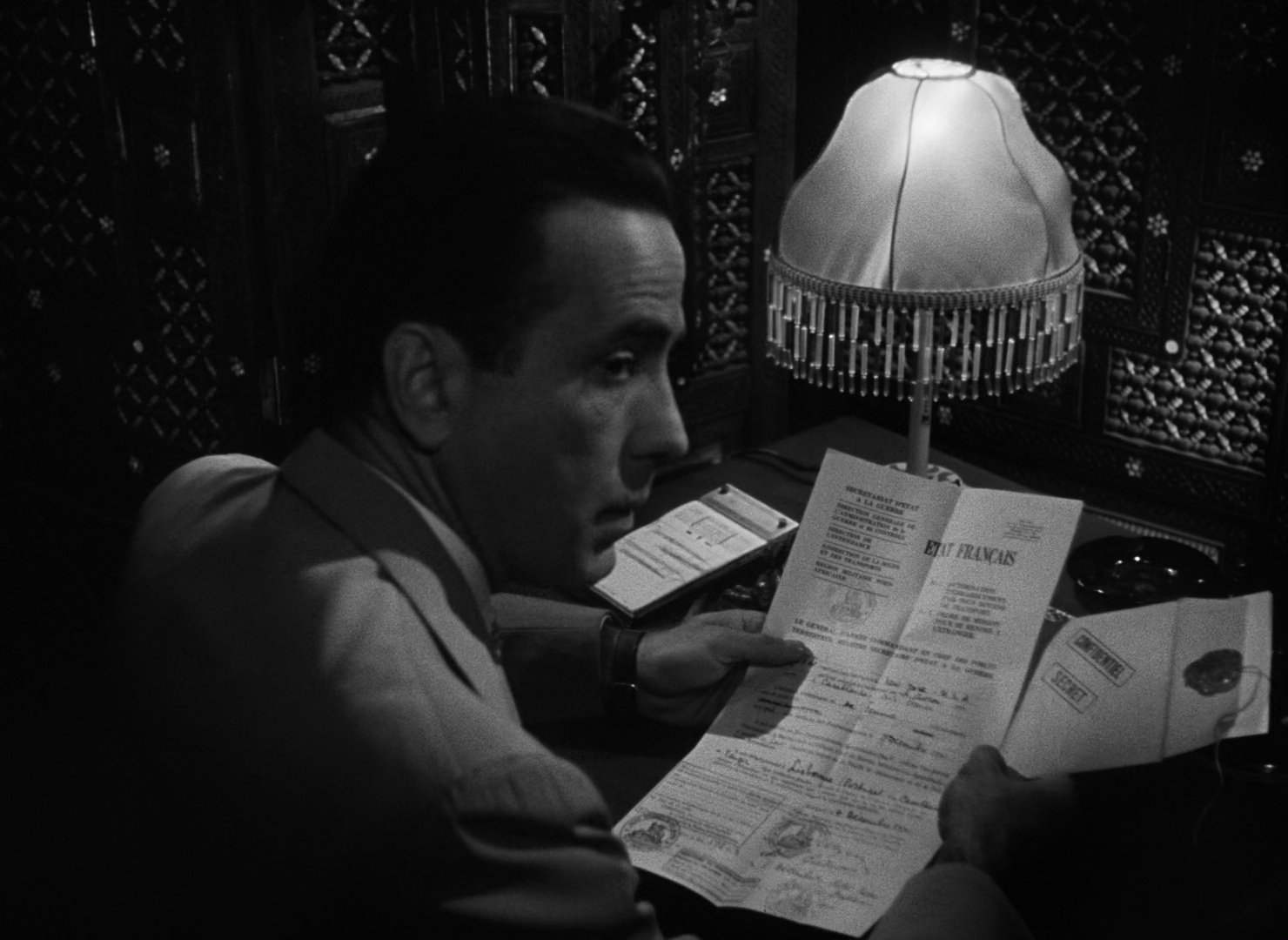
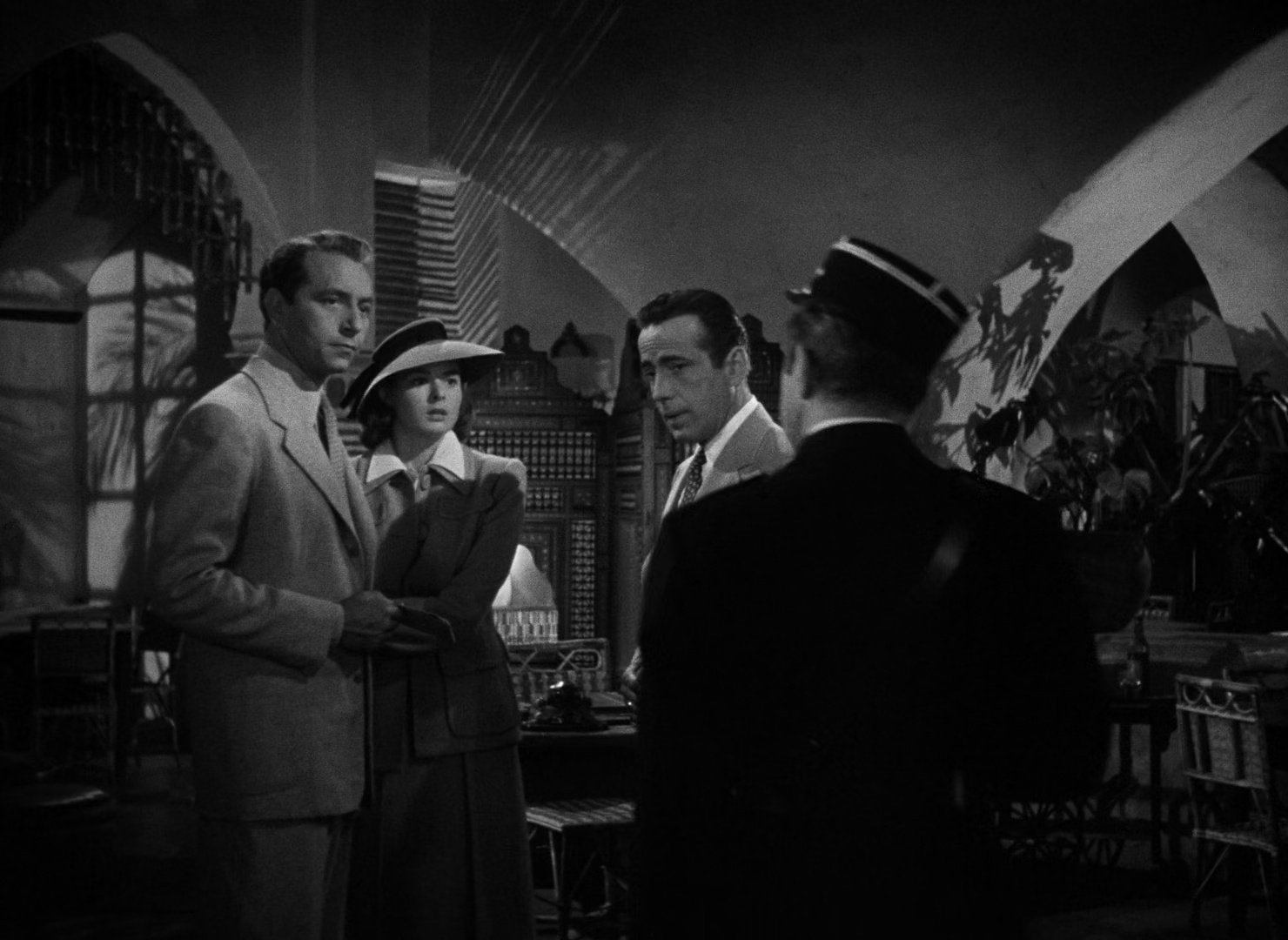
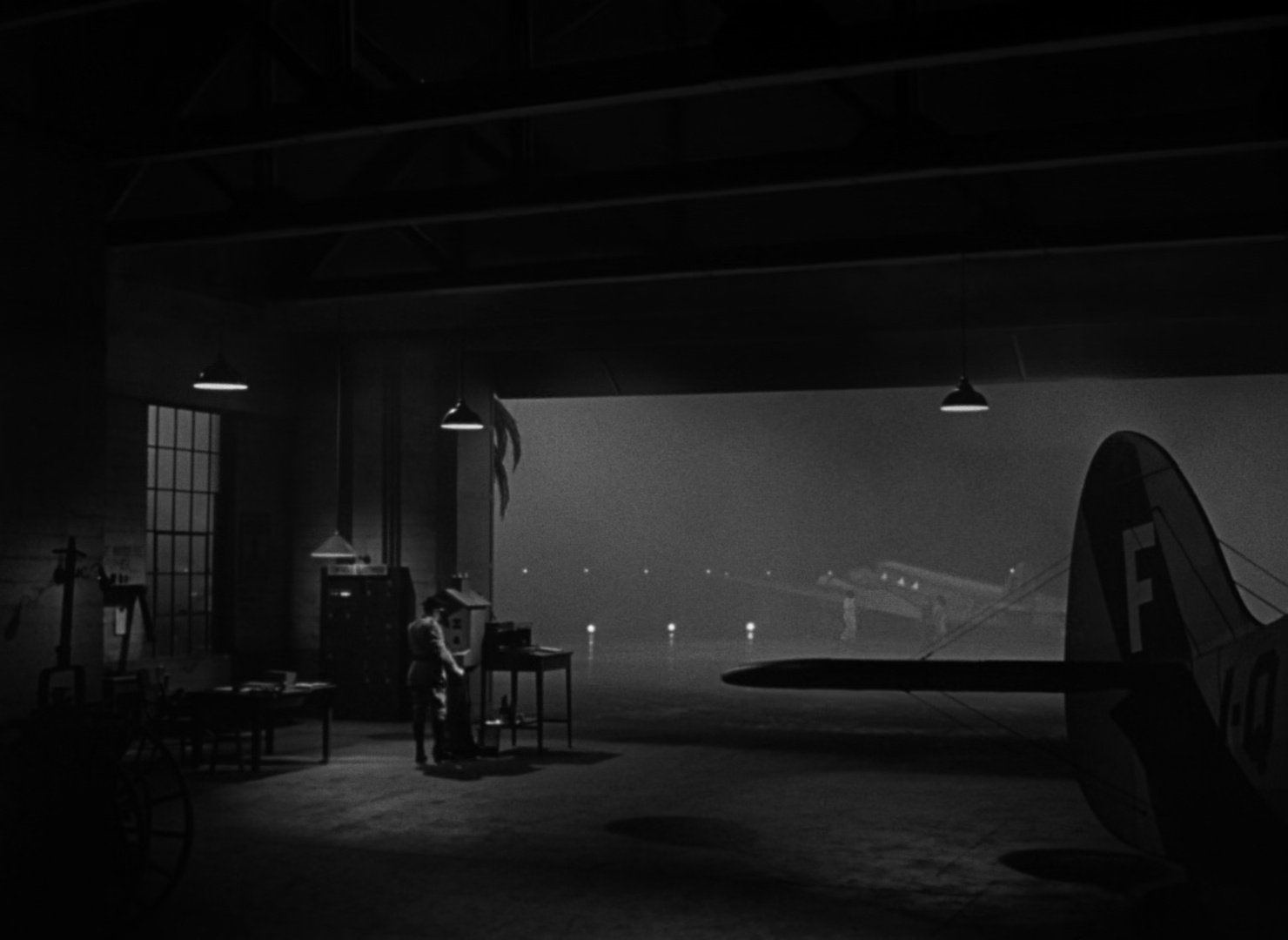
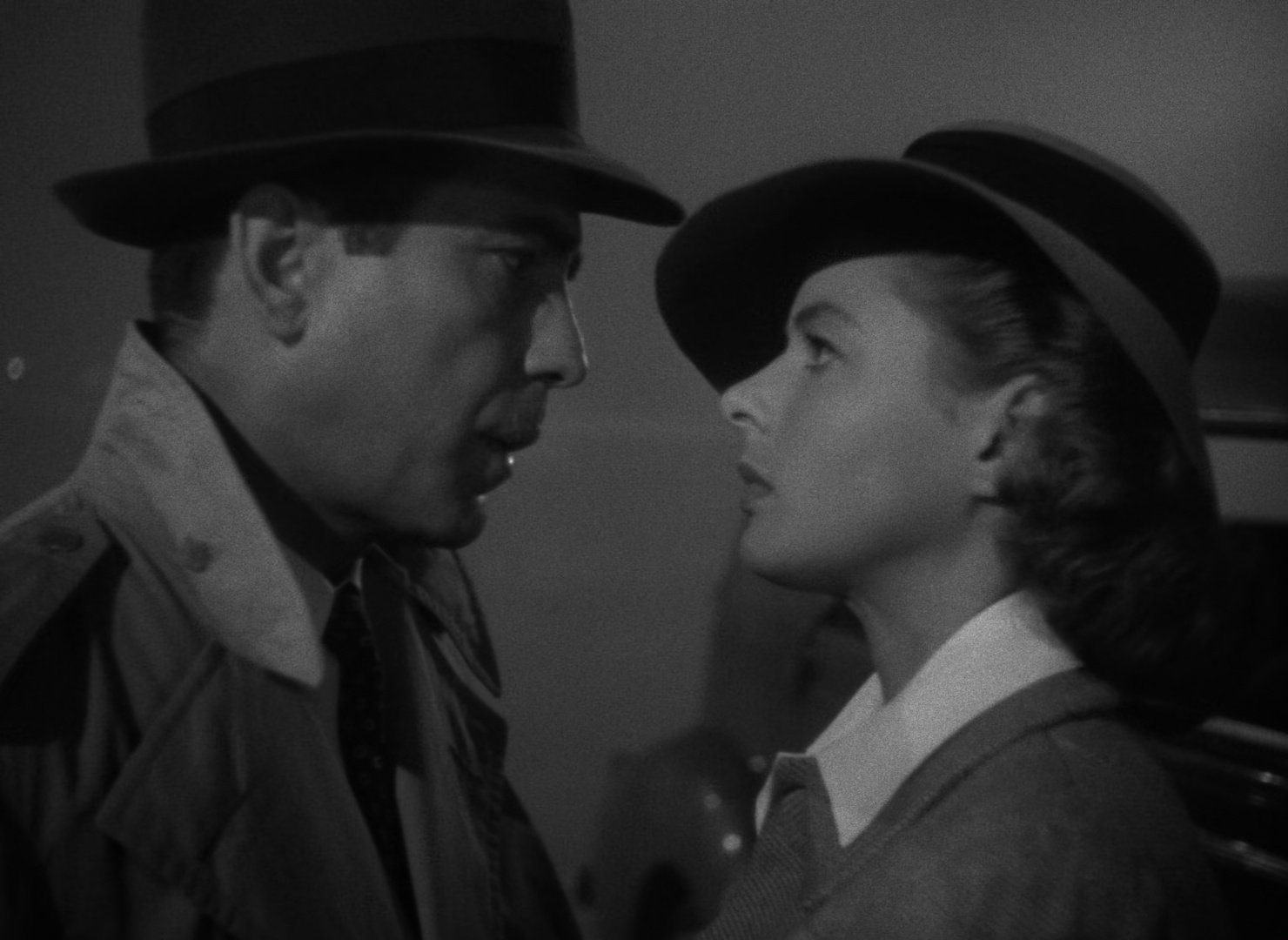
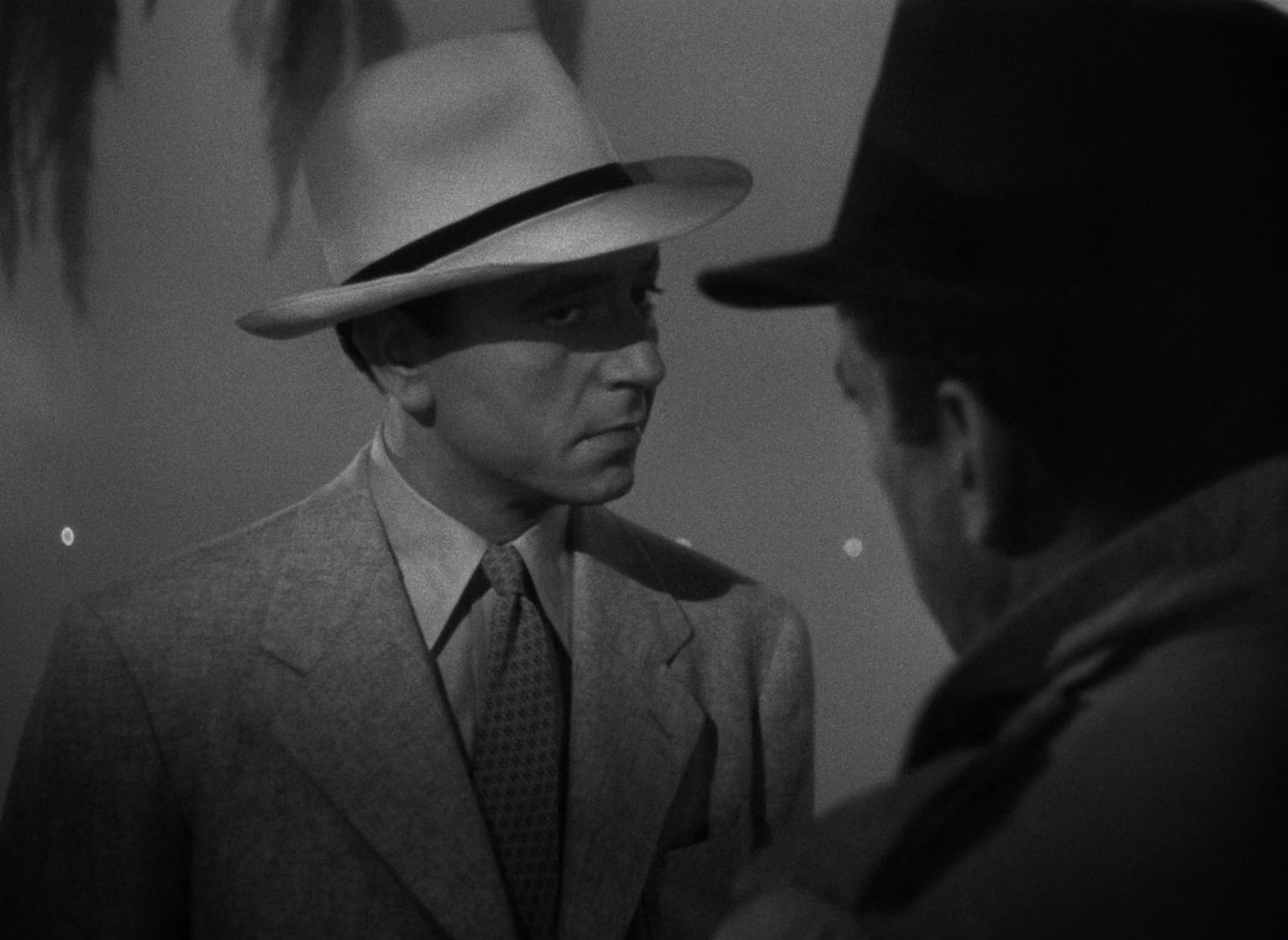
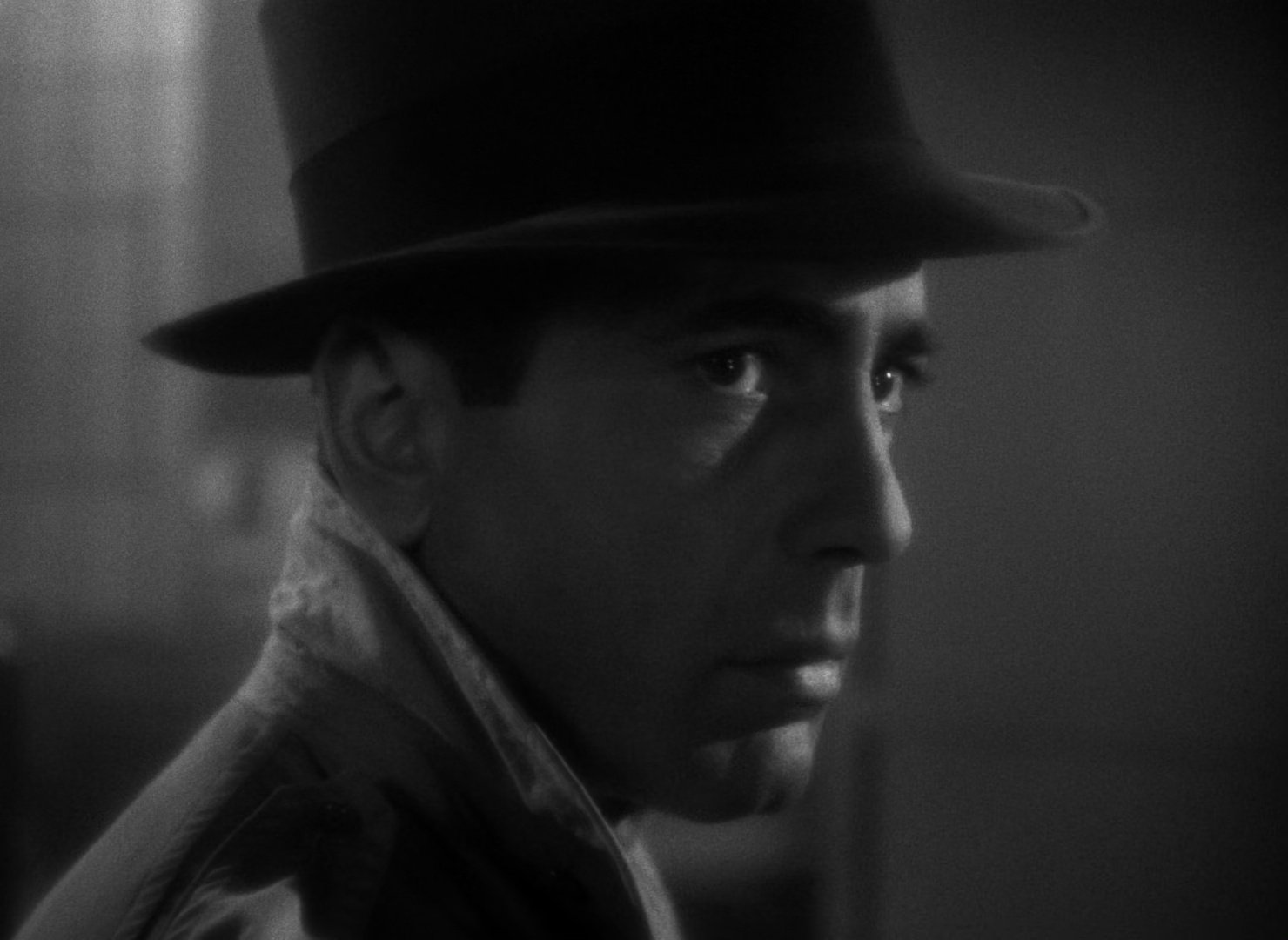
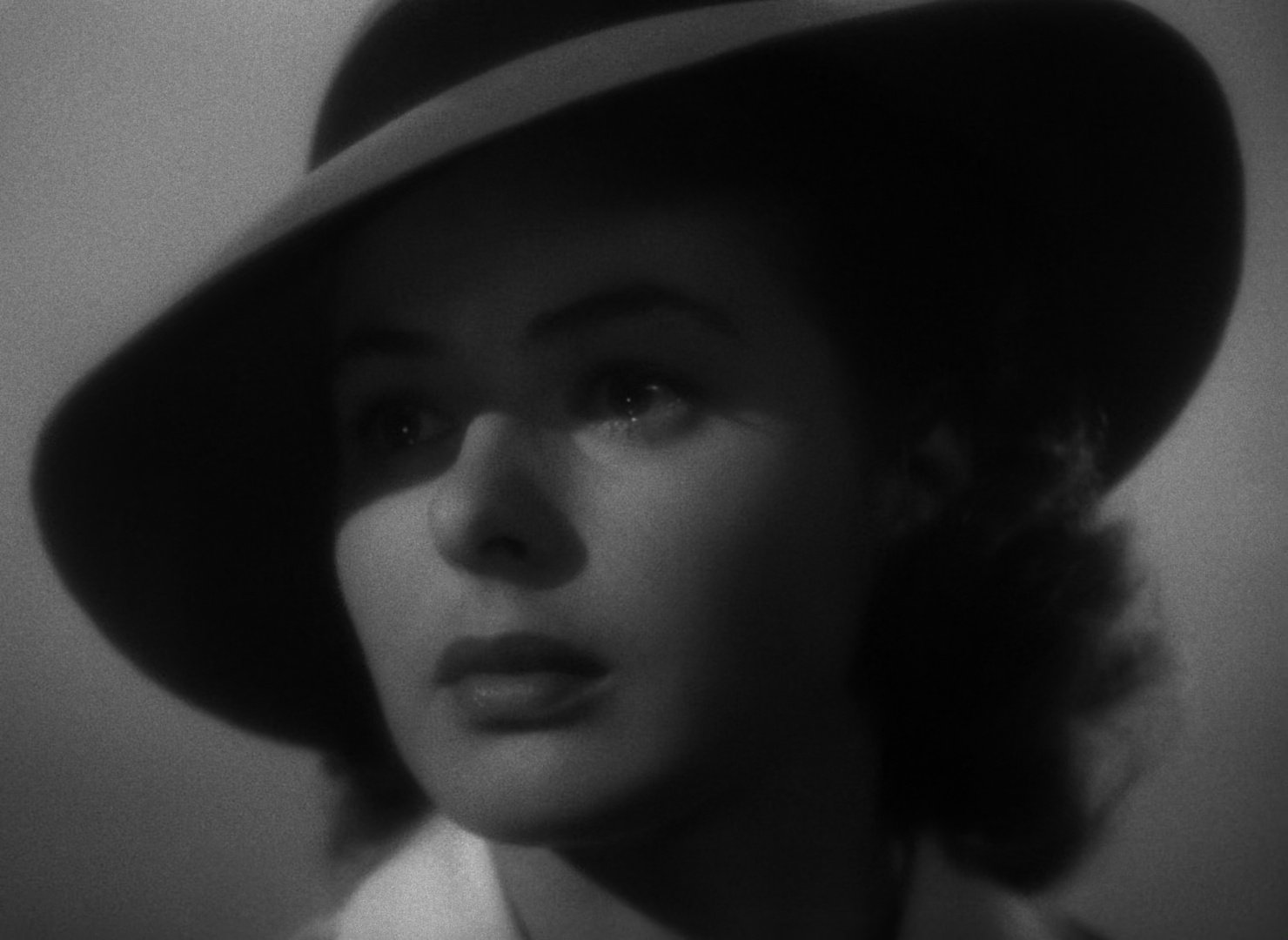
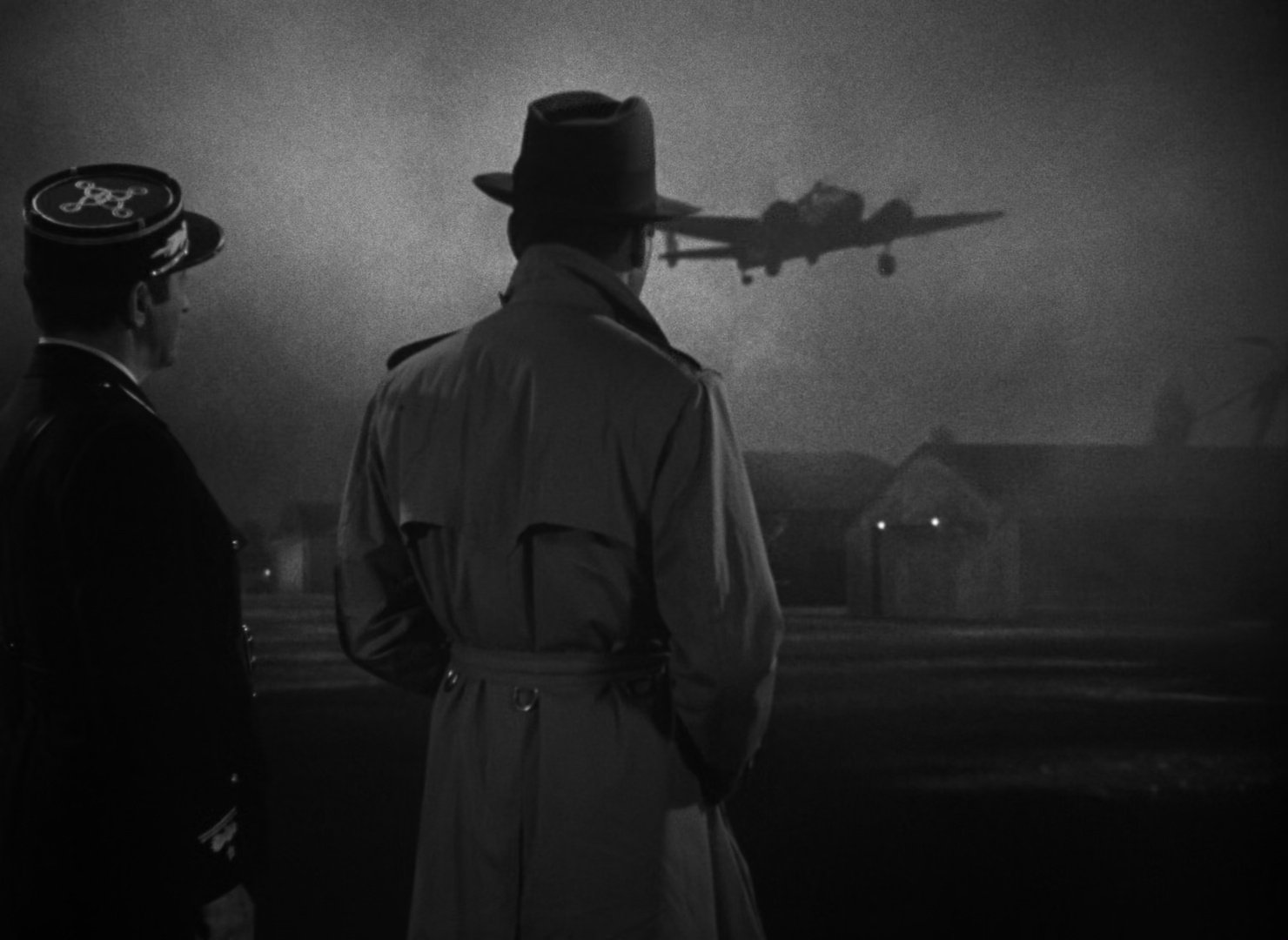
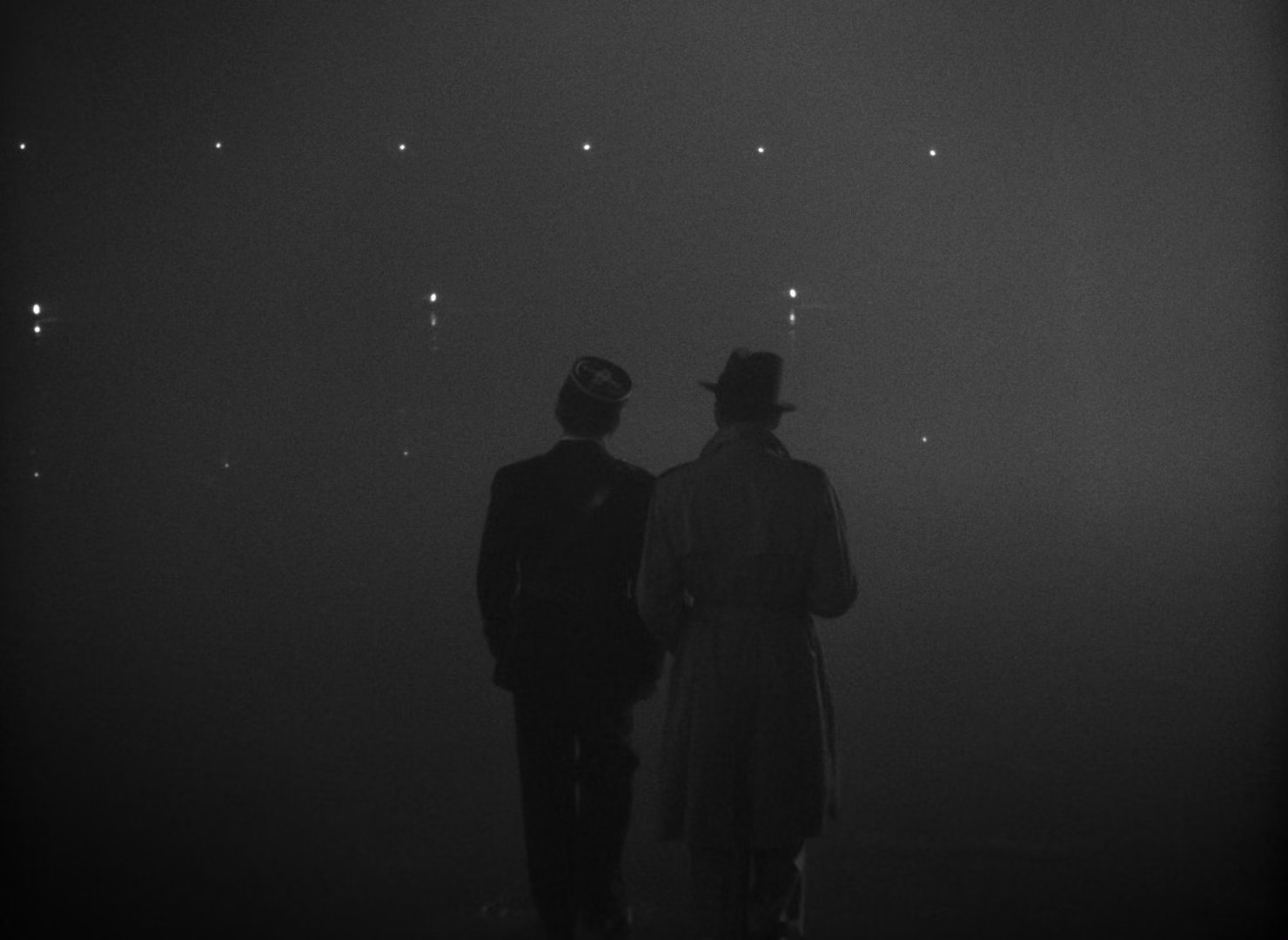
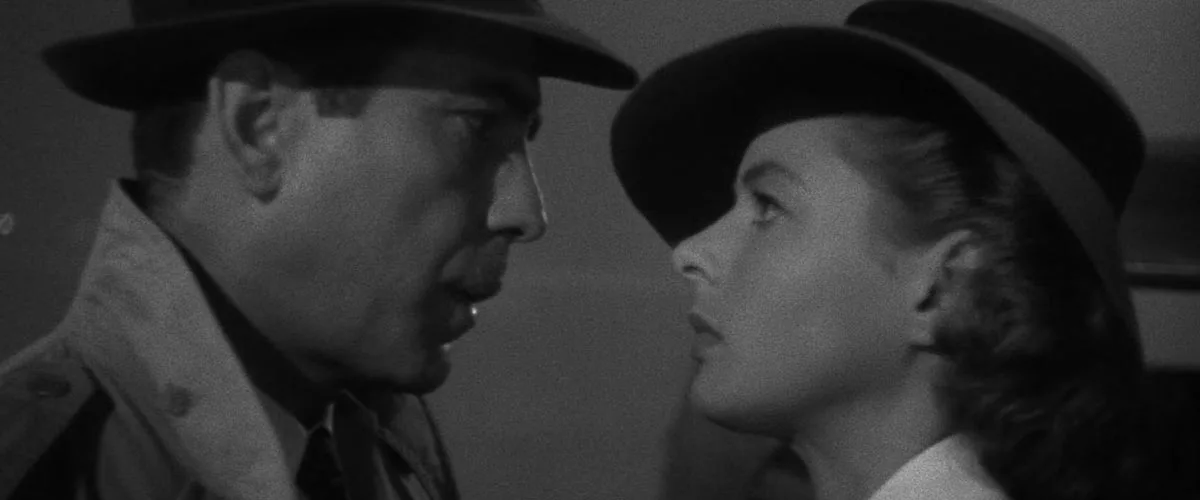
The film was largely constructed on controlled studio sets, with the famous Rick’s Café serving as the central social hub. The film looks and feels like a studio production, defined by classical Hollywood lighting techniques: diffused light on faces (especially Ingrid Bergman’s), subtle shadowing that creates depth without harsh contrast, and glowing highlights that enhance the romantic tone. The visual approach places greater focus on emotional clarity than abstraction.
Casablanca is widely regarded as one of the defining films of classical Hollywood cinema. Its blend of romantic melodrama, political urgency, and iconic performances has ensured its lasting cultural and critical significance. It remains a key reference point for narrative economy, character development, and studio-era filmmaking.
Technical Specs:
- The Story: In World War II-era Morocco, a cynical American nightclub owner is forced to choose between love and duty when his former lover reappears, this time with her resistance-leader husband in tow. Read my review of Casablanca.
- Actors: Humphrey Bogart, Ingrid Bergman, Paul Henreid, Claude Rains, Conrad Veidt, Sydney Greenstreet, Peter Lorre, Dooley Wilson.
- Director: Michael Curtiz
- Year: 1942
- Cinematographer: Arthur Edeson
- Origin: American Cinema
- Aspect Ratio: 1.37:1
- Genre: Drama & Romance