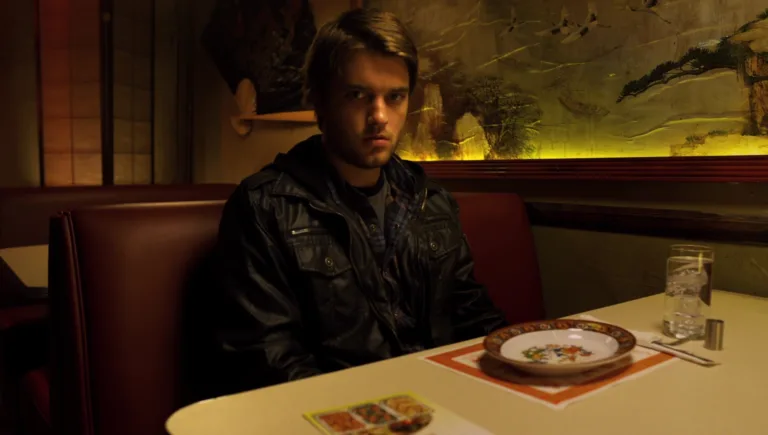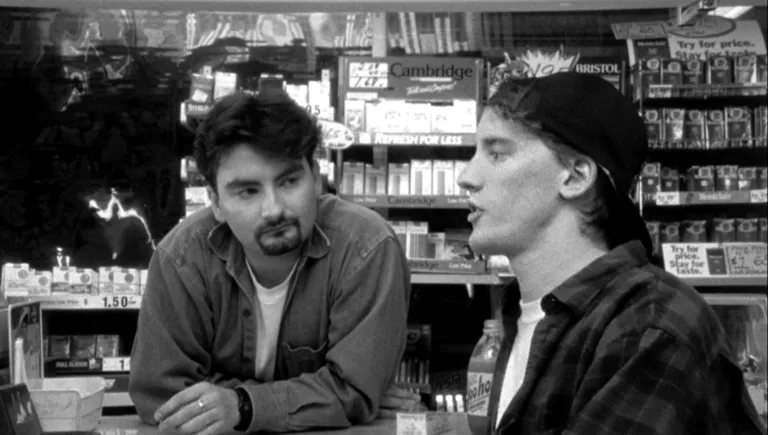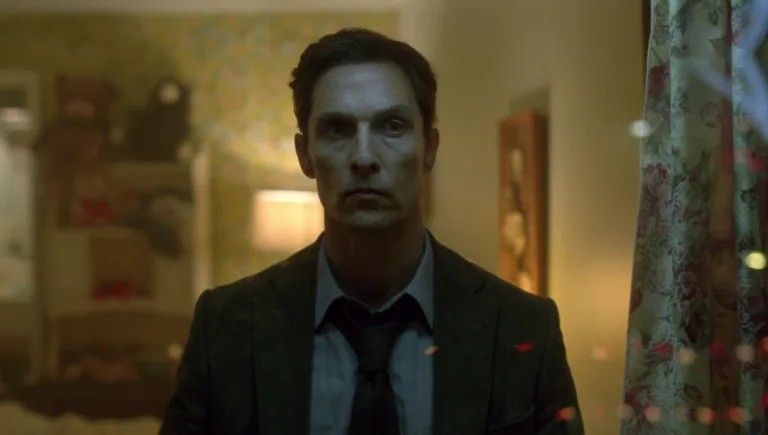
Aspect Ratio 1.78:1
The 1.78:1 aspect ratio, universally known as 16:9, is the bridge between the silver screen and the home theater. Developed in the 1980s as a compromise between the narrow 4:3 of old television and the wide 2.39:1 of cinema, 1.78:1 has become the definitive standard for high-definition video, streaming content, and modern digital broadcasting. On CinematicFreeze, we explore how this “perfect compromise” frame is used to deliver cinematic quality directly to the modern screen.
Why 1.78:1 is the Modern Standard
Unlike the historical 1.37:1 or the theatrical 1.85:1, 1.78:1 was mathematically designed. It is the geometric mean of the most popular ratios used at the time of its creation. Today, when you watch a “full screen” show on a modern LED or OLED TV without black bars, you are viewing a 1.78:1 image. It provides a spacious, naturalistic canvas that is equally comfortable for sweeping landscapes and tight character dialogue.
Essential 1.78:1 (16:9) Galleries
Discover how the 16:9 frame is used in prestige television and digital cinema:
-
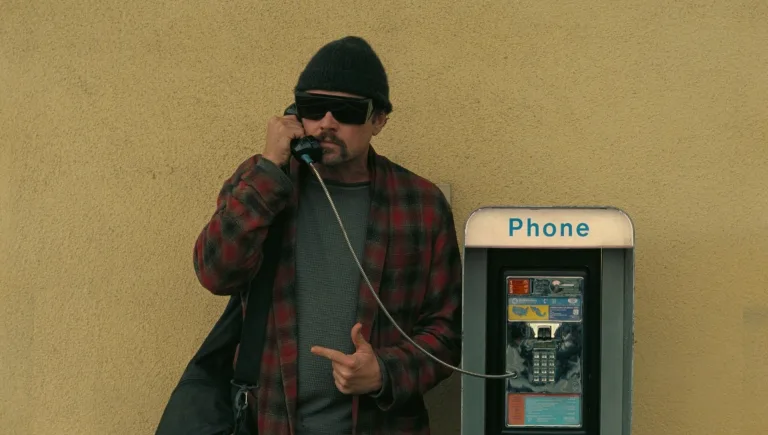
True Detective – Season 1 (2014): Cary Fukunaga uses the 1.78:1 frame to balance intimate character interplay with the vast, decaying Louisiana landscapes, often positioning Rust and Marty at opposite ends of the frame to highlight psychological and moral distance. Long tracking shots and carefully composed interiors exploit the moderate width to create tension and embed the investigation within an oppressive, atmospheric environment.
- IMAX “Big Screen” Transitions: Many modern blockbusters (like those by Christopher Nolan) feature sequences that expand from 2.39:1 to 1.78:1 for home media releases to fill the entire TV screen during action scenes.
- Documentary Masterpieces: Because it mimics the natural human field of vision so closely, 1.78:1 is the go-to ratio for nature documentaries like Planet Earth, where every pixel of the frame is used to immerse the viewer.
The Cinematographer’s “Comfort Zone”
For many modern creators, 1.78:1 is the most flexible ratio to work with:
- No “Dead Air”: It lacks the extreme width of Anamorphic, meaning directors don’t have to struggle to fill the edges of the frame in small, interior scenes.
- Vertical Information: It offers more vertical space than 1.85:1, which is useful for capturing tall subjects, hand-to-hand combat, or intricate costume design.
- Cross-Platform Consistency: Content shot in 1.78:1 looks identical on a smartphone, a tablet, and a 4K television, making it the most “future-proof” ratio for digital archives.