Aspect Ratio 1.85:1
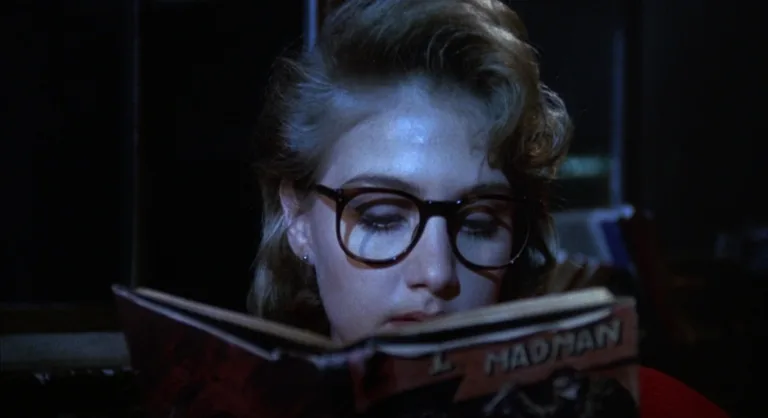
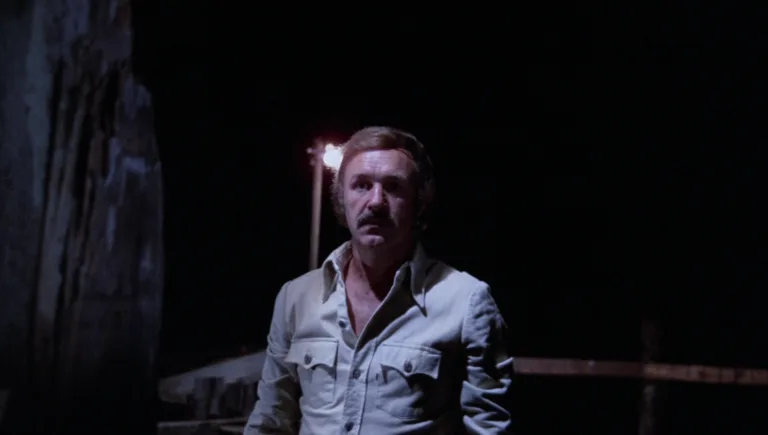
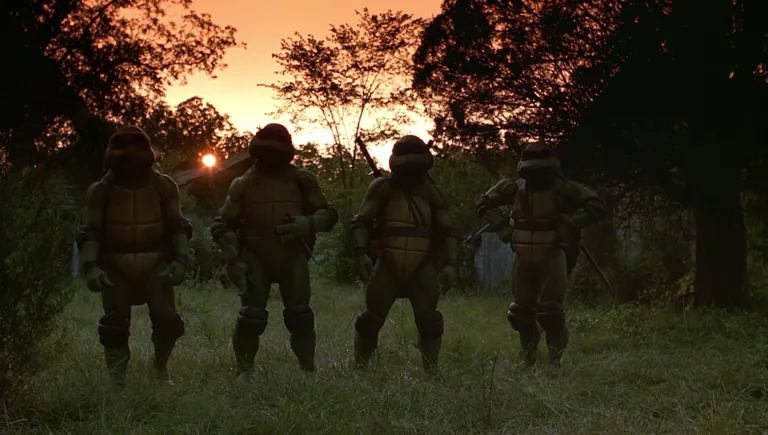
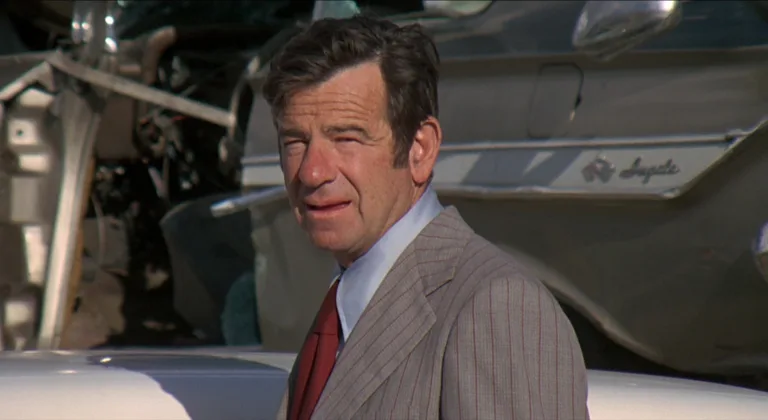
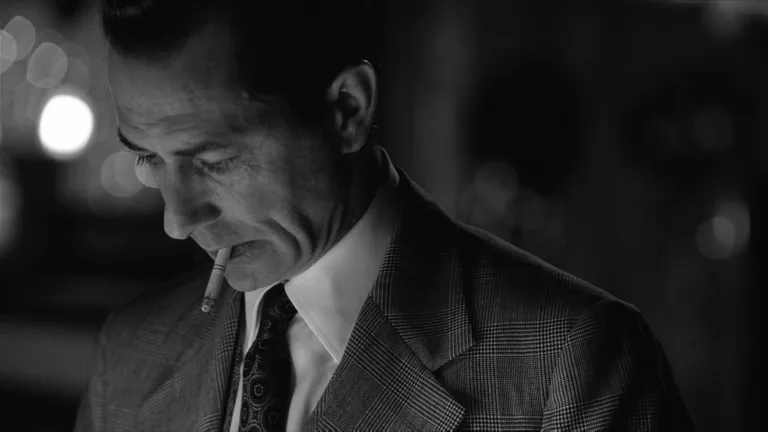
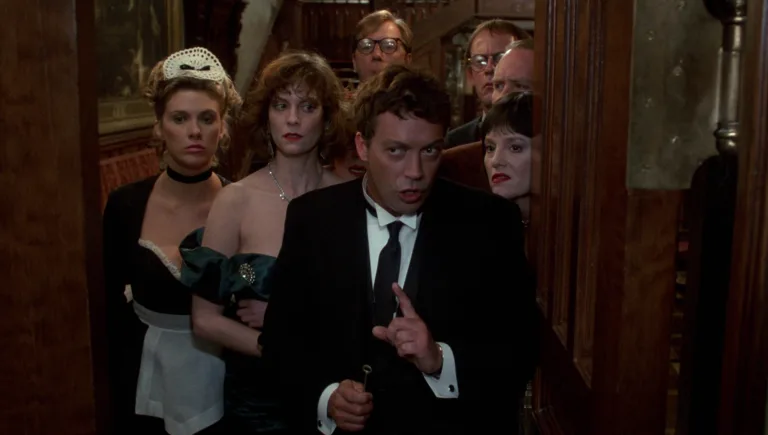
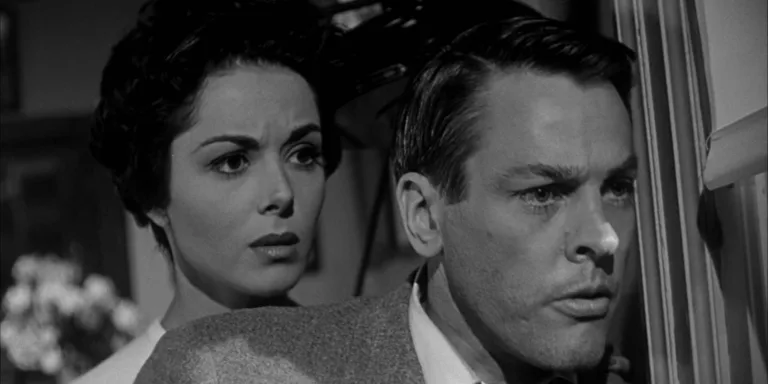
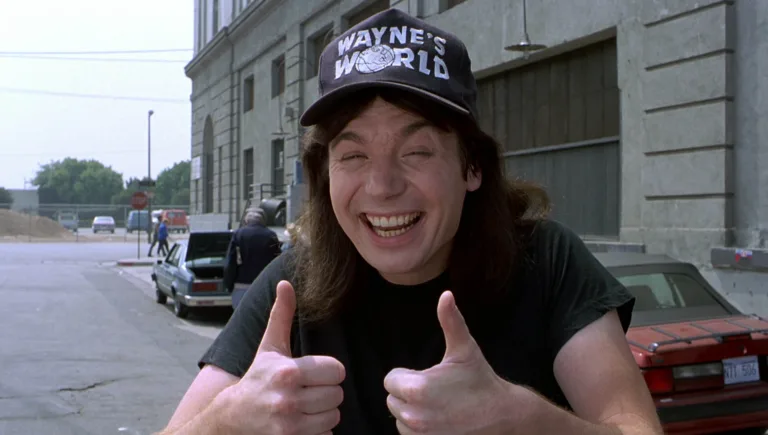
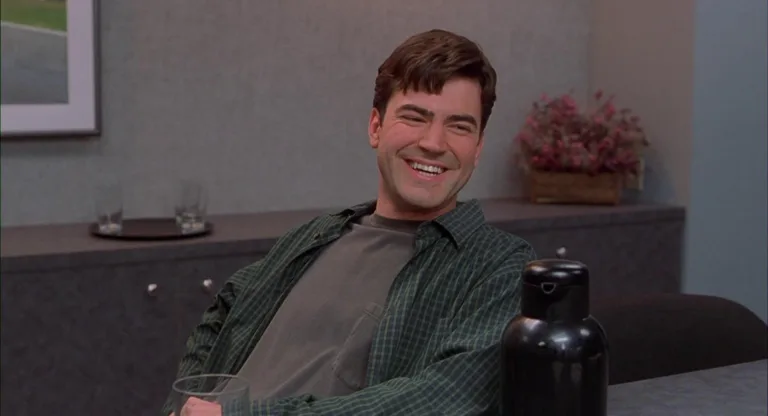
Since the 1950s, the 1.85:1 aspect ratio has been the primary standard for theatrical projection in North America. Offering a wider field of view than the classic Academy Ratio, 1.85:1 provides a perfect balance between epic scale and intimate character study. On CinematicFreeze, we explore the visual language of the “flat” widescreen format through high-quality stills from some of the most visually striking films in cinema history.
What Defines the 1.37:1 vs. 1.85:1 Experience?
The move to 1.85:1 was a response to the rise of television. To bring audiences back to theaters, filmmakers began “masking” the top and bottom of the frame to create a wider, more immersive experience. Unlike the extreme width of Anamorphic 2.39:1, the 1.85:1 ratio feels natural and “human-centric,” making it the go-to choice for comedies, dramas, and independent cinema.
Essential 1.85:1 Cinematography Galleries
Explore our curated collections of films that master the standard widescreen frame:
- Sailor Suit and Machine Gun (1981): Experience Seizō Sengen’s legendary long takes and vibrant 80s color palette, which utilize the full width of the 1.85:1 frame to capture the chaos of Neo-Noir Japan.
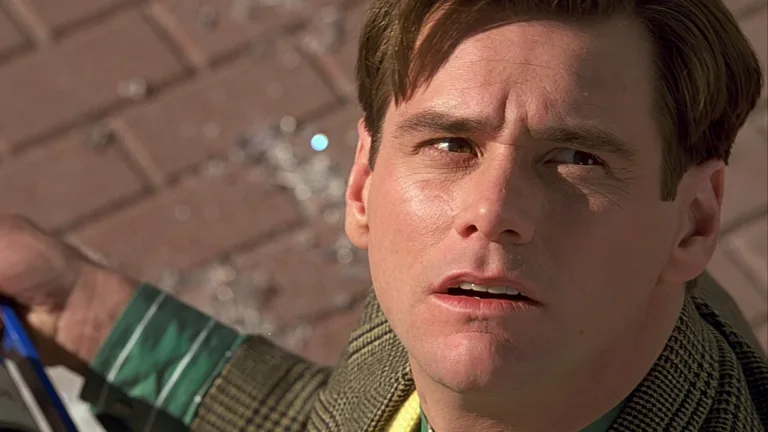
- The Silence of the Lambs (1991): A masterclass in using the 1.85:1 ratio to create intense, suffocating close-ups that feel closer than the Academy ratio would allow.
- The Shining (1980): Stanley Kubrick’s meticulous use of symmetry and one-point perspective, designed to fill the 1.85:1 theatrical frame with psychological dread.
Why Cinematographers Choose 1.85:1
Filmmakers often choose this ratio when they want a “realistic” window into the world without the “theatricality” of ultra-wide formats.
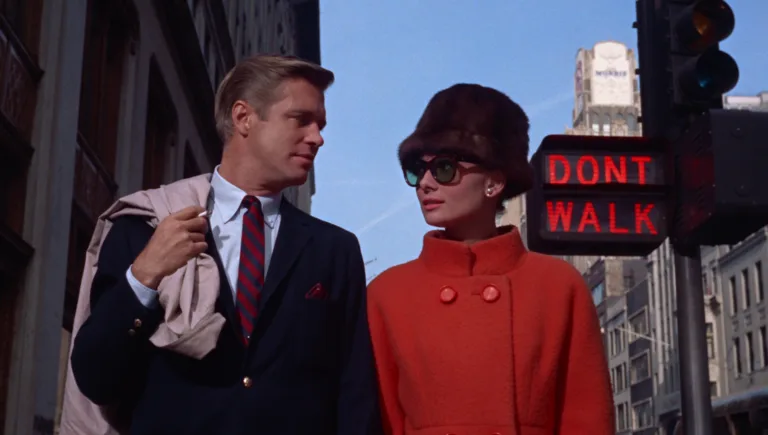
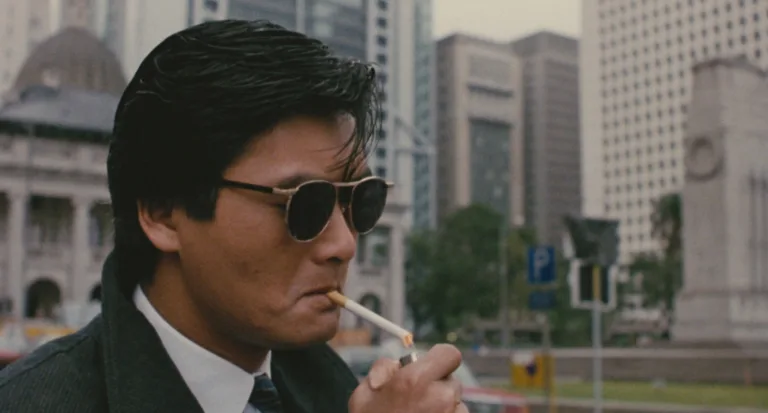
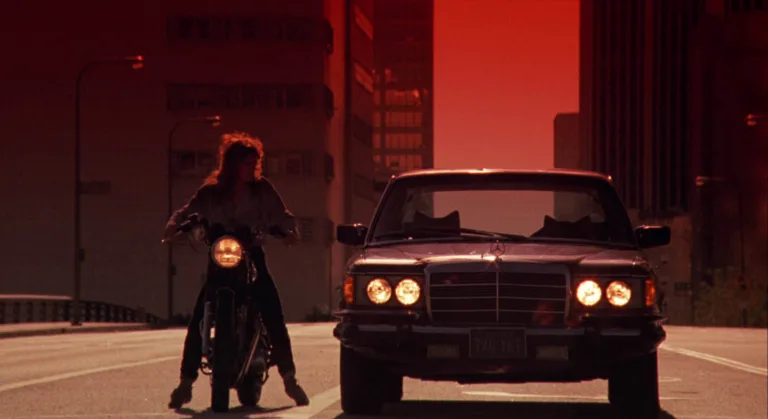
- Immersive Landscapes: It provides enough width to capture cityscapes and street scenes without losing the height needed for tall buildings.
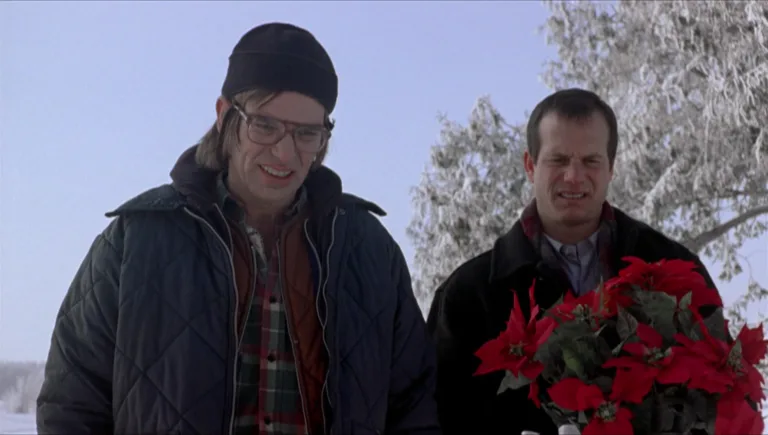
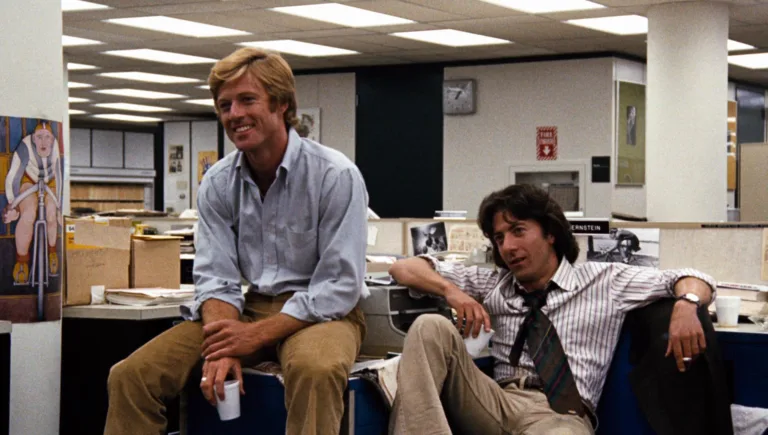
- Conversational Framing: It is the ideal ratio for “two-shots,” where two actors can share the frame with enough space for the environment to play a role in the scene.
- Digital Native: Because 1.85:1 is very close to the 16:9 ratio of modern TVs (1.78:1), these films look spectacular on home screens with minimal black bars.