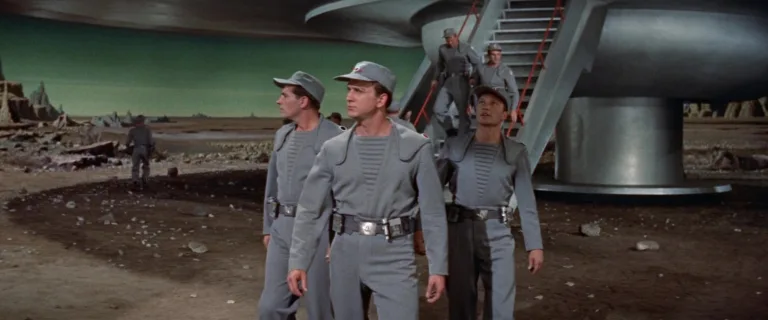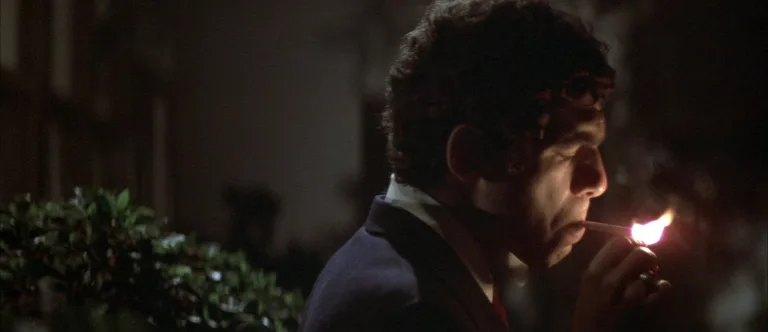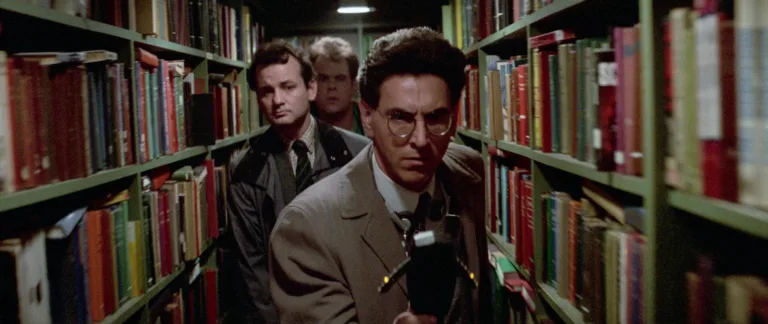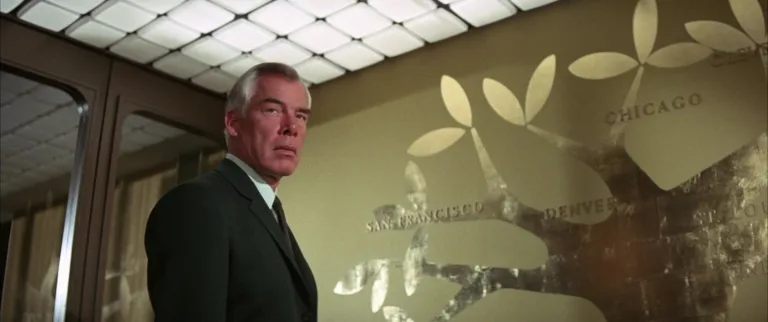
Aspect Ratio 2.39:1
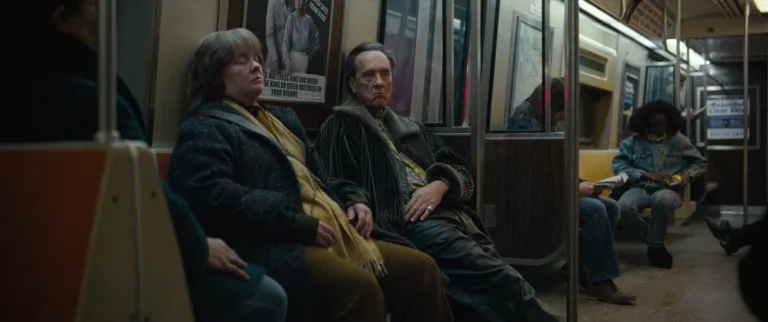
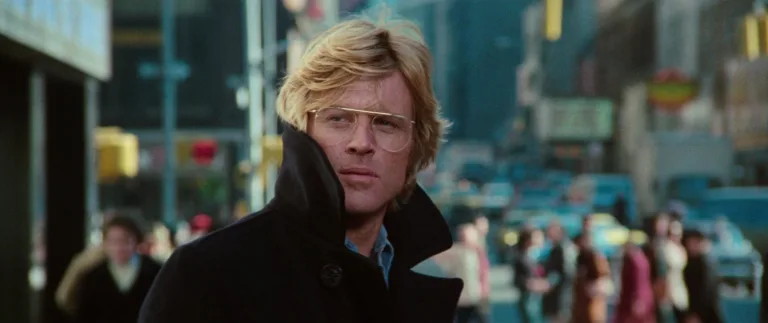
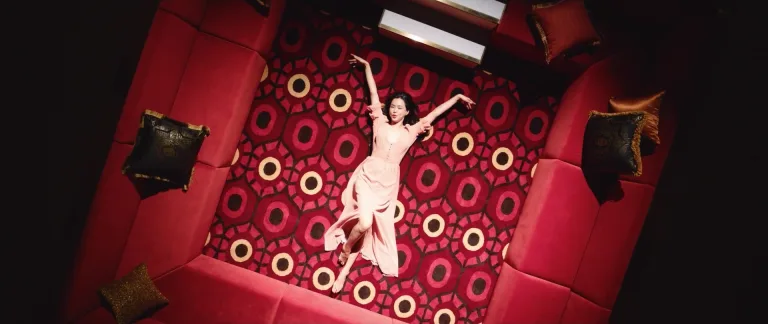
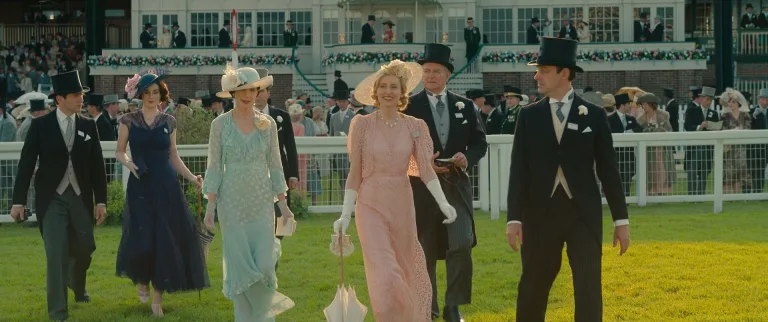
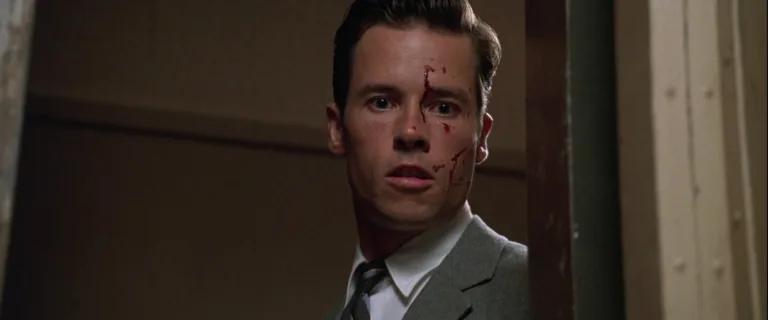
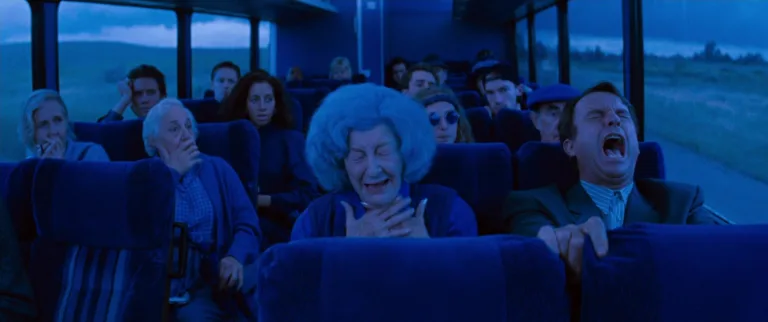
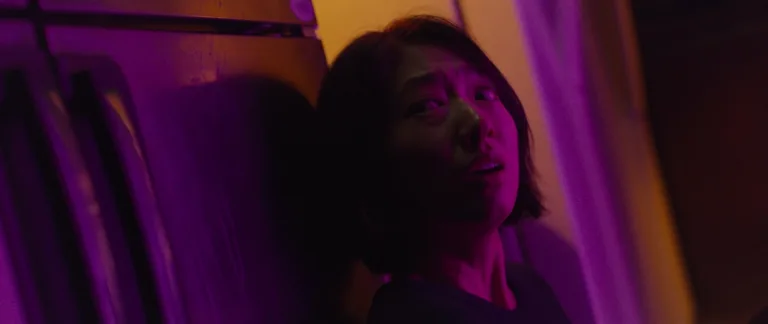
When cinema needs to feel “larger than life,” it turns to the 2.39:1 aspect ratio. Known for its ultra-wide field of view, this format (originally popularized as CinemaScope) is the hallmark of epic storytelling. On CinematicFreeze, our 2.39:1 galleries showcase the breathtaking horizontal compositions, unique lens flares, and immersive world-building that only the widest of theatrical frames can provide.
What Makes 2.39:1 Unique?
The 2.39:1 ratio (commonly rounded to 2.40:1 in digital cinema) is significantly wider than the standard 1.85:1 frame. To achieve this look on 35mm film, cinematographers use Anamorphic lenses, which “squeeze” a wide image onto a narrow strip of film. When projected, the image is unsqueezed, resulting in a panoramic view. This process often introduces beautiful “imperfections” that film lovers crave, such as oval-shaped bokeh and horizontal blue lens flares.
Essential 2.39:1 (Scope) Cinematography Galleries
Experience the height of horizontal storytelling with these curated collections:
Why Cinematographers Choose “Scope”
The decision to shoot in 2.39:1 is usually a decision to make a movie feel like an “Event.”
- Peripheral Vision: This ratio more closely mimics the human field of view, making the audience feel like they are “inside” the environment.
- Negative Space: Directors can place a character on the far left of the frame and leave a massive amount of empty space on the right to create feelings of loneliness or tension.
- The “Big Screen” Feel: Even on a home television, the iconic “black bars” at the top and bottom immediately signal to the viewer that they are watching a cinematic epic.