Citizen Kane (1941): The life and death of Charles Foster Kane
1941 • Orson Welles • 1.37:1 • Jump to Gallery ↓
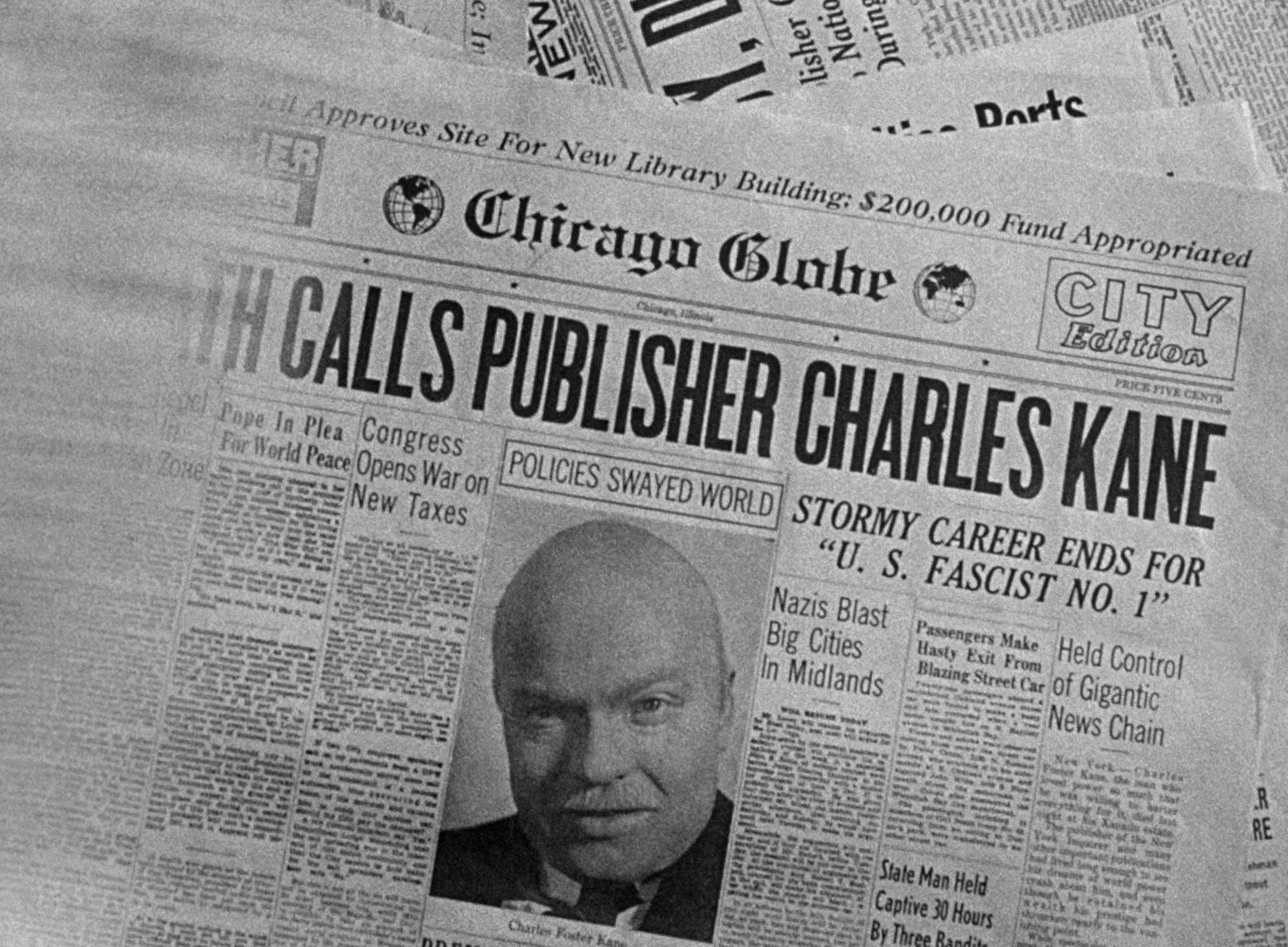
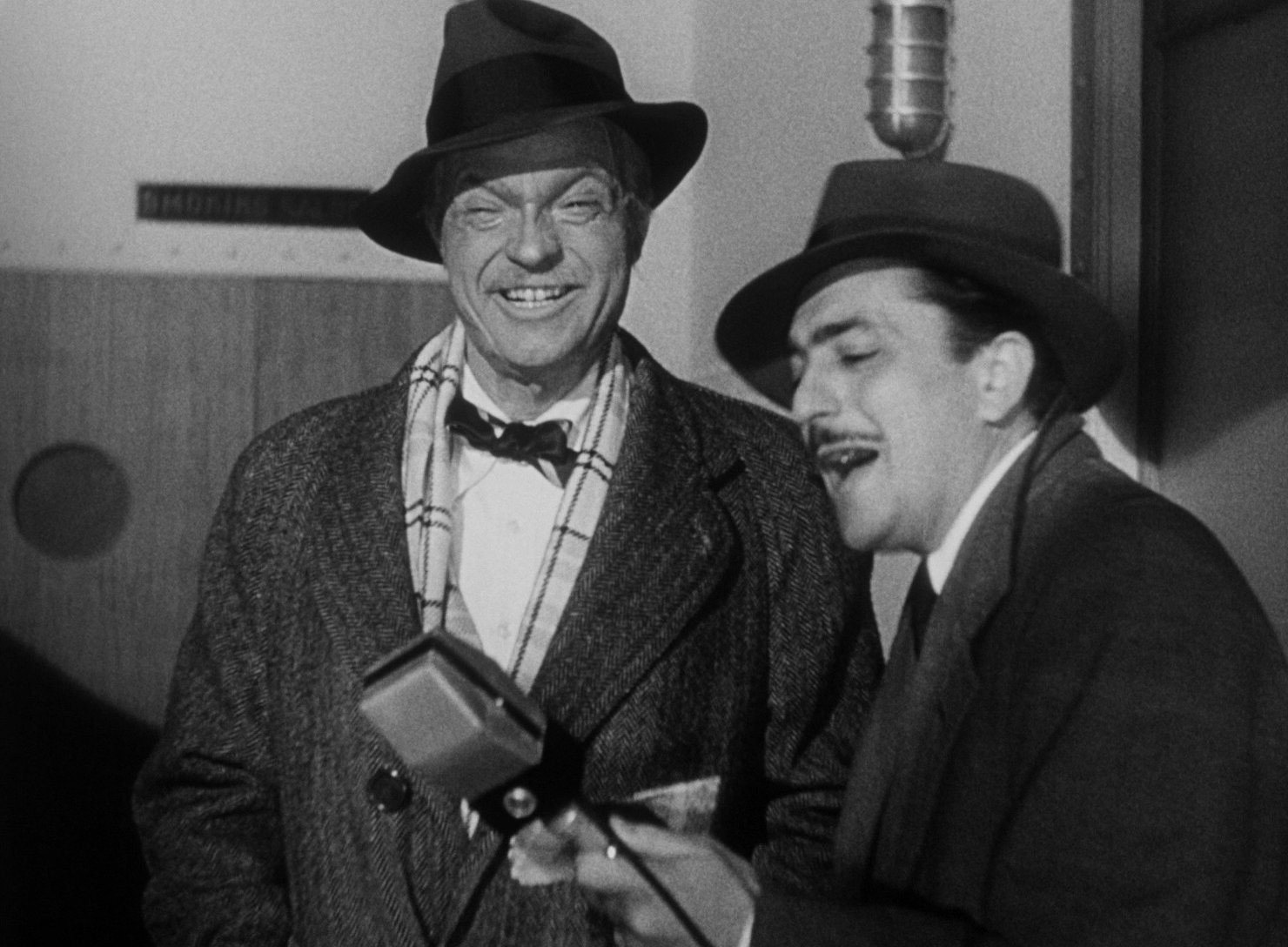
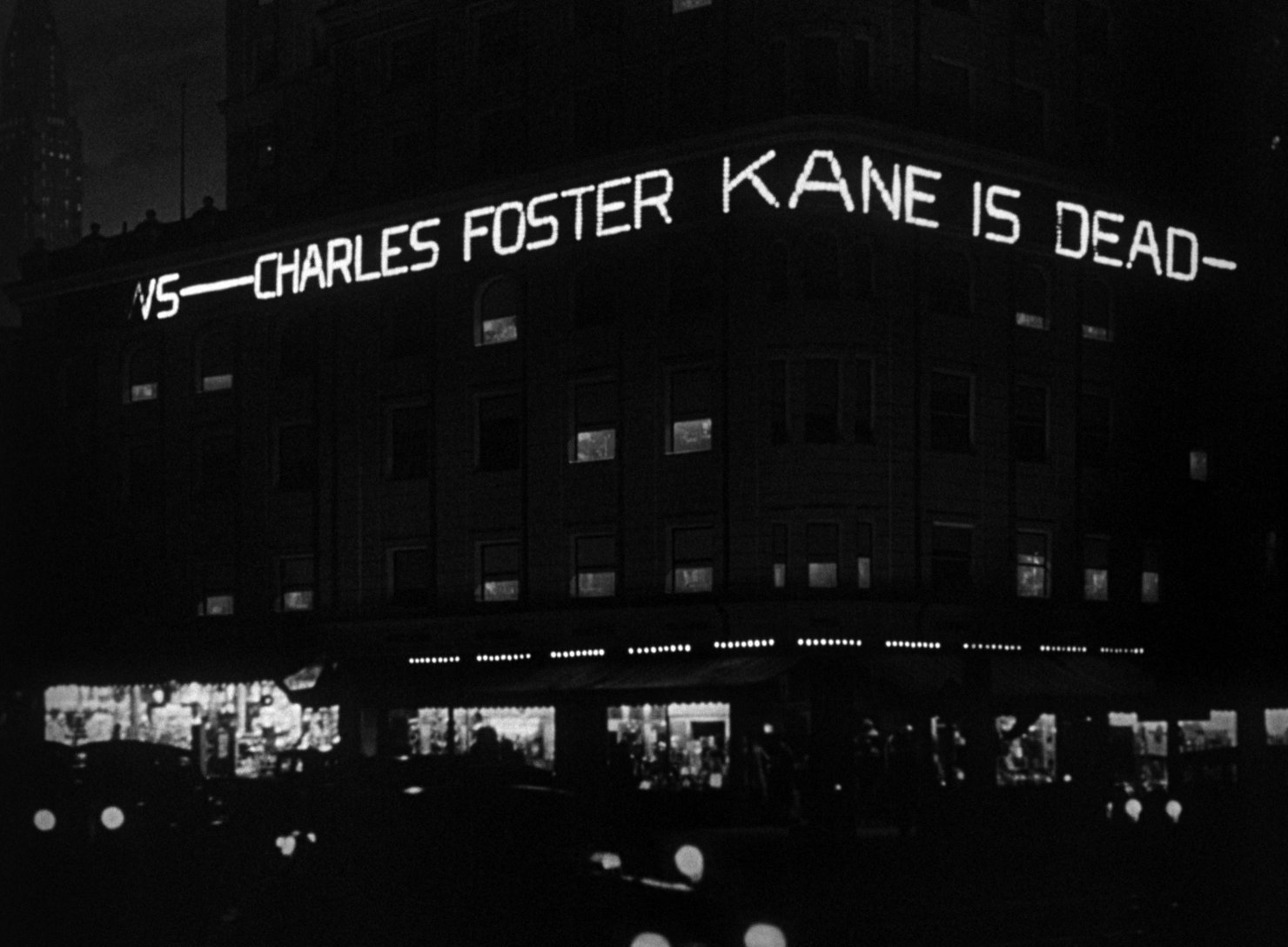
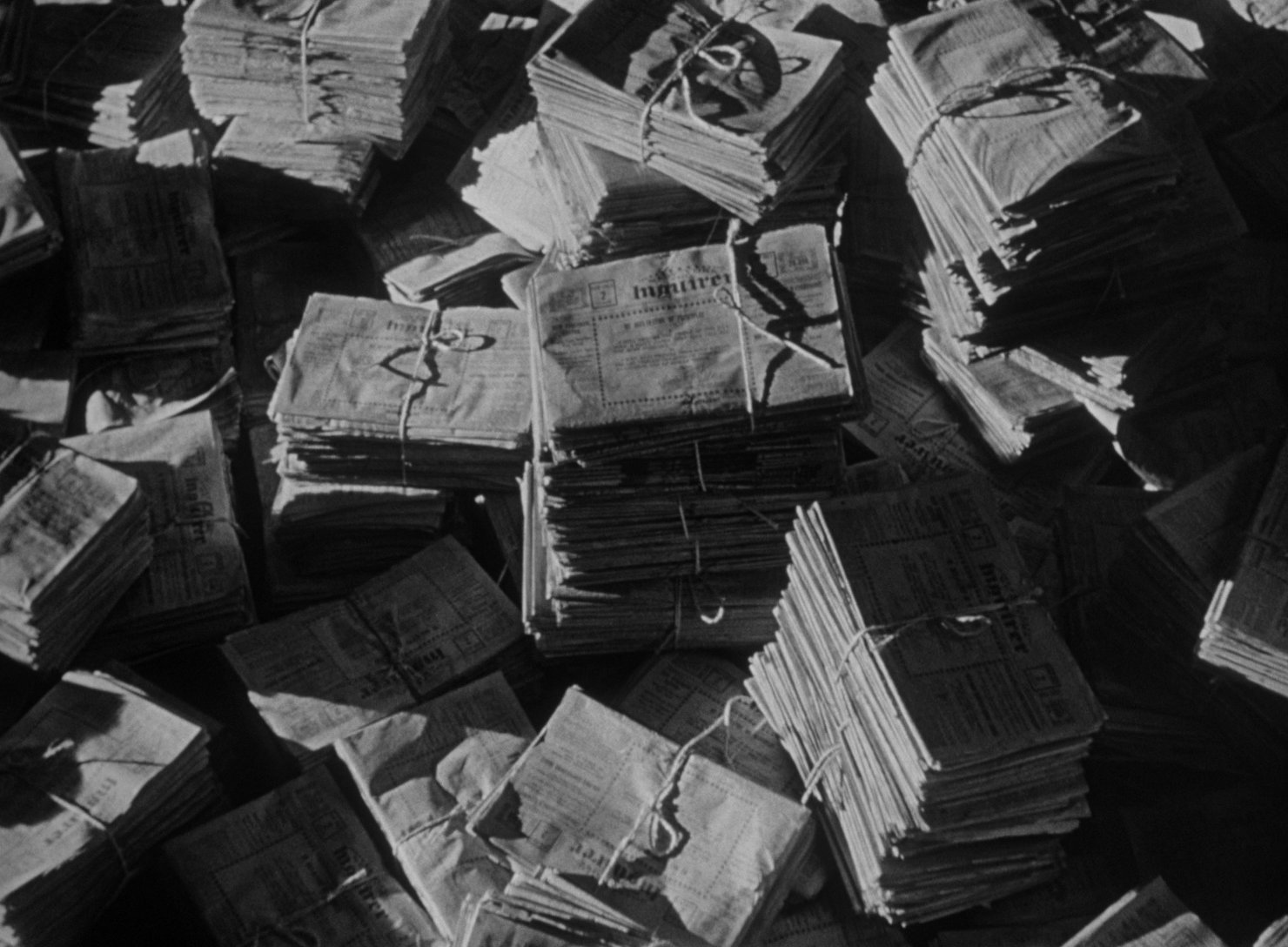
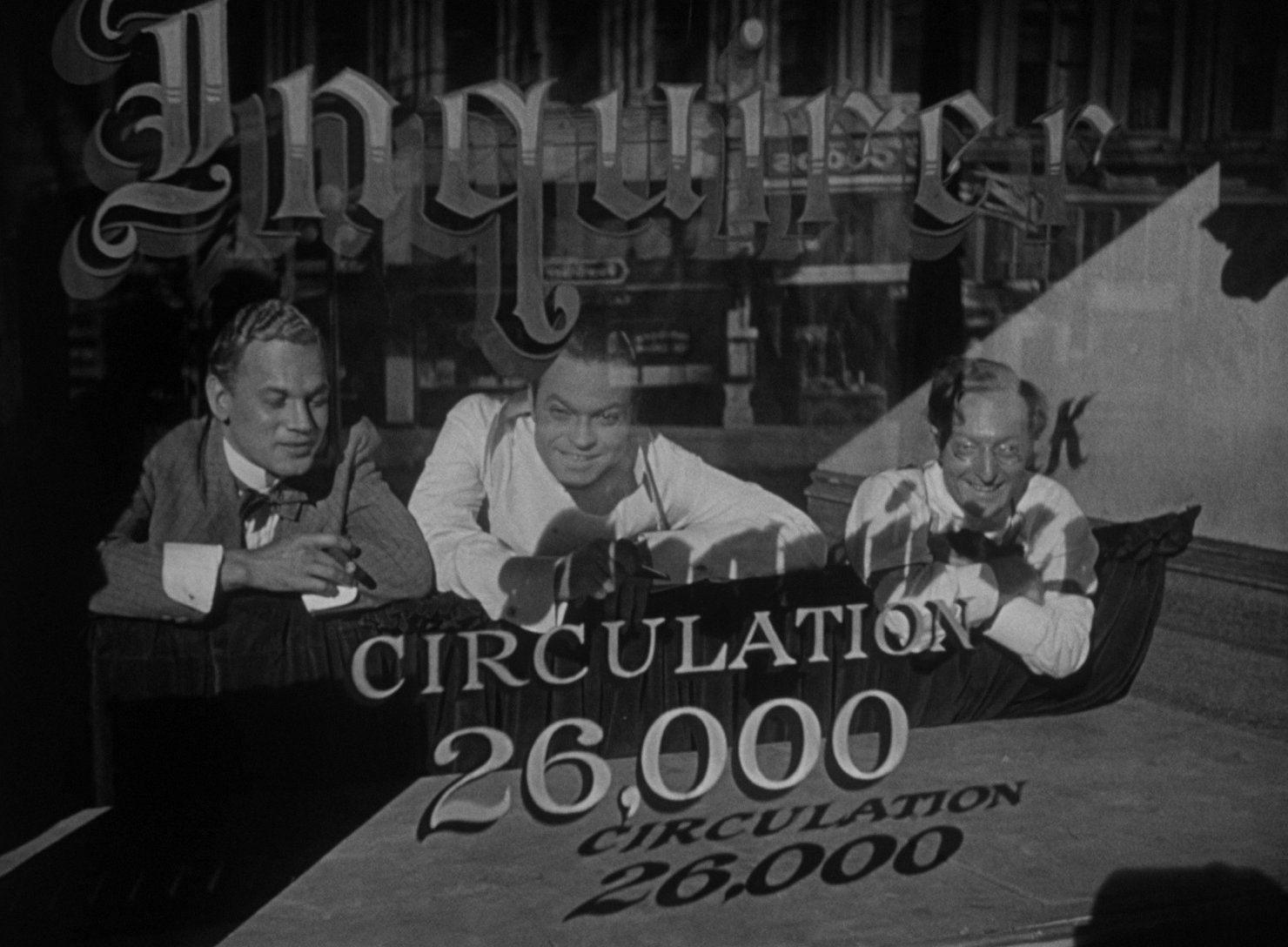
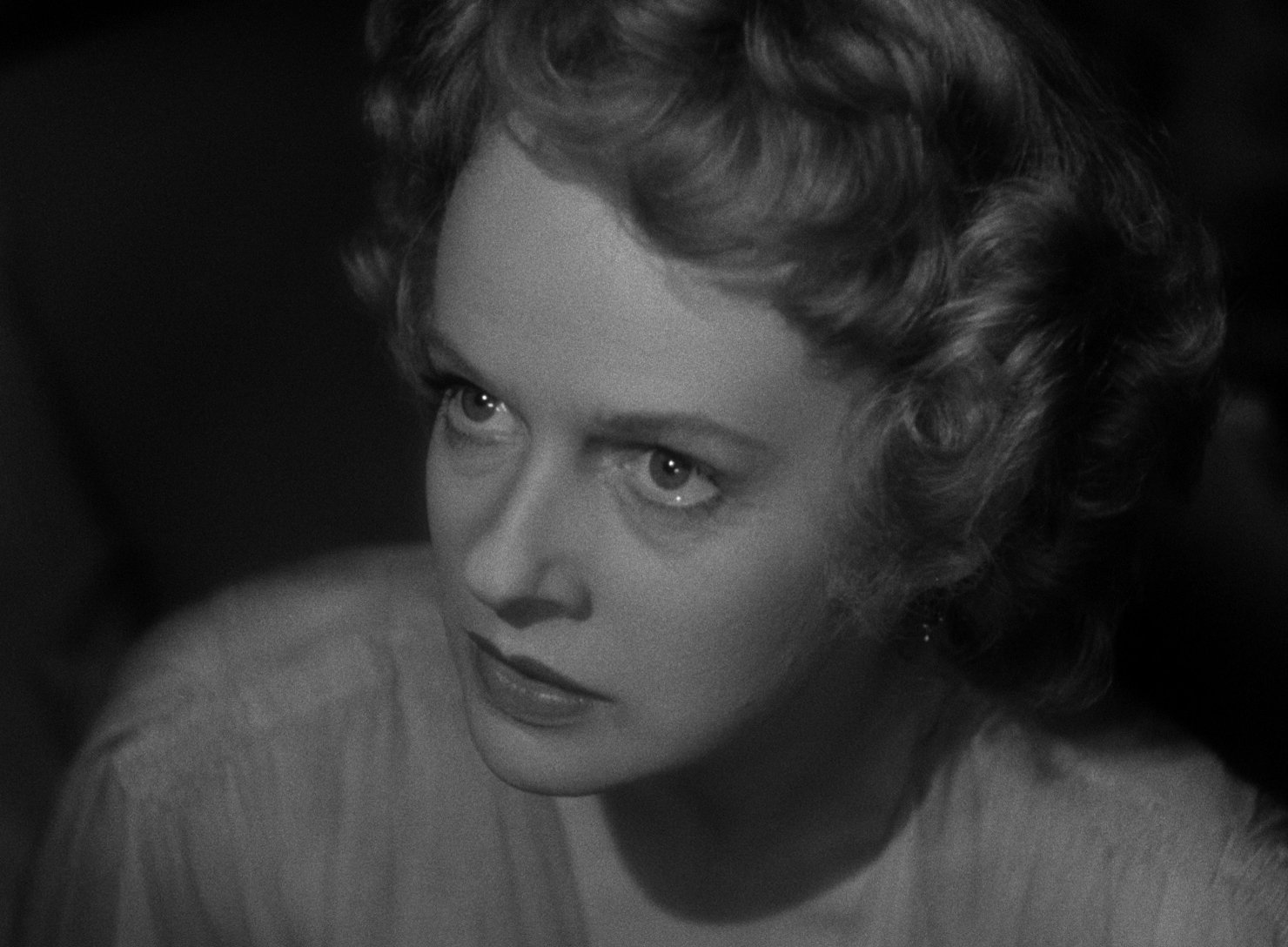
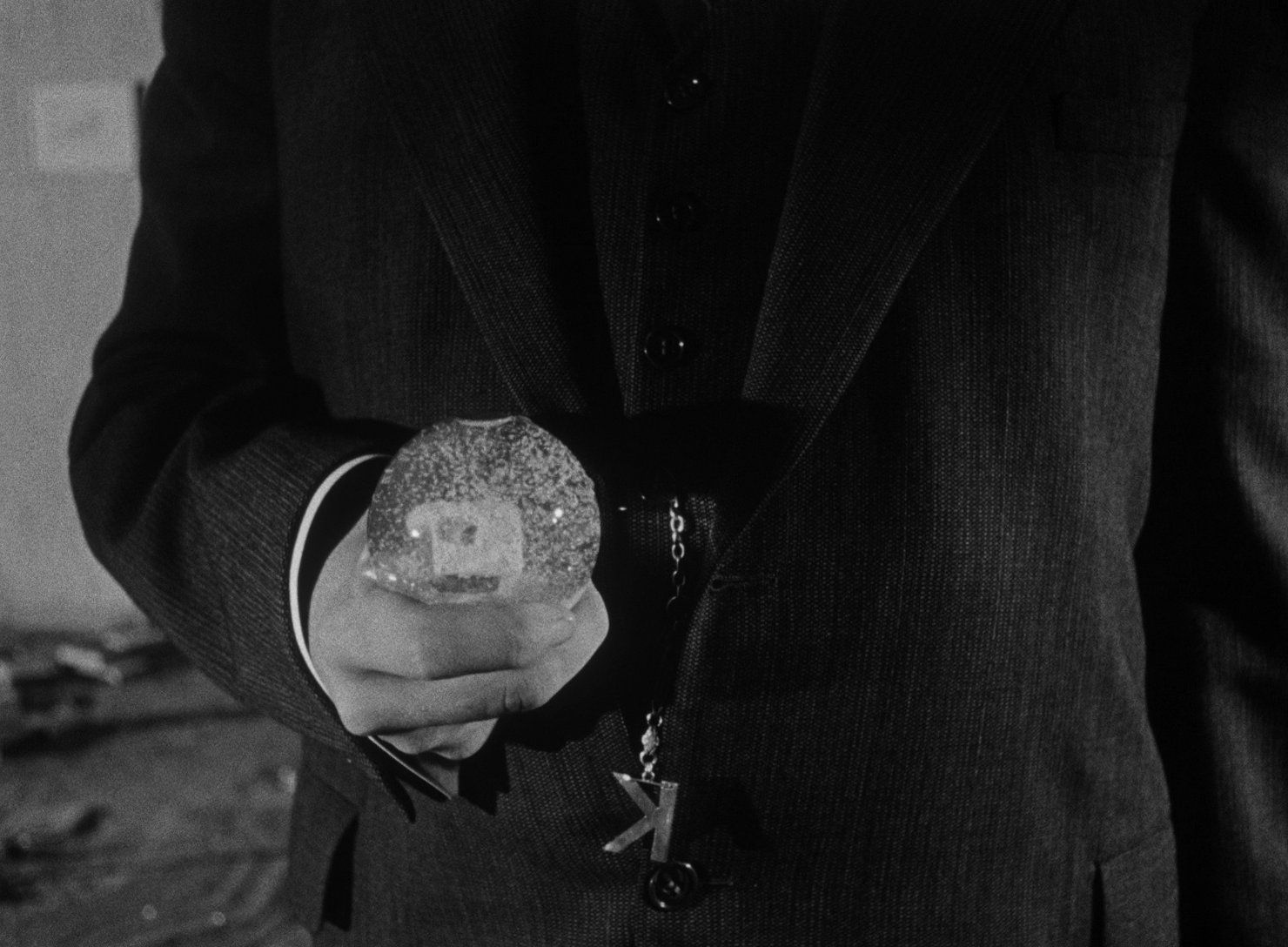
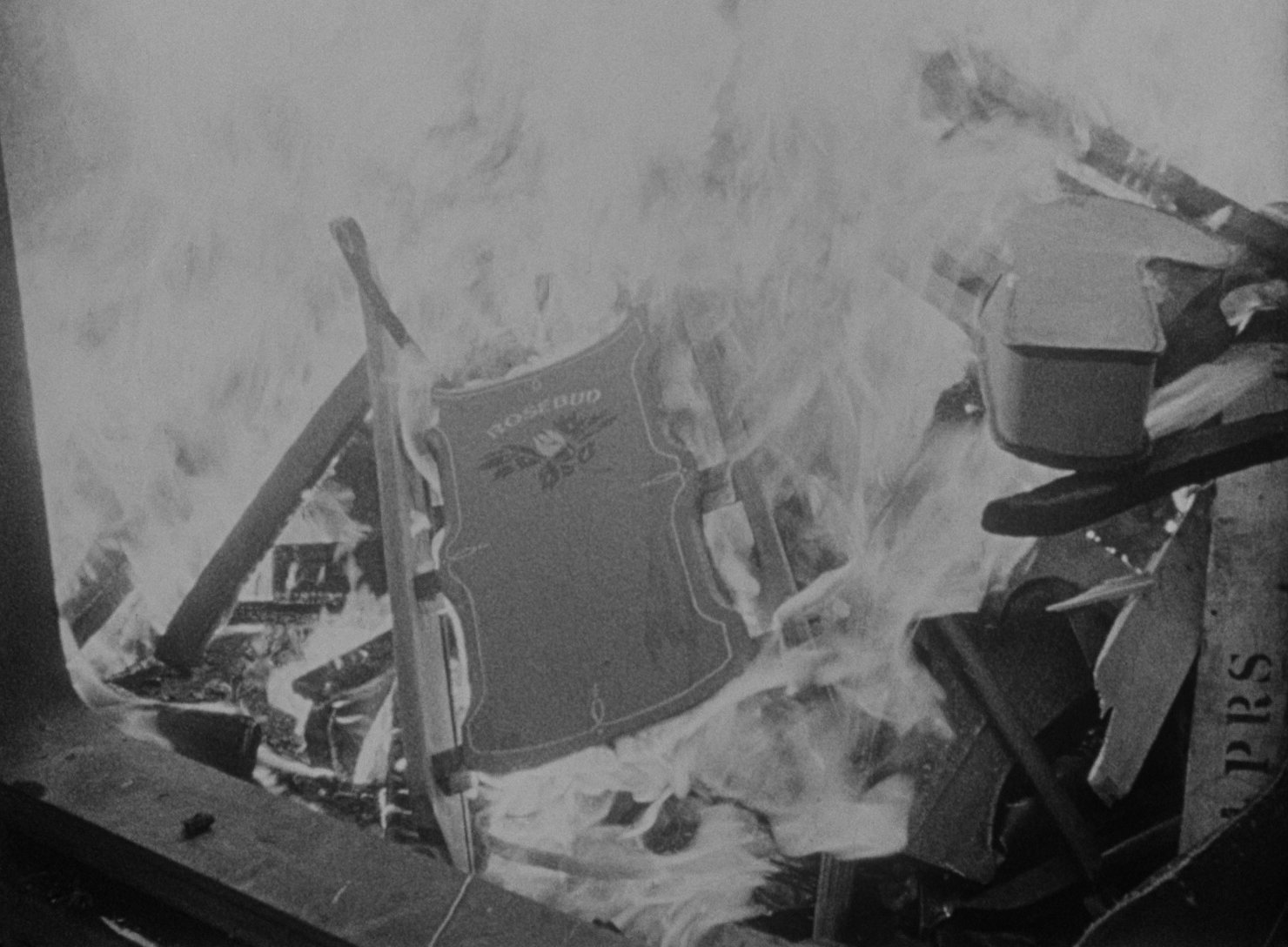
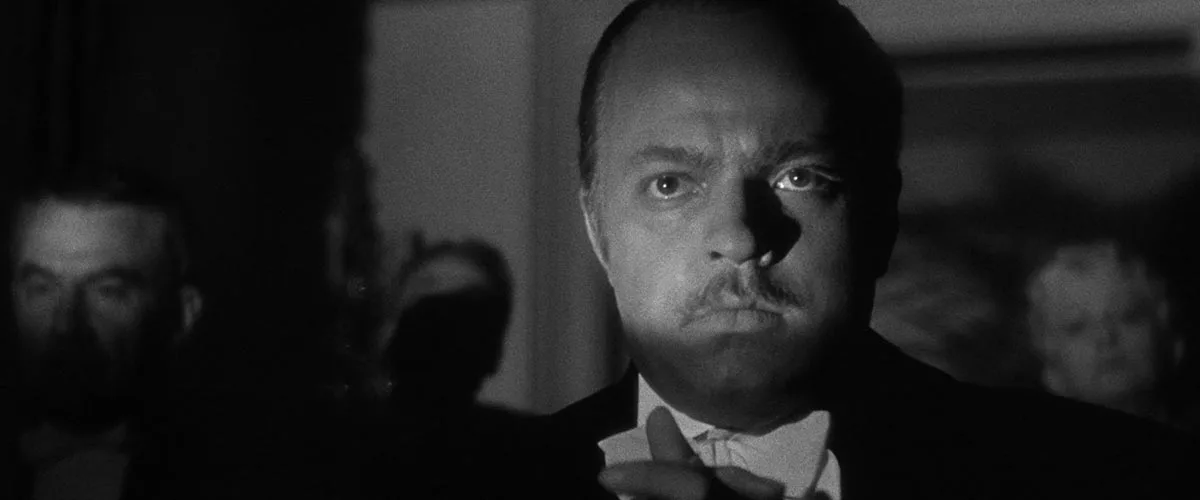
Citizen Kane, directed and starring Orson Welles, follows a journalist investigating the meaning of the final word (‘Rosebud’) spoken by a powerful newspaper magnate at the moment of his death. Through a series of interviews with people who knew the man, the film pieces together fragments of his life to form an incomplete portrait of the person behind the public figure.
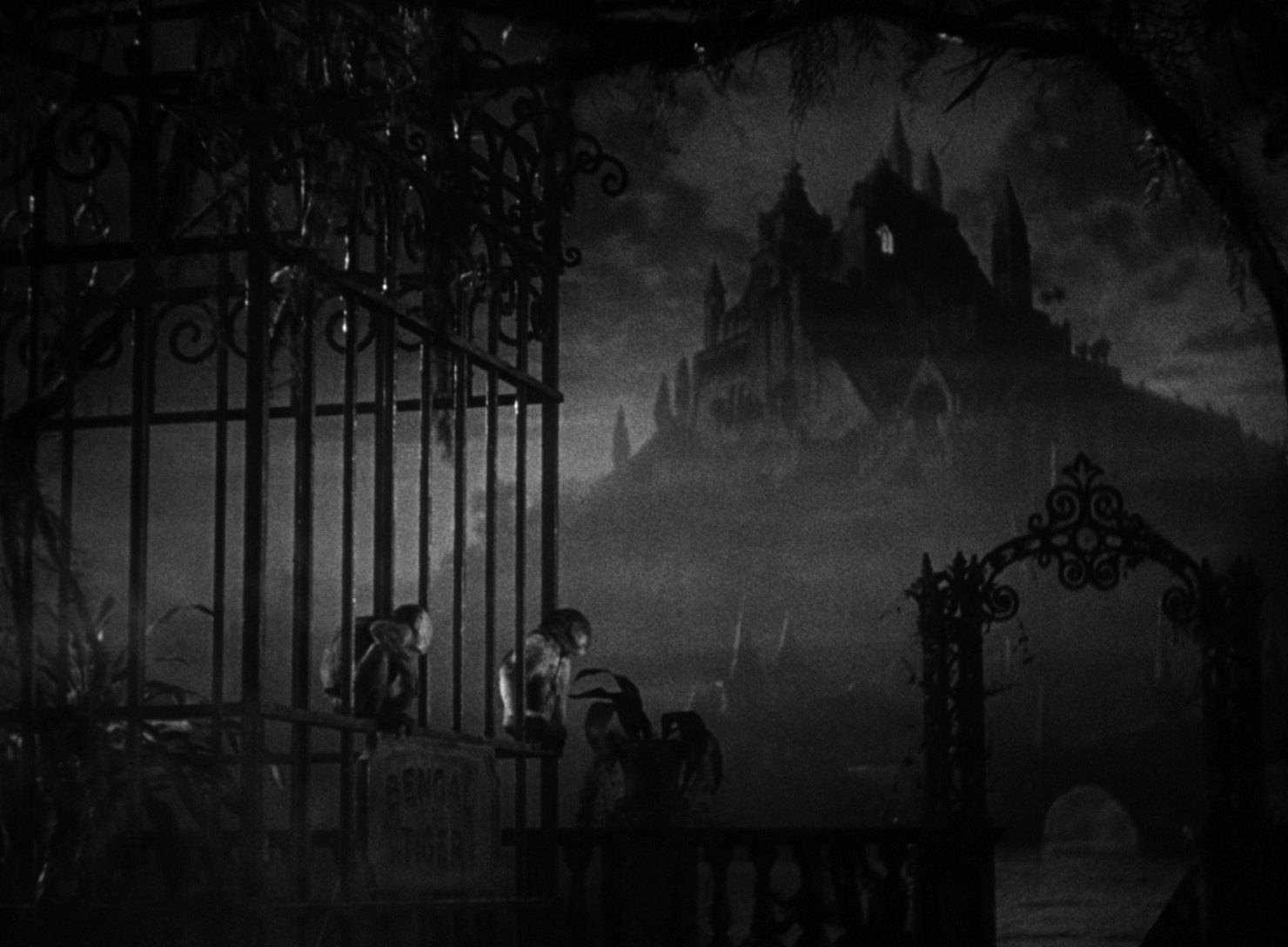
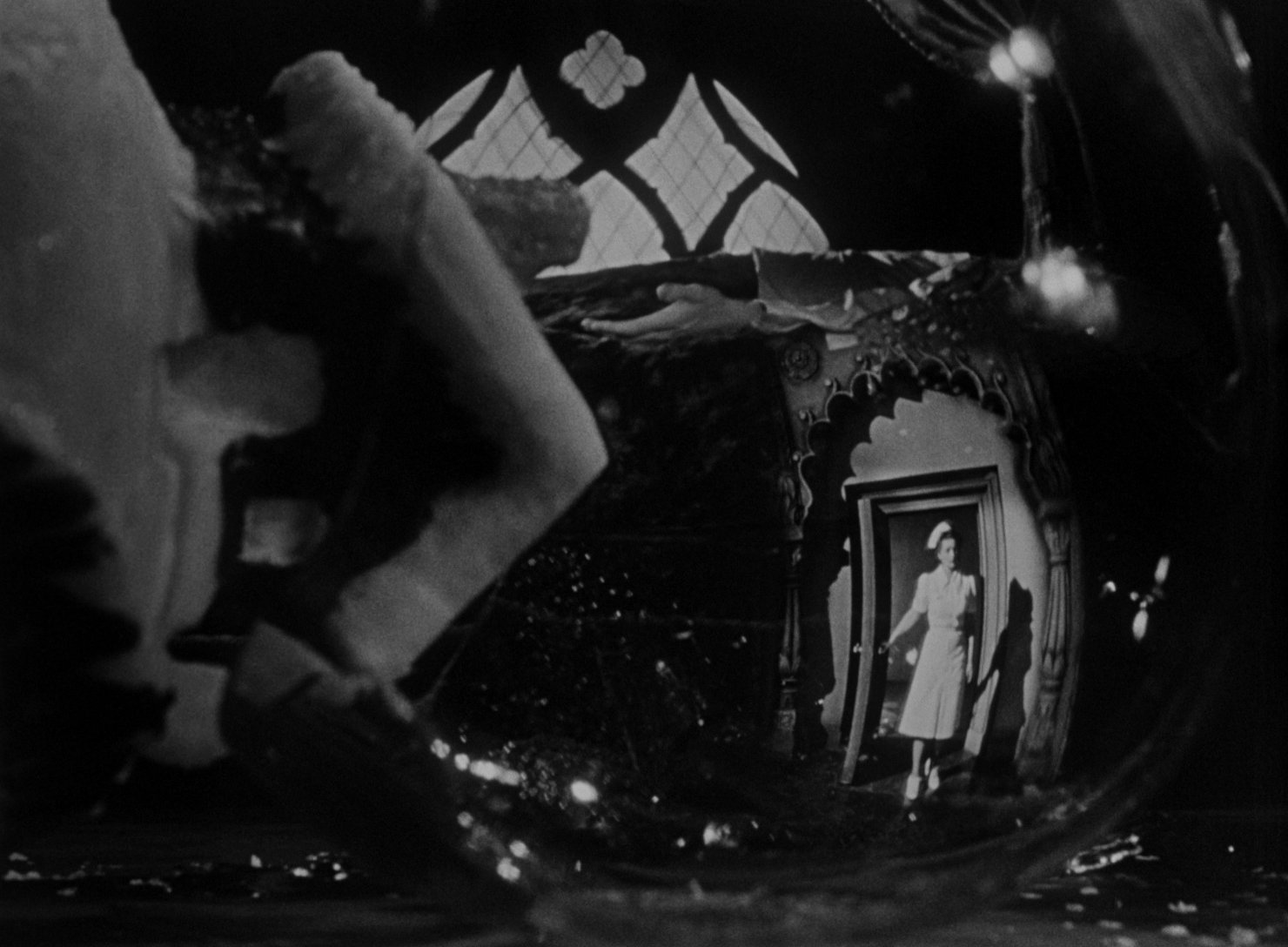
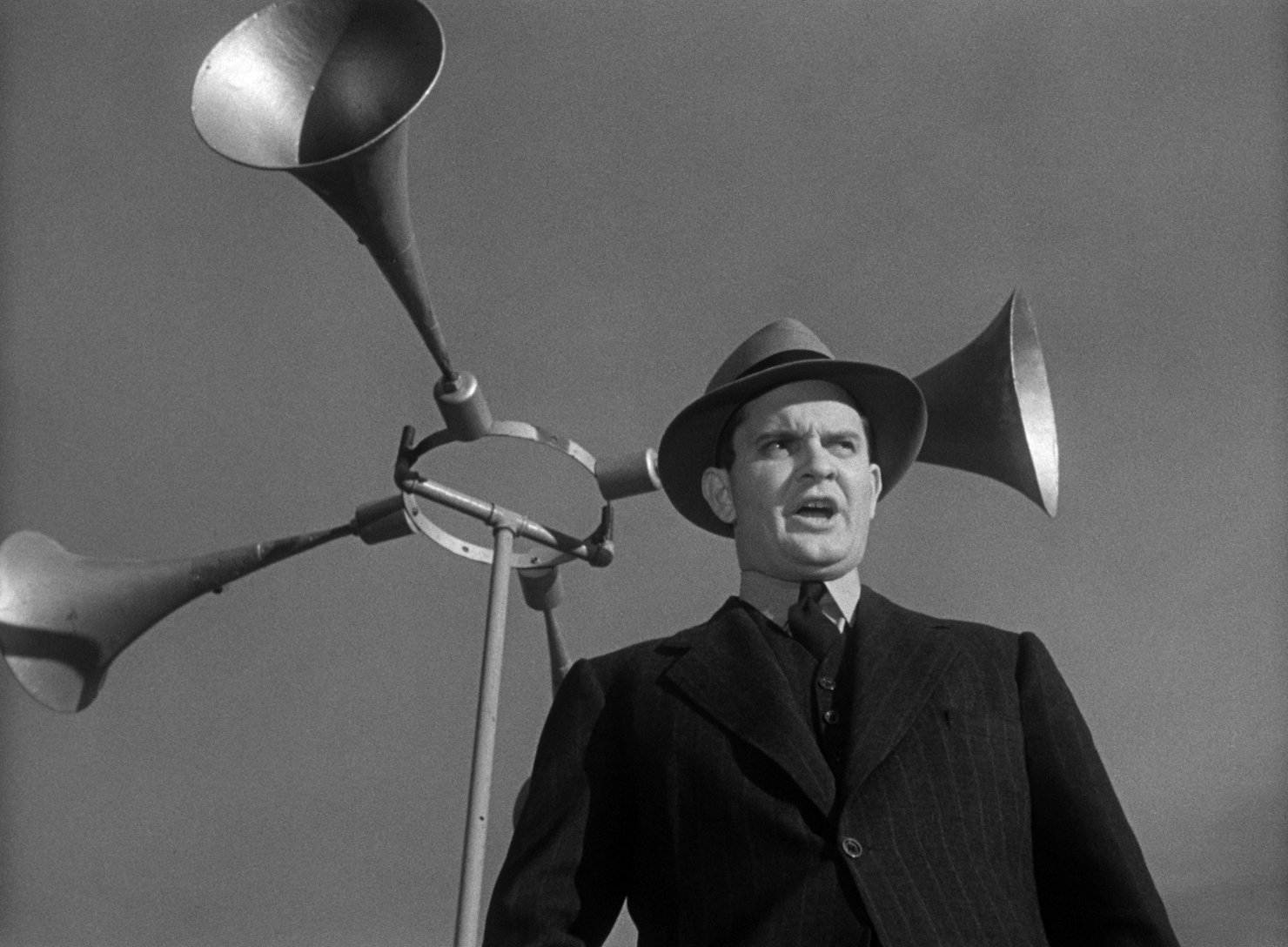
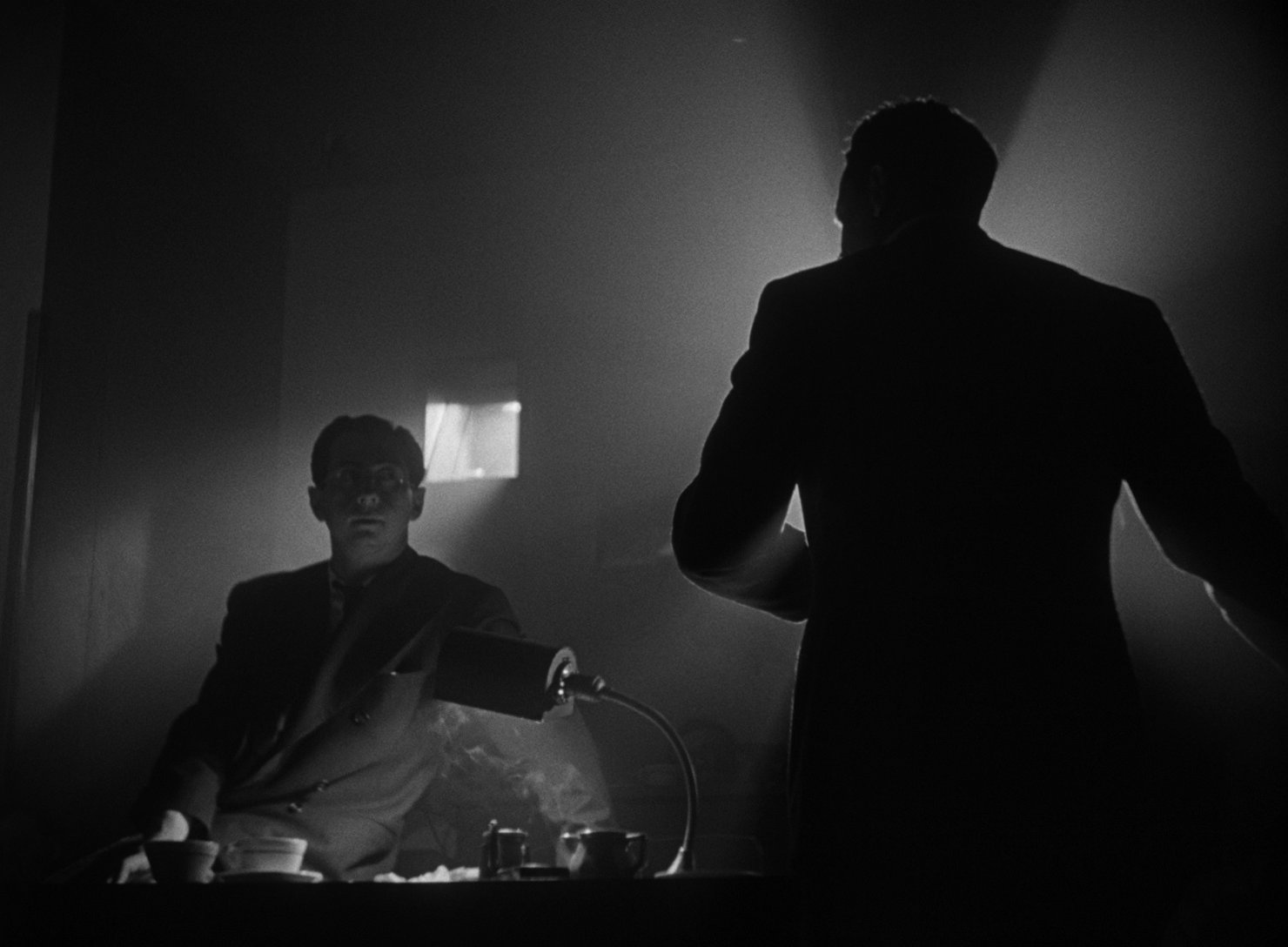
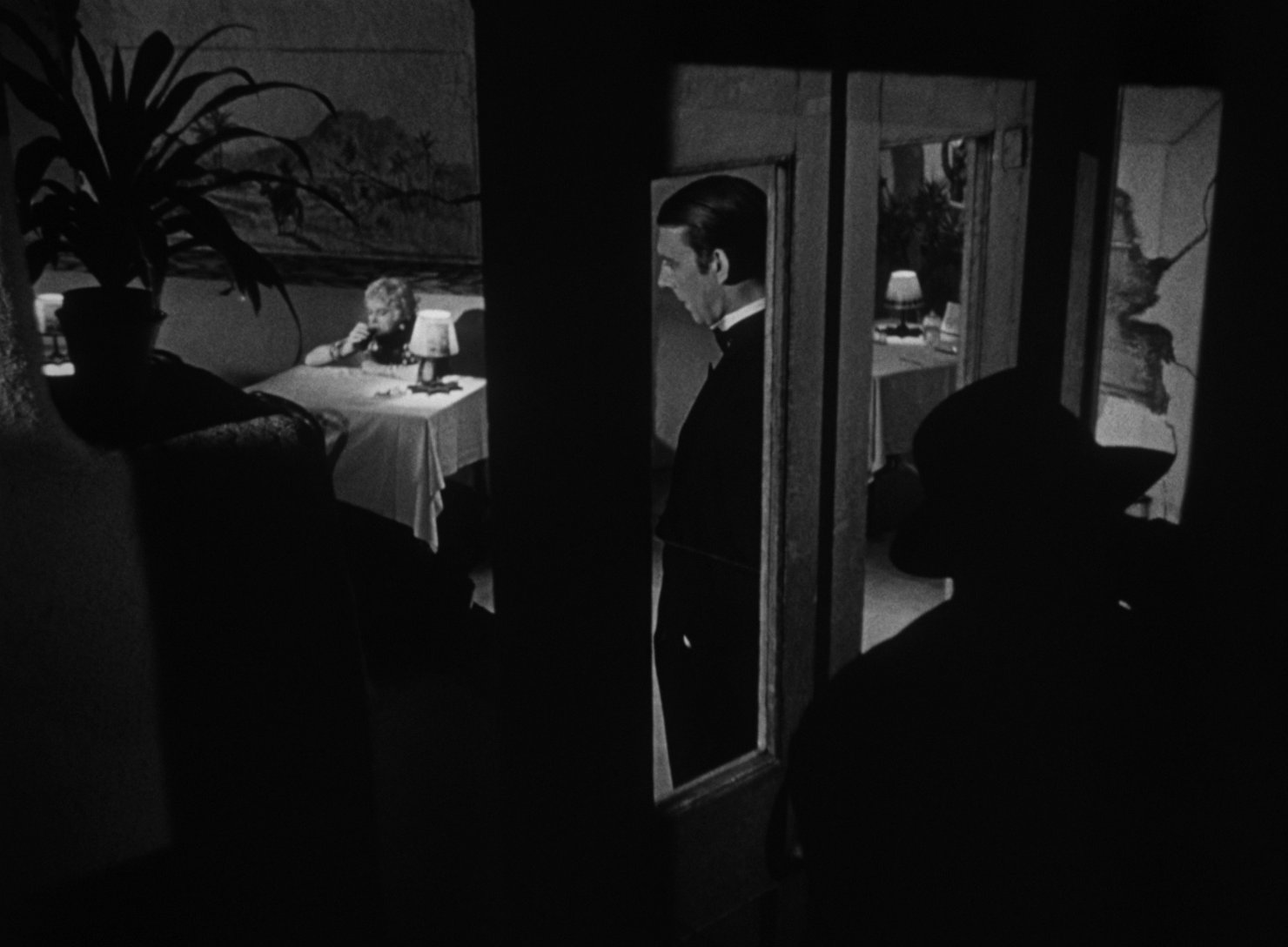
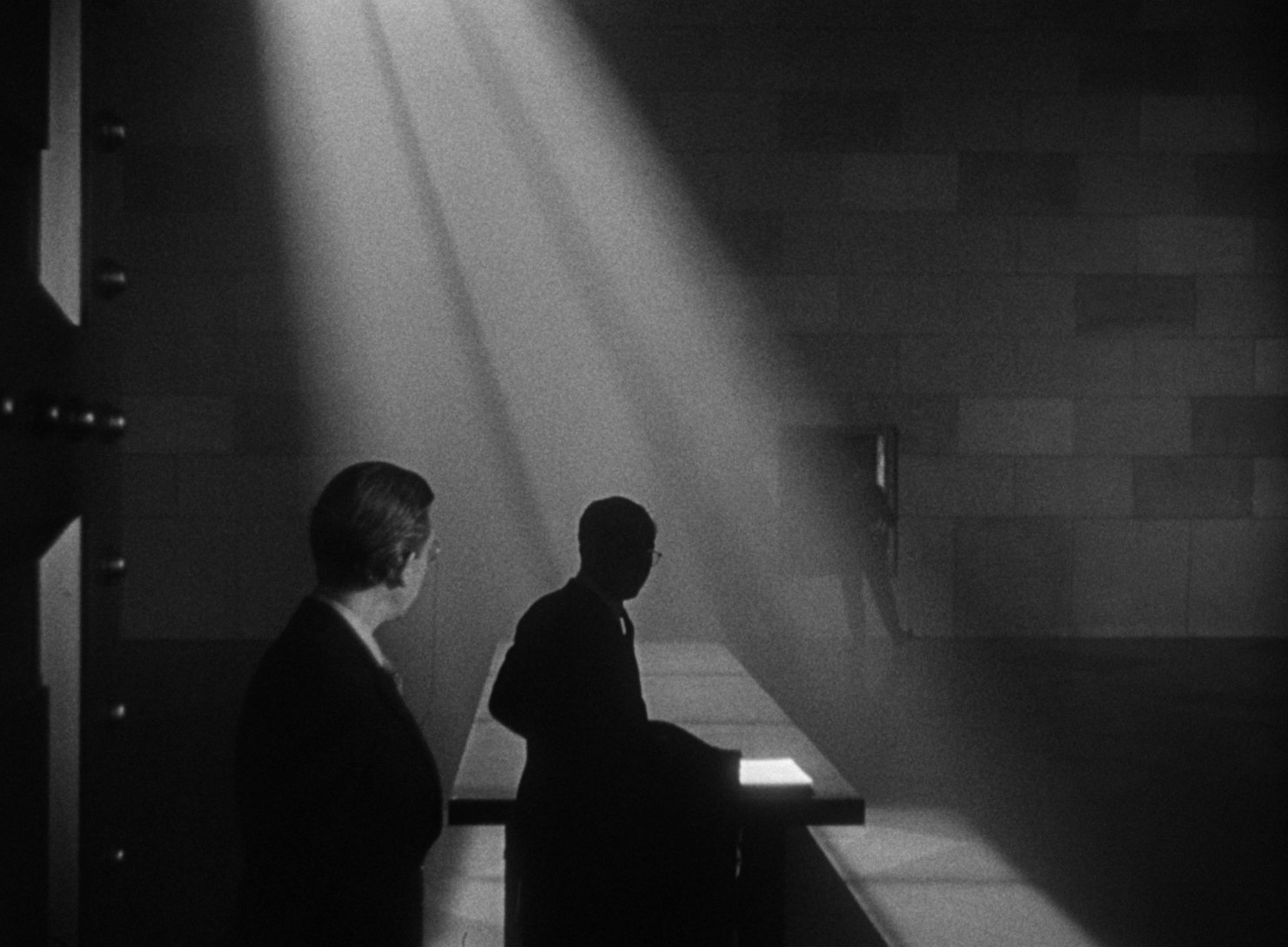
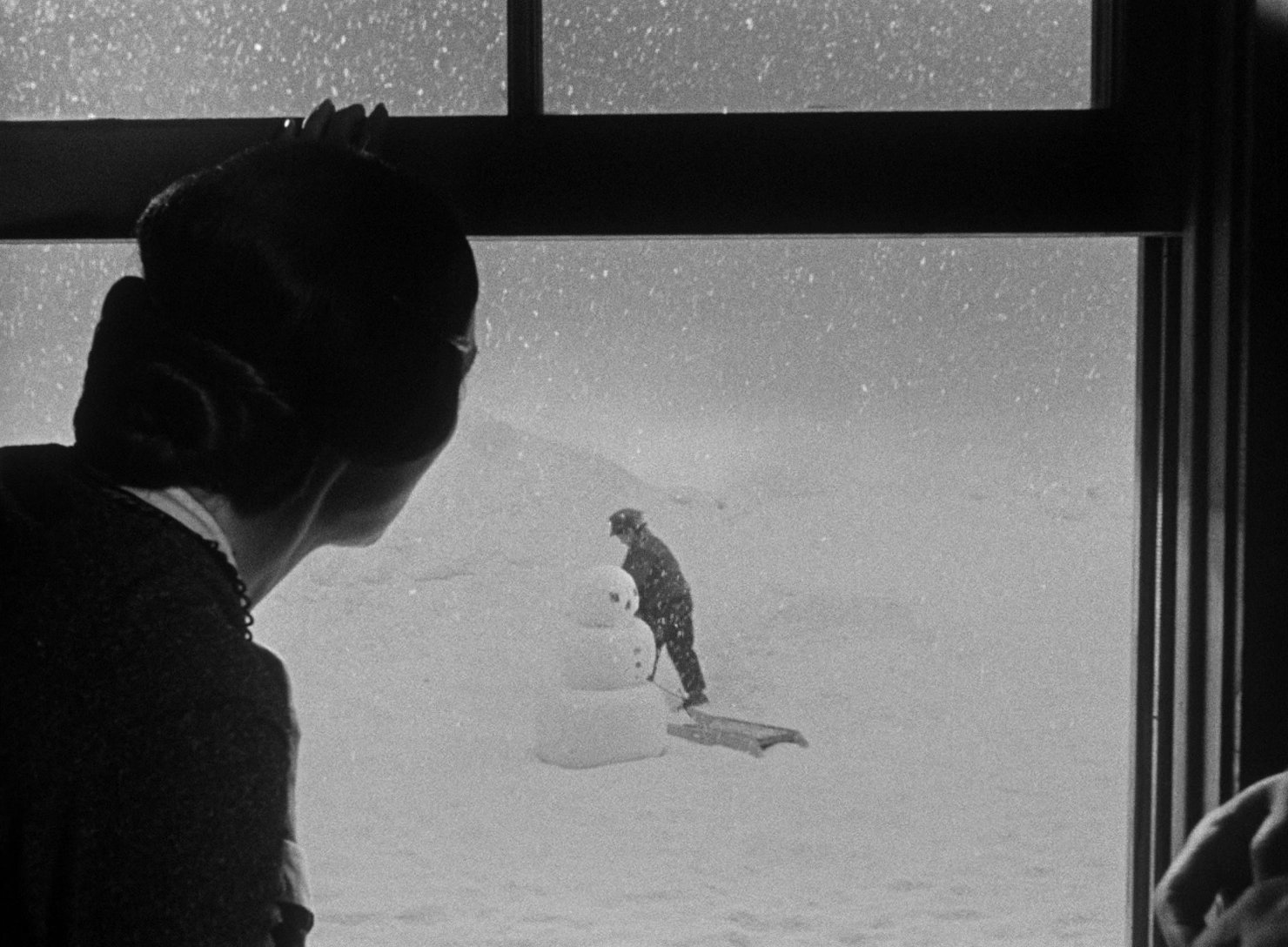
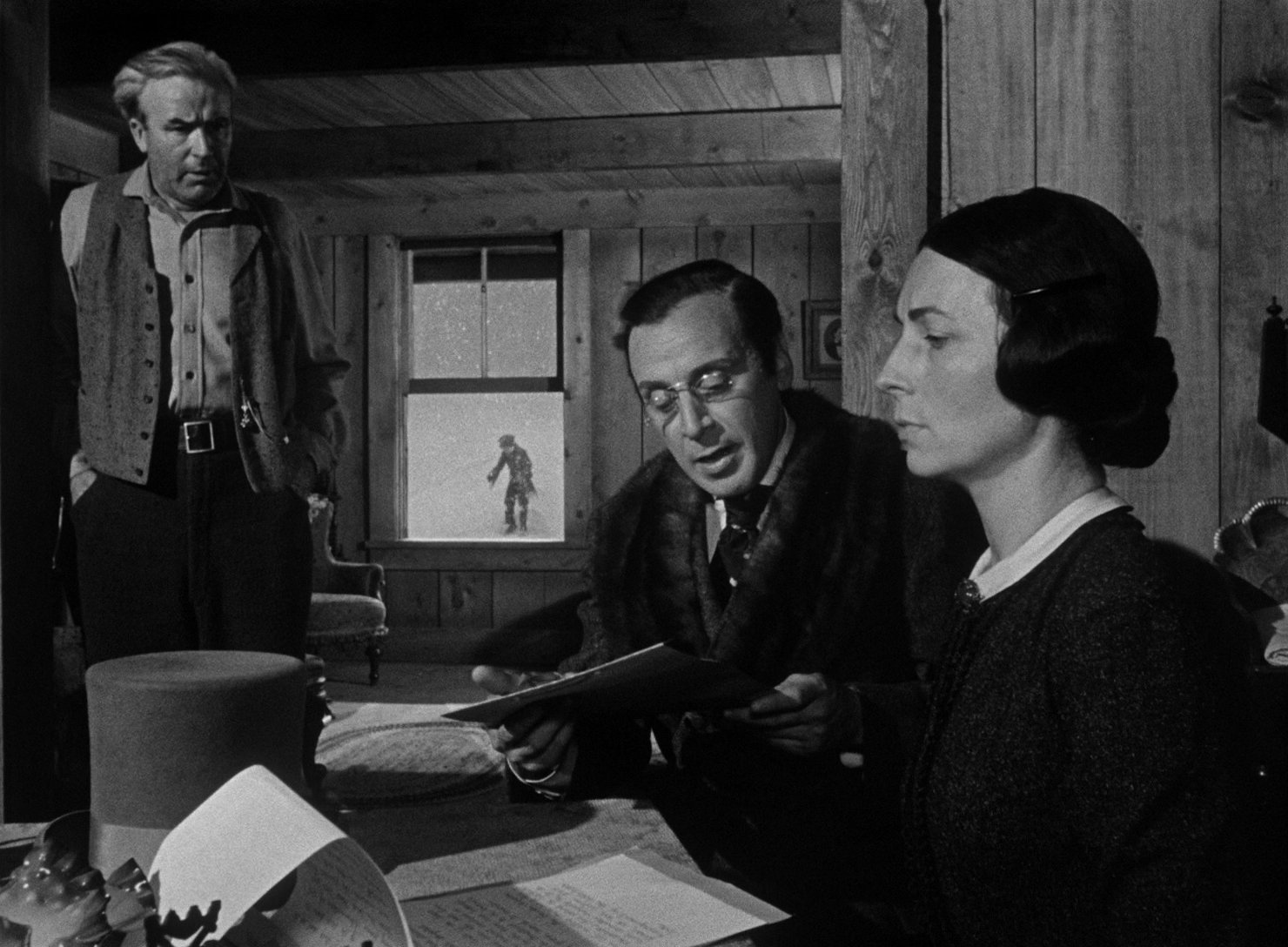
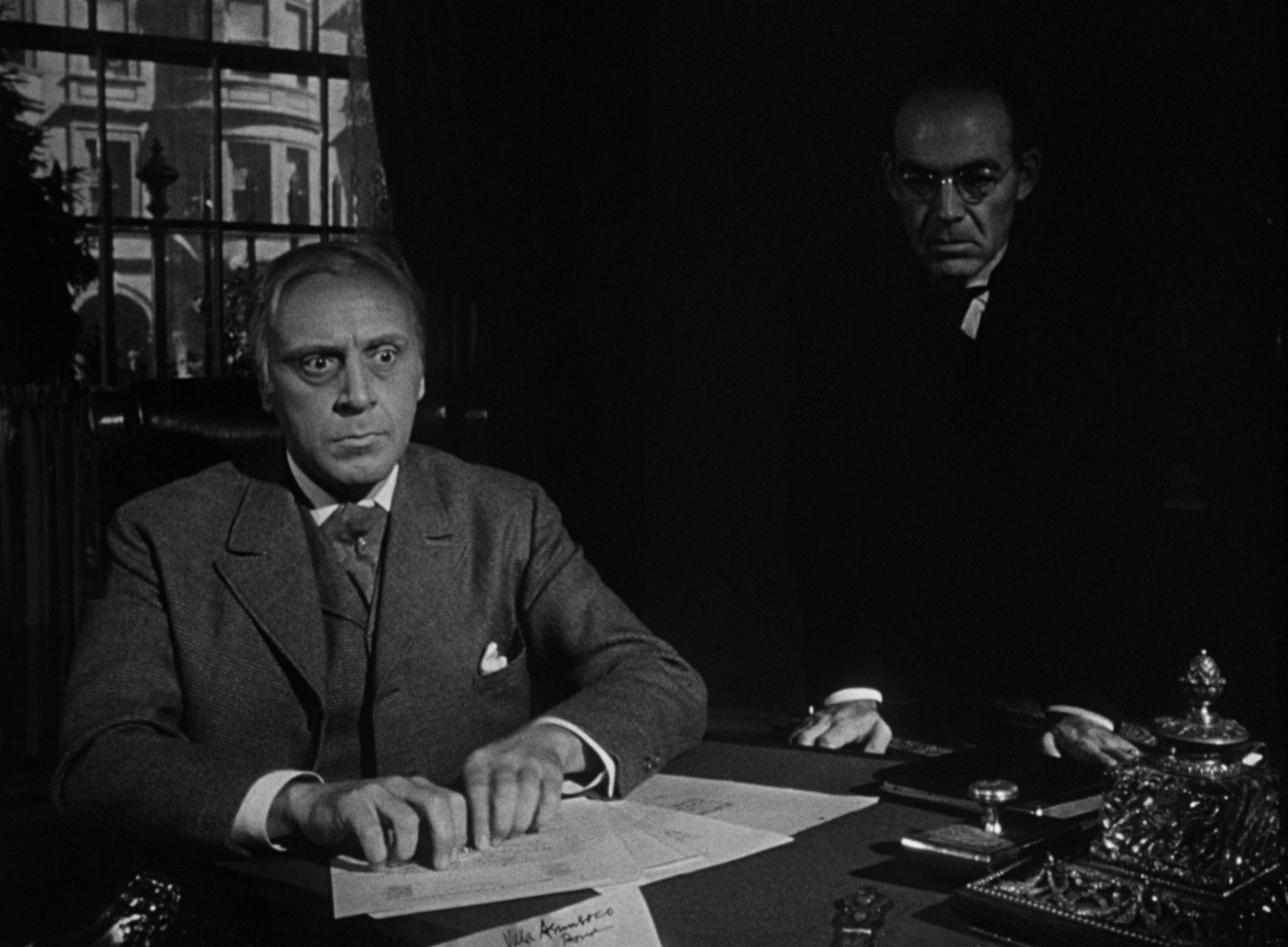
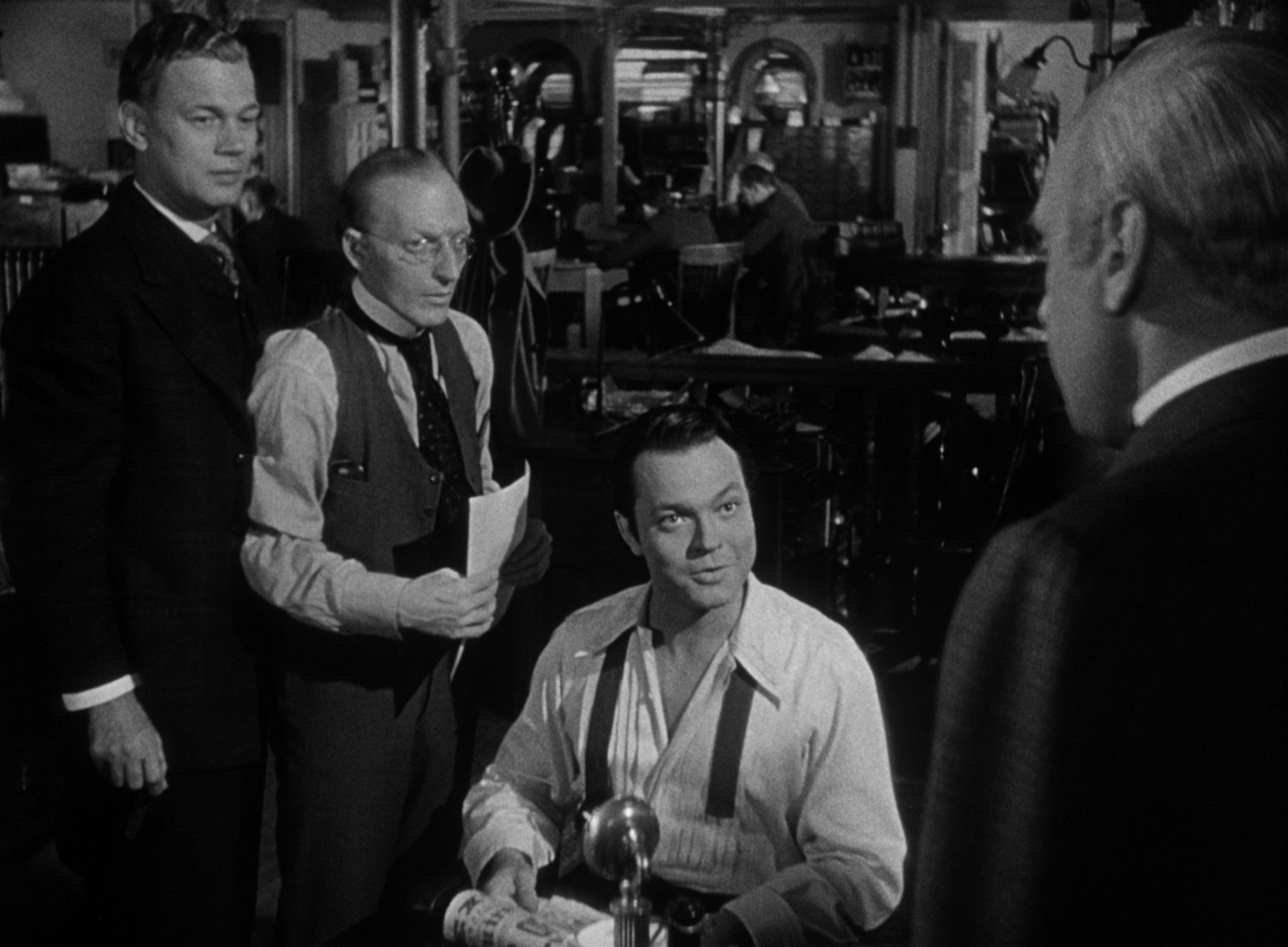
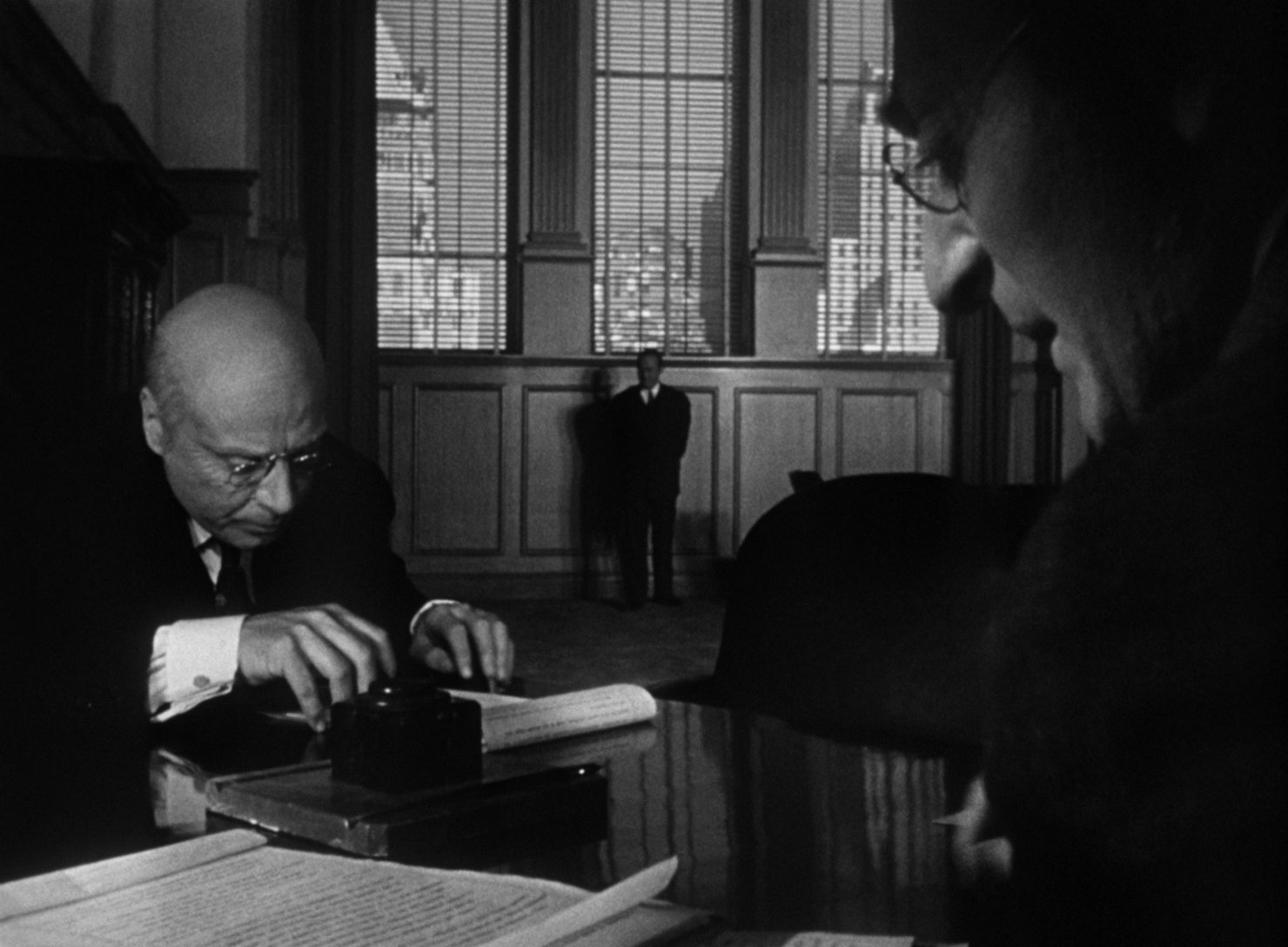
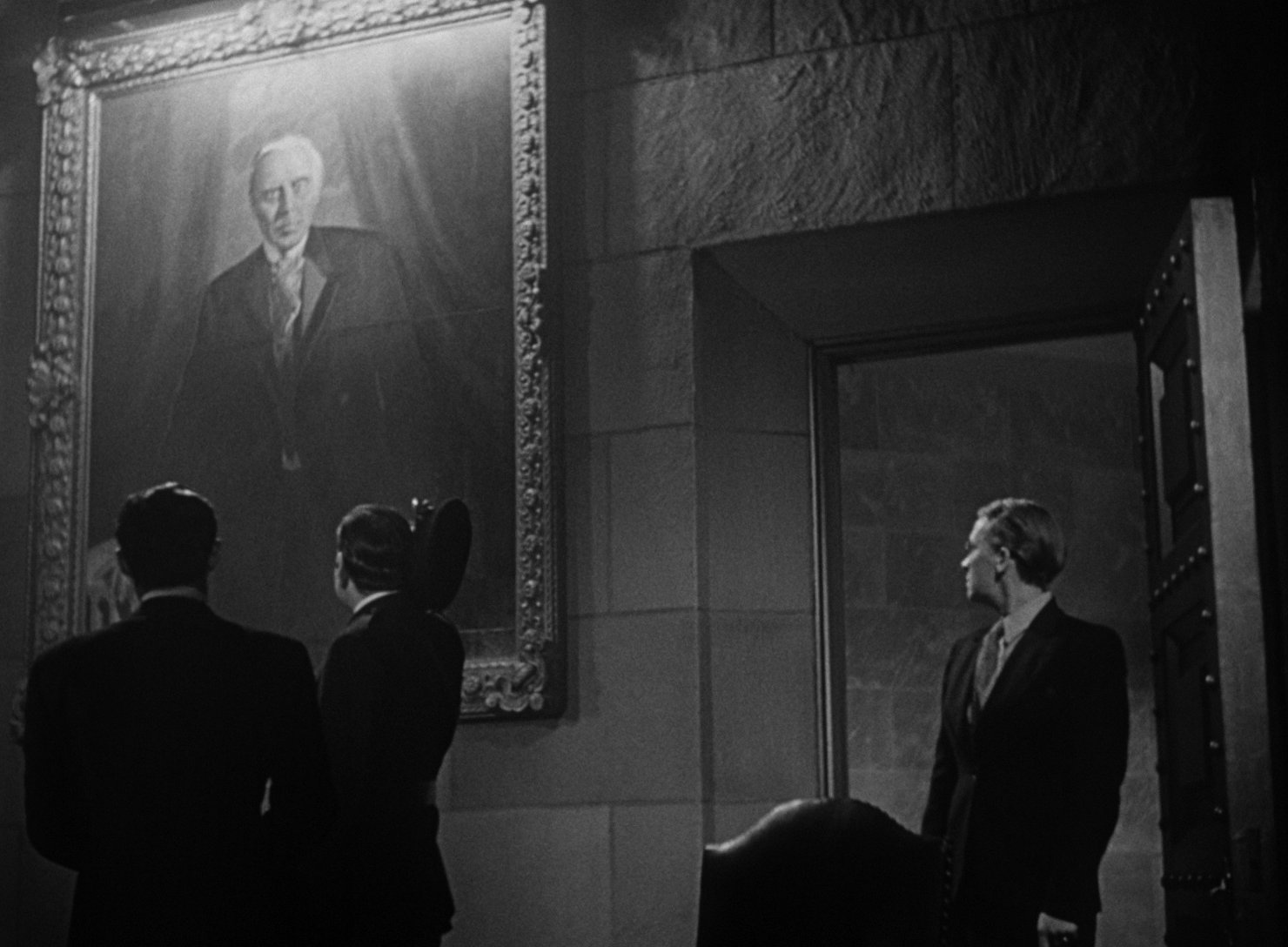
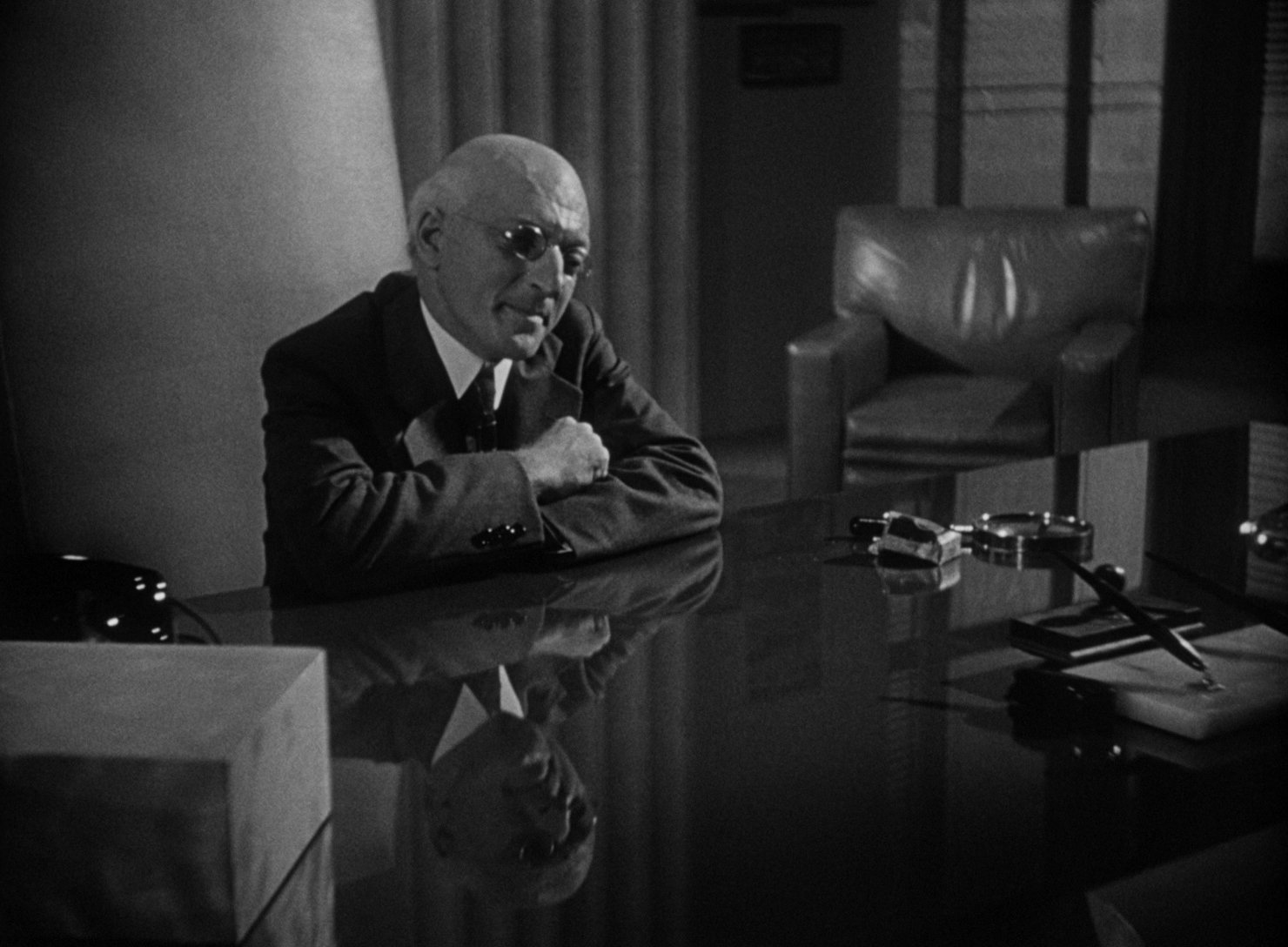
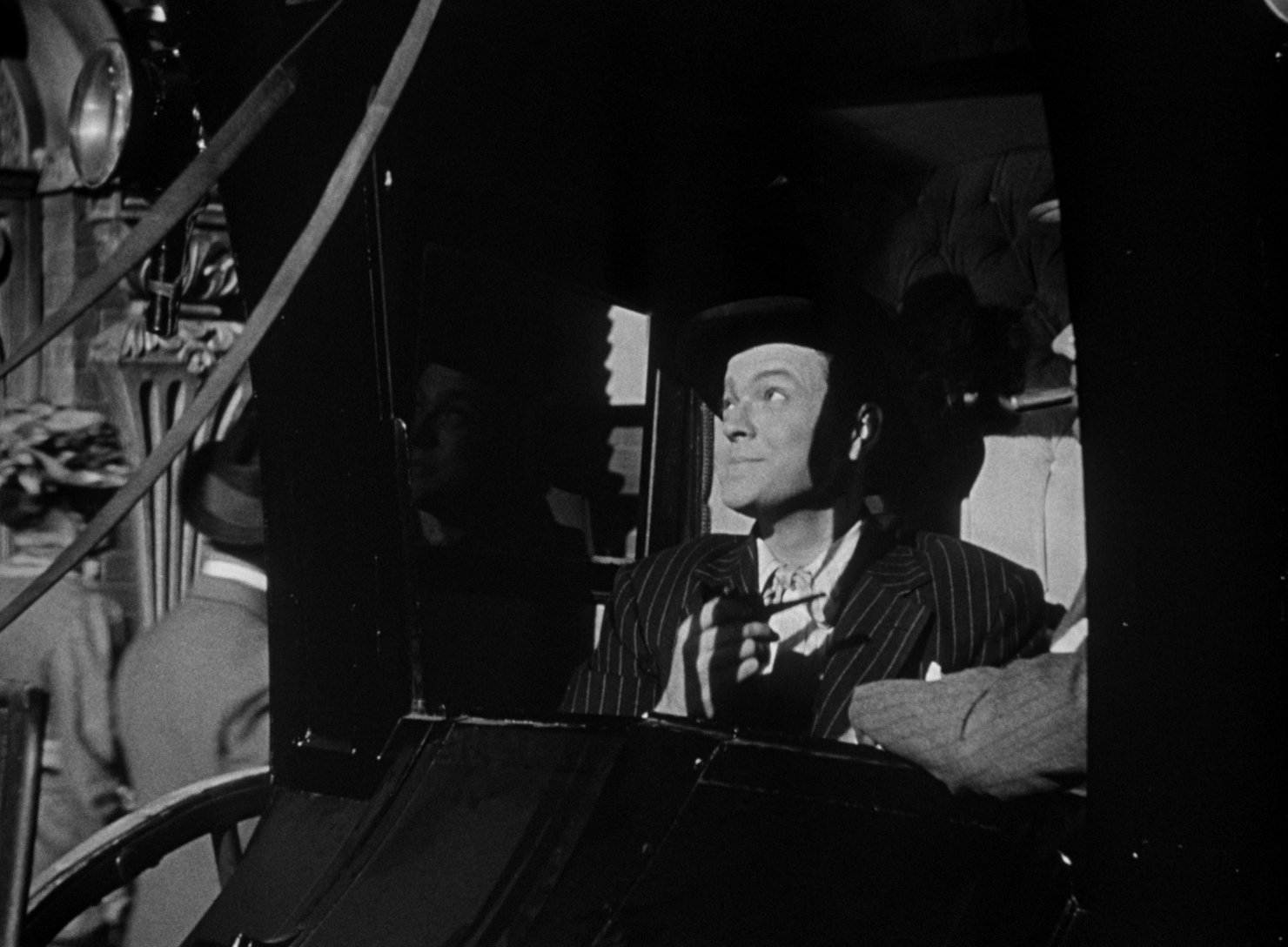
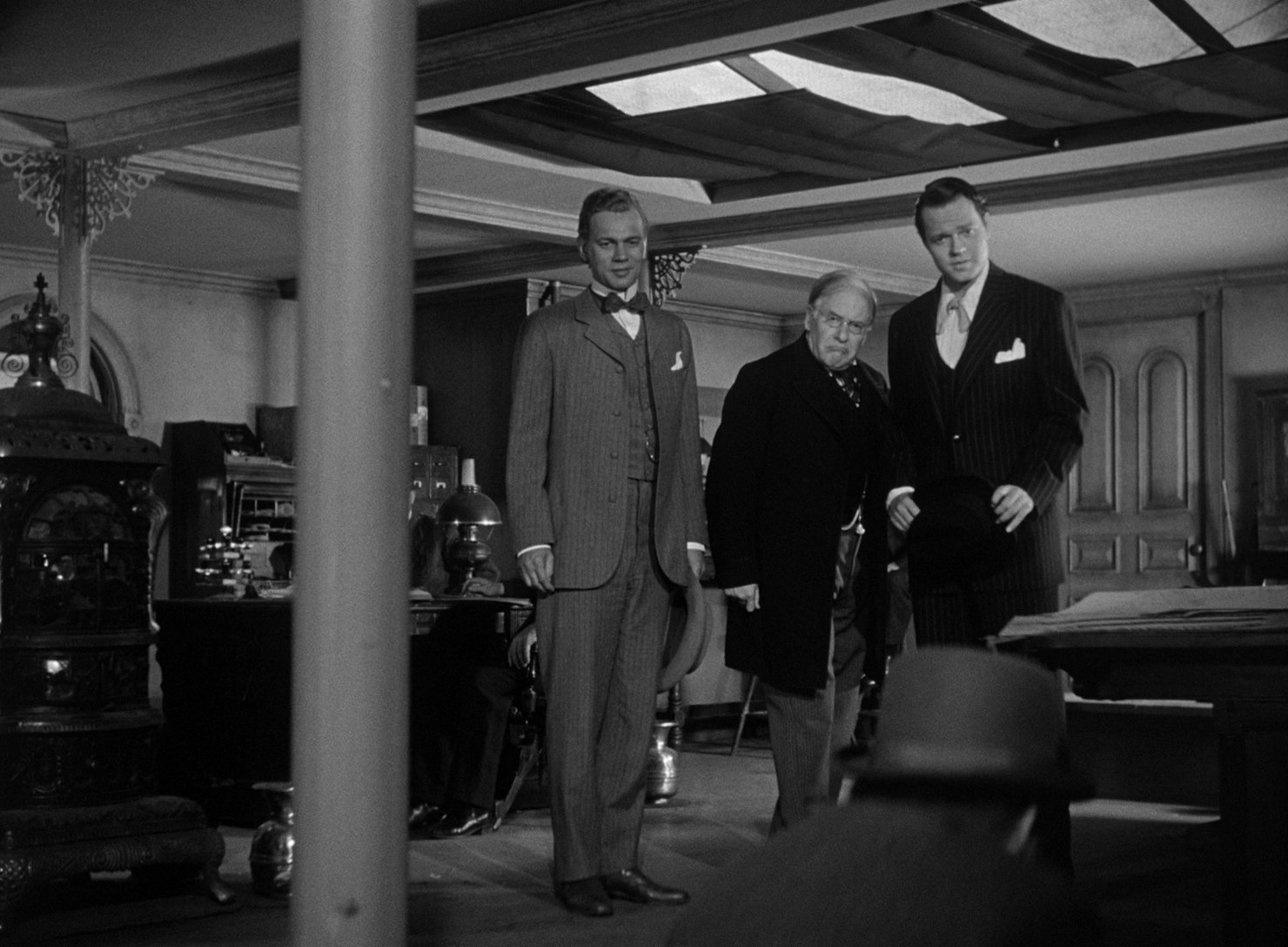
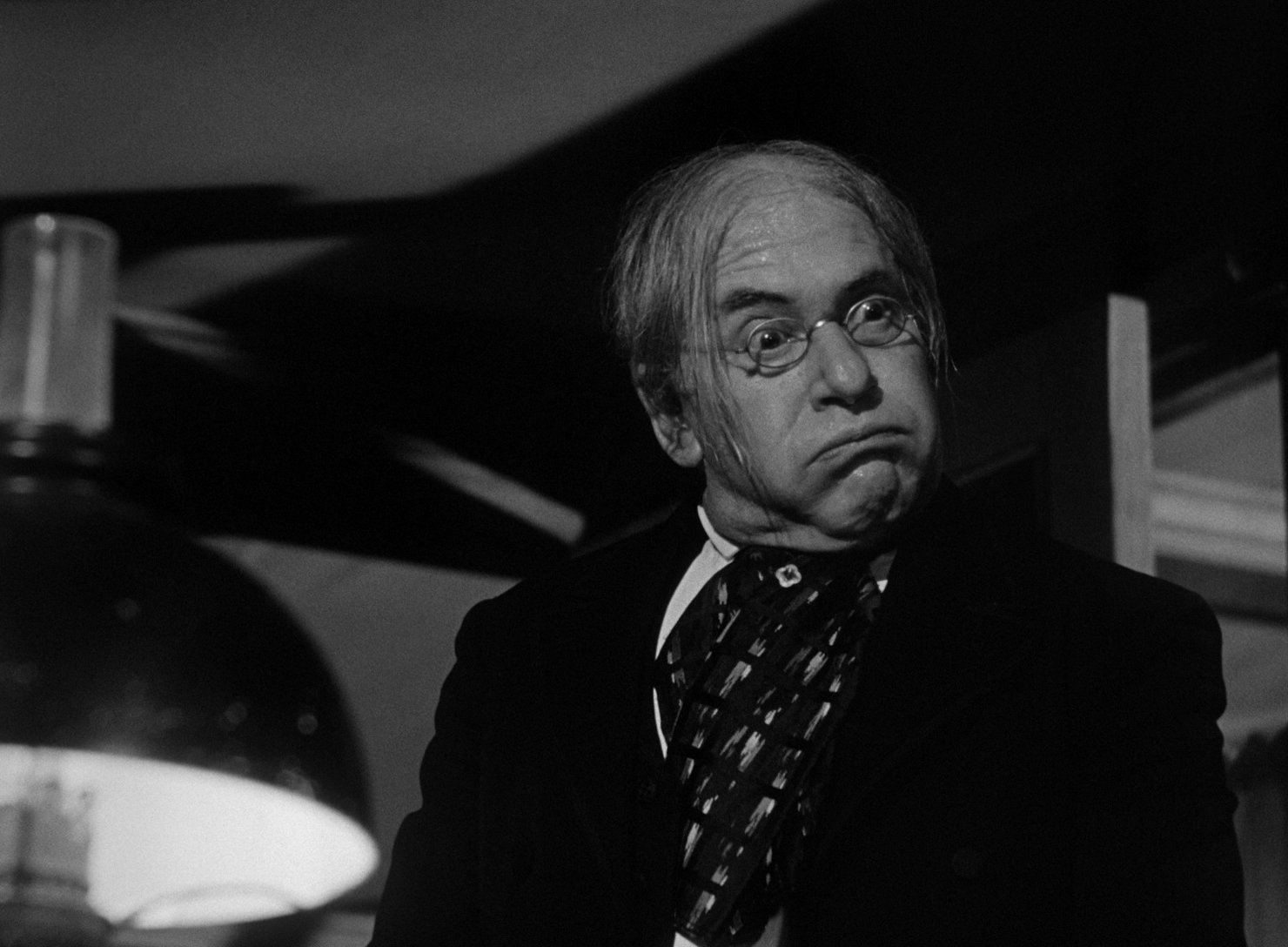
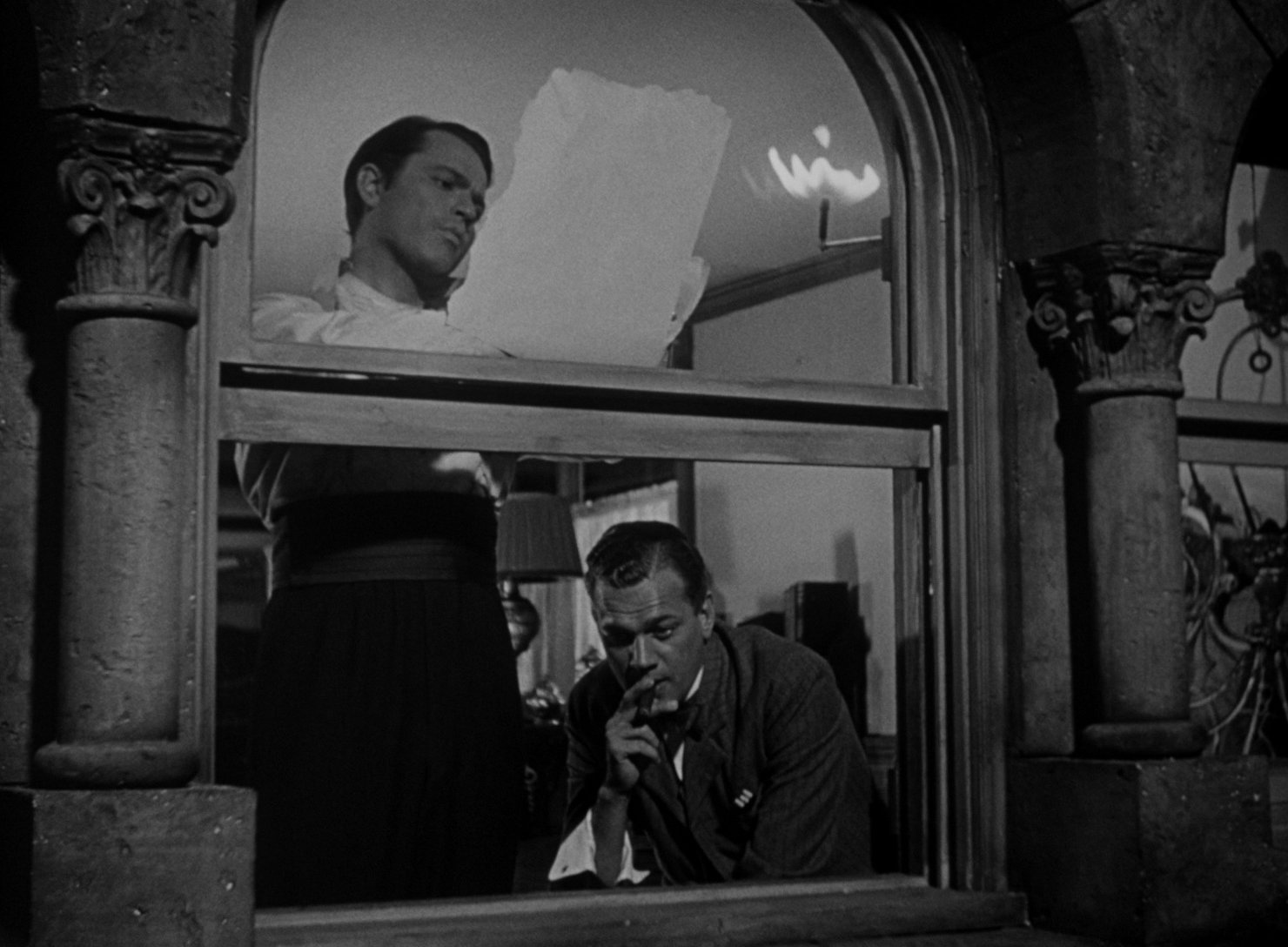
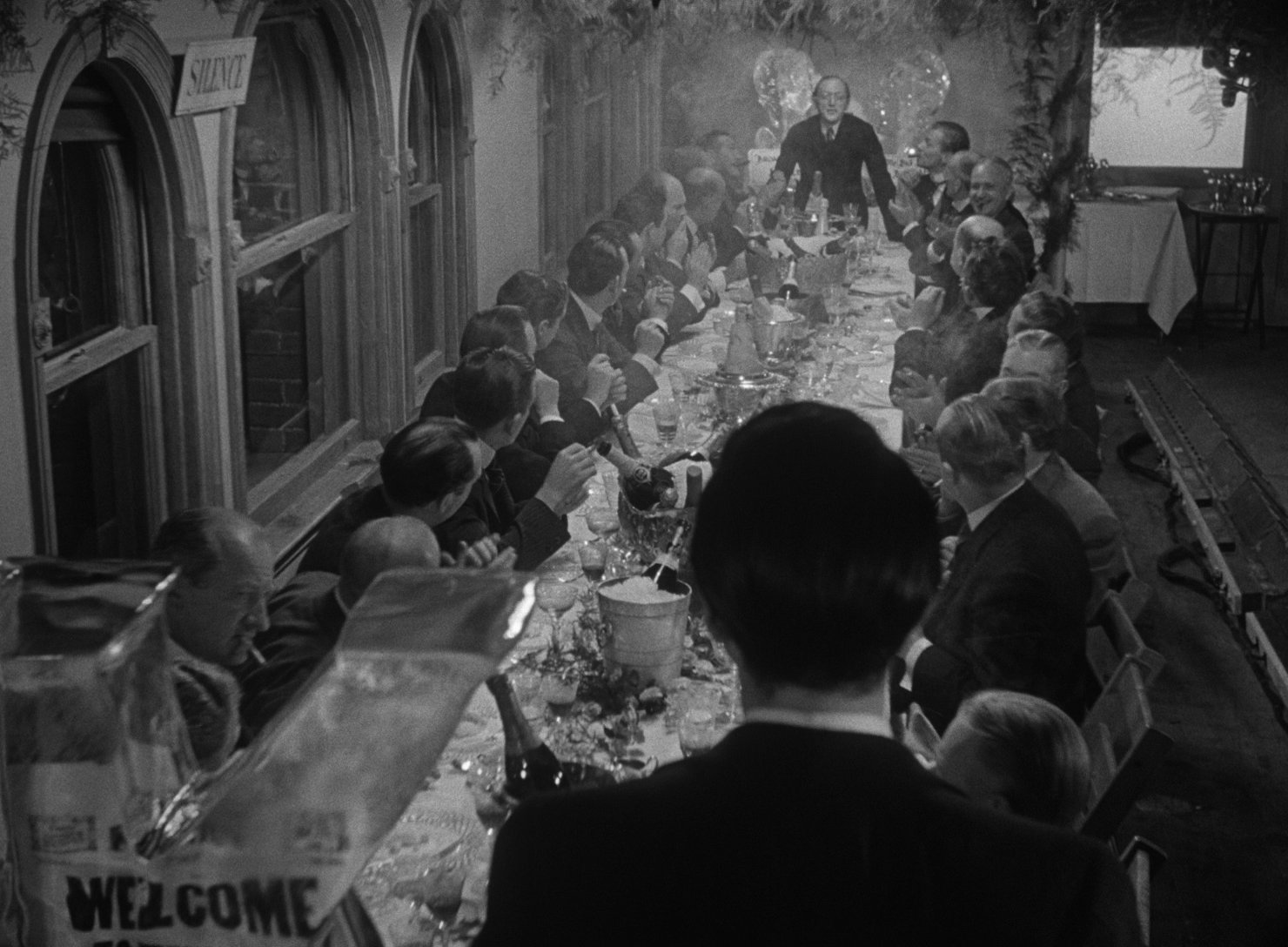
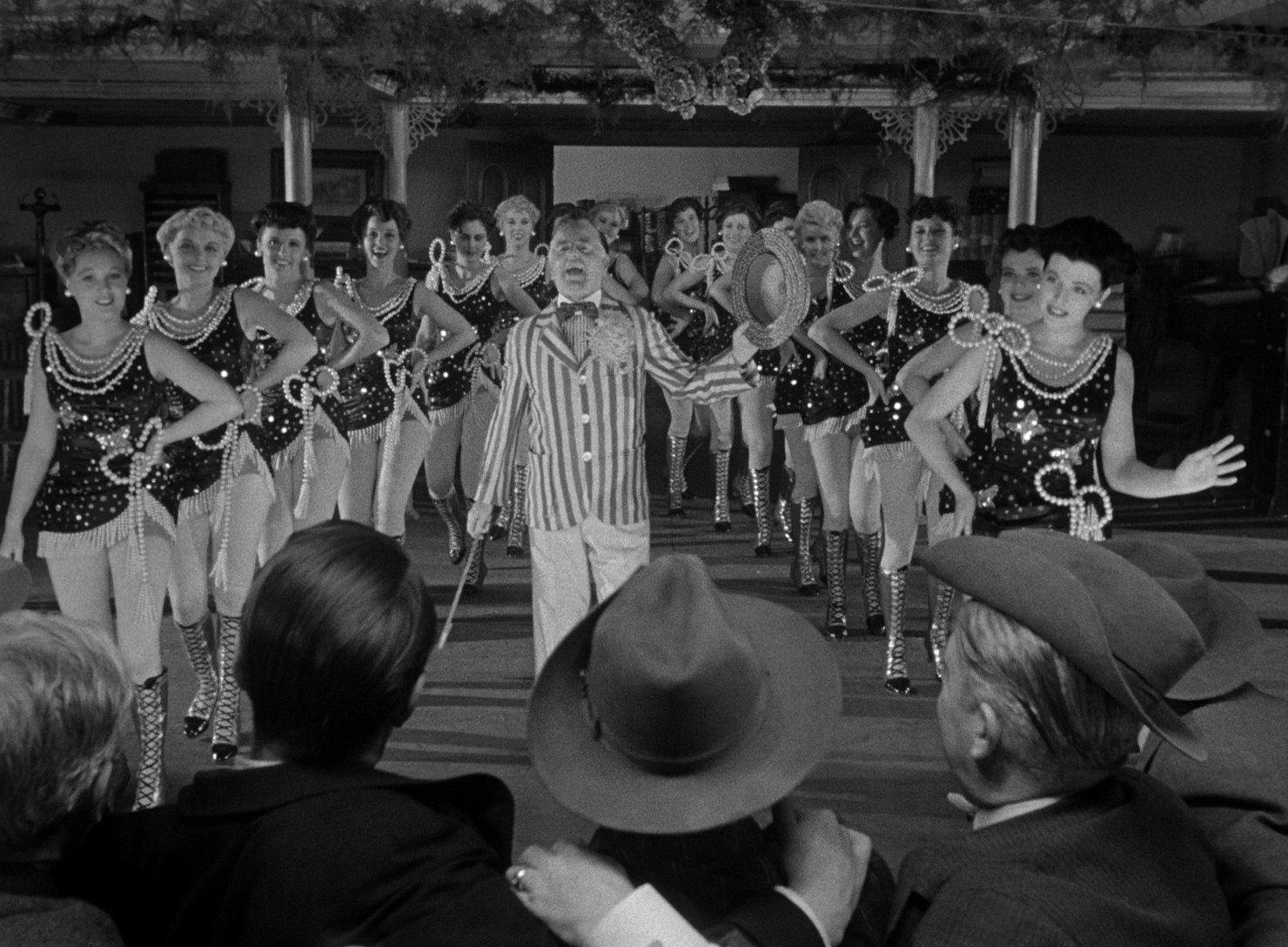
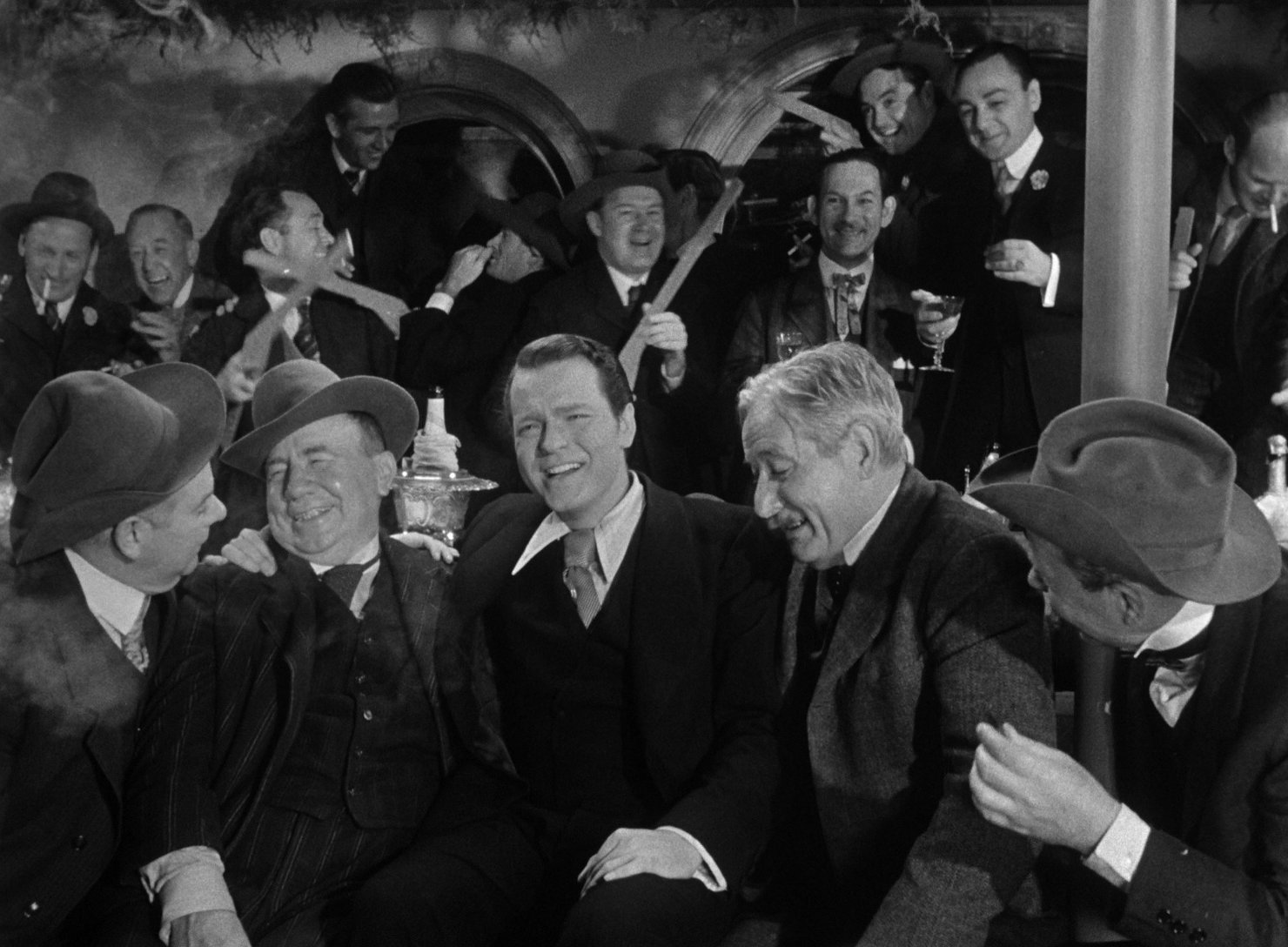
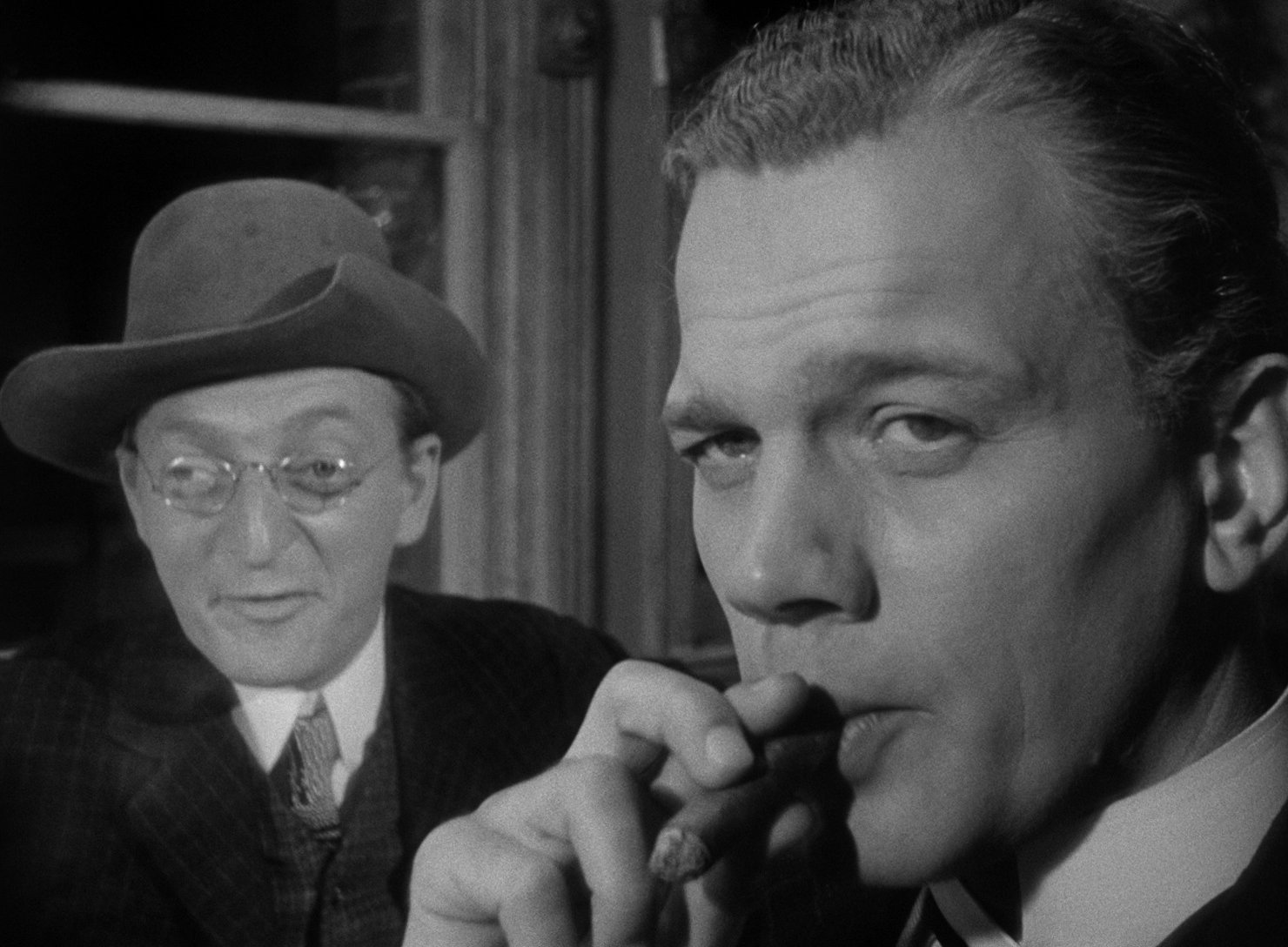
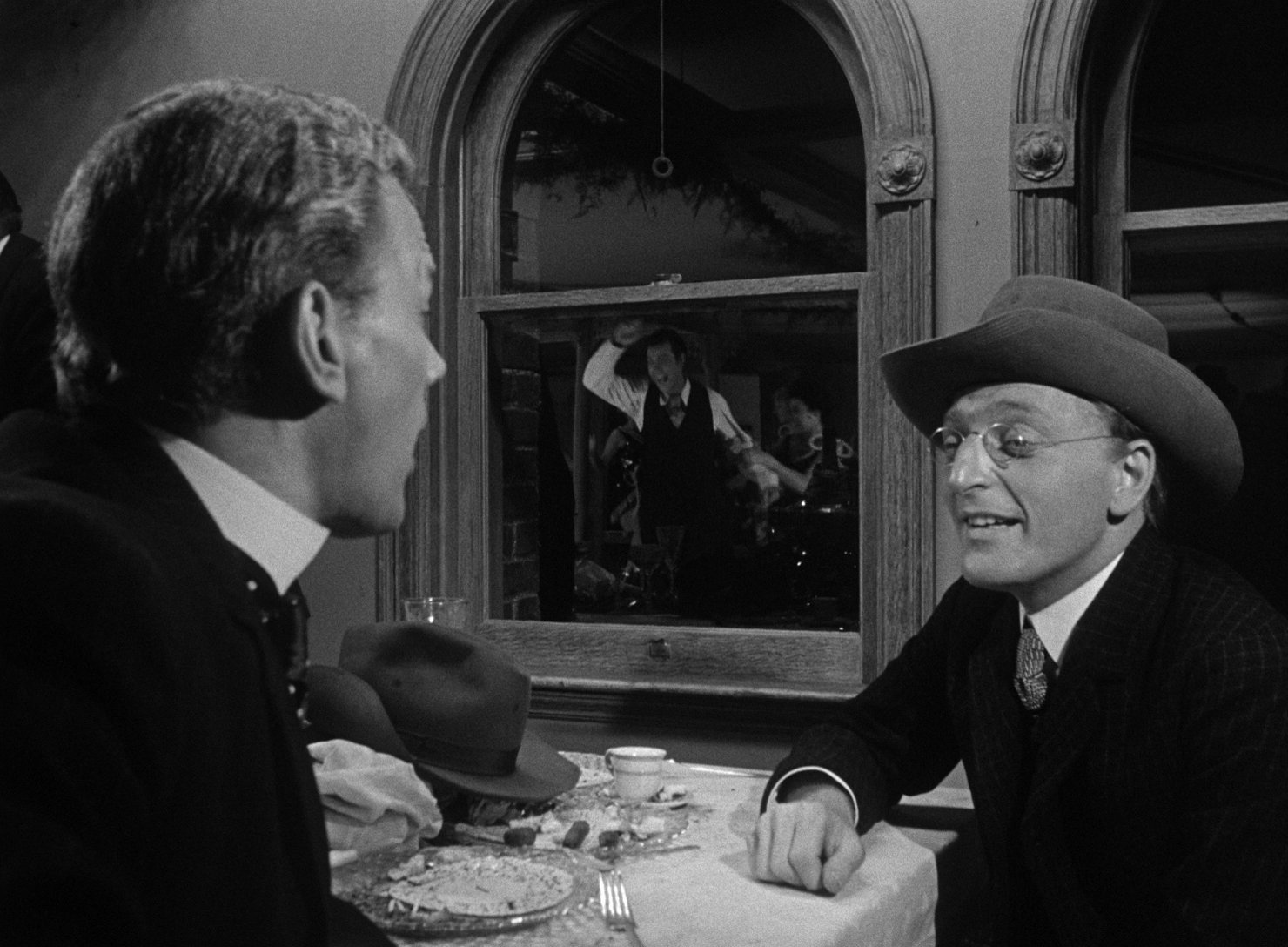
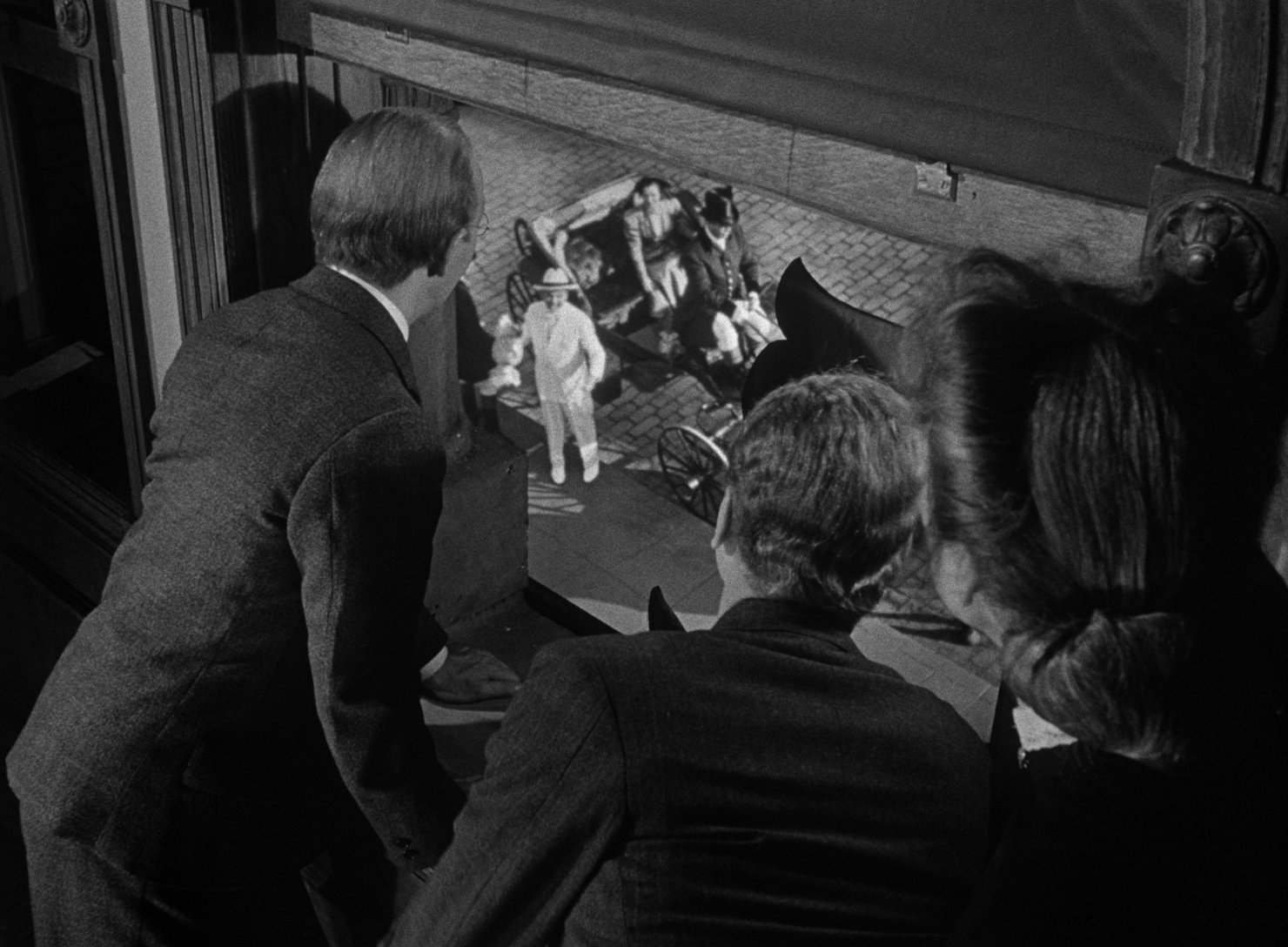
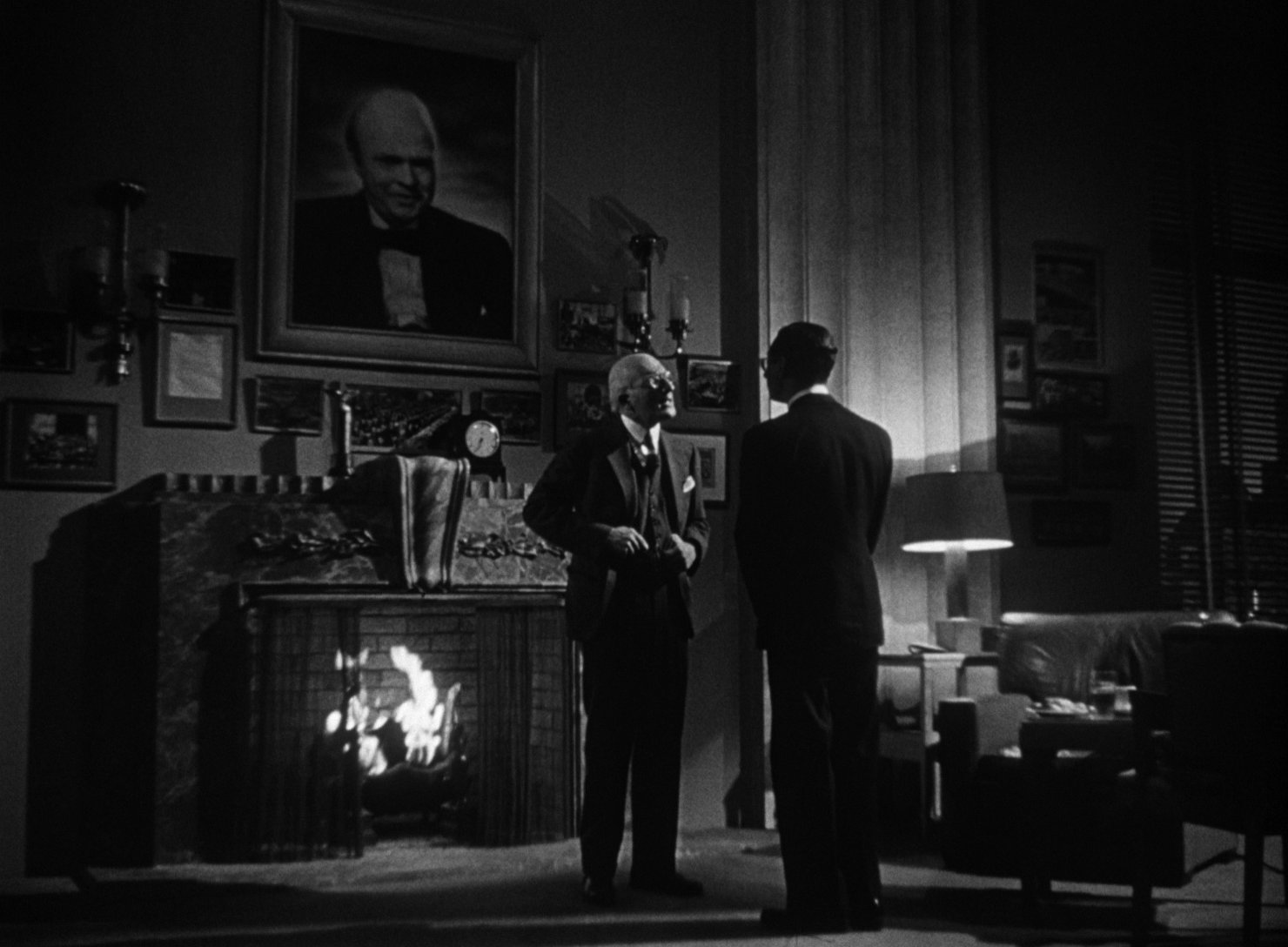
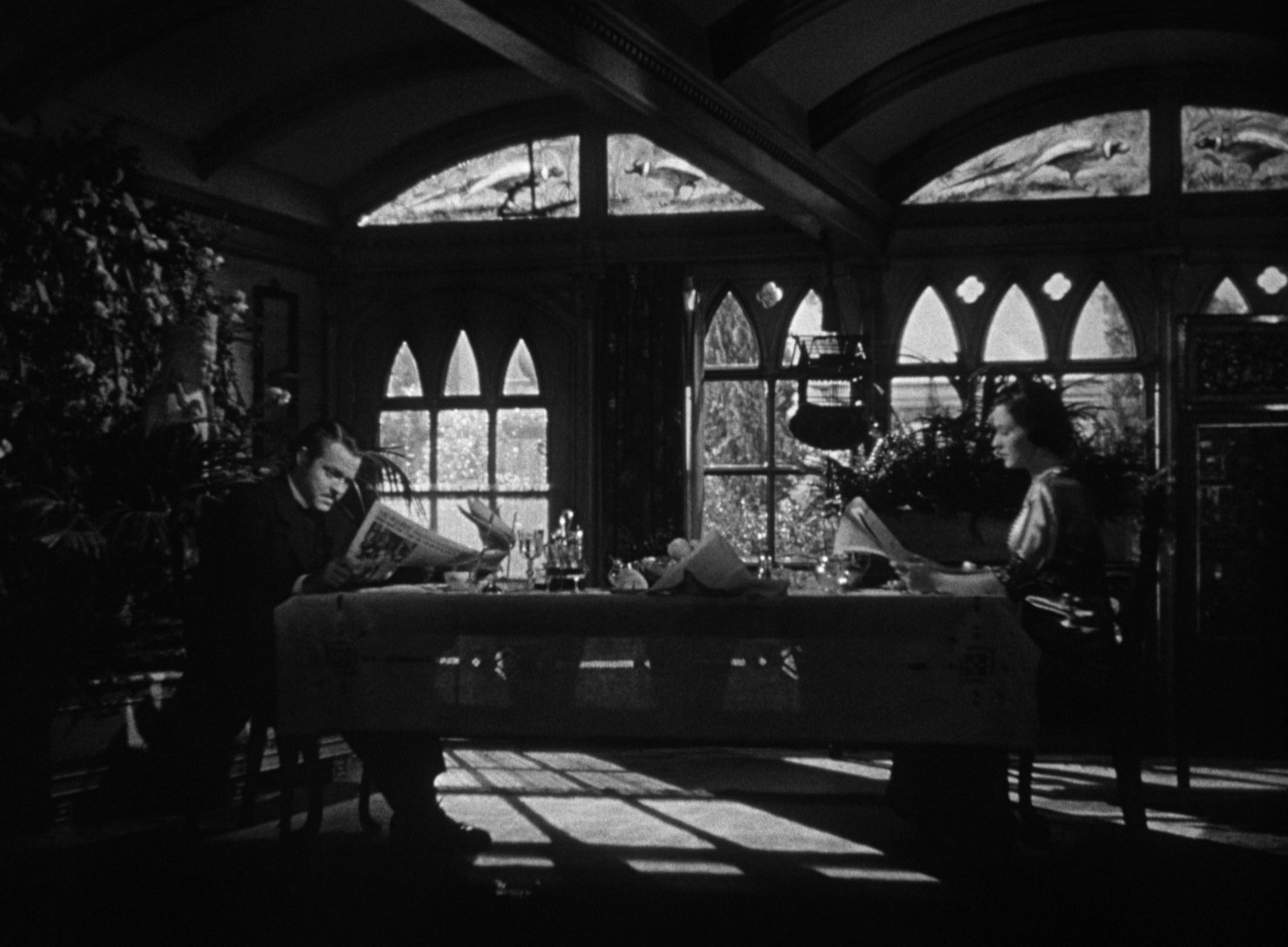
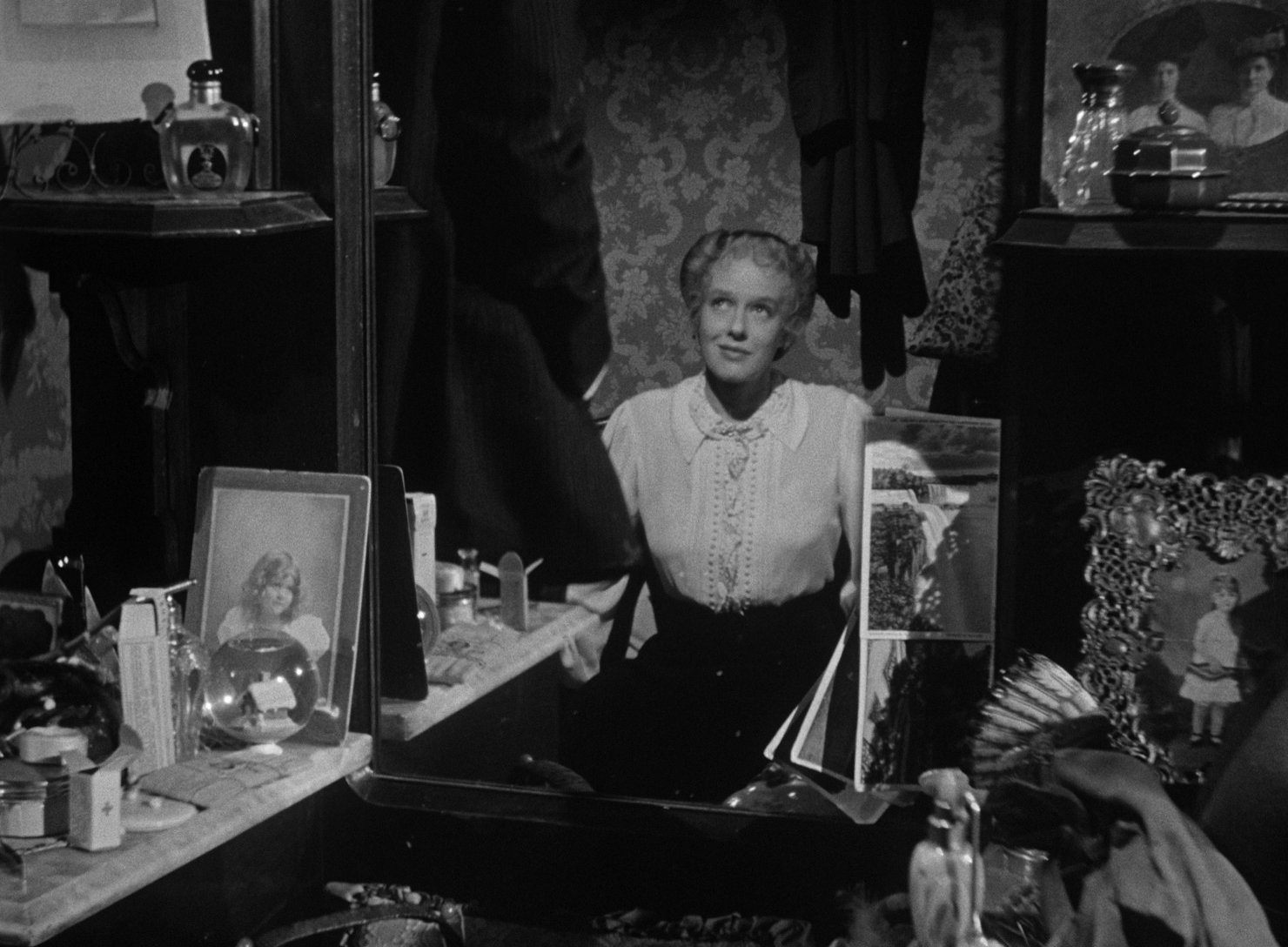
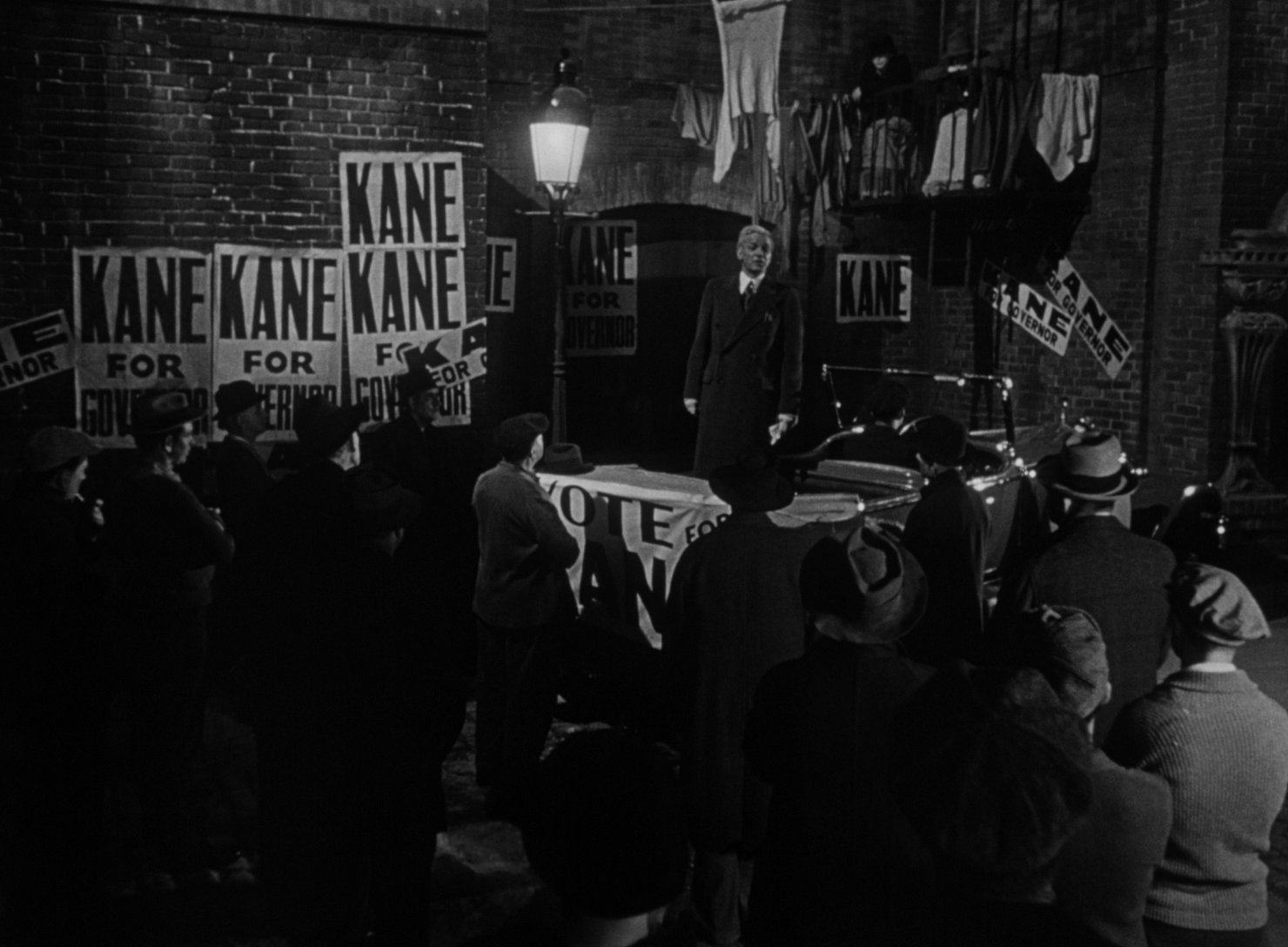
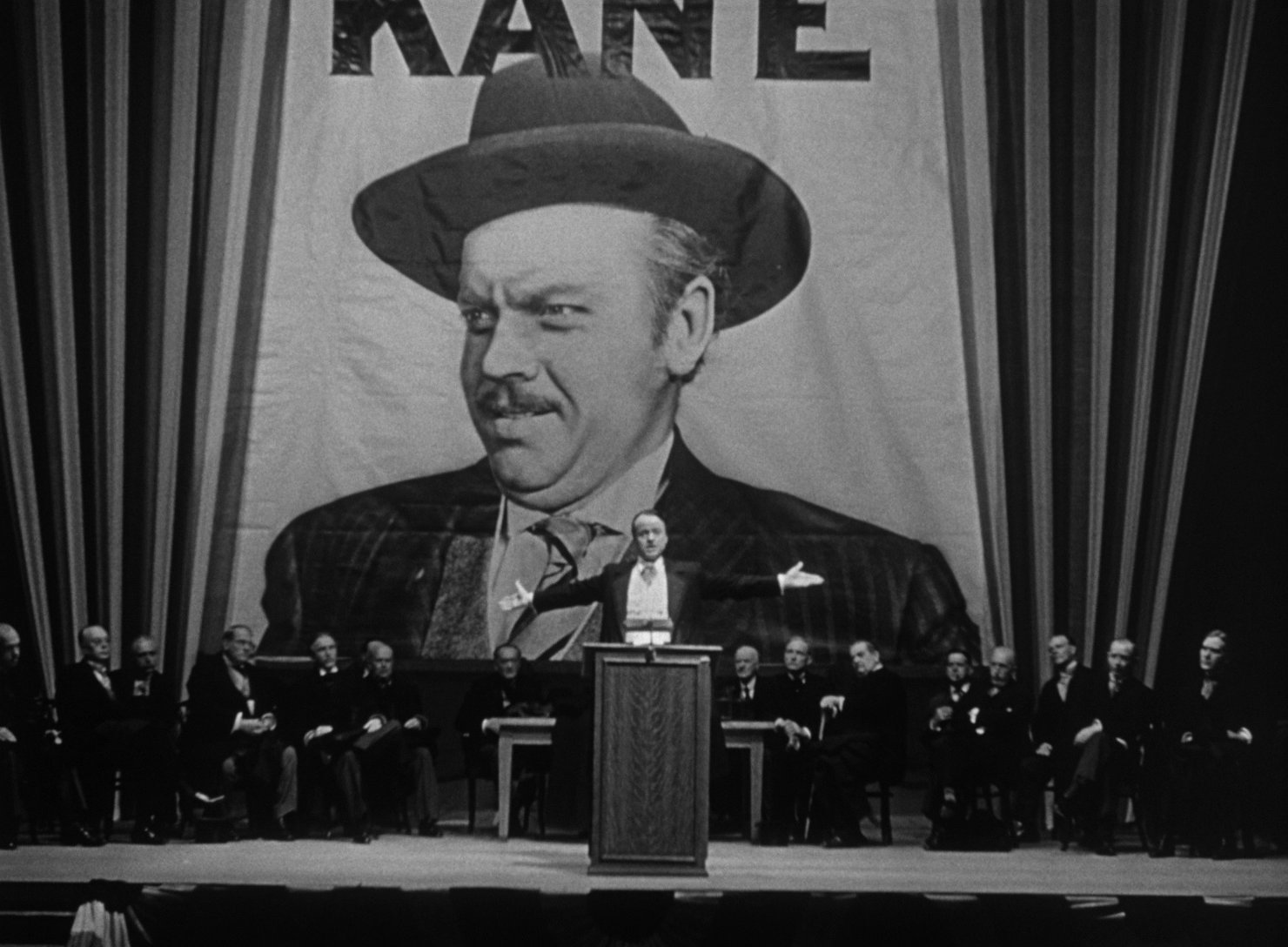
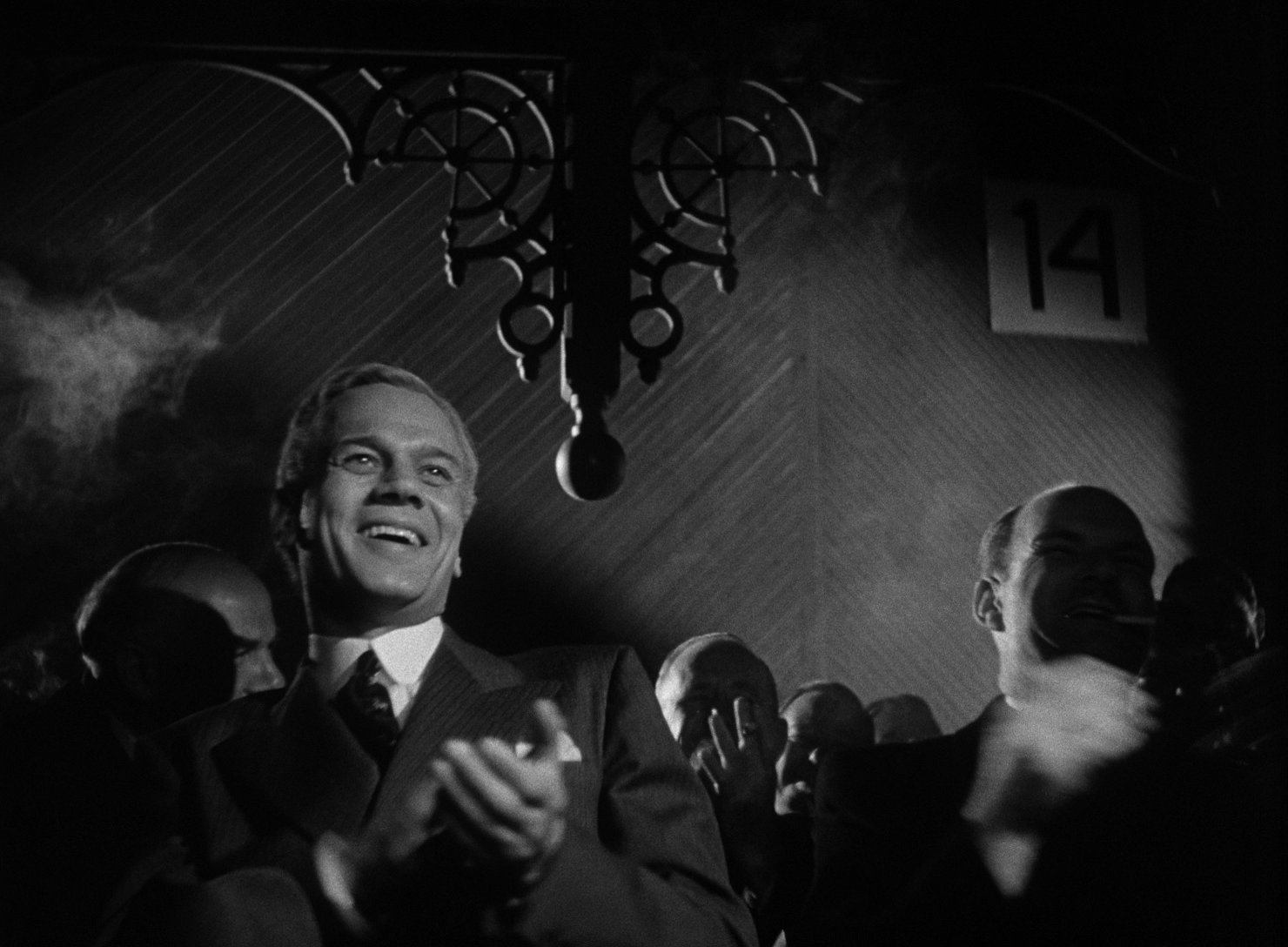
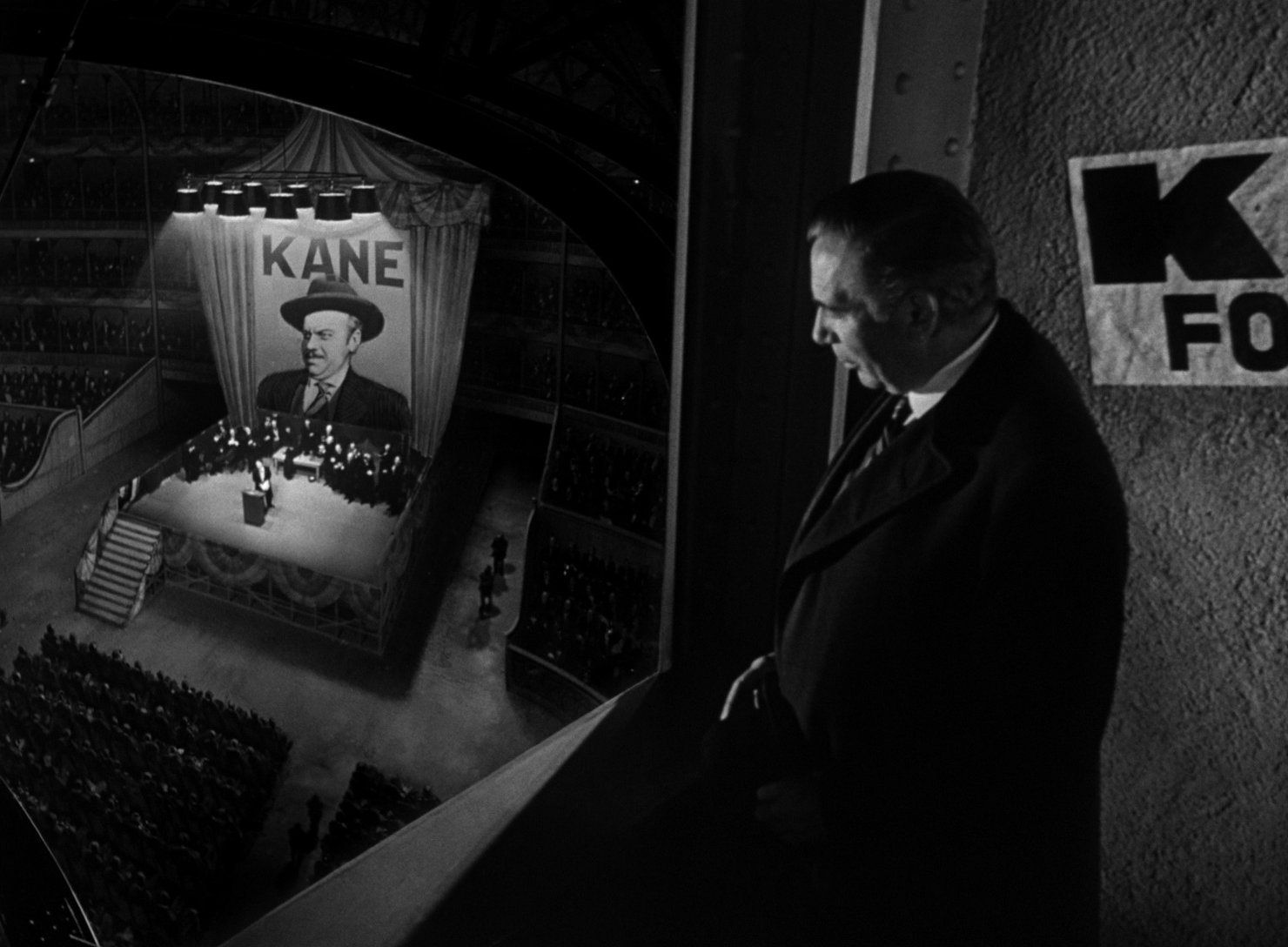
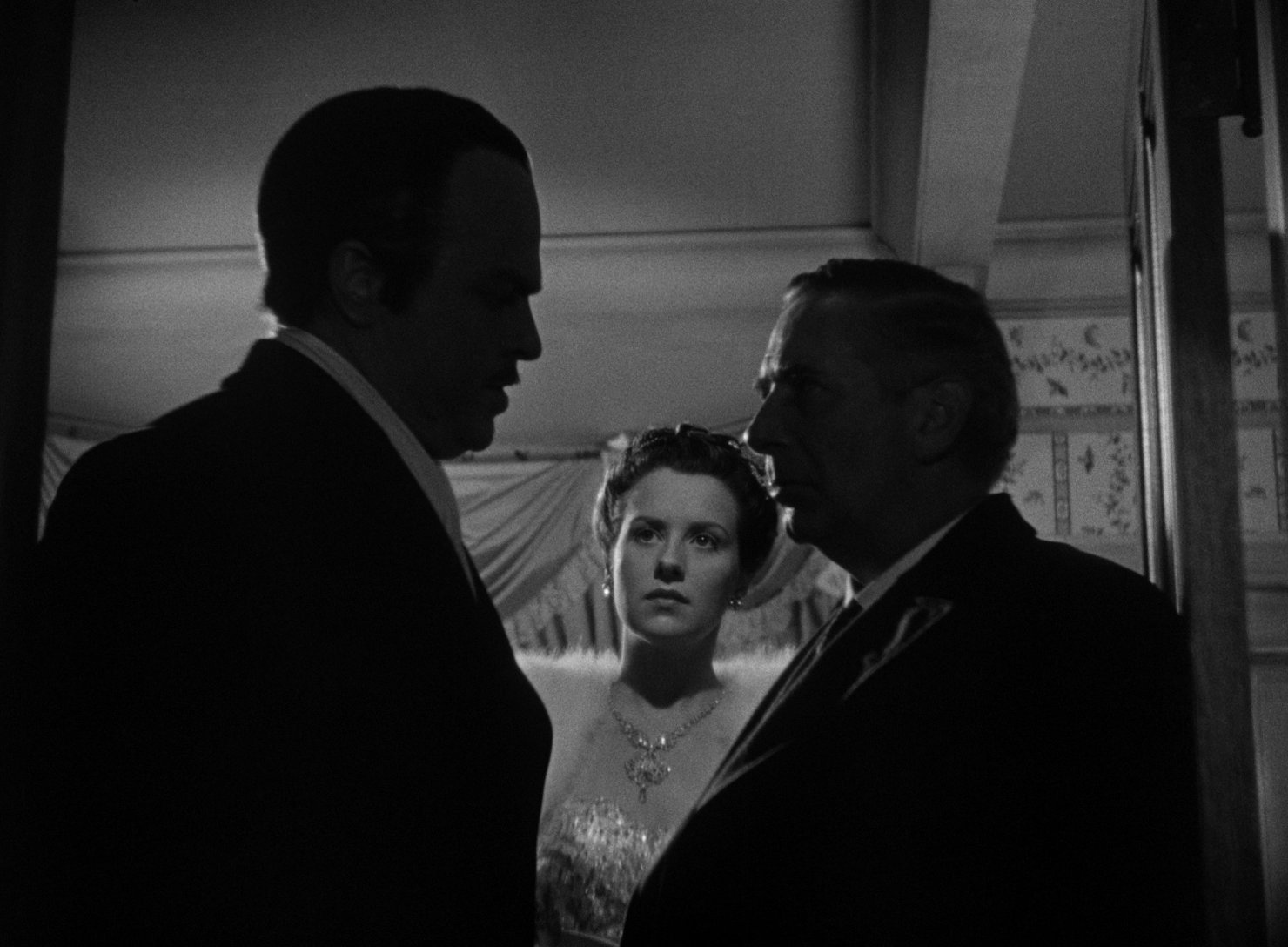
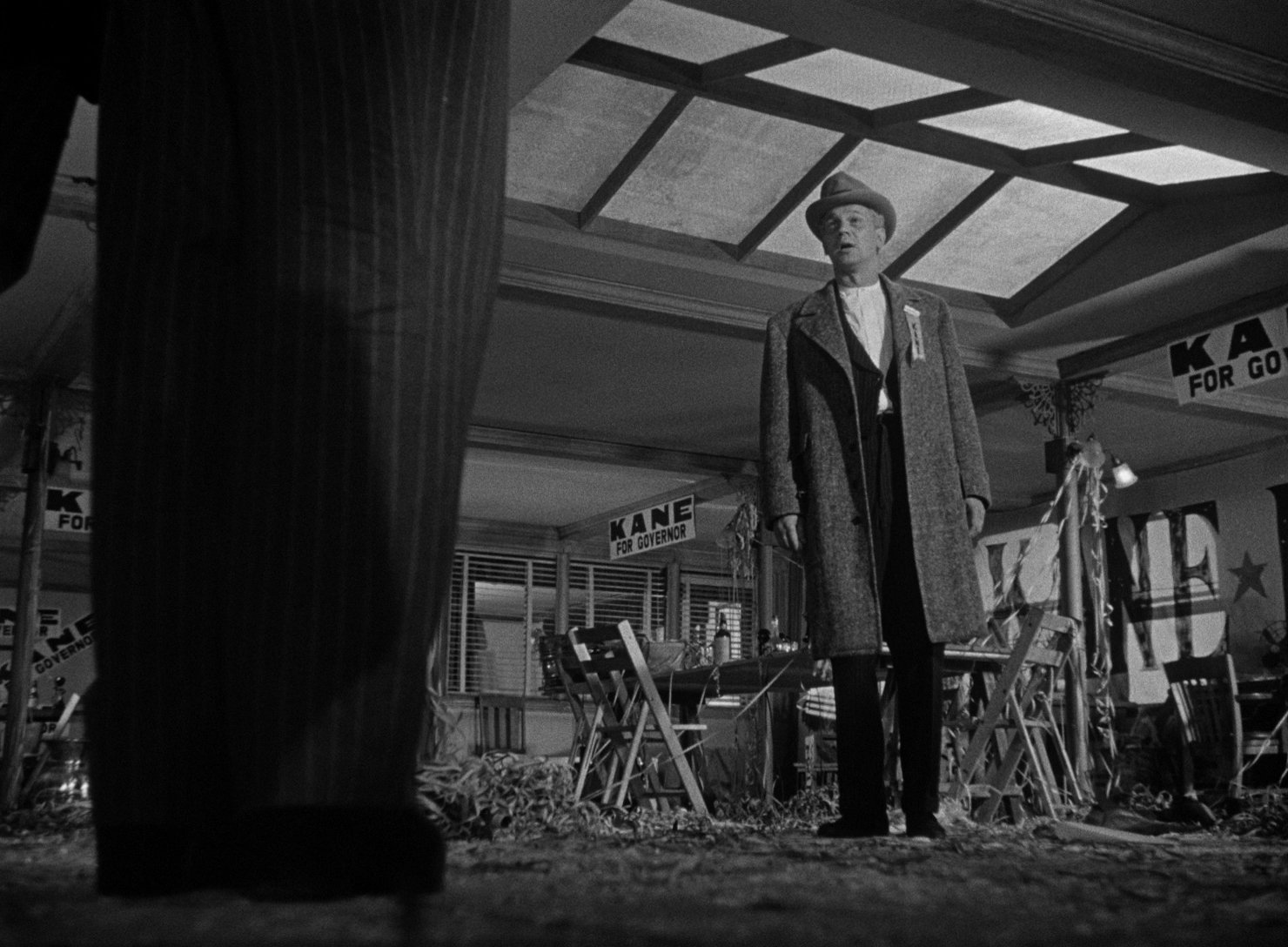
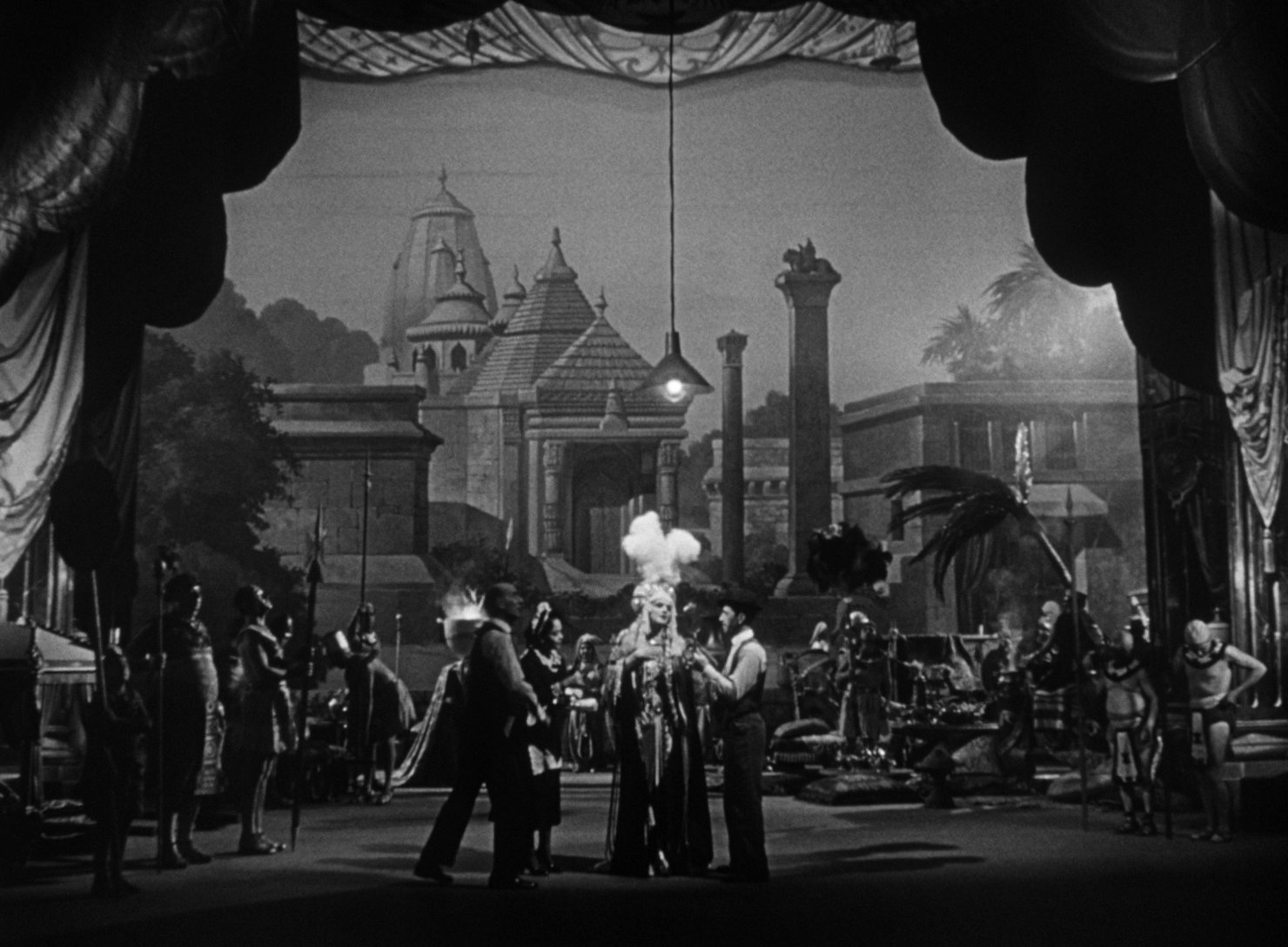
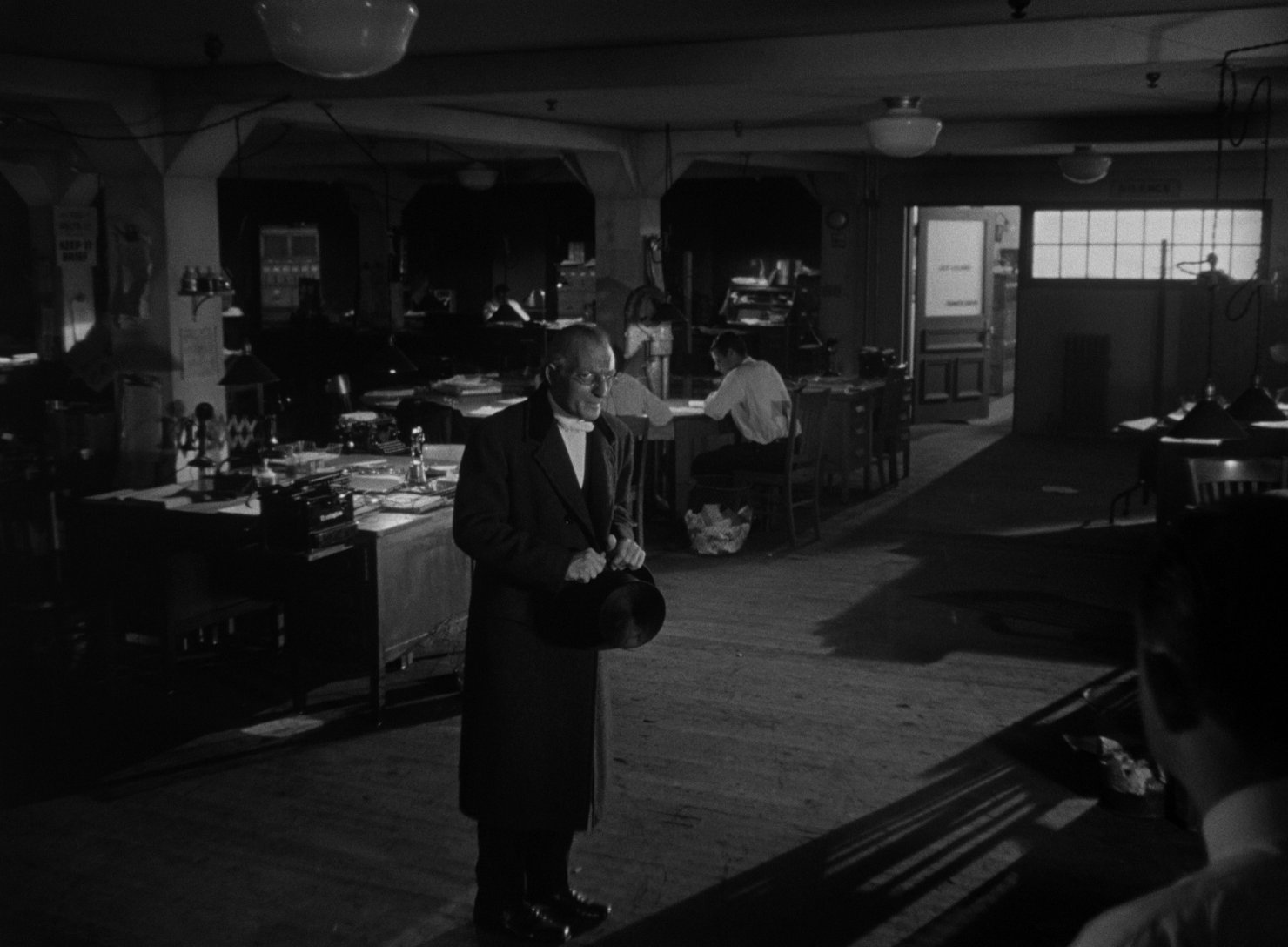
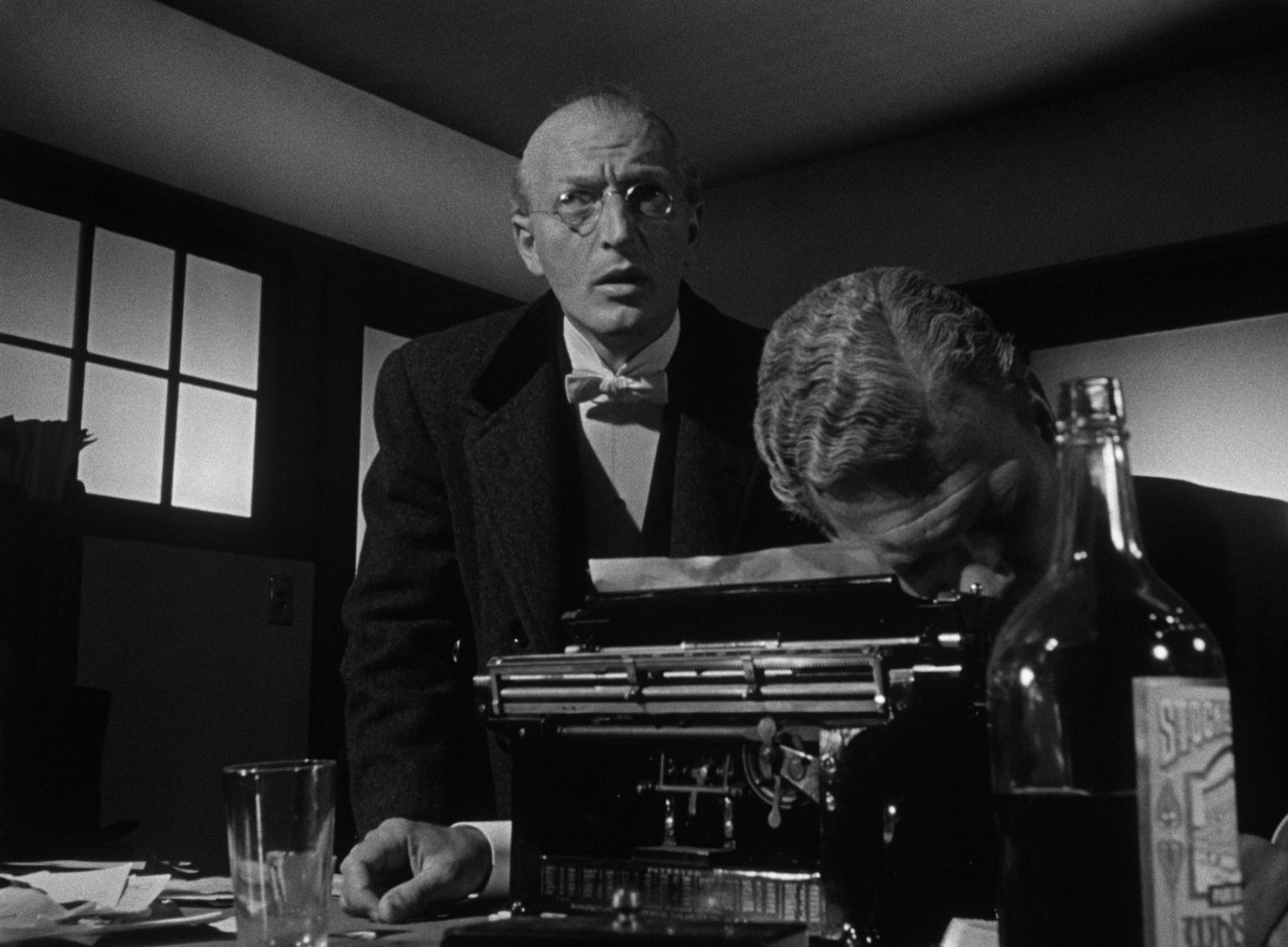
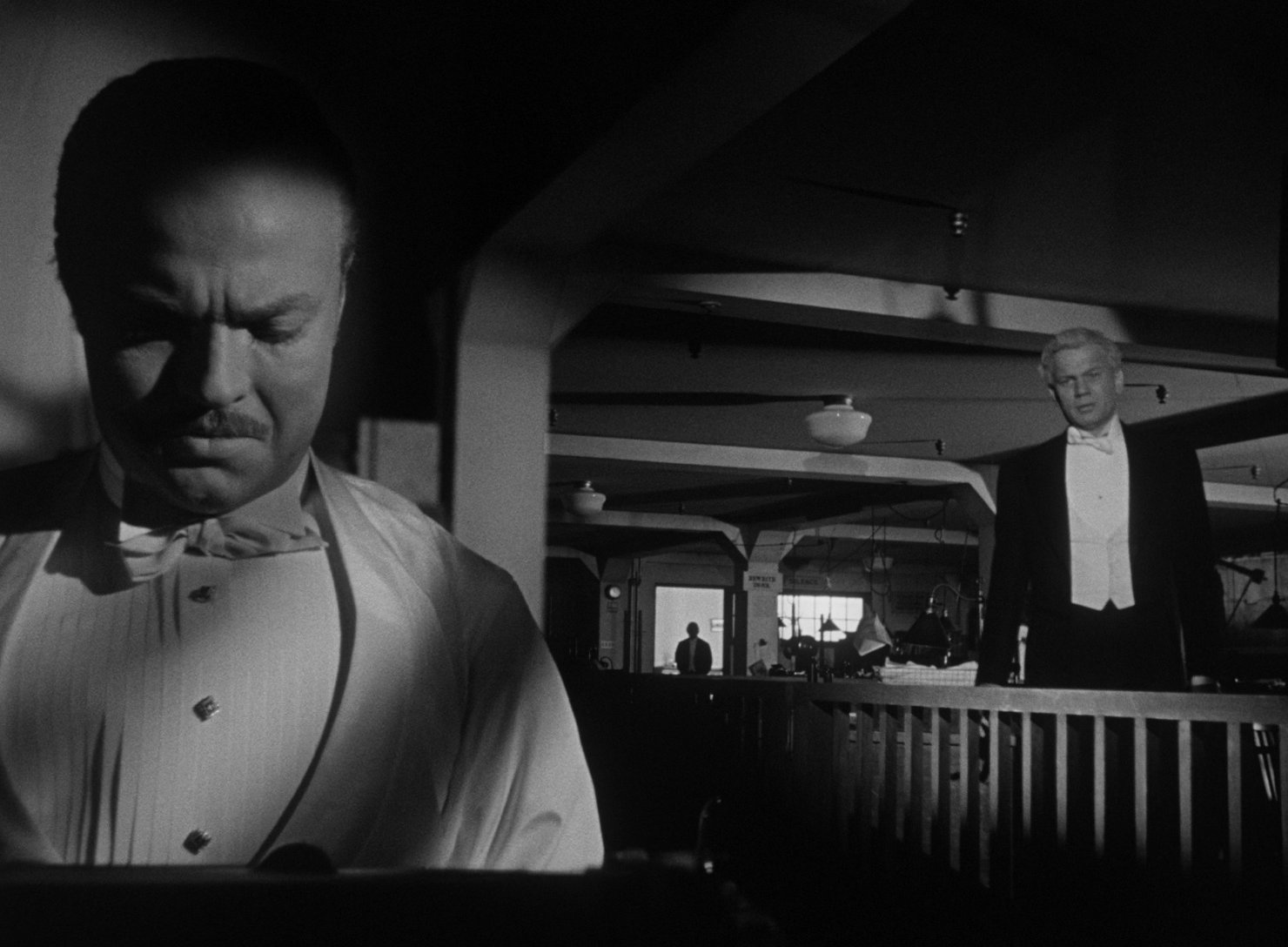
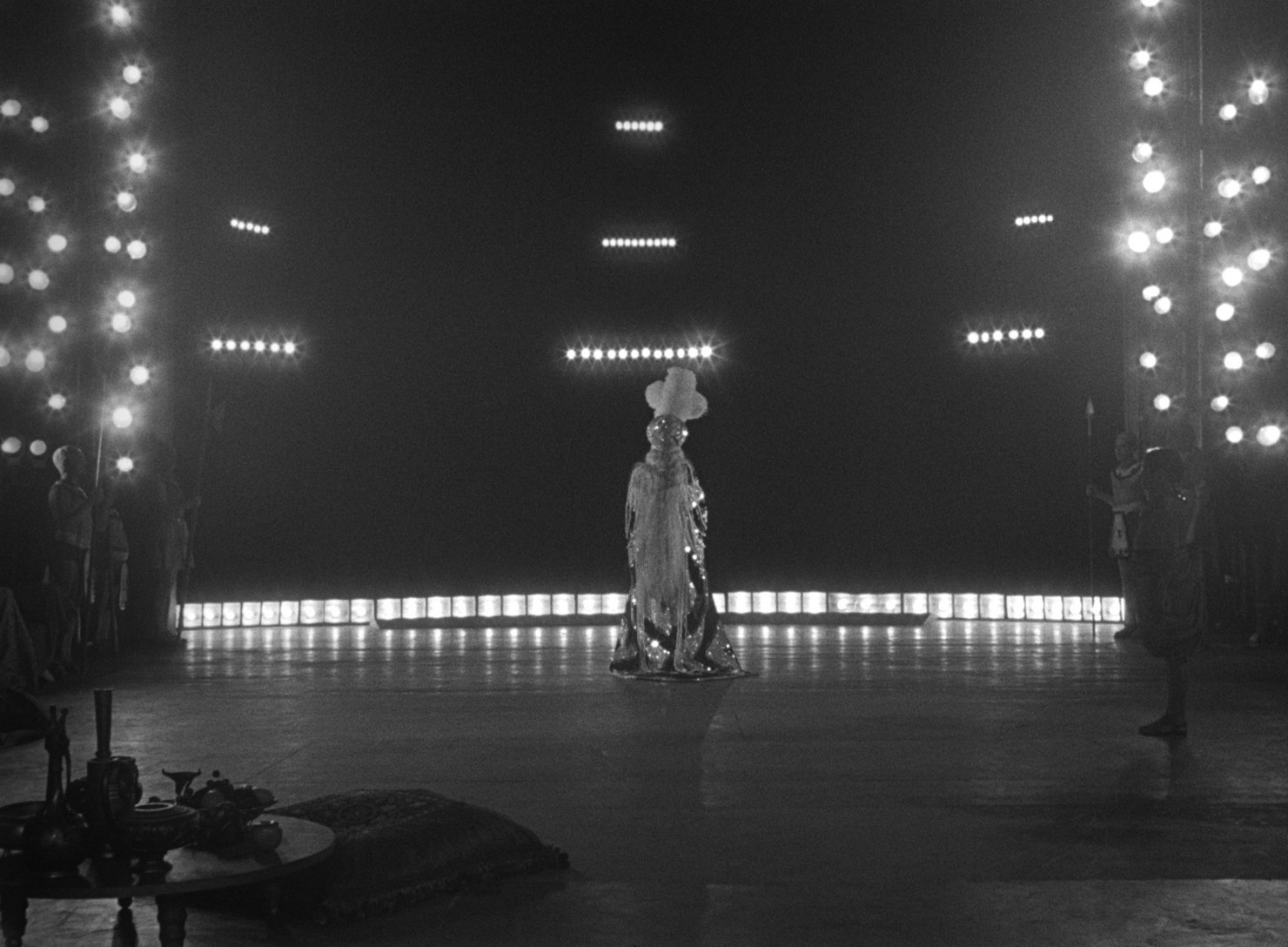
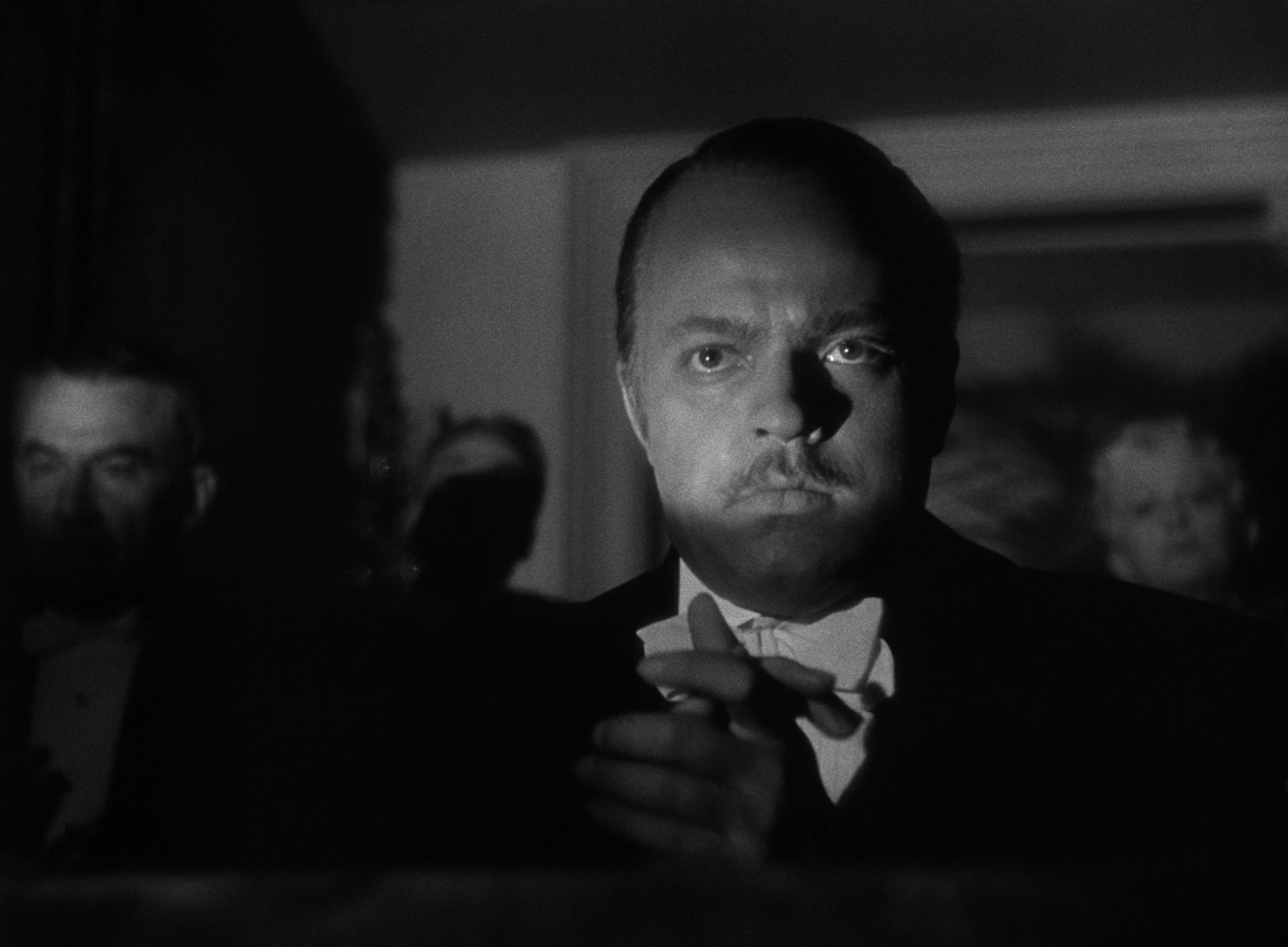
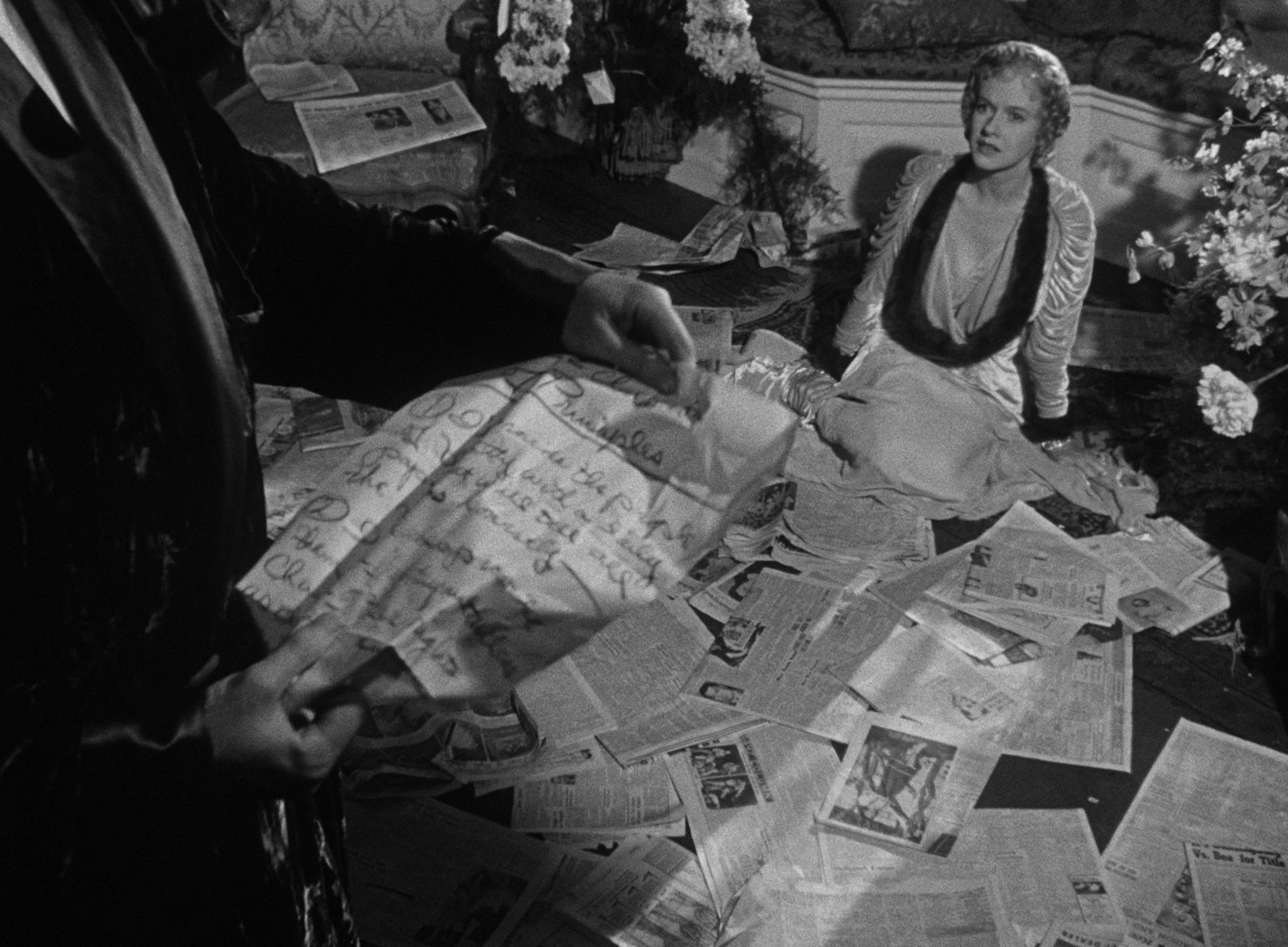
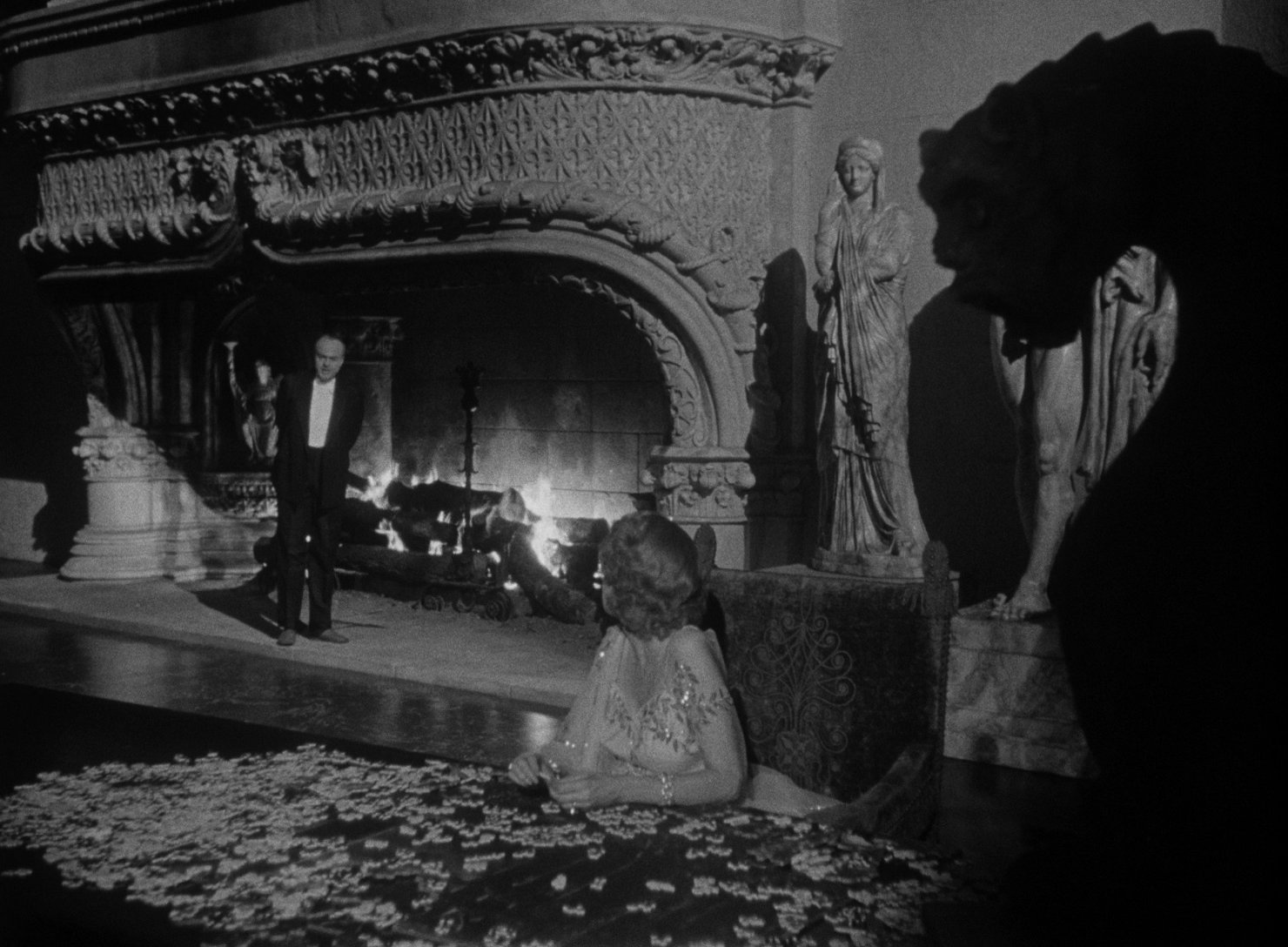
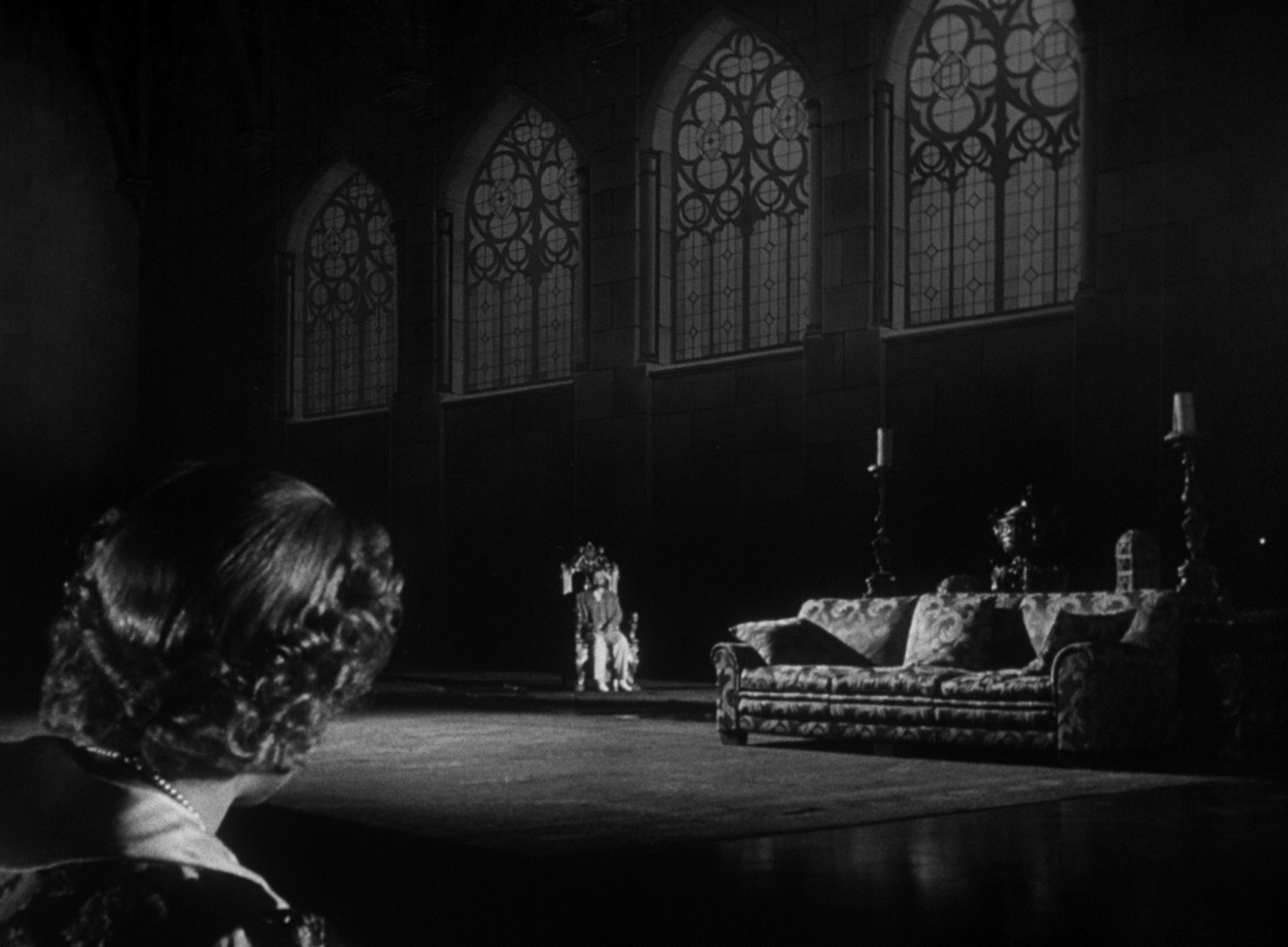
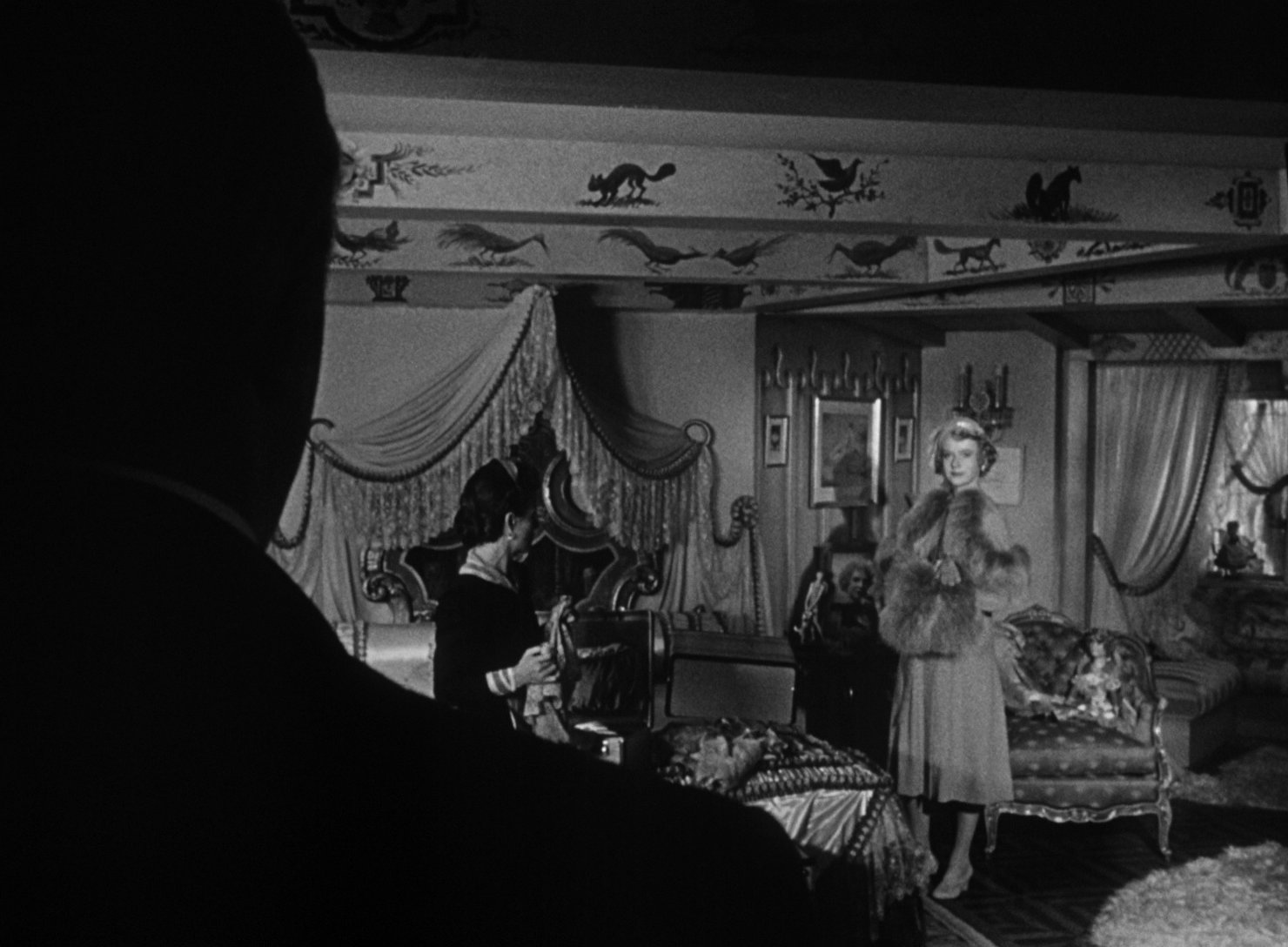
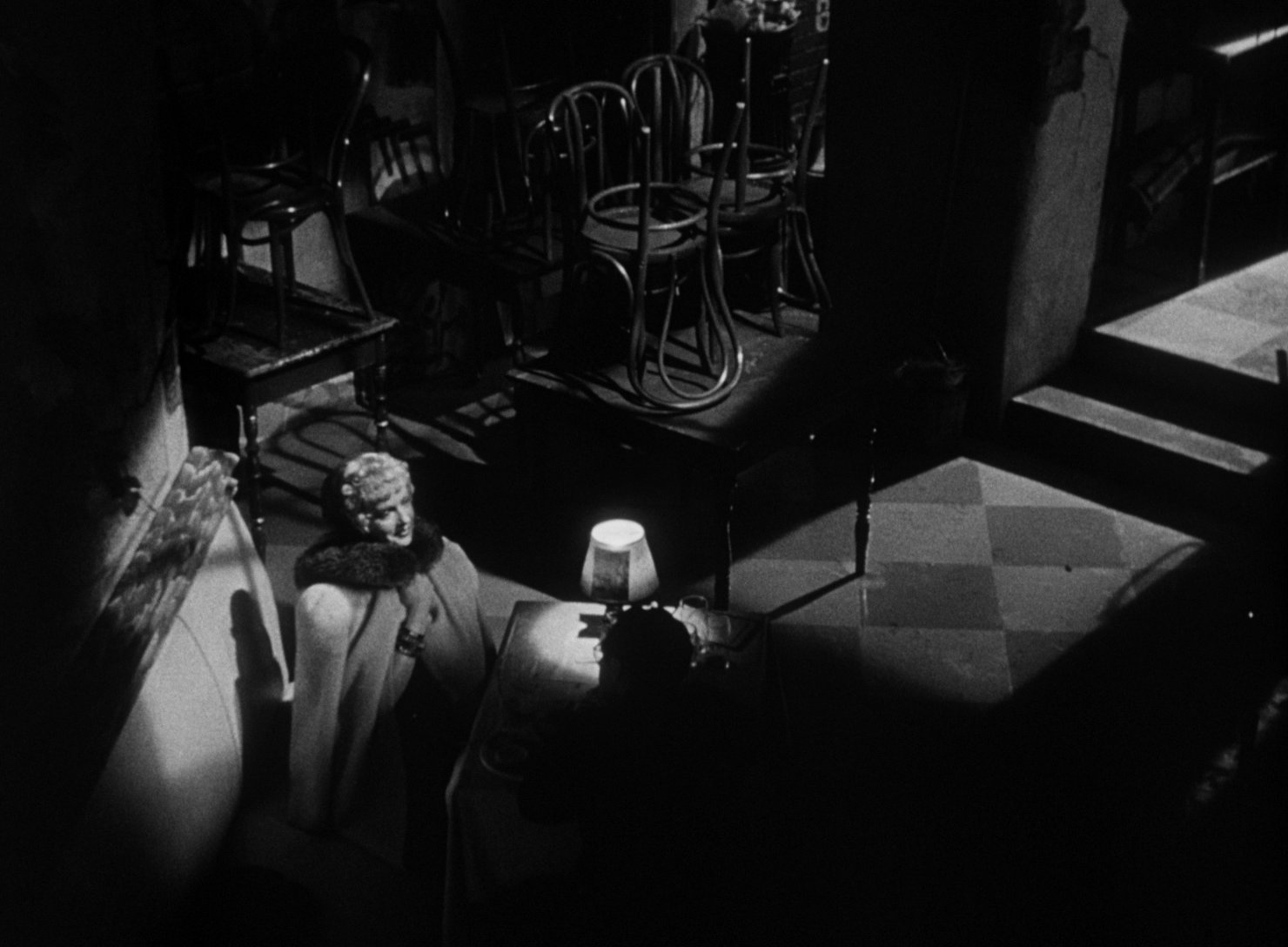
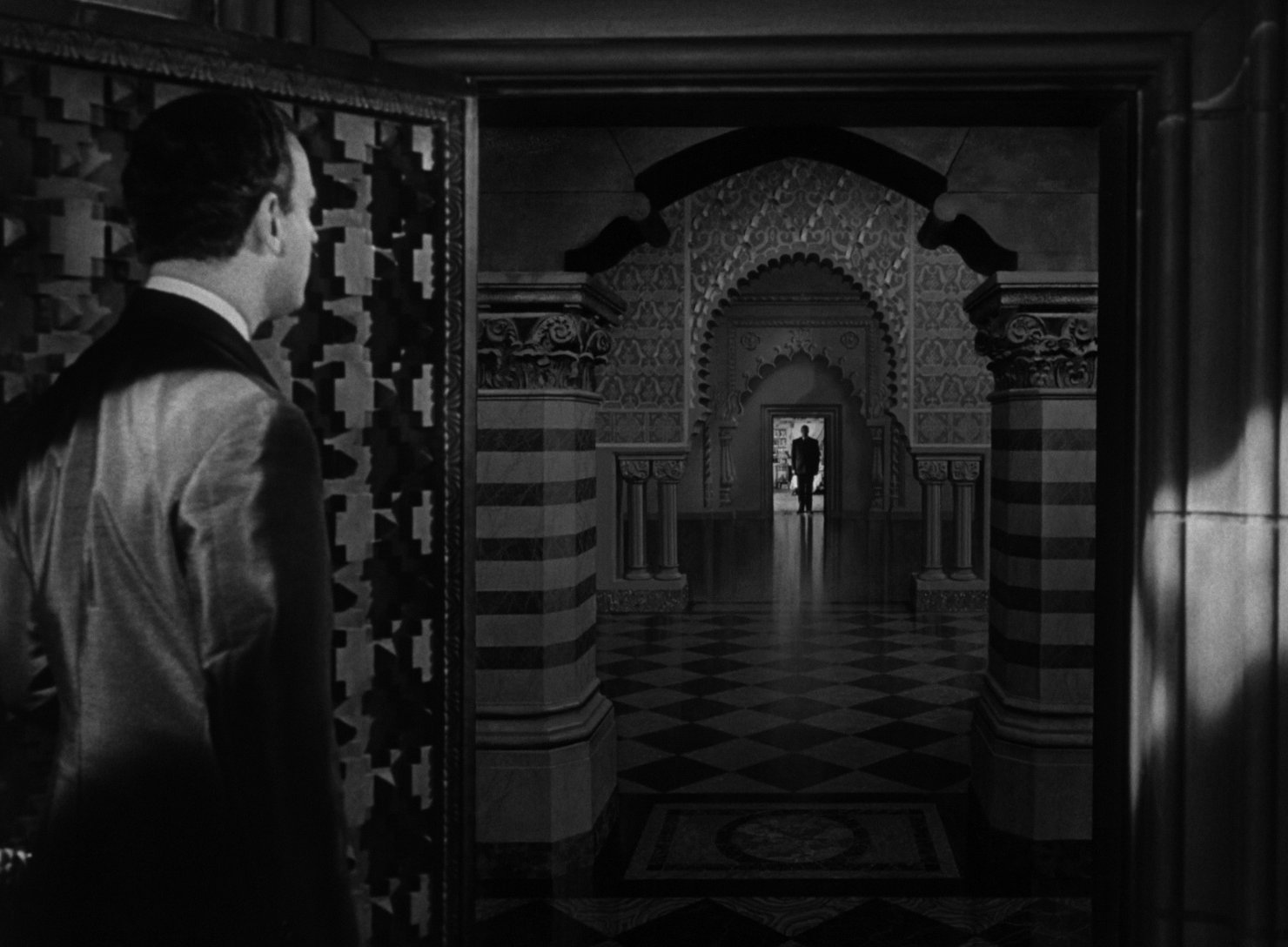
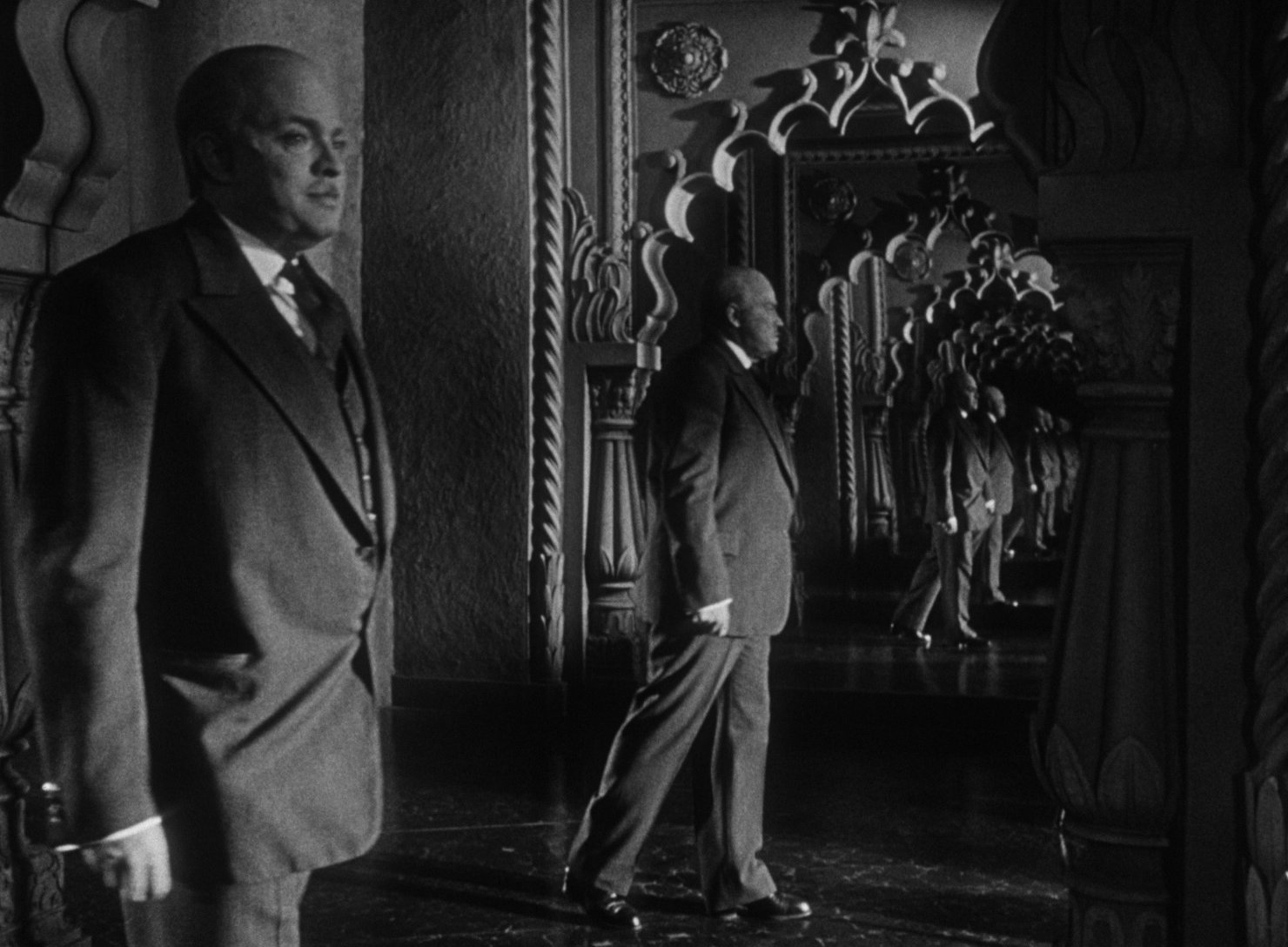
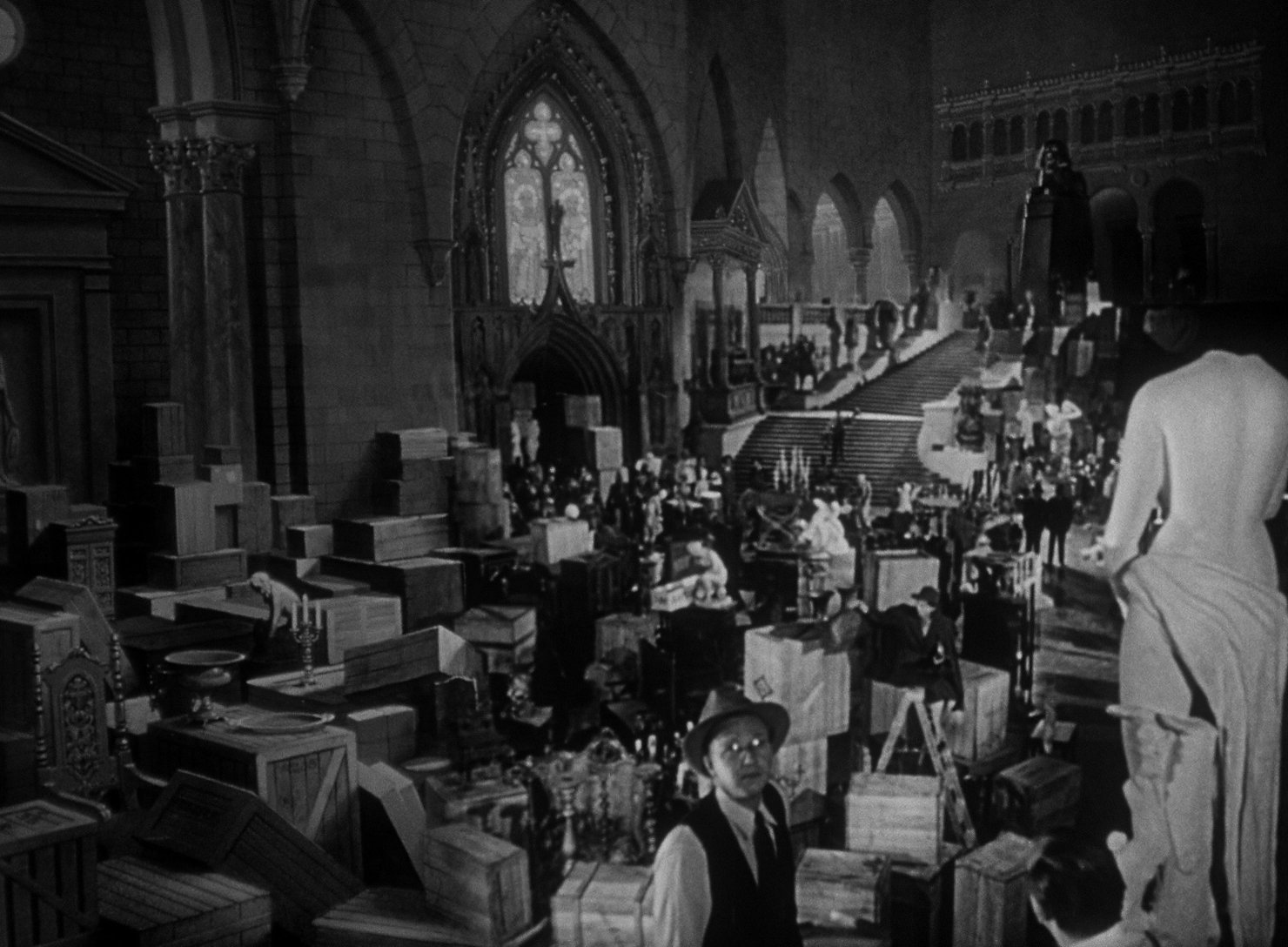
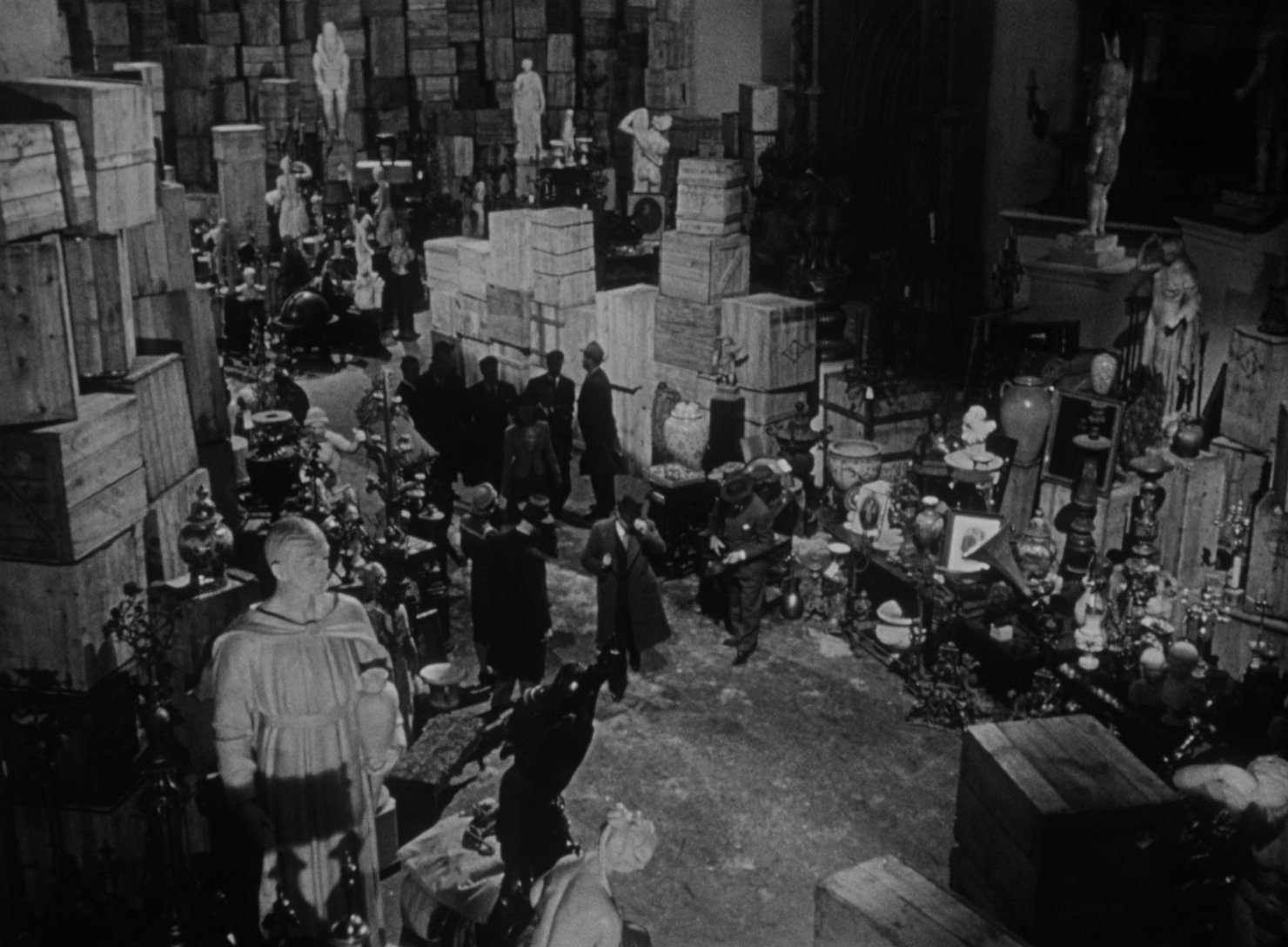
Citizen Kane is renowned for its use of deep focus cinematography, which was developed in collaboration with Gregg Toland. Multiple planes of action remain in sharp focus simultaneously, enabling complex staging within a single frame. Low-angle compositions, wide-angle lenses, and expressive lighting are also employed to shape spatial perception. Ceilings are often visible within the frame, enhancing the sense of enclosure or scale depending on the setting. The interiors evolve alongside the character’s trajectory, shifting from expansive, ambitious environments to increasingly isolated, cavernous spaces.
Citizen Kane is frequently cited as a landmark in cinematic form, not only because of its technical innovations, but also because of the way it integrates structure, visual design, and thematic elements. Its exploration of perspective and the impossibility of fully understanding a person positions the film as a foundational work in American cinema.
Technical Specs:
- The Story: After the death of publishing magnate Charles Foster Kane, a journalist investigates the meaning of his final word, ‘Rosebud’, uncovering a fragmented portrait of ambition, loneliness, and lost innocence. Read my review of Citizen Kane.
- Actors: Orson Welles, Joseph Cotten, Dorothy Comingore, Everett Sloane, Ray Collins, Agnes Moorehead, Ruth Warrick, William Alland.
- Director: Orson Welles
- Year: 1941
- Cinematographer: Gregg Toland
- Origin: American Cinema
- Aspect Ratio: 1.37:1
- Genre: Mystery / Drama