Cure (1997): Minimalist horror
1997 • Kiyoshi Kurosawa • 1.85:1 • Jump to Gallery ↓
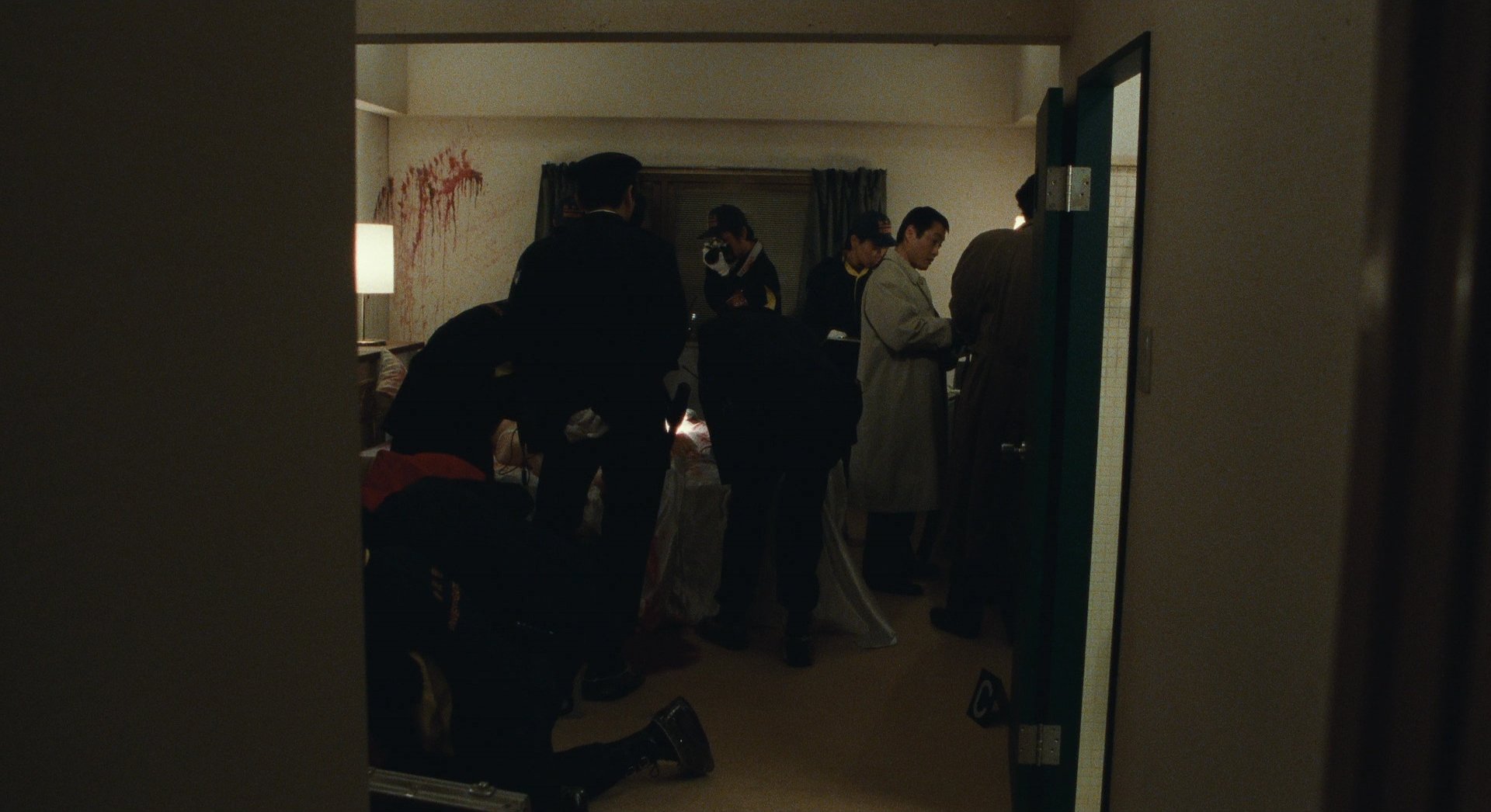
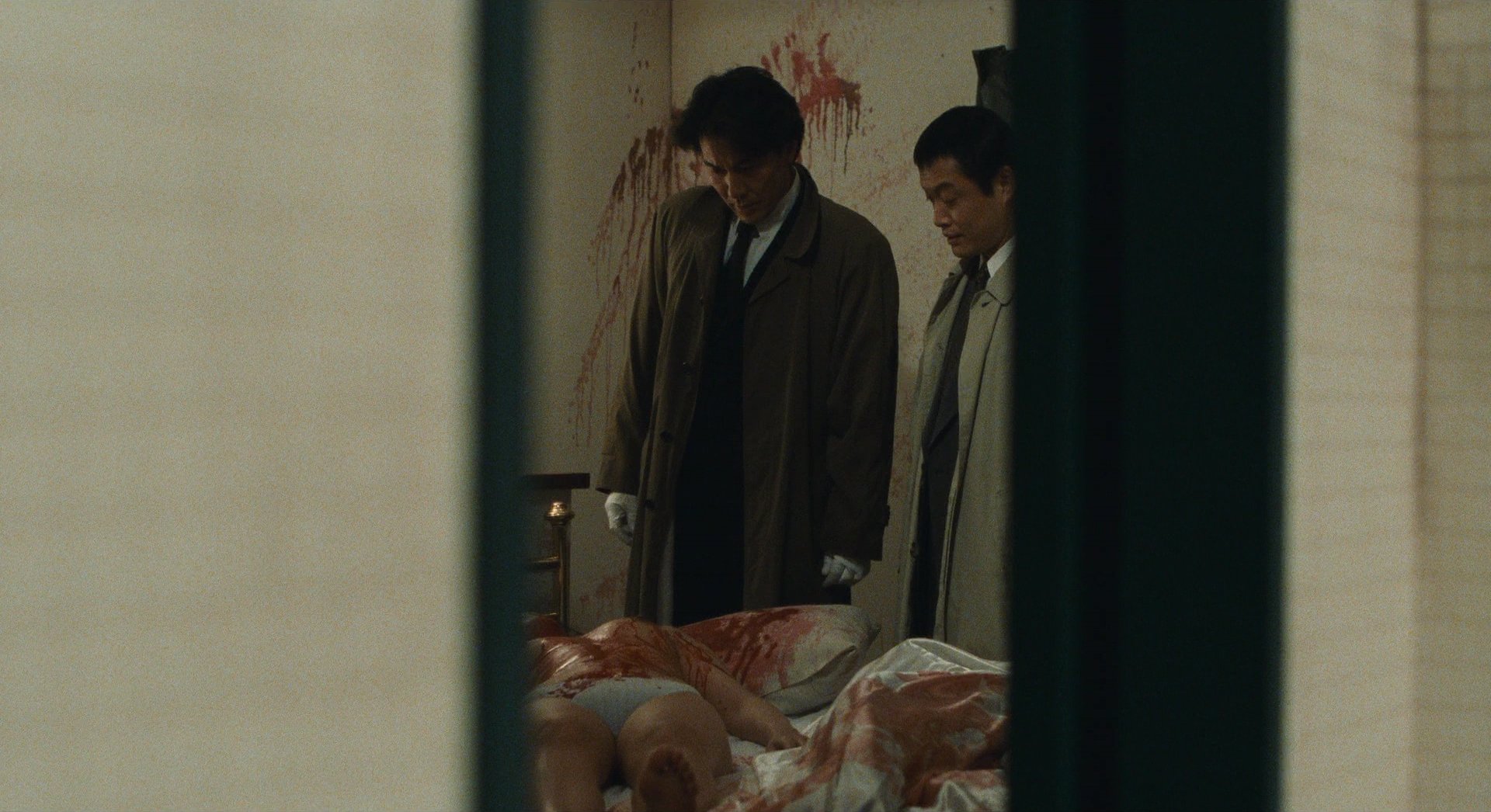
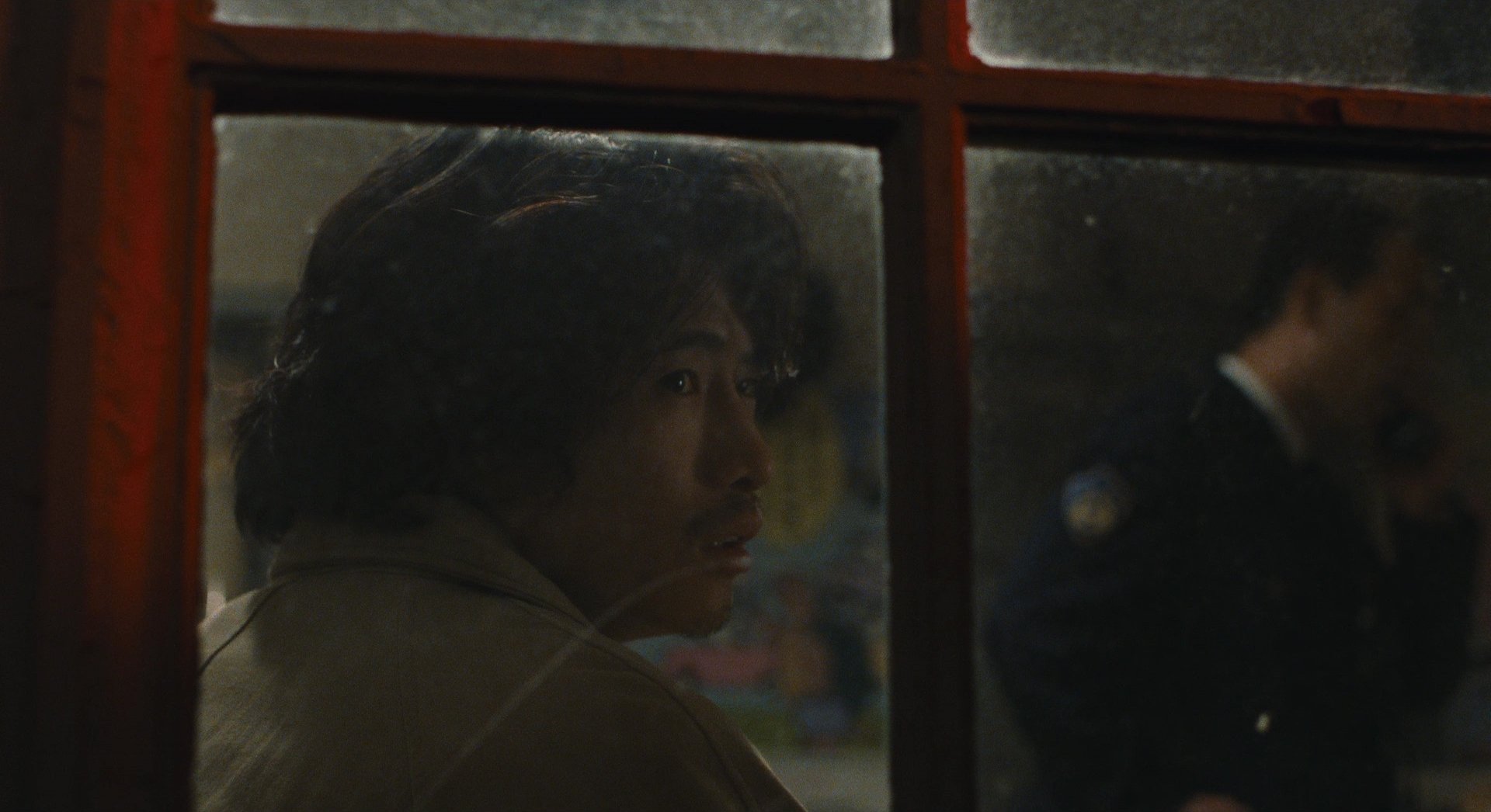
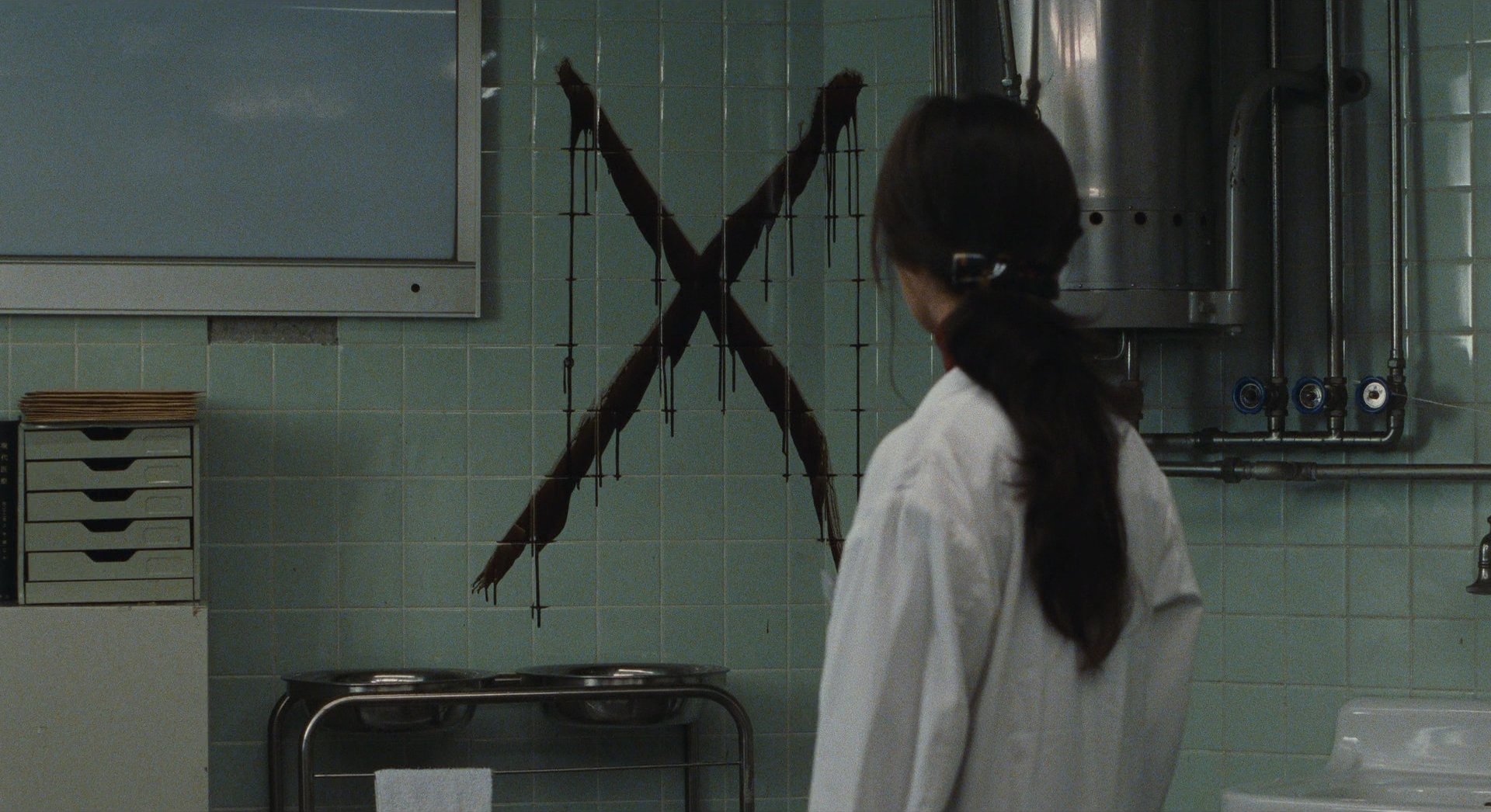
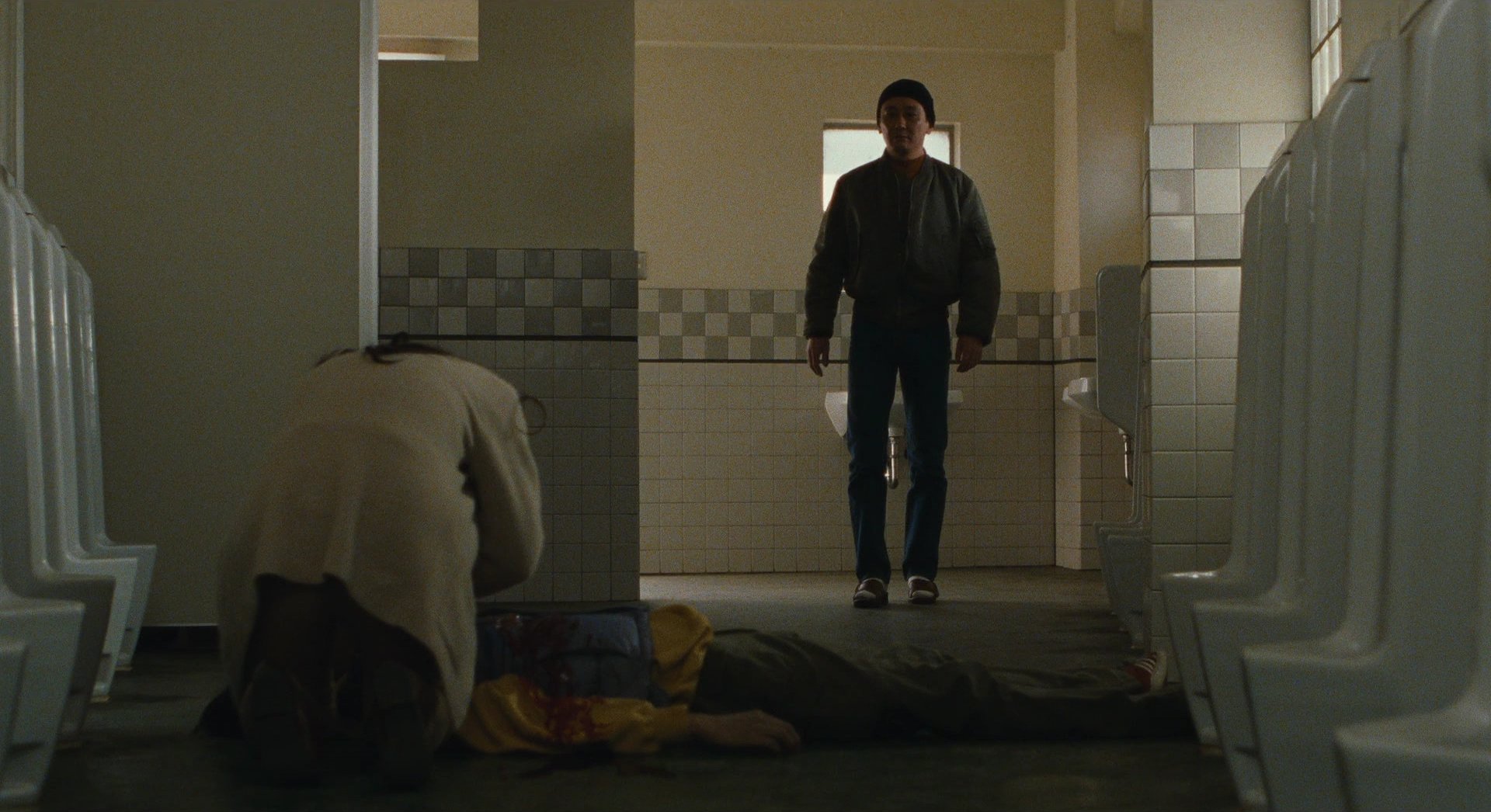
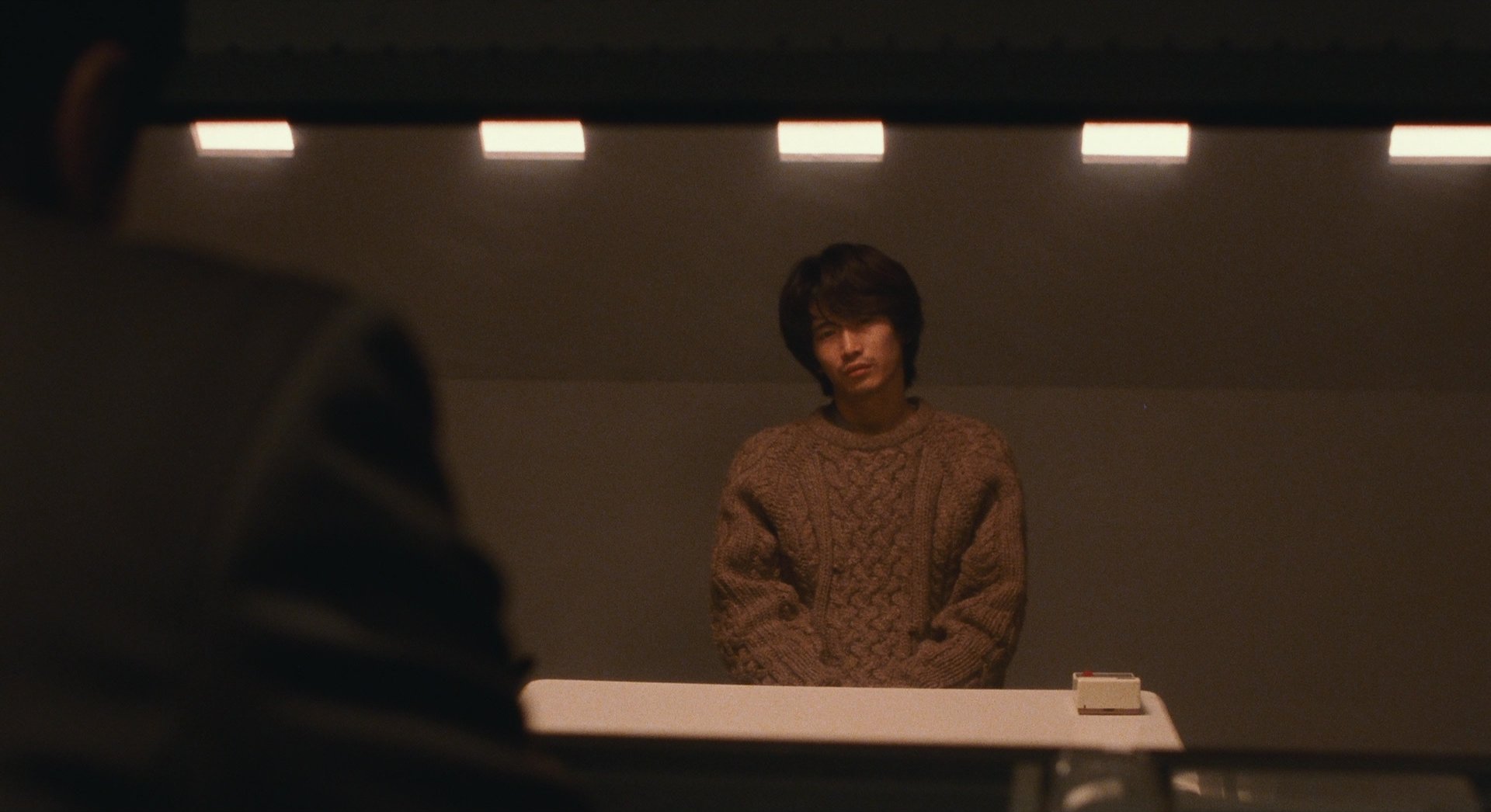
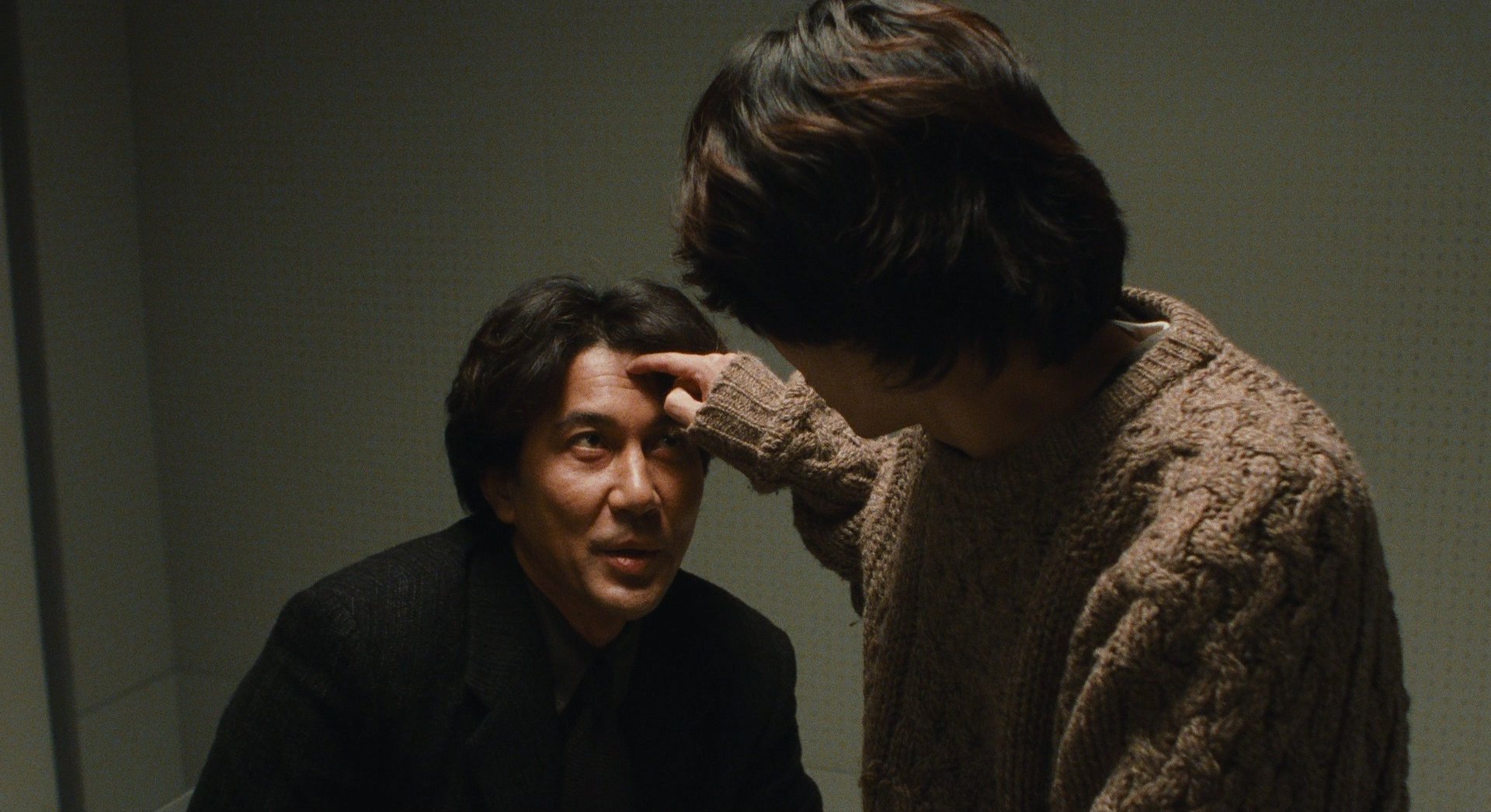
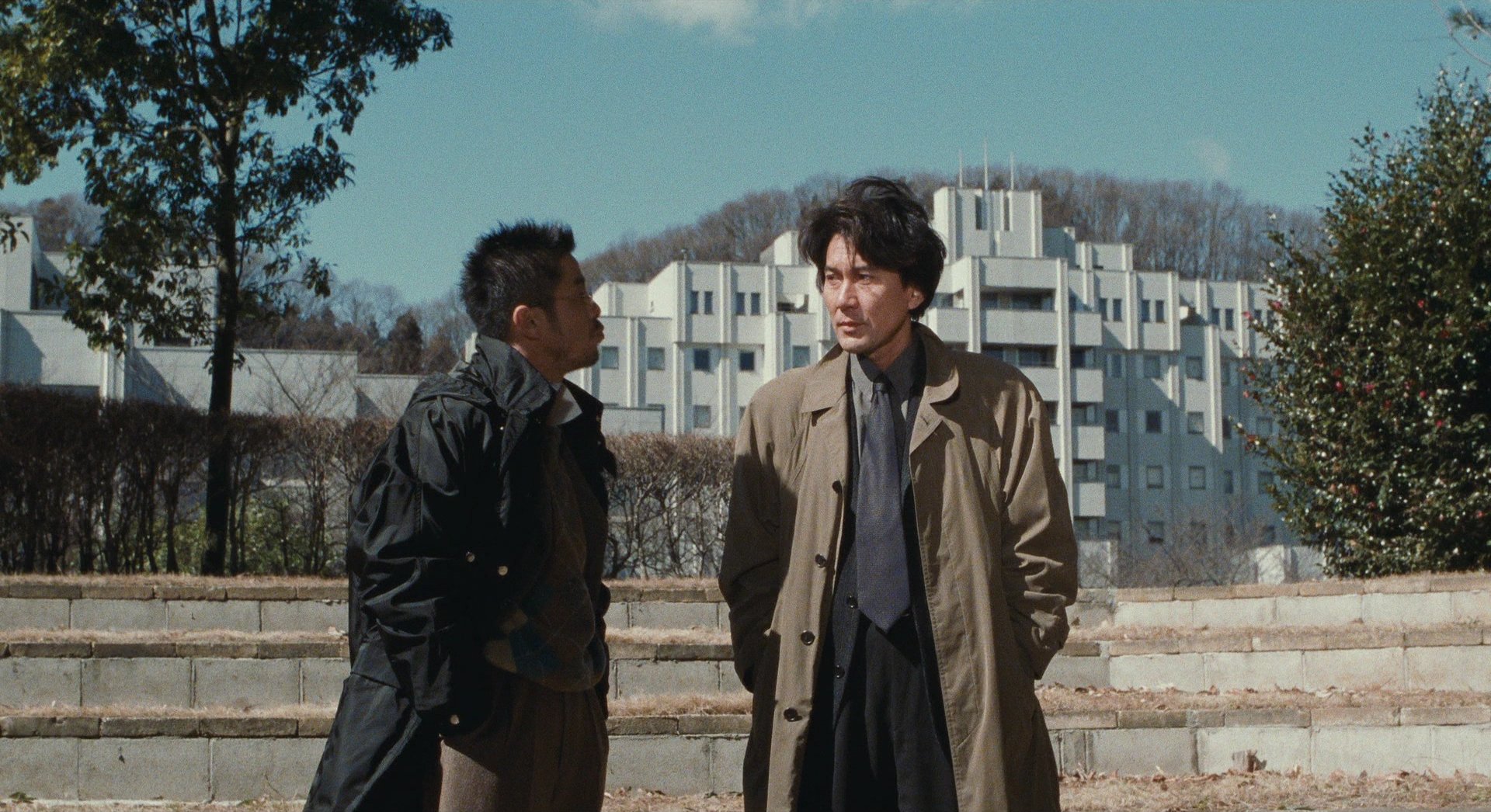
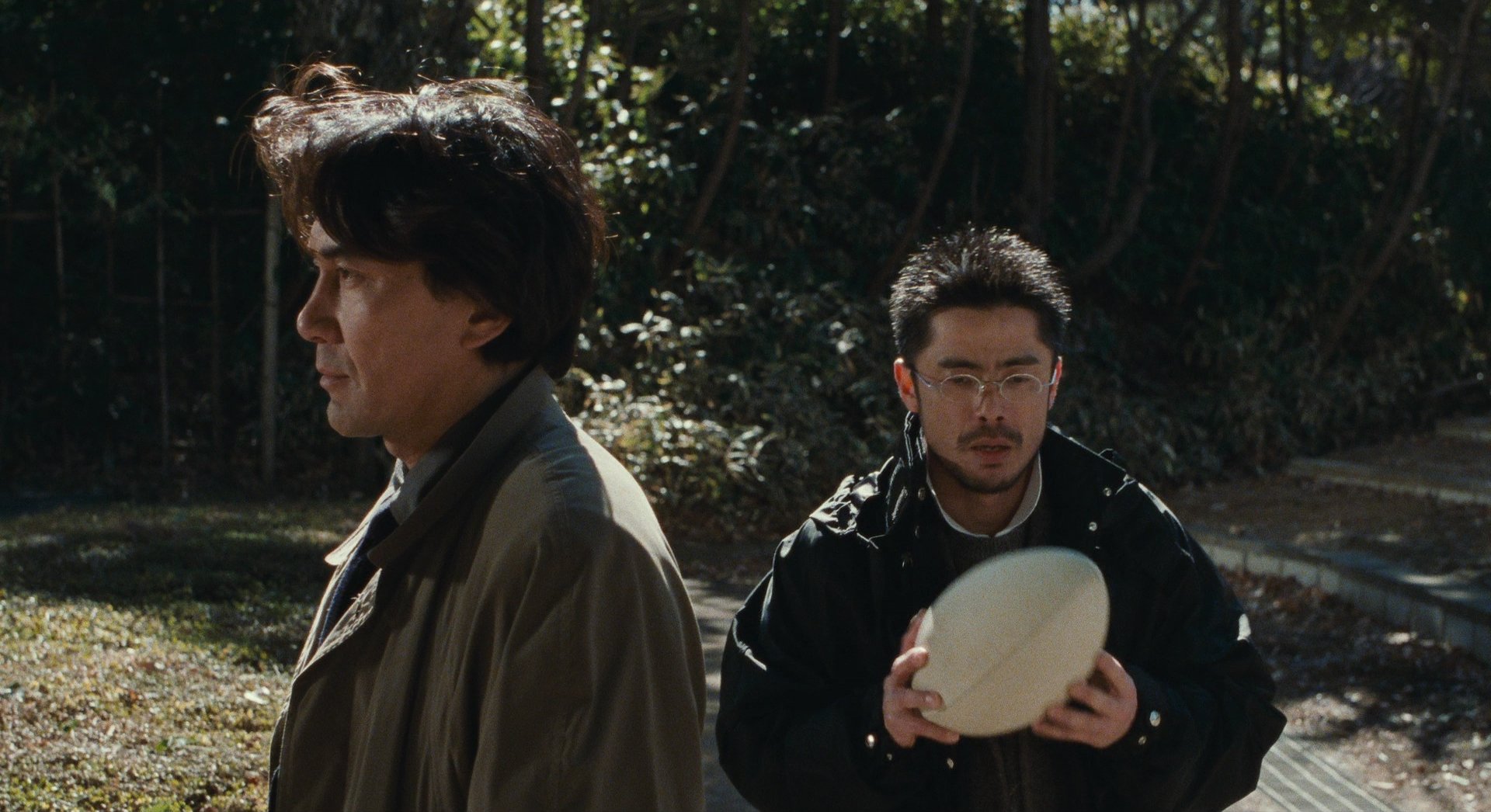
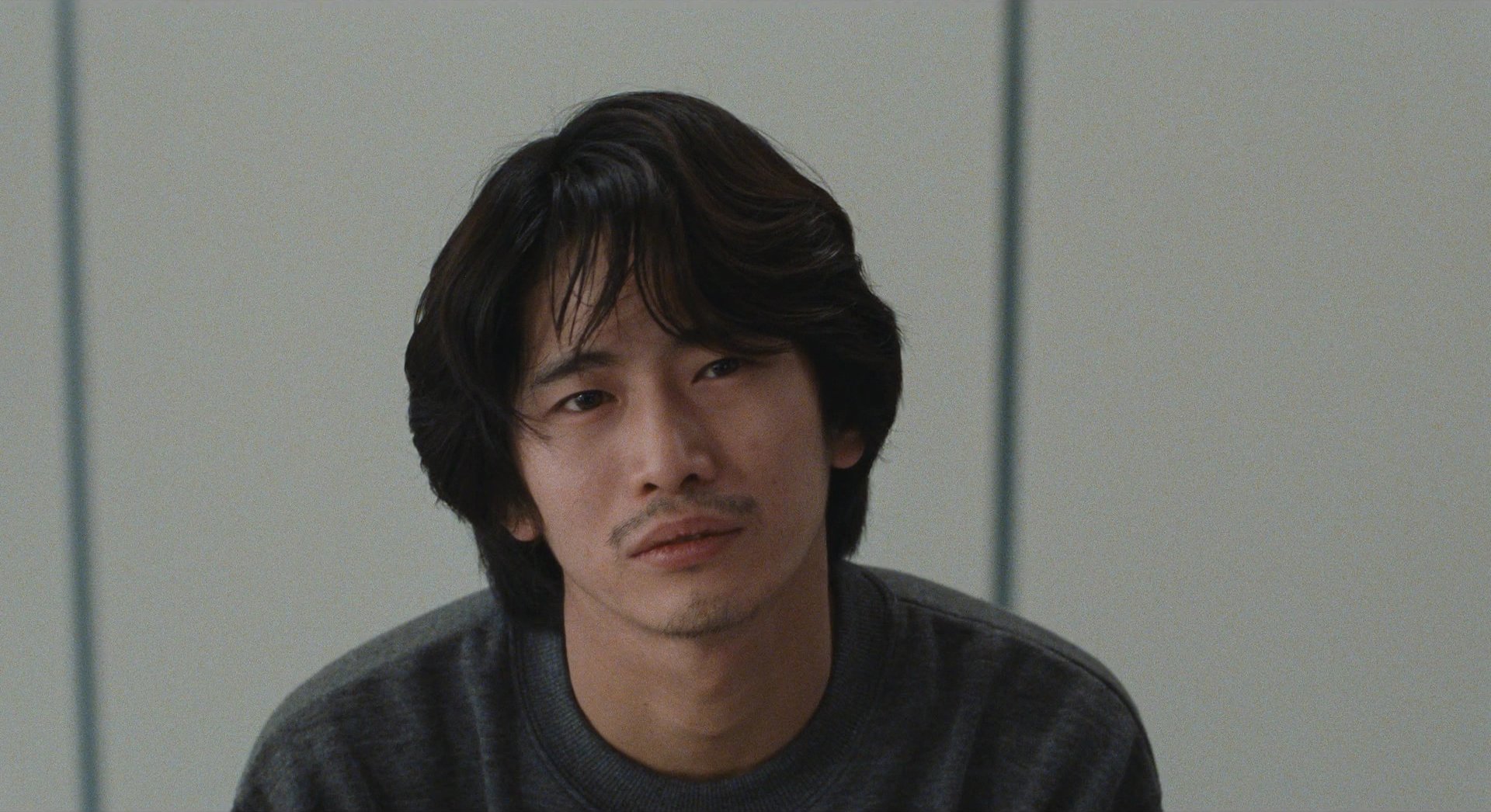
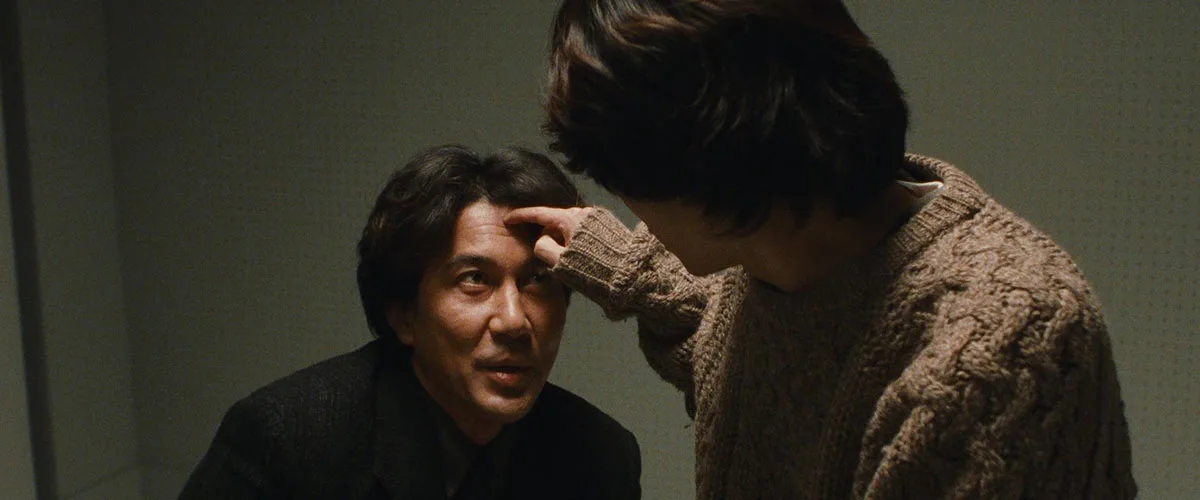
Released during the late-1990s revival of Japanese horror, Kiyoshi Kurosawa’s 1997 film Cure positioned itself less as supernatural horror and more as a psychological procedural. The film follows a detective investigating a series of murders in which ordinary individuals kill acquaintances and carve an ‘X’ into the victim’s neck or chest. Each perpetrator claims to have no memory of the motive. A drifter named Mamiya appears to be connected to all the cases.
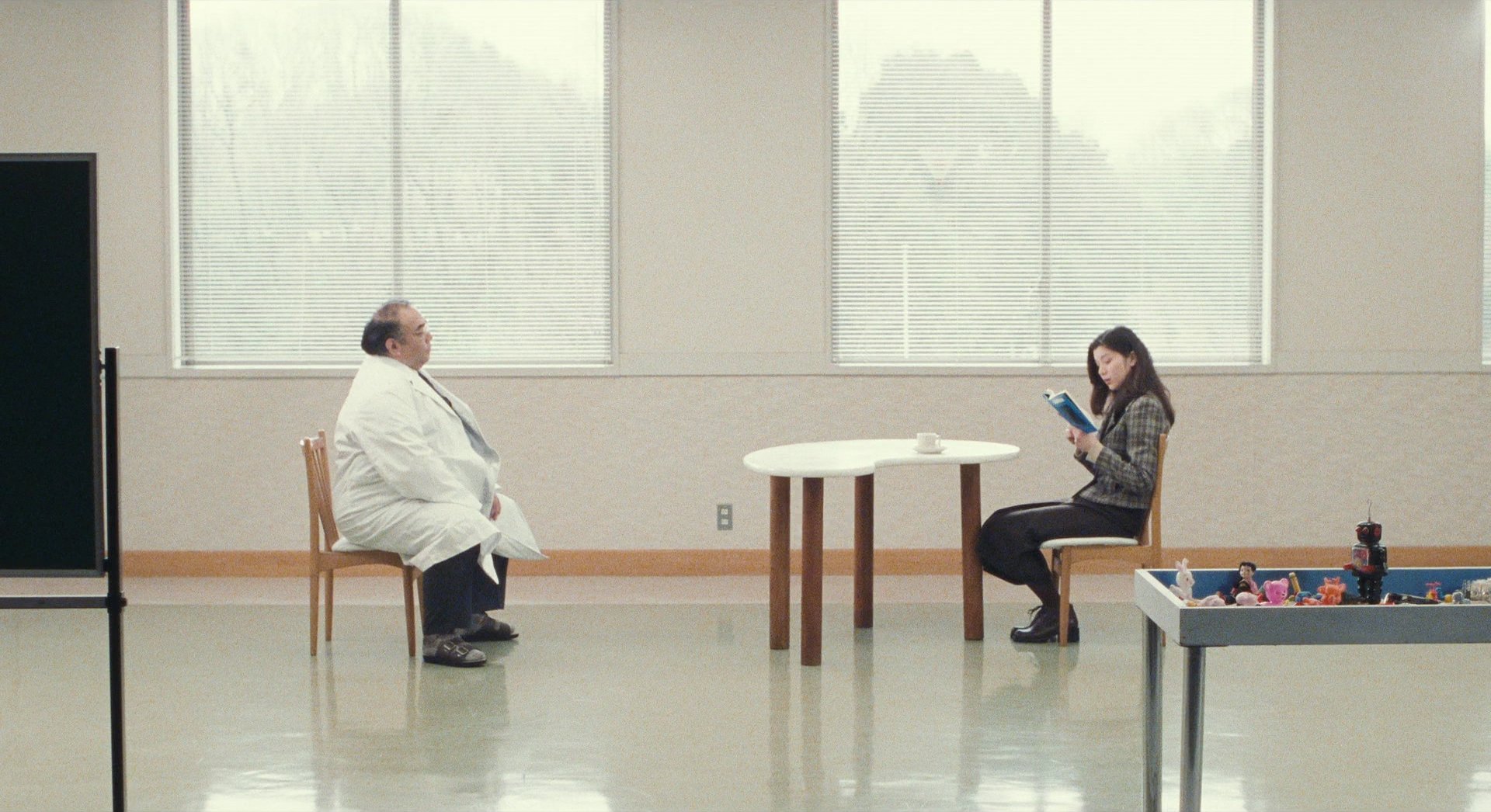
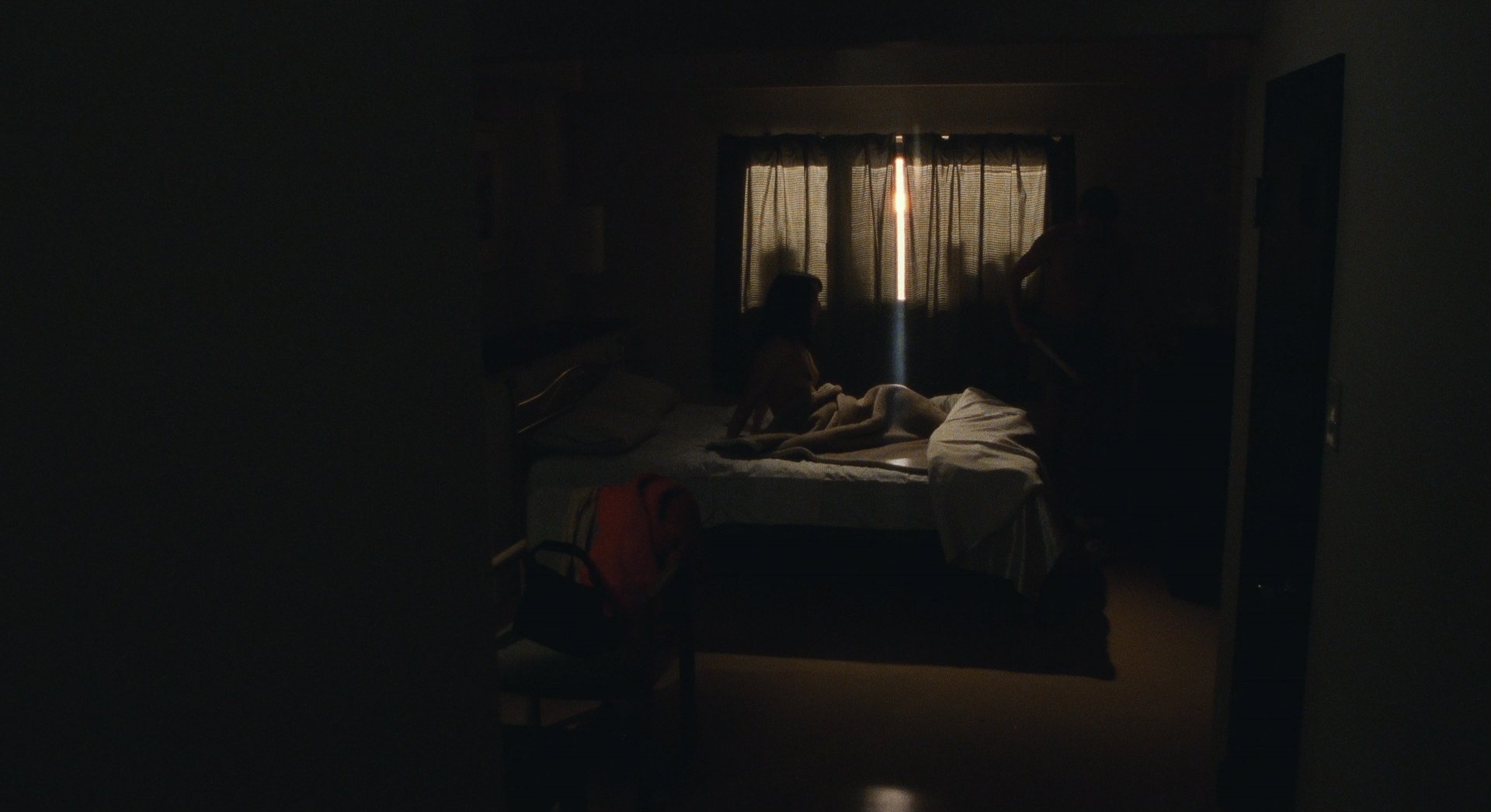
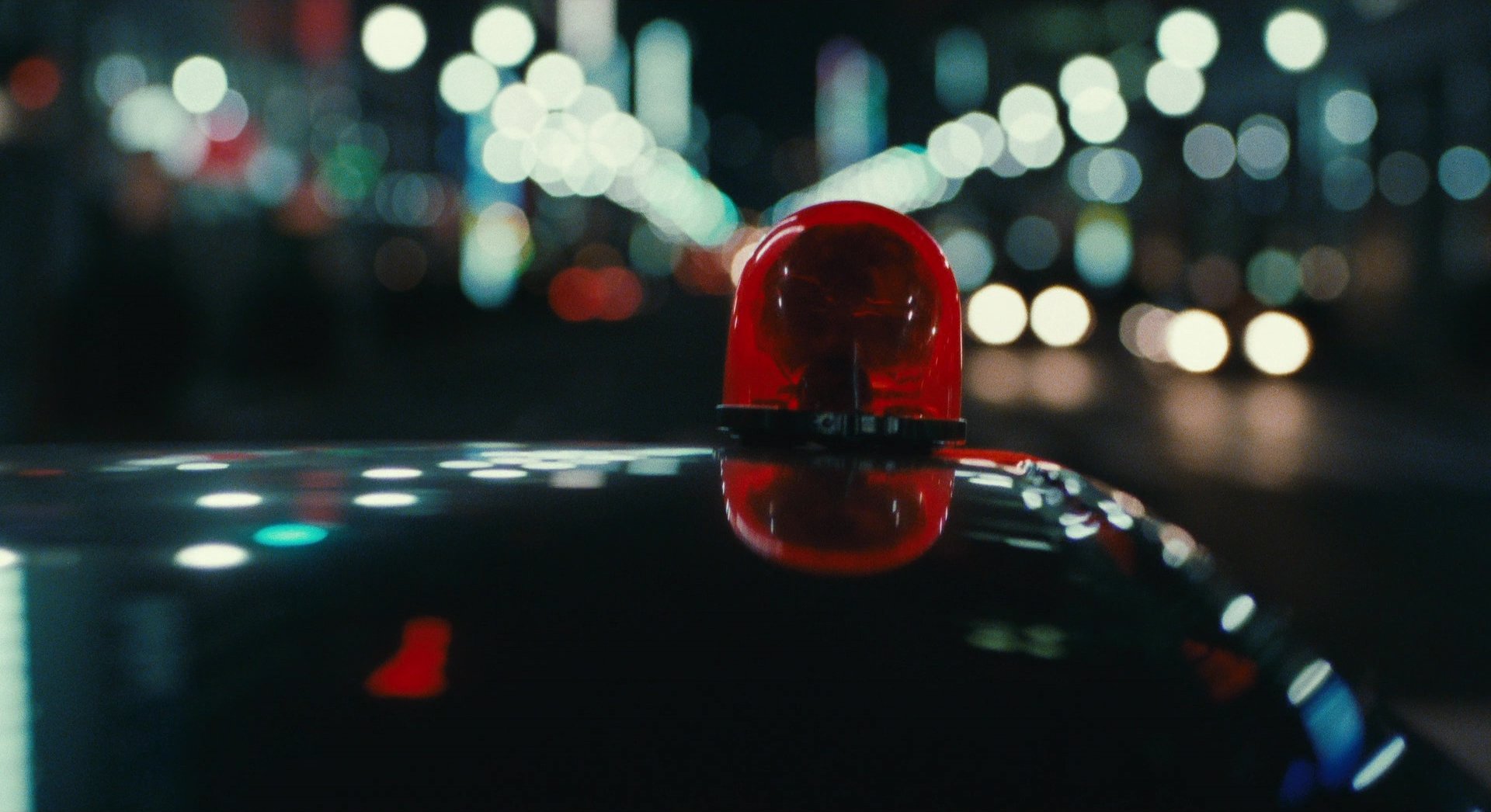
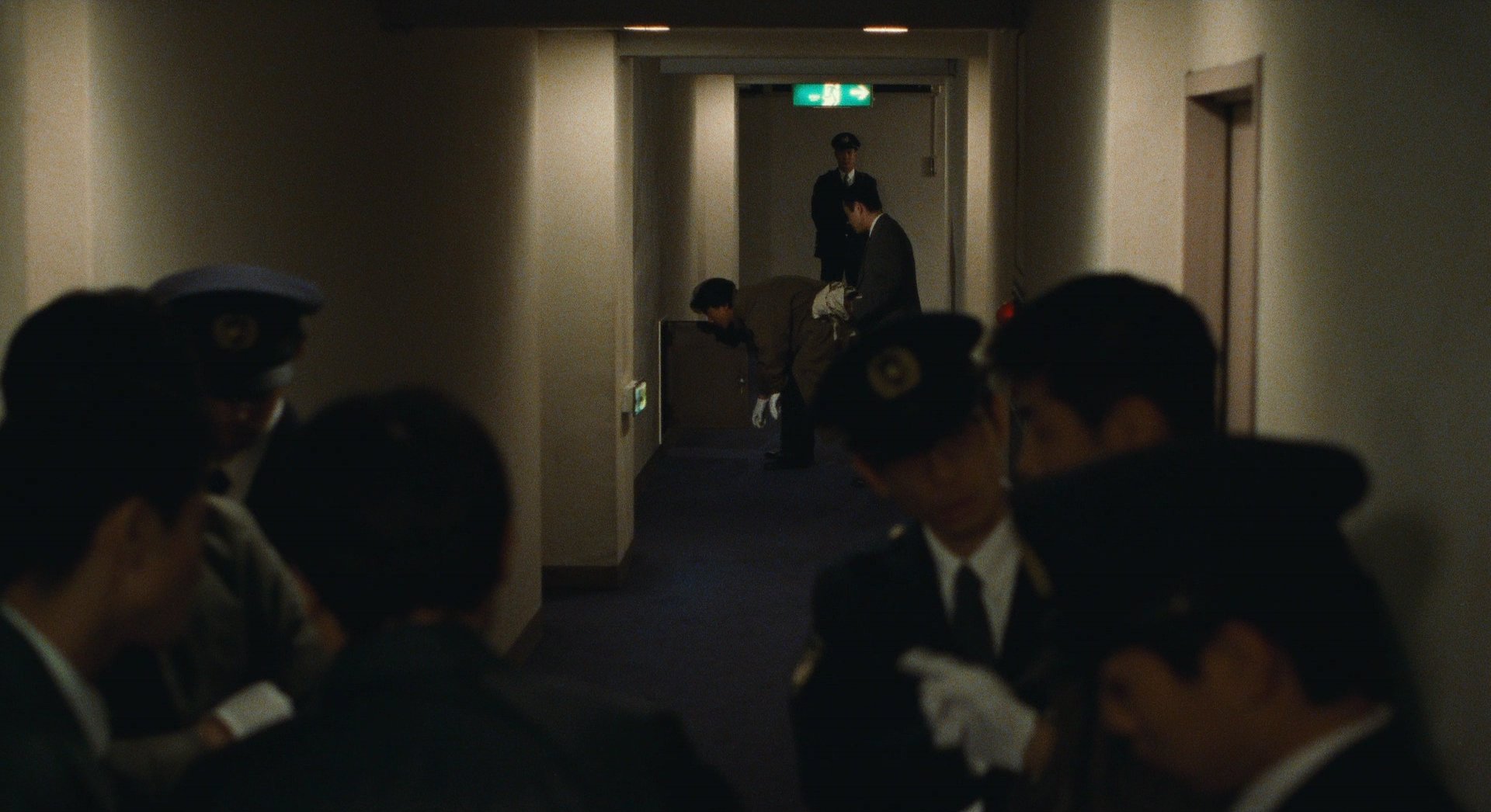
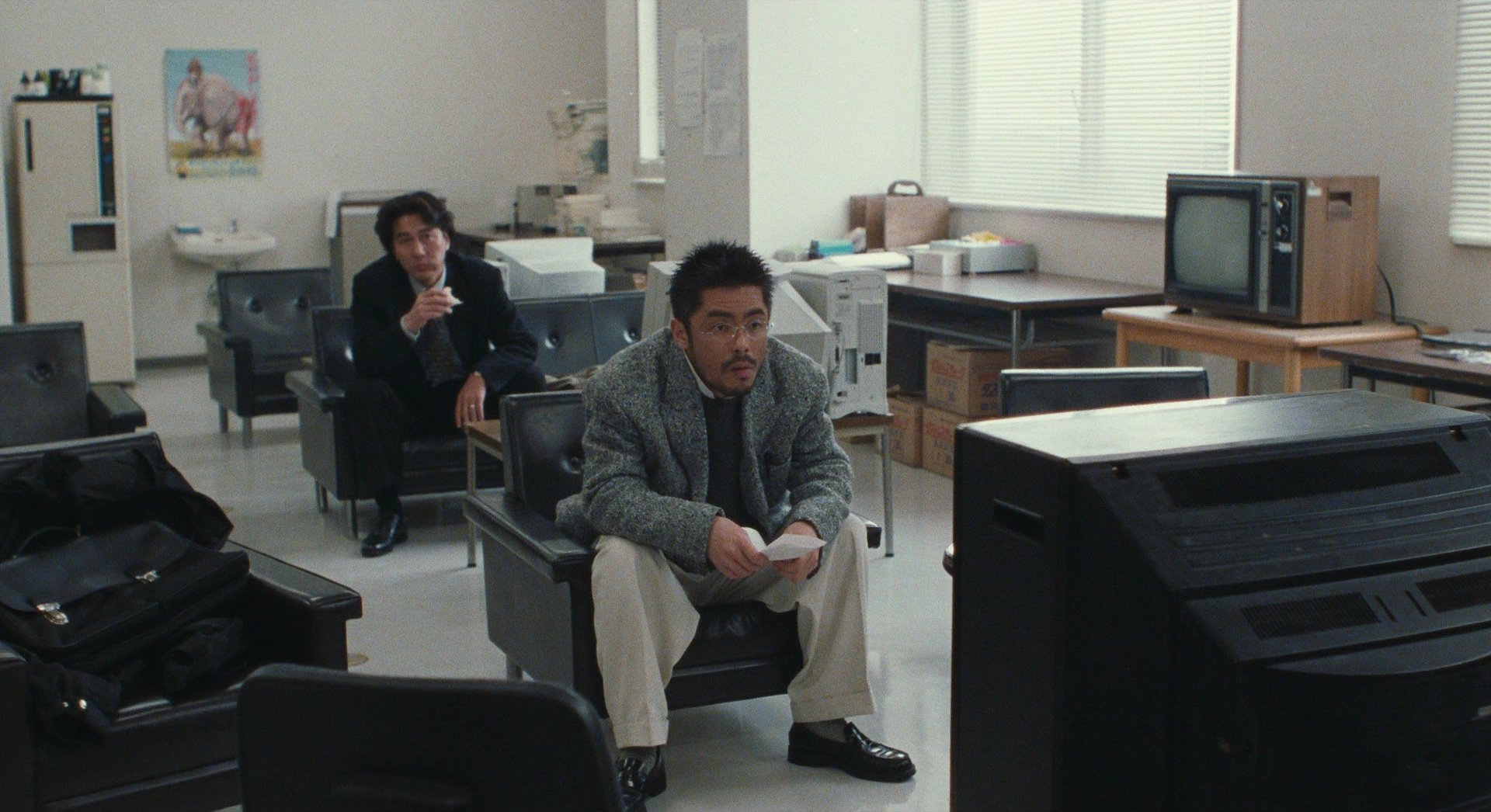
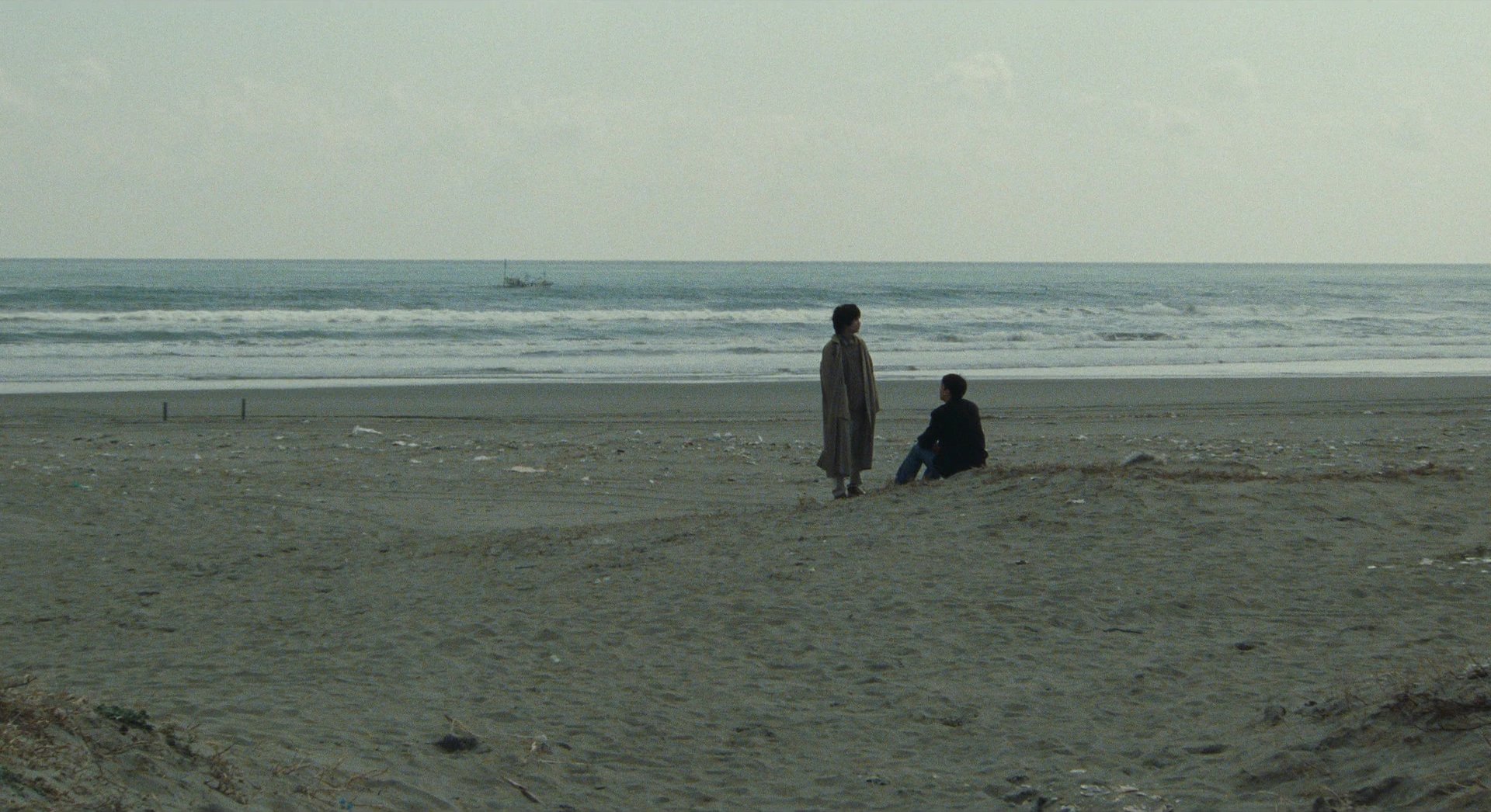
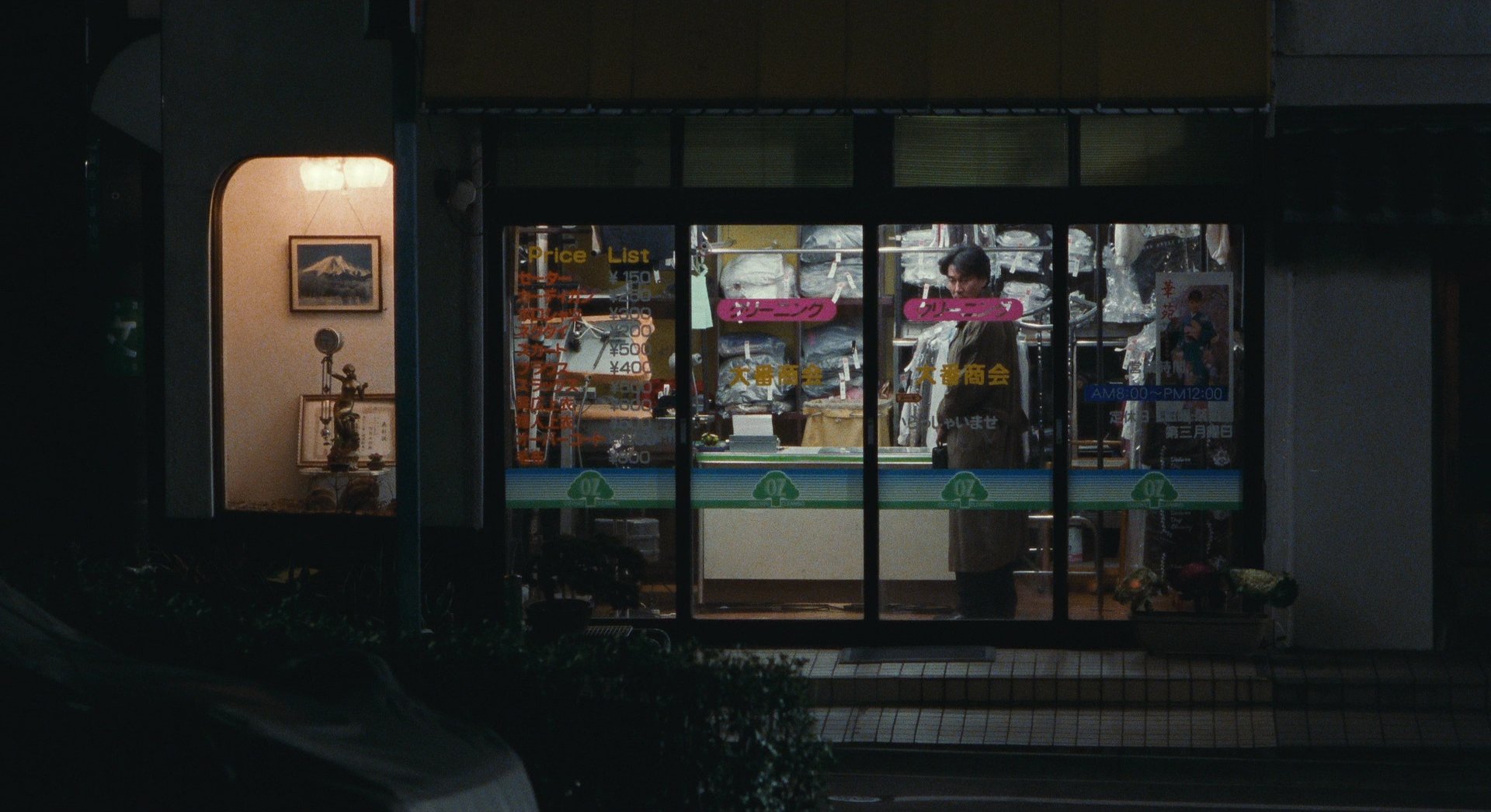
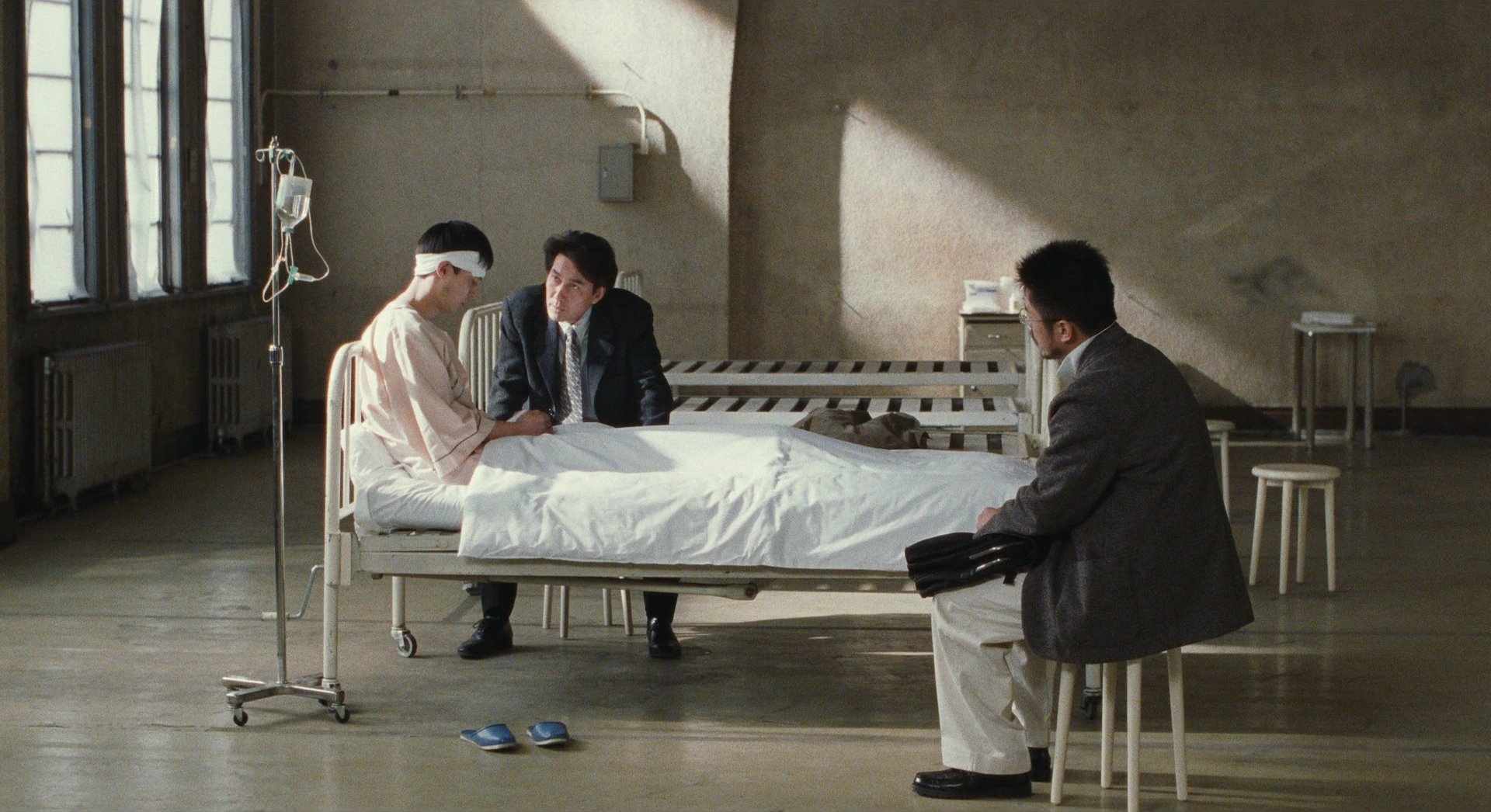
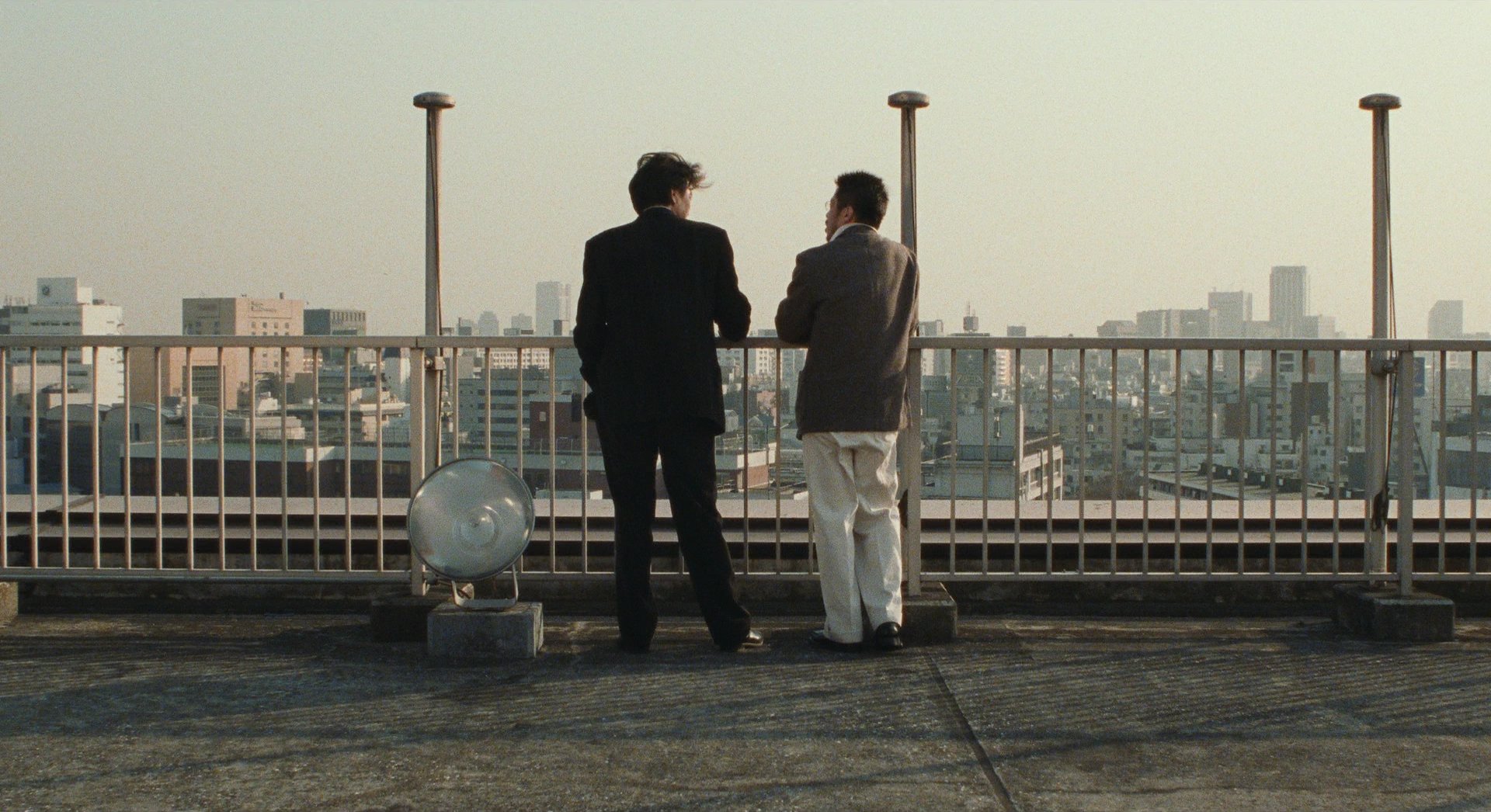
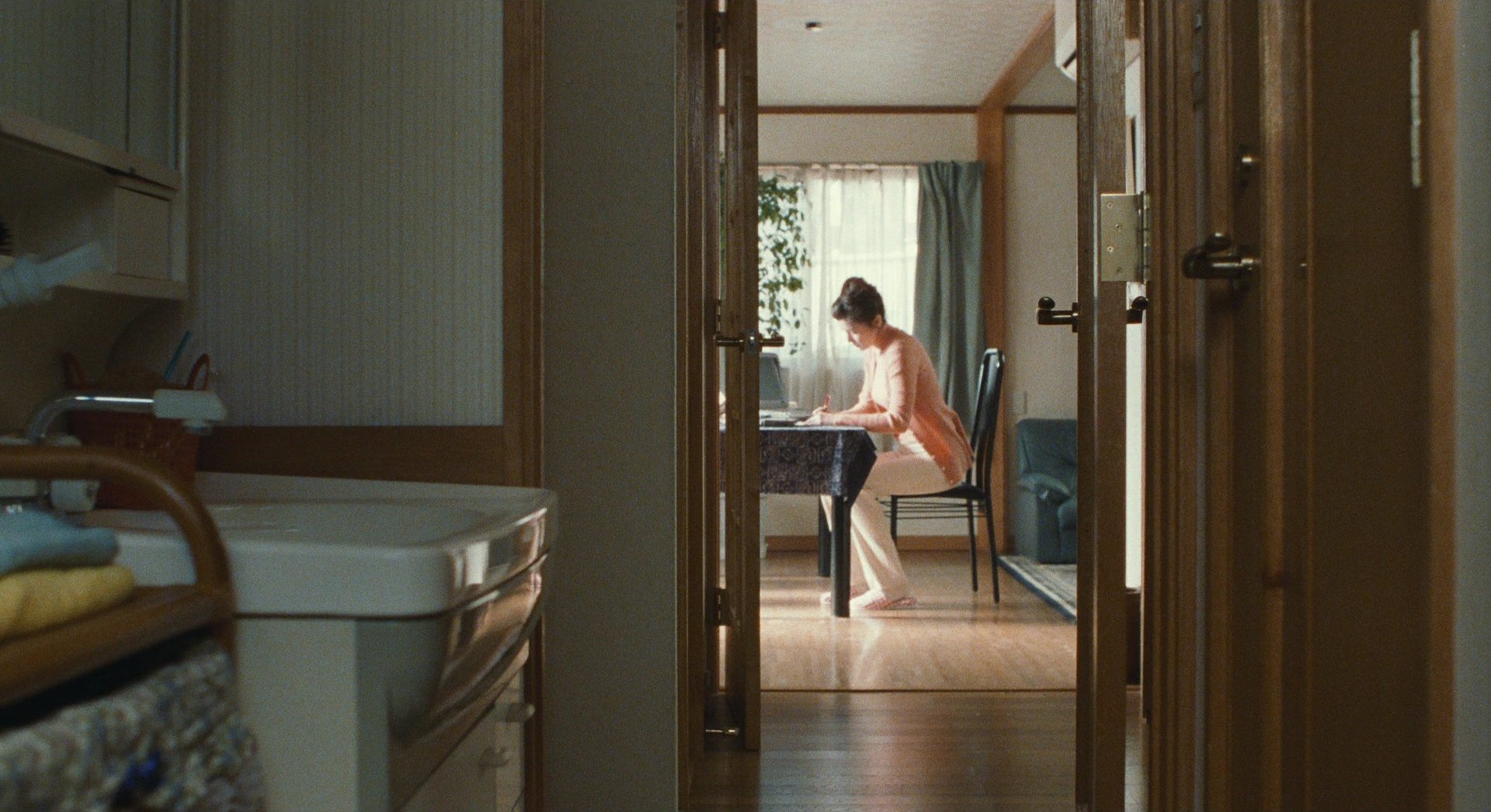
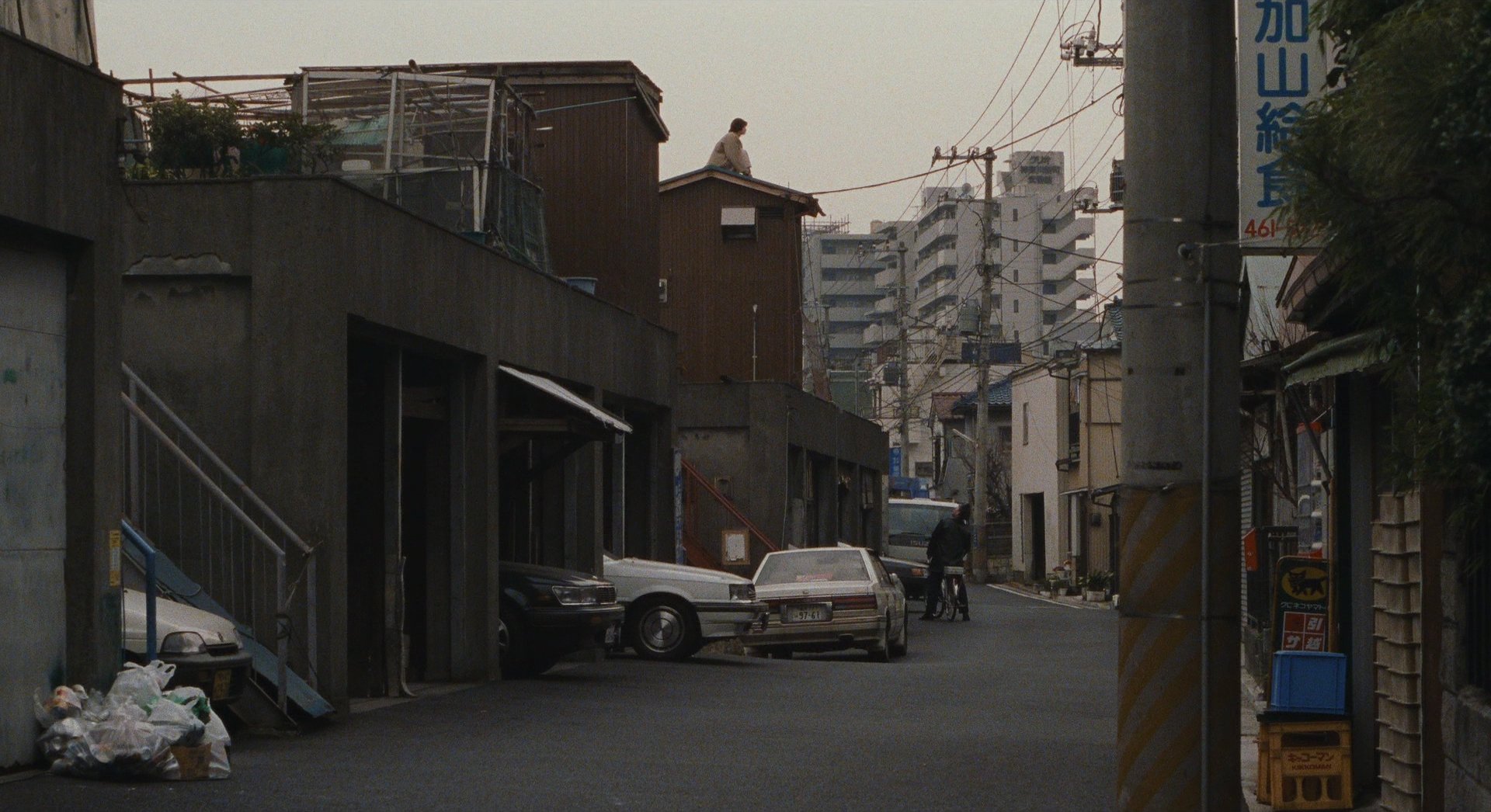
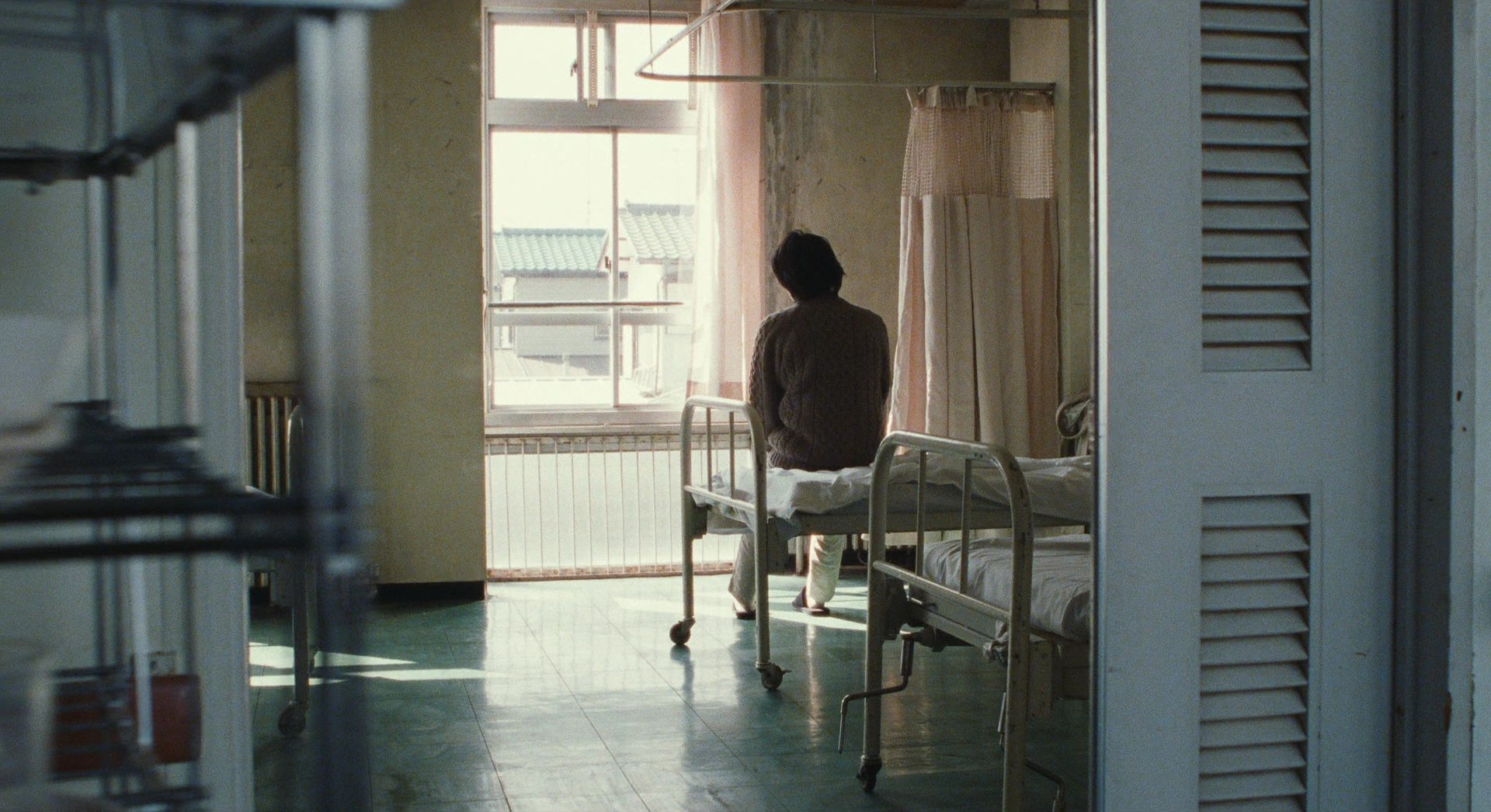
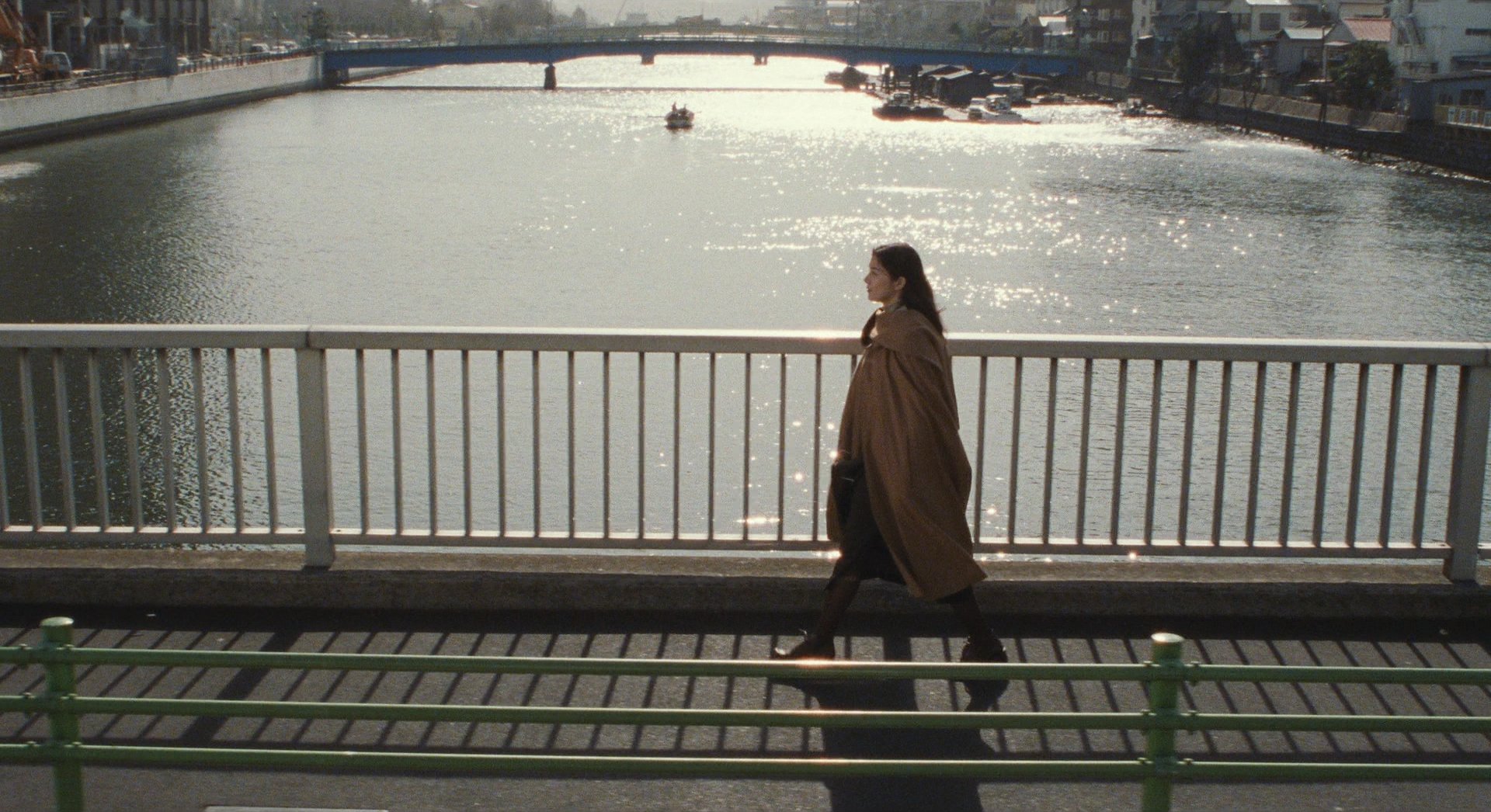
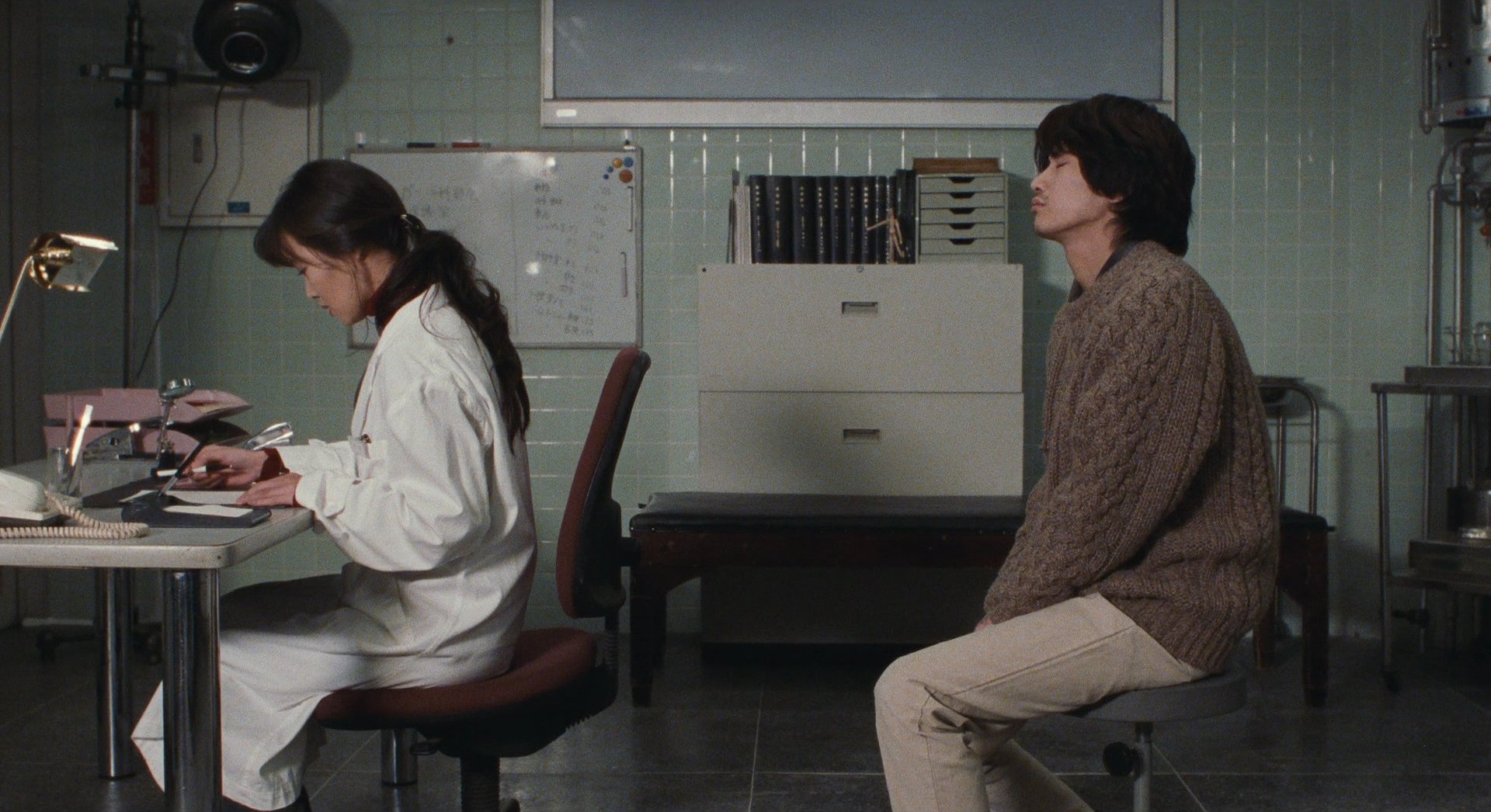
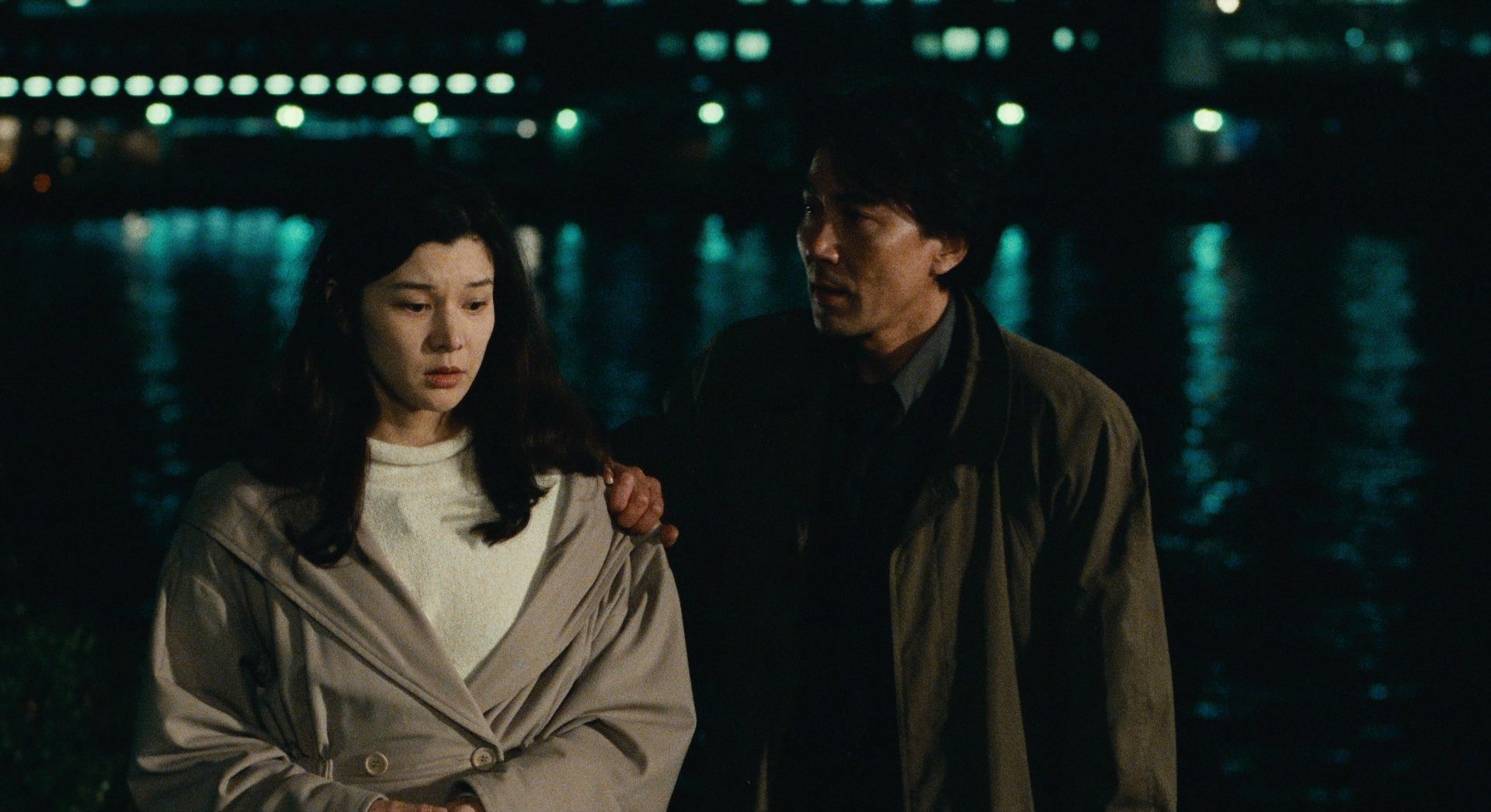
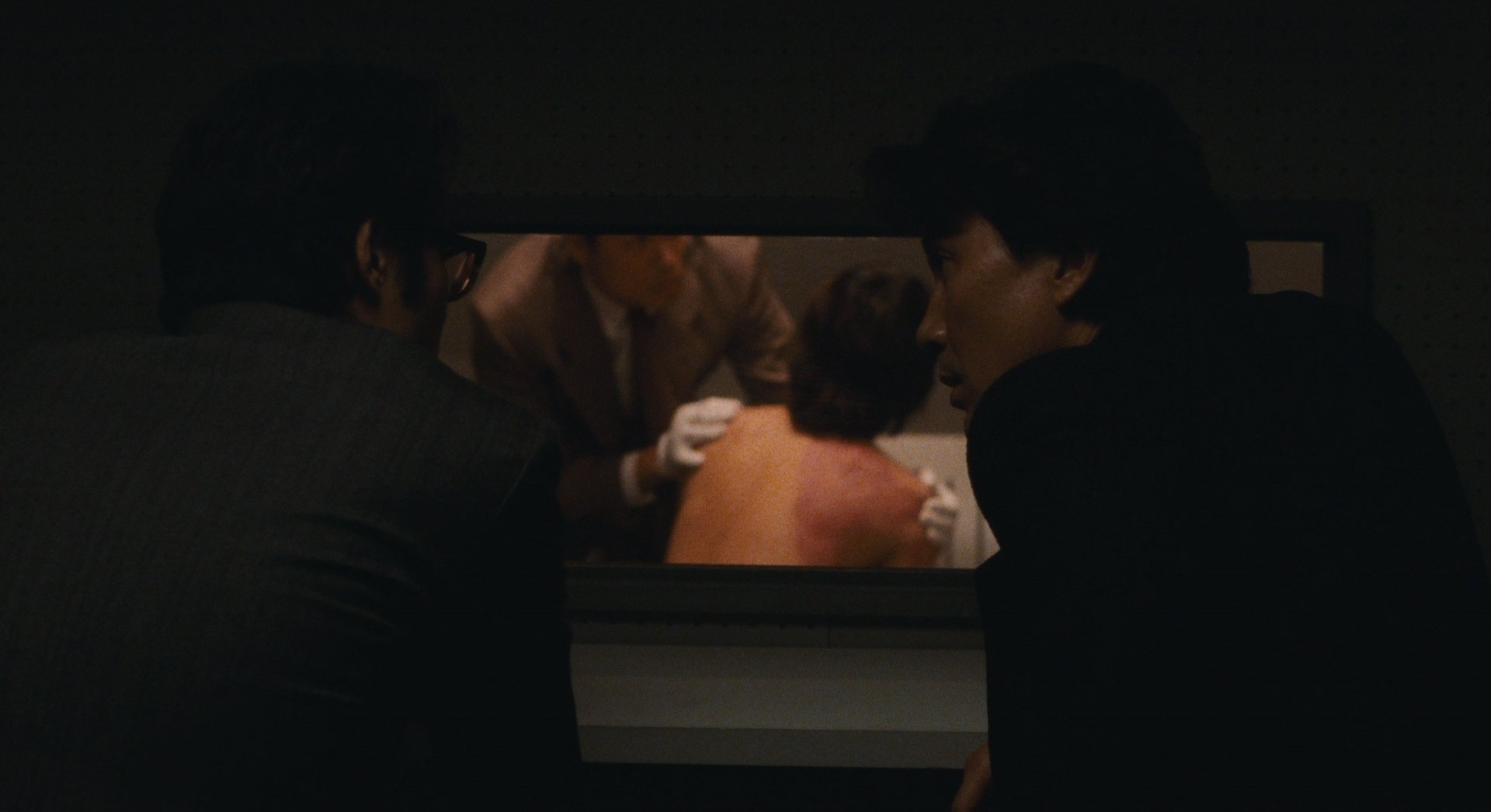
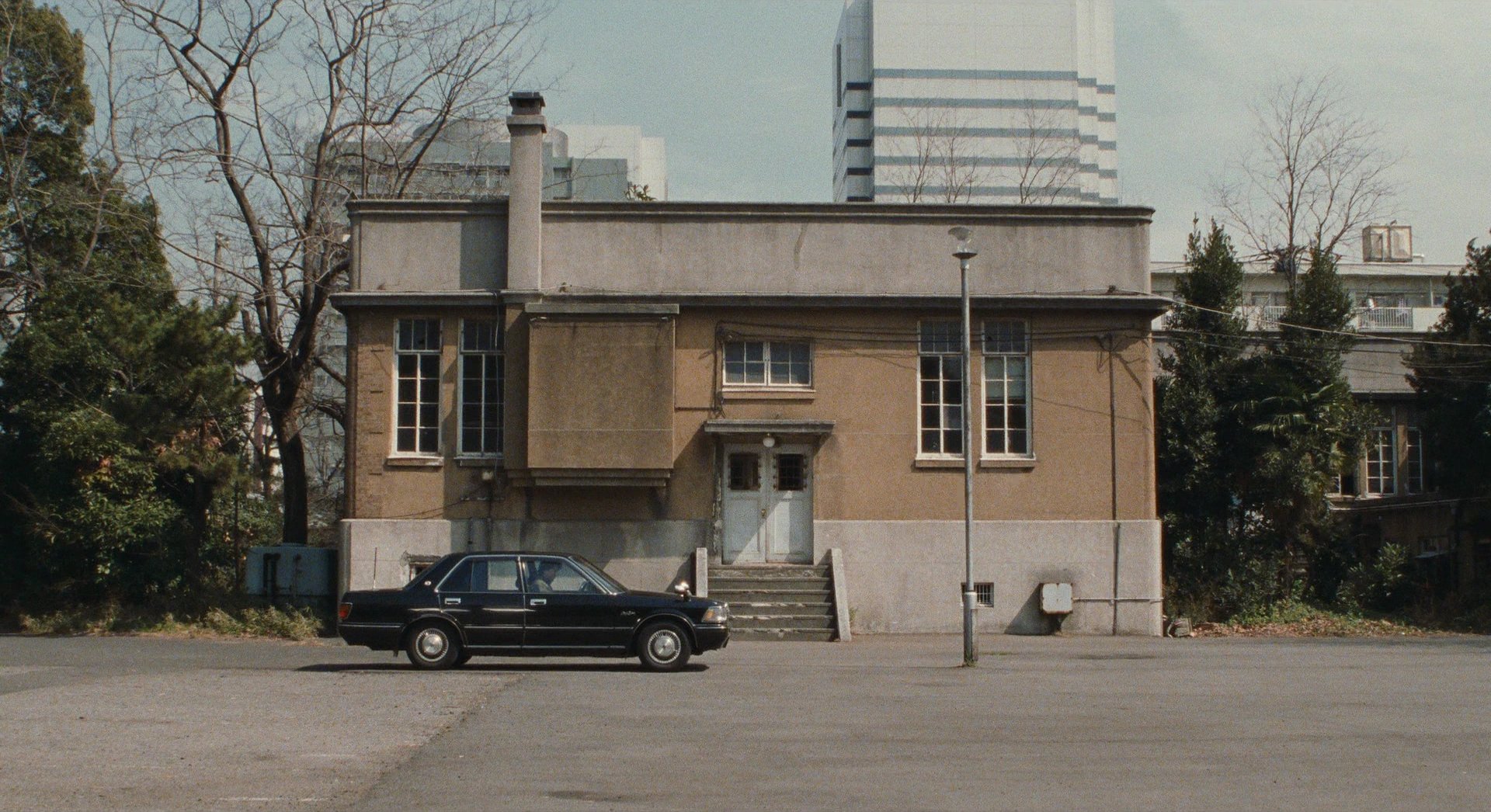
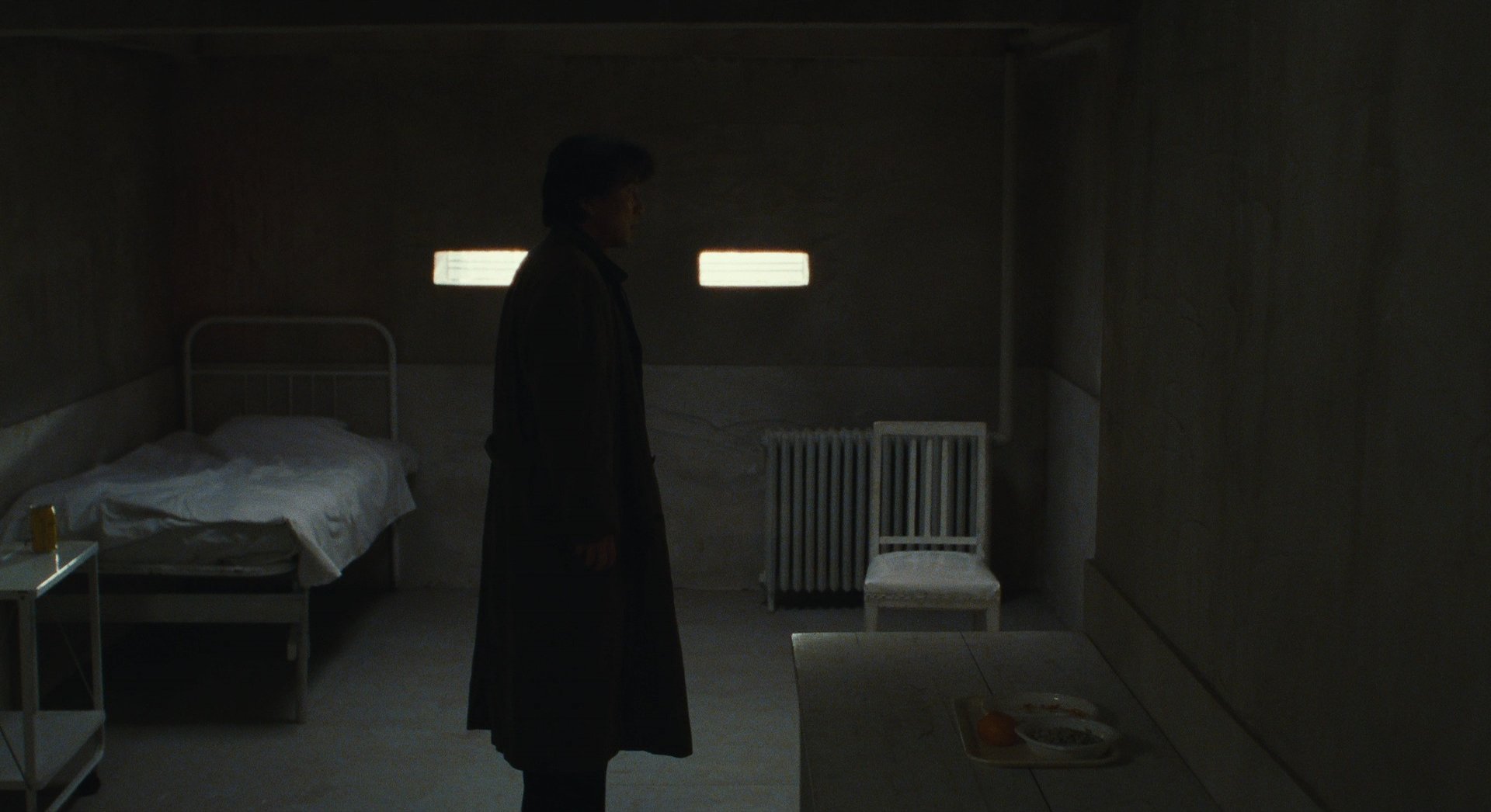
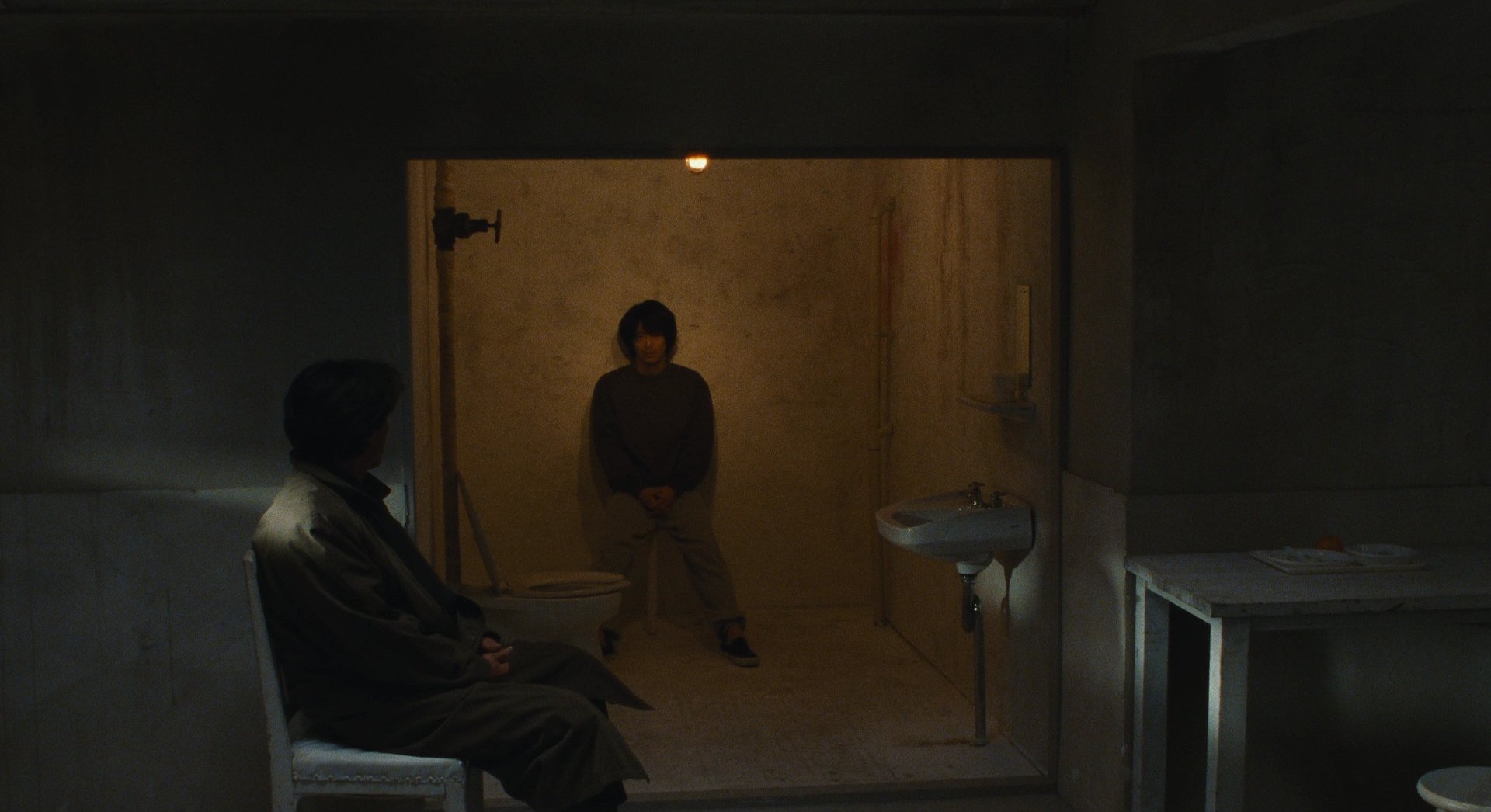
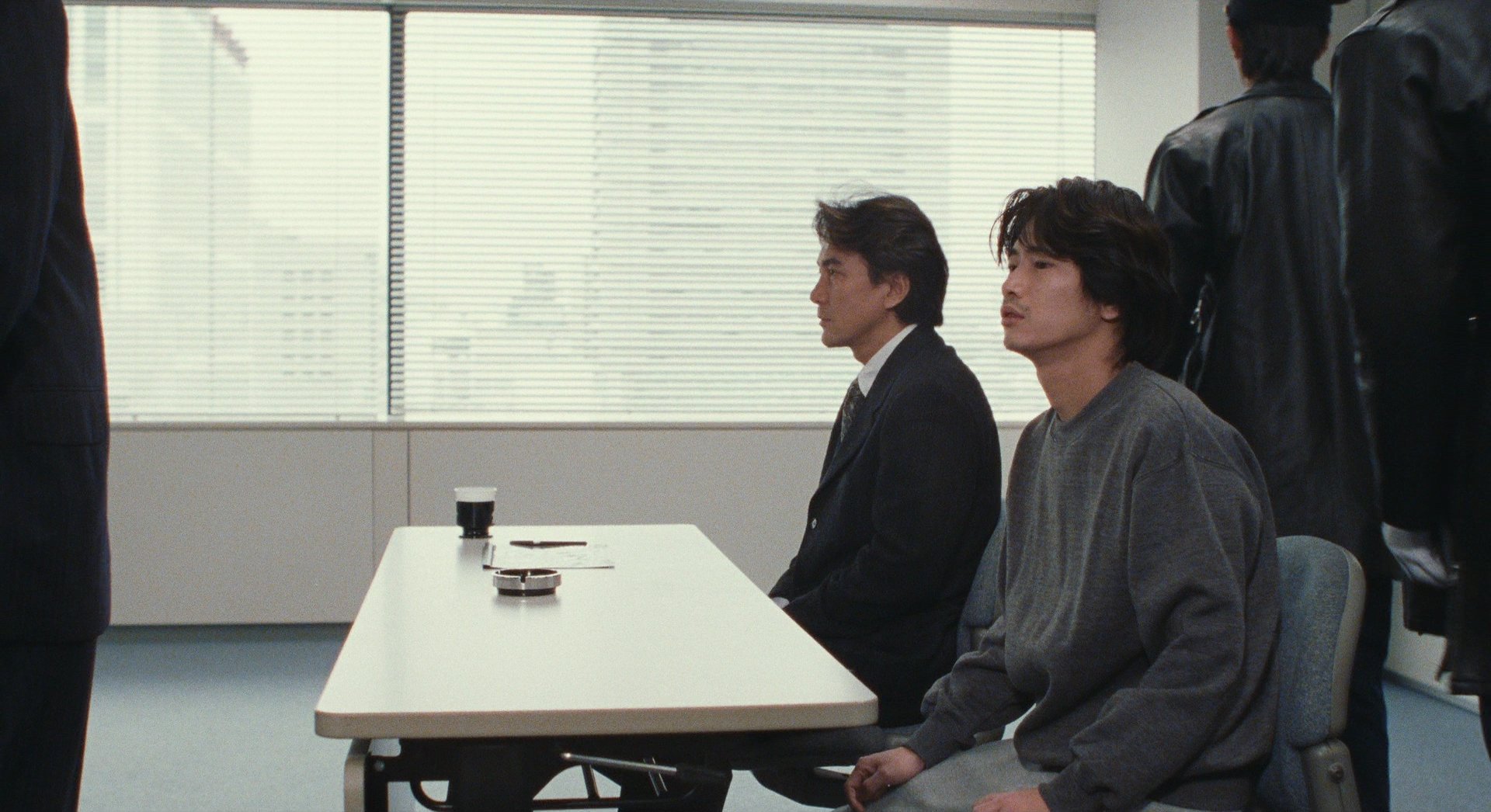
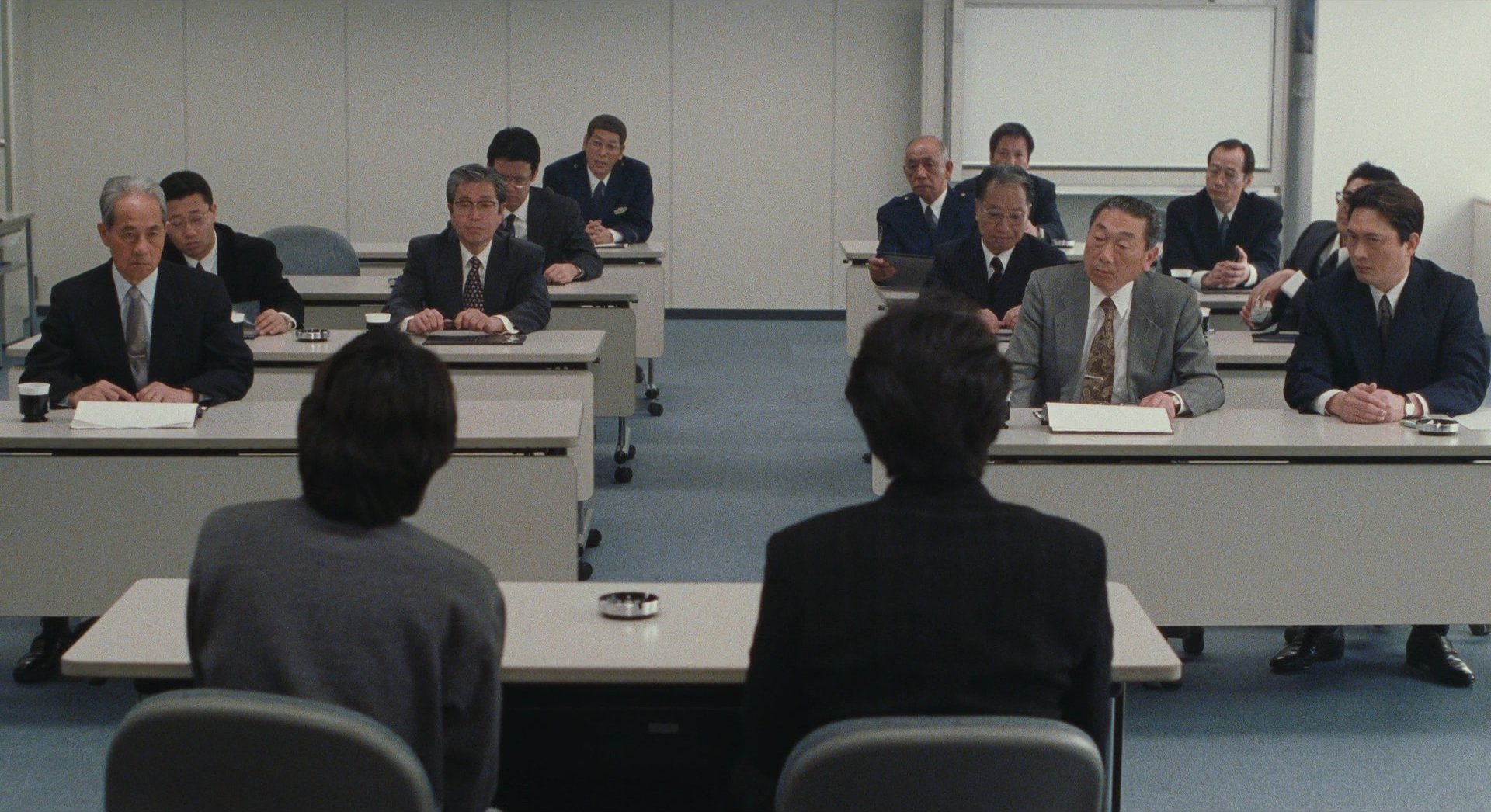
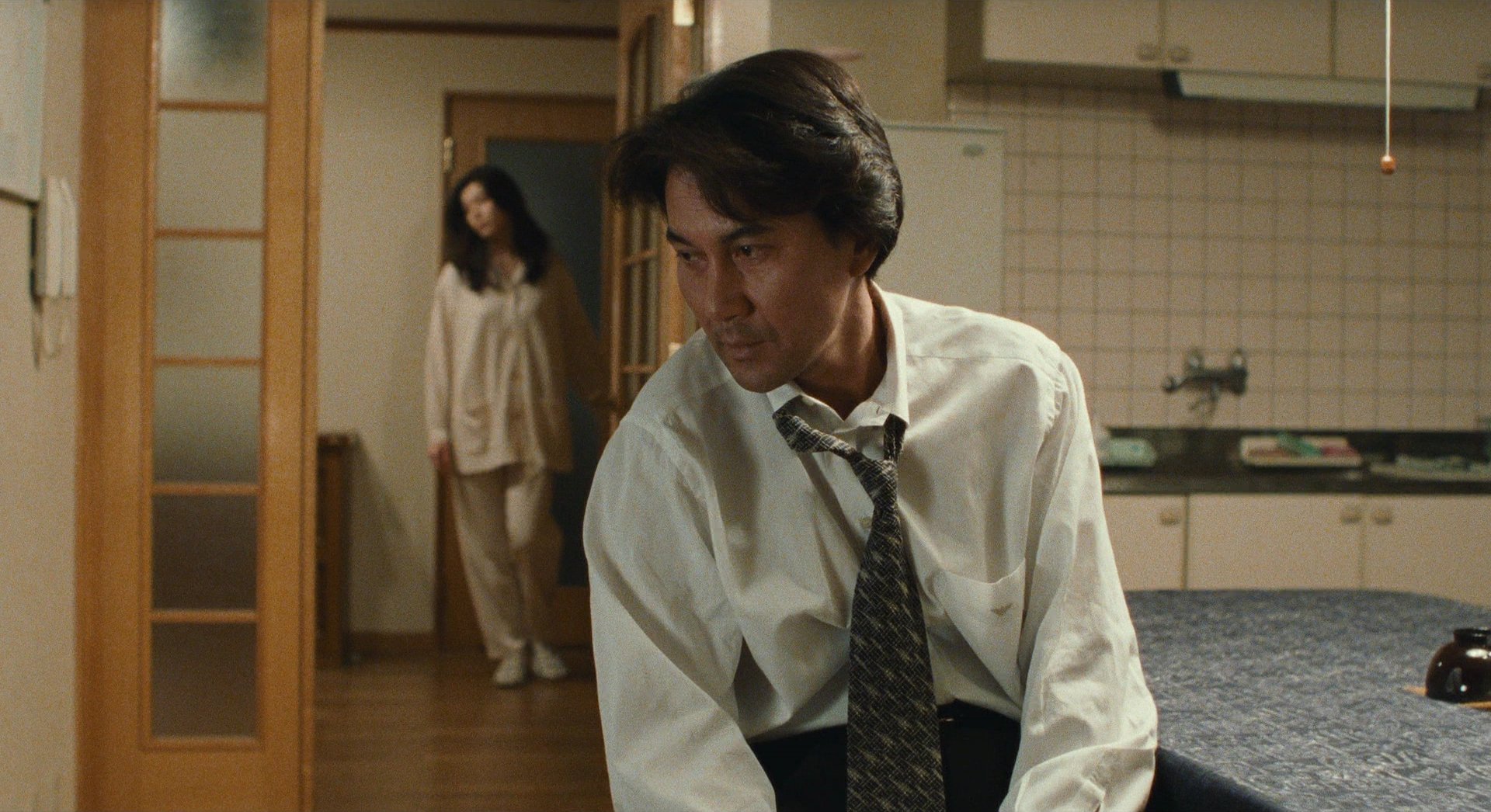
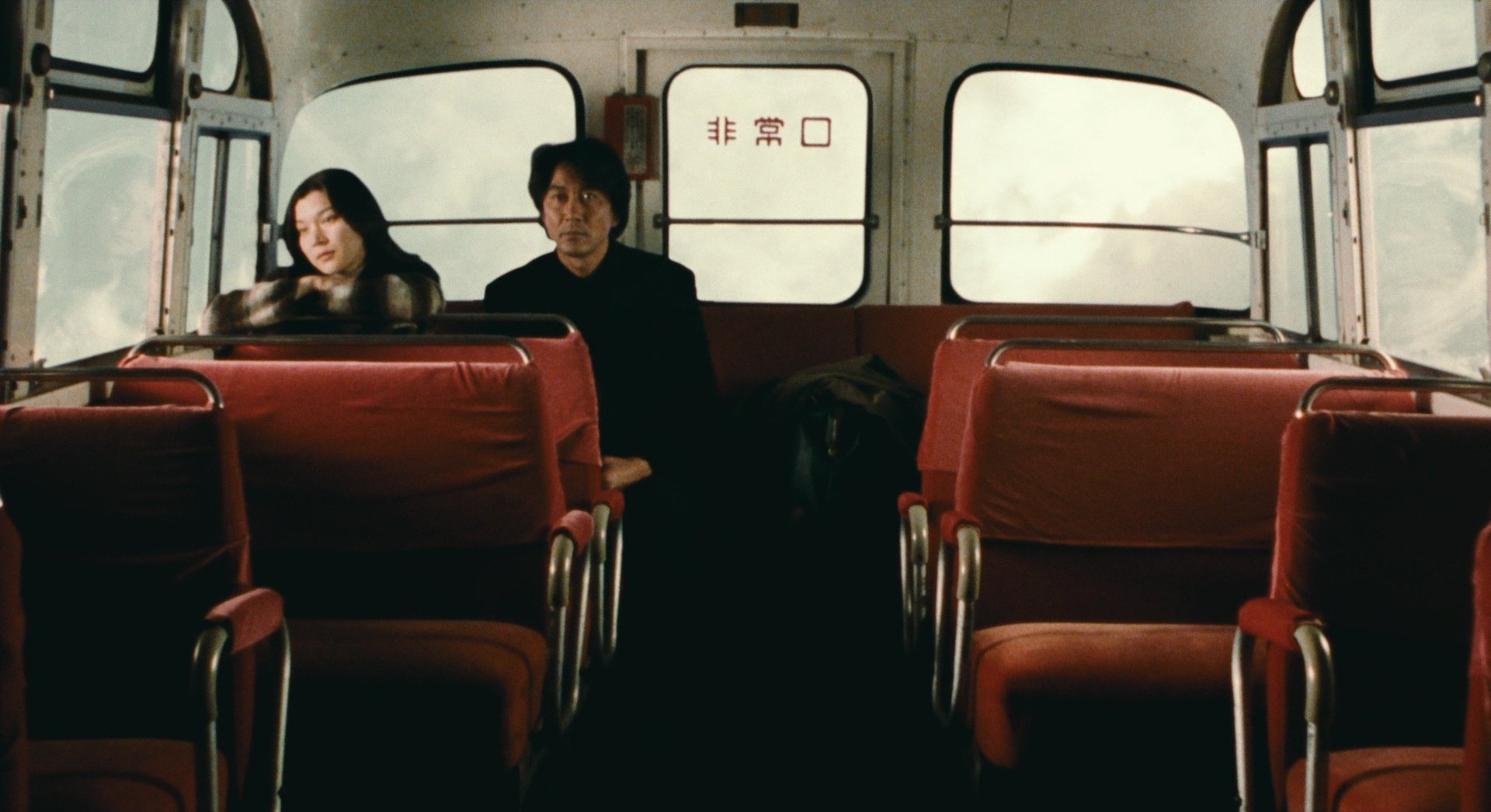
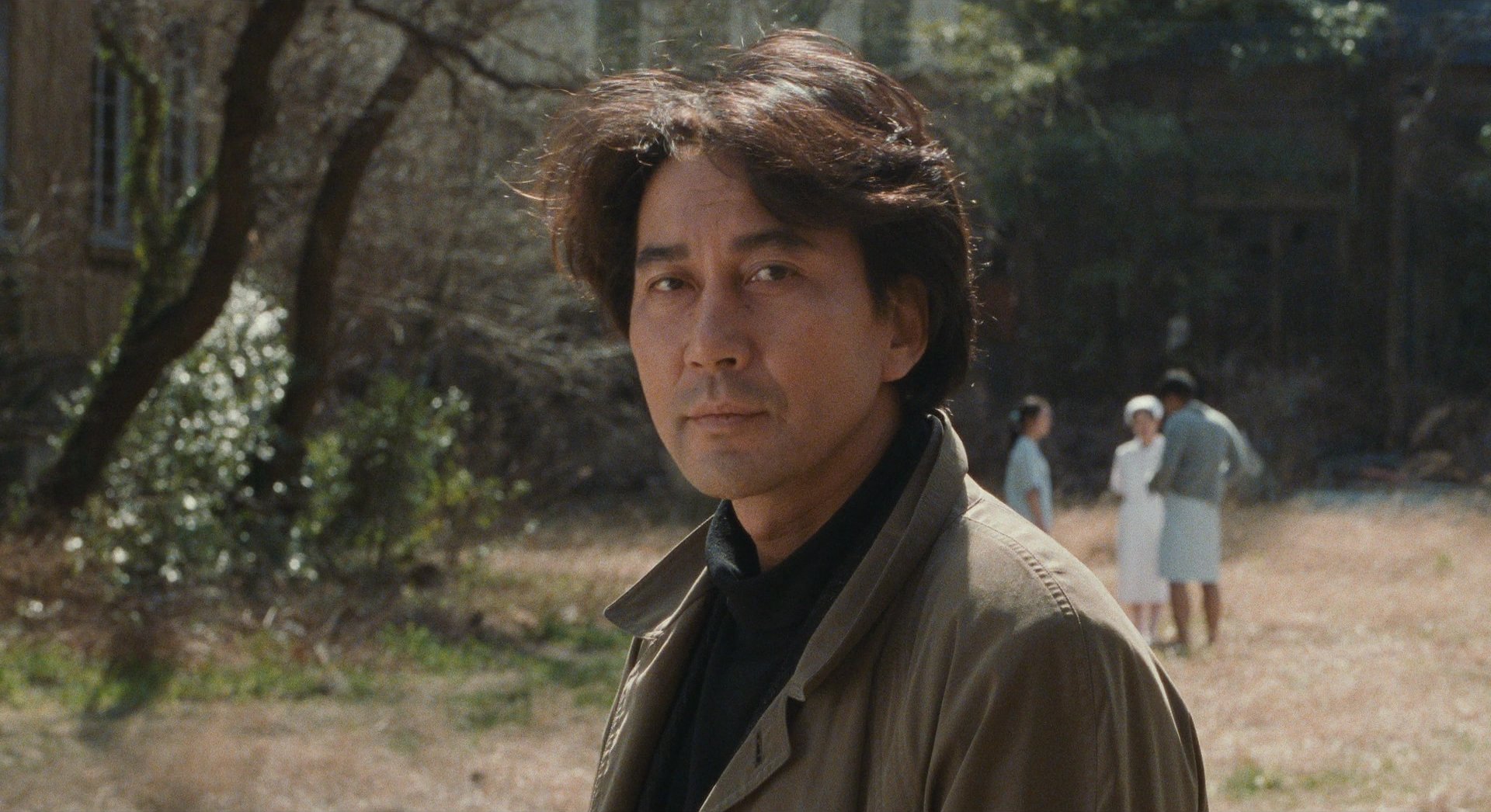
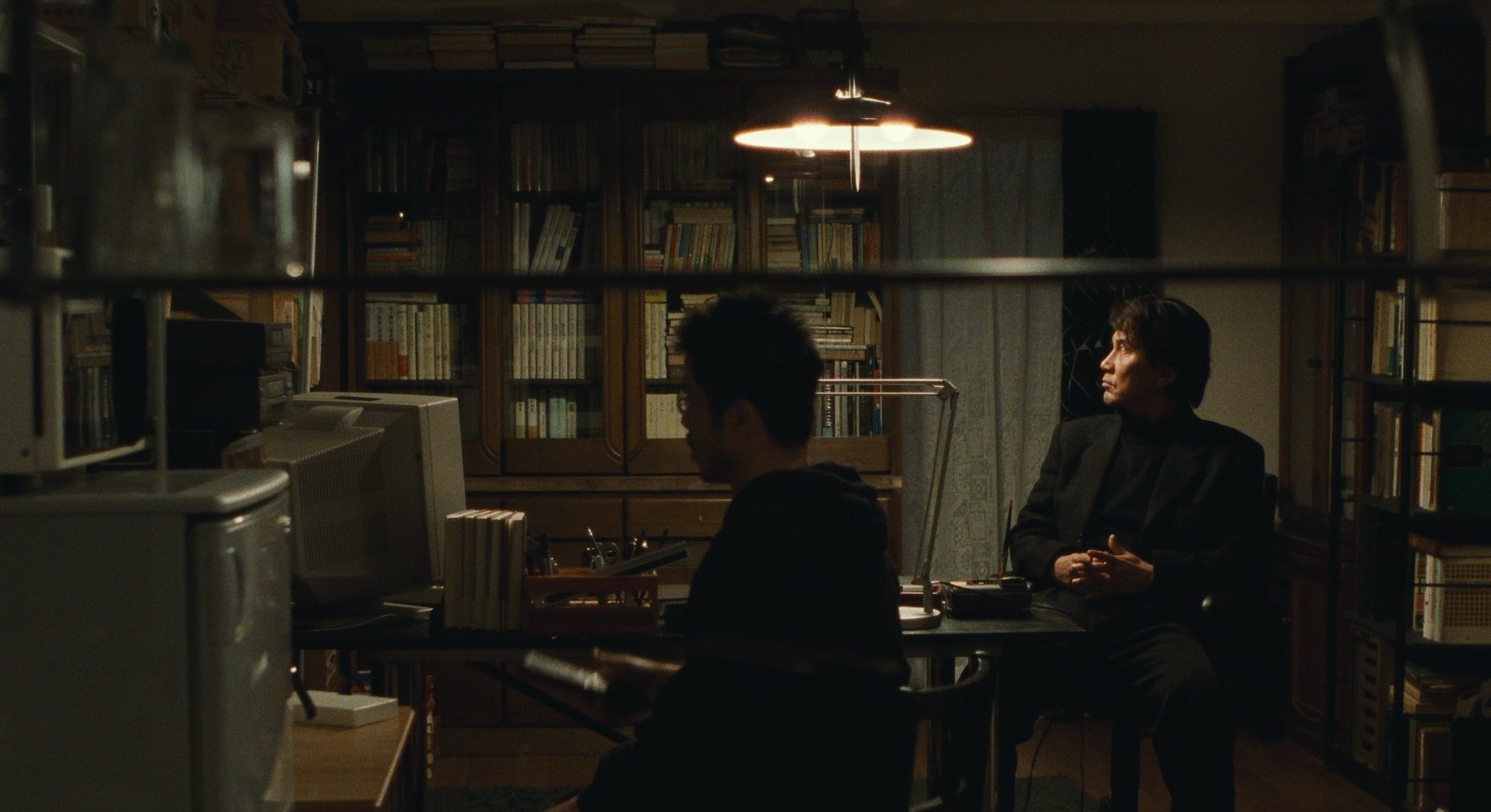
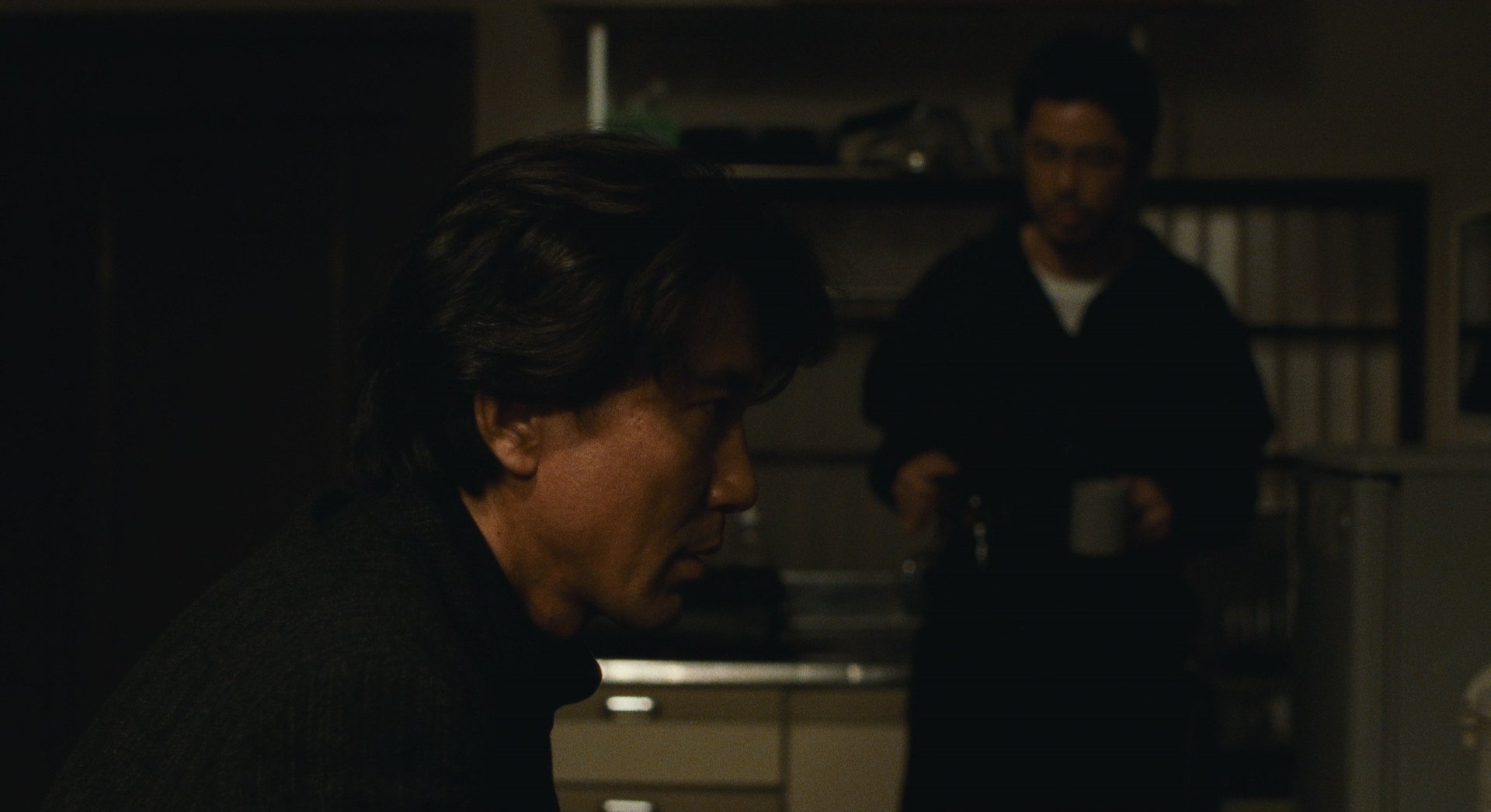
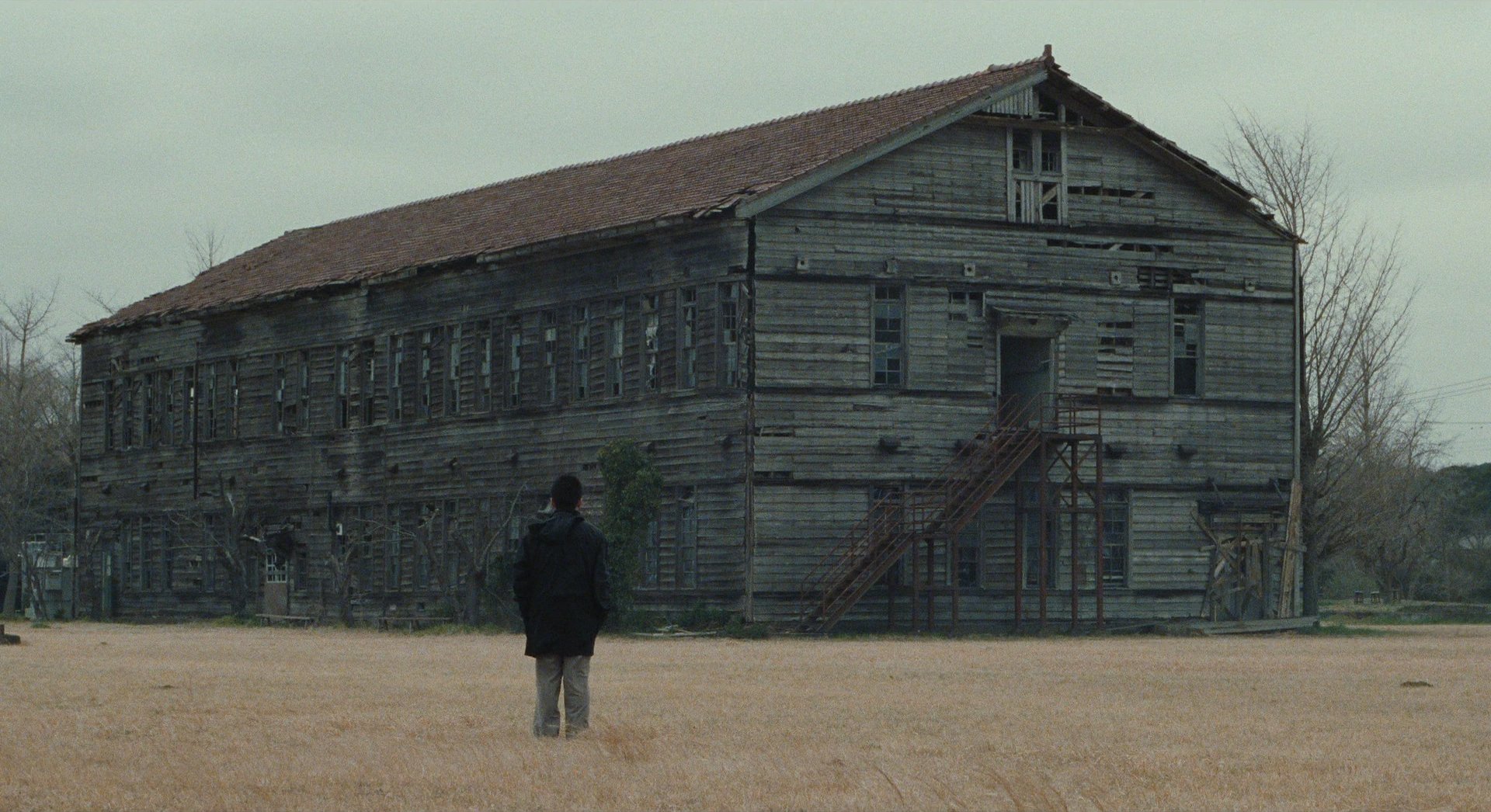
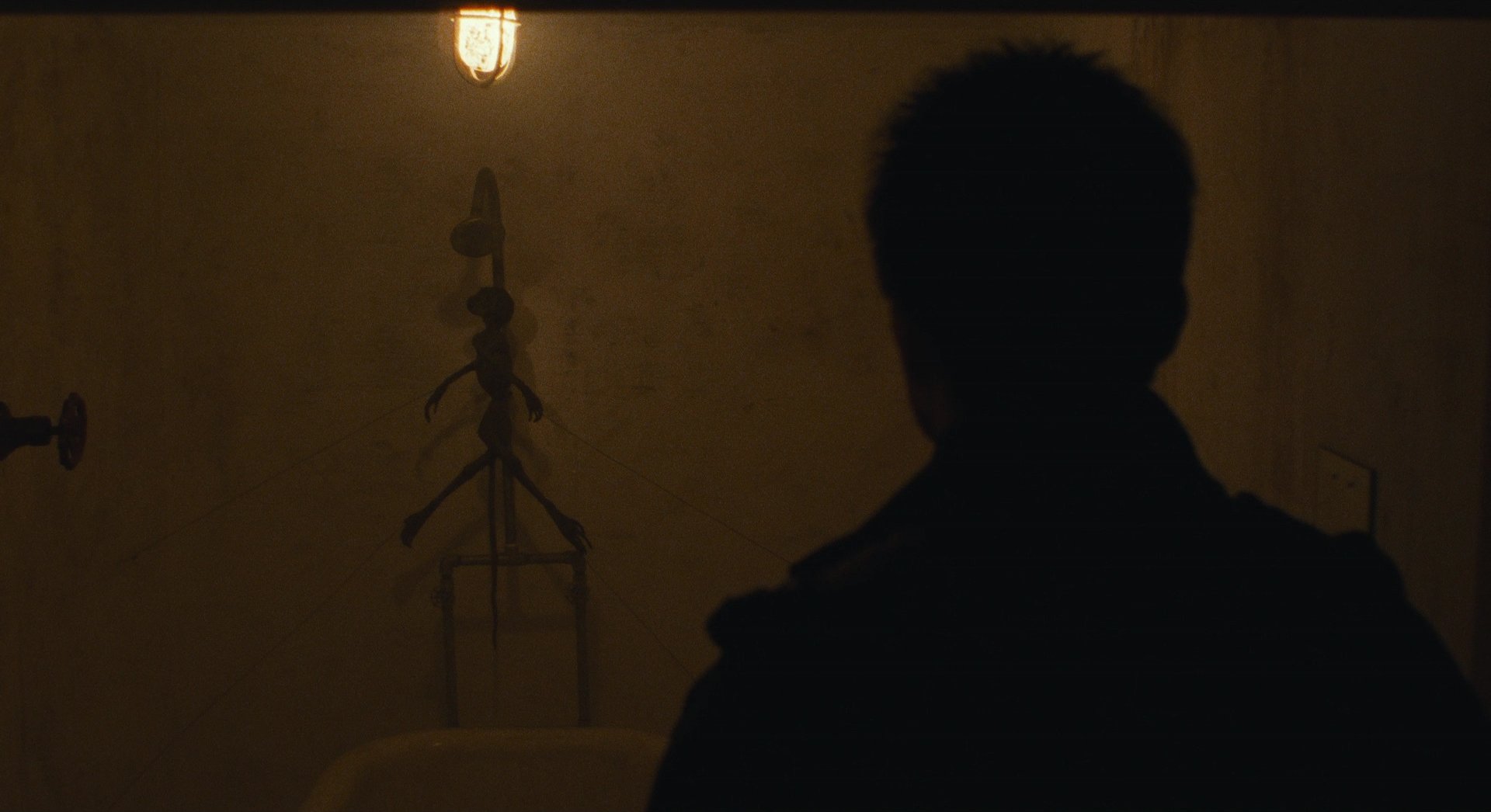
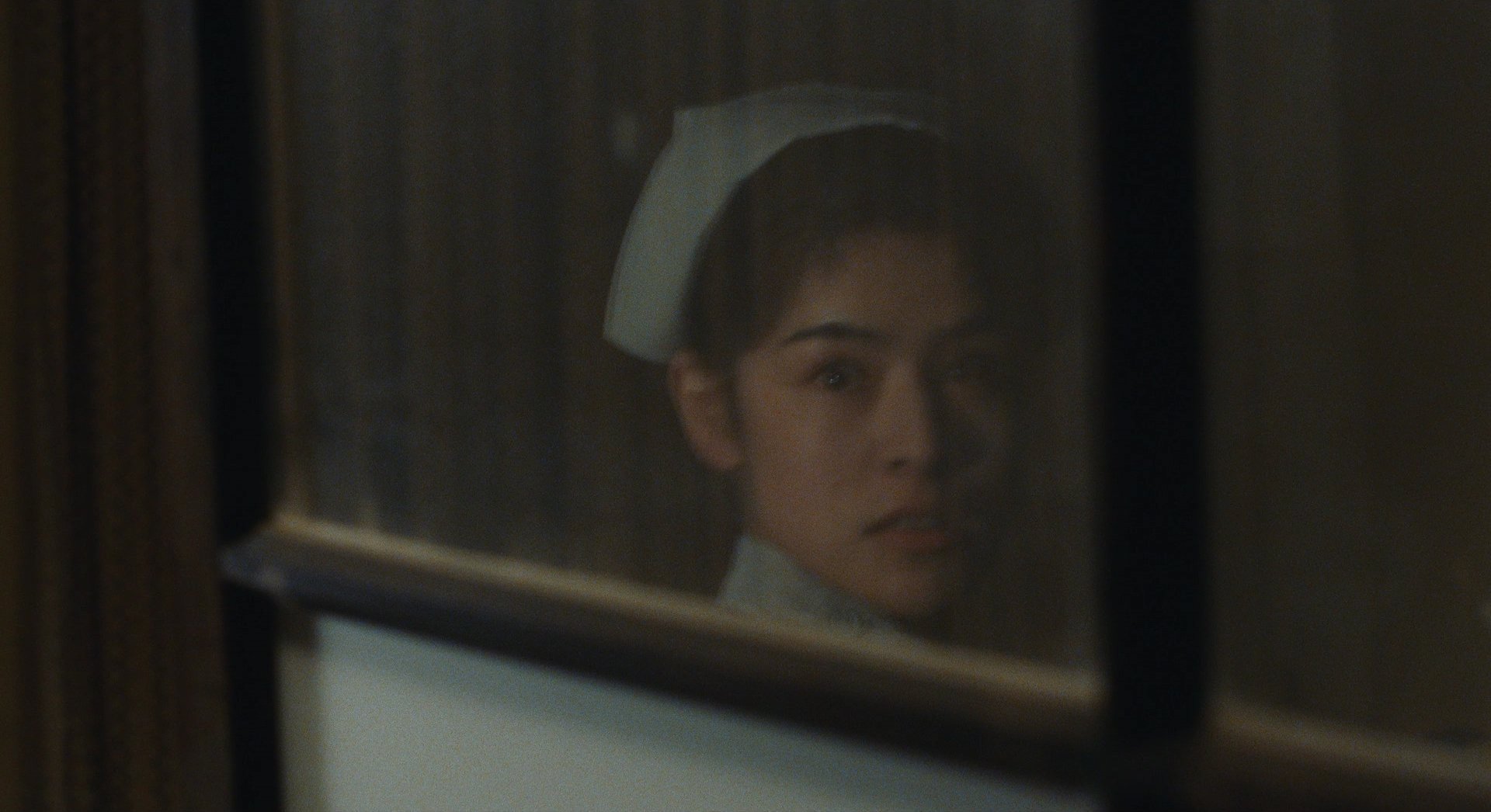
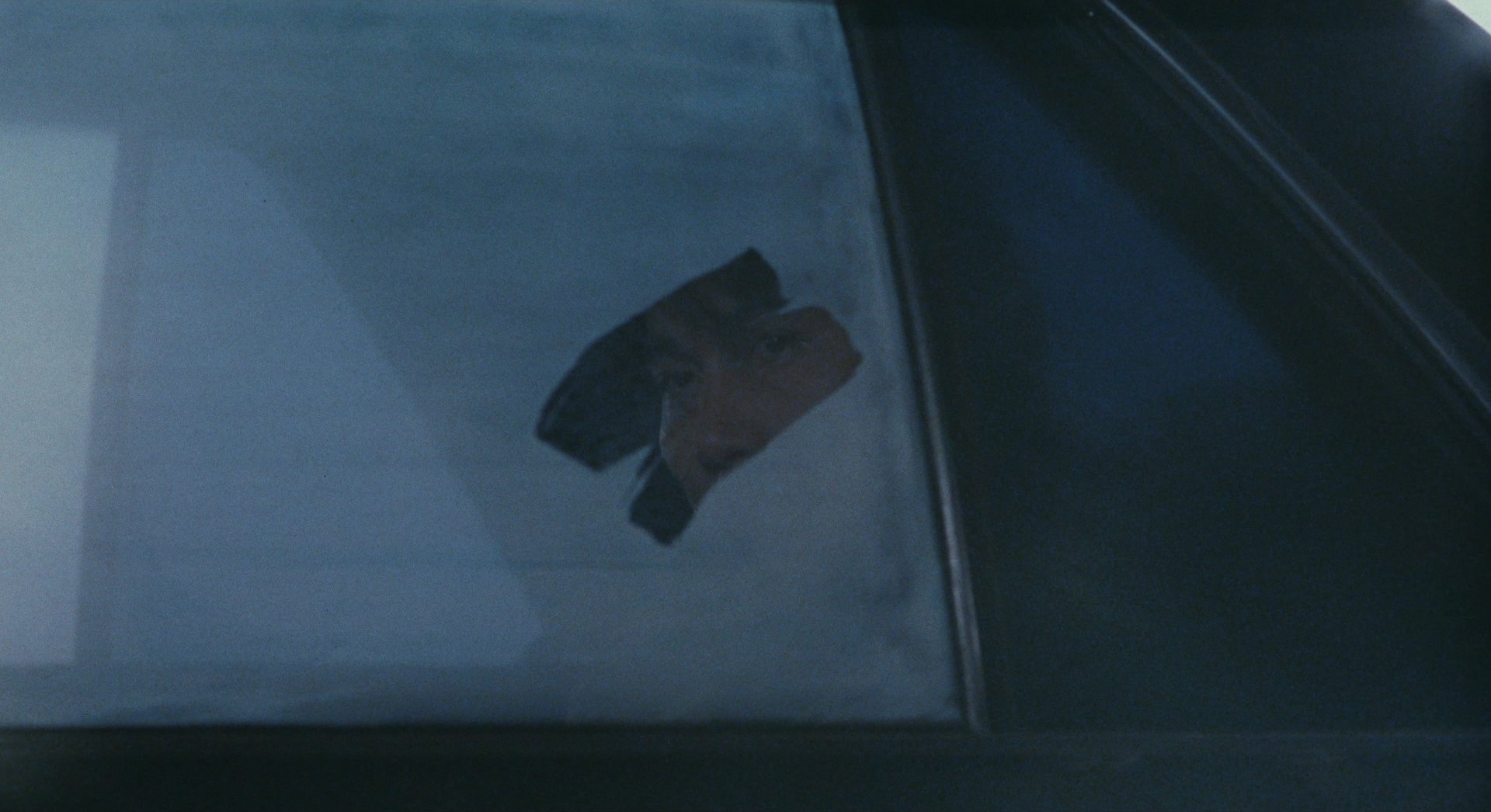
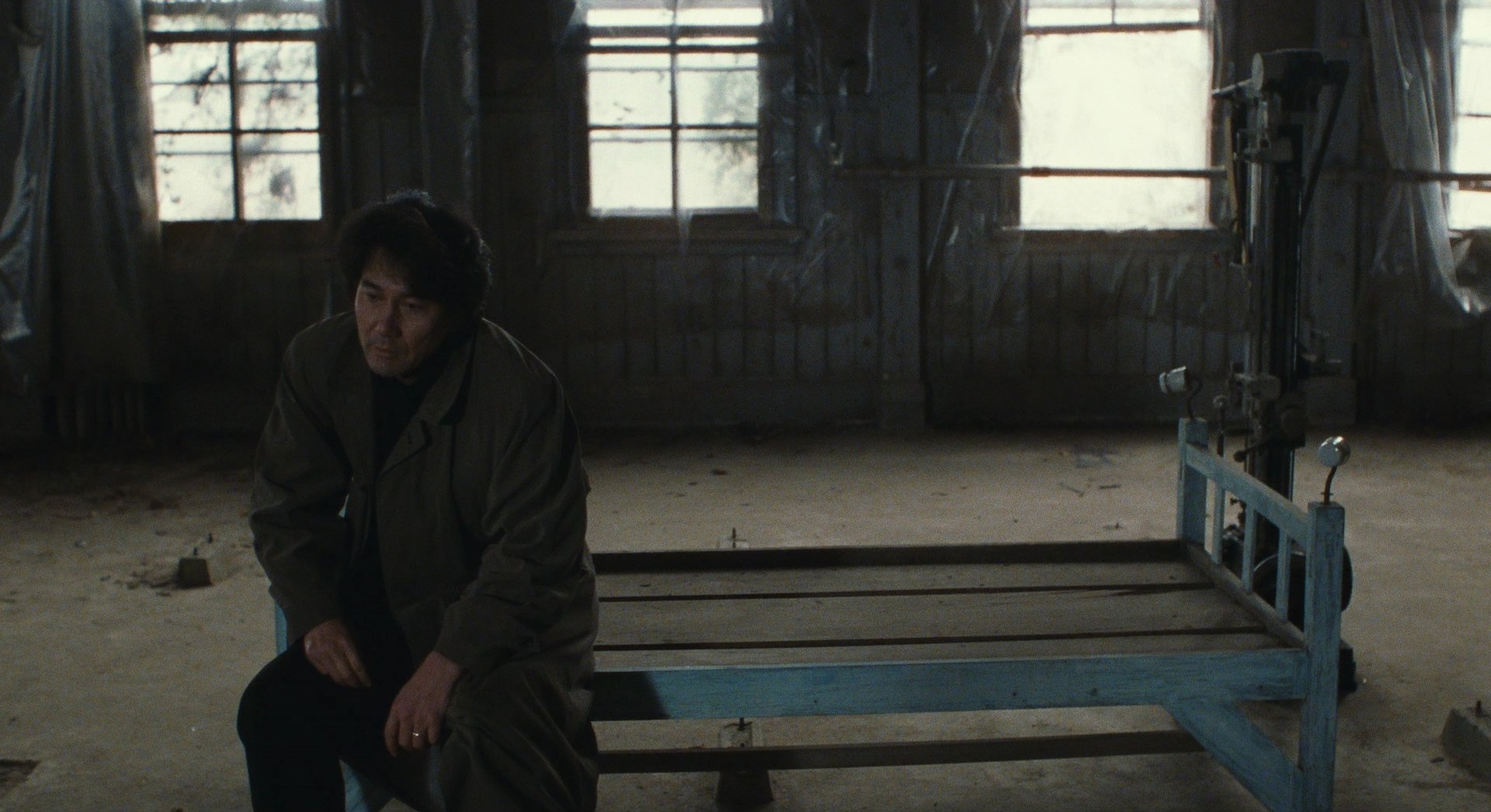
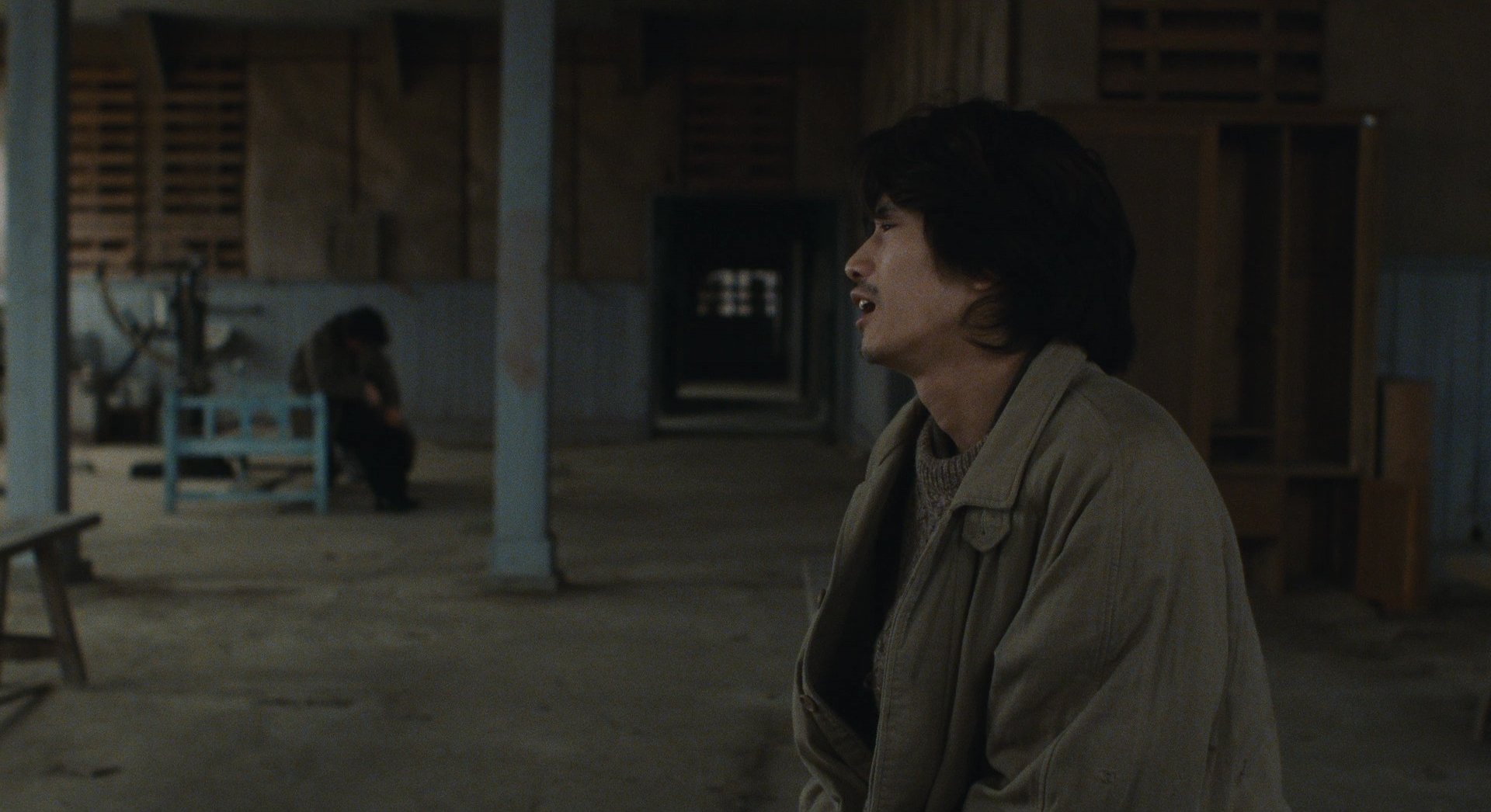
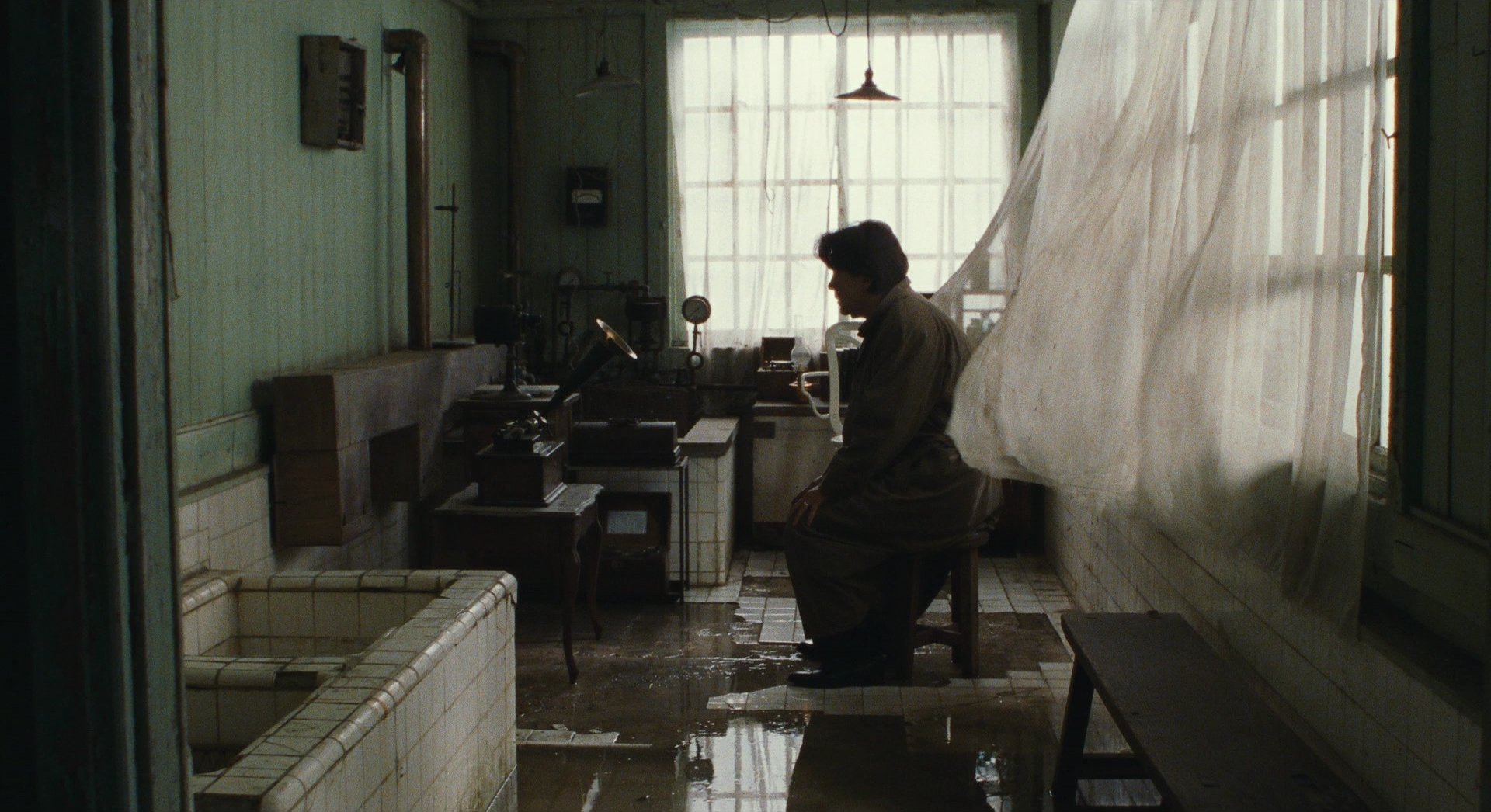
Produced on a modest budget with minimal effects, the film emphasises performance and atmosphere. It uses wide frames to expose empty architectural spaces and features long static shots and a muted colour palette to render urban alienation through silence.
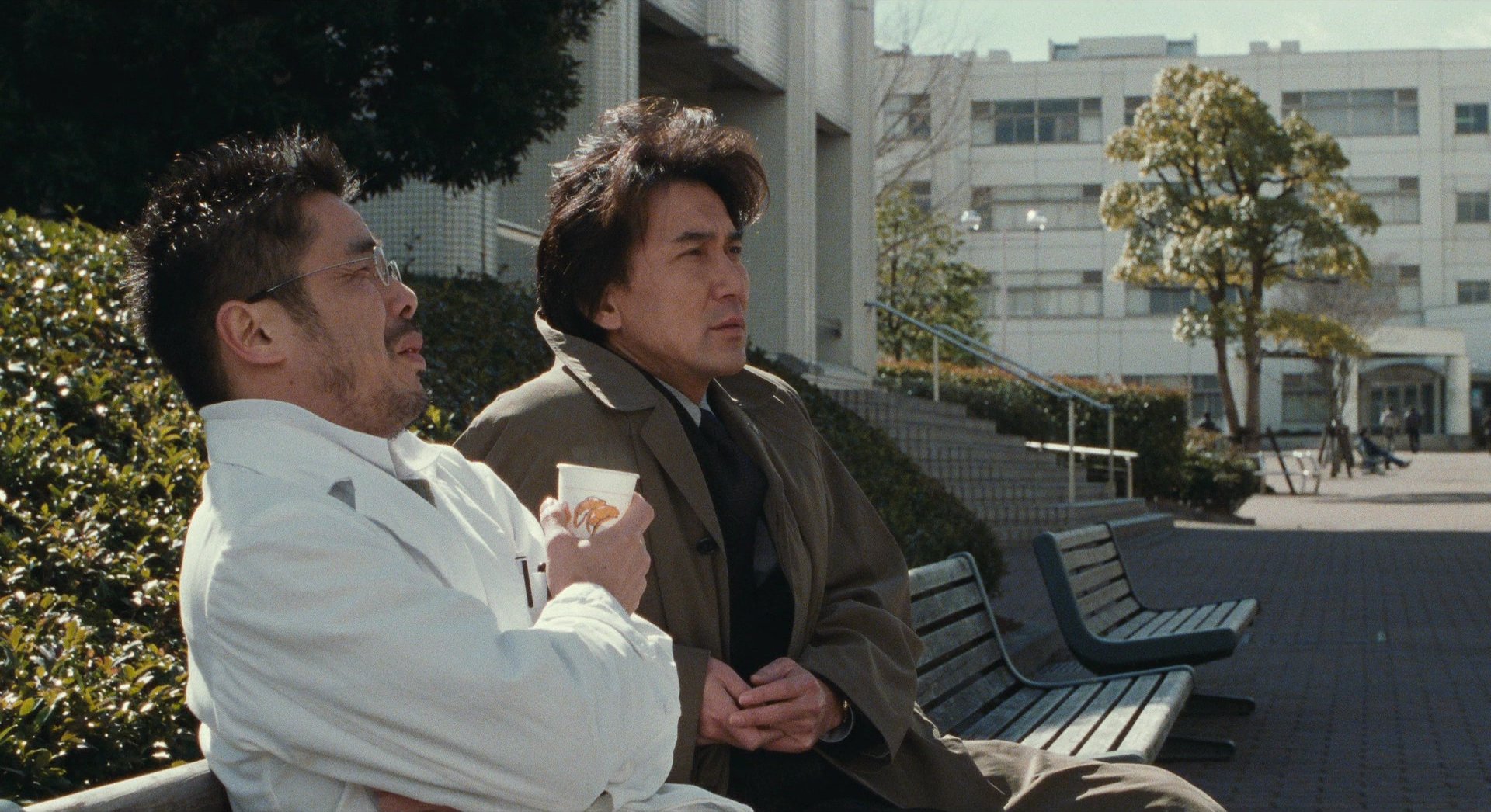
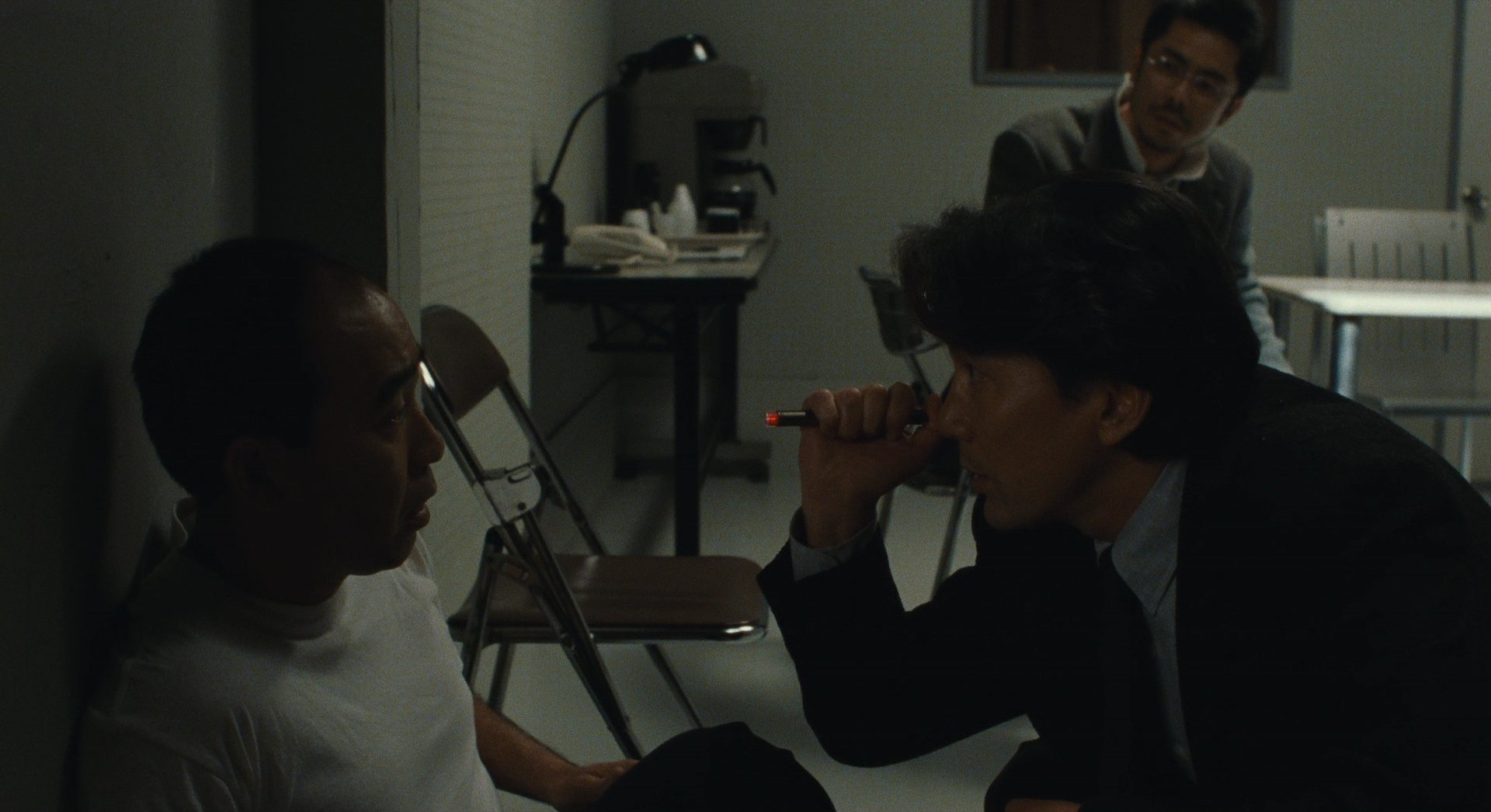
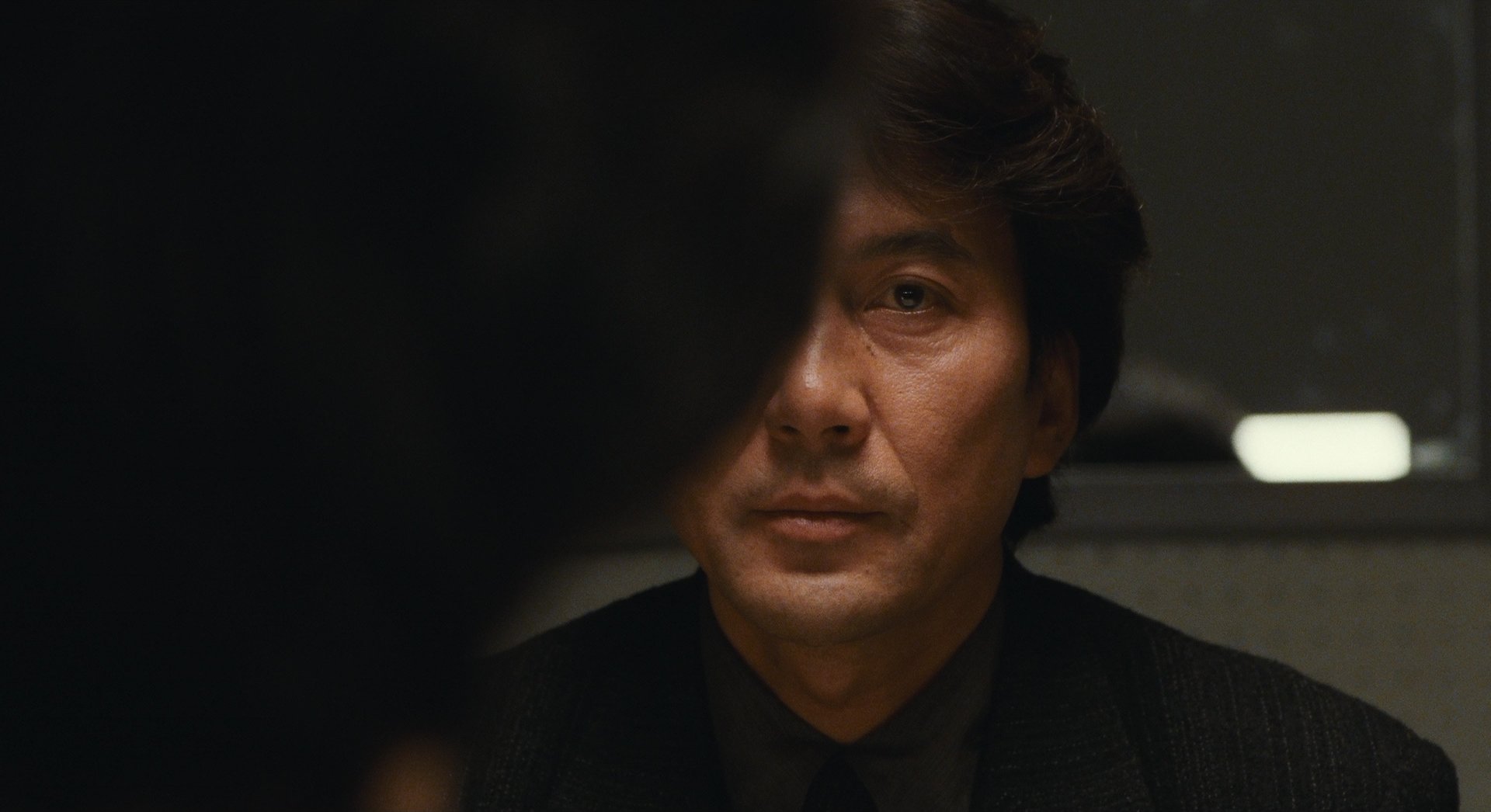
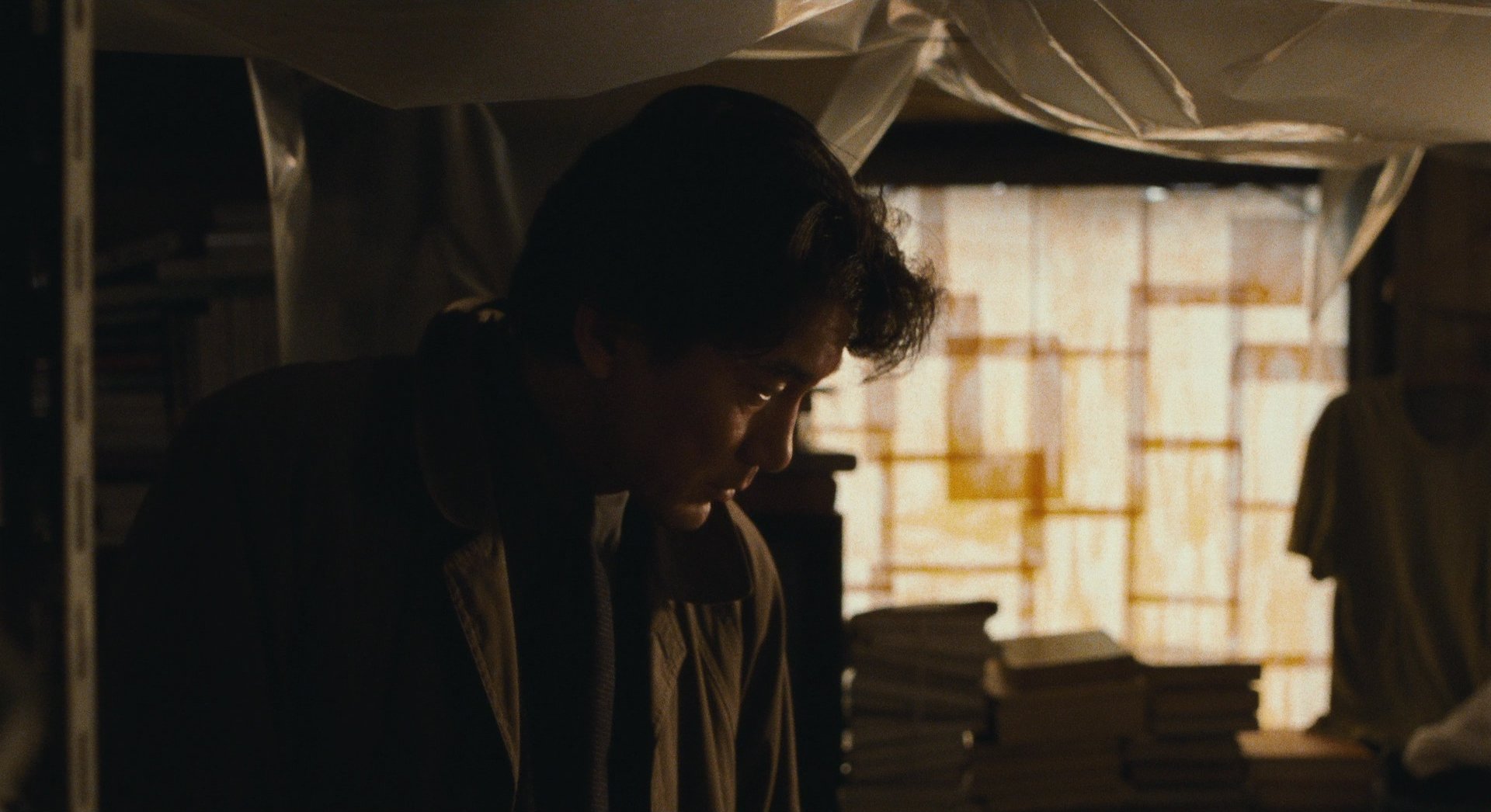
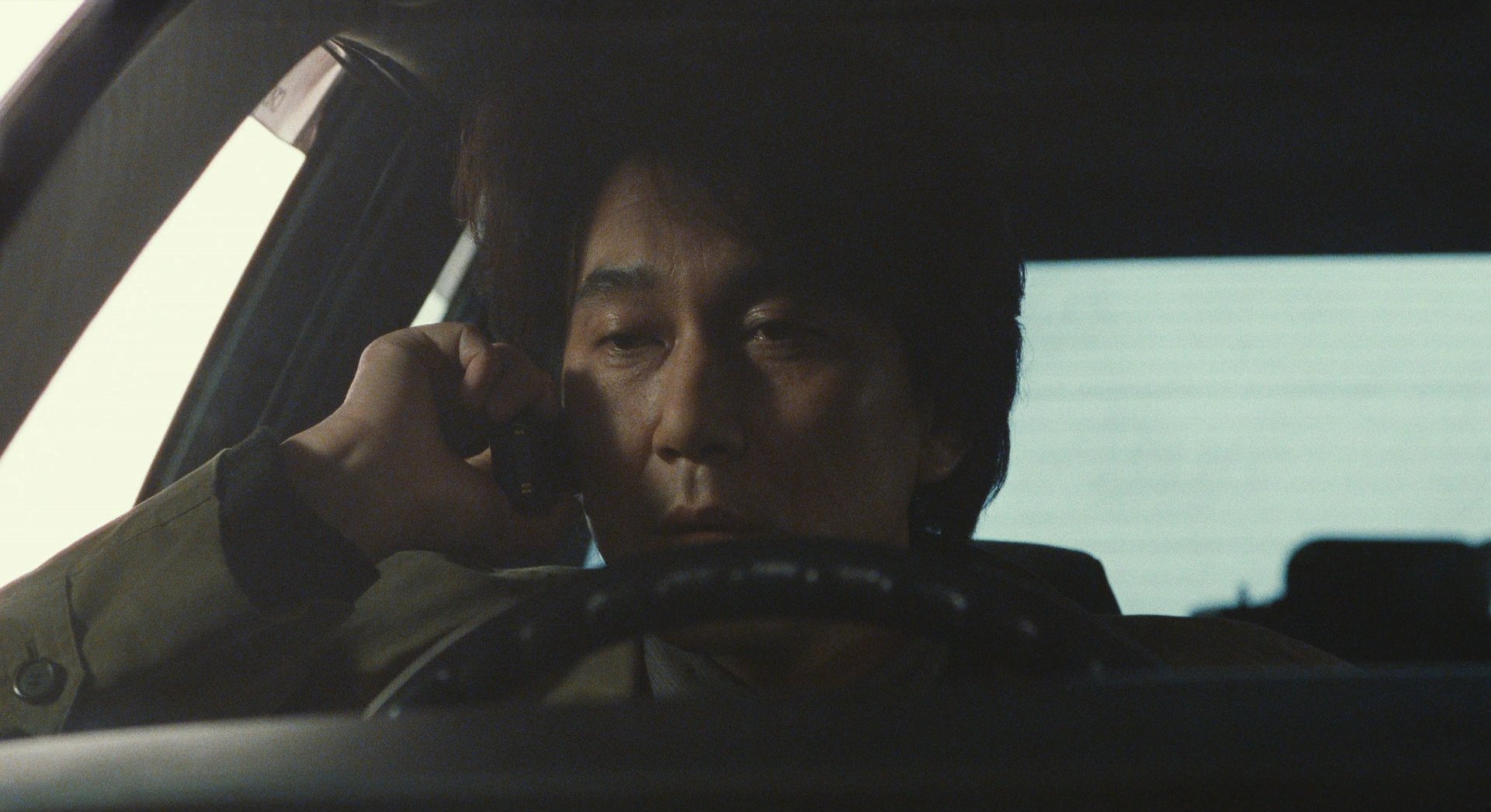
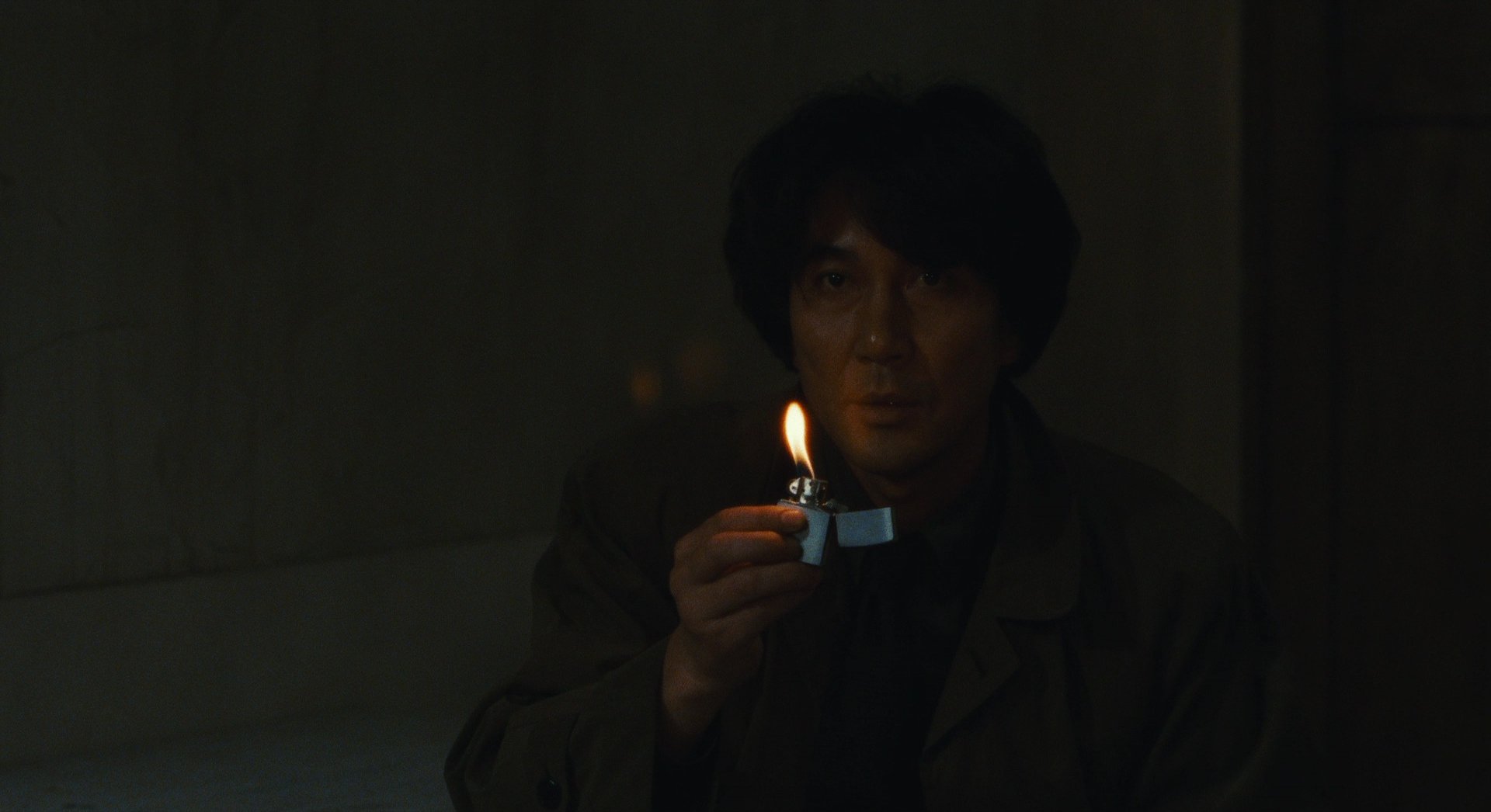
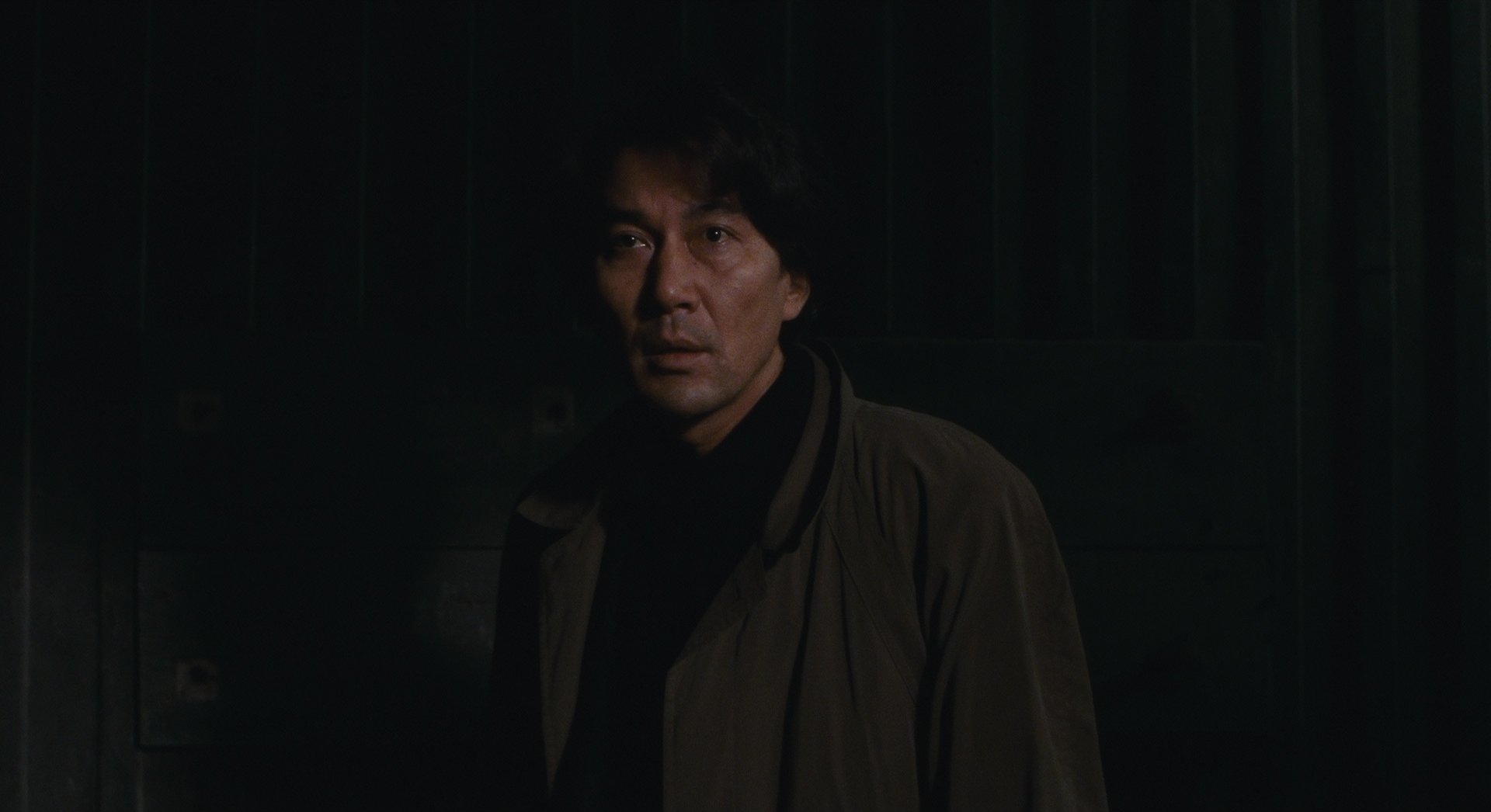
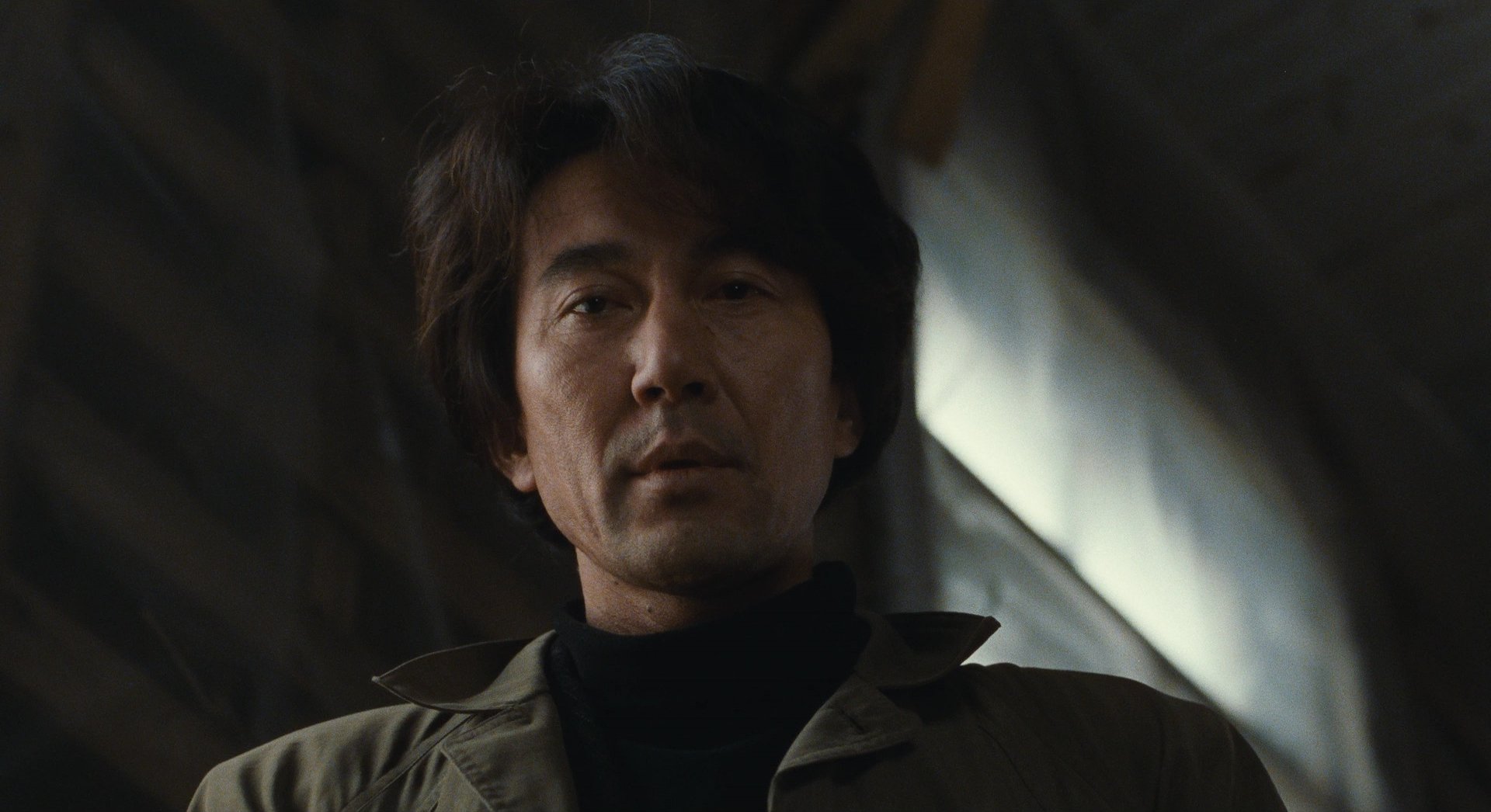
Through restraint rather than spectacle, the film helped redefine modern Japanese horror. As such, the murders are depicted with minimal sensationalism, with the focus resting on psychological contagion rather than gore. All of this is anchored by Kōji Yakusho’s performance as Detective Takabe, a fascinating central figure.
Technical Specs:
- The Story: A weary detective is investigating a series of identical, motiveless murders across Tokyo. Each murder has been committed by a different person who has no memory of the crime, and each victim has the same mysterious ‘X’ carved into their throat.
- Actors: Kōji Yakusho, Masato Hagiwara, Tsuyoshi Ujiki, Anna Nakagawa, Yoriko Dōguchi, Denden.
- Director: Kiyoshi Kurosawa
- Year: 1997
- Cinematographer: Tokushō Kikumura
- Origin: Japanese Cinema
- Aspect Ratio: 1.85:1
- Genre: Horror / Psychological Drama