Laura (1944): Portrait of a classical noir
1944 • Otto Preminger • 1.37:1 • Jump to Gallery ↓
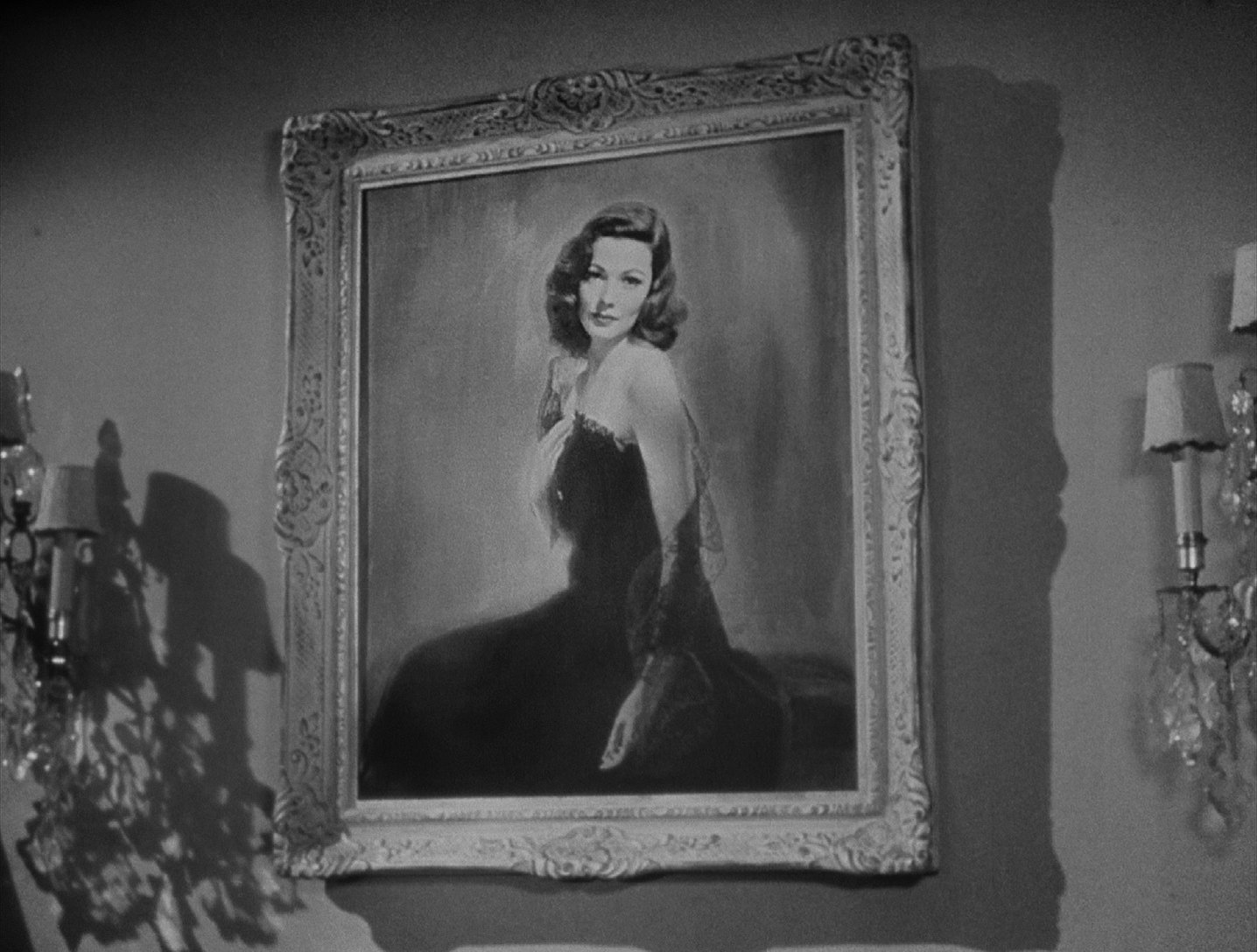
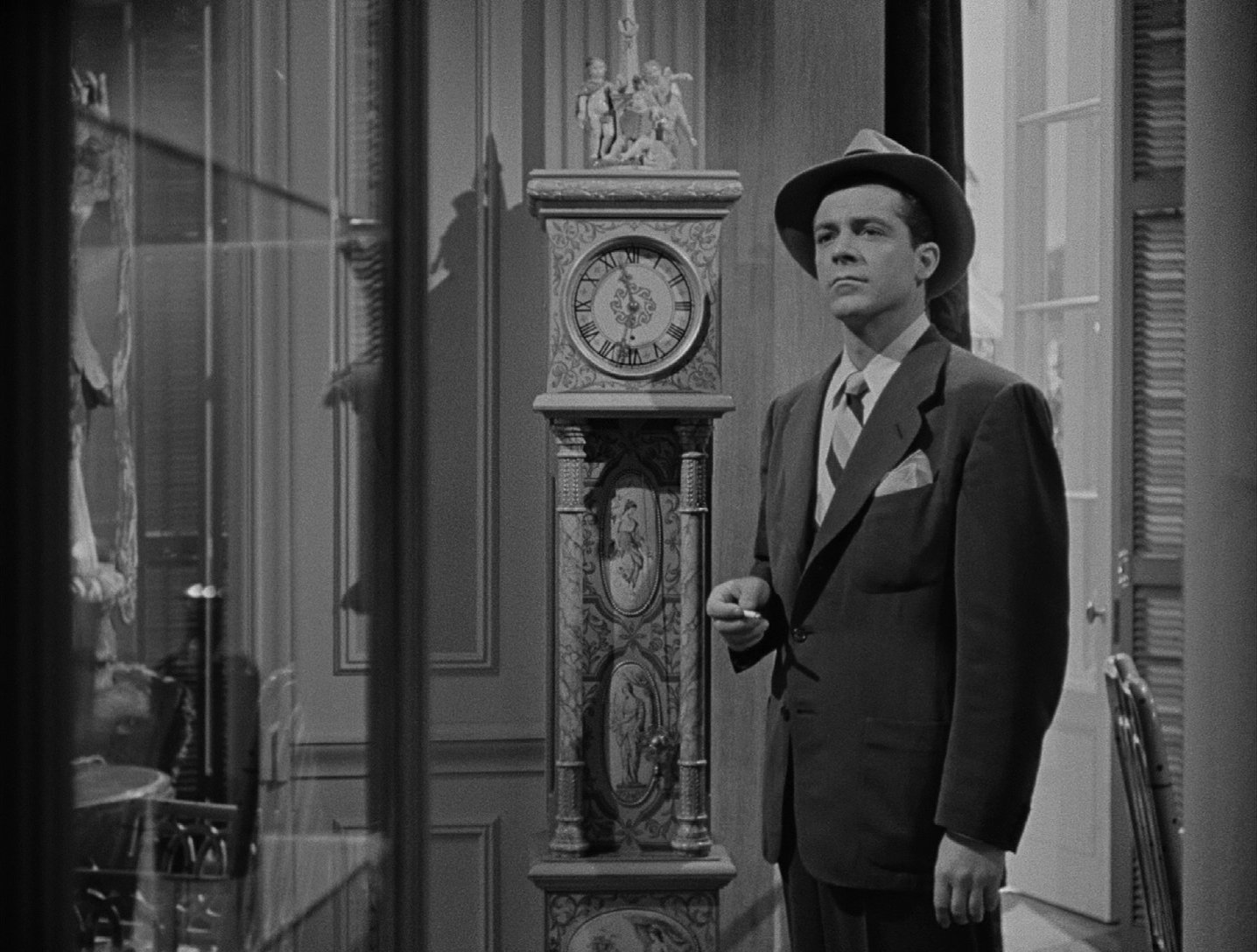
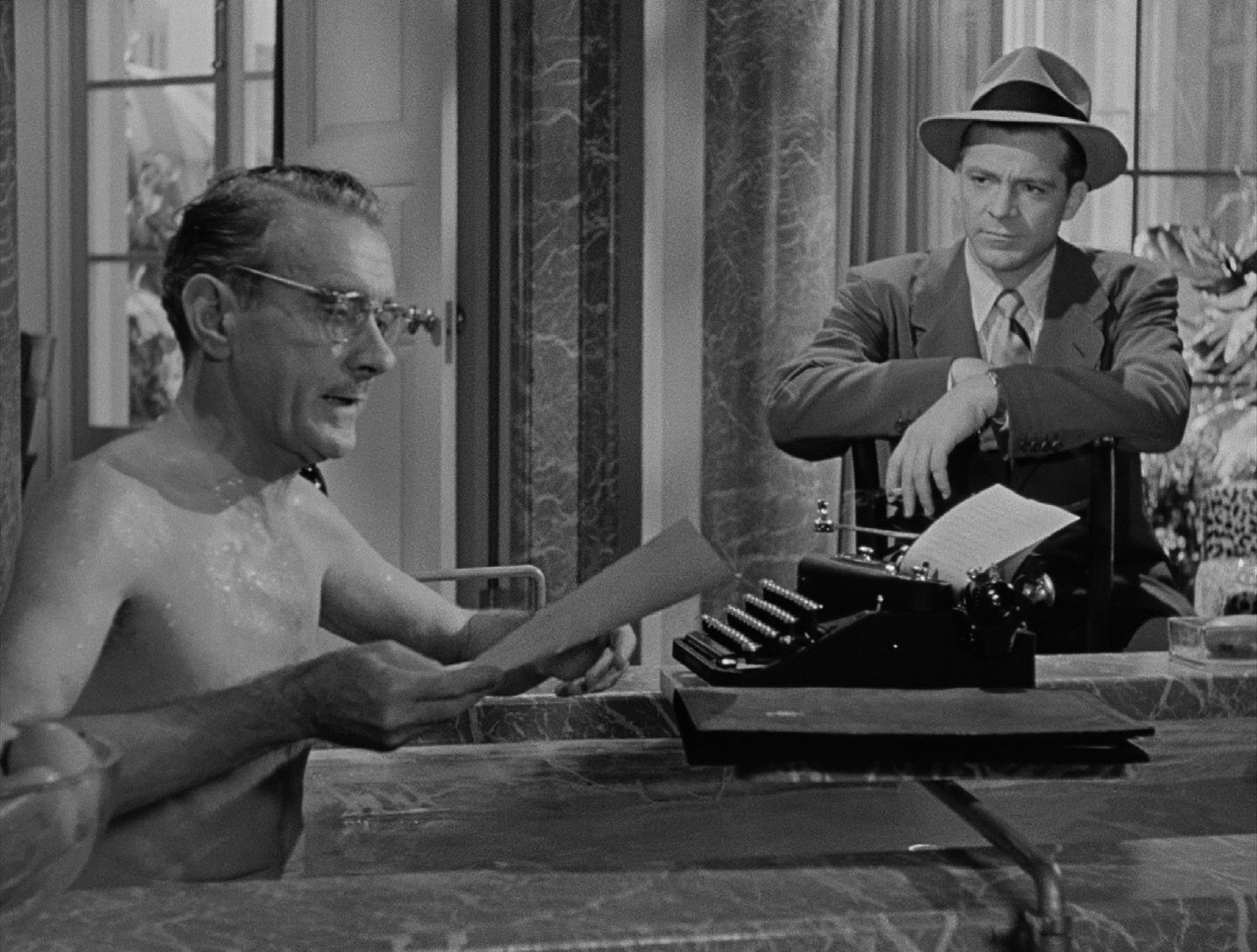
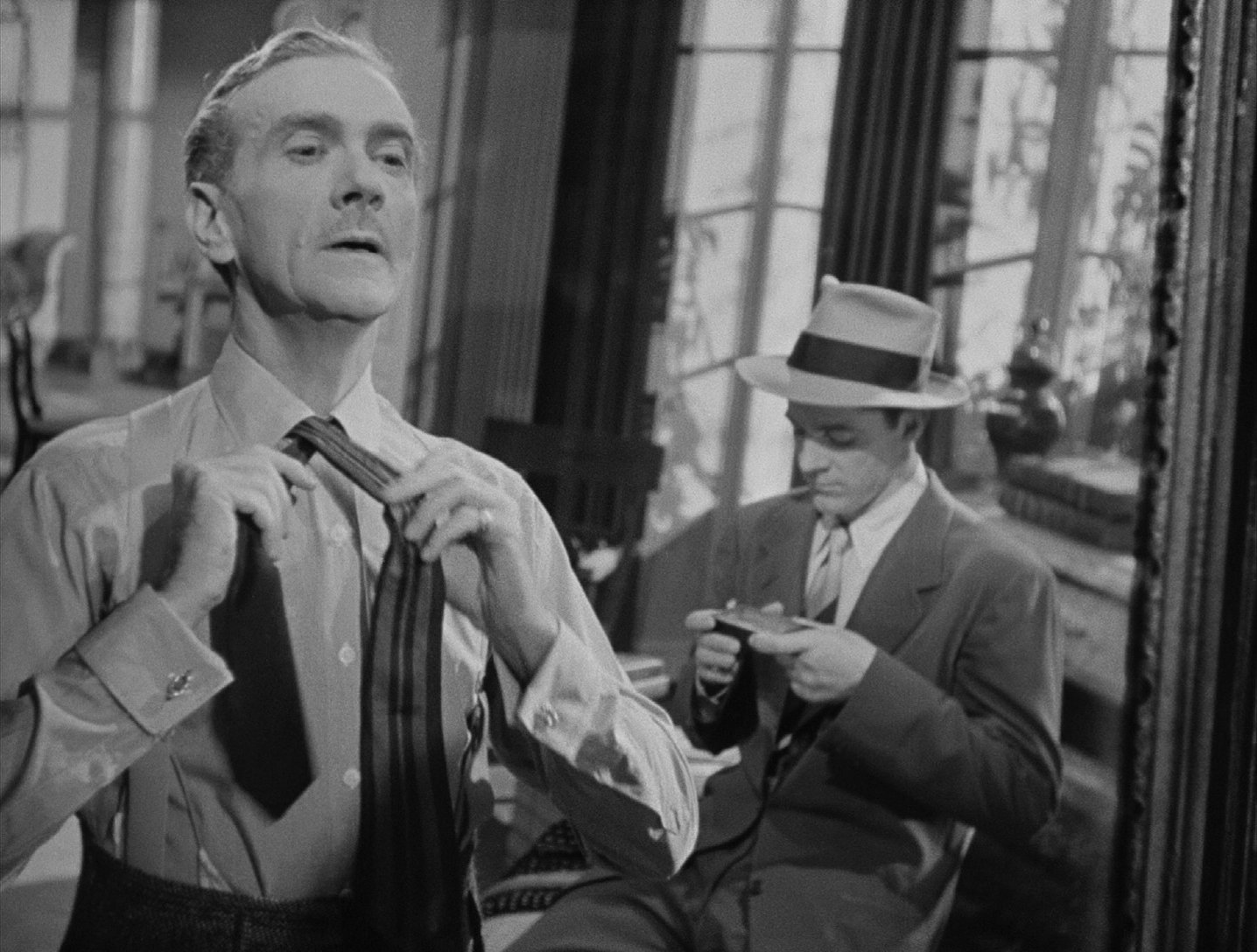
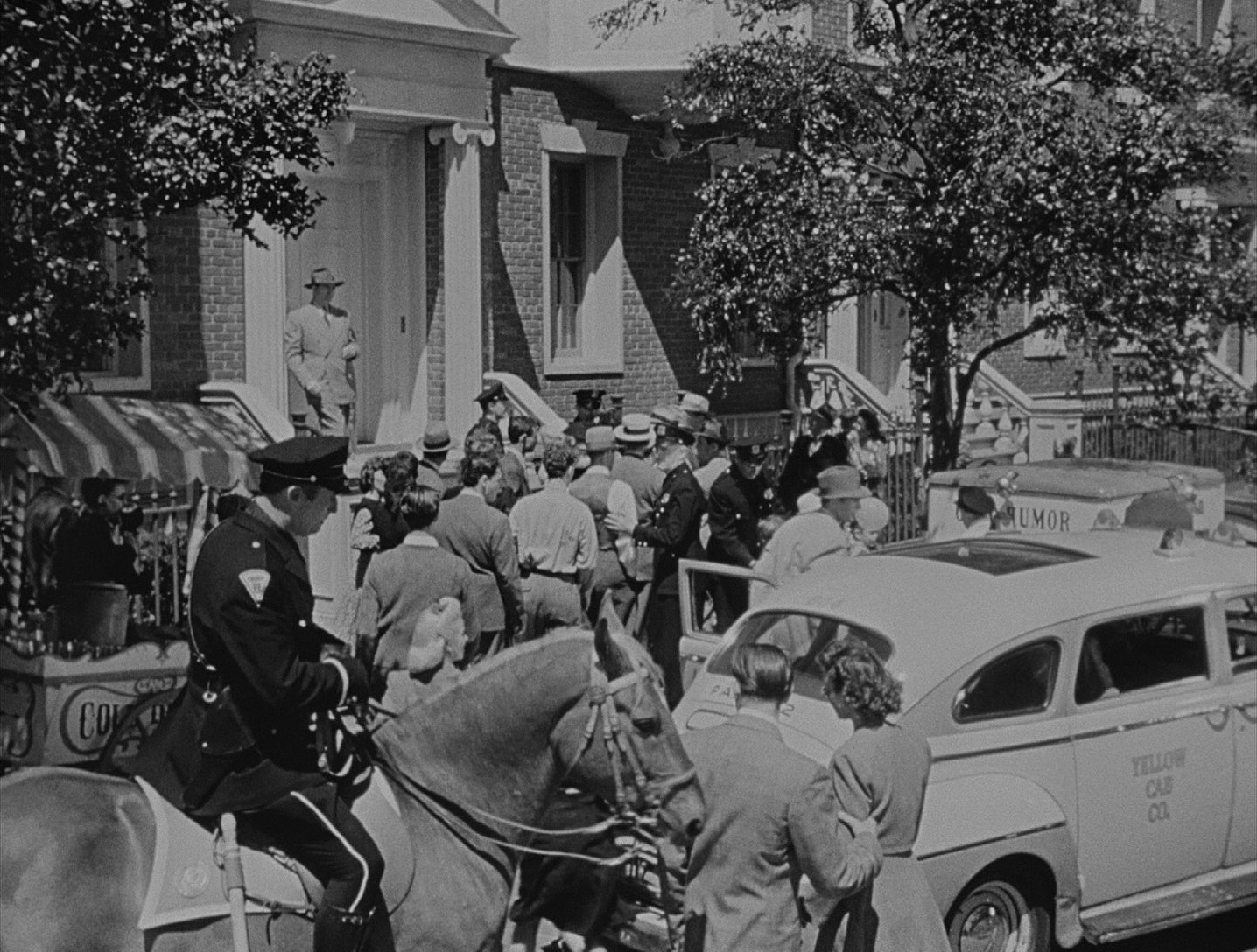
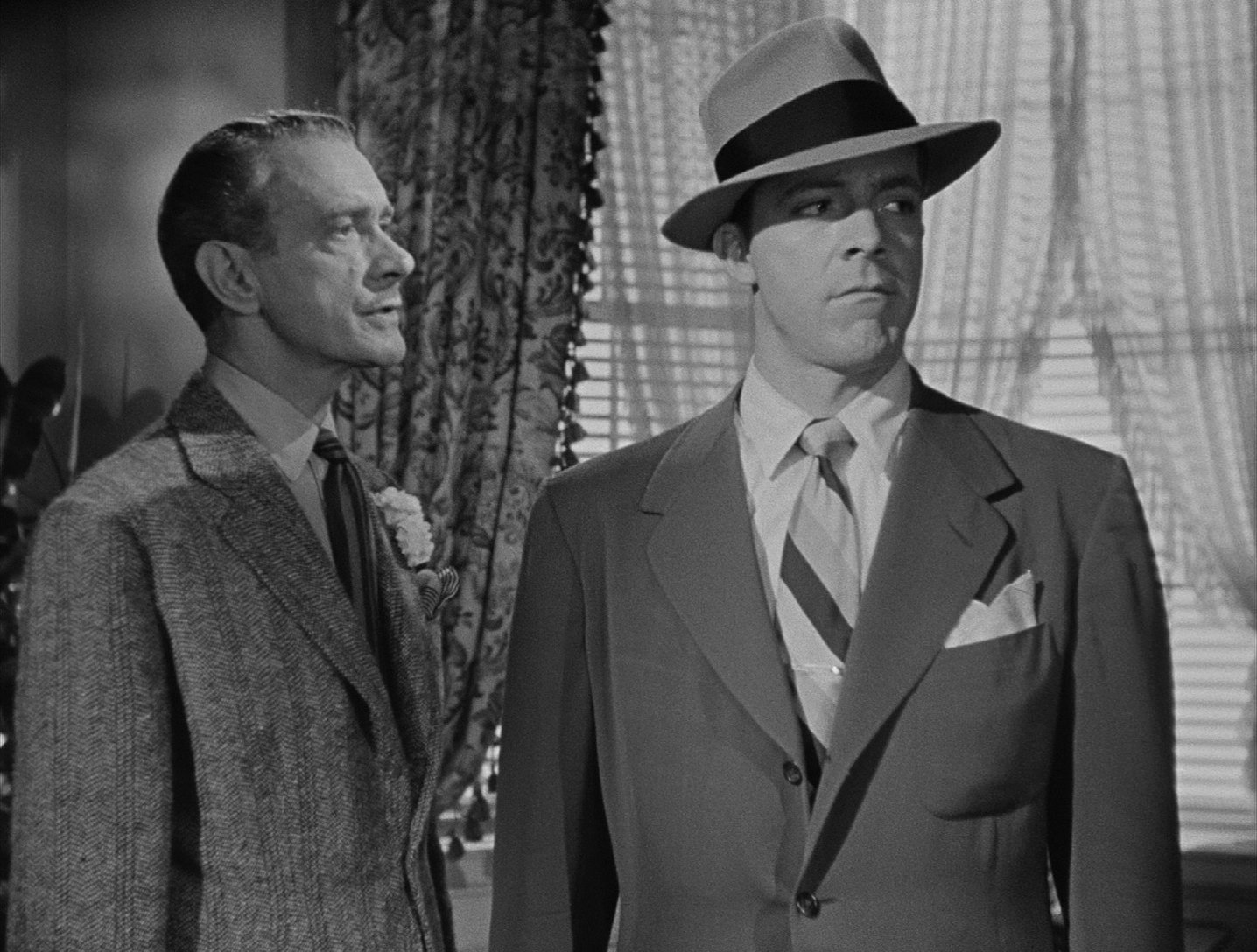
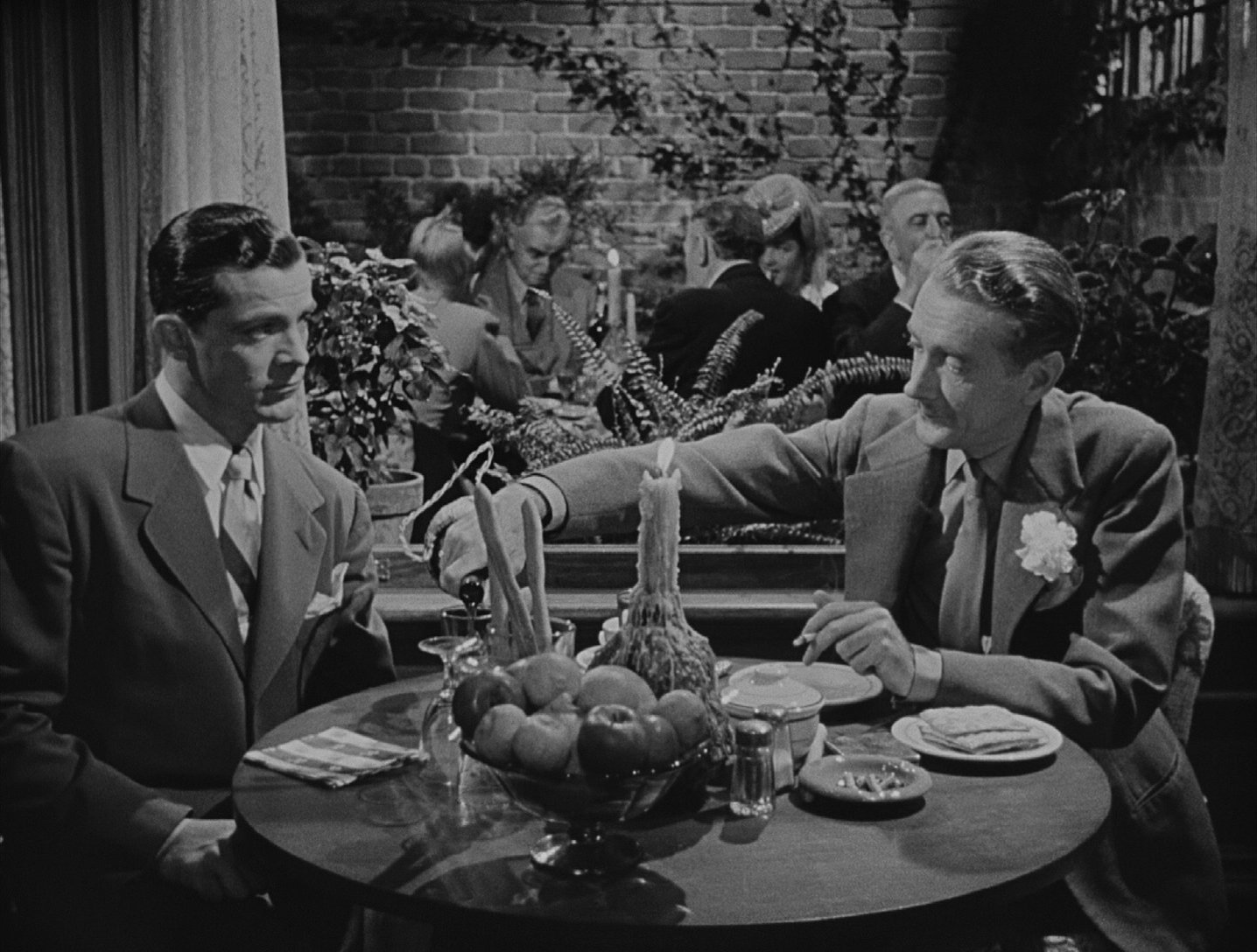
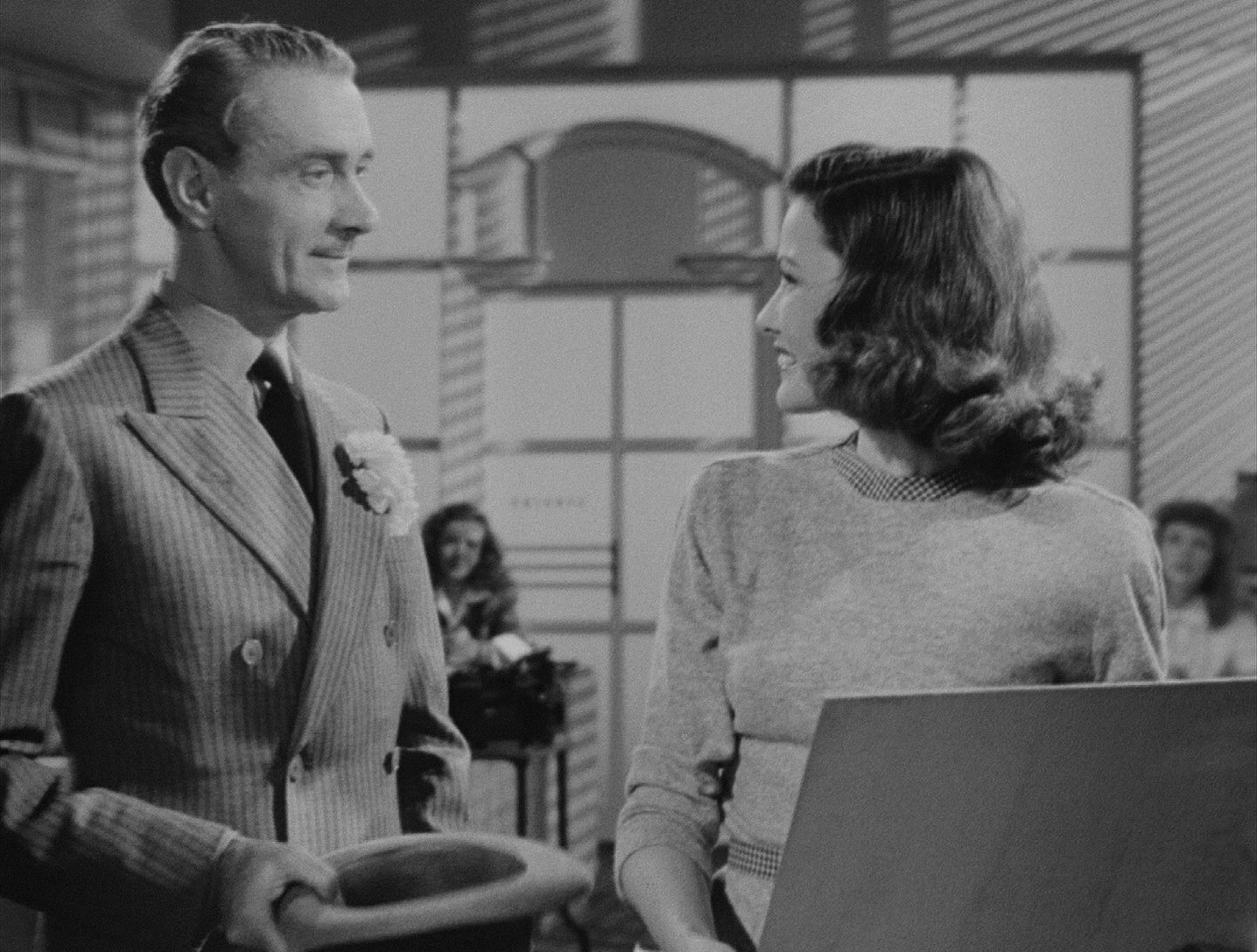
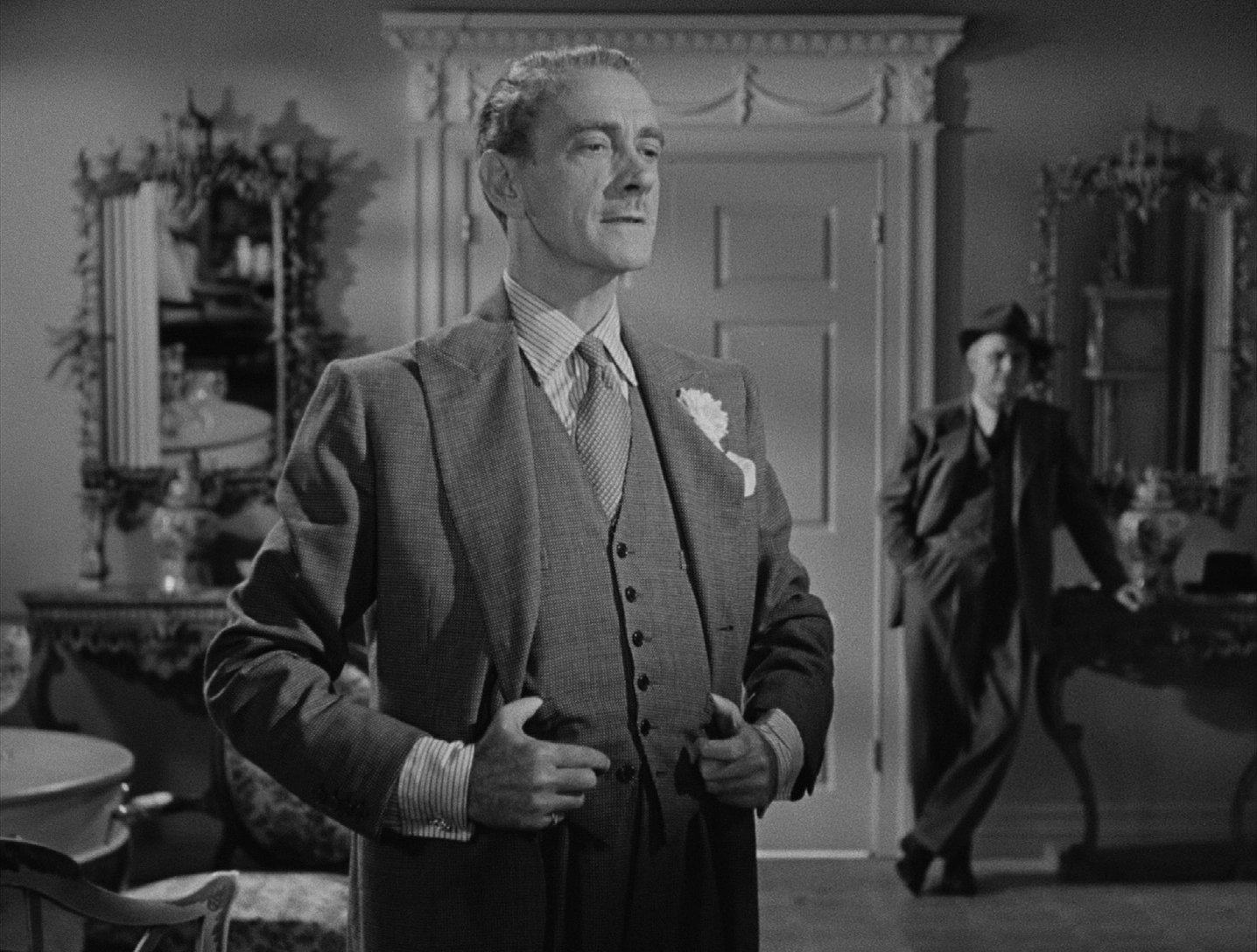
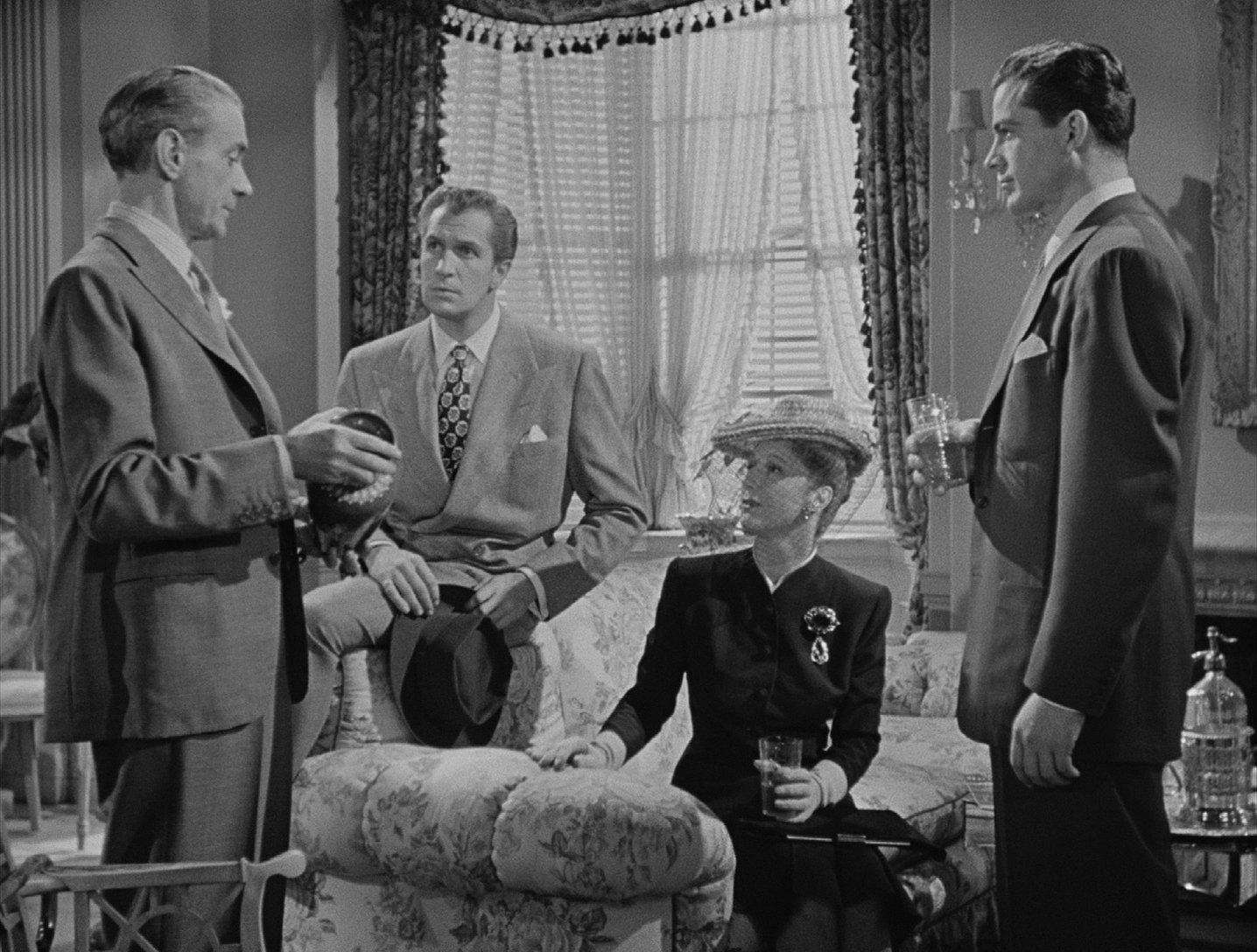
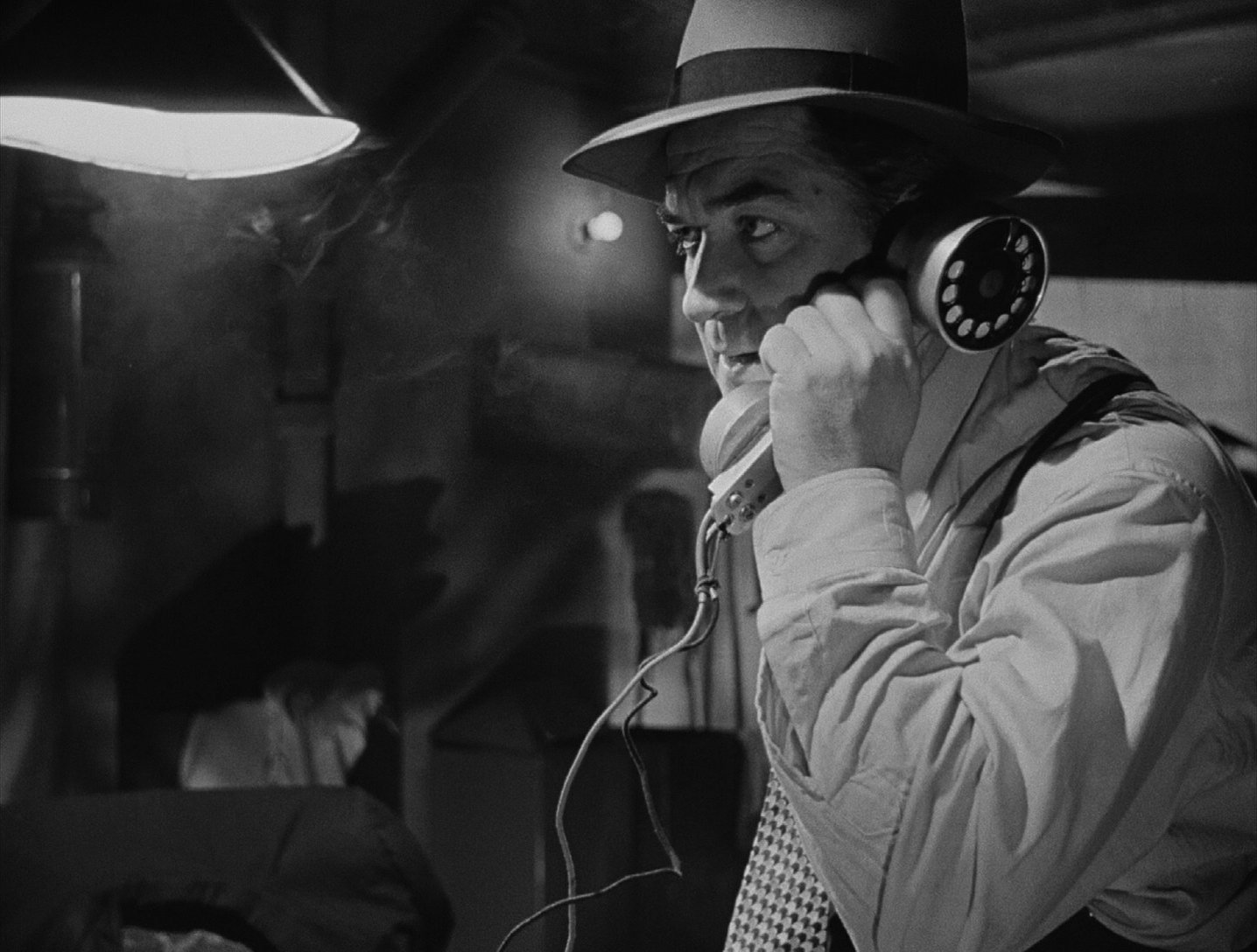
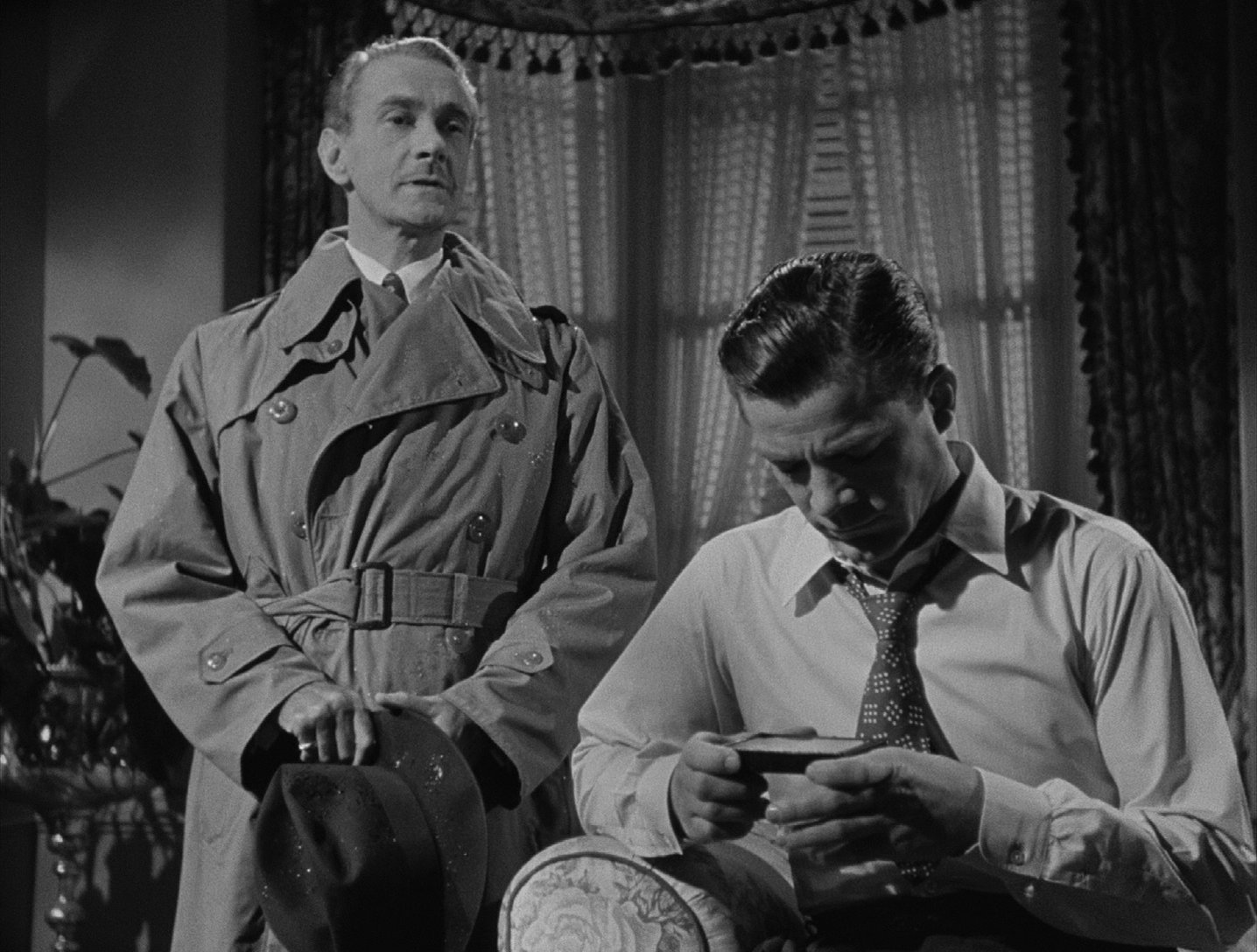
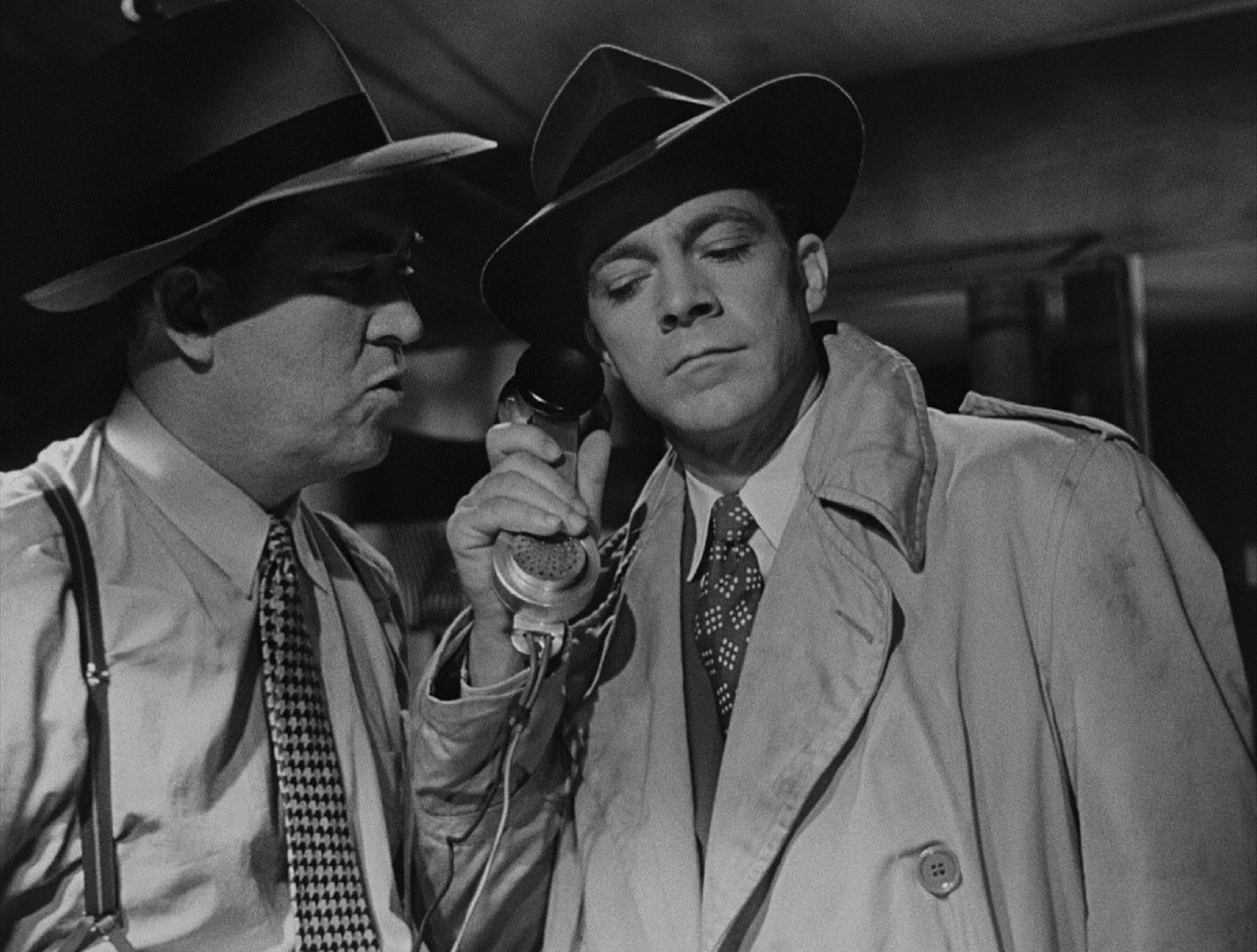
Based on Vera Caspary’s novel and directed by Otto Preminger, Laura tells the story of a New York detective investigating the apparent murder of a successful advertising executive. As he interviews those who knew her, particularly the sophisticated and controlling columnist Waldo Lydecker, he becomes increasingly fascinated by the woman at the heart of the case.
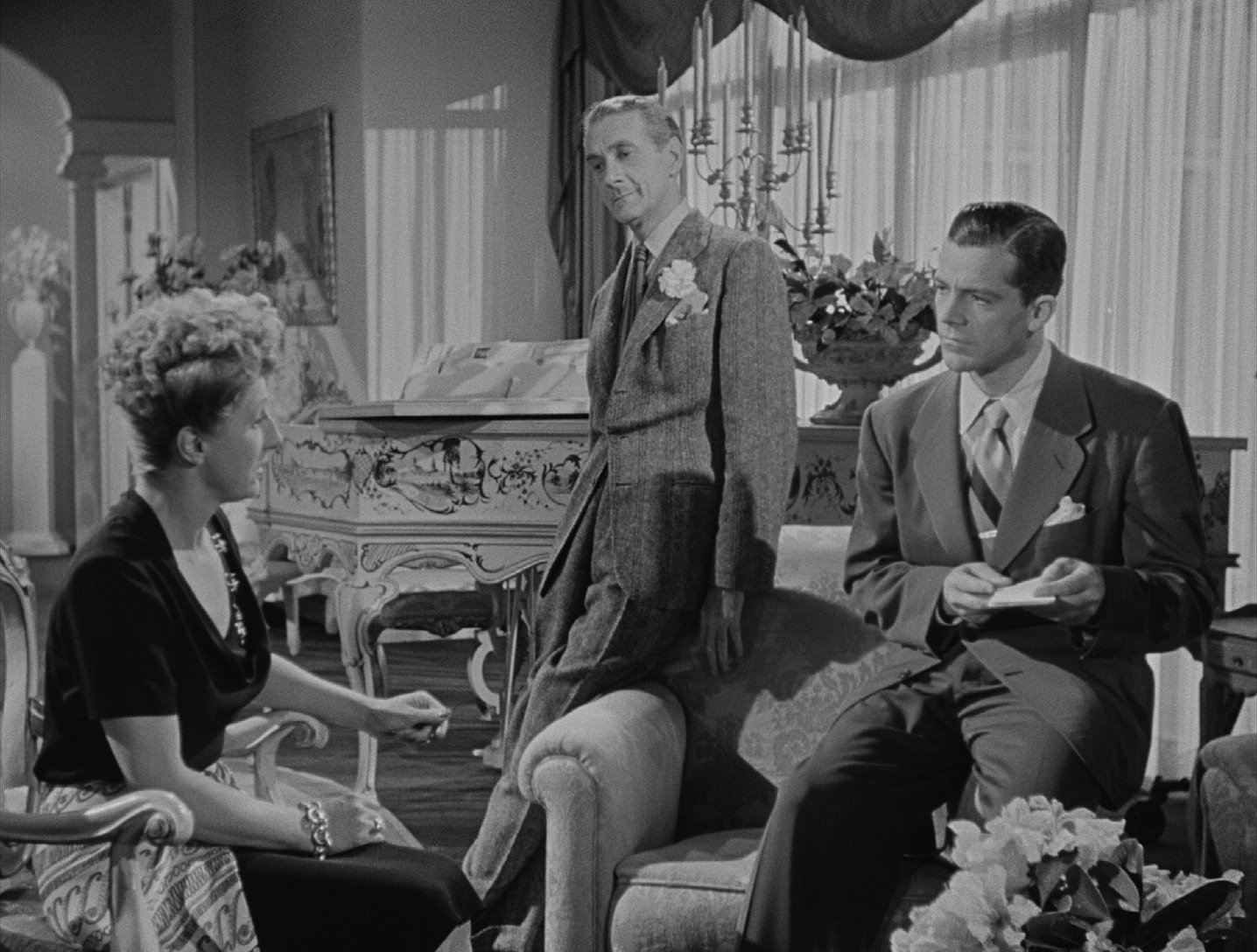
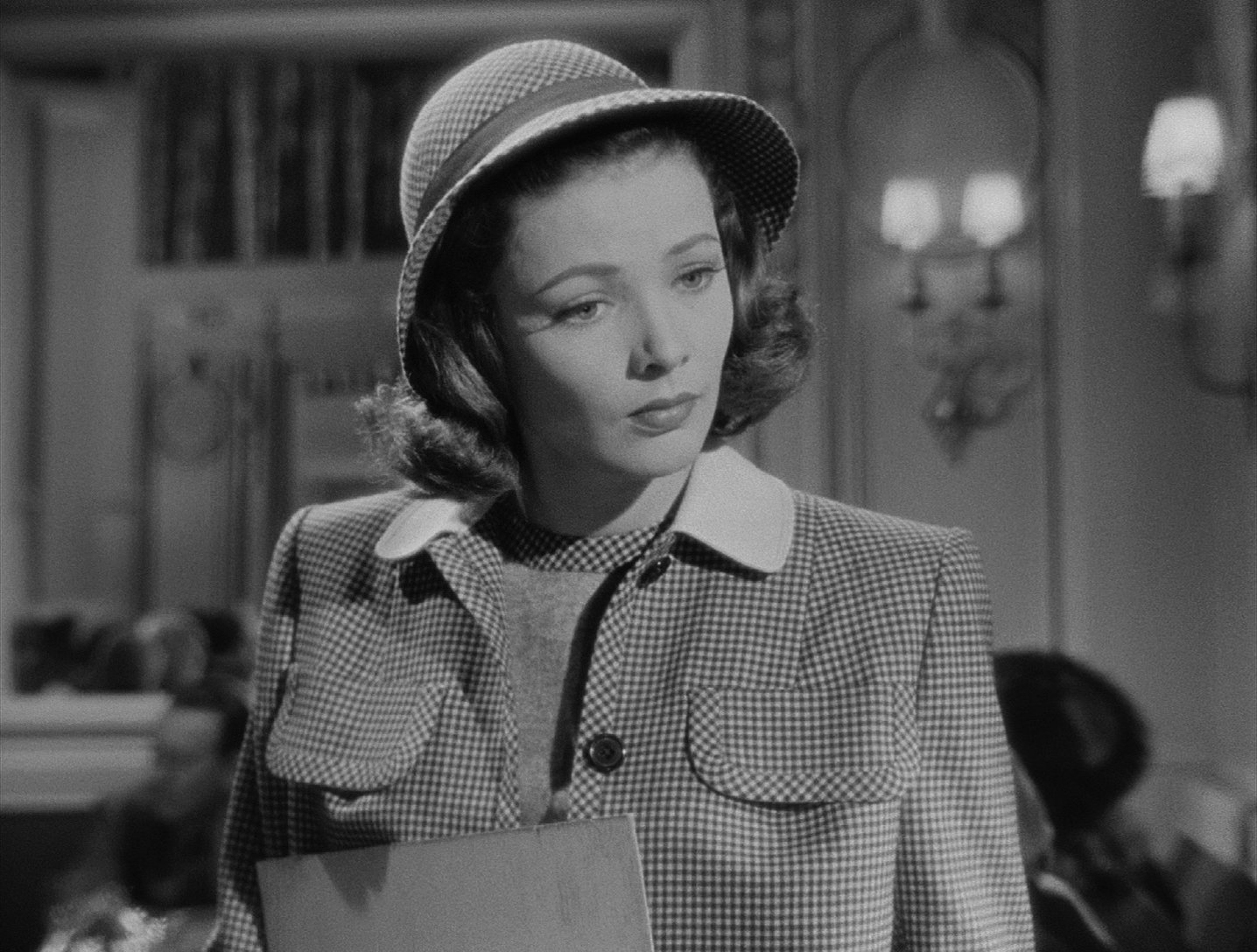
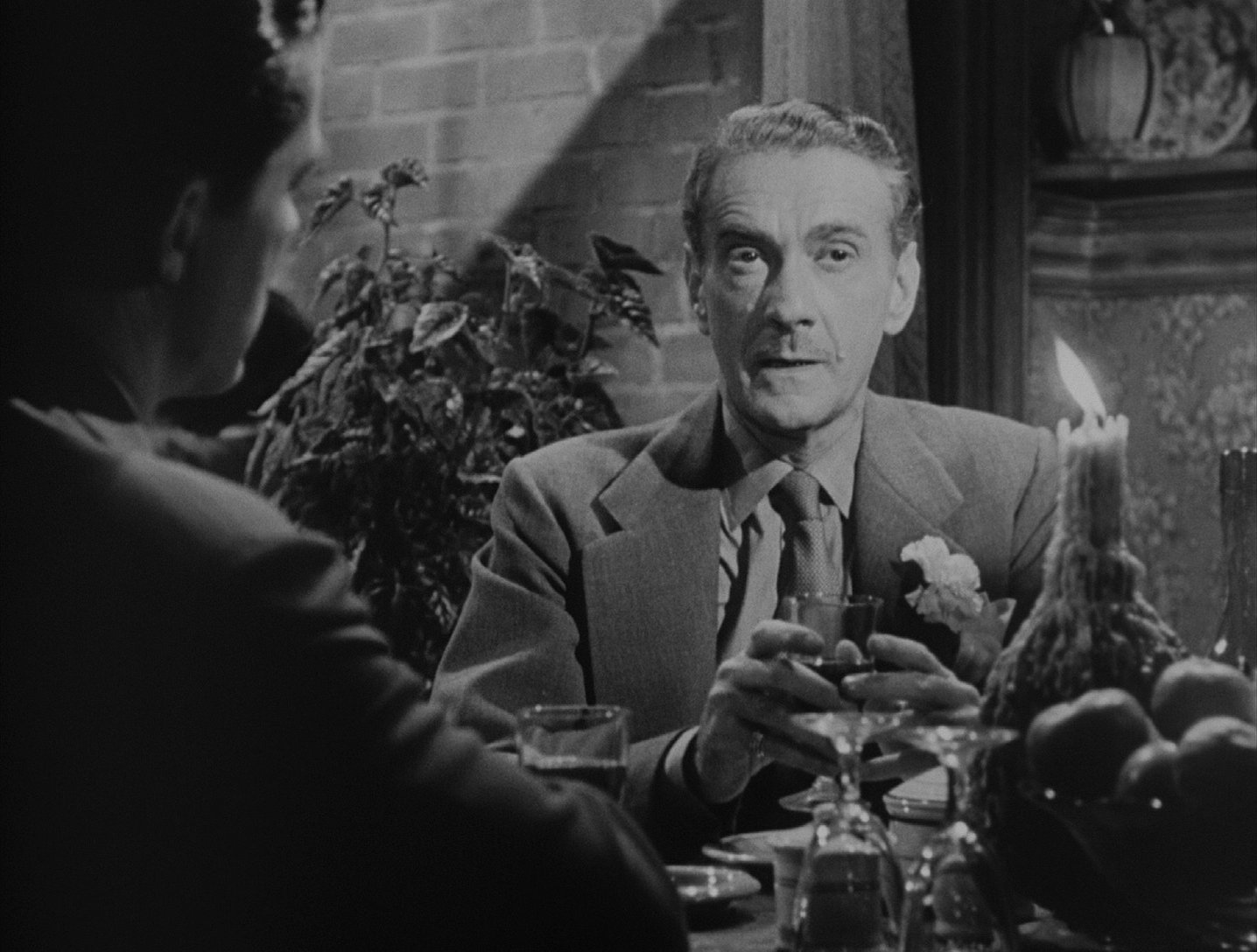
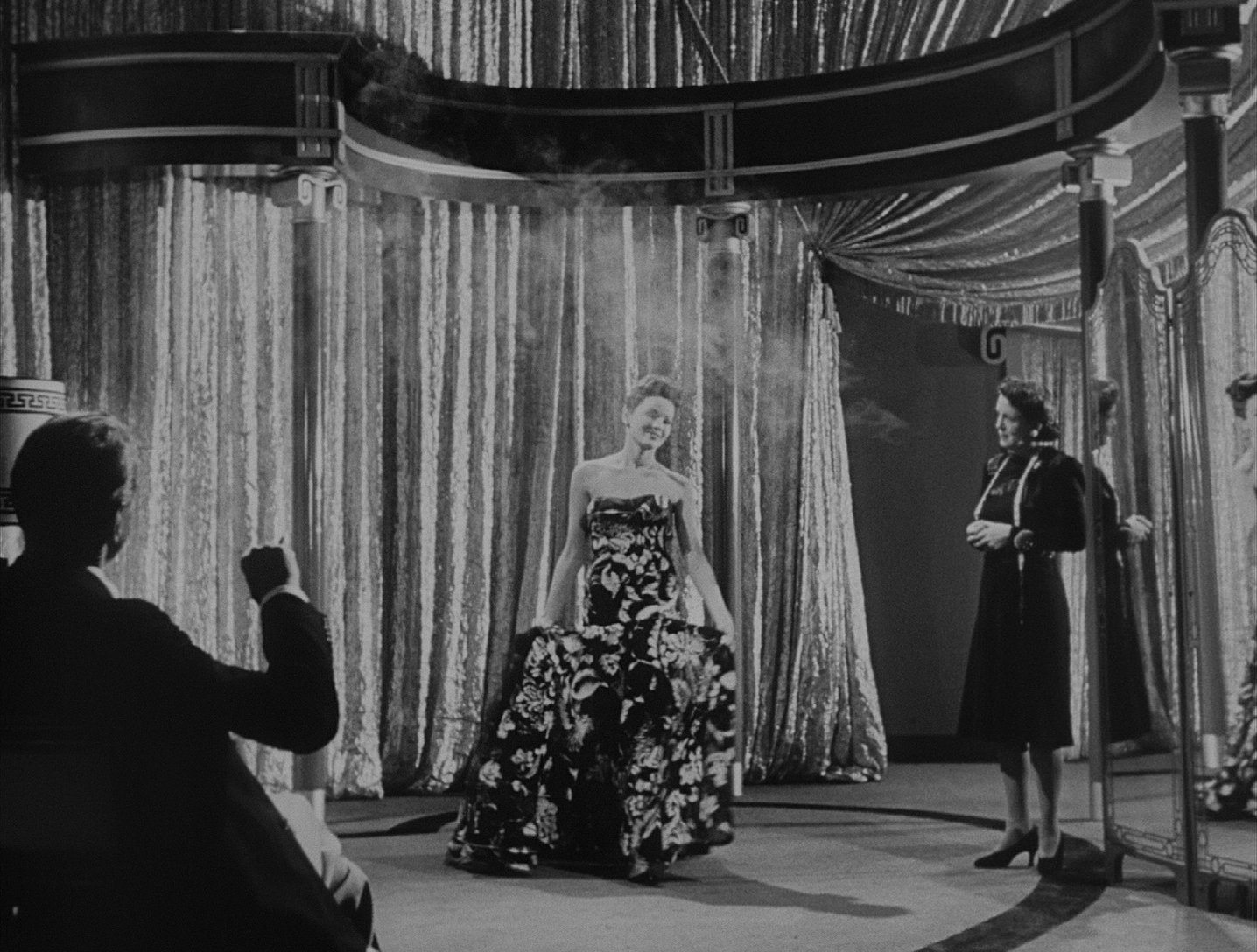
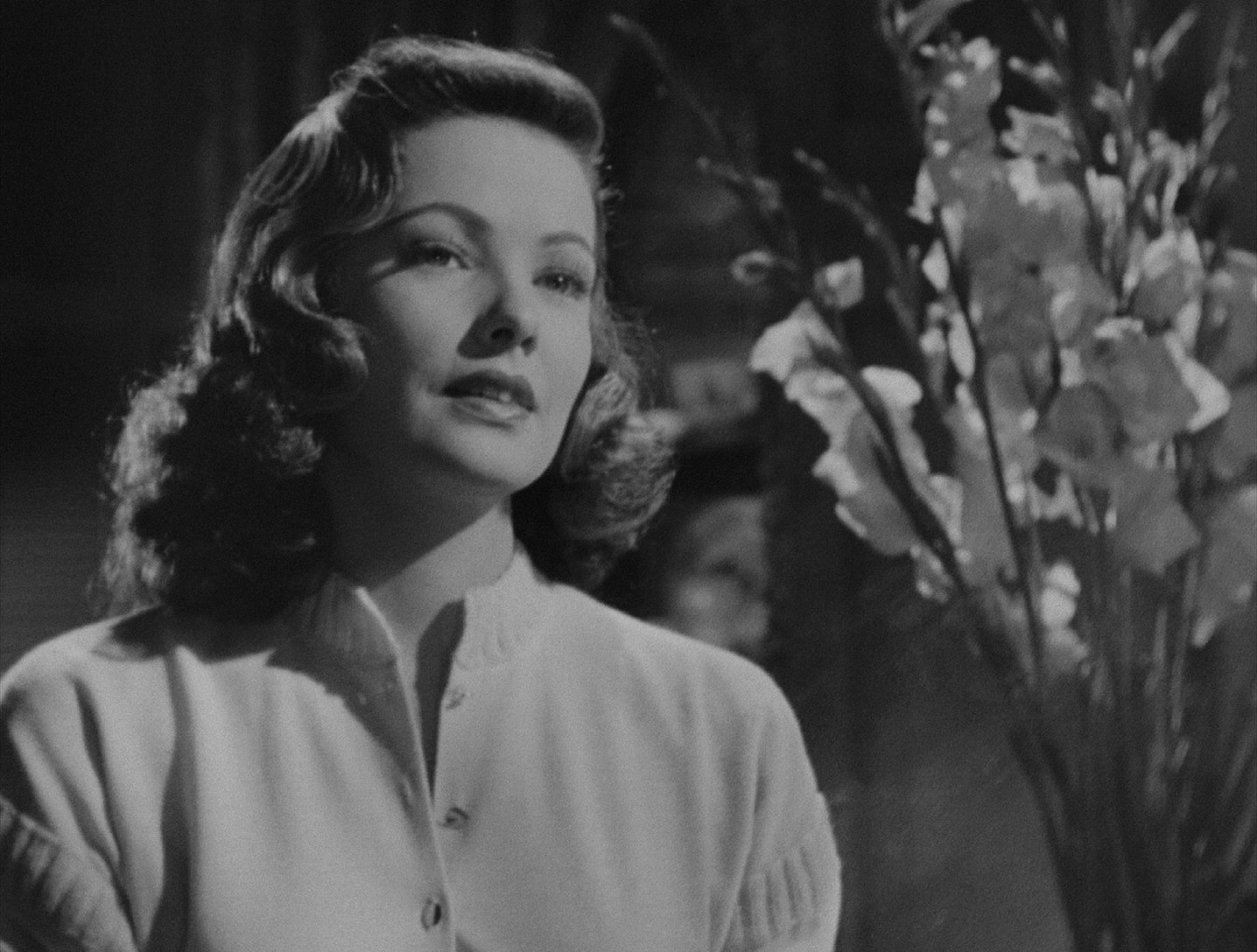
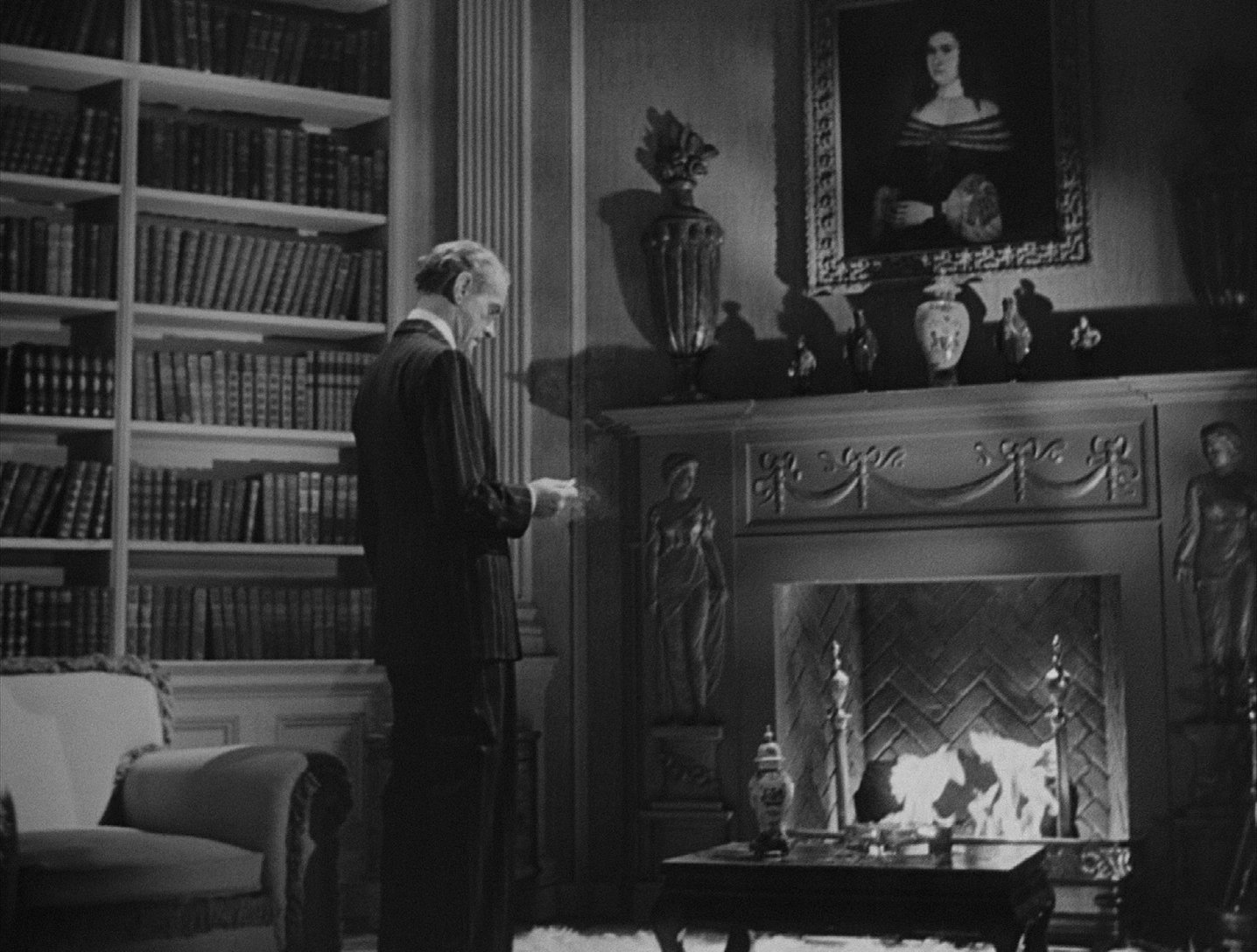
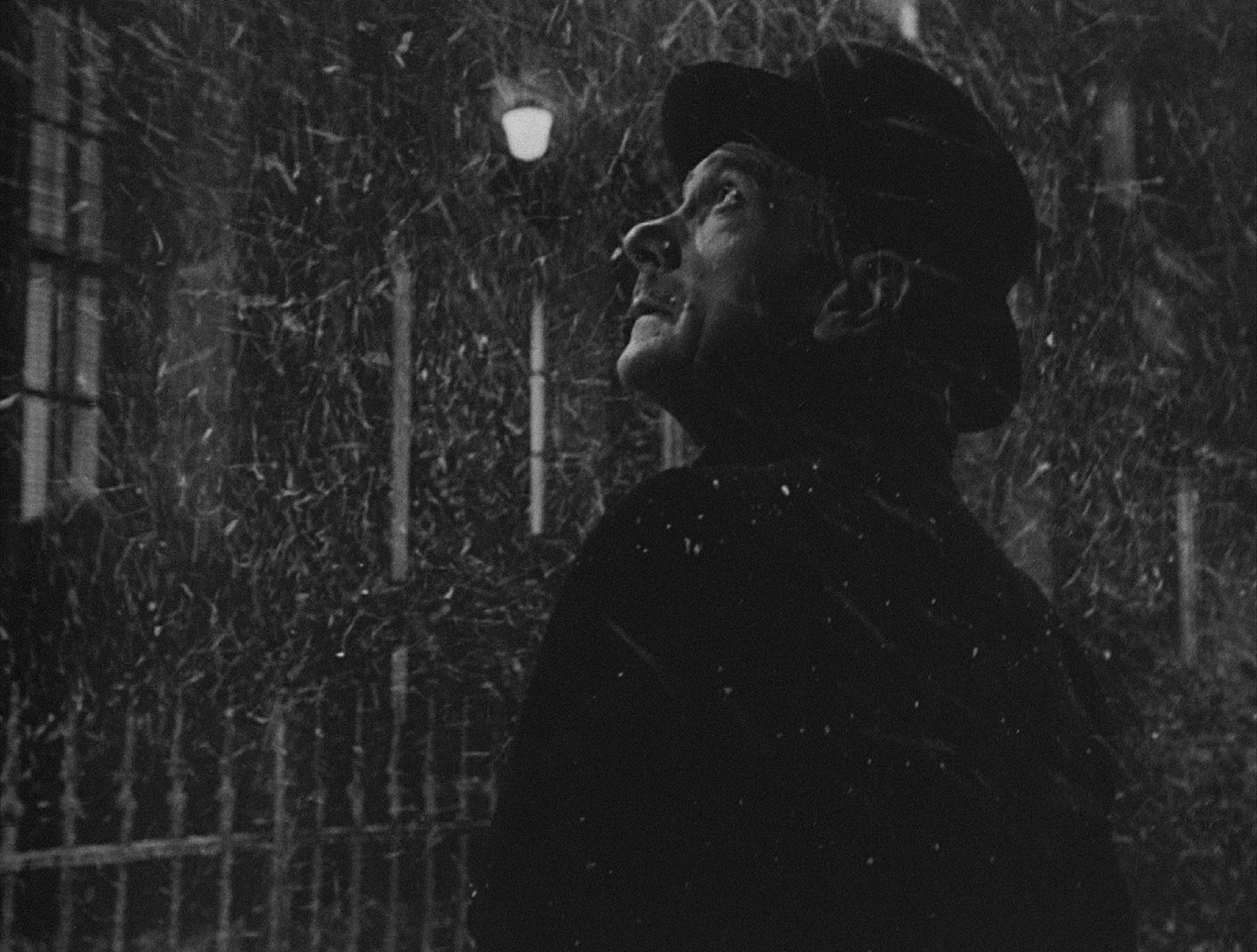
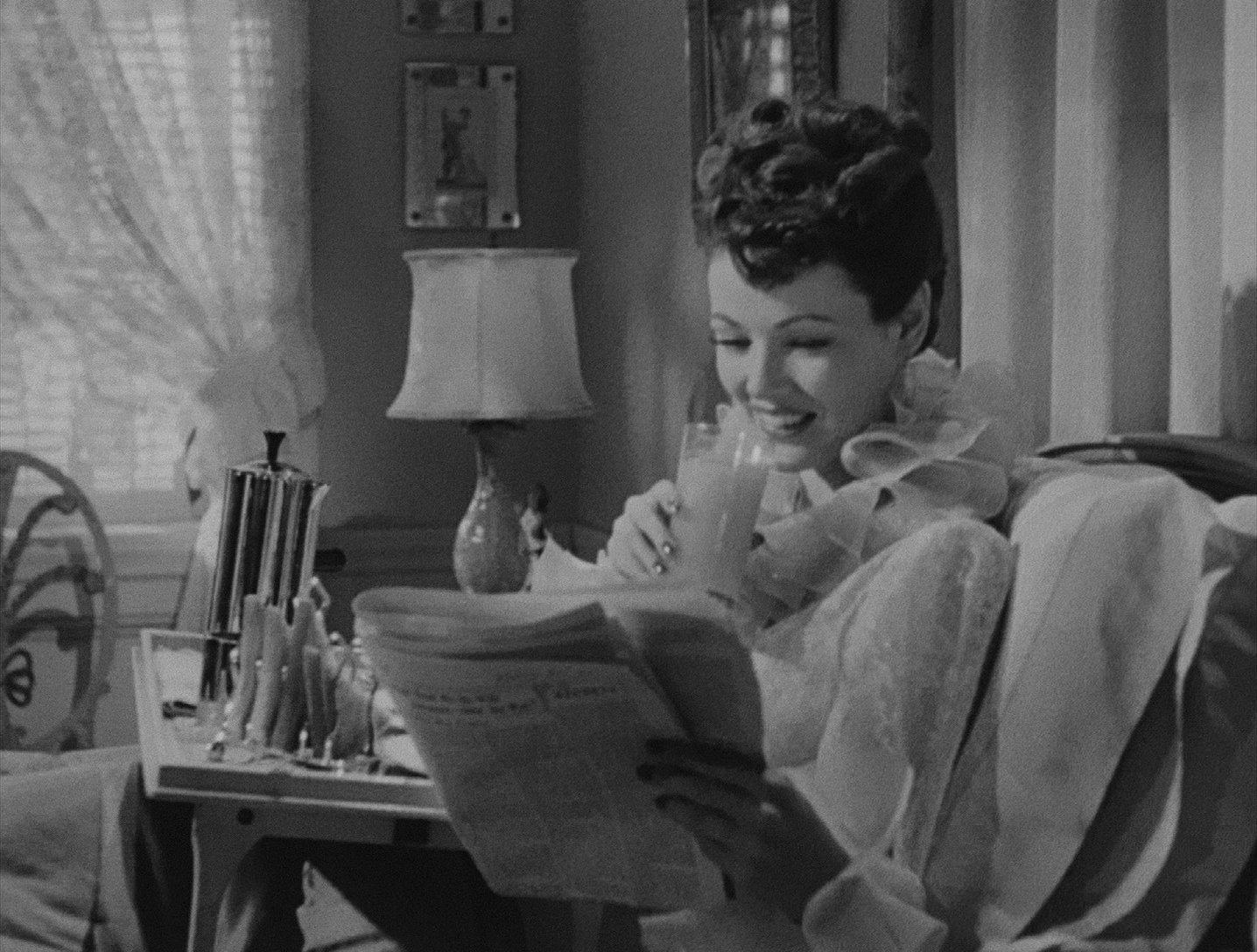
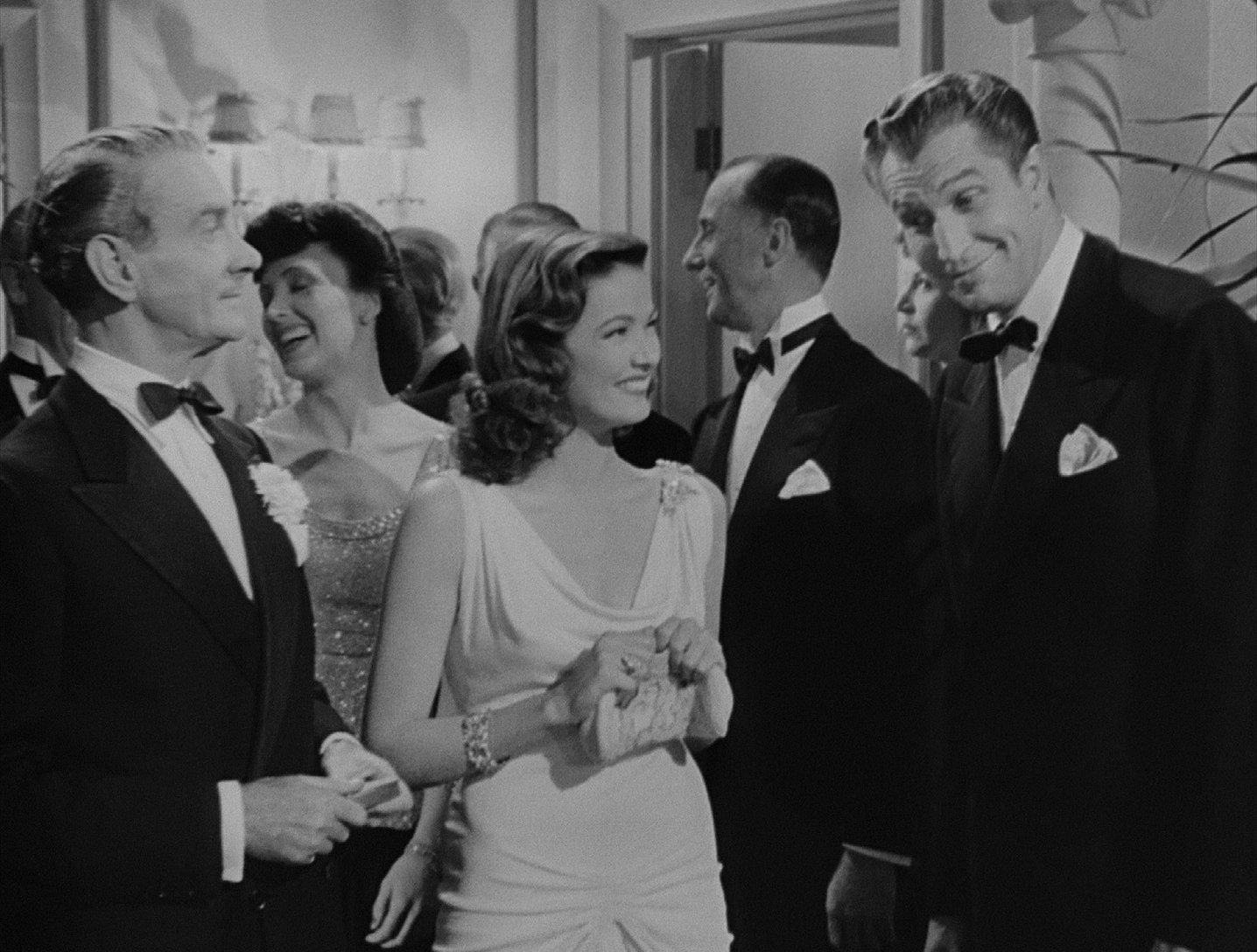
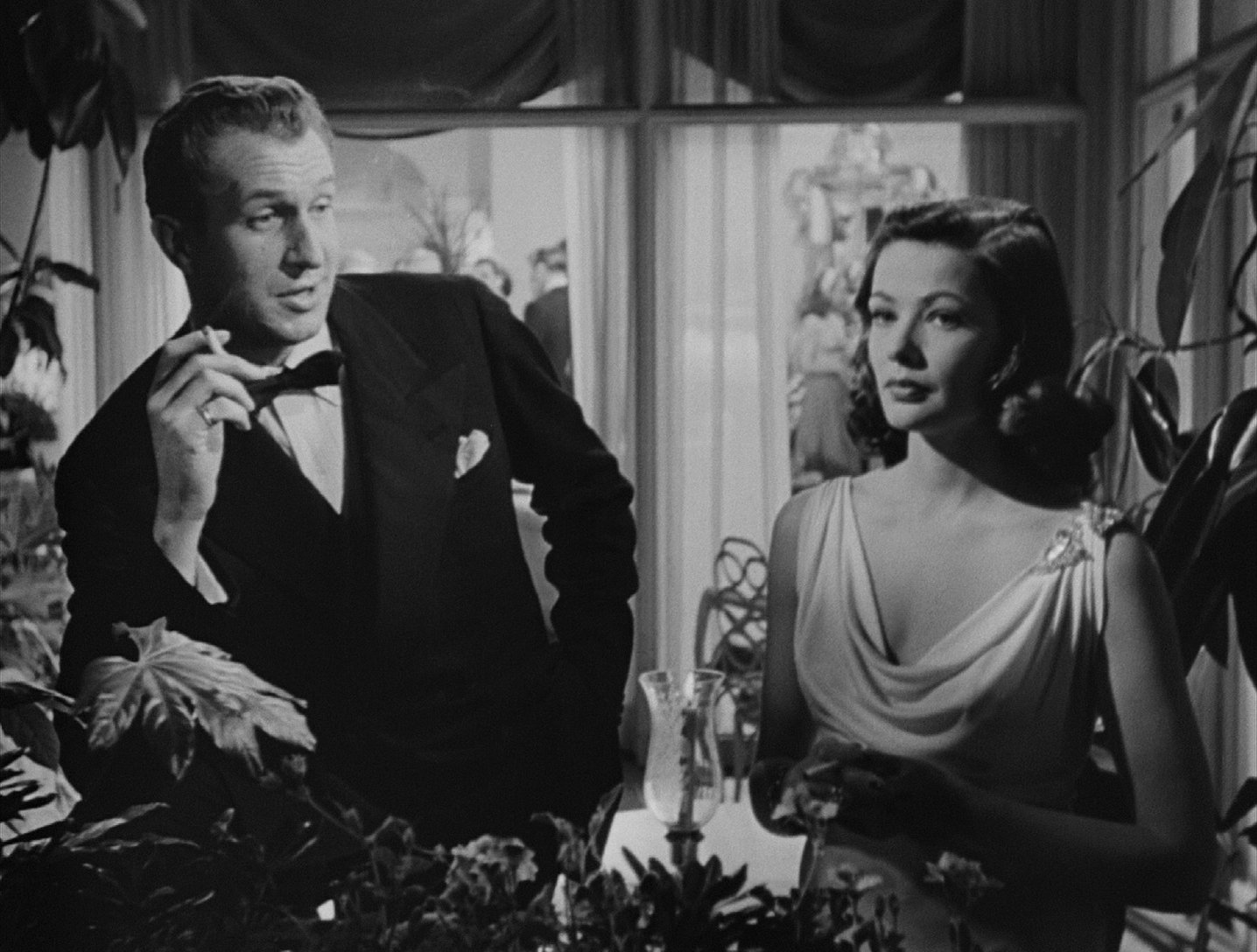
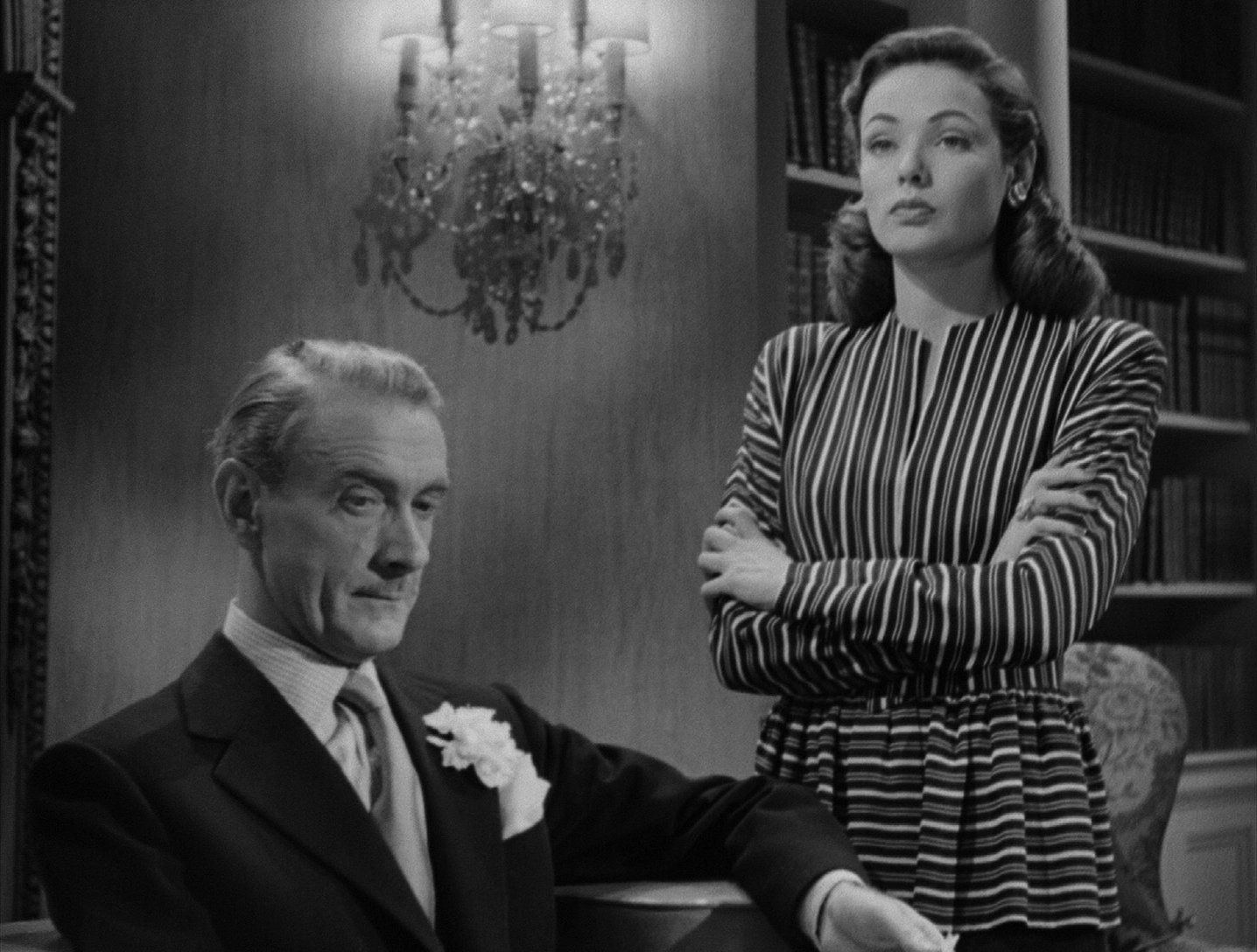
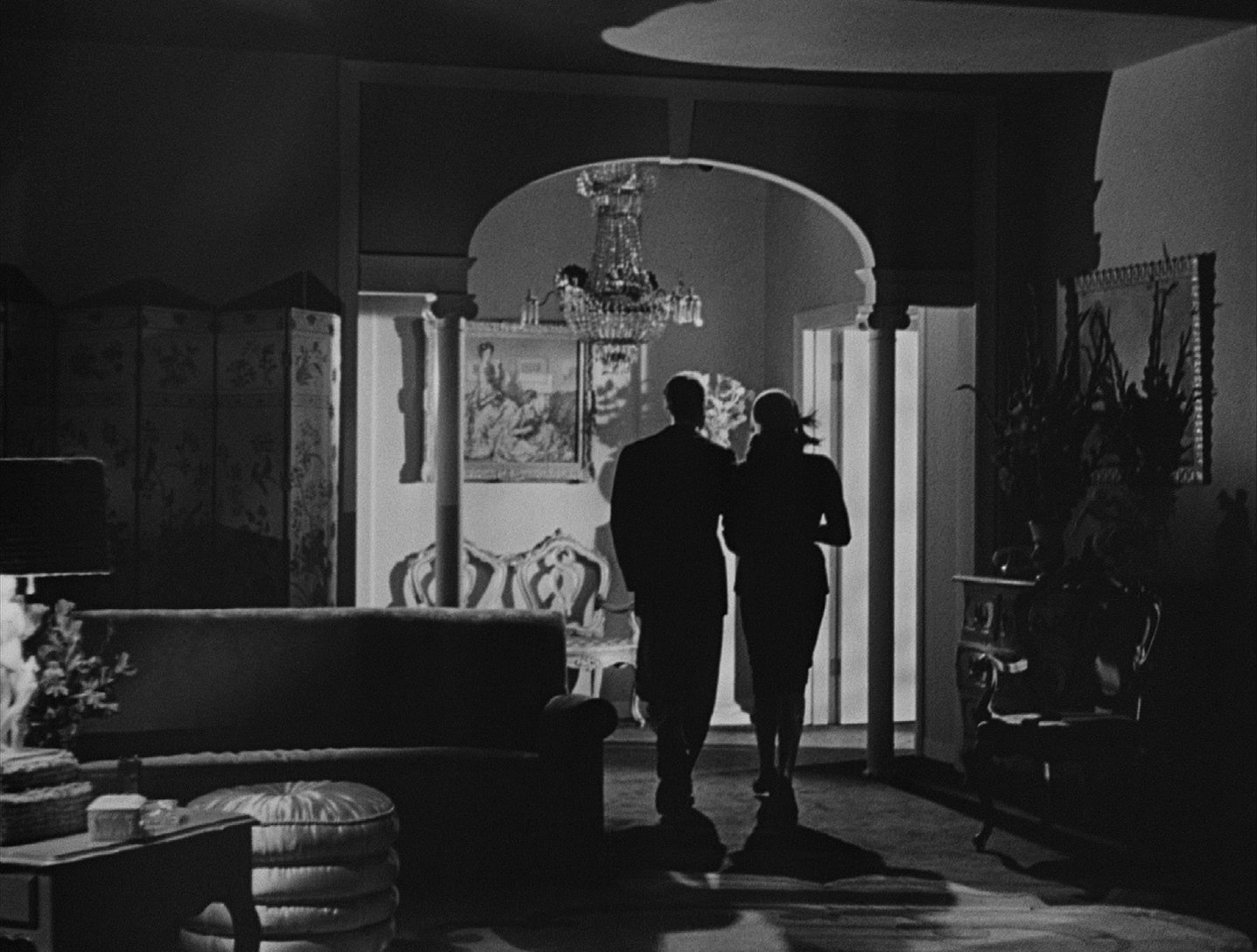
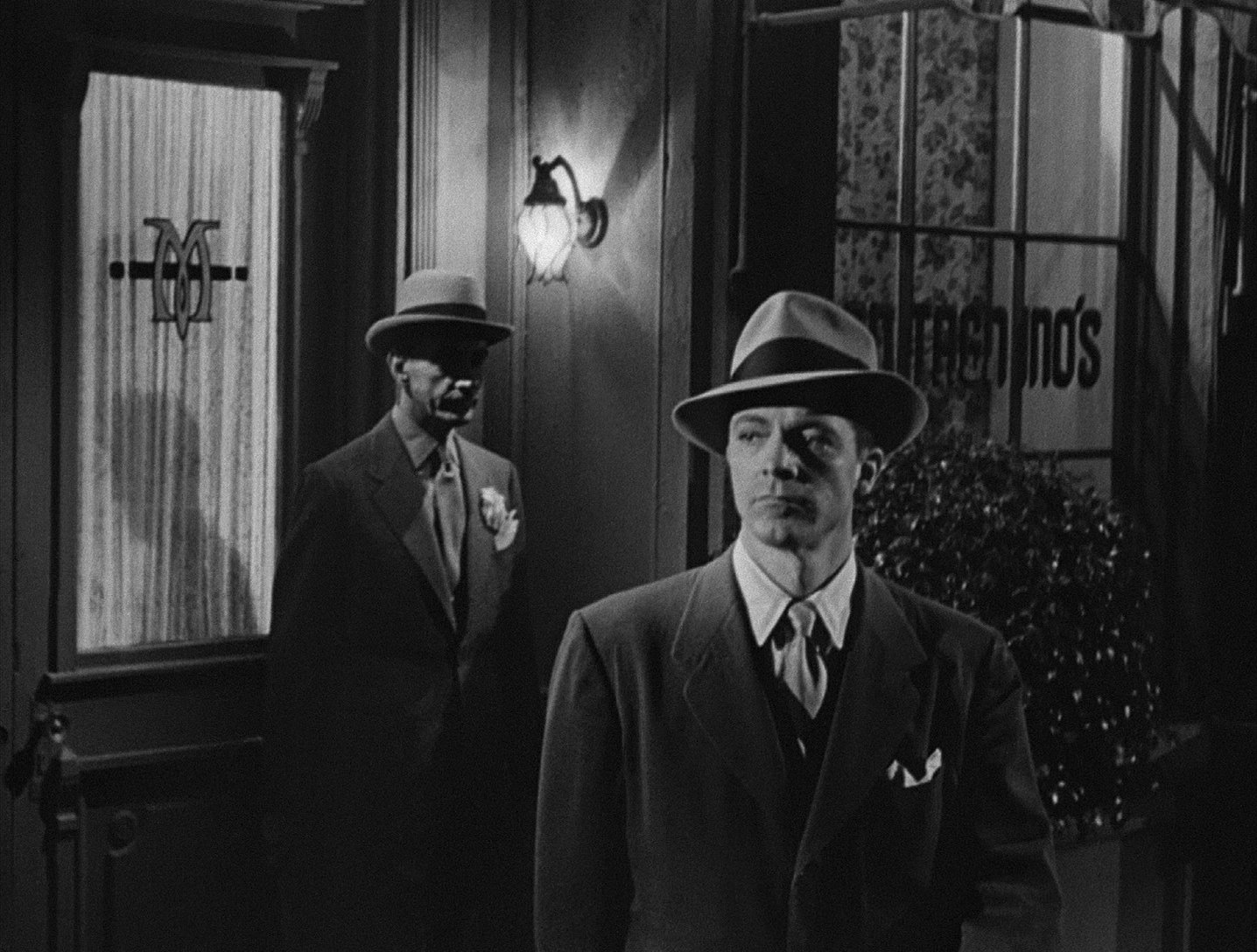
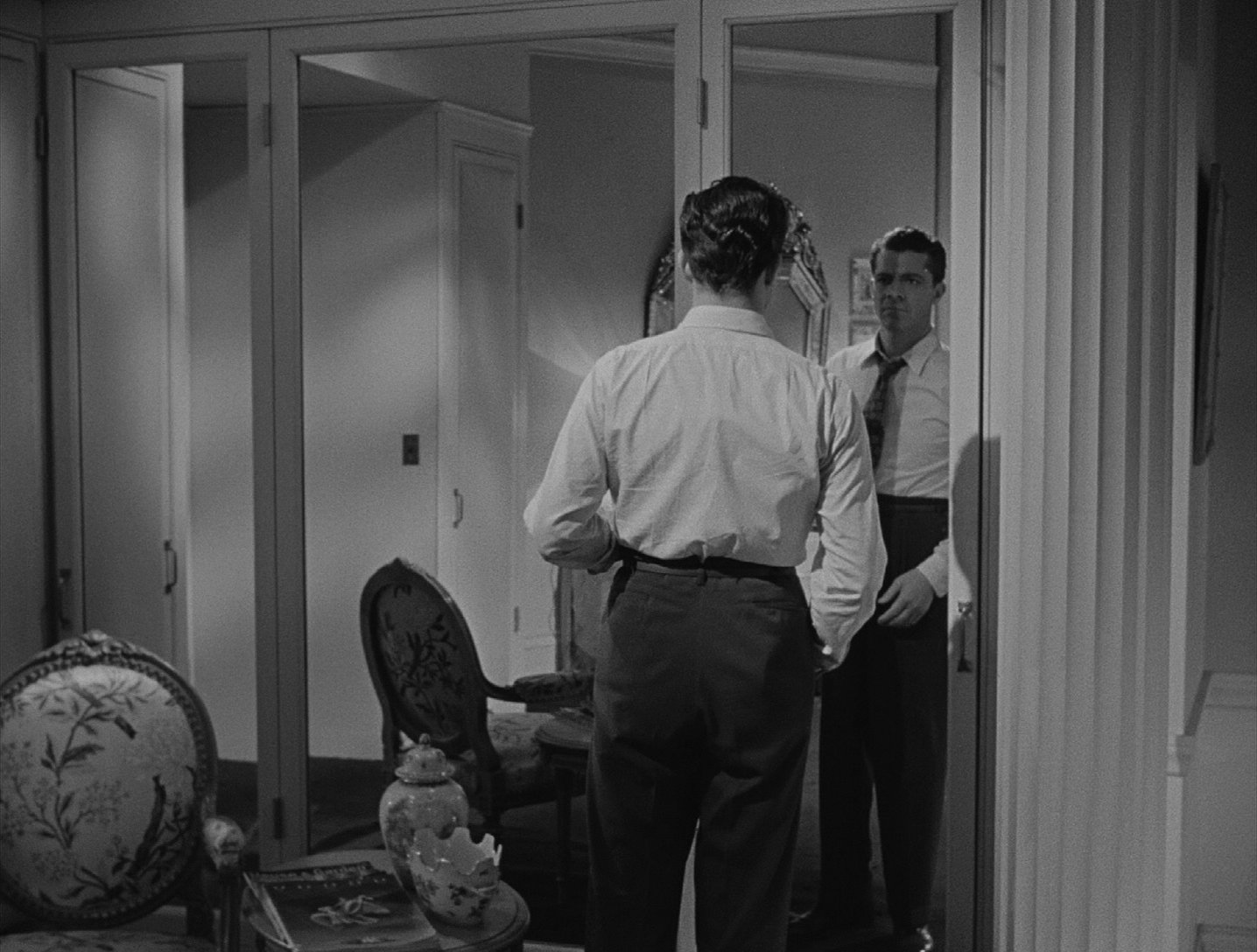
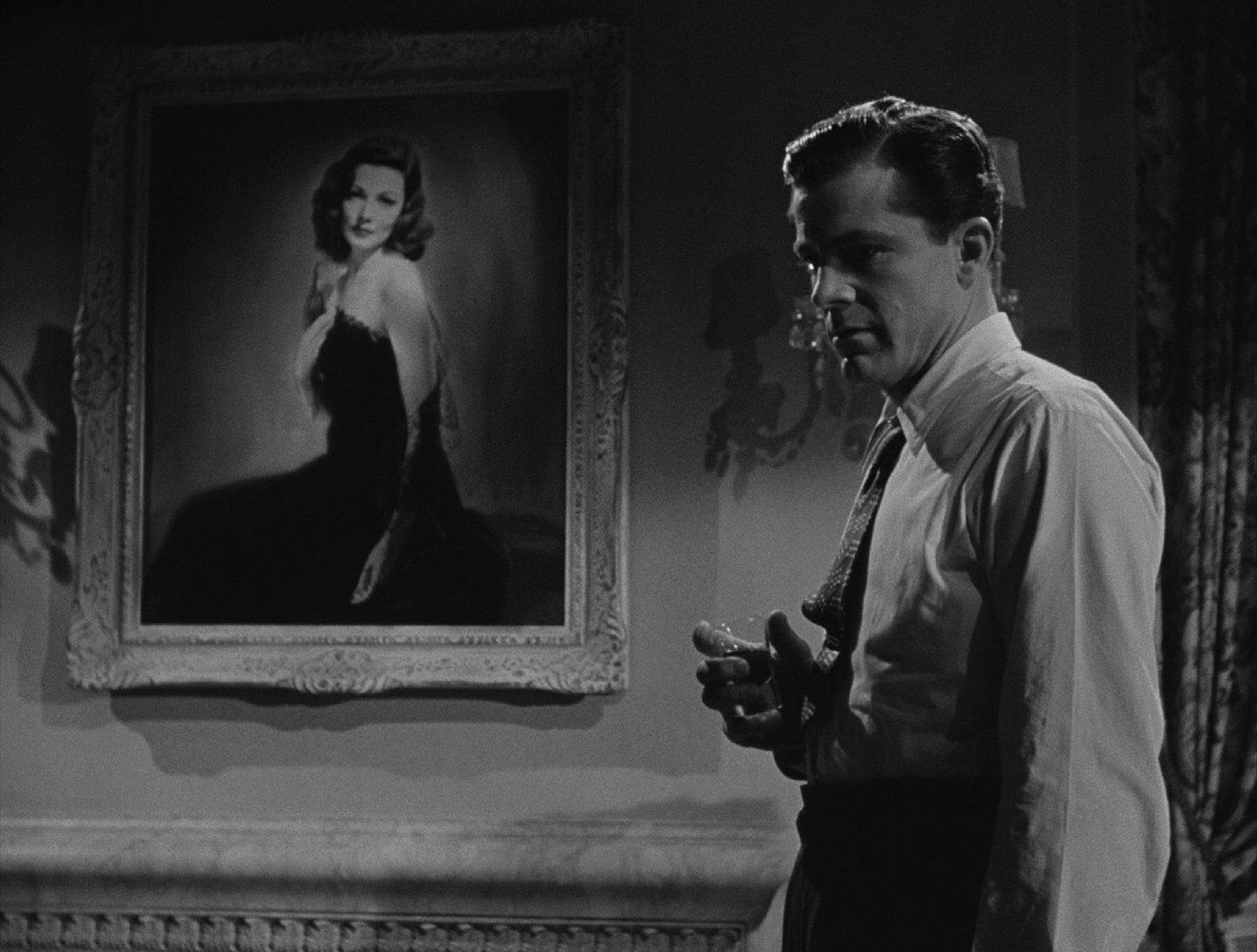
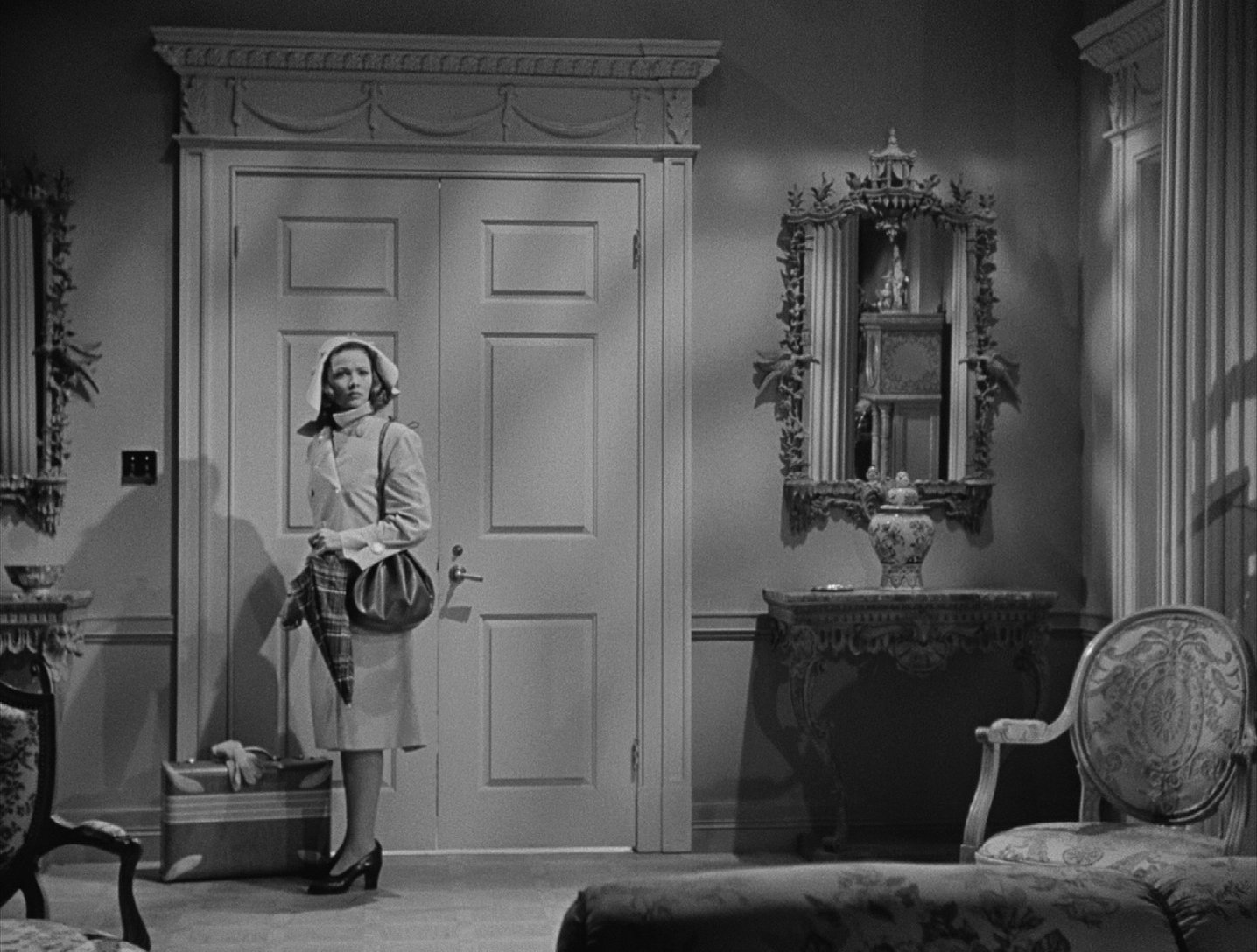
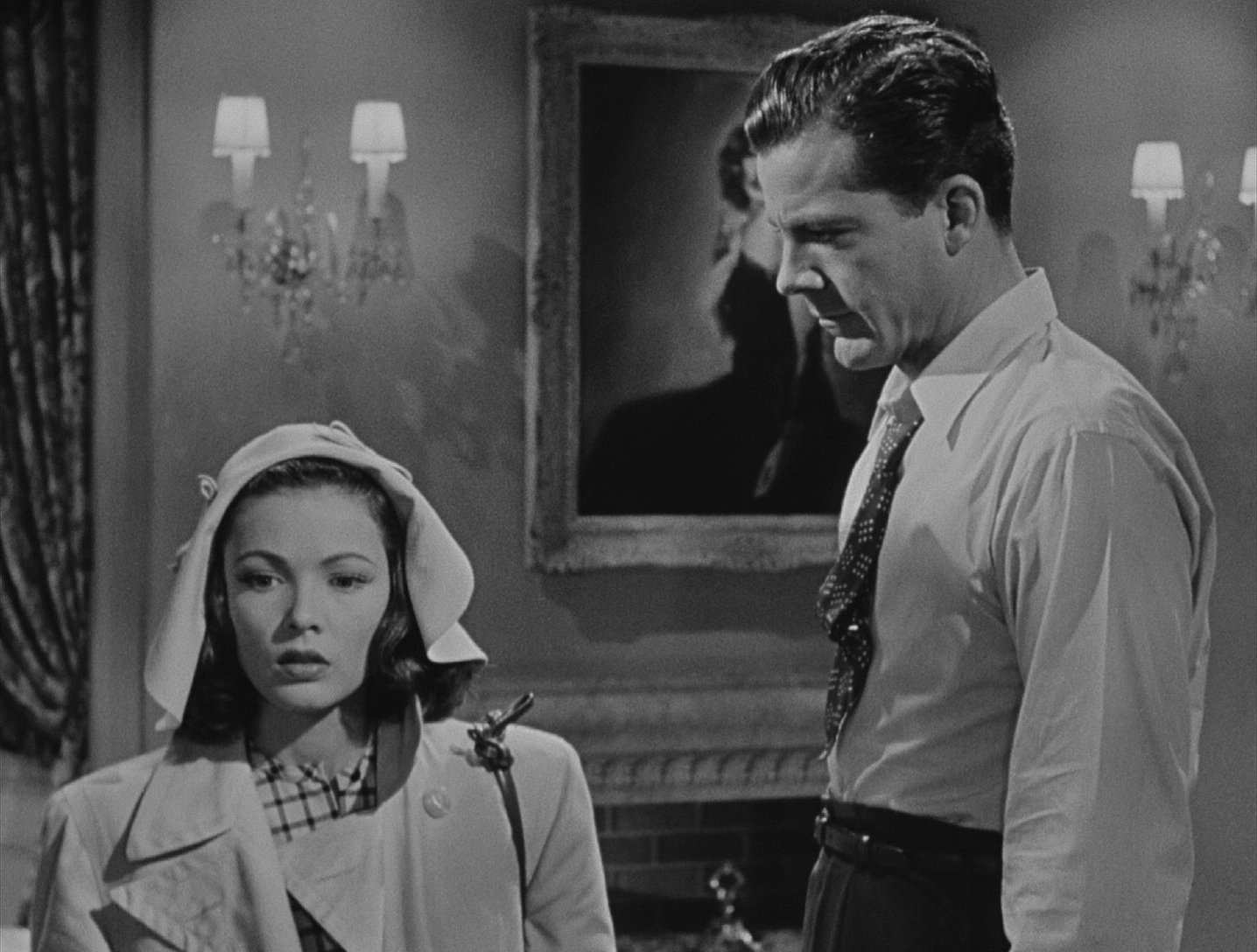
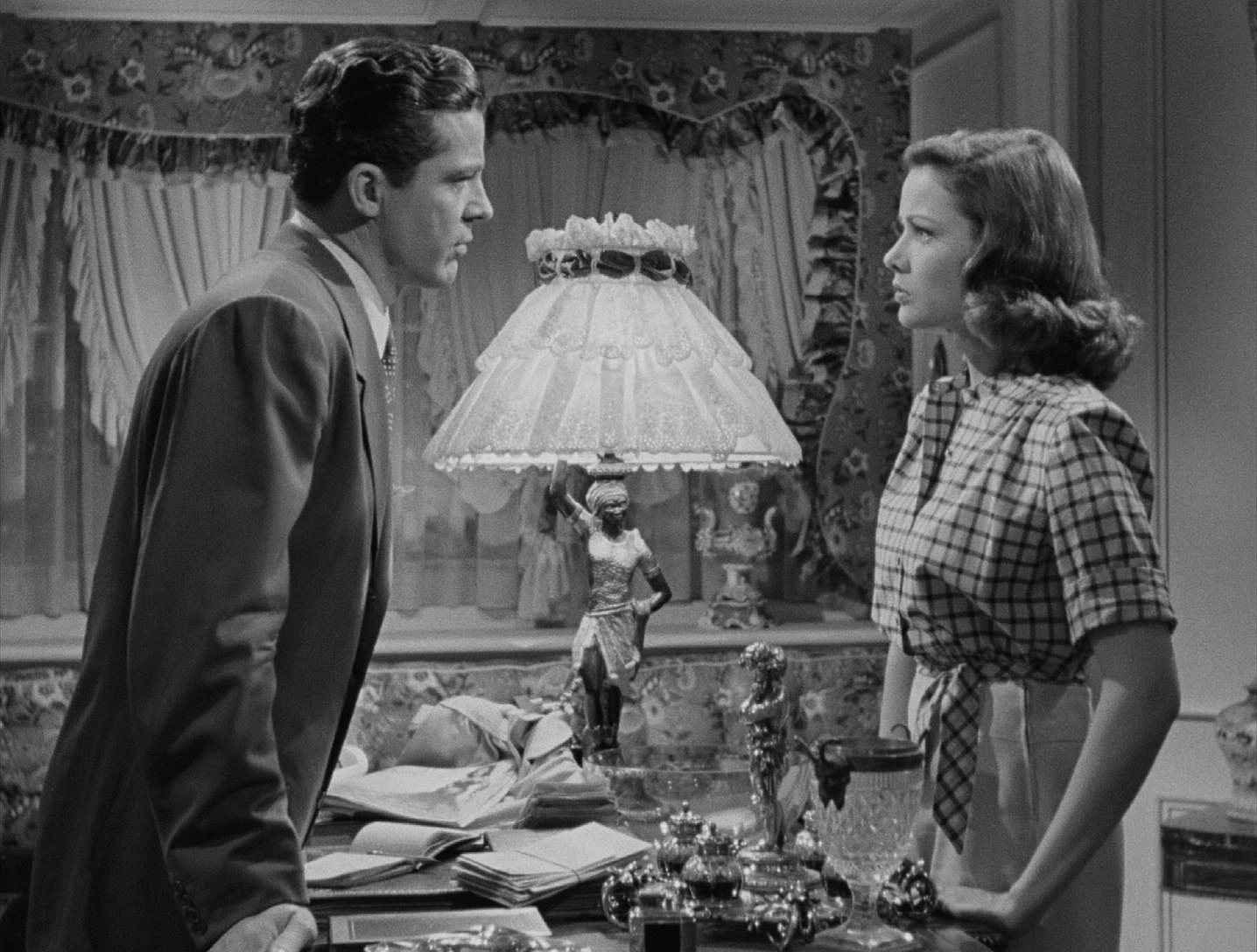
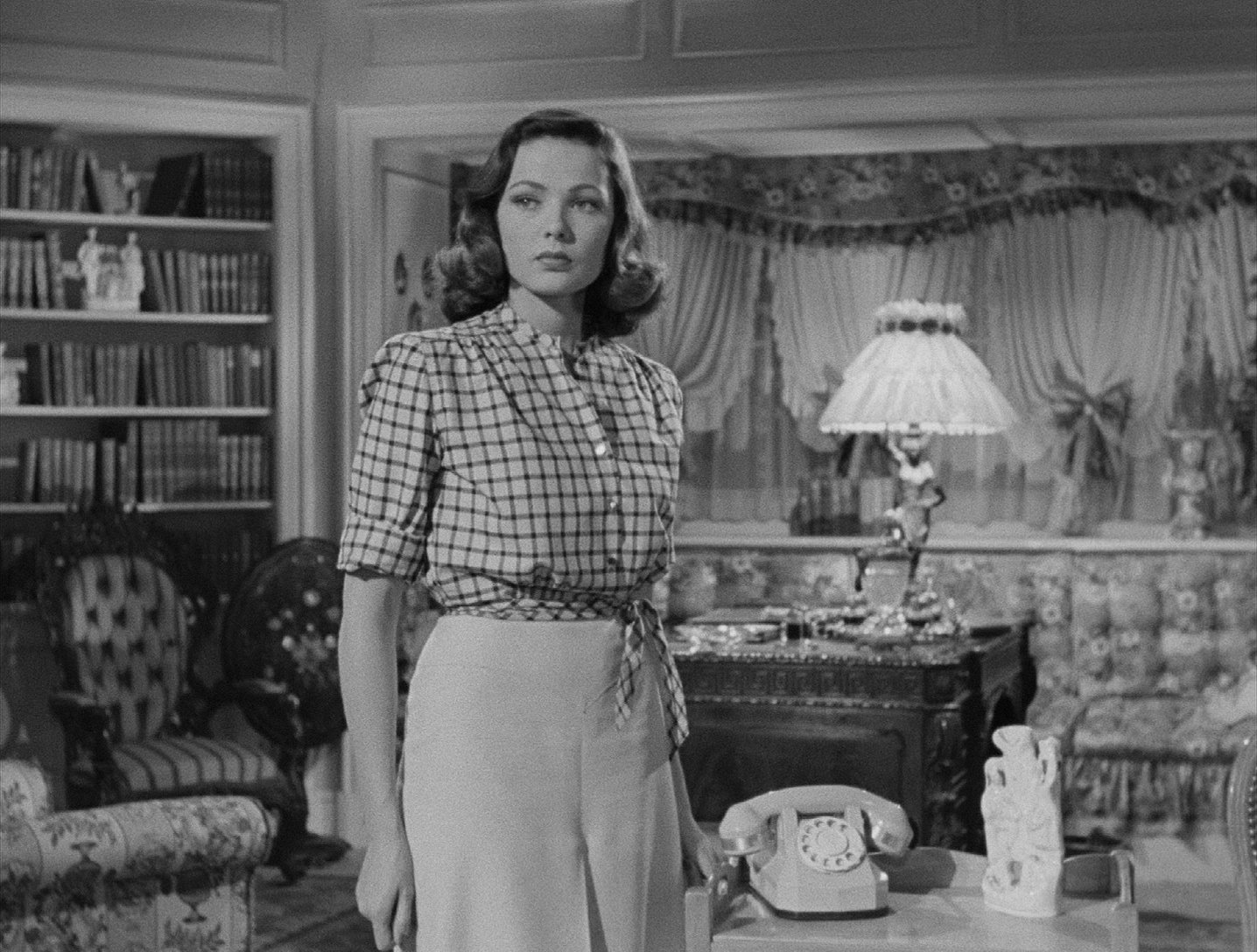
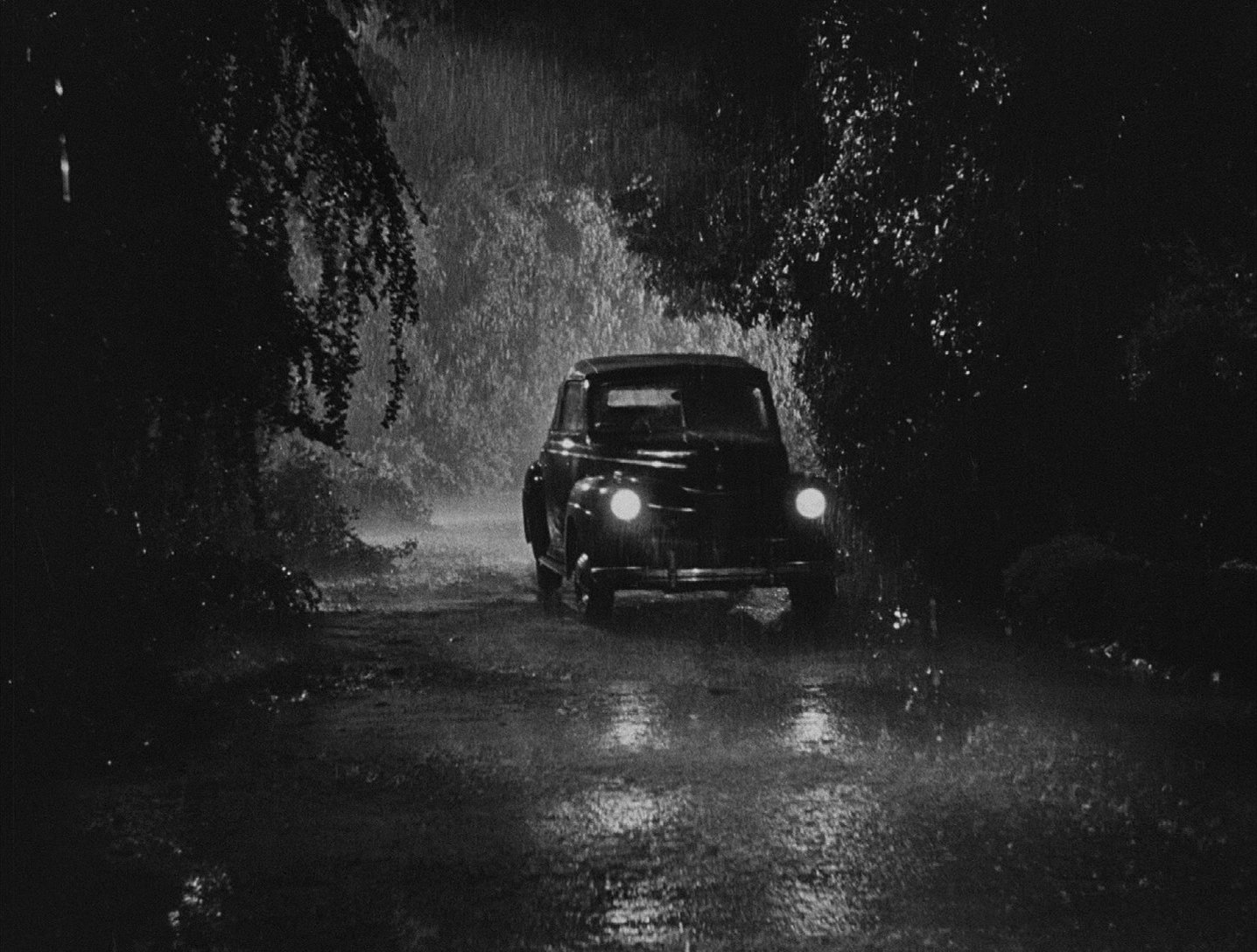
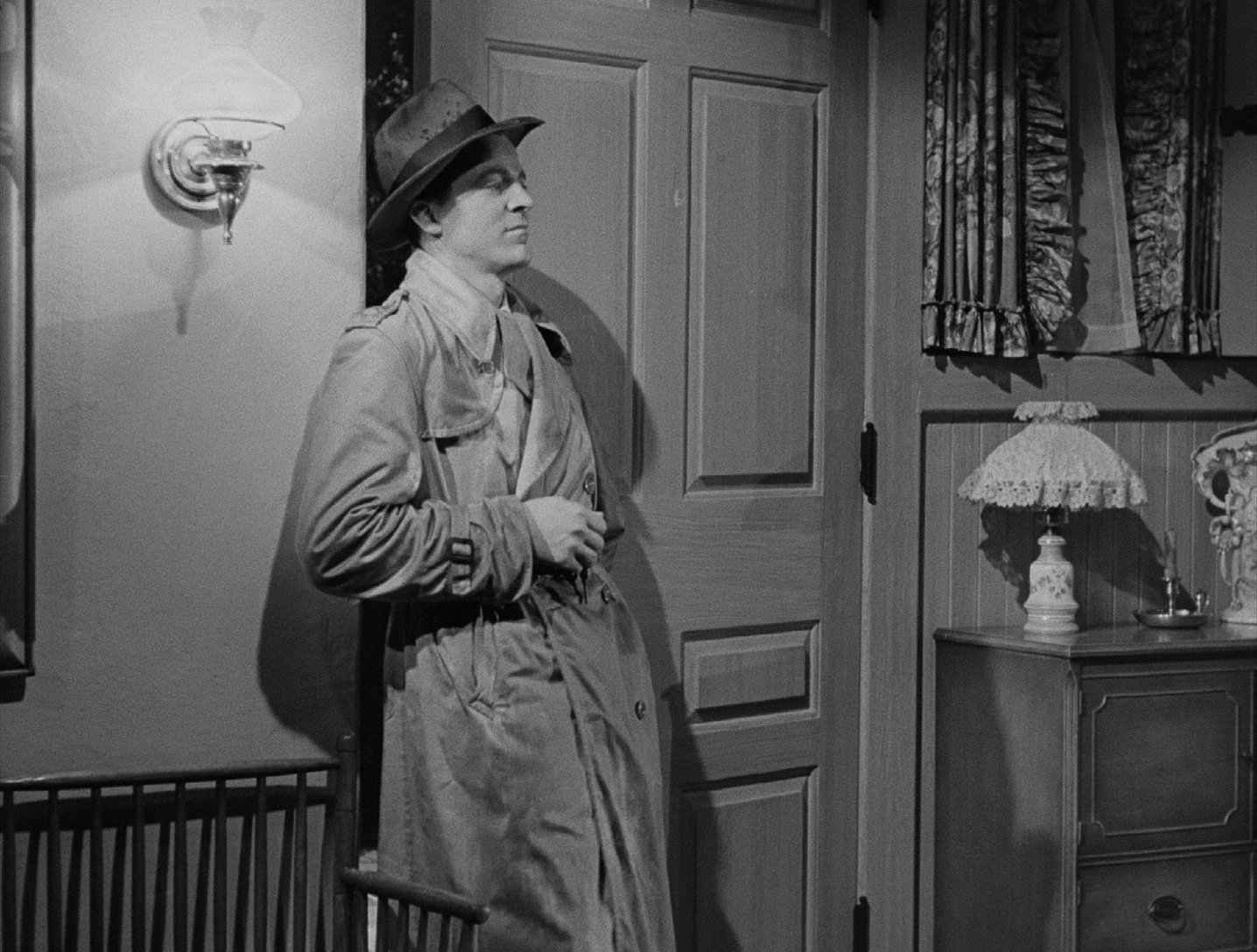
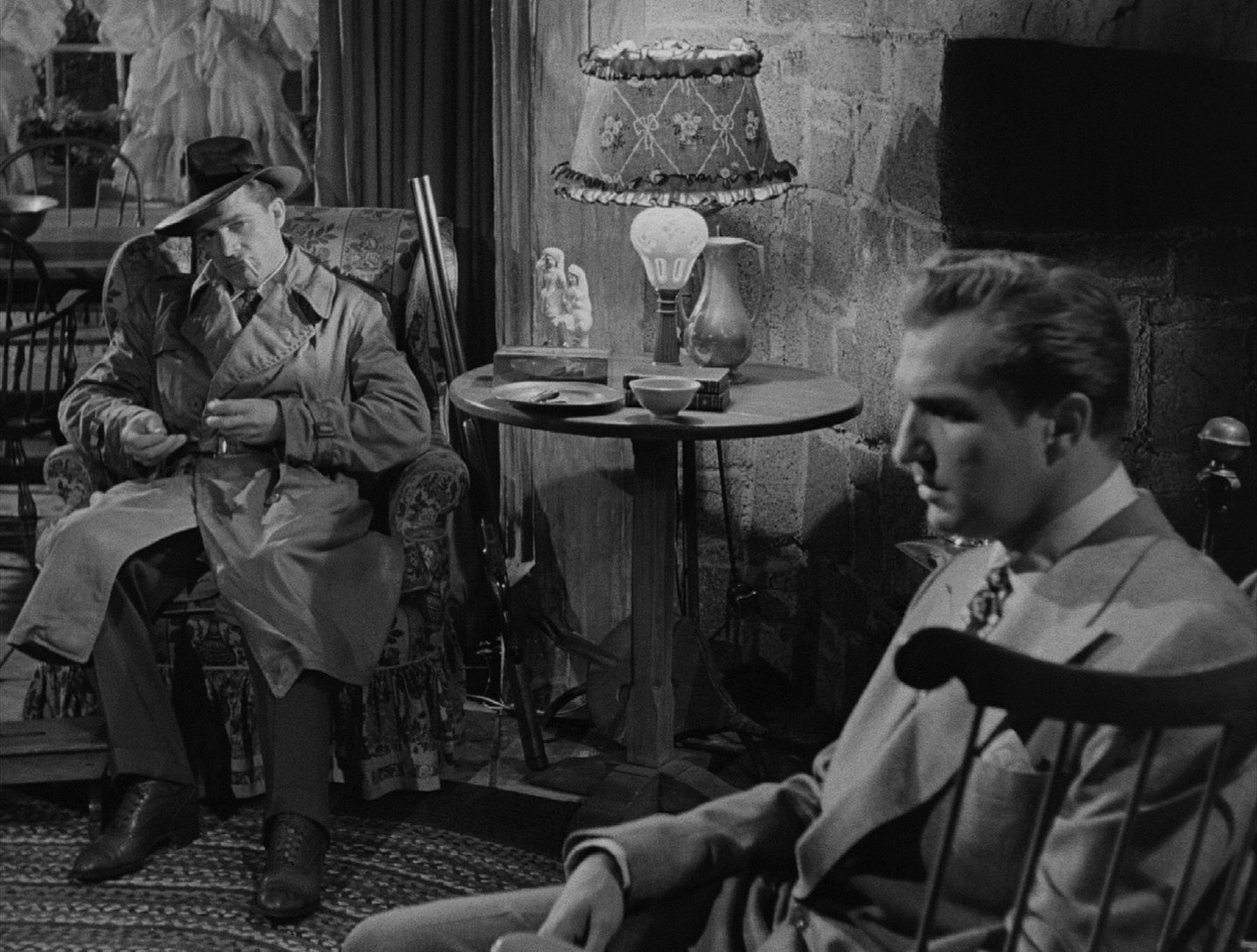
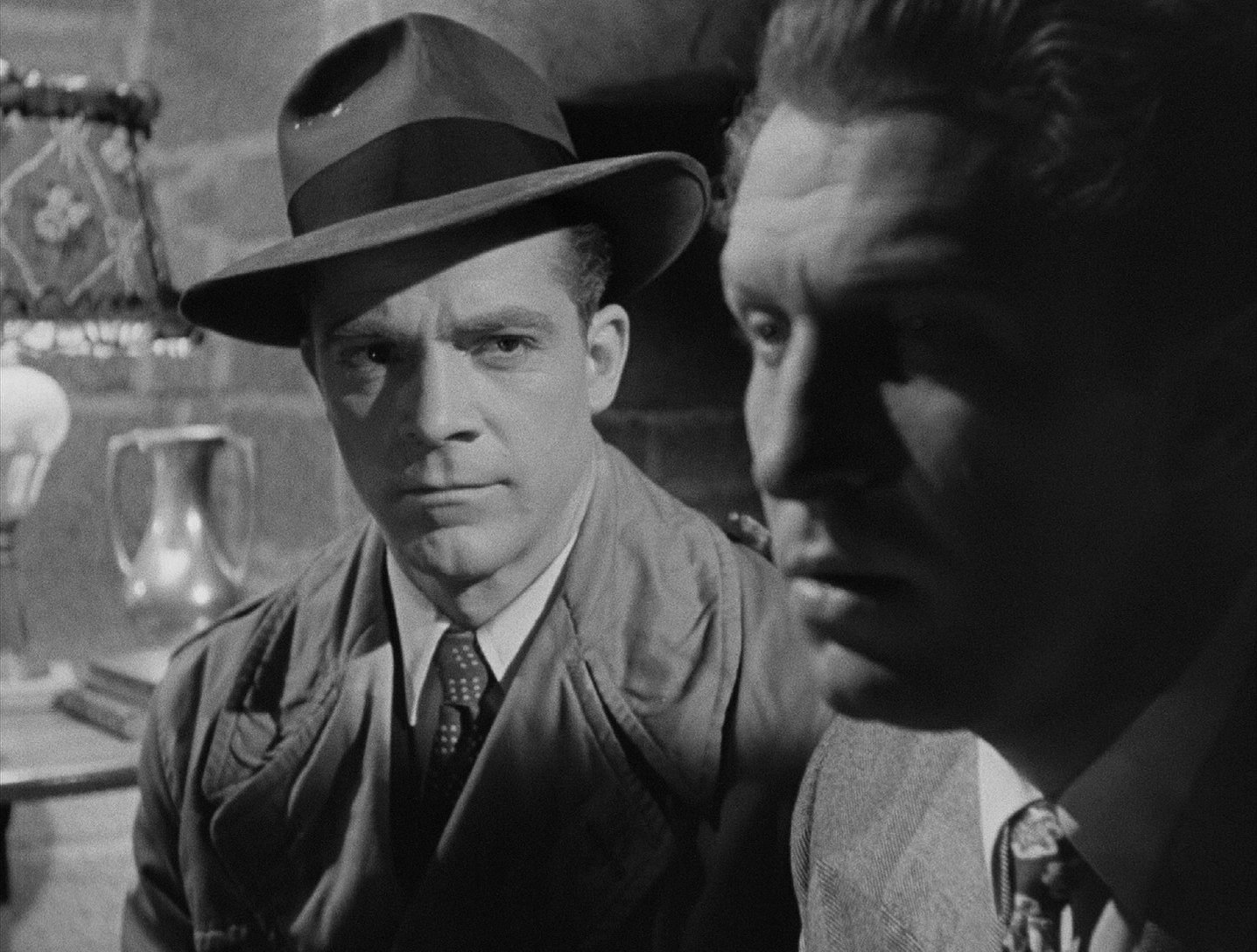
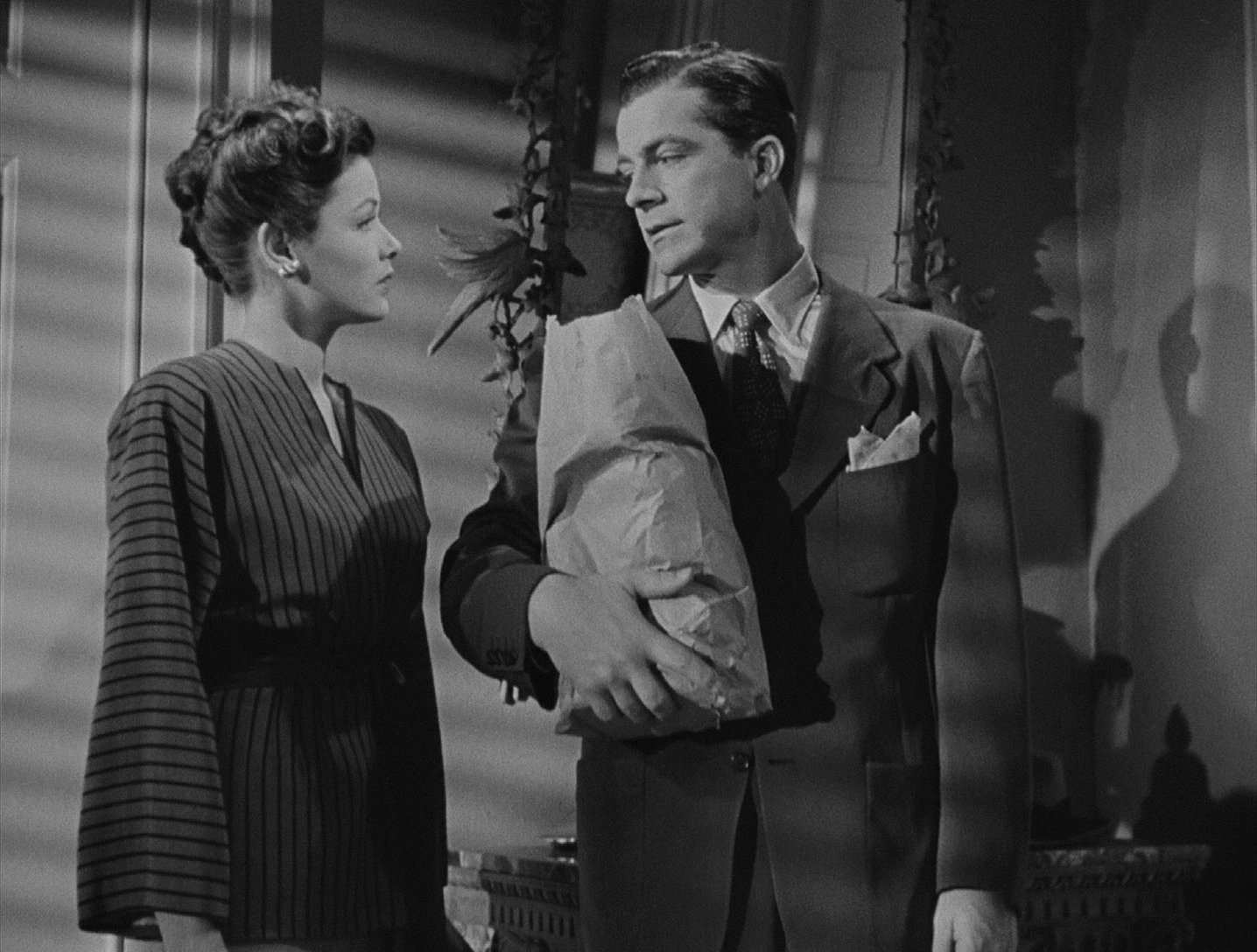
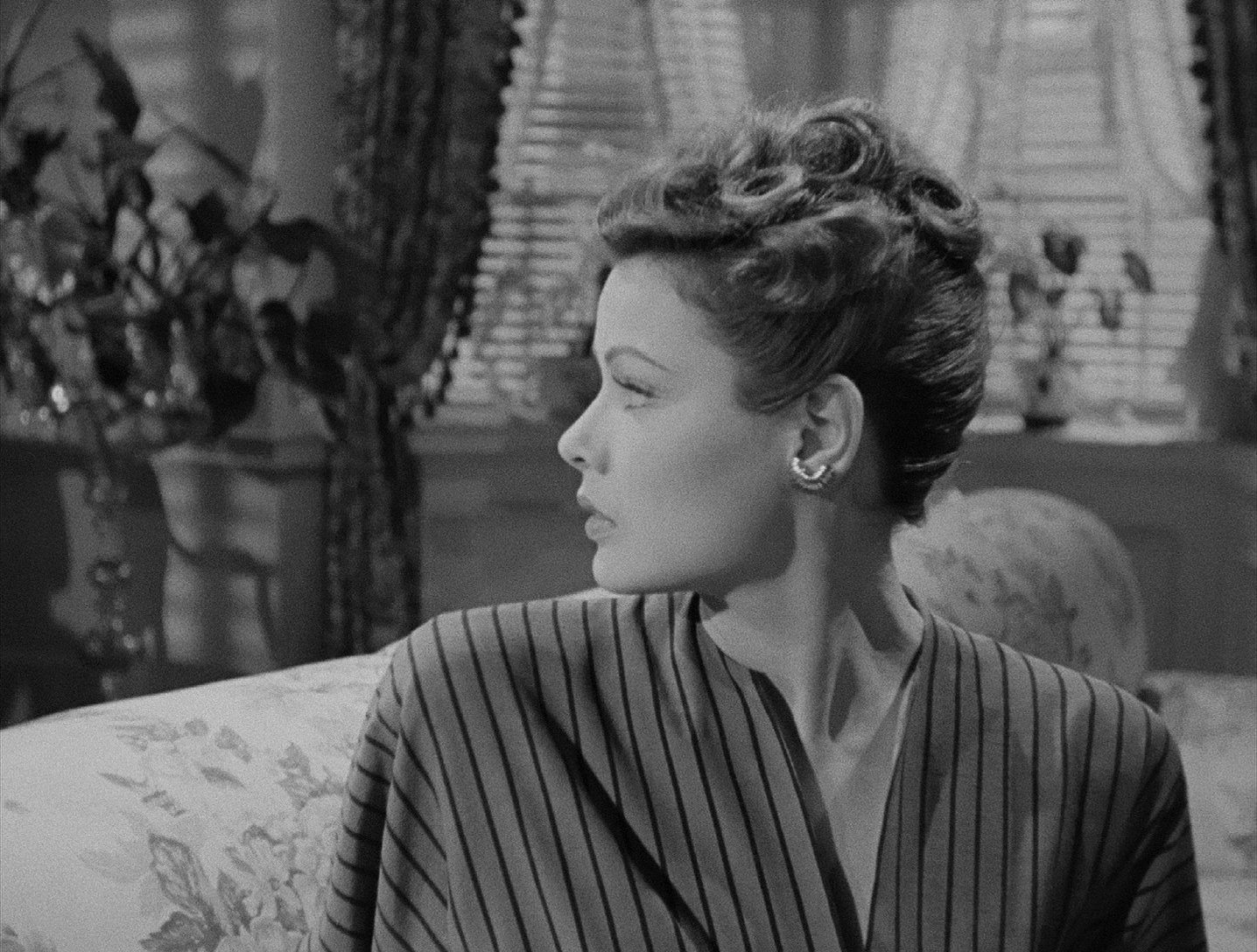
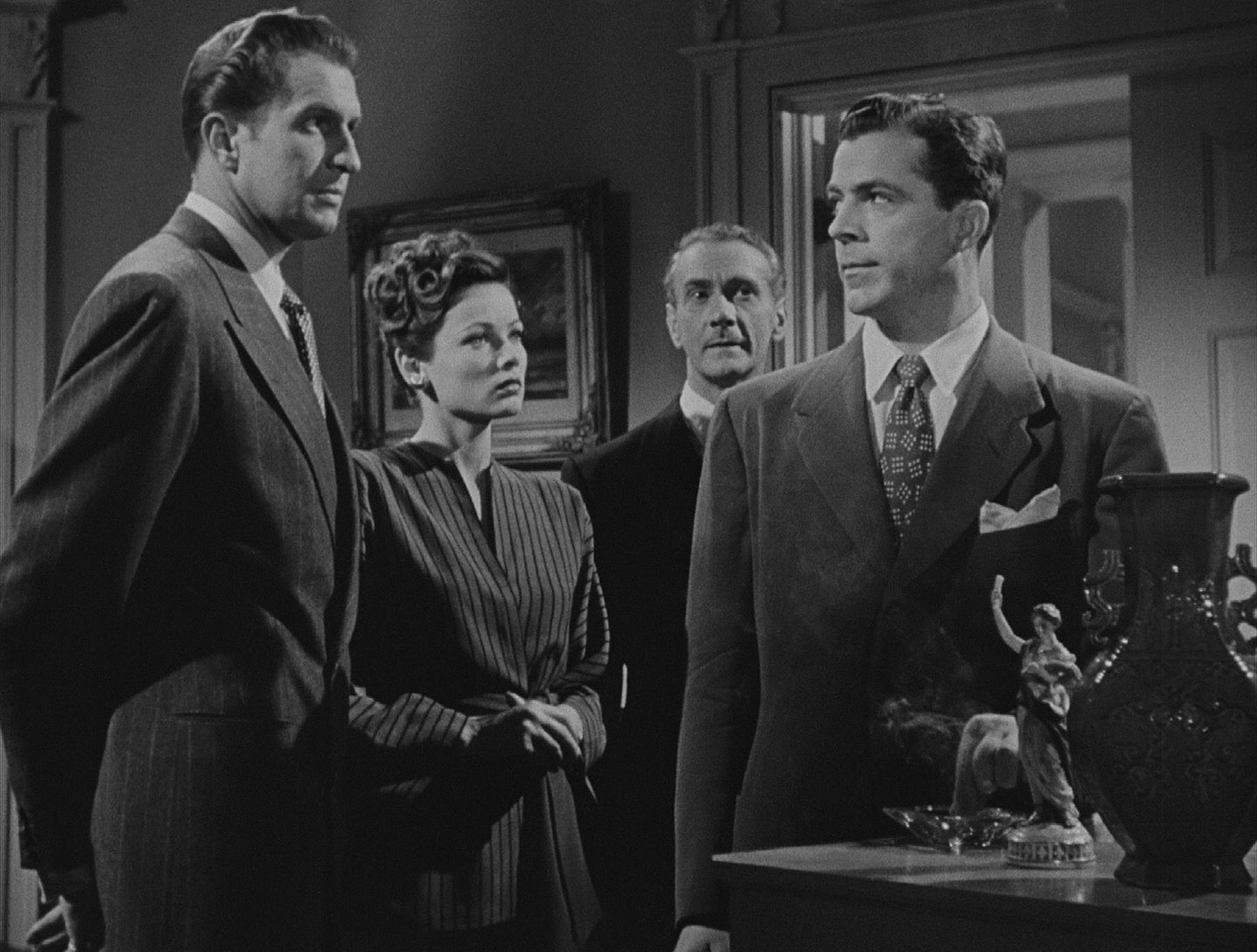
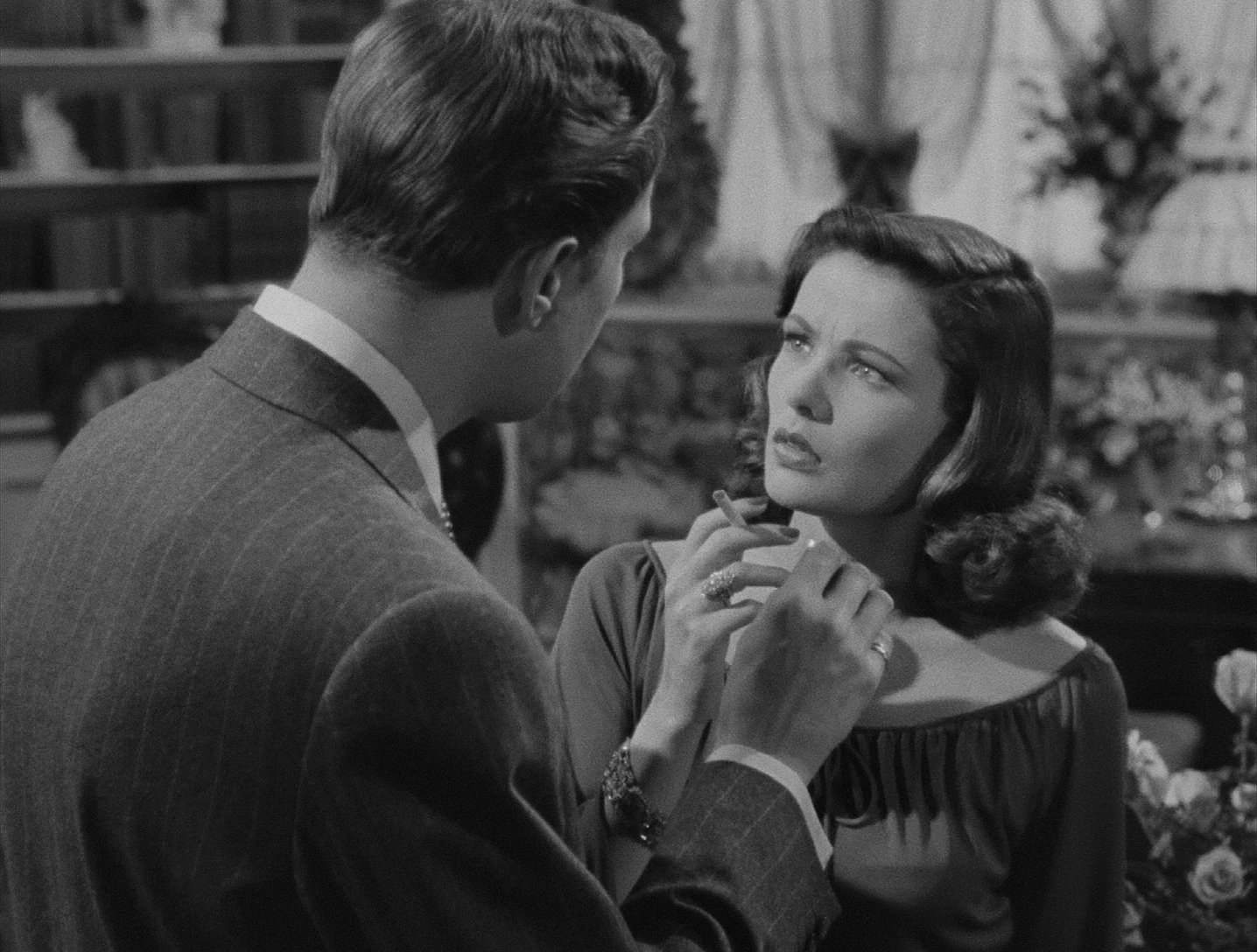
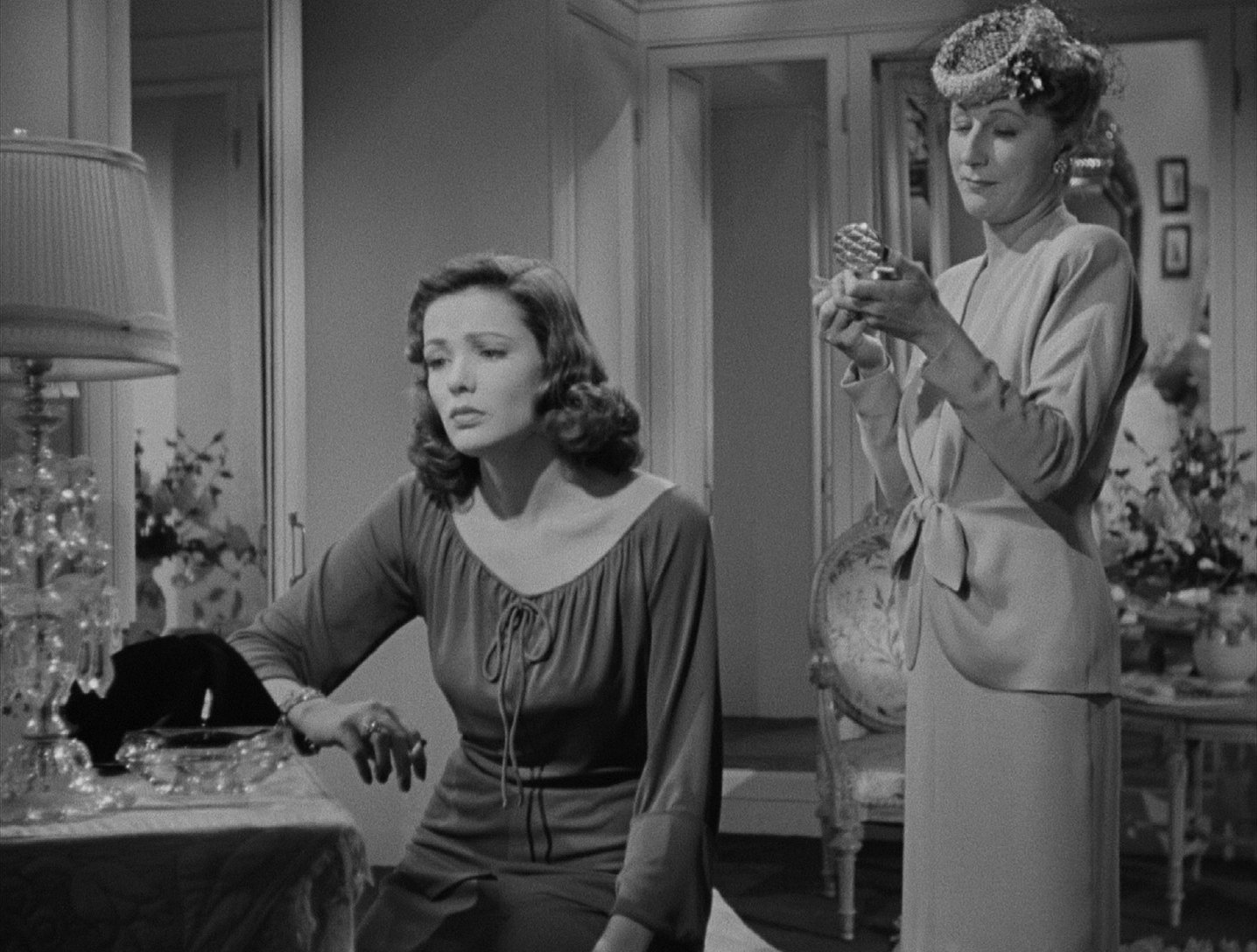
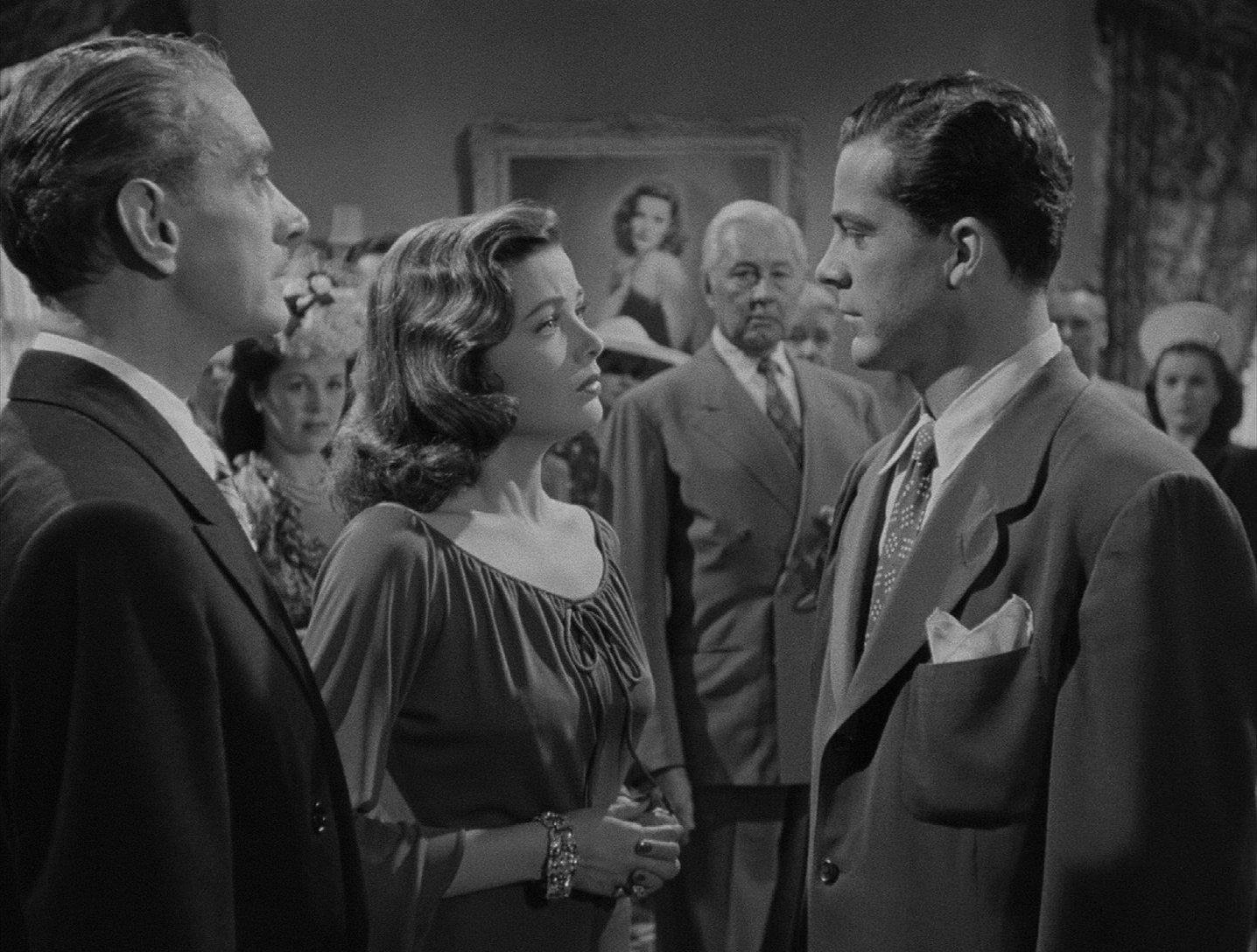
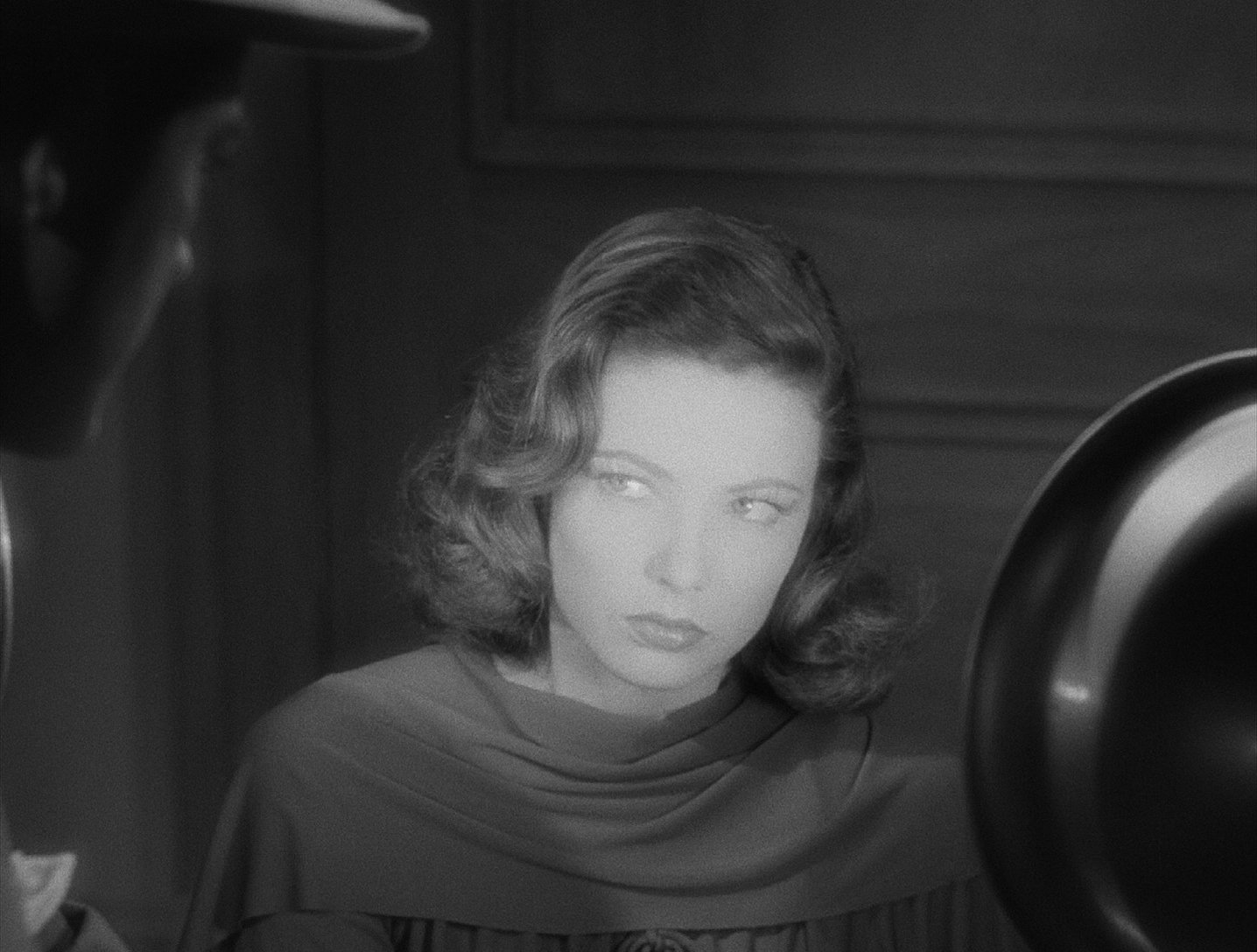
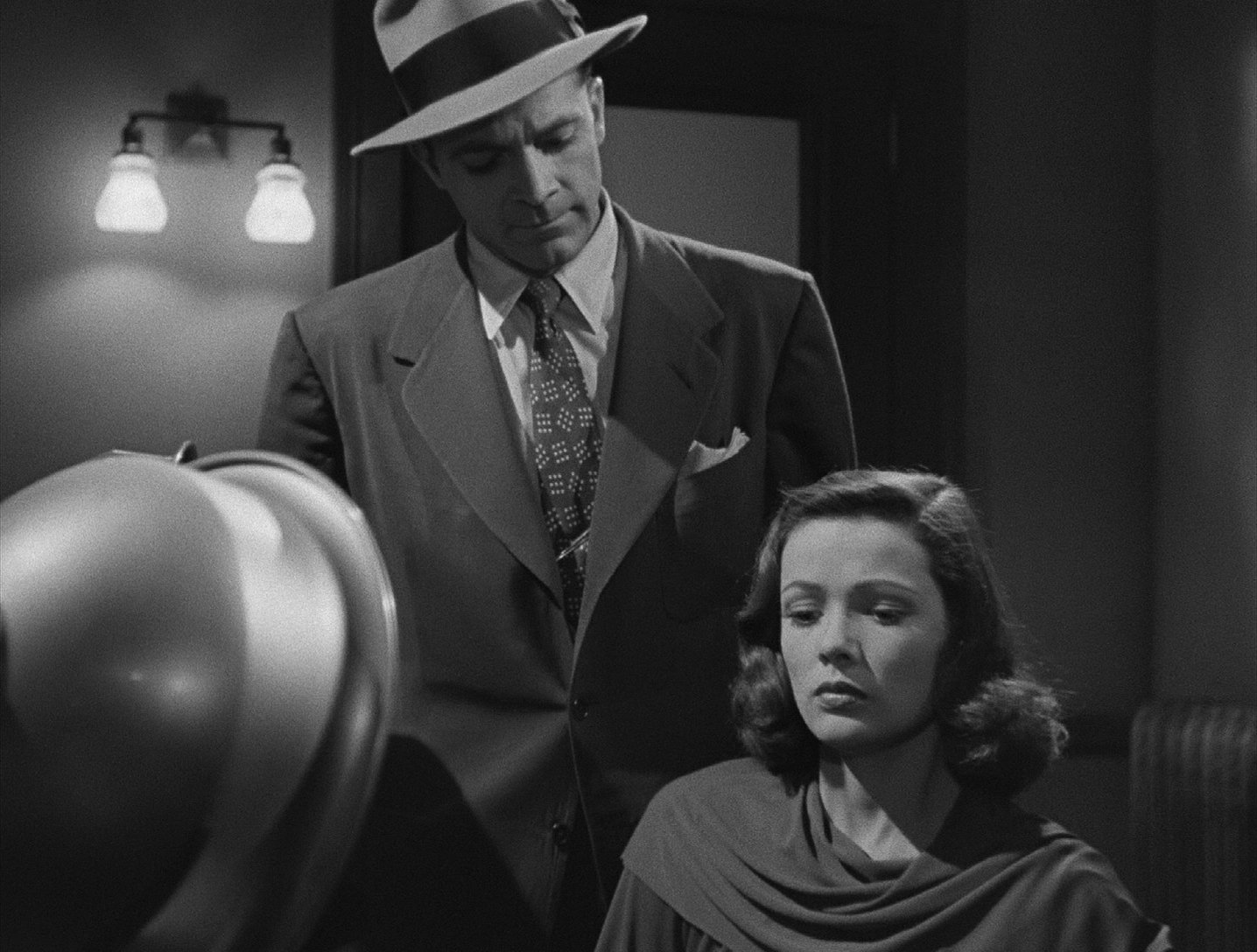
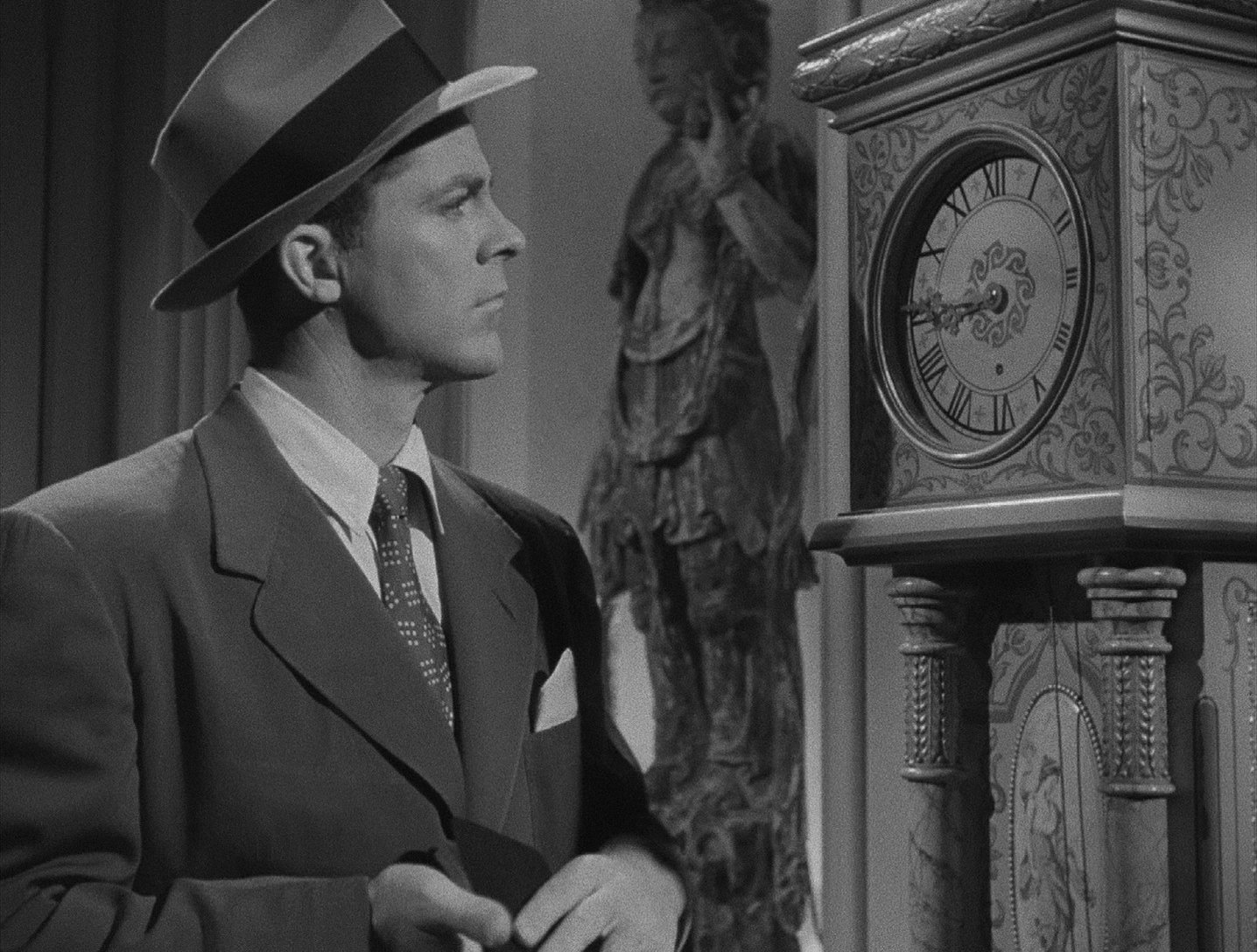
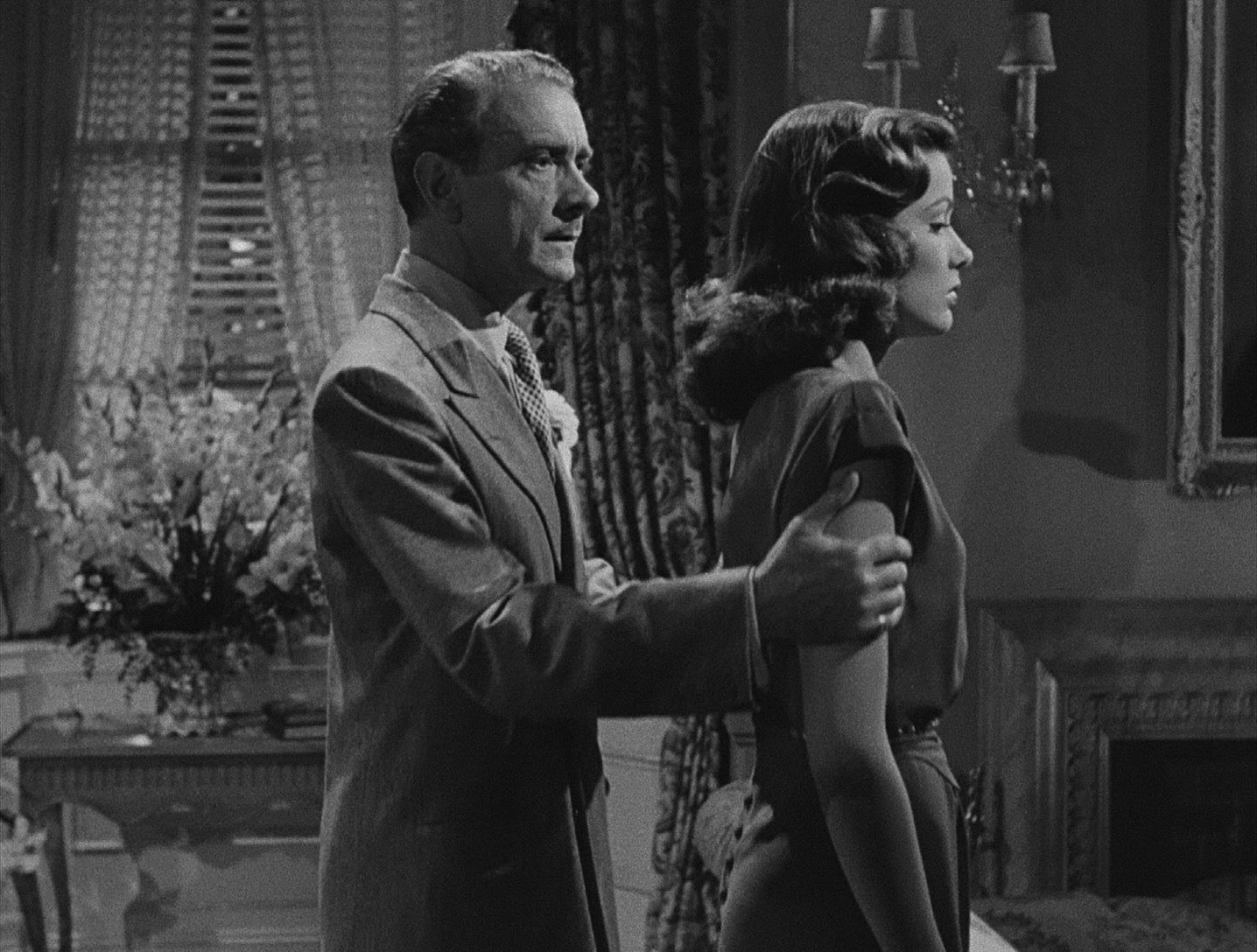
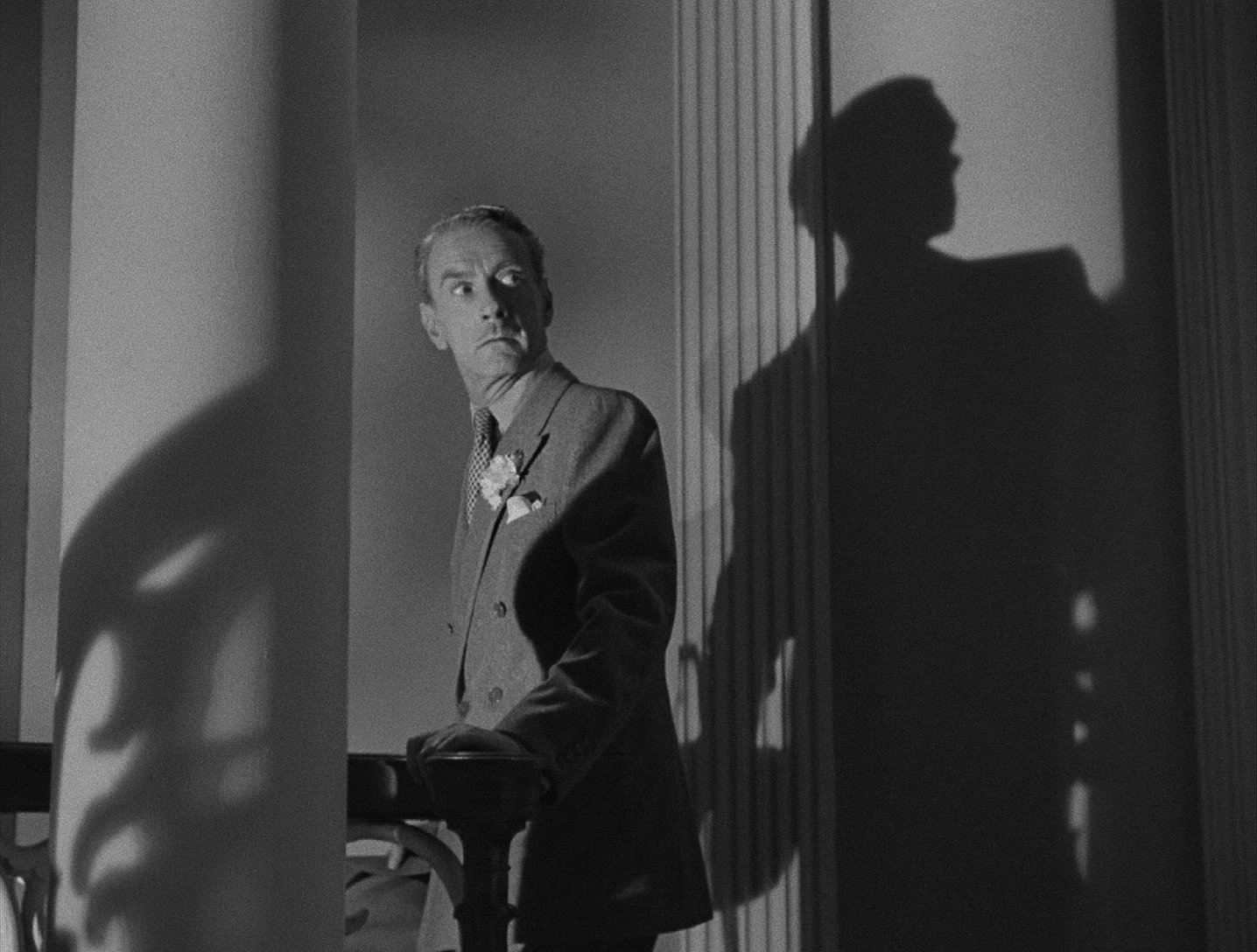
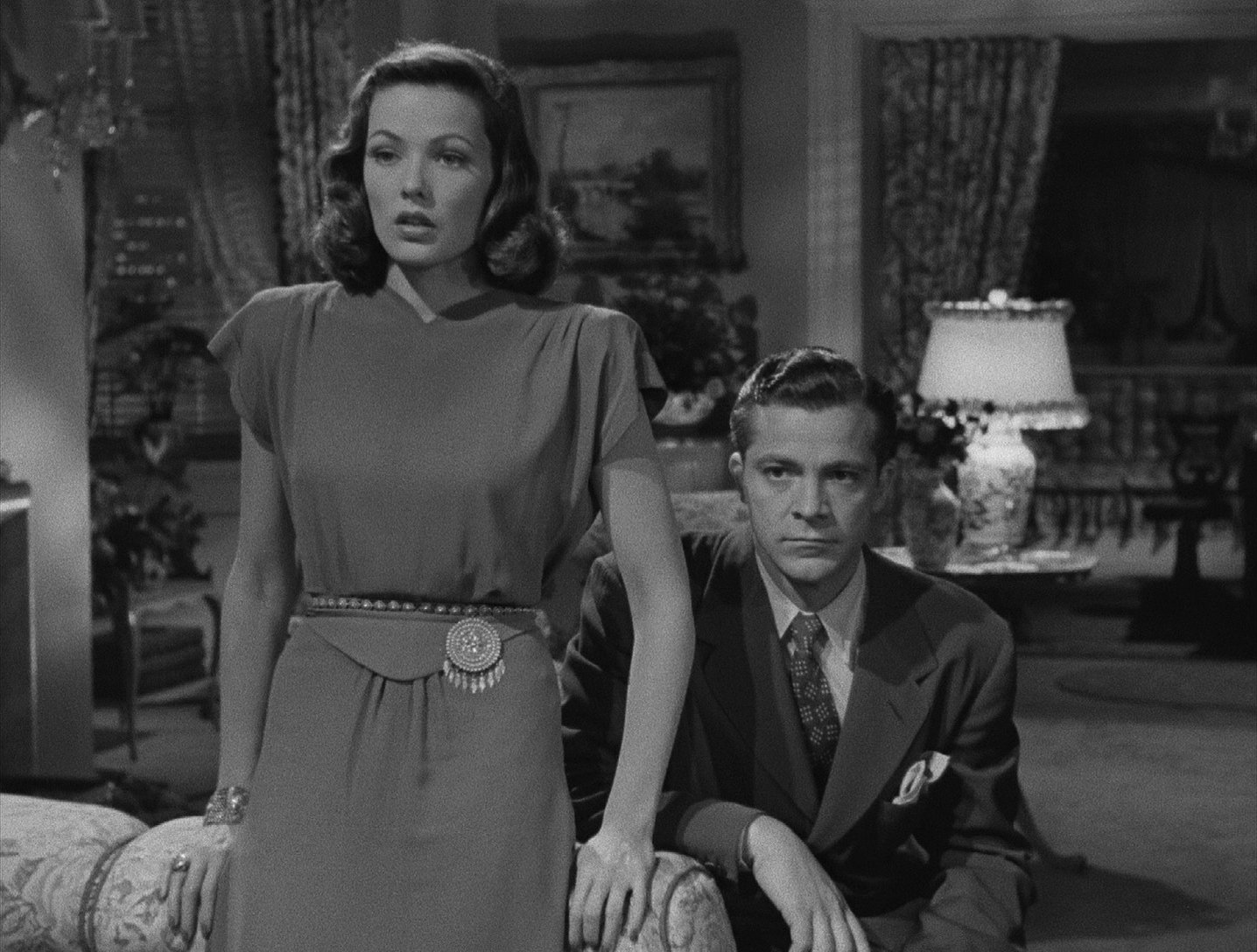
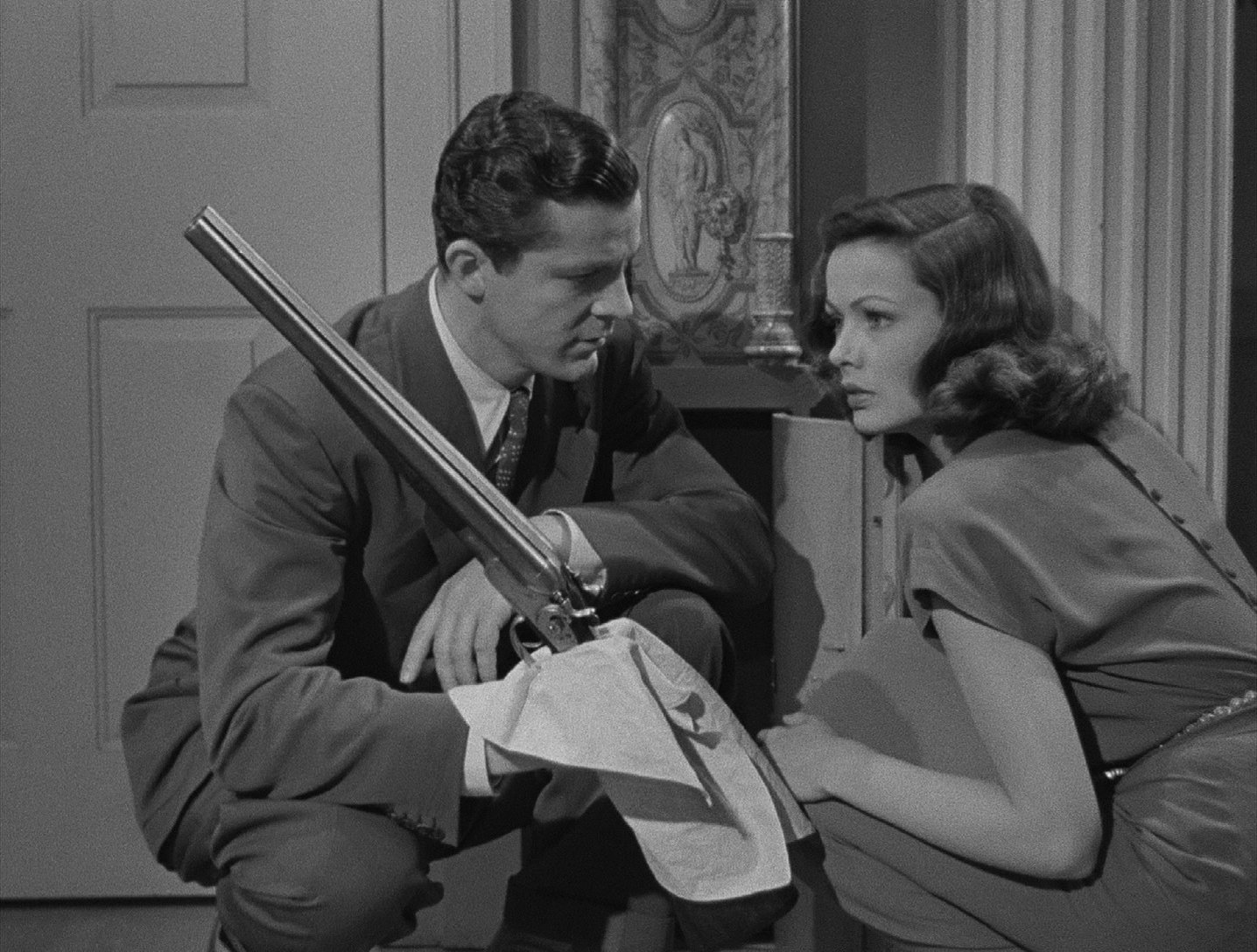
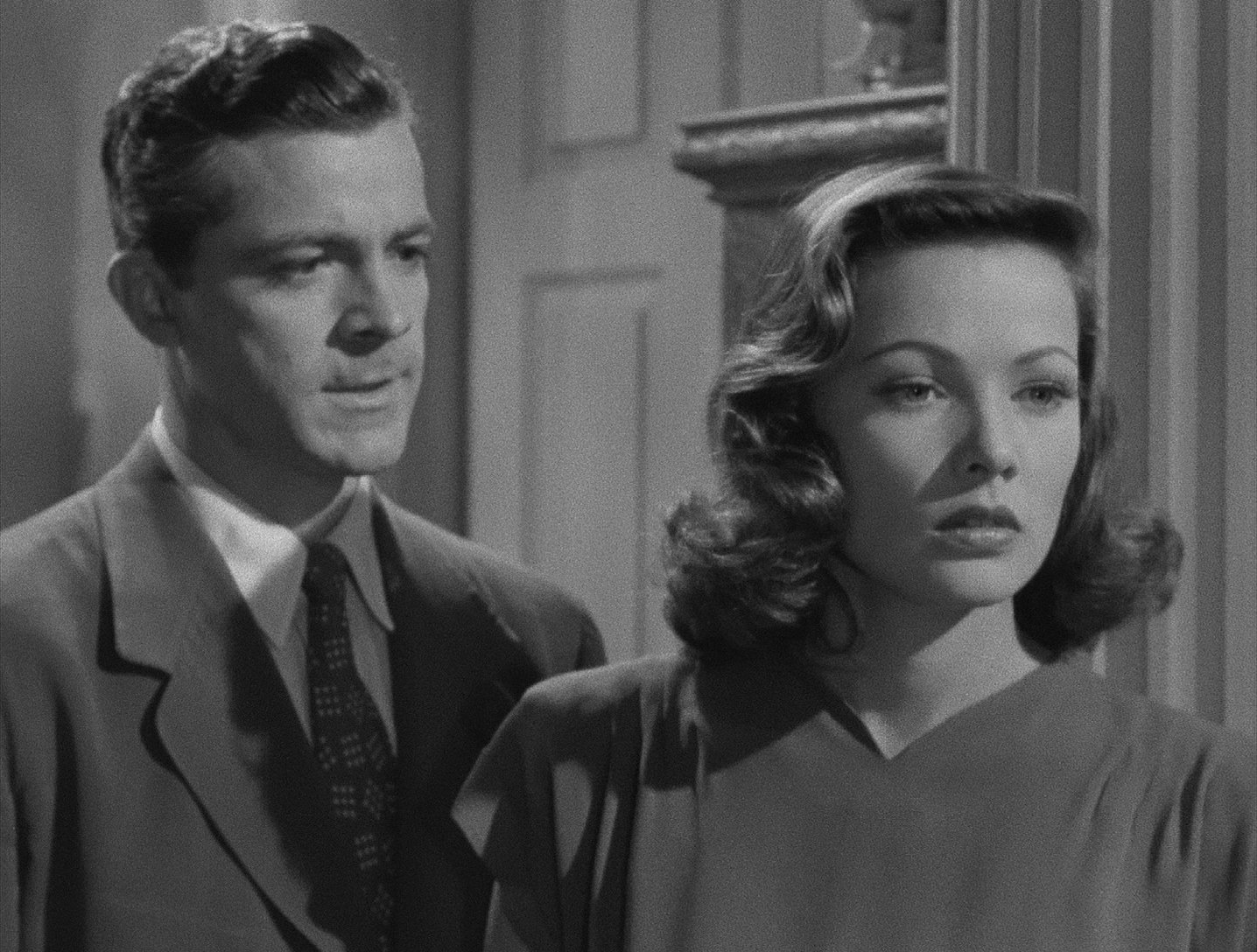
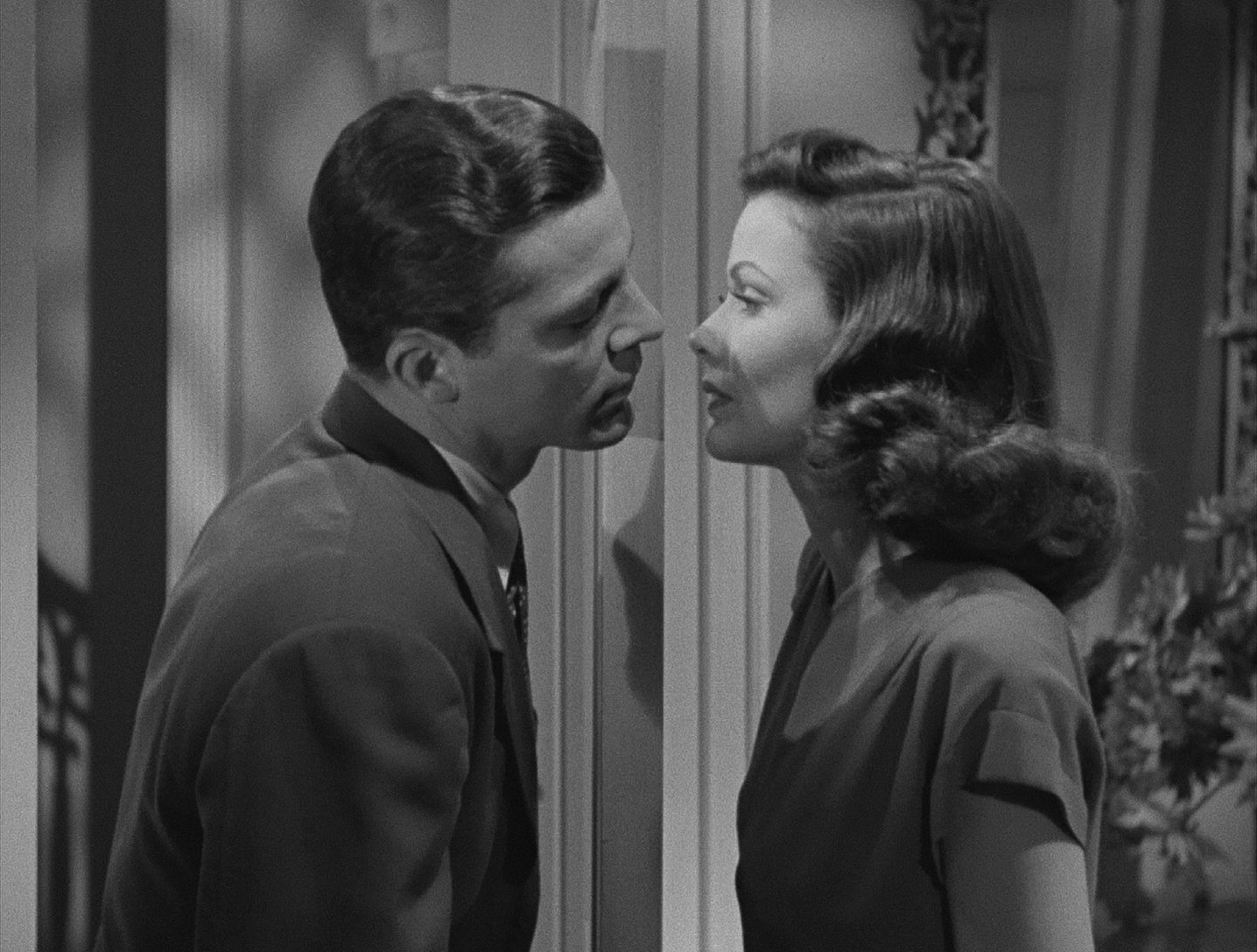
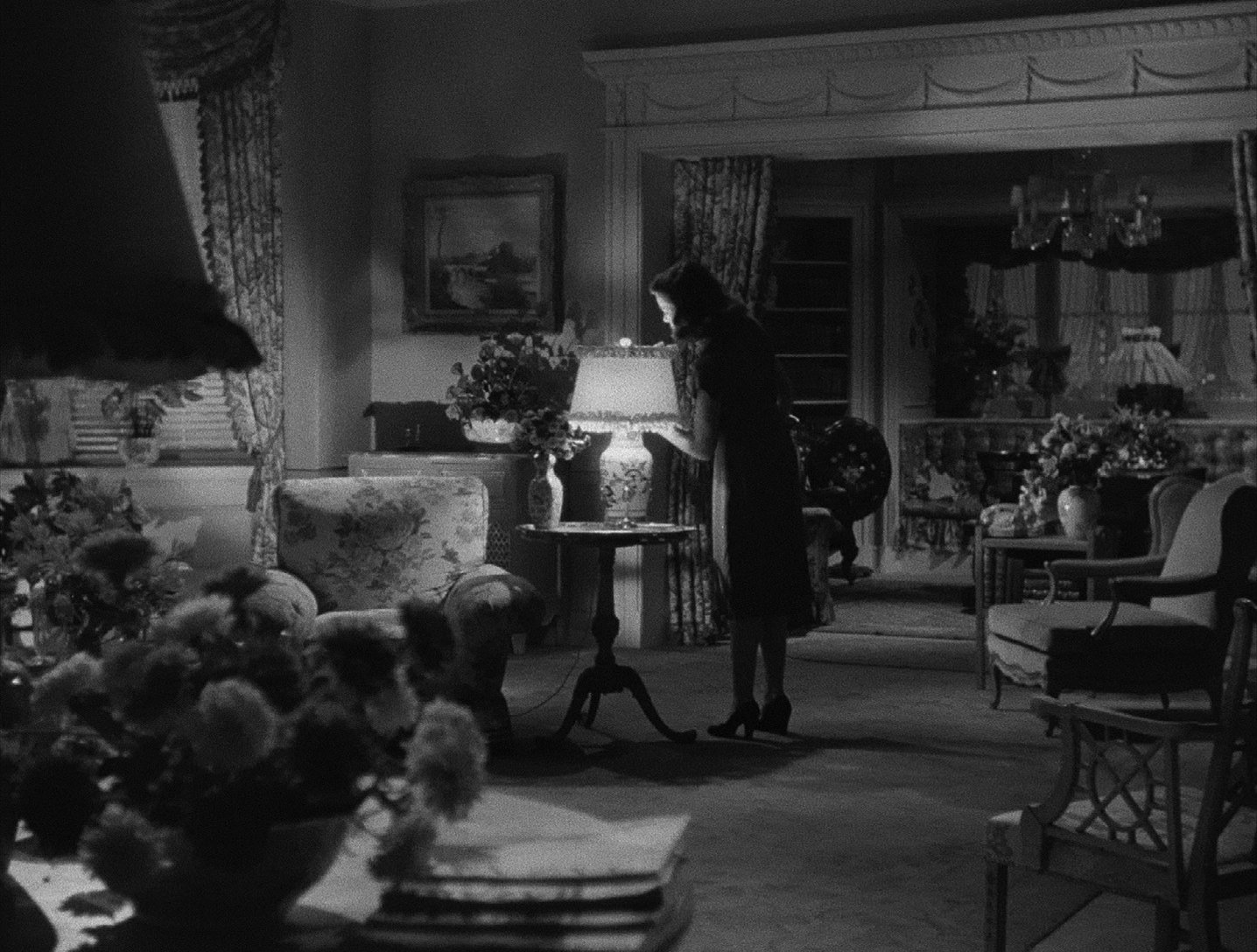
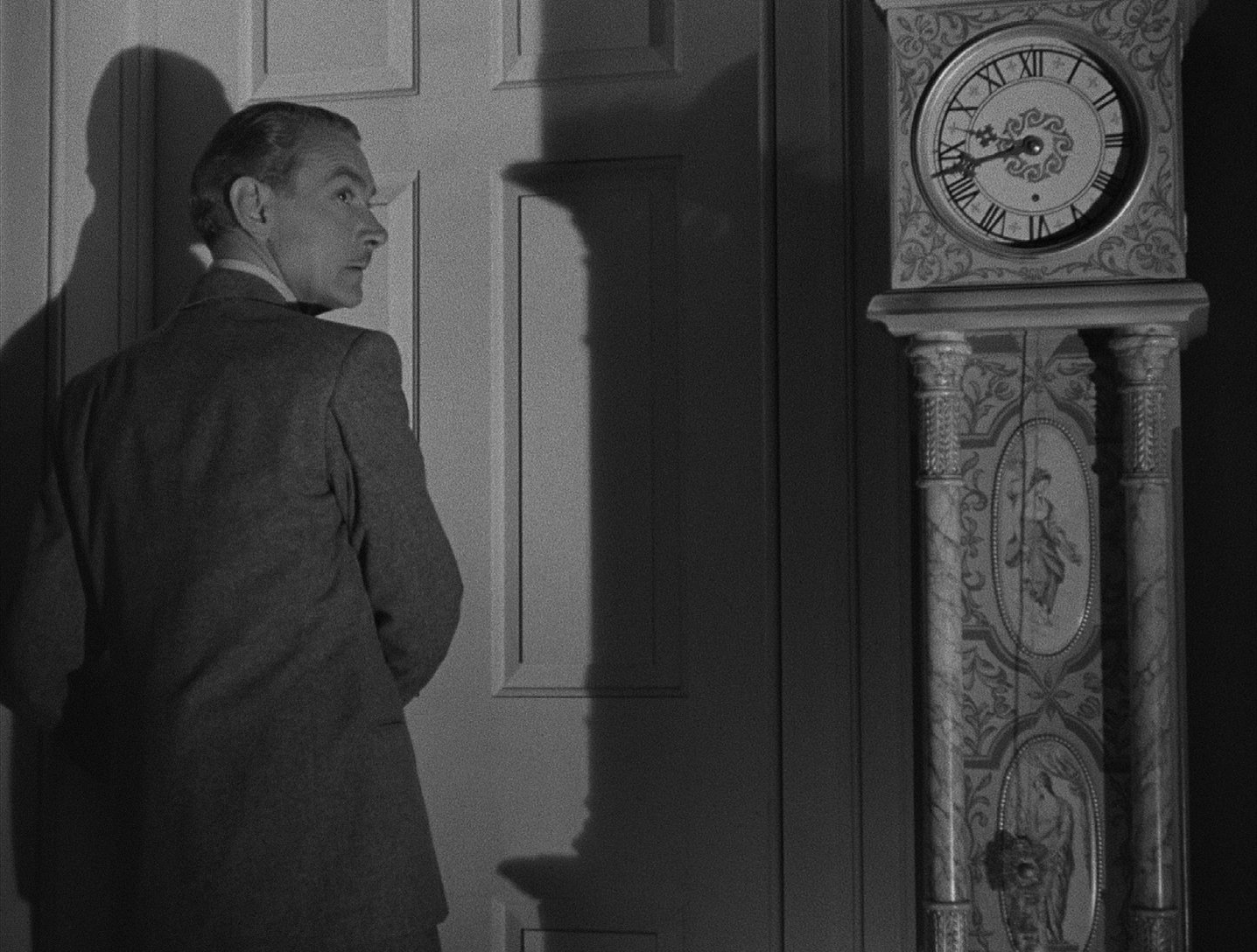
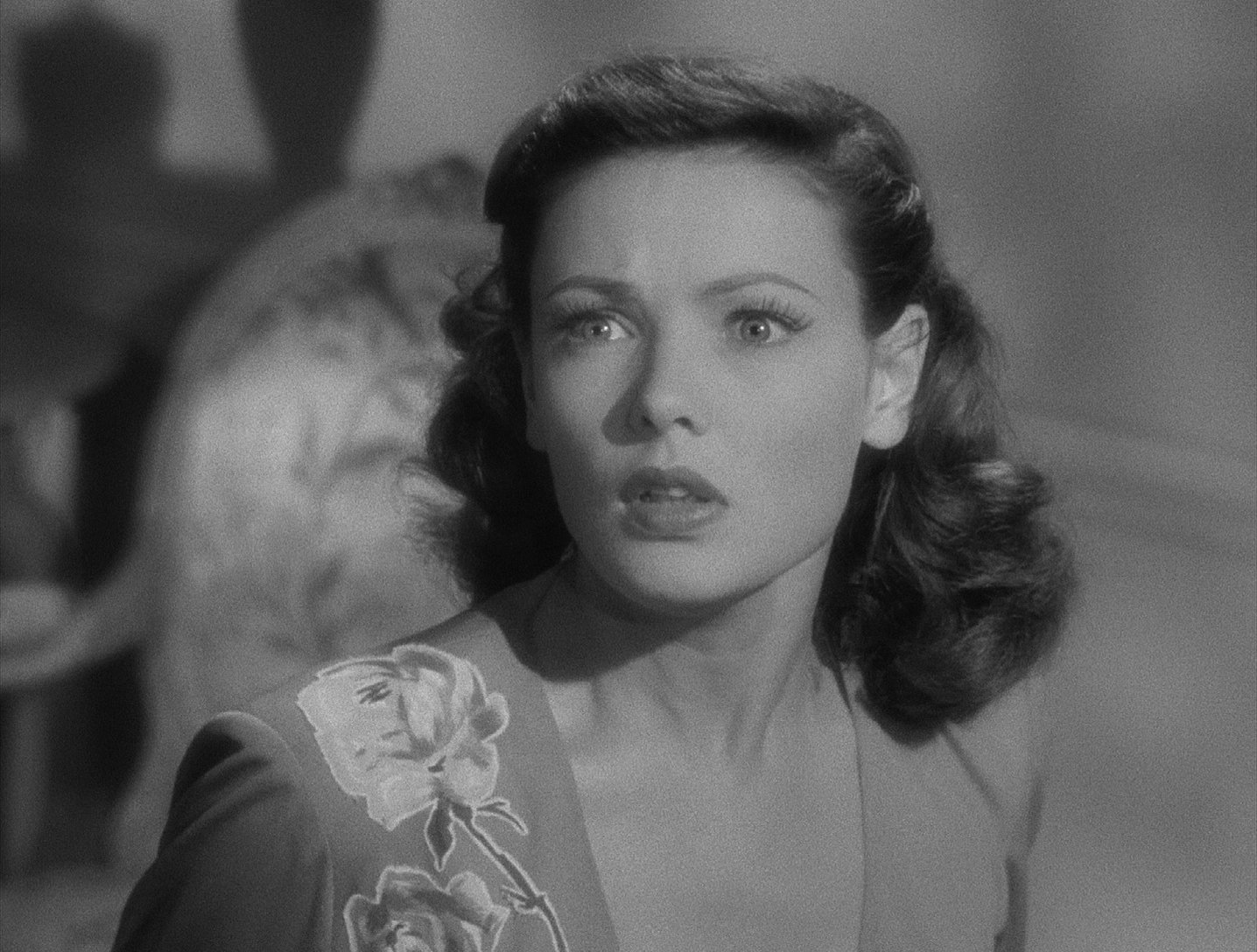
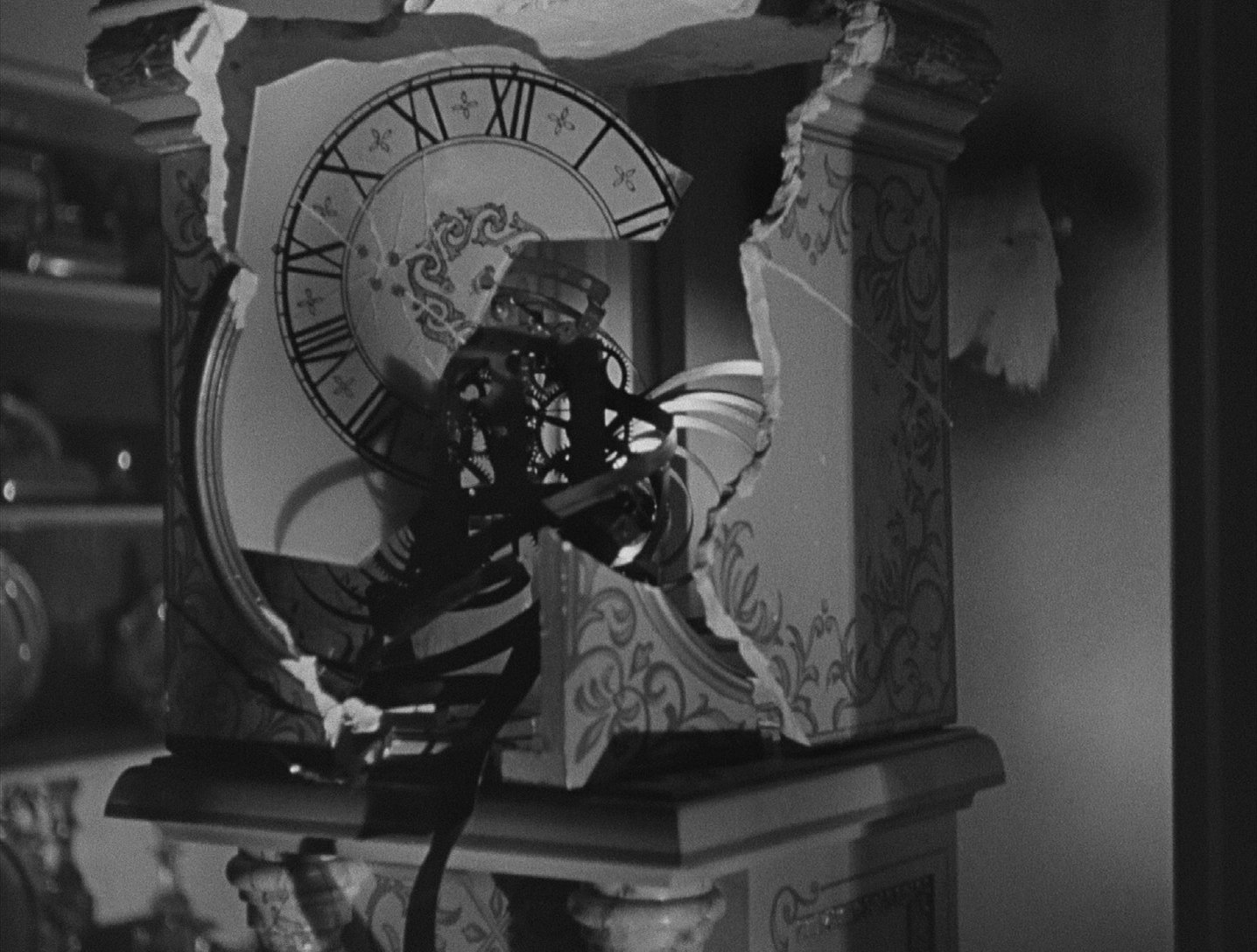
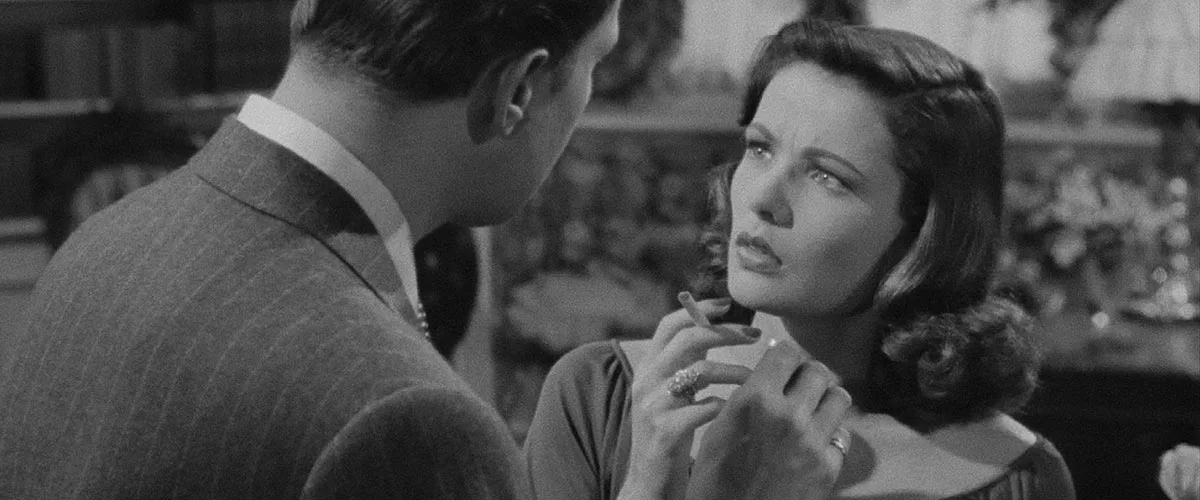
The film is structured around a central absence that takes on the form of a presence. Initially, Laura exists through recollection and testimony, most notably in the form of her portrait, which functions as both an object of desire and a narrative anchor. Visually, the film is a prime example of classical film noir, with its controlled interiors, soft yet directional lighting, and carefully composed frames. The apartment, filled with objects and reflective surfaces, contributes to a sense of constructed identity and illusion.
Laura stands out within the noir genre for its emphasis on psychology and image over action. By focusing the story on how a character is perceived, remembered, and imagined, the film explores the instability of identity and the power of representation in narrative and desire.
Technical Specs:
- The Story: A police detective investigating the murder of a glamorous advertising executive finds himself obsessed with her portrait, and as the case deepens, nothing is what it seems. Read my review of Laura.
- Actors: Gene Tierney, Dana Andrews, Clifton Webb, Vincent Price, Judith Anderson, Dorothy Adams.
- Director: Otto Preminger
- Year: 1944
- Cinematographers: Joseph LaShelle & Lucien Ballard (uncredited)
- Origin: American Cinema
- Aspect Ratio: 1.37:1
- Genre: Crime & Mystery / Film Noir