Le Samouraï (1967): Minimalism and the Existential Hitman
1967 • Jean-Pierre Melville • 1.85:1 • Jump to Gallery ↓
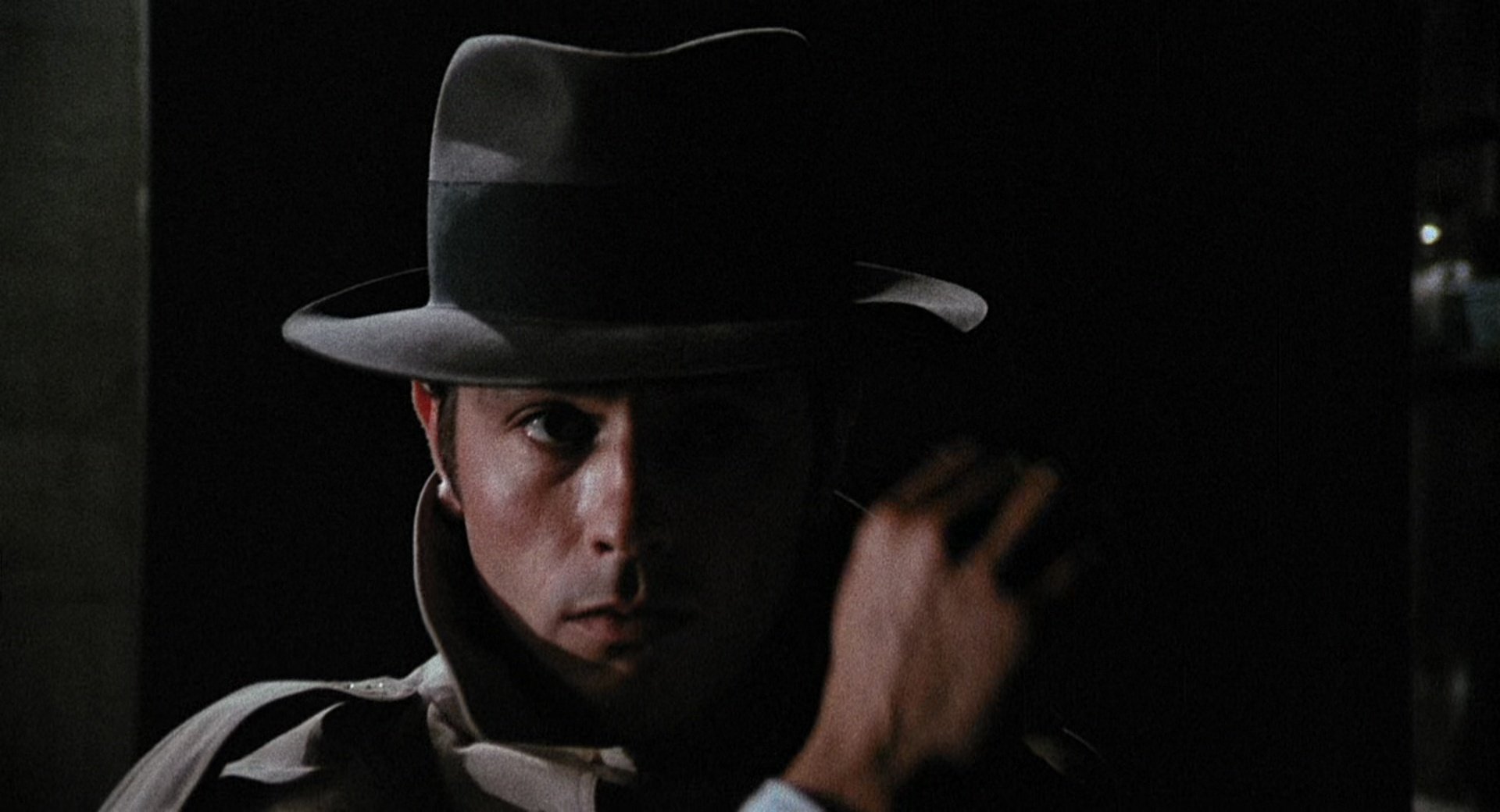
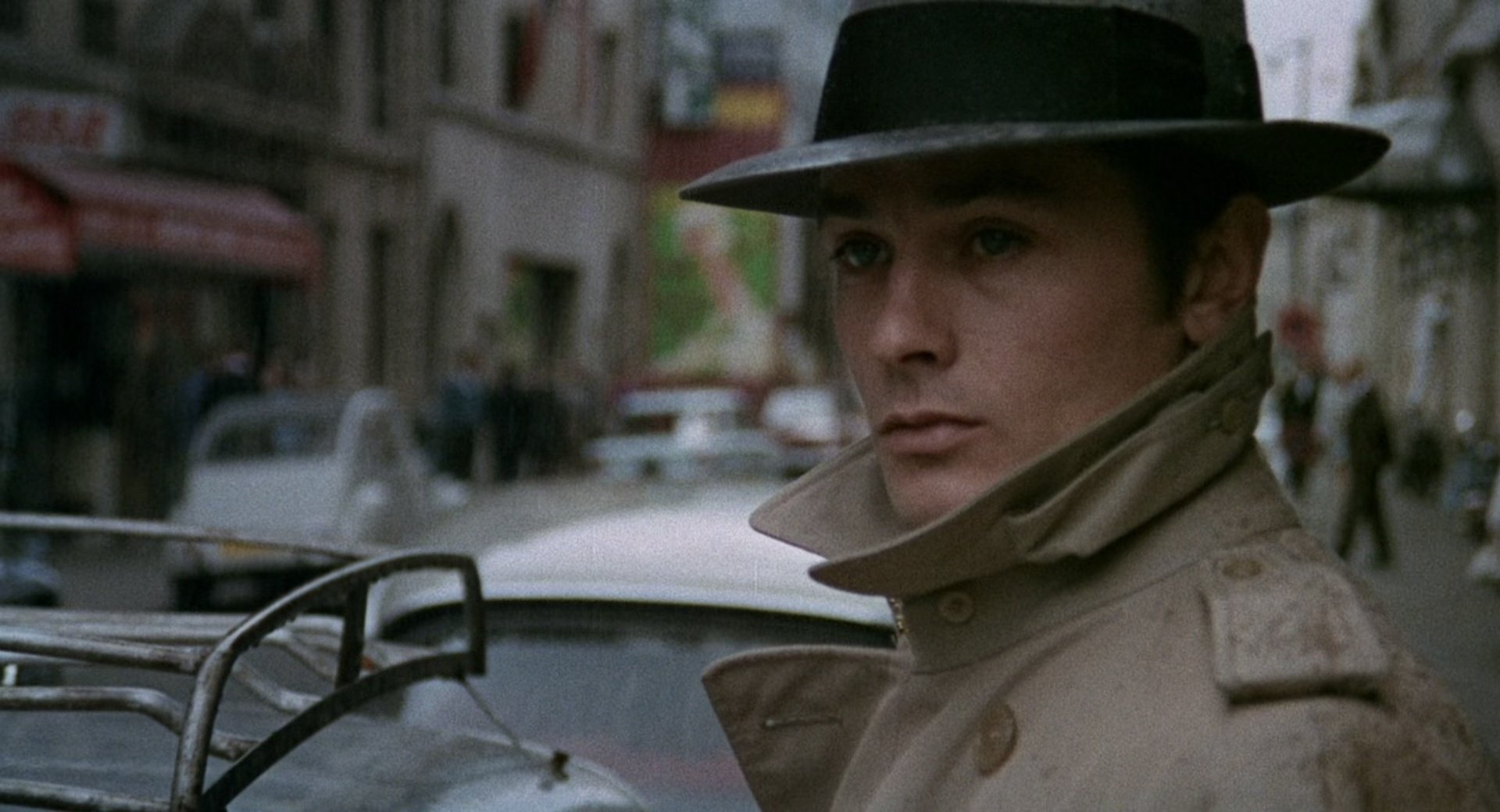
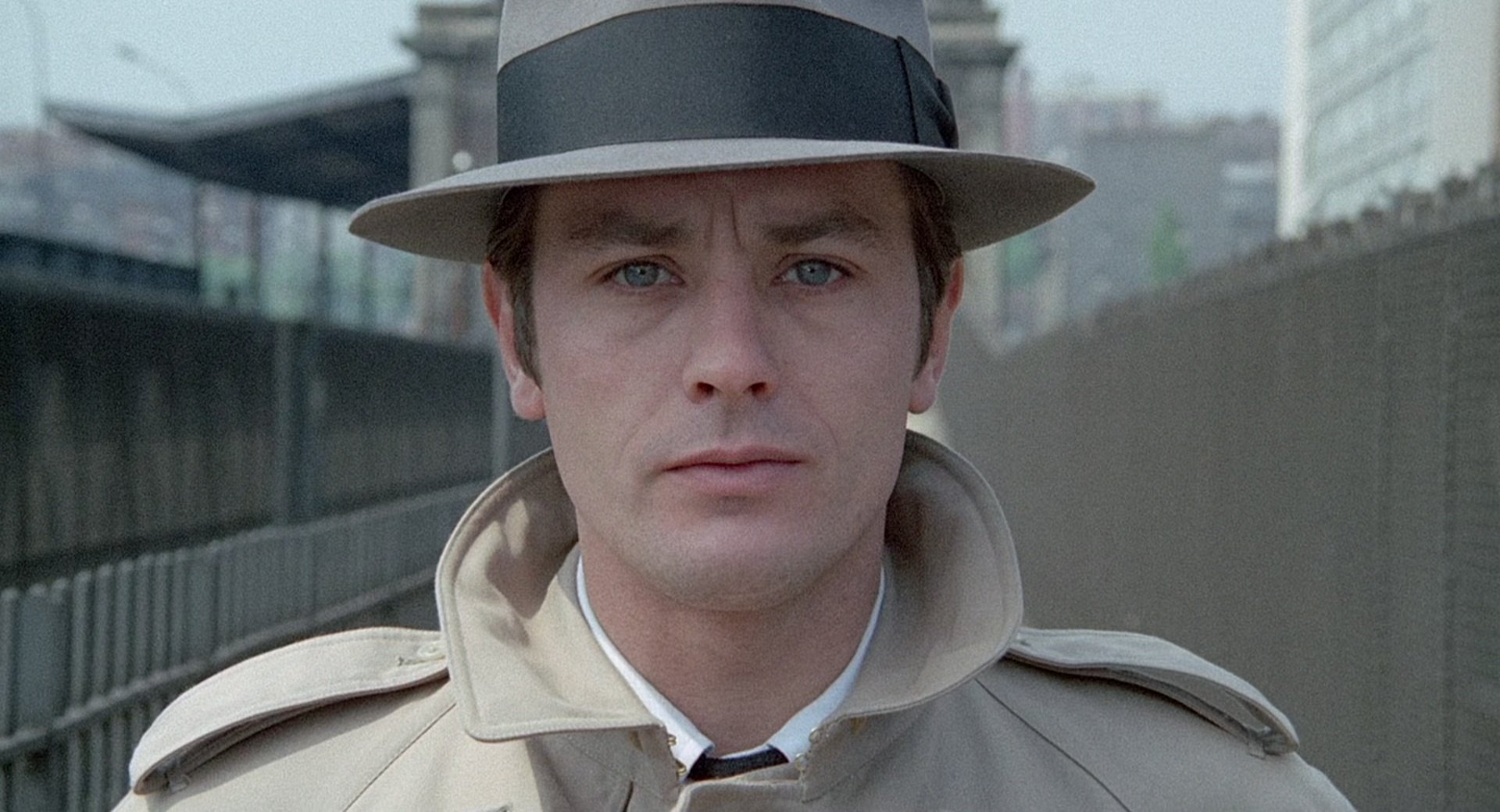
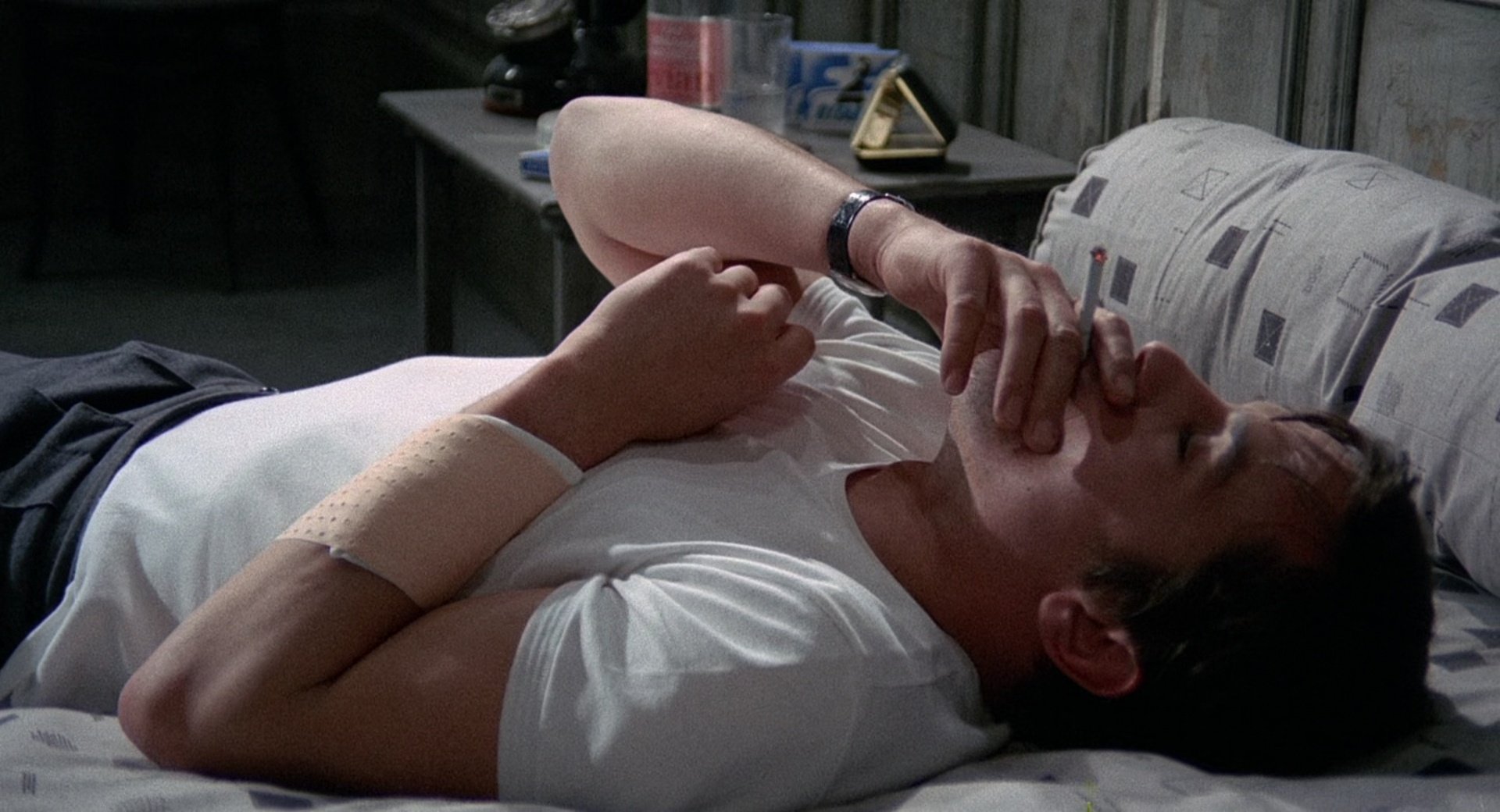
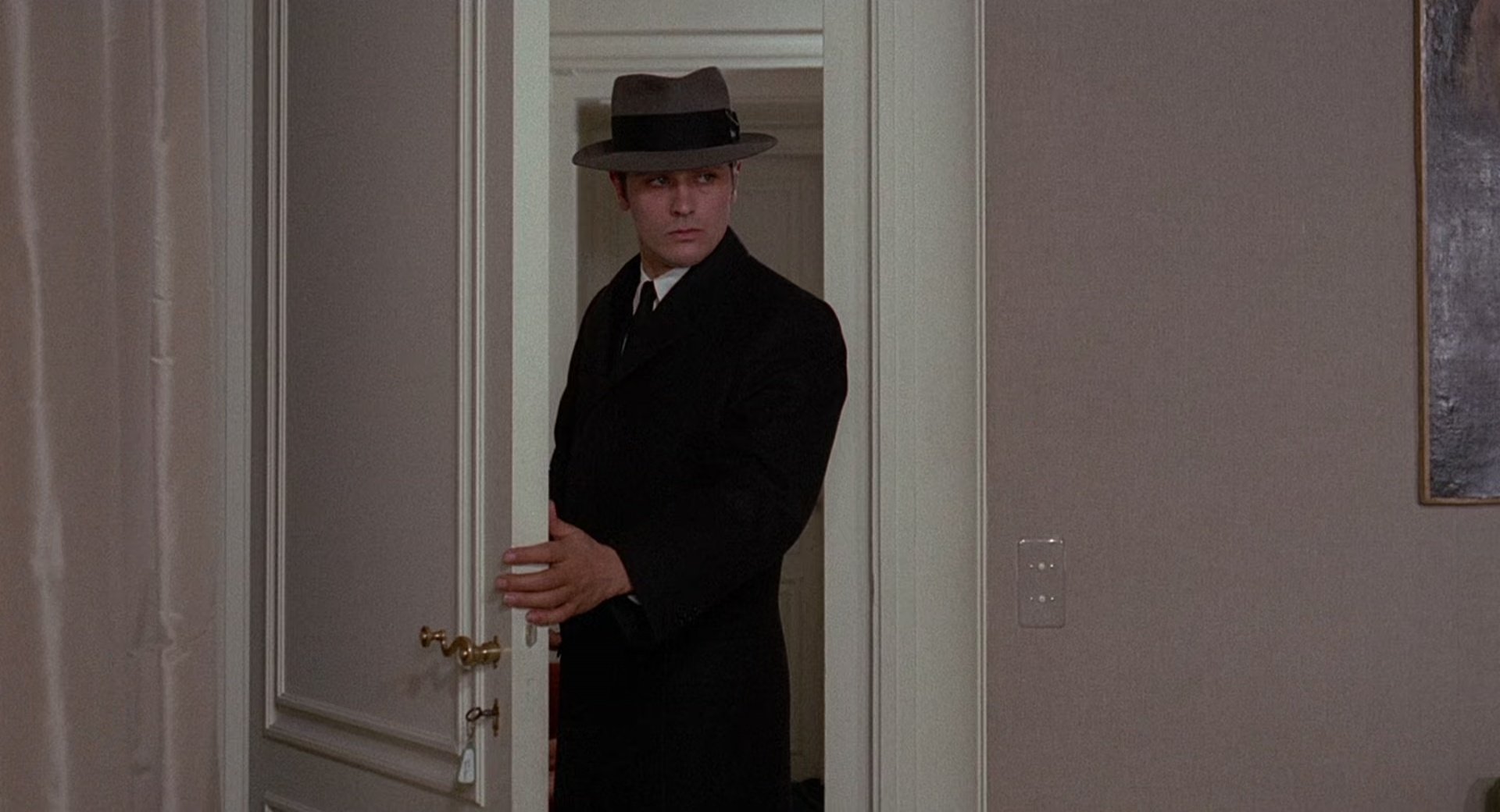
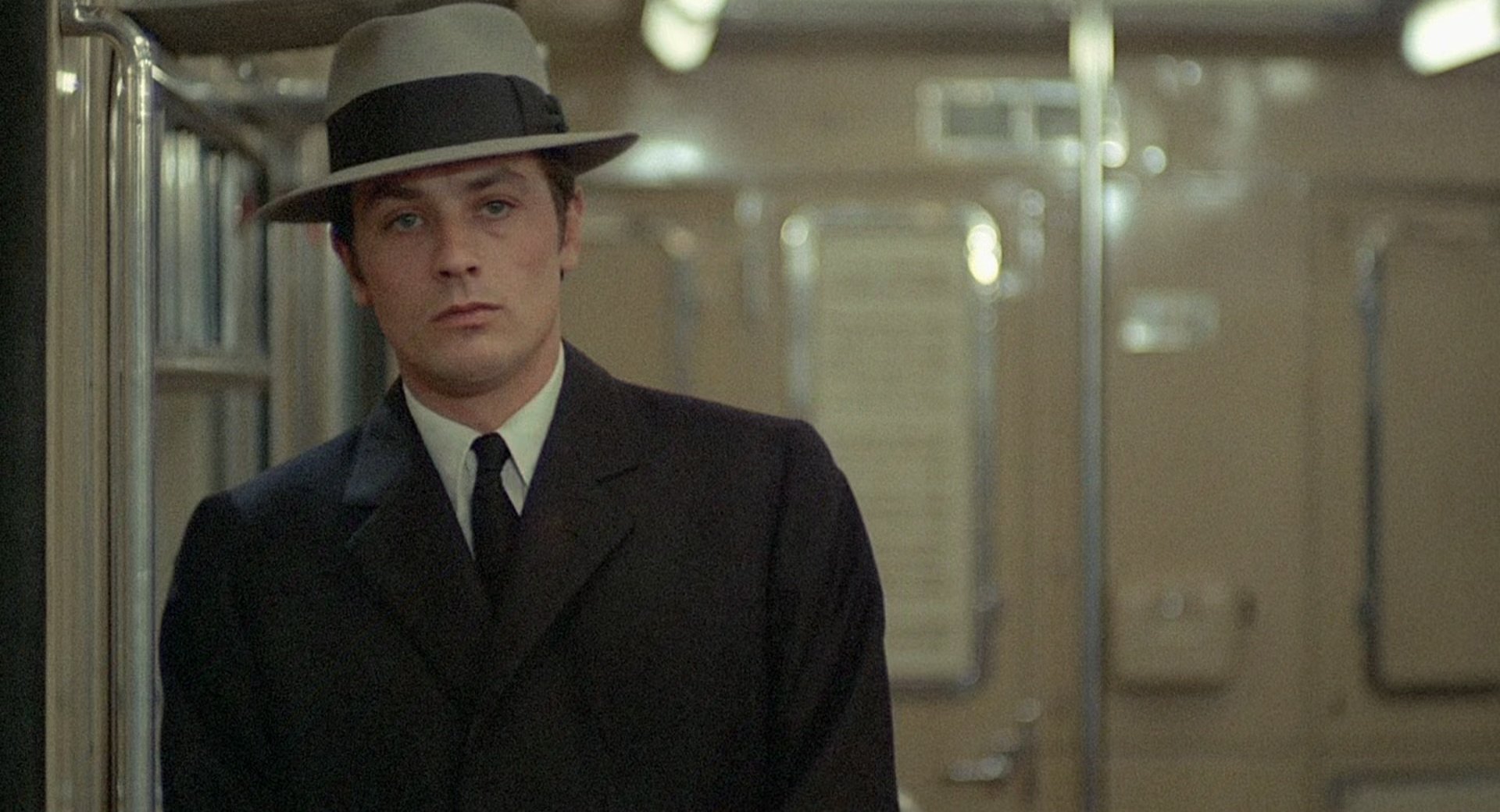
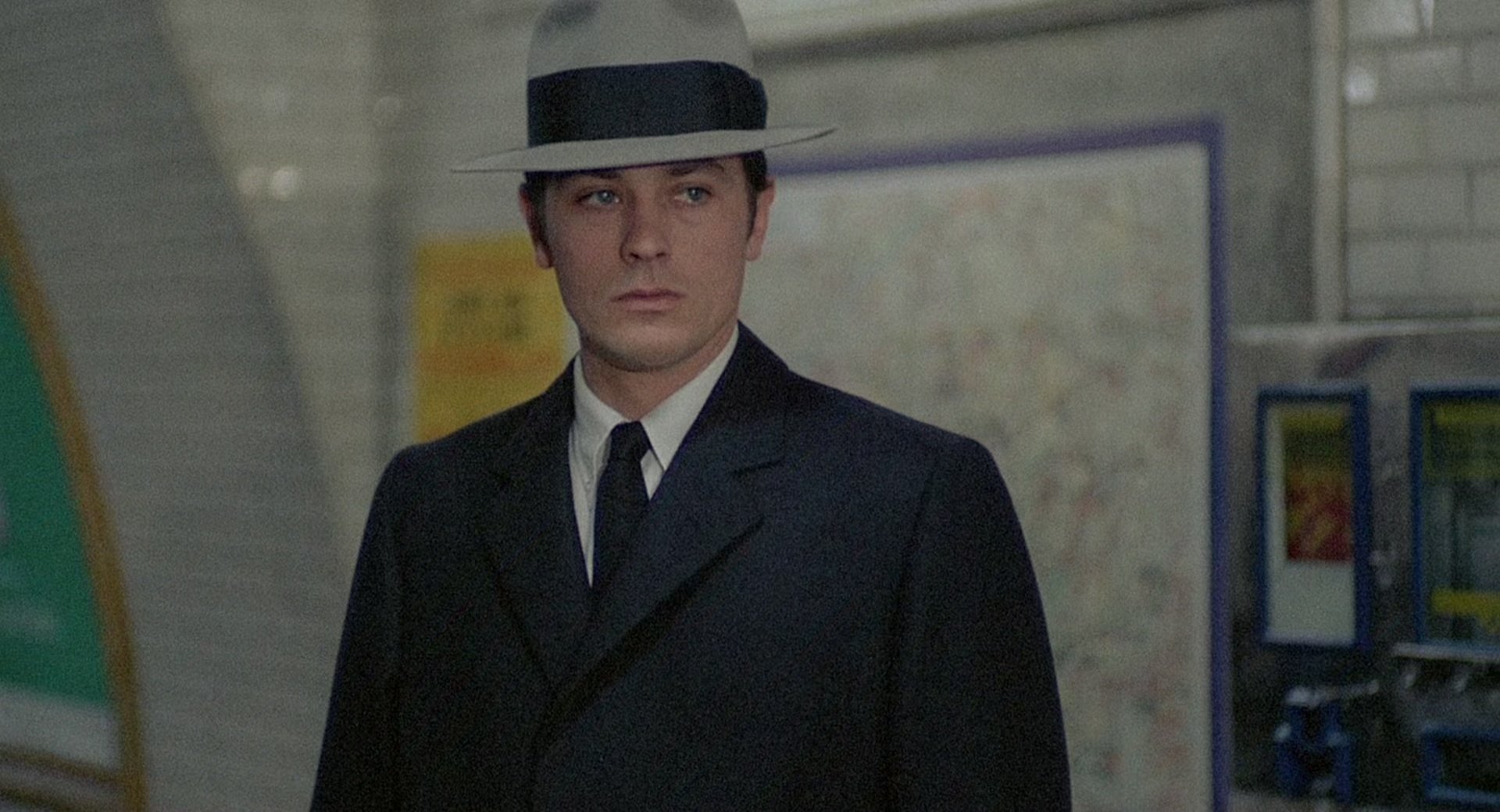
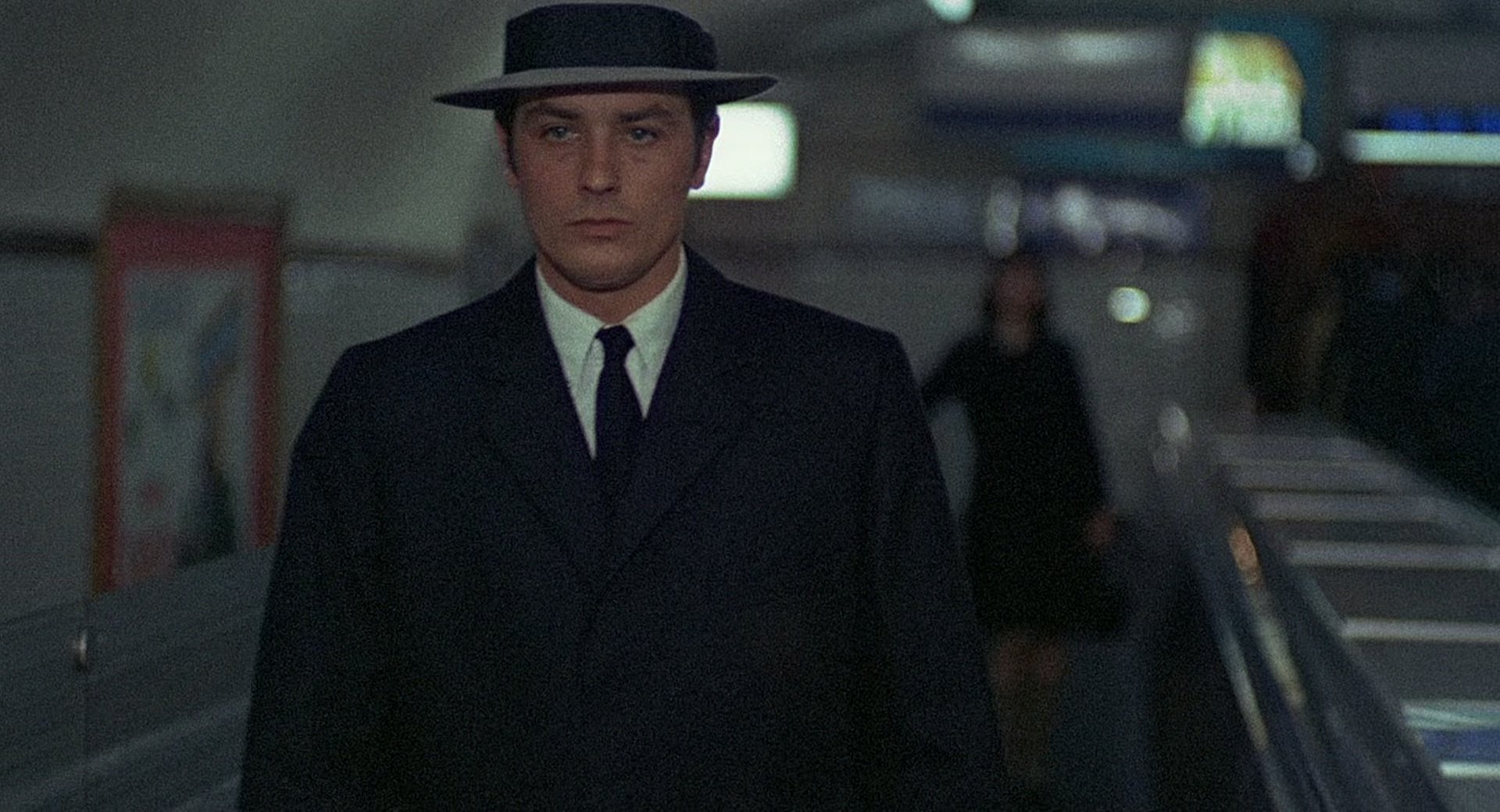
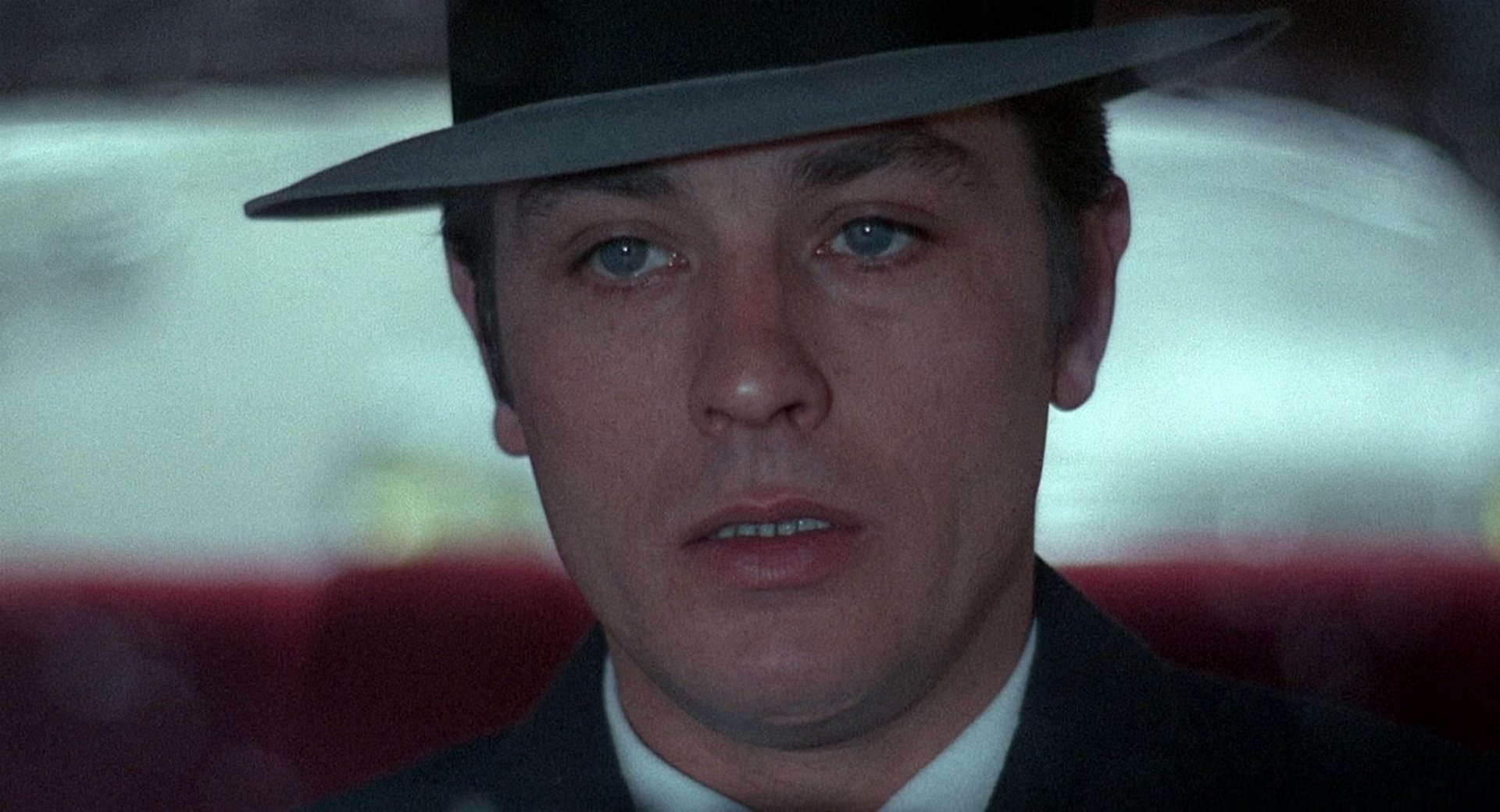
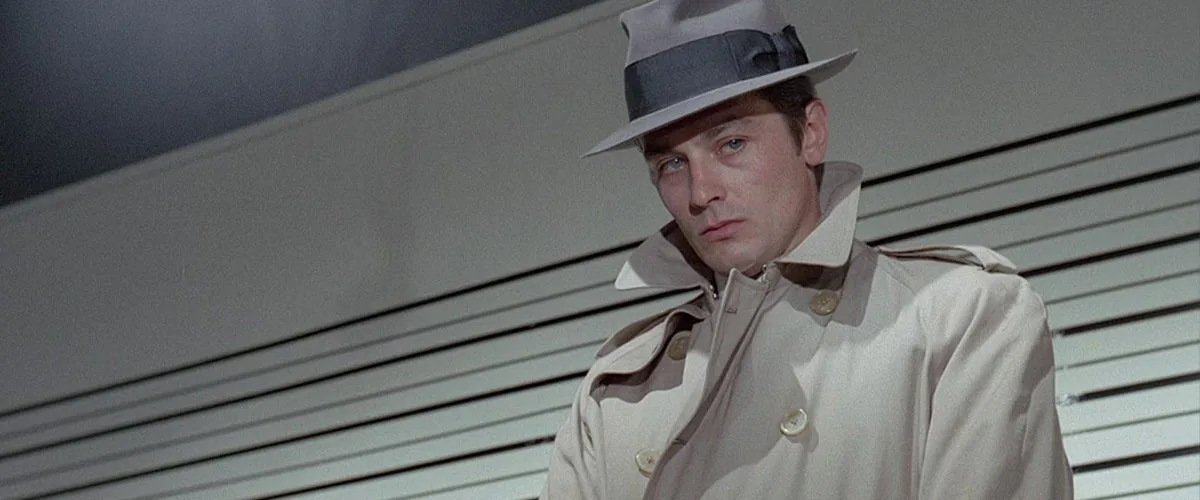
Jean-Pierre Melville‘s Le Samouraï stars Alain Delon as a loner hitman in Paris who carries out an assassination in a nightclub. Despite constructing a meticulous alibi, he becomes the target of suspicion from both the police and the criminal underworld. As surveillance closes in from all sides, he tries to maintain control of the situation through rigid discipline and ritual.
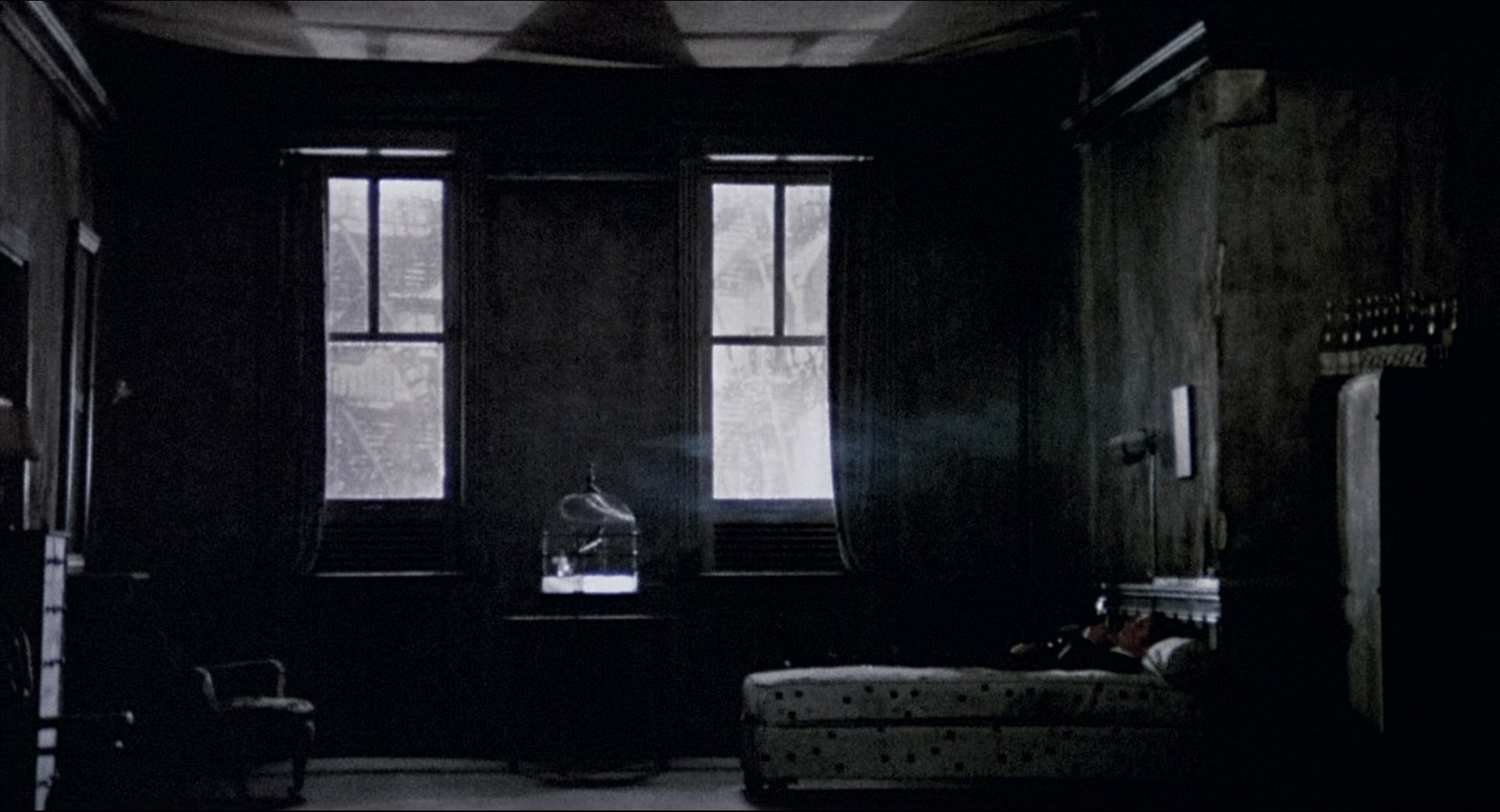
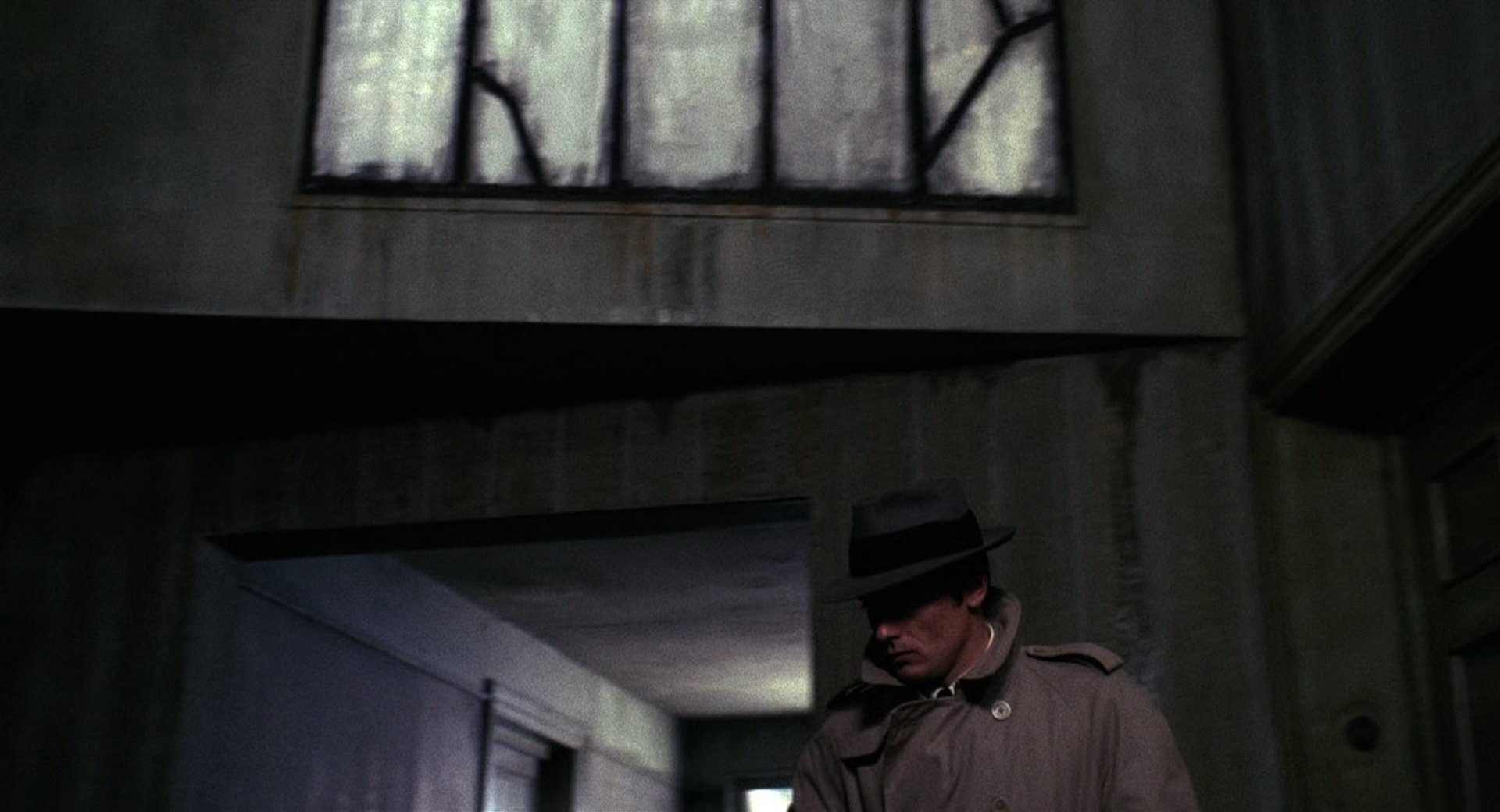
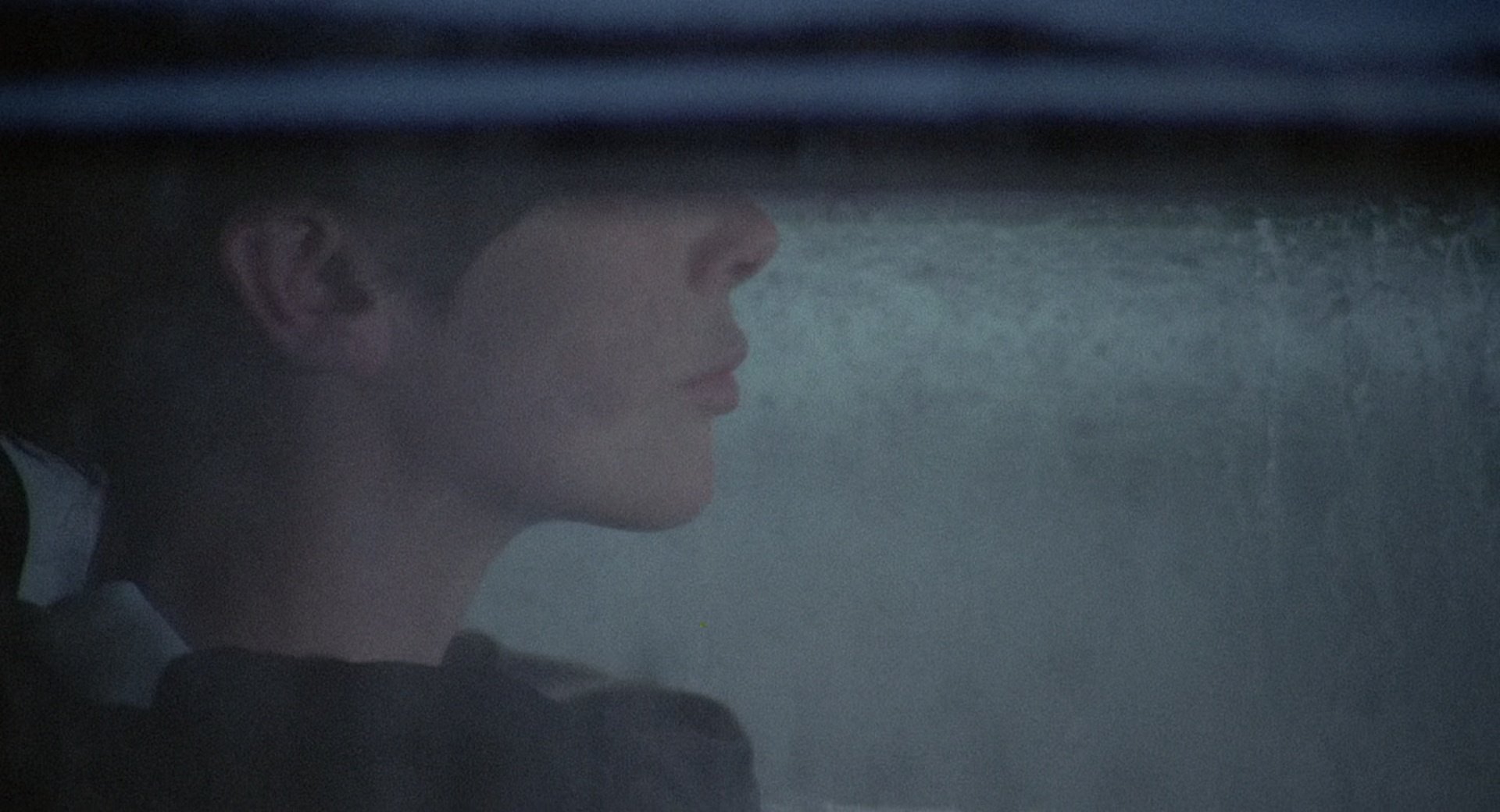
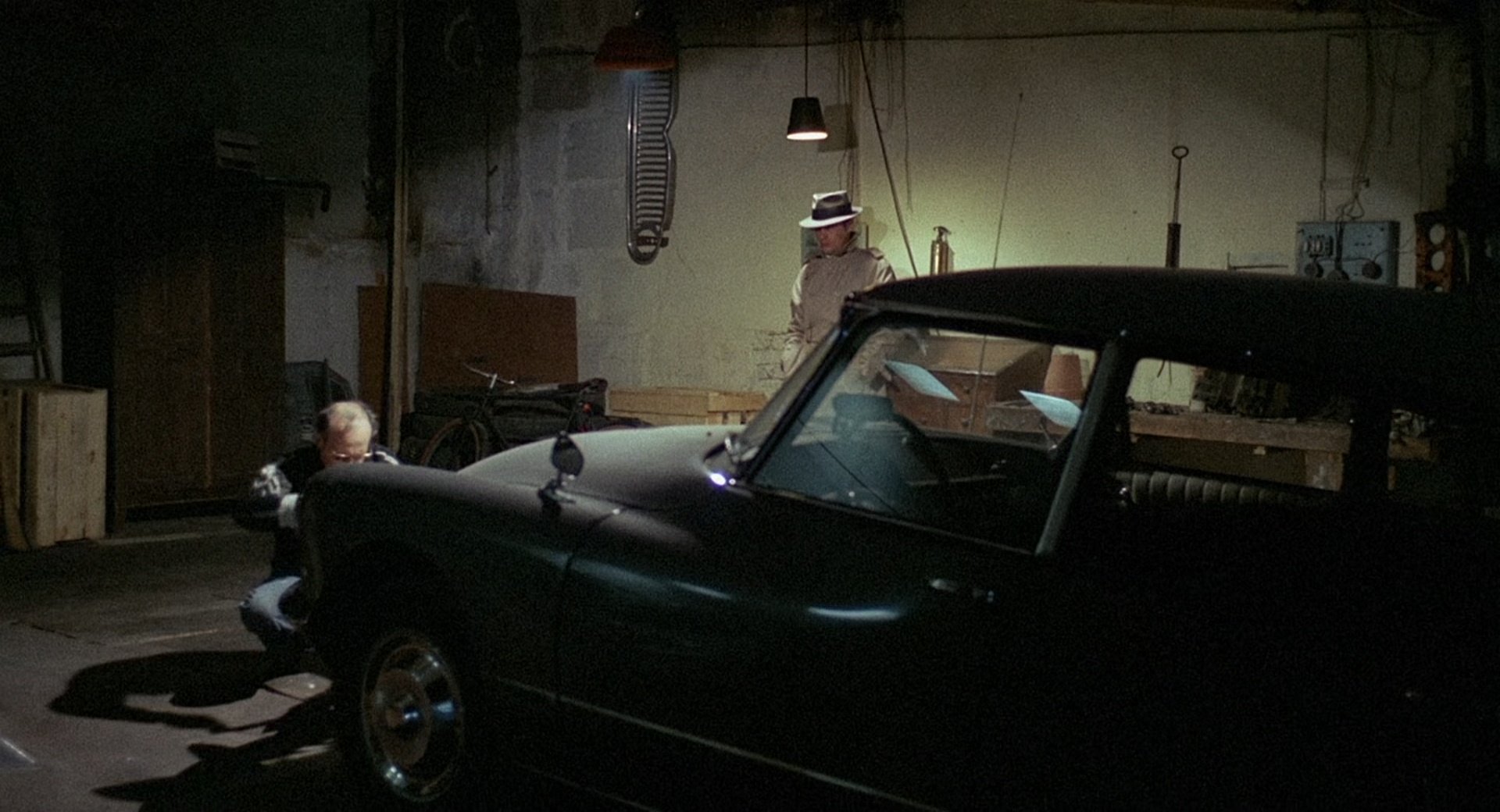
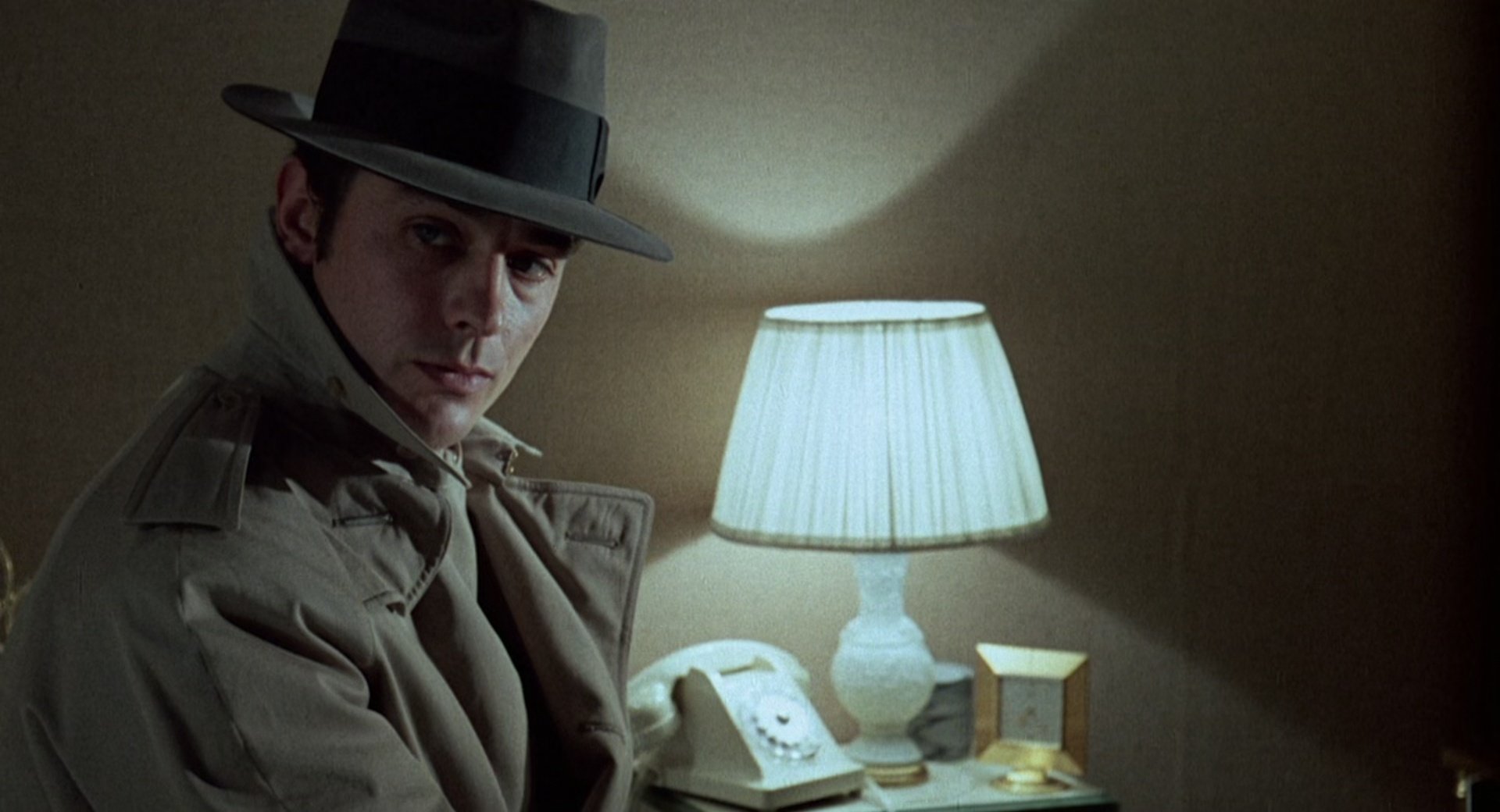
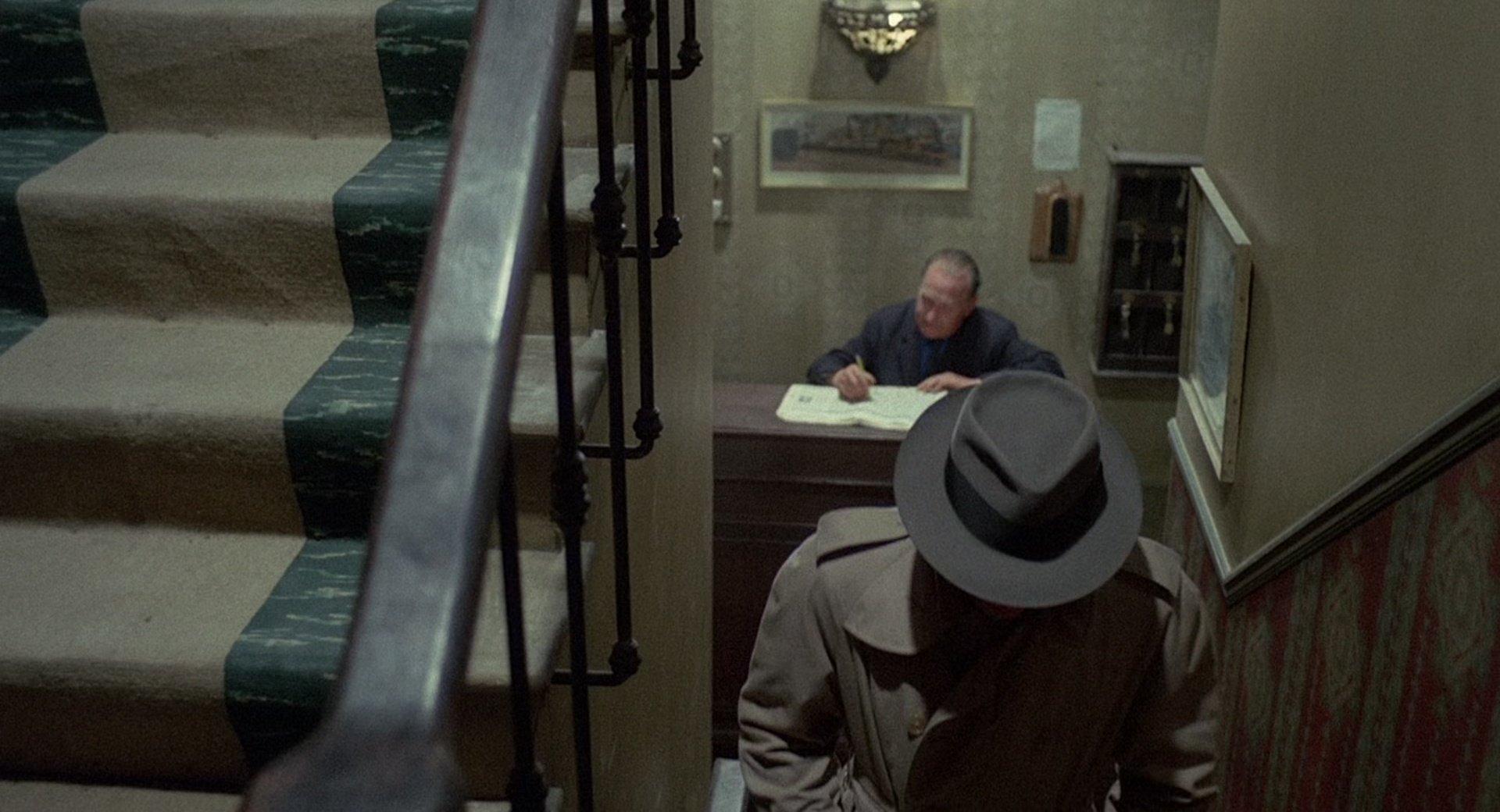
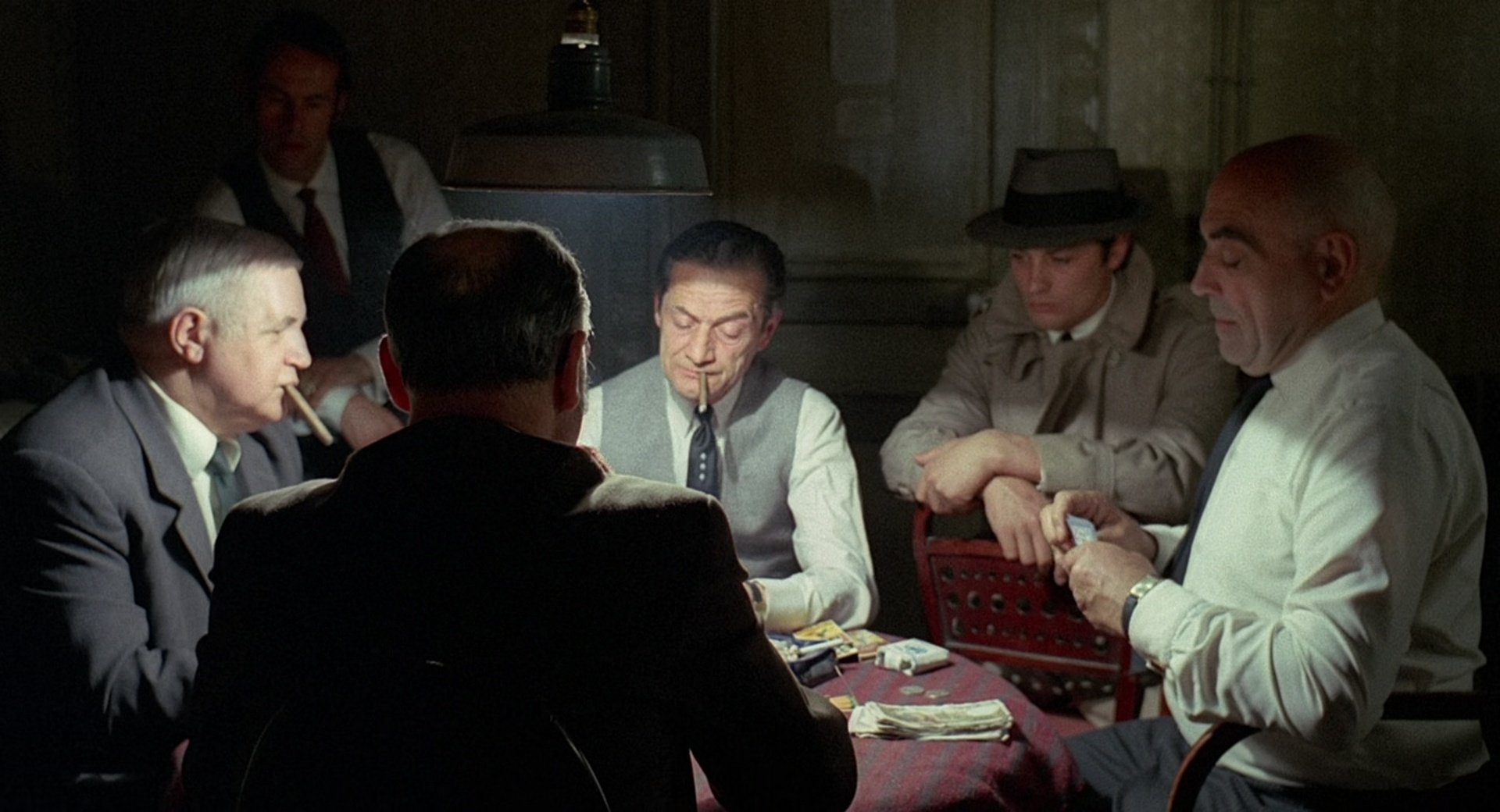
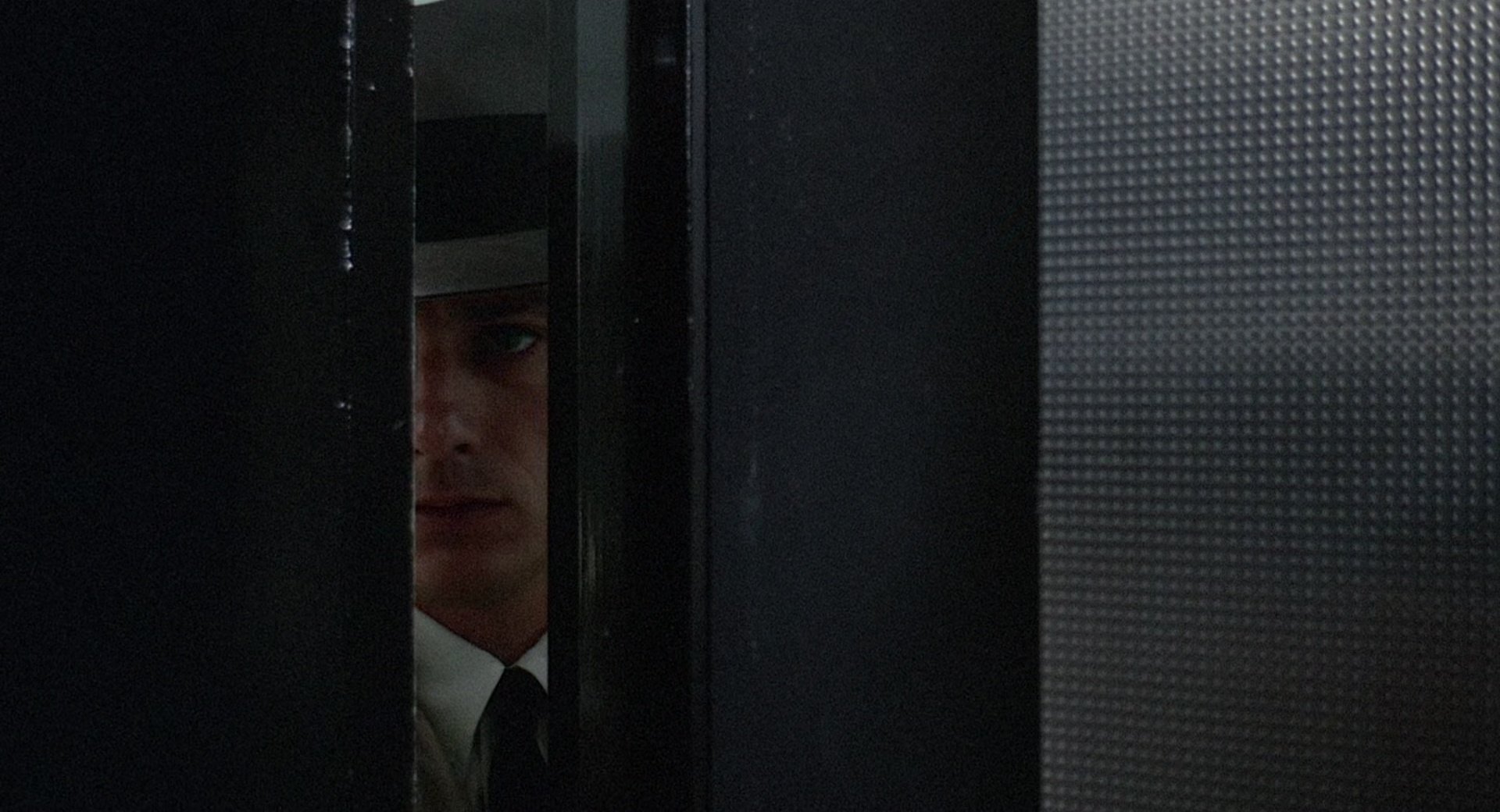
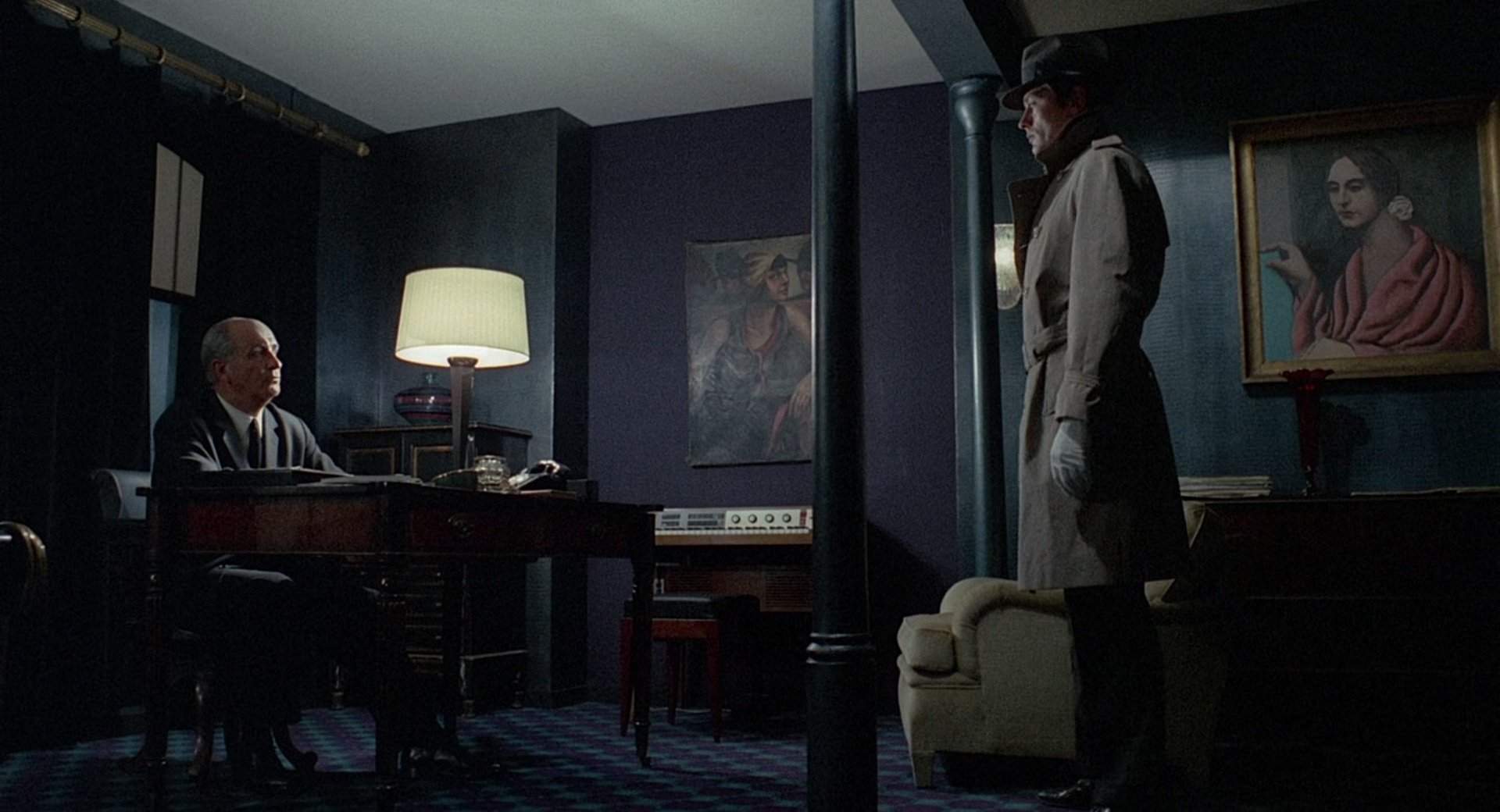
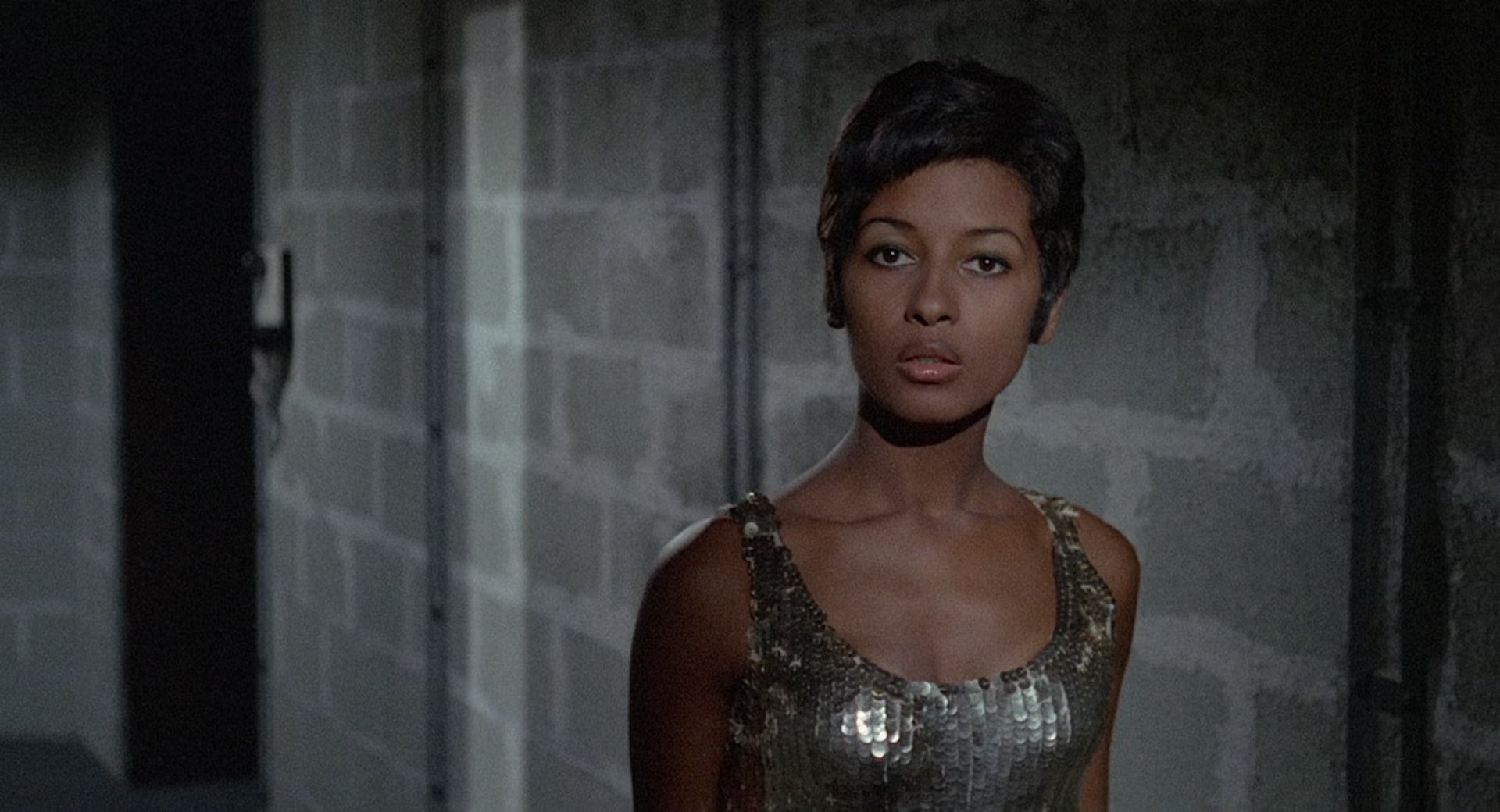
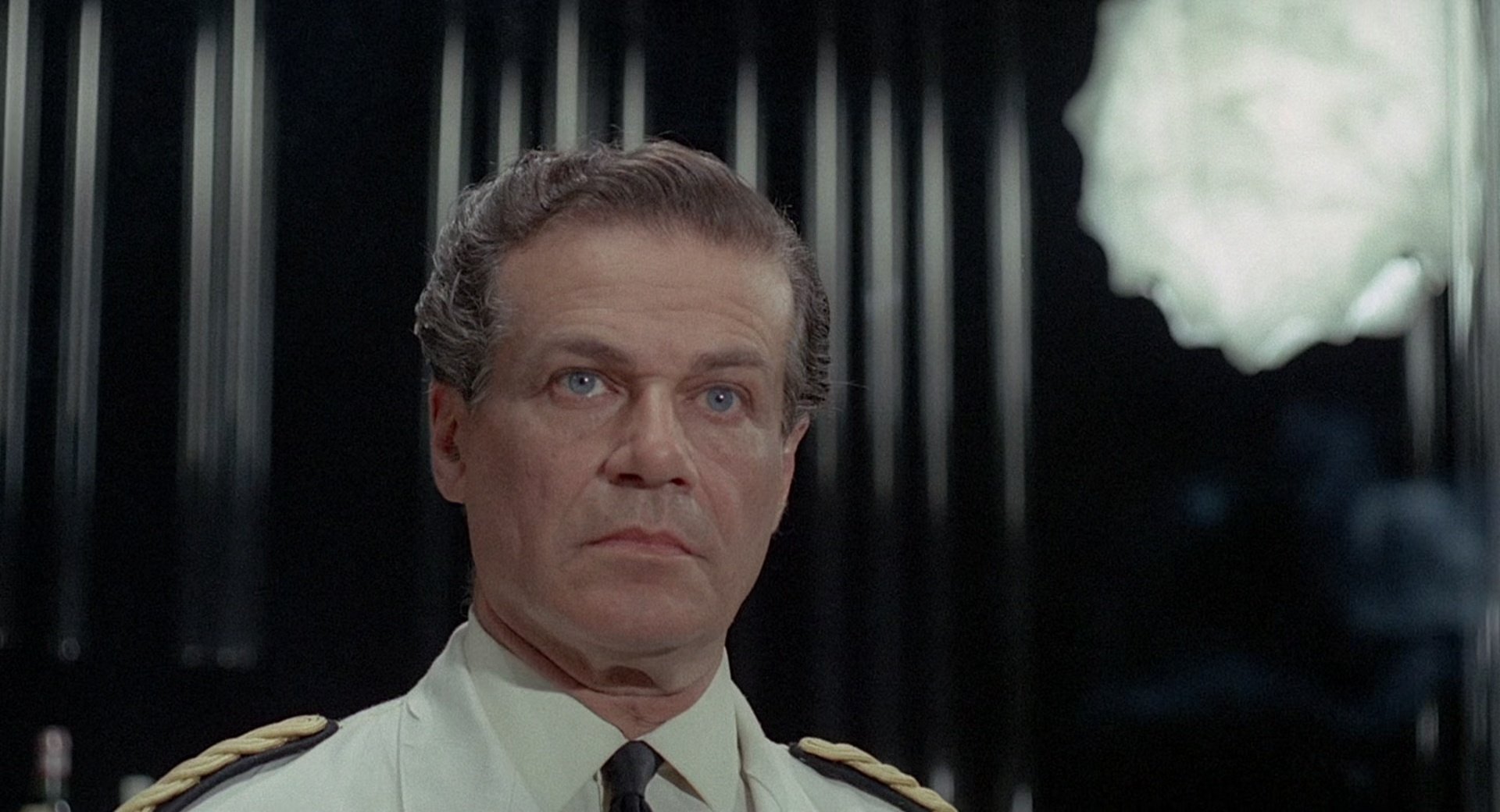
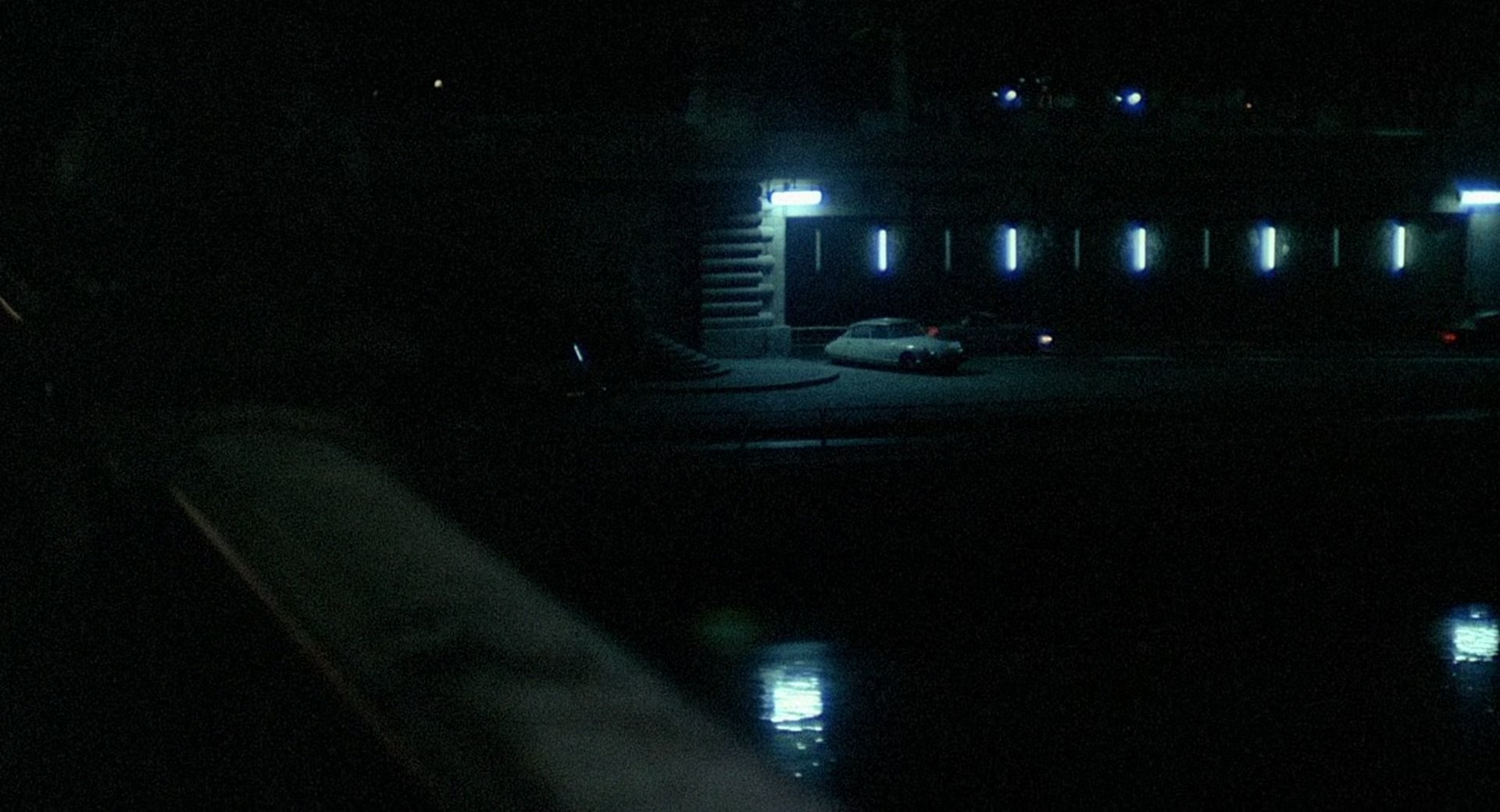
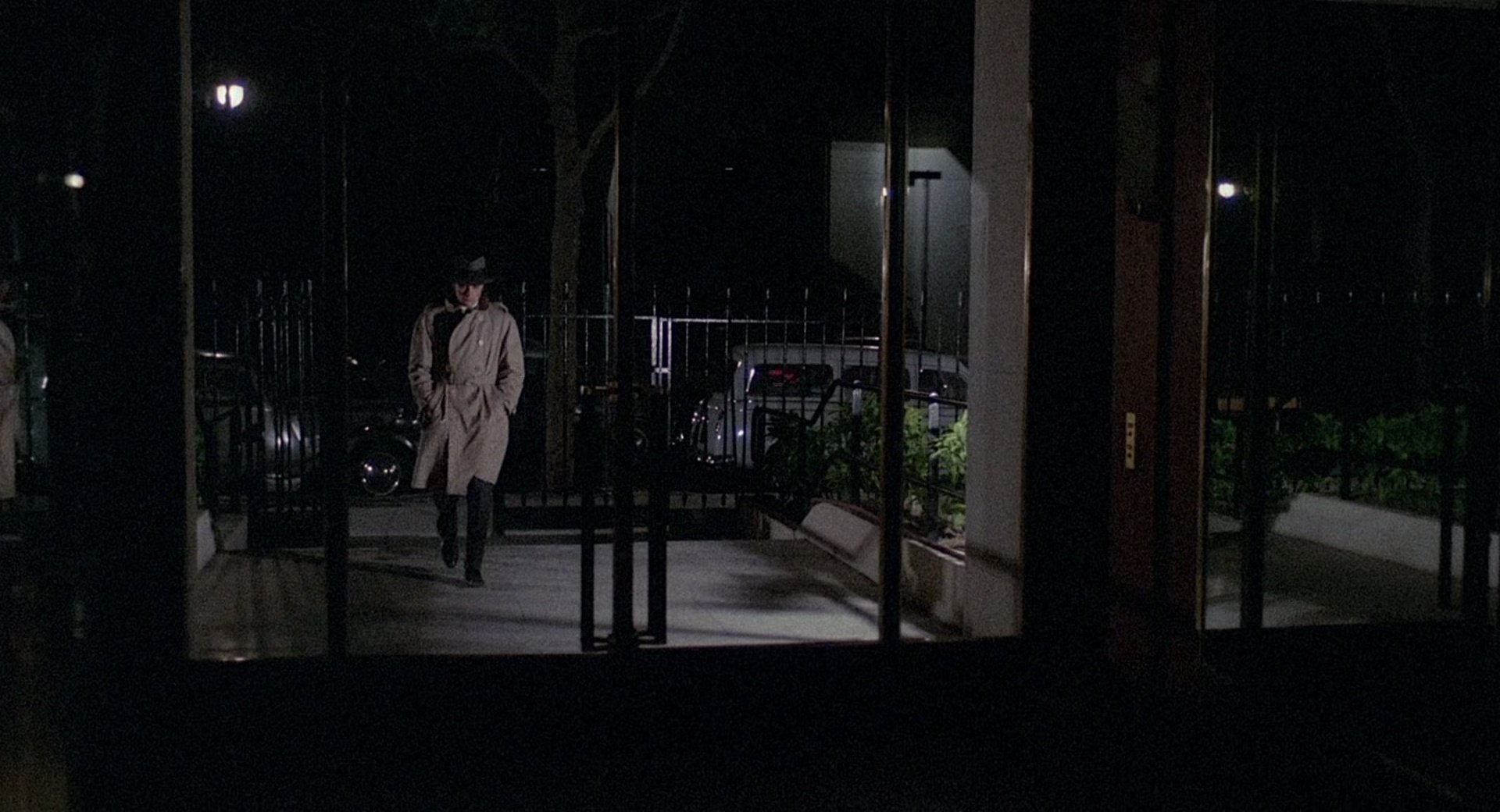
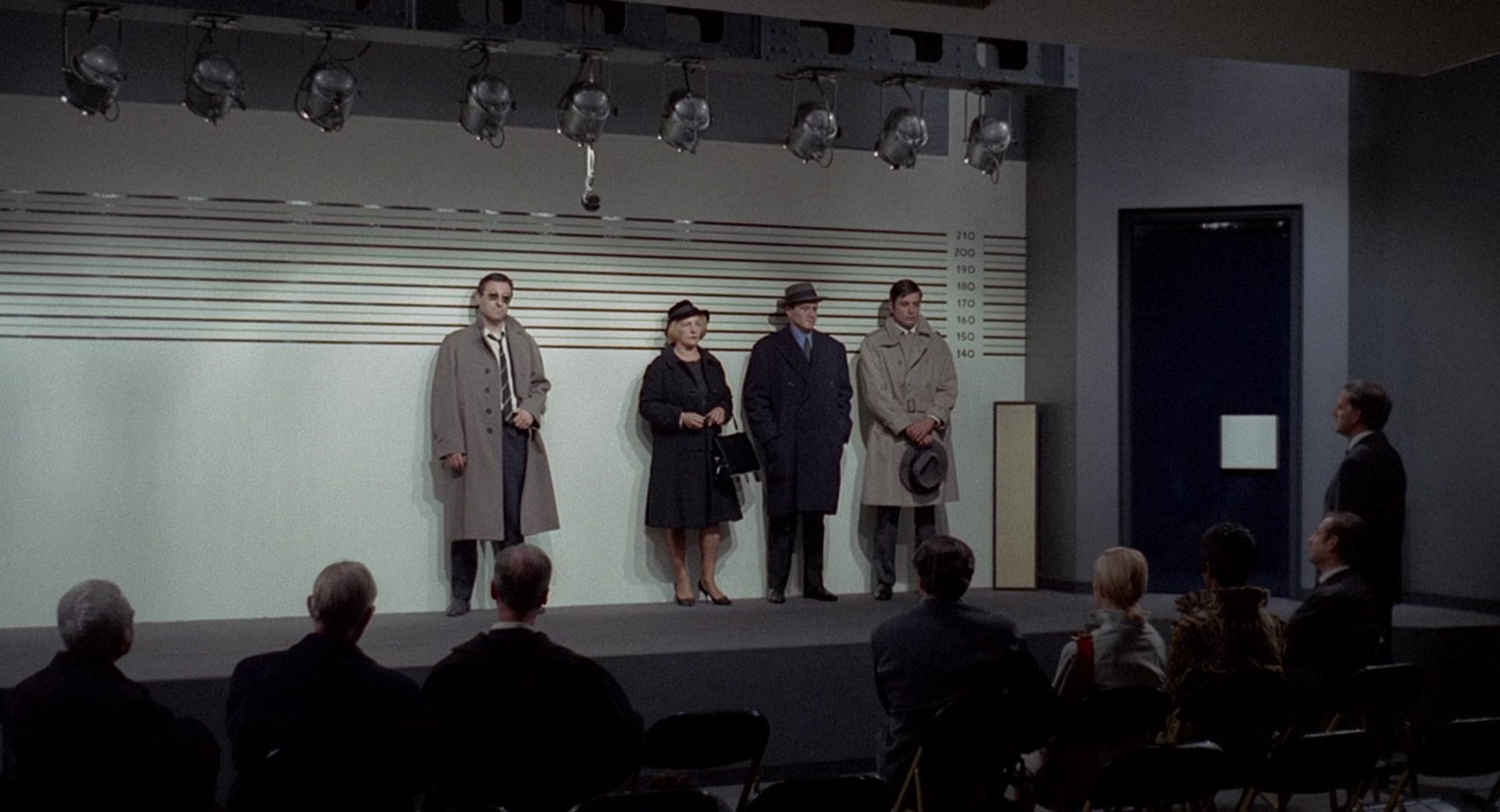
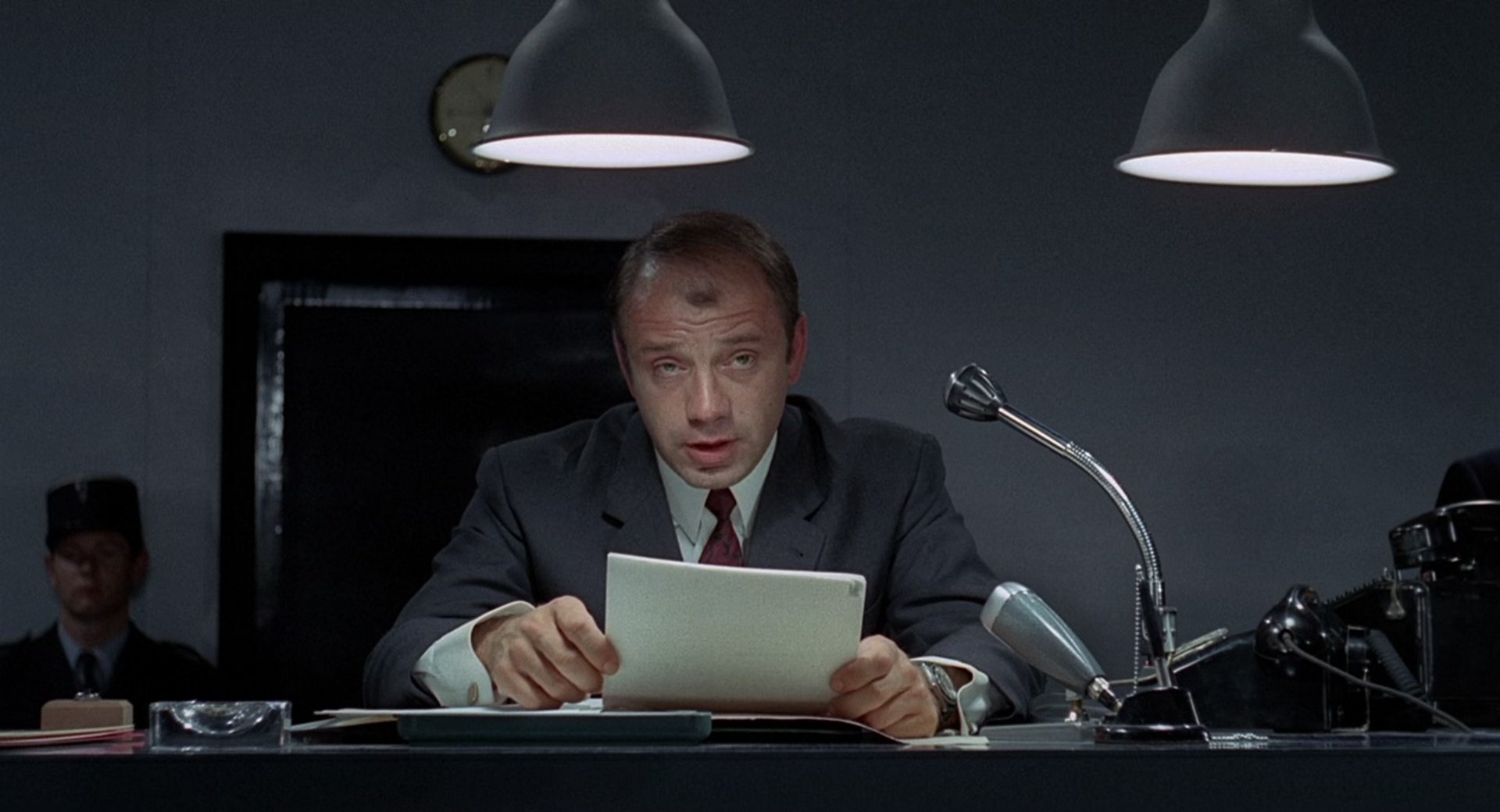
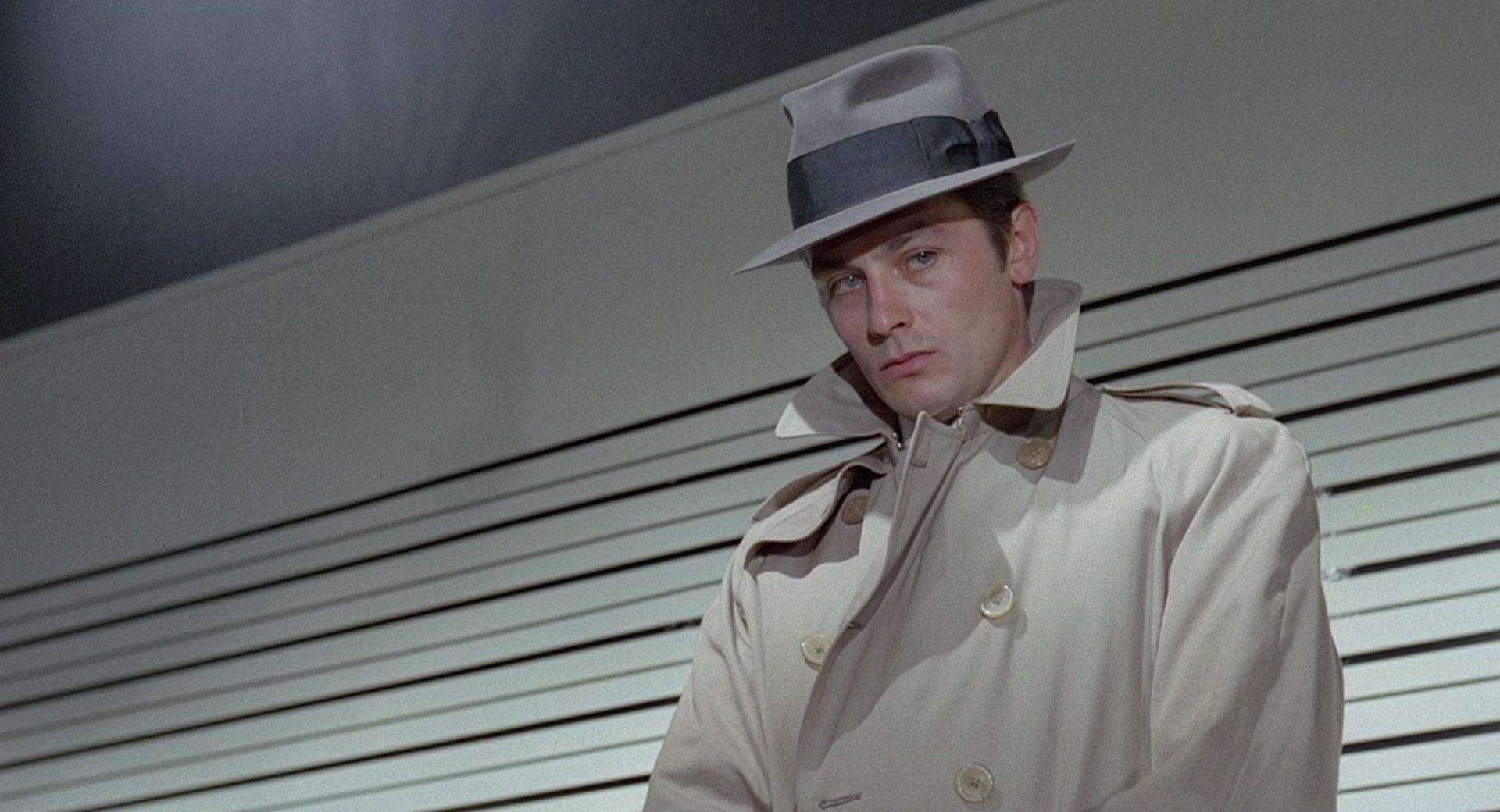
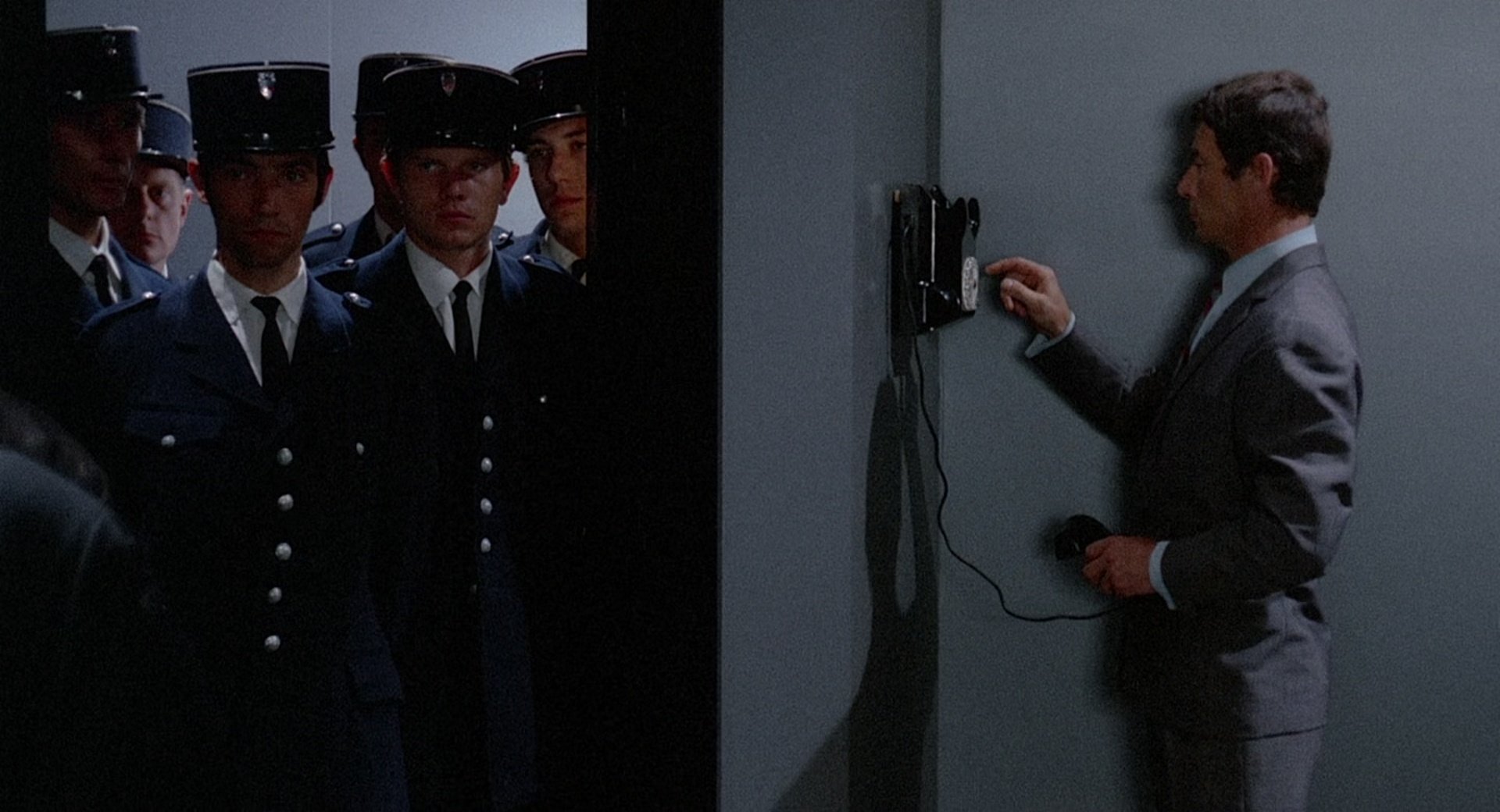
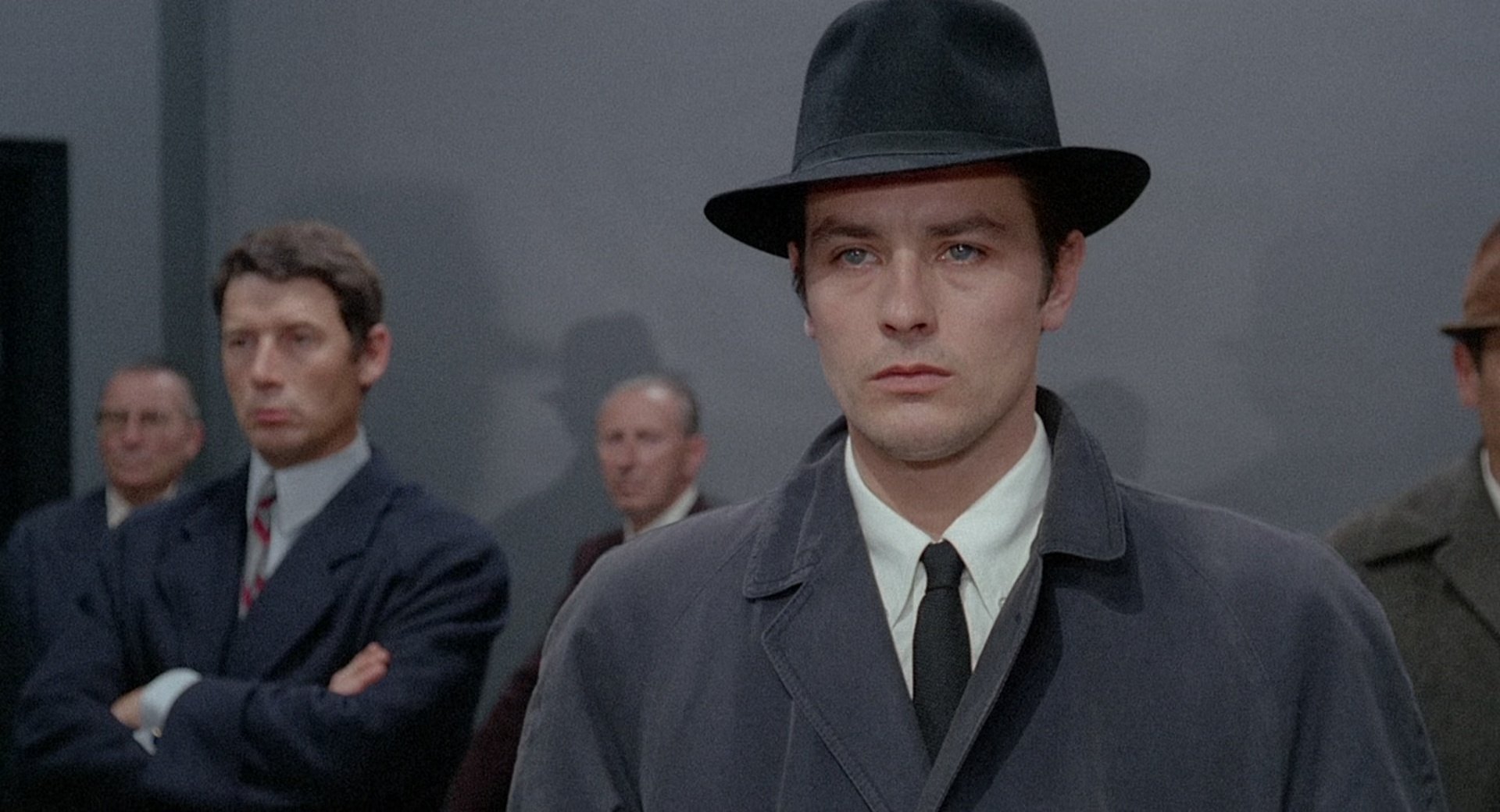
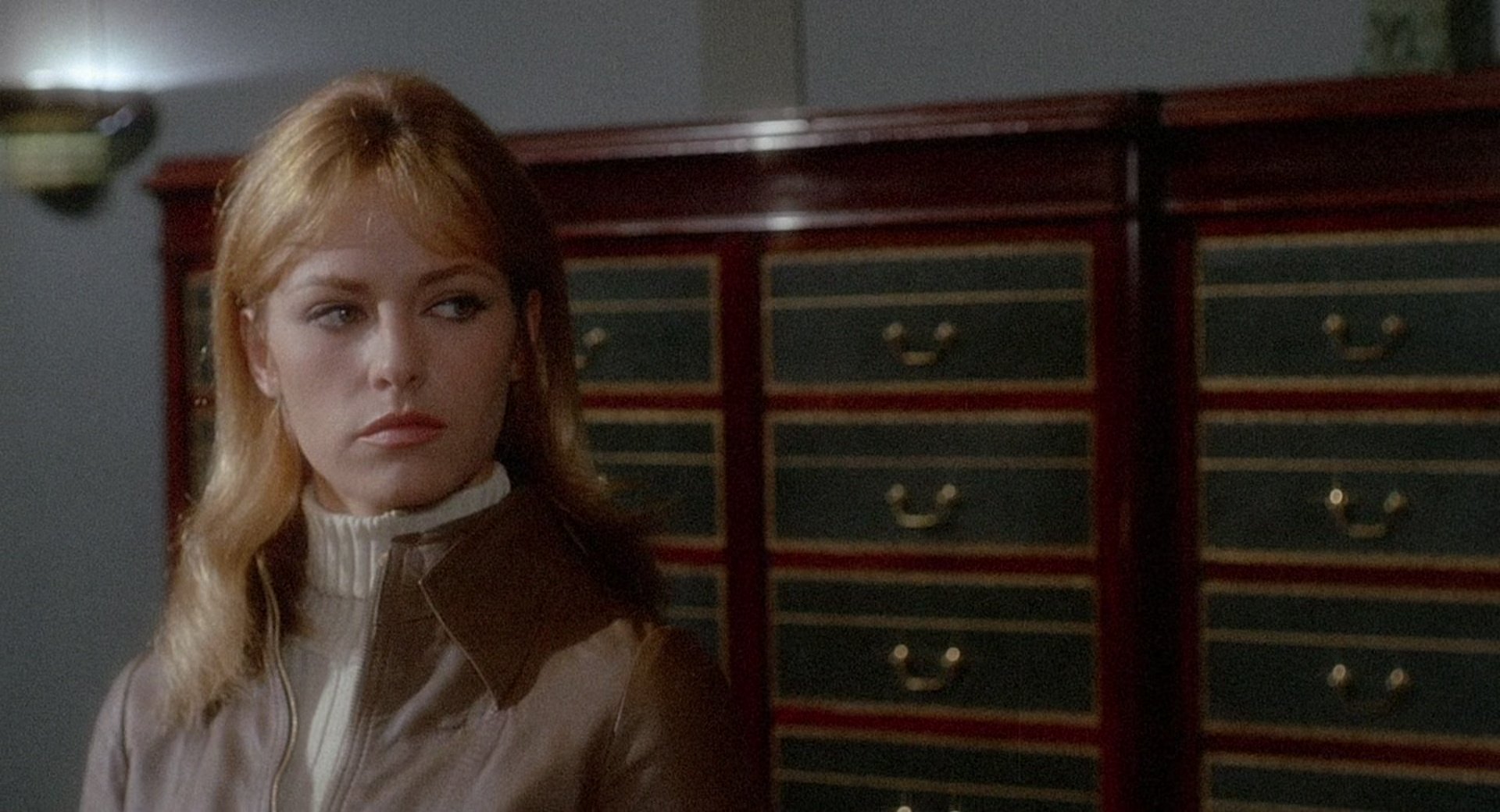
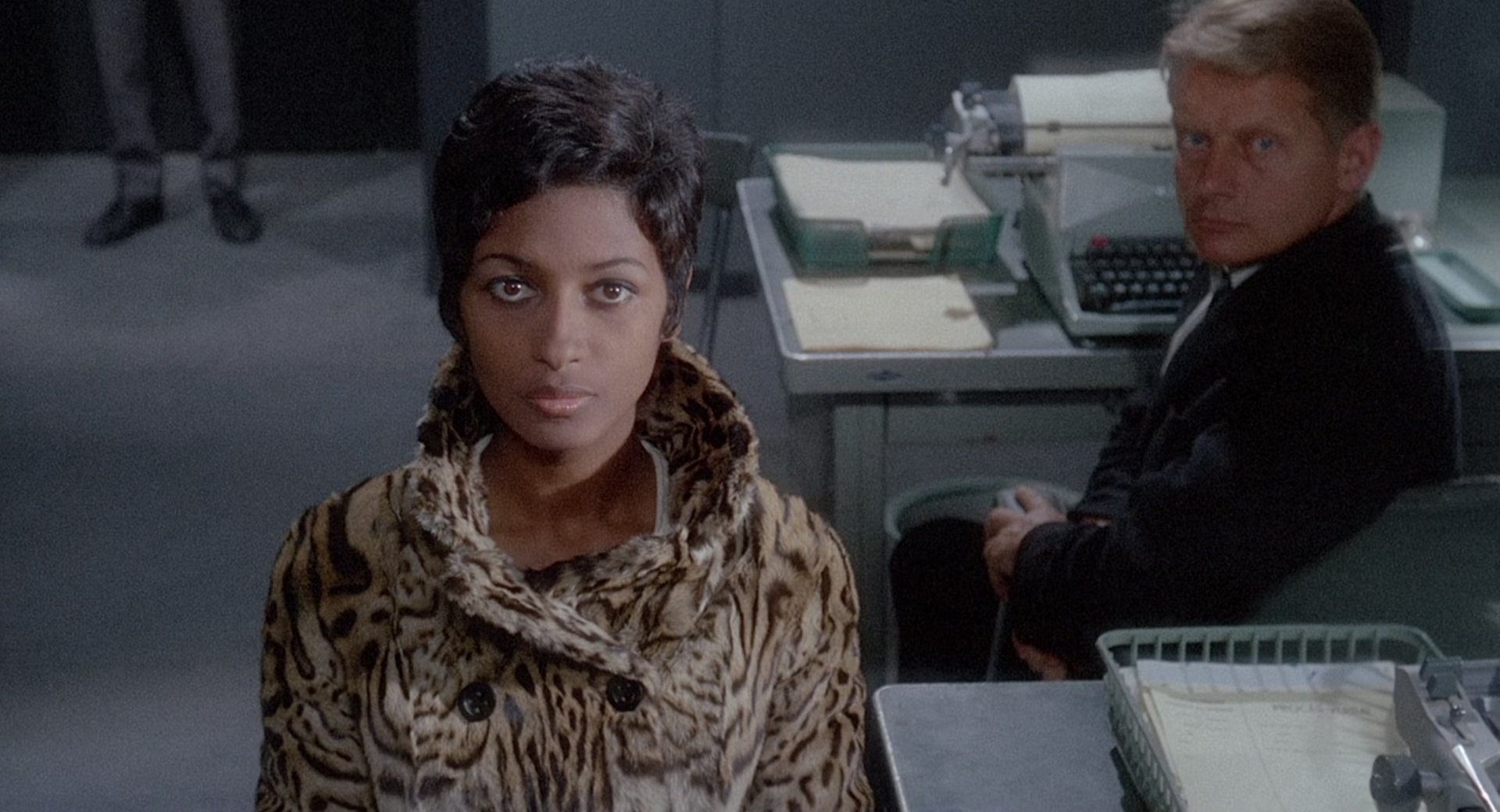
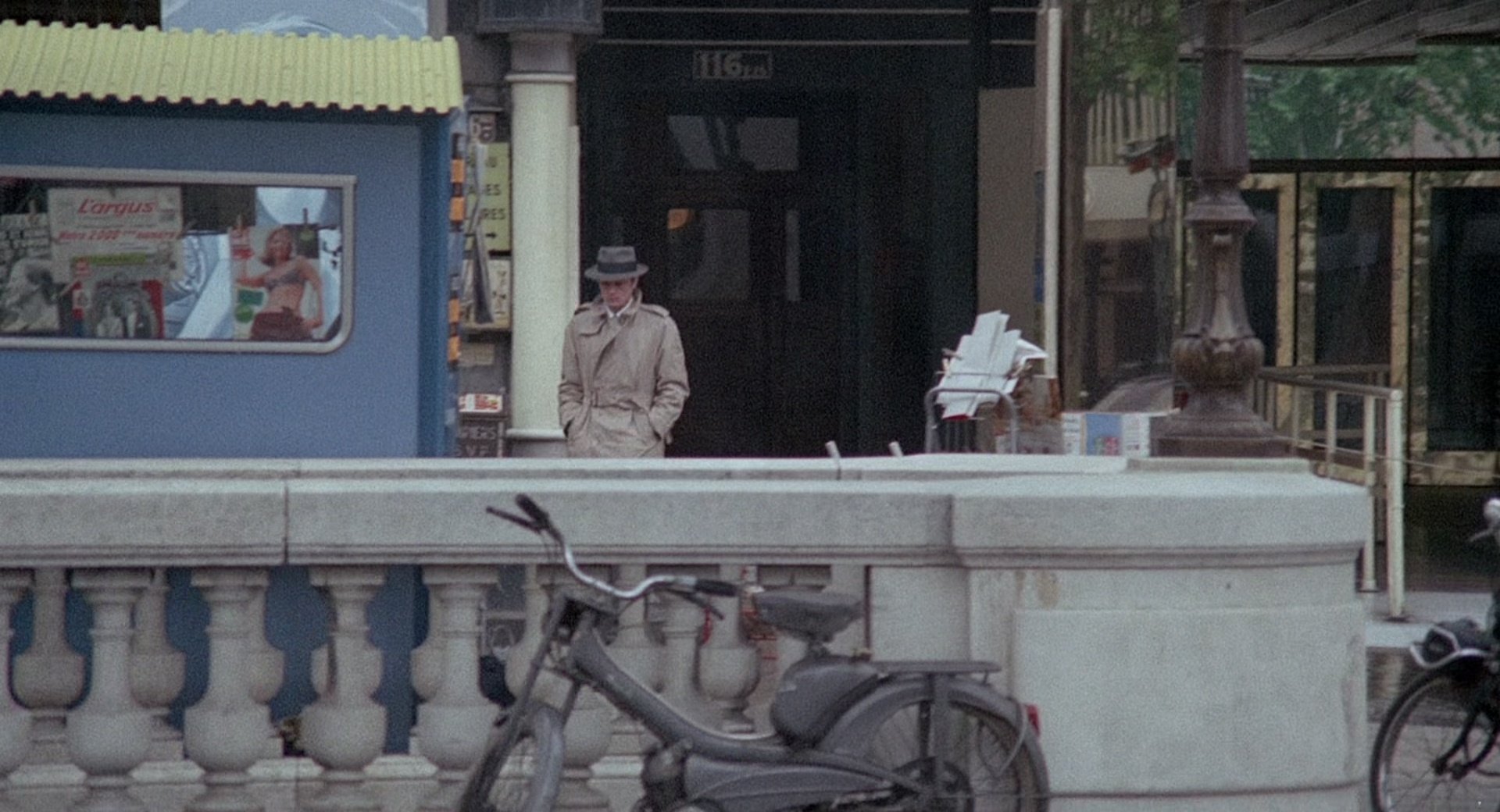
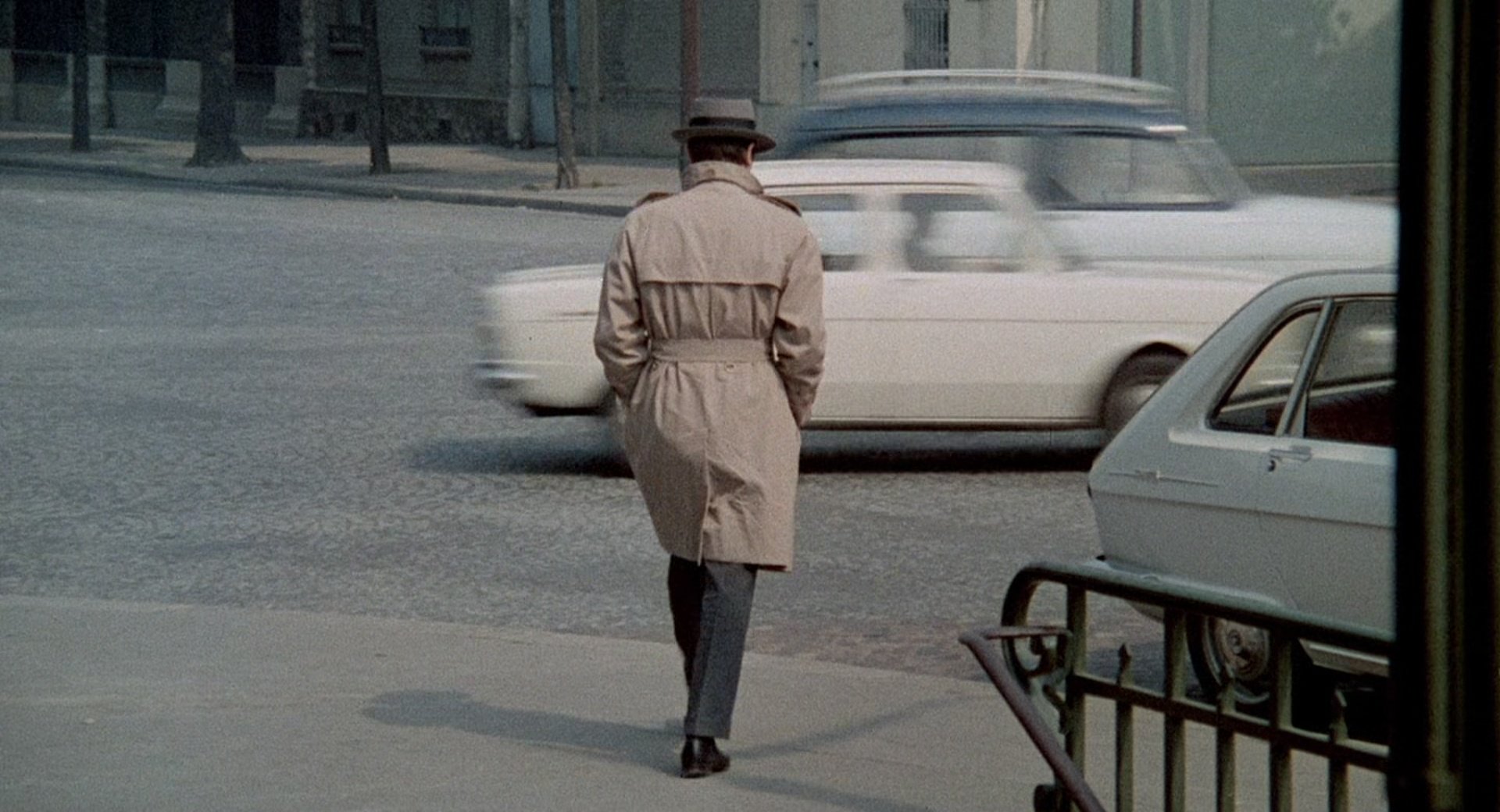
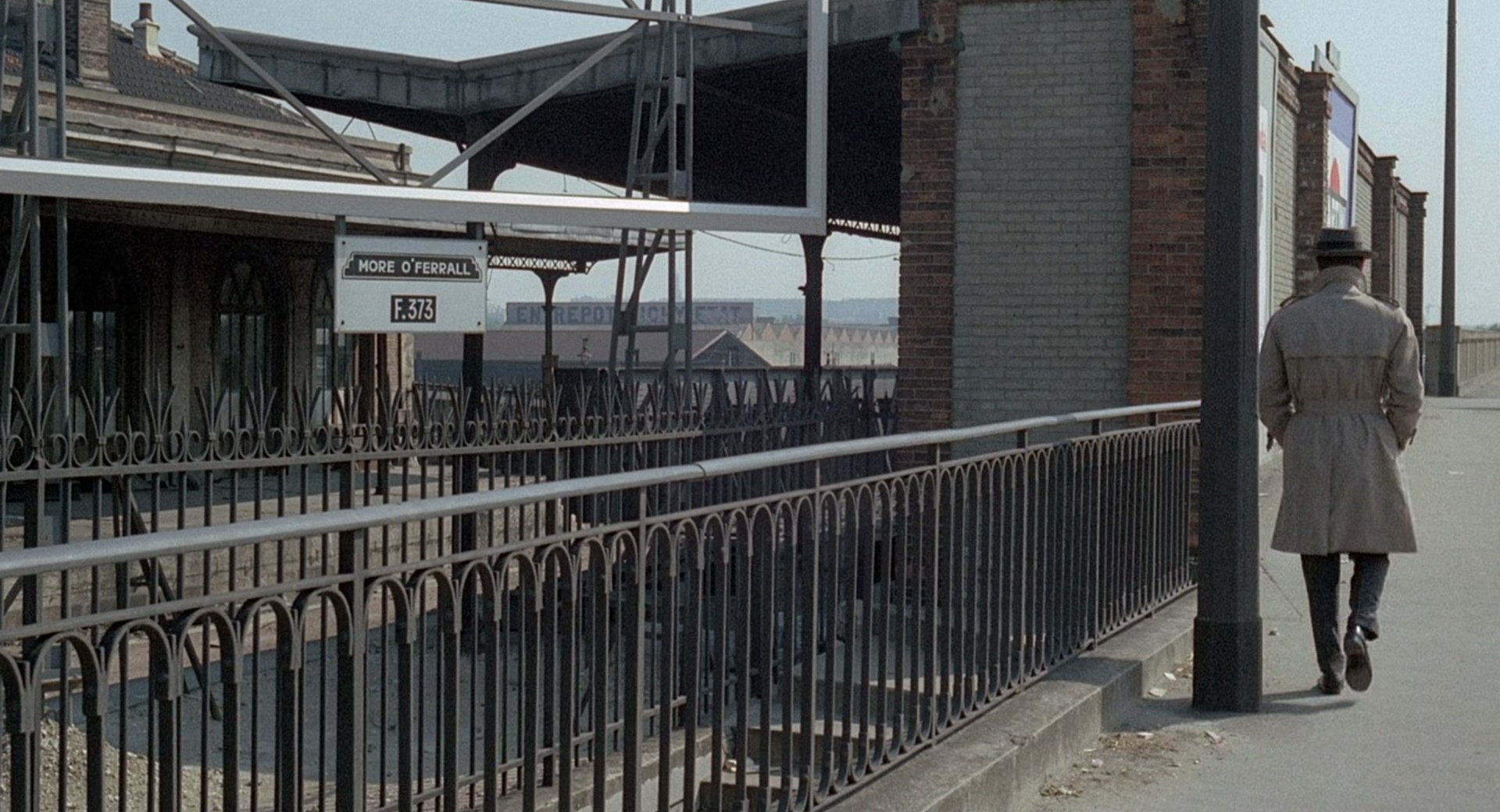
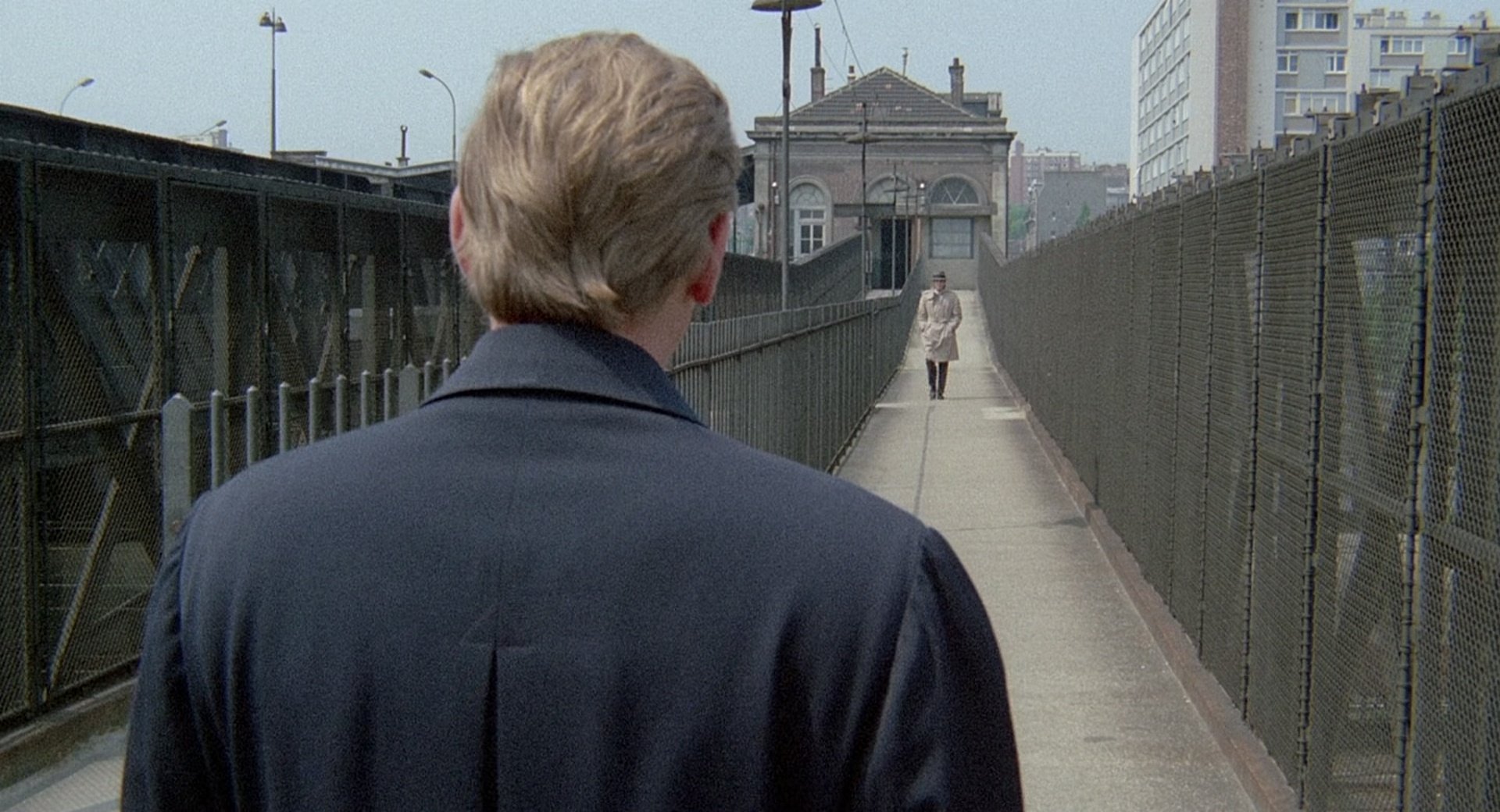
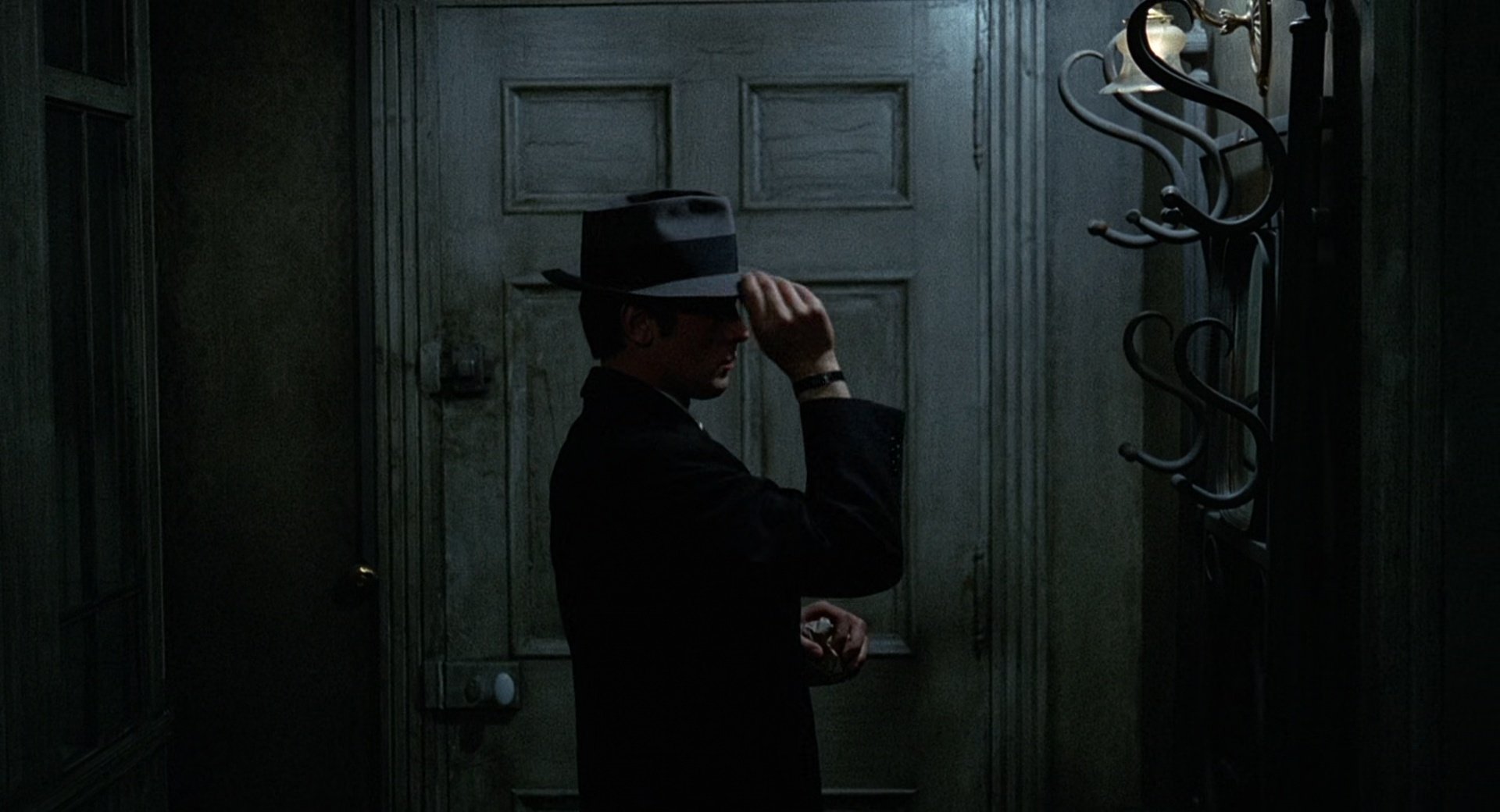
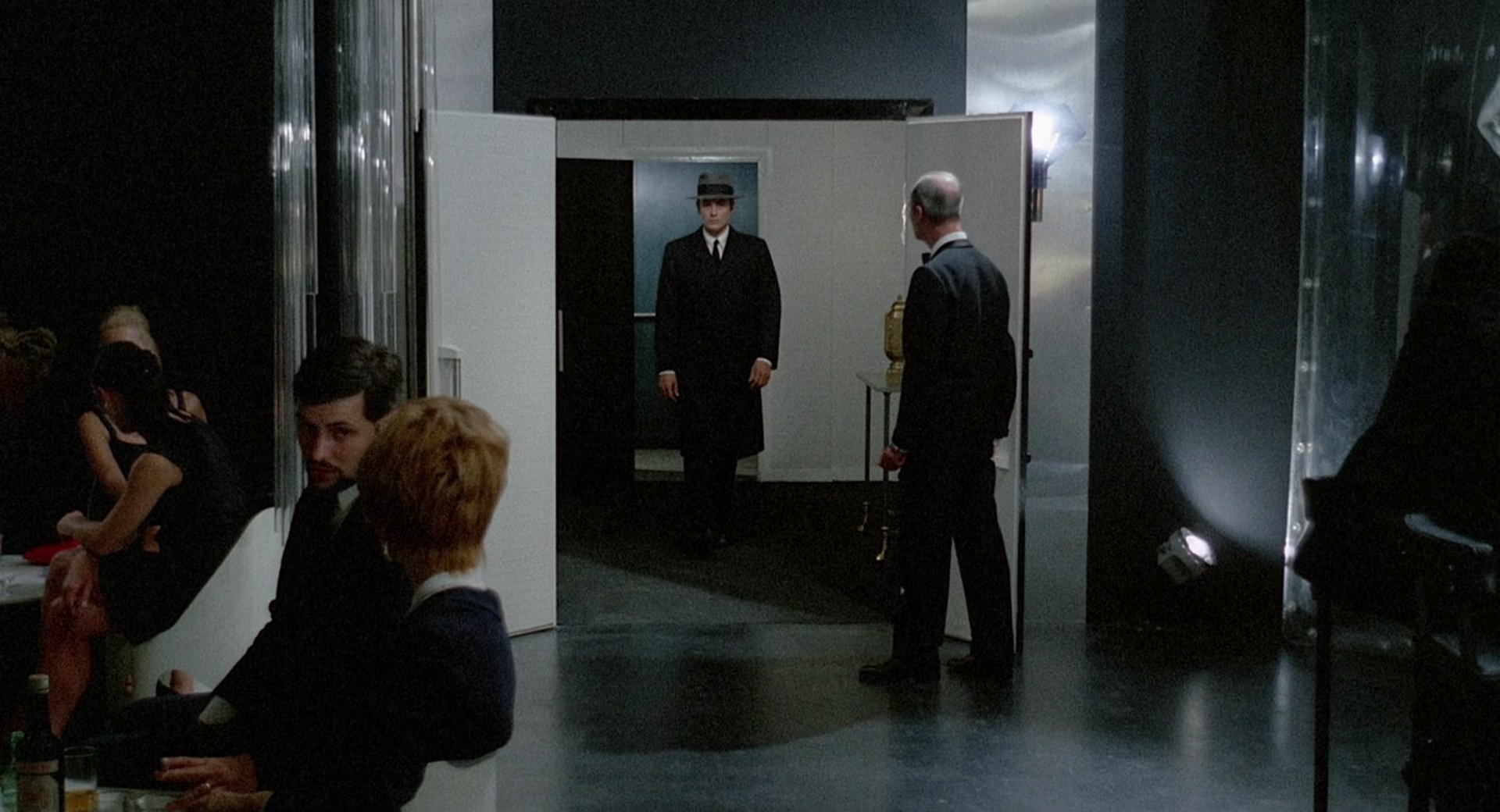
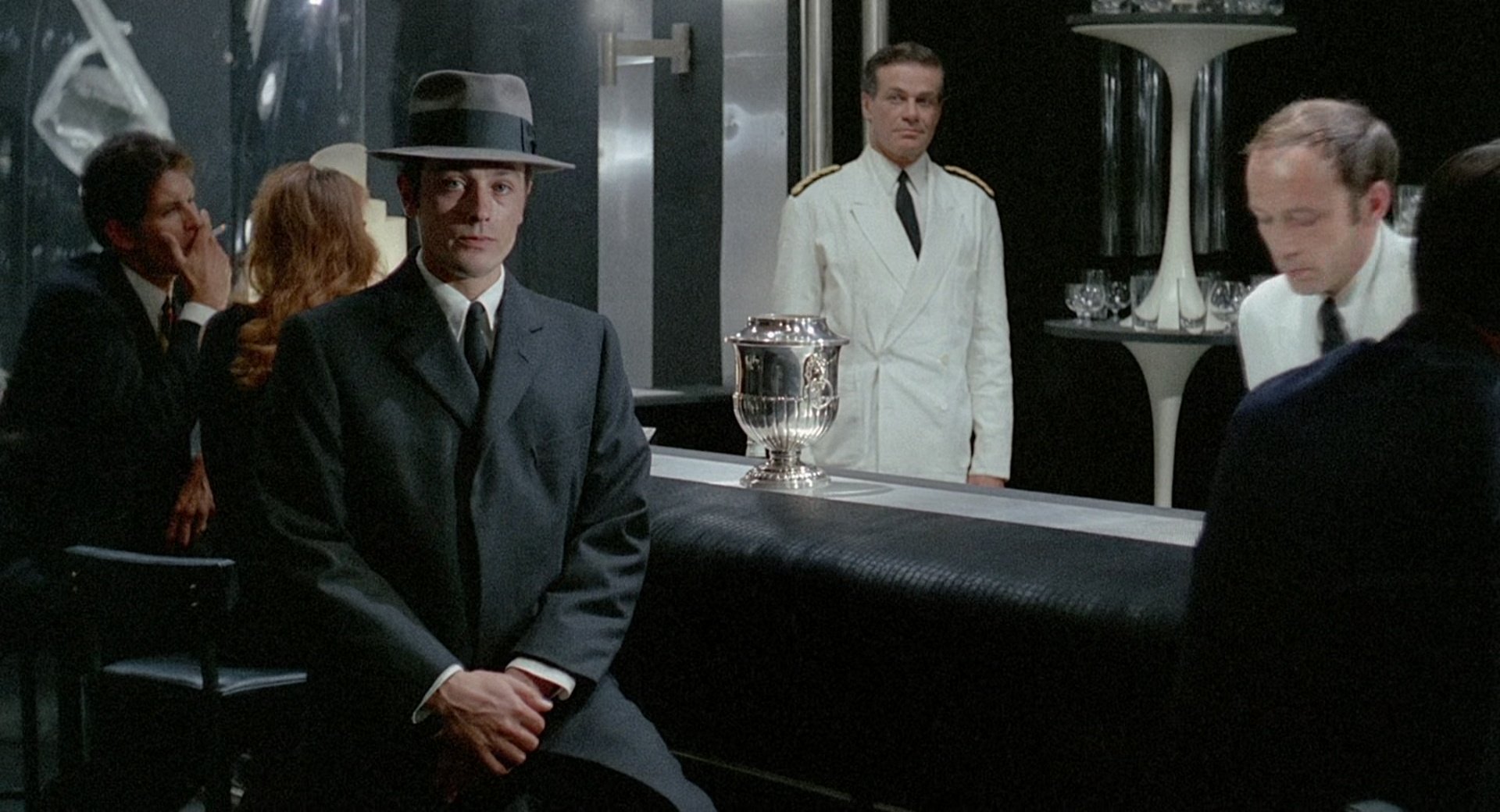
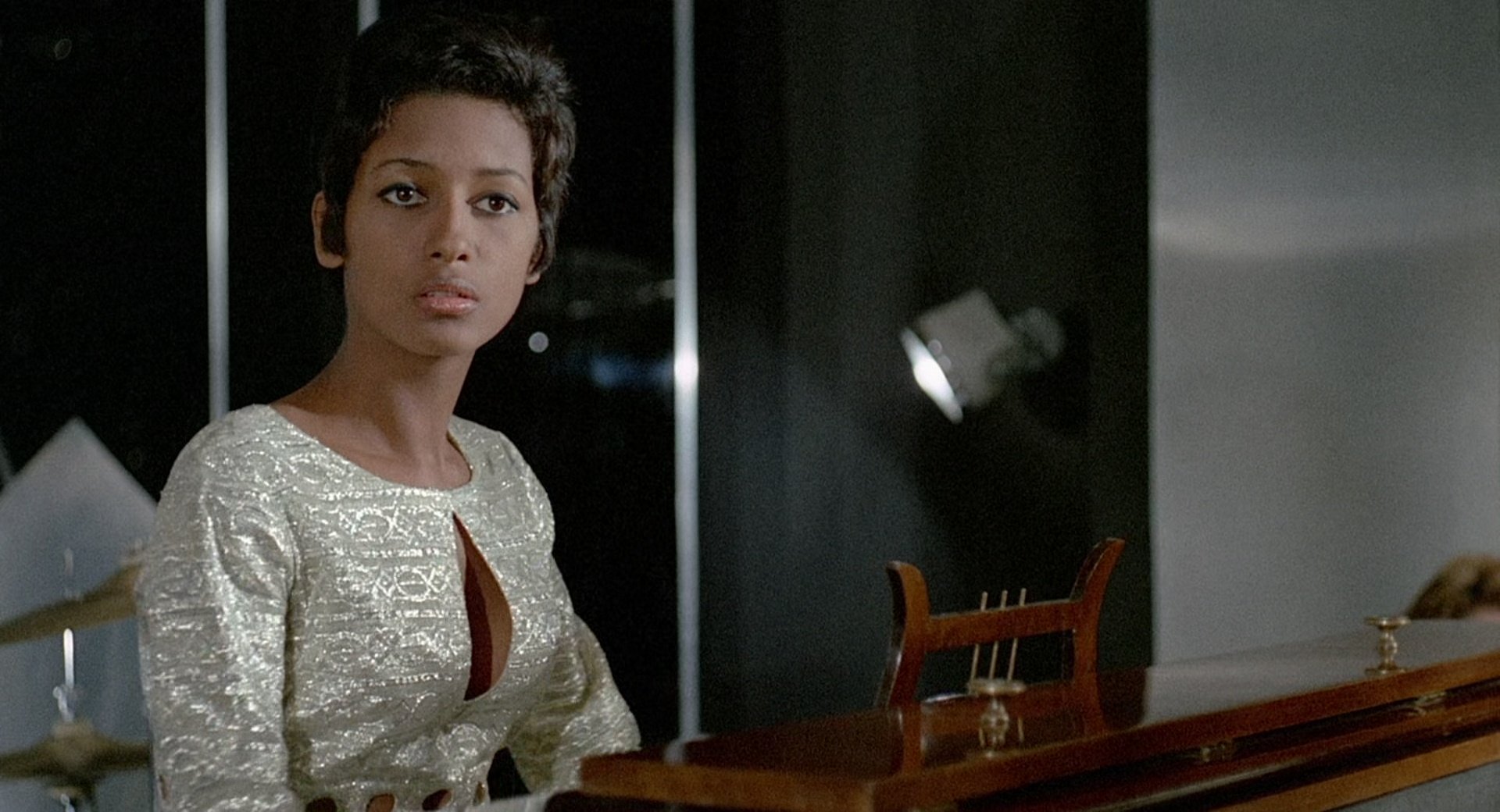
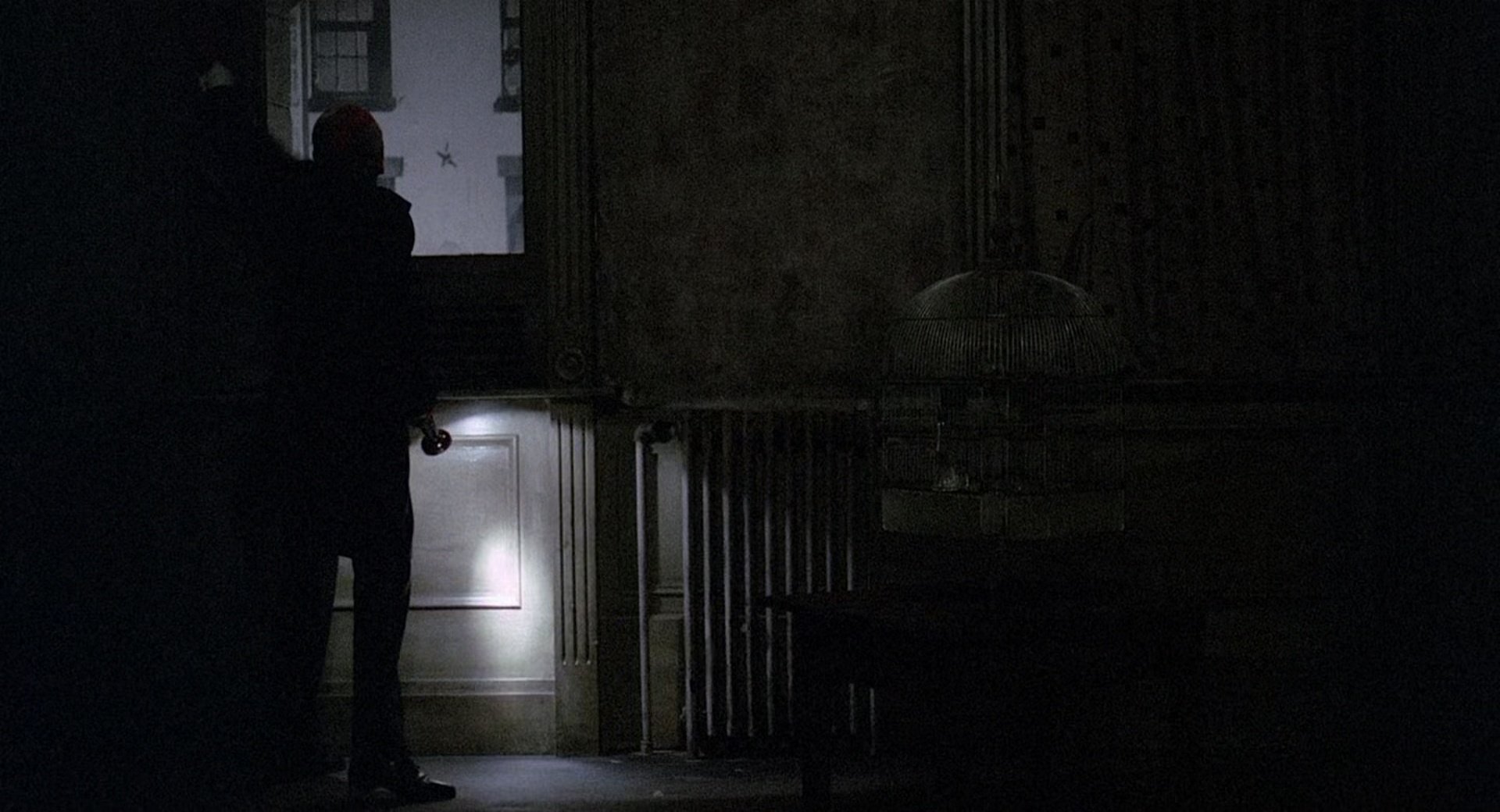
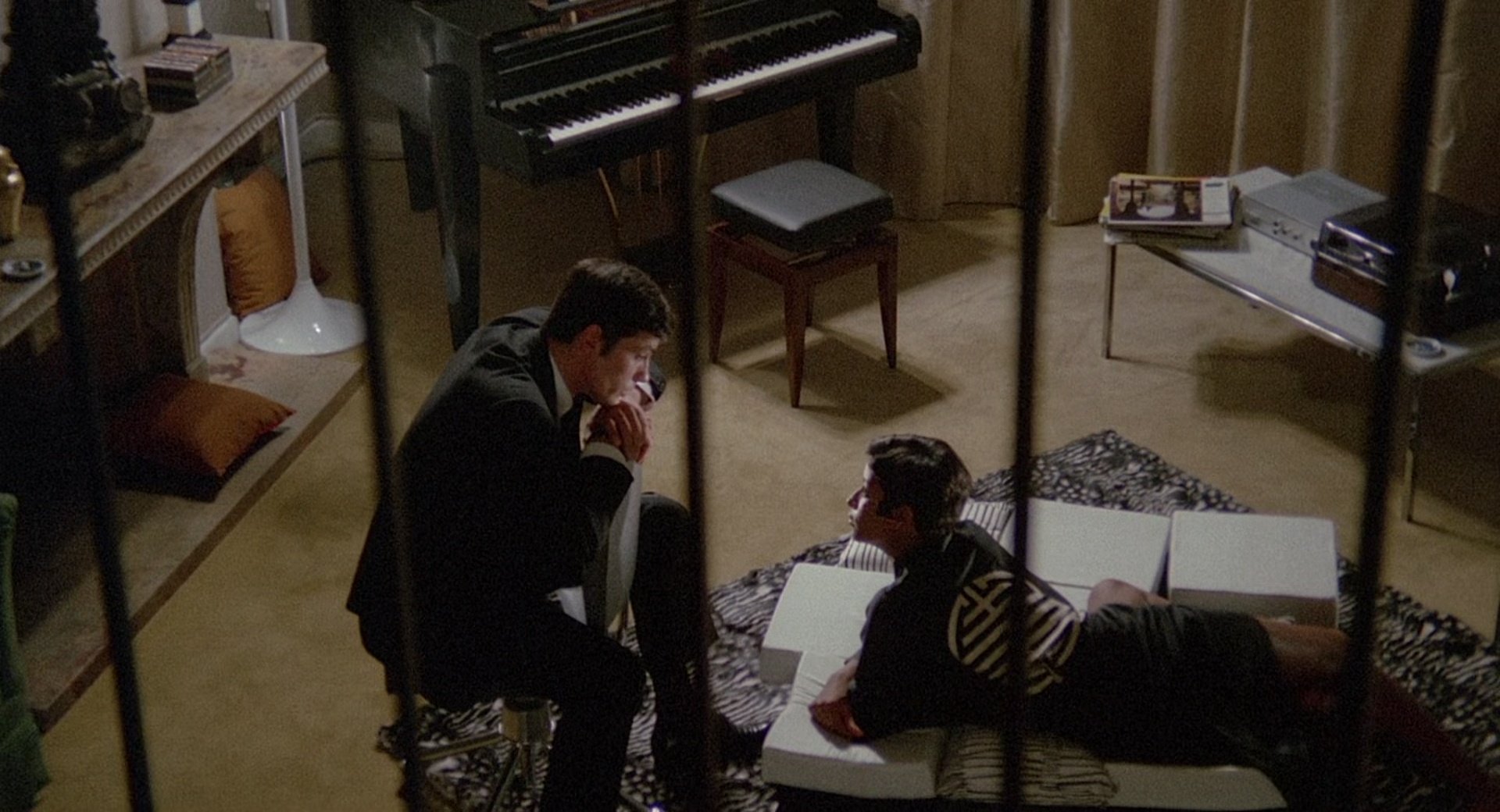
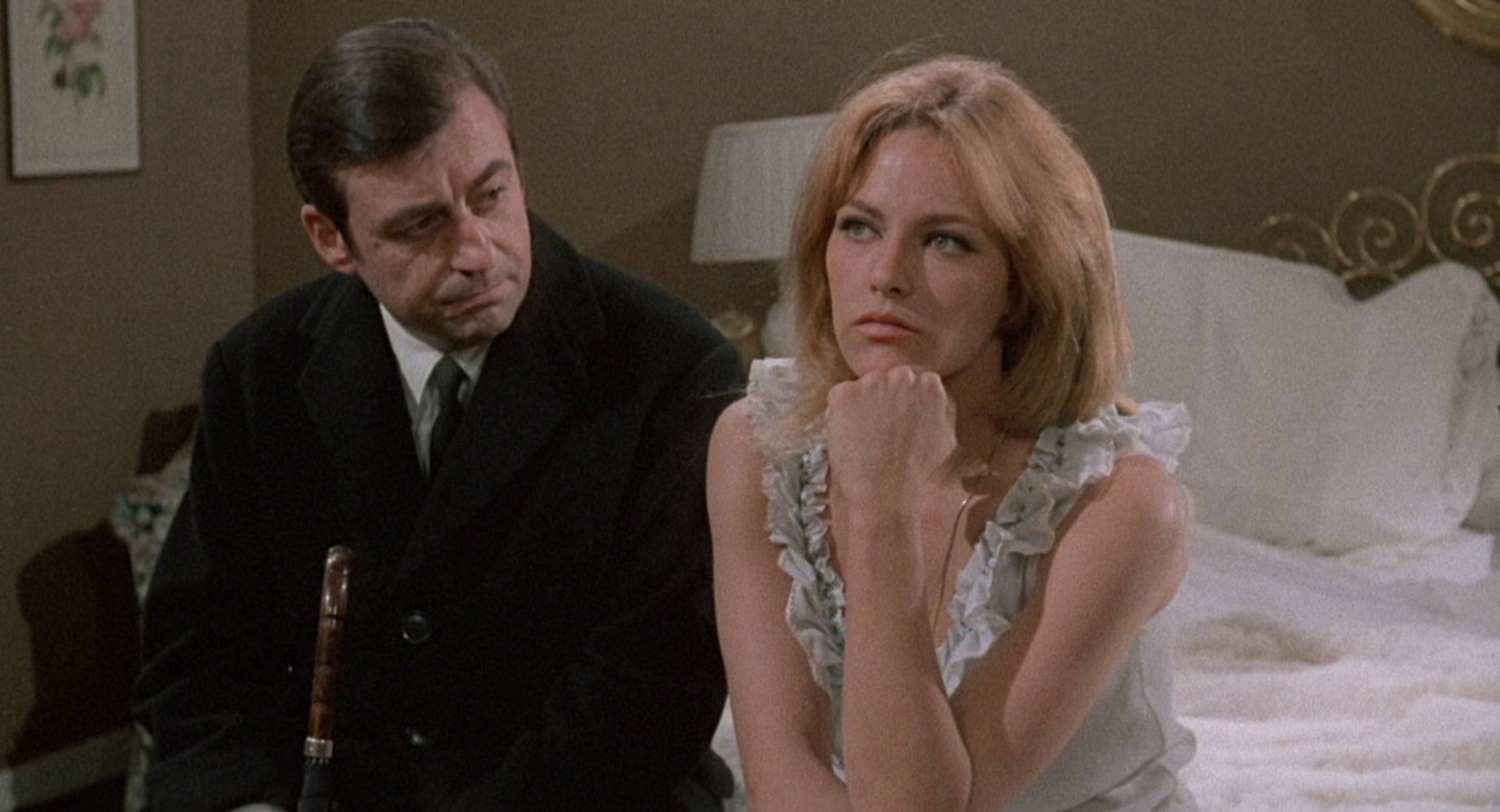
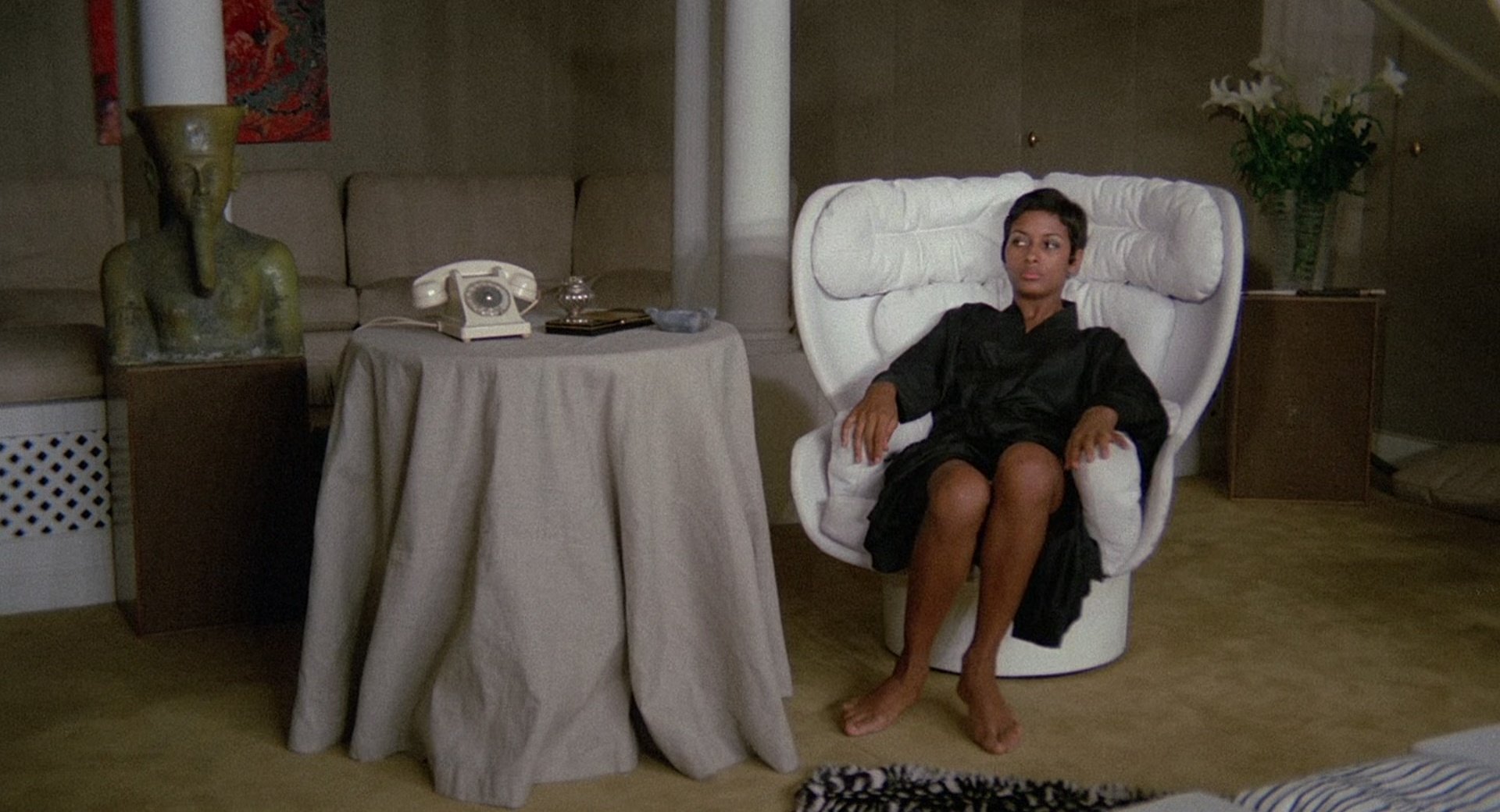
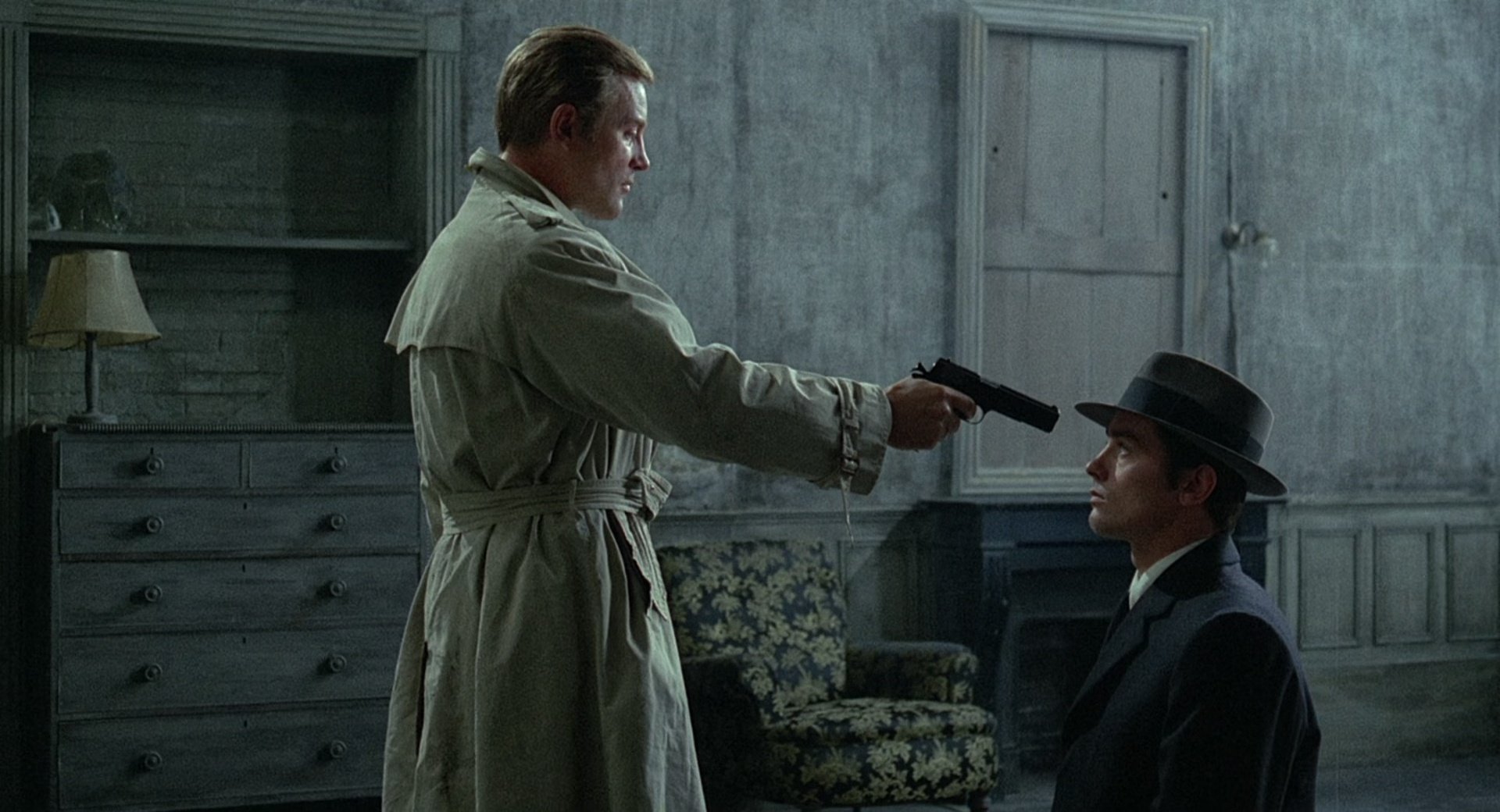
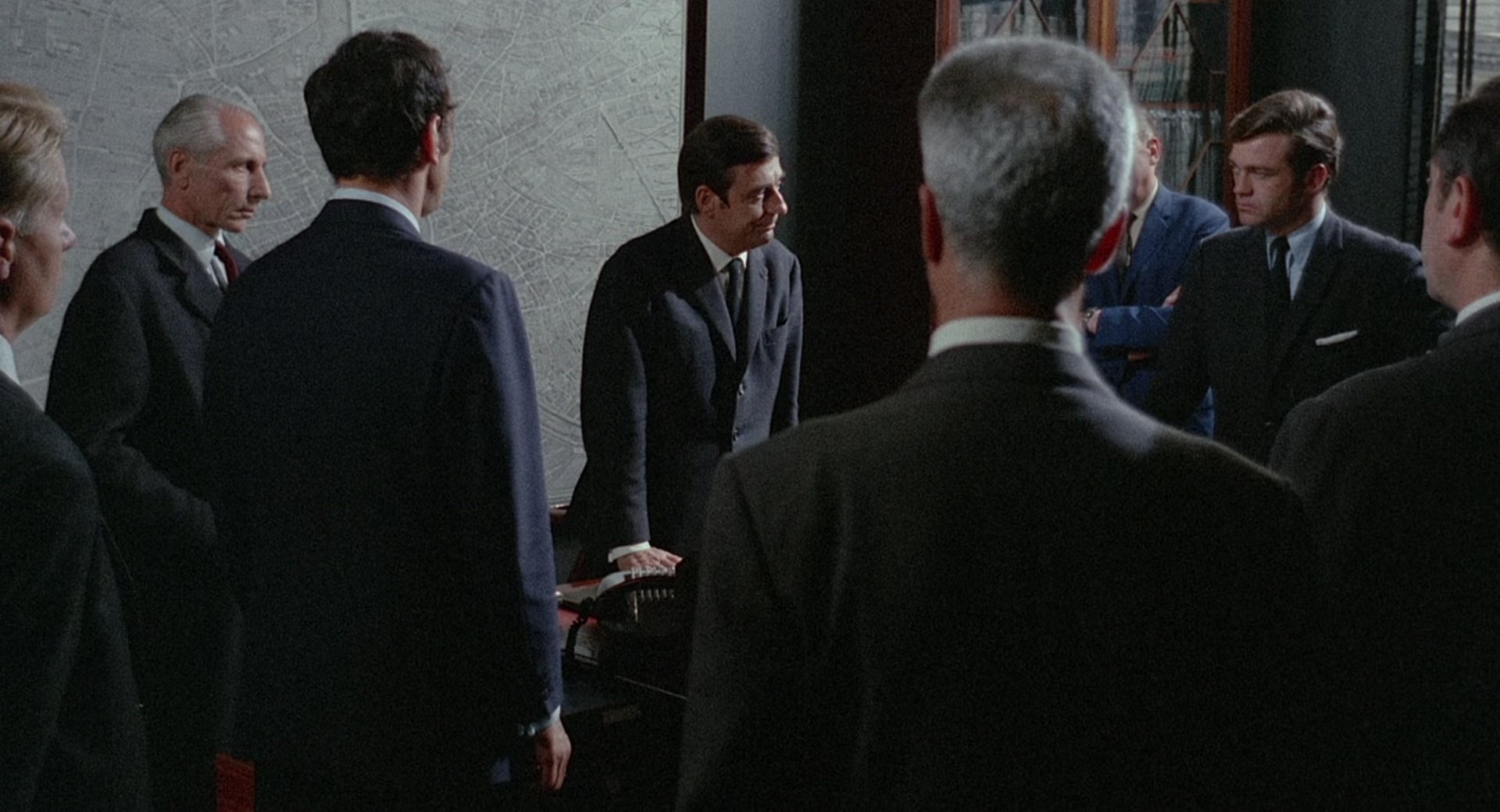
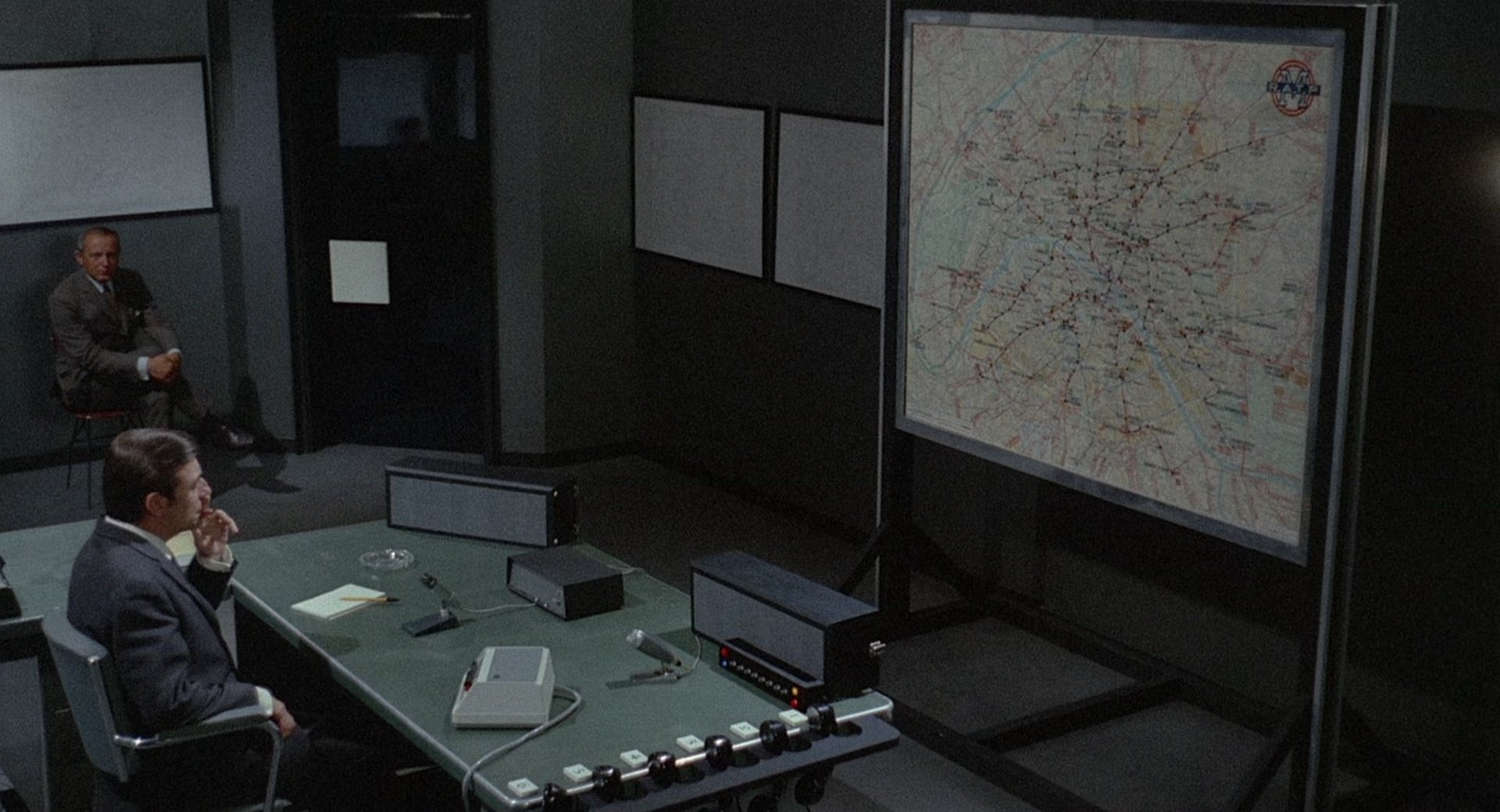
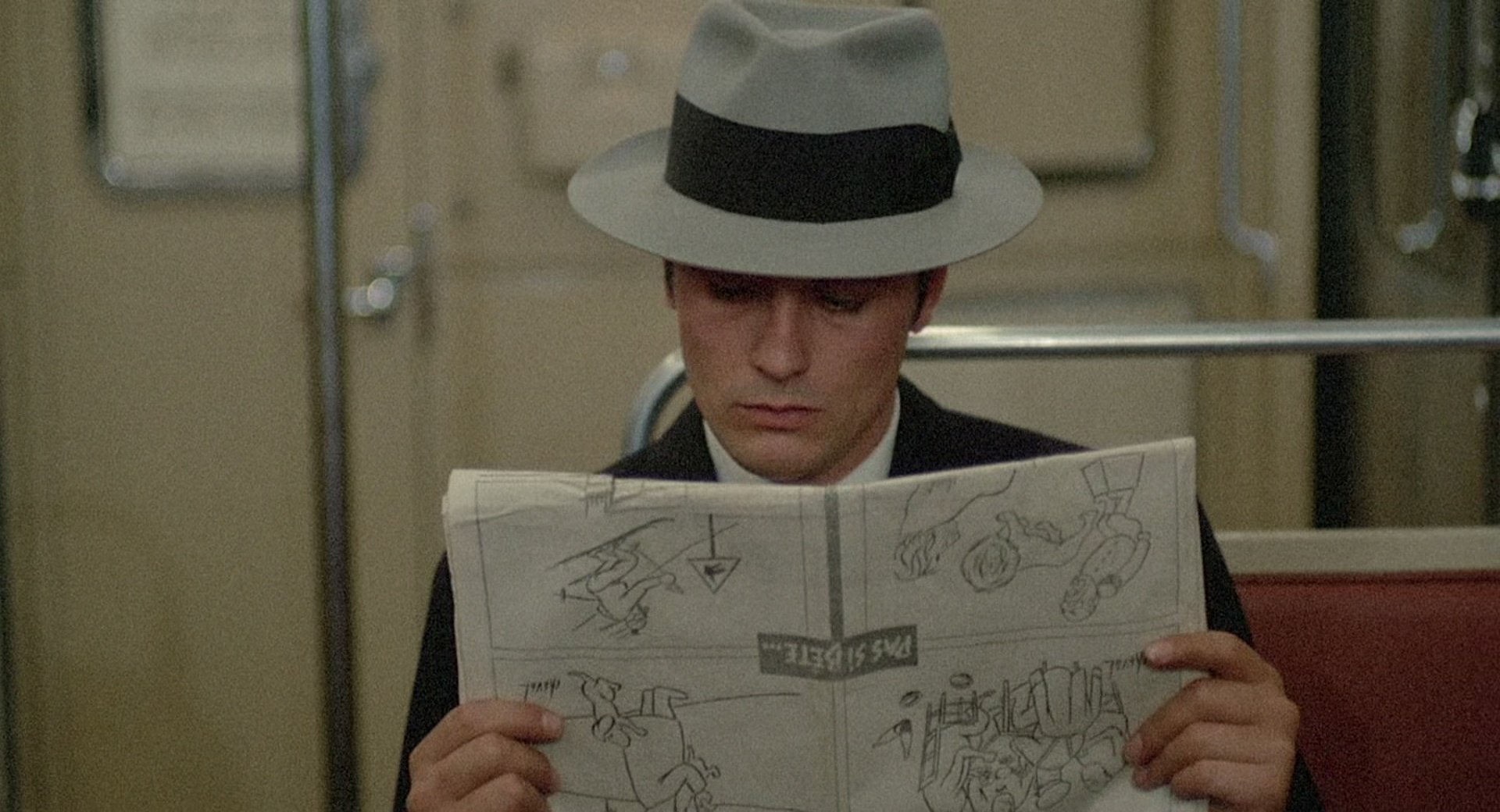
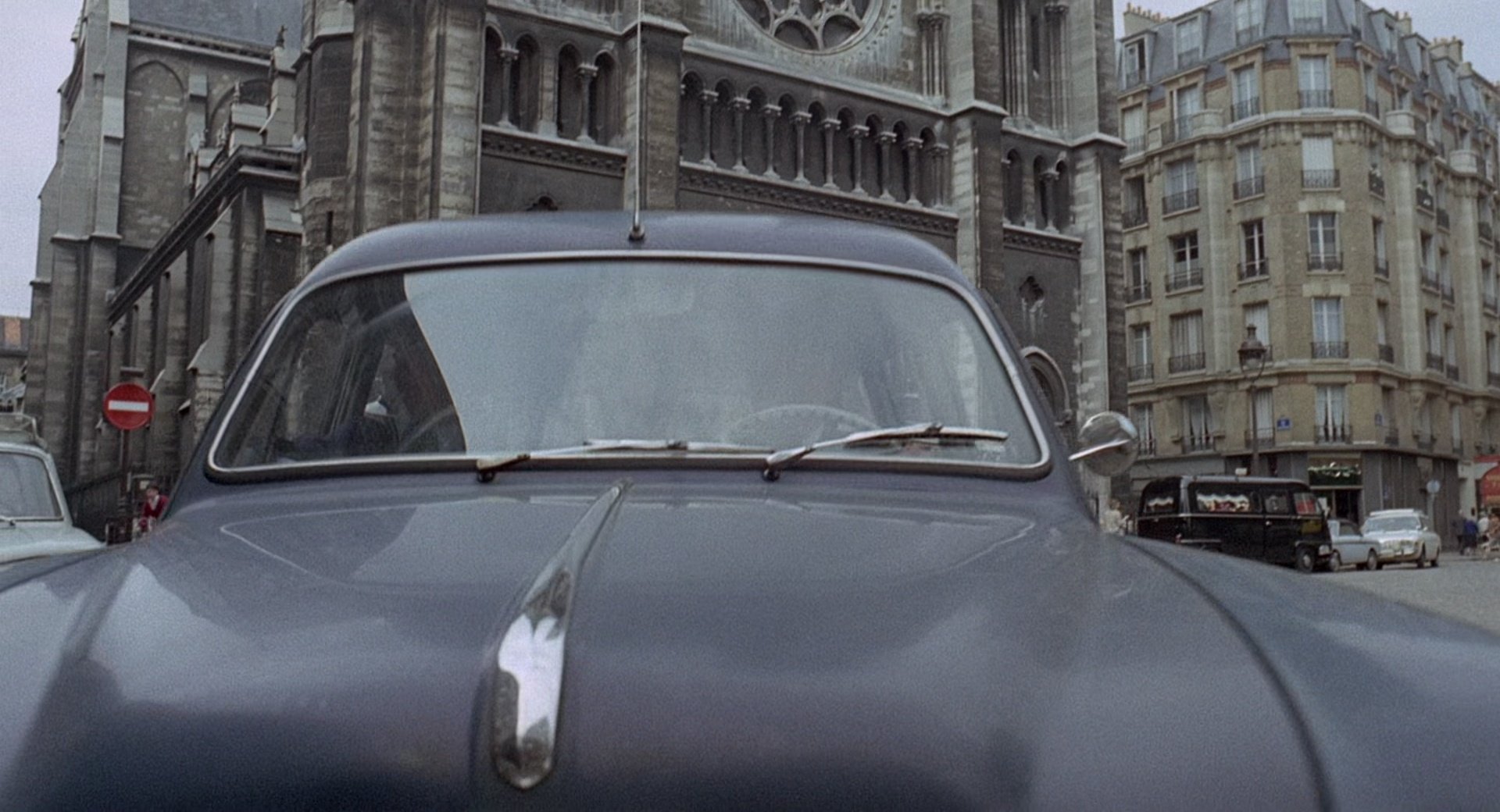
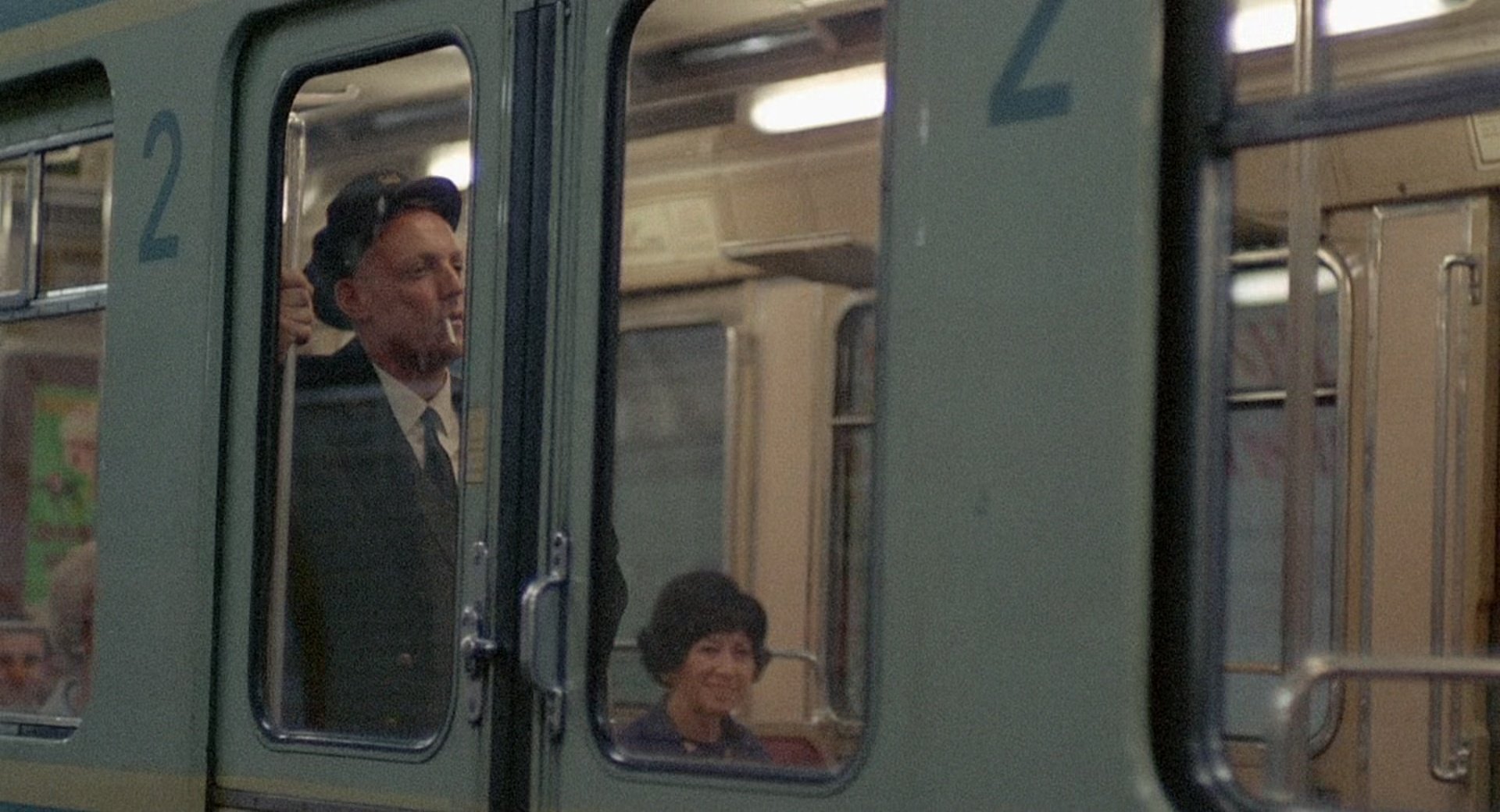
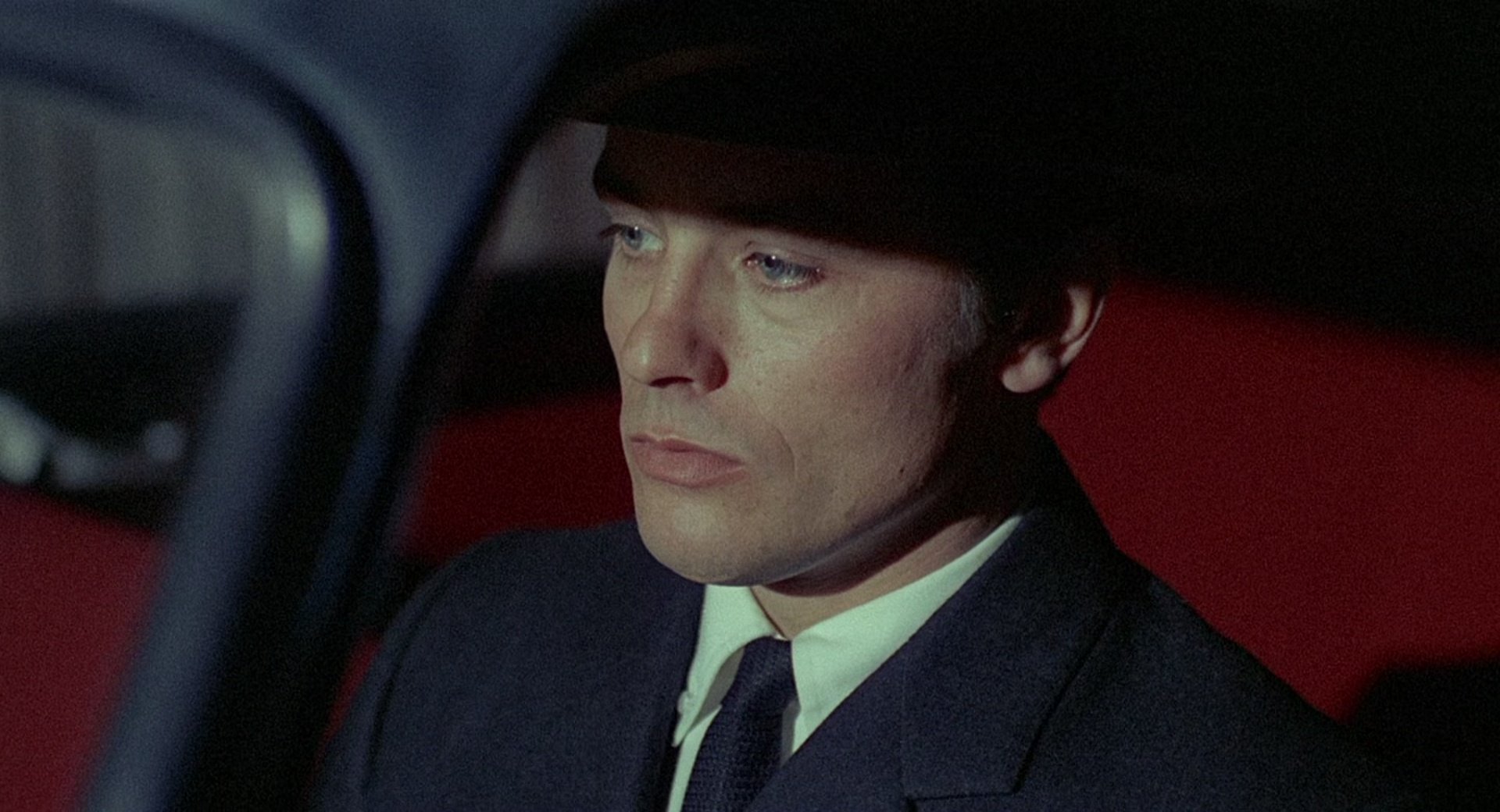
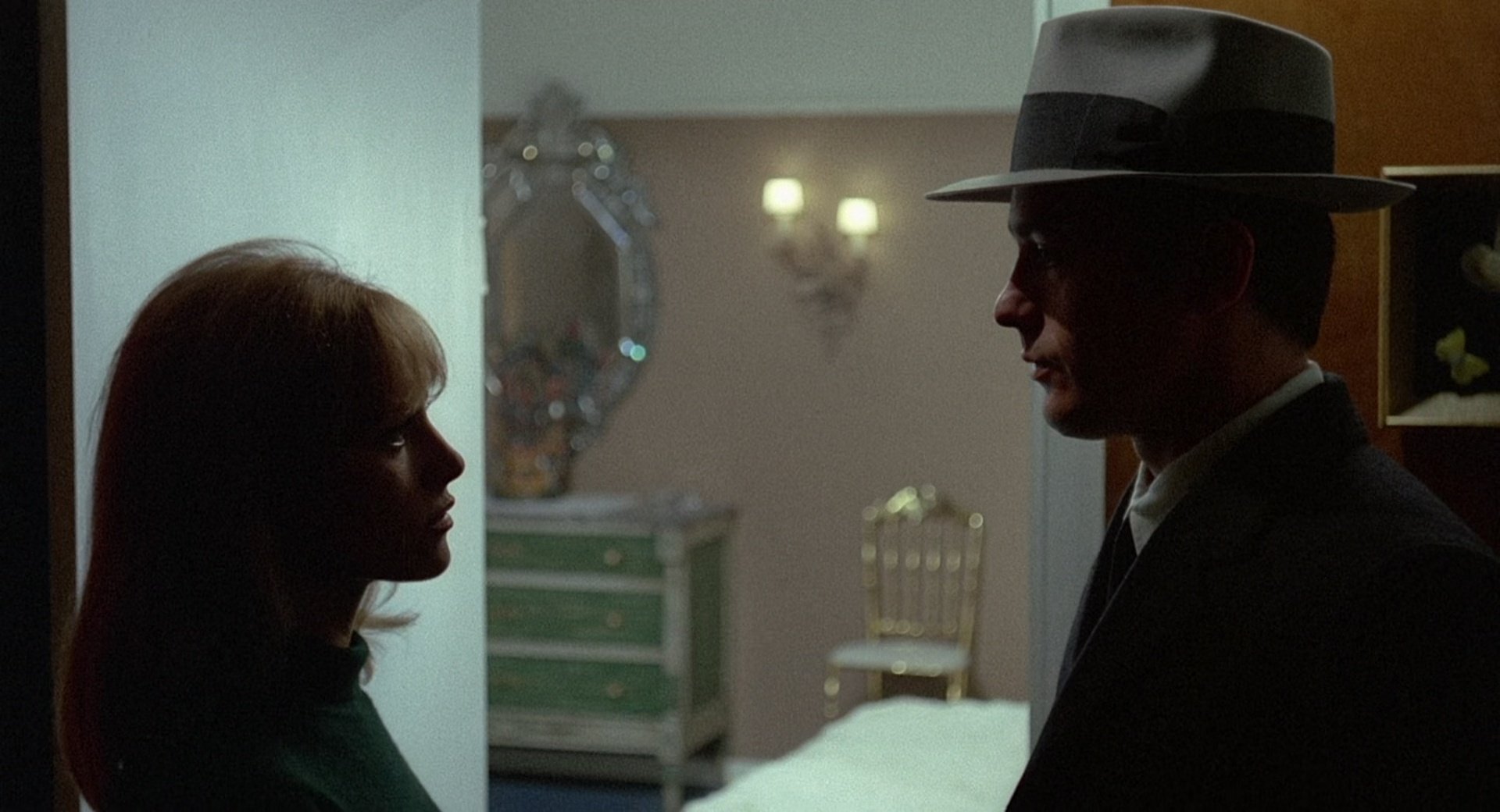
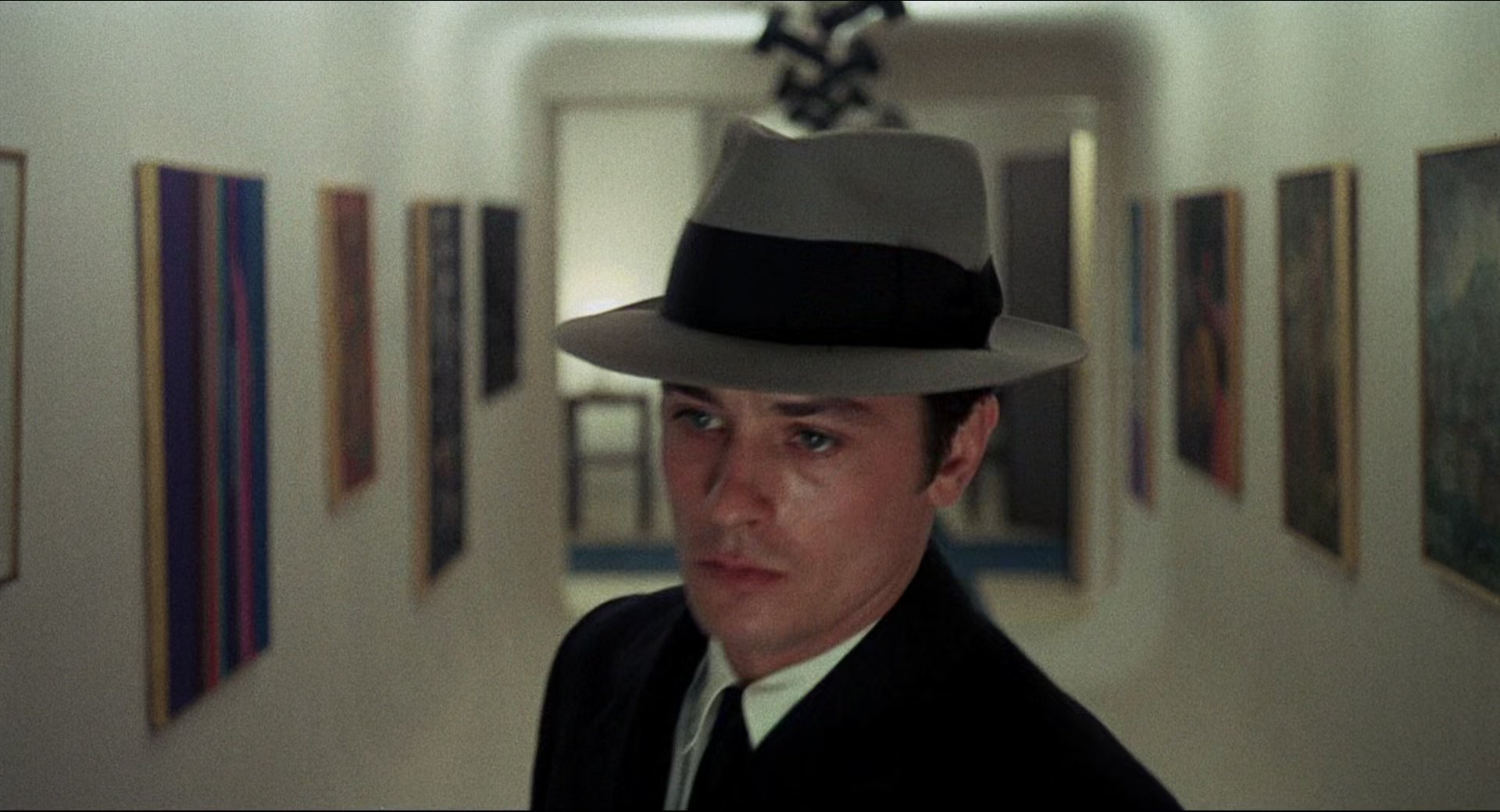
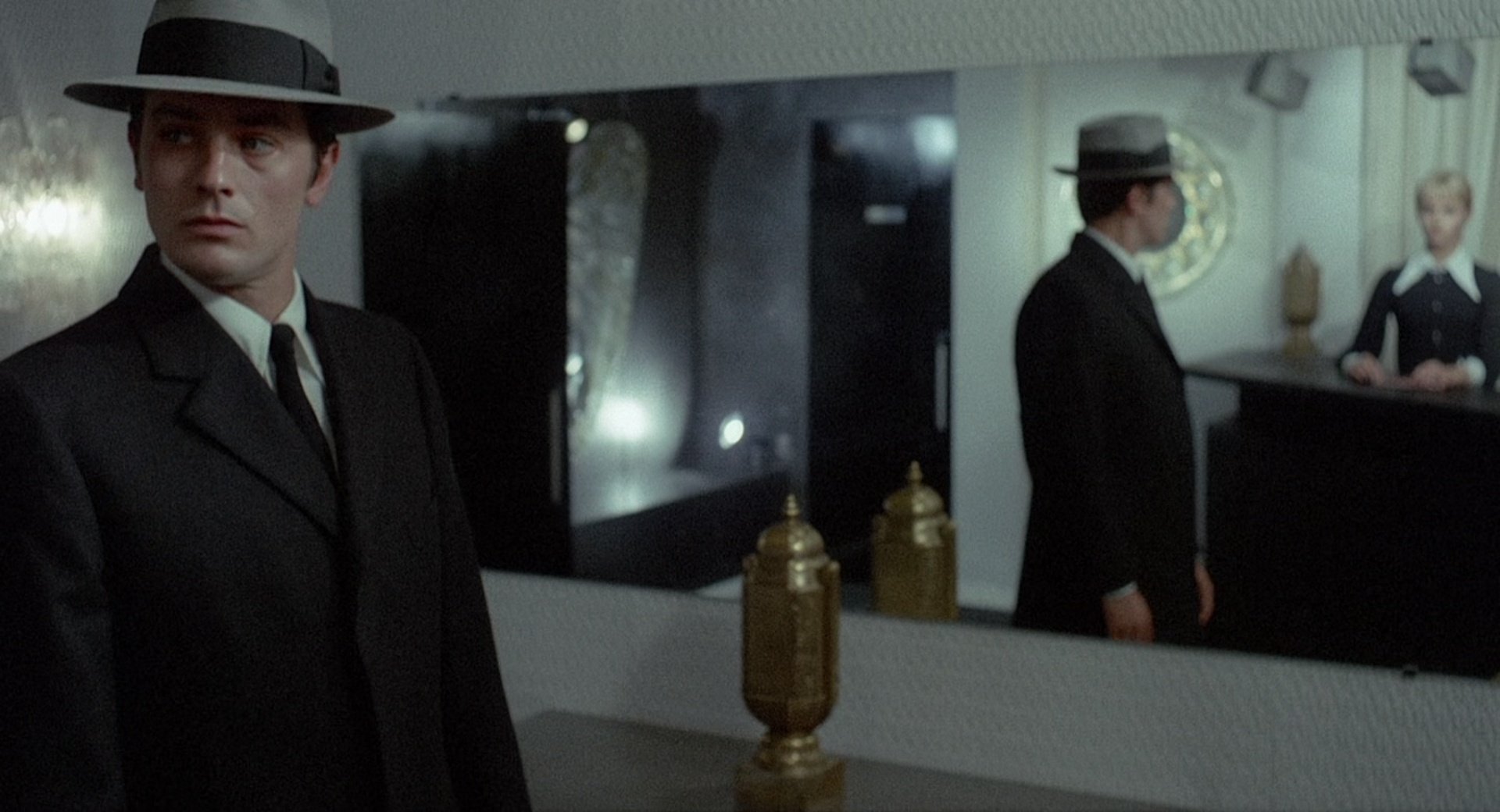
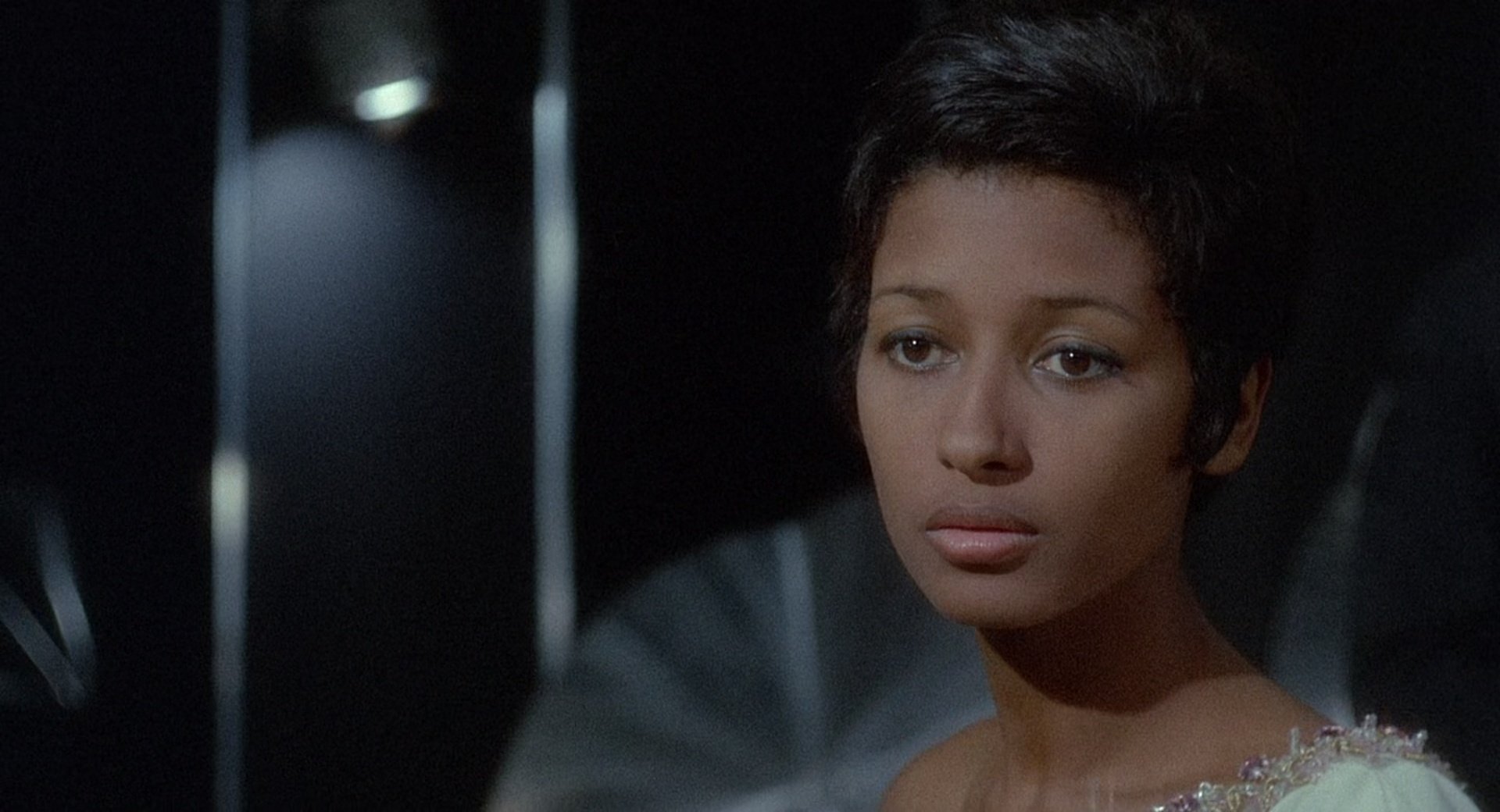
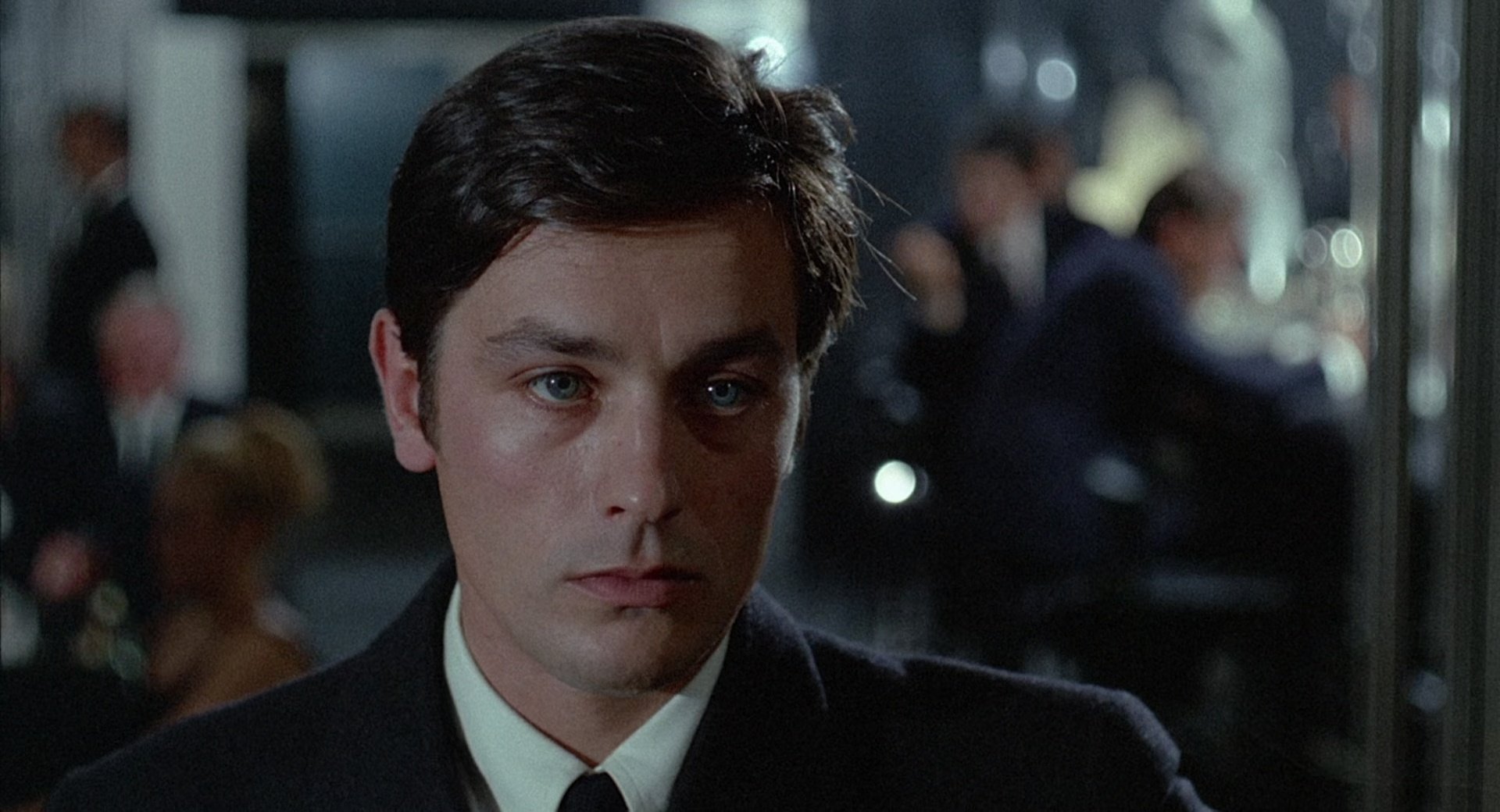
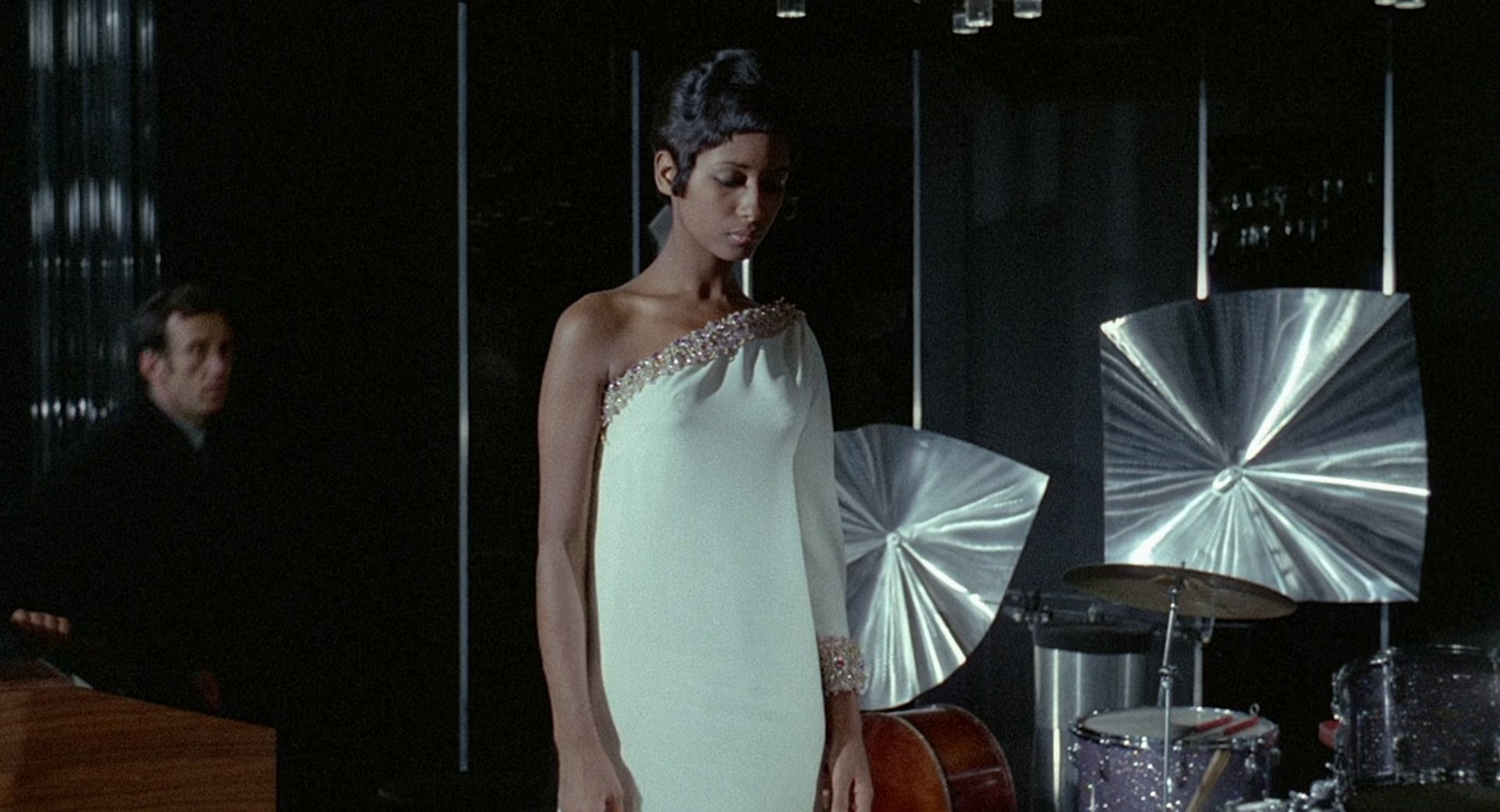
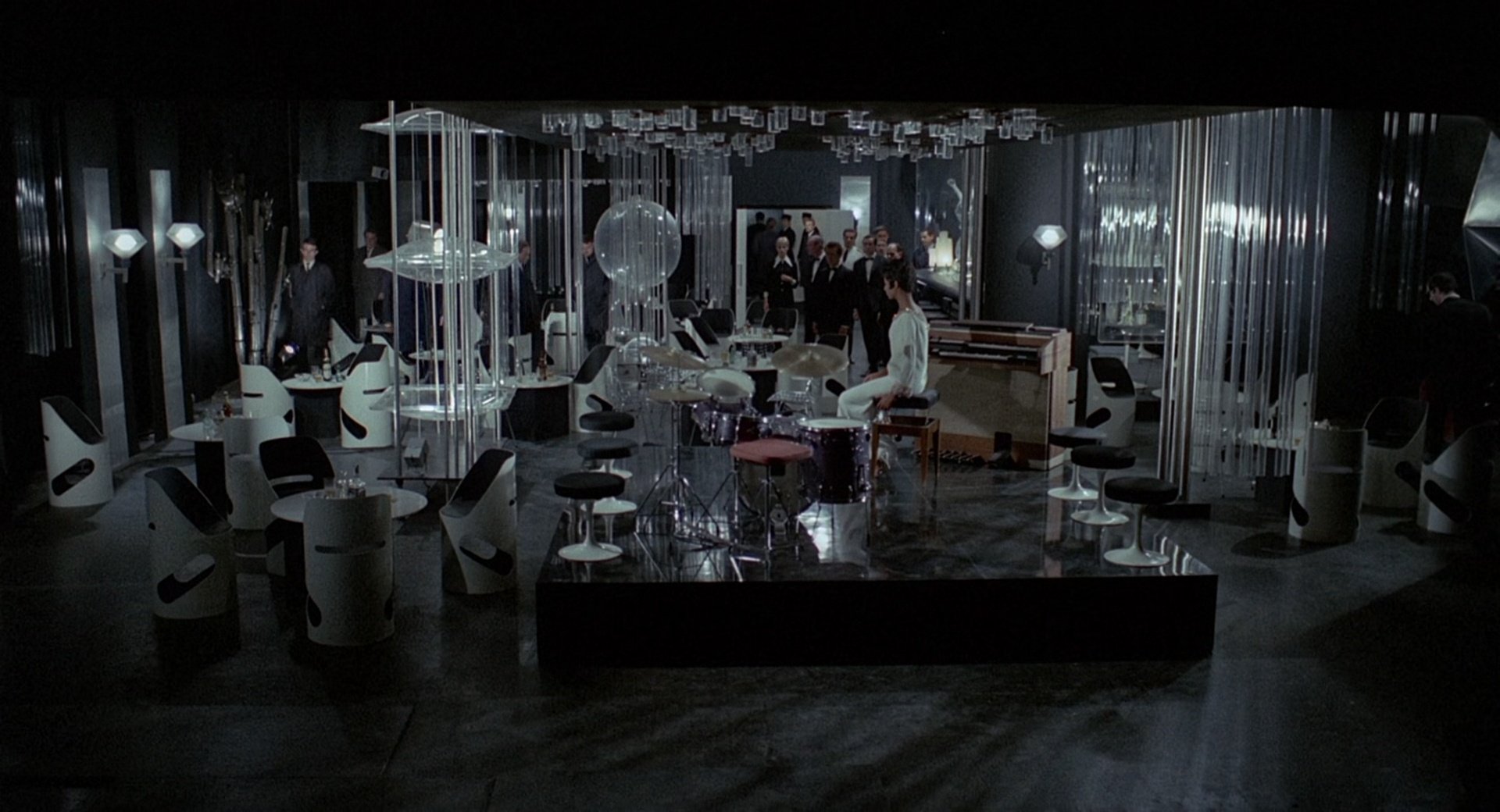
The film is notable for its sparse environments, controlled compositions and cool, desaturated colour palette, which reinforce the protagonist’s emotional detachment and the film’s cold atmosphere. A significant part of the story follows the police investigation, with identification line-ups, coordinated surveillance operations and interrogations emphasising procedural realism. Tension emerges through observation and deduction rather than direct confrontation.
The pacing is deliberately slow and methodical. Long observational sequences, minimal dialogue and carefully controlled framing build suspense through repetition and precision rather than spectacle. Le Samouraï is widely regarded as one of the most influential crime films ever made, often cited as the definitive example of Melville’s existential gangster cinema, blending elements of film noir with a highly minimalist visual style.
Technical Specs:
- The Story: A meticulous contract killer becomes the target of both the police and his employers after a hit goes wrong, forcing him to navigate a tightening net of suspicion and betrayal.
- Actors: Alain Delon, François Périer, Nathalie Delon, Cathy Rosier, Jacques Leroy, Michel Boisrond, Robert Favart, Catherine Jourdan.
- Director: Jean-Pierre Melville
- Year: 1967
- Cinematographer: Henri Decaë
- Origin: French Cinema
- Aspect Ratio: 1.85:1
- Genre: Crime & Mystery