Parasite (2019): Class divide through architecture
2019 • Bong Joon-ho • 2.39:1 • Jump to Gallery ↓
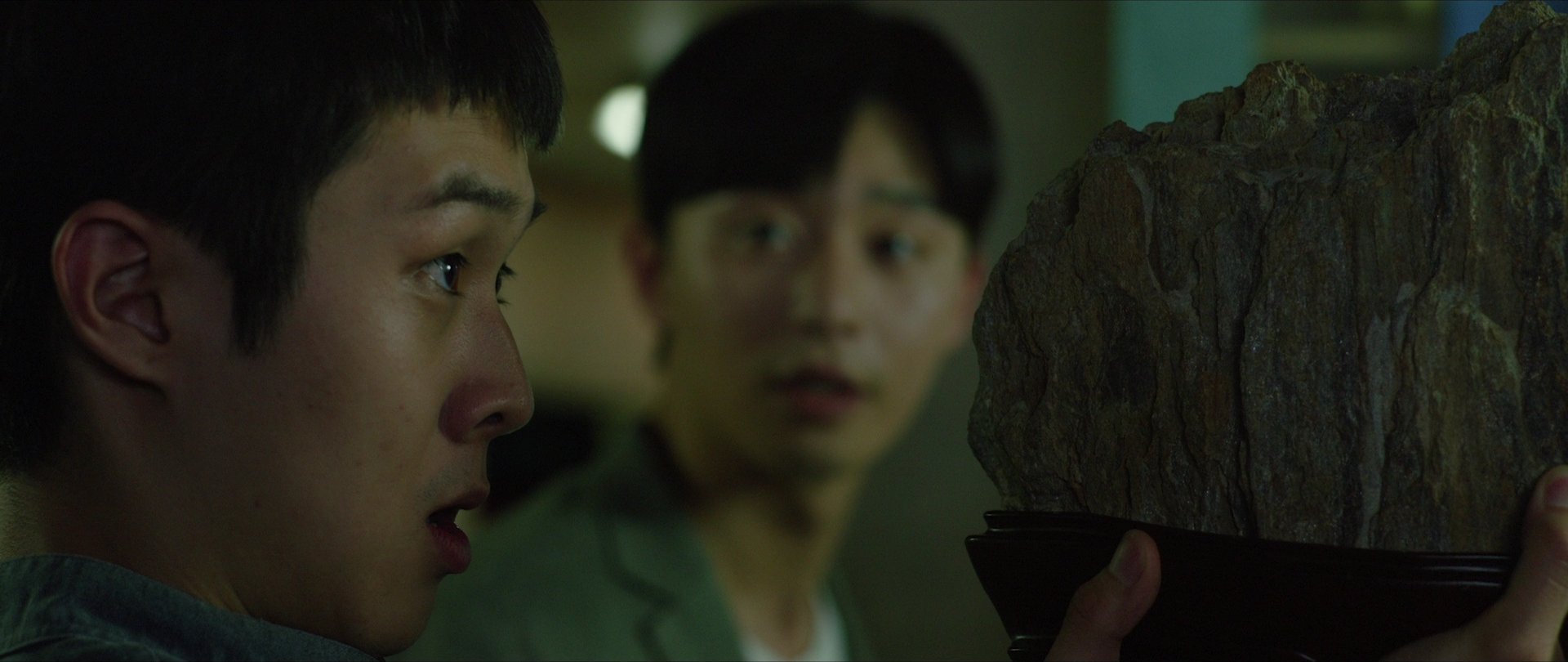
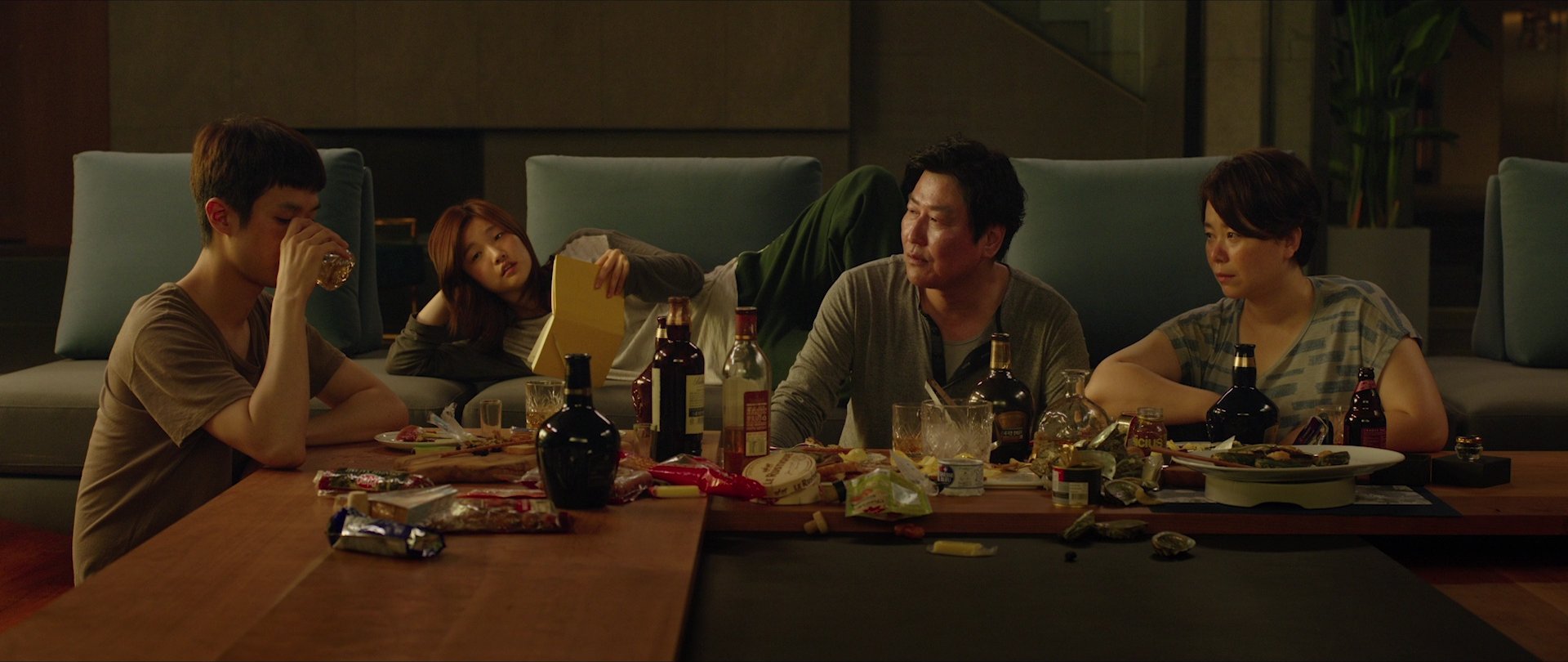
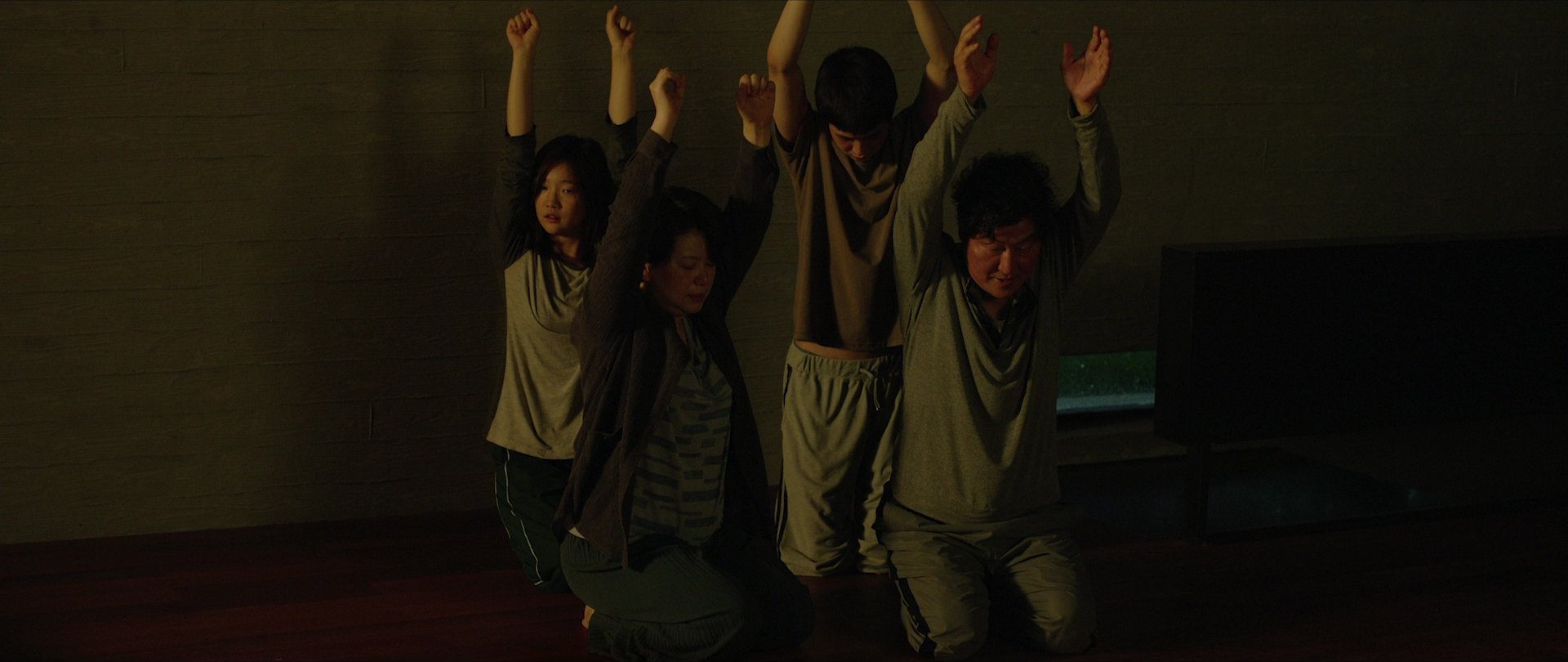
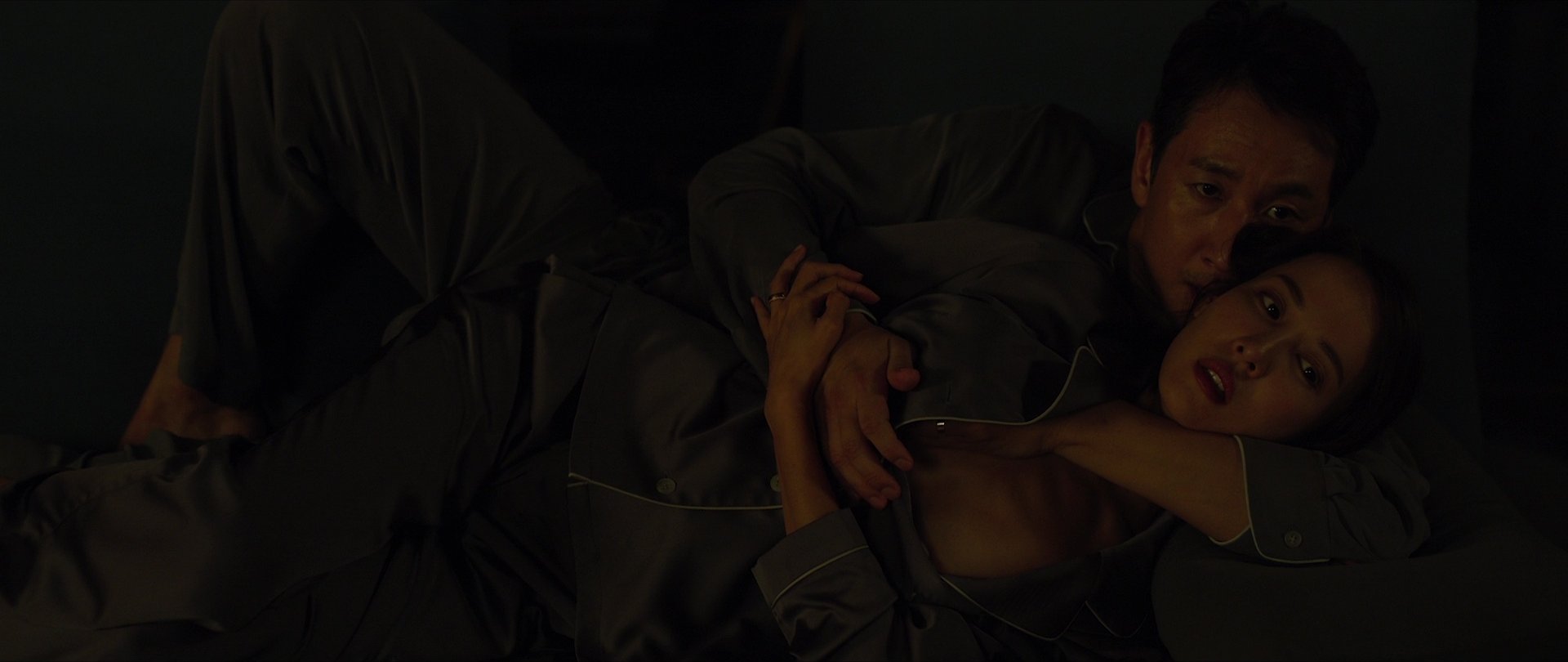
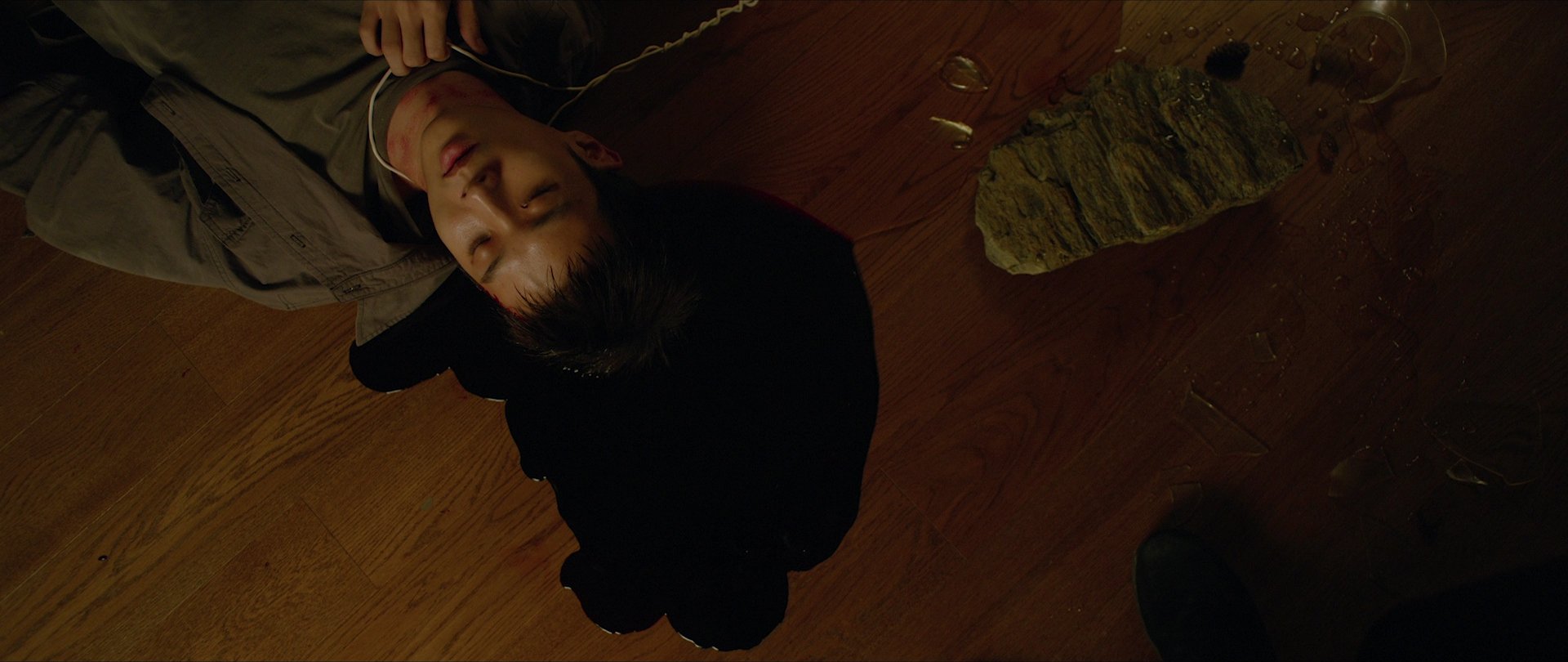
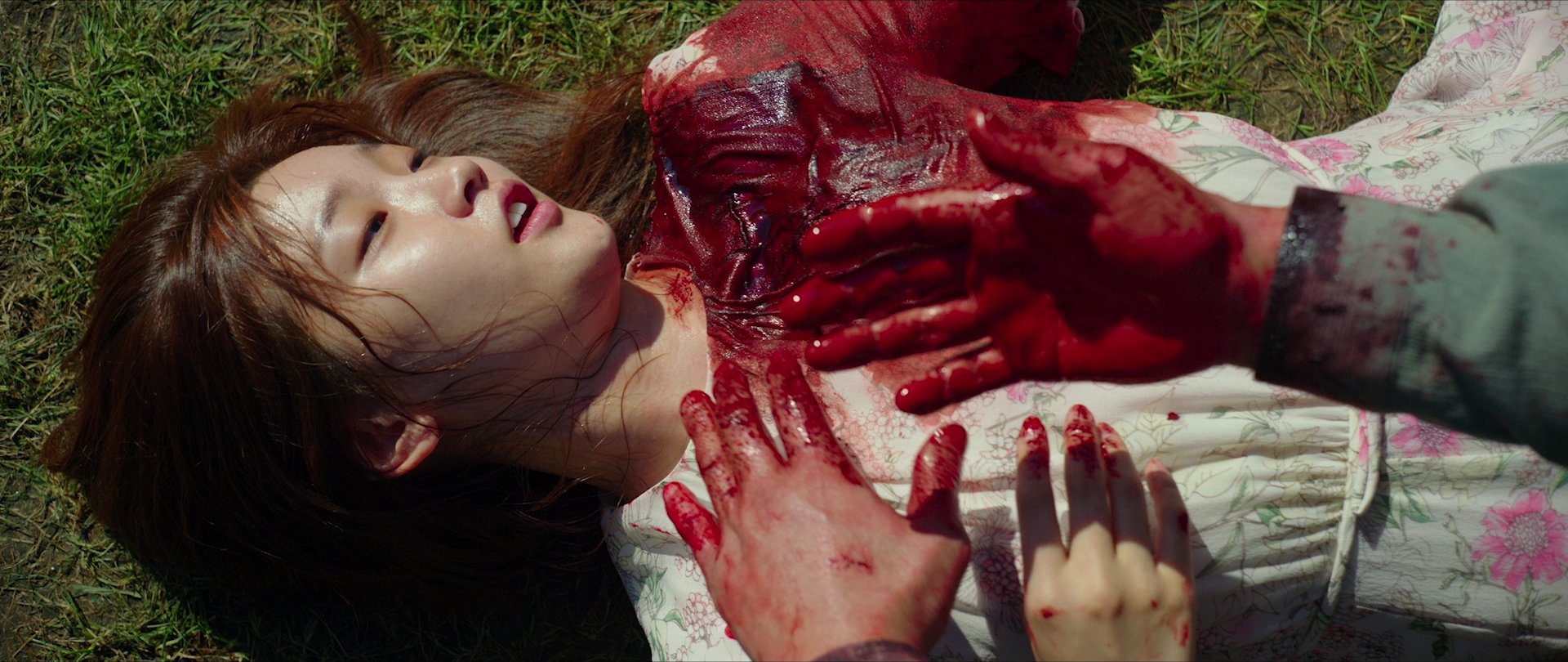
Parasite, directed by Bong Joon-ho, is the first non-English-language film to win the Academy Award for Best Picture. It merges satire, black comedy, suspense, and social realism as it follows the Kim family infiltrating the wealthy Park household by posing as unrelated, highly qualified workers.
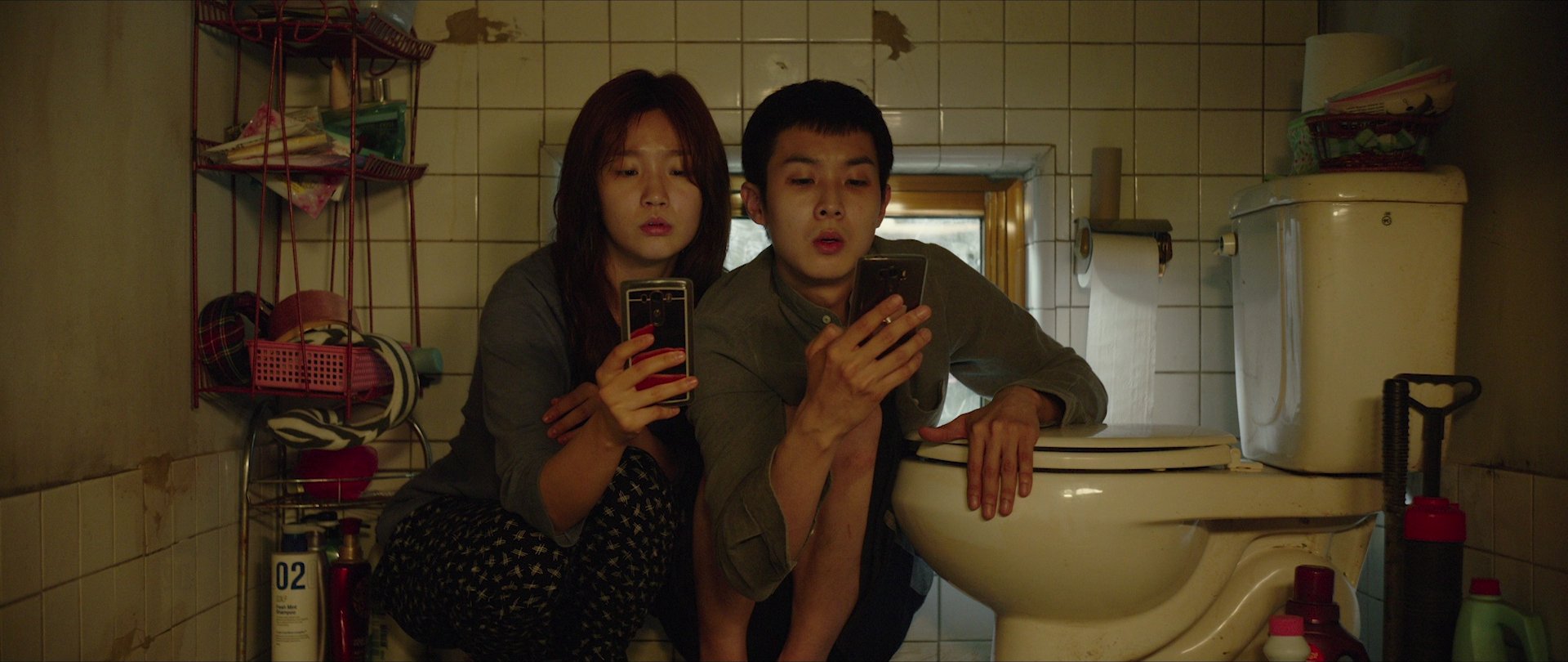
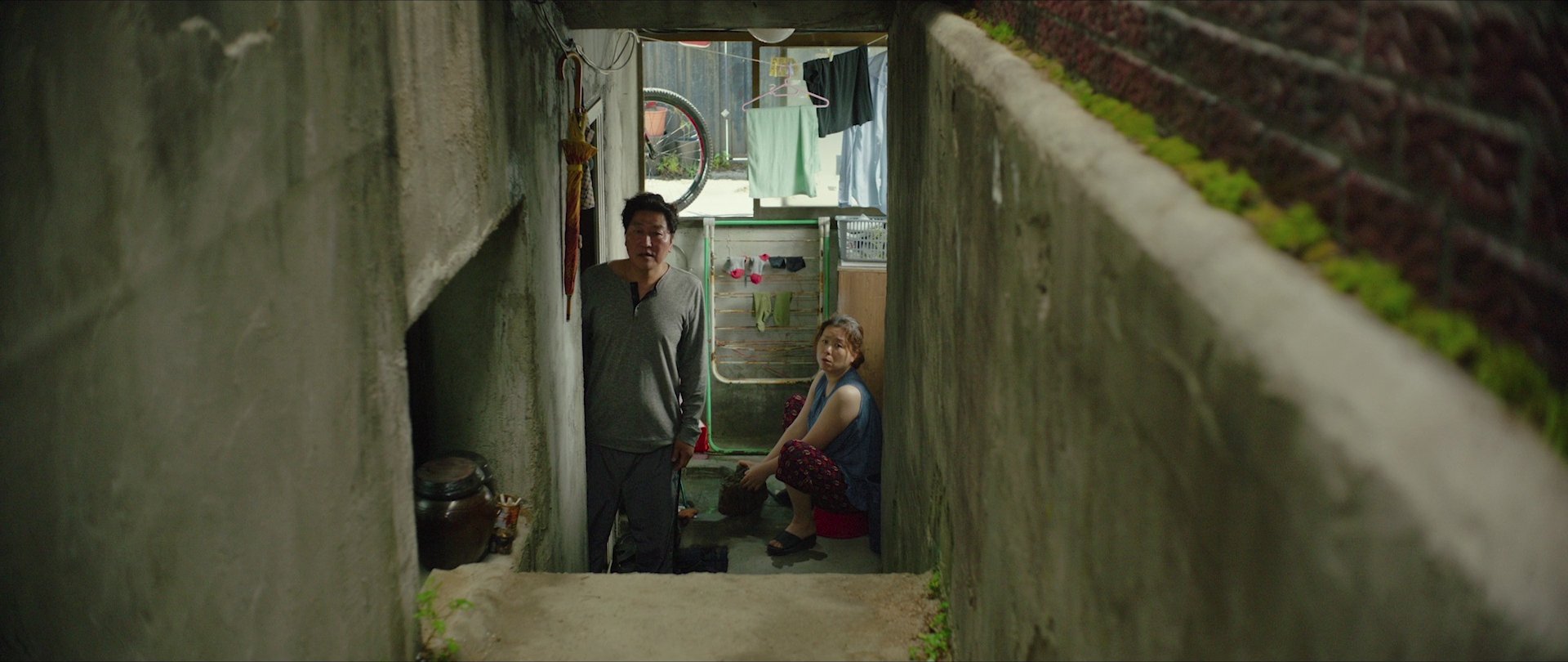
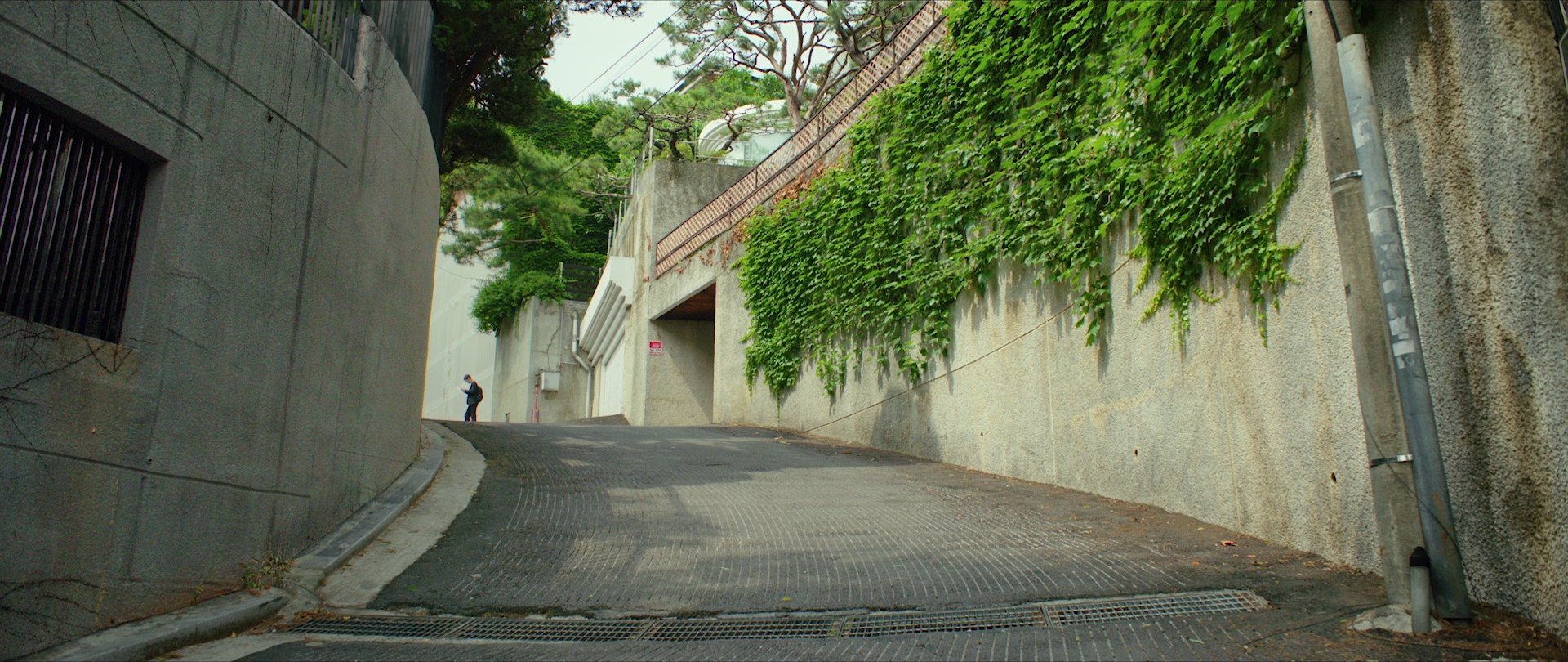
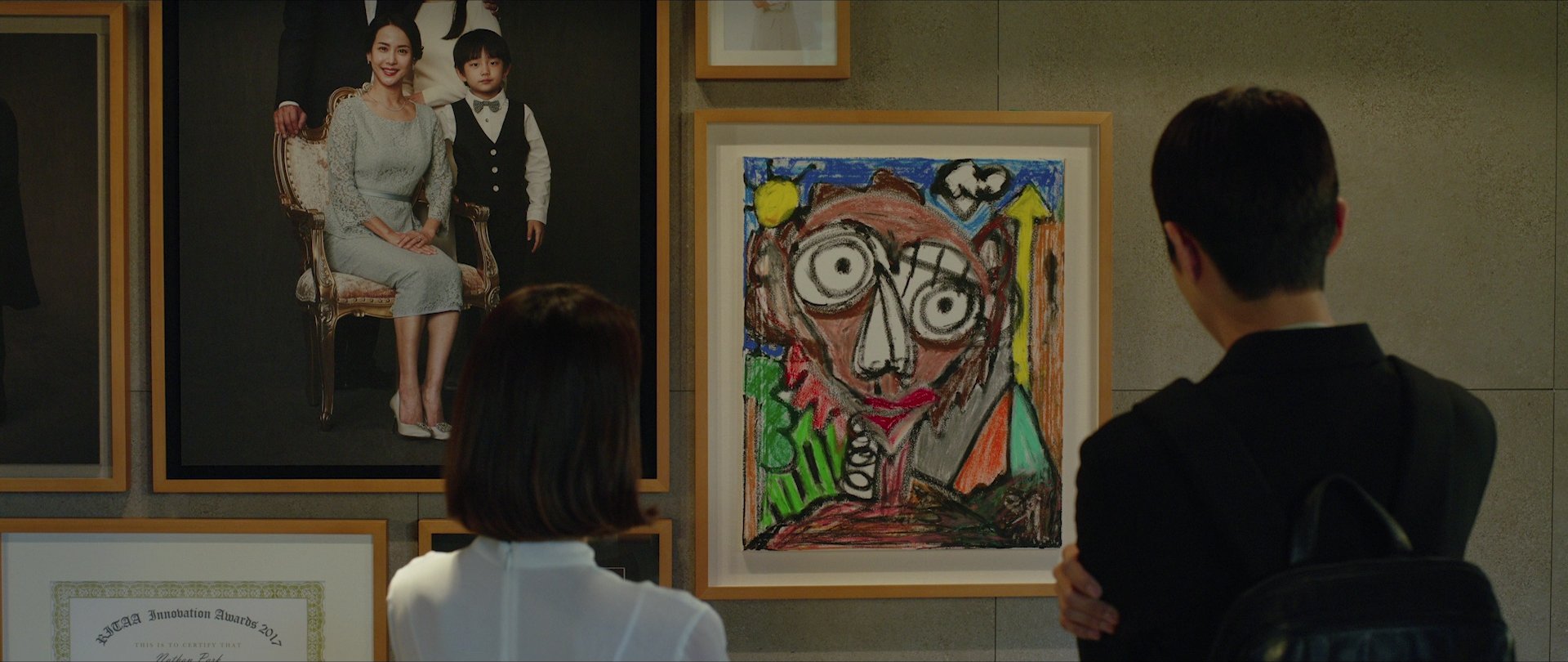
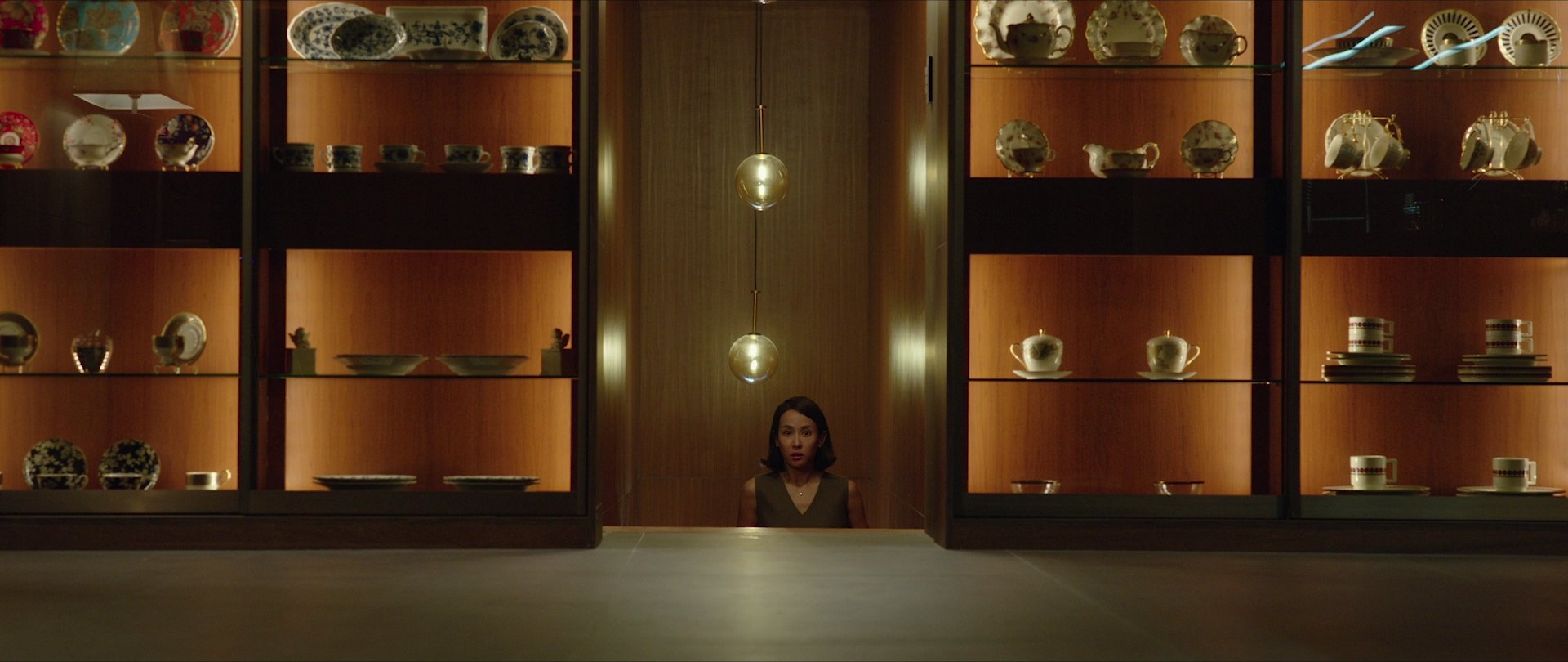
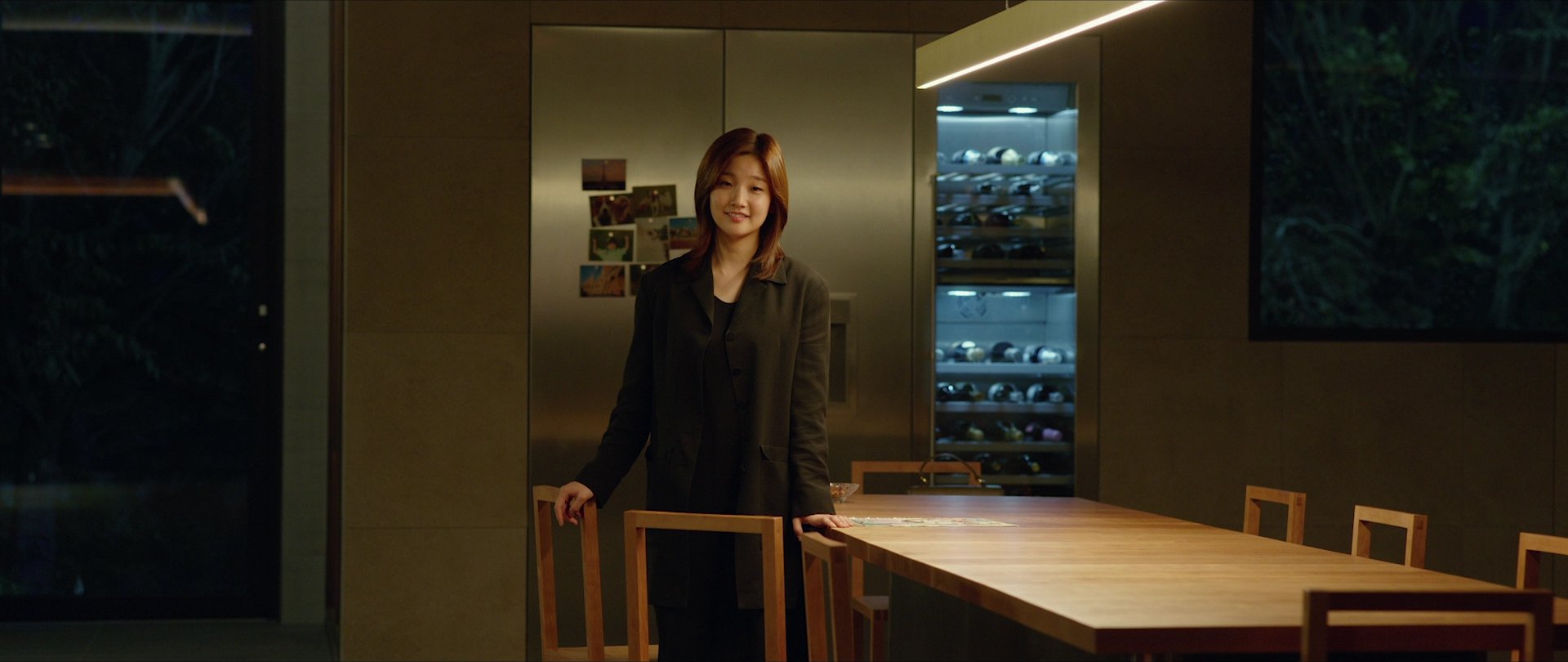
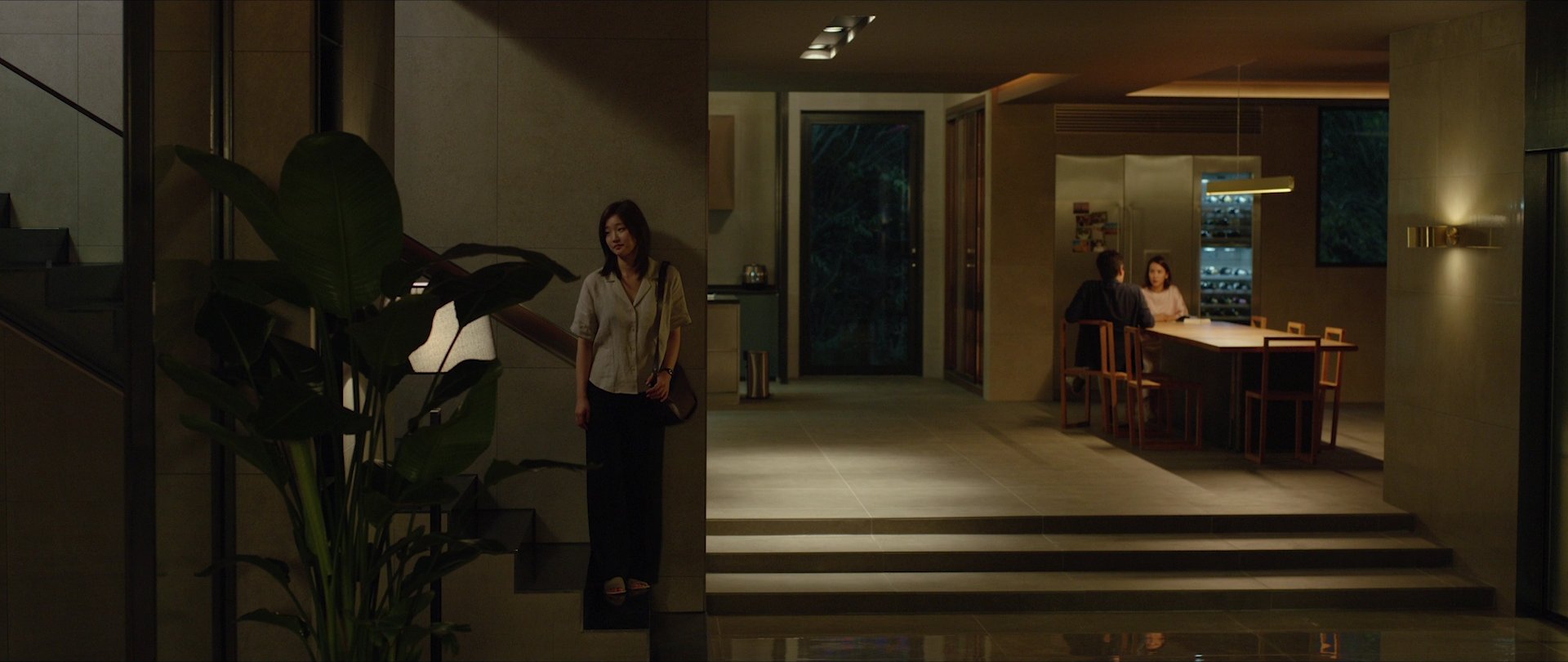
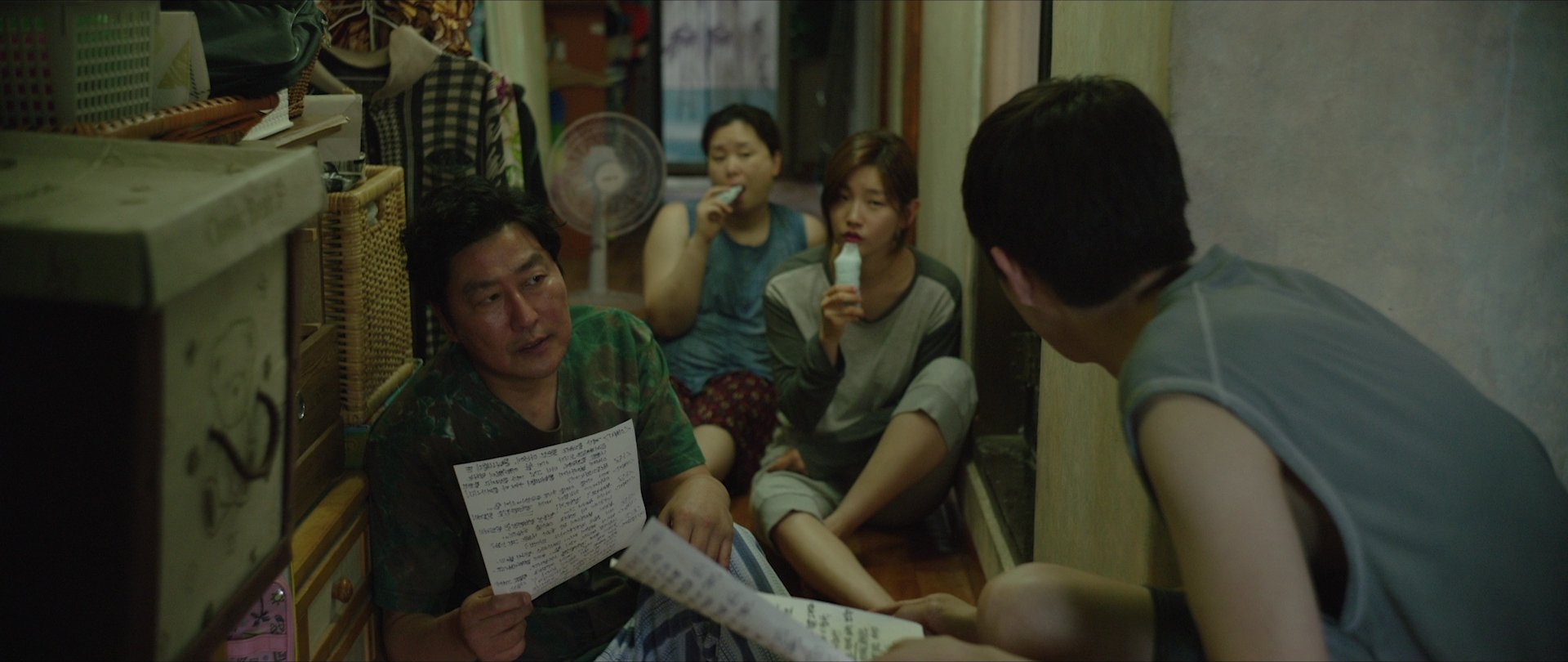
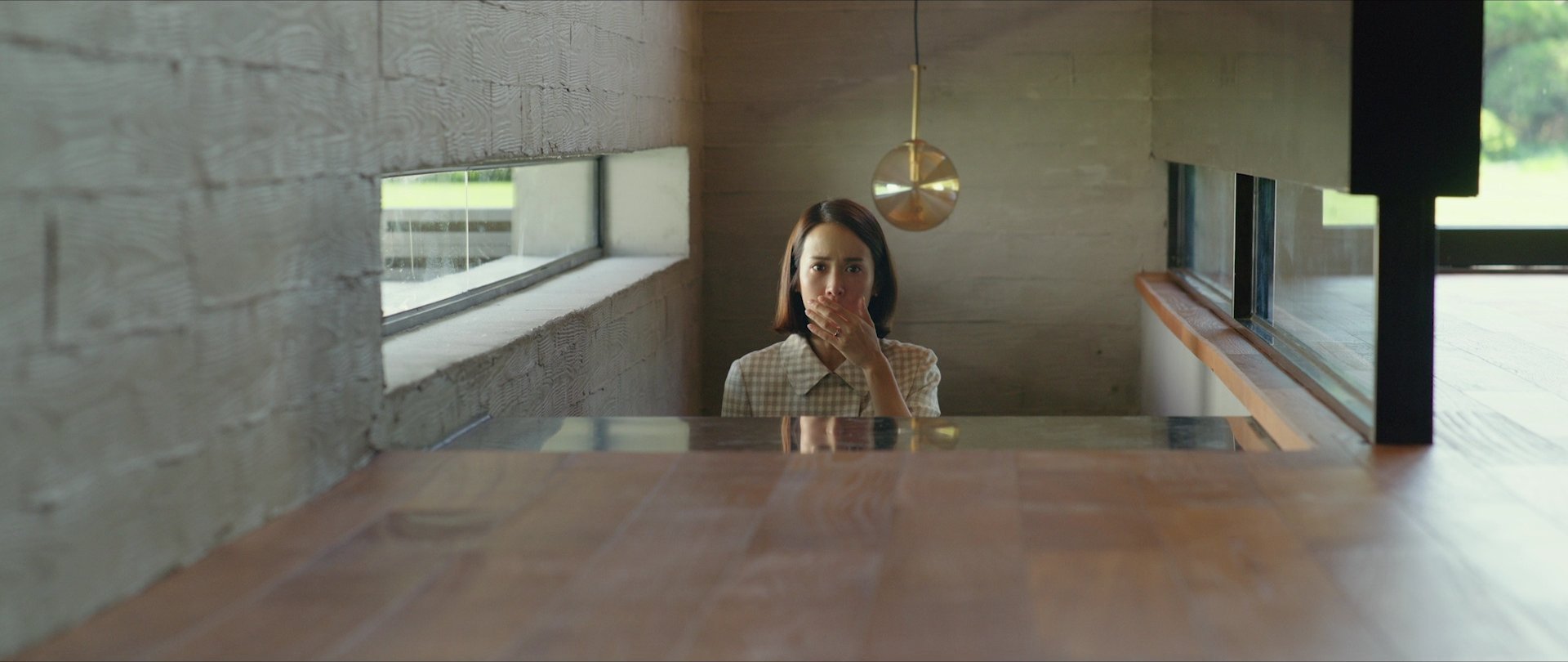
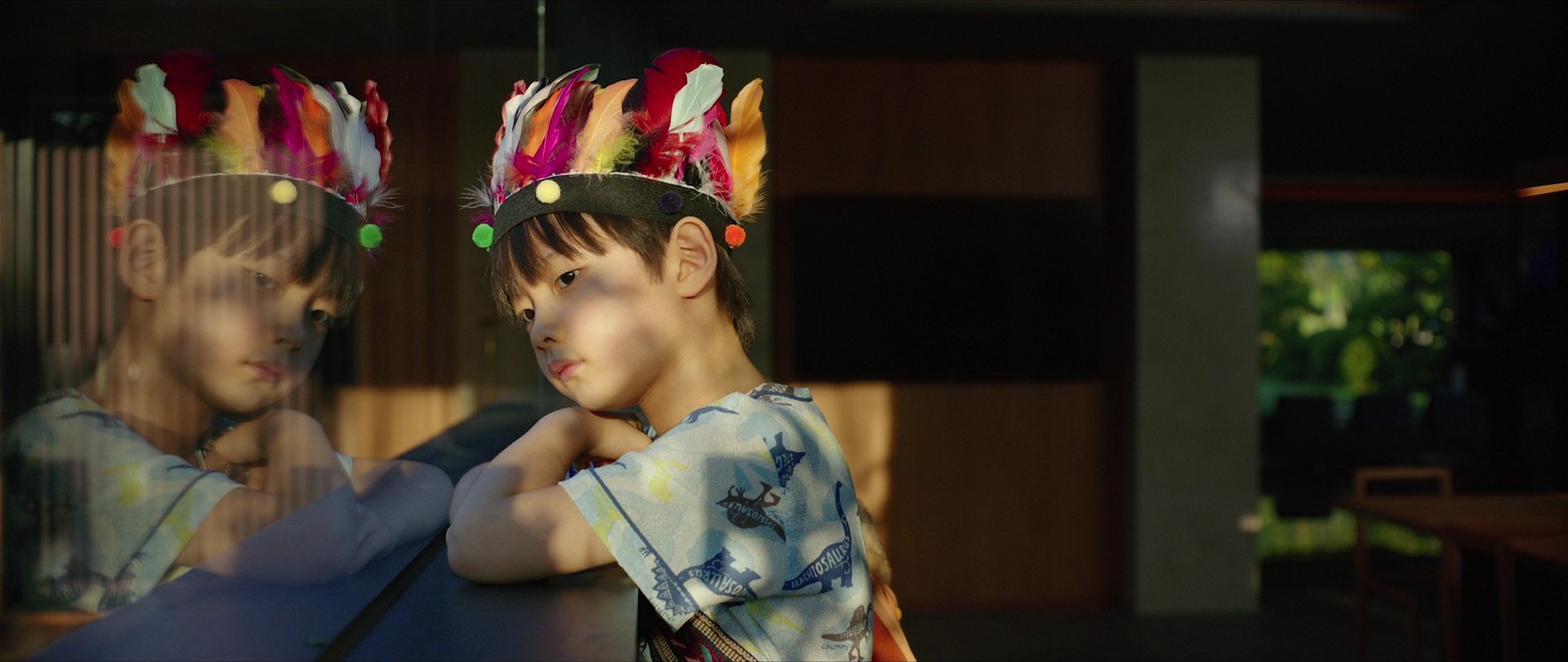
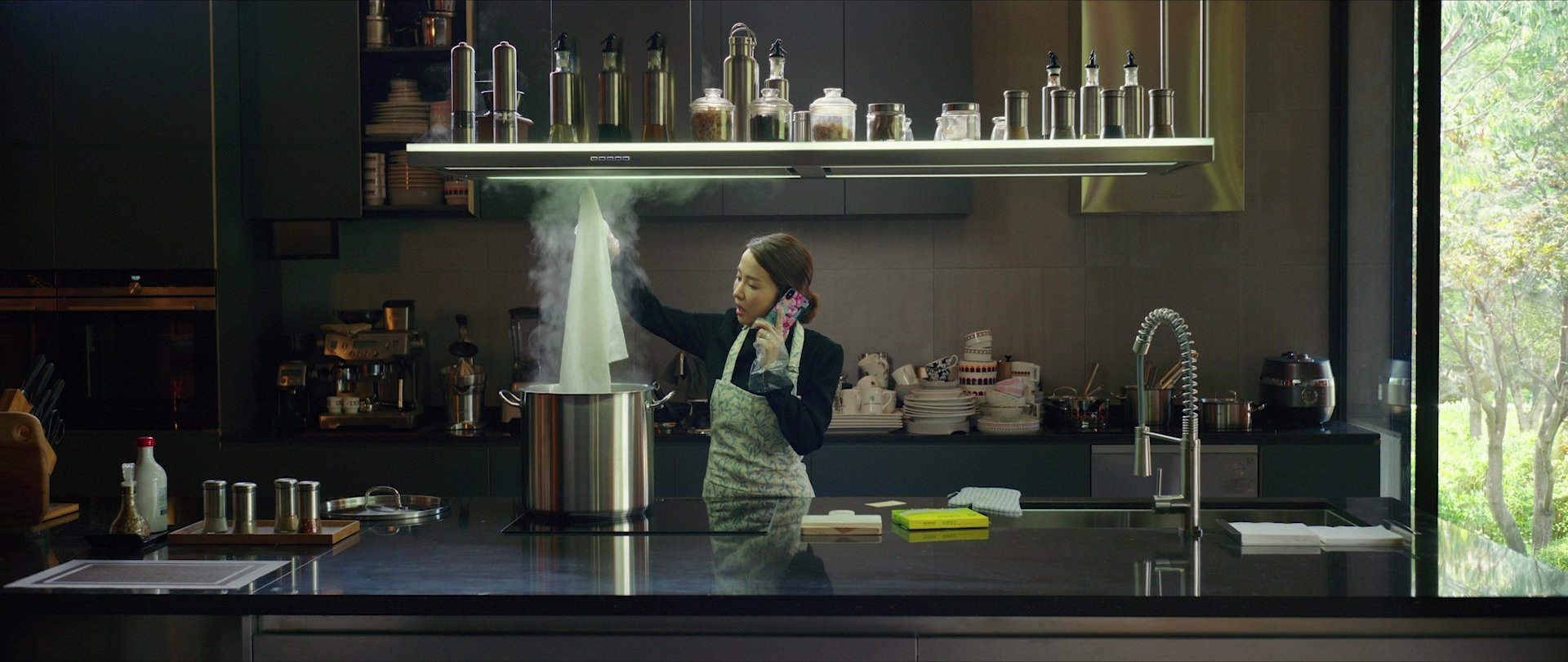
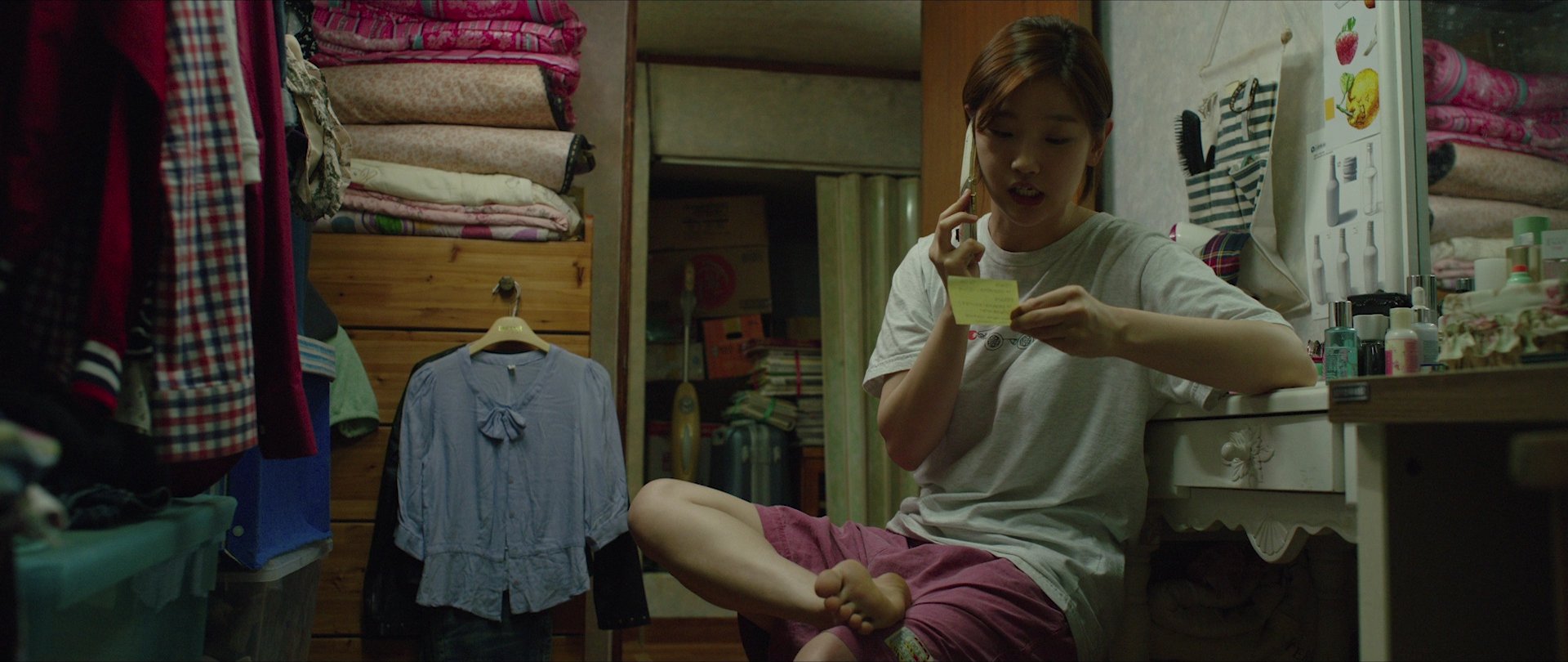
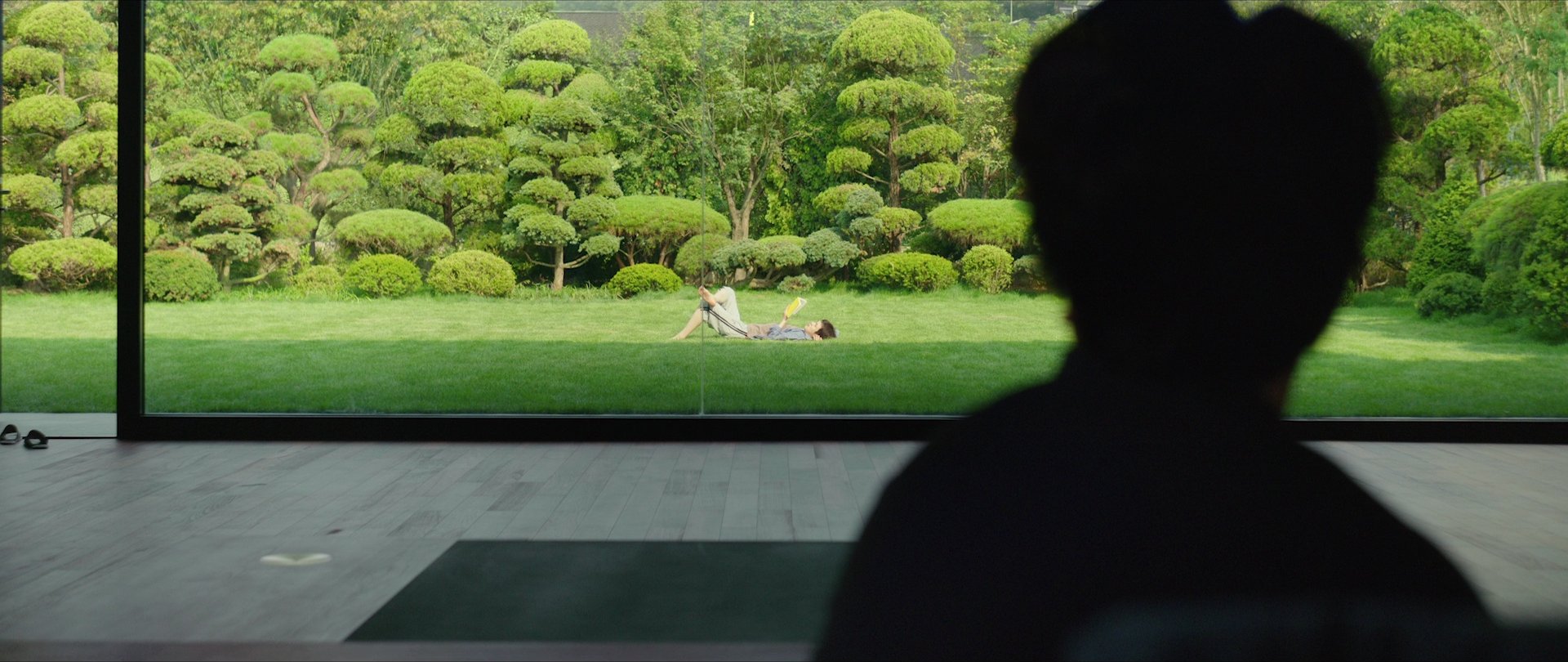
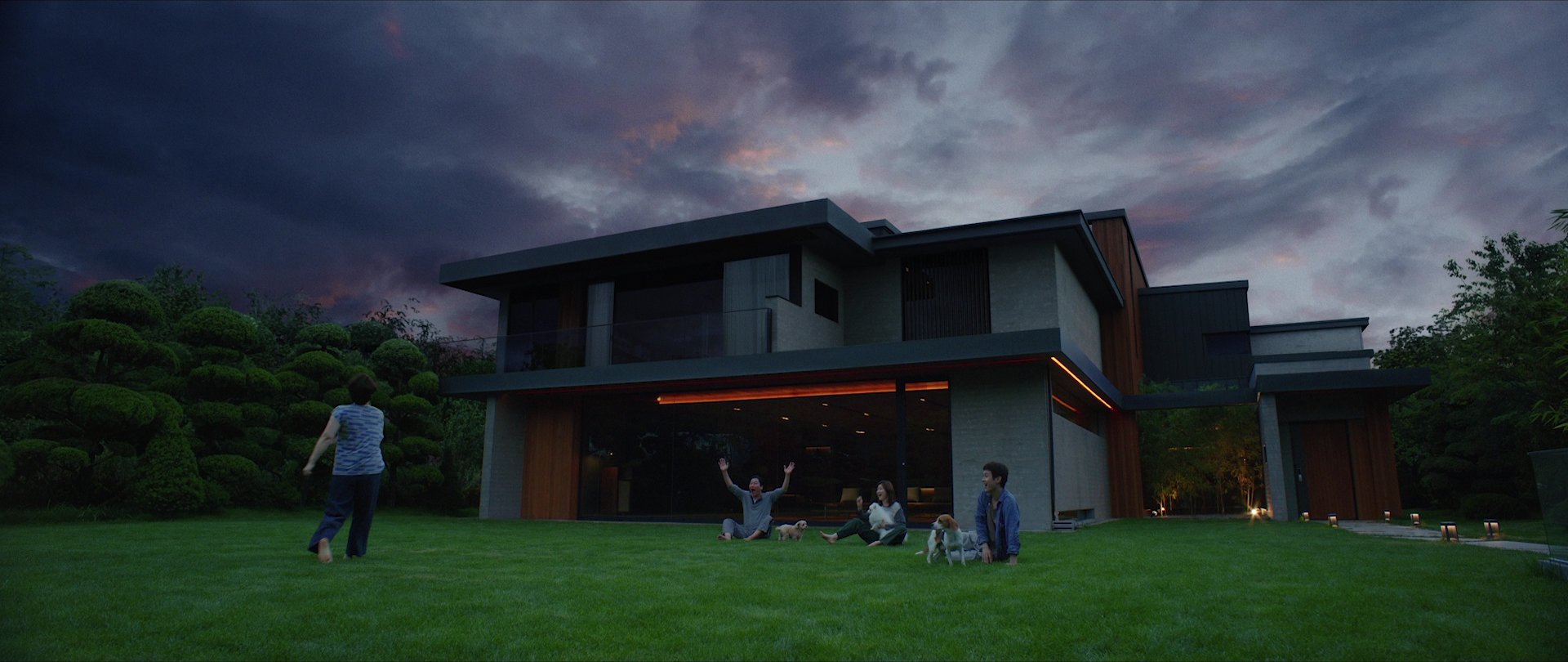
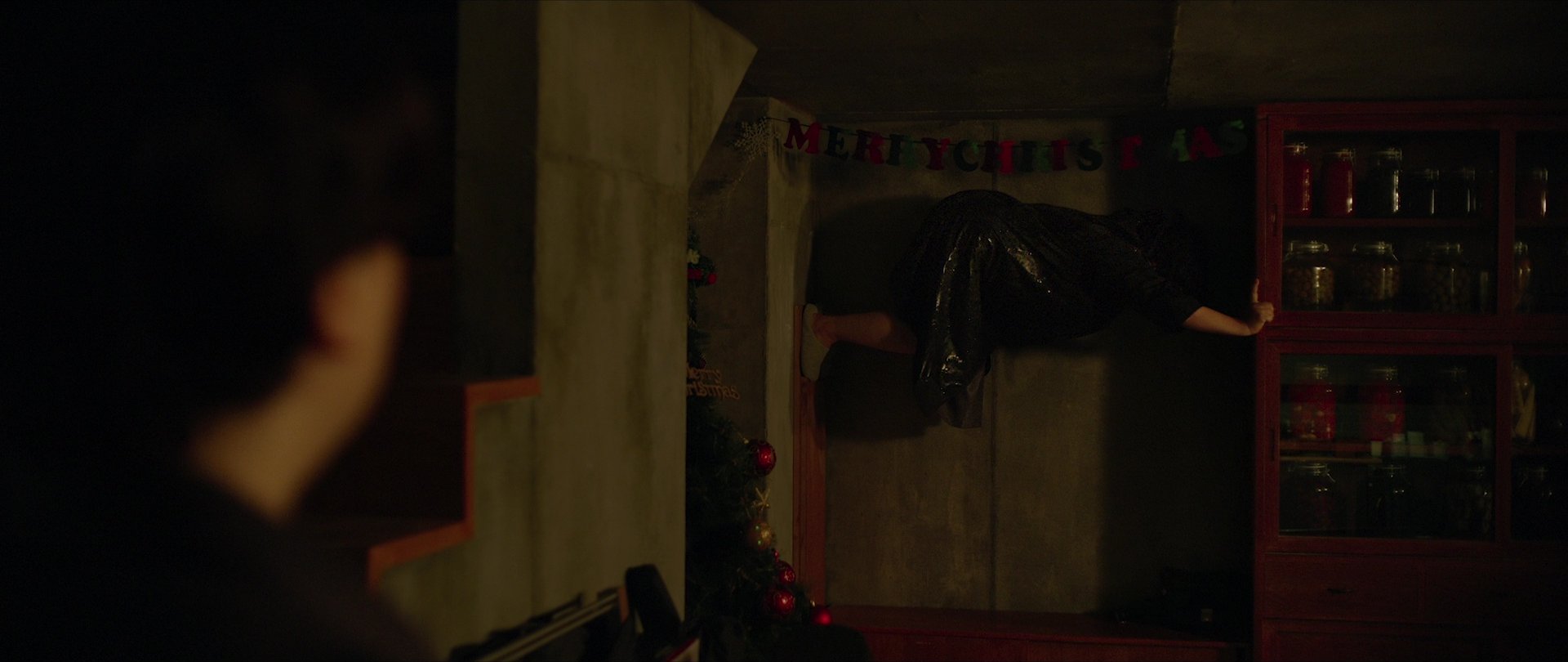
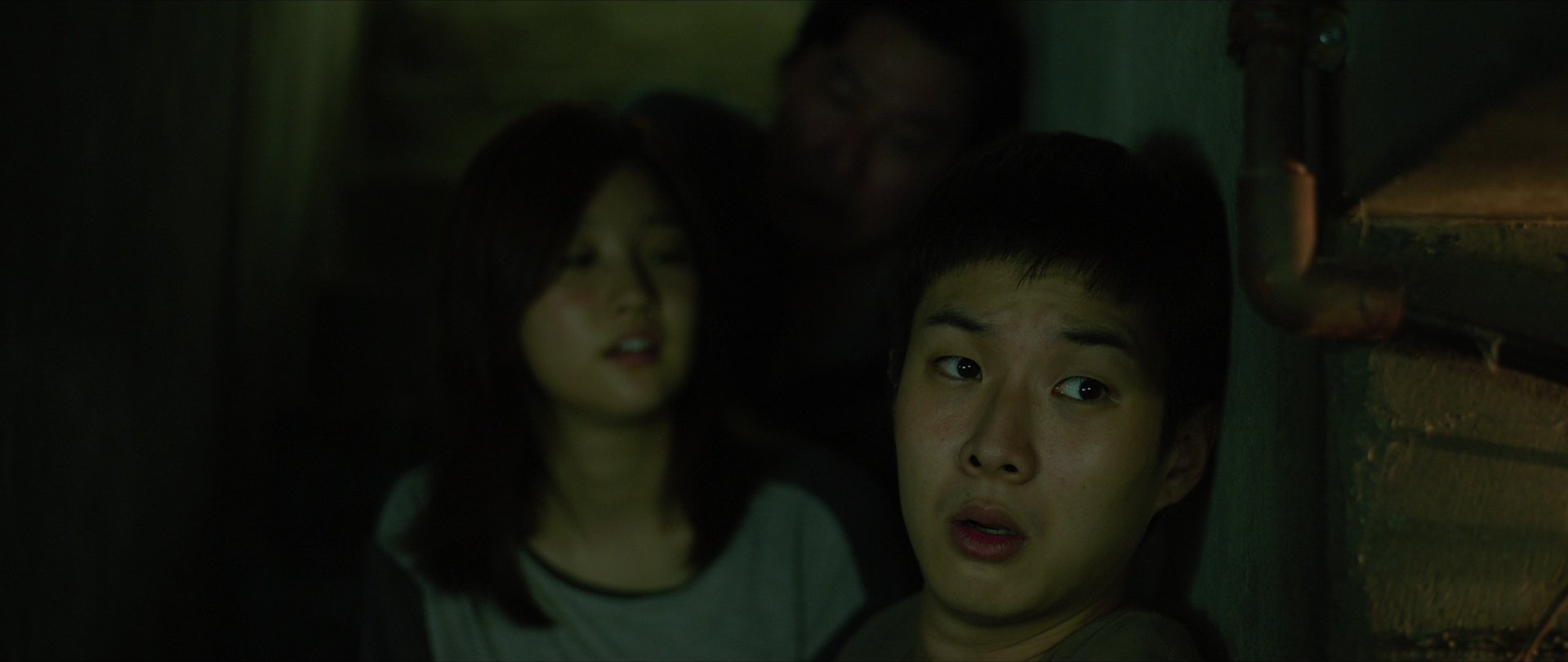
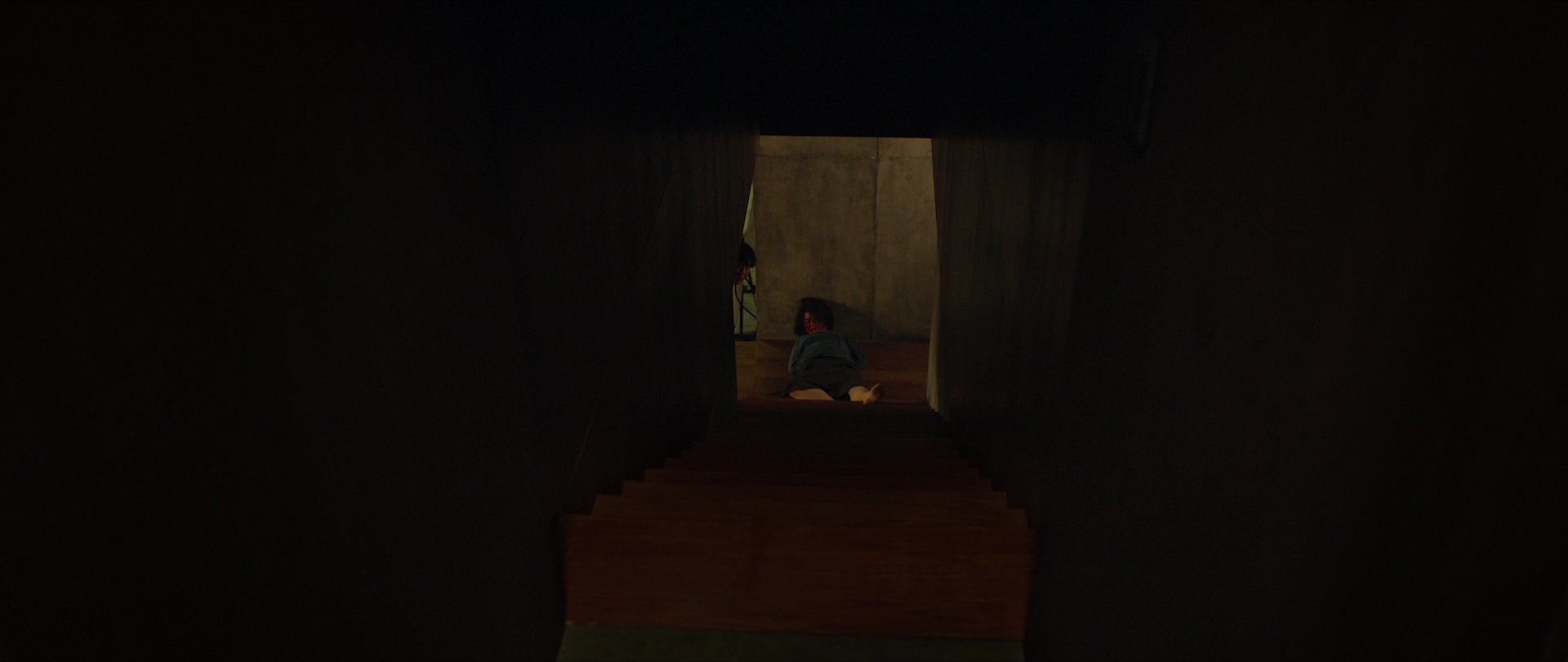
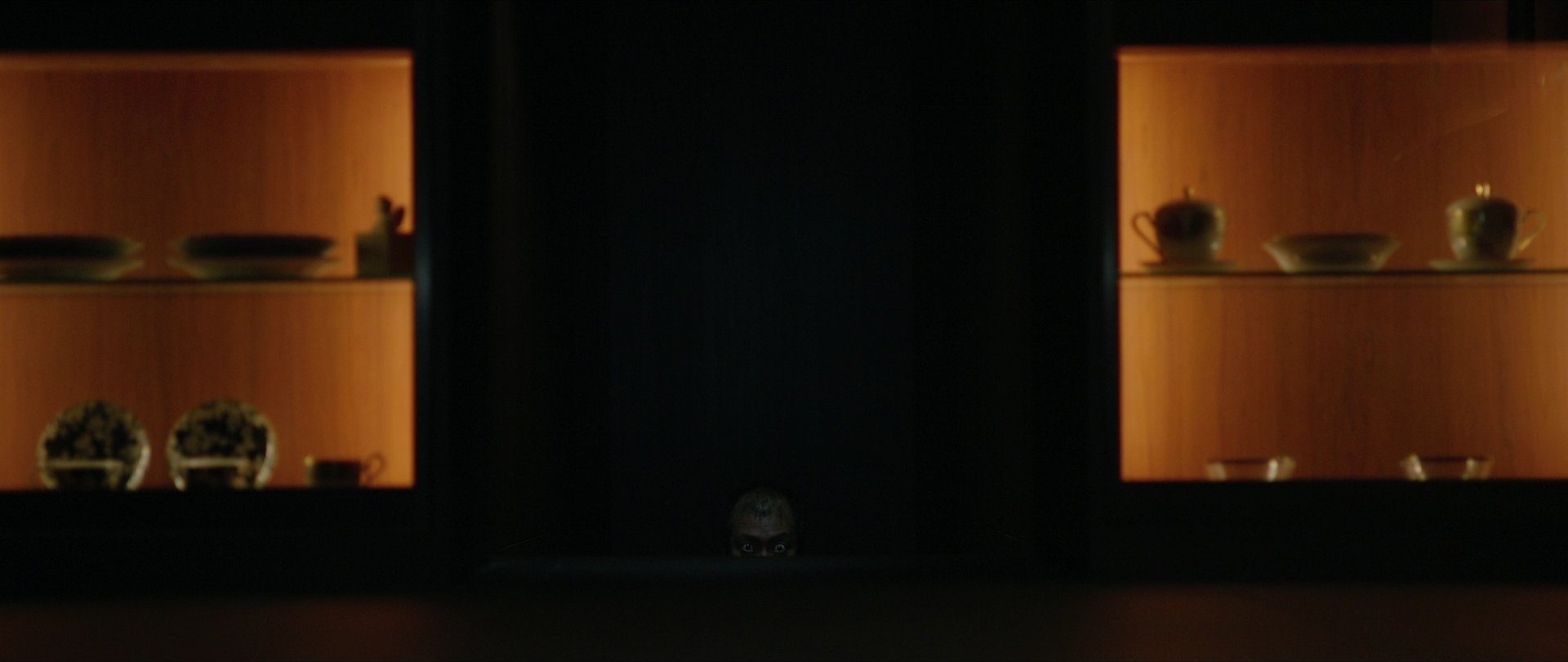
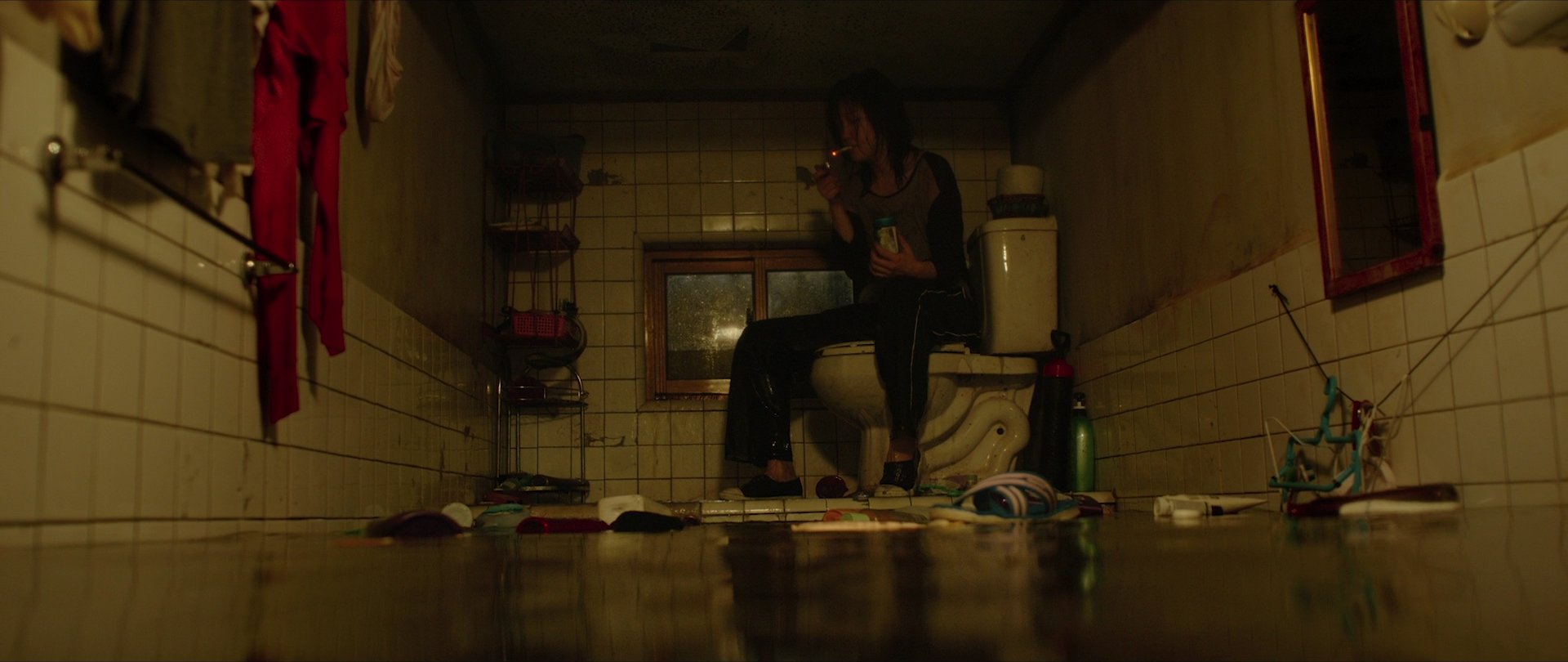
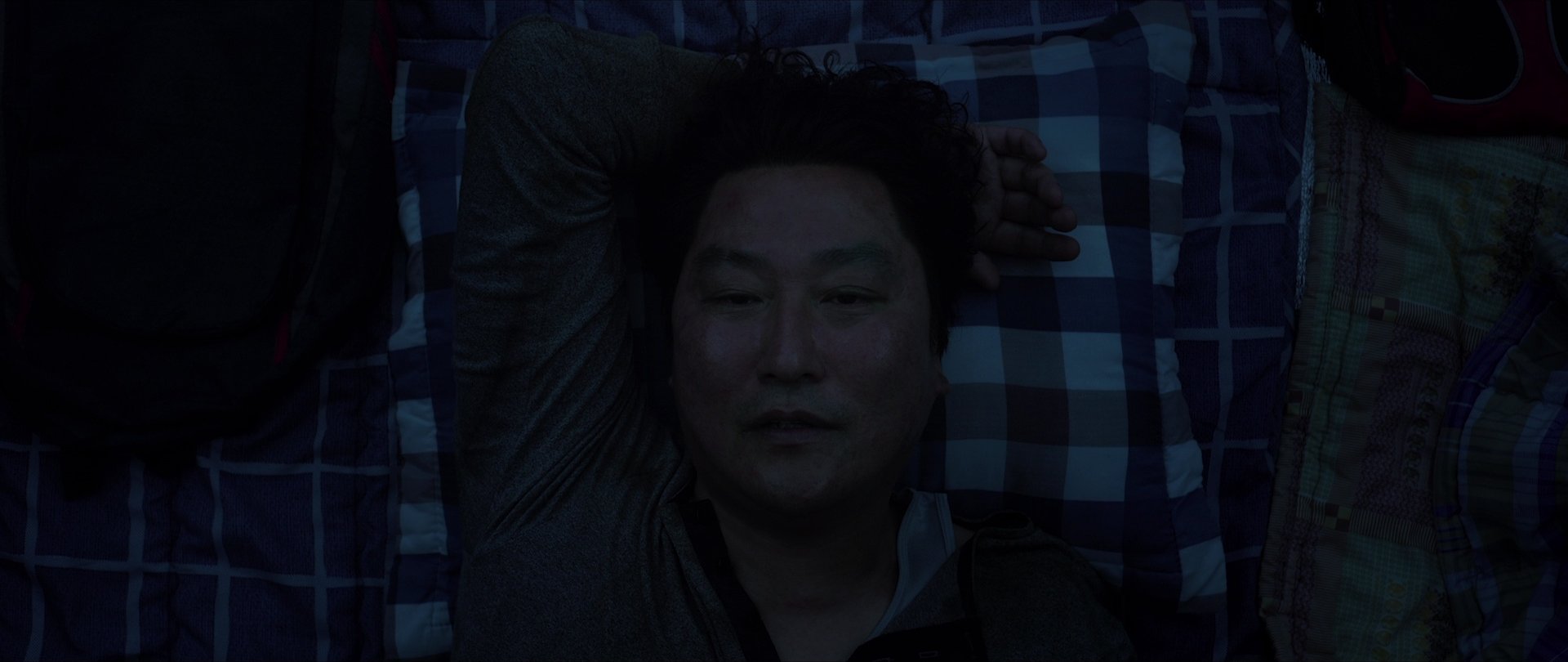
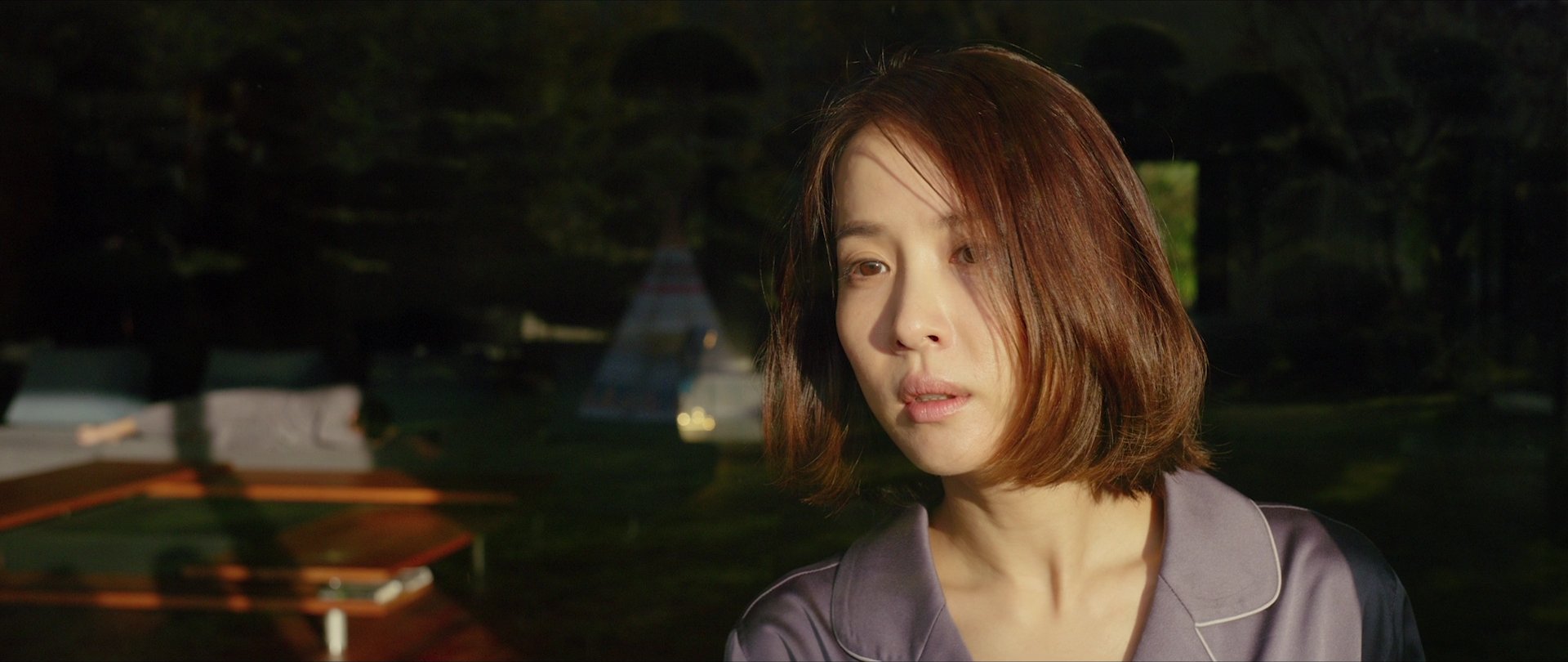
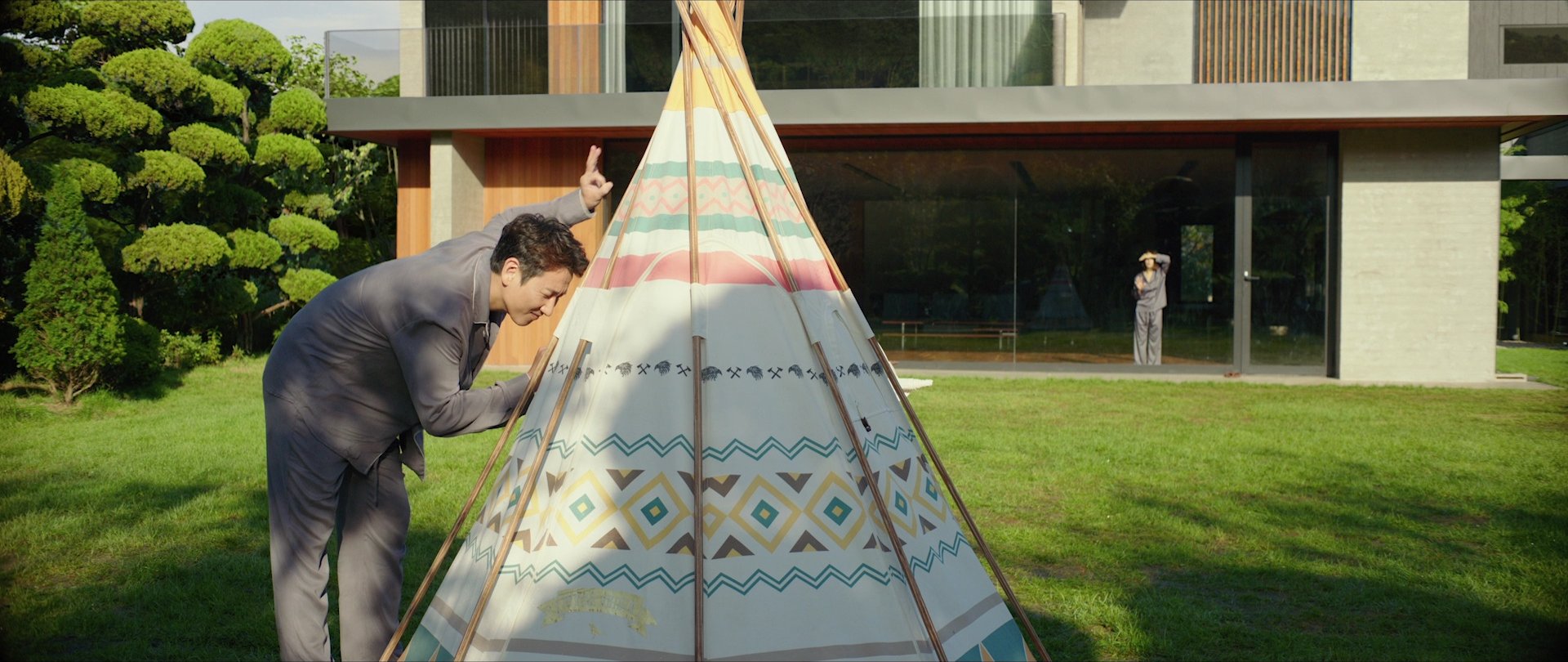
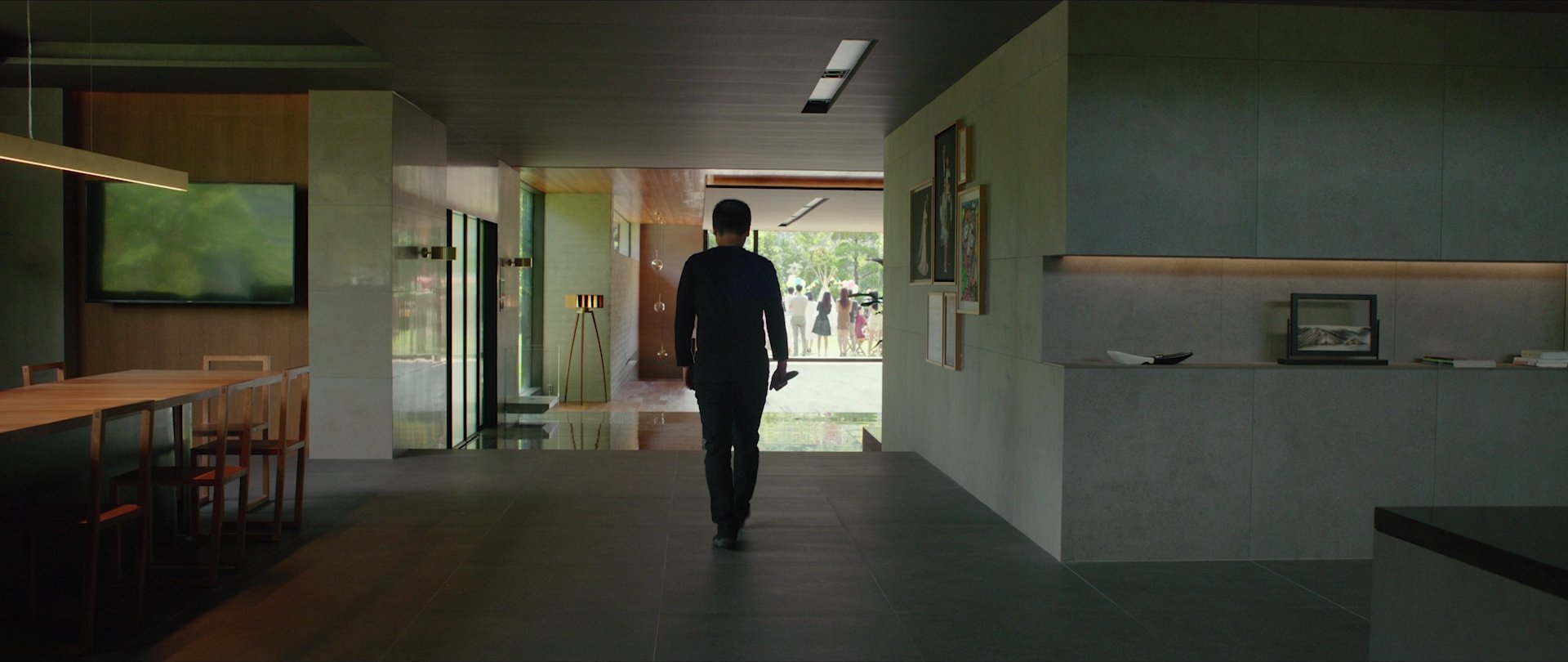
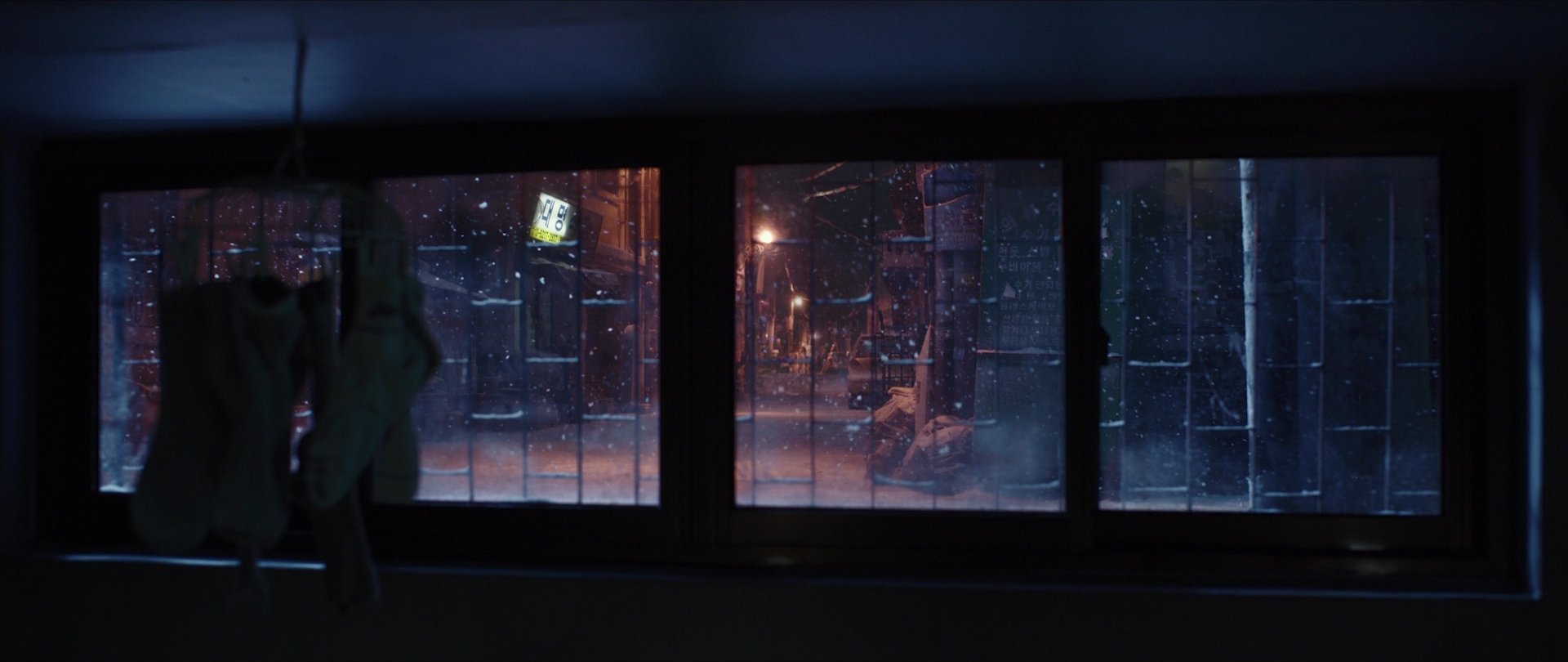
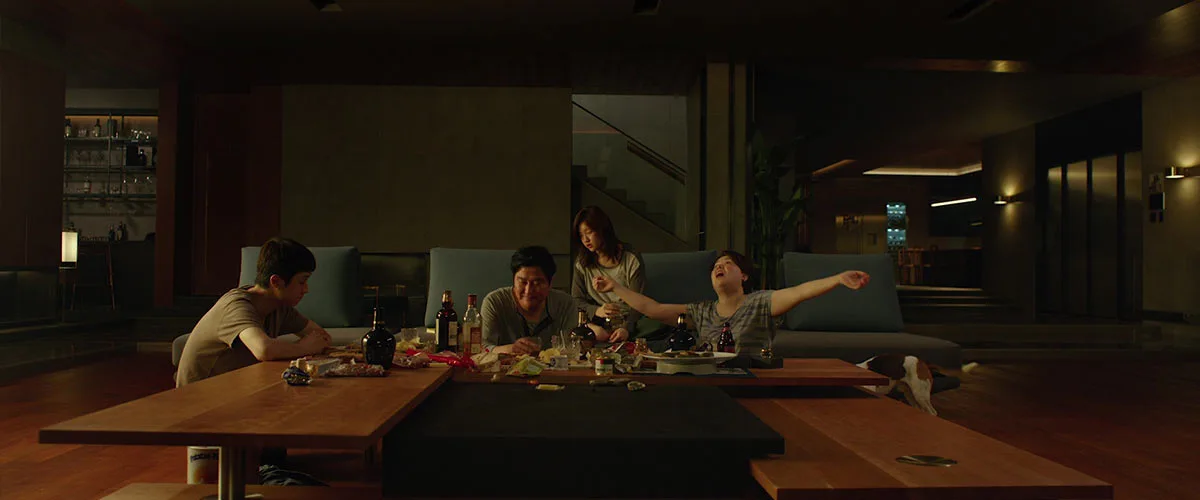
At the heart of the film is the Park house. Designed around a strict vertical hierarchy, the house functions as a spatial metaphor for class aspiration and containment, particularly when compared with the Kims’ semi-basement apartment. This opposition is reinforced through colour. The Park residence is defined by warm woods, soft lighting, and controlled neutral tones, while the Kims’ neighbourhood is dominated by damp greys and greenish fluorescents, emphasising humidity, confinement, and precarity.
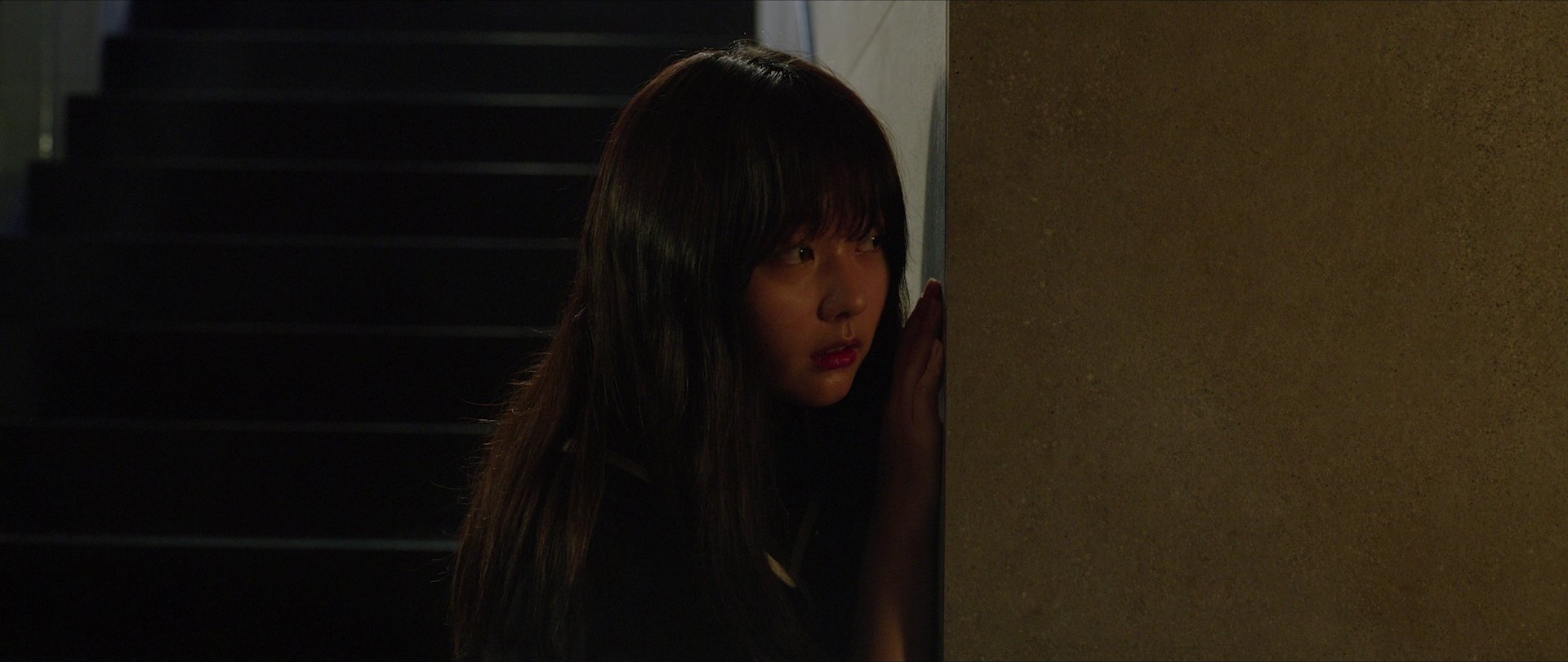
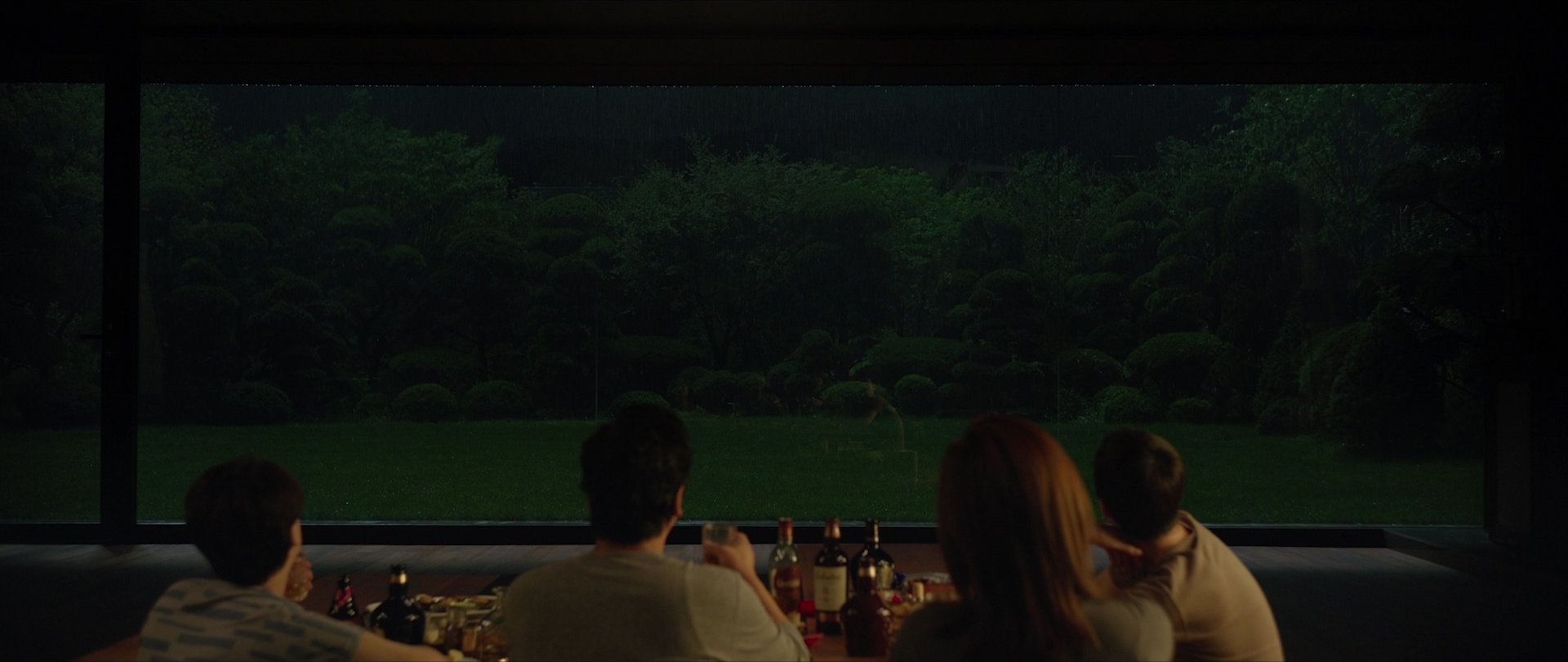
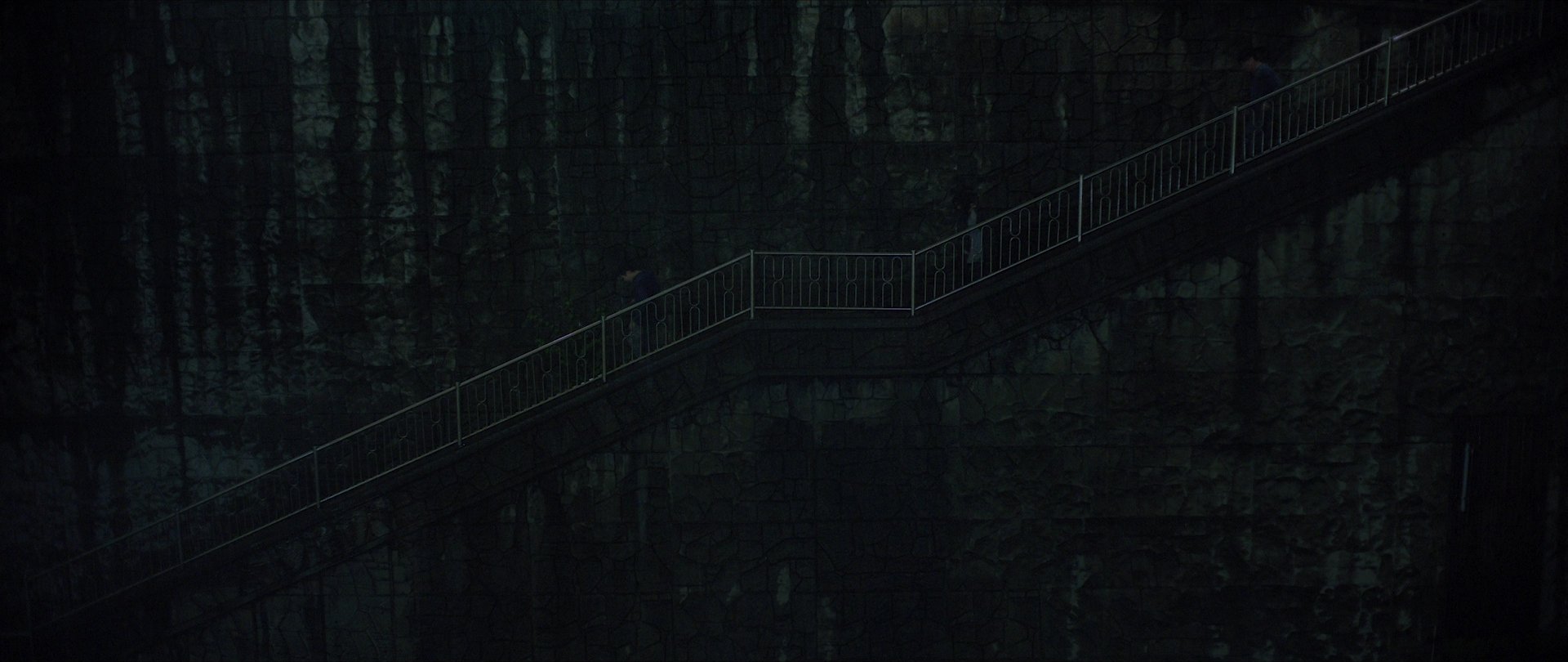
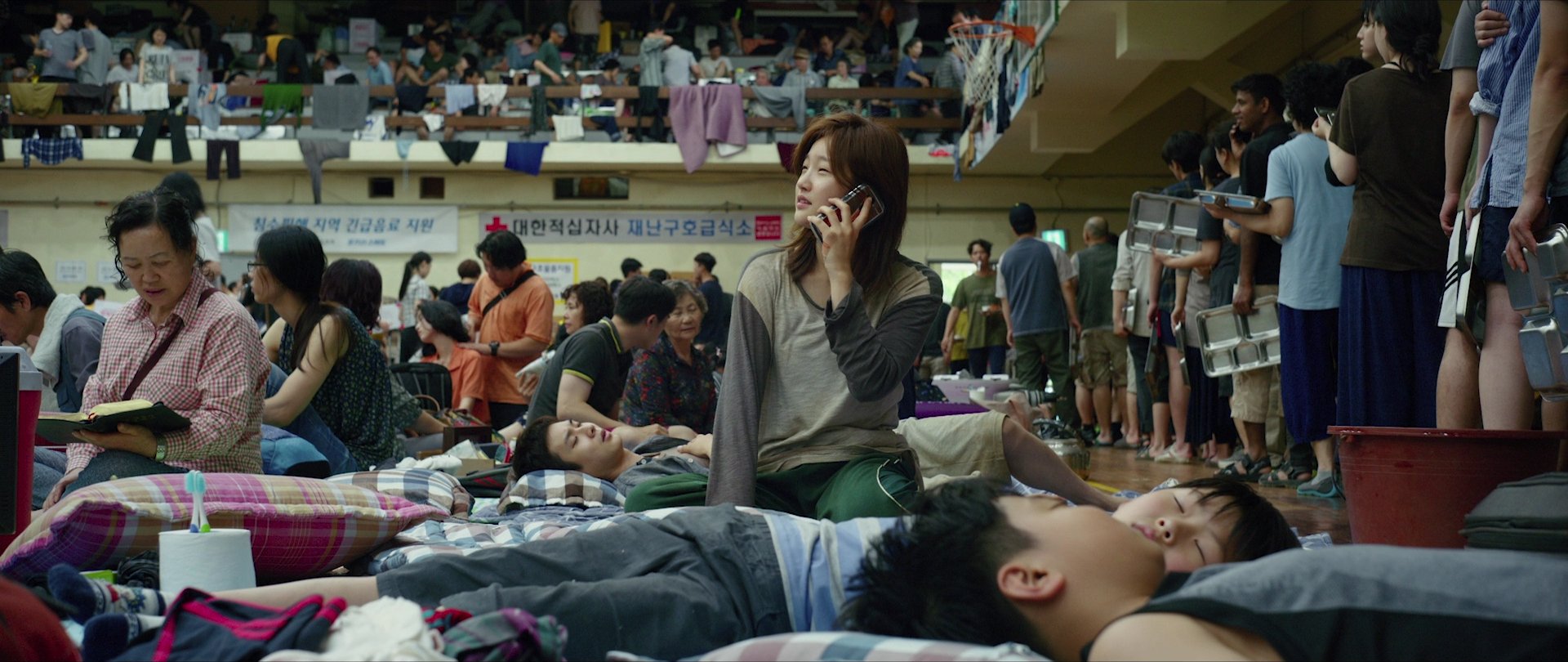
However, nothing carries more symbolic weight than the staircases, both inside the house and throughout the city. They structure the film’s movement between social levels. The rainstorm sequence embodies this dynamic, with water becoming a merciless class divider as we follow the Kims’ journey from architectural elegance to urban flooding. In Parasite, verticality is not just a design feature, it is a destiny.
Technical Specs:
- The Story: A struggling family infiltrates the lives of a wealthy household through a series of calculated deceptions, triggering a chain of events that exposes class divisions, hidden resentments, and the fragile underpinnings of privilege. Read my review of Parasite.
- Actors: Song Kang-ho, Lee Sun-kyun, Cho Yeo-jeong, Choi Woo-shik, Park So-dam, Lee Jung-eun, Jung Ji-so.
- Director: Bong Joon-ho
- Year: 2019
- Cinematographer: Hong Kyung-pyo
- Origin: Korean Cinema
- Aspect Ratio: 2.39:1
- Genre: Comedy & Satire / Drama