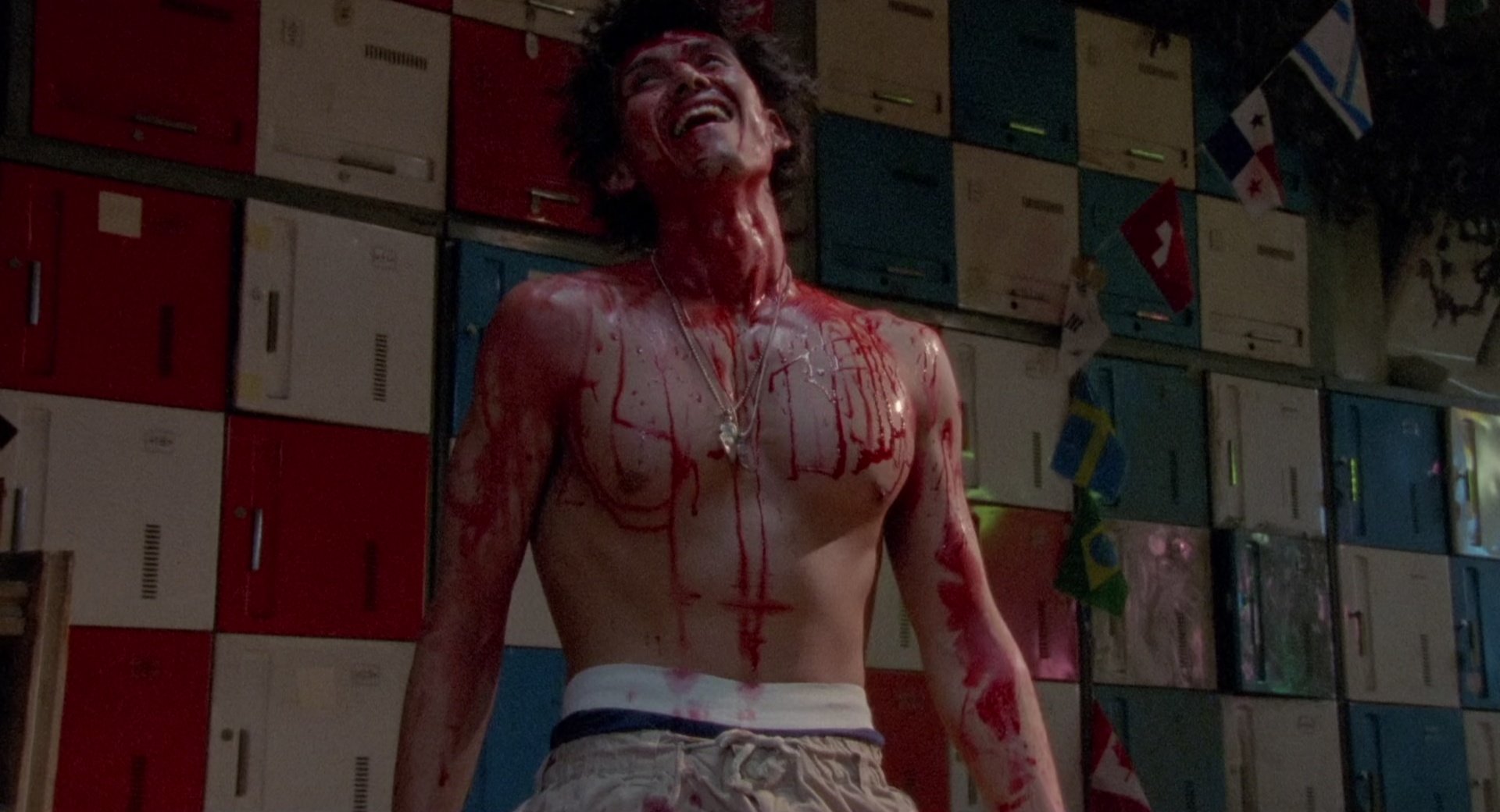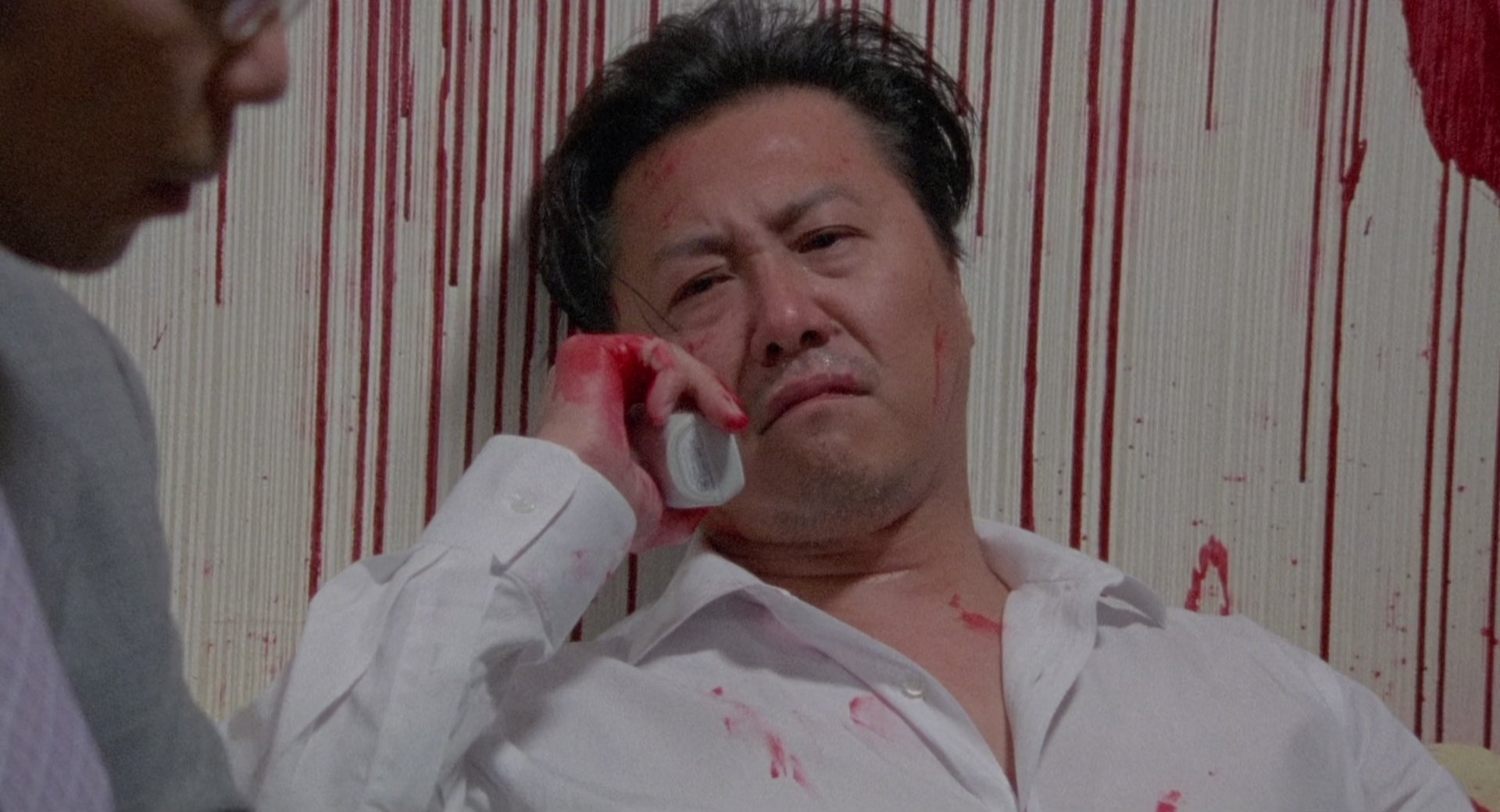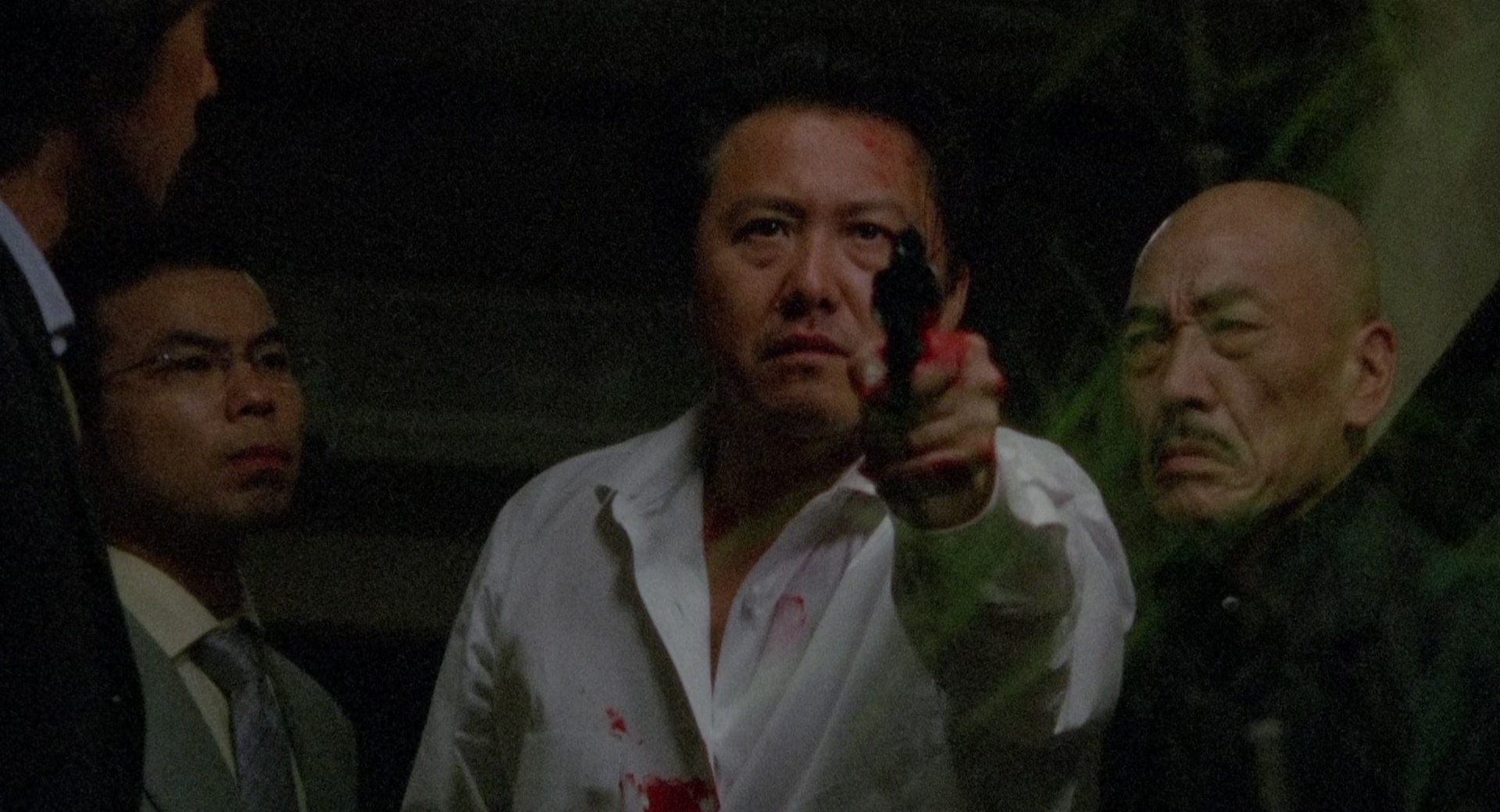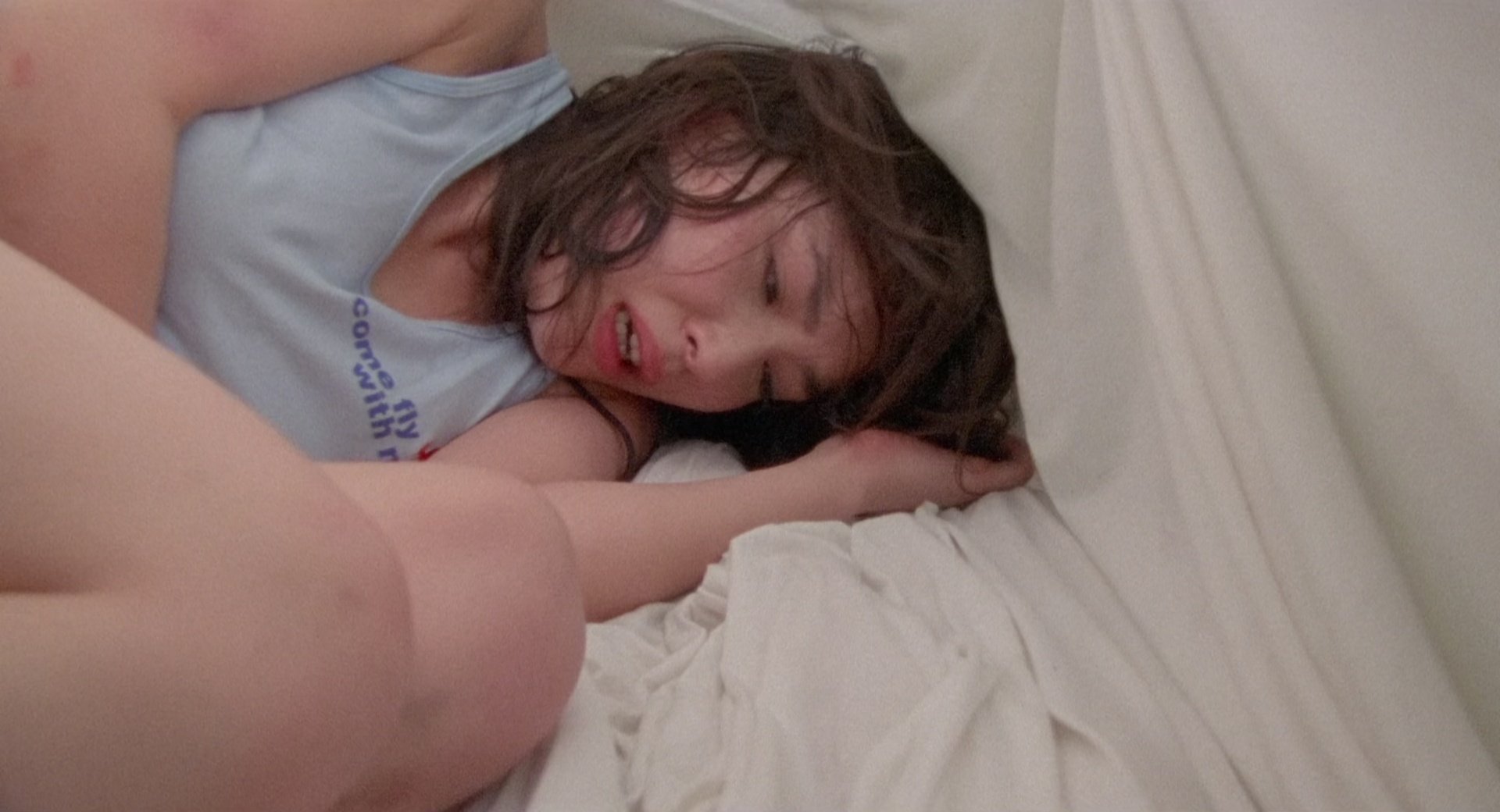
Suicide Club (2001): Societal malaise dipped into a bucket of blood
2001 • Sion Sono • 1.85:1 • Jump to Gallery ↓
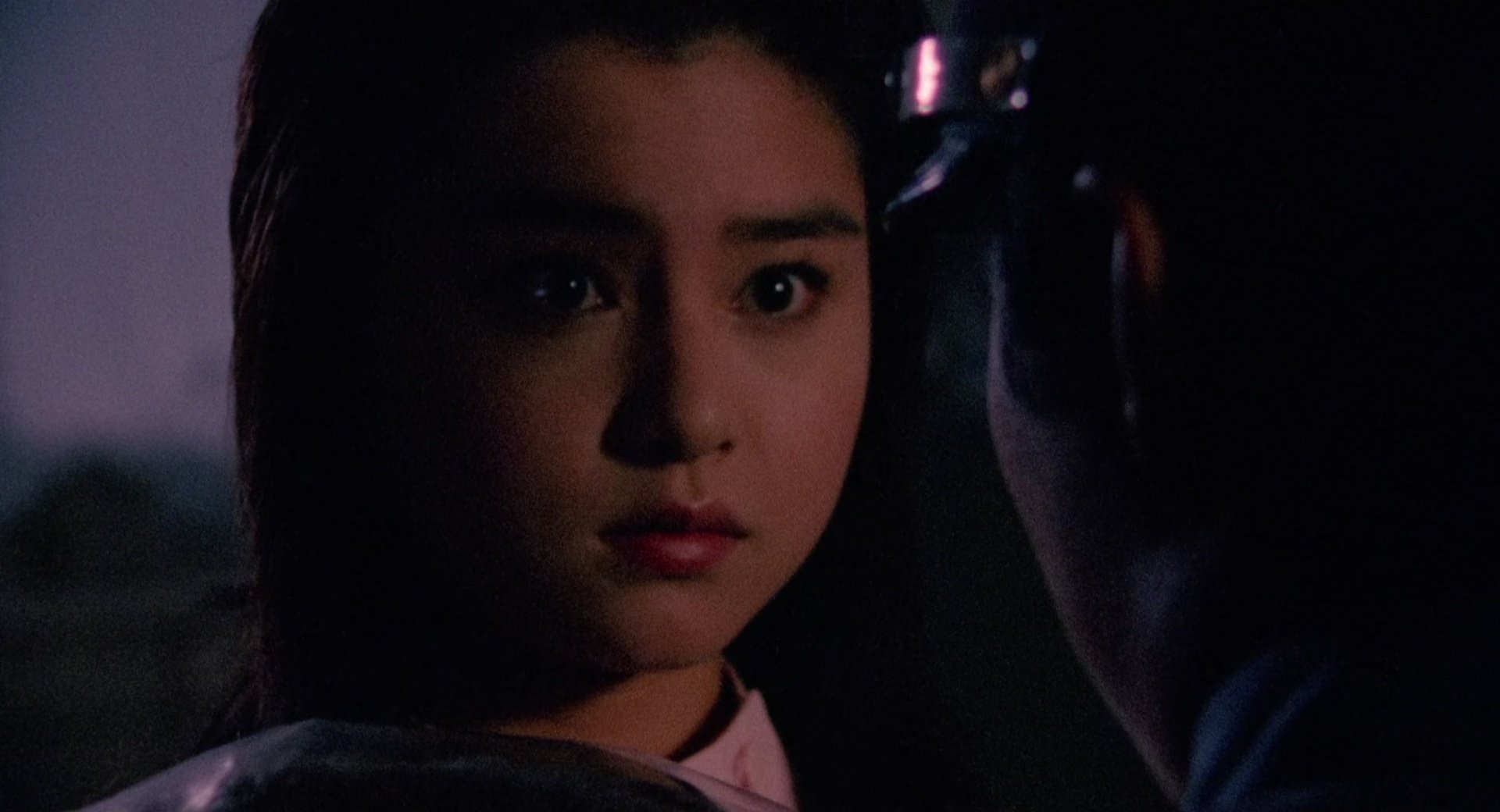
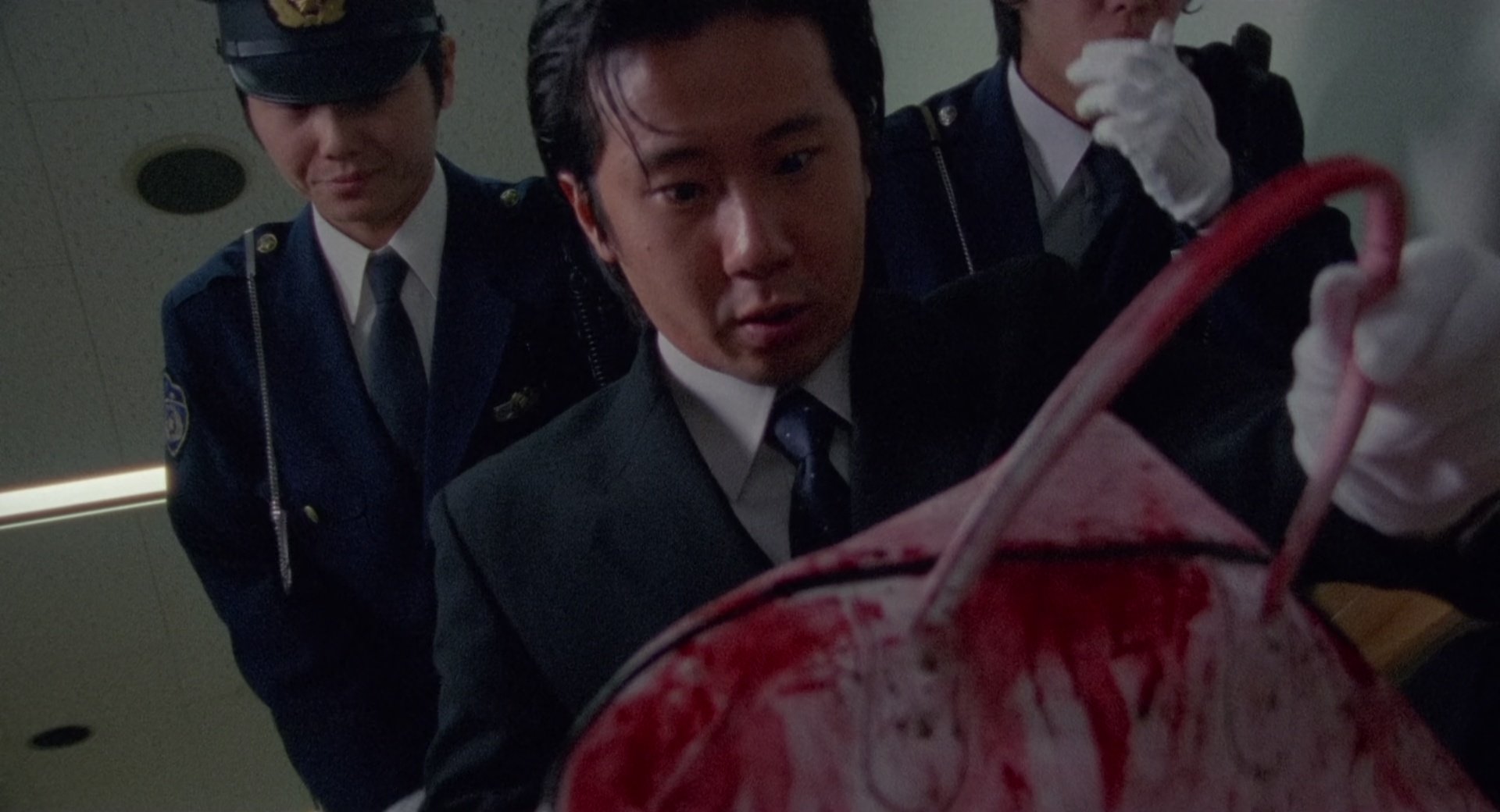
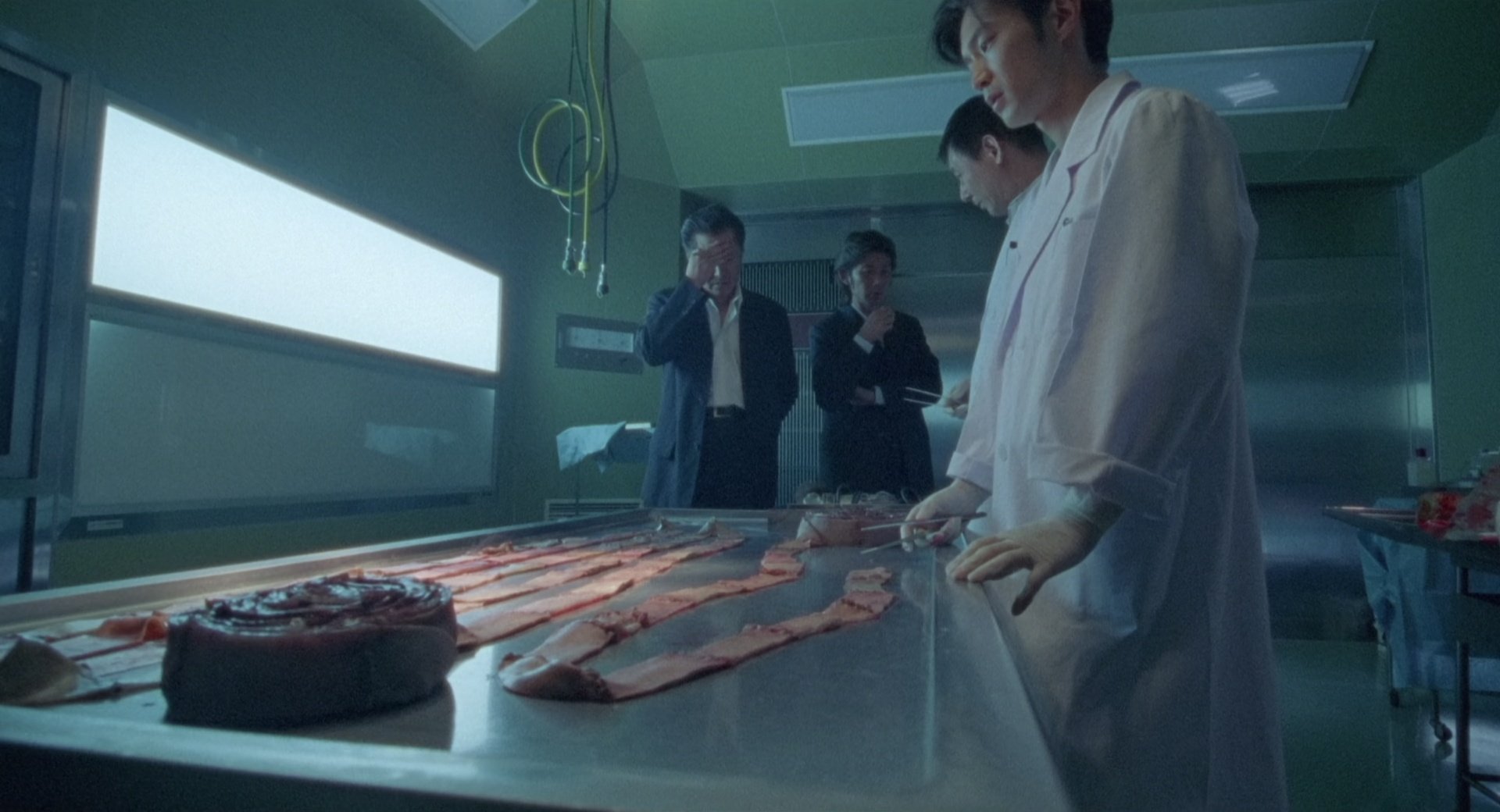
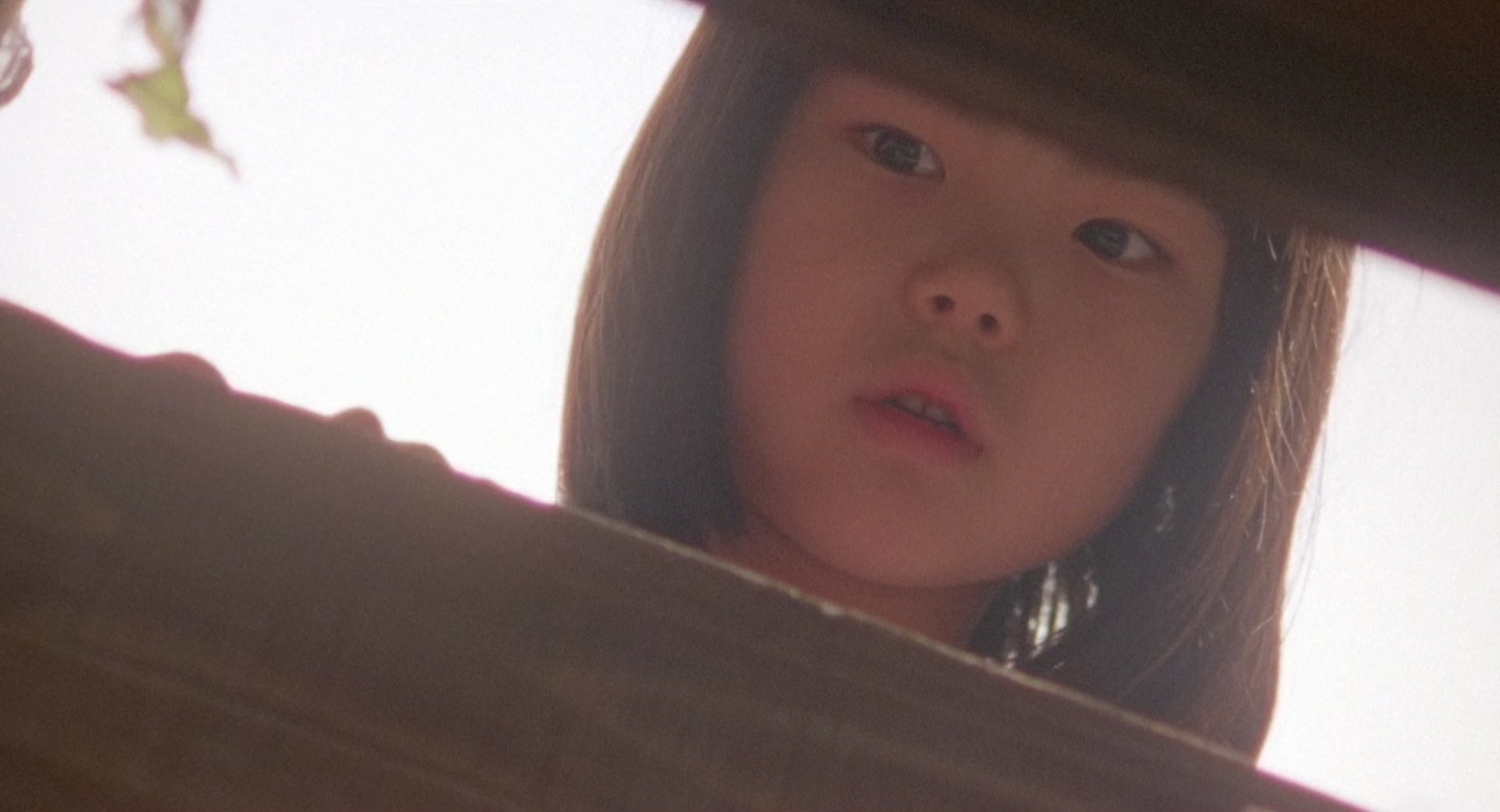
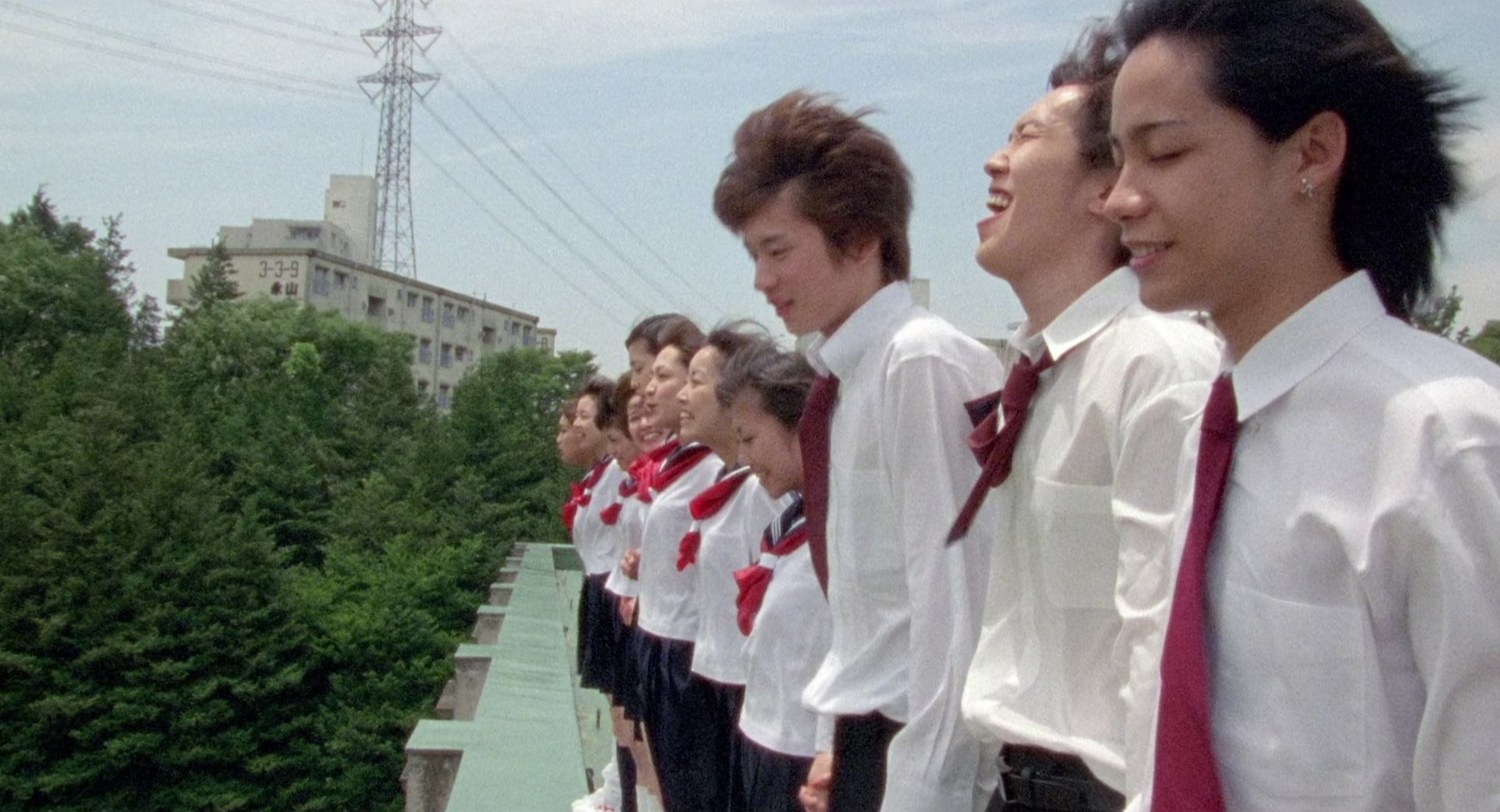
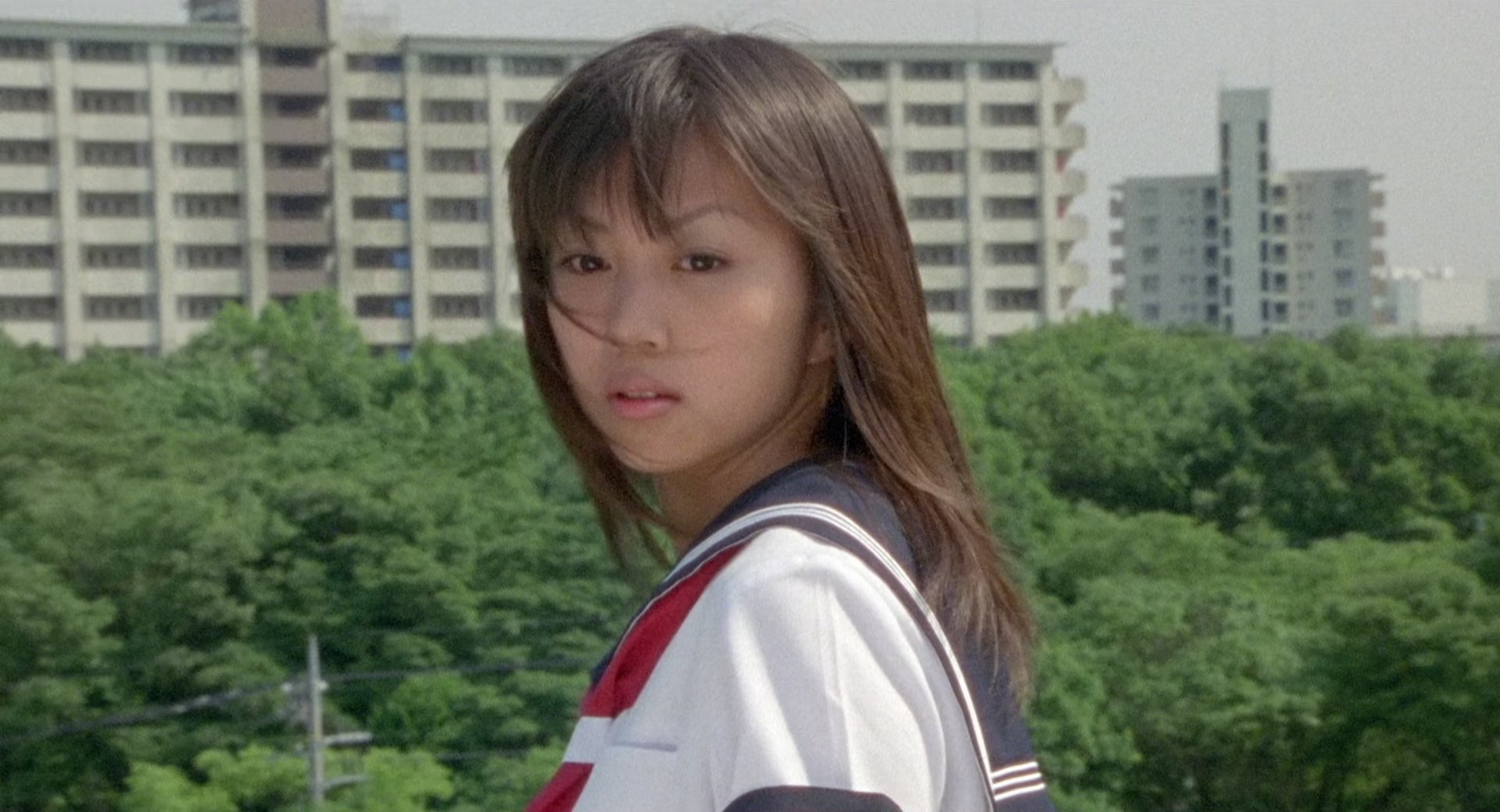
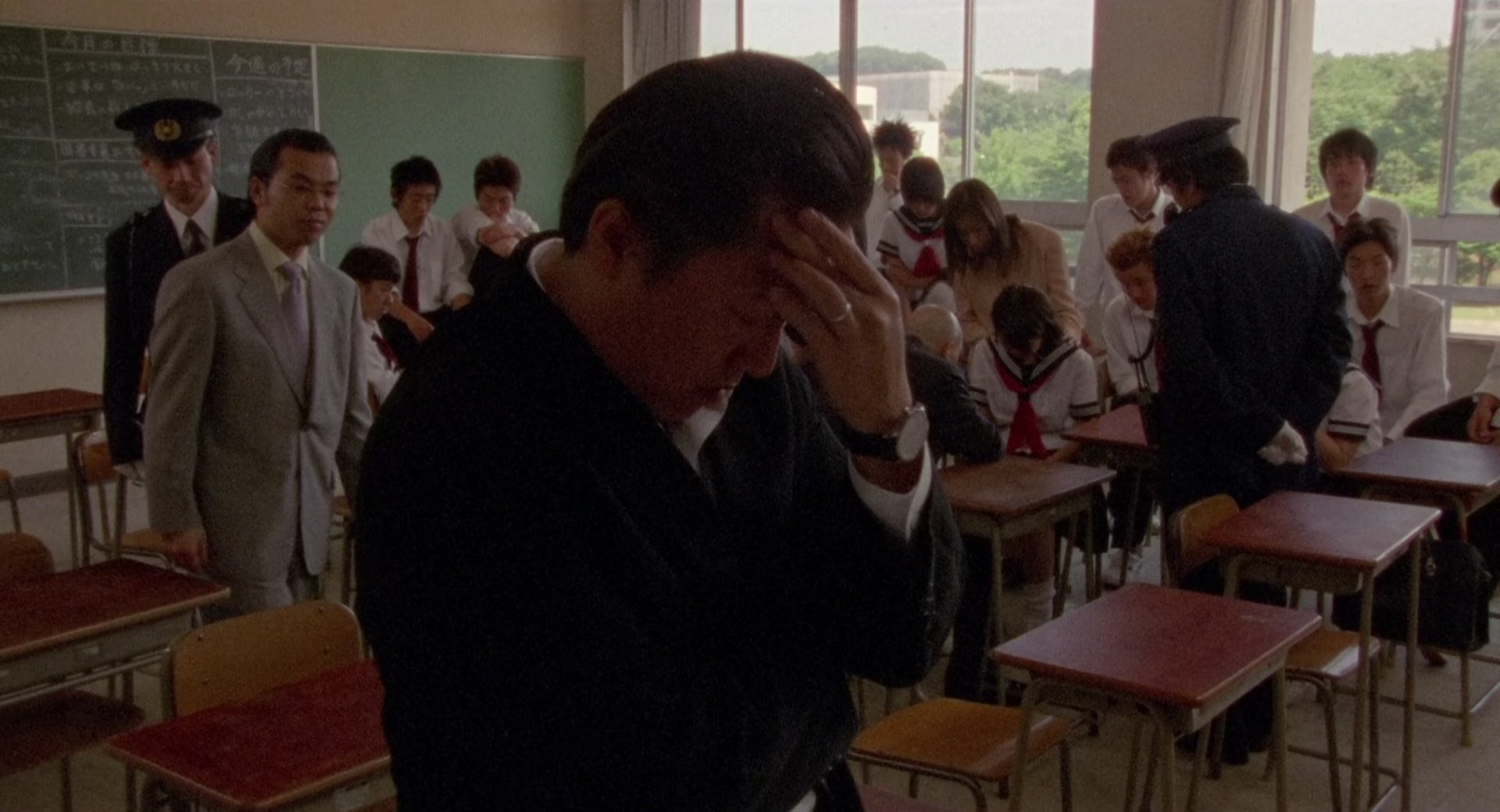
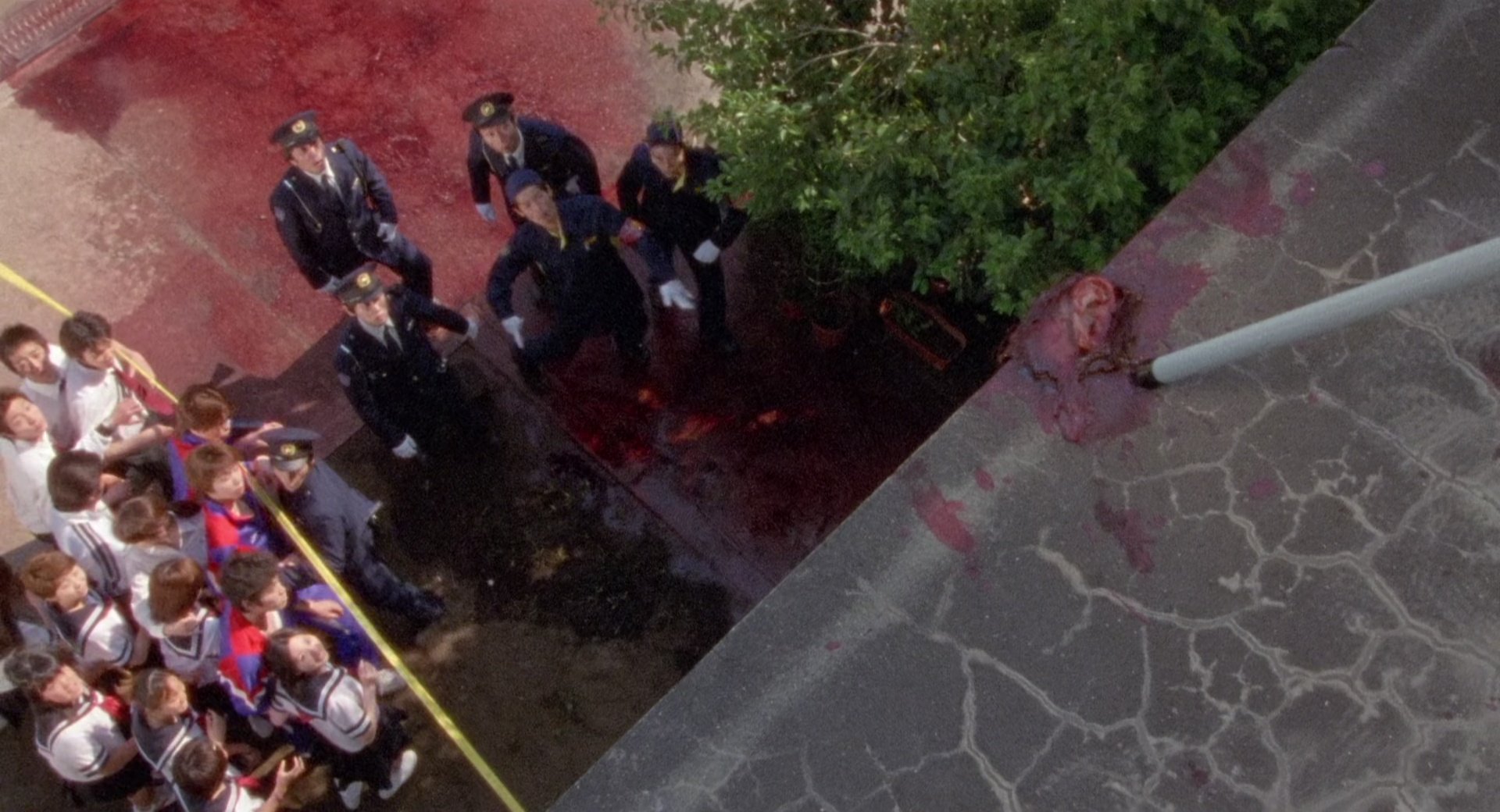
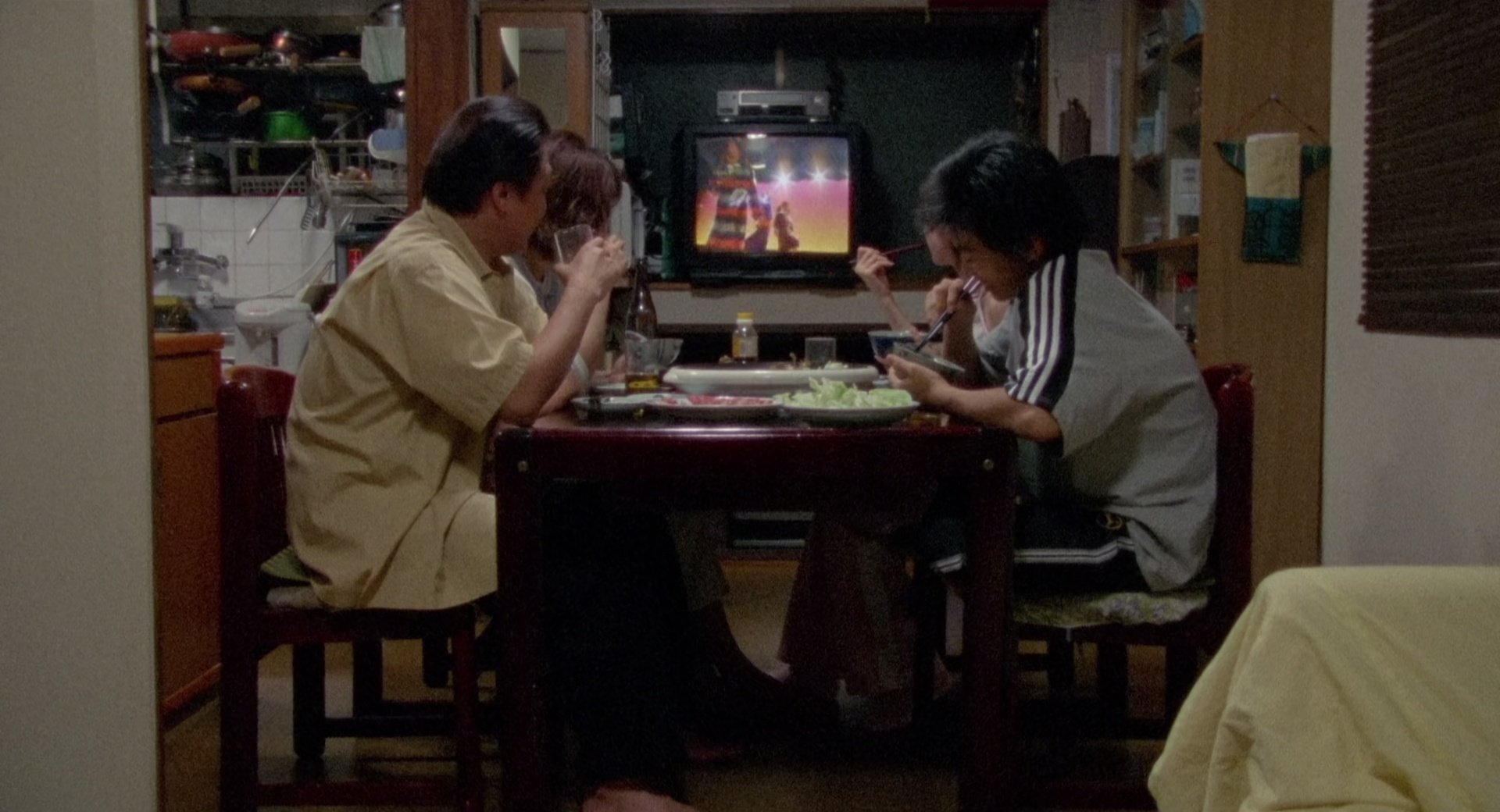
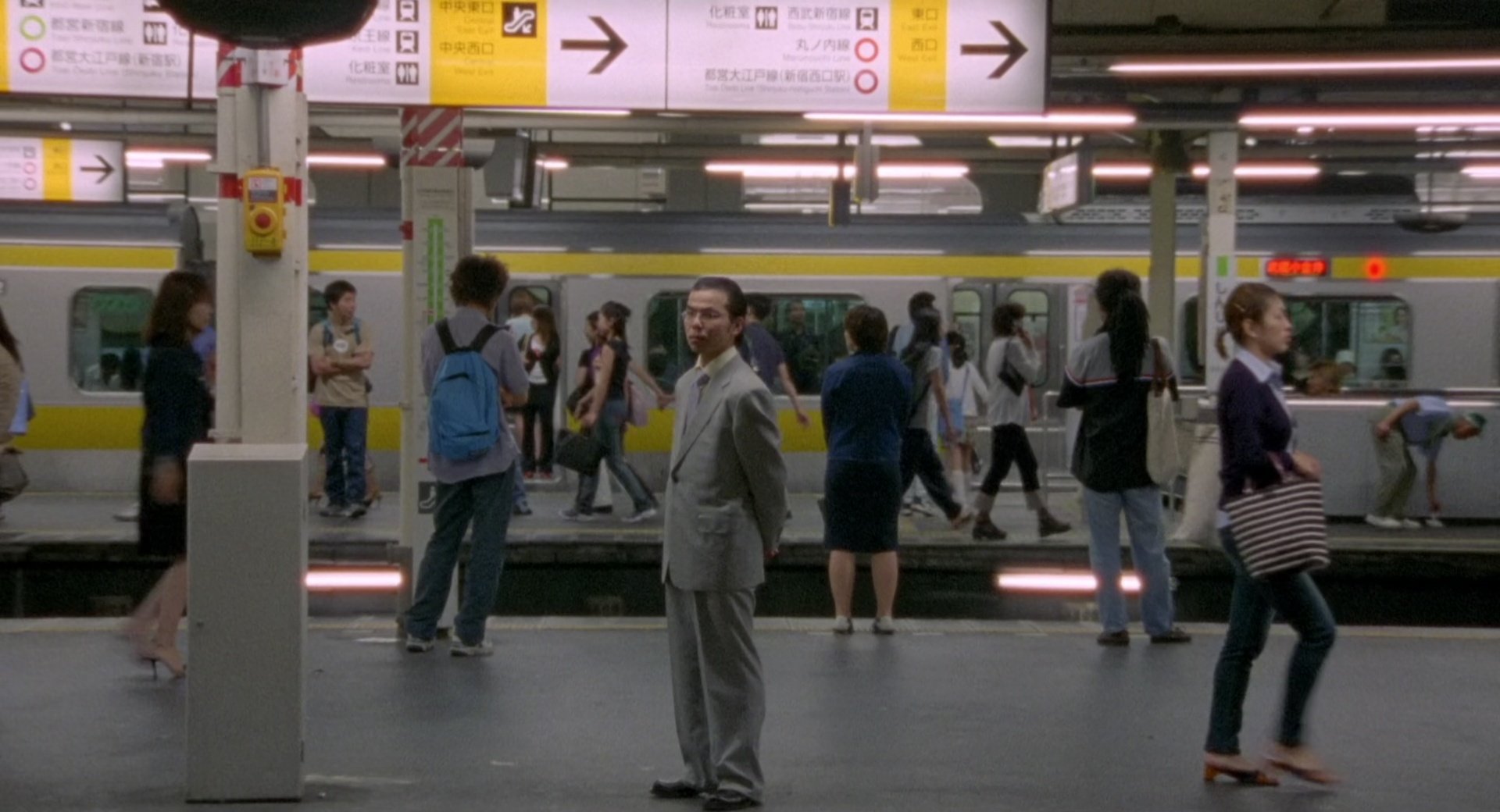
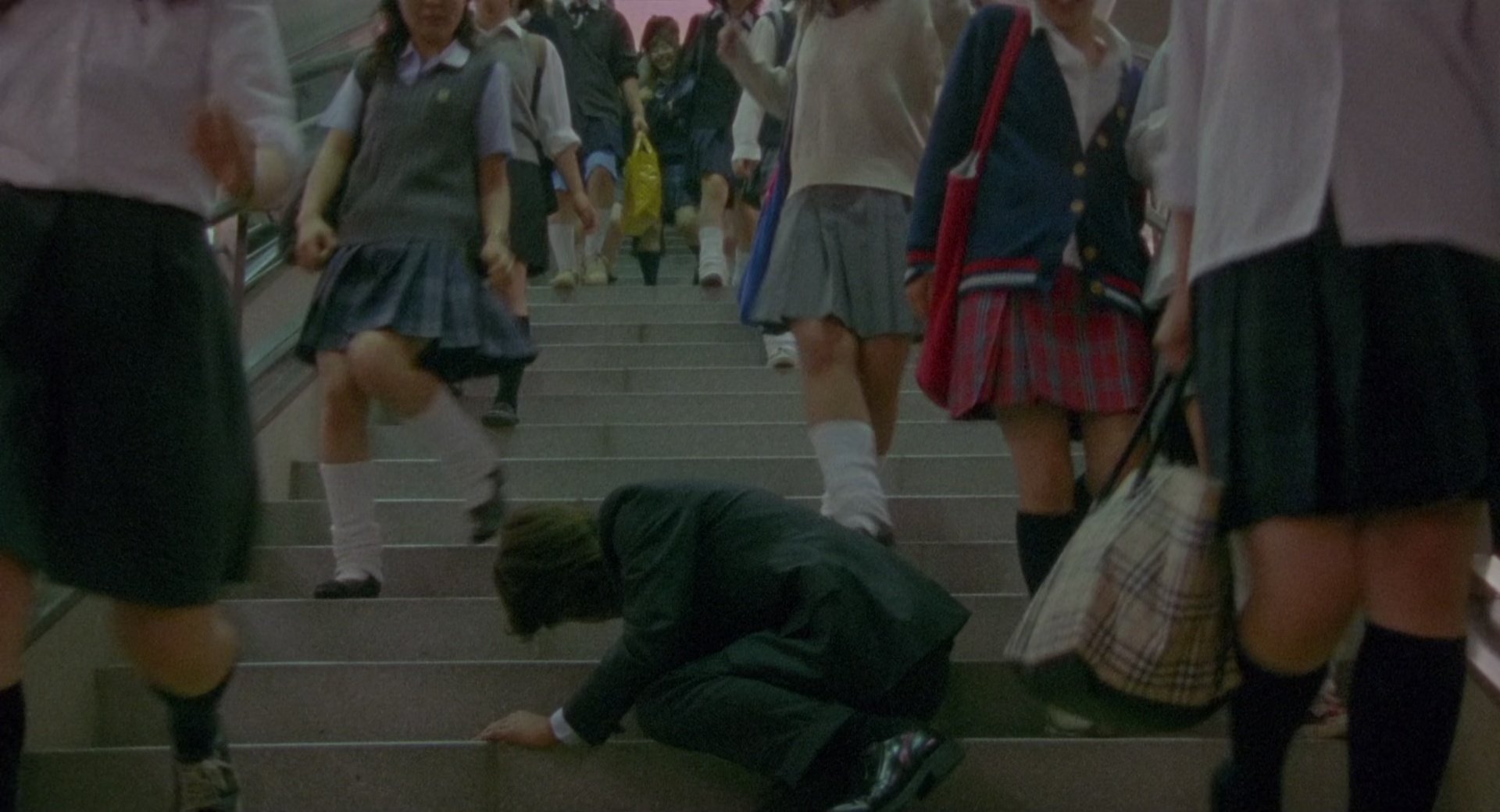
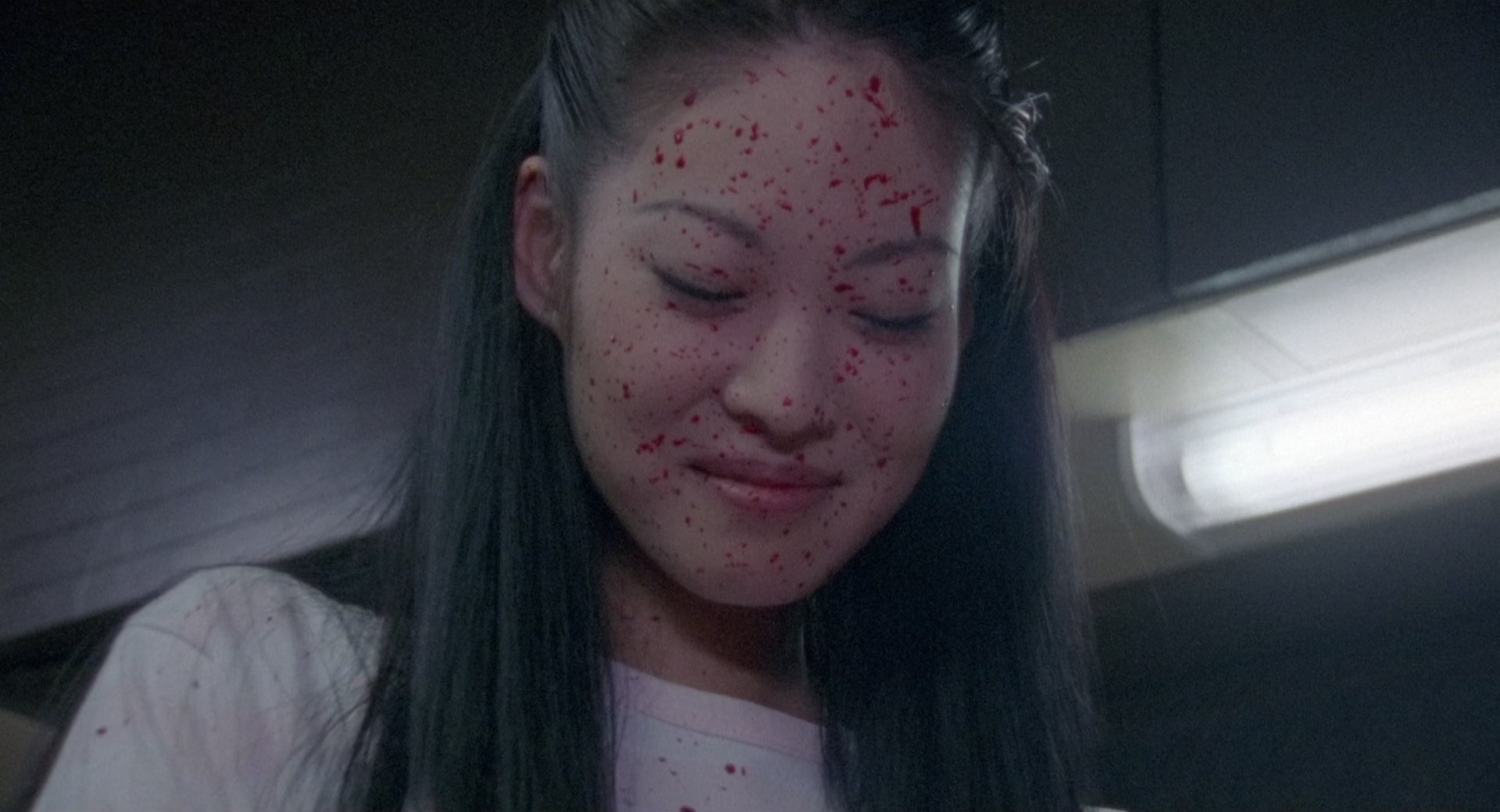
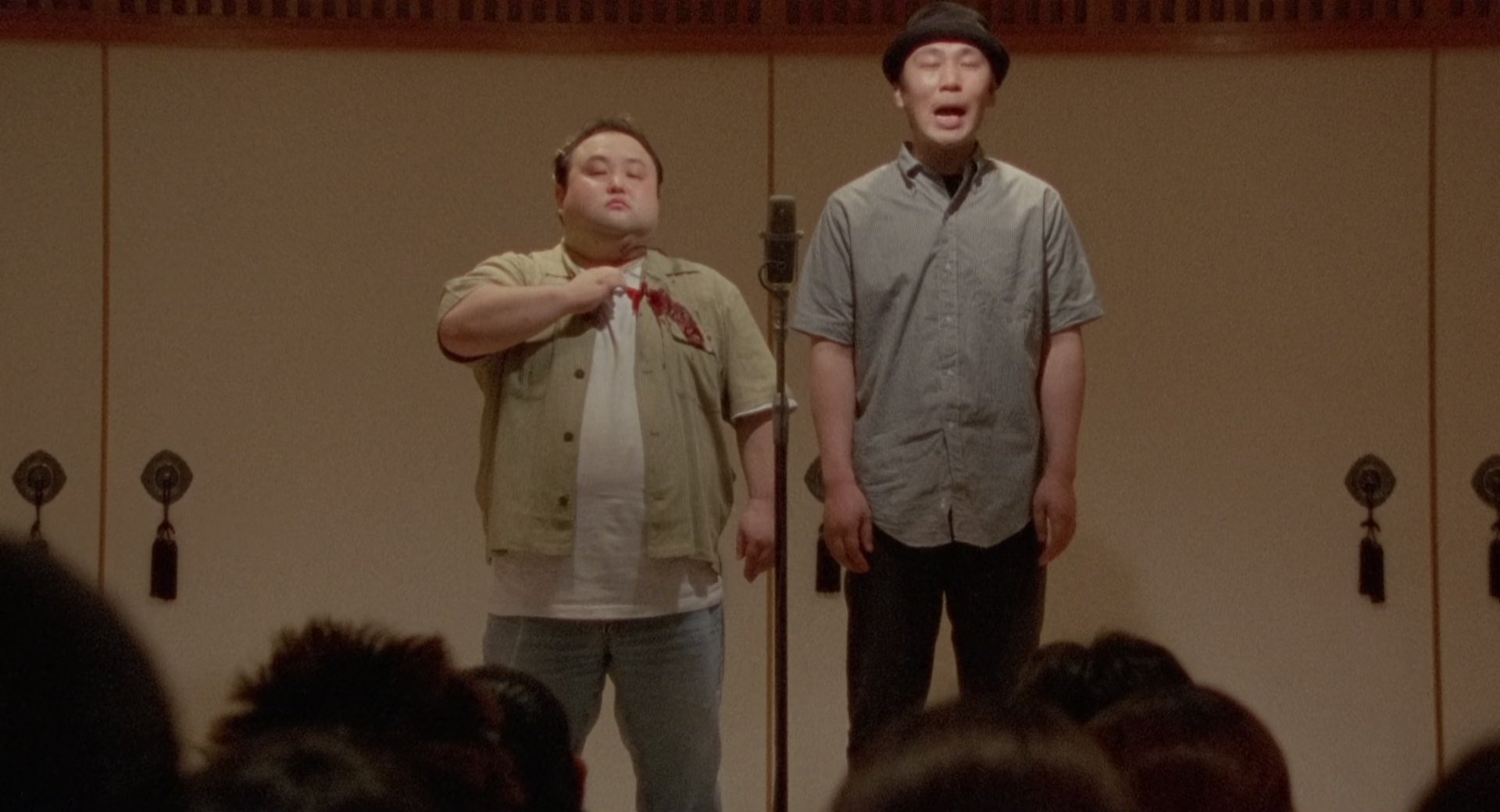
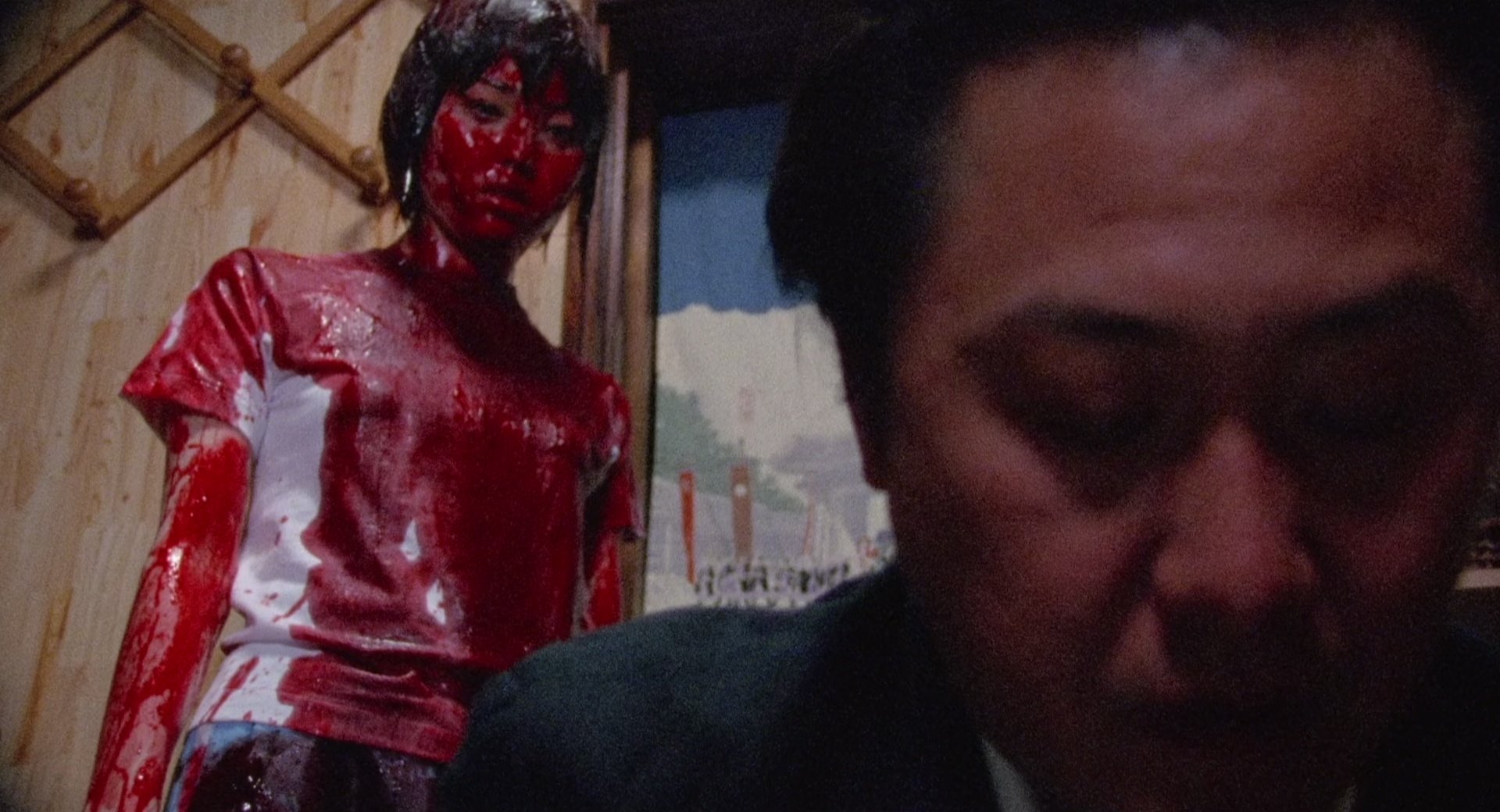
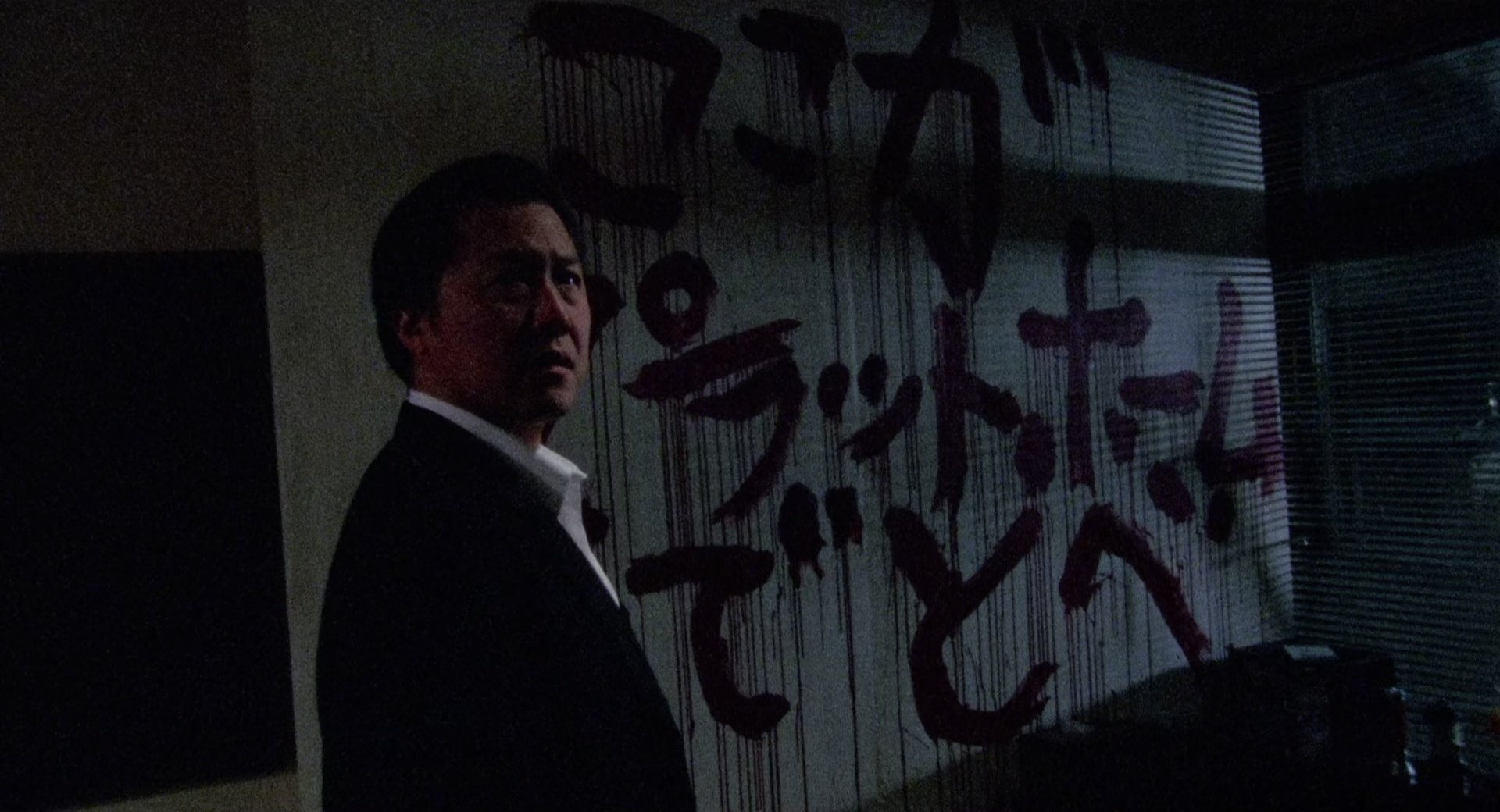
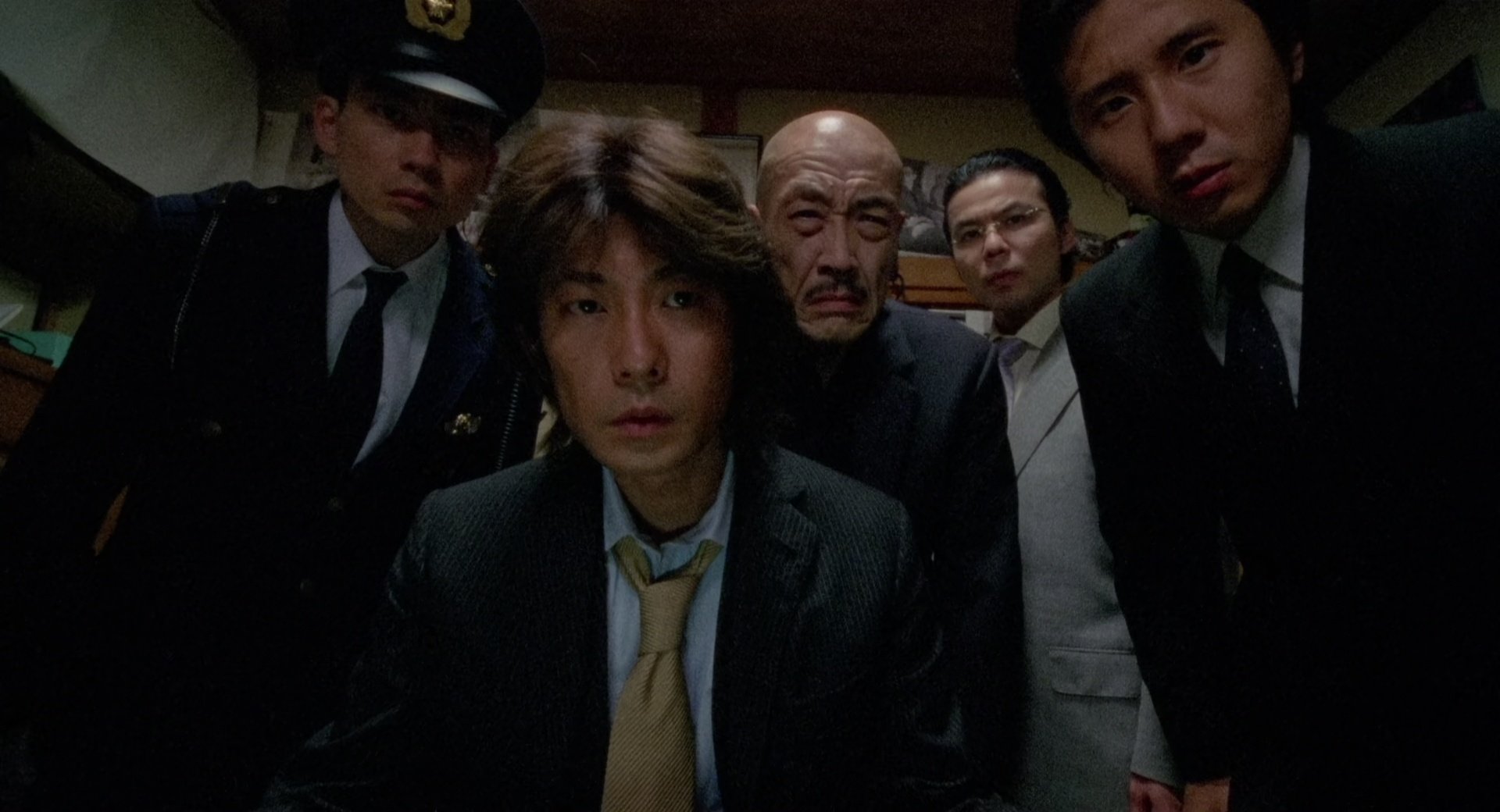
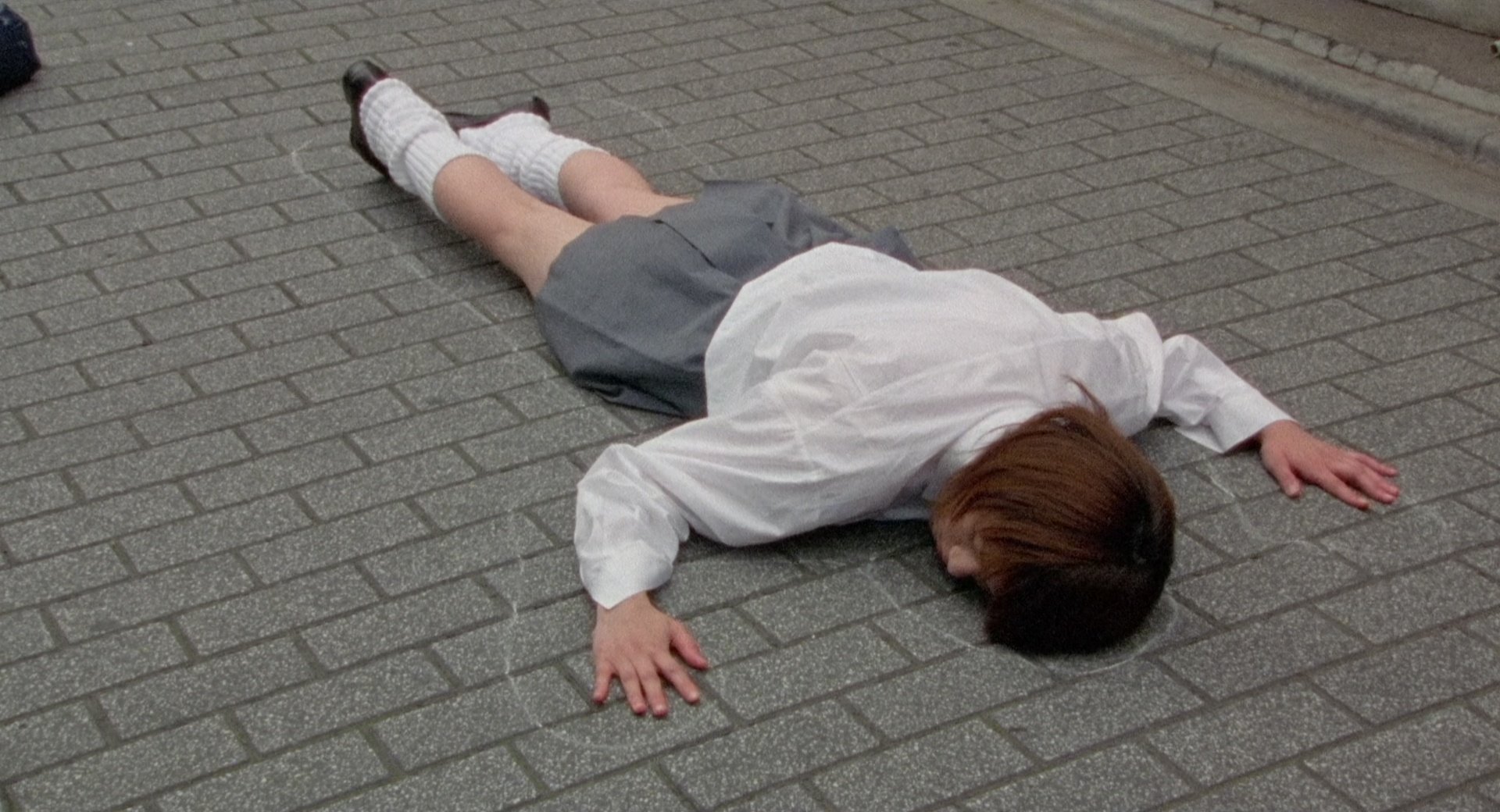
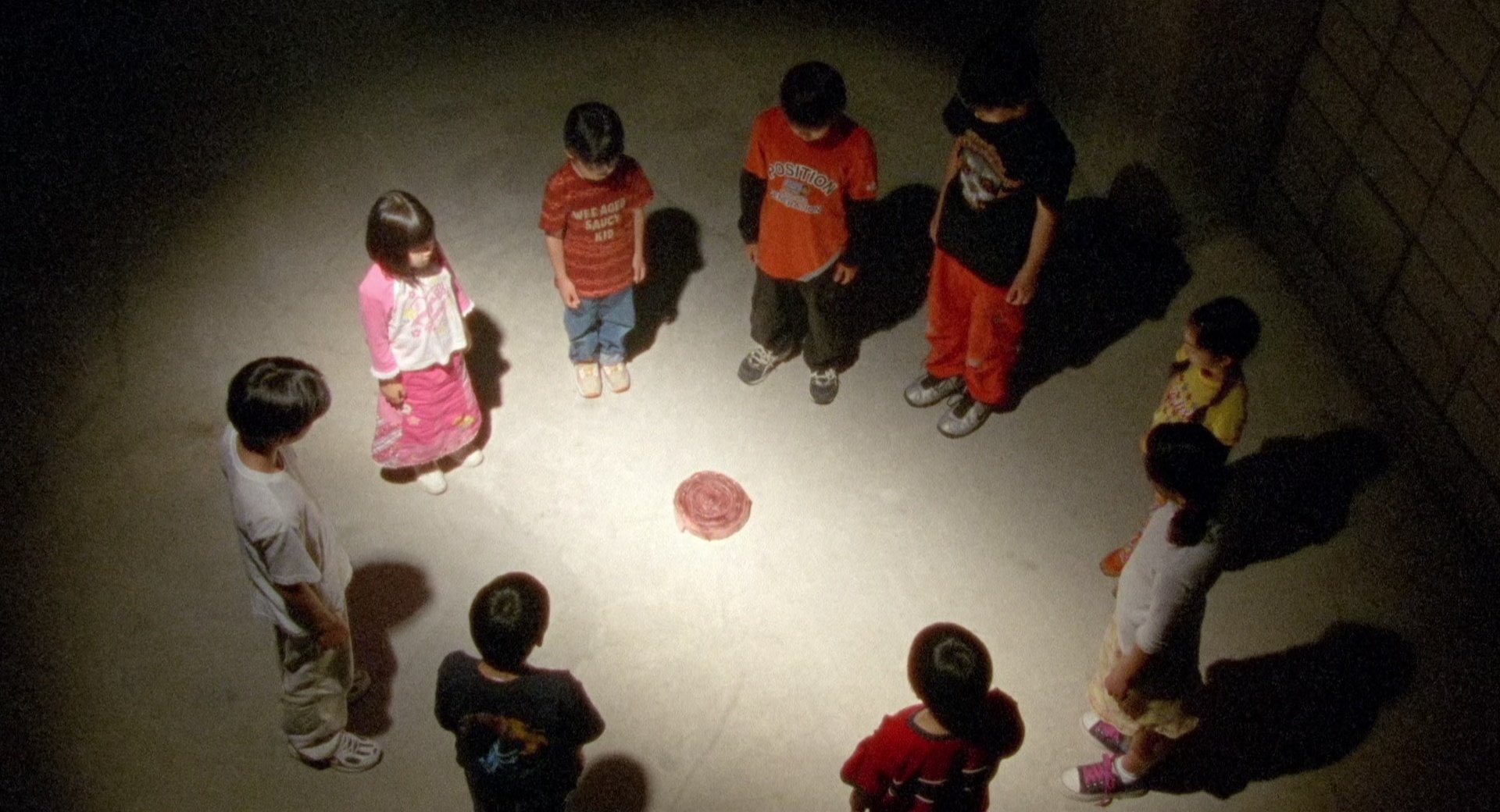
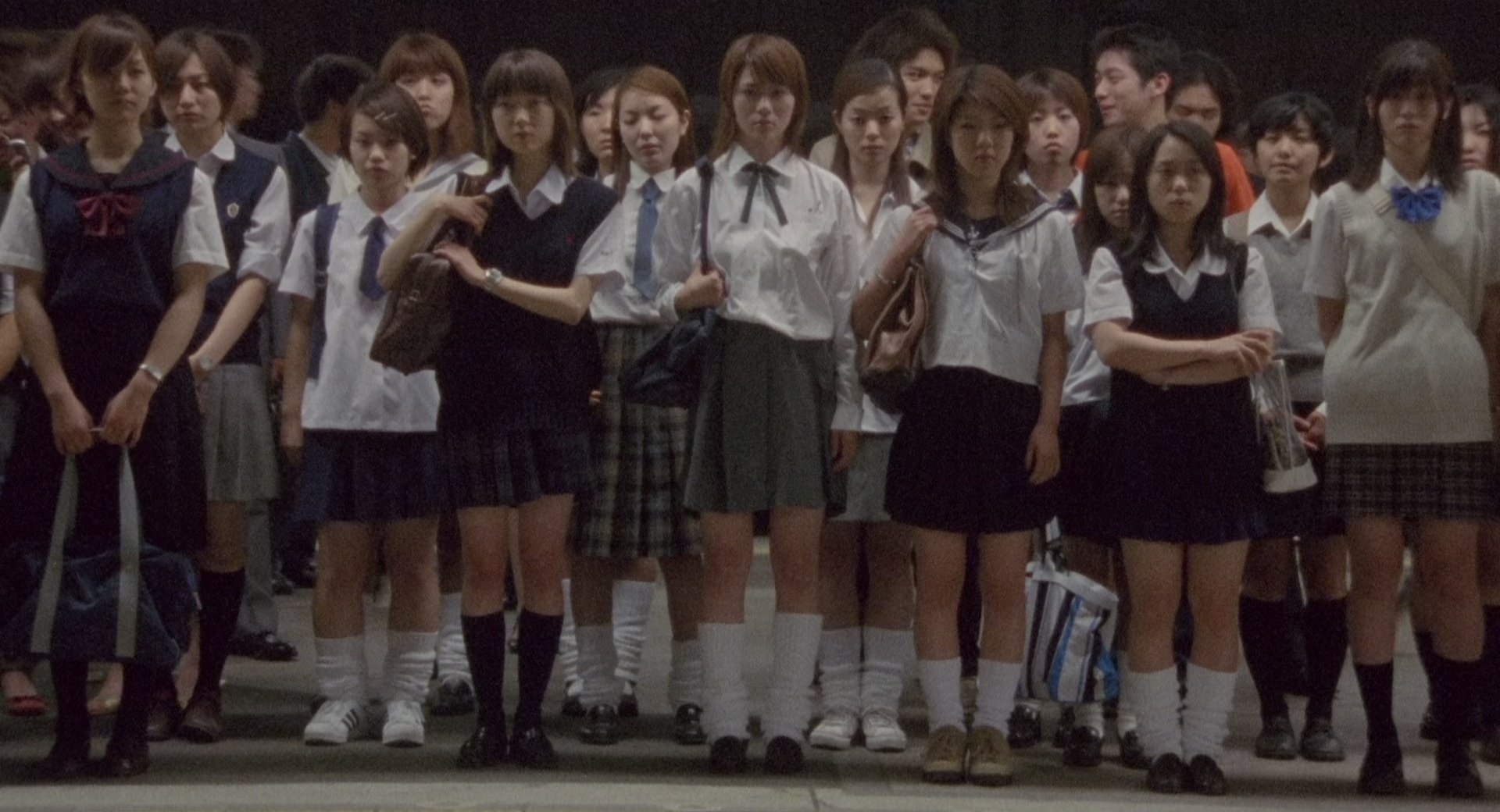
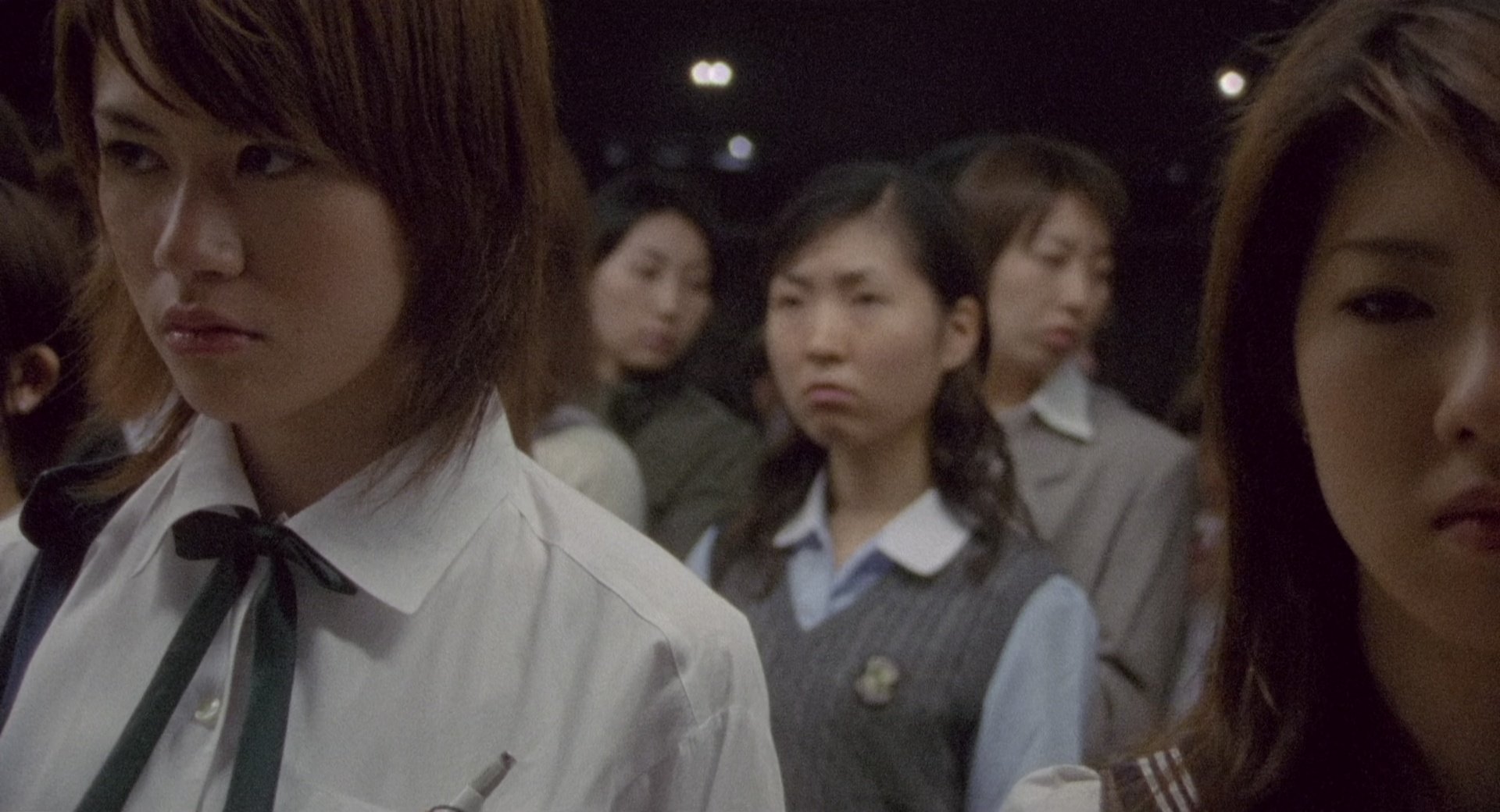
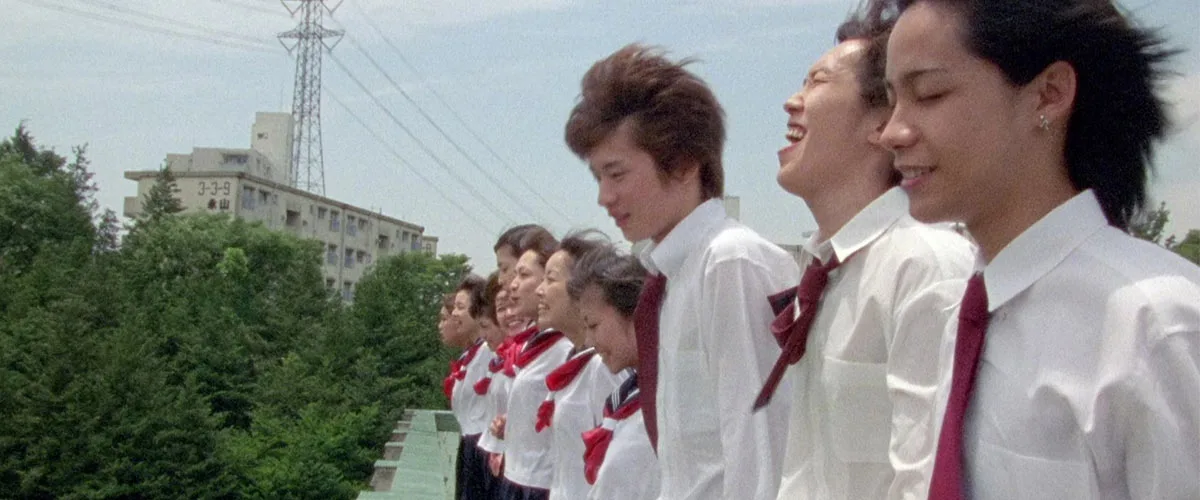
Directed by Sion Sono, Suicide Club opens with the shocking mass suicide of schoolgirls at a Tokyo train station. This event triggers a wave of similarly unexplained deaths across Japan. As the police investigate this phenomenon, they encounter cryptic clues and online traces, and a growing sense emerges that these events may be connected to a broader cultural or systemic collapse.
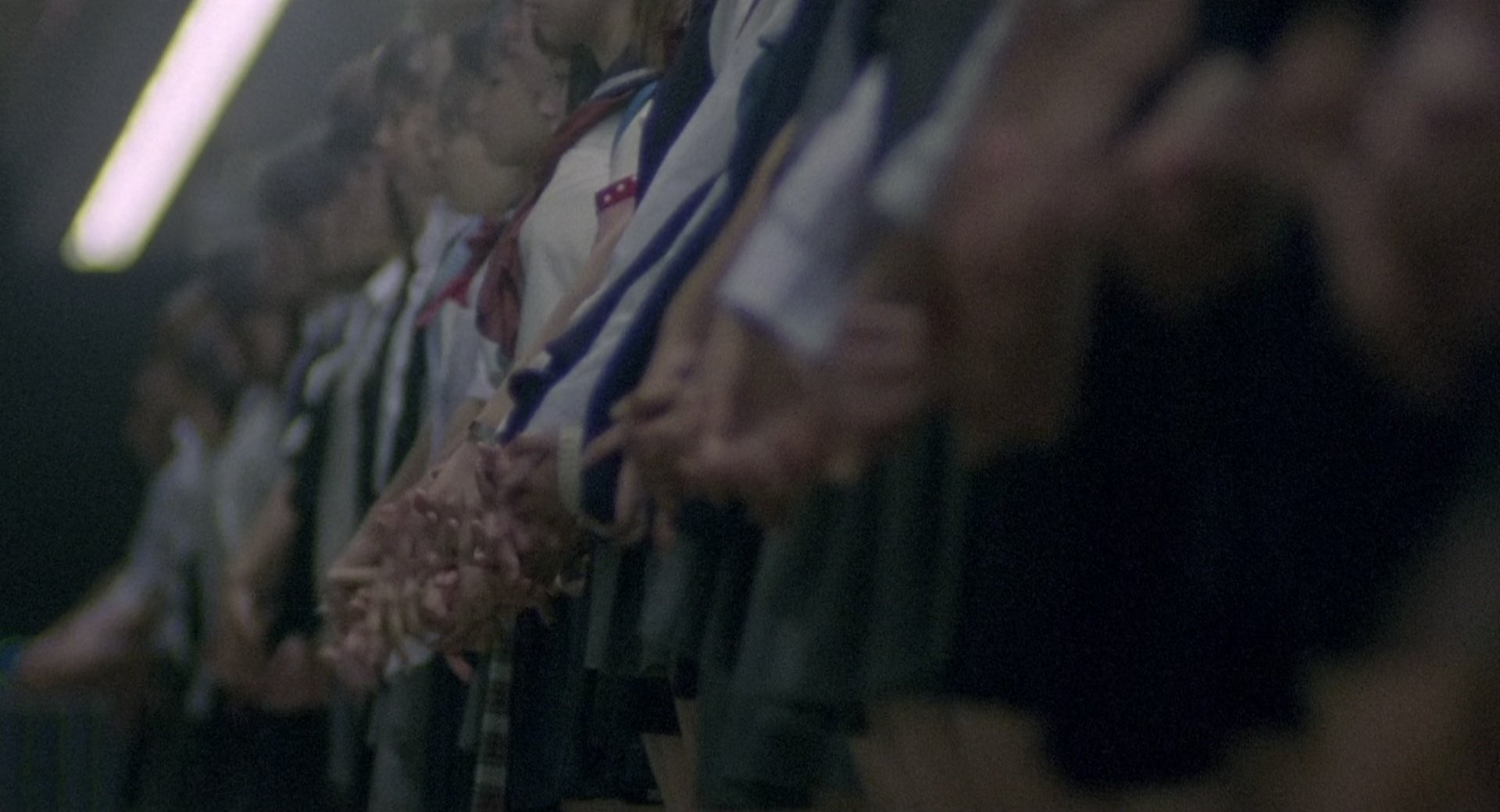
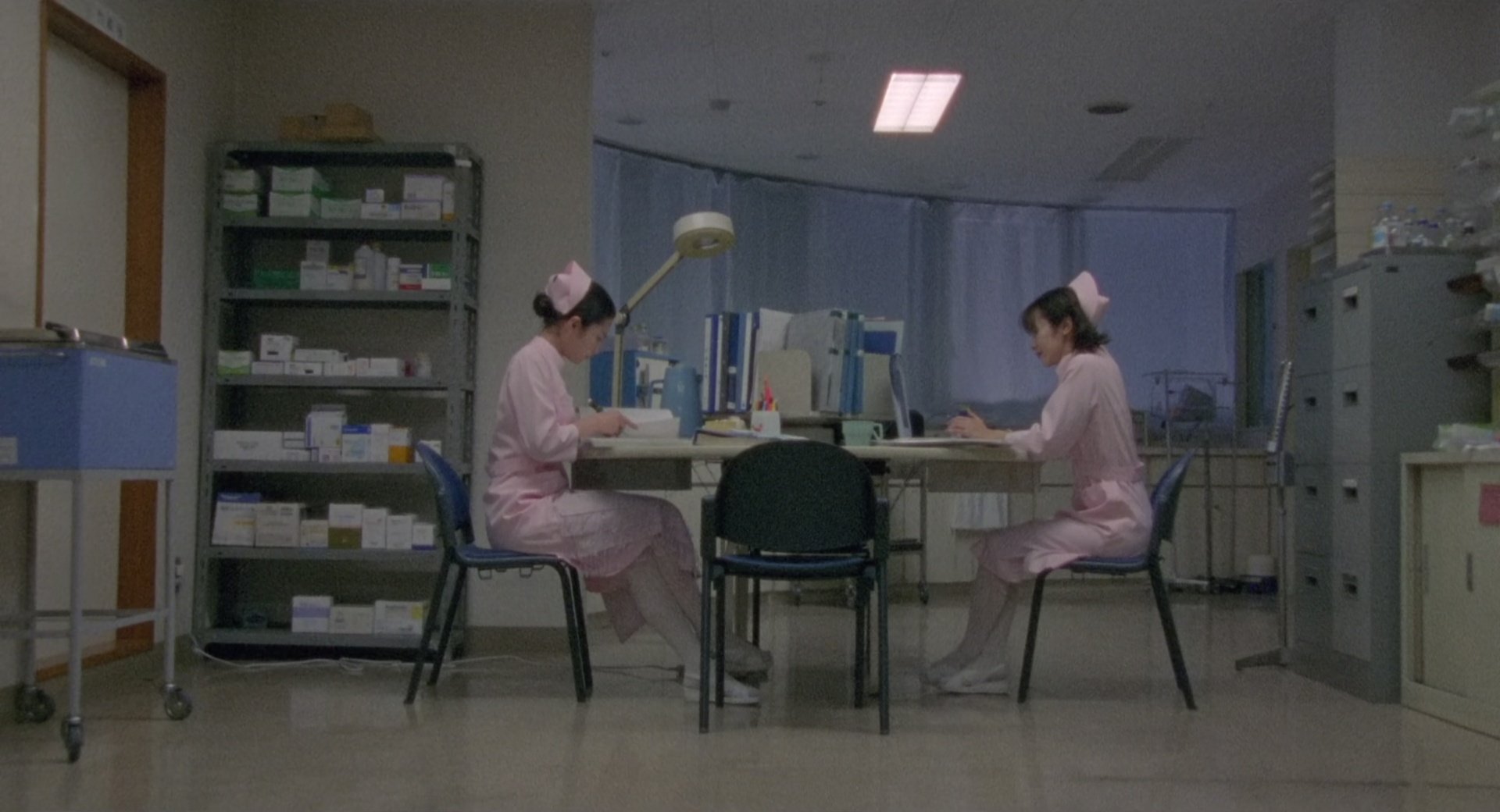
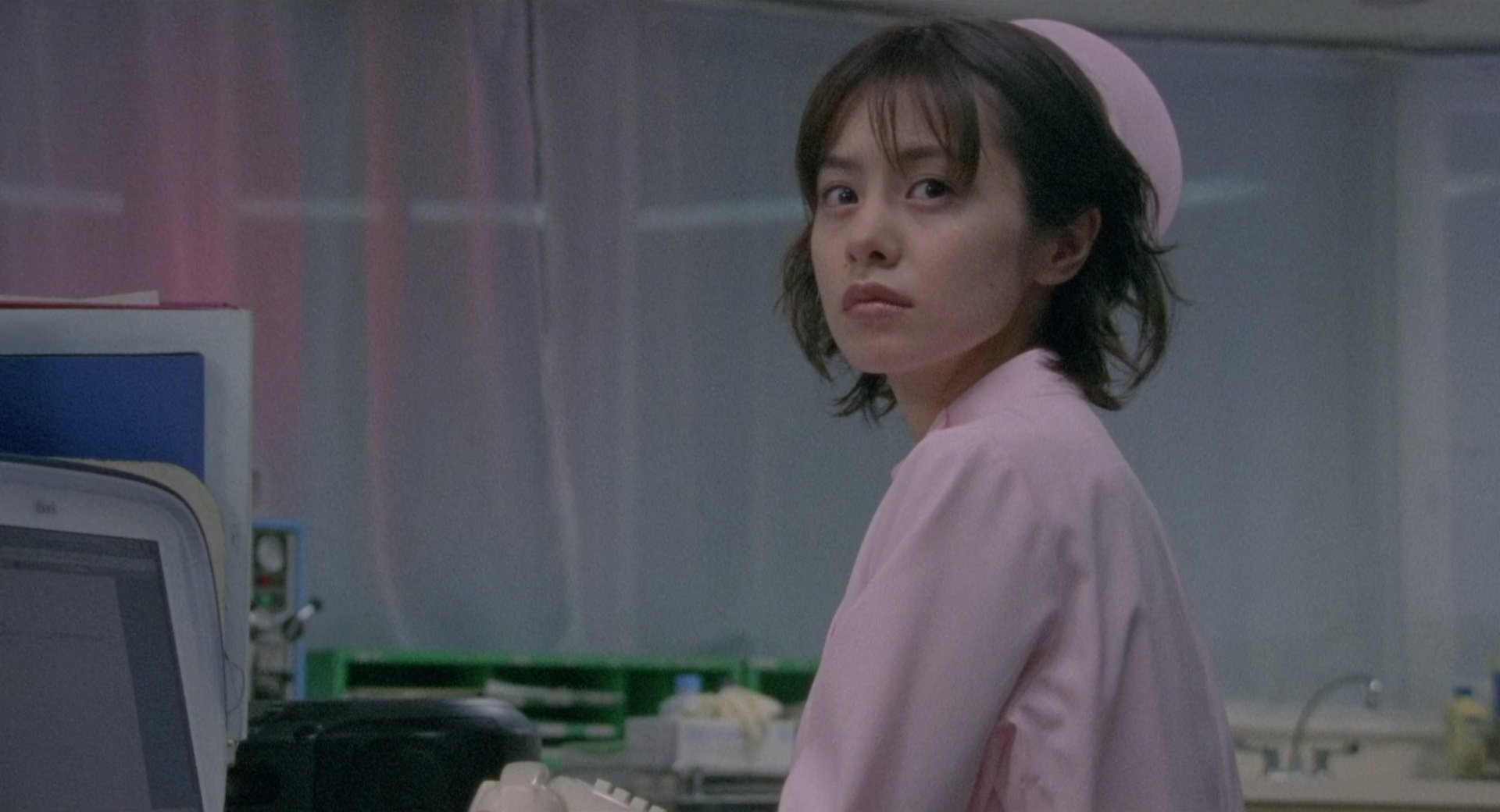
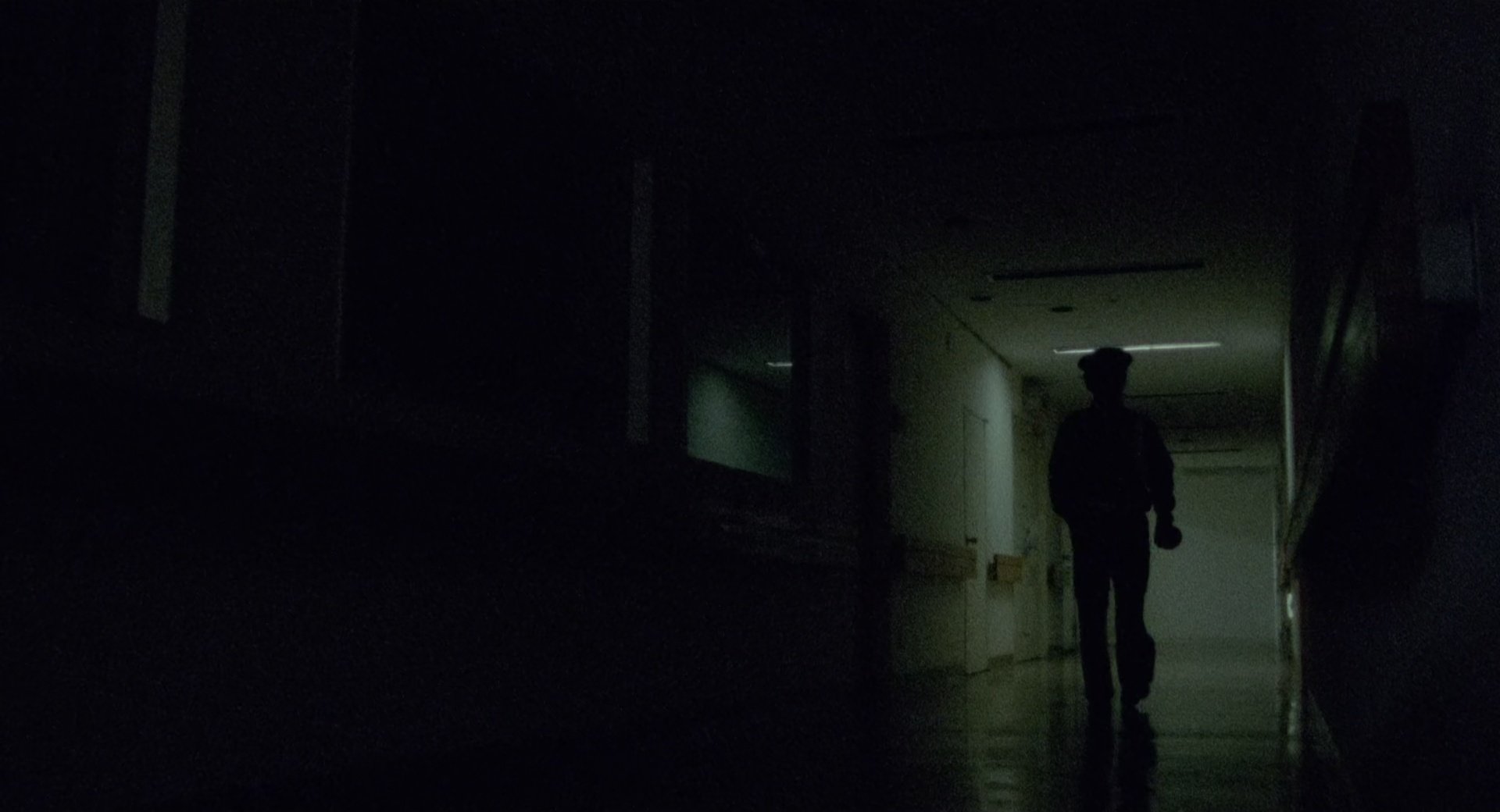
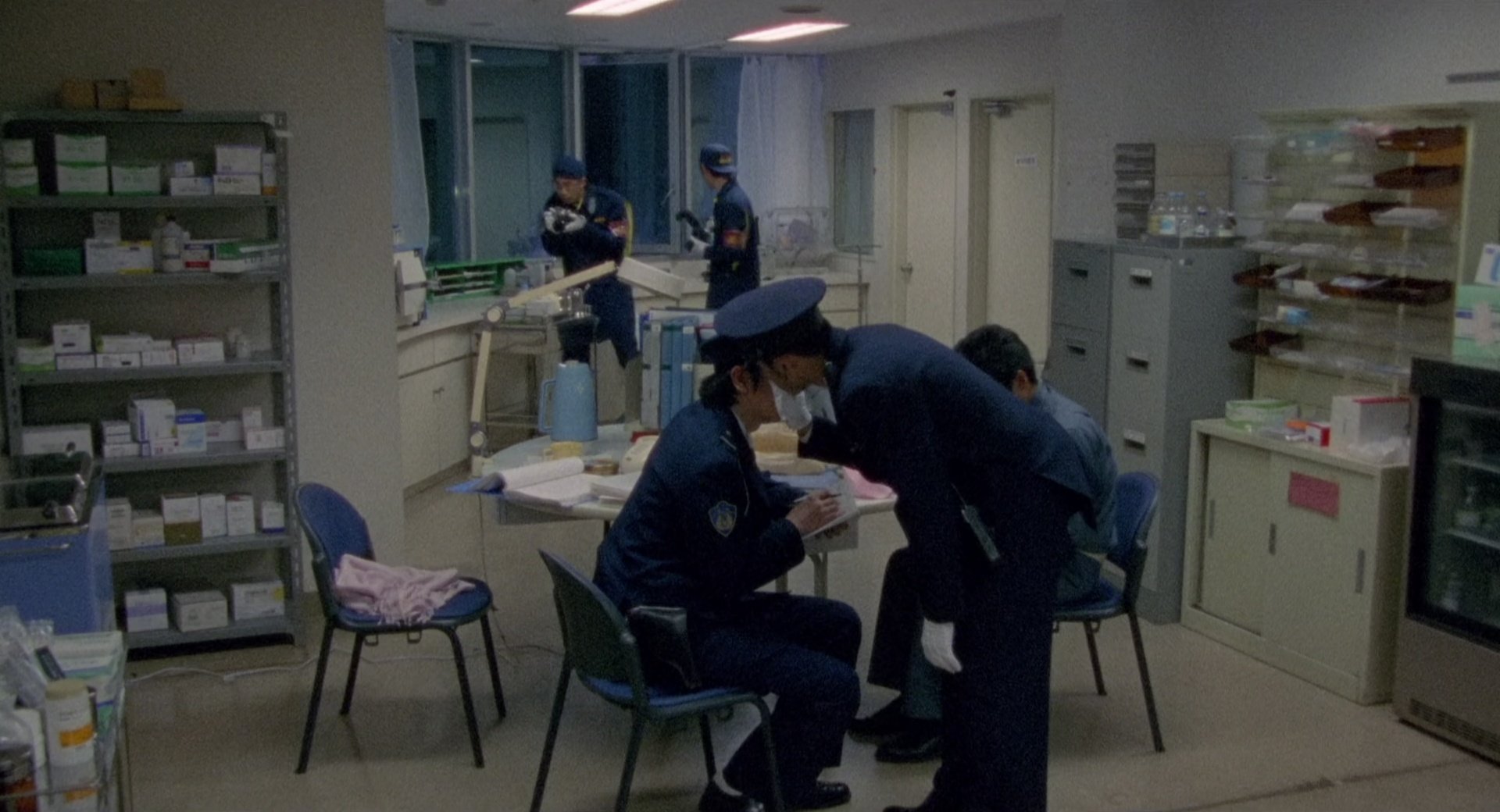
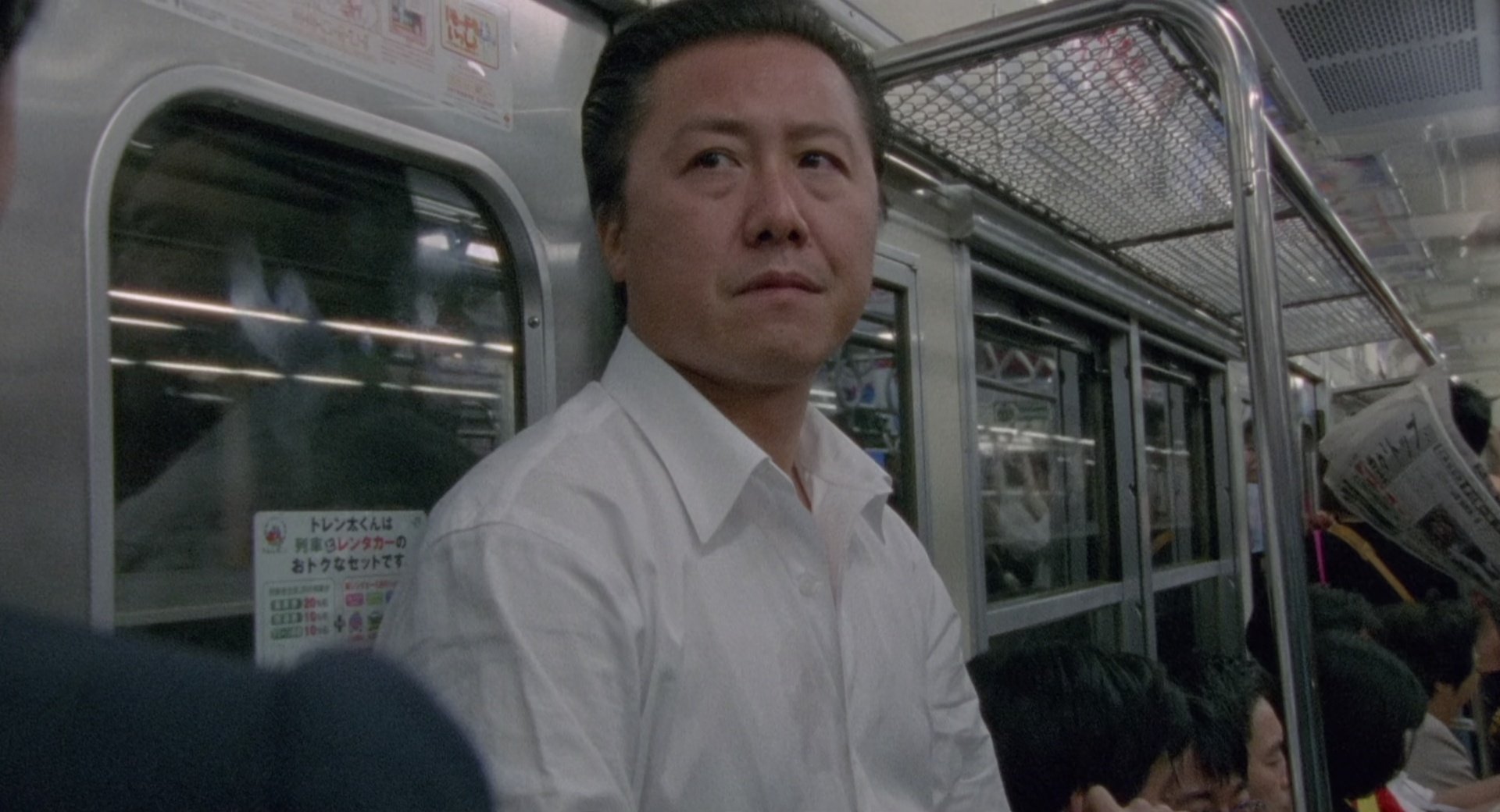
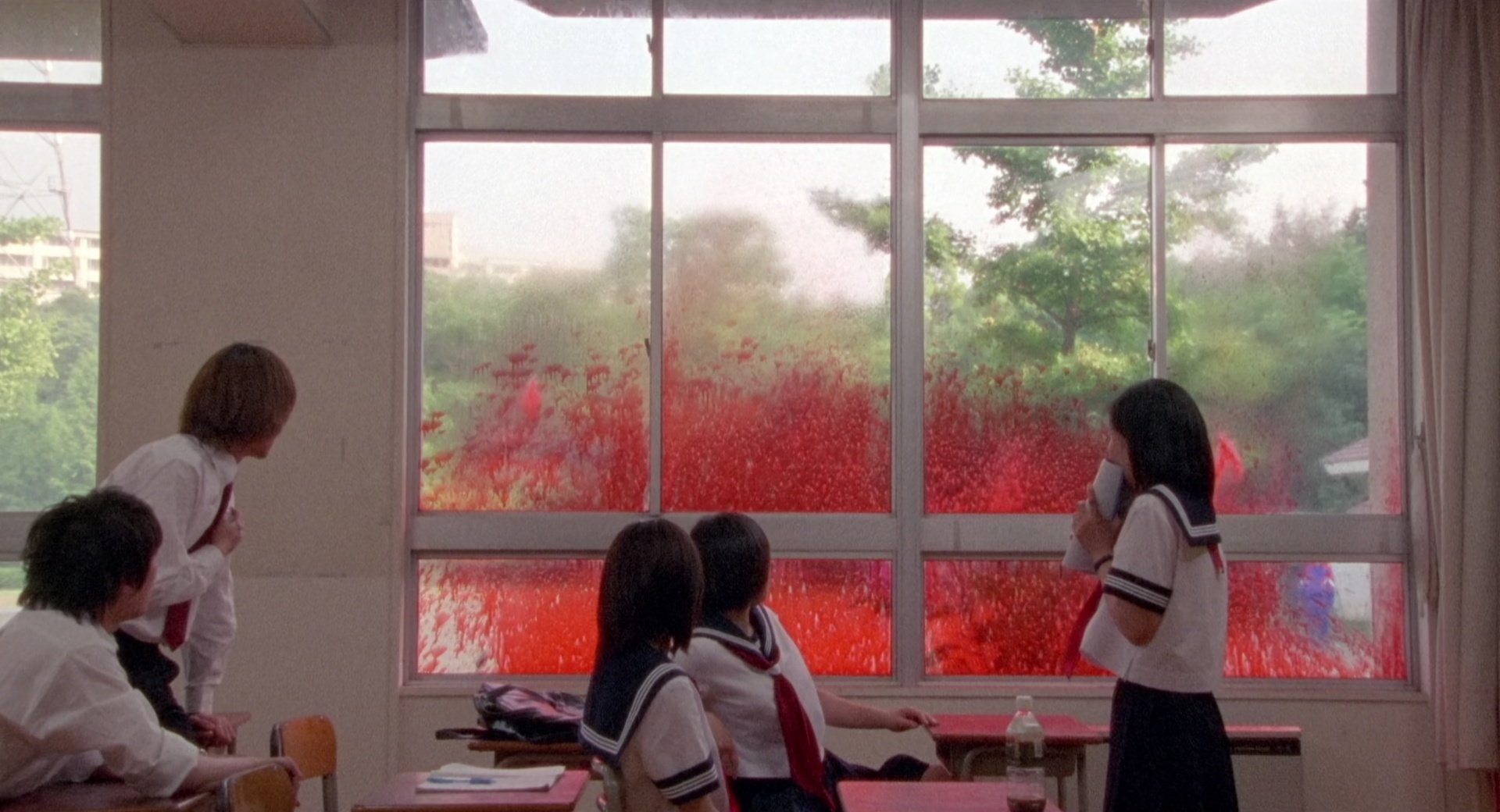
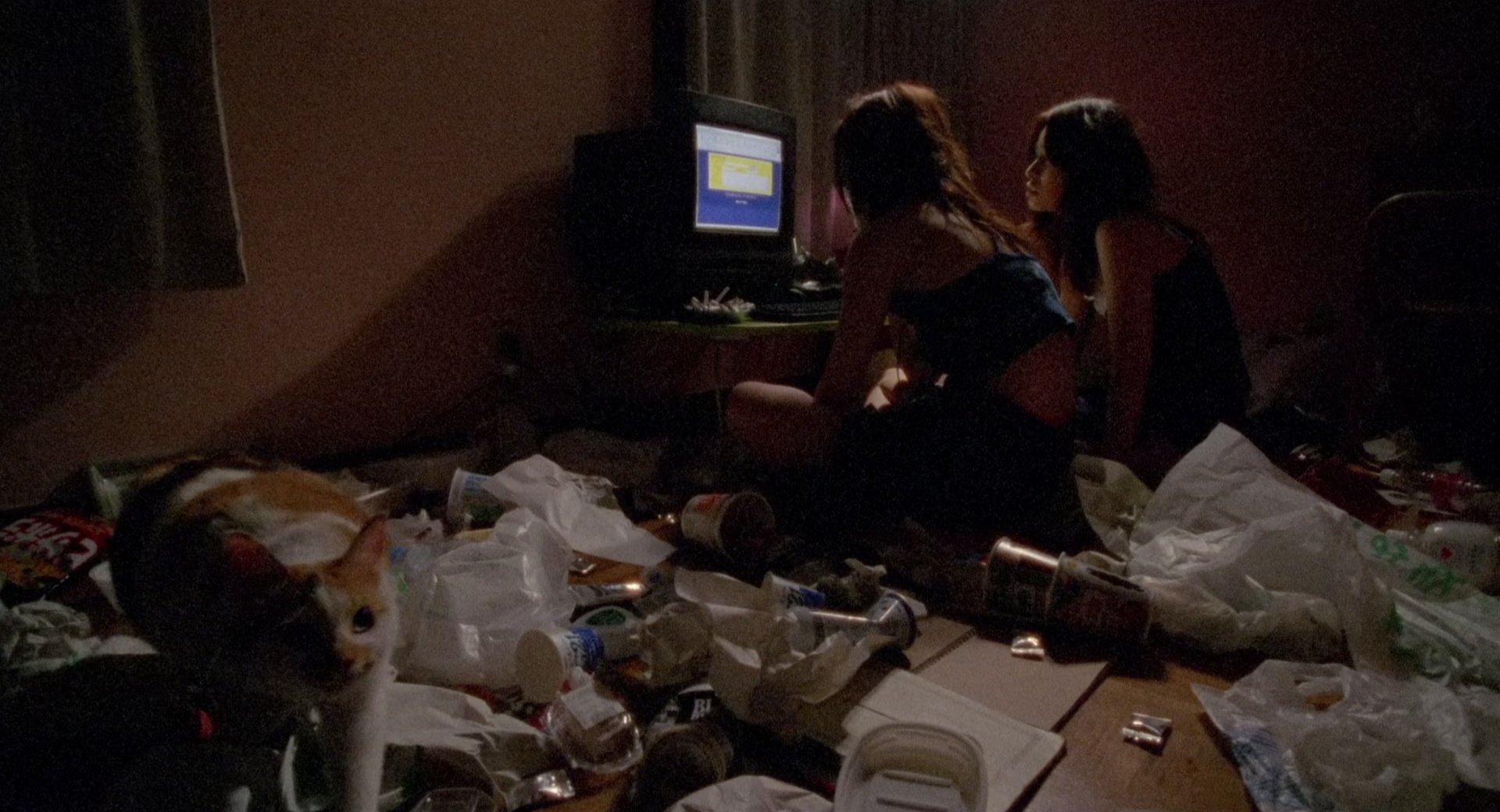
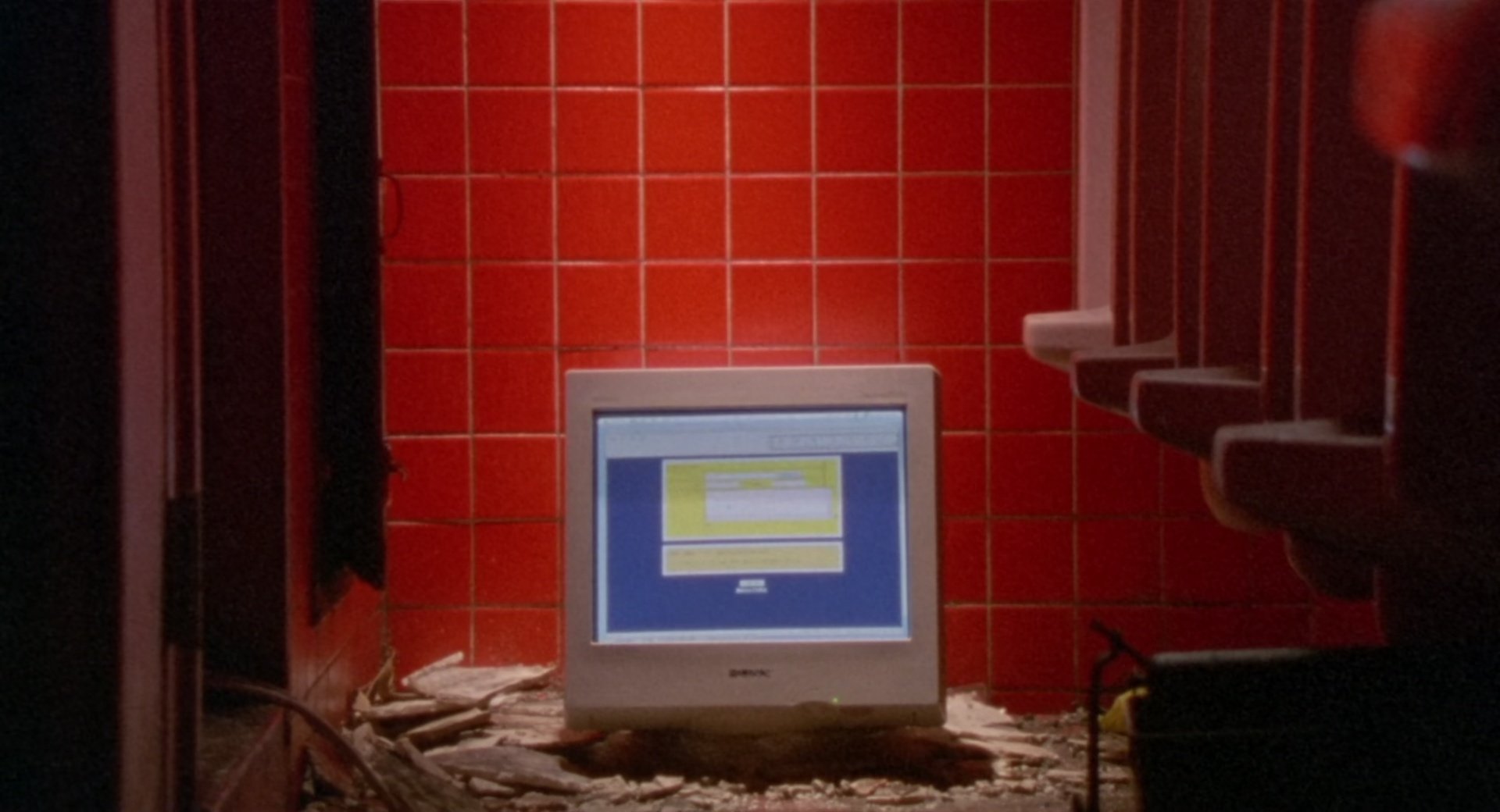
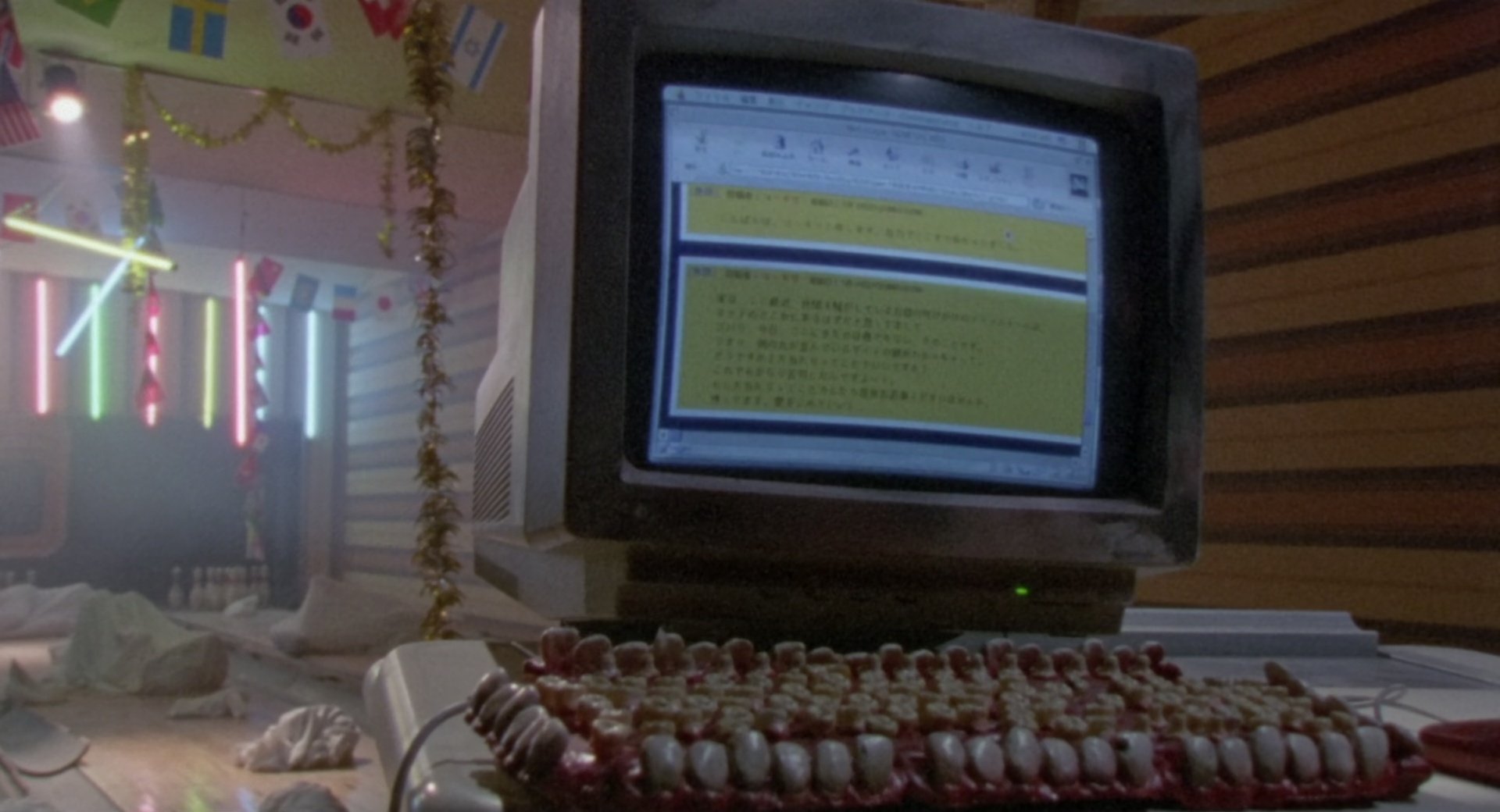
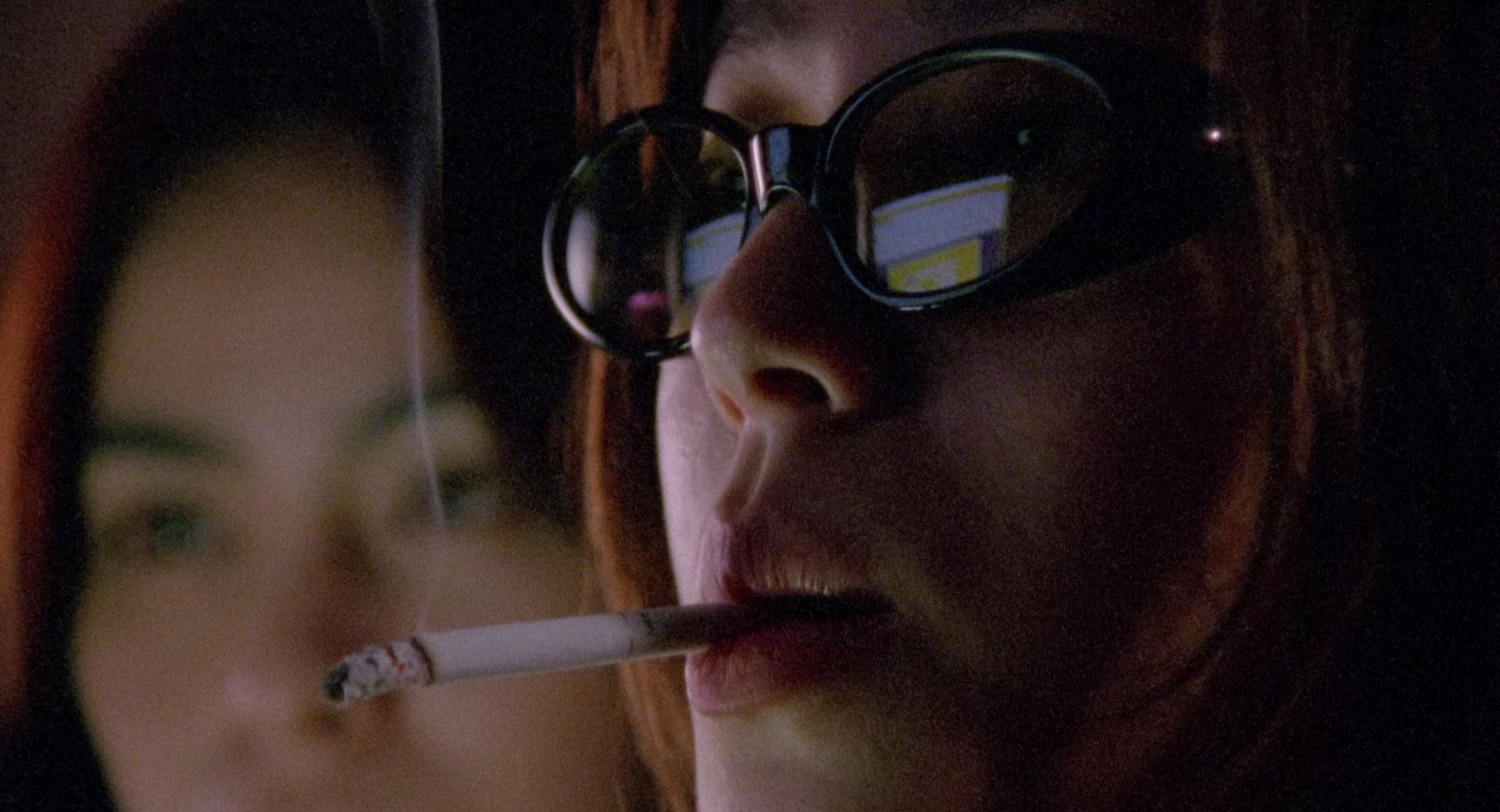
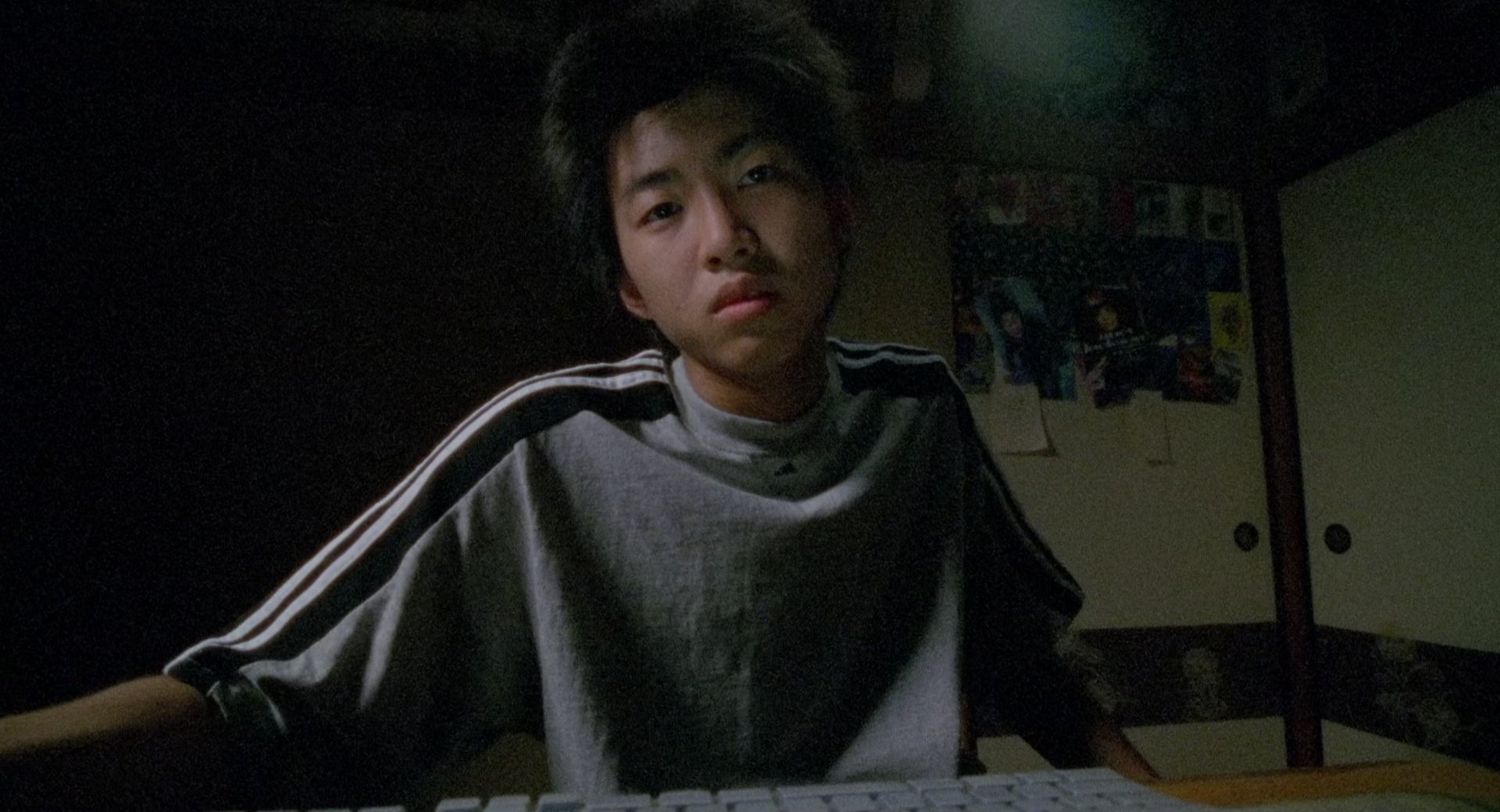
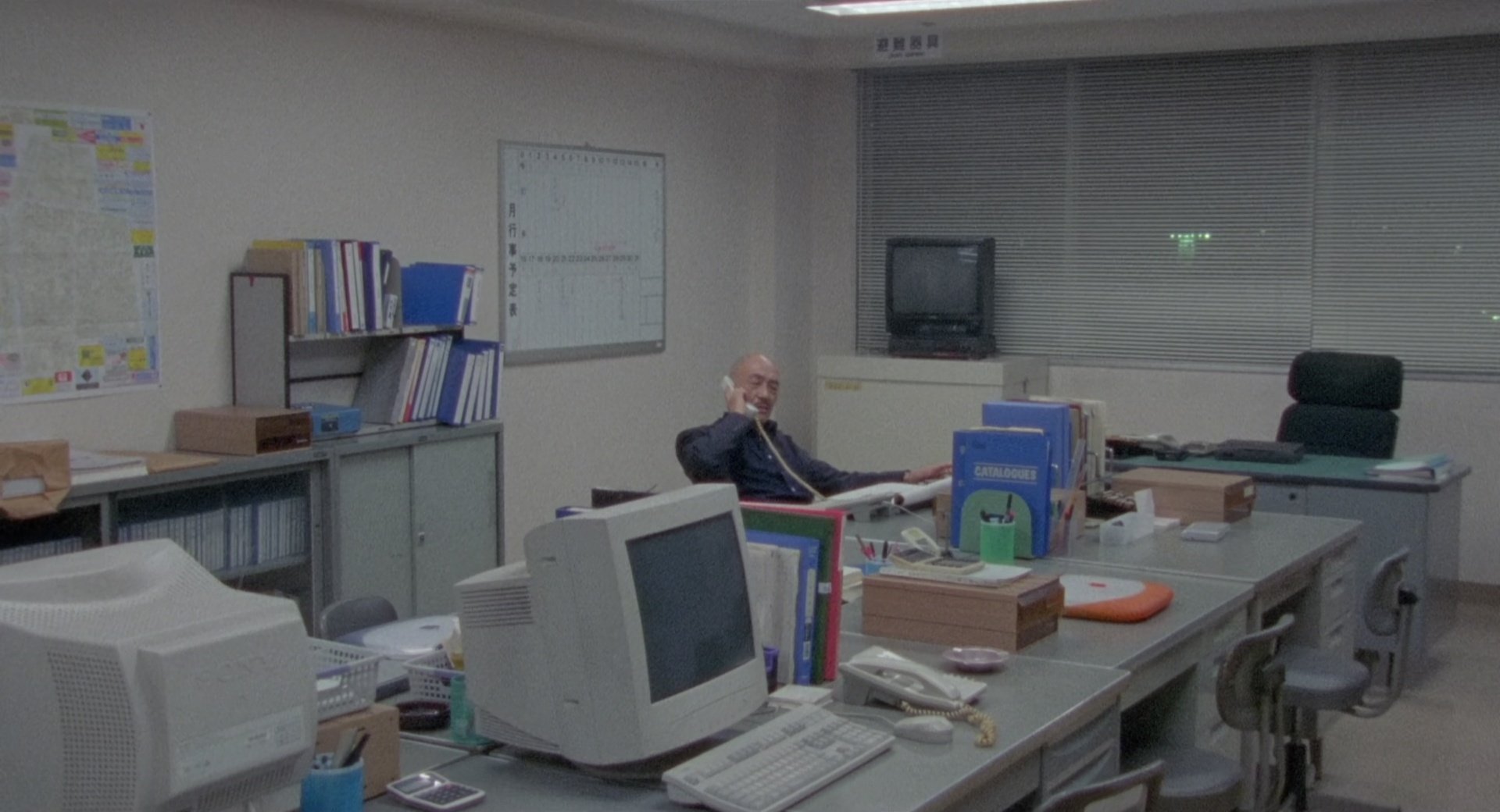
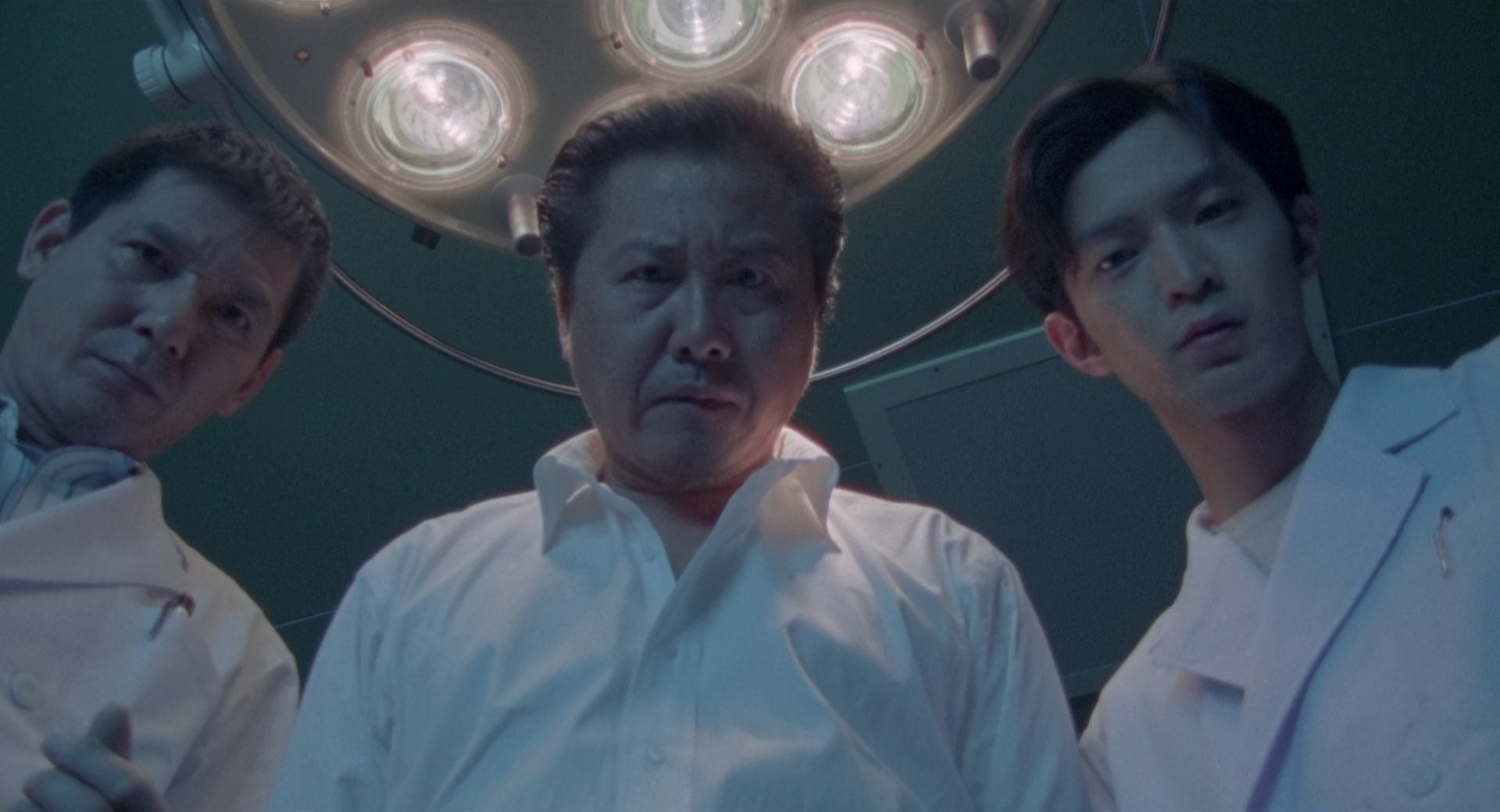
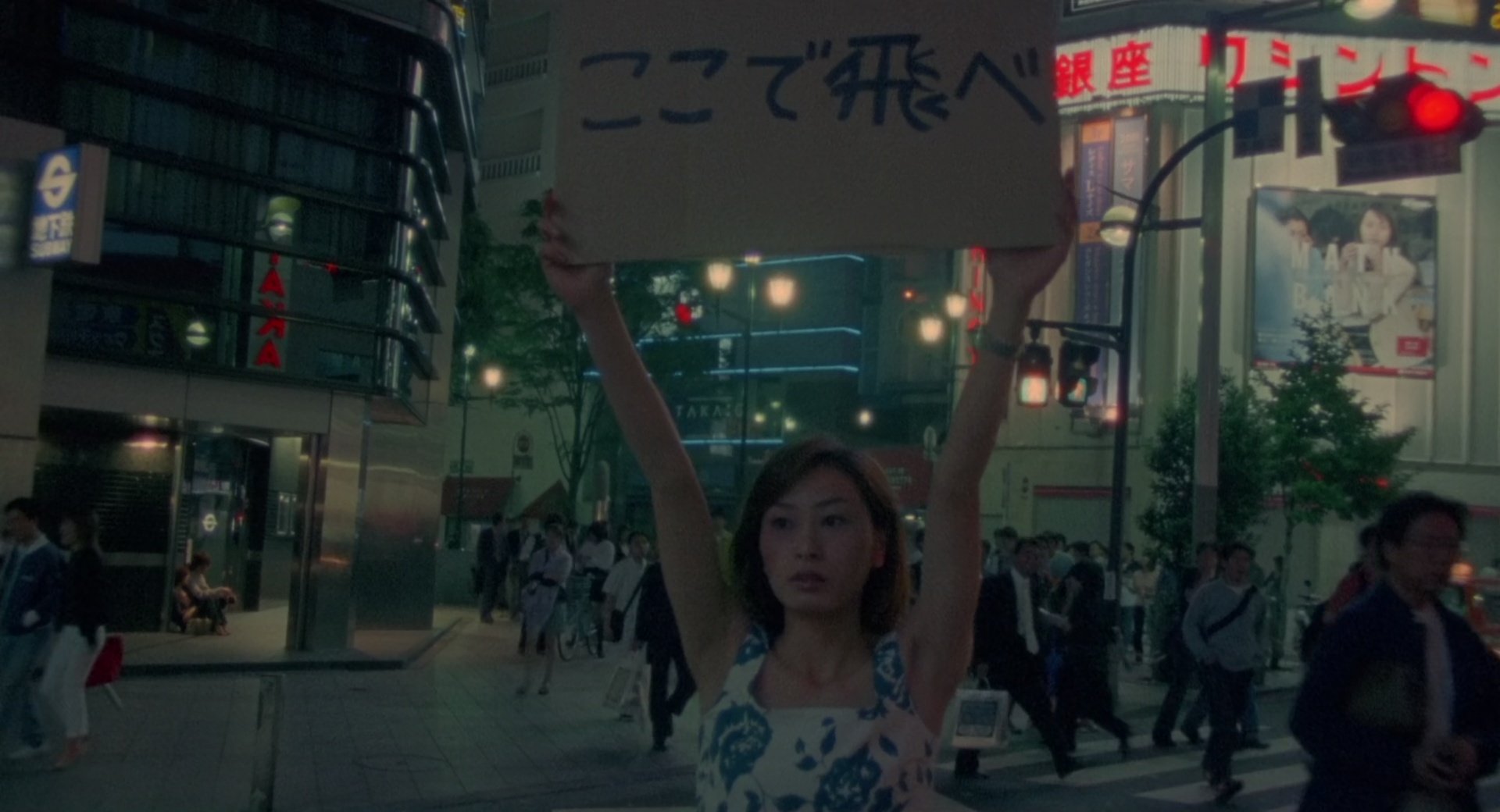
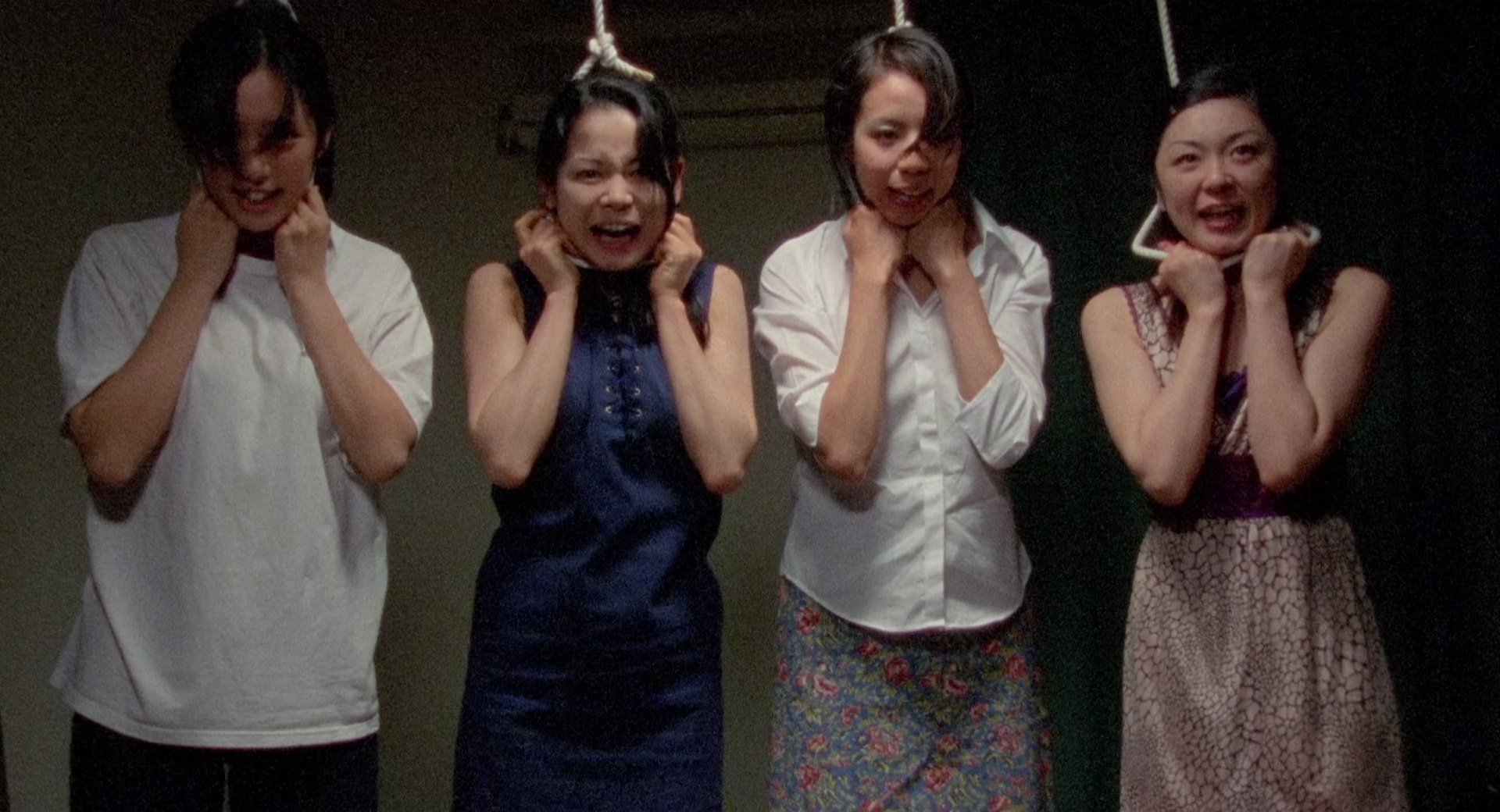
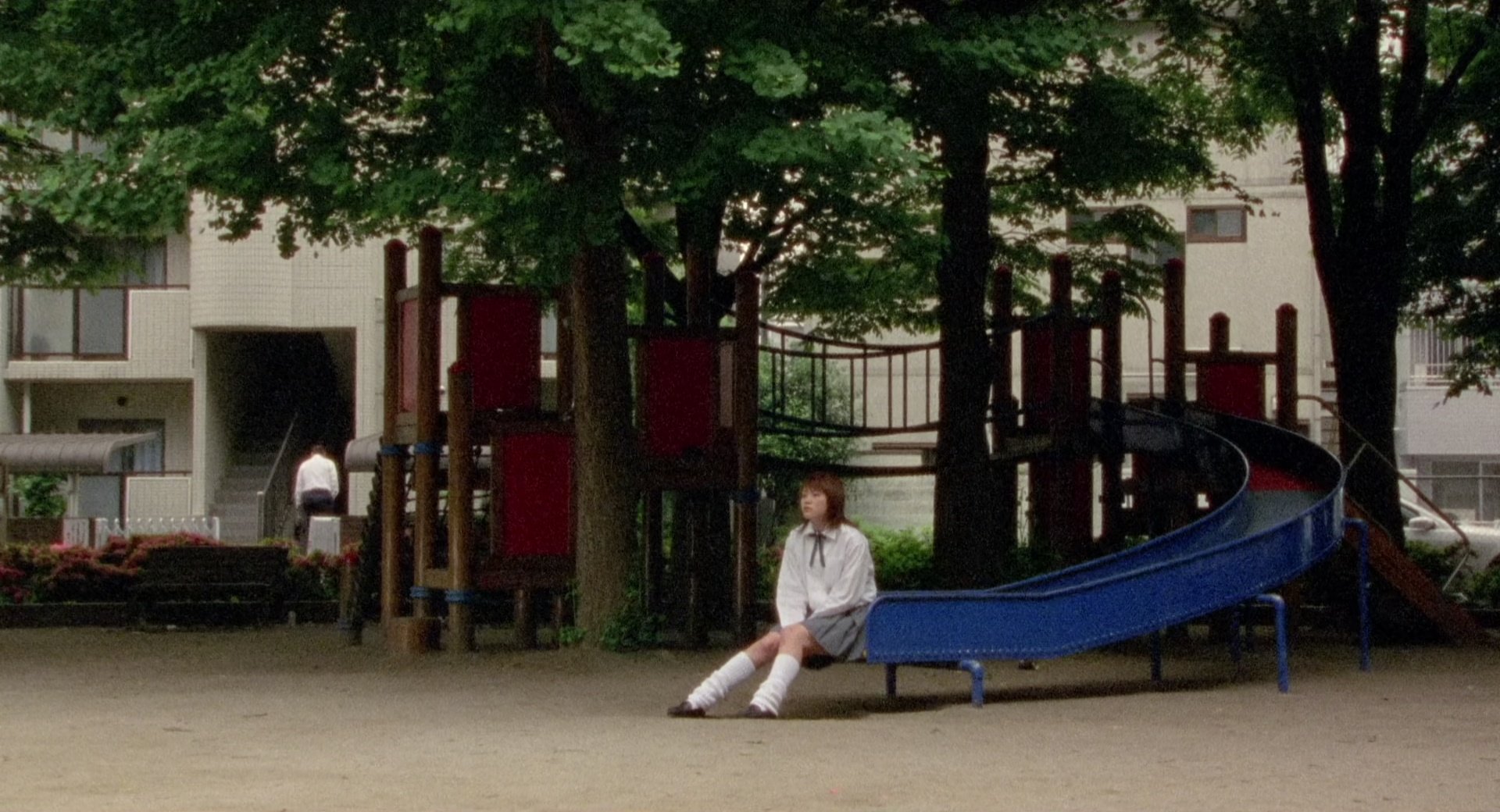
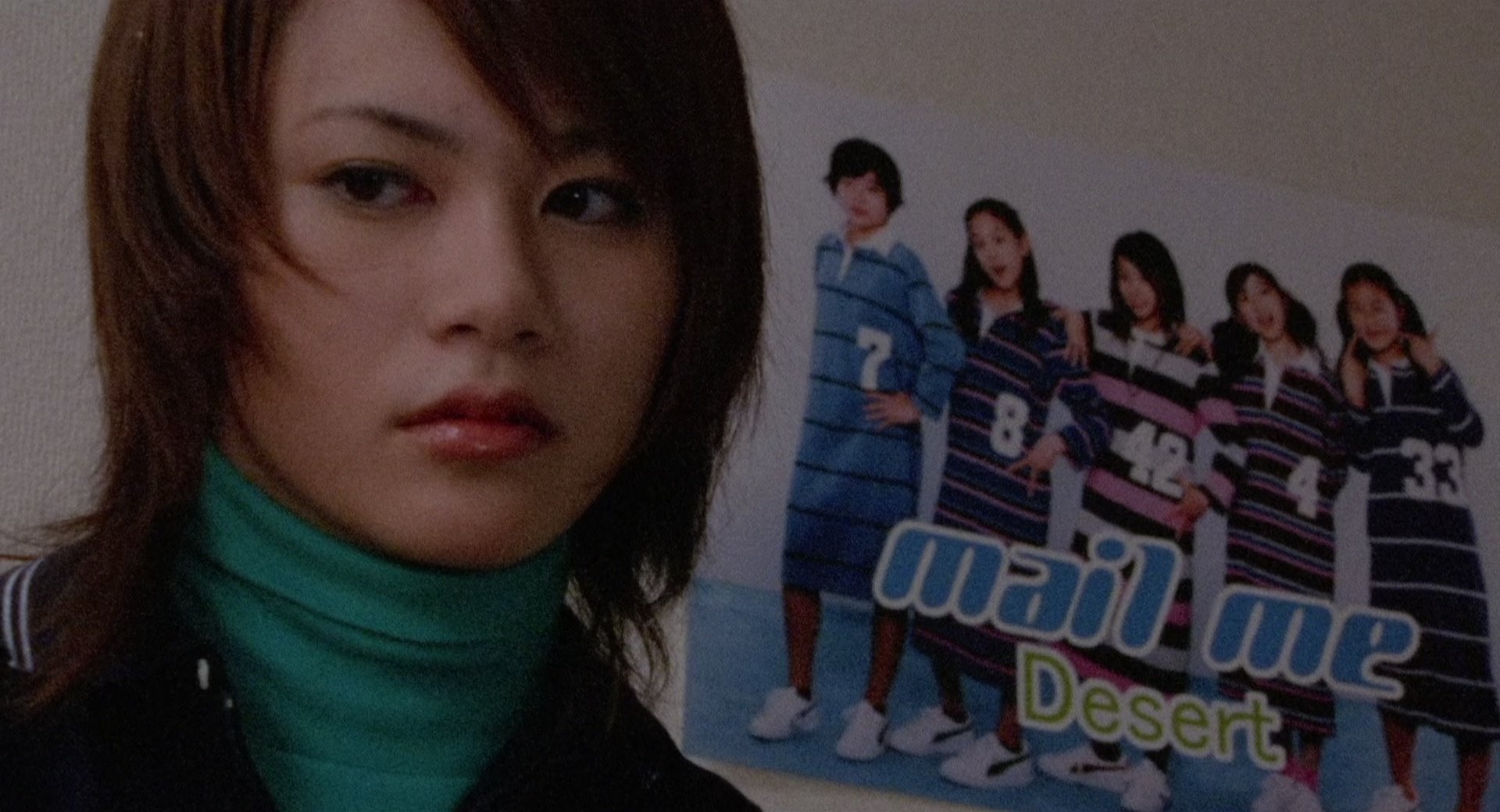
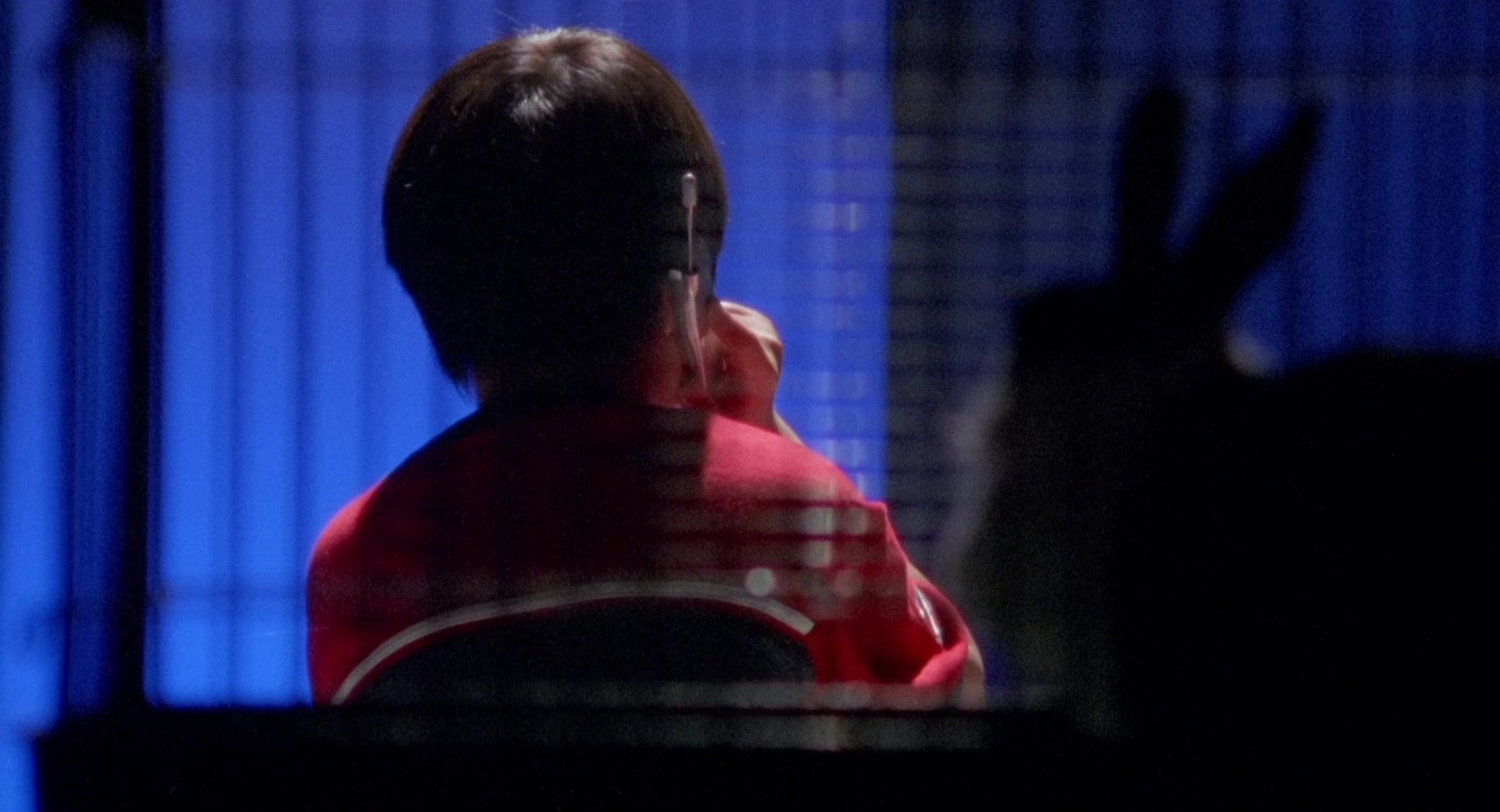
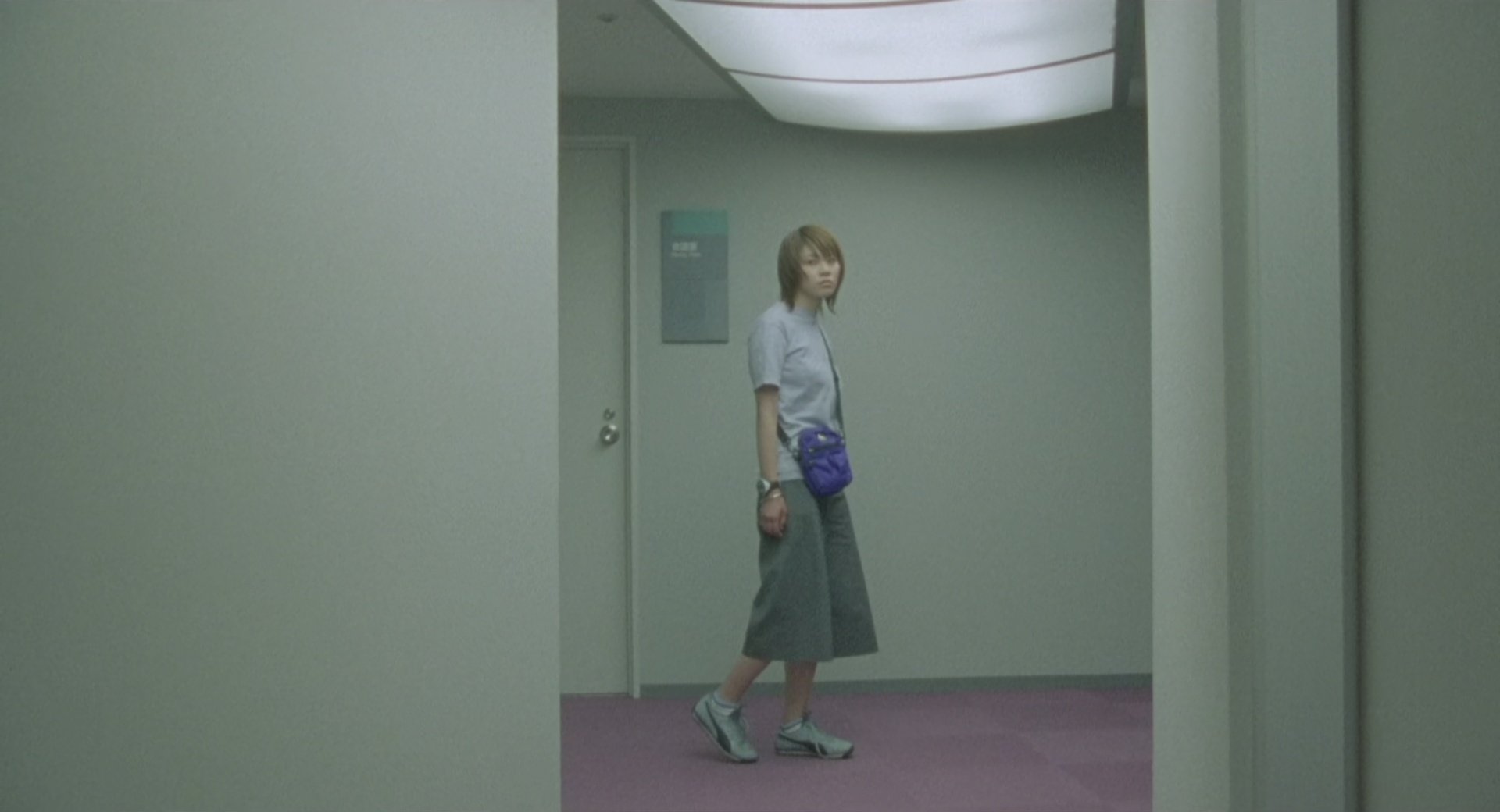
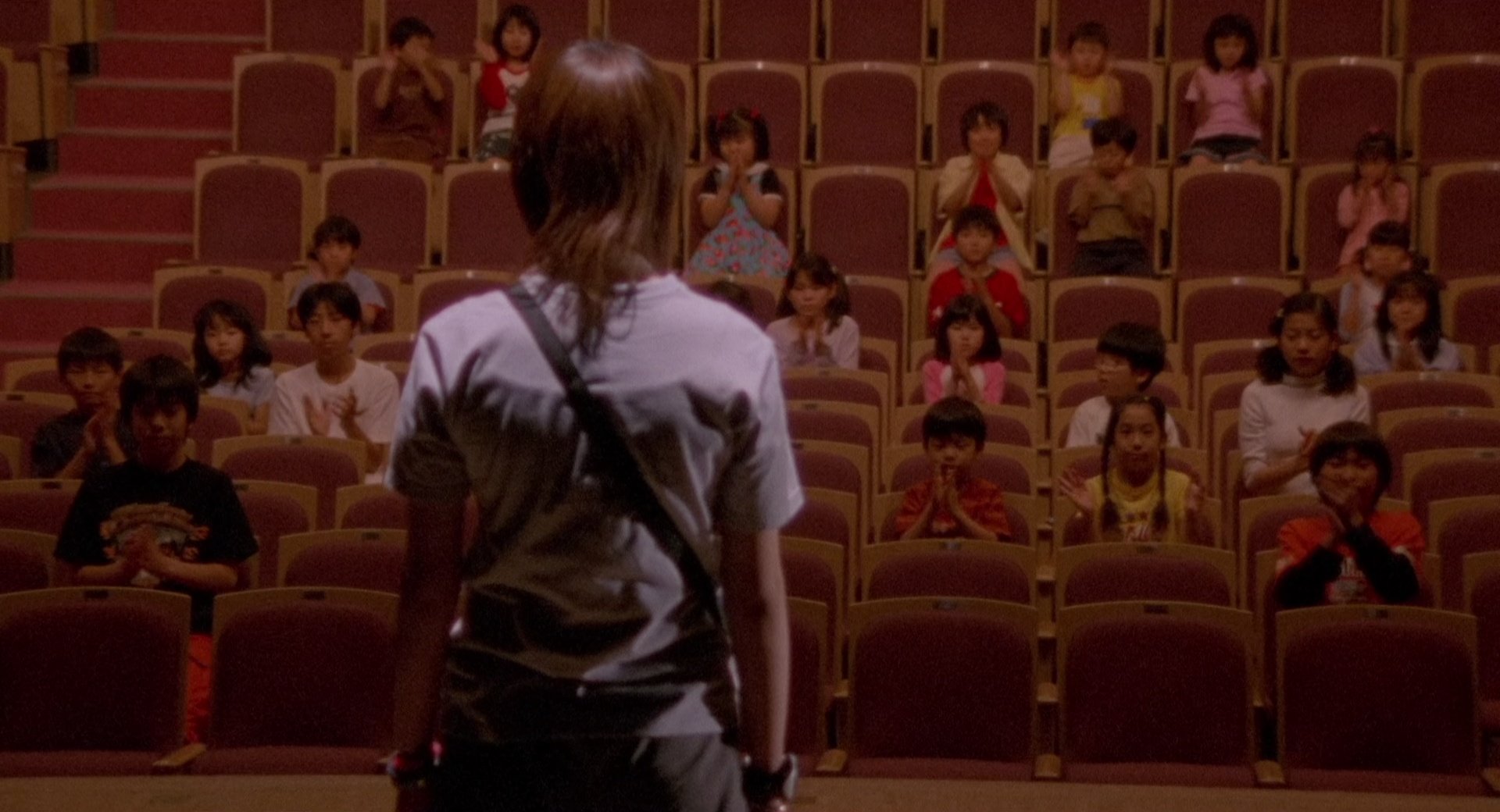
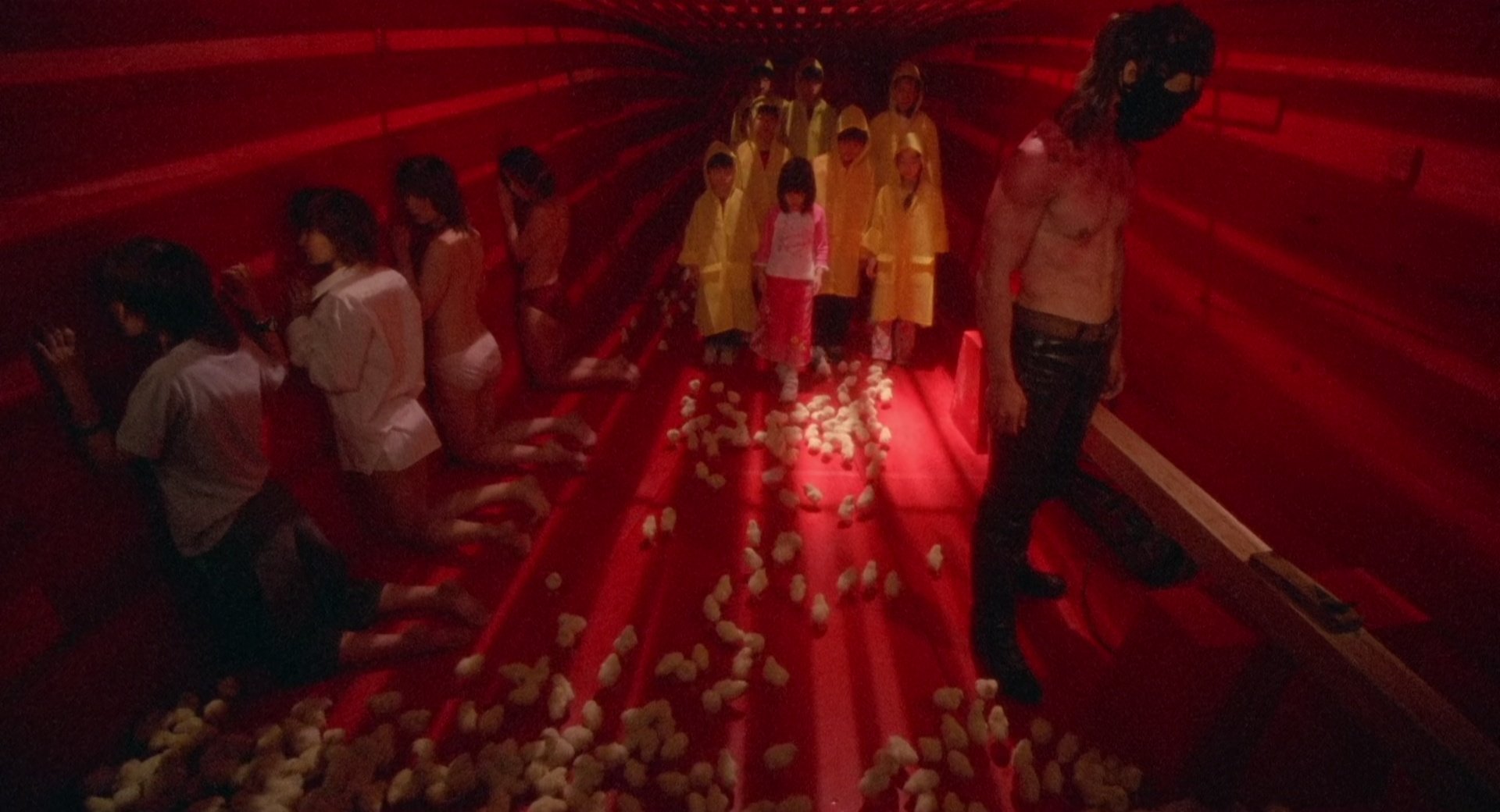
Although the film begins with the very bloody shock of 54 schoolgirls leaping hand-in-hand in front of a train, it is structured as an investigation. Moving between police procedural elements, youth culture, and surreal interludes, it depicts digital spaces, hospitals, schools, and public infrastructure as sites where communication breaks down, and collective anxiety manifests as violence. Unafraid of the grotesque, the film delivers metaphors for how digital culture and pop obsession can alienate young people from their own reality.
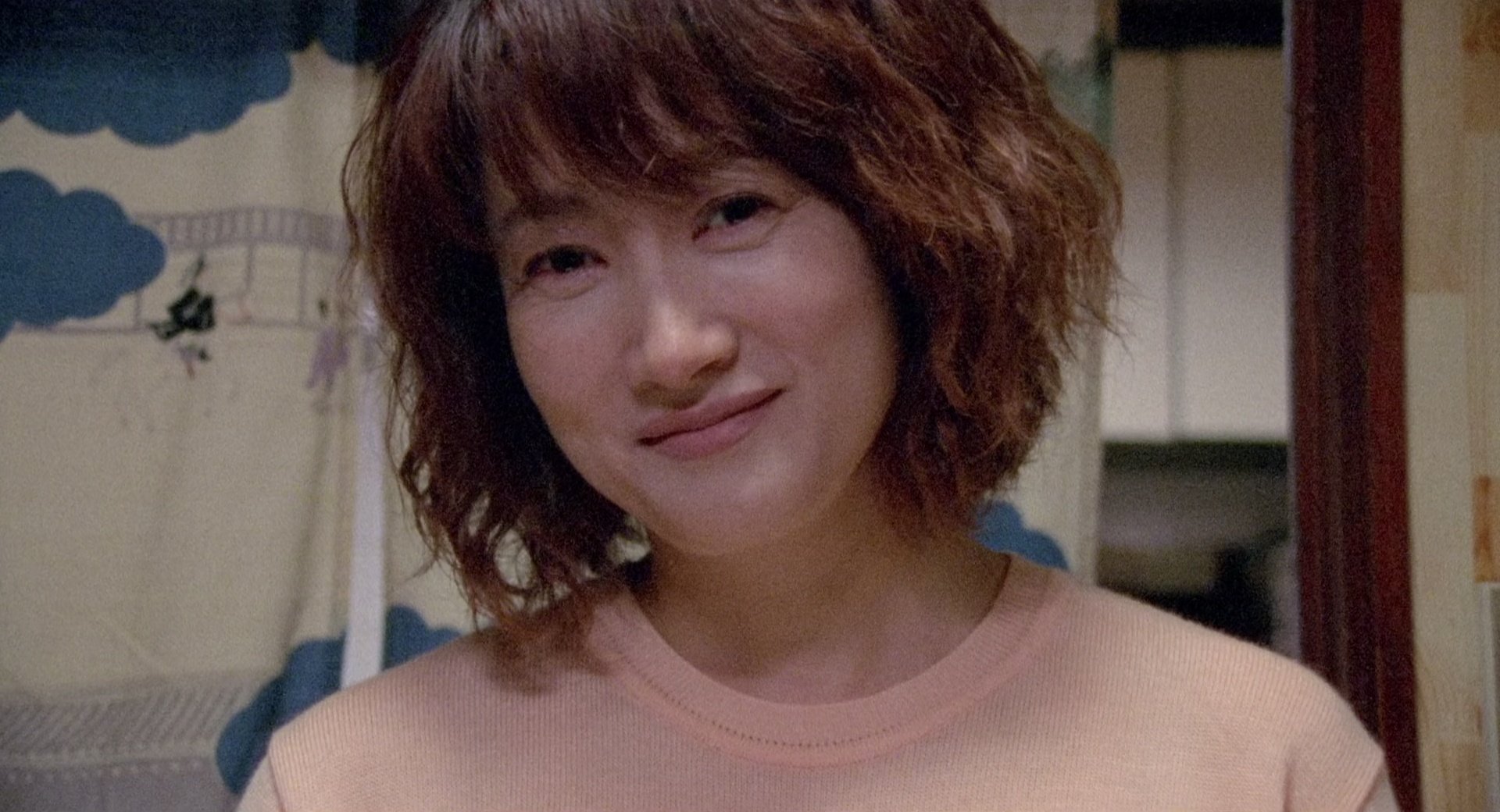
Messy and confrontational, Suicide Club refuses to offer easy answers, blending horror, social critique, and experimental cinema. Exploring themes of identity, media saturation, and generational alienation in early-2000s Japan, it is a provocative work that challenges conventional narrative cohesion while reflecting on the fragility of social bonds.
Technical Specs:
- The Story: After fifty-four schoolgirls leap to their deaths from a Tokyo train platform, a series of mass suicides grips Japan, prompting a detective to uncover a chilling conspiracy linking pop culture, alienation, and the loss of identity.
- Actors: Ryo Ishibashi, Masatoshi Nagase, Akaji Maro, Saya Hagiwara, Yoko Kamon, Rolly, Hideo Sako.
- Director: Sion Sono
- Year: 2001
- Cinematographer: Kazuto Sato
- Origin: Japanese Cinema
- Aspect Ratio: 1.85:1
- Genre: Horror & Supernatural / Crime & Mystery