Aspect Ratio 1.33:1
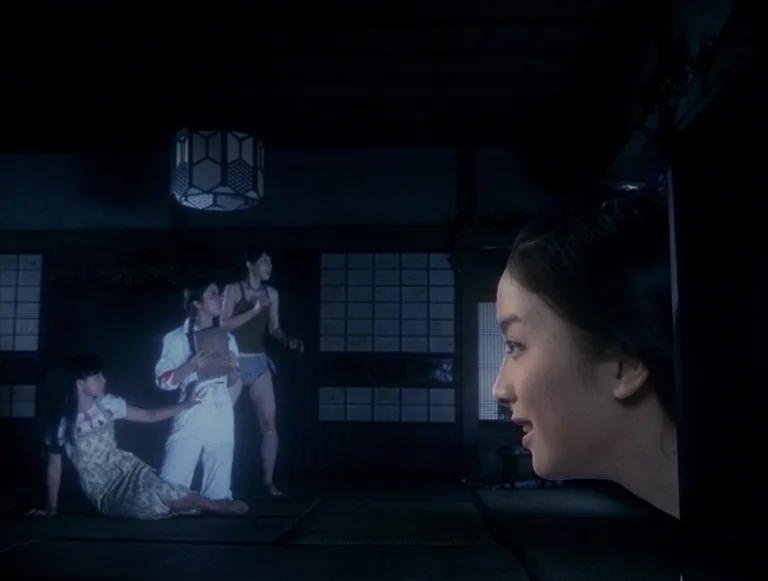
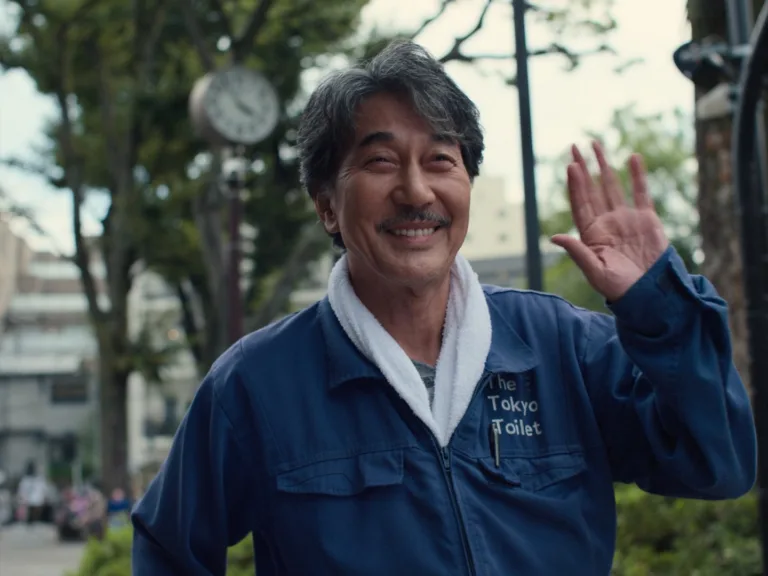
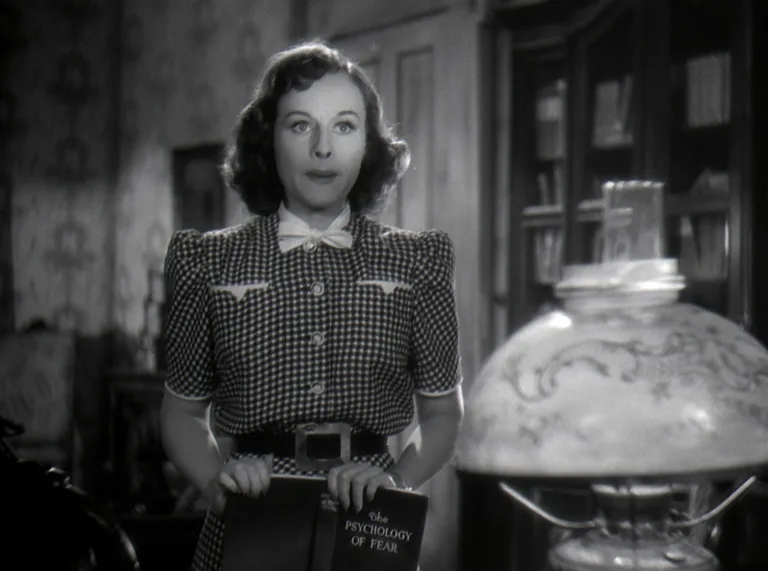
Before the “talkies” changed film forever, the world of cinema was viewed through the 1.33:1 frame. Also known as 4:3, this ratio defined the silent masterpieces of Murnau, Lang, and Chaplin. On CinematicFreeze, our 1.33:1 galleries celebrate the origins of visual storytelling, featuring the raw, square compositions that laid the groundwork for everything we see on screen today.
1.33:1 vs. 1.37:1: What’s the Difference?
Technically, 1.33:1 uses the entire physical area of the 35mm film strip. When sound was invented, a portion of that space was taken up by the optical audio track, slightly narrowing the image to 1.37:1. While they look almost identical to the naked eye, the 1.33:1 ratio represents the “Full Aperture” era—a time when cinematography relied entirely on visual pantomime, lighting, and tinting without the help of dialogue.
Essential 1.33:1 Cinematography Galleries
Explore the foundations of film with these curated silent and full-frame archives:
- Metropolis (1927): Fritz Lang’s sci-fi epic uses the 1.33:1 frame to create towering, claustrophobic cityscapes that emphasize the scale of his massive sets.
- Sunrise: A Song of Two Humans (1927): F.W. Murnau and Charles Rosher pushed the 1.33:1 frame to its limits with groundbreaking “unchained camera” movements and double exposures.
- The Passion of Joan of Arc (1928): Perhaps the most famous use of the “square” frame for human emotion, utilizing extreme, agonizing close-ups that fill the 4:3 space completely.
Why 1.33:1 Matters to Film Historians
This ratio is the “DNA” of cinematography. Because silent filmmakers couldn’t rely on sound, their use of the frame had to be incredibly precise.
- Centered Symmetry: 1.33:1 is perfect for centered, balanced compositions that feel like moving paintings.
- Vertical Height: Because the frame is taller than modern widescreen, it is excellent for capturing gothic architecture, tall hats, and expressive facial heights.
- The “Square” Aesthetic: In the modern era, many directors use 1.33:1 to evoke a sense of nostalgia or to mimic the look of early 20th-century photography.