The Big Sleep (1946): The classic convoluted noir
1946 • Howard Hawks • 1.37:1 • Jump to Gallery ↓
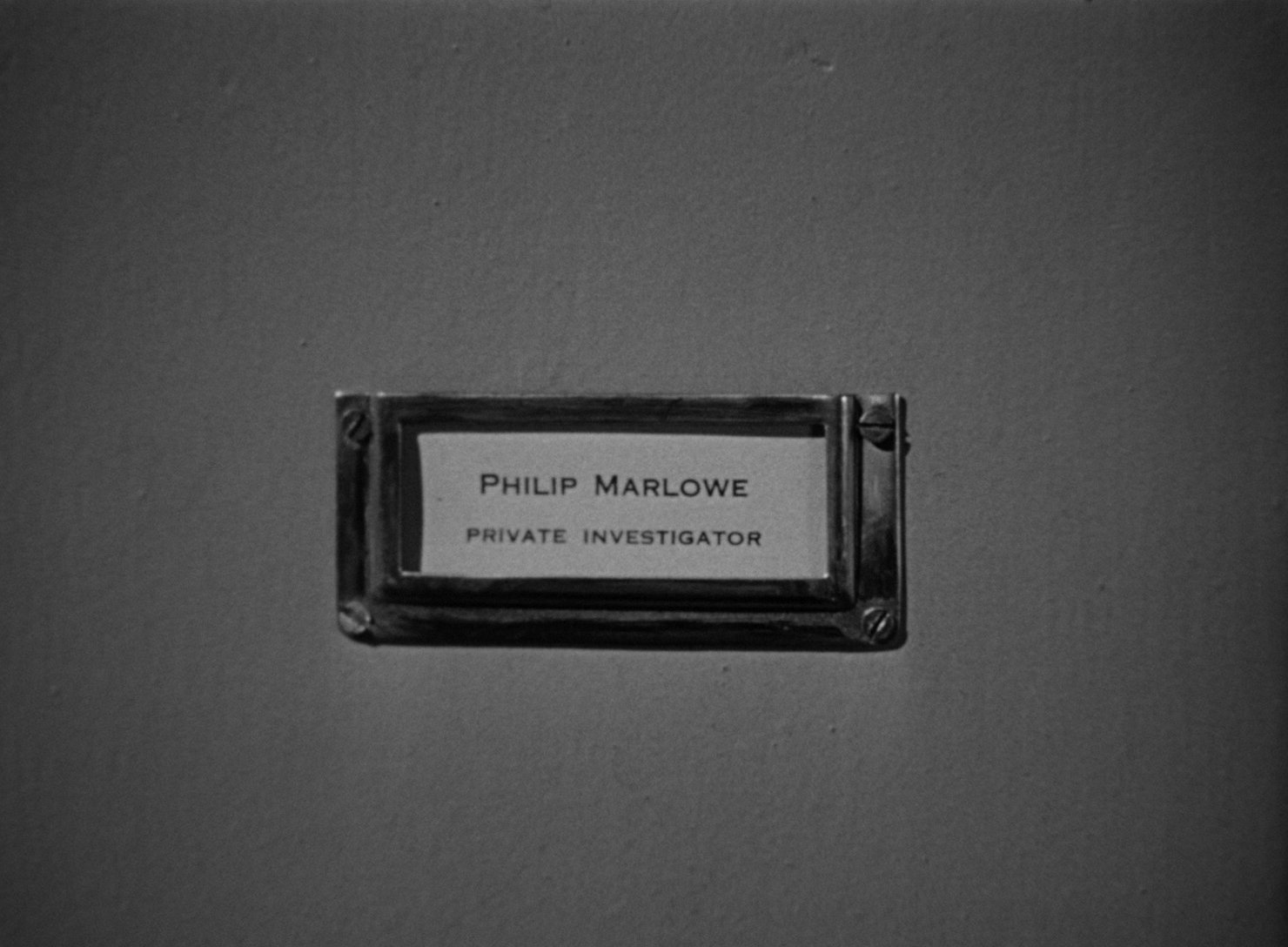
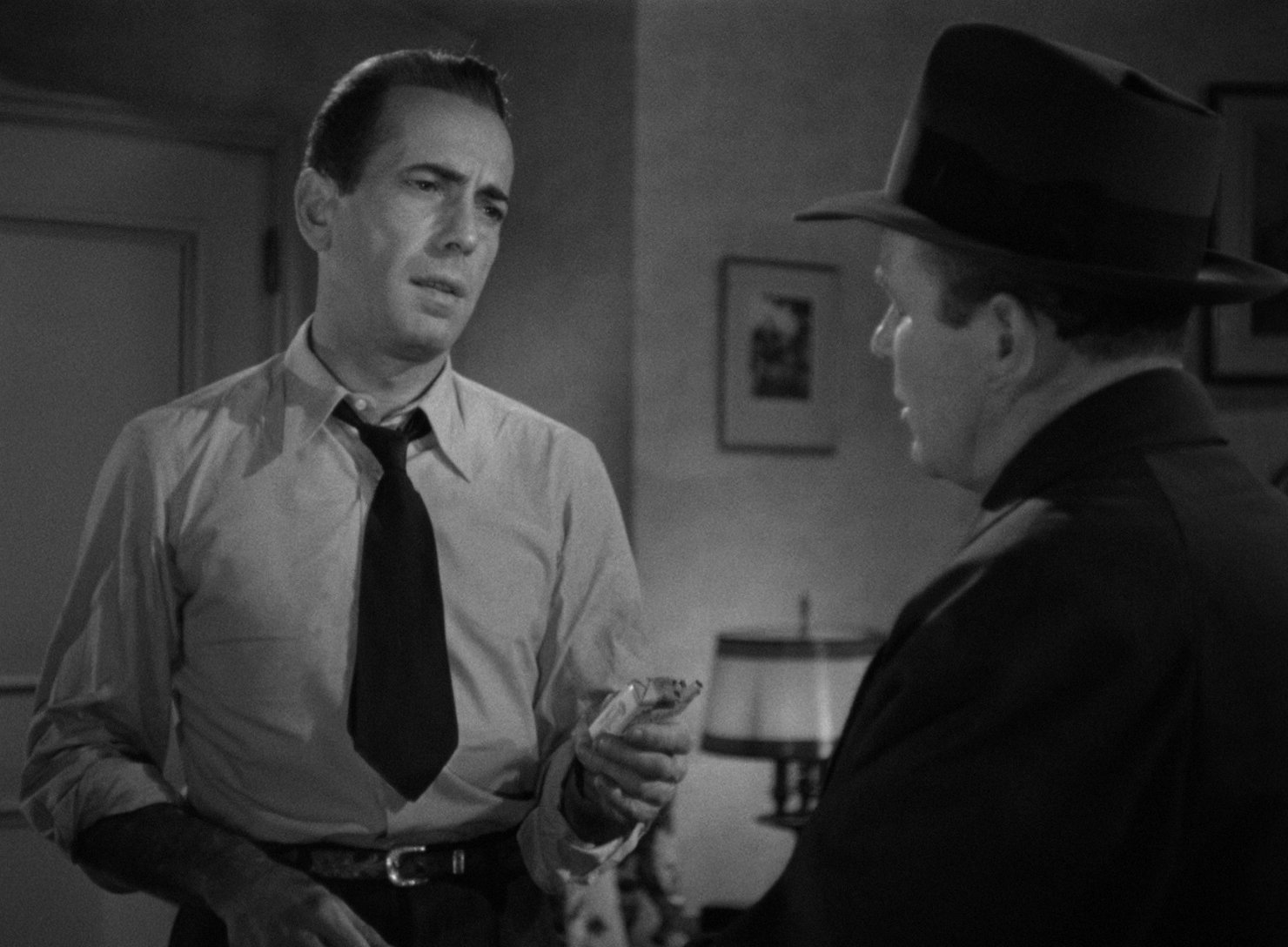
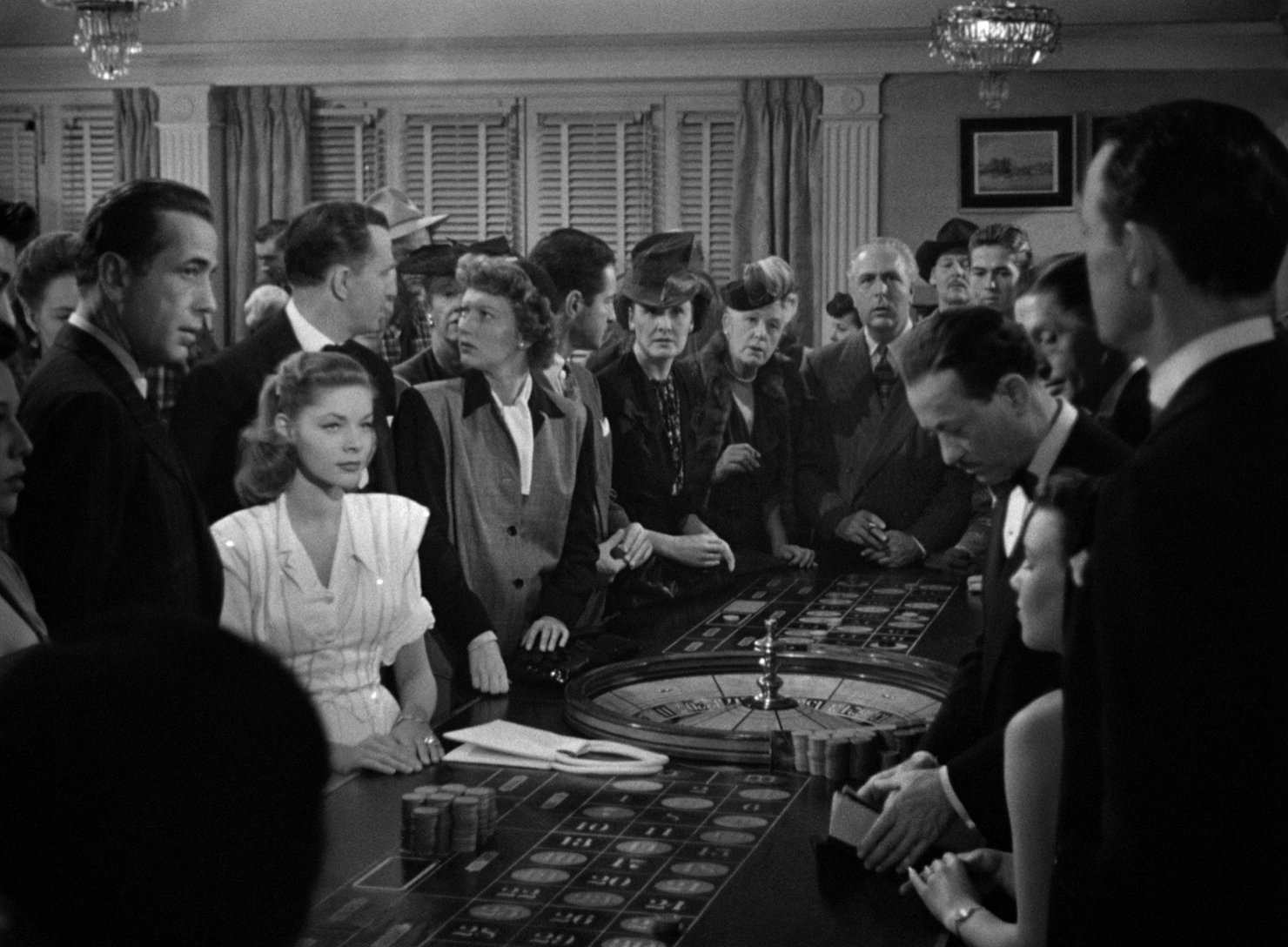
One of the defining works of film noir, Howard Hawks’s adaptation of the novel by Raymond Chandler follows private detective Philip Marlowe, who is hired by an aging general to resolve a blackmail problem involving his daughter, but the investigation quickly spirals into a web of gambling, murder, and deception.
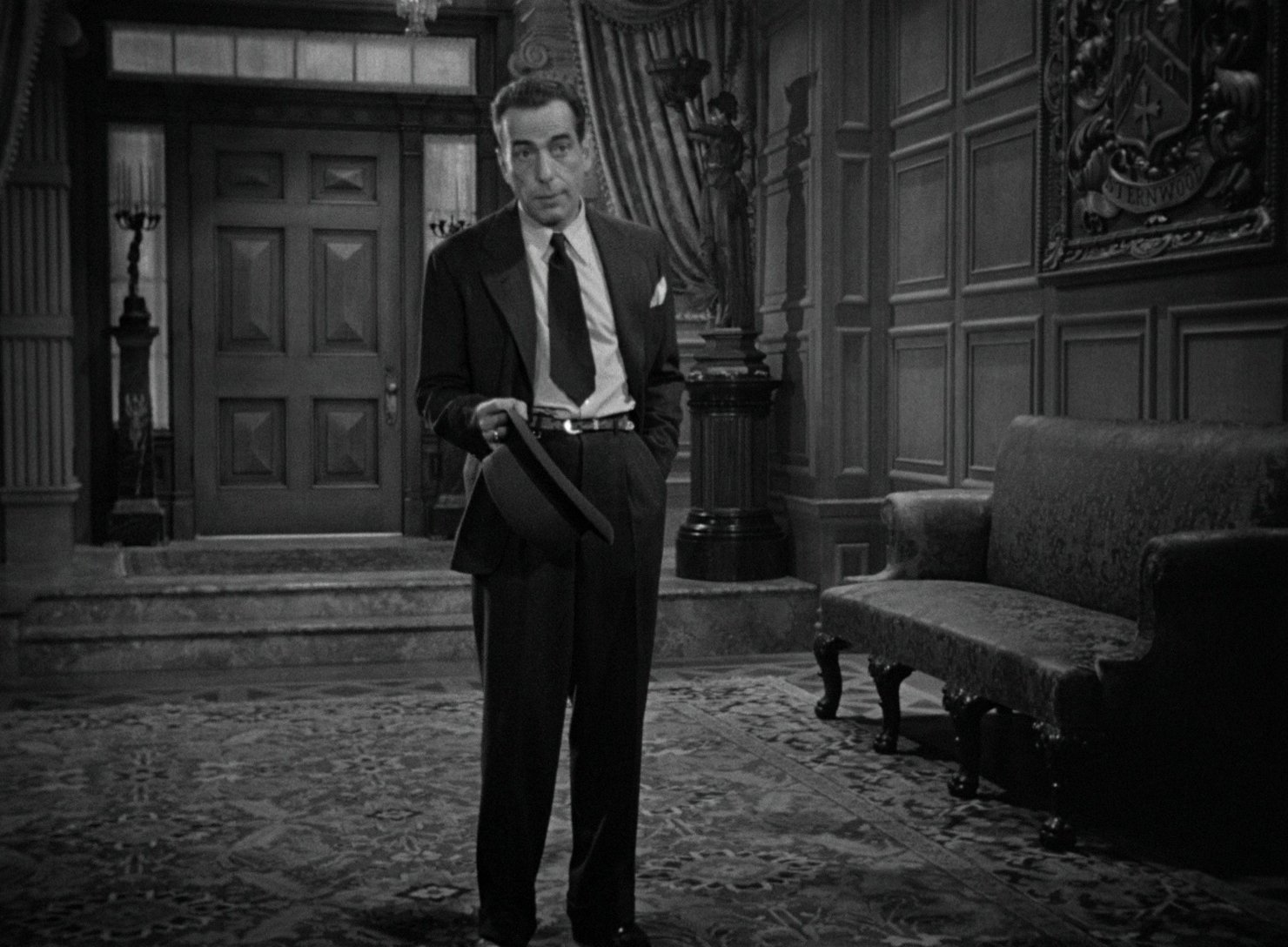
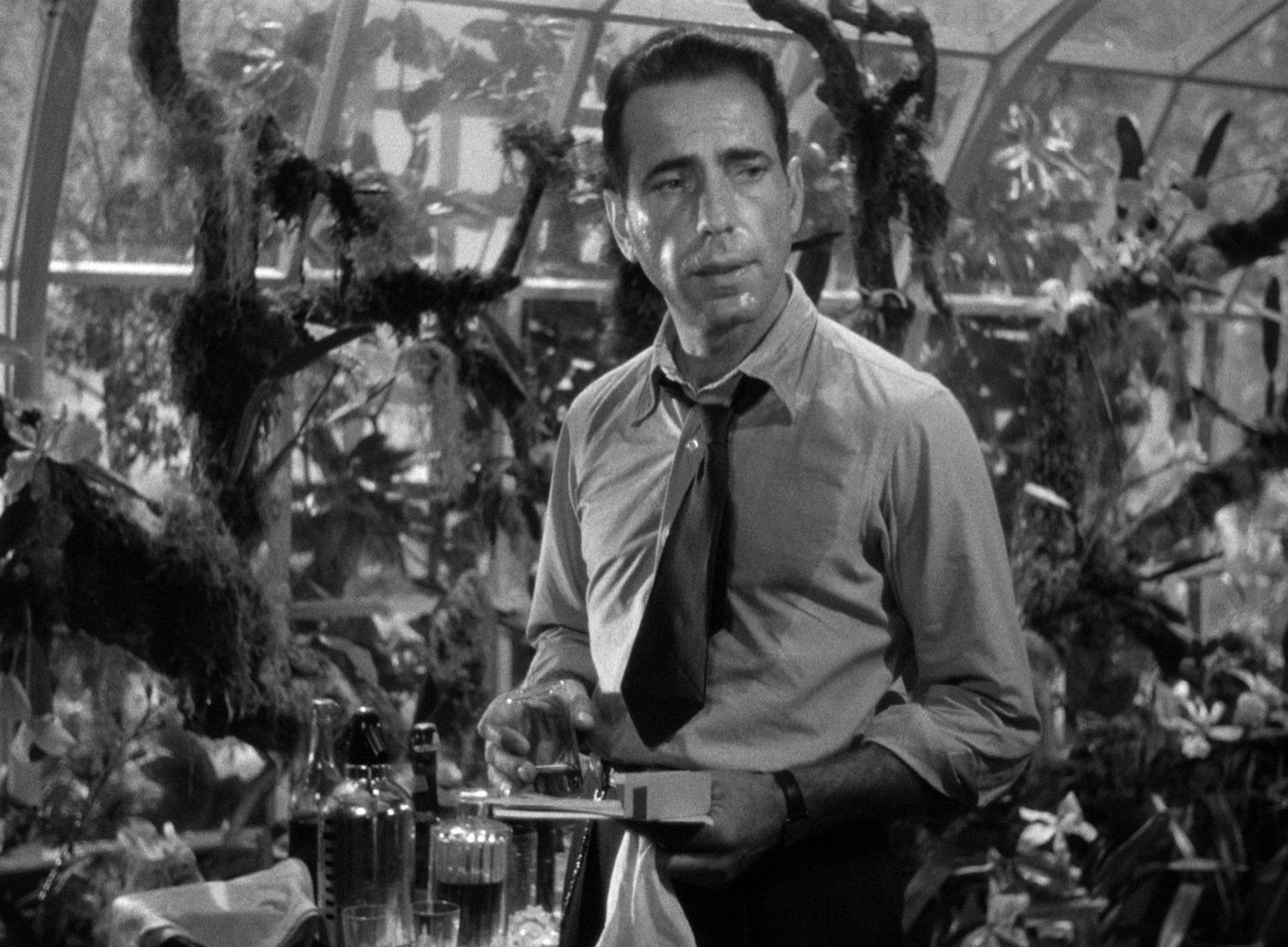
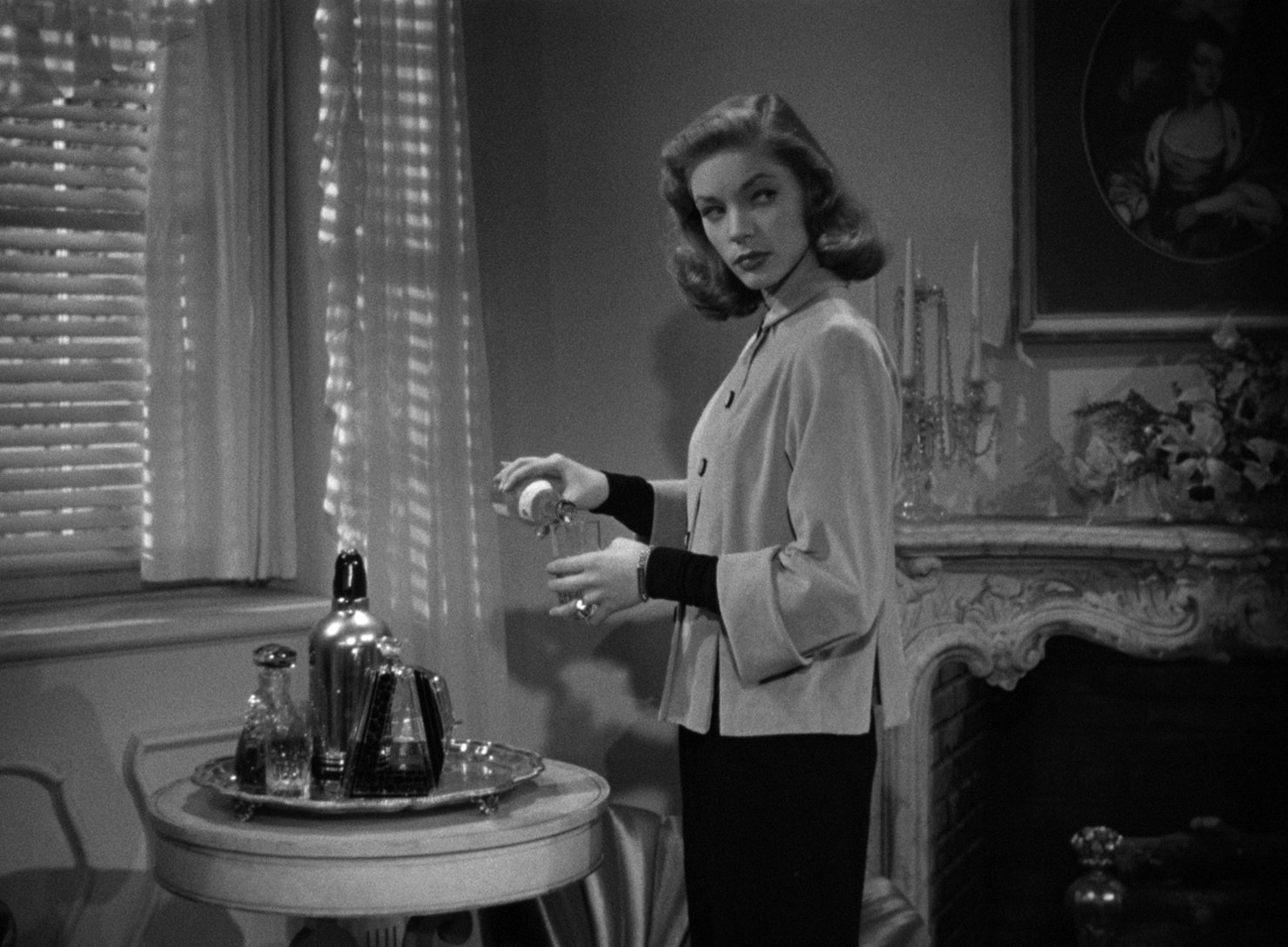
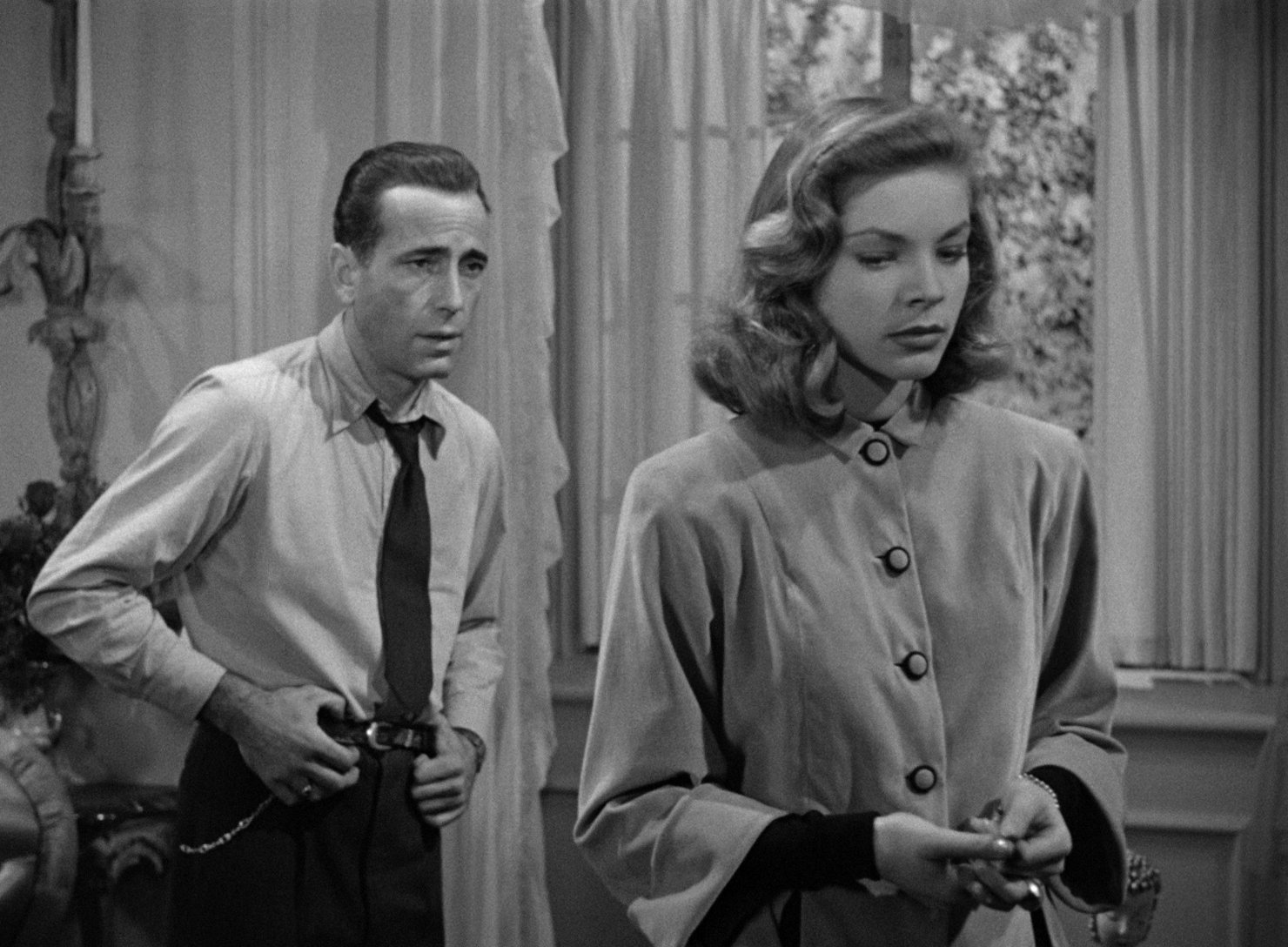
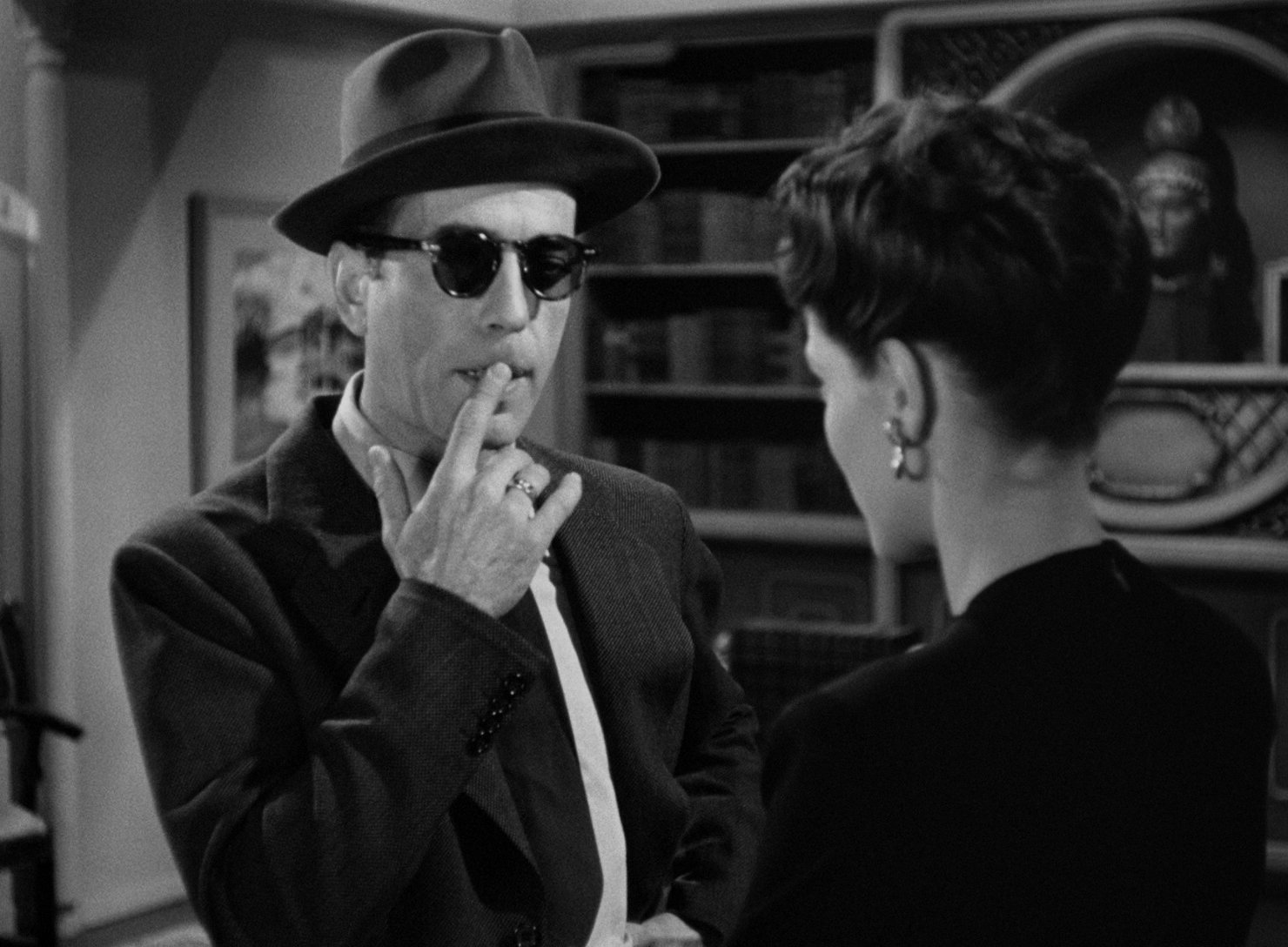
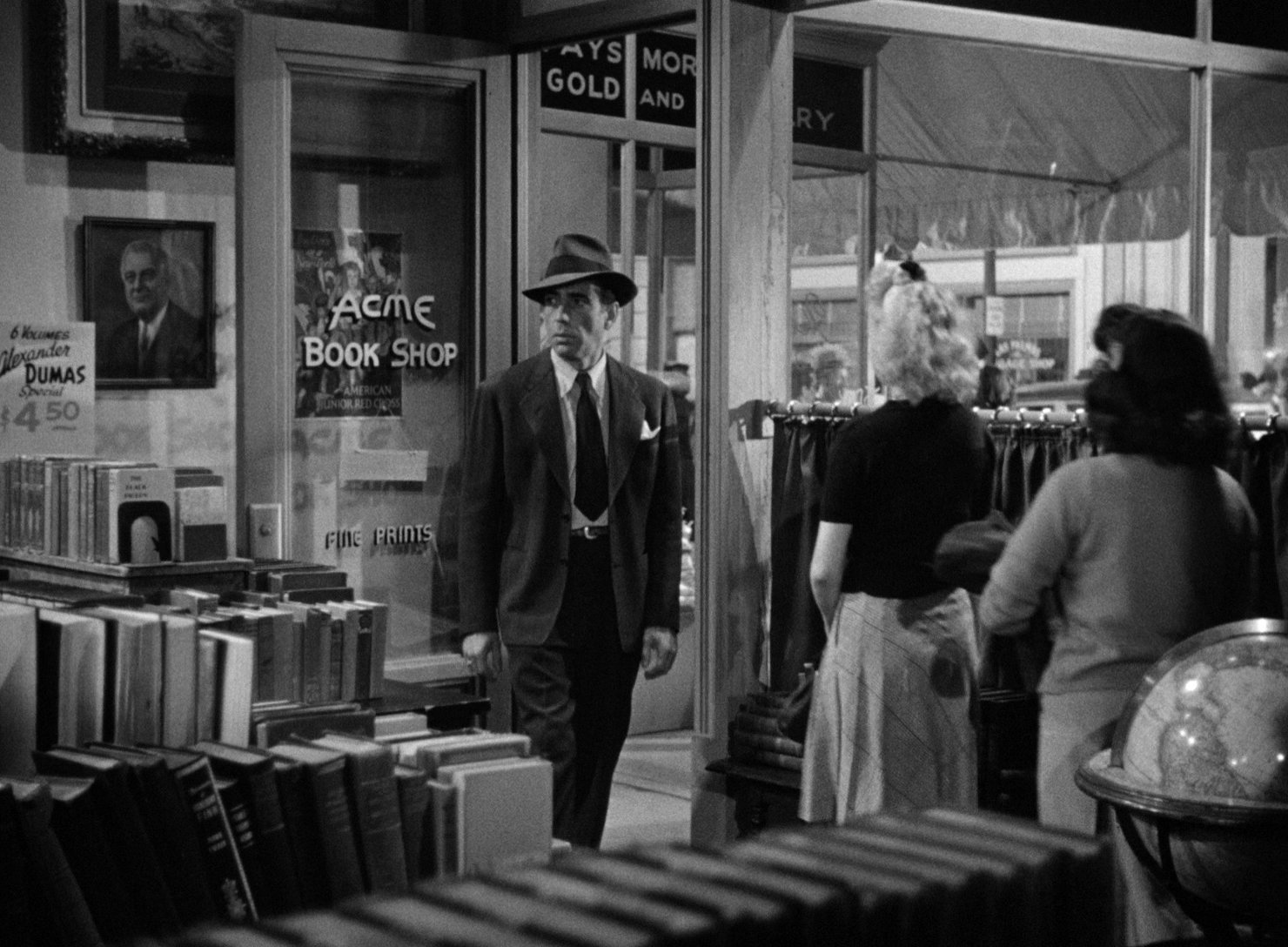
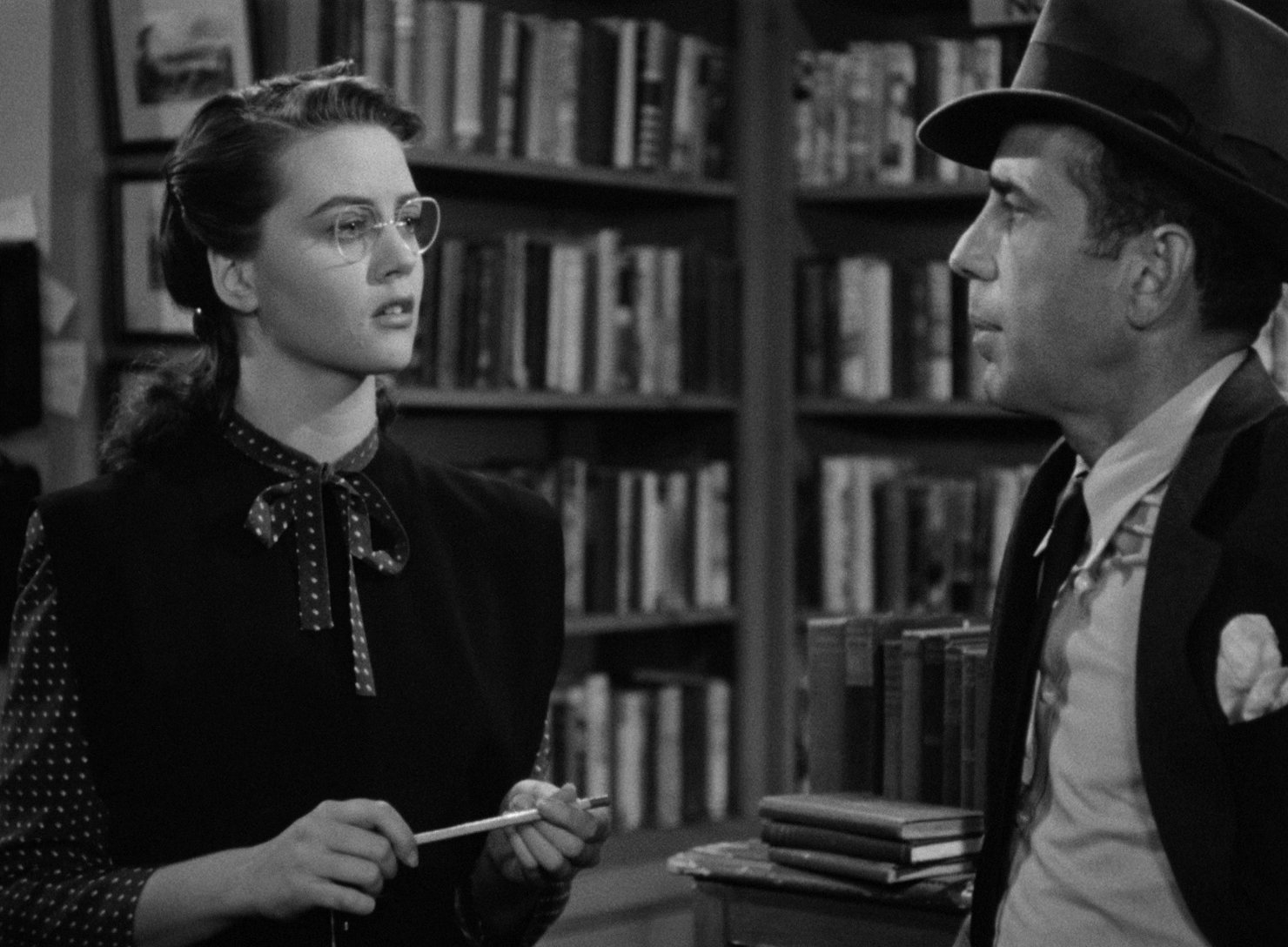
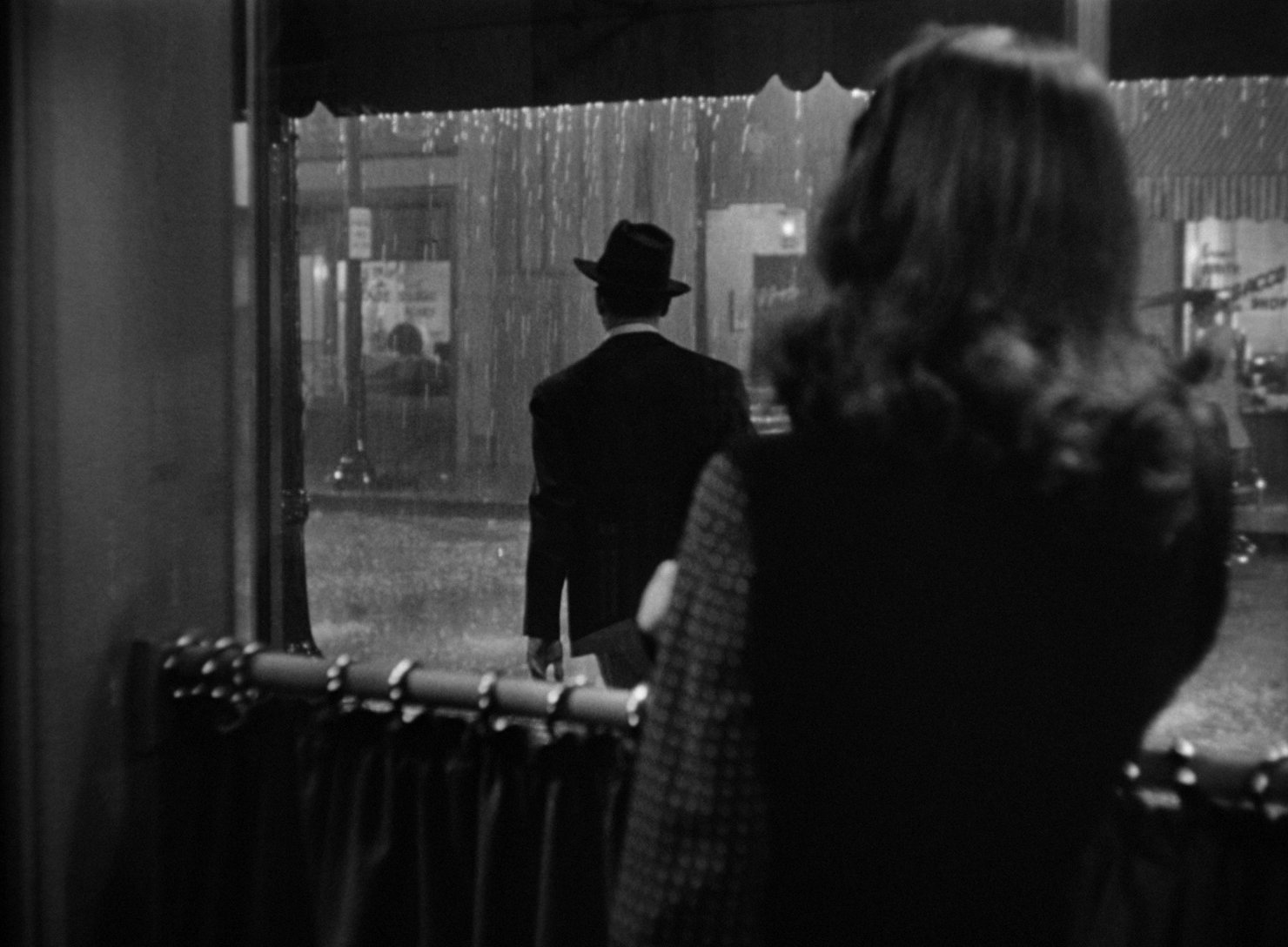
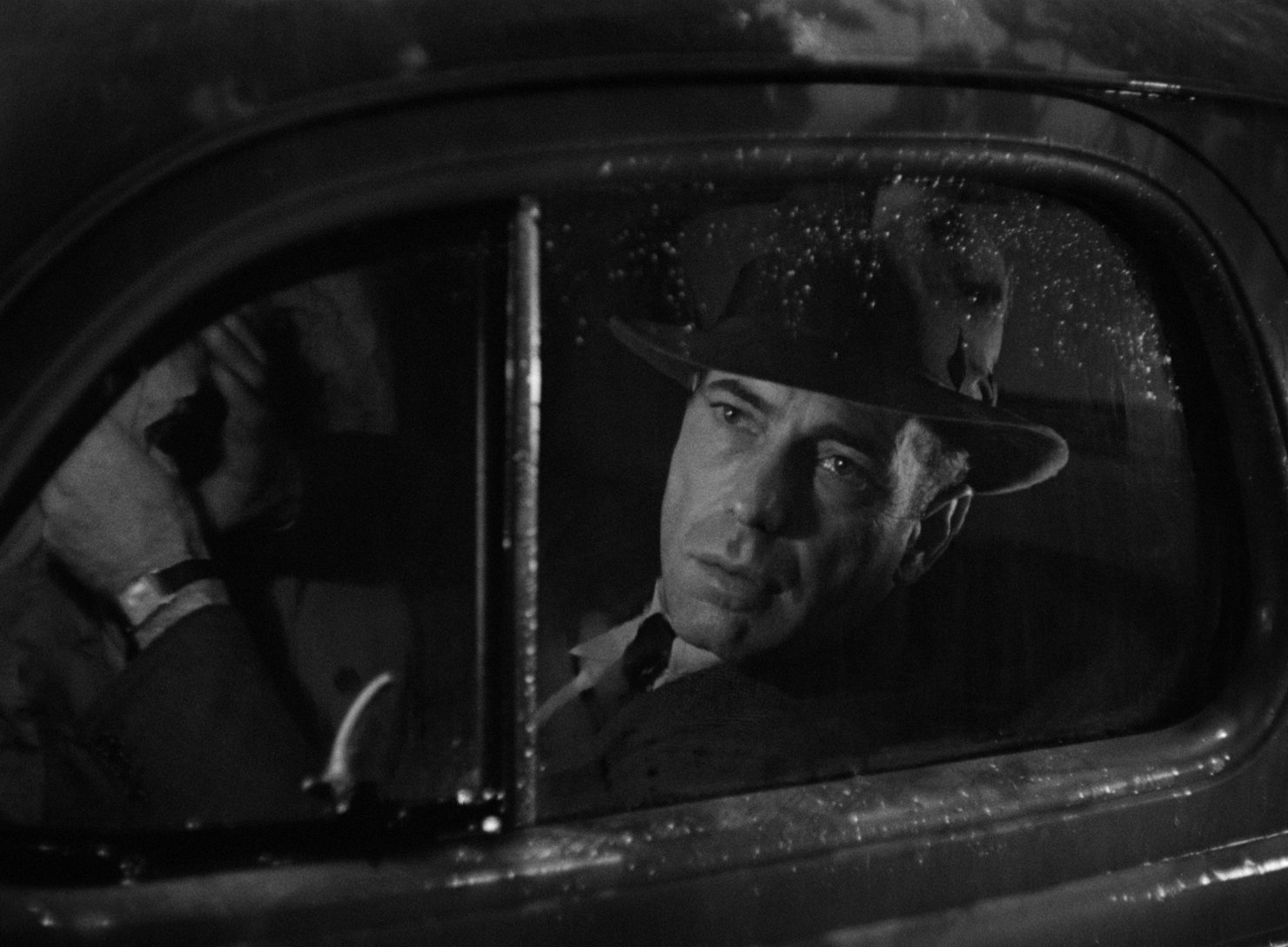
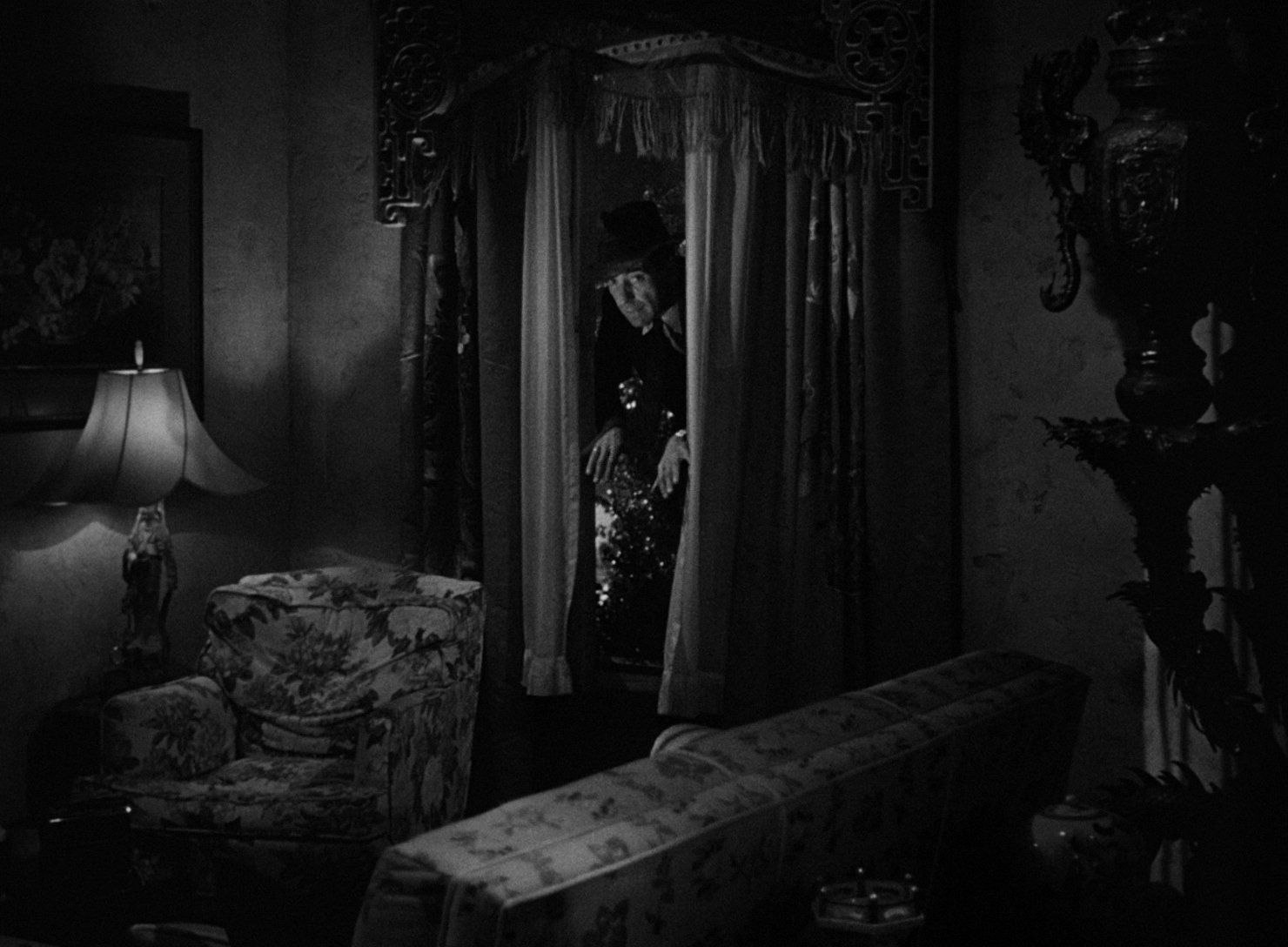
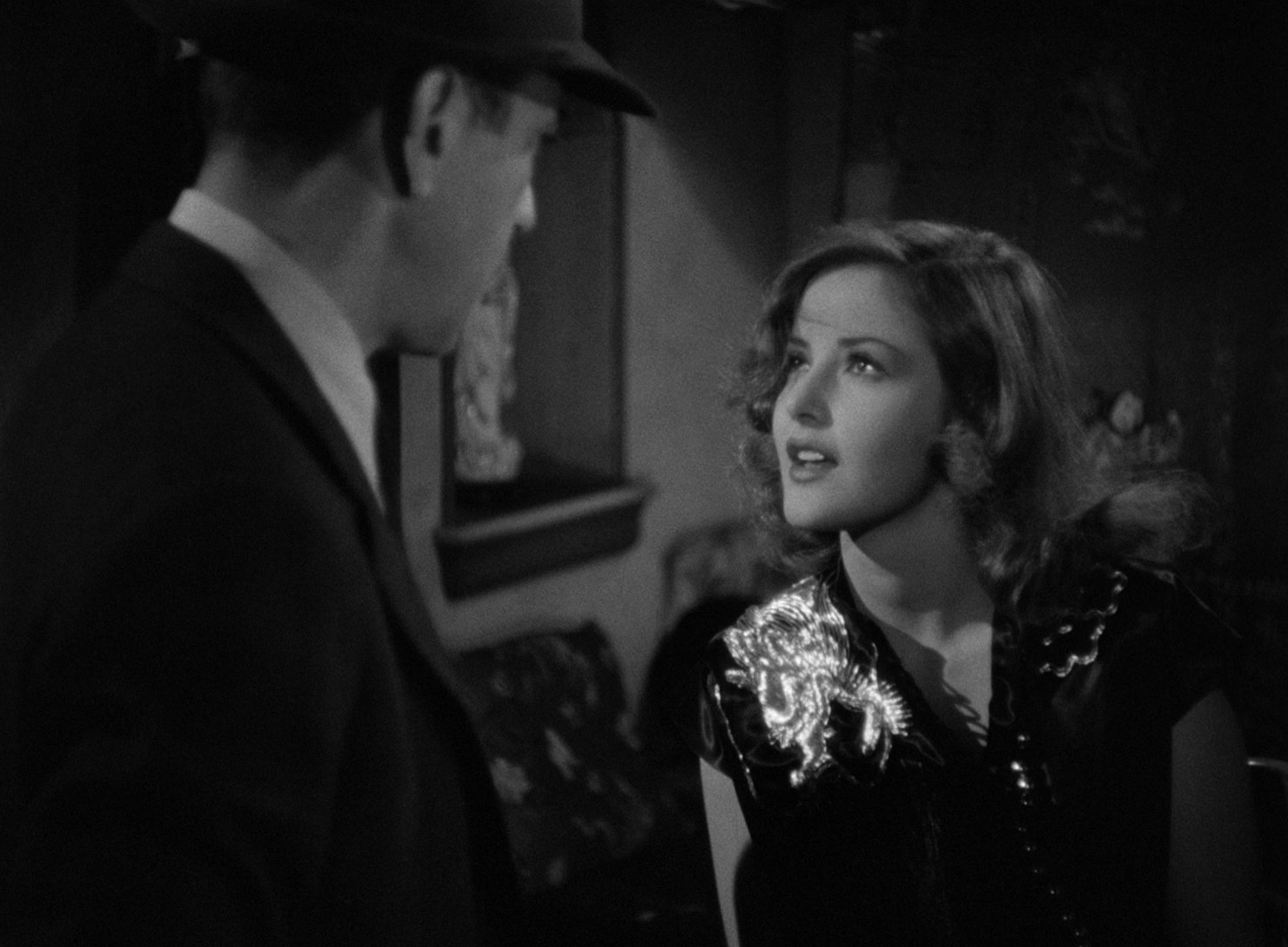
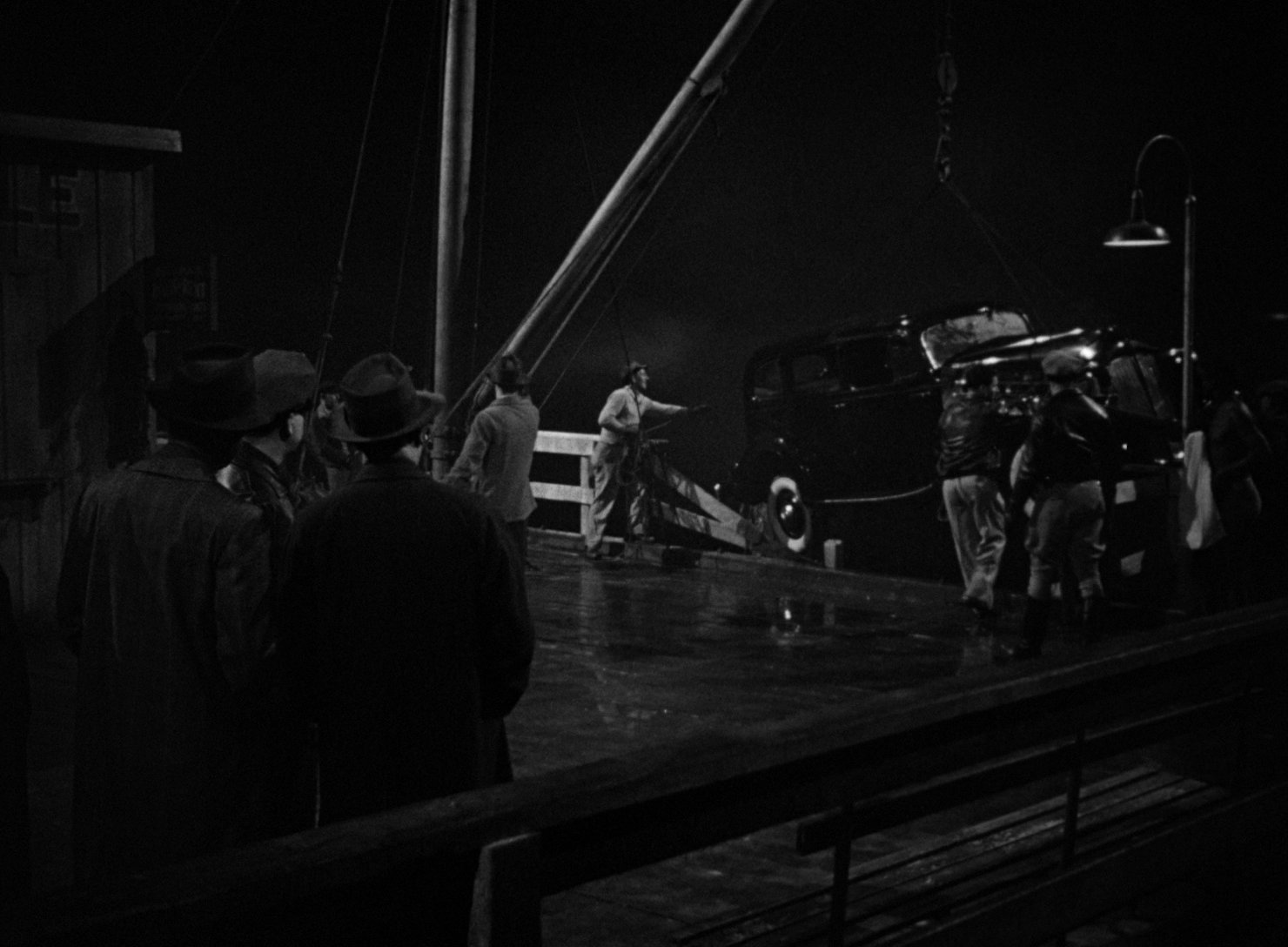
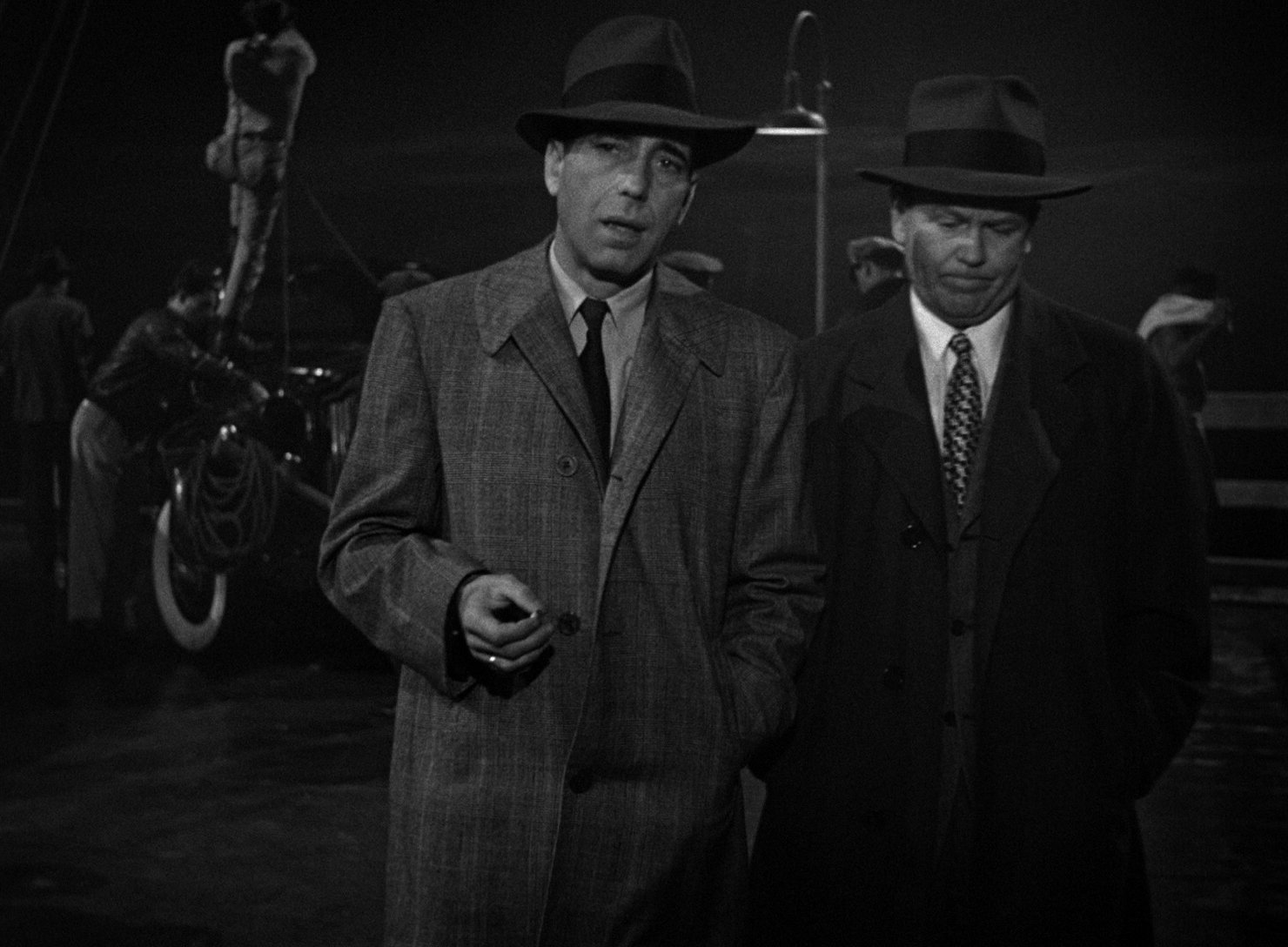
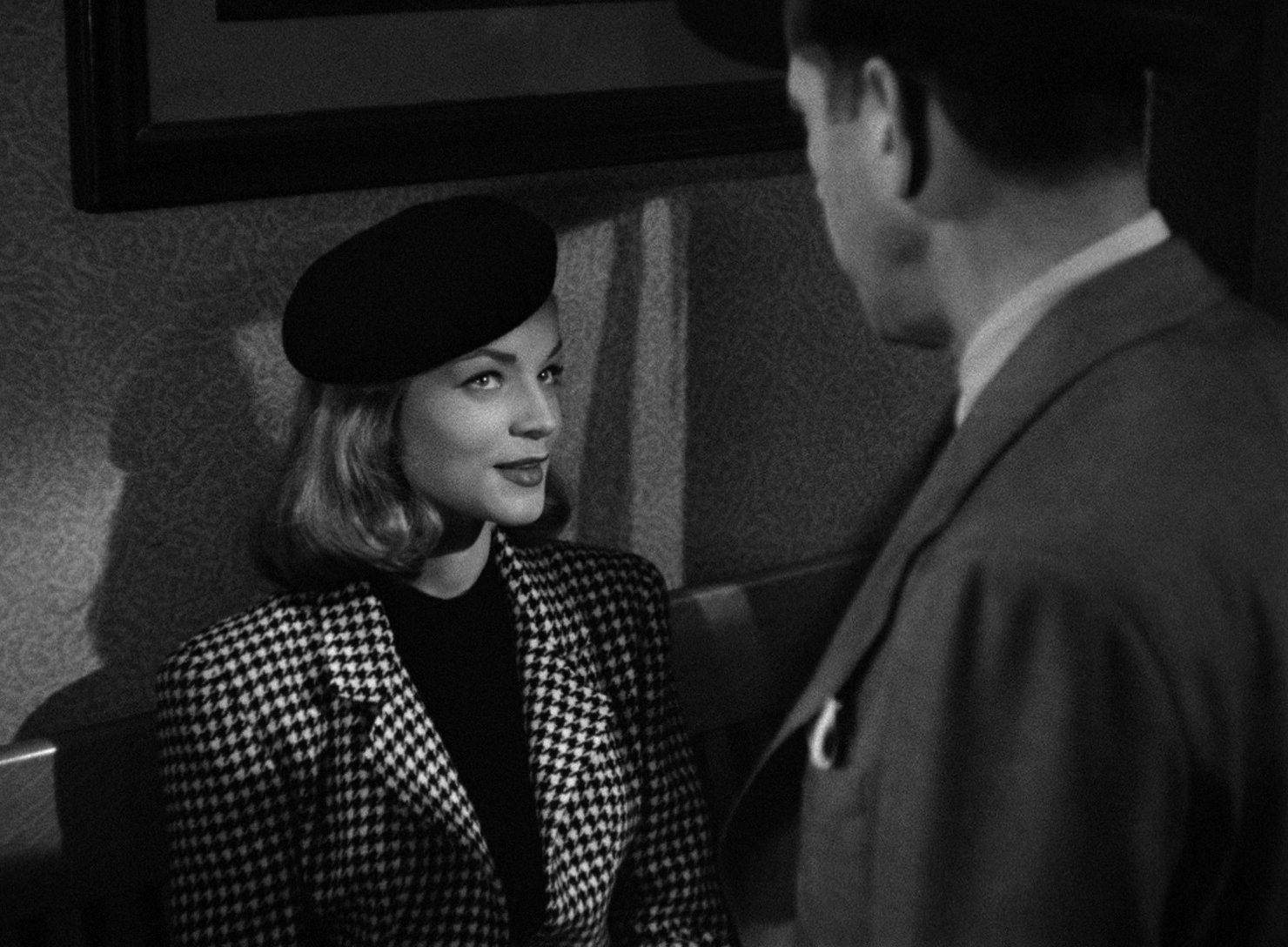
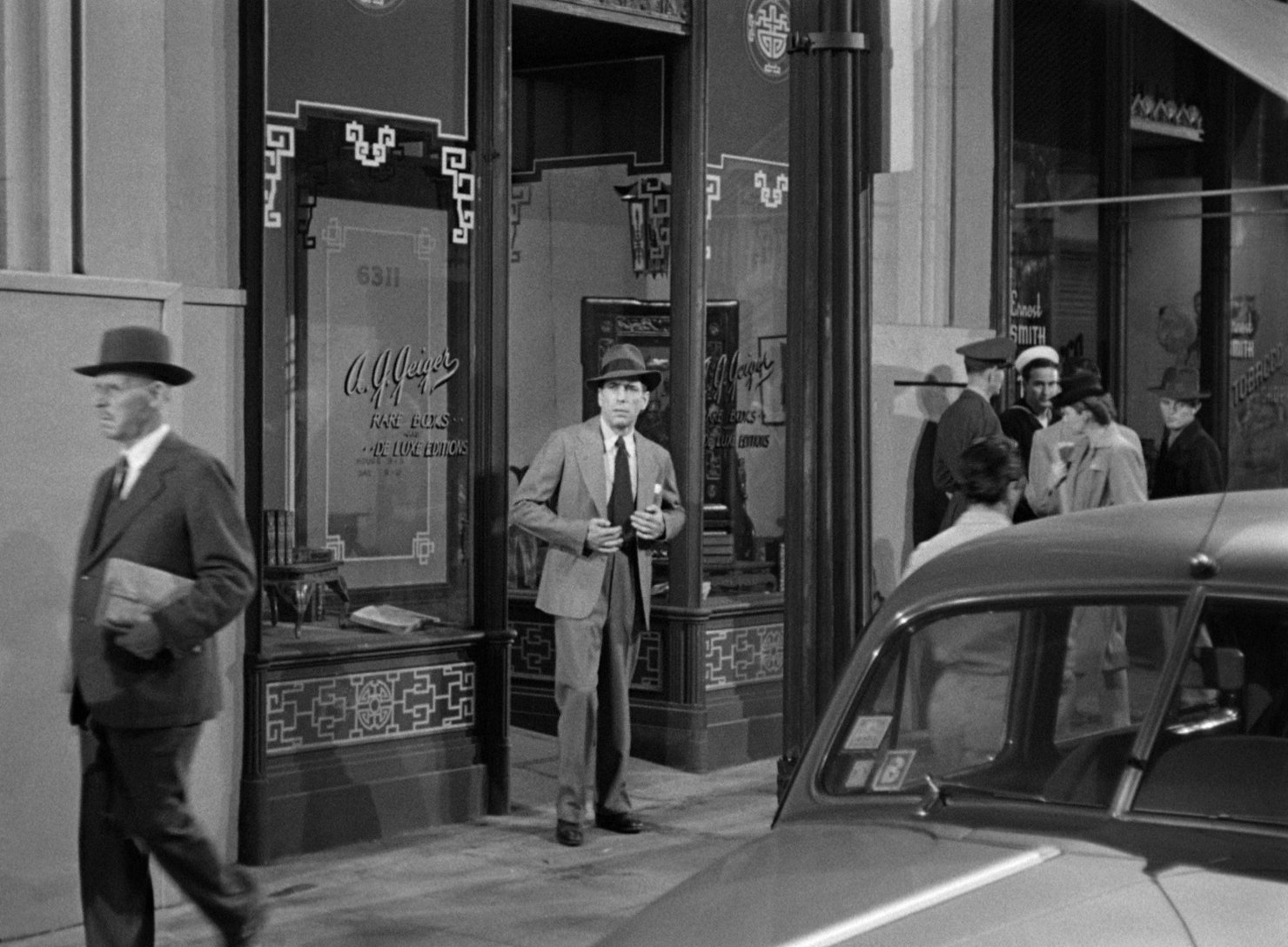
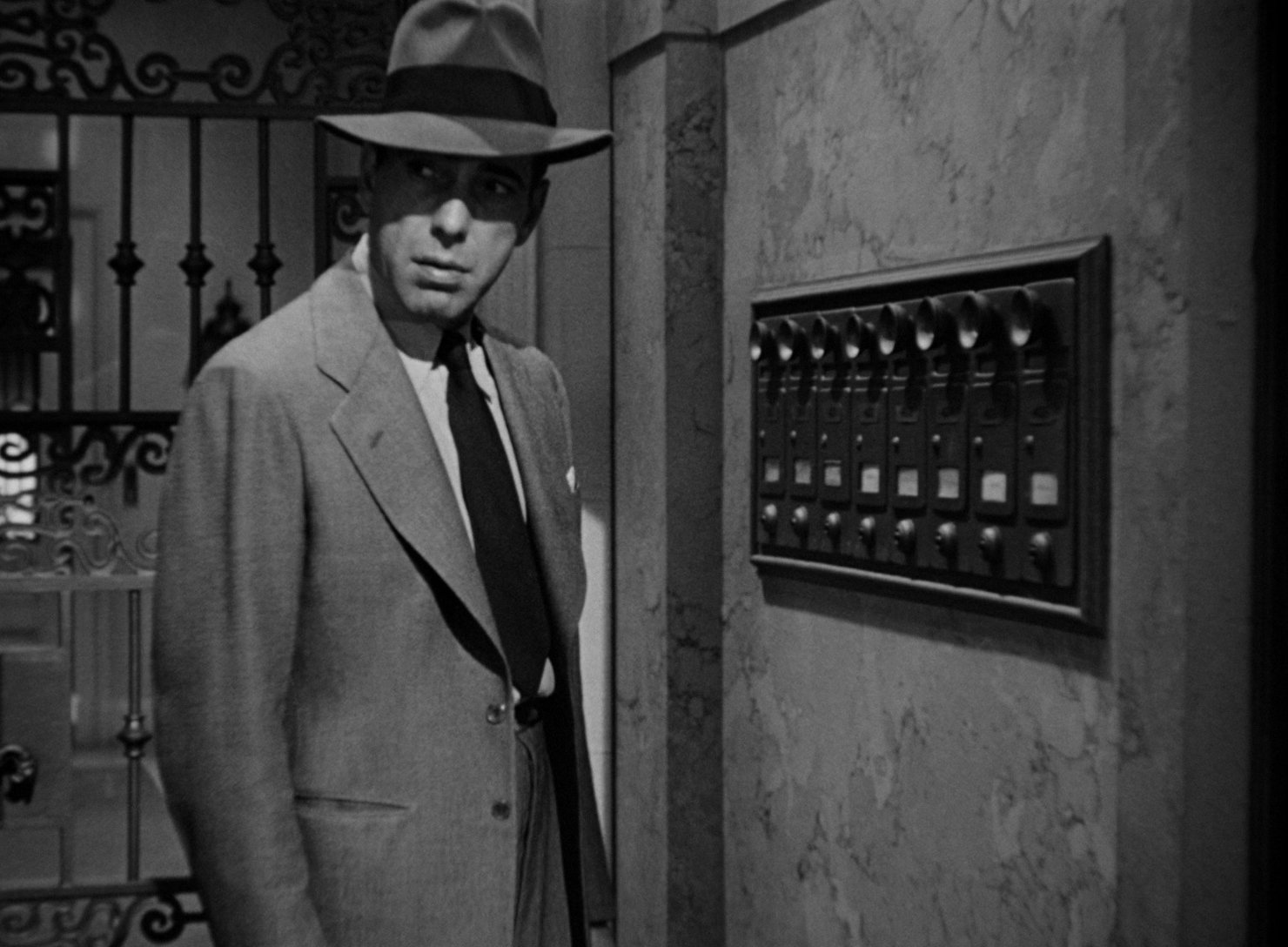
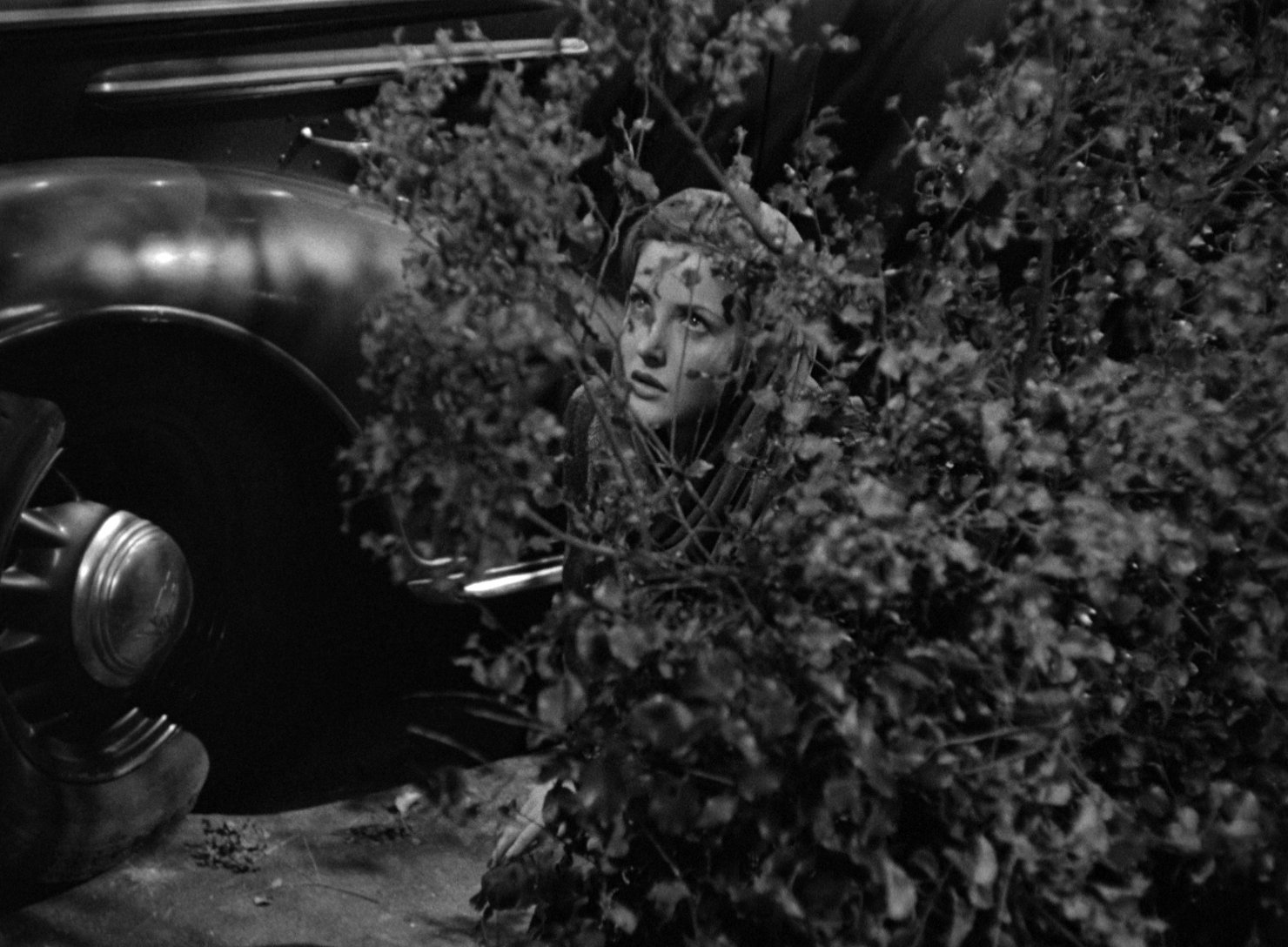
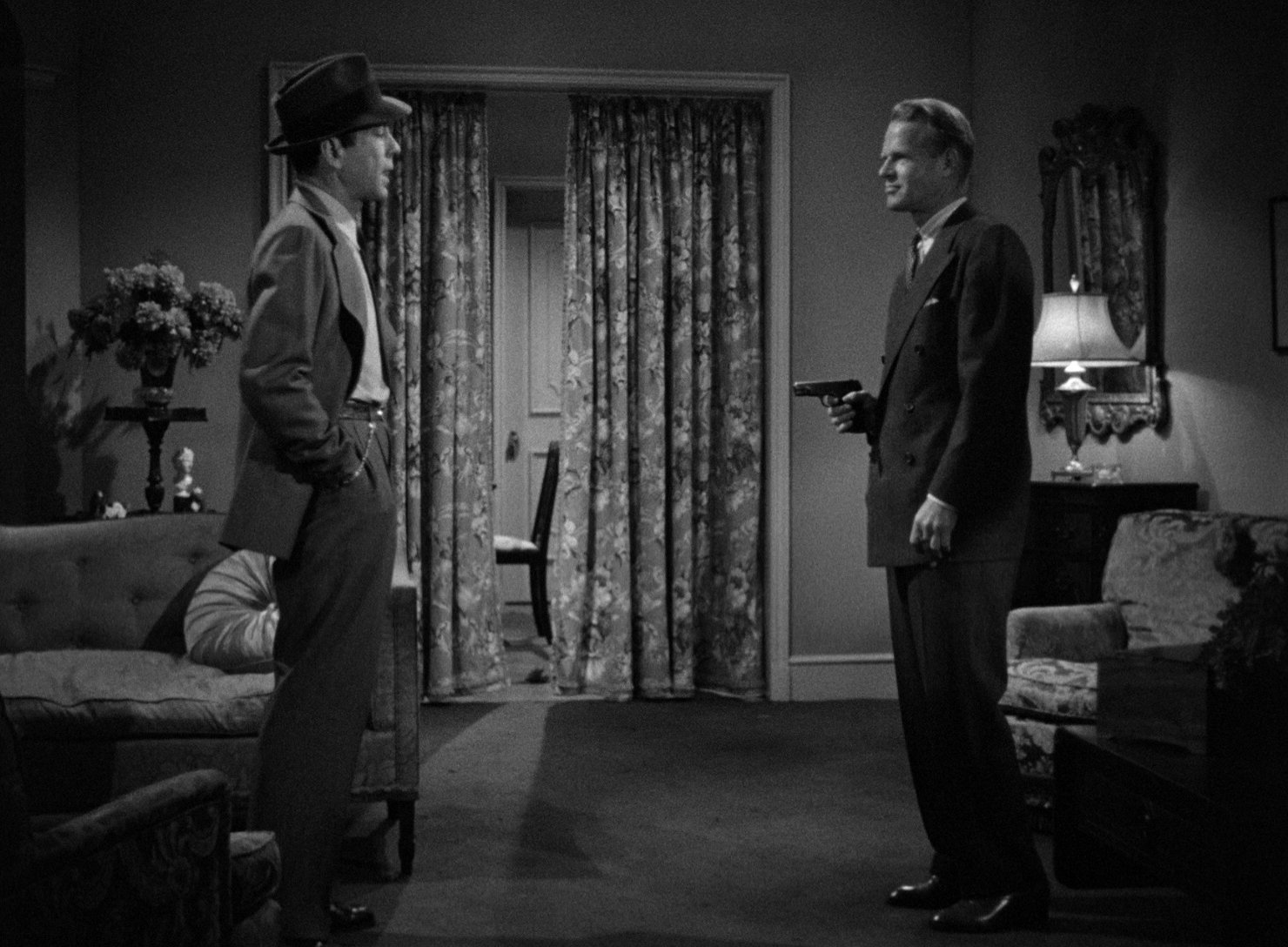
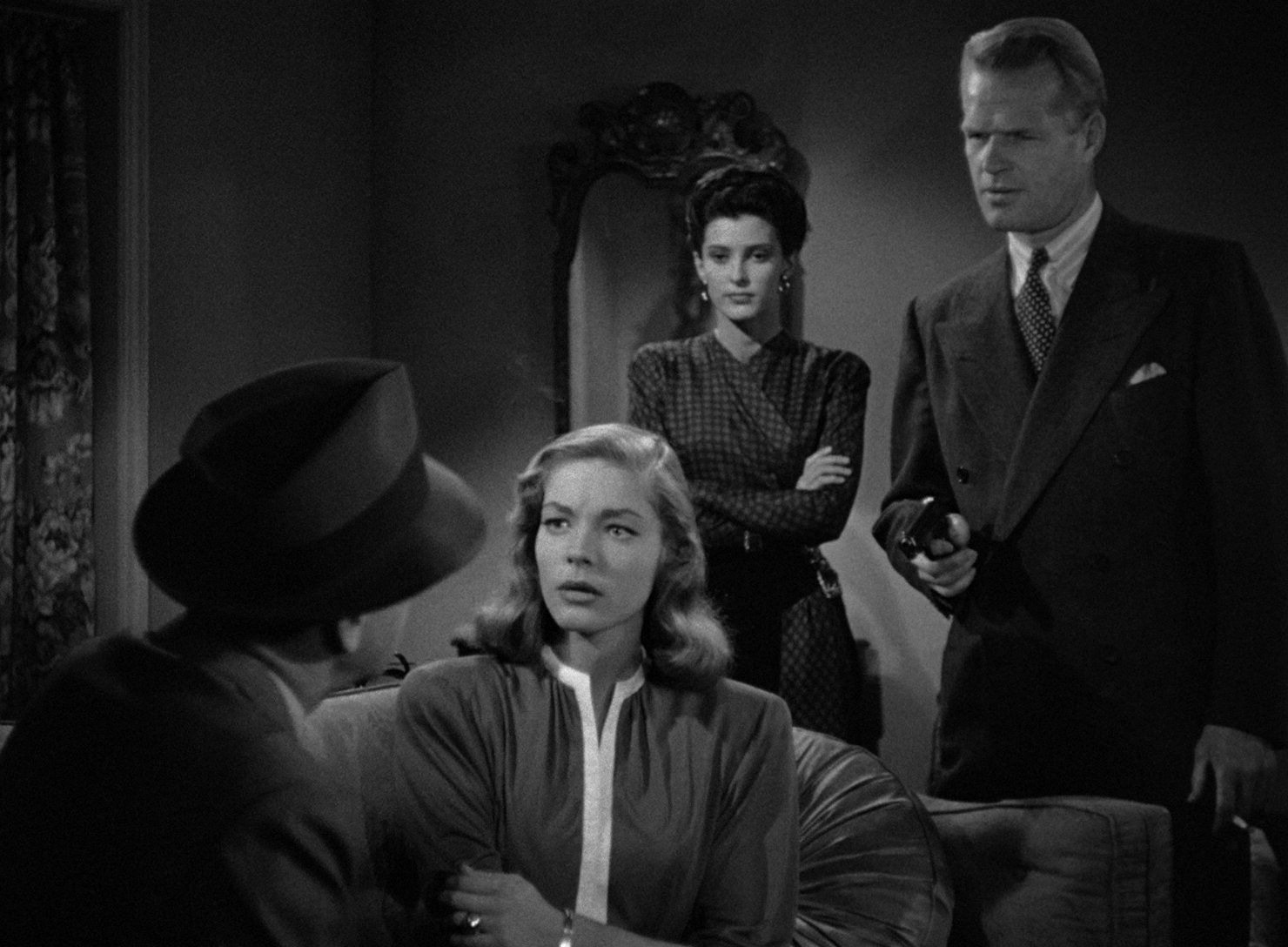
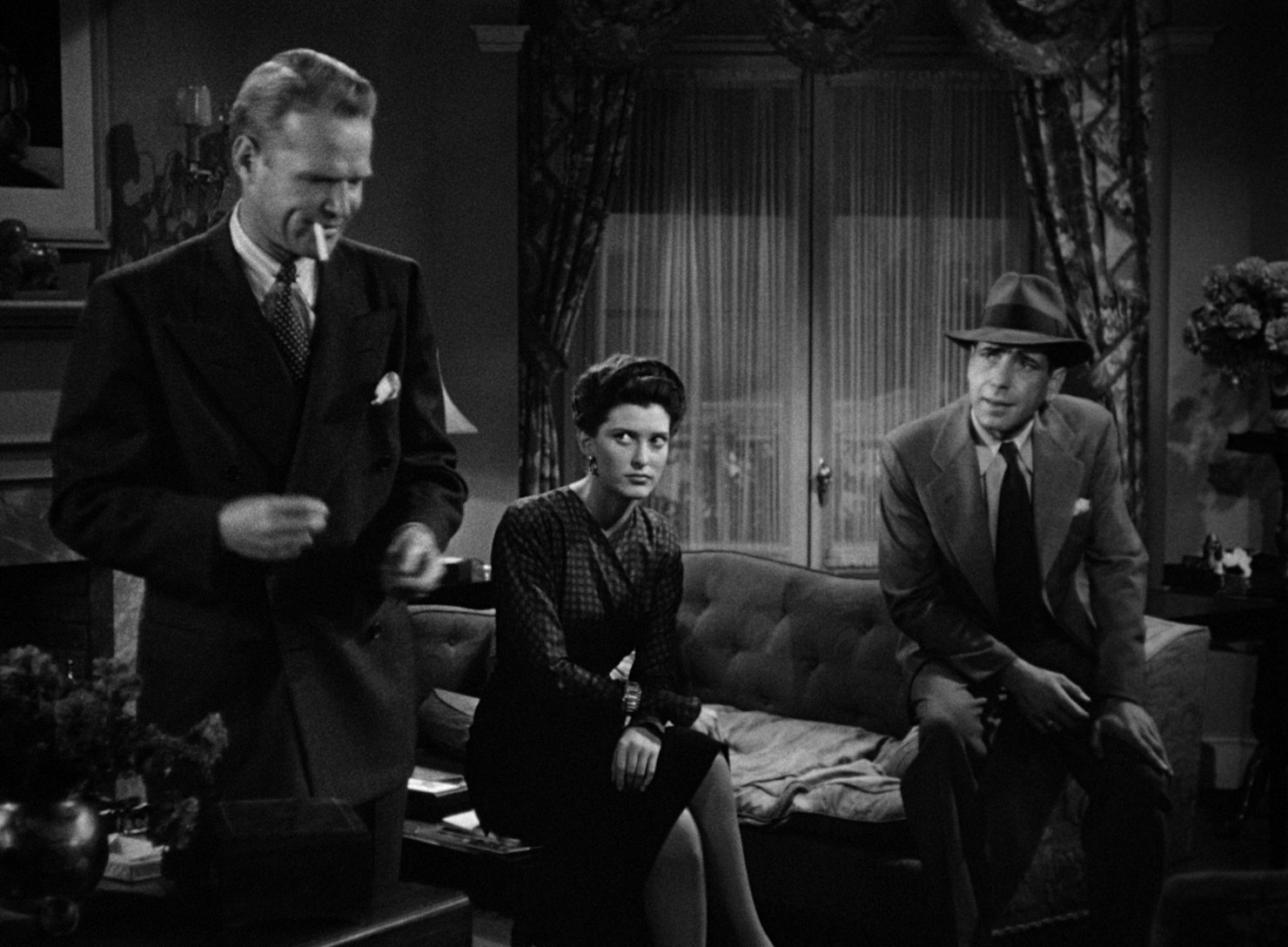
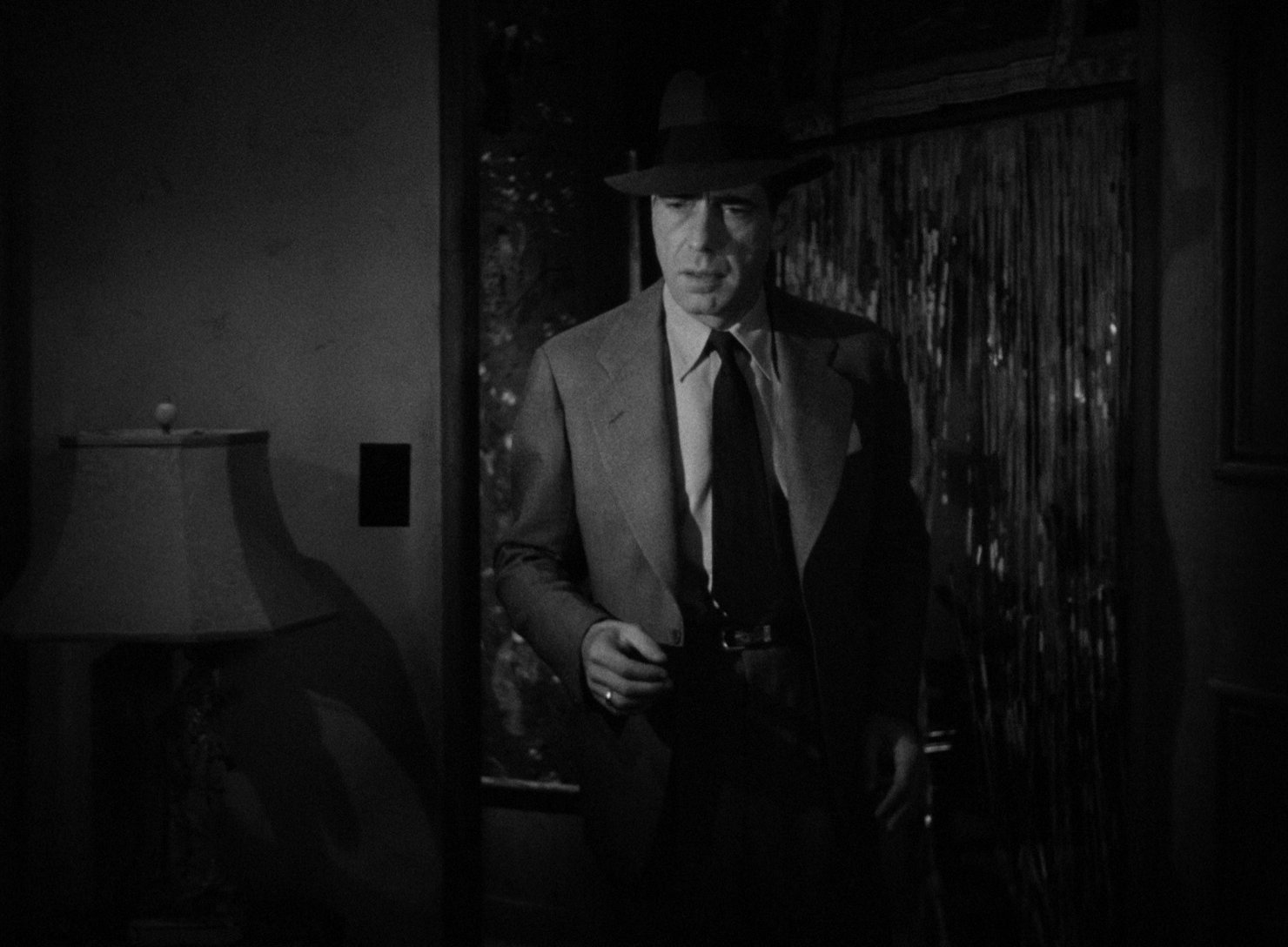
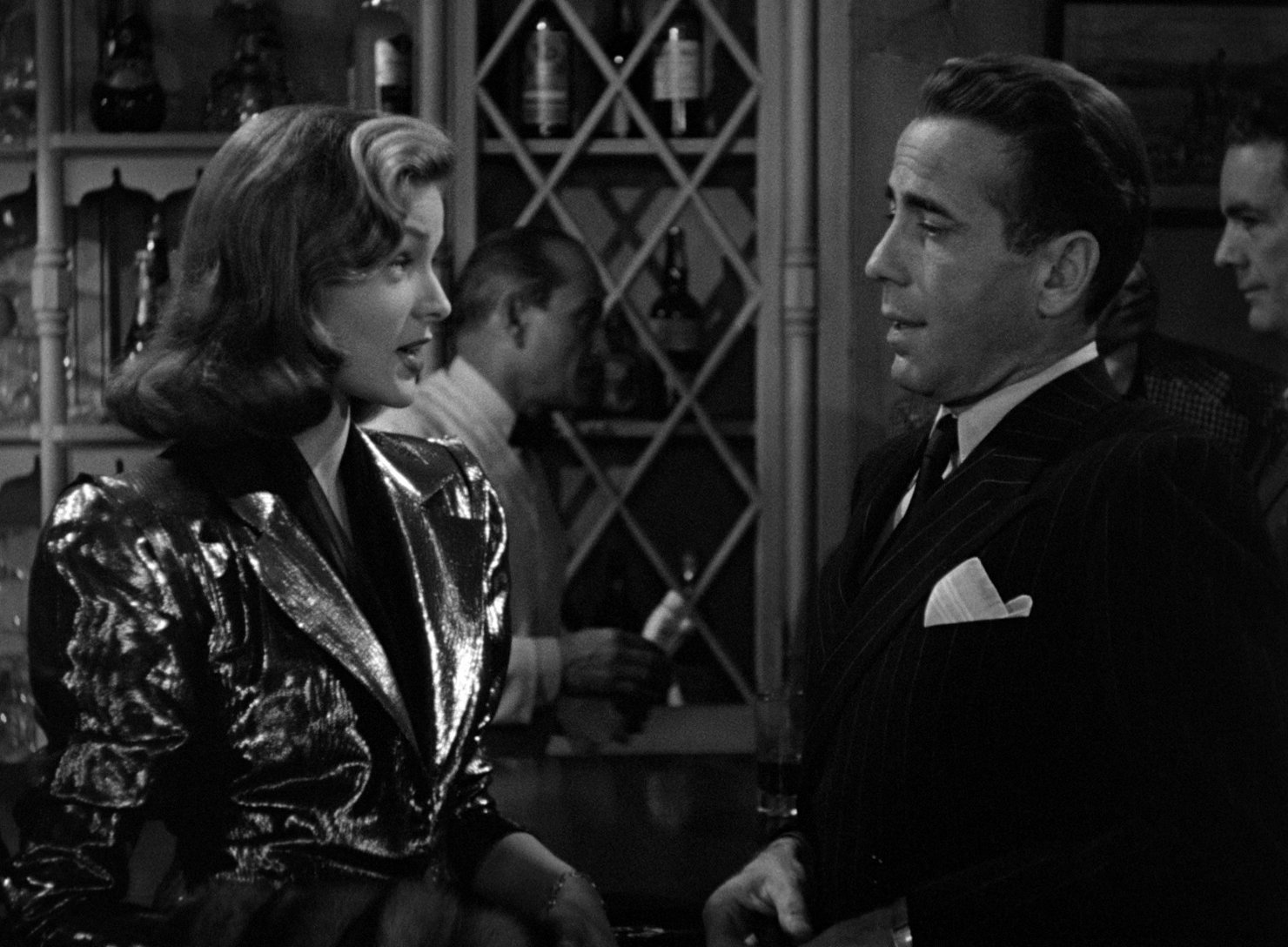
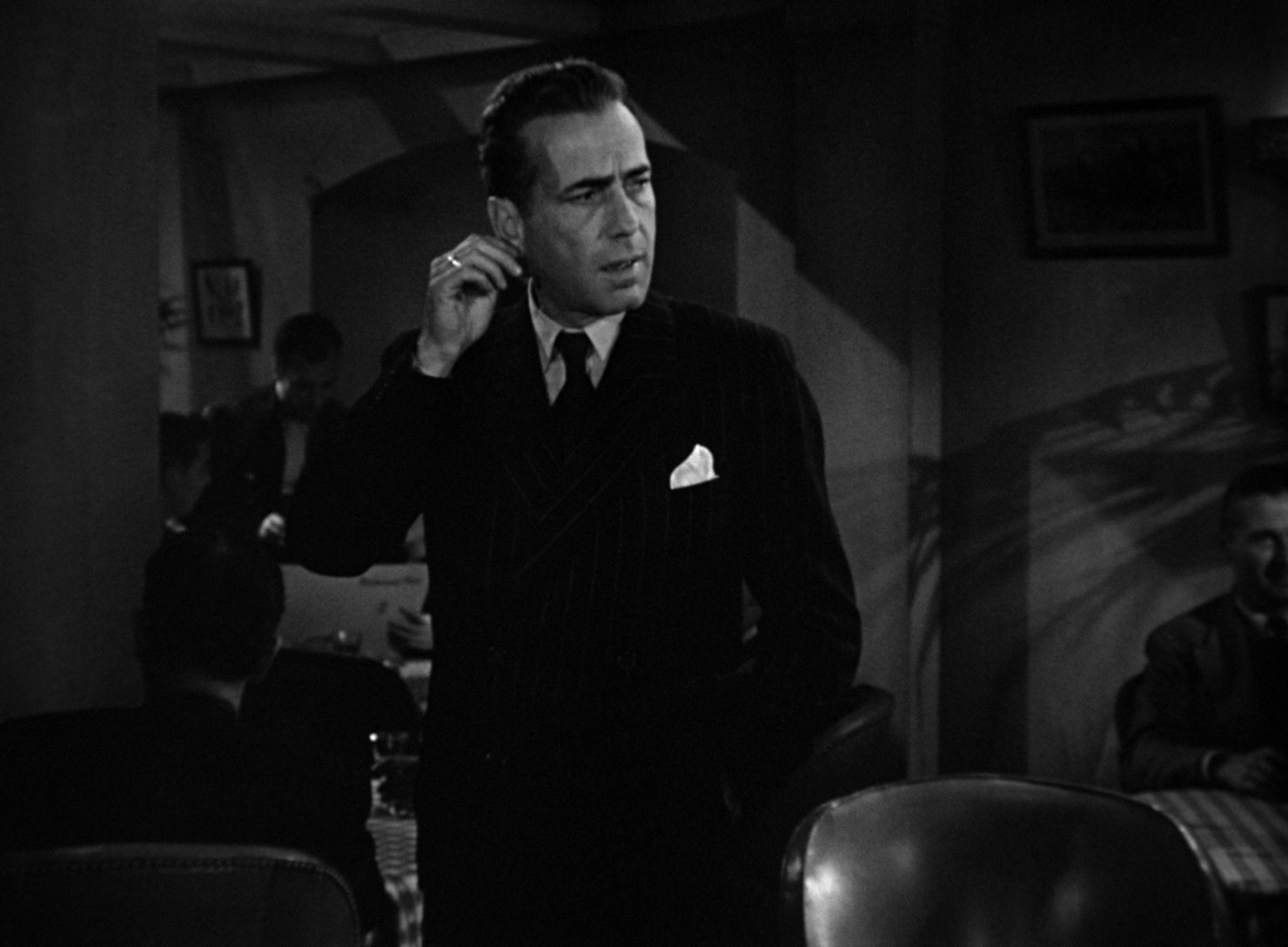
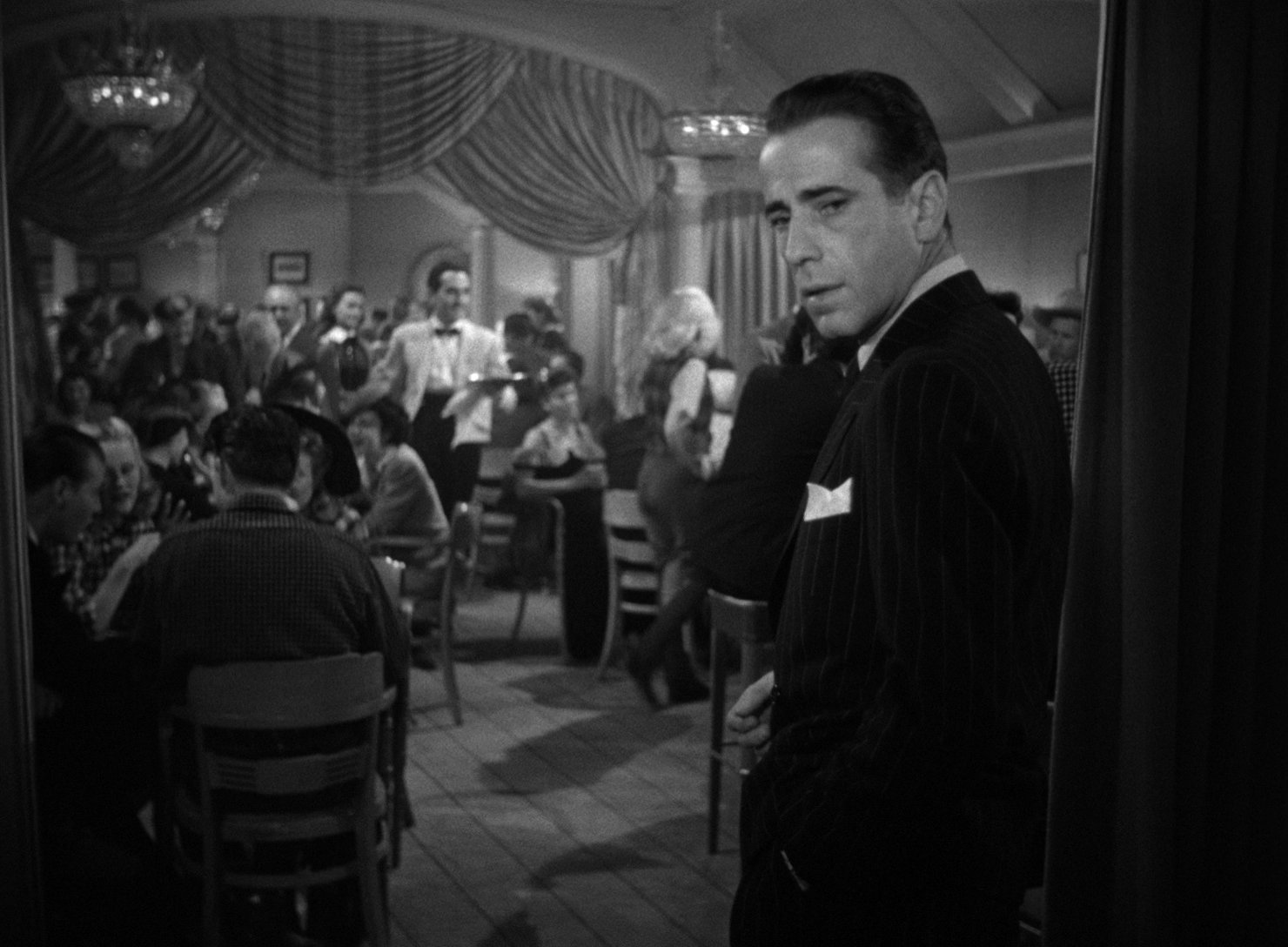
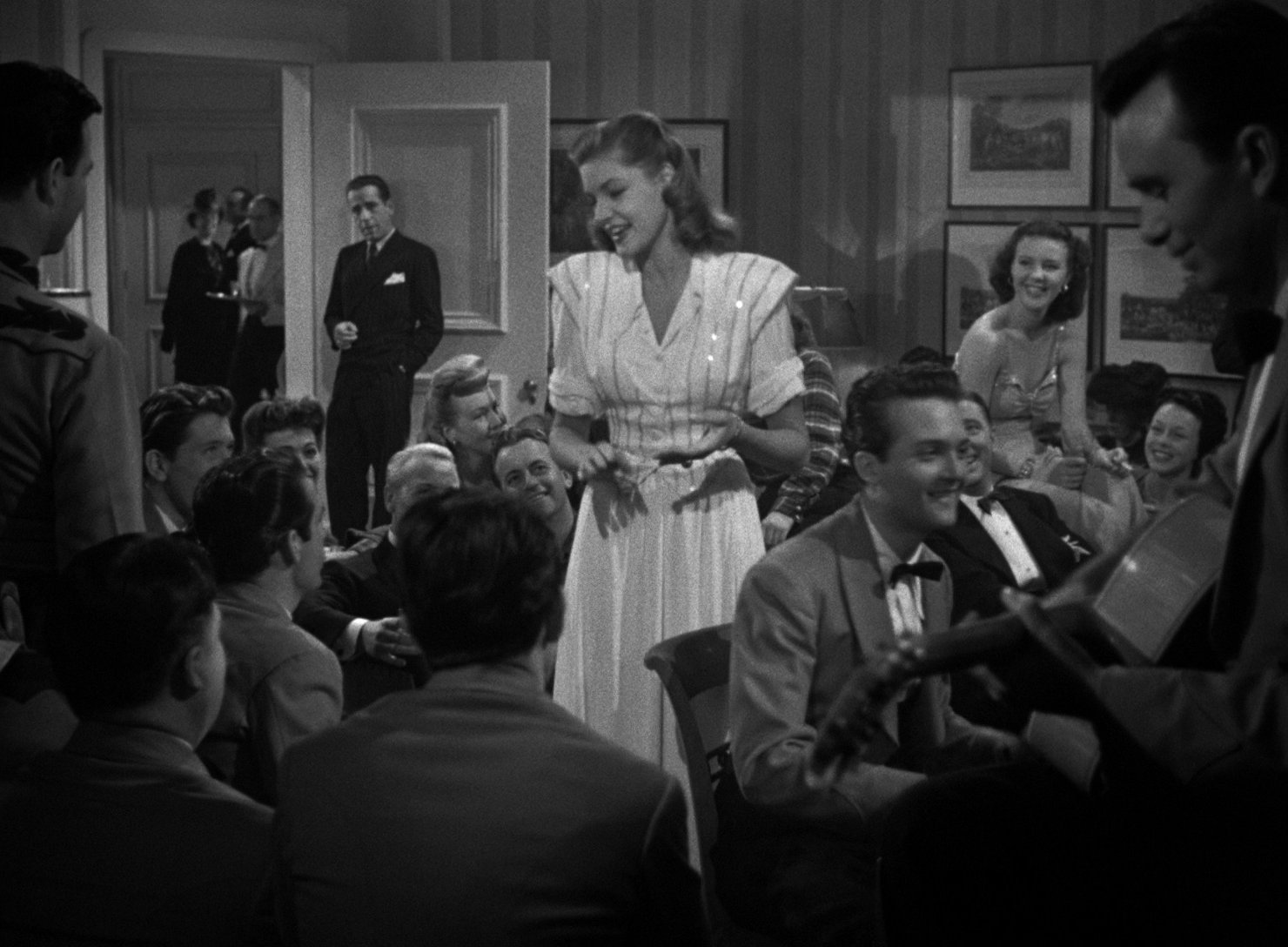
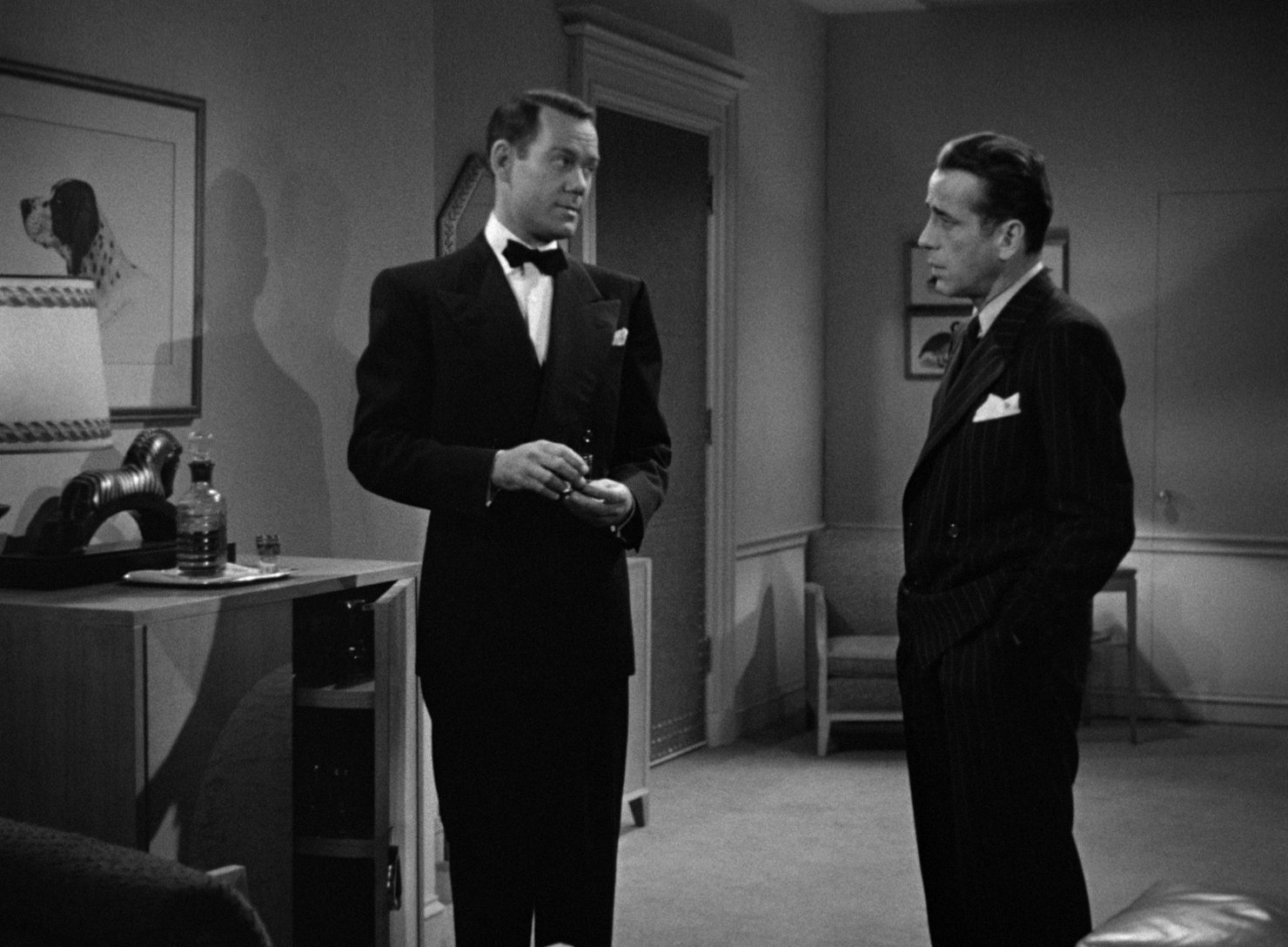
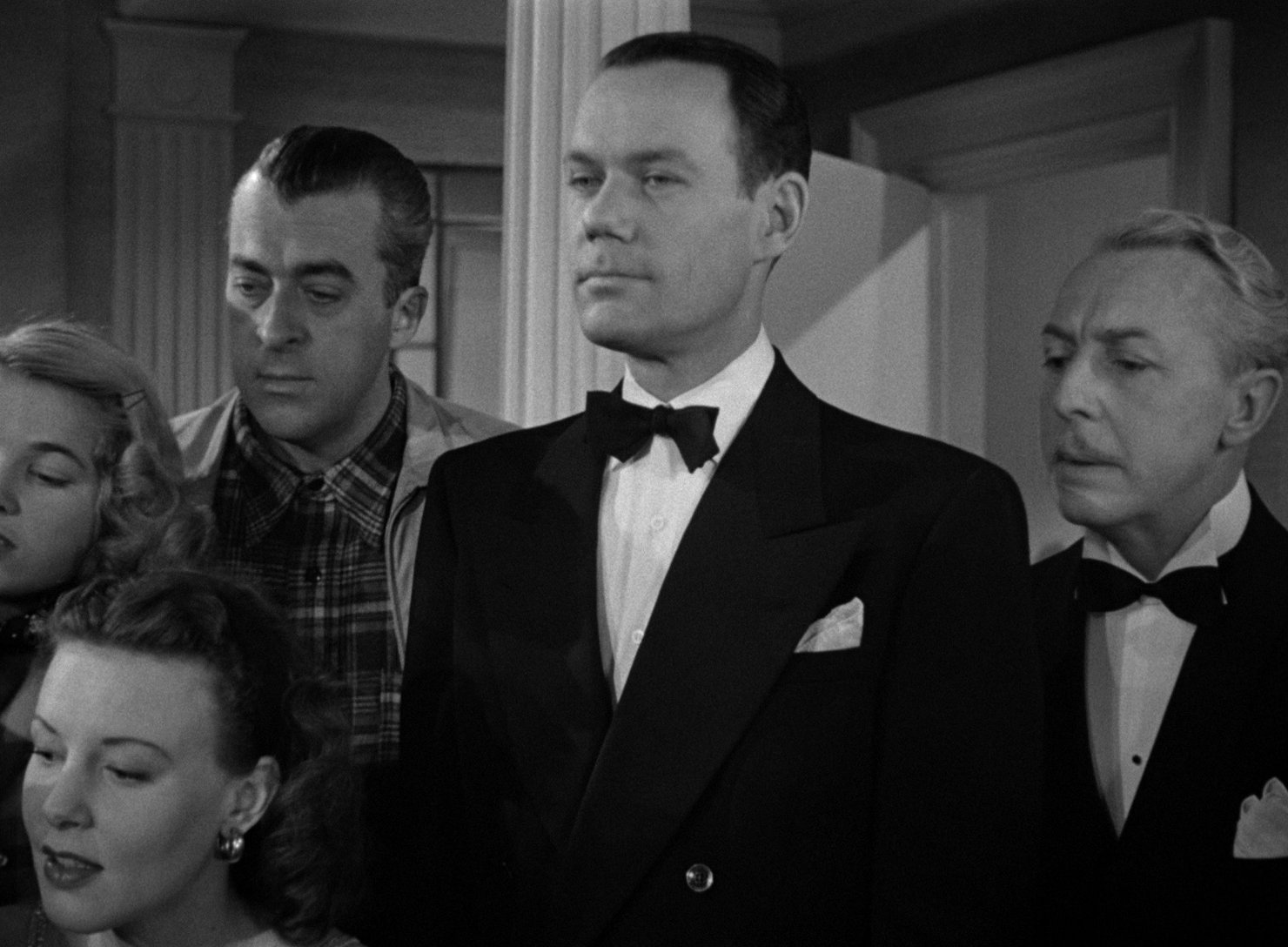
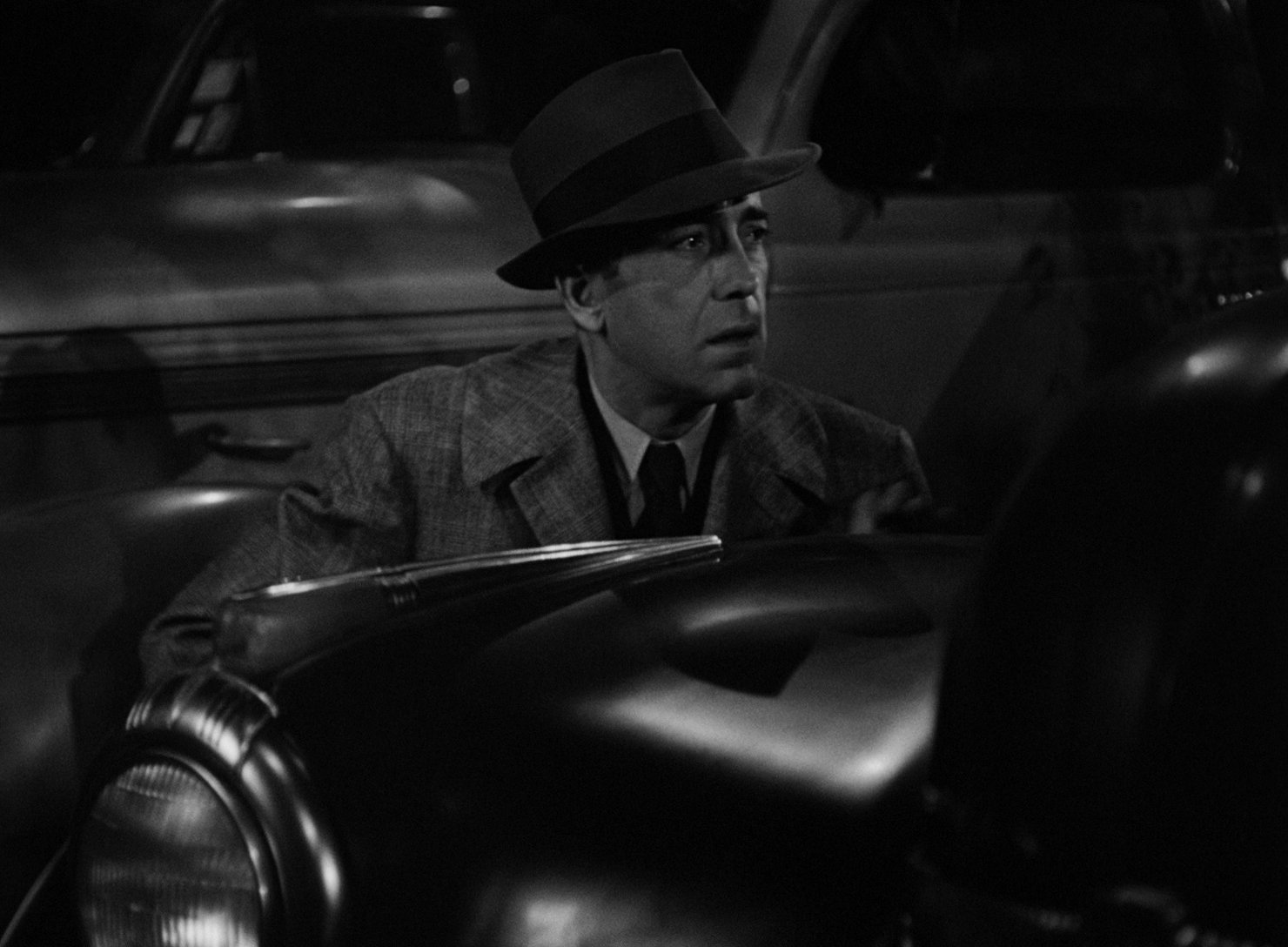
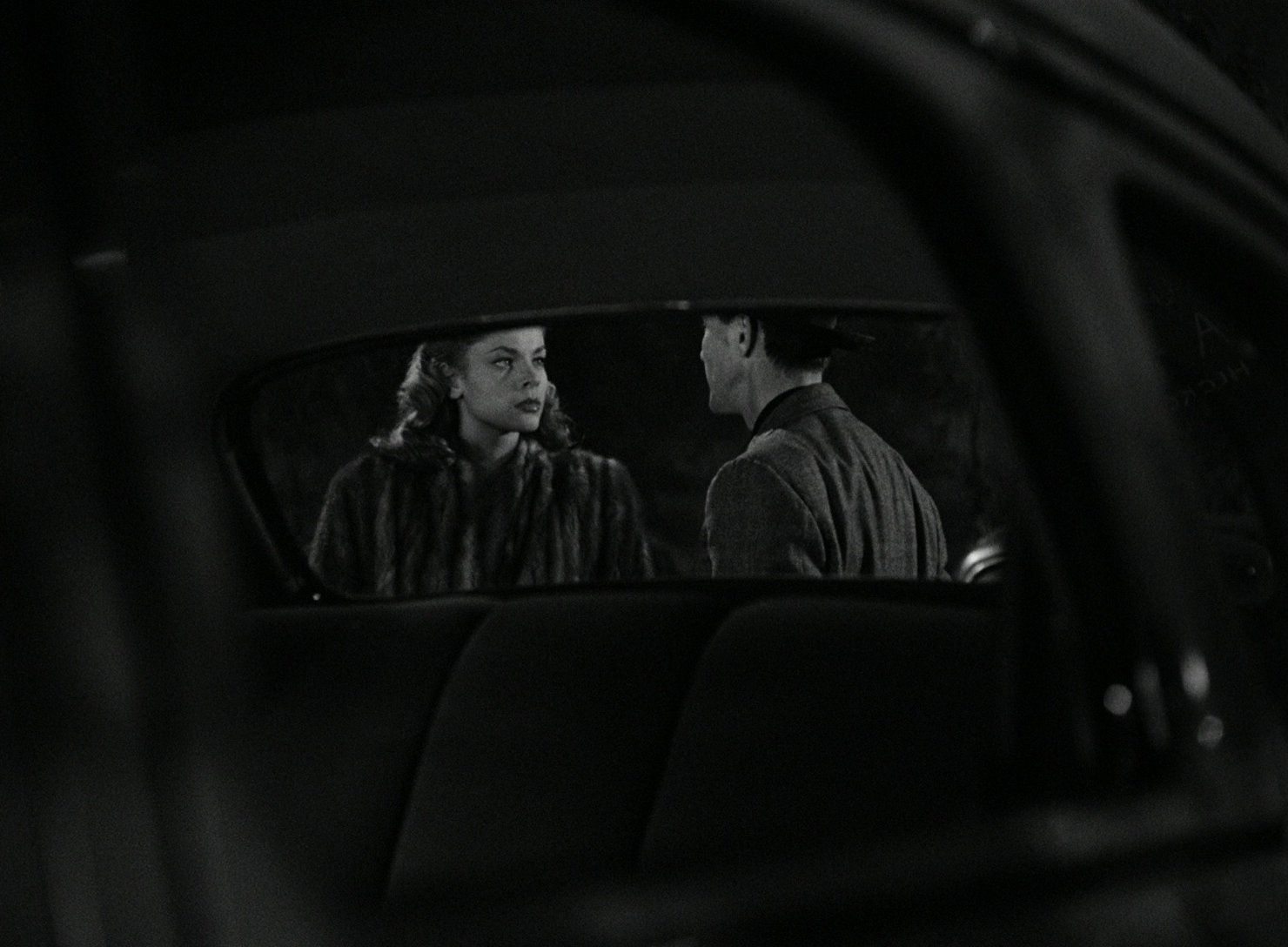
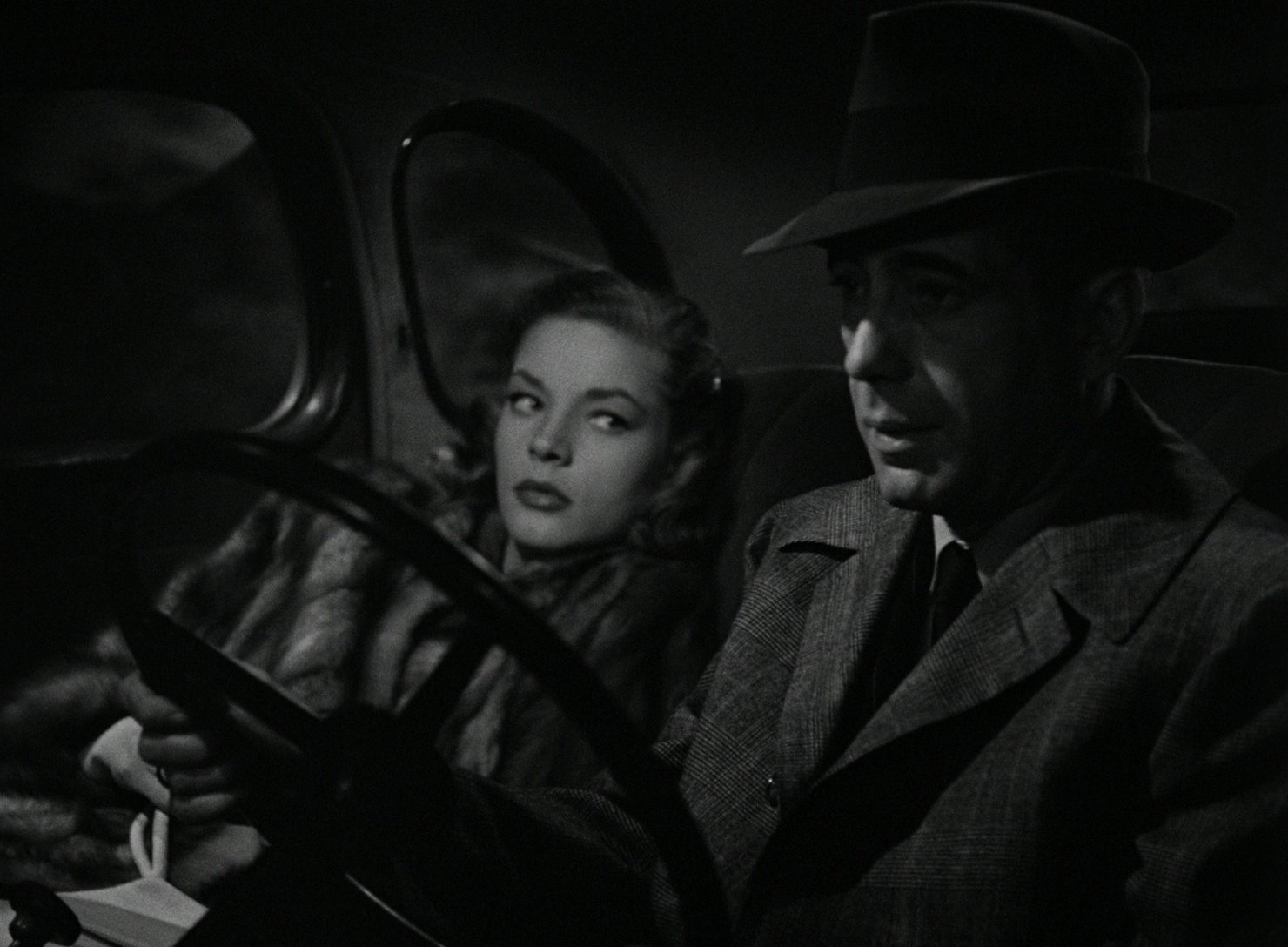
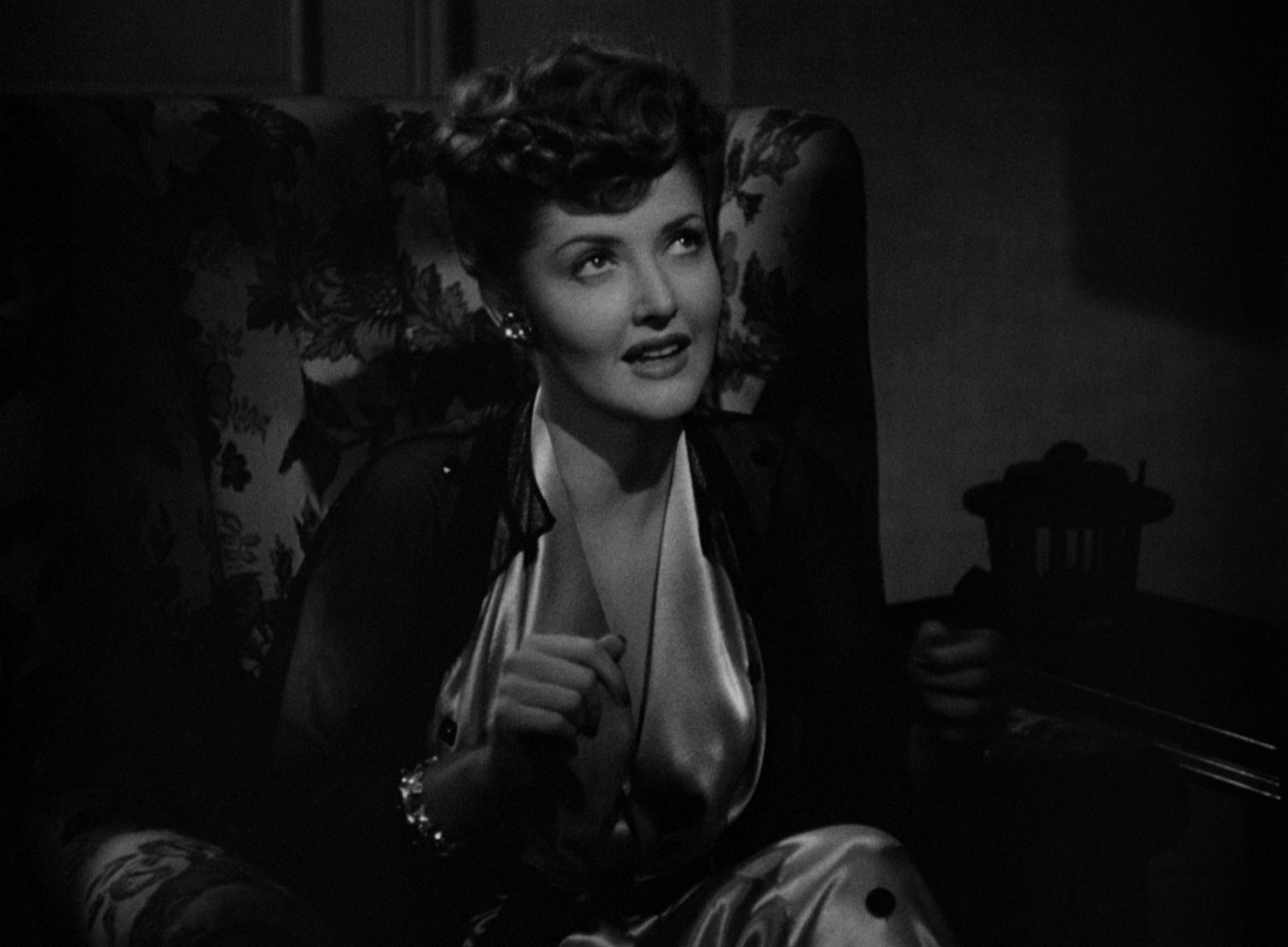
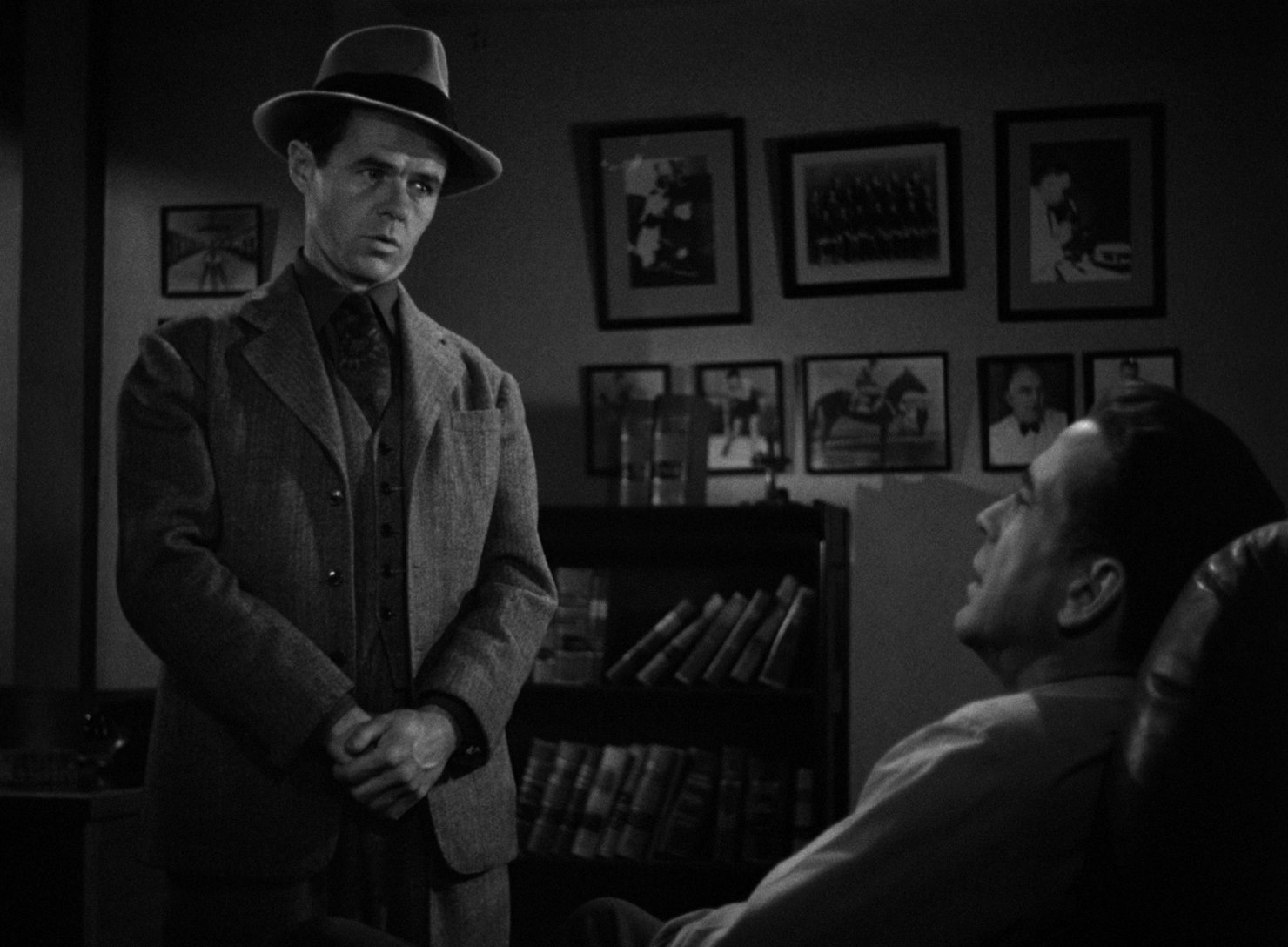
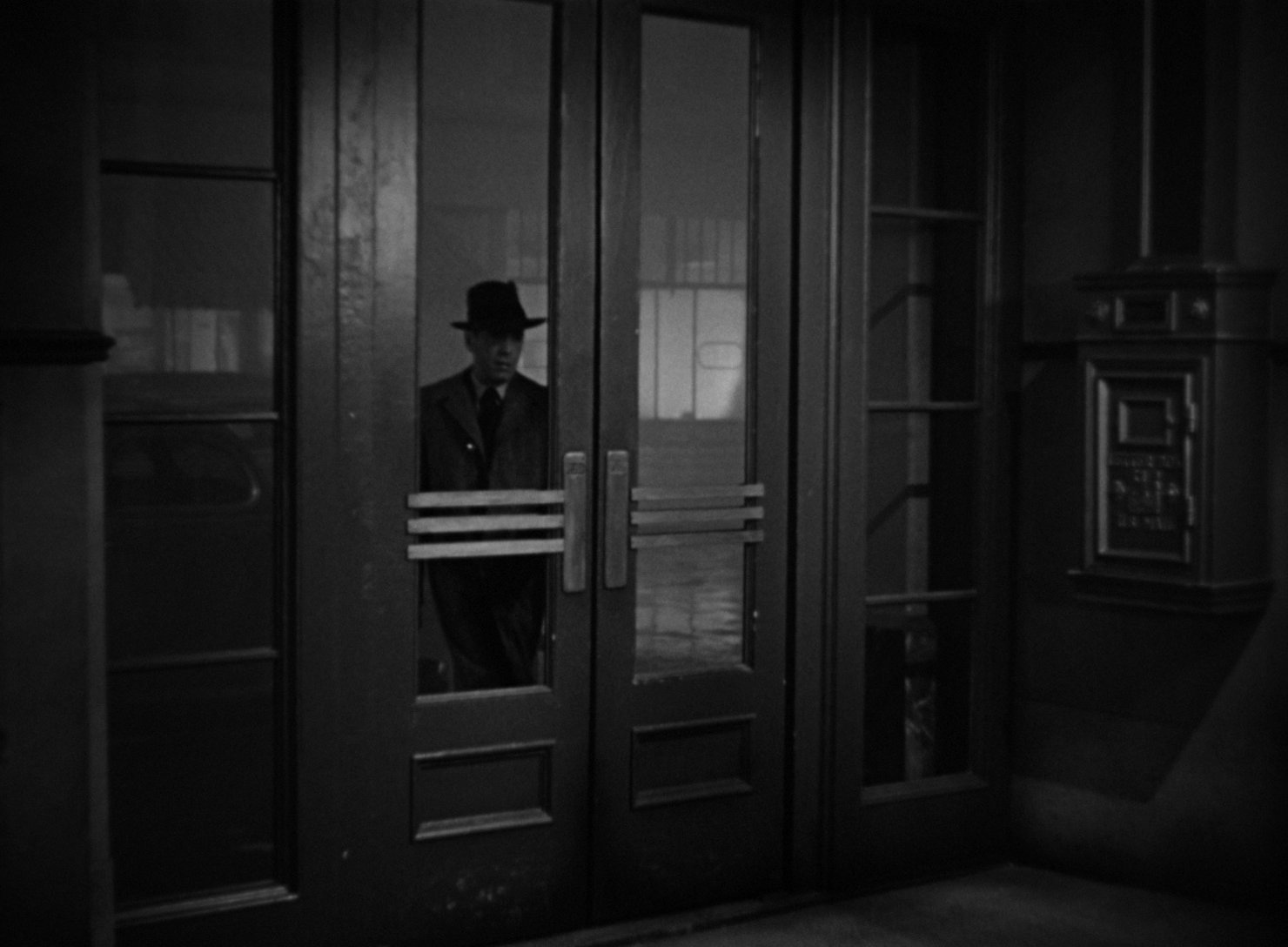
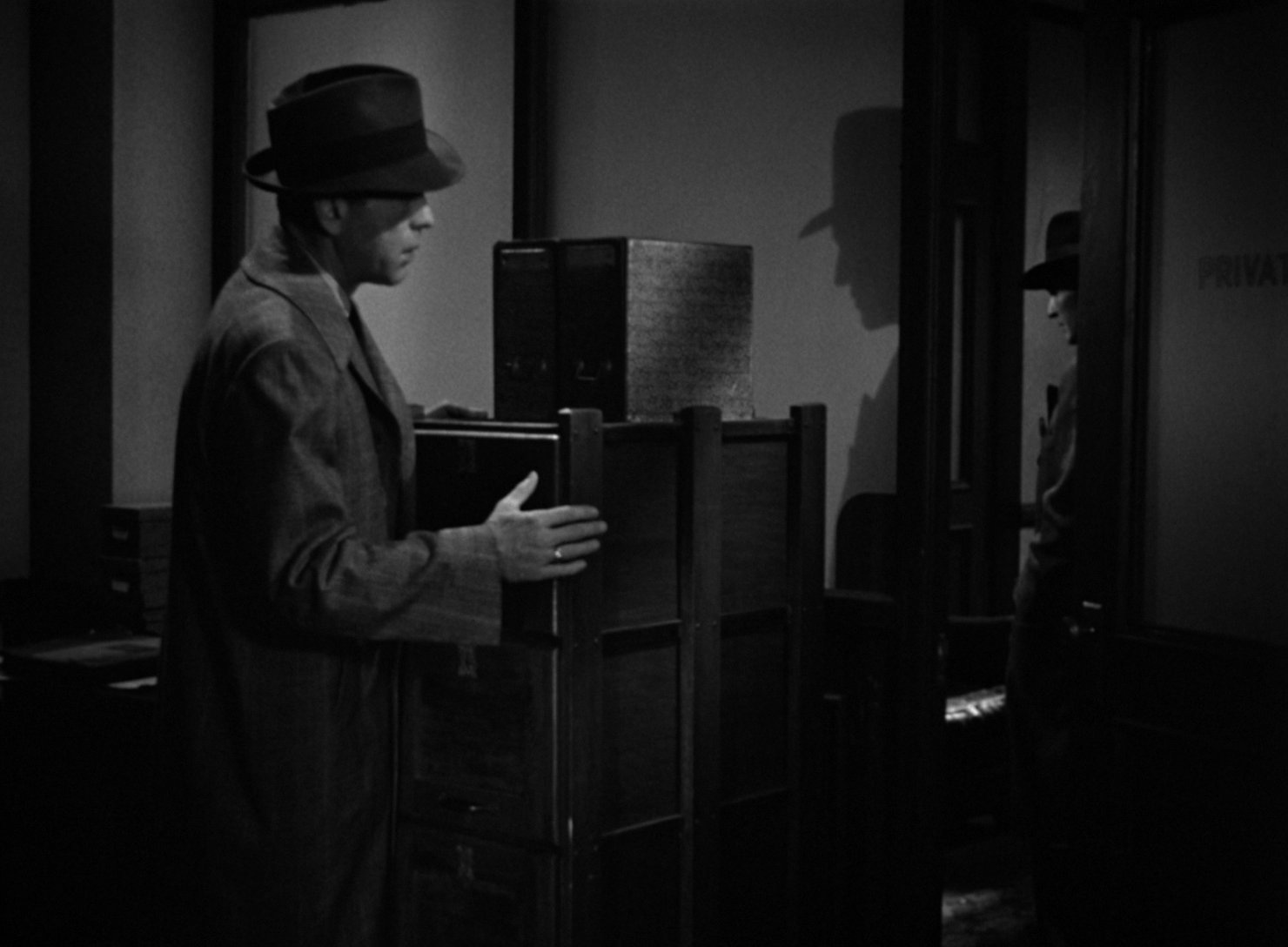
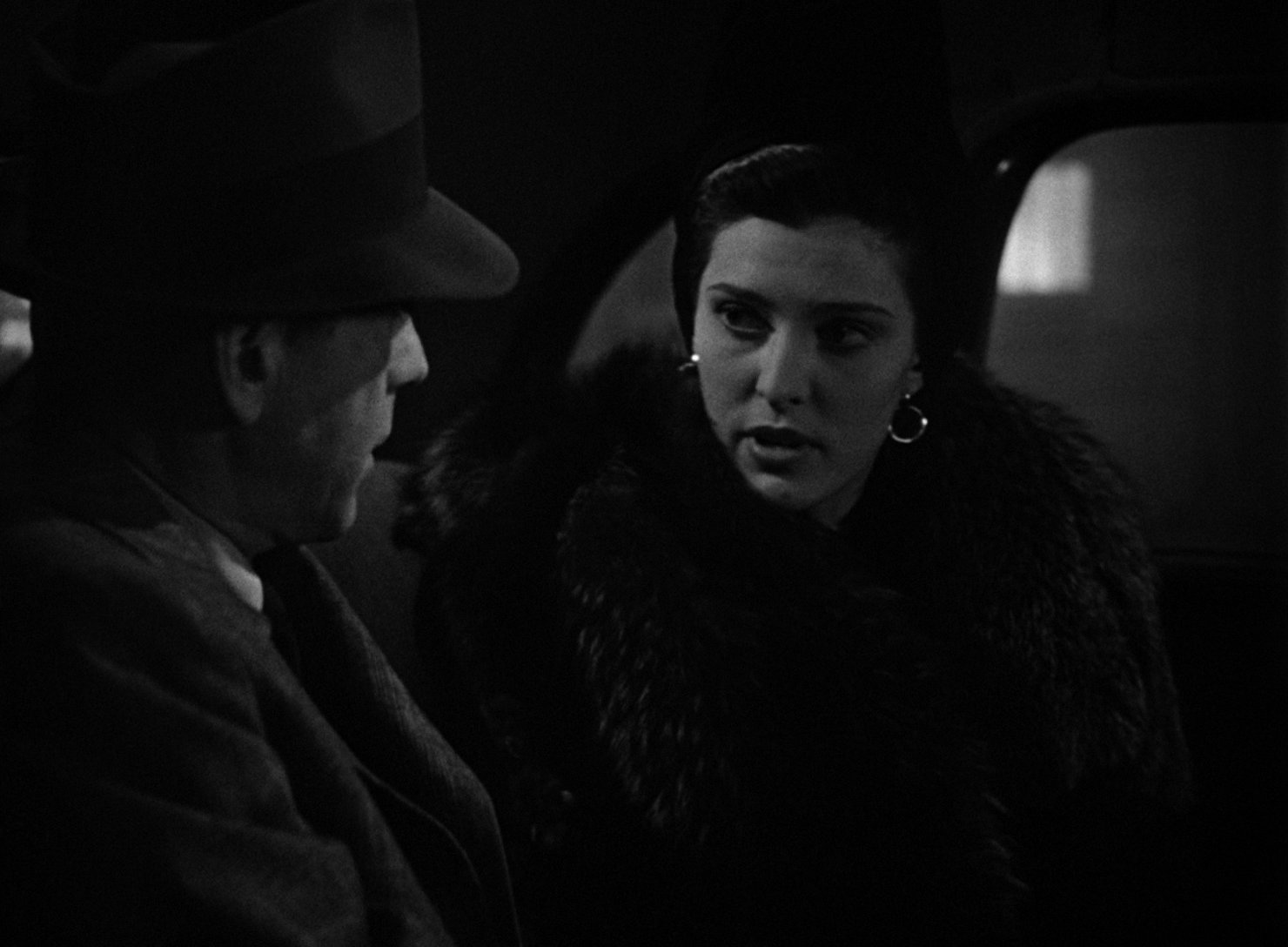
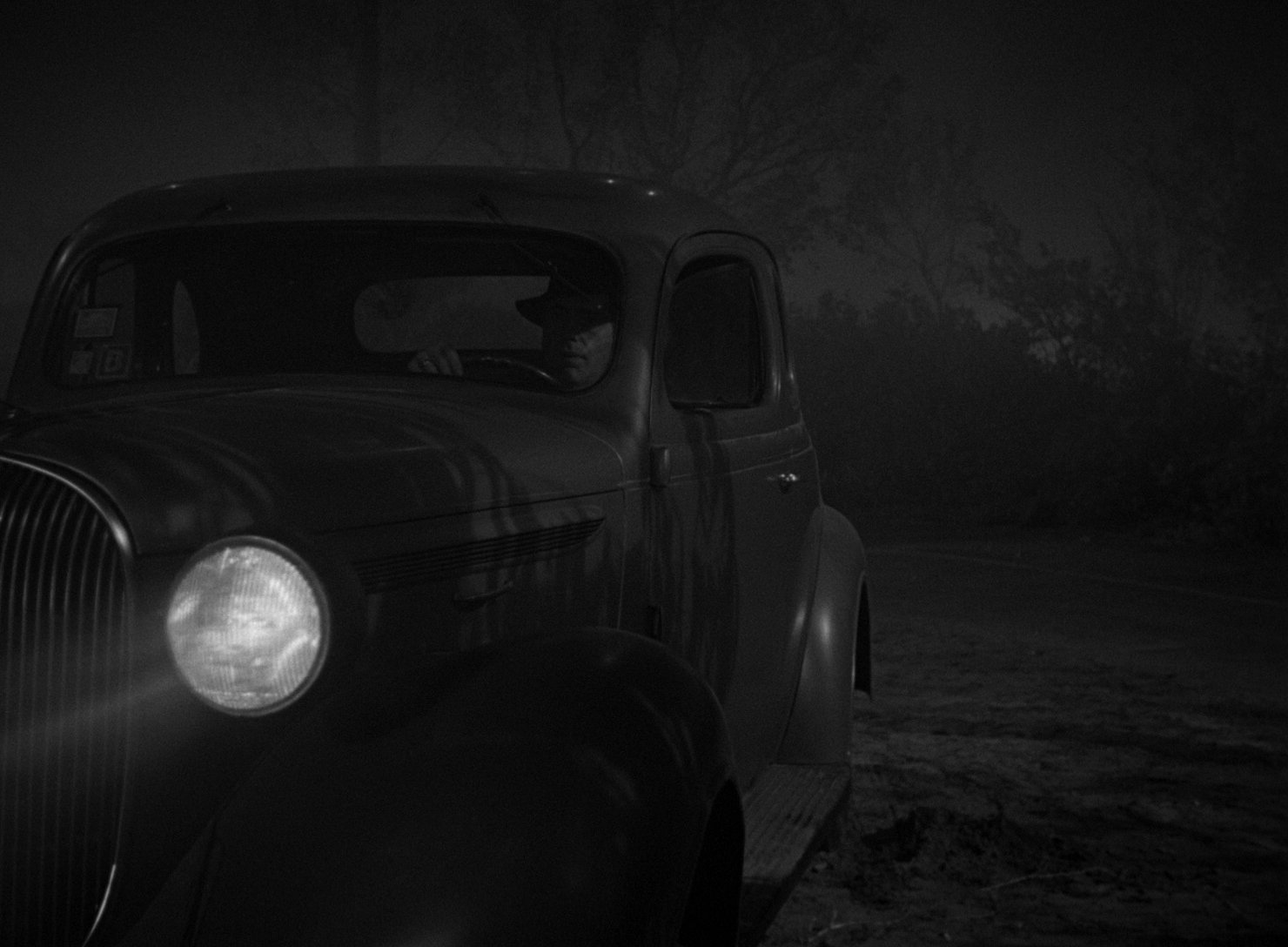
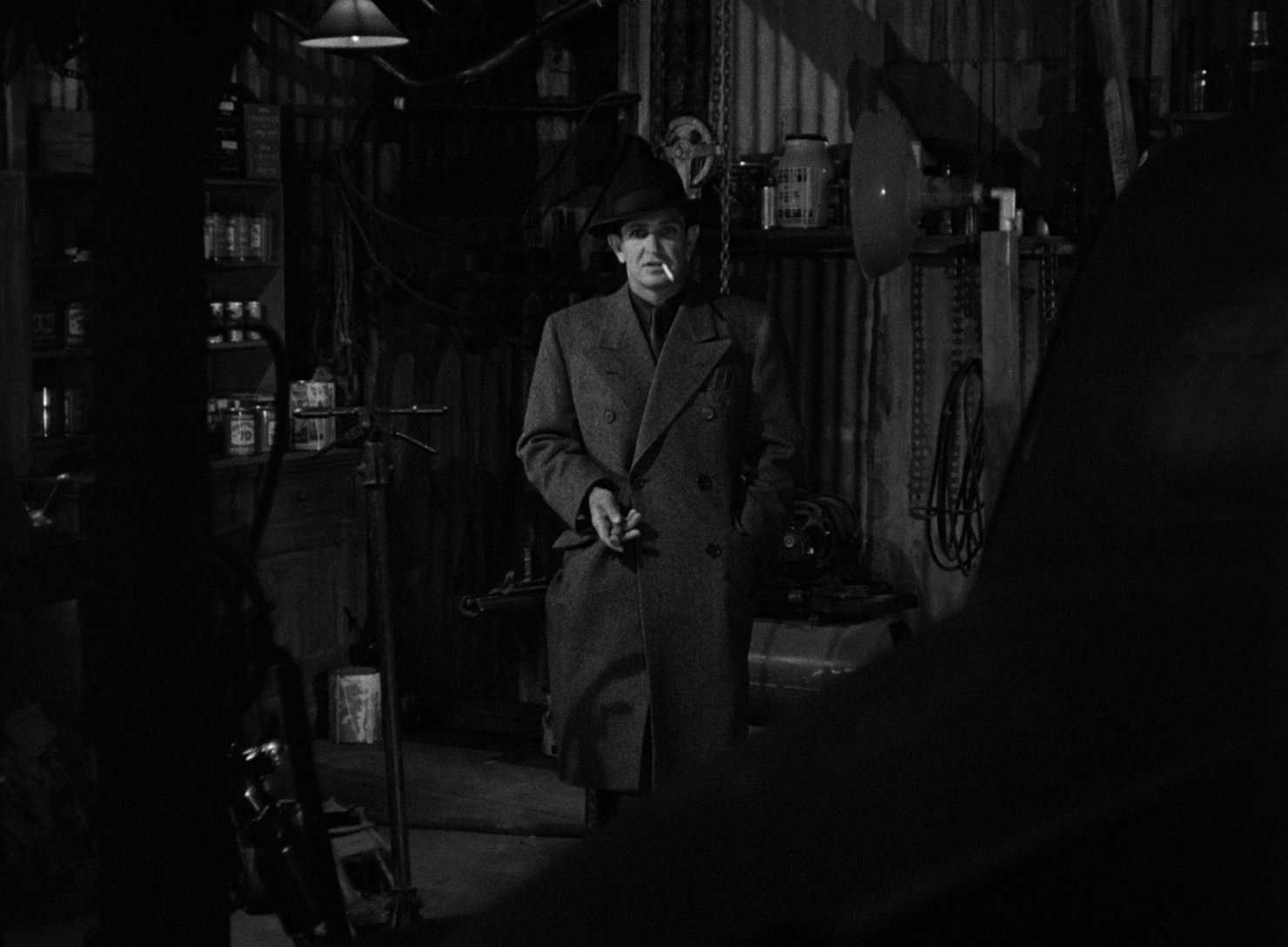
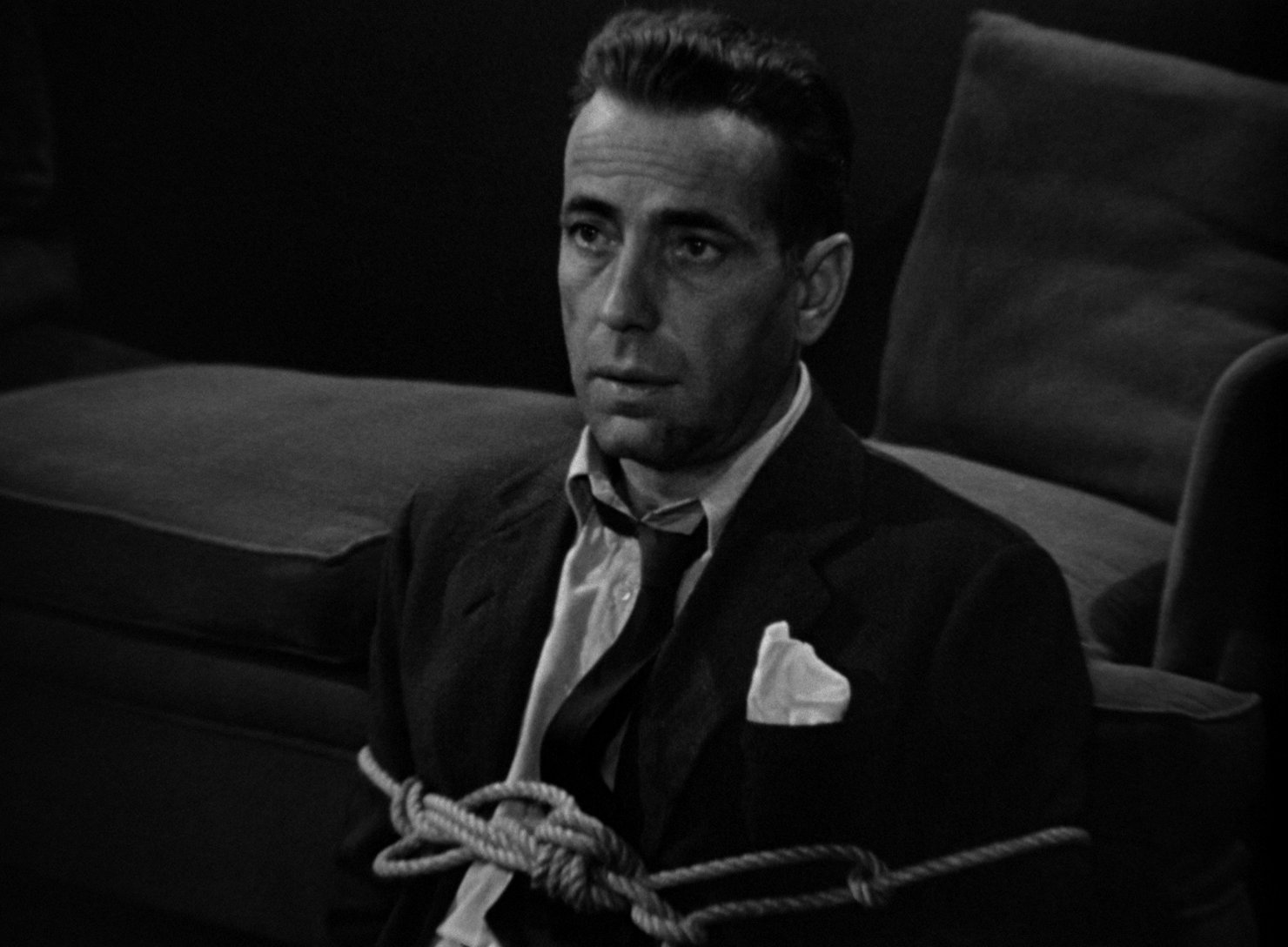
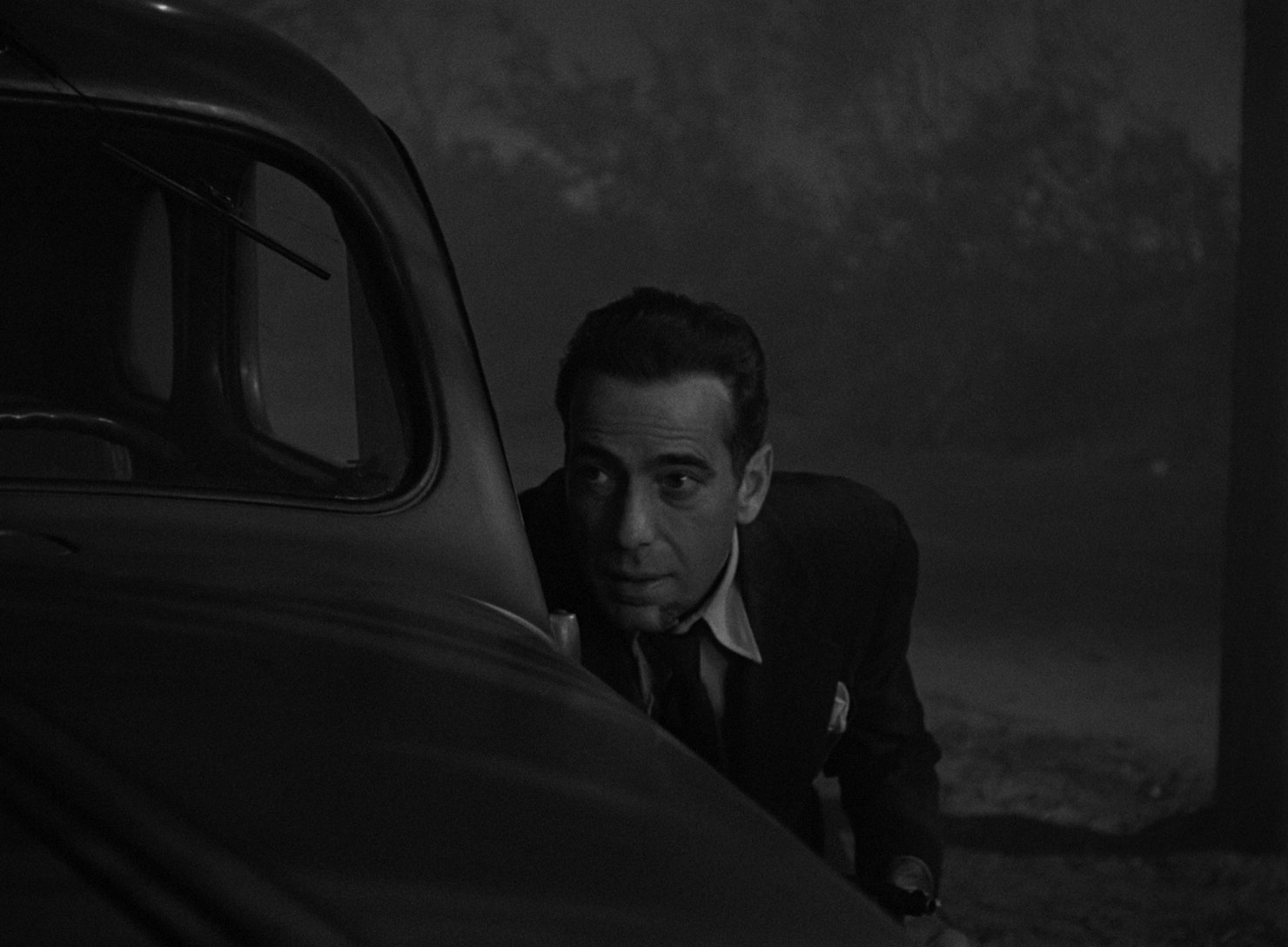
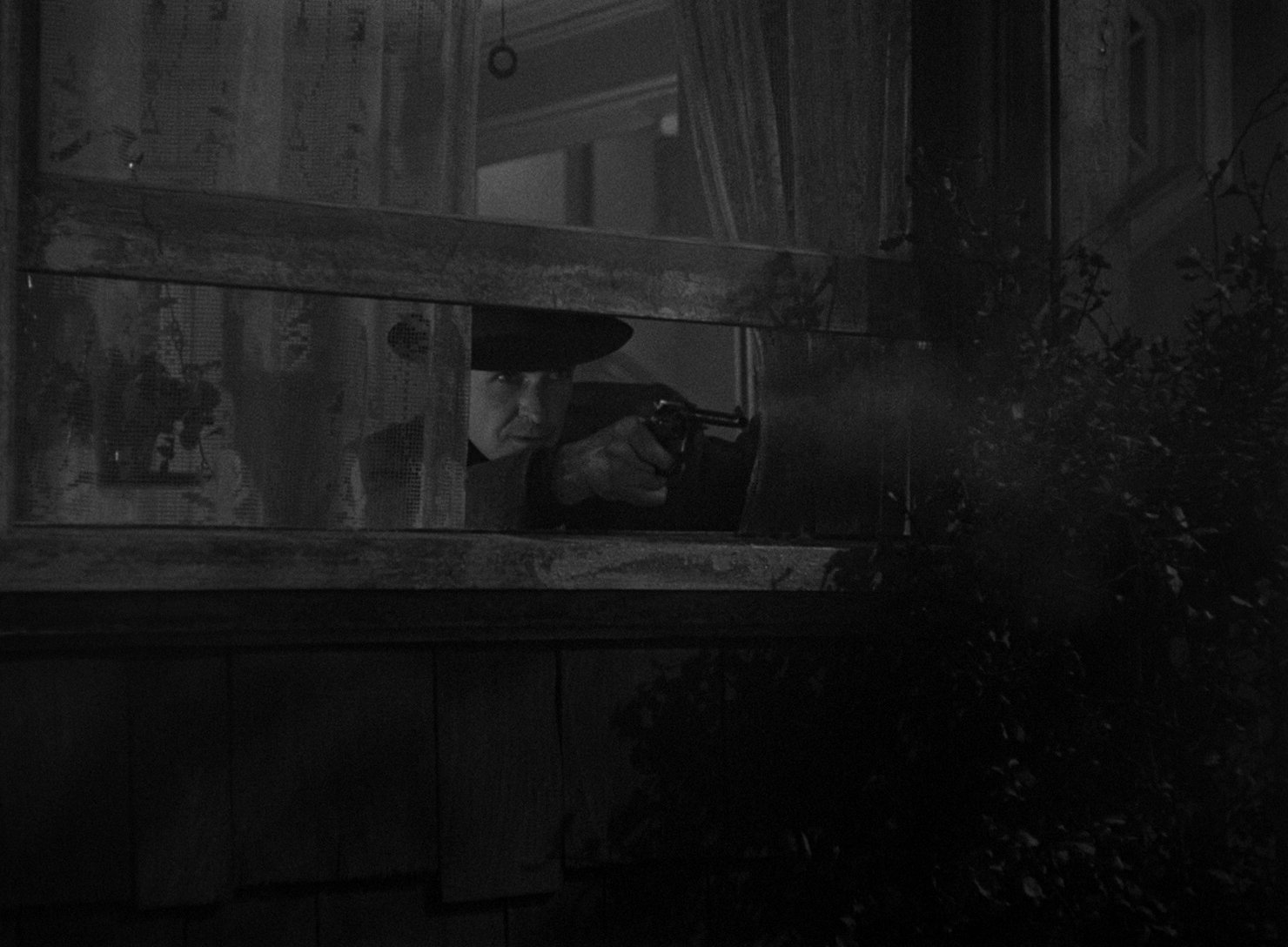
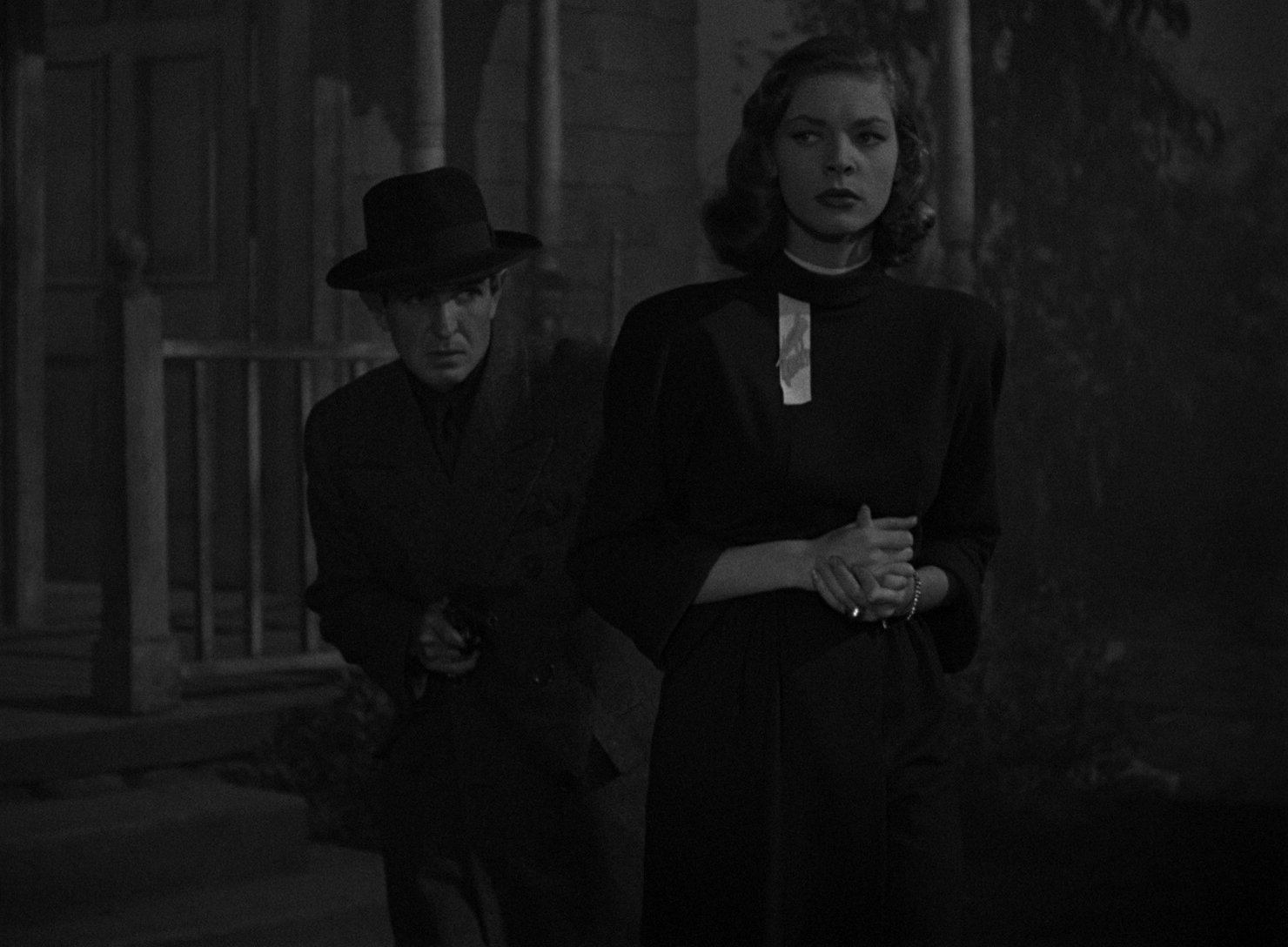
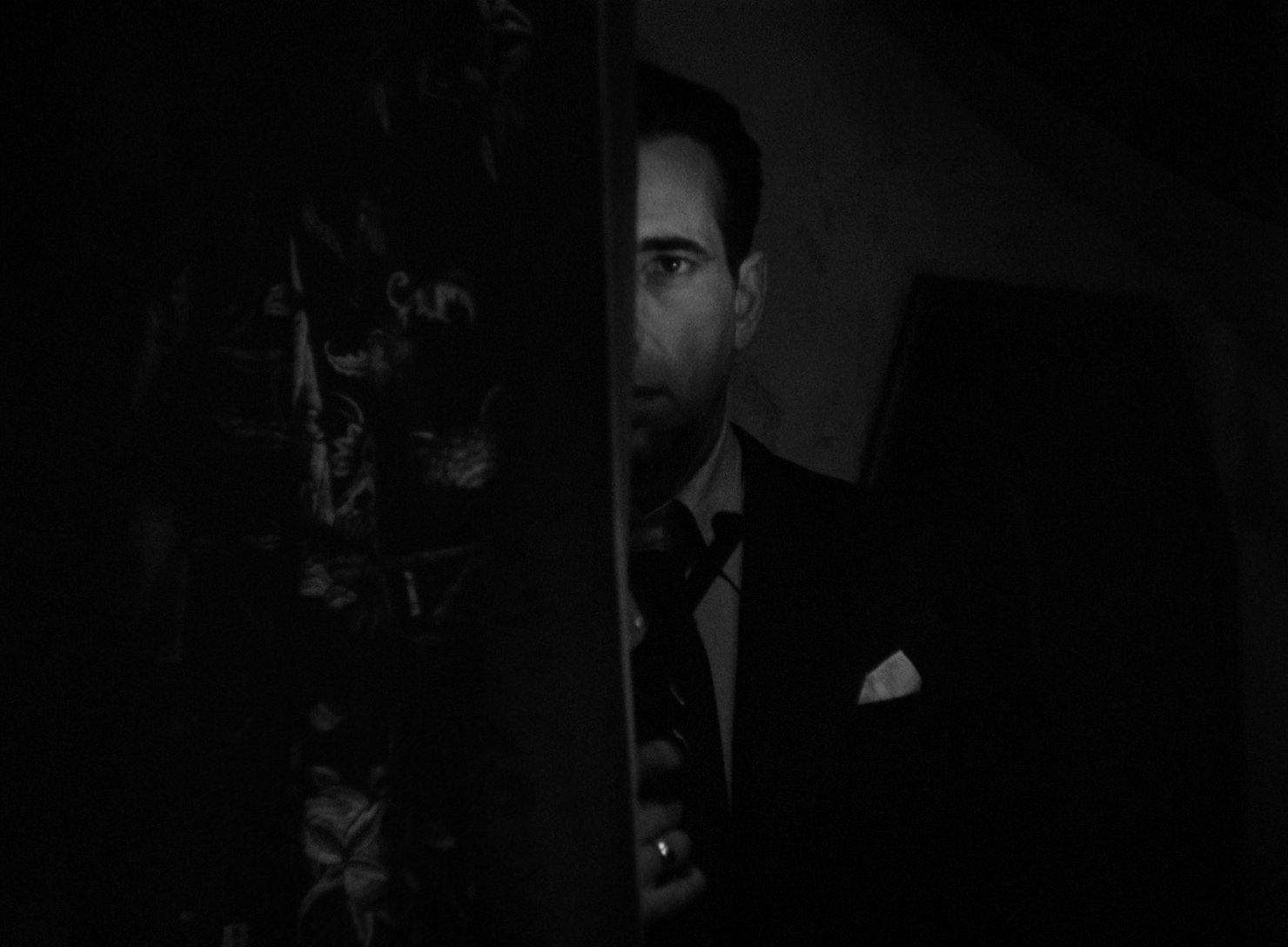
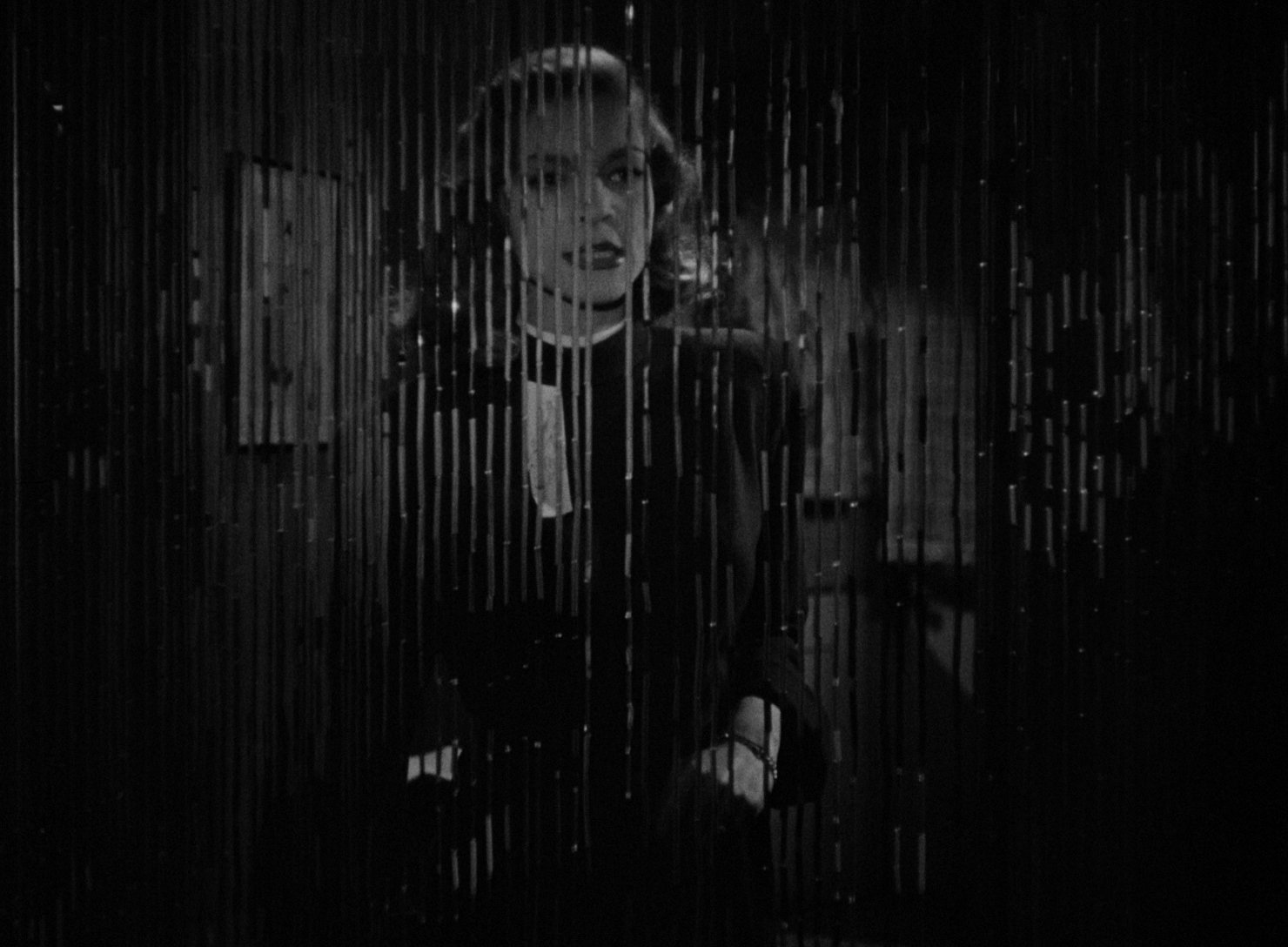
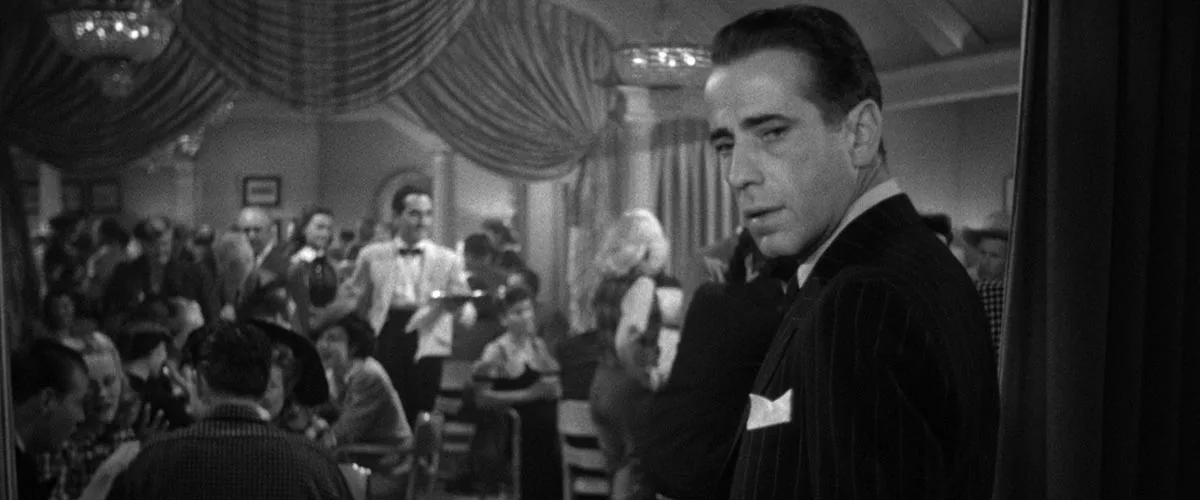
The Big Sleep takes us into a Los Angeles that exists primarily at night, where the strong contrast lighting typical of 1940s noir creates shadows that shape an atmosphere of corruption and secrecy. In Marlowe’s world, doorways and hallways produce visual depth and a sense of entrapment, while even exterior scenes maintain a feeling of isolation despite the surrounding city.
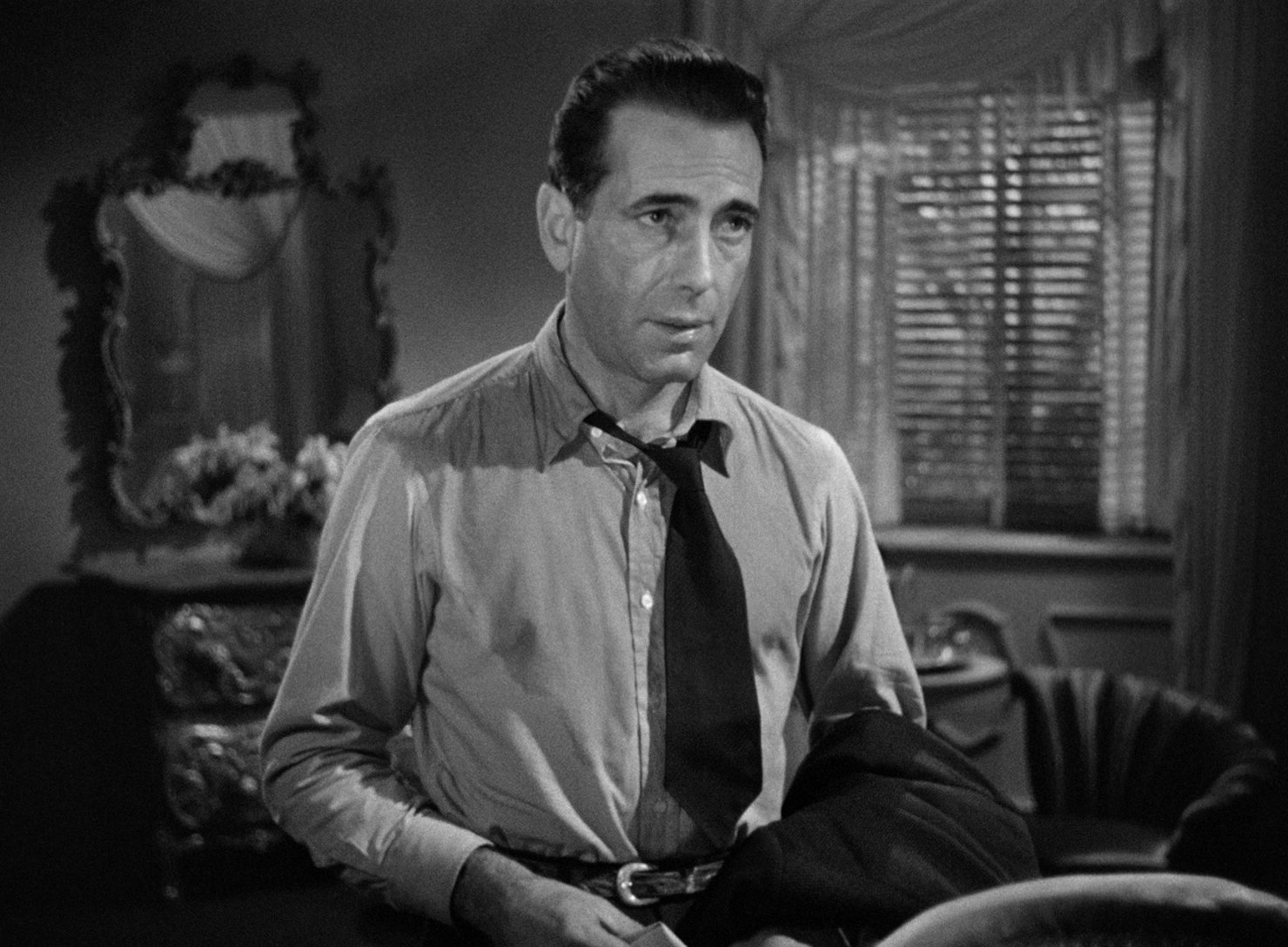
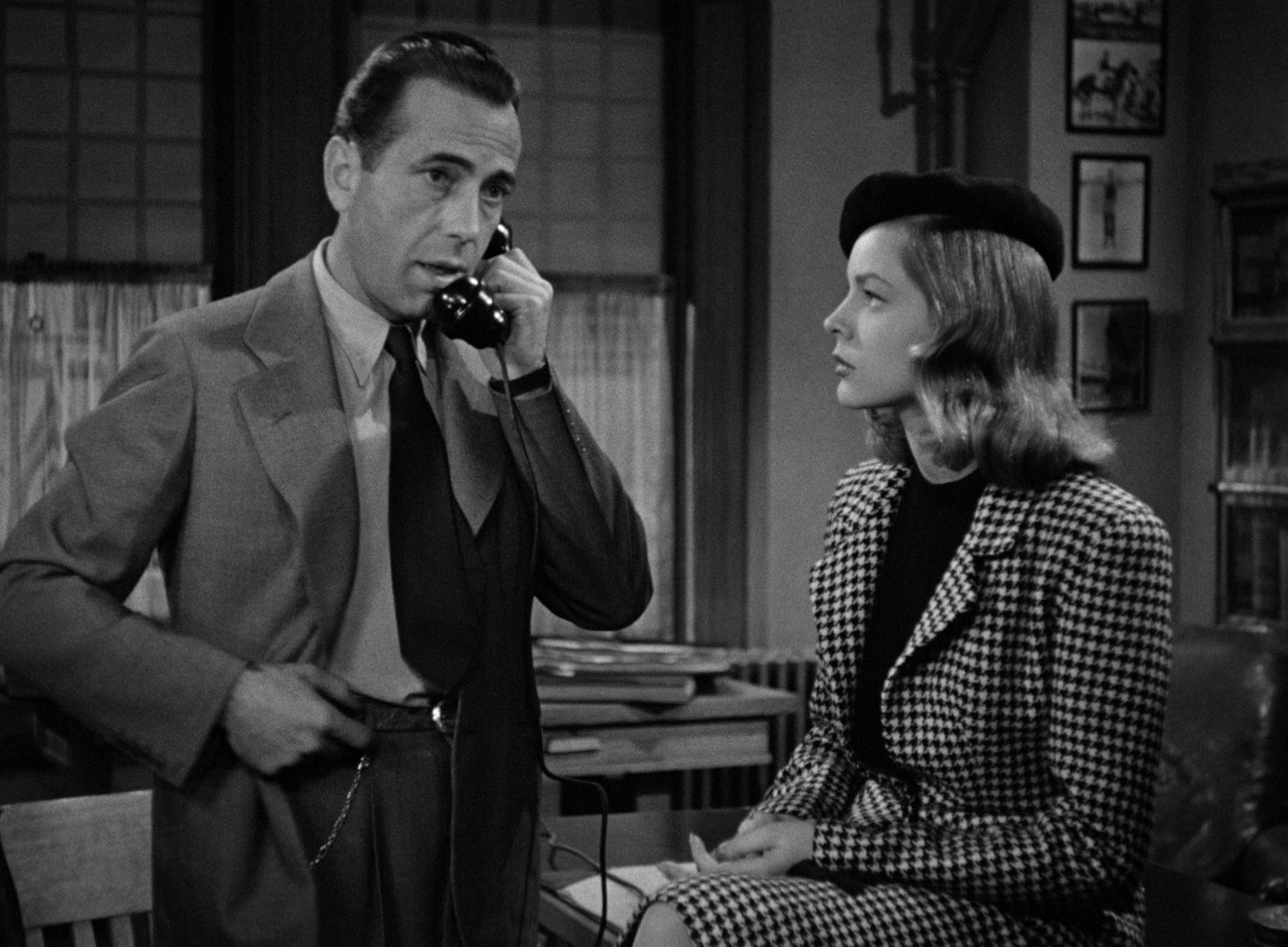
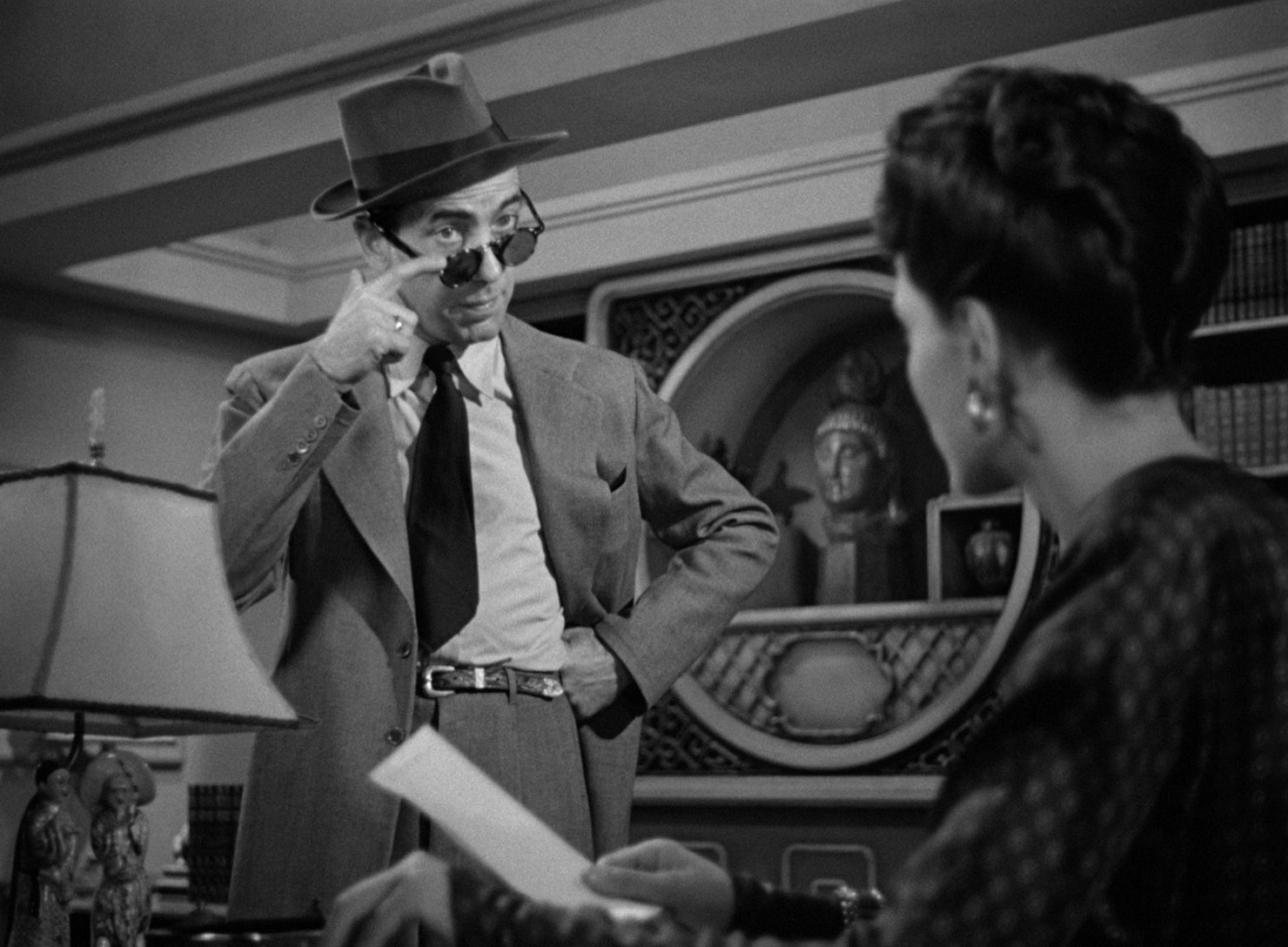
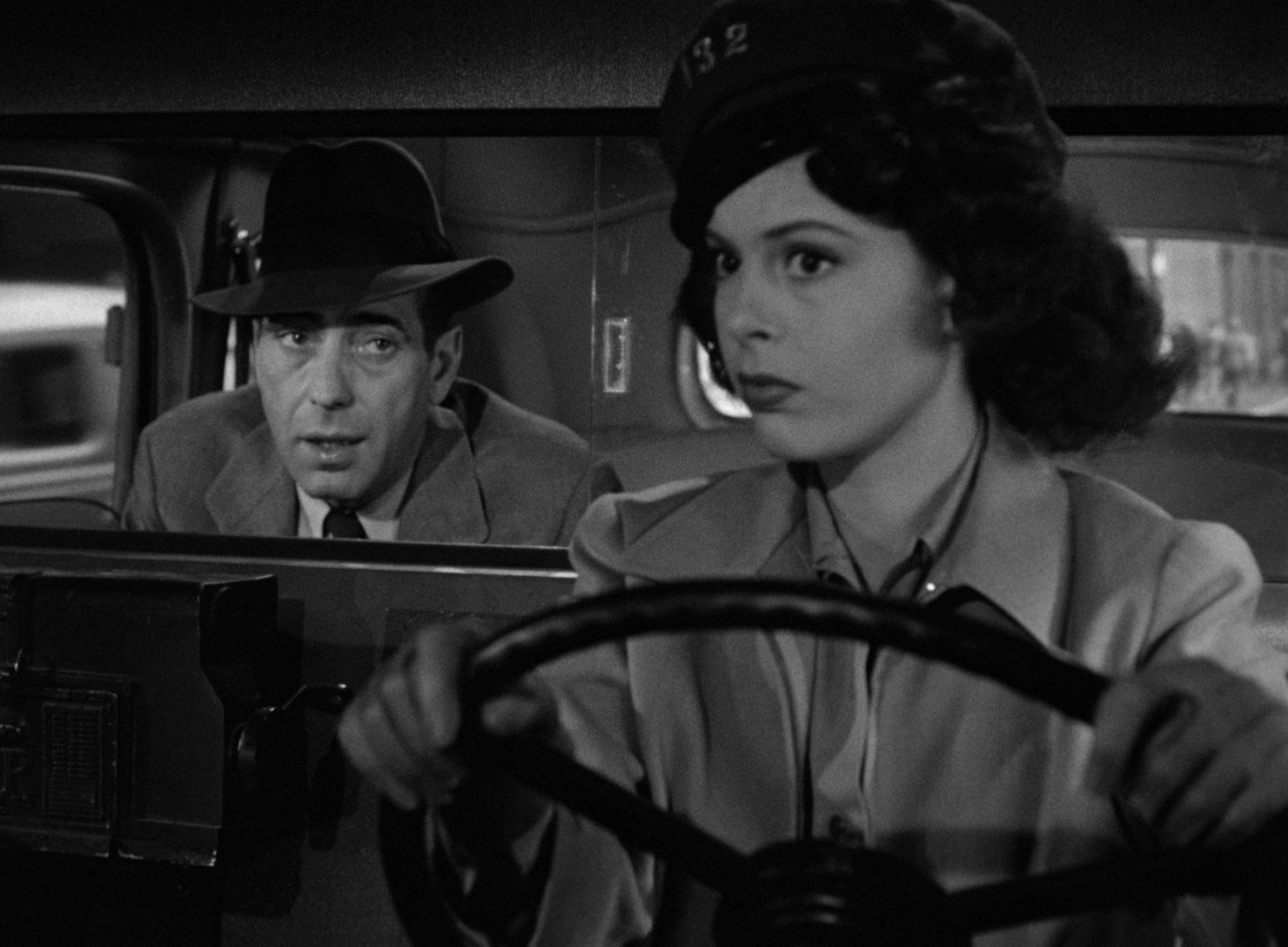
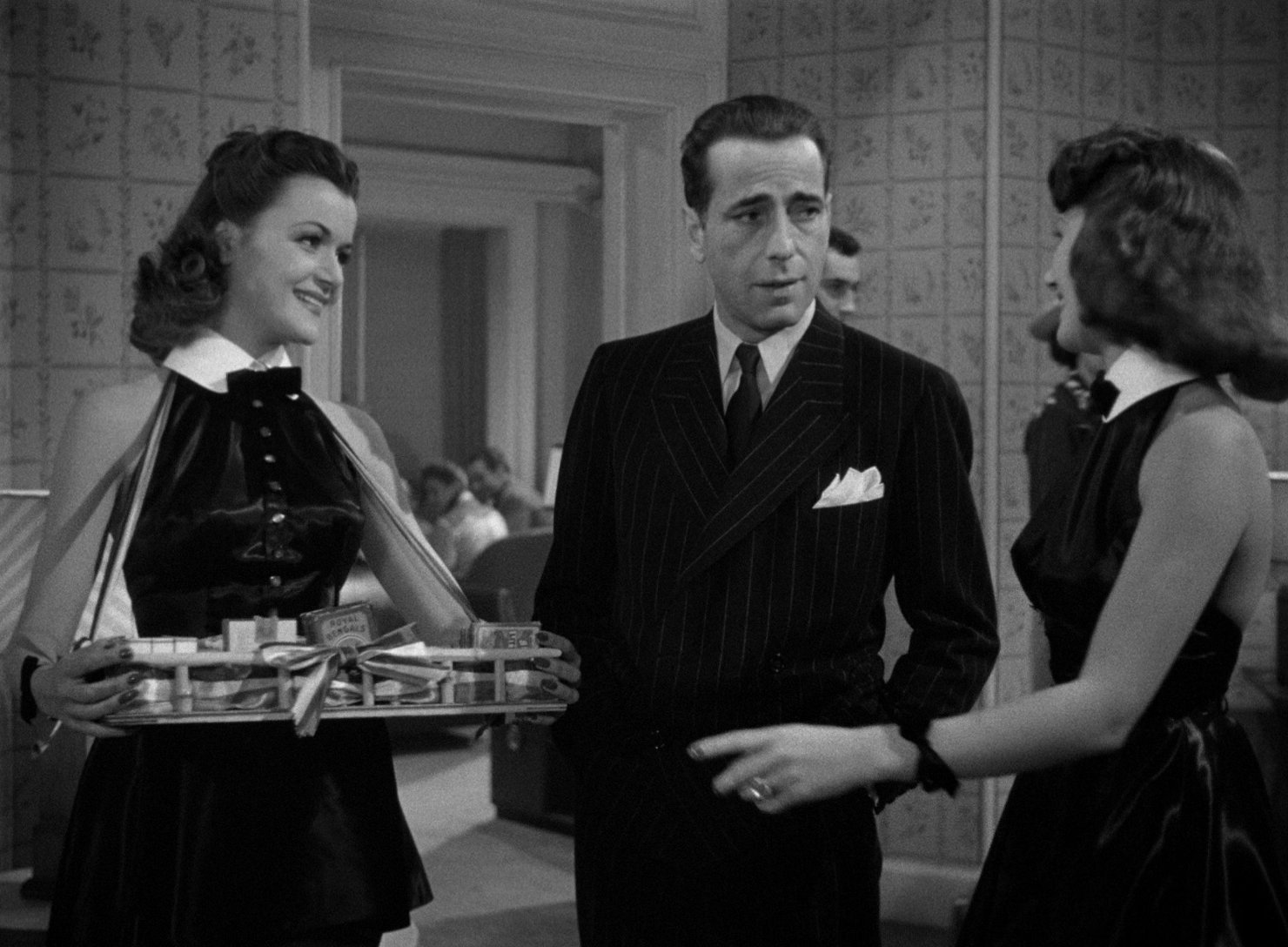
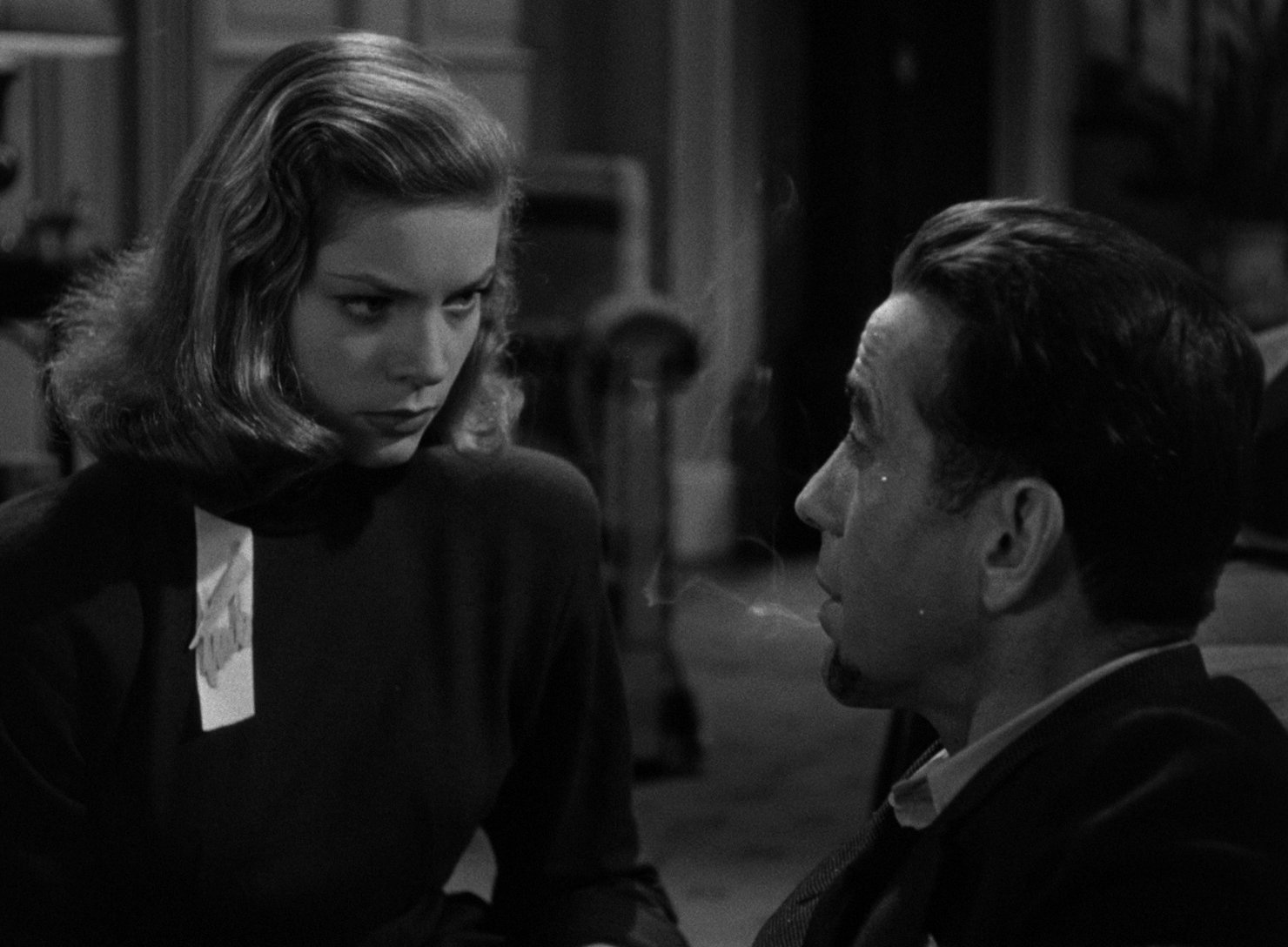
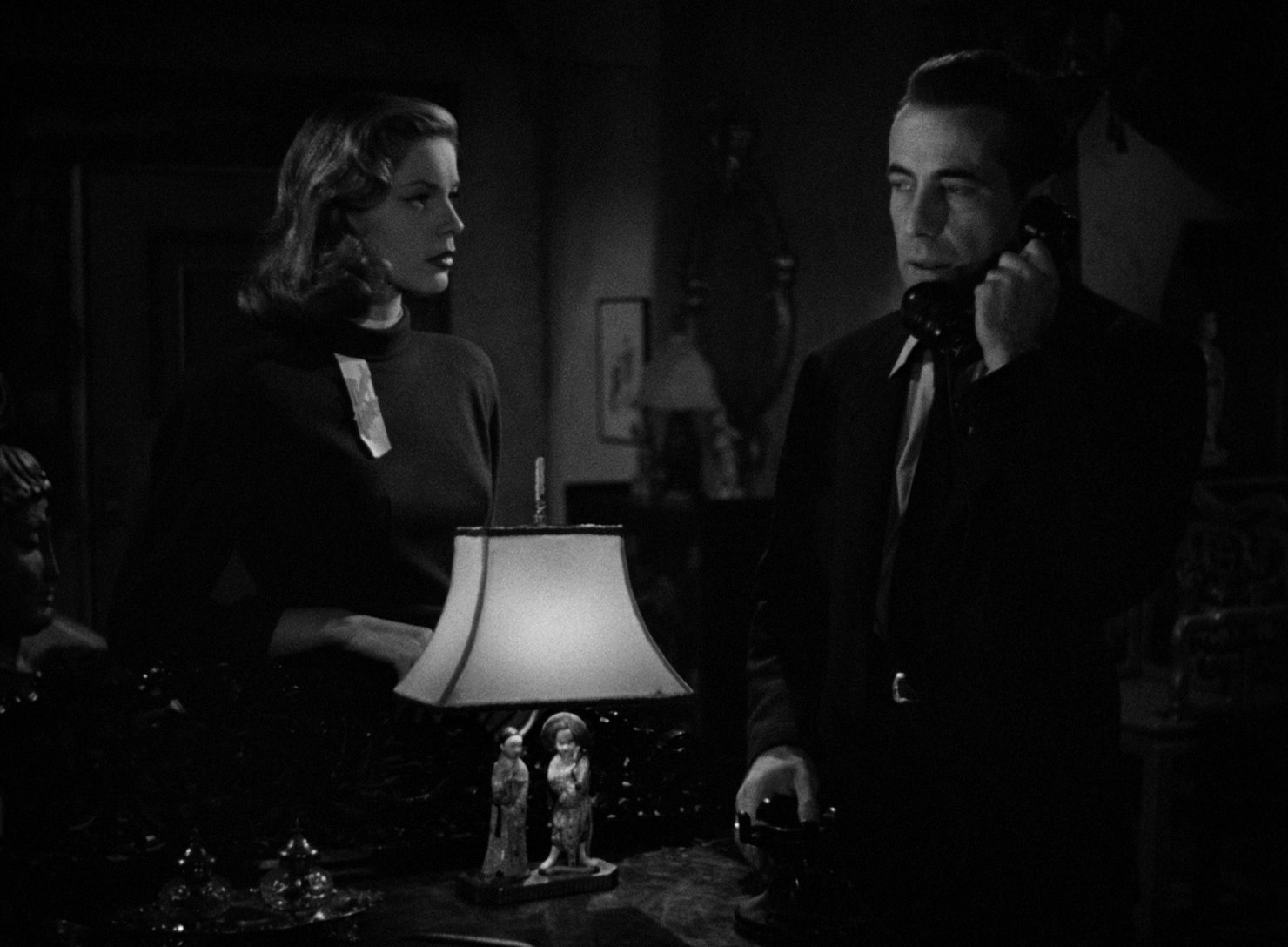
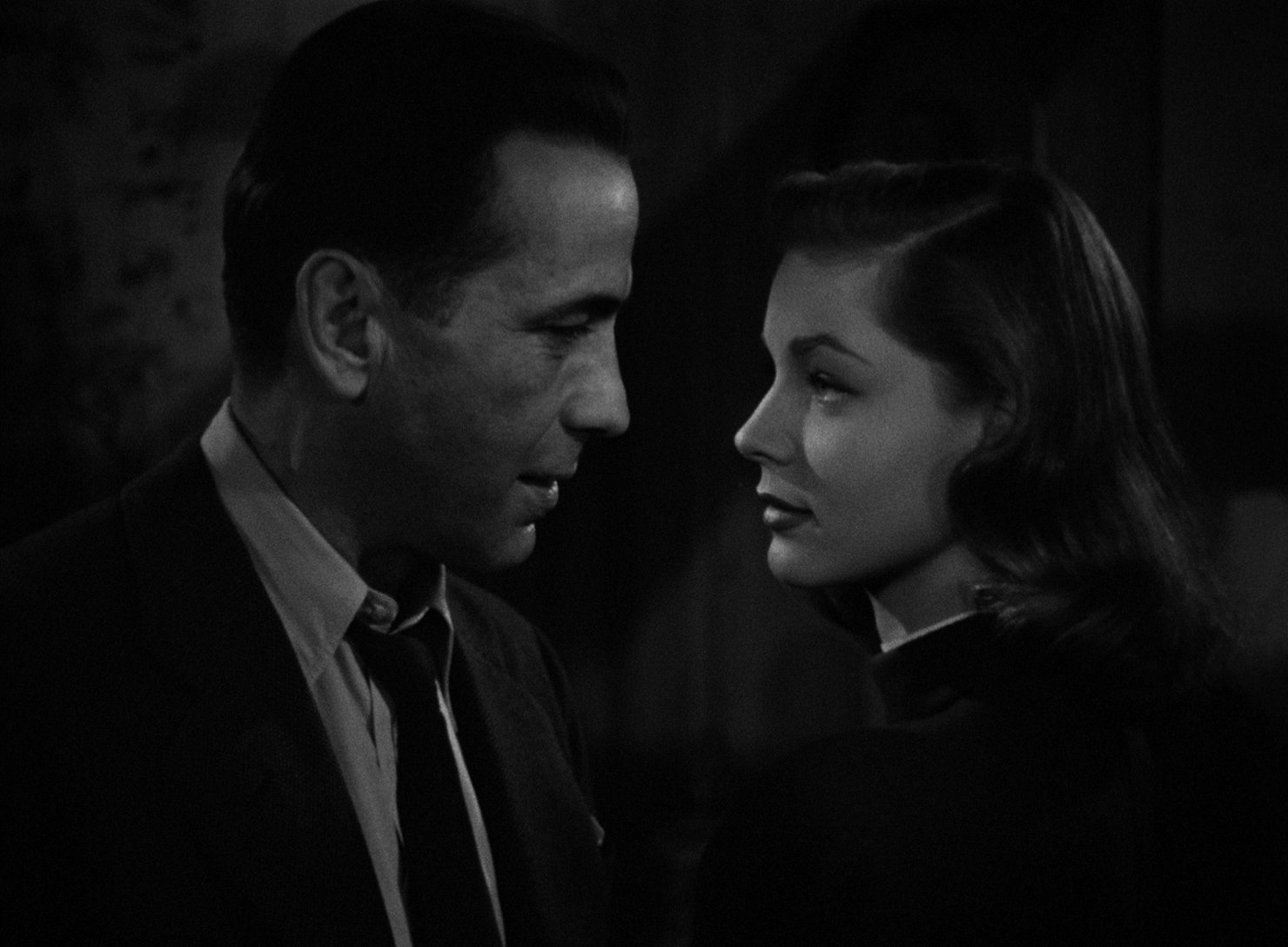
Notorious for its convoluted plot, in which key motivations remain ambiguous, and characters repeatedly double-cross each other, the film relies more on the sexual tension between Humphrey Bogart and Lauren Bacall than on narrative clarity to drive scenes. Rather than being a detective puzzle, the film is a study in atmosphere, sharp dialogue, and screen presence.
Technical Specs:
- The Story: Private detective Philip Marlowe is hired to investigate a blackmail case involving a wealthy family, but quickly finds himself mired in a labyrinth of lies, murder, and seductive women. Read my review of The Big Sleep.
- Actors: Humphrey Bogart, Lauren Bacall, John Ridgely, Martha Vickers, Dorothy Malone, Regis Toomey, Elisha Cook Jr.
- Director: Howard Hawks
- Year: 1946
- Cinematographer: Sidney Hickox
- Origin: American Cinema
- Aspect Ratio: 1.37:1
- Genre: Crime & Mystery / Film Noir