The Haunting (1963): The architecture of psychological Horror
1963 • Robert Wise • 2.35:1 • Jump to Gallery ↓
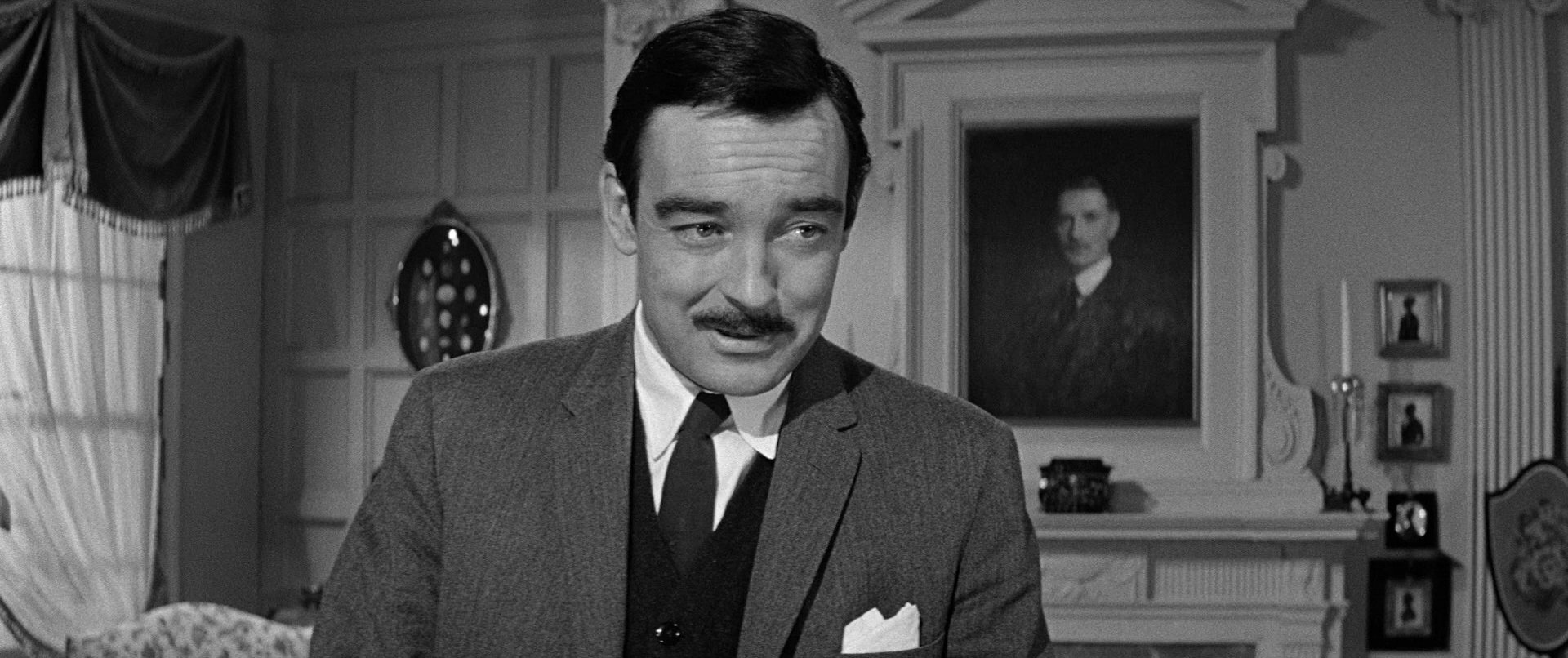
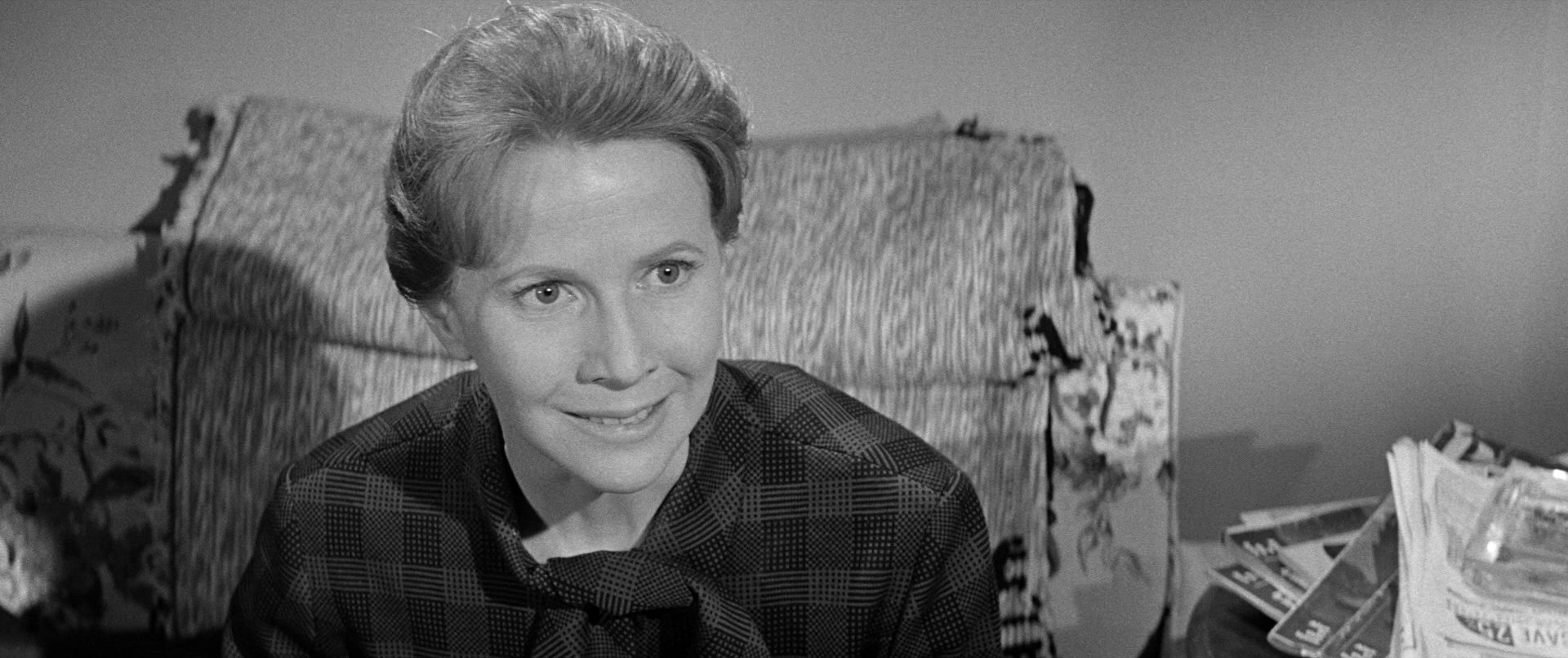
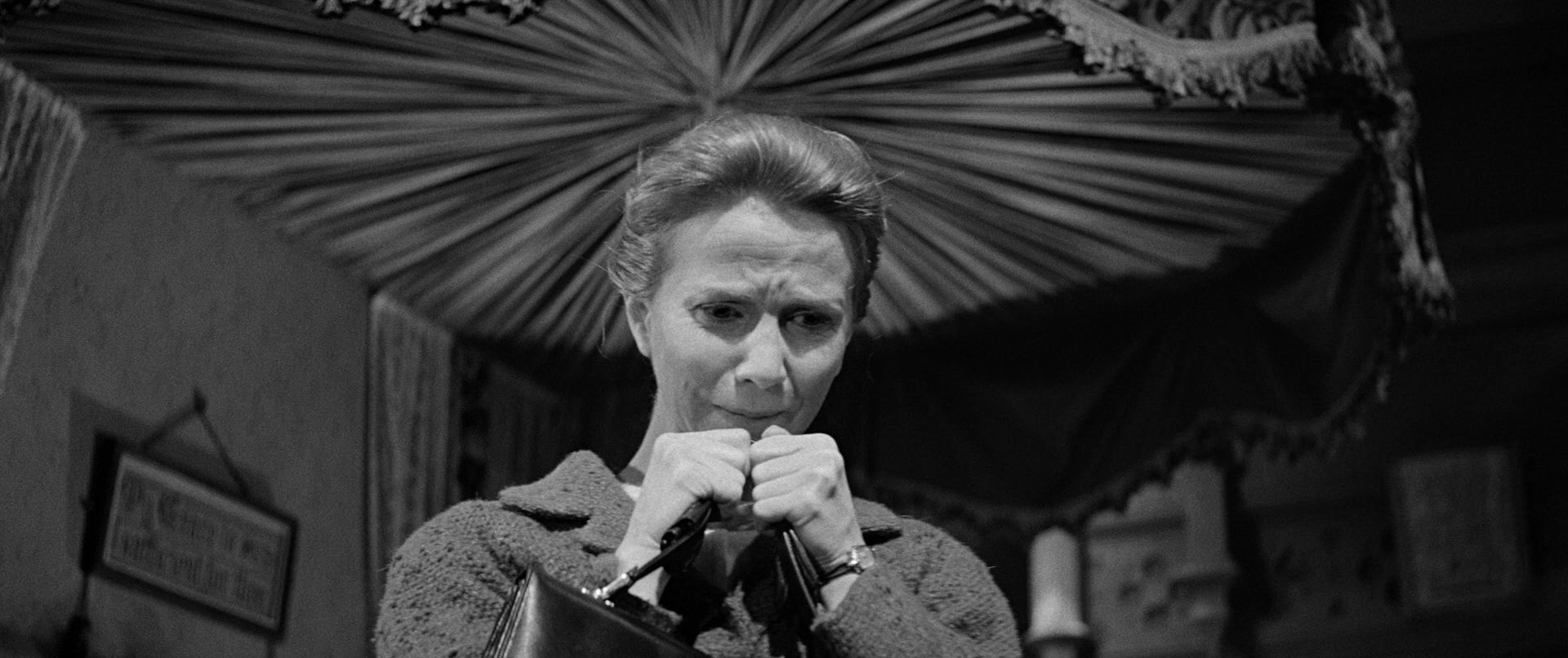
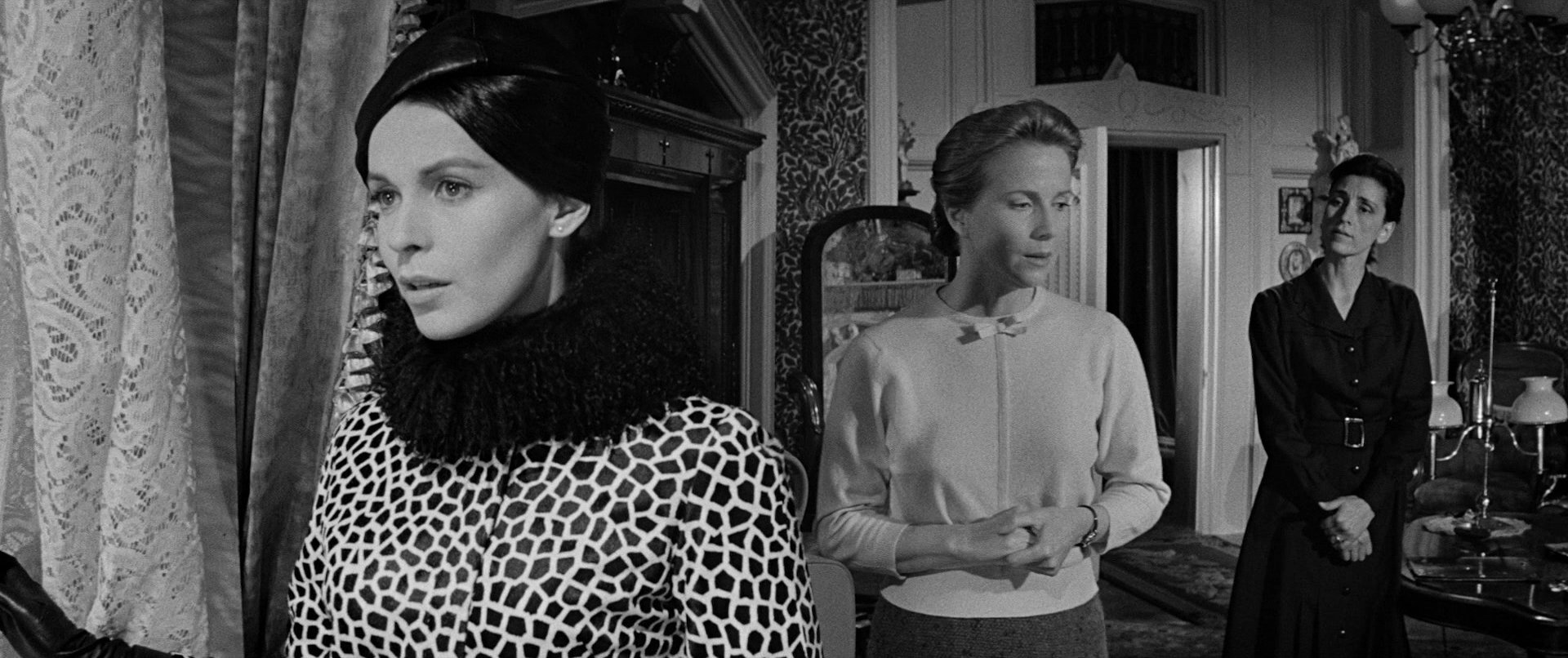
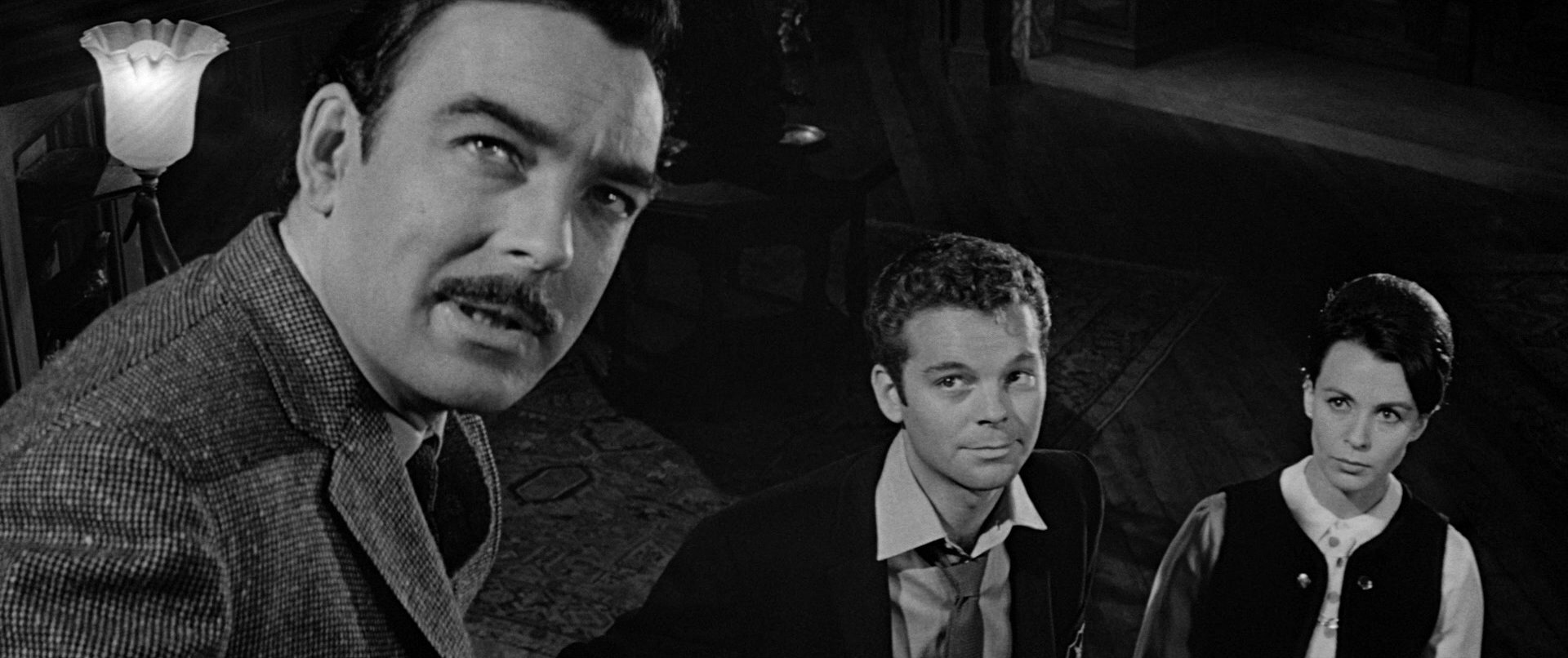
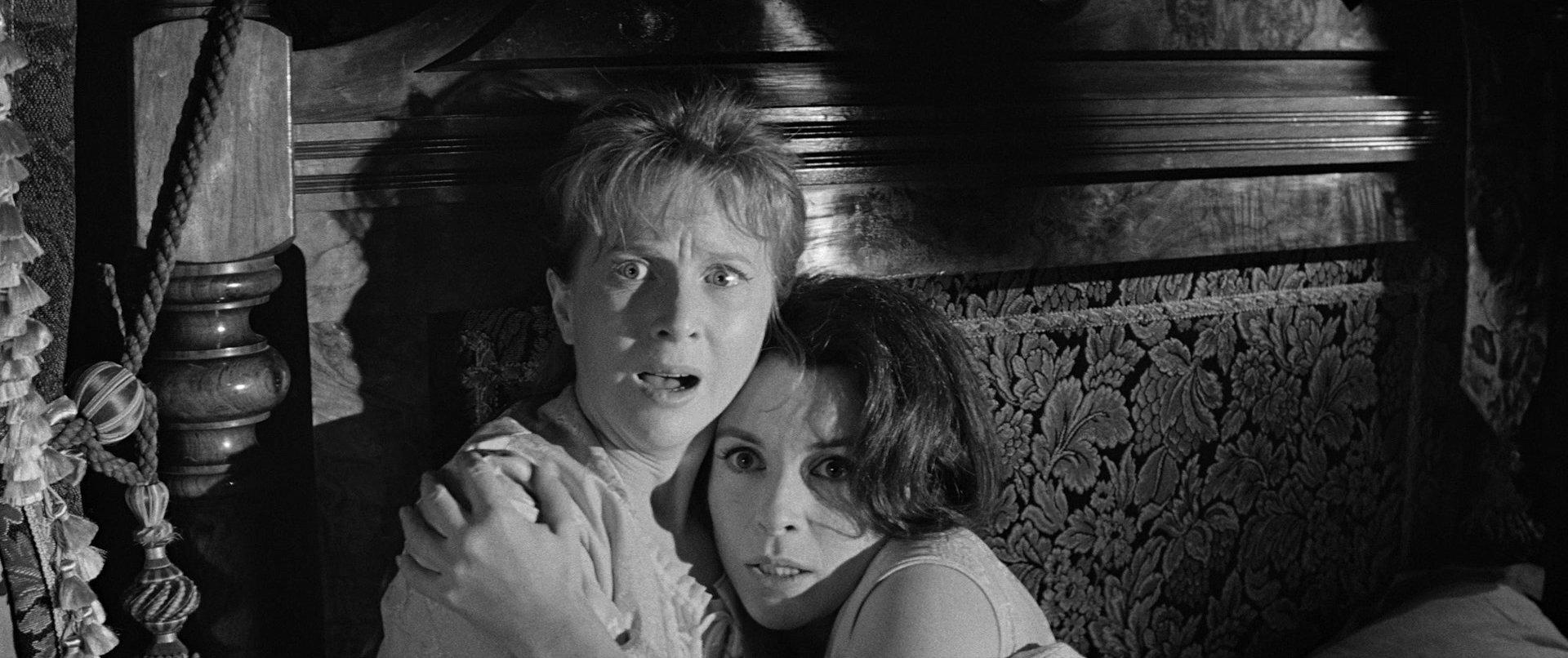
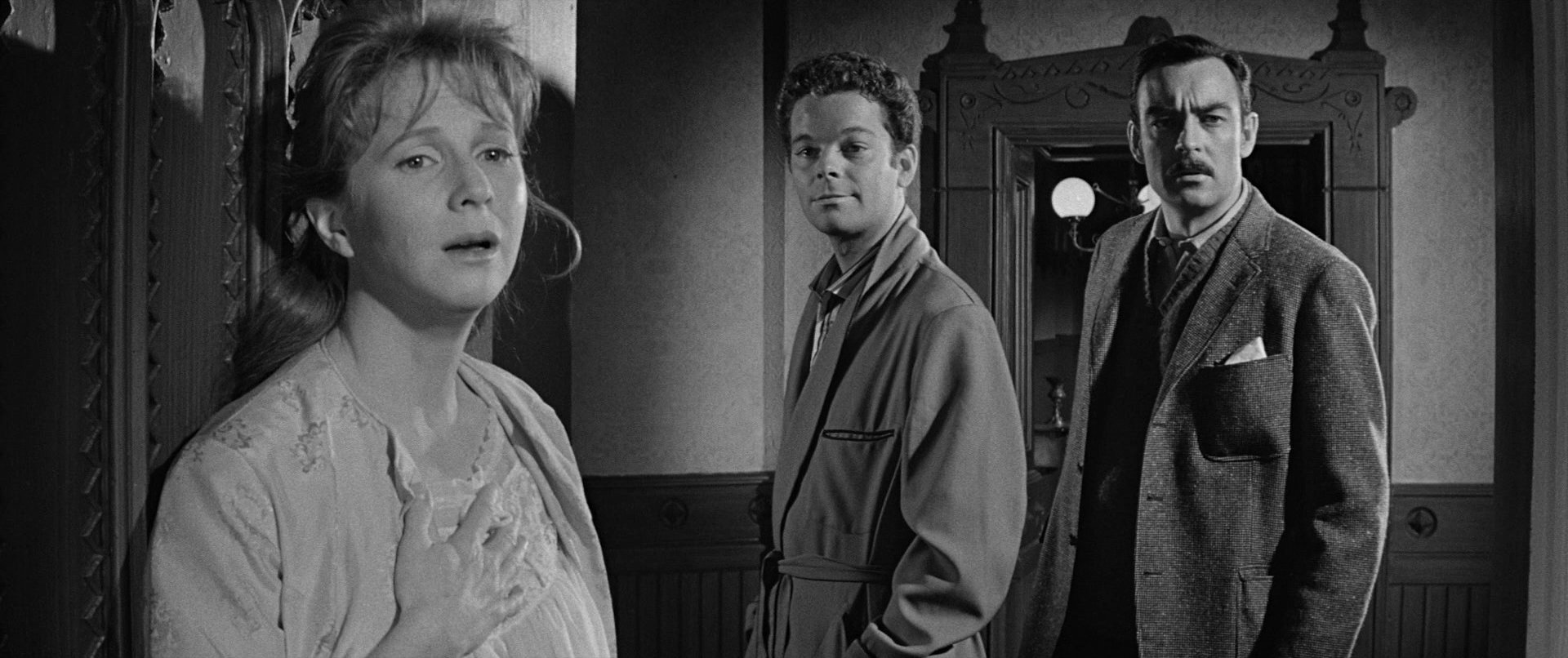
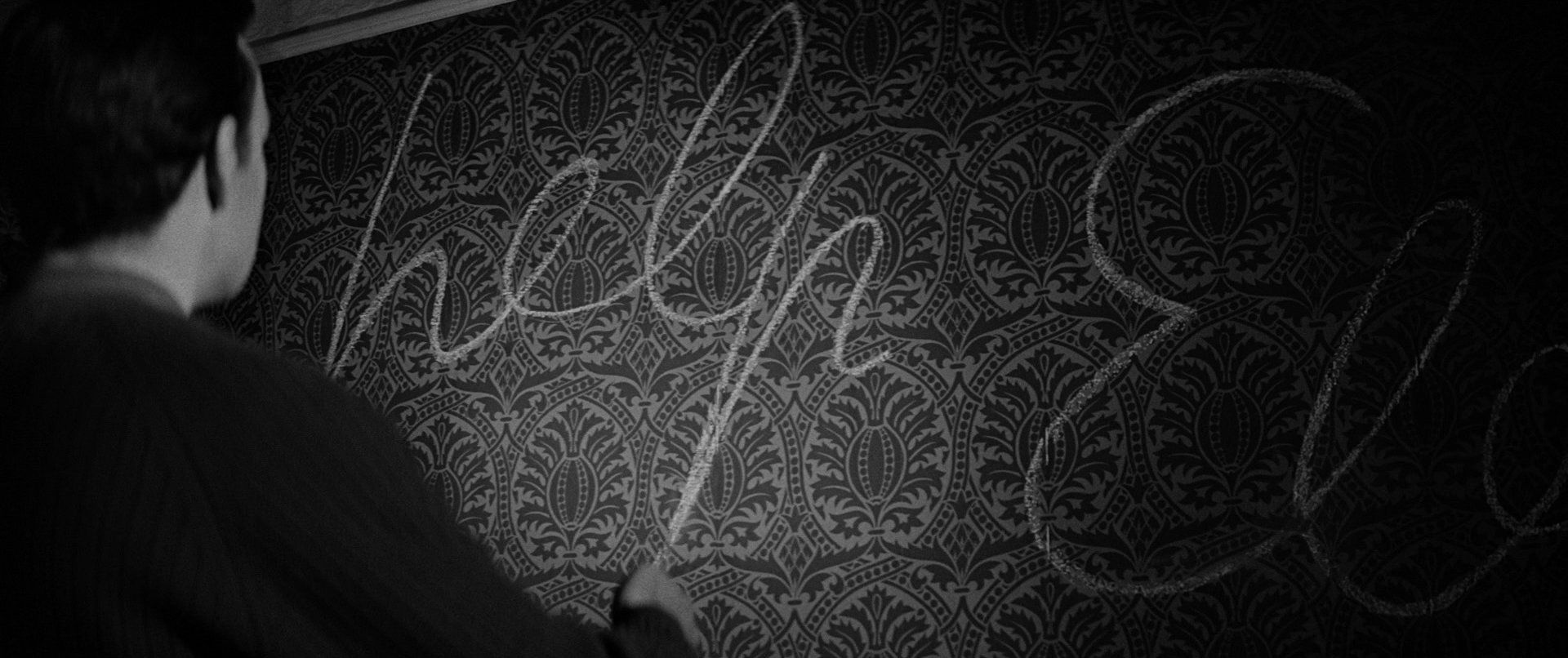
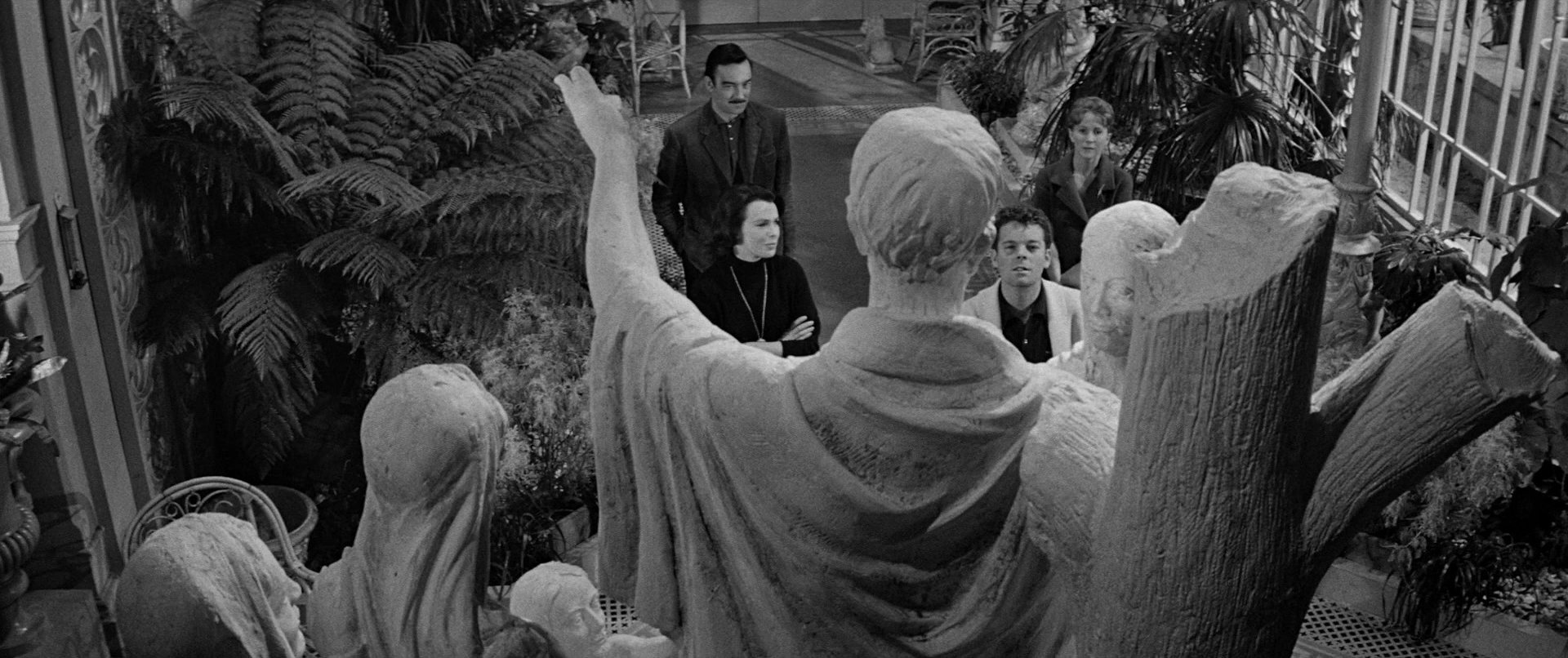
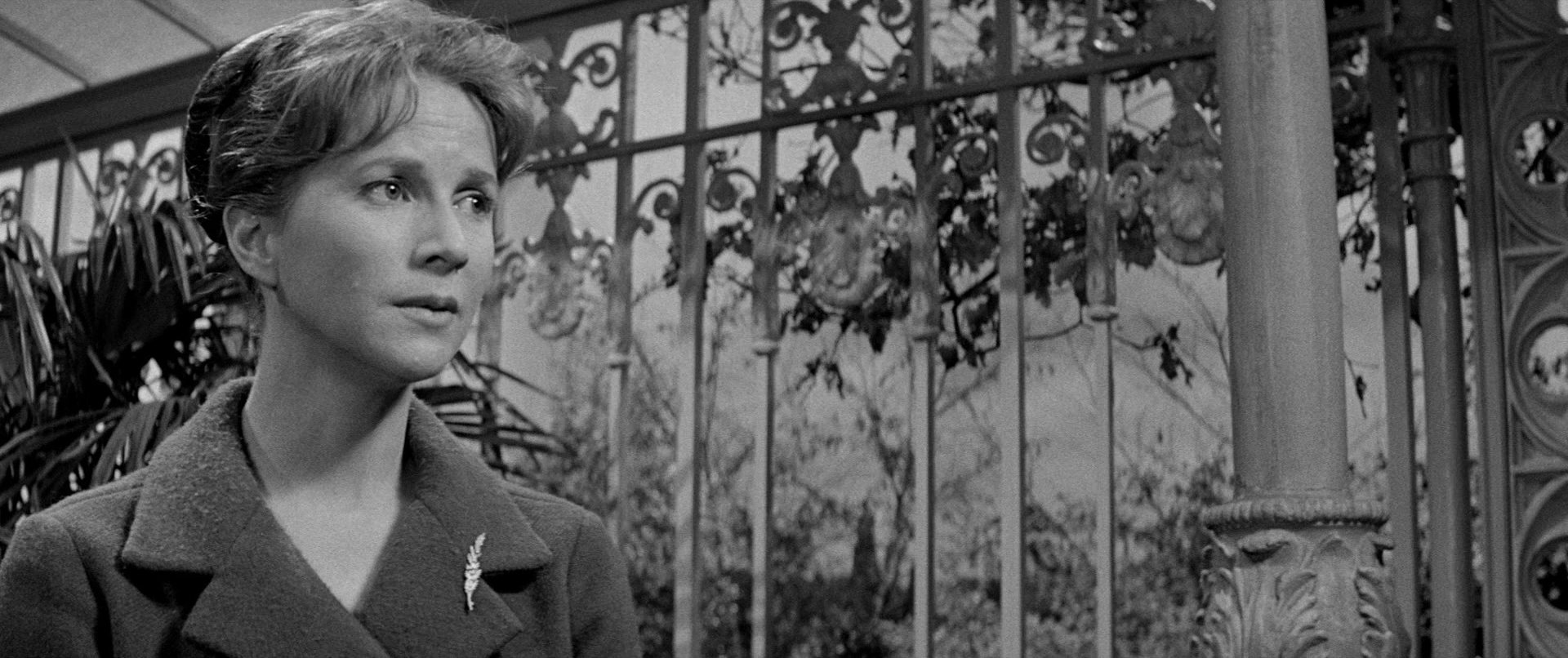
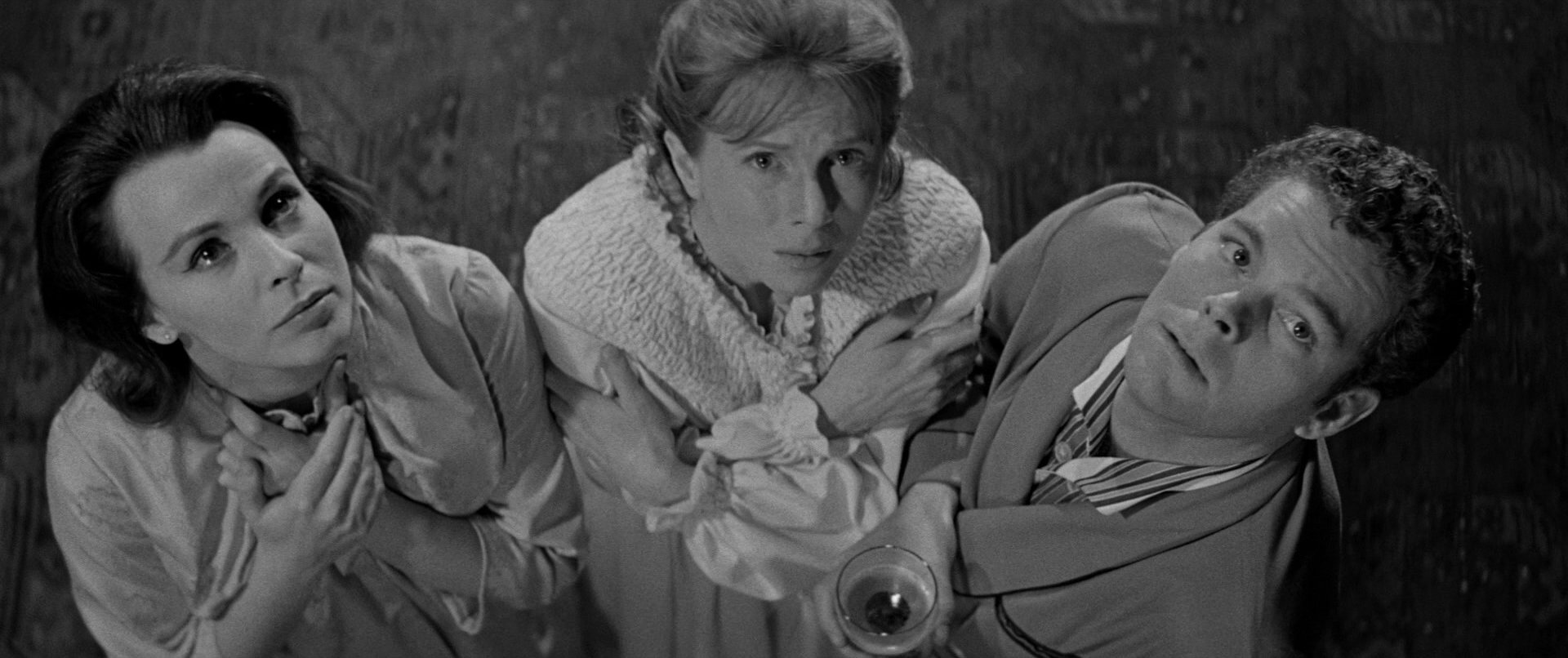
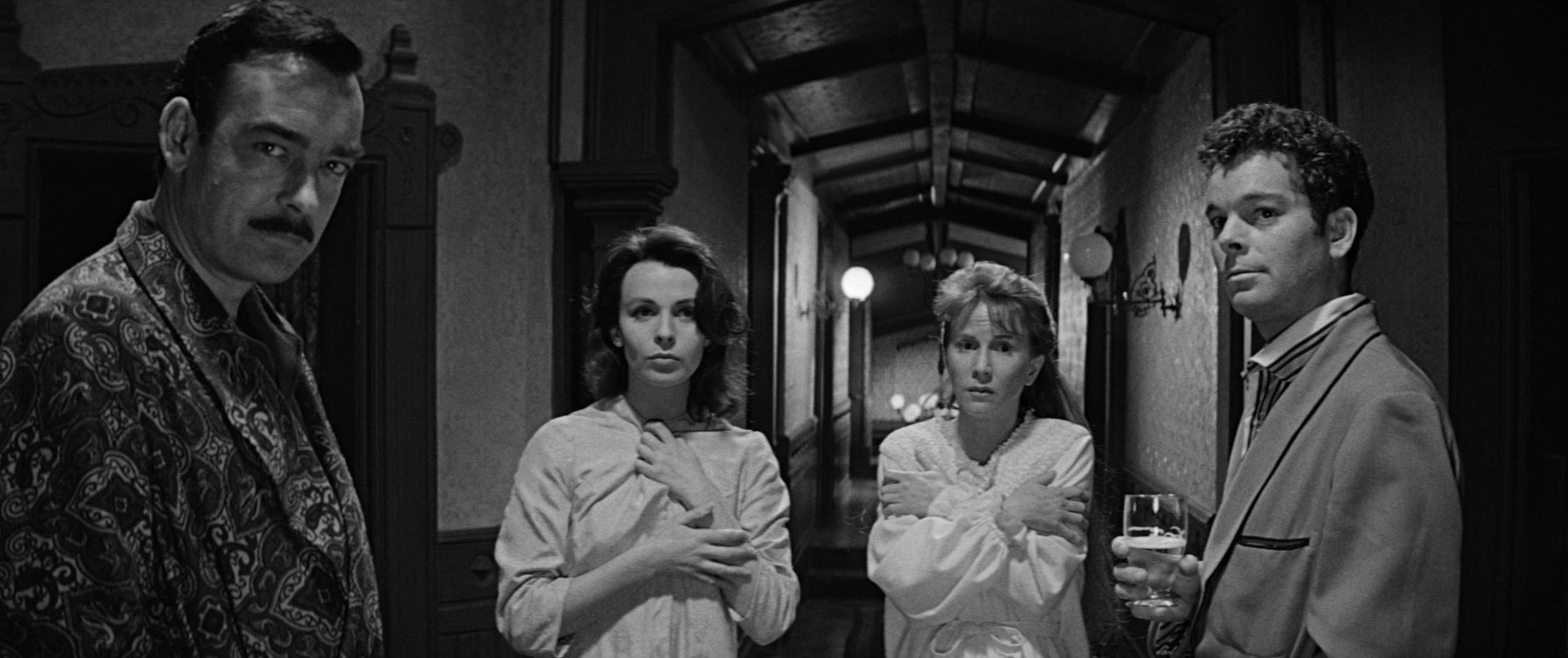
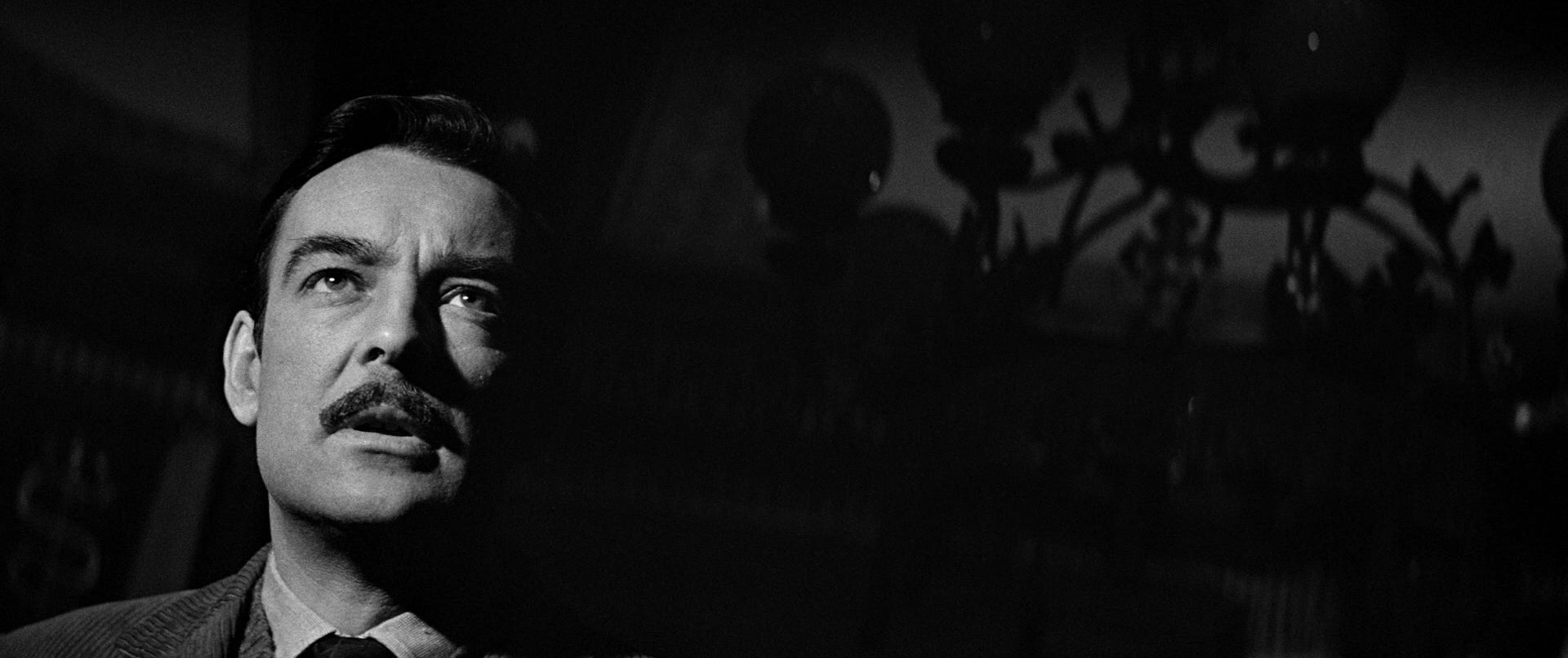
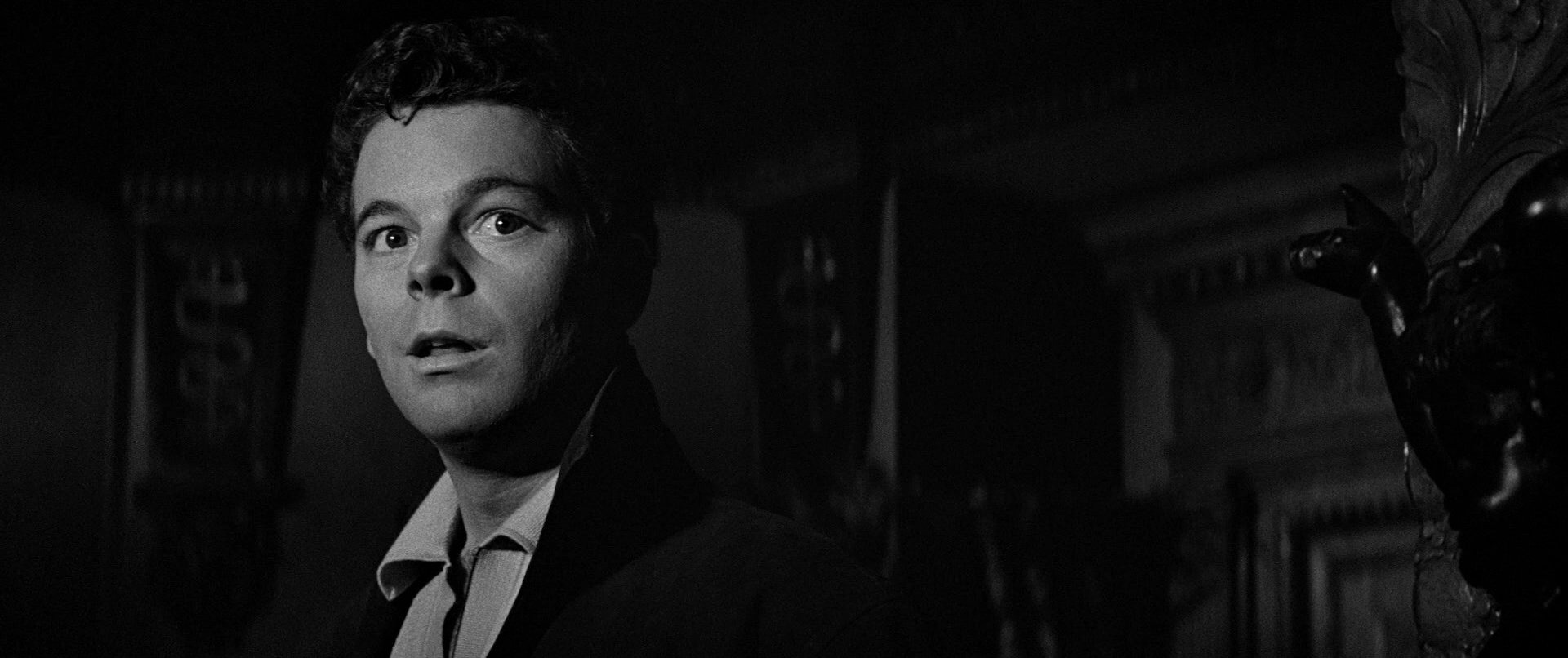
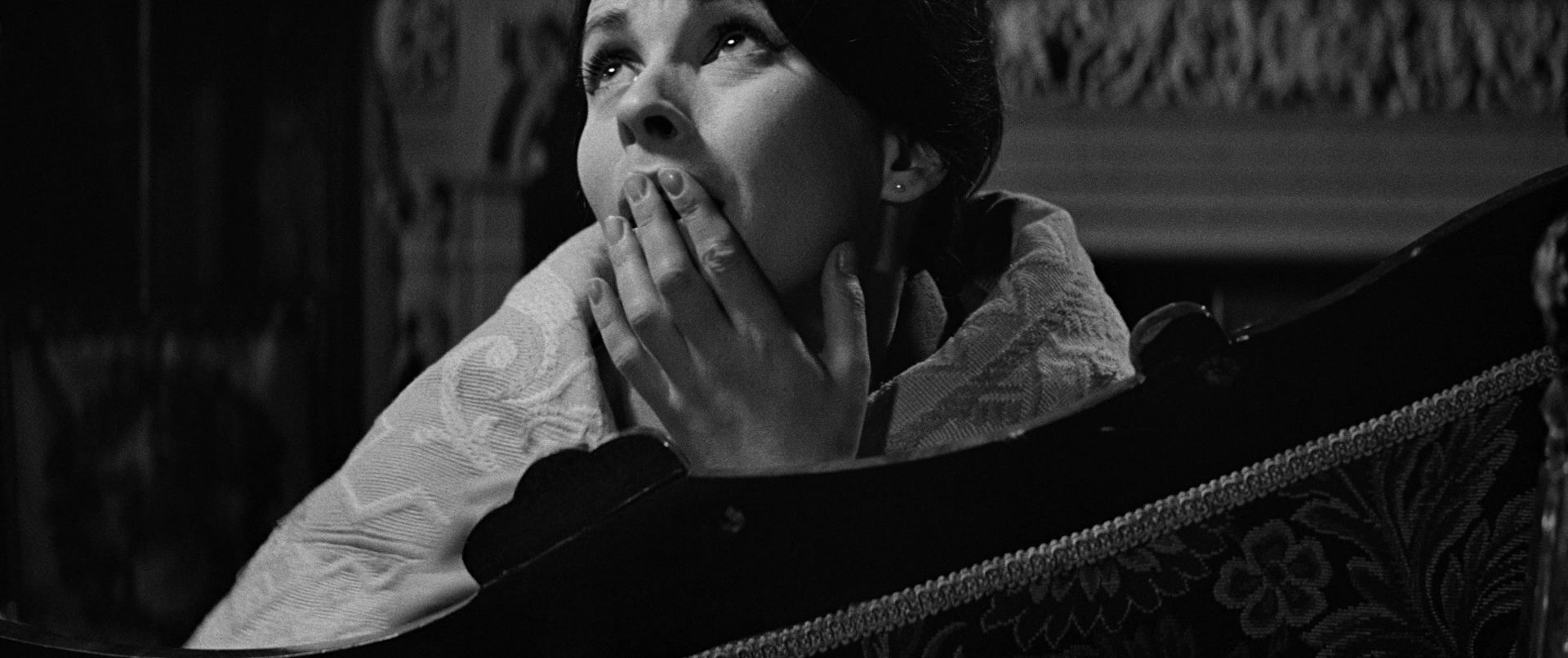
Directed by Robert Wise, The Haunting is an adaptation of Shirley Jackson’s novel The Haunting of Hill House, which is regarded as one of the most influential works of modern supernatural literature. The film tells the story of a small group assembled by a paranormal researcher to investigate the supposedly haunted Hill House. During their stay, they encounter unexplained phenomena that begin to affect their psychological stability.
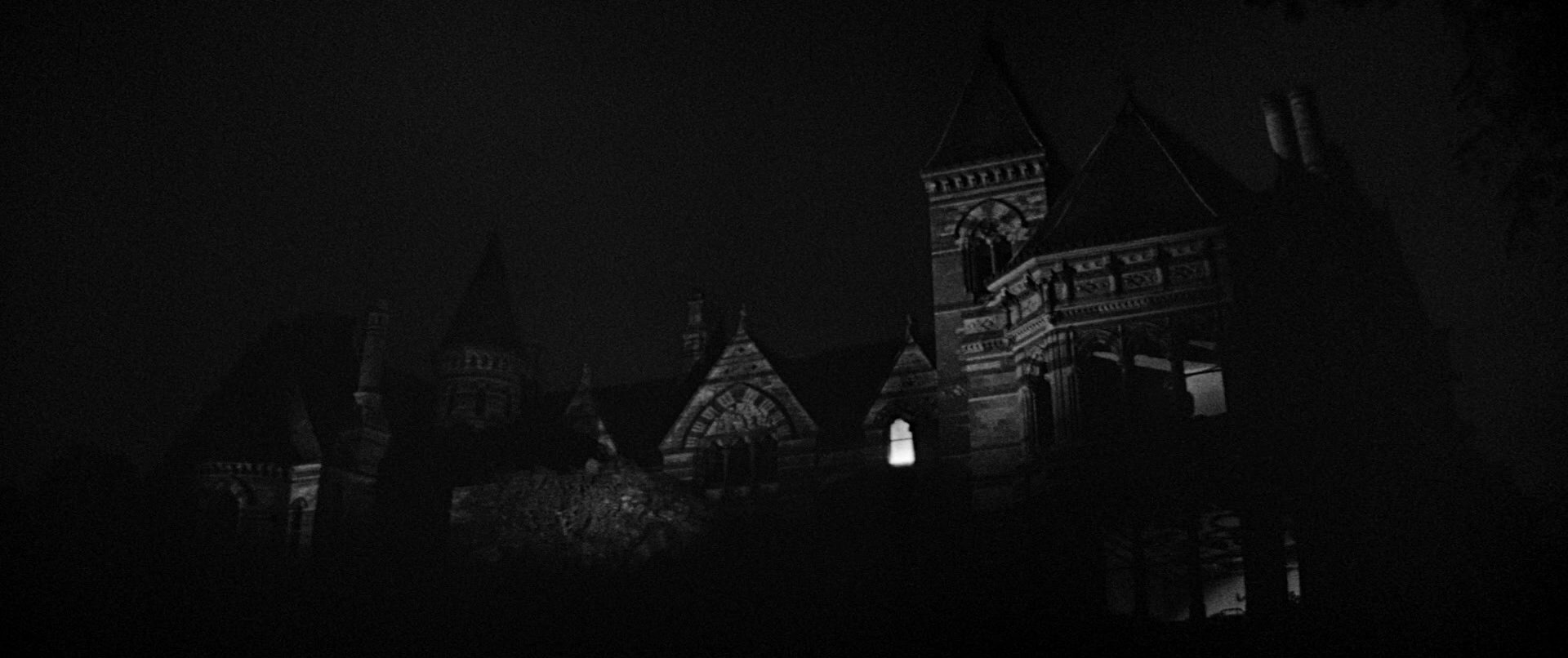
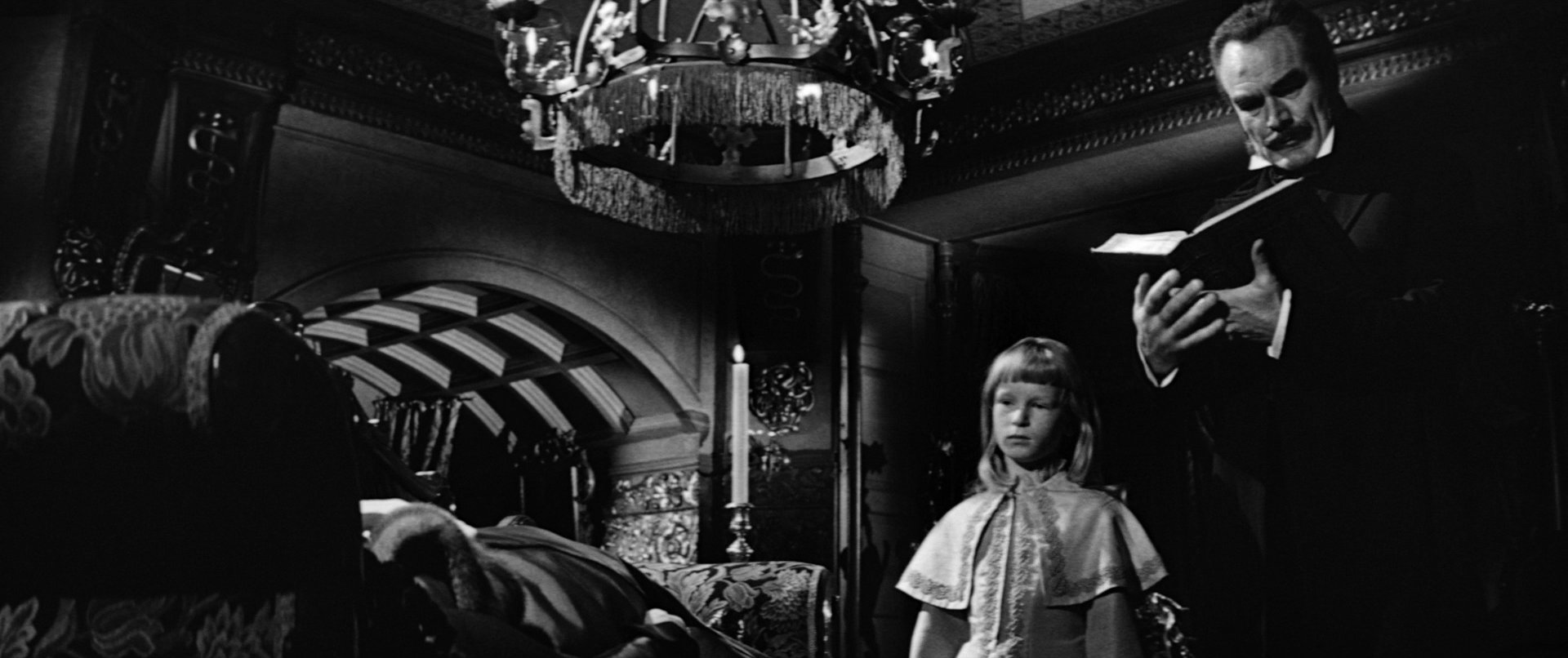
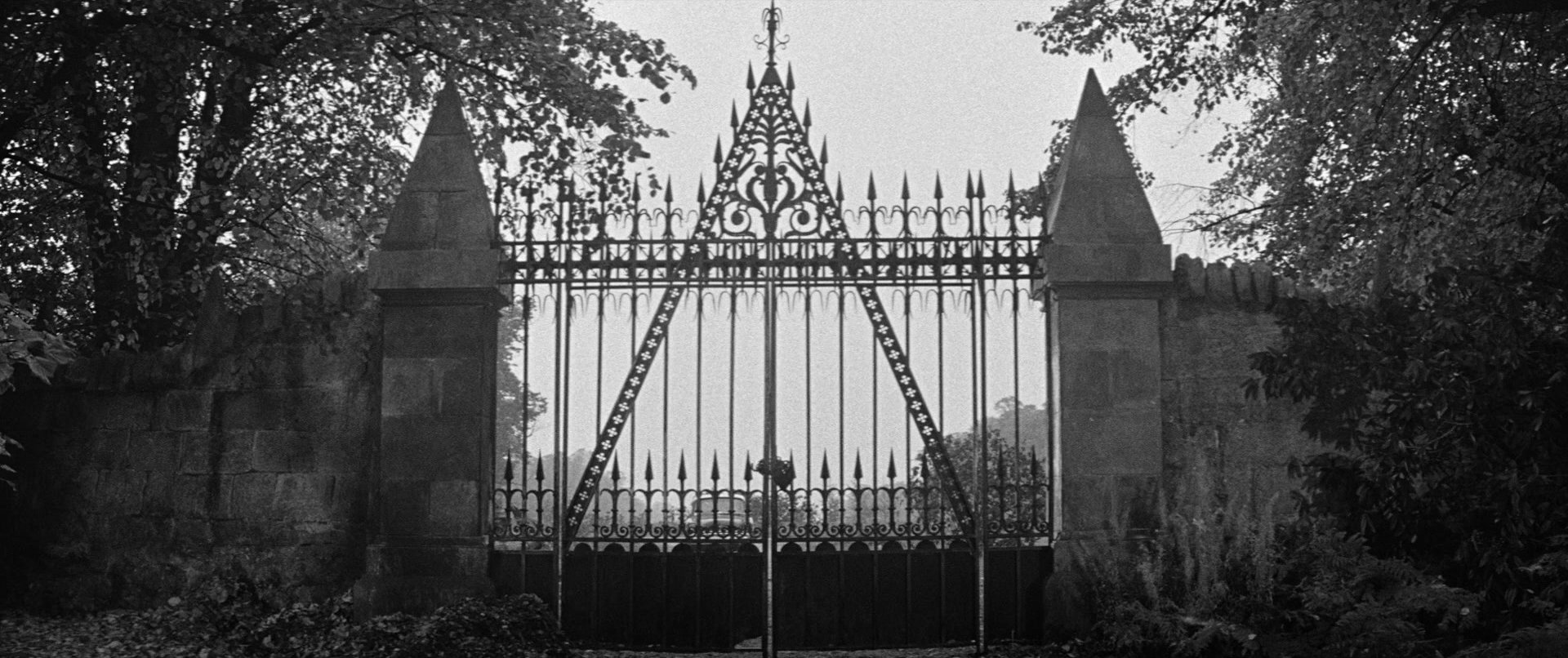
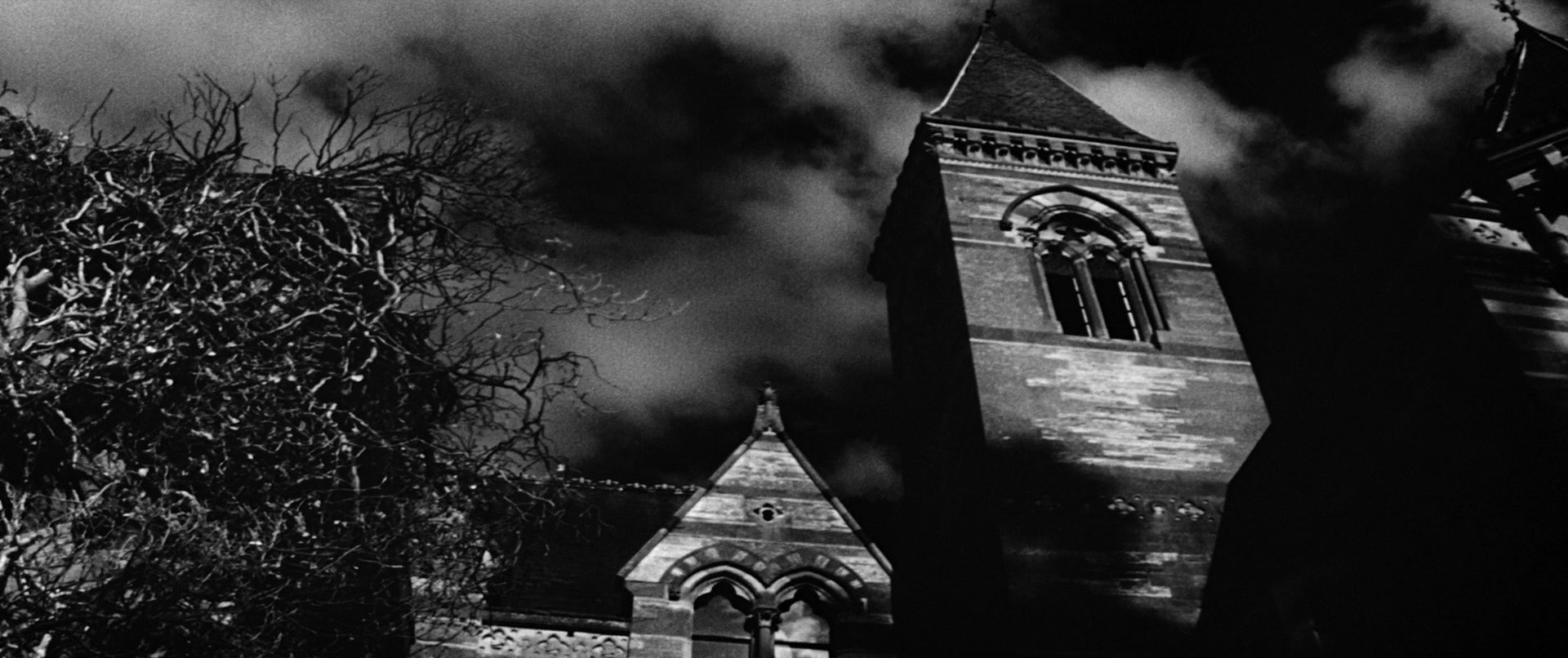
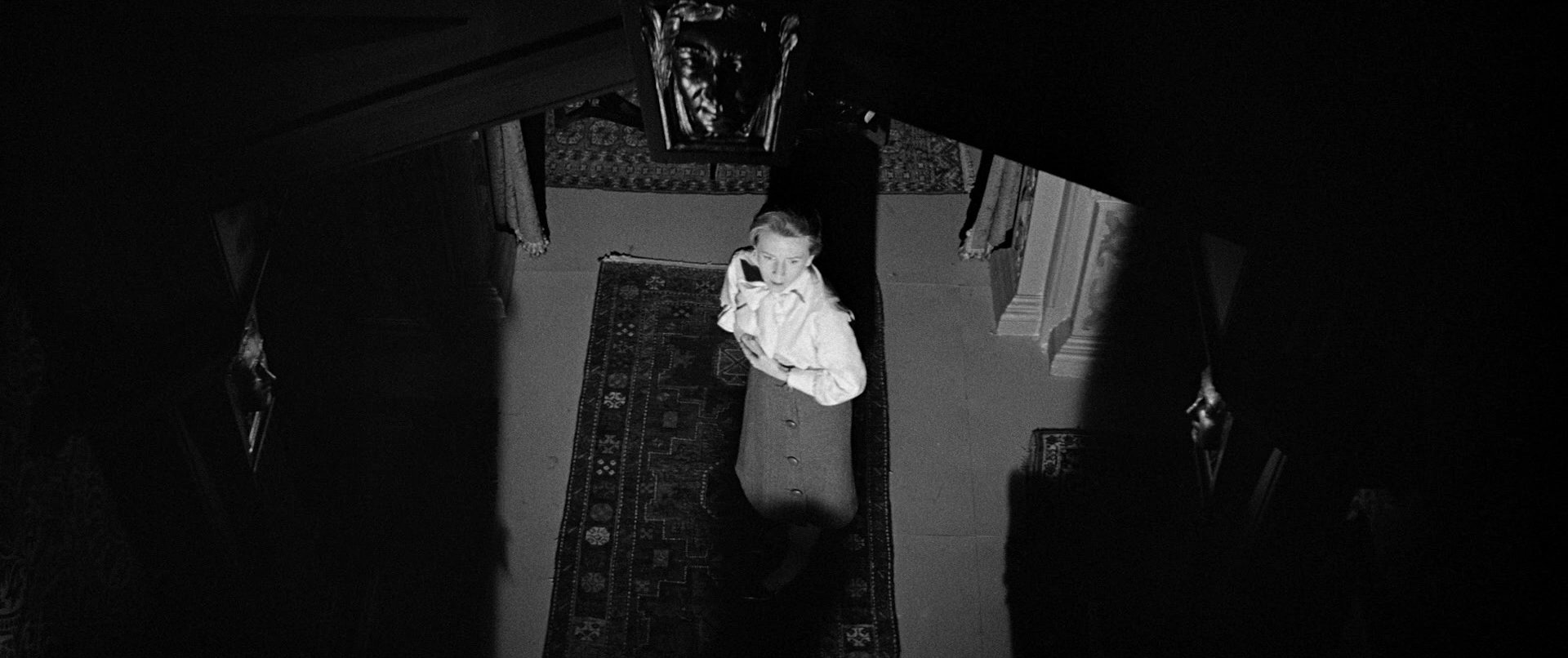
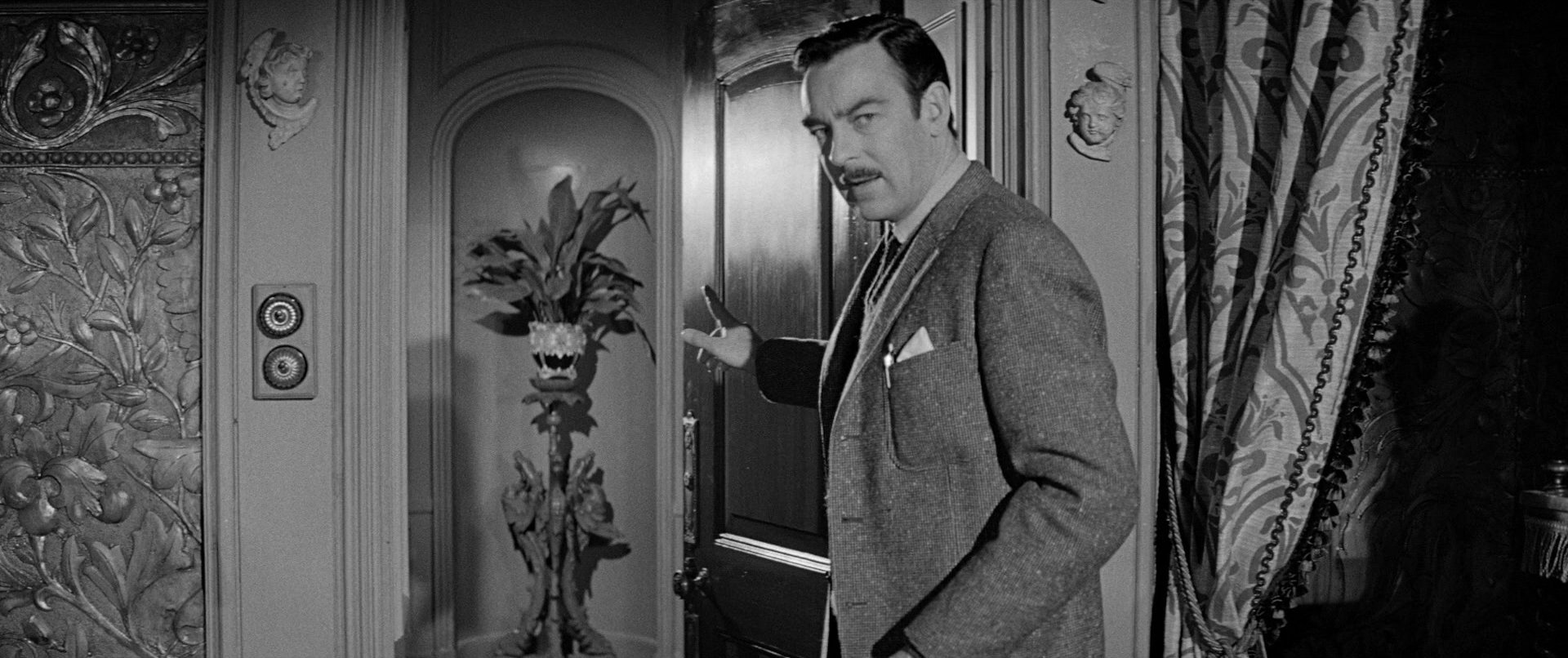
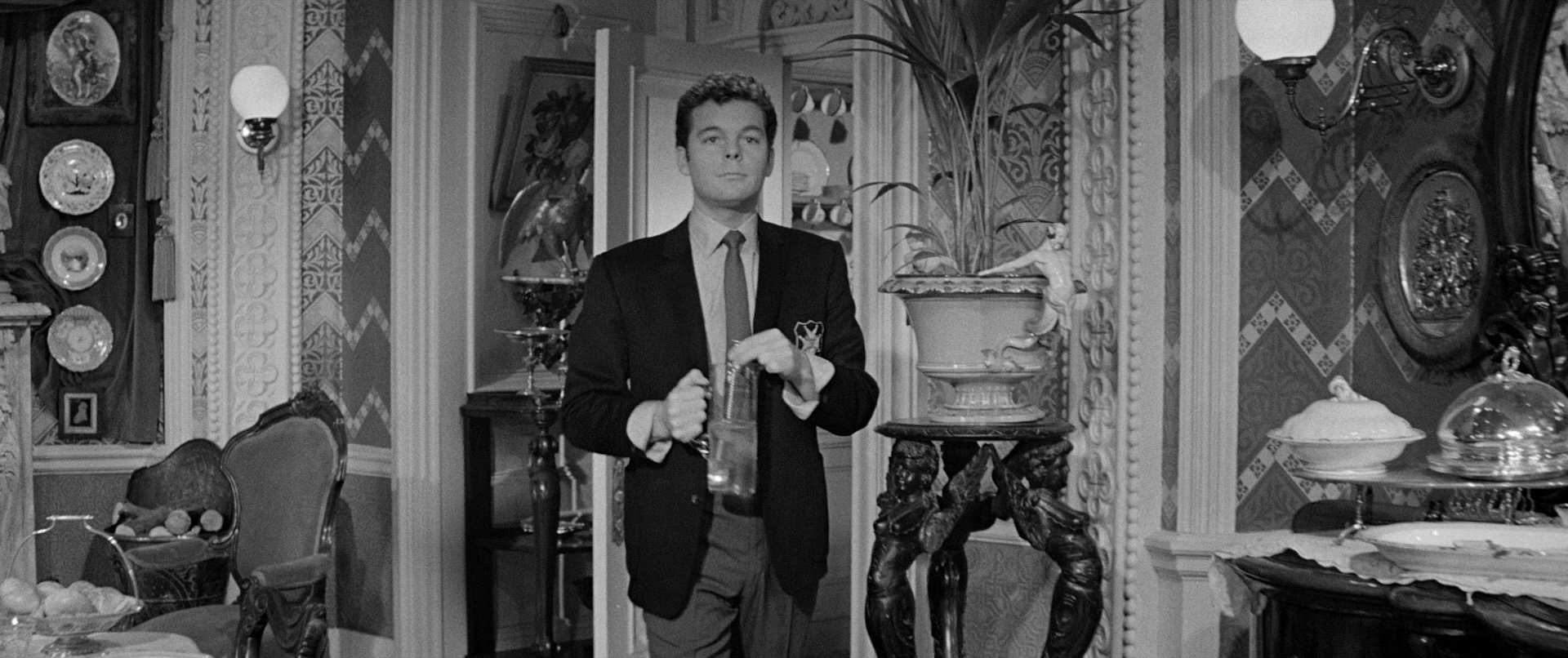
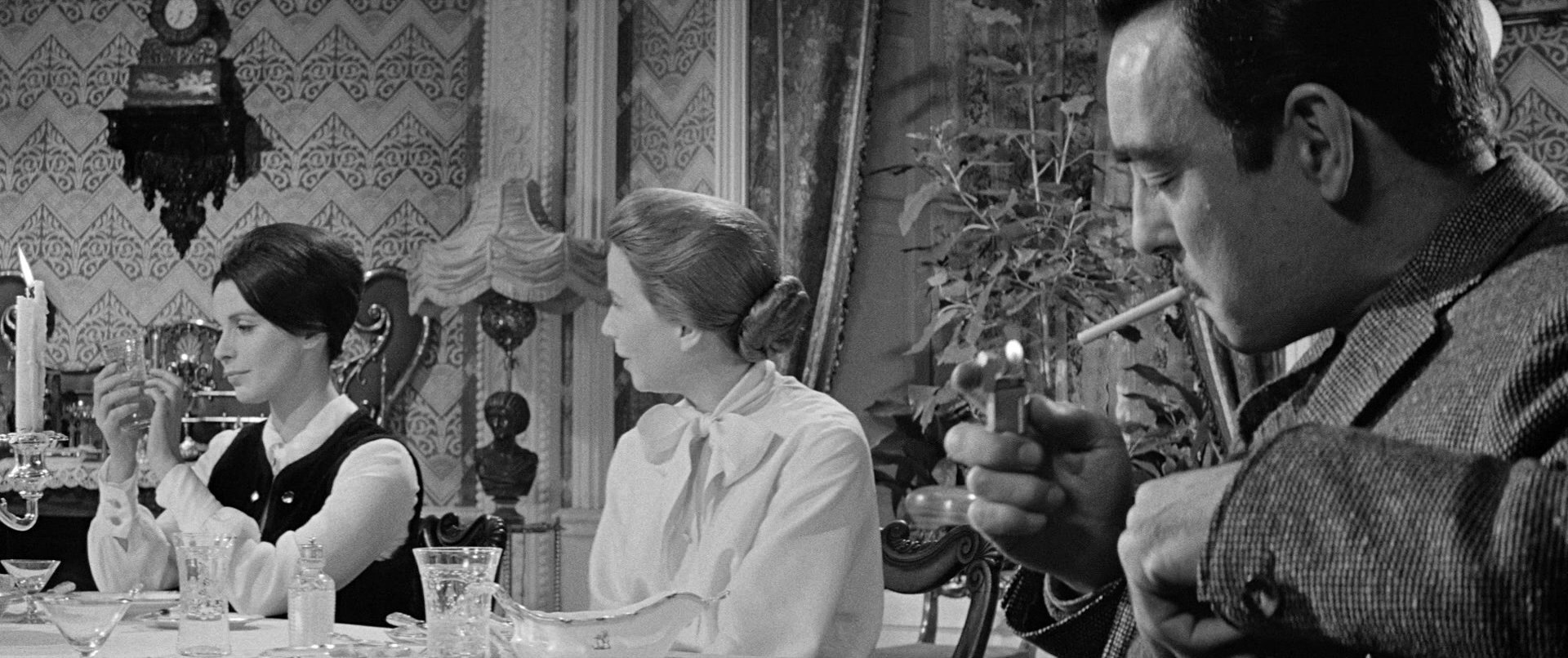
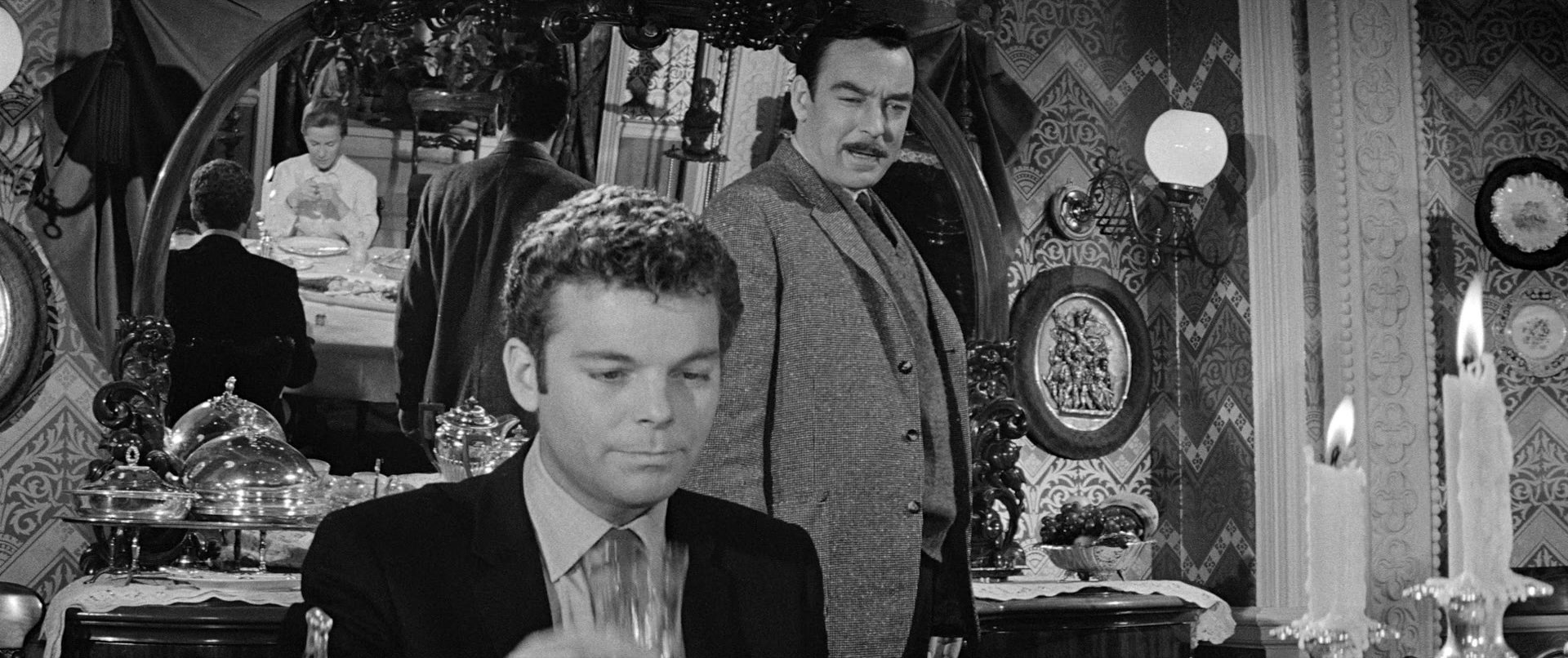
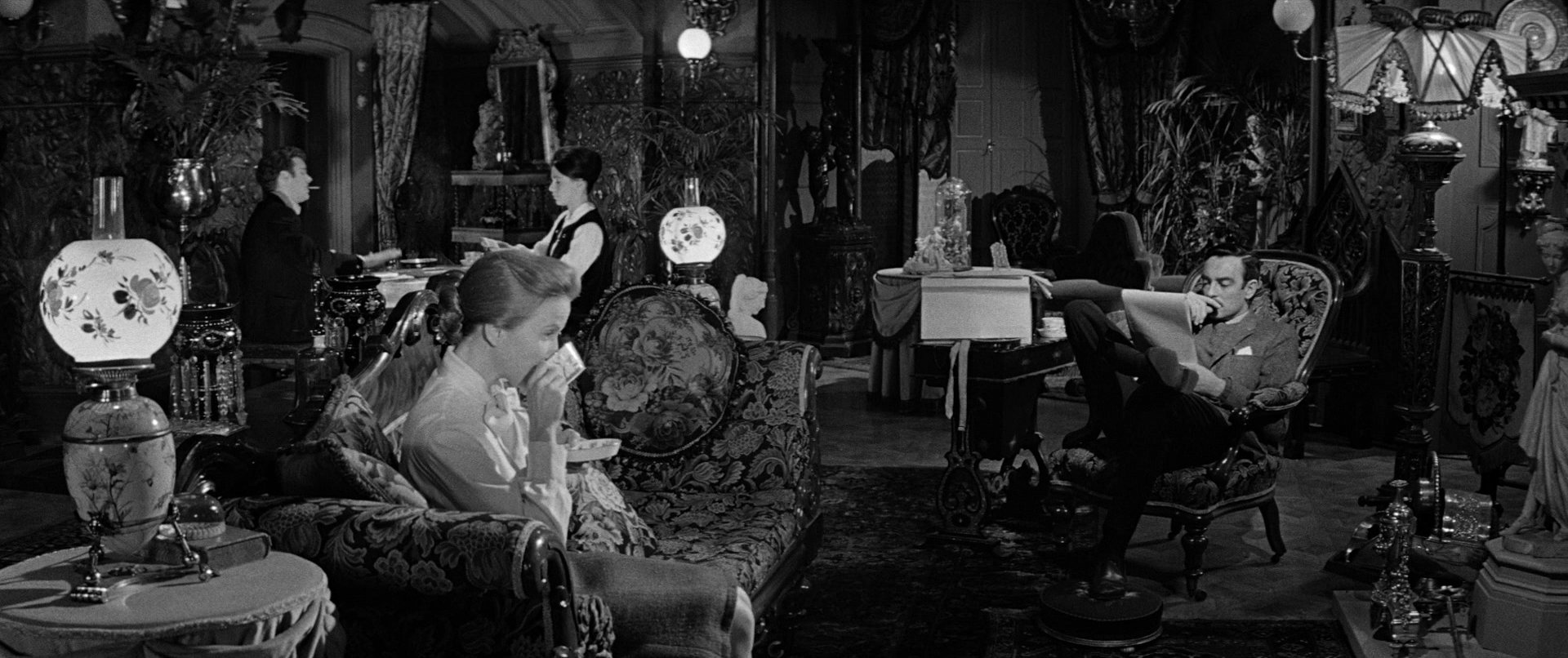
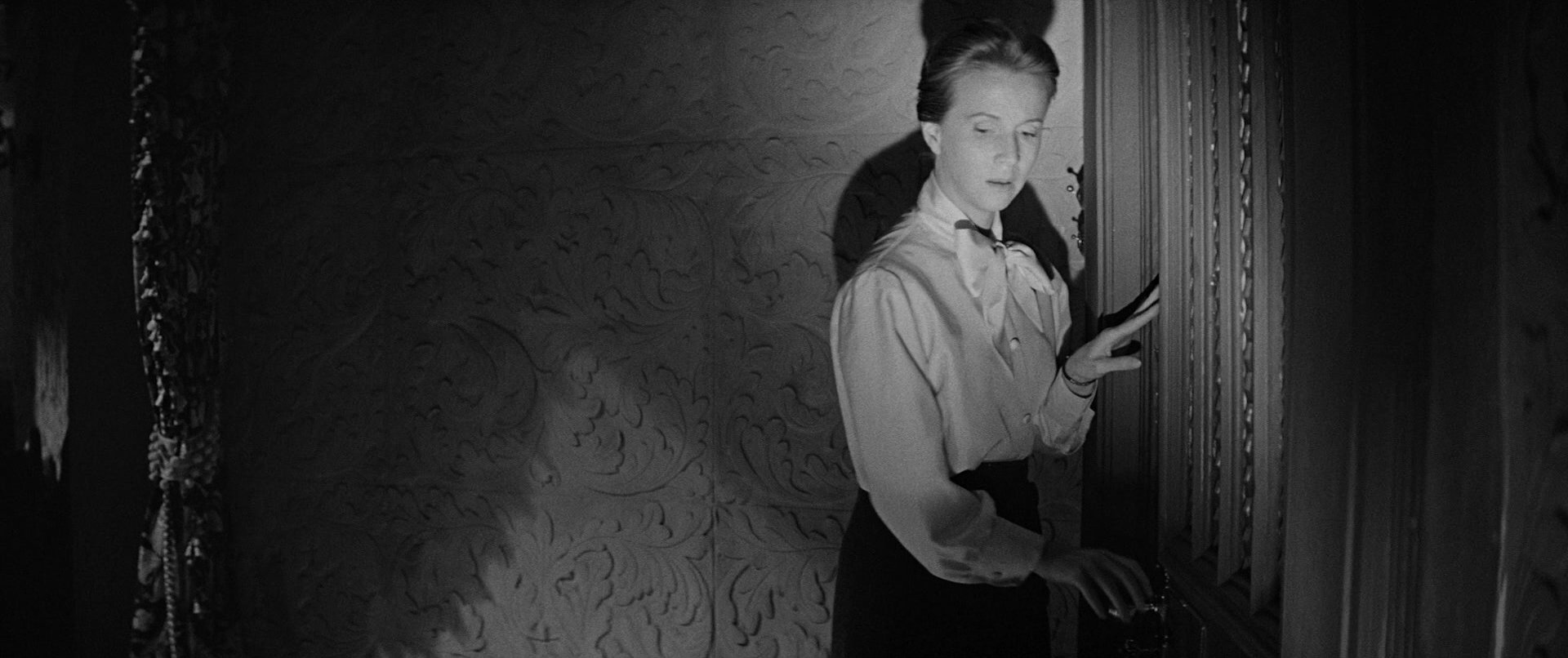
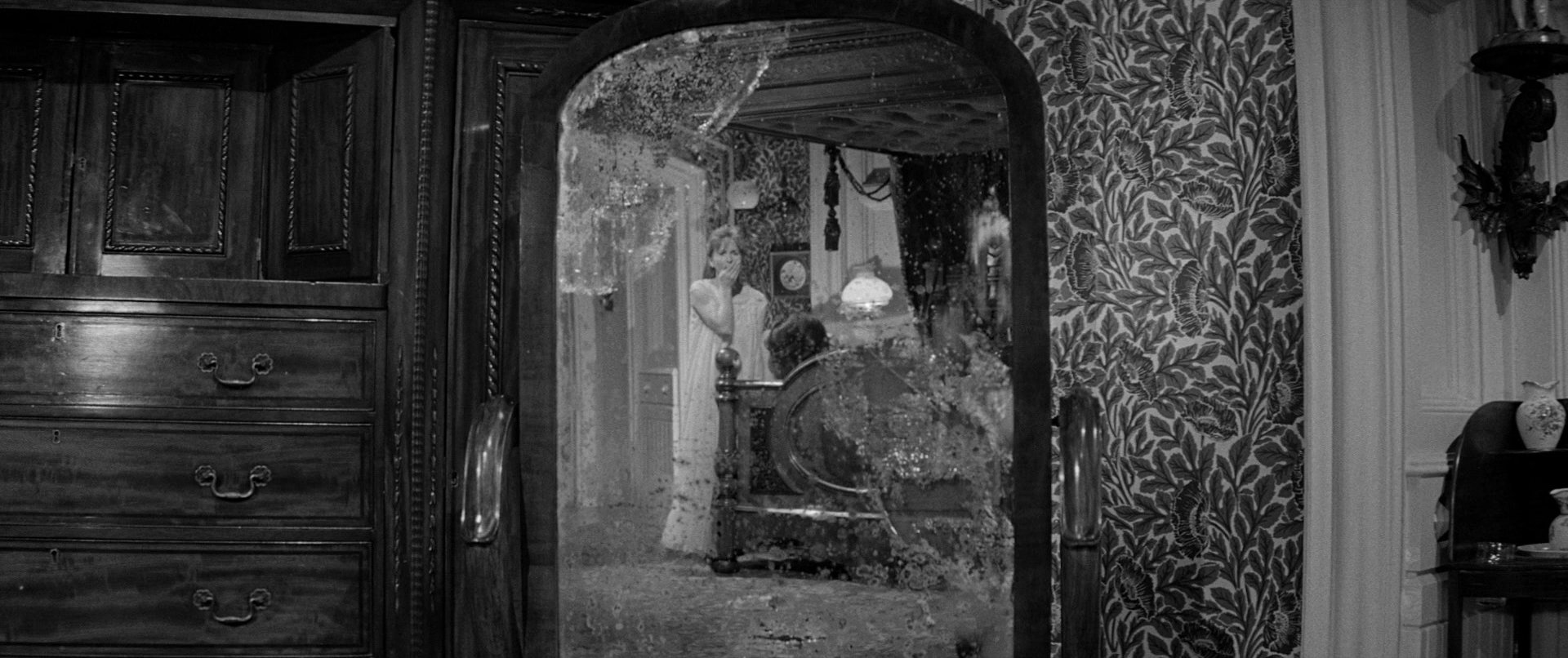
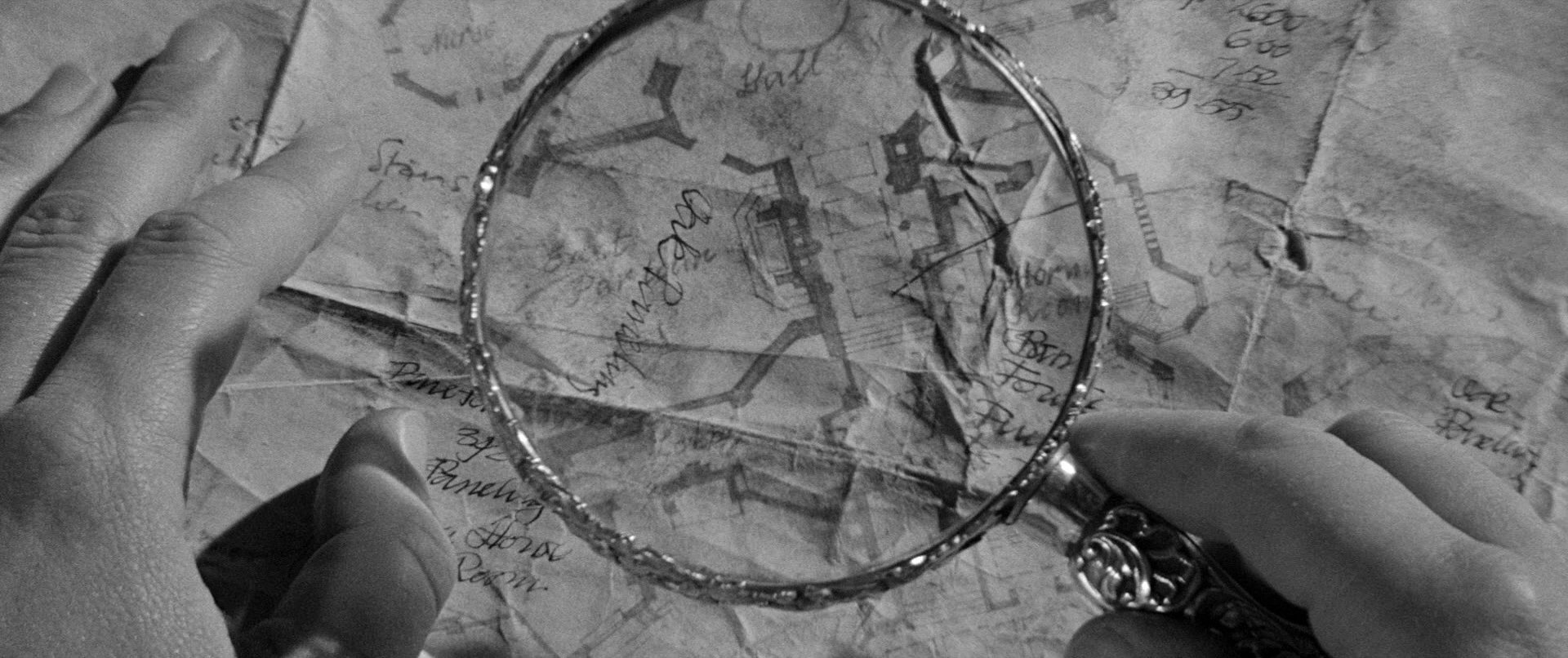
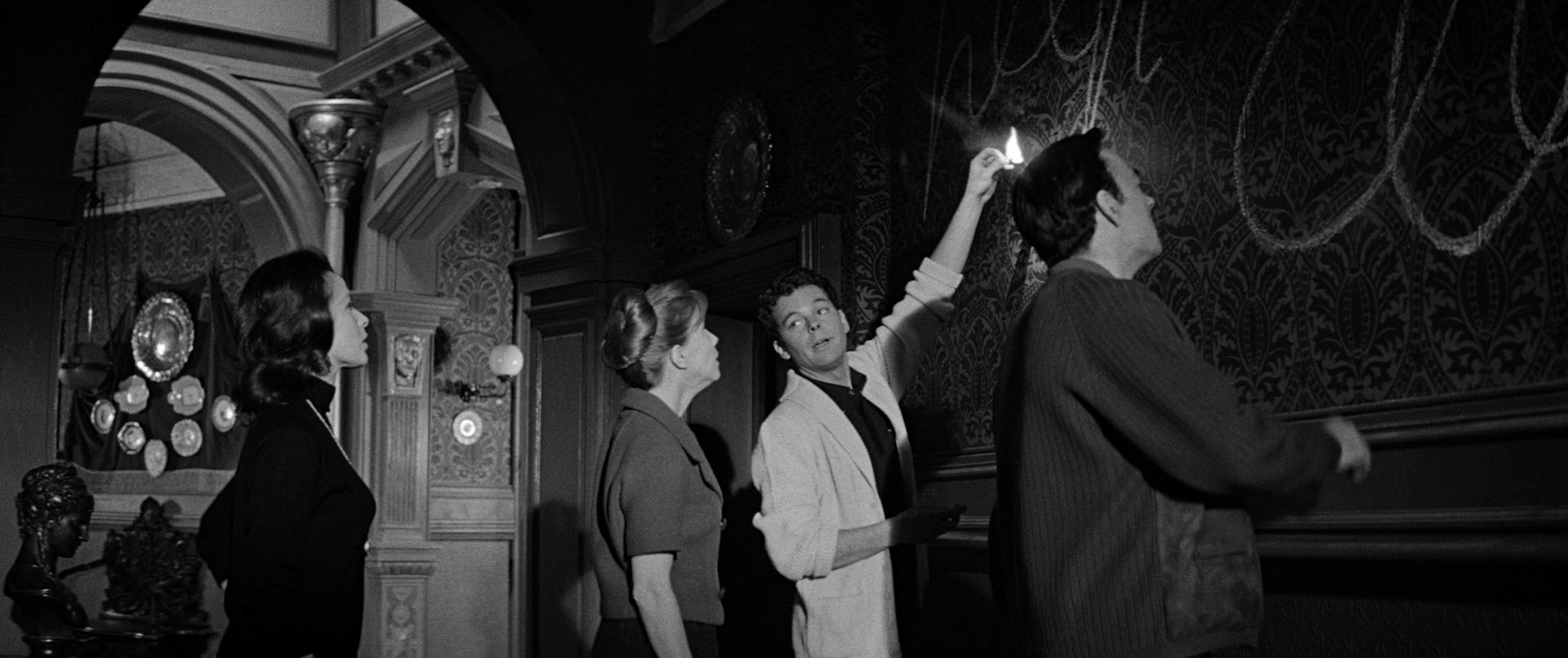
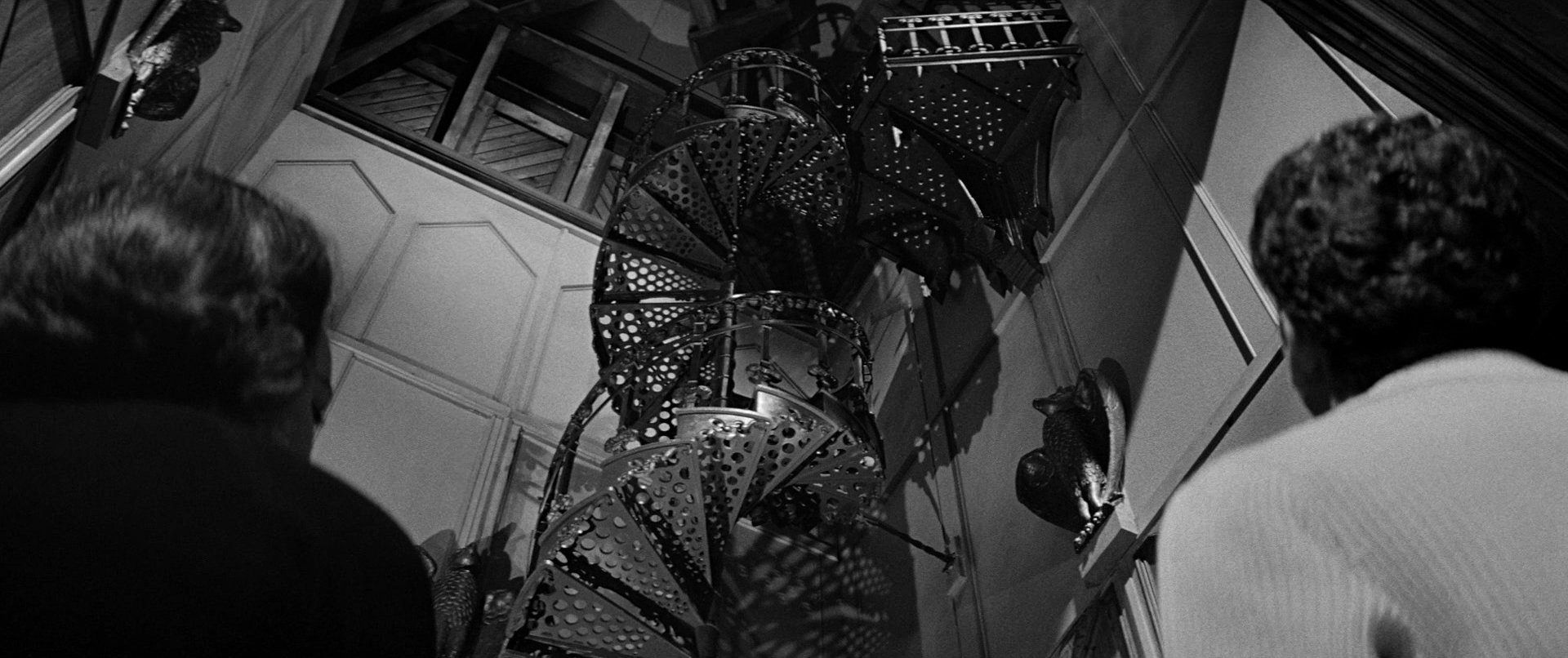
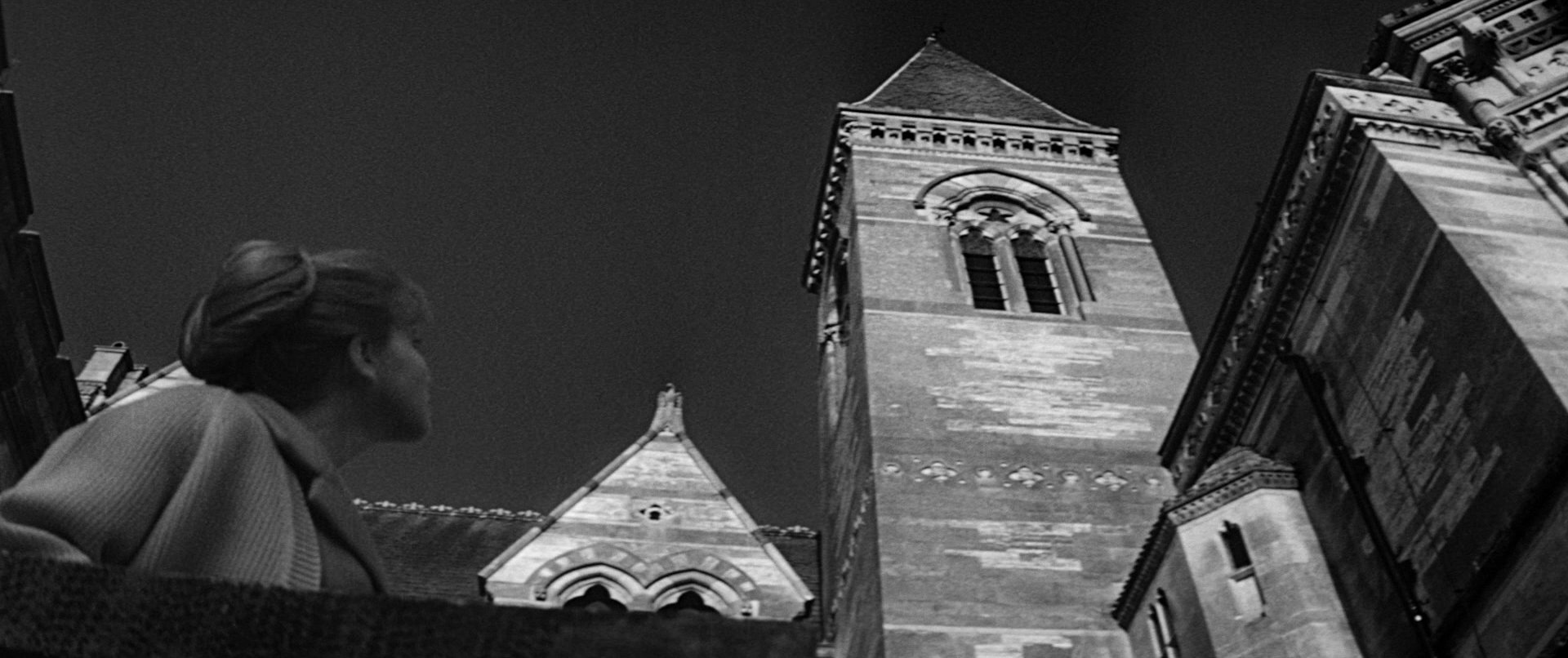
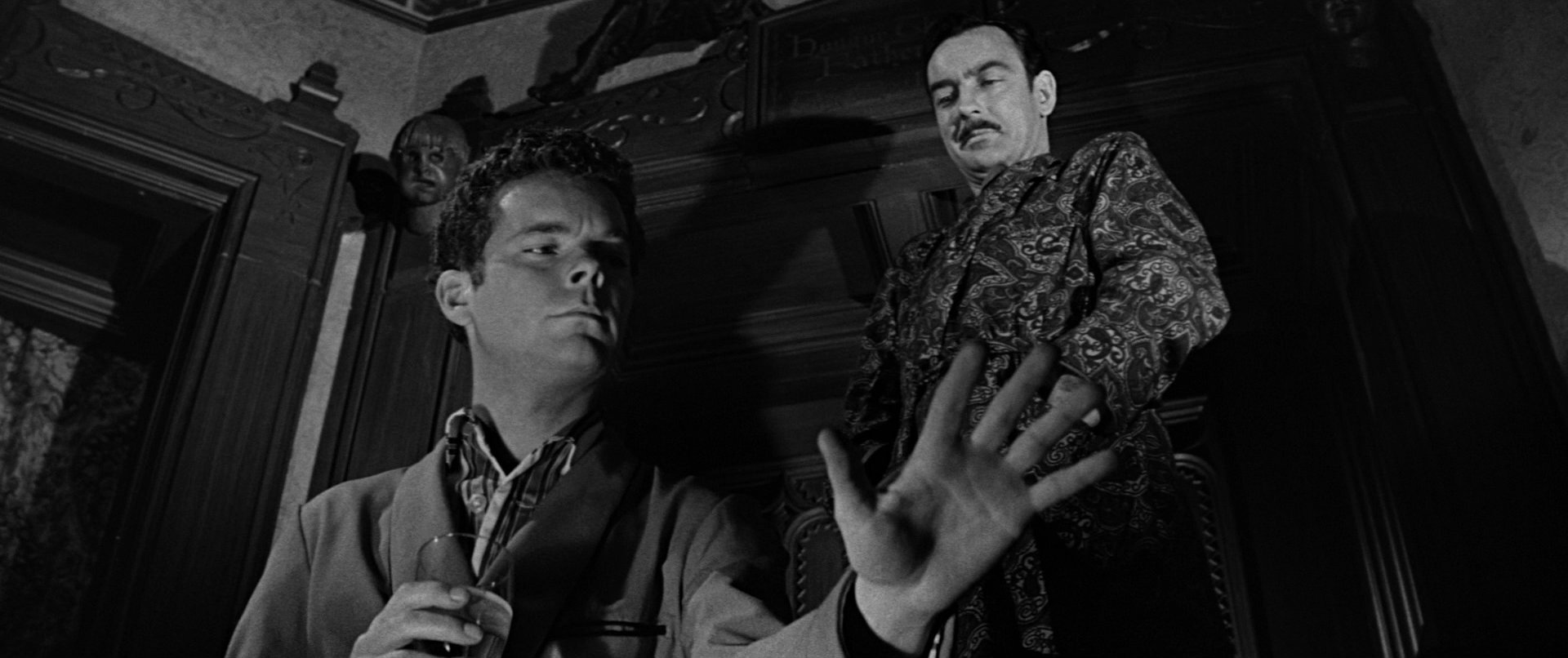
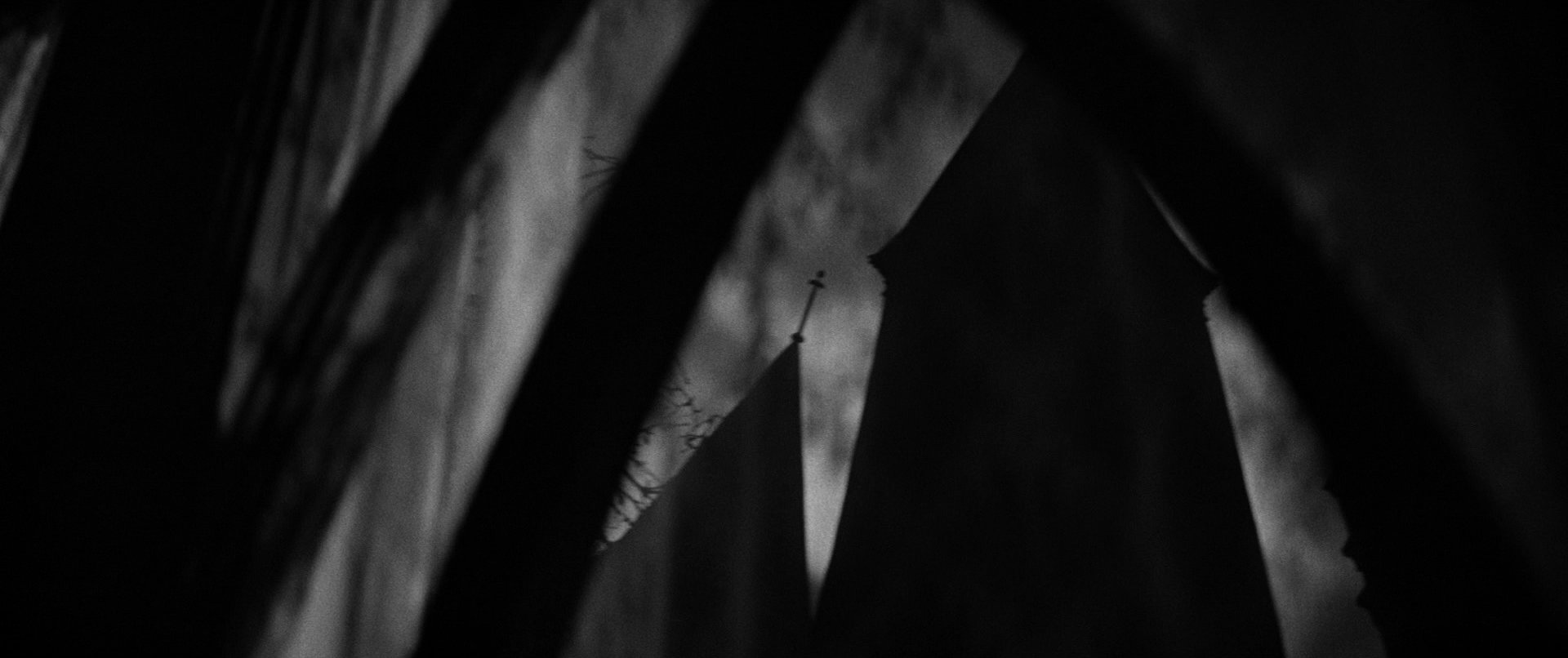
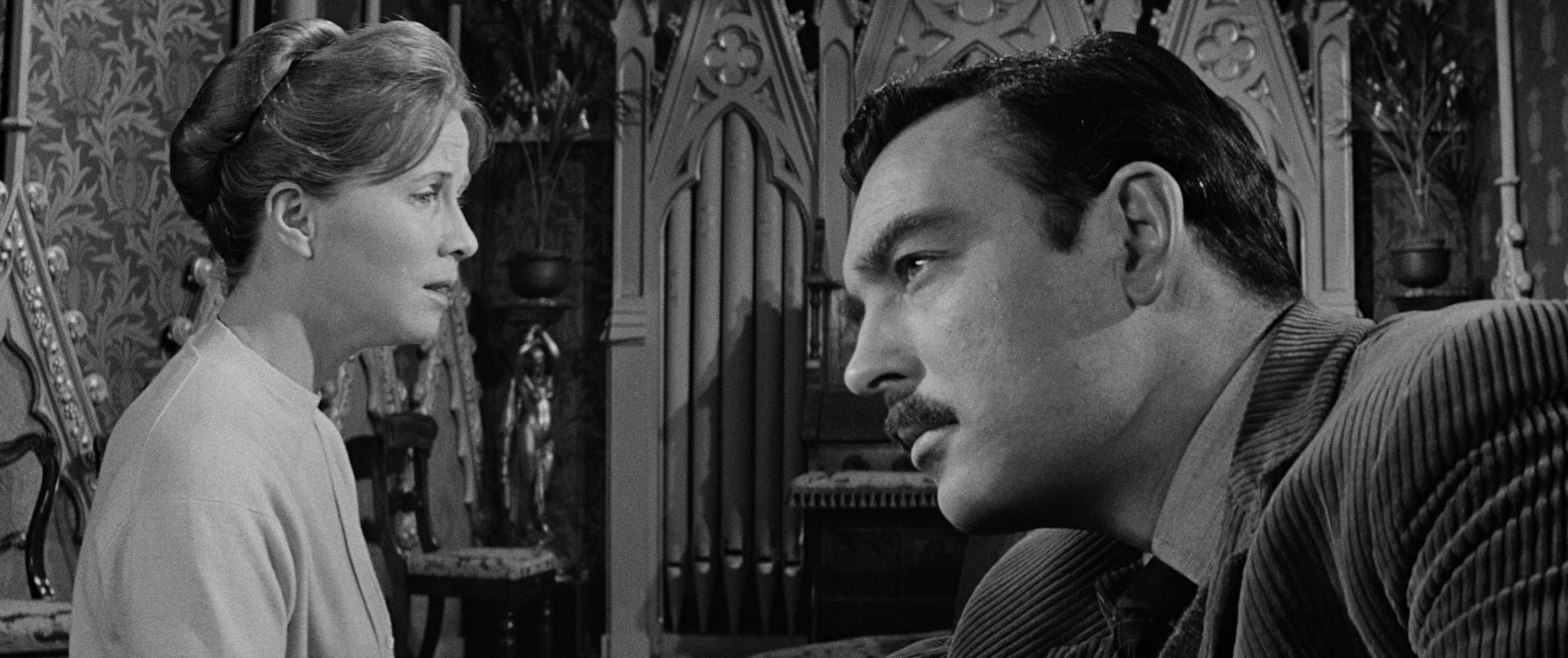
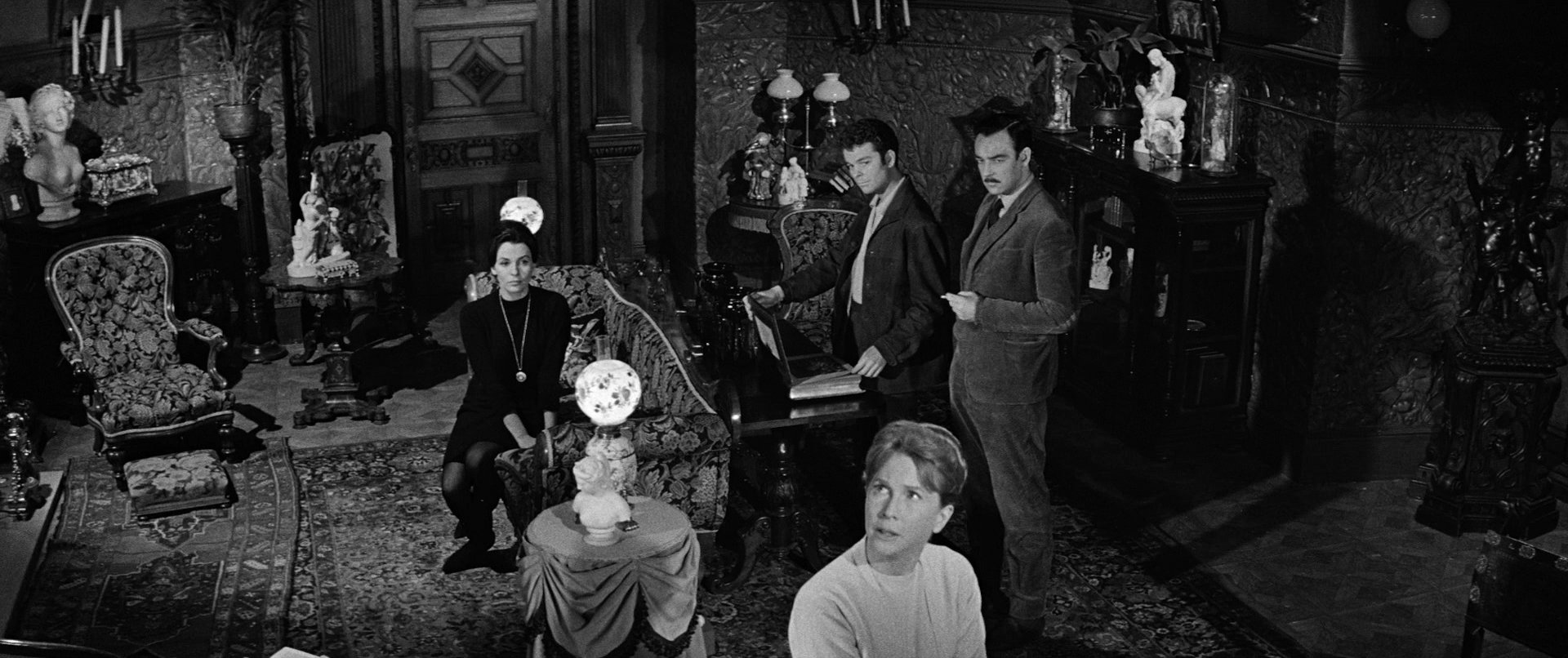
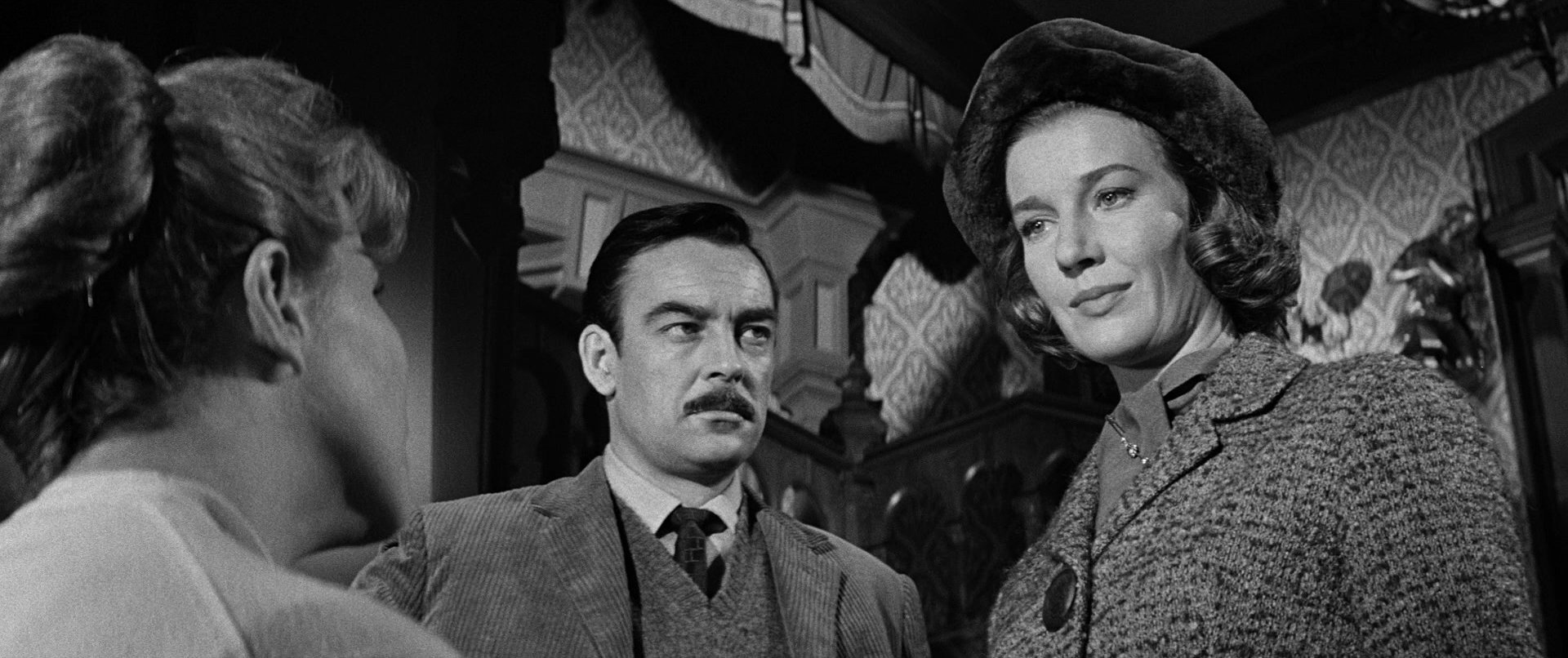
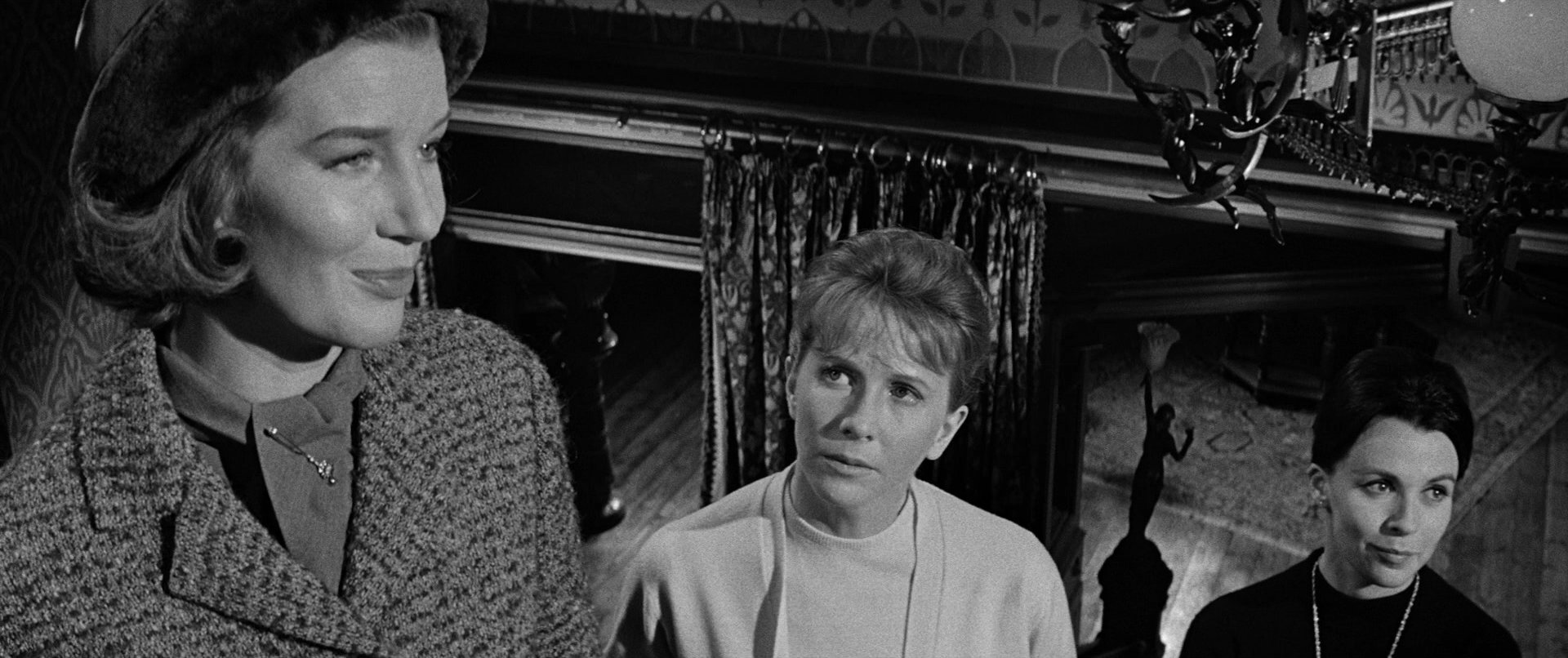
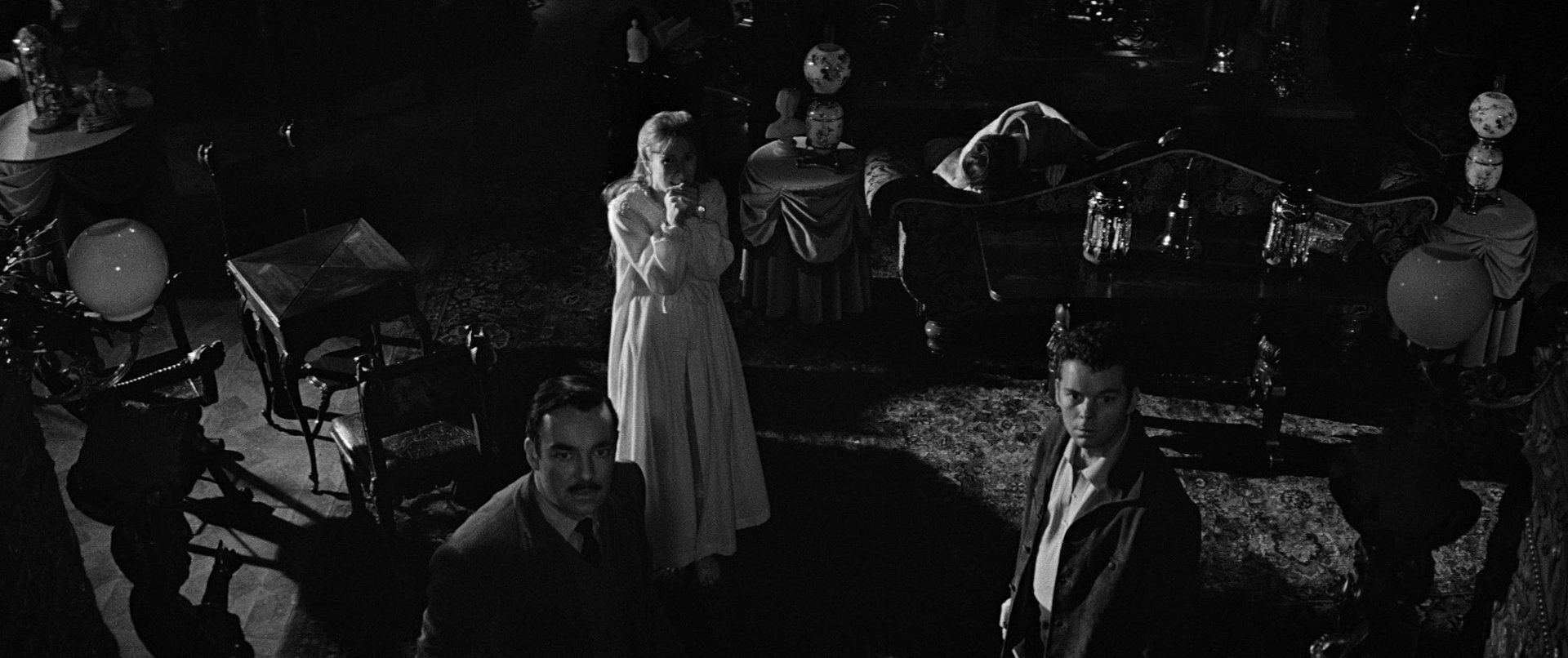
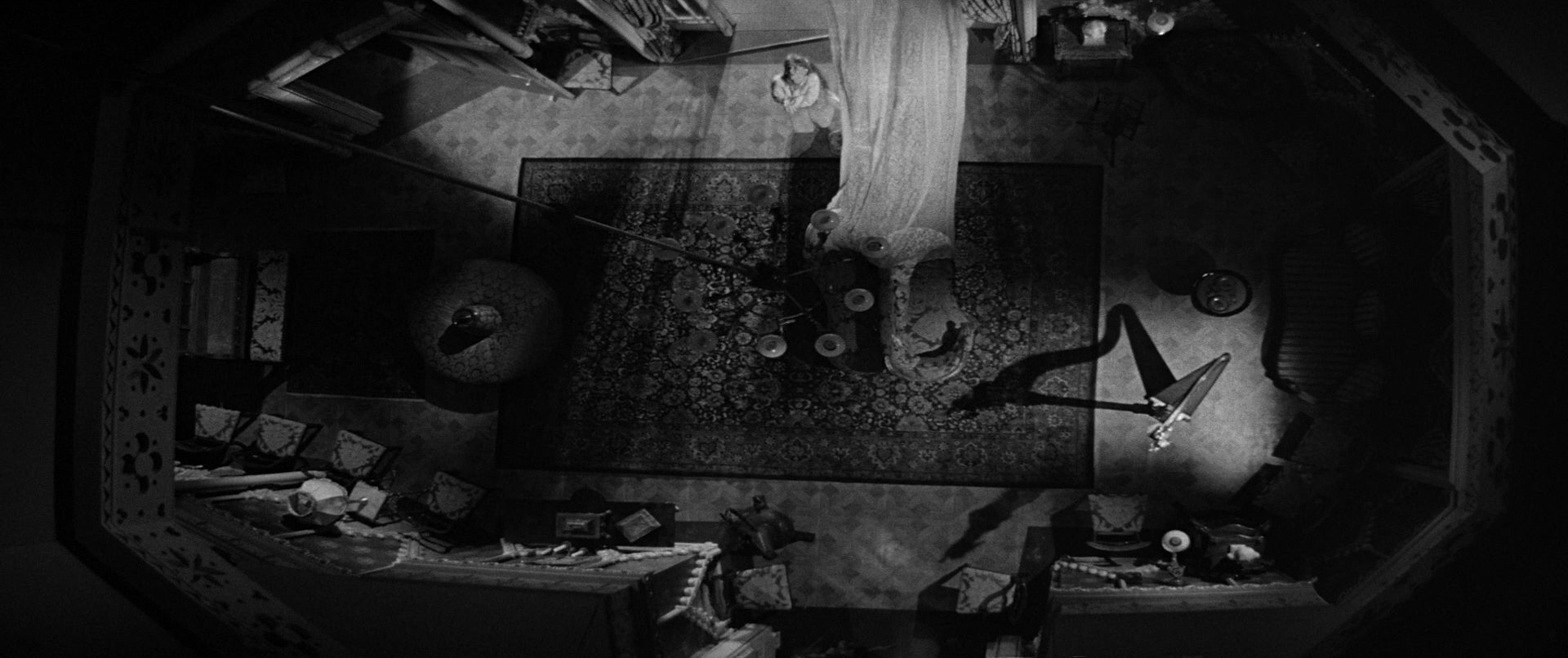
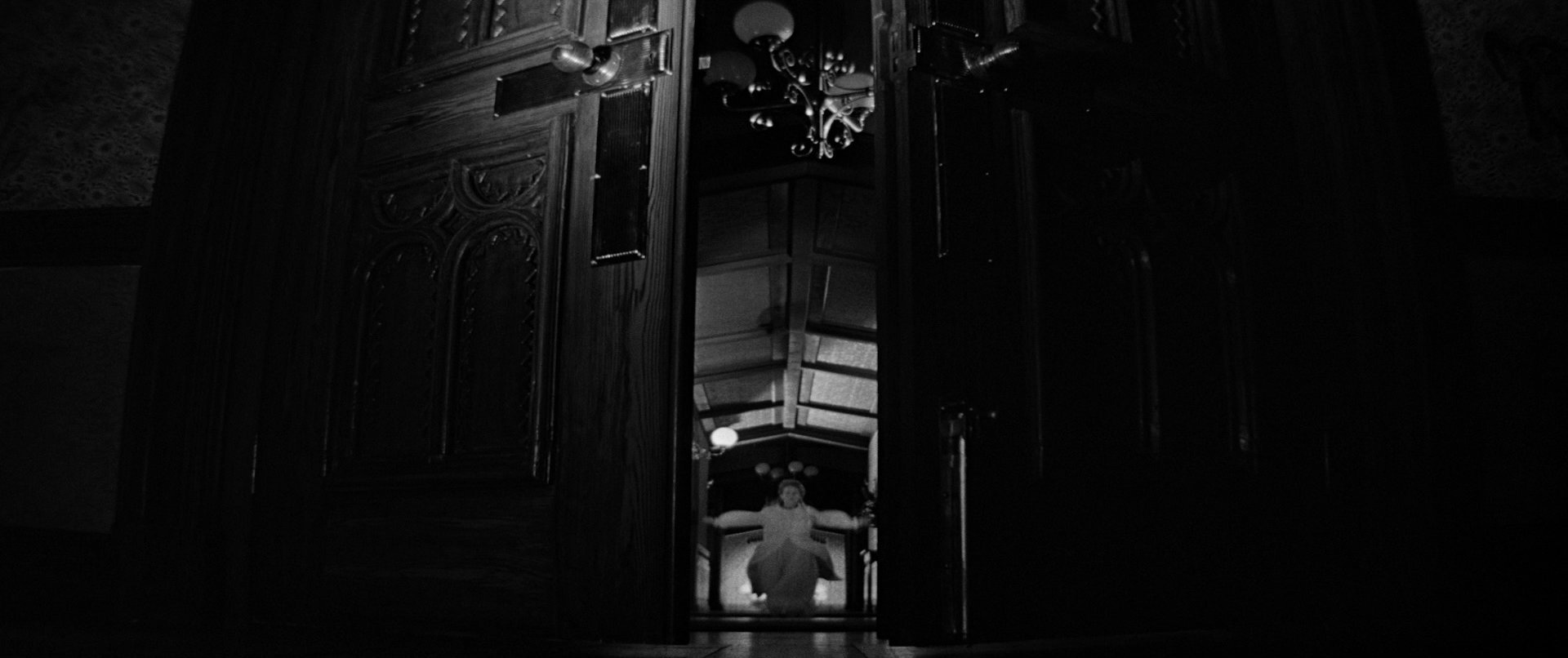
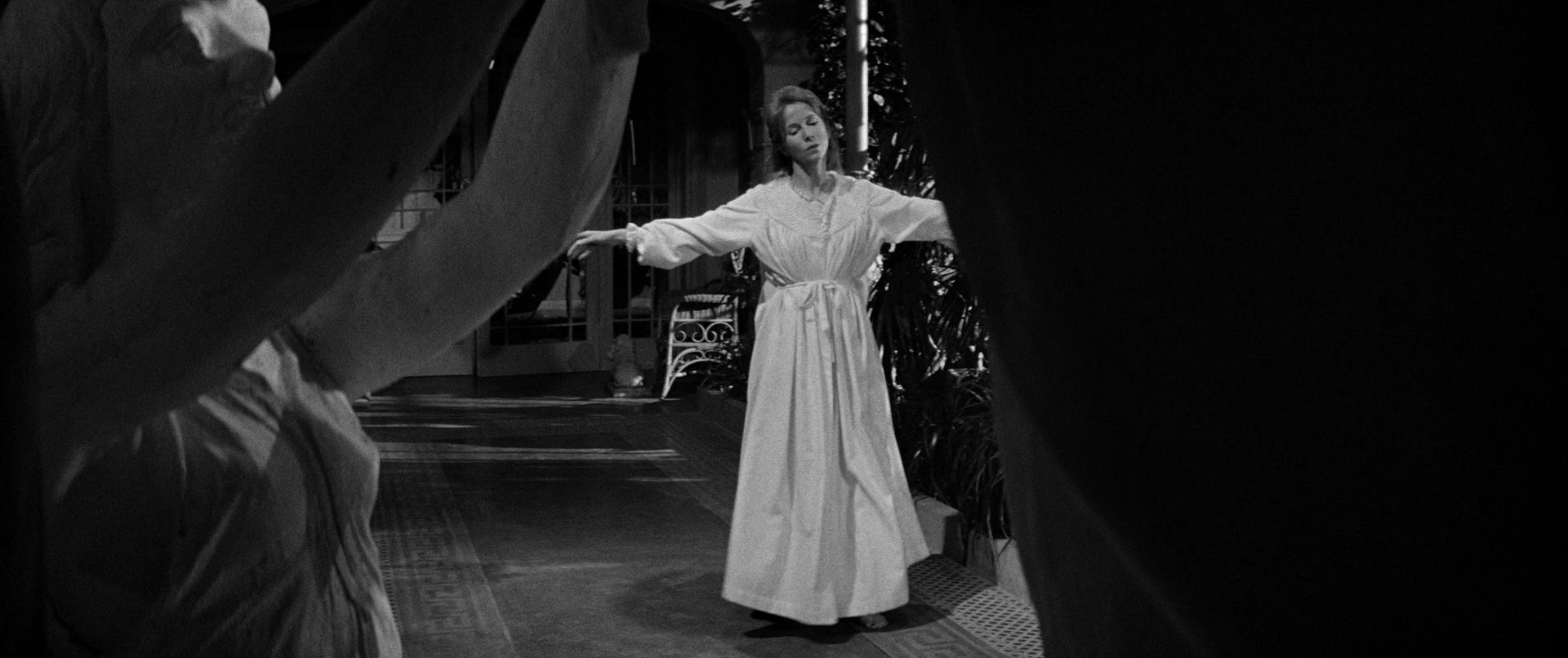
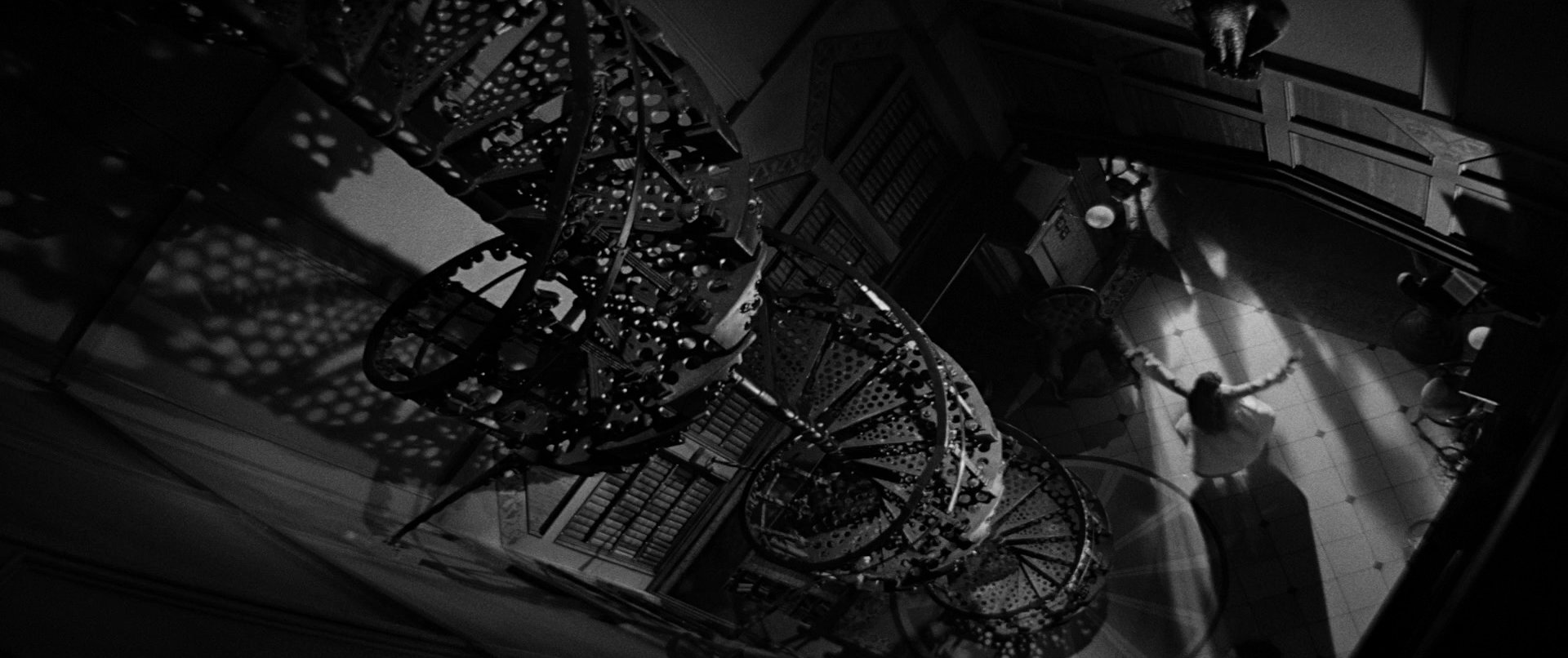
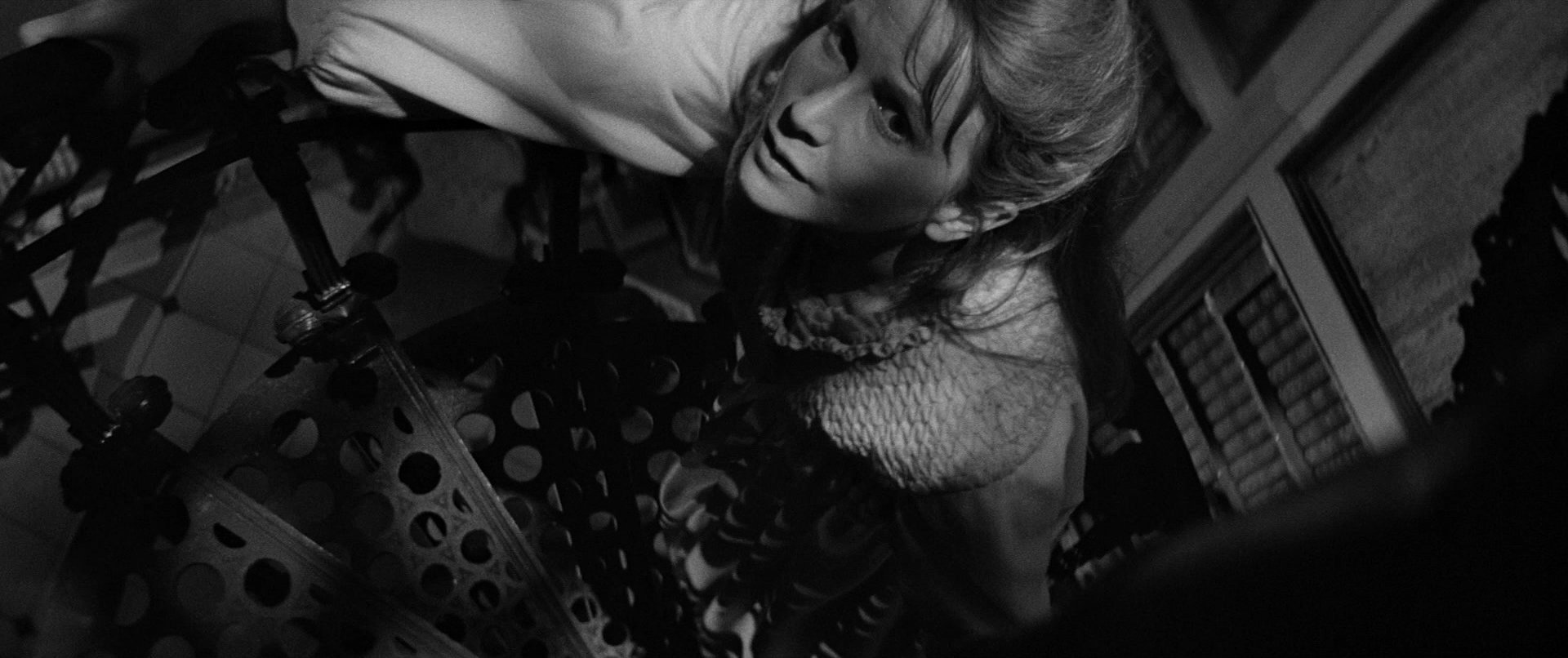
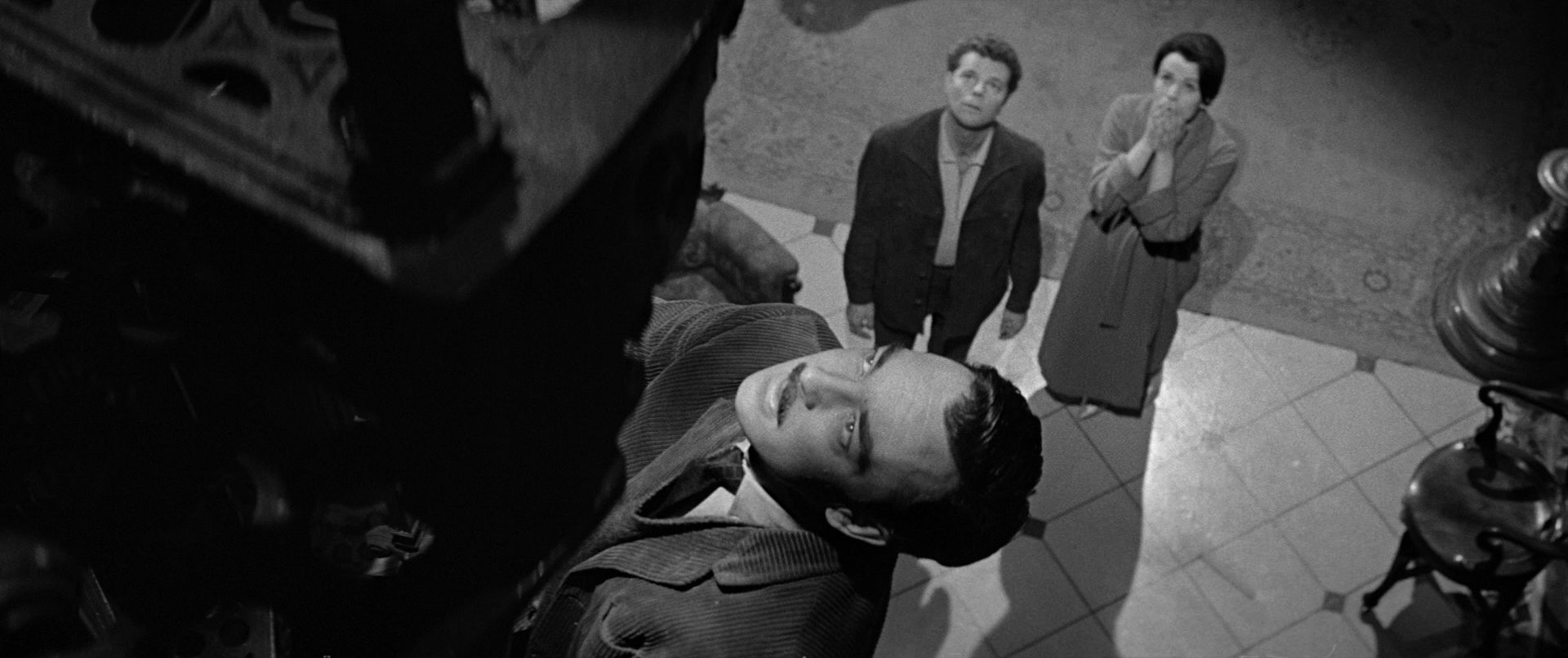
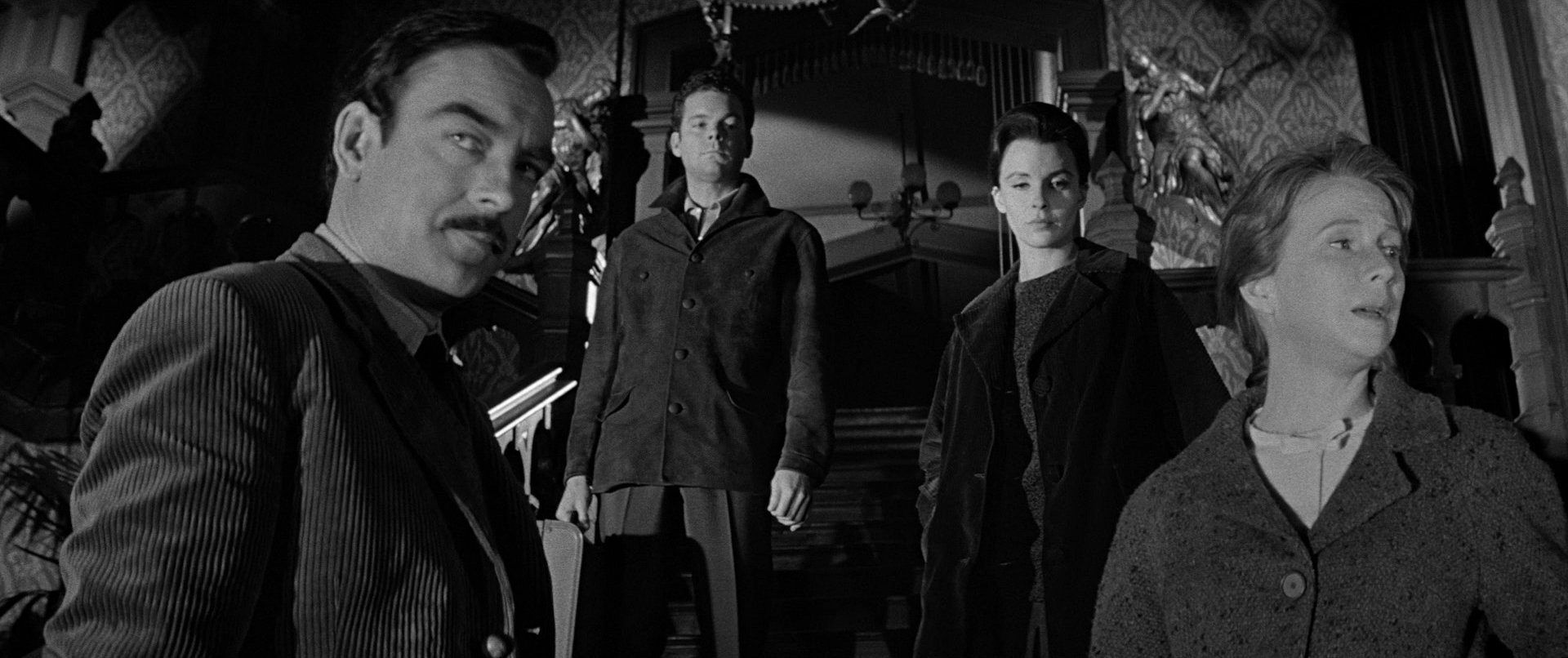
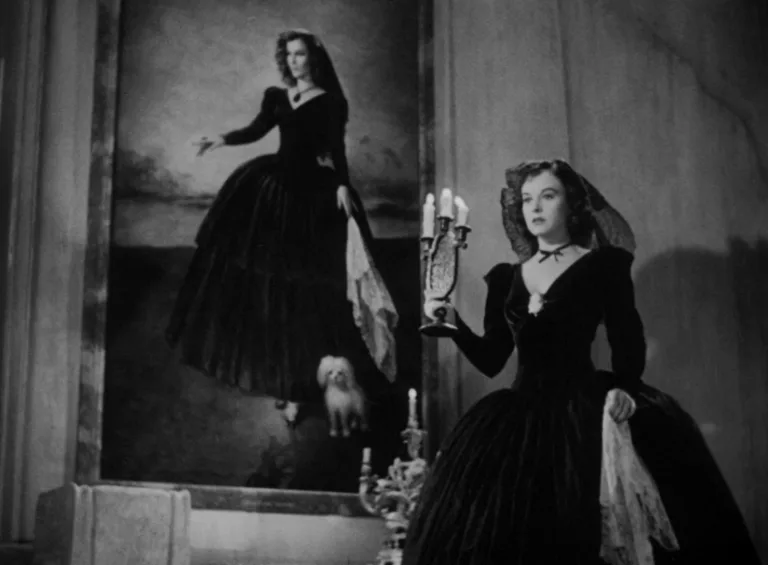
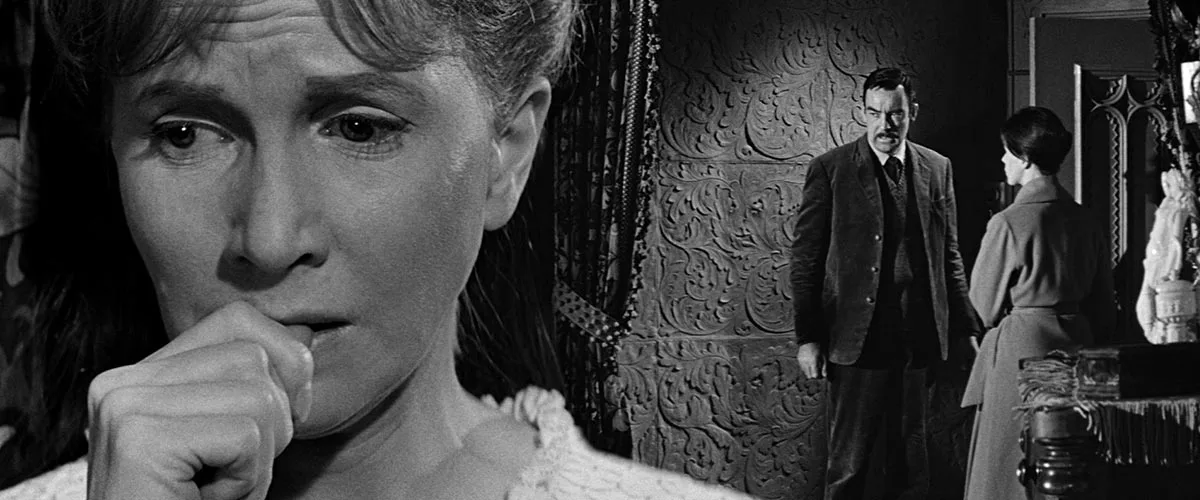
The mansion itself functions as the film’s central visual character. Its twisting staircases, narrow corridors, towering ceilings, and heavy woodwork create a sense of oppressive scale. The labyrinthine architecture makes the house feel actively hostile to its inhabitants.
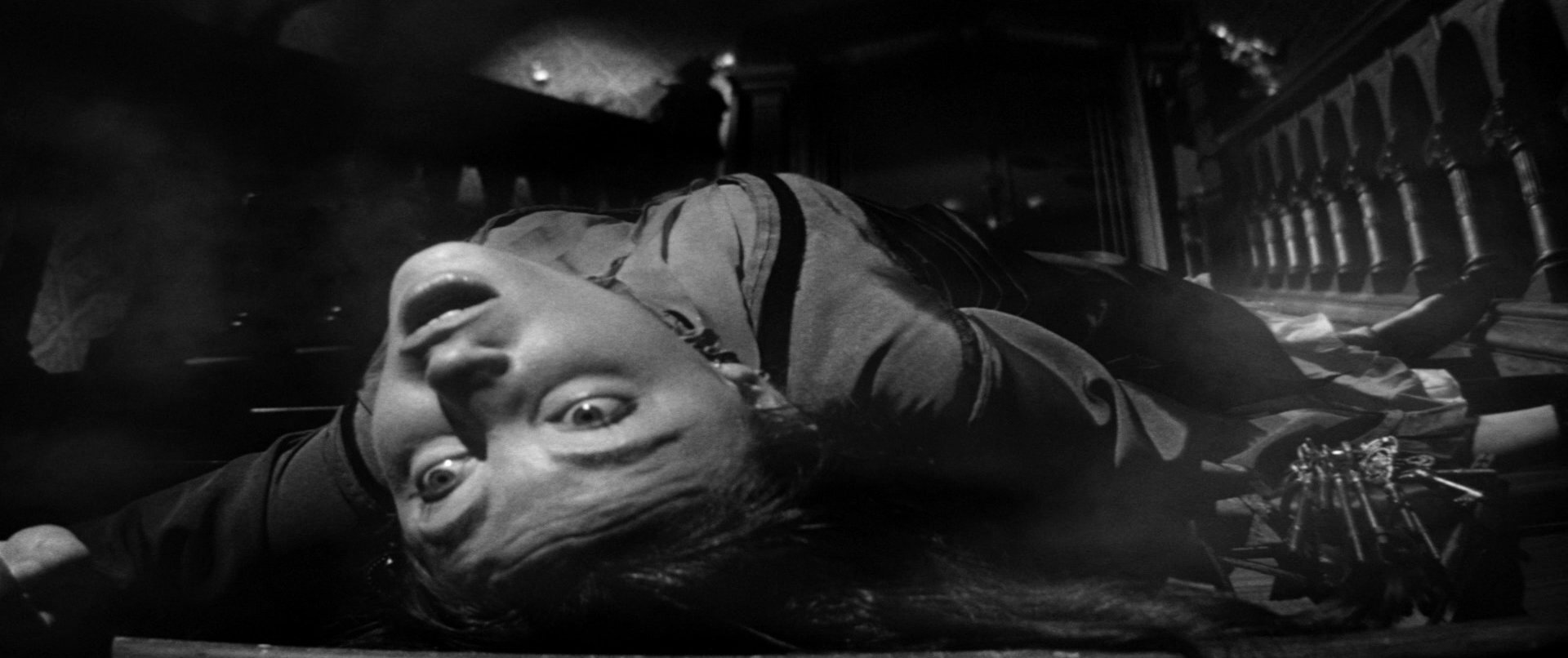
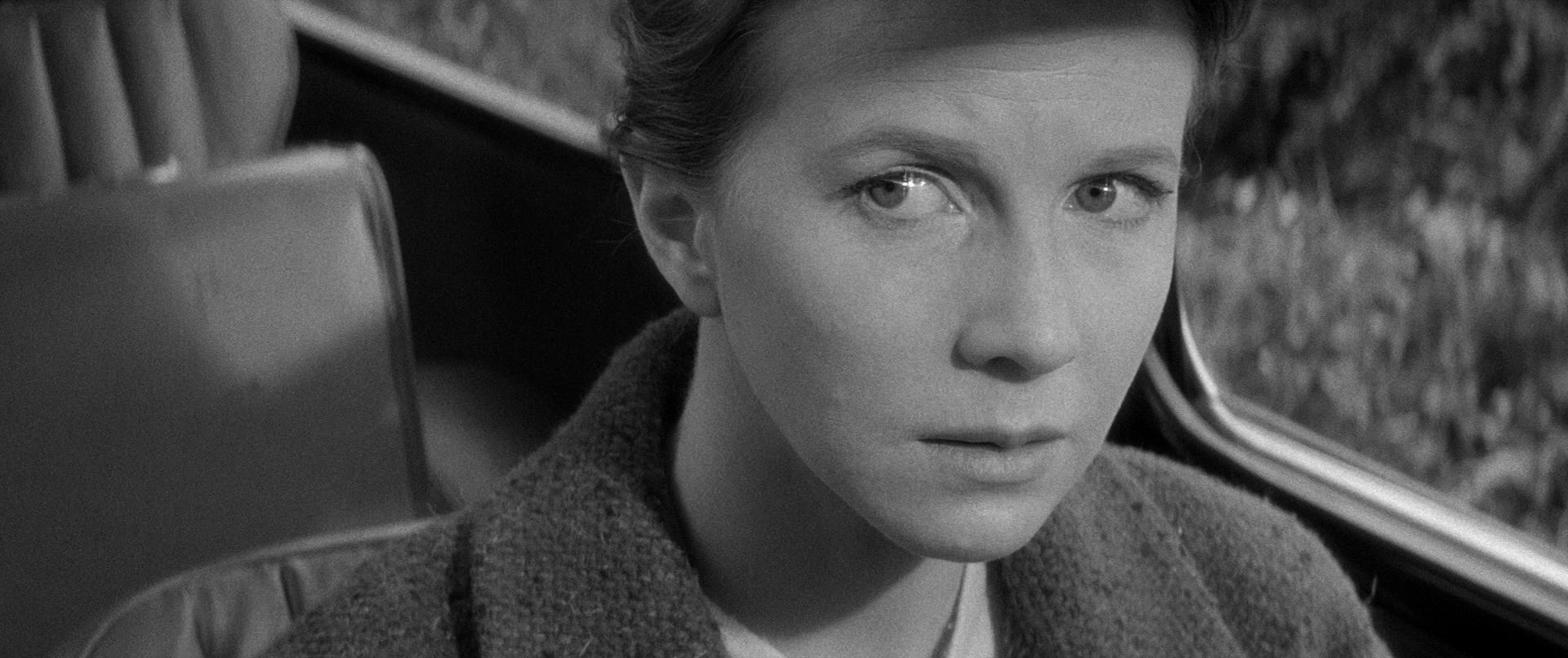
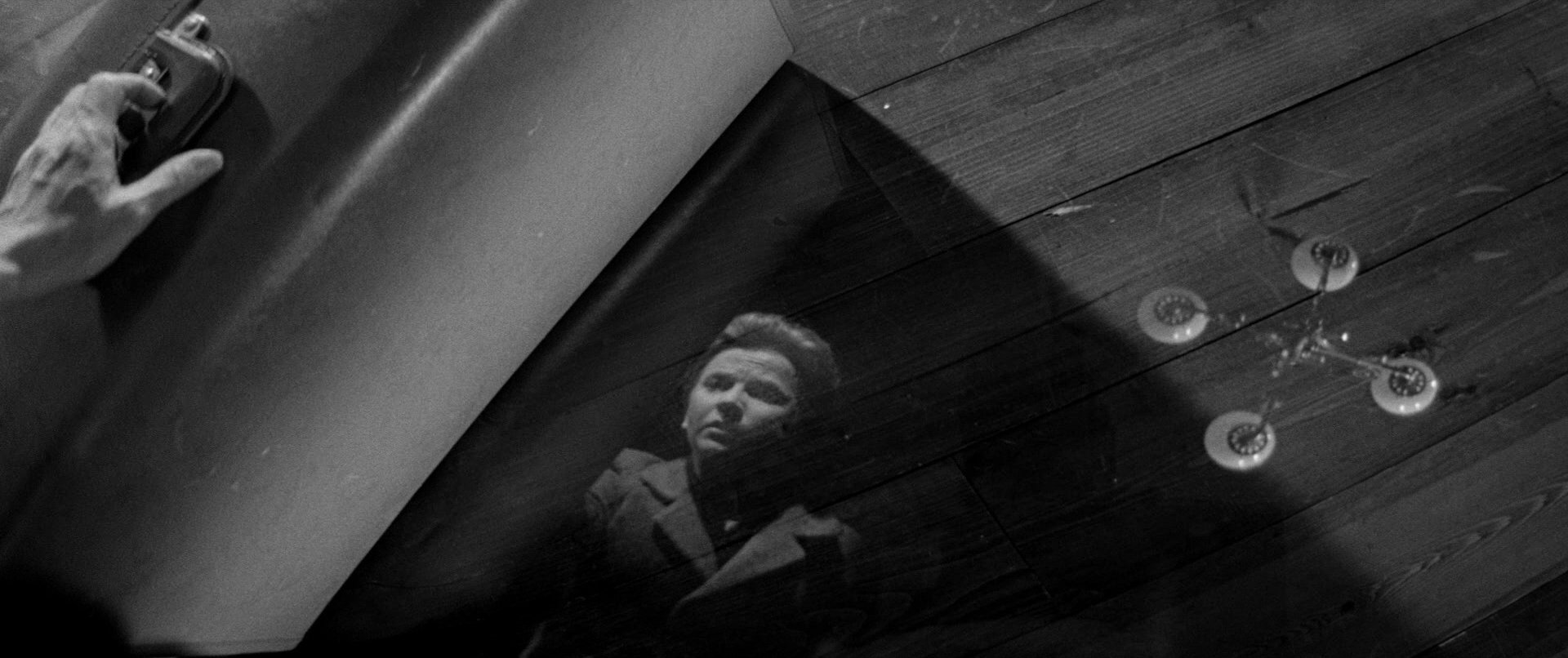
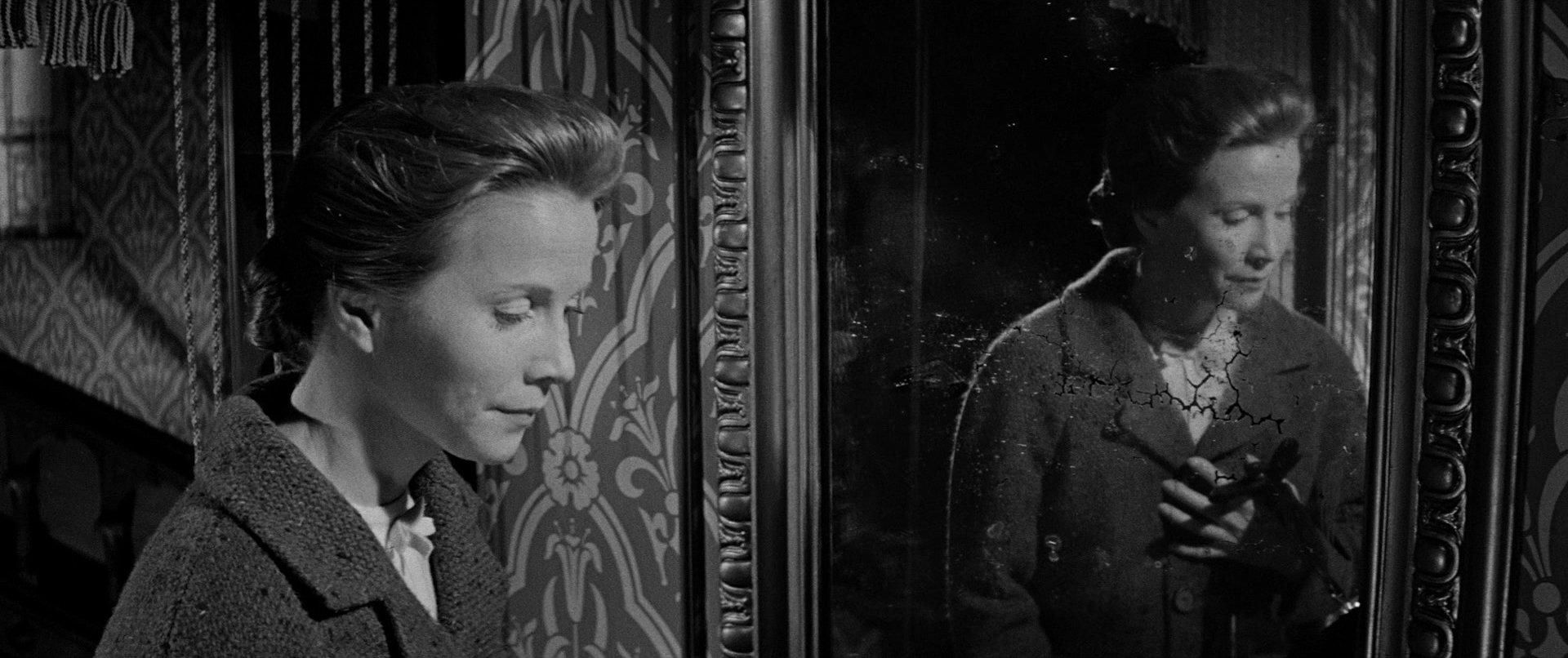
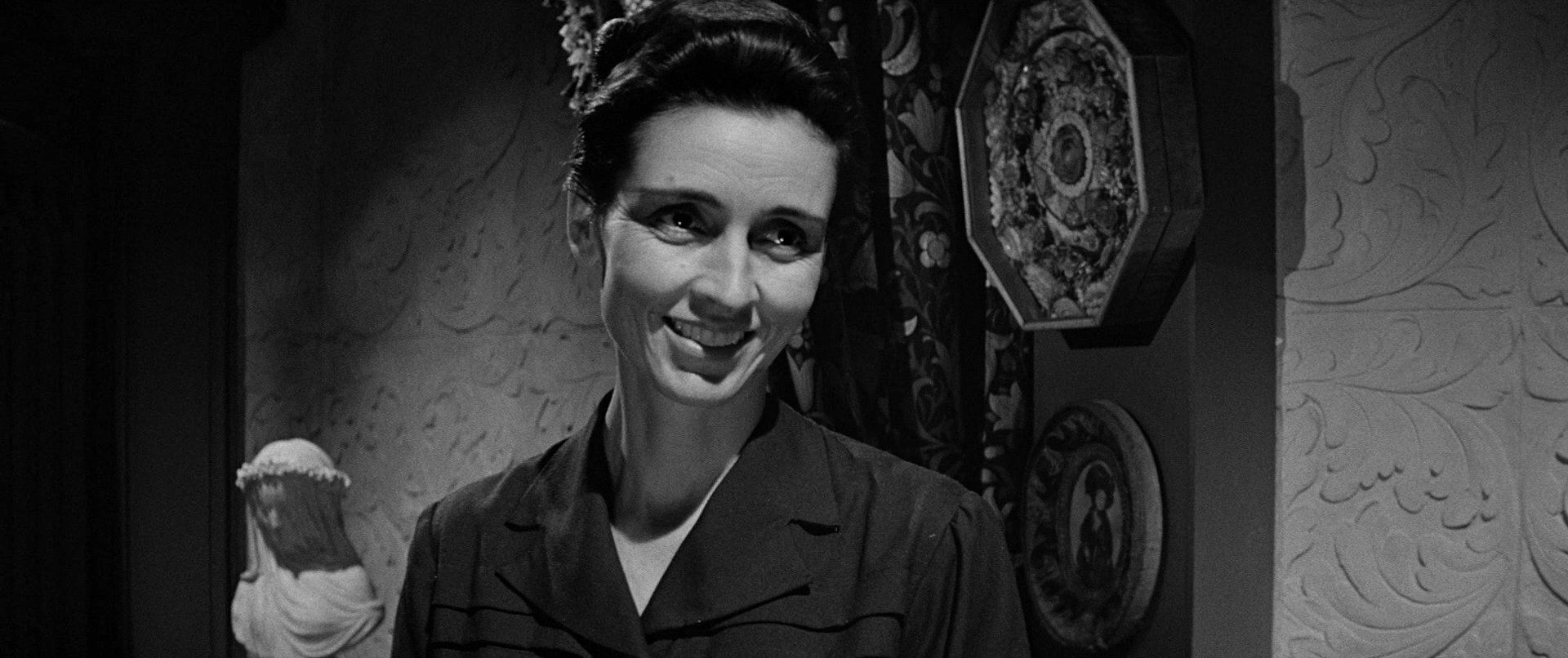
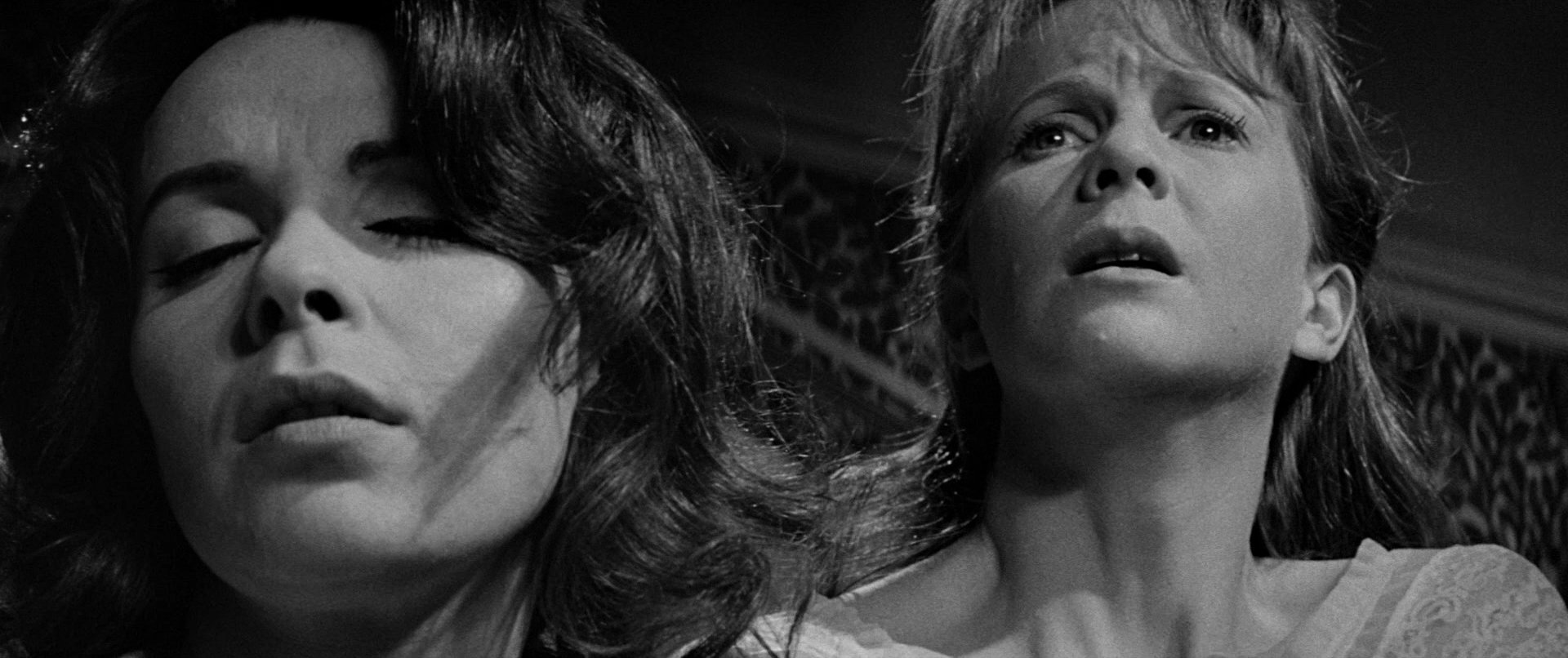
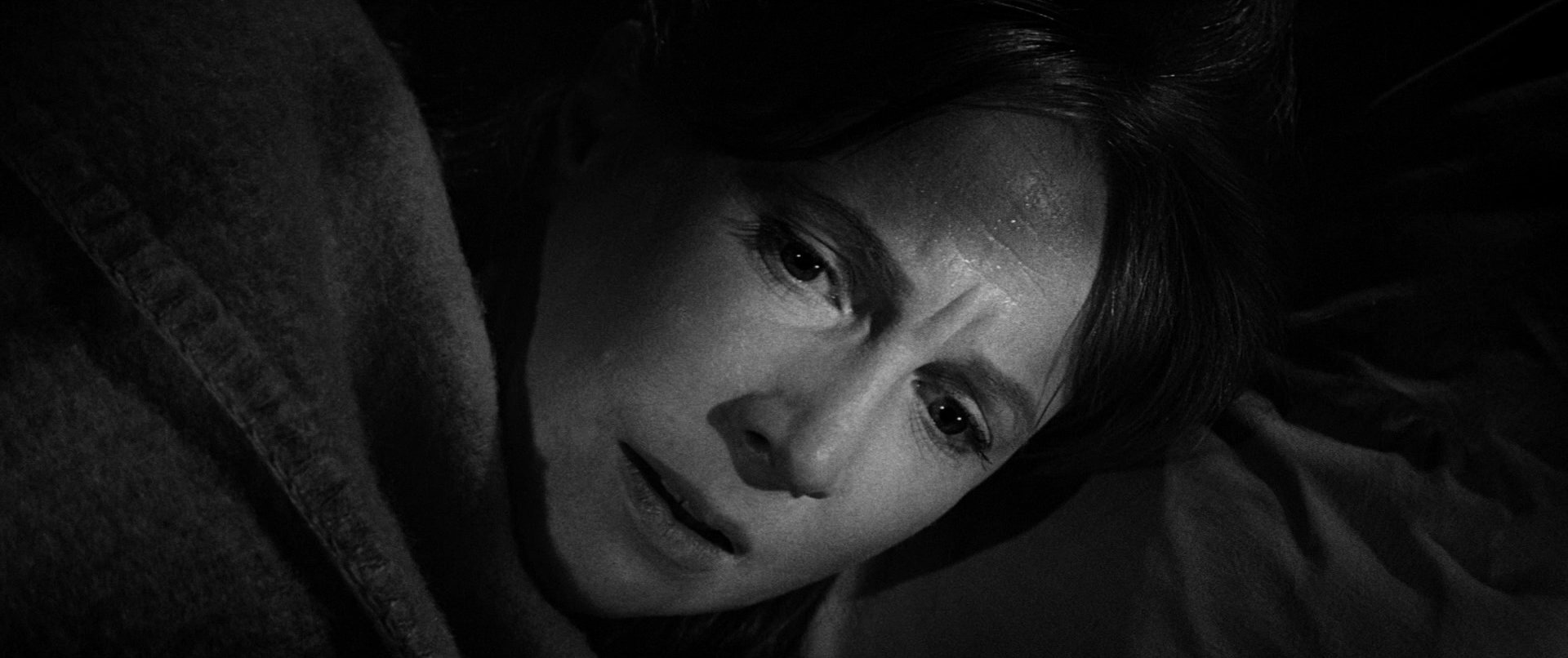
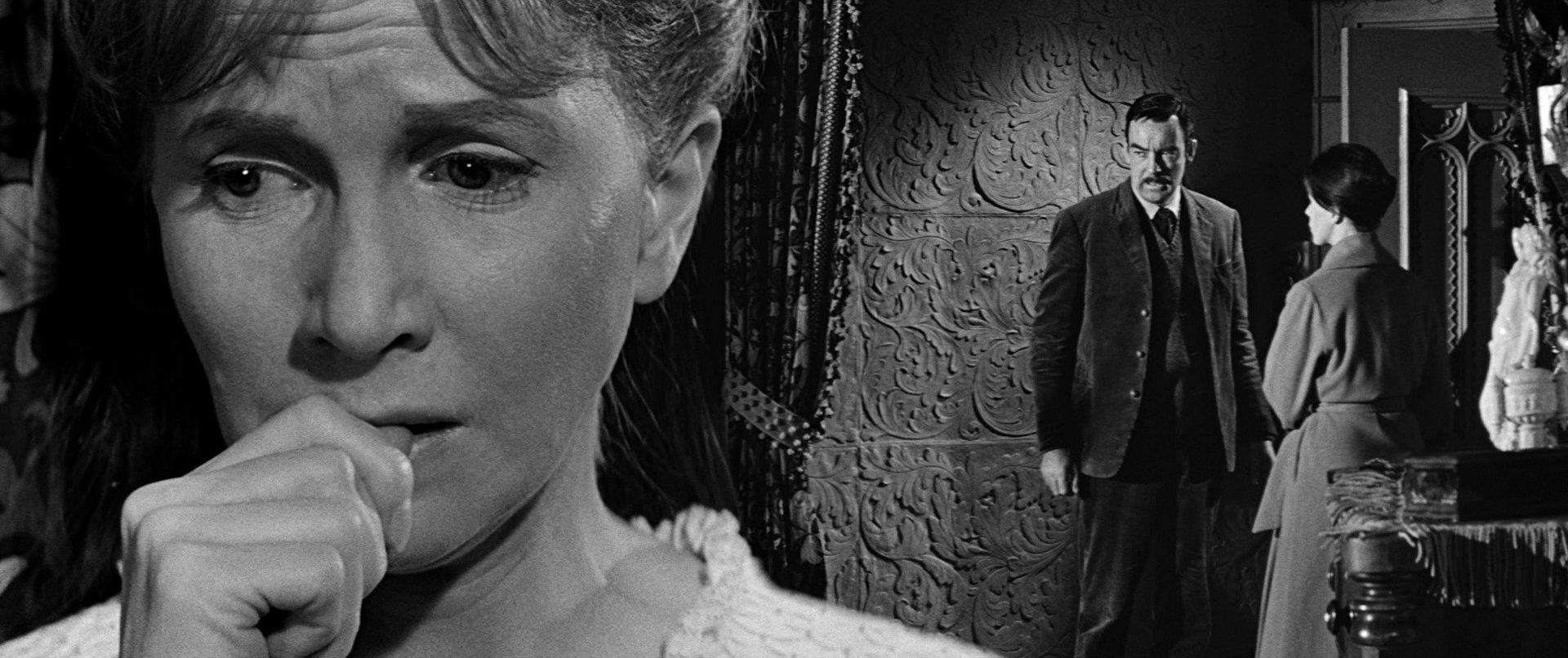
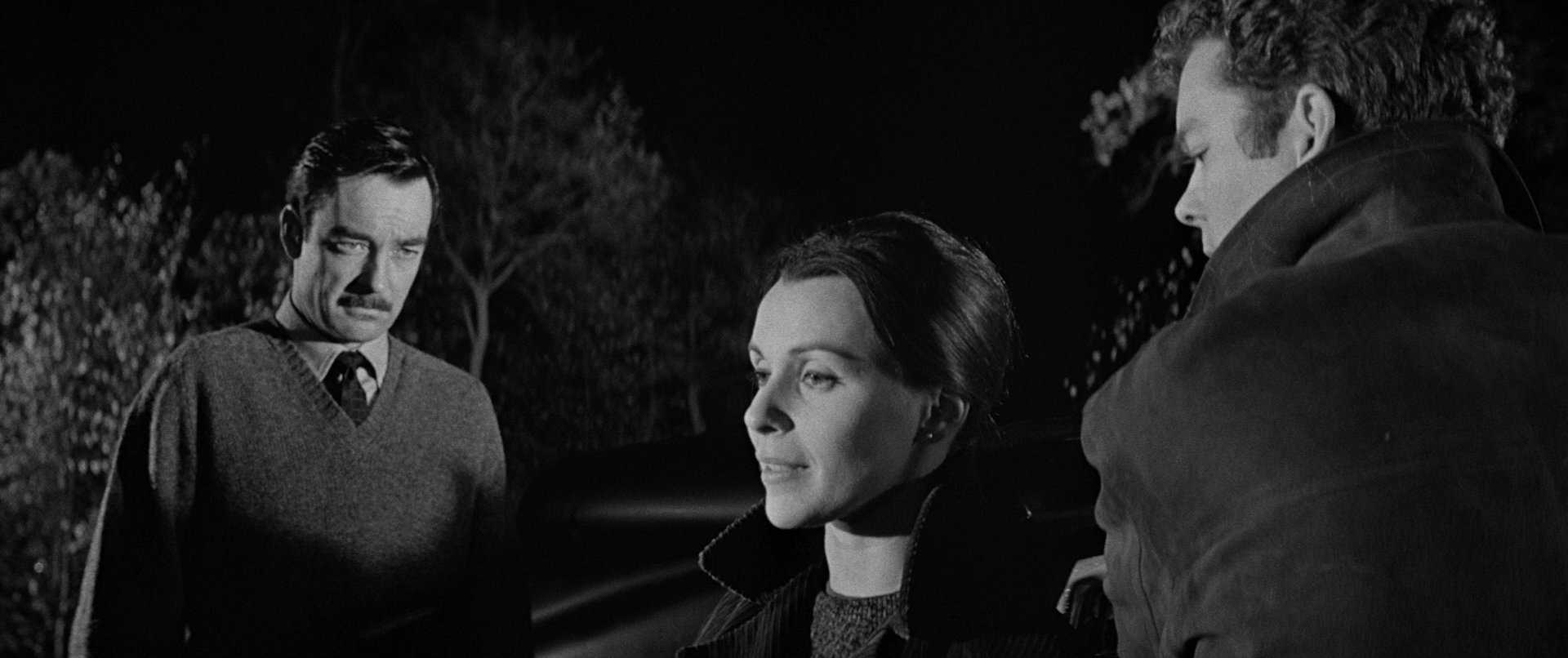
Unlike many haunted-house films, The Haunting rarely features visible ghosts. Instead, the horror stems from the lack of a clear explanation. Sound design plays a pivotal role in generating tension, with eerie noises echoing through the house and exacerbating the characters’ psychological distress. The result is a film that relies on atmosphere, performance, and visual composition rather than overt special effects, securing its reputation as one of the defining works of classical supernatural horror.
Technical Specs:
- The Story: A group of people is invited to investigate Hill House, an ominous mansion with a disturbing past, where supernatural forces and psychological terror intertwine.
- Actors: Julie Harris, Claire Bloom, Richard Johnson, Russ Tamblyn.
- Director: Robert Wise
- Year: 1963
- Cinematographer: Davis Boulton
- Origin: American Cinema
- Aspect Ratio: 2.35:1
- Genre: Horror & Supernatural / Psychological Drama