The Maltese Falcon (1941): The fundational hard-boiled detective
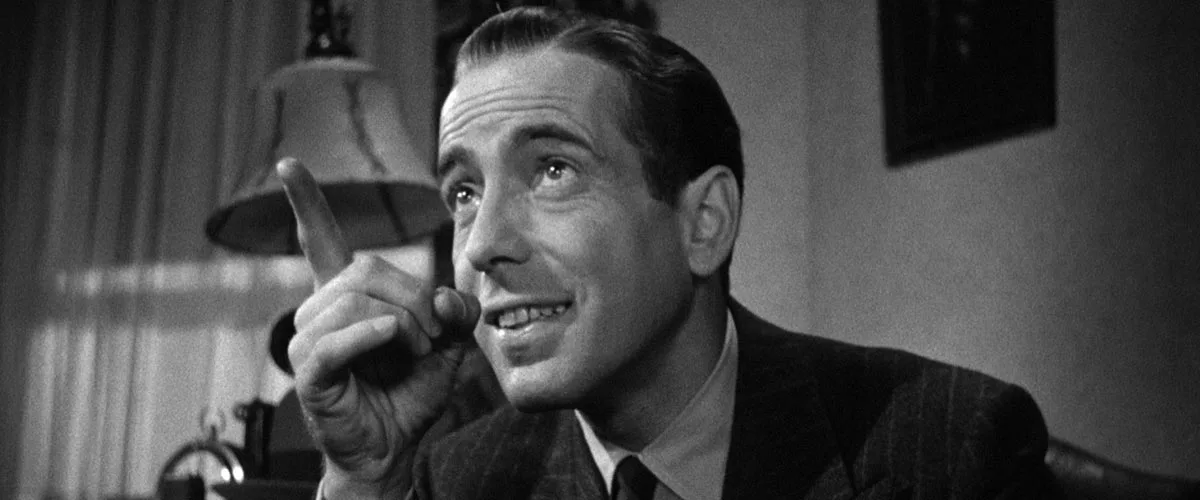
1941 • John Huston • 1.37:1 • Jump to Gallery ↓
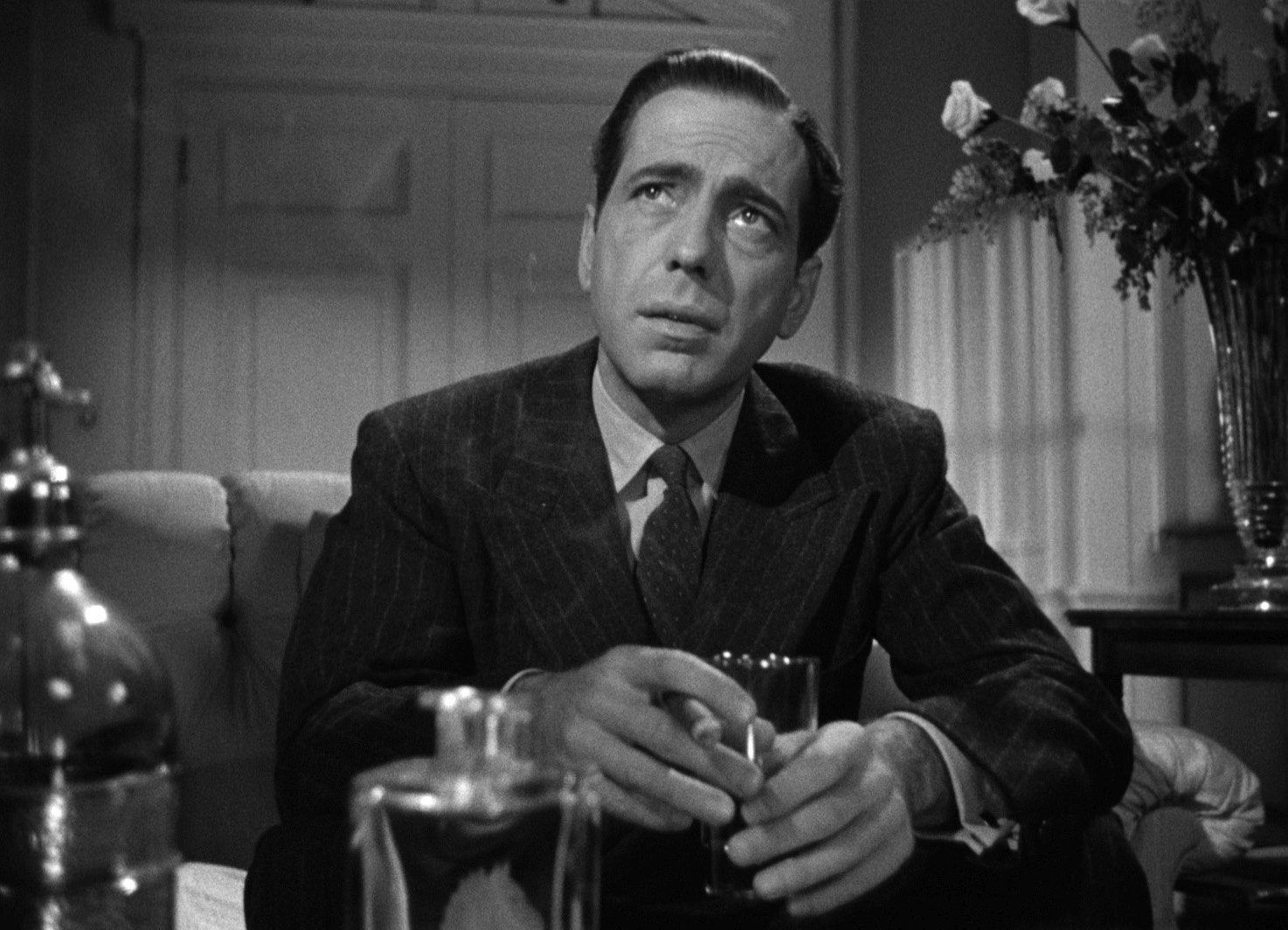
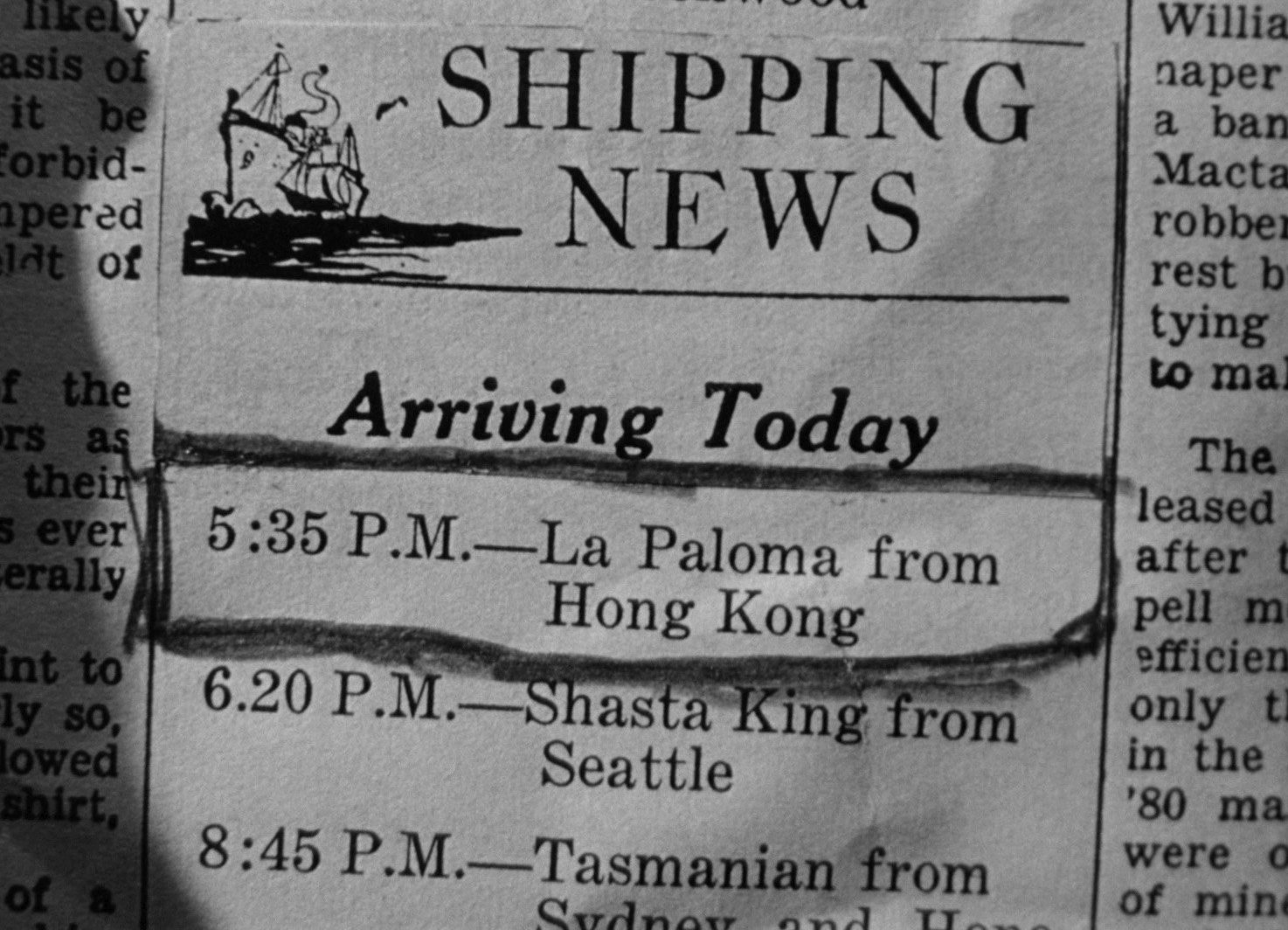
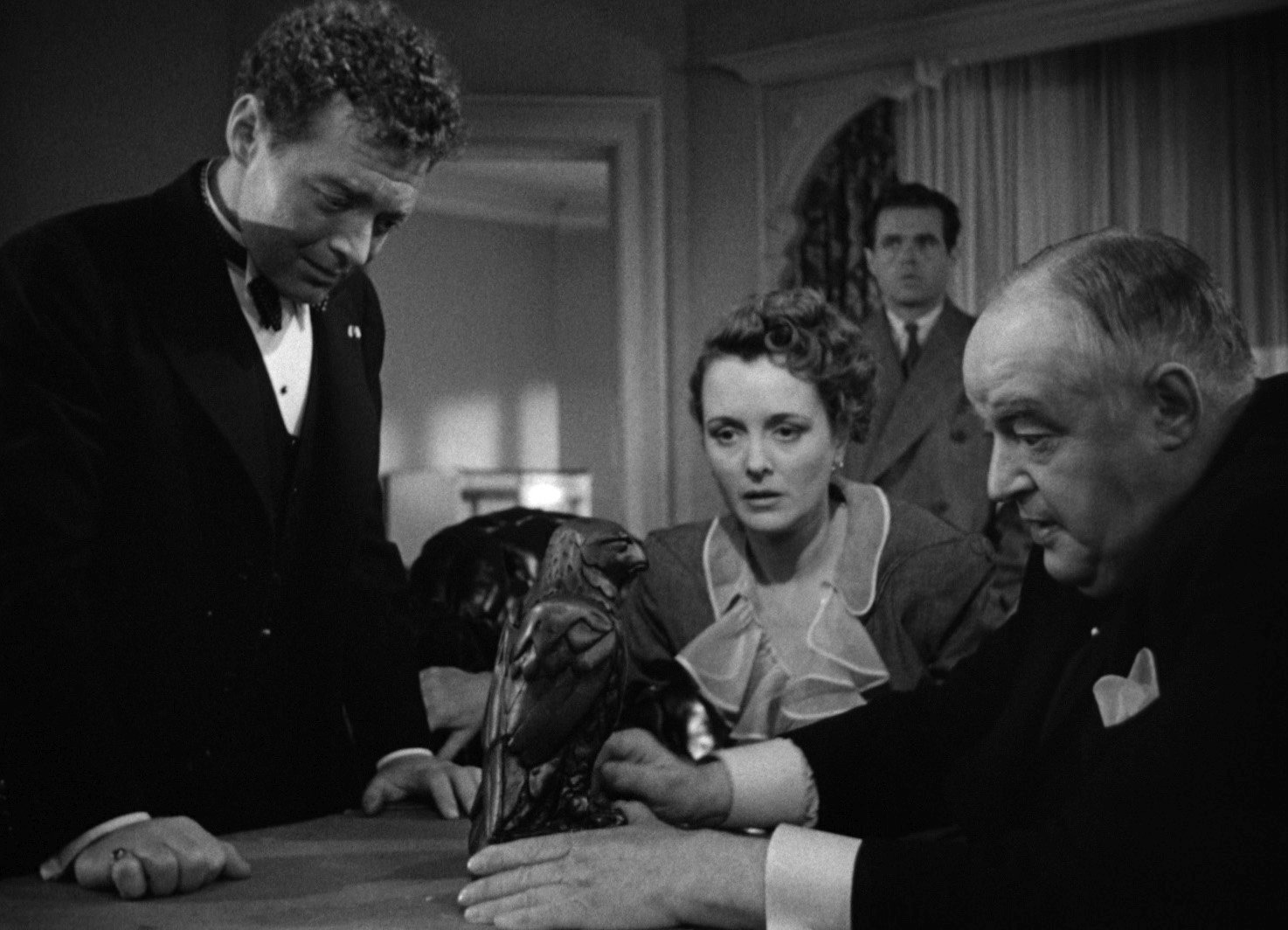
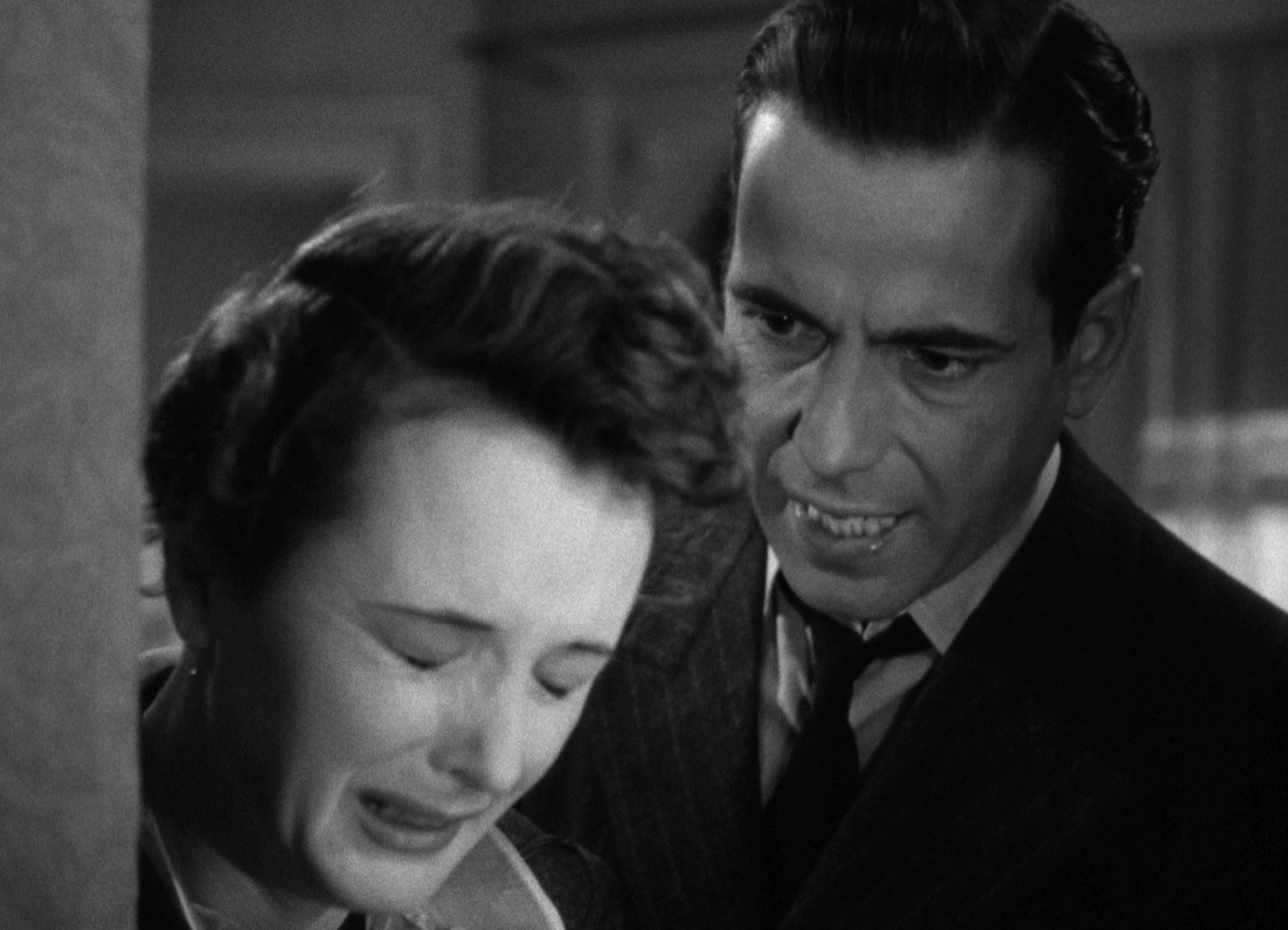
Adapted from Dashiell Hammett’s novel and directed by John Huston, The Maltese Falcon follows private detective Sam Spade as he becomes embroiled in the search for a valuable statuette following the murder of his partner. Spade must navigate a web of deceitful clients and shifting alliances, where motives remain unclear and loyalties unstable as the investigation unfolds.
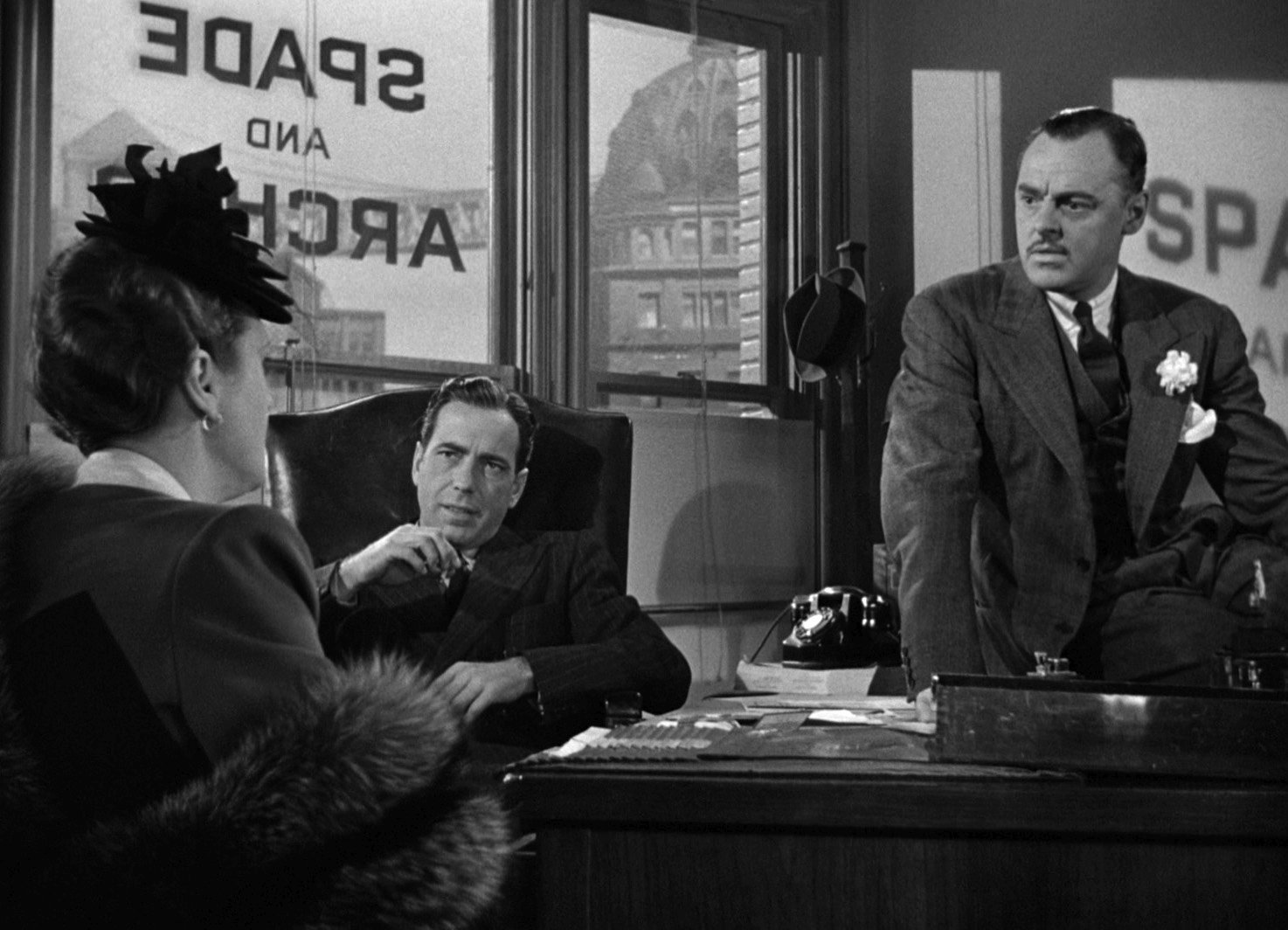
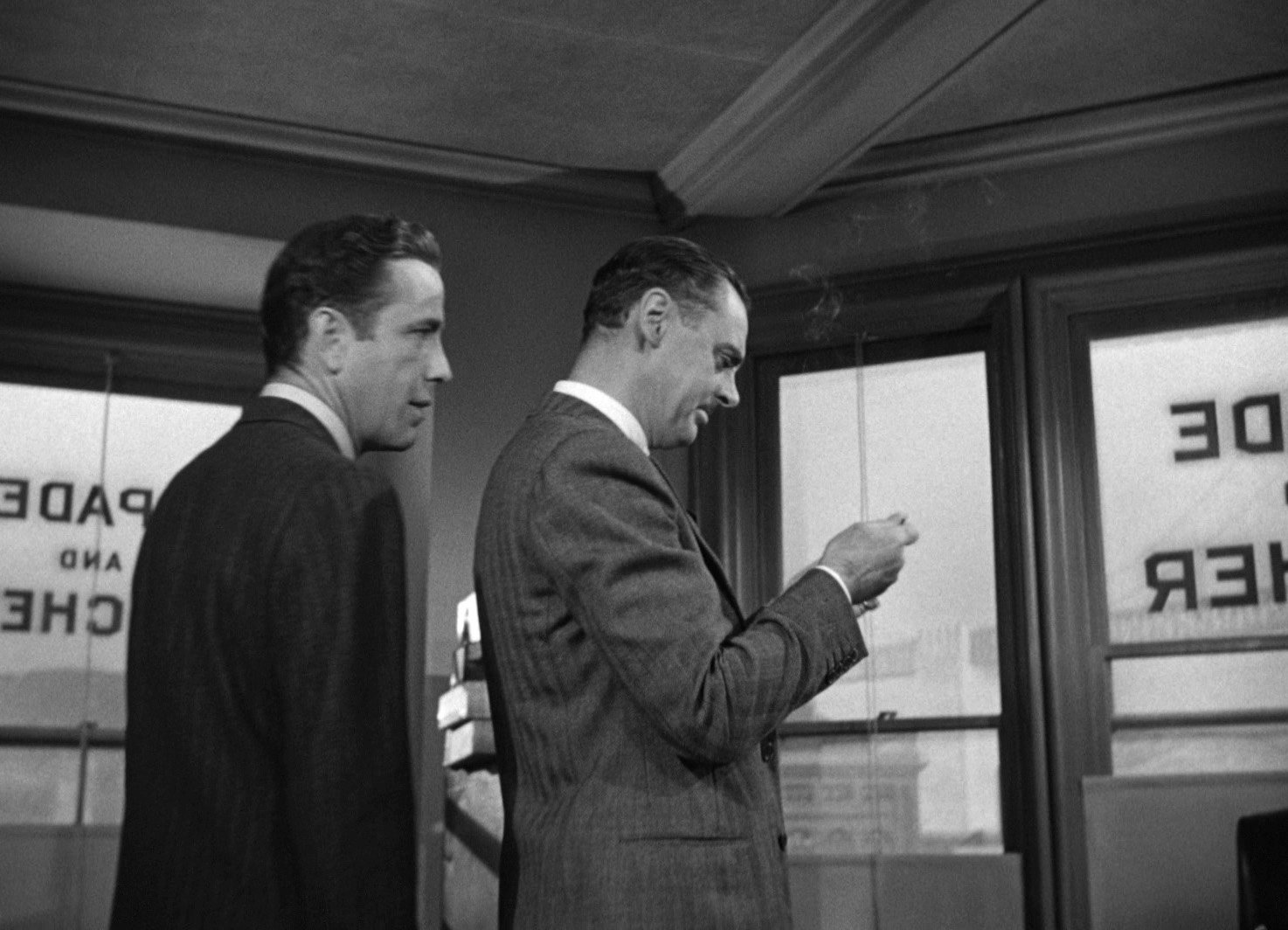
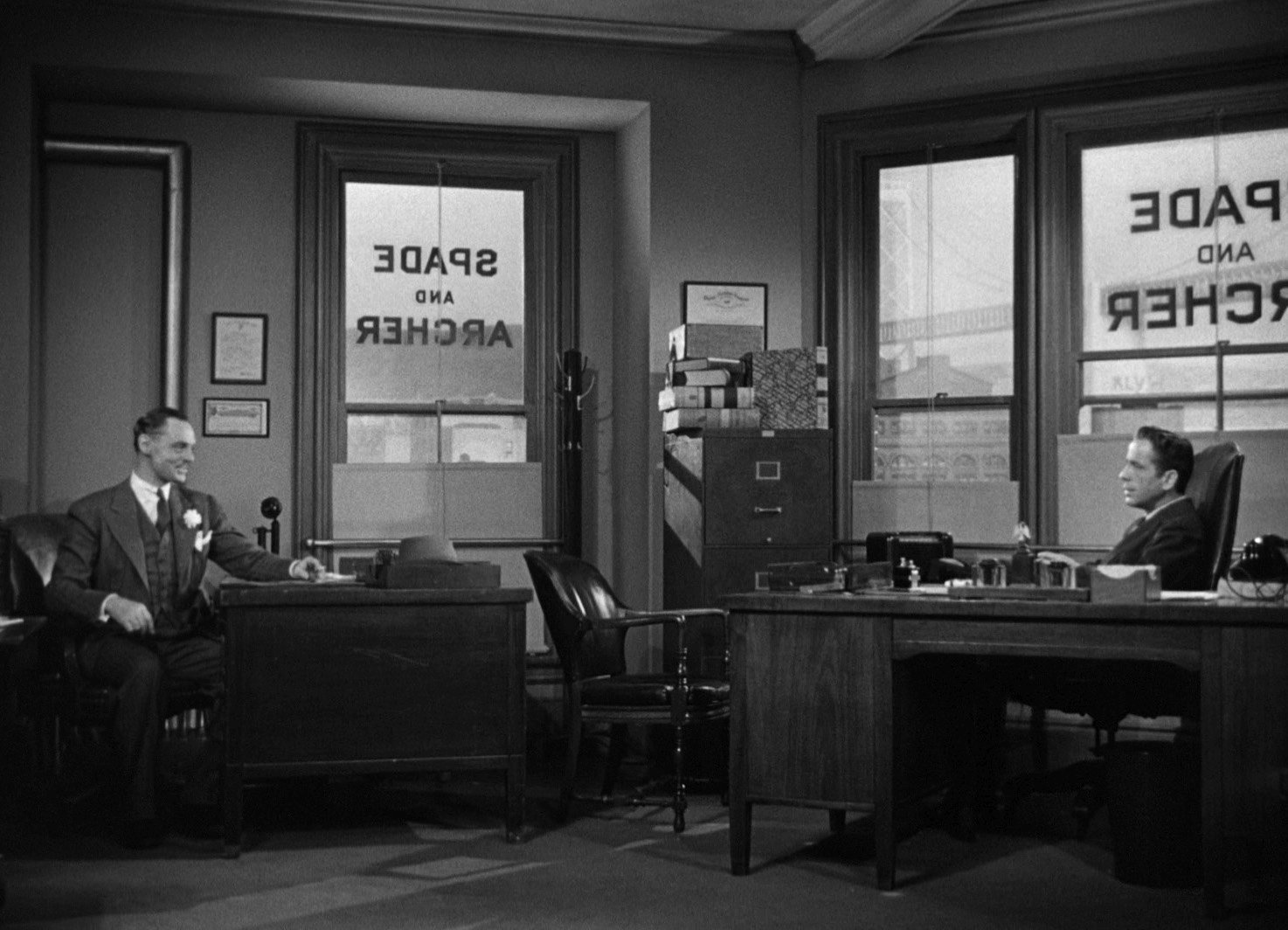
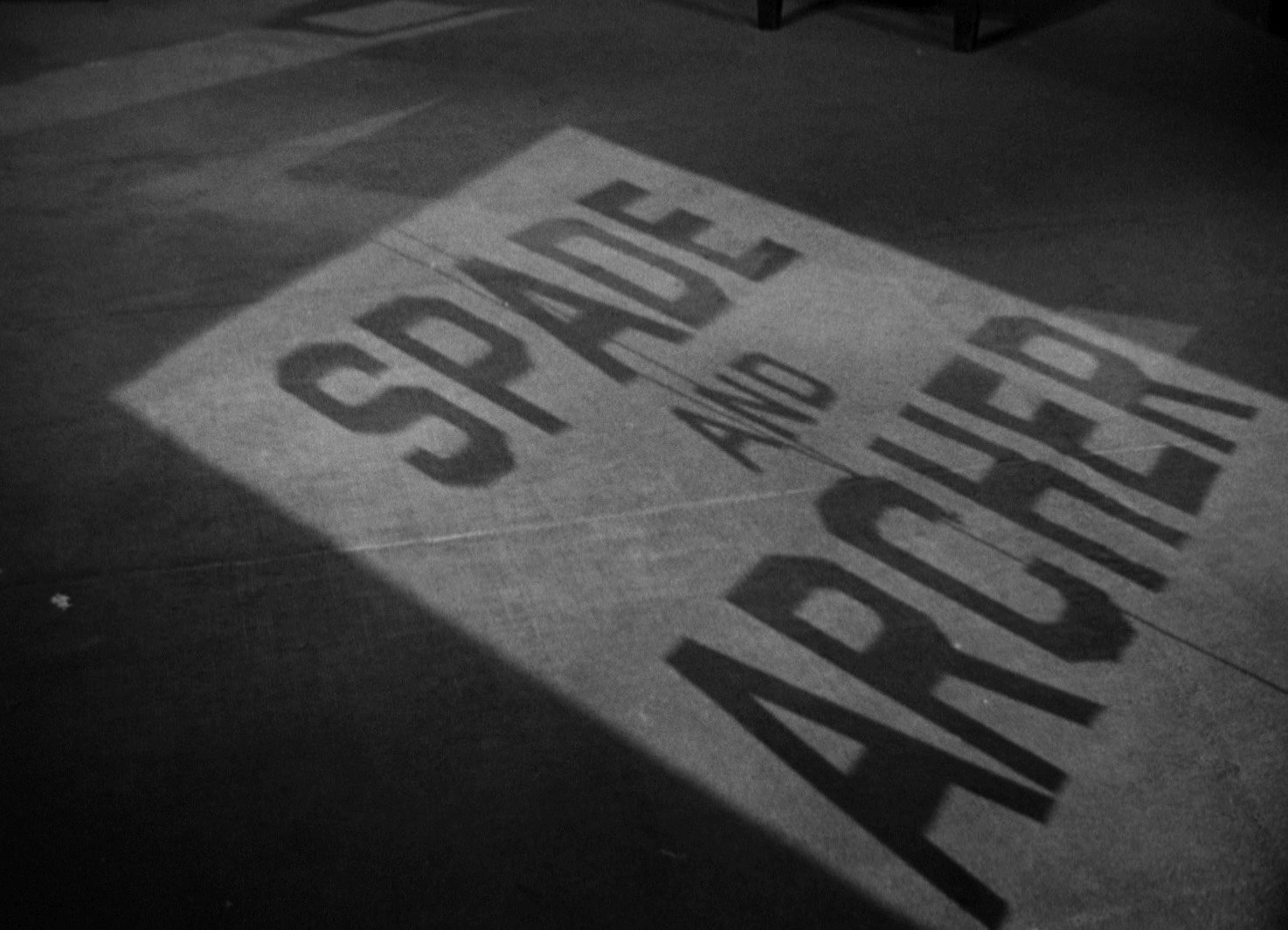
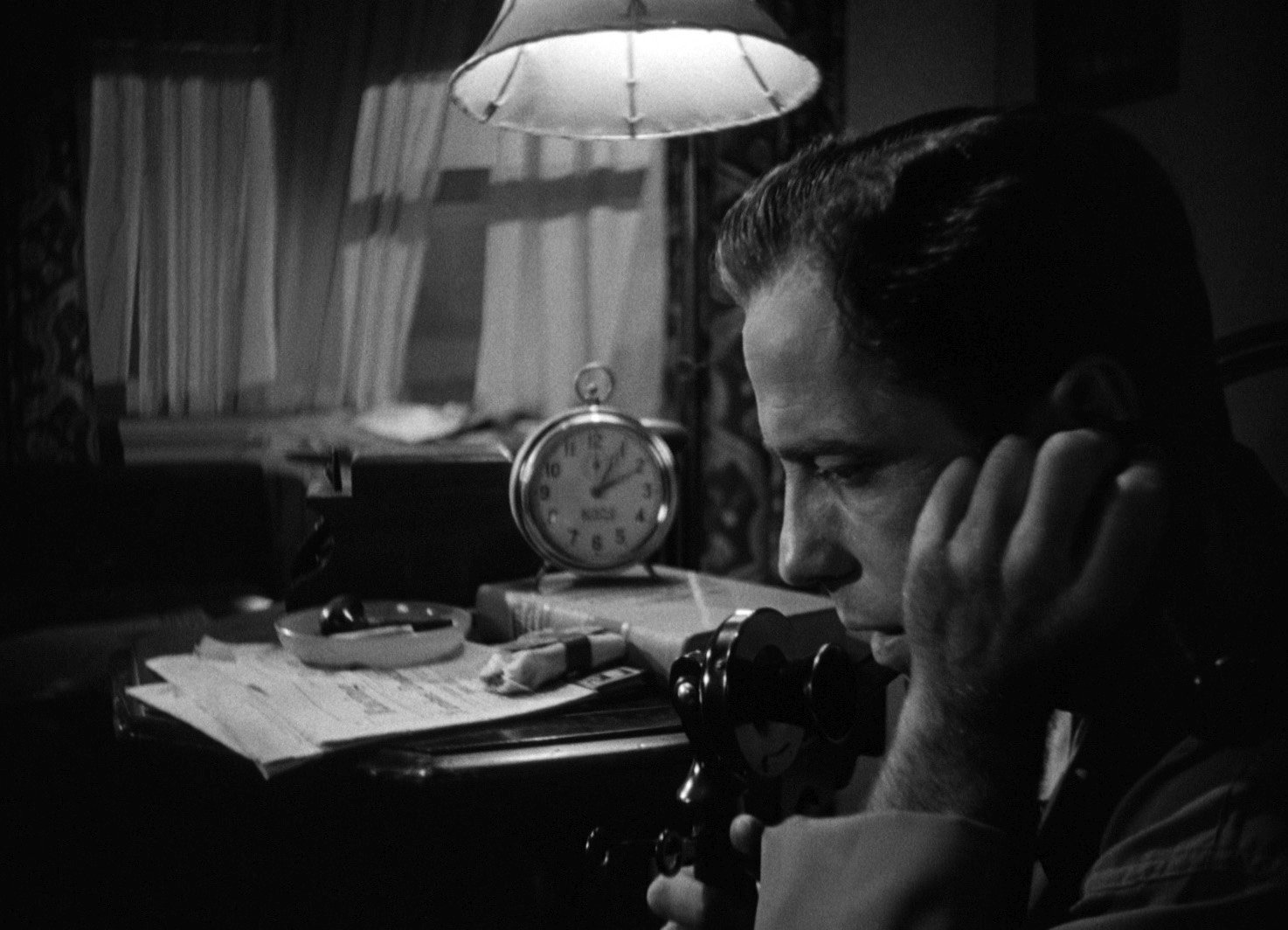
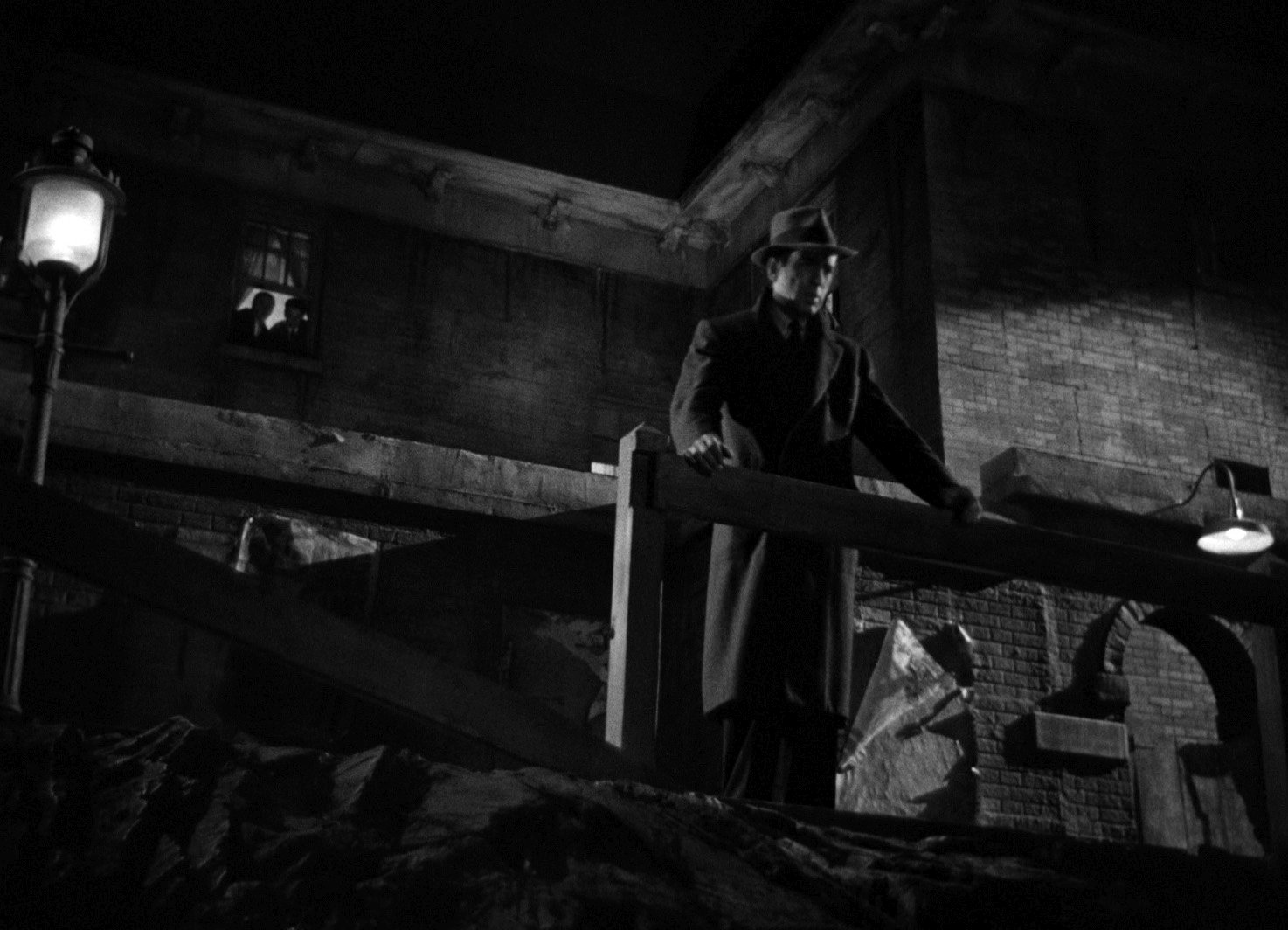
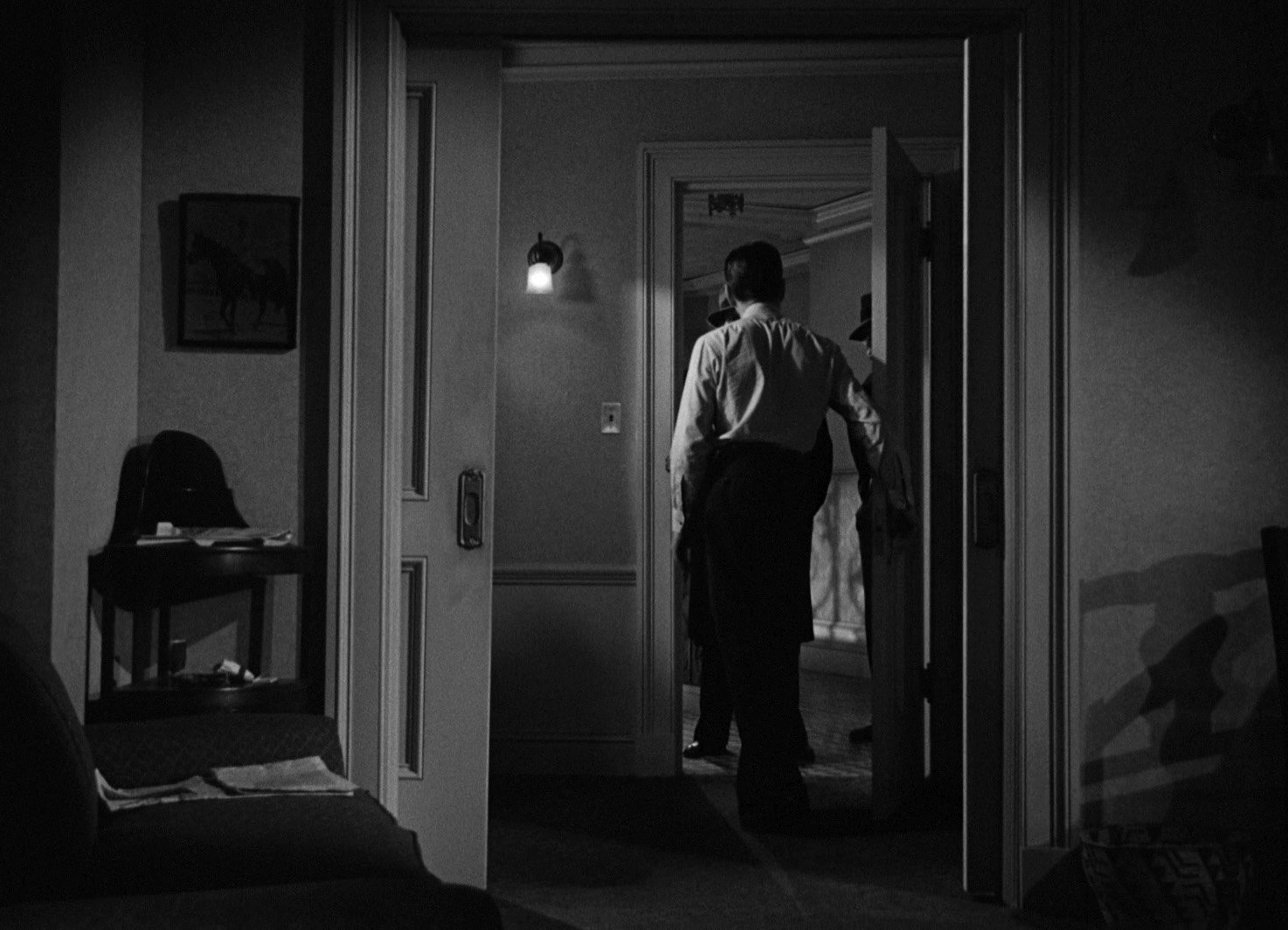
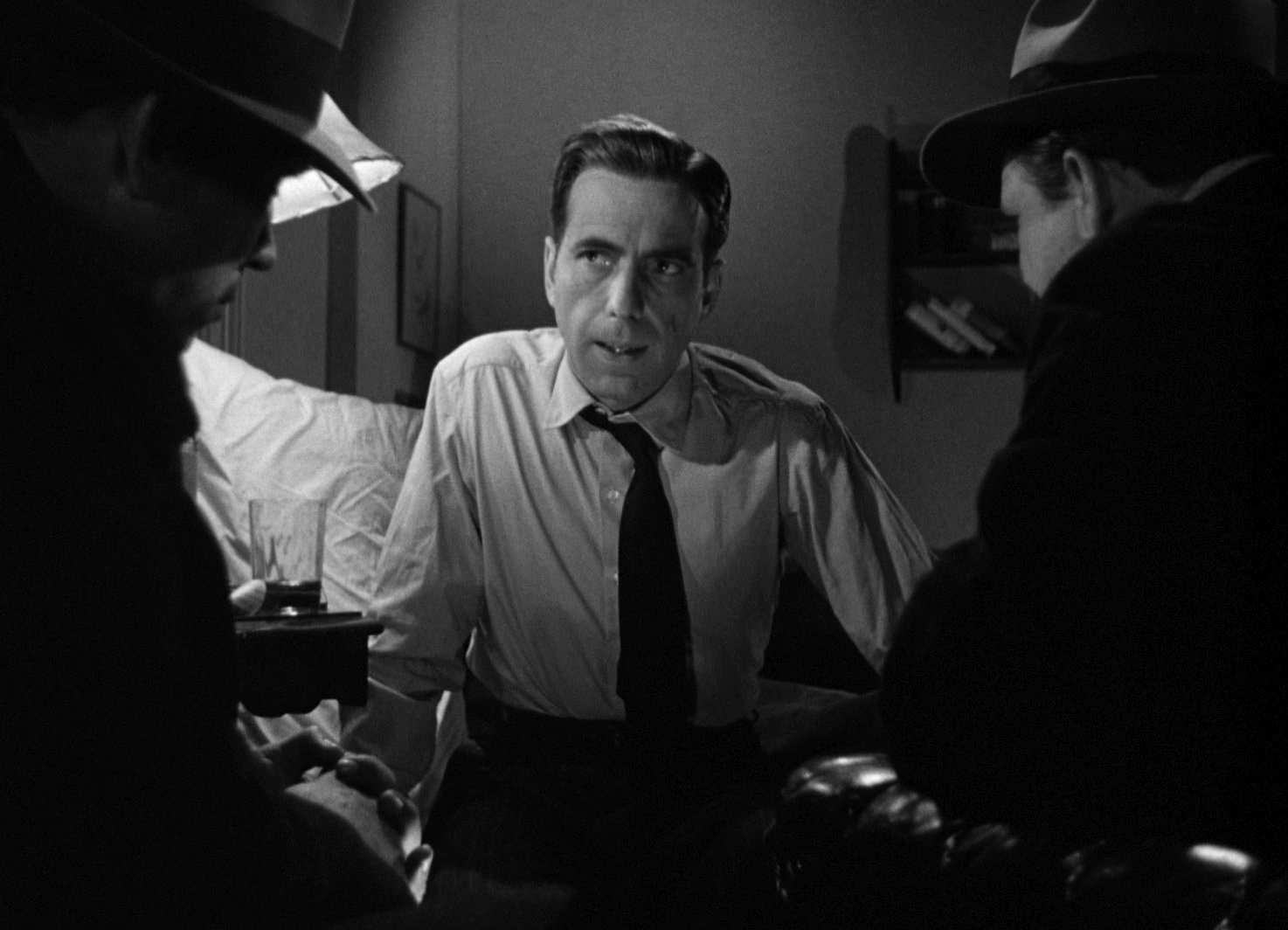
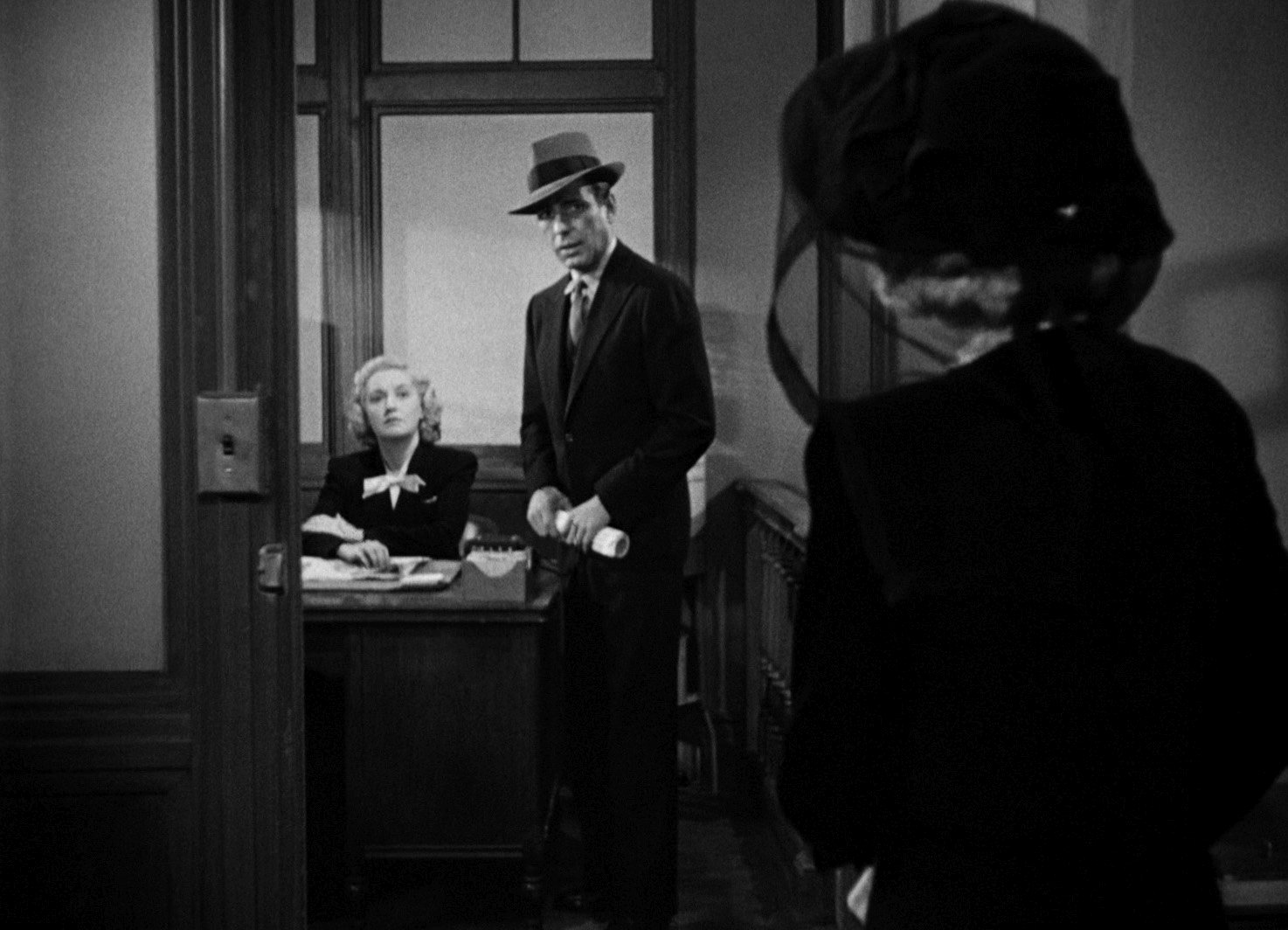
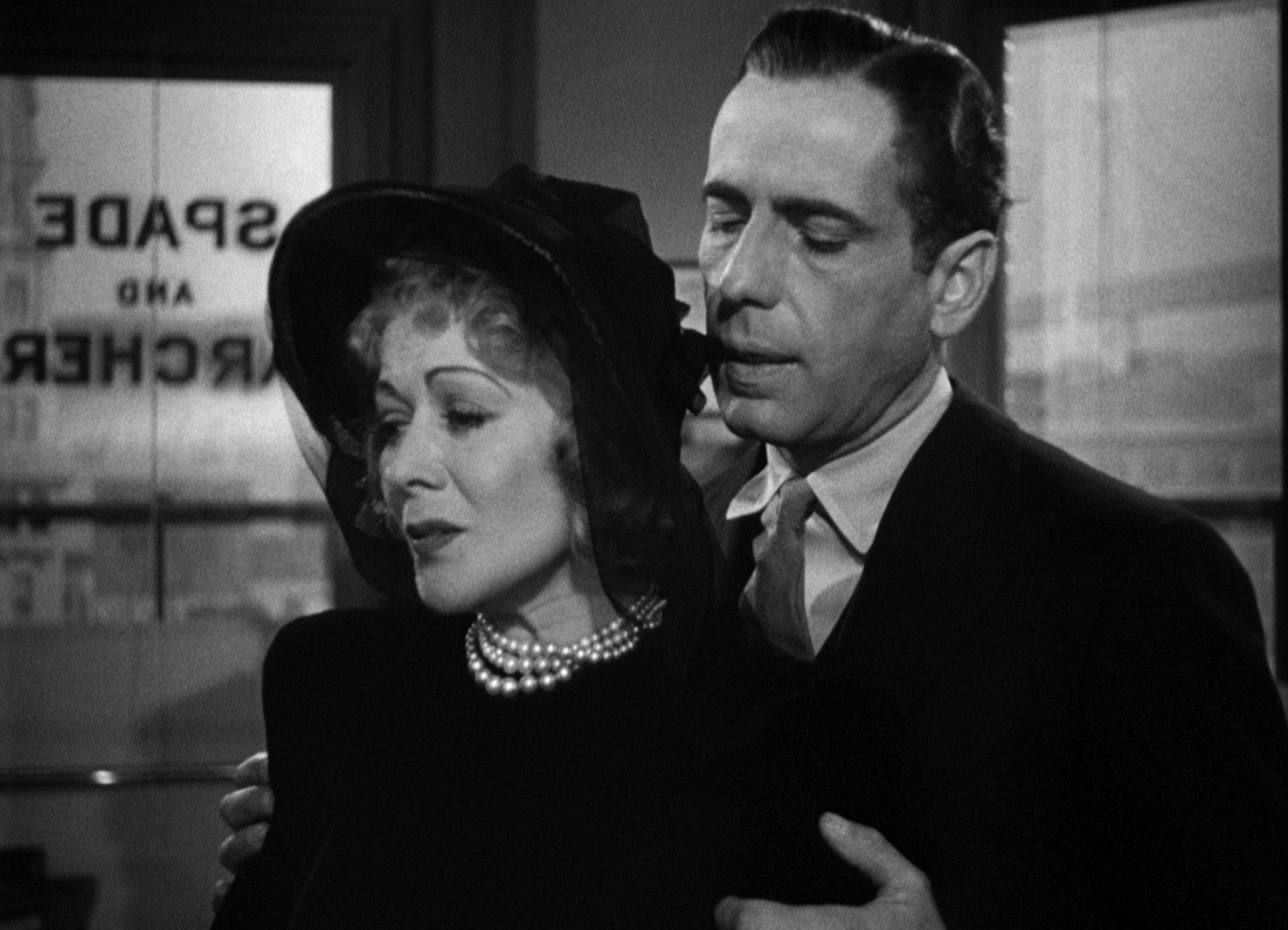
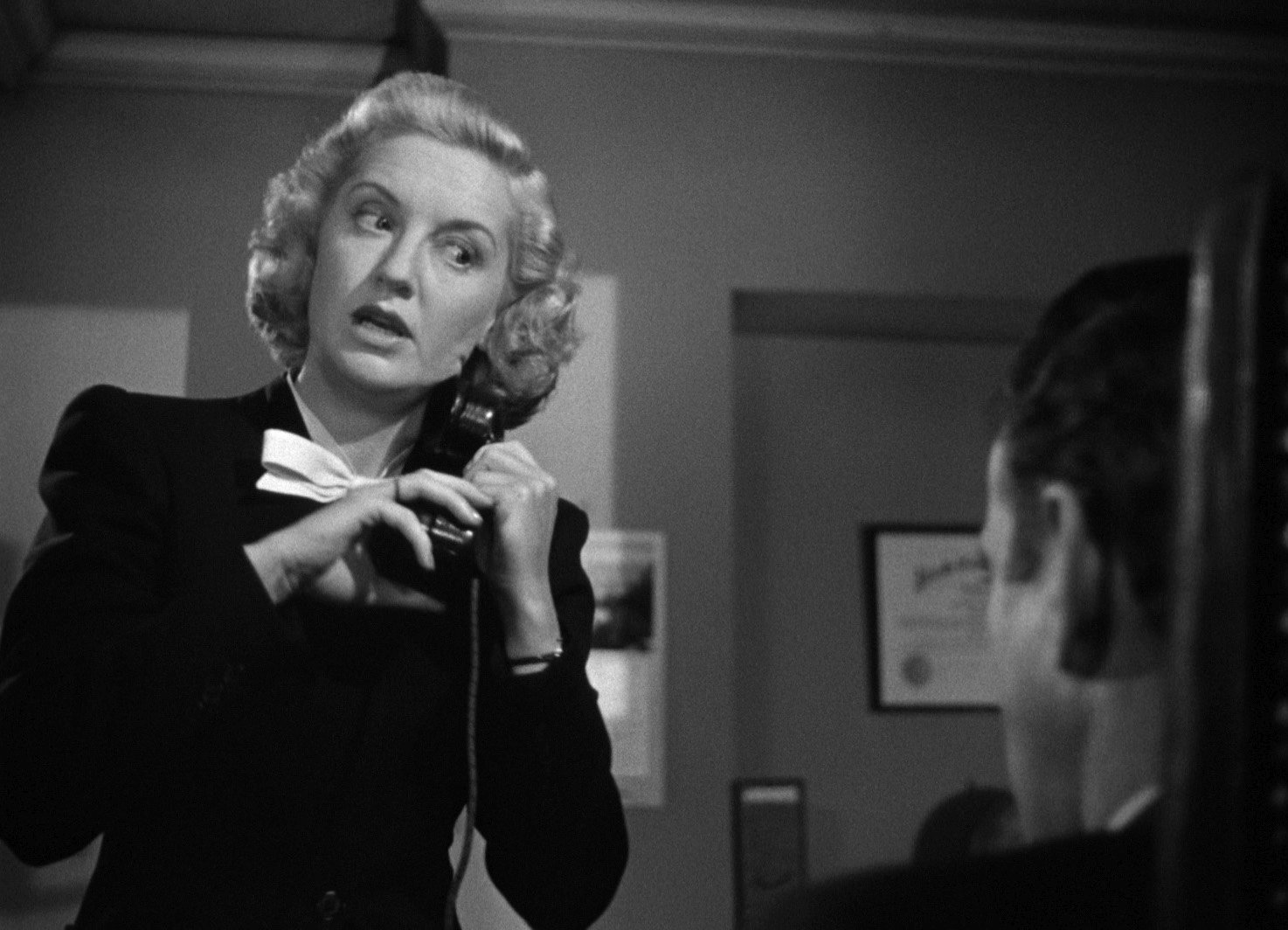
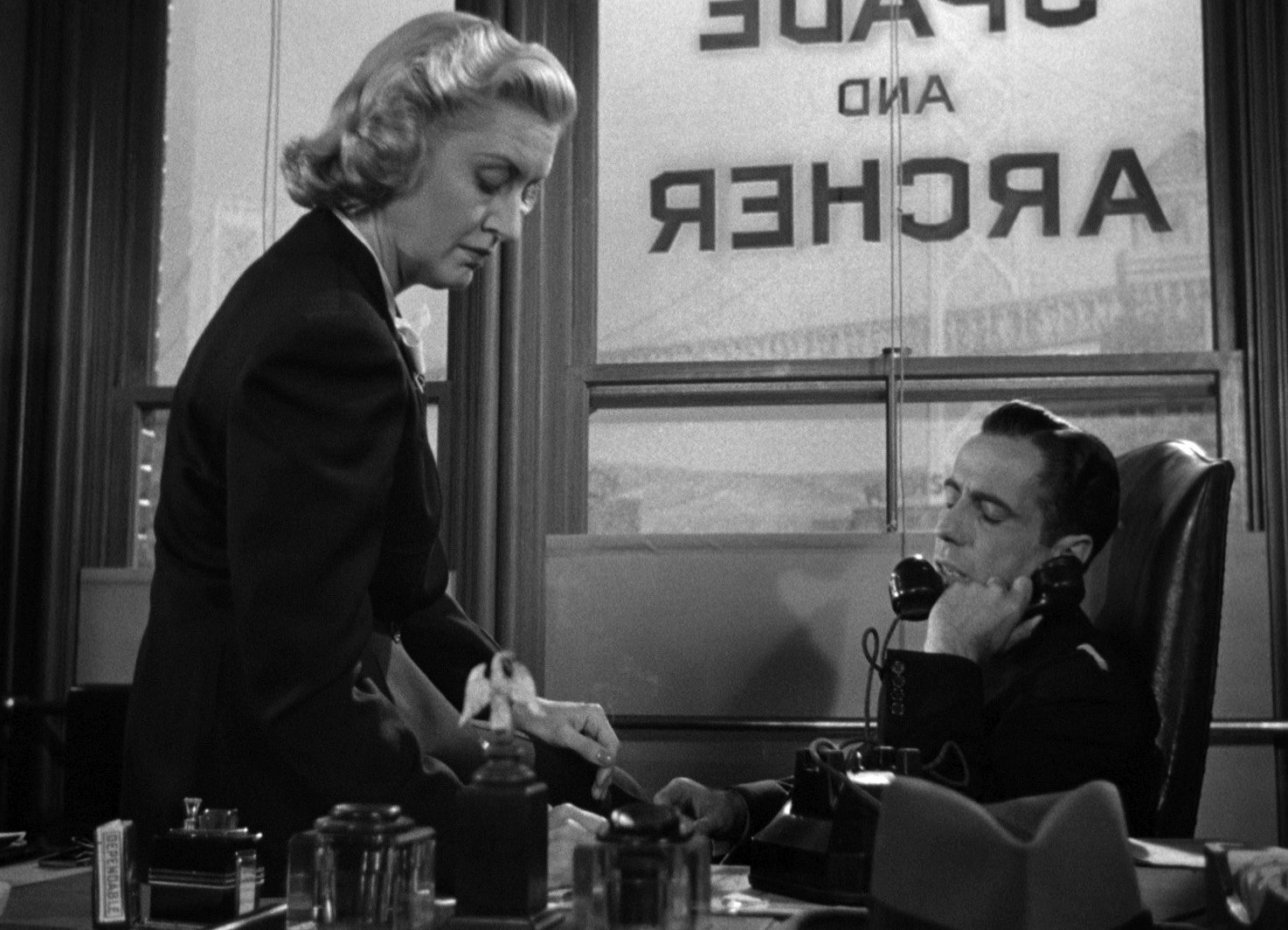
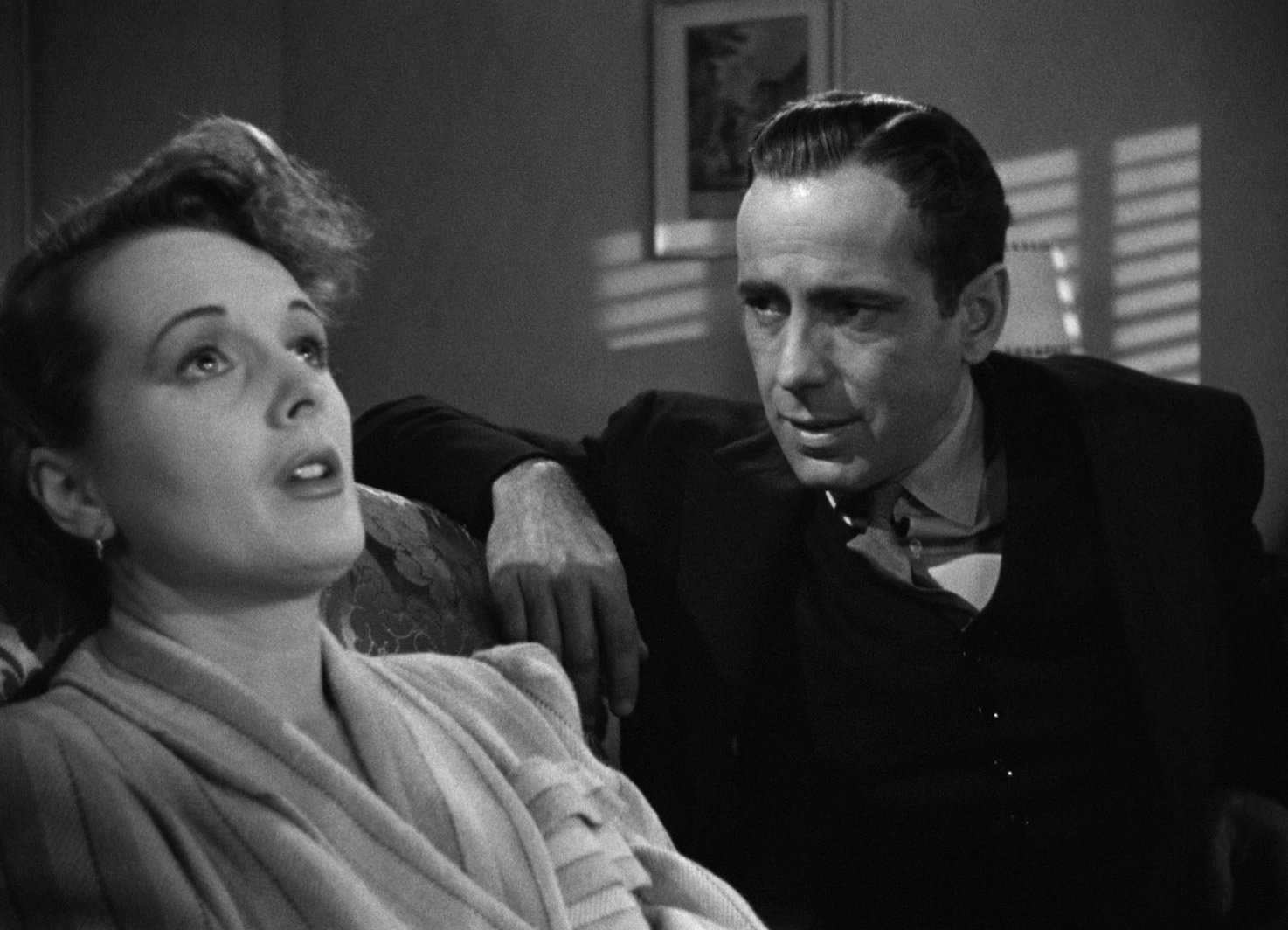
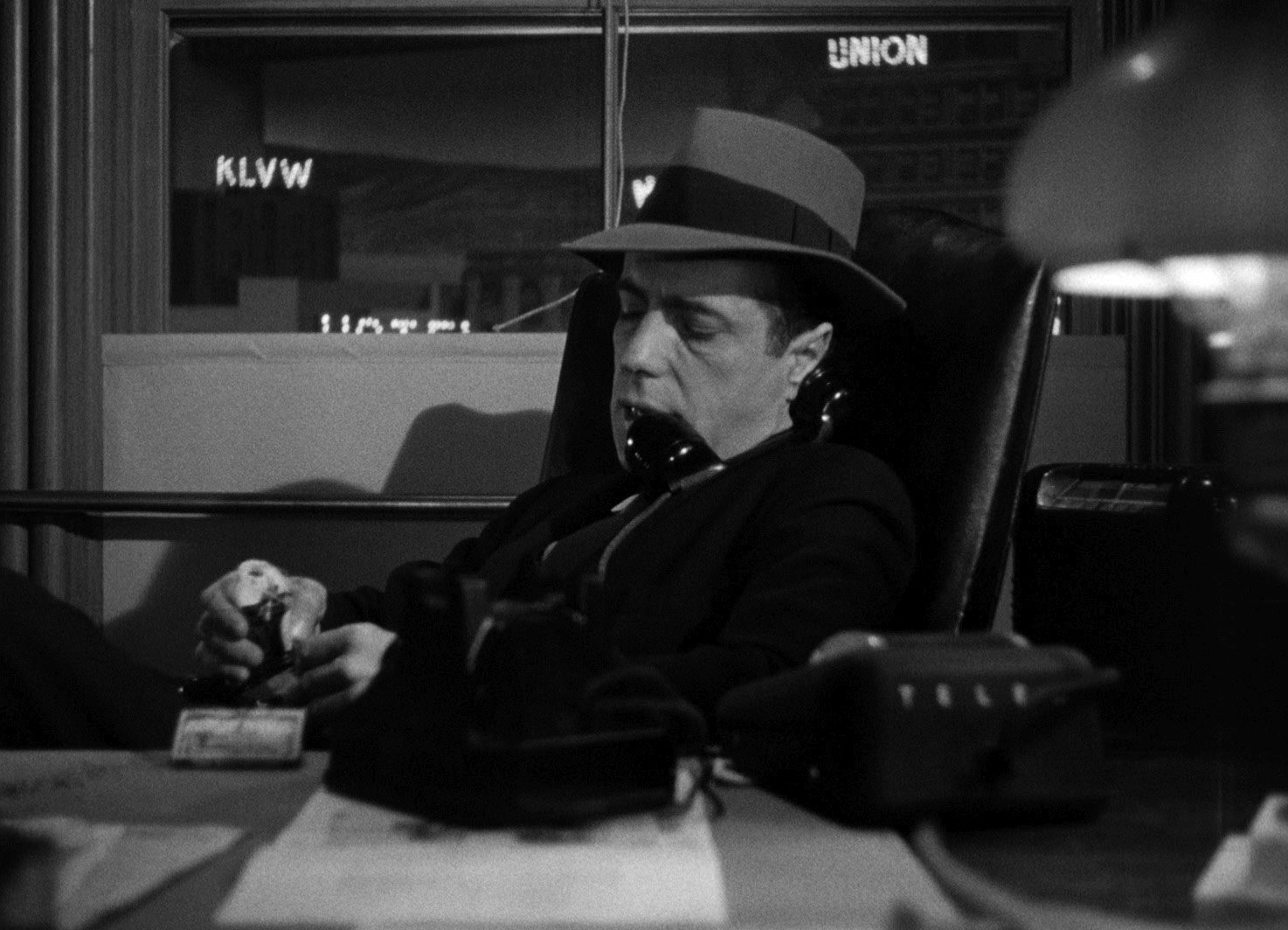
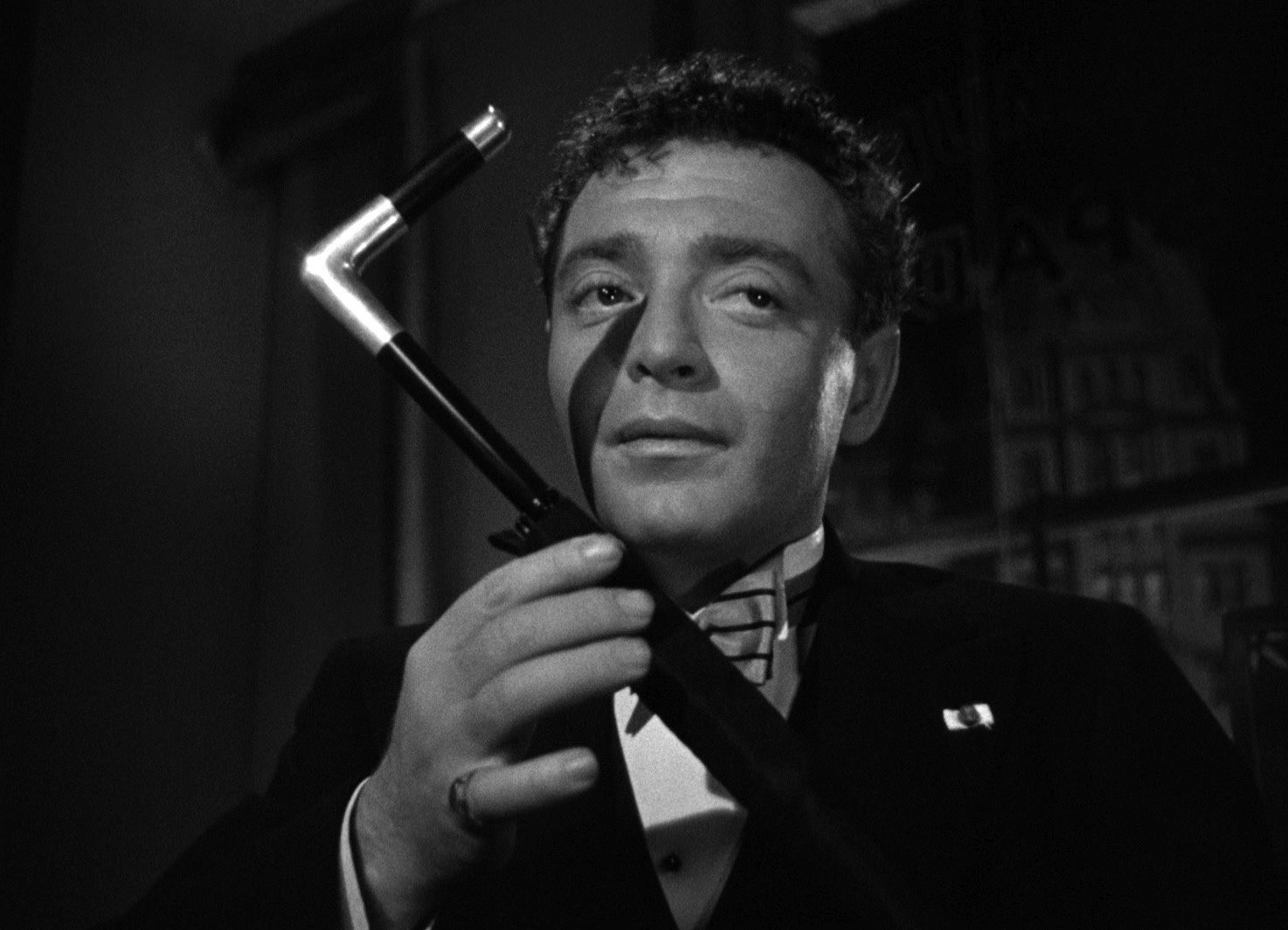
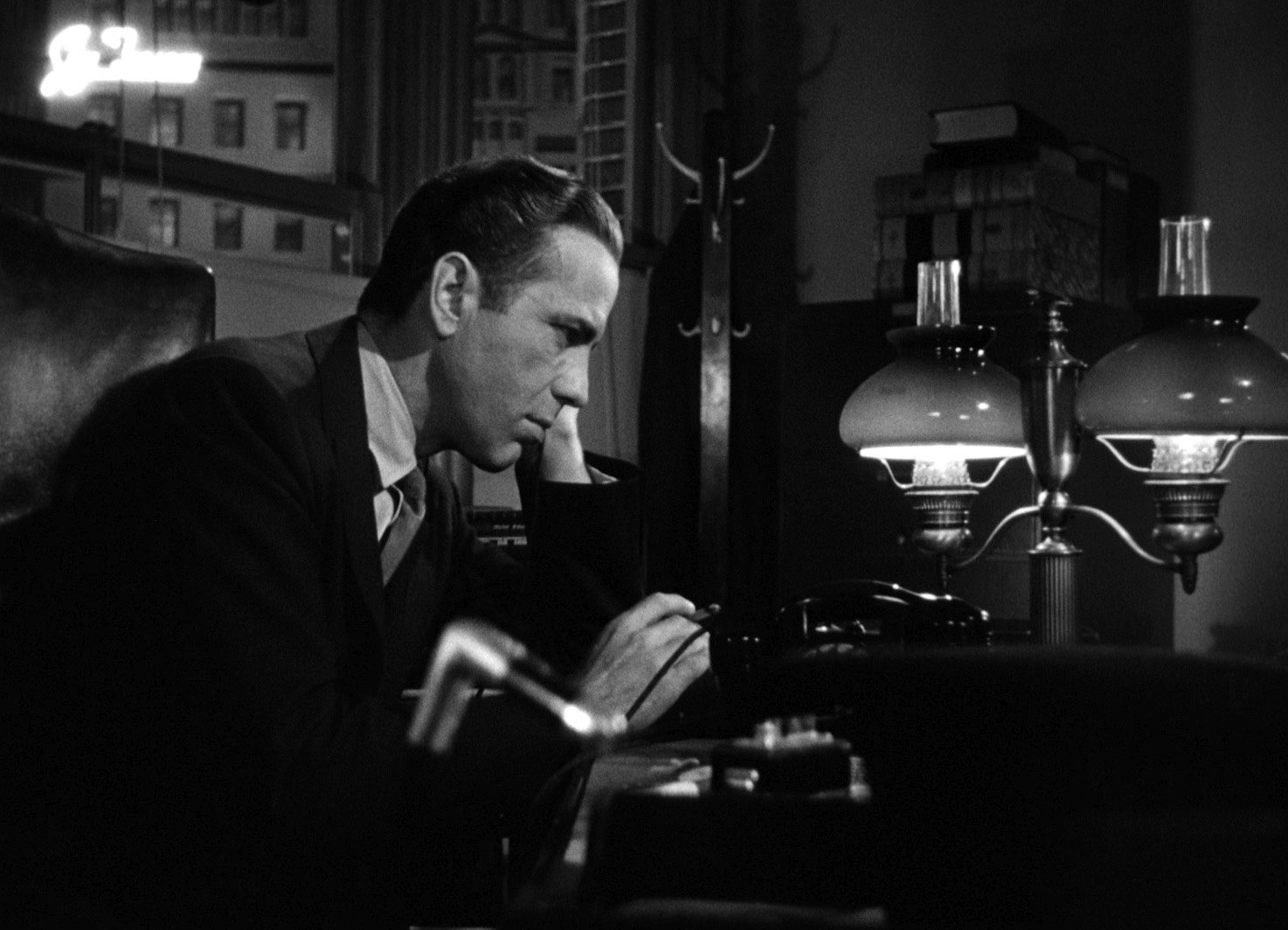
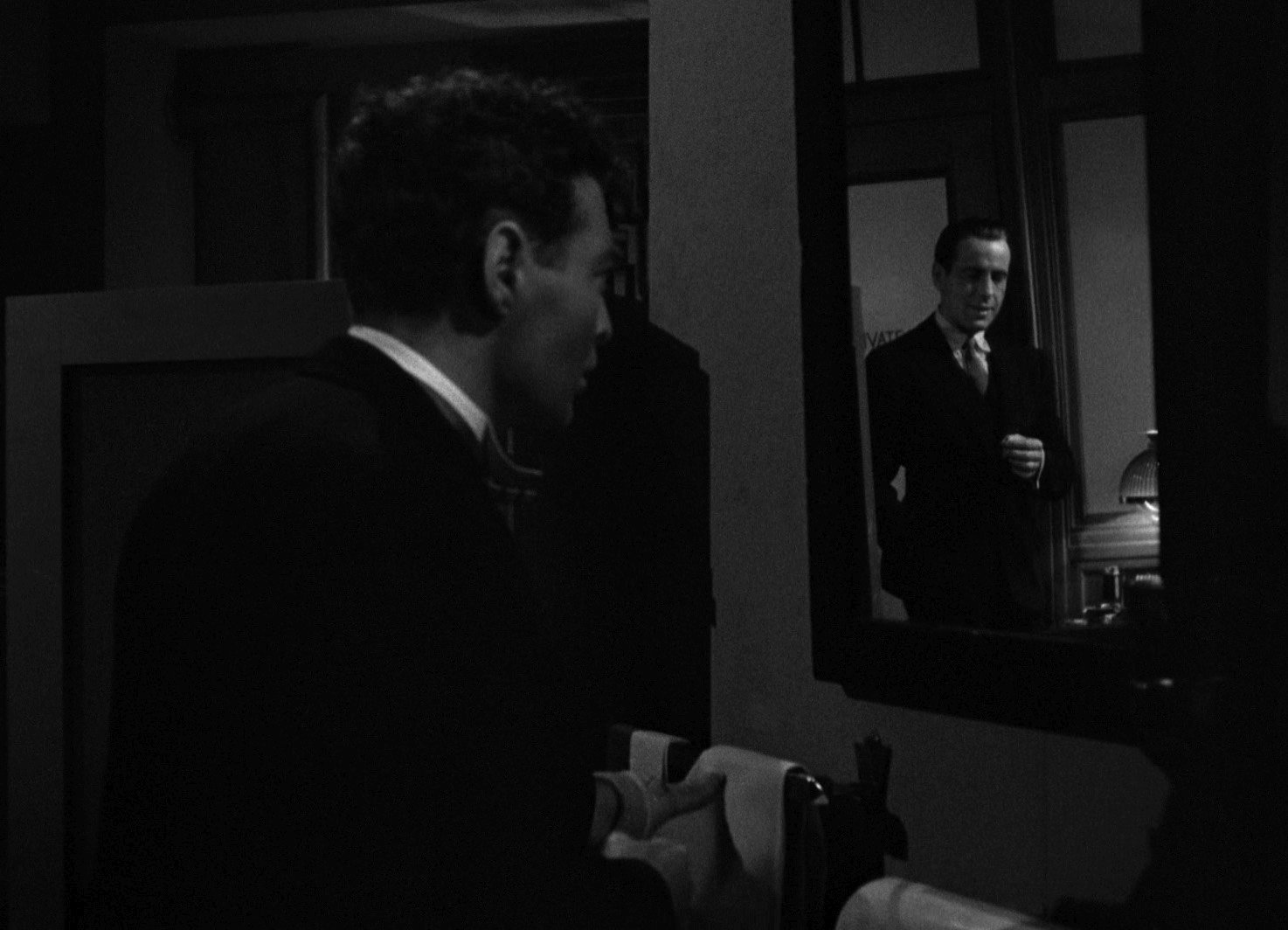
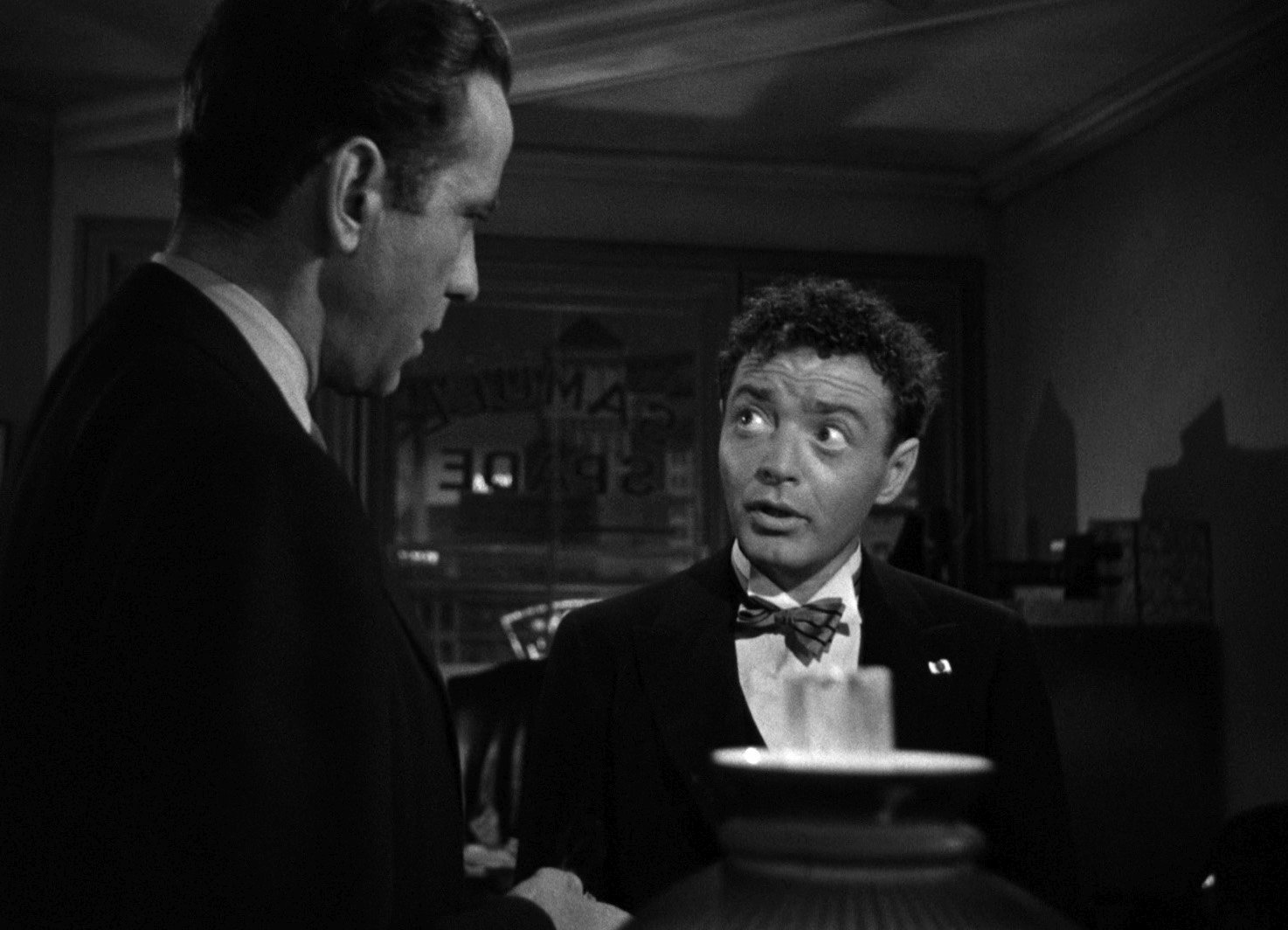
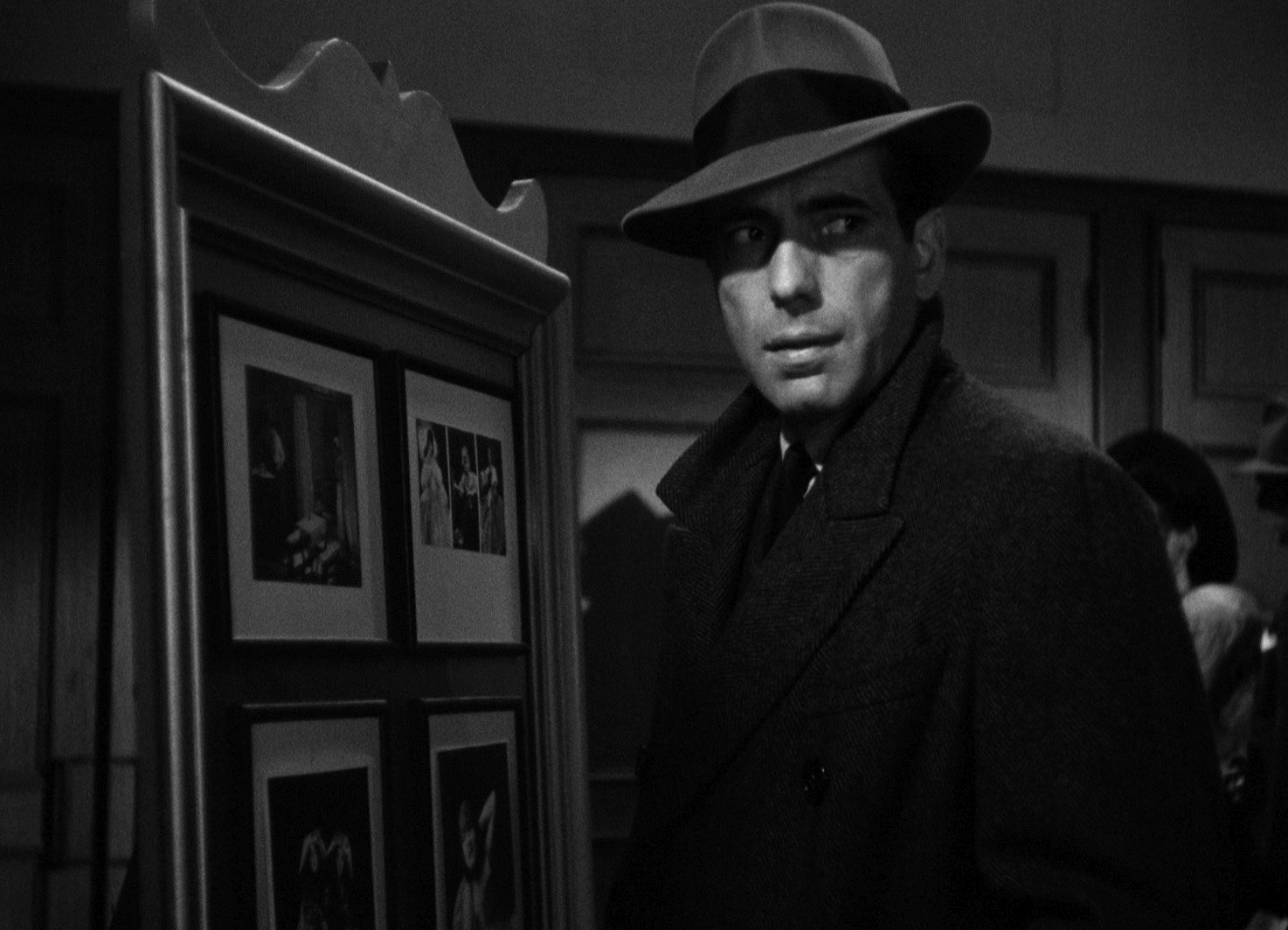
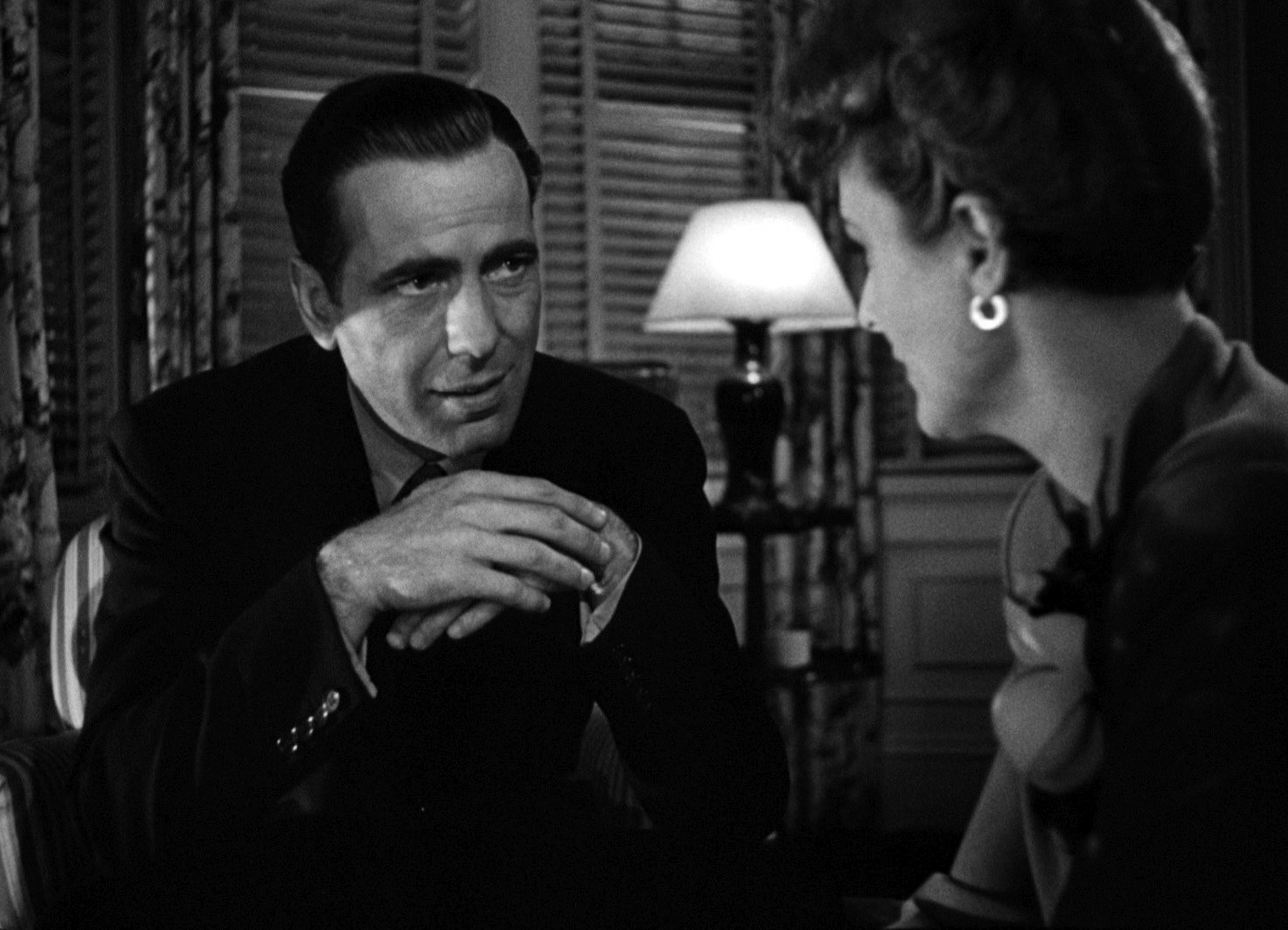
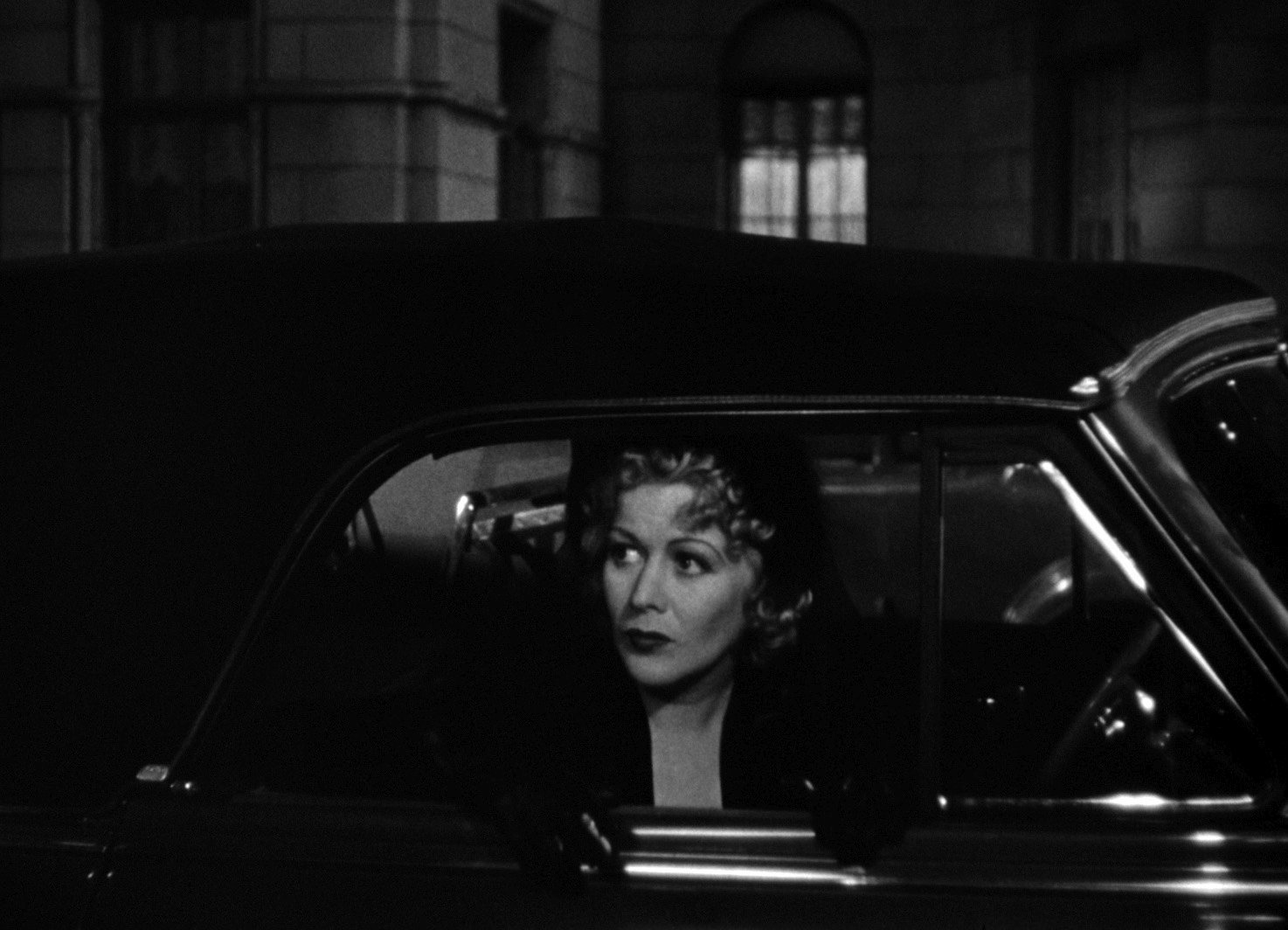
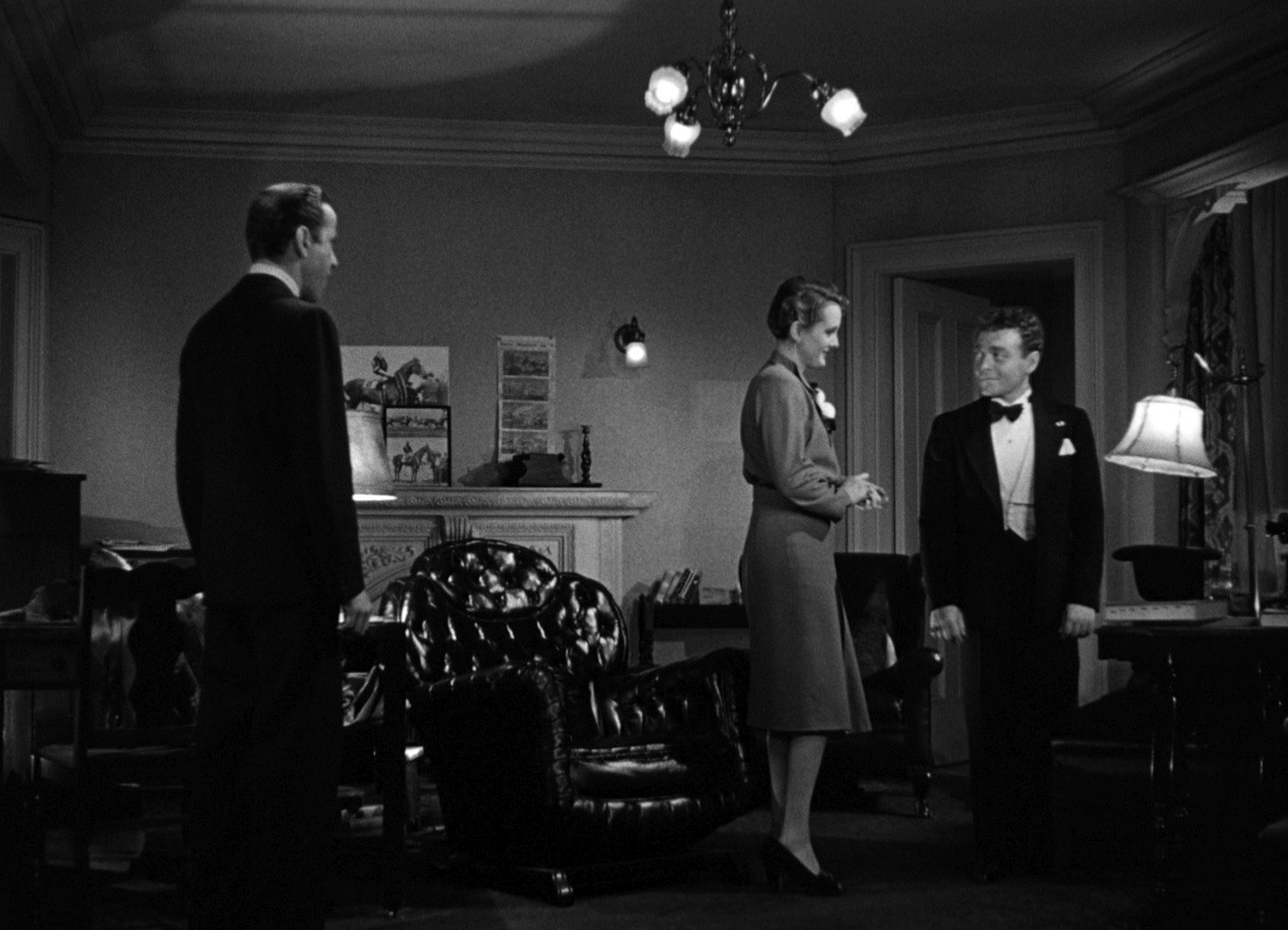
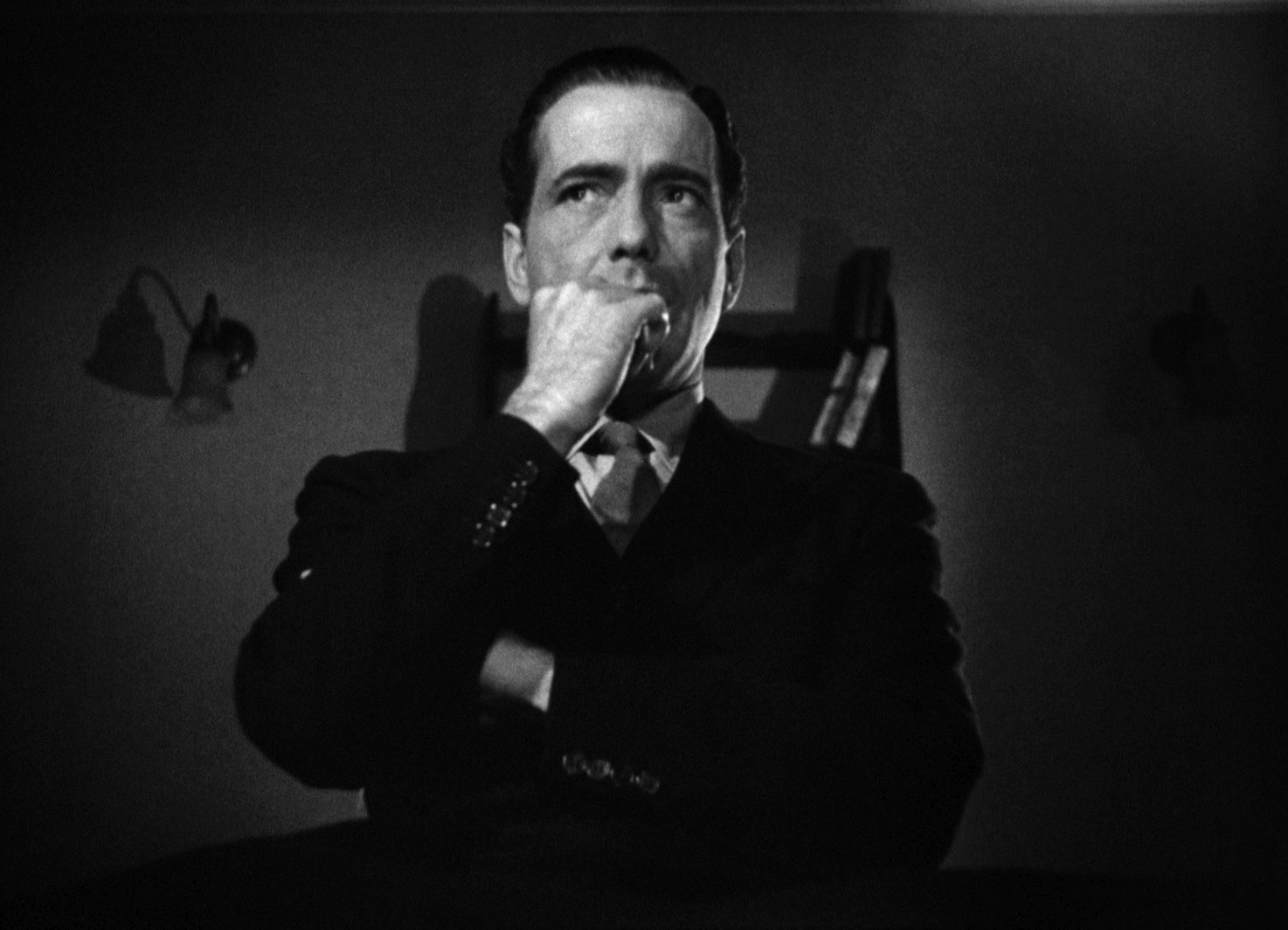
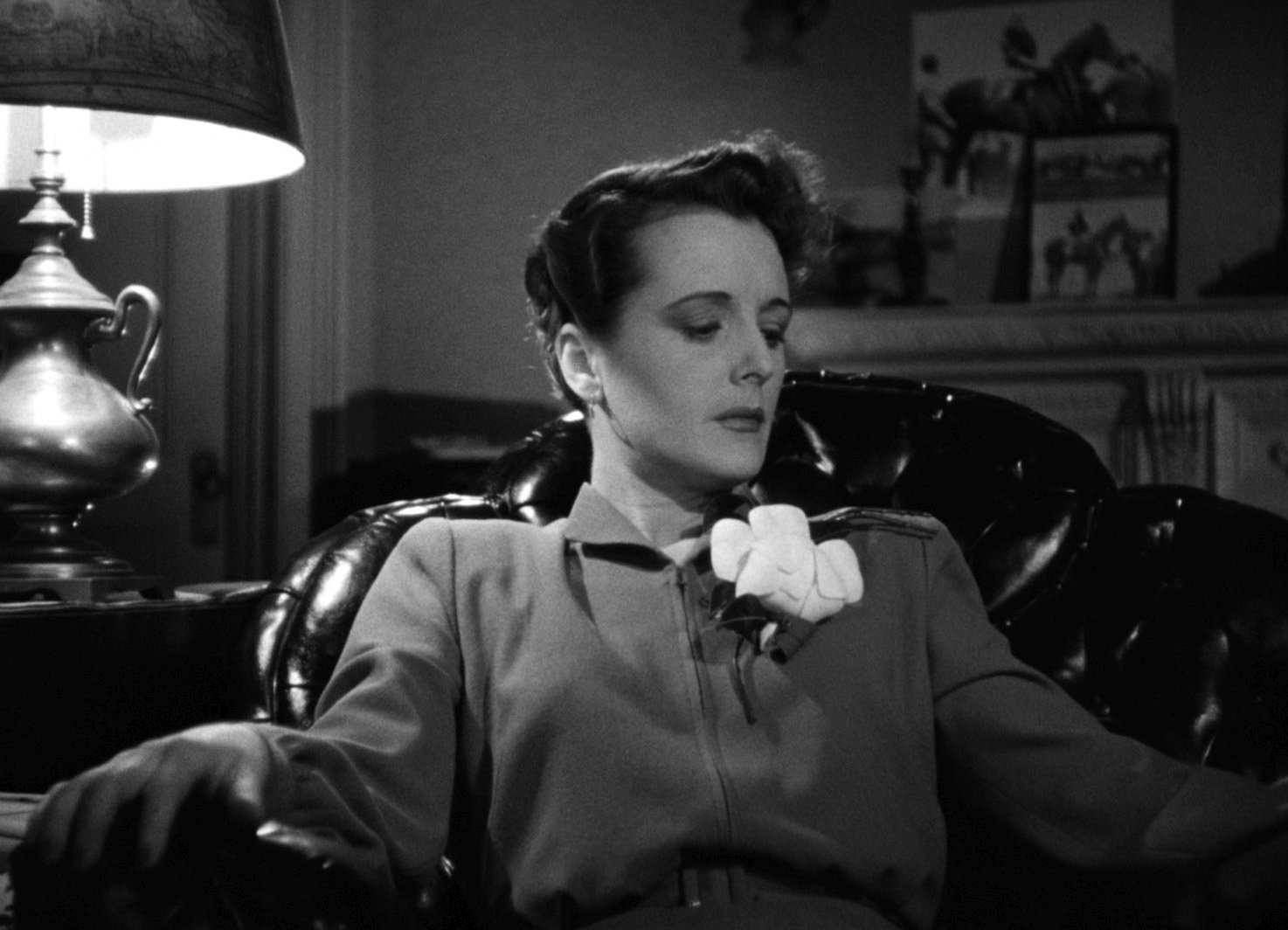
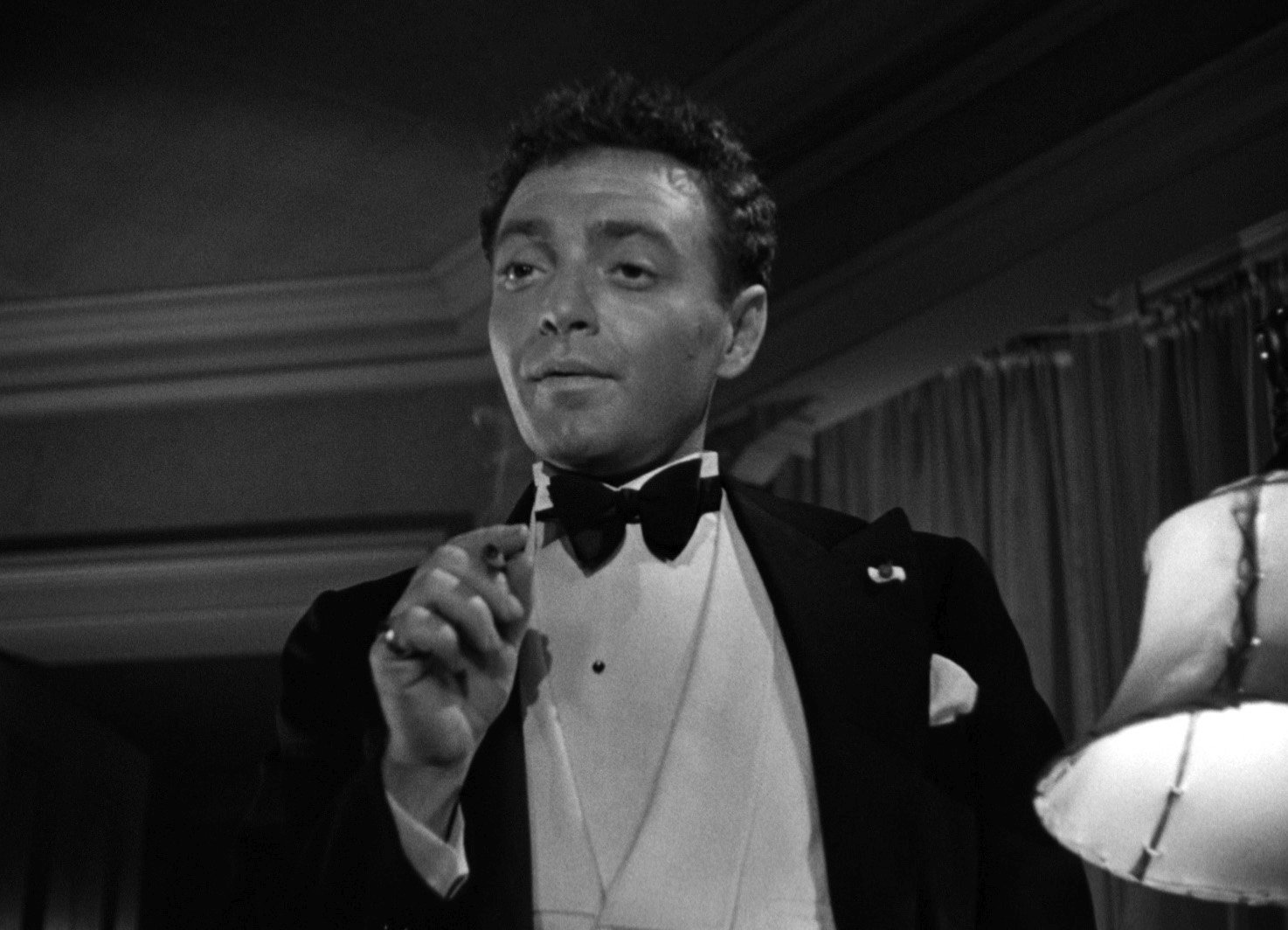
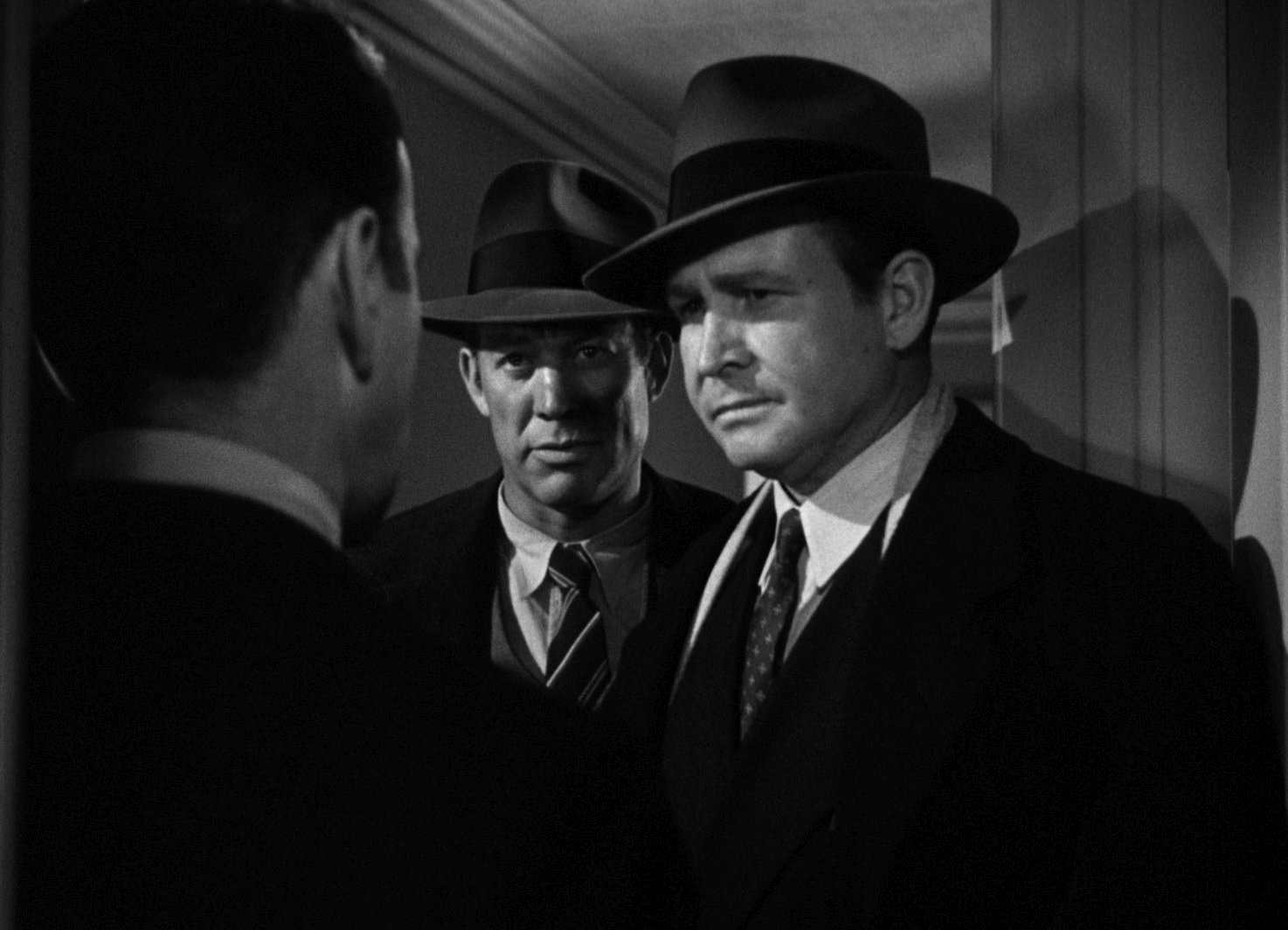
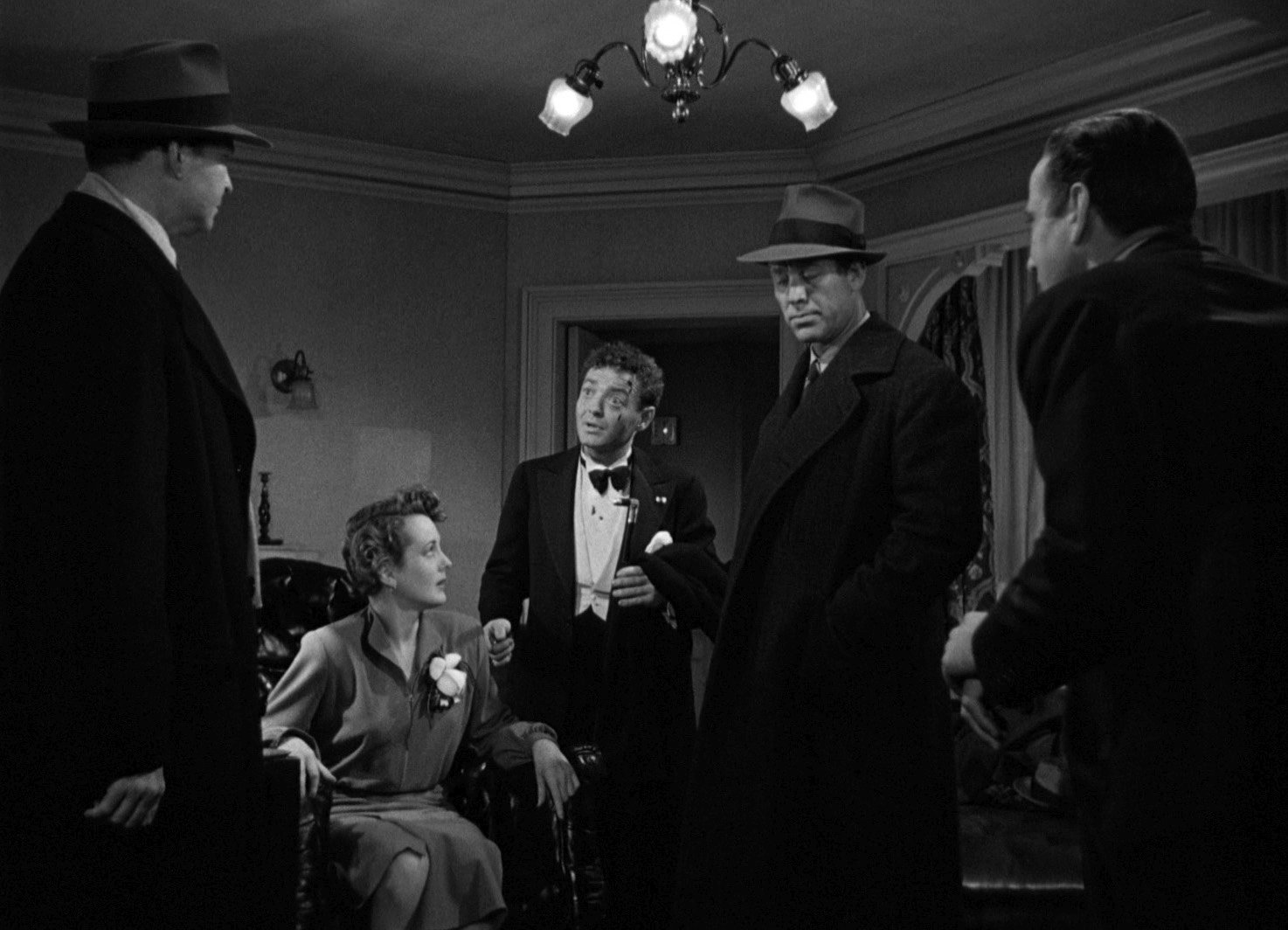
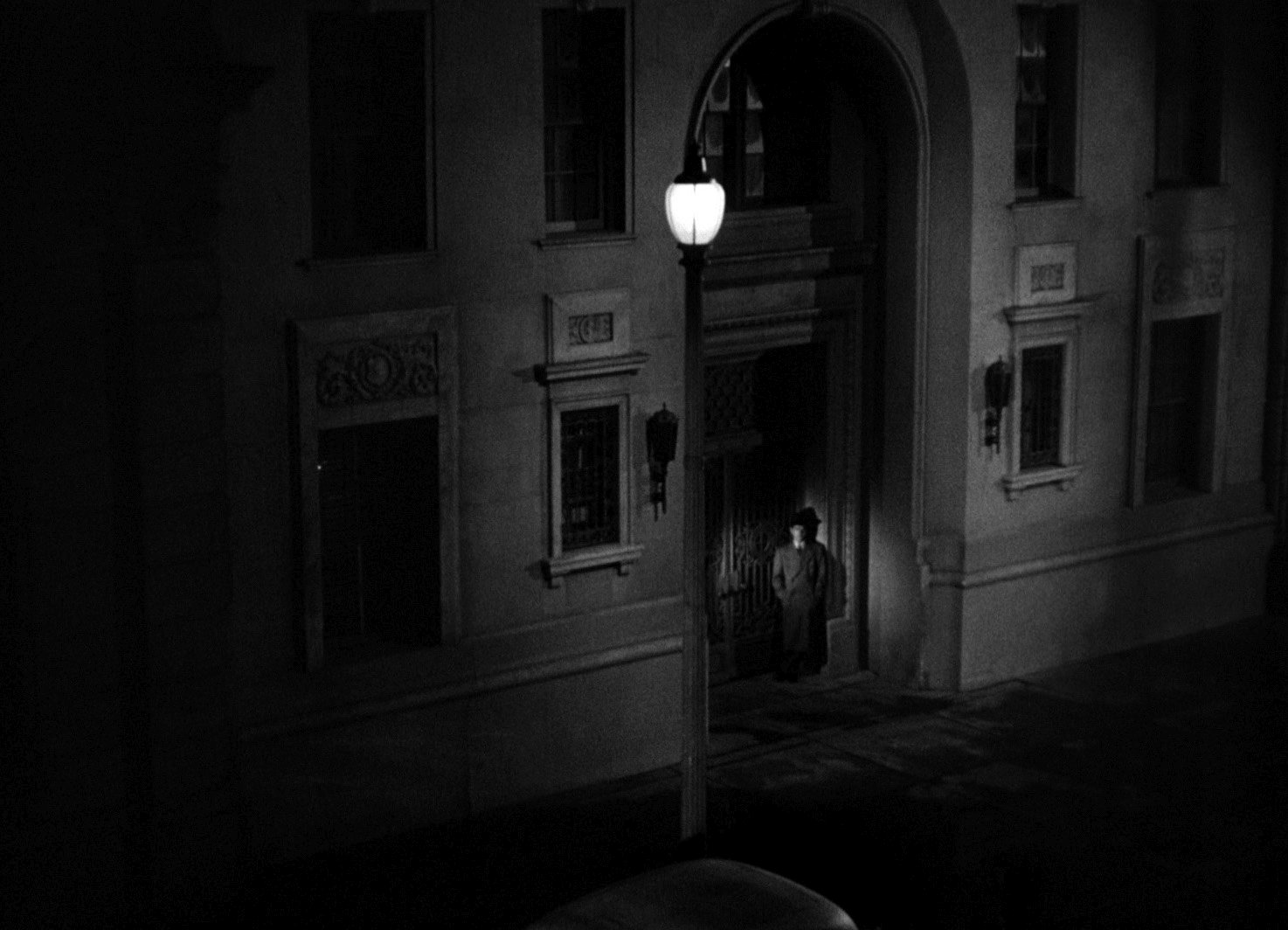
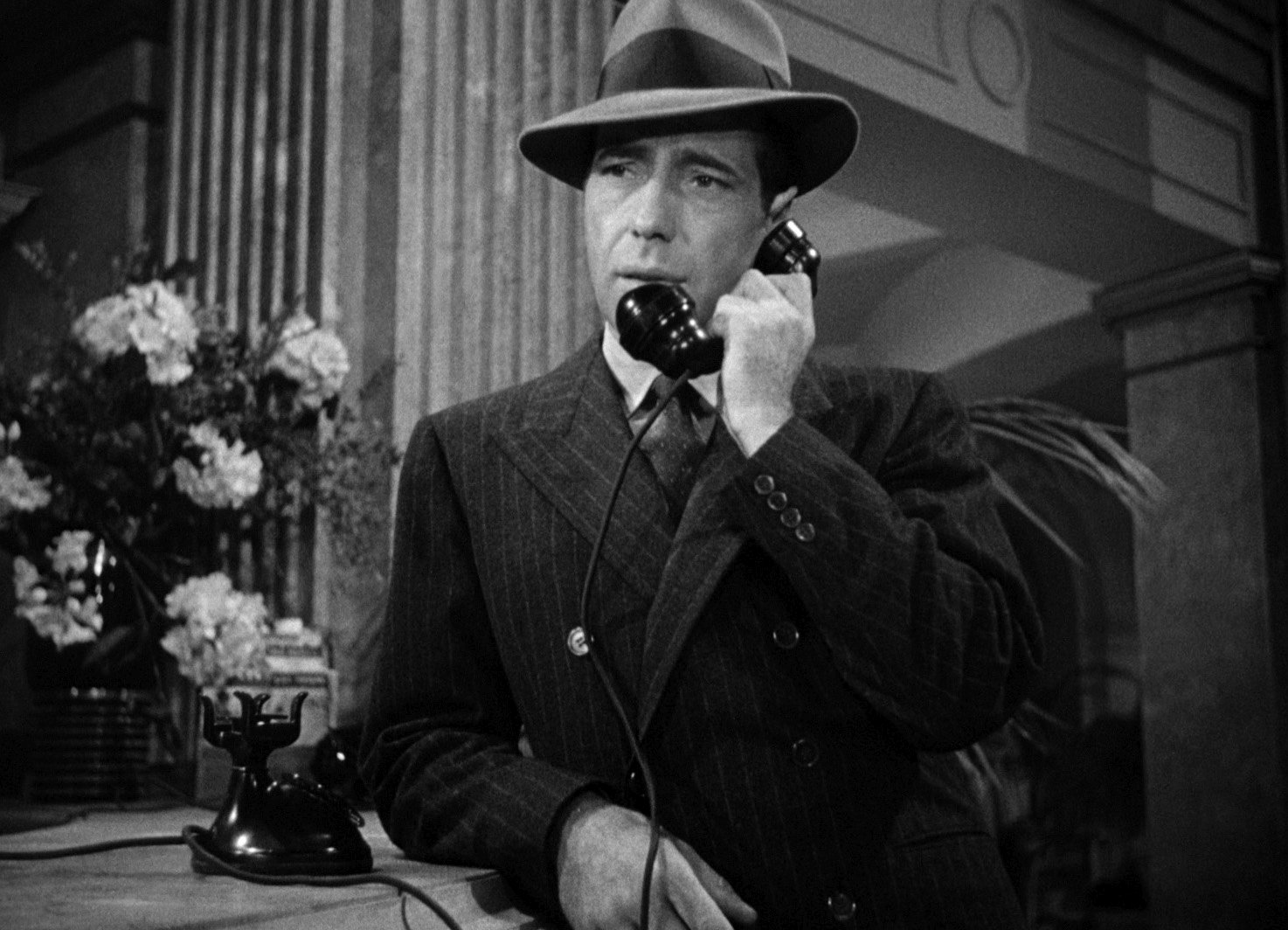
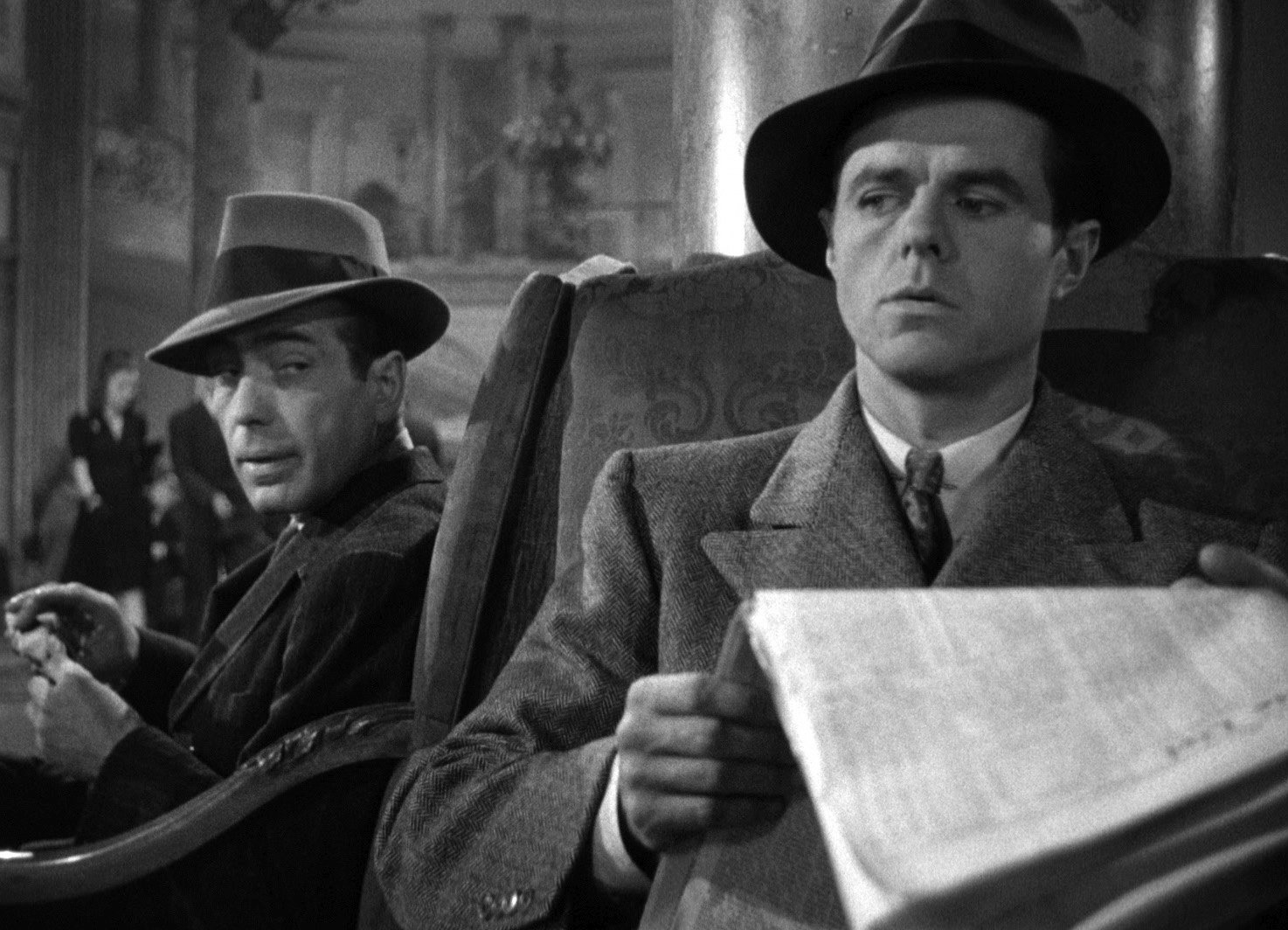
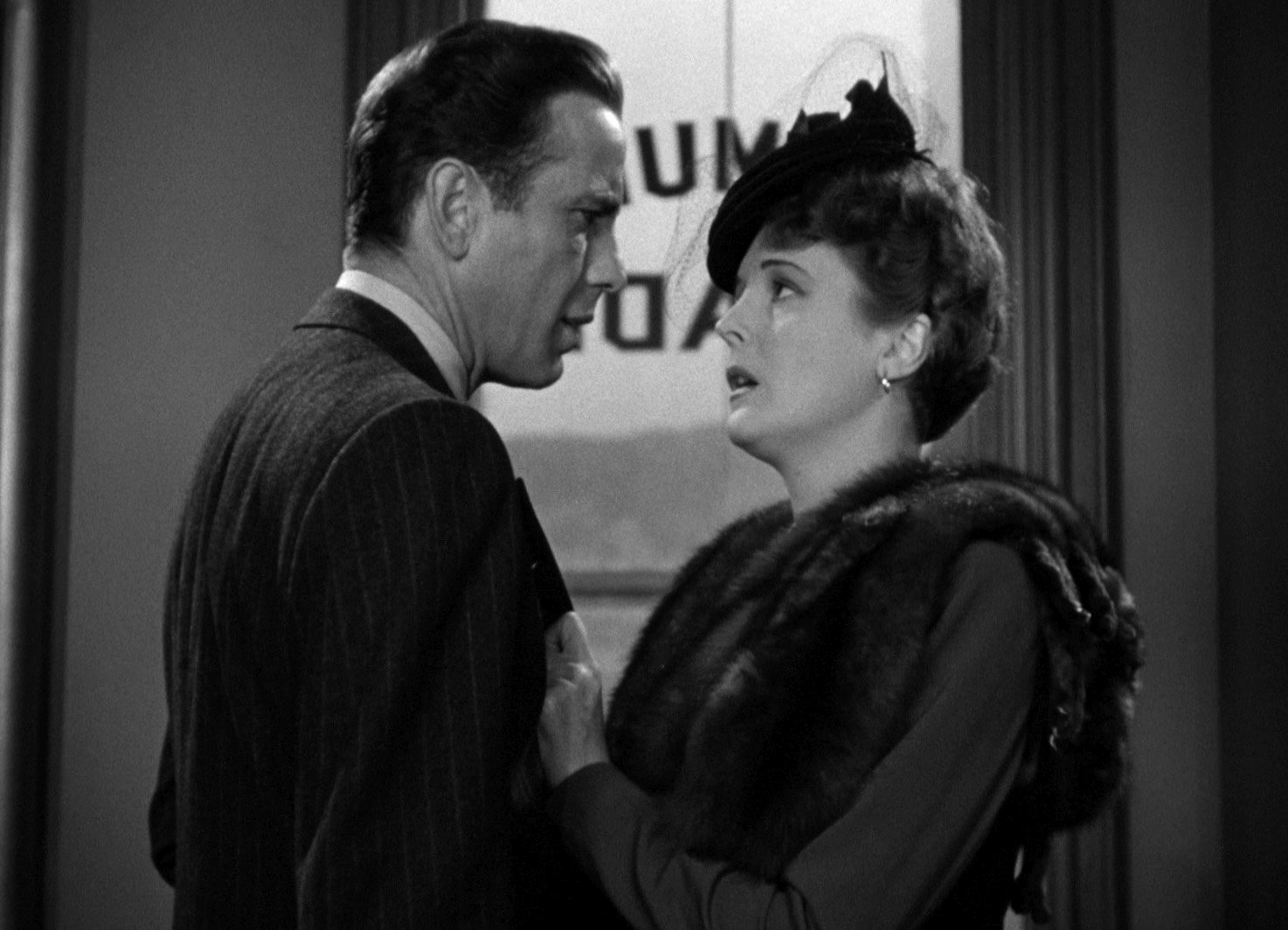
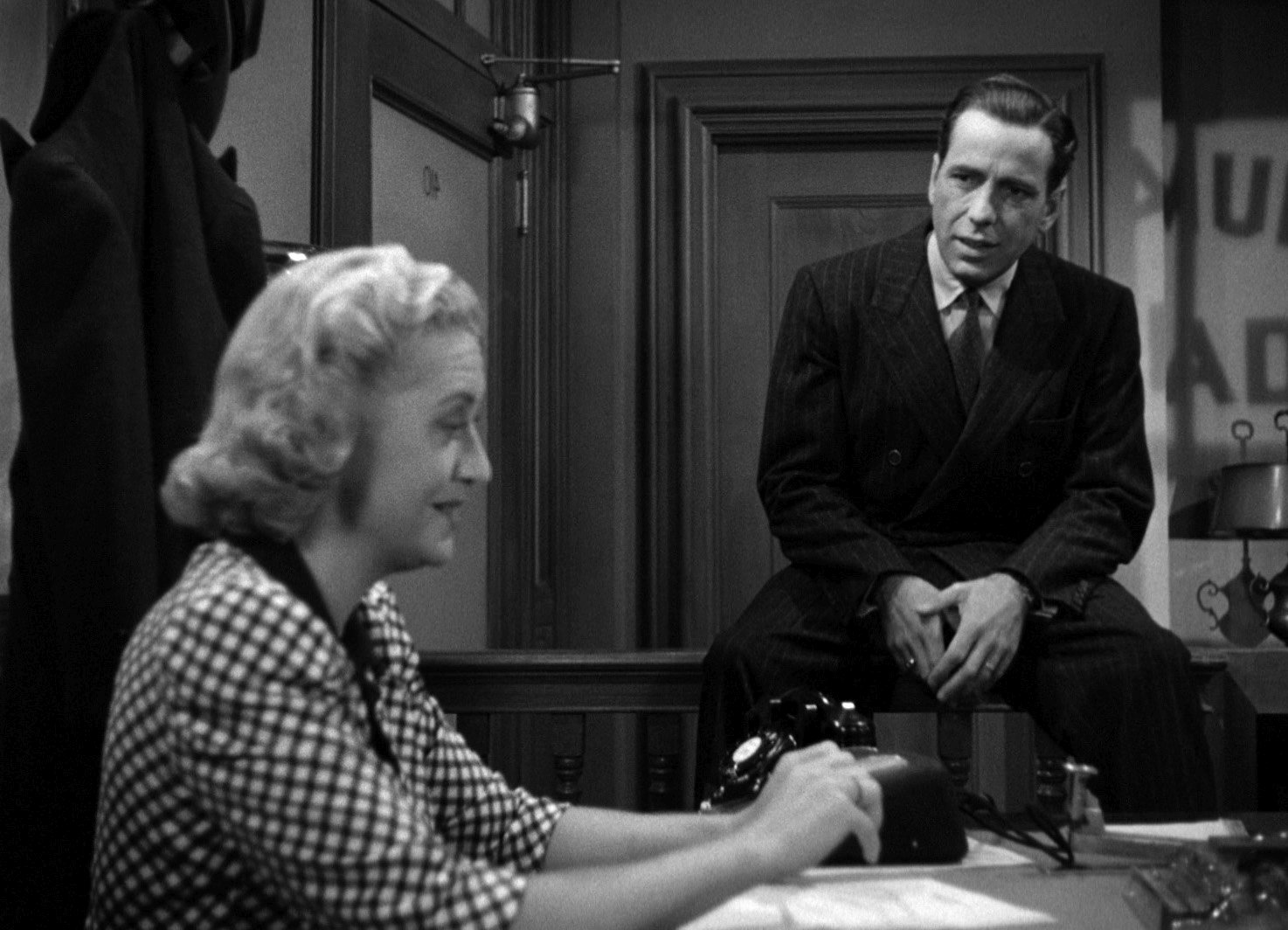
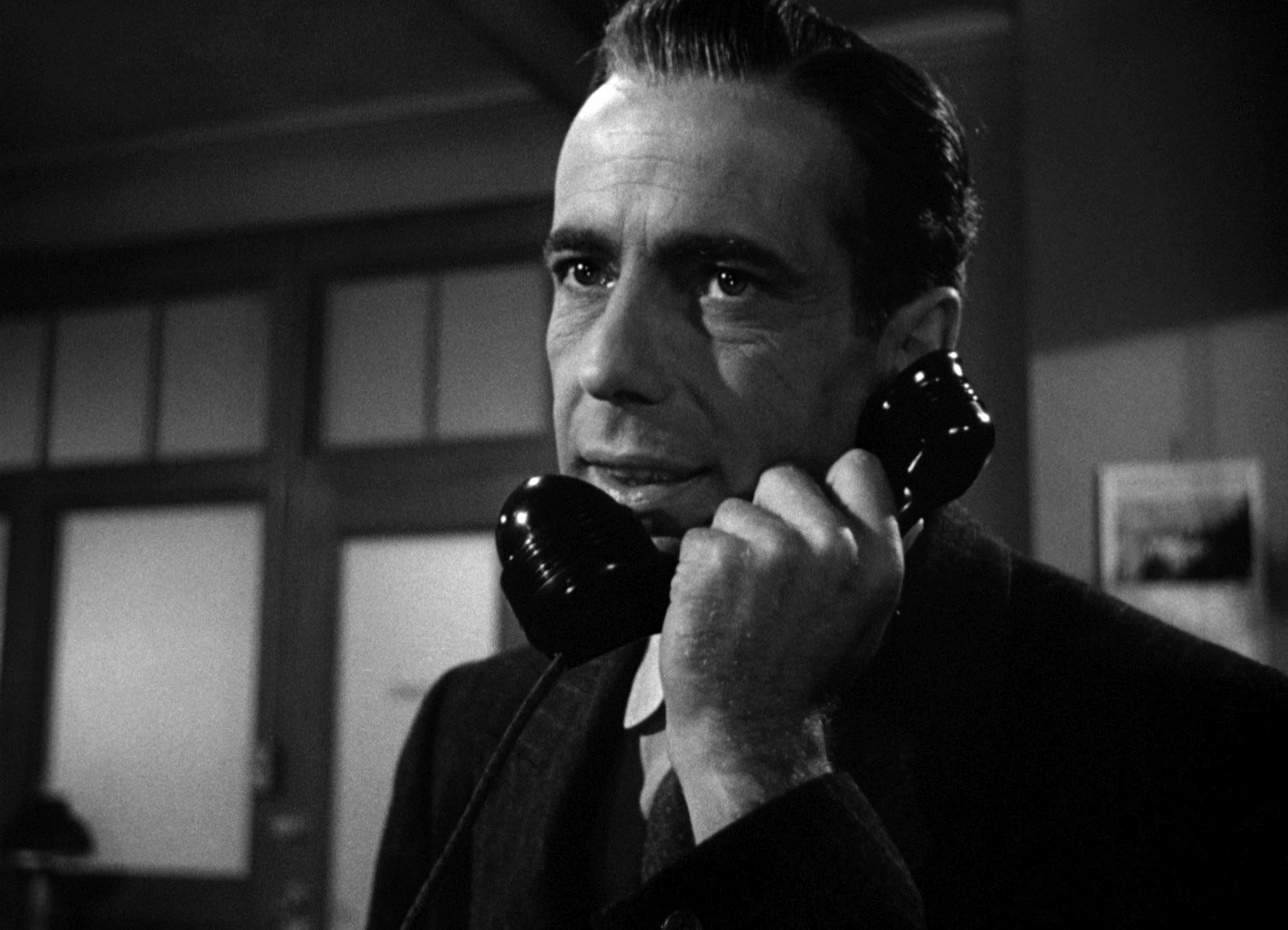
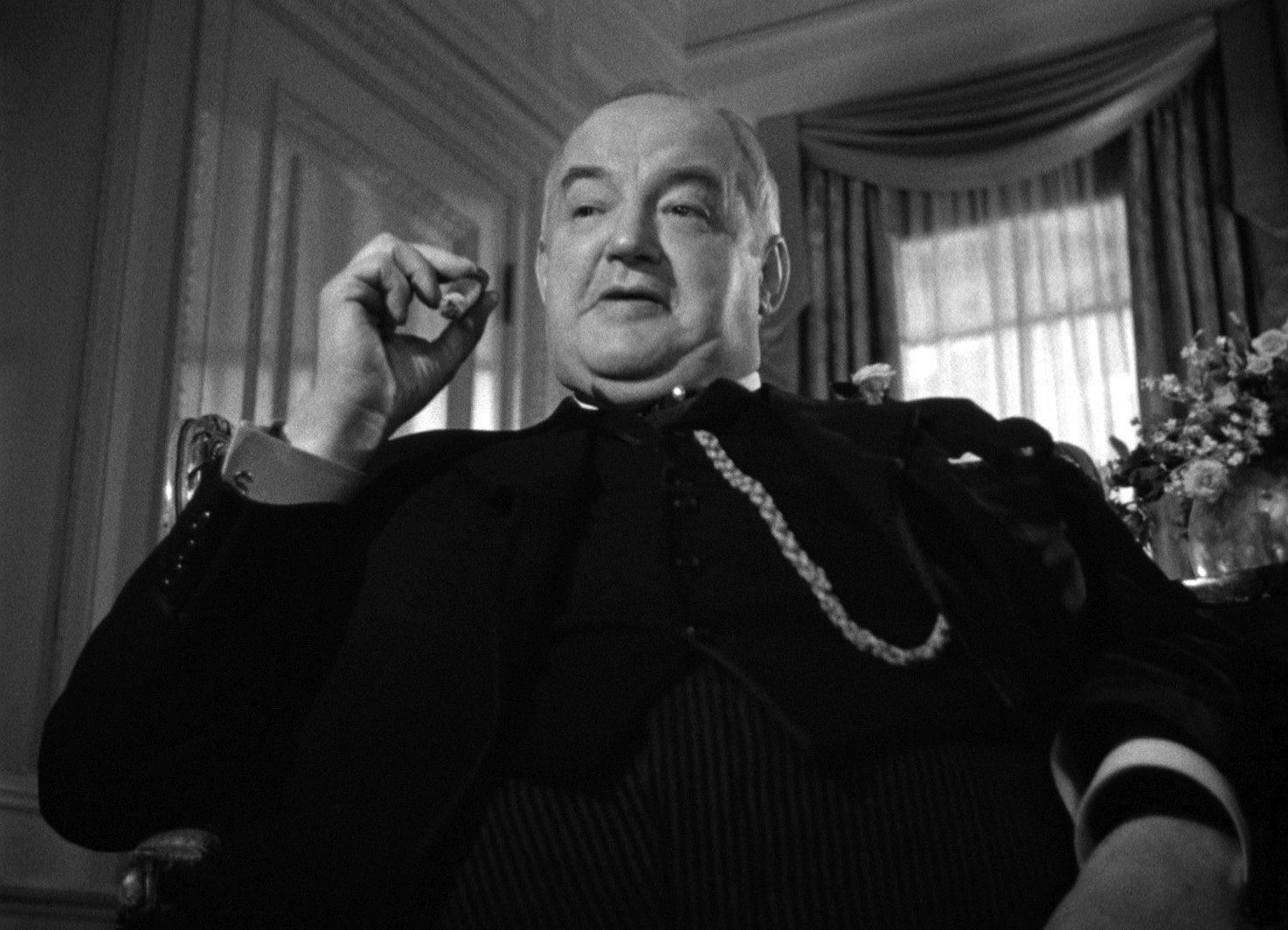
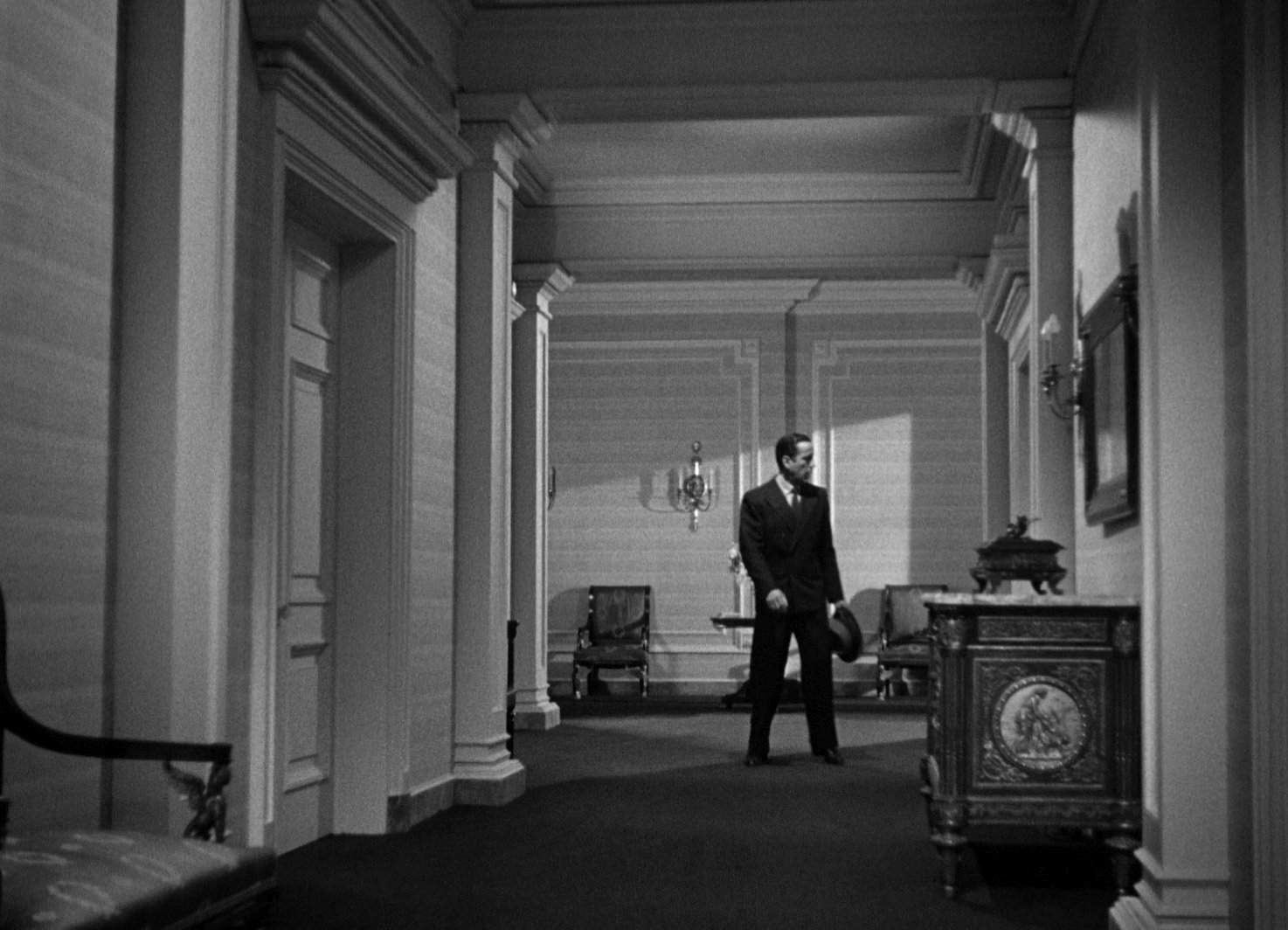
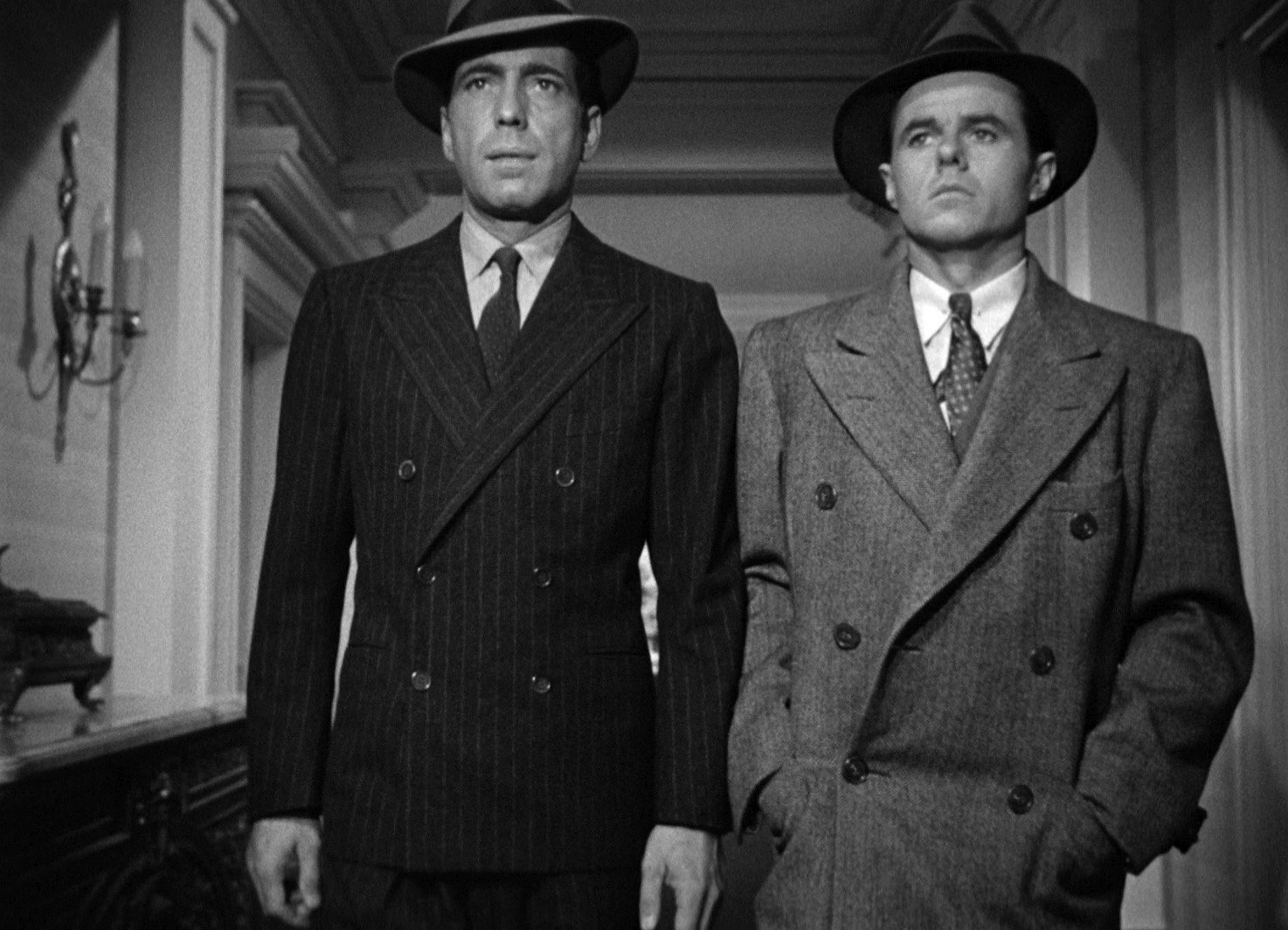
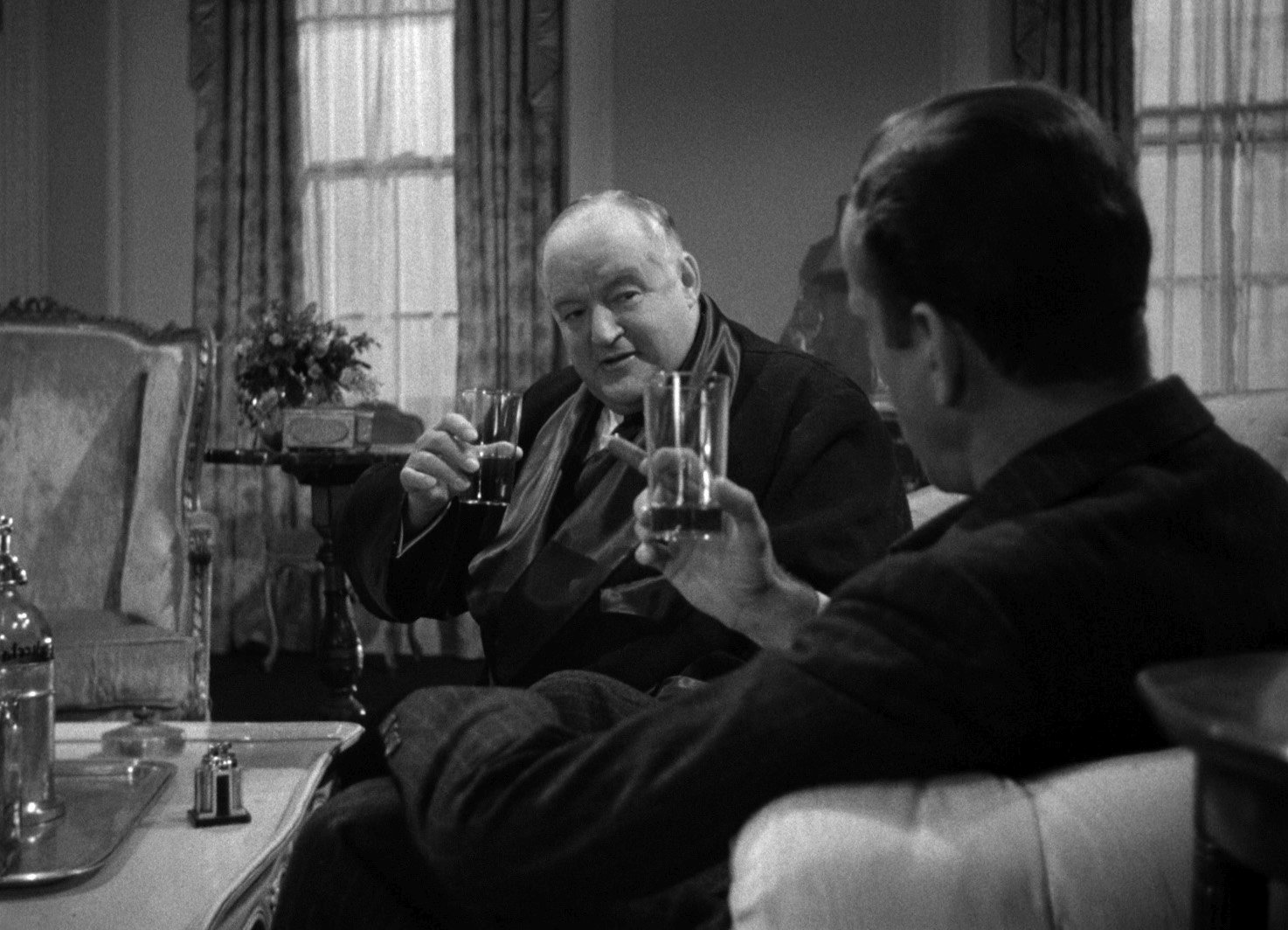
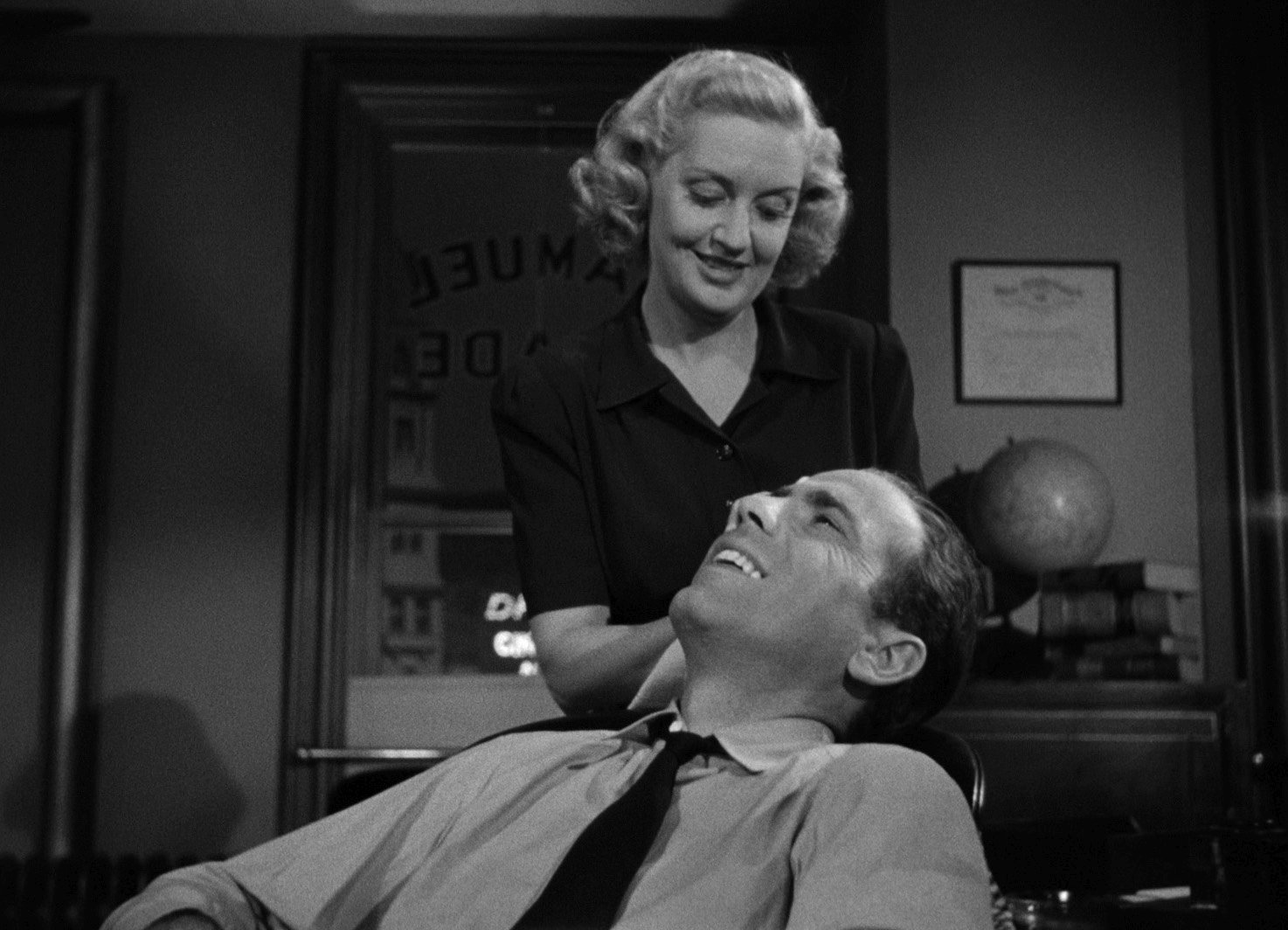
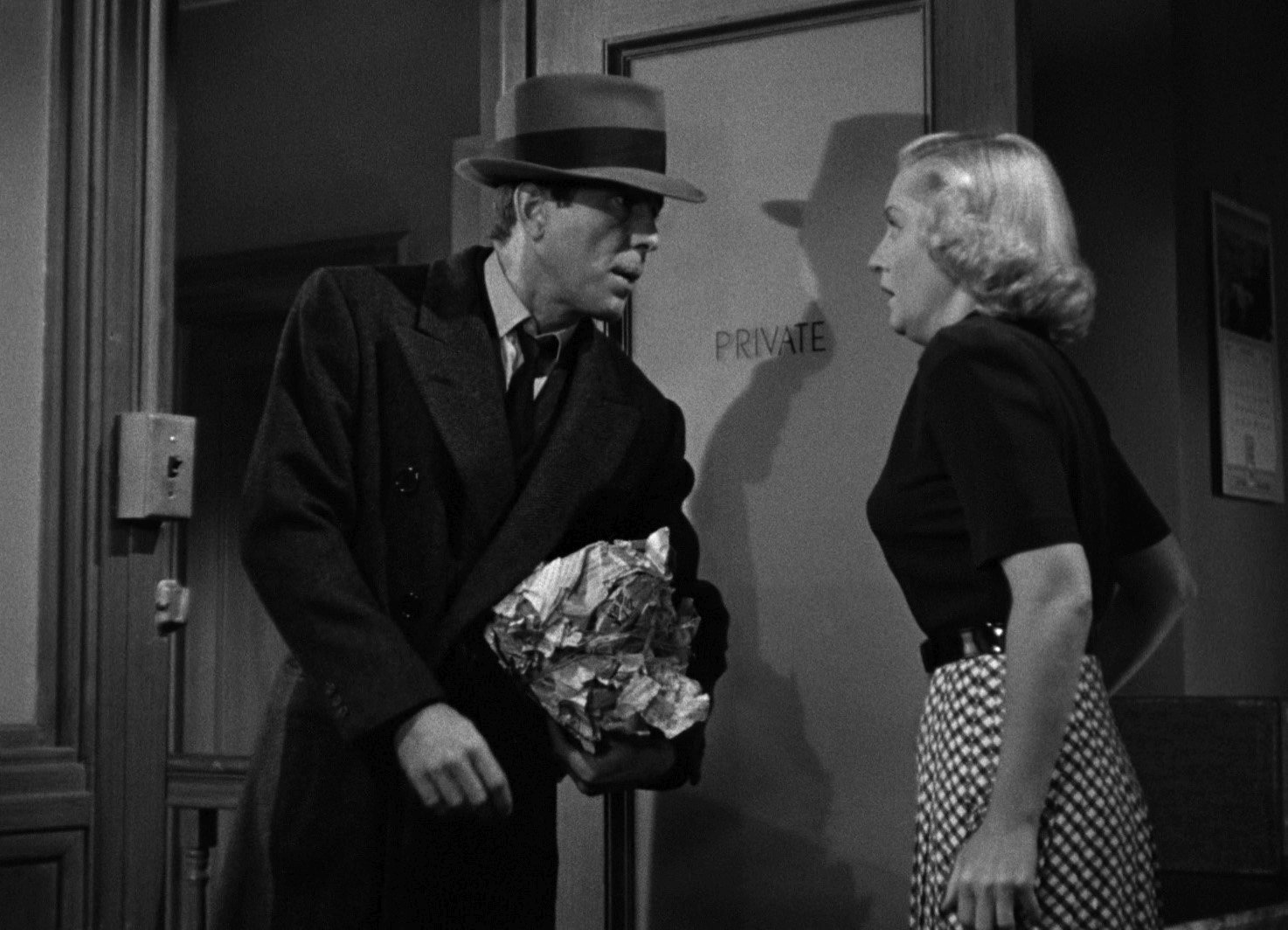
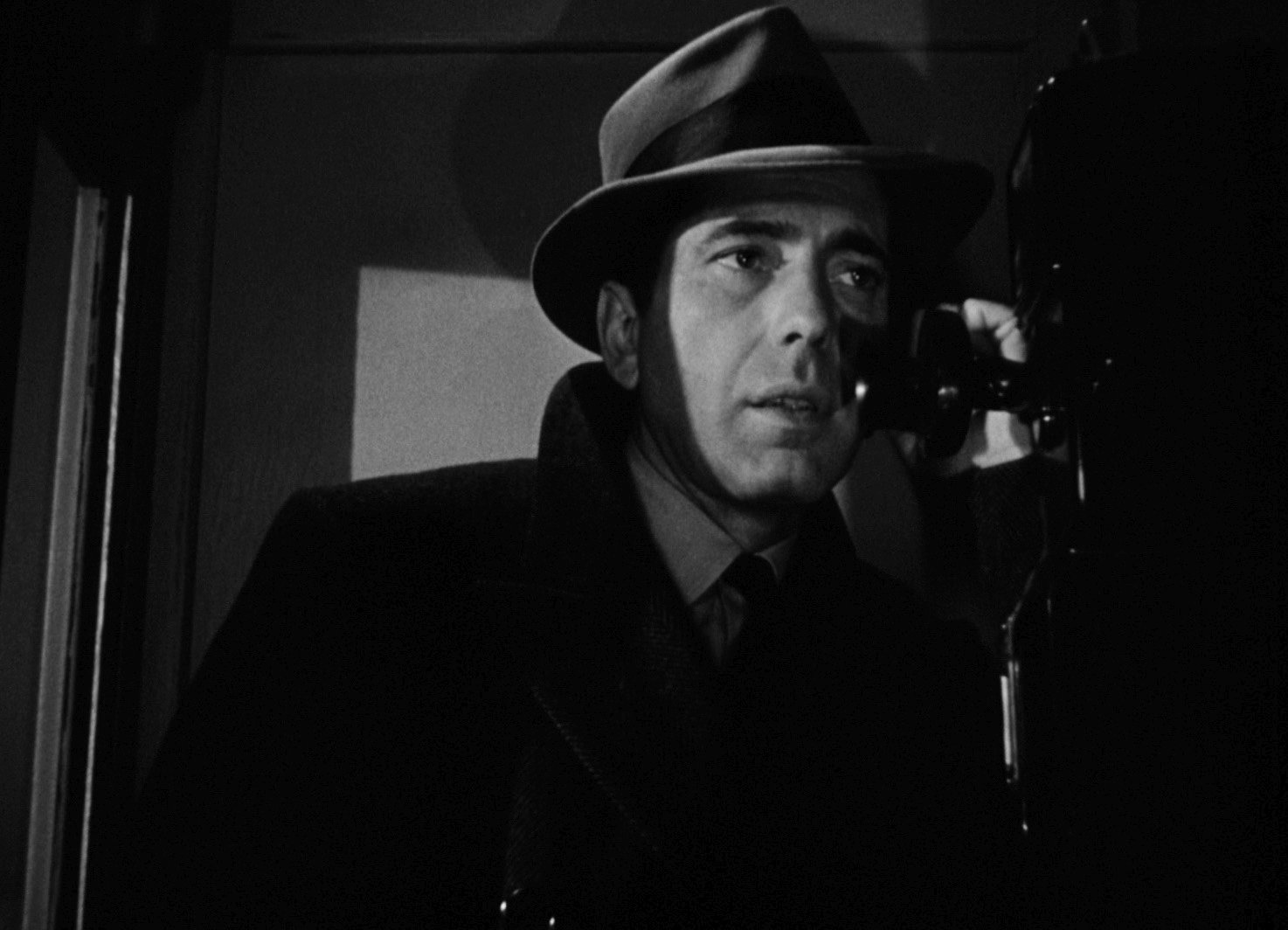
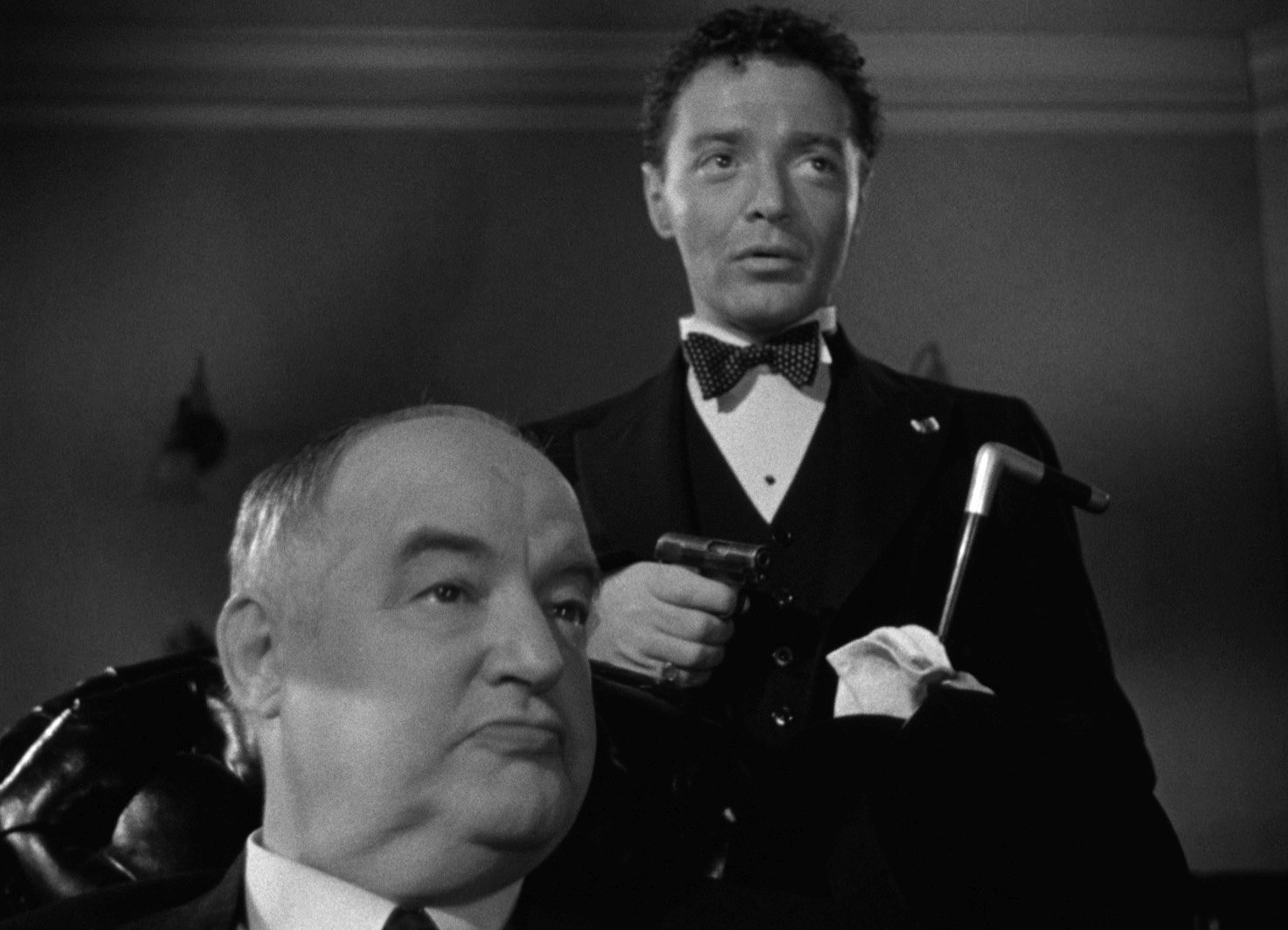
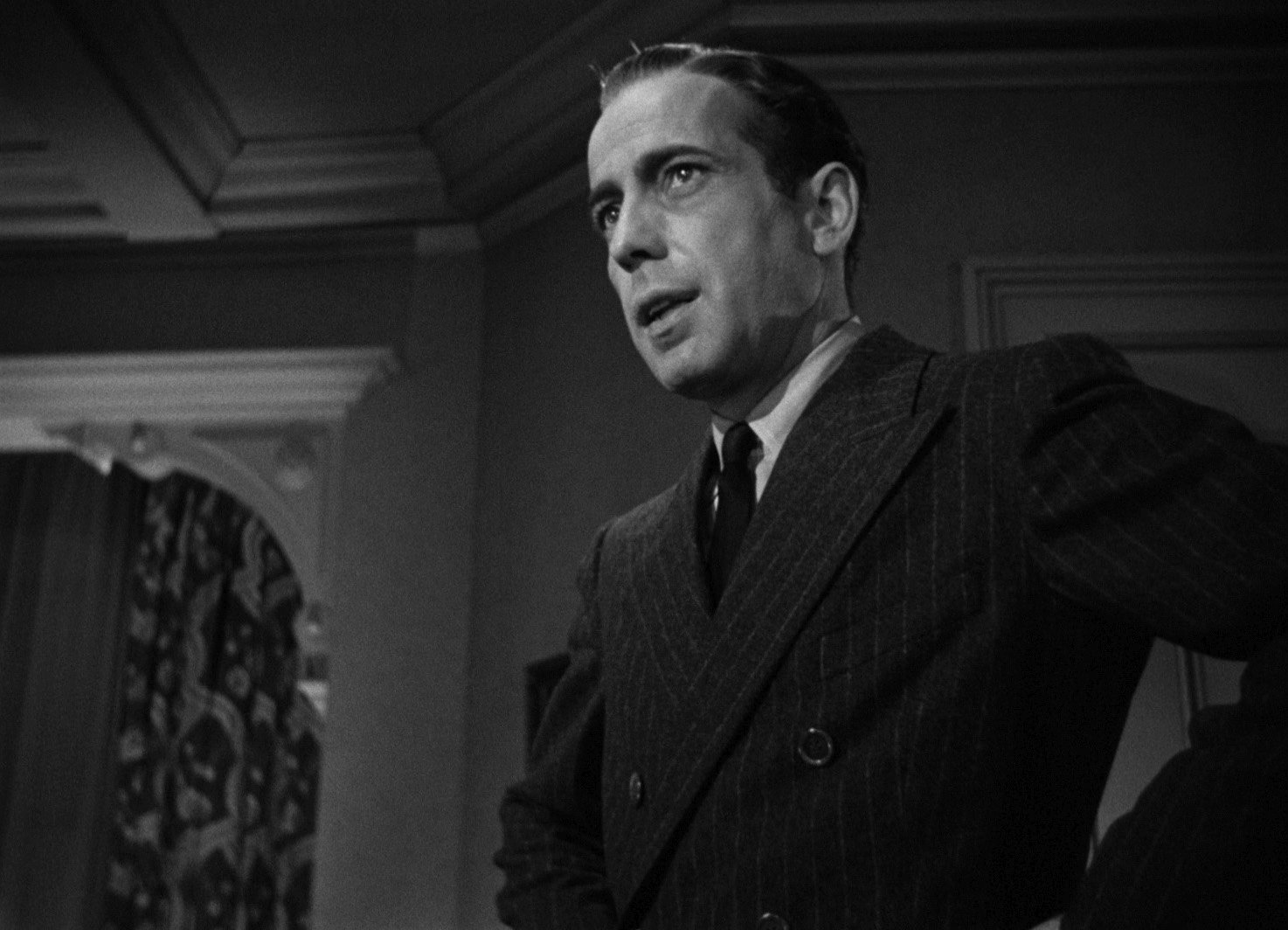
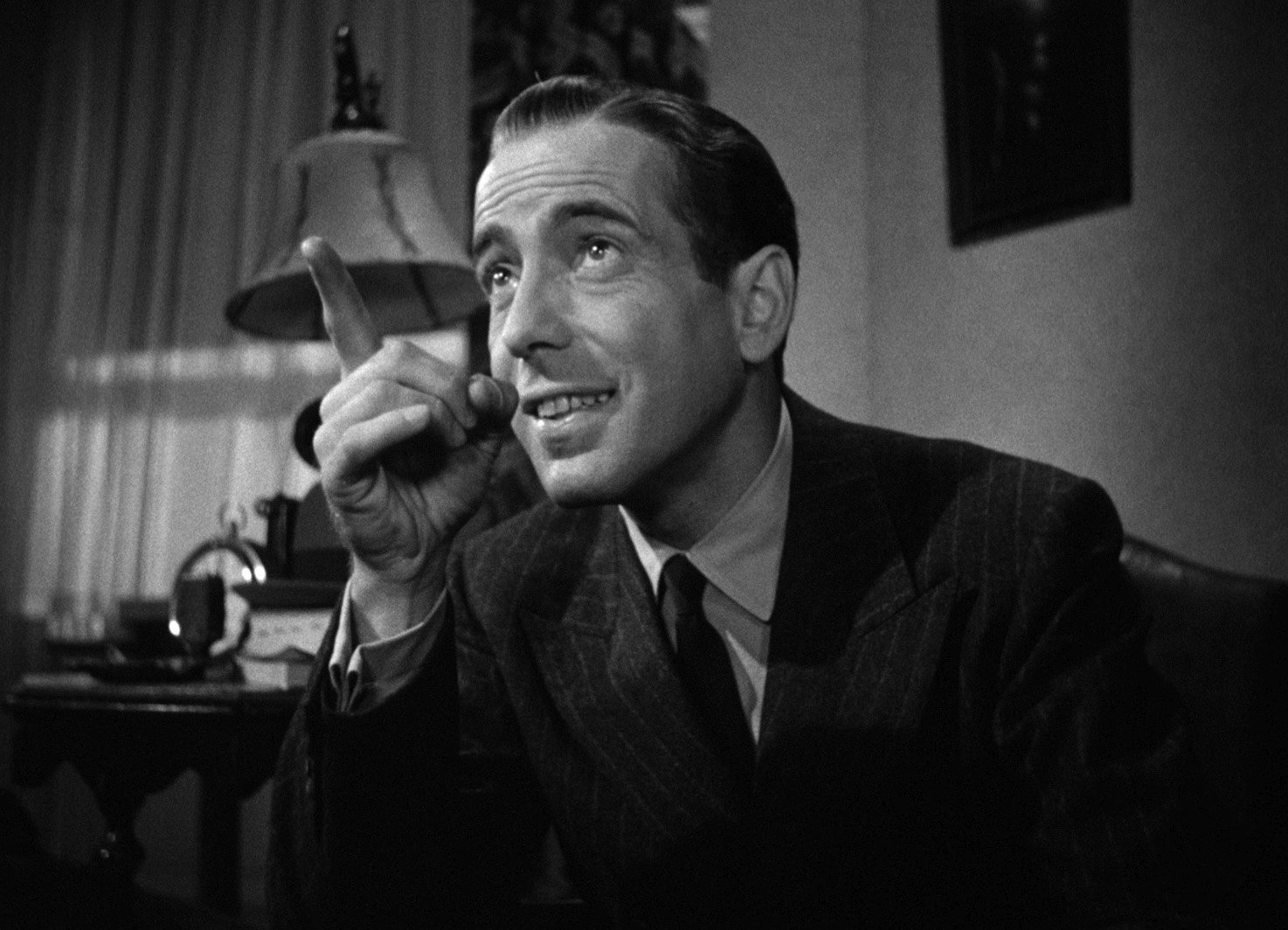
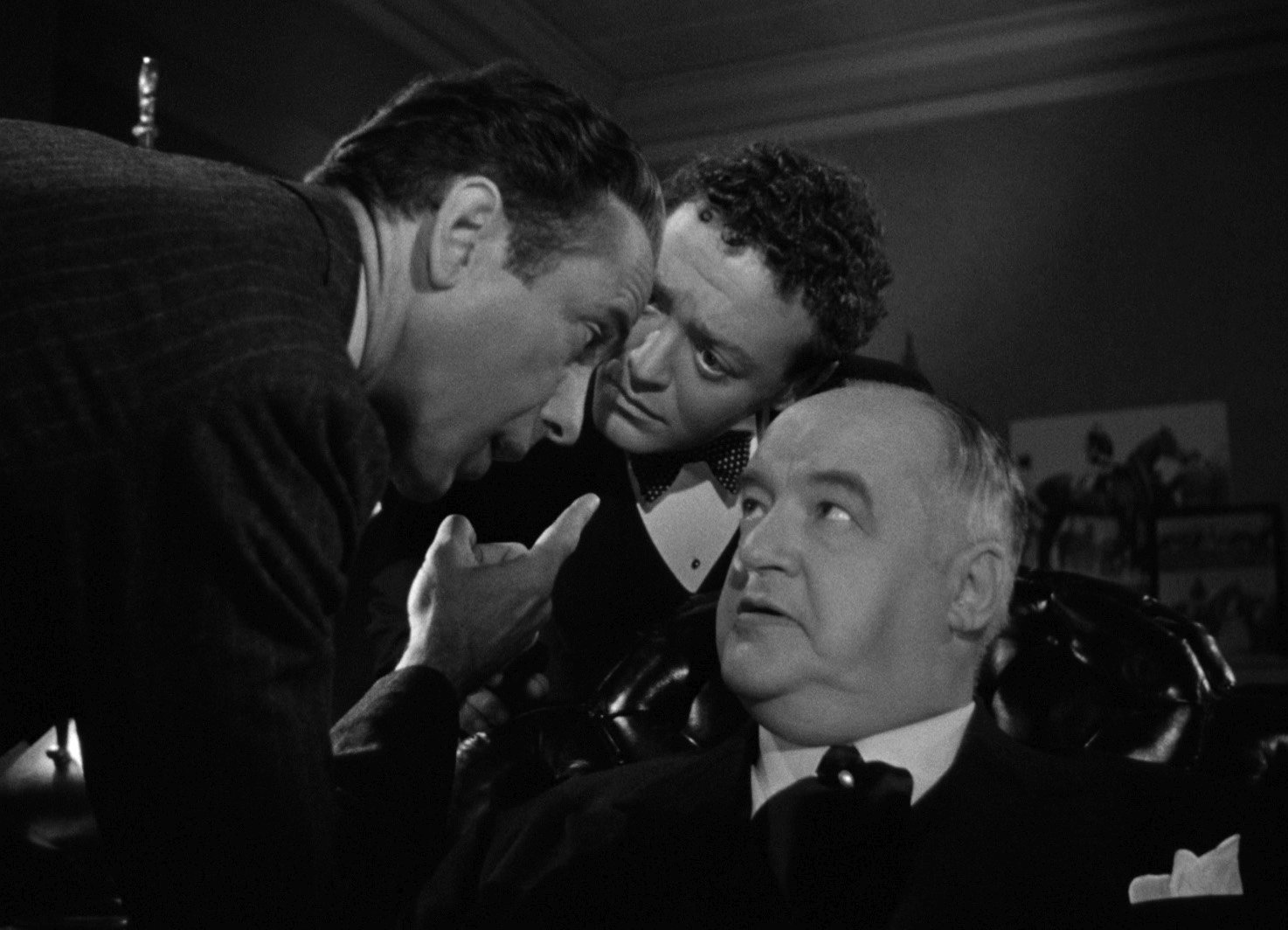
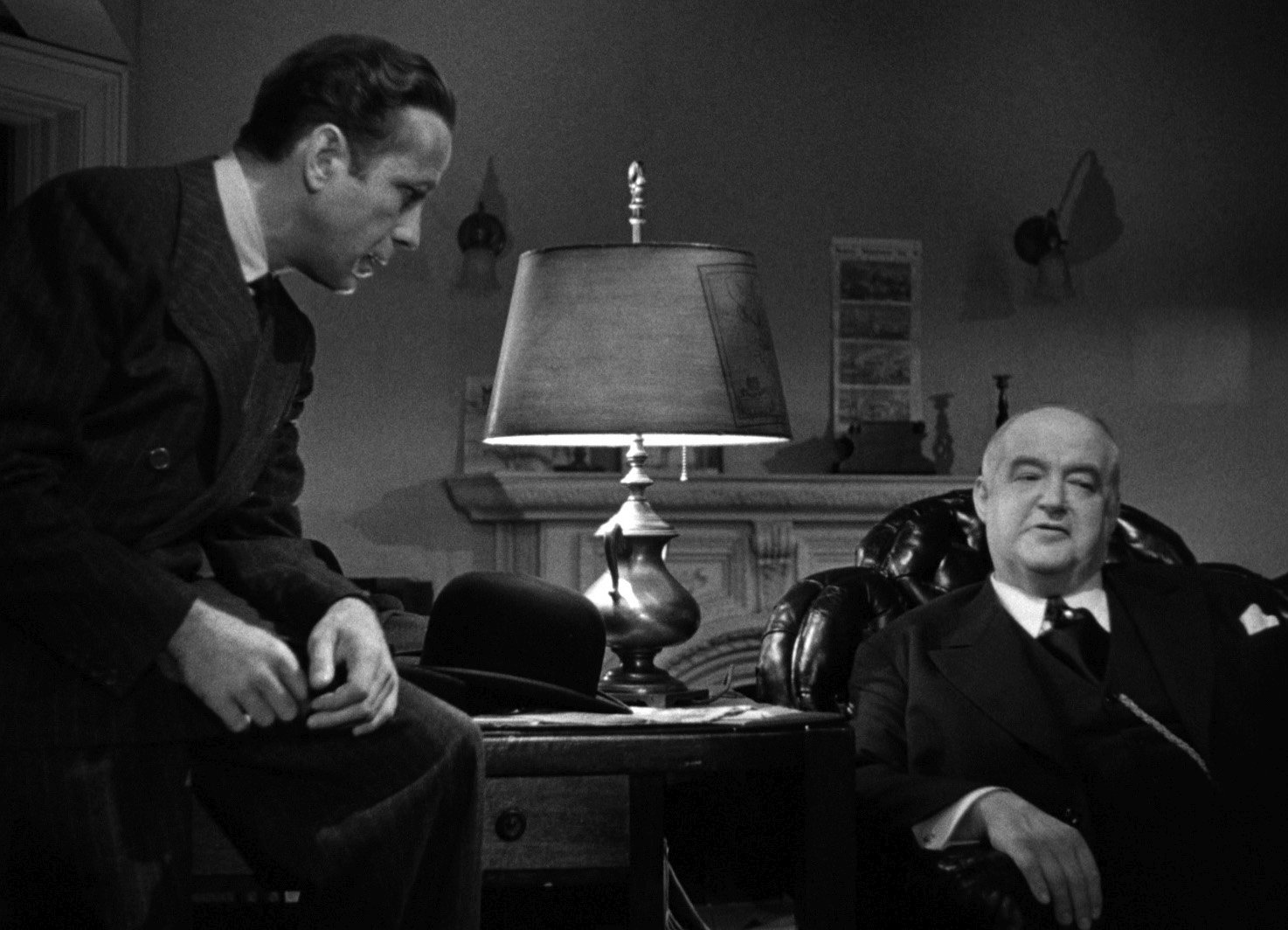
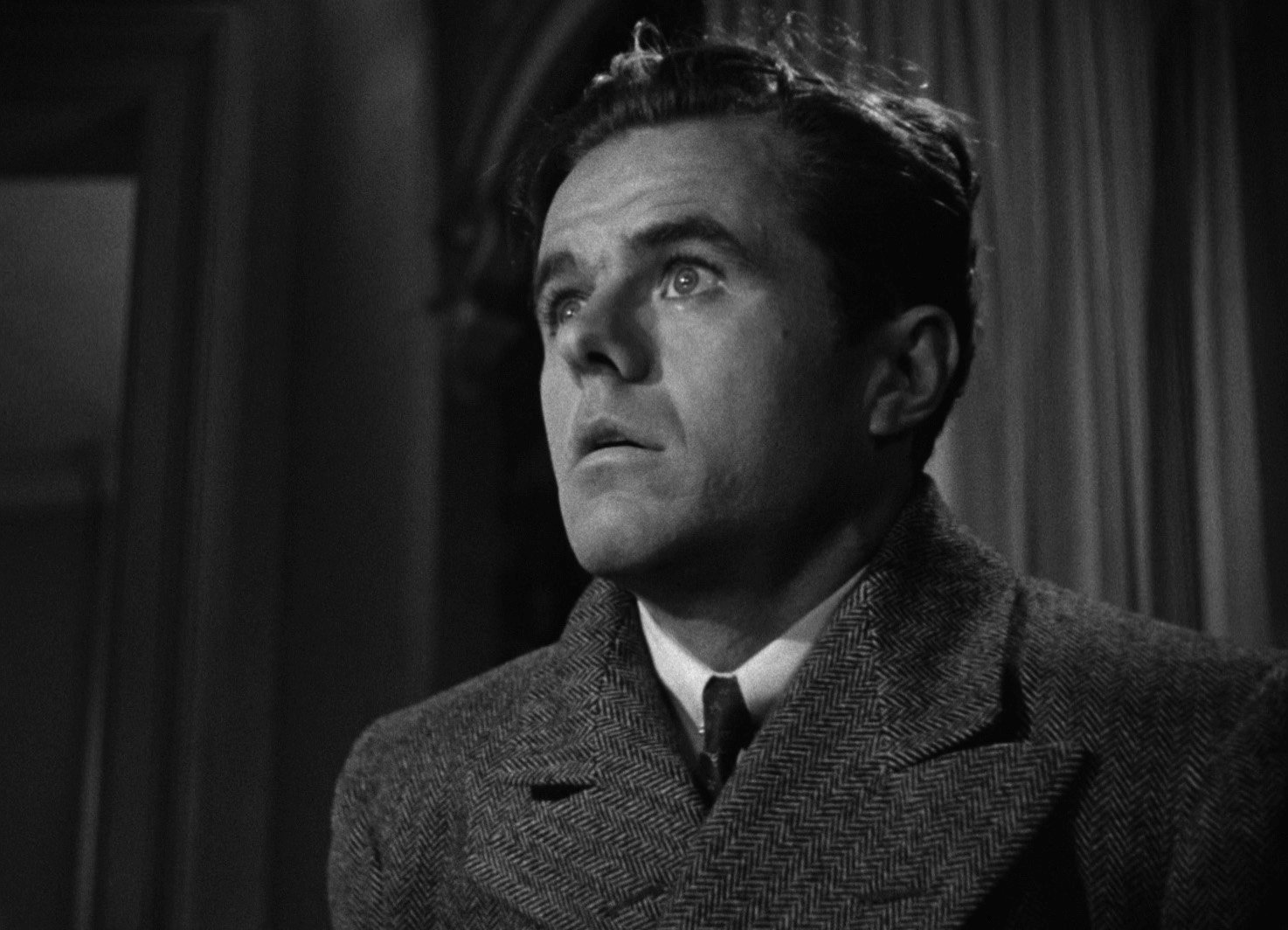
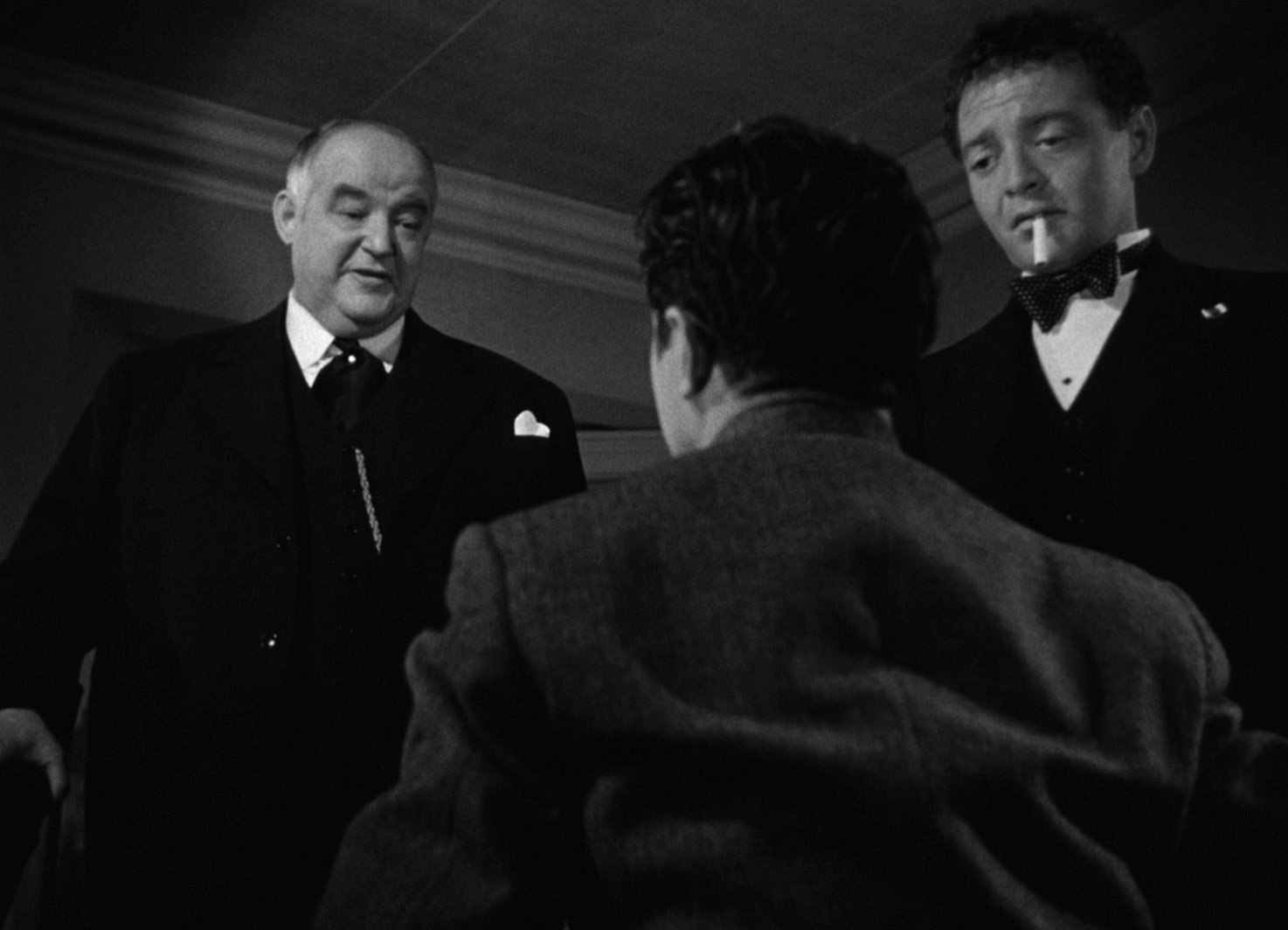
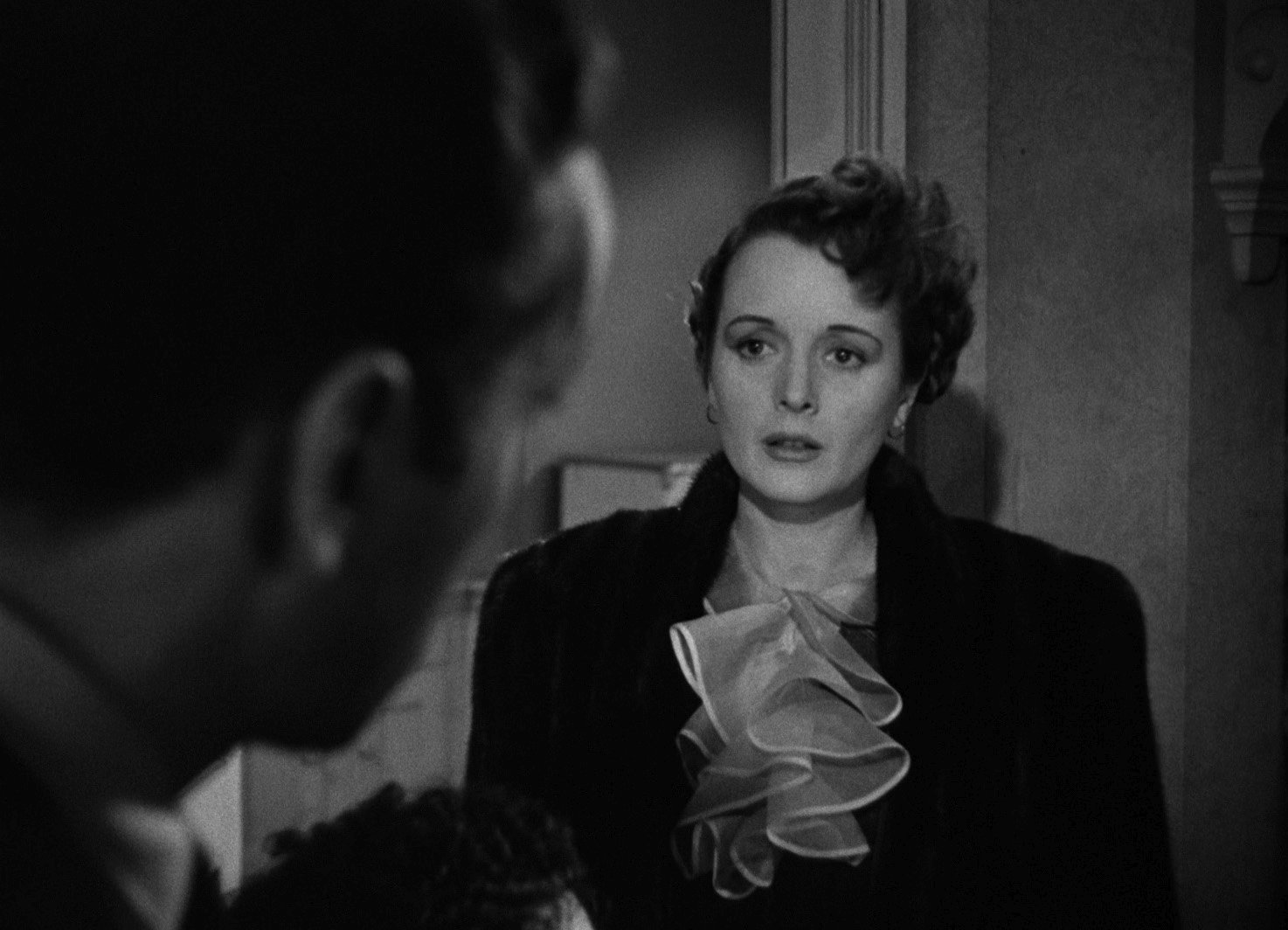
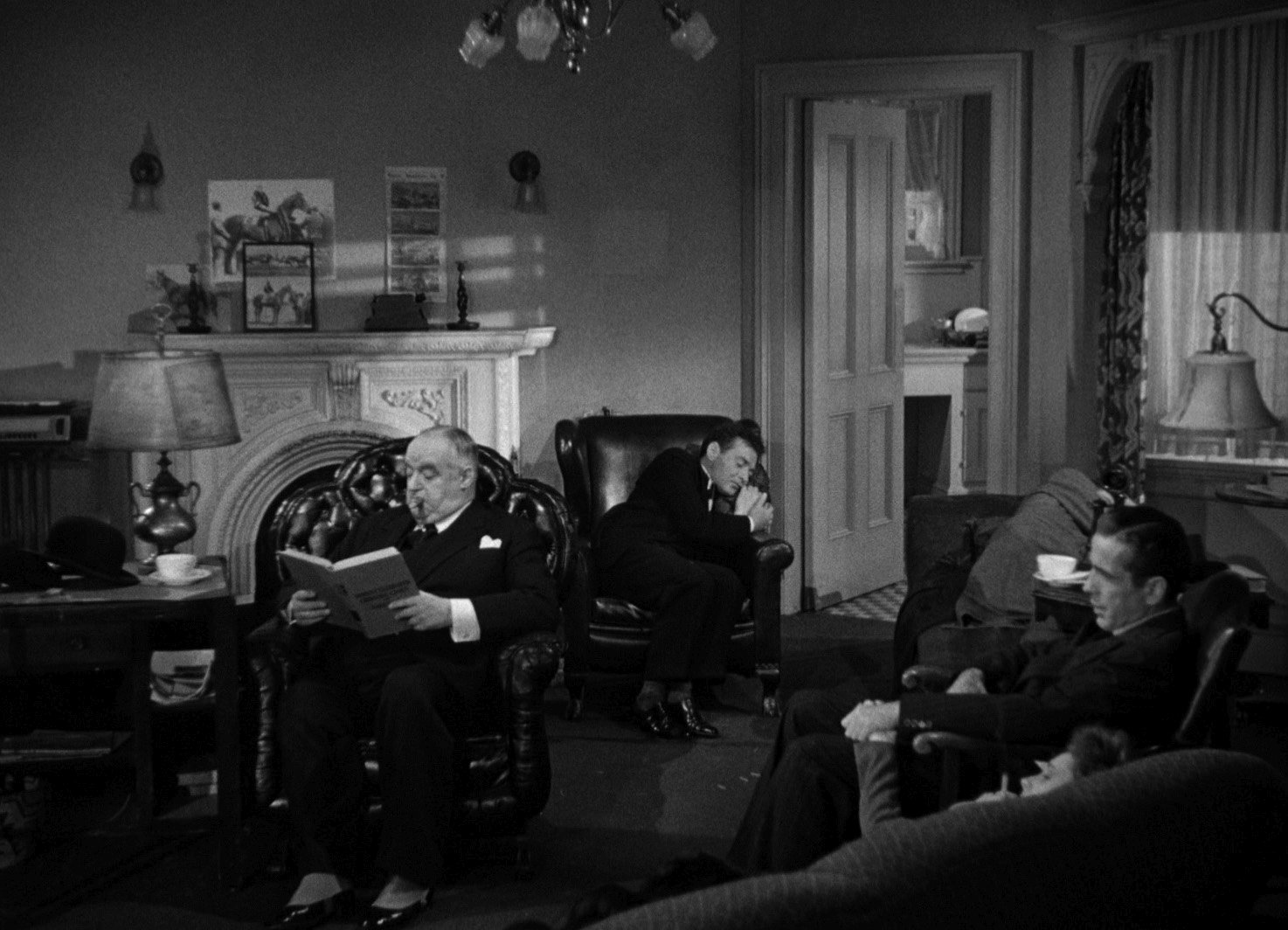
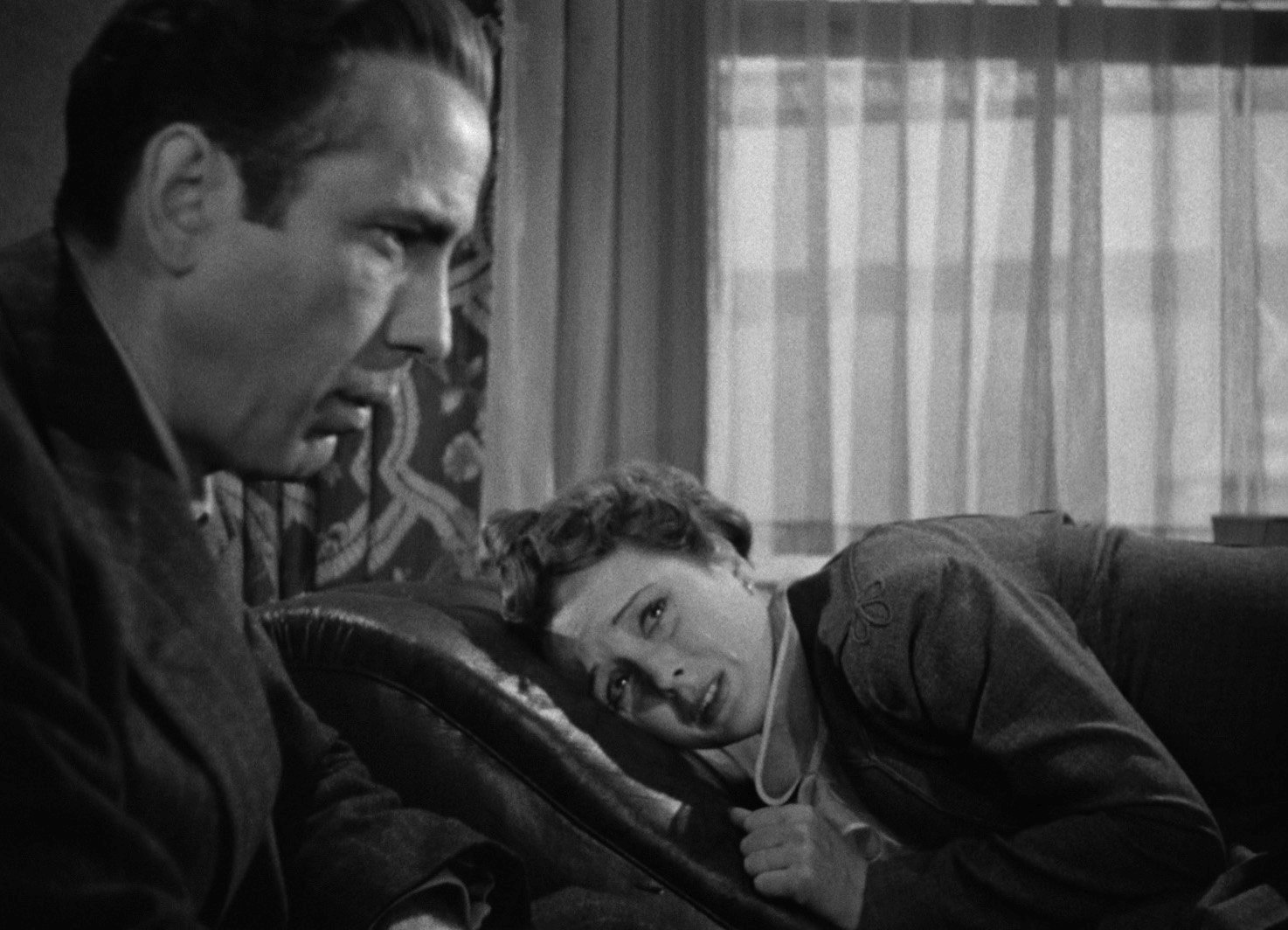
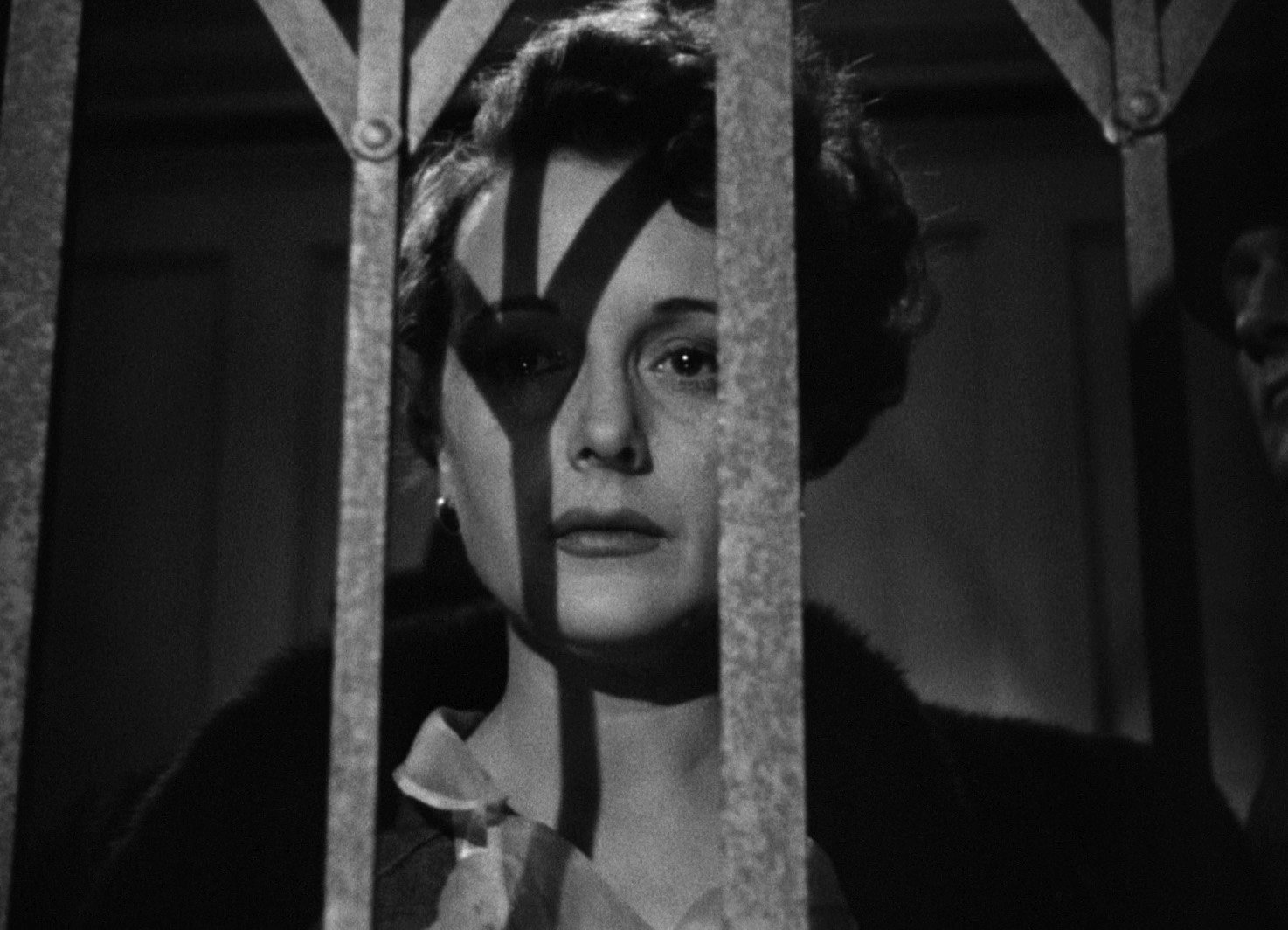
This was Huston’s directorial debut, and the film is widely regarded as a foundational work in the development of film noir as a formal and narrative mode. Visually, it uses low-key lighting and shadows to construct a world of ambiguity and concealment. Most scenes take place in confined spaces such as offices, crowded apartments, and hotel rooms, which create a sense of psychological tension, with blocking and staging reinforcing the continuously shifting power dynamics.
With scenes often functioning as verbal confrontations rather than physical ones, Humphrey Bogart’s defining performance became the anchor of the story. This is how The Maltese Falcon helped to establish the hard-boiled detective archetype. The film certainly influenced decades of crime cinema, establishing a model in which character, dialogue, and moral ambiguity replace conventional heroic tropes.
Technical Specs:
- The Story: When his partner is murdered, hard-boiled private detective Sam Spade becomes entangled in a web of lies, betrayal, and greed surrounding a priceless statuette that several dangerous figures will stop at nothing to possess. Read my review of The Maltese Falcon.
- Actors: Humphrey Bogart, Mary Astor, Gladys George, Peter Lorre, Sydney Greenstreet, Barton MacLane, Ward Bond, Lee Patrick.
- Director: John Huston
- Year: 1941
- Cinematographer: Arthur Edeson
- Origin: American Cinema
- Aspect Ratio: 1.37:1
- Genre: Film Noir