The Shining (1980): A hypnotic descent into paranoia
1980 • Stanley Kubrick • 1.78:1 • Jump to Gallery ↓
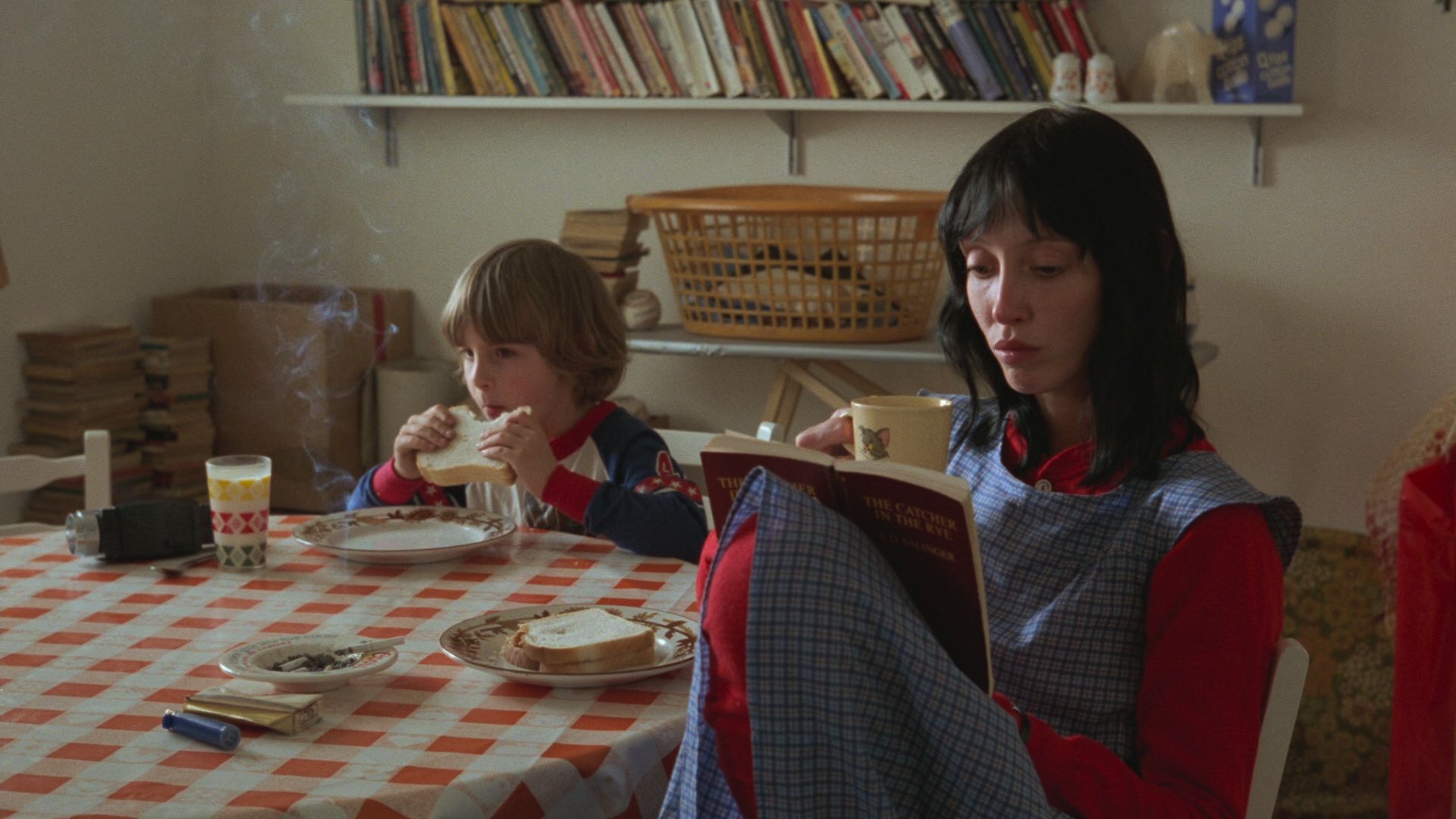
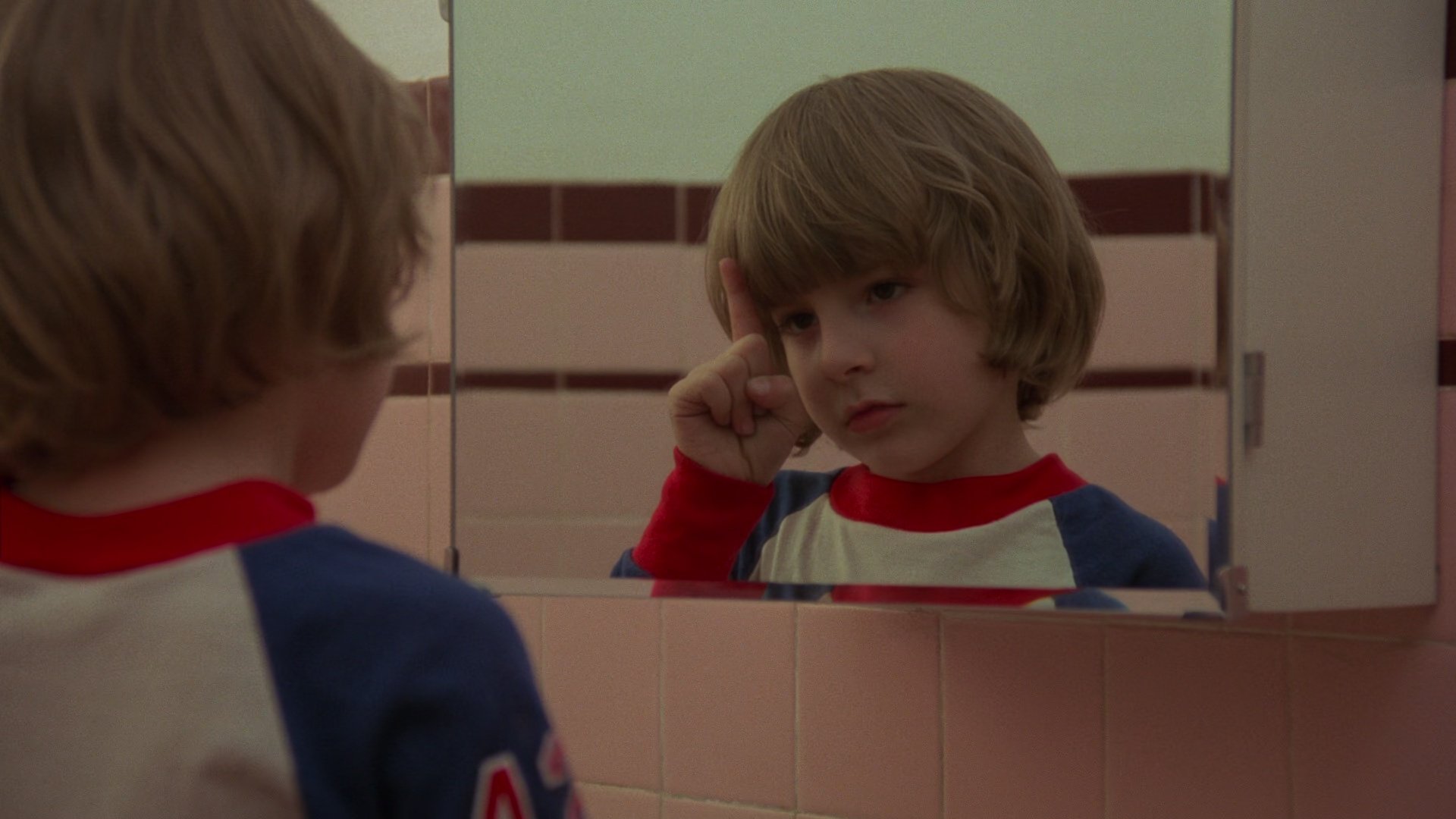
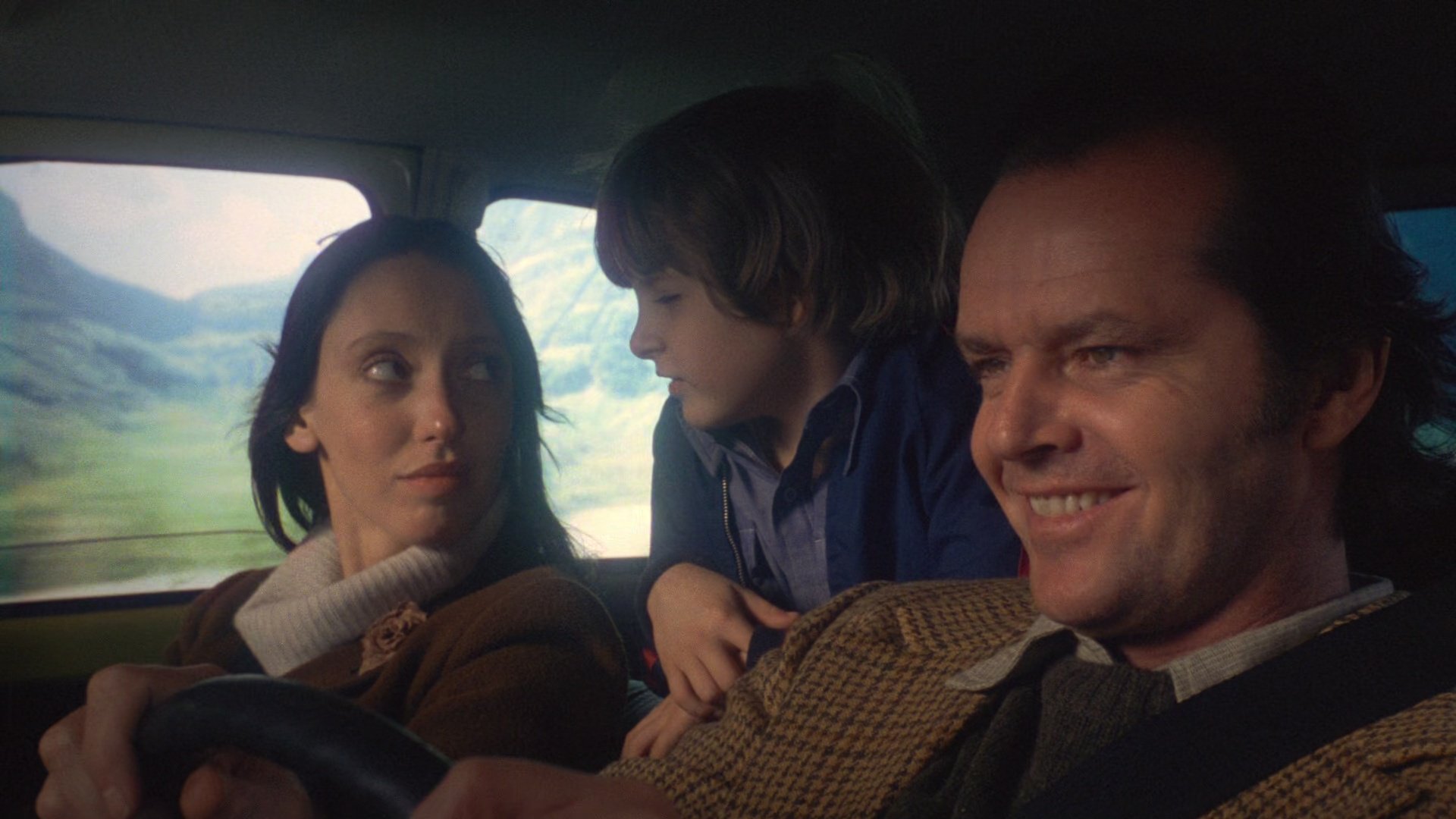
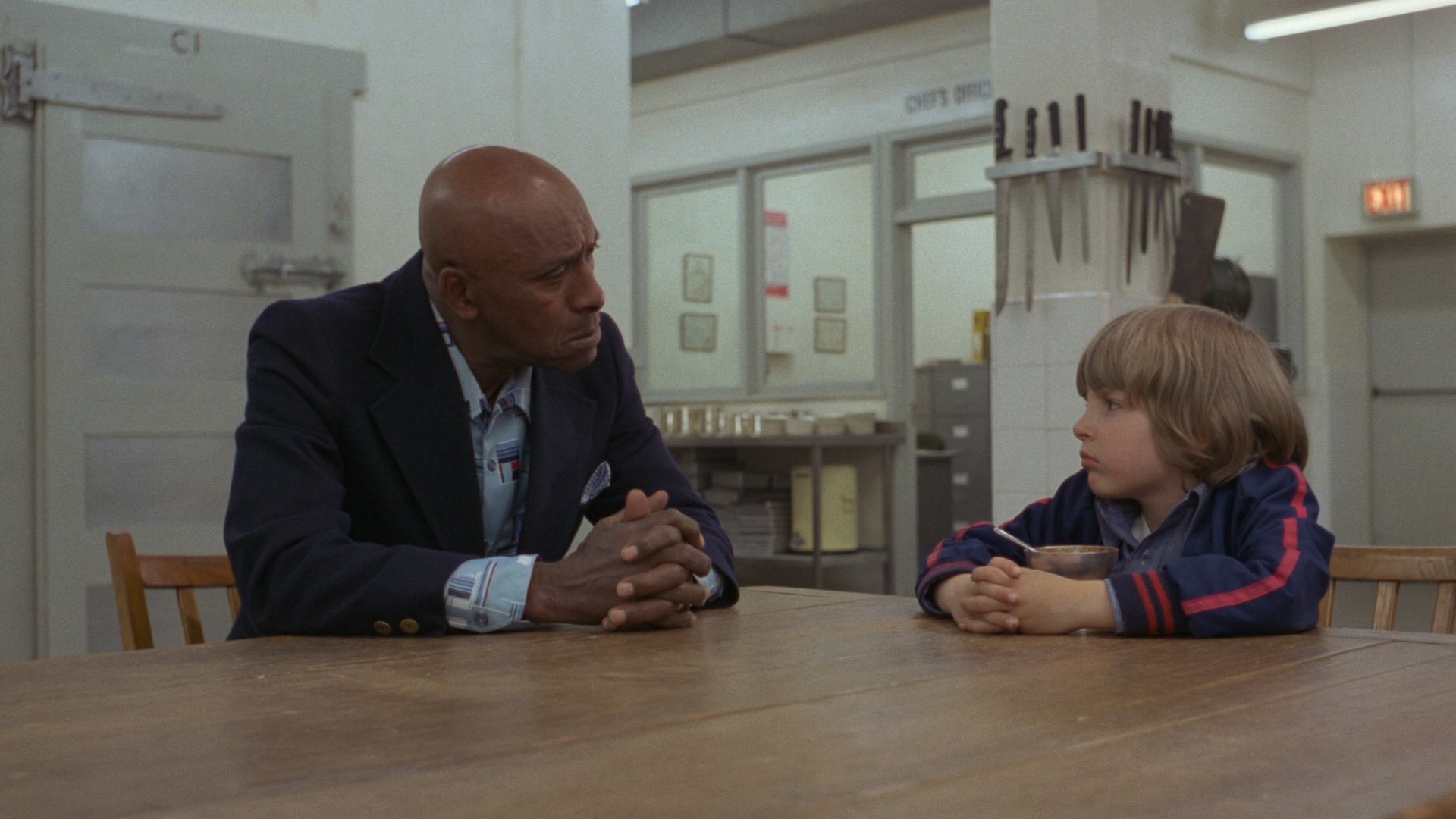
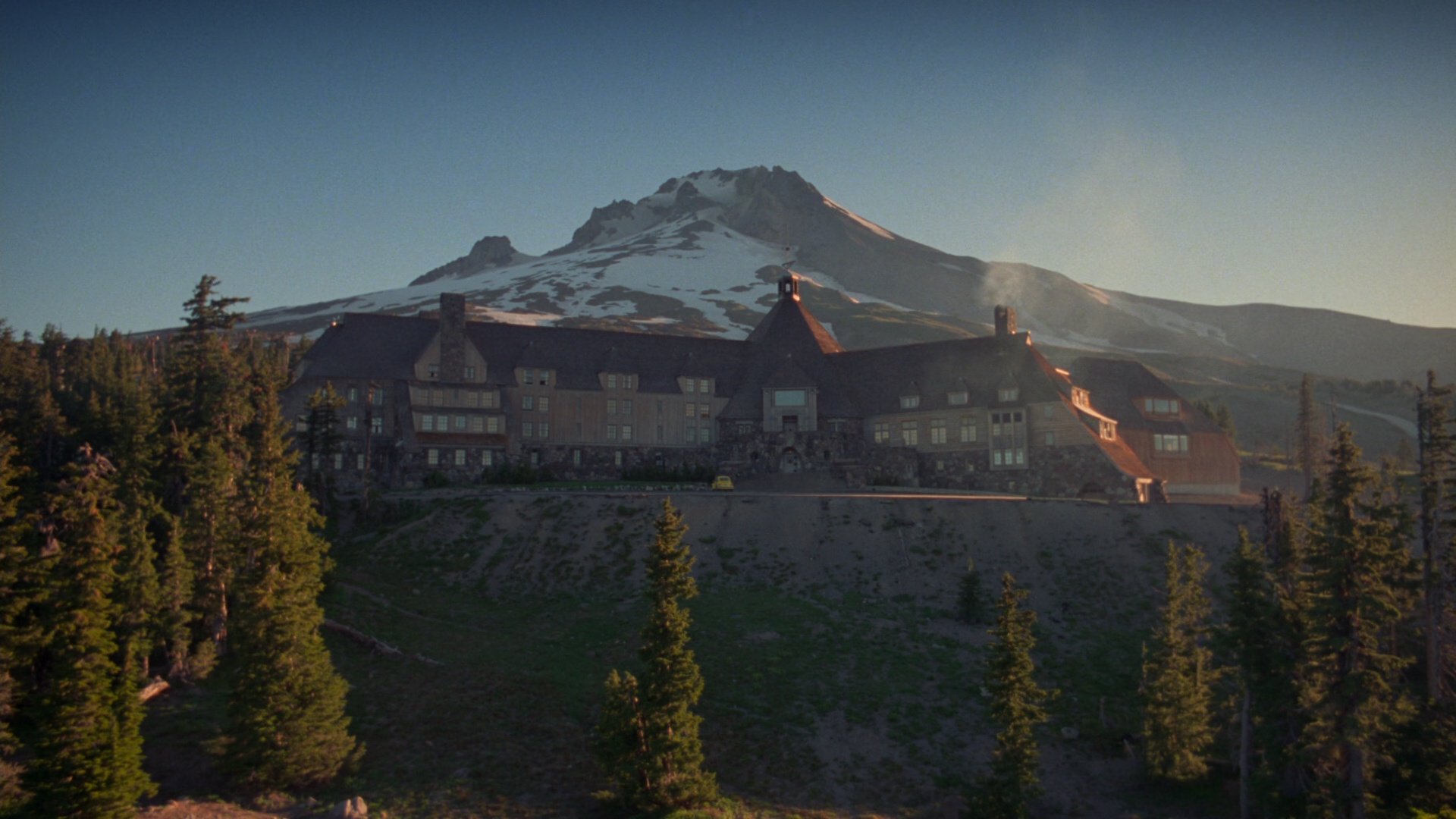
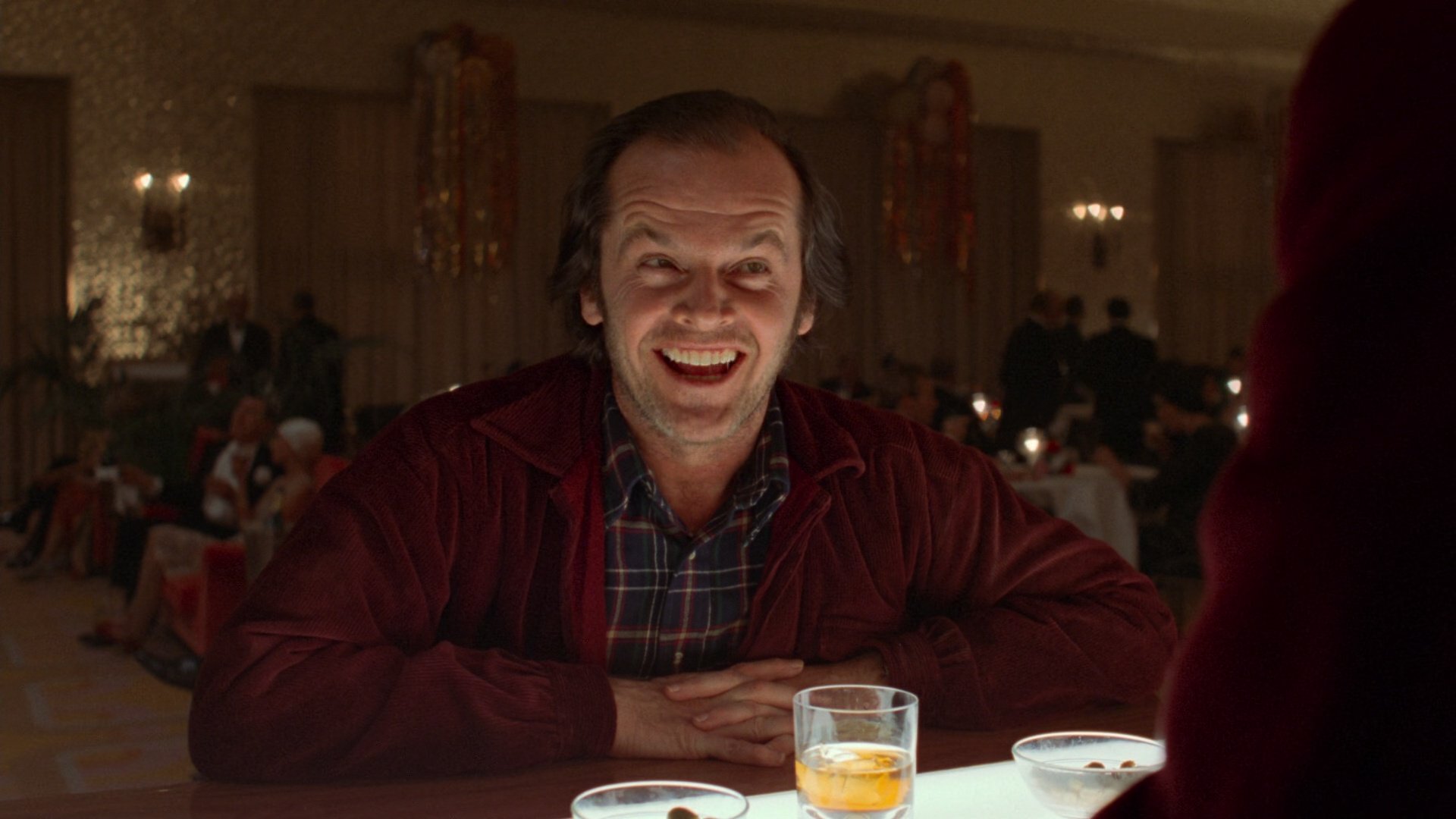
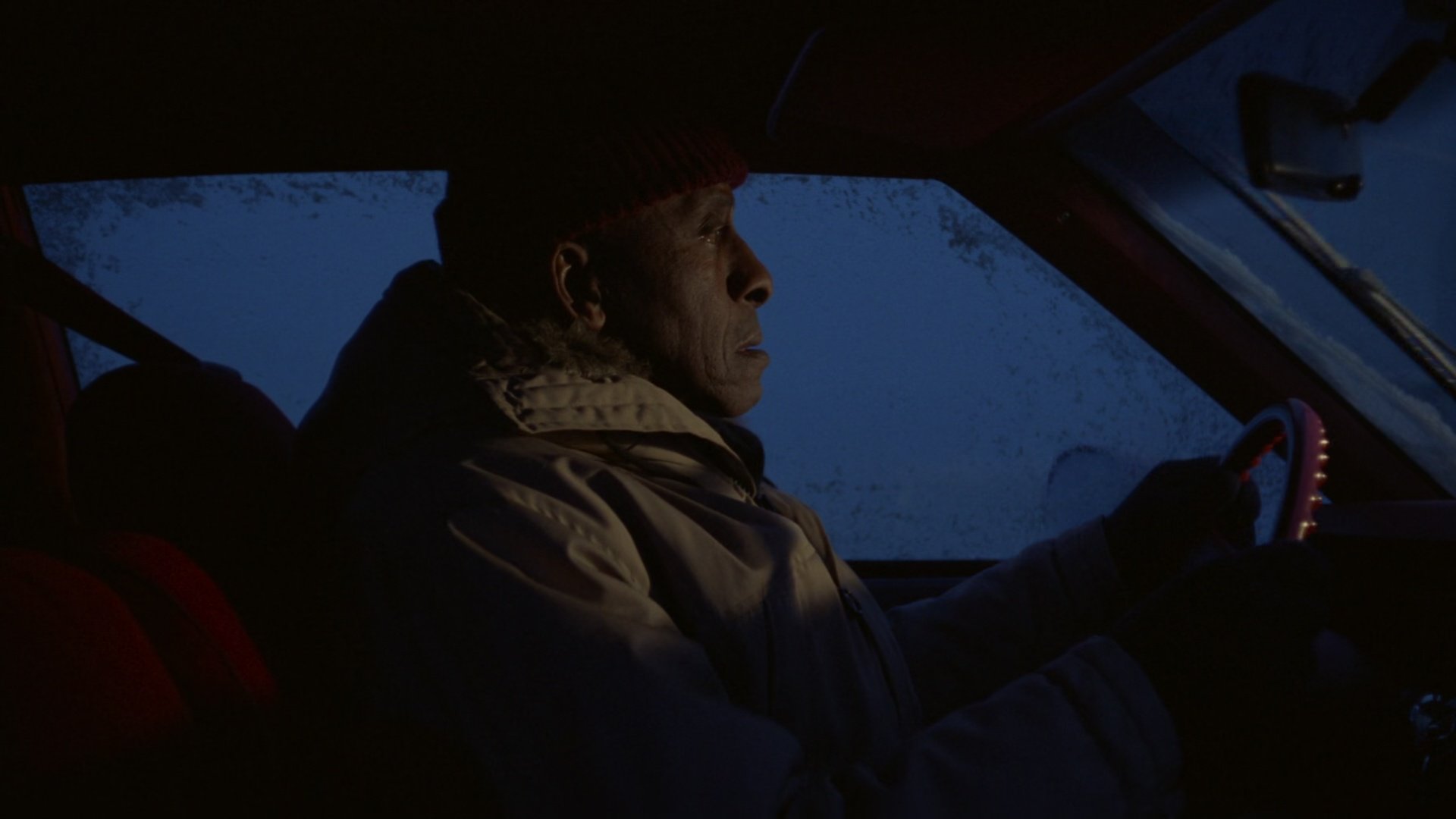
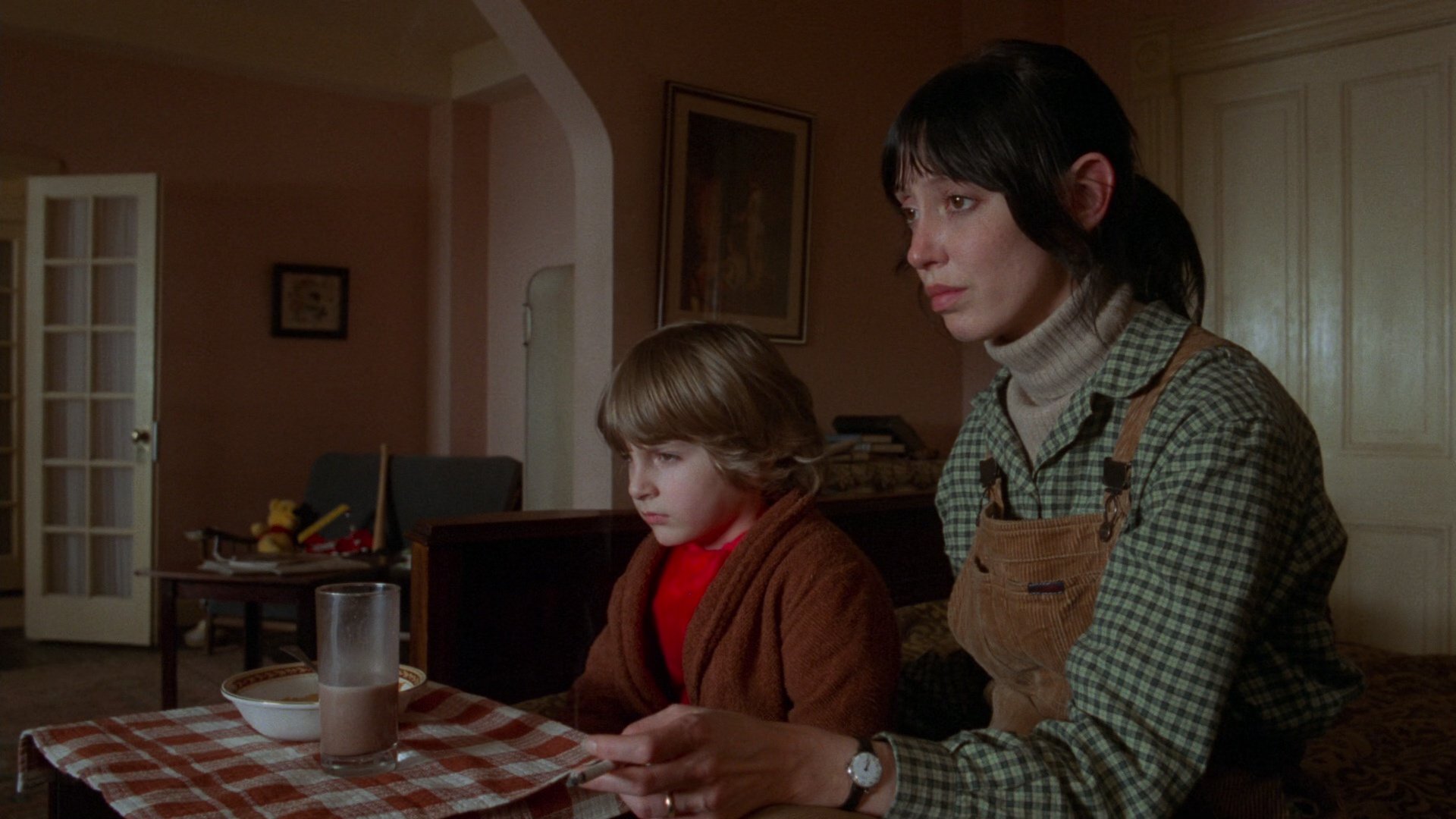
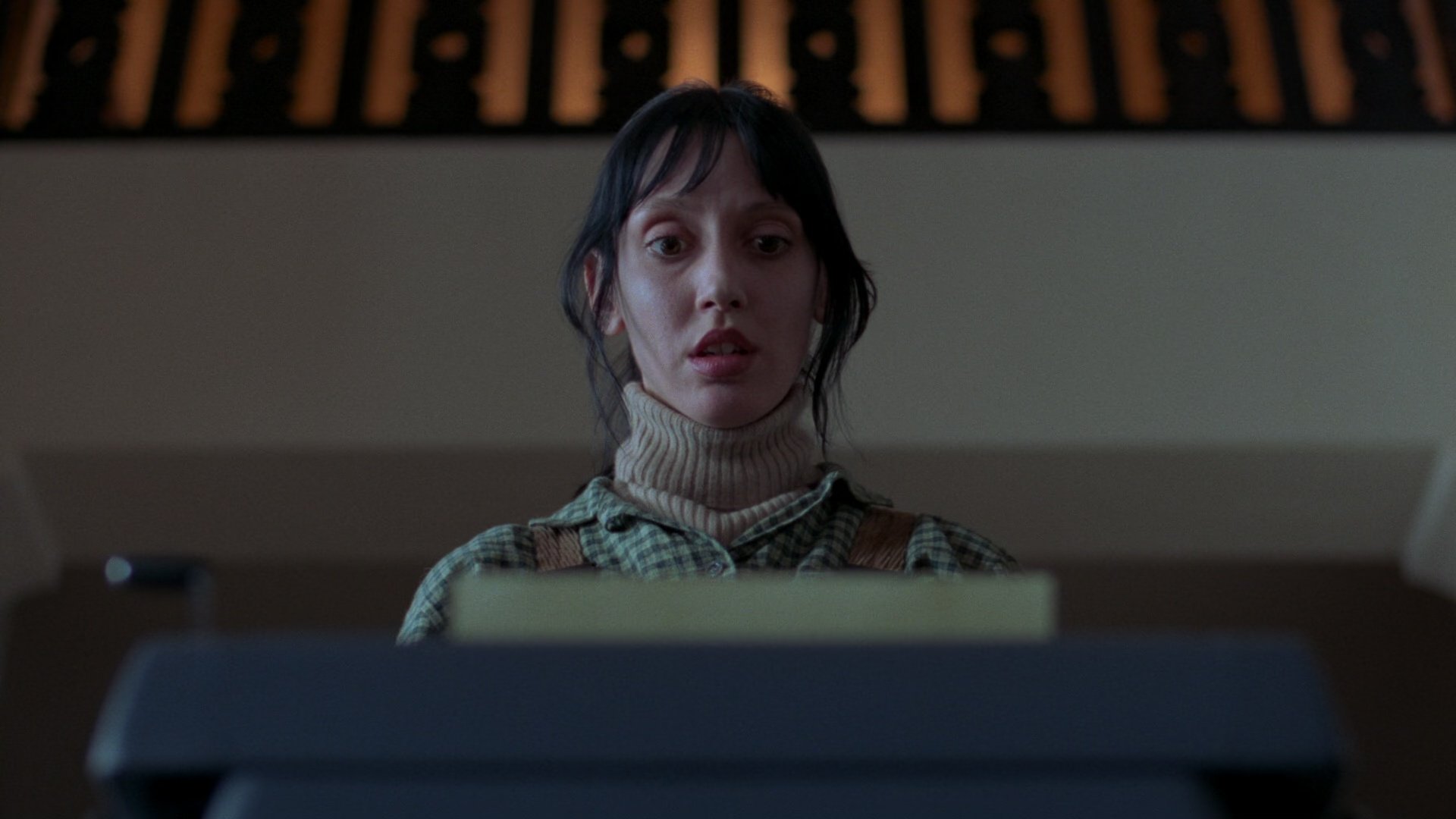
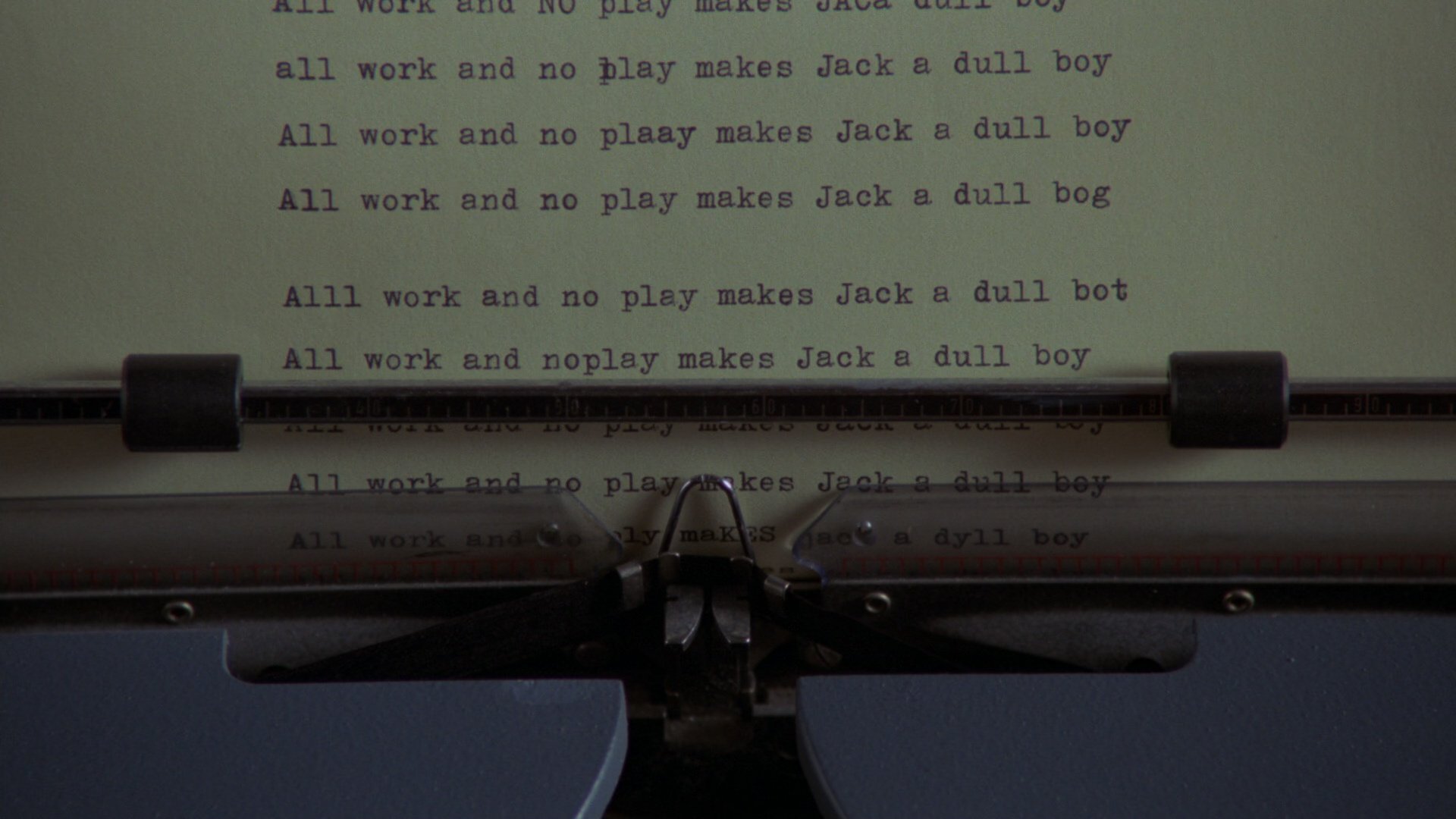
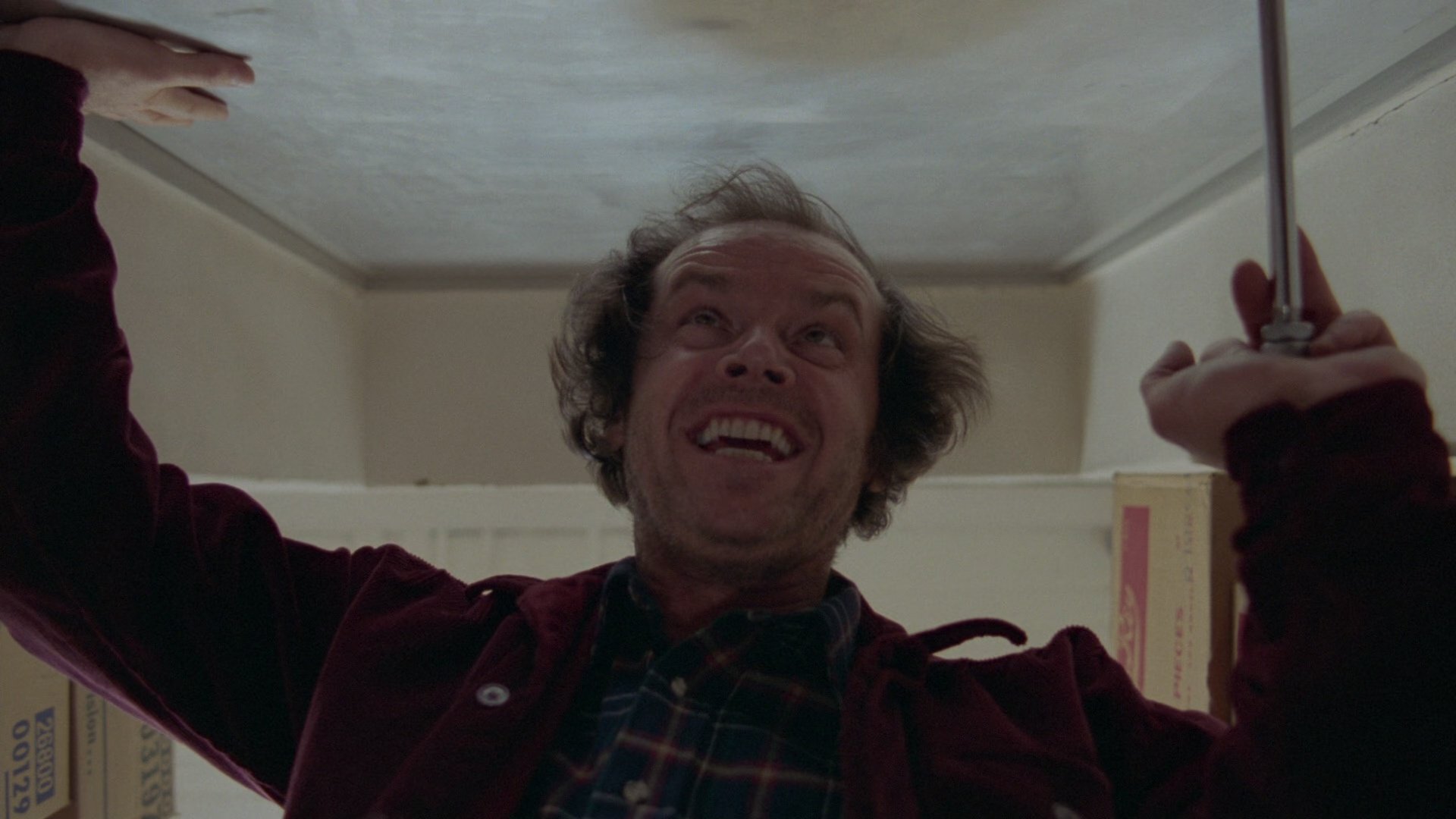
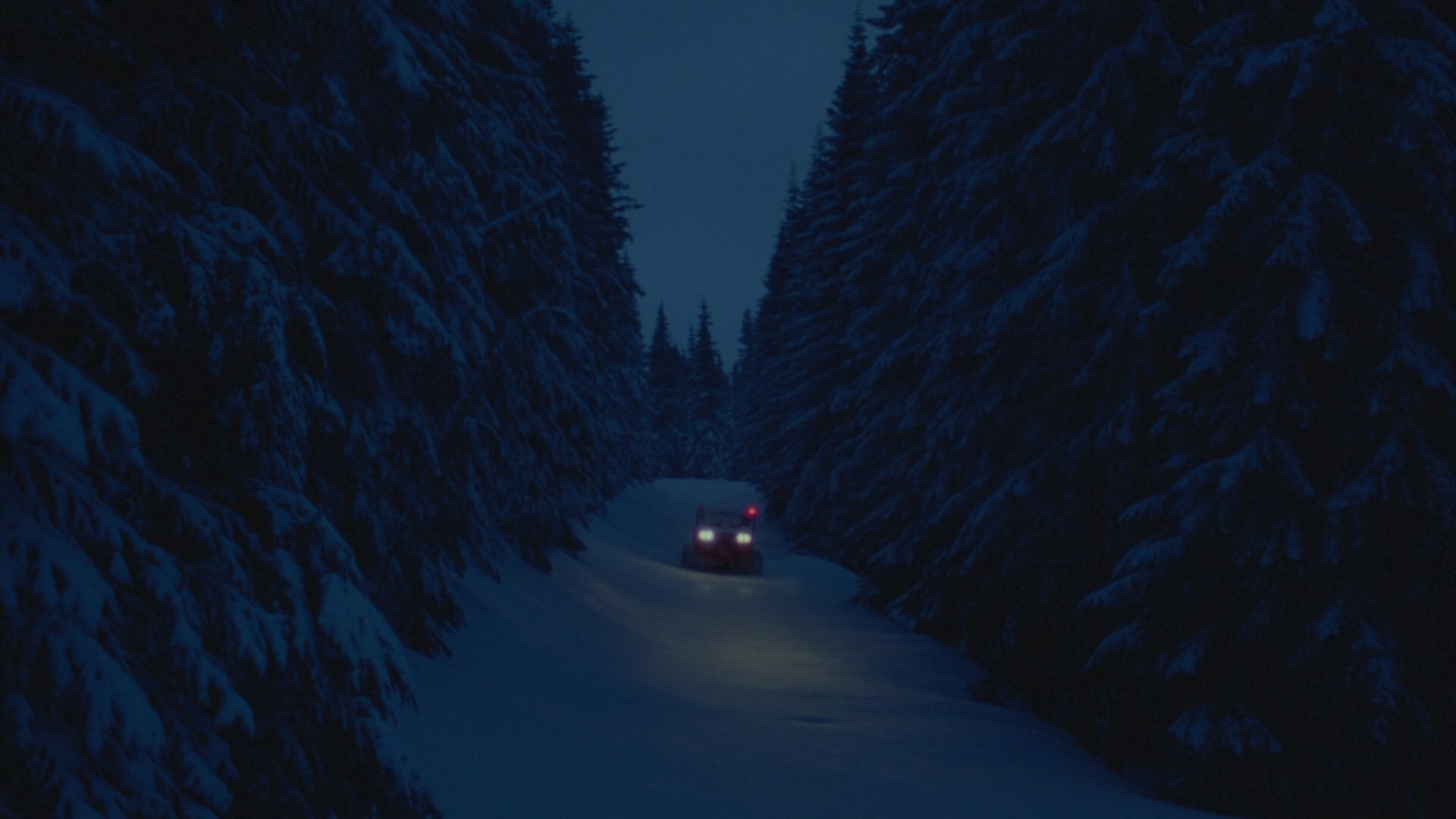
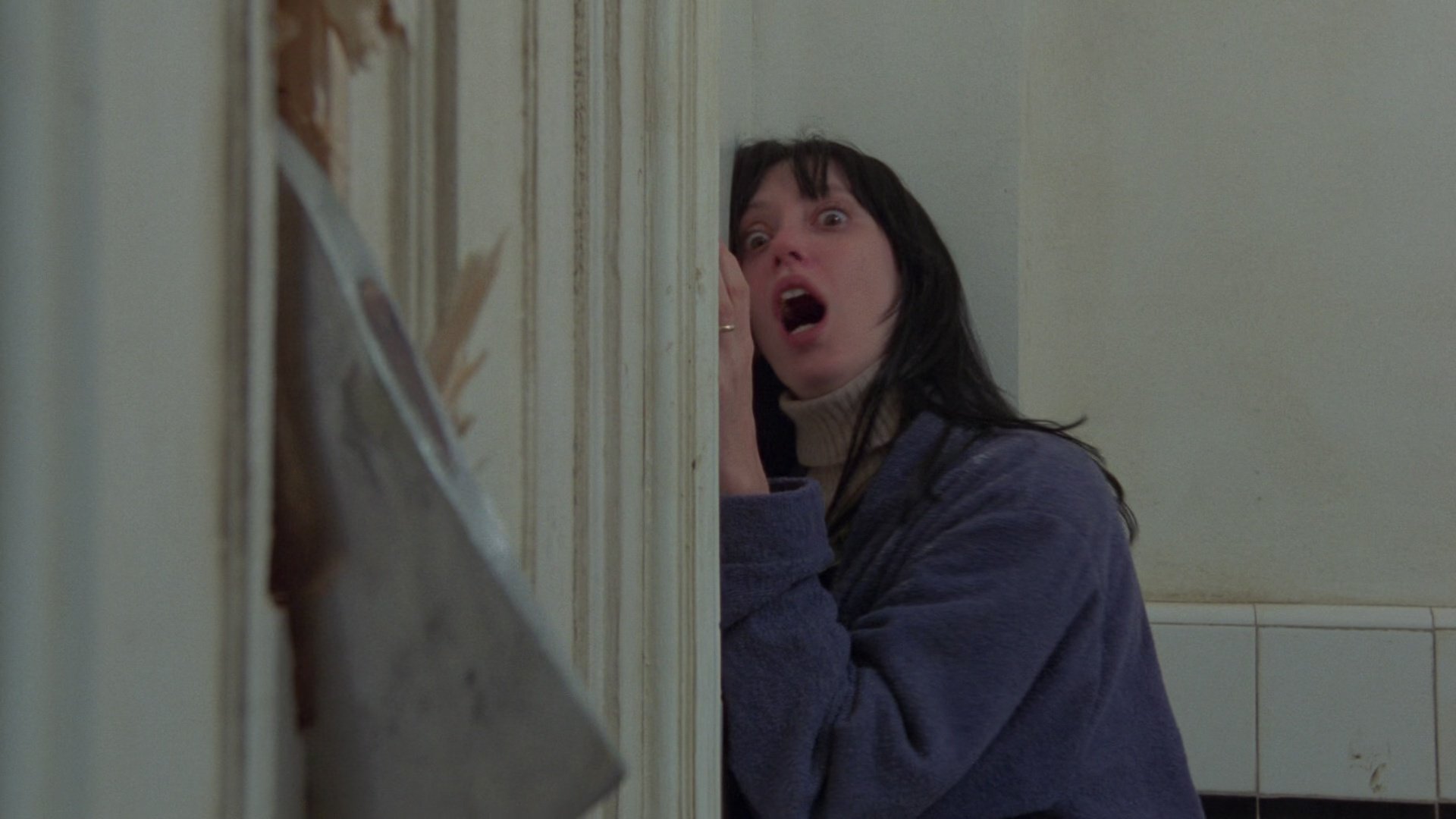
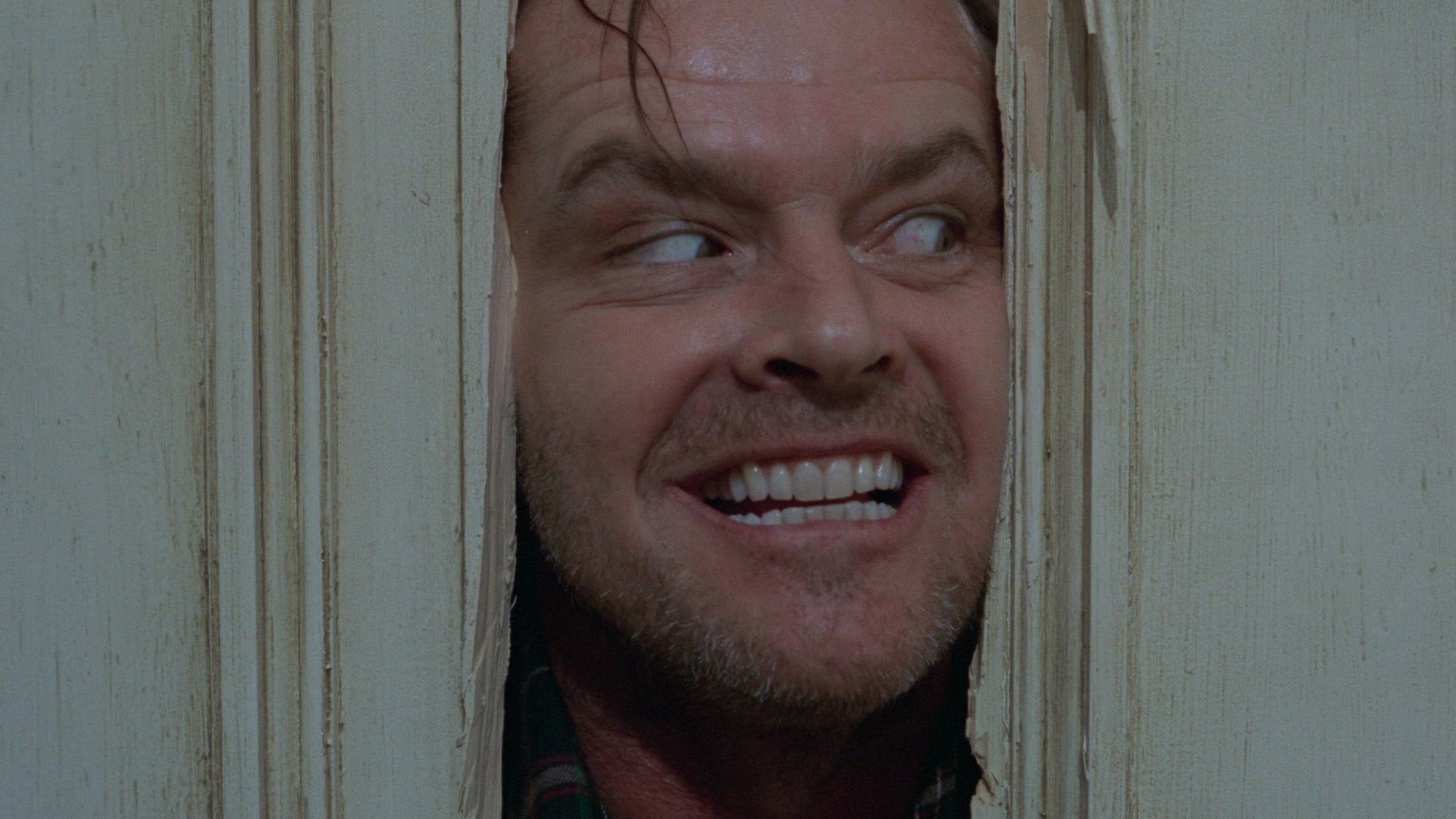
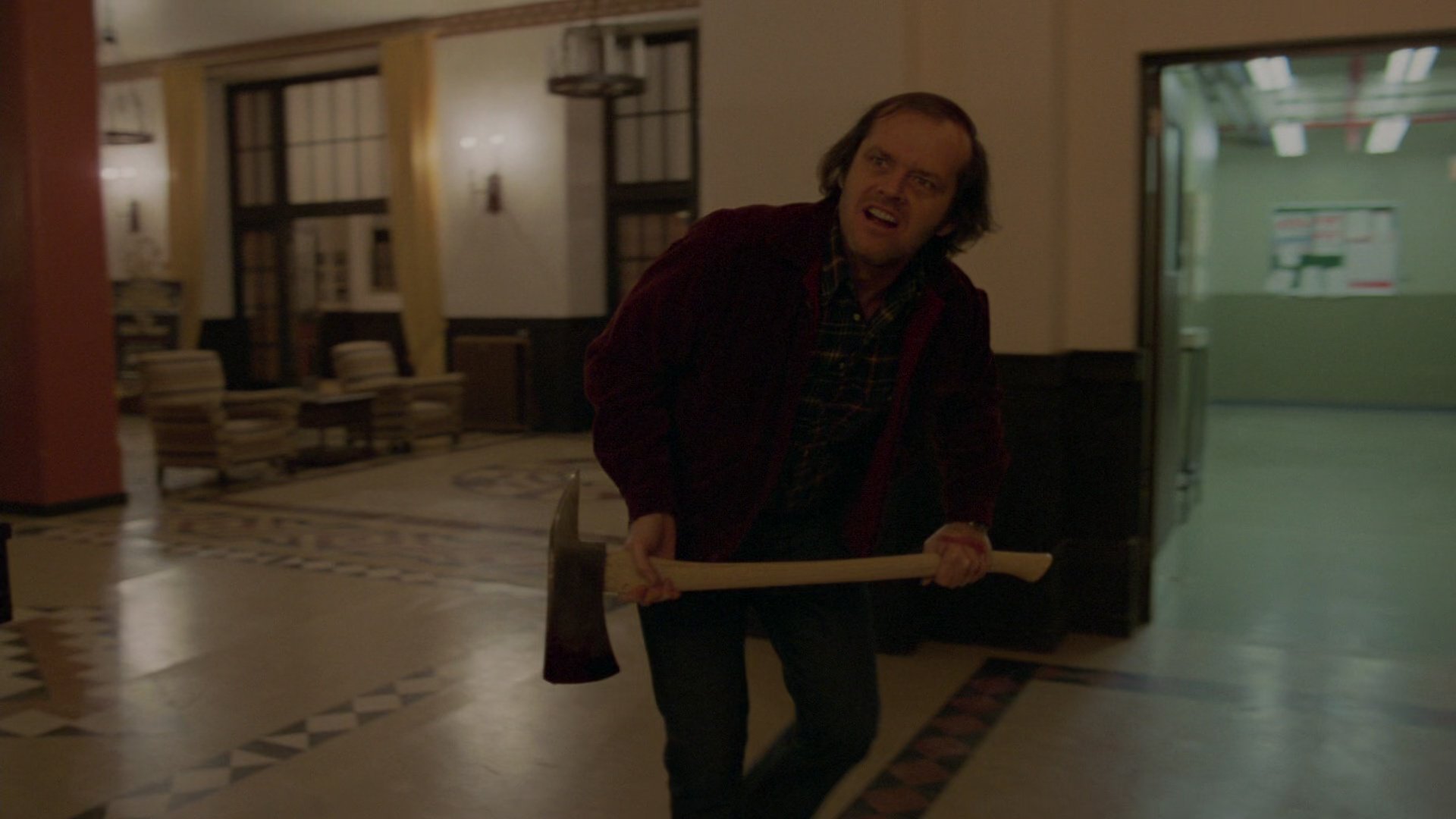
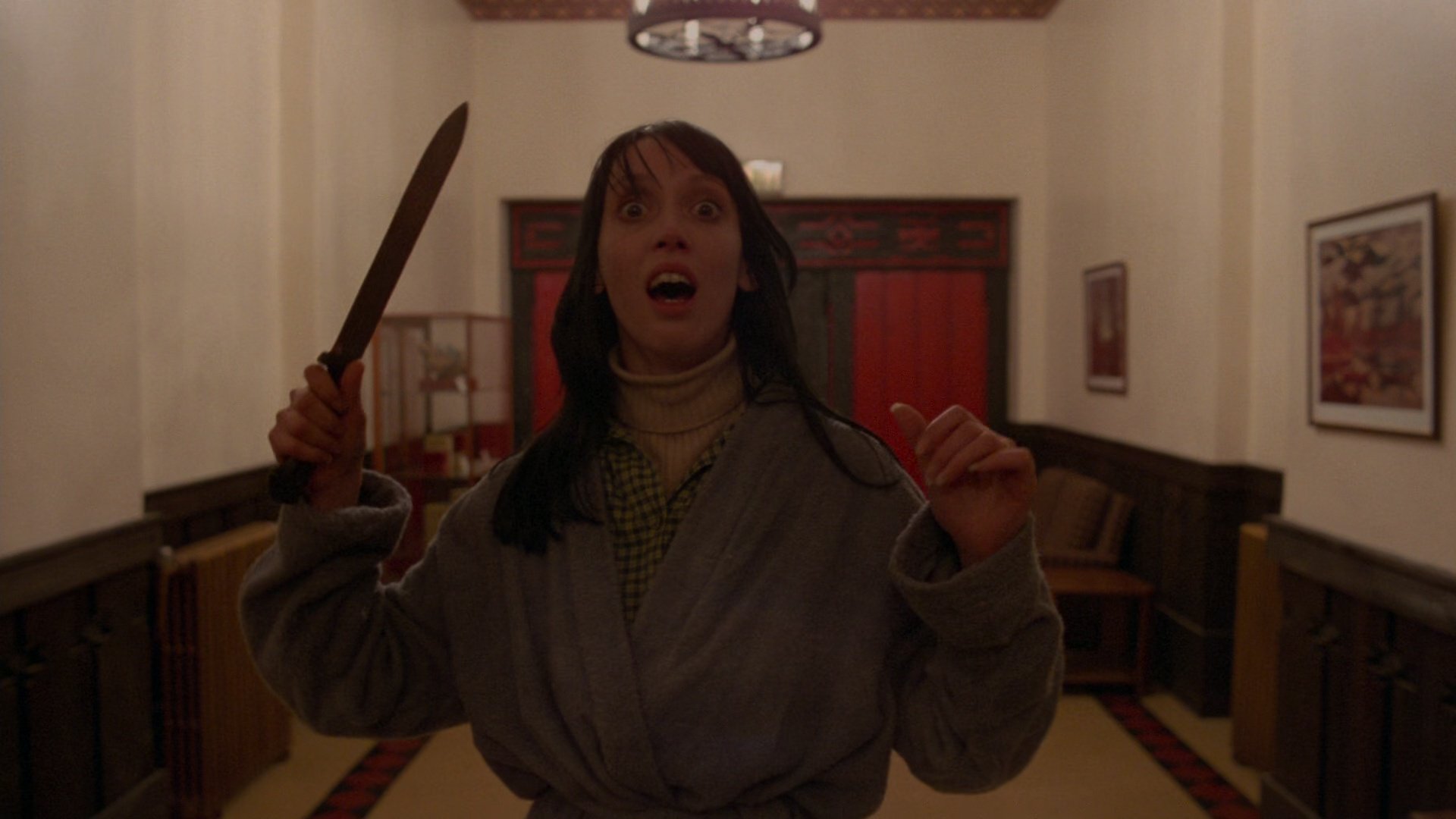
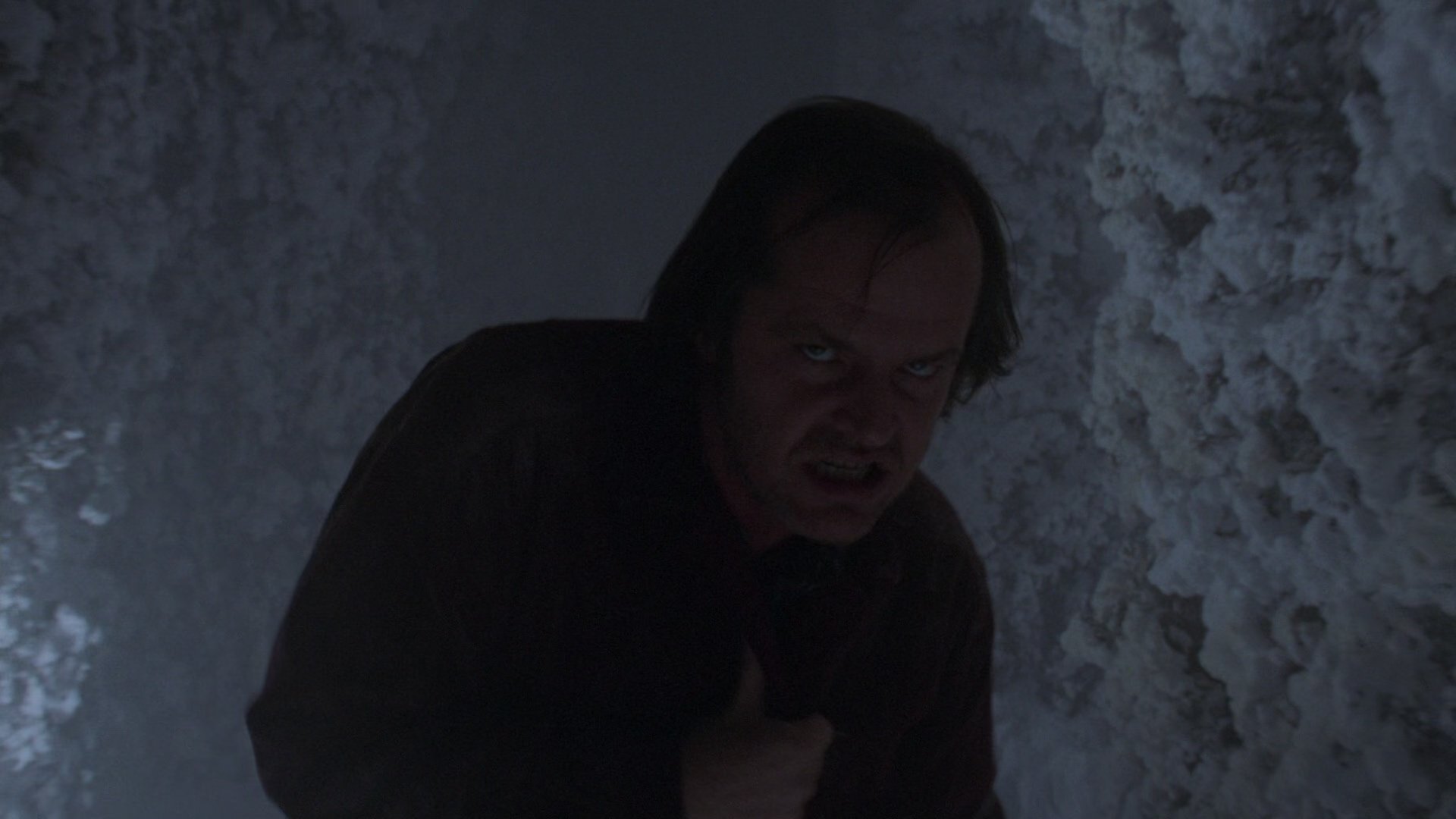
Stanley Kubrick‘s film The Shining, based on Stephen King’s novel of the same name, follows a writer who accepts a position as the winter caretaker of an isolated mountain hotel, bringing his wife and young son with him. Cut off from the outside world by heavy snowfall, the family becomes increasingly affected by the hotel’s disturbing atmosphere and supernatural presence.
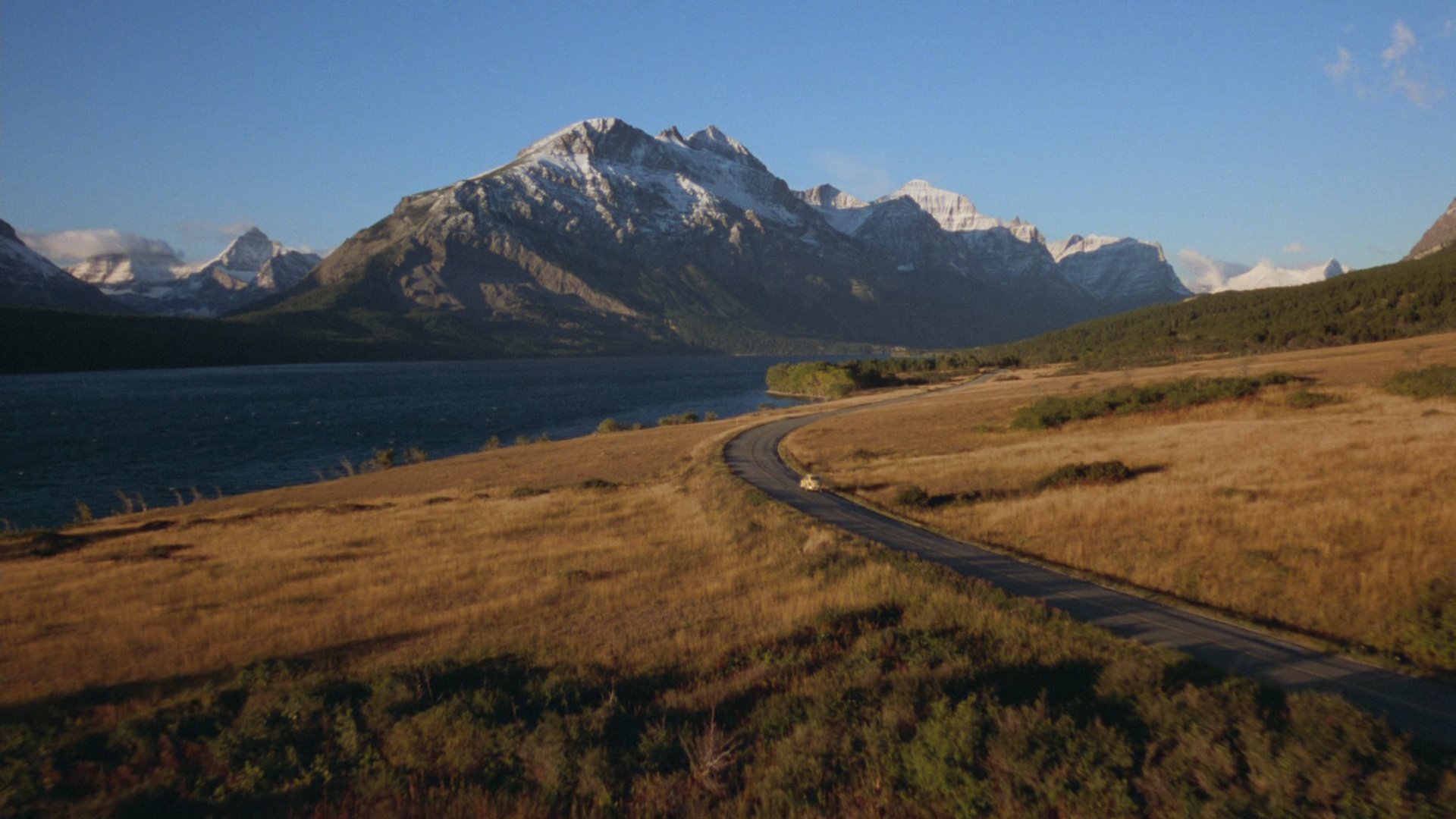
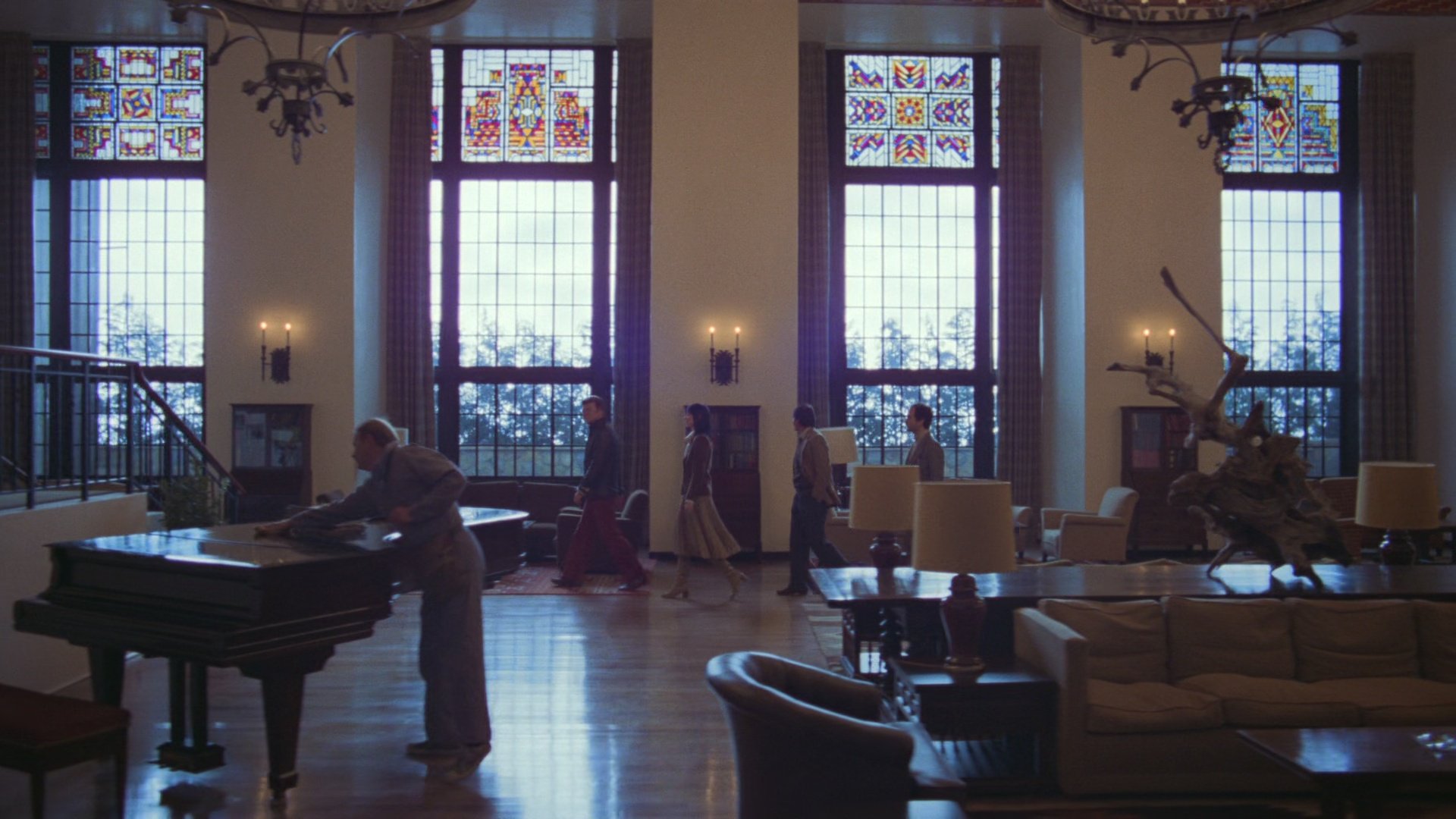
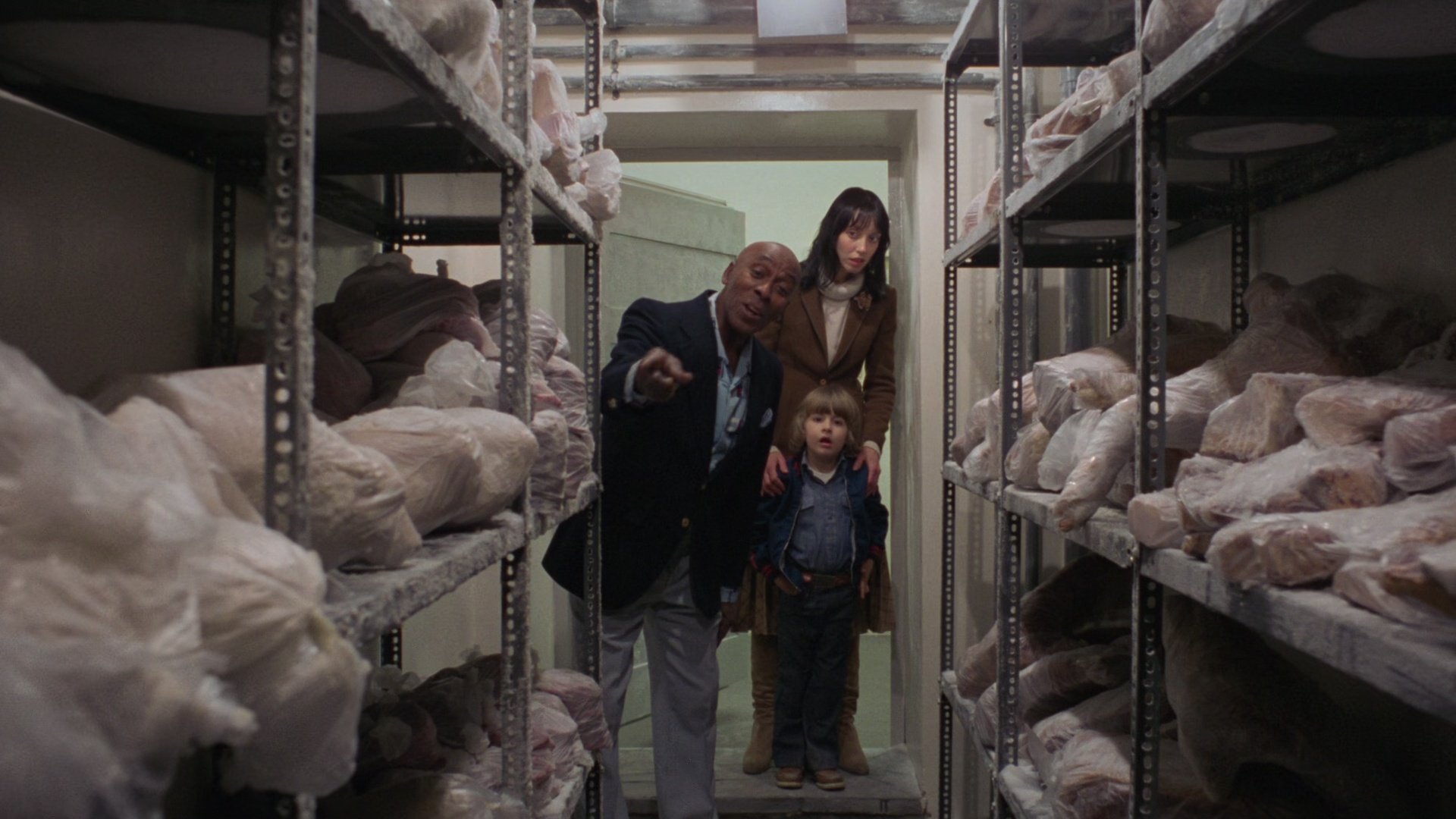
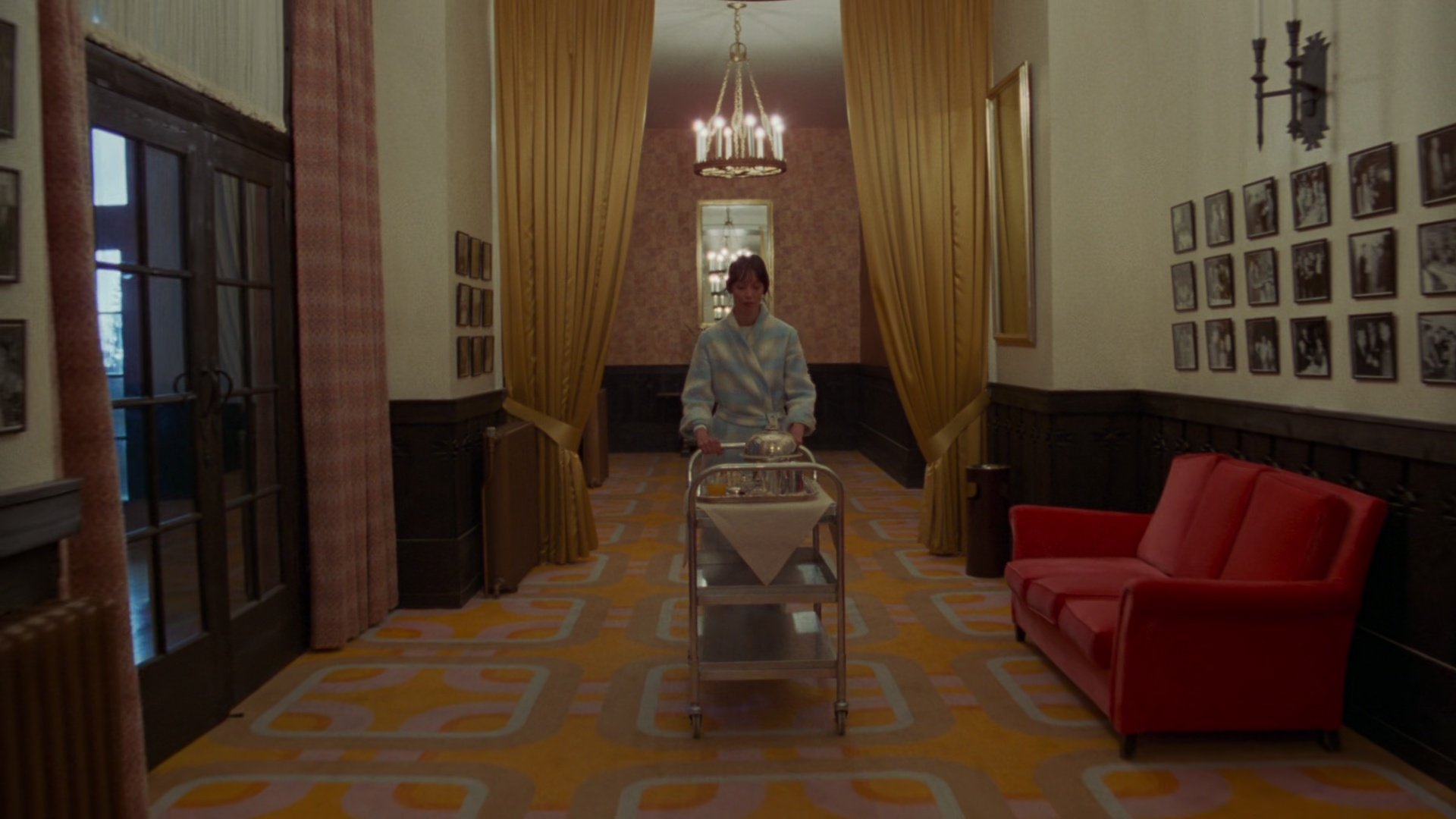
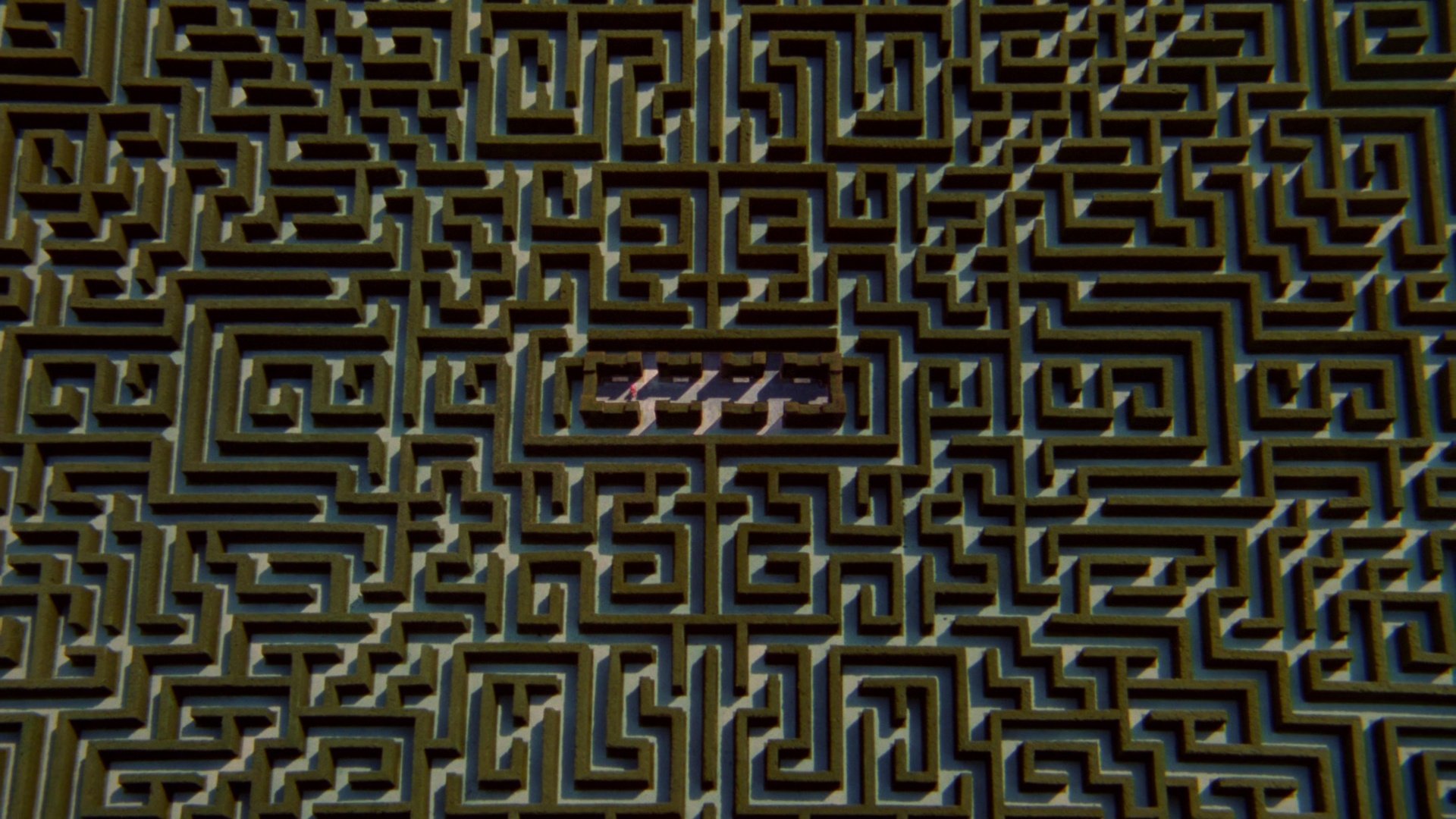
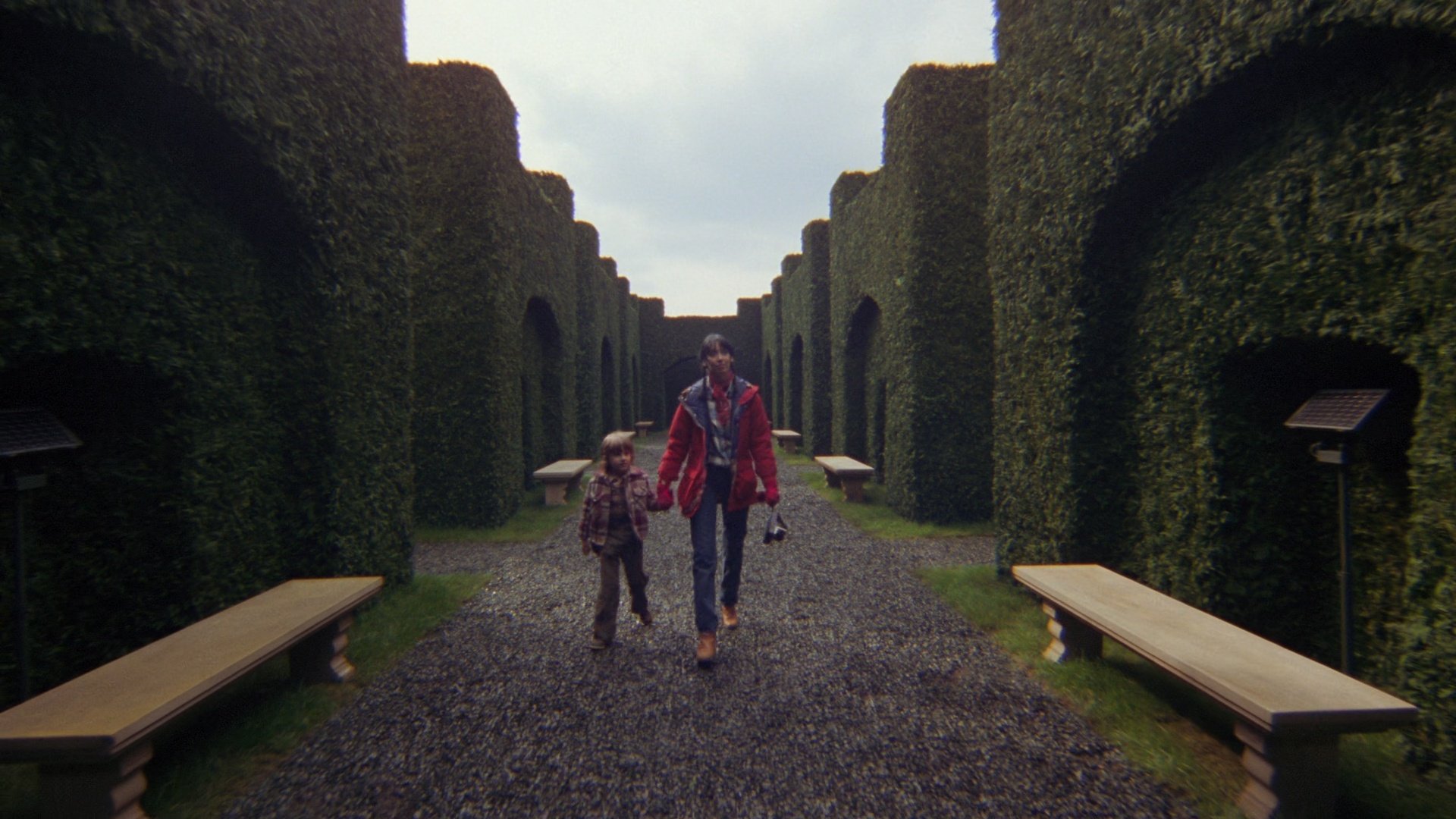
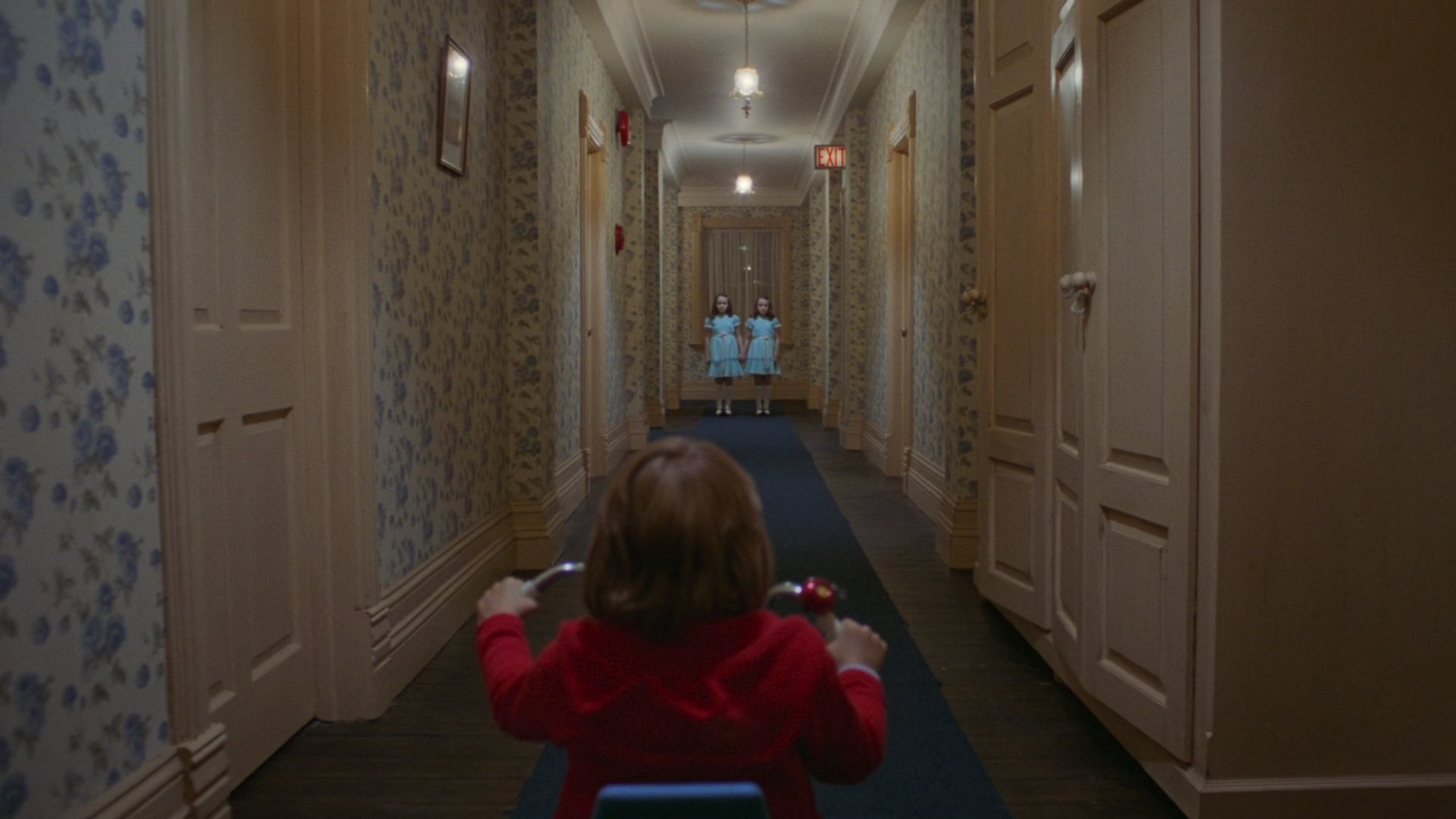
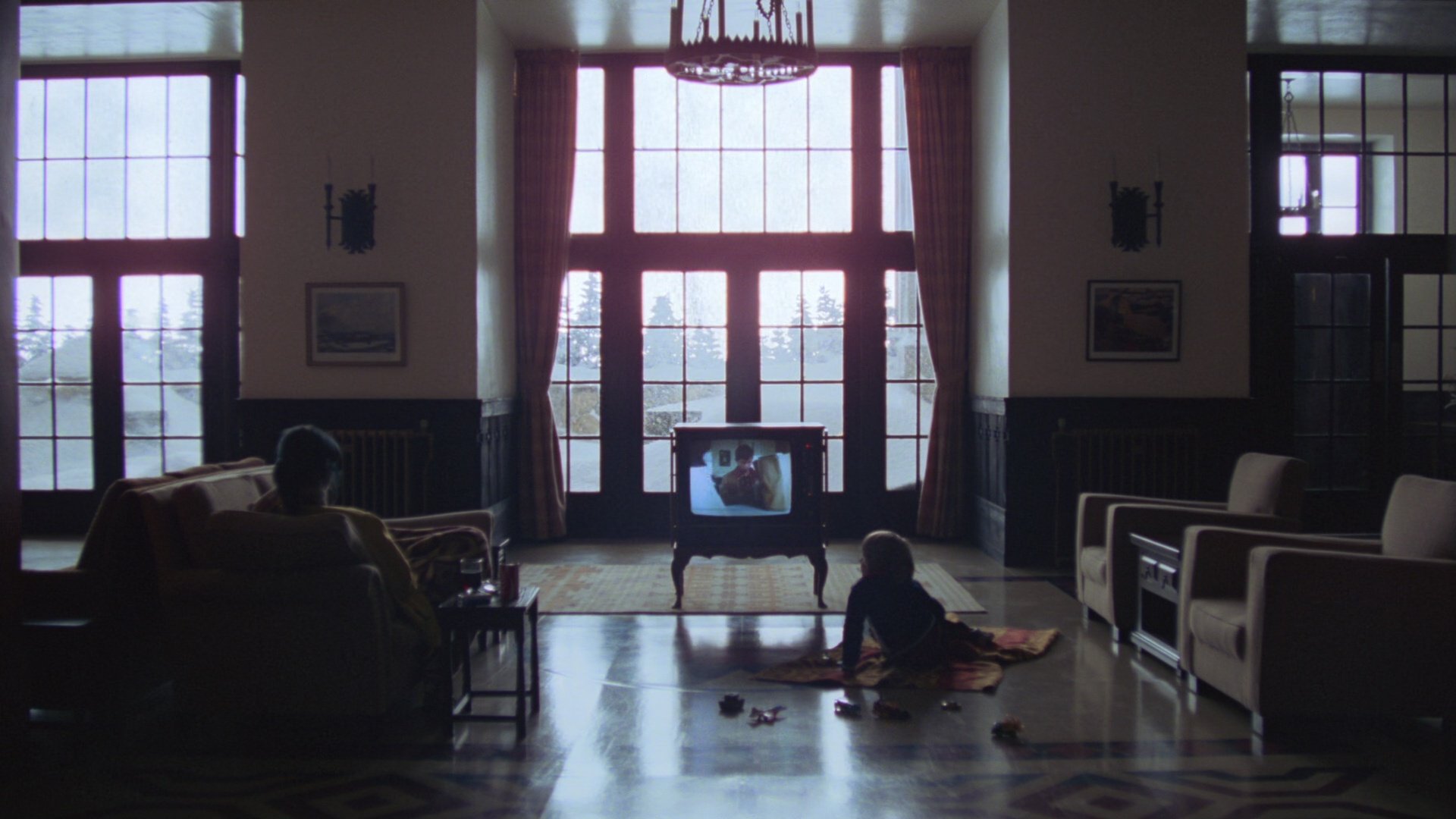
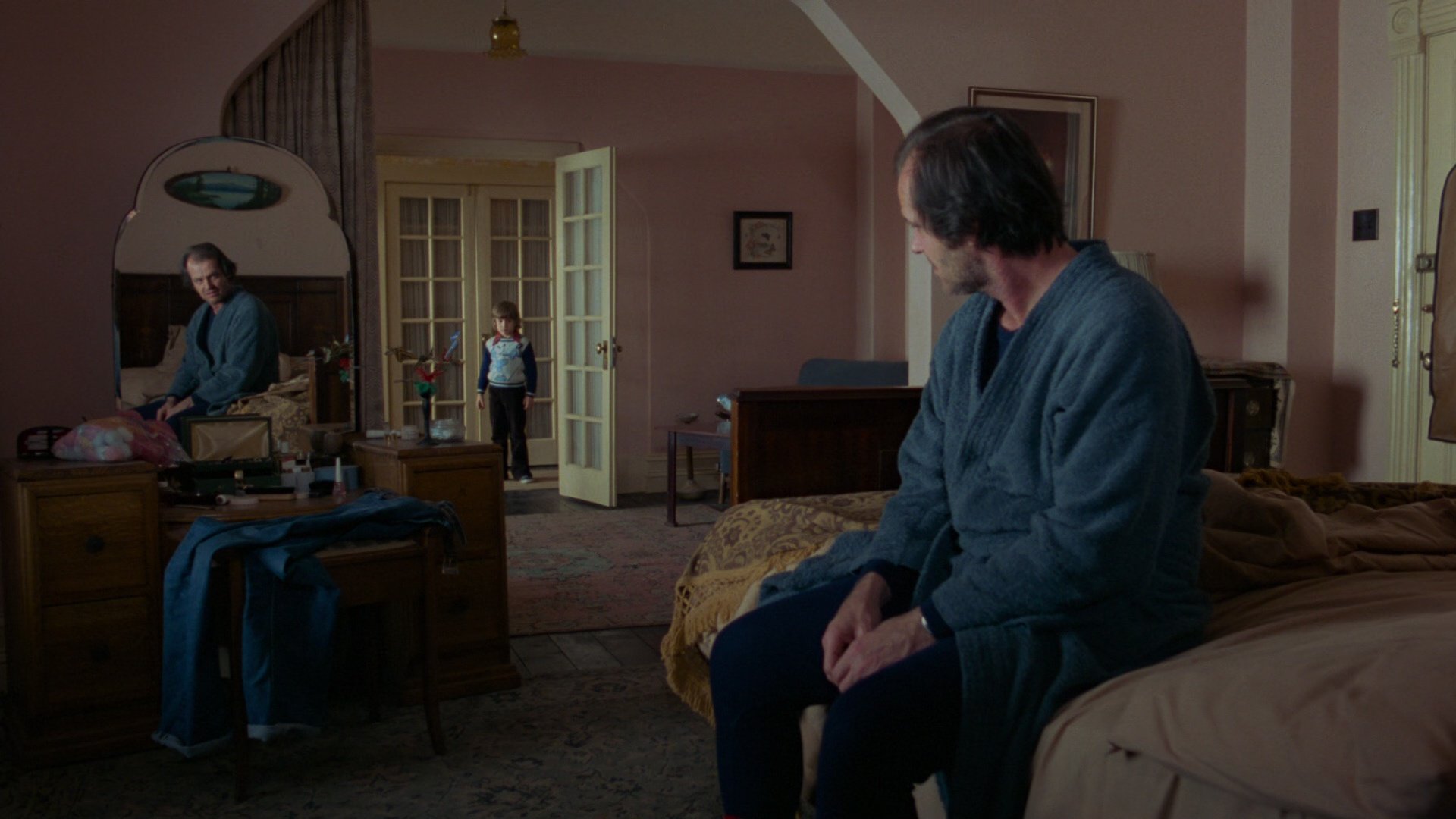
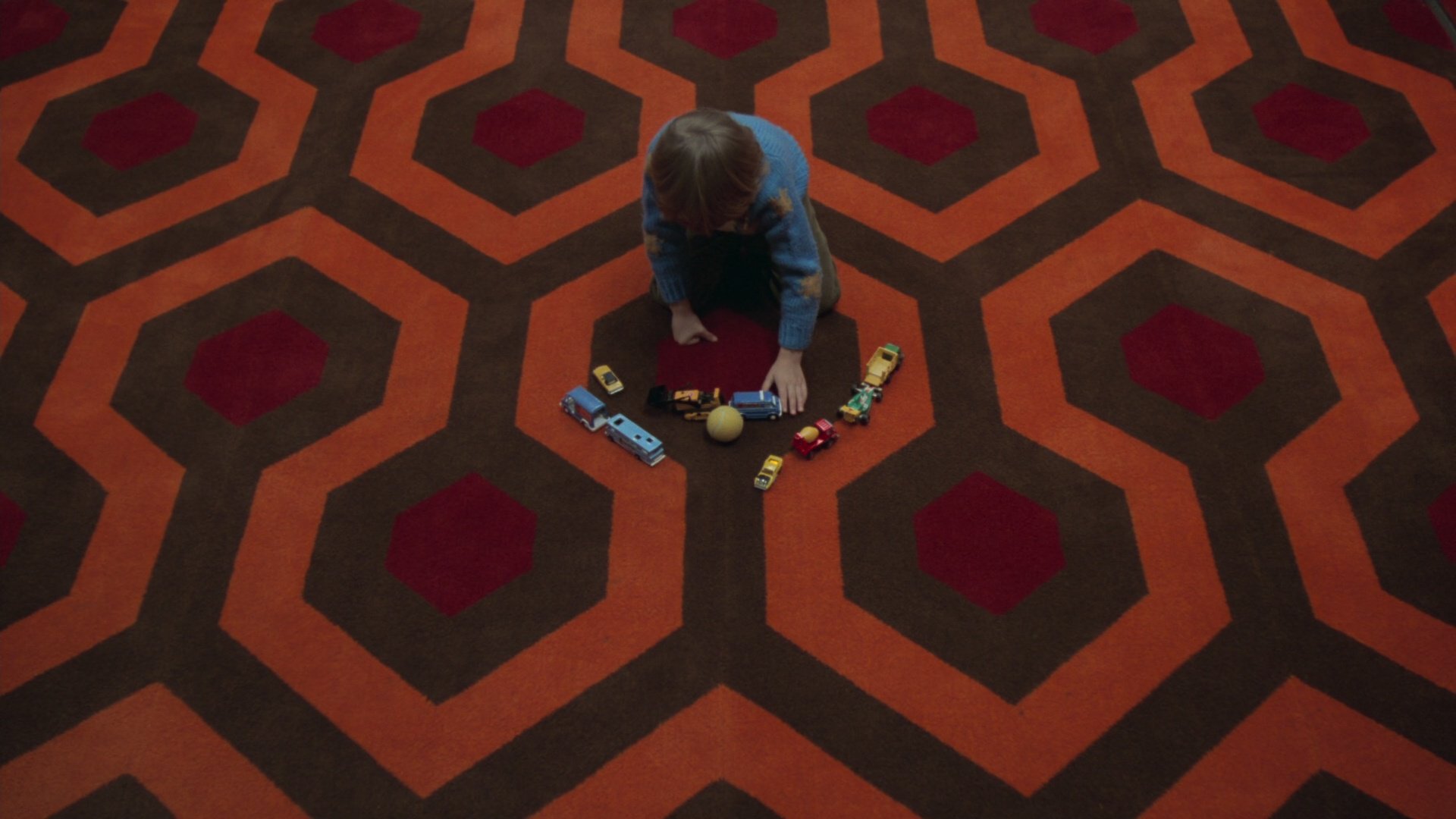
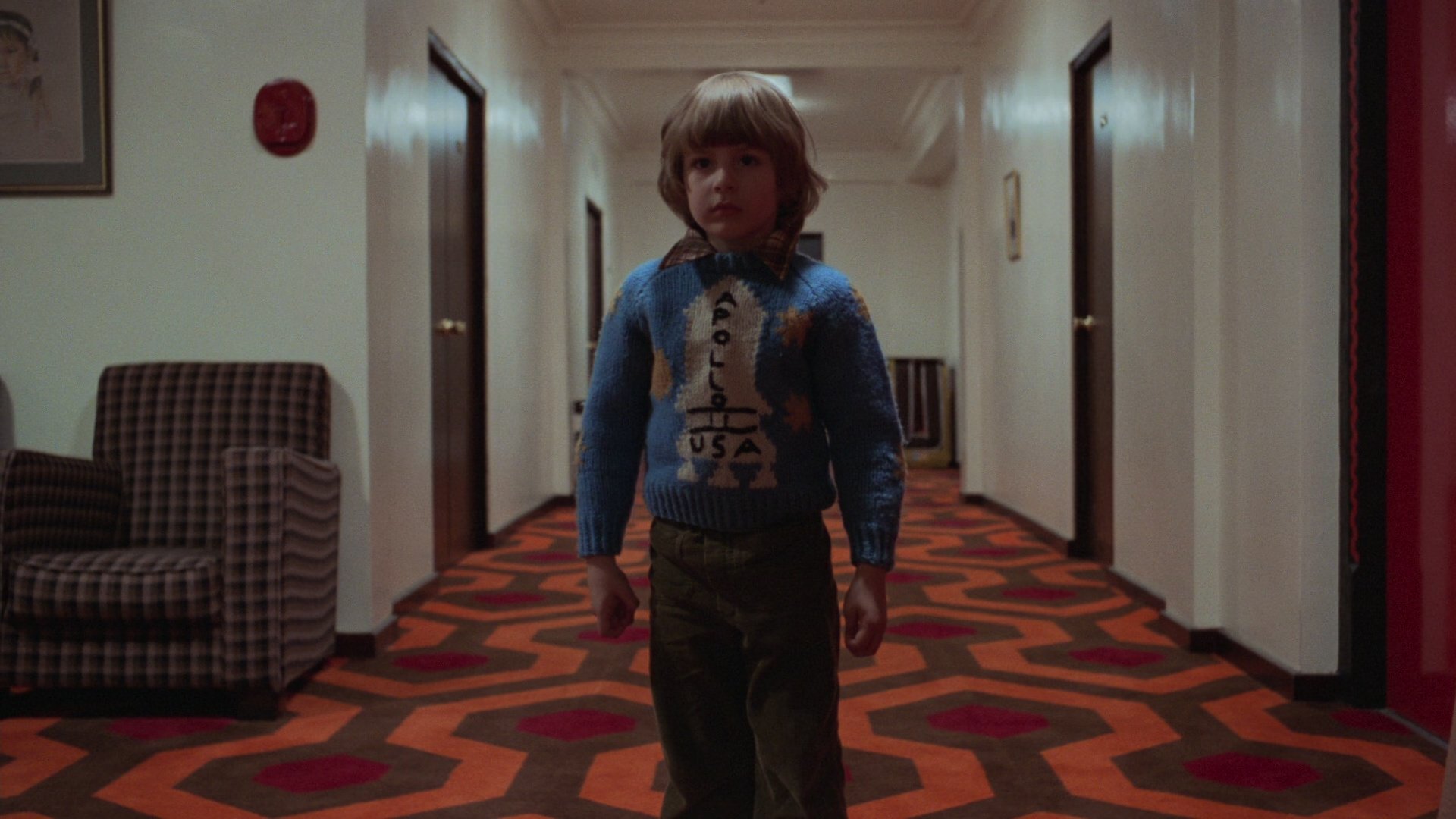
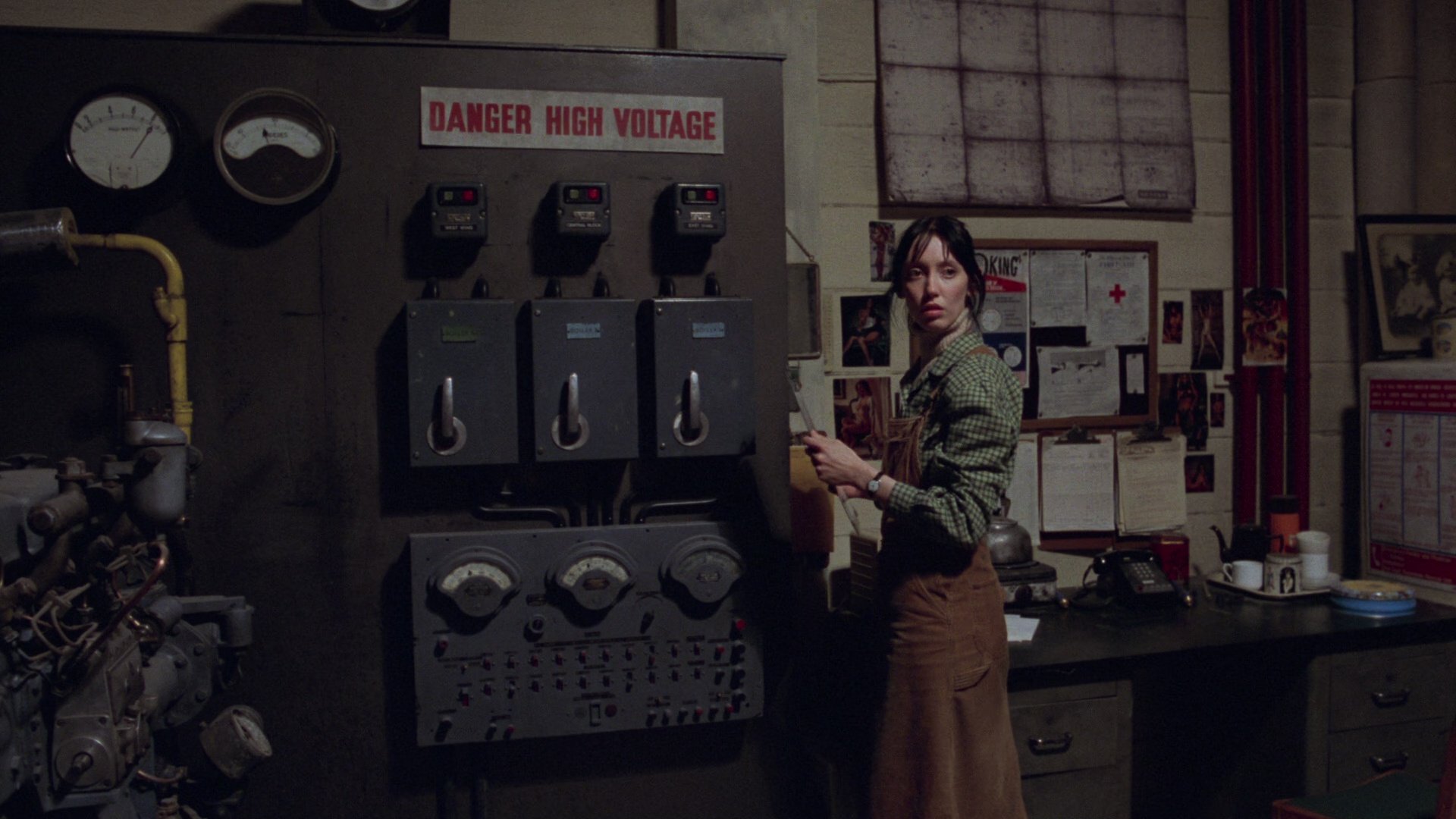
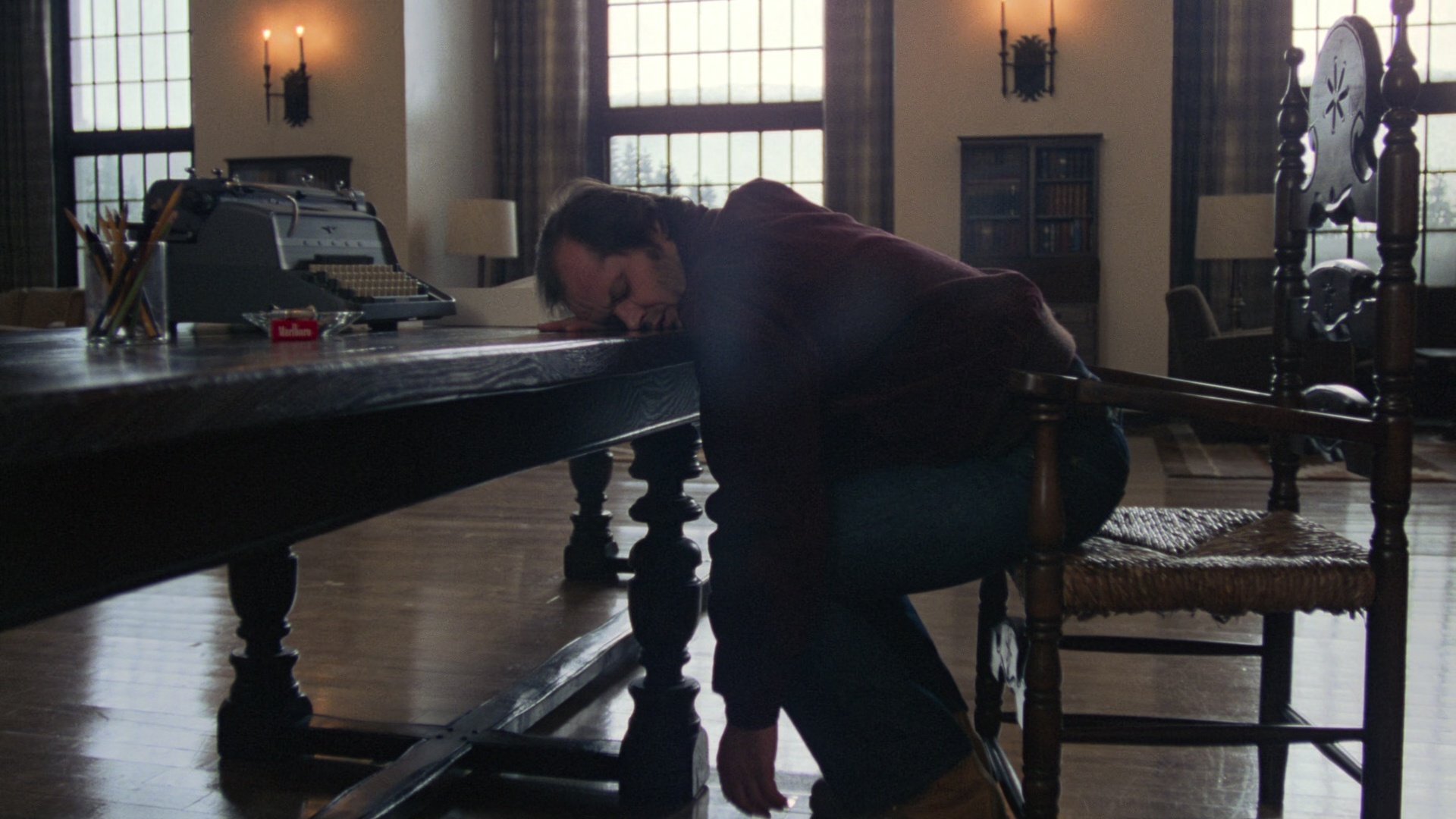
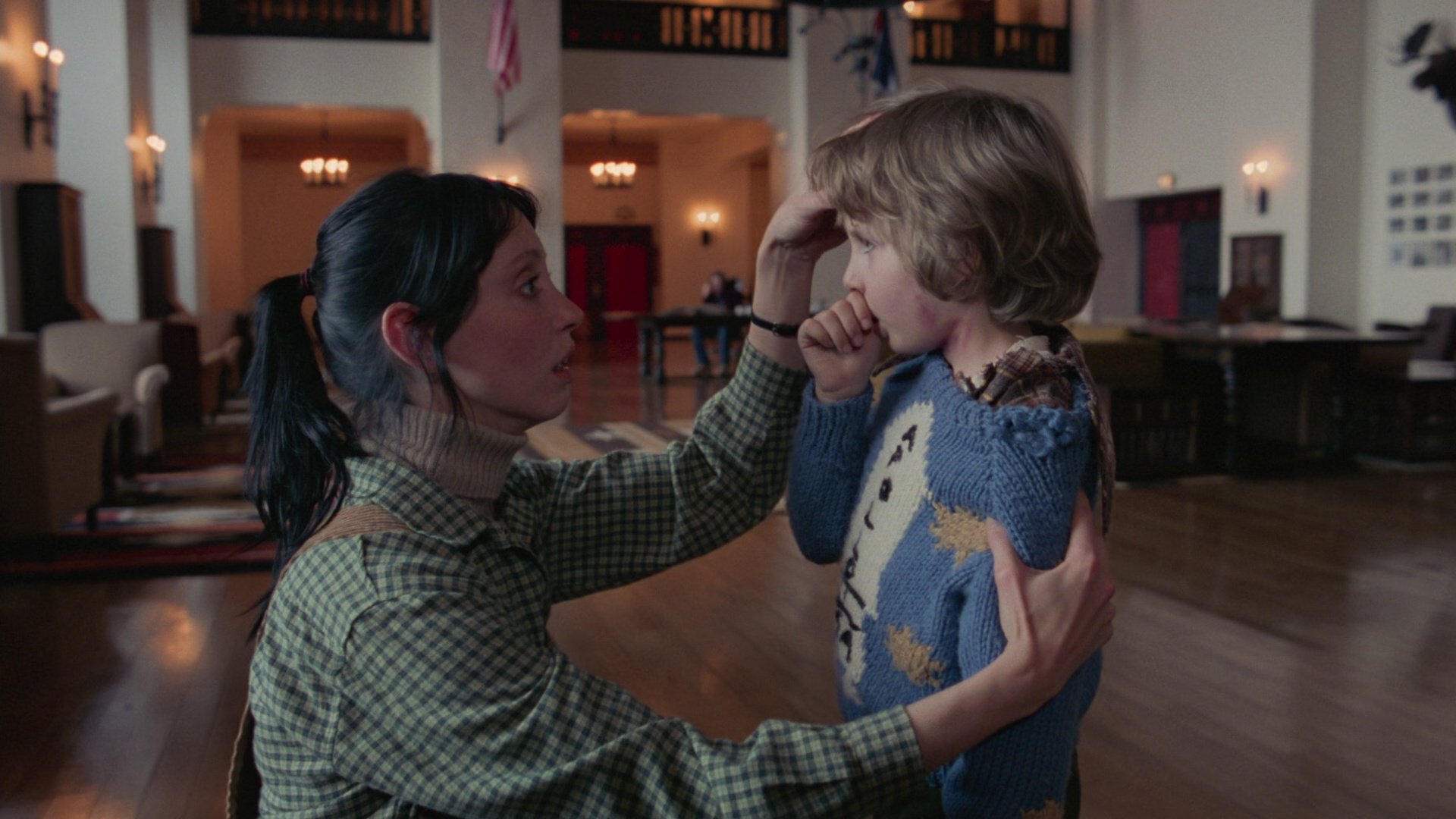
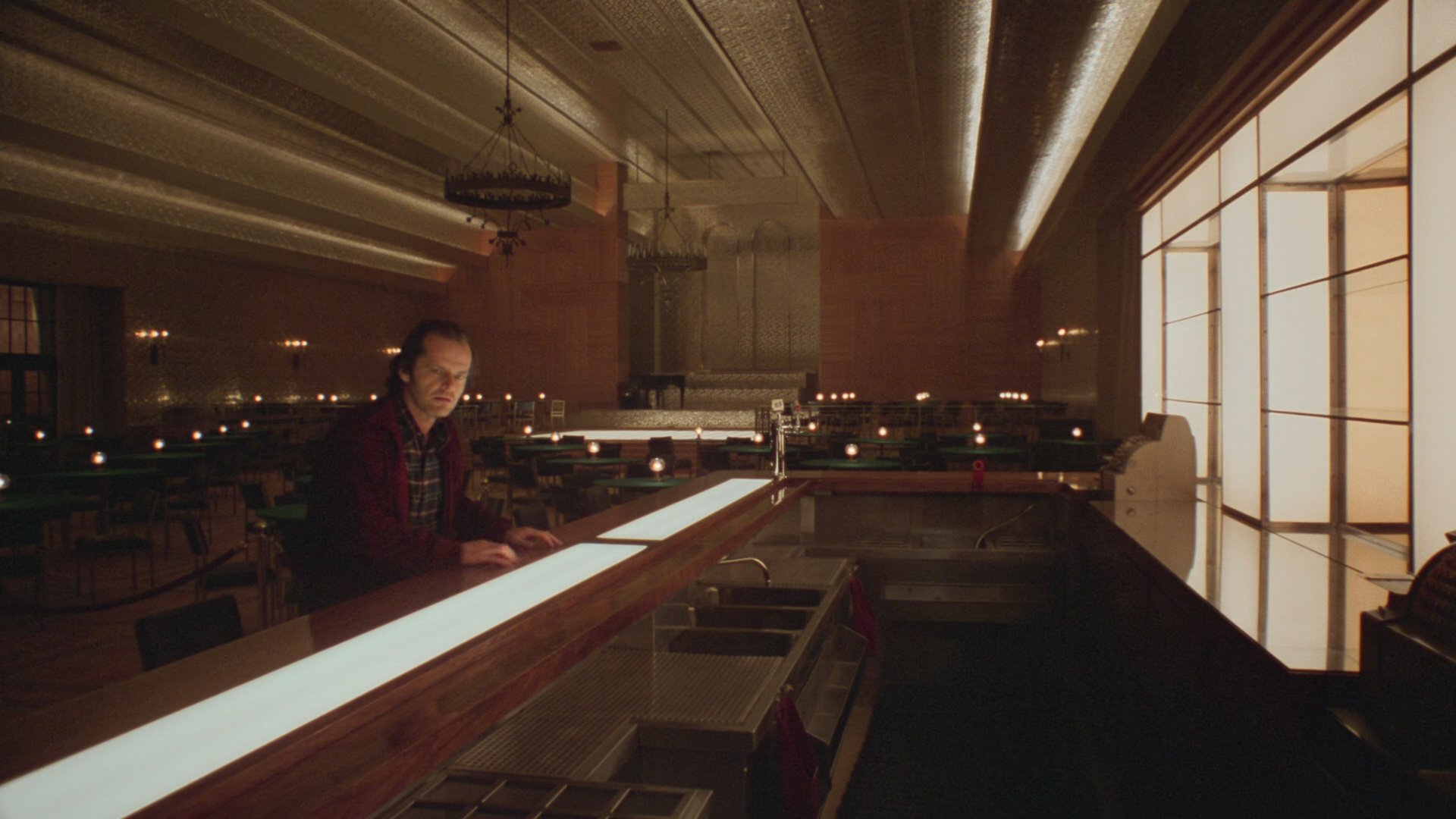
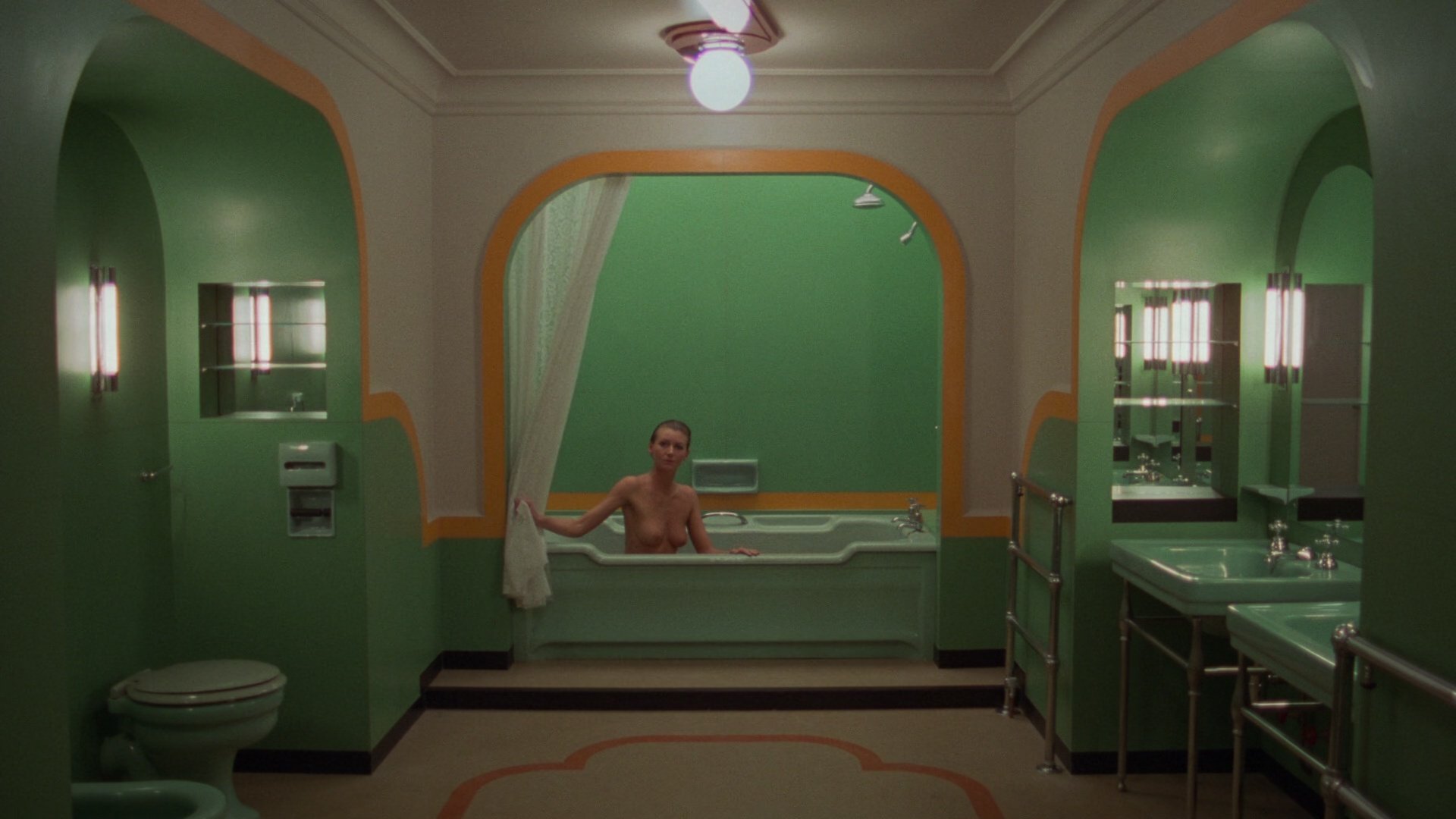
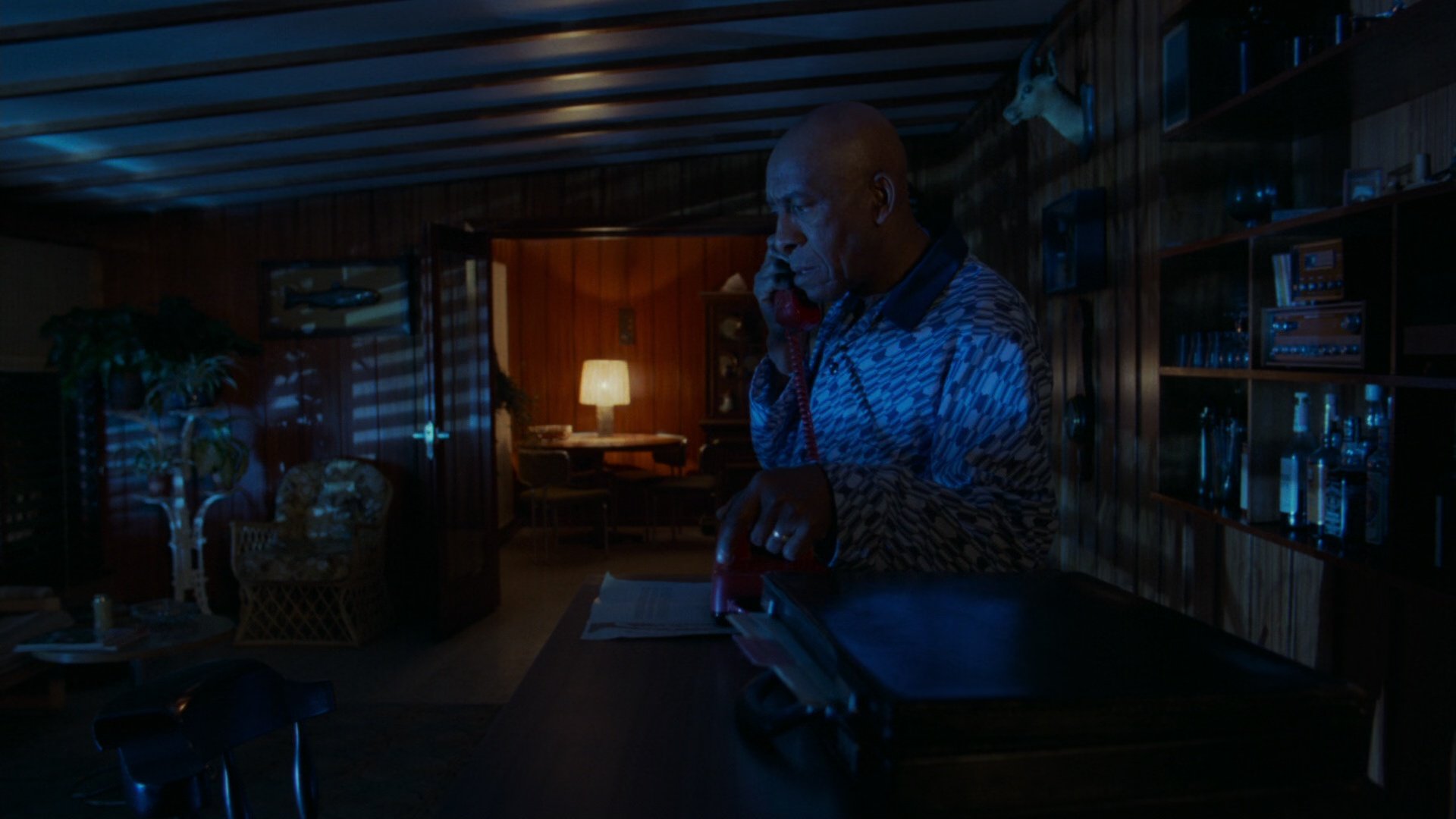
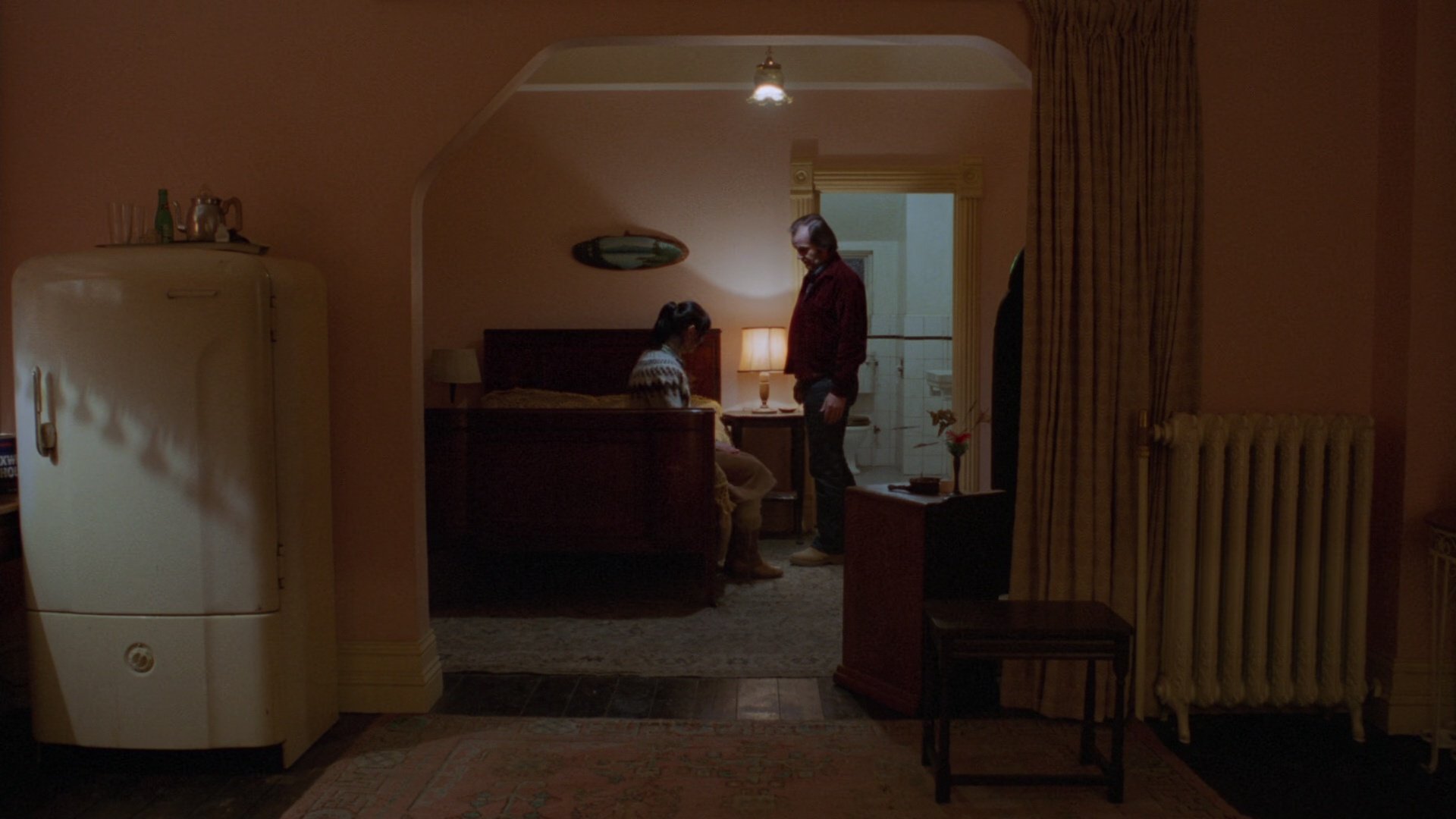
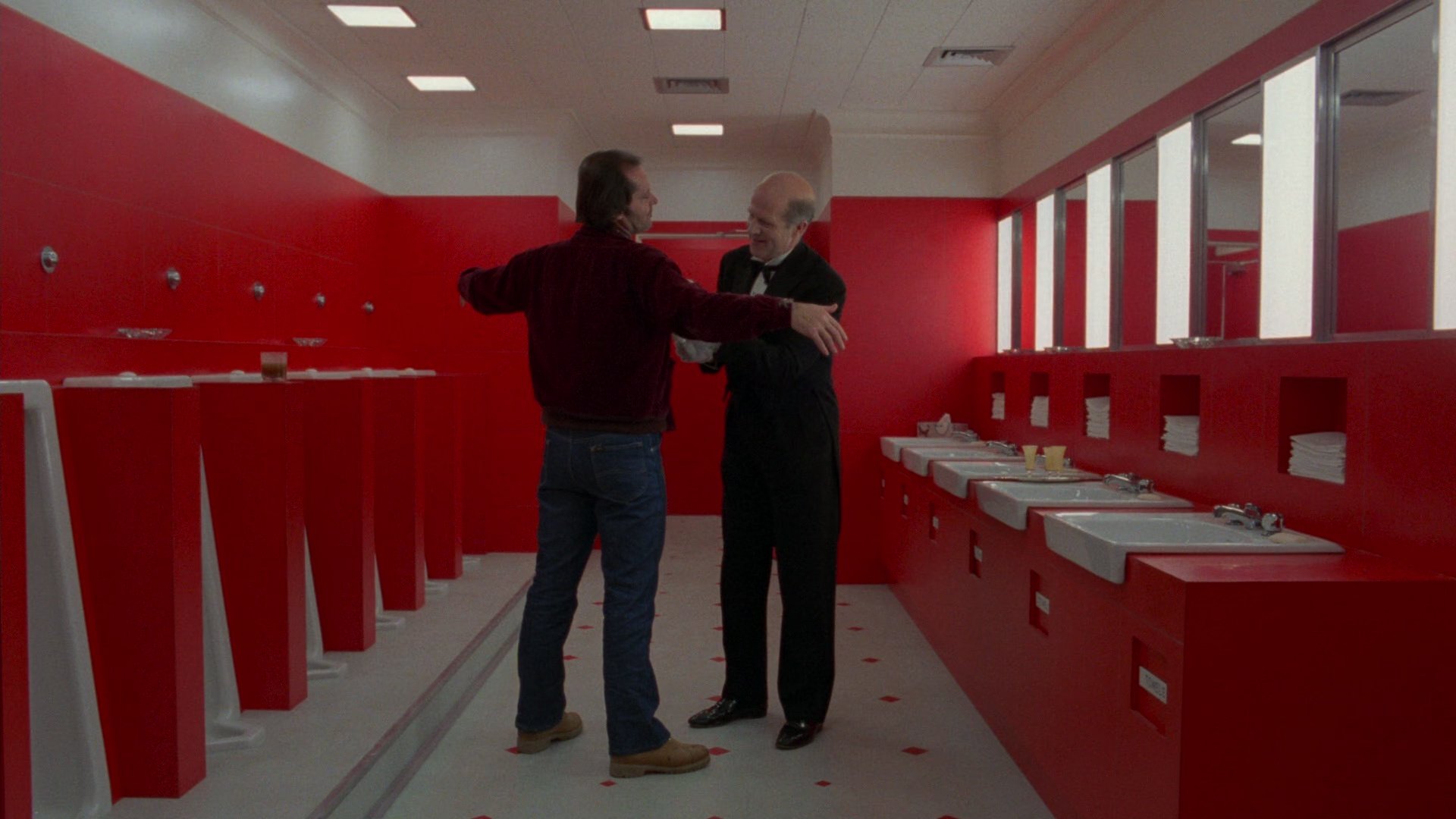
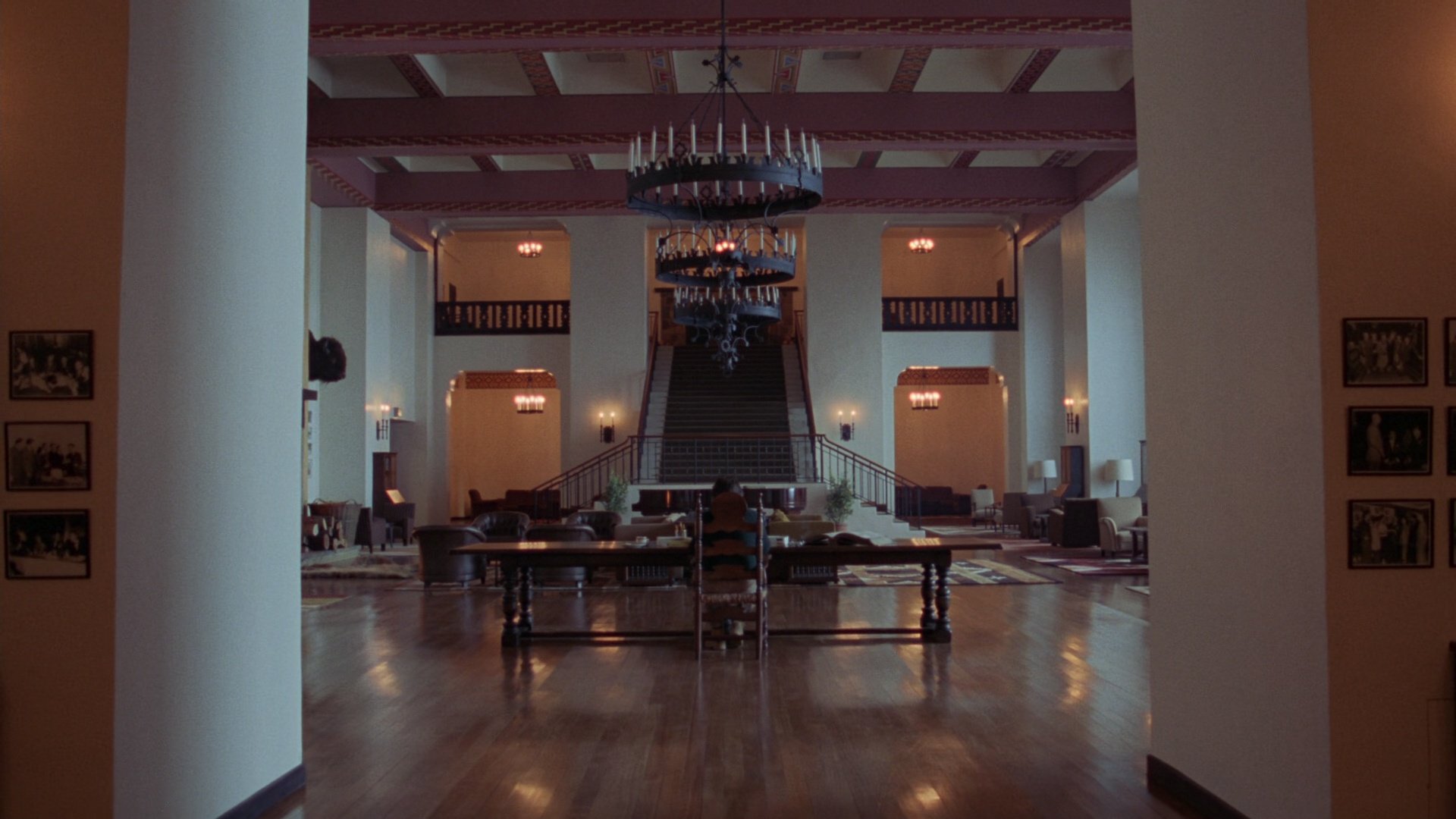
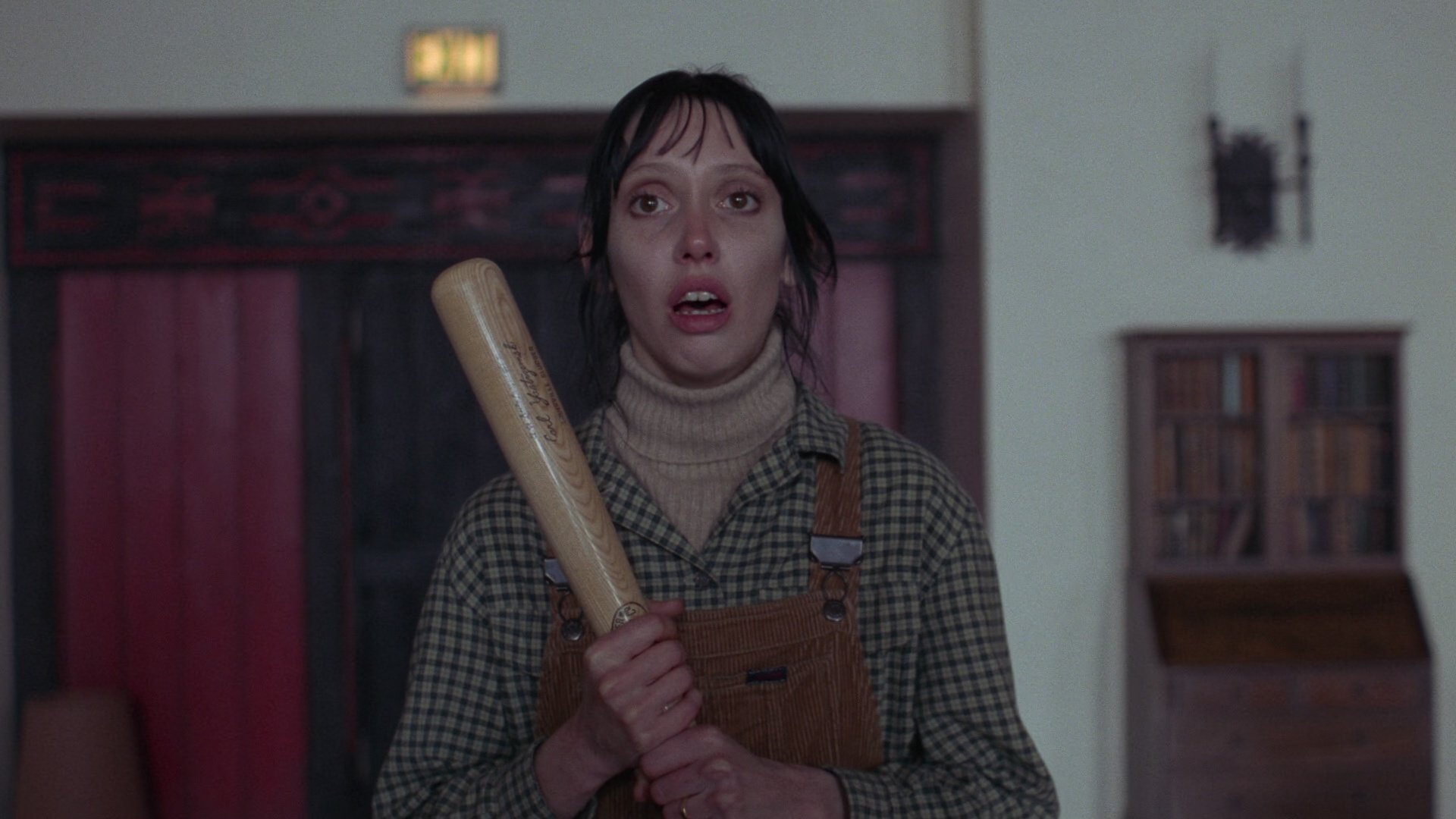
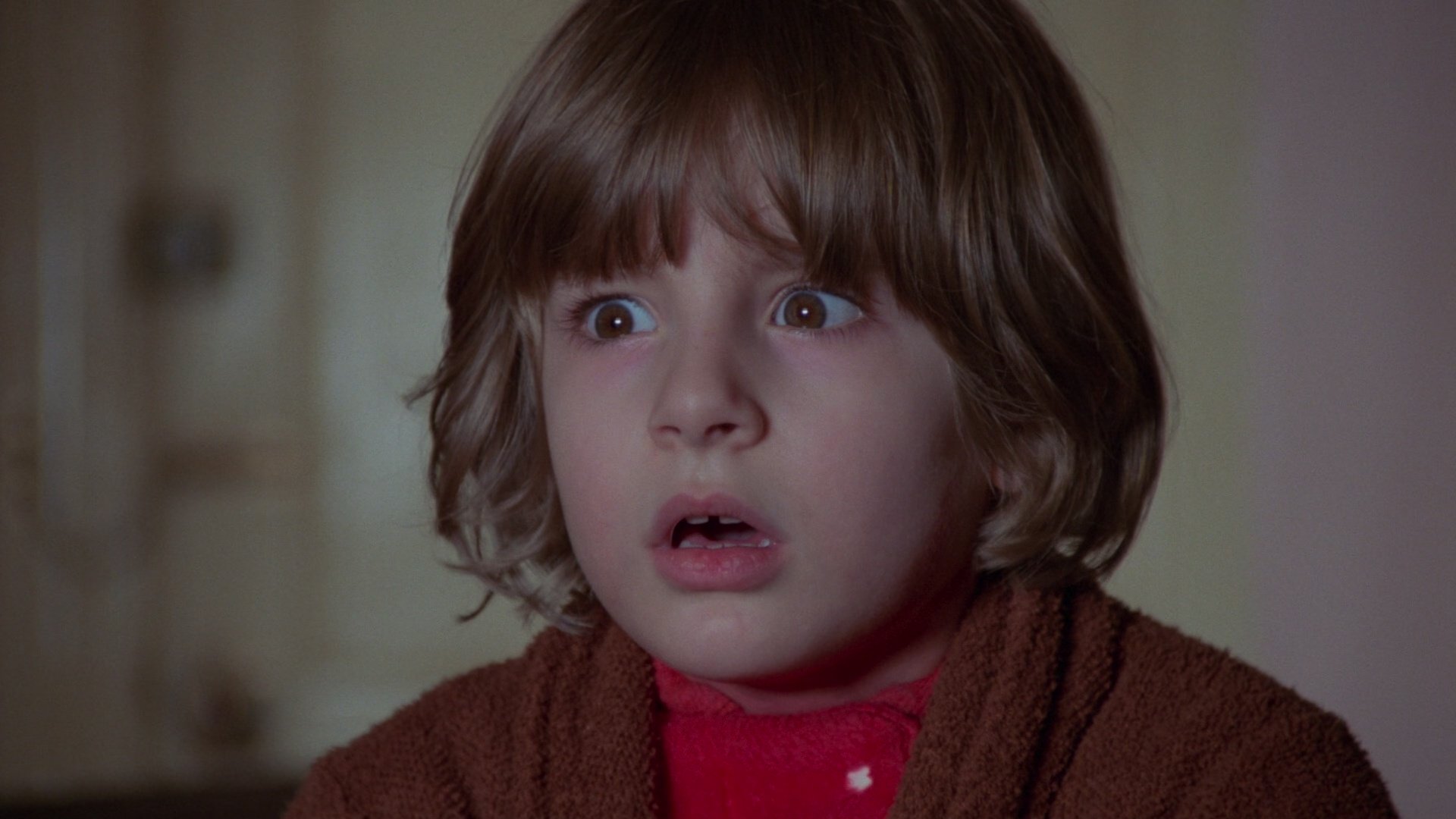
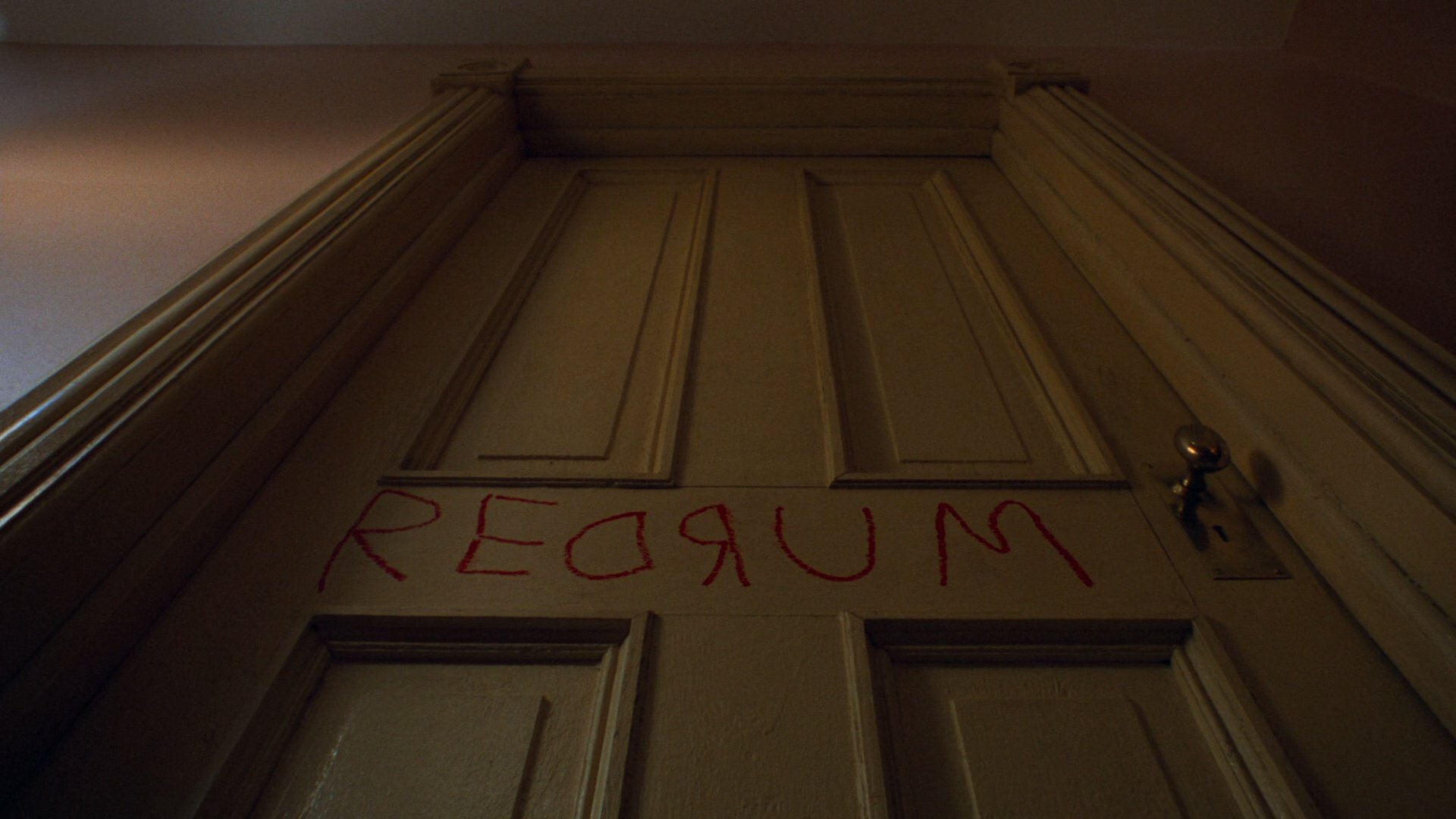
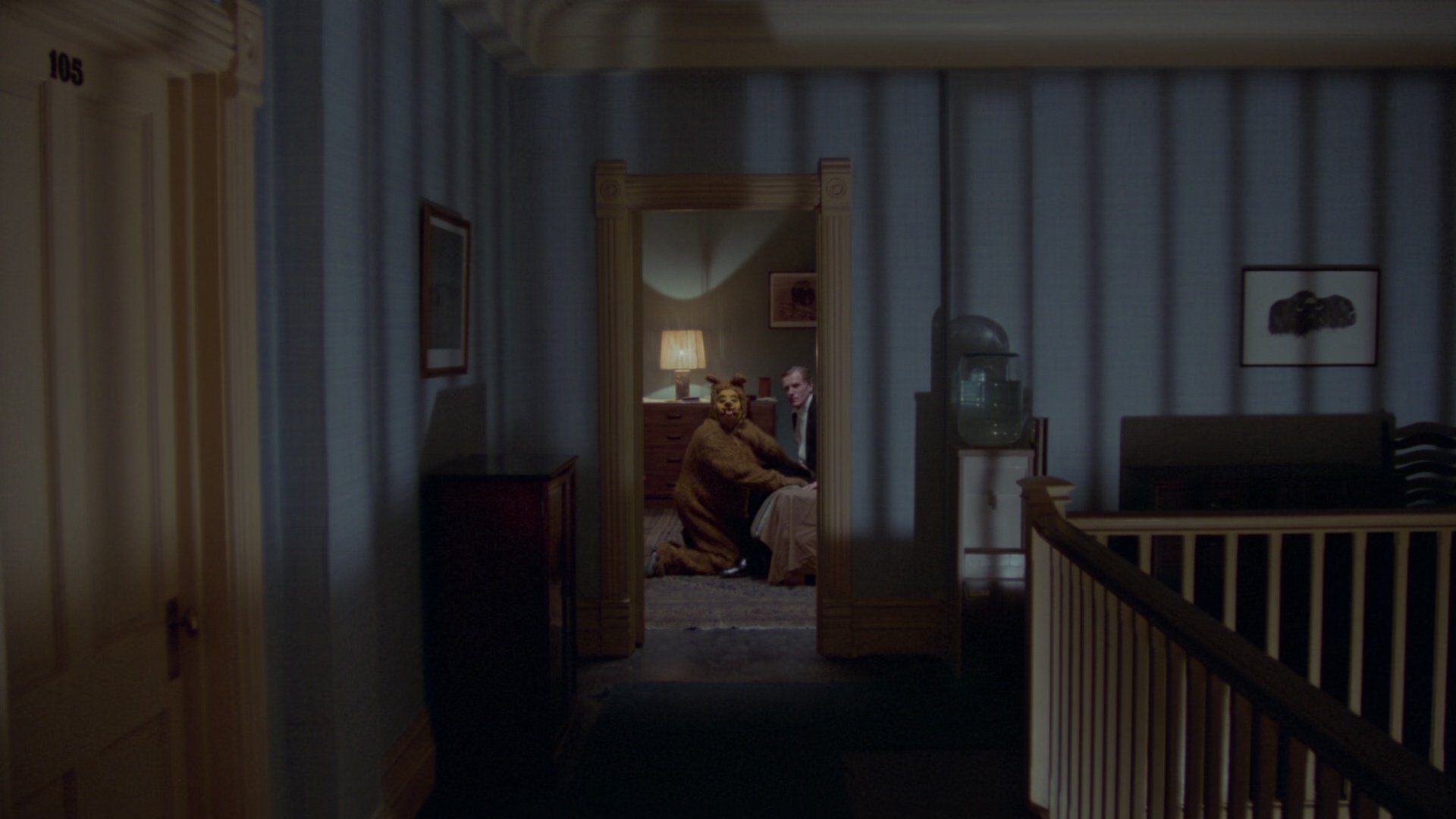
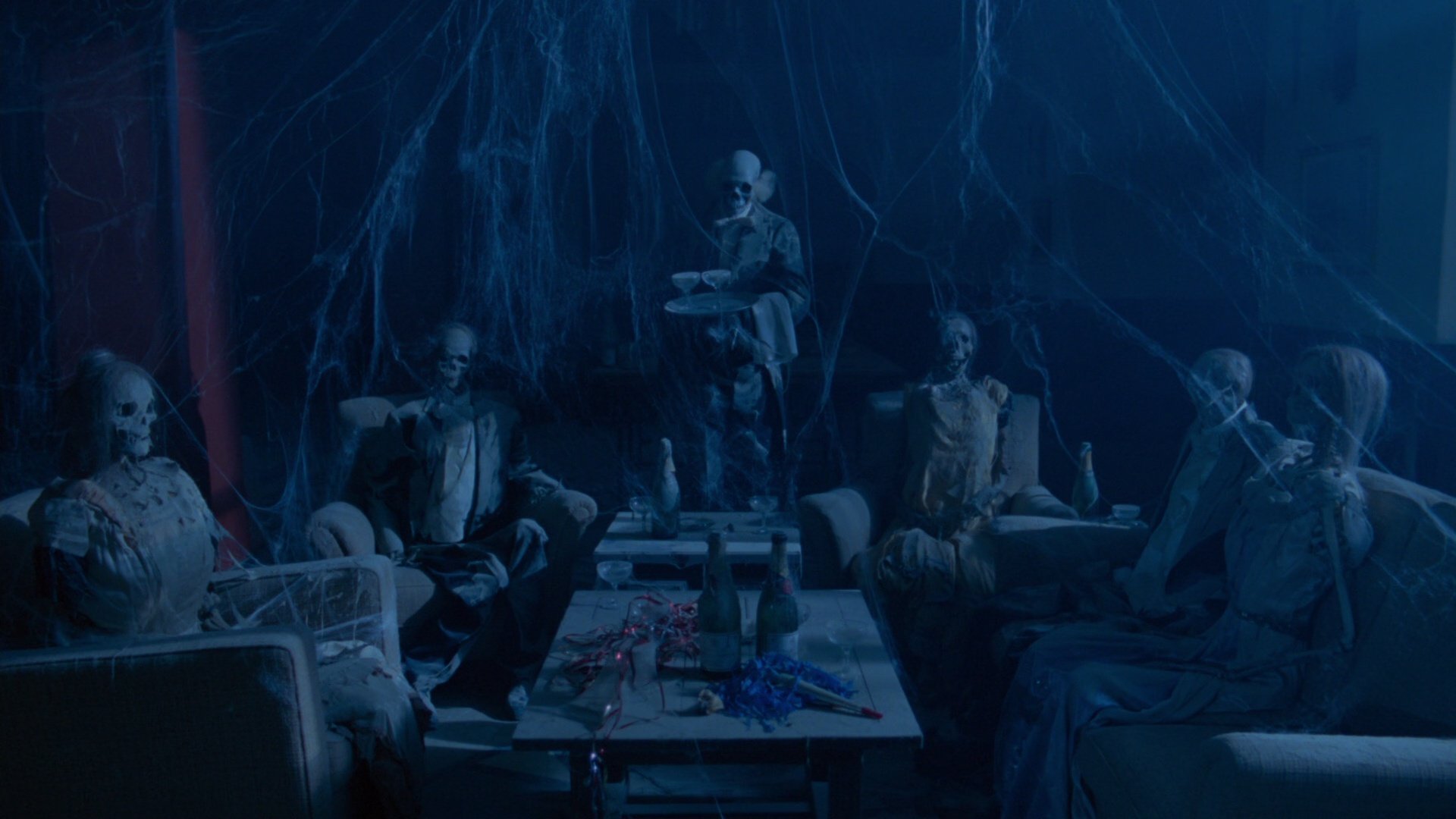
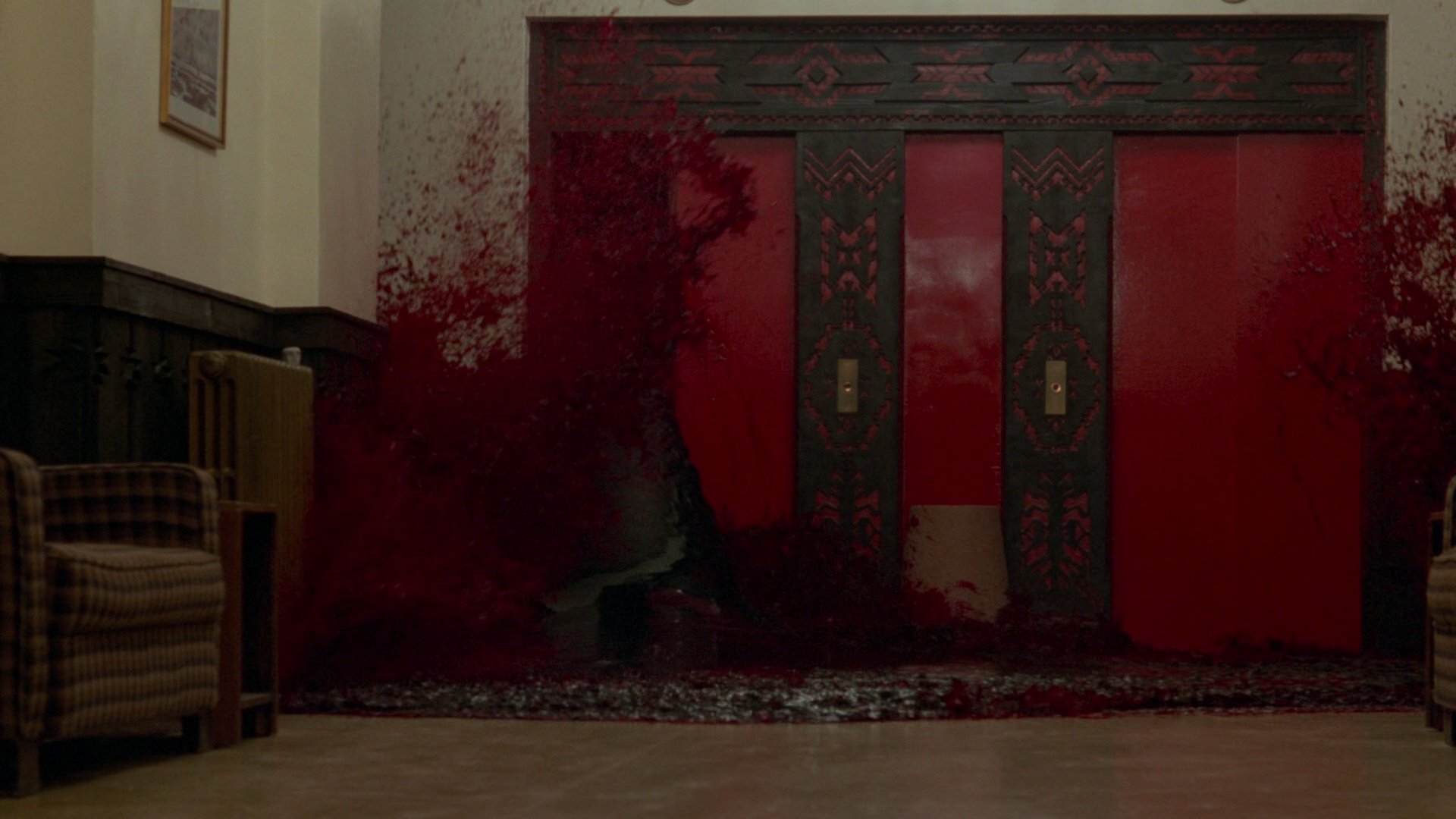
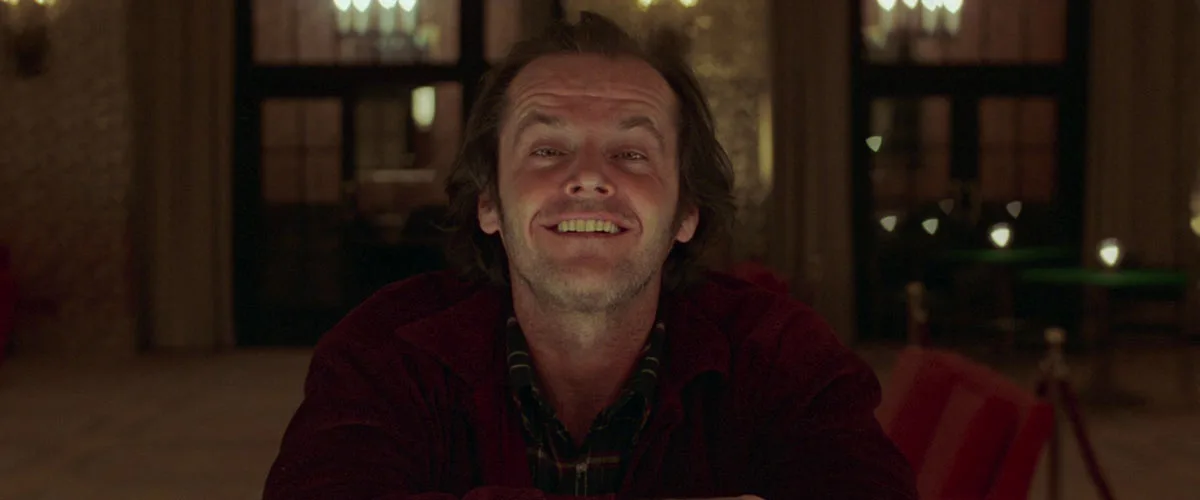
Visually iconic, the film perfectly illustrates Kubrick’s obsession with ‘one-point perspective‘ and perfect symmetry, making every frame feel like a trap. The bright, fluorescent lighting of the Colorado Lounge is just as terrifying as the dark basement. A masterclass in the use of the then-revolutionary Steadicam, the camera glides smoothly behind Danny’s tricycle or through the hedge maze, creating an eerie, omniscient perspective as though the hotel itself were stalking the characters.
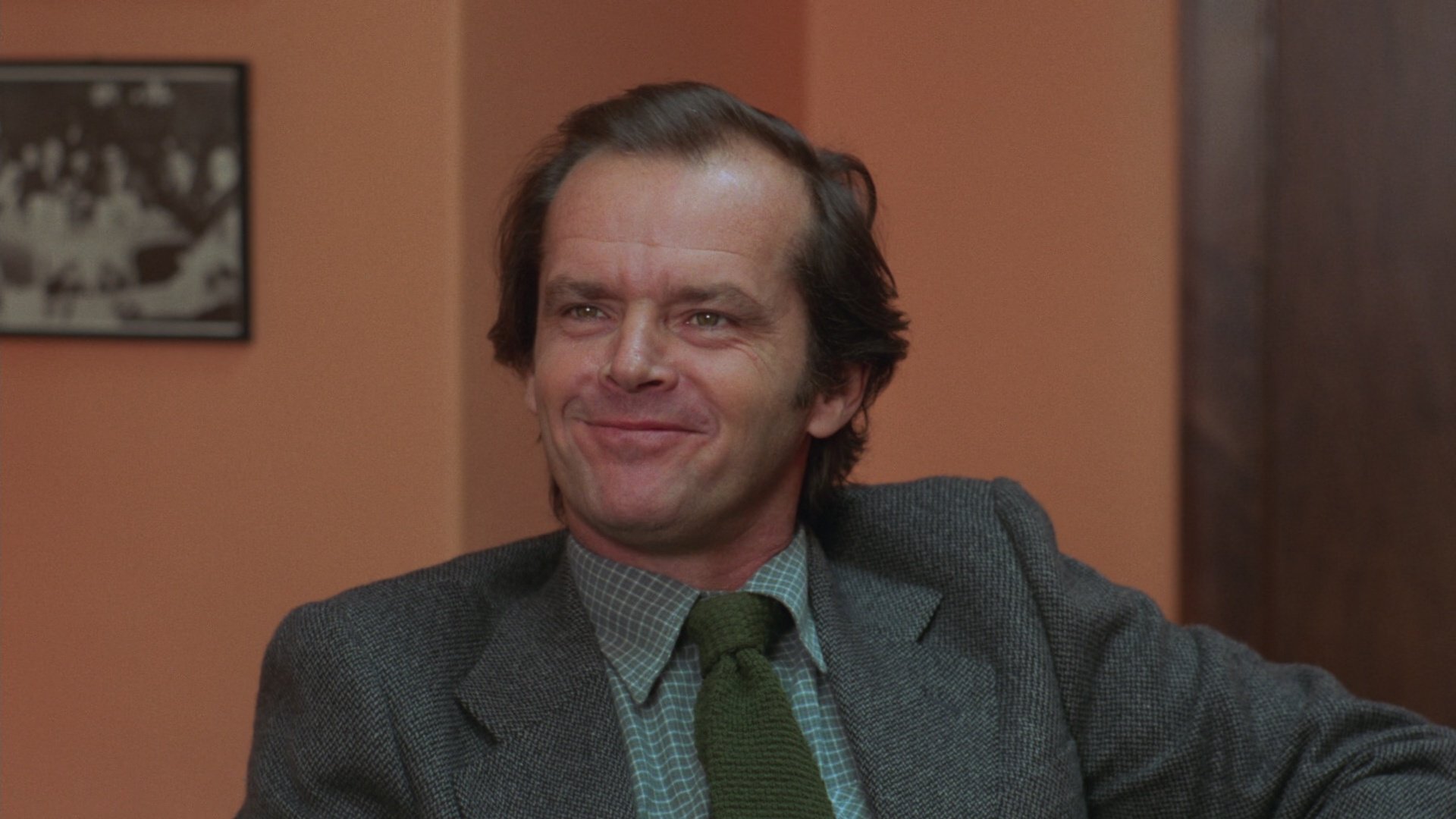
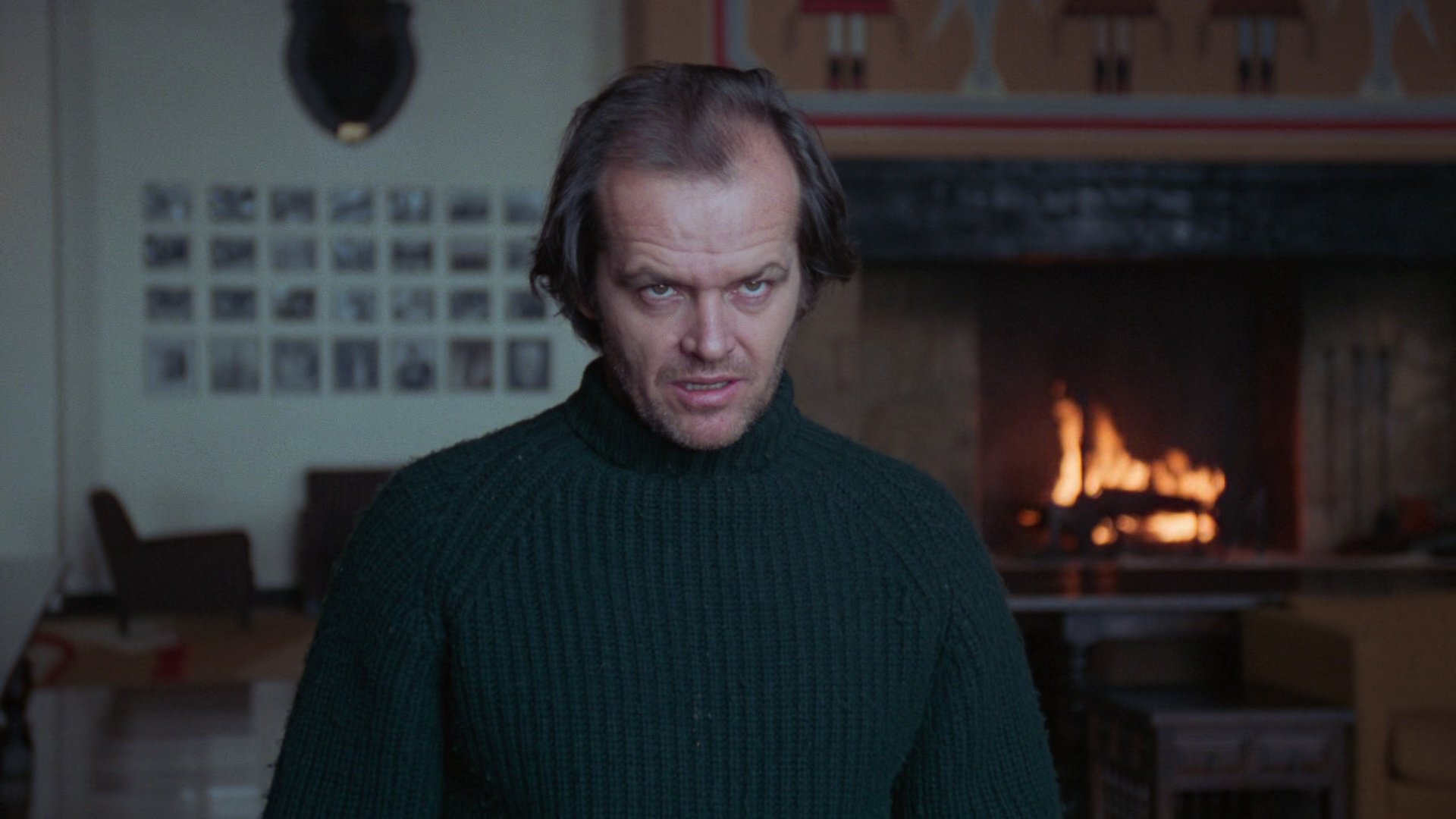
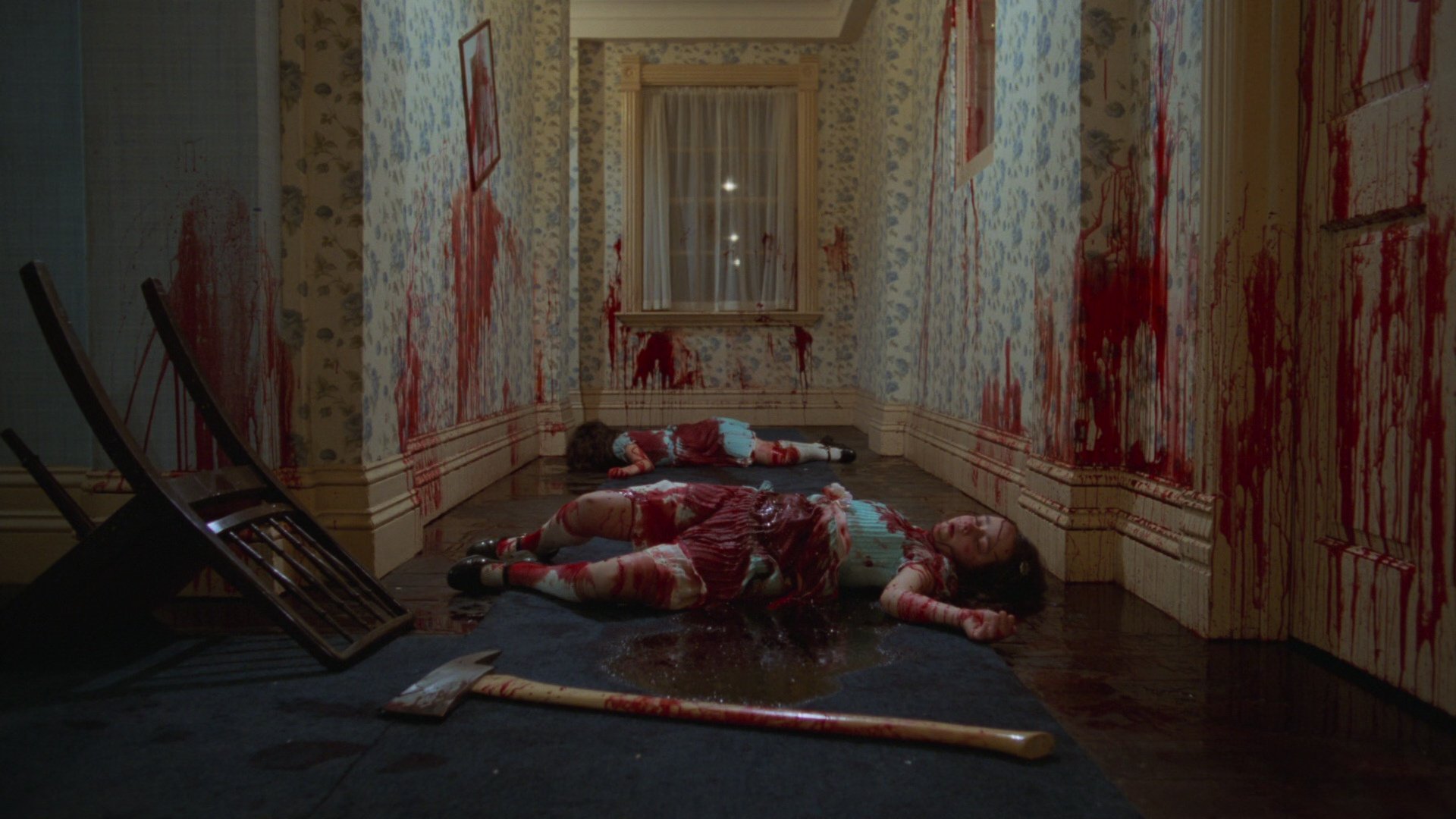
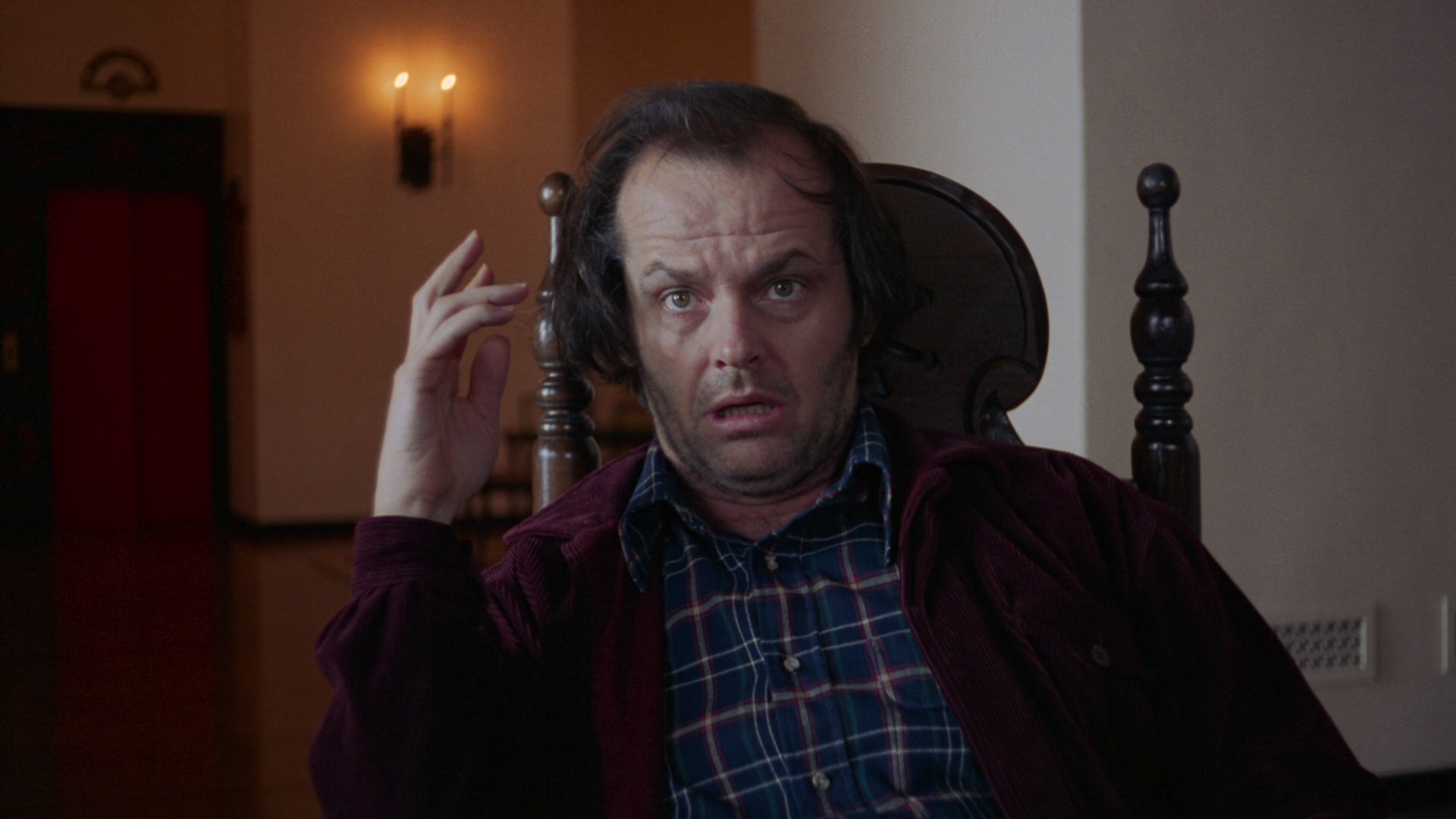
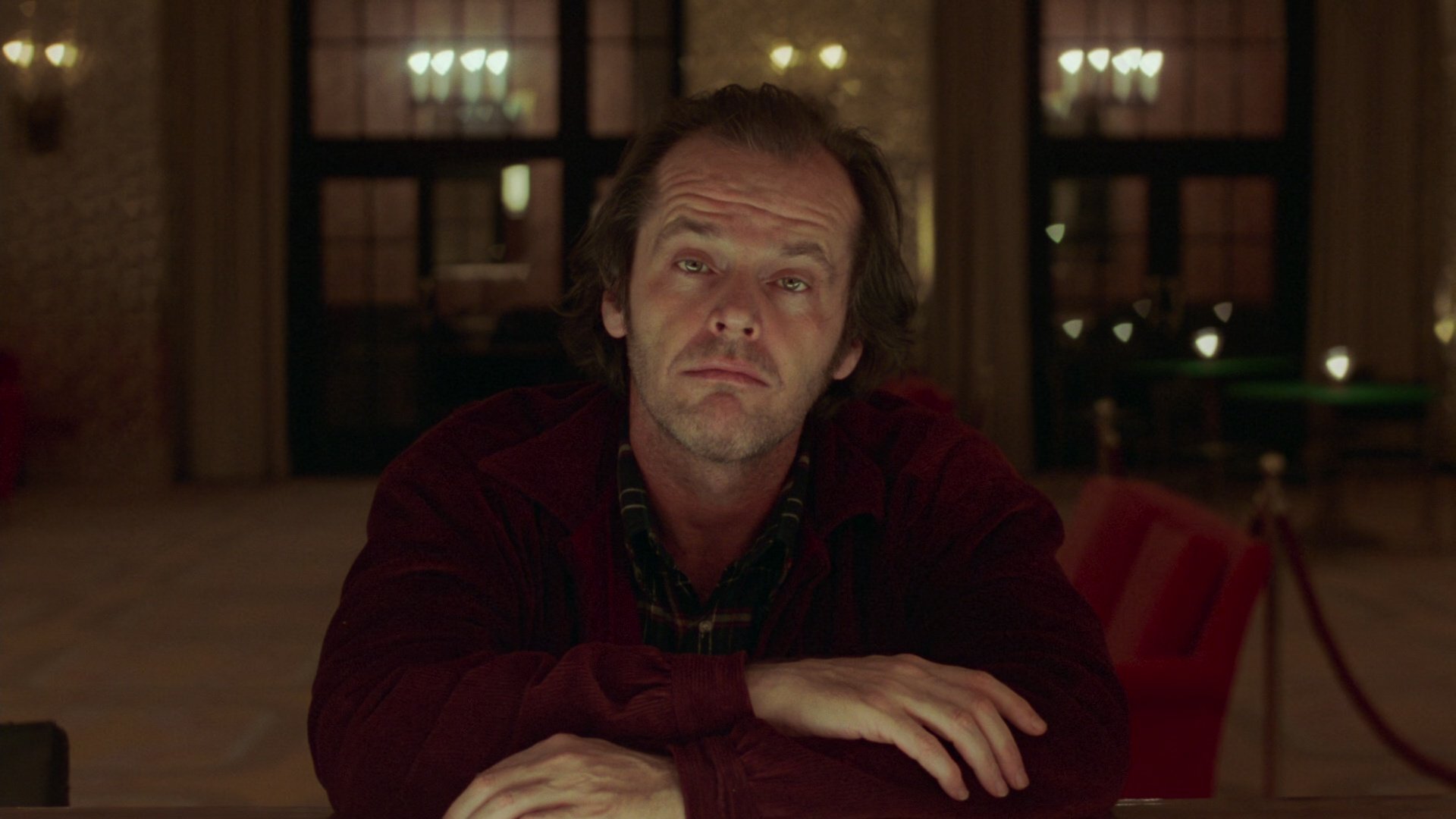
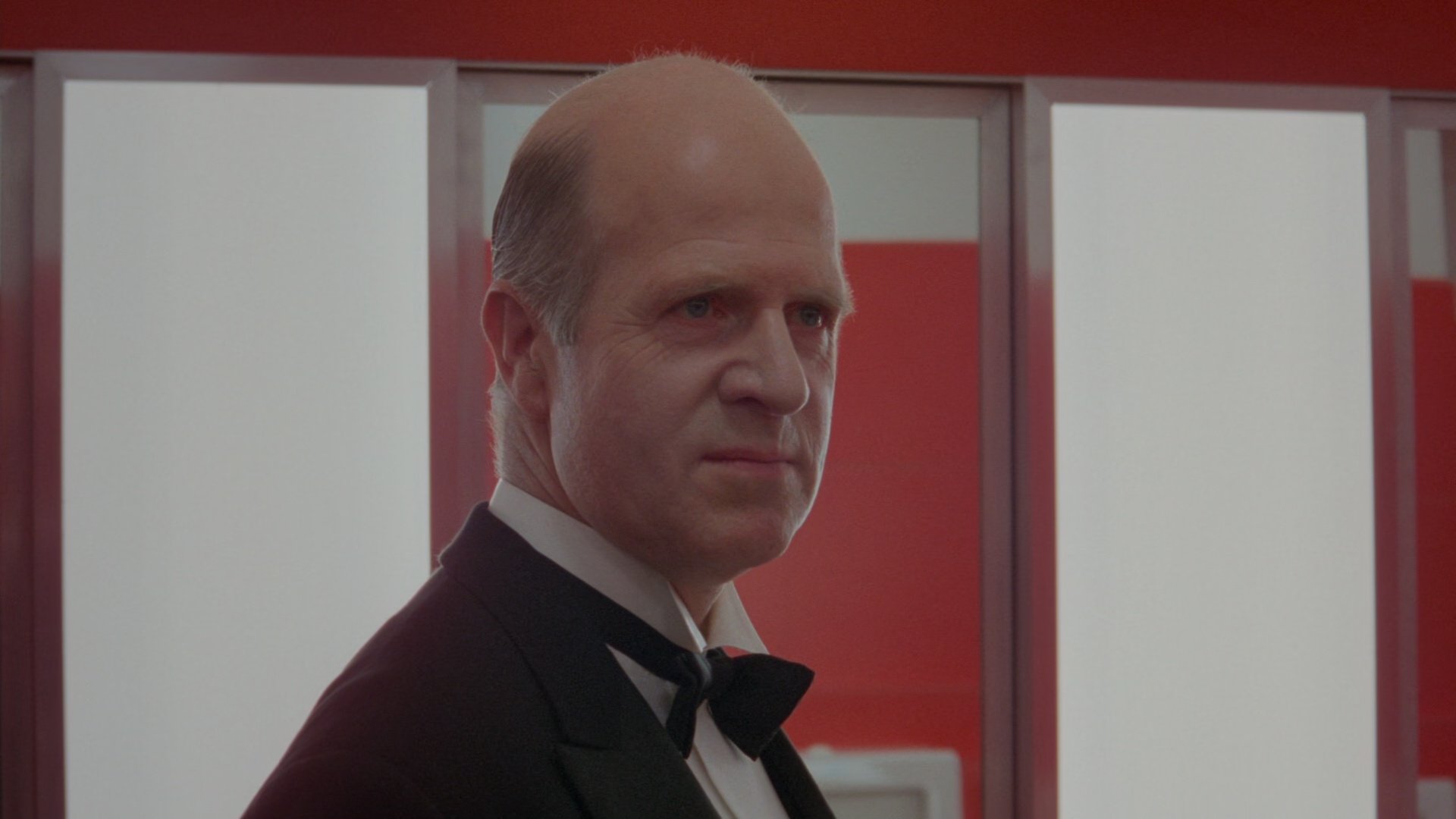
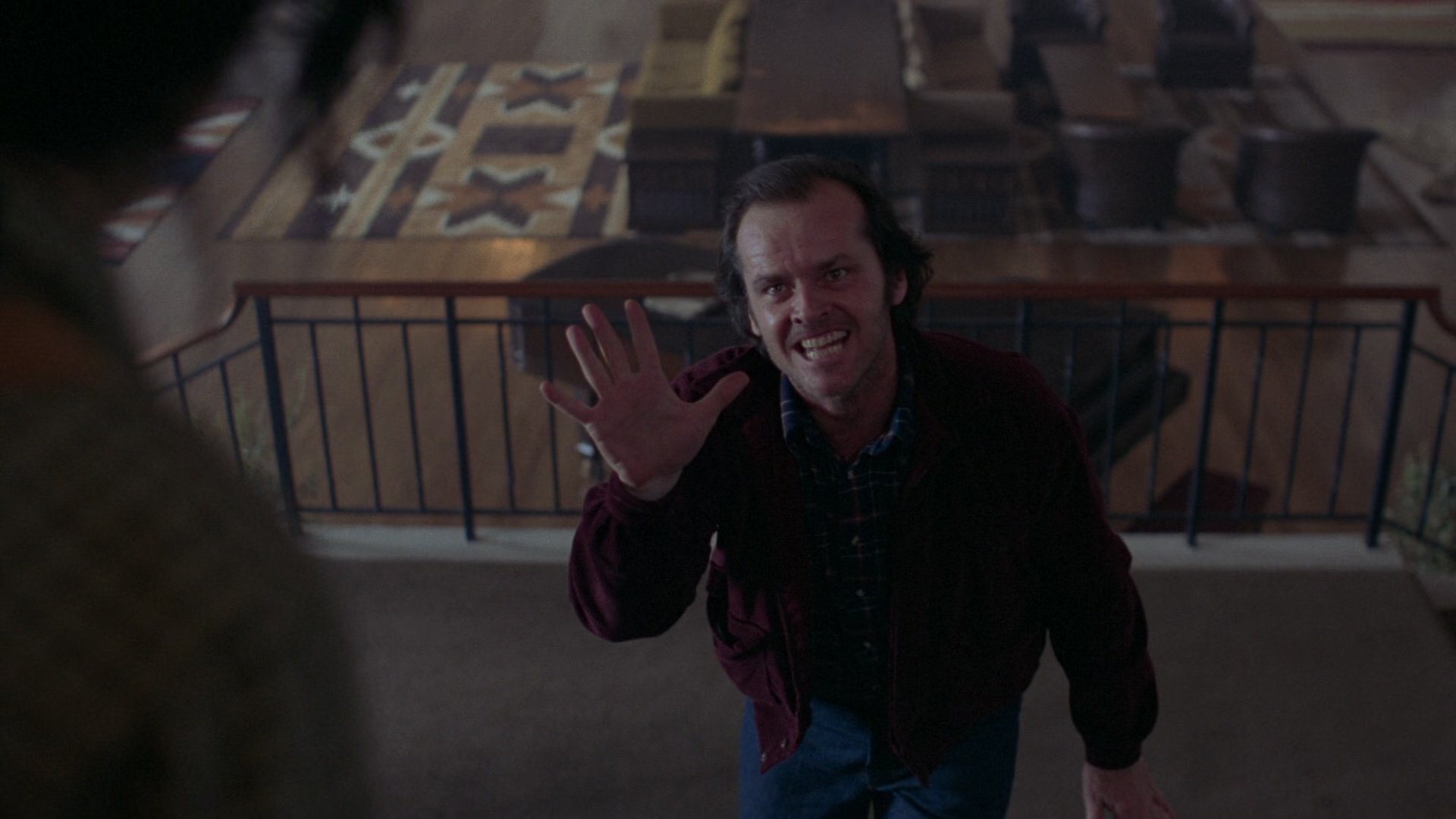
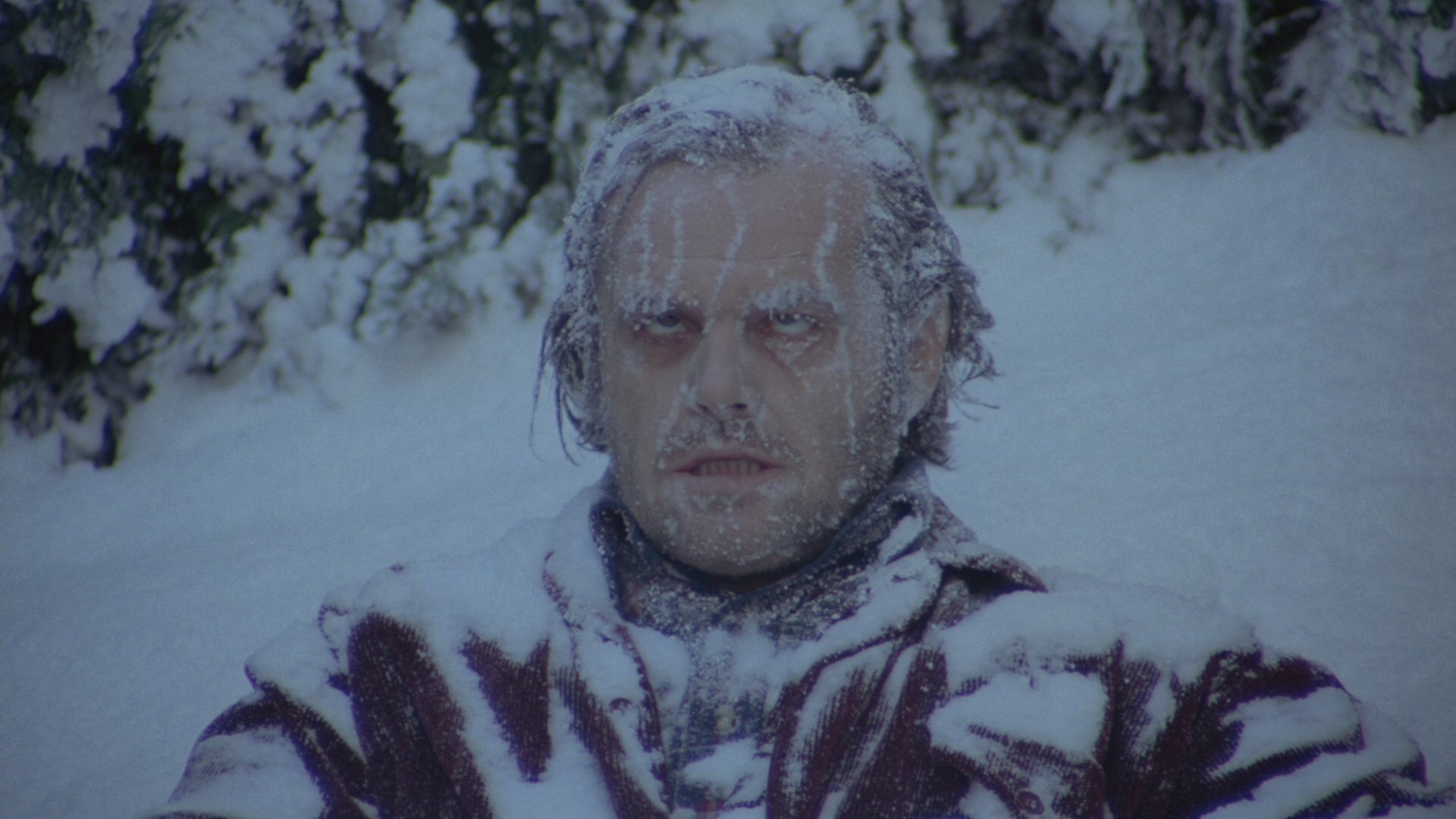
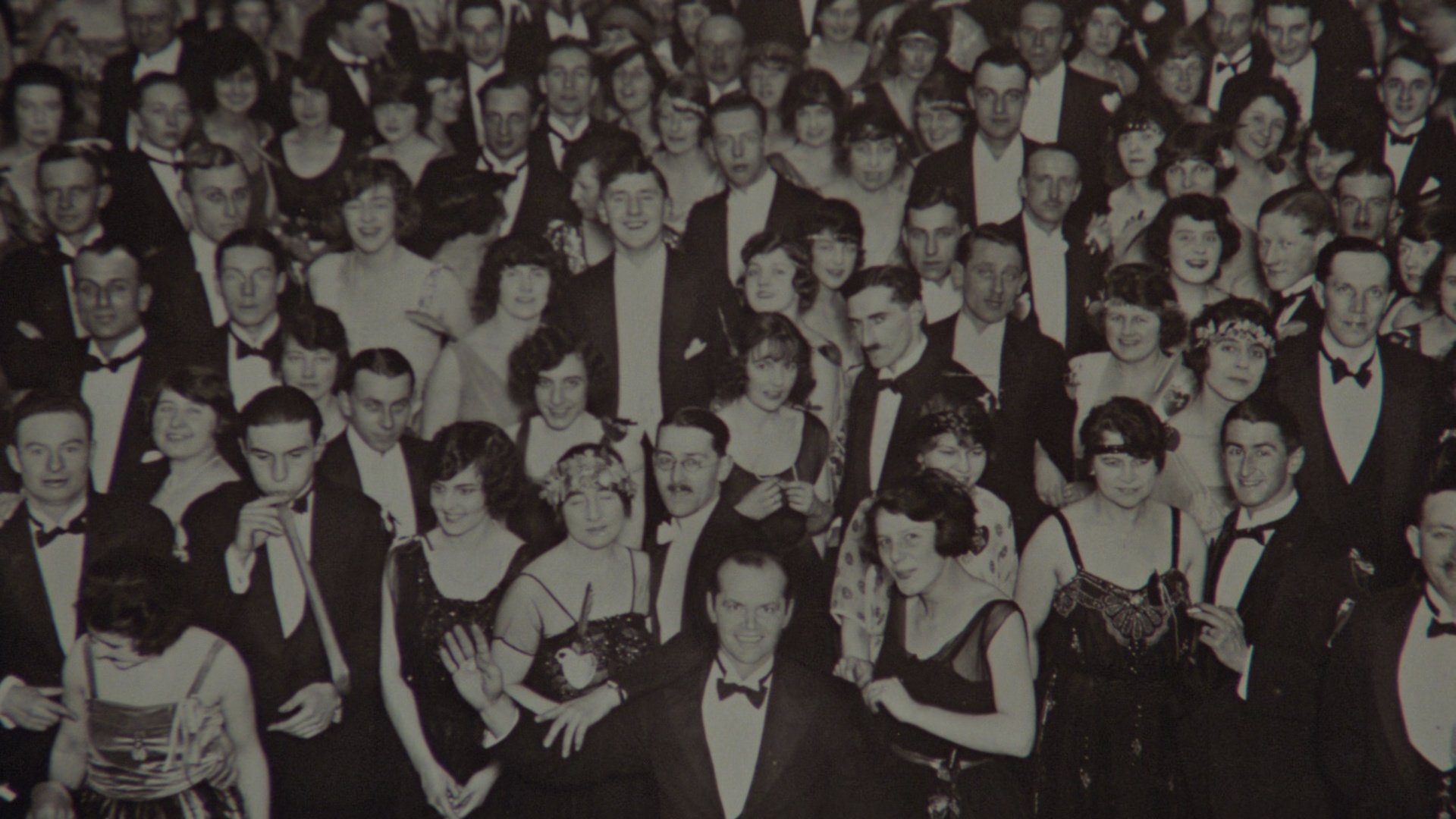
Beyond Jack Nicholson’s legendary performance, The Shining’s true power lies in its ambiguity and hidden details. From the impossible geometry of the hotel’s floor plan to the iconic, jarring score by Wendy Carlos and Rachel Elkind, the film feels less like a ghost story and more like a descent into a collective nightmare.
Technical Specs:
- The Story: A writer accepts a job as the winter caretaker of a remote mountain hotel, bringing his wife and young son along, only to descend into madness as supernatural forces close in around them.
- Actors: Jack Nicholson, Shelley Duvall, Danny Lloyd, Scatman Crothers, Barry Nelson, Philip Stone.
- Director: Stanley Kubrick
- Year: 1980
- Cinematographer: John Alcott
- Origin: American Cinema
- Aspect Ratio: 1.78:1
- Genre: Horror & Supernatural