There’s Always Tomorrow (1956): Mid-life melodrama
1956 • Douglas Sirk • 1.85:1 • Jump to Gallery ↓
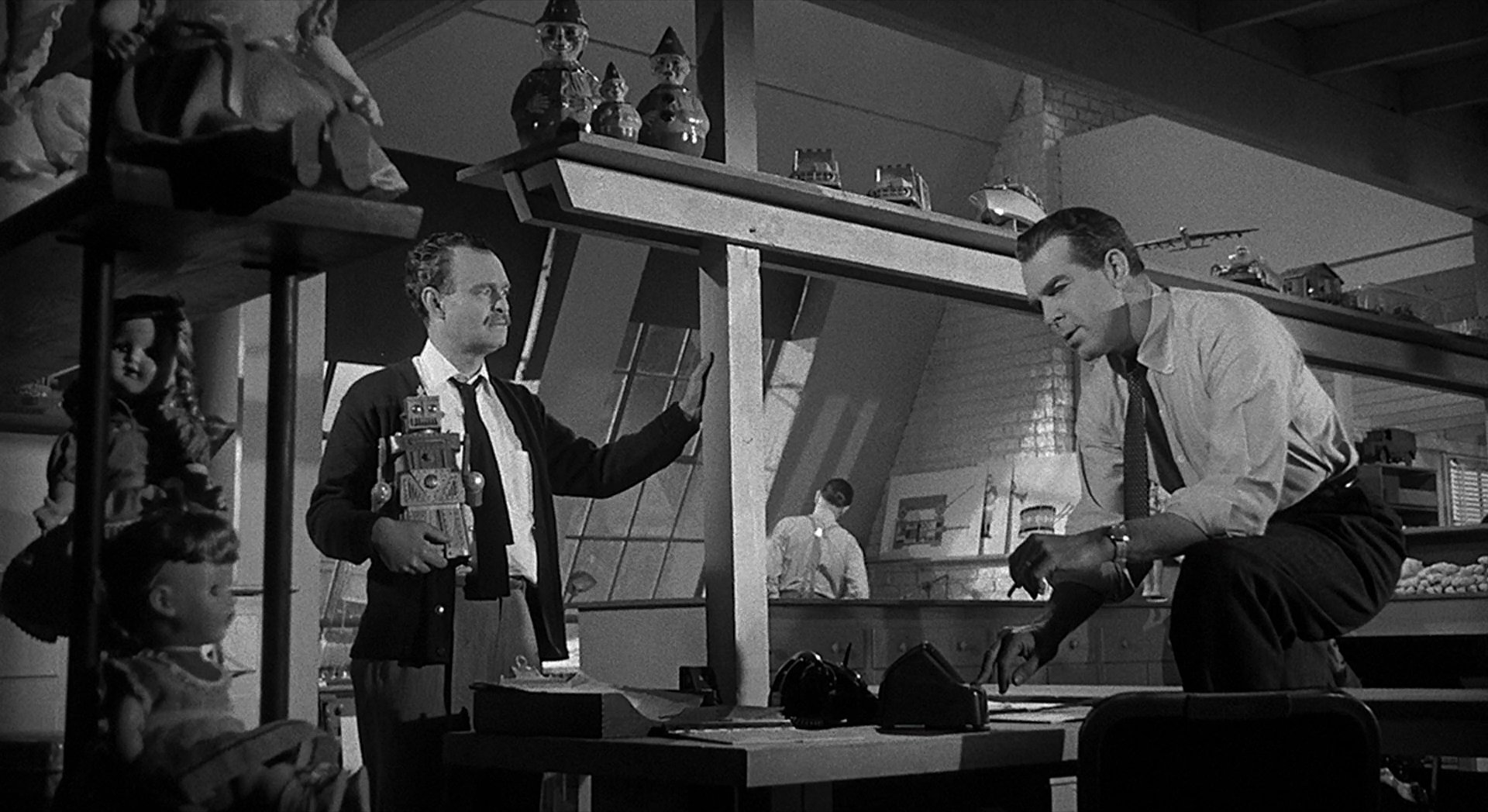
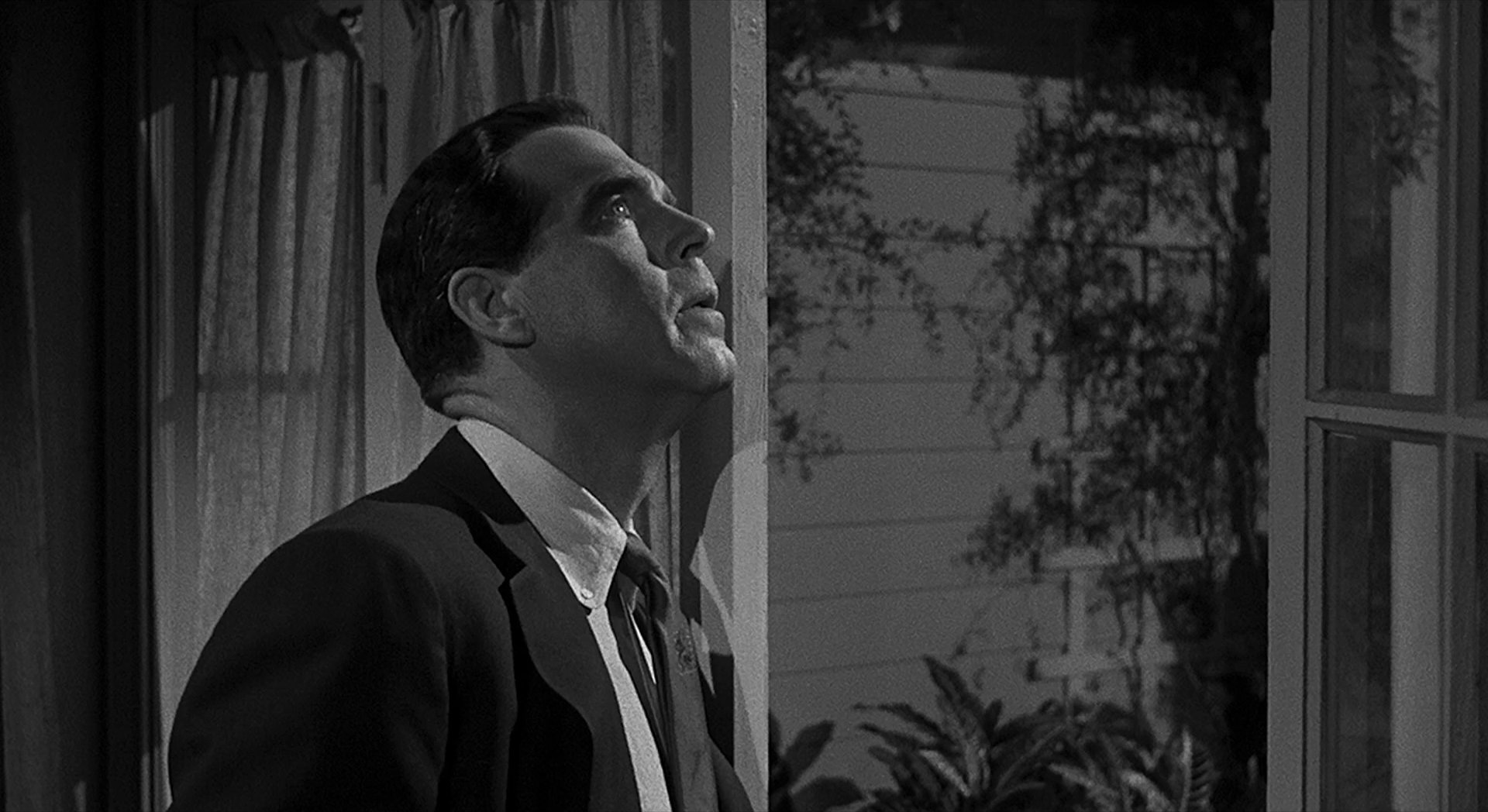
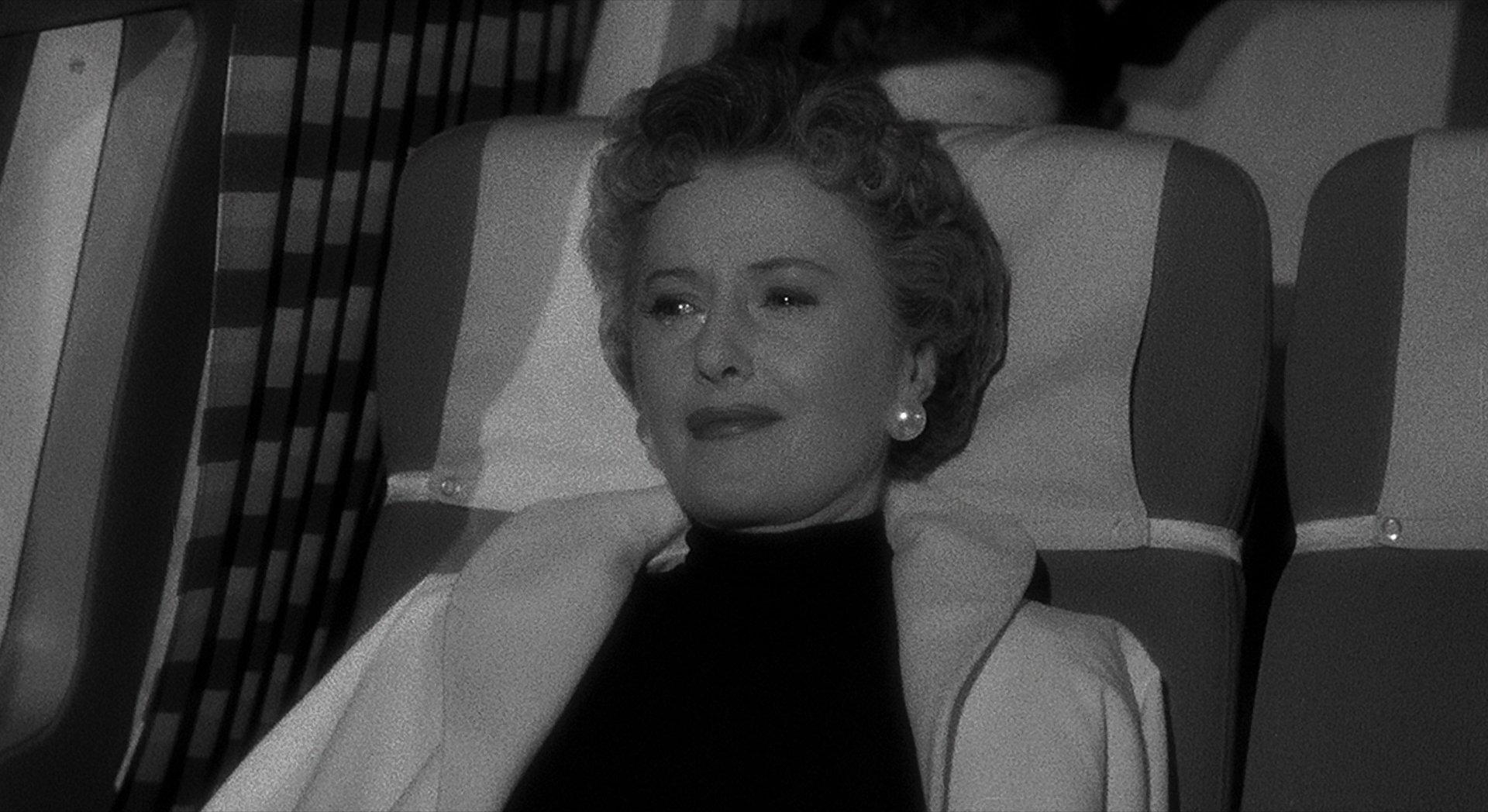
Directed by Douglas Sirk, There’s Always Tomorrow tells the story of a successful toy manufacturer whose seemingly ordinary suburban life hides a deep sense of emotional dissatisfaction. When an old acquaintance re-enters his life, their renewed connection introduces the possibility of change, putting him at odds with his family and societal obligations.
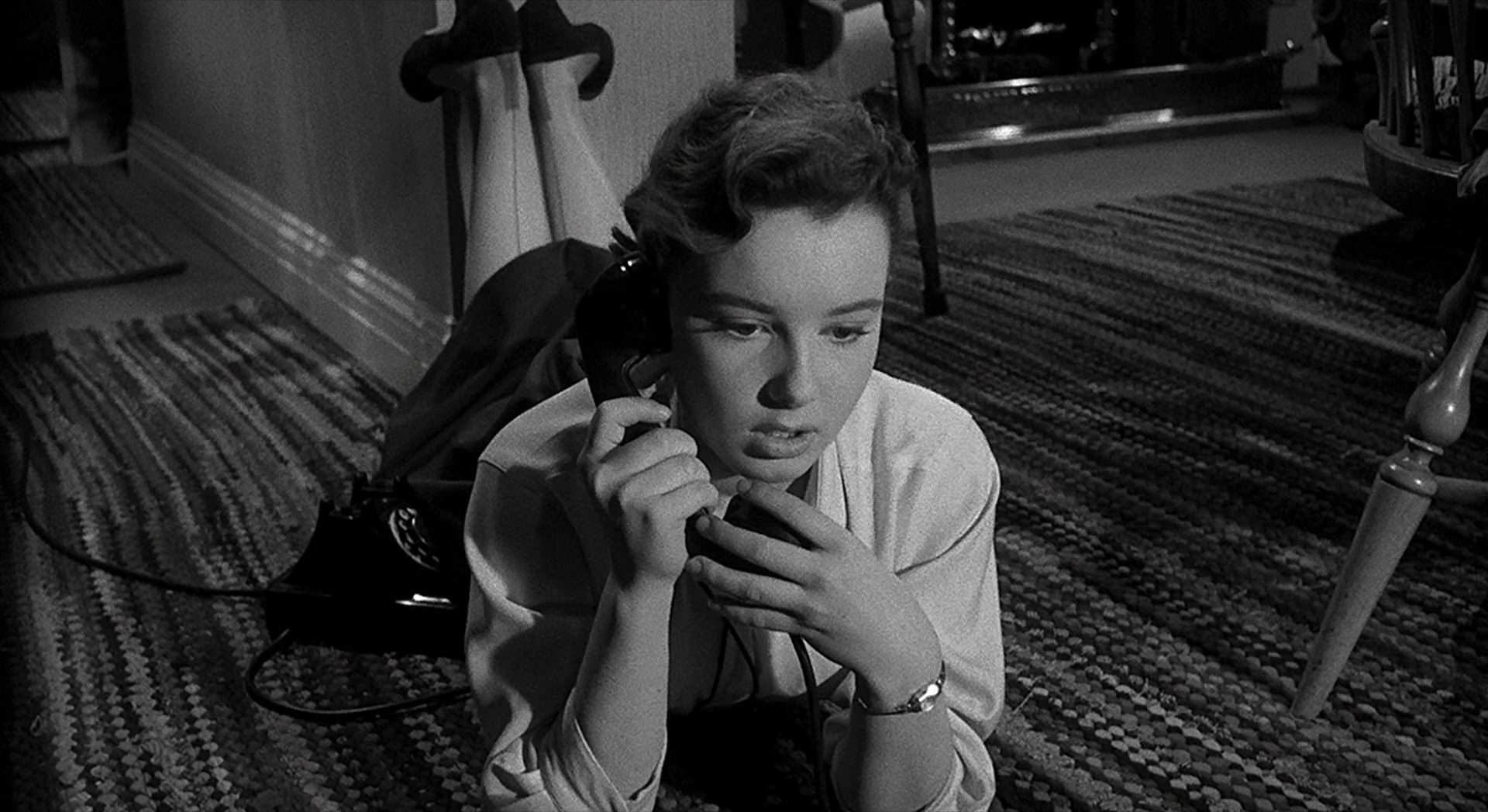
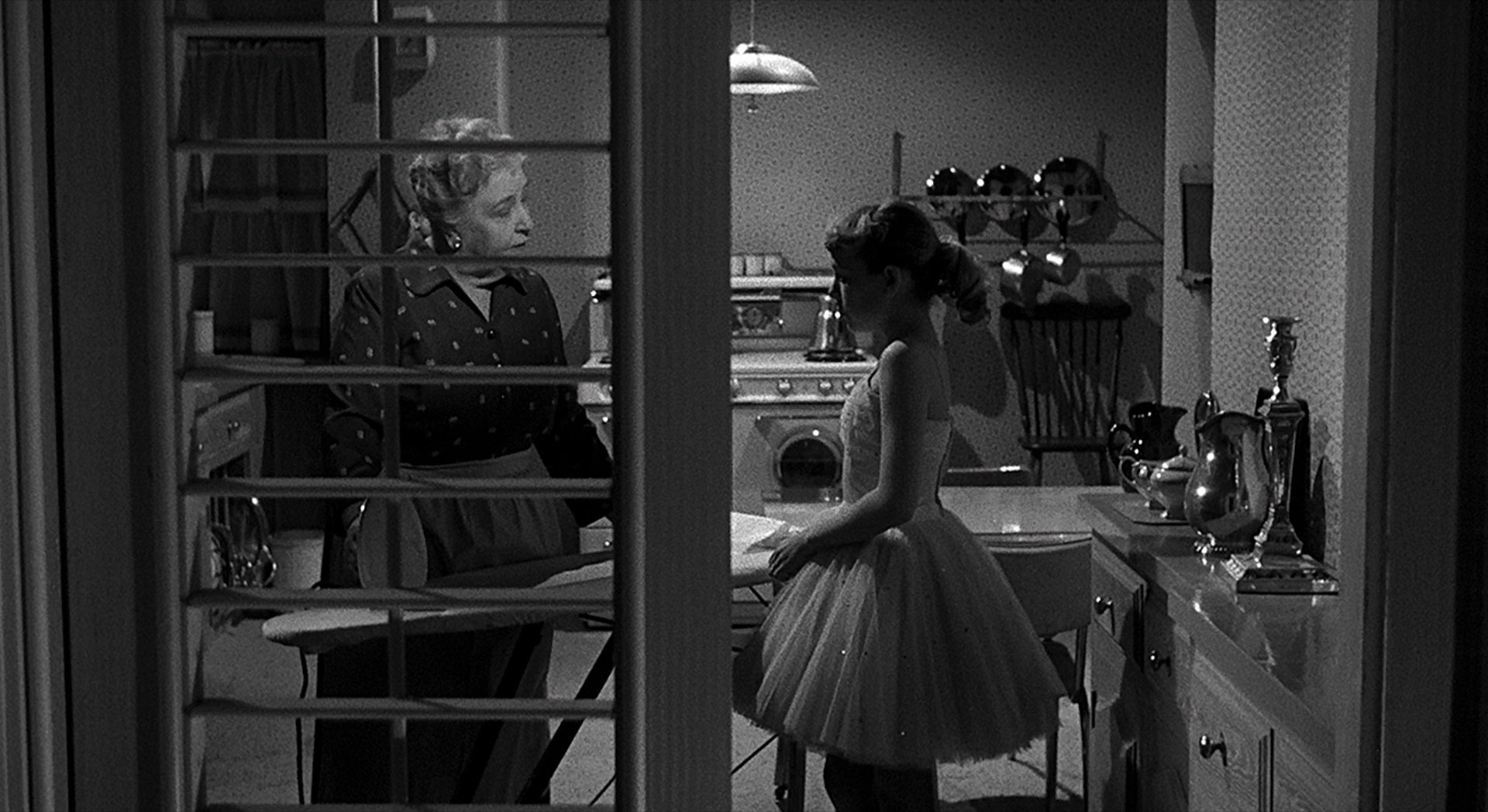
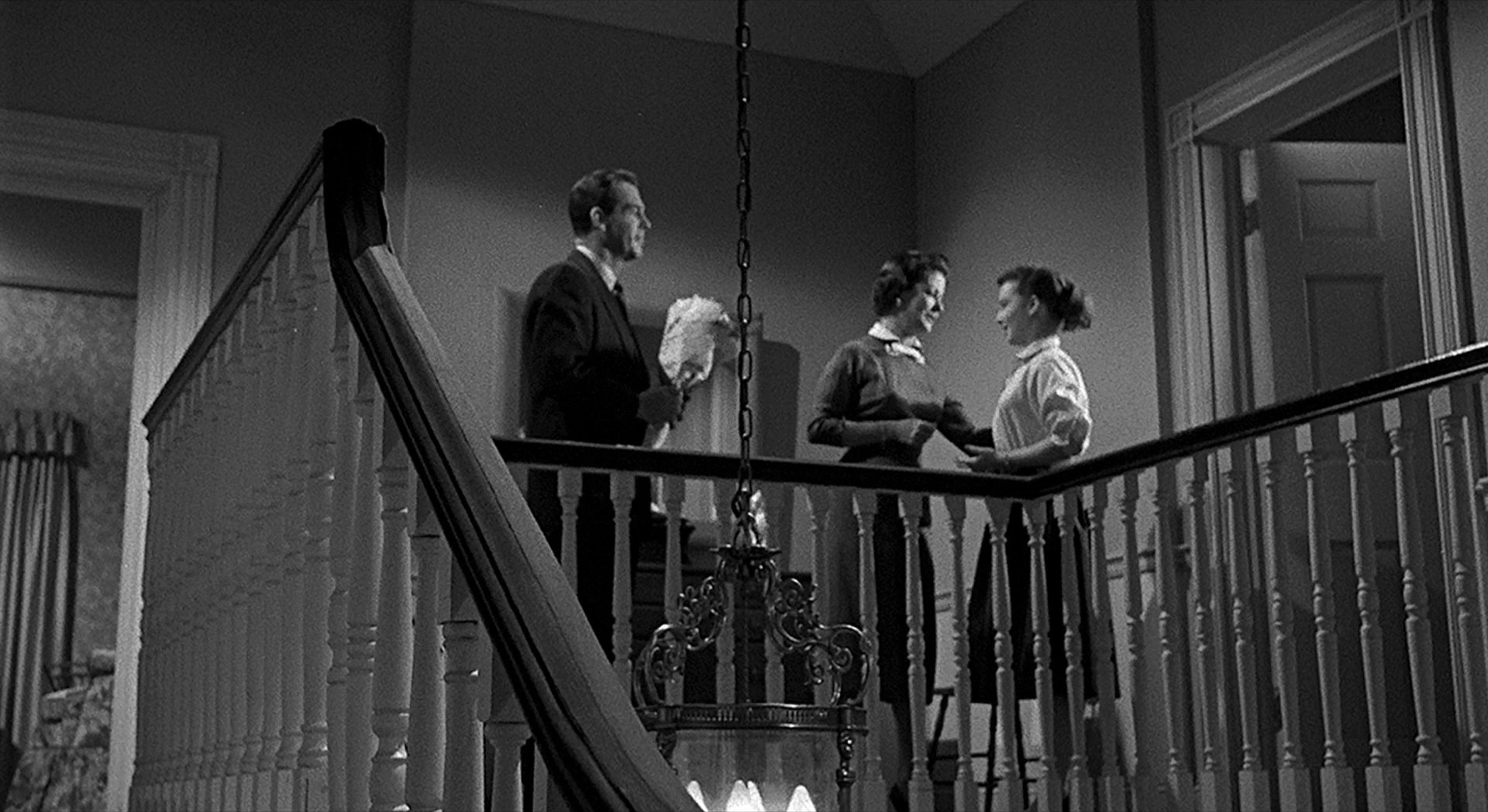
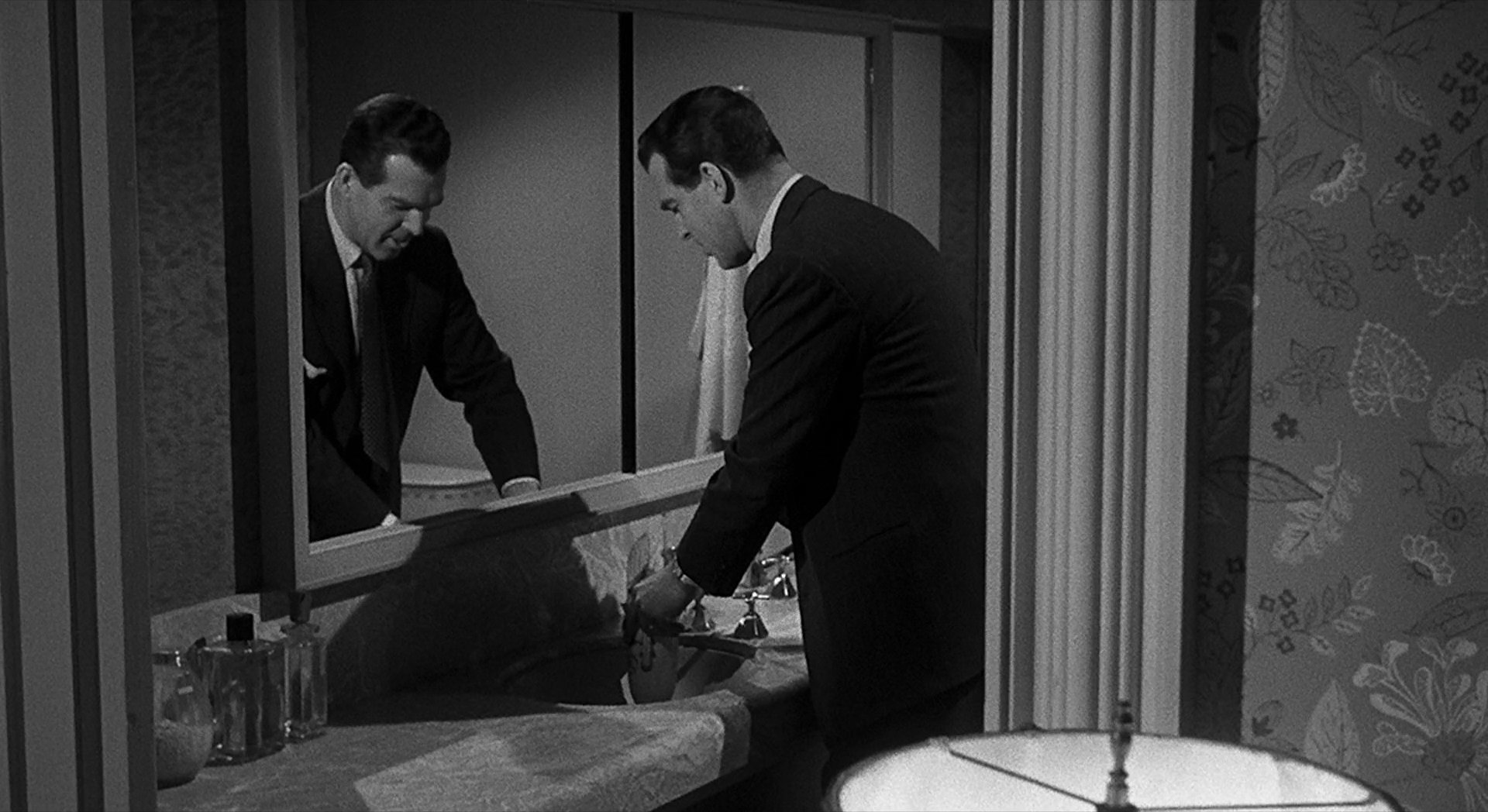
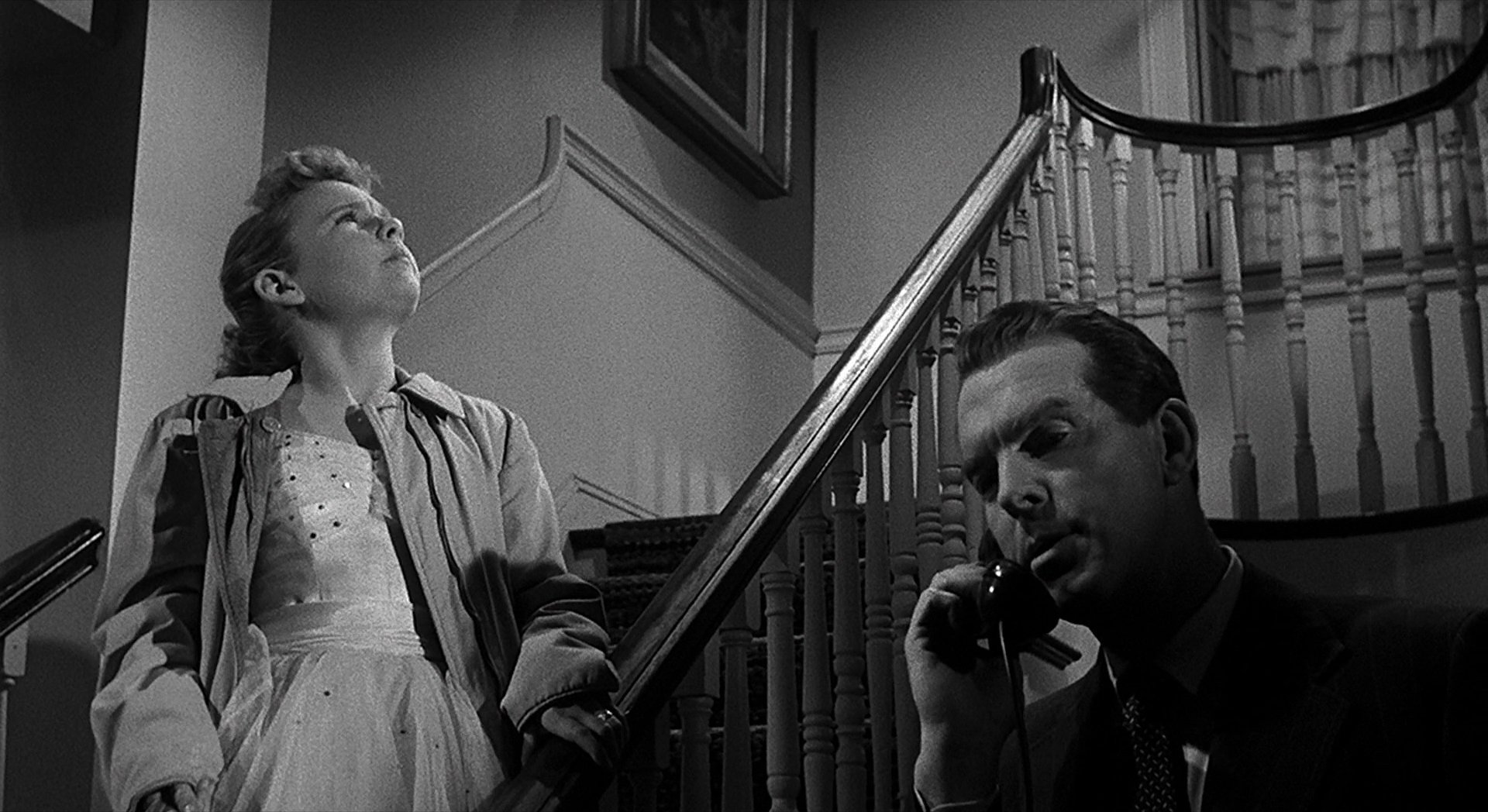
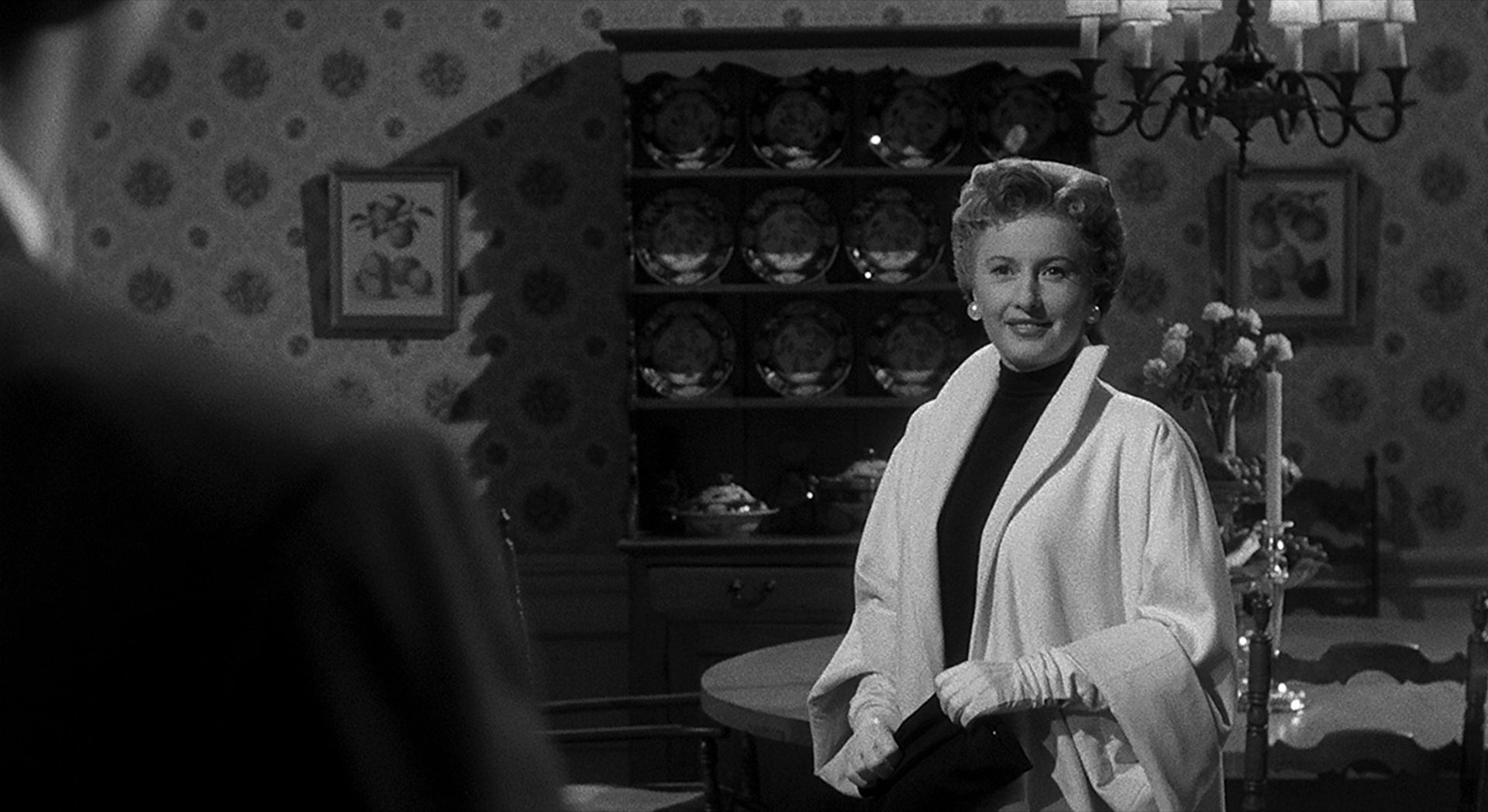
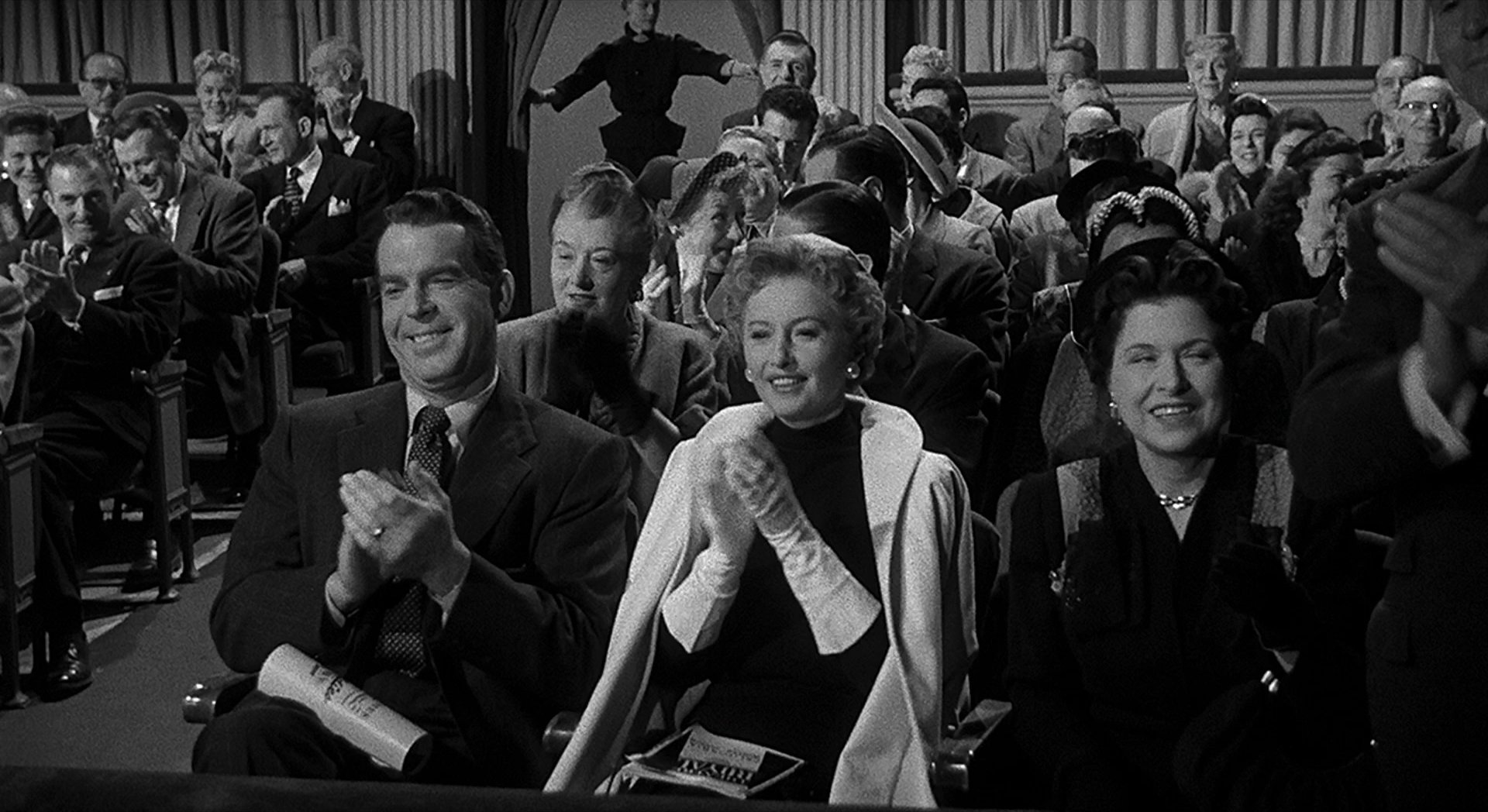
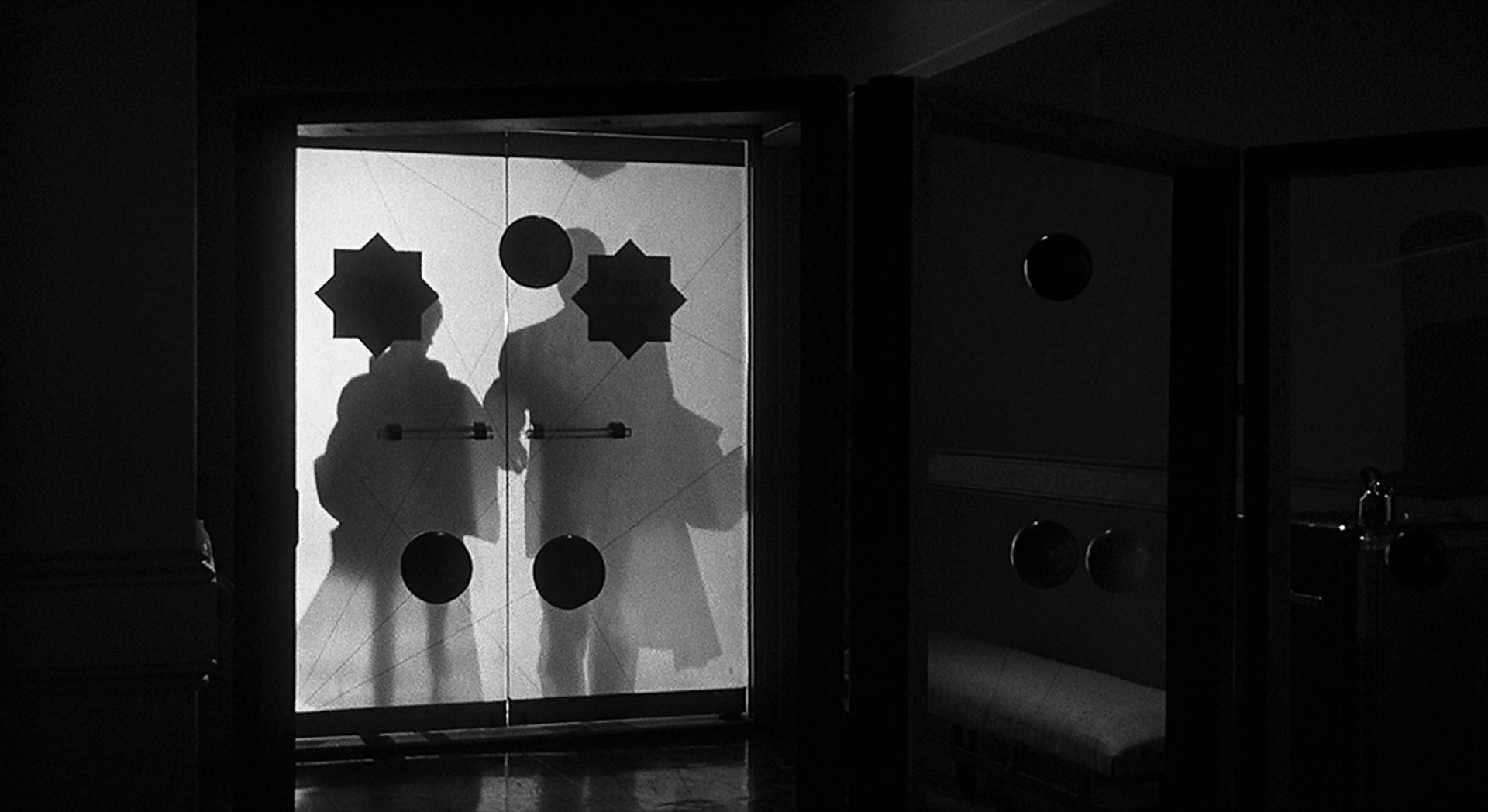
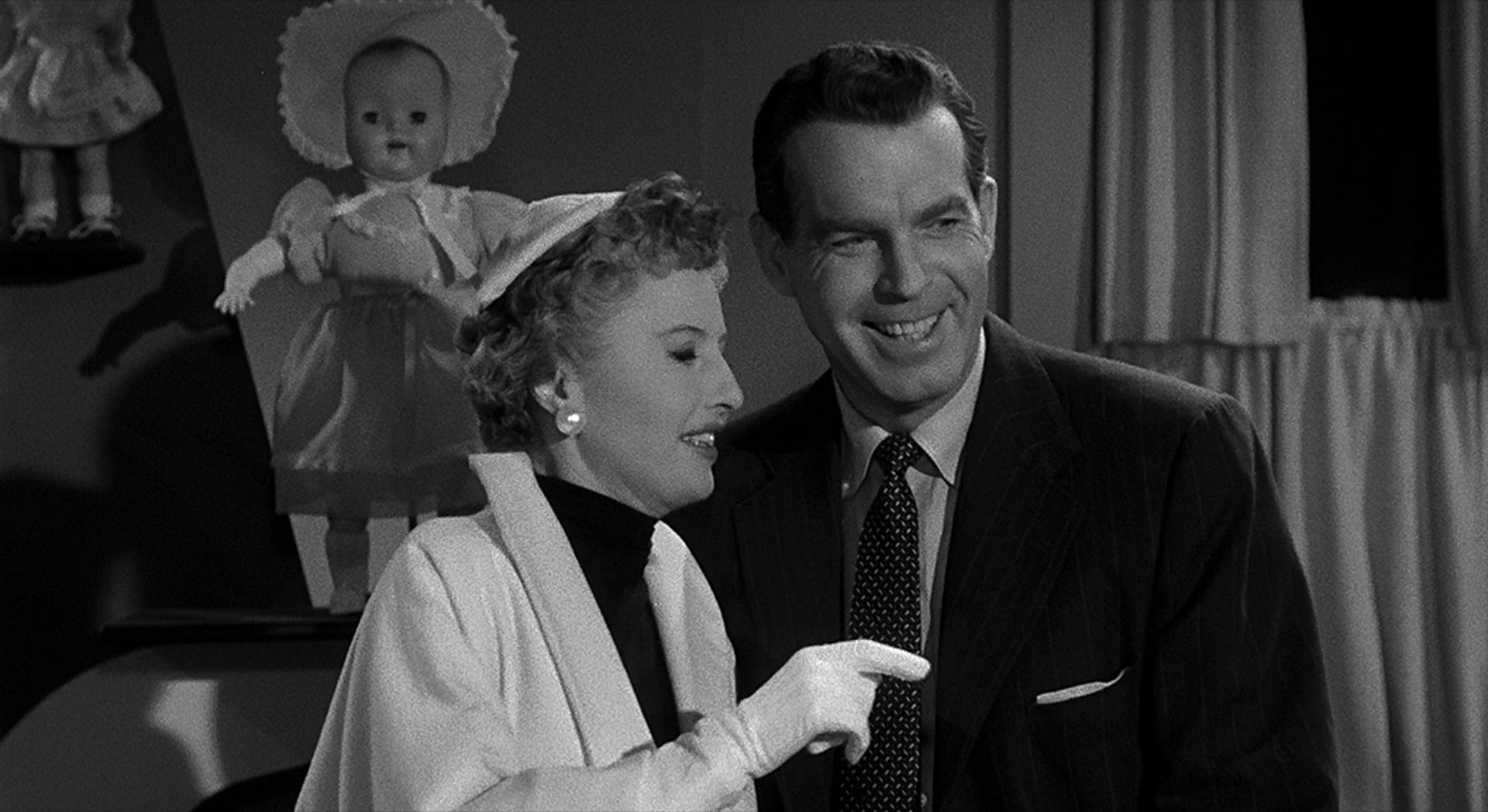
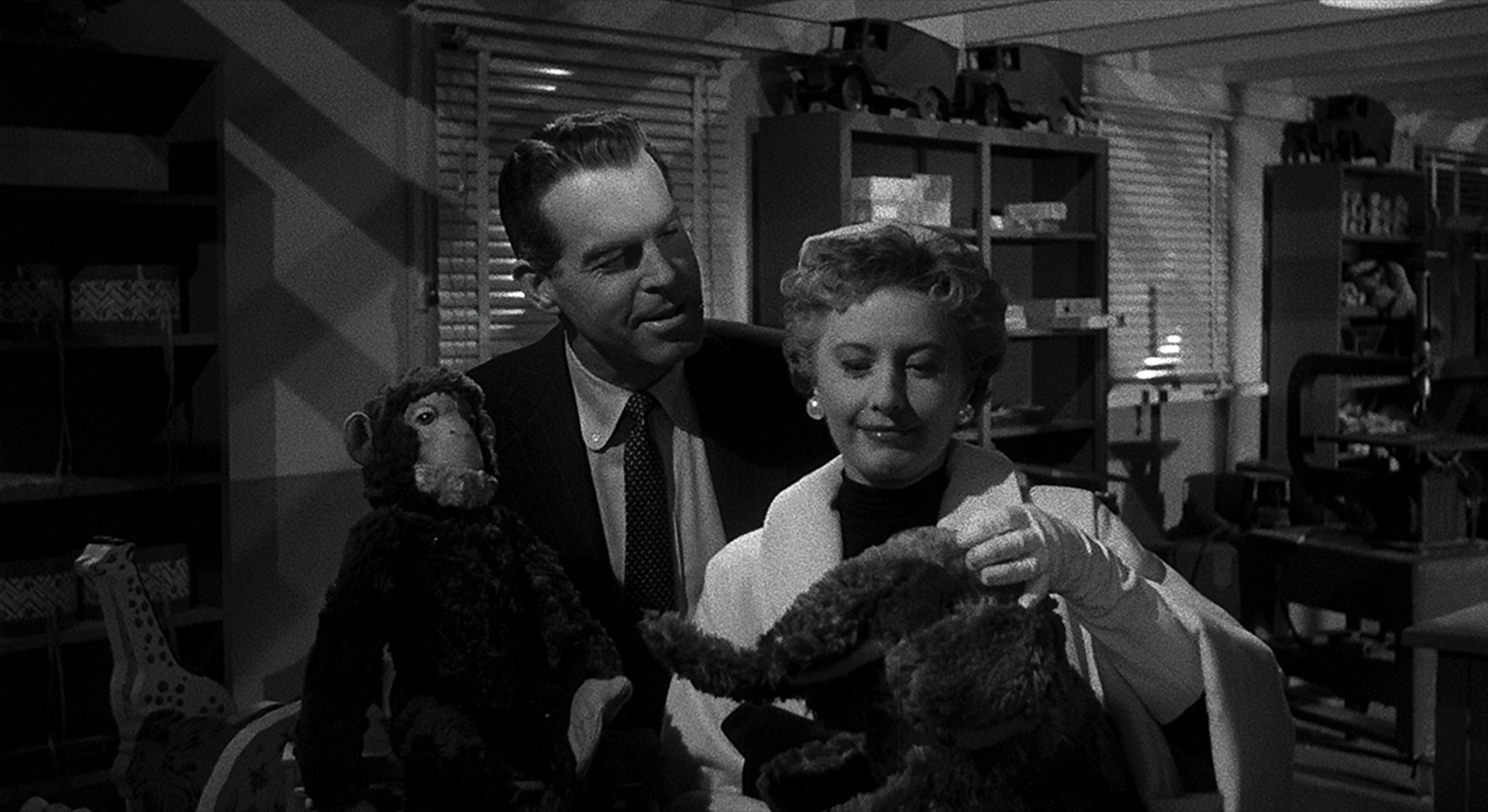
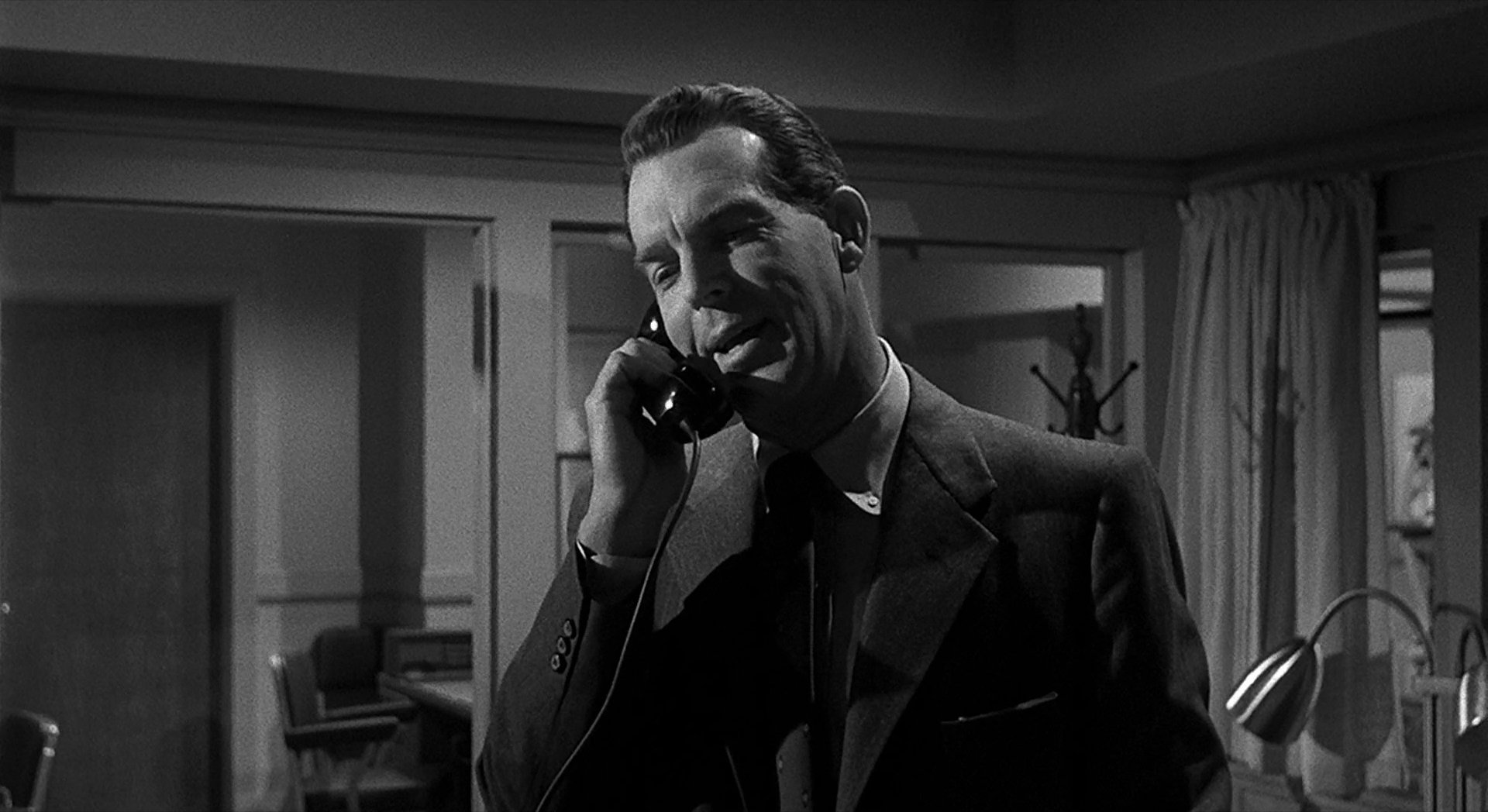
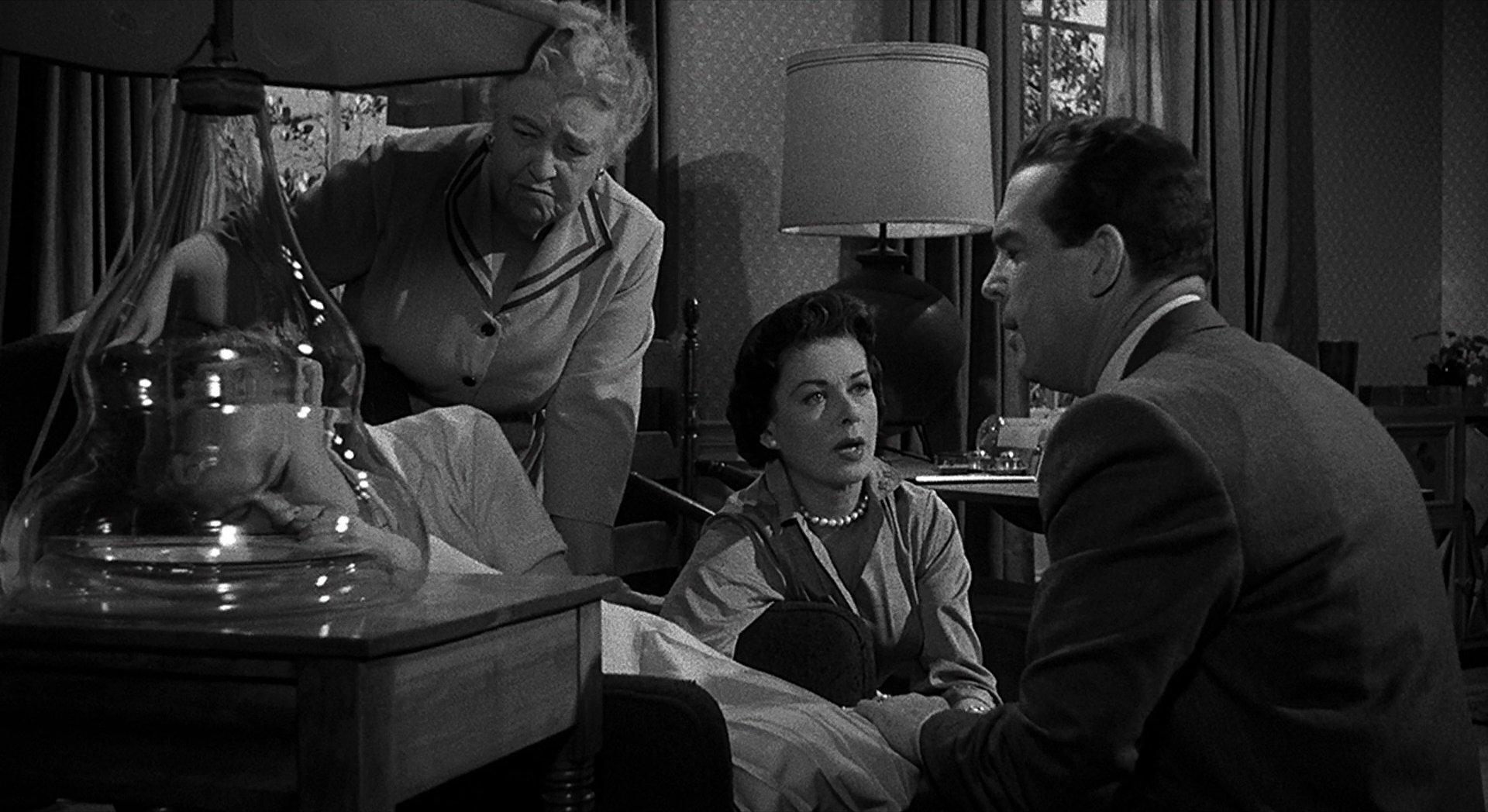
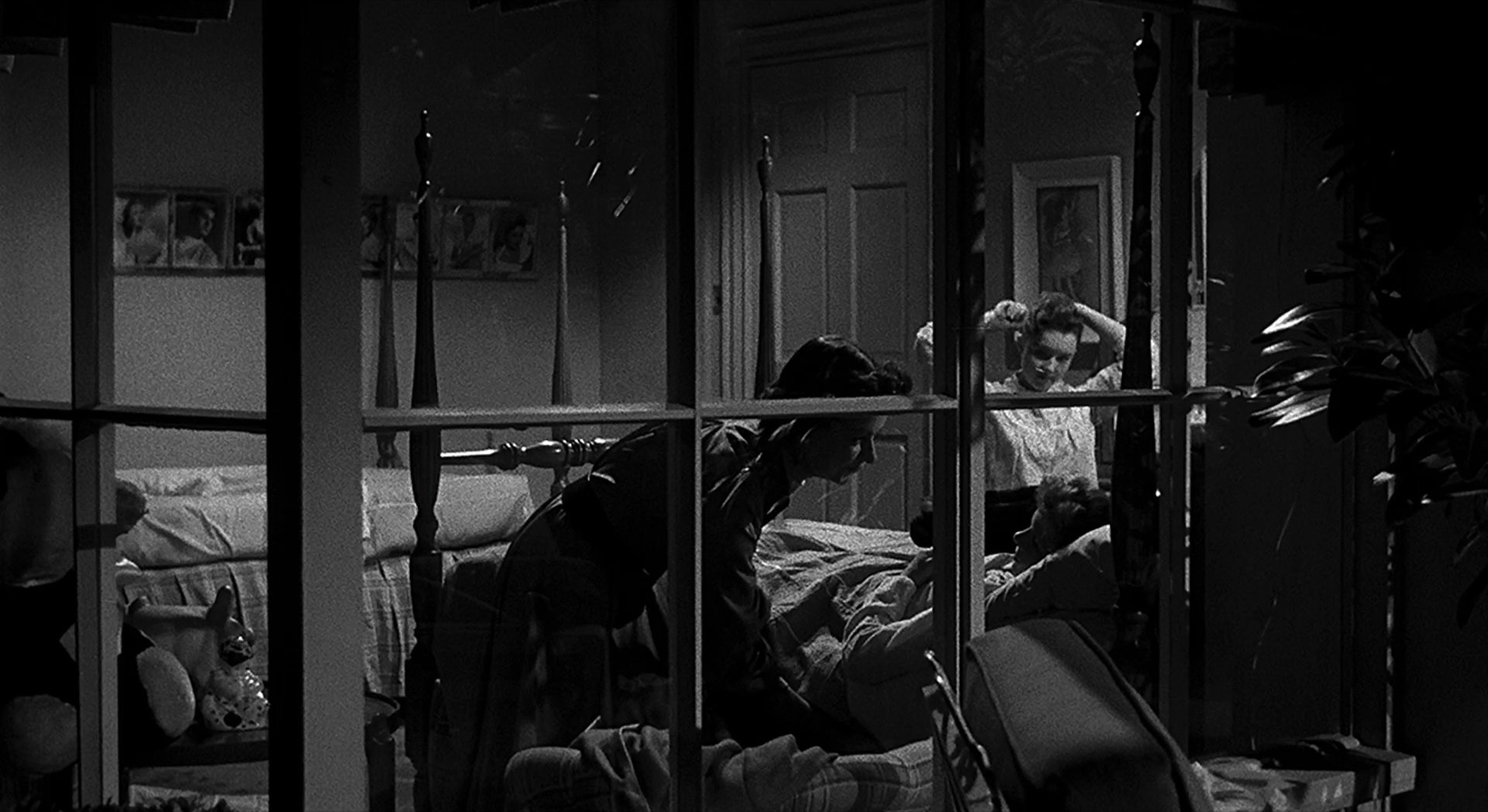
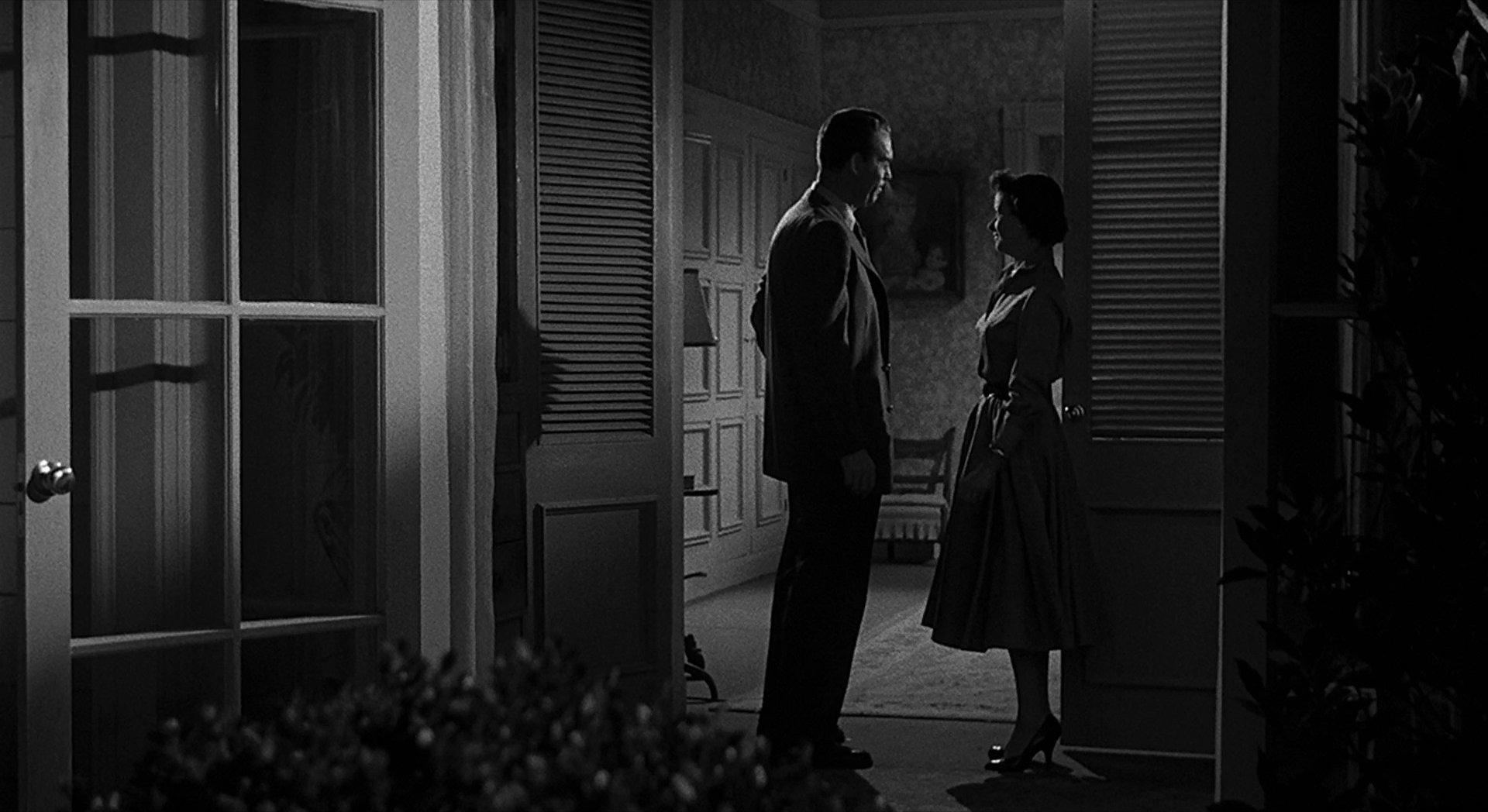
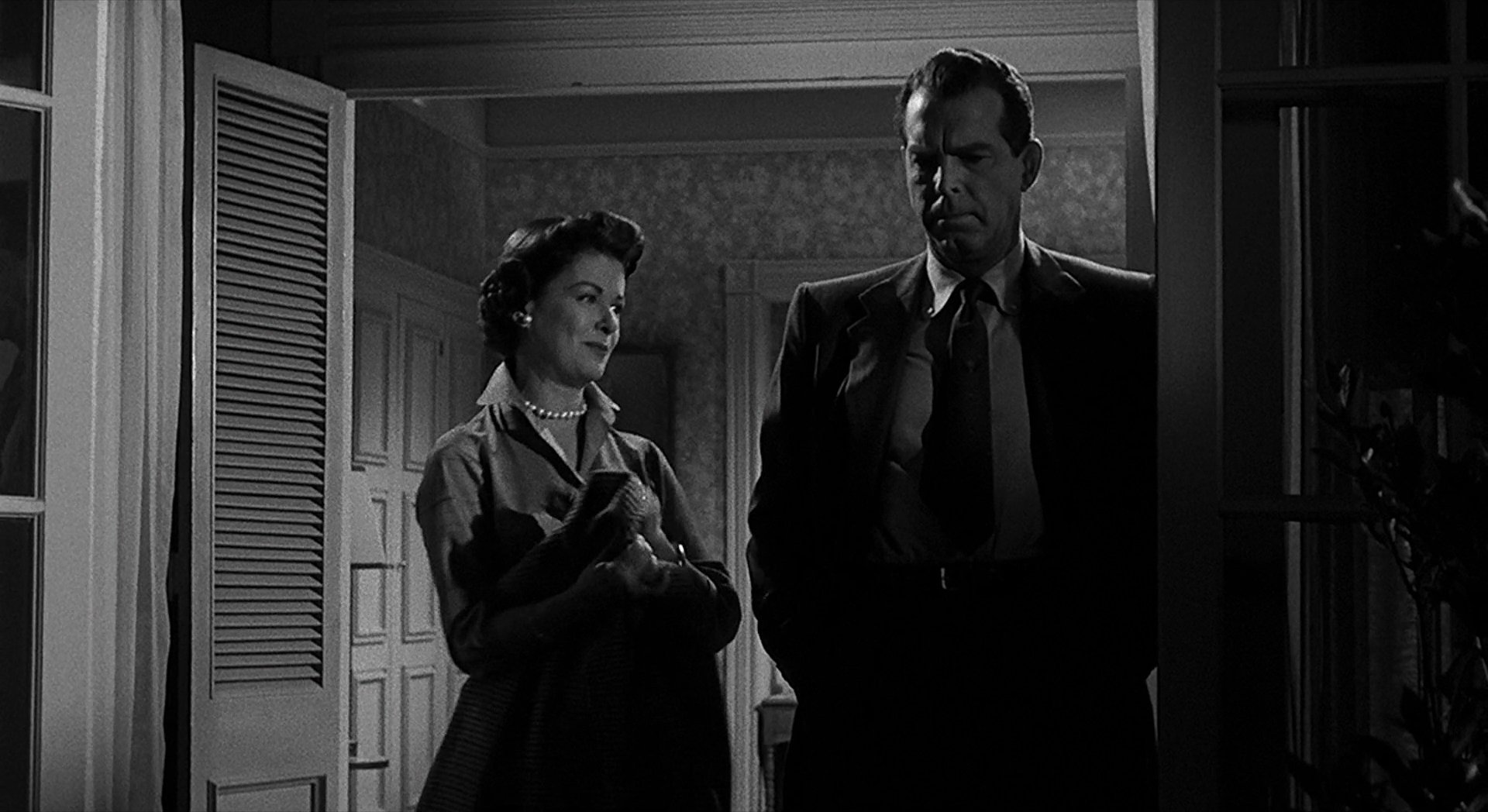
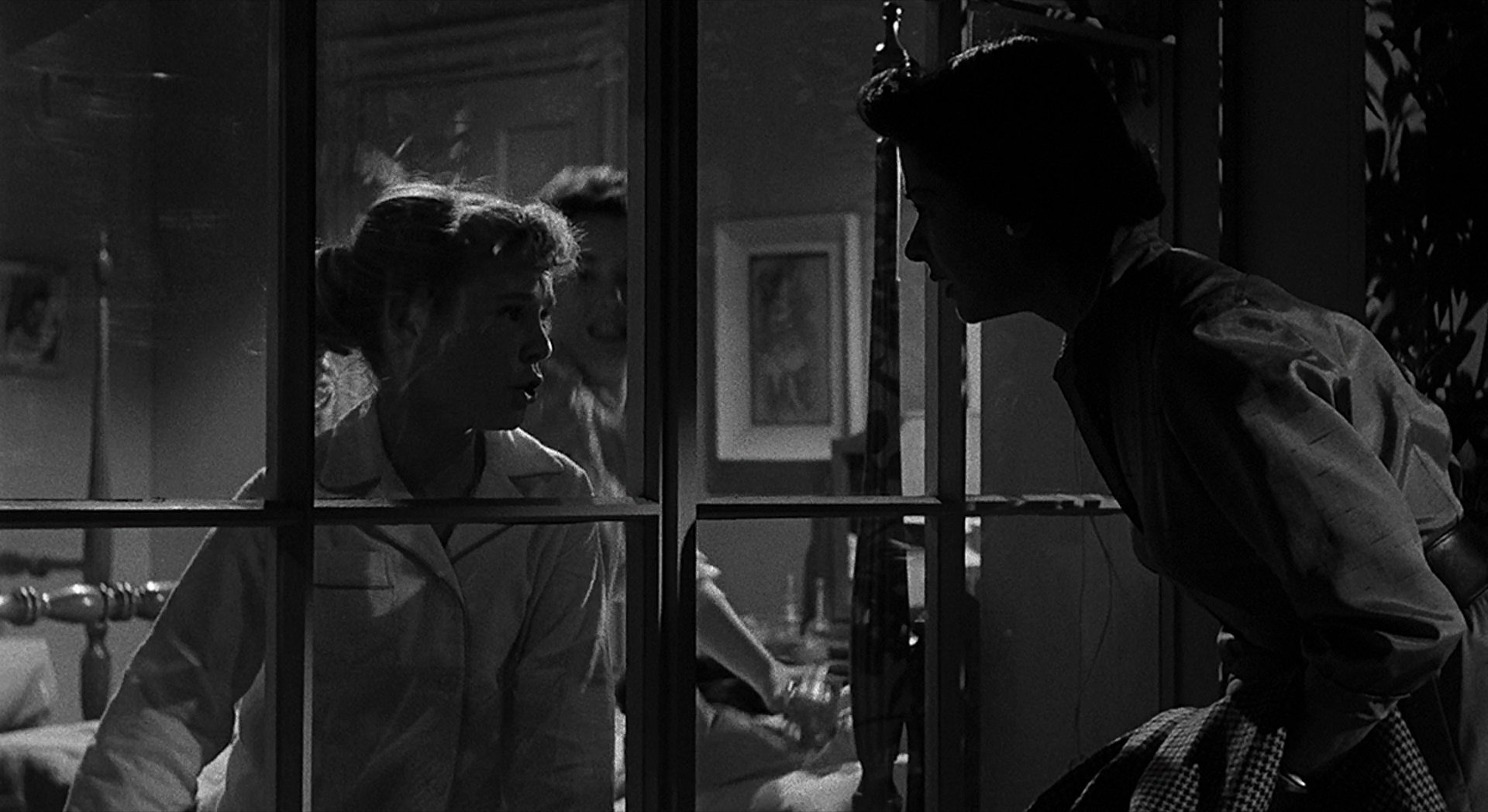
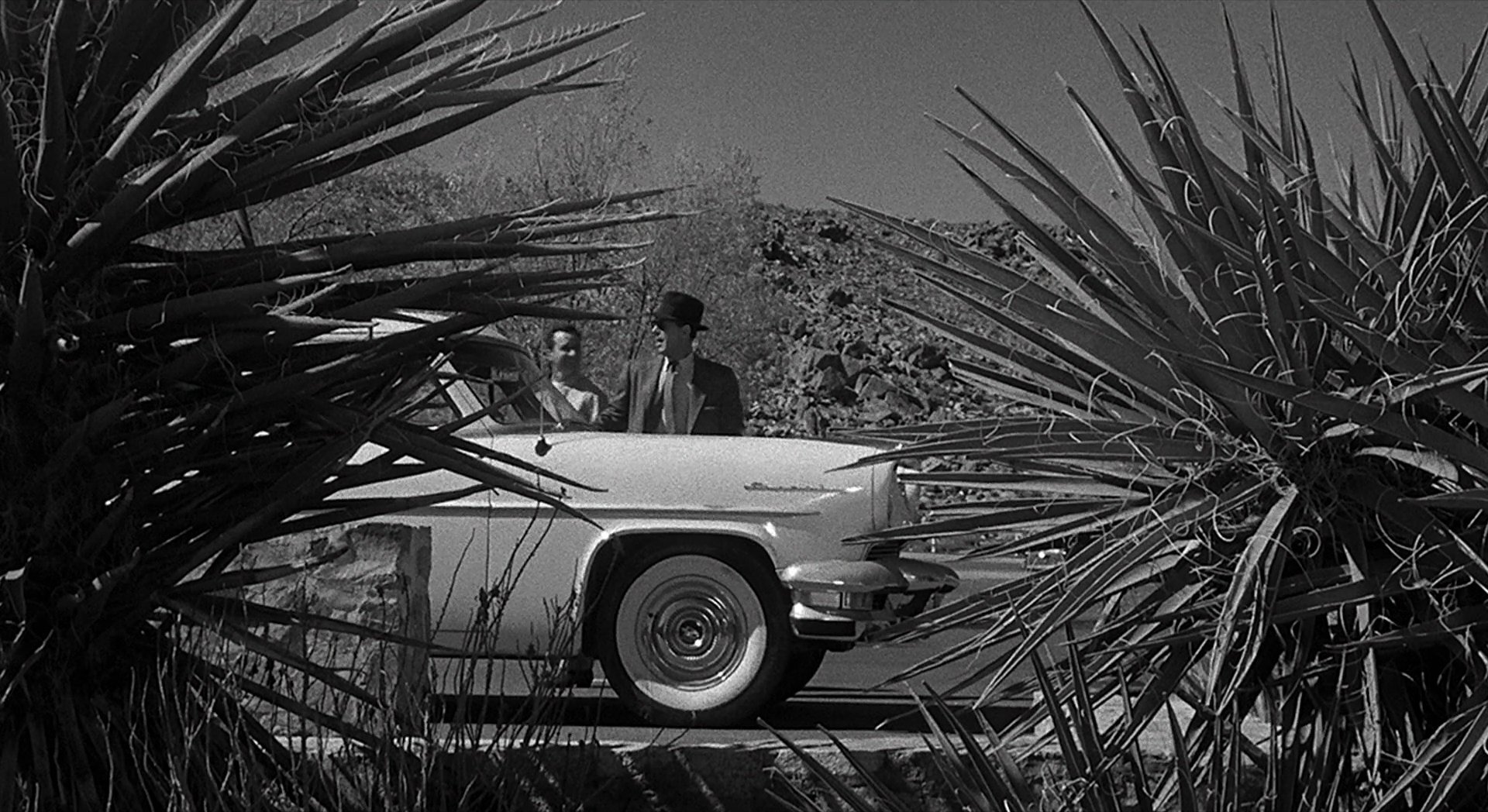
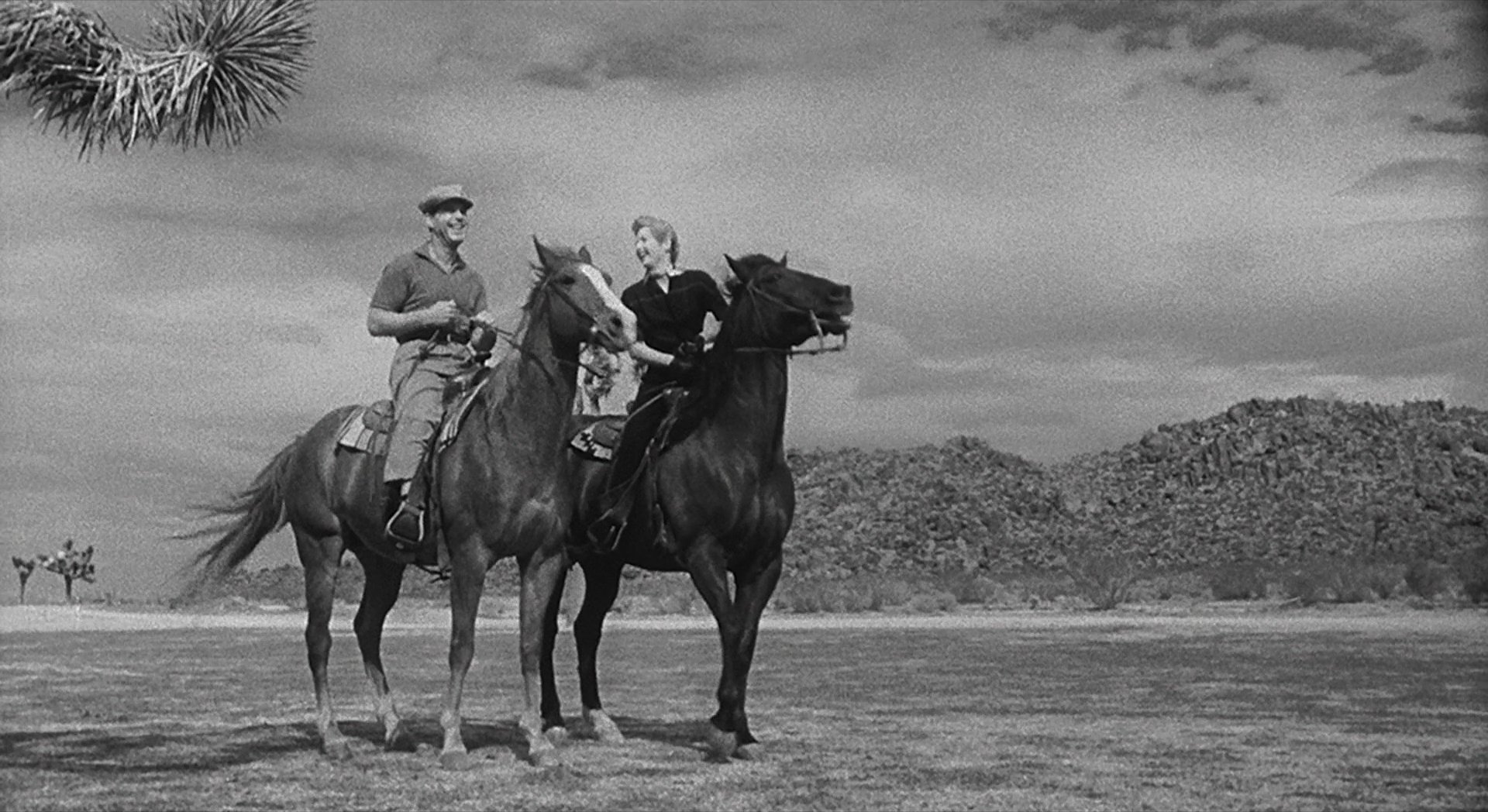
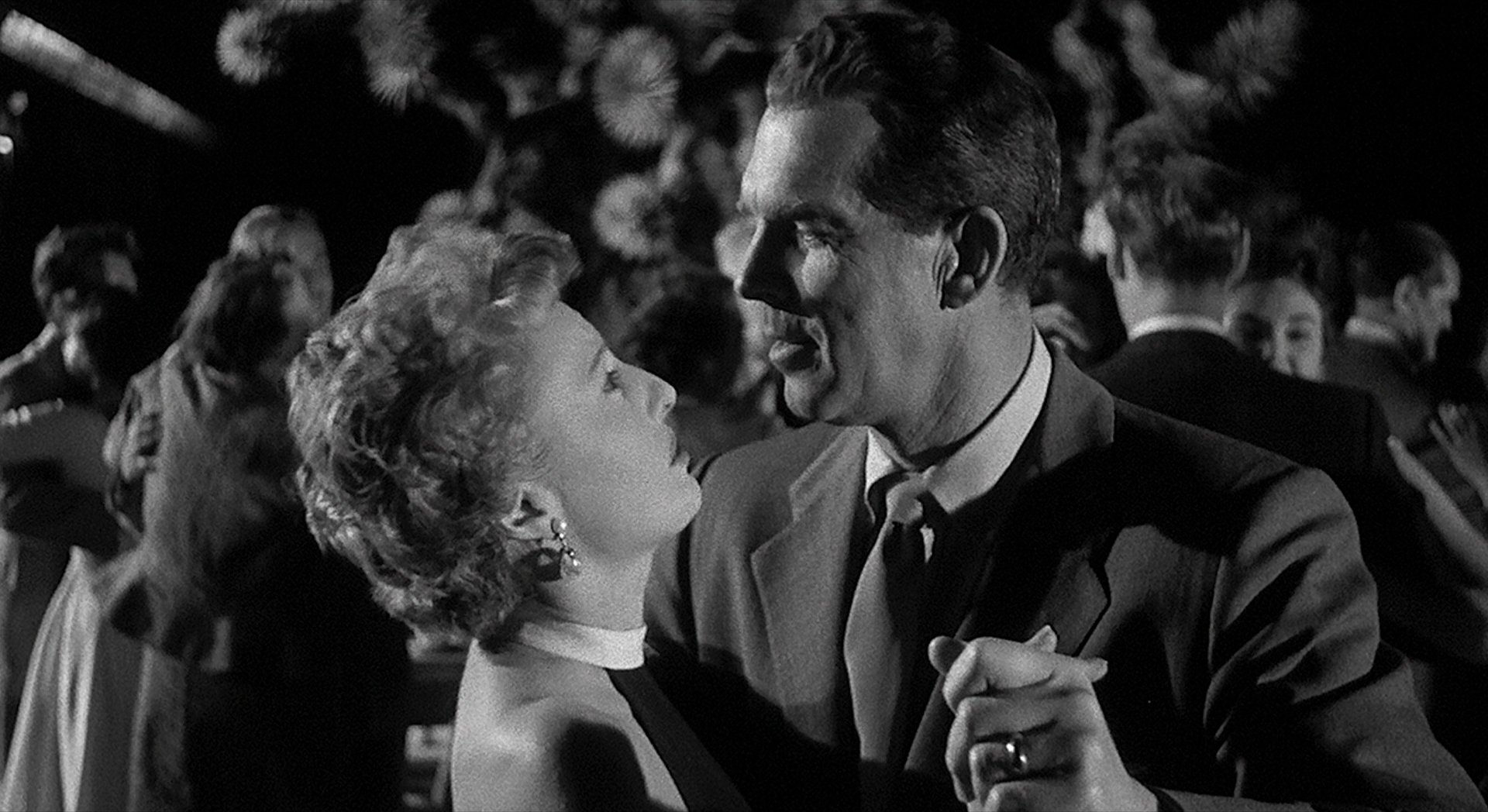
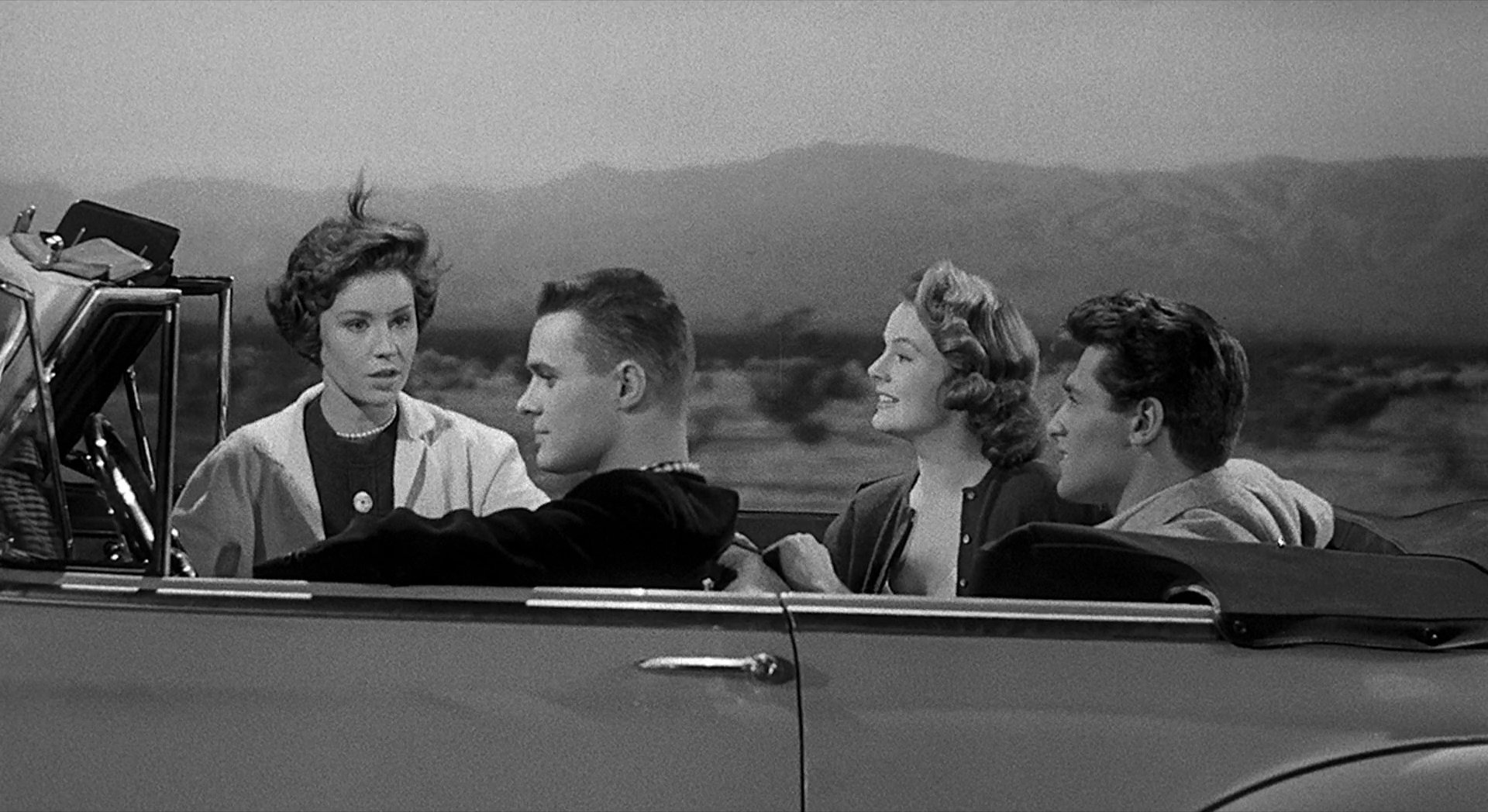
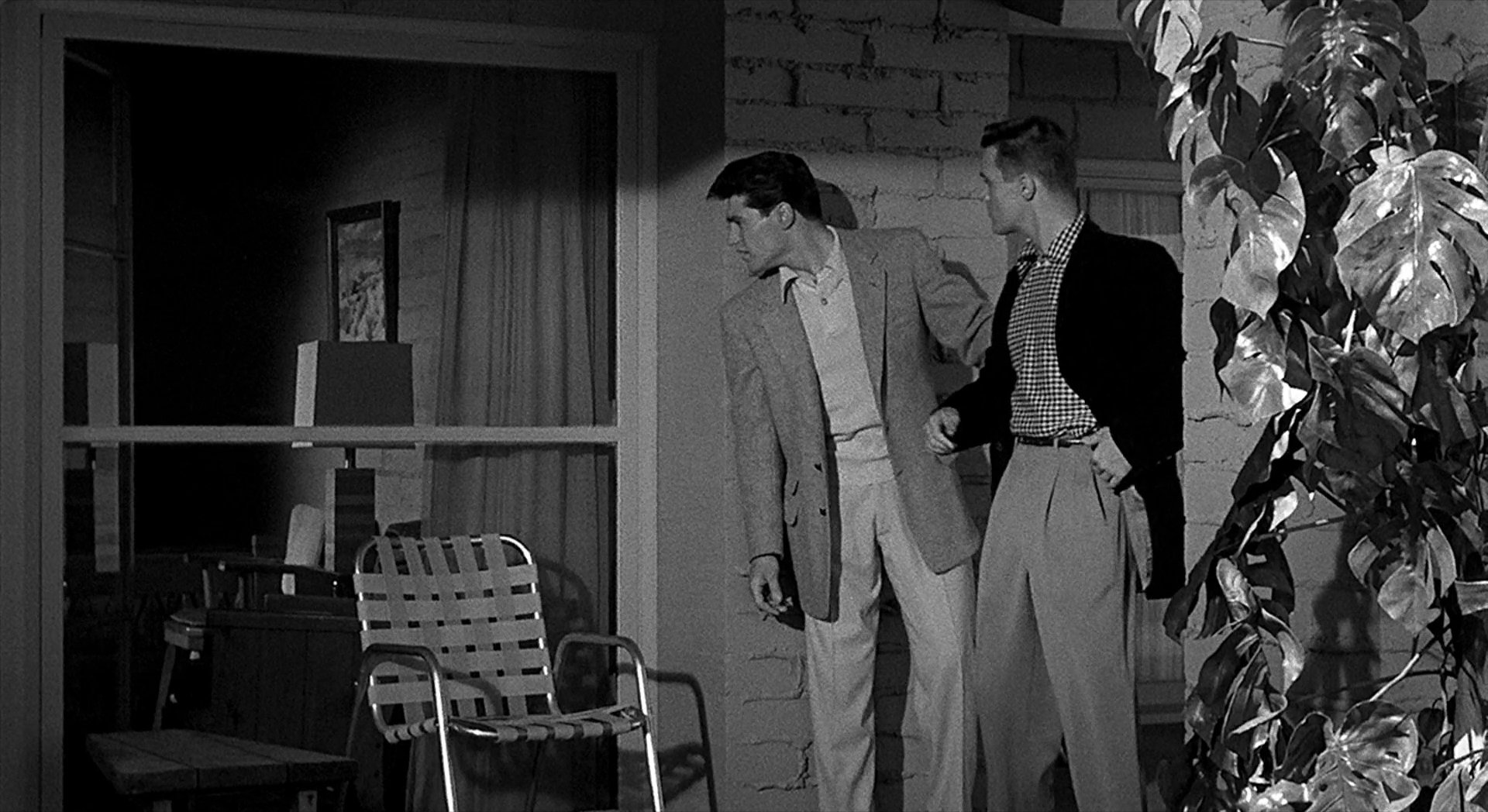
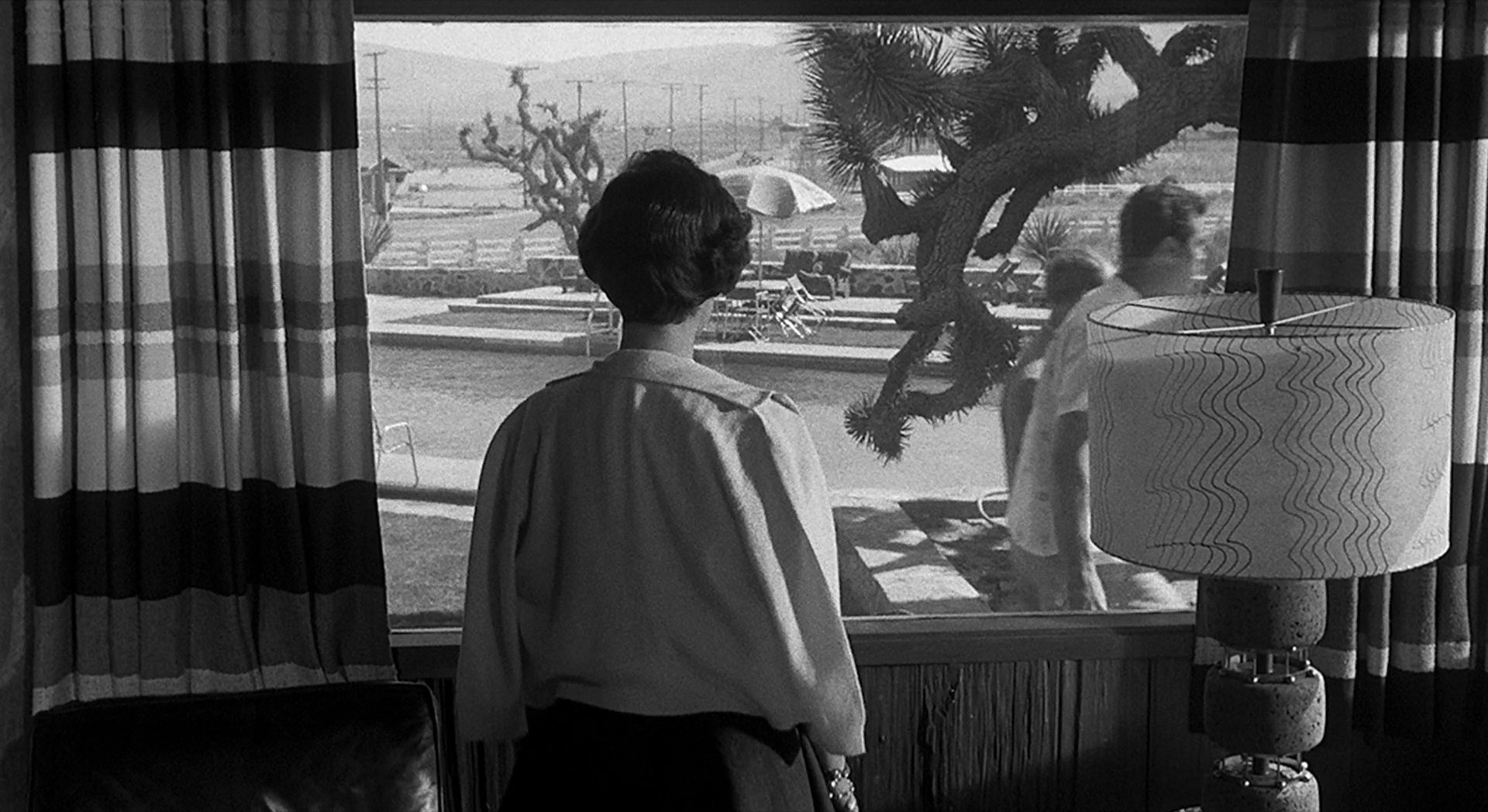
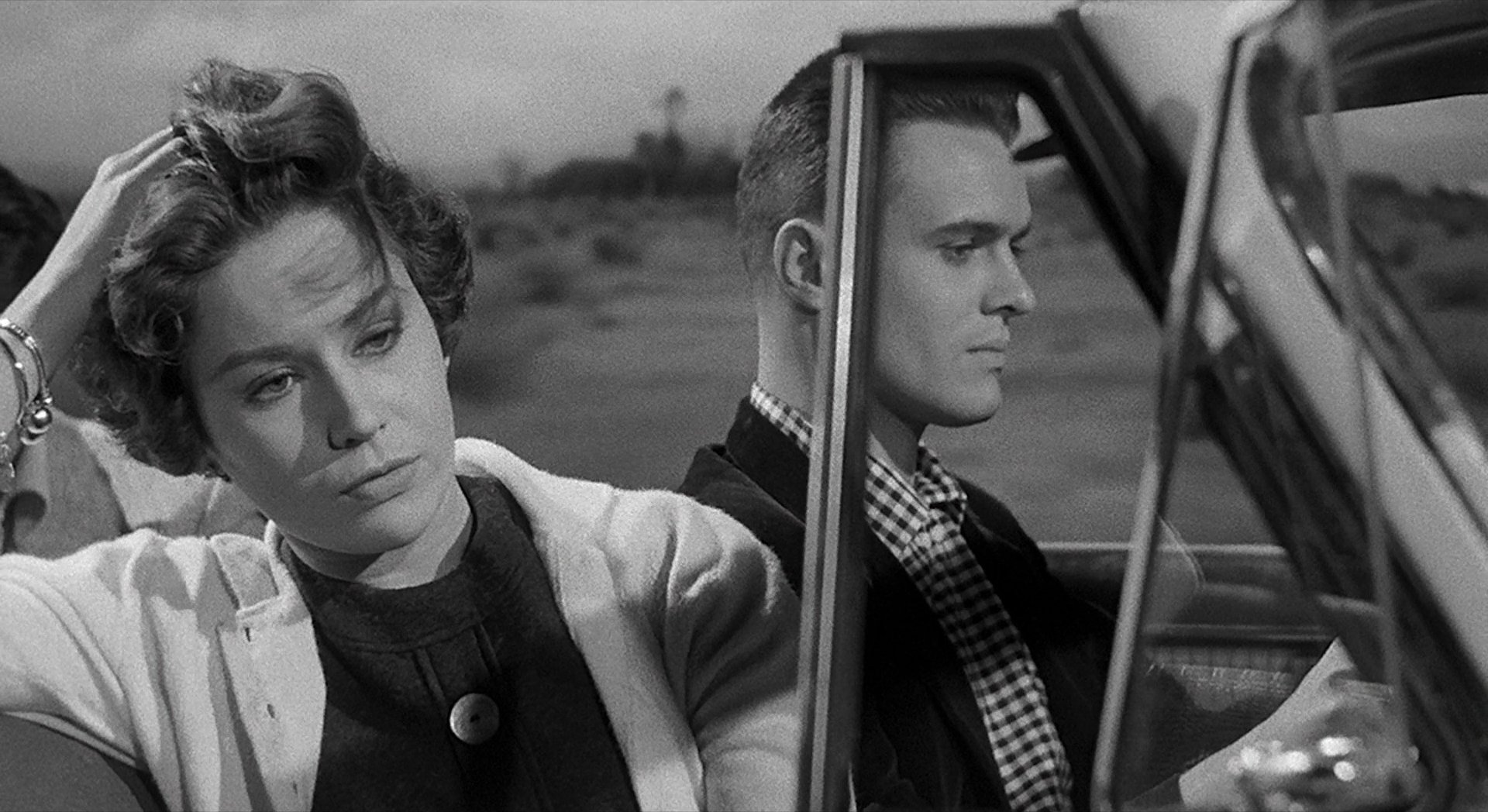
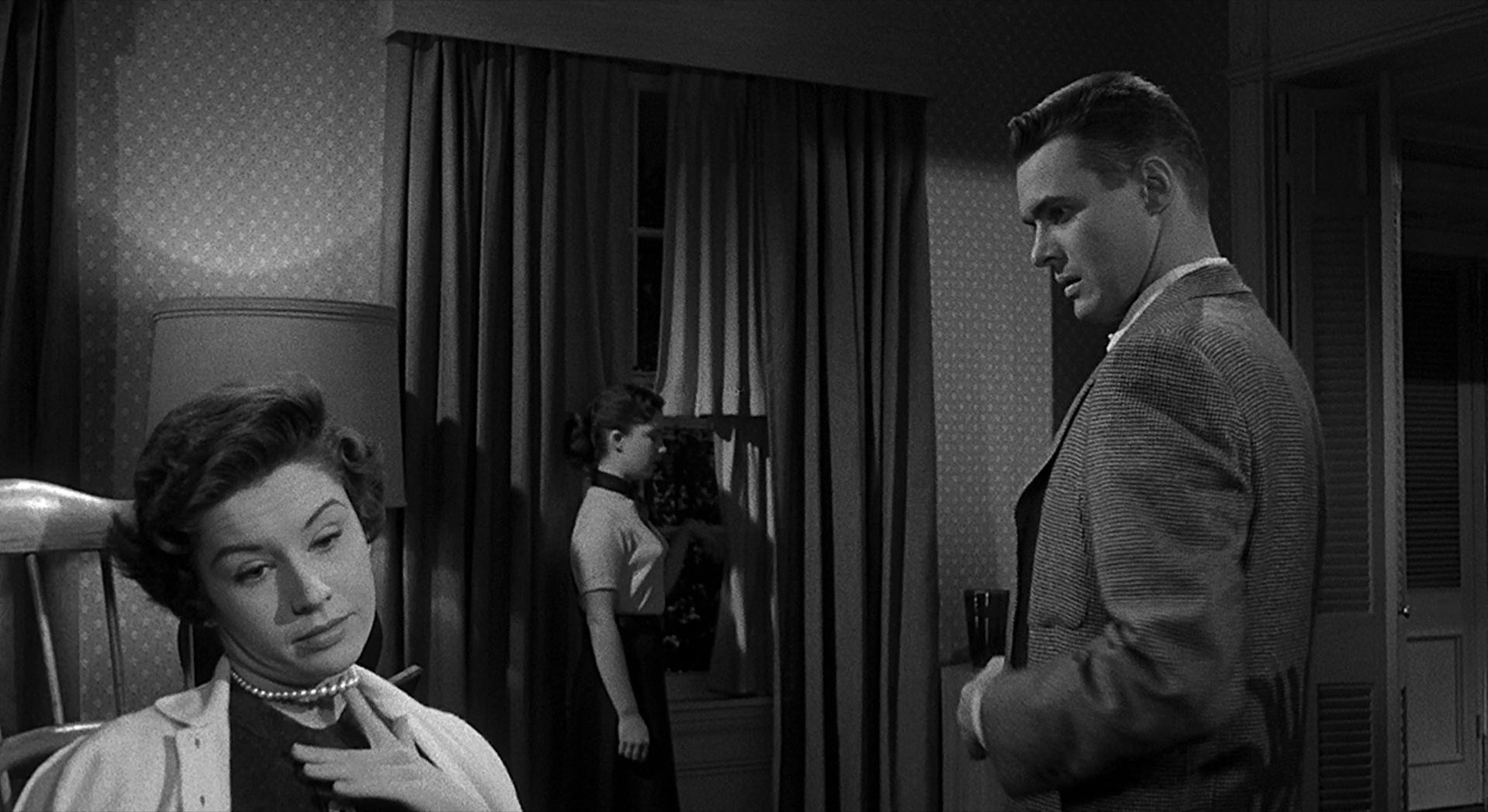
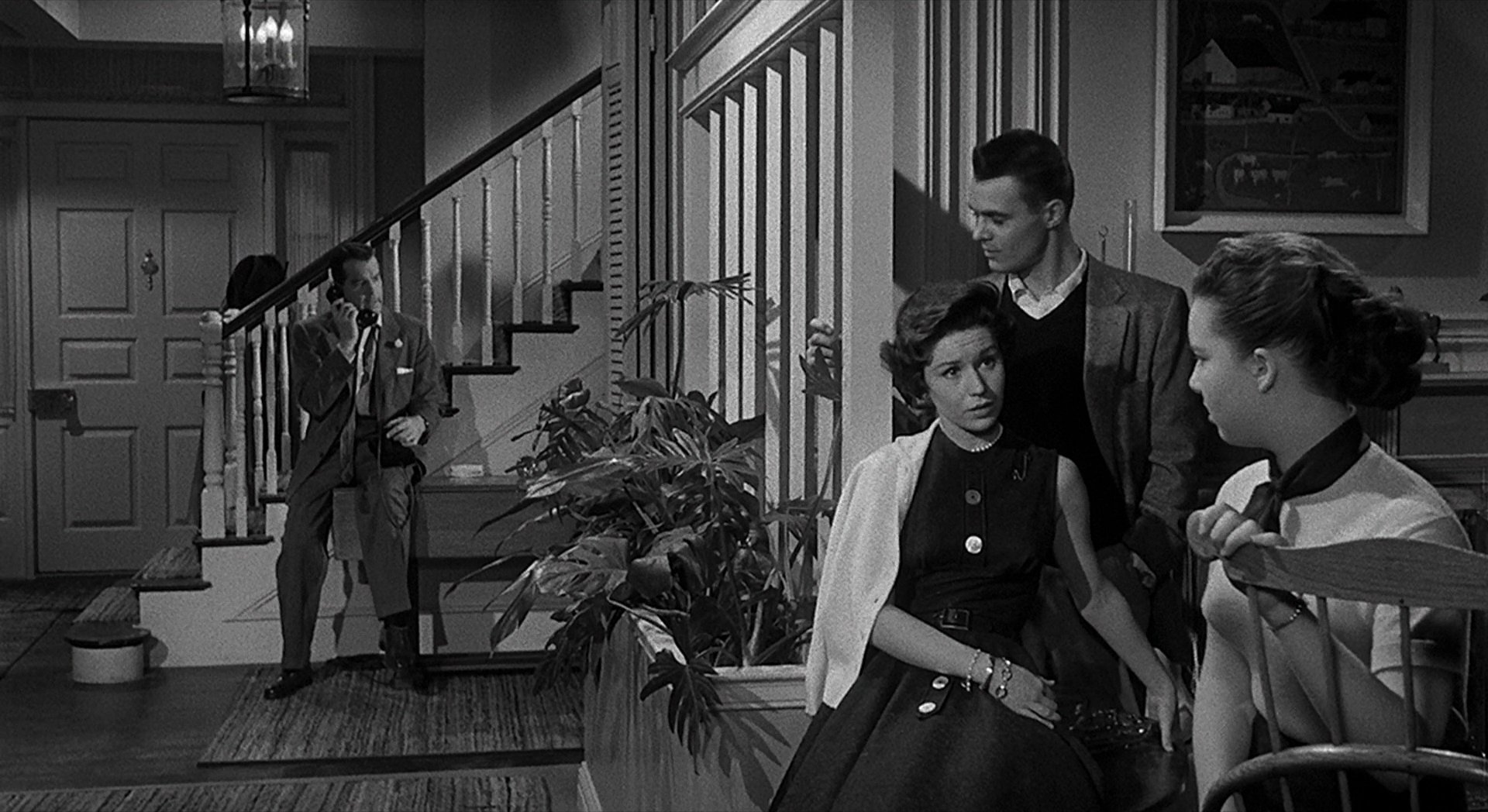
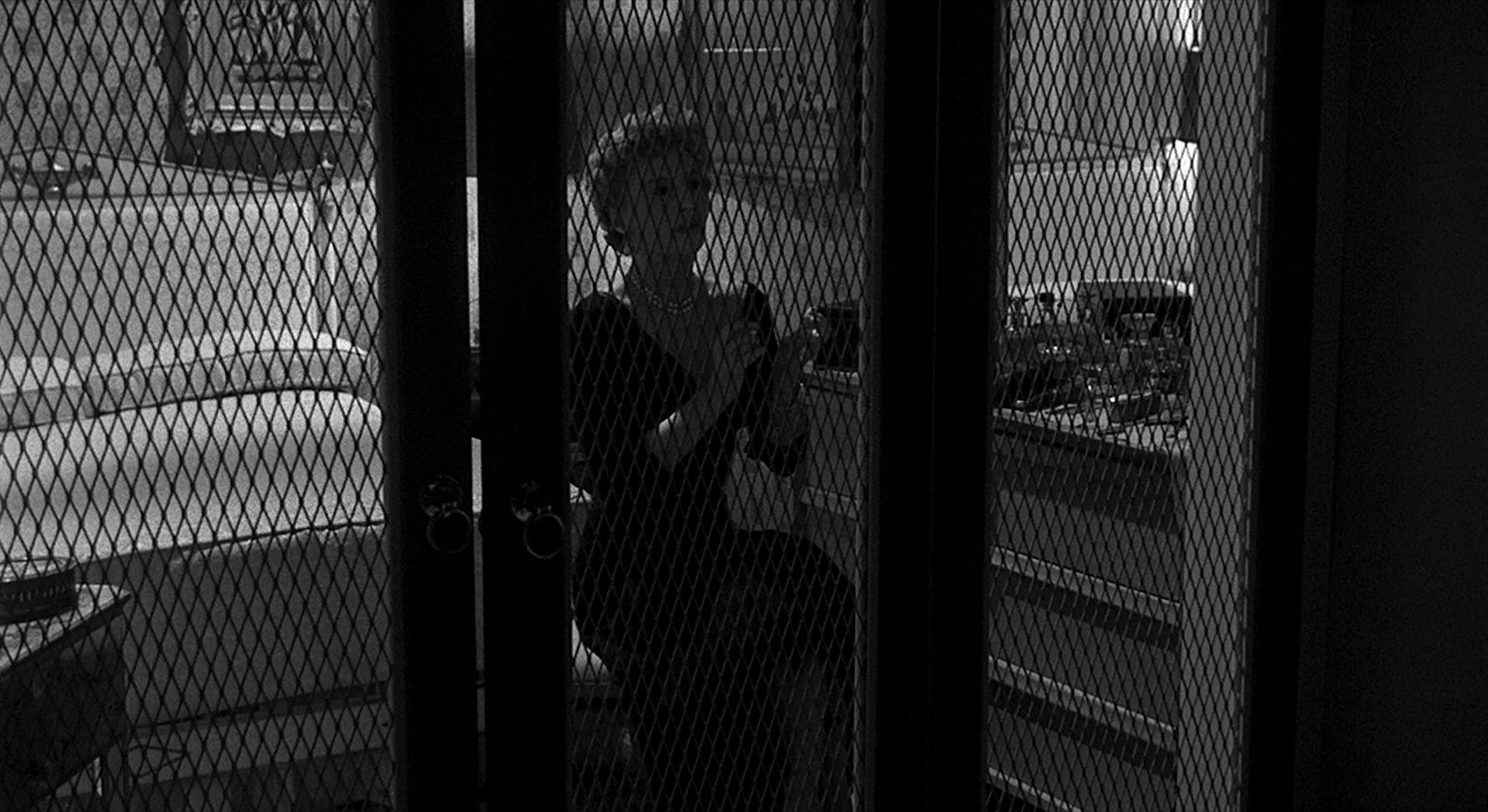
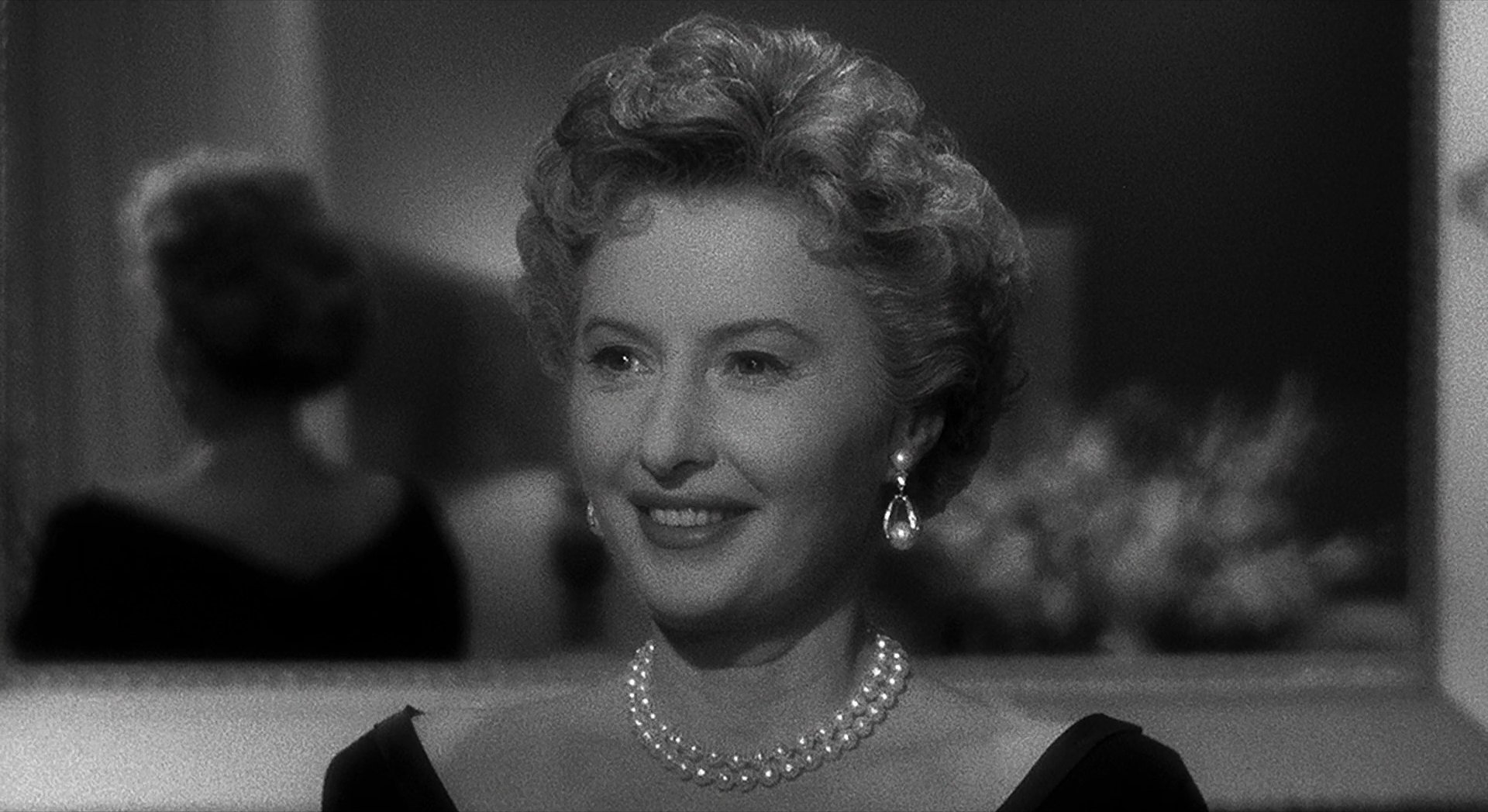
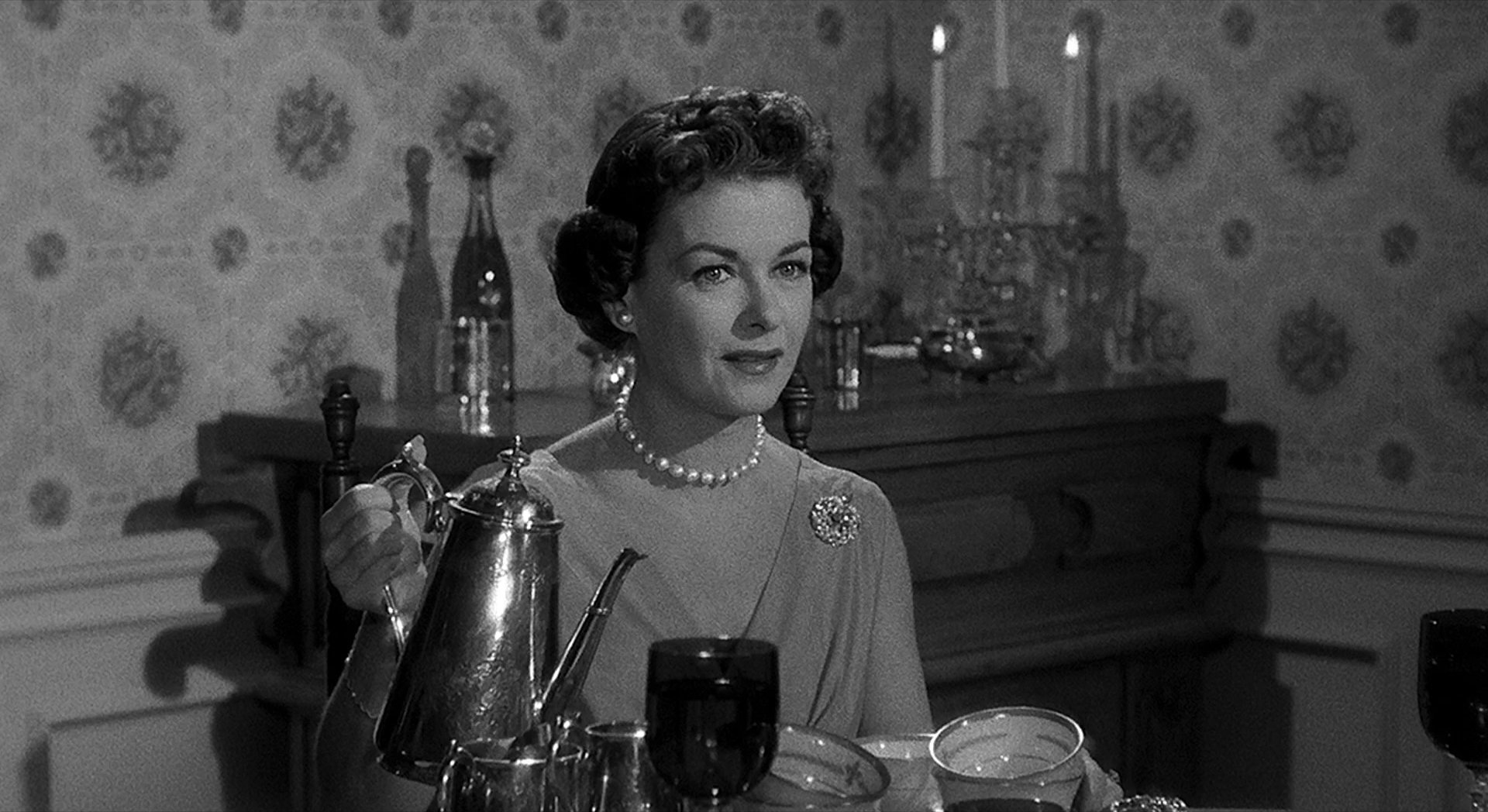
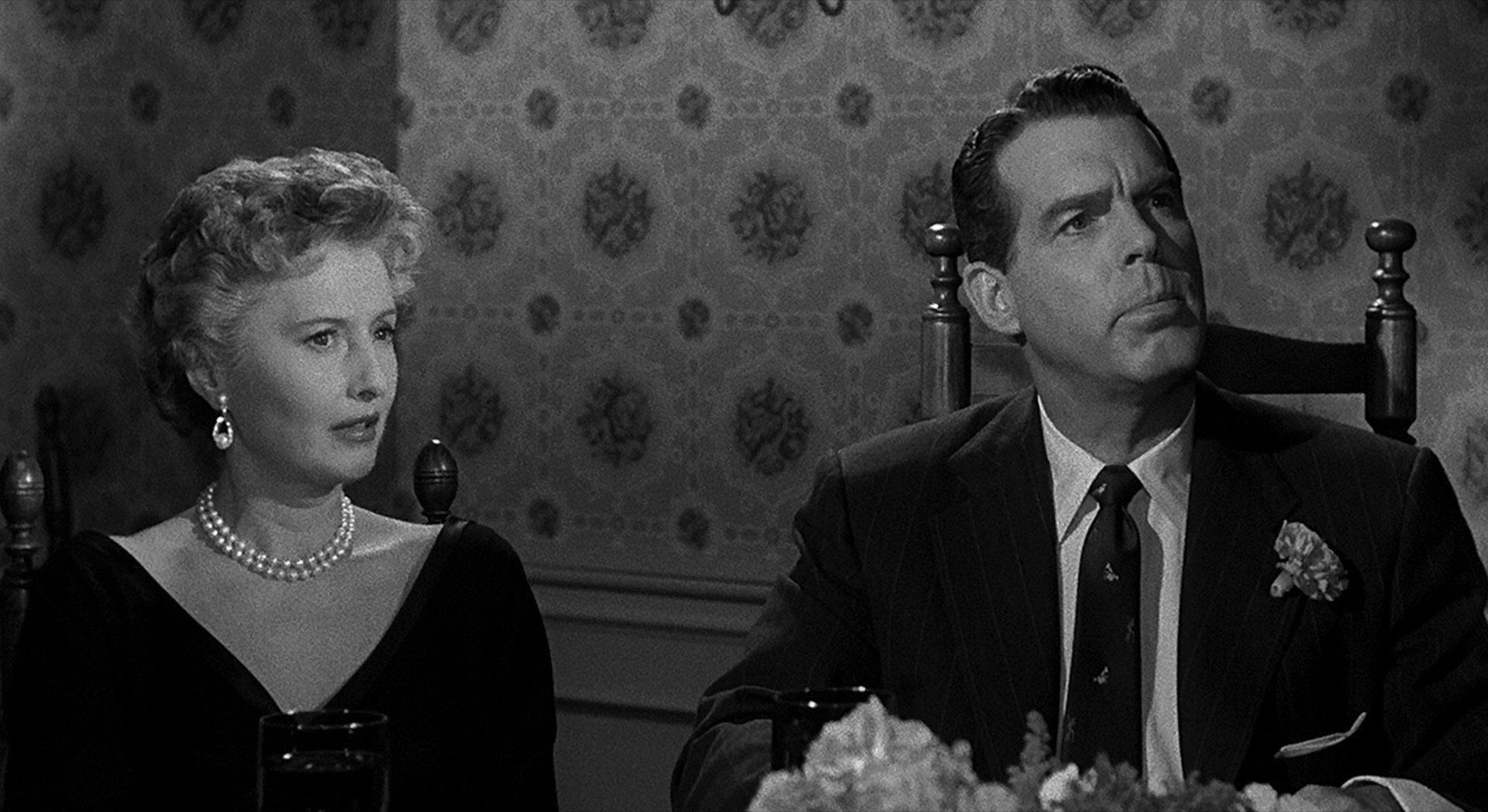
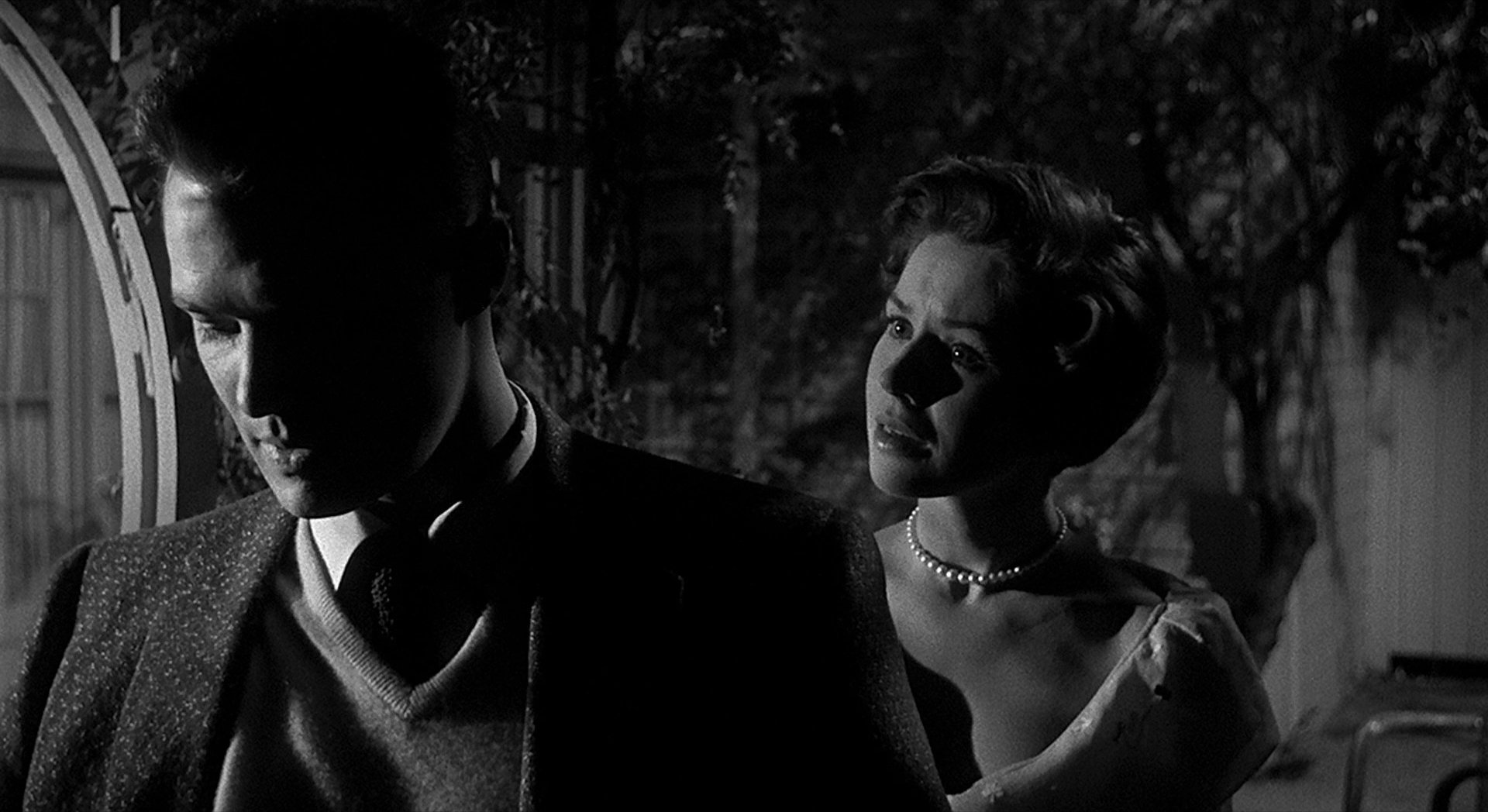
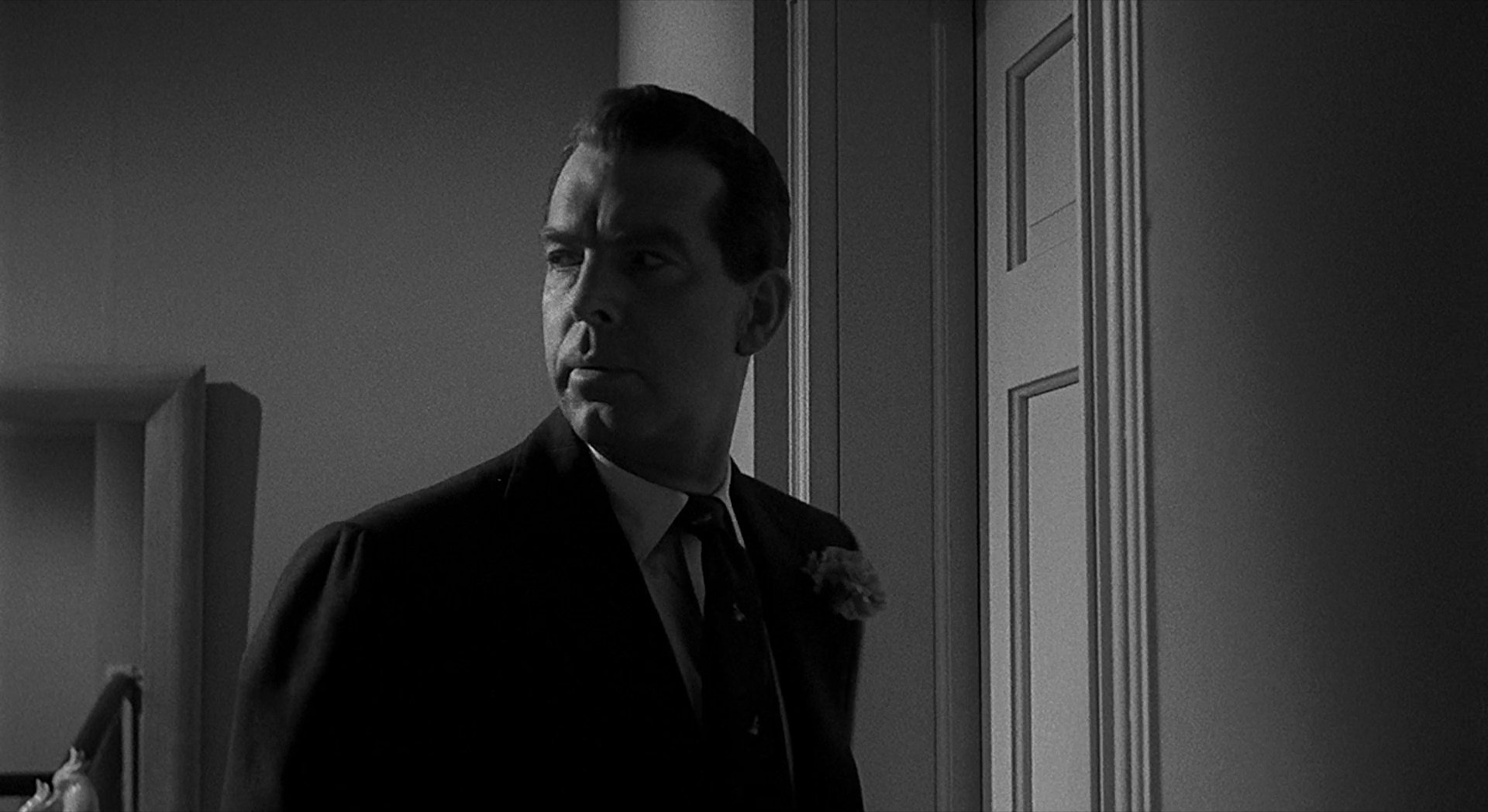
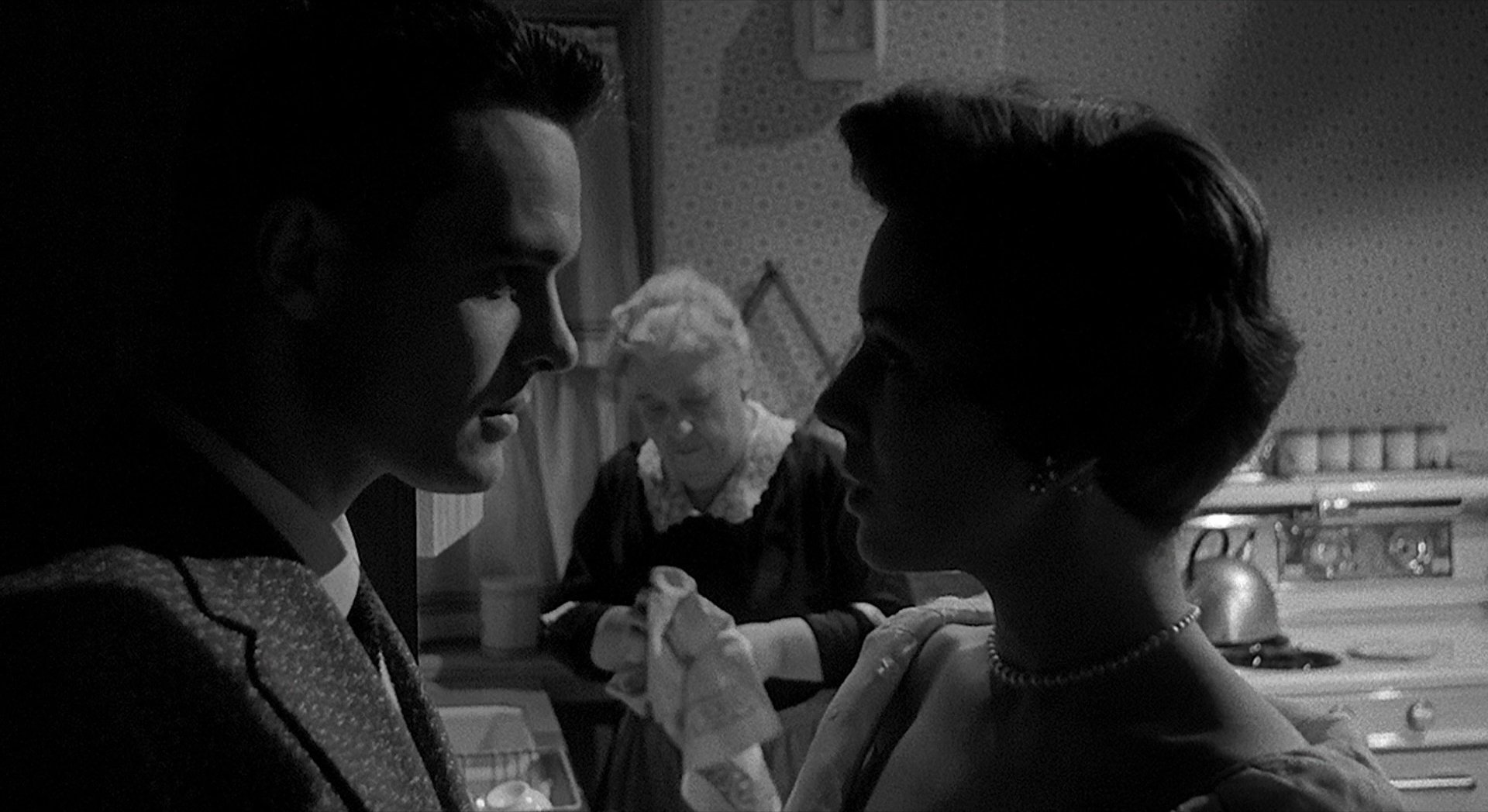
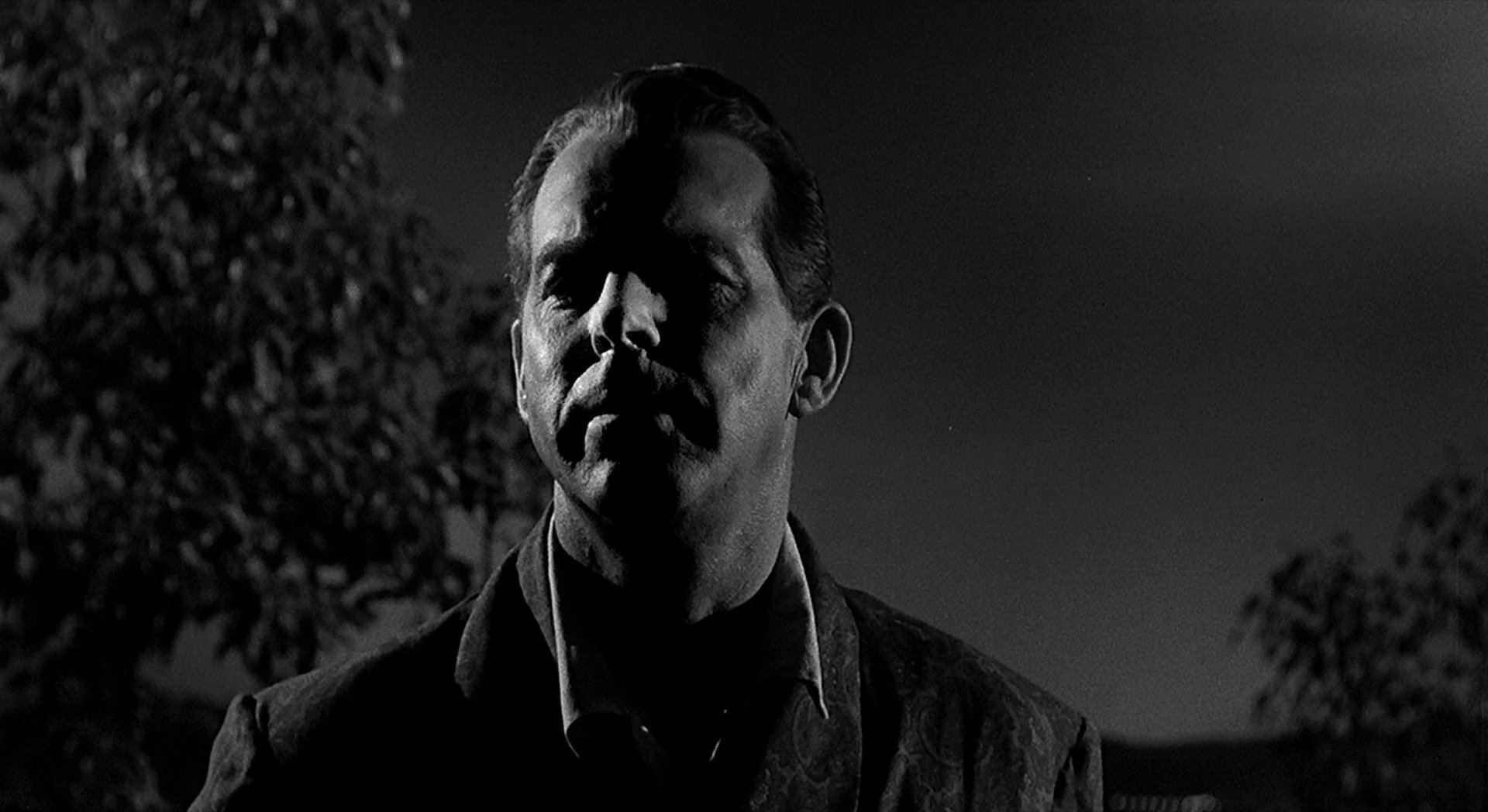
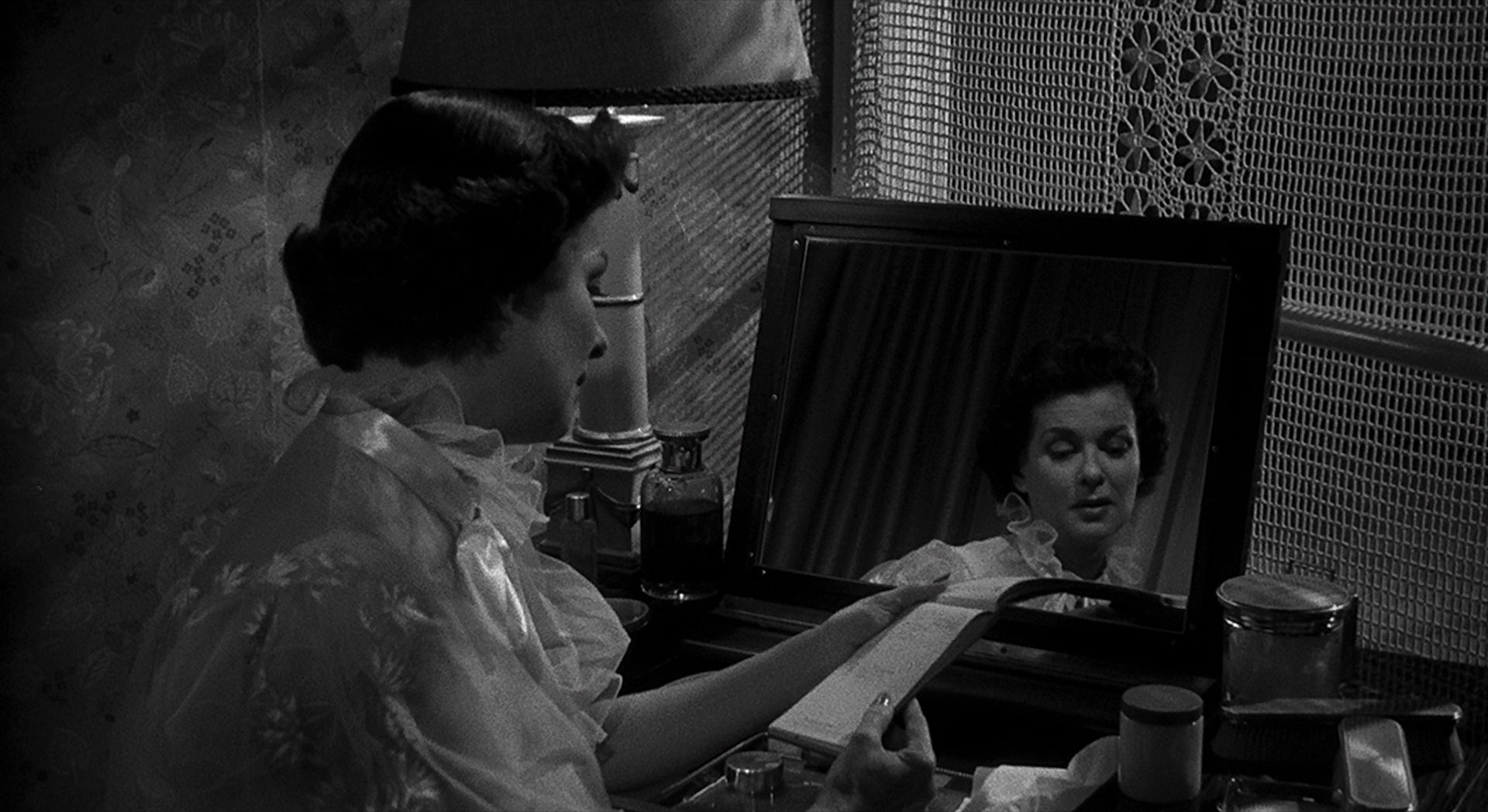
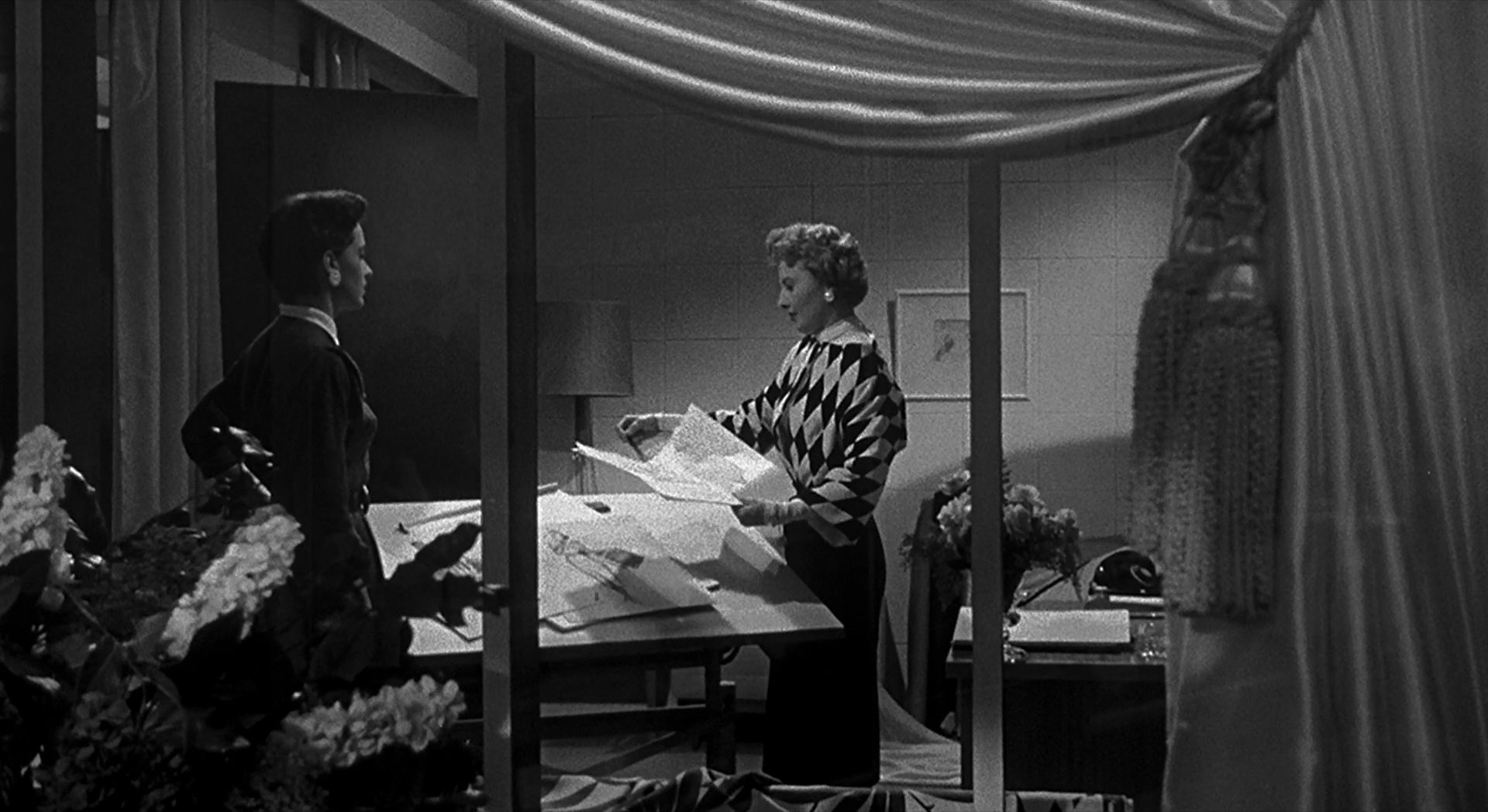
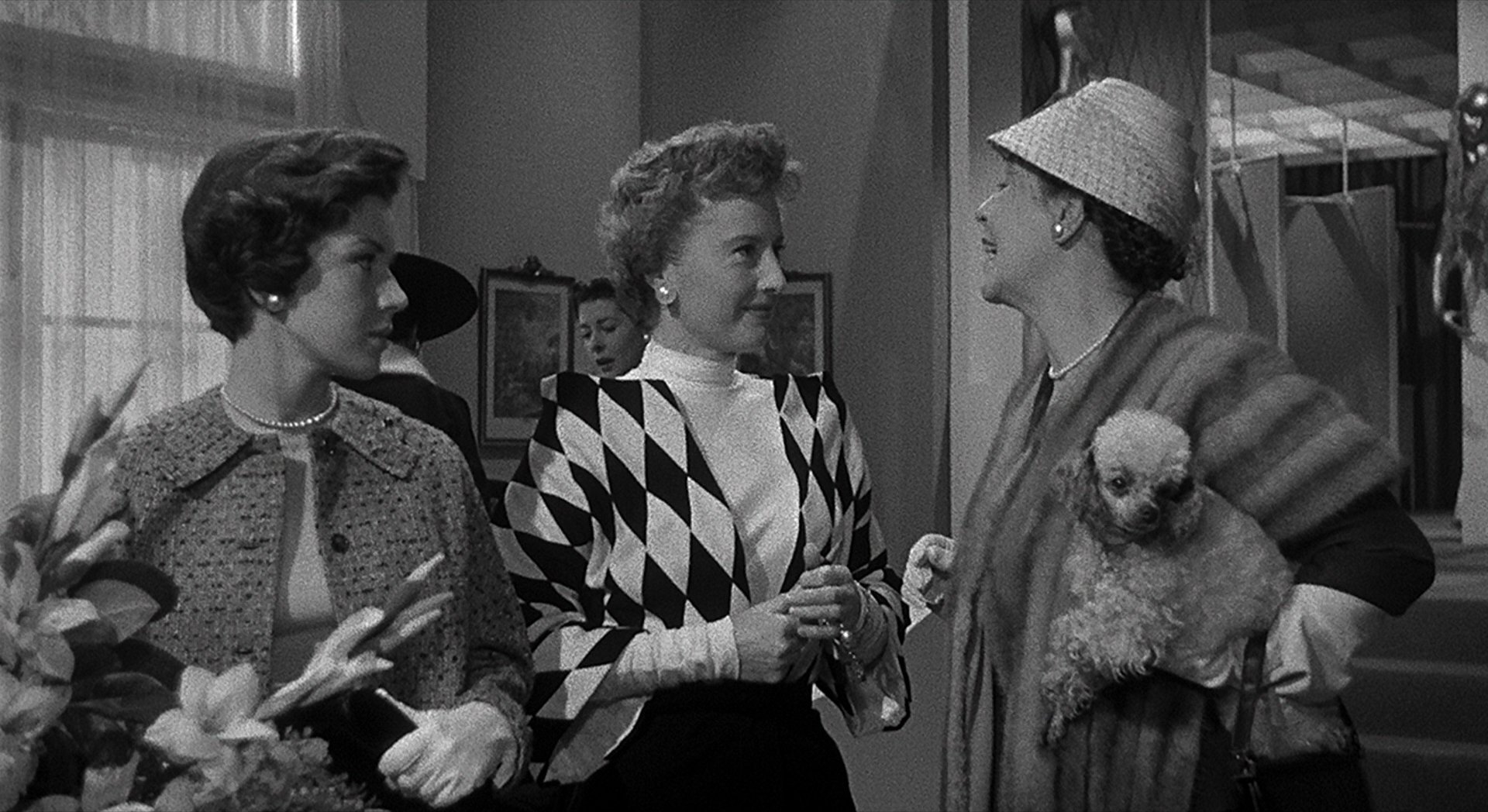
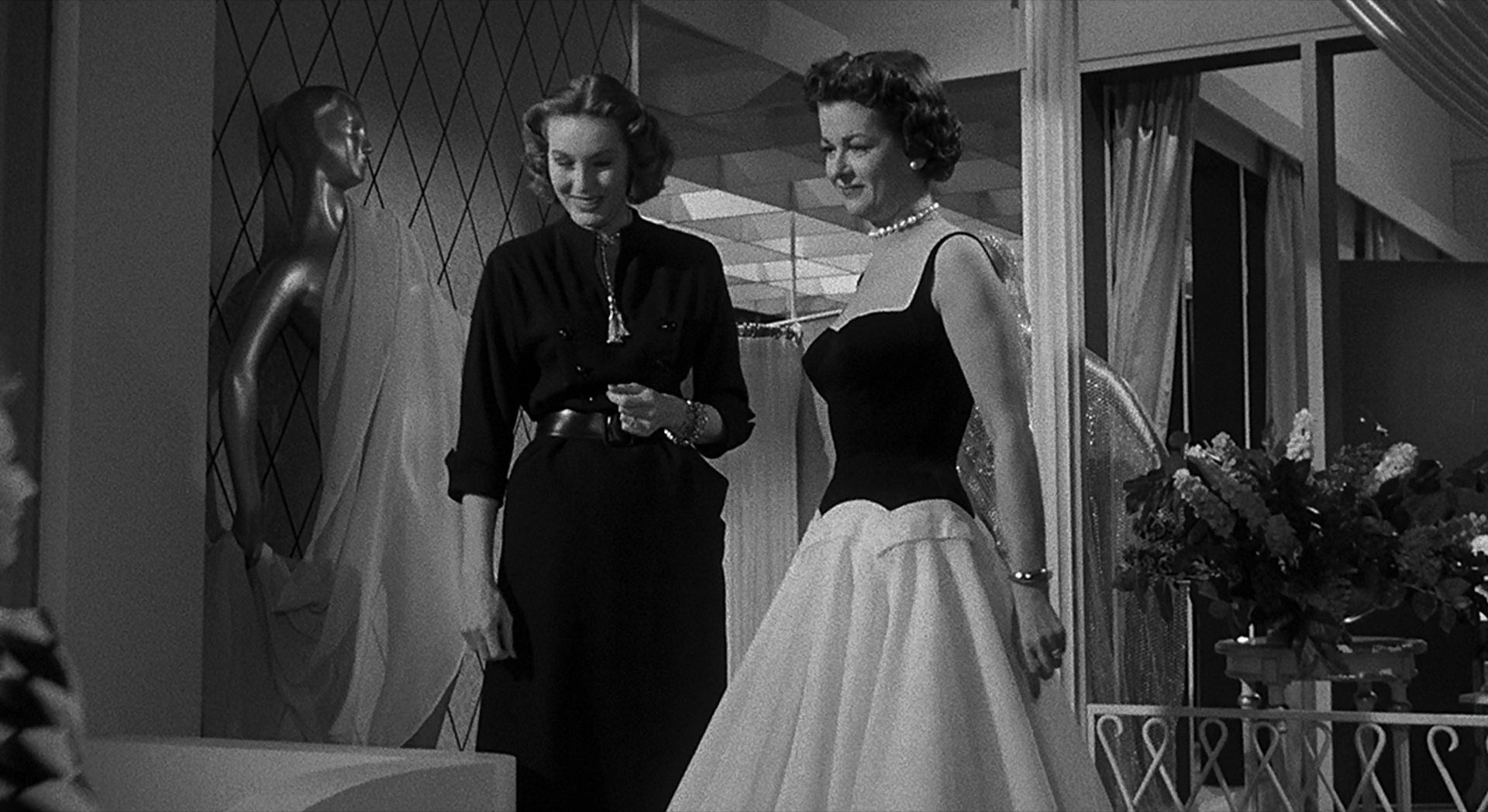
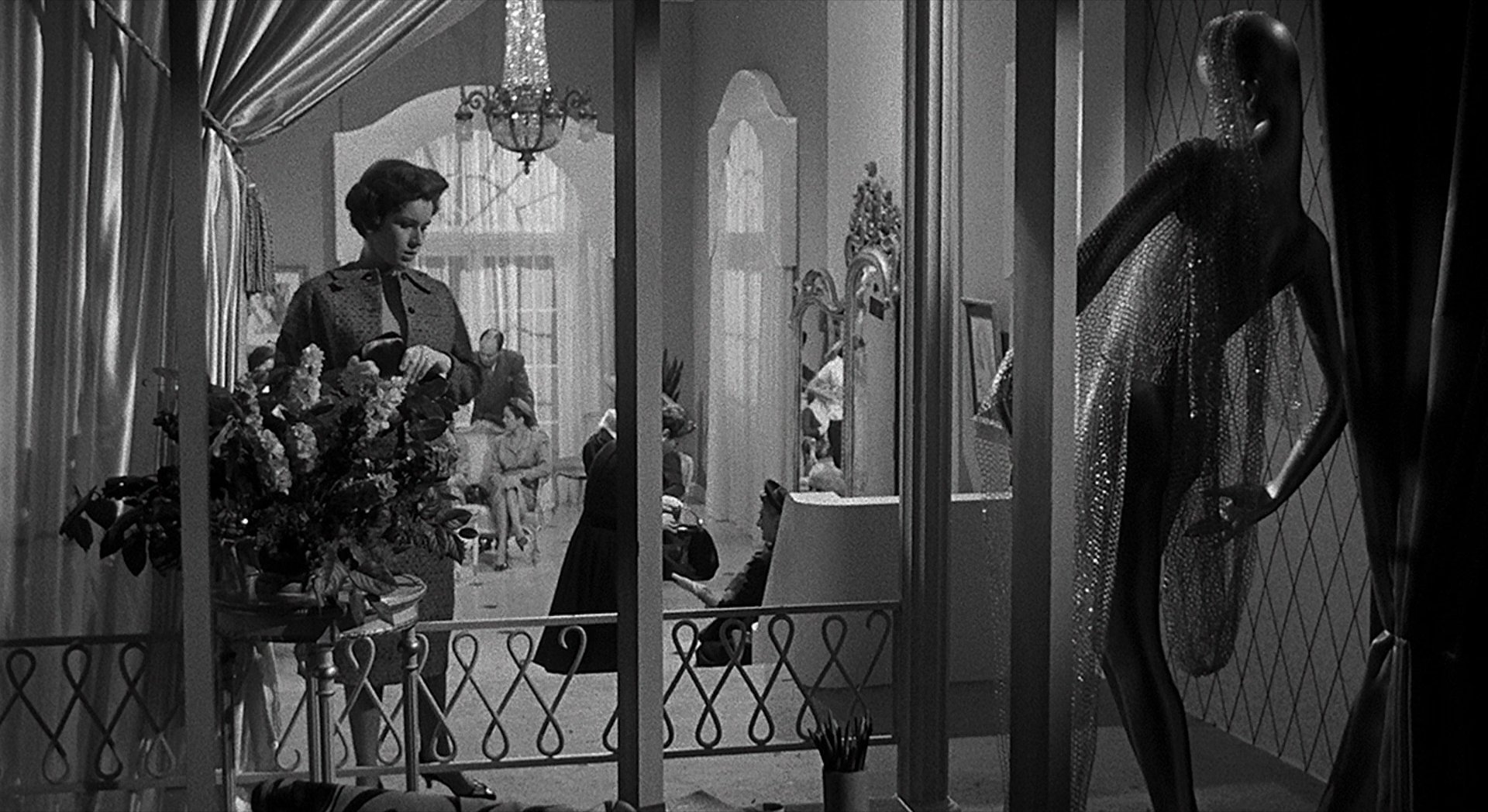
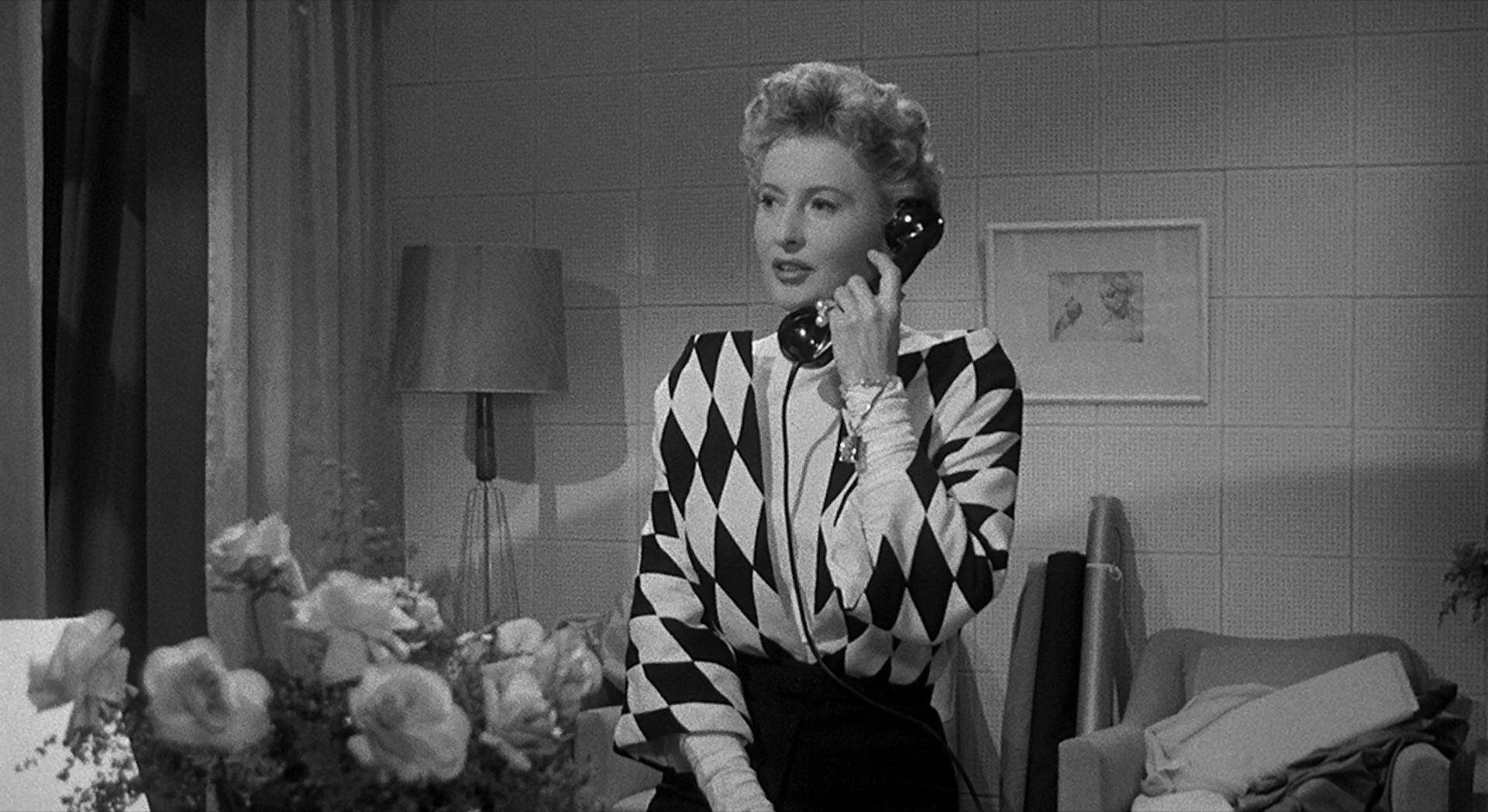
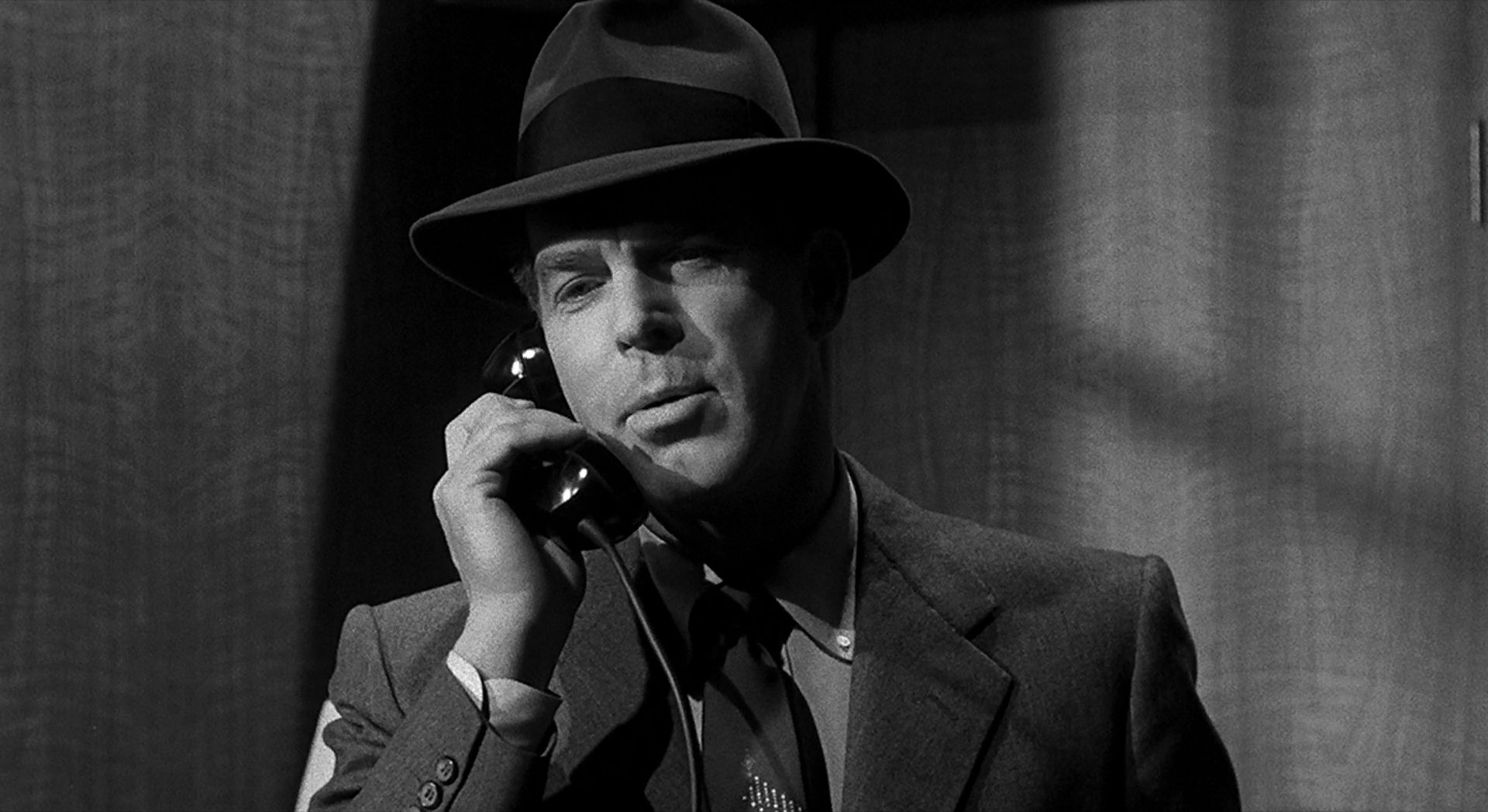
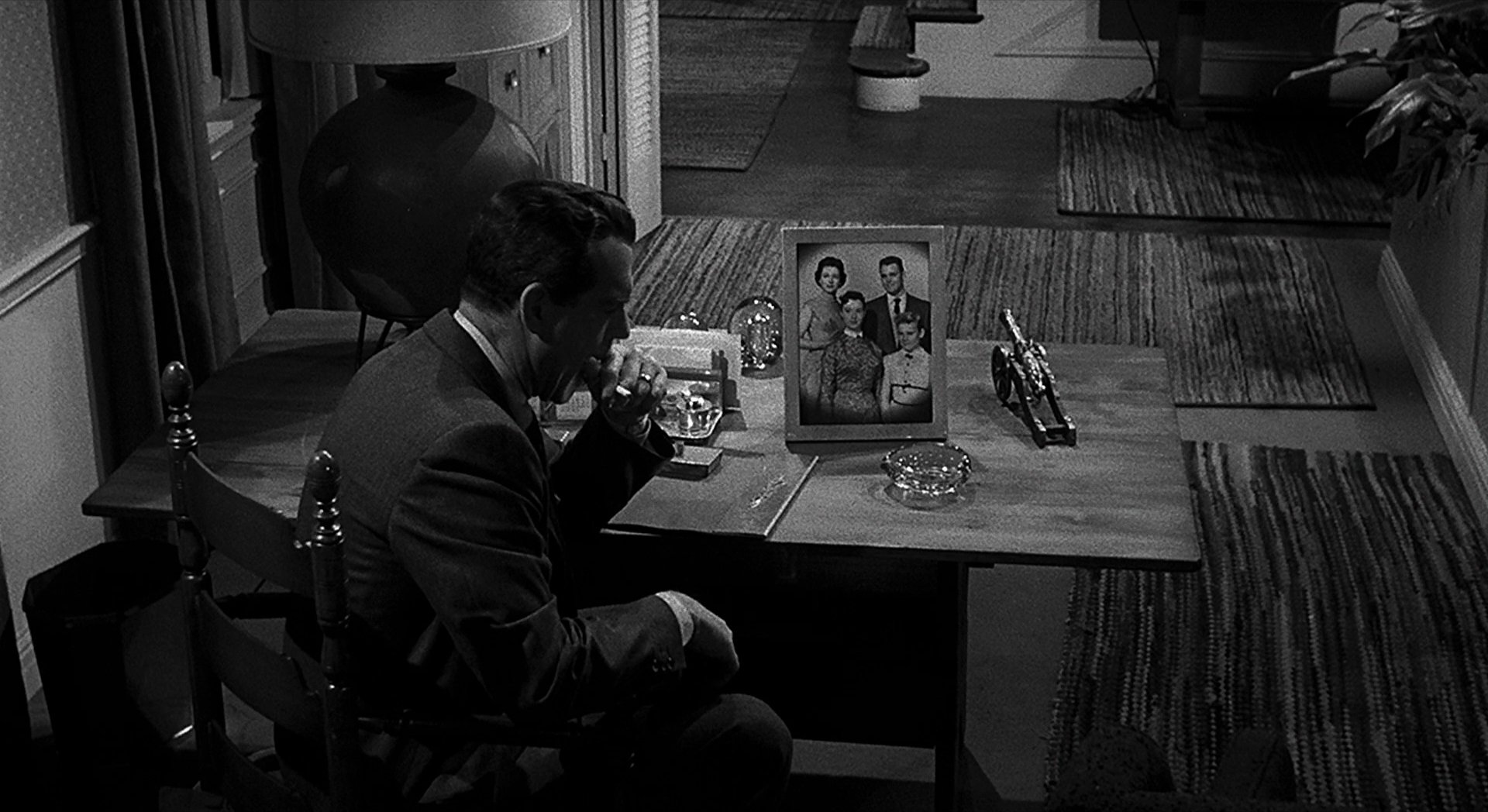
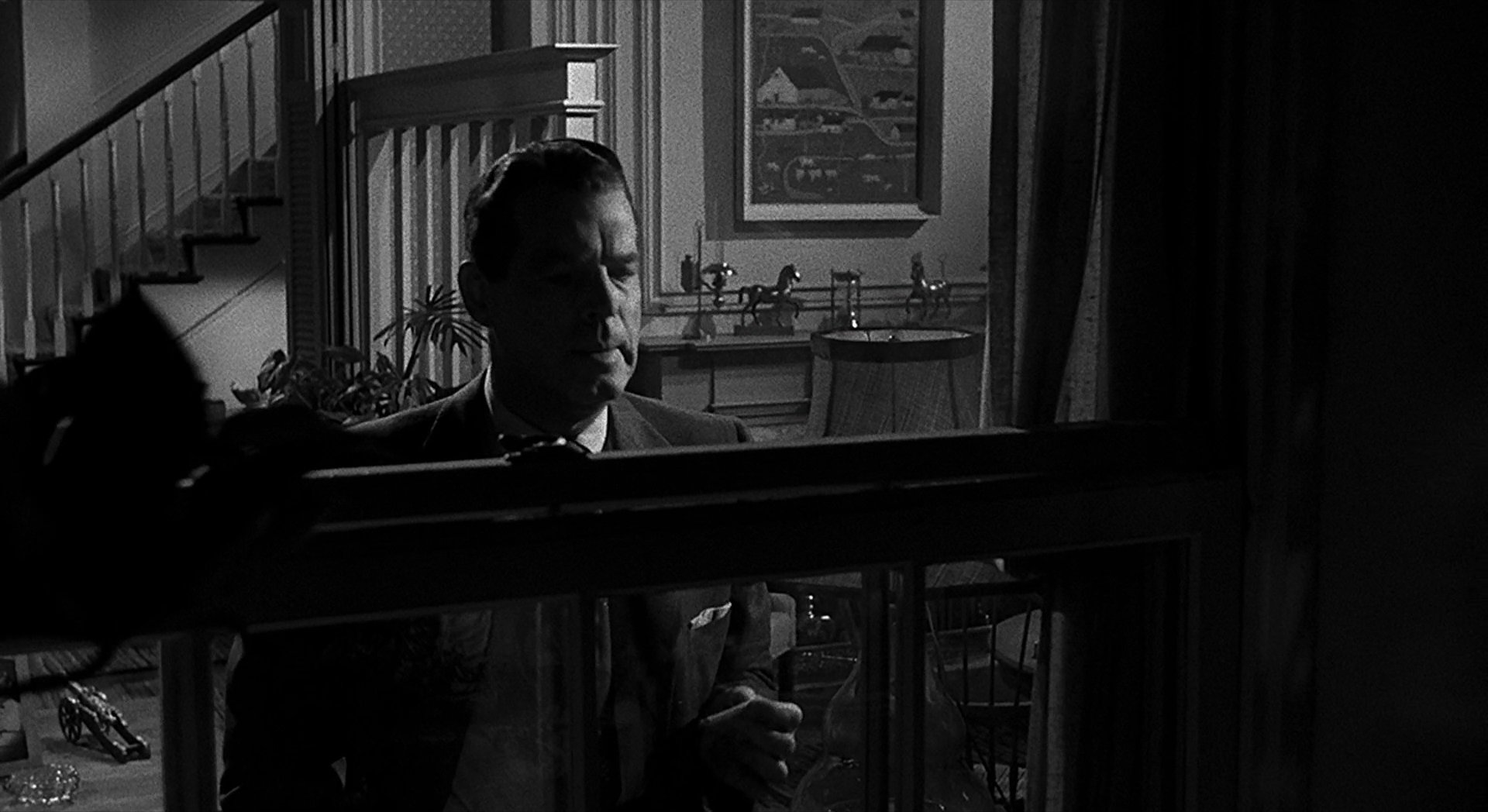
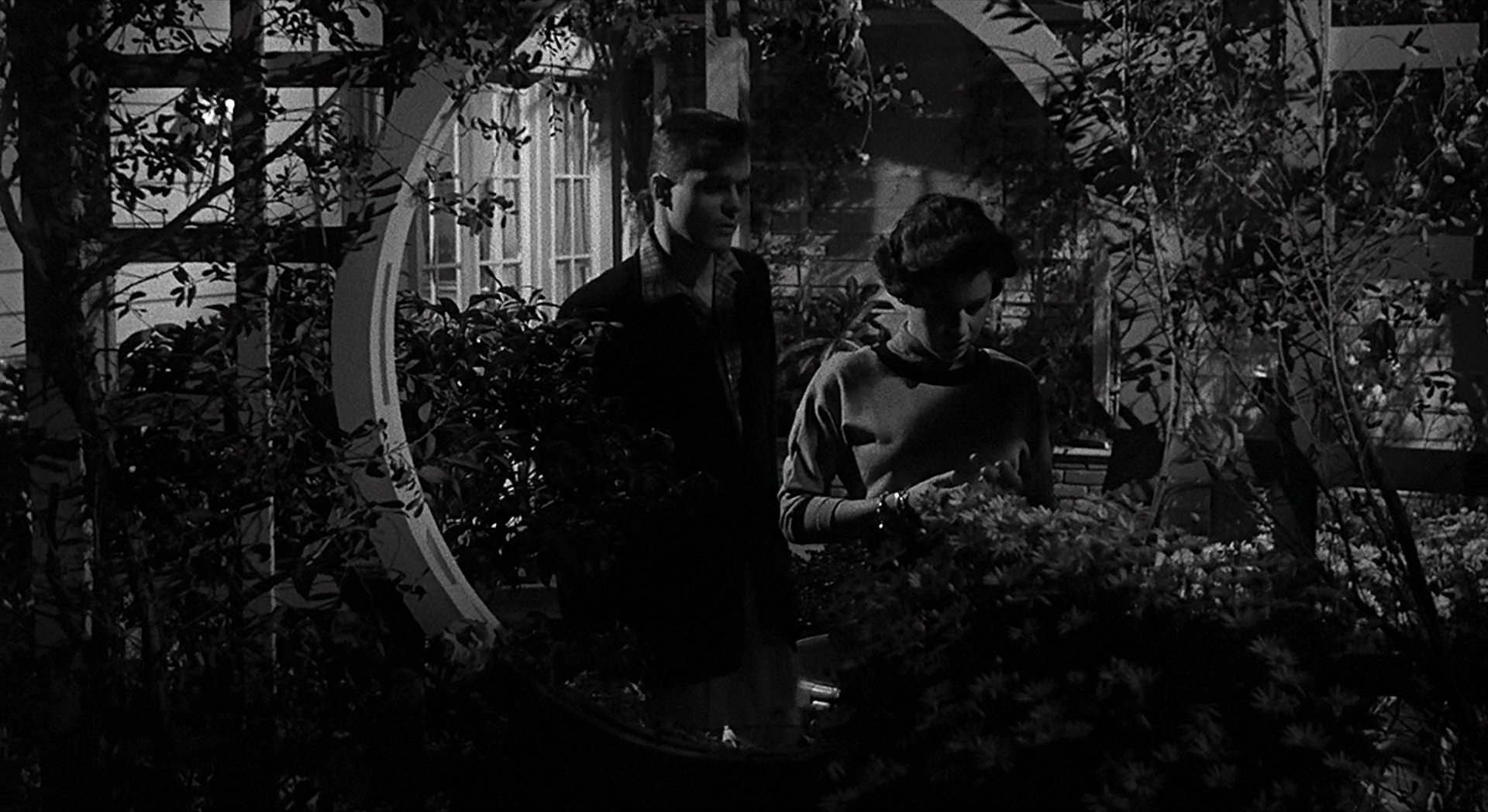
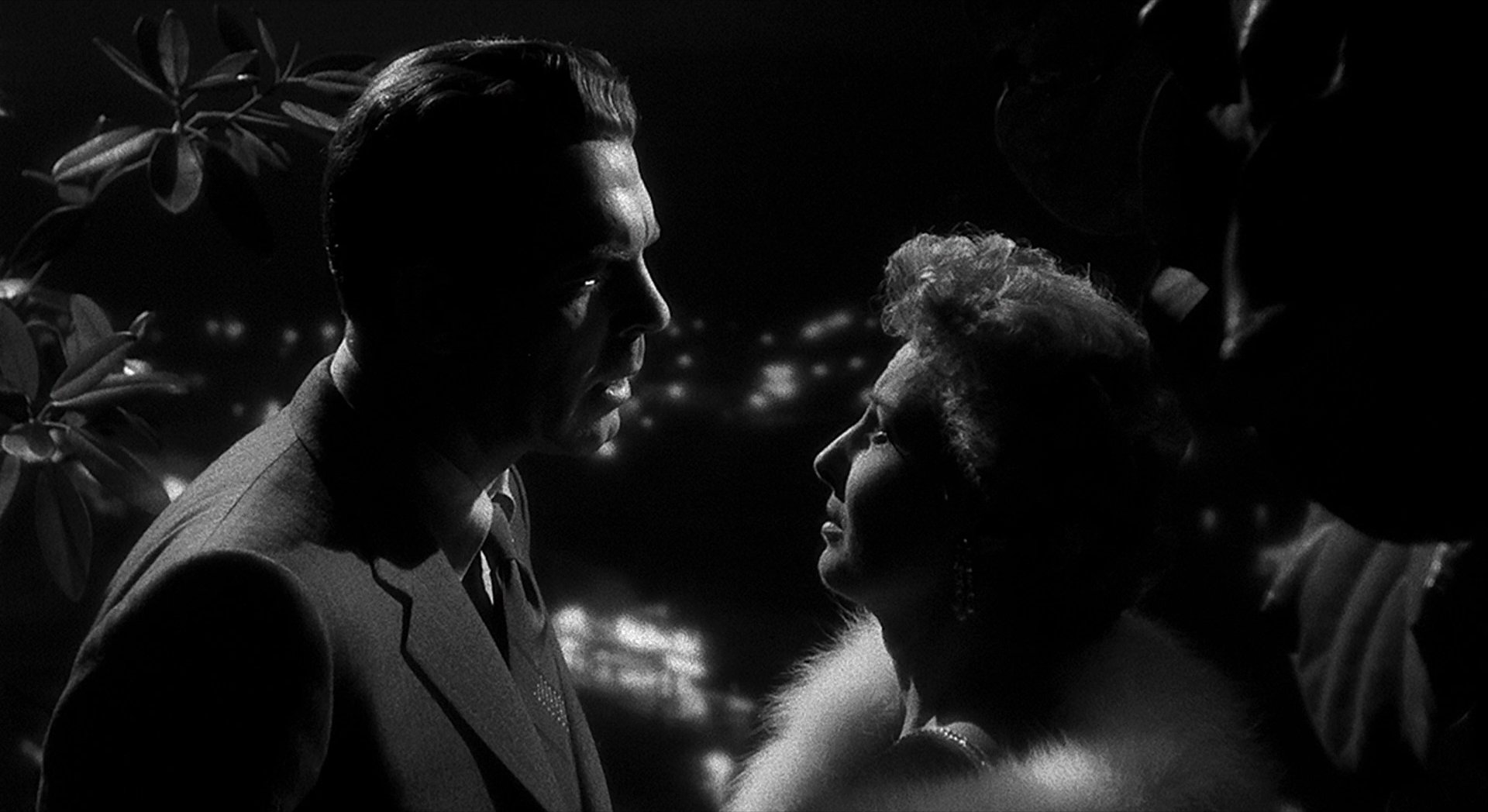
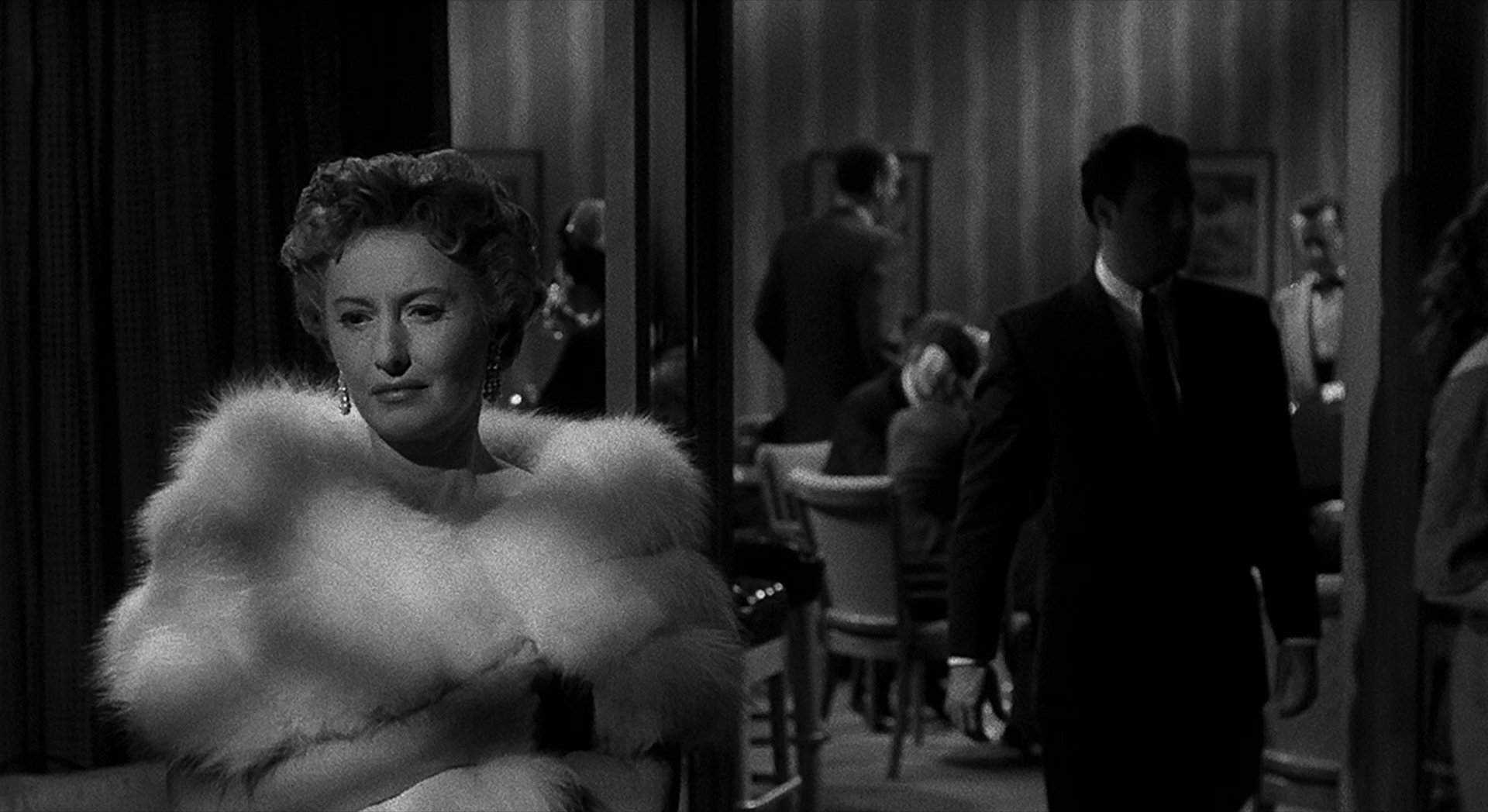
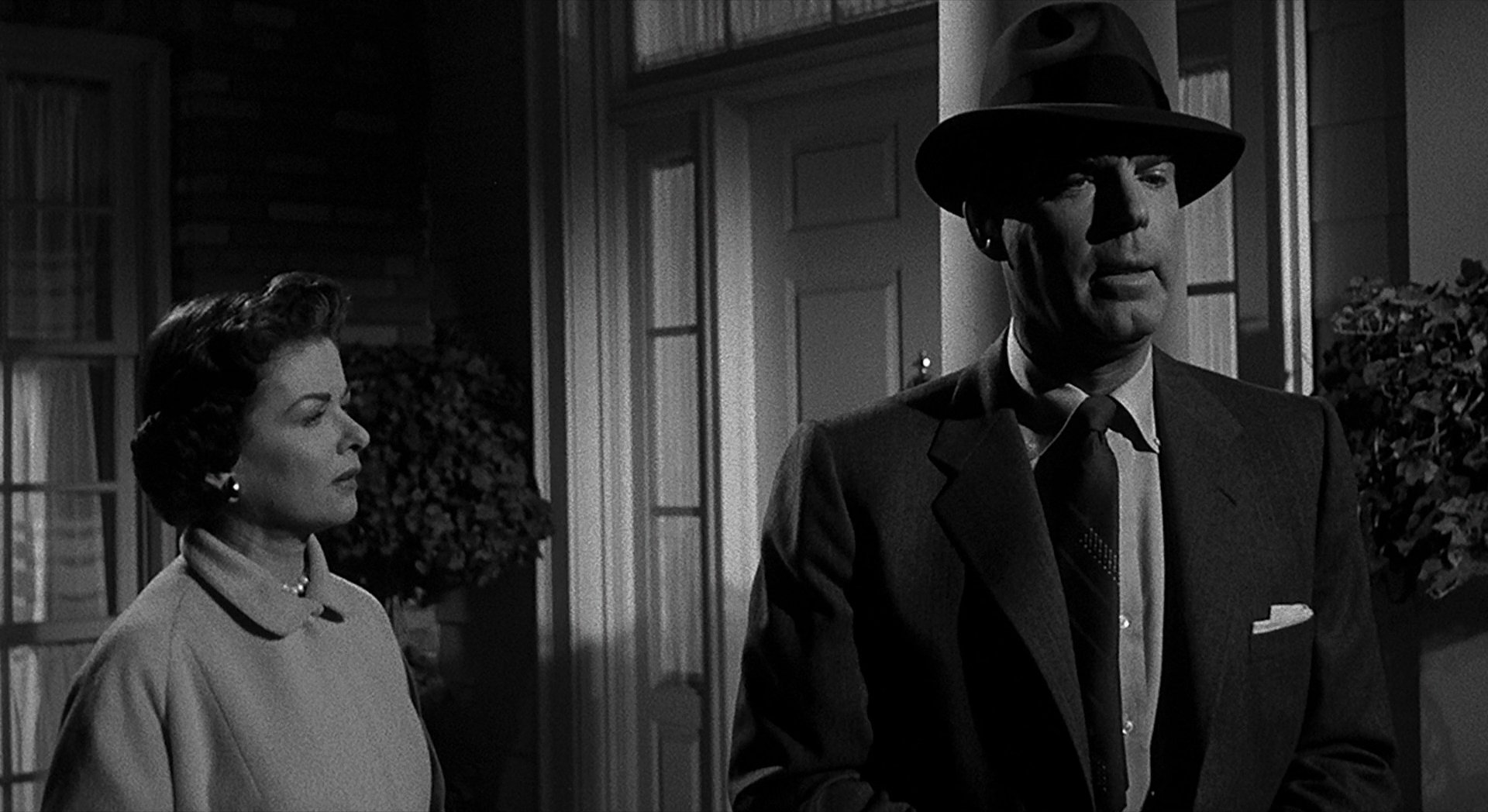
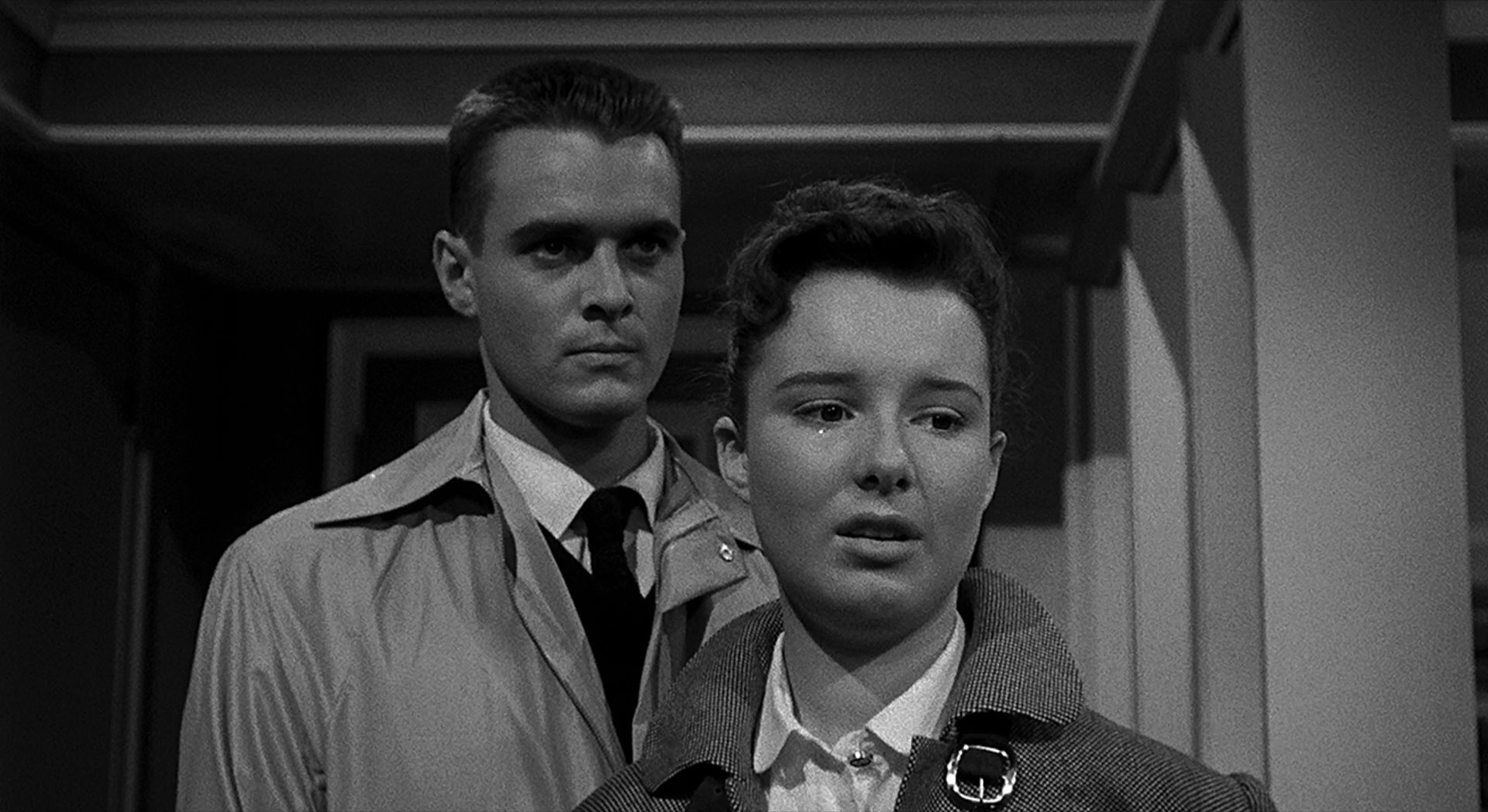
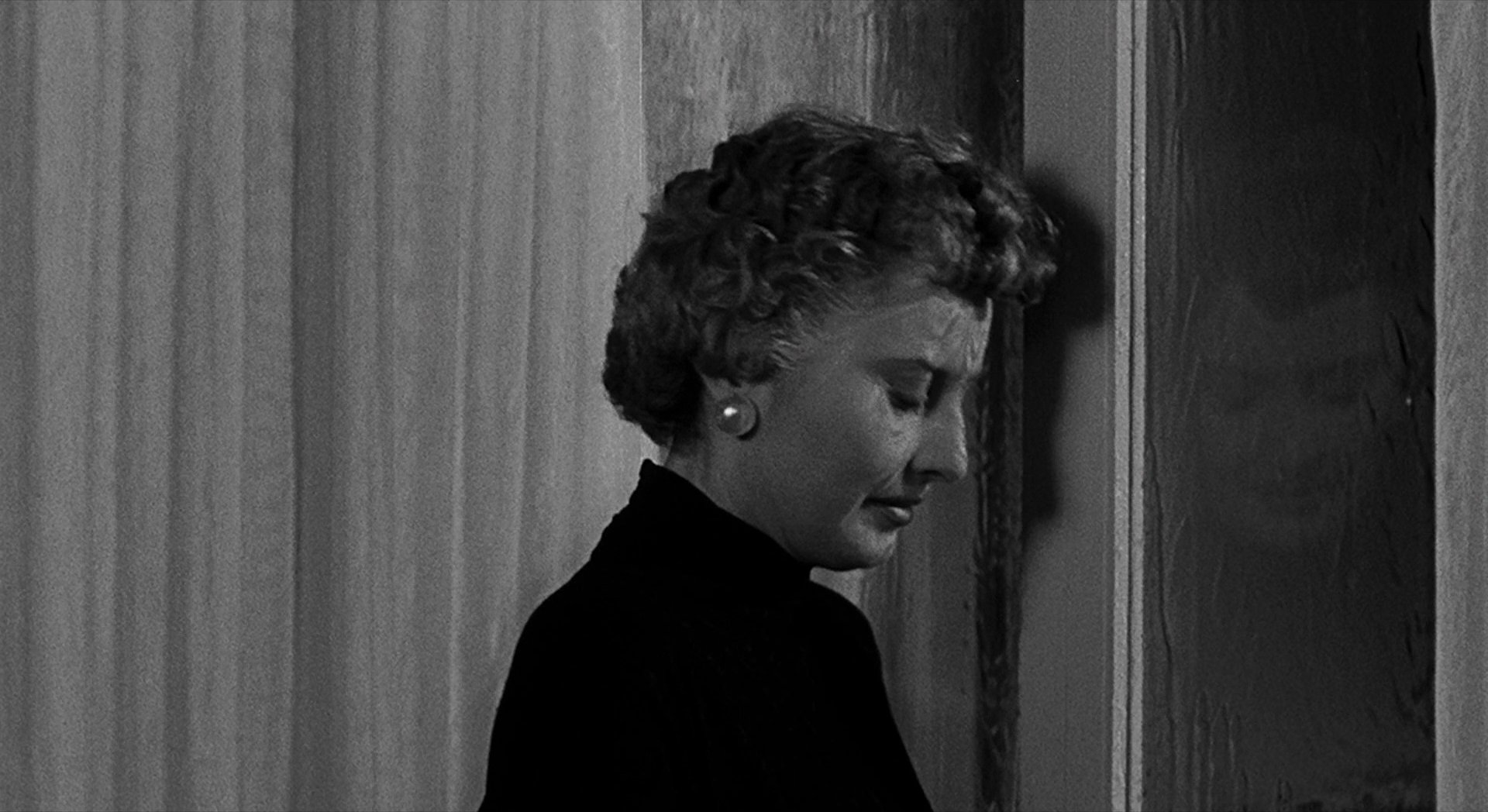
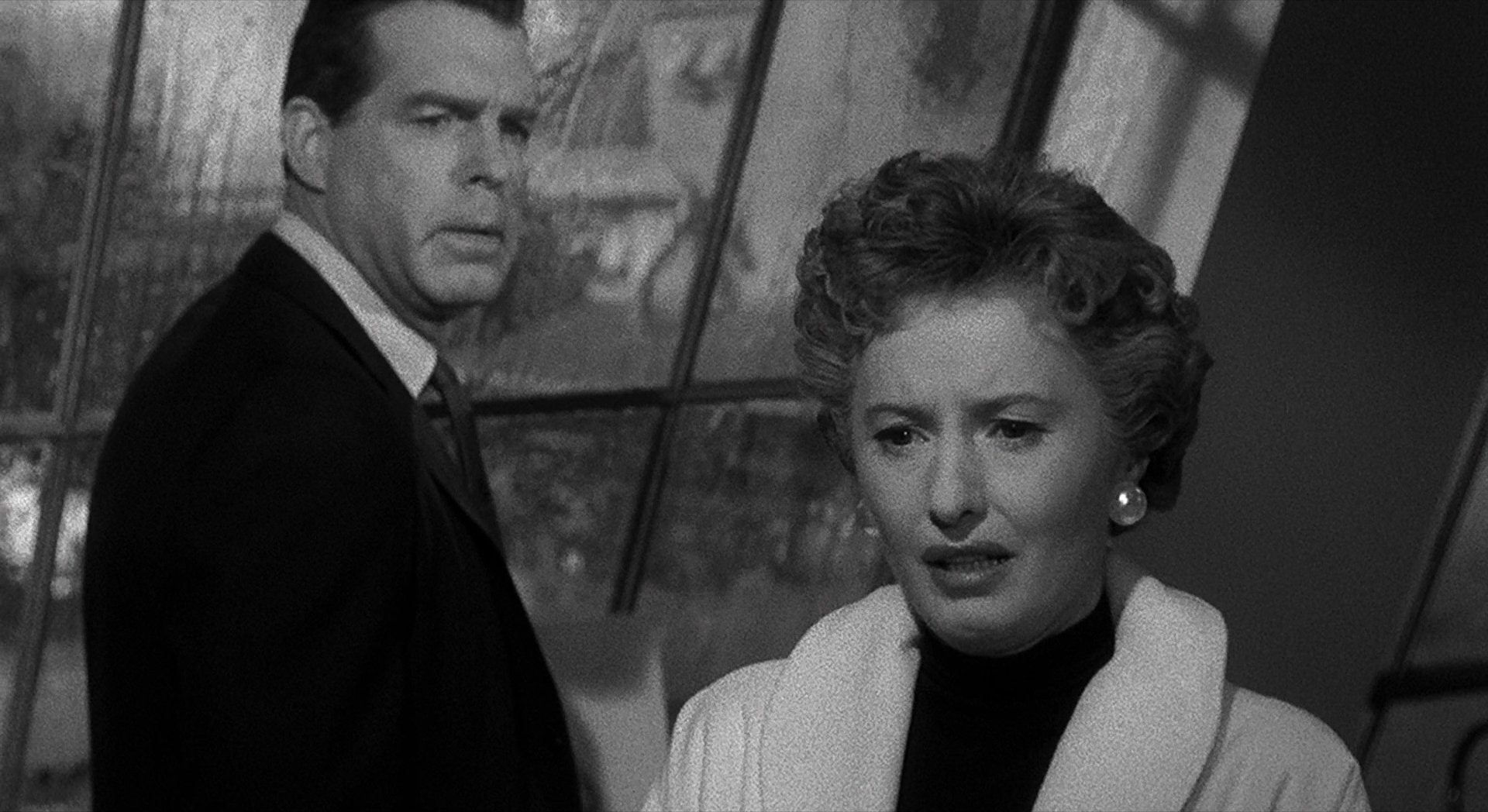
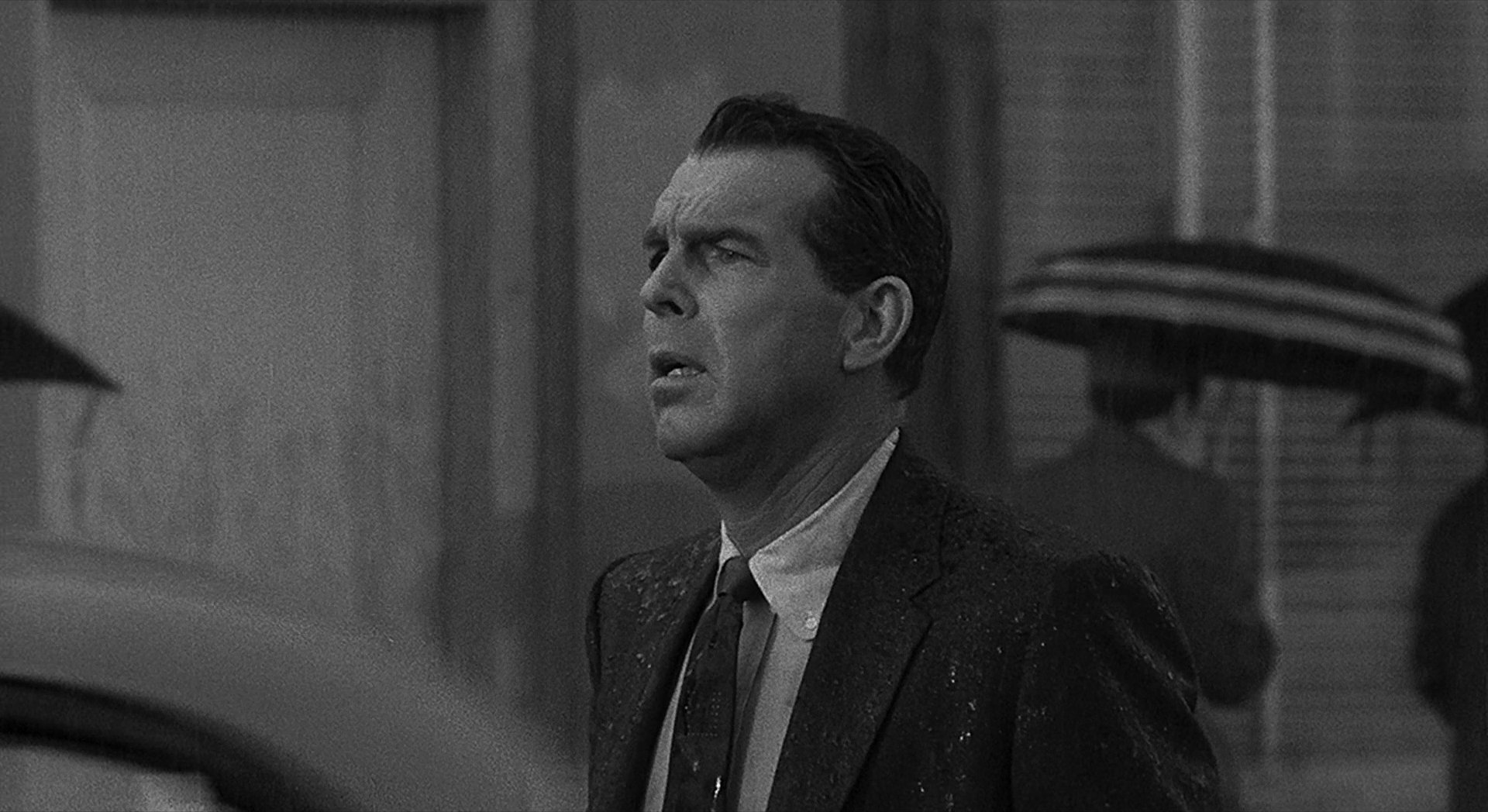
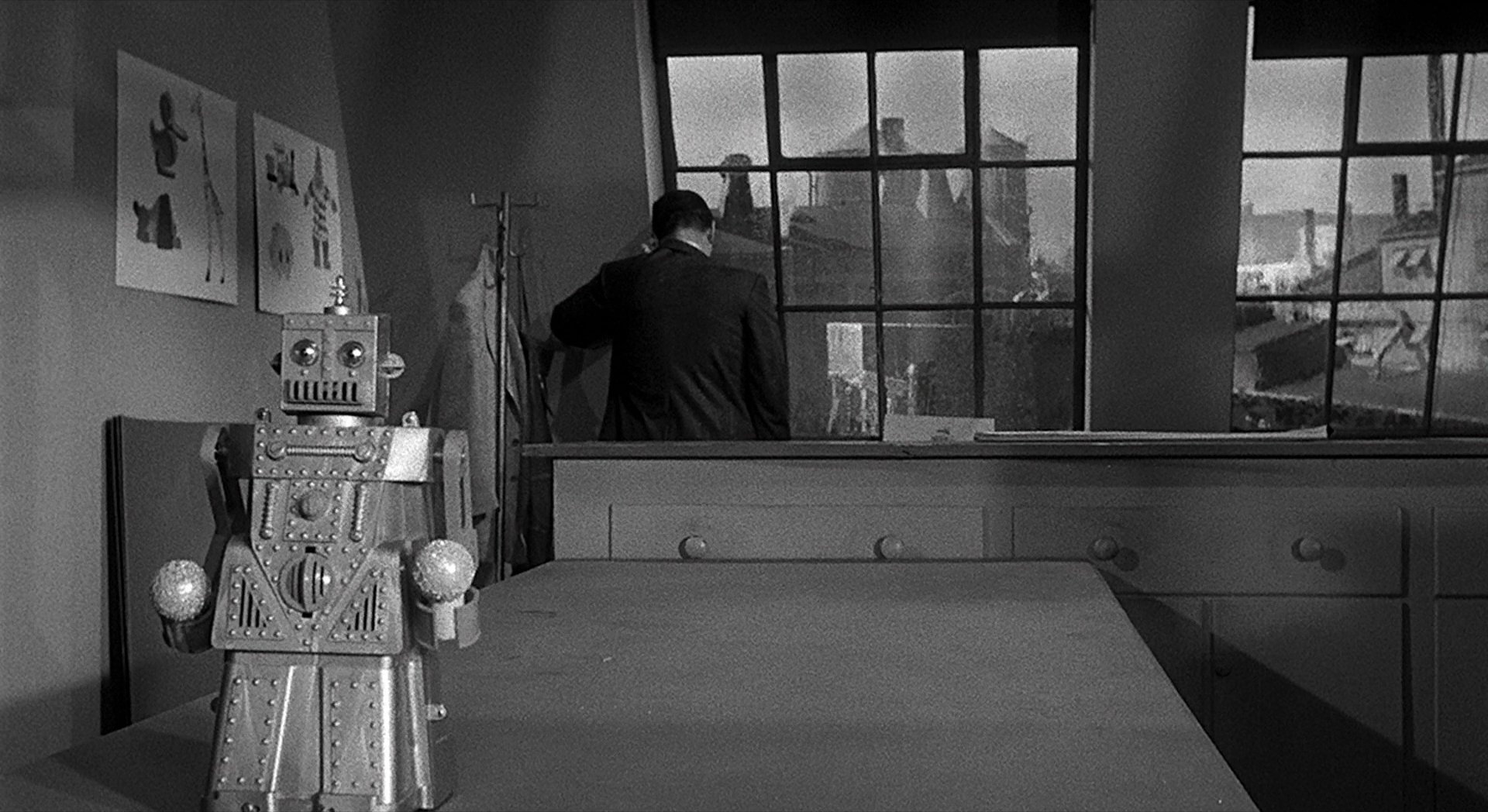
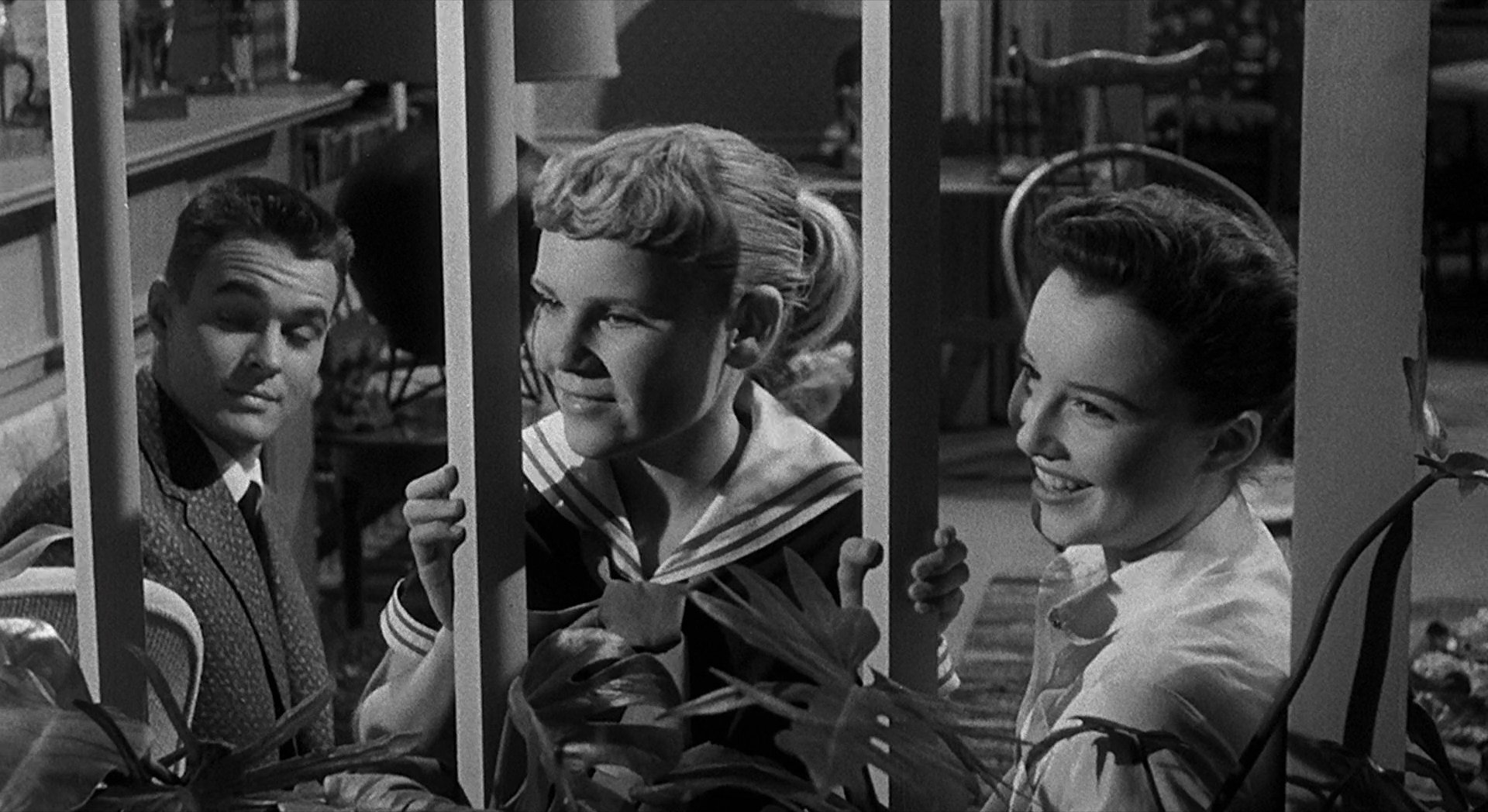
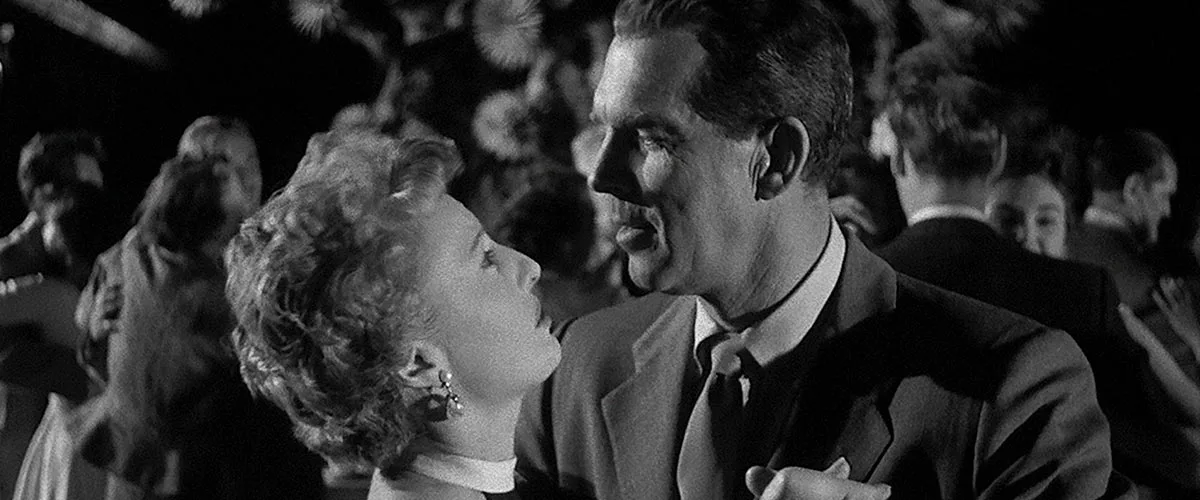
Unlike Sirk’s more overtly stylised melodramas, the film takes a more restrained visual approach. The suburban home and workplace are depicted as organised, functional environments that mirror the protagonist’s controlled life. The interiors are carefully arranged, but lack the heightened colour symbolism often associated with Sirk’s later work. This emphasises emotional suppression rather than expressive excess. Conversations are measured, gestures are restrained, and key emotional shifts occur through implication rather than confrontation. This controlled tone aligns with the film’s focus on middle-class conformity and the pressures of maintaining a stable domestic image.
There’s Always Tomorrow is a quieter entry in Sirk’s filmography, where melodrama is internalised rather than externalised. Its focus on missed opportunities and emotional restraint provides a subtle yet precise exploration of post-war American domestic life and its underlying discontent.
Technical Specs:
- The Story: A successful toy manufacturer feels emotionally estranged from his wife and children when a former flame reenters his life, forcing him to confront his dissatisfaction and the illusion of second chances.
- Actors: Barbara Stanwyck, Fred MacMurray, Joan Bennett, William Reynolds, Pat Crowley, Gigi Perreau, Judy Nugent.
- Director: Douglas Sirk
- Year: 1956
- Cinematographer: Russell Metty
- Origin: American Cinema
- Aspect Ratio: 1.85:1
- Genre: Drama & Romance