Things To Come (1936): H.G. Wells’s Uncertain Future
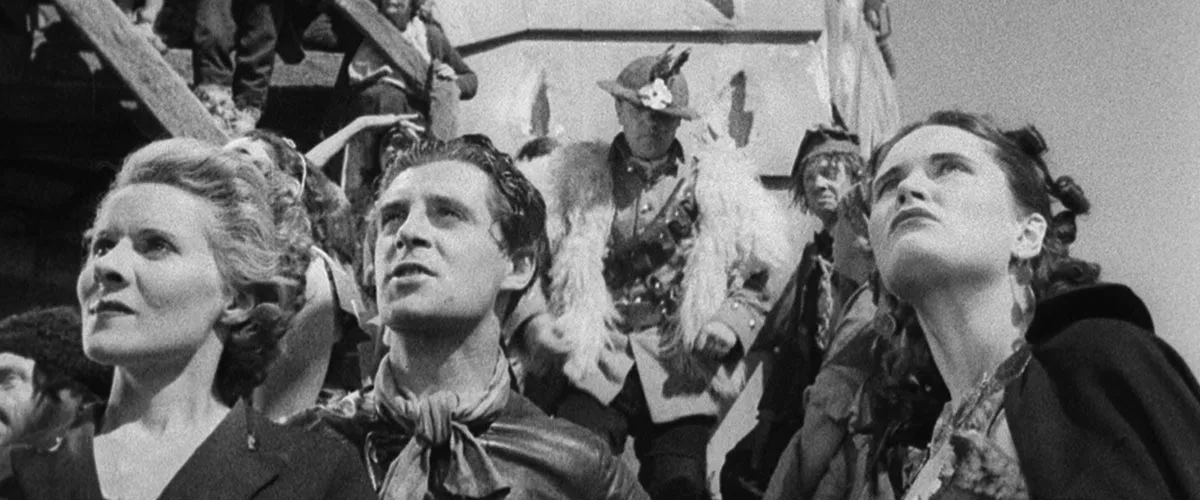
1936 • William Cameron Menzies • 1.37:1 • Jump to Gallery ↓
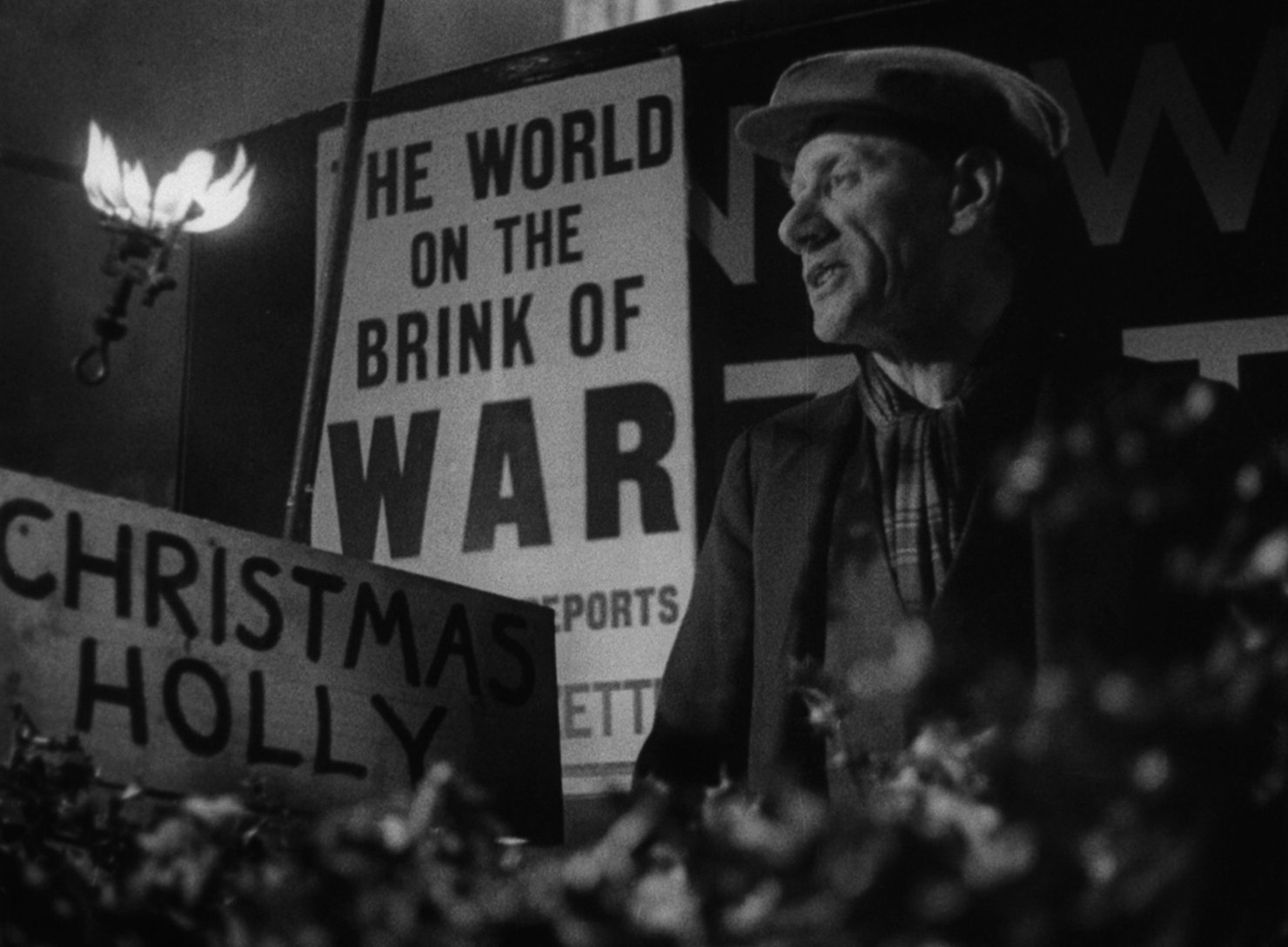
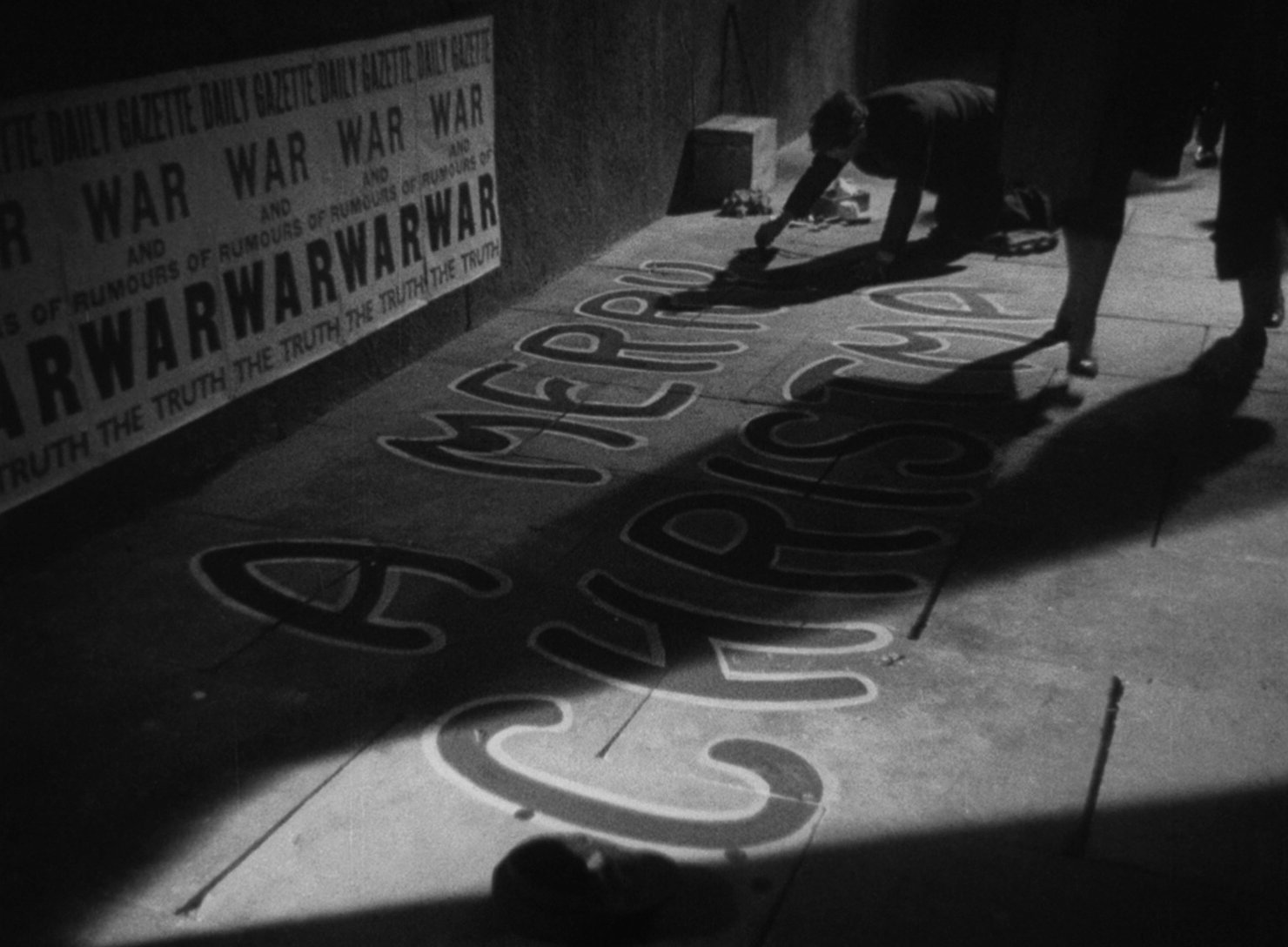
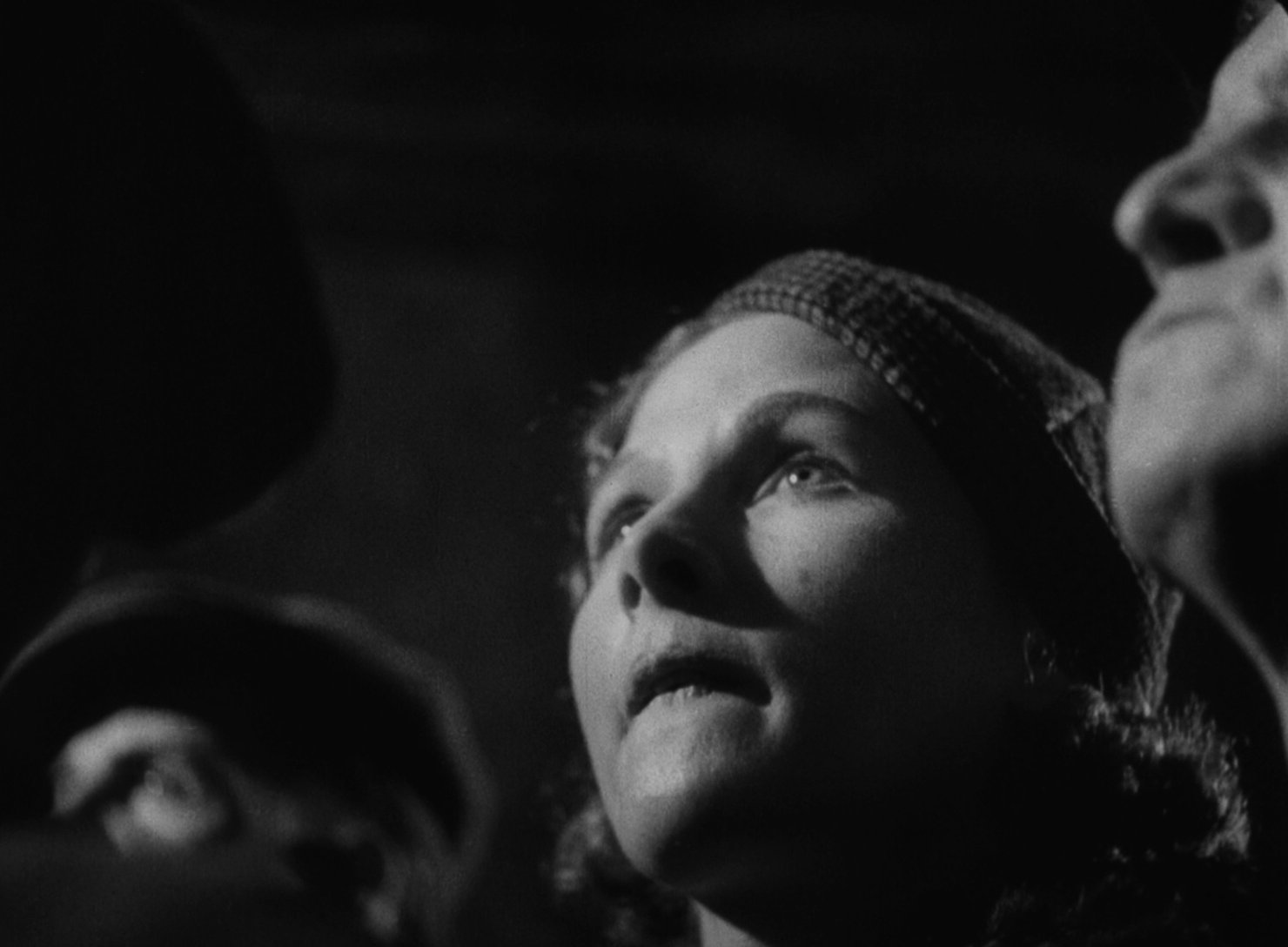
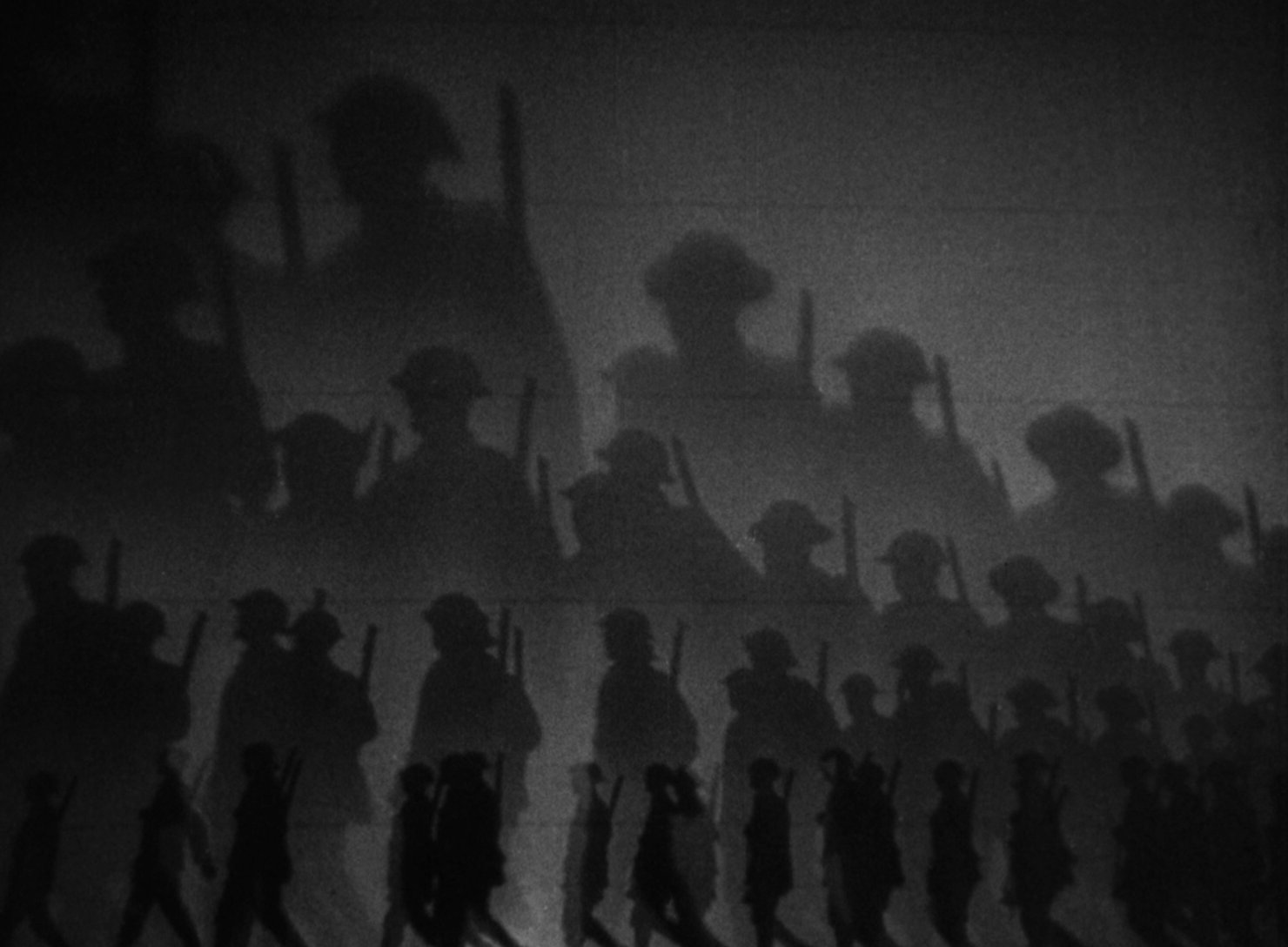
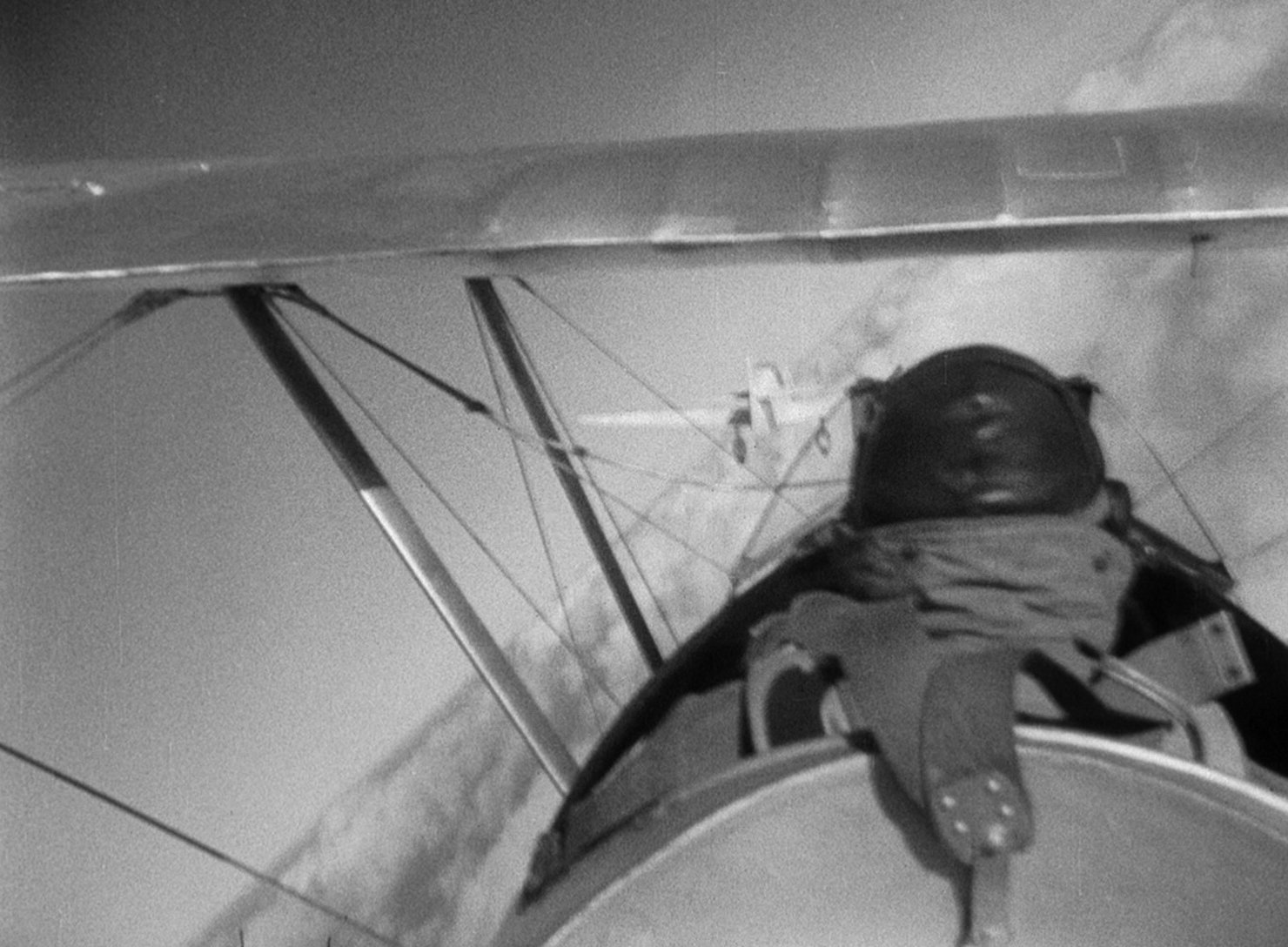
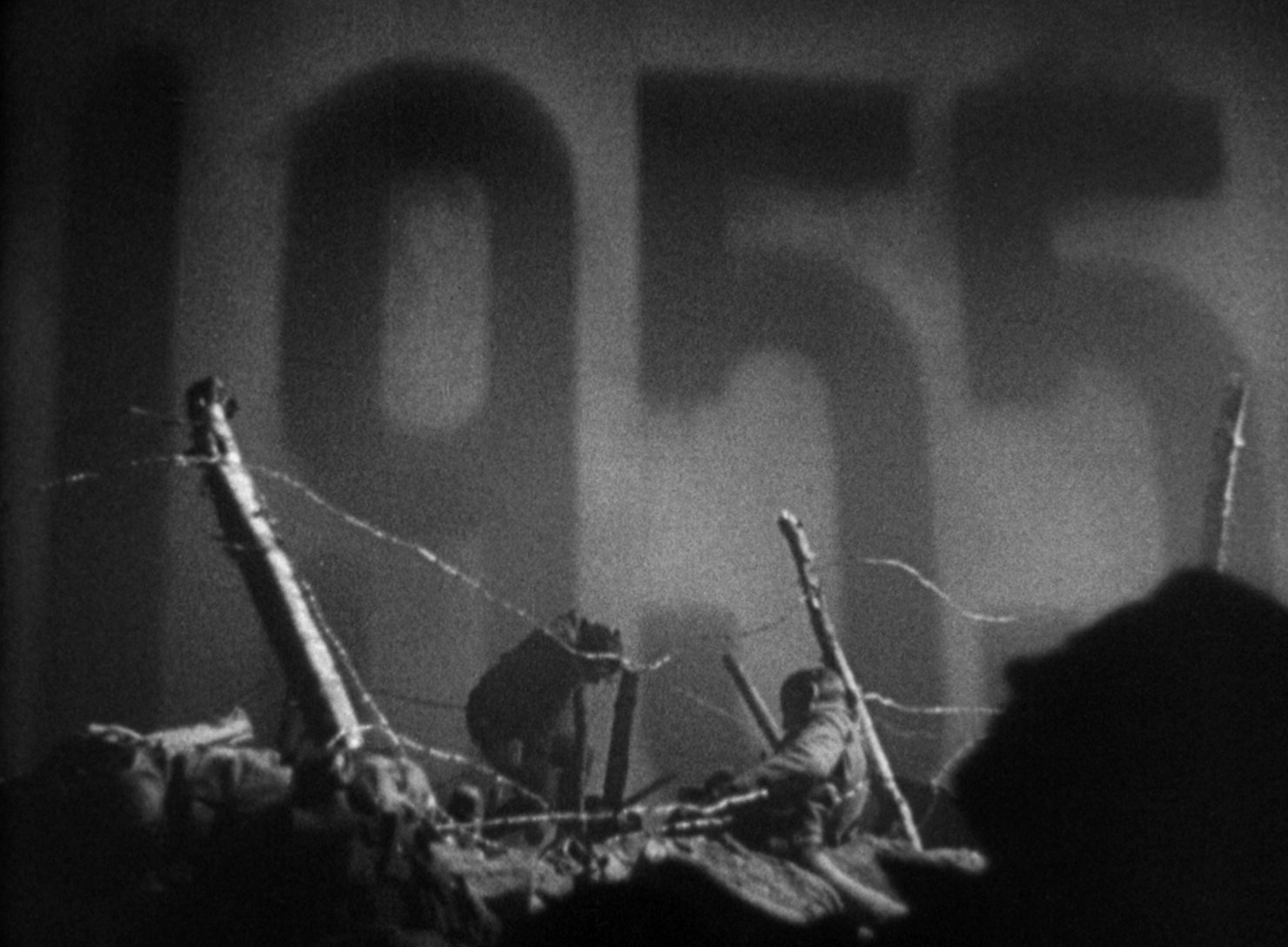
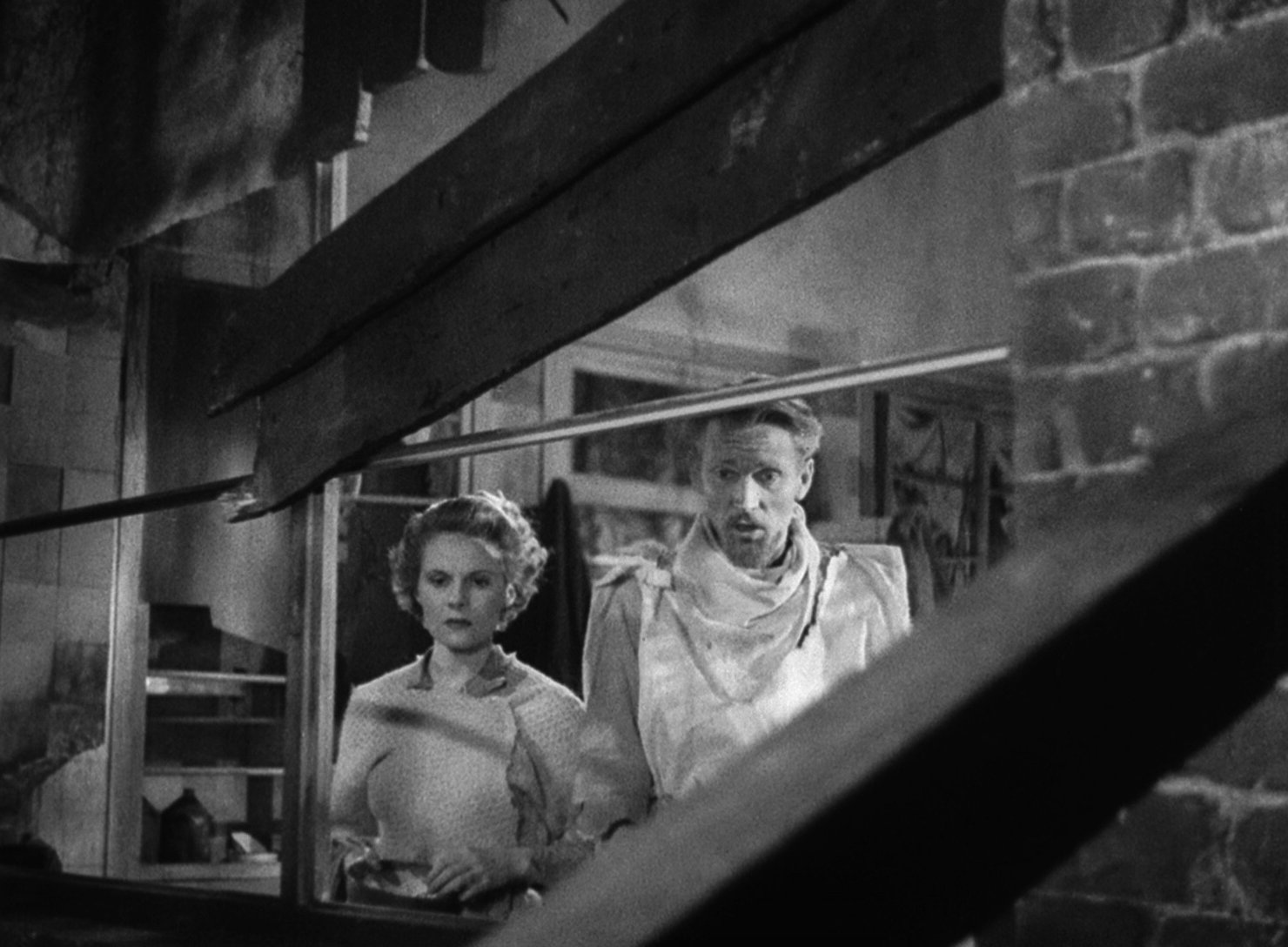
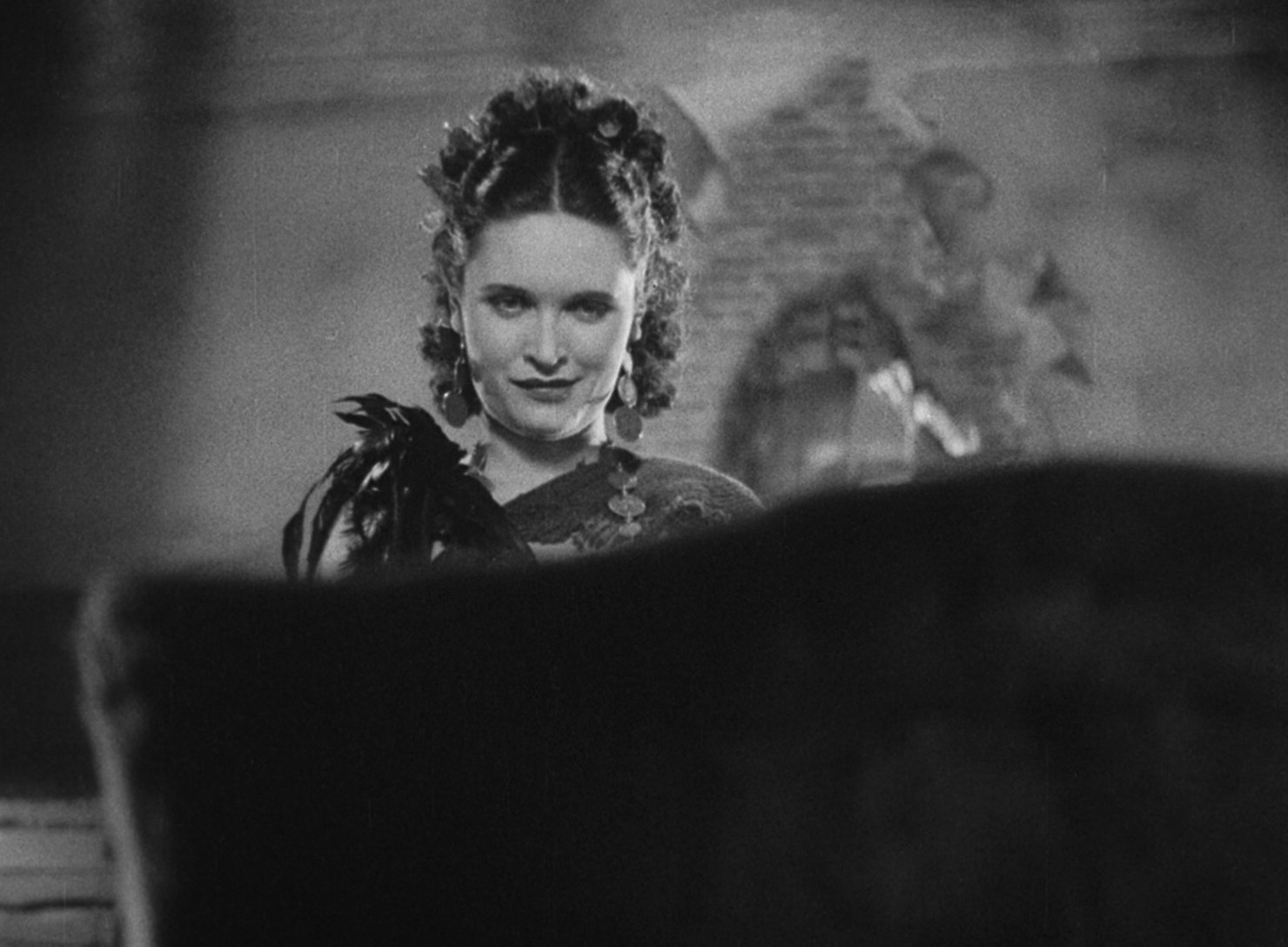
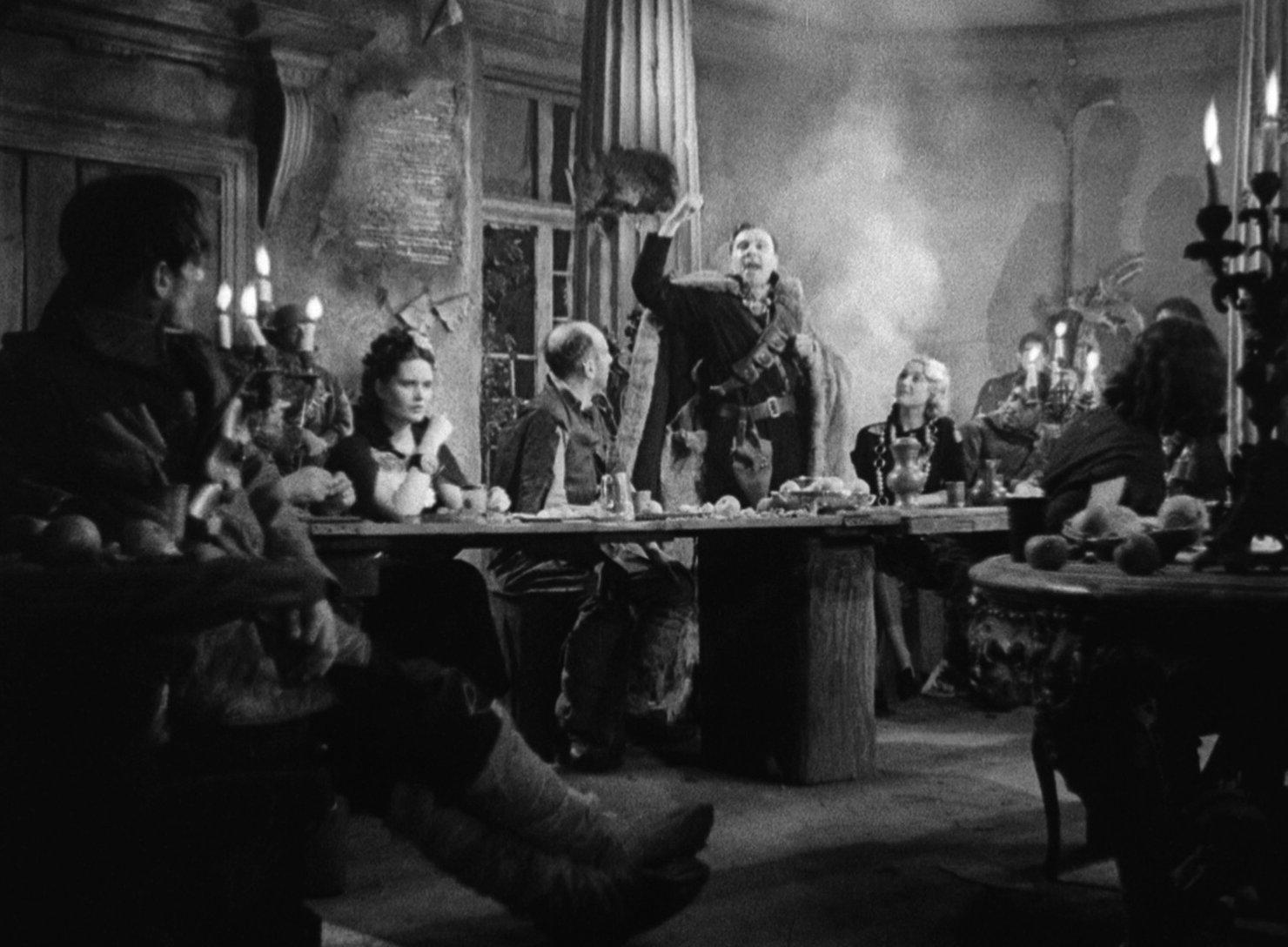
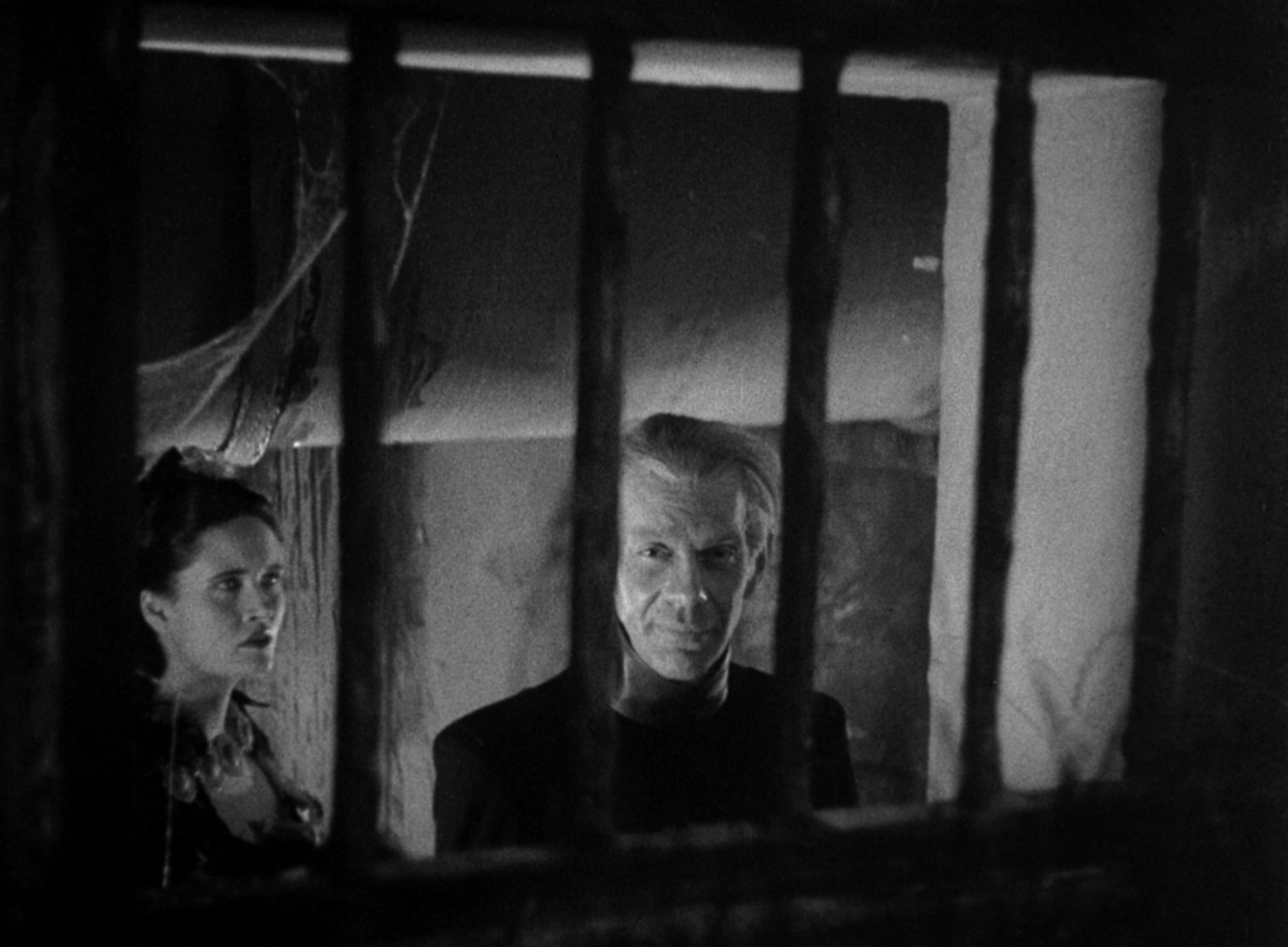
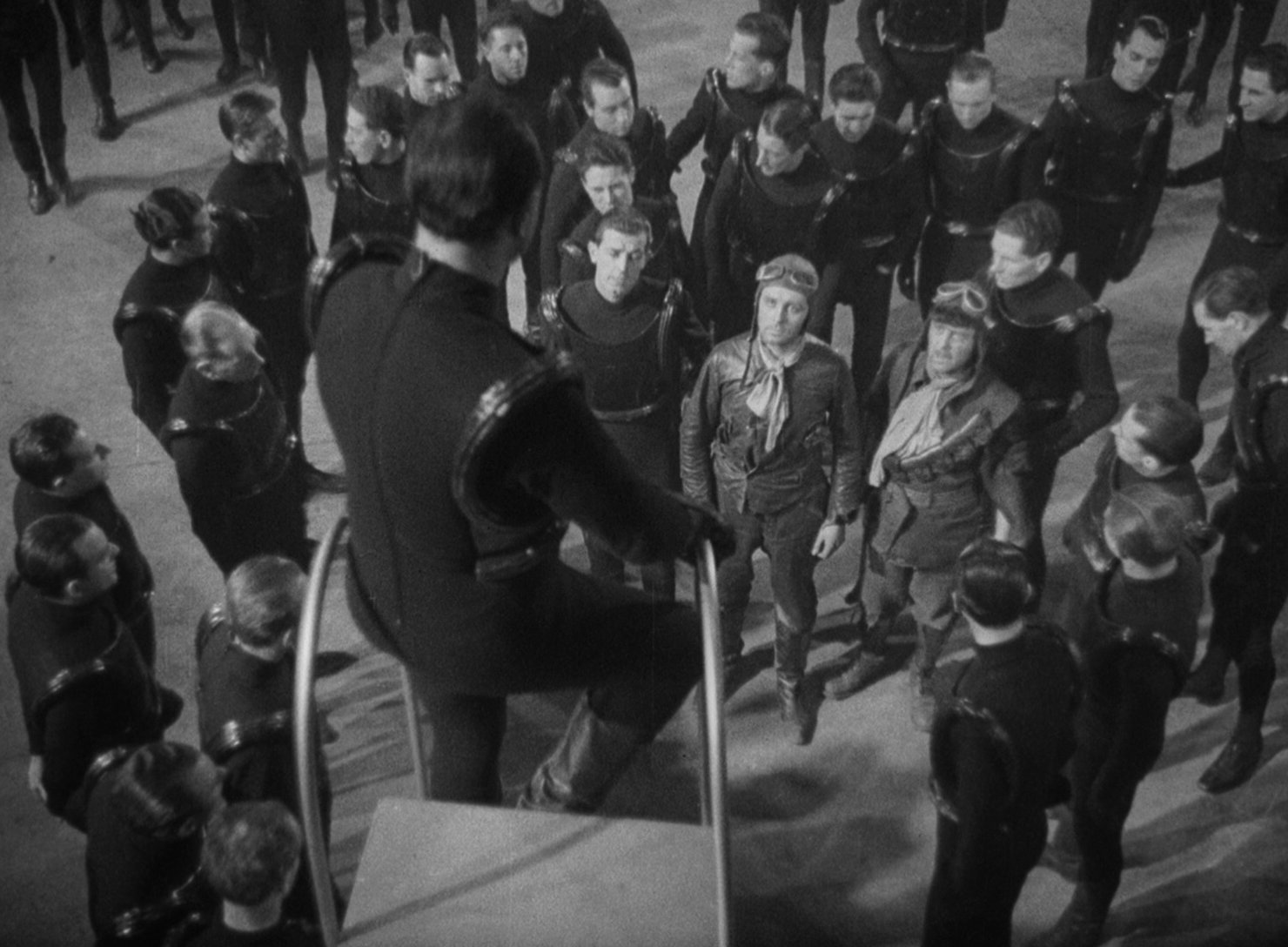
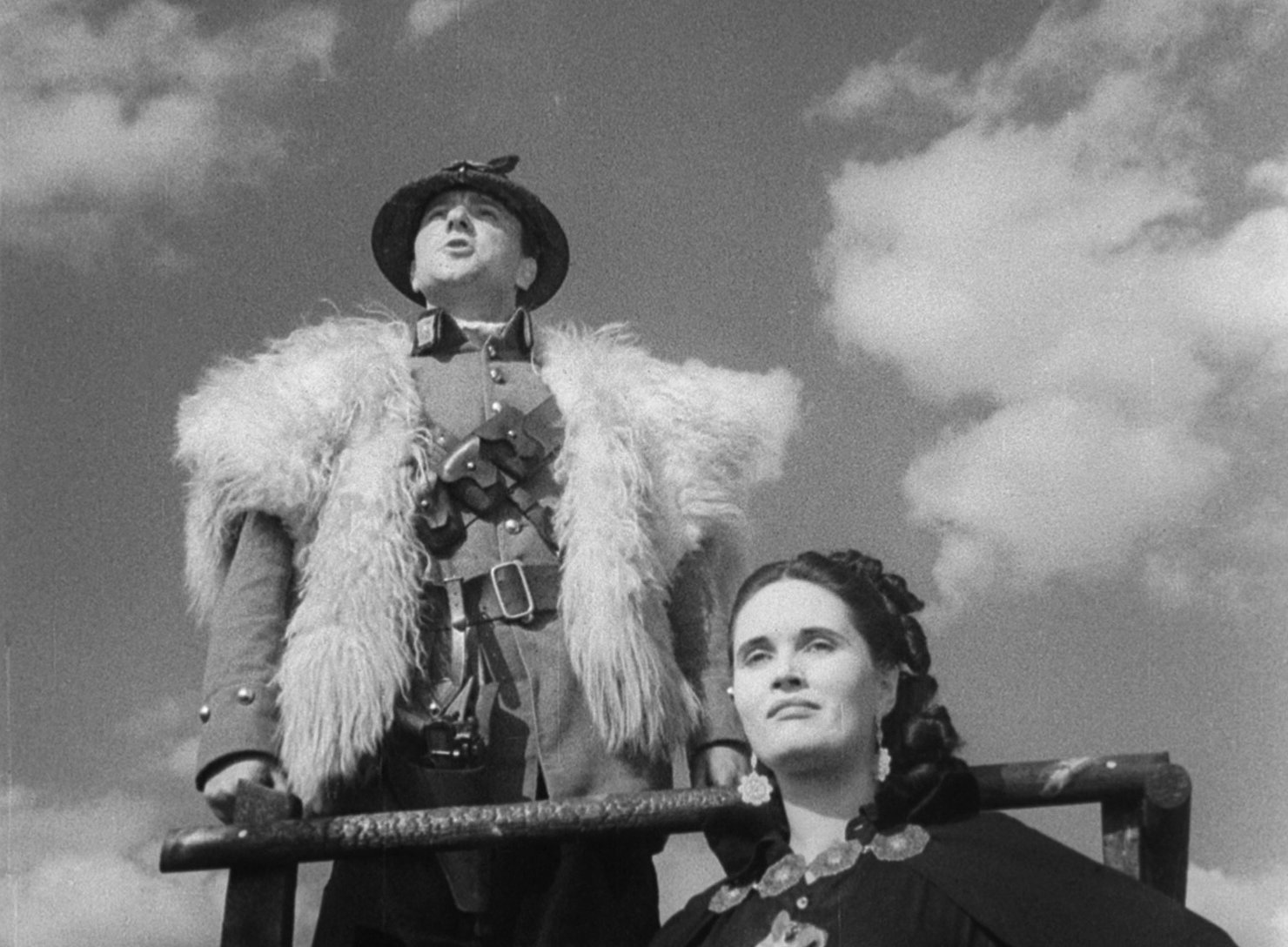
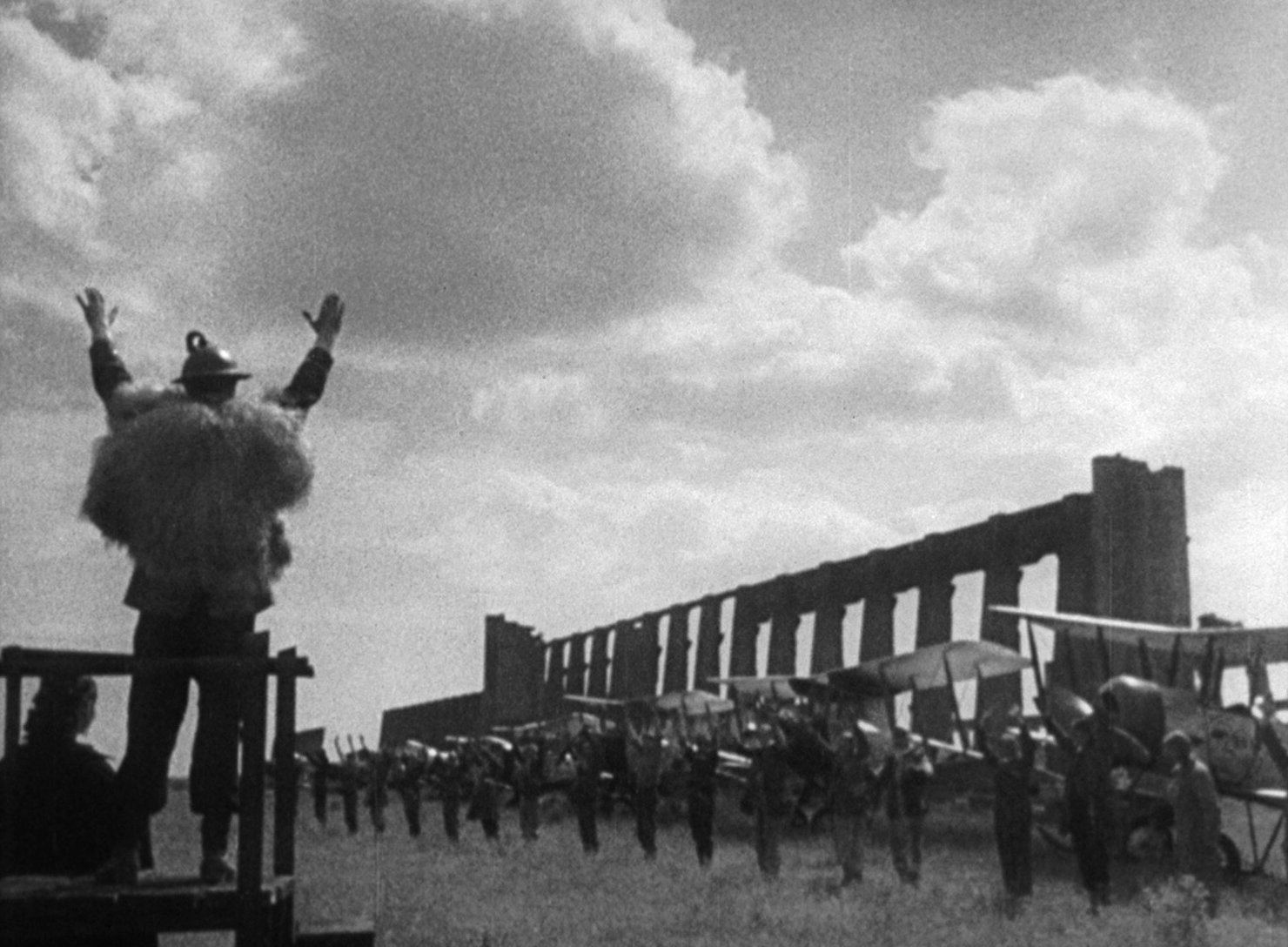
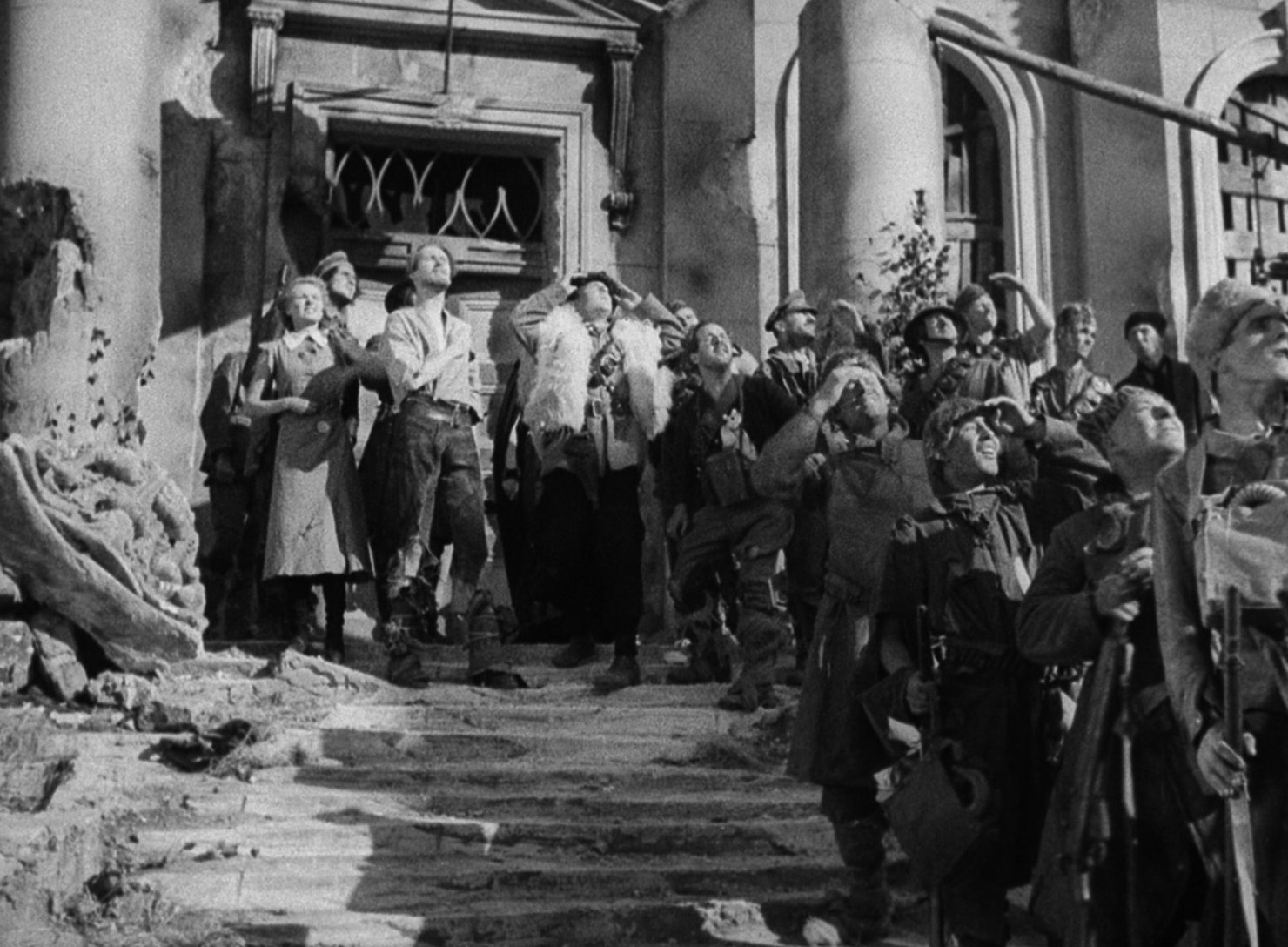
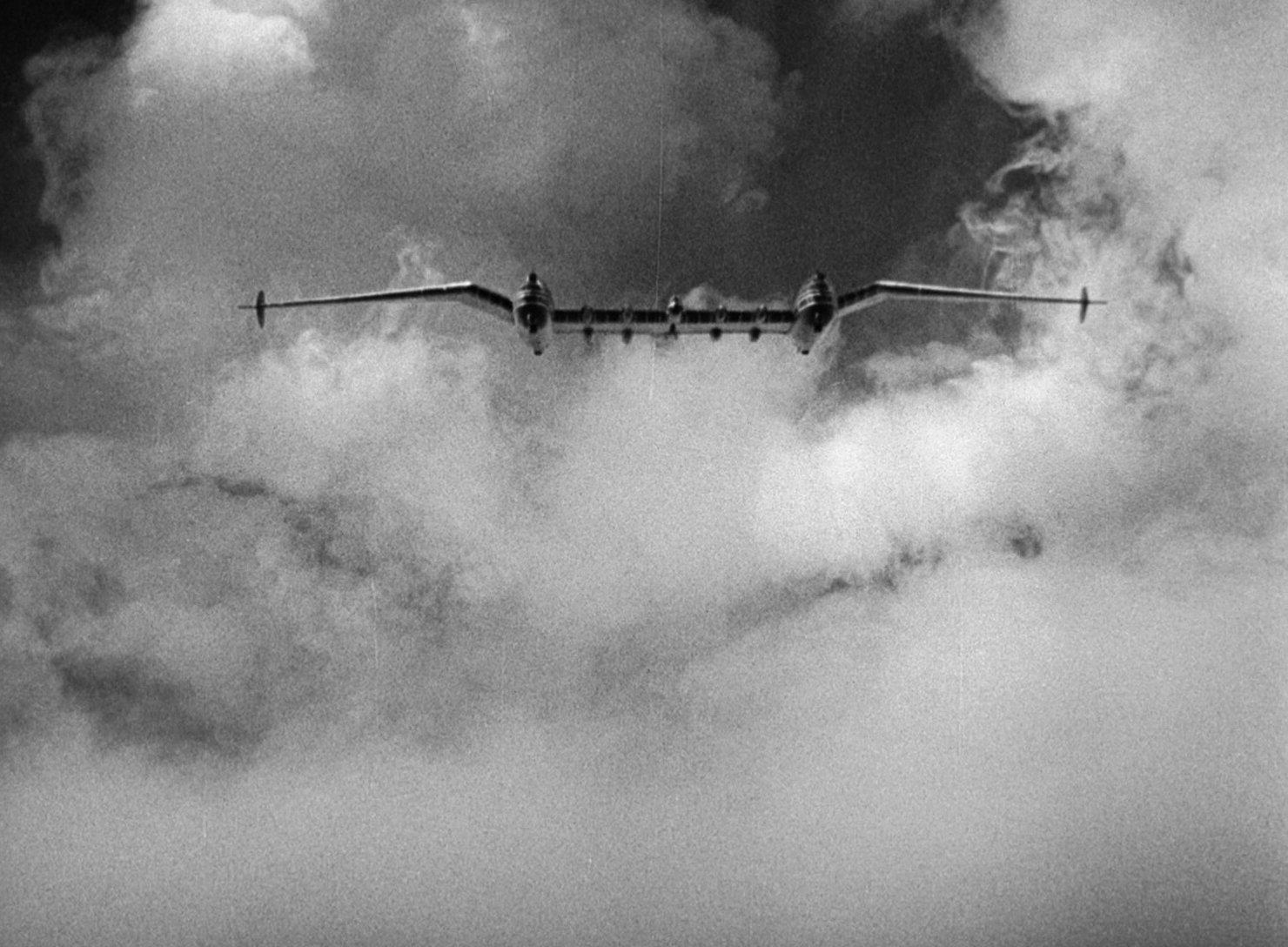
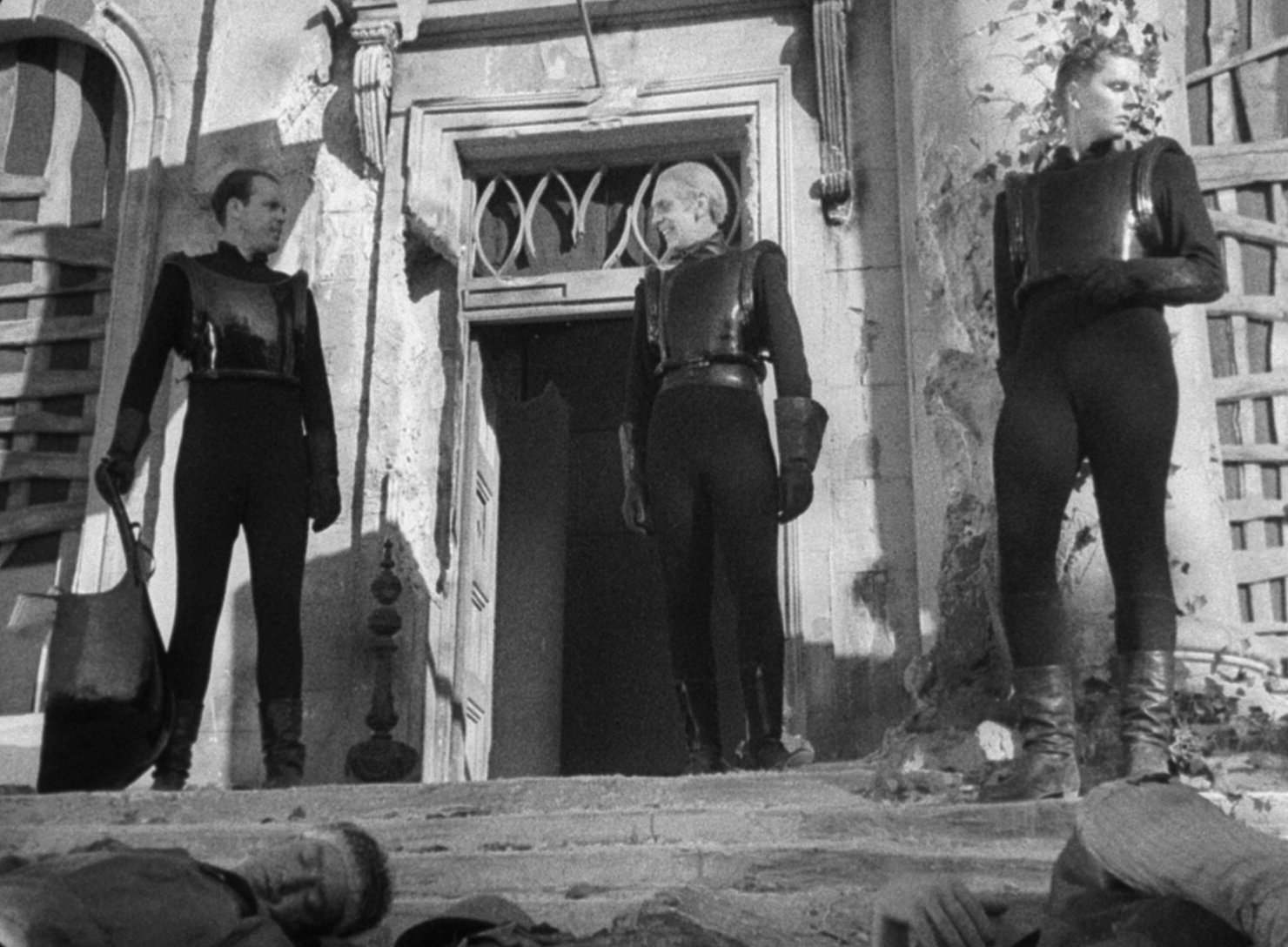
Directed by William Cameron Menzies and based on a screenplay by H. G. Wells, adapted from his own work, Things to Come offers a sweeping vision of the future. It traces the collapse and reconstruction of civilisation over several decades following a global war. The film moves through cycles of destruction, technological advancement, and ideological conflict, as humanity attempts to rebuild society through science and centralised progress.
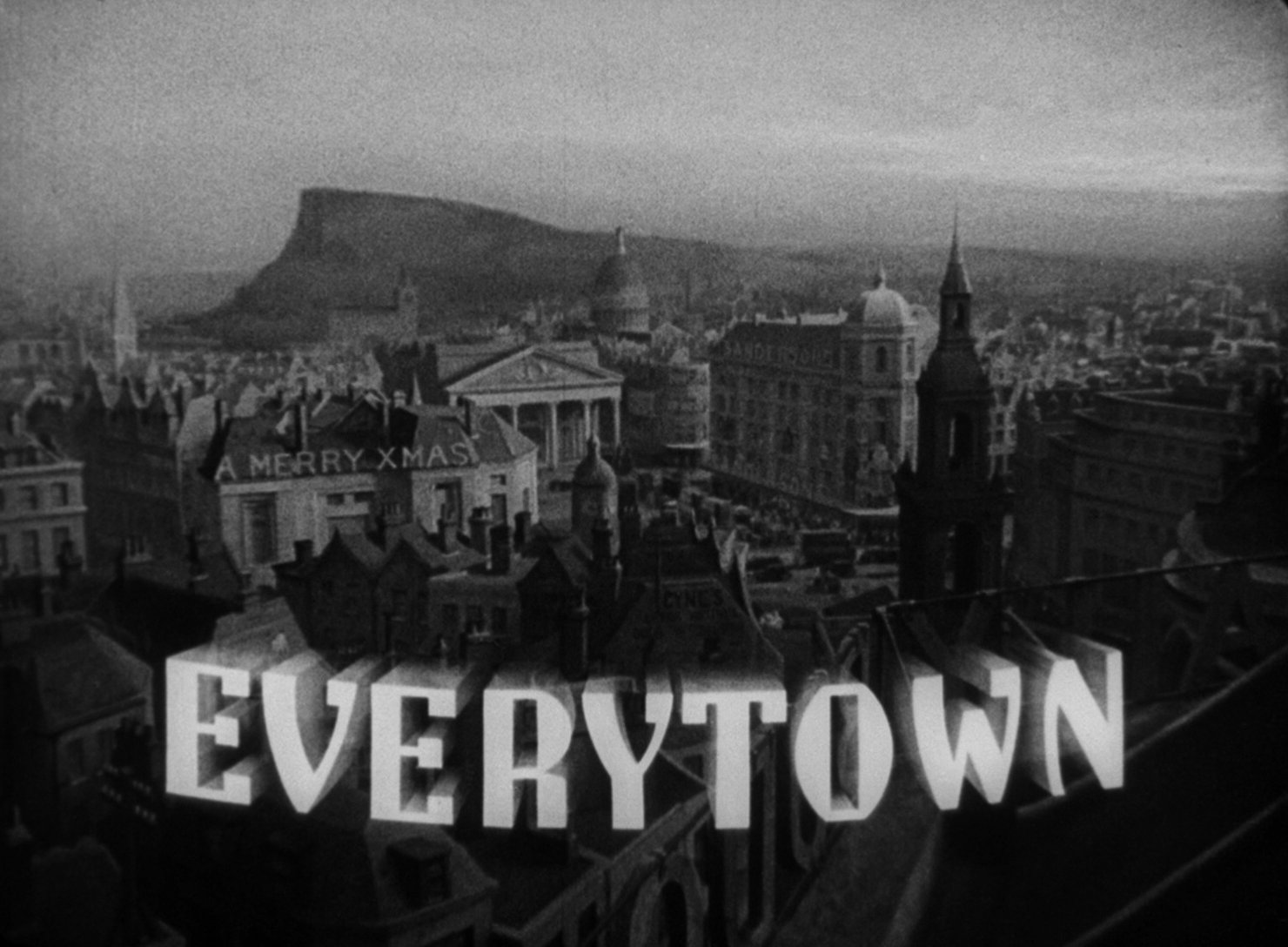
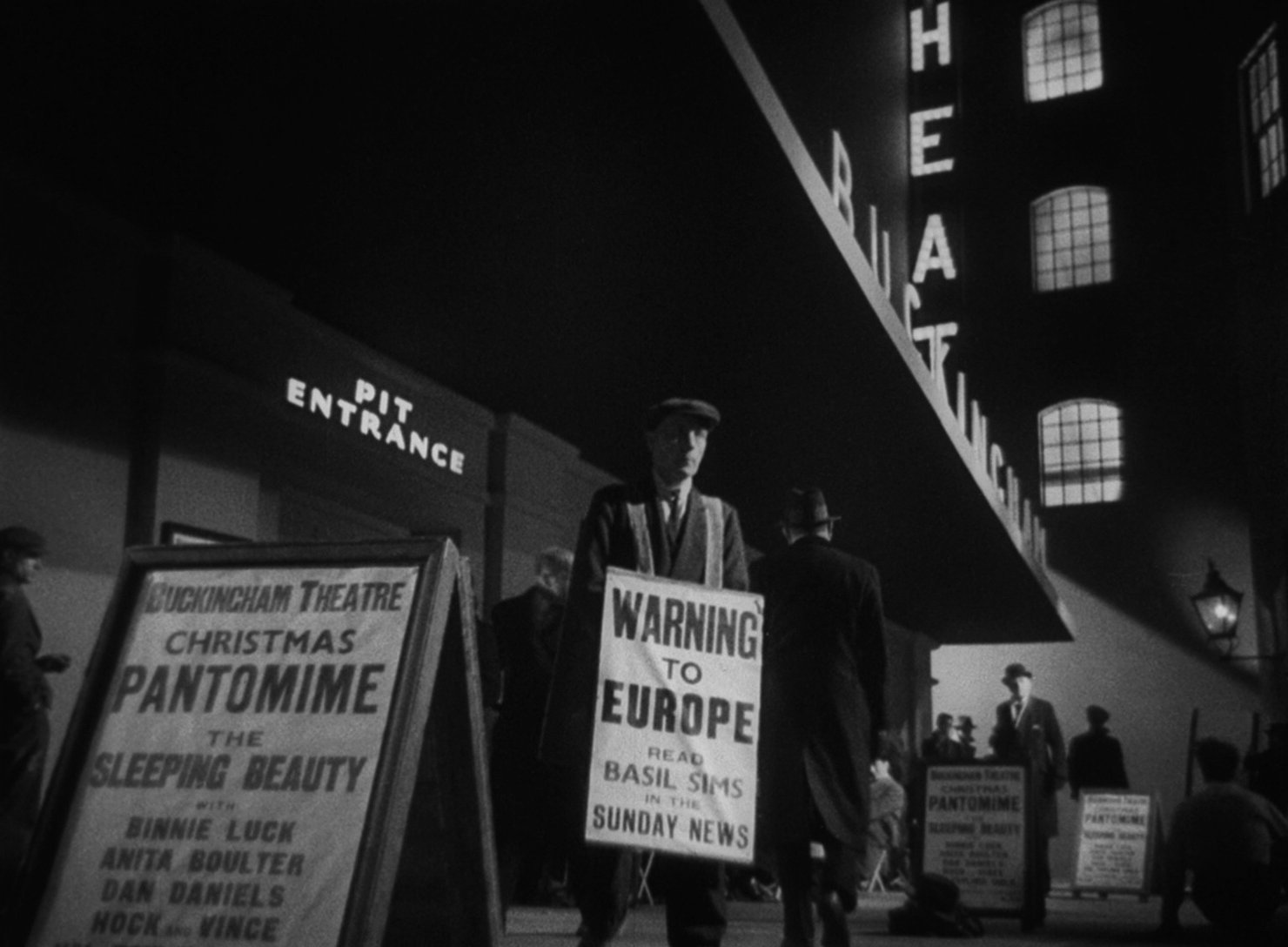
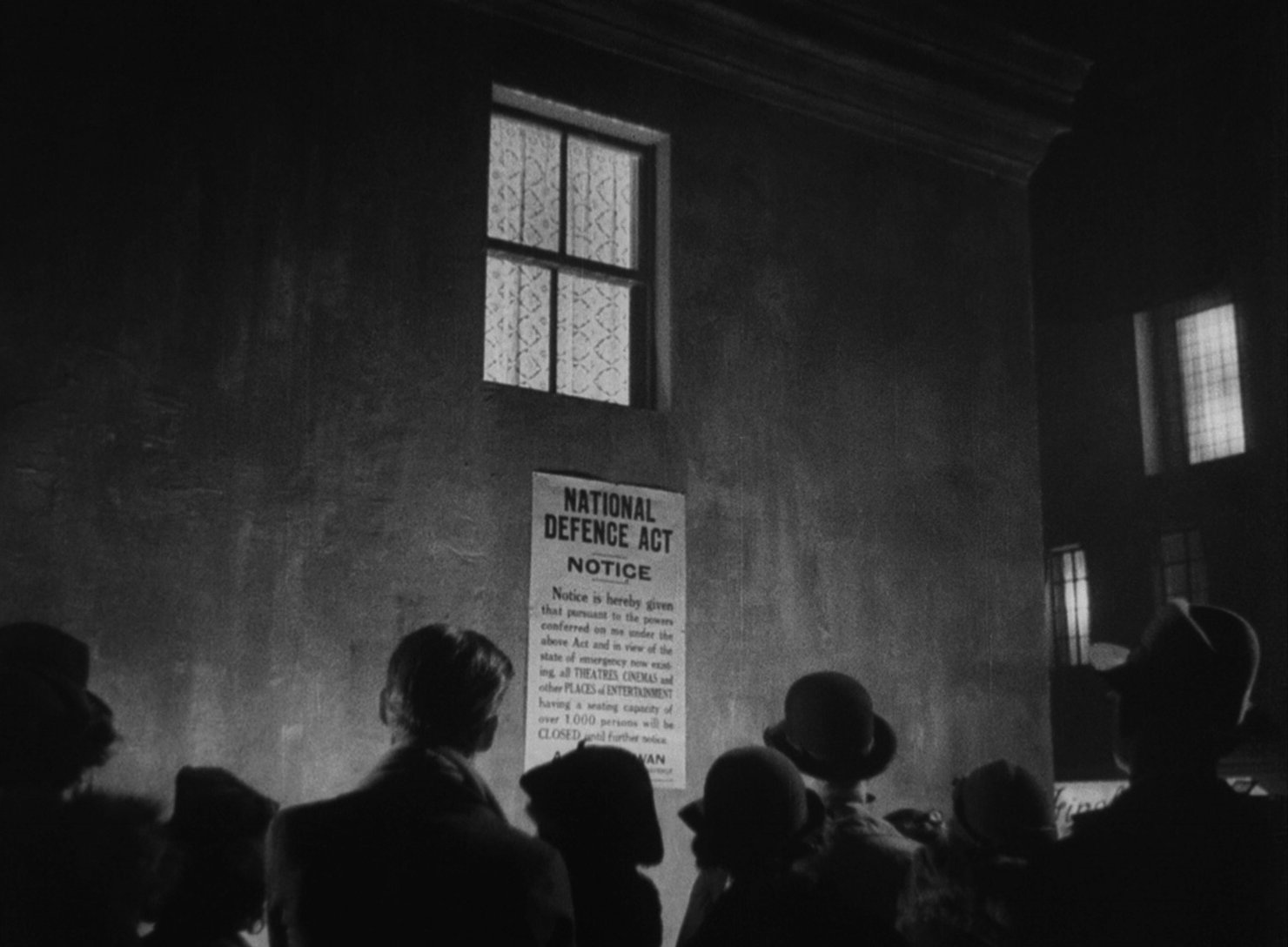
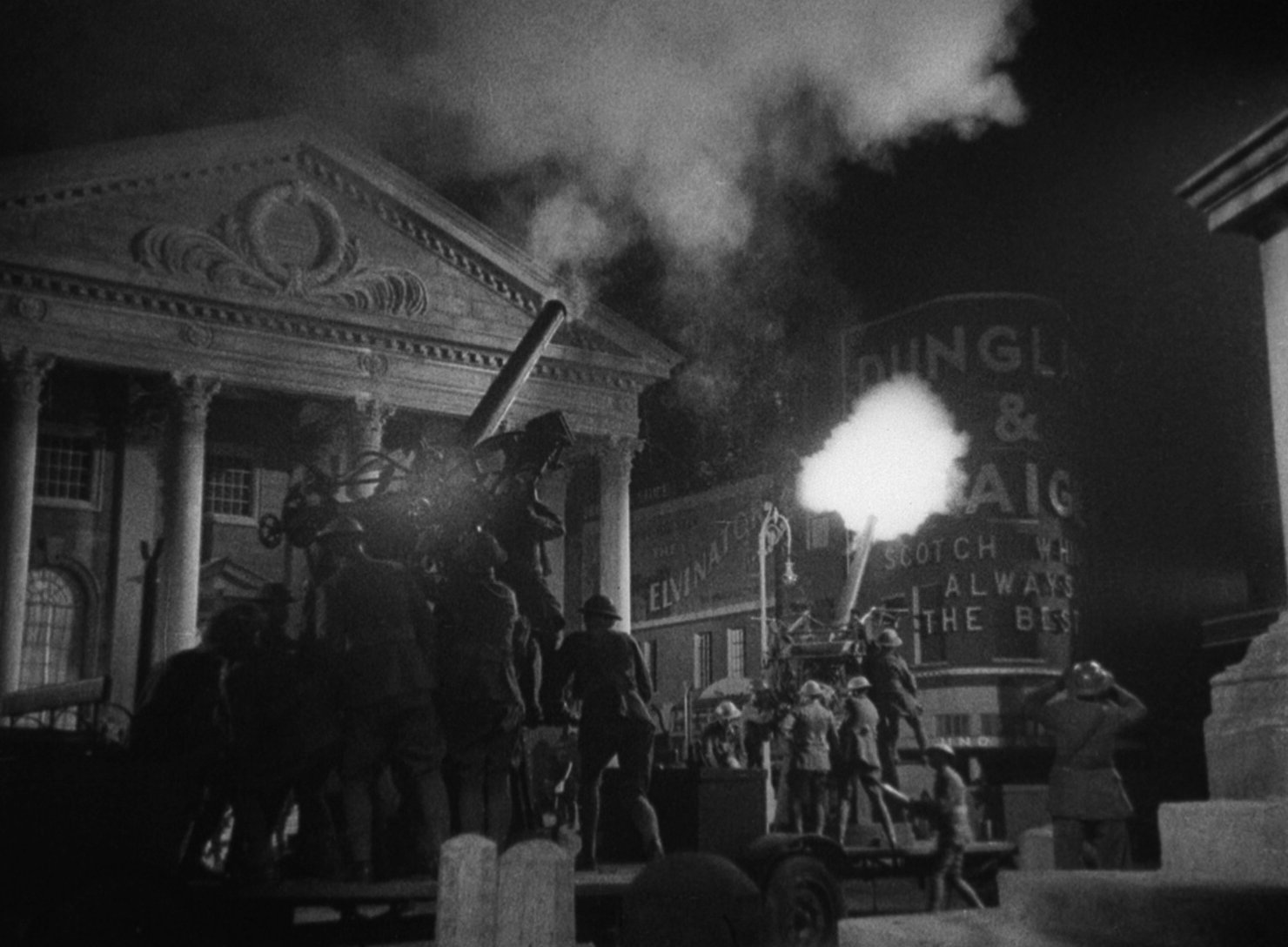
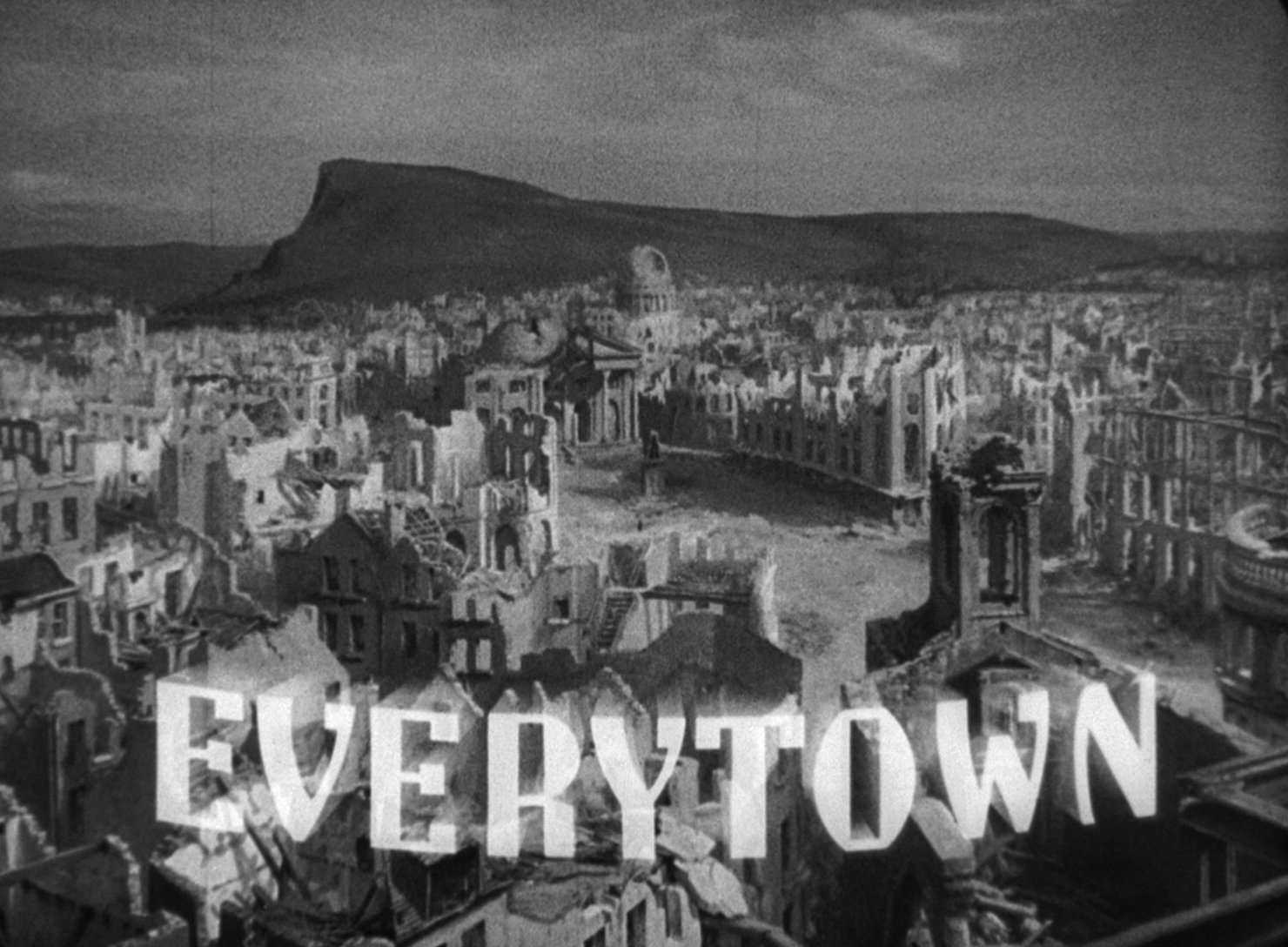
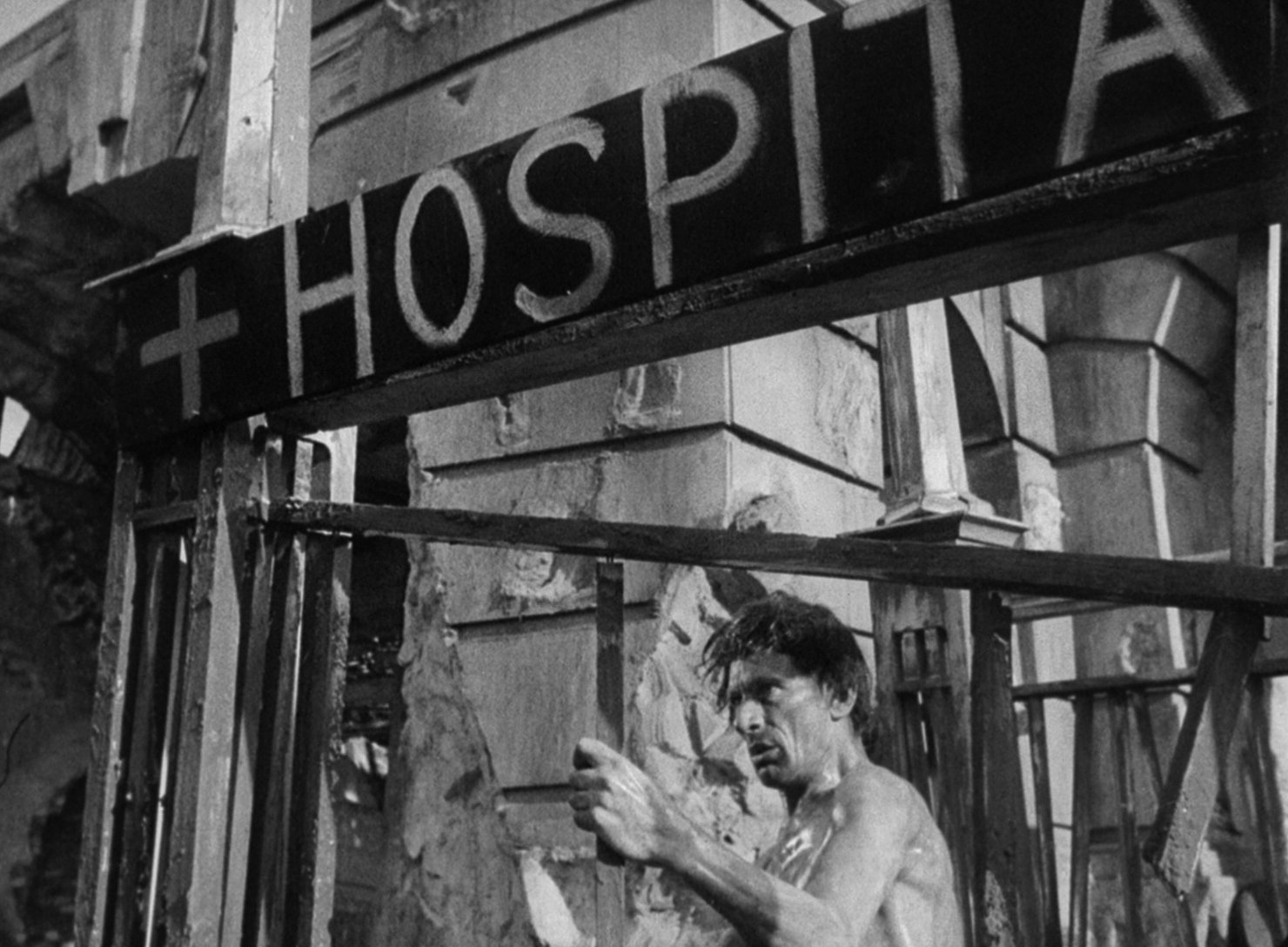
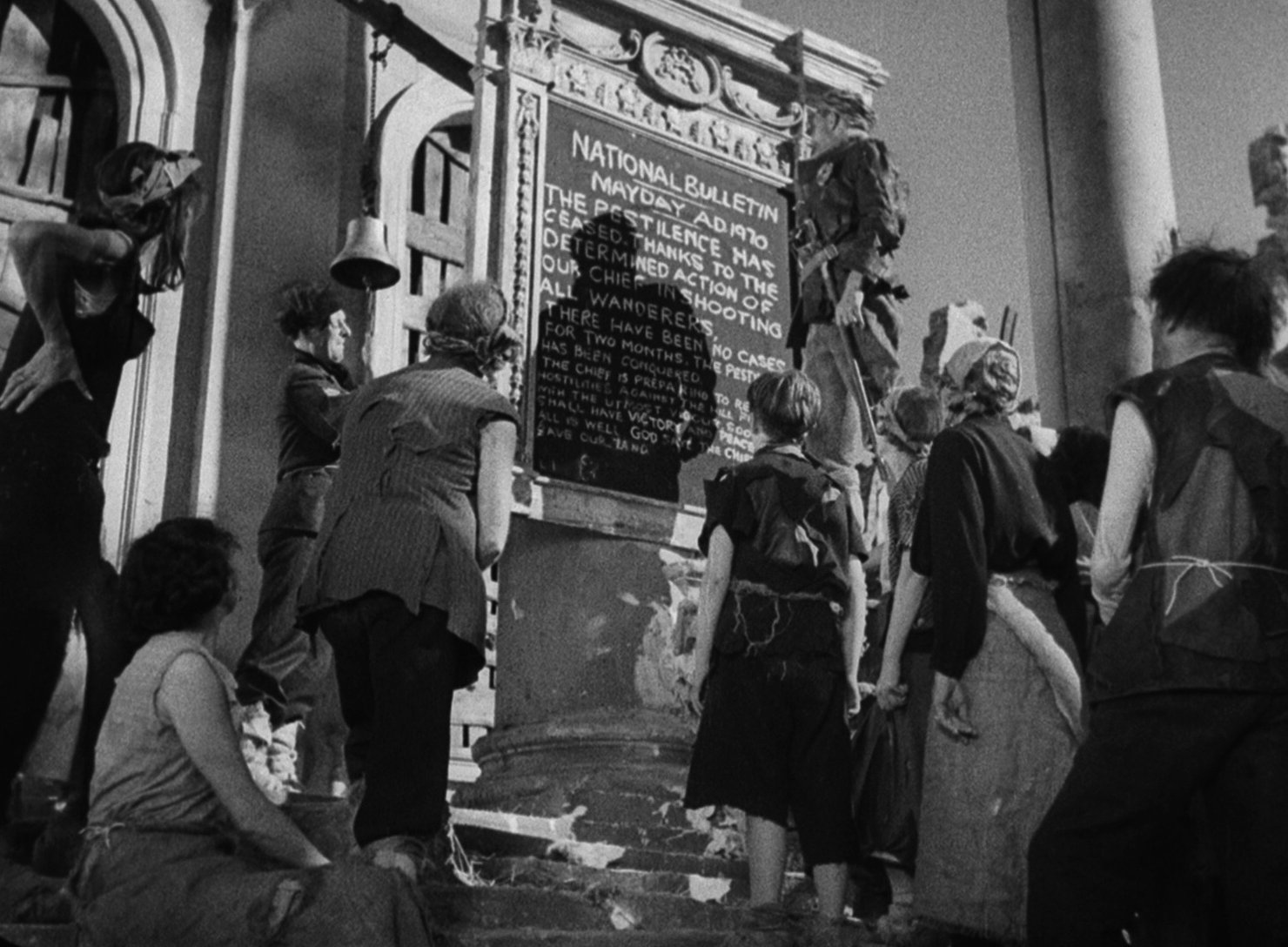
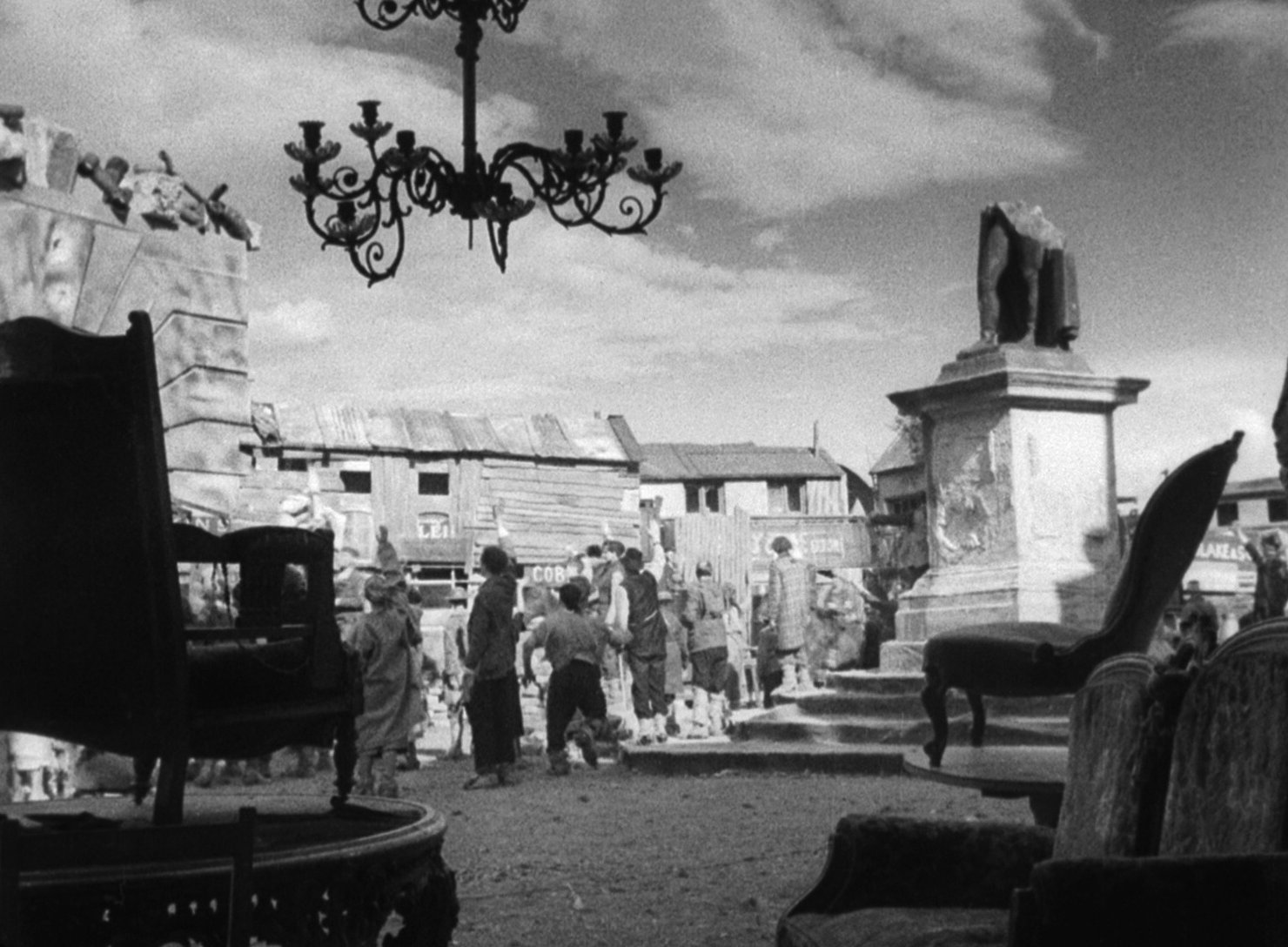
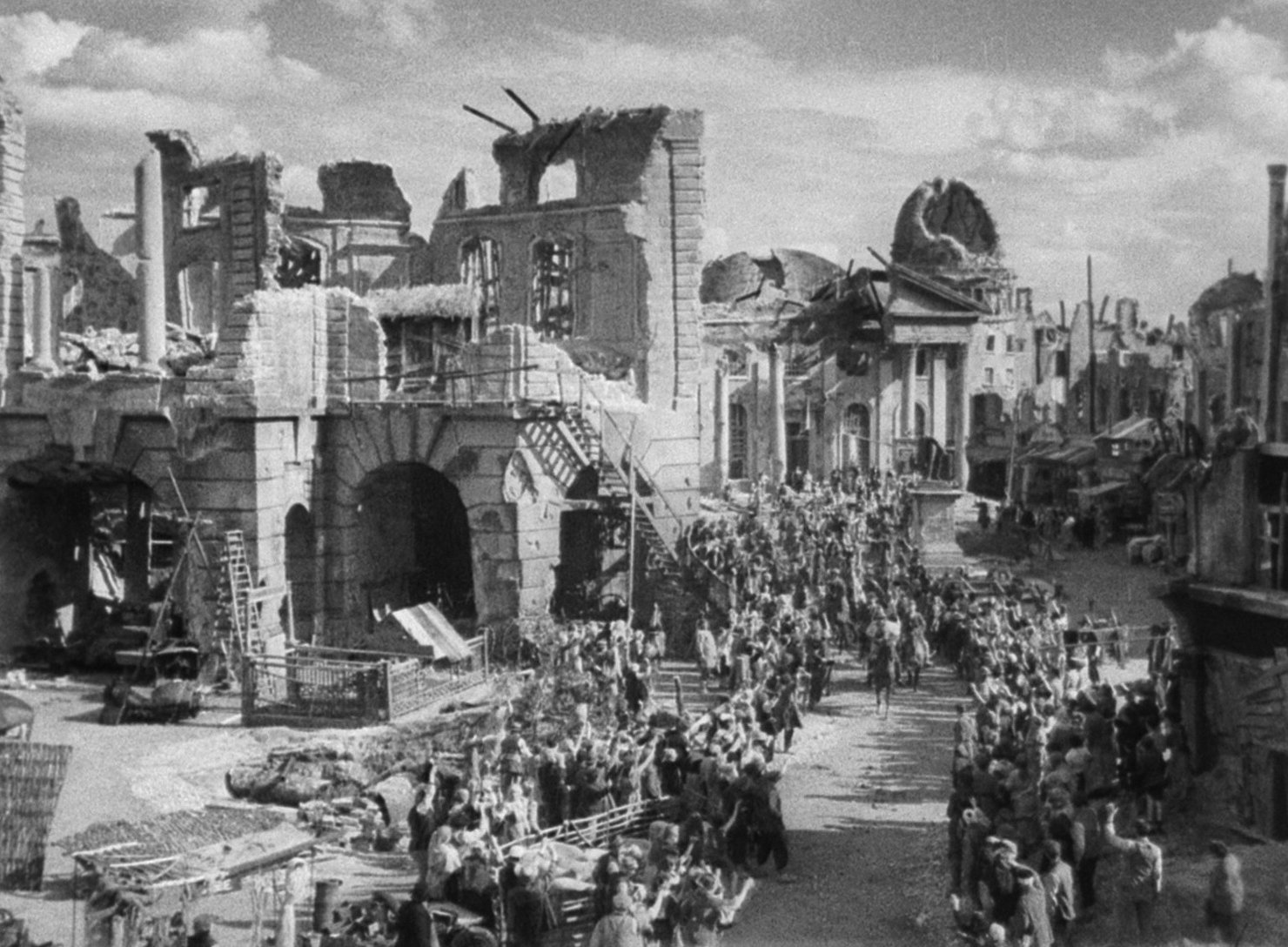
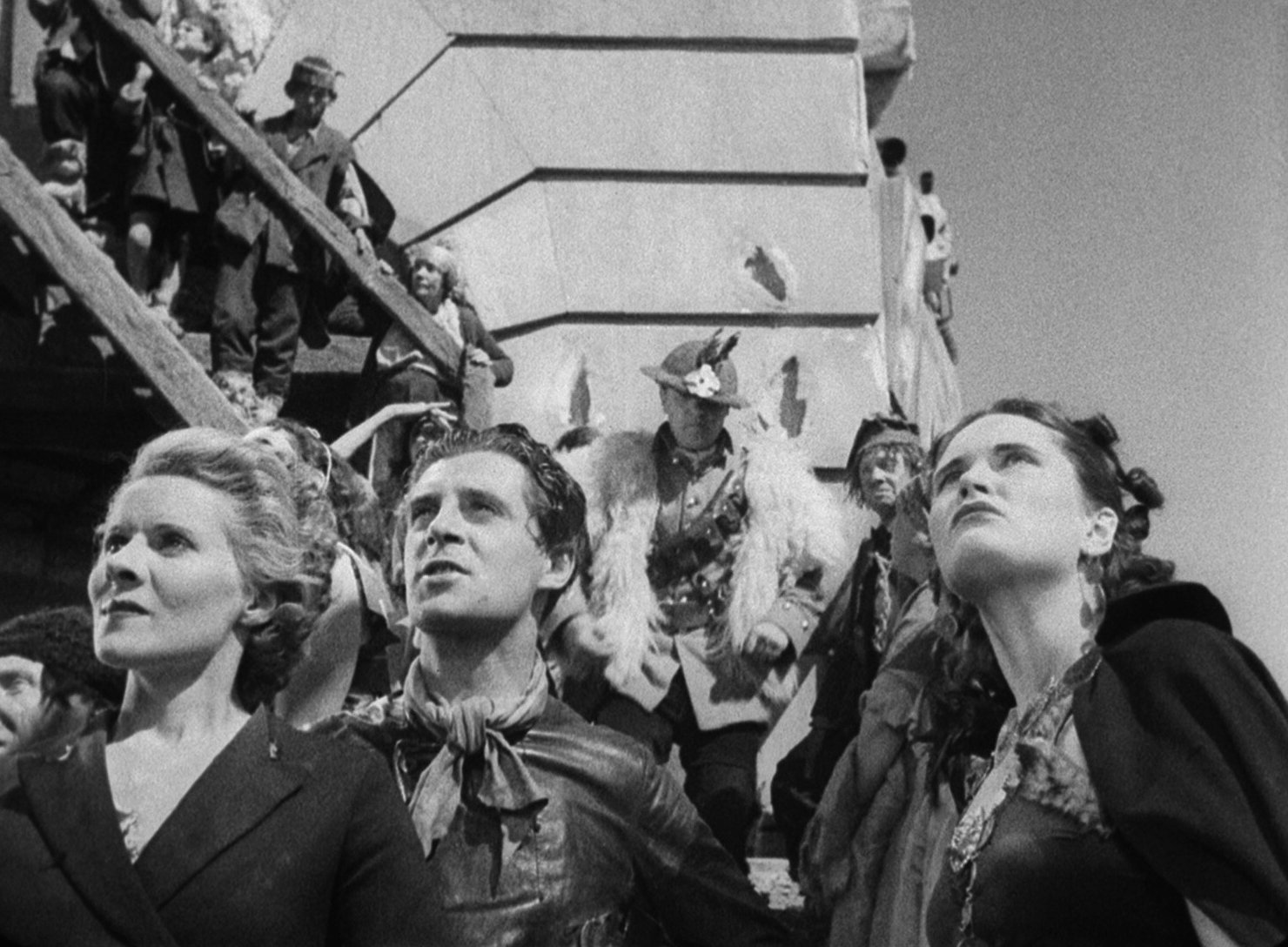
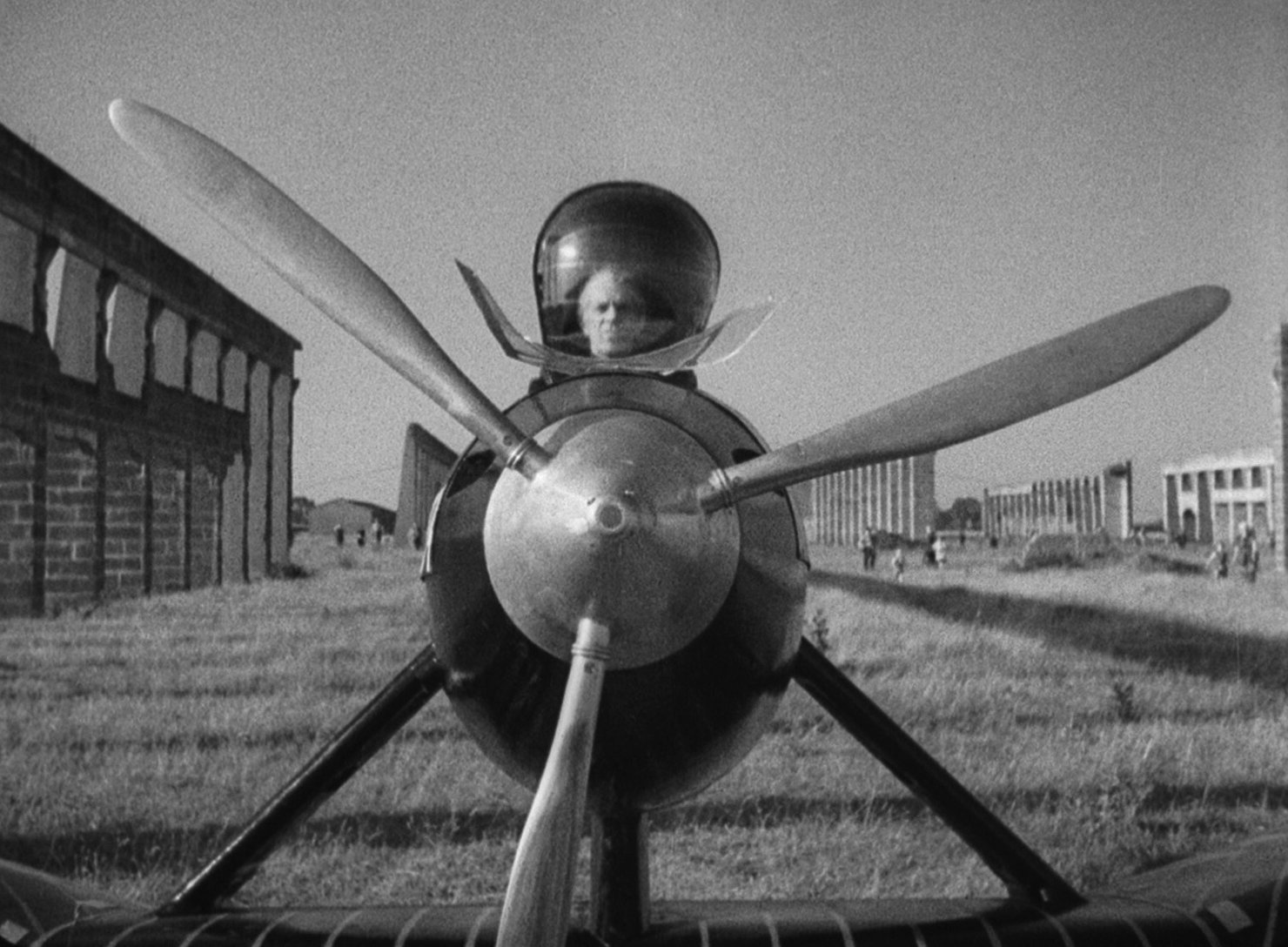
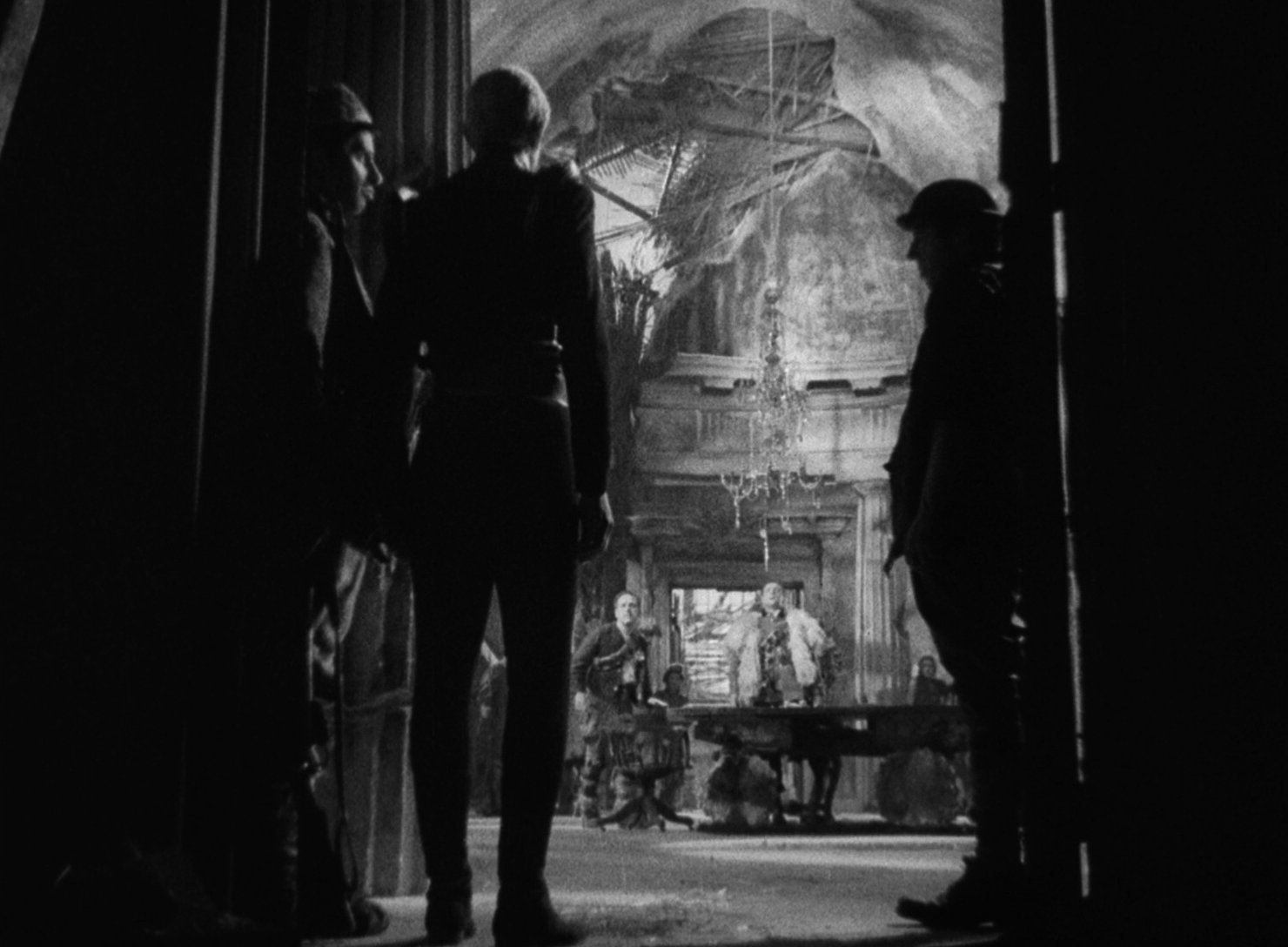
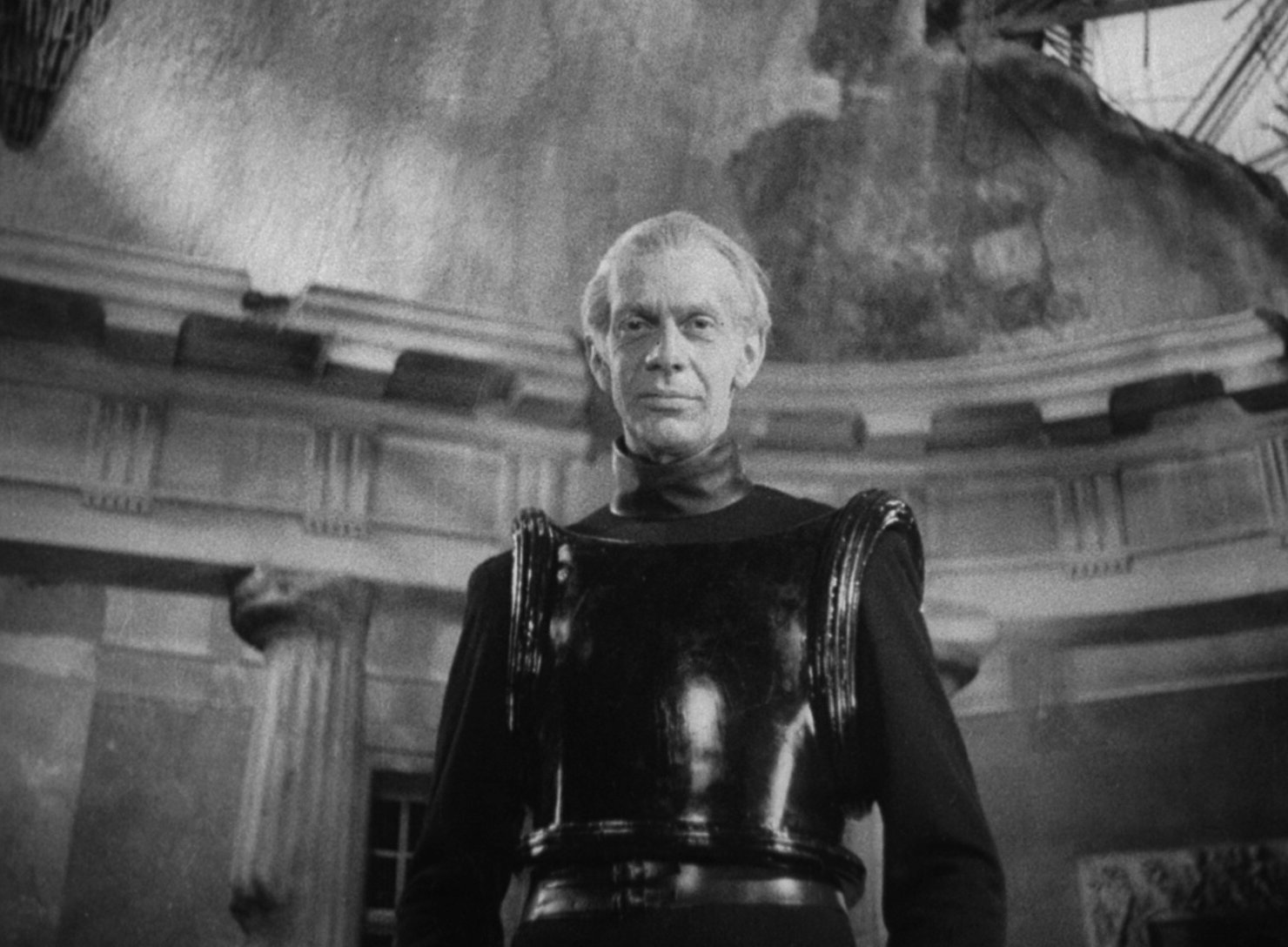
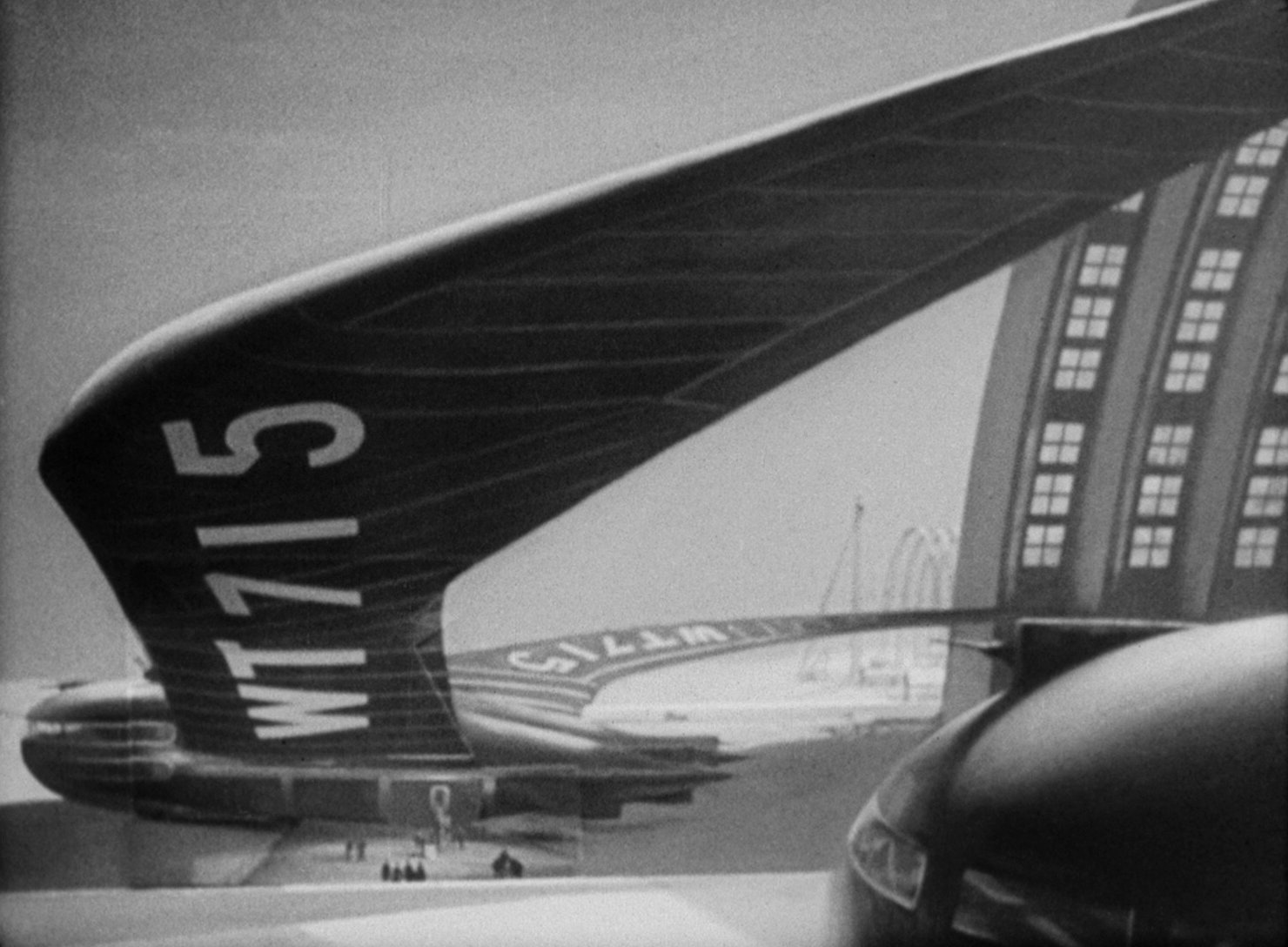
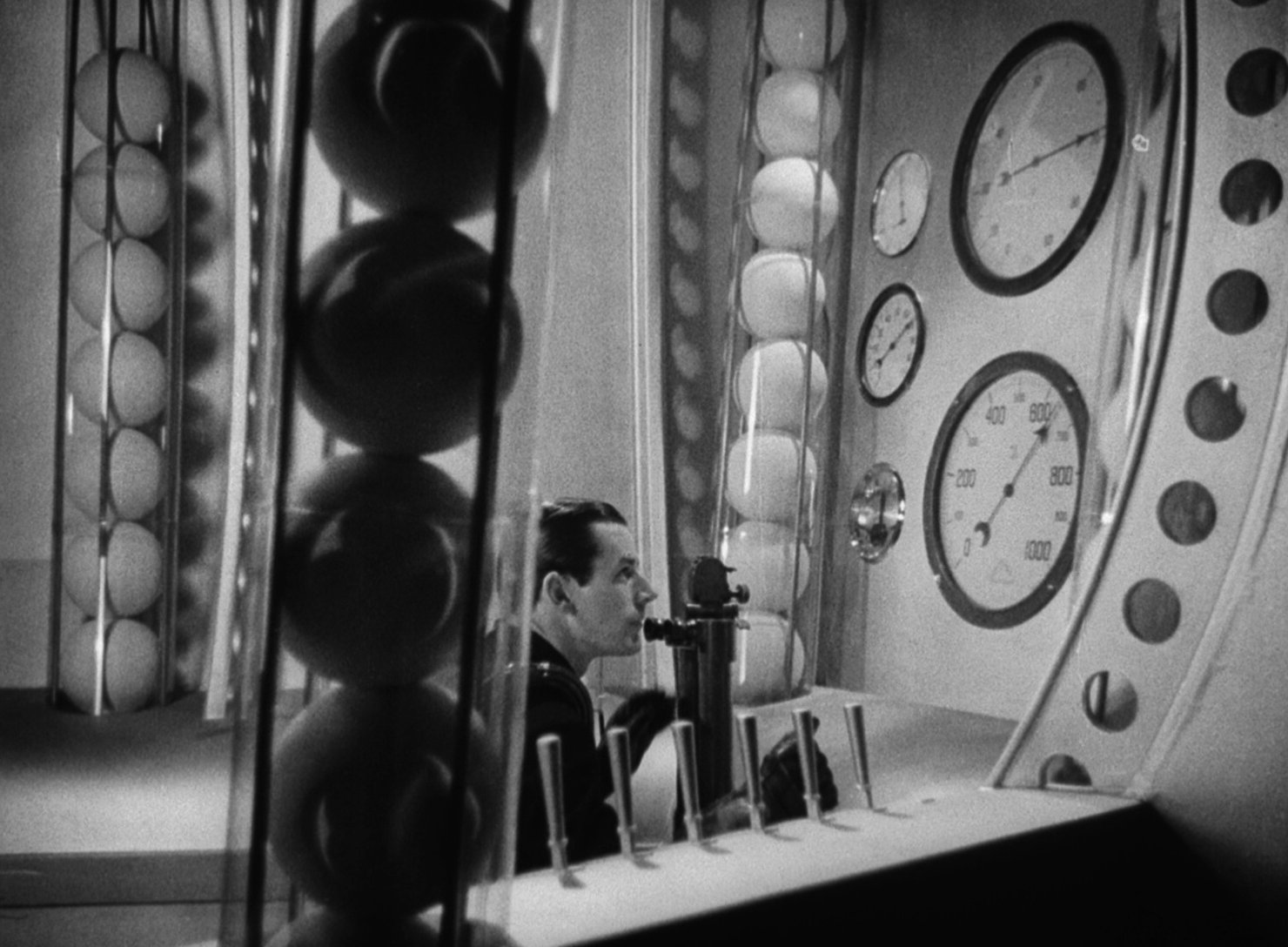
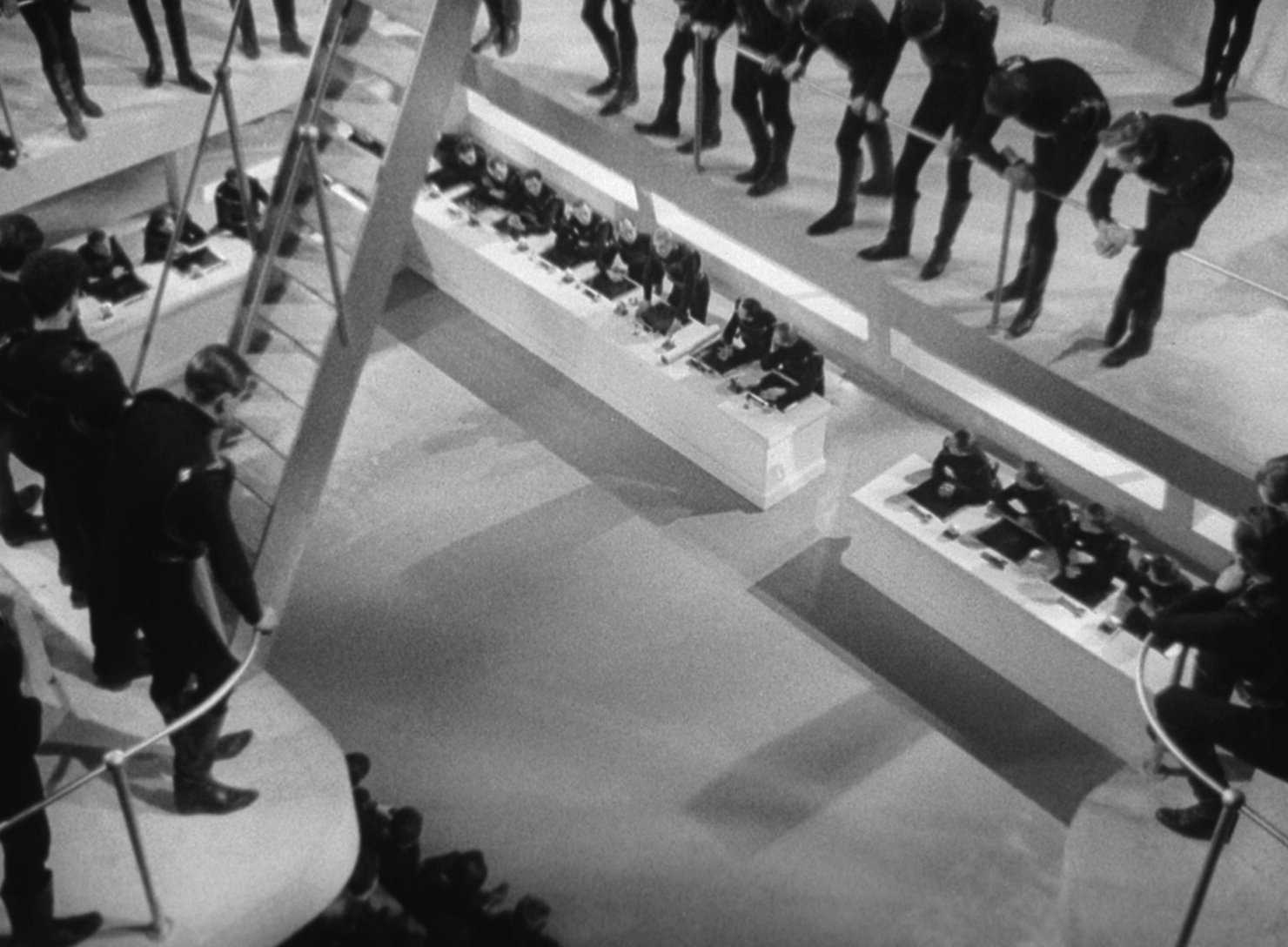
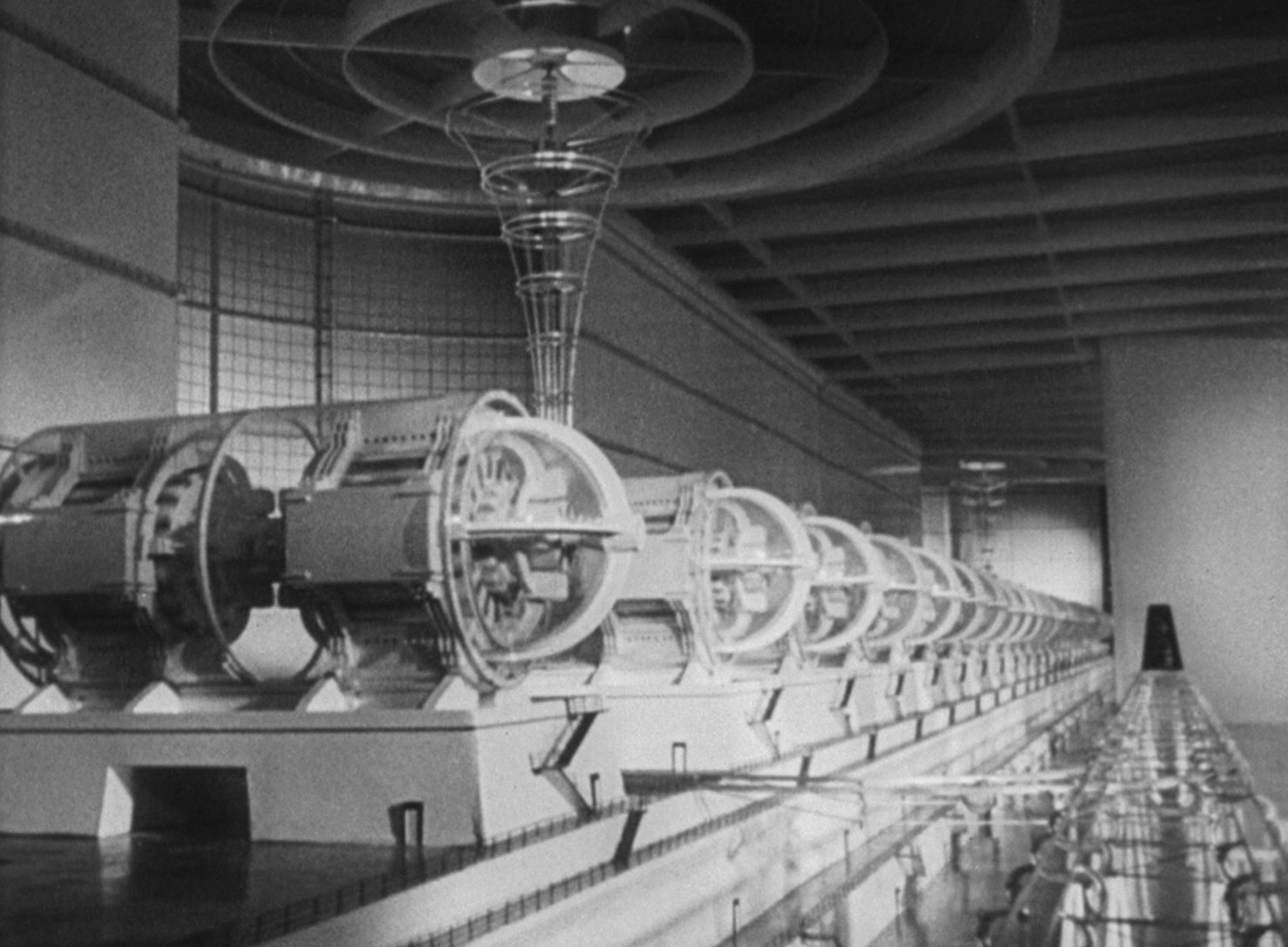
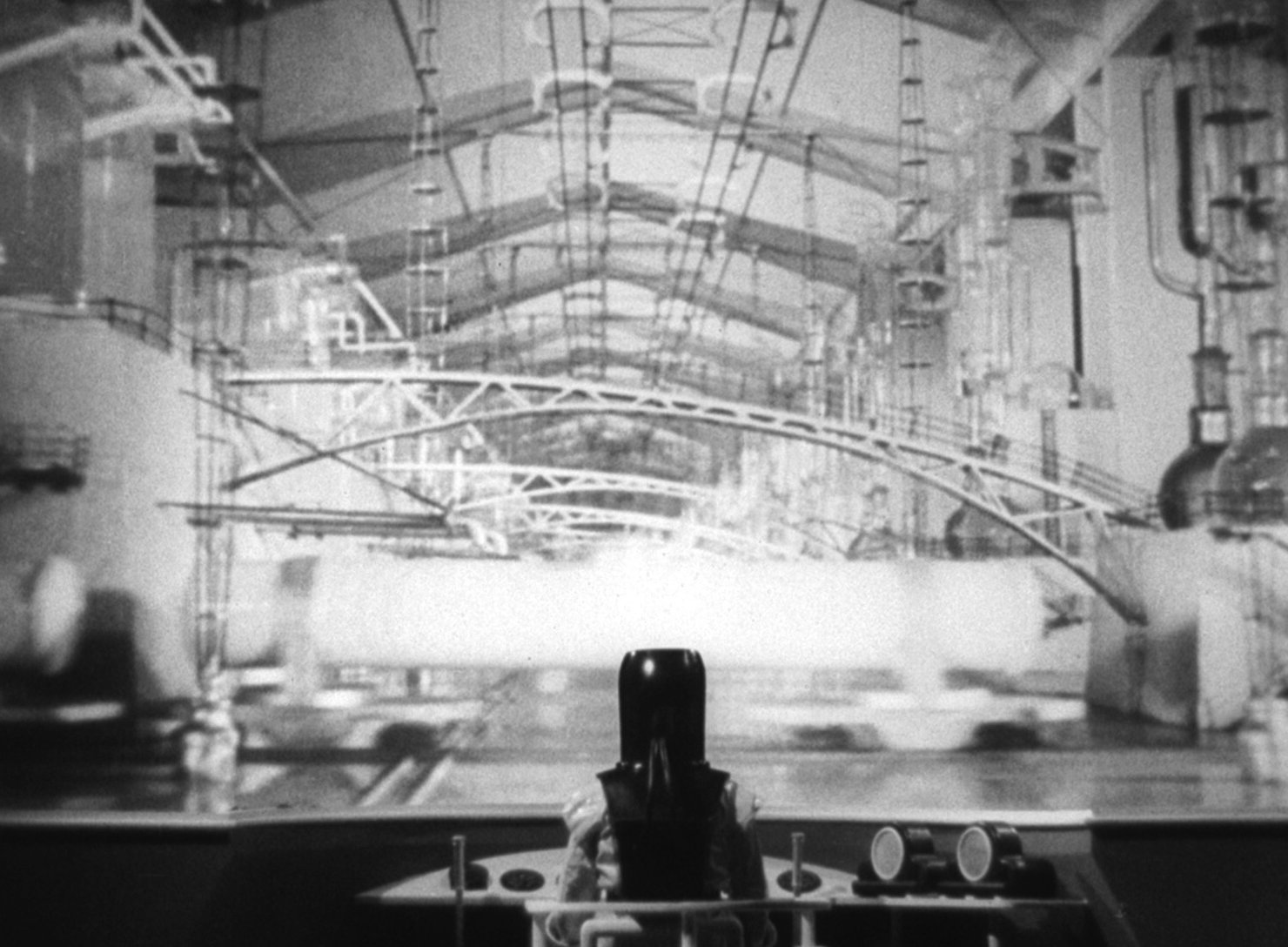
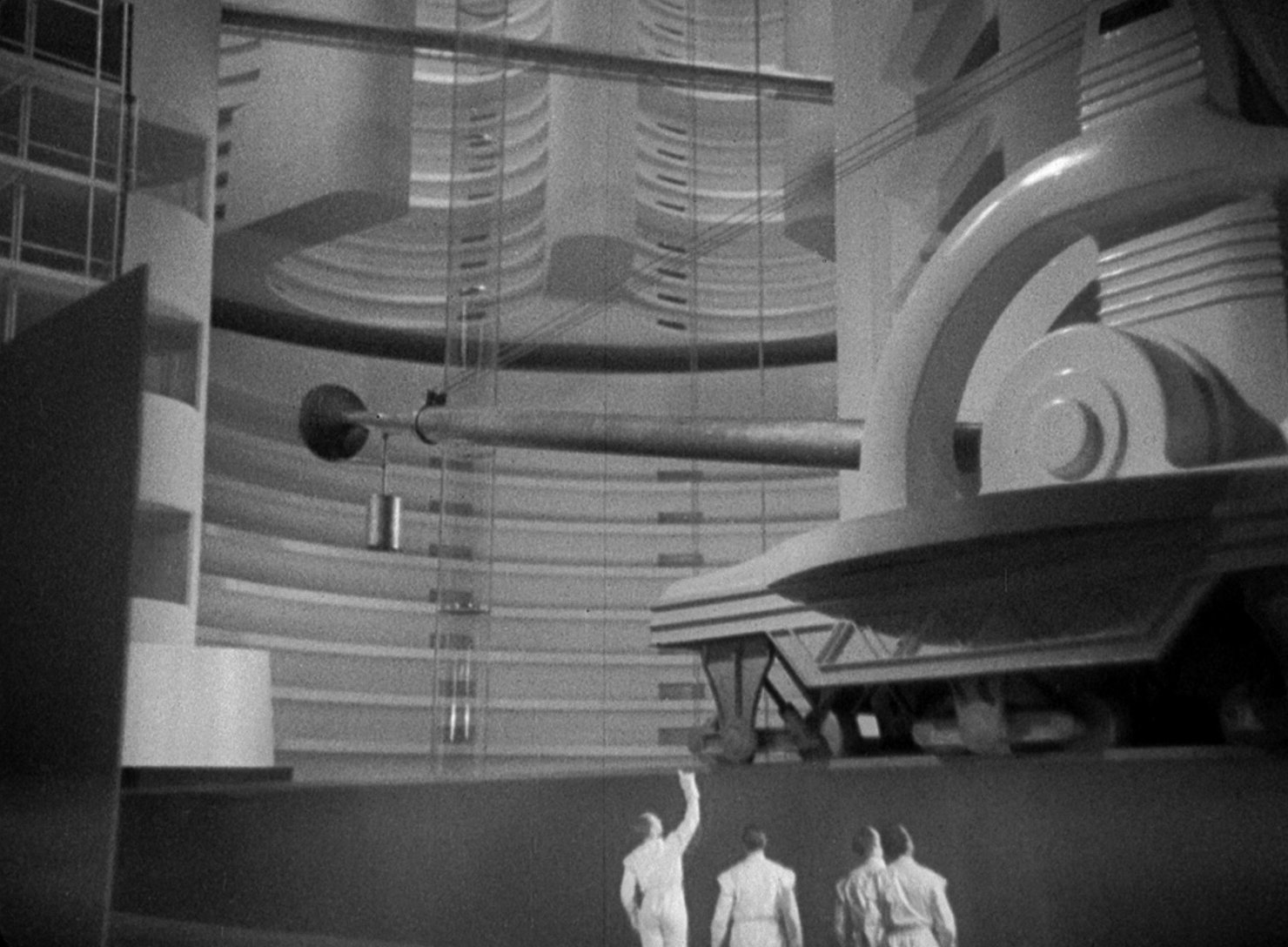
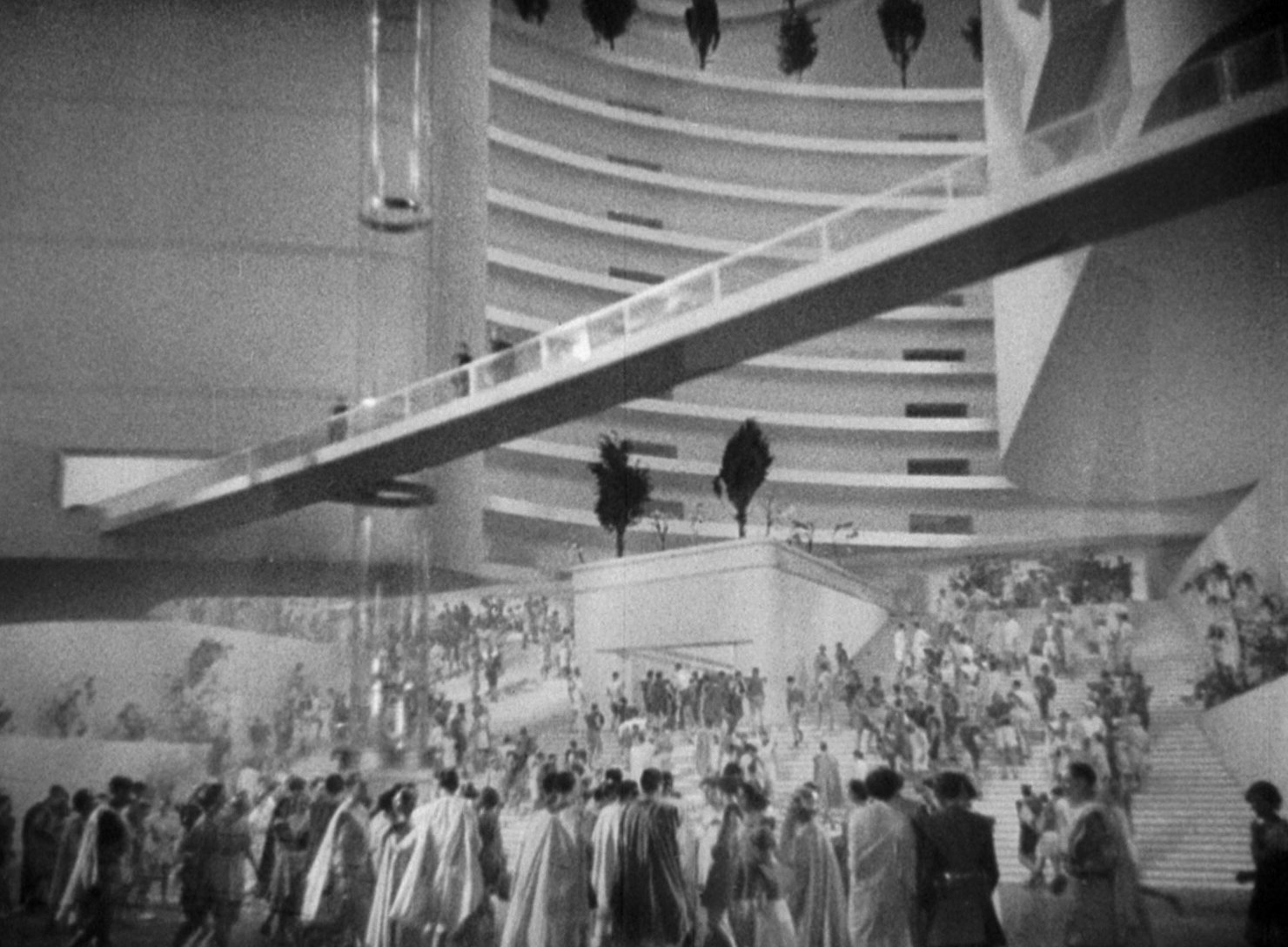
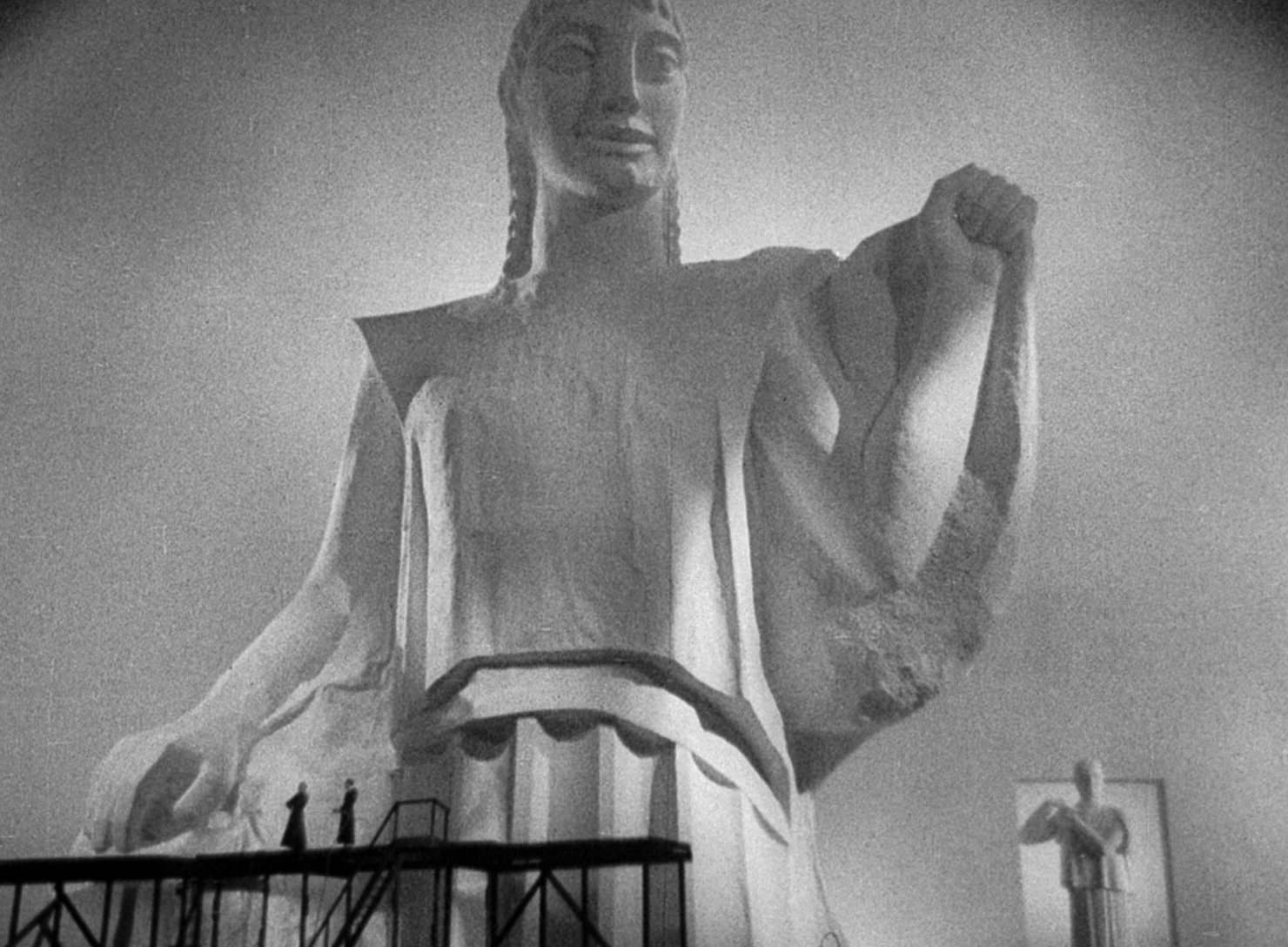
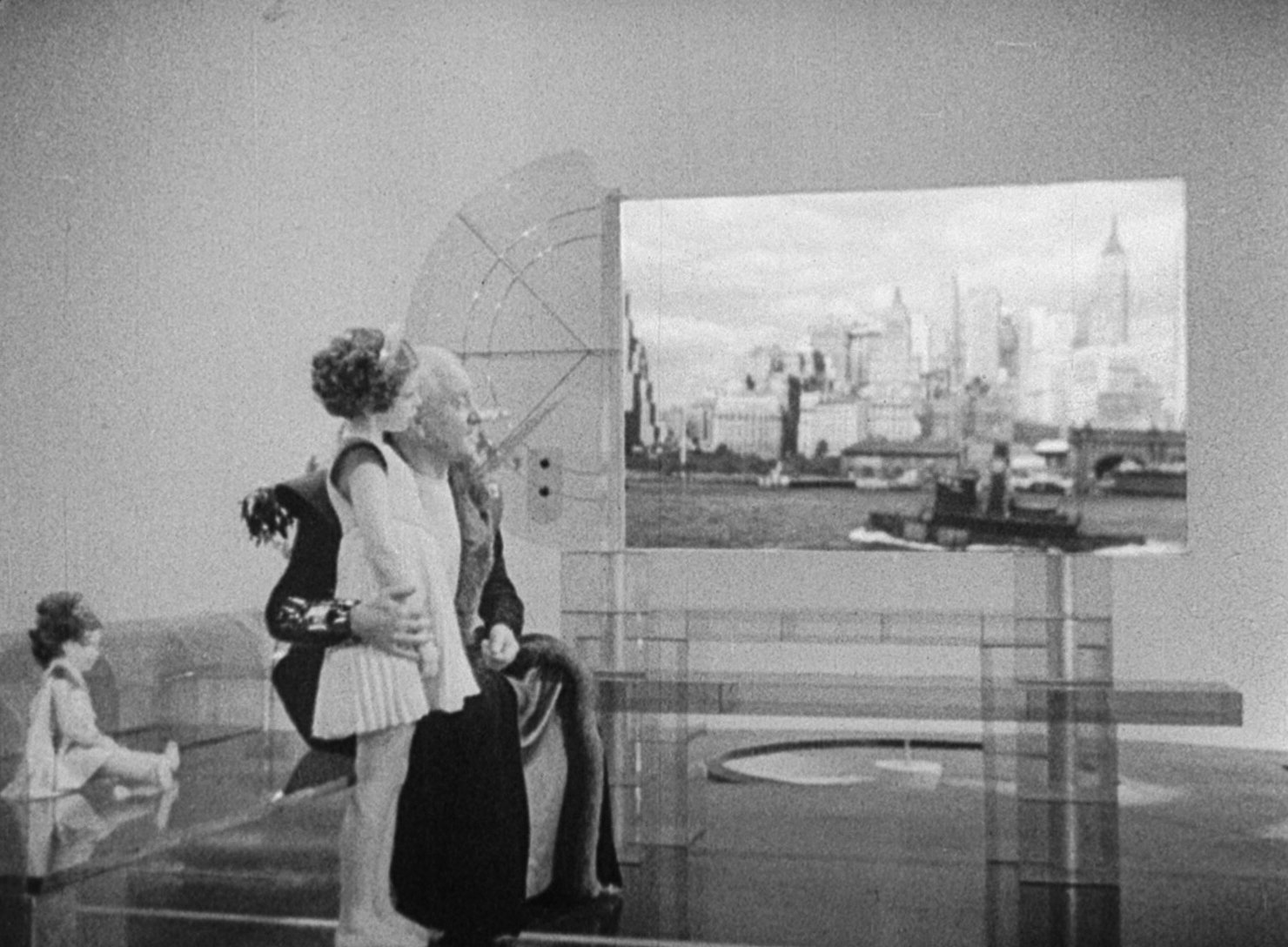
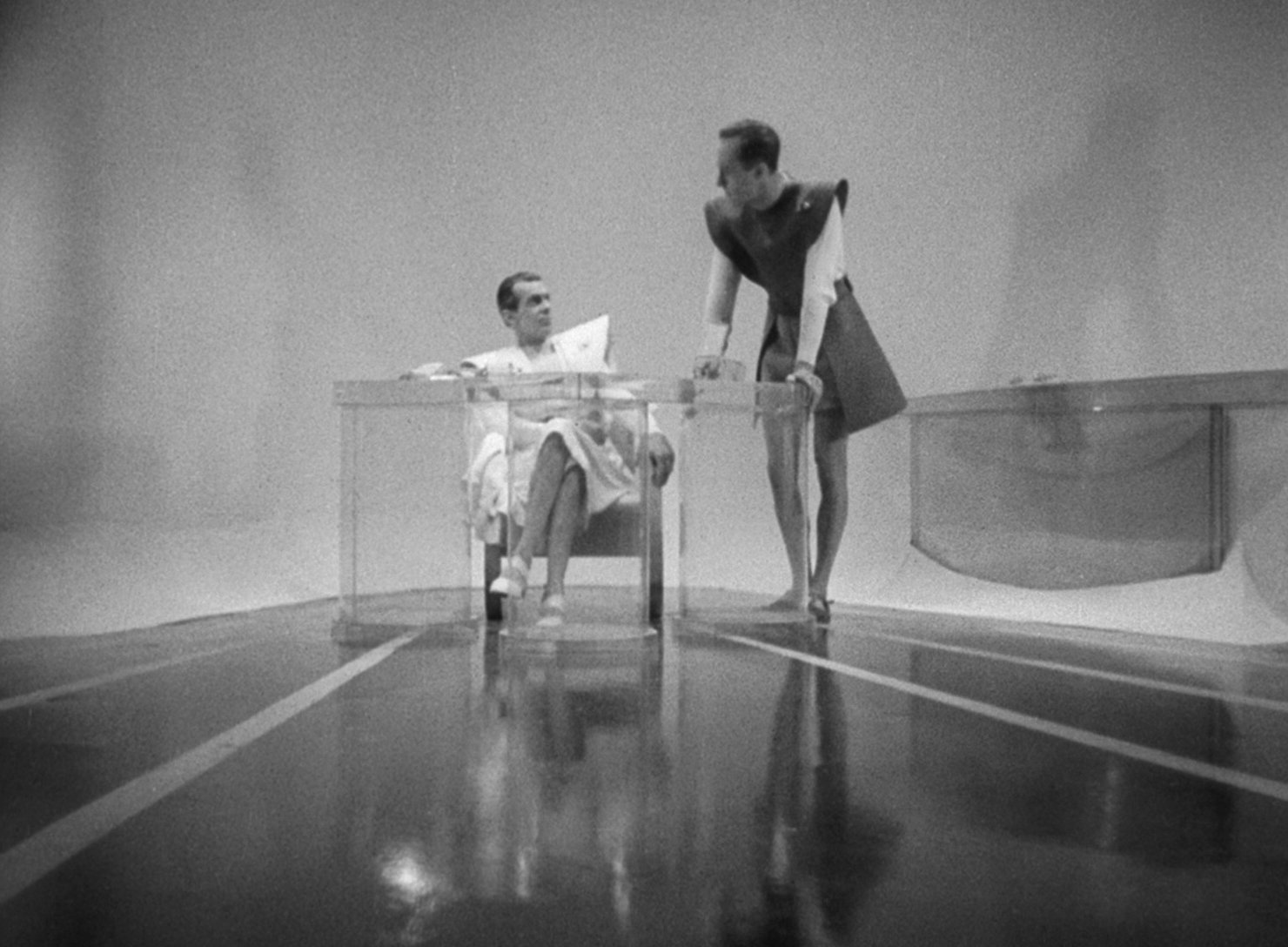
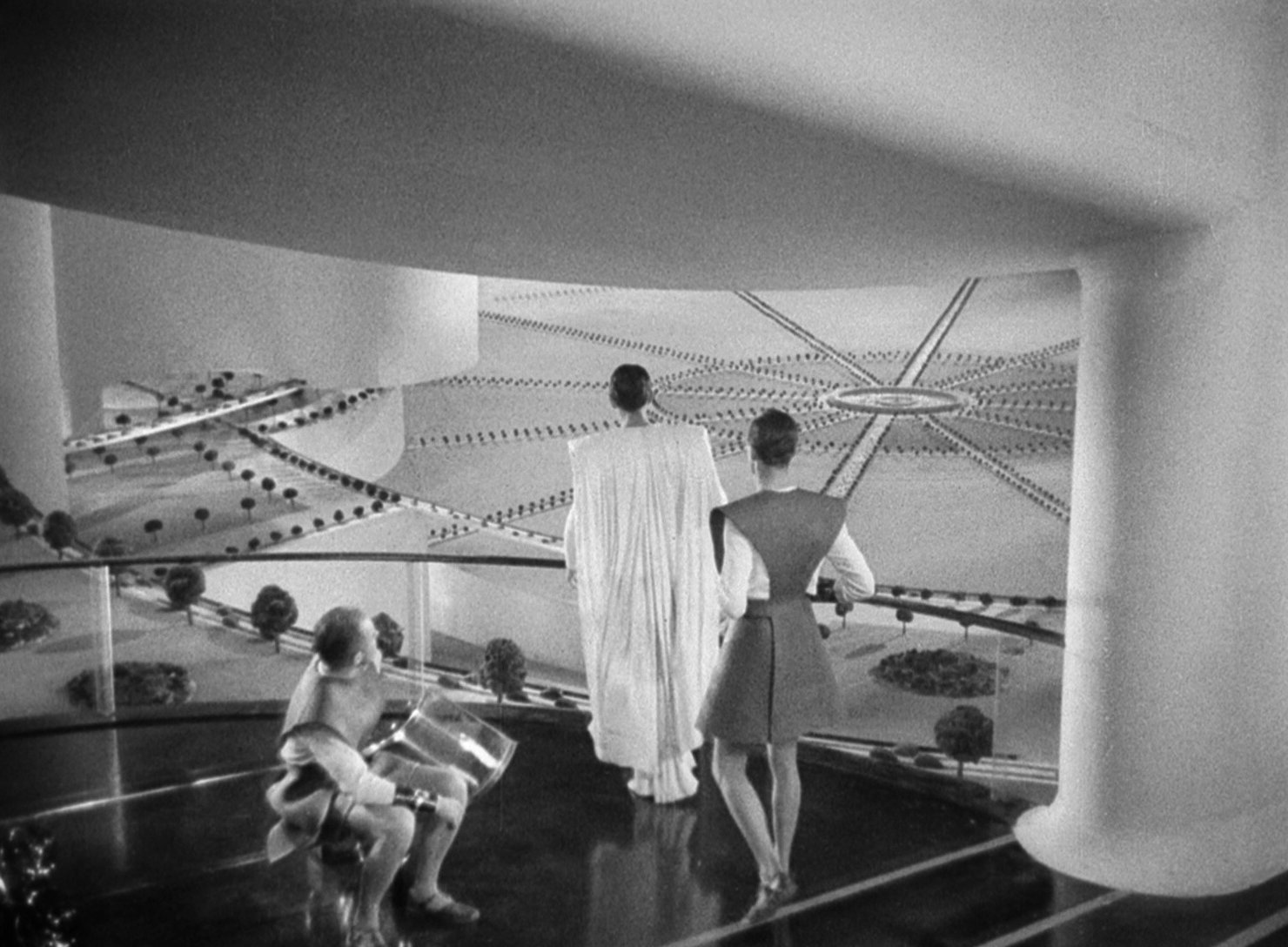
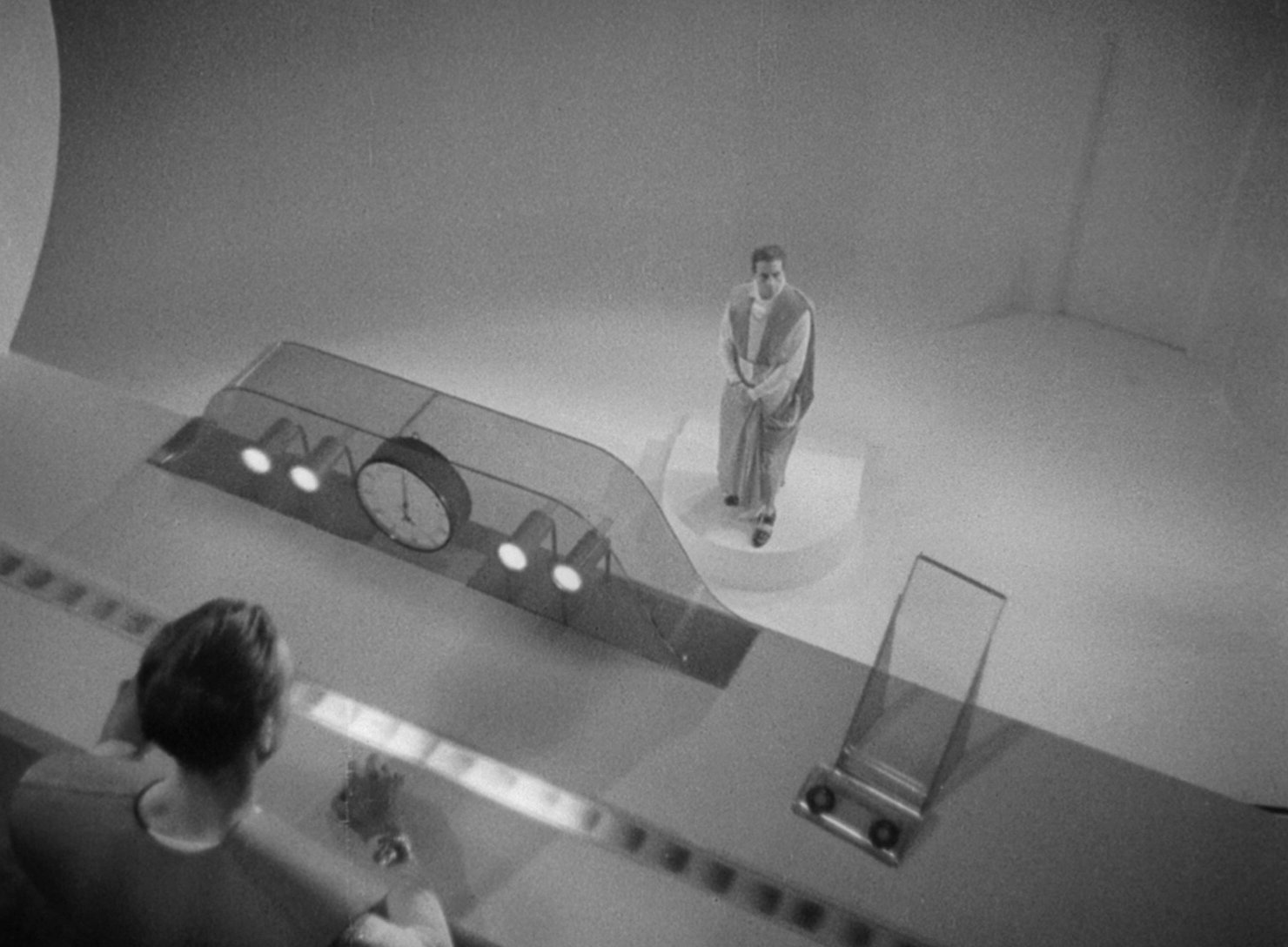
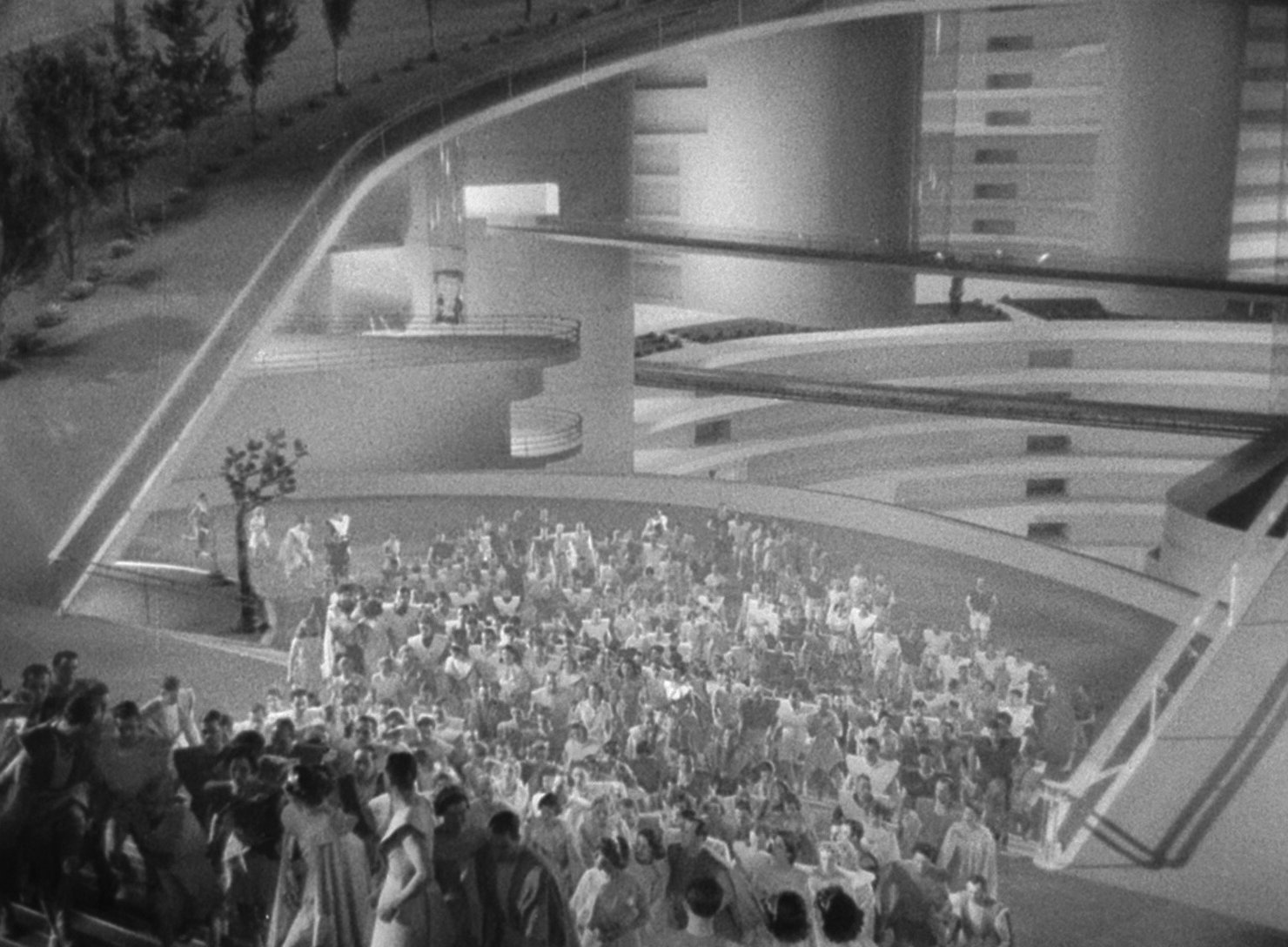
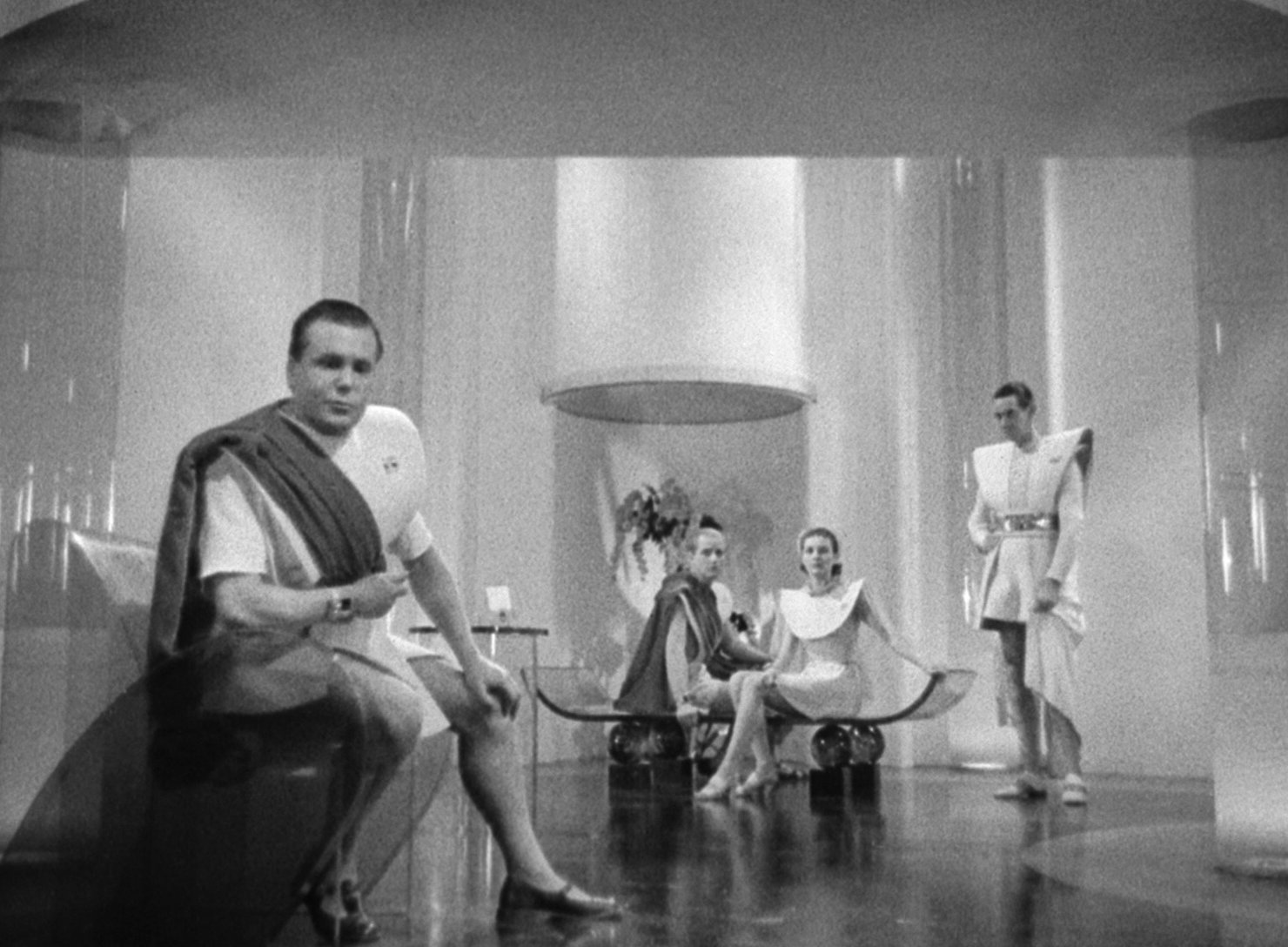
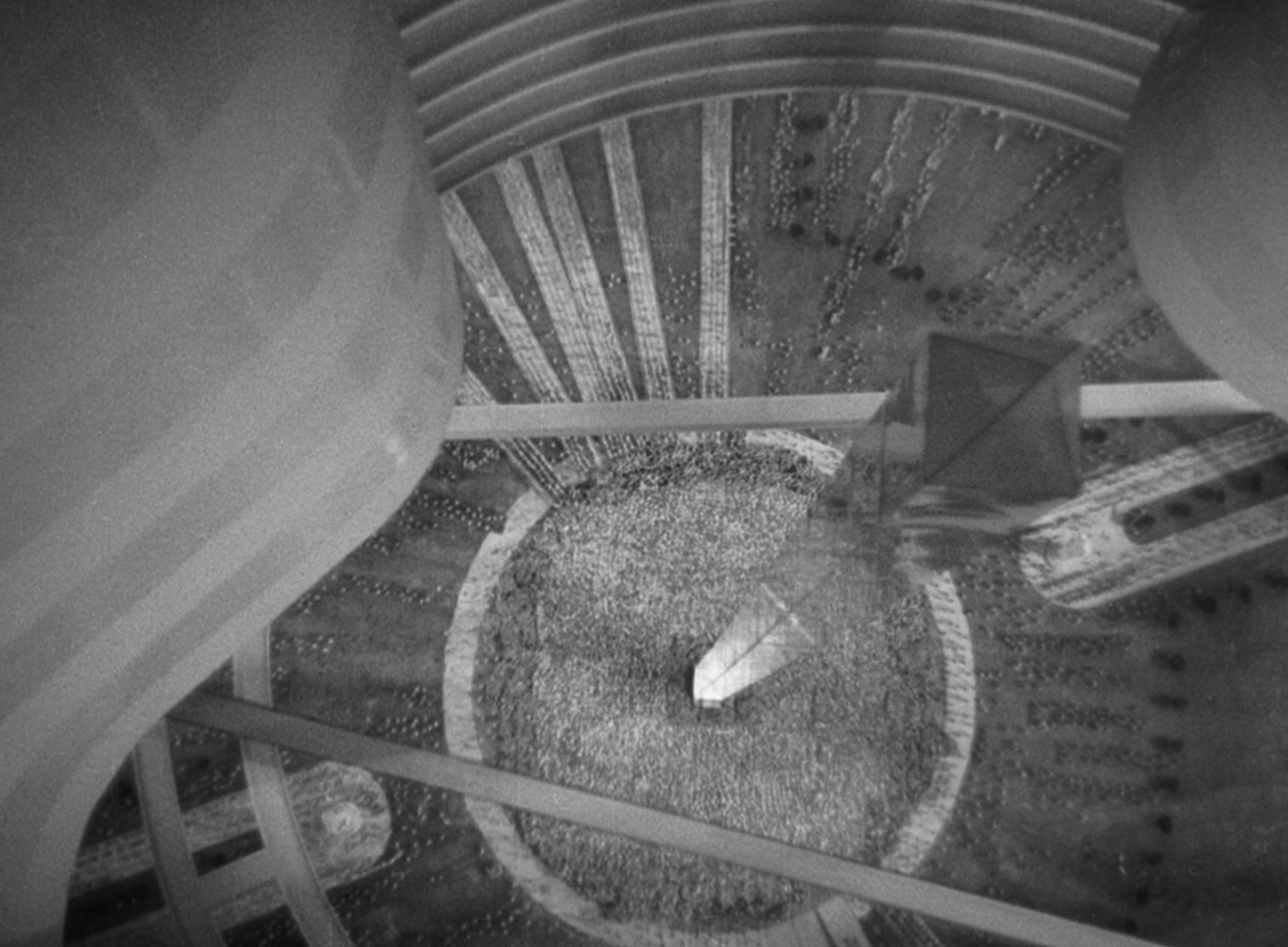
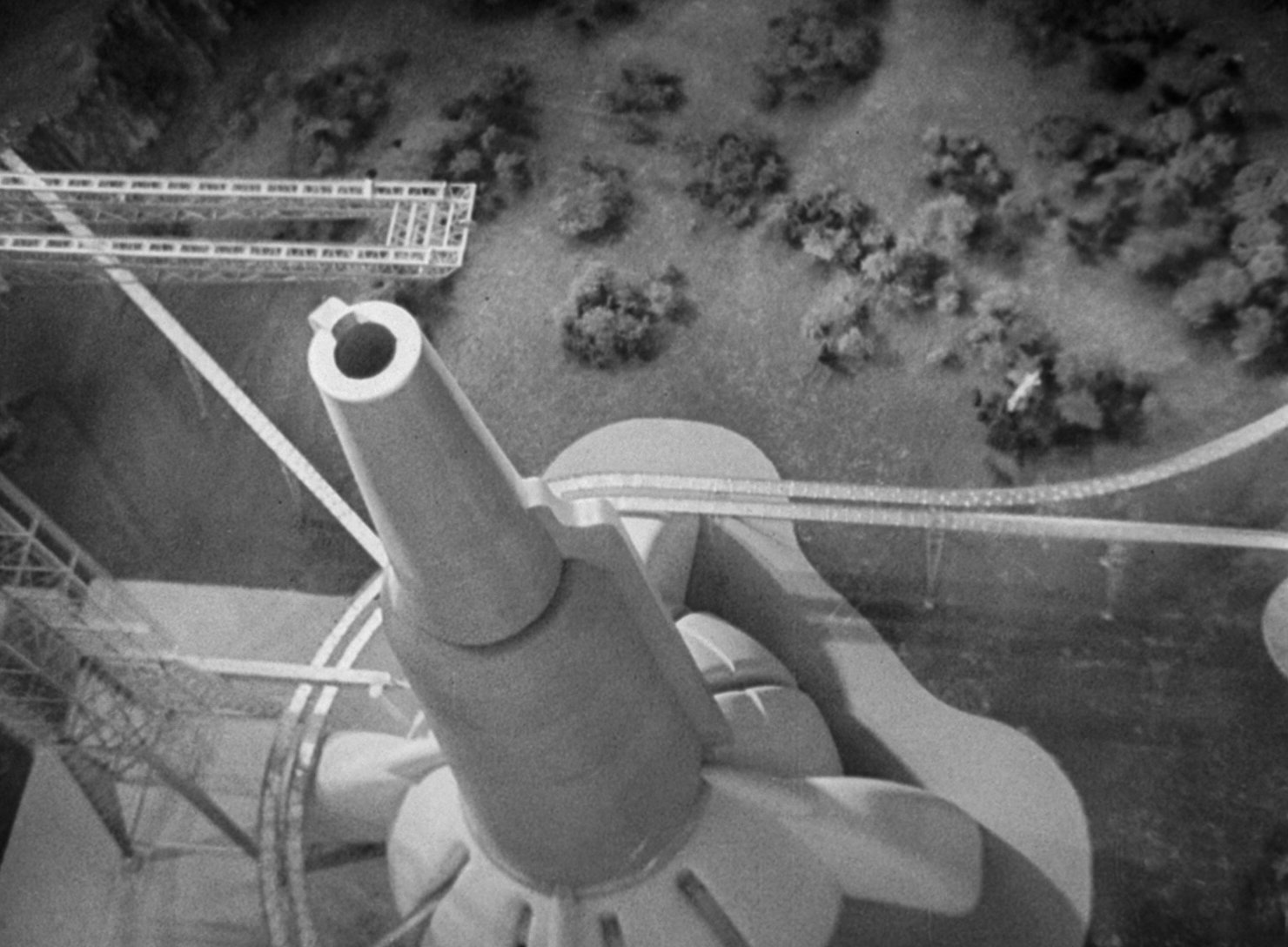
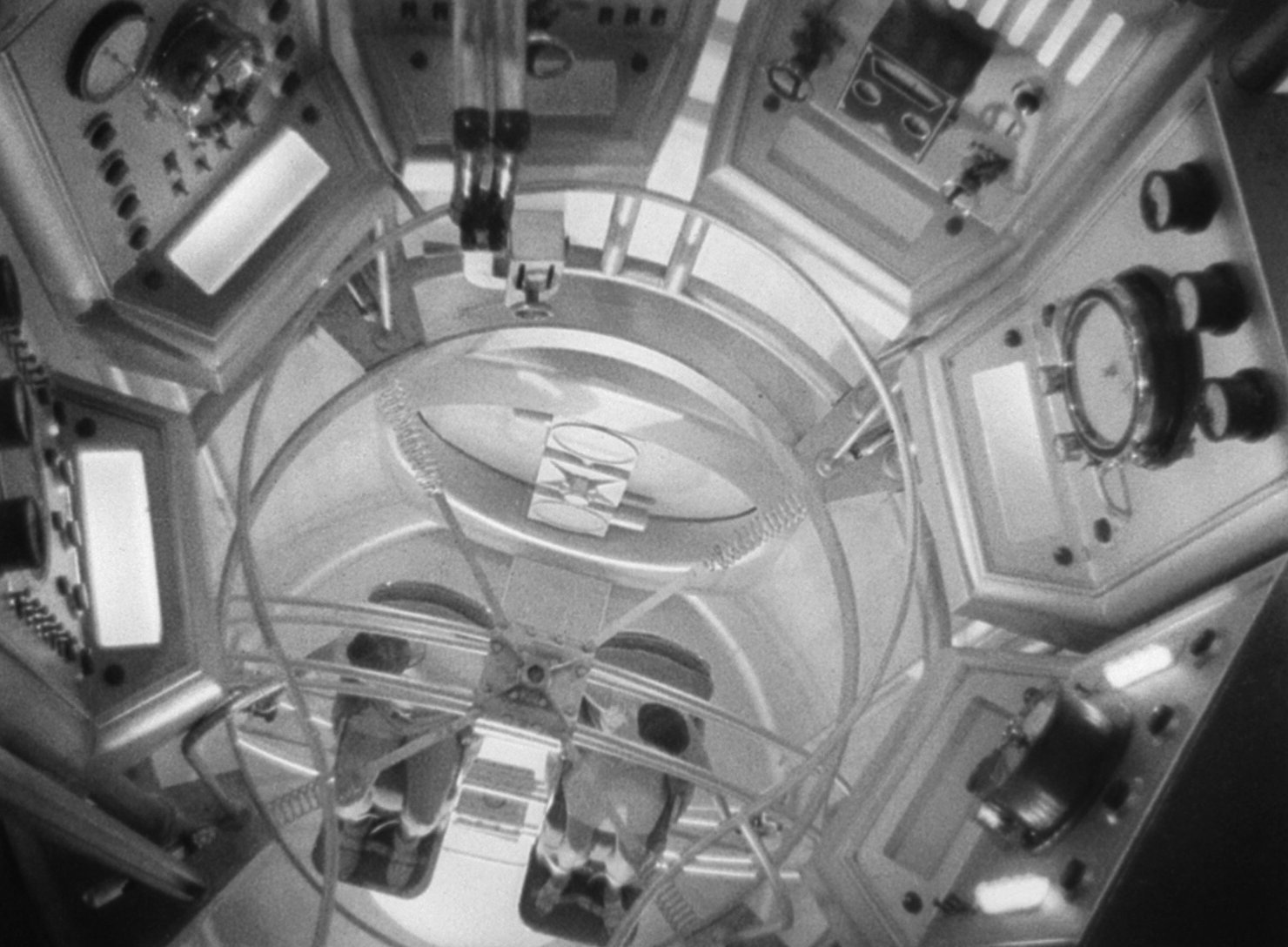
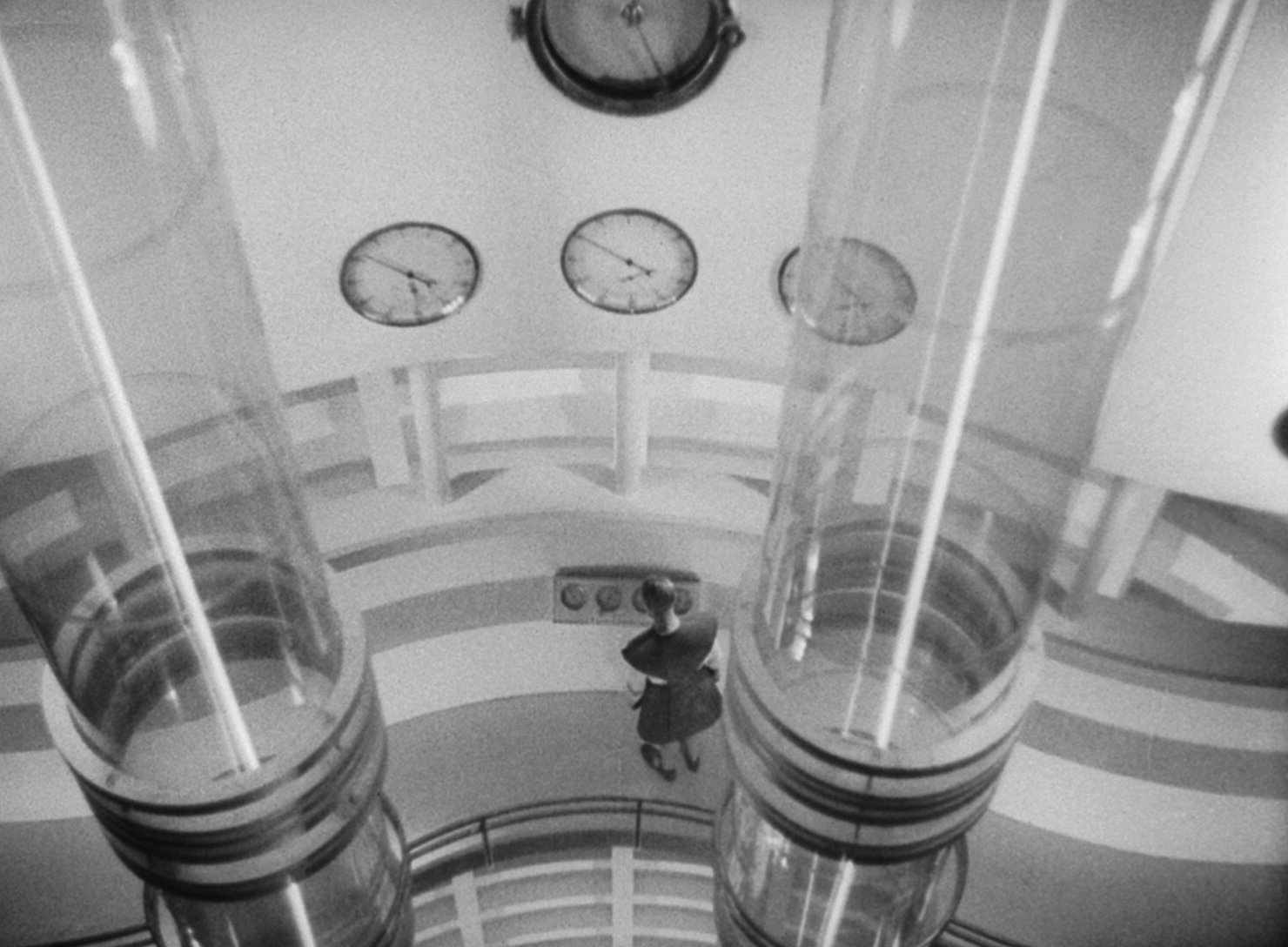
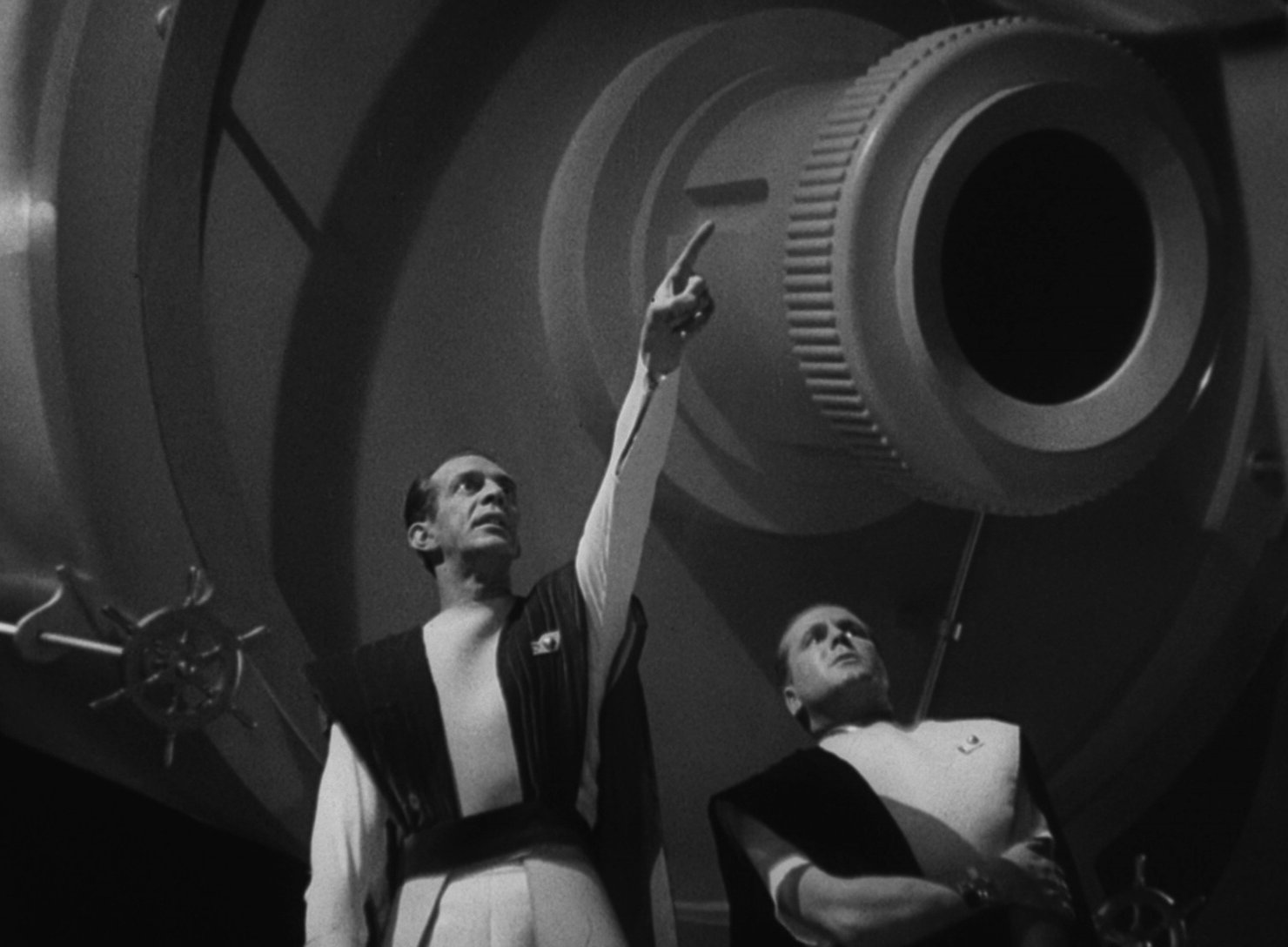
Thanks to the director’s background as a legendary production designer, the film is a visual marvel of British cinema. Taking us through multiple generations and forward in time from the Victorian streets of ‘Everytown’ to the sleek, subterranean ‘Technocracy’ of 2036, the film depicts large-scale societal and architectural transformation. Wars, epidemics, and social collapse give way to a technologically advanced future of monumental architecture, mechanised transportation, and streamlined urban environments, providing a modernist vision of the future shaped by interwar ideas of technological utopianism.
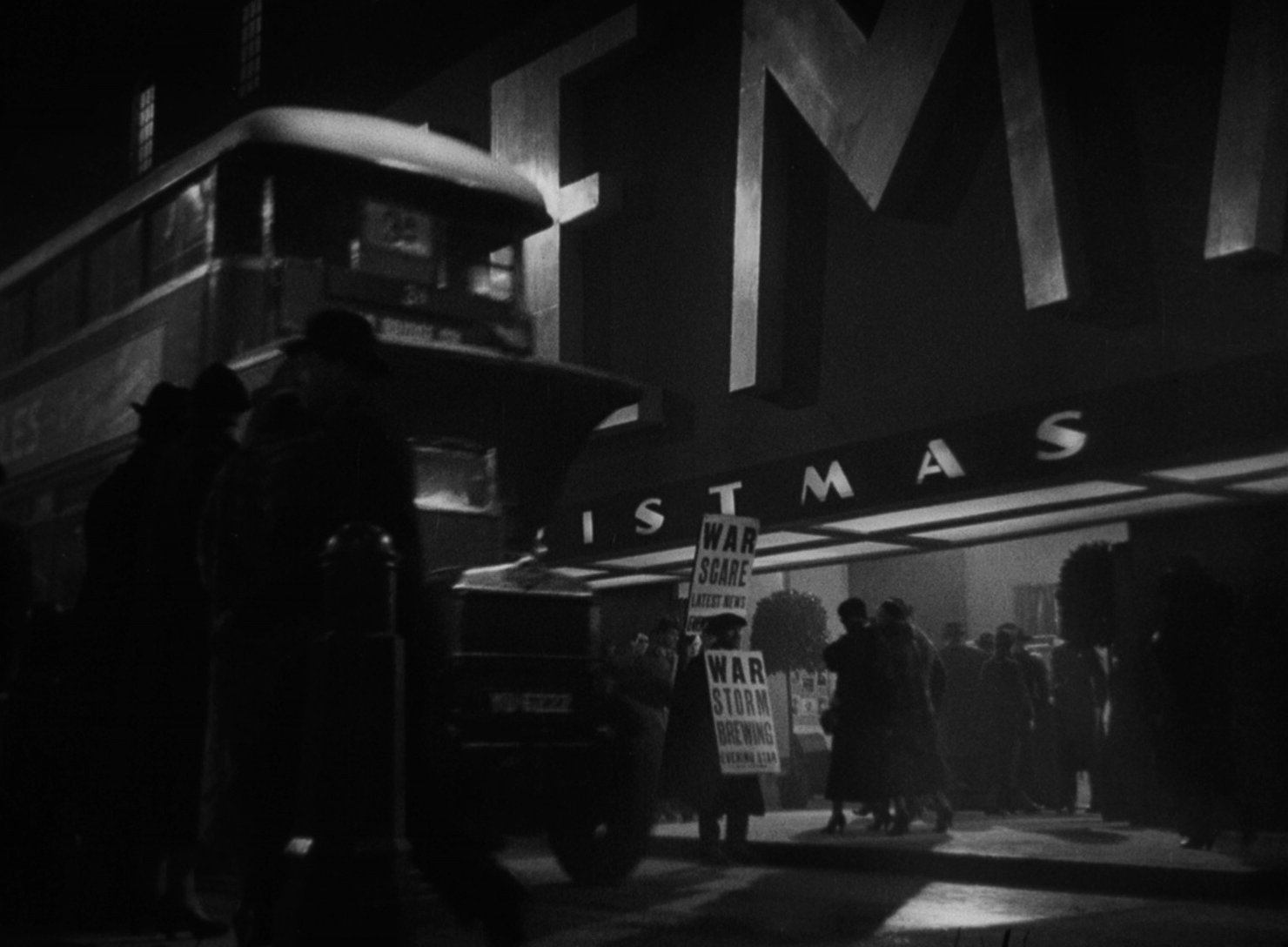
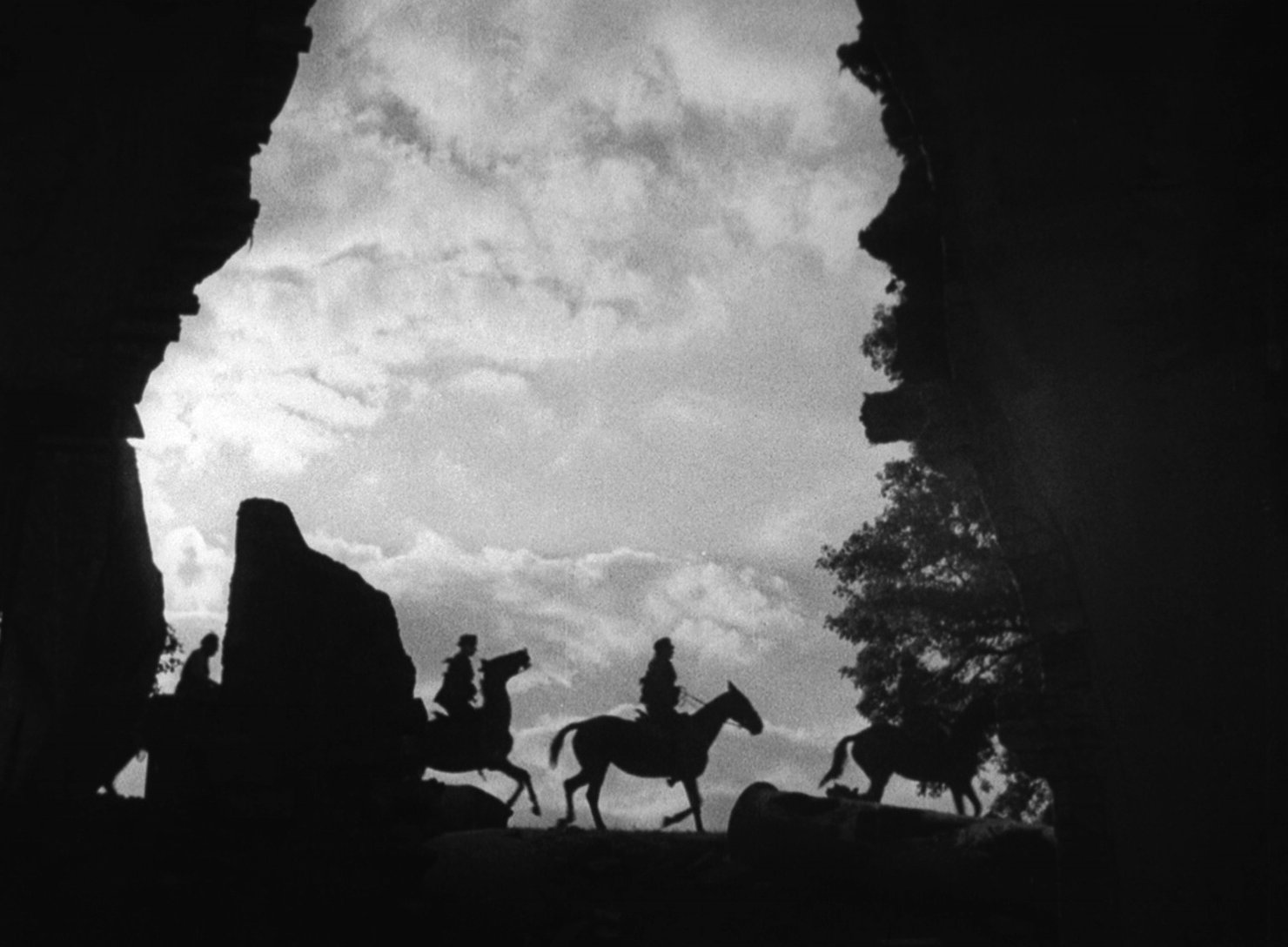
A landmark of early science fiction cinema, Things to Come is notable for its ambitious production design and futurist imagery rather than its stiff pacing. The production brought big ideas to life, creating iconic images and capturing the fears of the time.
Technical Specs:
- The Story: A devastating global war plunges humanity into decades of chaos, only for a technologically advanced future society to rise and push civilization toward a bold and controversial new utopian vision.
- Actors: Raymond Massey, Ralph Richardson, Cedric Hardwicke, Margaretta Scott, Edward Chapman.
- Director: William Cameron Menzies
- Year: 1936
- Cinematographer: Georges Périnal
- Origin: British Cinema
- Aspect Ratio: 1.37:1
- Genre: Sci-Fi