Ninotchka (1939): Romance on opposite sides
1939 • Ernst Lubitsch • 1.37:1 • Jump to Gallery ↓
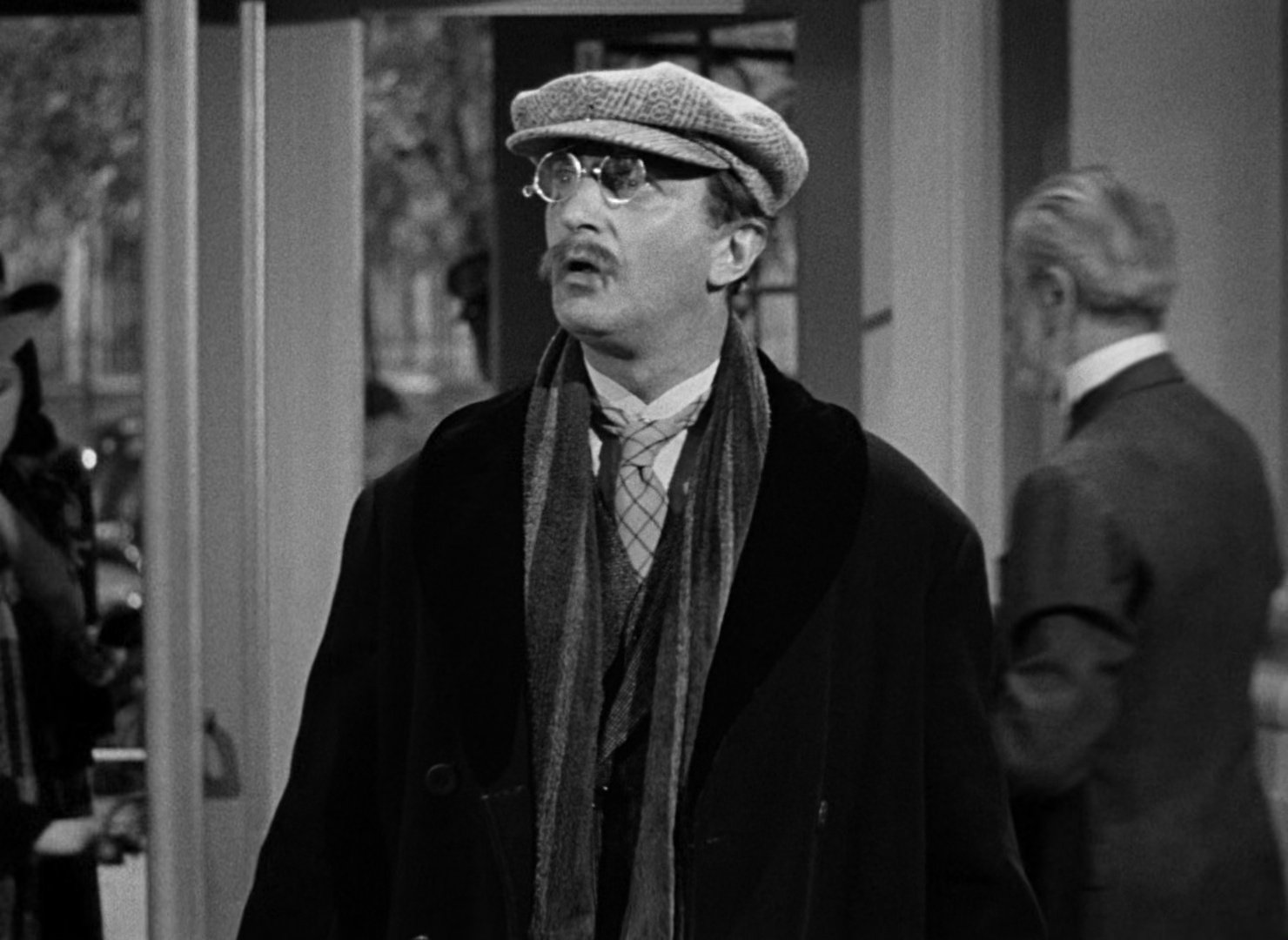
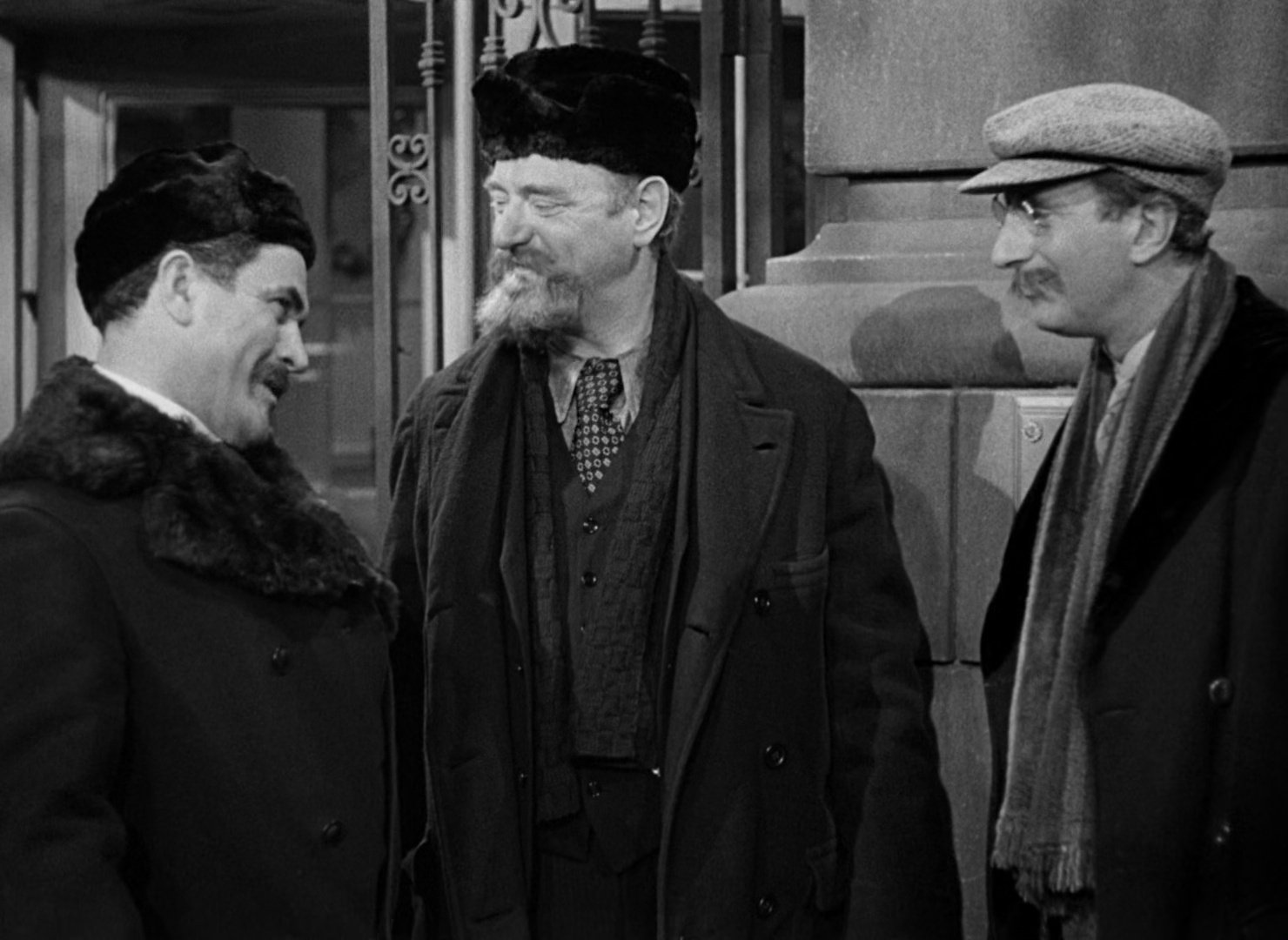
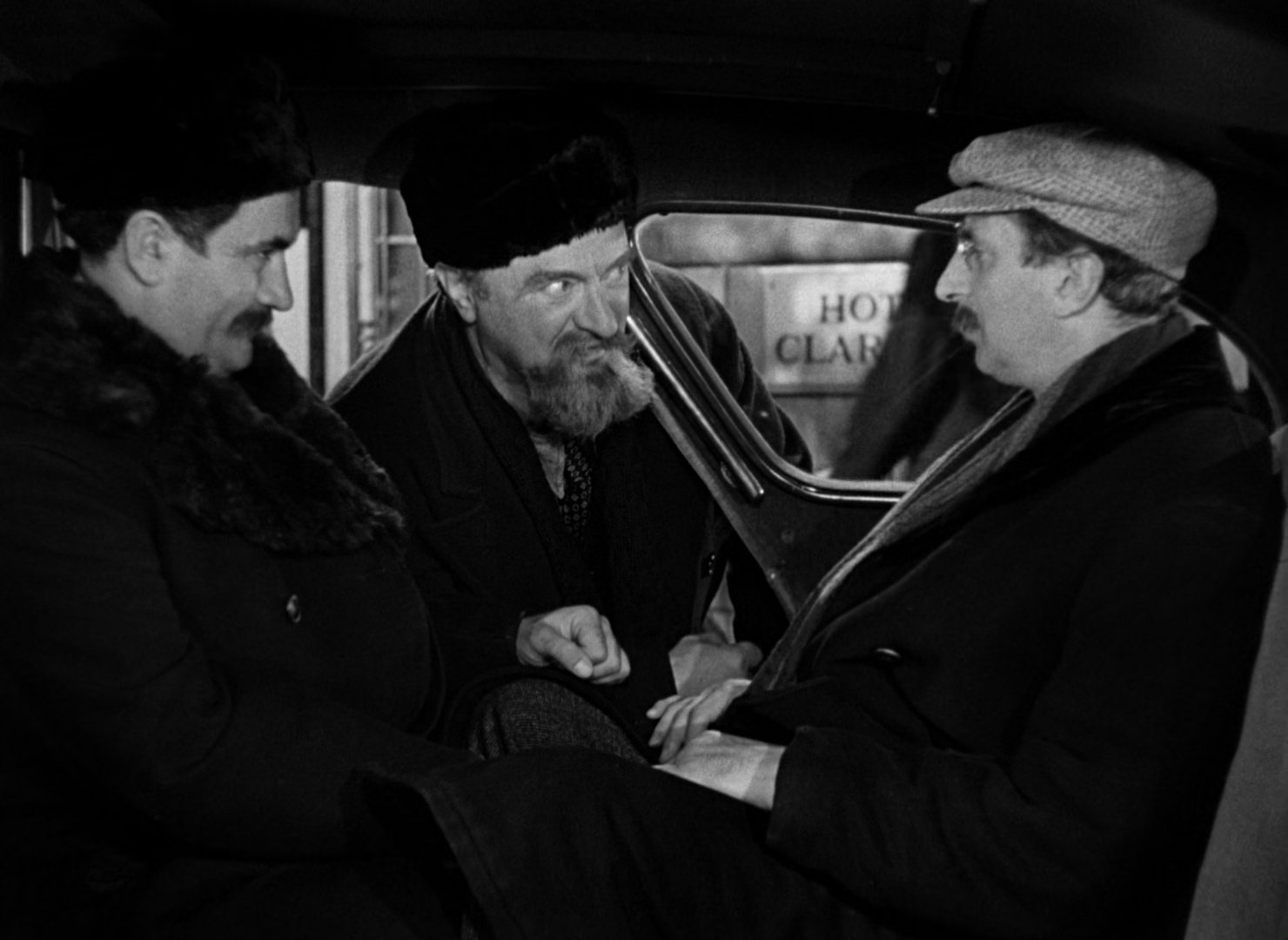
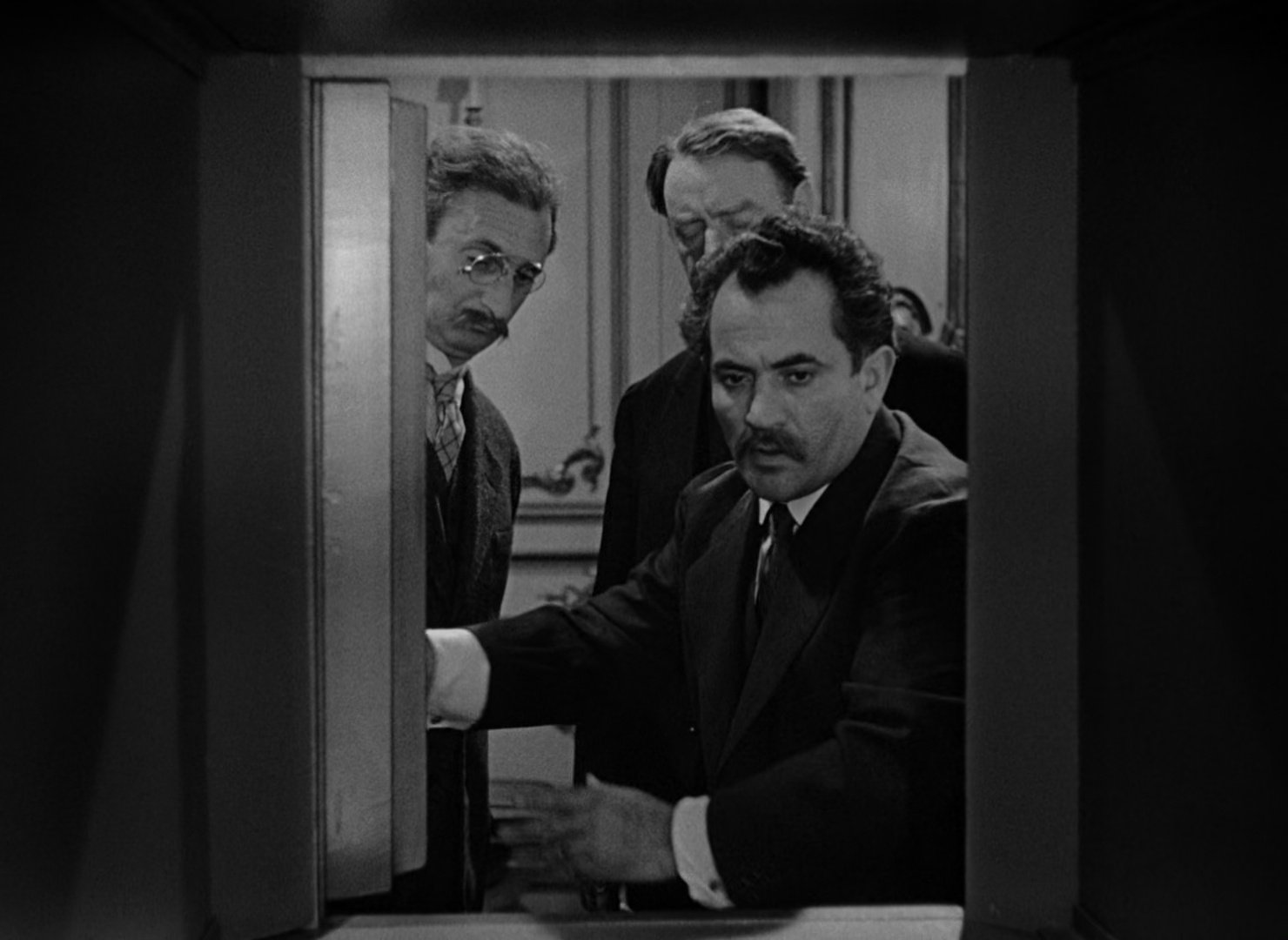
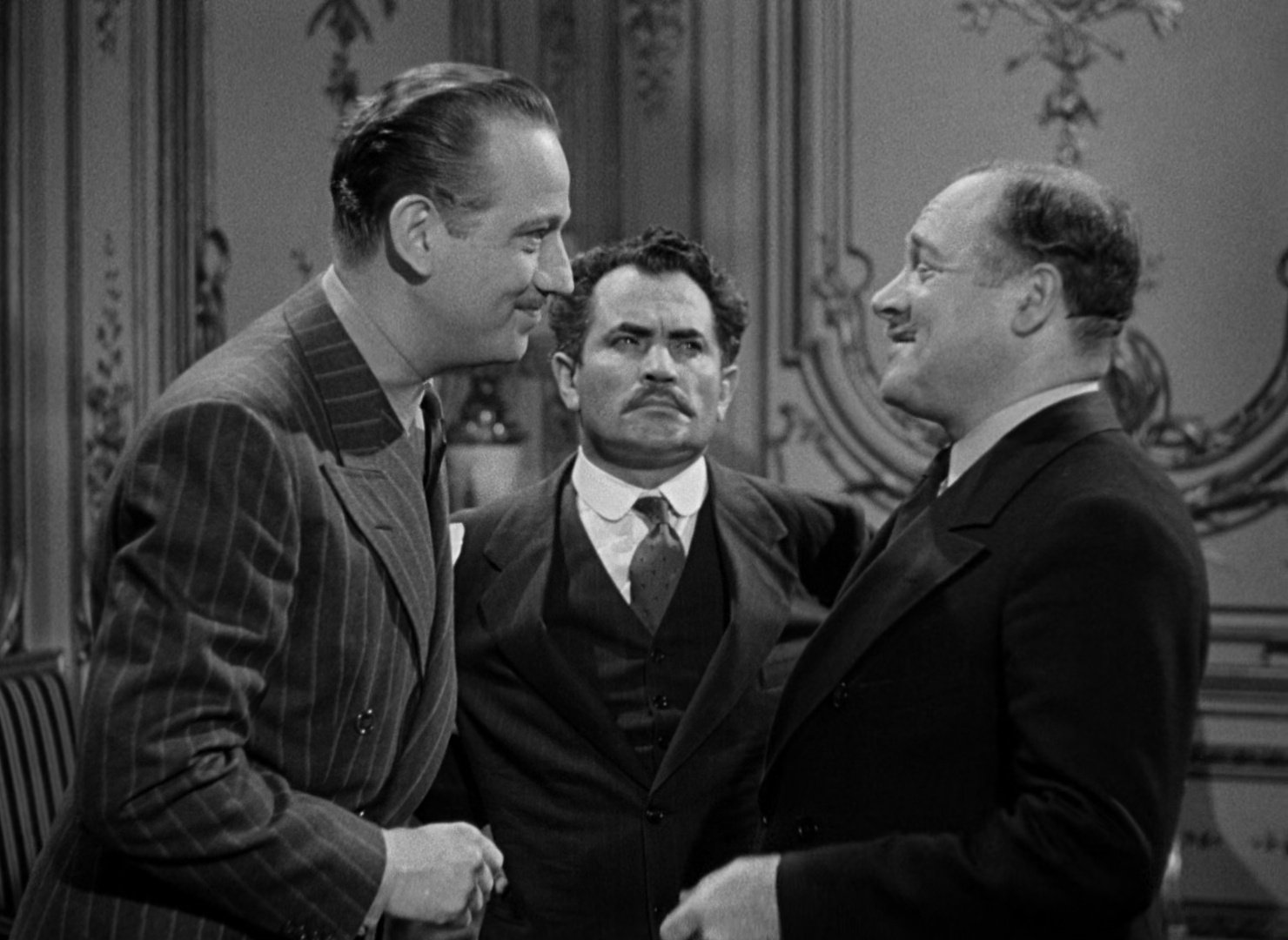
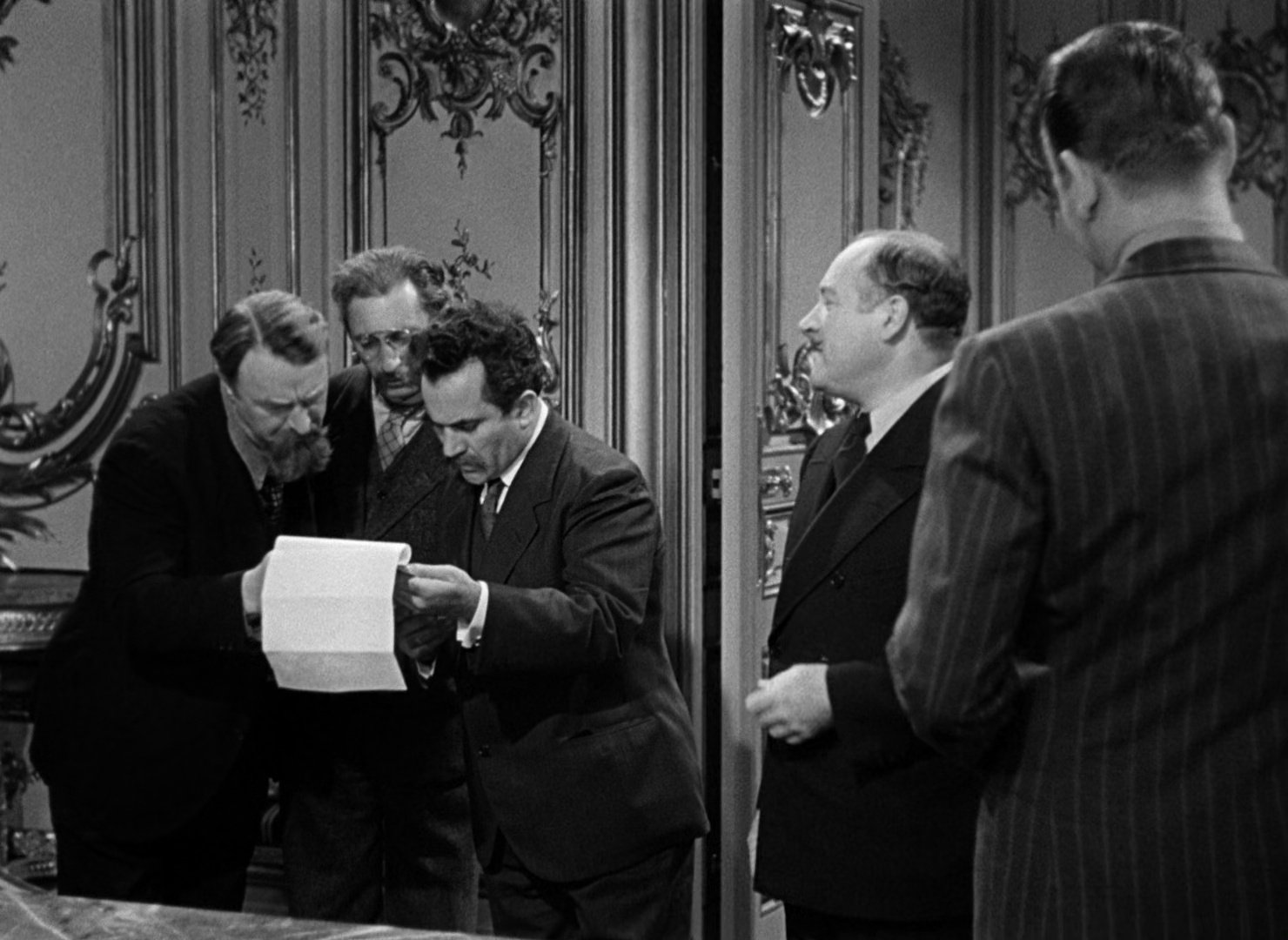
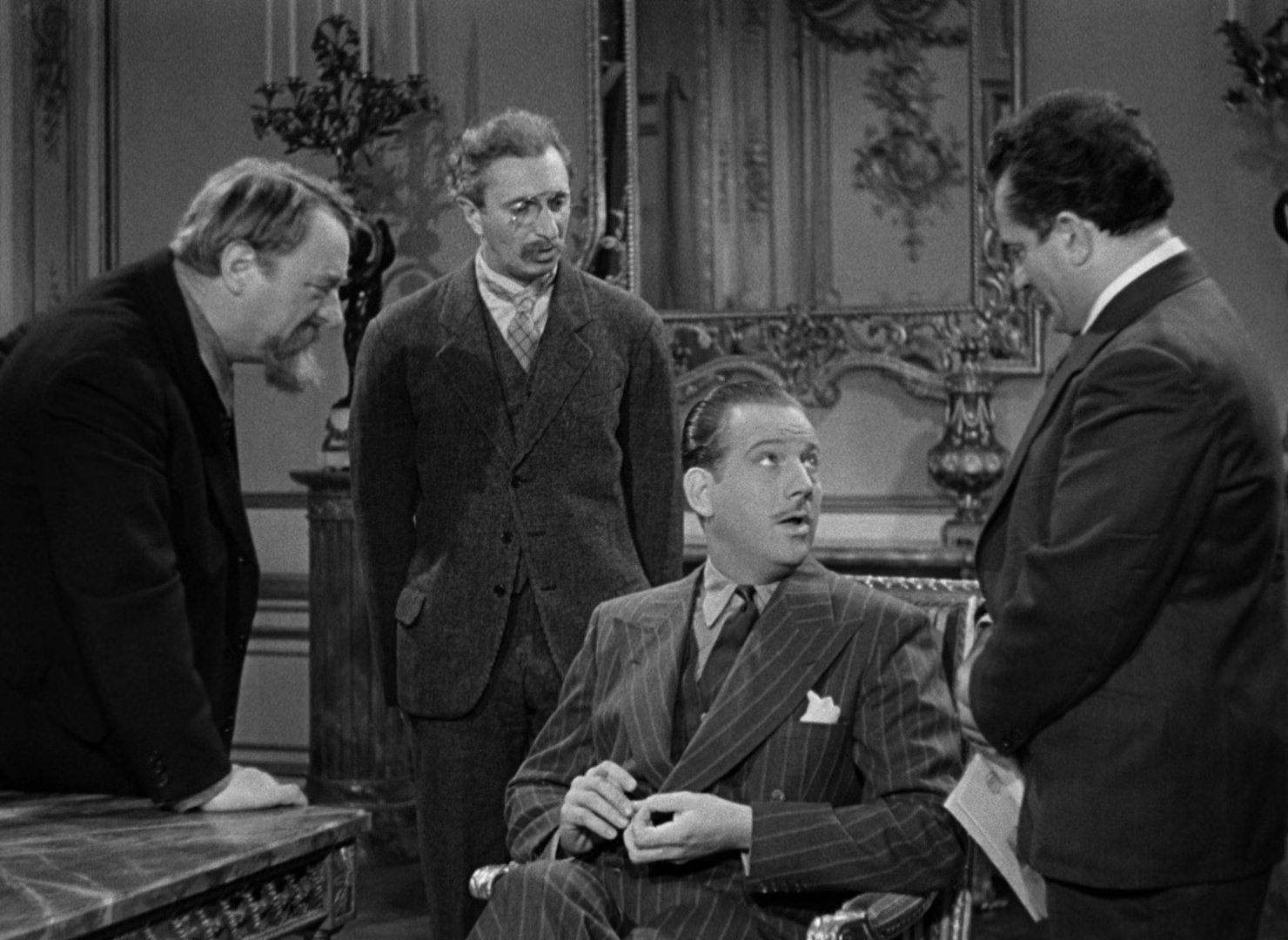
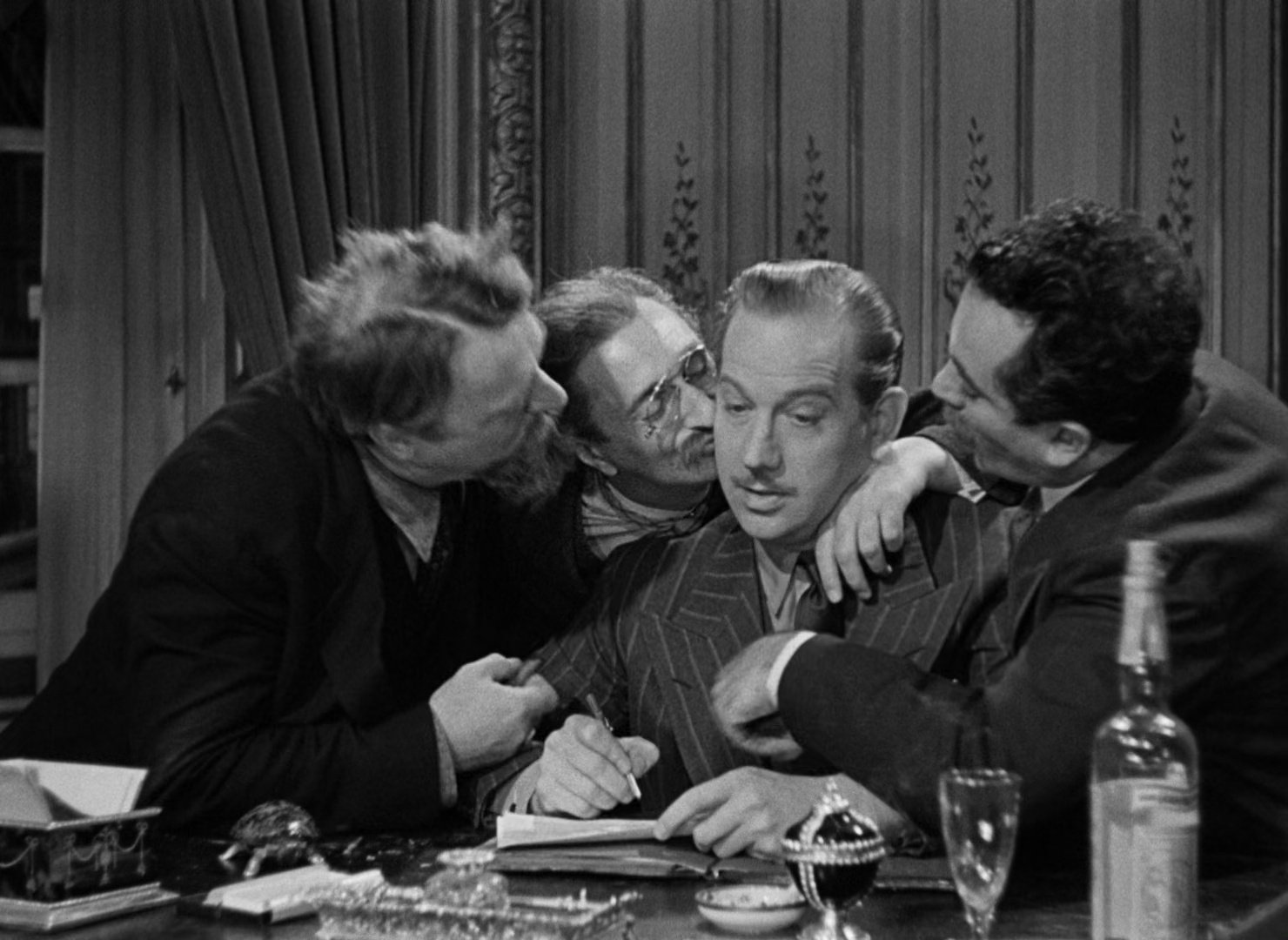
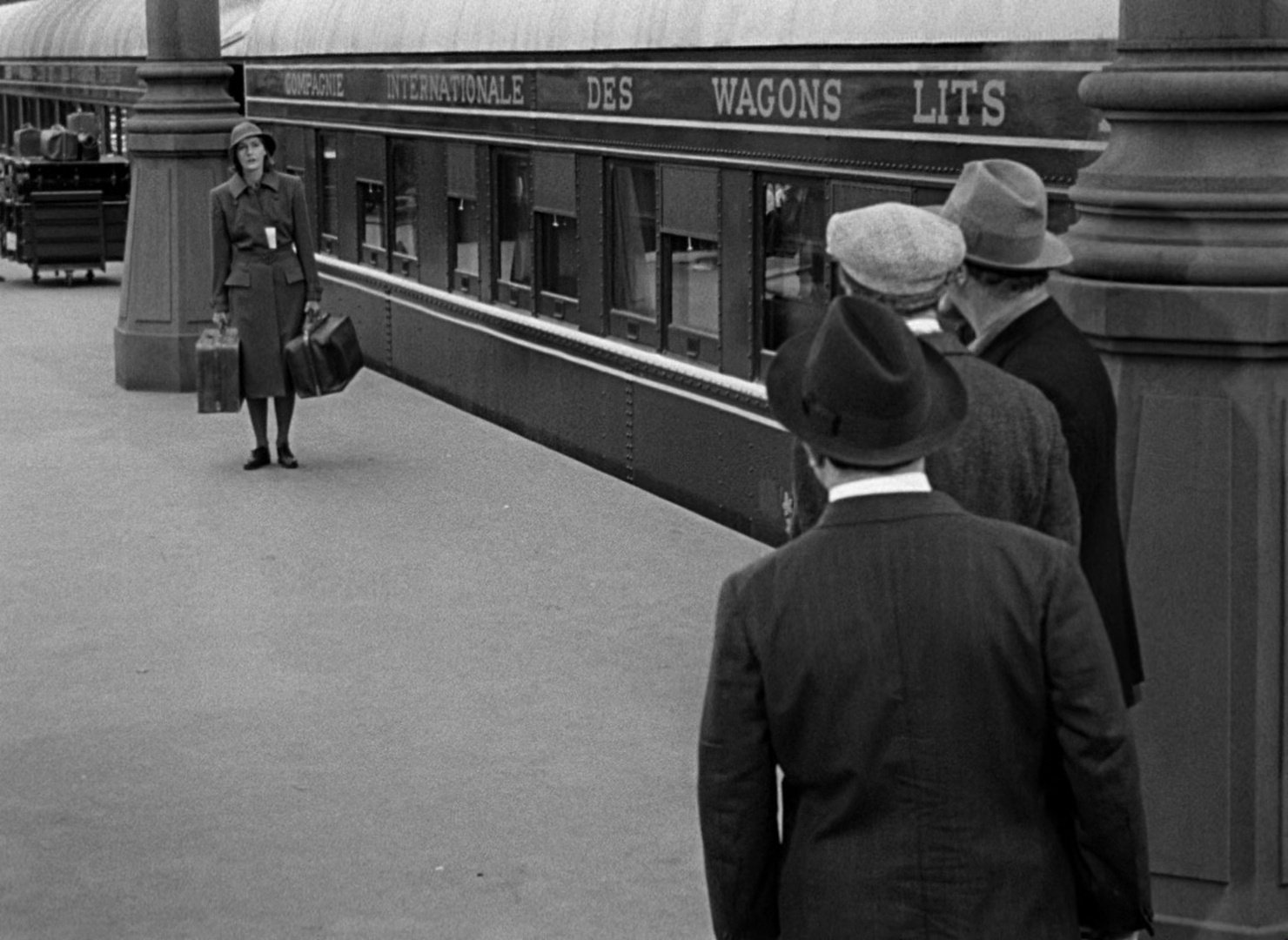
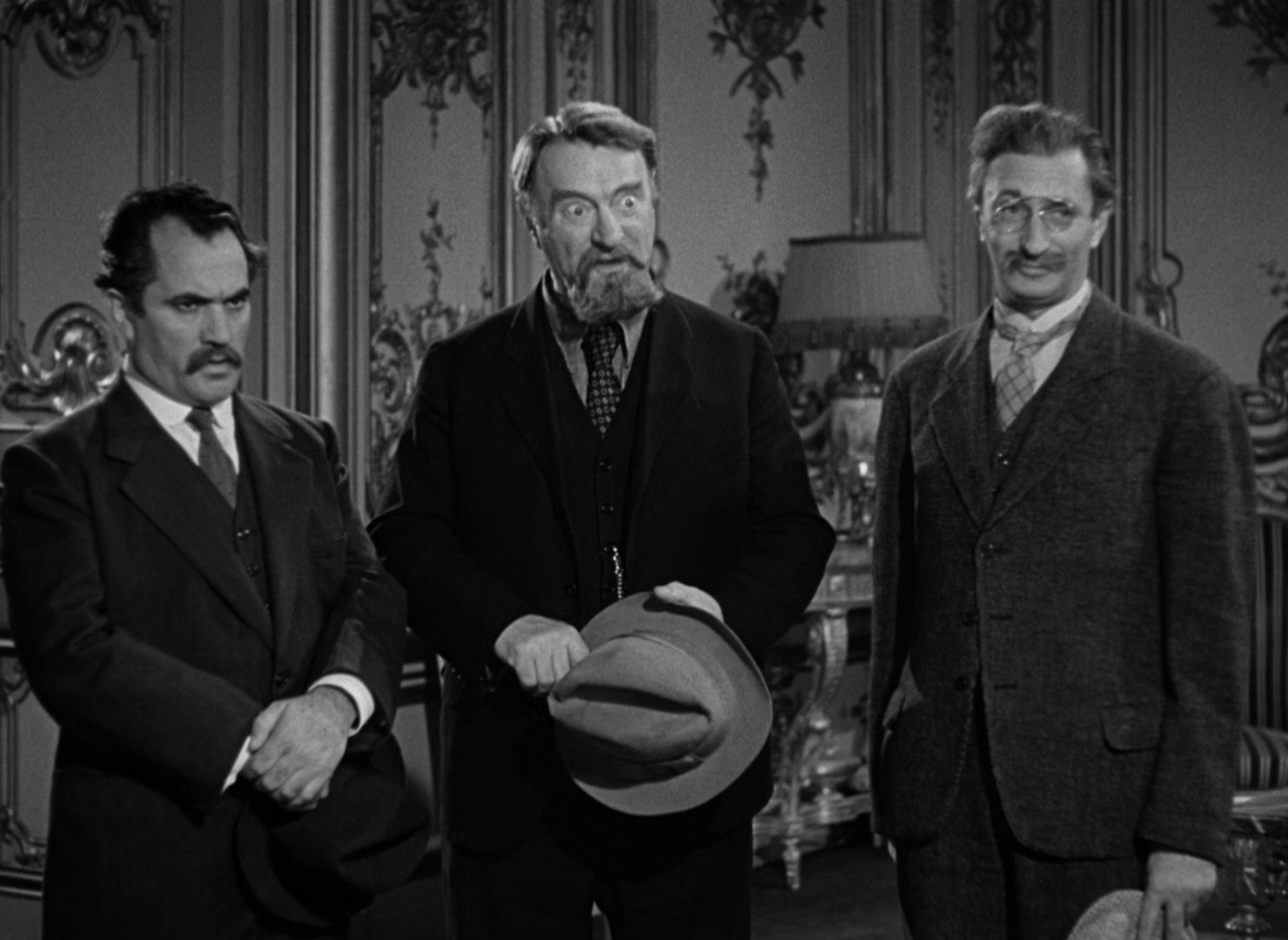
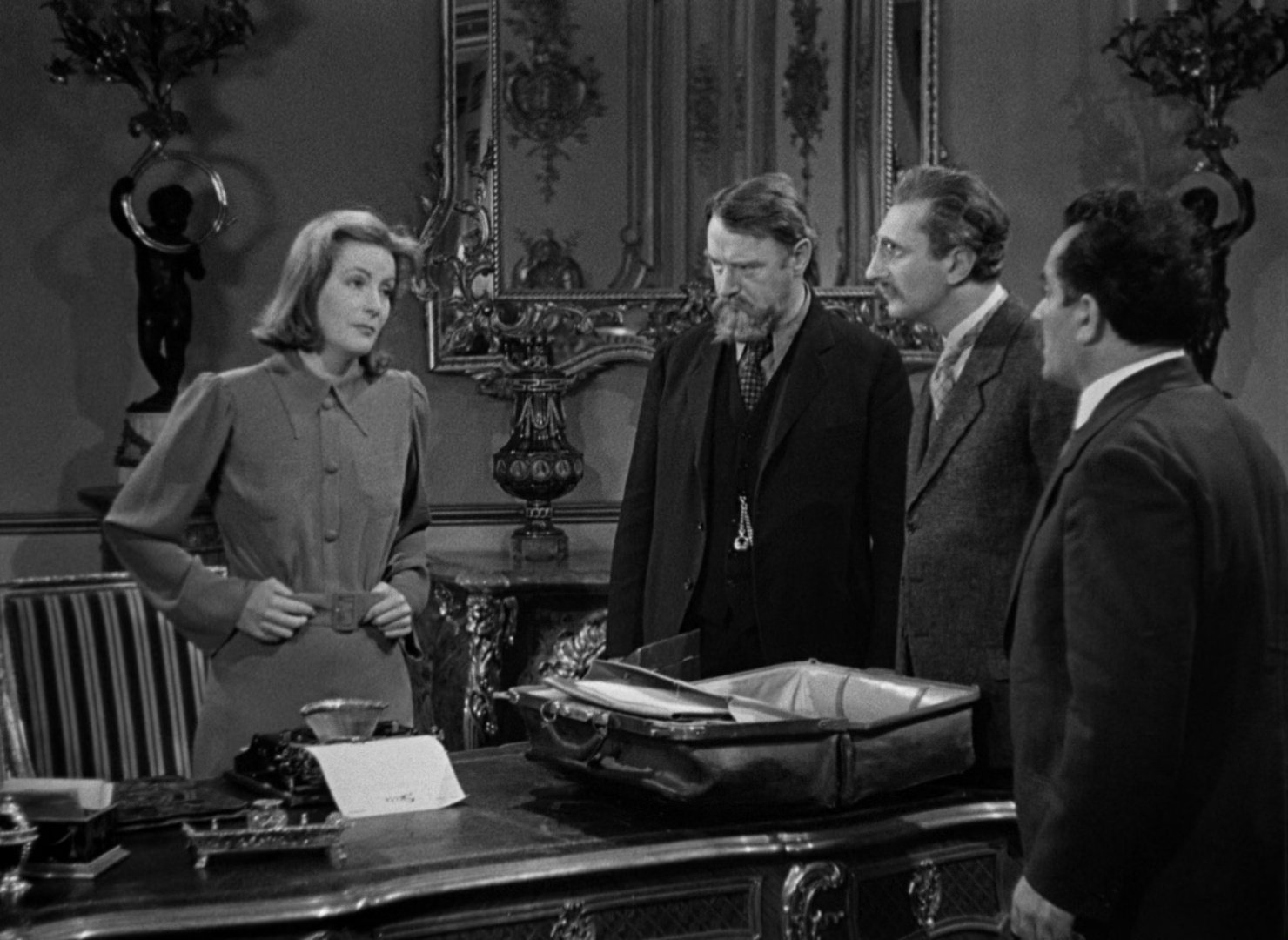
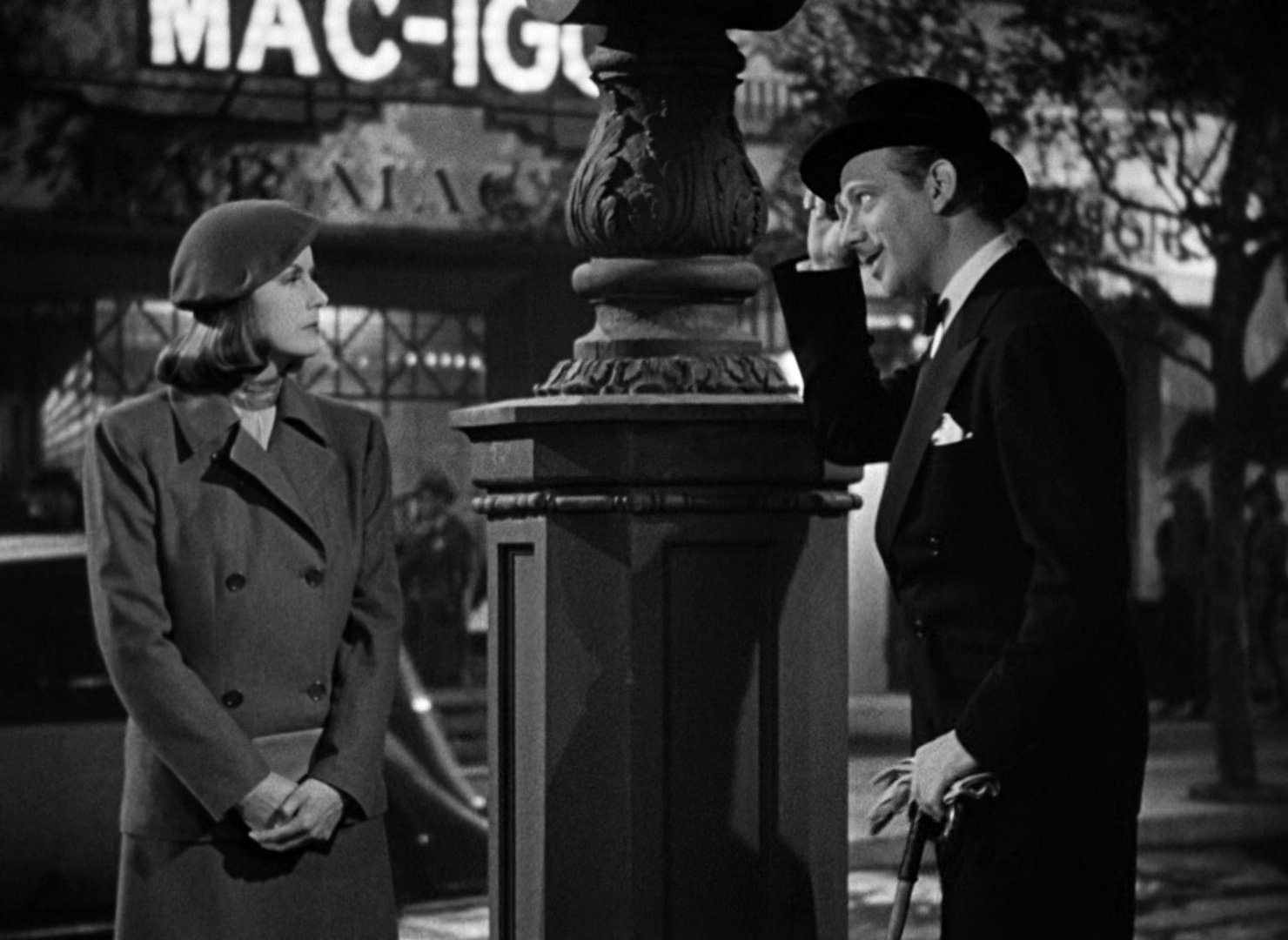
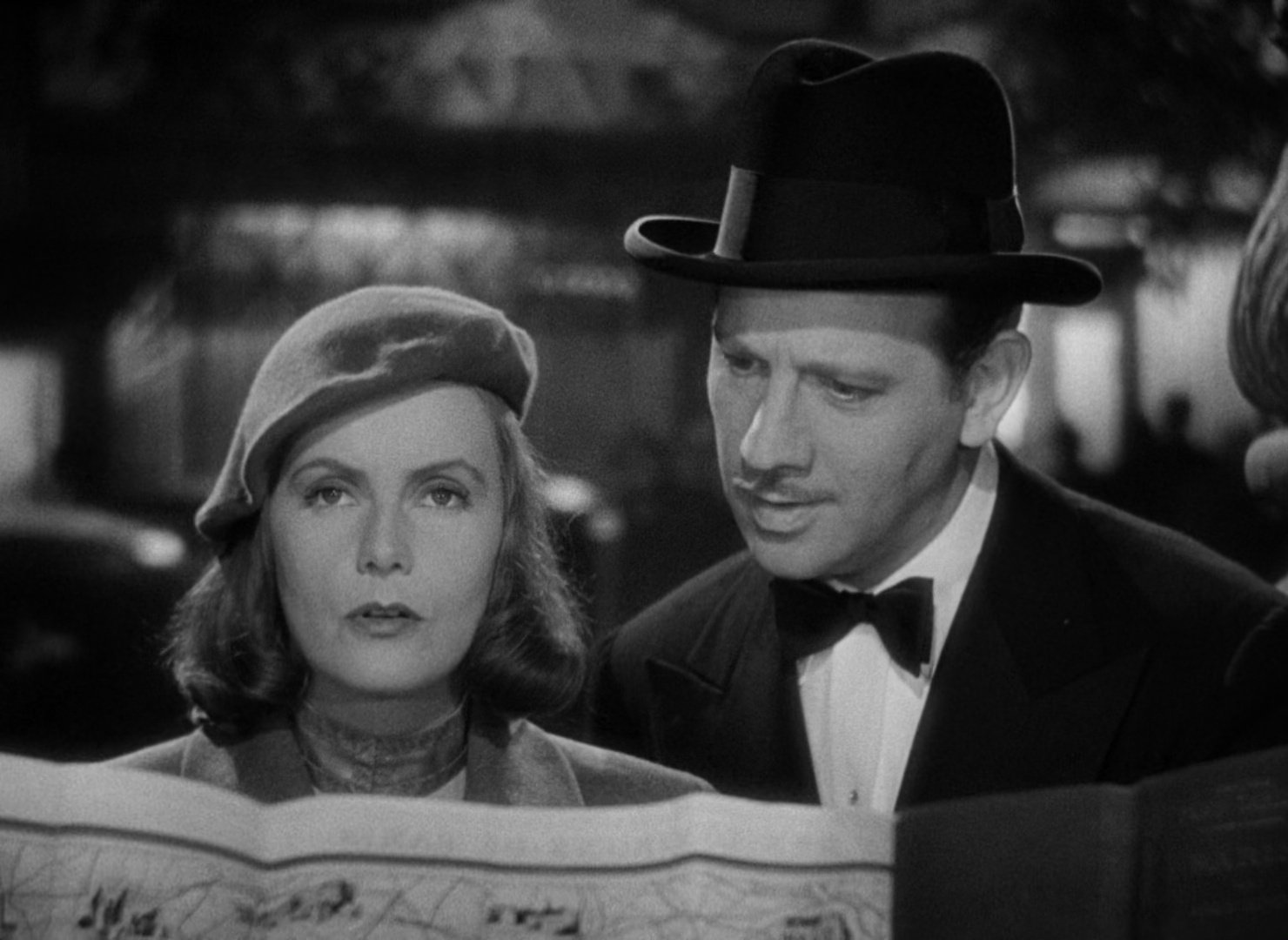
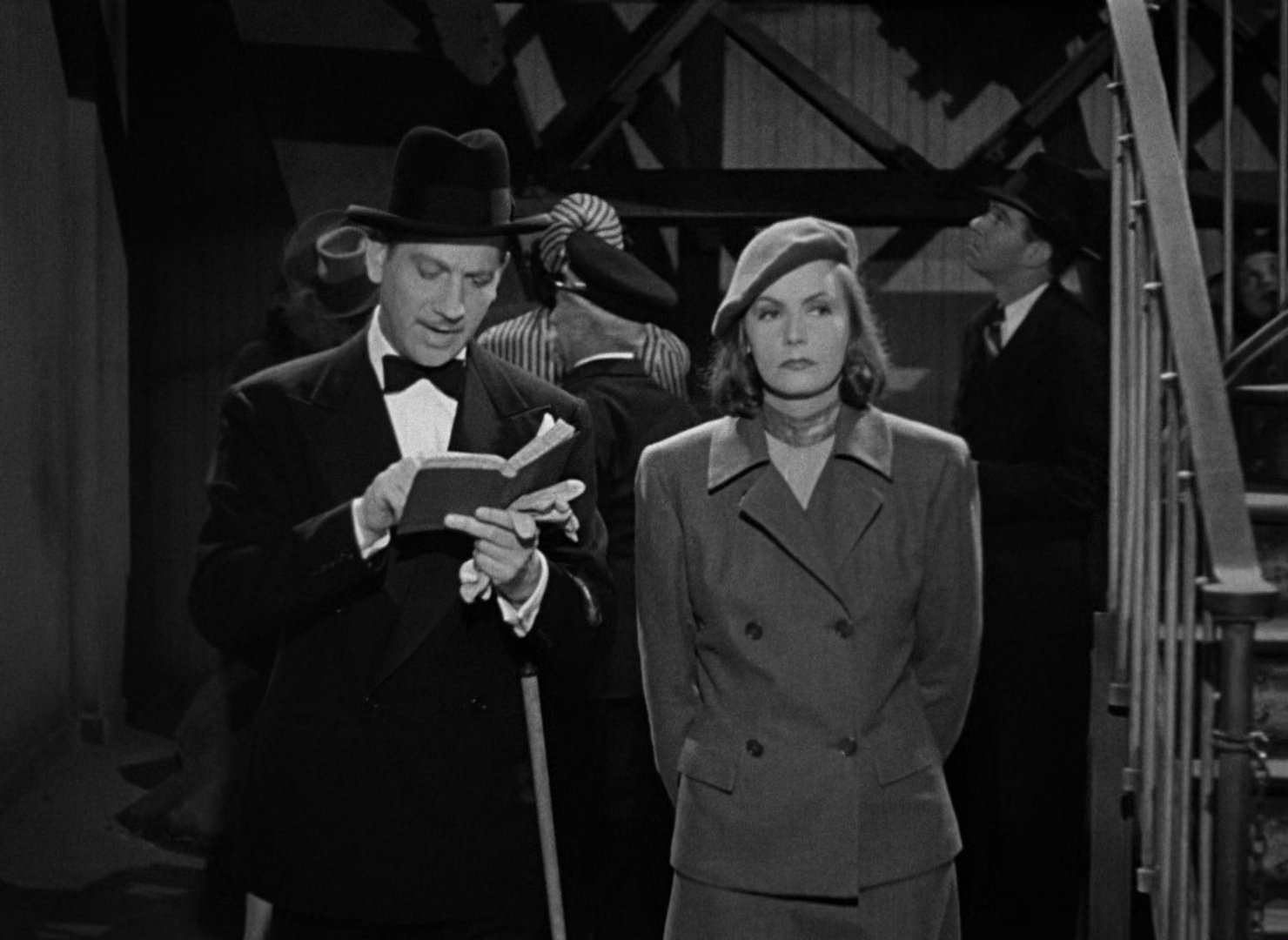
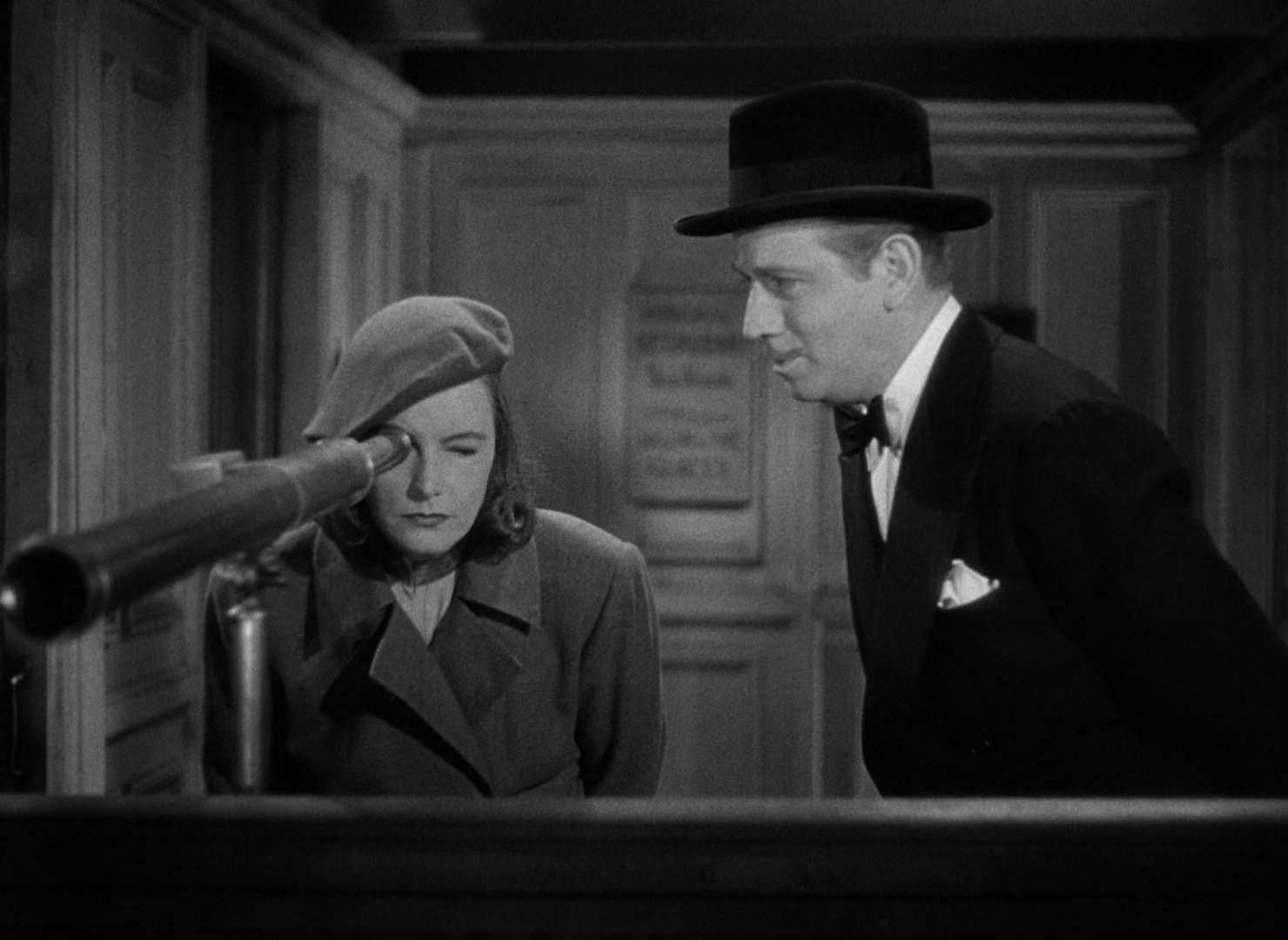
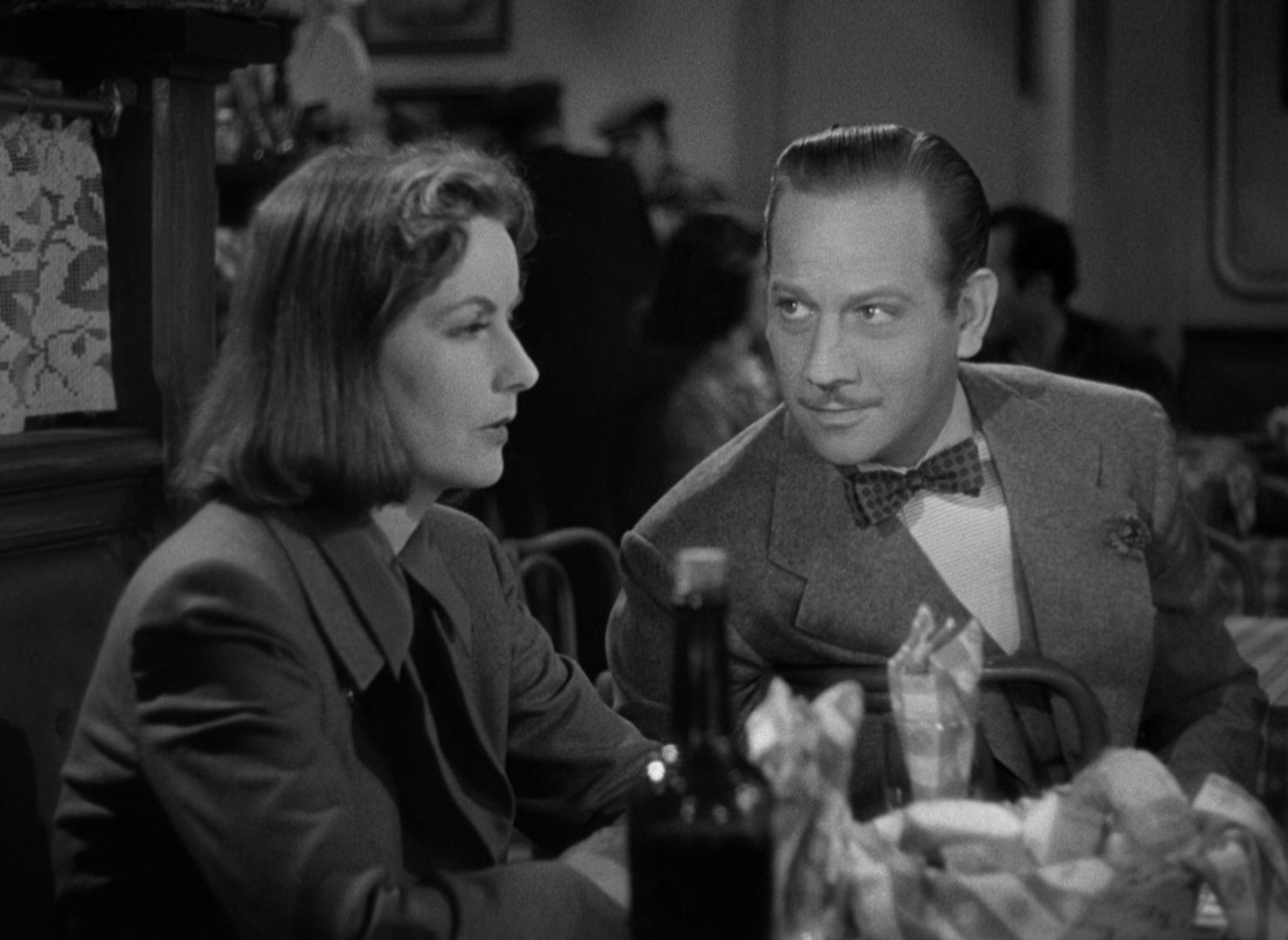
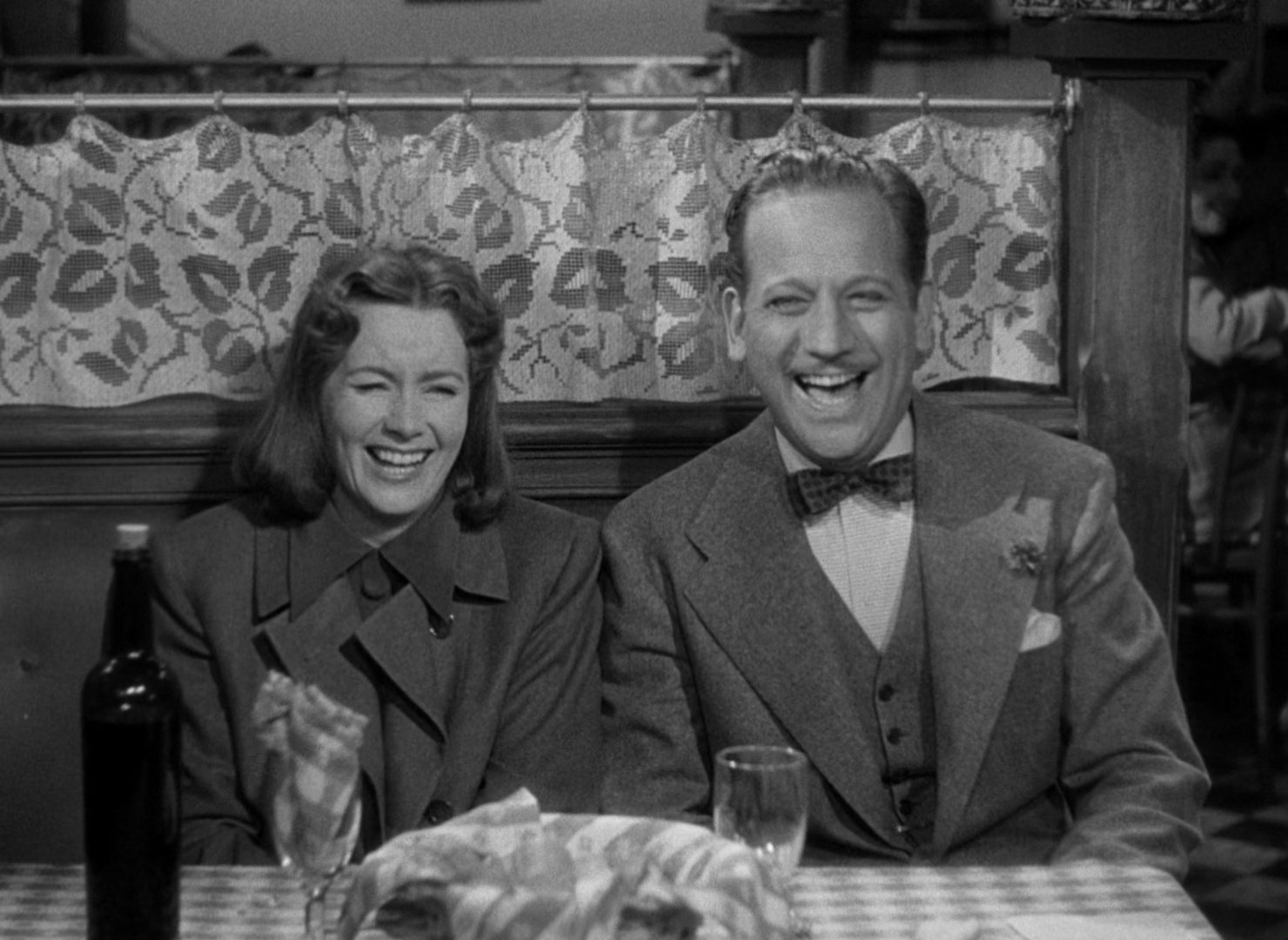
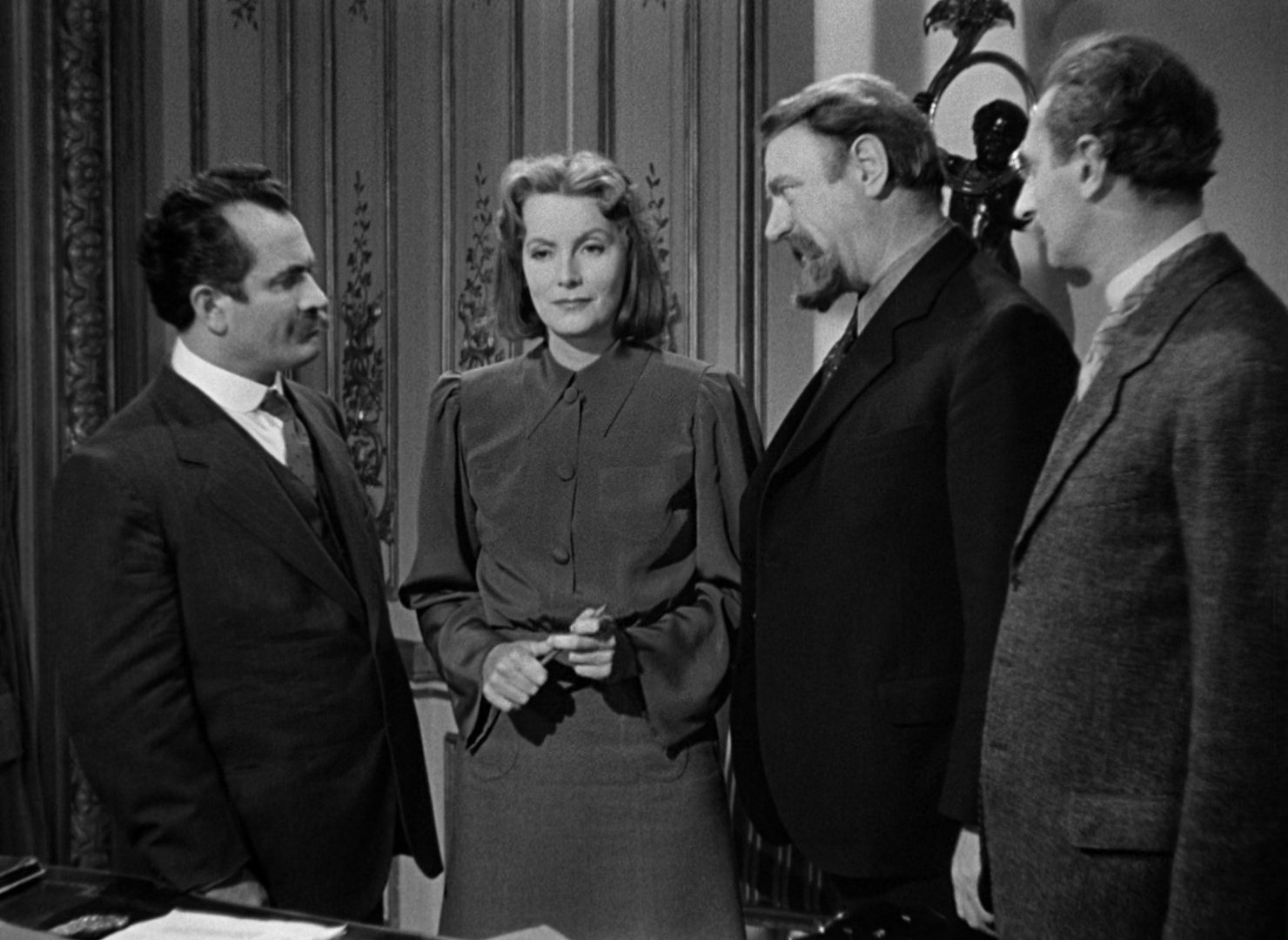
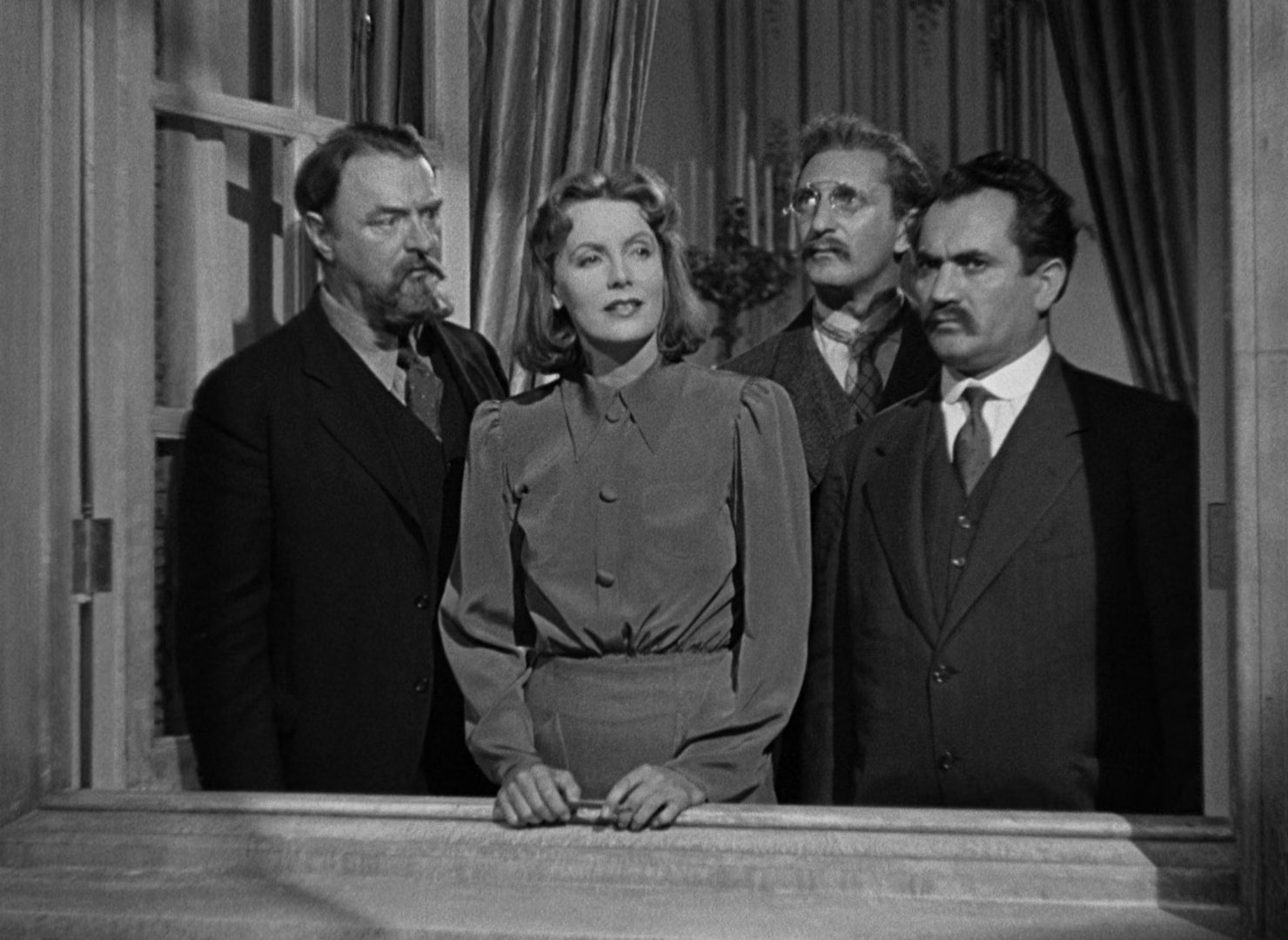
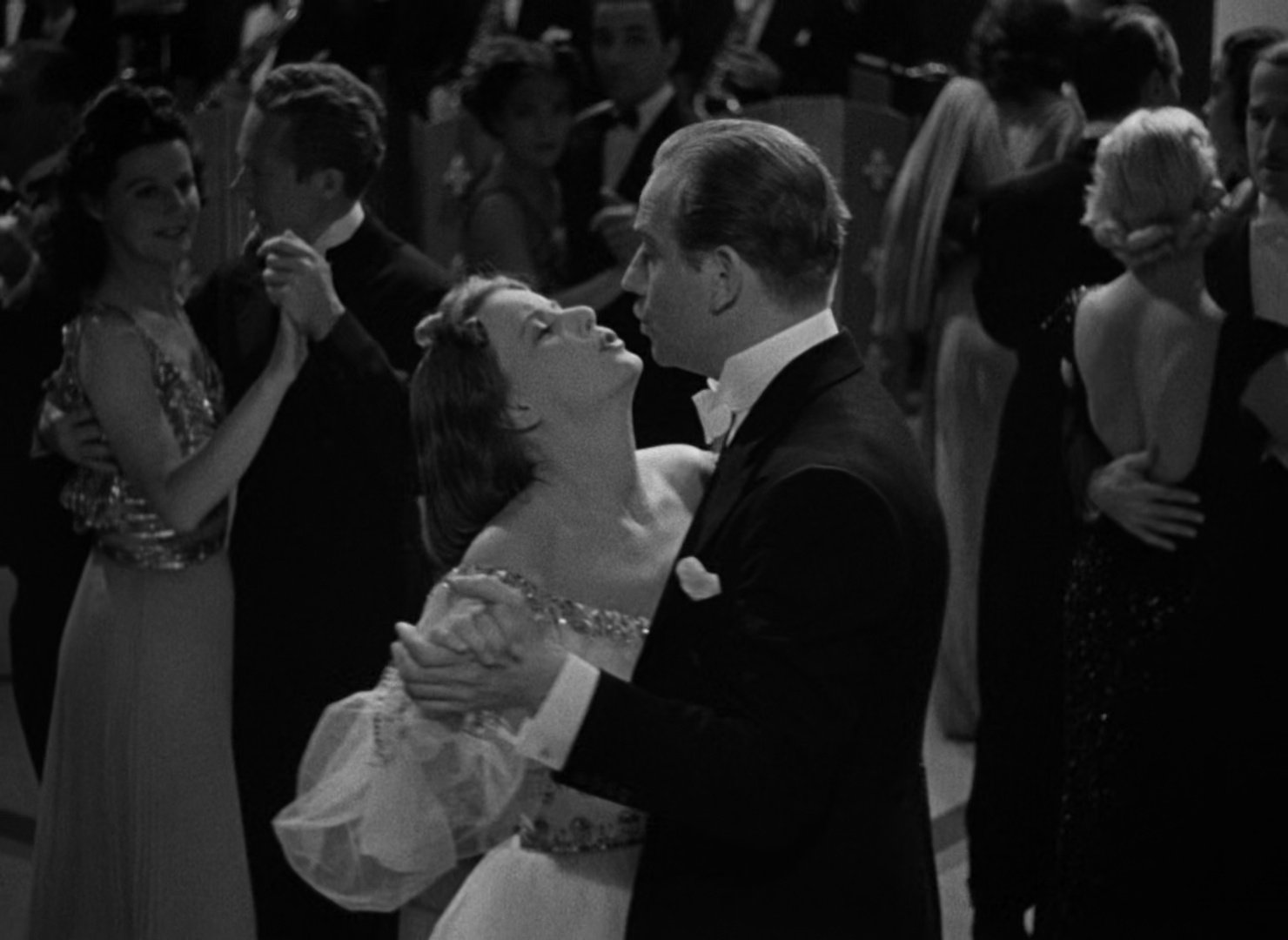
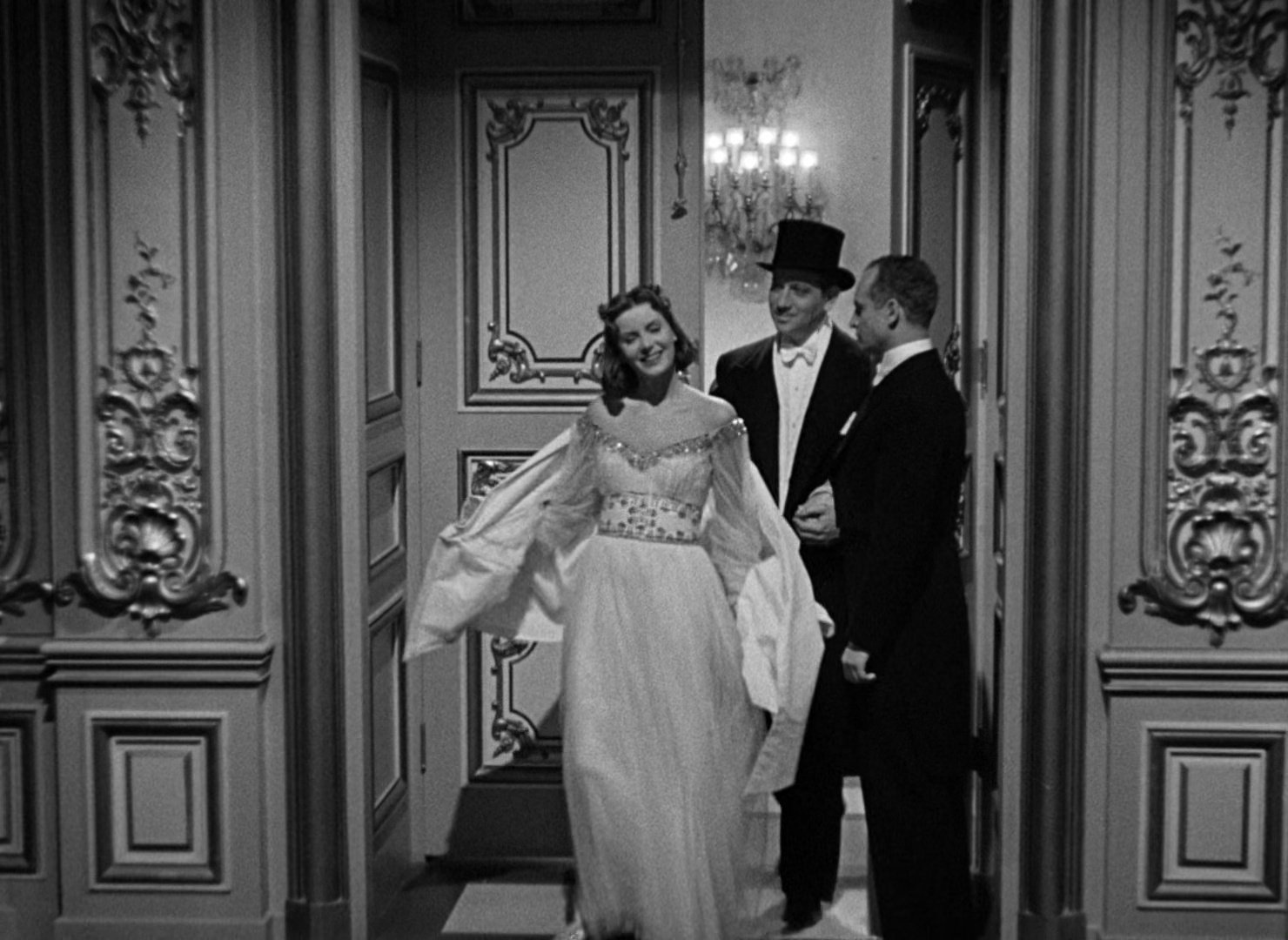
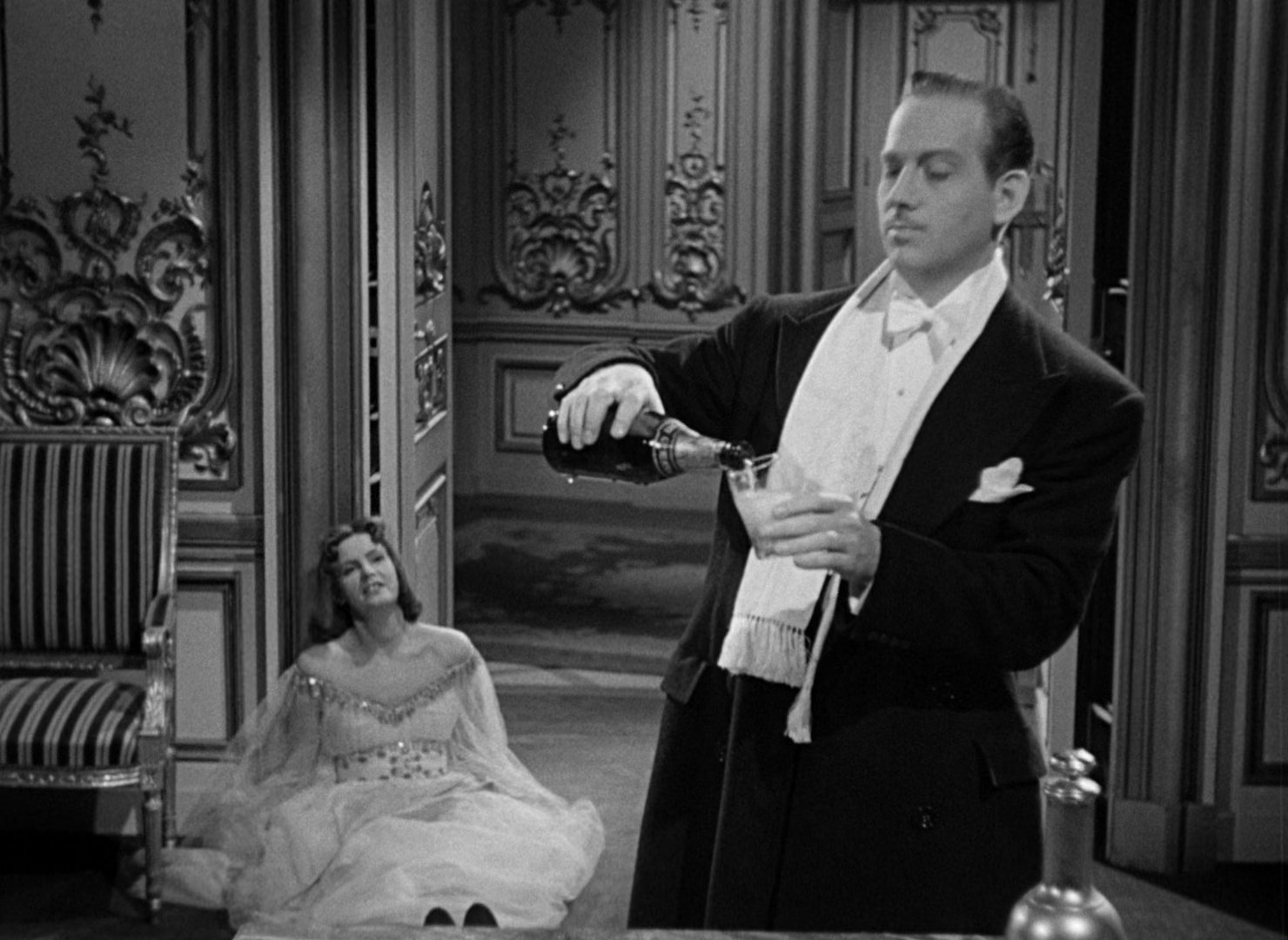
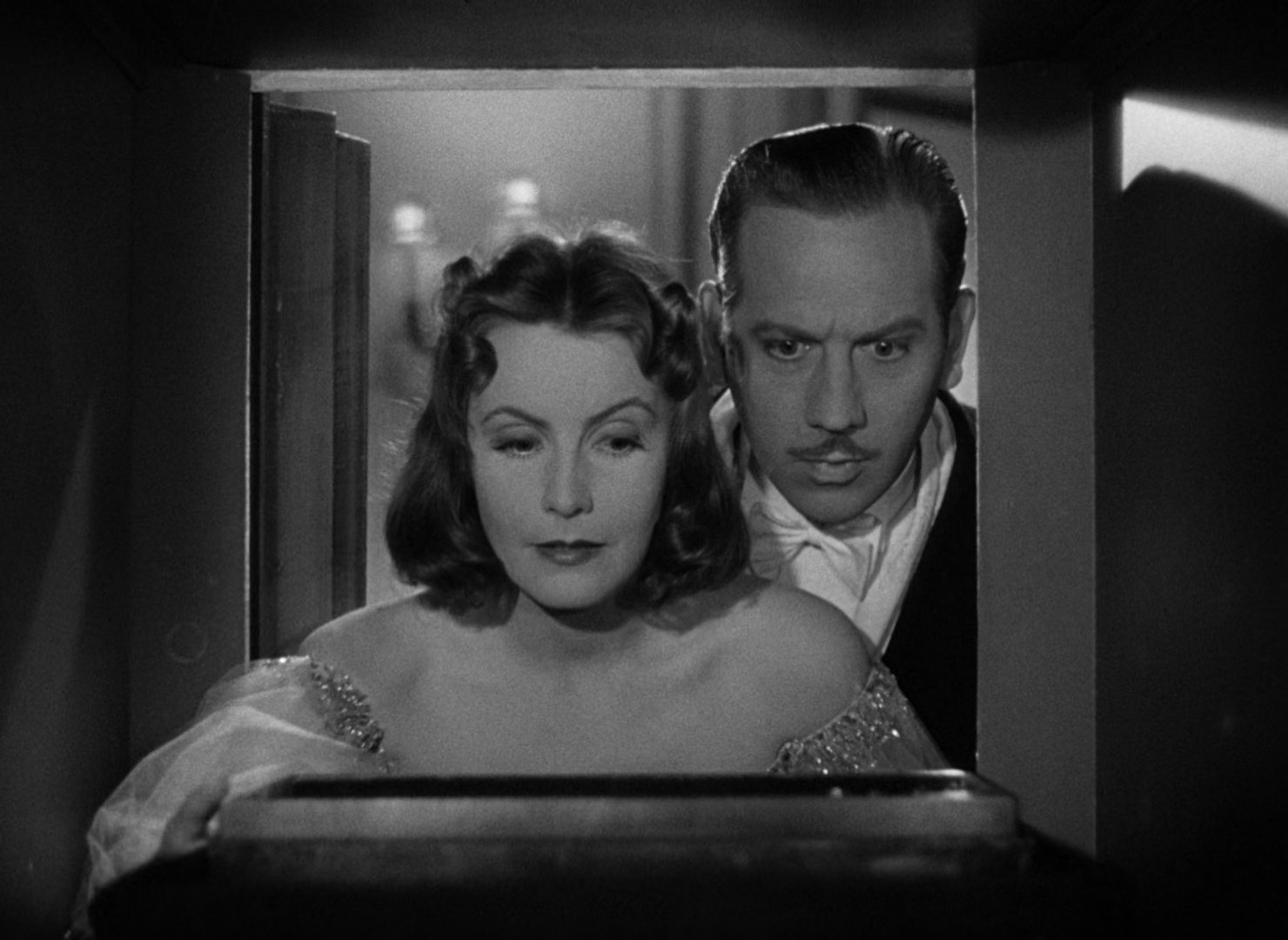
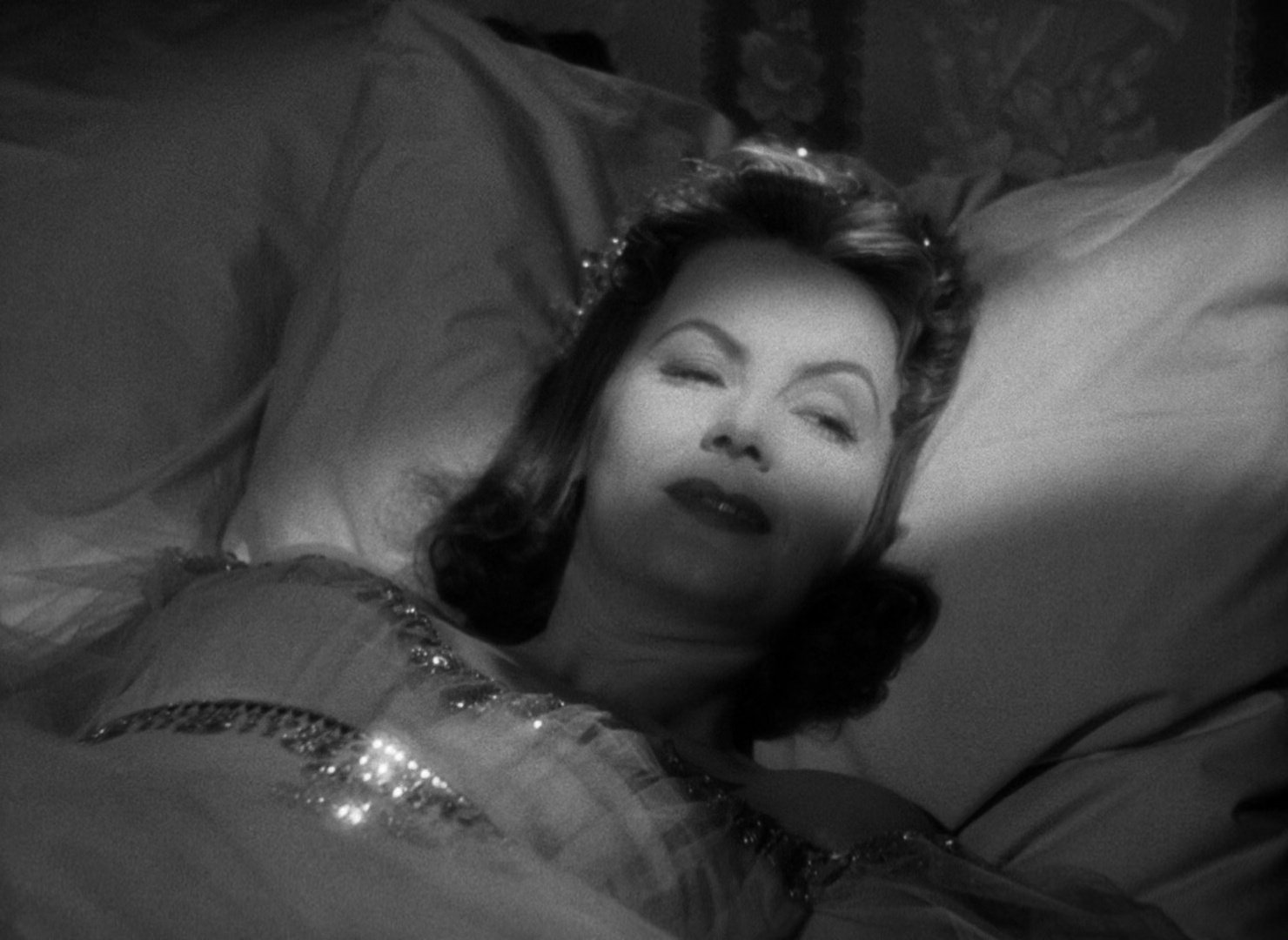
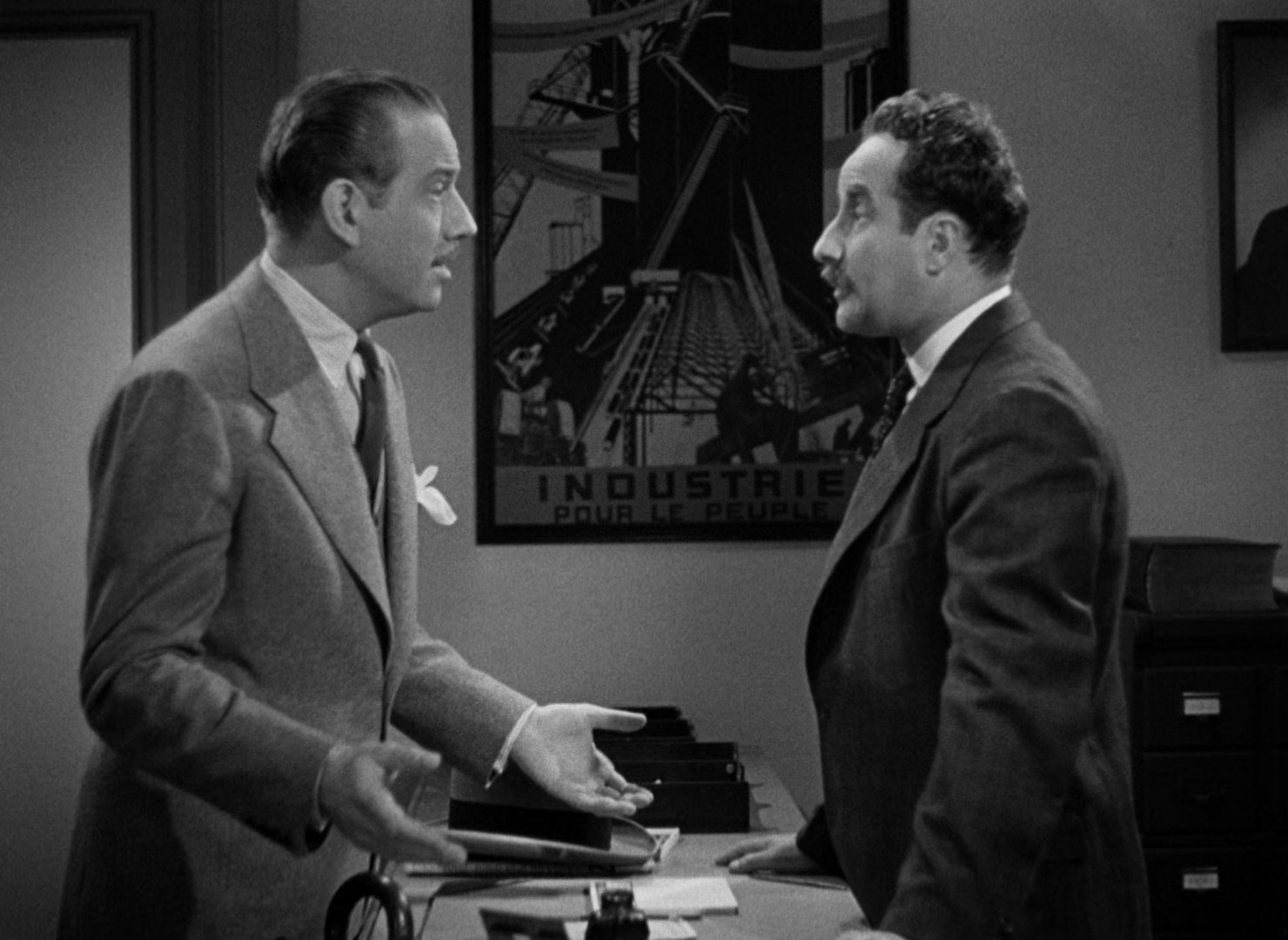
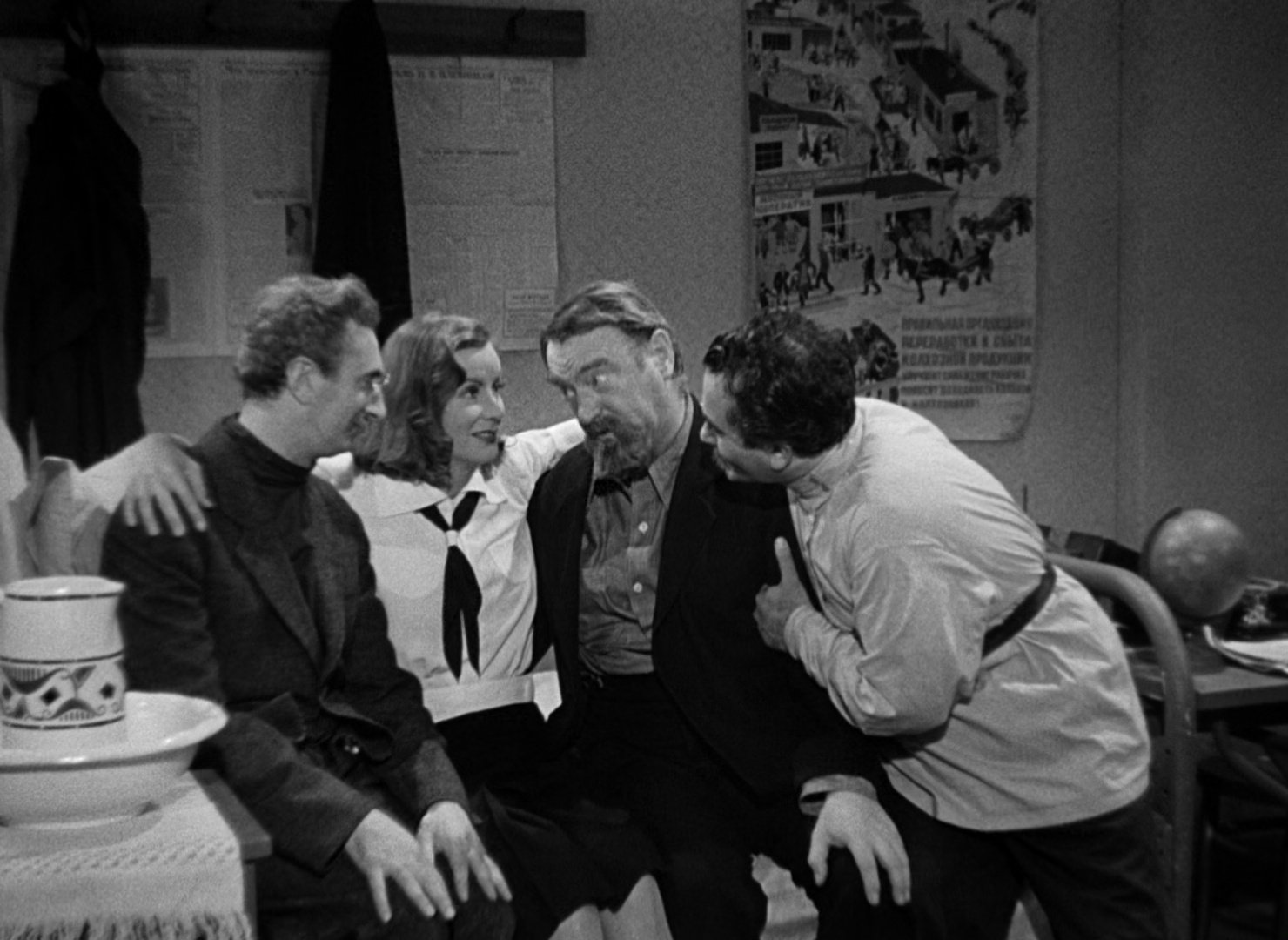
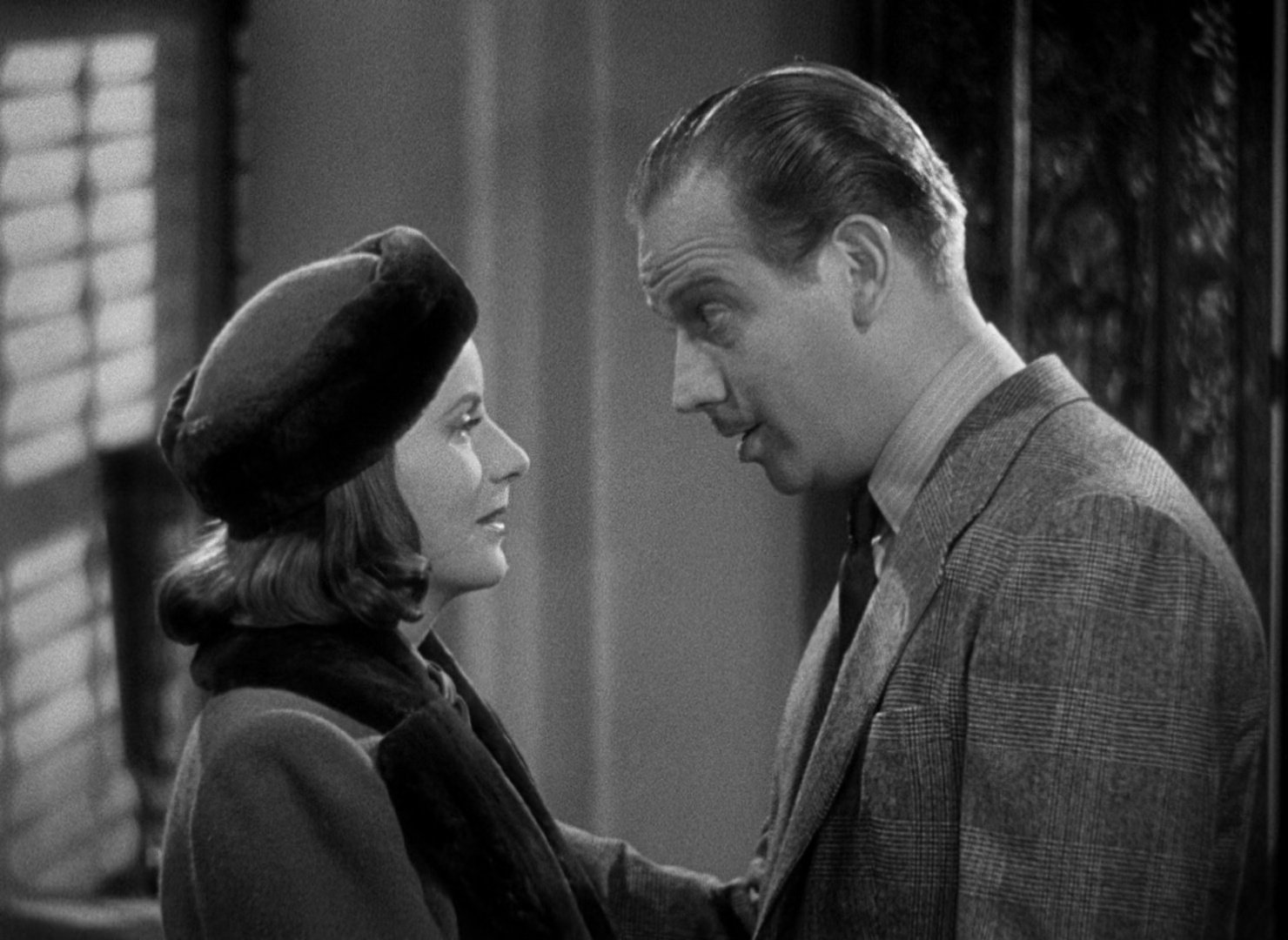
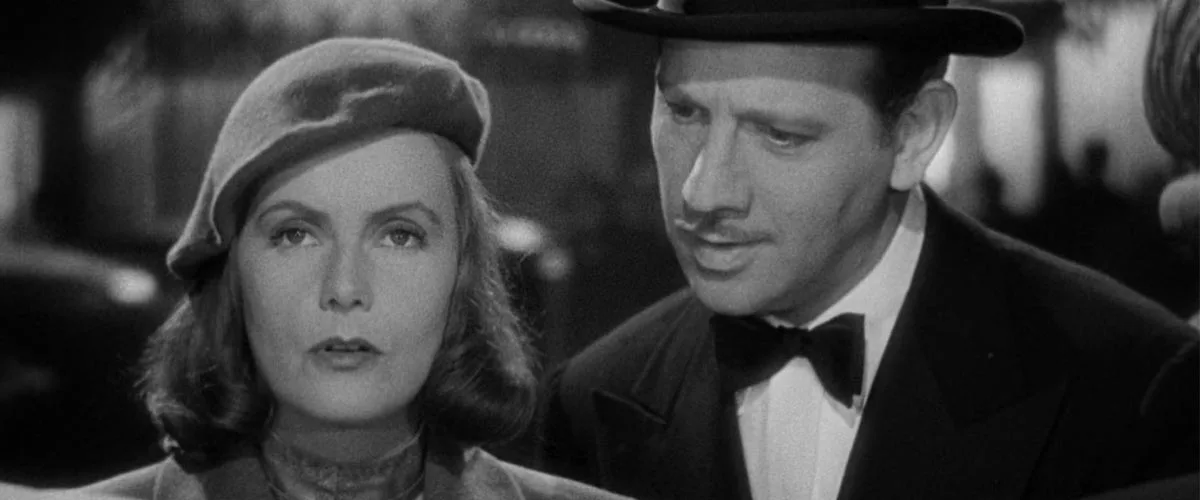
Directed by Ernst Lubitsch, Ninotchka (1939) is a comedy of manners blending political satire and romantic comedy. The plot follows a Soviet envoy who is sent to Paris to oversee the sale of confiscated aristocratic jewellery. Her rigid ideological outlook is in stark opposition to the indulgent behaviour of her fellow countrymen, who have already succumbed to the pleasures of Western life. She meets a charming aristocrat who gradually disrupts her political and emotional rigidity.
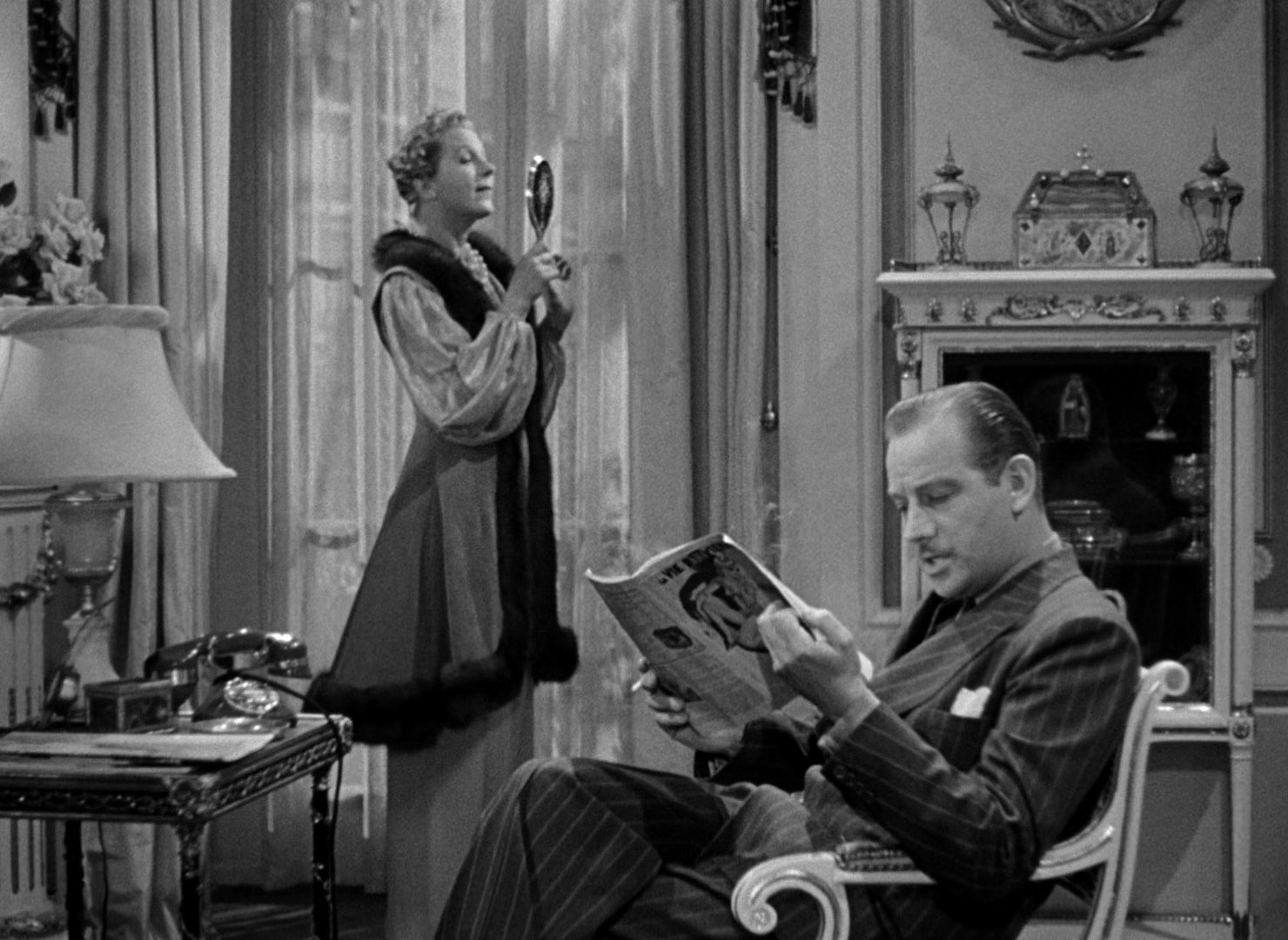
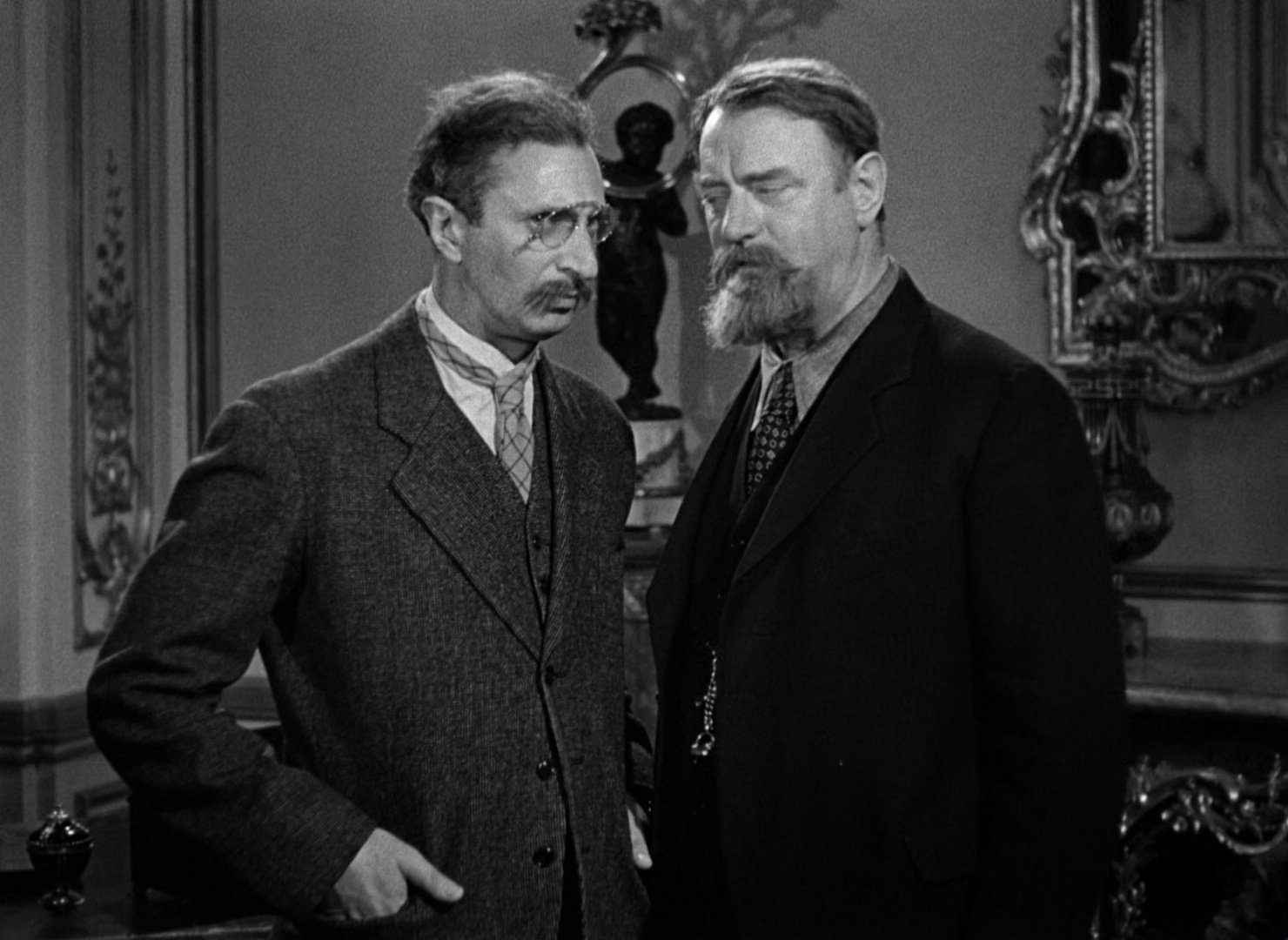
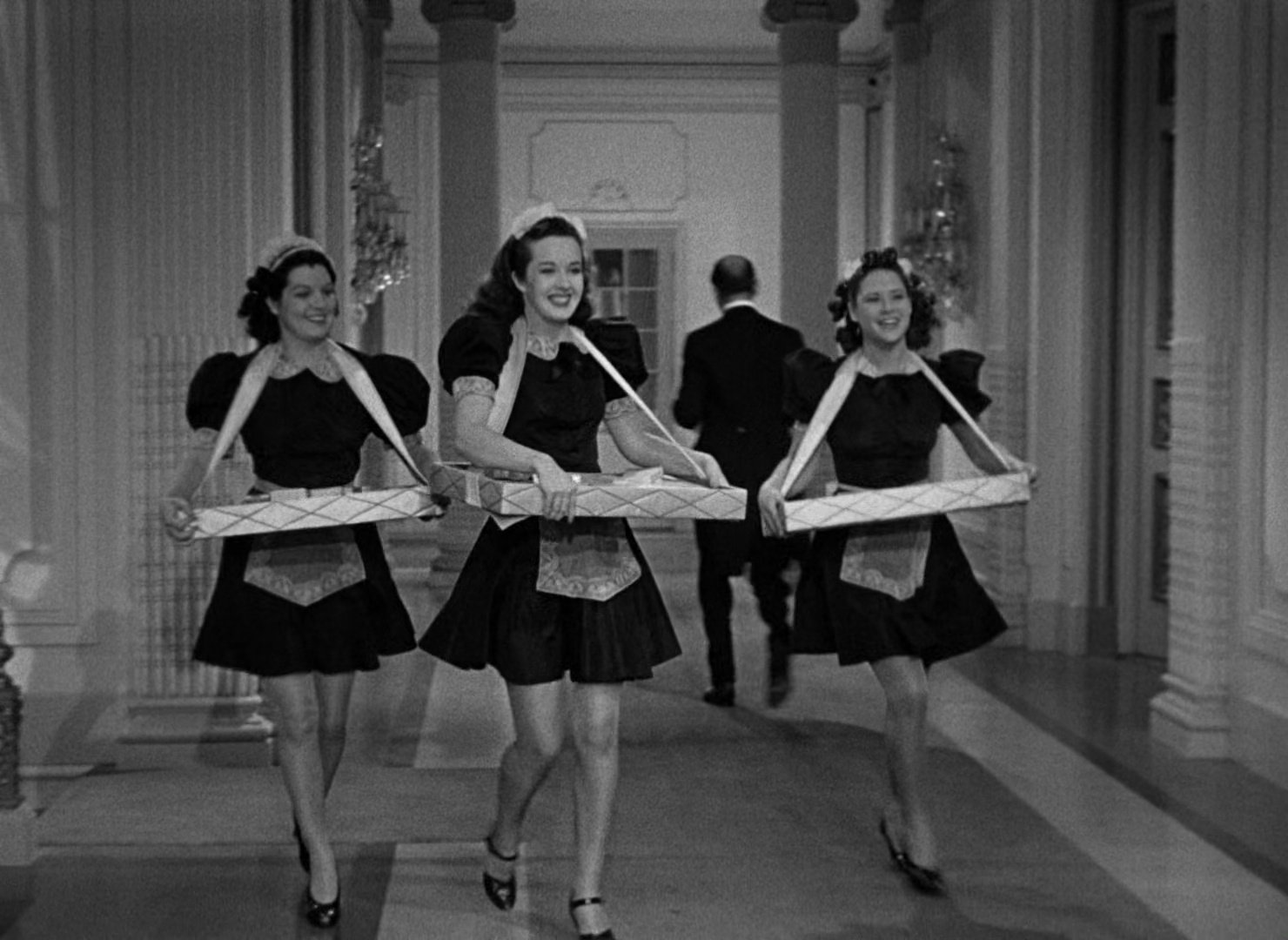
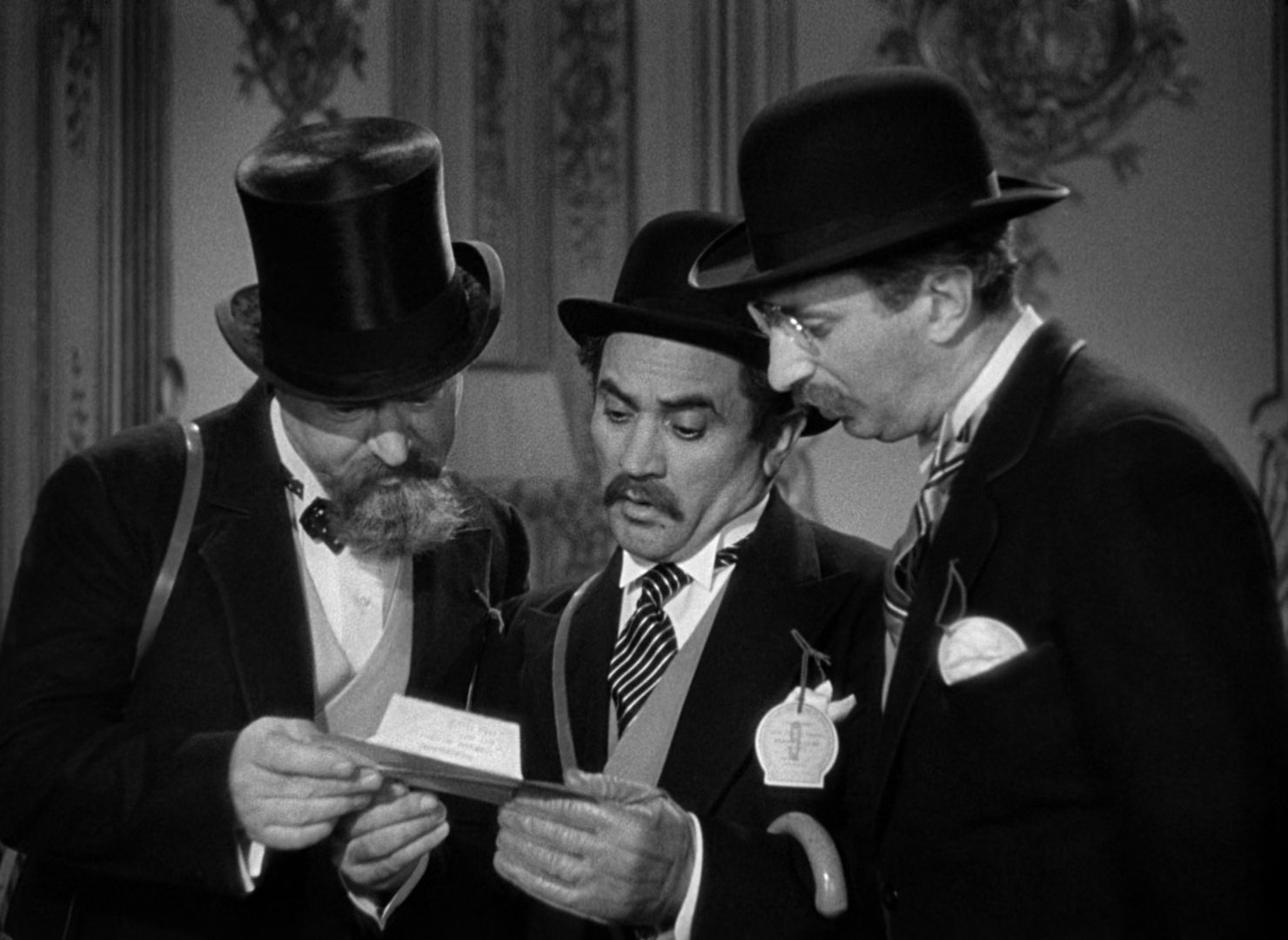
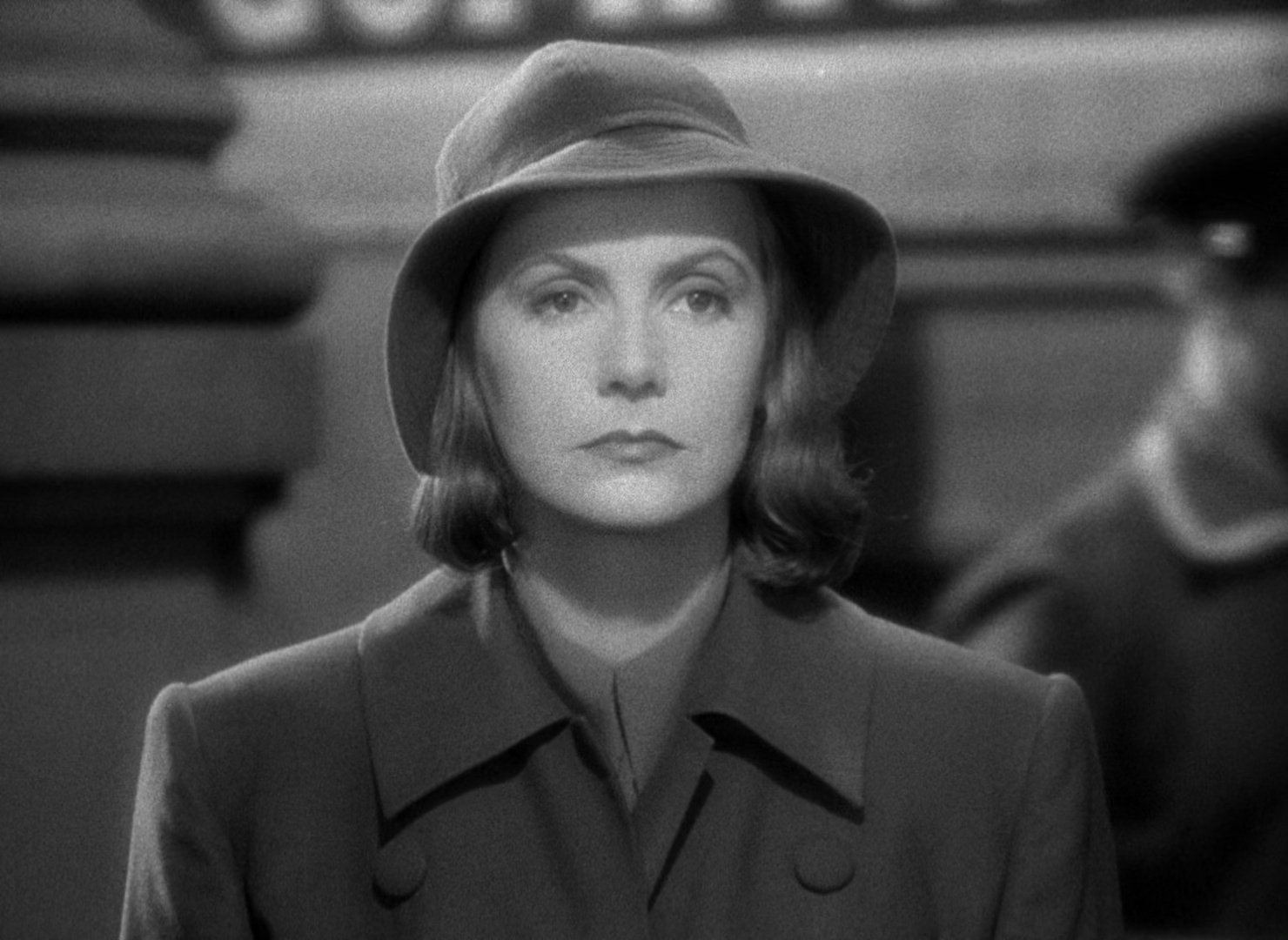
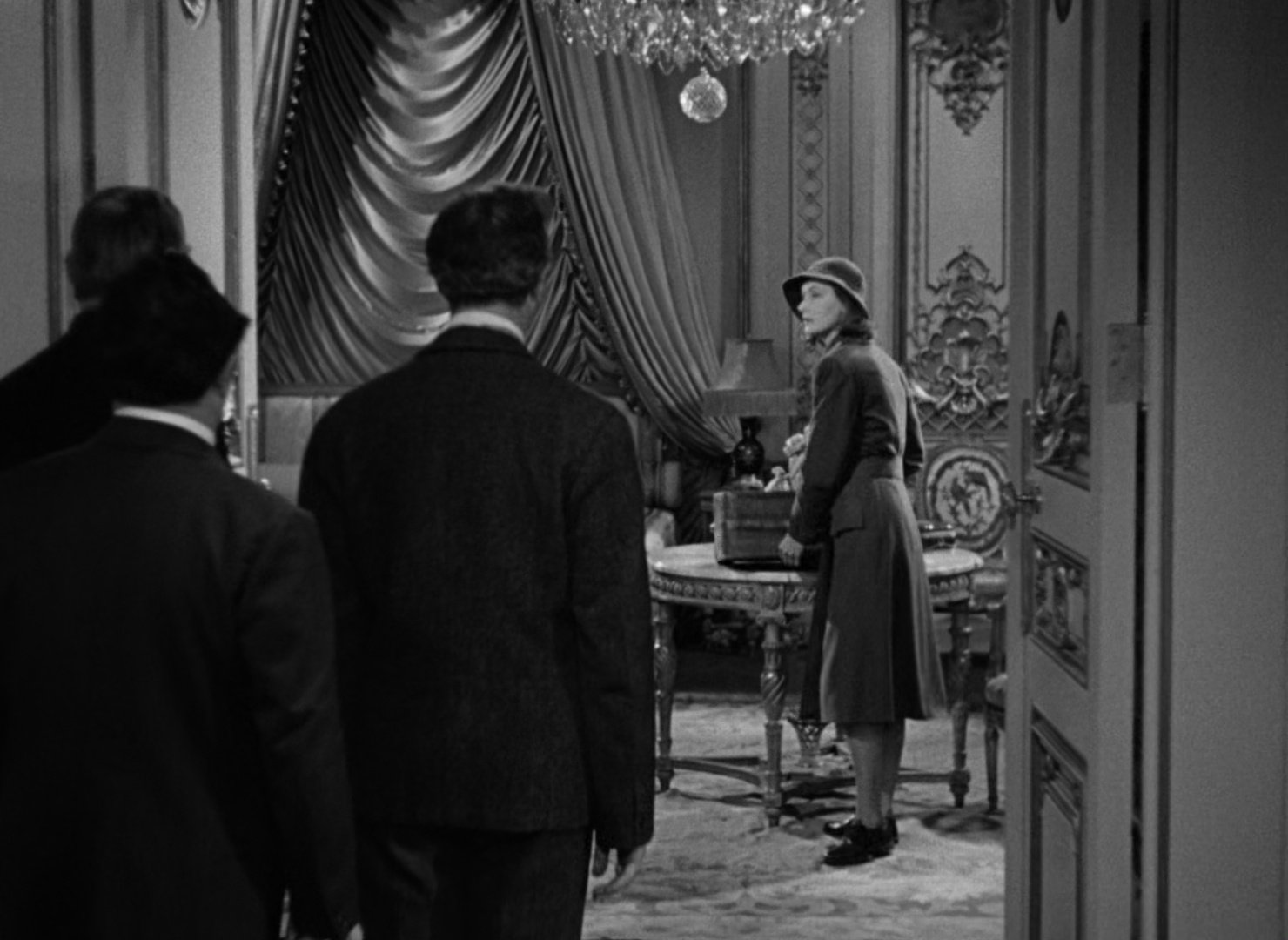
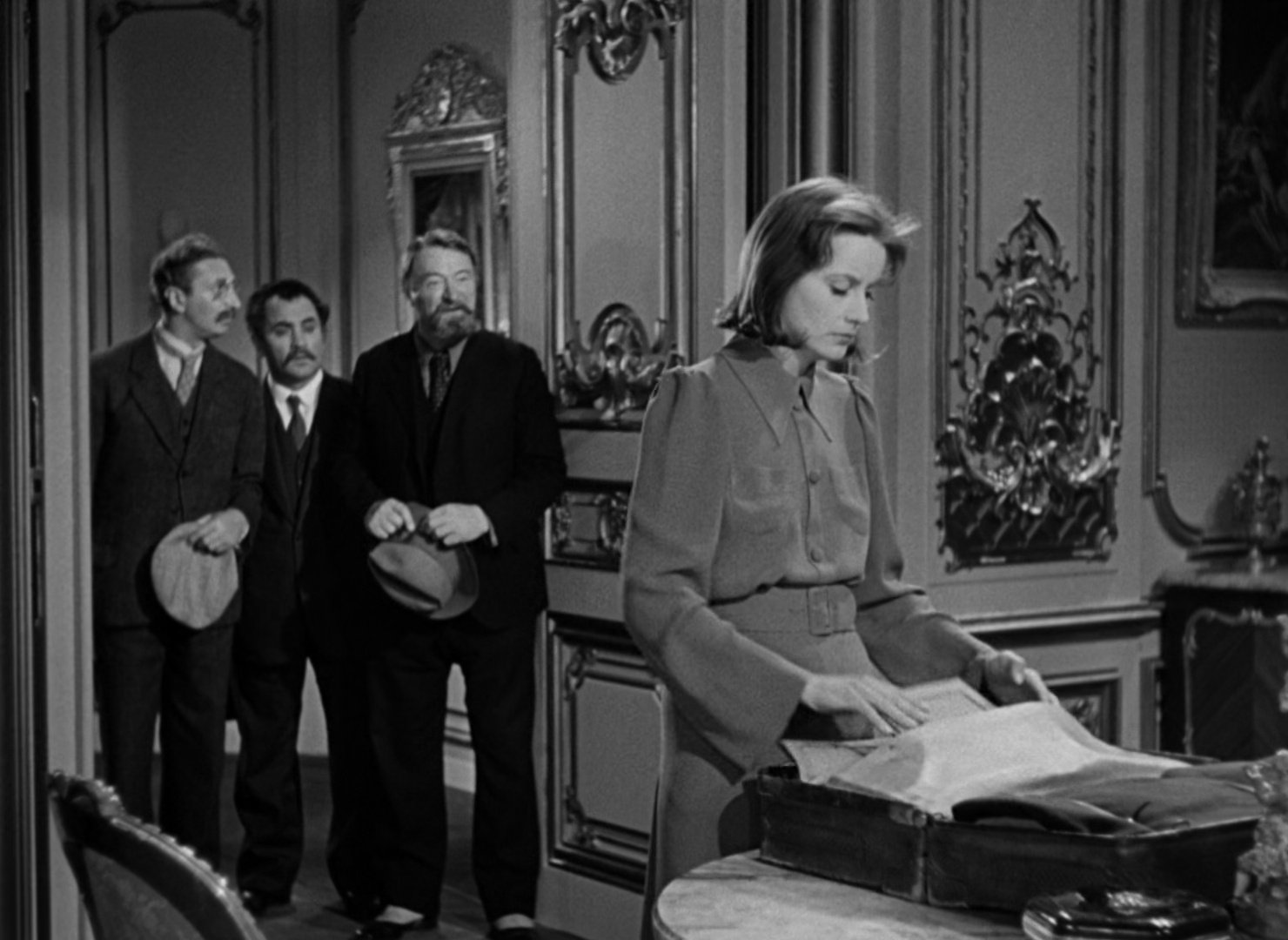
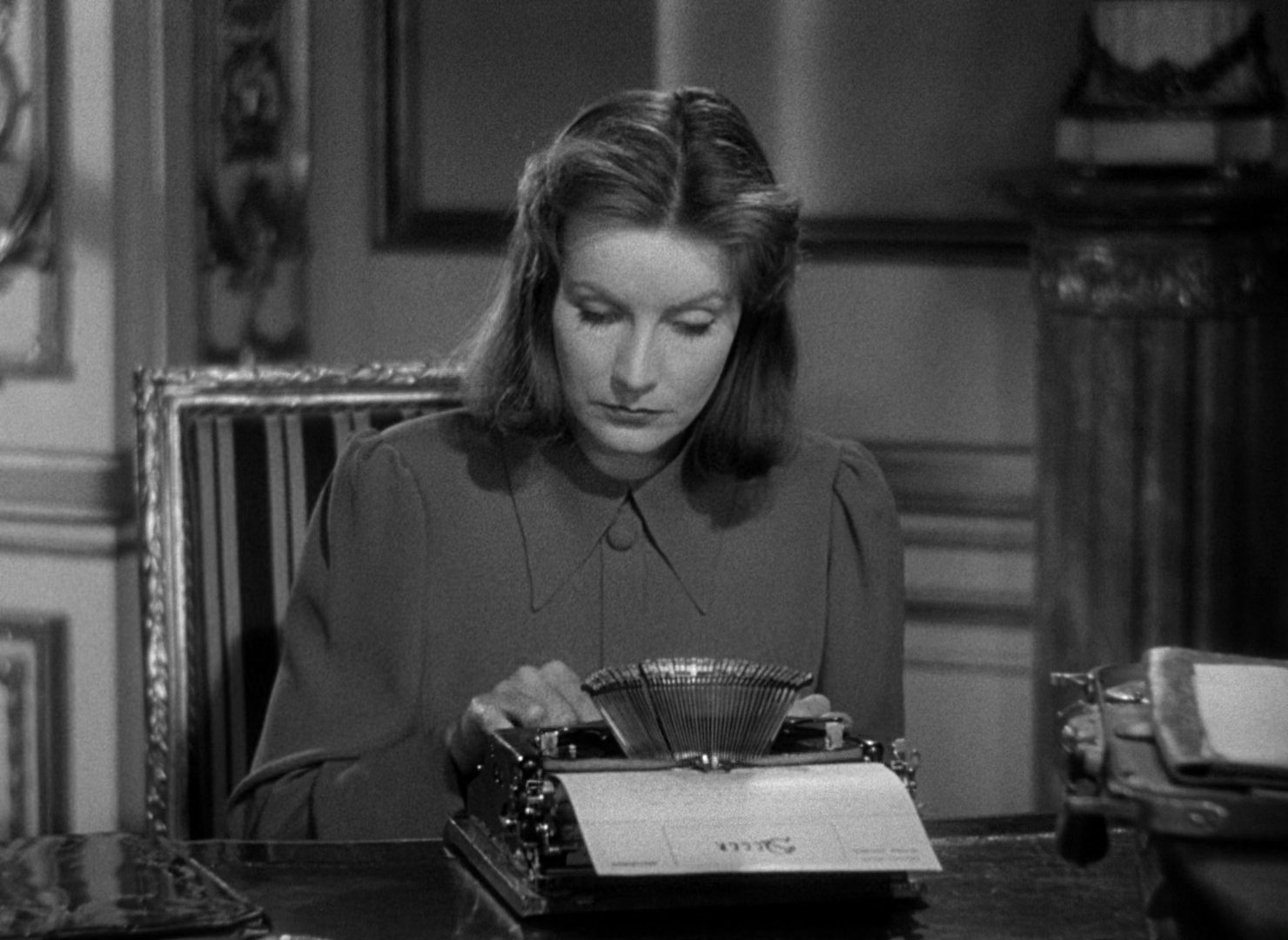
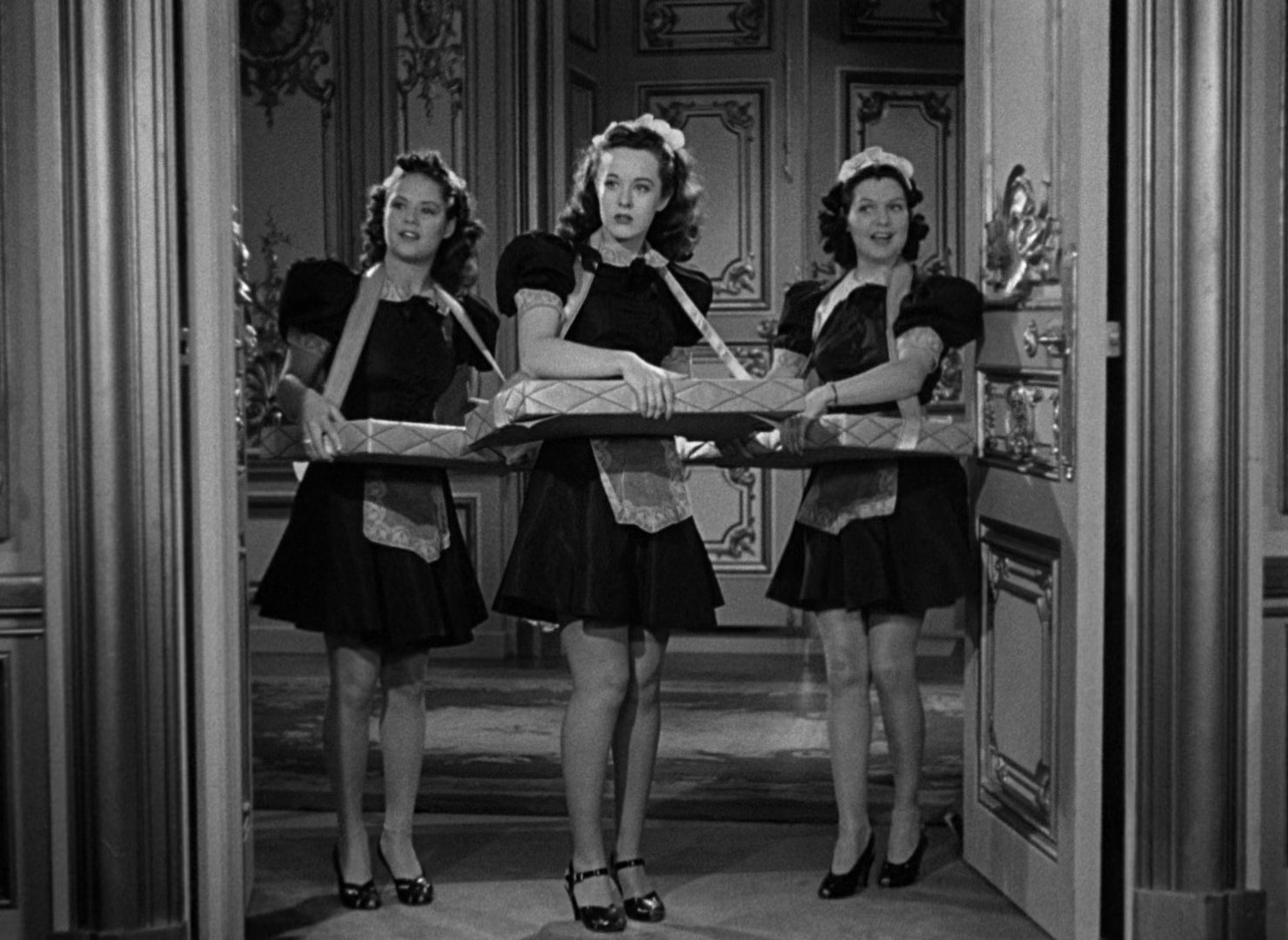
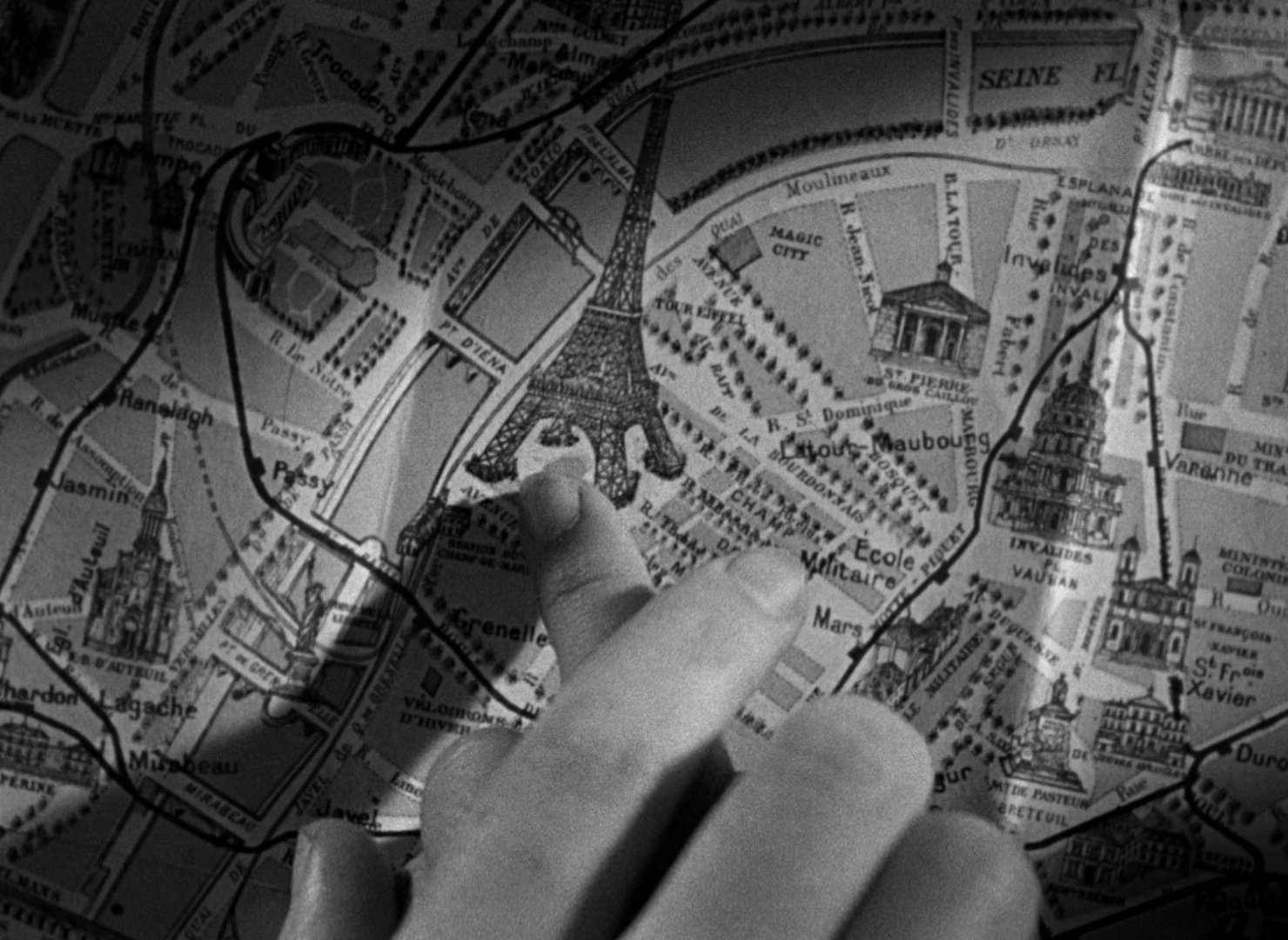
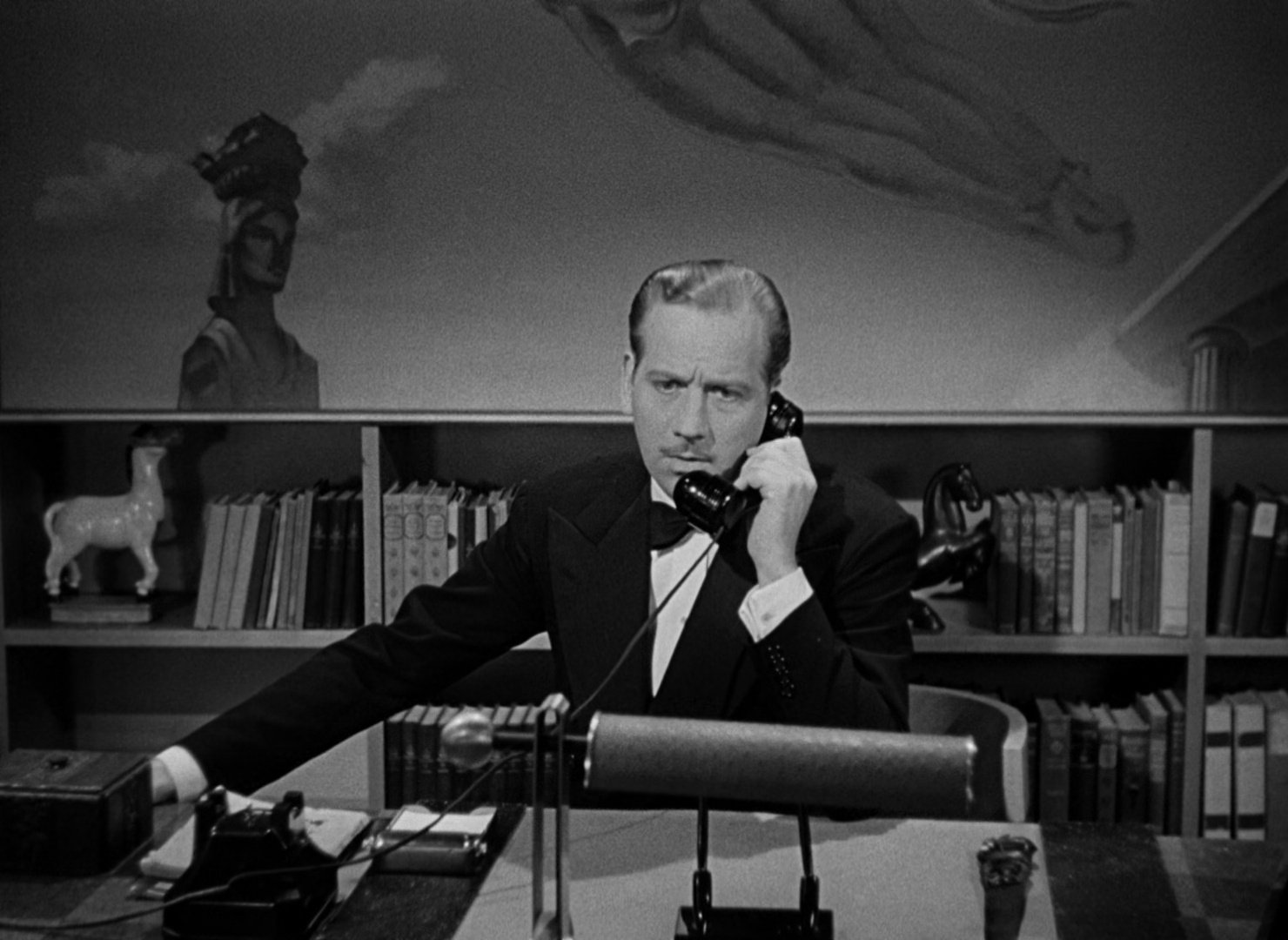
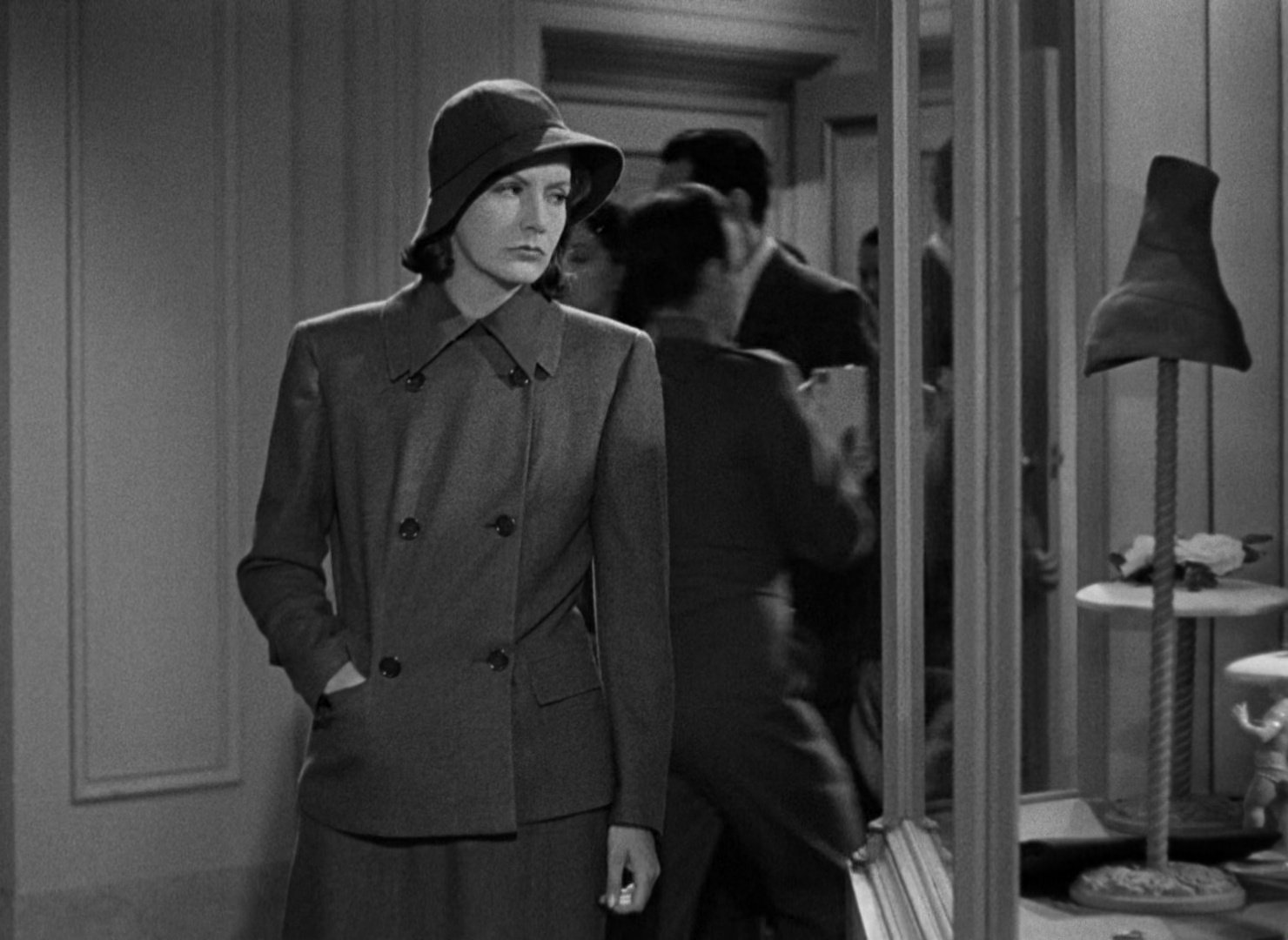
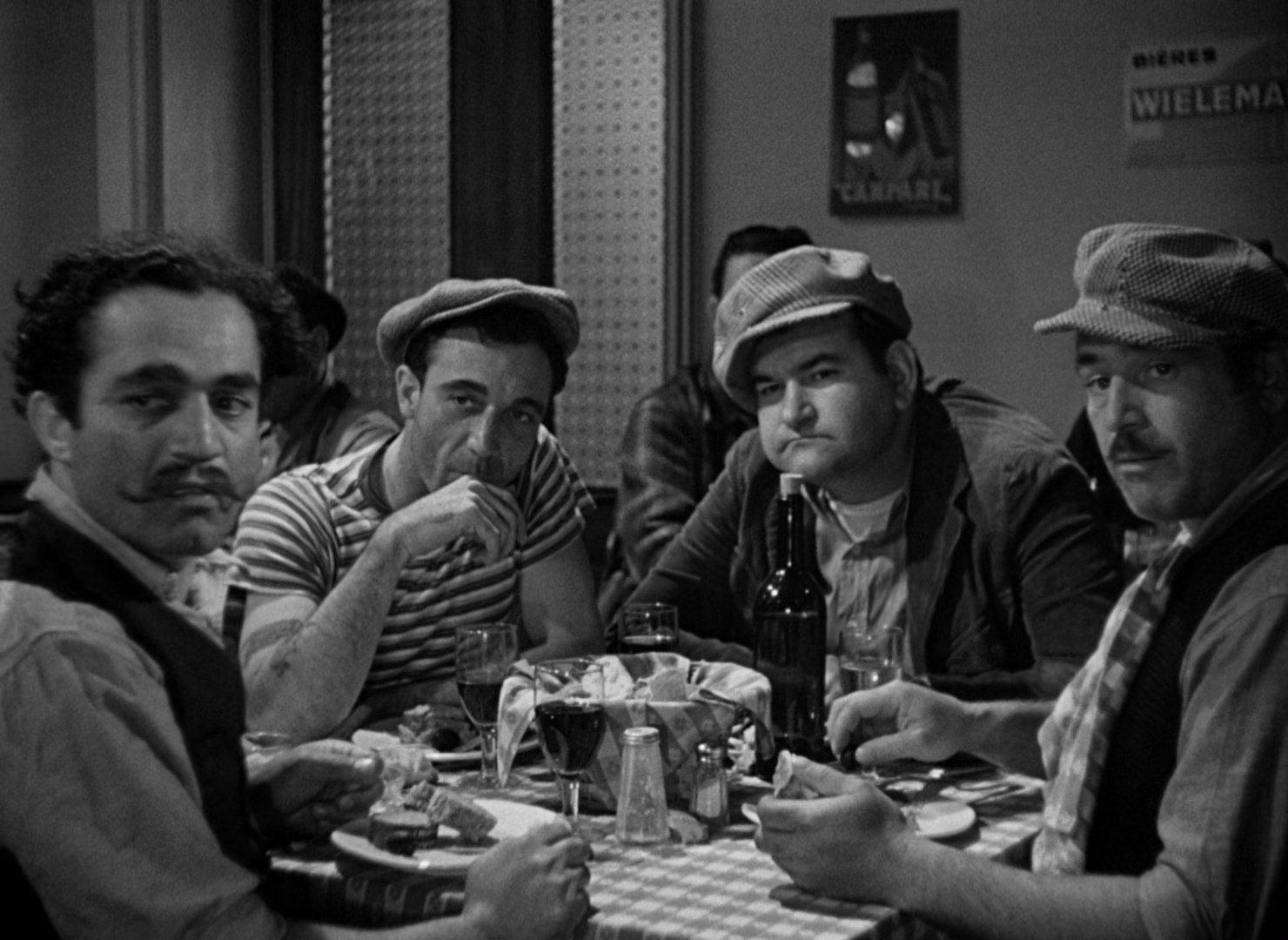
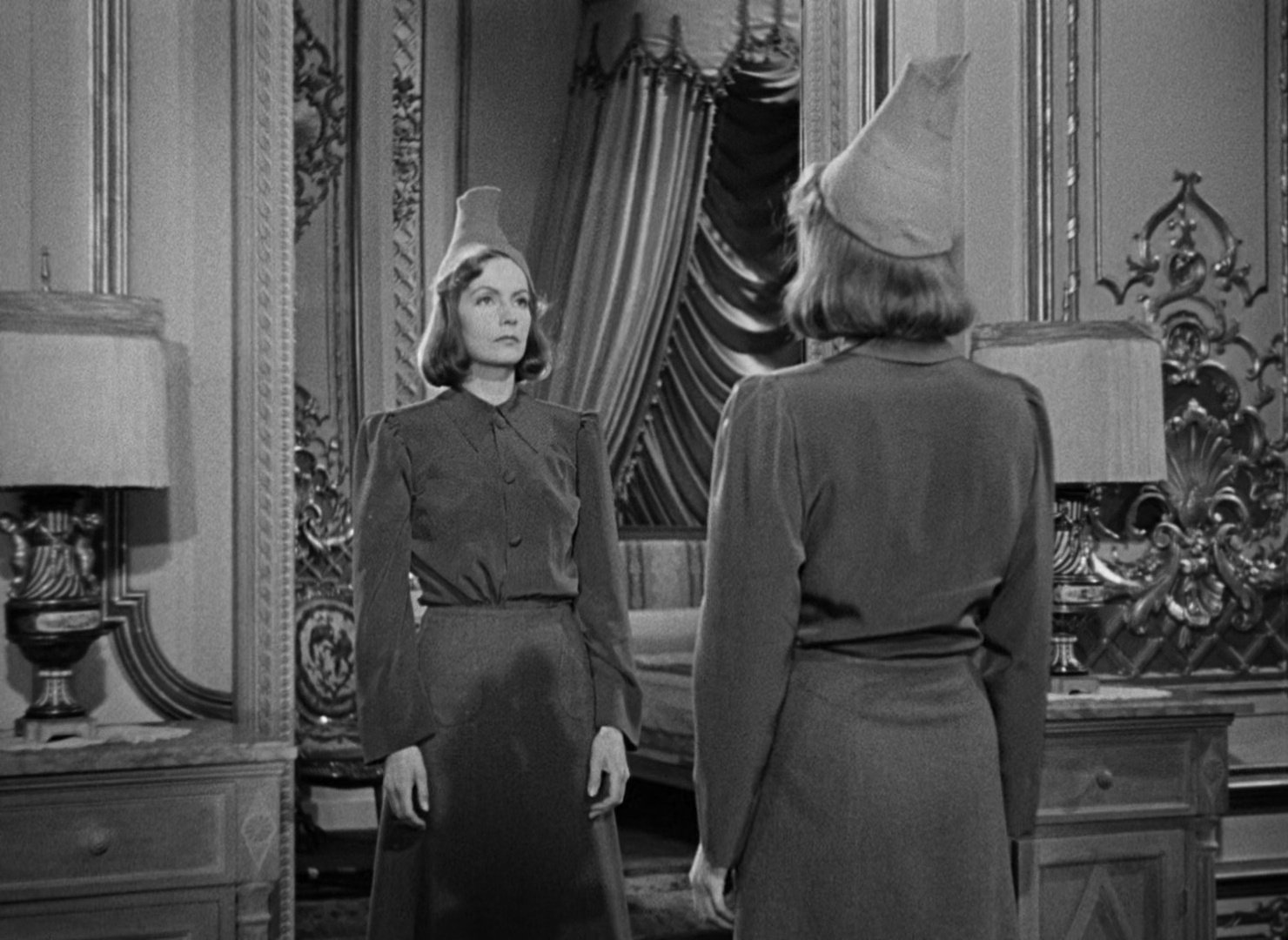
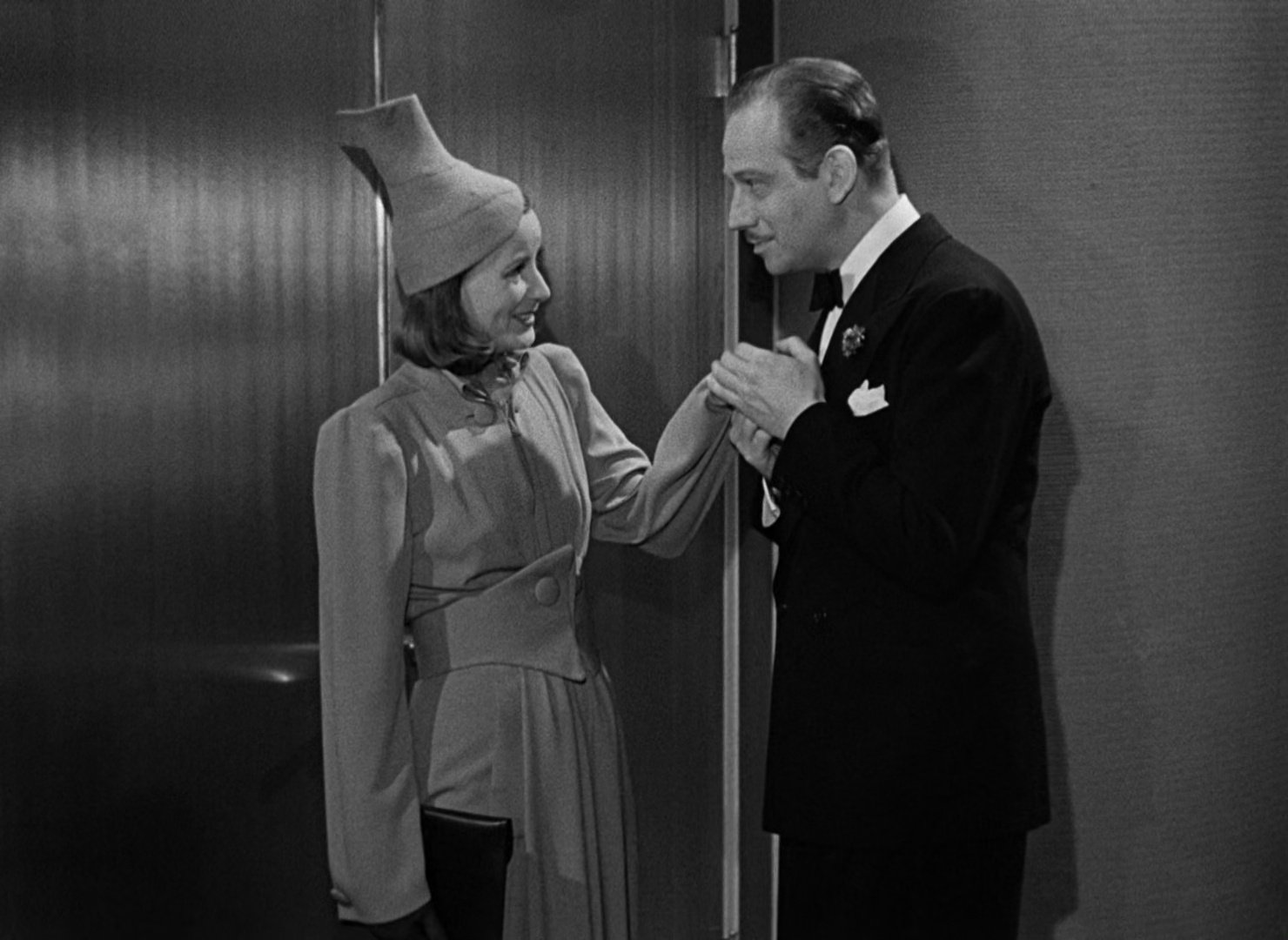
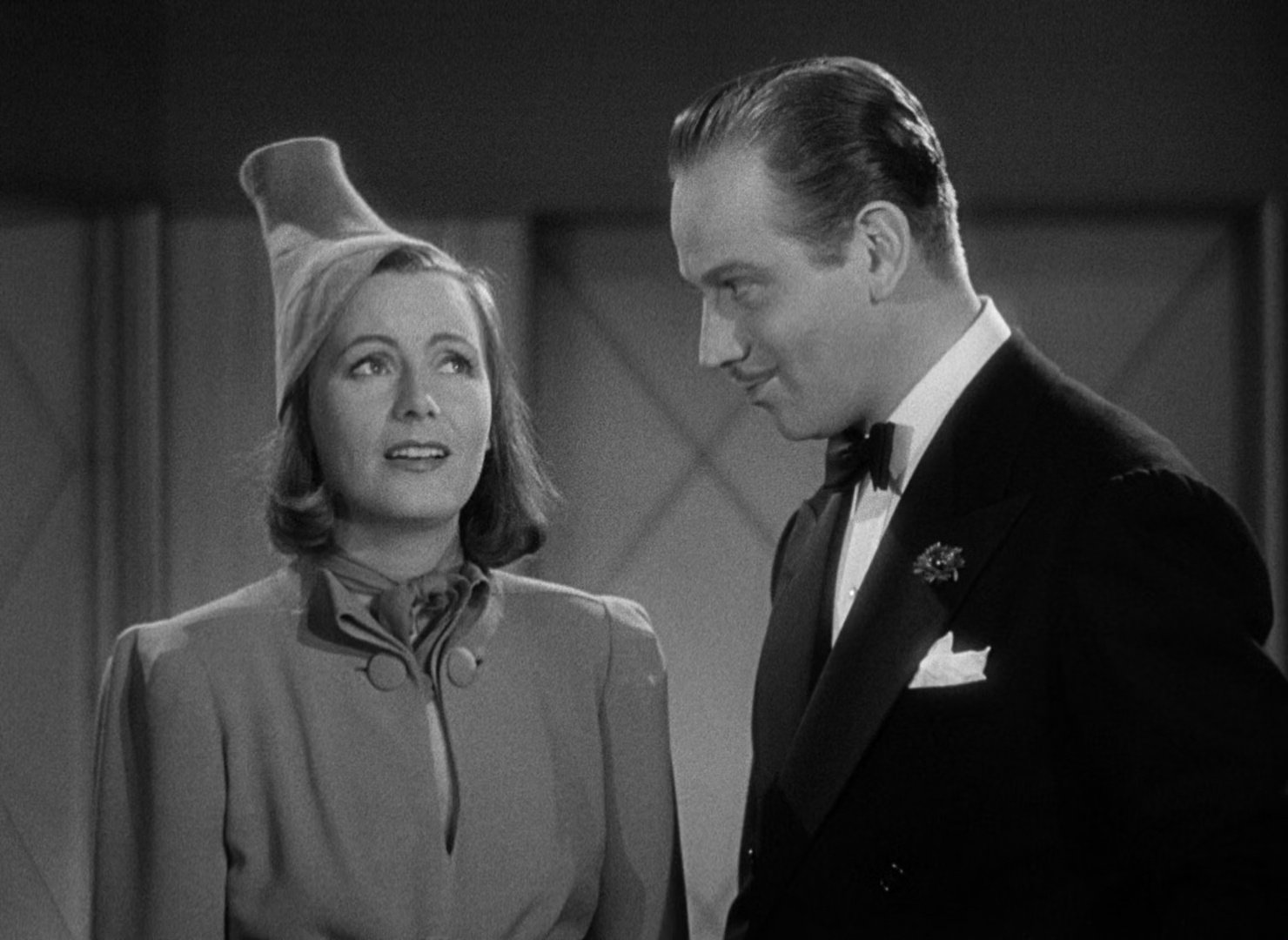
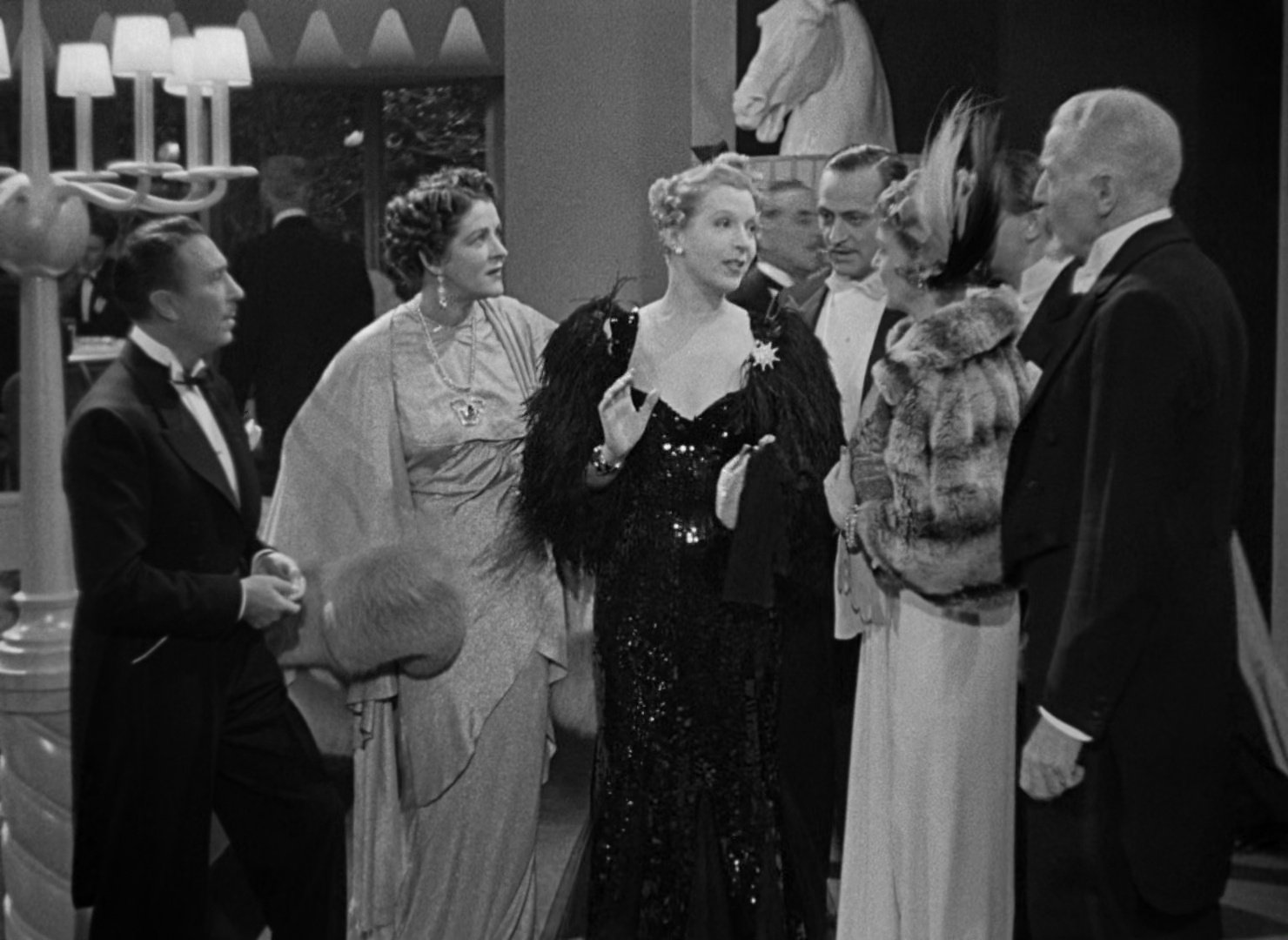
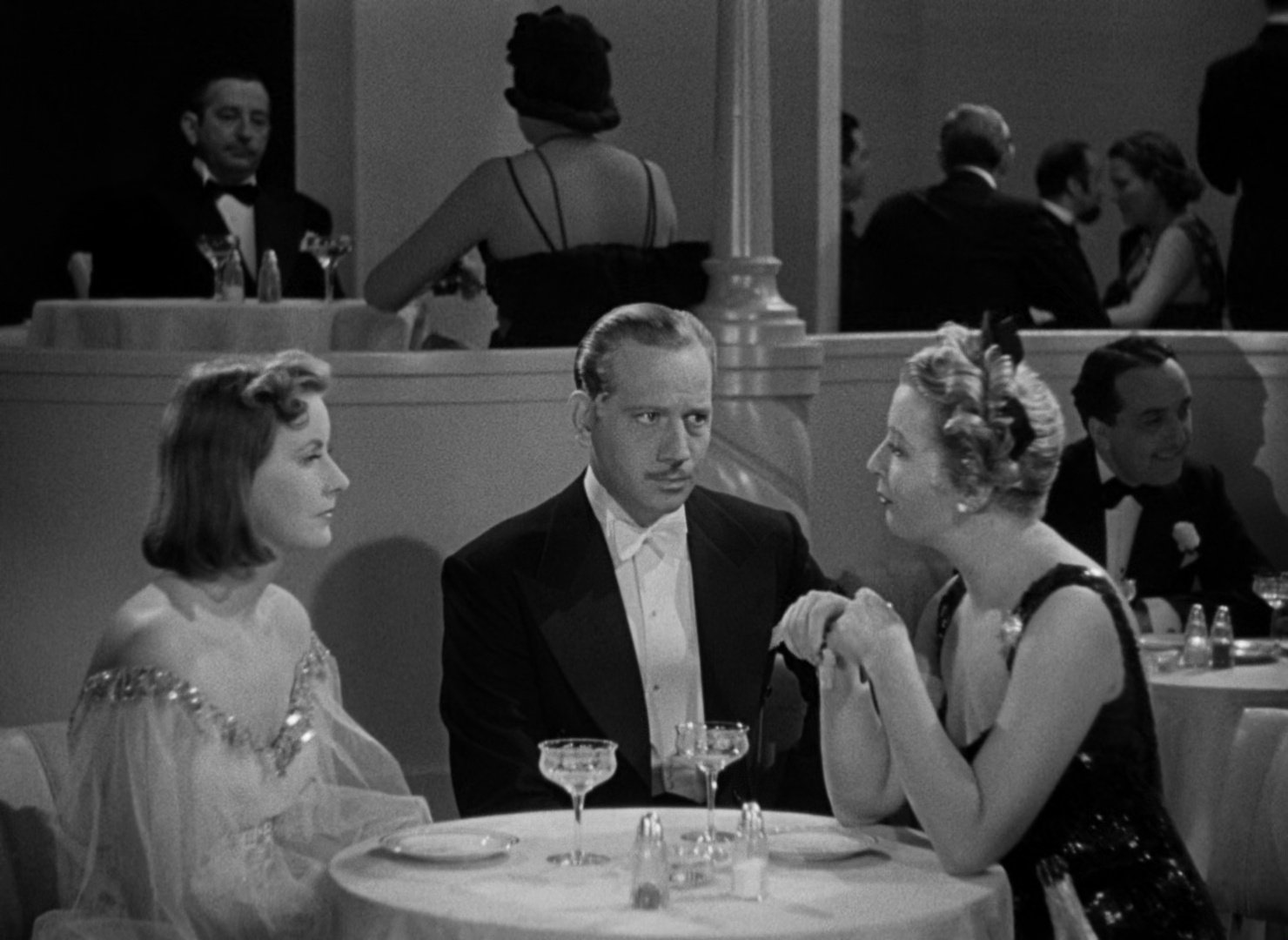
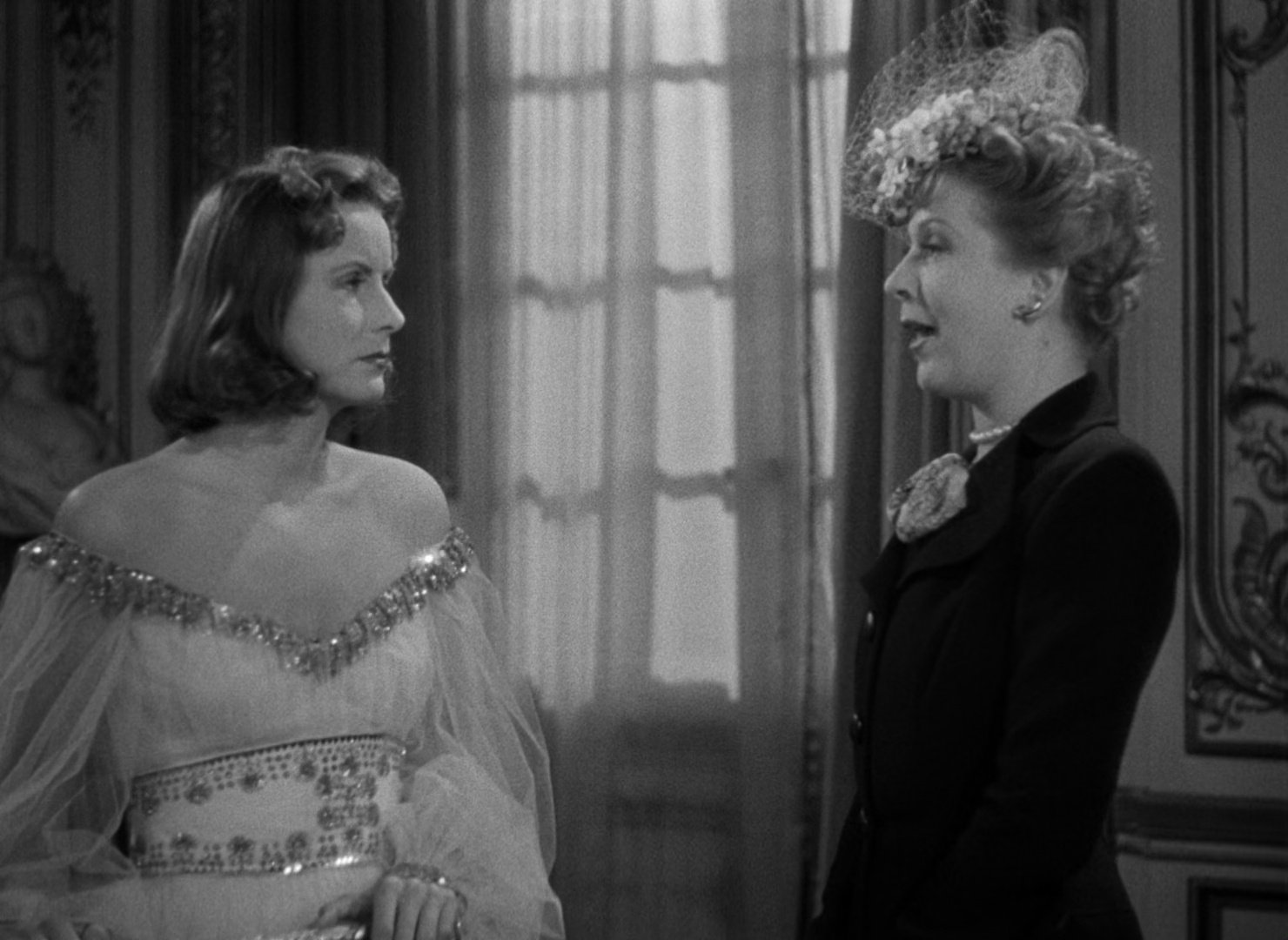
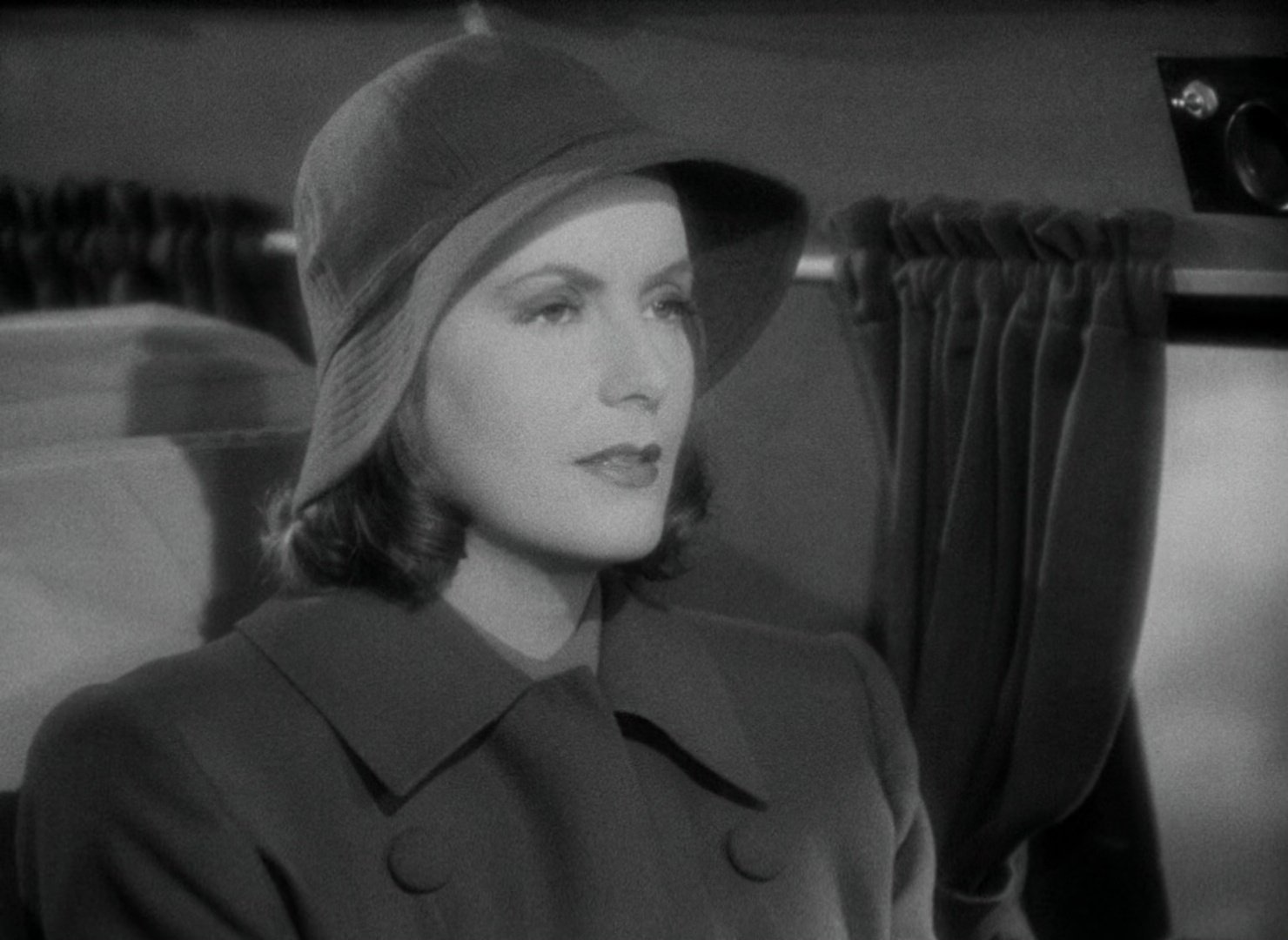
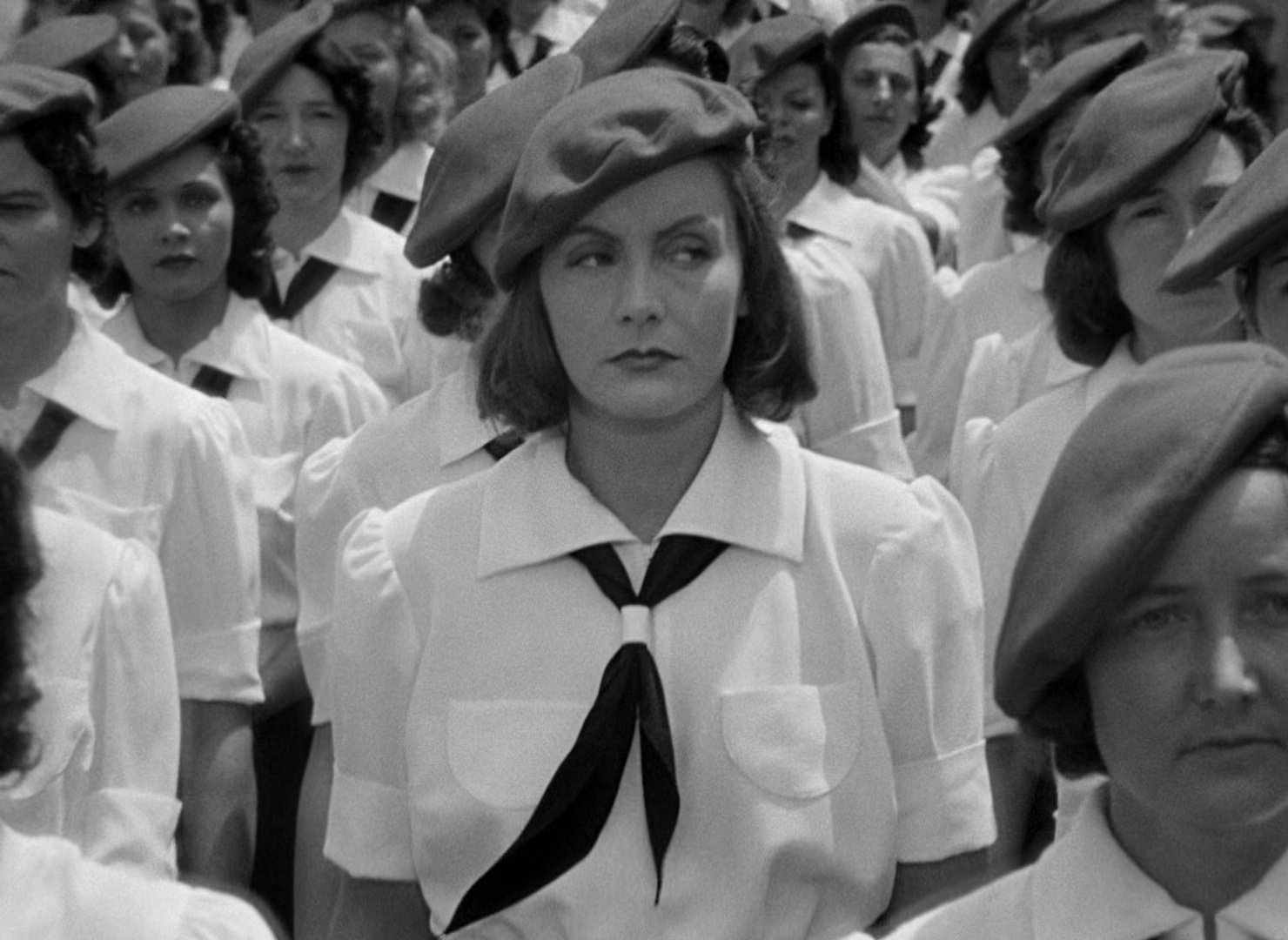
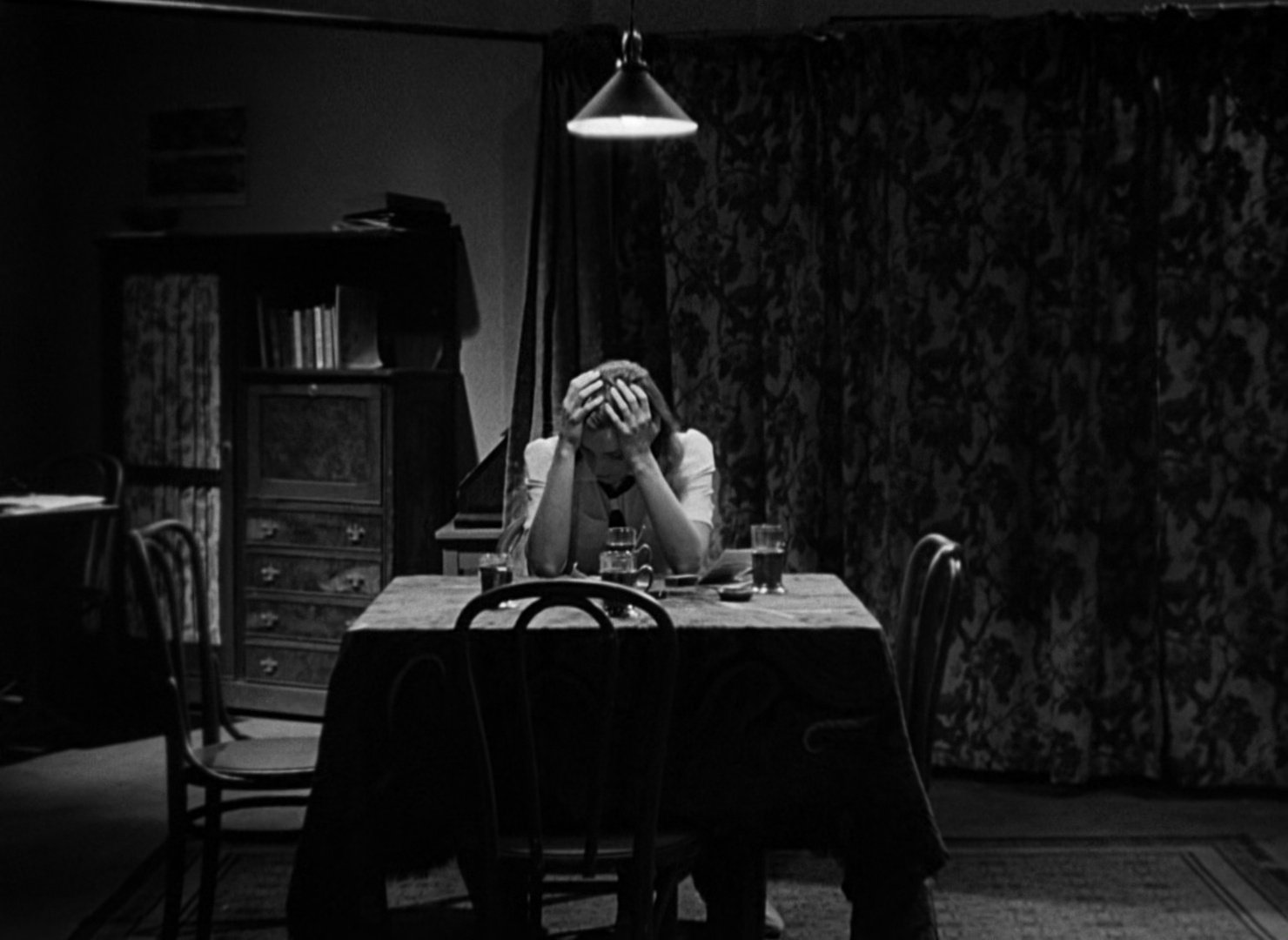
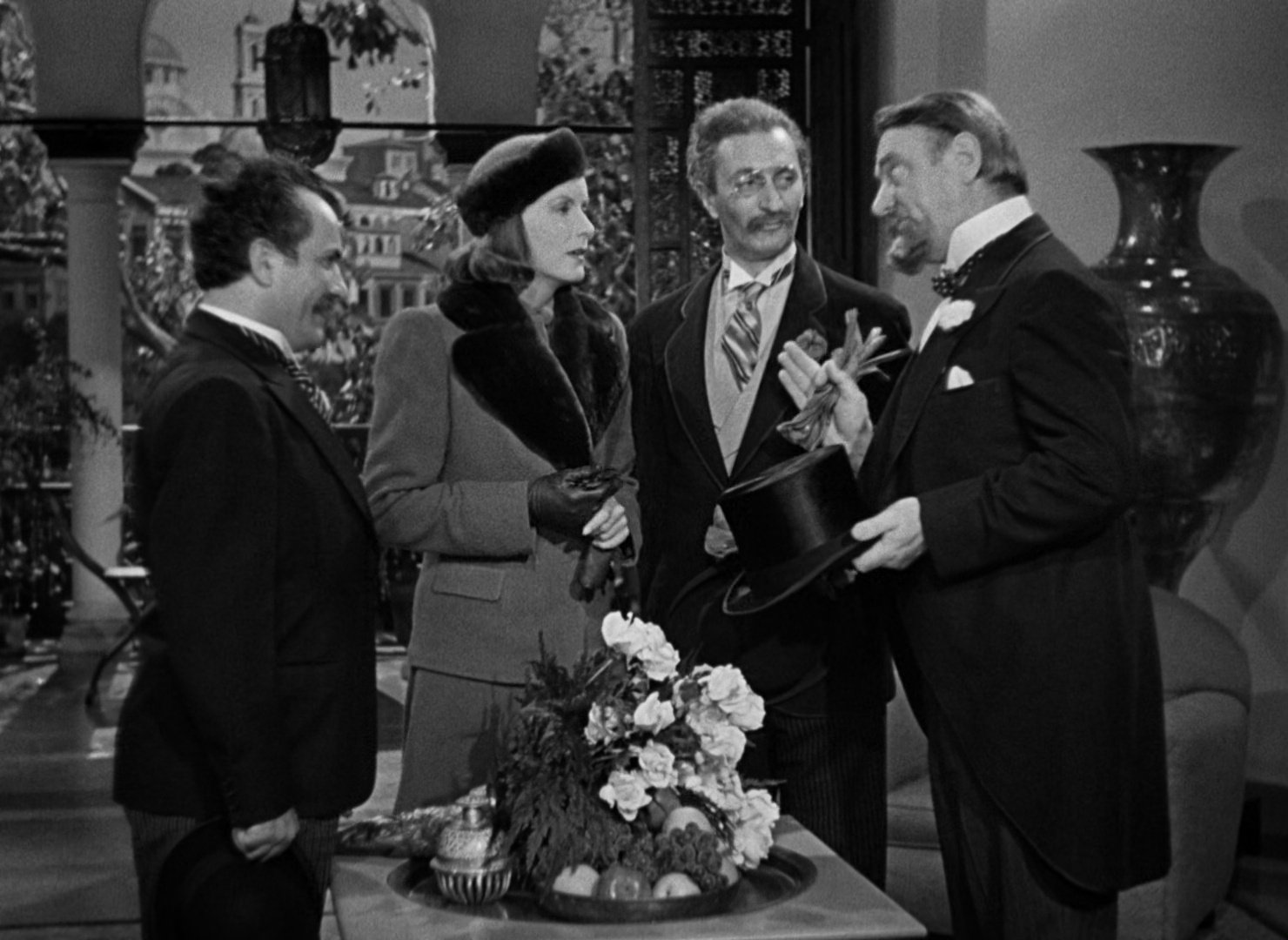
Set in Paris, the film highlights the contrast between pre-war prosperity and the austerity of Soviet communism. Refined interior sets and stylised representations of Parisian luxury, signalled through costumes and props such as hats and jewellery, convey Western excess, while plain clothing and rigid posture signify ideological restraint. These visual motifs reinforce the thematic divide between indulgence and austerity.
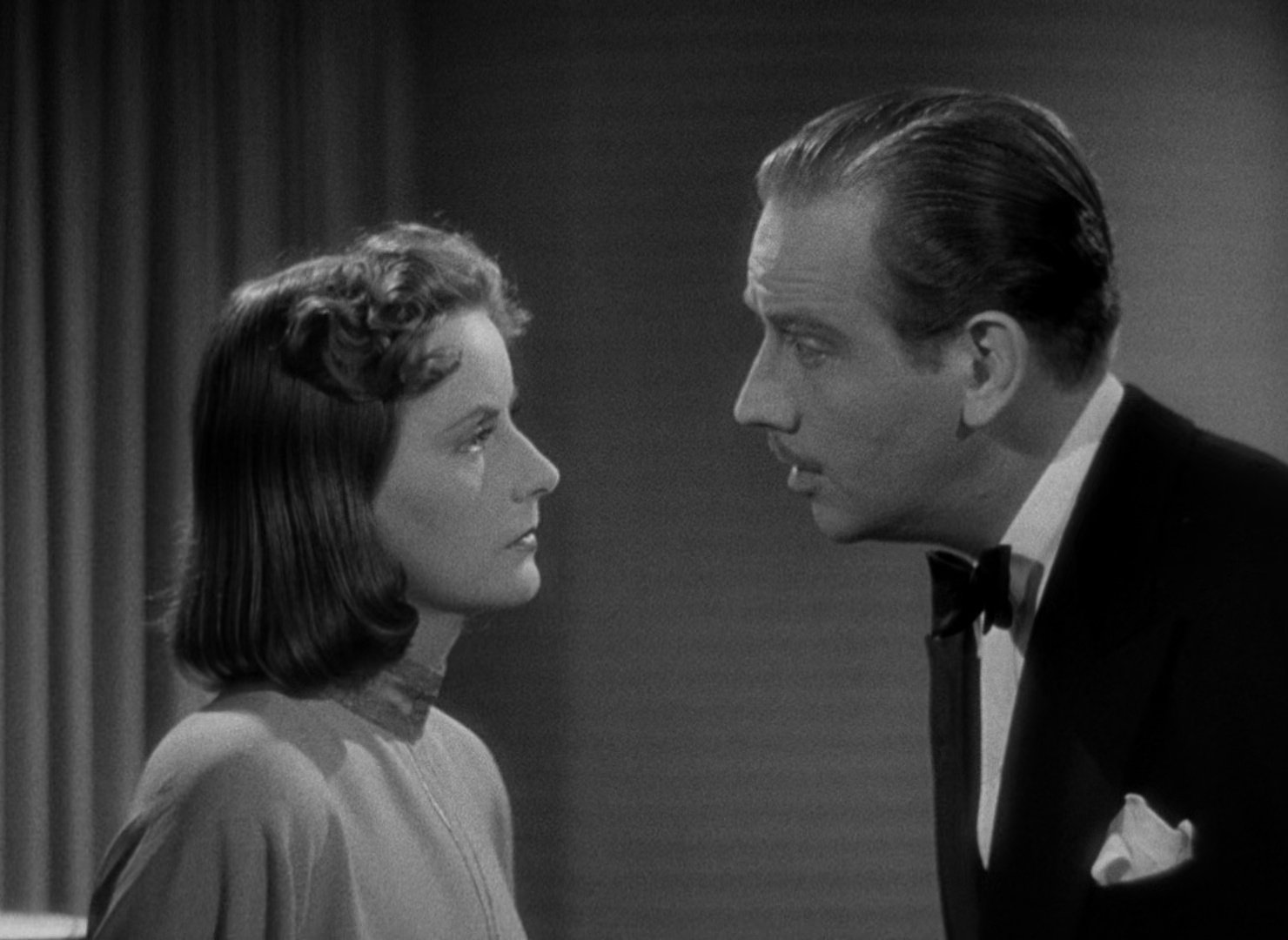
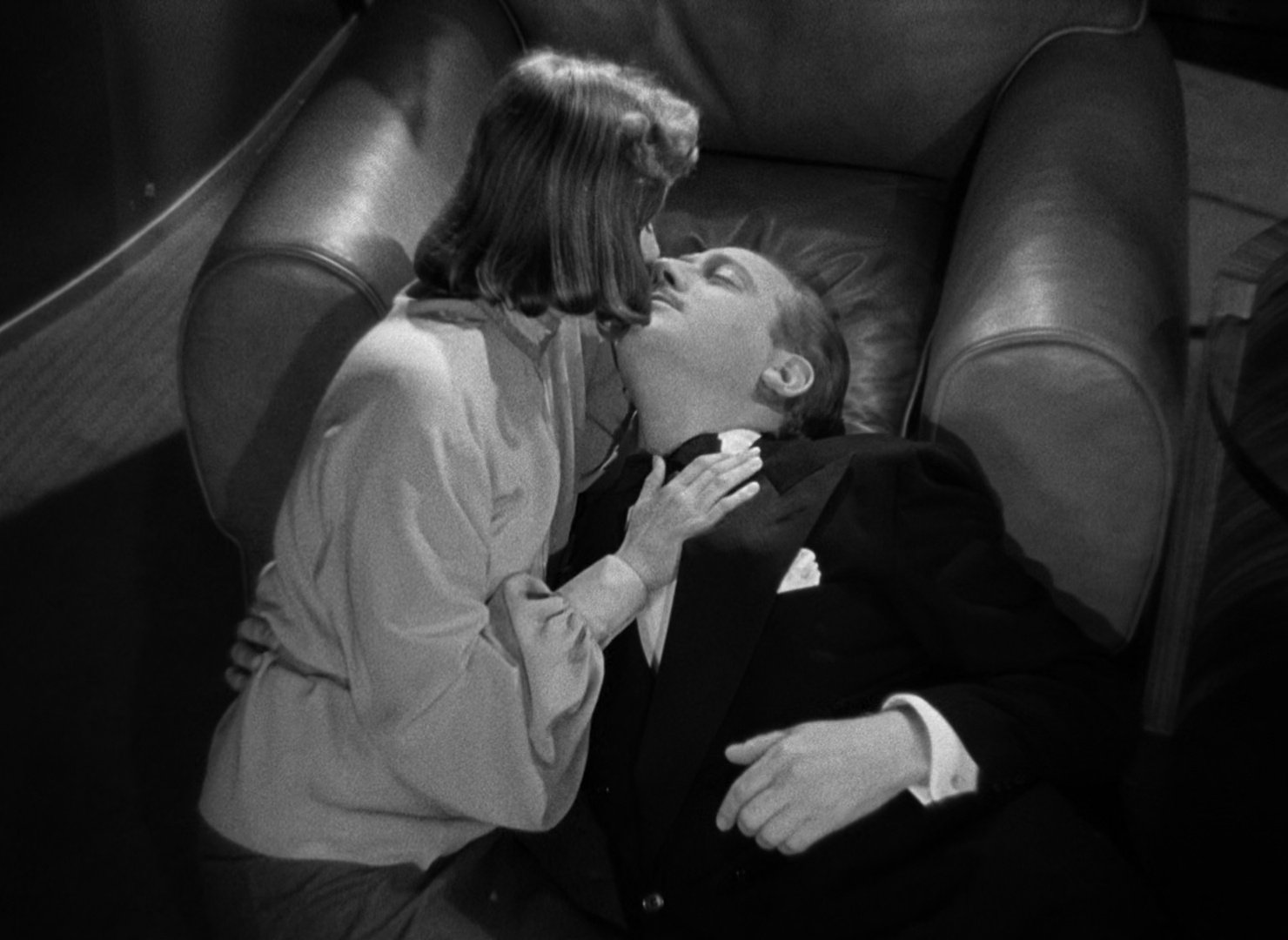
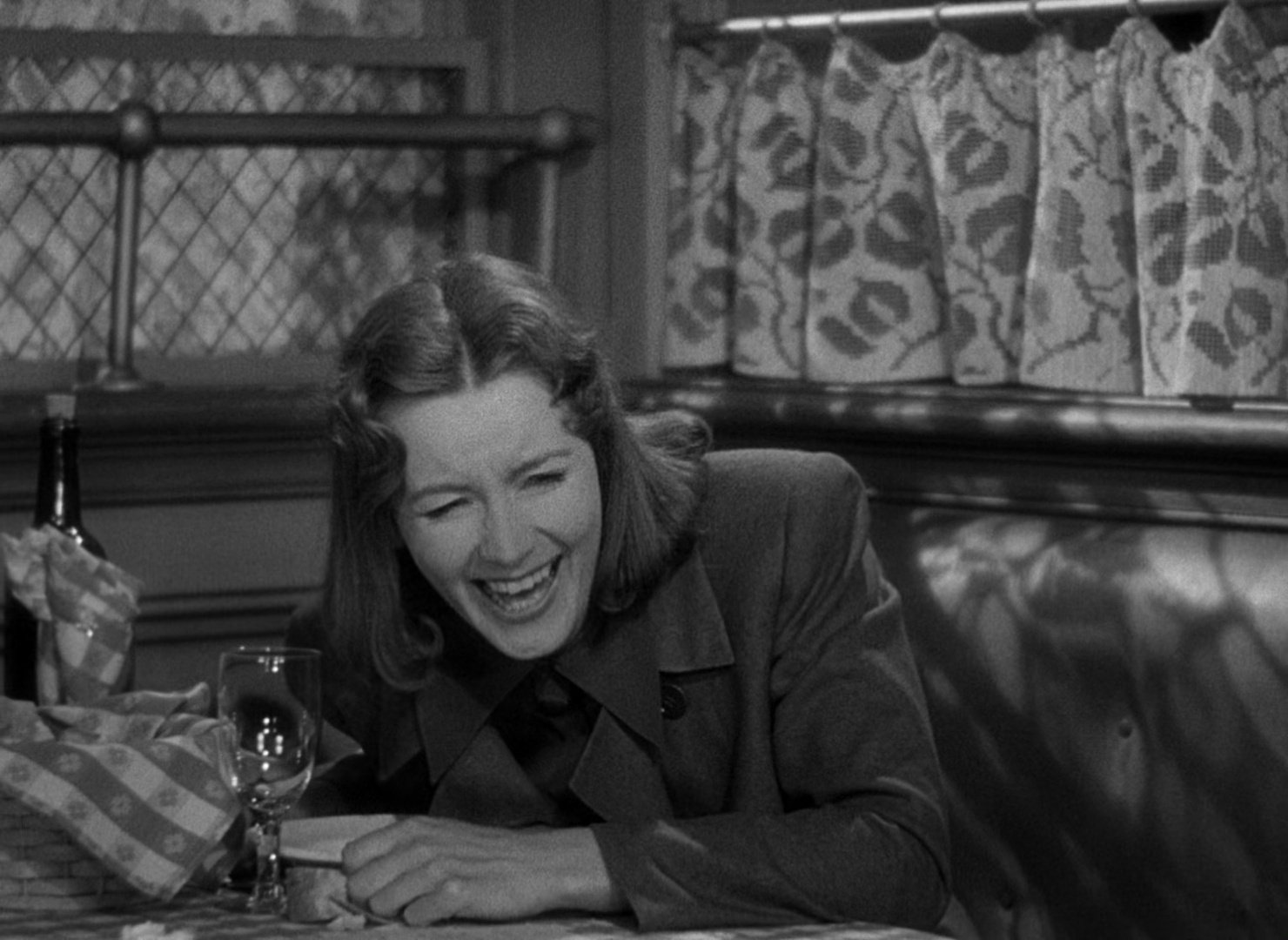
The central conflict pits political doctrine against personal emotion, as exposure to a new environment prompts shifts in identity and belief. Both communism and capitalism are subject to critique, albeit in different ways. But opposites attract and, beyond reshaping Greta Garbo’s screen persona, Ninotchka is a defining work of romantic comedy and political satire.
Technical Specs:
- The Story: A stern Soviet envoy sent to Paris to finalize a business deal finds her rigid ideology challenged when she falls in love with a charming Frenchman. Read my review of Ninotchka.
- Actors: Greta Garbo, Melvyn Douglas, Ina Claire, Bela Lugosi, Sig Ruman, Felix Bressart, Alexander Granach, Gregory Gaye.
- Director: Ernst Lubitsch
- Year: 1939
- Cinematographer: William H. Daniels
- Origin: American Cinema
- Aspect Ratio: 1.37:1
- Genre: Comedy & Satire / Romantic Comedy