Onibaba (1964): Folk Horror in the Fields of Susuki Grass
1964 • Kaneto Shindō • 2.35:1 • Jump to Gallery ↓
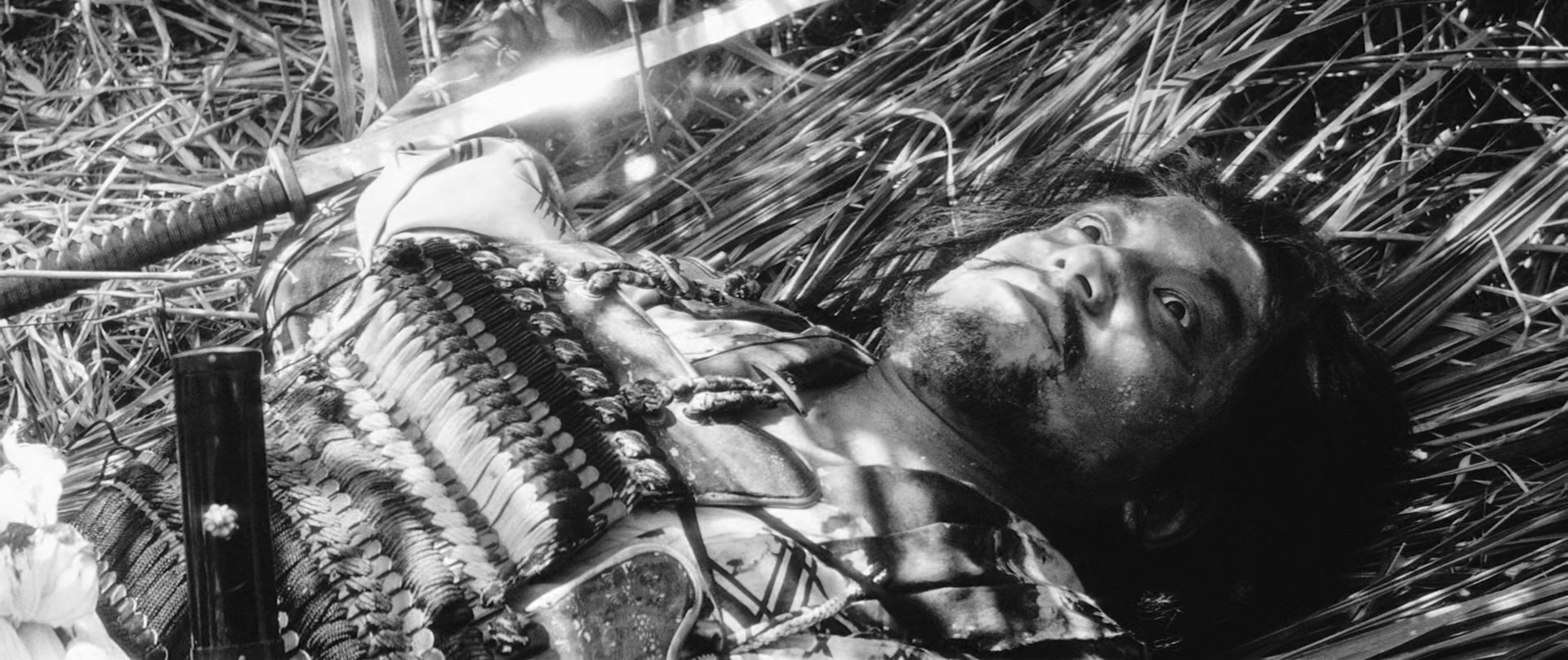
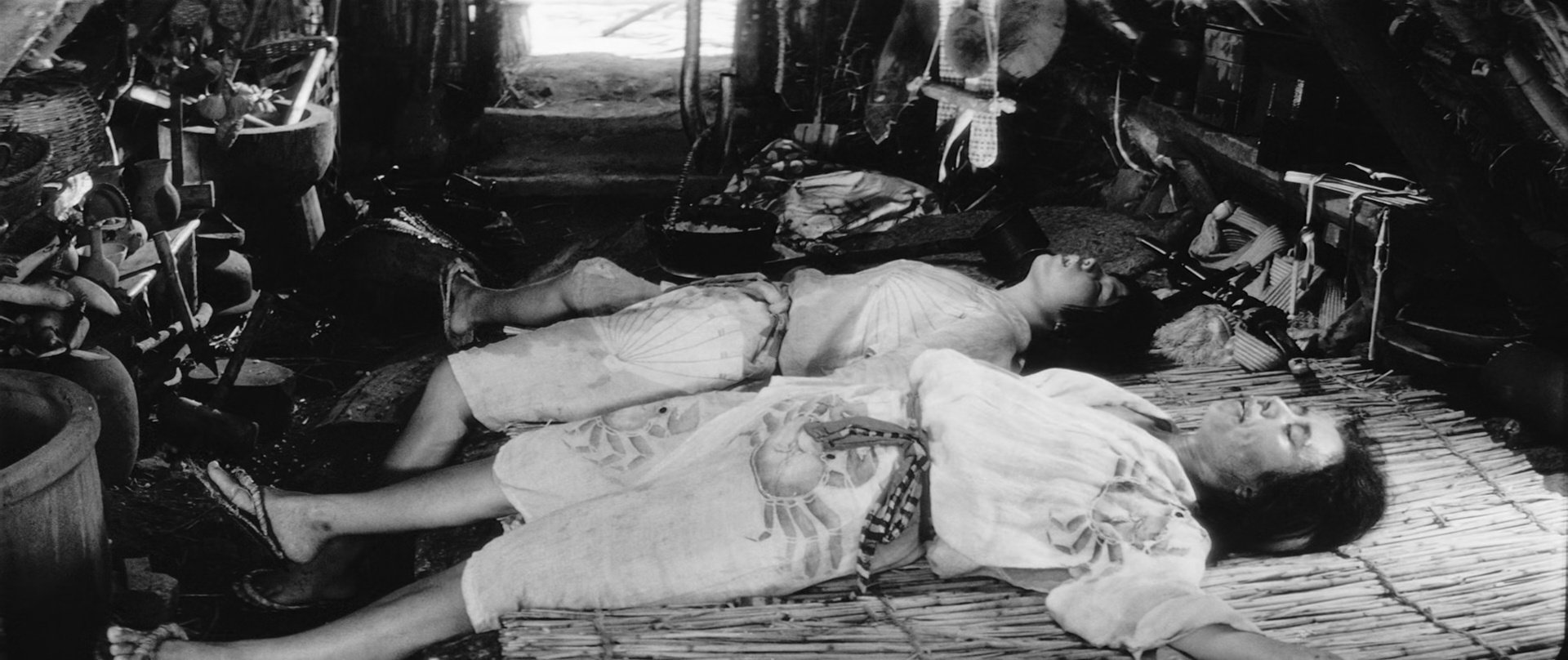
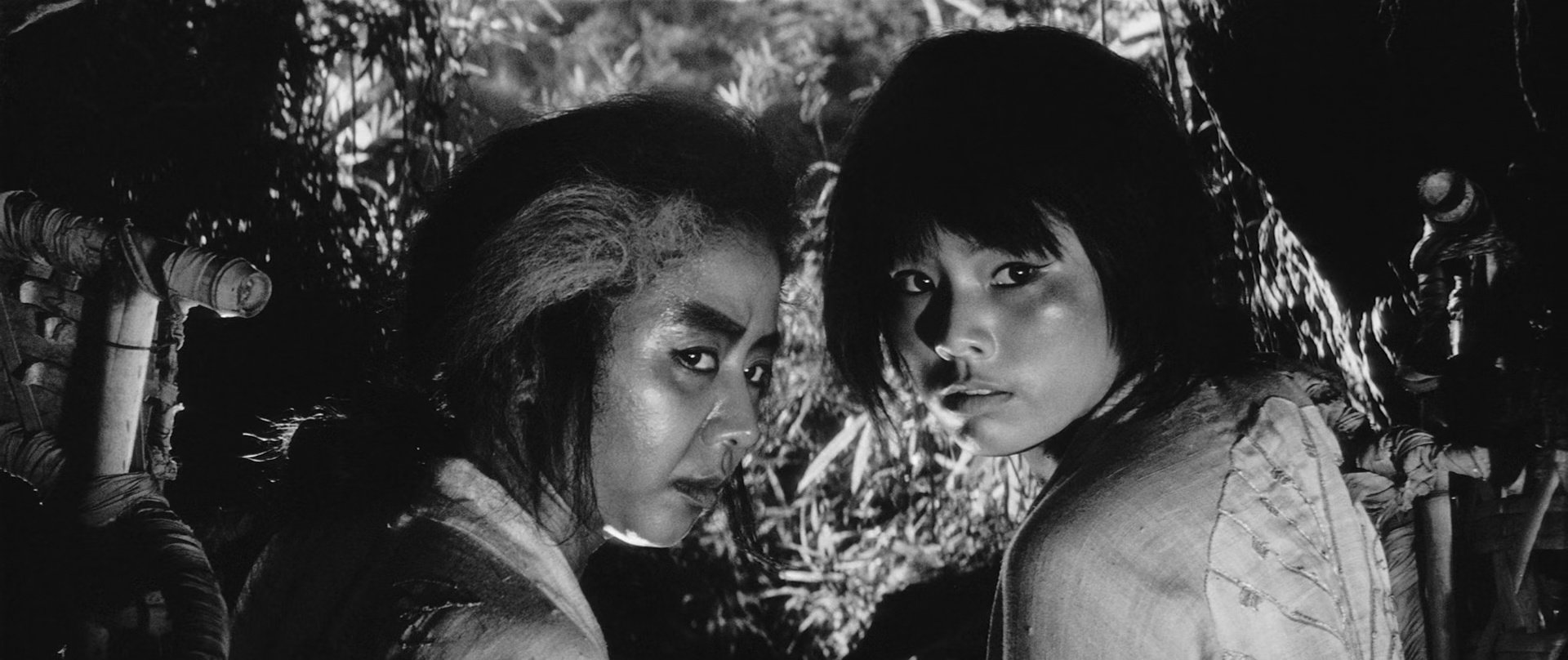
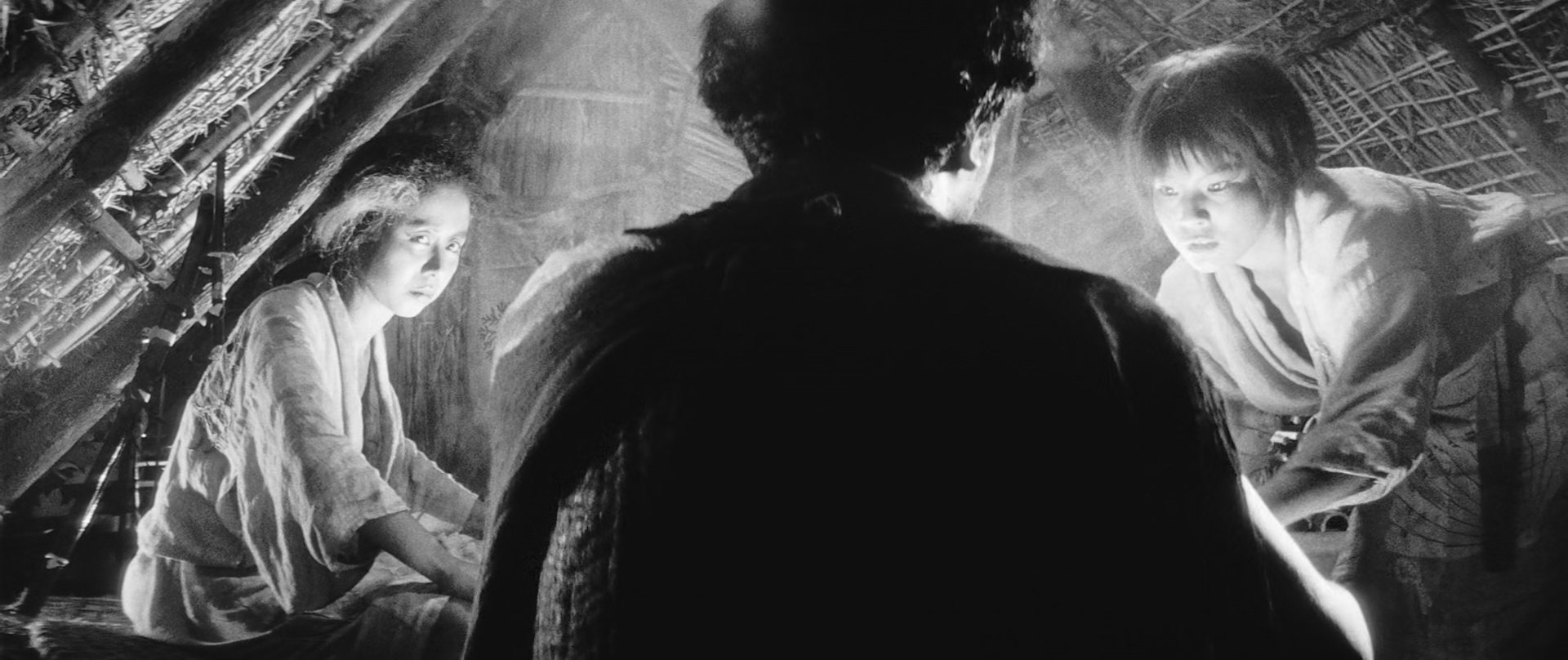
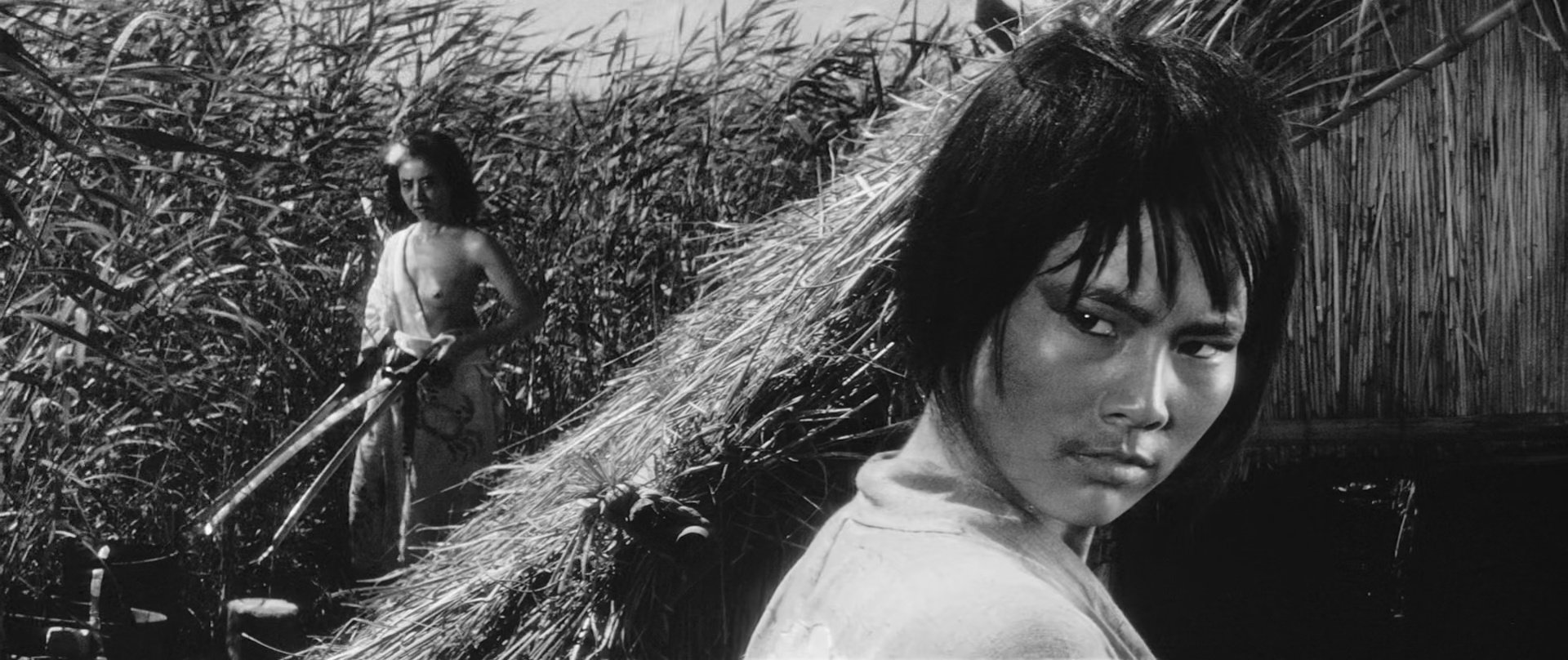
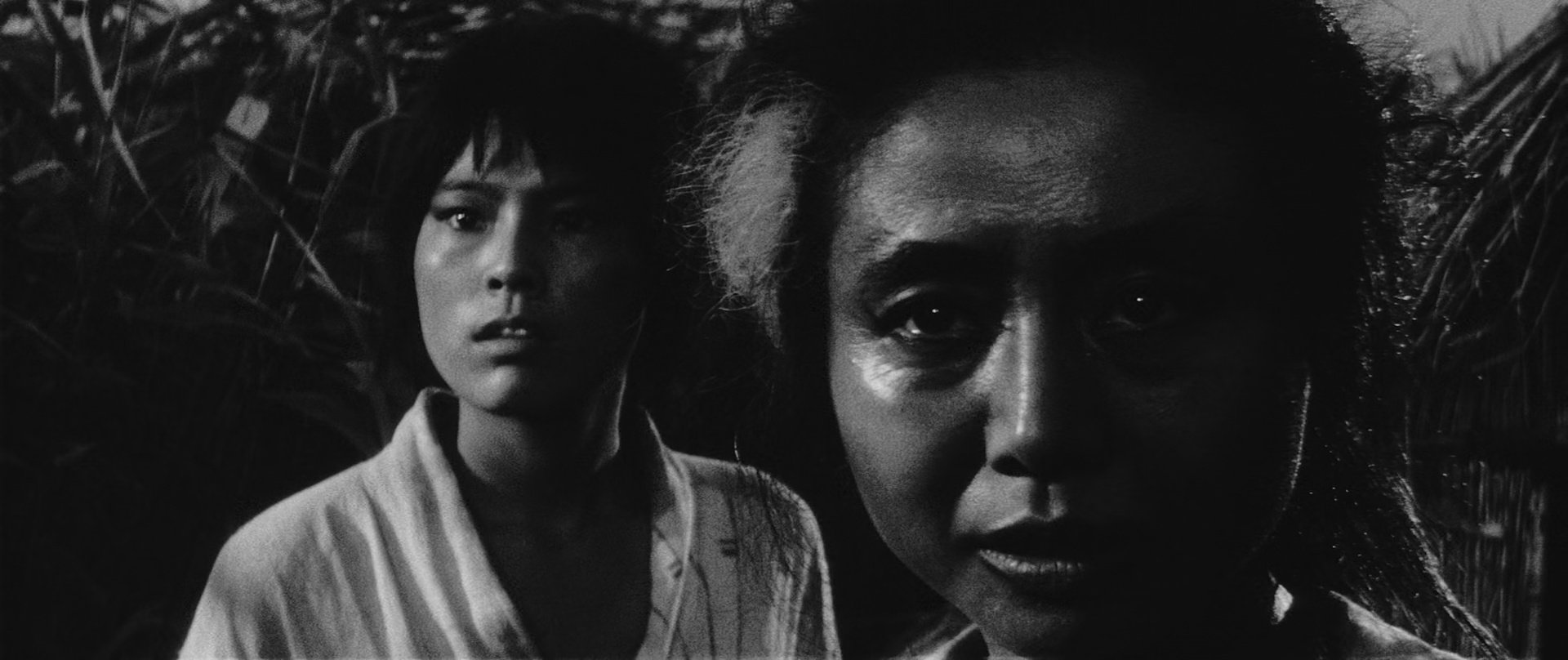
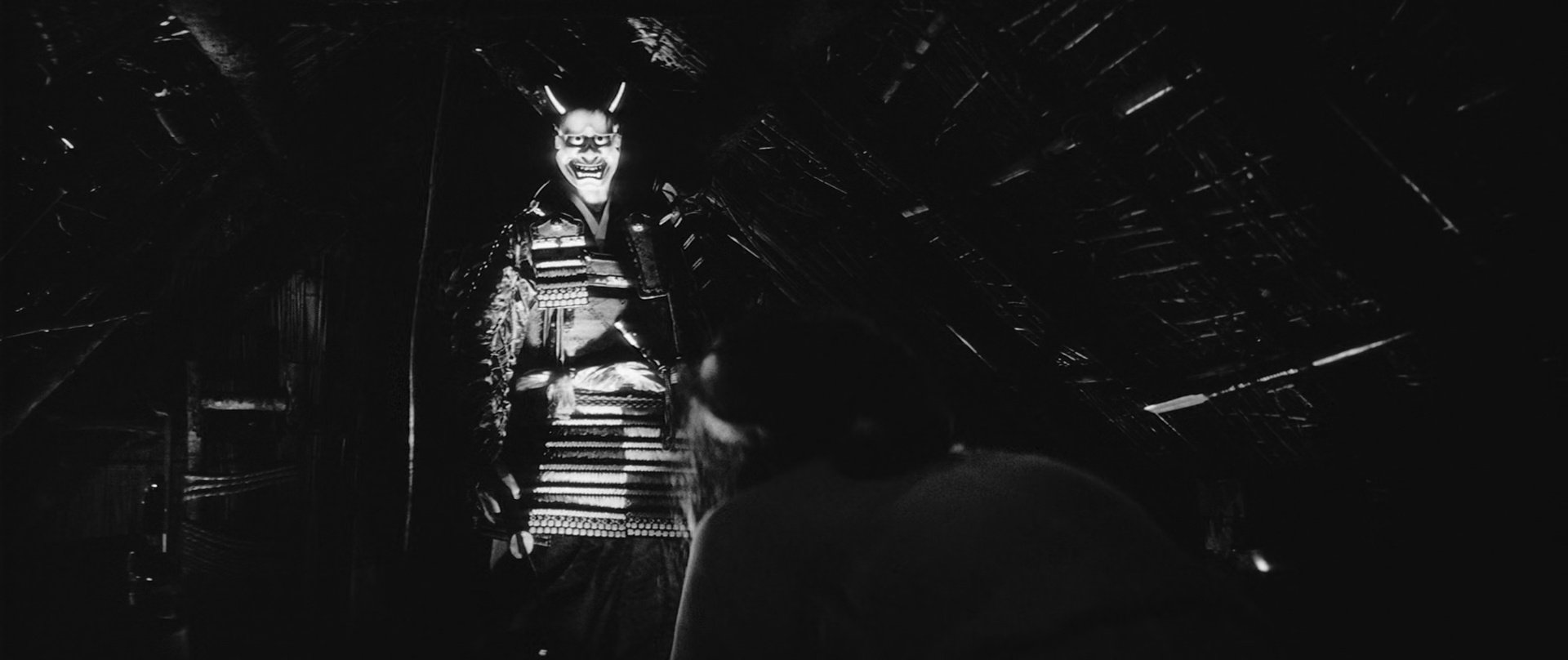
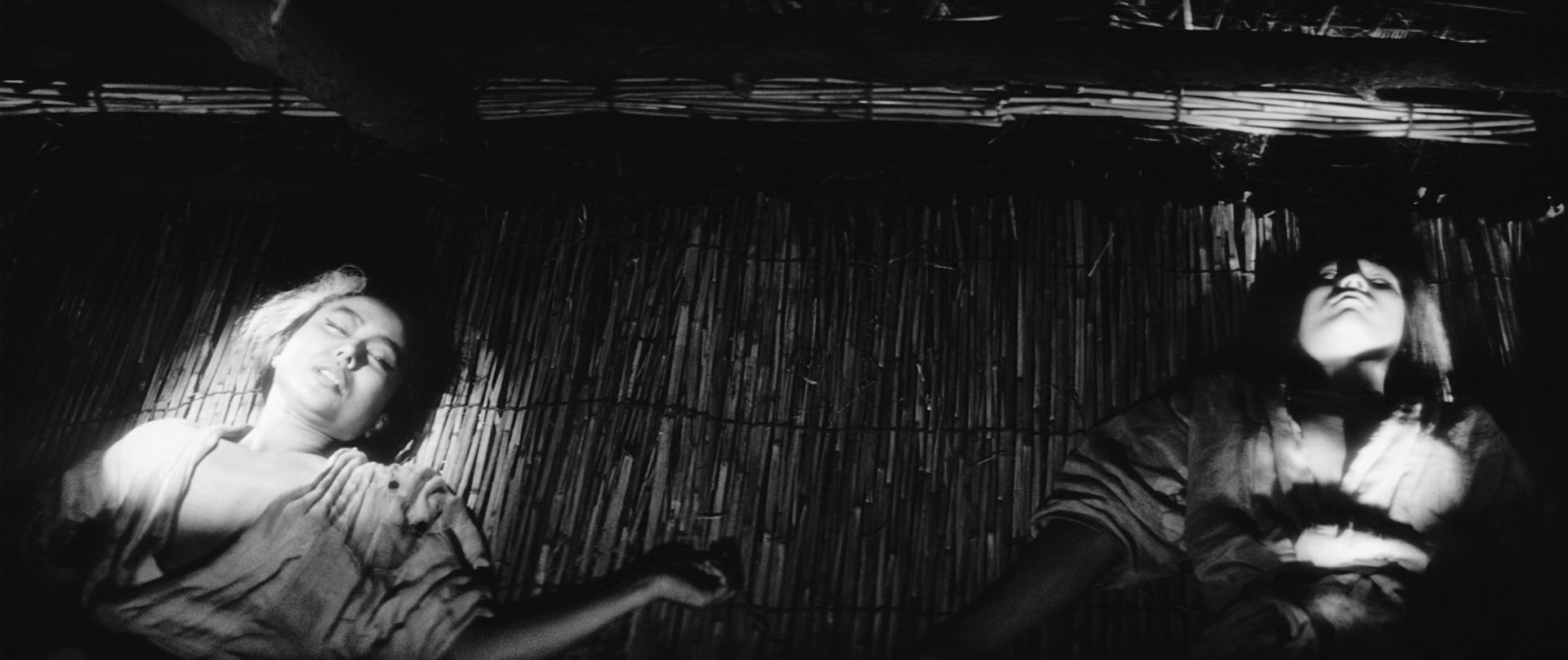
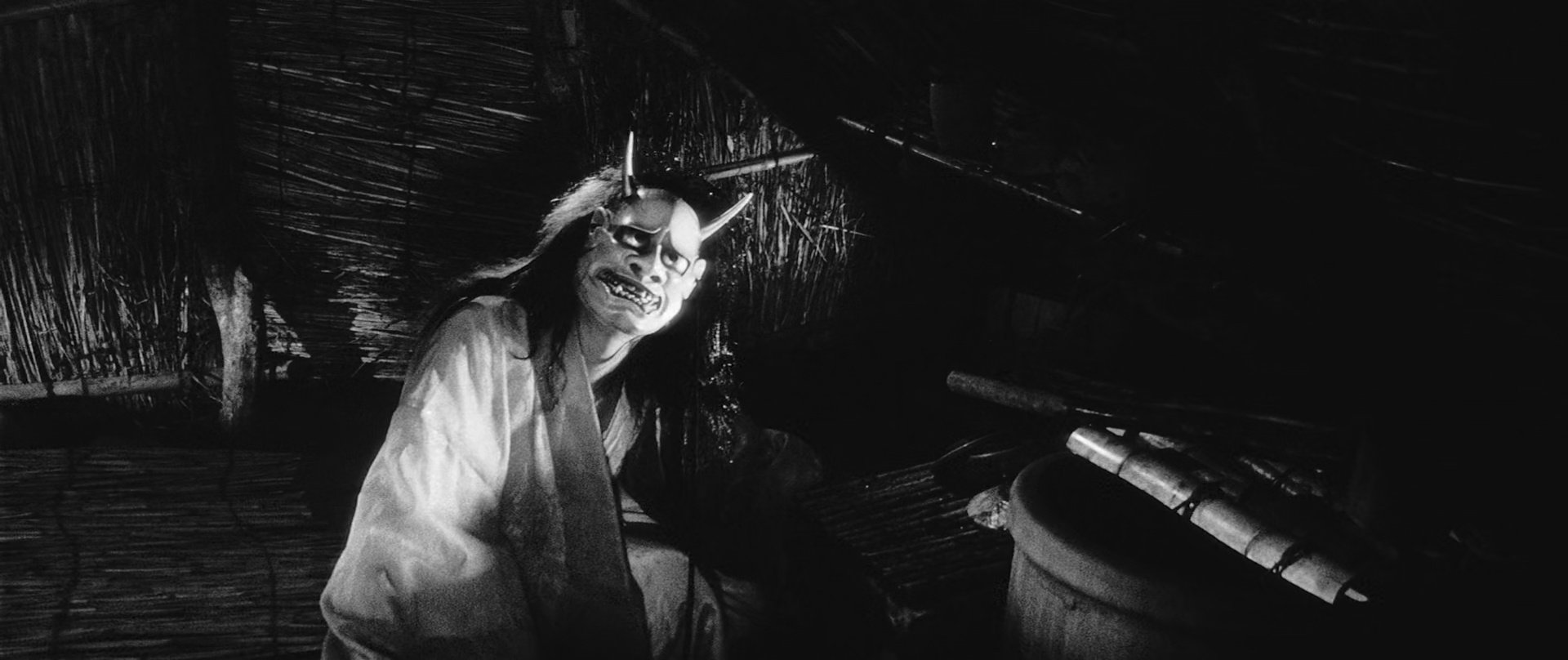
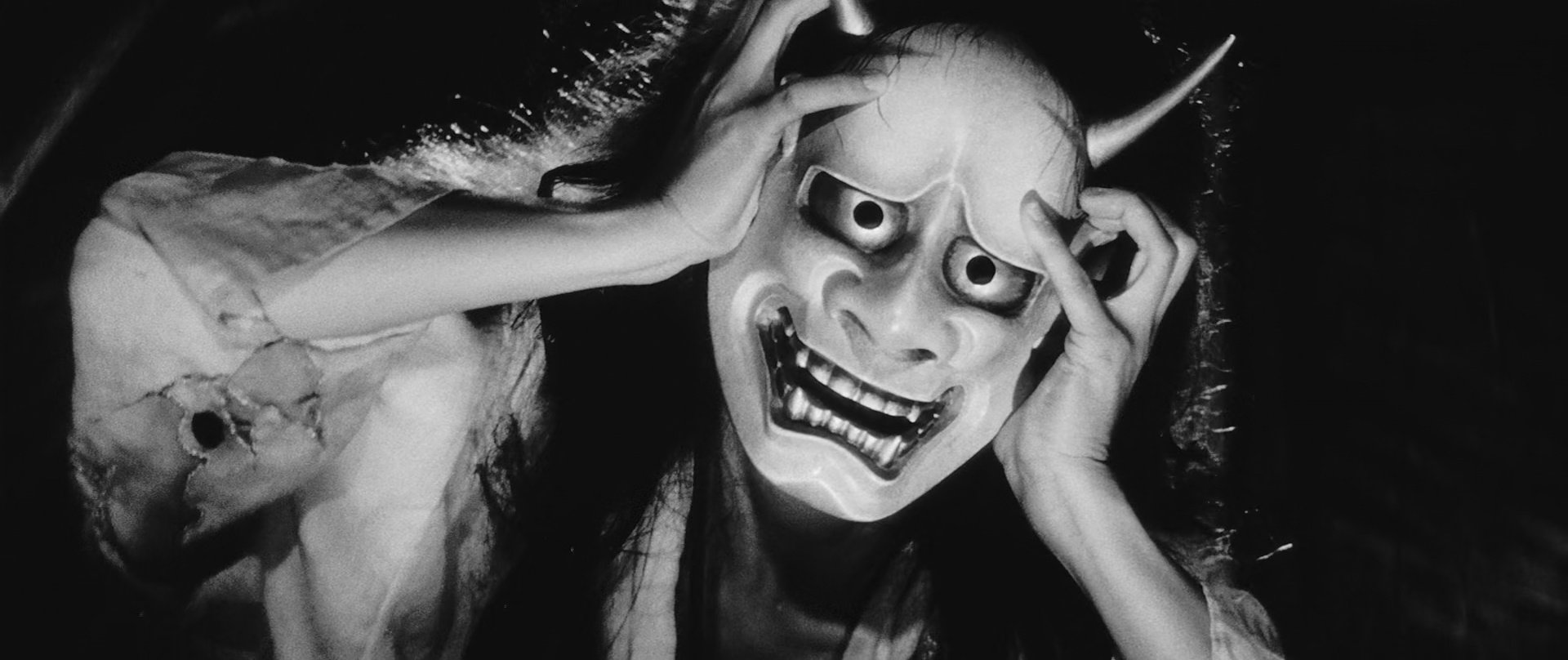
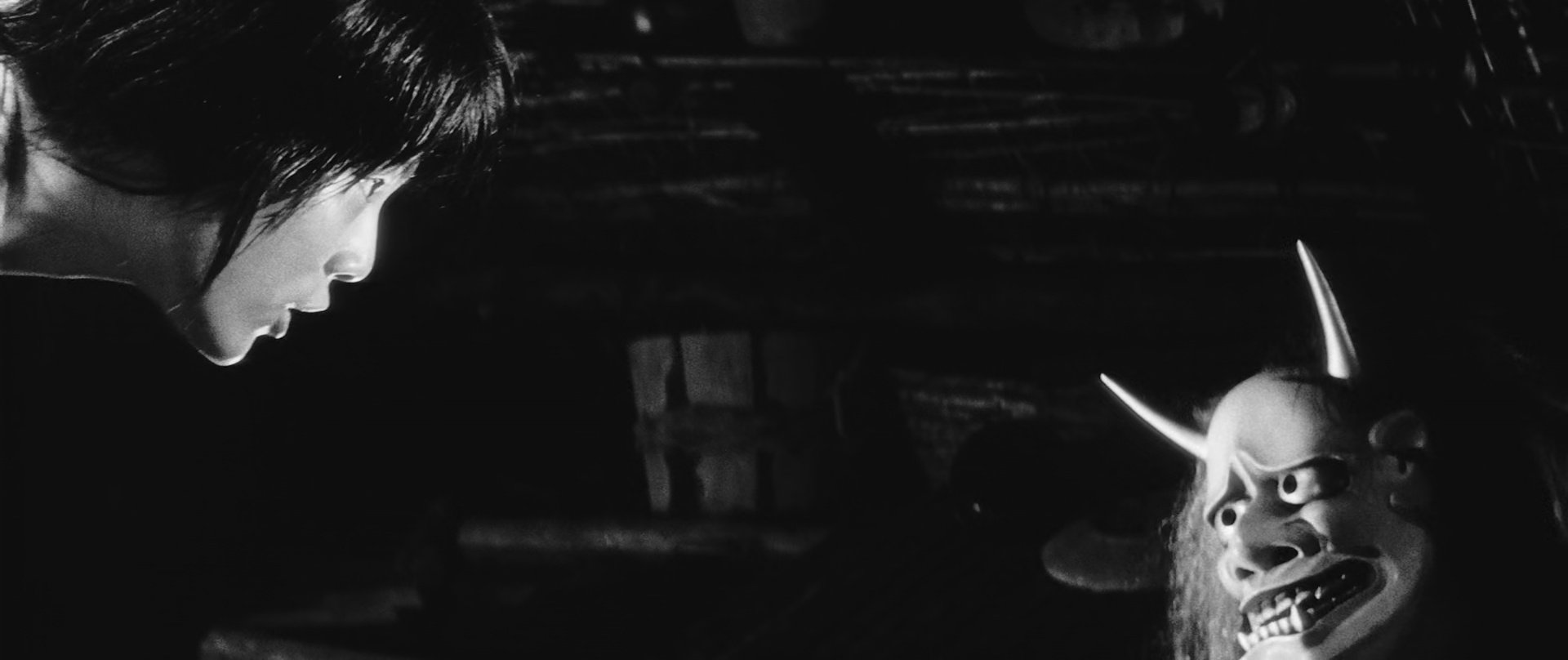
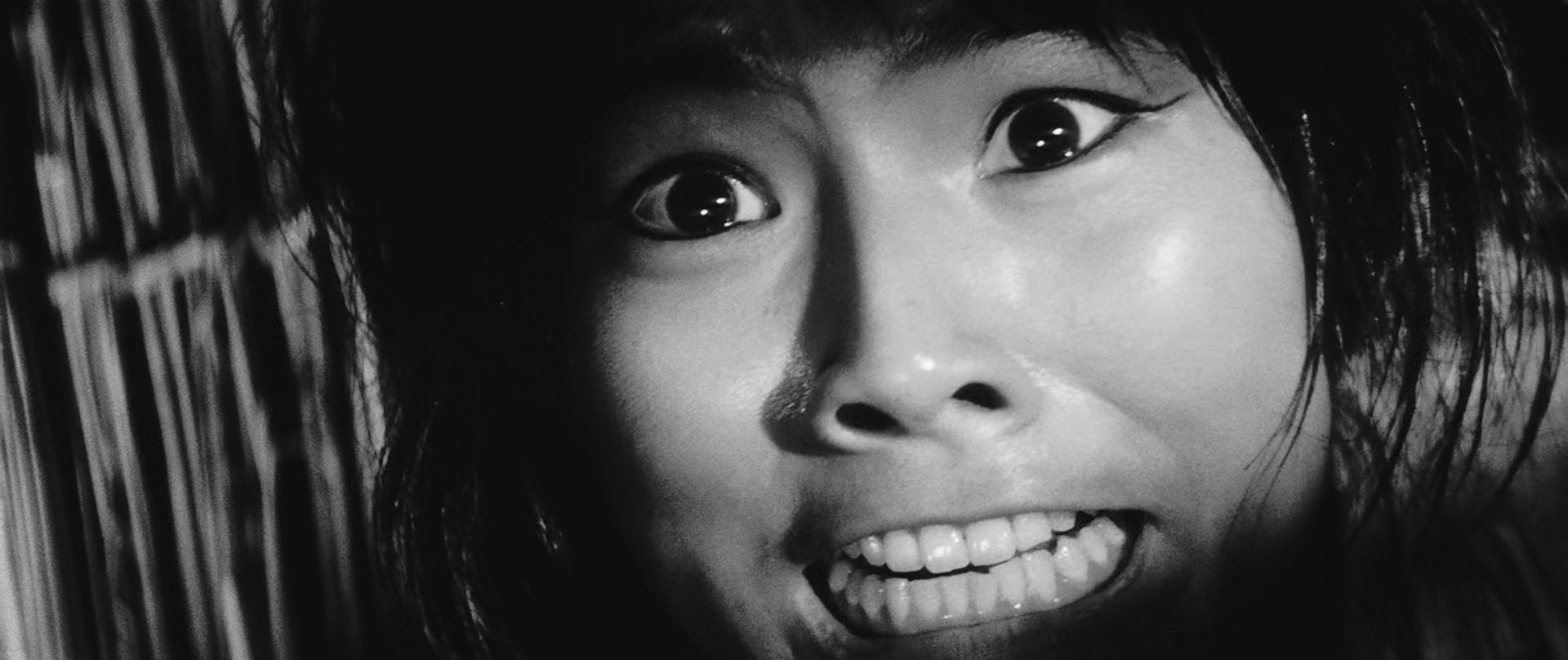
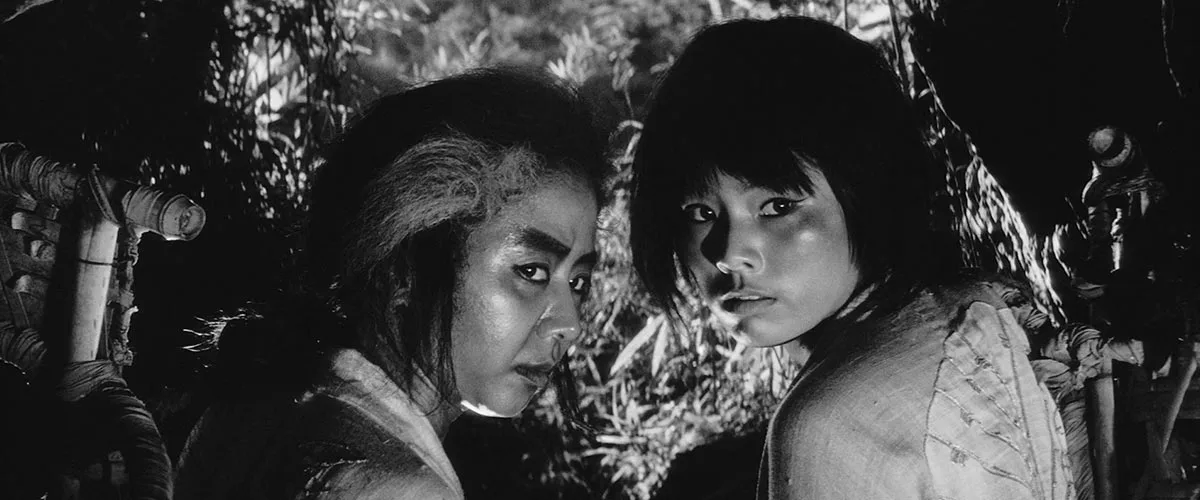
Directed by Kaneto Shindo, Onibaba is widely regarded as one of the most notable examples of Japanese folk-horror cinema. Set during the chaotic civil wars of medieval Japan, the film tells the story of two women (a mother and her daughter-in-law) who survive by murdering lost samurai and selling their armour. Their fragile survival routine is thrown into disarray when a neighbour returns from the war and begins a sexual relationship with the younger woman. Gradually, jealousy, fear and desire destabilize the relationship between the two women.
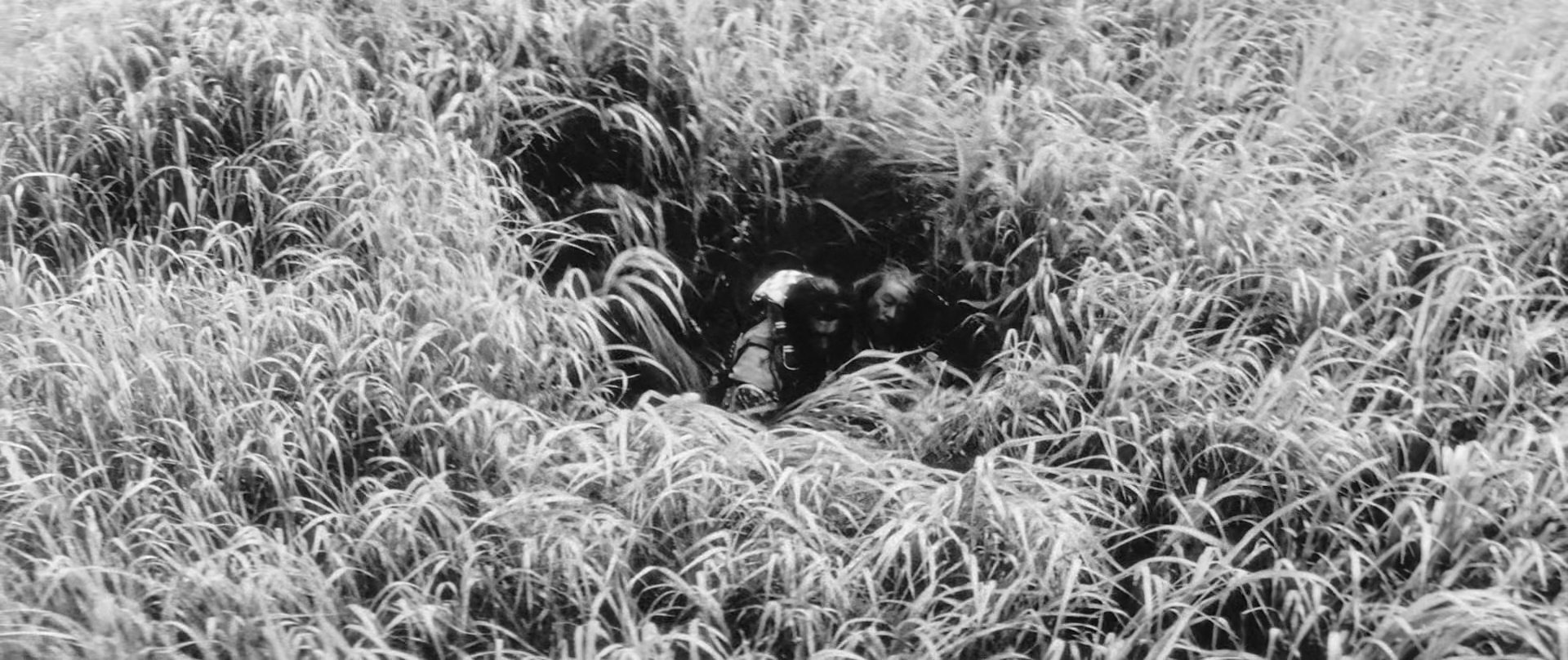
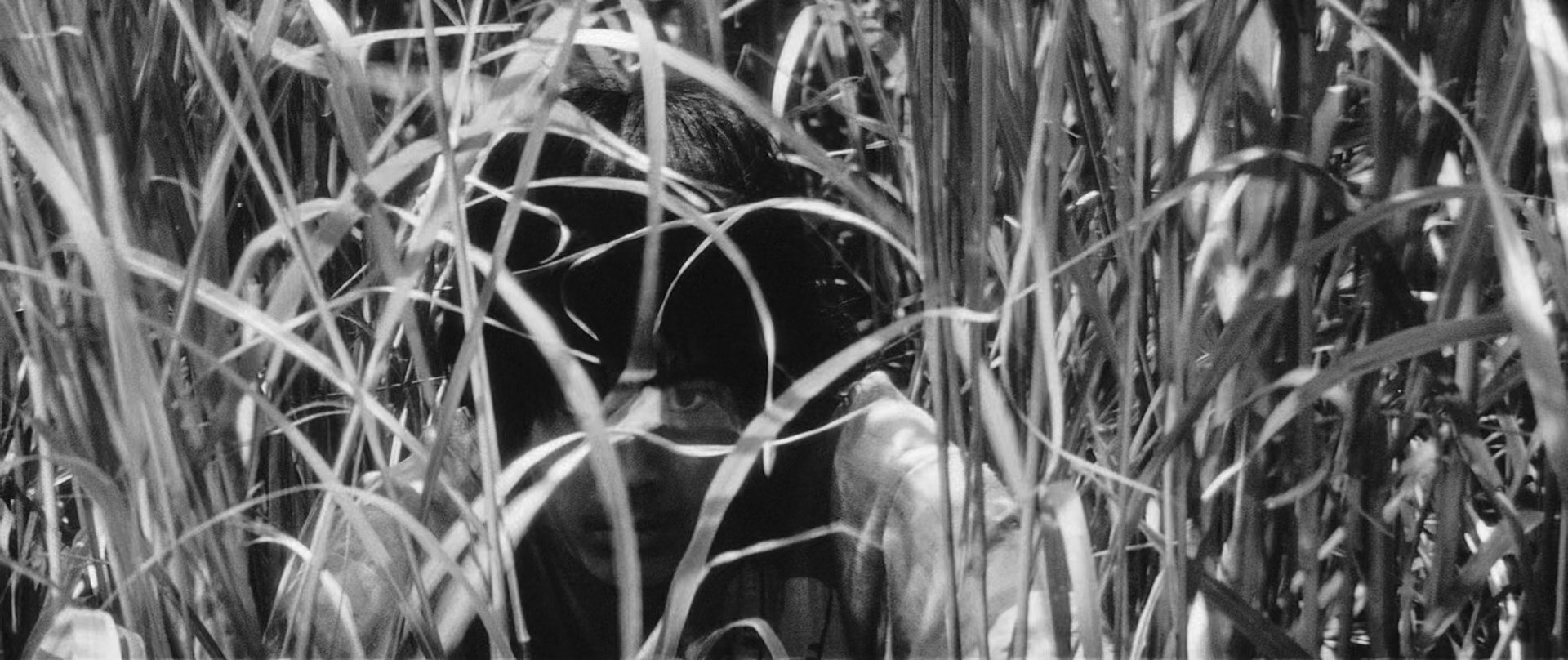
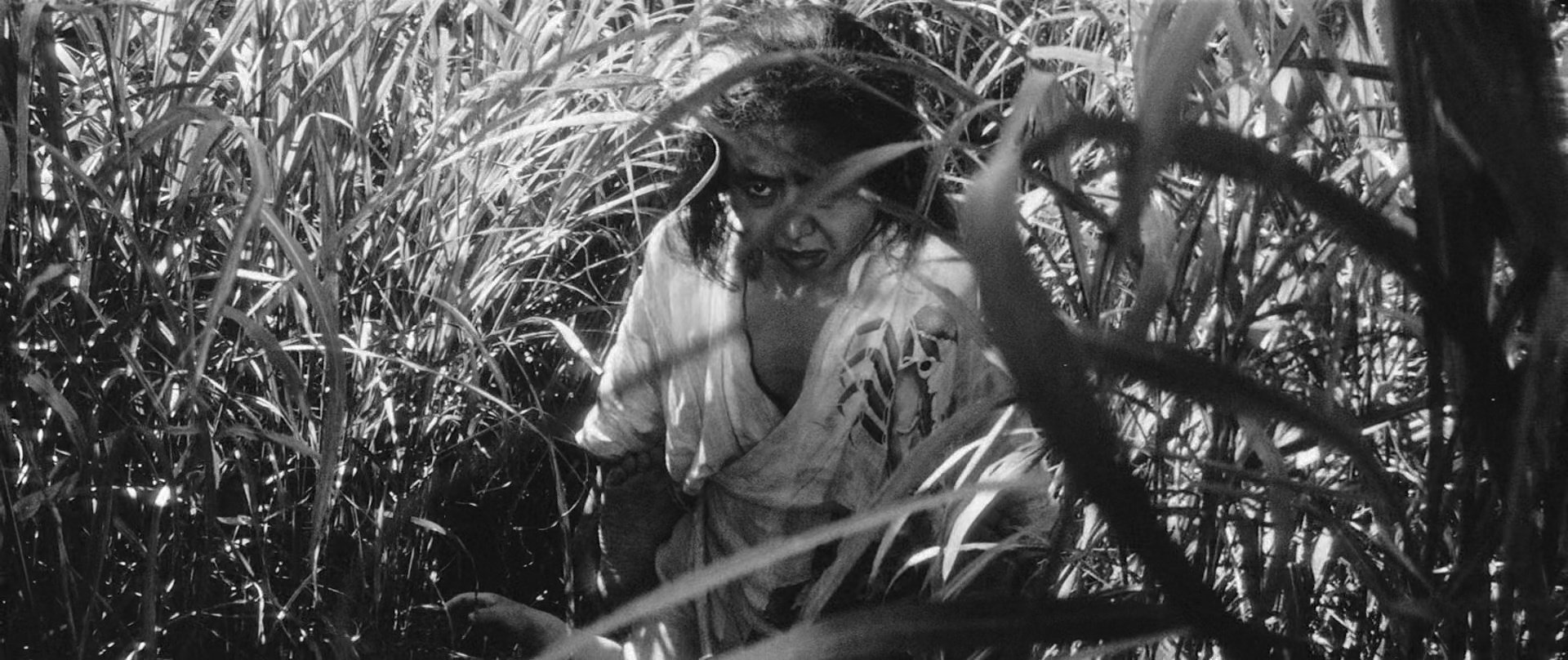
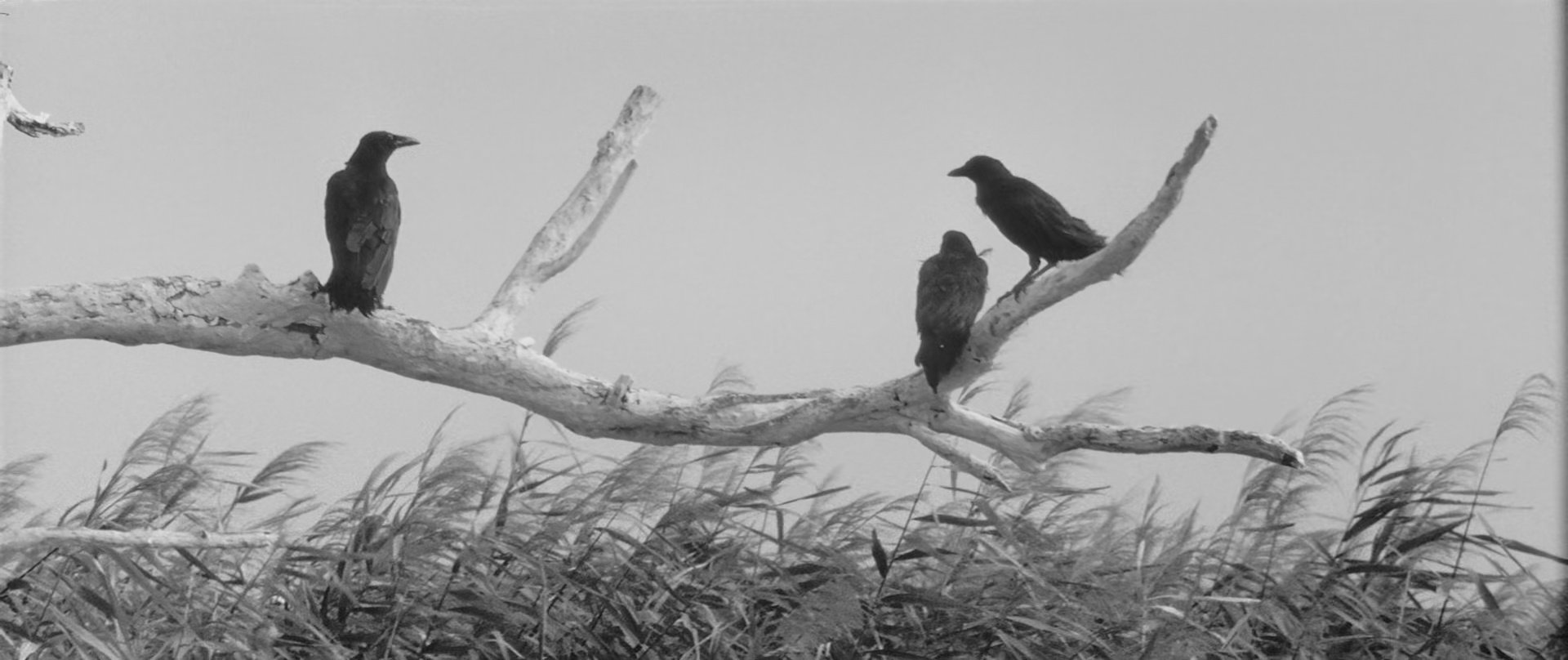
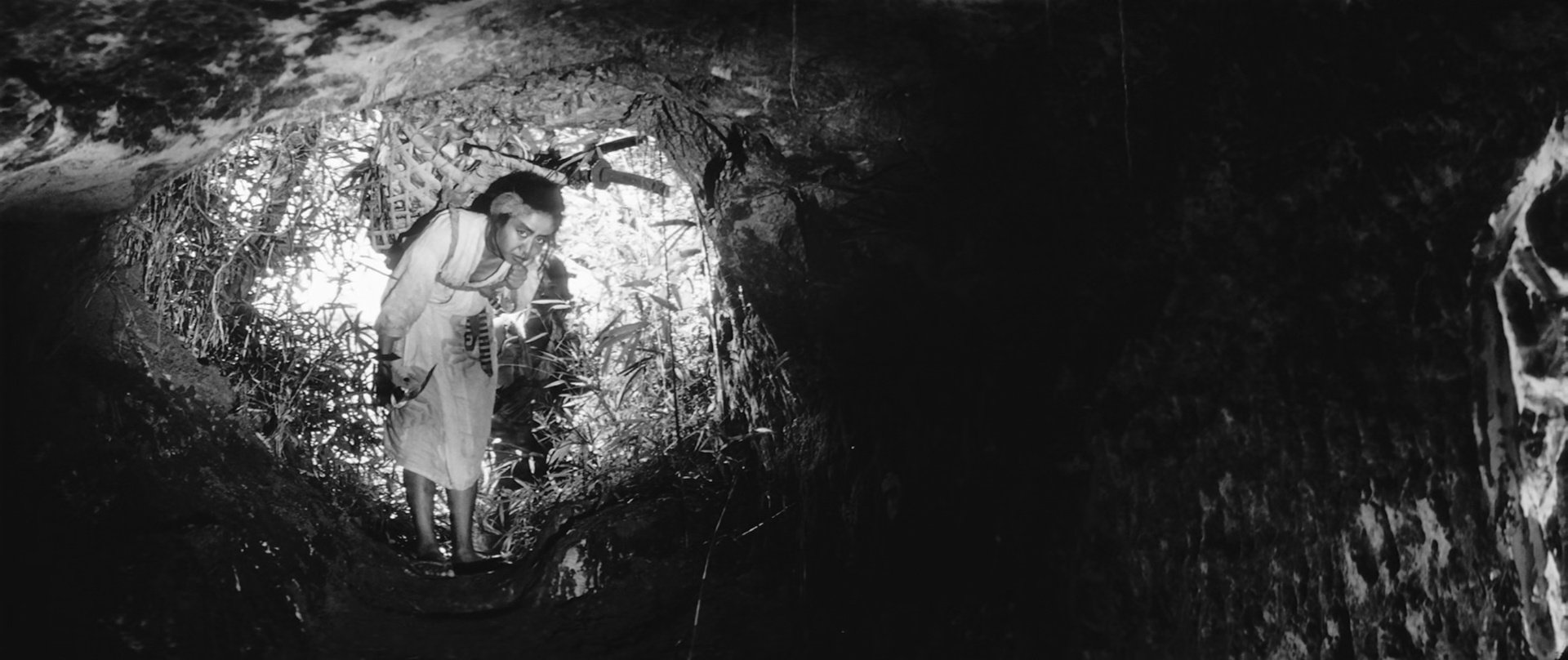
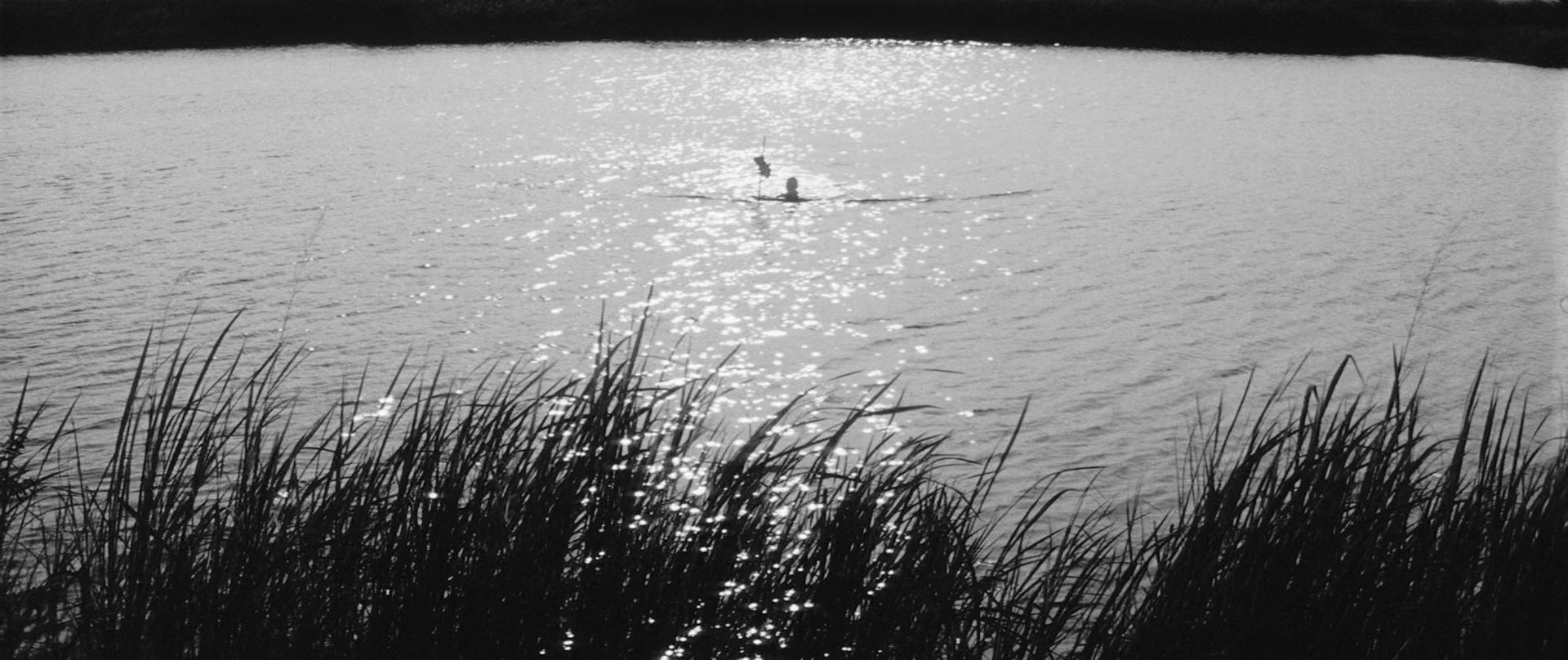
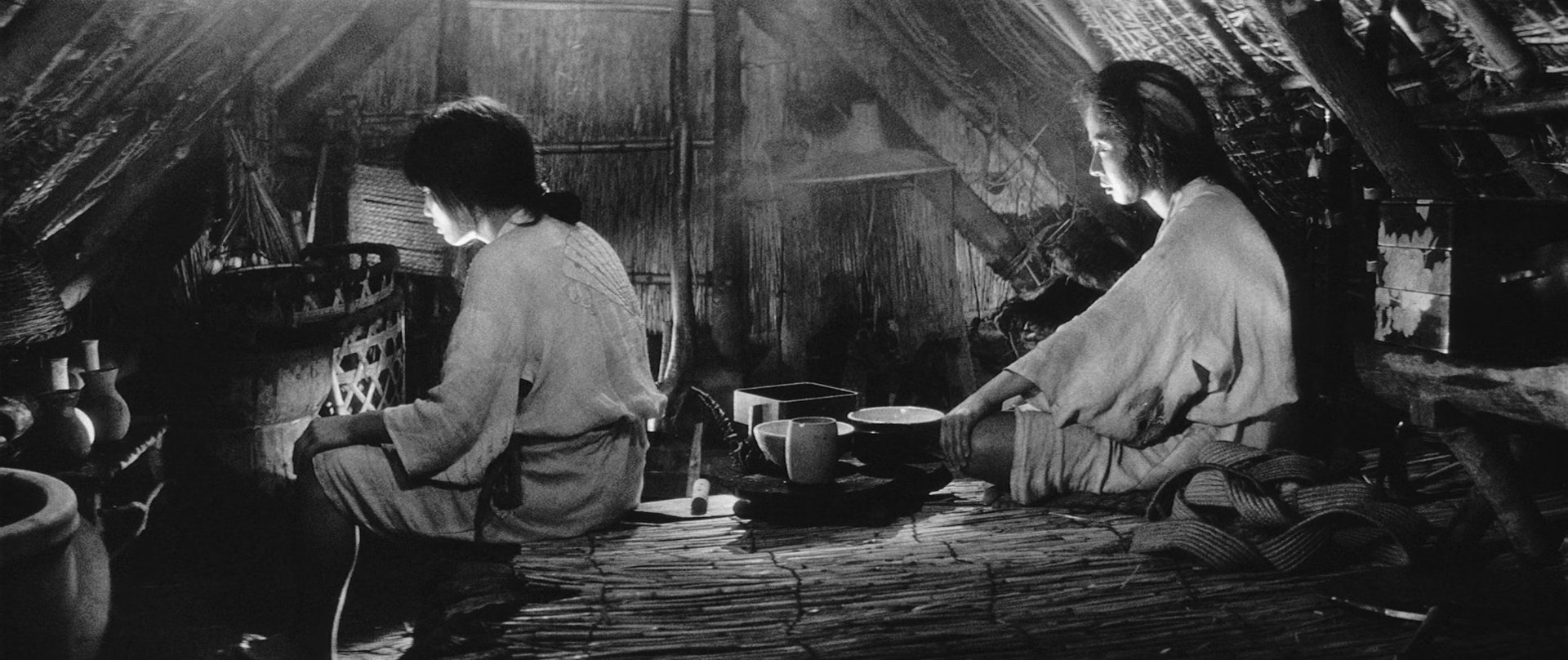
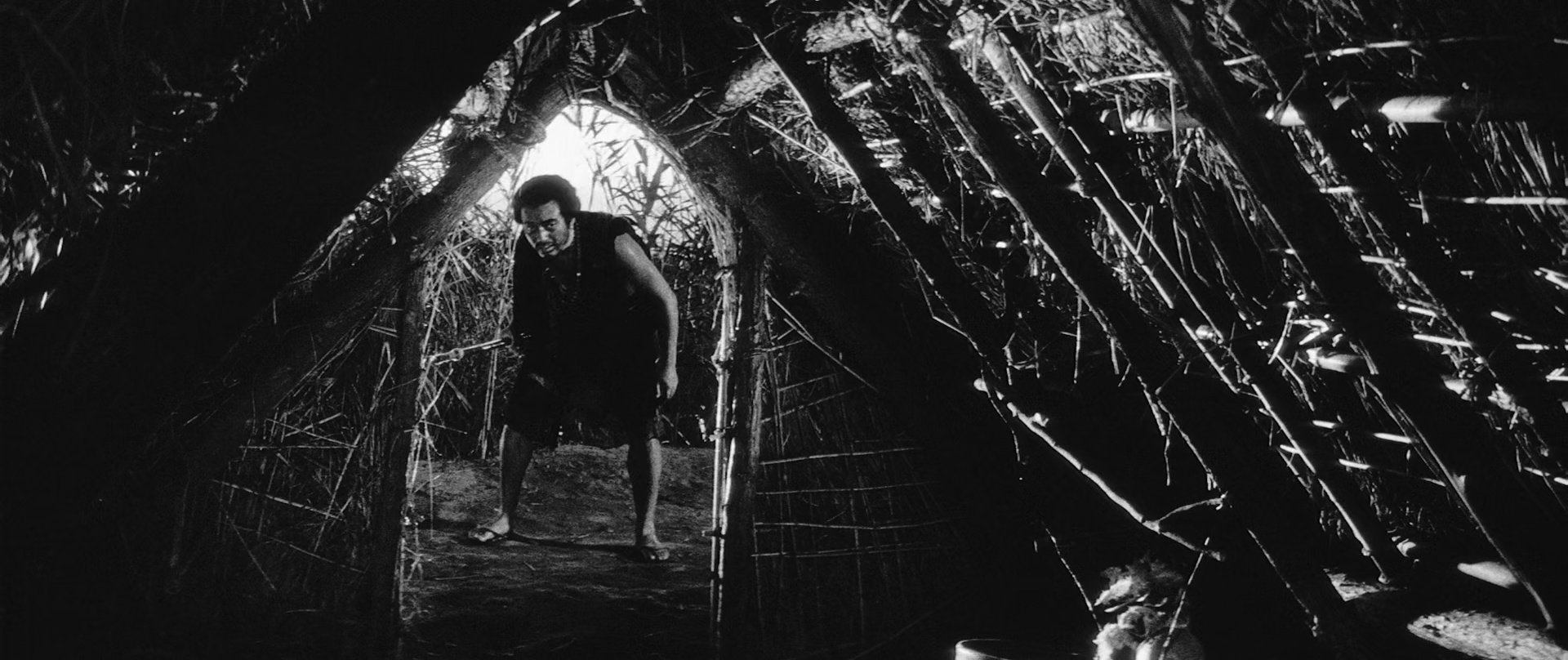
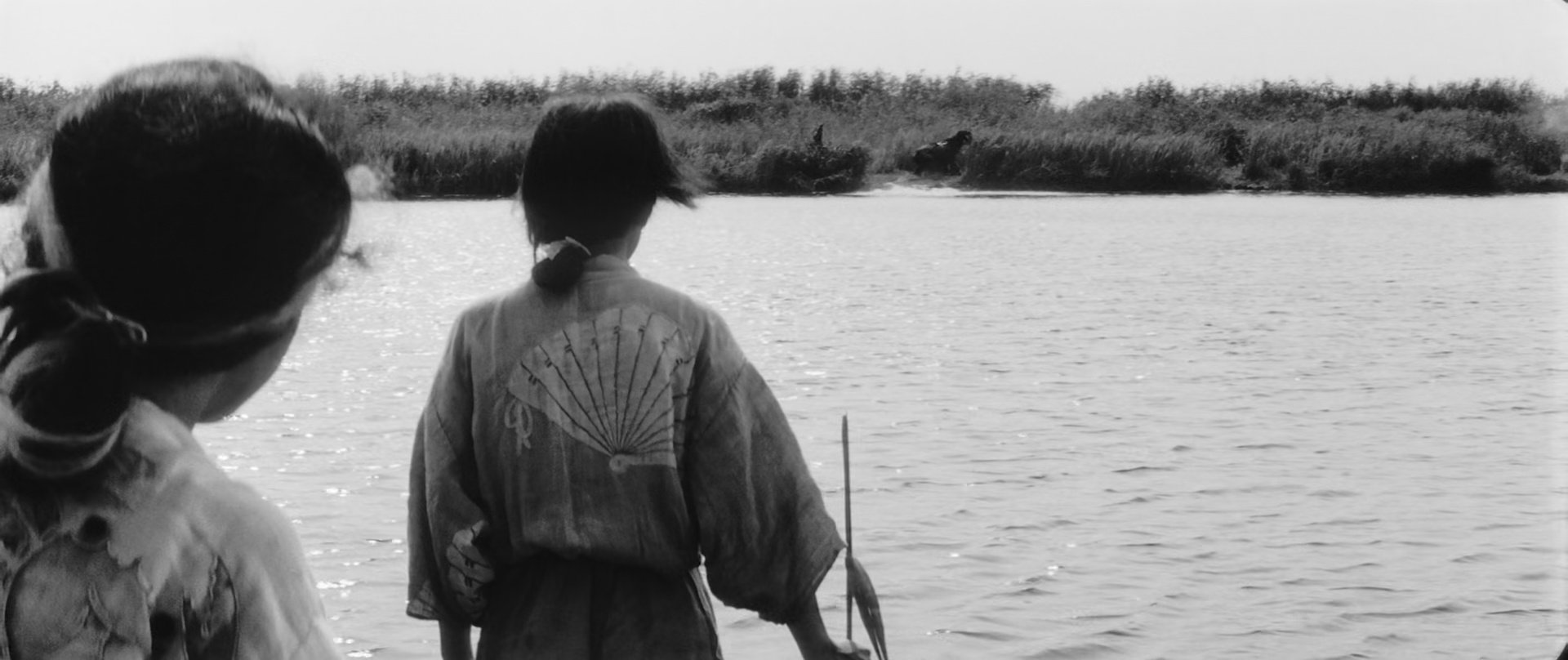
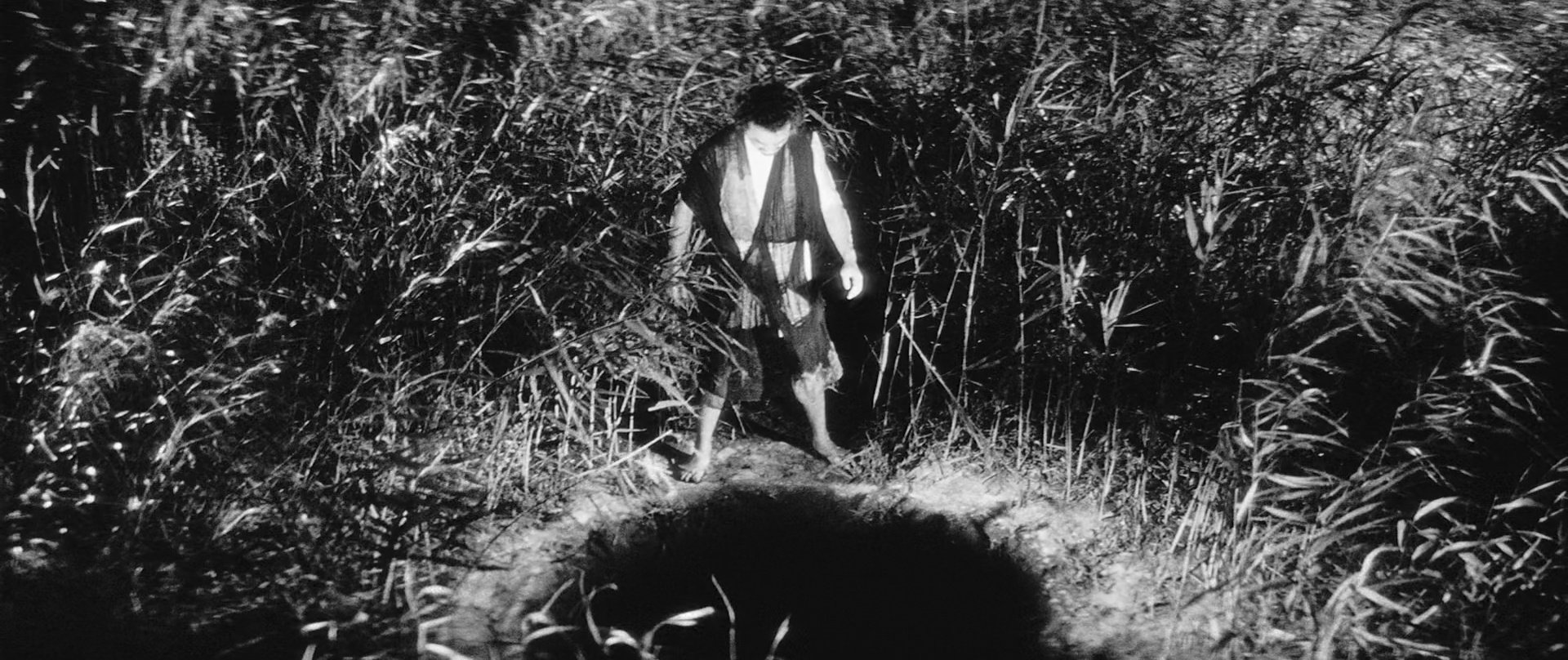
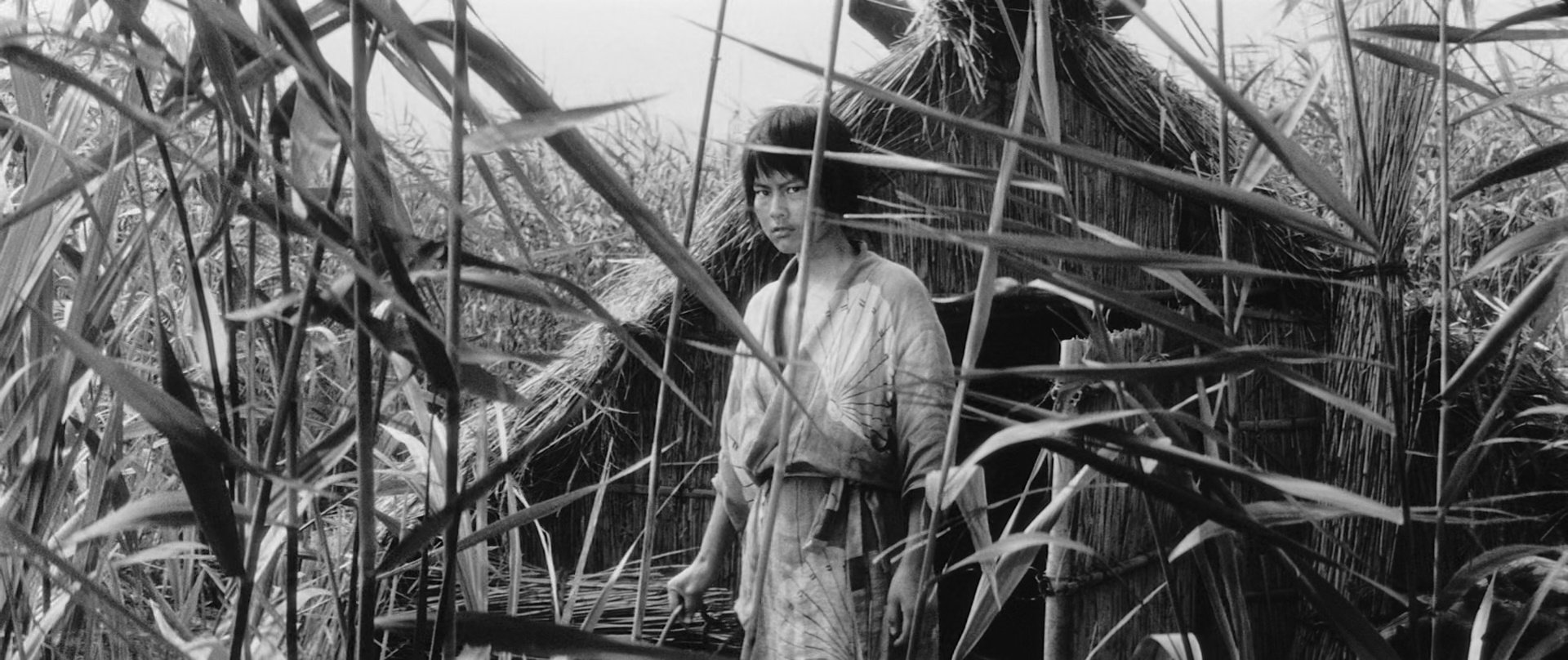
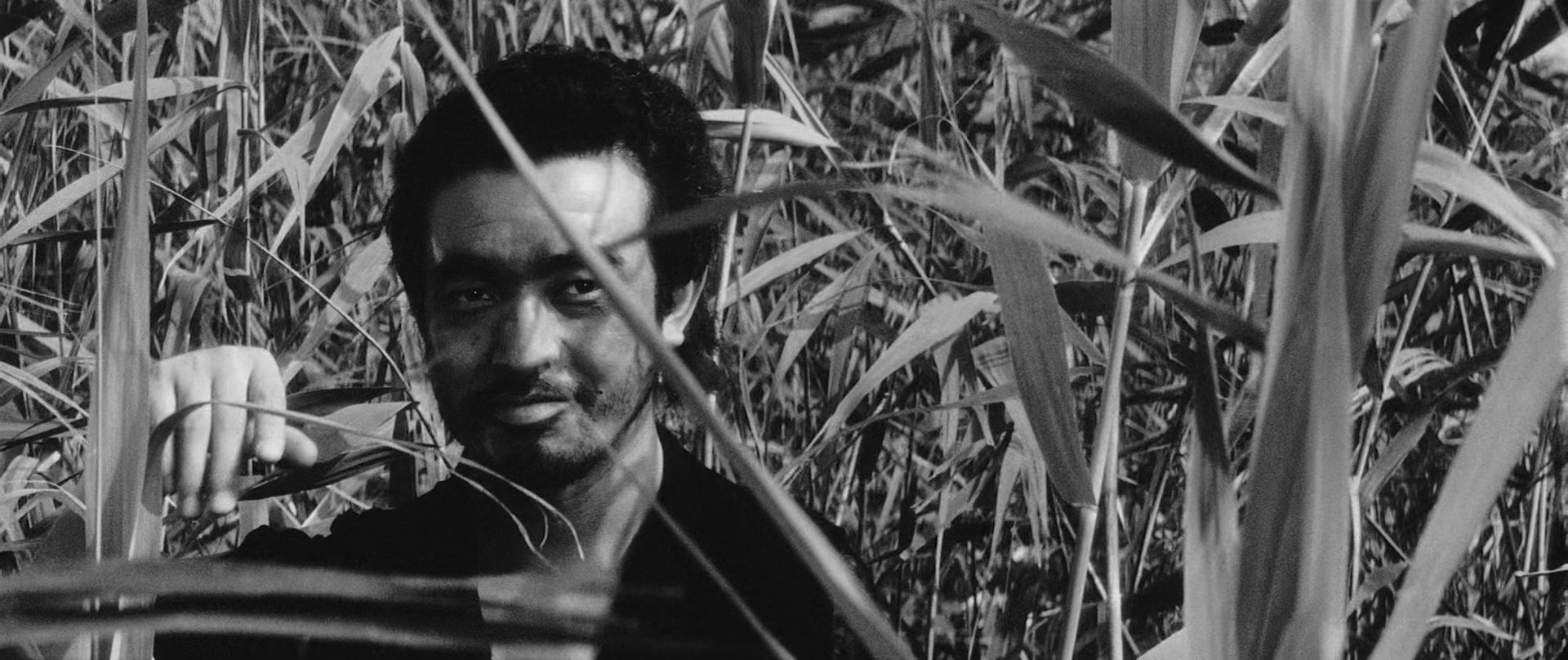
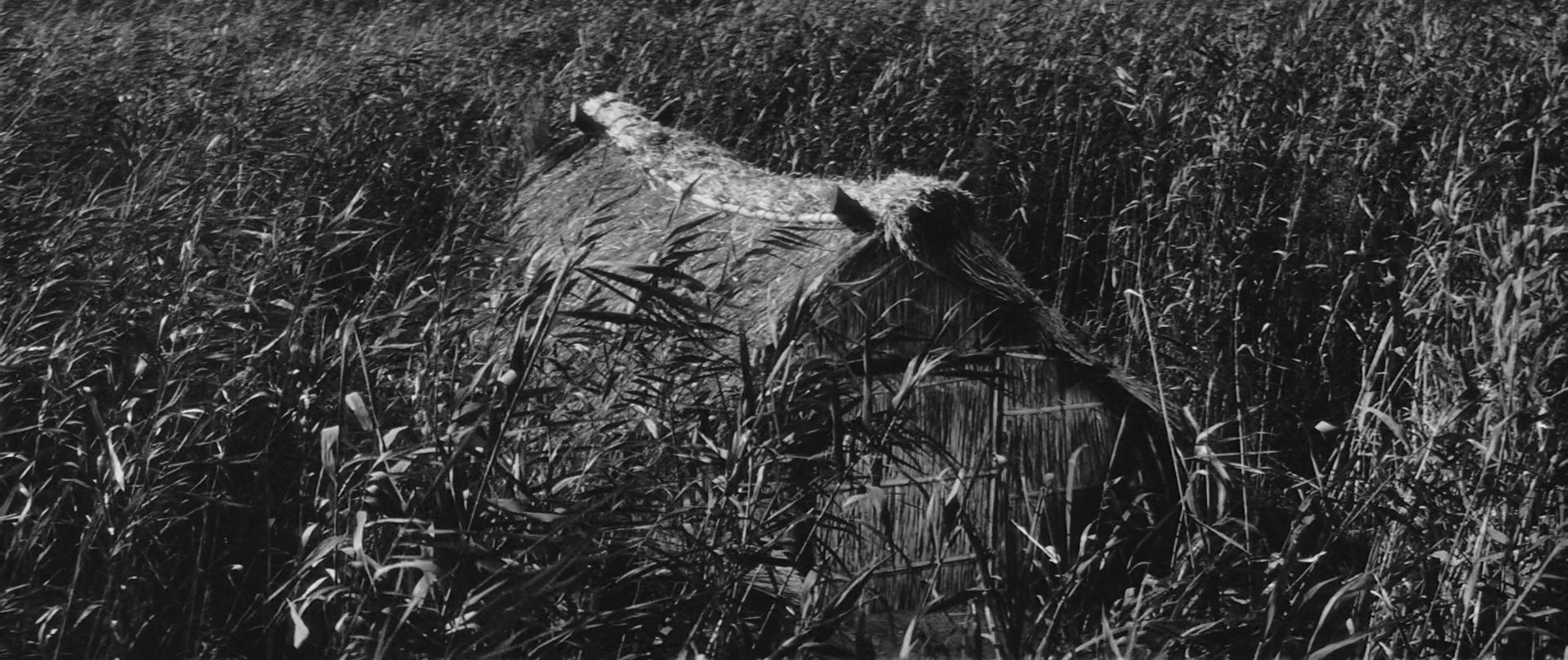
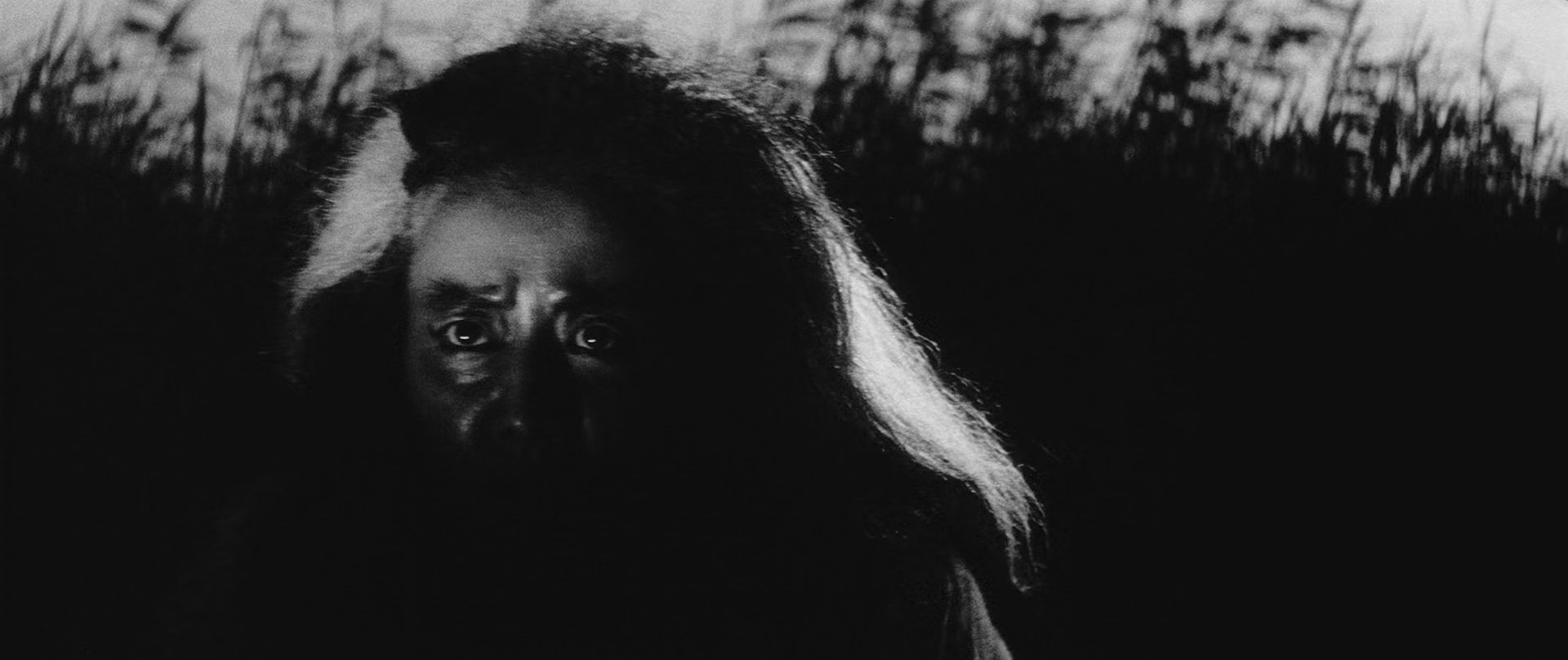
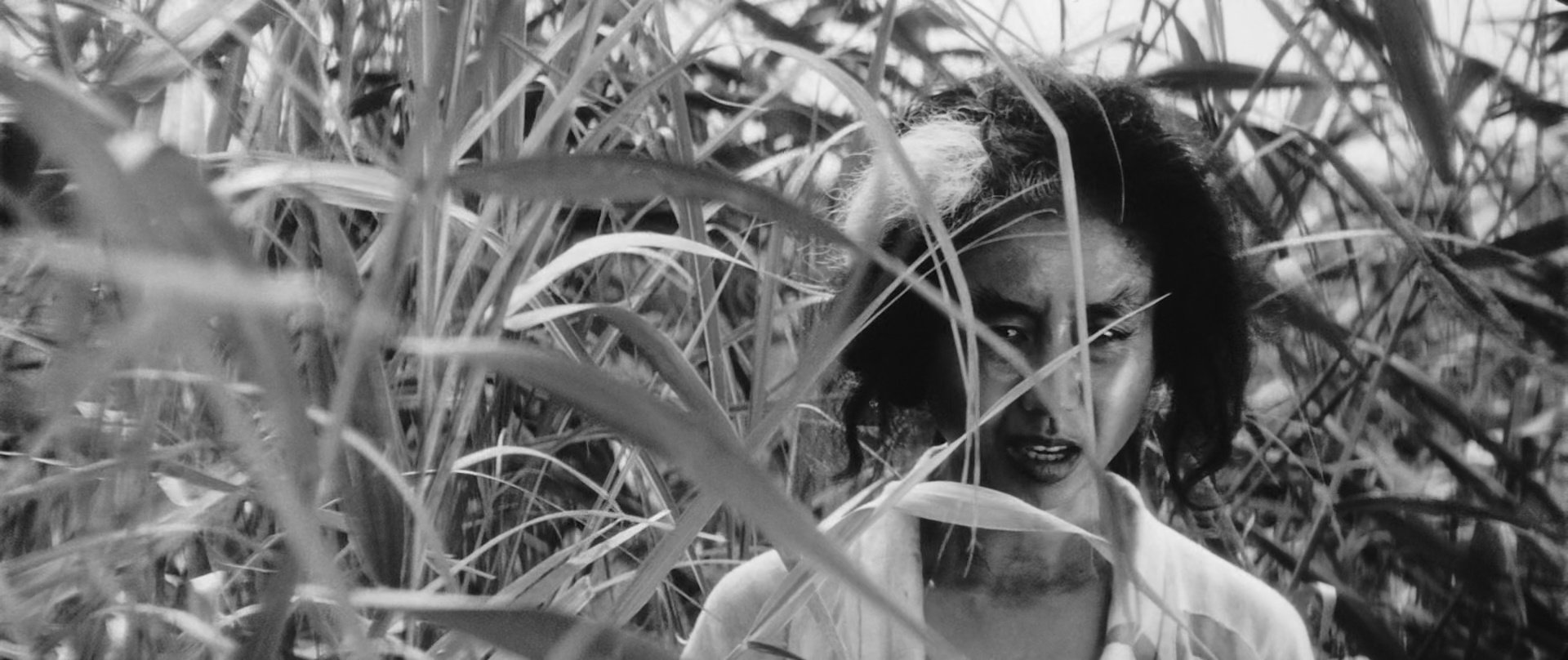
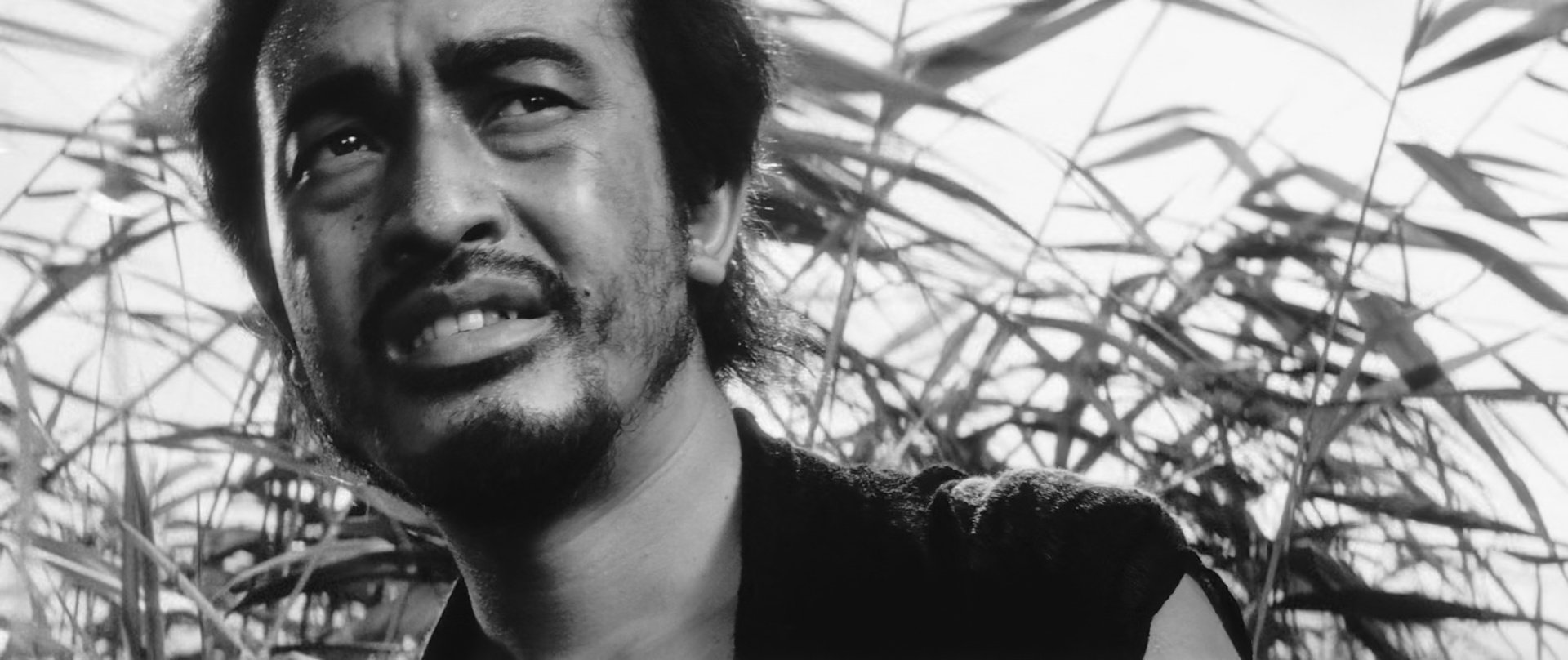
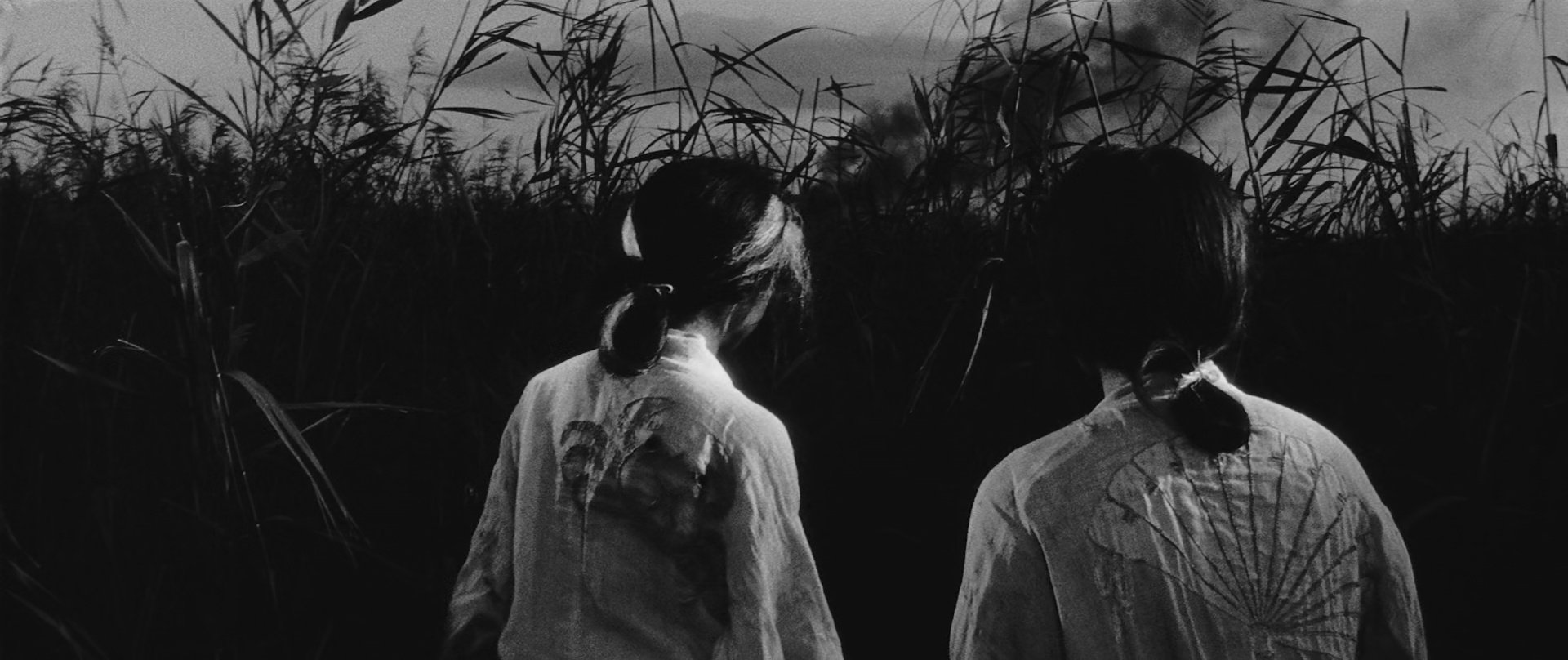
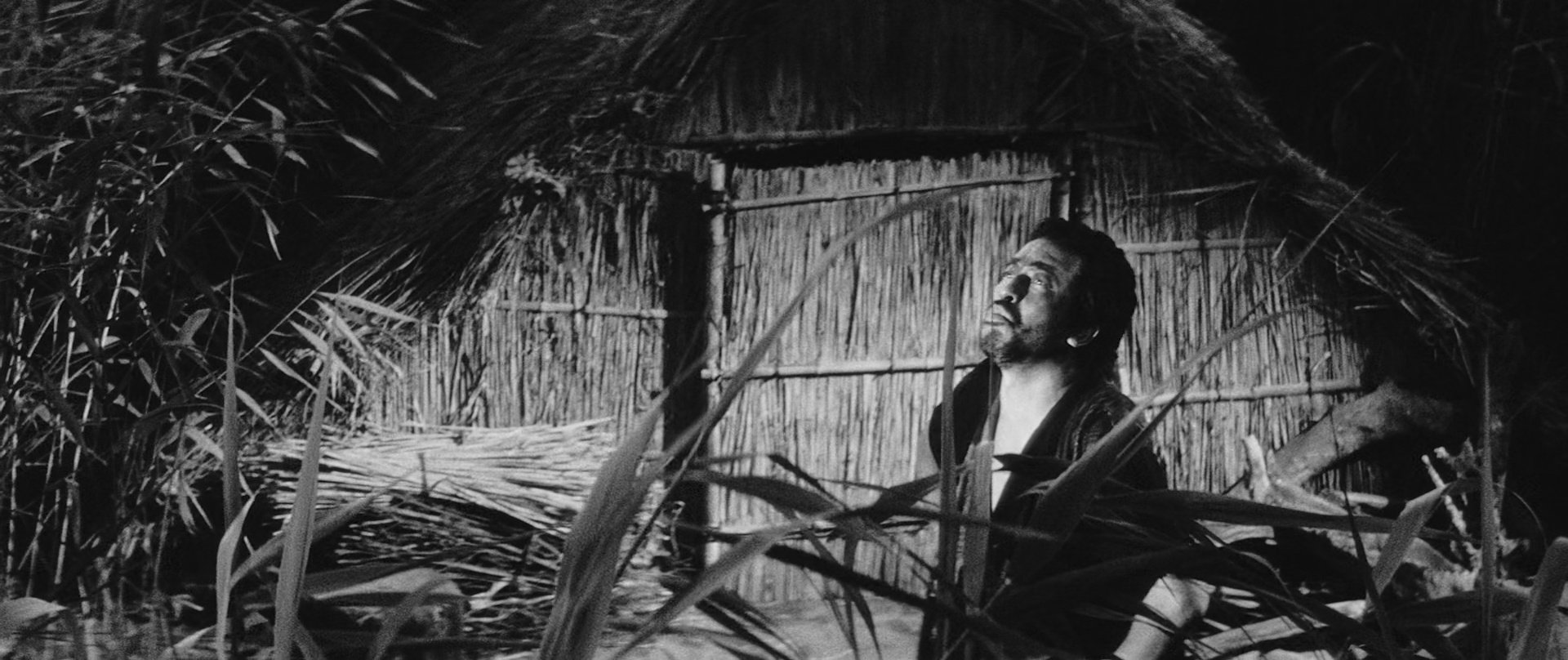
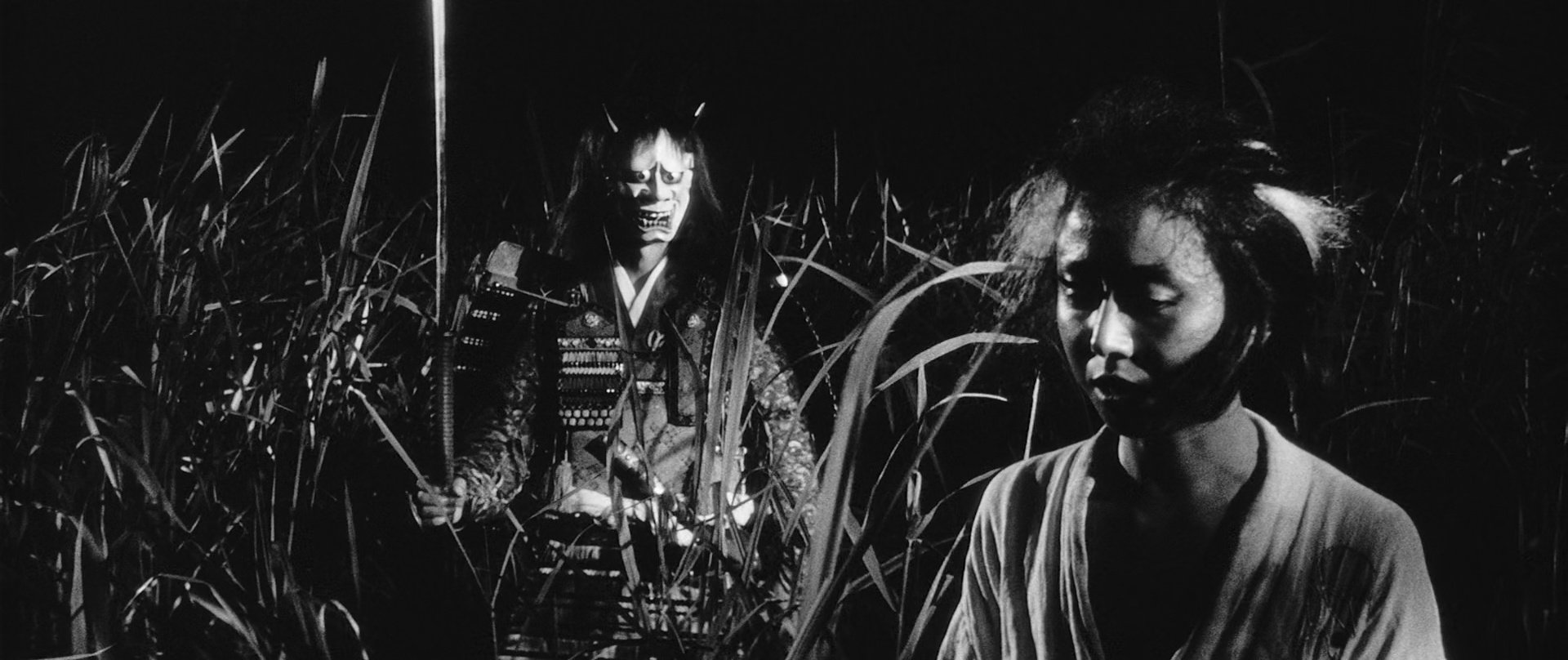
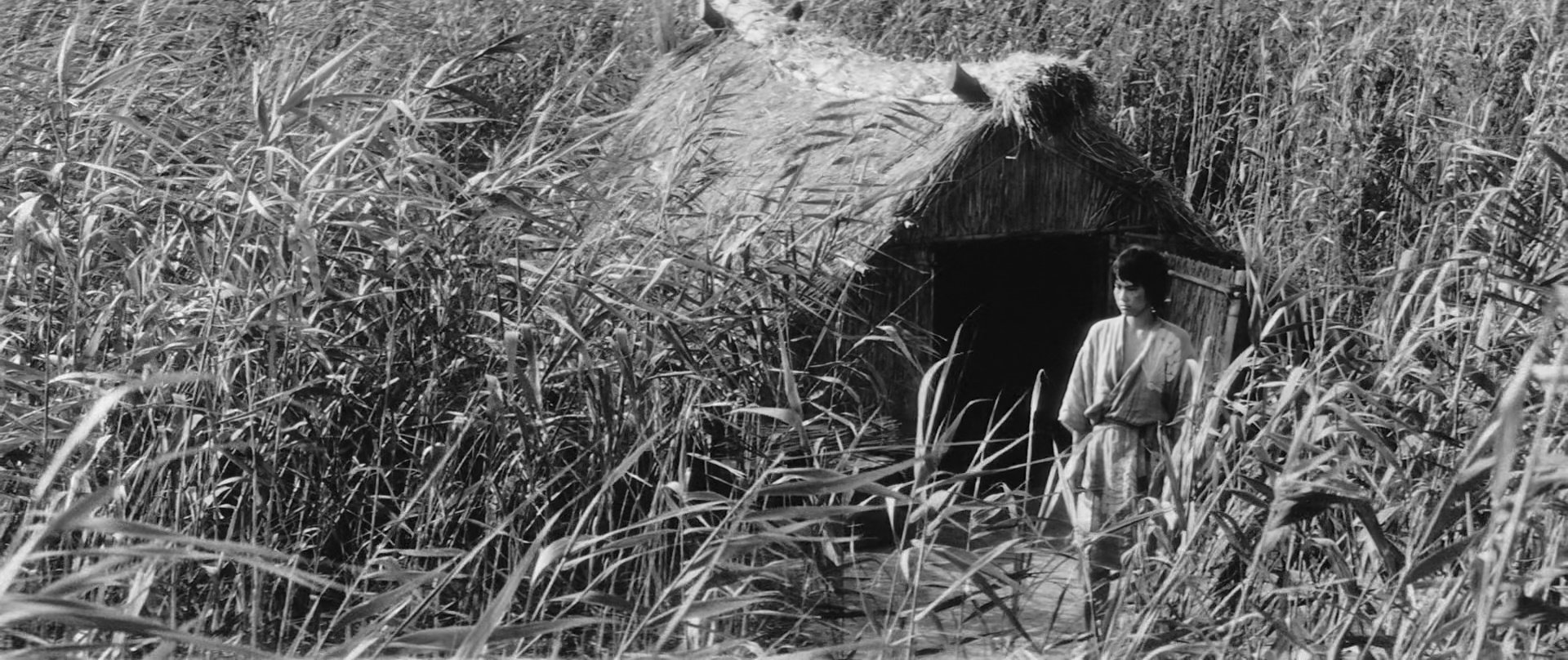
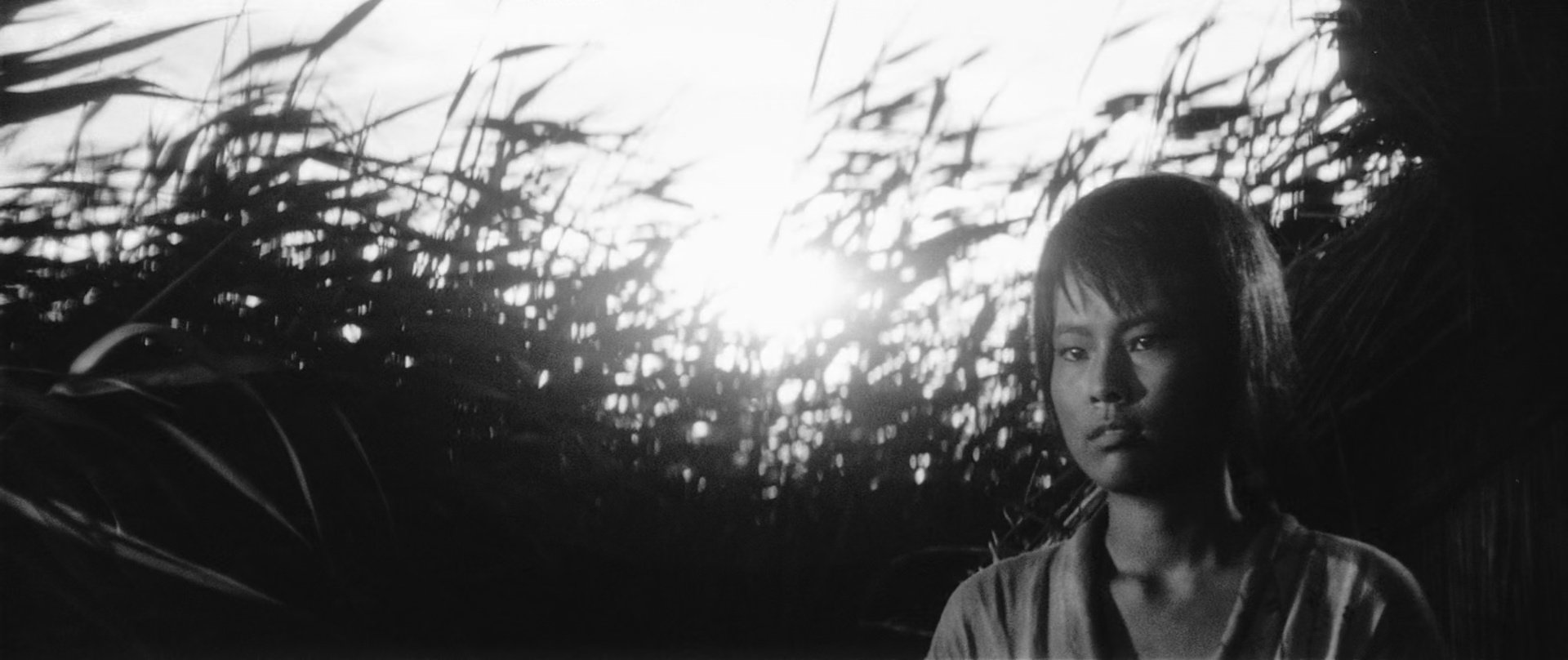
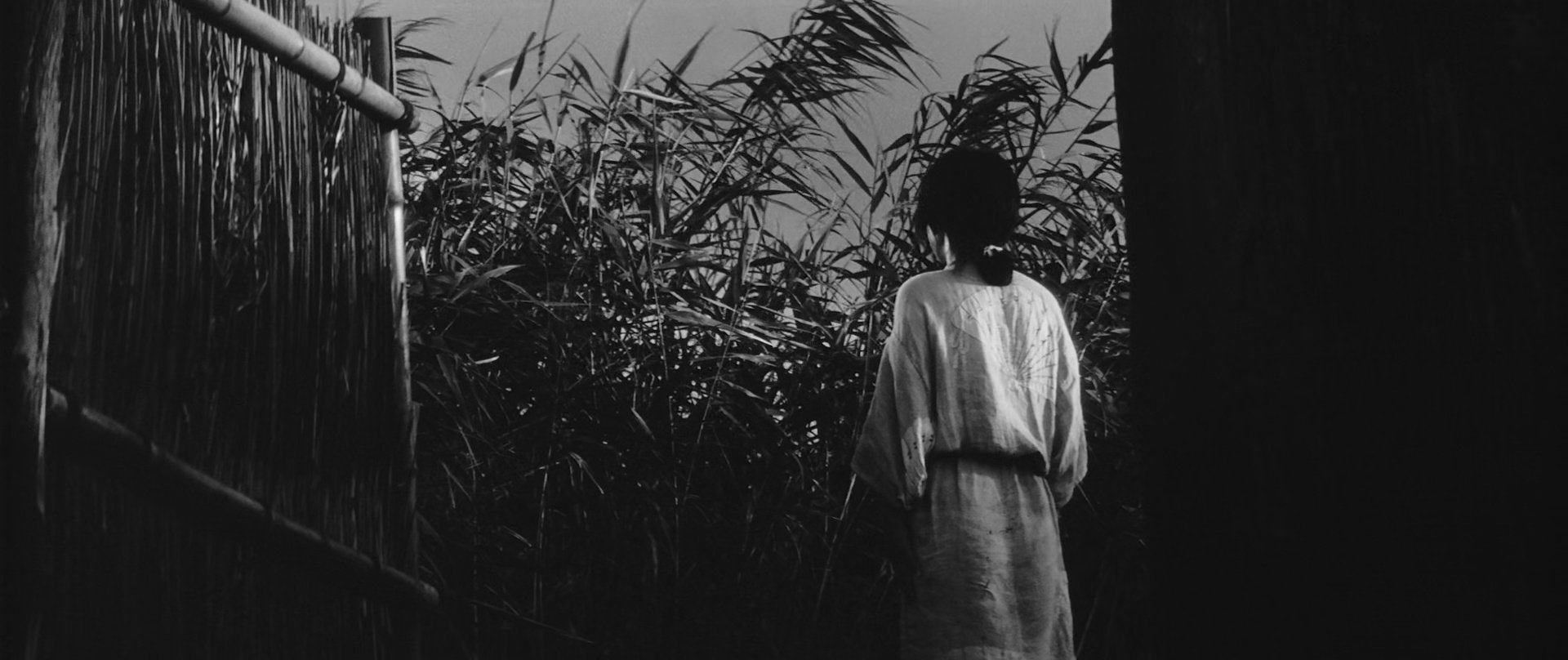
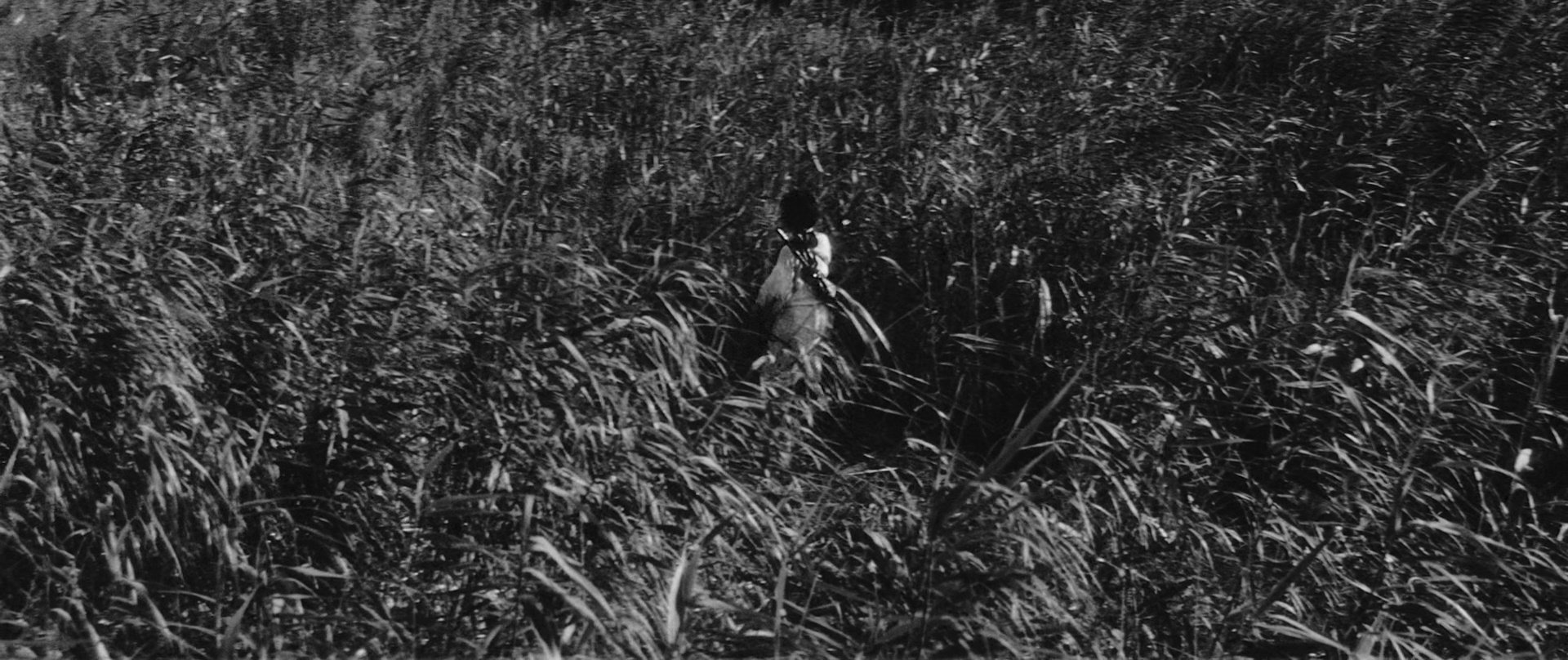
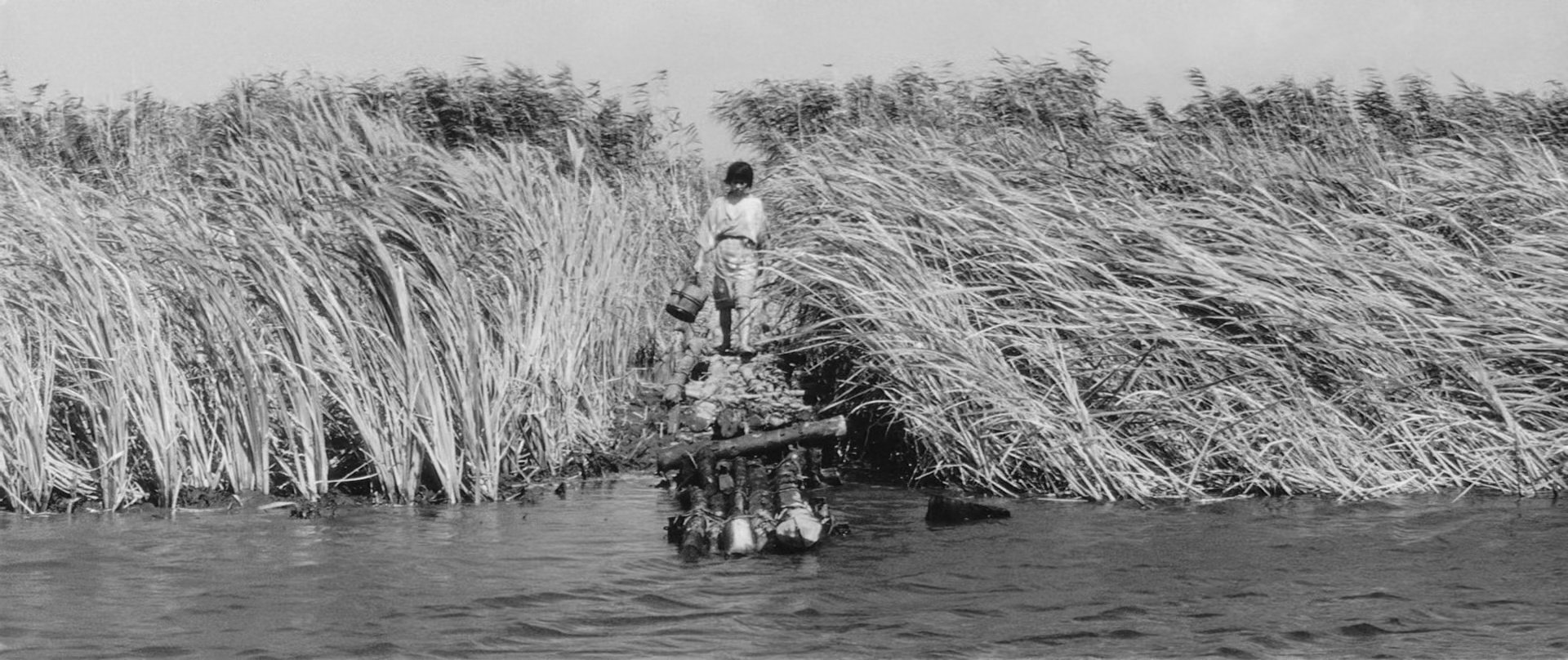
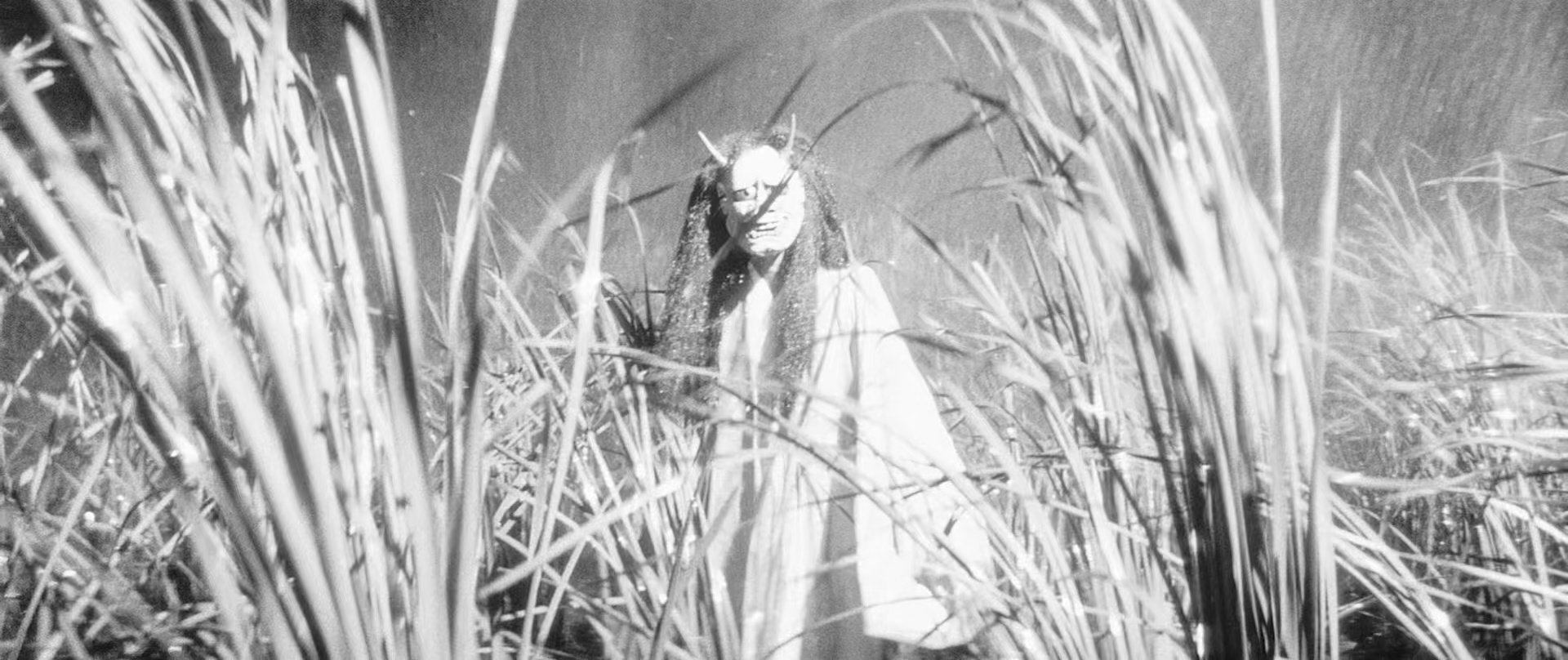
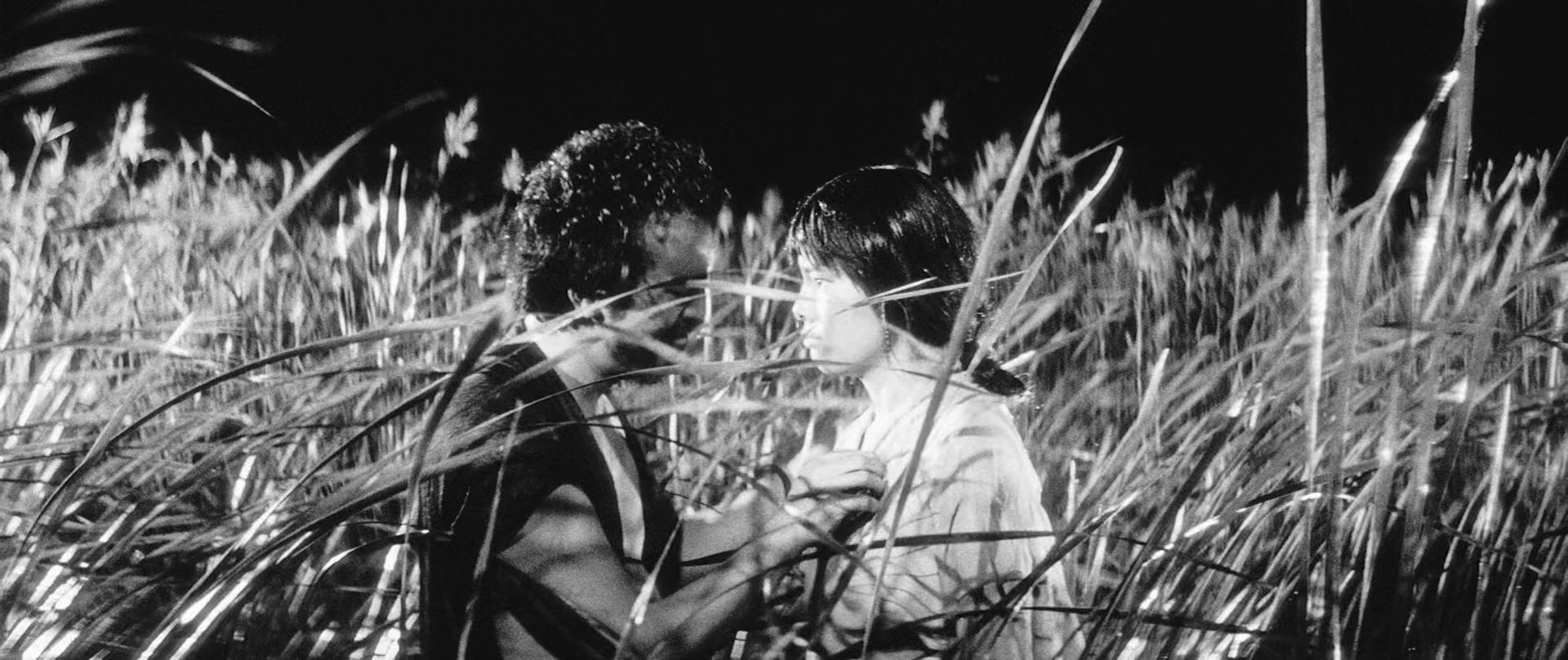
Shot almost entirely in a single outdoor location, the film relies on natural environments rather than constructed sets, which contributes to its stark visual identity. The vast field of susuki grass forms a dense visual texture, threaded with narrow pathways through the vegetation. The grass simultaneously provides natural camouflage and acts as a psychological labyrinth. Its constant movement in the wind creates a sense of instability and looming threat that becomes integral to the film’s visual rhythm.
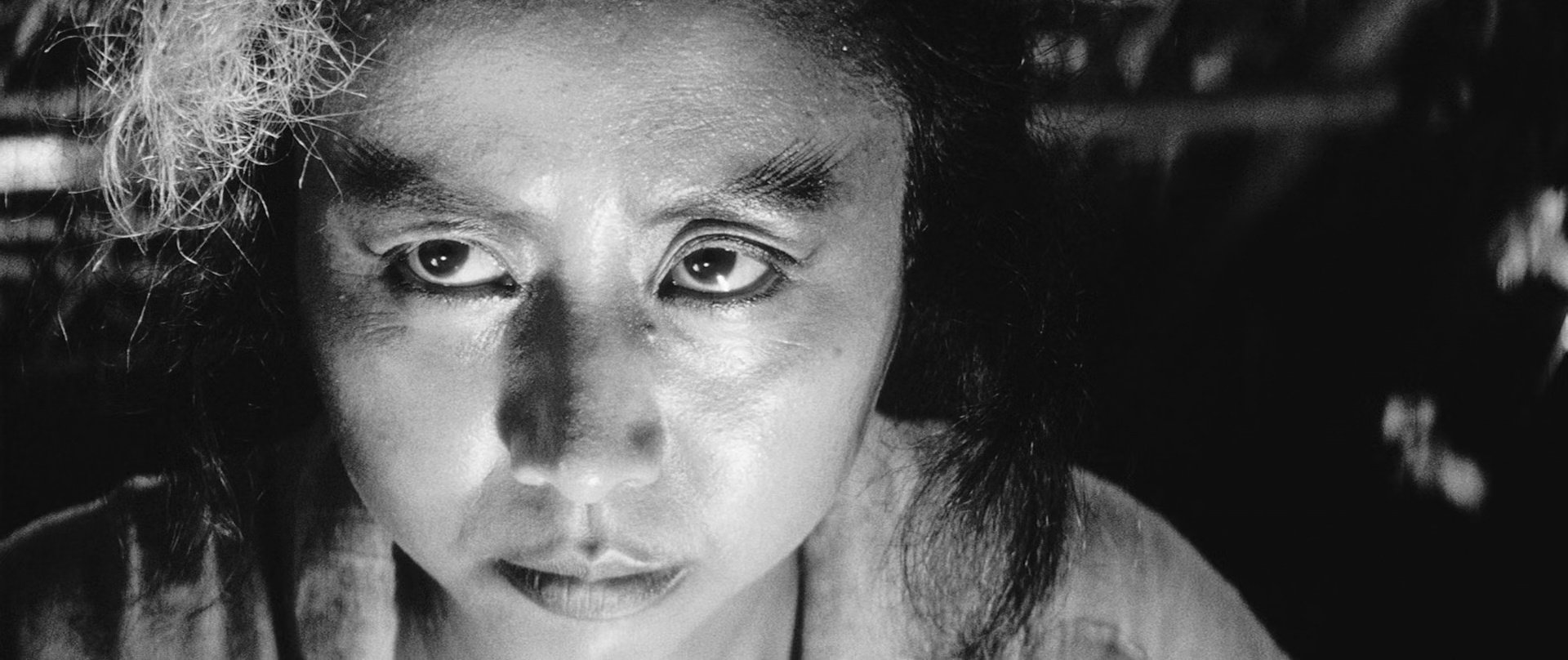
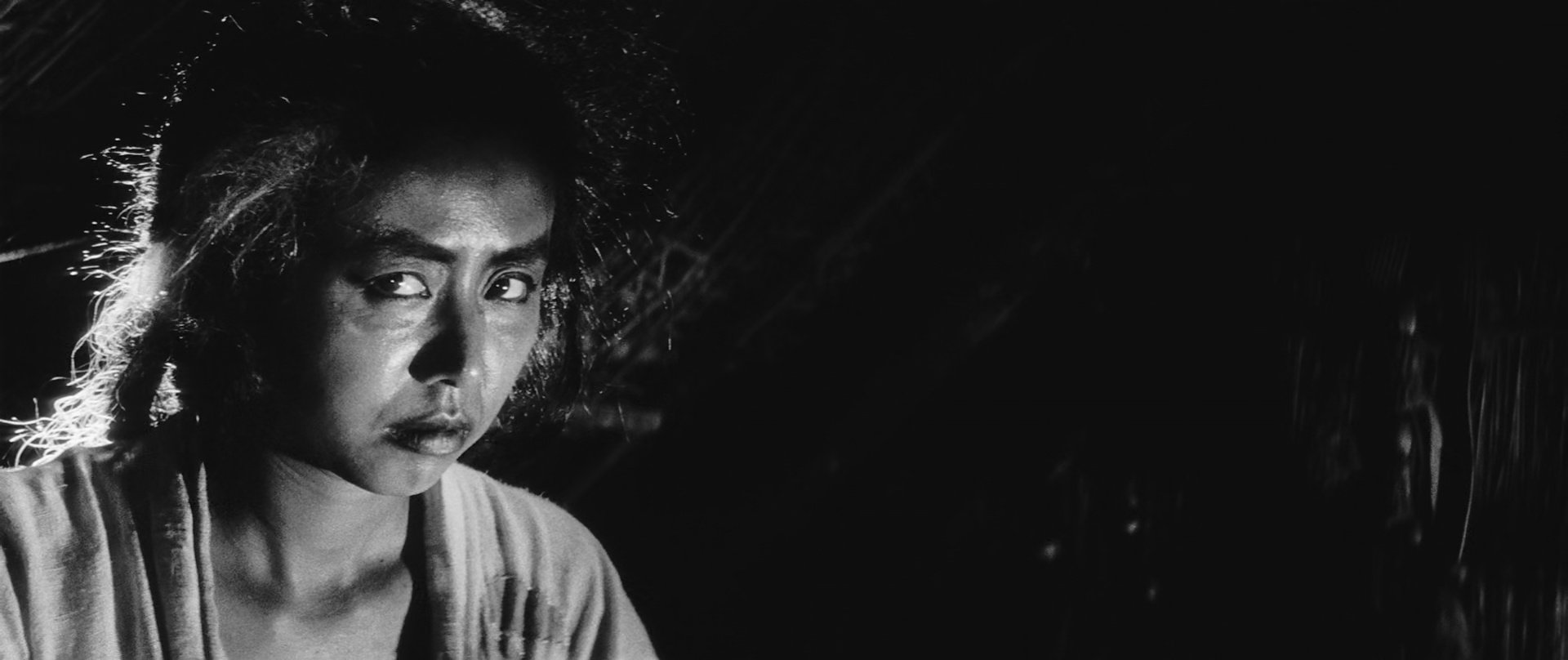
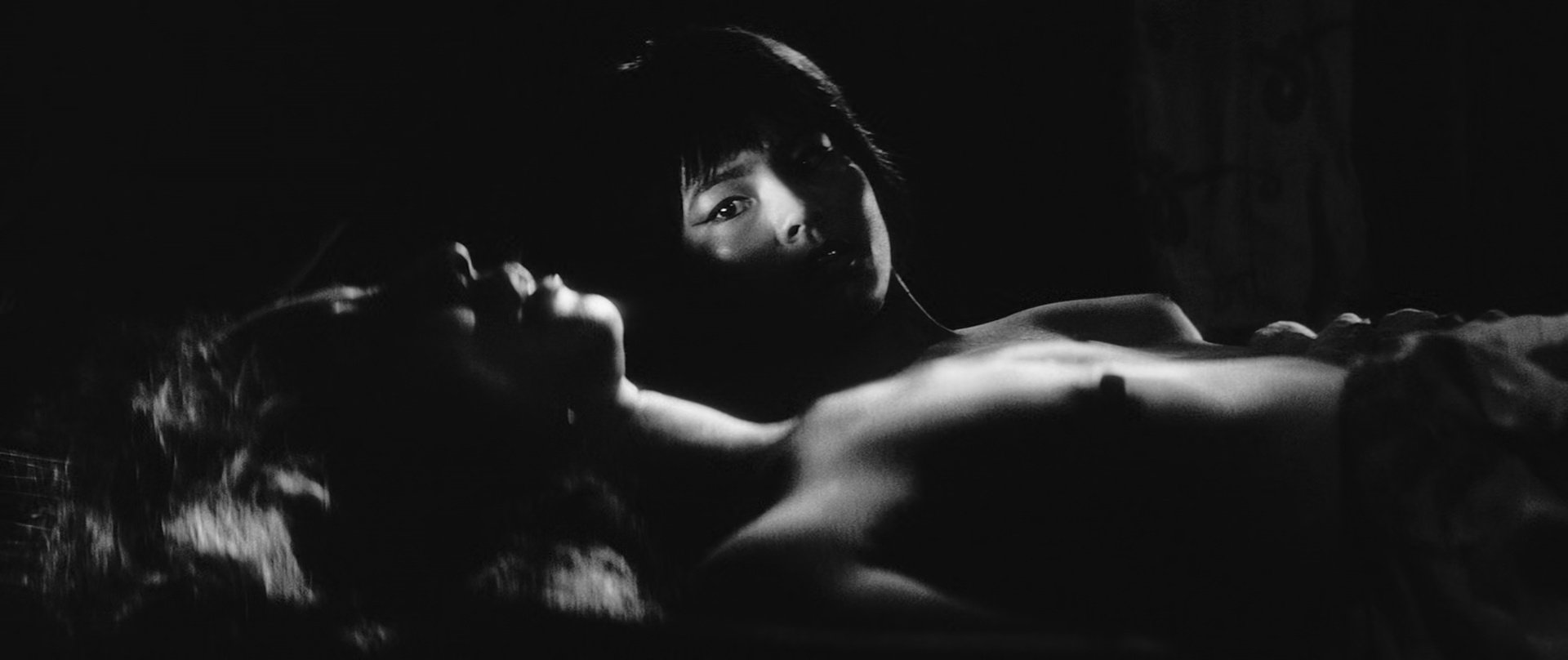
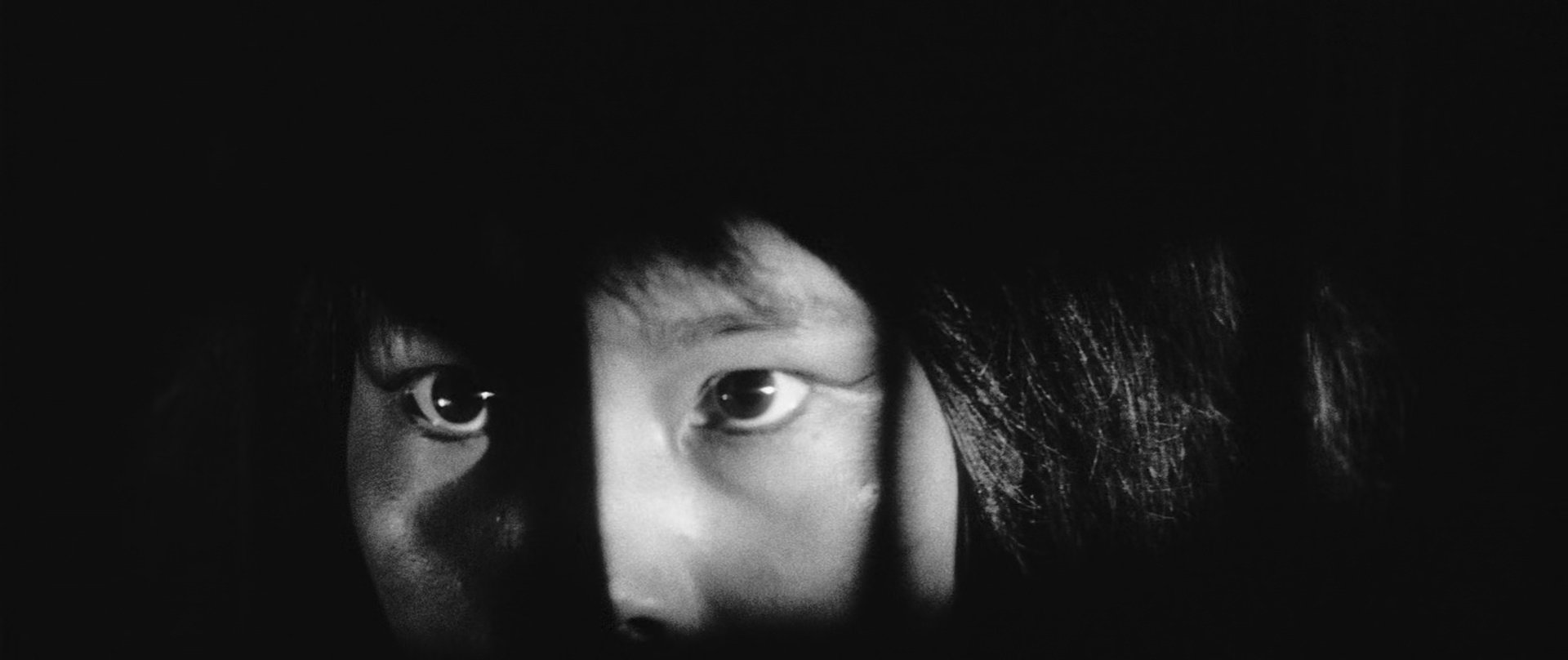
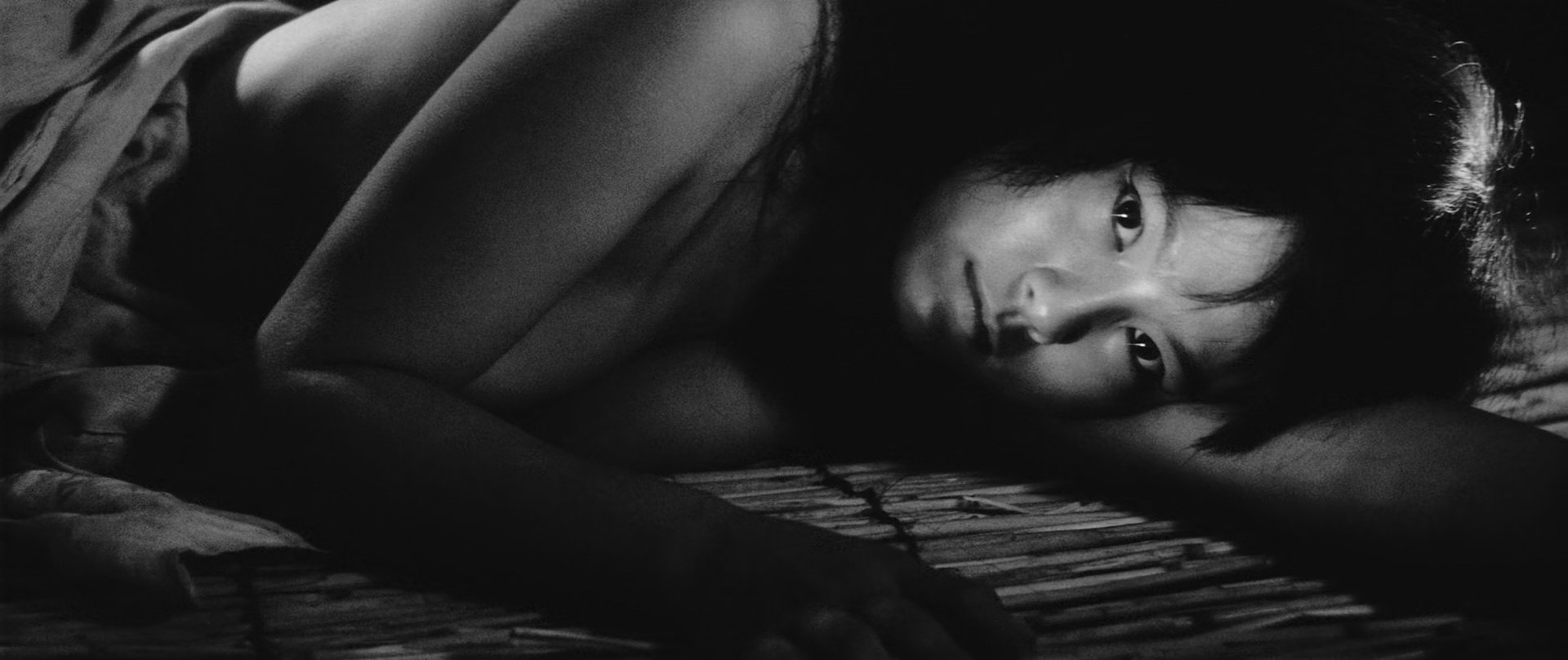
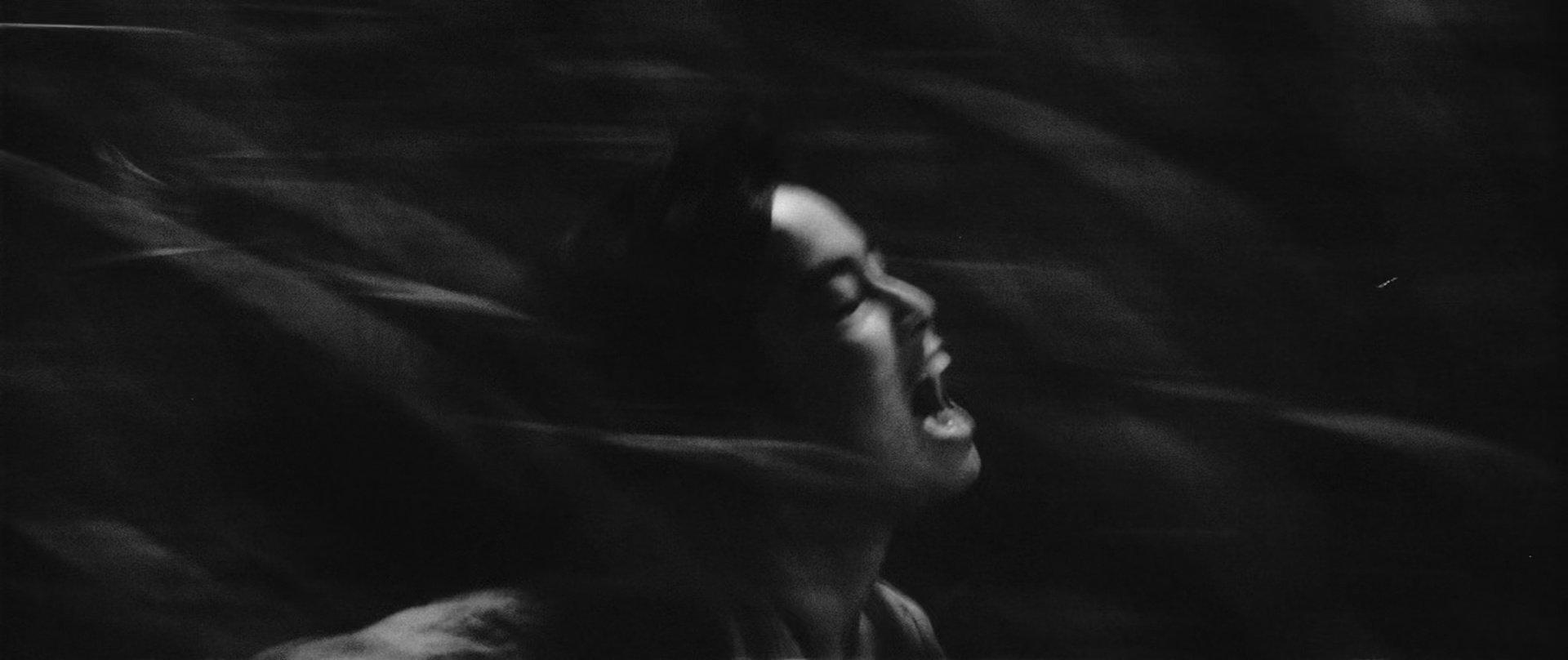
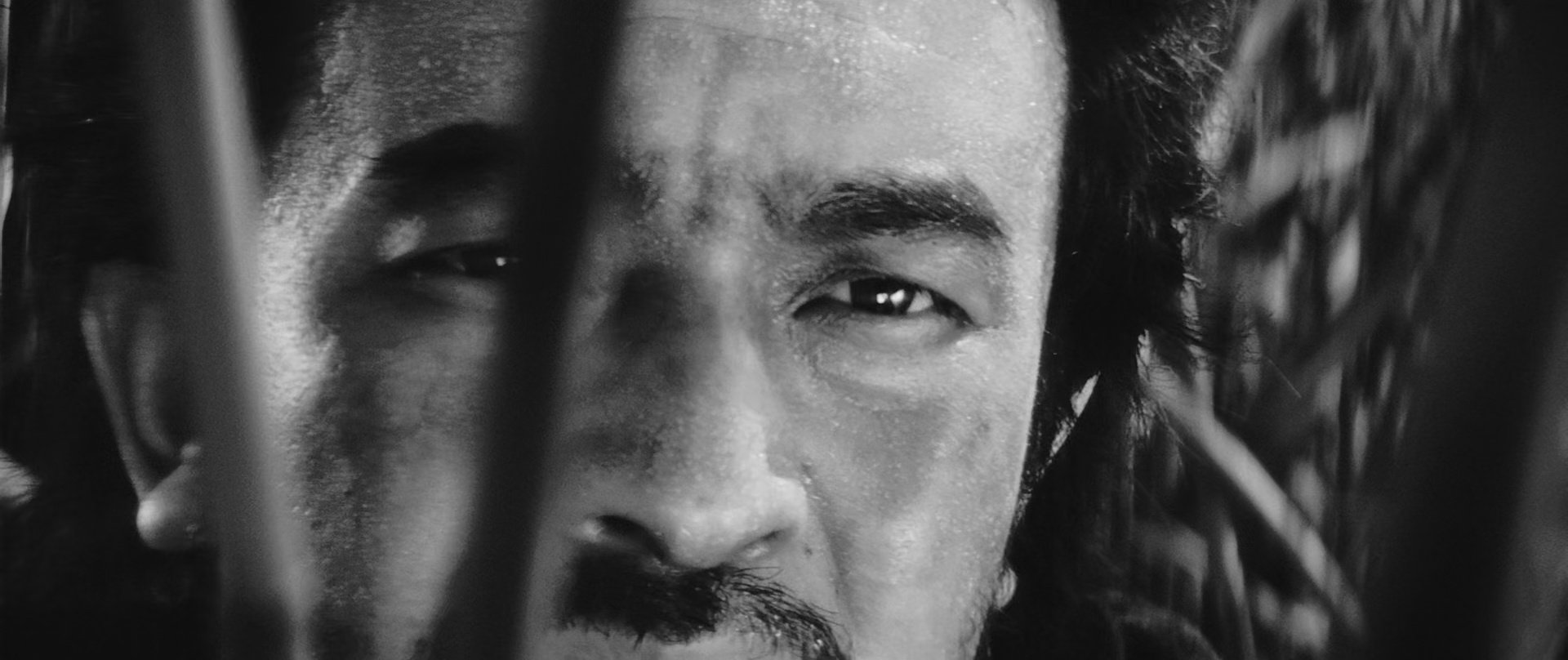
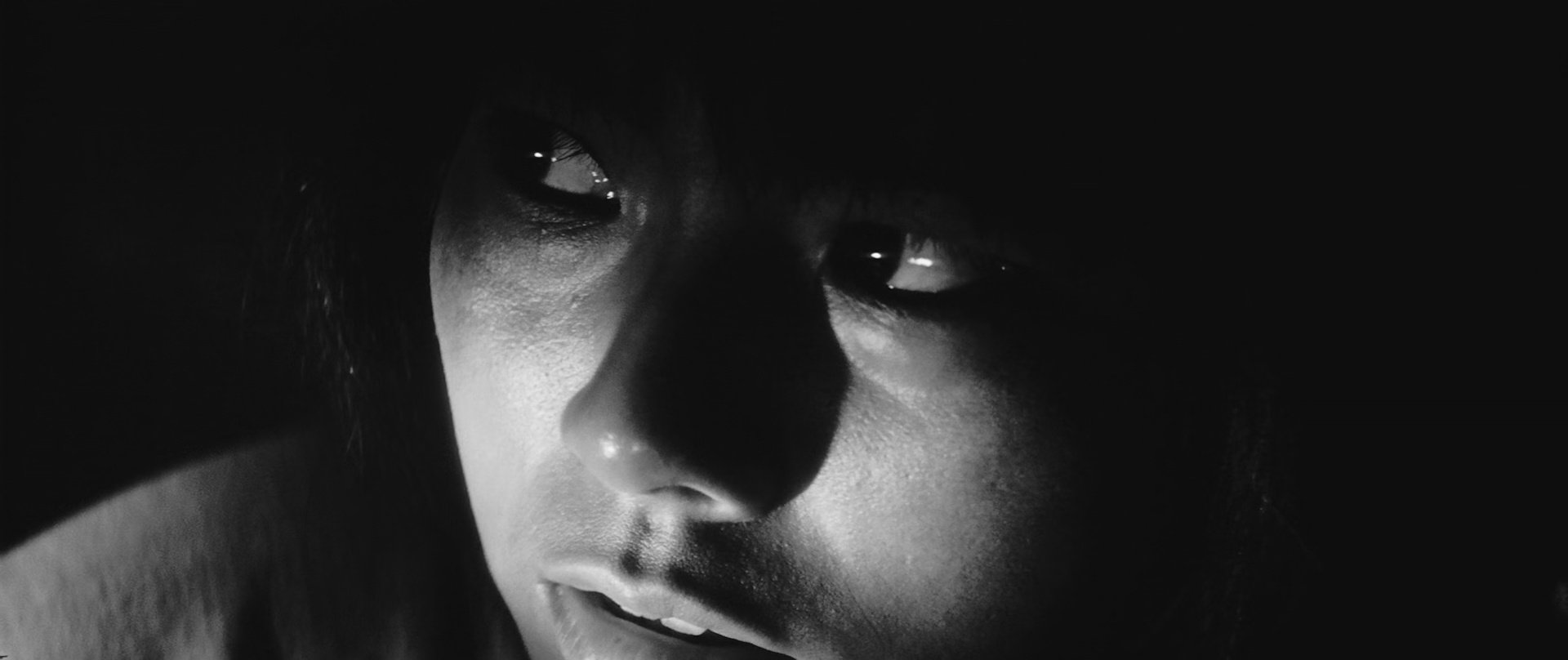
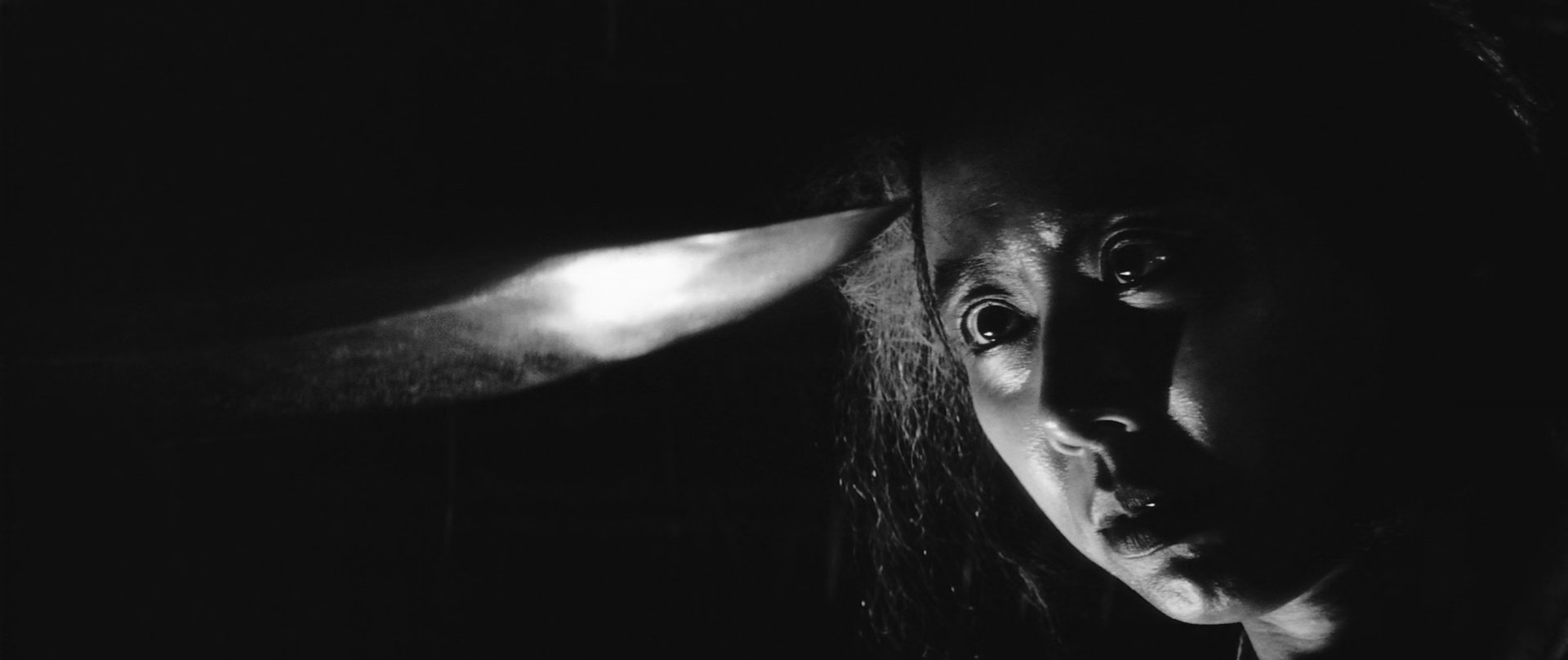
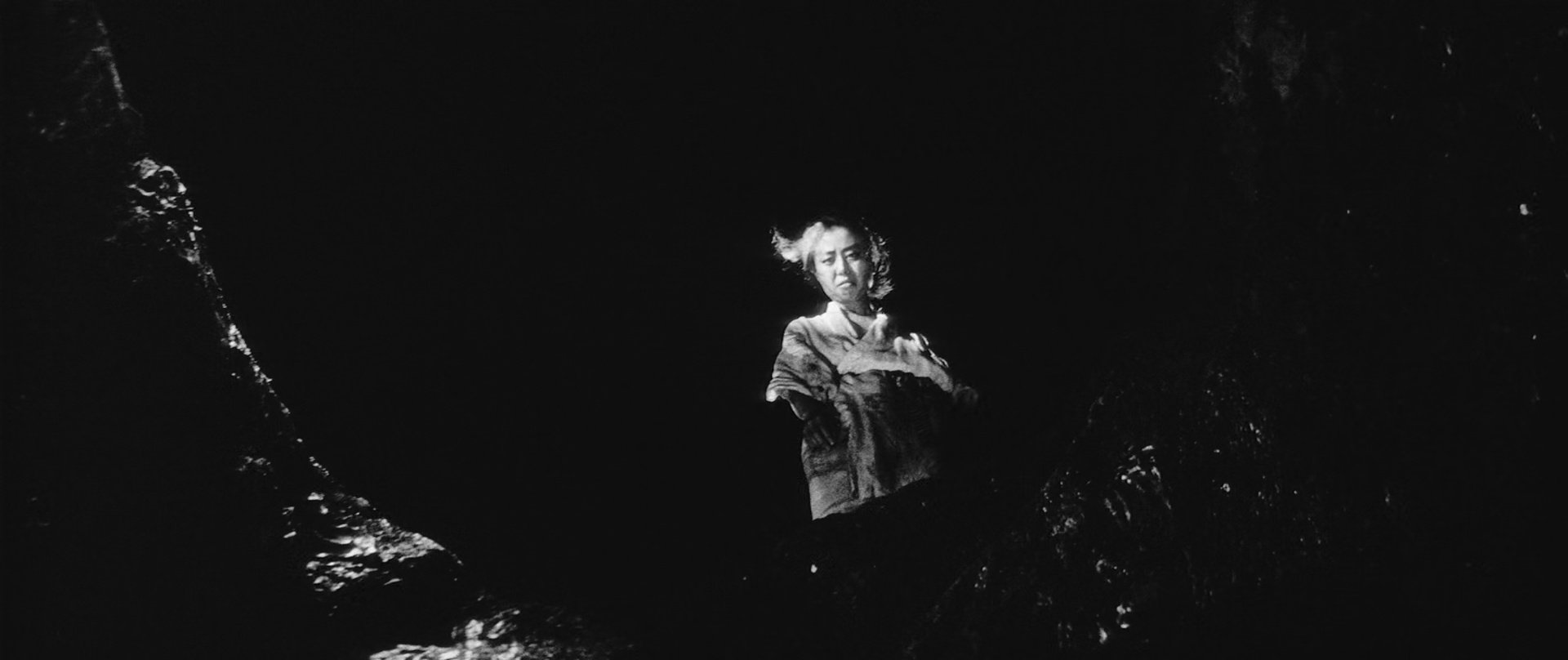
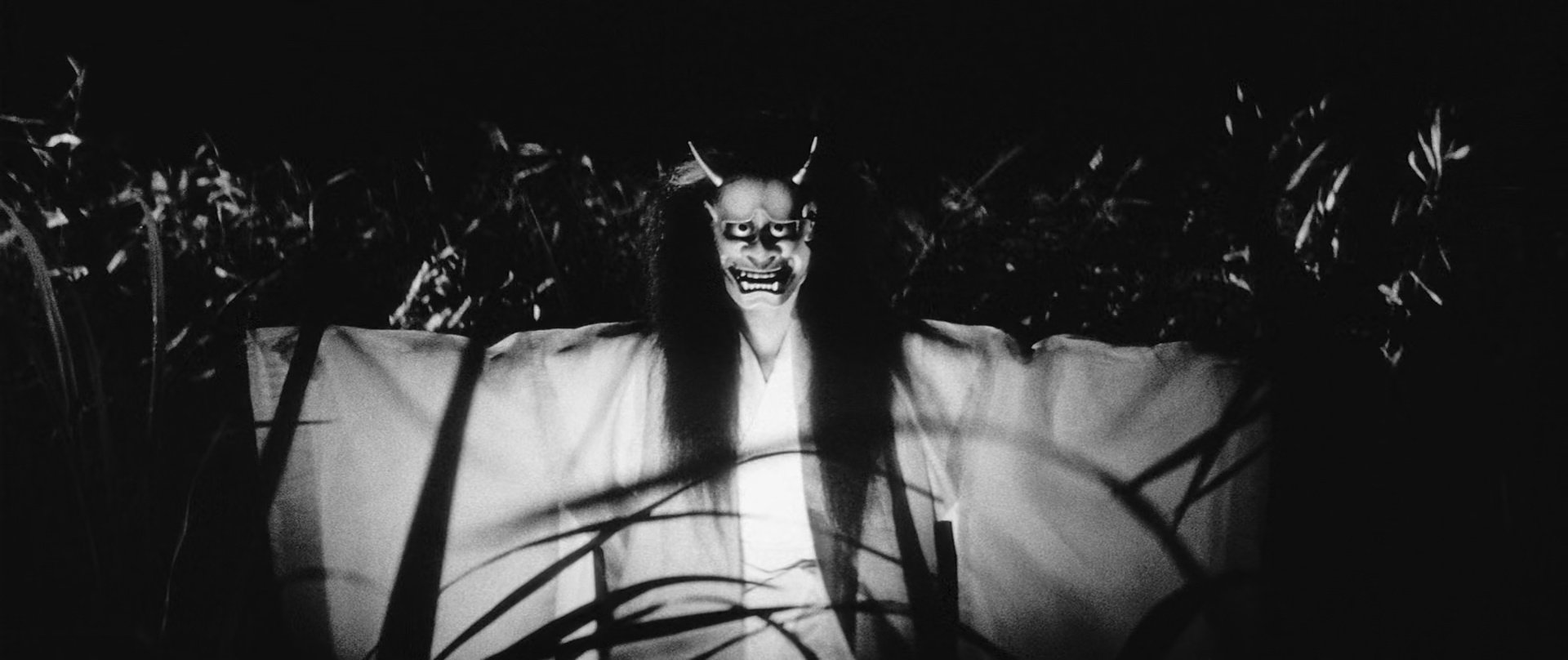
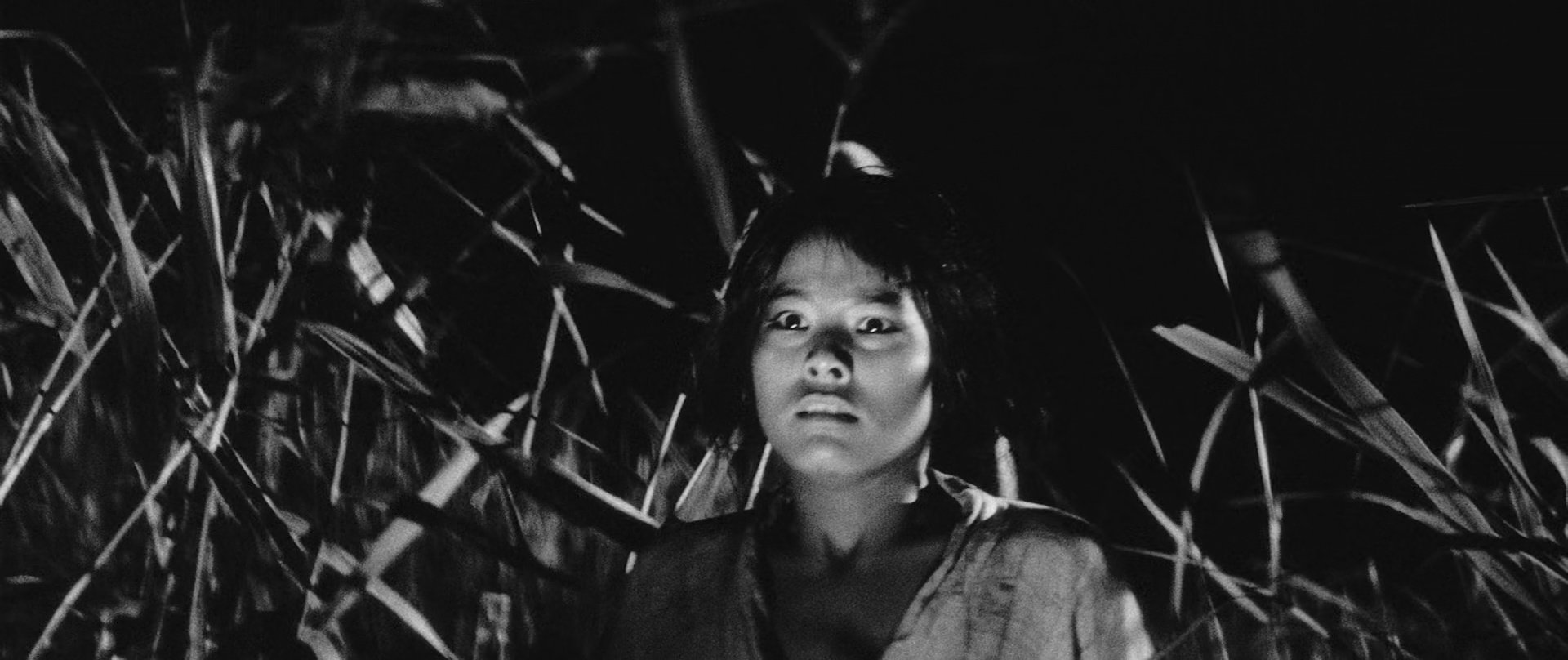
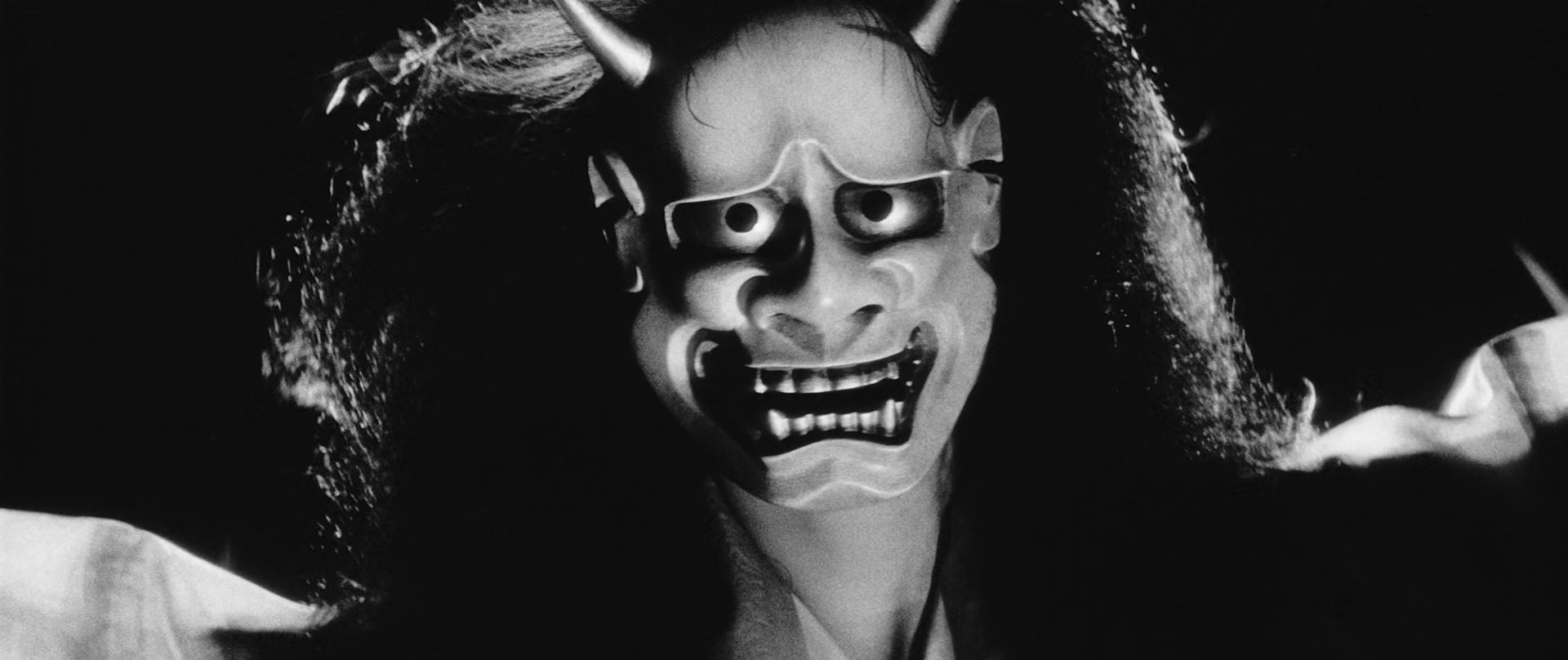
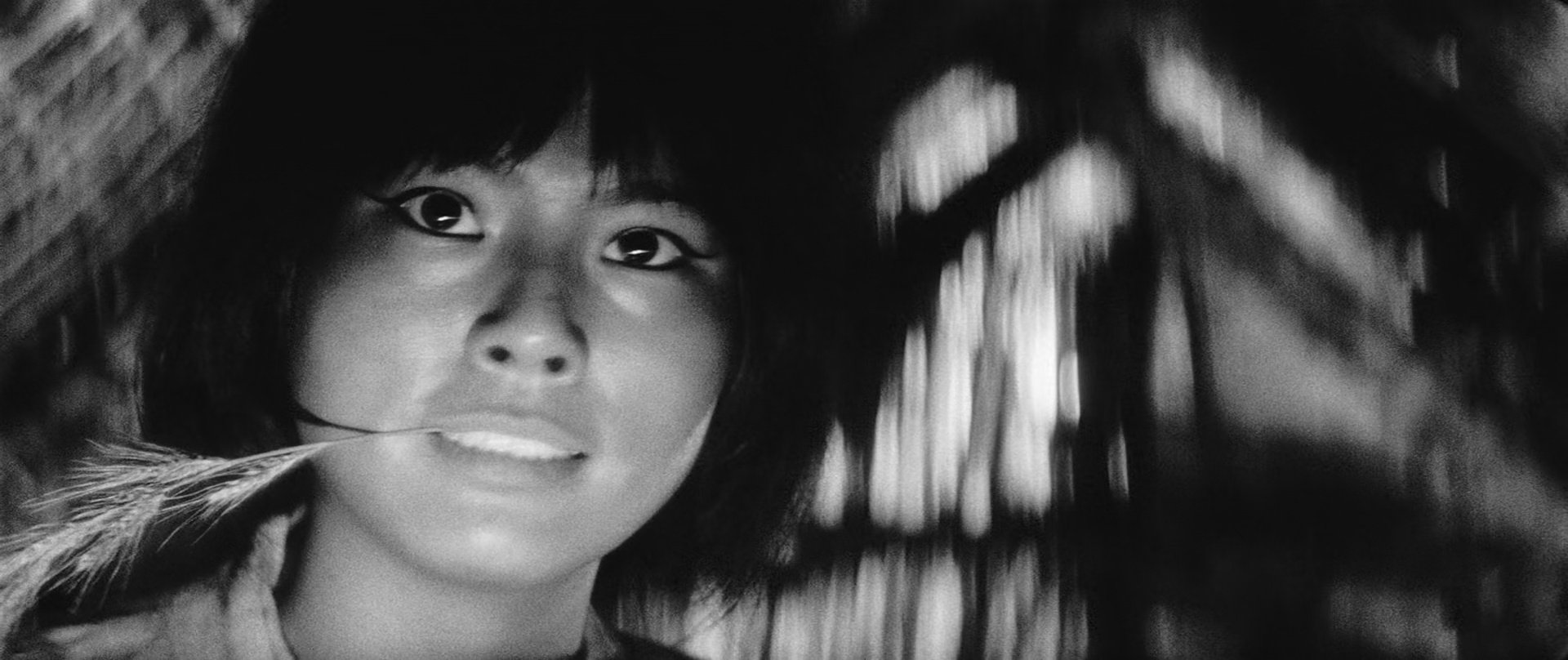
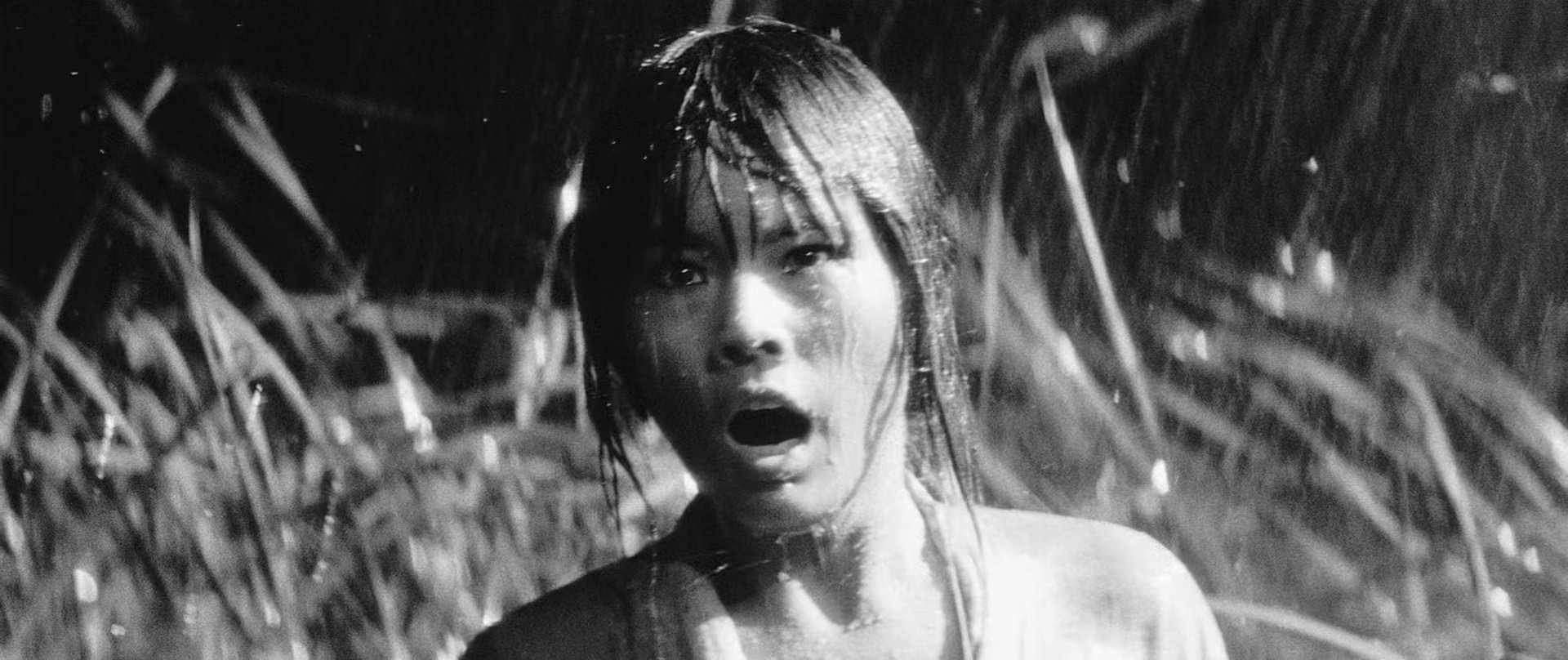
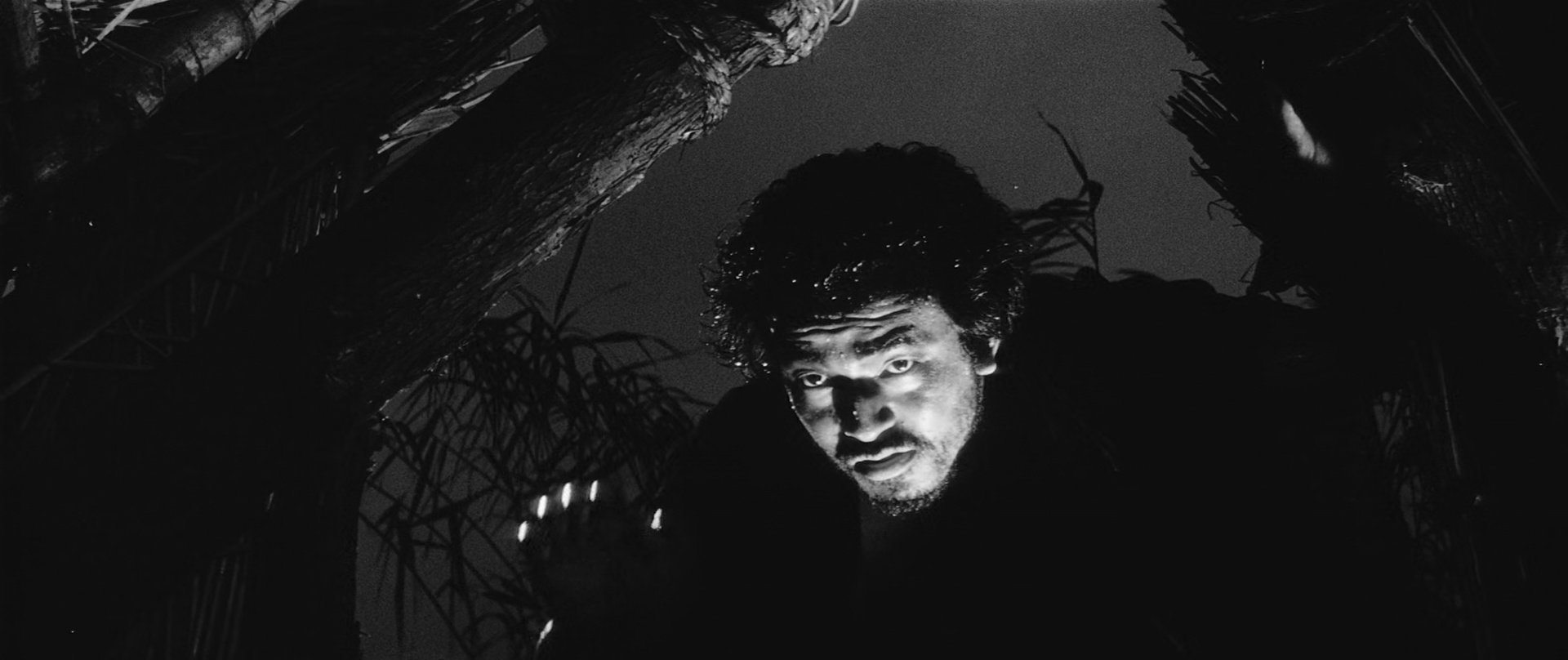
Cinematographer Kiyomi Kuroda uses stark black-and-white imagery to create a powerful tension between natural realism and expressionist stylization. With minimal dialogue, the film relies heavily on visual storytelling and environmental sound. The wind moving through the grass establishes a natural cadence that gradually shifts the atmosphere from grounded realism towards supernatural ambiguity.
Technical Specs:
- The Story: In war-torn medieval Japan, two women survive by killing lost samurai and selling their belongings, until desire and jealousy invite a terrifying curse into their lives. Read my review of Onibaba.
- Actors: Nobuko Otowa, Jitsuko Yoshimura, Kei Satō.
- Director: Kaneto Shindō
- Year: 1964
- Cinematographer: Kiyomi Kuroda
- Origin: Japanese Cinema
- Aspect ratio: 2.35:1
- Genre: Horror / Psychological Drama