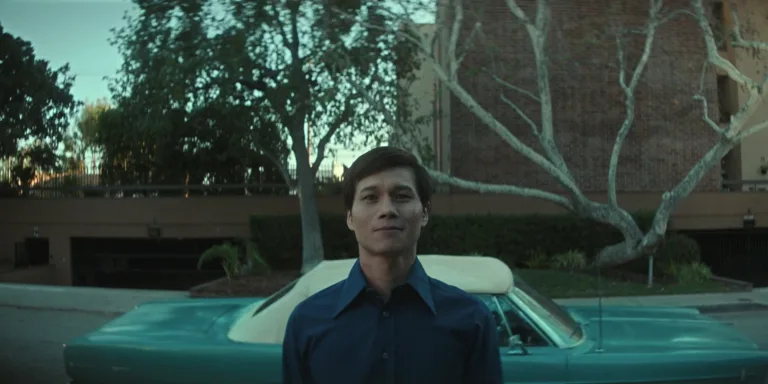
Aspect Ratio 2.00:1
The 2.00:1 aspect ratio—sometimes referred to as Univisium—is the modern “Goldilocks” of cinematic framing. Neither as narrow as traditional television nor as ultra-wide as Anamorphic Scope, 2.00:1 was designed to provide a universal format that looks stunning on both the cinema screen and the home display. On CinematicFreeze, our 2.00:1 galleries highlight the rise of this sleek, sophisticated frame that has become the signature look of “Prestige” television and modern digital drama.
Why 2.00:1 is the Modern “Golden Mean”
Developed by Vittorio Storaro and his son Fabrizio in 1998, the goal of 2.00:1 was to create a single format that would satisfy both theatrical and television audiences without the need for aggressive cropping. It is based on the “Golden Ratio,” offering a painterly balance that feels more cinematic than the standard 16:9 (1.78:1) while maintaining more vertical detail than 2.39:1. In the last decade, it has exploded in popularity, becoming the go-to choice for streaming giants like Netflix and Disney+.
Essential 2.00:1 (Univisium) Galleries
Experience the sleek, cinematic balance of the 2:1 frame through these curated archives:
- Jurassic World (2015): Director Colin Trevorrow chose 2.00:1 because it provided the horizontal width needed for action while offering the vertical height necessary to make the dinosaurs look towering and massive.
- Stranger Things / The Crown: These flagship Netflix series use 2.00:1 to signal to the viewer that they are watching “High-End” television that rivals the visual quality of feature films.
- Midsommar (2019): Ari Aster uses the 2.00:1 frame to create a sense of folk-horror dread, emphasizing the unsettling symmetry of the film’s cult rituals through the balanced geometry of the frame.
Why Modern Filmmakers are Moving to 2.00:1
This ratio has become the “standard” for the streaming revolution for three key reasons:
- The “Prestige” Signal: Because it is slightly wider than 16:9, it adds small letterbox bars to a standard TV, which immediately tells the audience’s brain: “This is a movie, not a sitcom.”
- Vertical Character Space: It allows for more “headroom” than ultra-widescreen, making it ideal for character-driven stories where actors are the primary focus.
- Smartphone Optimization: 2.00:1 is nearly identical to the screen ratios of many modern flagship smartphones (like the iPhone’s 19.5:9), making these films look “full-screen” and immersive on mobile devices.