Aspect Ratio 1.37:1
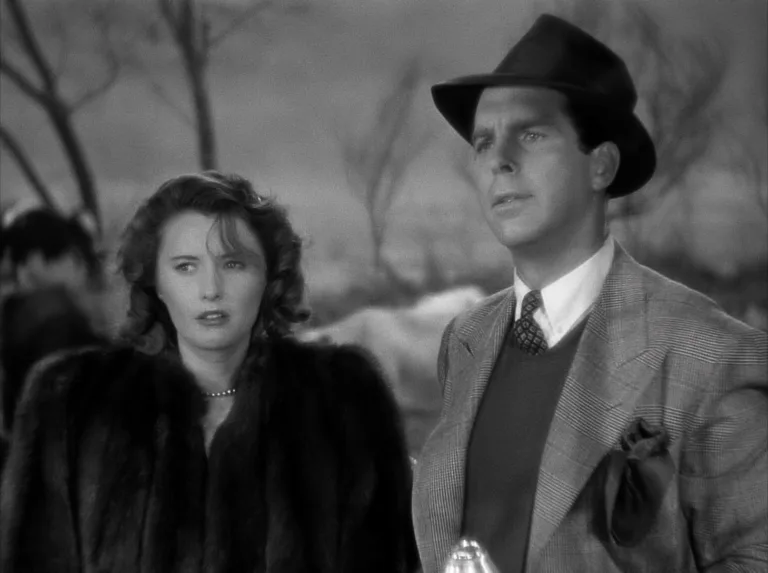
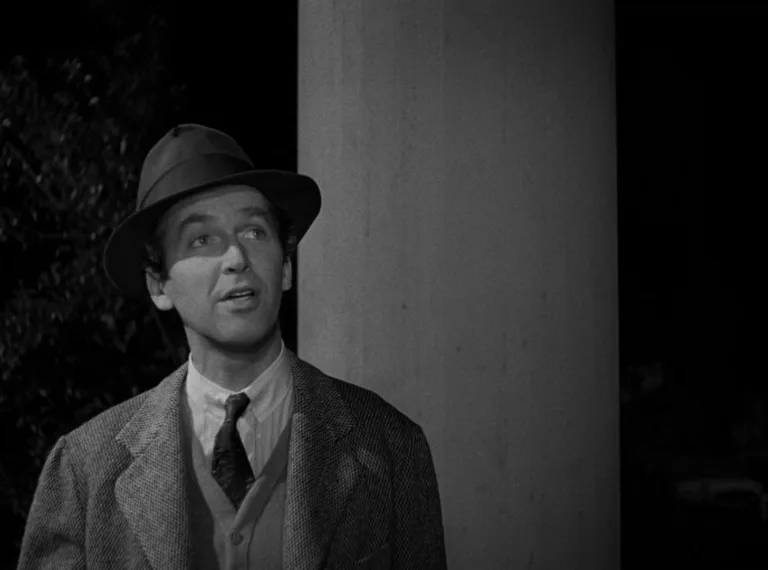
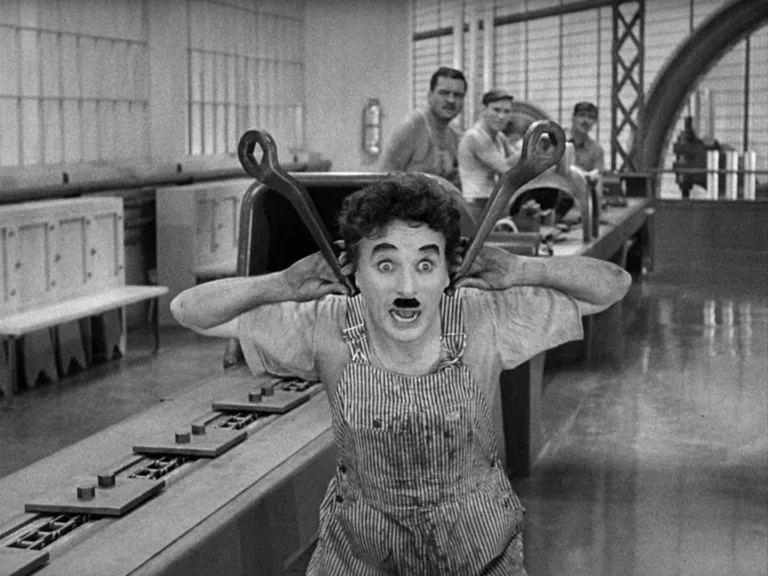
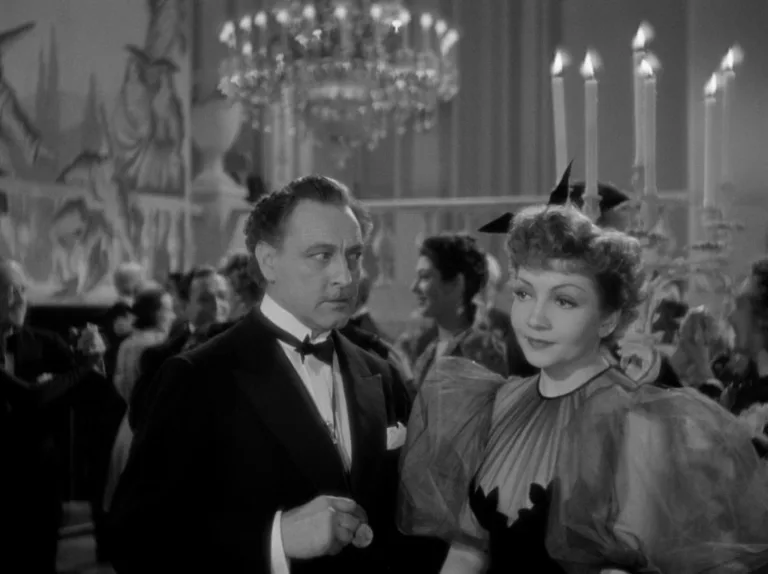
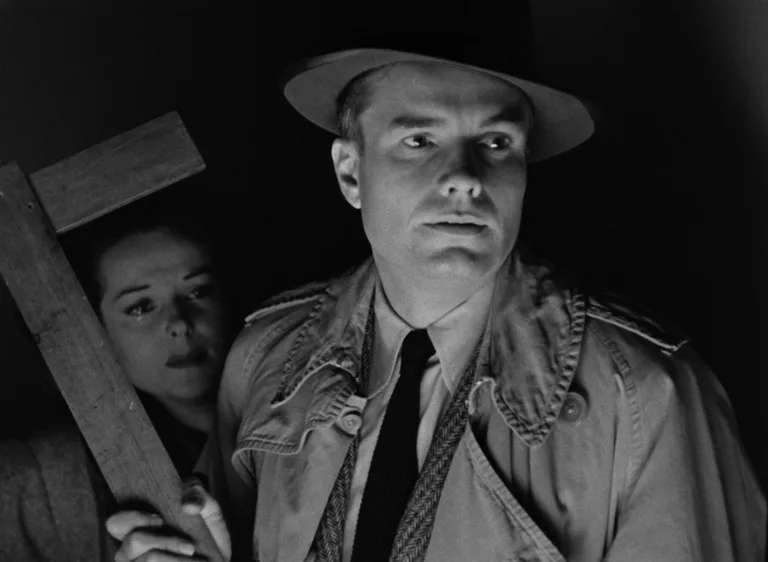
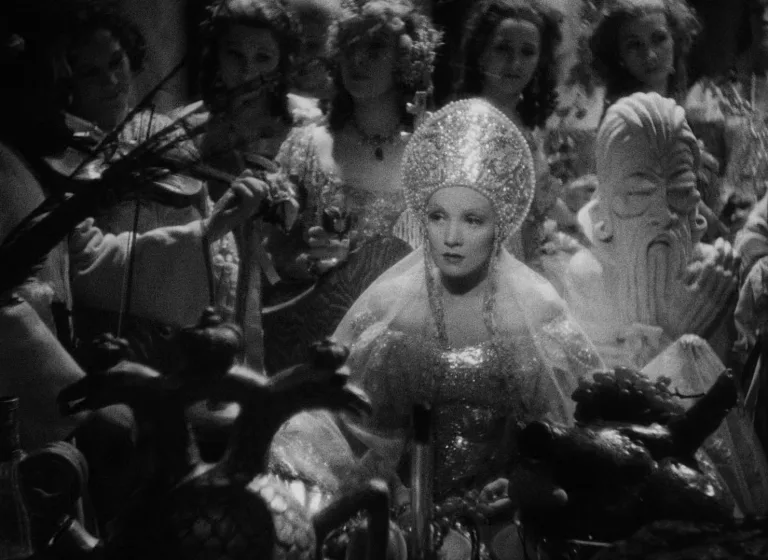
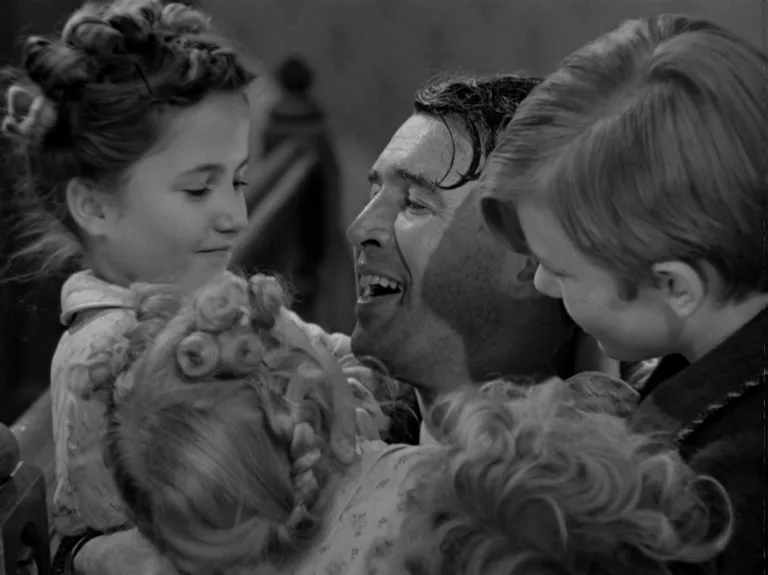
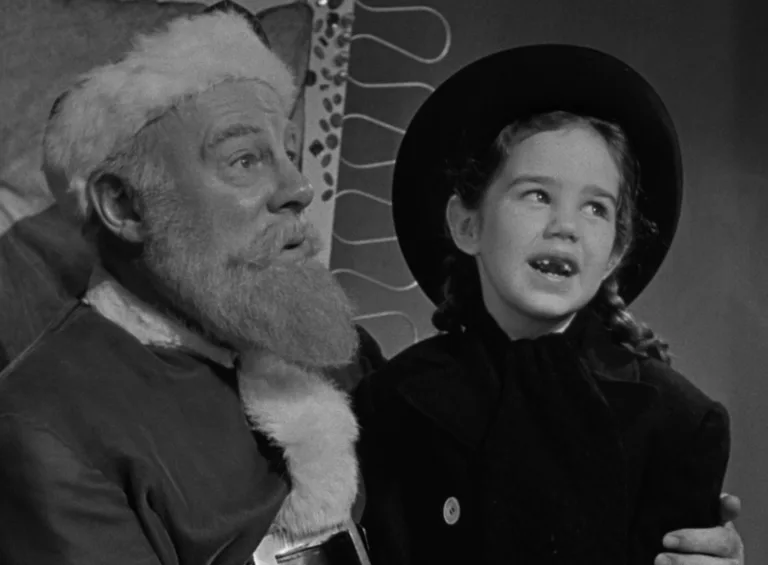
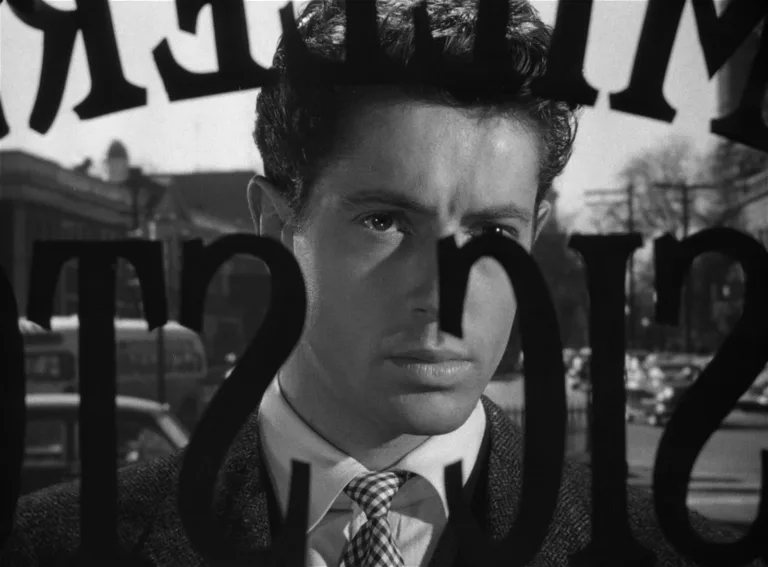
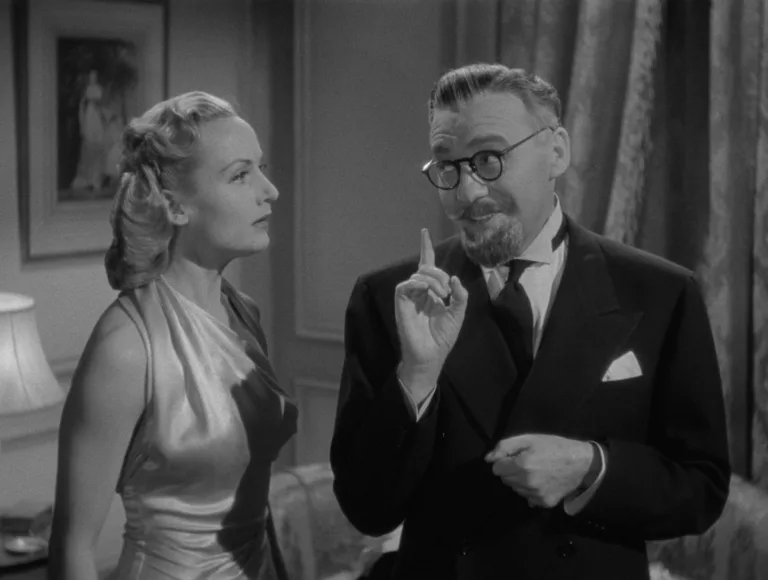
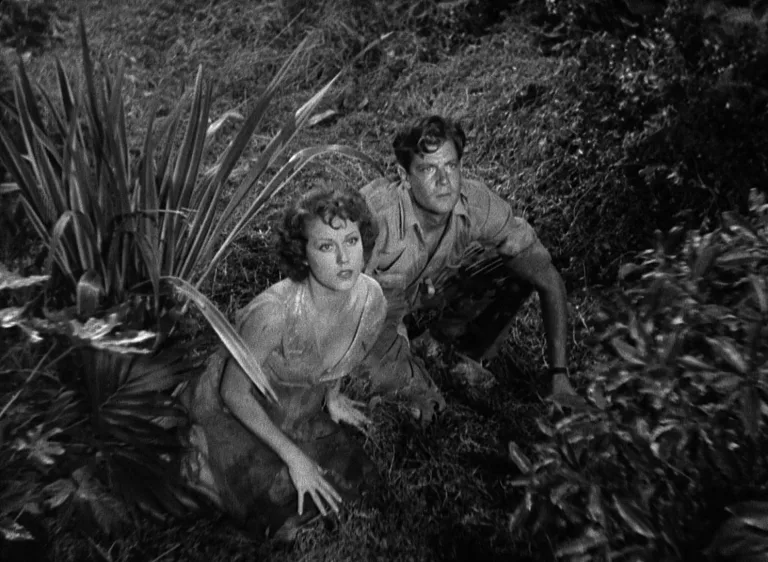
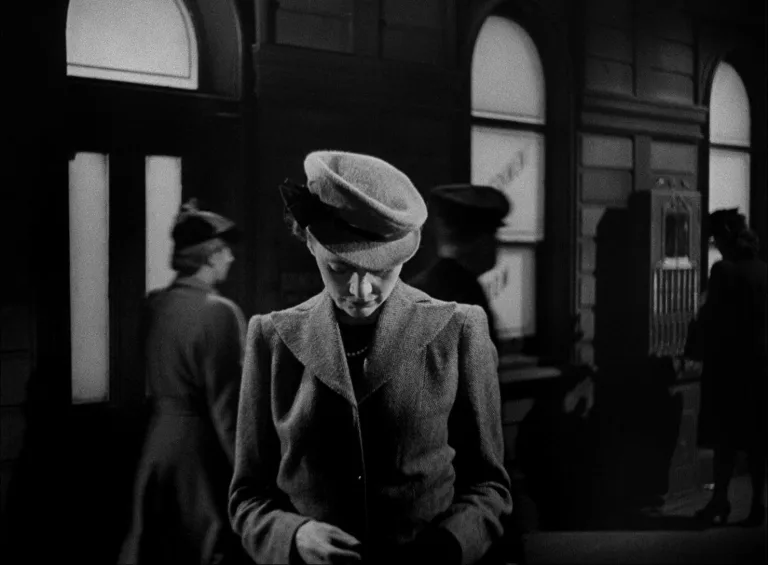
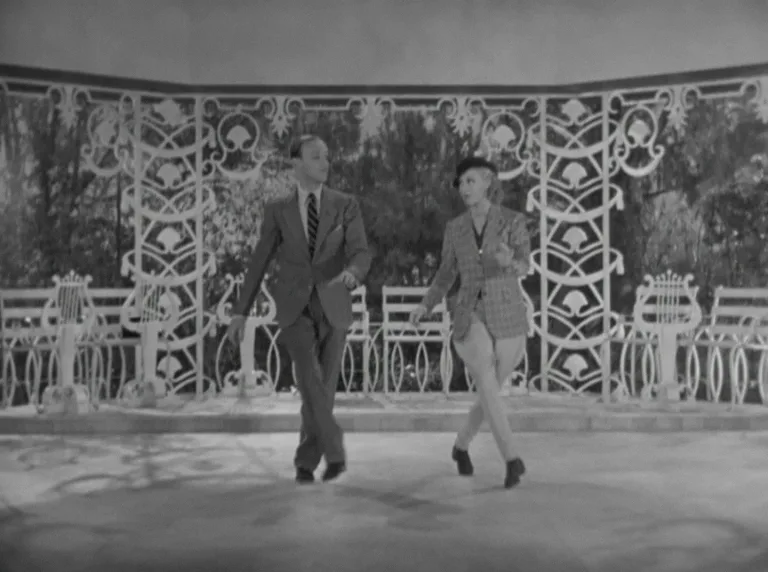
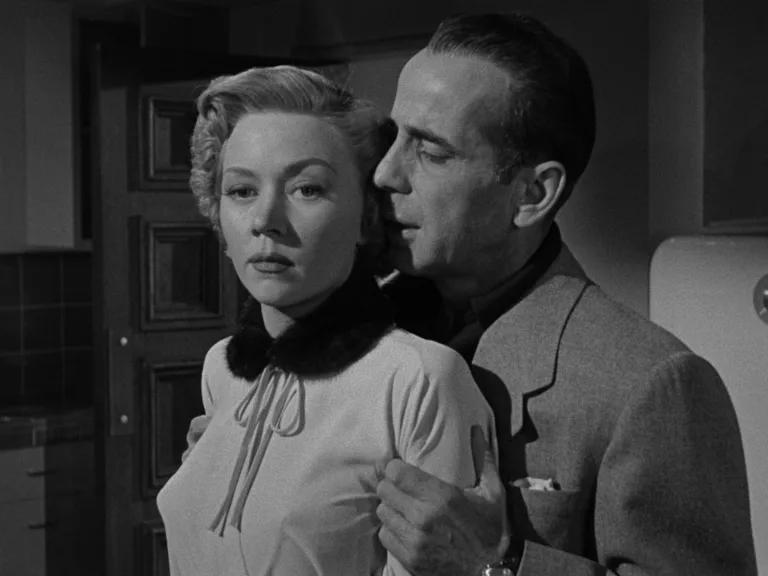
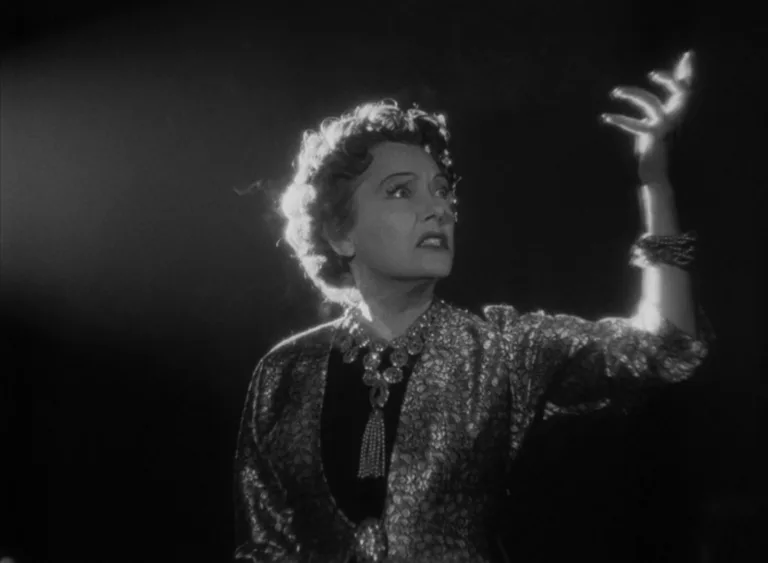
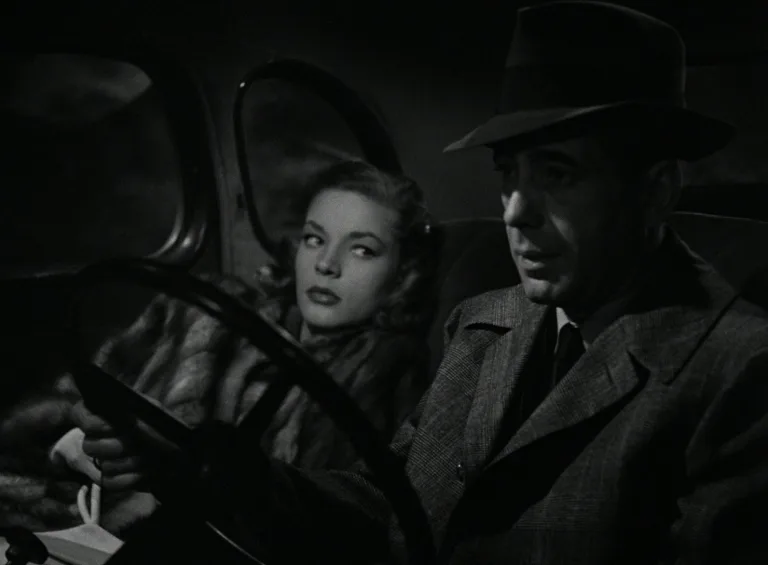
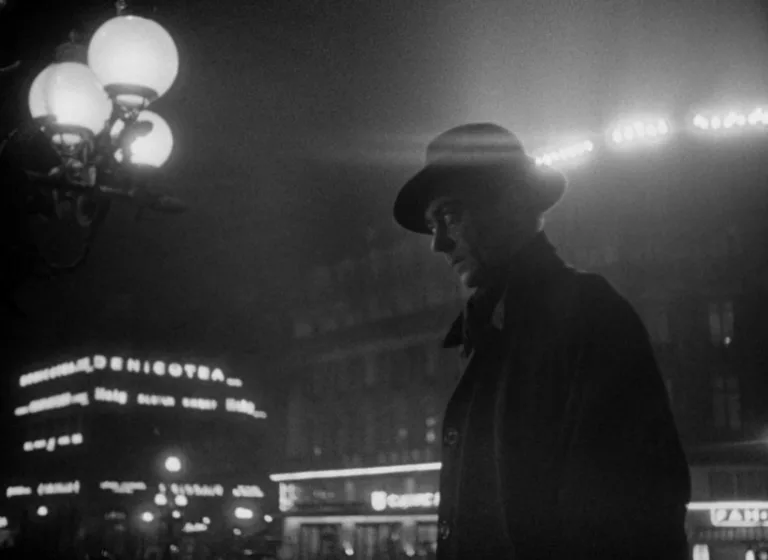
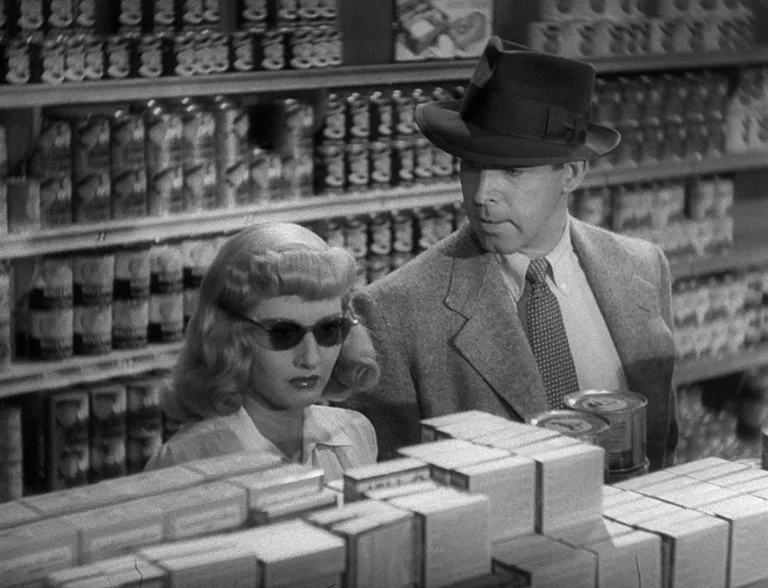
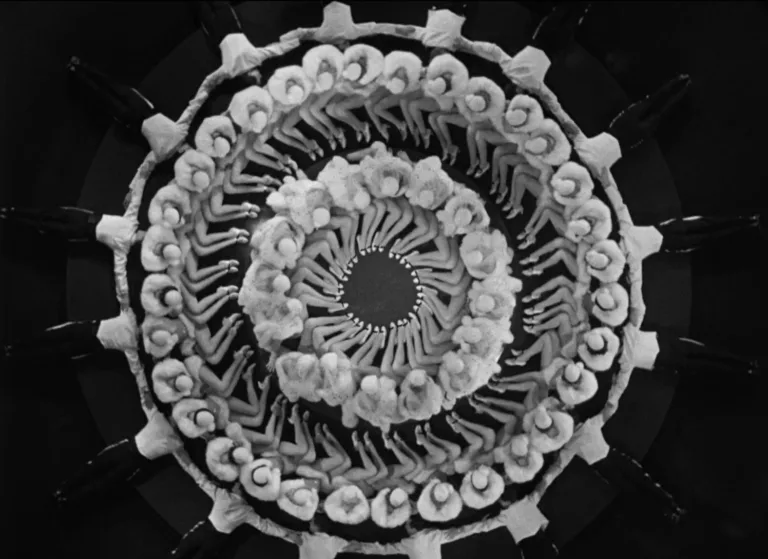
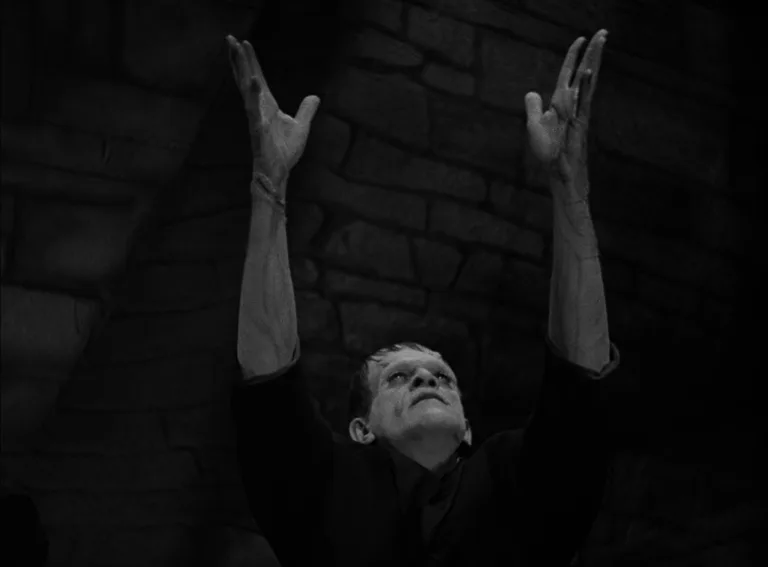
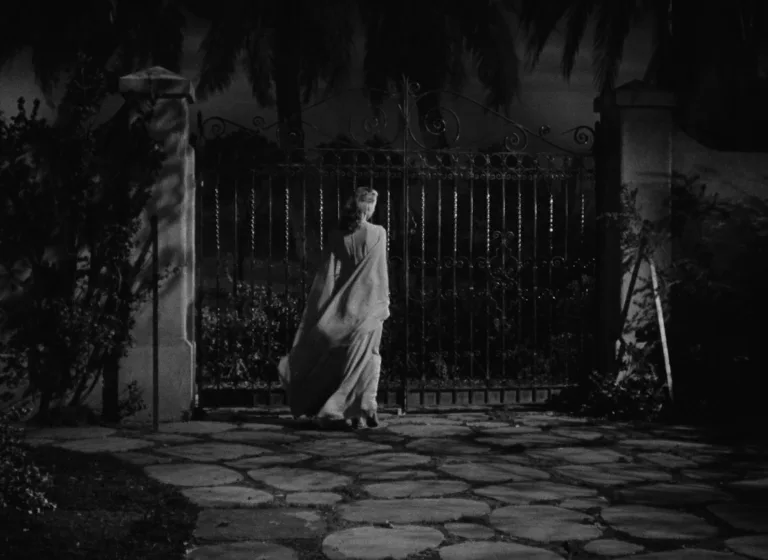
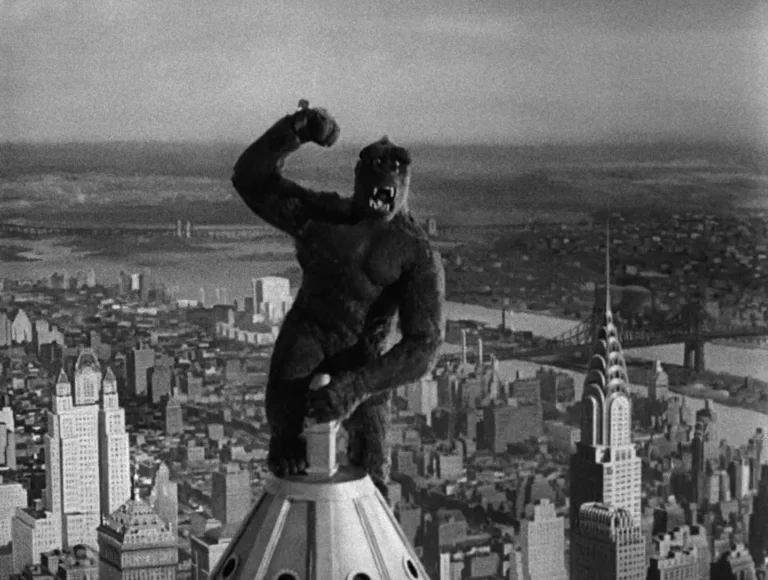
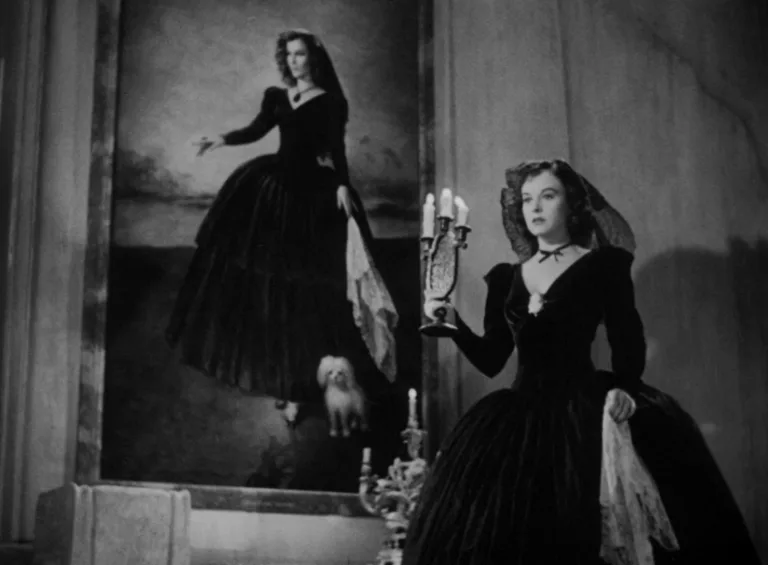
Before the widescreen revolution of the 1950s, the ‘Academy Ratio’ was the global cinema gold standard. With a nearly square 1.37:1 frame, this aspect ratio forced cinematographers to perfect vertical composition and deep-space blocking. At CinematicFreeze, we are showcasing some of the finest examples of 1.37:1 cinematography with our collection of high-resolution stills, which highlight the intimacy and power of this classic frame.
What is the 1.37:1 Aspect Ratio?
The Academy Ratio was established by the Academy of Motion Picture Arts and Sciences in 1932. Unlike modern widescreen formats such as 1.85:1 or 2.39:1, the 1.37:1 ratio is taller and narrower. This aspect ratio is ideal for portraiture and character-driven drama as it enables the camera to capture an actor’s full expression and body language without leaving excessive ‘dead space’ on the sides of the frame.
Essential 1.37:1 Cinematography Galleries
Explore our curated collection of films that have helped to define and shape the visual language of the Academy Ratio.
- Casablanca: The Romantic/Noir look with its masterful use of shadows and close-ups.
- To Be or Not to Be: The Comedic/Interior look with its precision blocking and high-society interiors.
- Citizen Kane: The Innovative/Architectural look with its use of deep focus and extreme low angles.
Why Cinematographers Love the “Square” Frame
Many modern directors (like Wes Anderson or Robert Eggers) return to the 1.37:1 ratio today. Here is why it remains a powerful tool for visual storytelling:
- Focus on the Face: The narrow width naturally draws the eye to the center of the screen, making close-ups more intense.
- Vertical Geometry: It allows for taller sets and architecture to dominate the background, creating a sense of scale that widescreen often misses.
- Balanced Composition: The ratio is close to the “Golden Mean,” making it naturally pleasing to the human eye for balanced, painterly shots.