Dark City (1998): The stranger lost in a noir expressionist nightmare
1998 • Alex Proyas • 2.35:1 • Jump to Gallery ↓
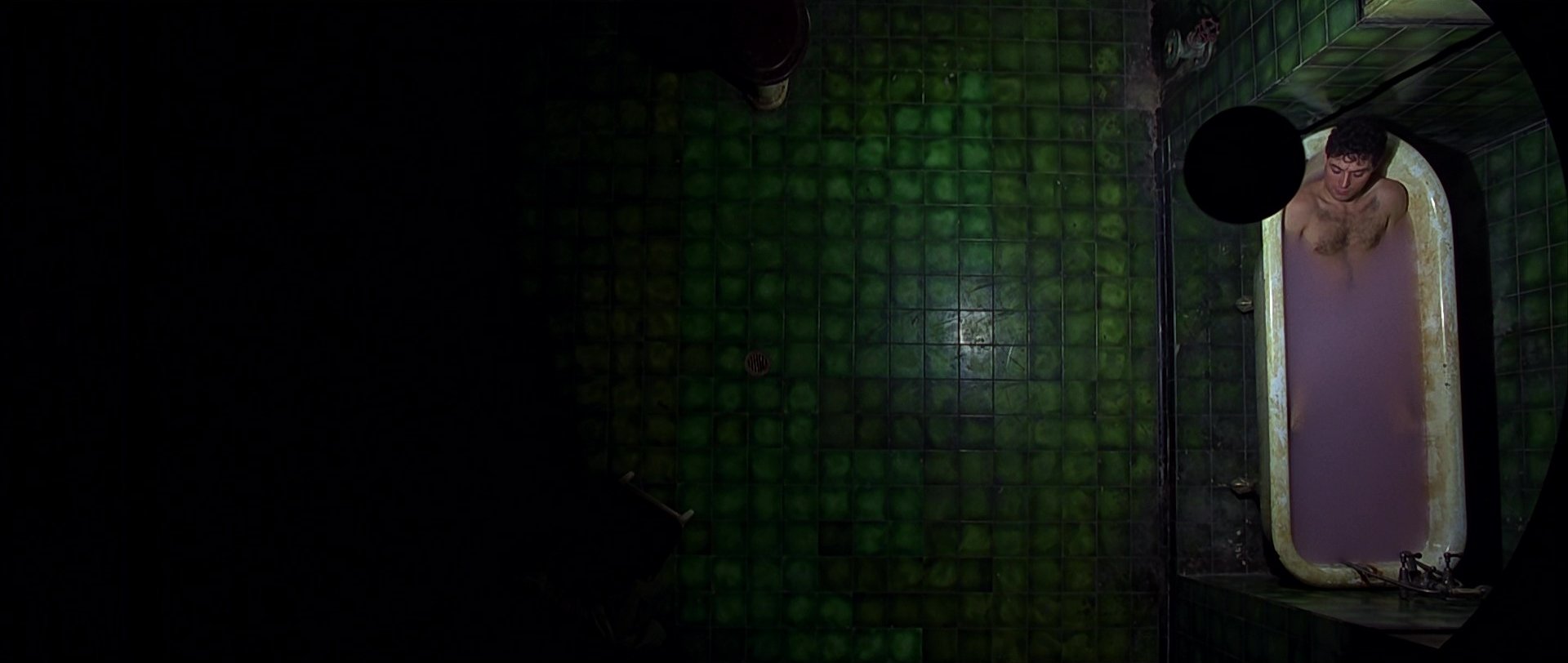
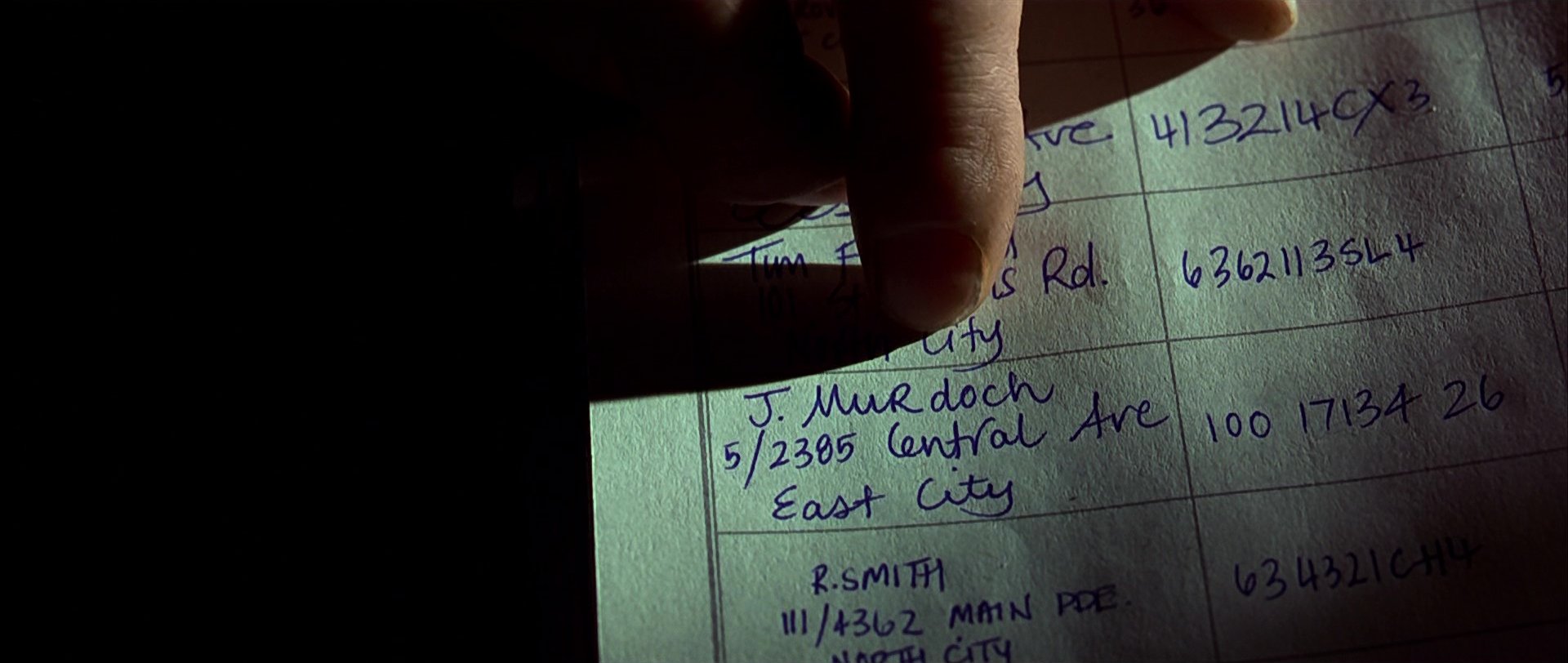
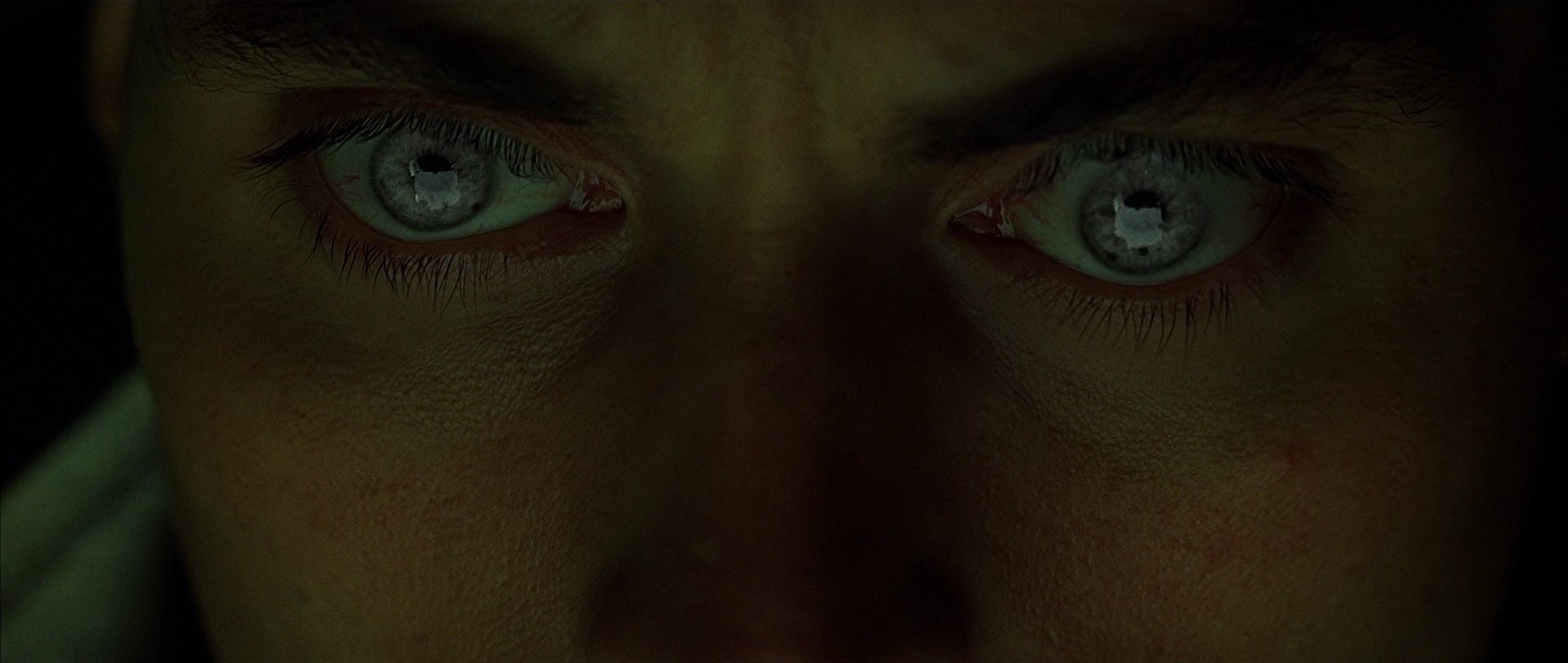
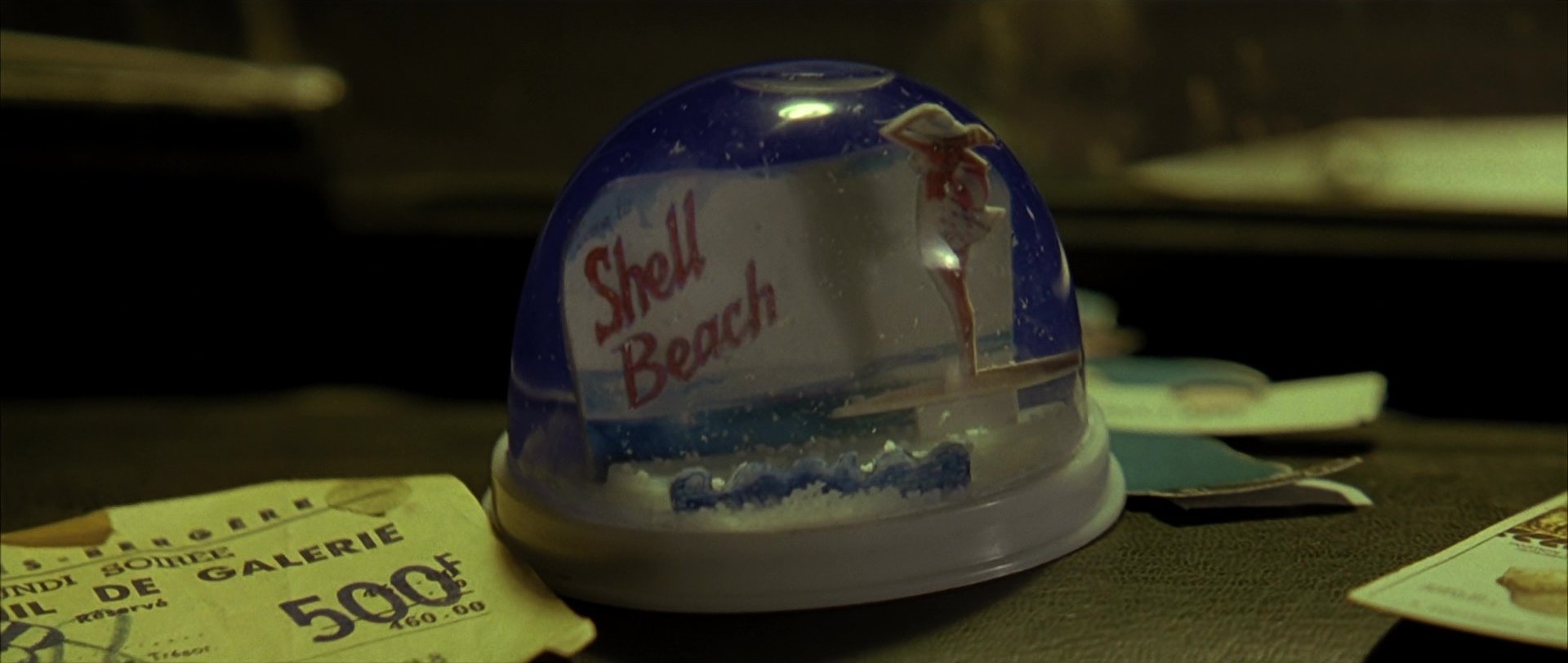
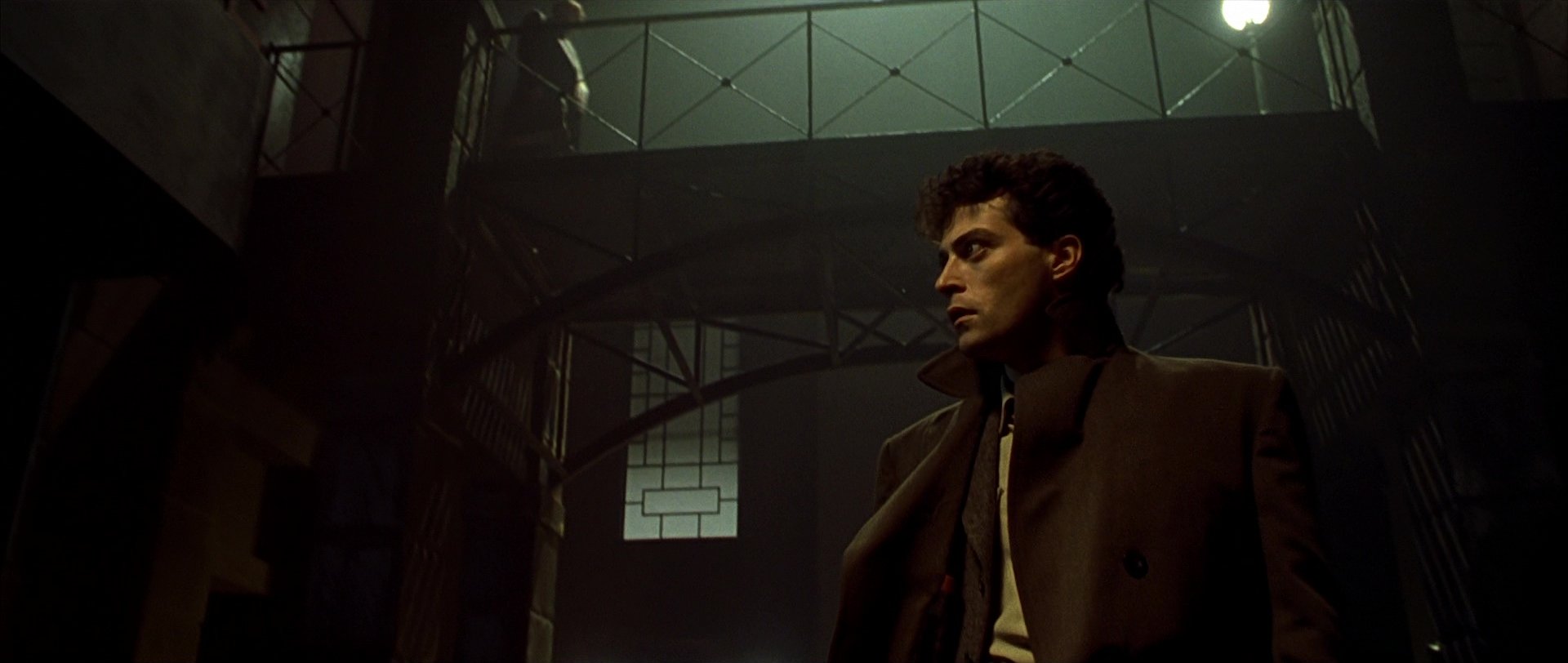
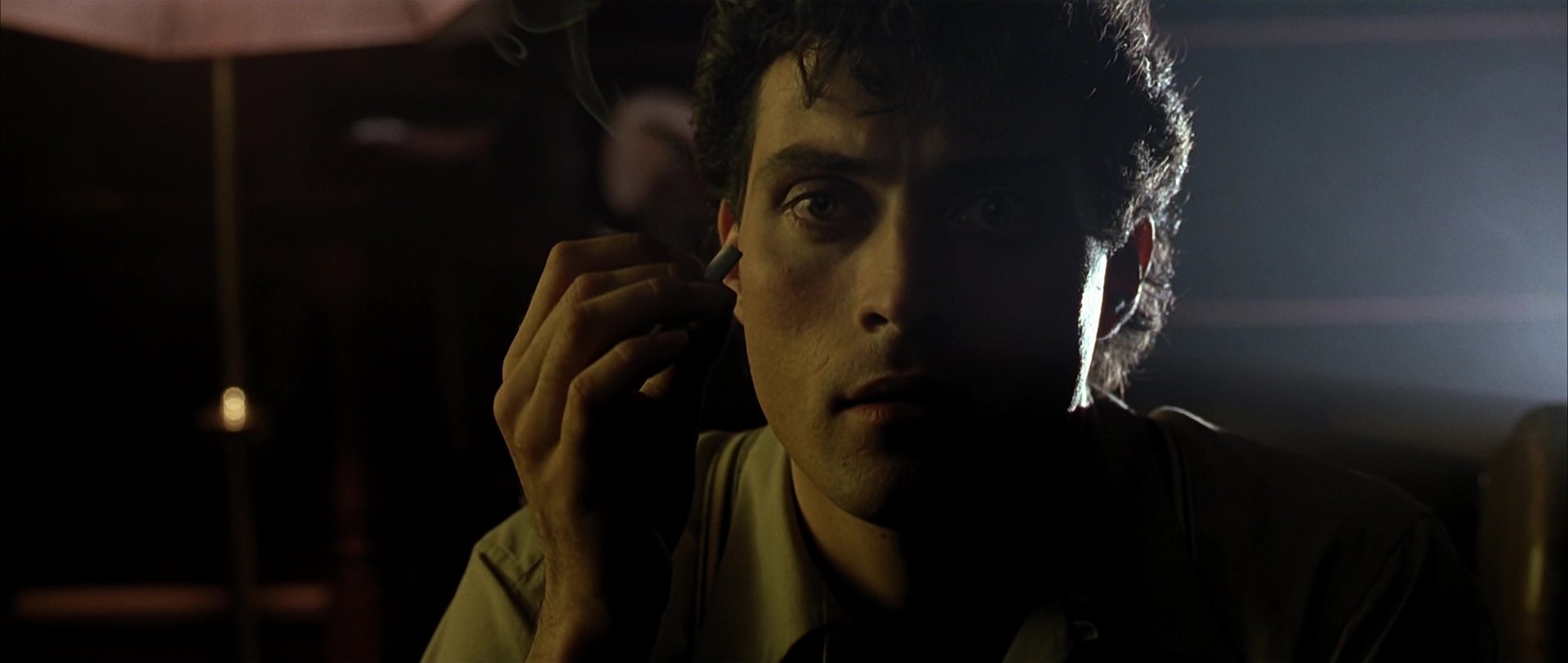
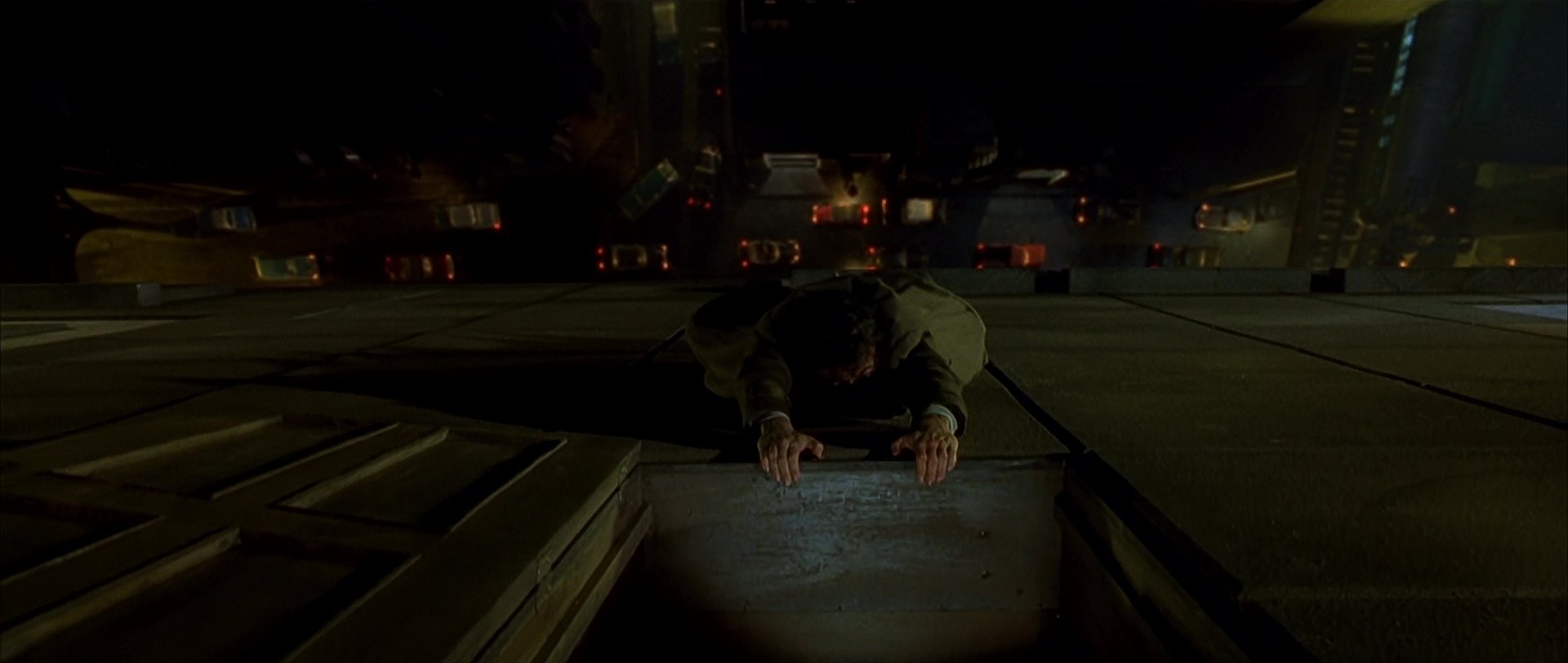
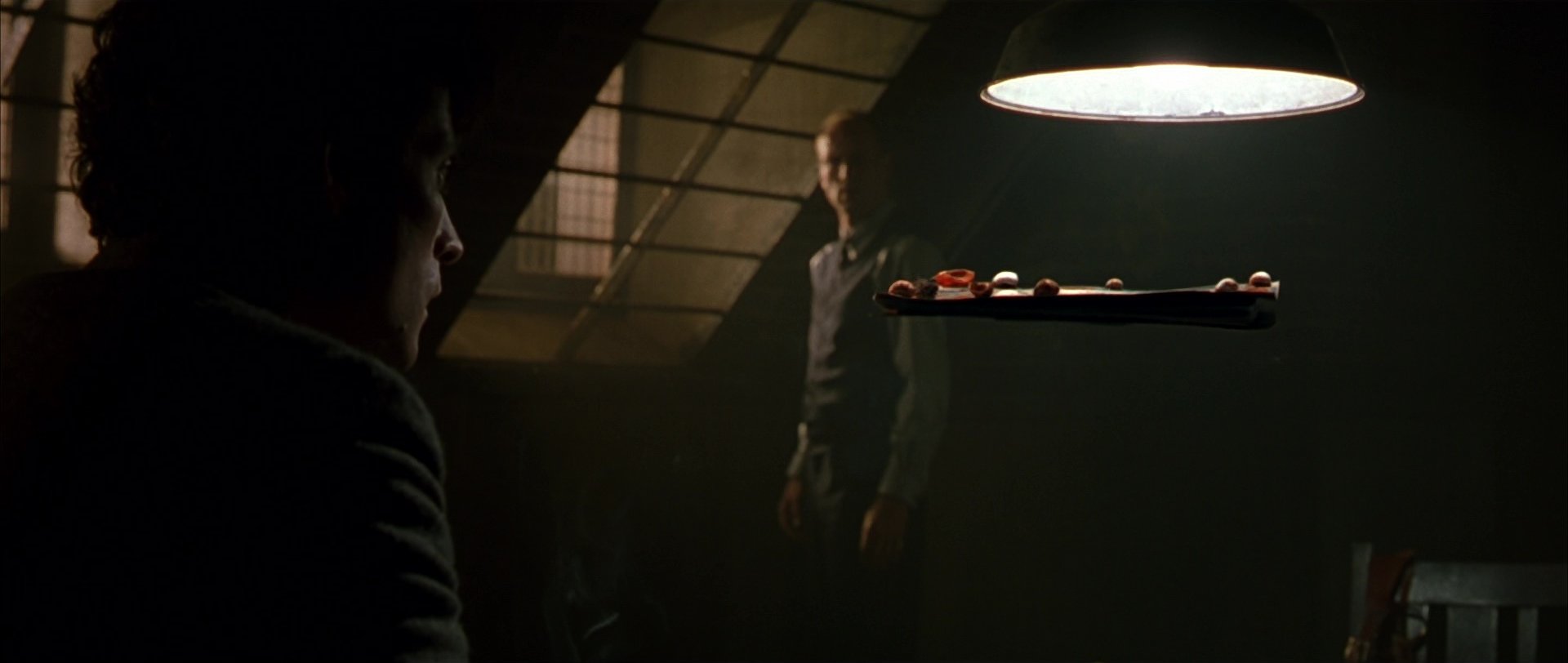
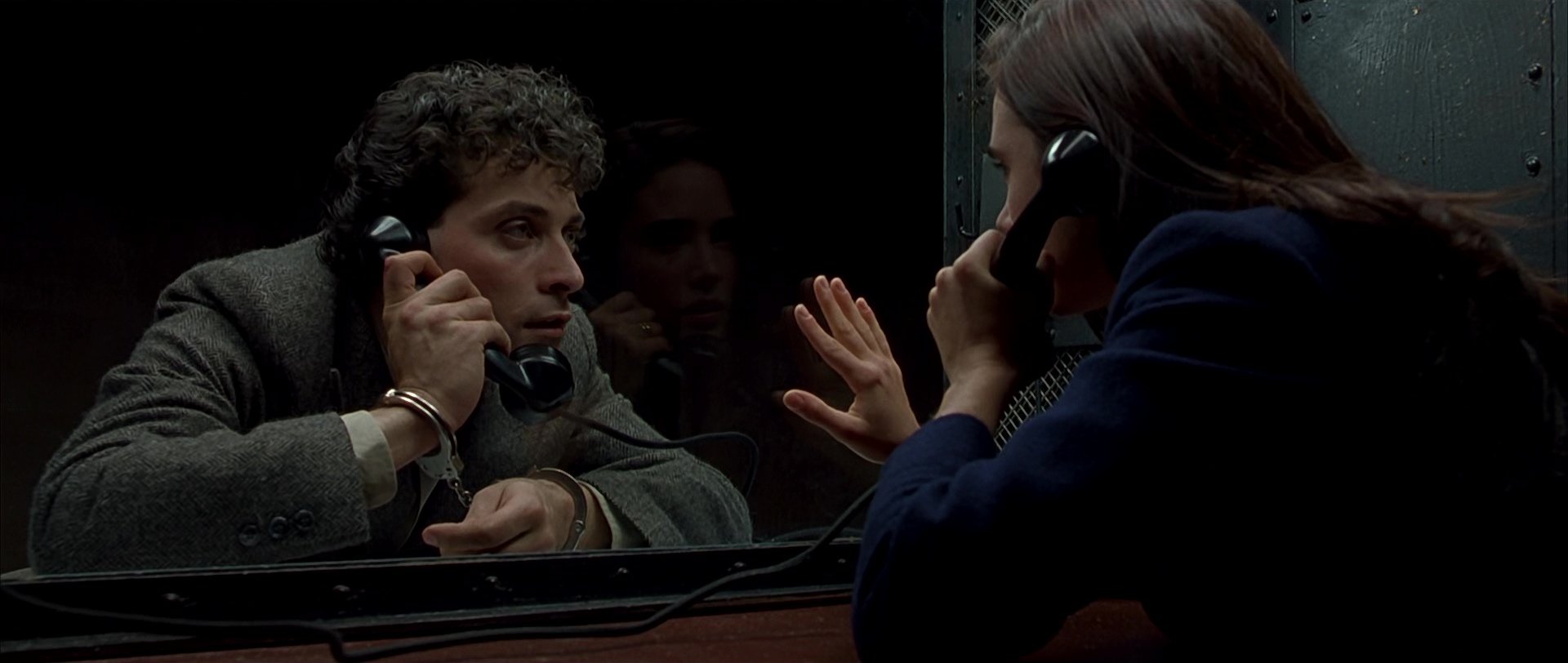
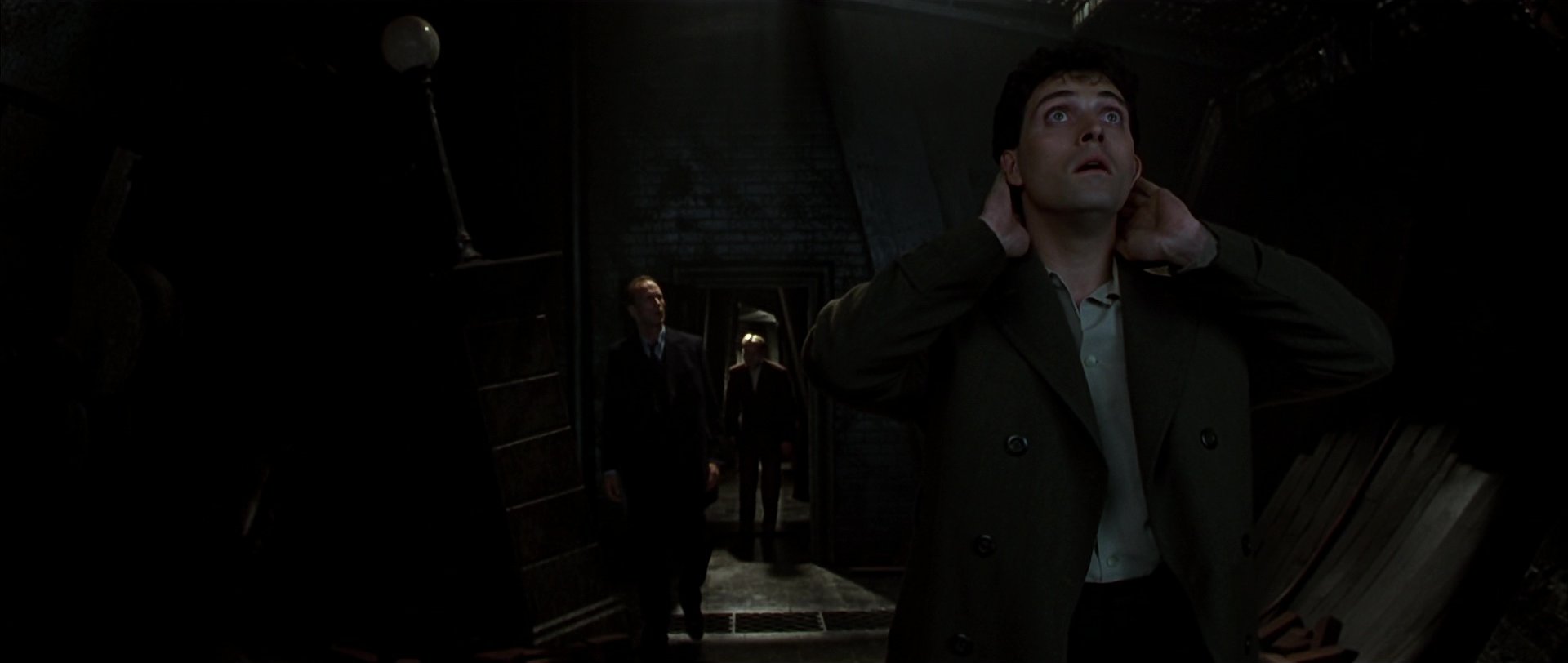
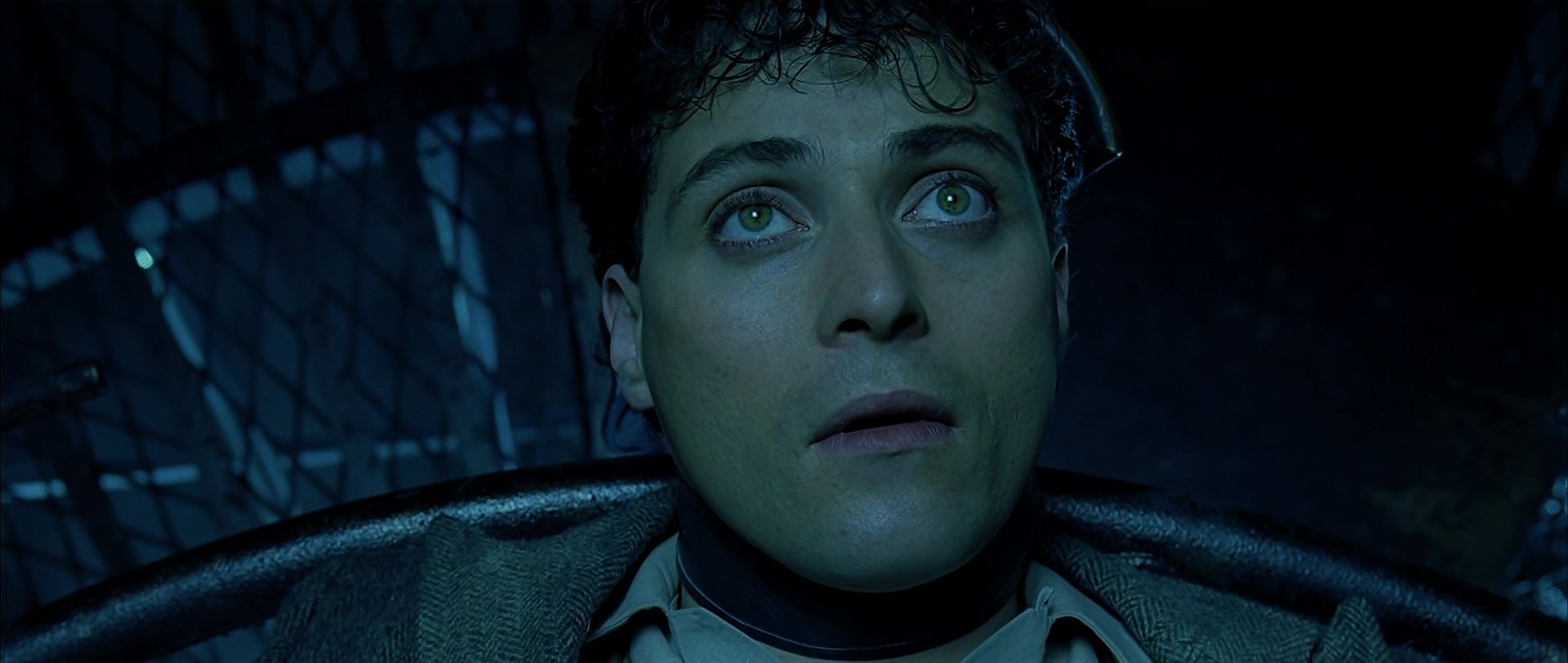
Alex Proyas‘s Dark City follows a man who wakes up in a hotel room with no memory and who is quickly implicated in a series of murders. As he tries to discover his identity, he finds that the city around him is ruled by mysterious powers that can change reality, memory and the environment itself.
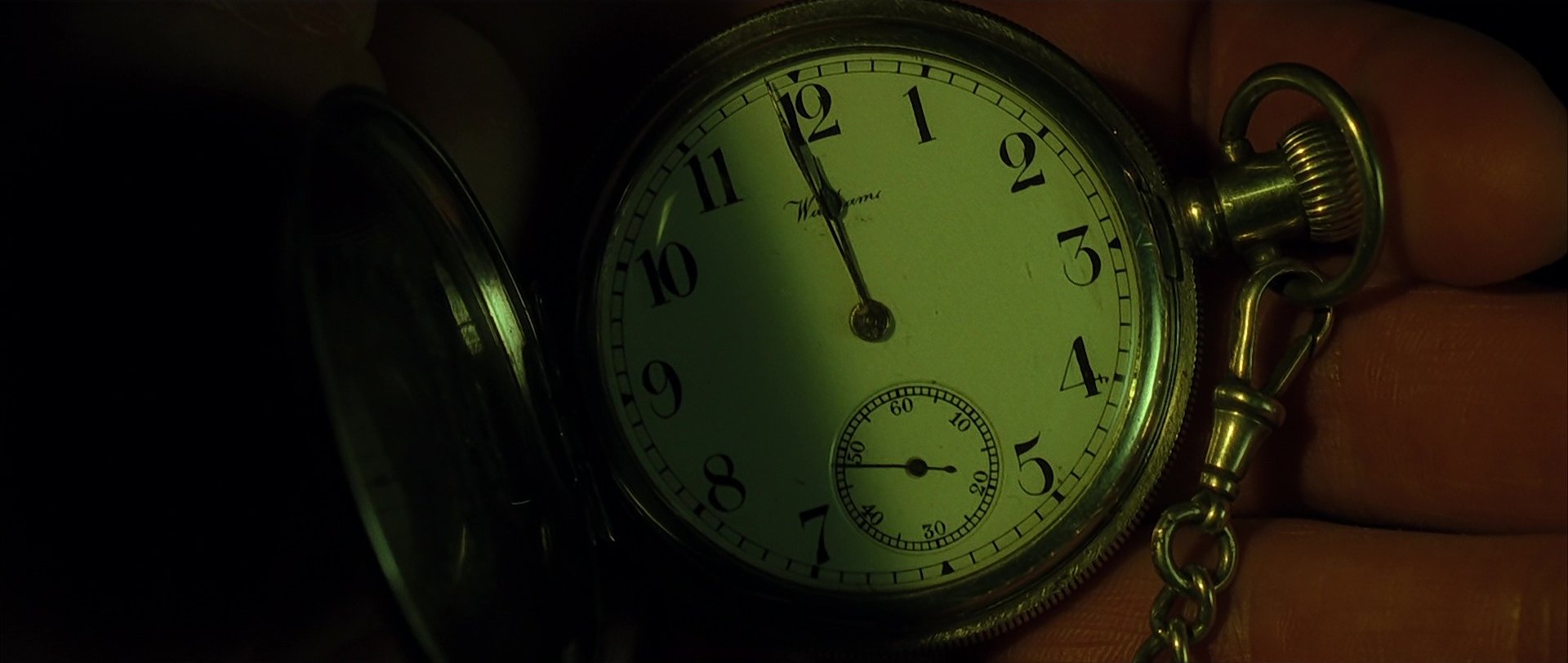
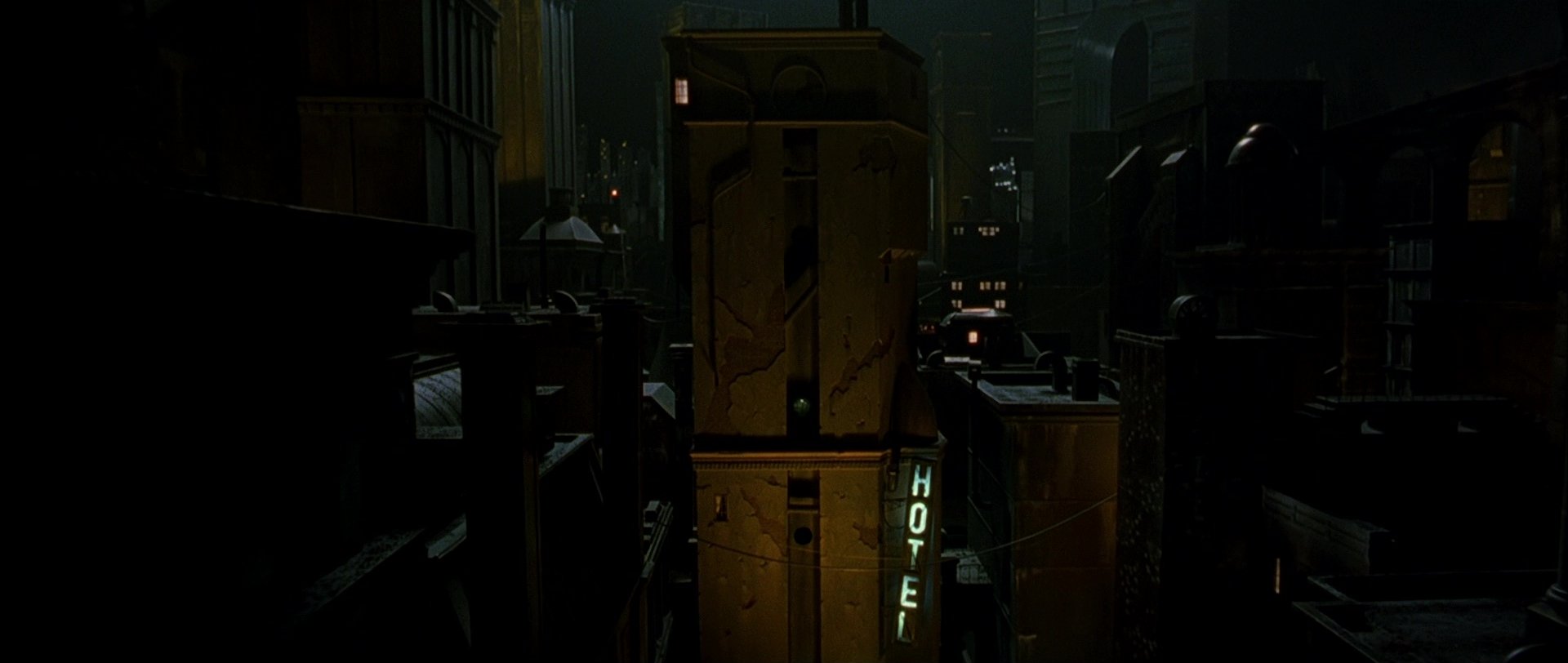
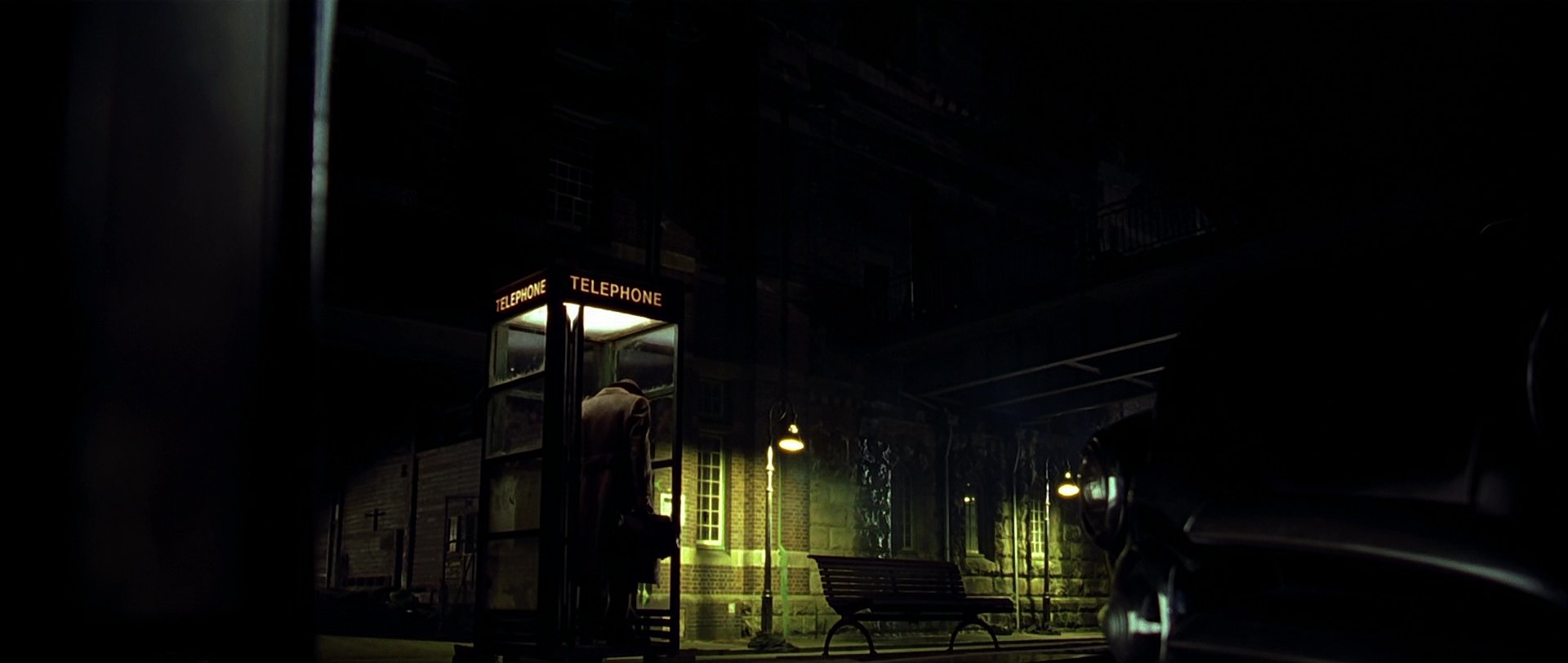
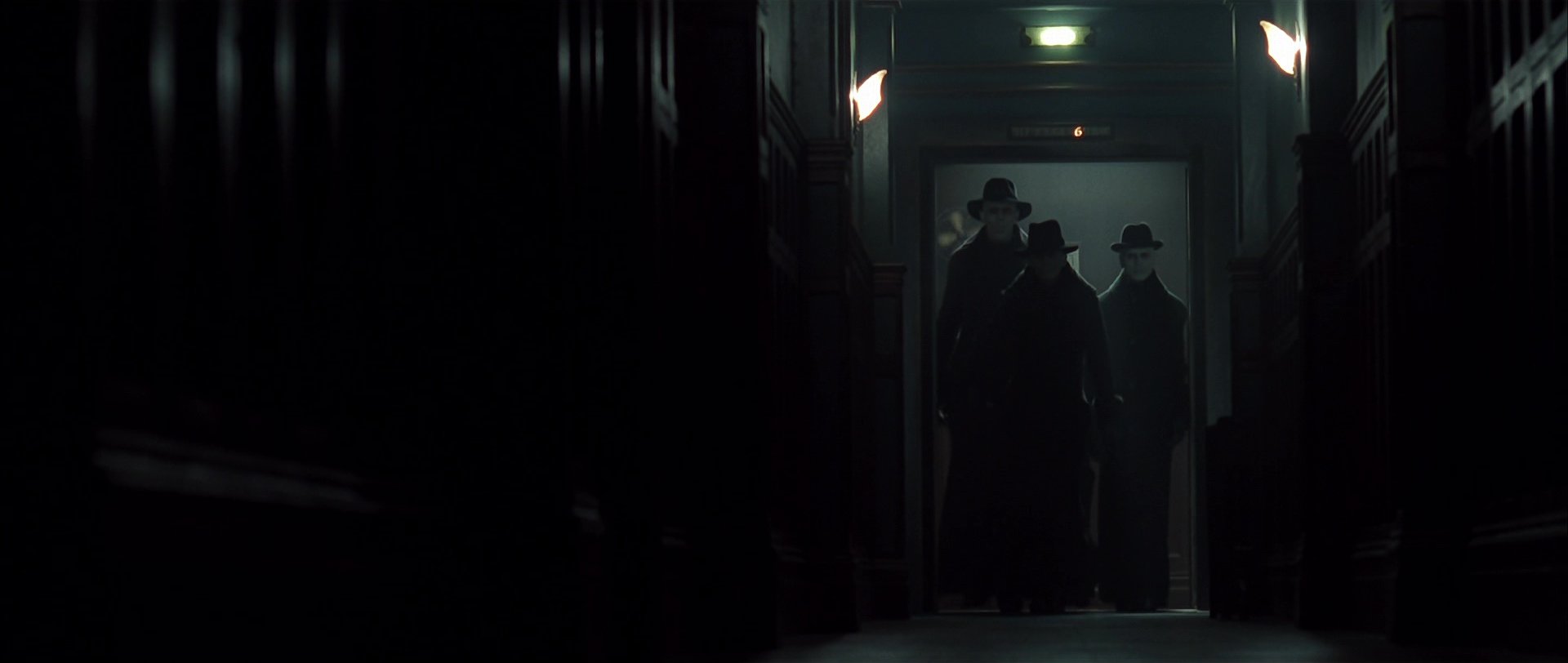
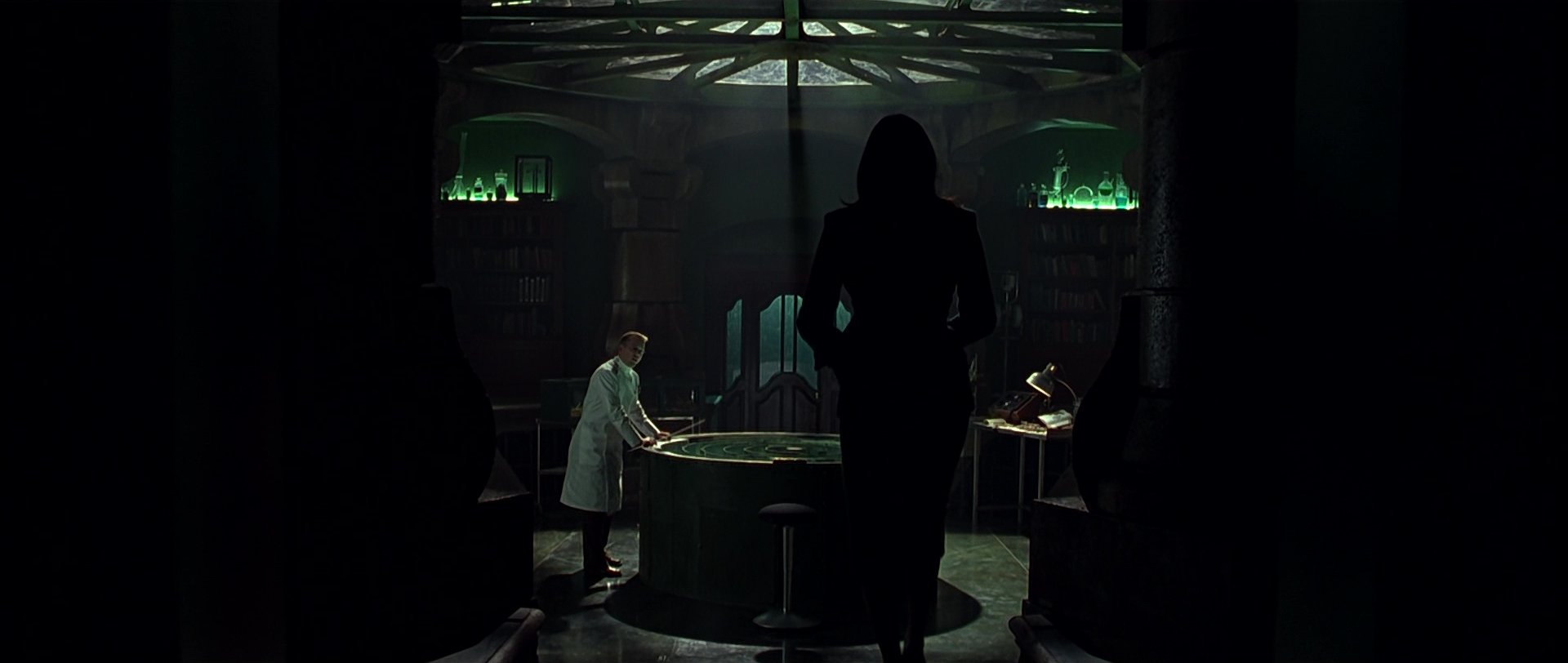
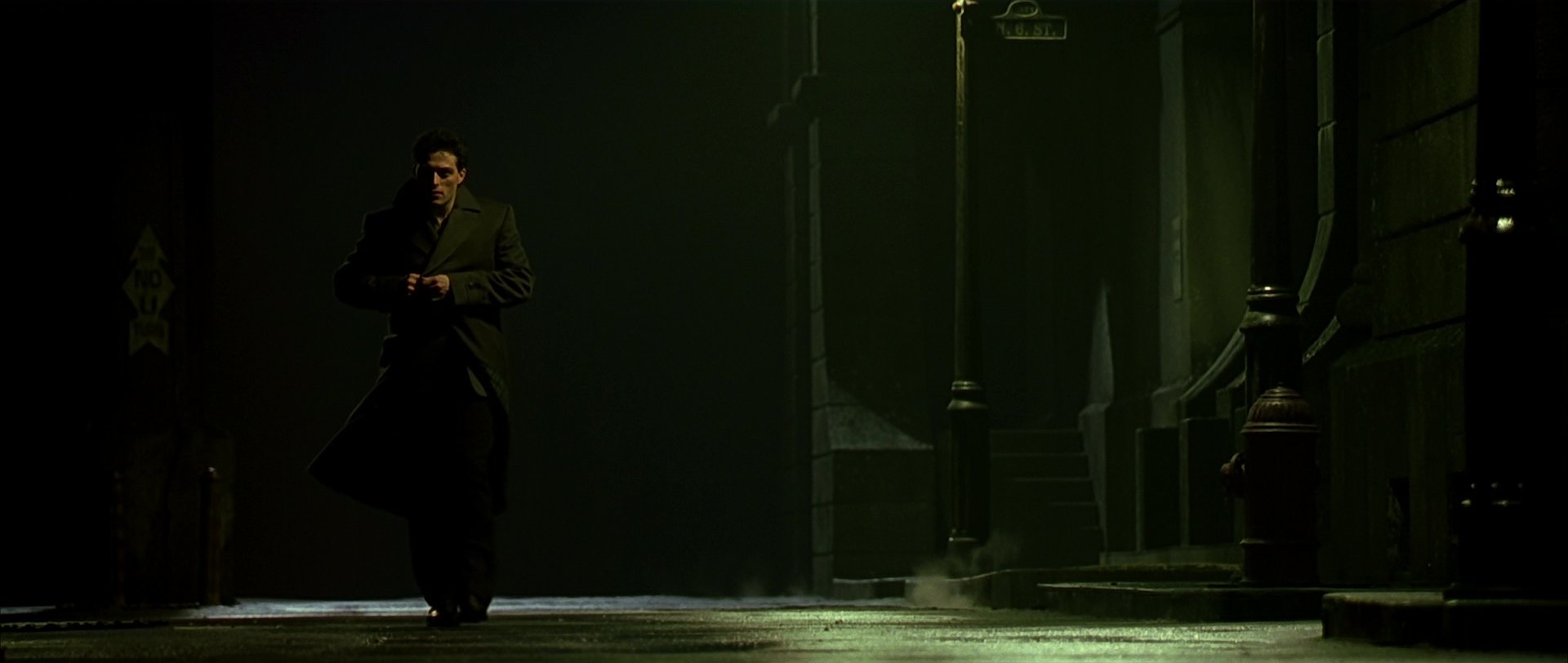
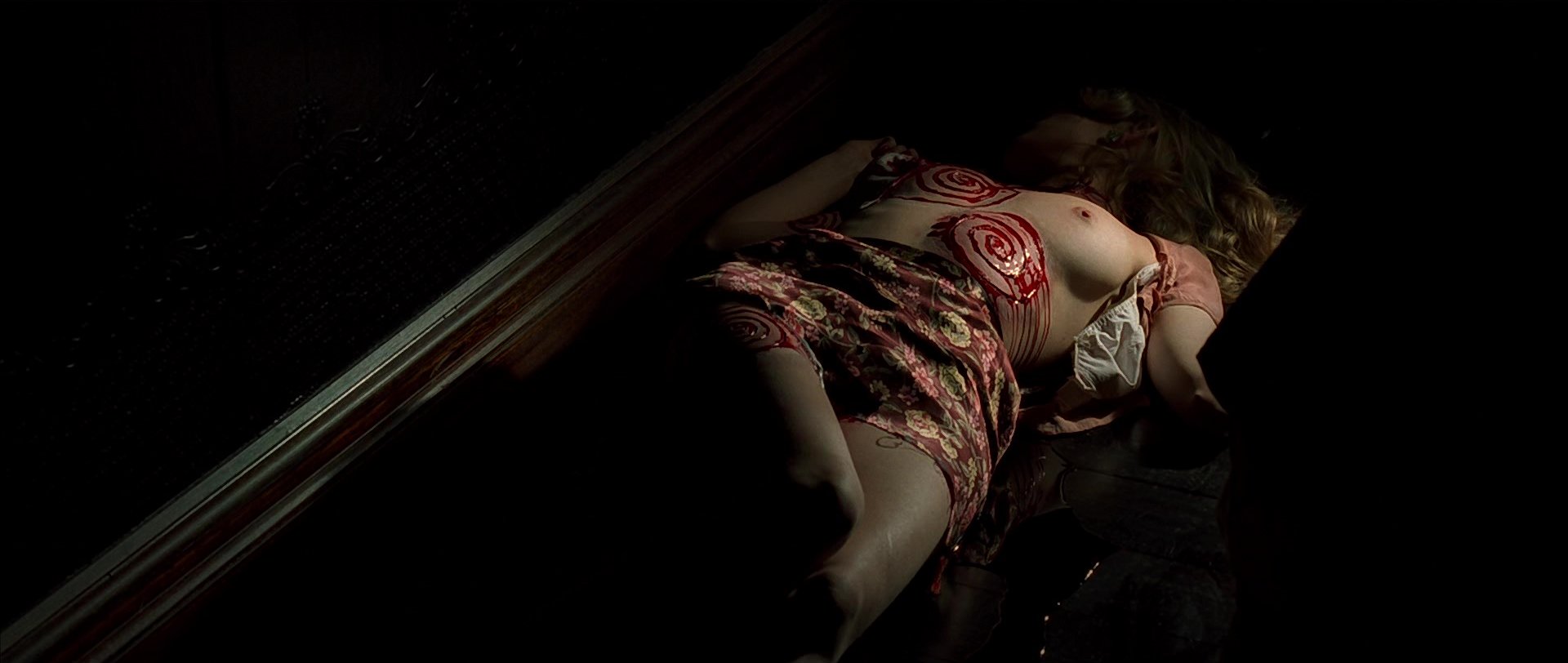
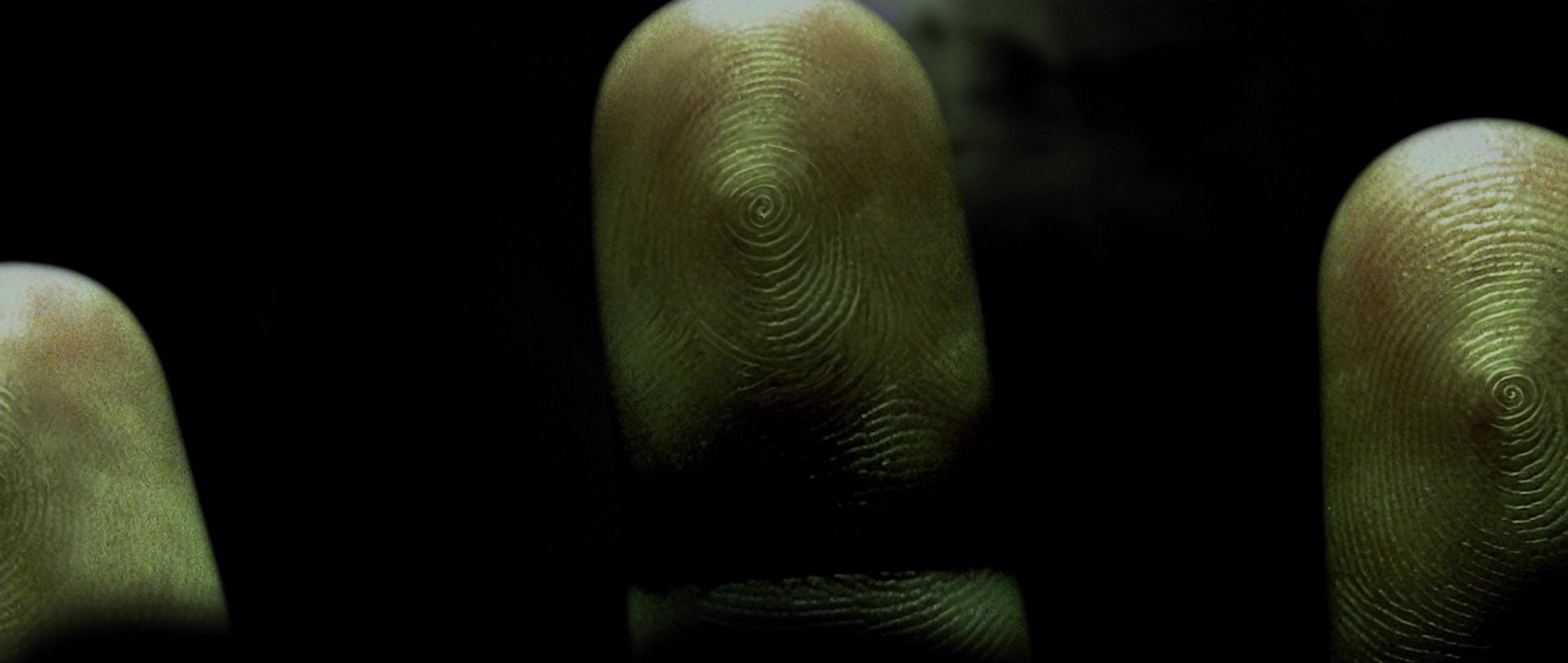
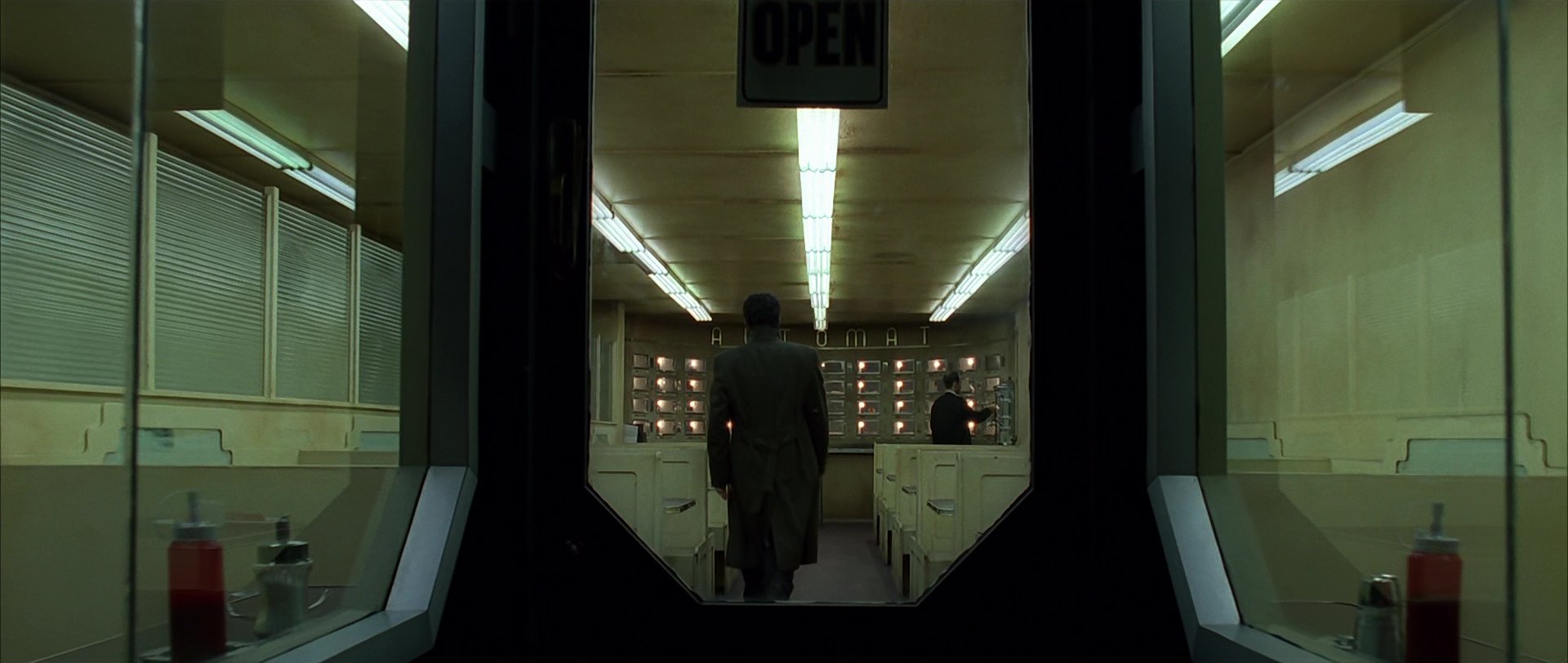
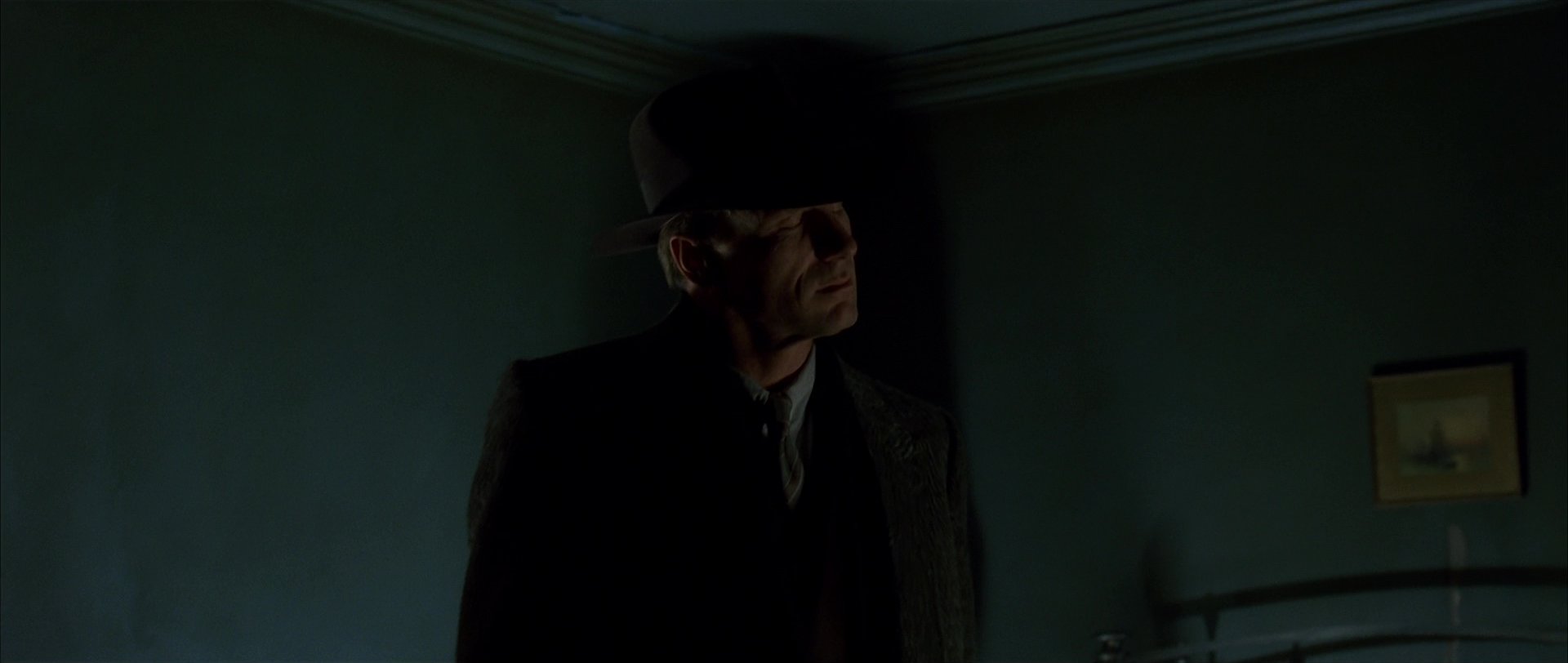
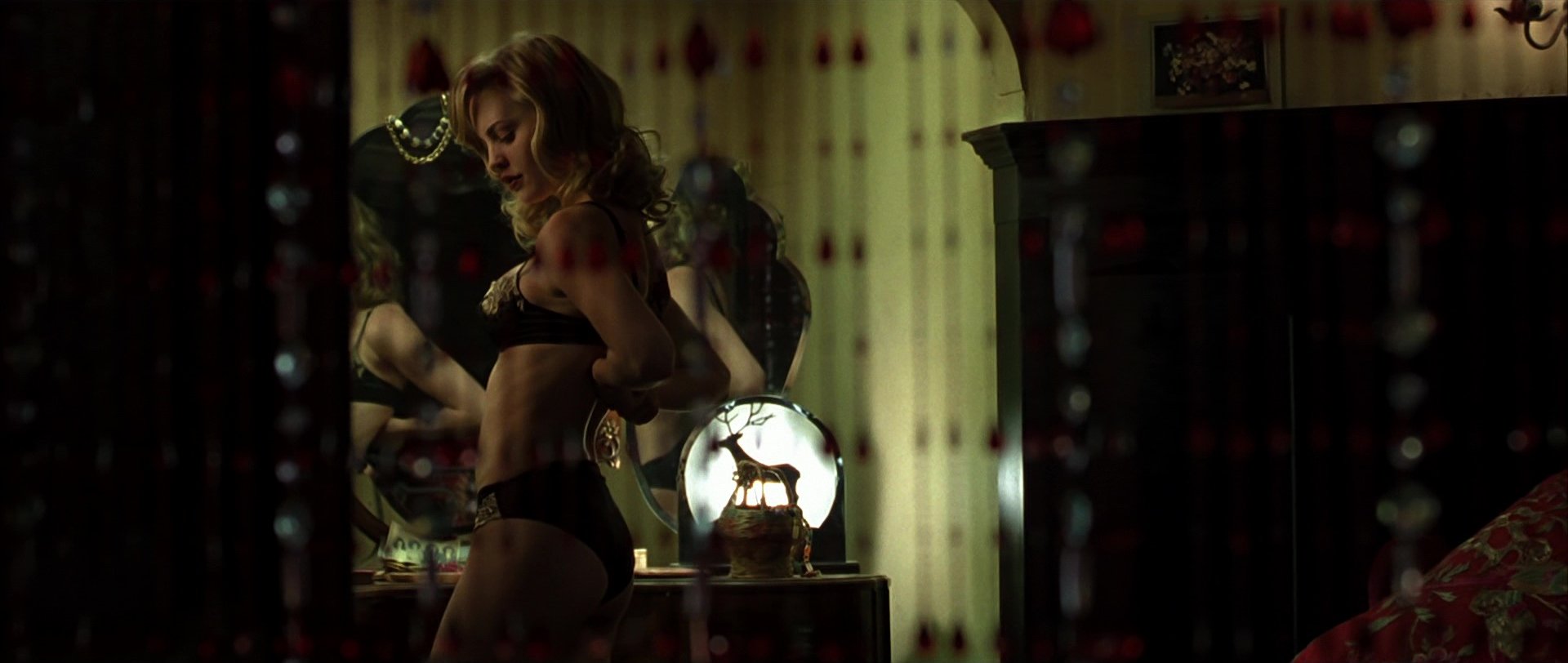
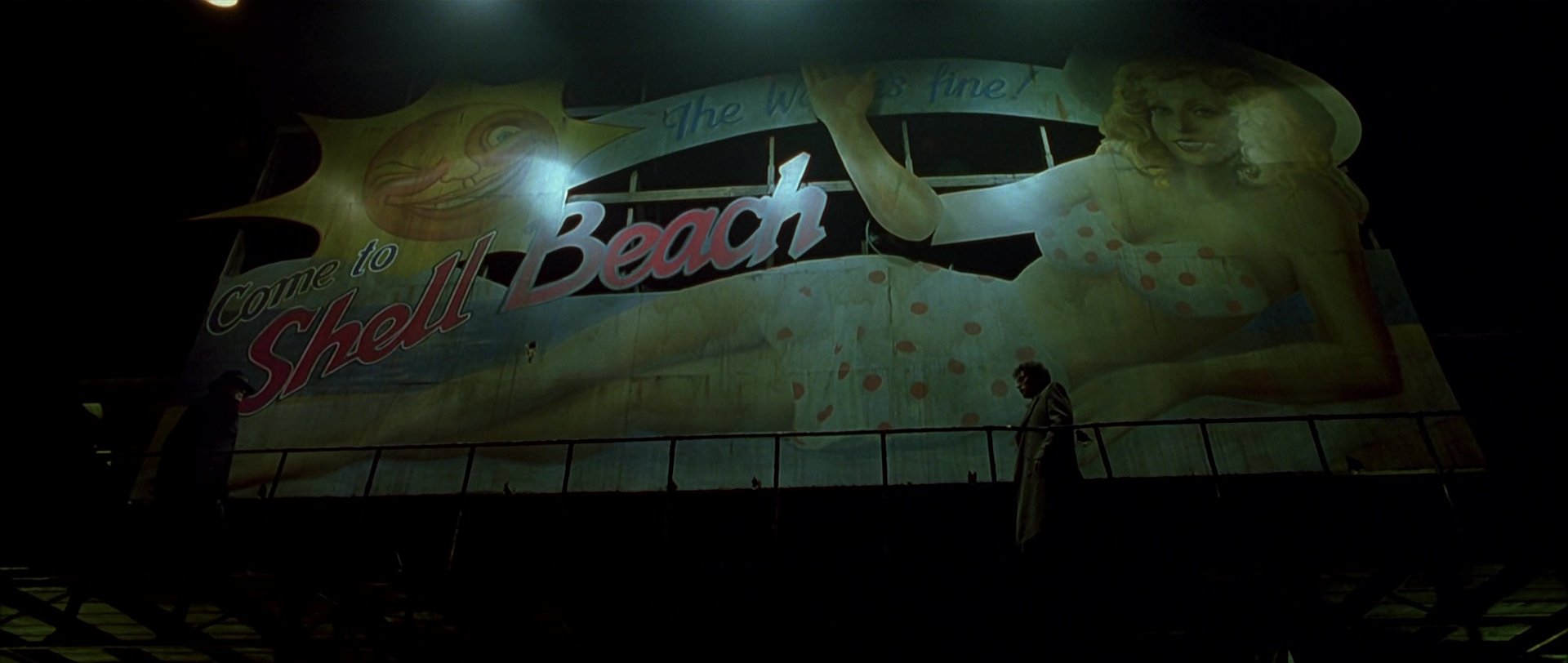
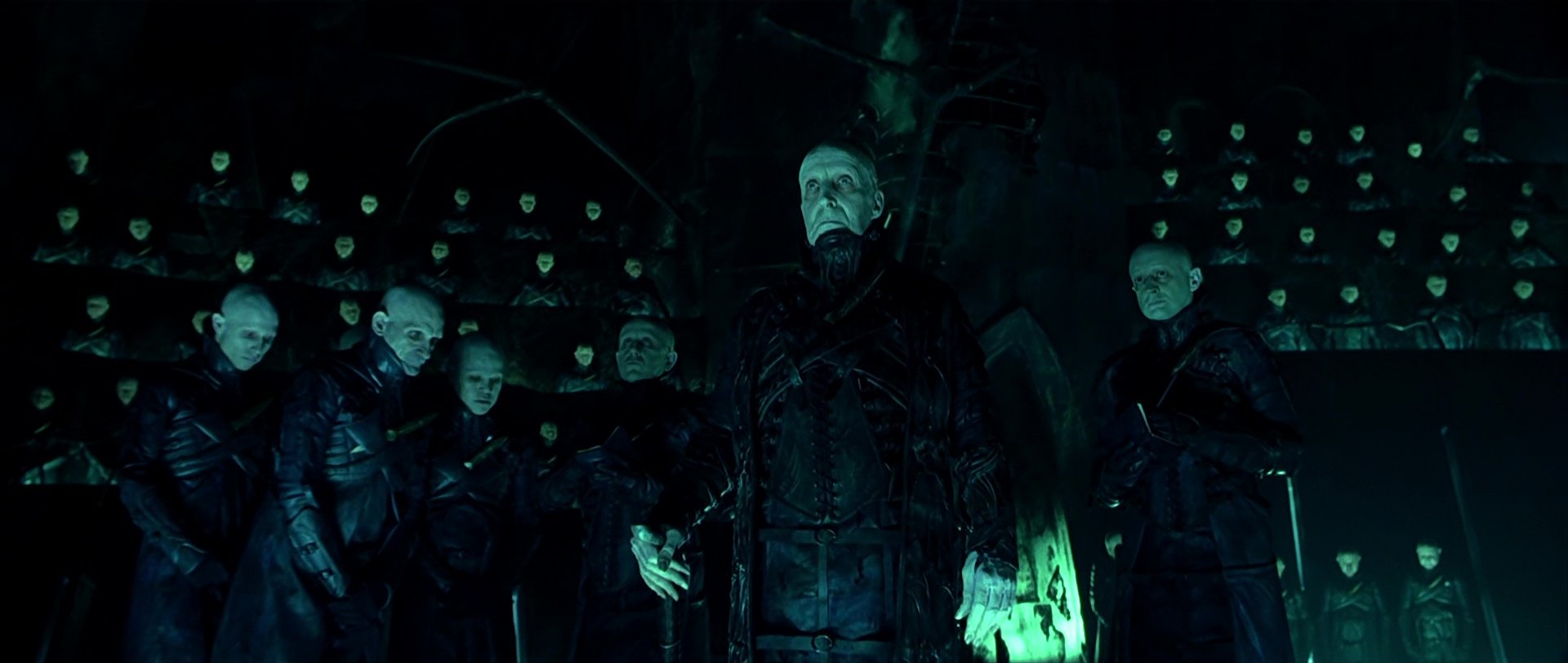
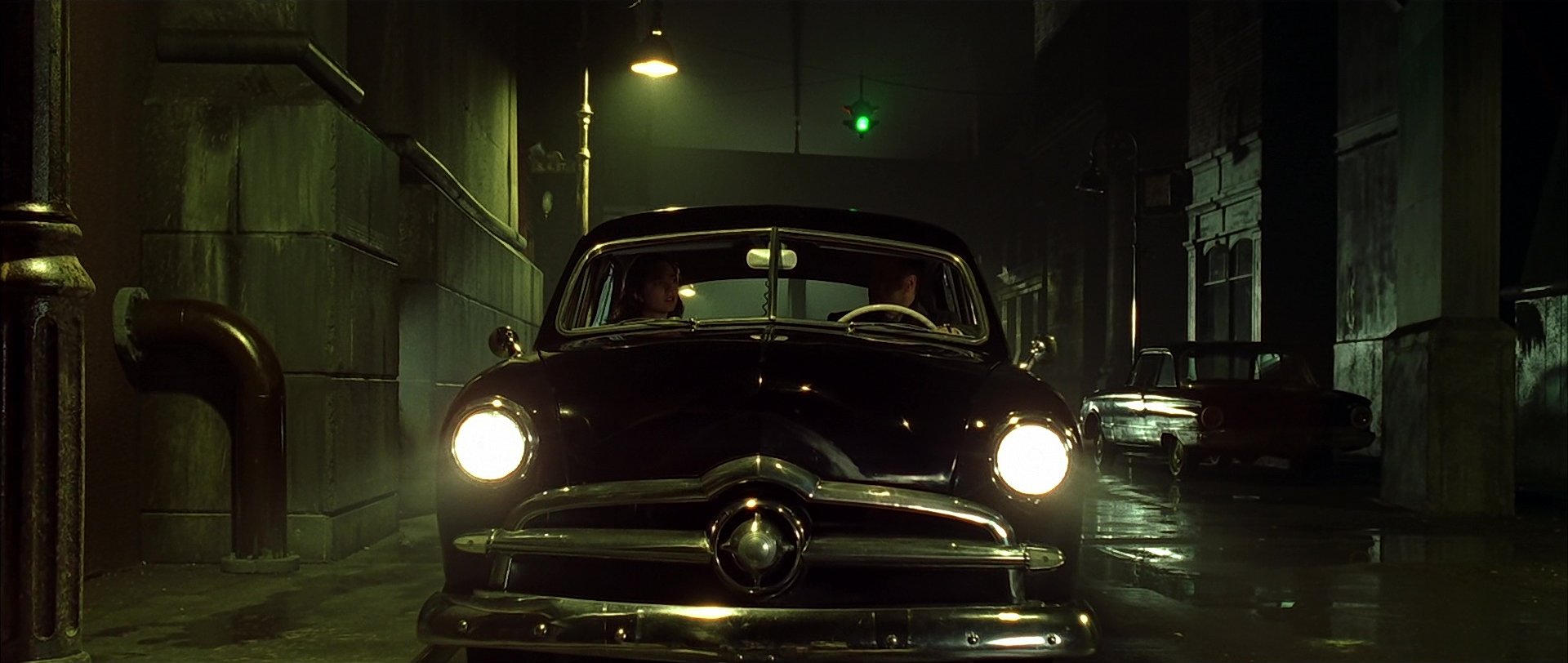
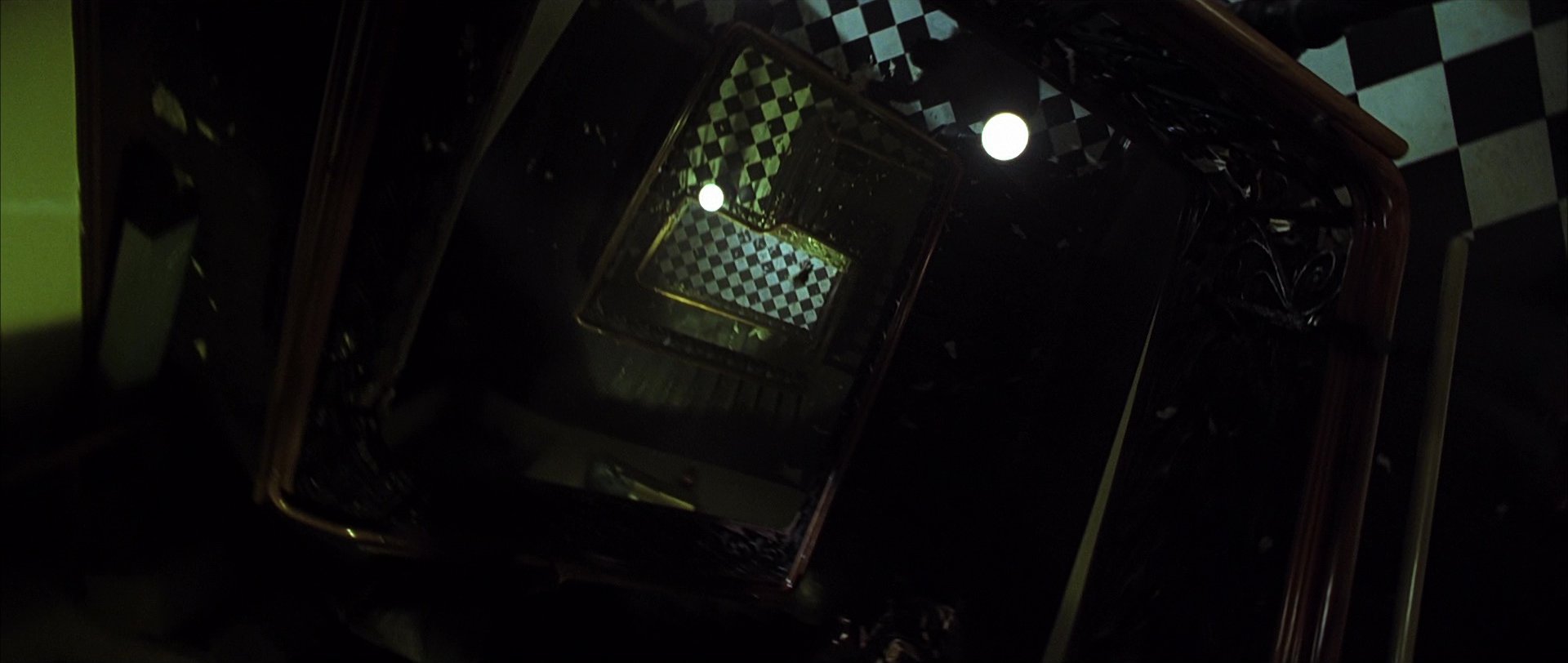
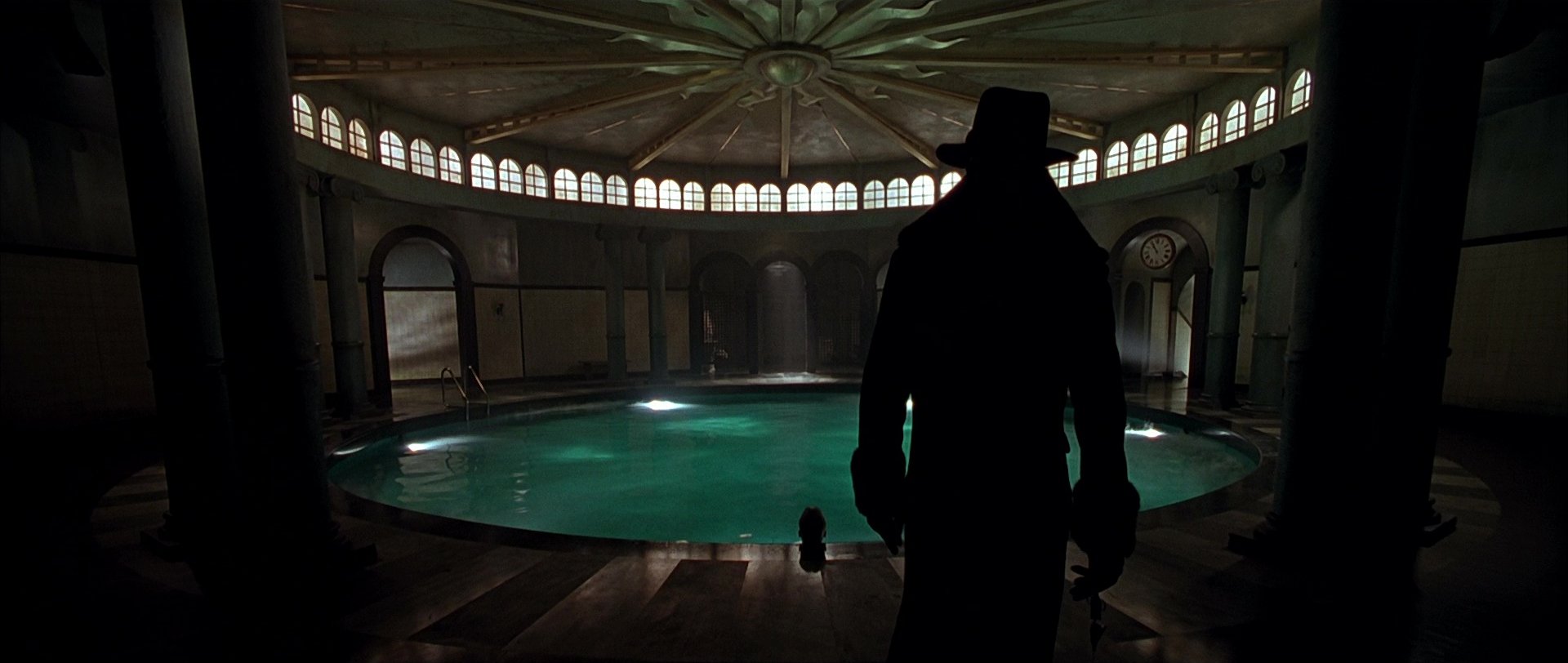
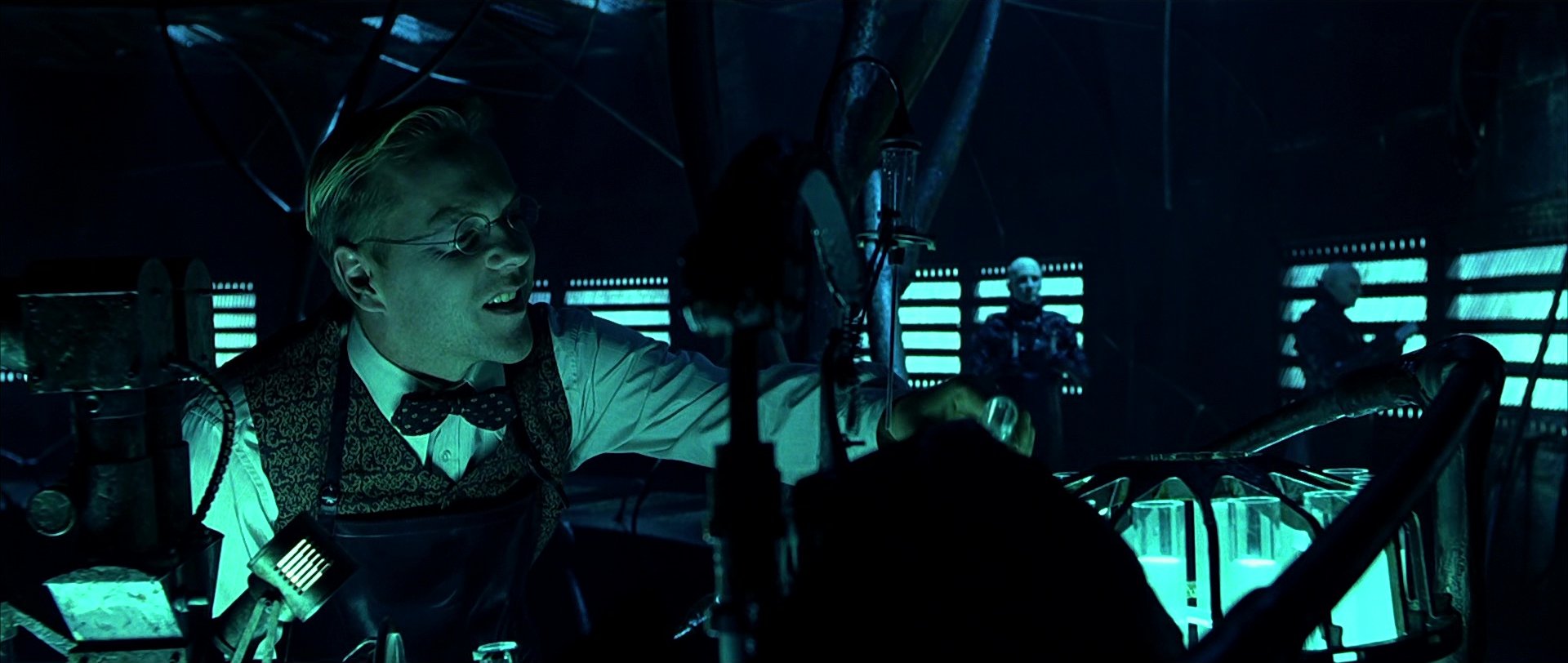
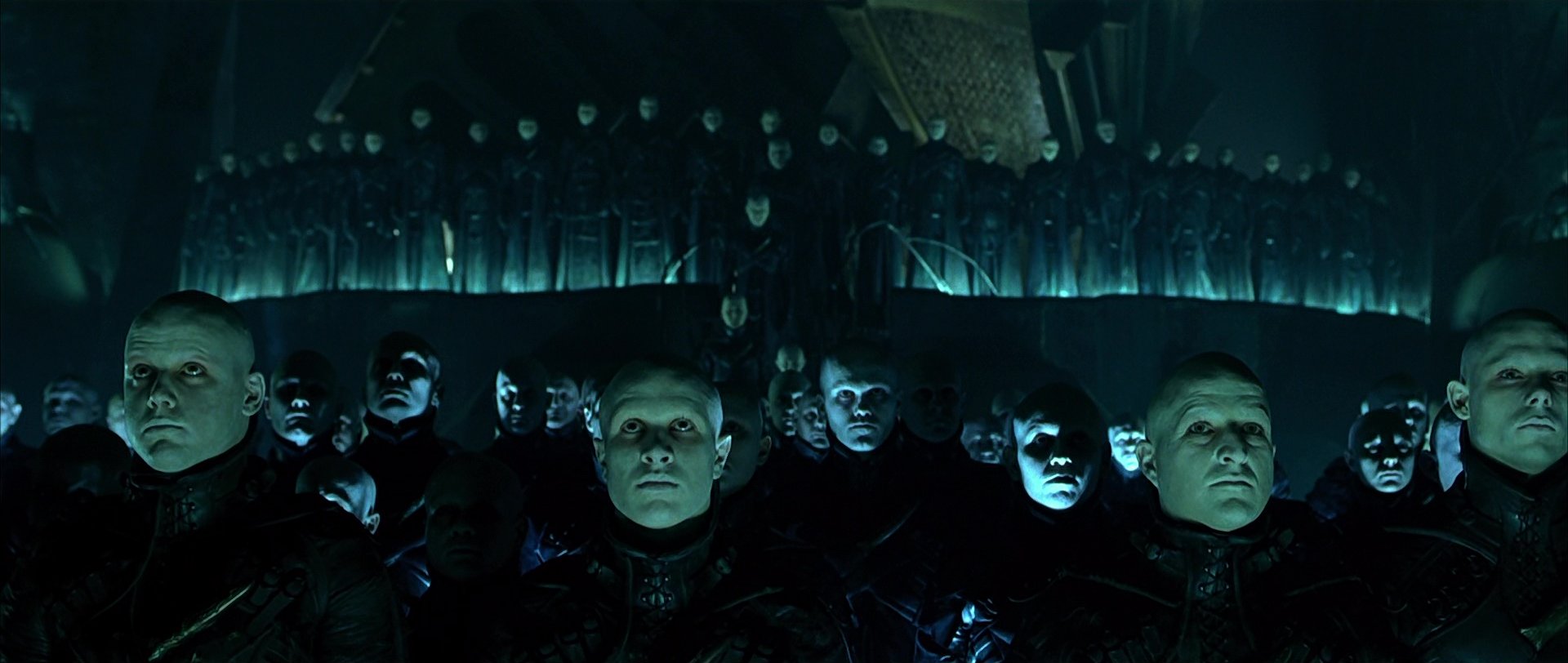
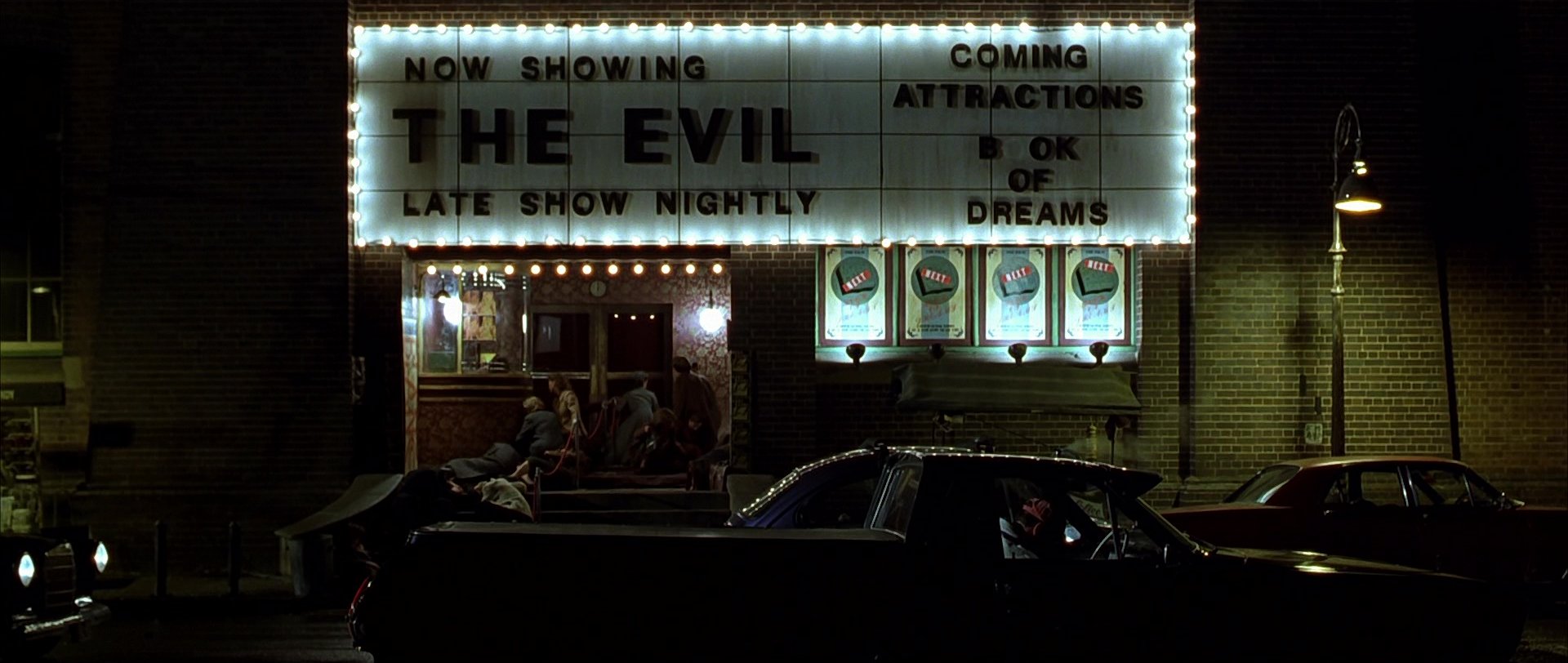
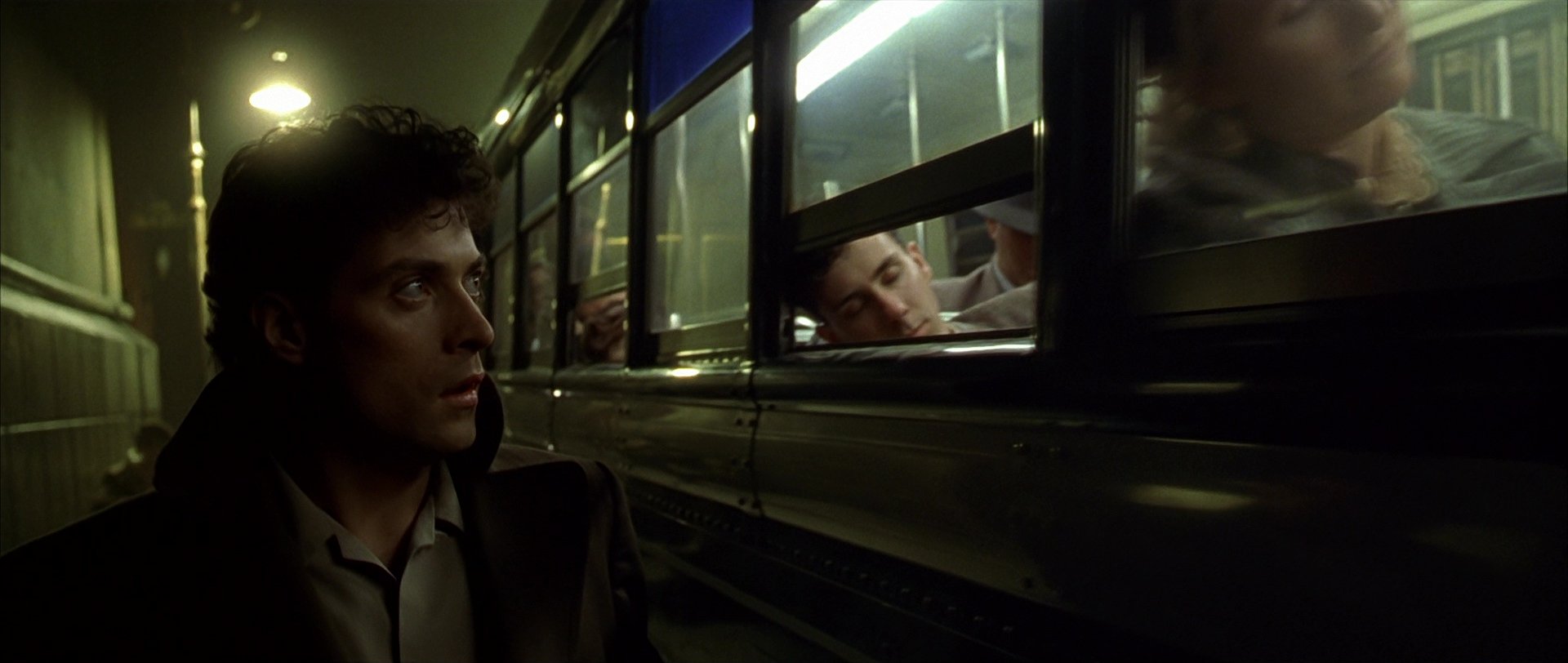
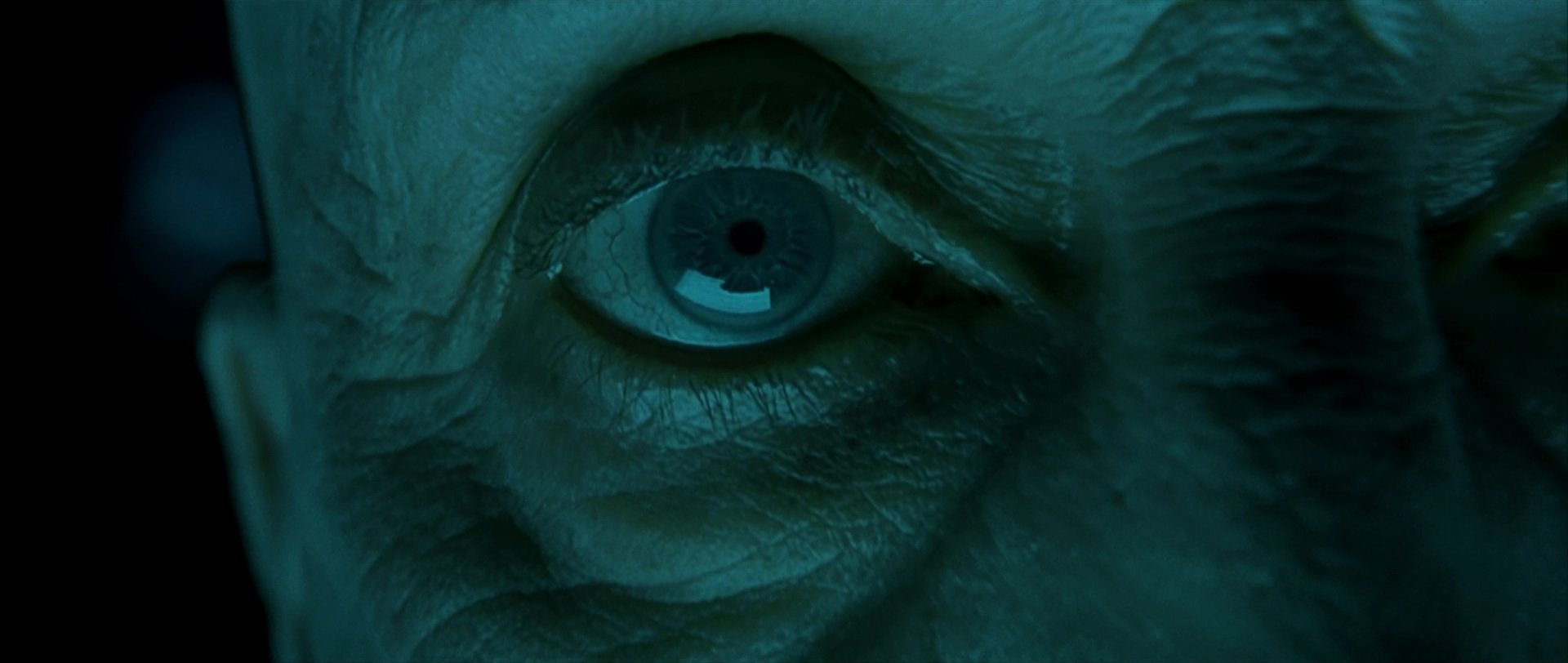
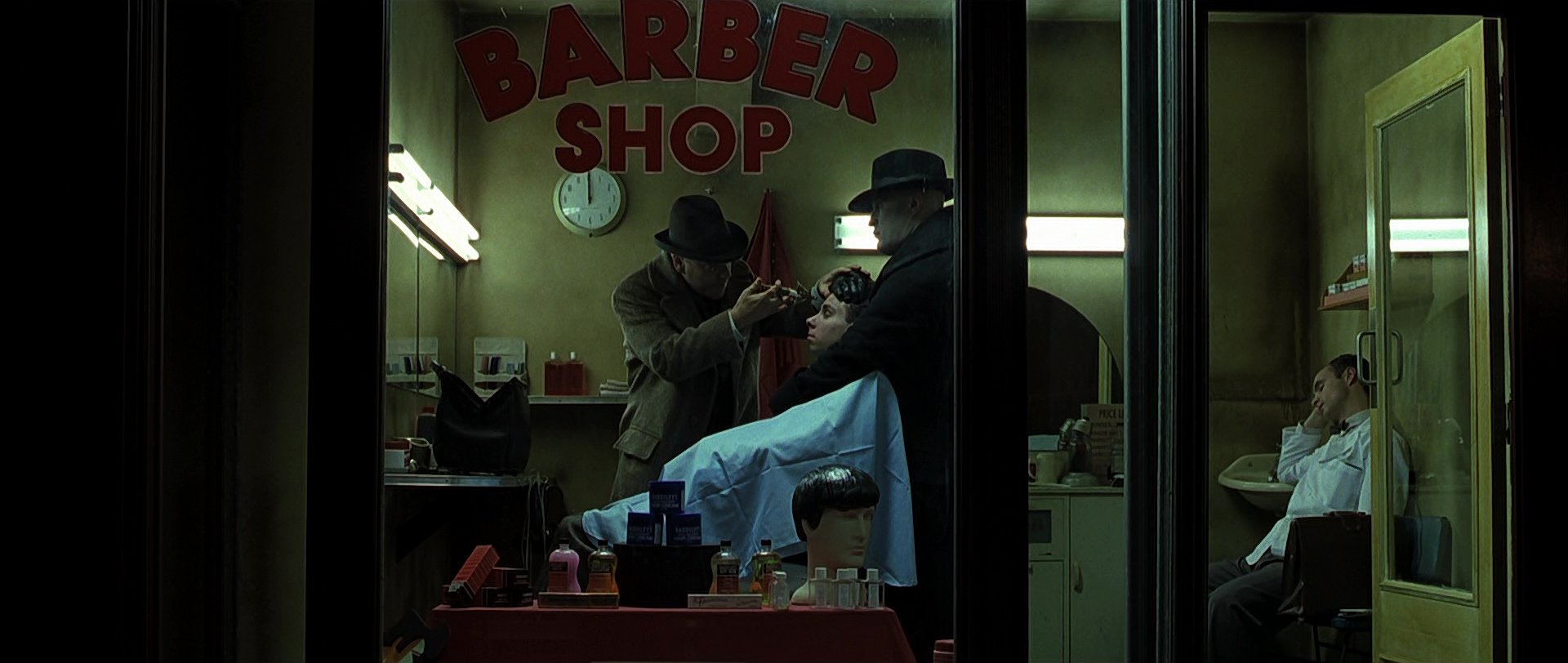
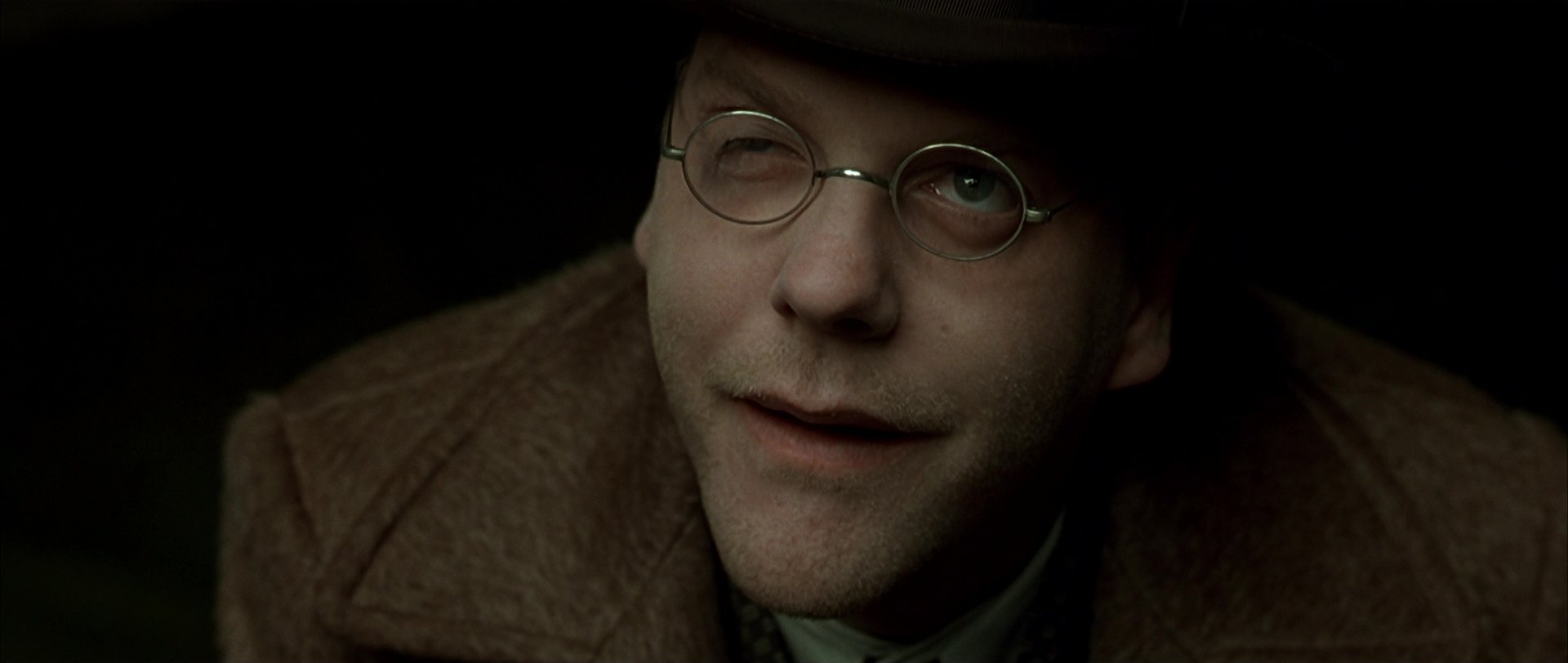
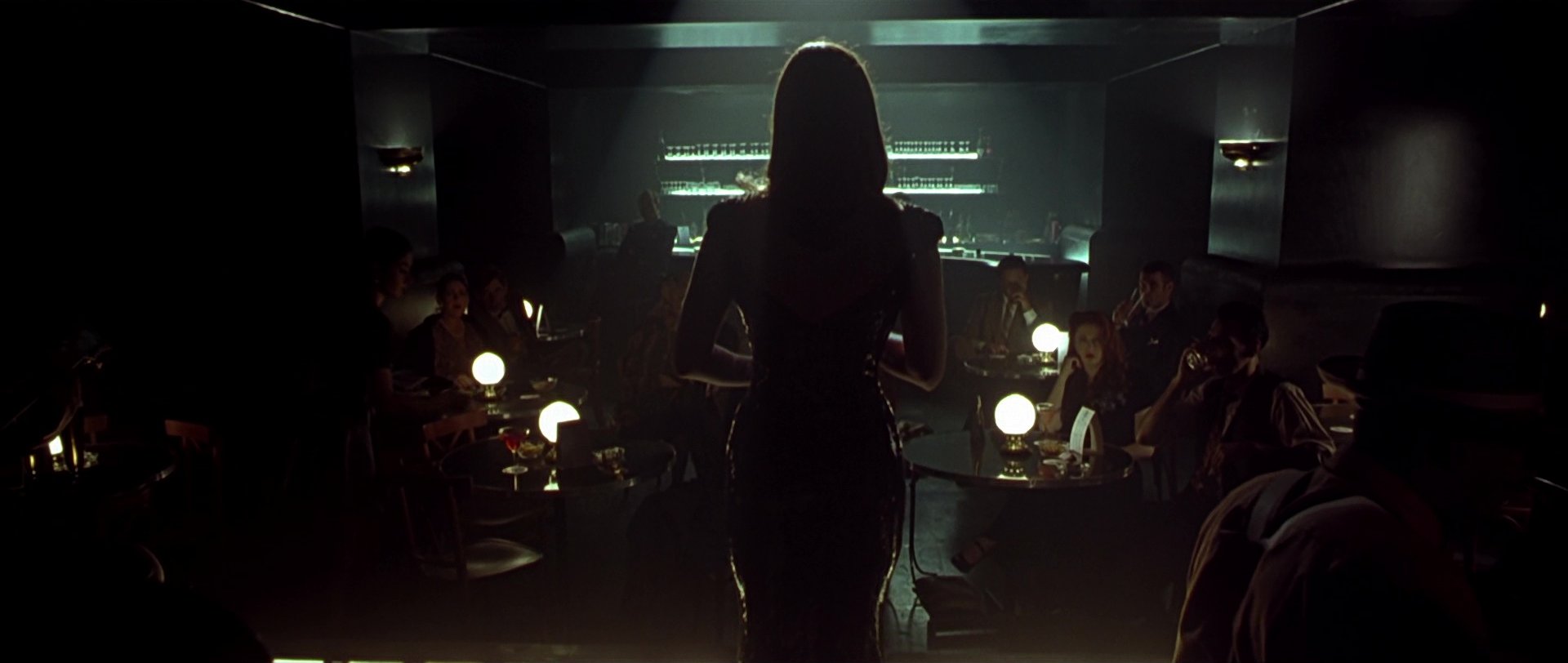
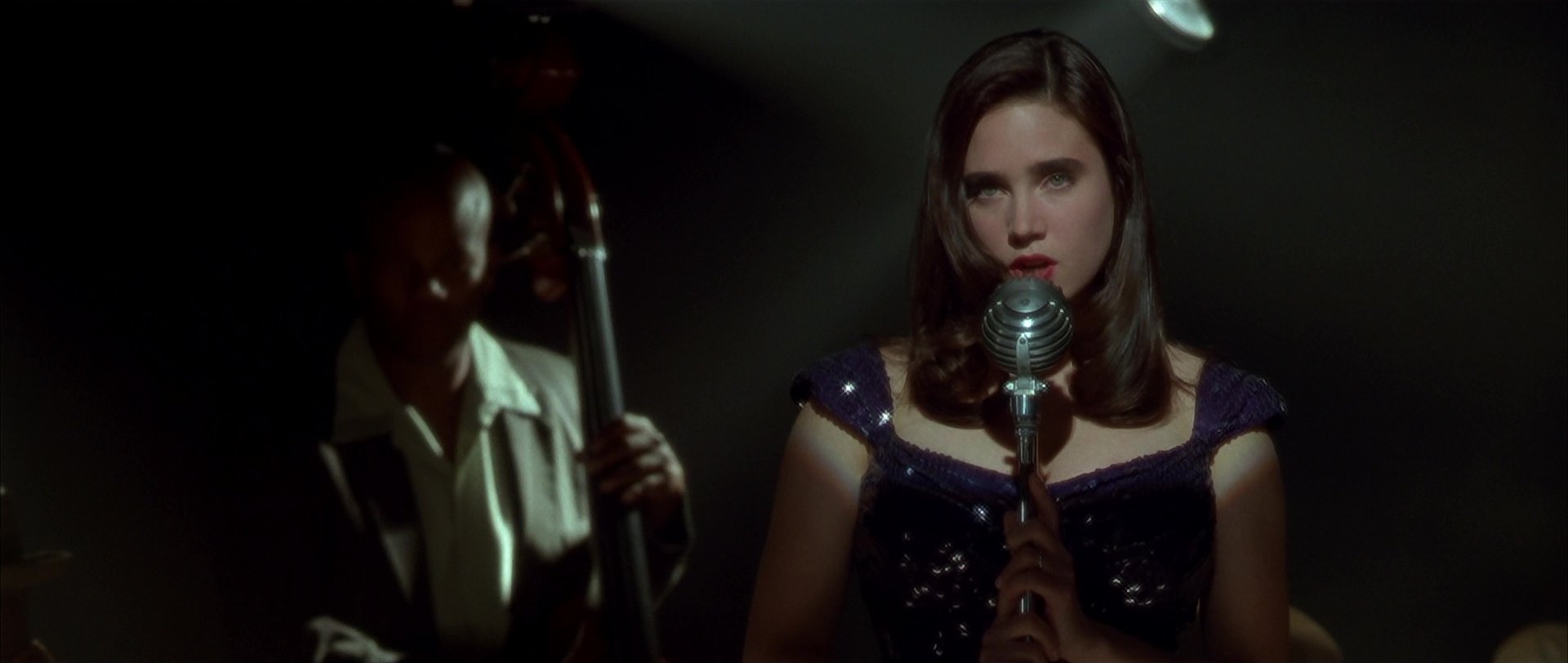
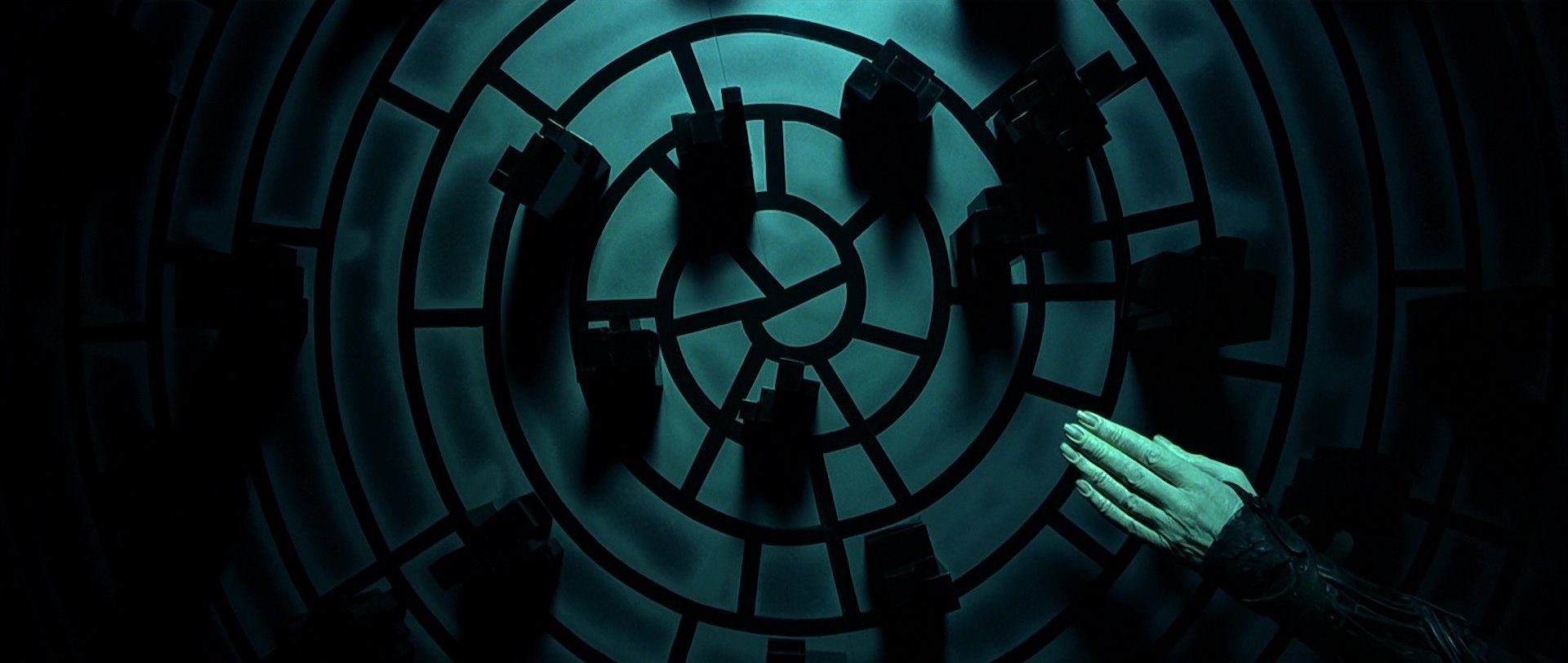
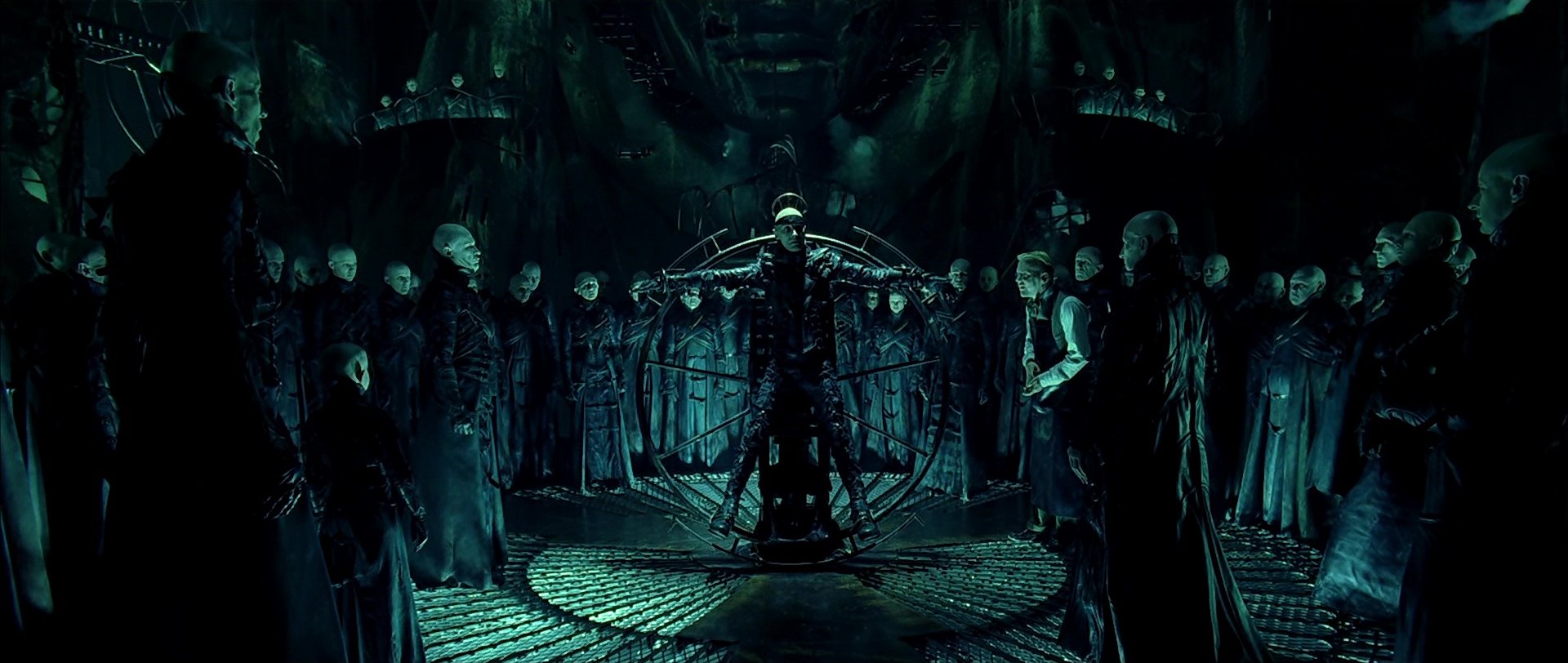
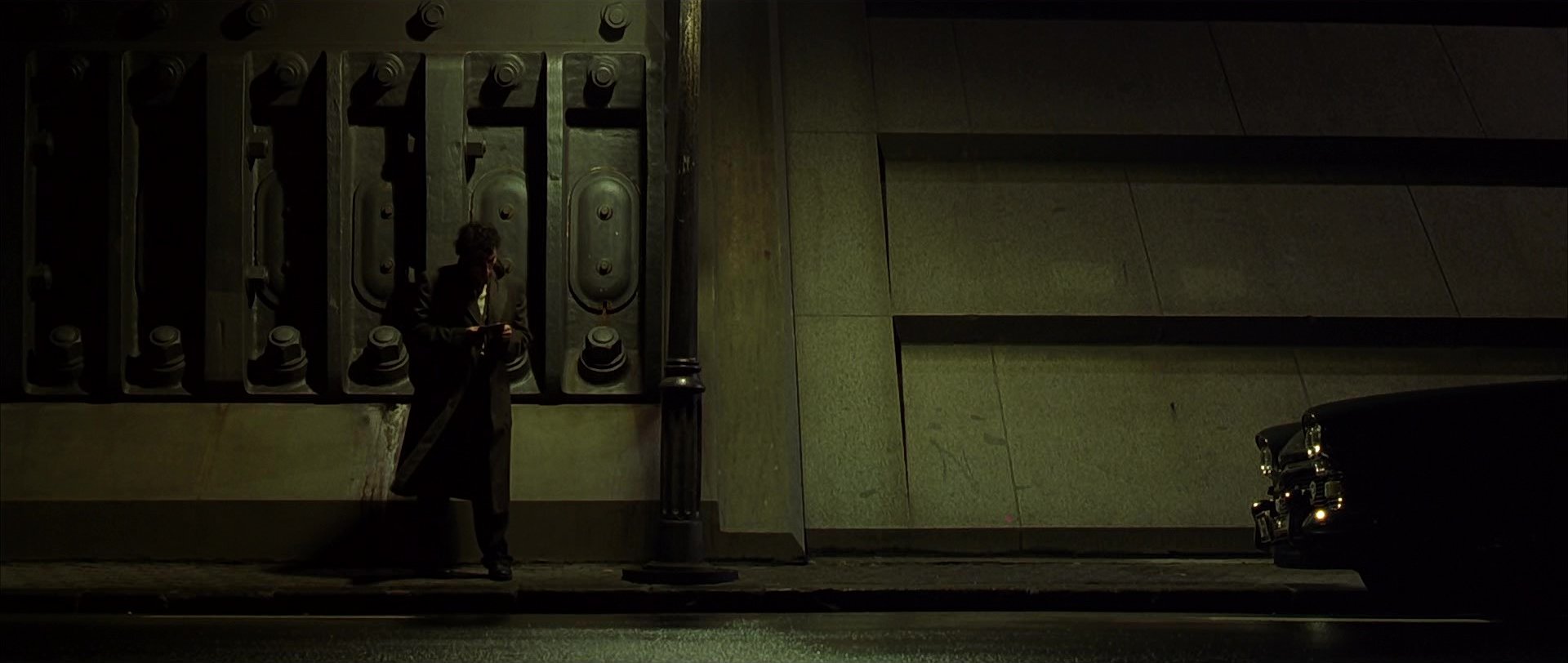
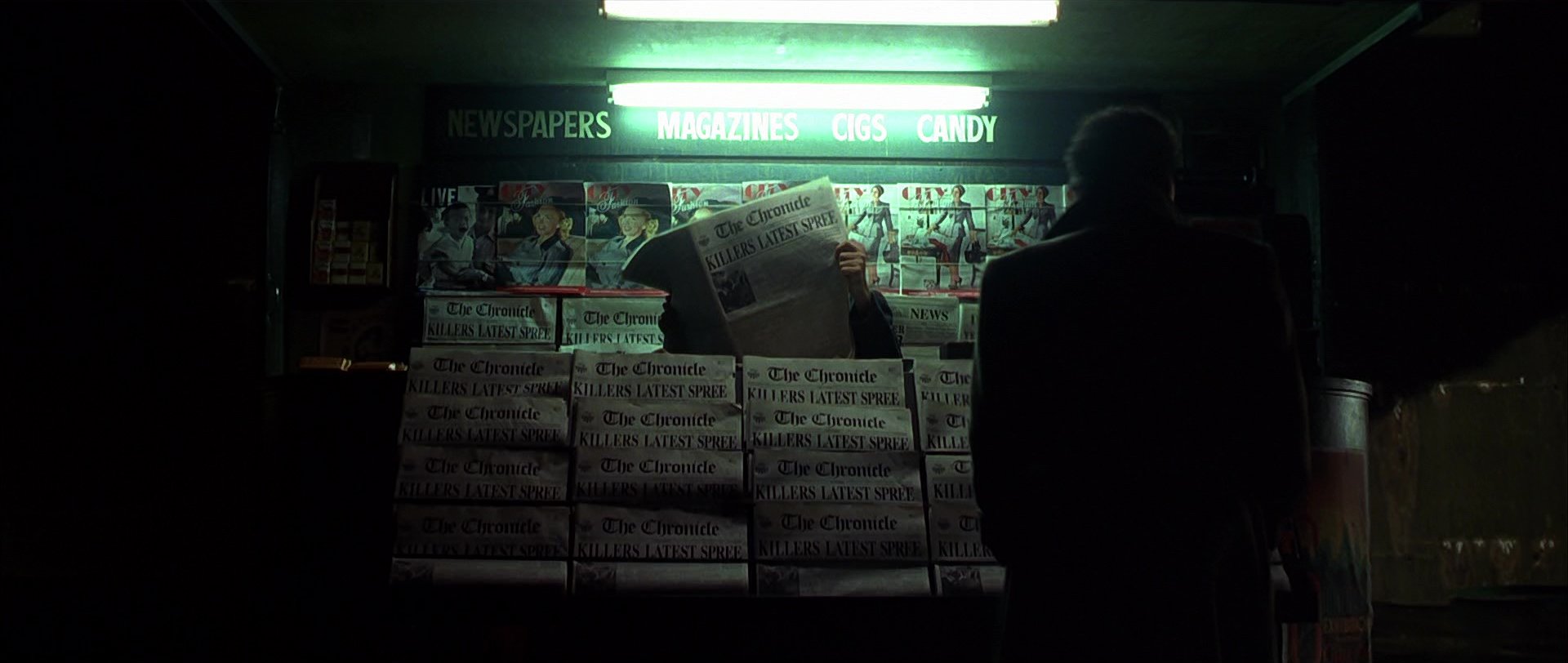
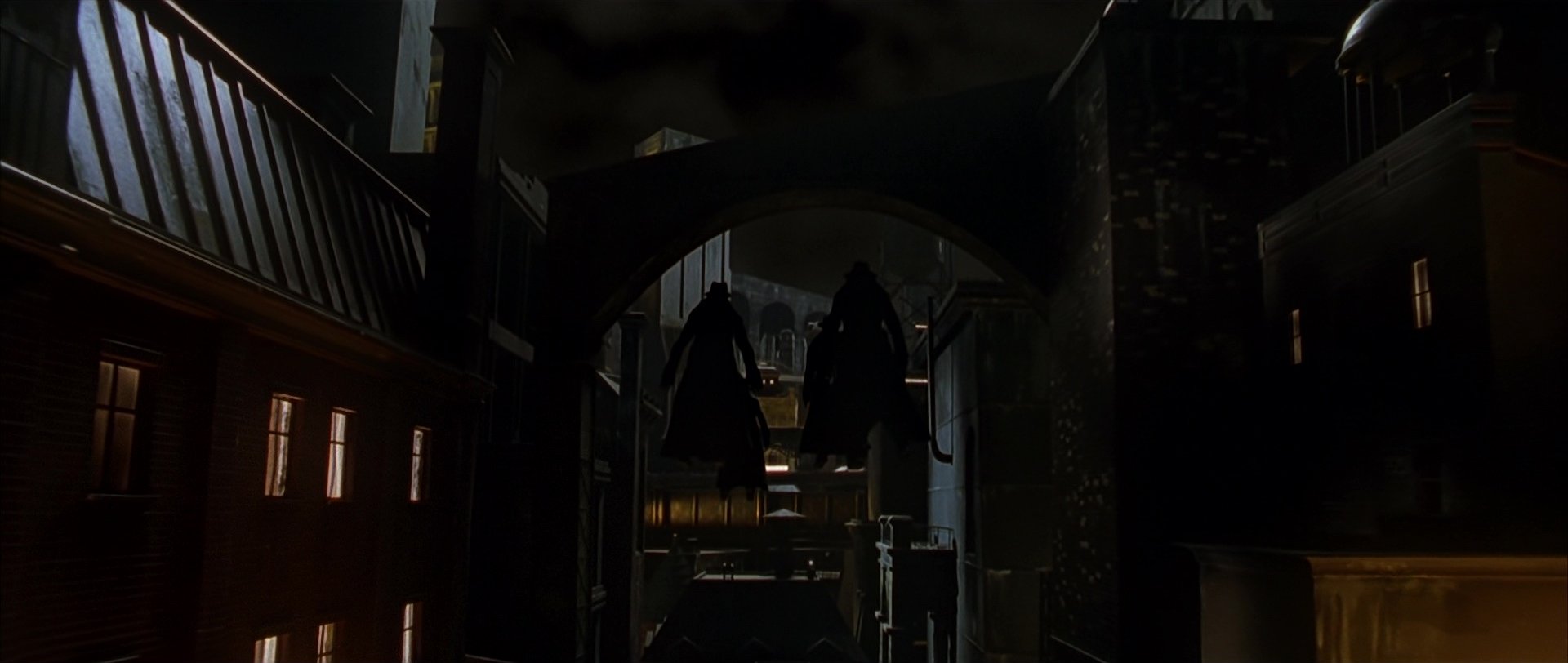
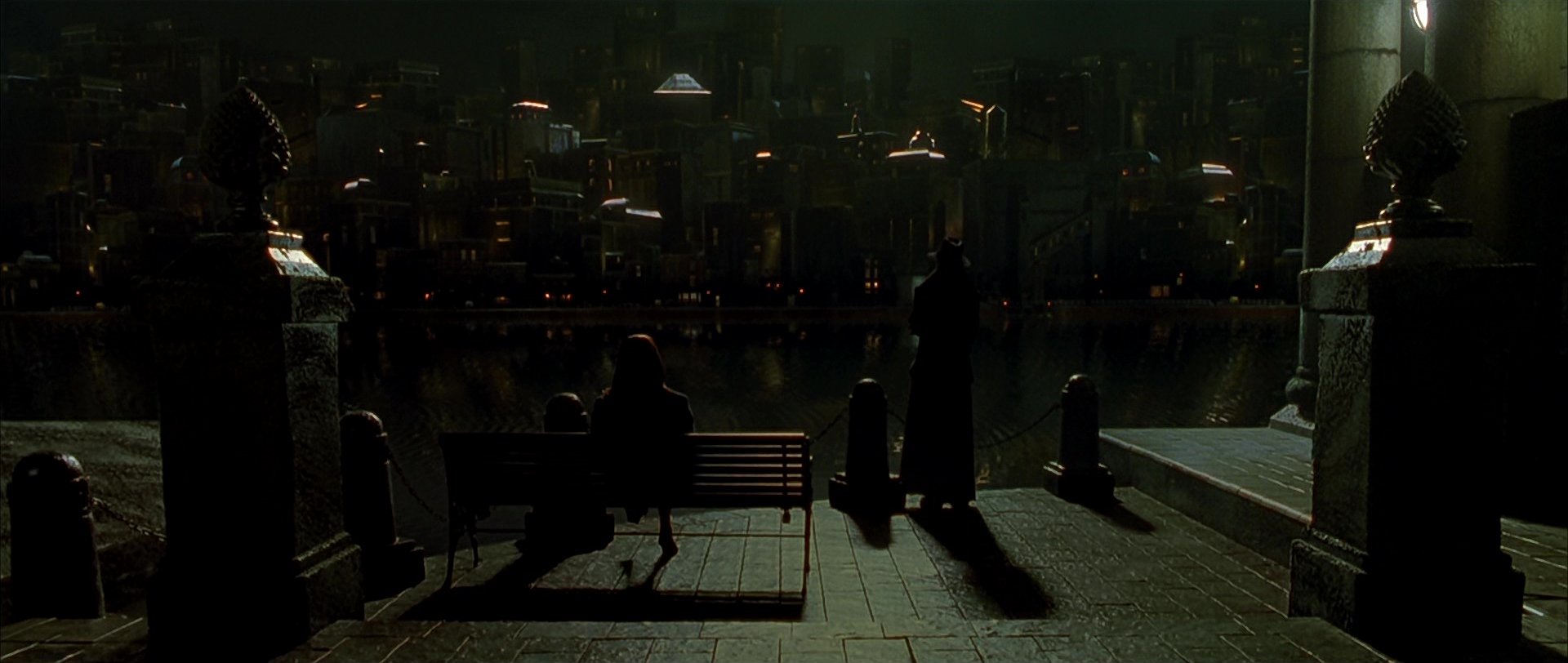
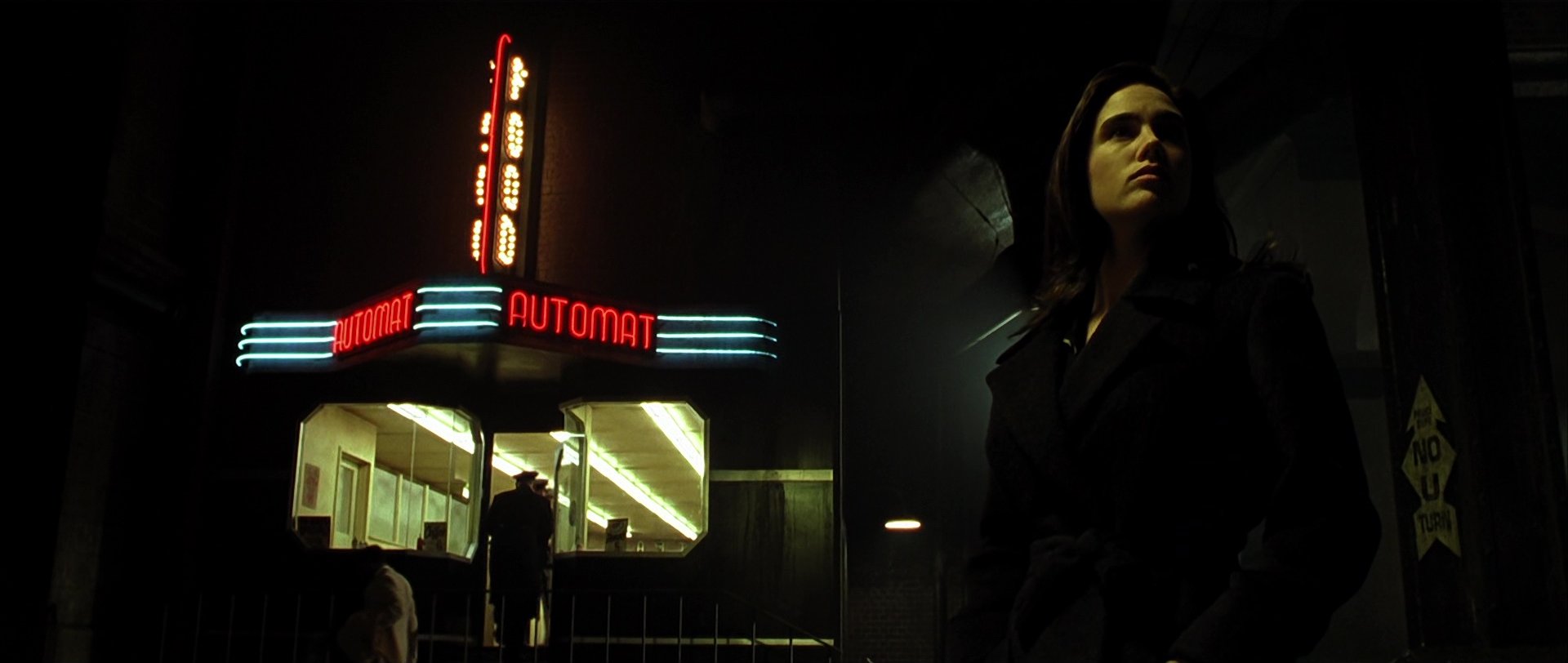
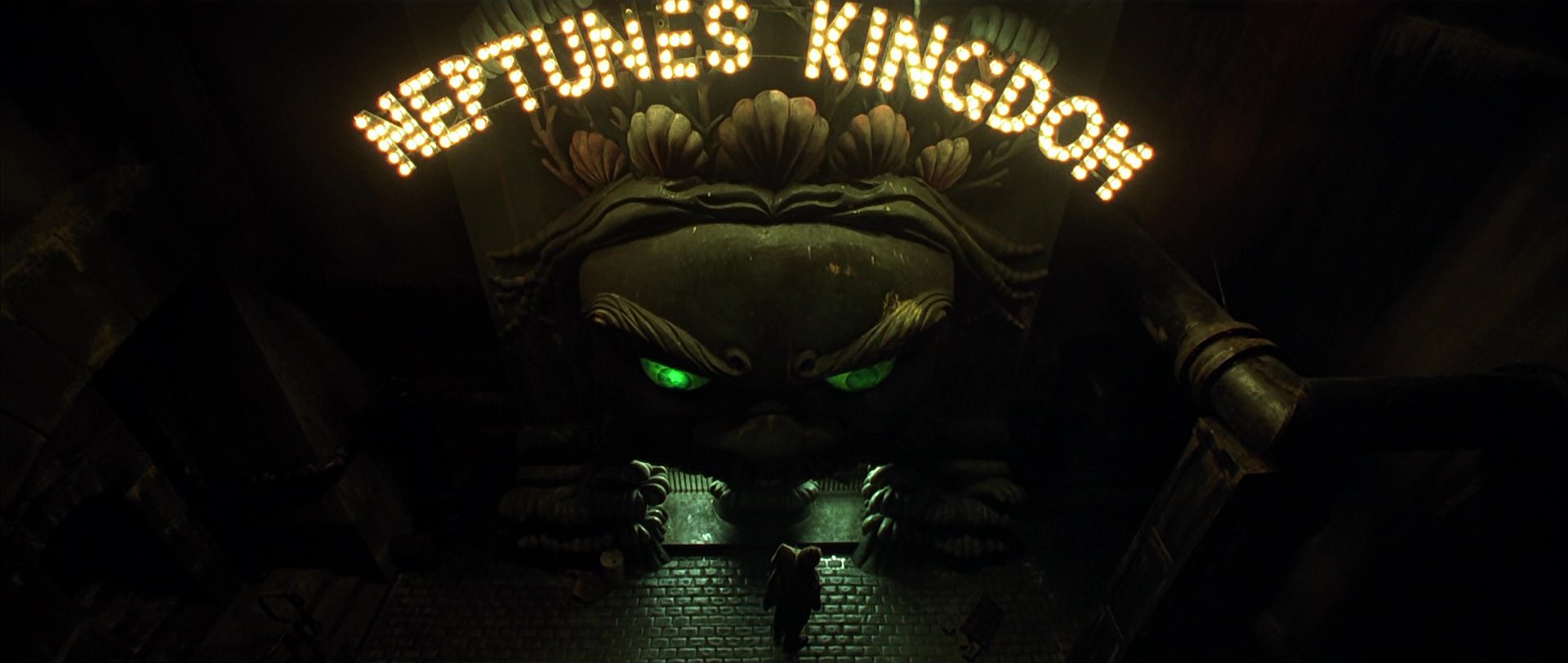
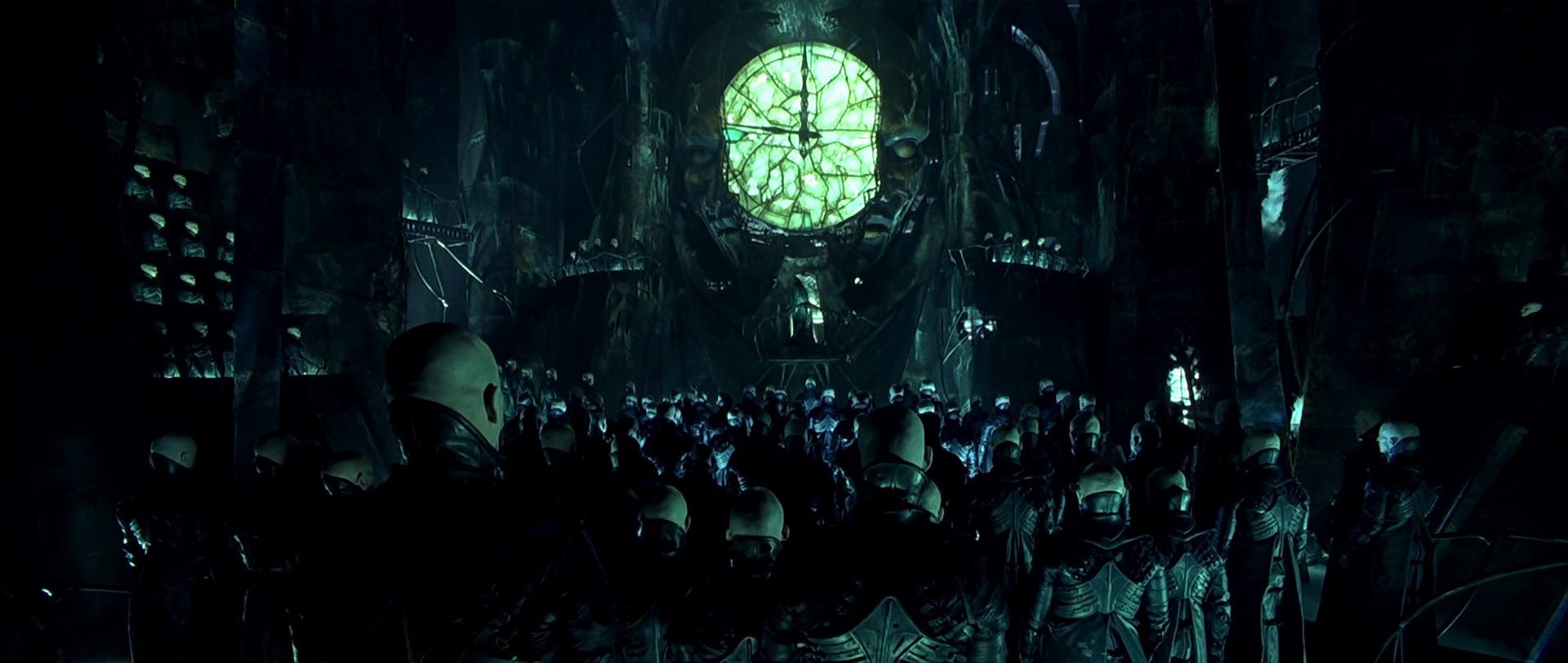
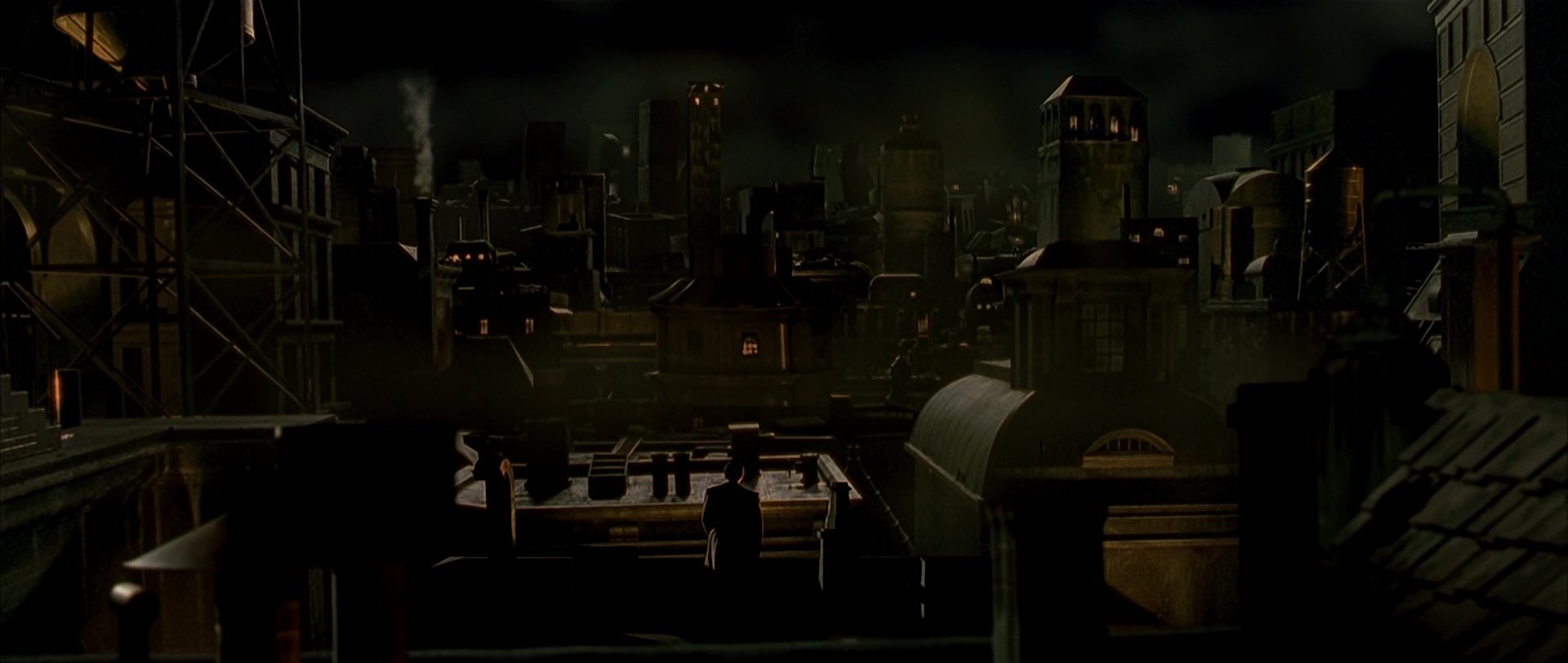
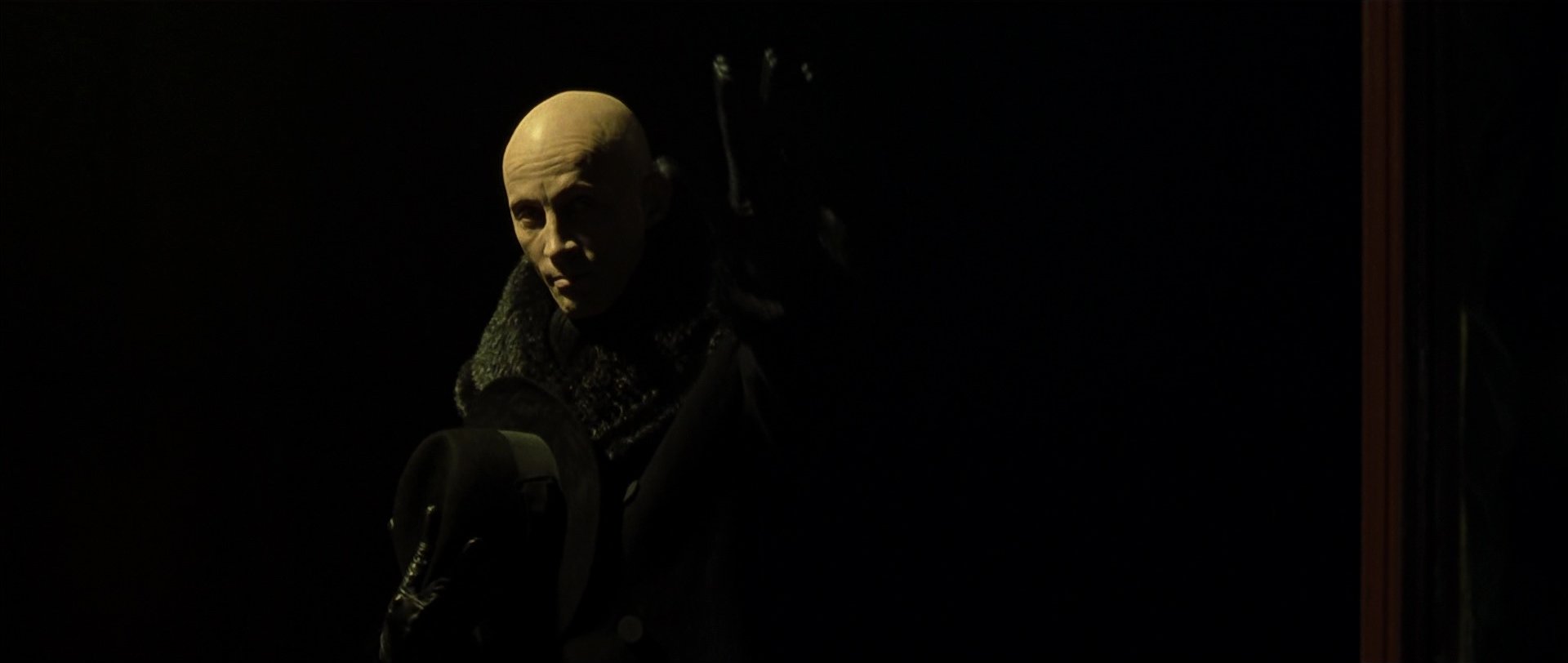
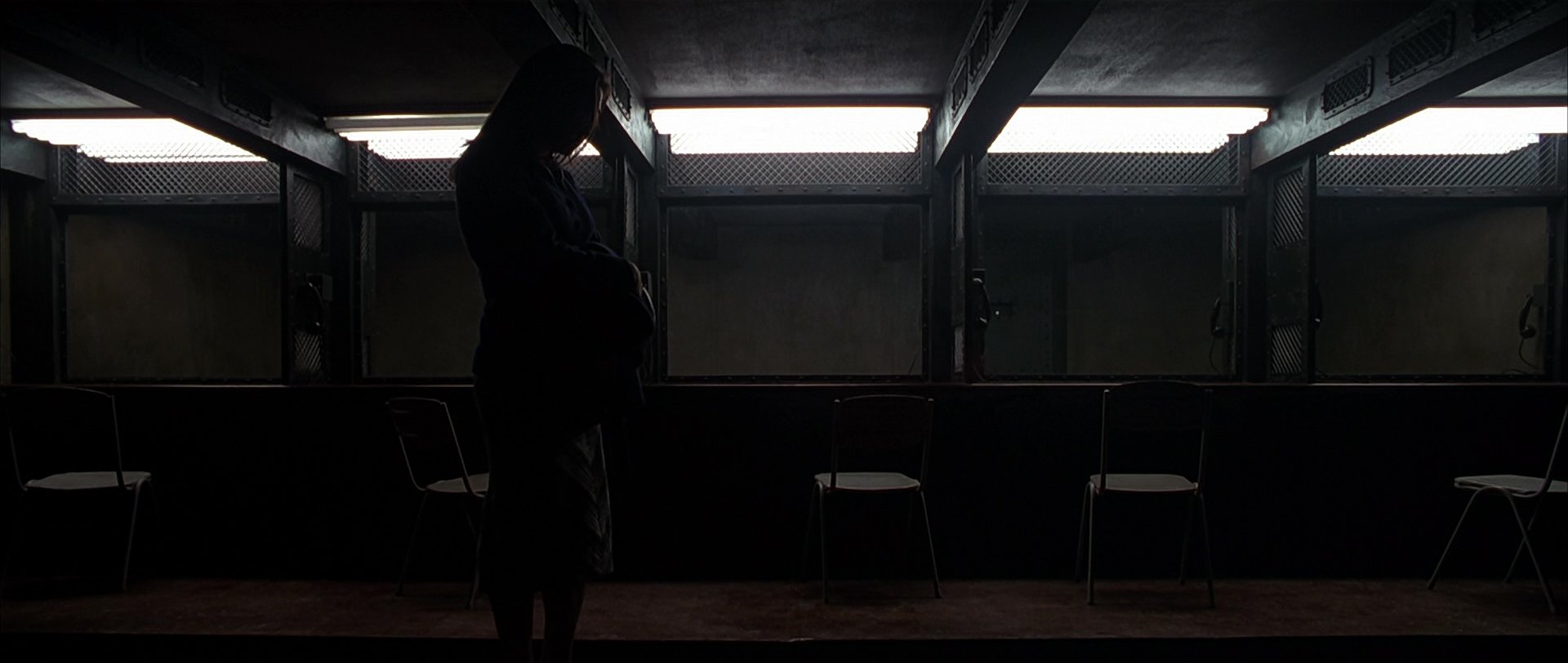
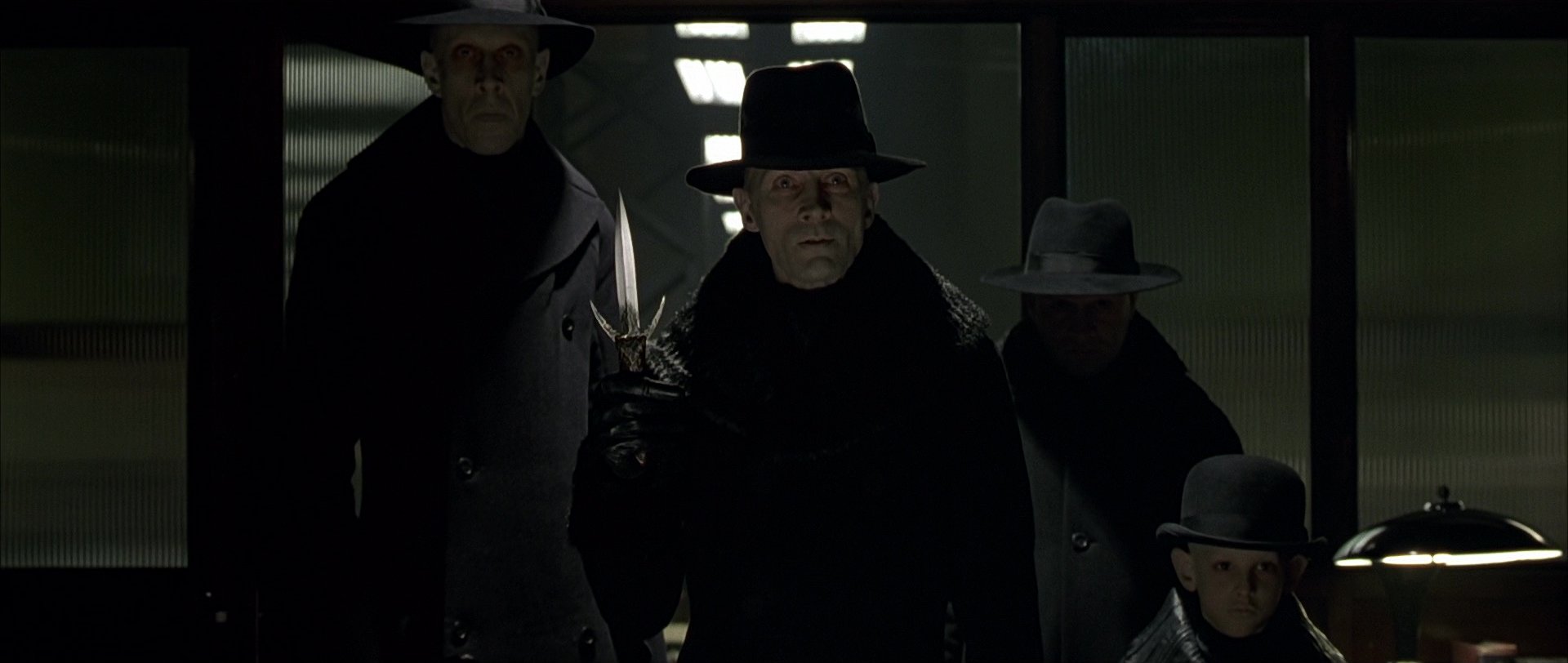
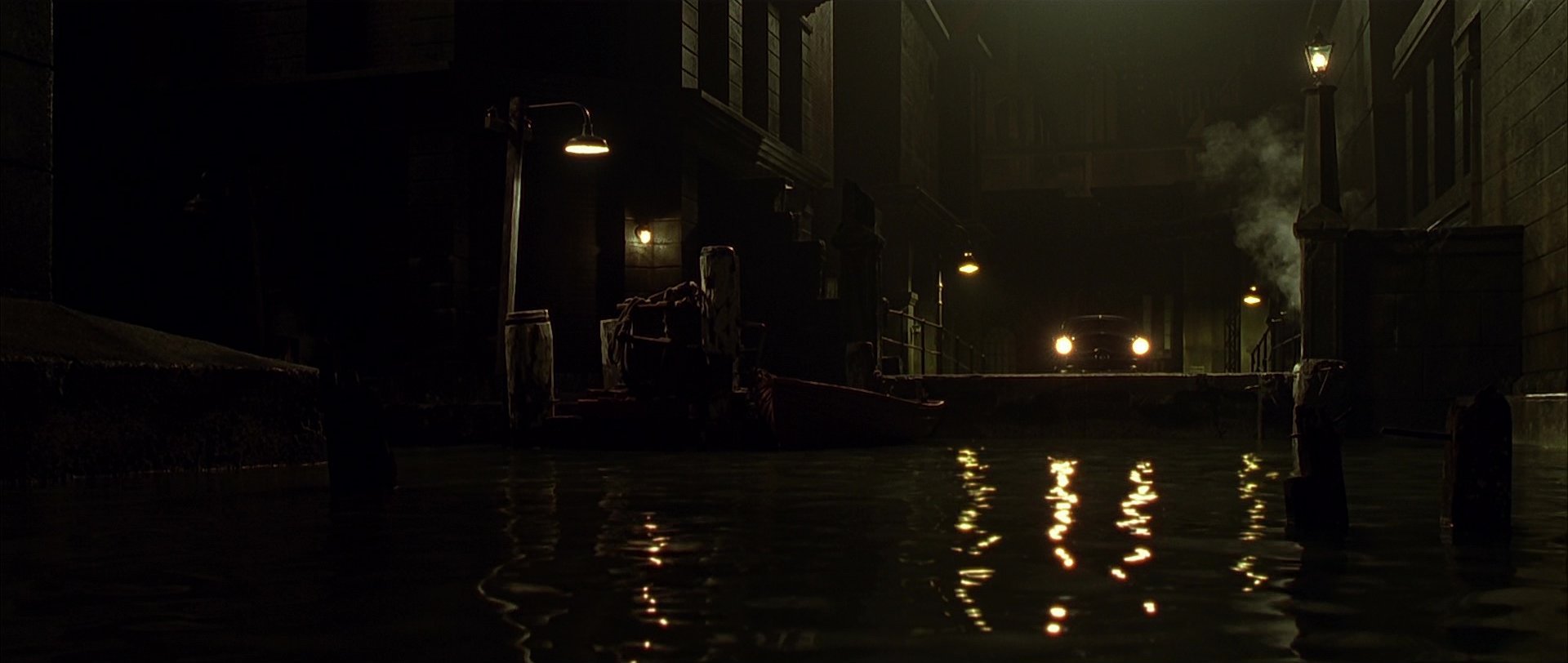
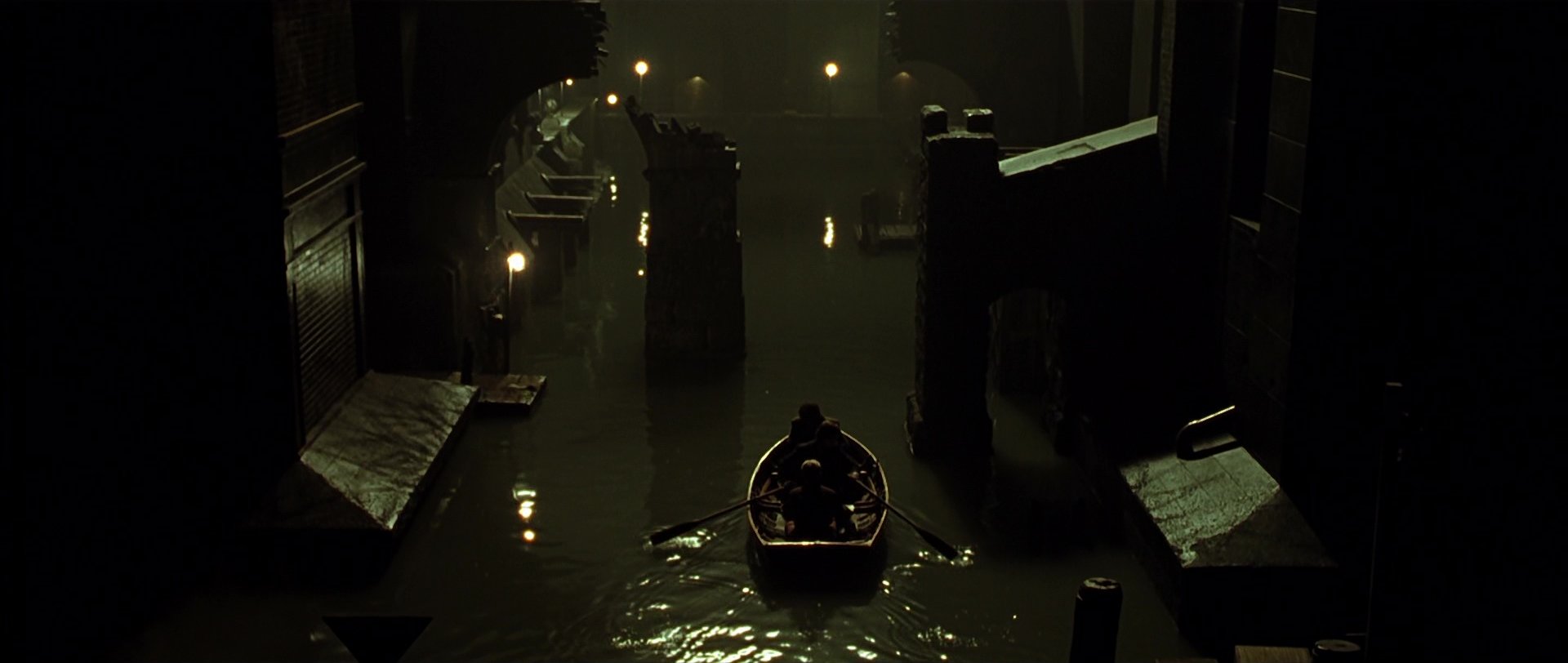
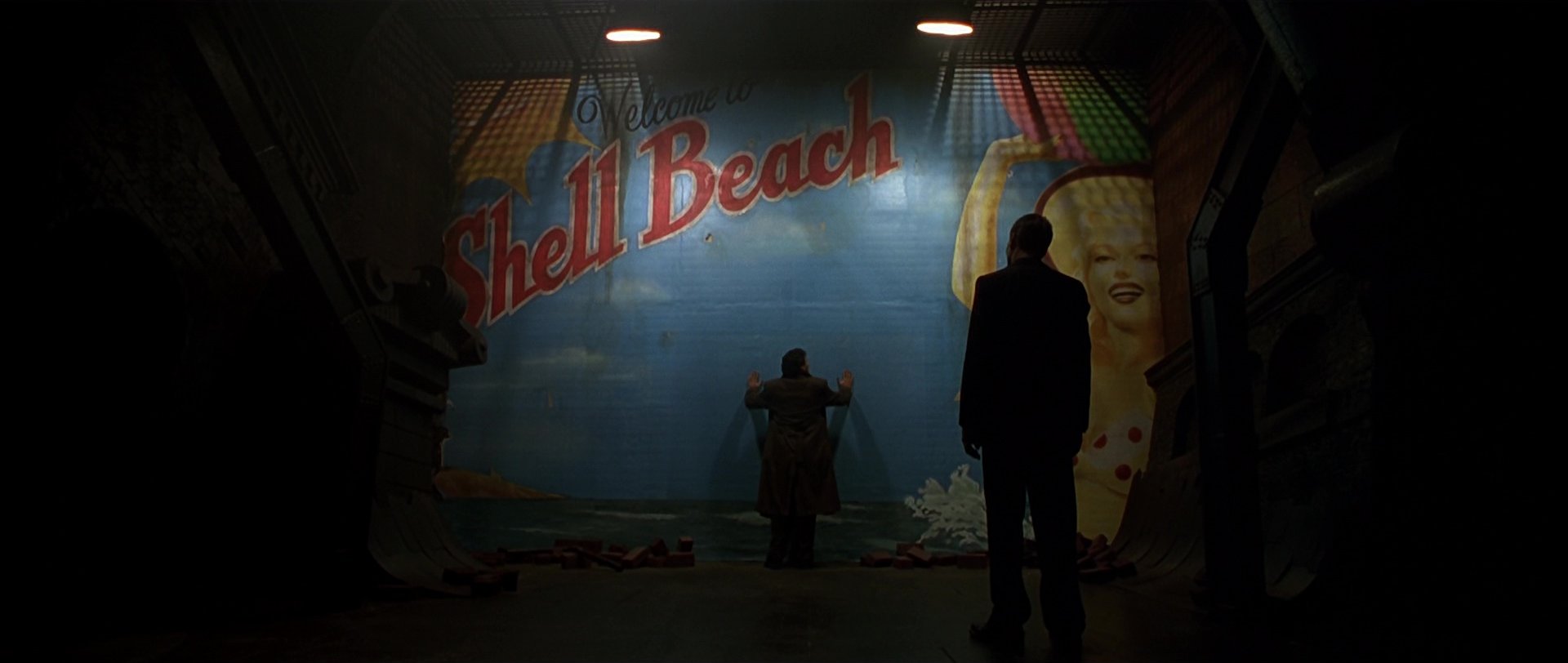
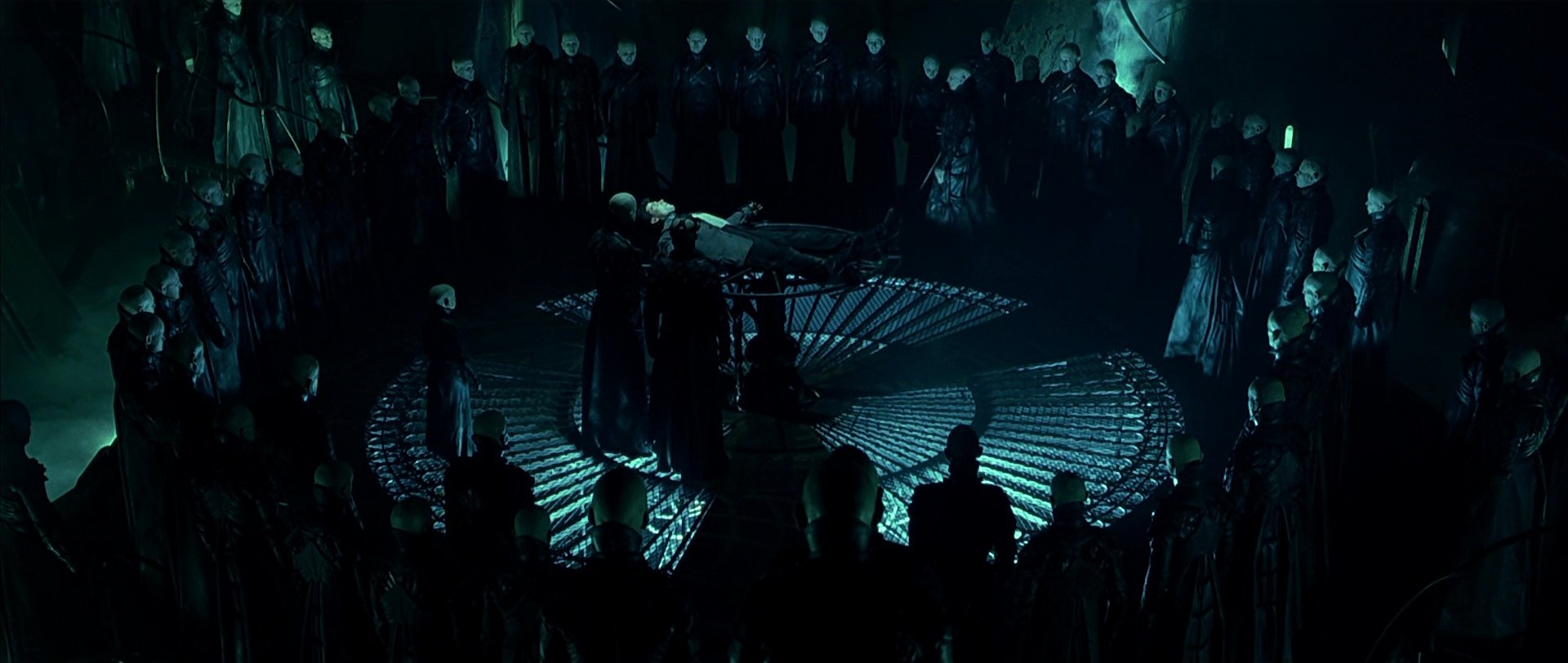
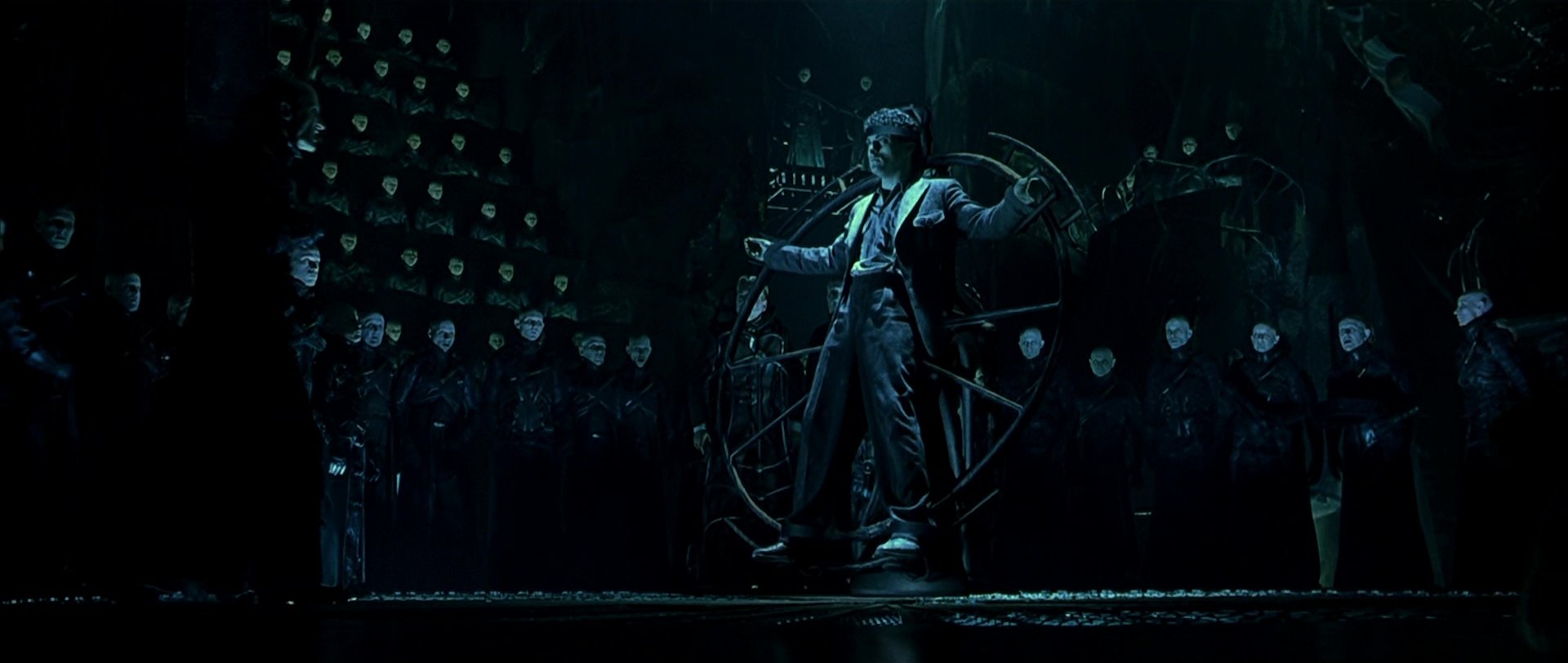
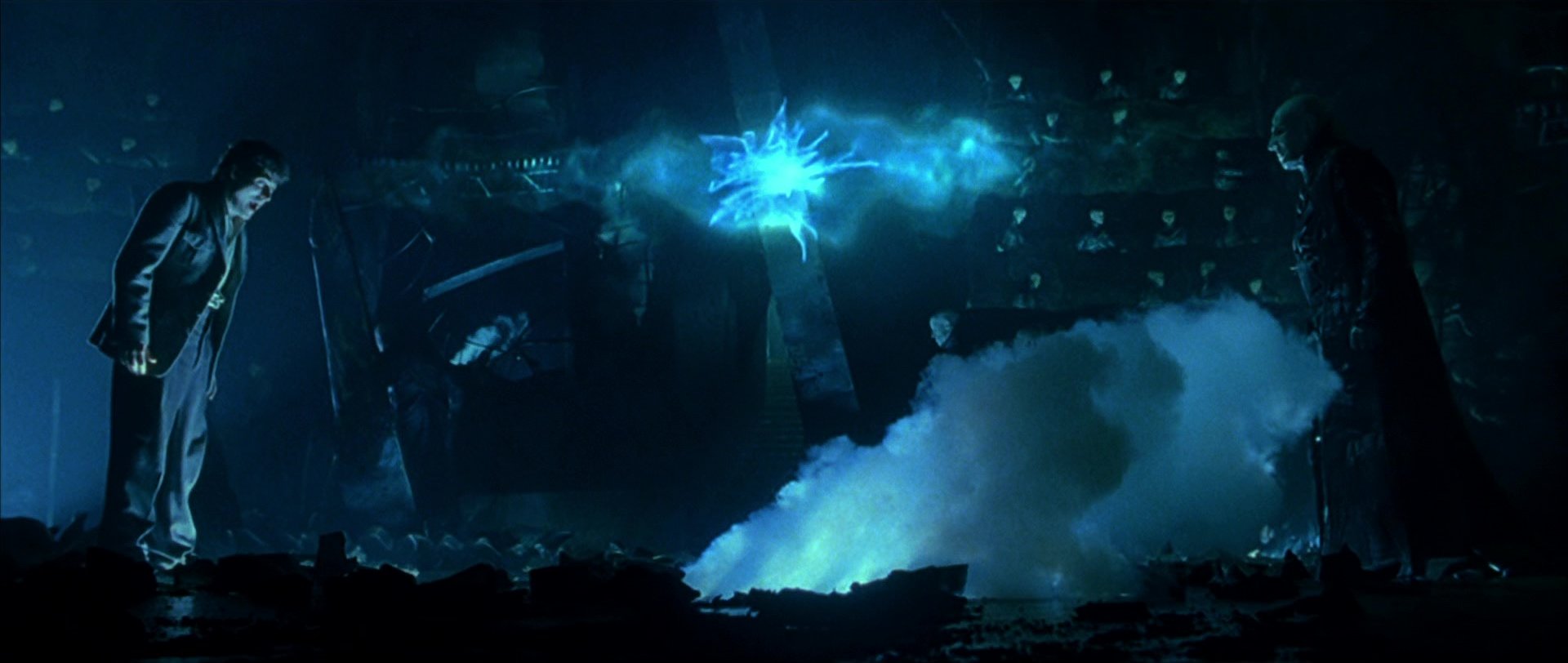
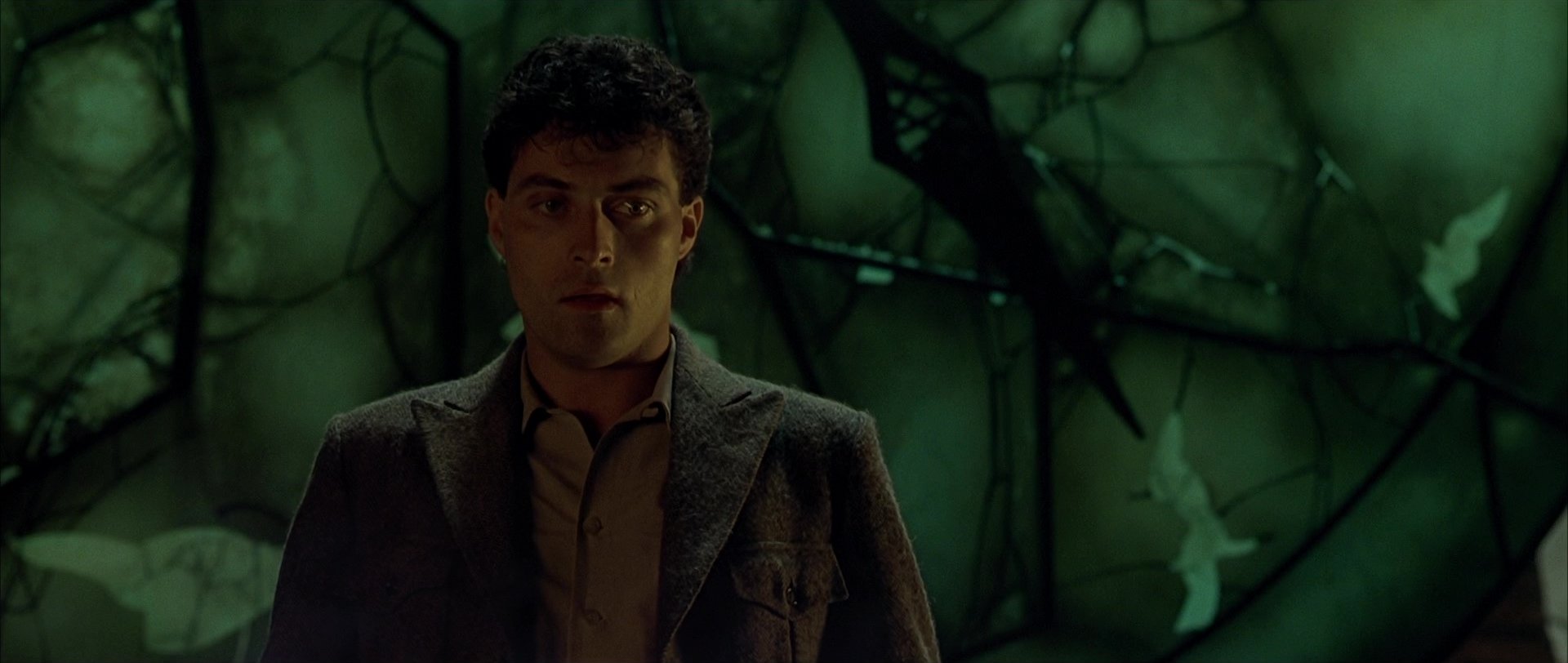
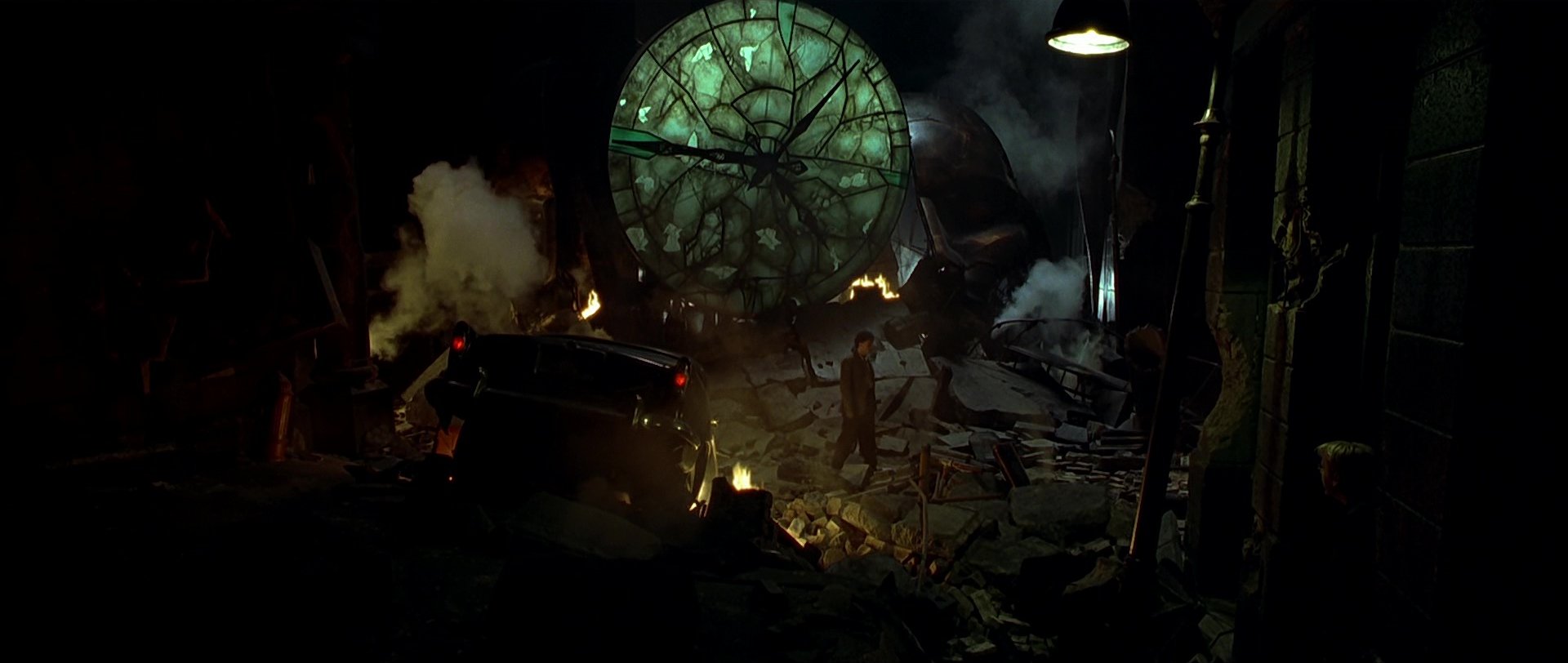
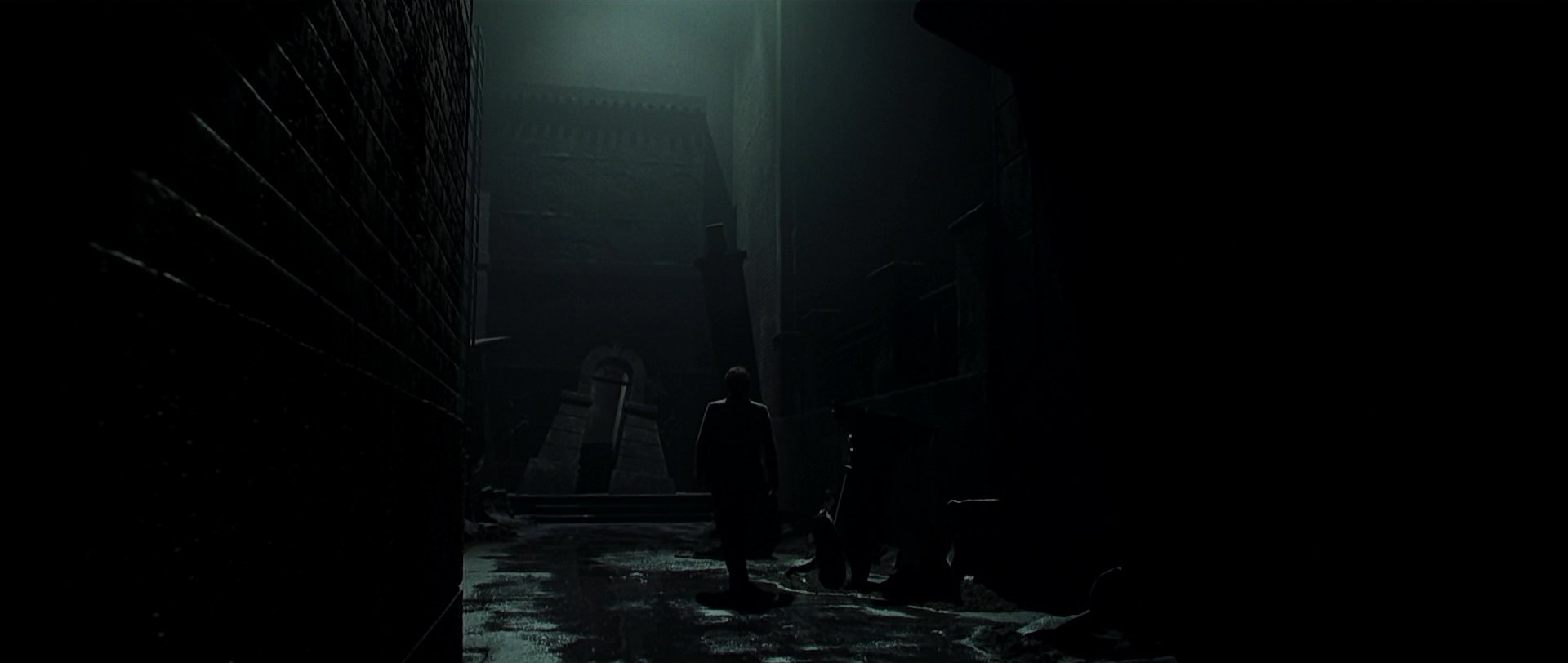
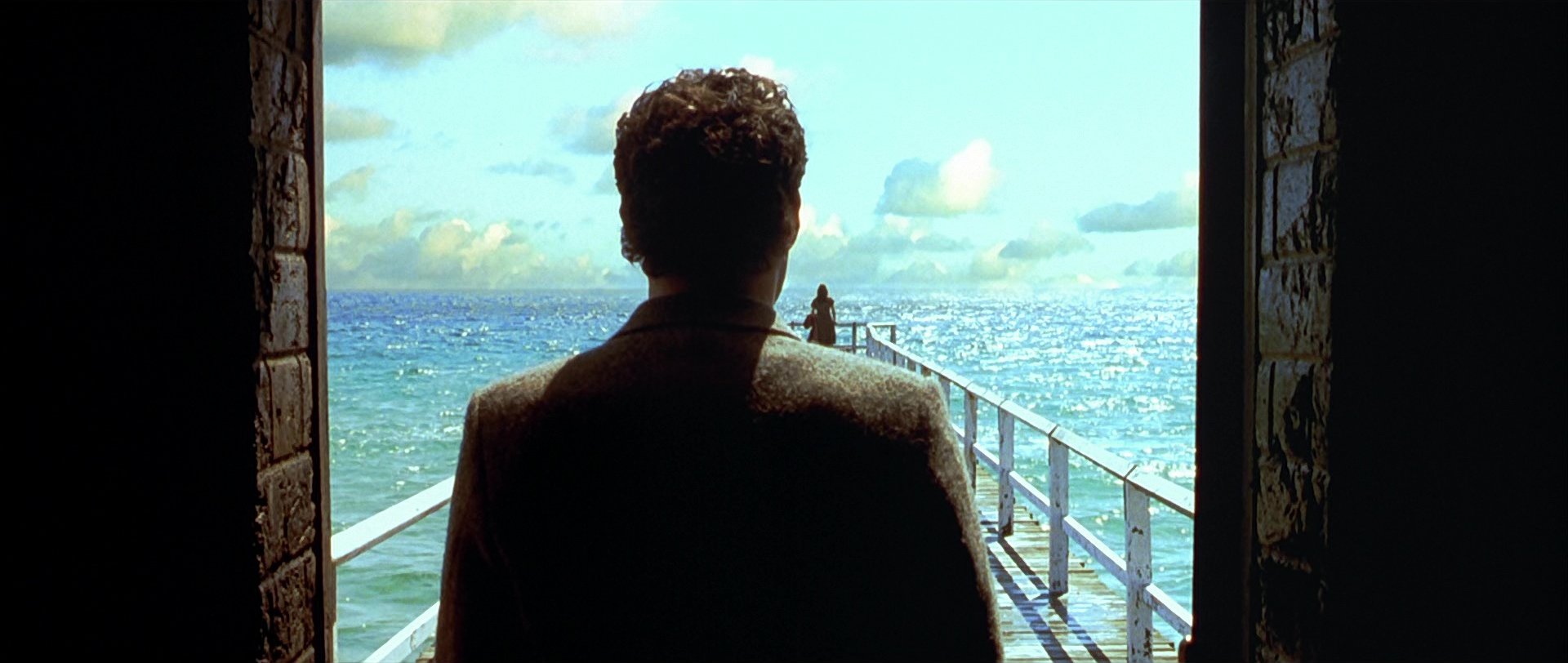
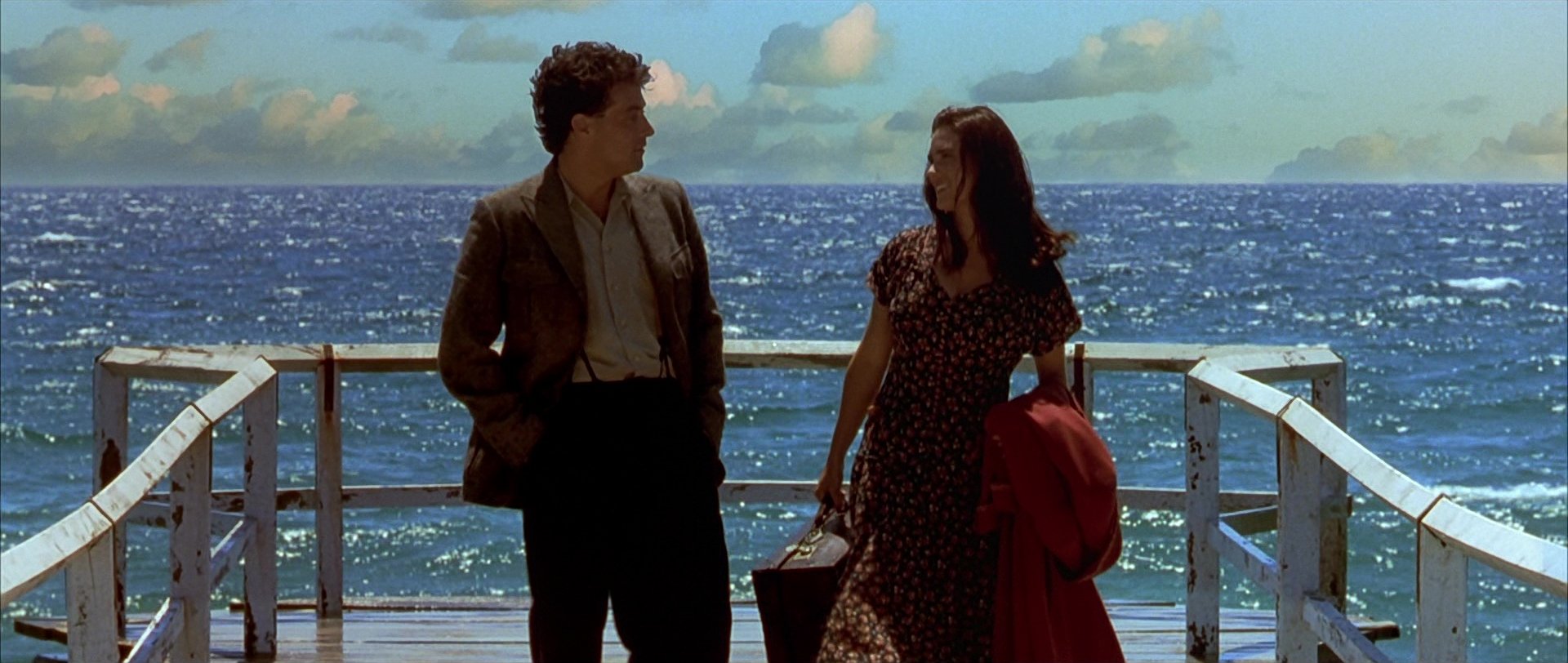
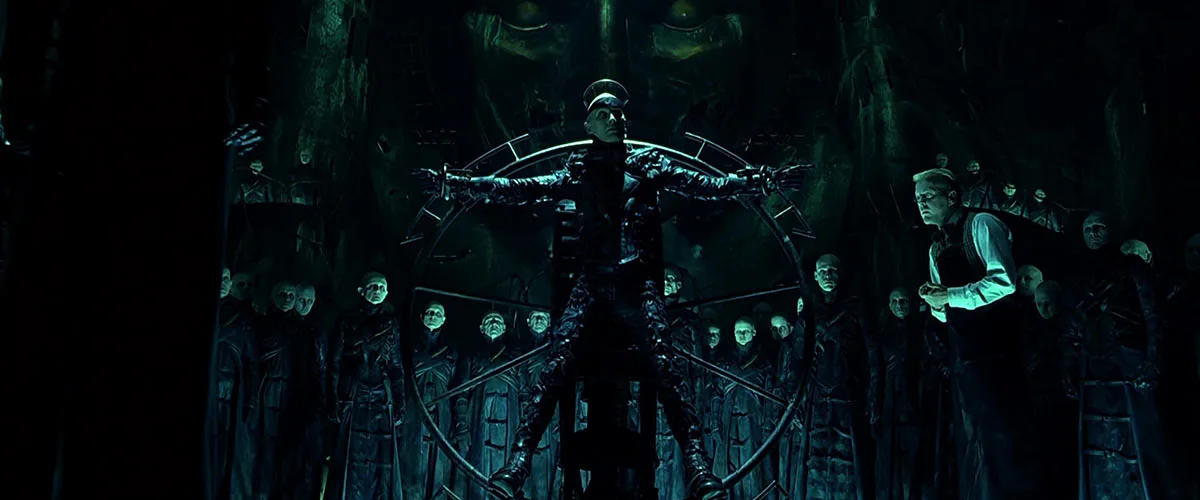
When it was first released, this neo-noir science-fiction cult classic was overshadowed by The Matrix, despite sharing sets and themes with it. It is an atmospheric film, distinguishing itself initially thanks to its city, a claustrophobic, timeless collage of 1930s Art Deco, 1940s Film Noir grit, and industrial futurism. Drenched in a monochromatic sea of sulfurous greens, deep blacks, and decaying ambers, this world, where the sun never rises, and buildings regularly rearrange themselves, provides a mesmerising backdrop to a fascinating story that explores the nature of reality and identity.
Despite its limited budget, Dark City is a visually impressive film that makes great use of practical miniature effects and early digital compositing. Prioritising mood, philosophy, and practical artistry over simple action beats, it delivers a Kafkaesque puzzle box that blends expressionism with classic American detective tropes to create a timeless dystopian tale.
Technical Specs:
- The Story: A man wakes up with no memory in a city where the night never ends and reality is constantly rewritten by unseen forces, leading him to uncover a hidden struggle over identity, control, and human consciousness.
- Actors: Rufus Sewell, William Hurt, Kiefer Sutherland, Jennifer Connelly, Richard O’Brien, Ian Richardson, Bruce Spence, Colin Friels, Melissa George.
- Director: Alex Proyas
- Year: 1998
- Cinematographer: Dariusz Wolski
- Origin: American Cinema
- Aspect Ratio: 2.35:1
- Genre: Sci-Fi / Neo-Noir