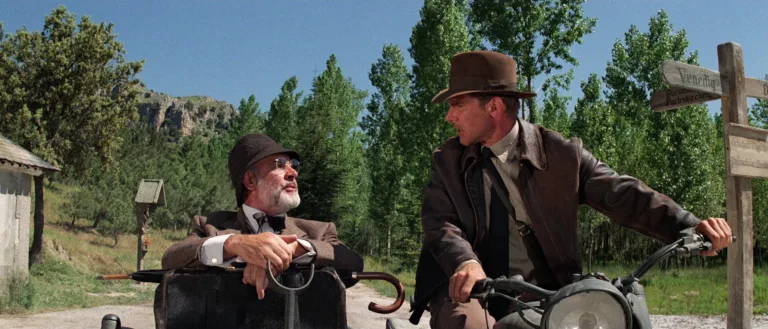
Aspect Ratio 2.35:1
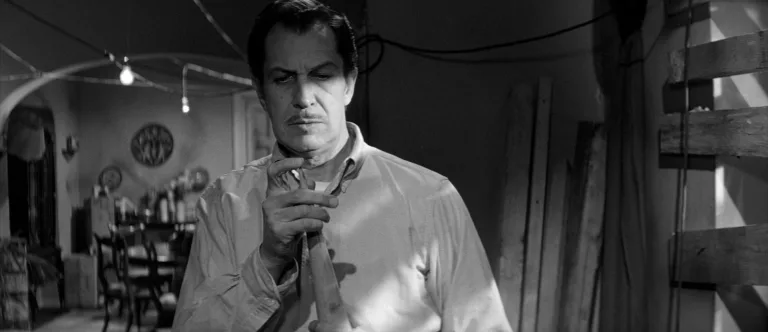
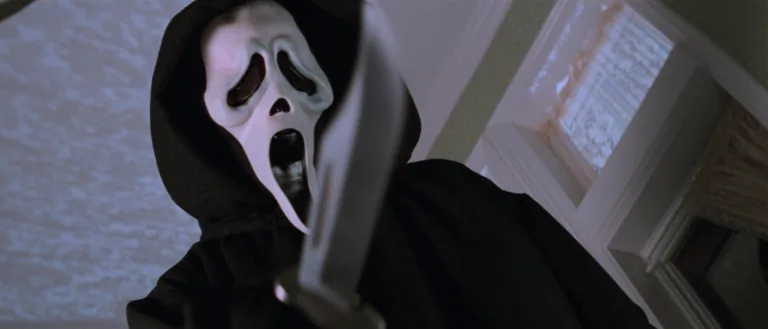
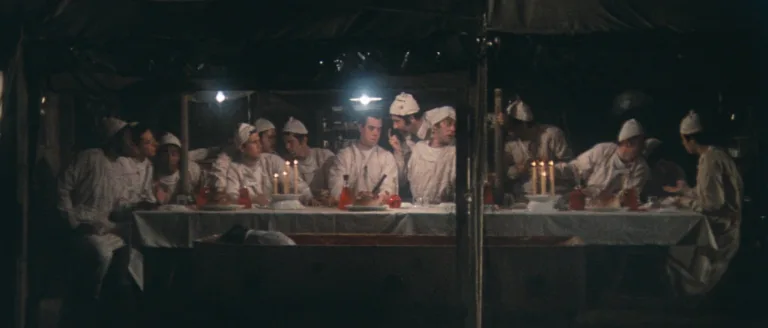
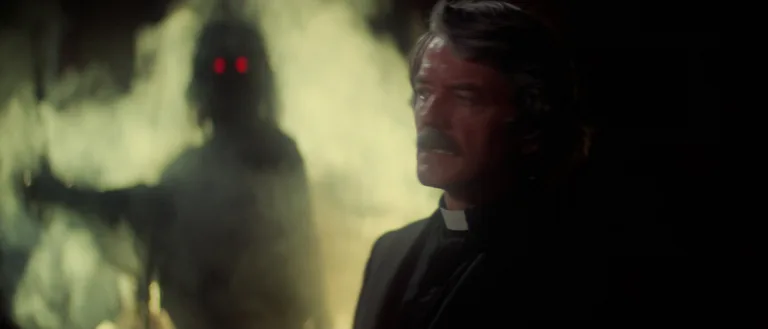
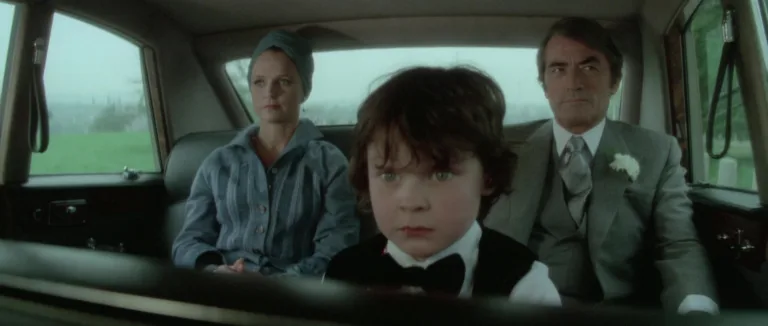
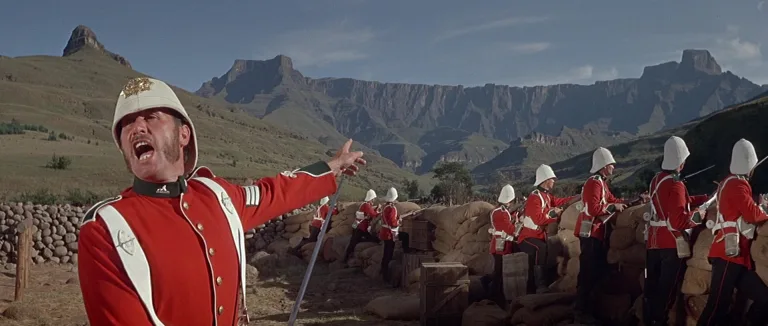
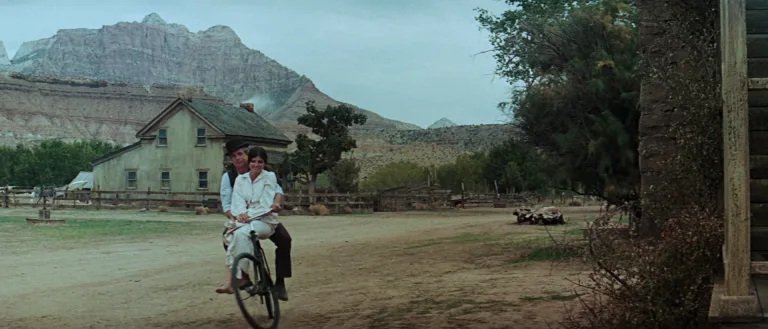
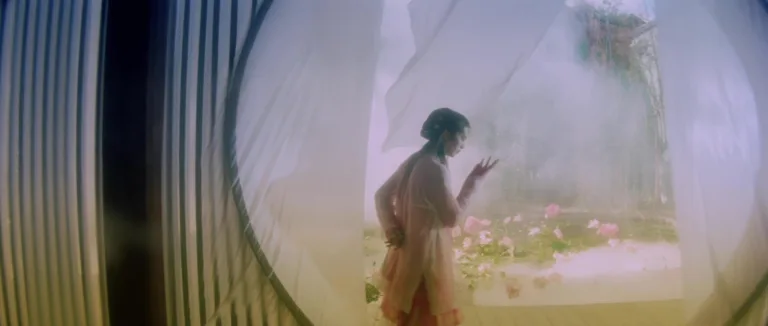
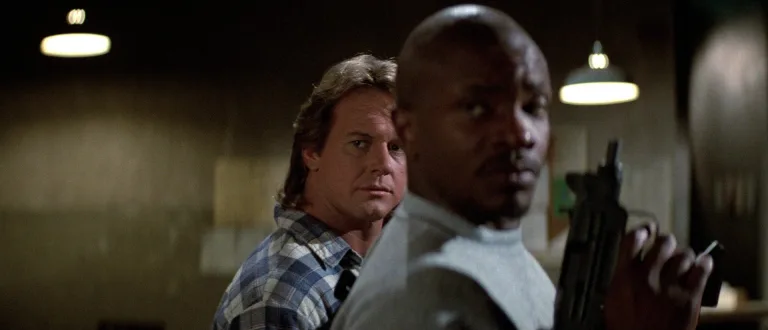
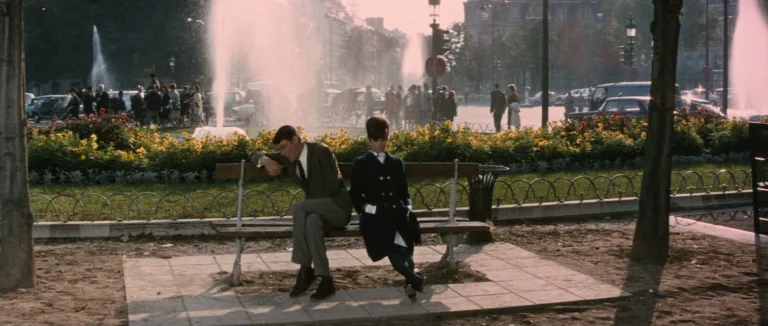
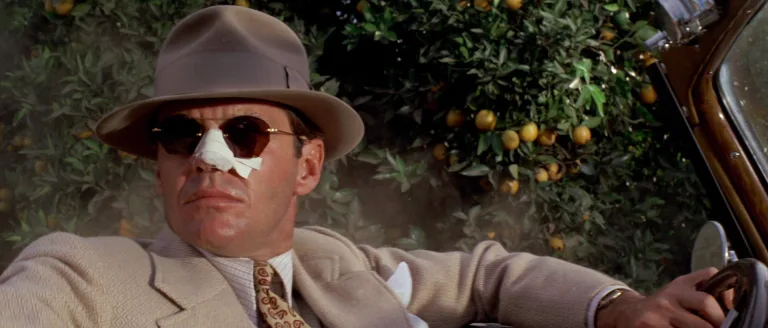
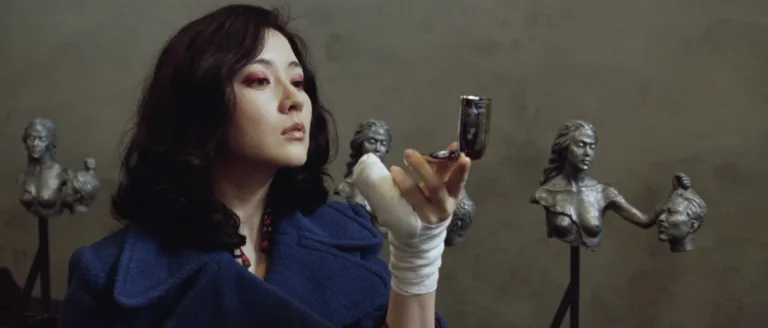
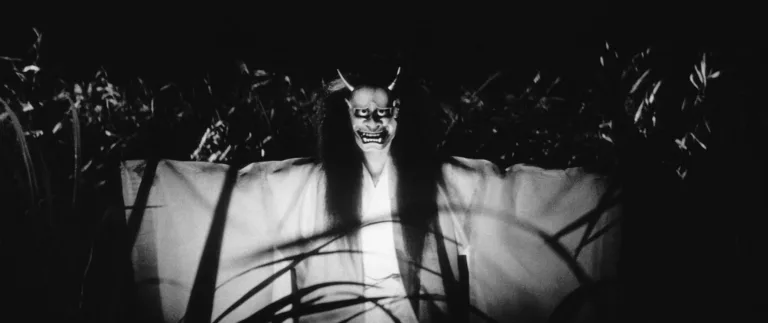
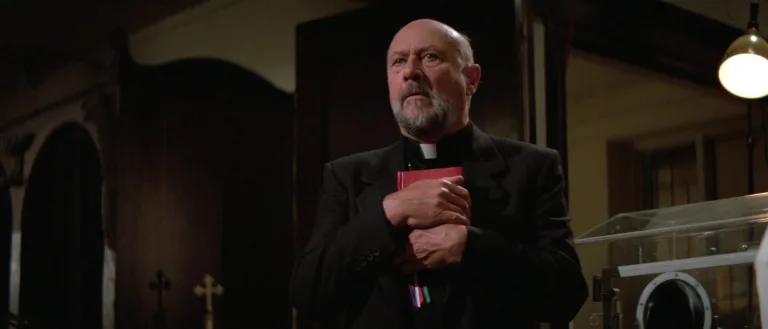
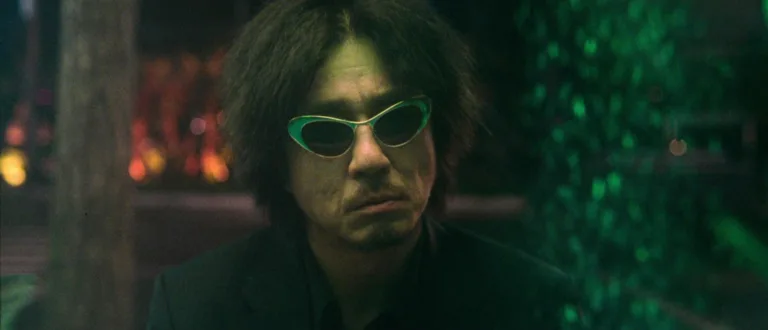
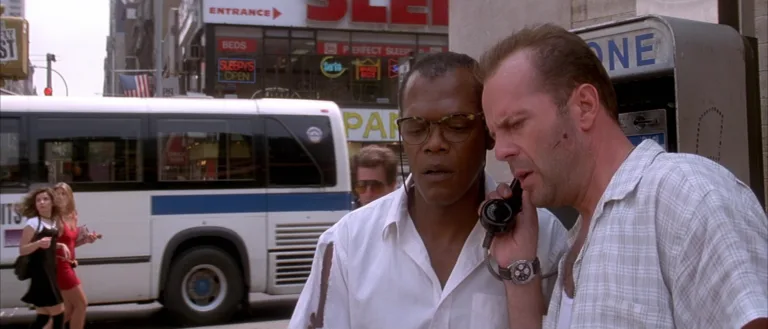
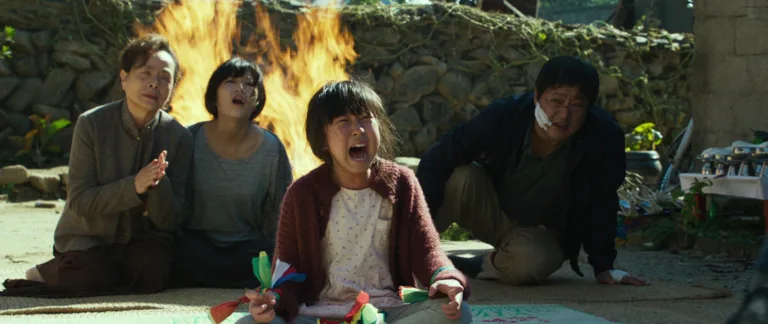
The 2.35:1 aspect ratio is the definitive “letterbox” look that transformed Hollywood in the 1950s. Introduced to compete with the rise of television, this ultra-wide format allowed filmmakers to capture sprawling horizons, massive ensembles, and the high-tension geometry of the Western. On CinematicFreeze, our 2.35:1 galleries celebrate the legacy of classic anamorphic cinematography—where the frame is as wide as the imagination.
2.35:1 vs. 2.39:1: Understanding the Shift
To the casual viewer, 2.35:1 and 2.39:1 look identical. However, in the early 1970s, the industry slightly increased the height of the black “masking” to hide flashes that occasionally appeared at the top or bottom of the frame during splices.
- The 2.35:1 Era: This represents the peak of CinemaScope and early Panavision (approx. 1953–1970).
- The 2.39:1 Era: This represents modern “Scope” (1970–present). By categorizing your films this way, you are providing a historically accurate timeline of how the widescreen frame evolved.
Essential 2.35:1 (CinemaScope) Galleries
Explore the wide-angle masterpieces that defined the mid-century cinematic experience:
- The Good, the Bad and the Ugly (1966): Sergio Leone utilized the 2.35:1 frame to perfect the “Italian Standoff,” placing three characters at opposite ends of the wide frame to create unbearable tension.
- Rebel Without a Cause (1955): An early CinemaScope triumph that used the extra width to emphasize the emotional distance between characters in a suburban landscape.
-
The Visual Signature of 2.35:1
When you browse our 2.35:1 galleries, look for these specific “Anamorphic” characteristics:
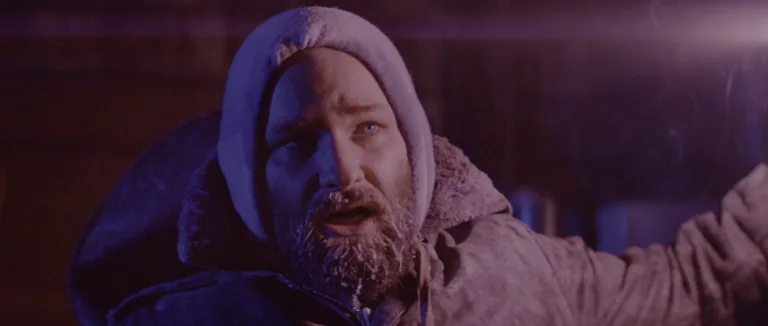
- Horizontal Lens Flares: Because of the way light hits the vintage cylindrical lenses, you will often see beautiful blue or white streaks across the frame.
- Wide-Angle Distortion: In early 2.35:1 films, you may notice a slight “bowing” or curvature at the very edges of the screen, a hallmark of vintage glass.
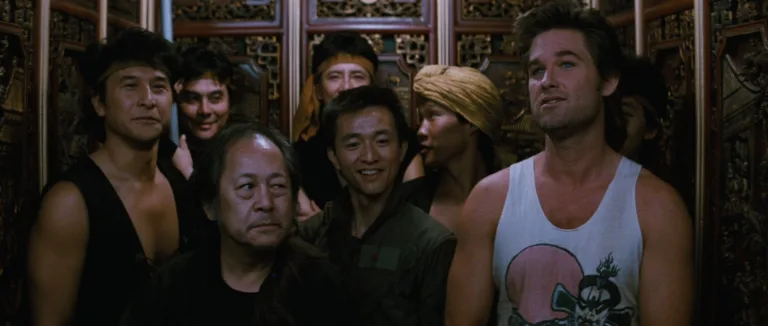
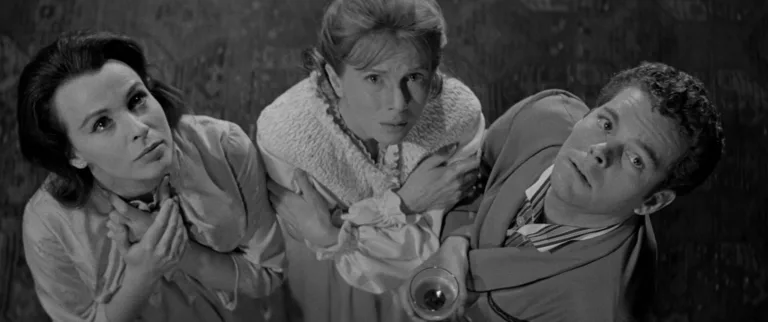
- The “Ensemble” Frame: This ratio was the first to allow directors to film a group of five or six people standing in a line without cutting anyone out, changing the way directors blocked their actors.