The Exorcist (1973): The reinvention of religious horror
1973 • William Friedkin • 1.85:1 • Jump to Gallery ↓
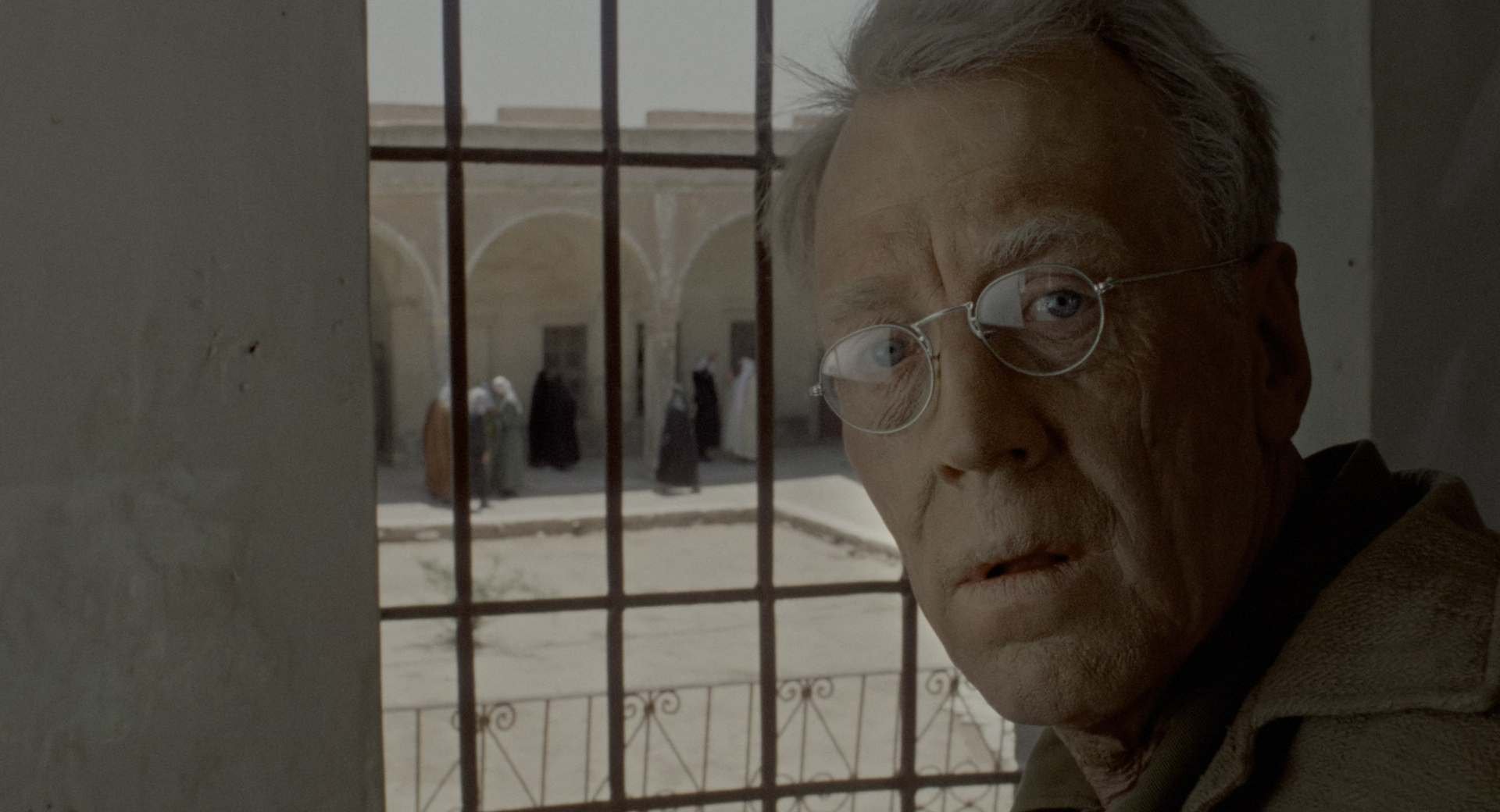
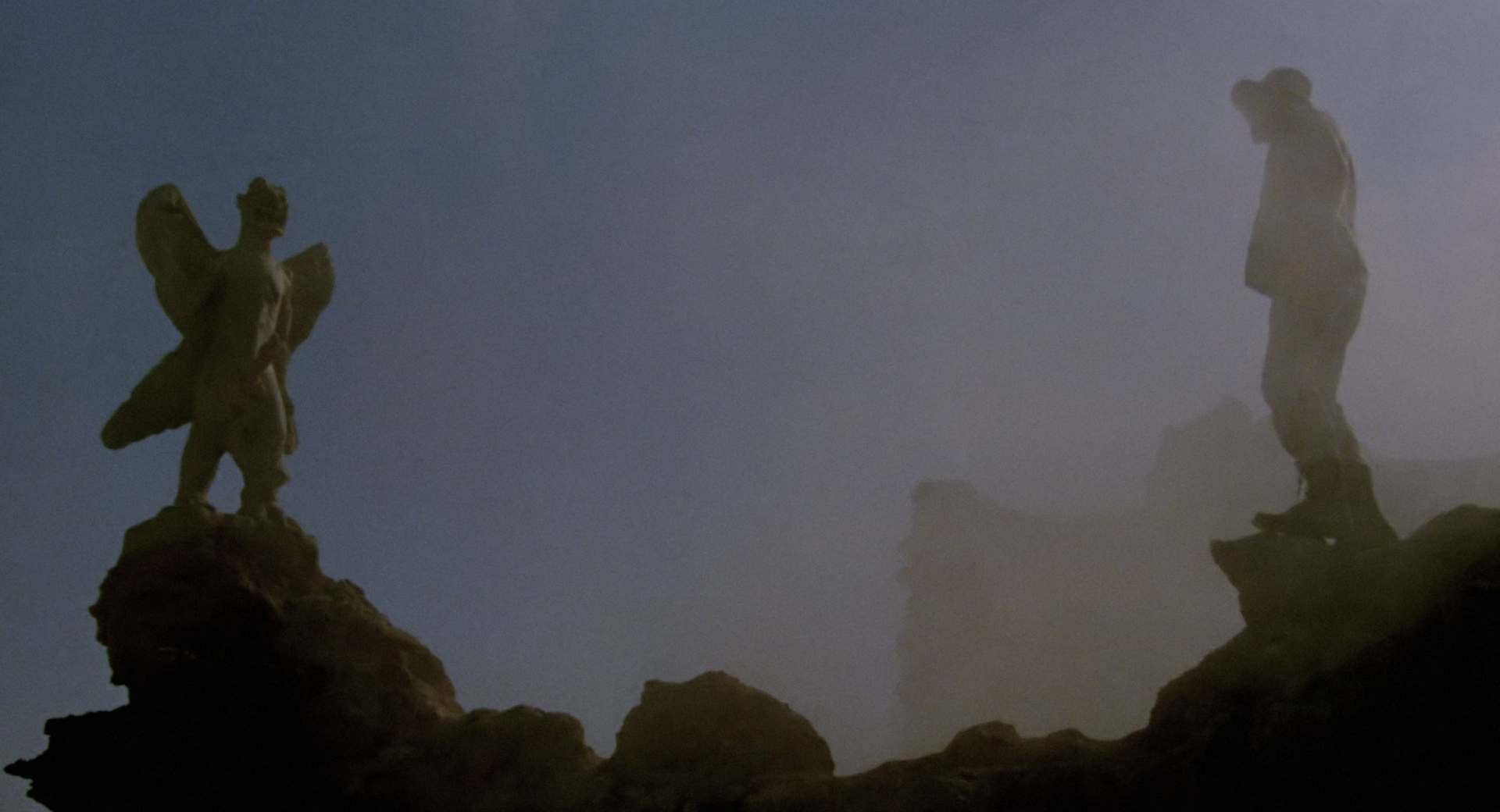
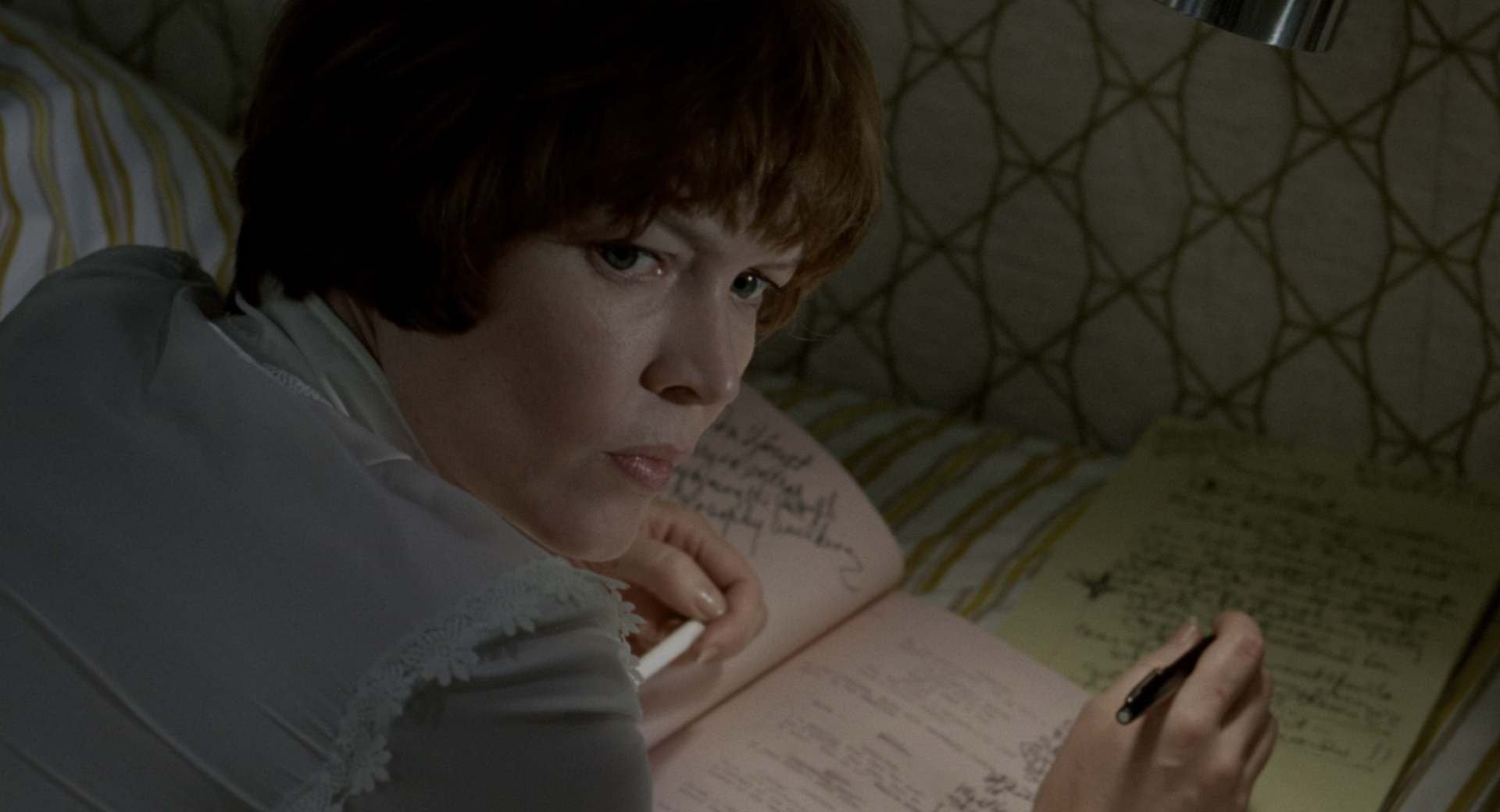
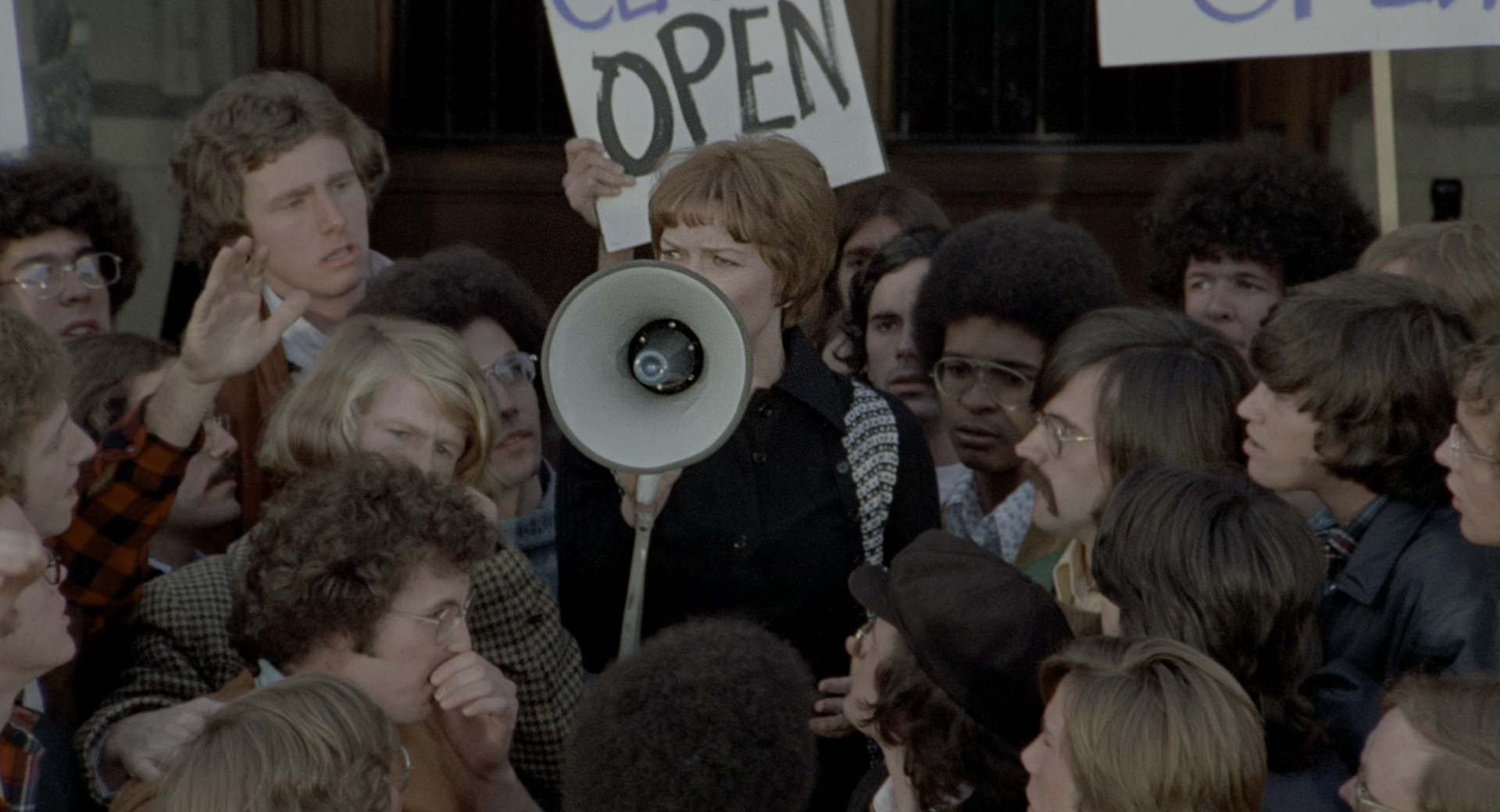
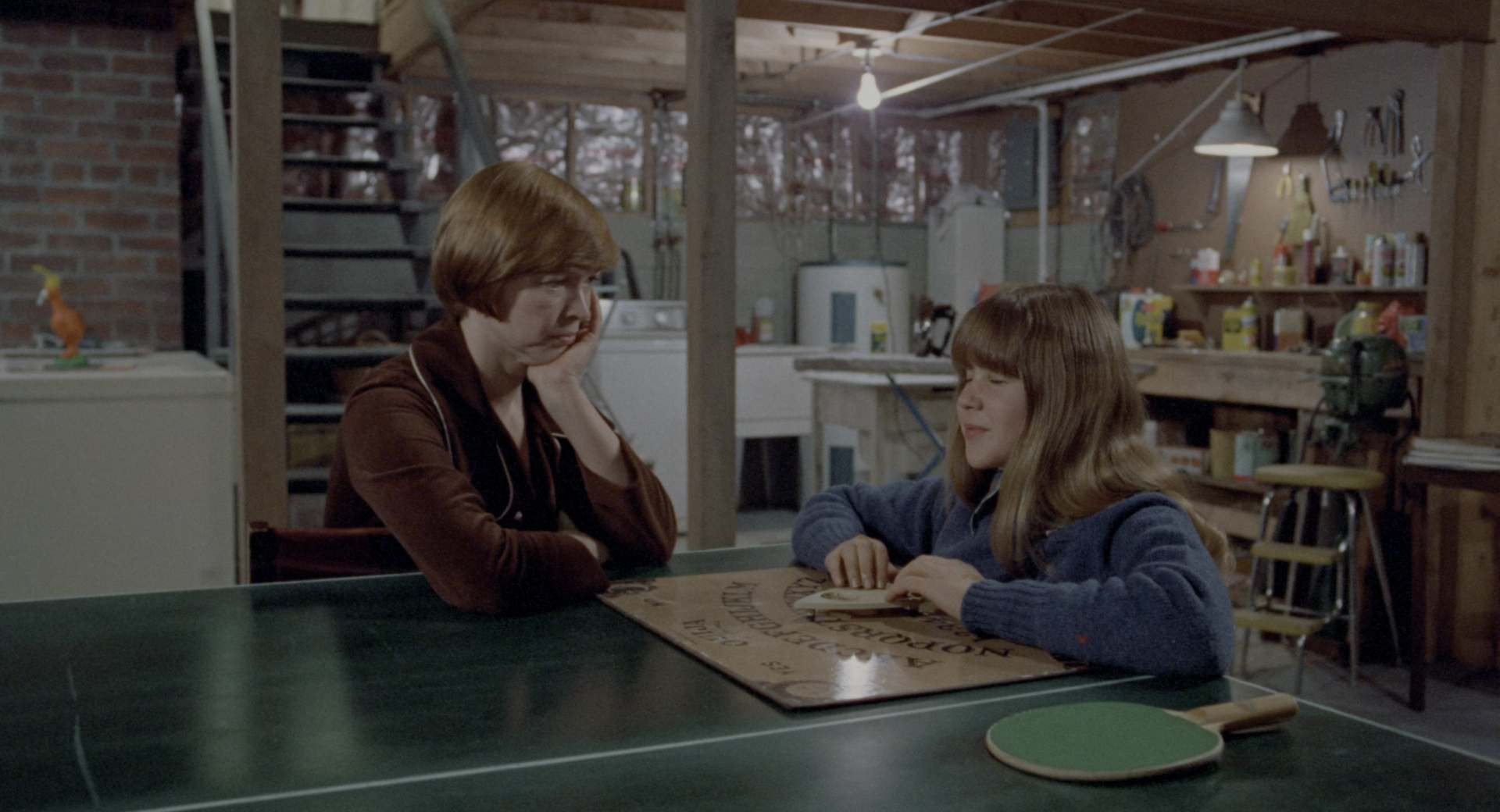
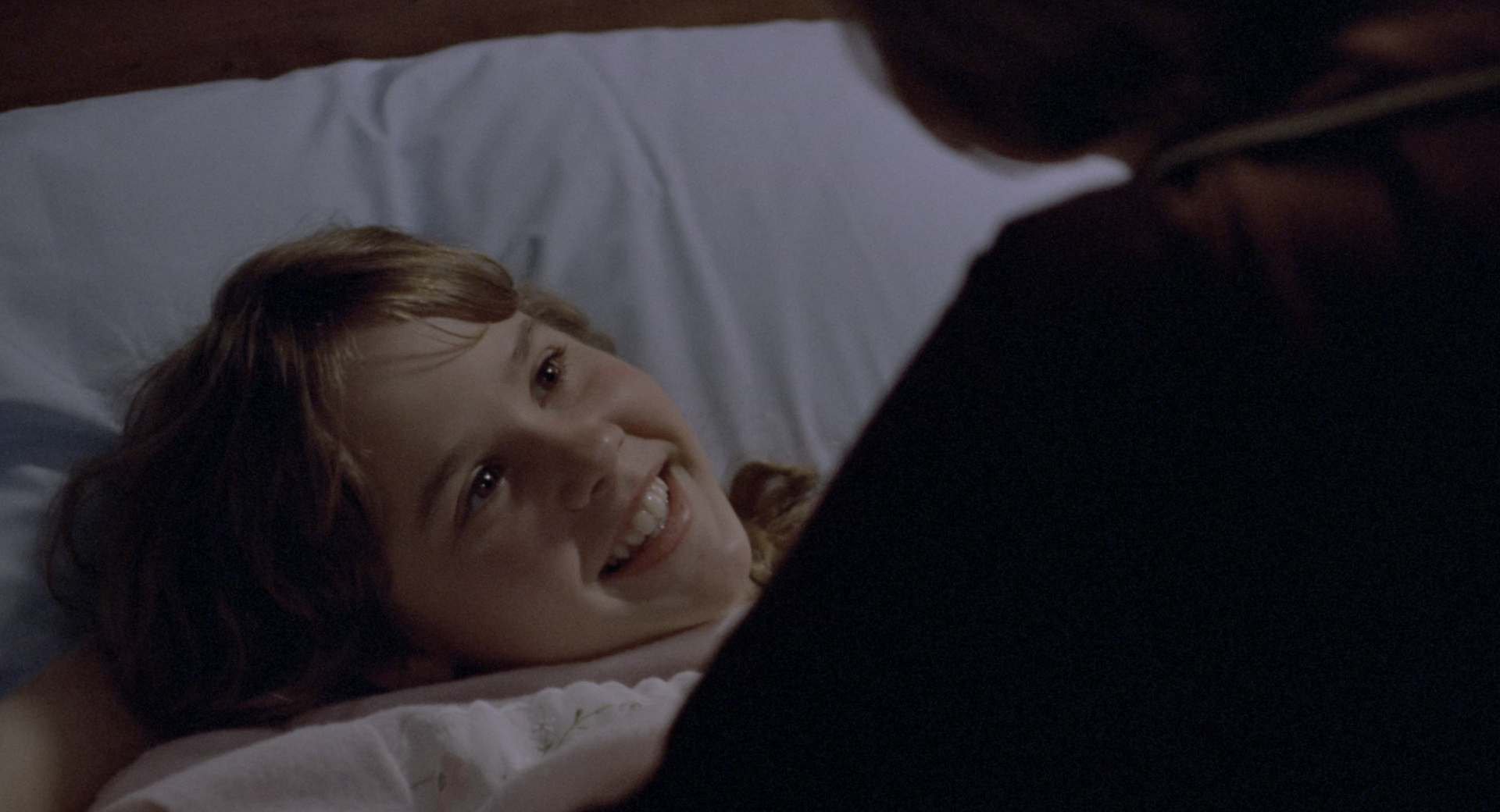
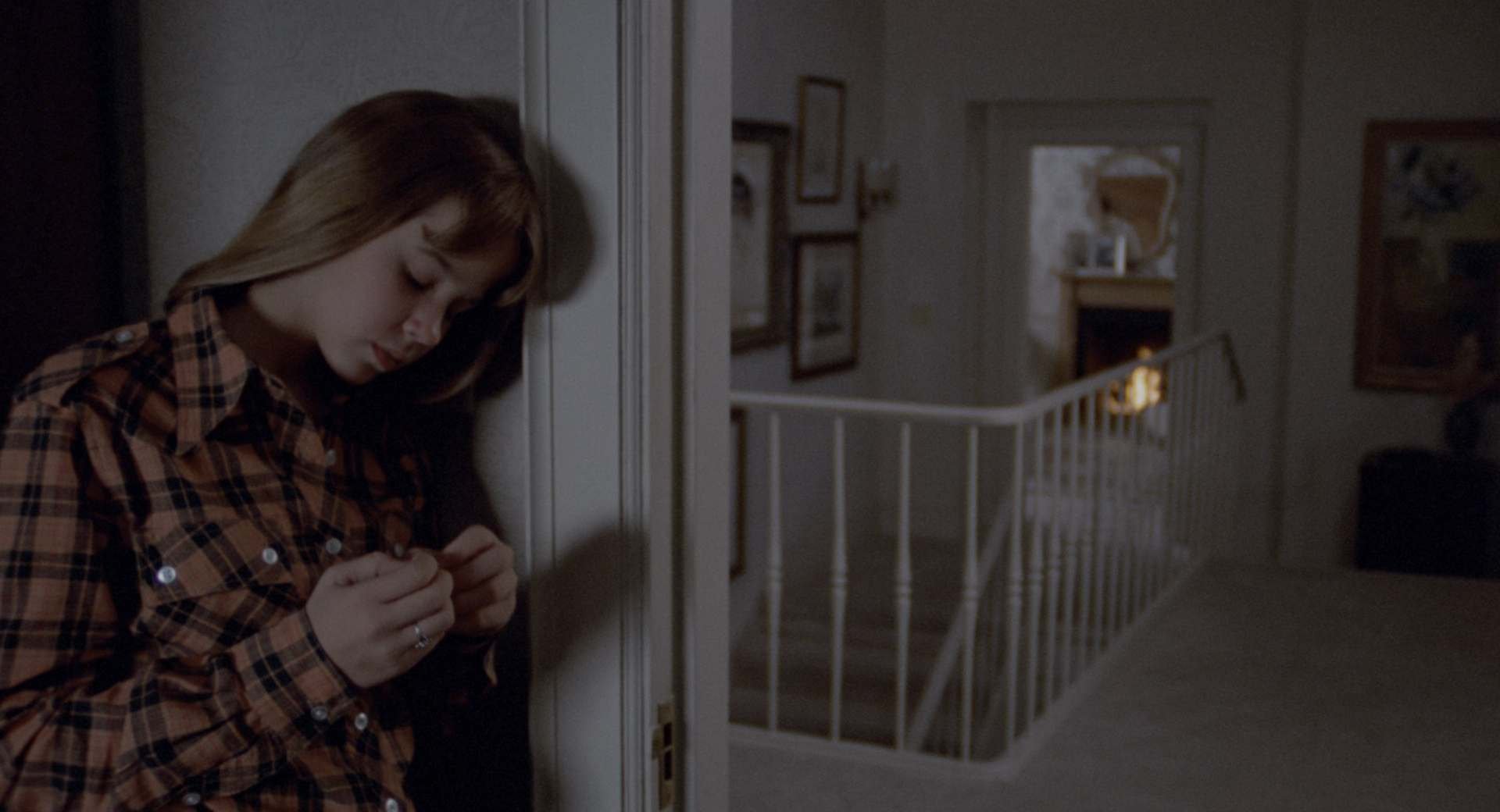
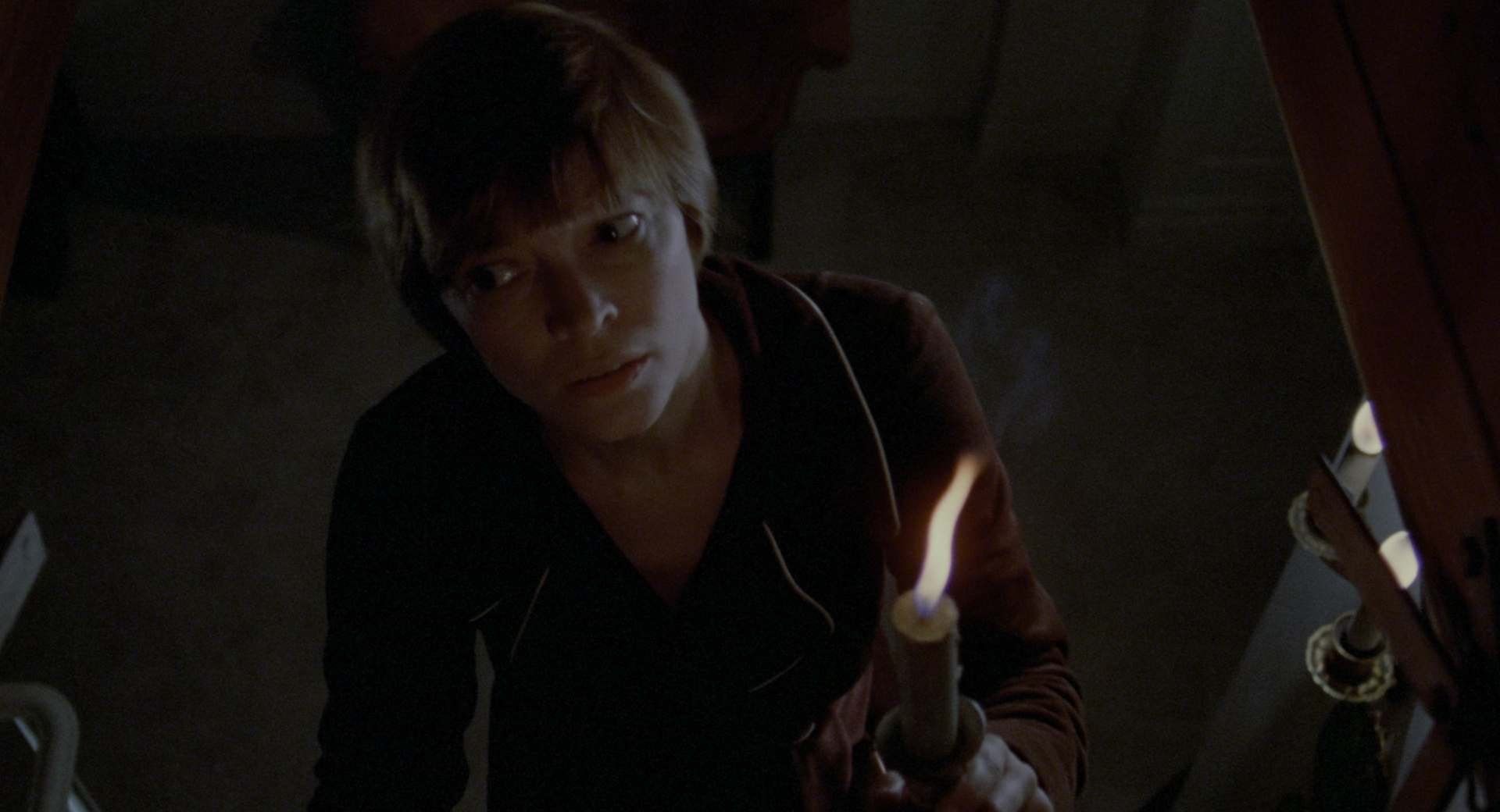
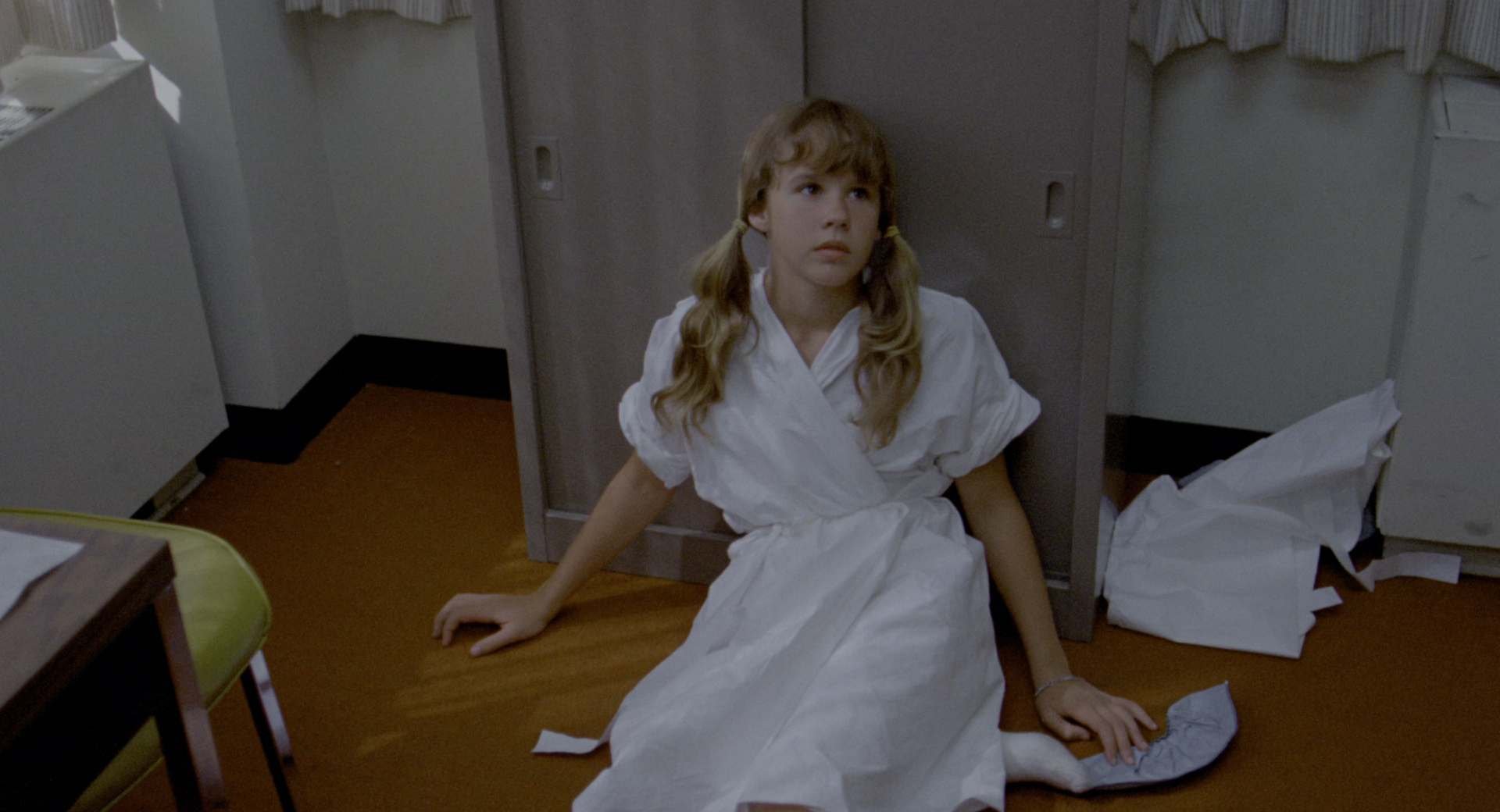
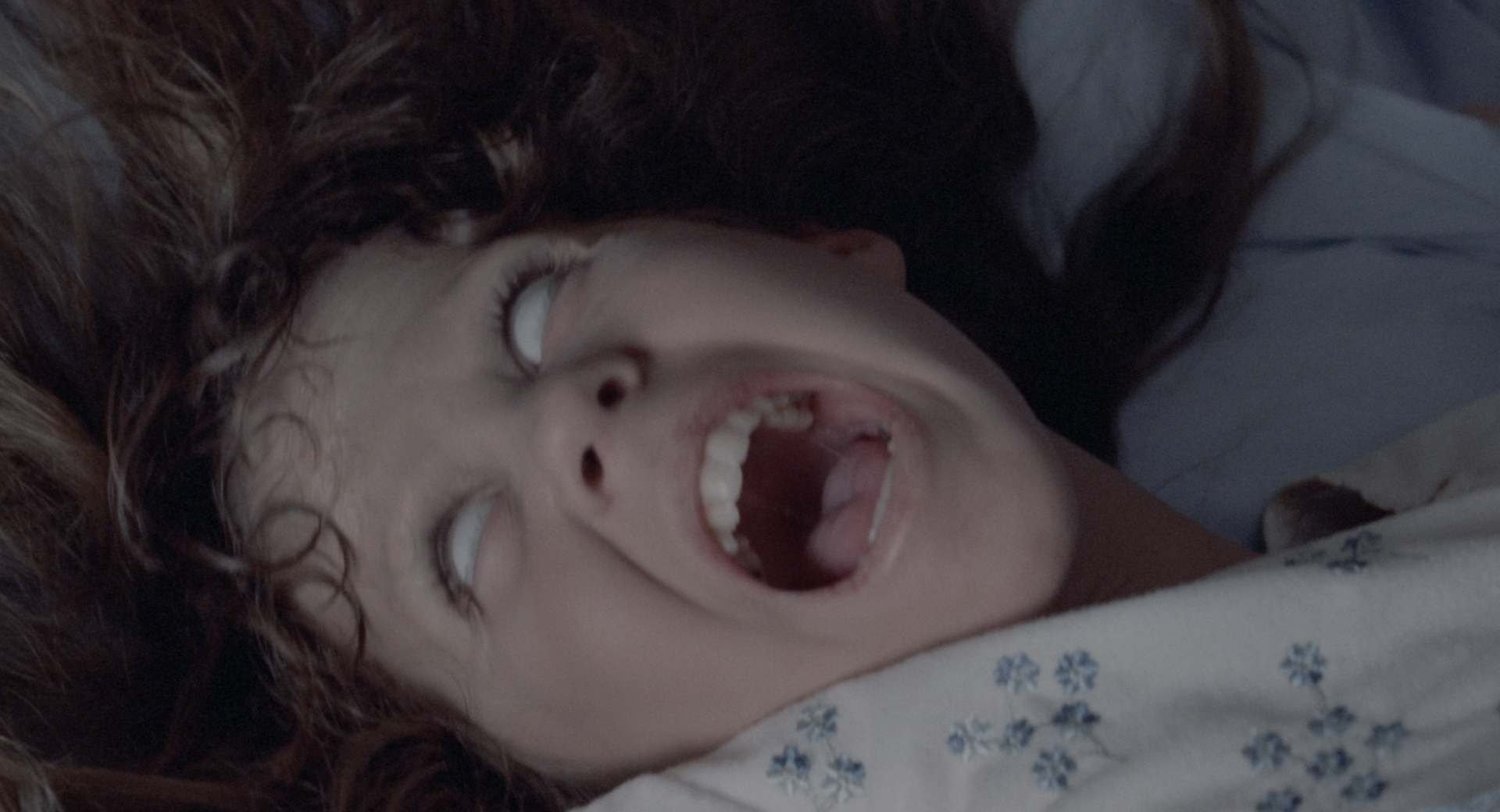
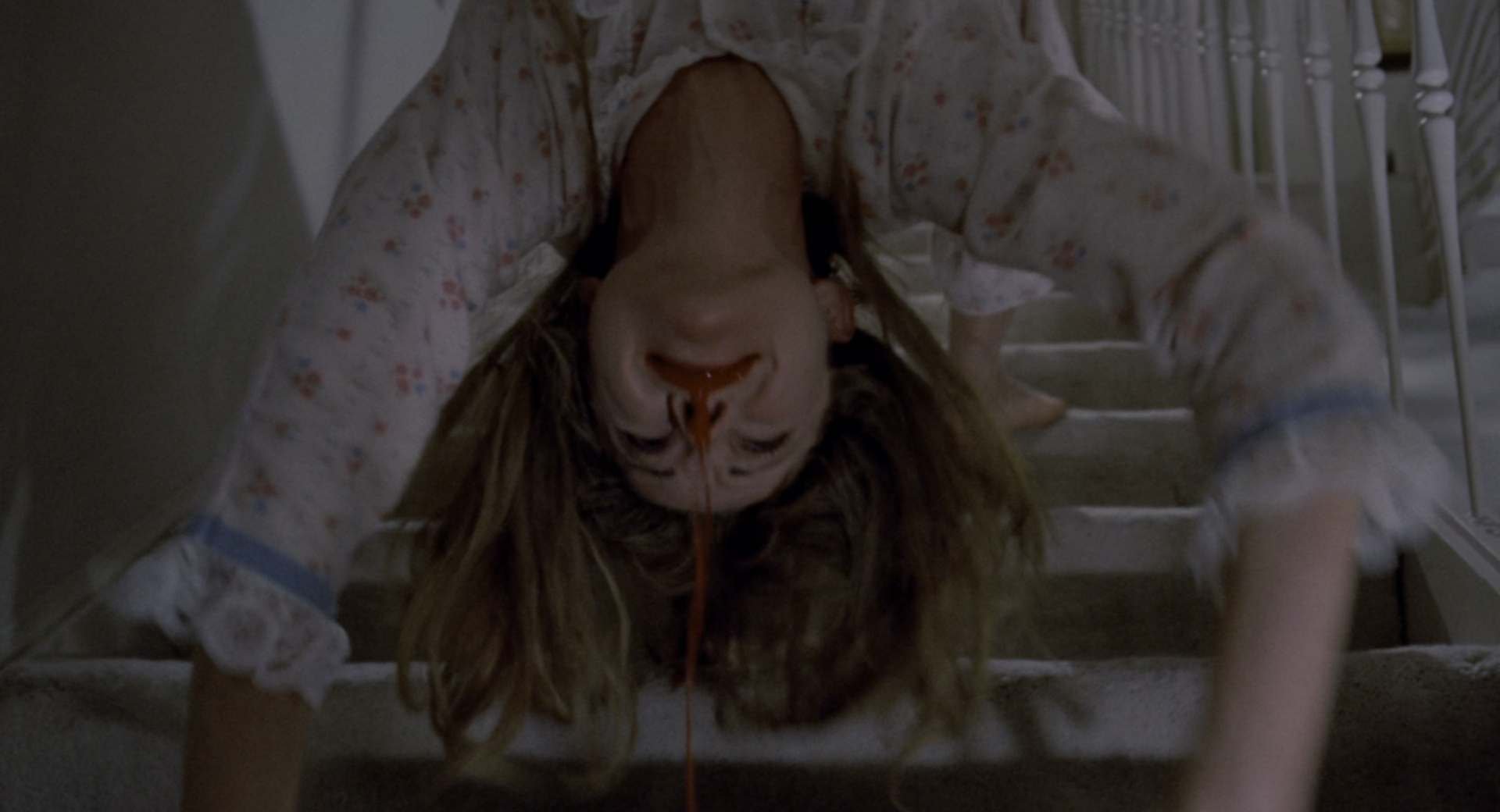
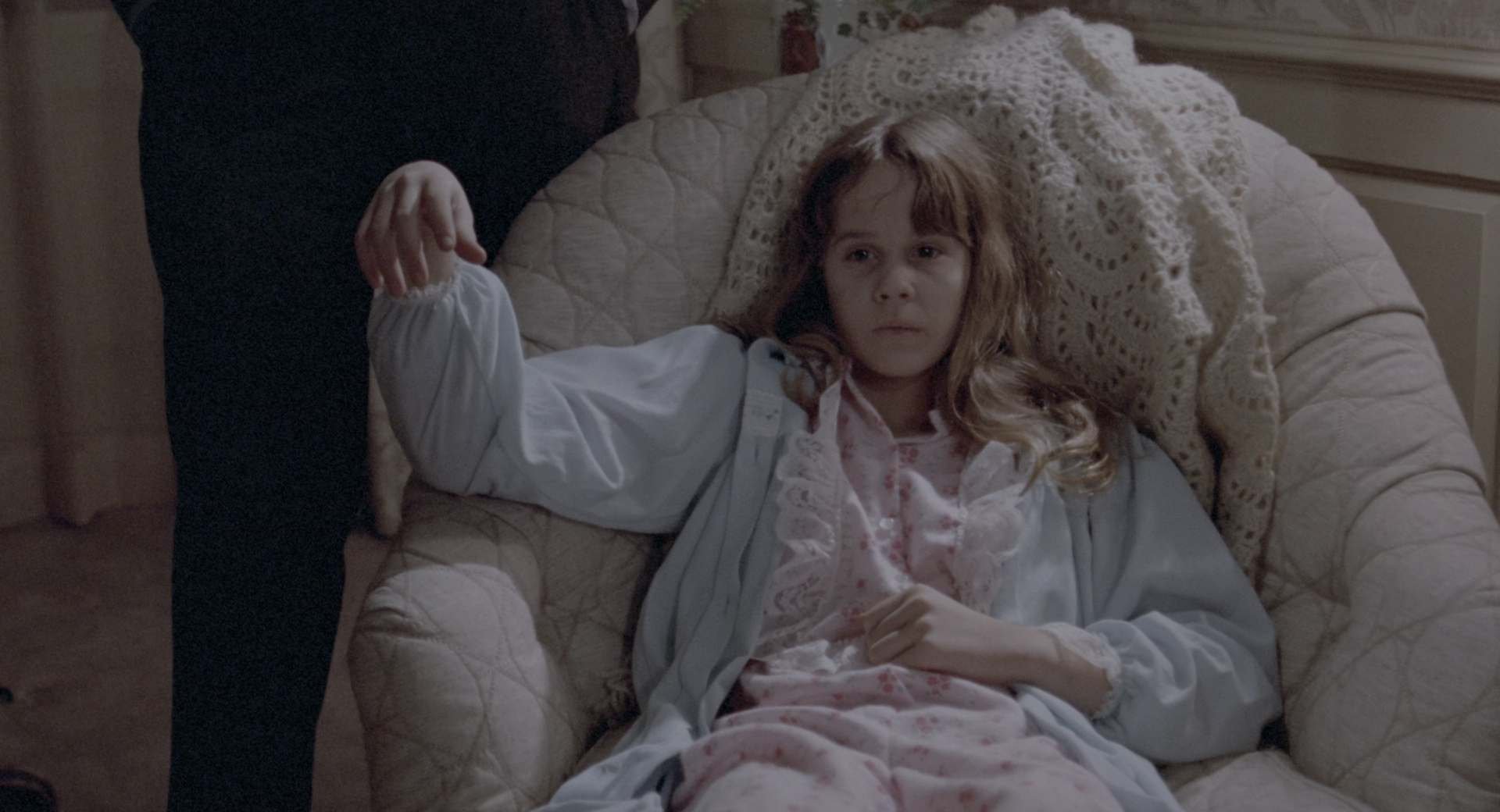
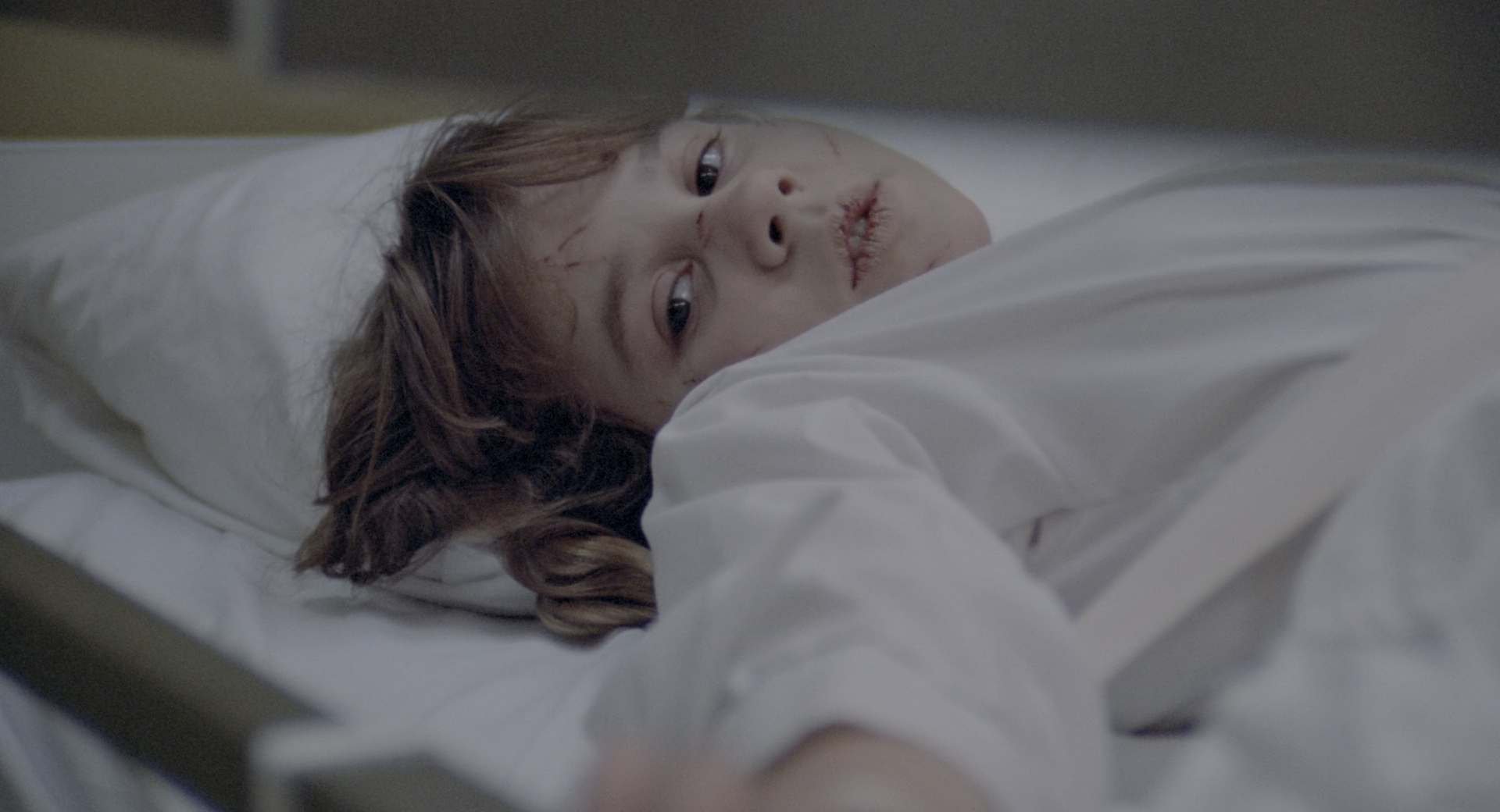
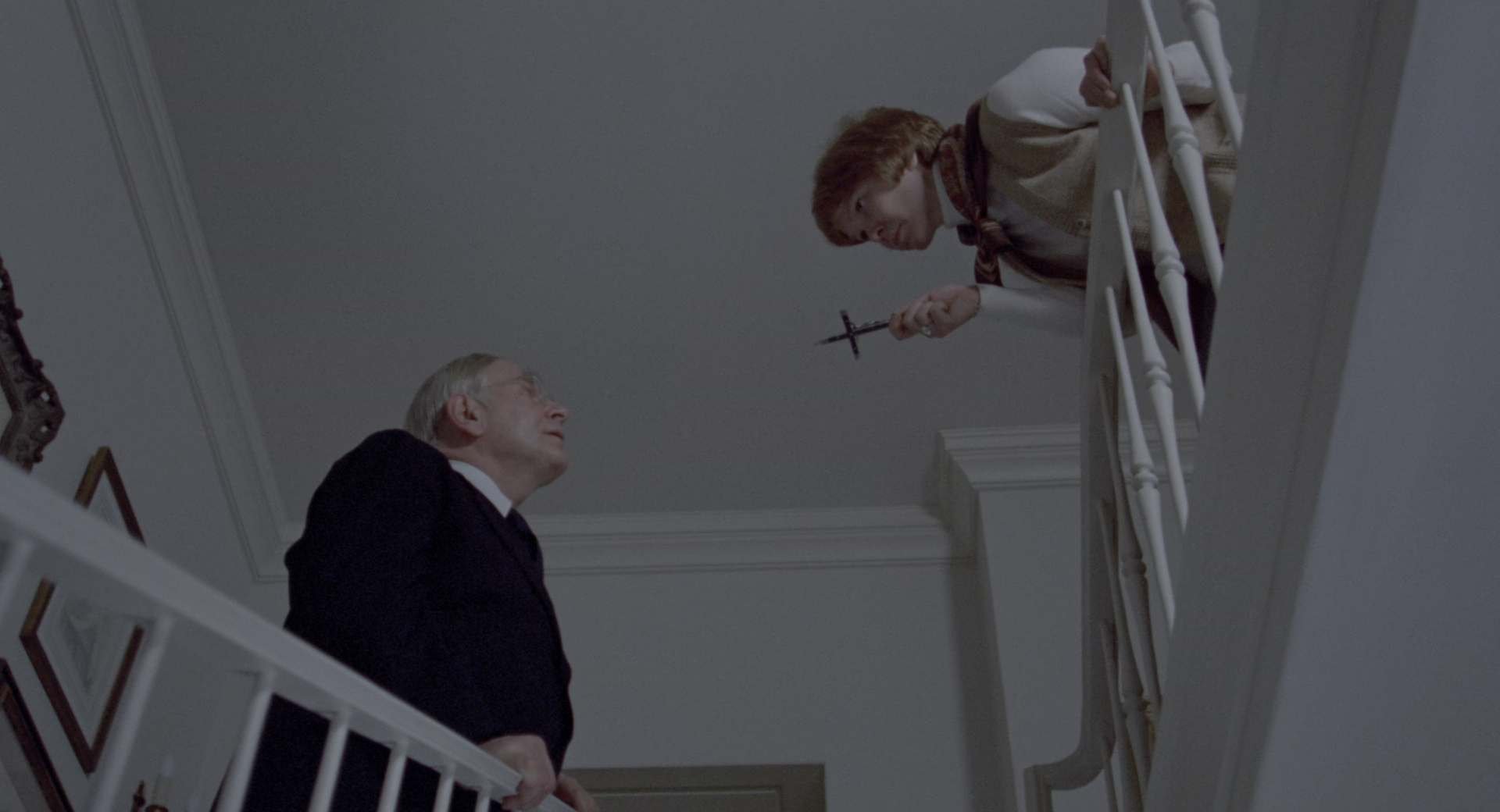
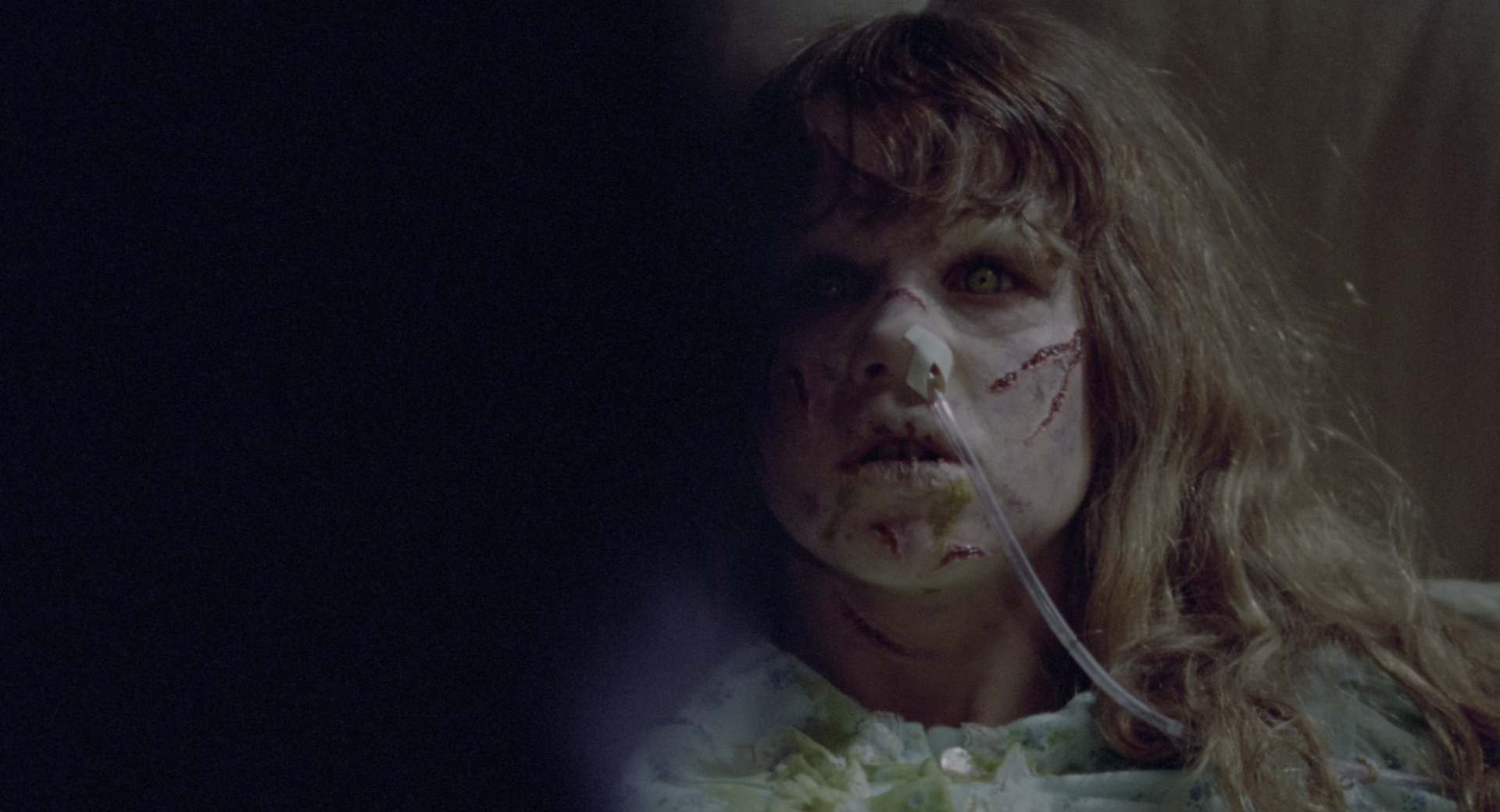
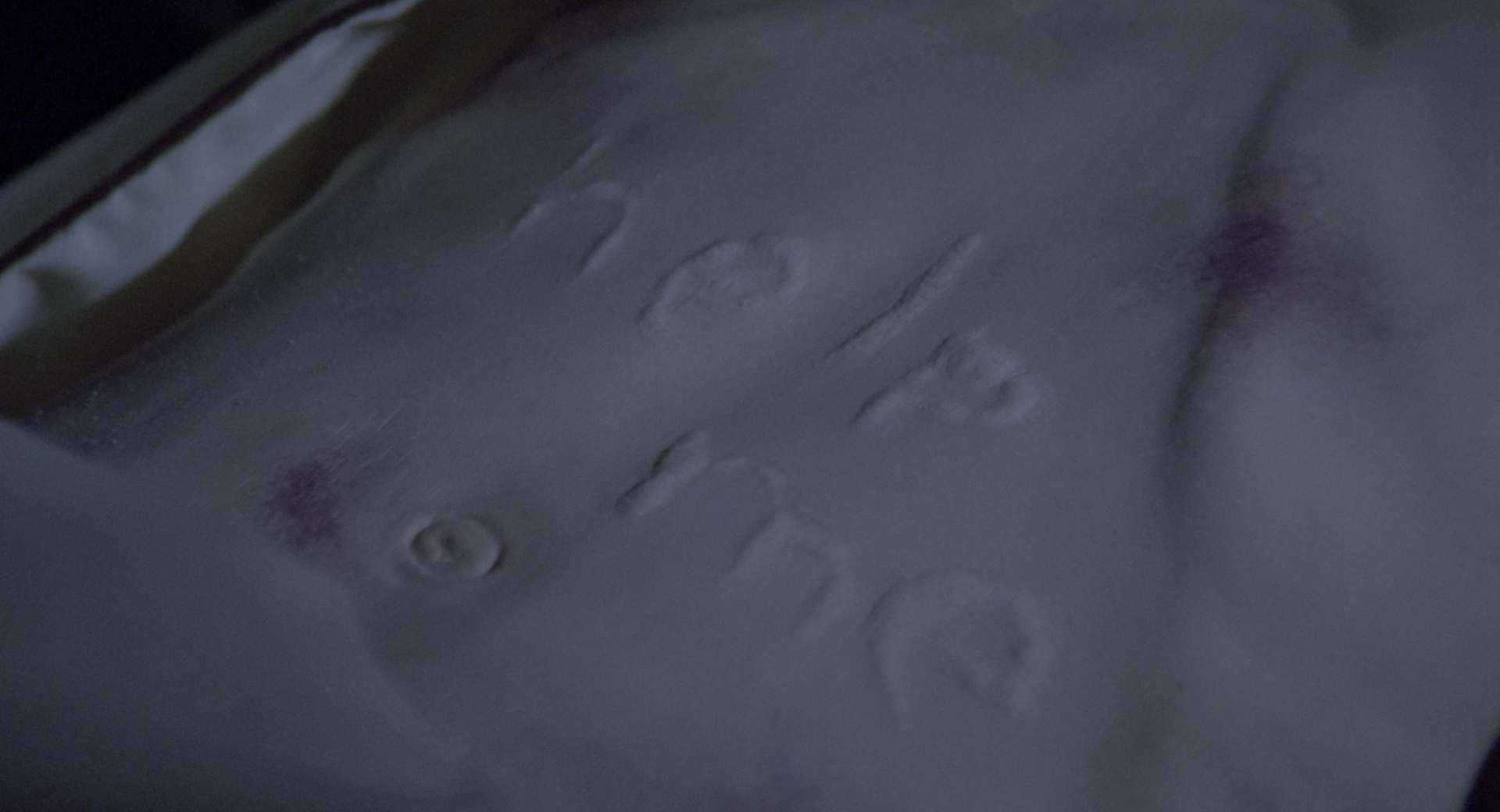
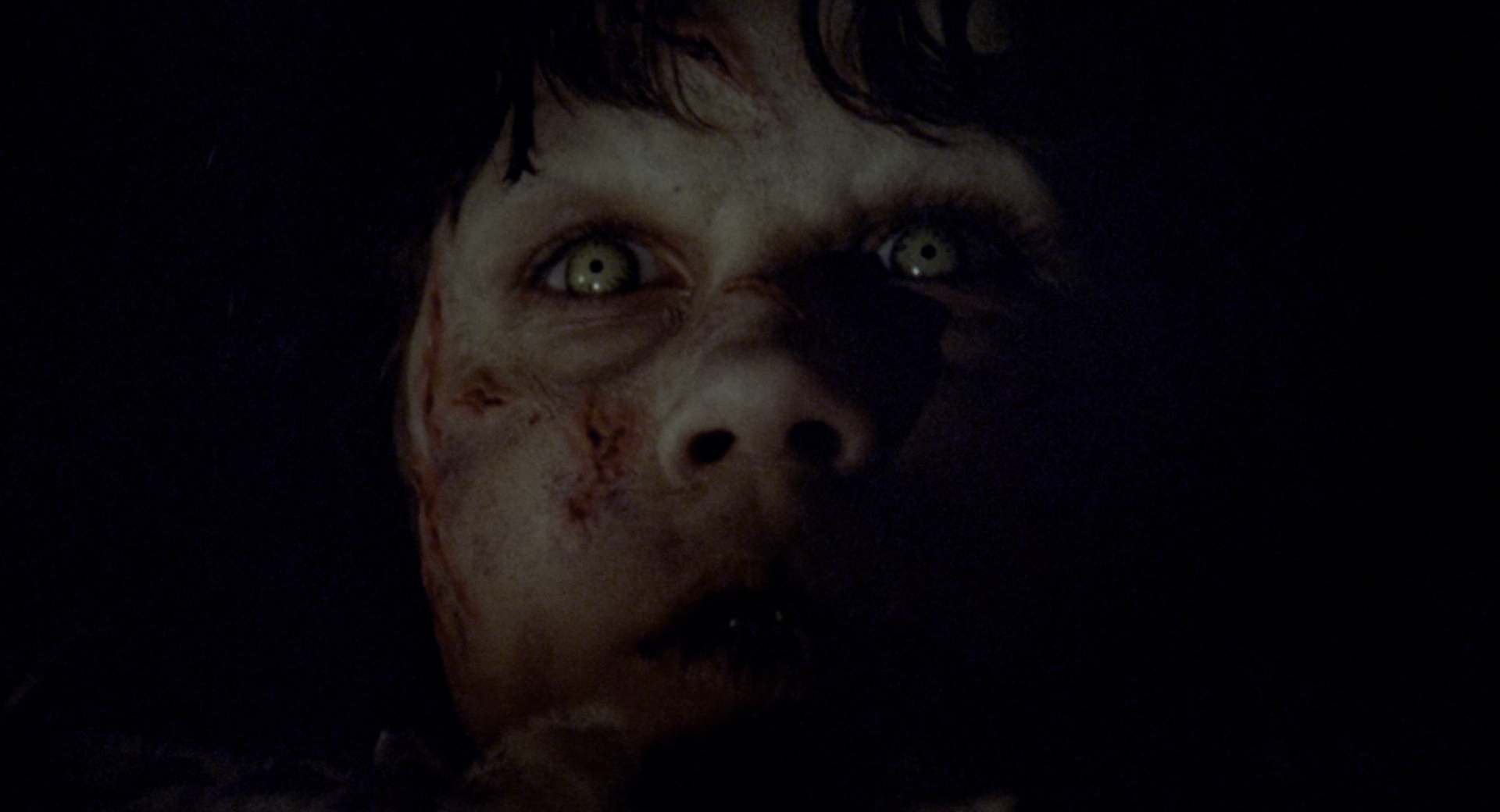
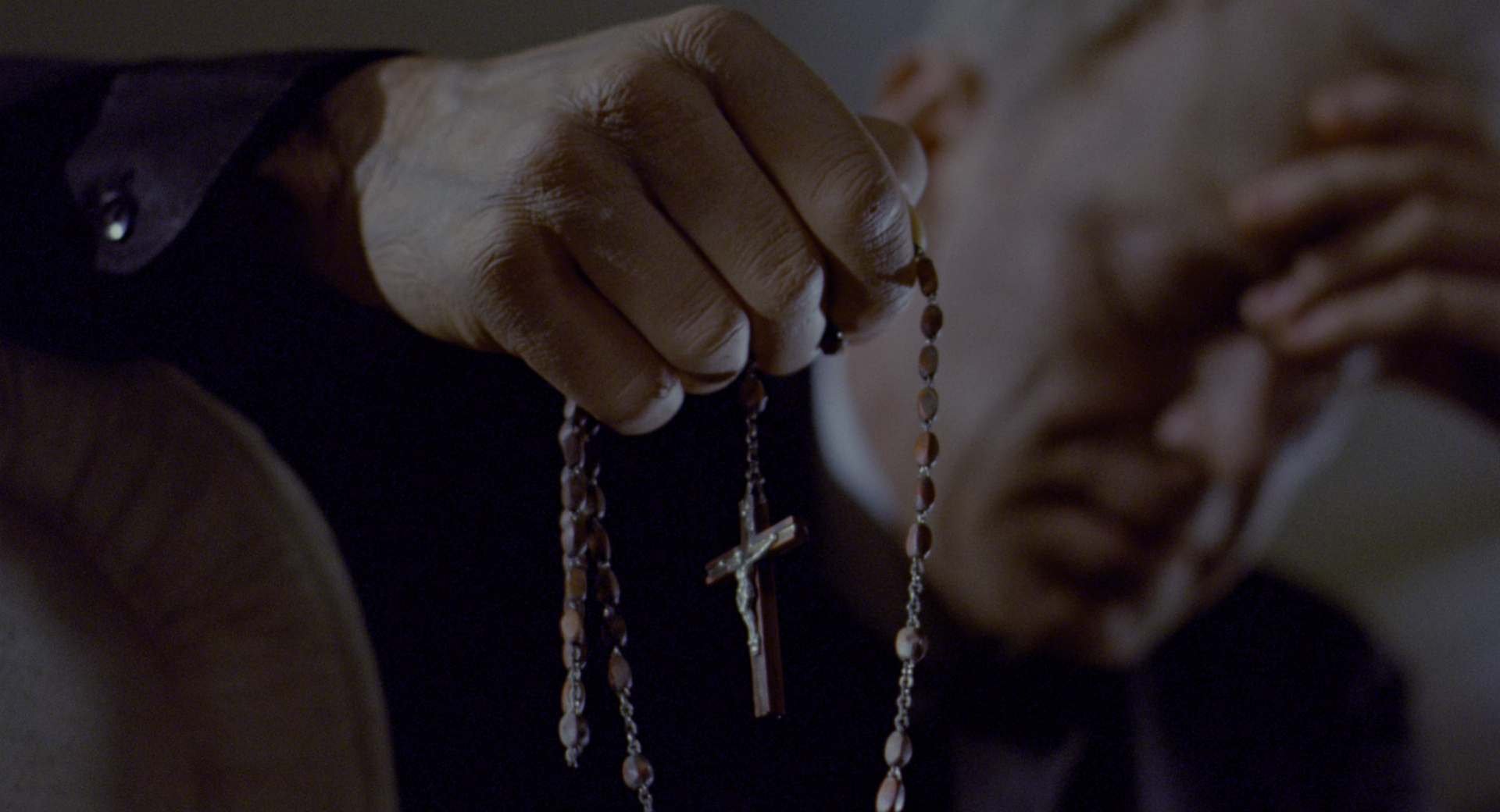
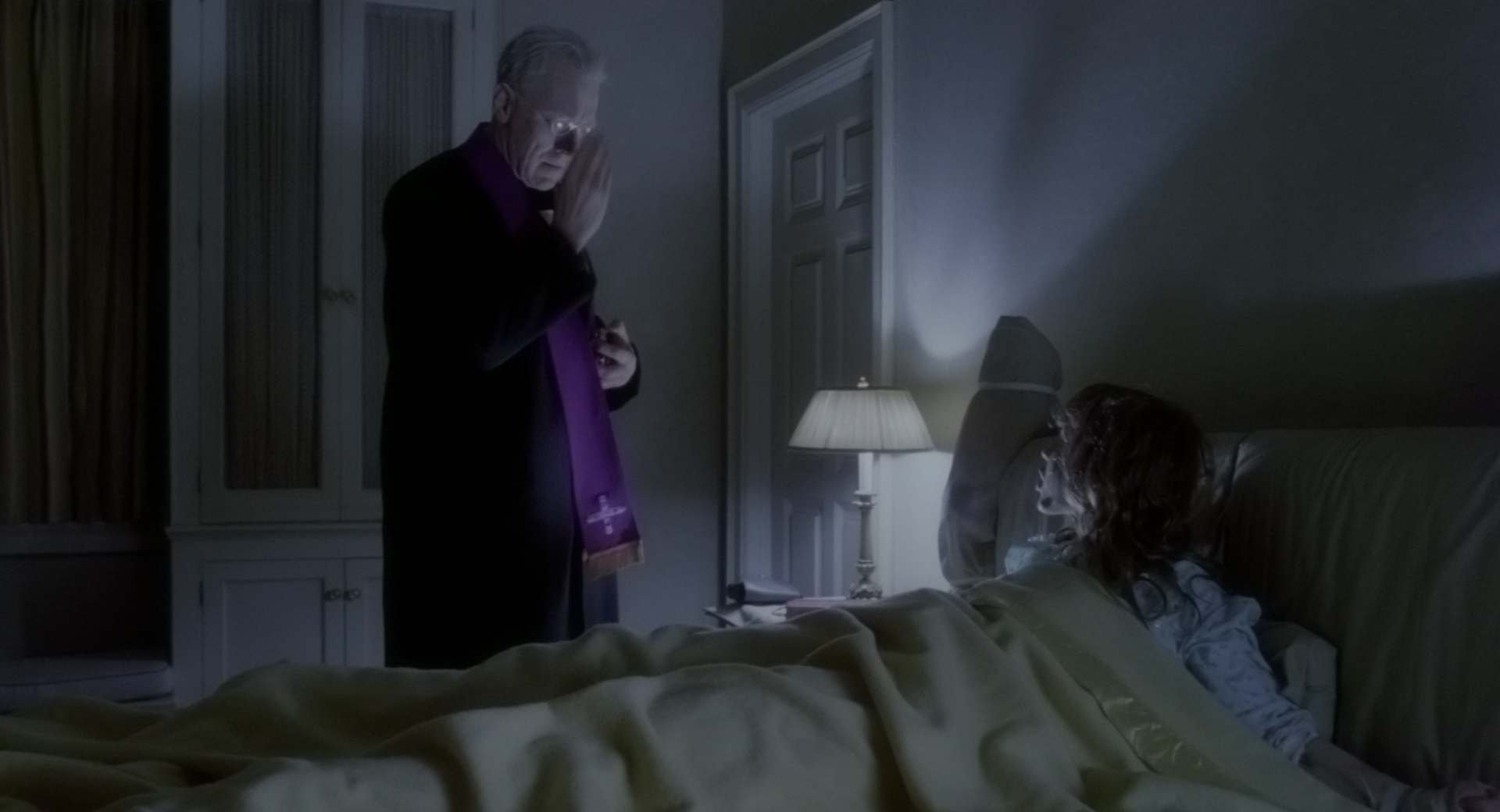
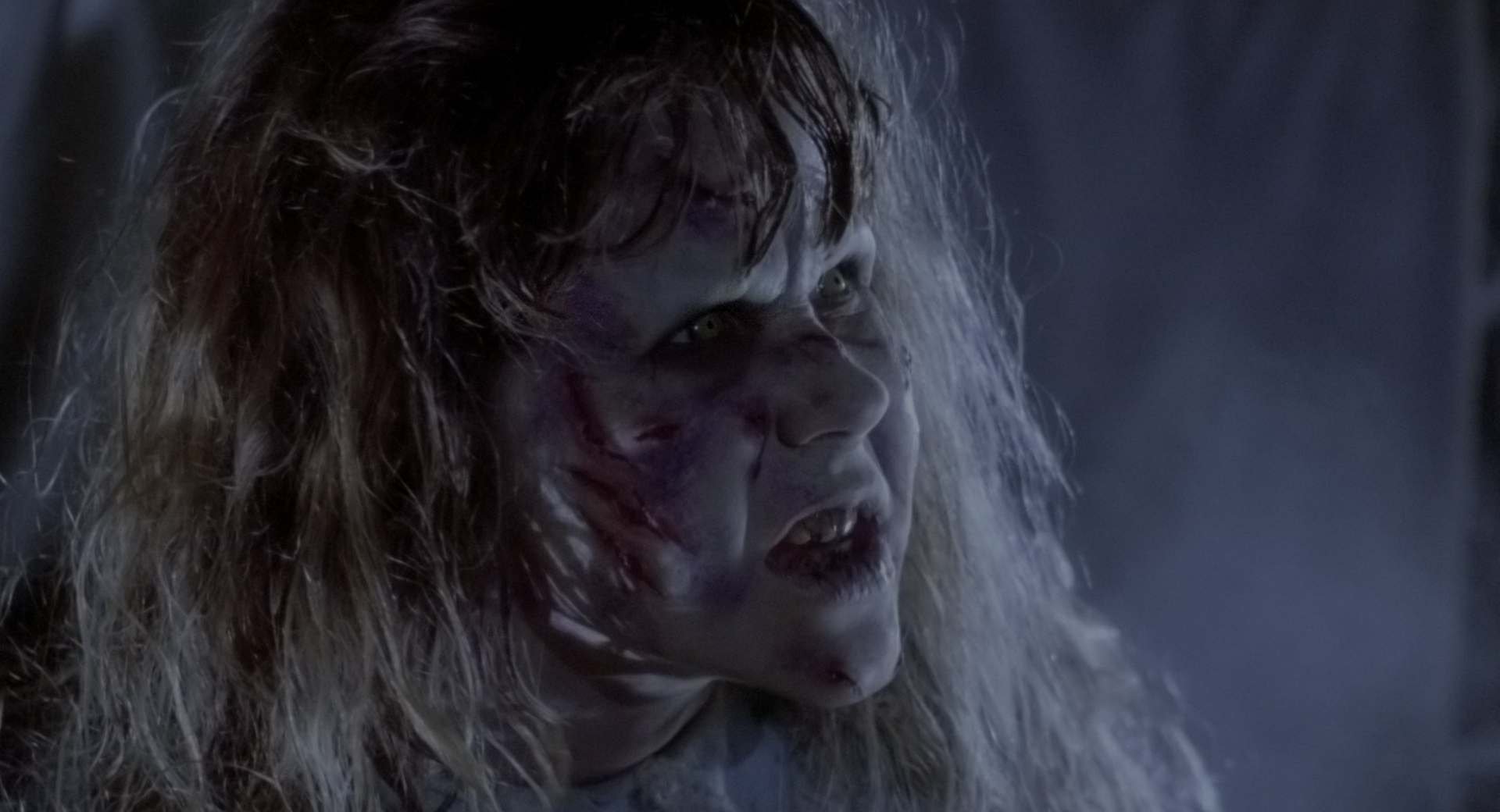
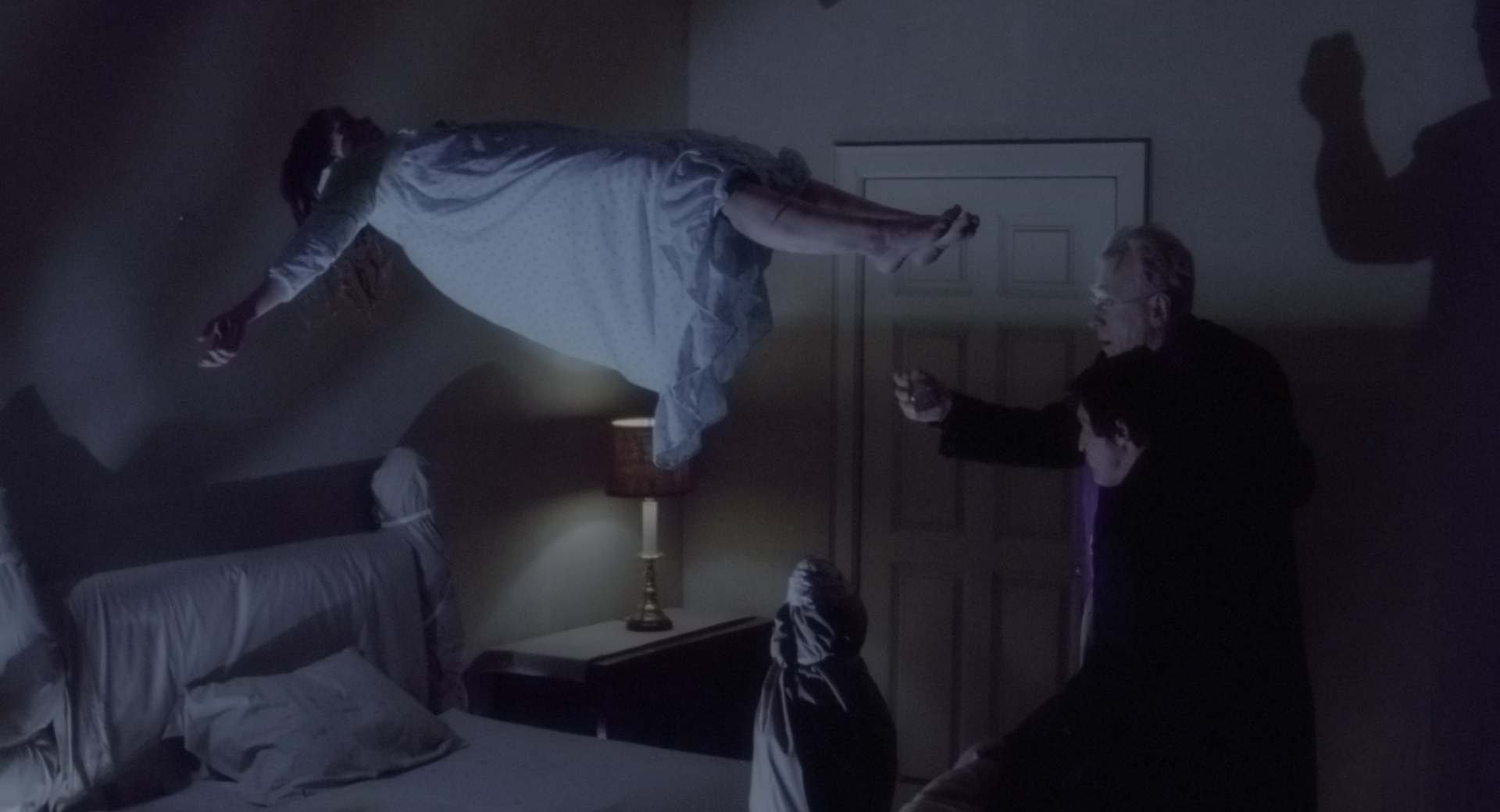
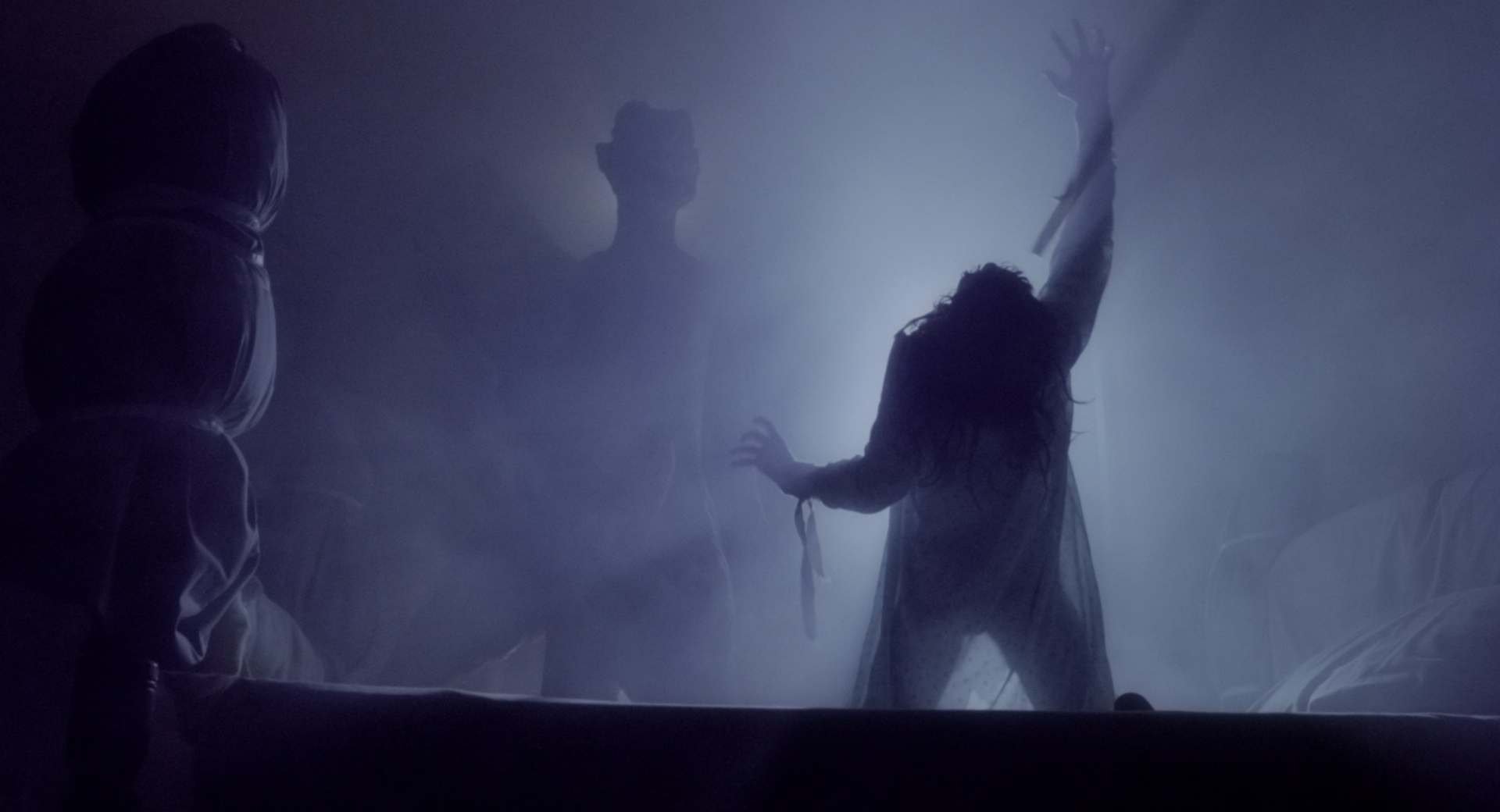
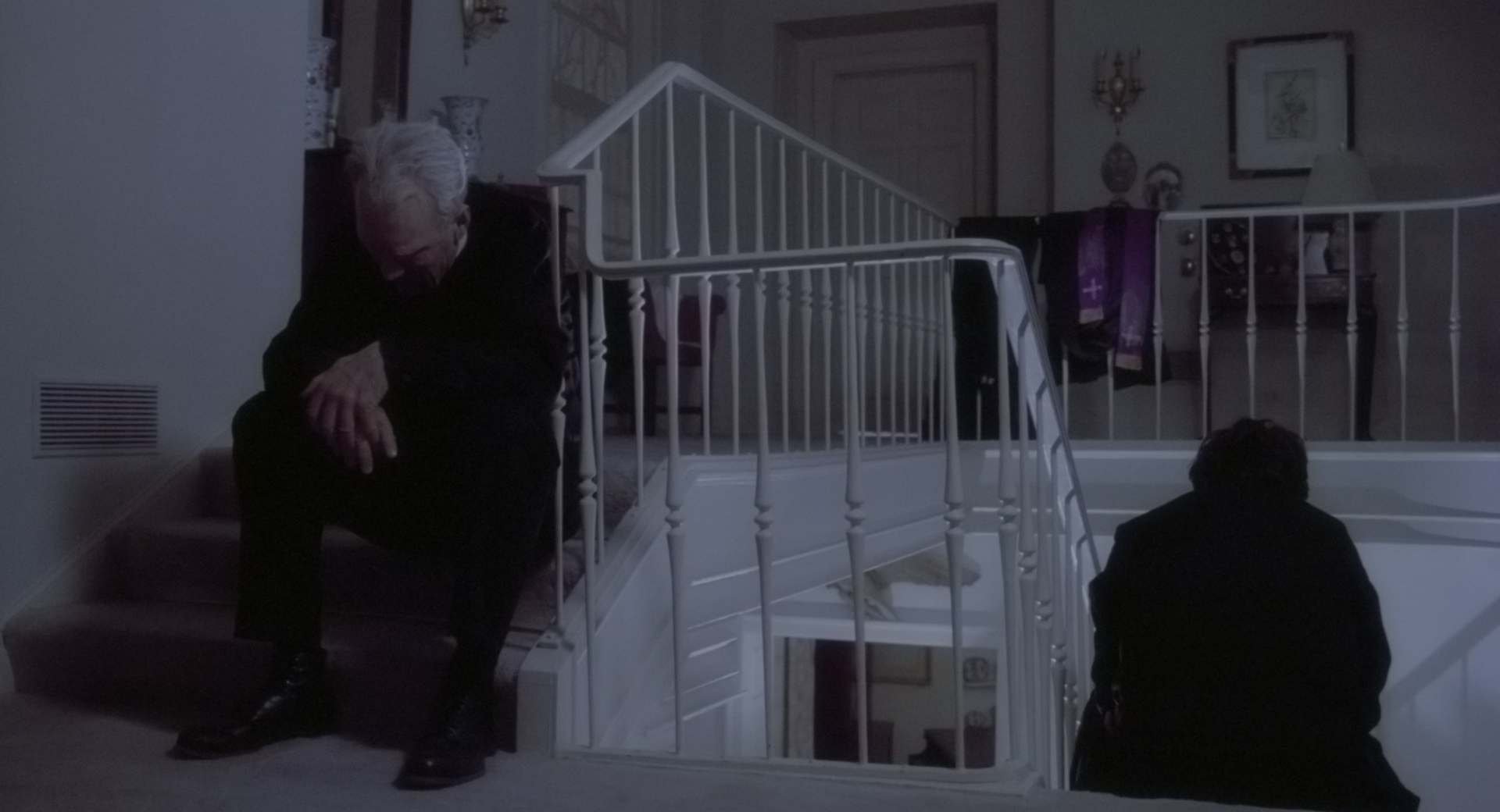
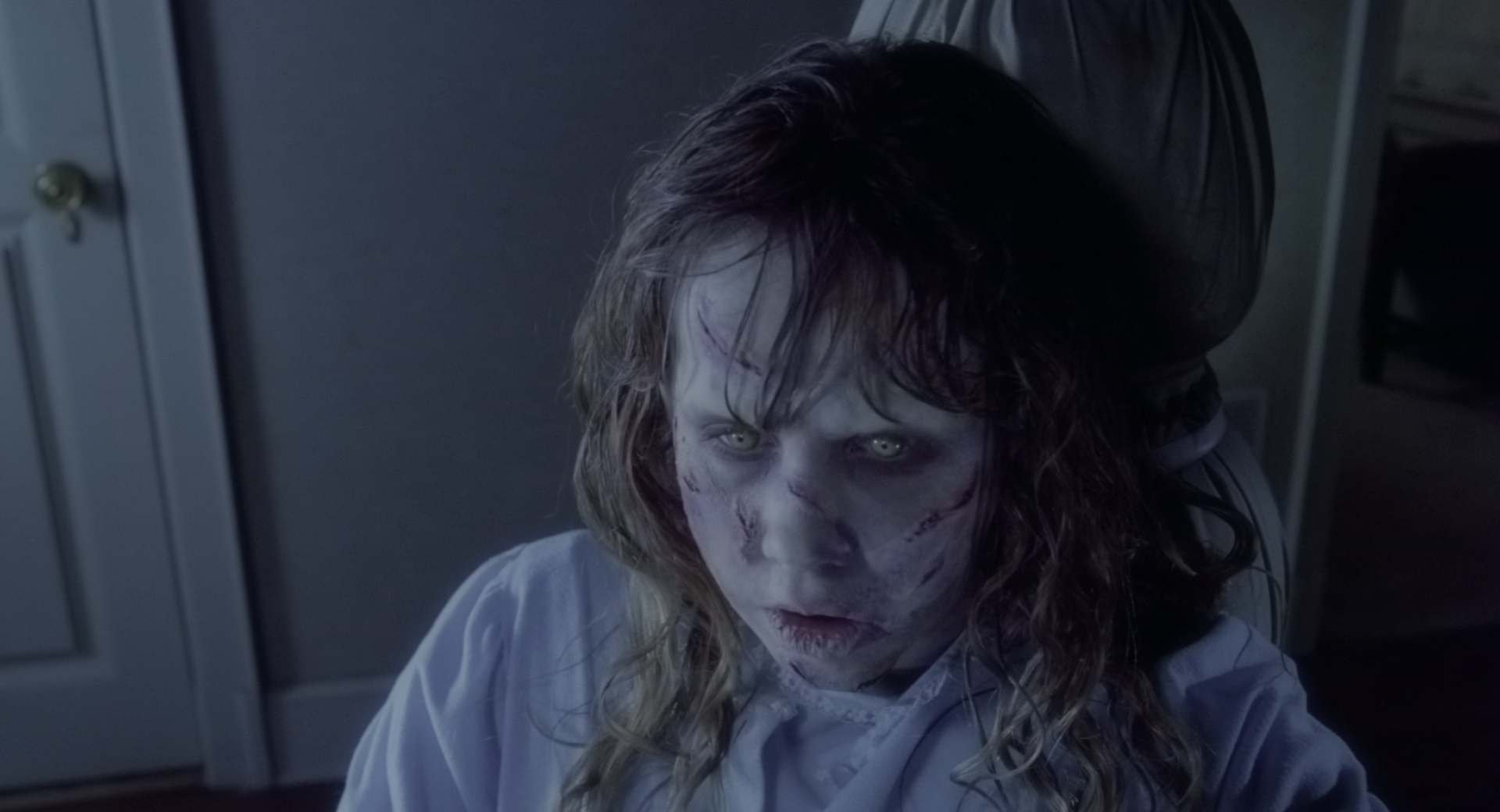
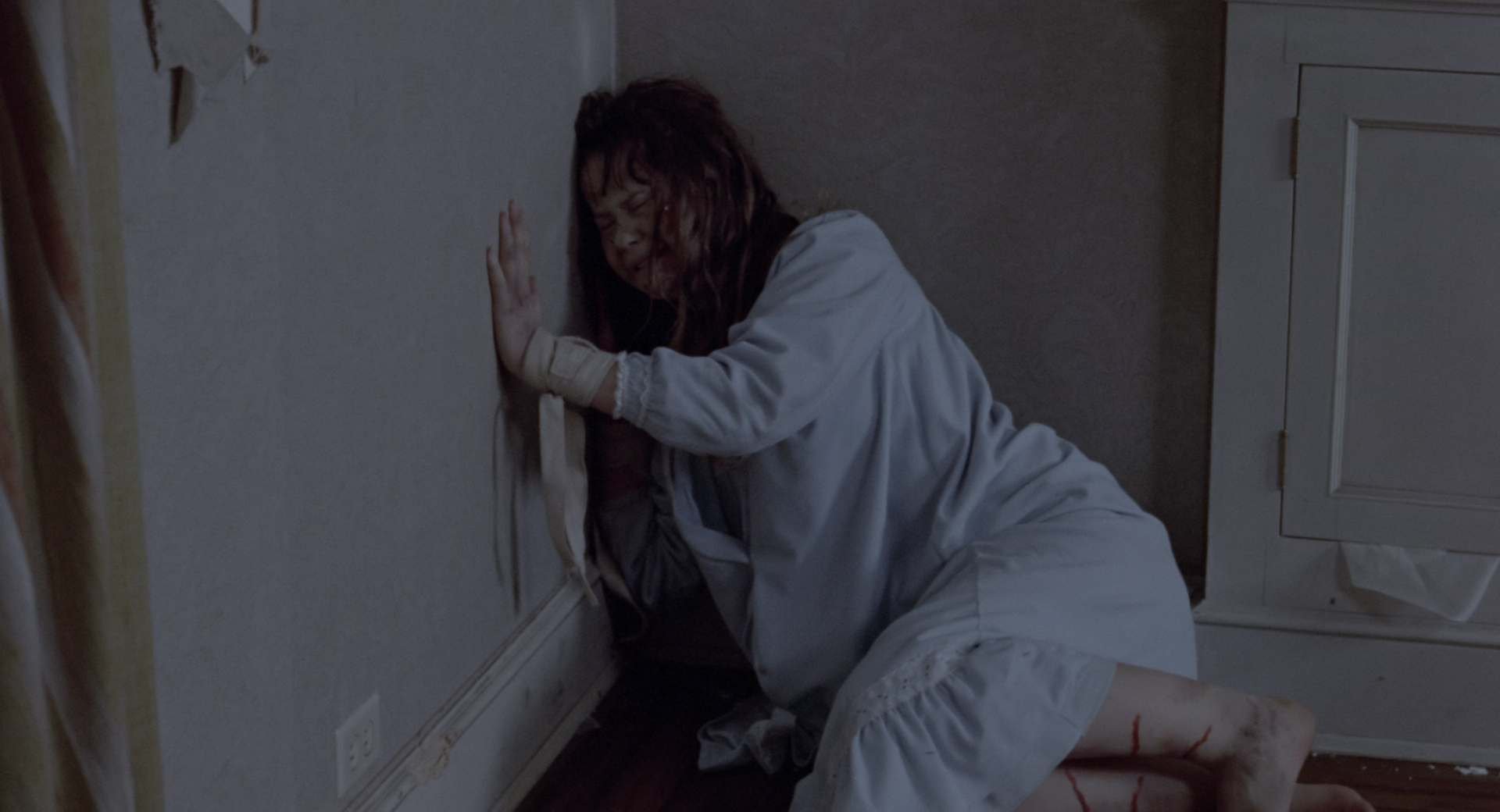
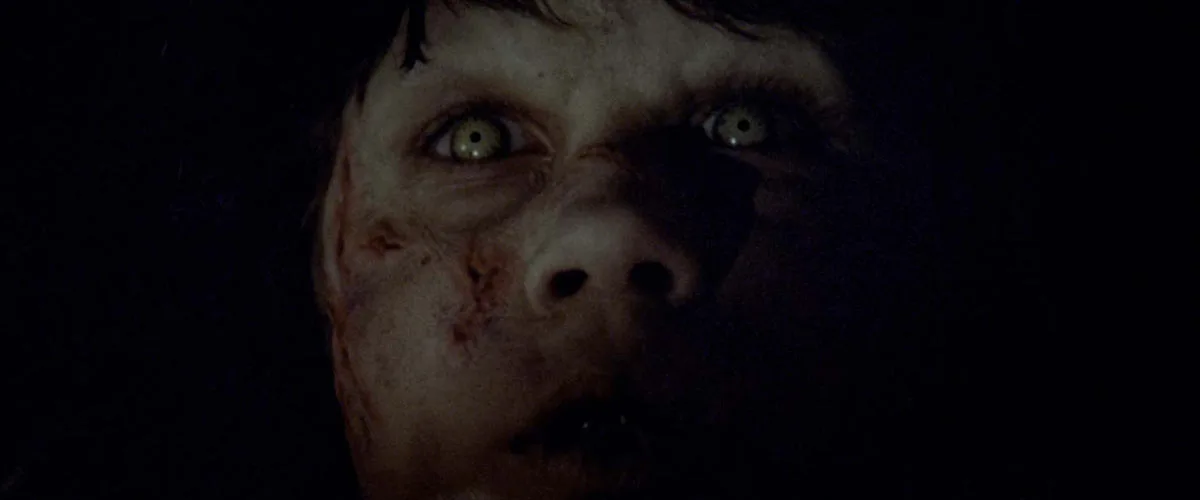
The Exorcist, adapted from the bestselling novel of the same name by William Peter Blatty, who also wrote the screenplay, was directed by William Friedkin. The story follows a young girl who begins to exhibit disturbing behavioural and physical symptoms. Her mother initially seeks medical explanations, but doctors are unable to diagnose the condition. As the situation worsens, a Catholic priest becomes convinced that a demonic entity possesses the girl and performs a formal exorcism in an attempt to expel the demon.
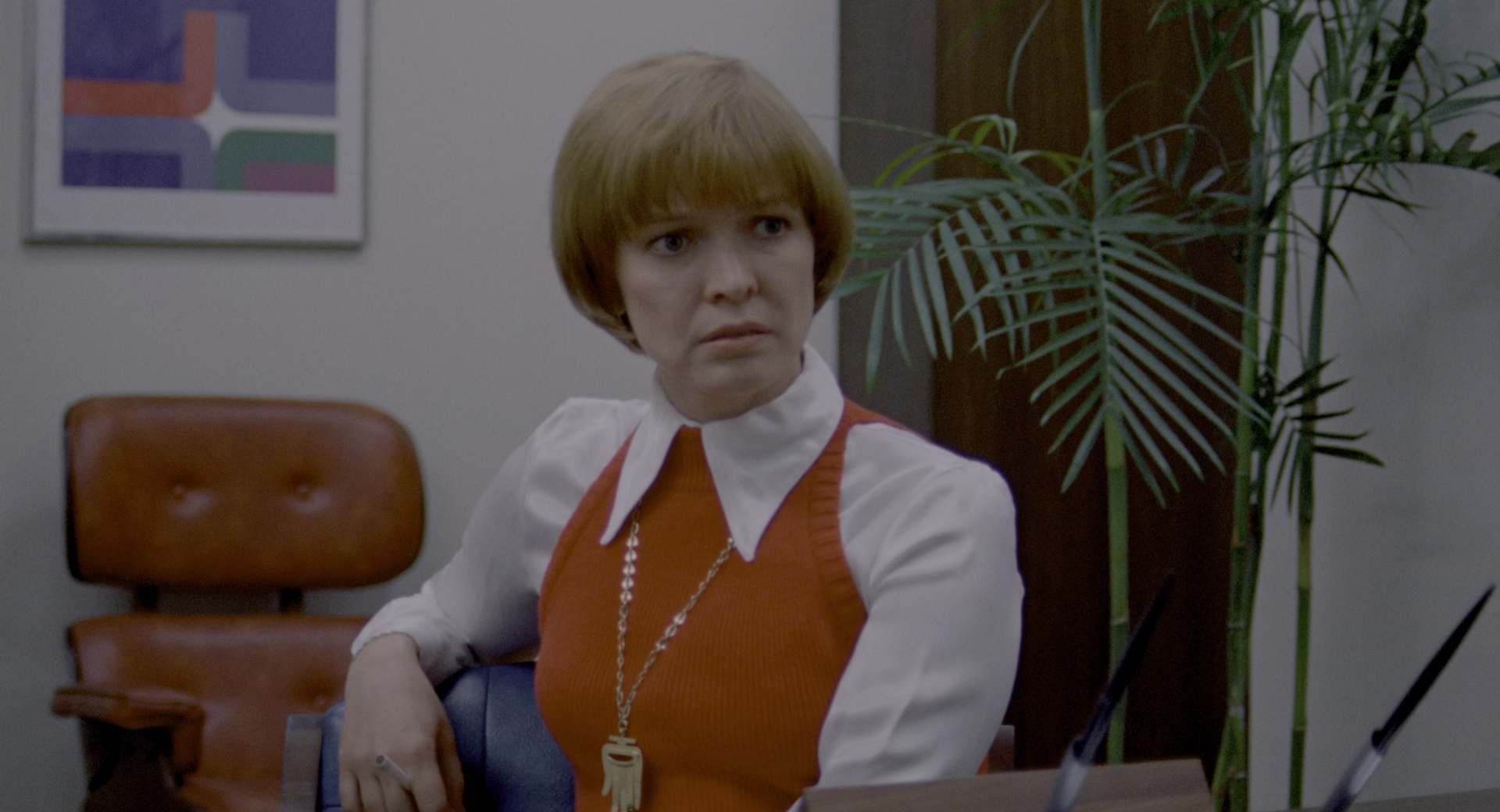
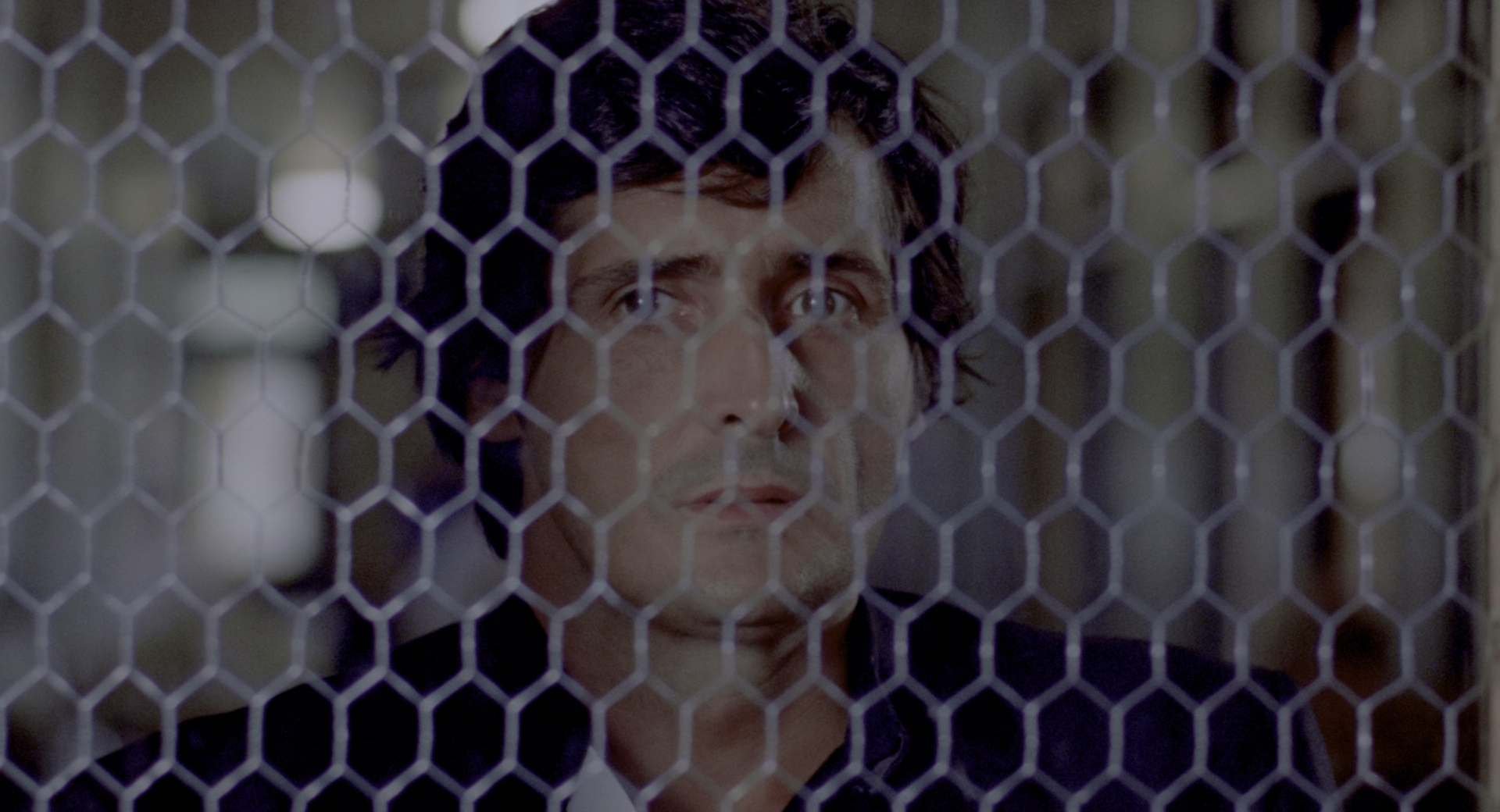
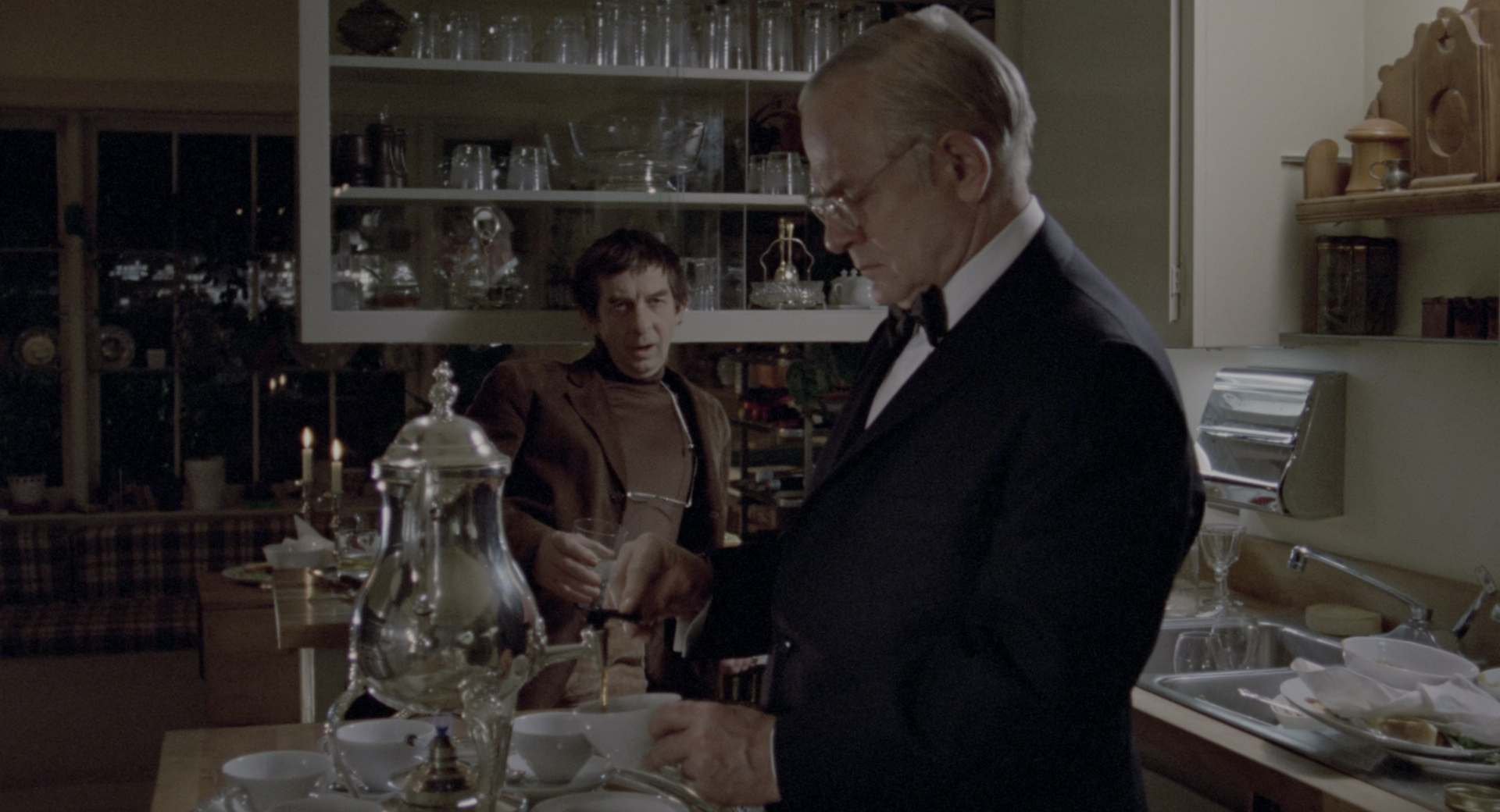
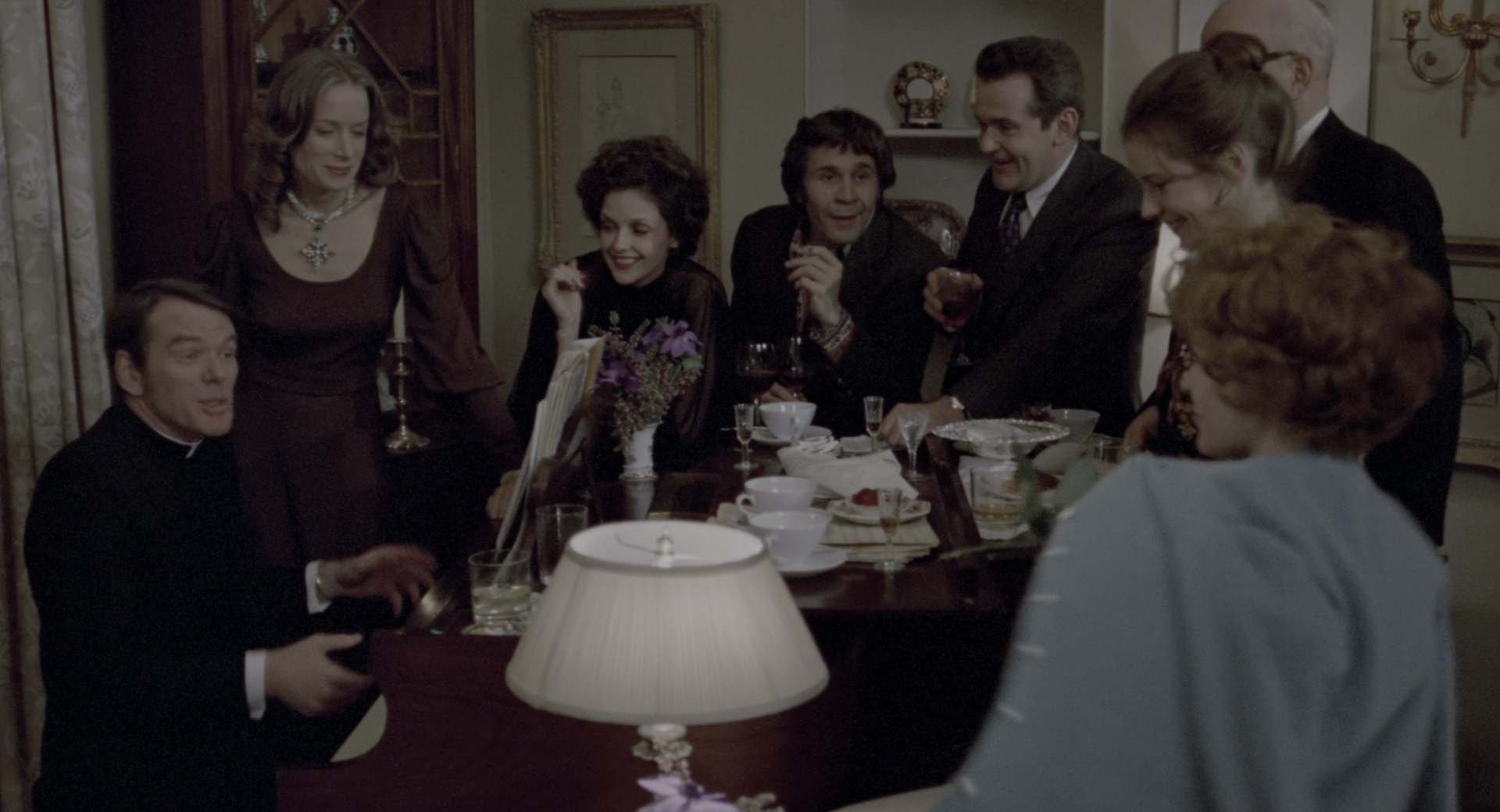
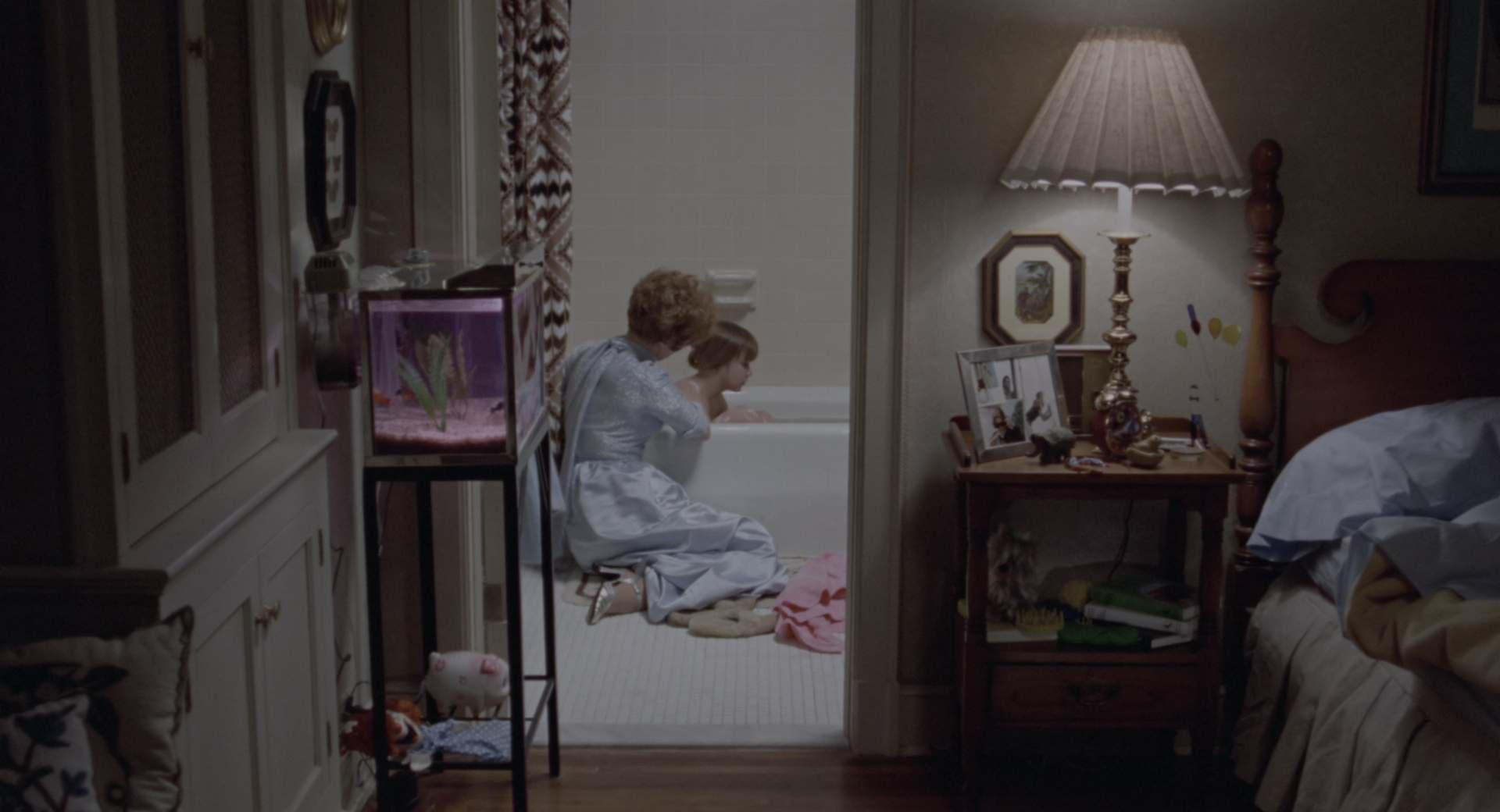
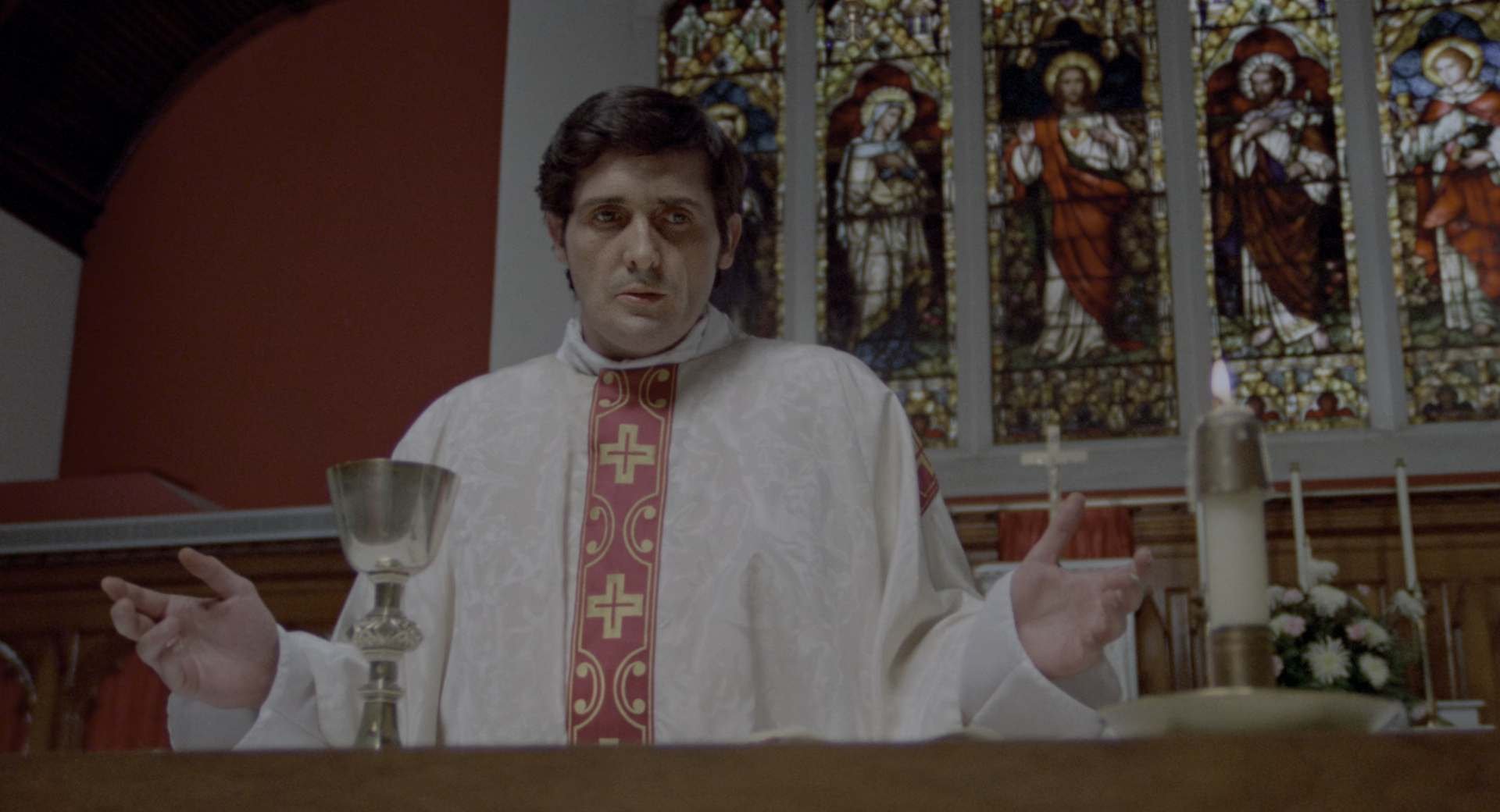
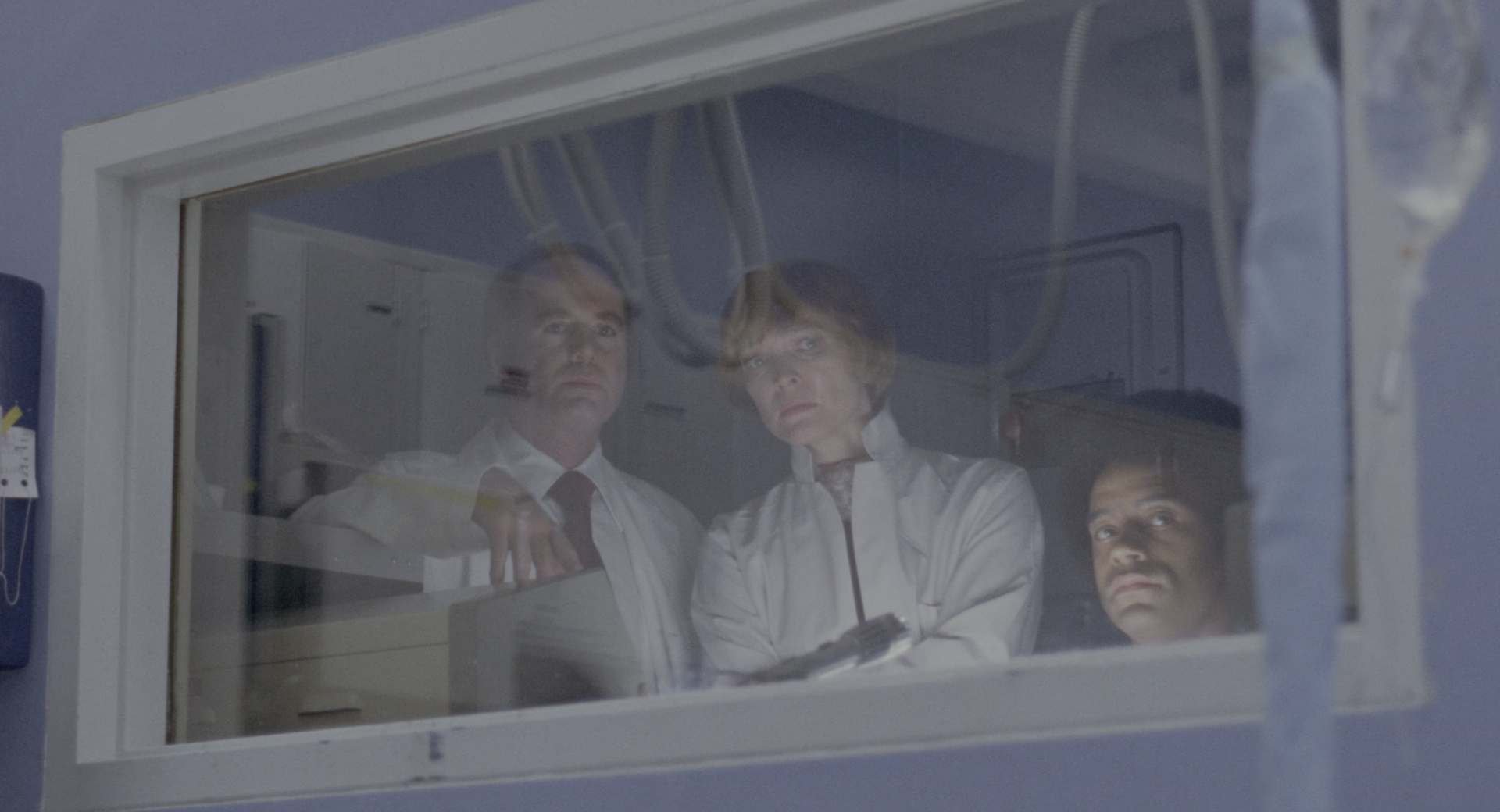
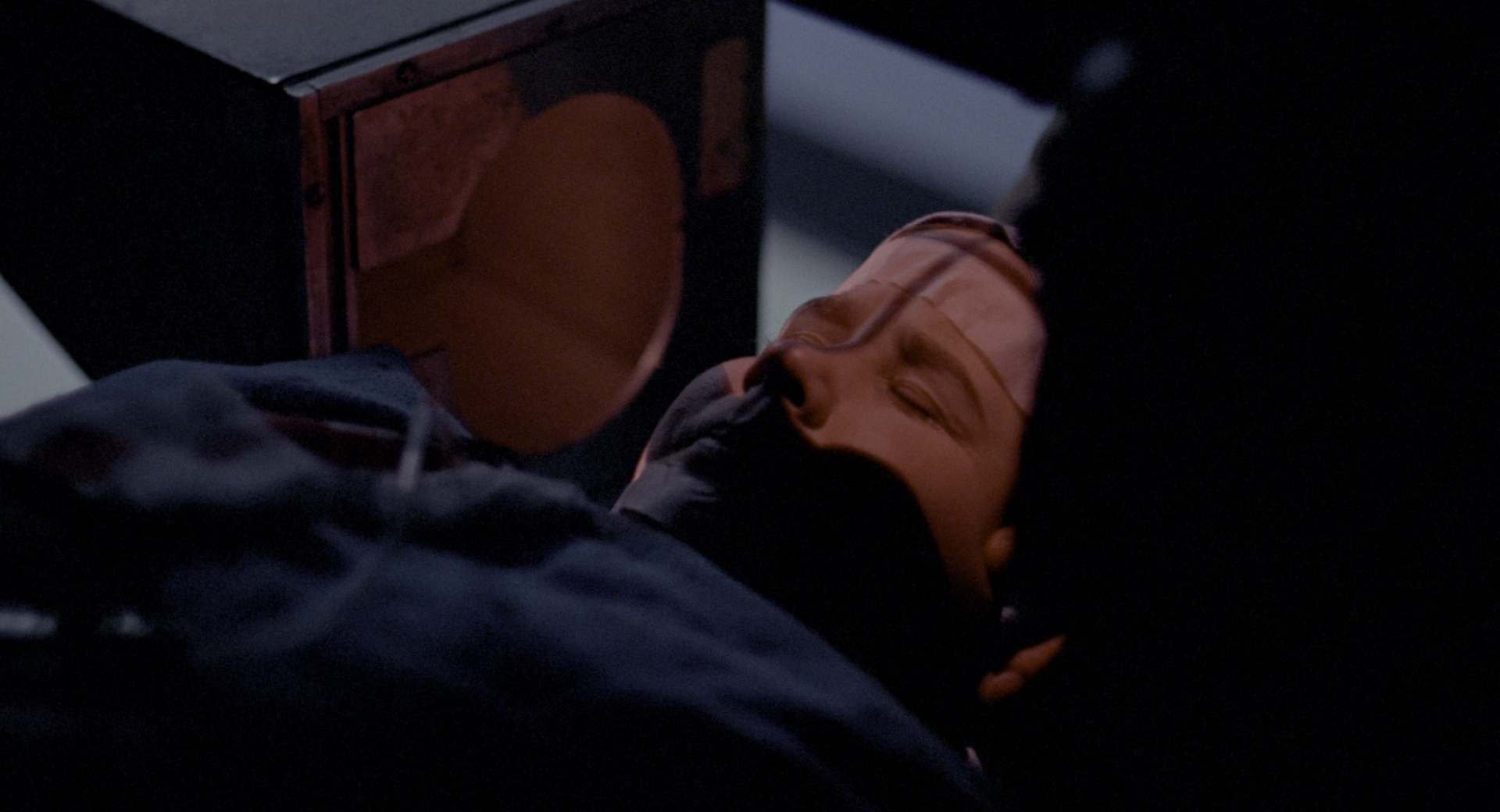
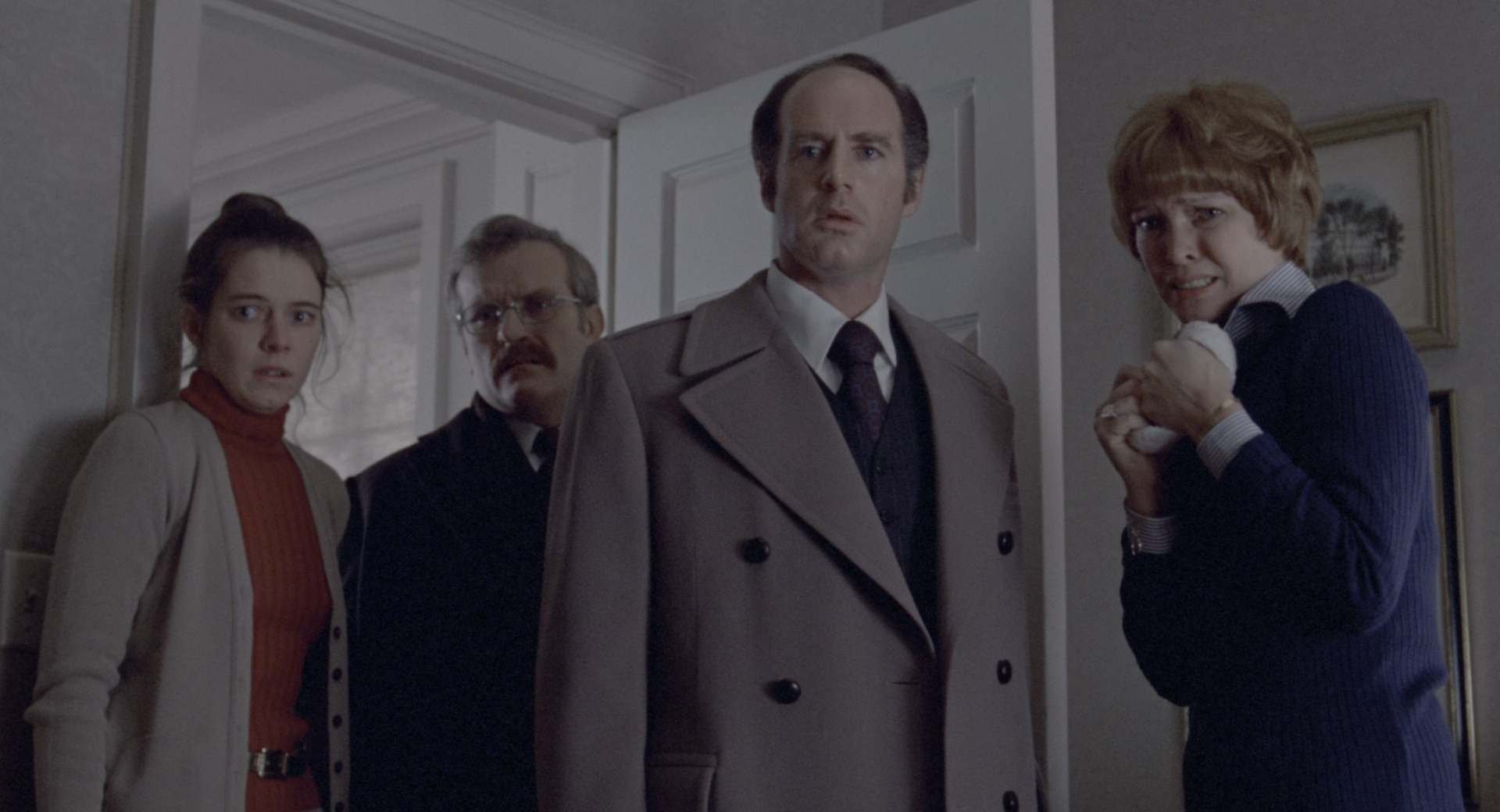
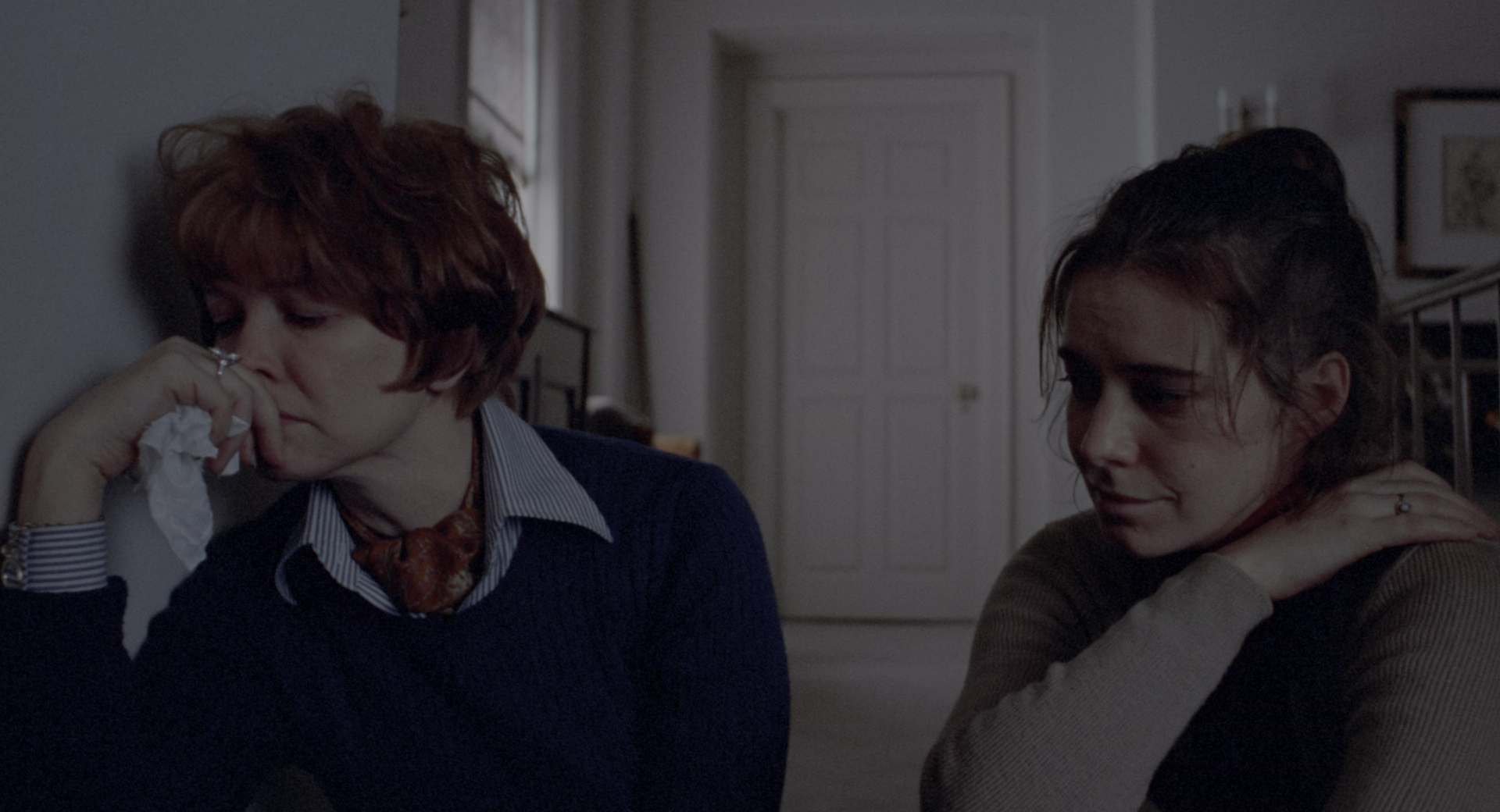
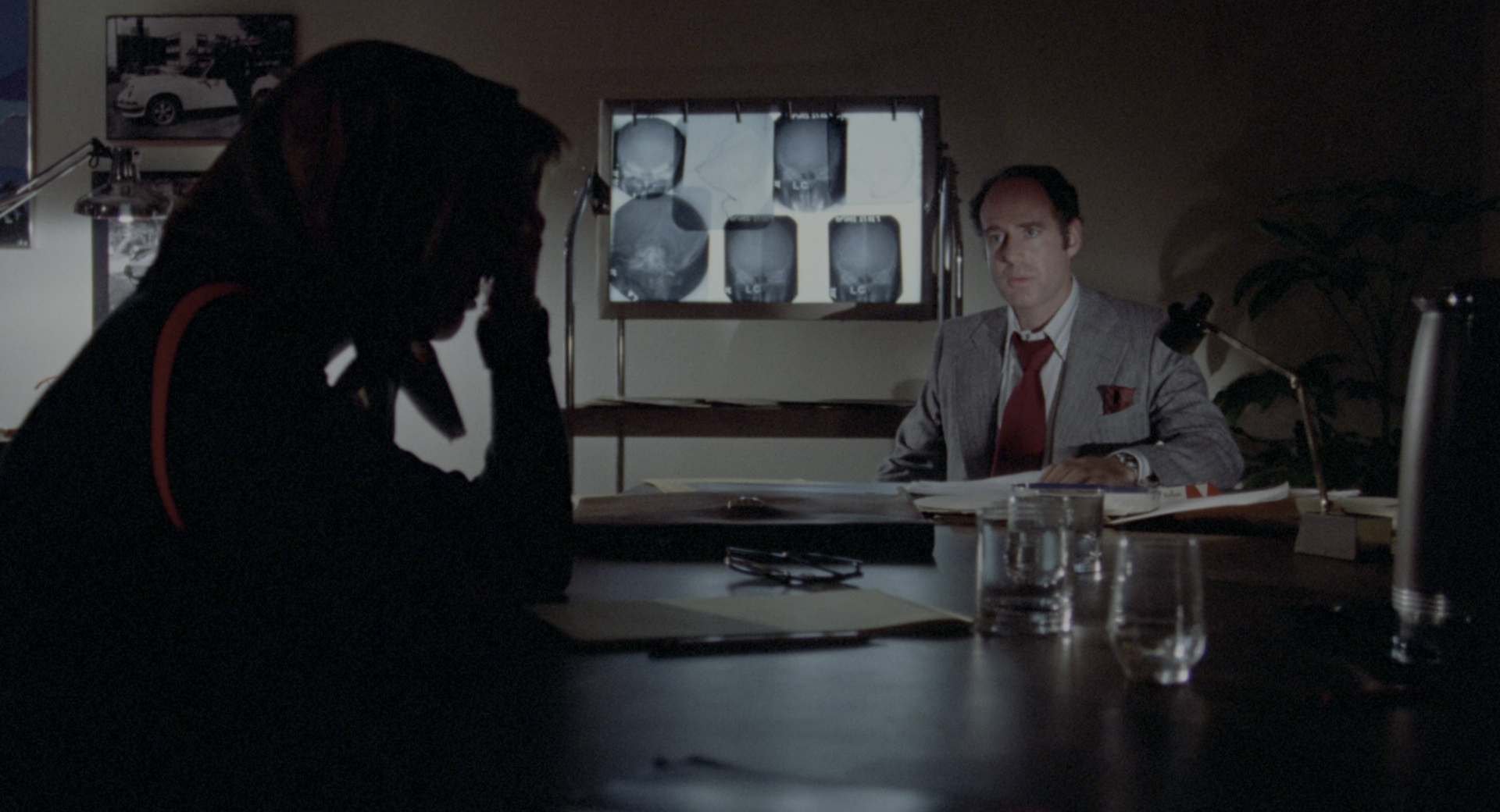
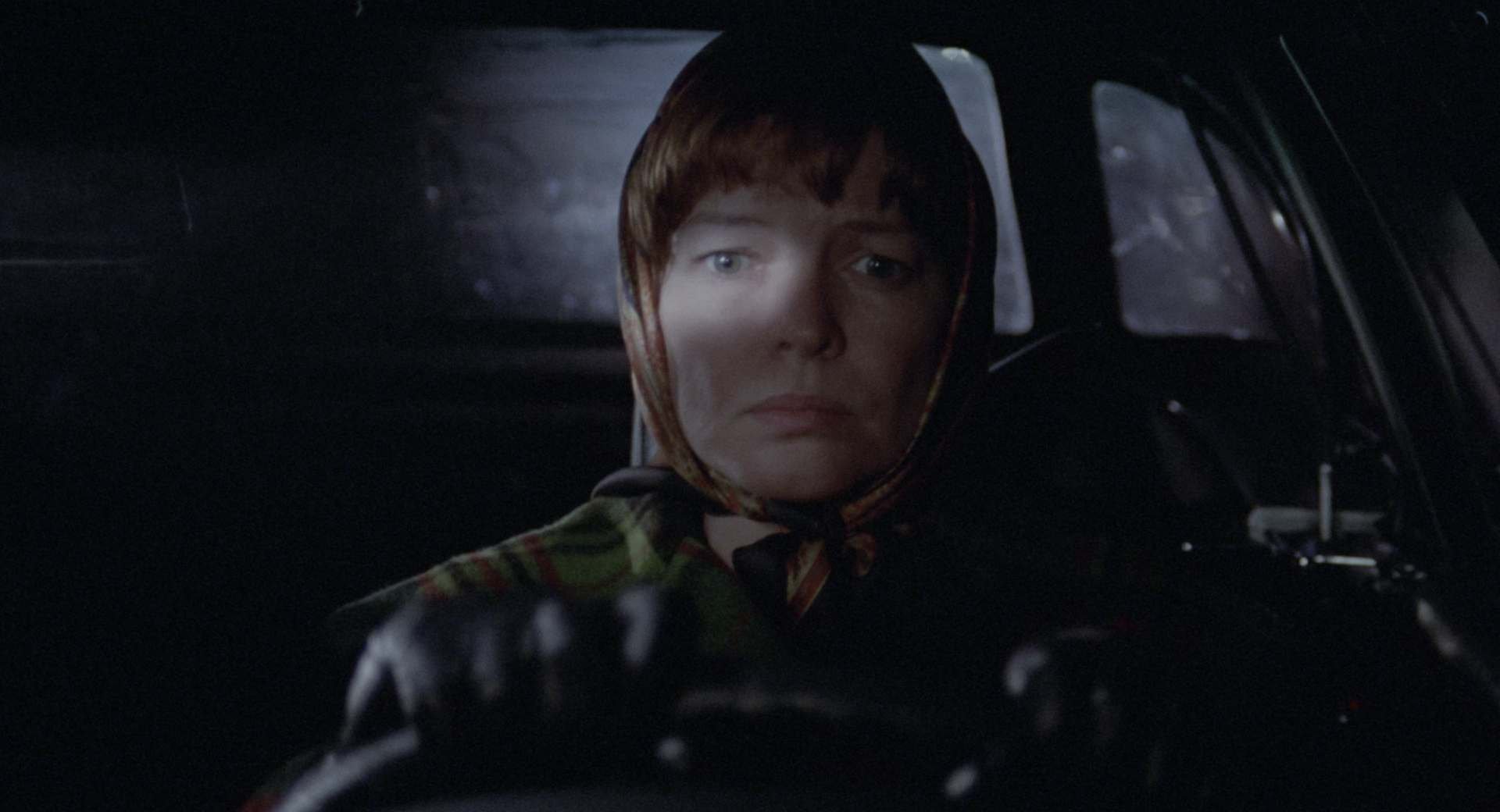
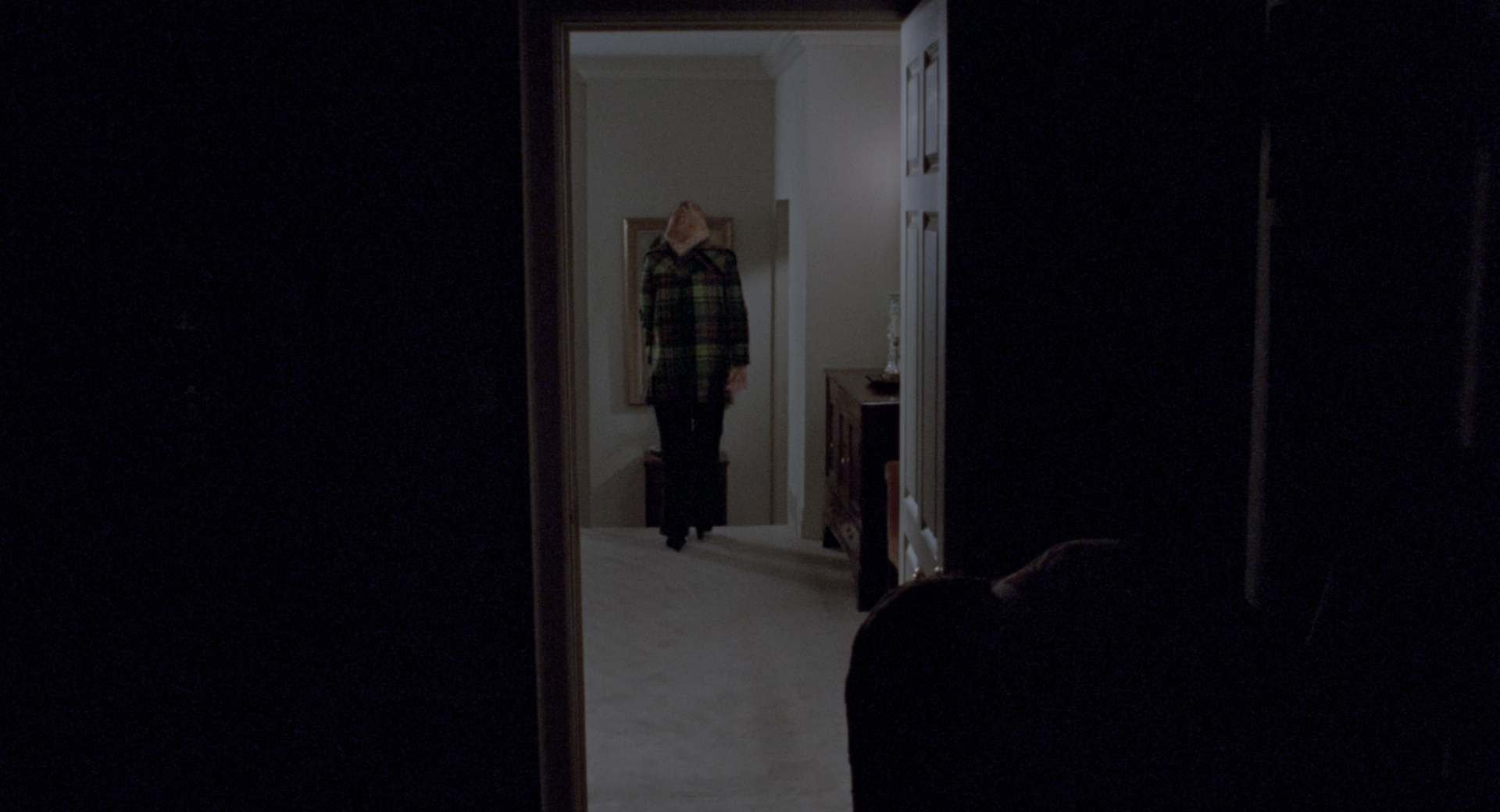
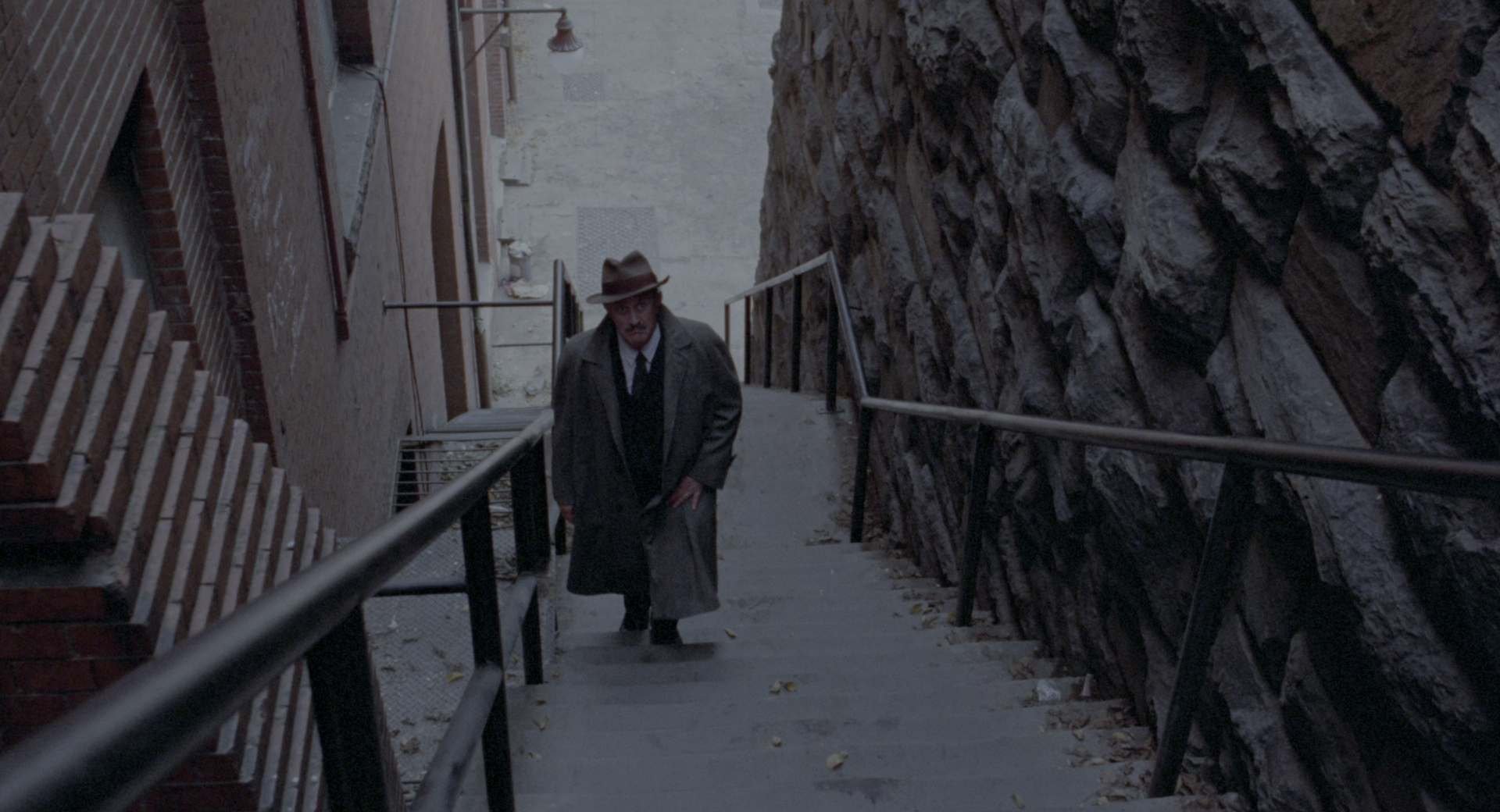
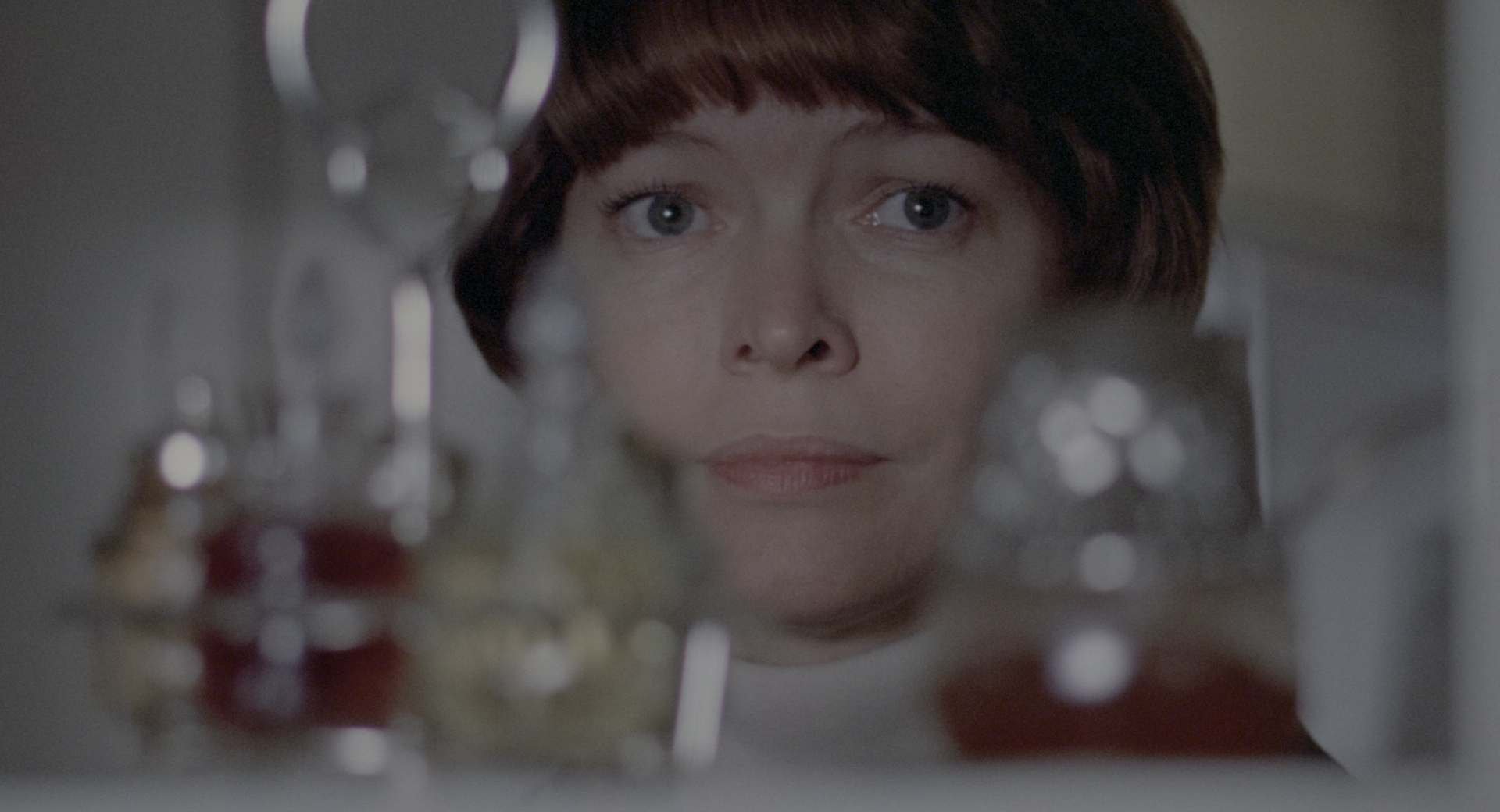
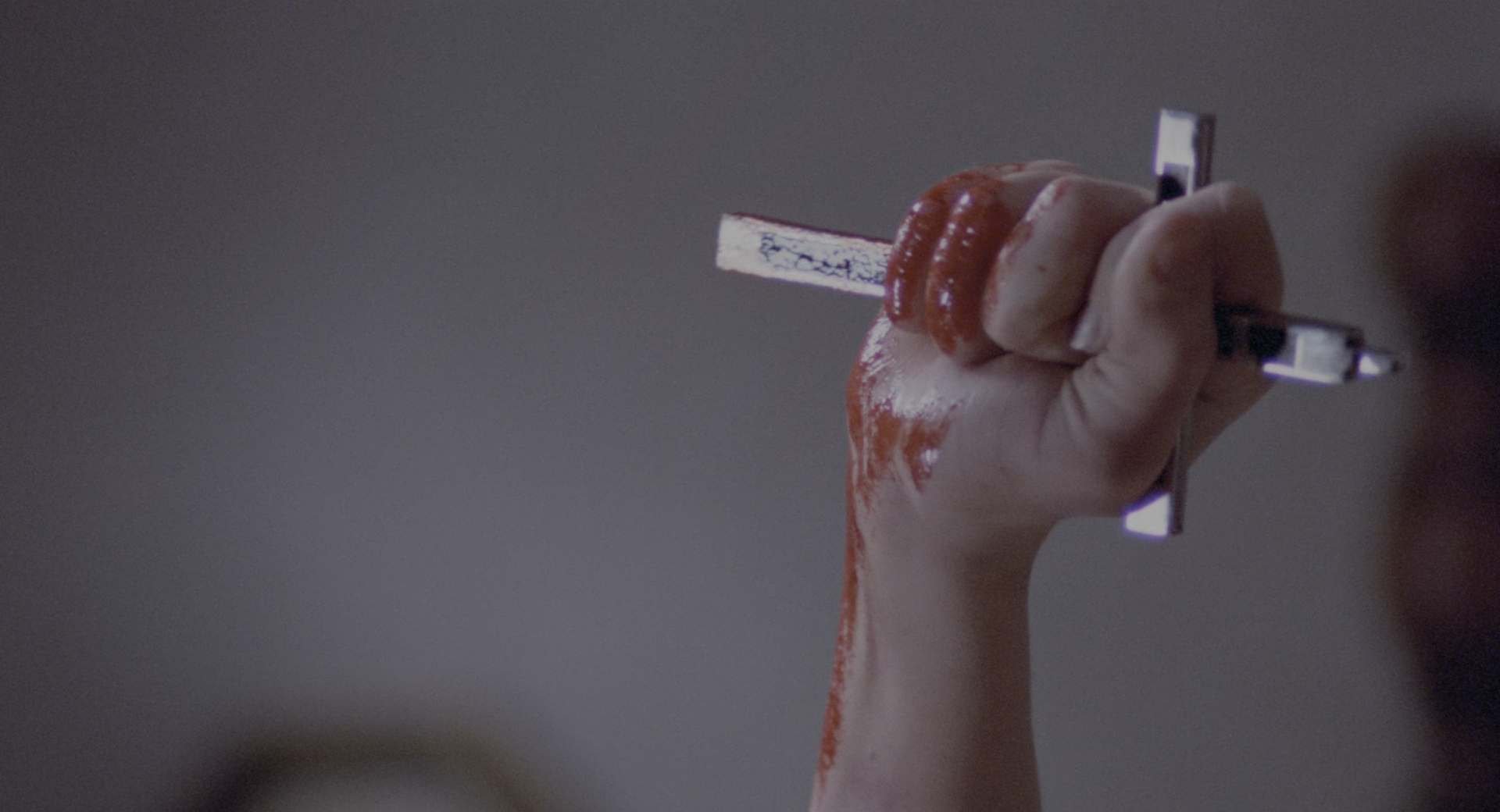
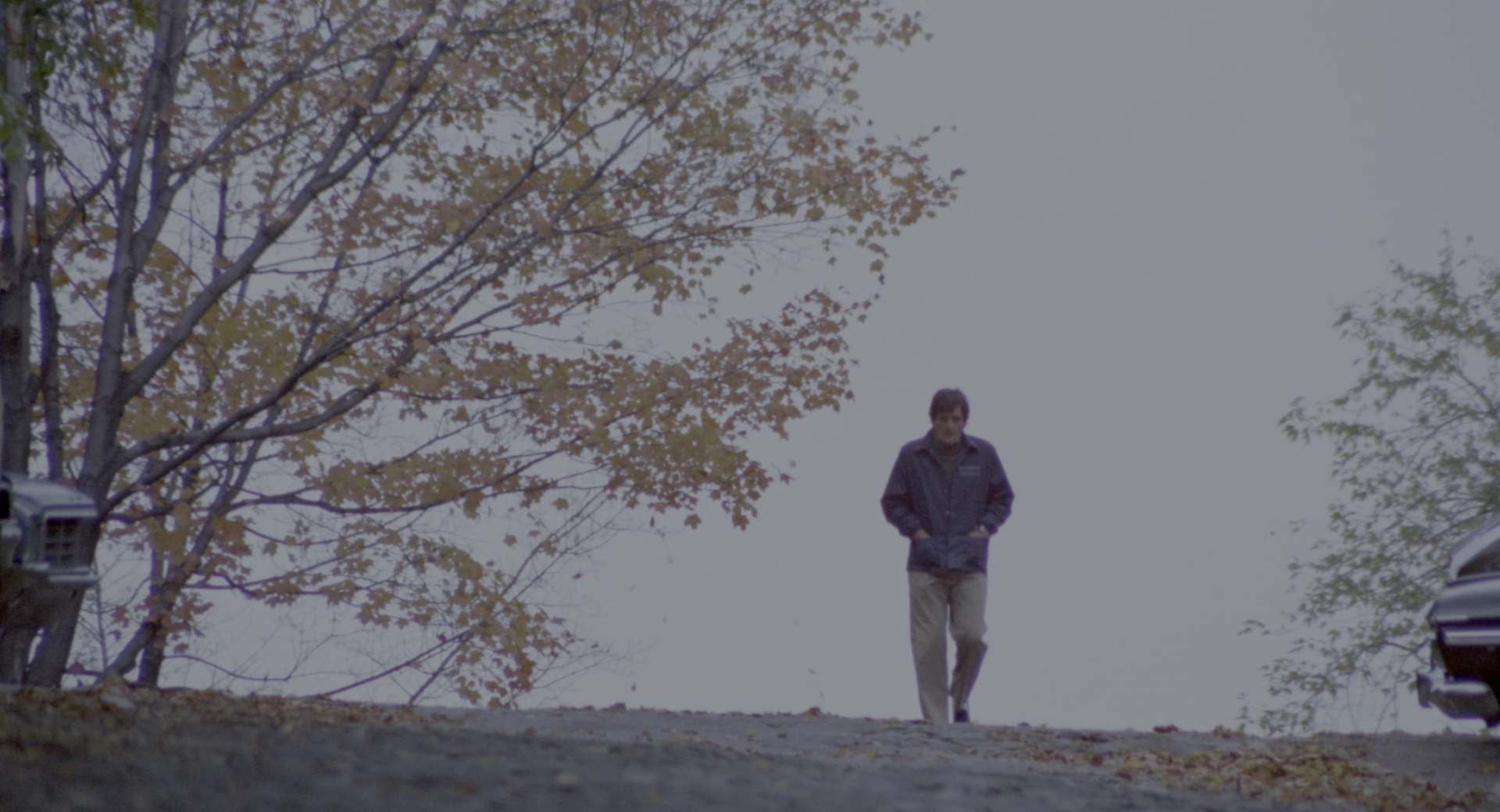
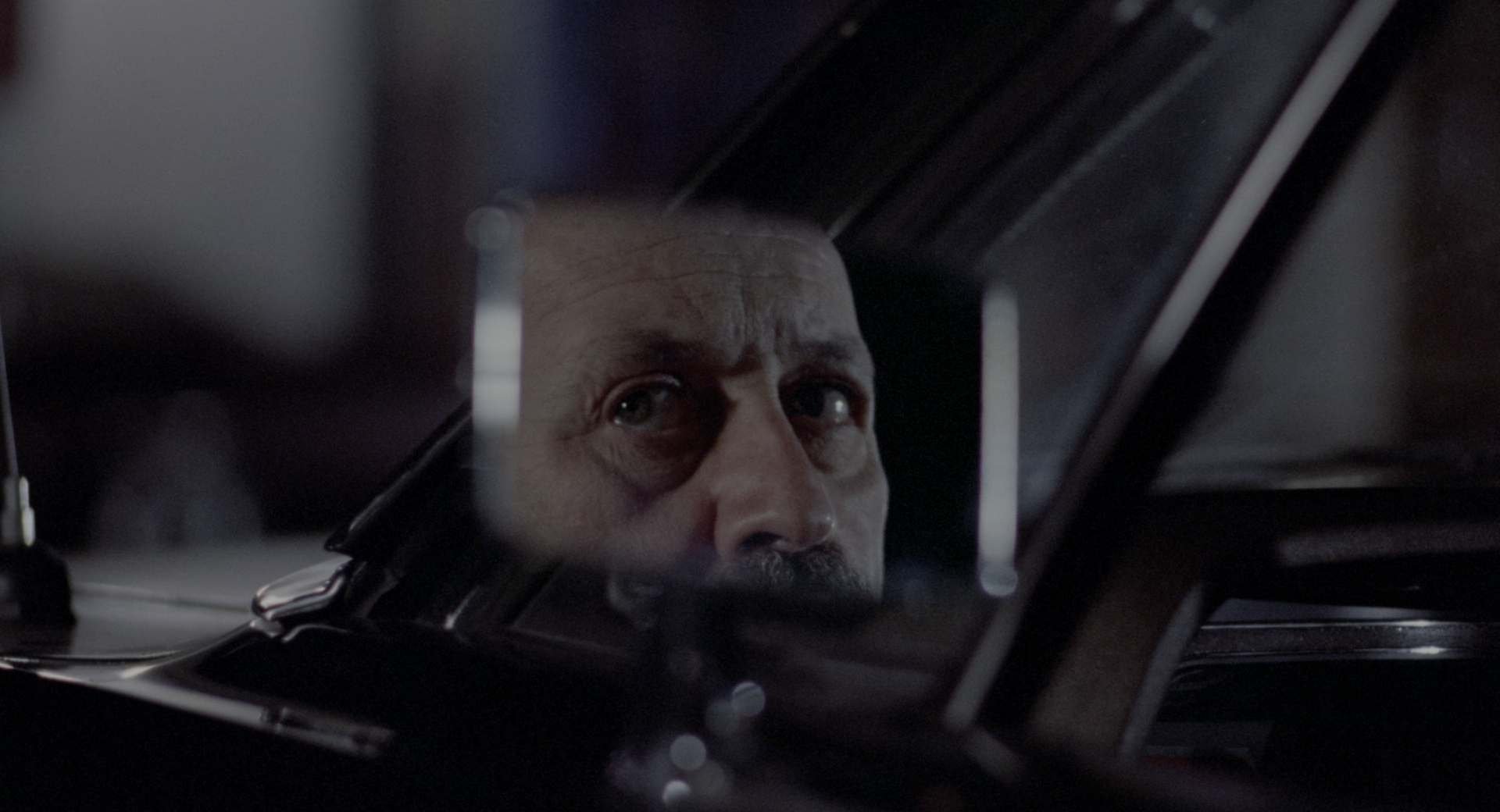
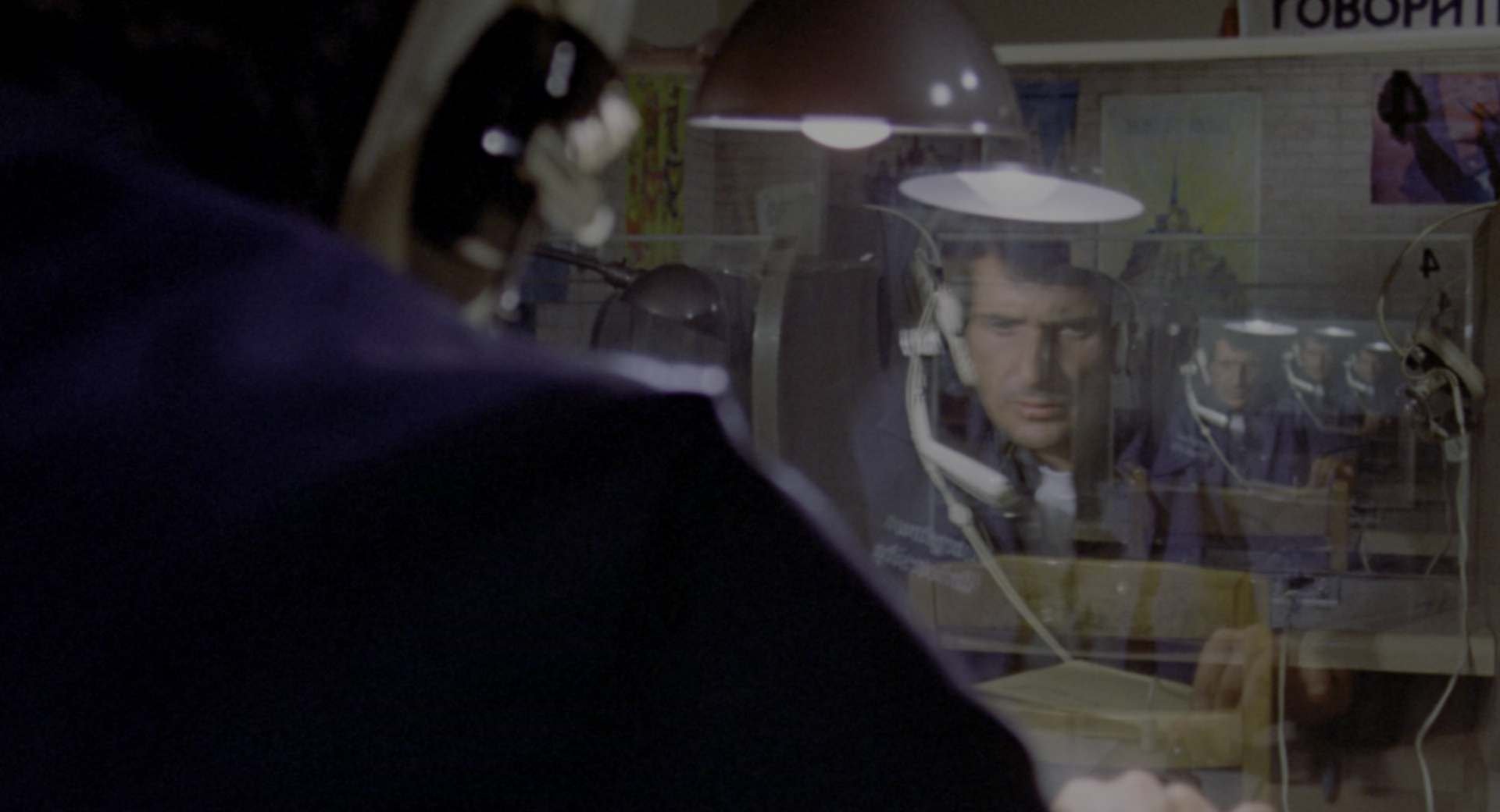
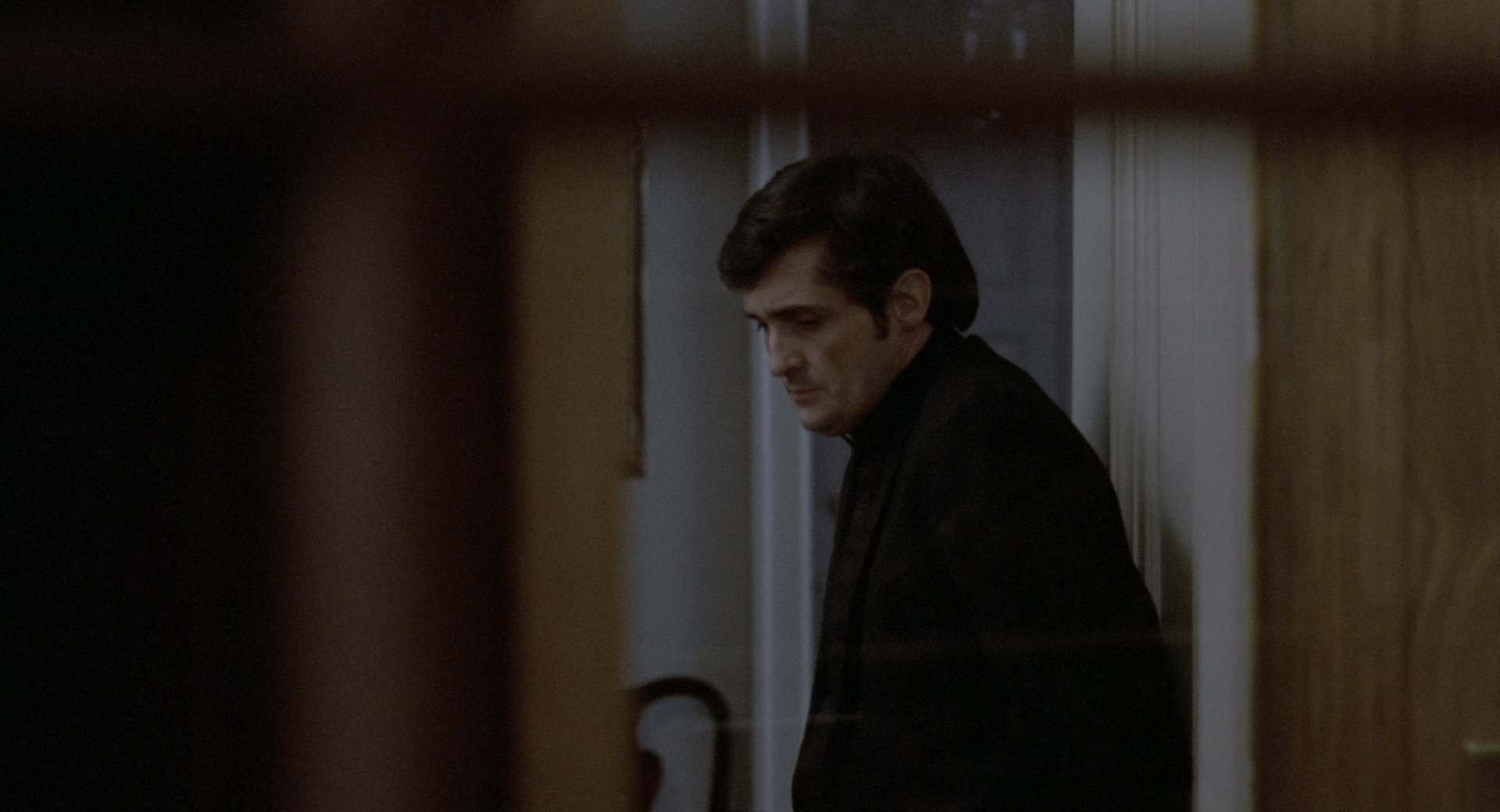
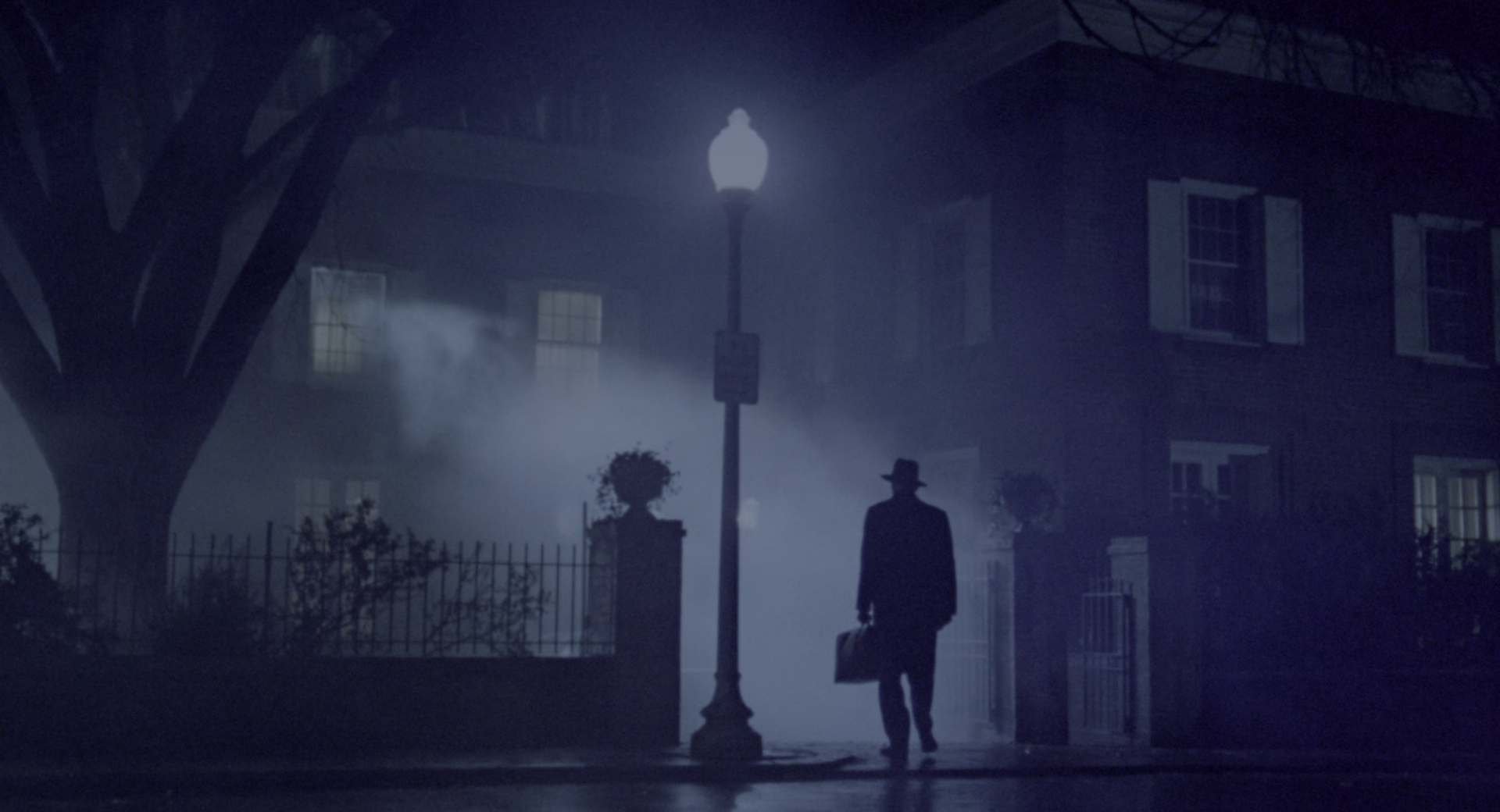
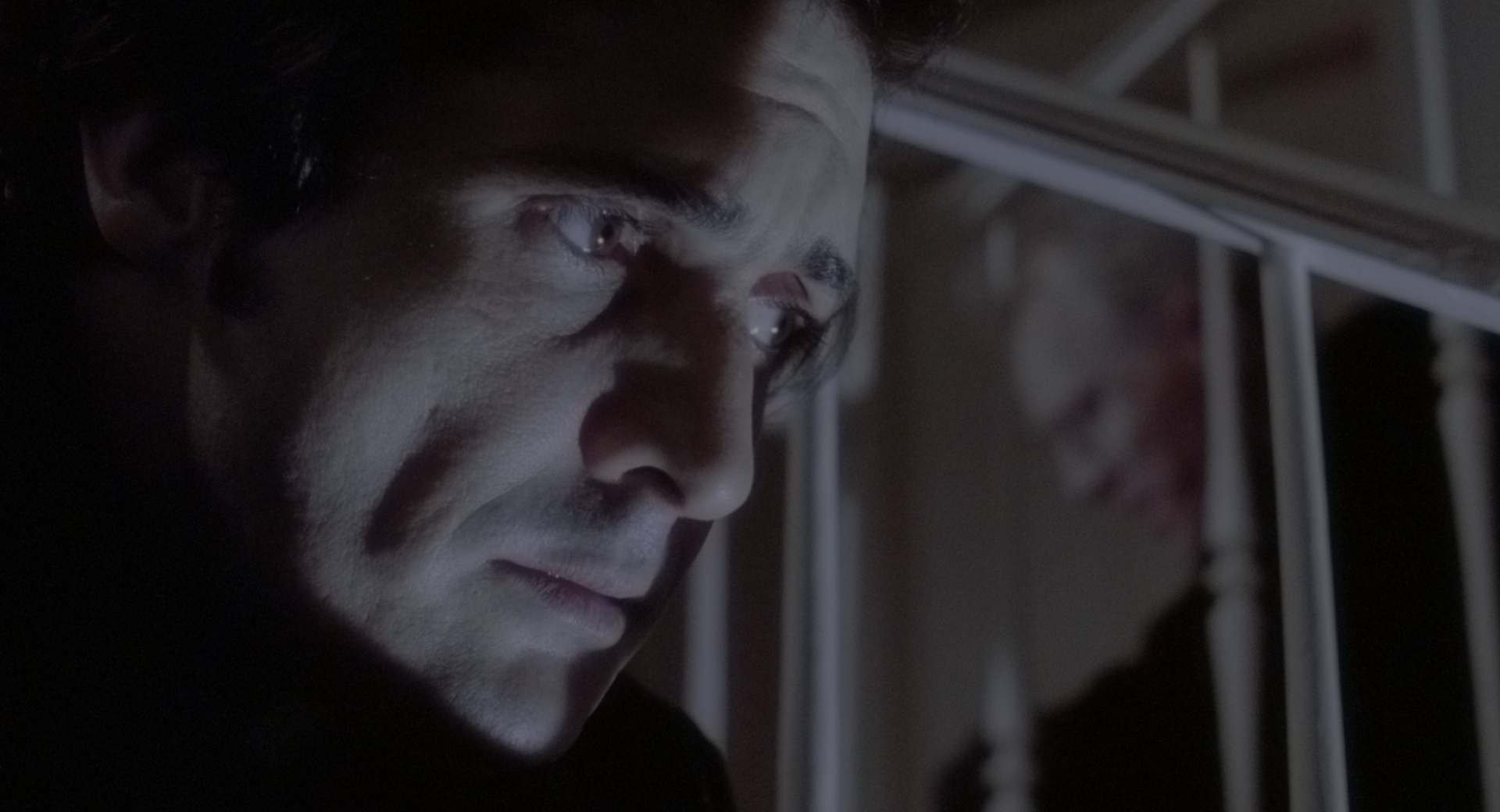
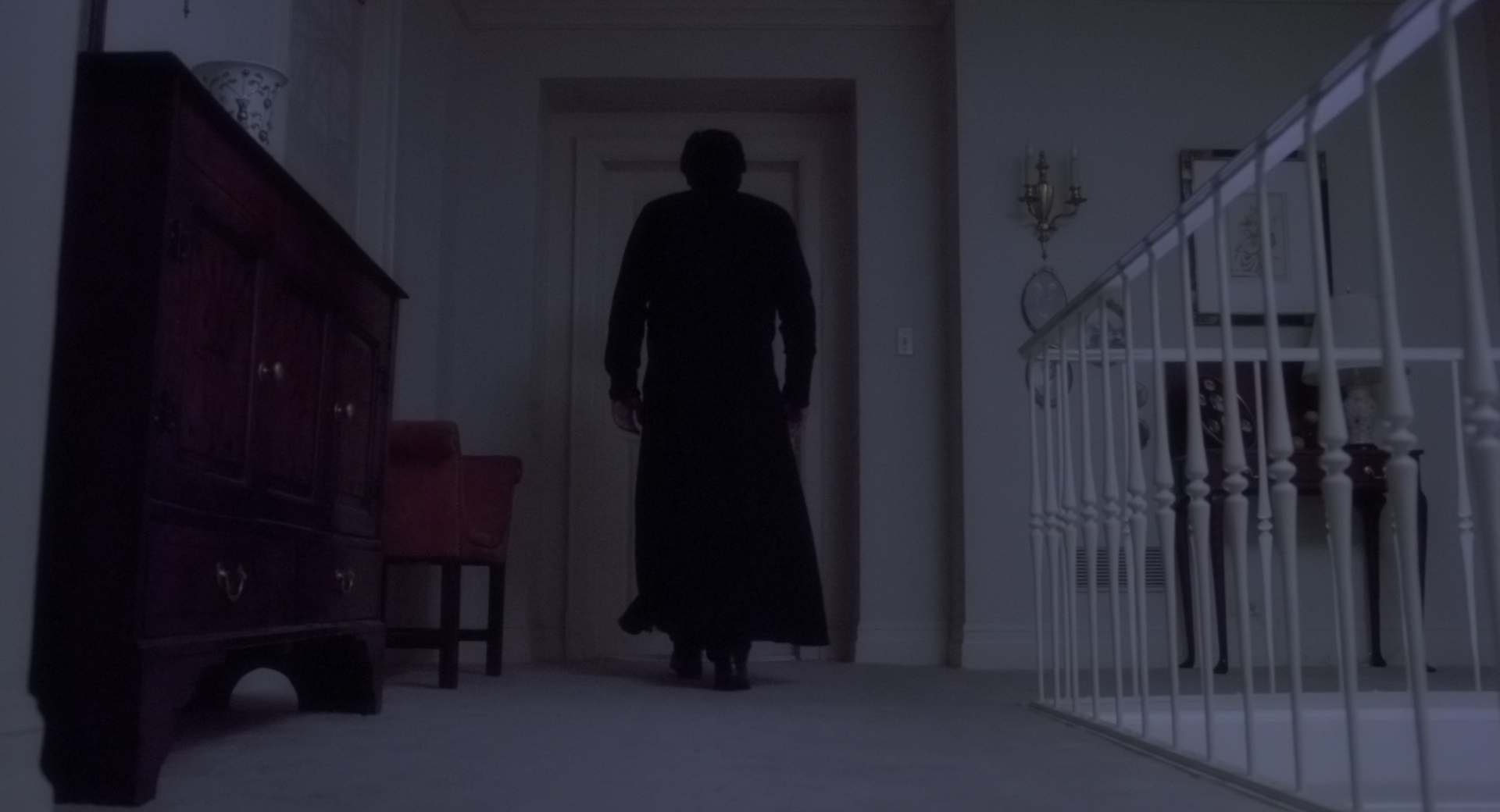
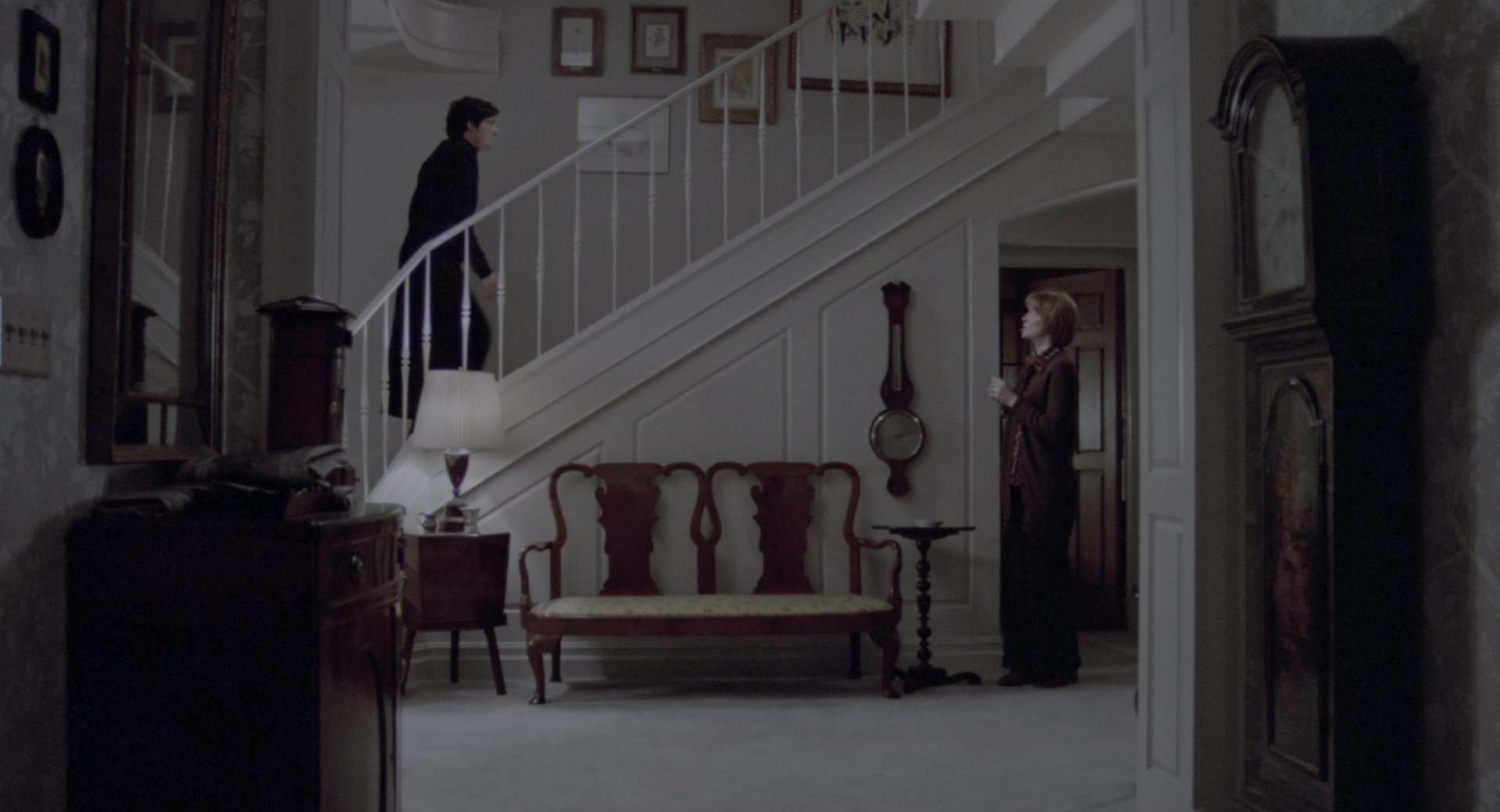
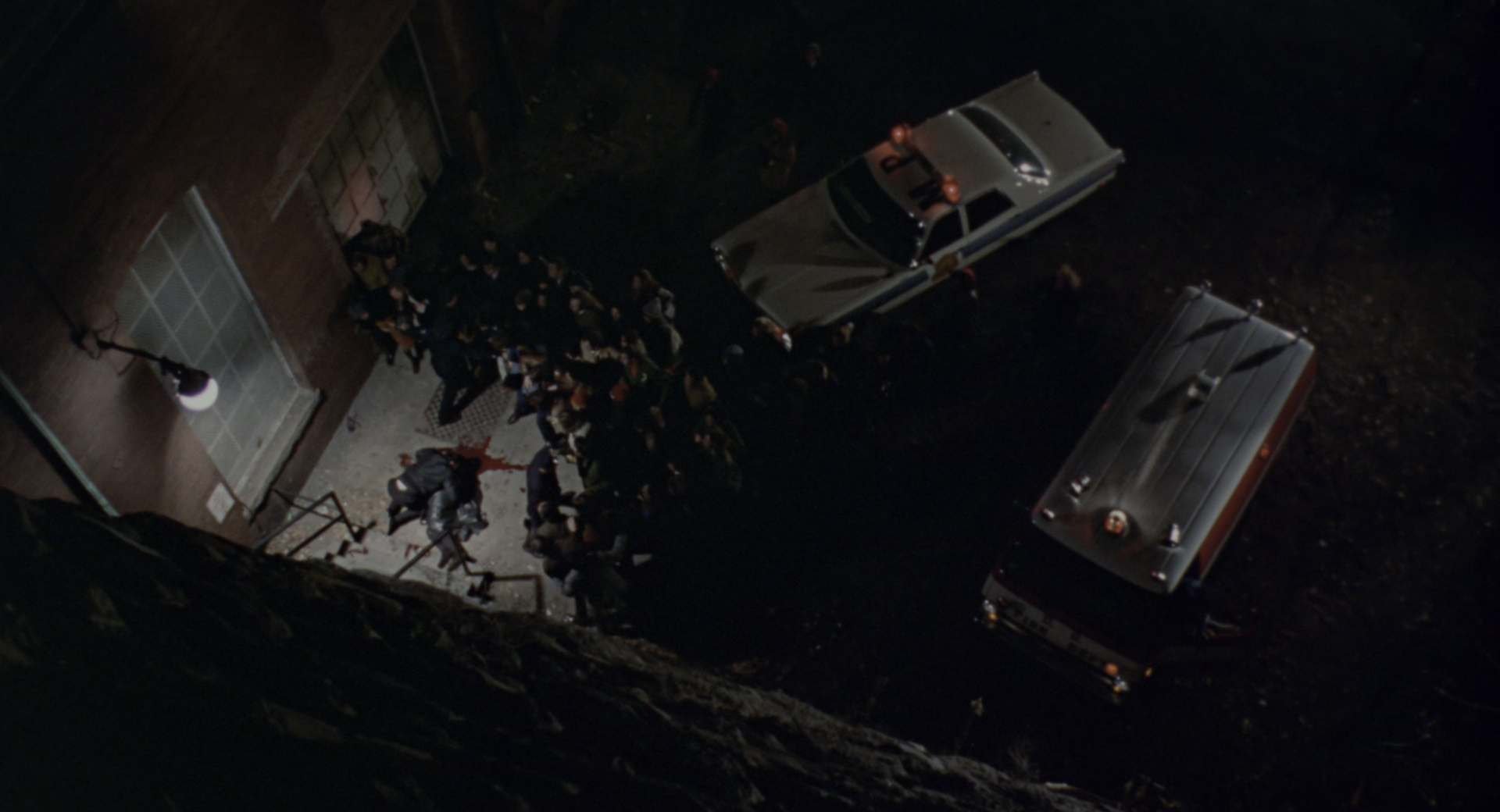
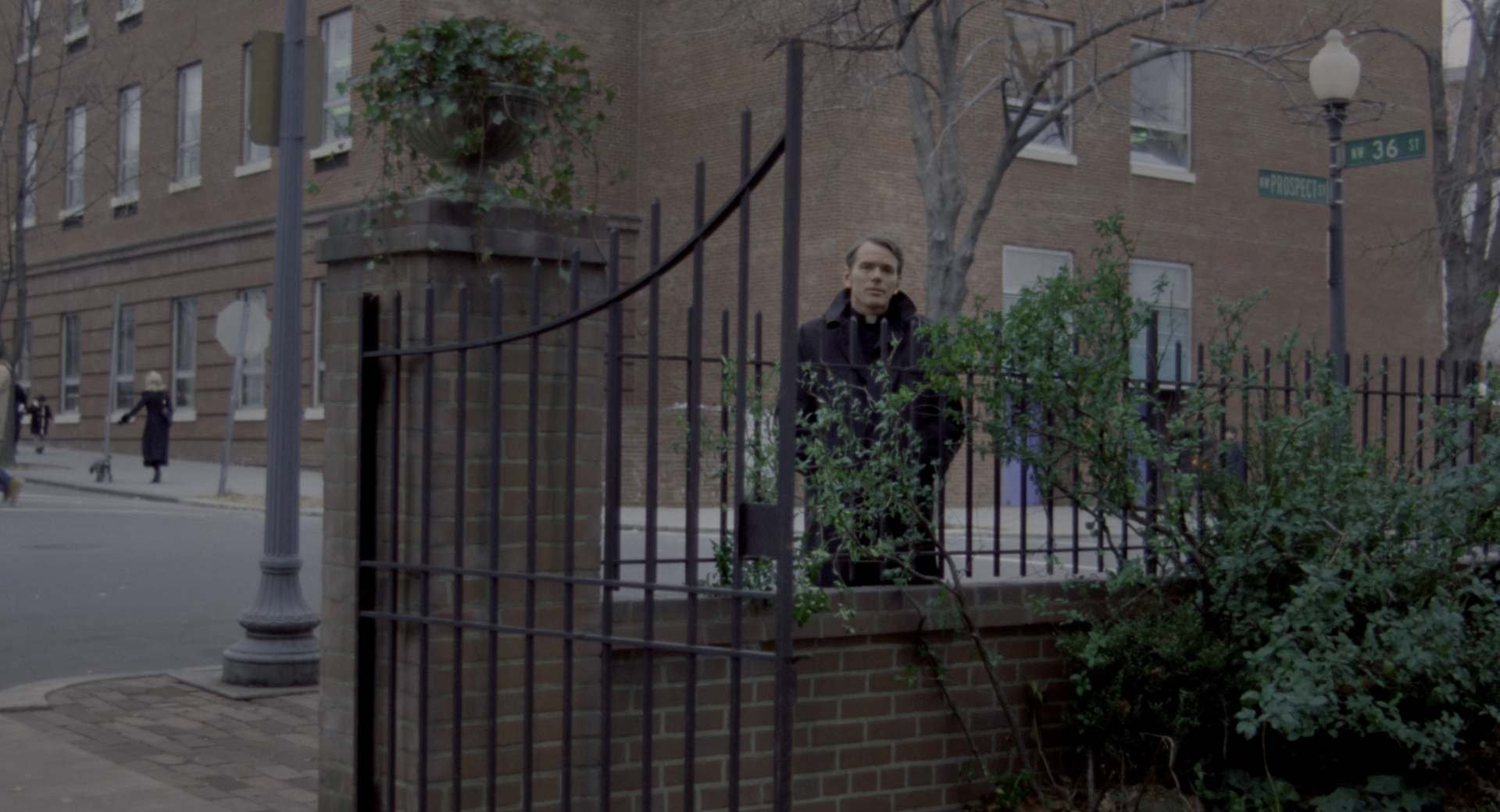
Friedkin approached the material in a documentary style, grounding the supernatural elements in a contemporary setting. Rather than relying on overtly stylised horror imagery, the film adopts a restrained visual approach that emphasises everyday realism. This intensifies the shock when supernatural events begin to occur.
The film builds tension through gradual escalation rather than immediate spectacle. Much of the first half is devoted to medical examinations and psychological uncertainty, as doctors attempt to explain the girl’s condition scientifically. It is only later that the story fully transitions into religious horror. This slow progression makes the climactic exorcism feel more convincing and emotionally disturbing, helping to establish The Exorcist as one of the most influential horror films of the 20th century.
Technical Specs:
- The Story: When a young girl begins exhibiting terrifying and inexplicable behavior, her desperate mother seeks help from two priests to confront a powerful demonic possession. Read my review of The Exorcist.
- Actors: Ellen Burstyn, Linda Blair, Max von Sydow, Jason Miller, Lee J. Cobb.
- Director: William Friedkin
- Year: 1973
- Cinematographer: Owen Roizman
- Origin: American Cinema
- Aspect Ratio: 1.85:1
- Genre: Horror & Supernatural / Psychological Drama