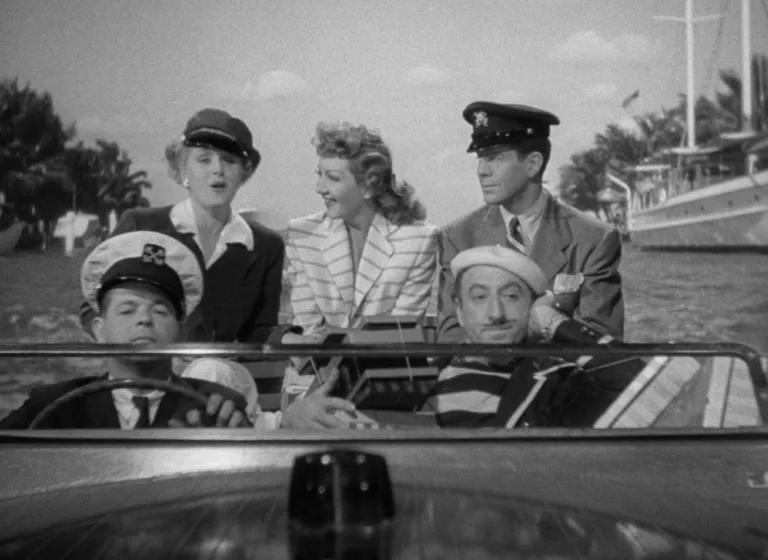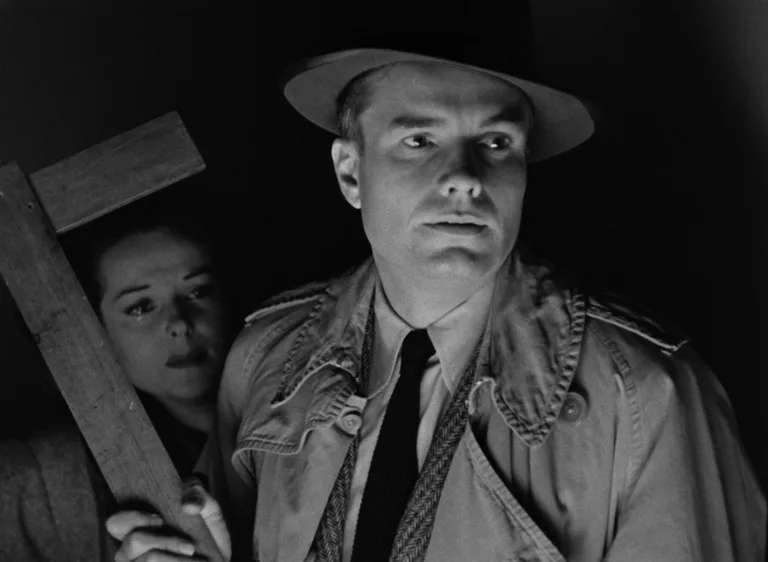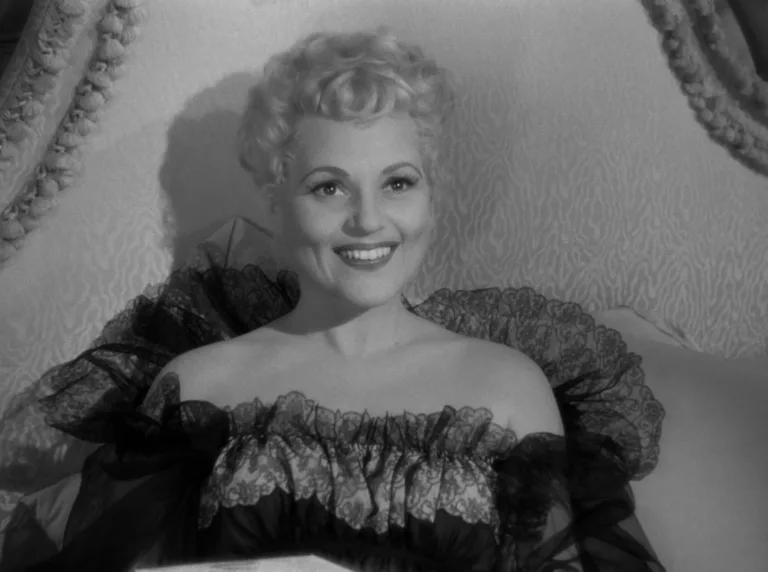
The Lady from Shanghai (1947): Style over noir
1947 • Orson Welles • 1.37:1 • Jump to Gallery ↓
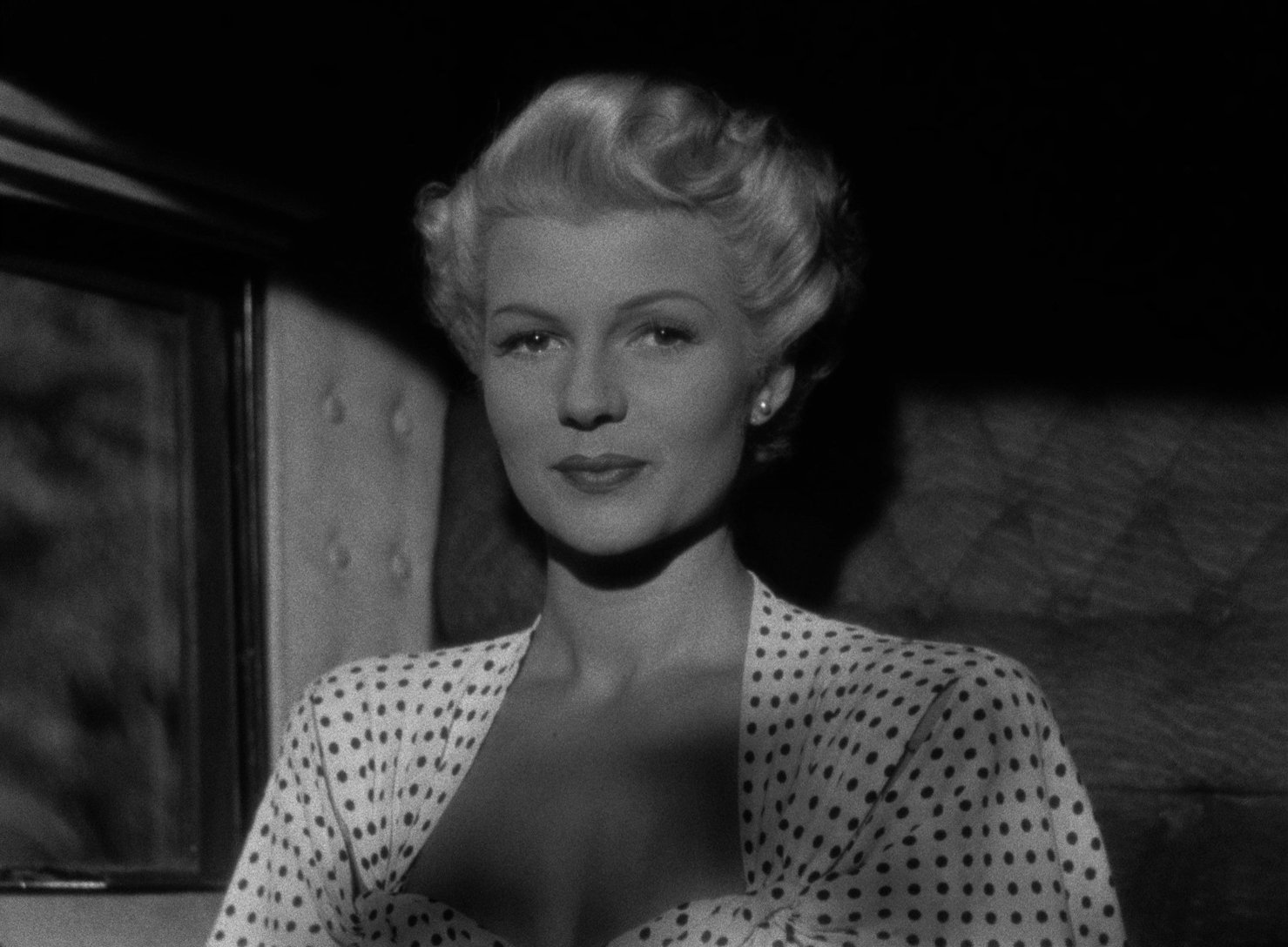
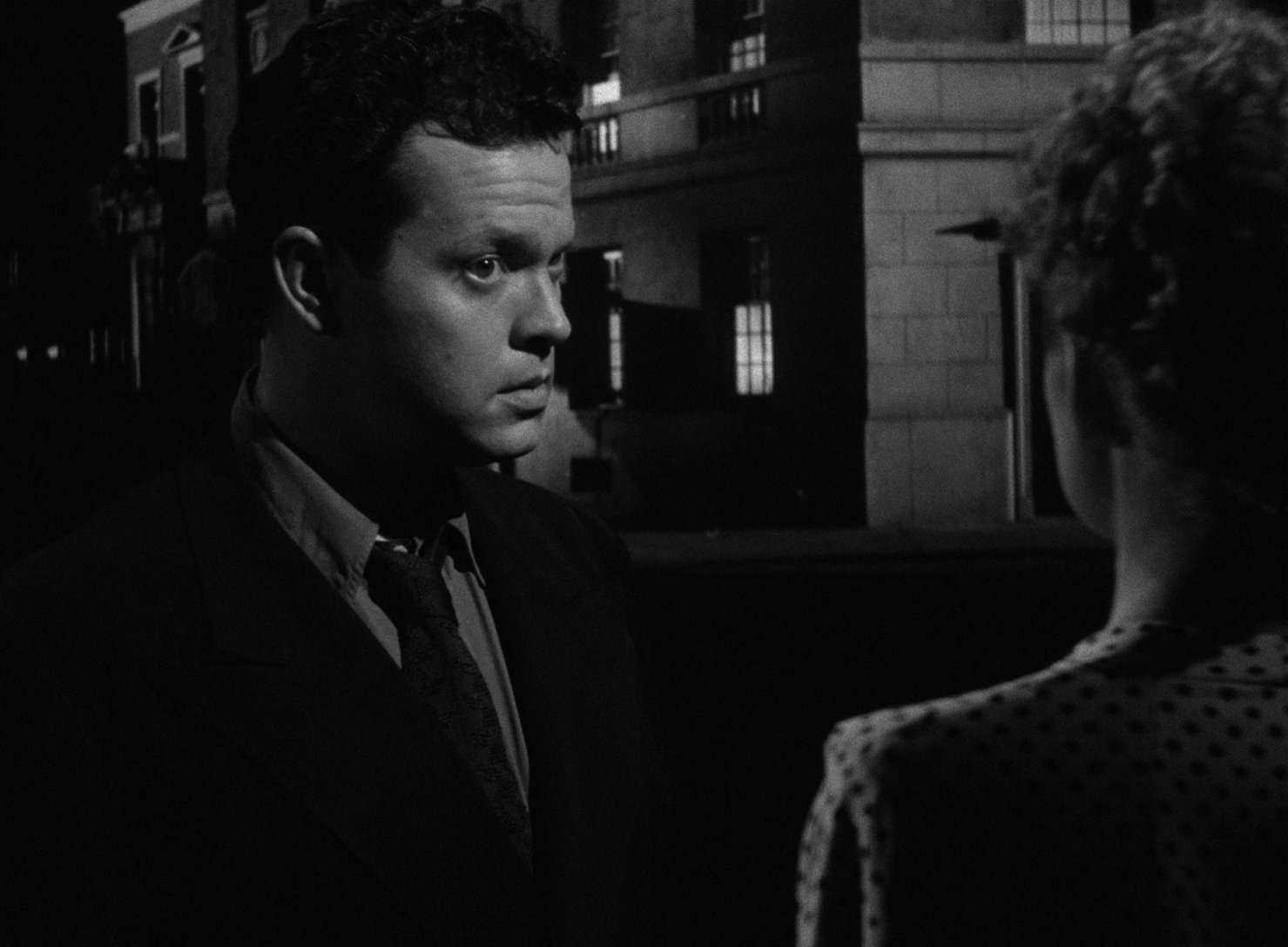
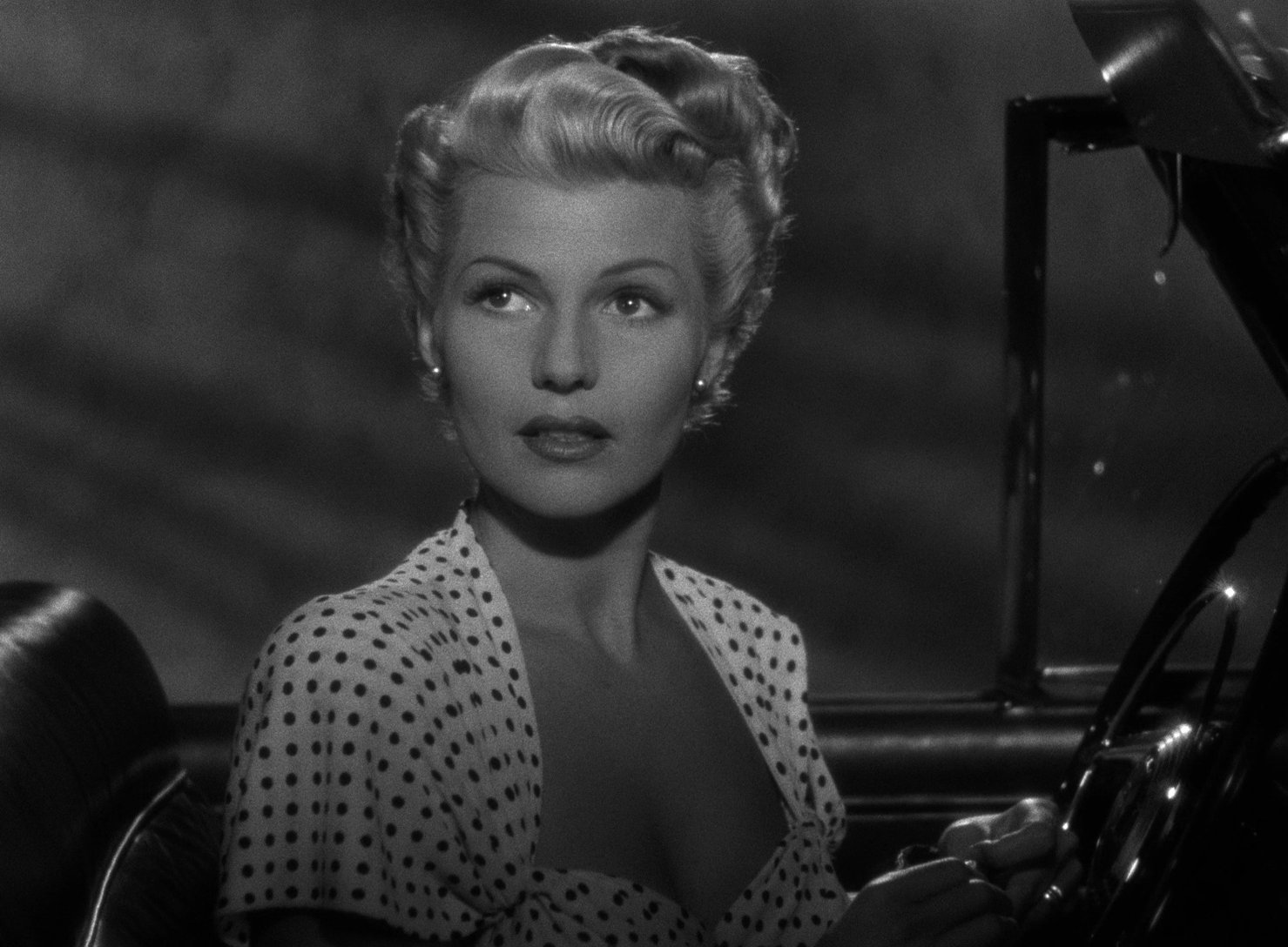
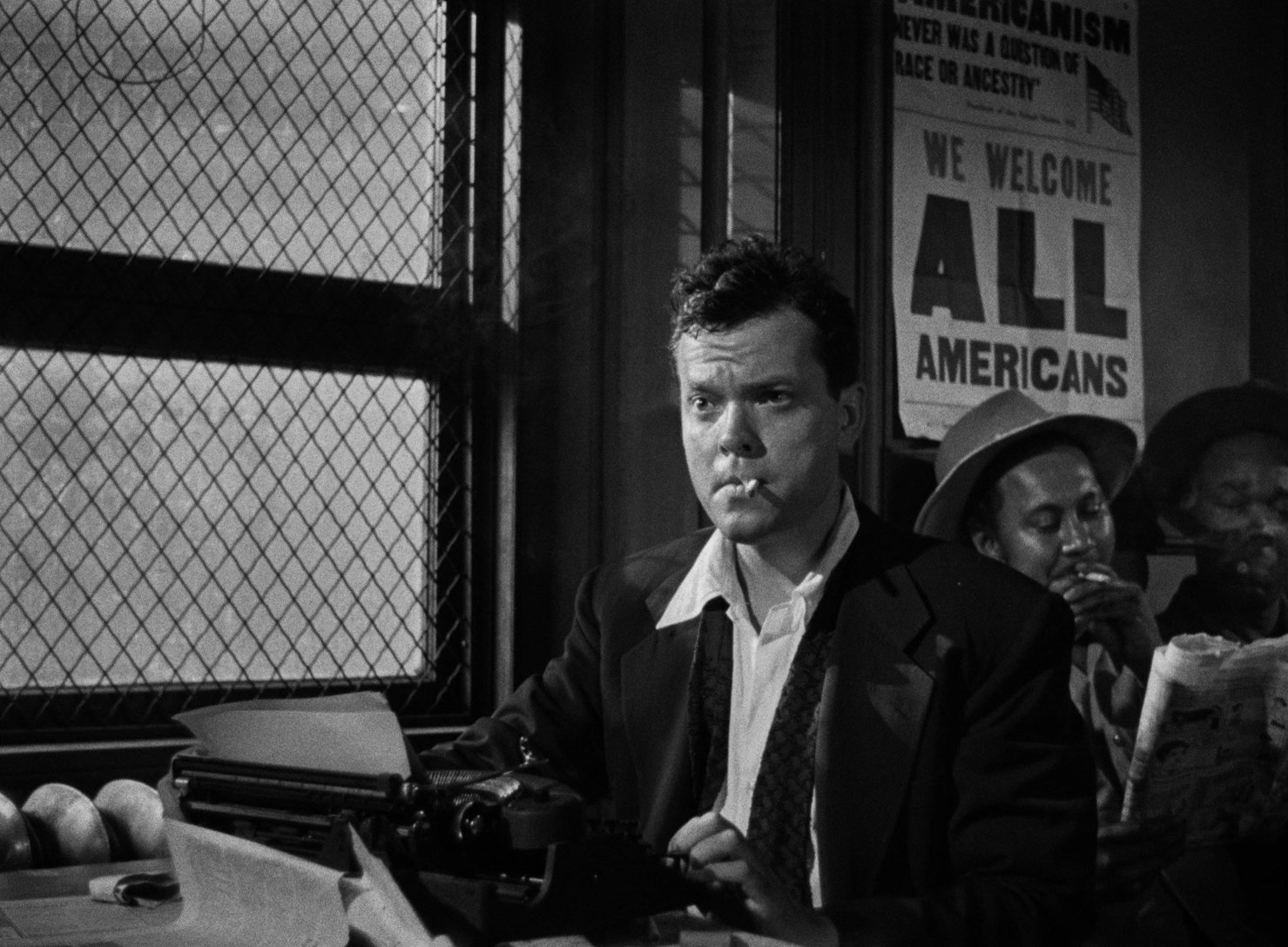
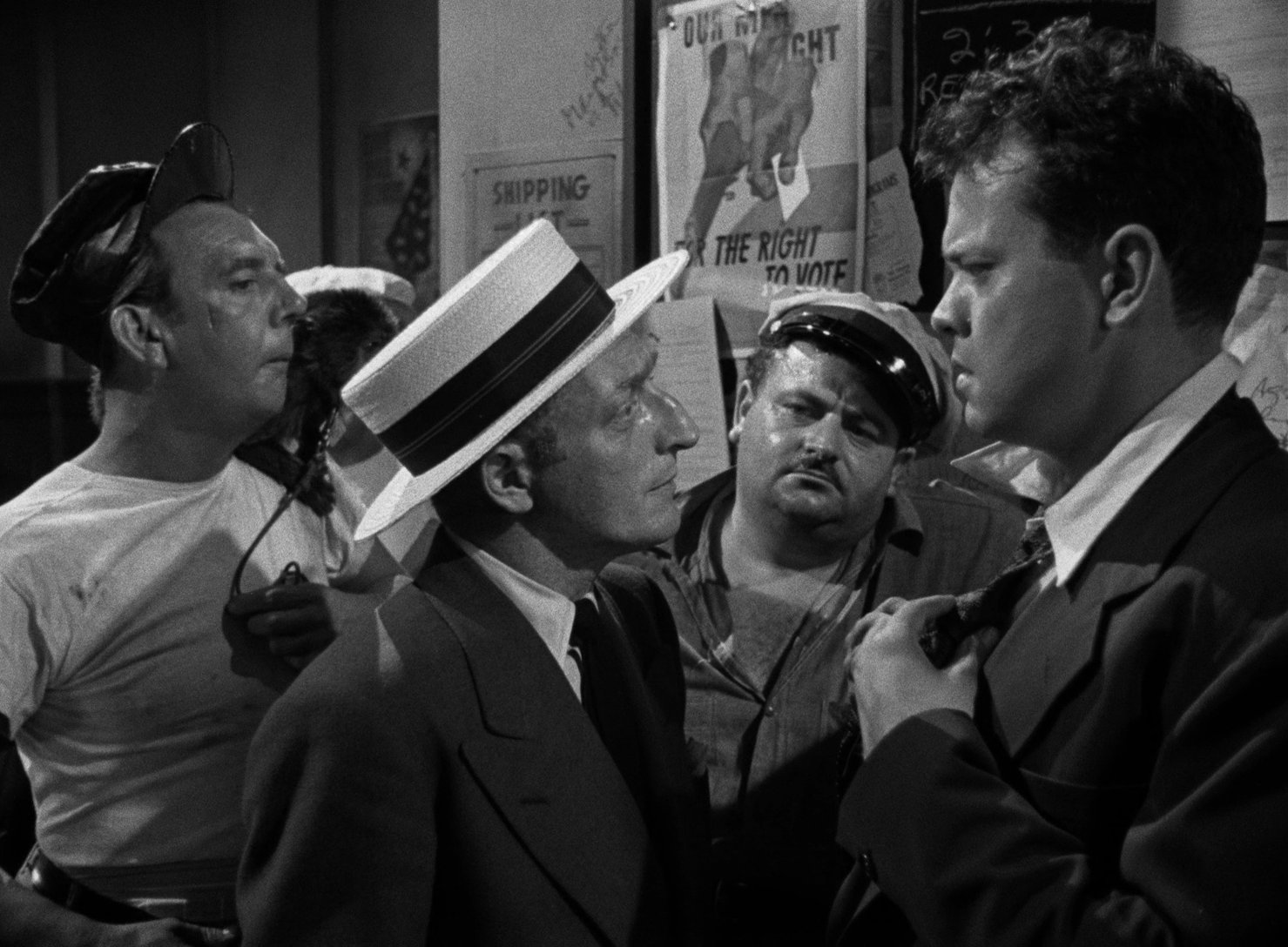
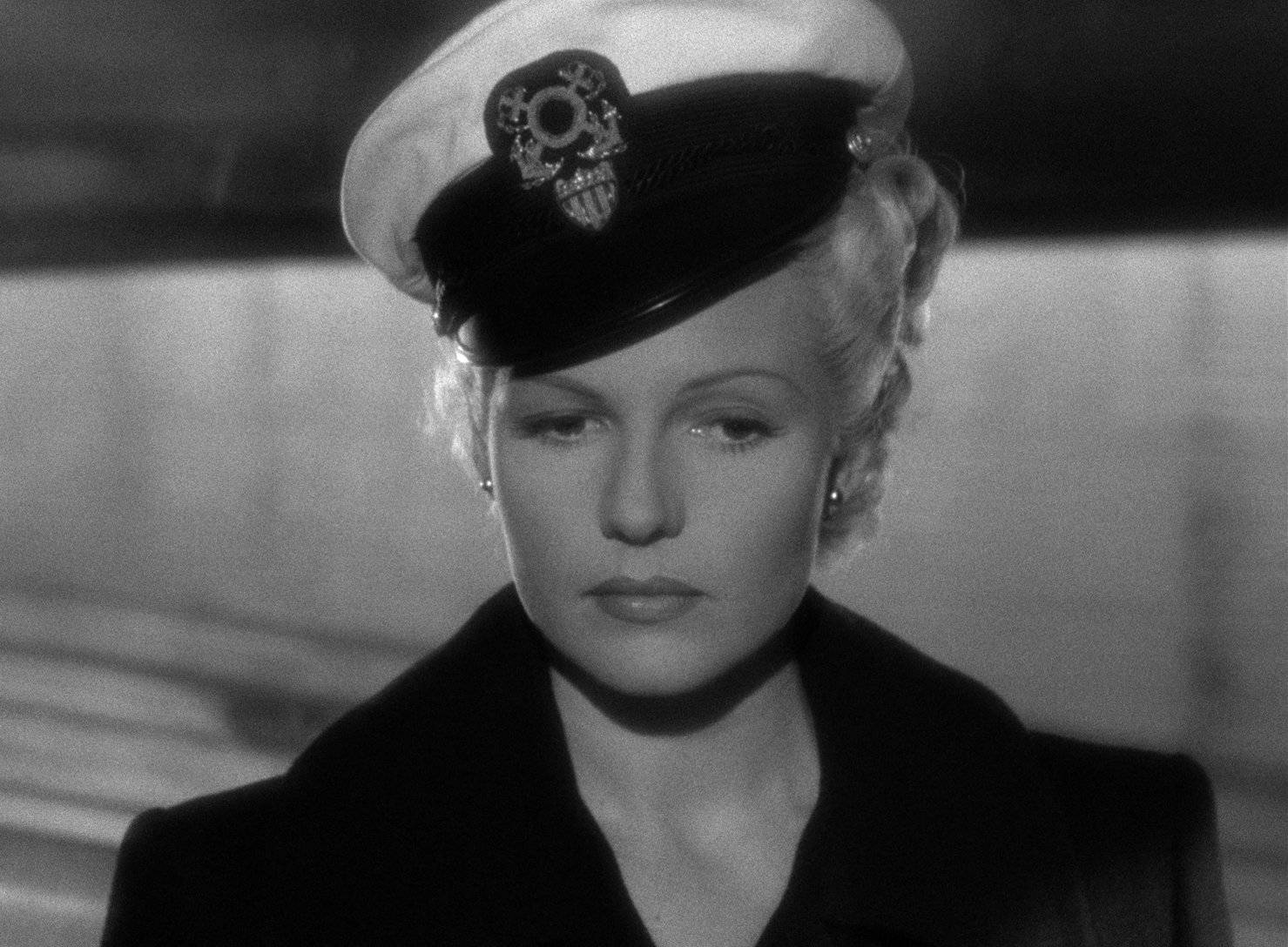
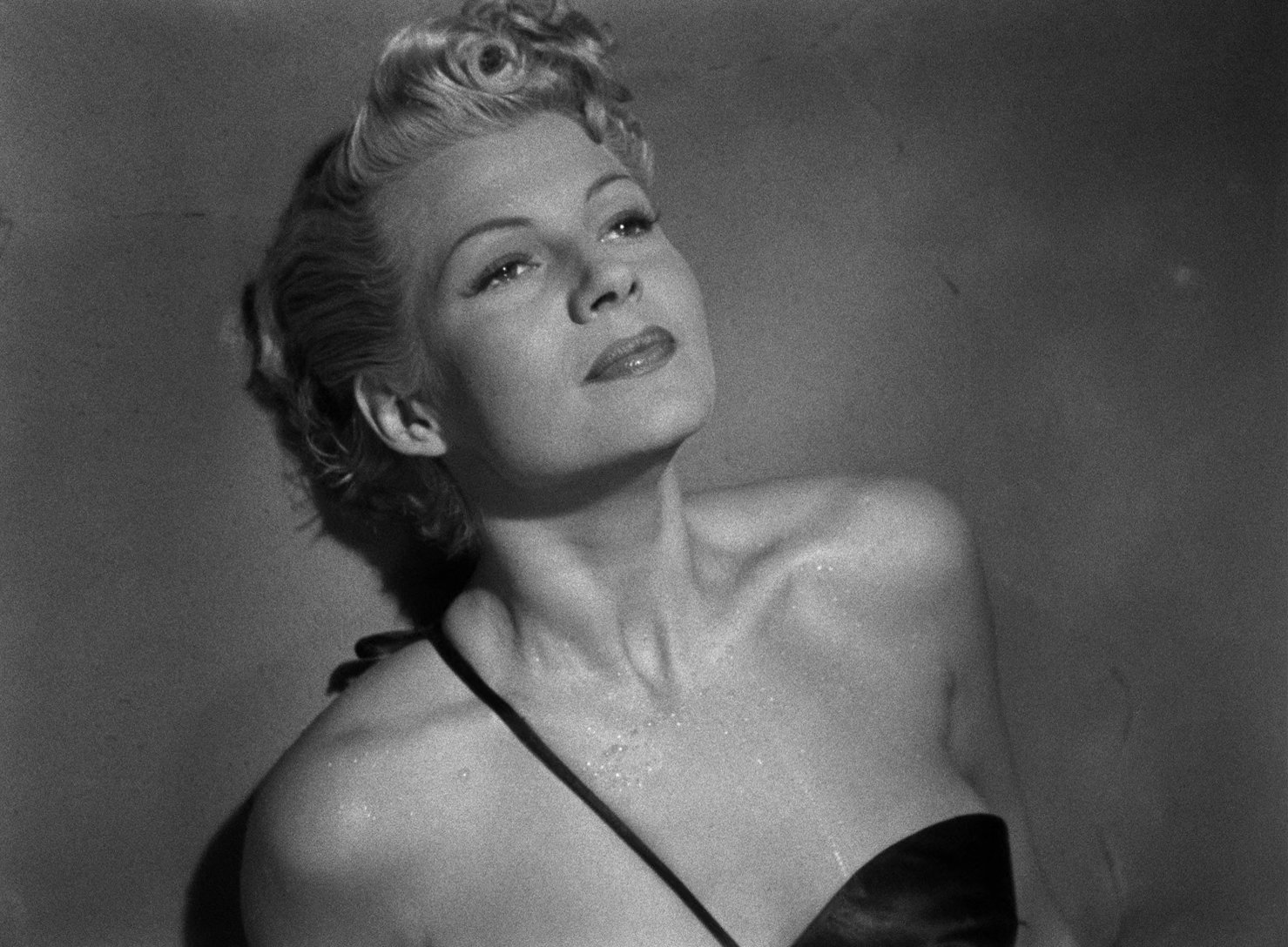
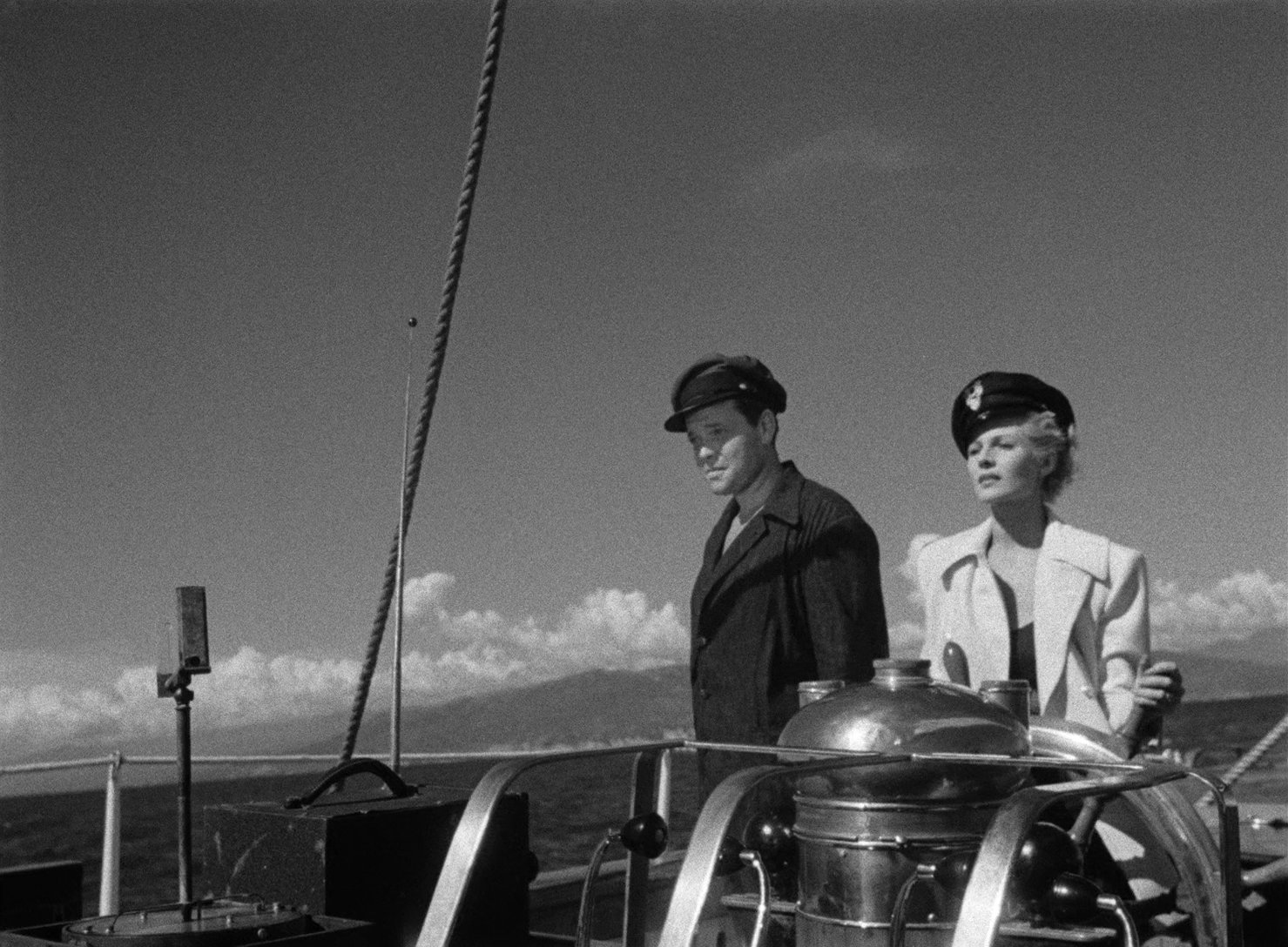
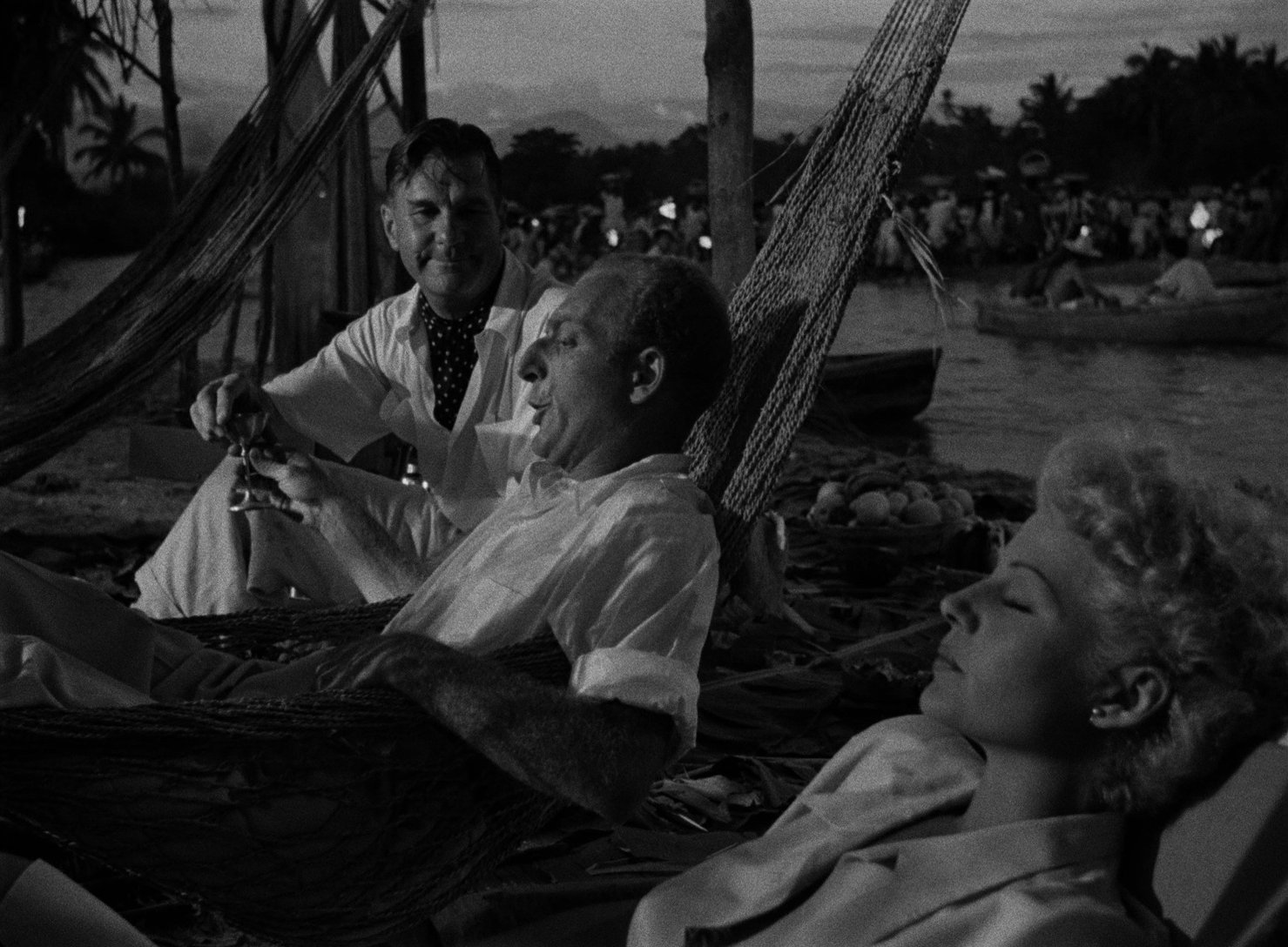
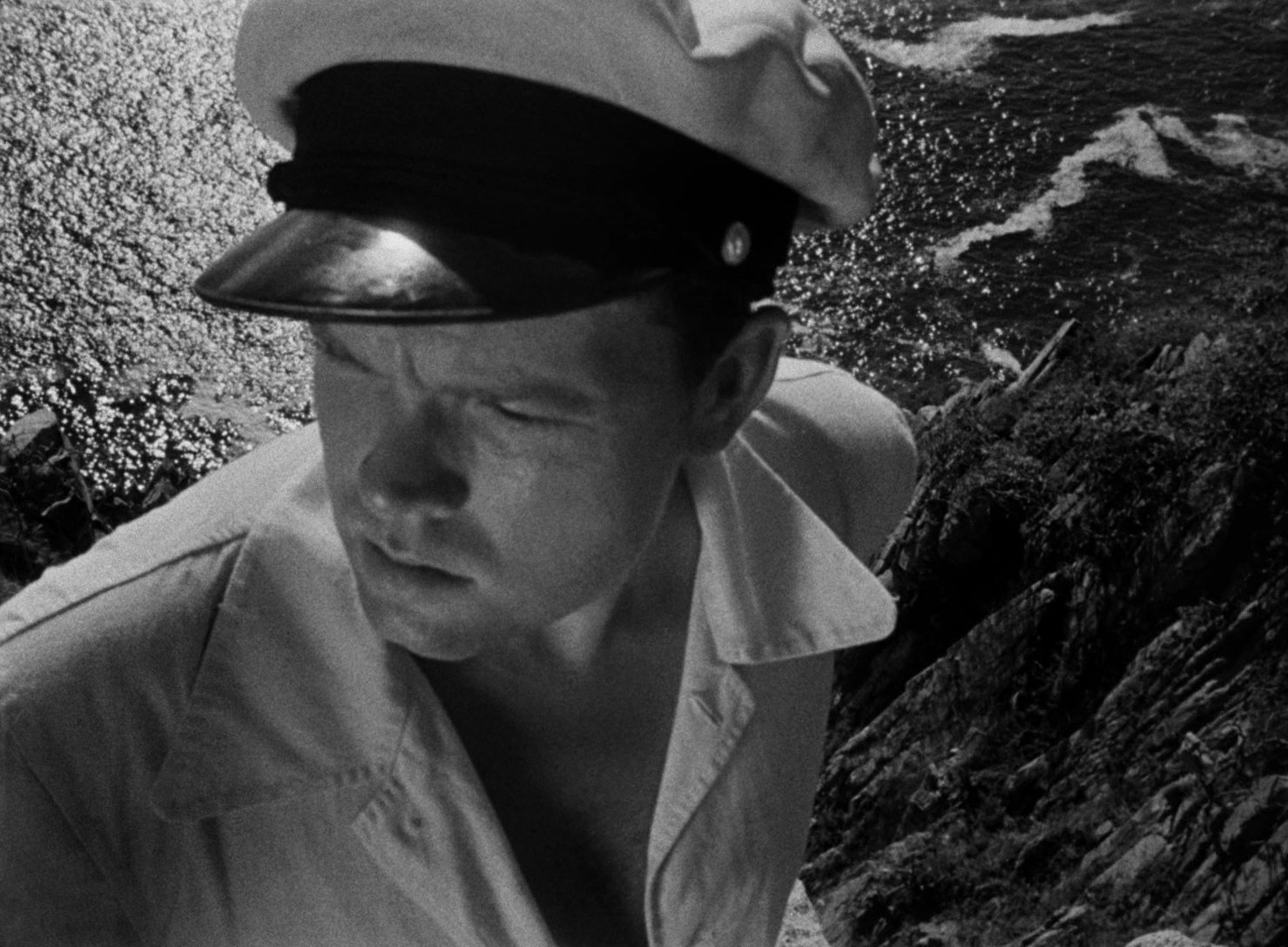
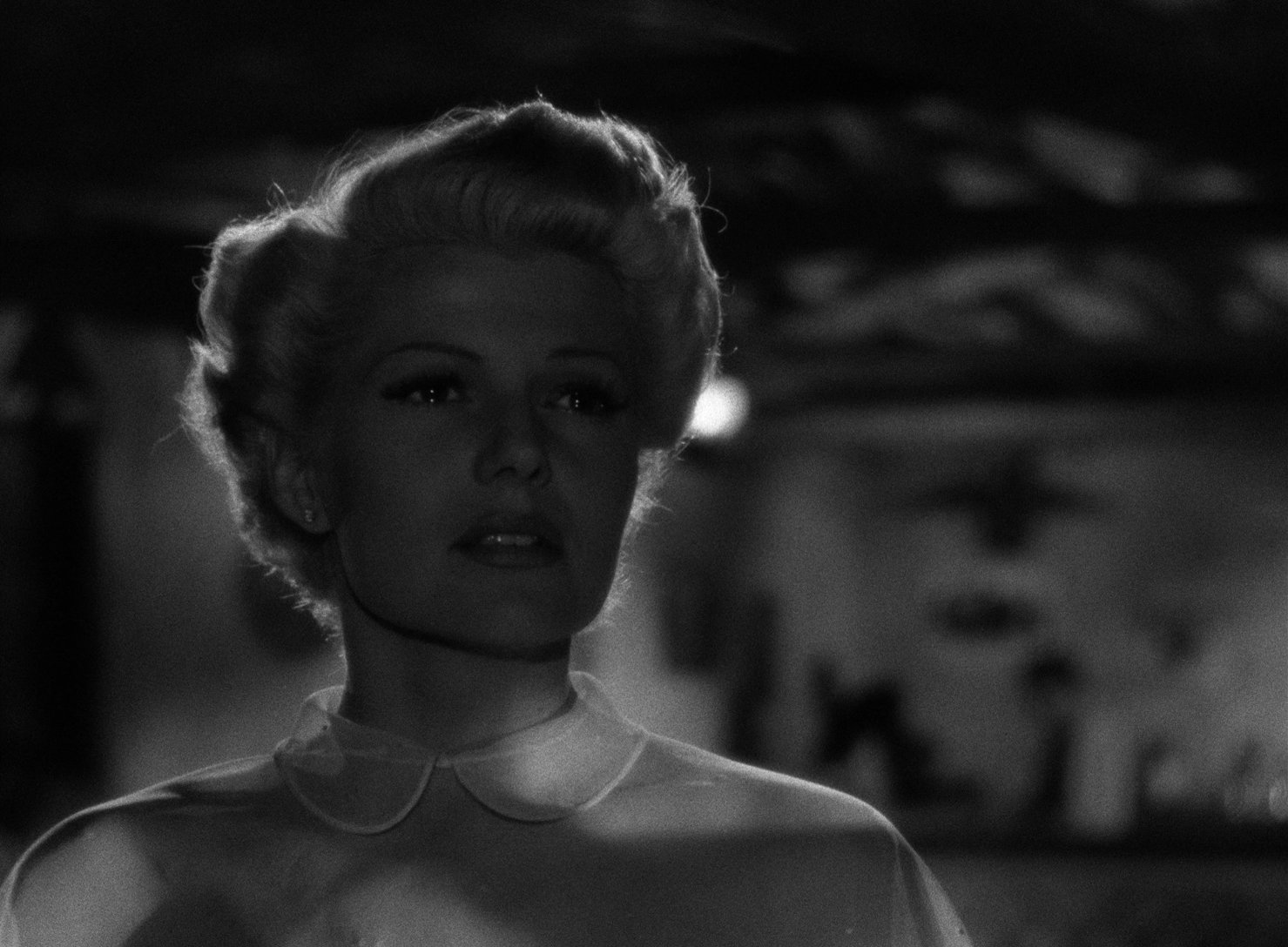
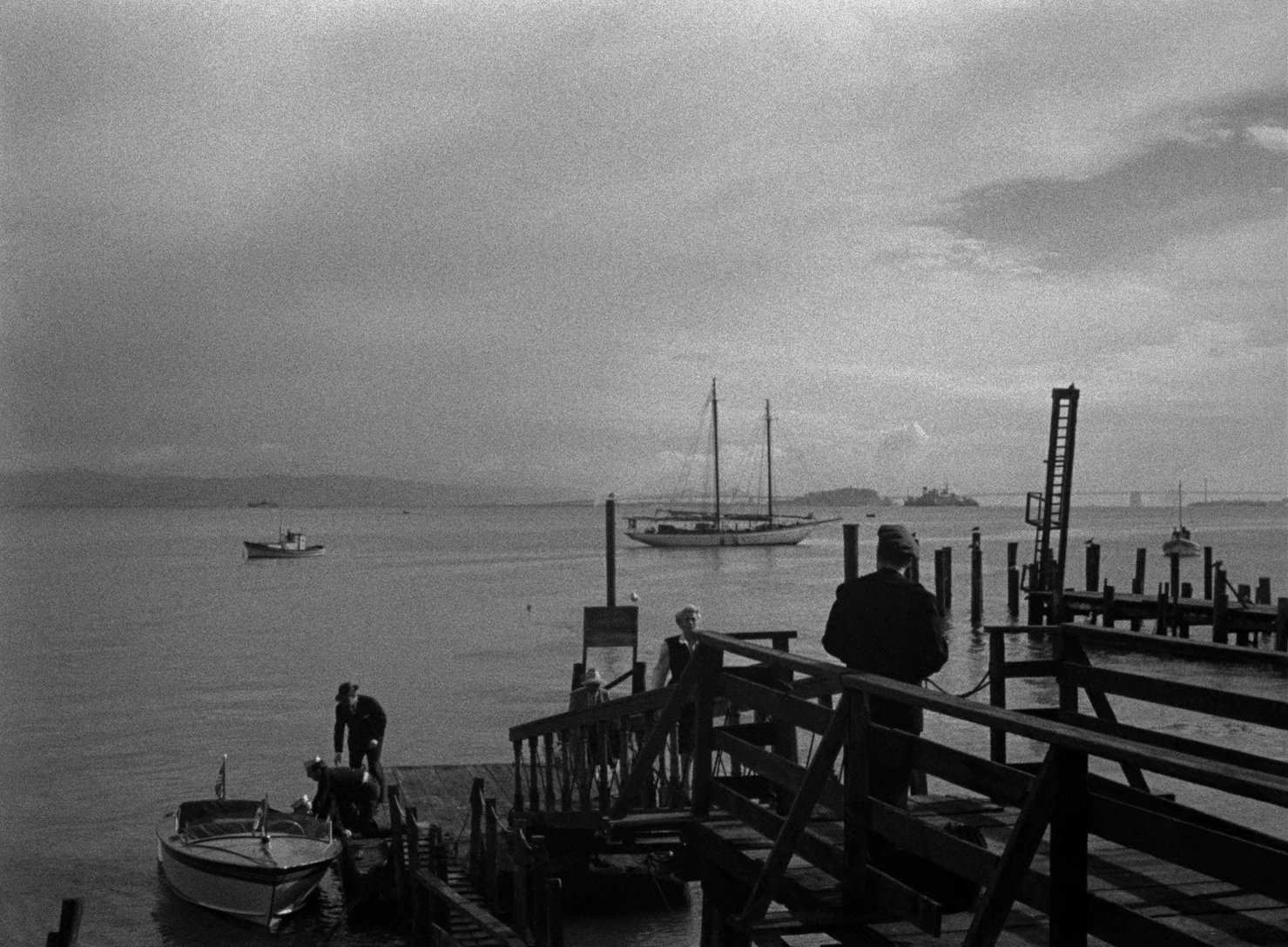
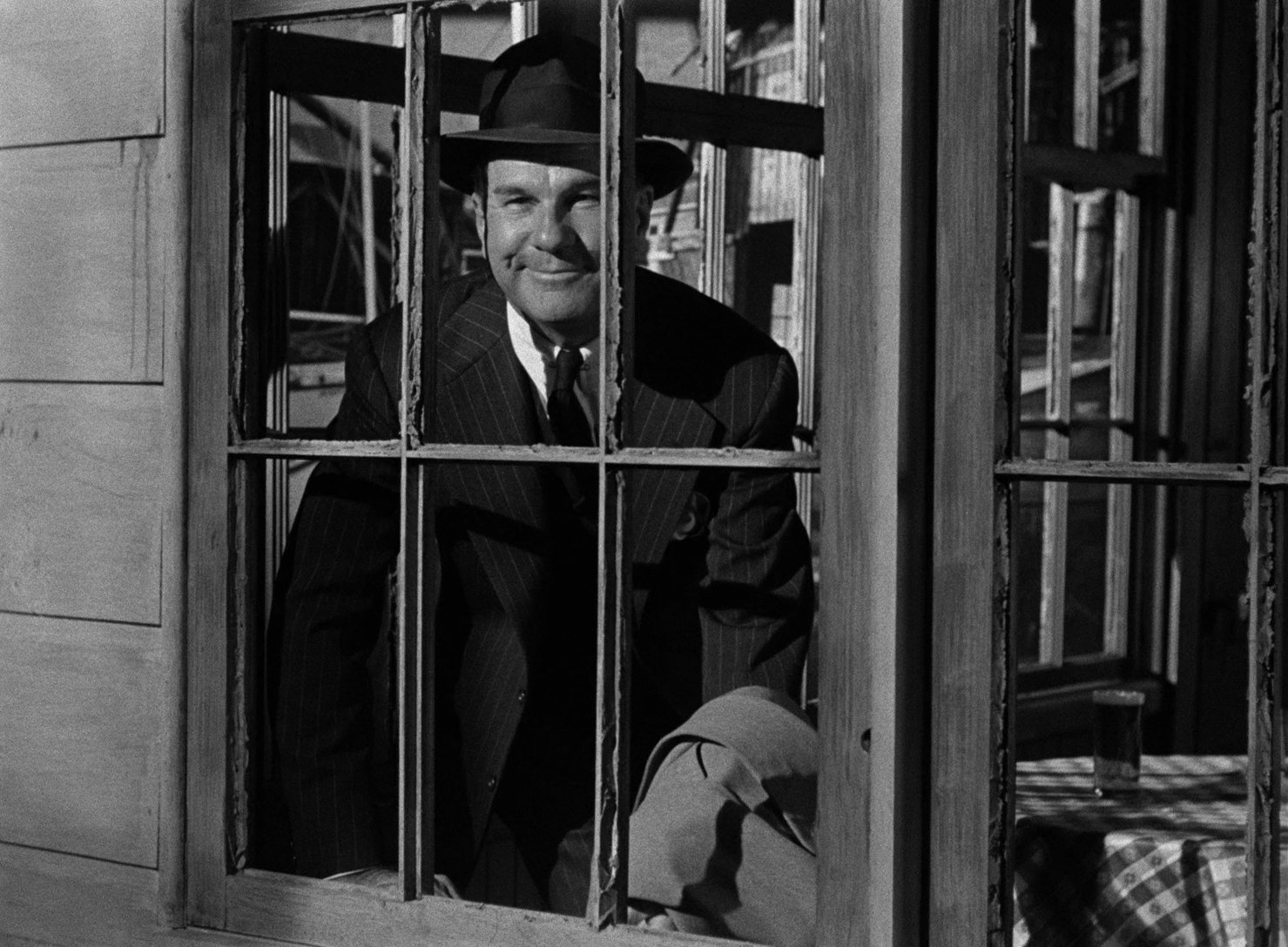
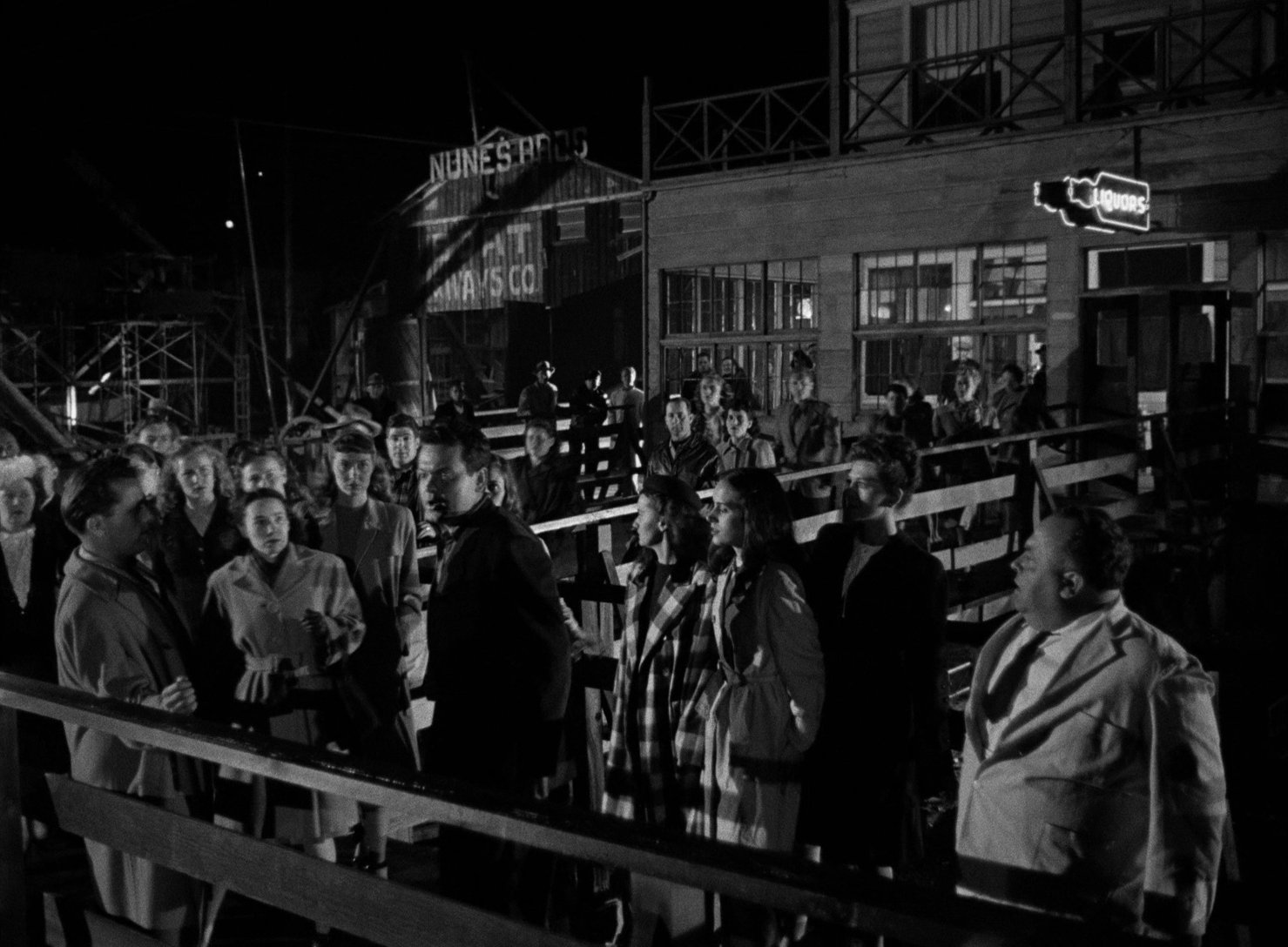
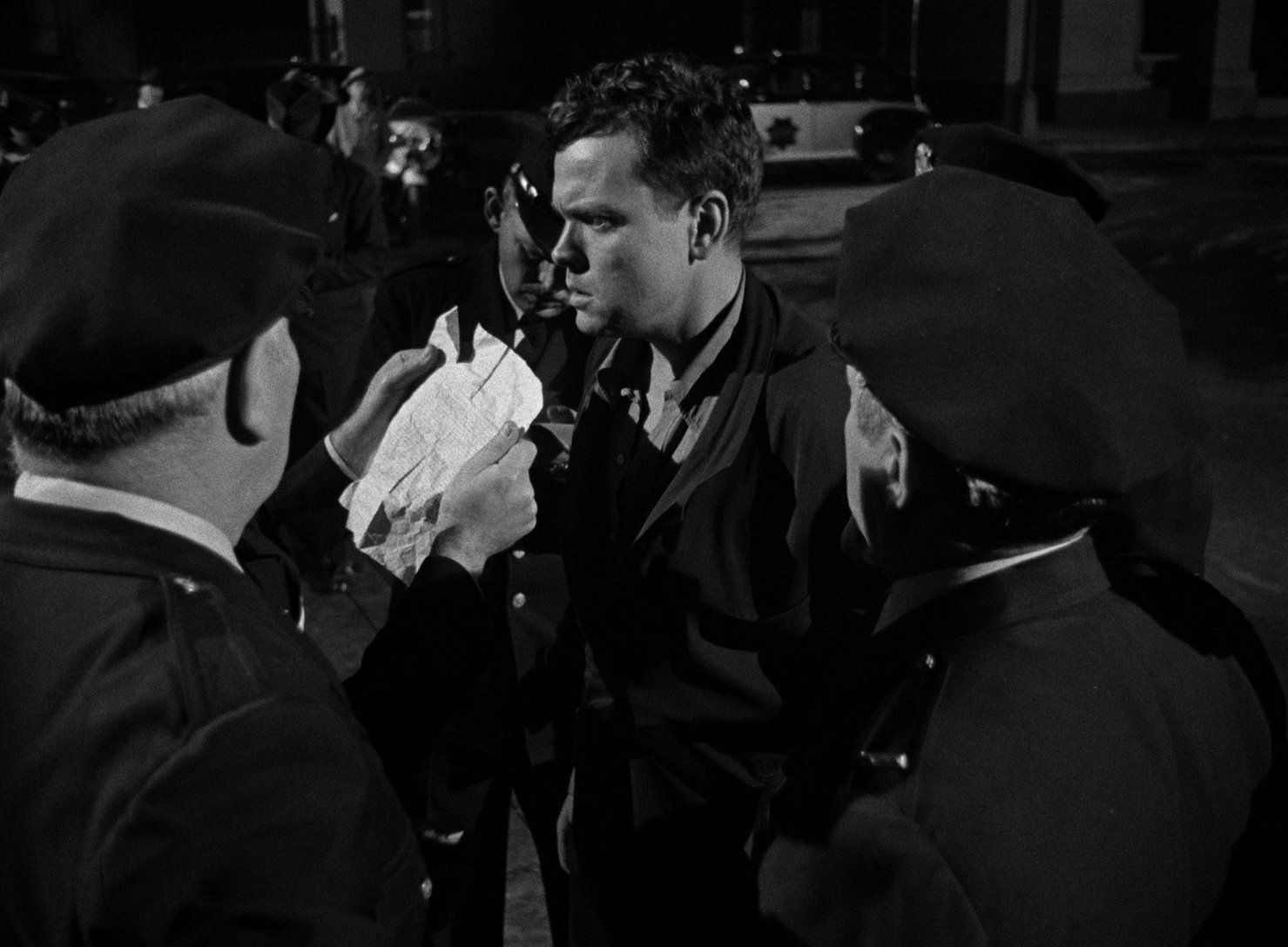
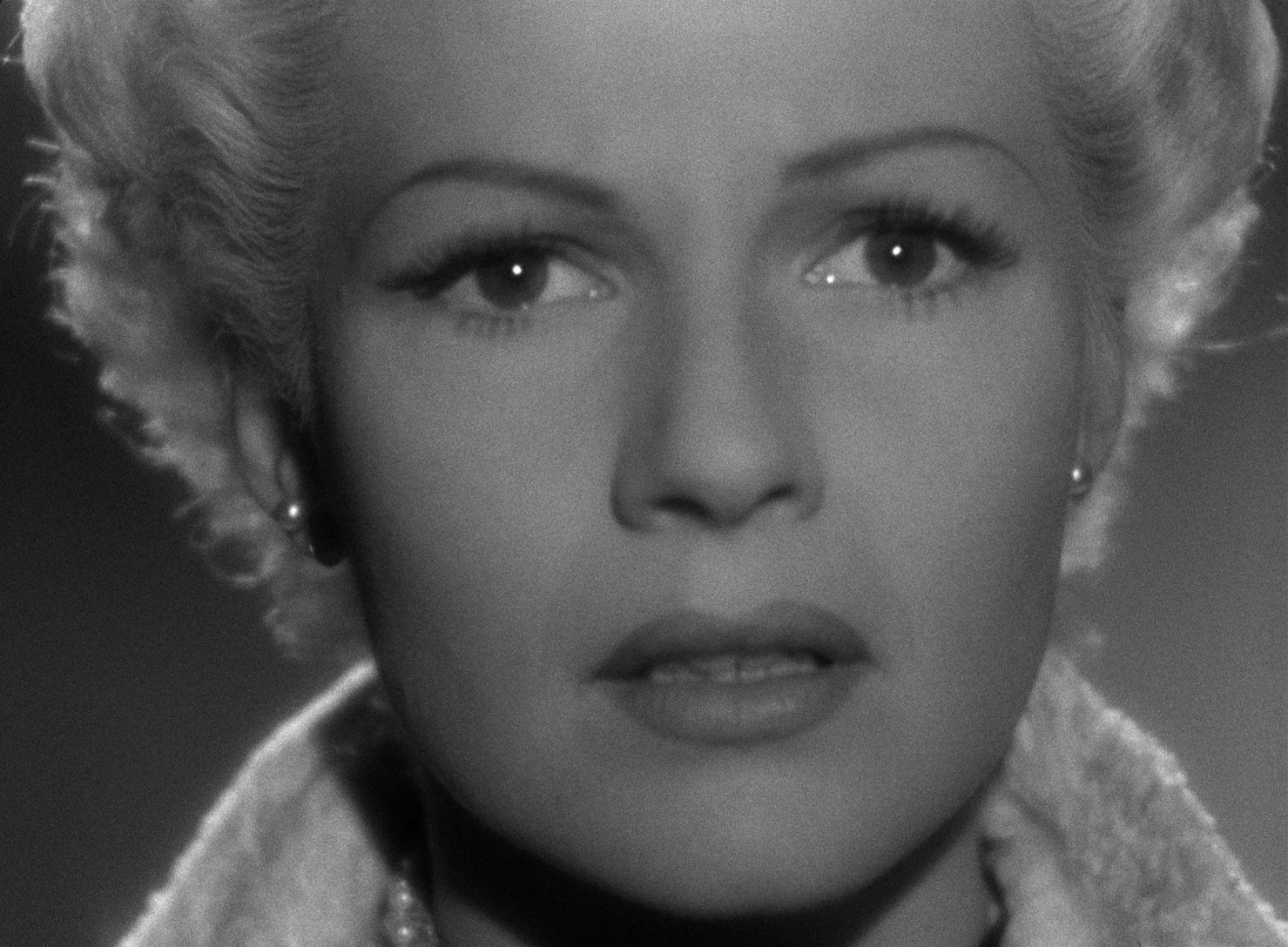
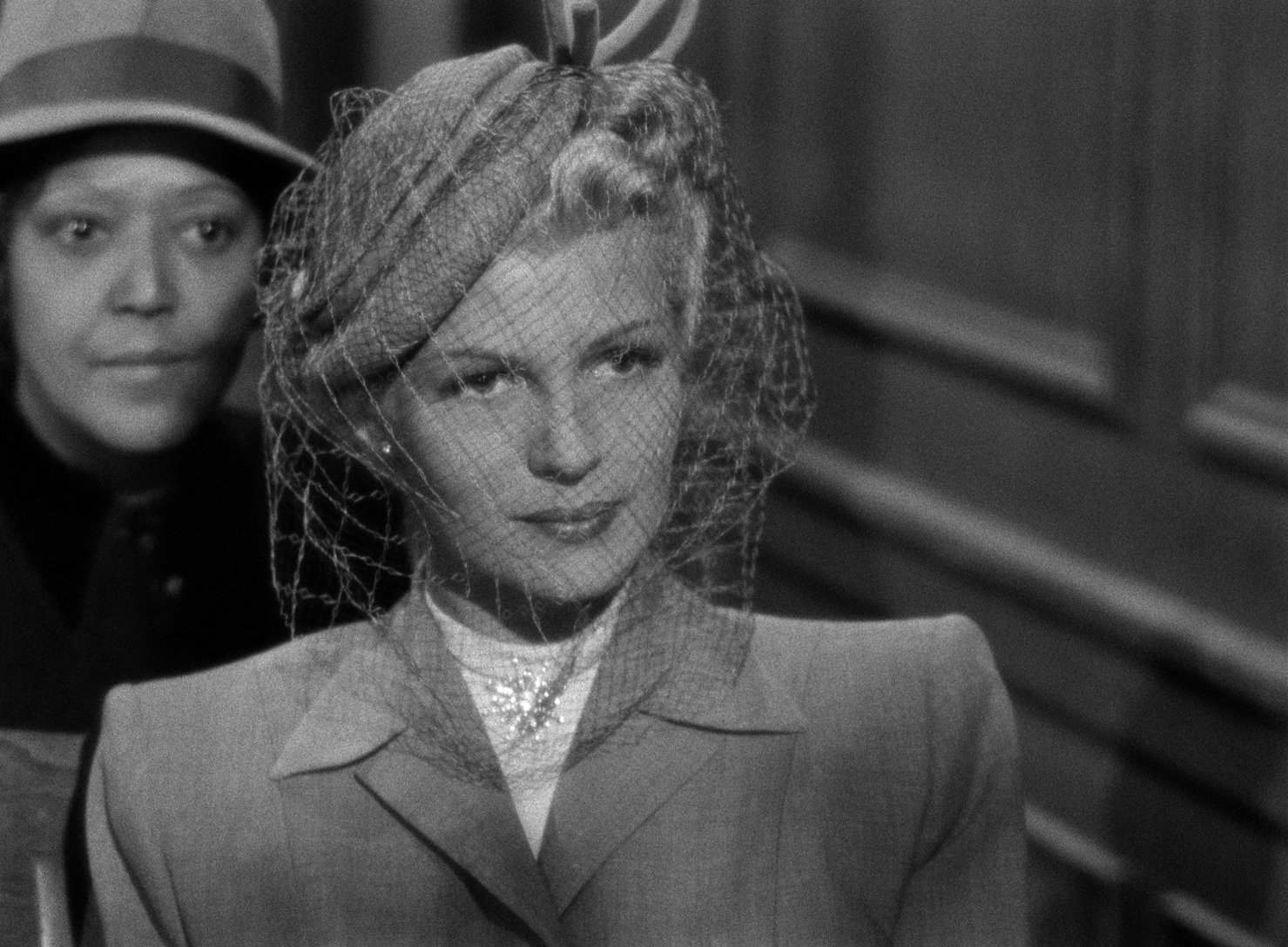
Directed and starring Orson Welles, The Lady from Shanghai follows an Irish sailor who becomes embroiled with a wealthy couple and their associates after accepting a job aboard their yacht. What starts as a seemingly simple job soon turns into a tangled web of deceit, treachery, and murder, with ever-shifting allegiances and secret agendas.
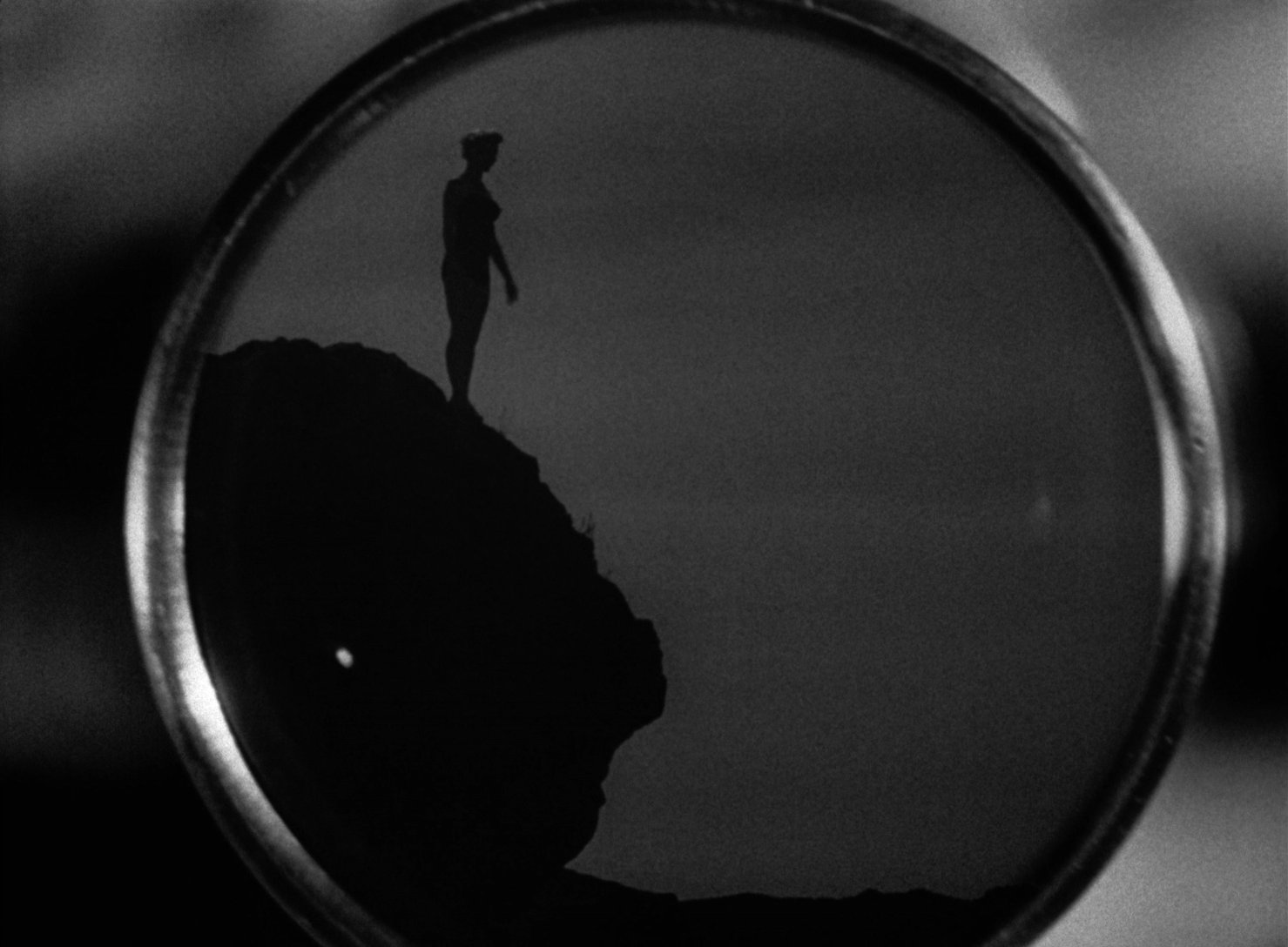
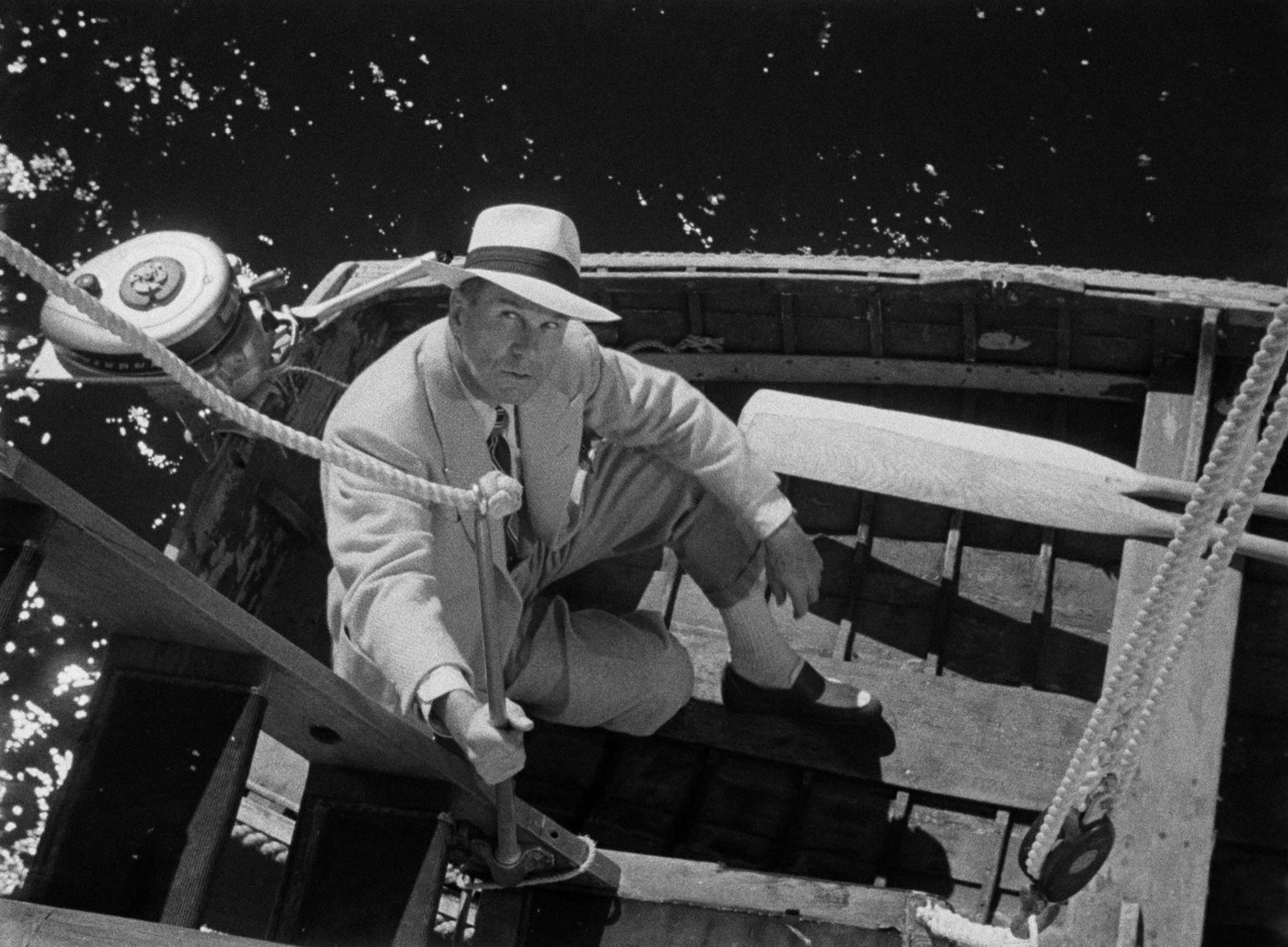
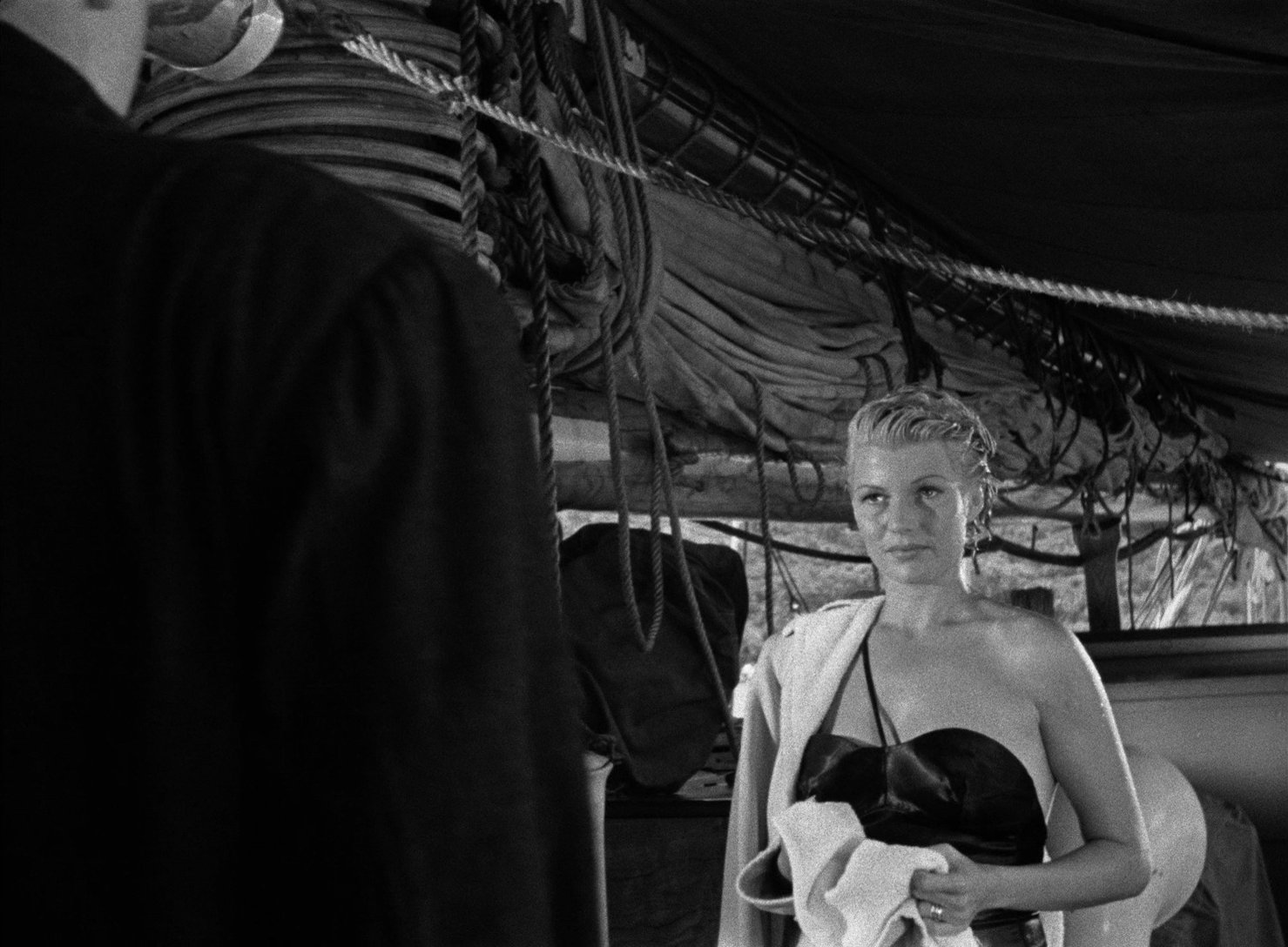
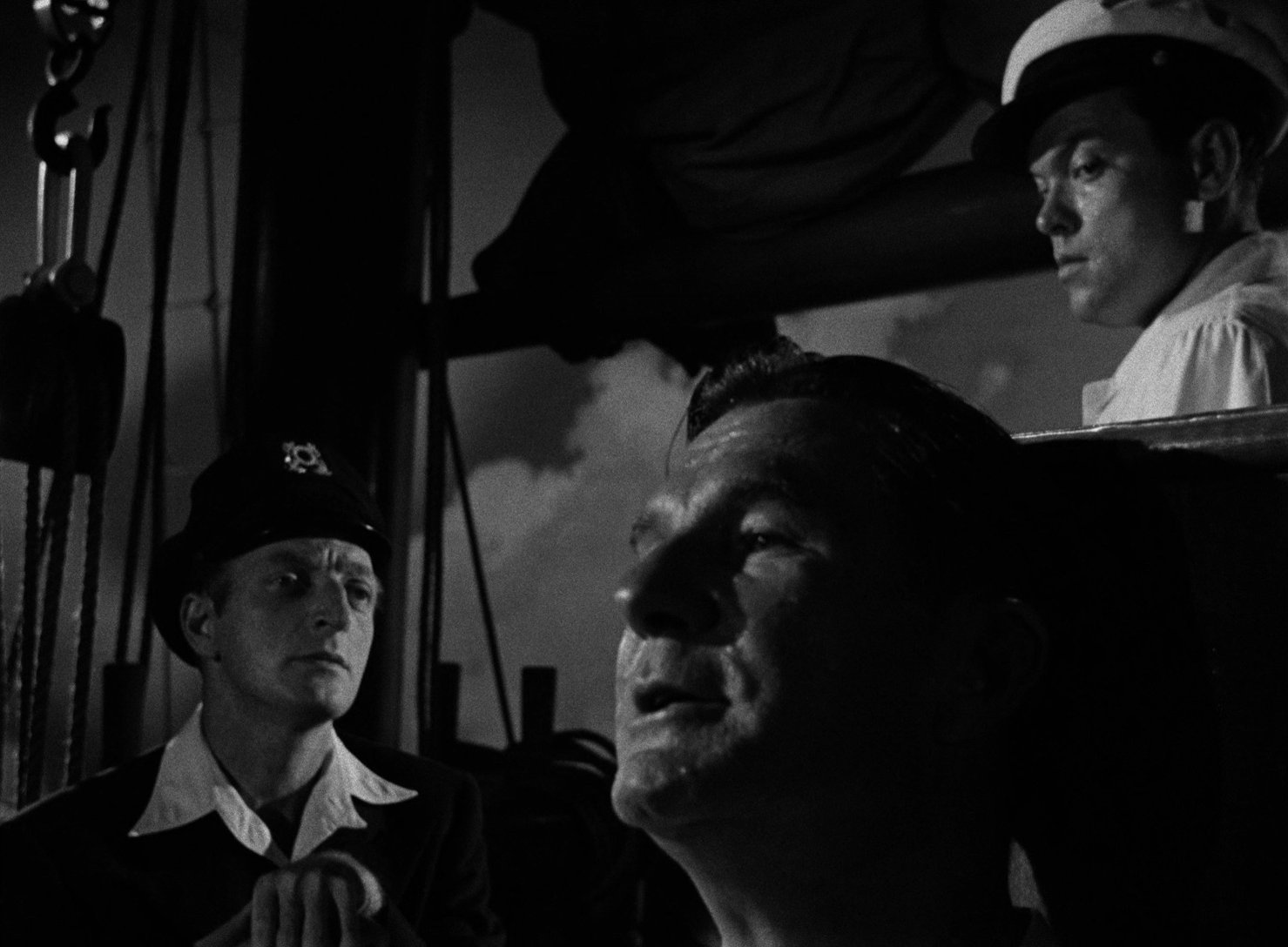
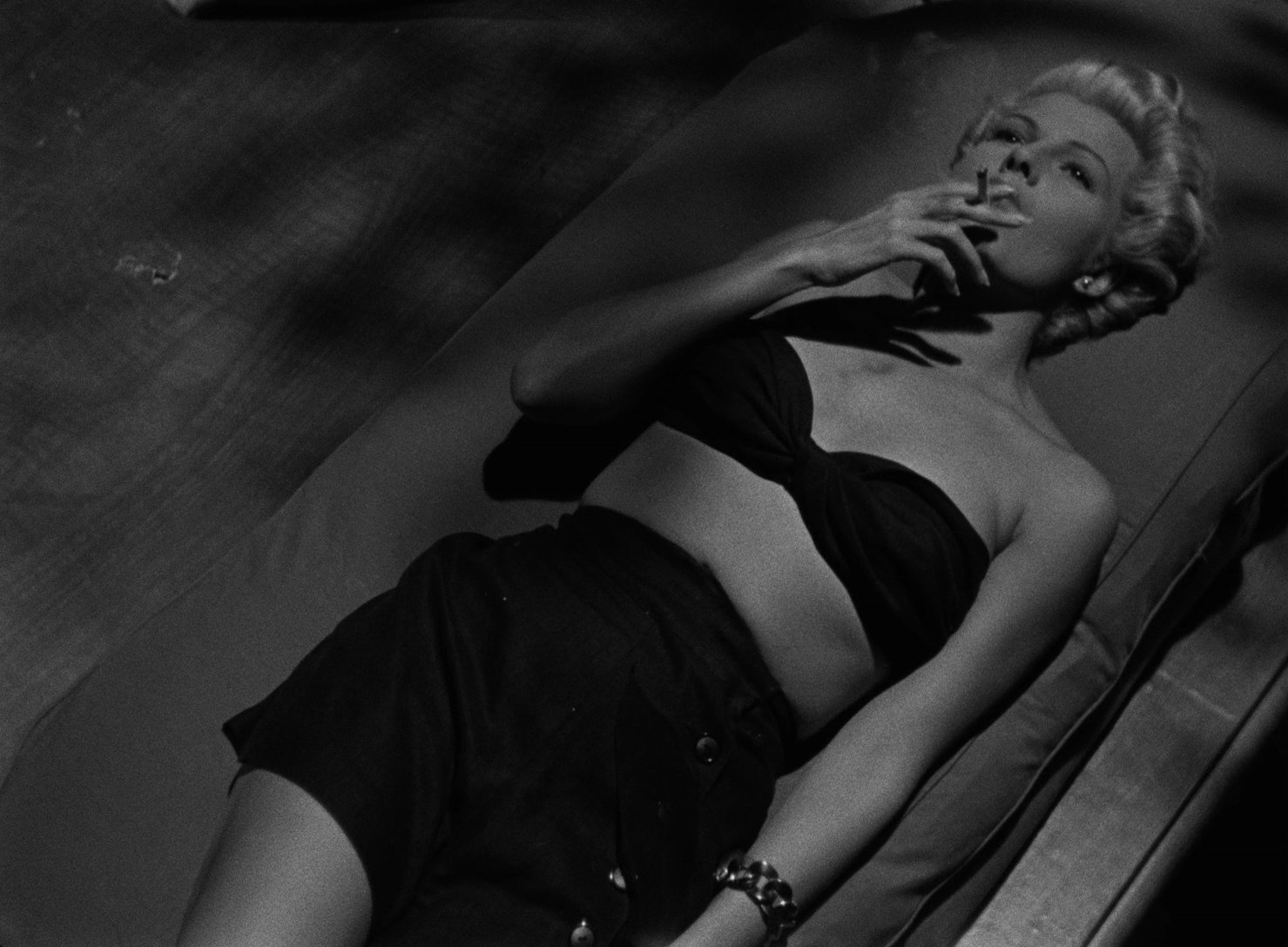
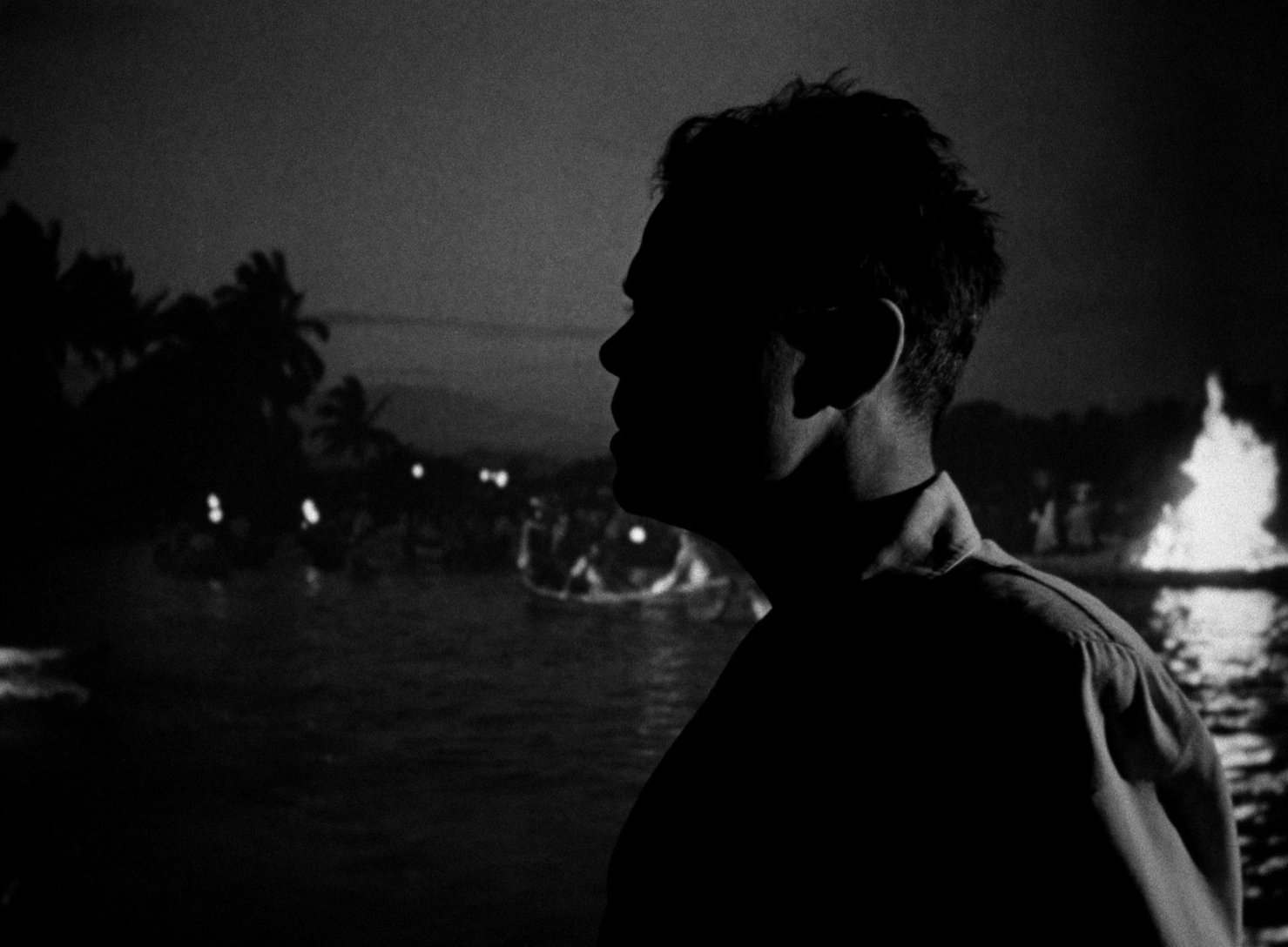
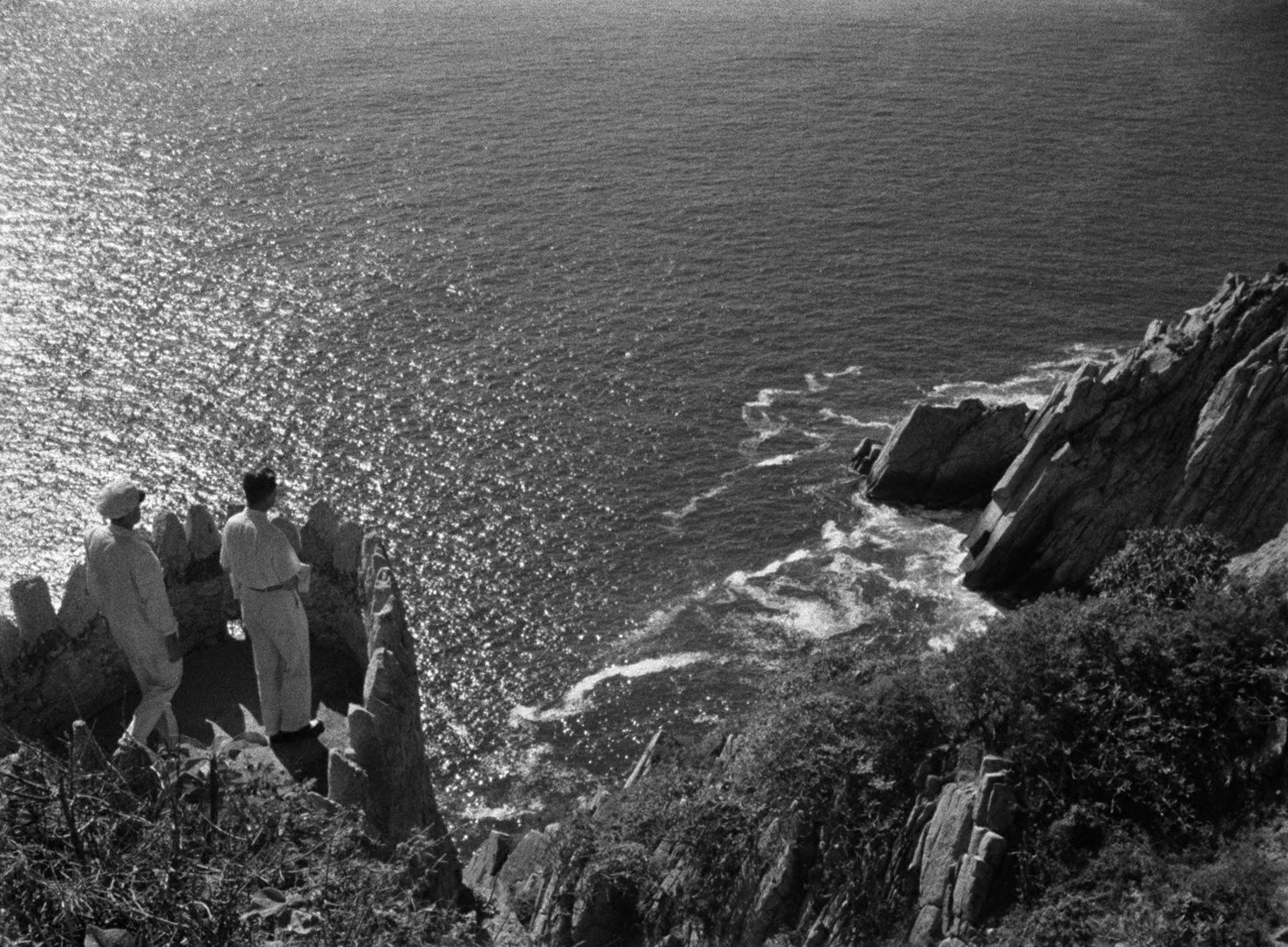
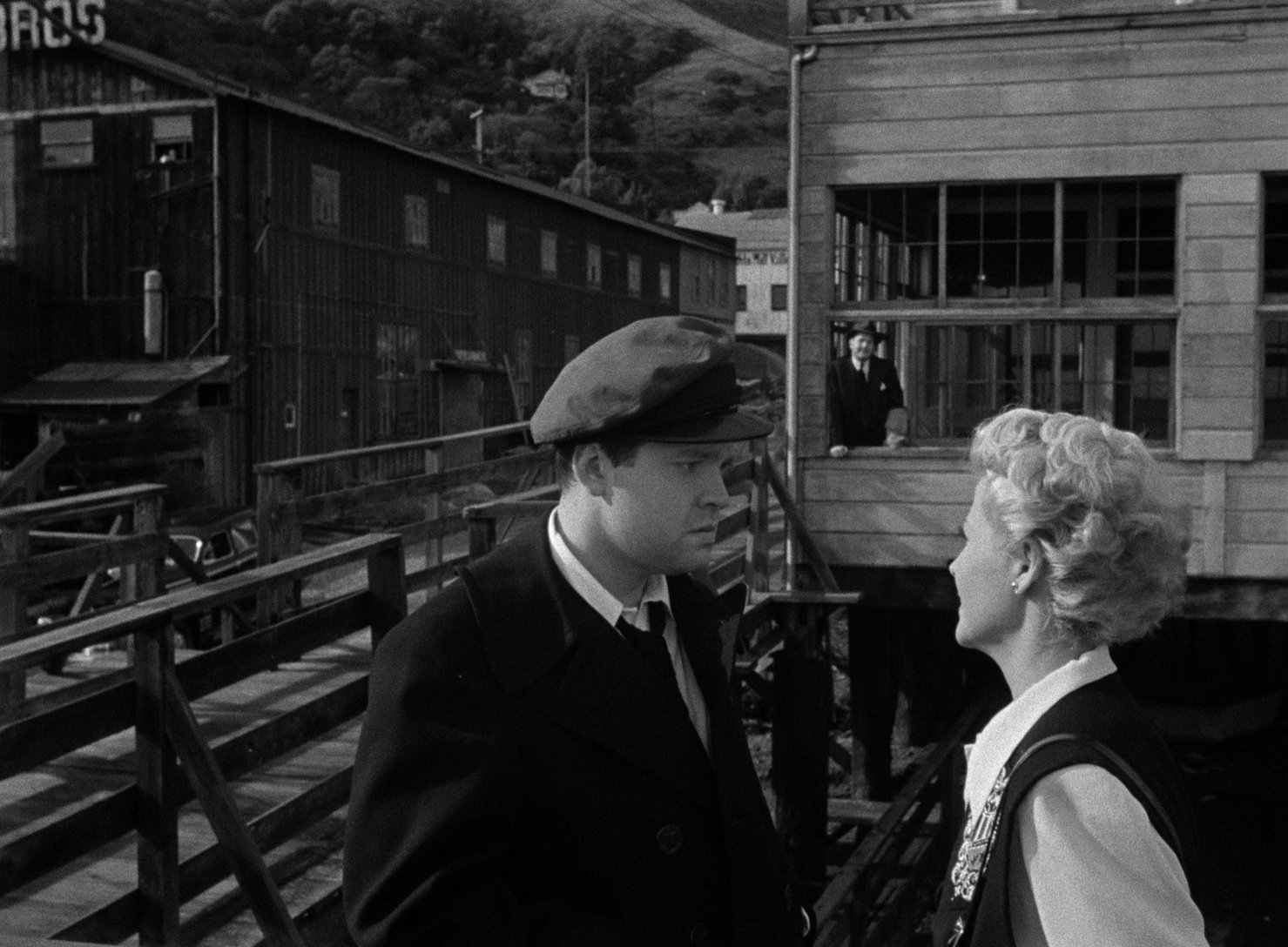
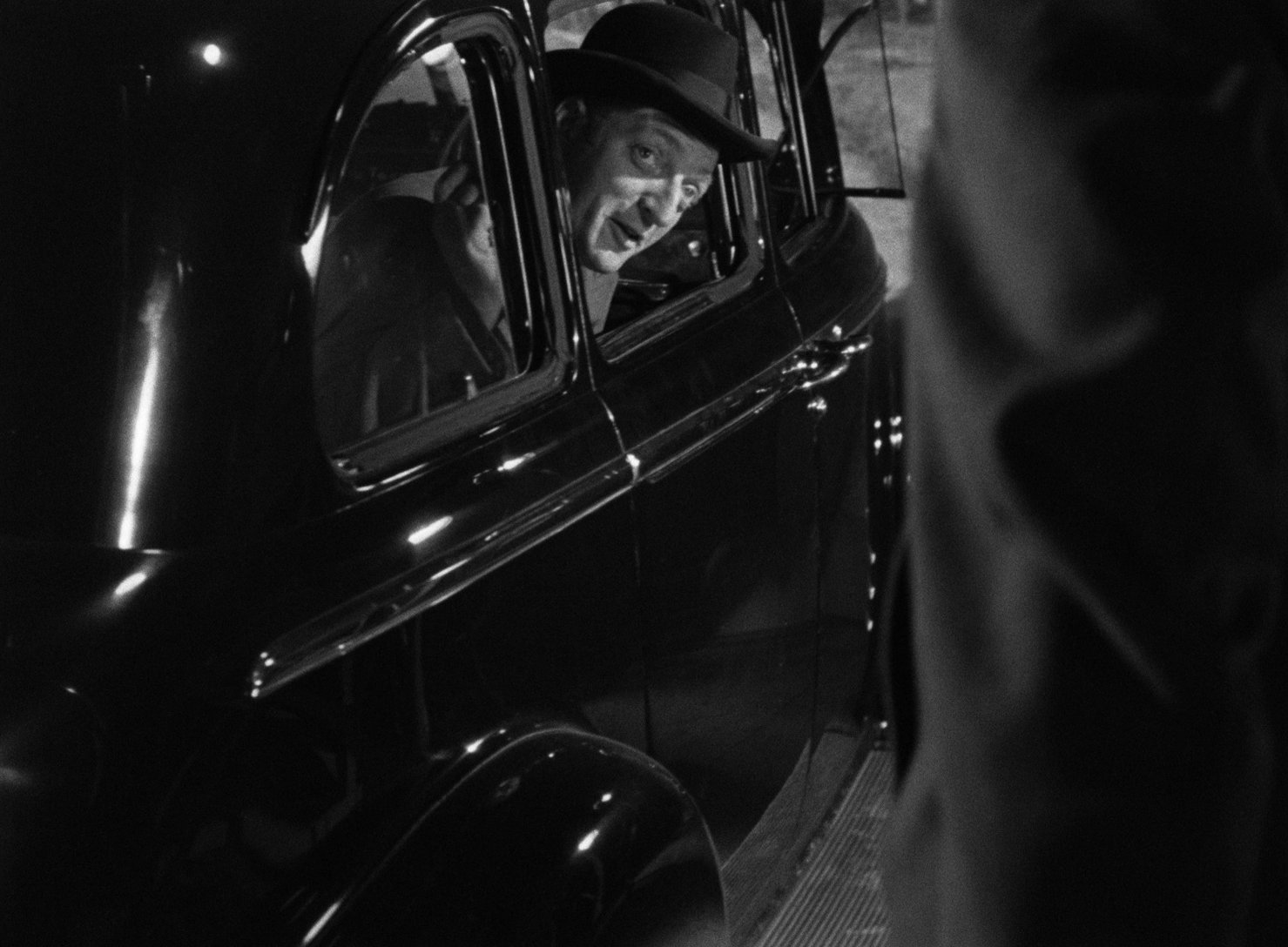
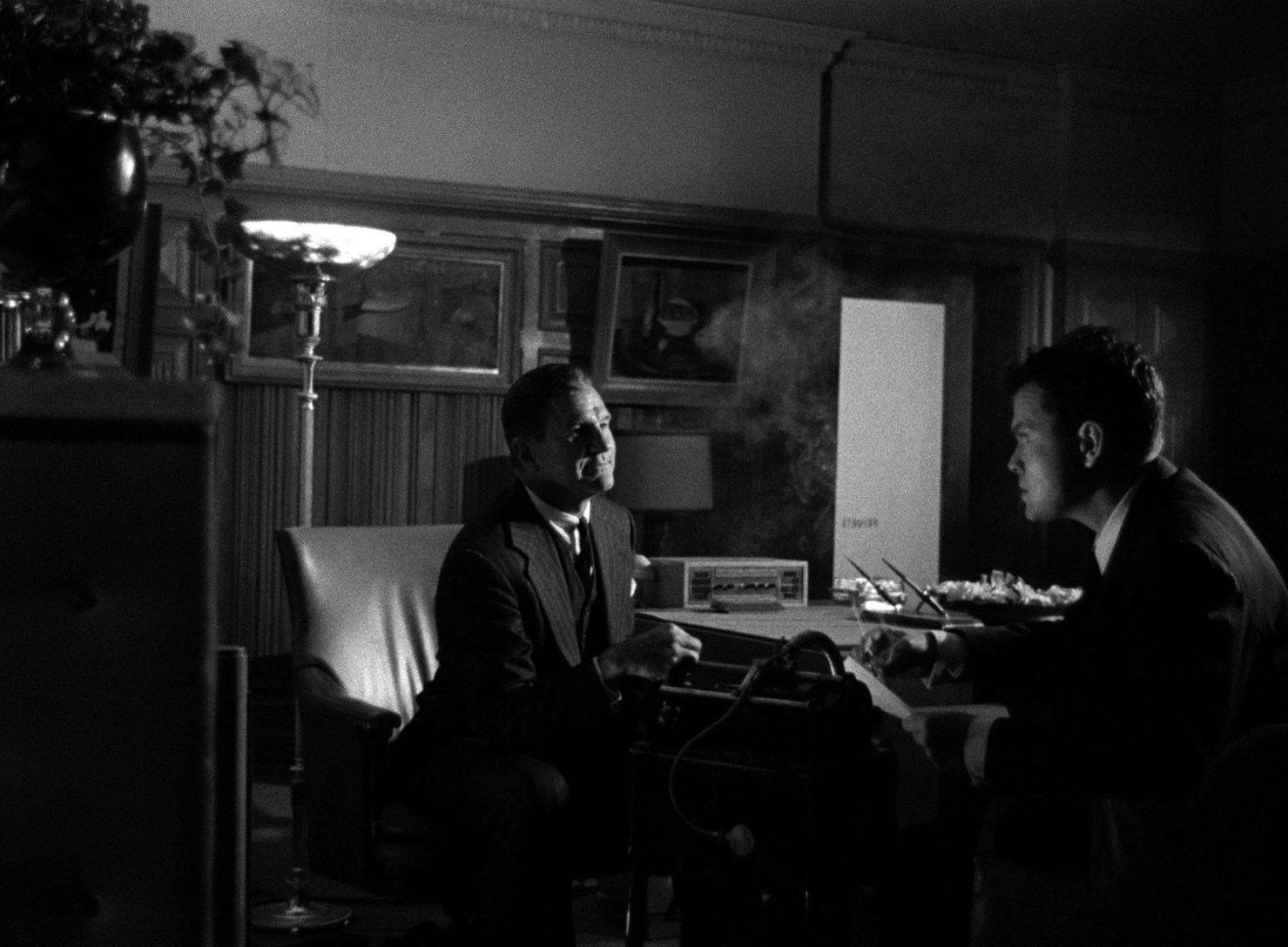
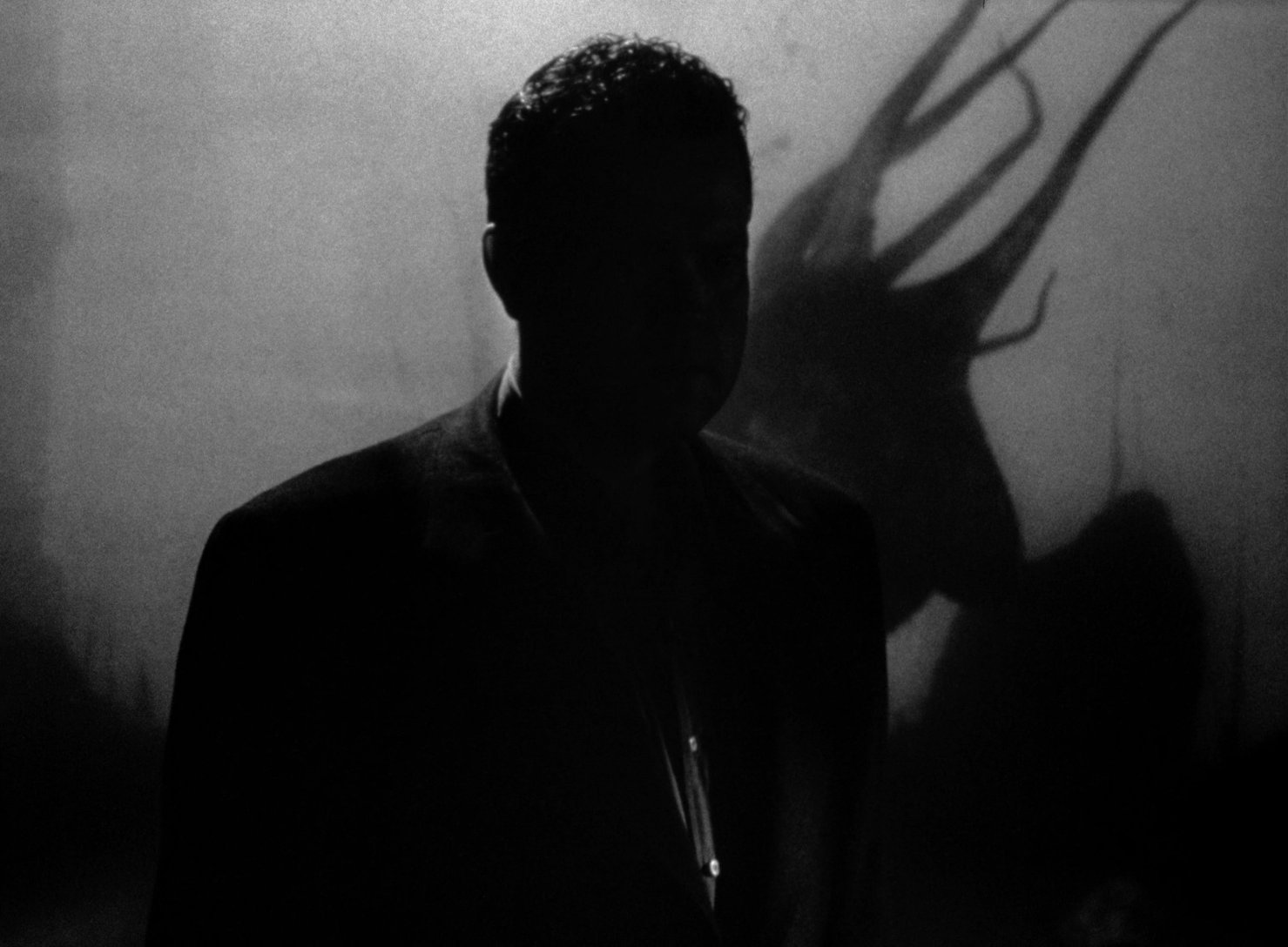
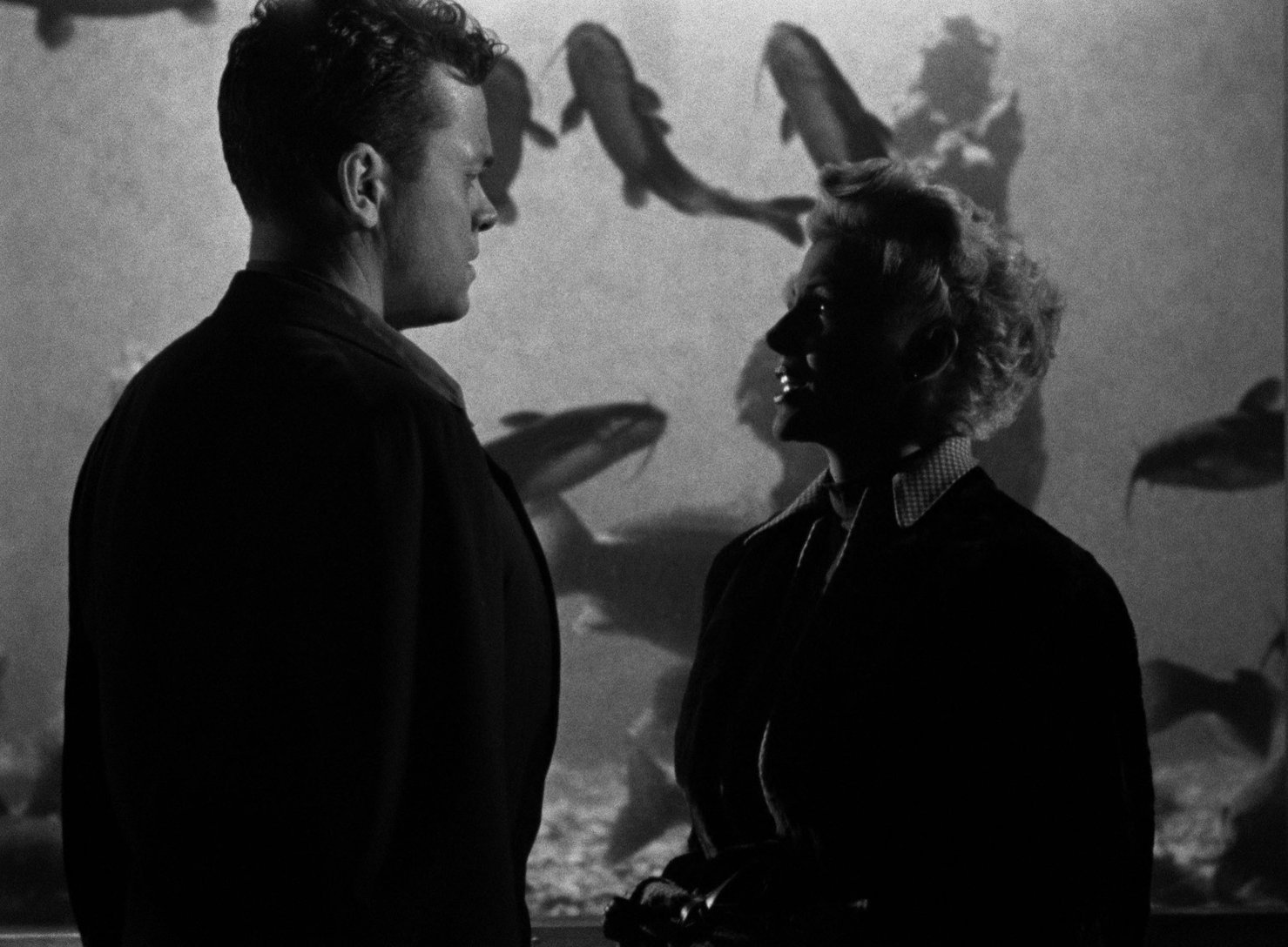
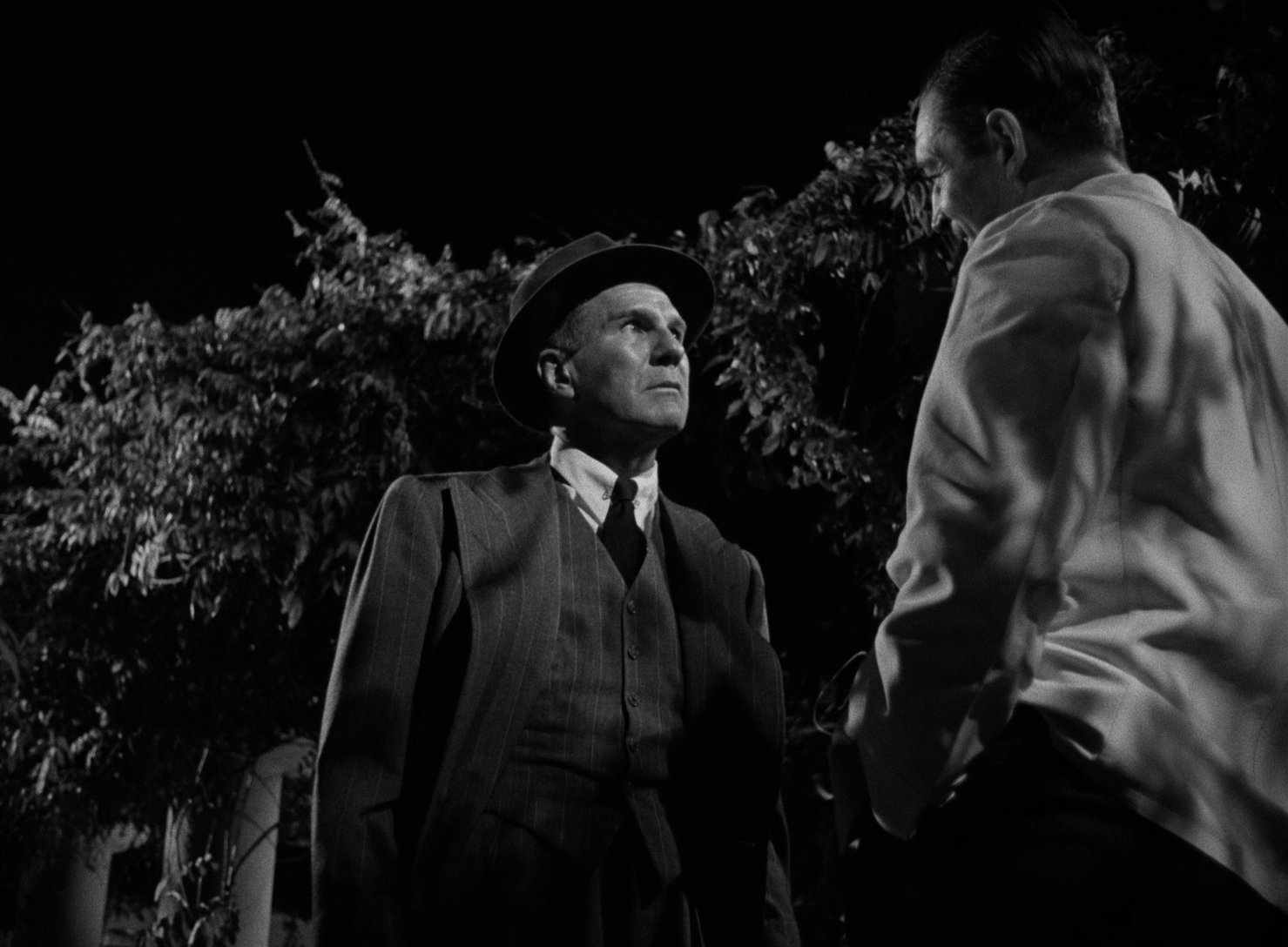
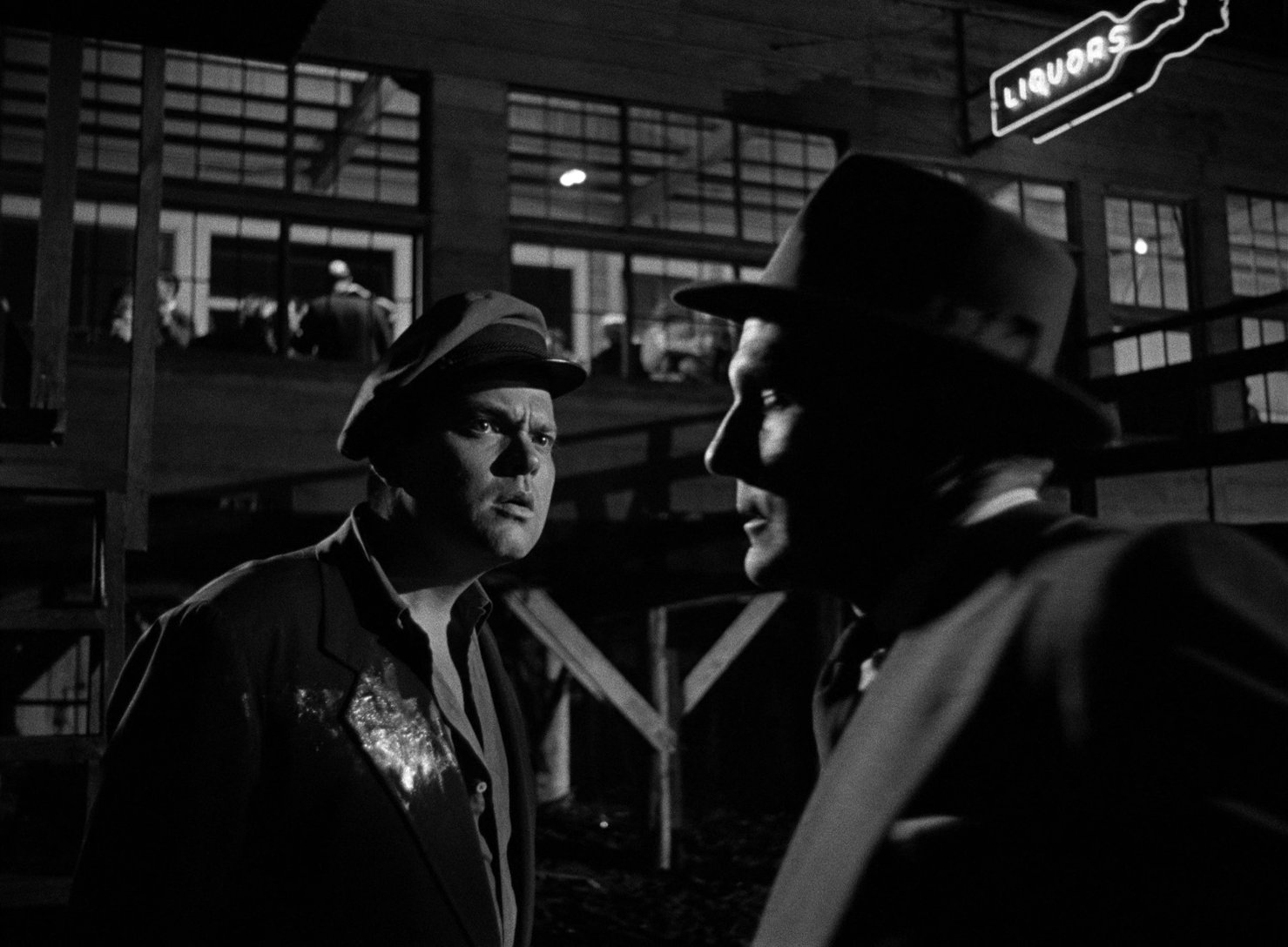
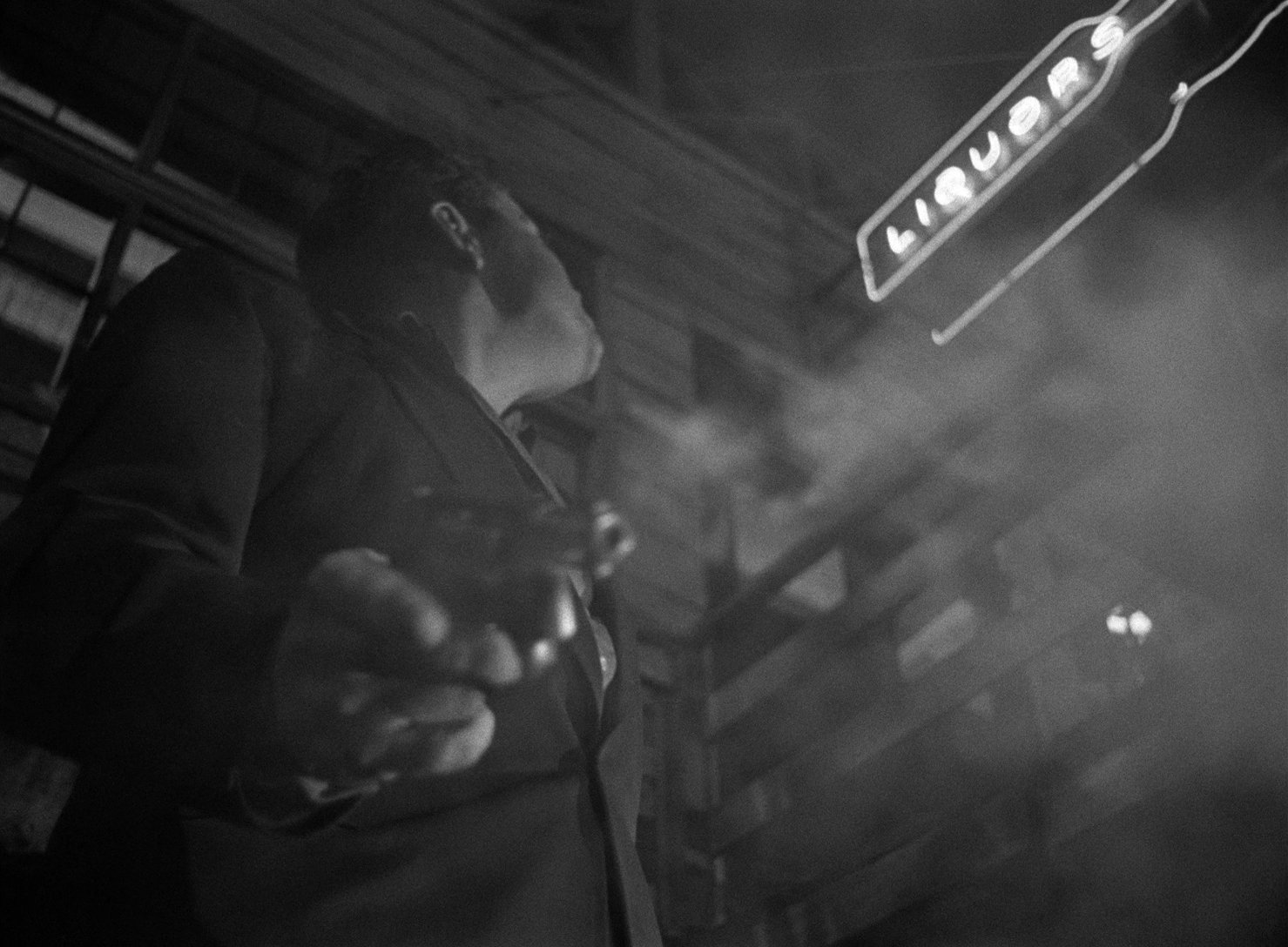
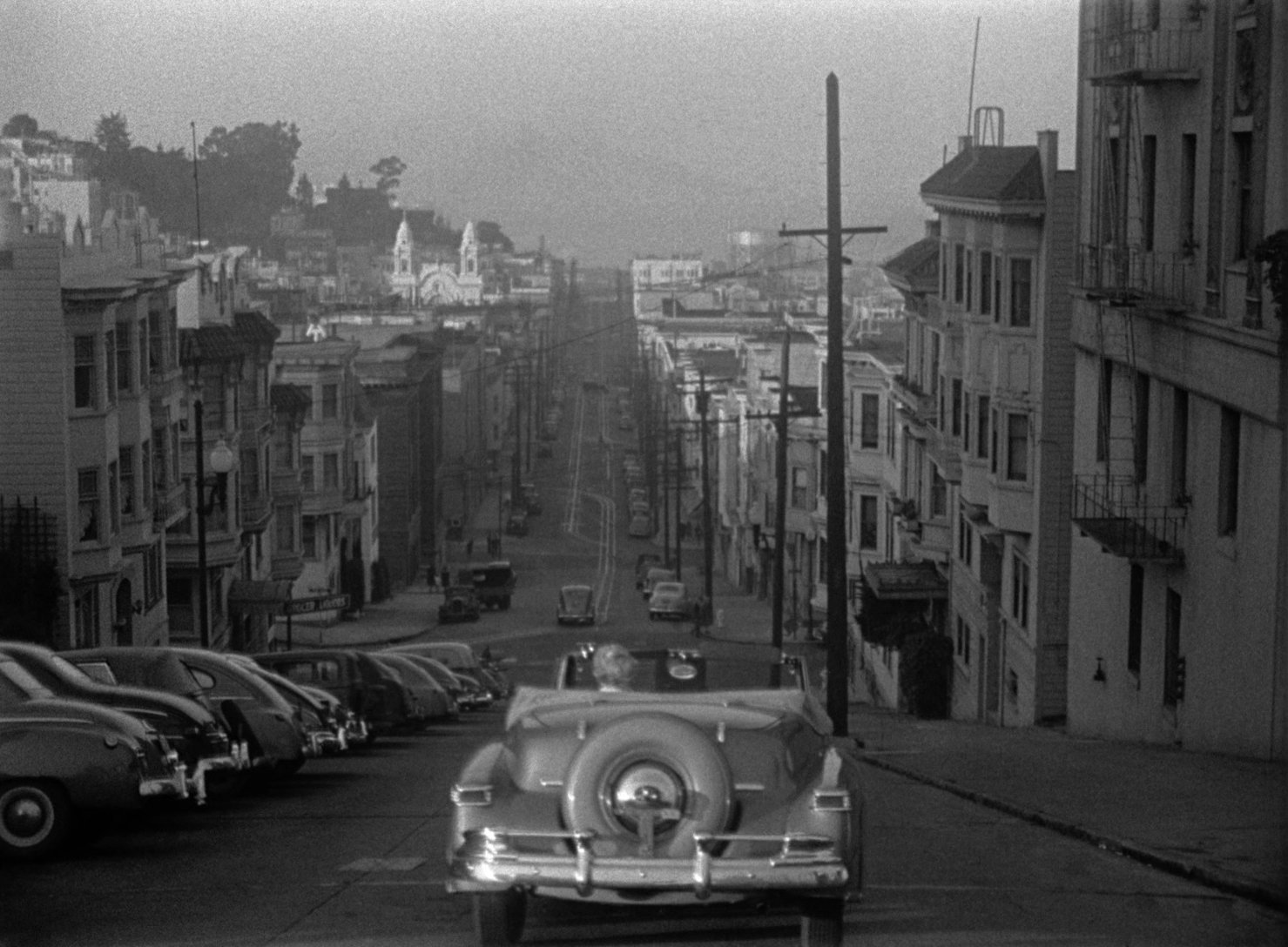
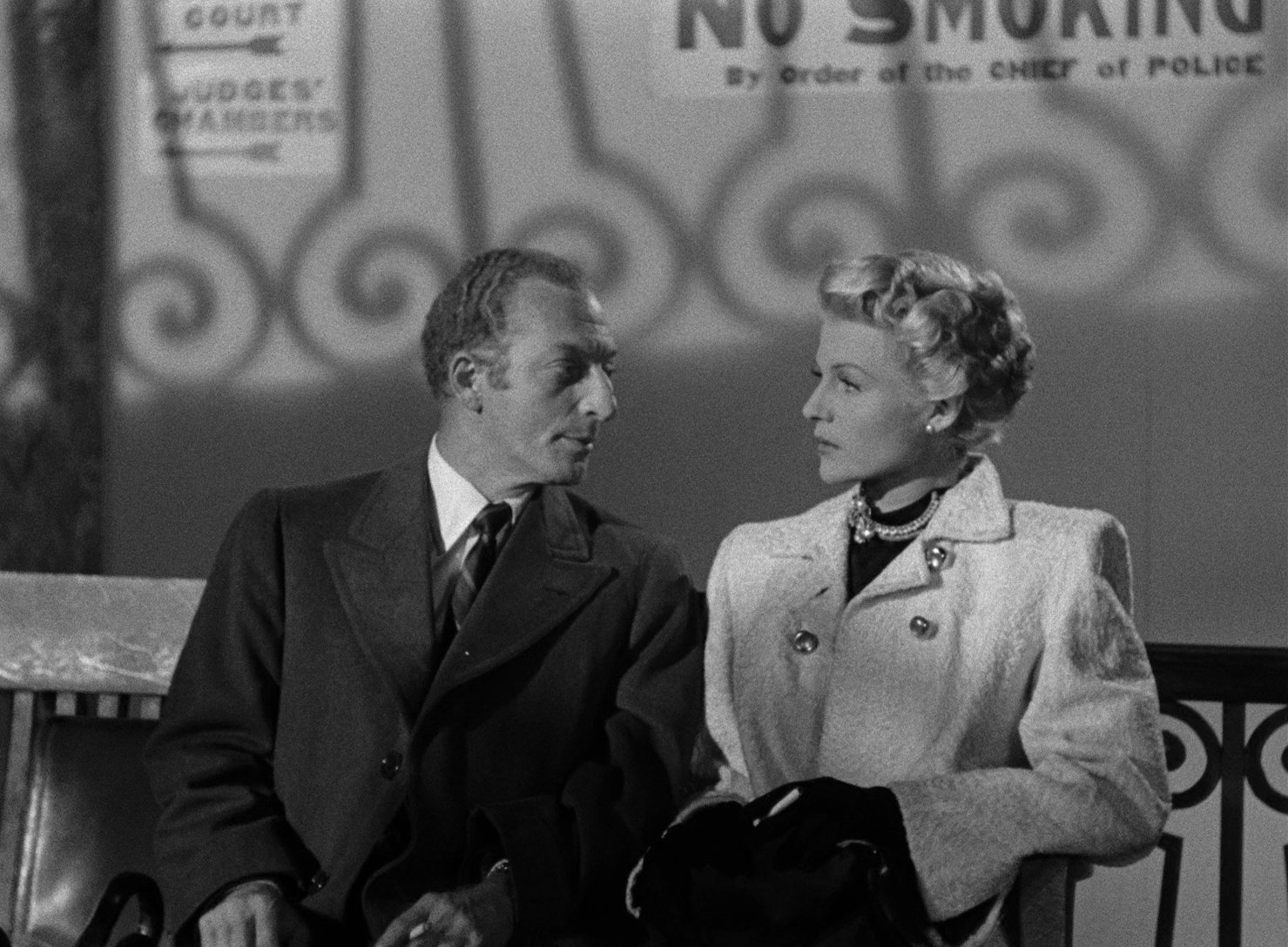
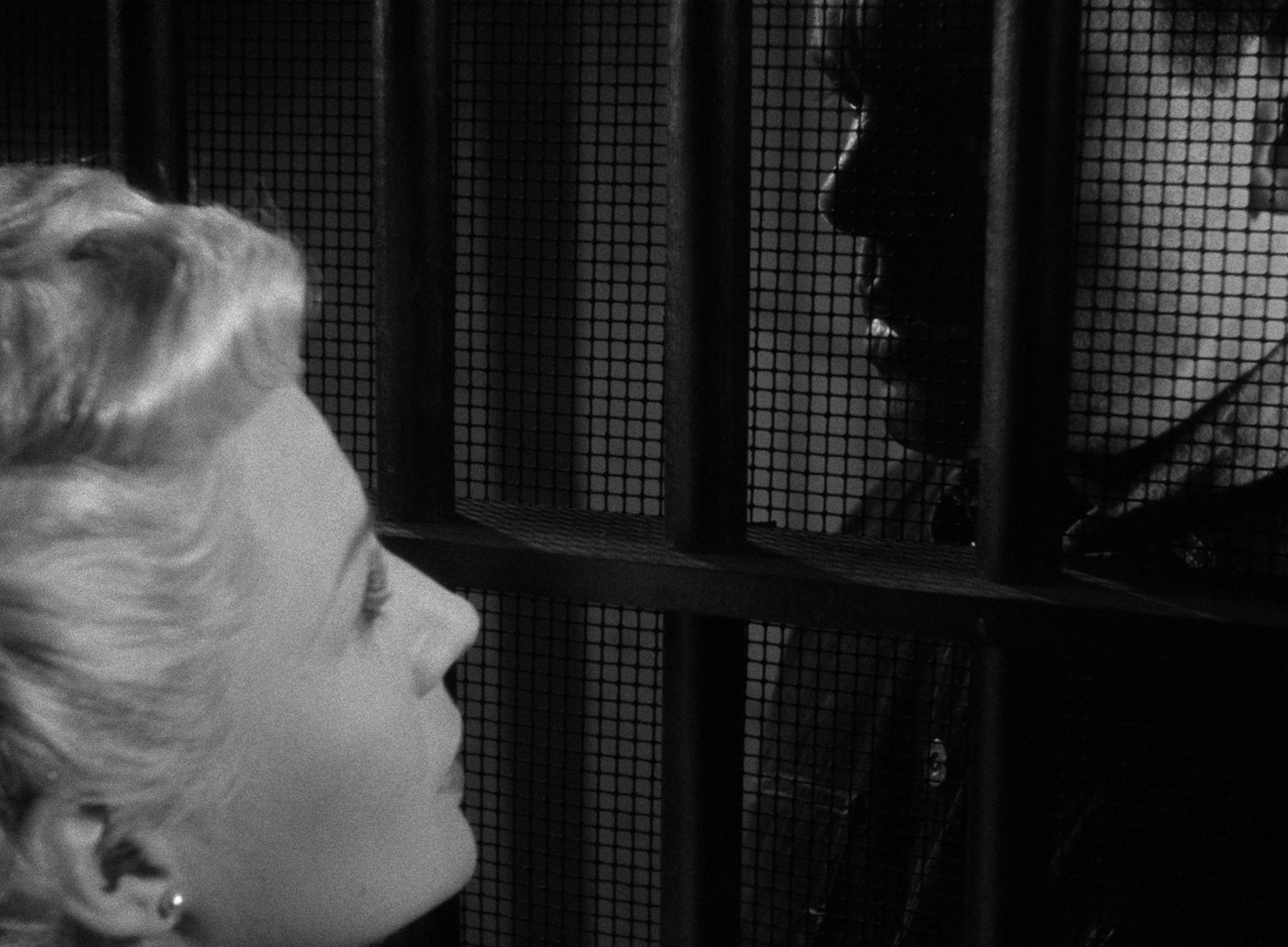
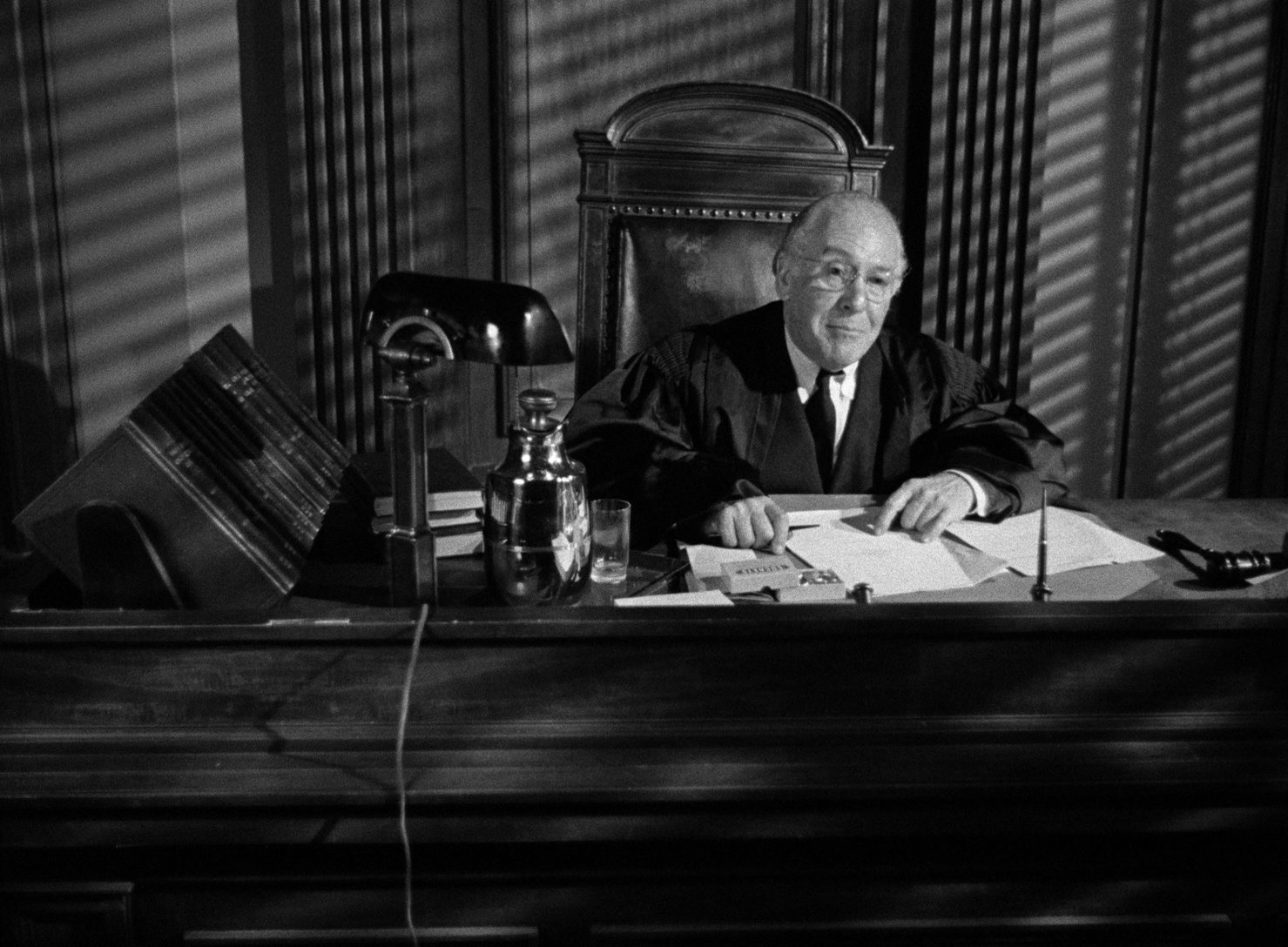
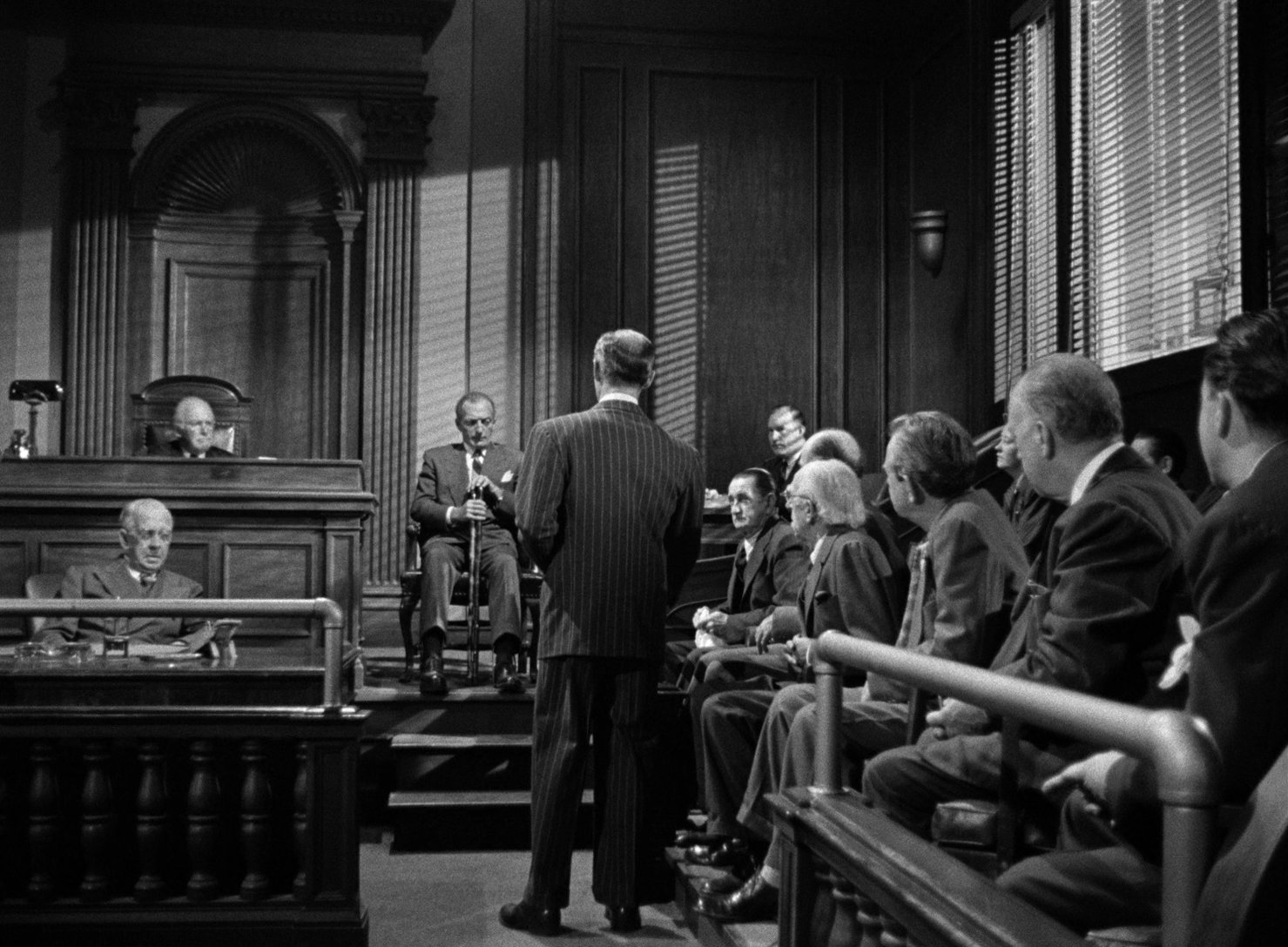
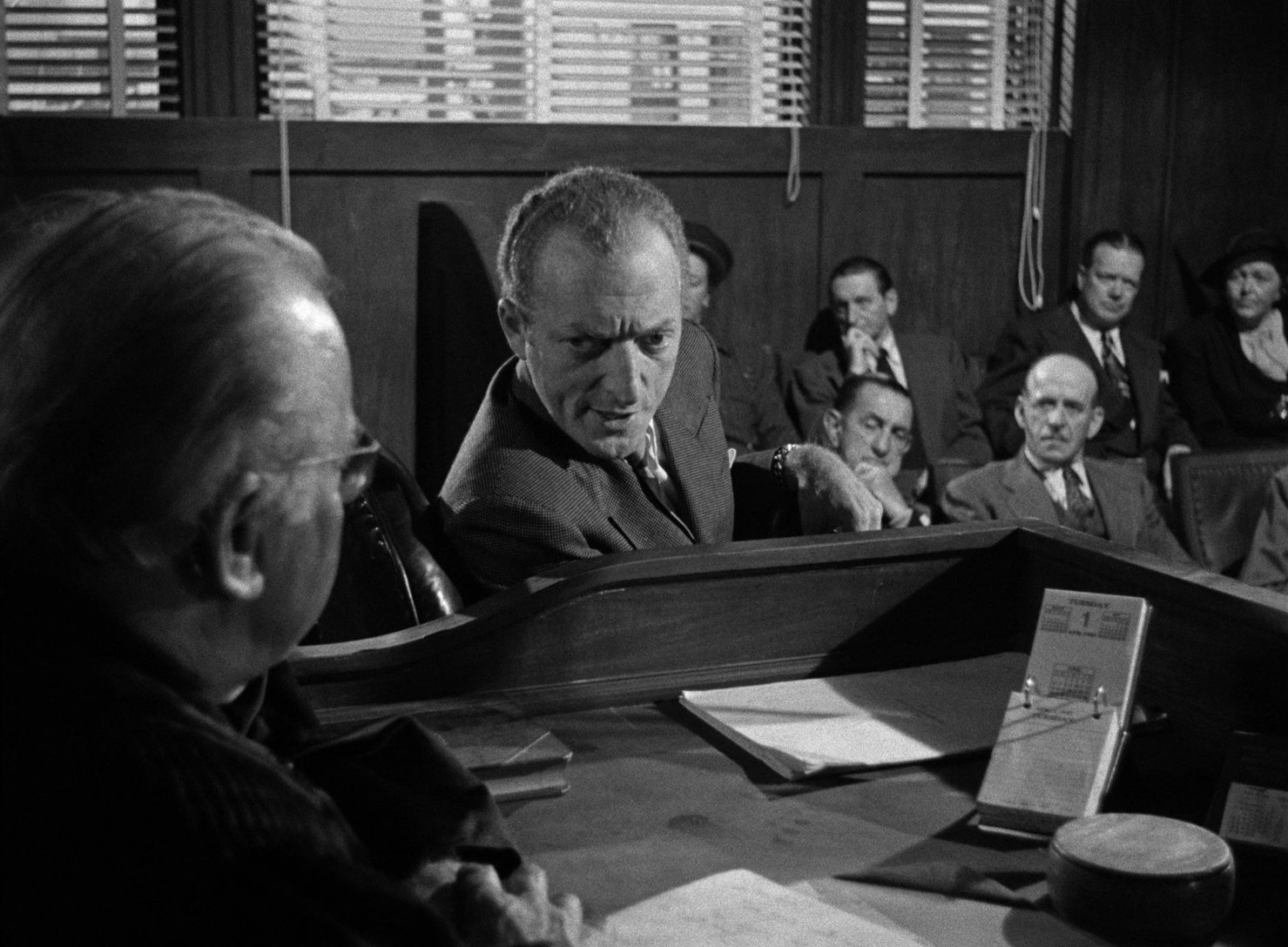
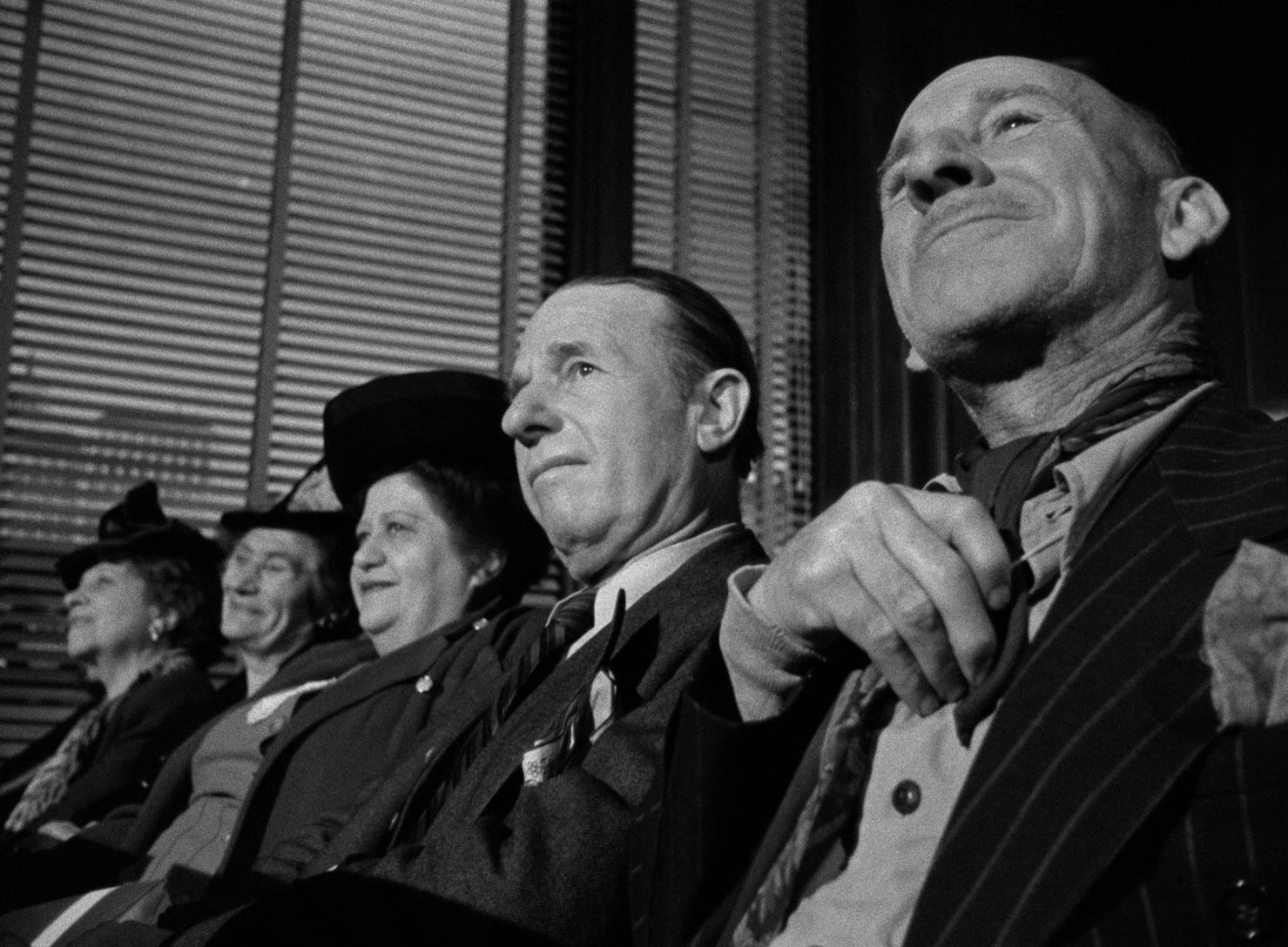
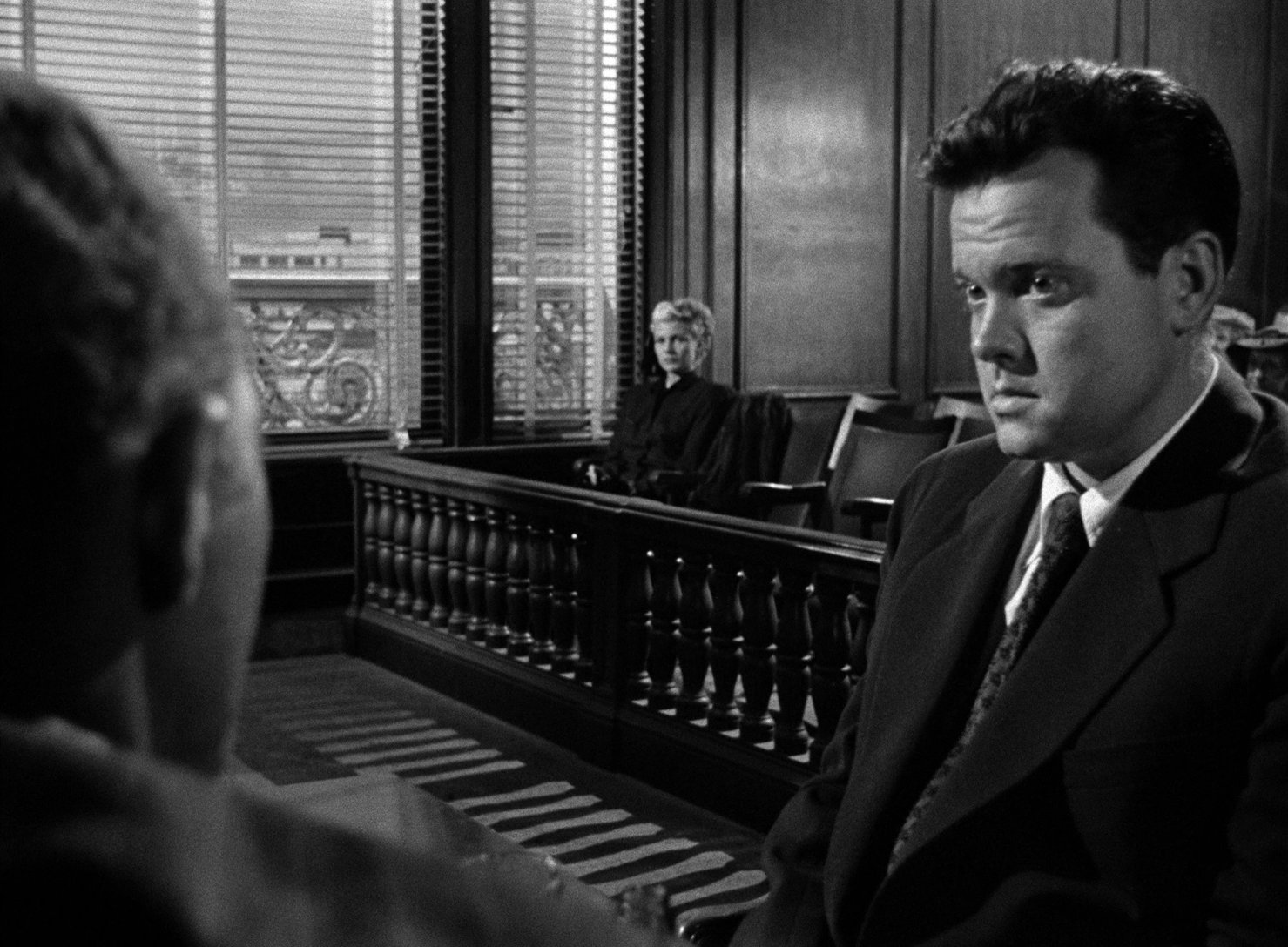
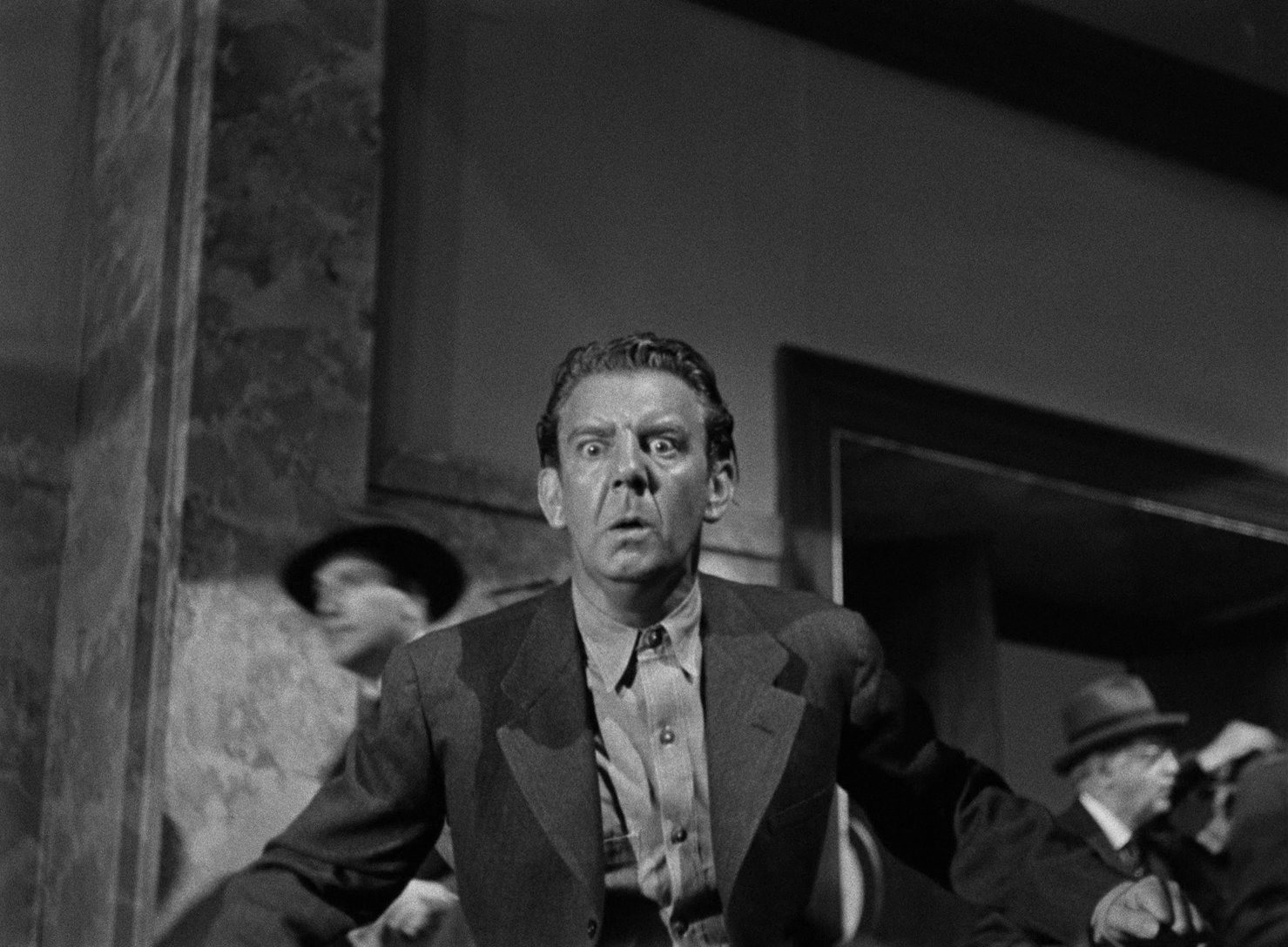
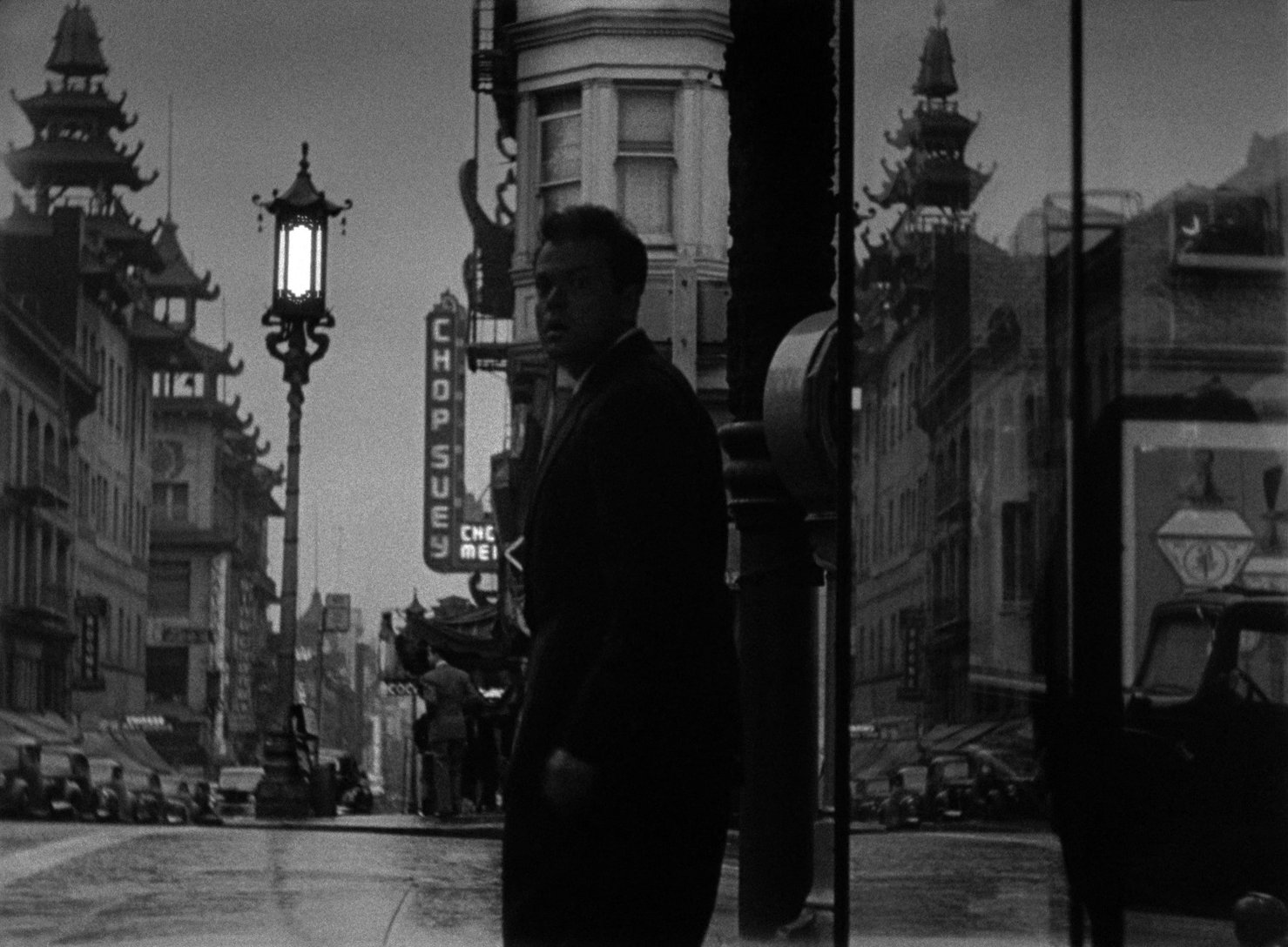
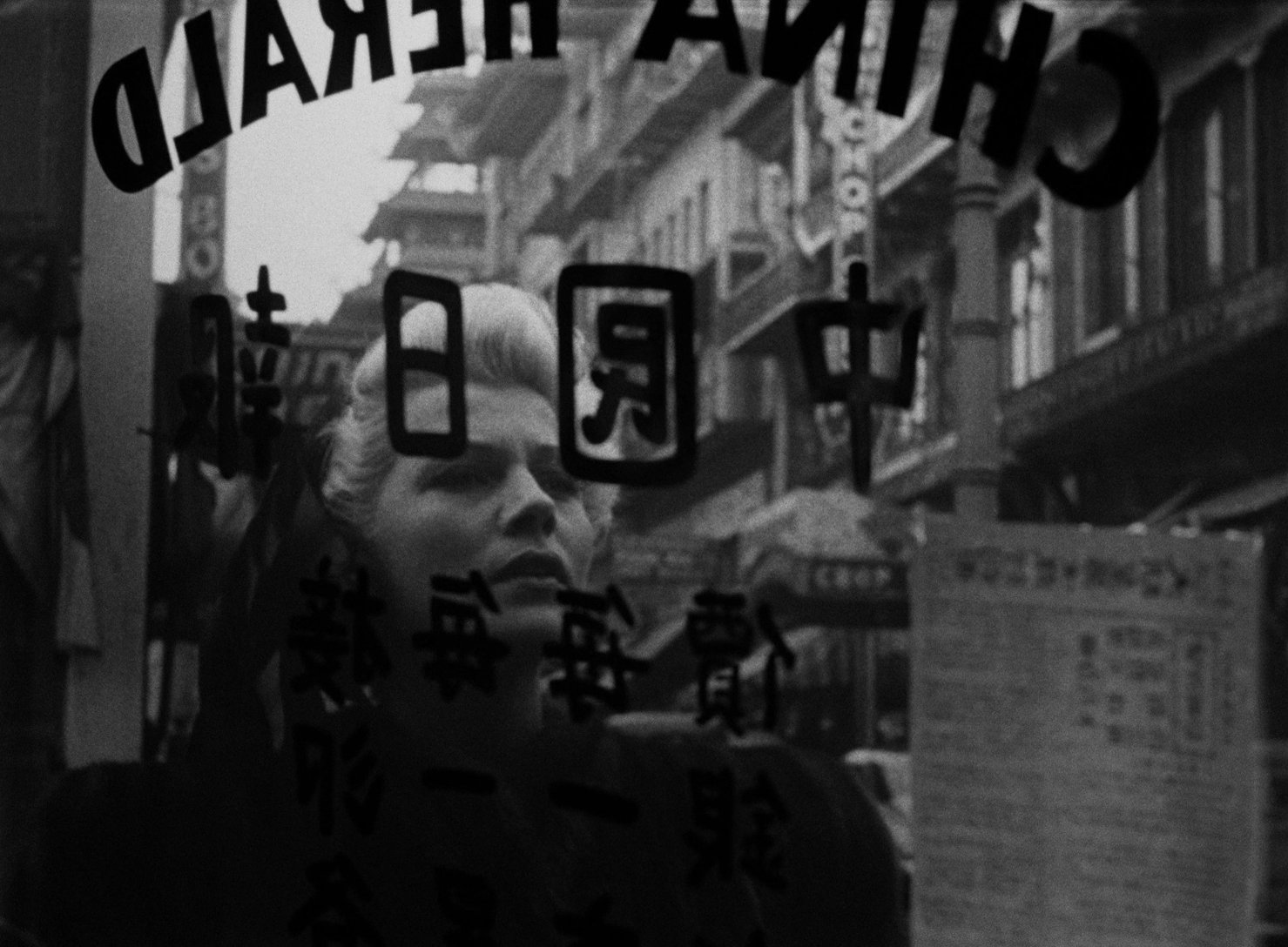
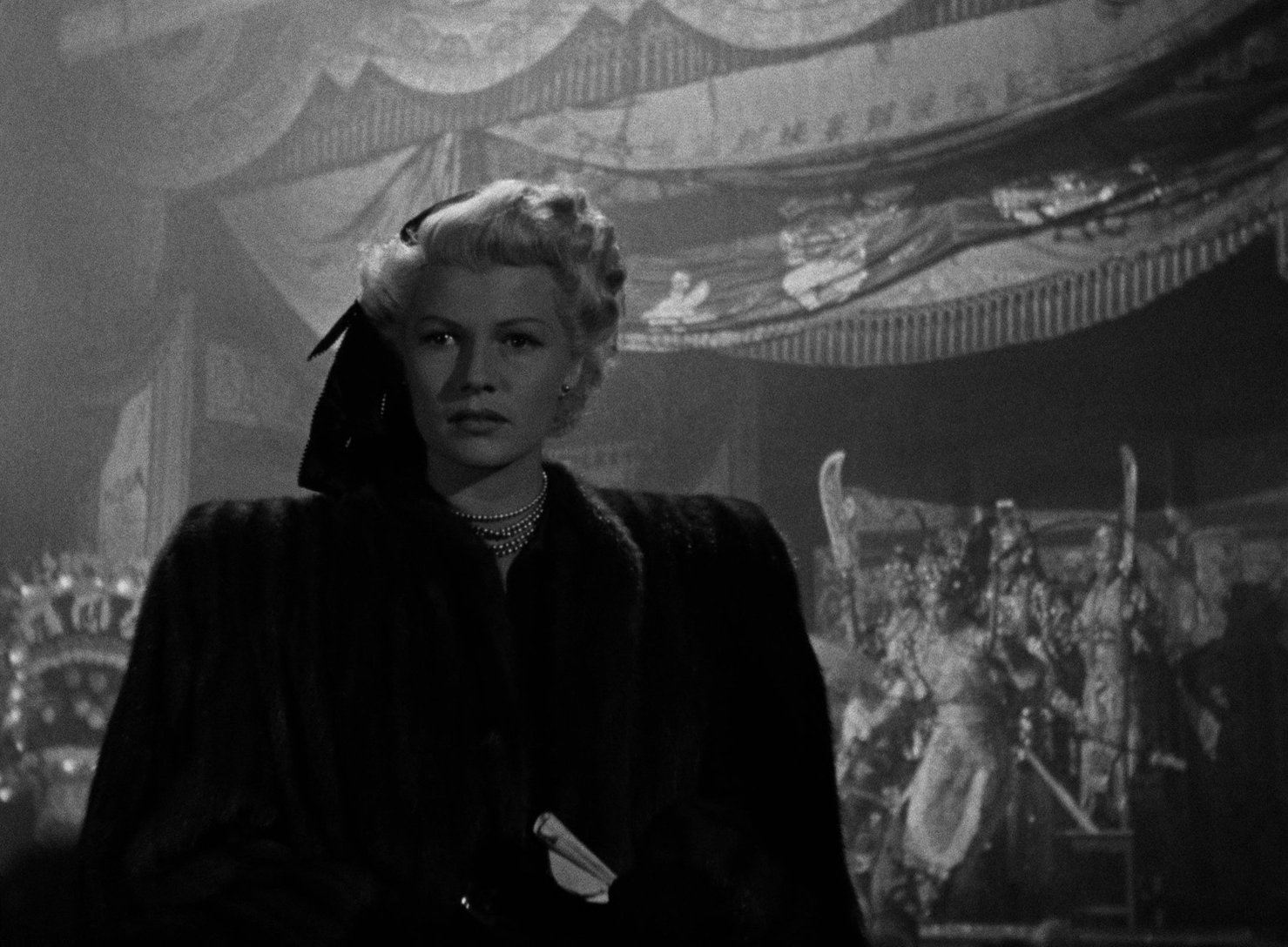
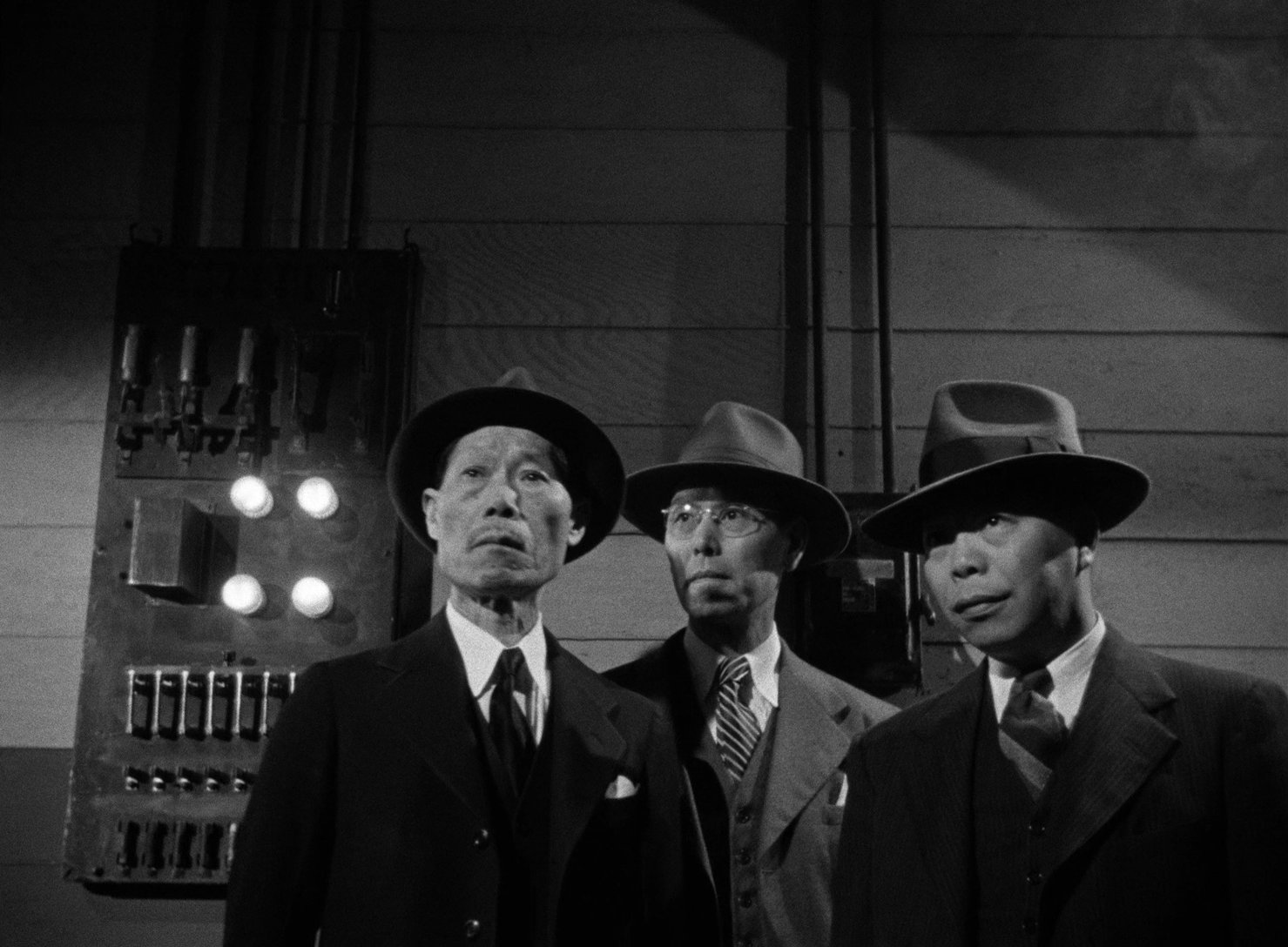
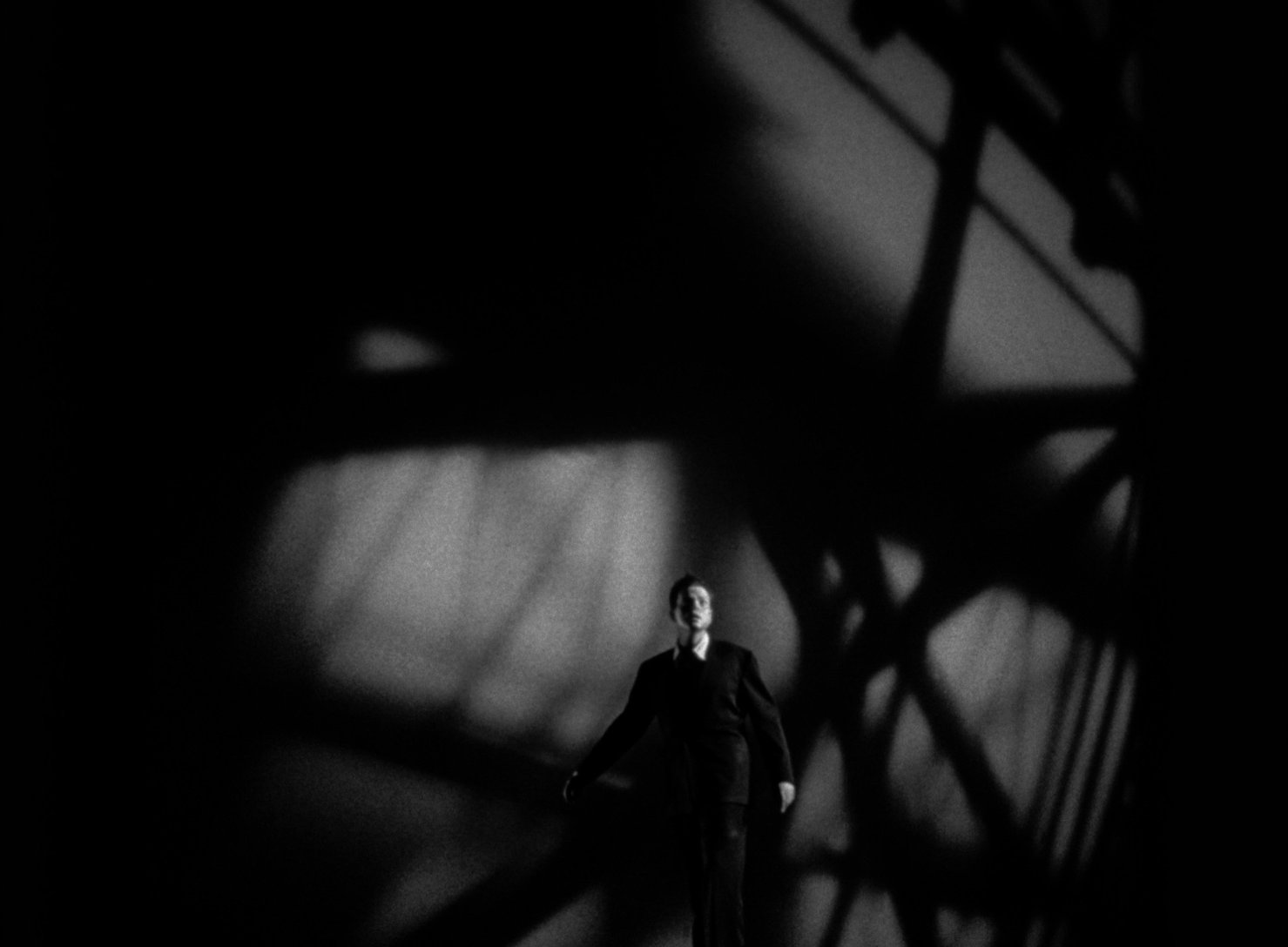
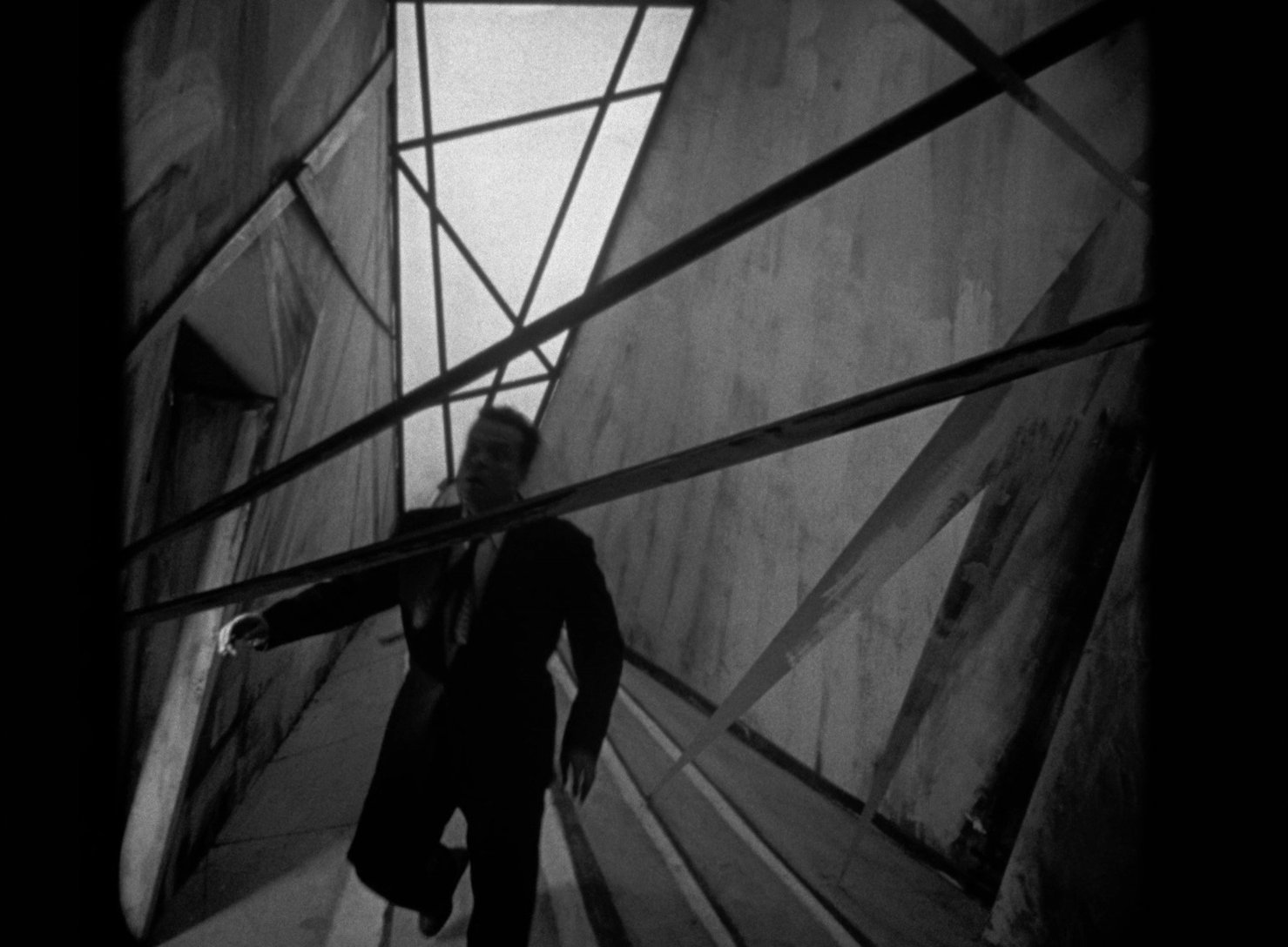
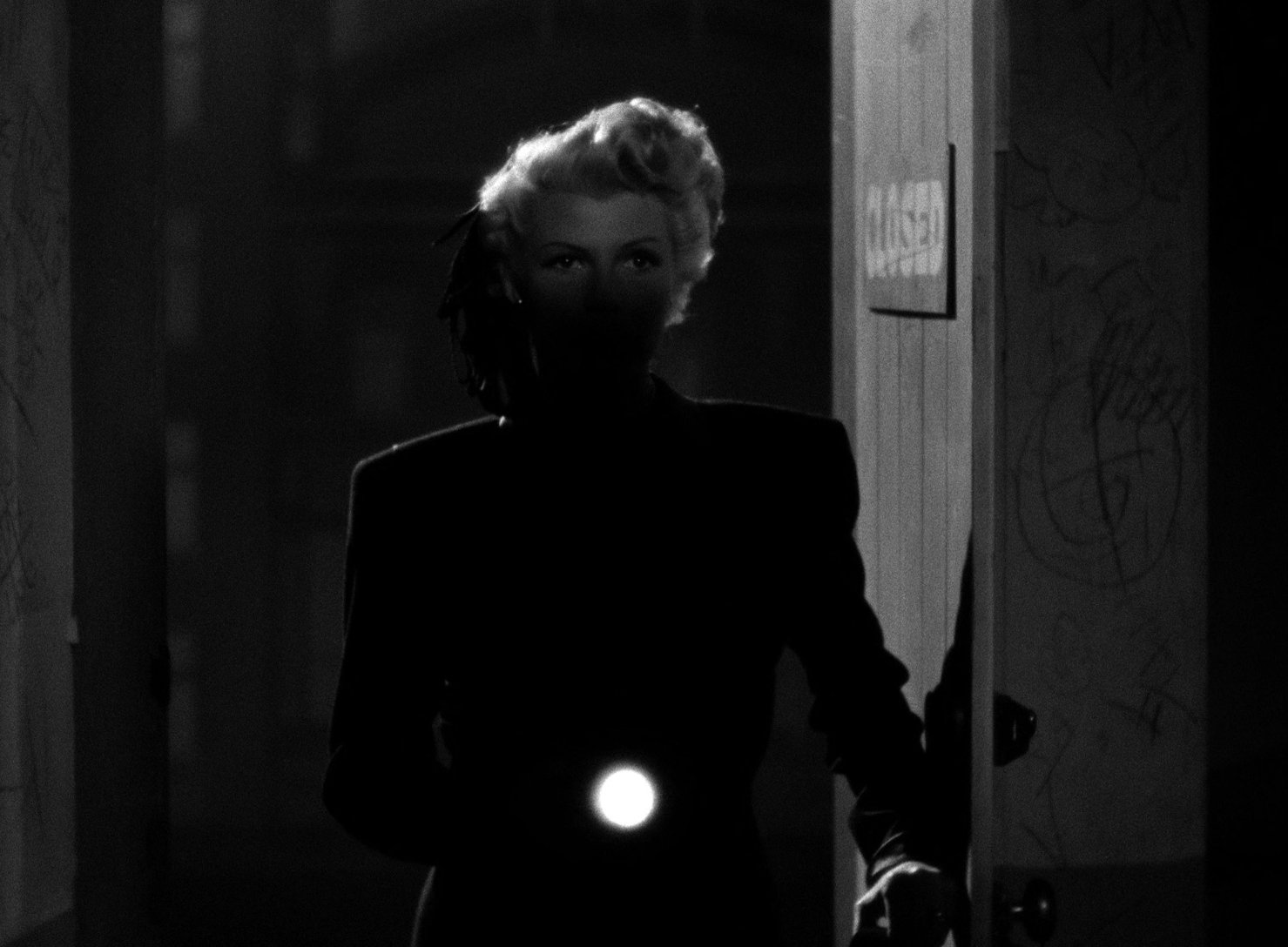
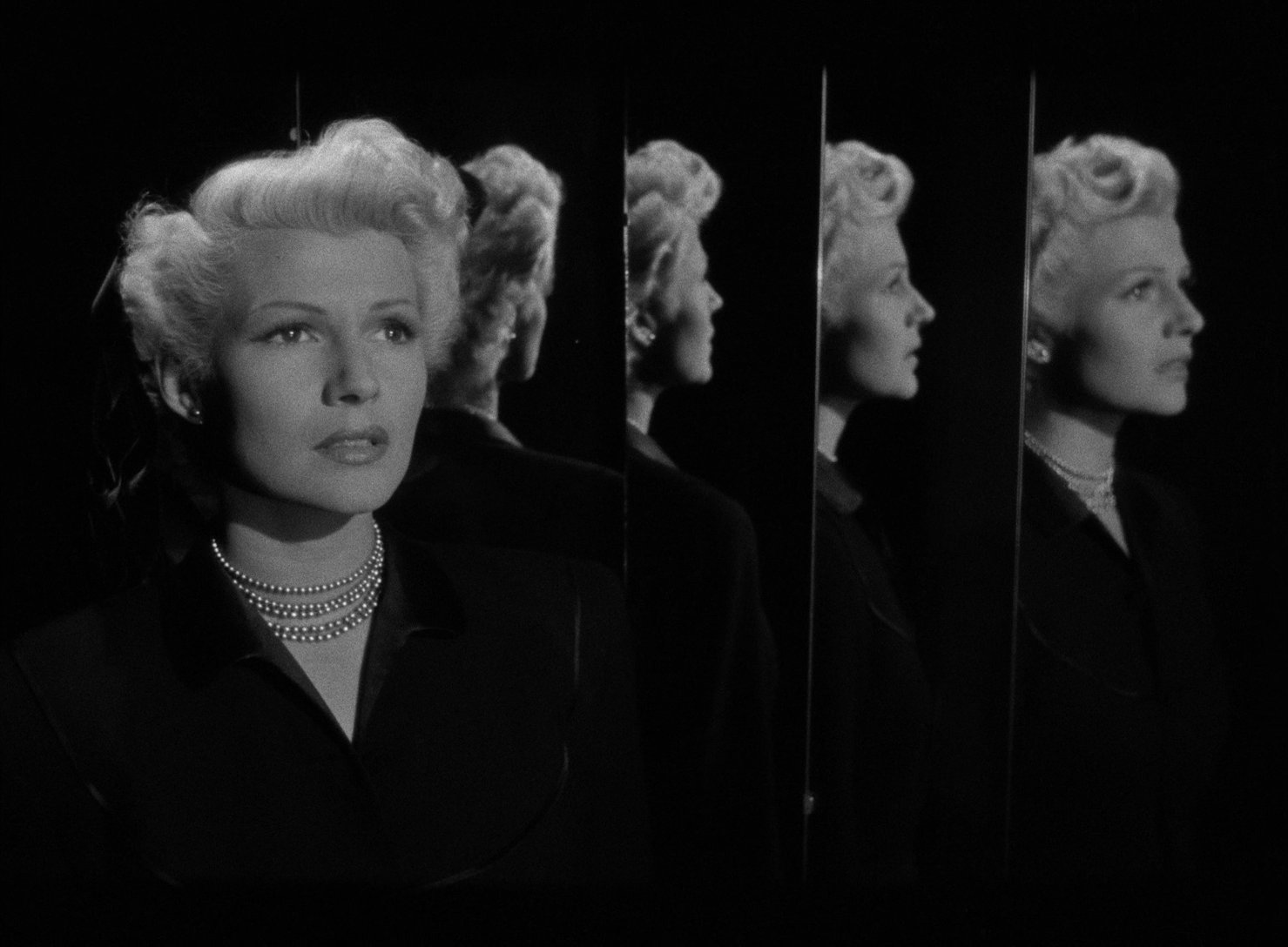
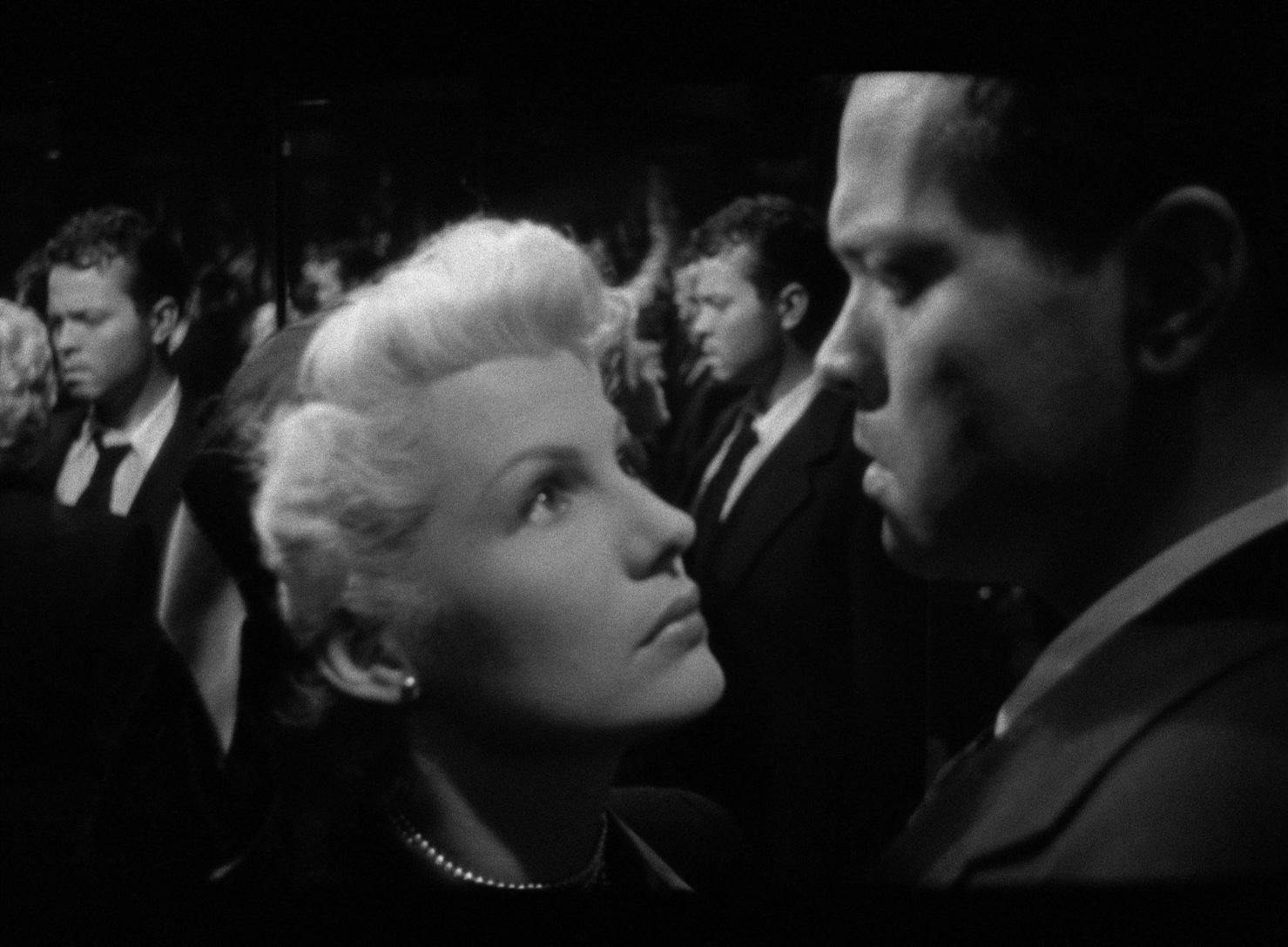
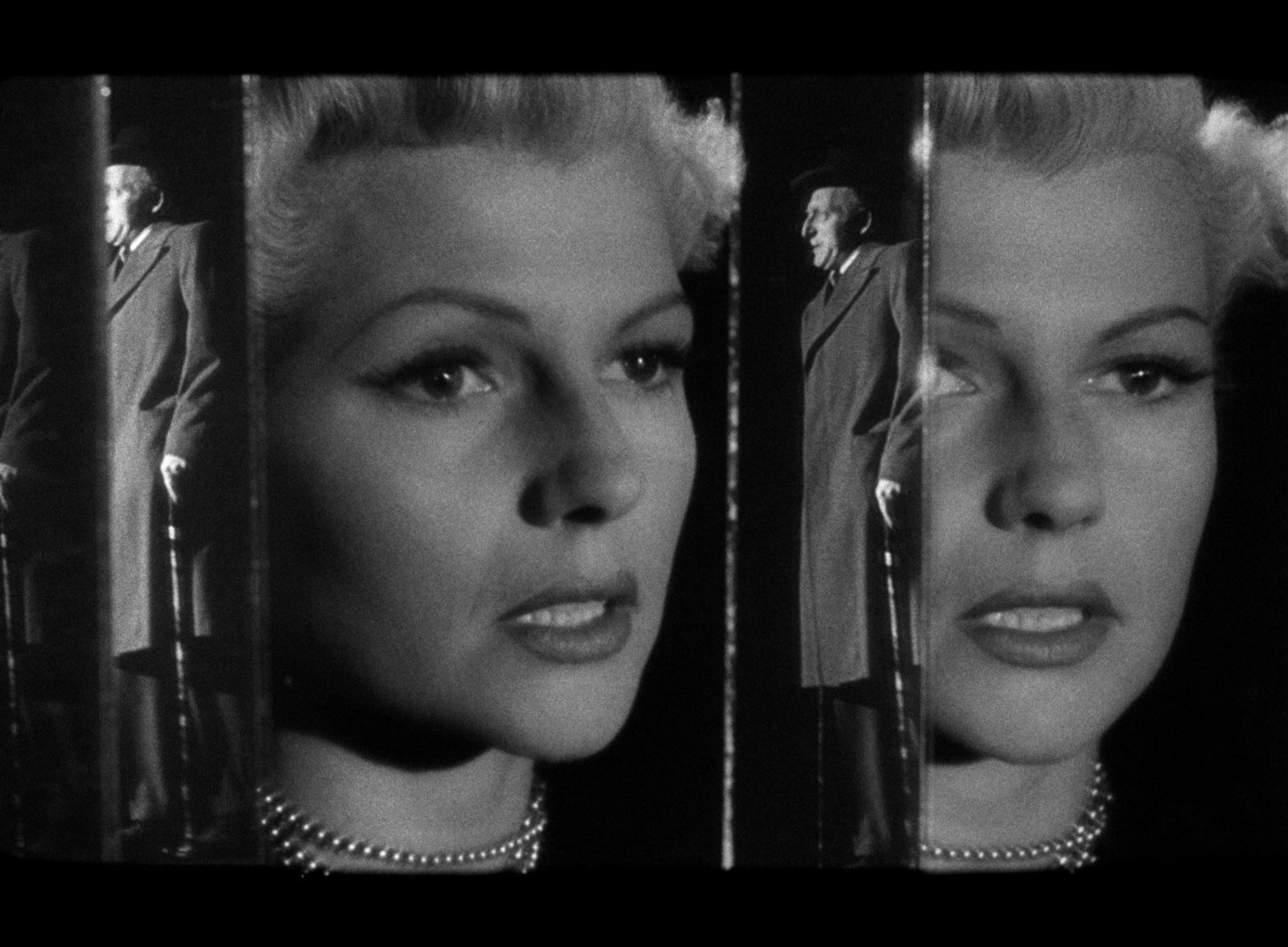
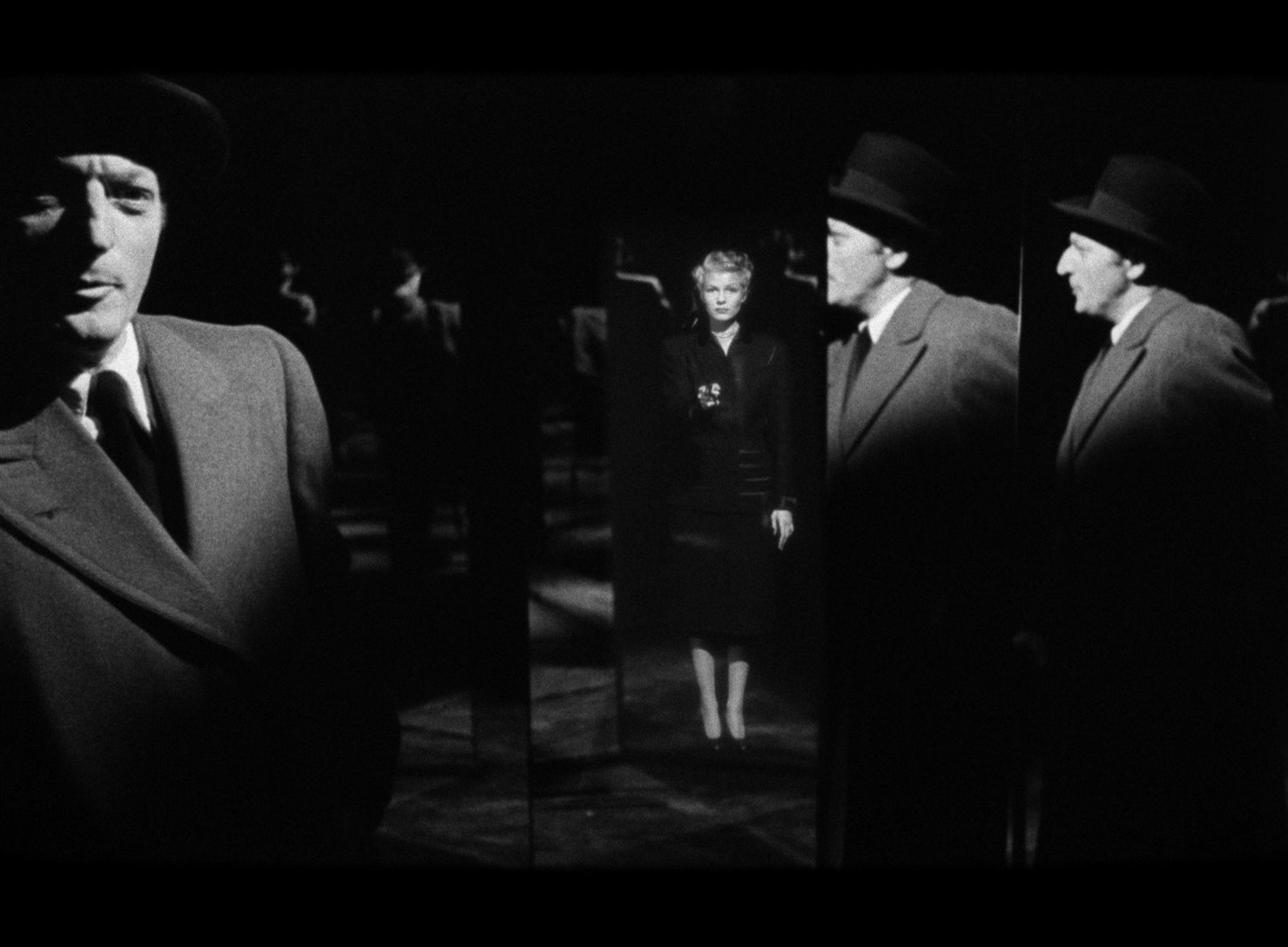
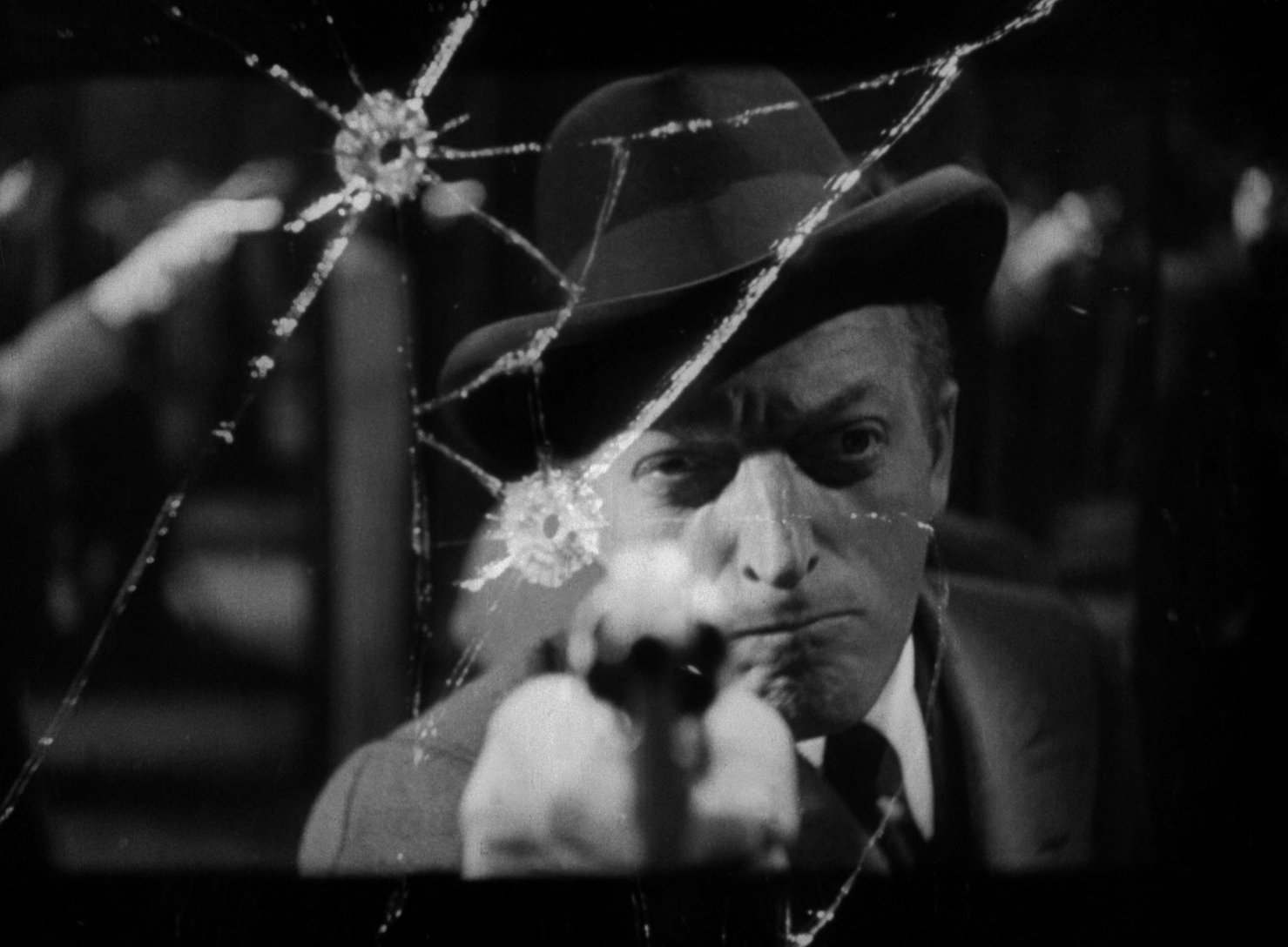
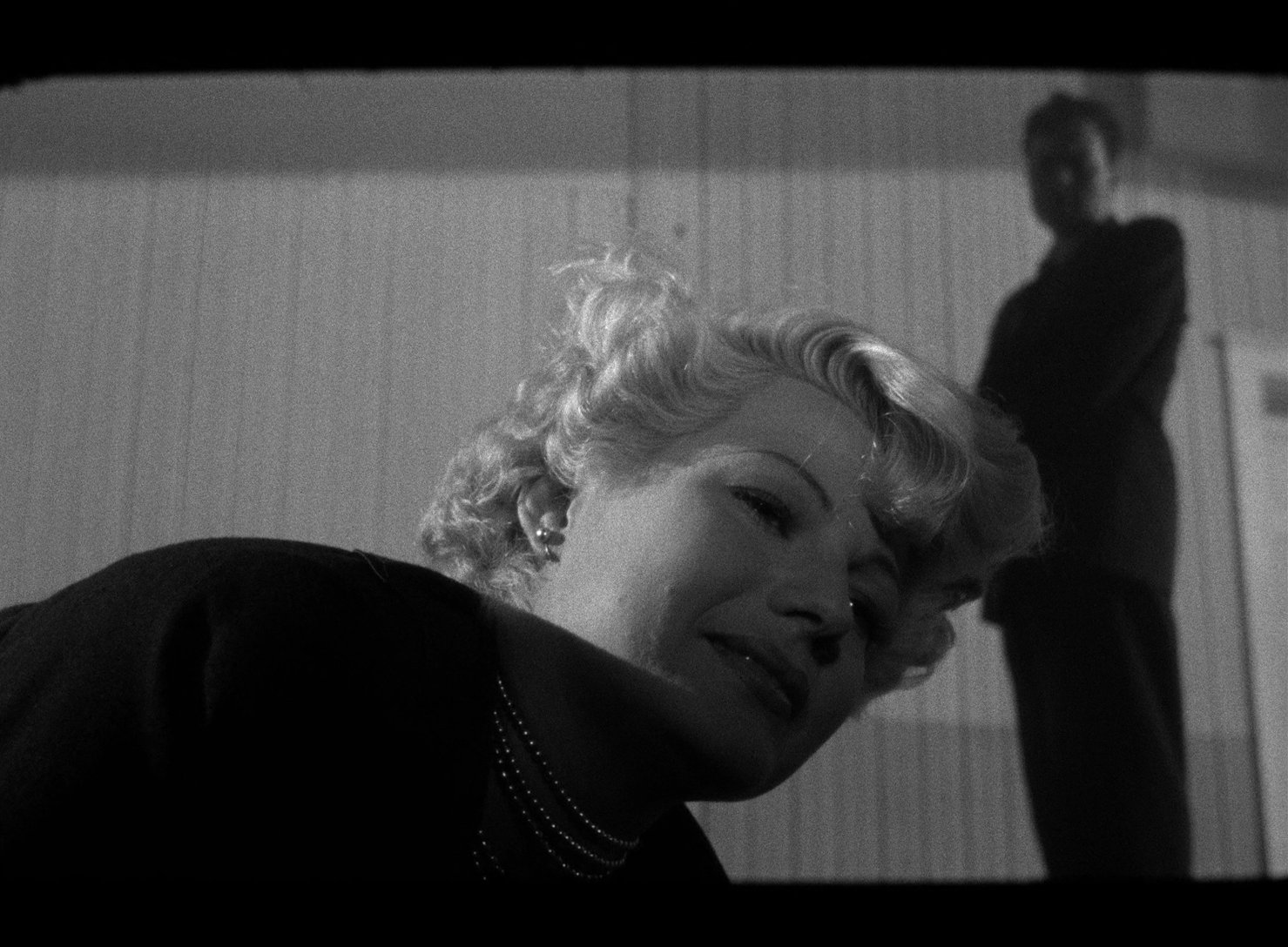
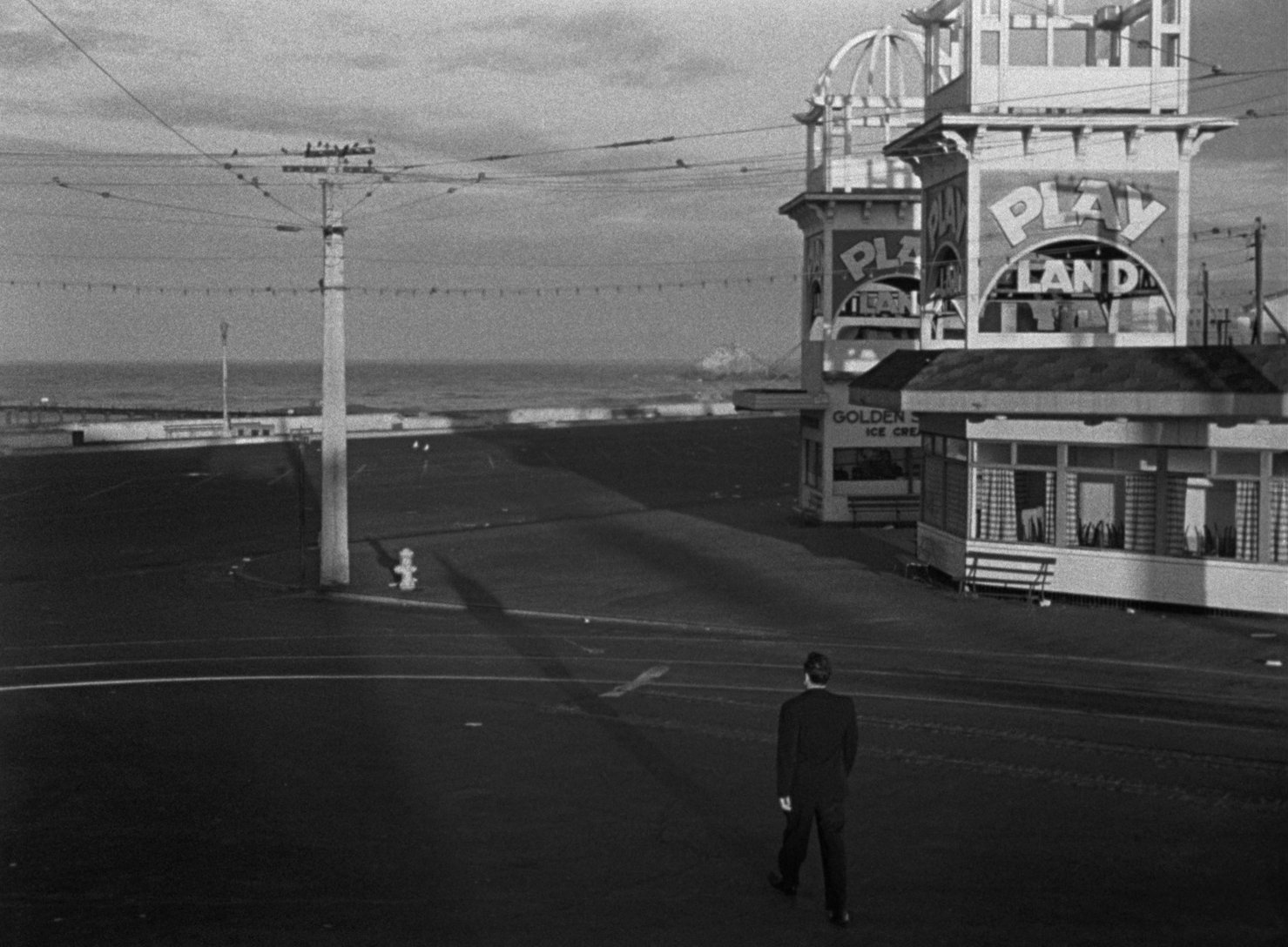
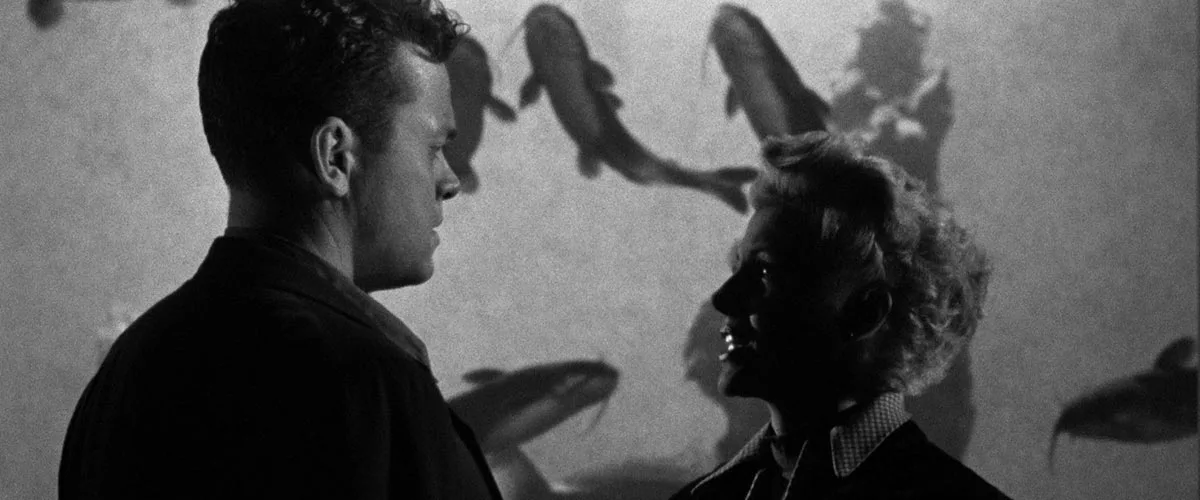
The film stands out within the film noir genre for its experimental visual approach. Welles frequently disrupts spatial continuity through unusual camera angles, distorted compositions, and fragmented editing. Spaces such as aquariums, courtrooms, and luxury interiors are framed to emphasize reflection, refraction, and visual instability rather than coherent space. This culminates in the famous hall-of-mirrors climax, where reflections multiply, disorienting both characters and spectators alike.
While rooted in noir conventions, The Lady from Shanghai pushes the genre towards formal experimentation. Its disjointed narrative structure and stylised mise-en-scène create a sense of instability that mirrors the characters’ duplicity, establishing it as one of the most visually unconventional films of classical Hollywood noir.
Technical Specs:
- The Story: A drifter becomes entangled with a seductive woman and her wealthy, manipulative husband, drawing him into a web of deceit, murder, and betrayal that spirals toward a hall of mirrors. Read my review of The Lady From Shanghai.
- Actors: Orson Welles, Rita Hayworth, Everett Sloane, Glenn Anders, Ted de Corsia, Erskine Sanford, Gus Schilling.
- Director: Orson Welles
- Year: 1947
- Cinematographer: Charles Lawton Jr. (Rudolph Maté and Joseph Walker are uncredited)
- Origin: American Cinema
- Aspect Ratio: 1.37:1
- Genre: Crime & Mystery