In a Lonely Place (1950): Noir fatalism
1950 • Nicholas Ray • 1.37:1 • Jump to Gallery ↓
In a Lonely Place, directed by Nicholas Ray, is an adaptation of the novel by Dorothy B. Hughes. The story centres on a volatile screenwriter who becomes the prime suspect in a murder investigation, while the fragile beginnings of a romance slowly corrode under the pressure of suspicion and self-destructive rage.
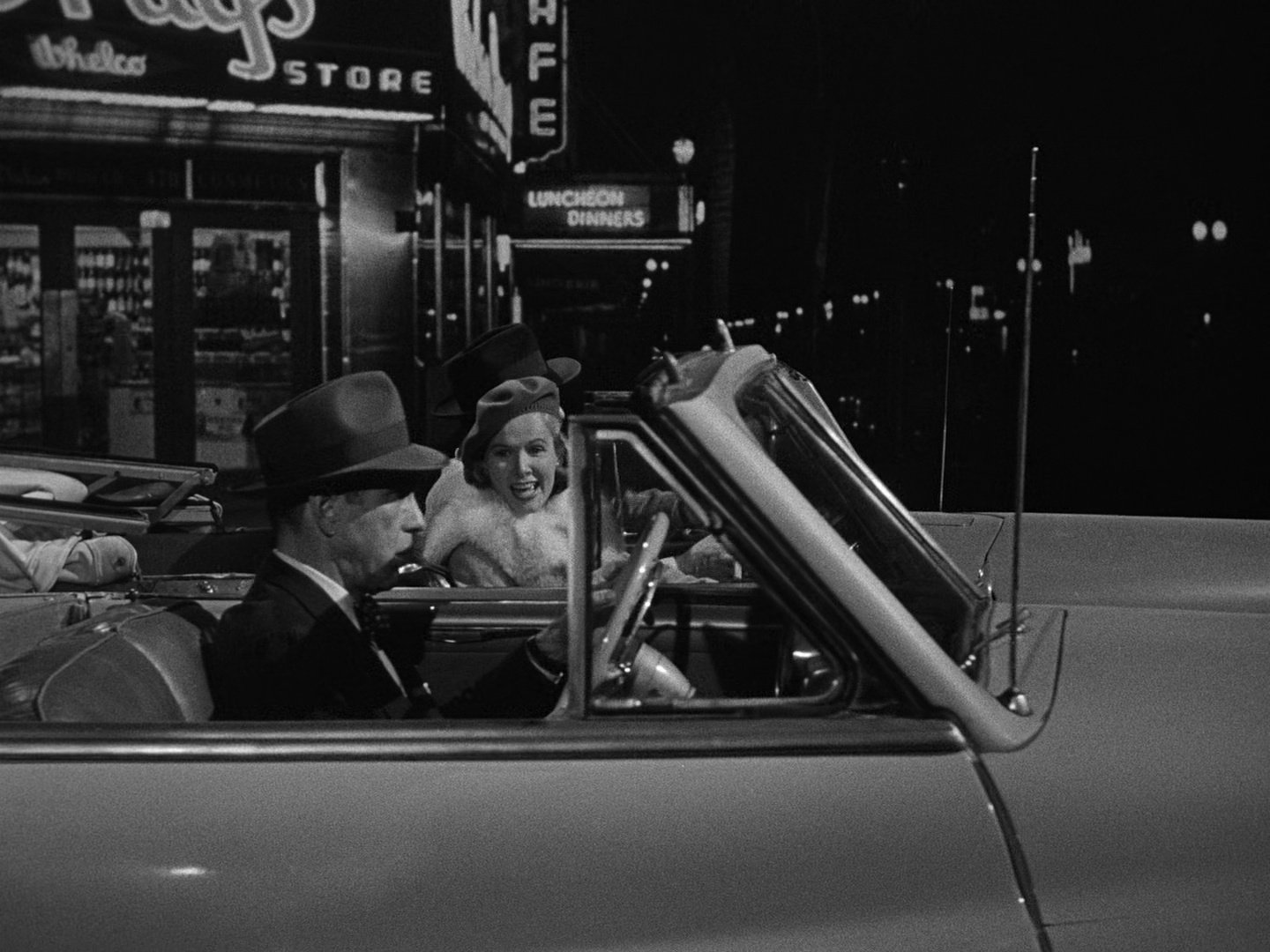
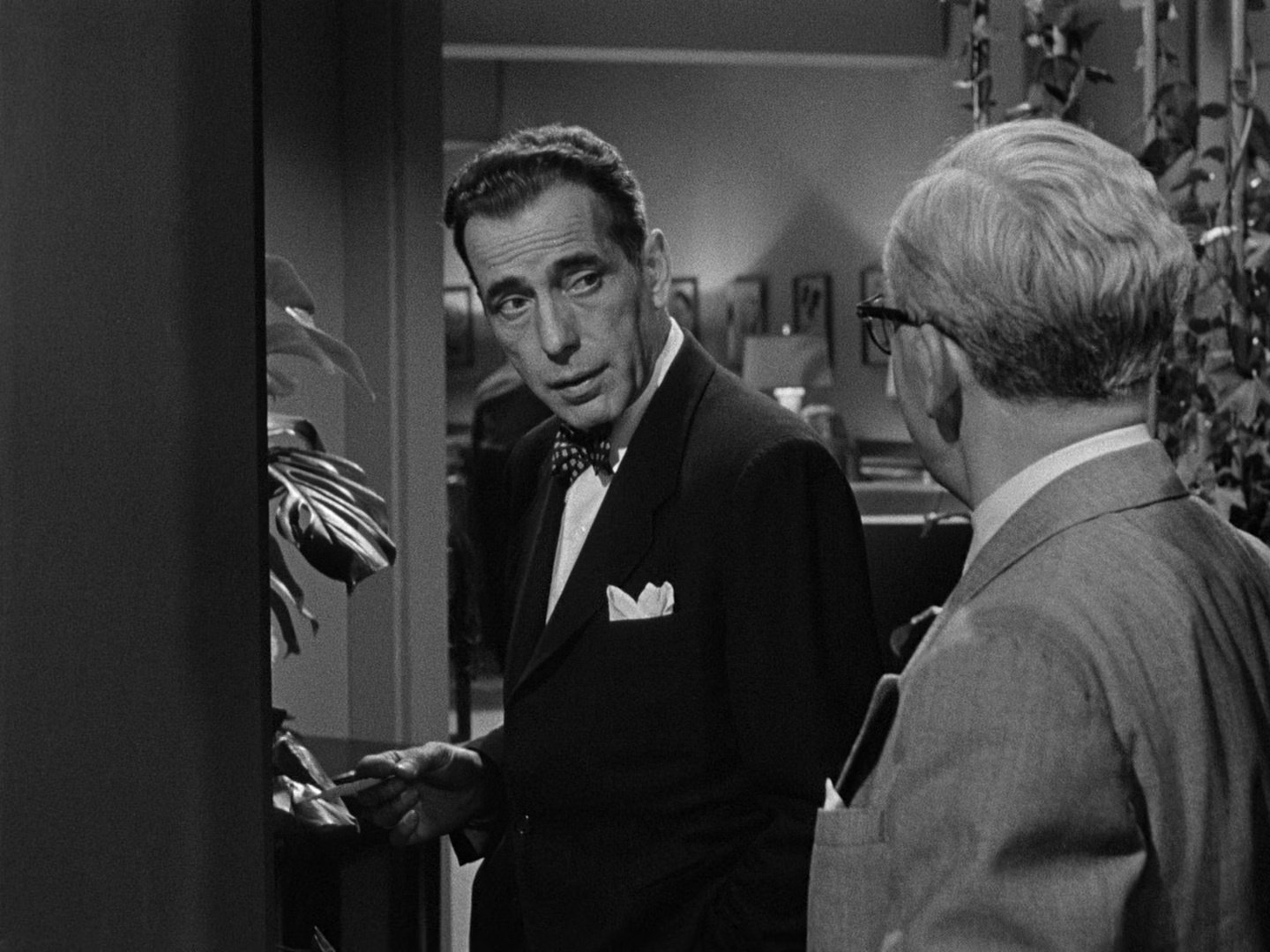
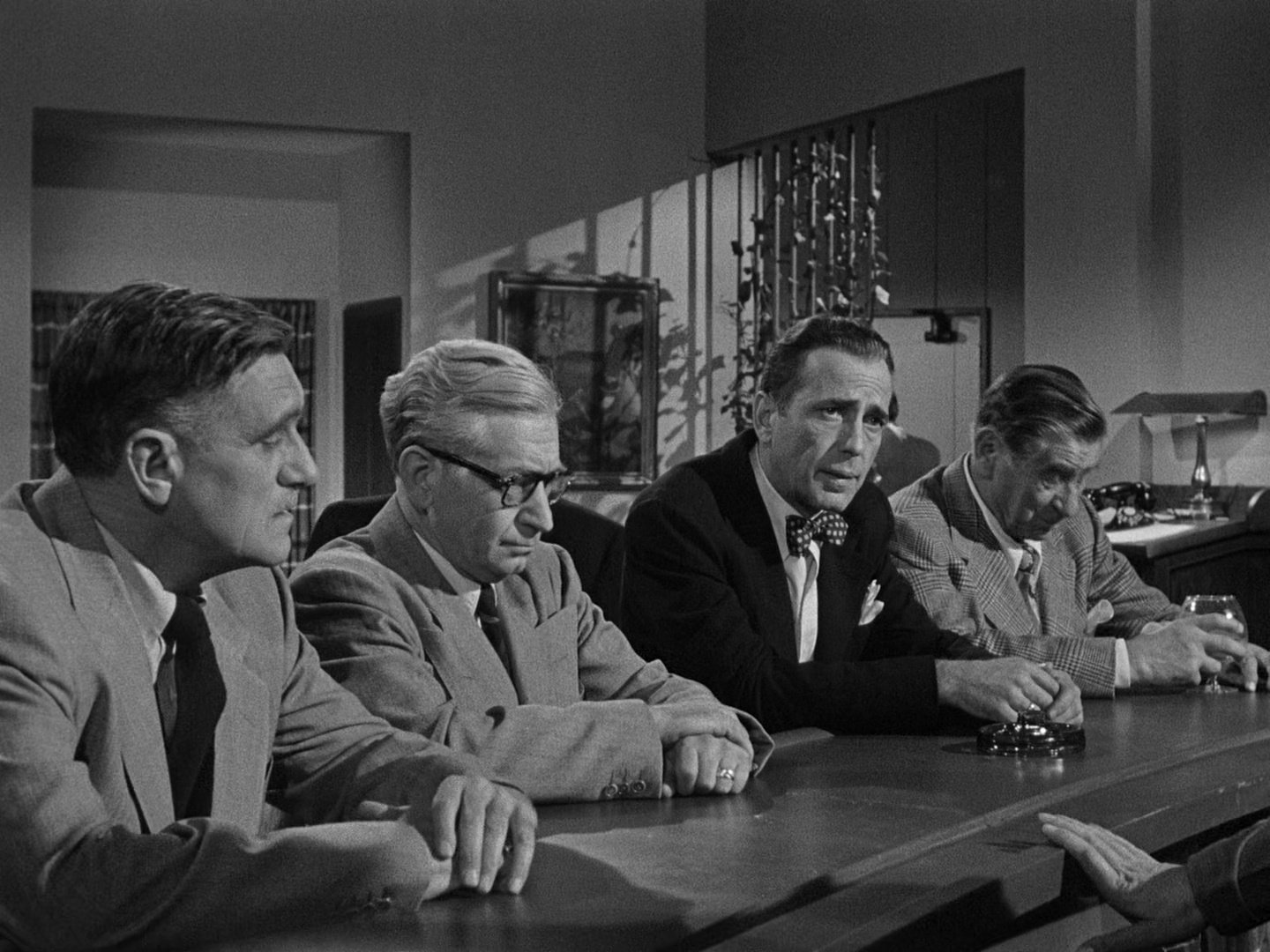
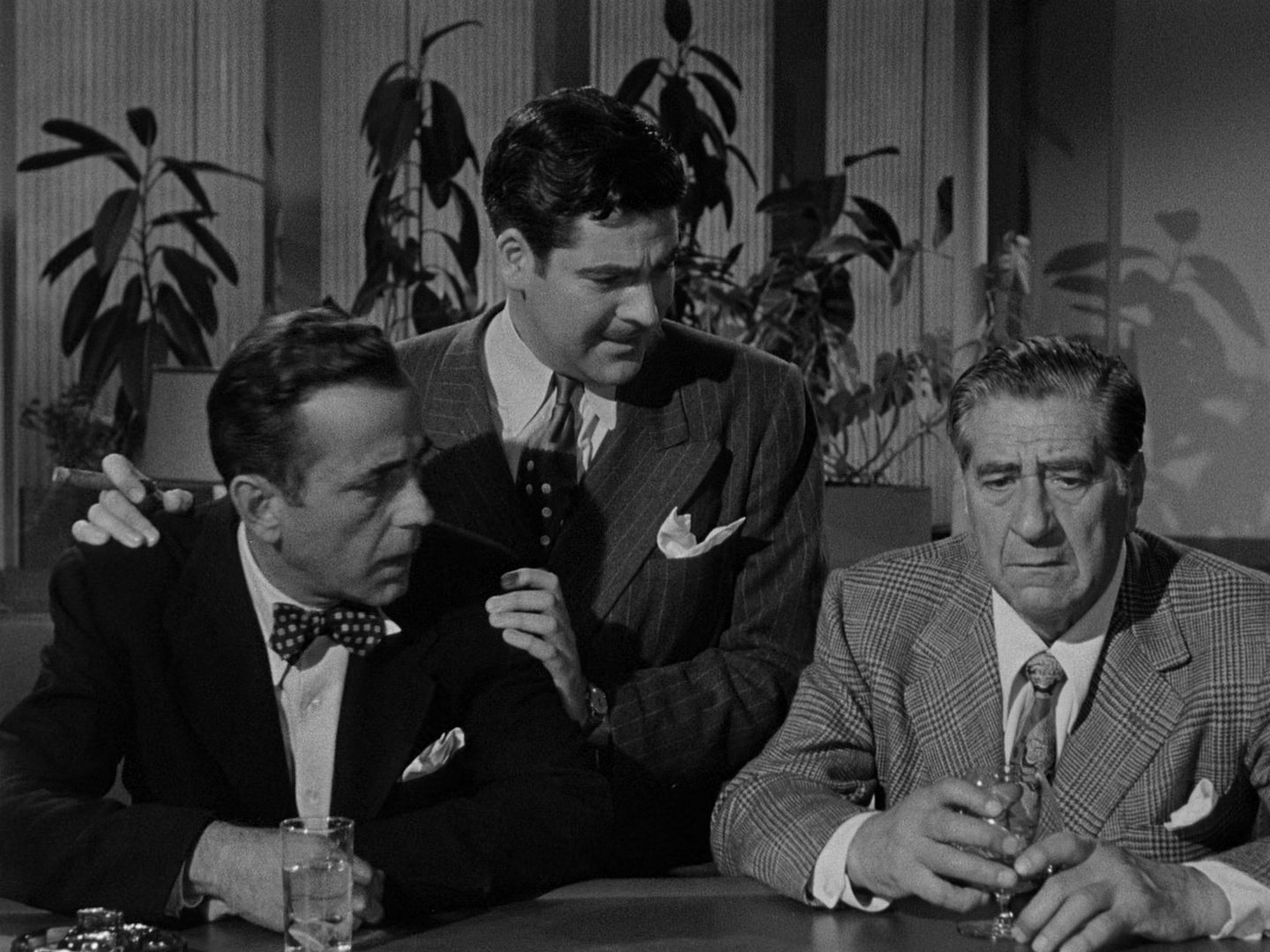
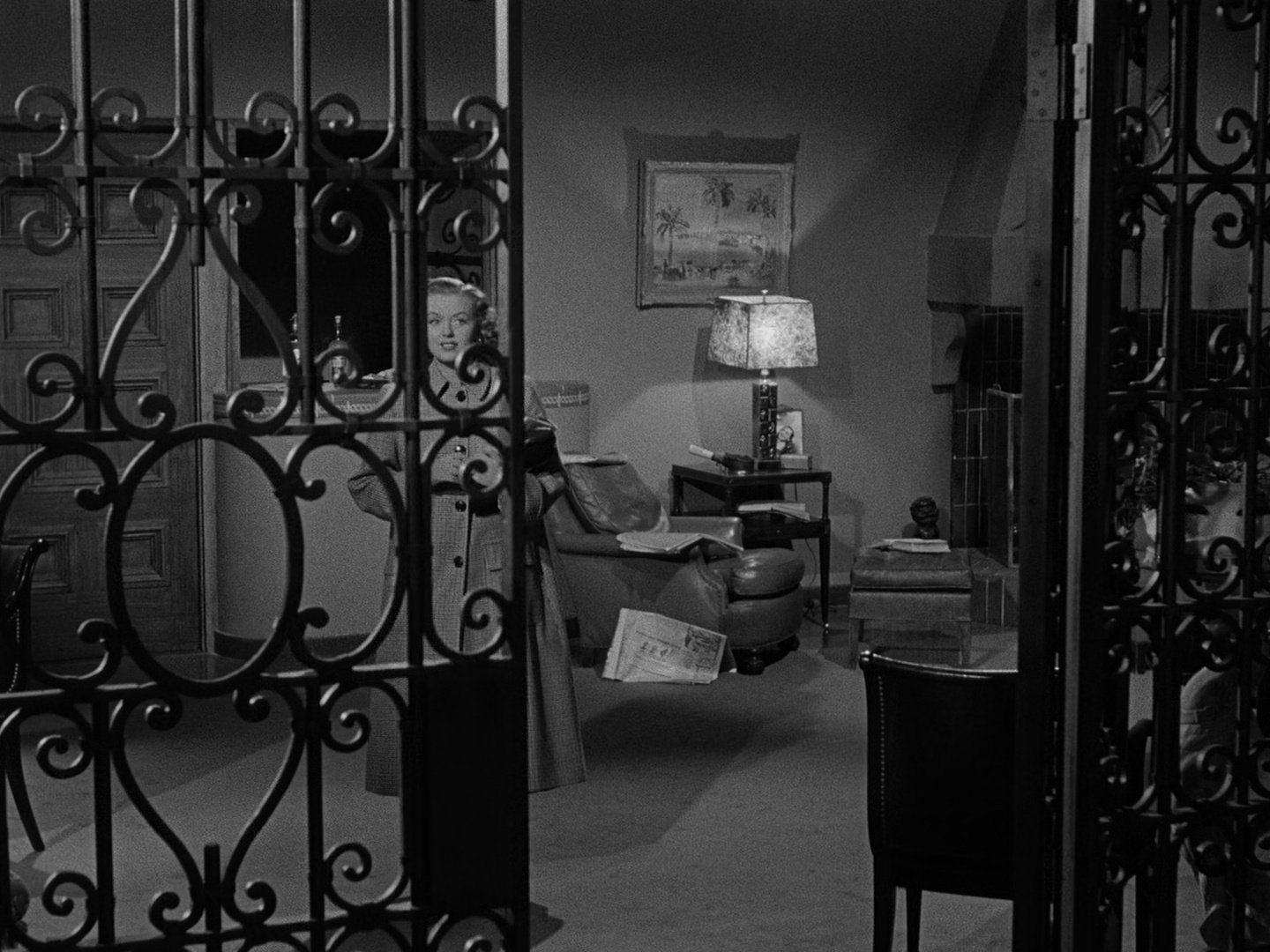
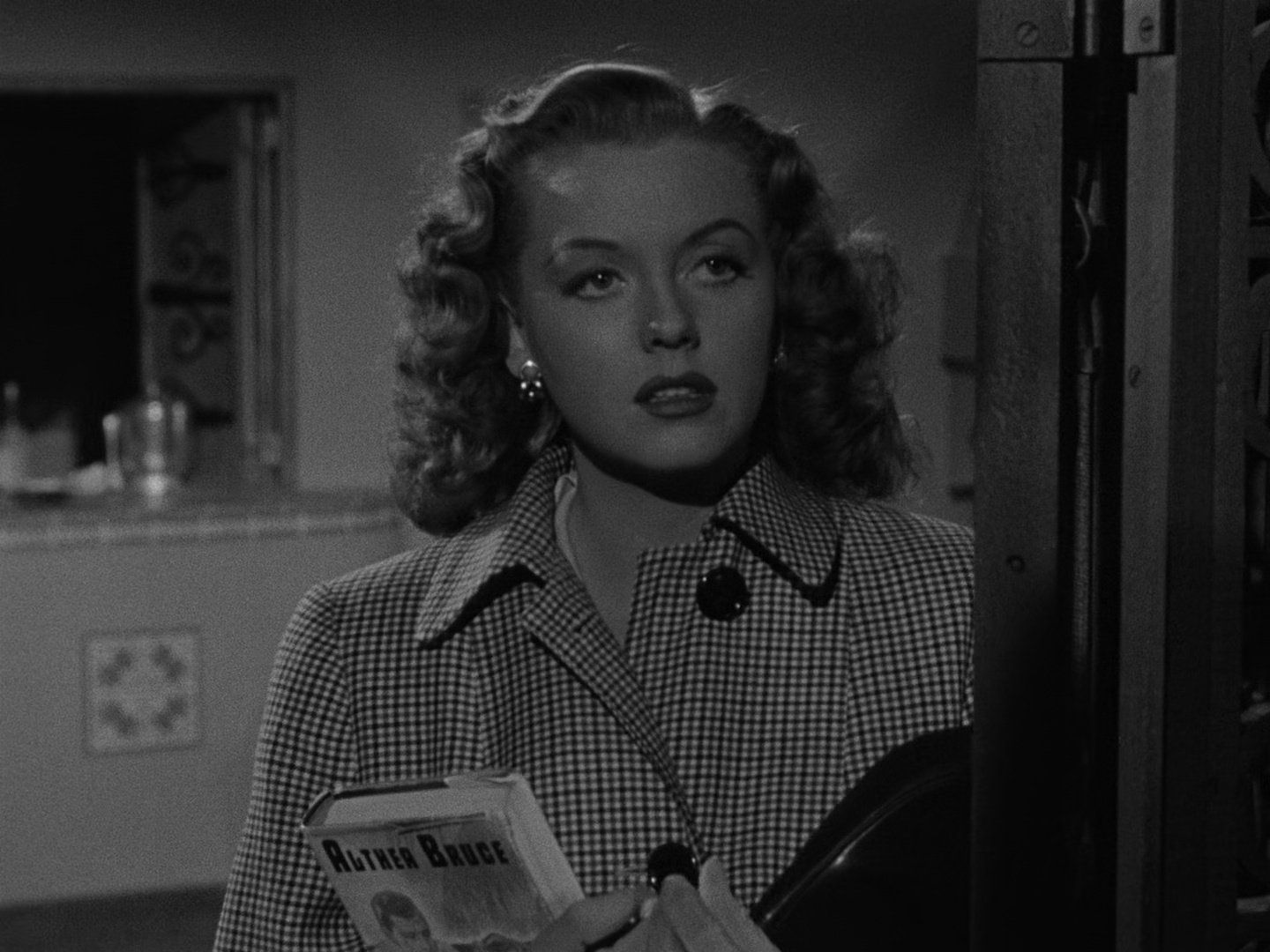
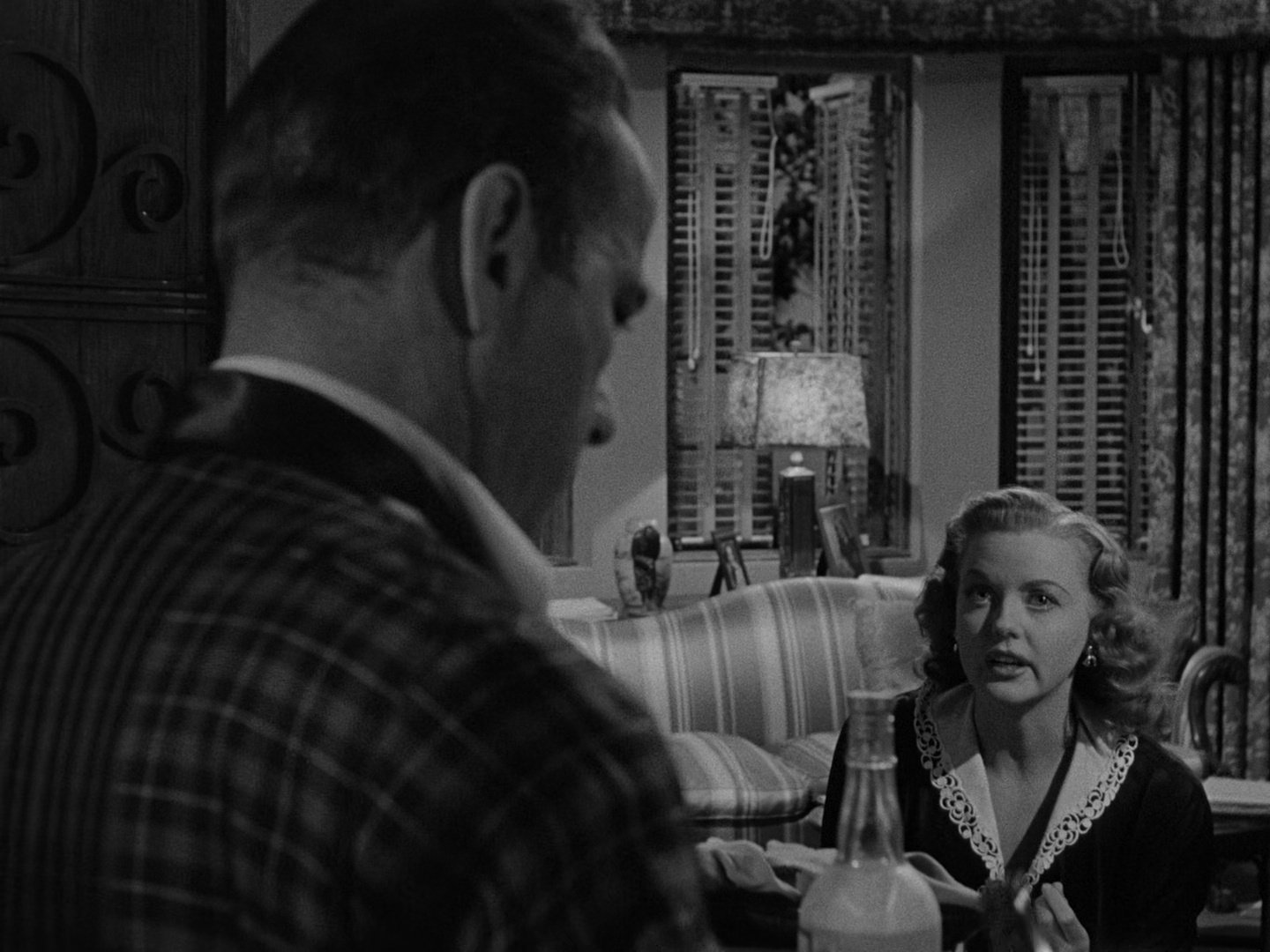
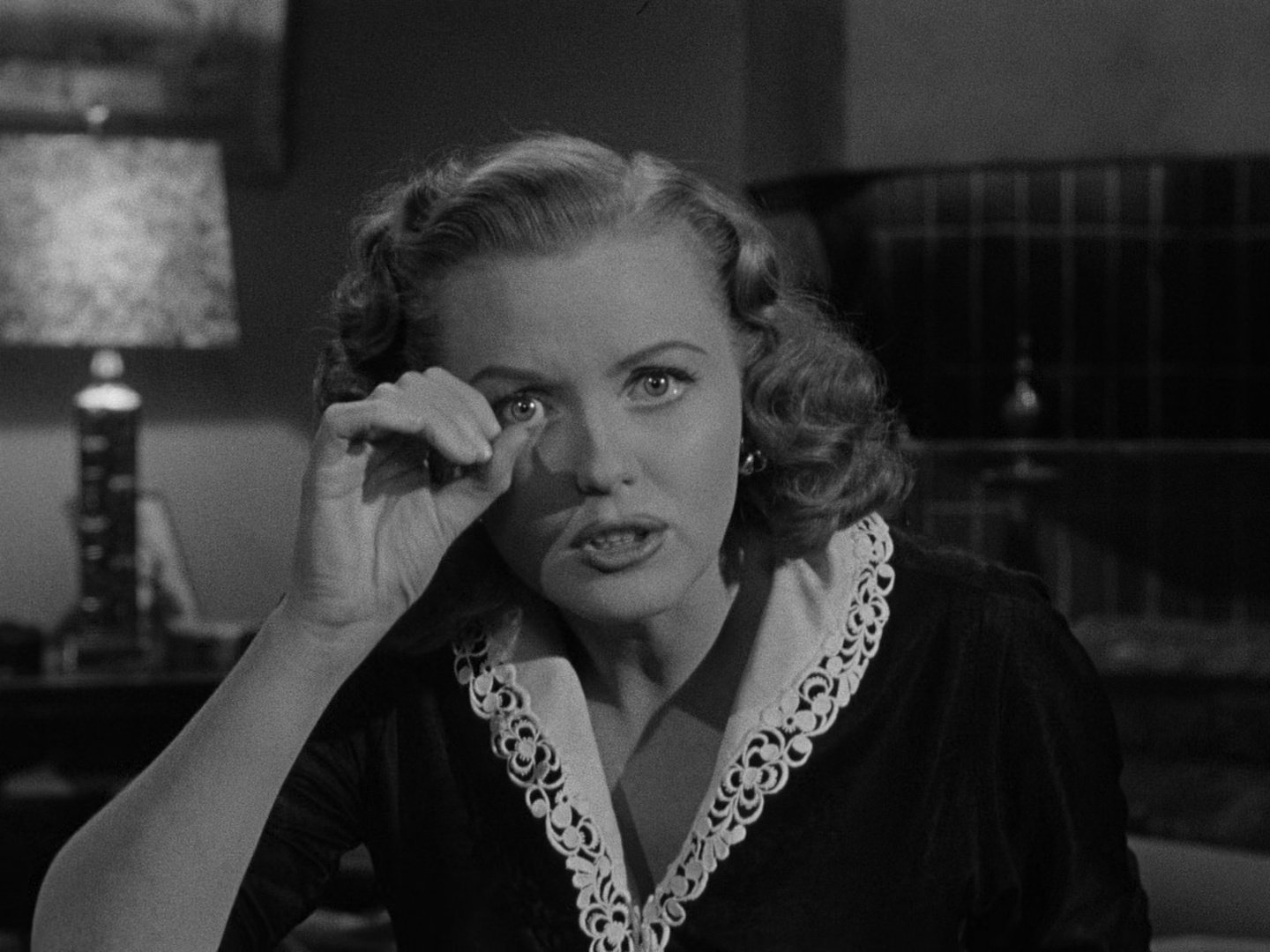
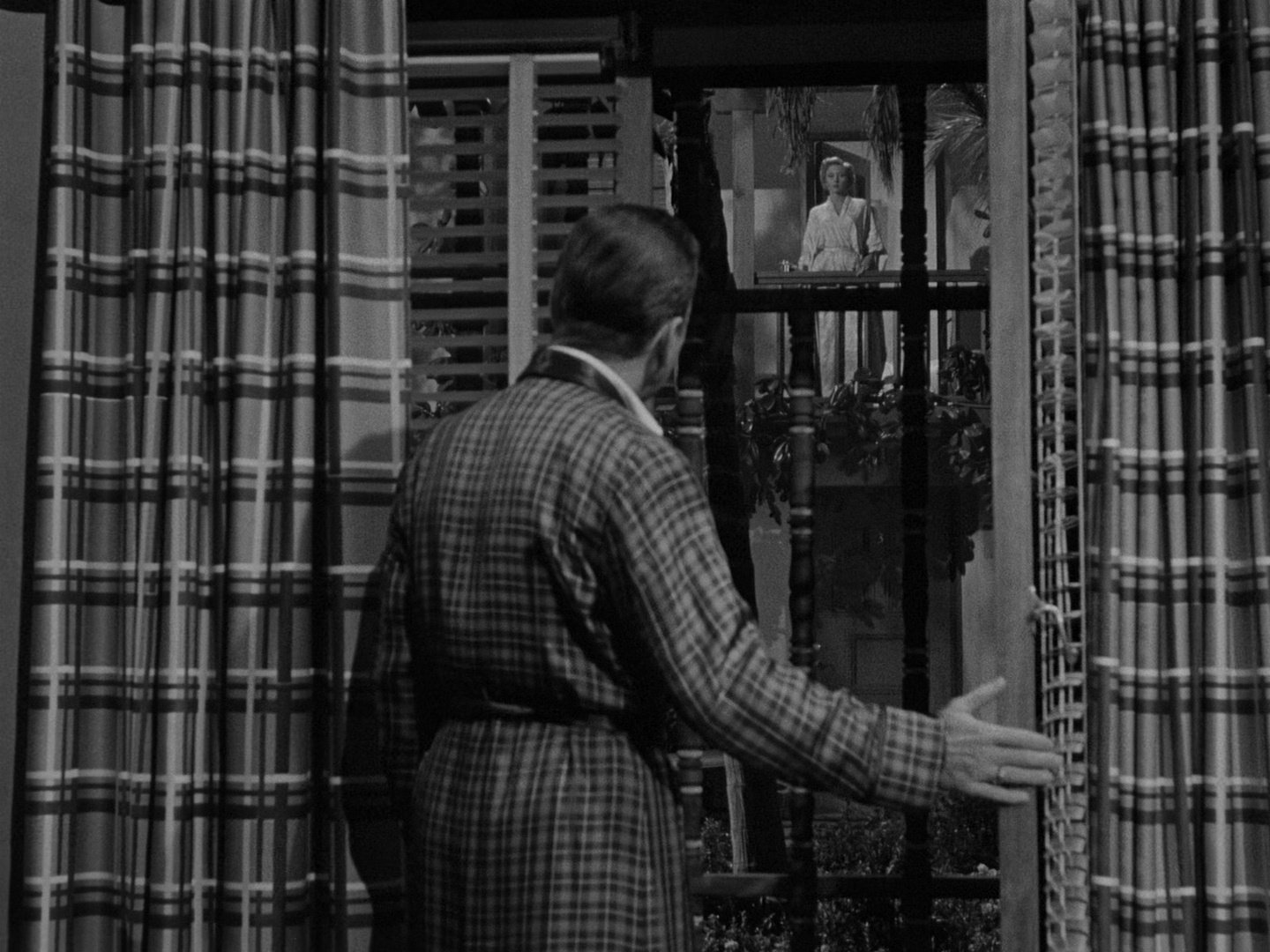
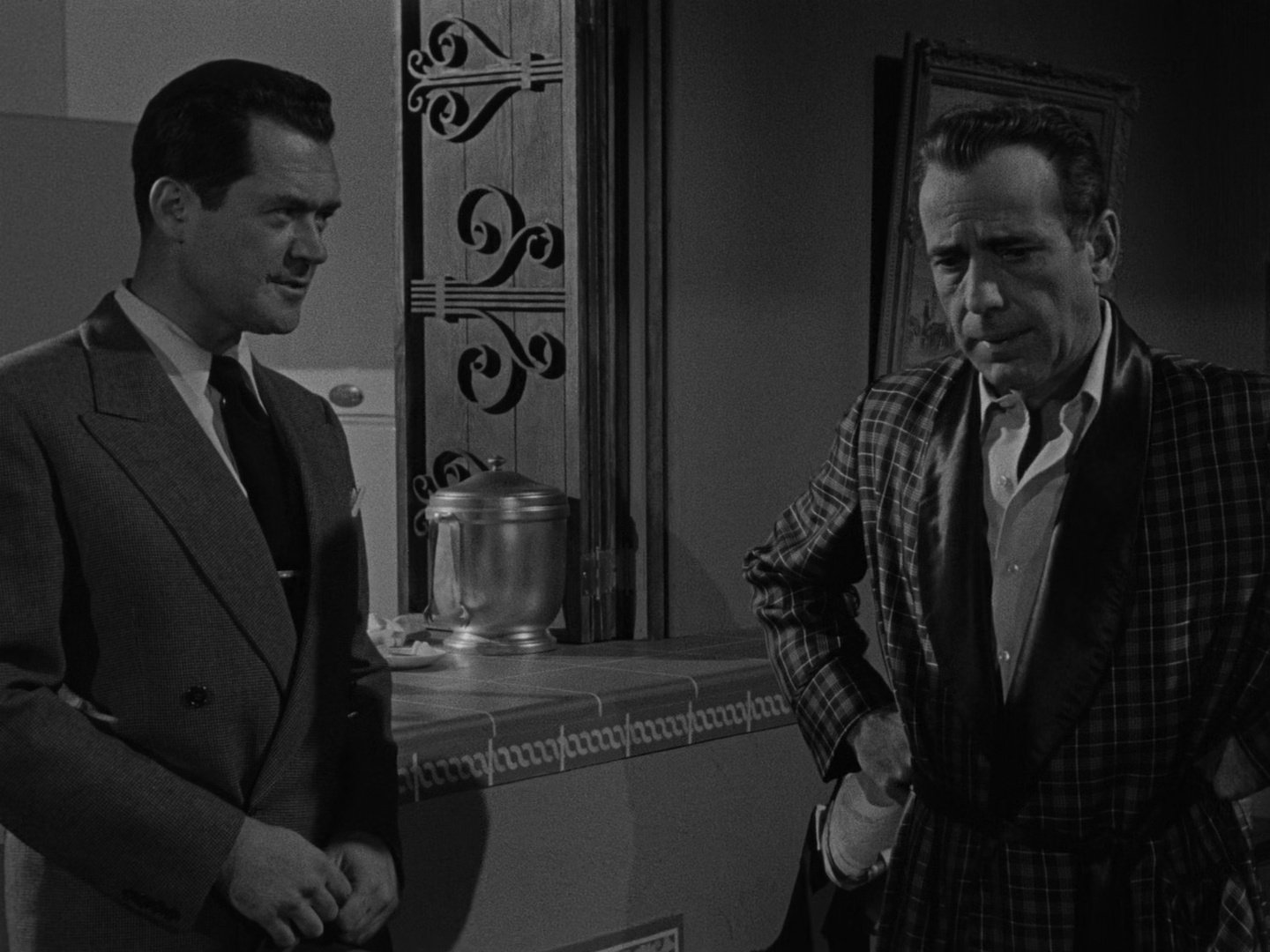
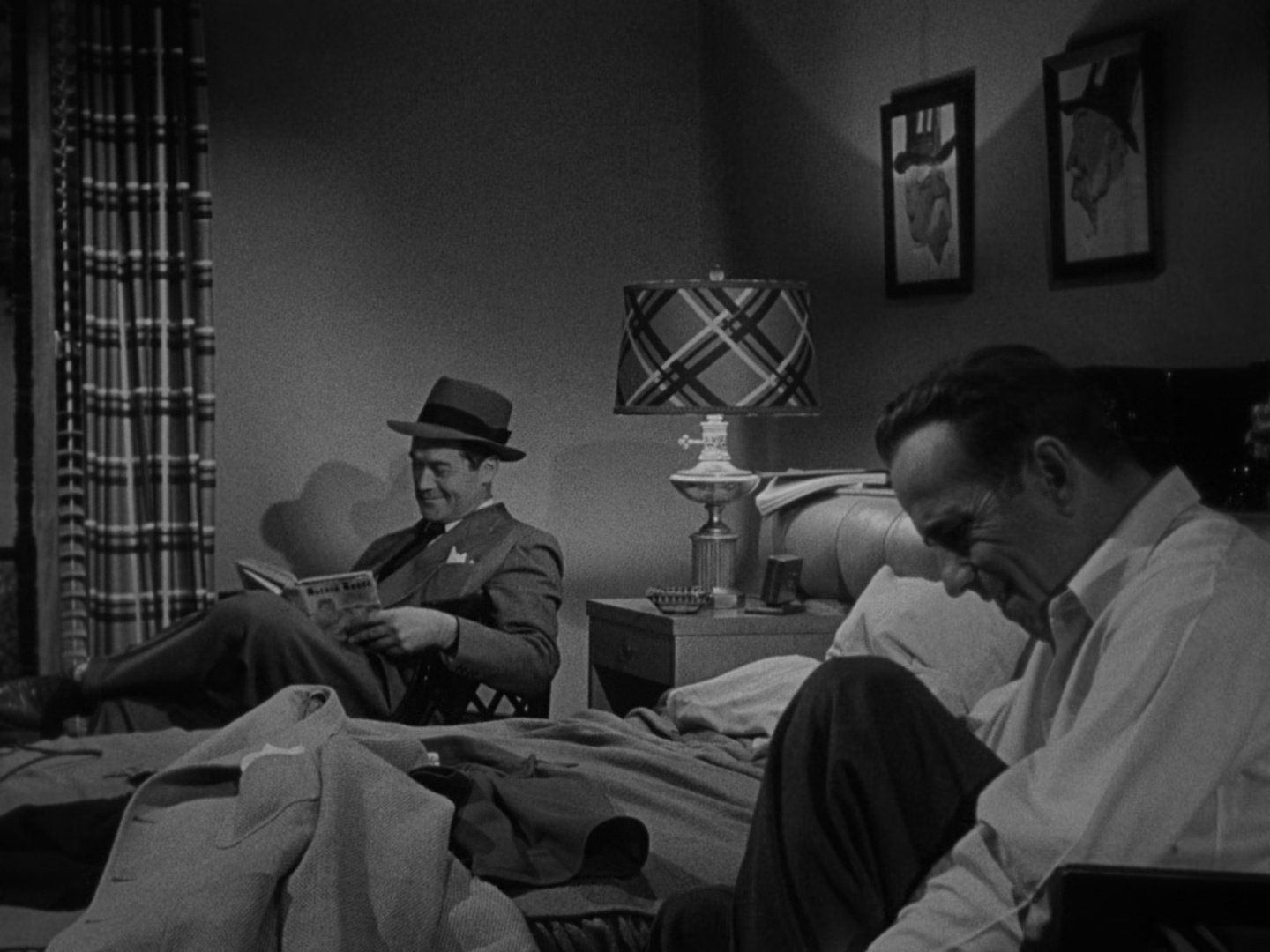
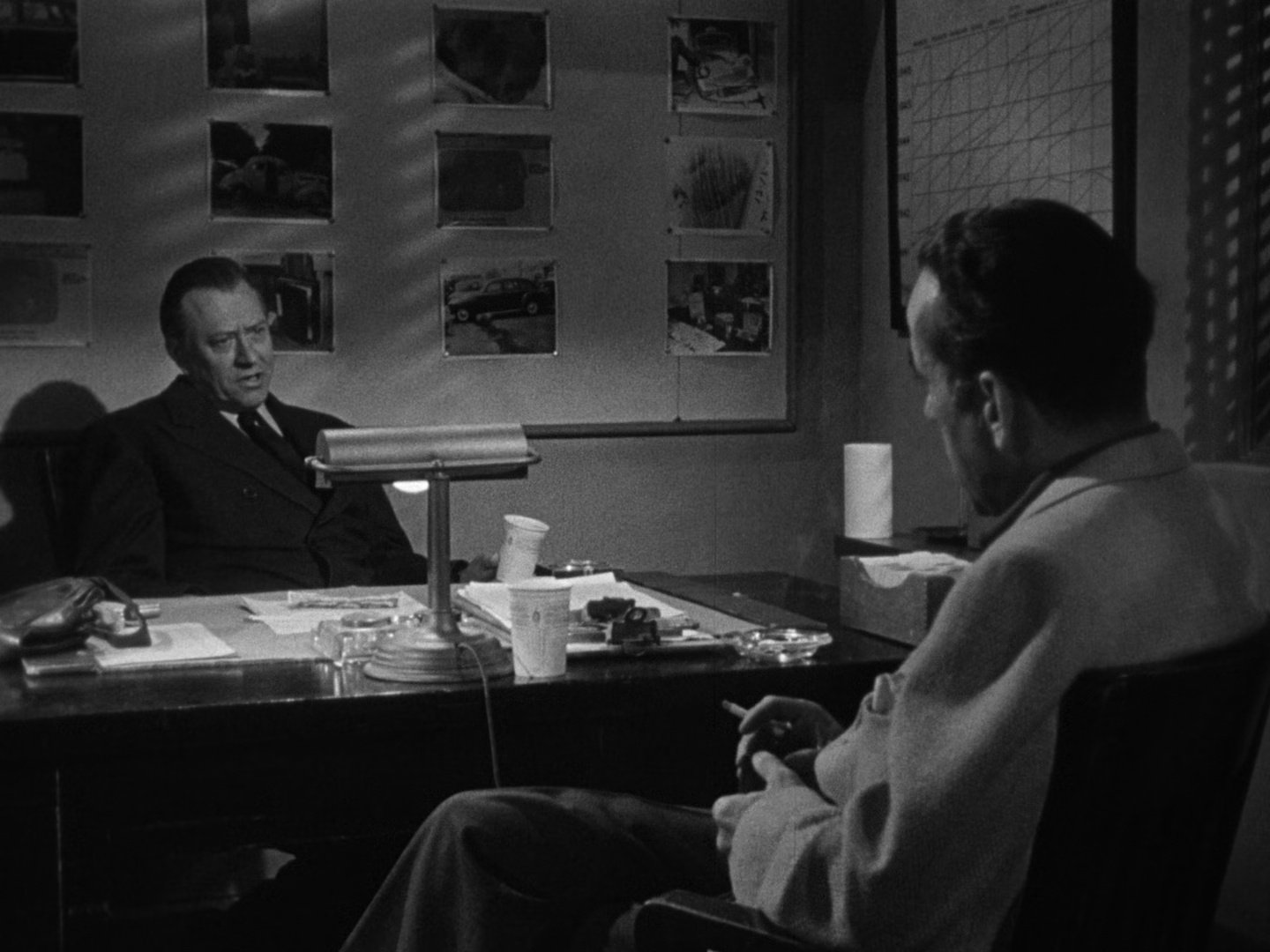
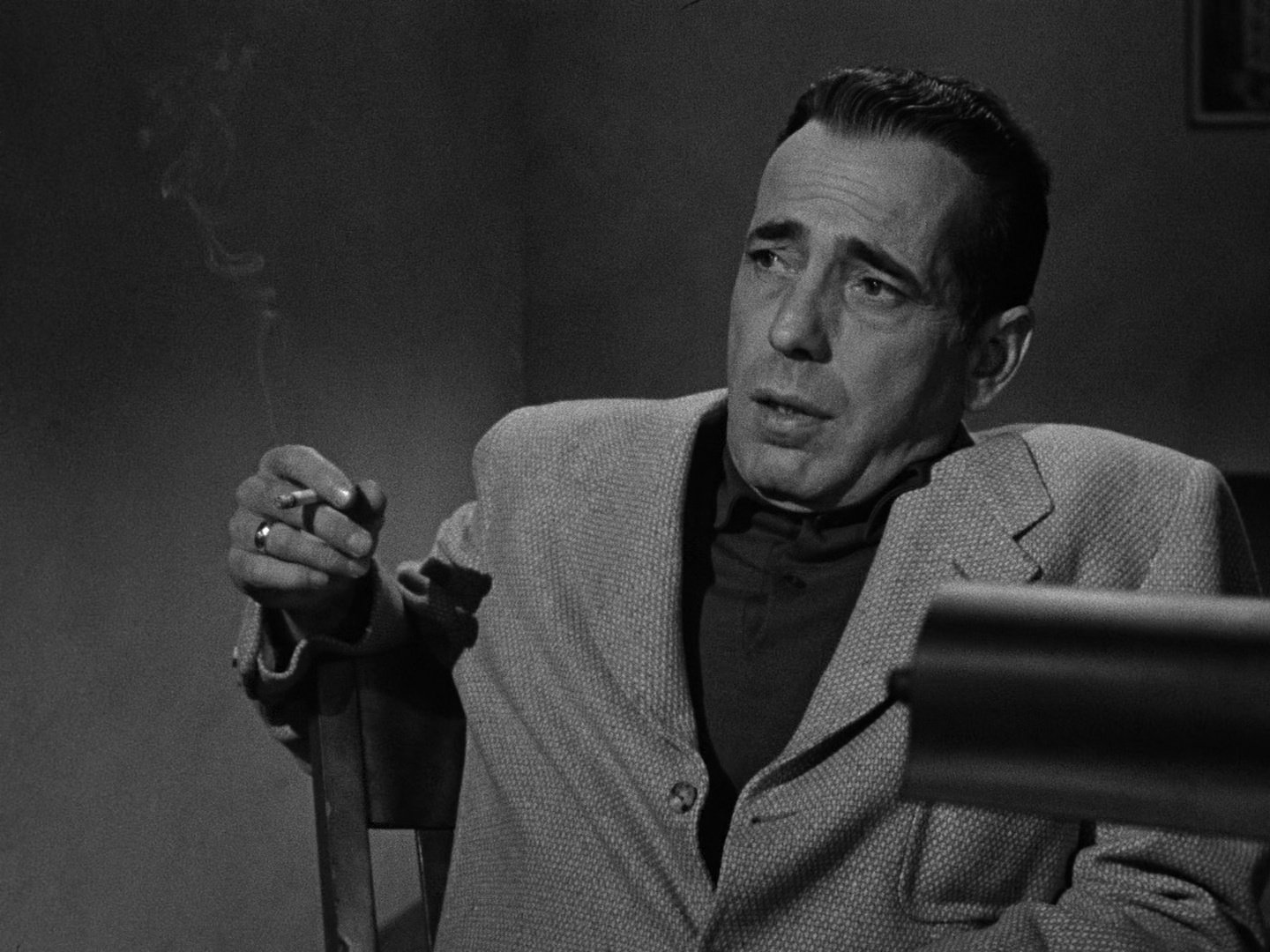
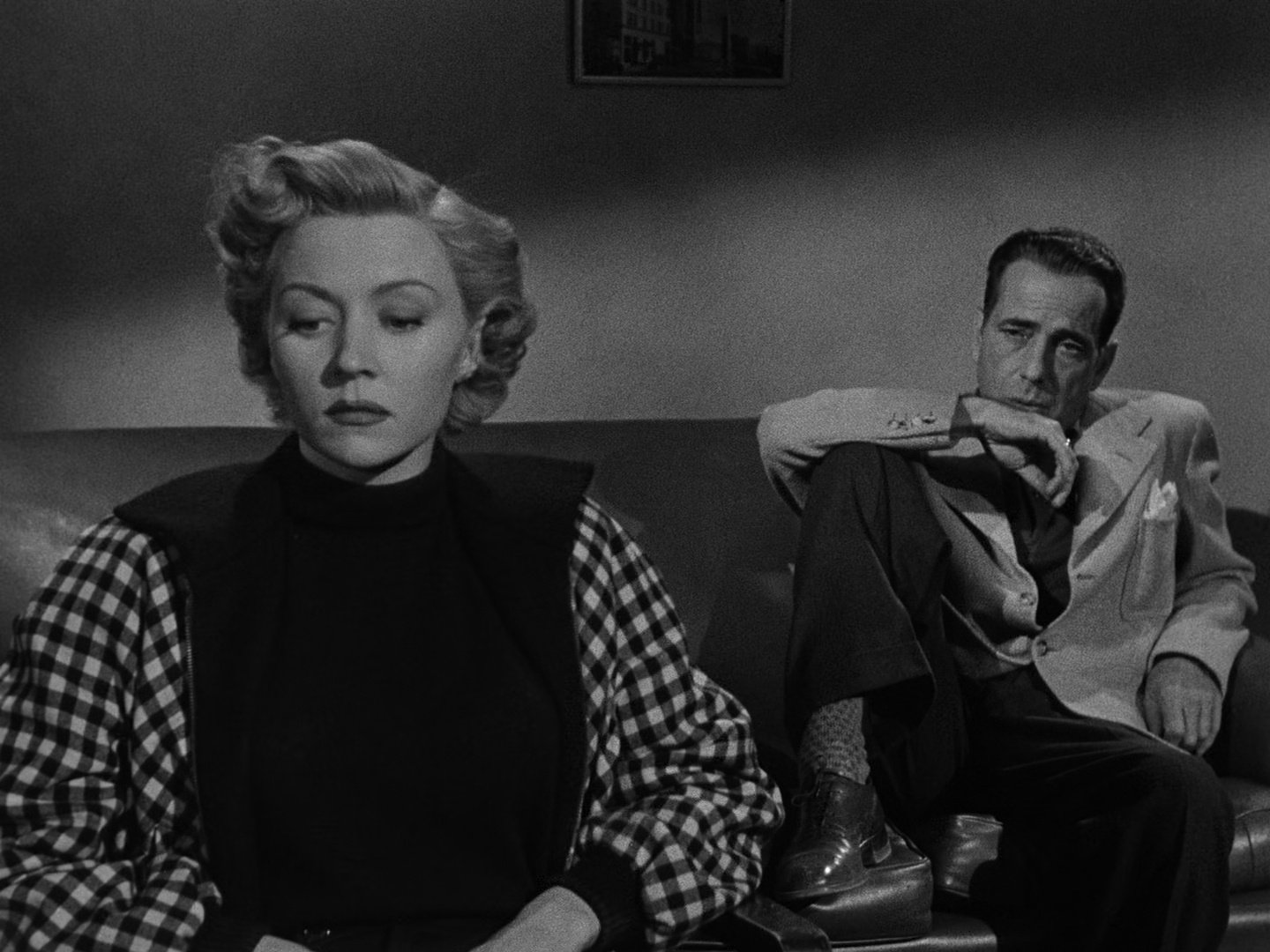
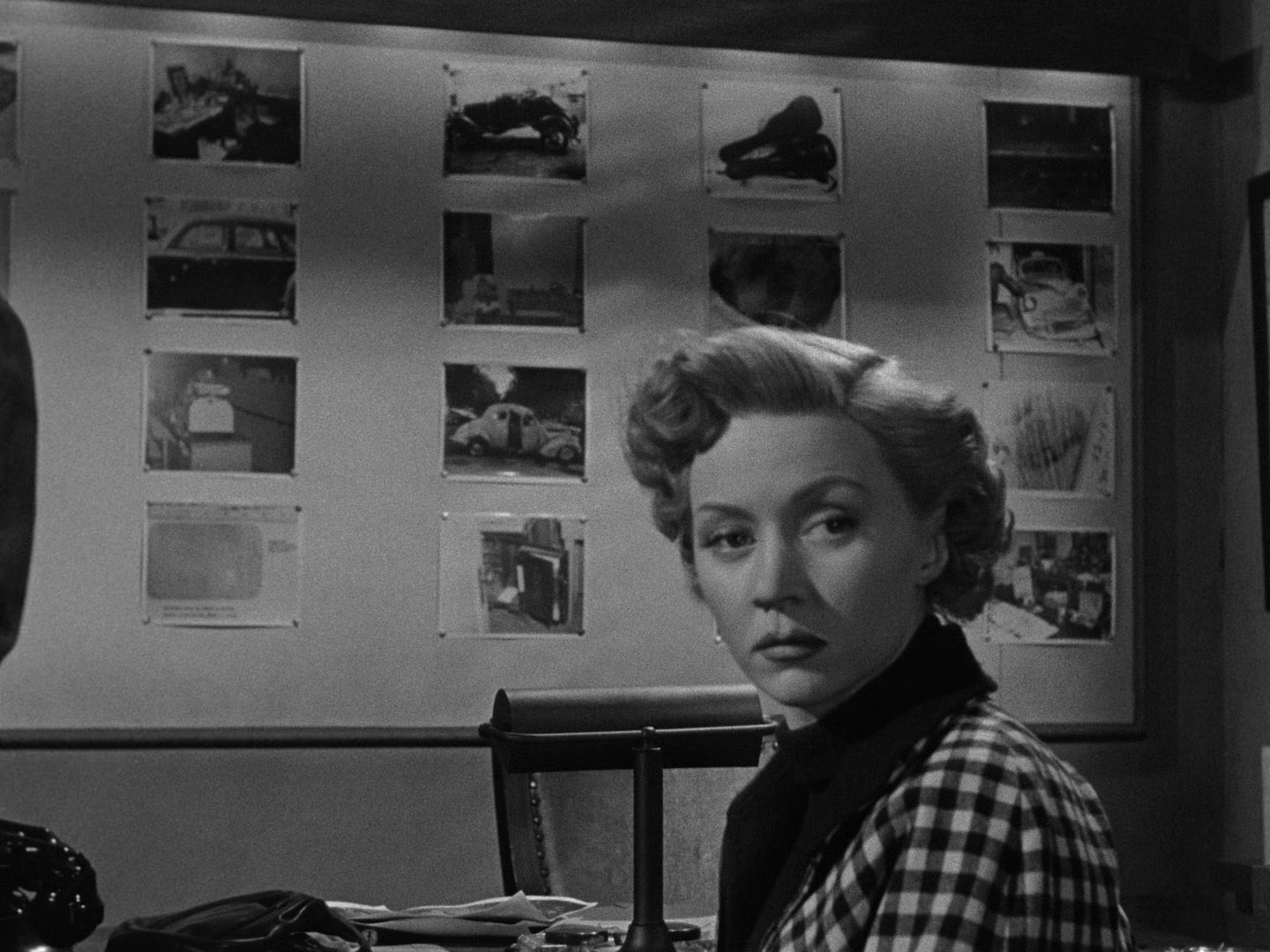
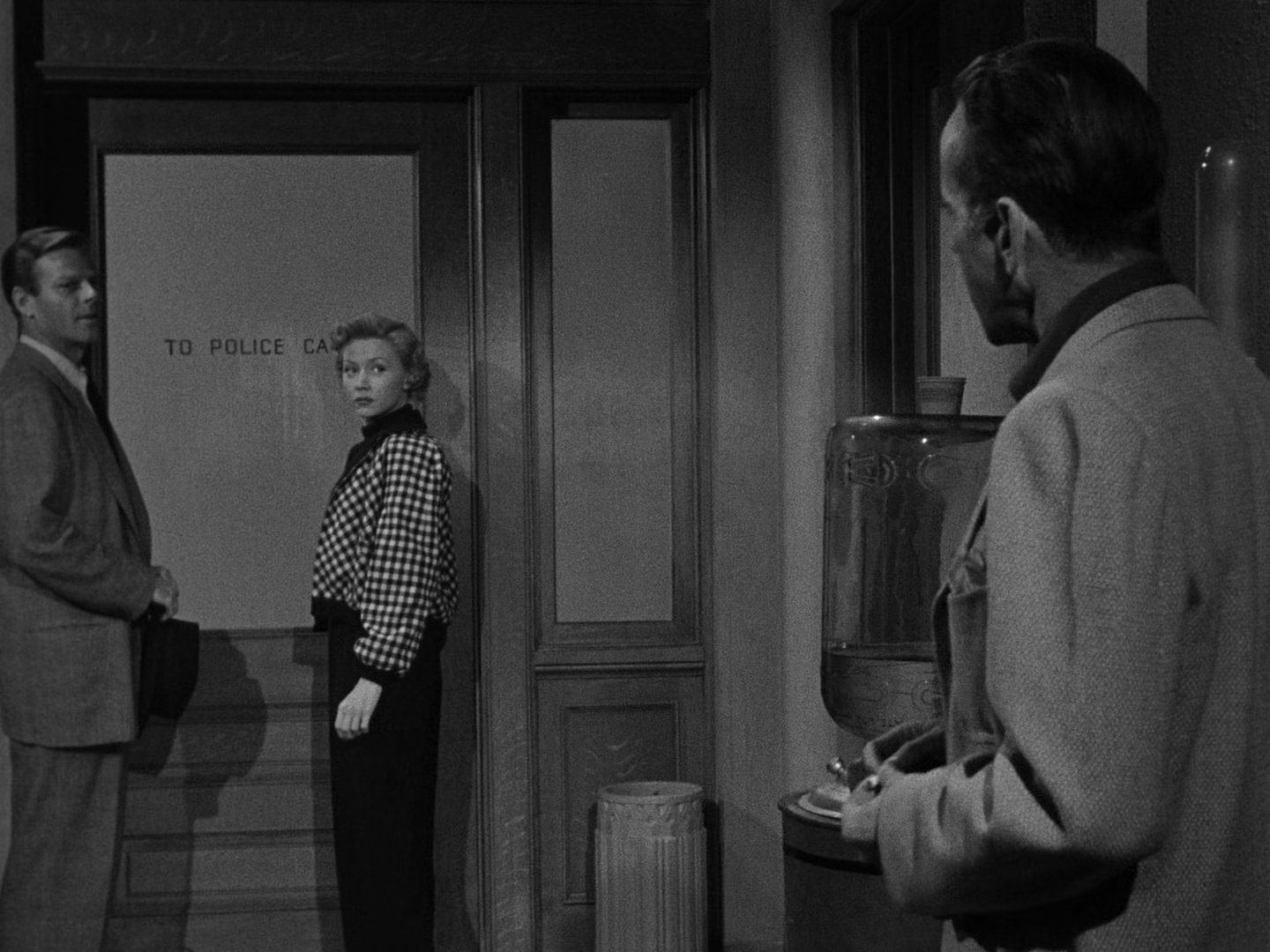
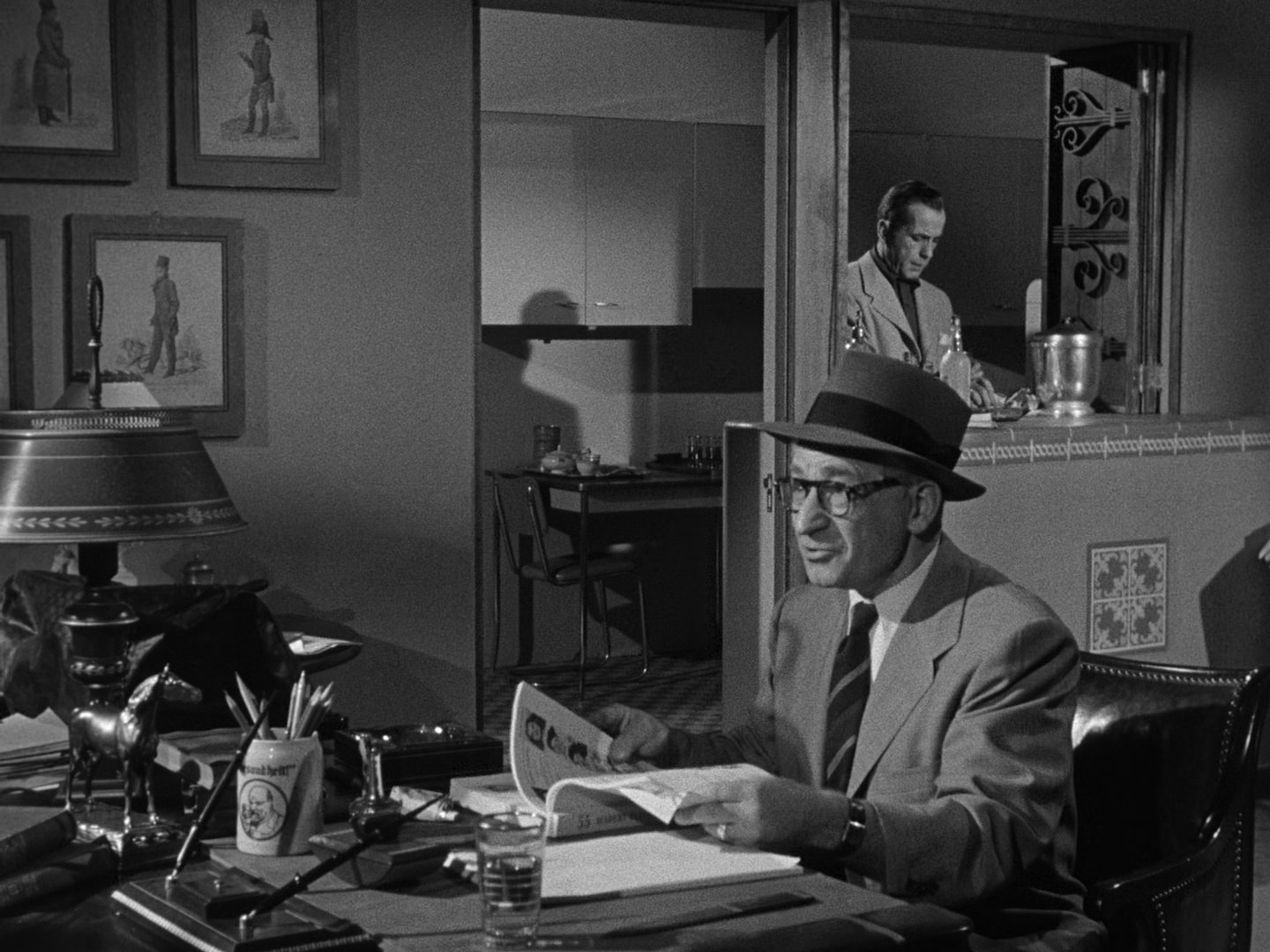
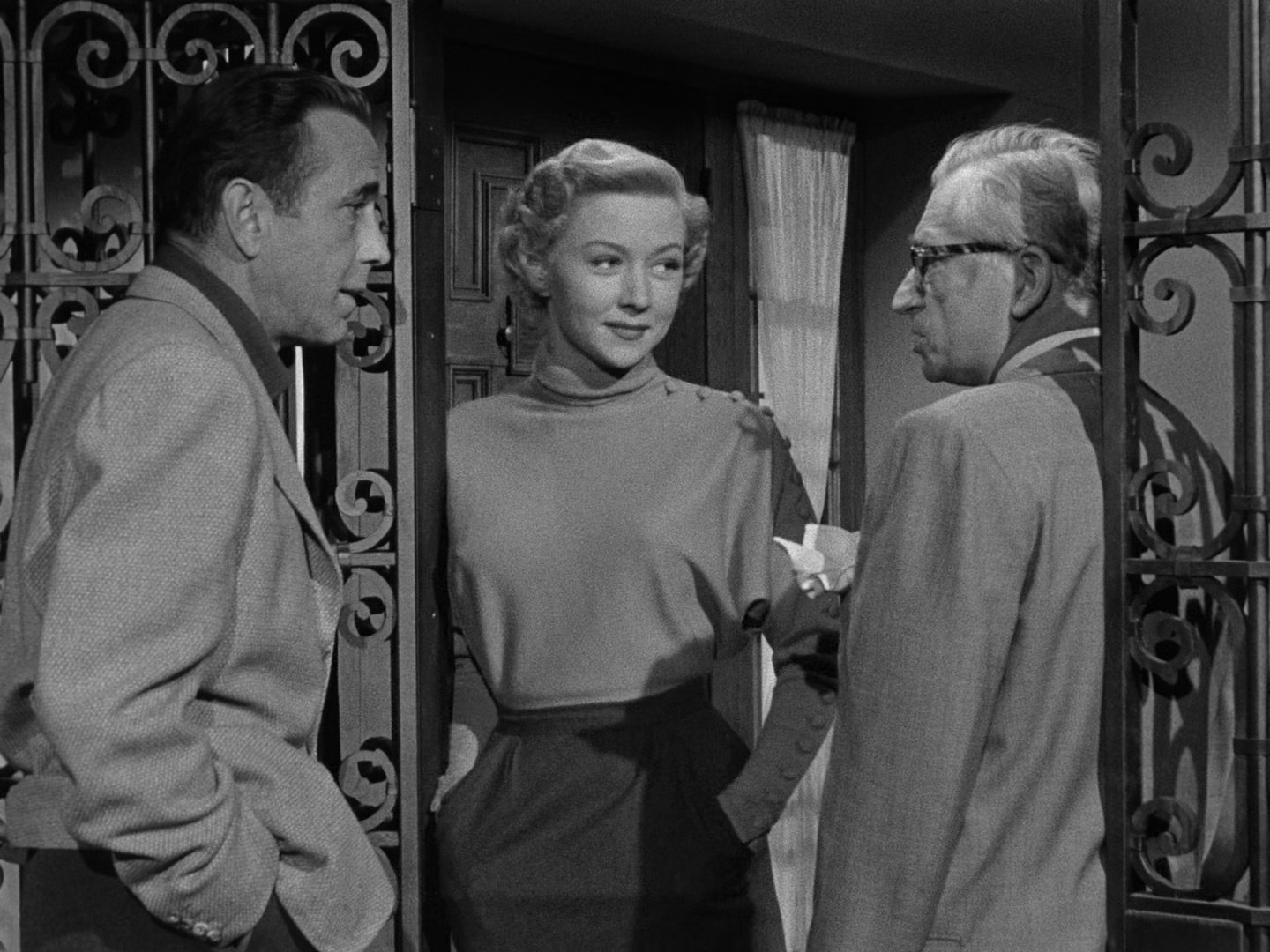
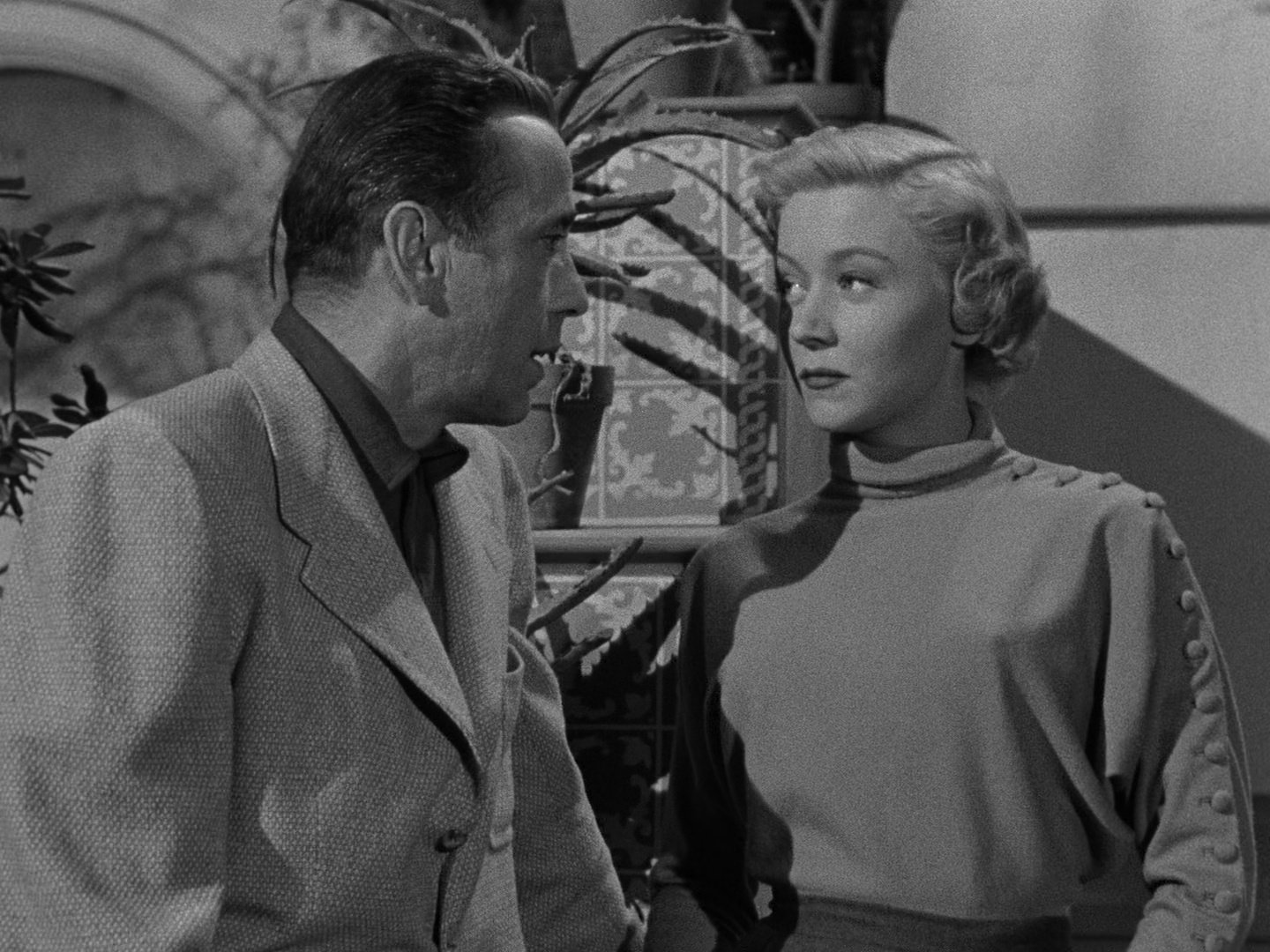
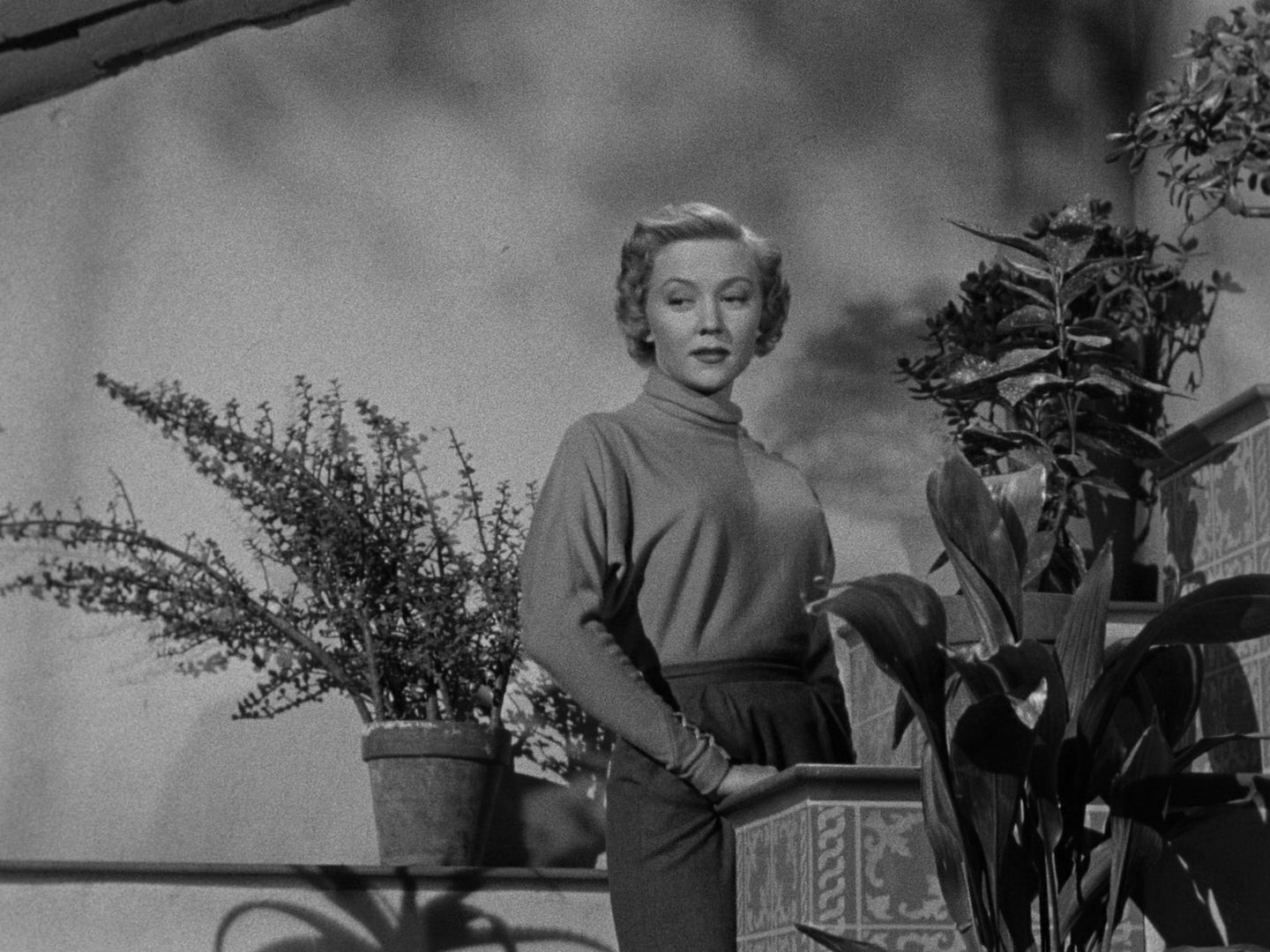
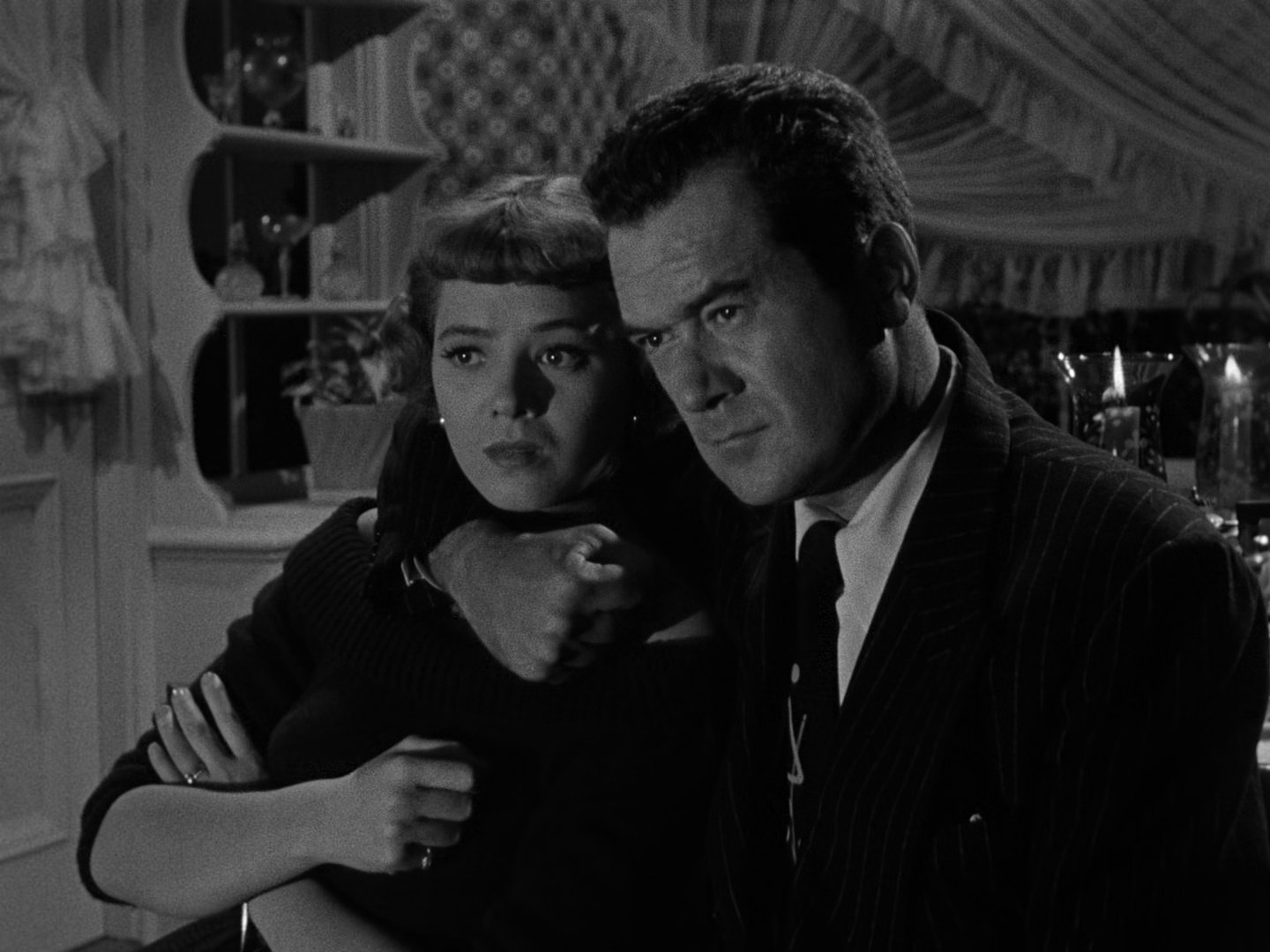
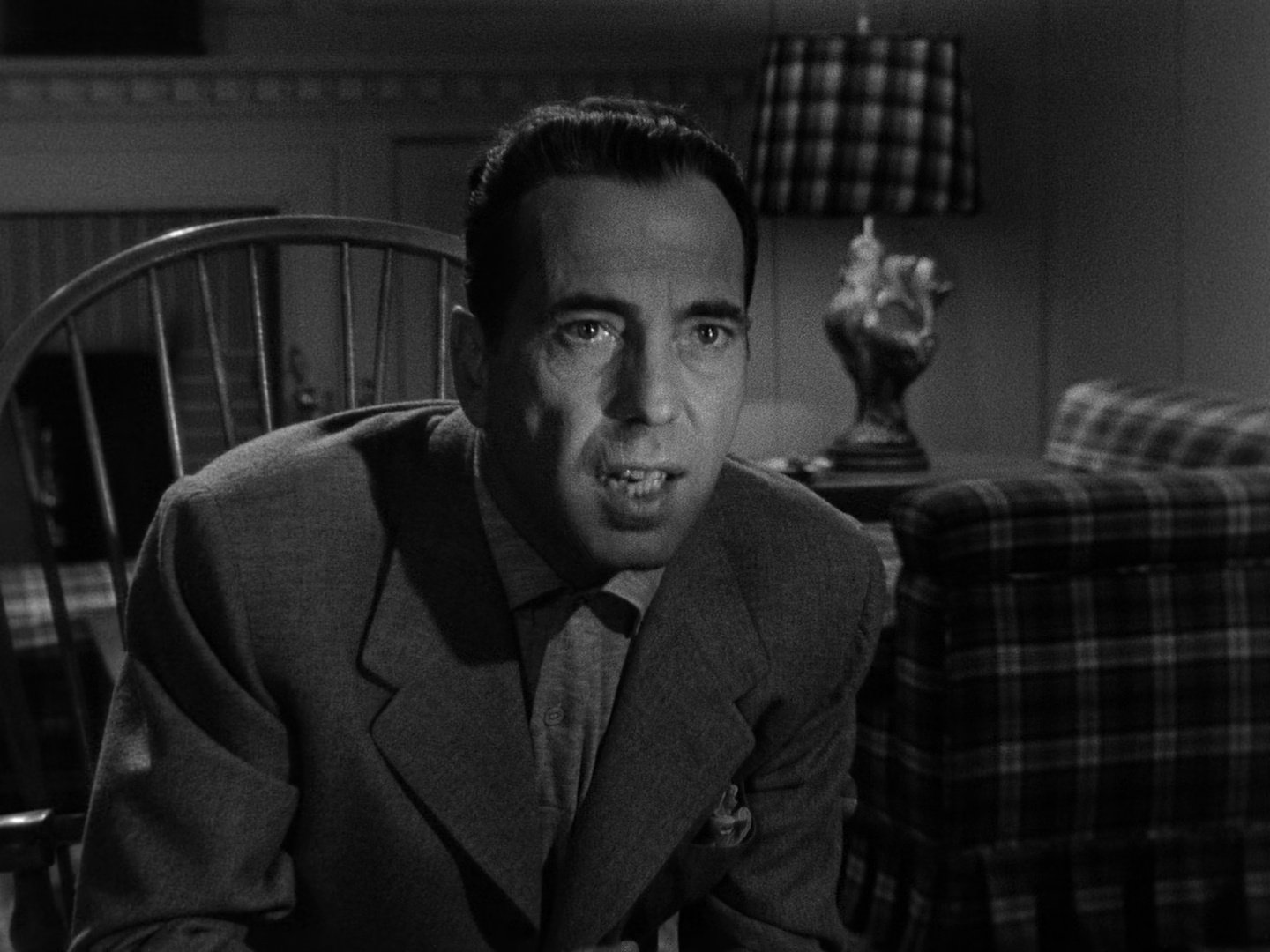
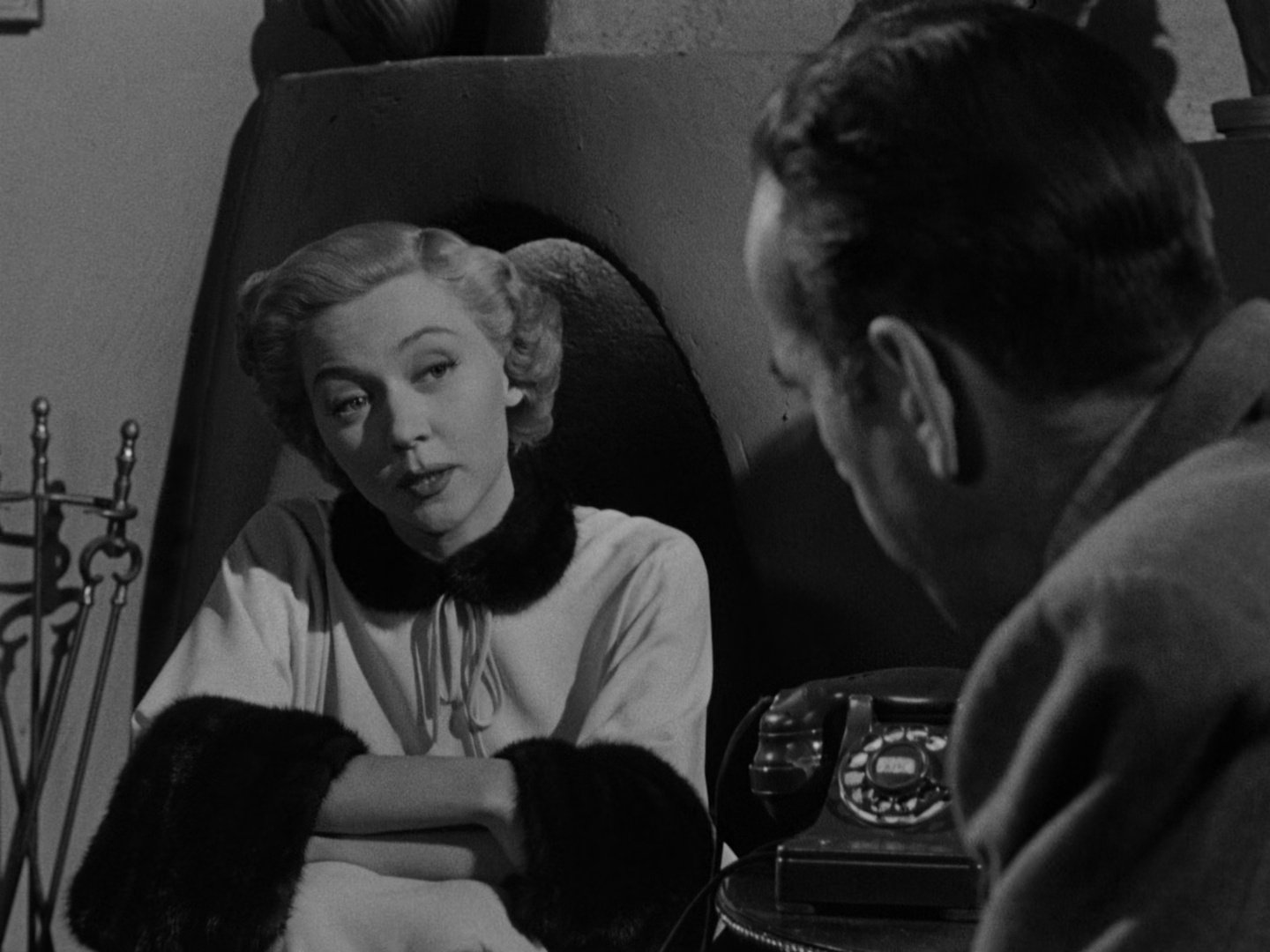
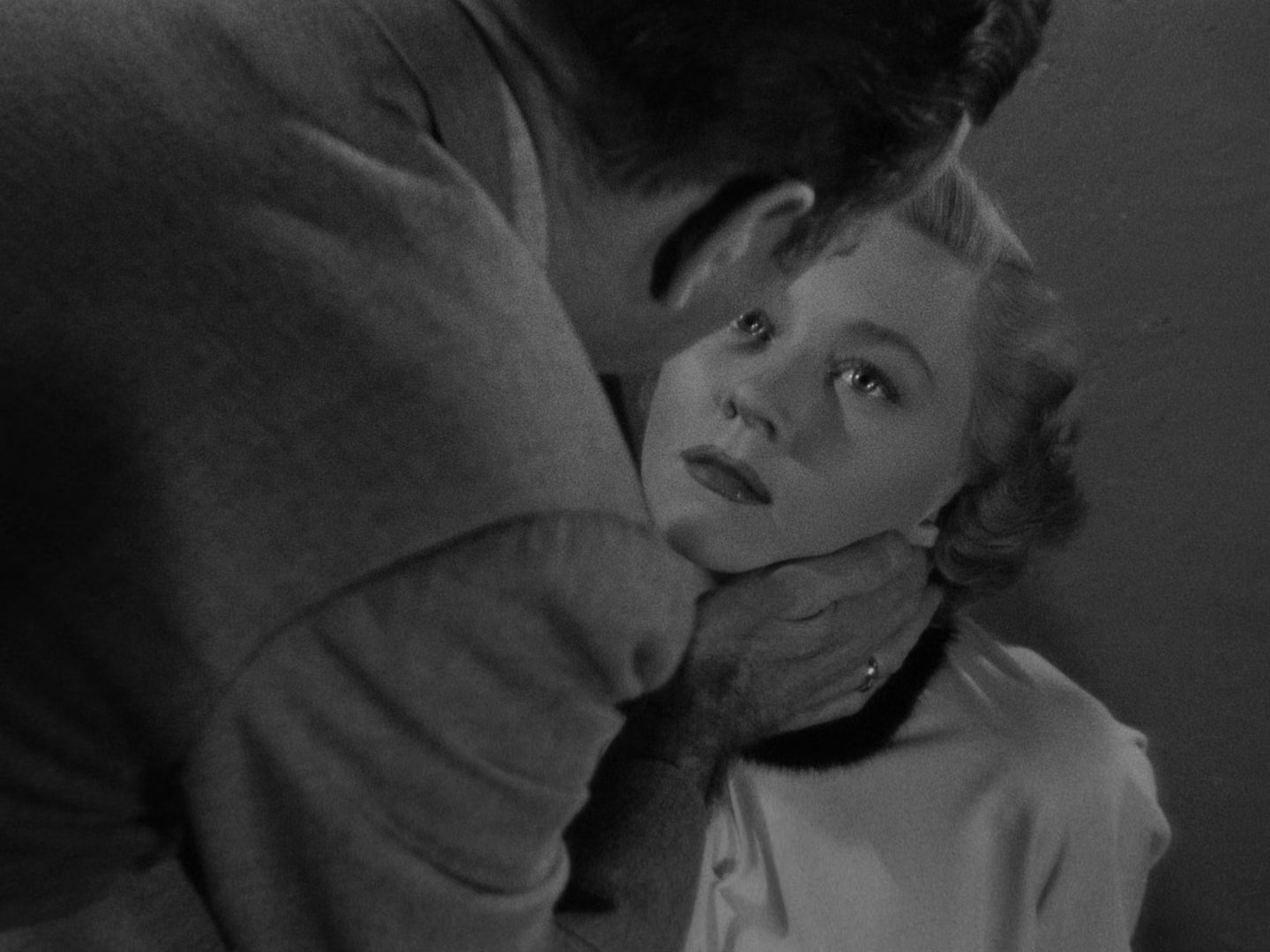
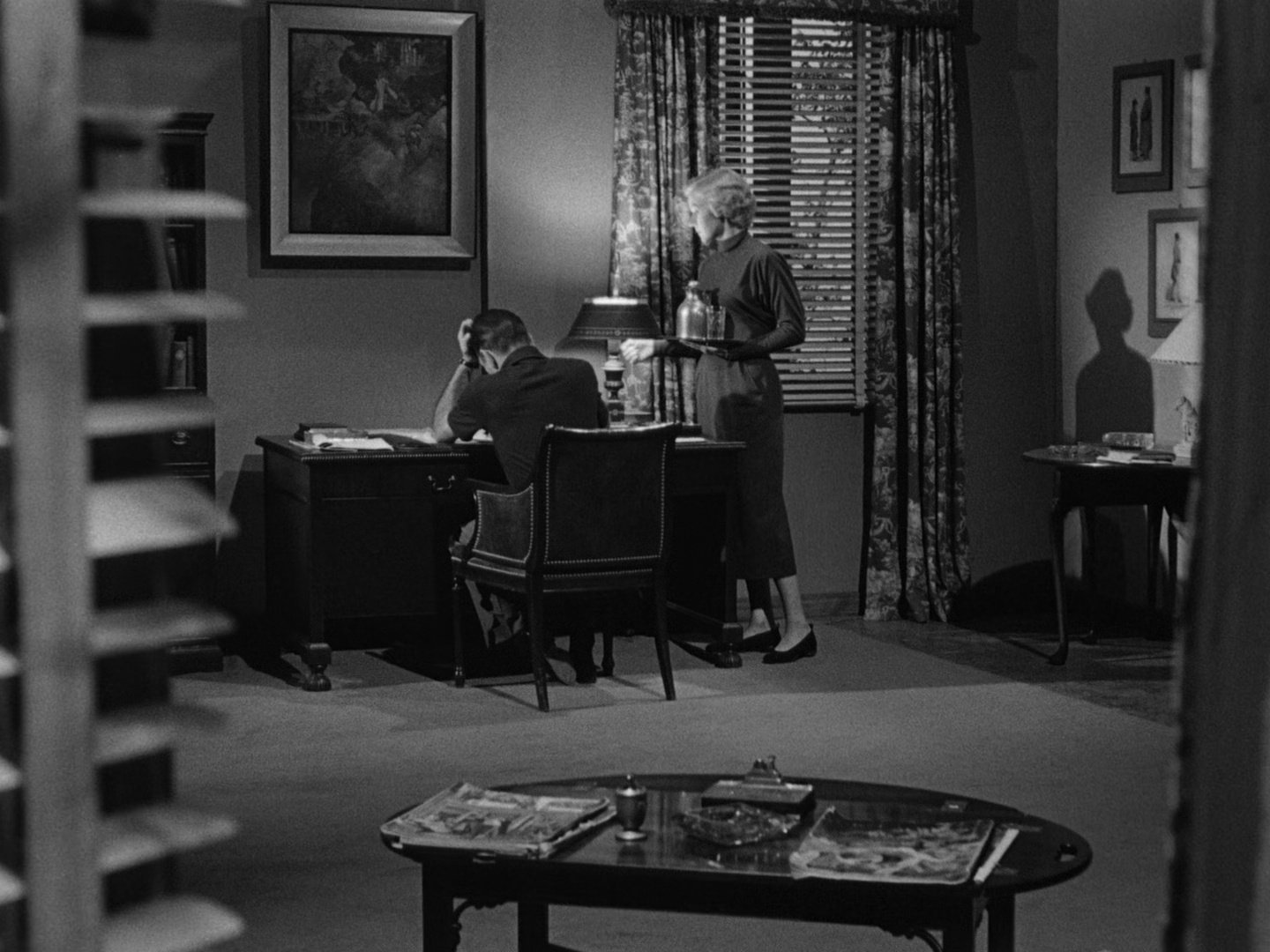
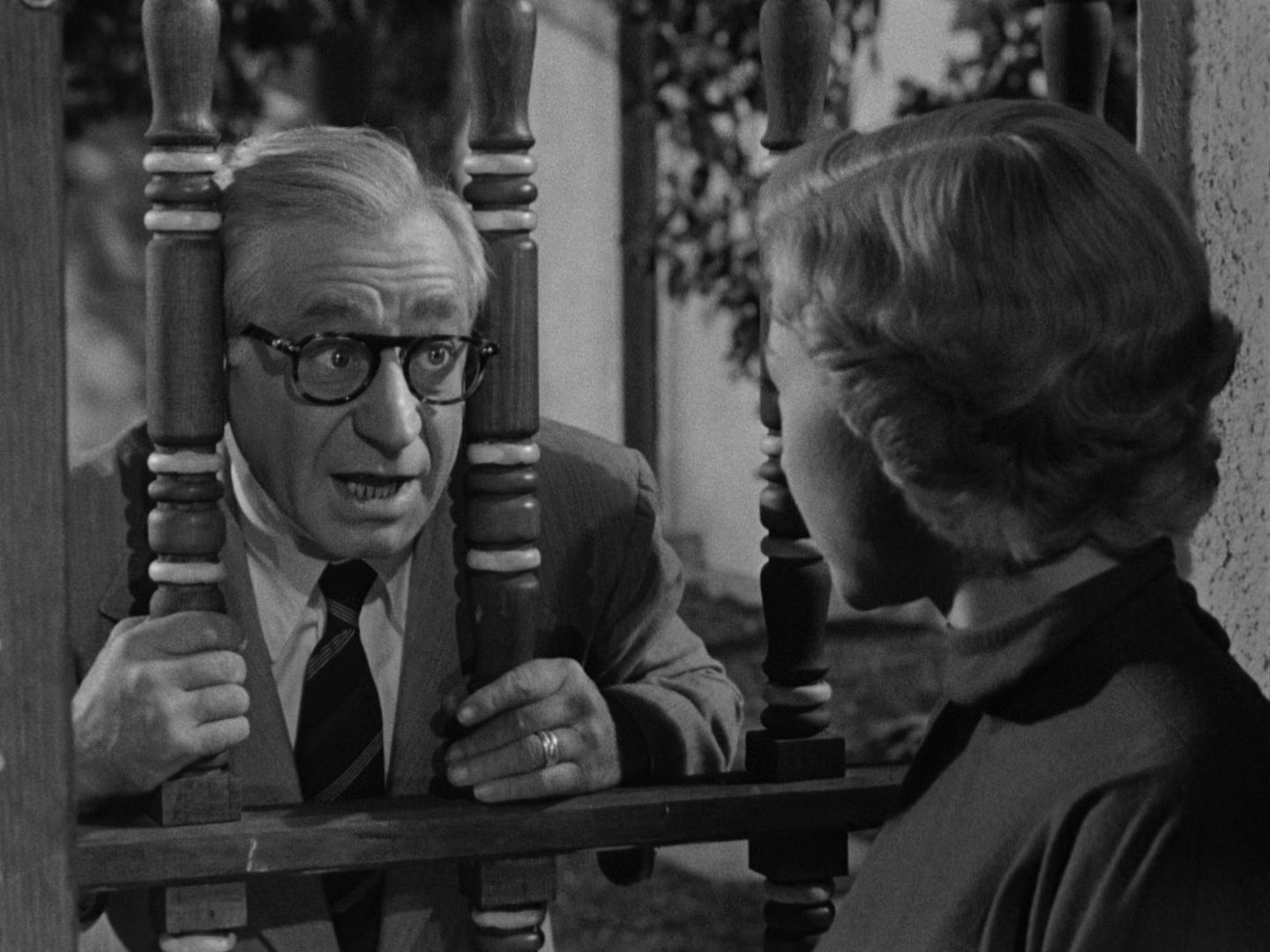
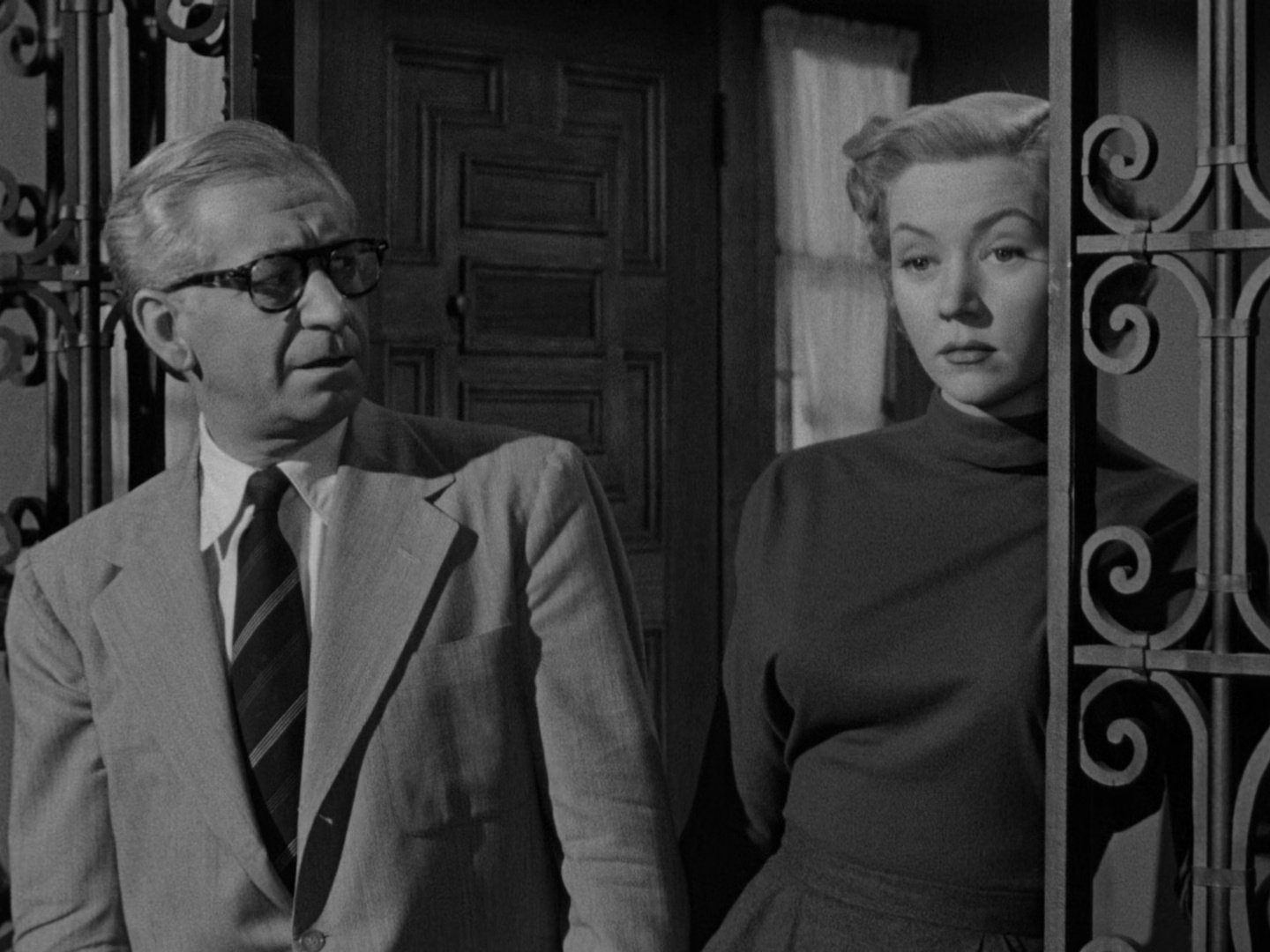
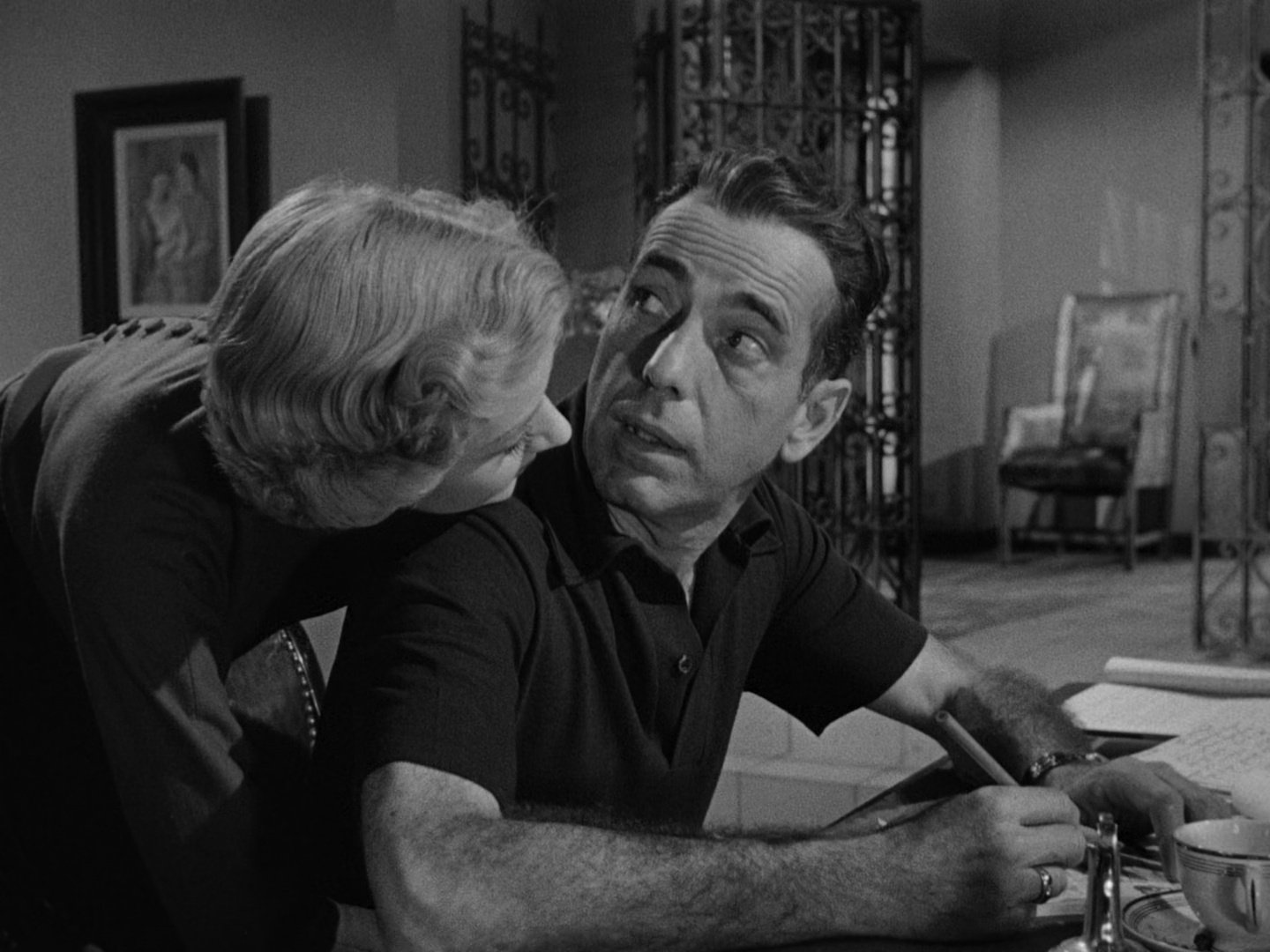
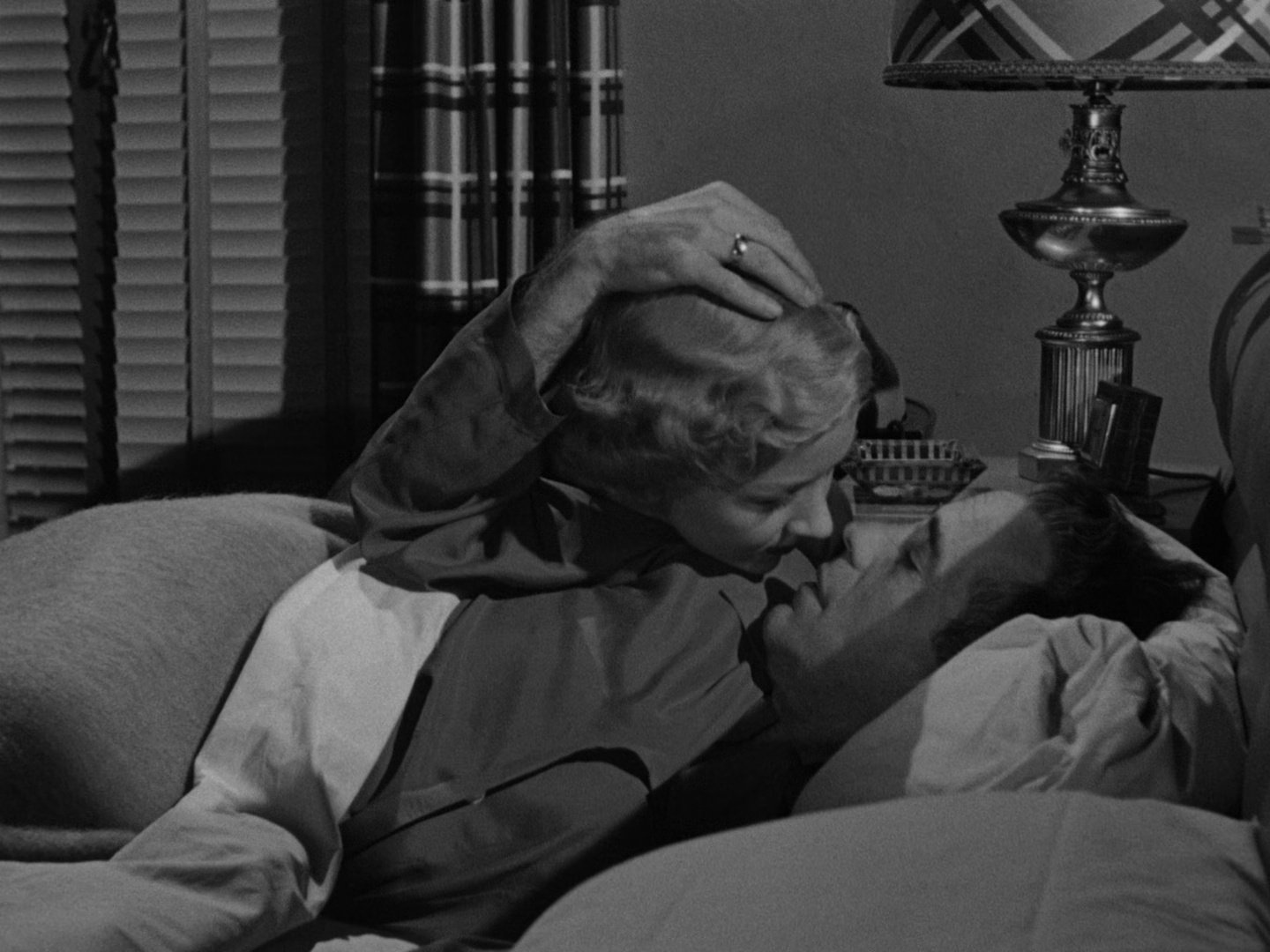
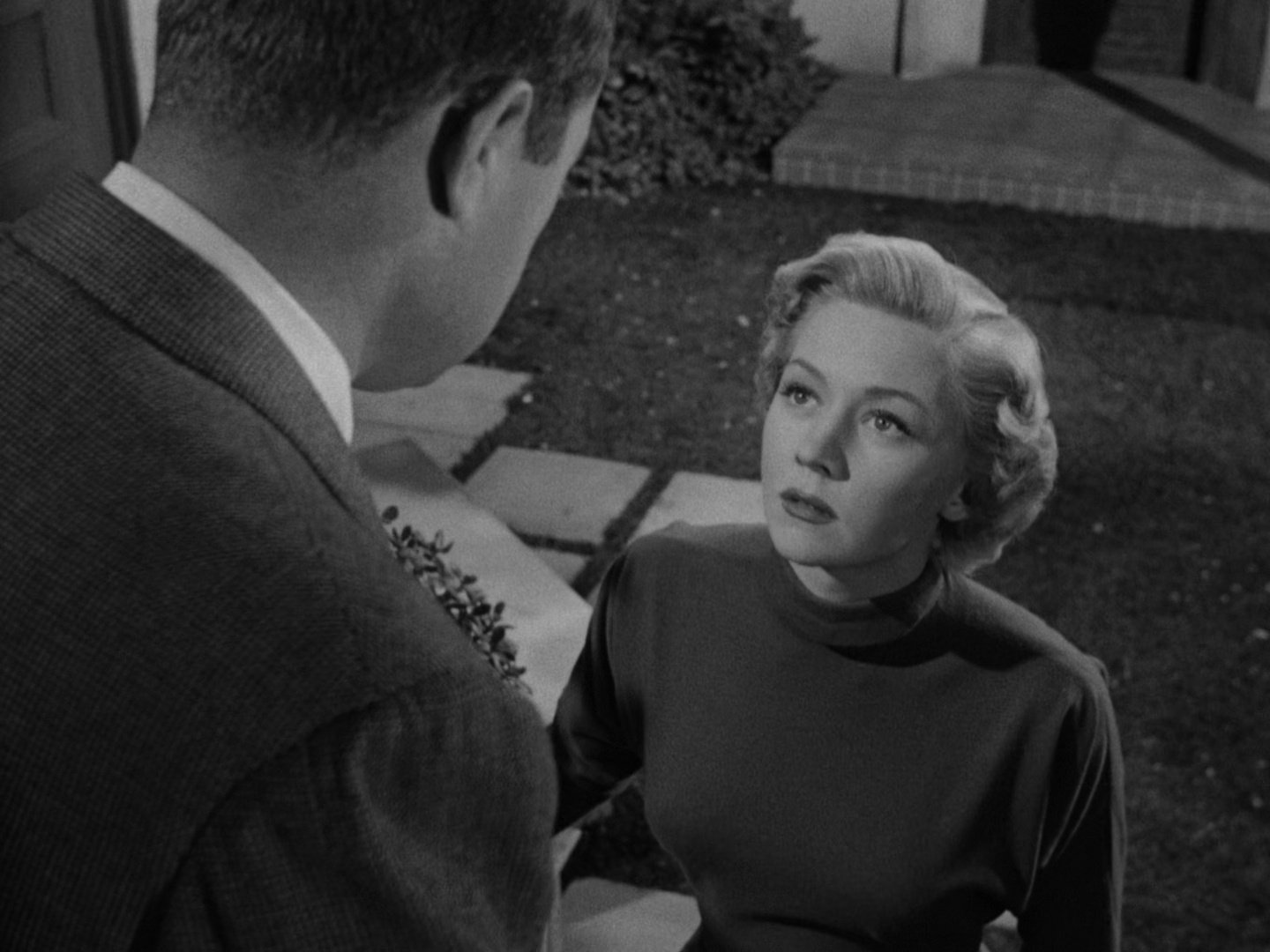
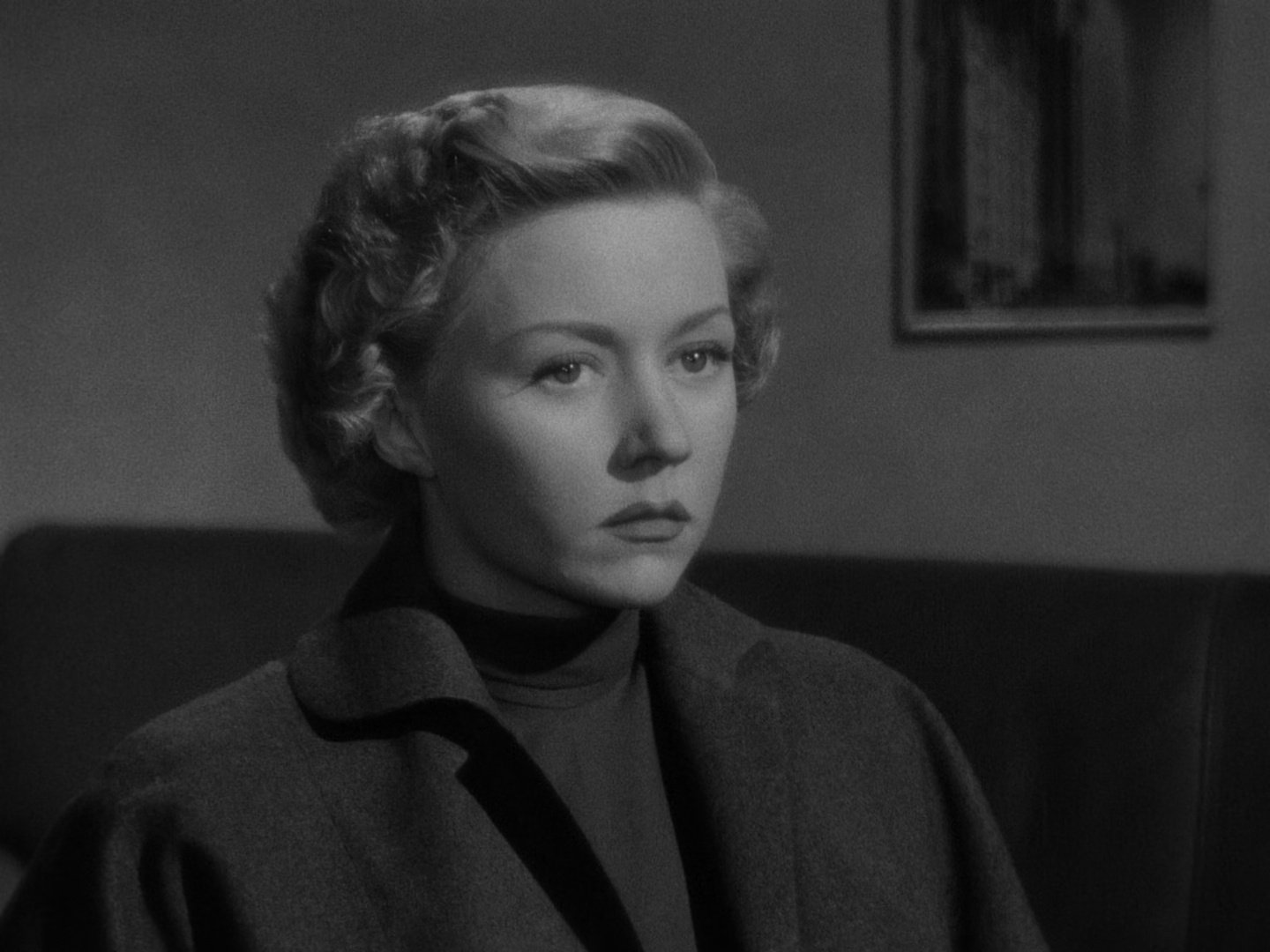
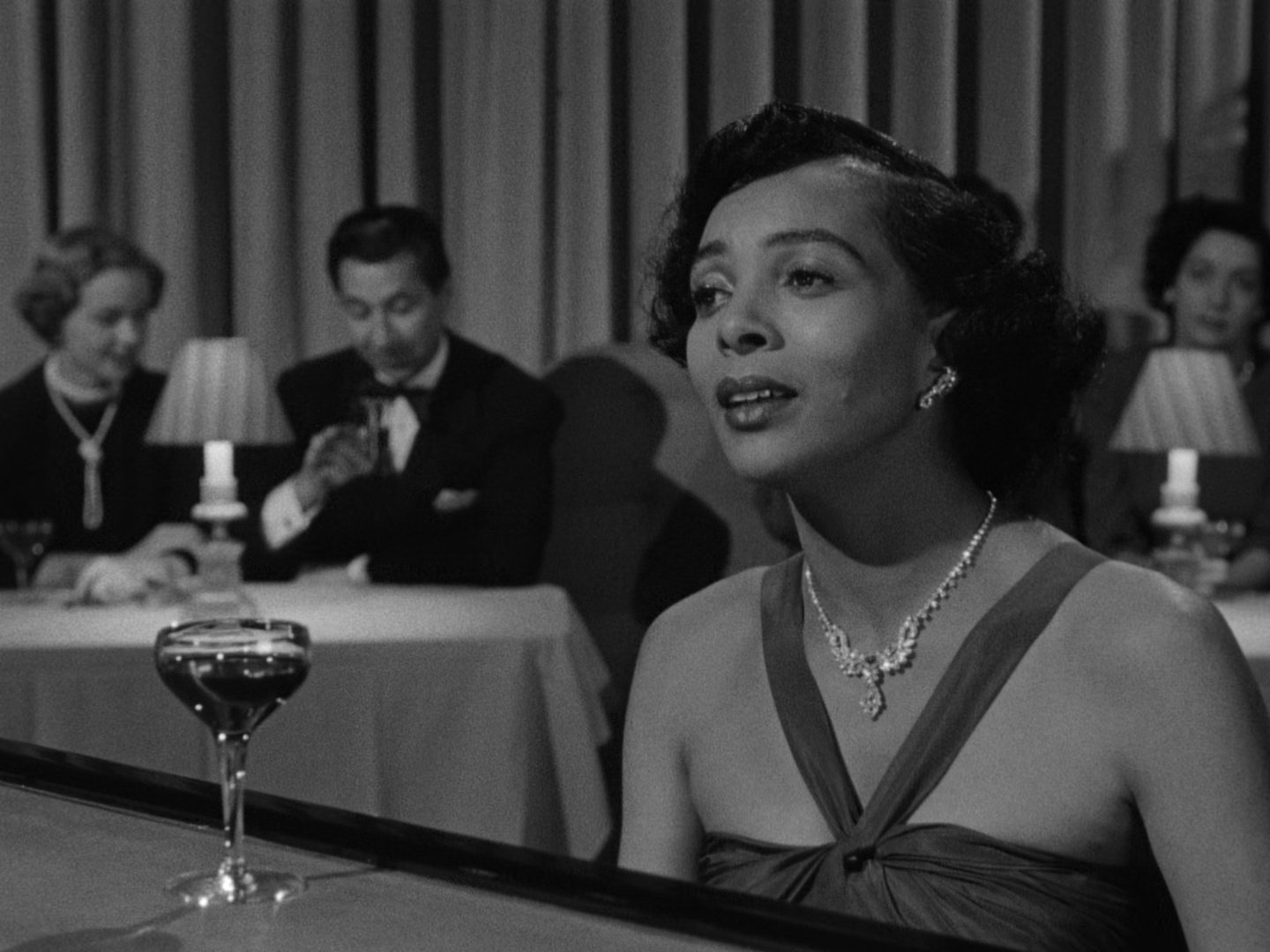
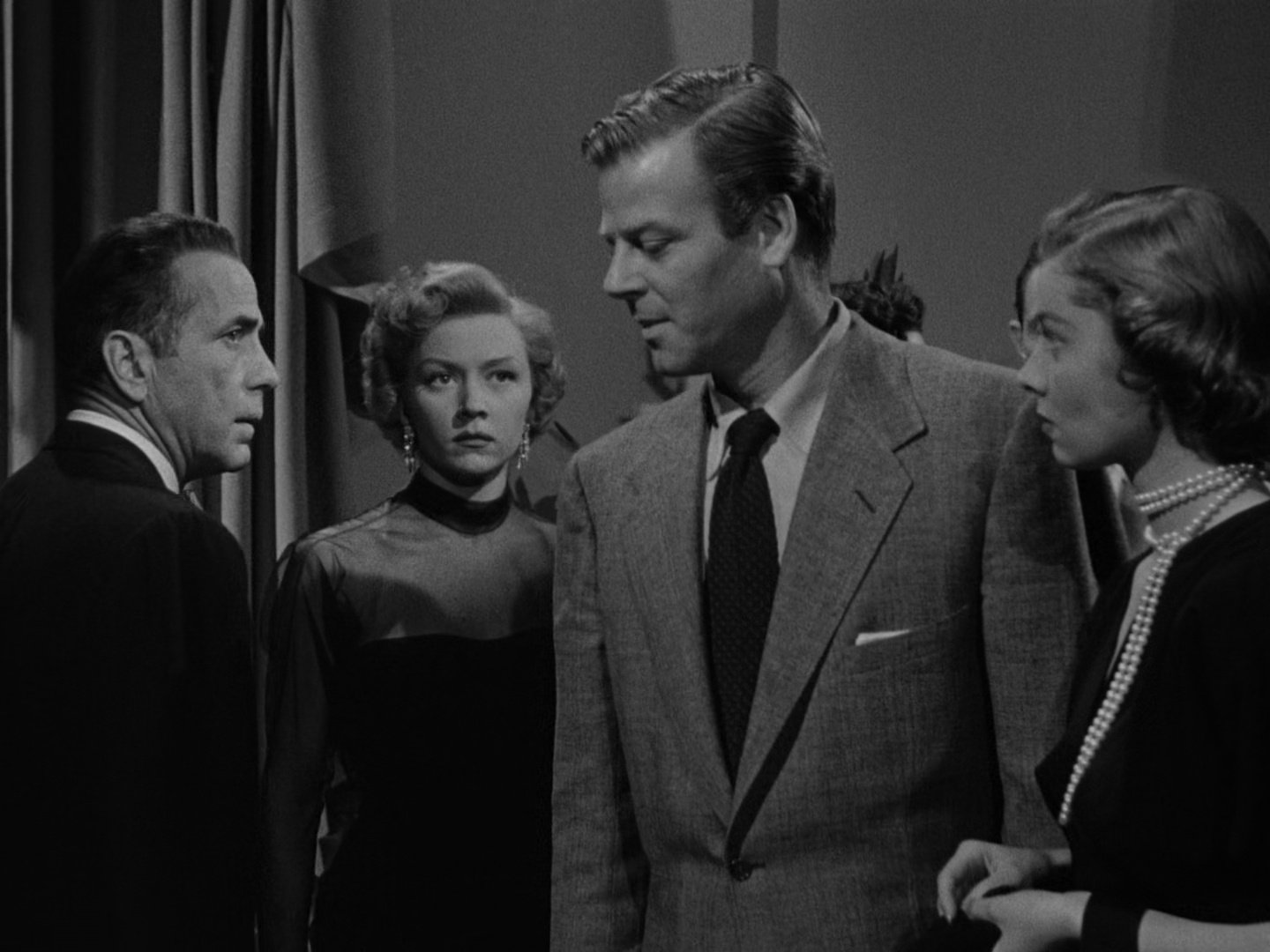
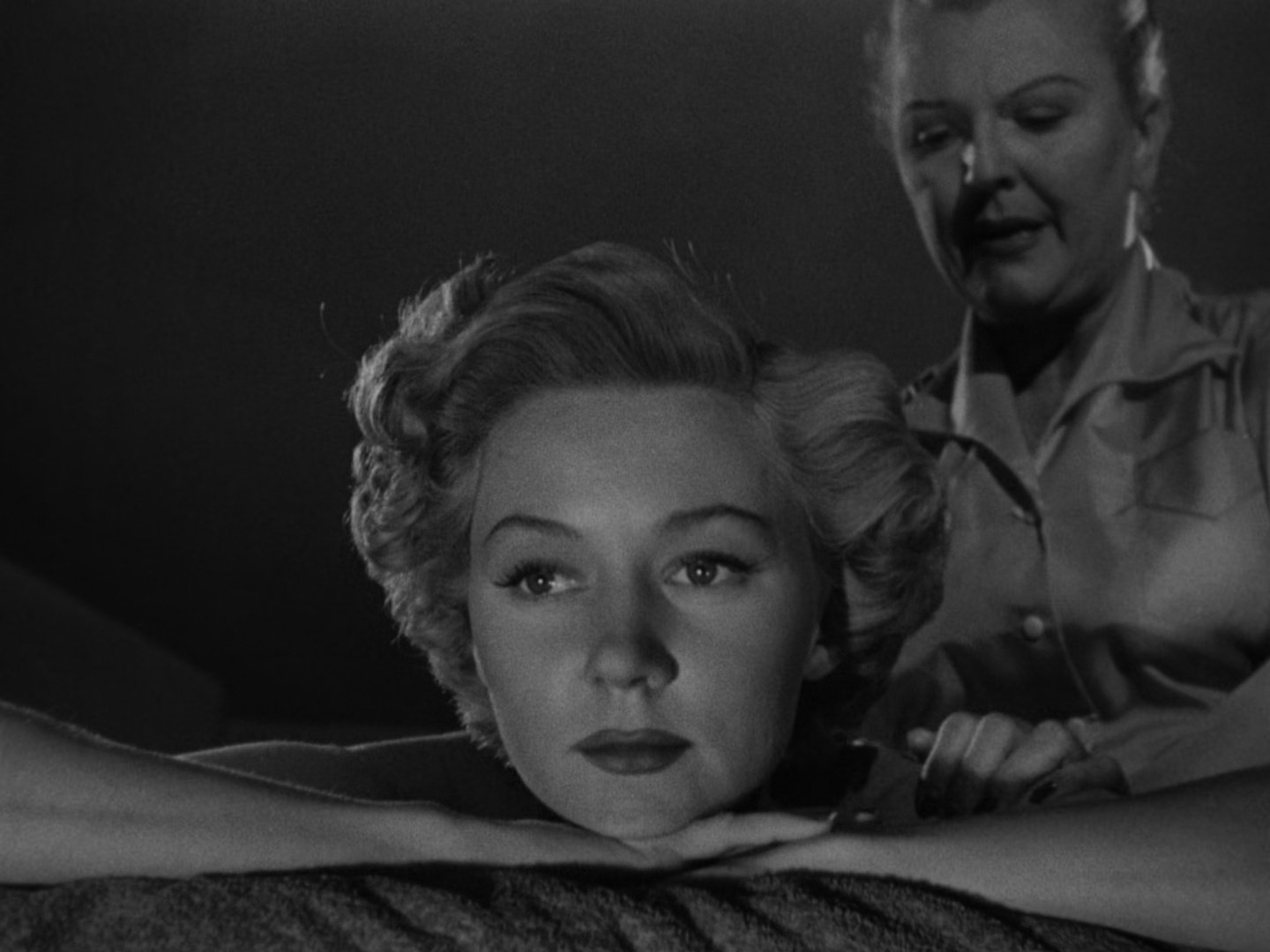
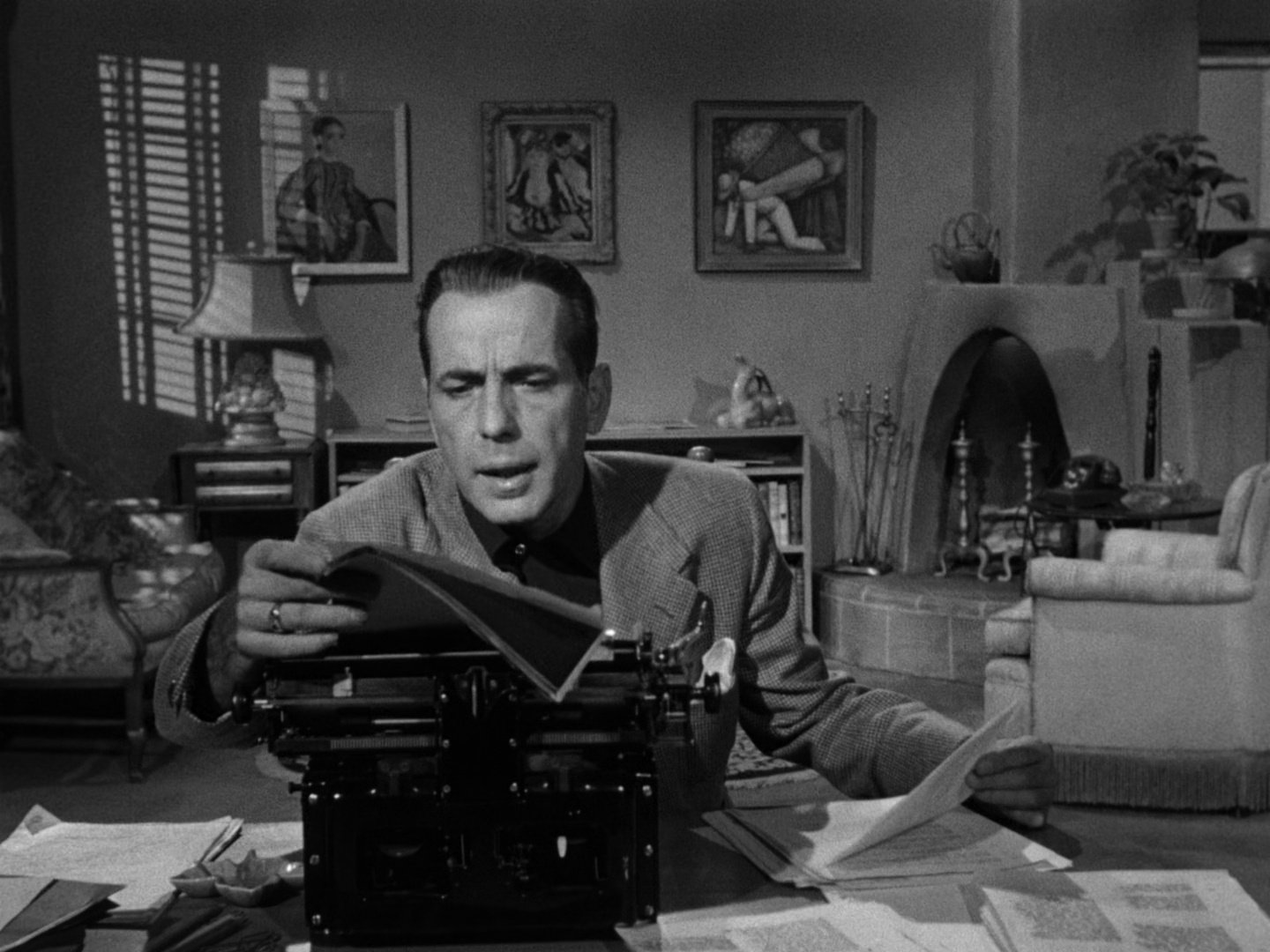
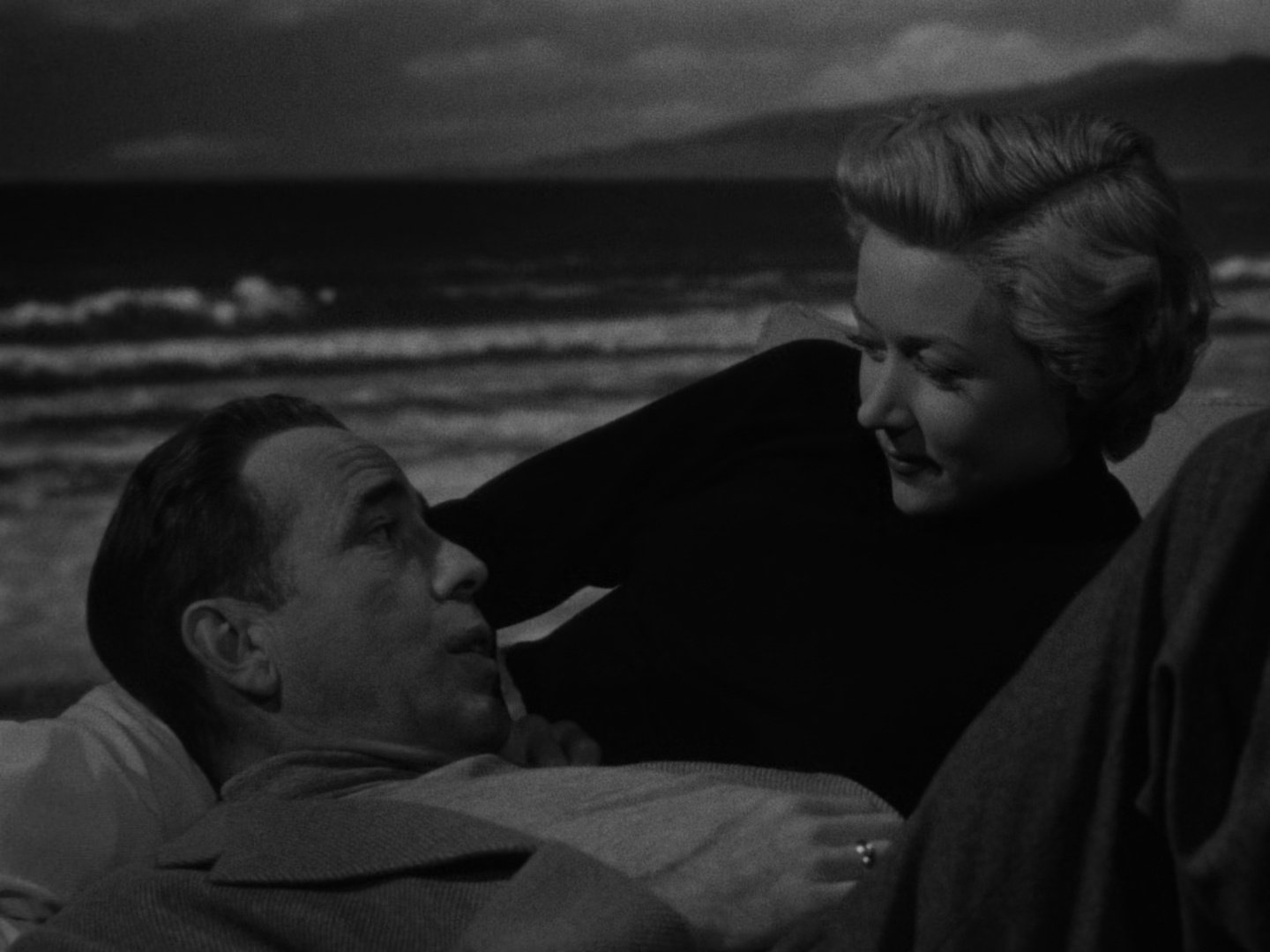
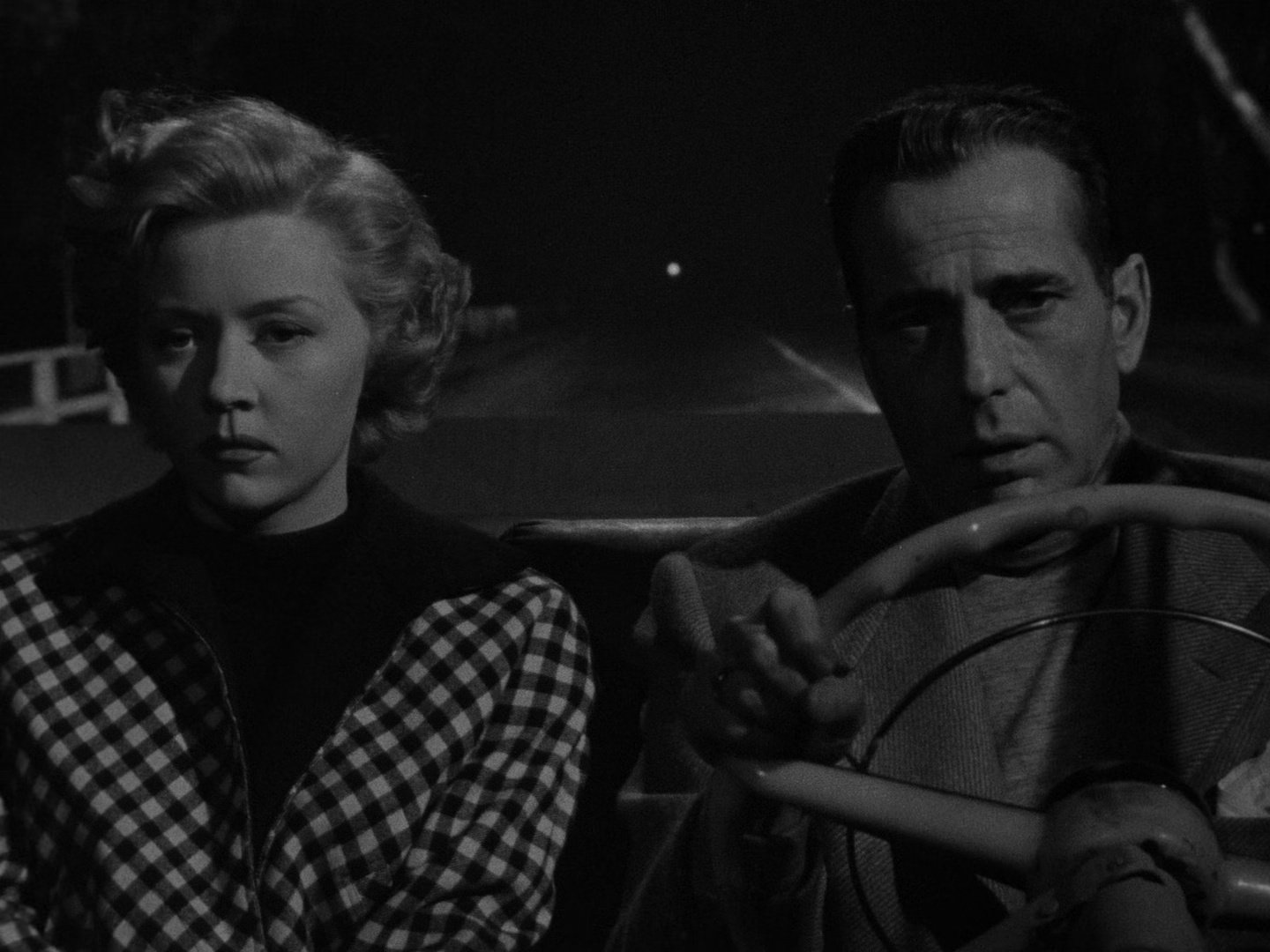
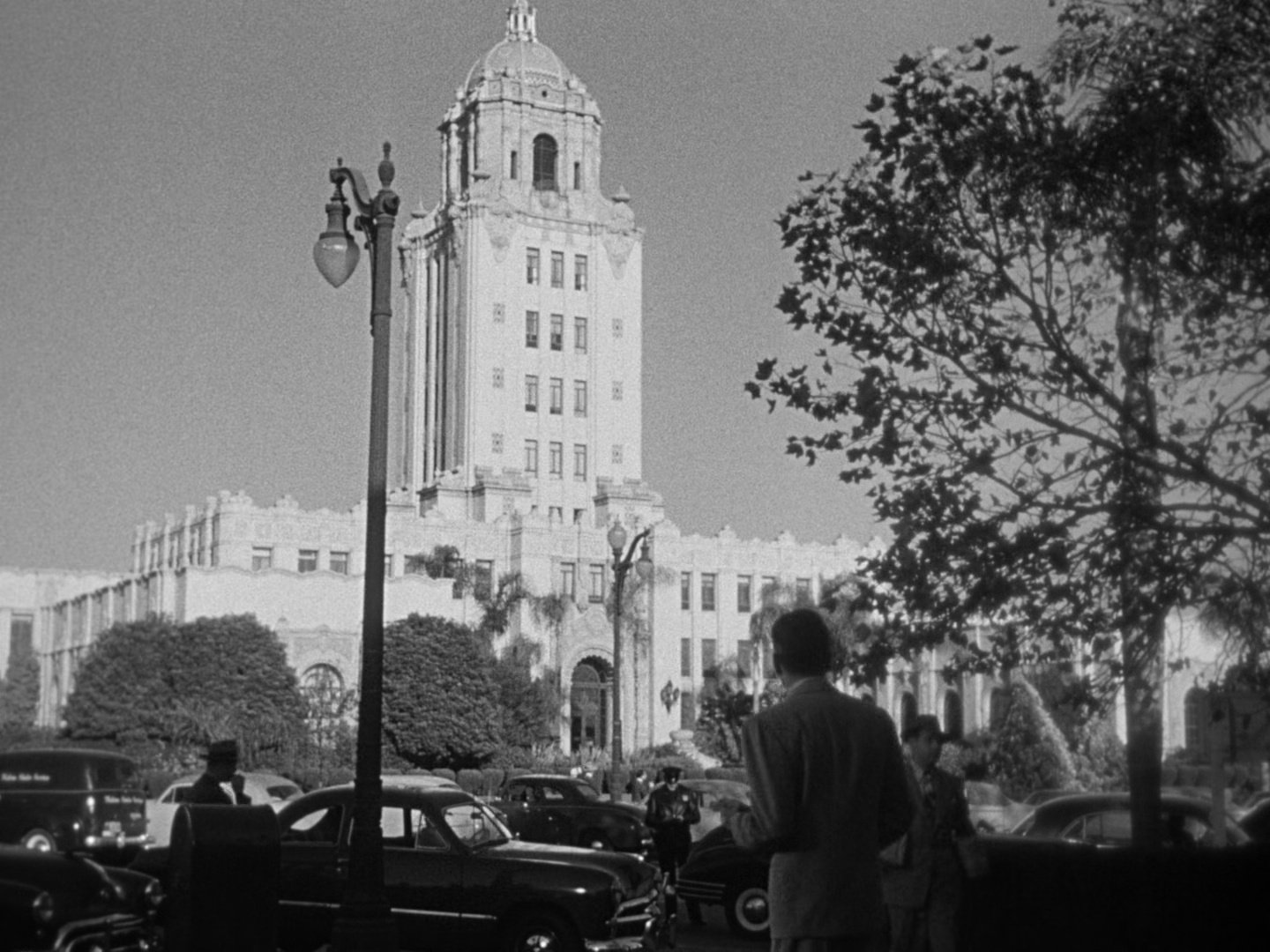
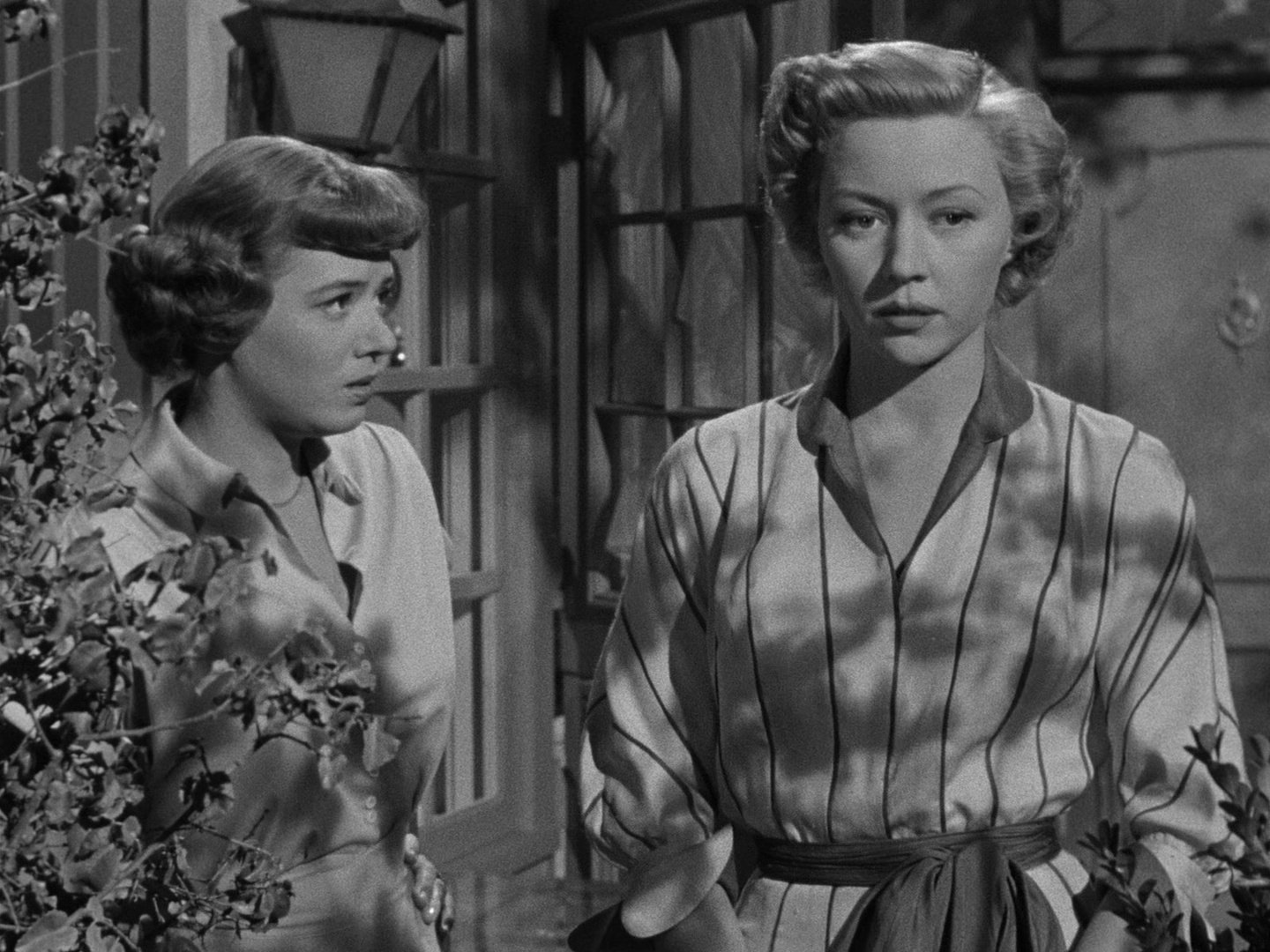
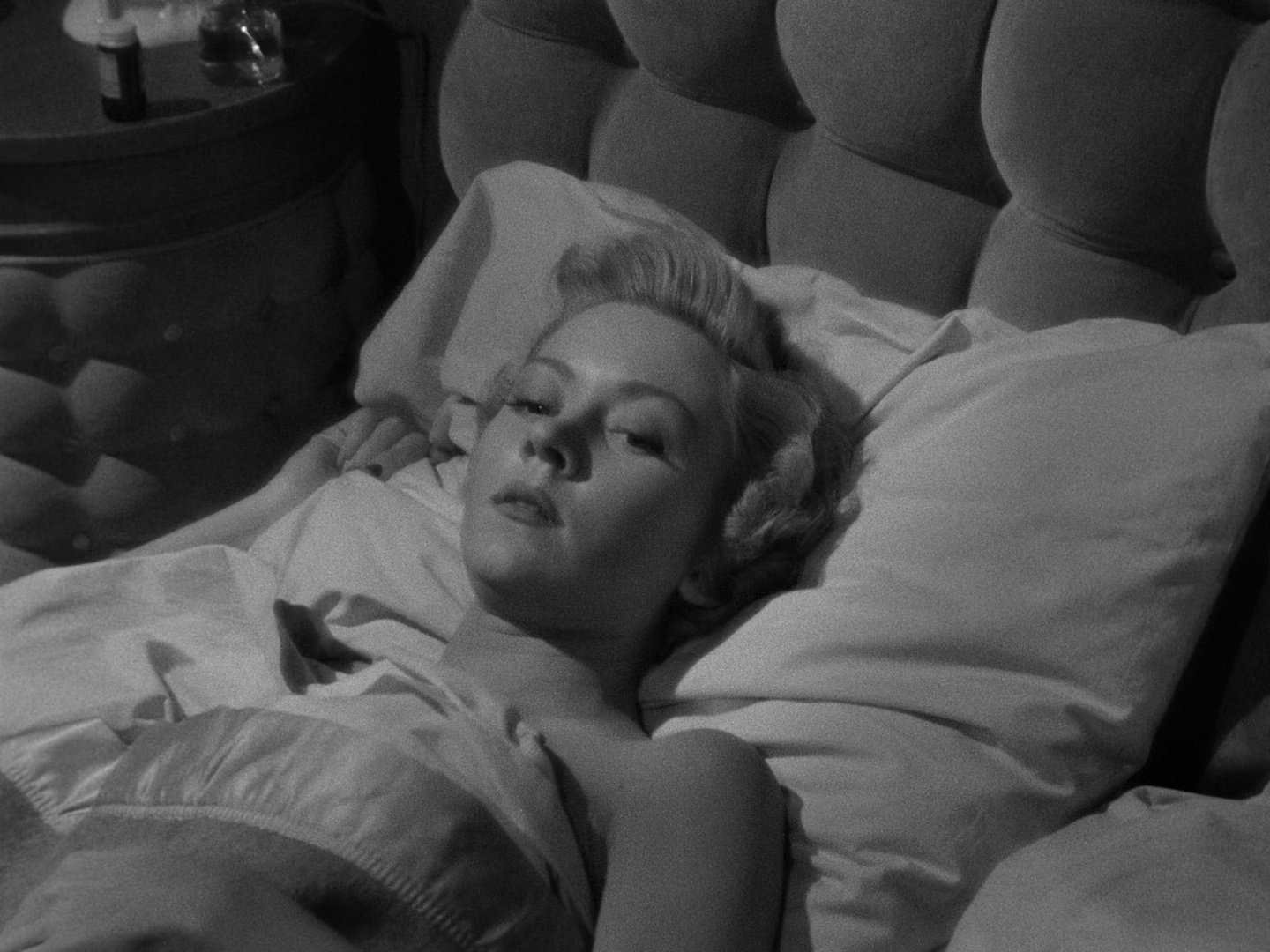
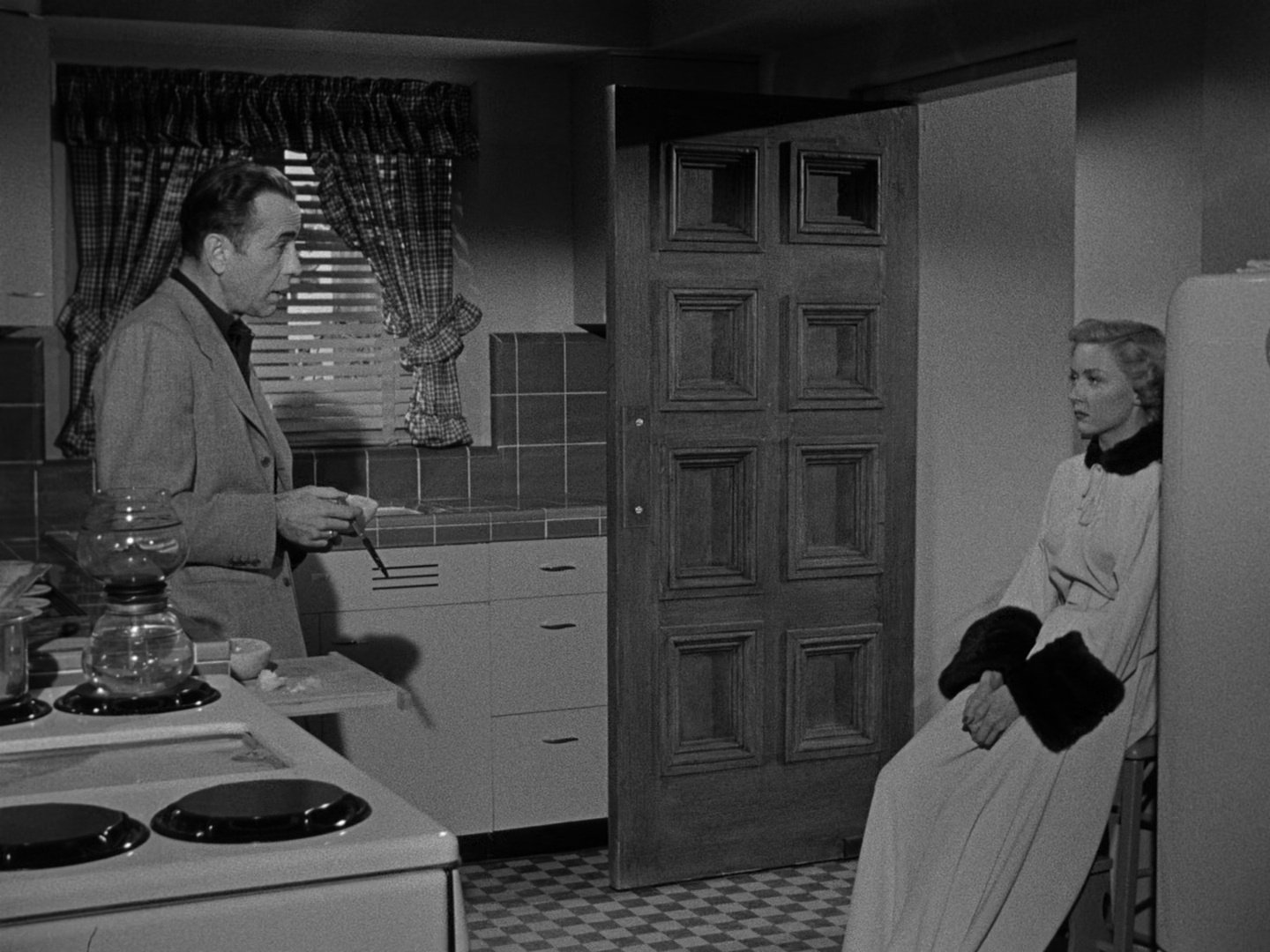
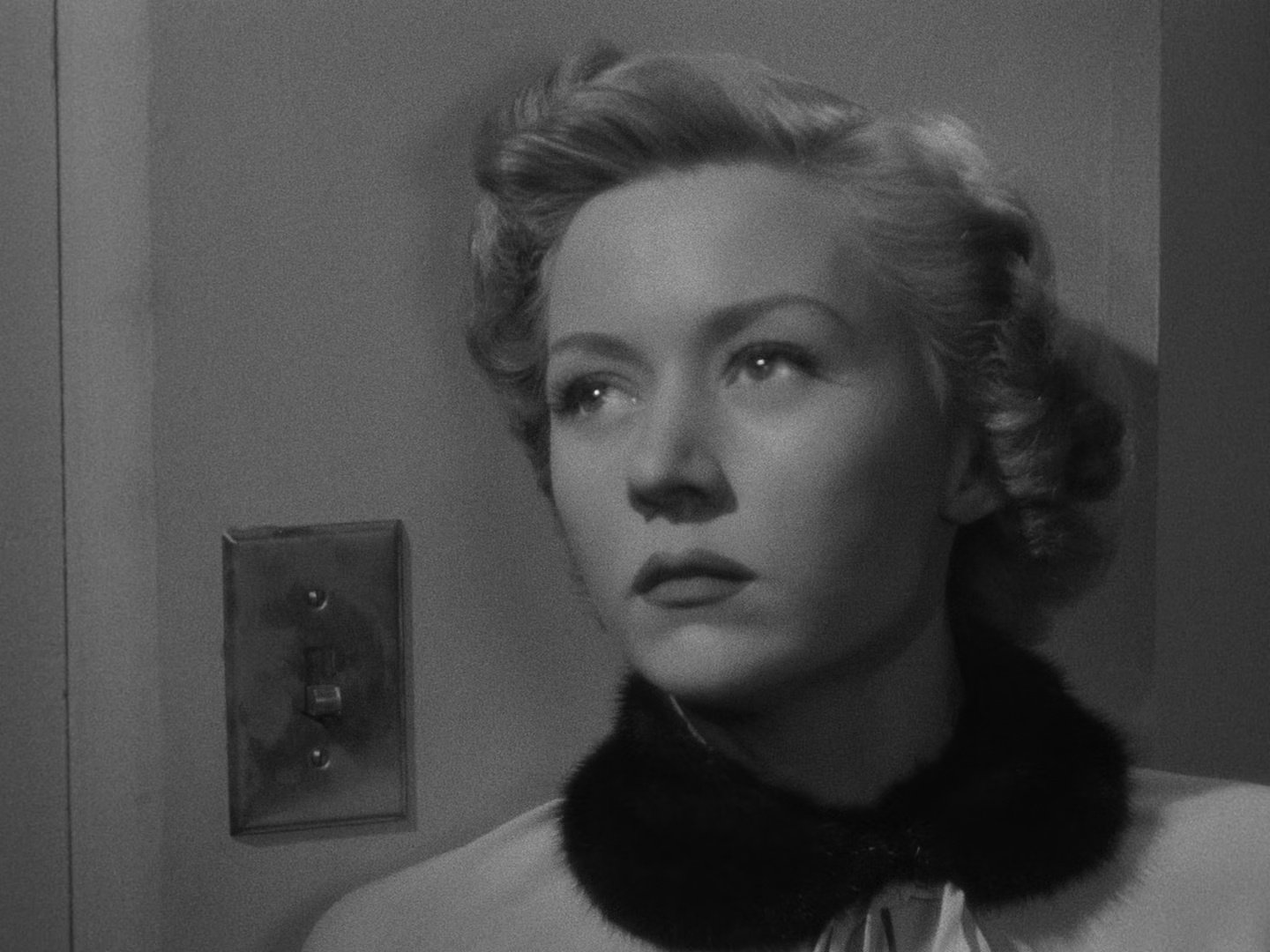
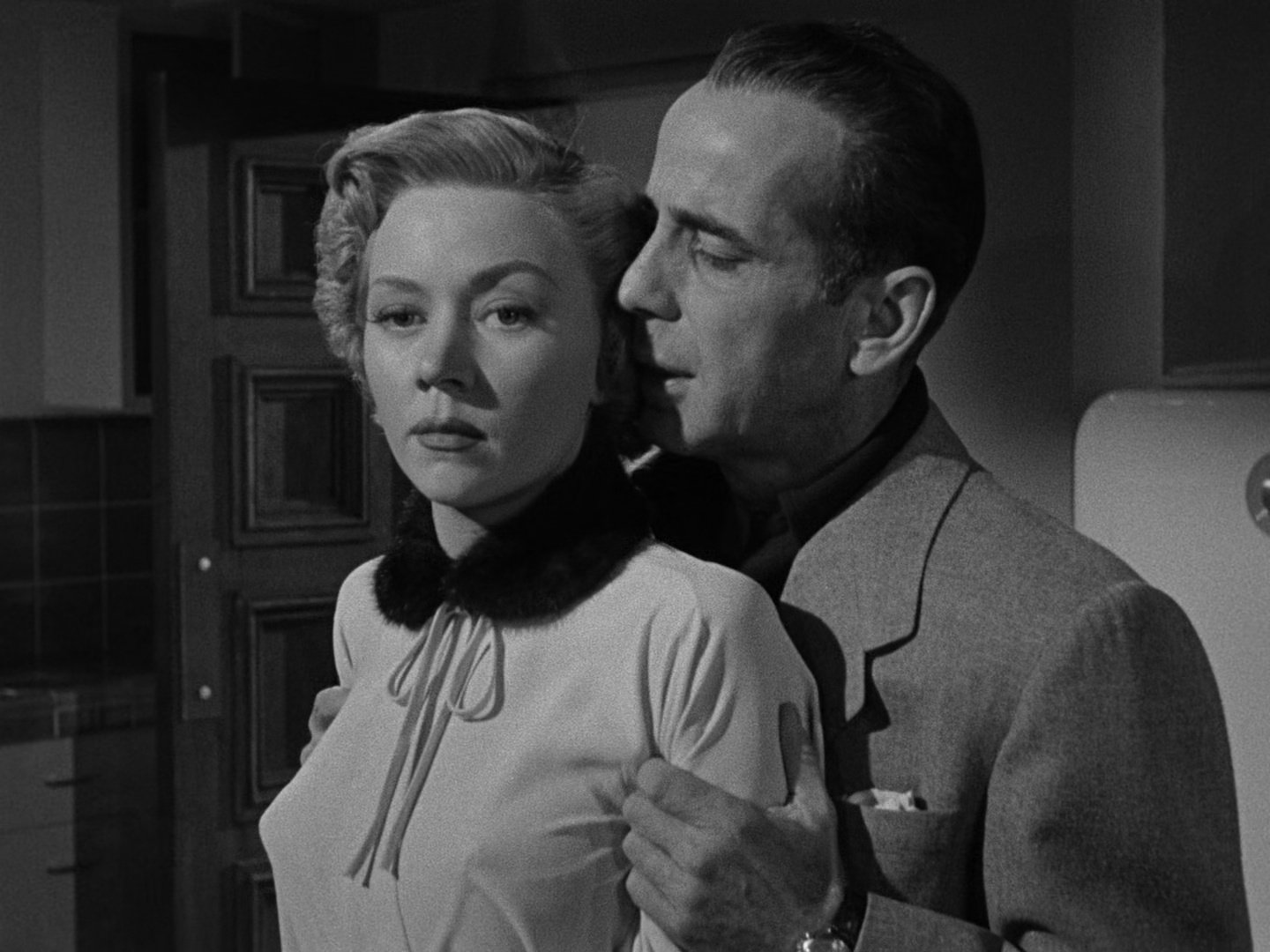
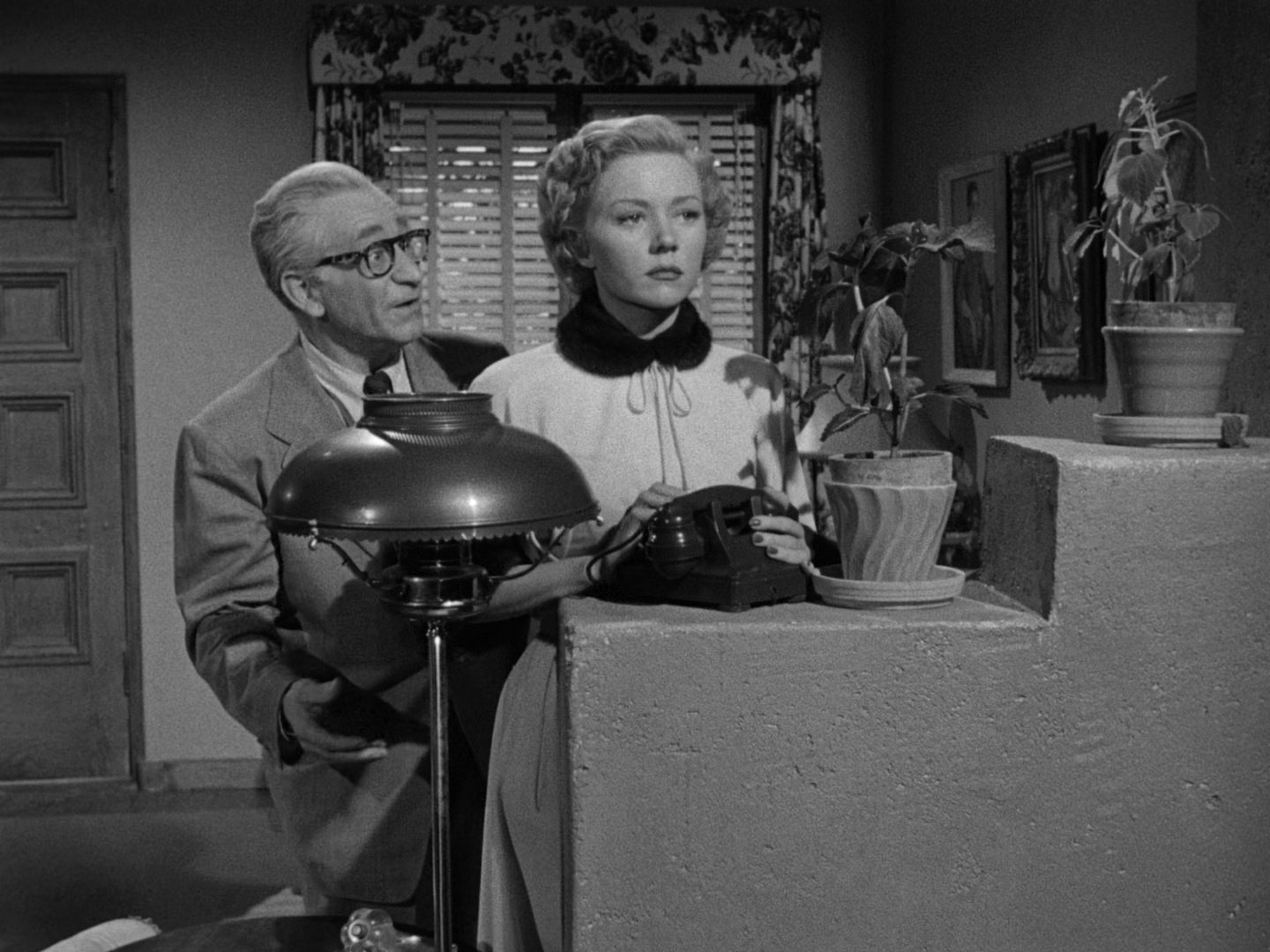
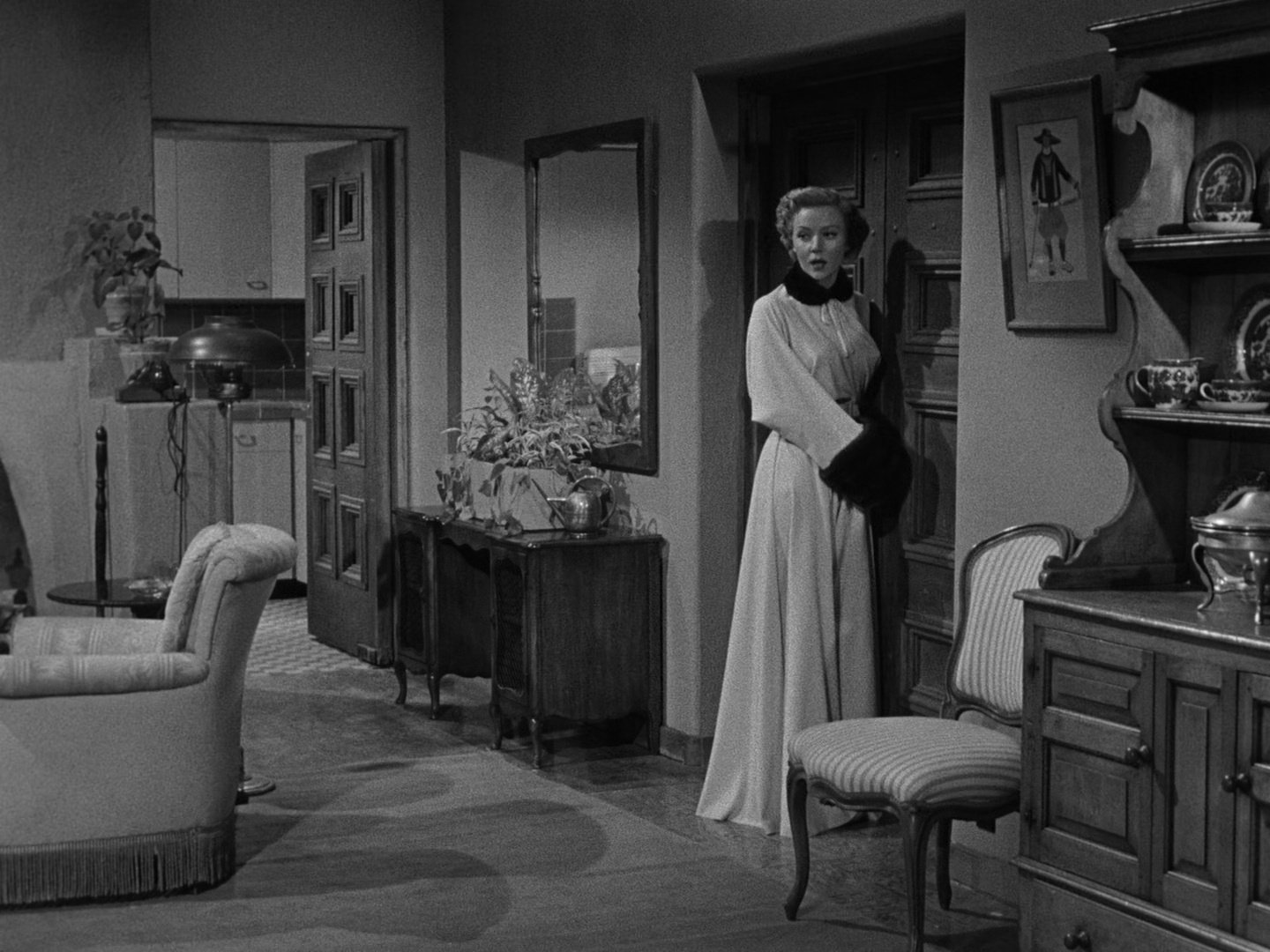
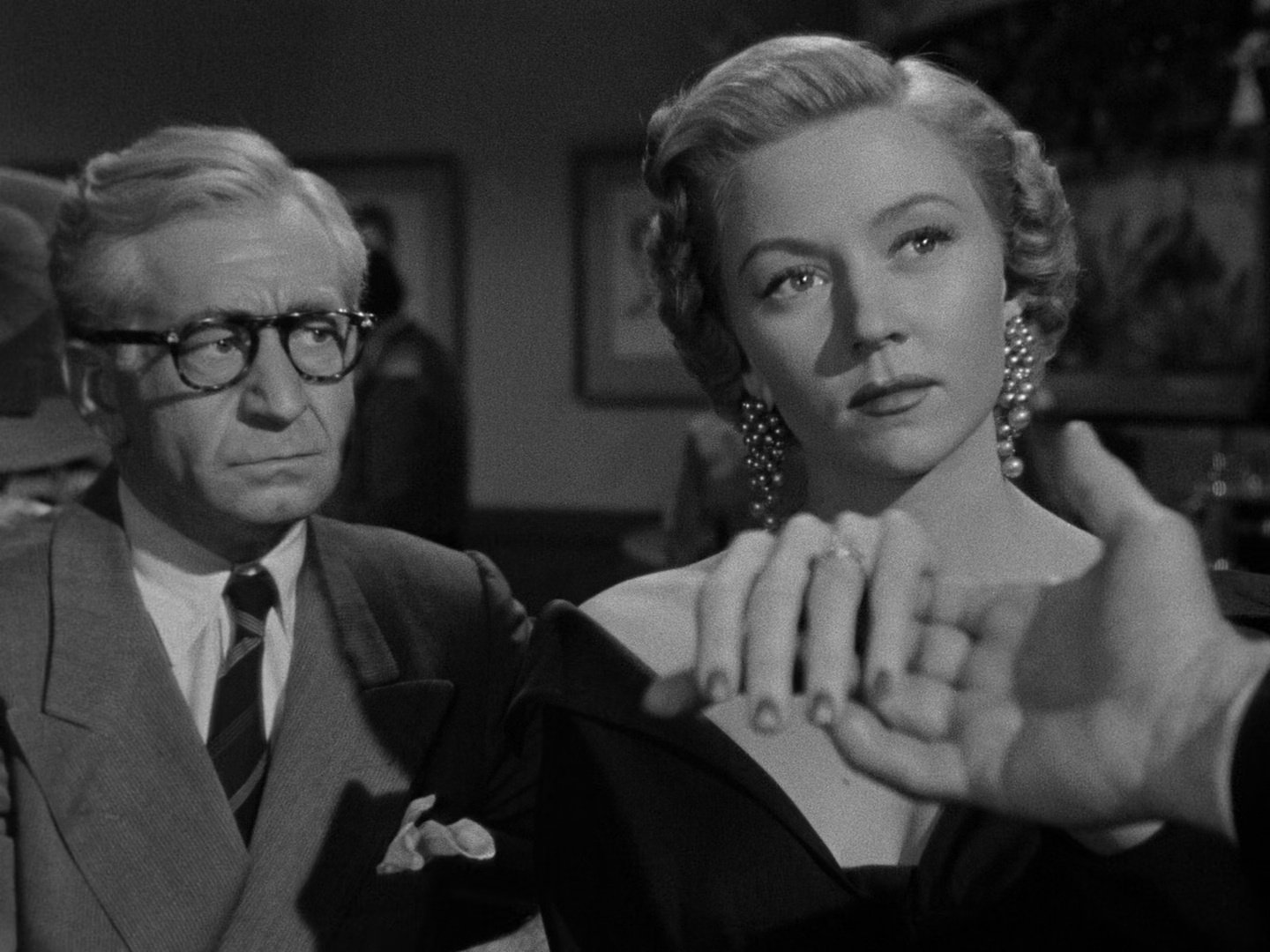
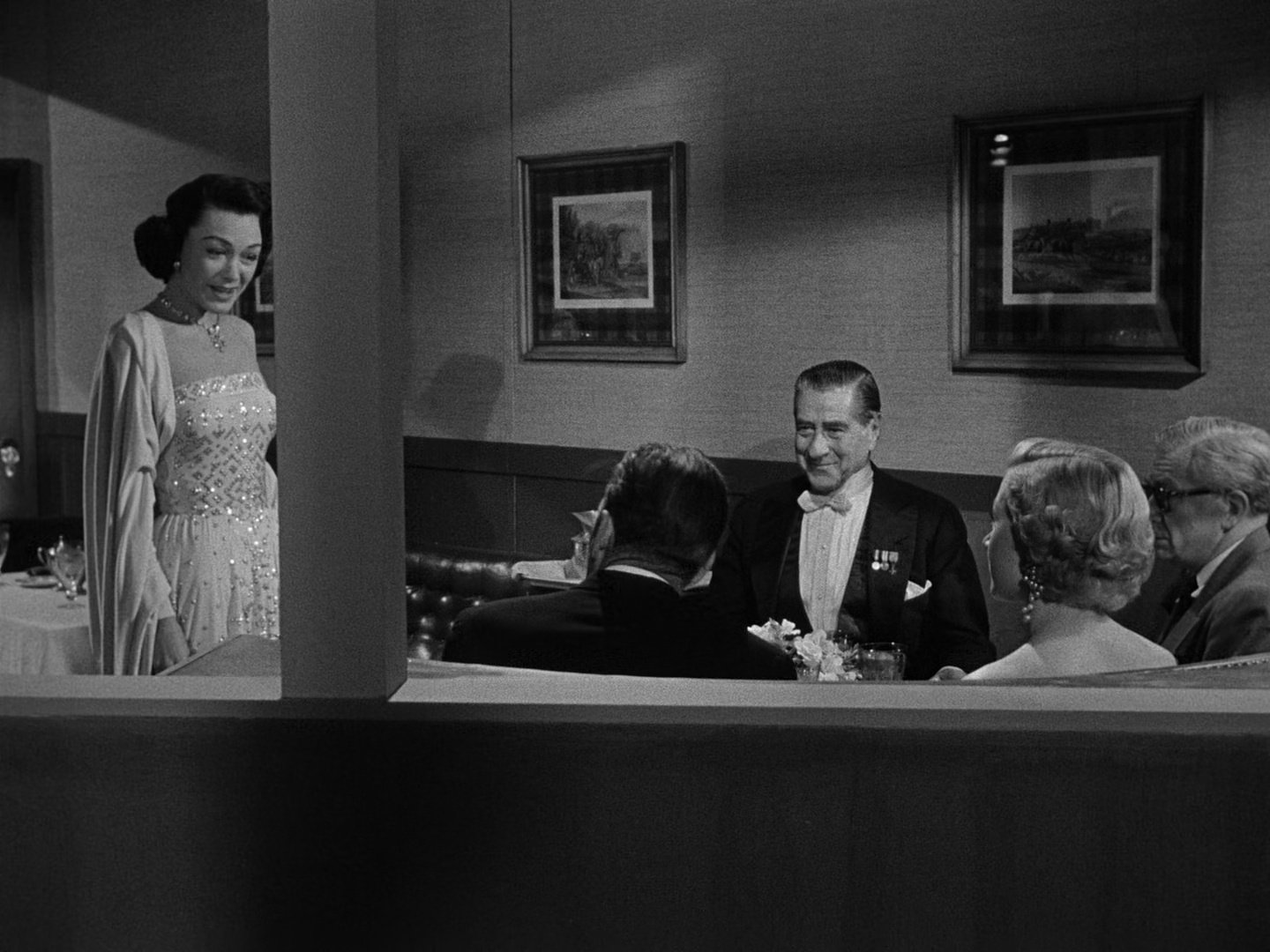
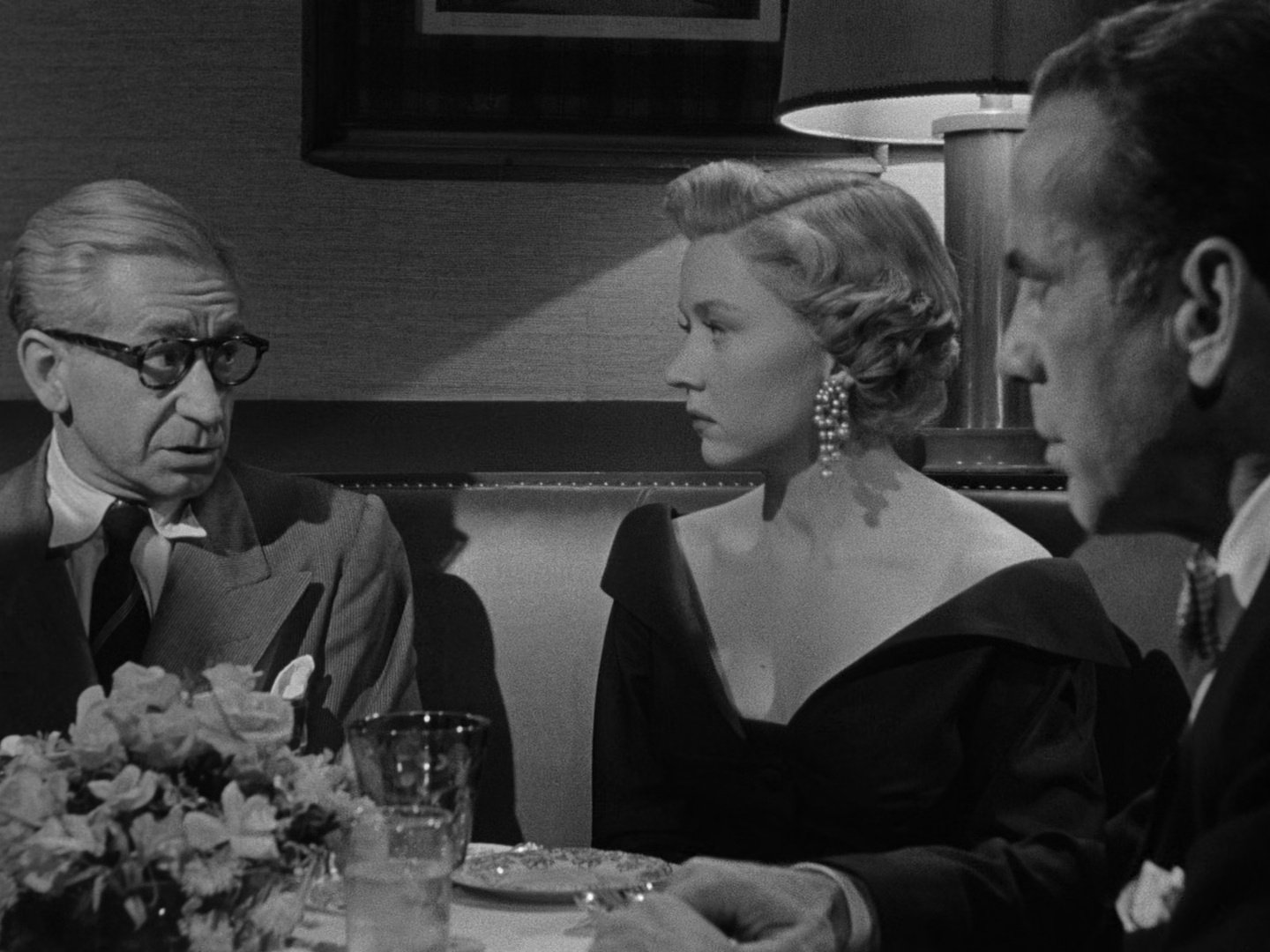
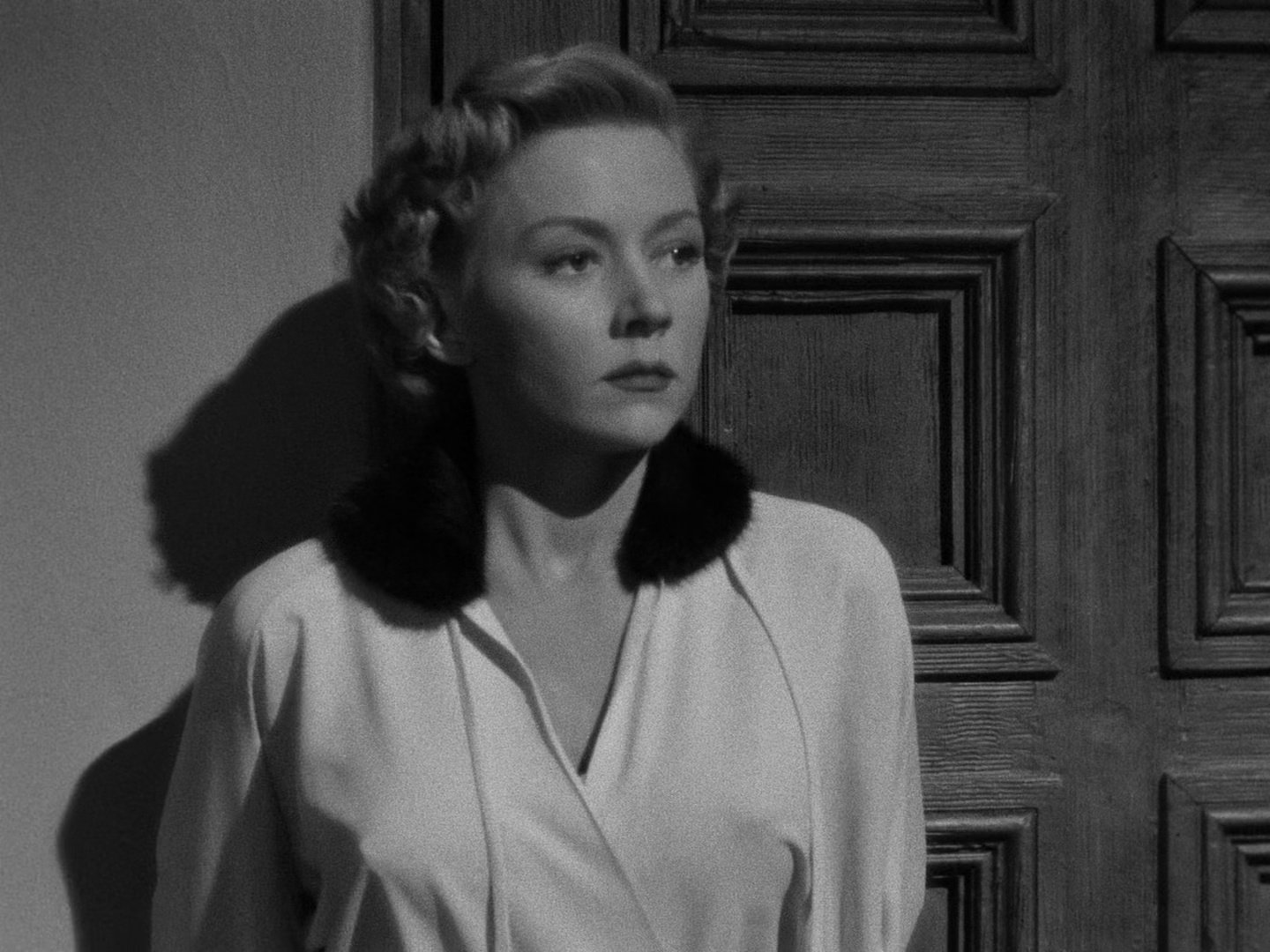
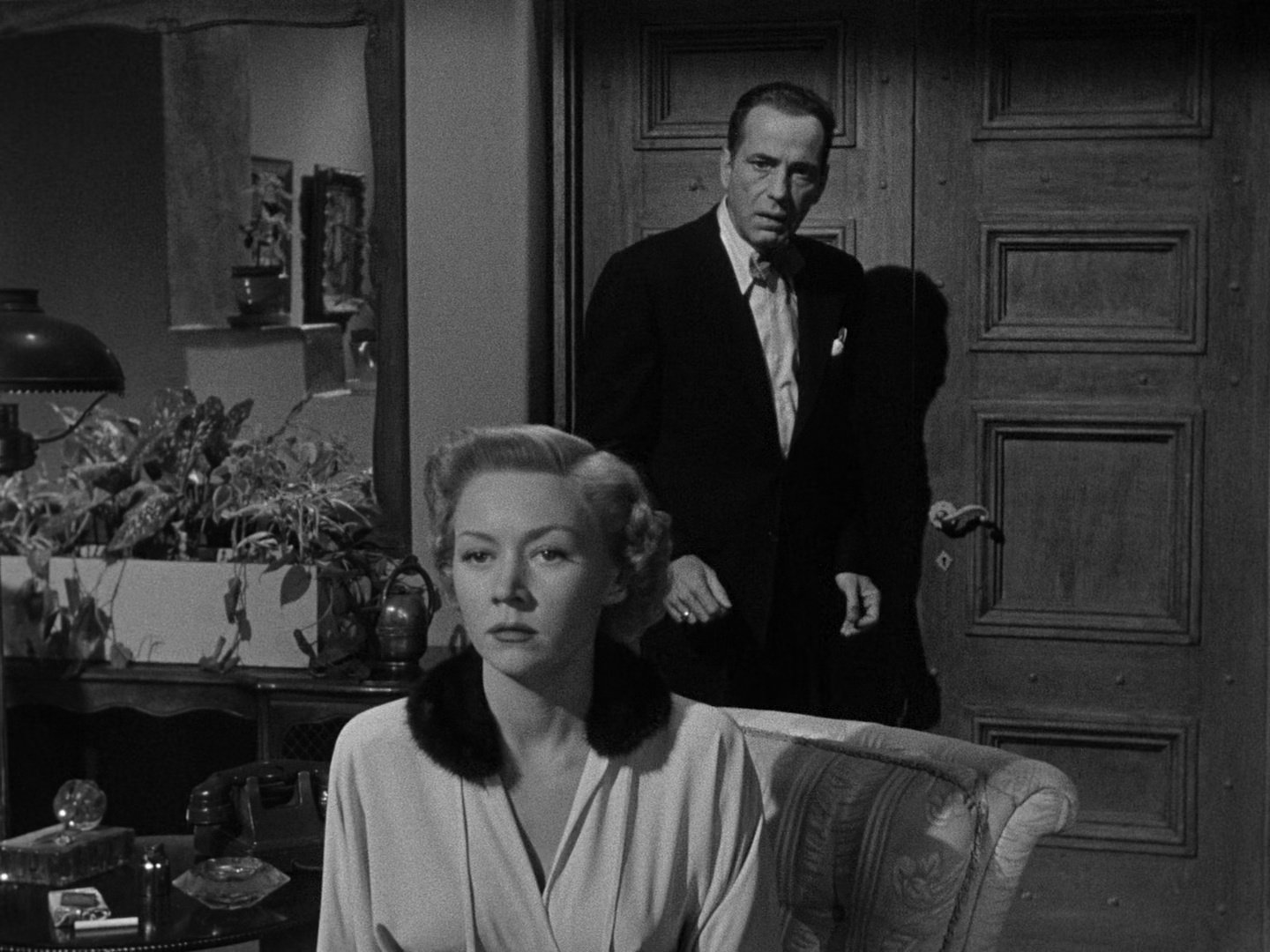
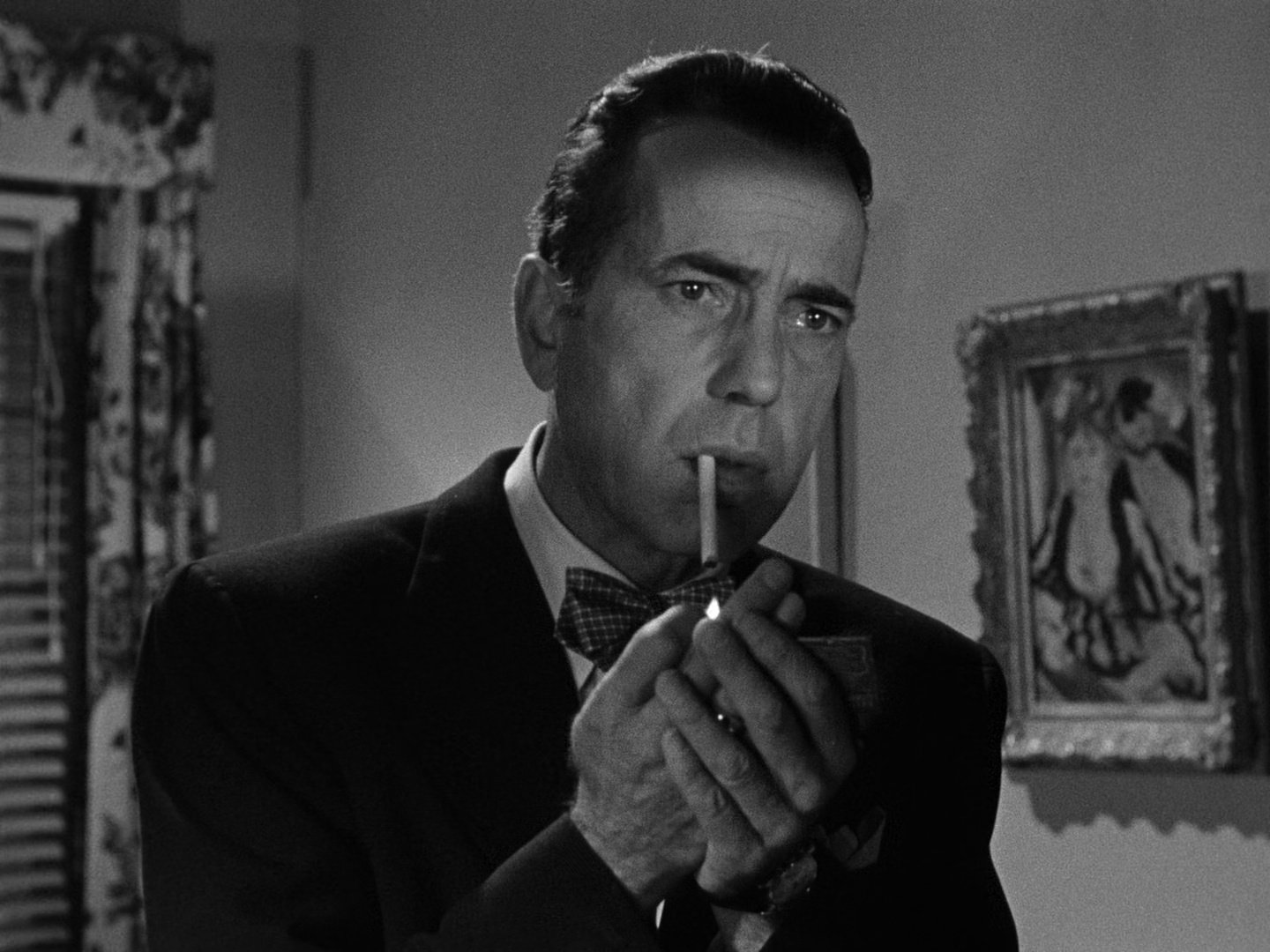
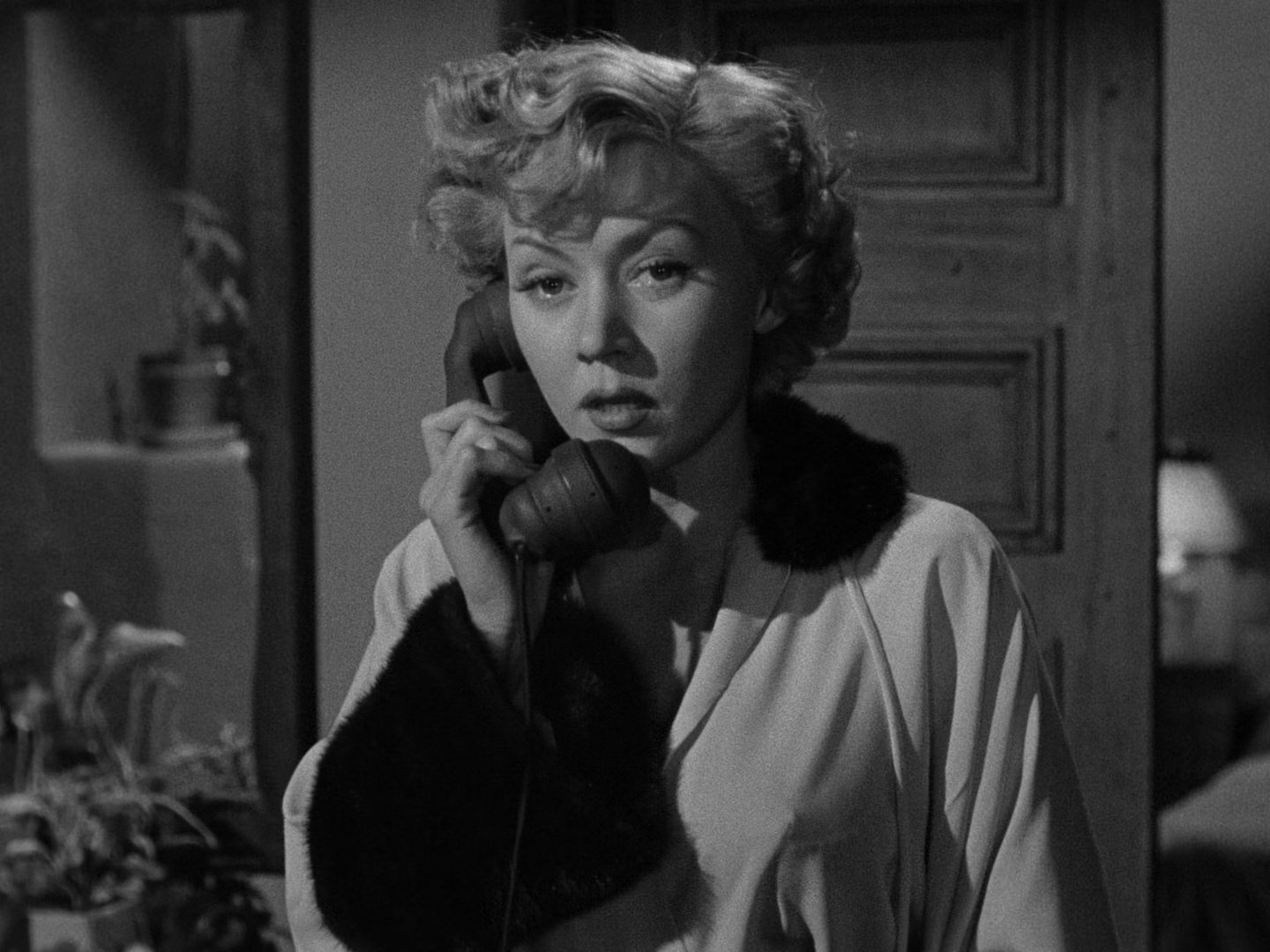
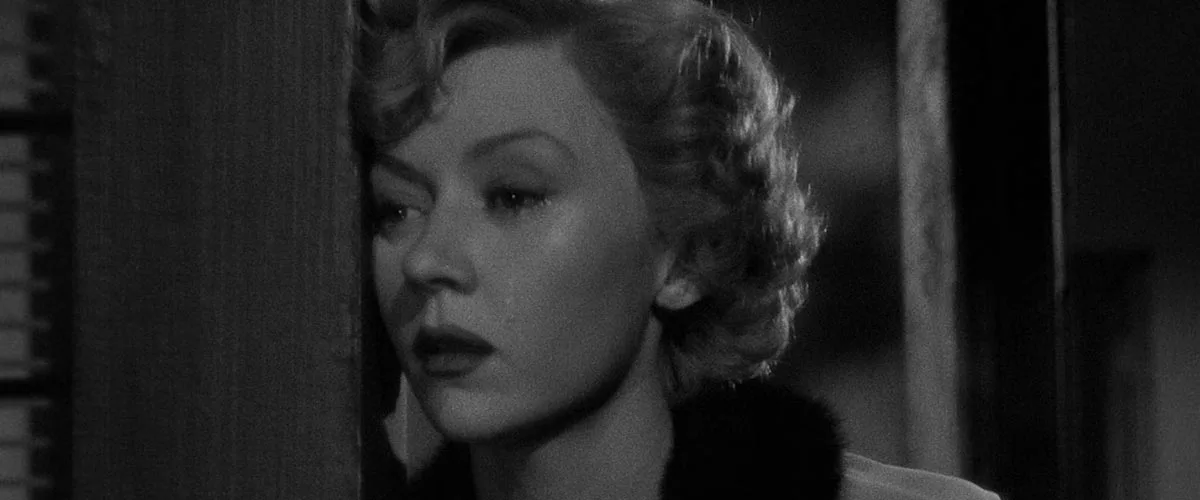
Avoiding heavy expressionist distortion, the film presents a stripped-back noir. The lighting is controlled, but not overly stylised, and shadows imply psychological instability rather than providing a visual spectacle. Much of the drama unfolds within confined interiors, rendered with lived-in realism. Blocking is used with precision to emphasise emotional distance, even when characters occupy the same frame, and to subtly fracture intimacy through spatial separation.
The film reimagines noir fatalism as emotional inevitability. The threat is not an external conspiracy, but an internal fracture. Violence erupts suddenly and feels personal rather than systemic. Visually restrained yet emotionally corrosive, In a Lonely Place is less concerned with resolving guilt than with exploring the difficulty of sustaining love in the presence of doubt, pride, and unresolved anger.
Technical Specs:
- The Story: A troubled screenwriter suspected of murder begins a passionate romance with his neighbor, but as his temper and paranoia surface, love and violence become impossible to separate.
- Actors: Humphrey Bogart, Gloria Grahame, Frank Lovejoy, Carl Benton Reid, Art Smith.
- Director: Nicholas Ray
- Year: 1950
- Cinematographer: Burnett Guffey
- Origin: American Cinema
- Aspect Ratio: 1.37:1
- Genre: Film Noir / Crime & Mystery